AT A GLANCE
- Known for
- Magnolia Blossom (1925) and other close-up plant studies, portraits of artists and writers such as Frida Kahlo and Gertrude Stein, and gentle street pictures
- Works in
- Black and white, from soft-focus platinum prints to sharp gelatin silver prints · a Rolleiflex in later decades
- Also
- Co-founder of Group f/64 (1932) · studied chemistry and worked in the studio of Edward S. Curtis · taught in the San Francisco Bay Area · her last project, portraits of older people, became the book After Ninety (1977)
- Awards
- Guggenheim Fellowship (1970)
- Start with
- Imogen Cunningham: A Retrospective (Getty Publications, 2020)
- Links
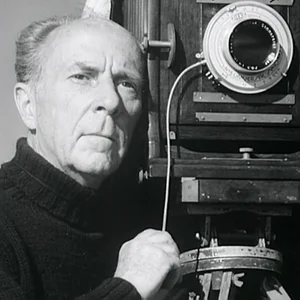
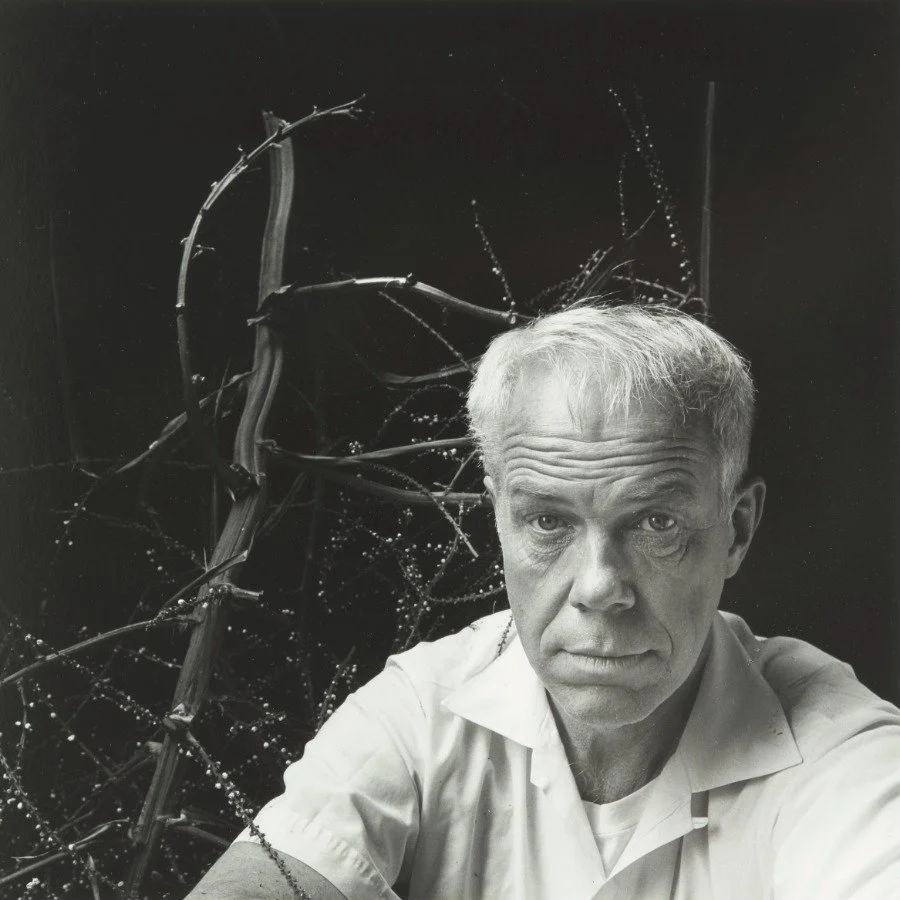
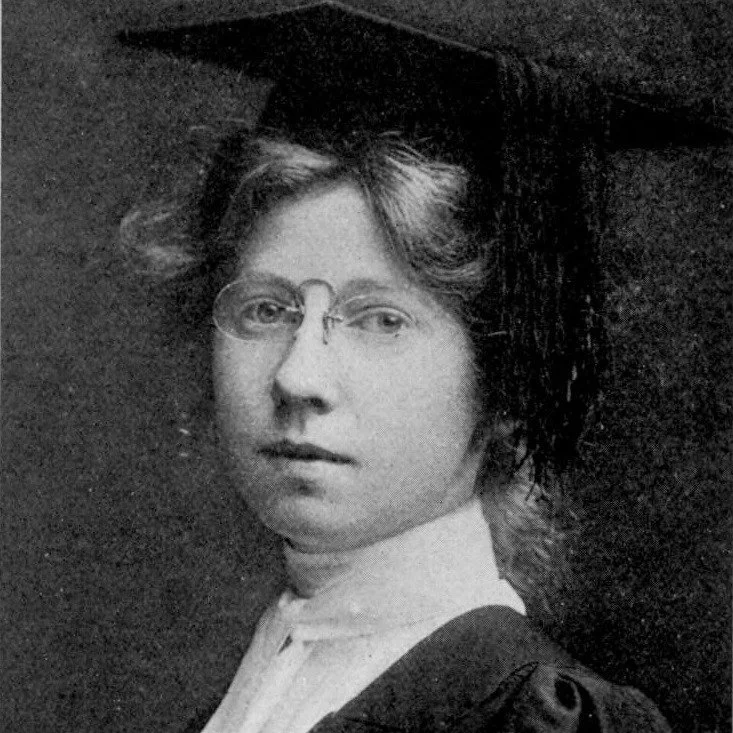
Imogen Cunningham (1883 to 1976) was an American photographer. She was born in Portland, Oregon, grew up in Seattle and spent most of her career in the San Francisco Bay Area. She is best known for close-up plant pictures such as Magnolia Blossom (1925). She also made portraits of artists and writers, and street pictures. In 1932 she helped found Group f/64. Her career lasted about seventy-five years.
The story
Every afternoon, while her children napped, Imogen Cunningham photographed the plants in her garden. Later she explained why: “Because I couldn’t get out anywhere, and I had a garden.”
It was a big change. In Seattle she had run her own portrait studio since 1910. In 1917 she closed it and moved to California with her husband, Roi Partridge. Her twin sons were born that September. With three small boys, her work was mostly limited to her children and the plants in her garden, says the Imogen Cunningham Trust.
But the garden gave her enough to work with. In 1921 she made her first sharp-focus nature studies and began to photograph plant forms. In 1923 she started a series of magnolia studies.
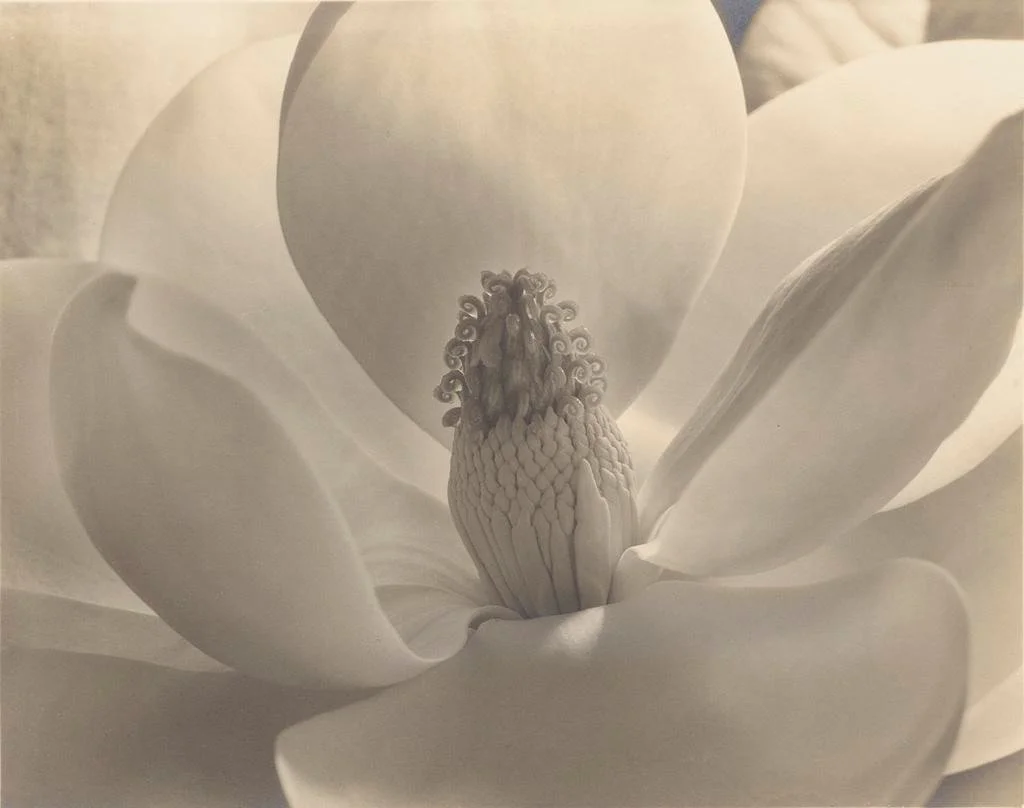
Magnolia Blossom is one of these close-ups. The Getty dates the negative to 1925 and the print to 1930. The Cleveland Museum of Art says her plant pictures are extreme close-ups that stress light and dark, detail, form and pattern. They are unmanipulated, it says, but they reach toward abstraction and metaphor. The museum lists this one as Magnolia Blossom (Tower of Jewels). The name refers to a tiered tower at the 1915 Panama-Pacific Exposition in San Francisco.
Soon the garden pictures travelled far. In 1929 Edward Weston recommended ten of her photographs for the Film und Foto exhibition in Stuttgart, Germany. The show did not bring her money, says the Getty, but it brought her international recognition. In 1932 she, Weston, Ansel Adams and four other Bay Area photographers helped found Group f/64. The name comes from a small lens opening that keeps a picture sharp from front to back.
Her own account of the garden years stayed simple. In a 1959 interview she said, “The reason I really turned to plants was because I couldn’t get out of my own backyard when my children were small.” Later she added, “I photographed the plants in my garden and steered my children around at the same time.”
Another line of hers, reported by The Art Story, looks forward. “Which of my photographs is my favorite? The one I’m going to take tomorrow.”
The work
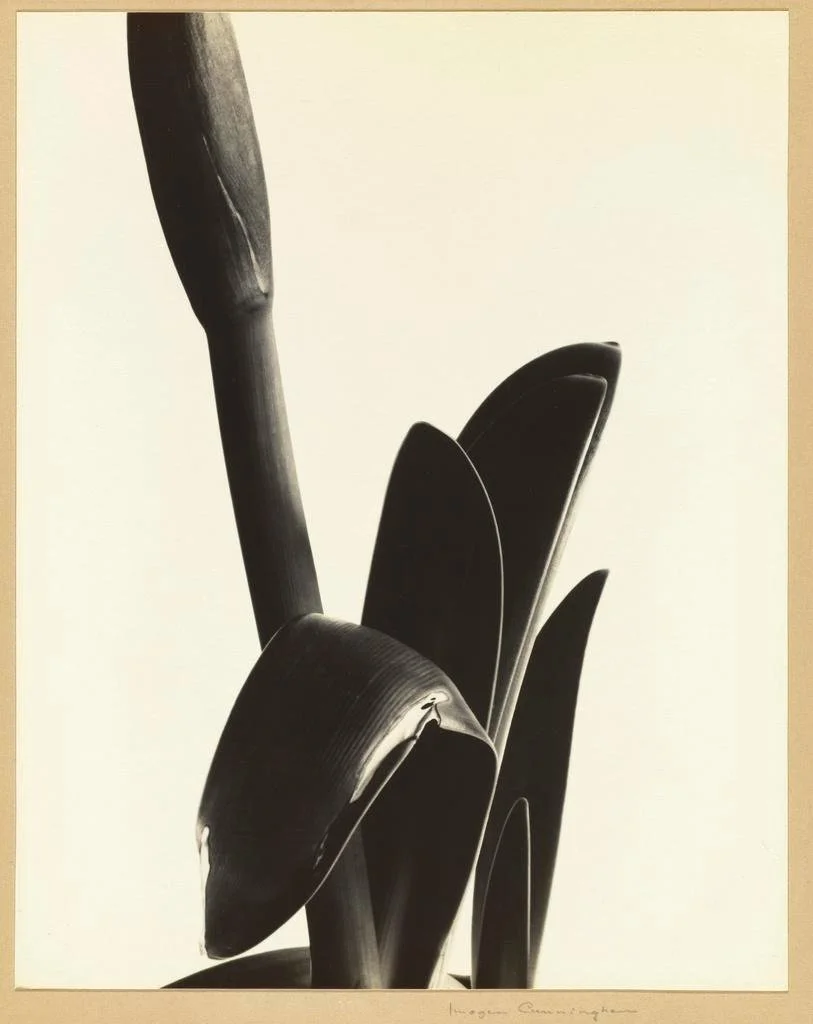
Cunningham began in the soft-focus style called Pictorialism. In her Seattle studio she showed romantic scenes that she and her friends staged. After the move to California she turned to sharply drawn pictures. The Getty says she grew plants and flowers in her garden for a series of botanical studies. Amaryllis, 1933 comes from this series.
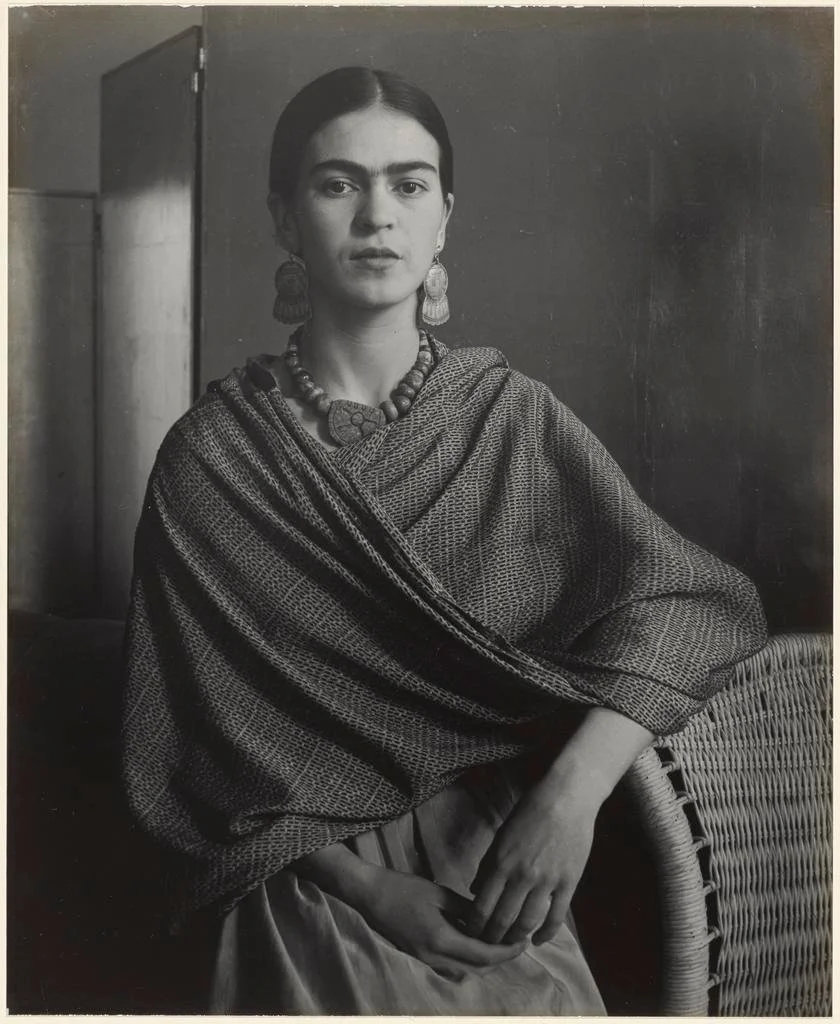
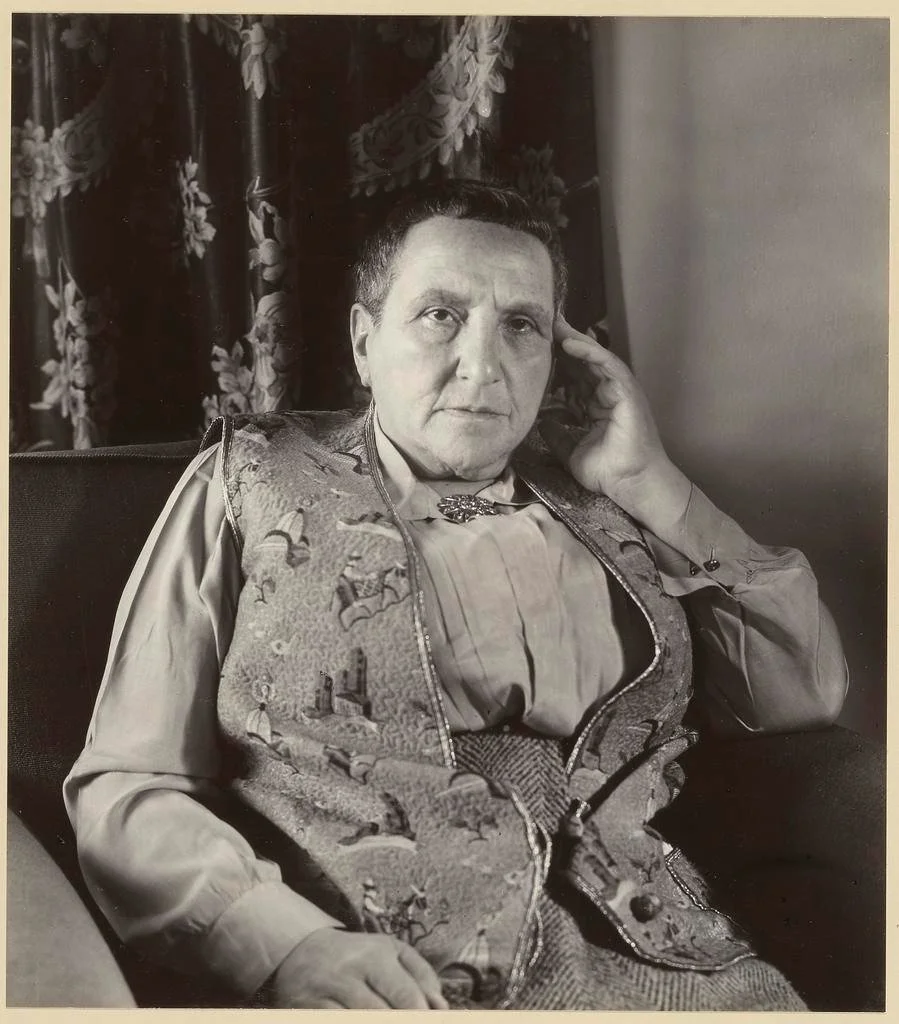
Portraits were a steady part of her work. The Getty says she talked with her sitters until they relaxed, or asked them to think of the nicest thing they could imagine. She disliked what she called “face-lifting”, the beautifying of a sitter. Frida Kahlo Rivera, Painter, 1931 and Gertrude Stein, Writer, 1934 are two well-known examples. In 1931 Vanity Fair hired her to photograph Hollywood personalities.
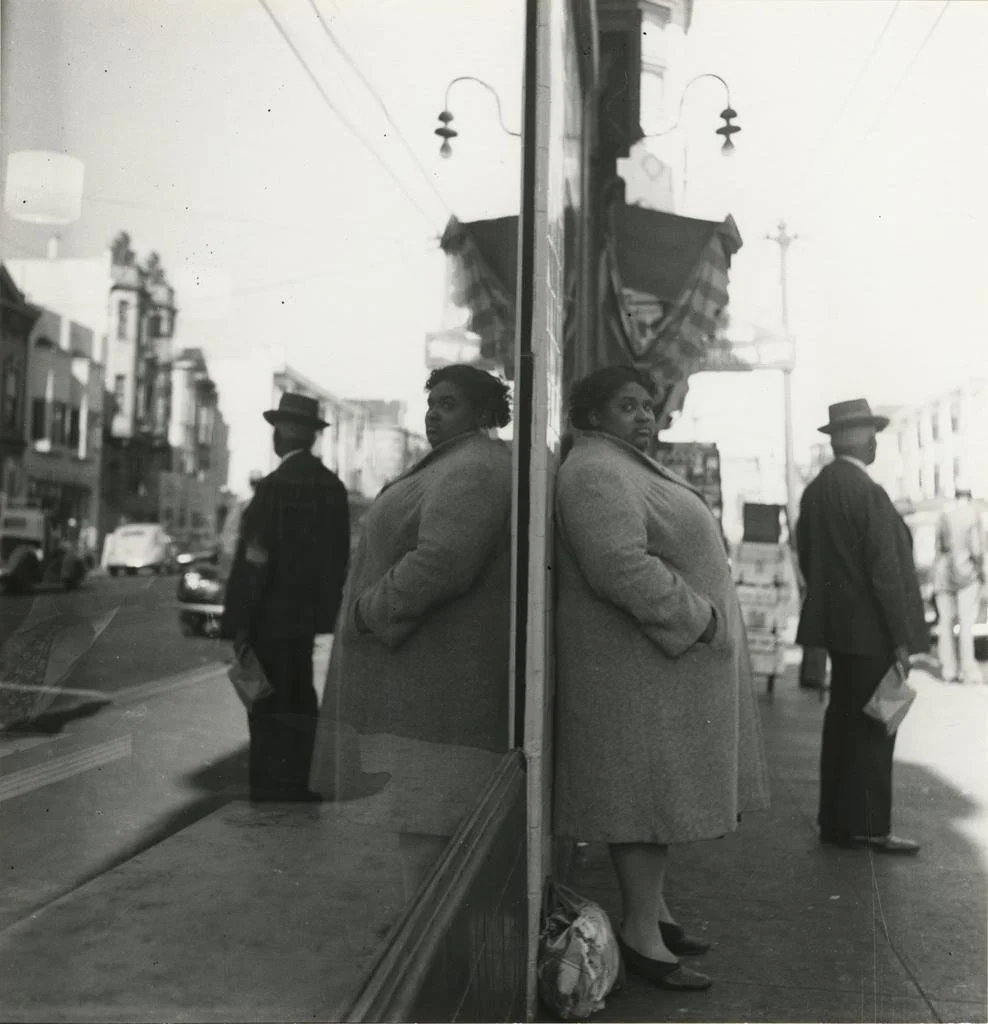
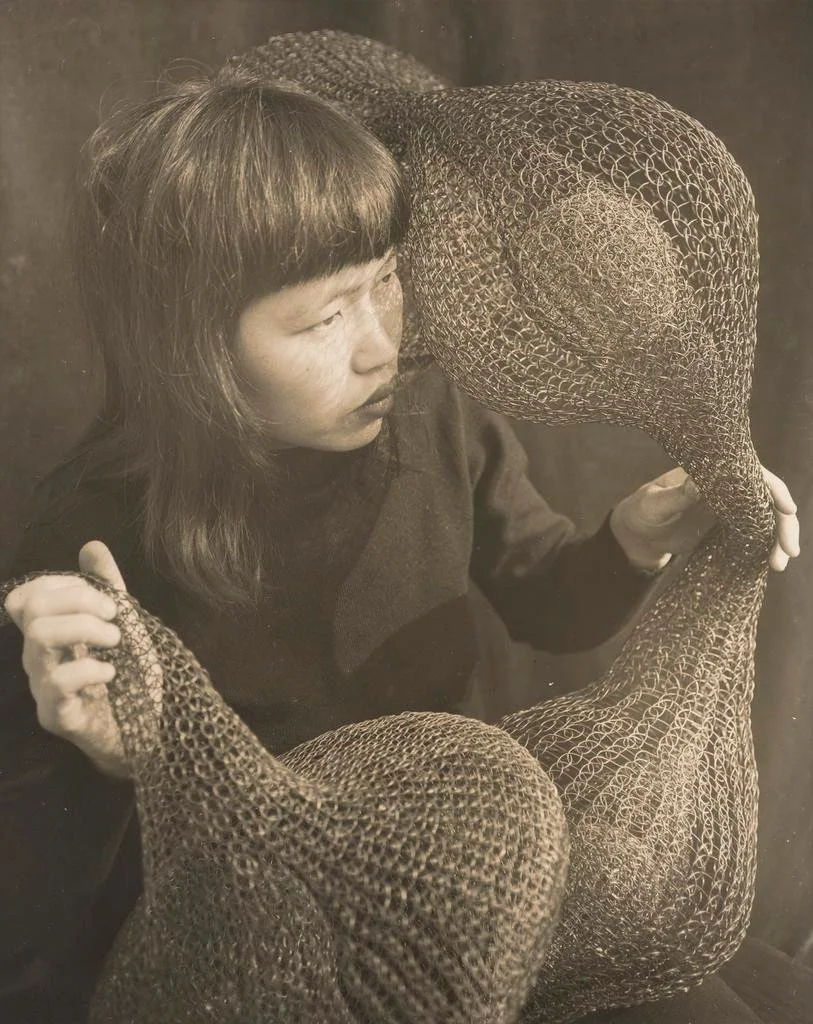
In 1934, in New York, she made what she called her first “stolen pictures”, street photographs taken while she hid herself and her camera. Her interest returned in 1946, when she met Lisette Model while both taught at the California School of Fine Arts. Double Image, Sutter St. and Fillmore, about 1947 comes from this time. The Getty says her street pictures are often described as gentler and more sympathetic than many by her contemporaries. She also helped other women artists with advice and contacts, among them Ruth Asawa, shown in Ruth Asawa, Sculptor, 1952.
In 1964 the magazine Aperture devoted an issue to her work. In 1970 she received a Guggenheim grant to make prints from her old negatives. Her last major project, portraits of older people, was published as After Ninety in 1977, the year after she died.
- 1883Born in Portland, Oregon
- 1907Graduates in chemistry from the University of Washington and begins work in Edward S. Curtis’s Seattle studio
- 1910Opens her own portrait studio in Seattle
- 1917Closes the studio and moves to California with her husband, Roi Partridge
- 1929Ten of her photographs are shown at Film und Foto in Stuttgart
- 1932Helps found Group f/64 and shows with the group at the de Young Museum
- 1964Aperture devotes an issue to her work
- 1970Receives a Guggenheim Fellowship
- 1976Dies in San Francisco
Lessons
Work with the place you have. Cunningham could not leave home when her sons were small, so she photographed the plants in her garden. She said she turned to plants for that reason.
Come close. Her plant pictures are extreme close-ups. The Cleveland Museum of Art says they stress light and dark, detail, form and pattern.
Help your sitter relax. The Getty says she talked with her sitters until they were at ease, or asked them to think of the nicest thing they could imagine.
Try this: pick one flower or leaf and put it near a window in the afternoon. Move close, until the stem and the background are gone. Look for the line between light and dark and make three pictures. Then talk with a friend for five minutes before you photograph them, and compare the two kinds of pictures.
Gear
Only a few tools are clearly documented for Cunningham. These are the ones.
Rolleiflex: The Imogen Cunningham Trust says she began to photograph with a 2¼ by 2¼ inch Rolleiflex Automat in 1938. The Getty says that from the mid-1940s she was often seen on San Francisco streets with her Rolleiflex.
Platinum printing: She learned platinum printing in Edward S. Curtis’s studio. The Getty says she used it for her soft-focus pictures made in Seattle.
Books
Imogen Cunningham: A Retrospective (Getty Publications, 2020). The book has 256 pages and 199 color photographs. Paul Martineau and Susan Ehrens wrote the essays, using letters, family albums and other personal papers. It follows her whole career, from early soft-focus pictures to portraits of older people. It is a good first book for anyone who wants the full picture.
After Ninety (University of Washington Press, 1977). This is her last project, published the year after her death. It has 111 pages and an introduction by Margaretta Mitchell. It shows portraits of people of advanced age. It is for readers who want to see how she worked in her final years.
Aperture, Imogen Cunningham issue (Aperture, 1964). Minor White devoted this winter issue of Aperture to her. The Getty says it was the first publication given fully to her work. It has forty-four images from 1912 to 1963. It is for collectors and readers who like to see how her work was first presented to a wider audience.
In her words
“The reason I really turned to plants was because I couldn’t get out of my own backyard when my children were small.”
“I photographed the plants in my garden and steered my children around at the same time.”
“You must be able to gain an understanding at short notice and at close range of the beauties of character, intellect, and spirit, so you can draw out the best qualities and make them show in the face of the sitter.”
“Which of my photographs is my favorite? The one I’m going to take tomorrow.”