Welcome to this edition of [book spotlight]. Today, we uncover the layers of 'The Great Wide Open,' by Catherine DeLattre (published by Setanta Books). We'd love to read your comments below about these insights and ideas behind the artist's work.
Catherine DeLattre’s photographs begin with something worth stopping for.
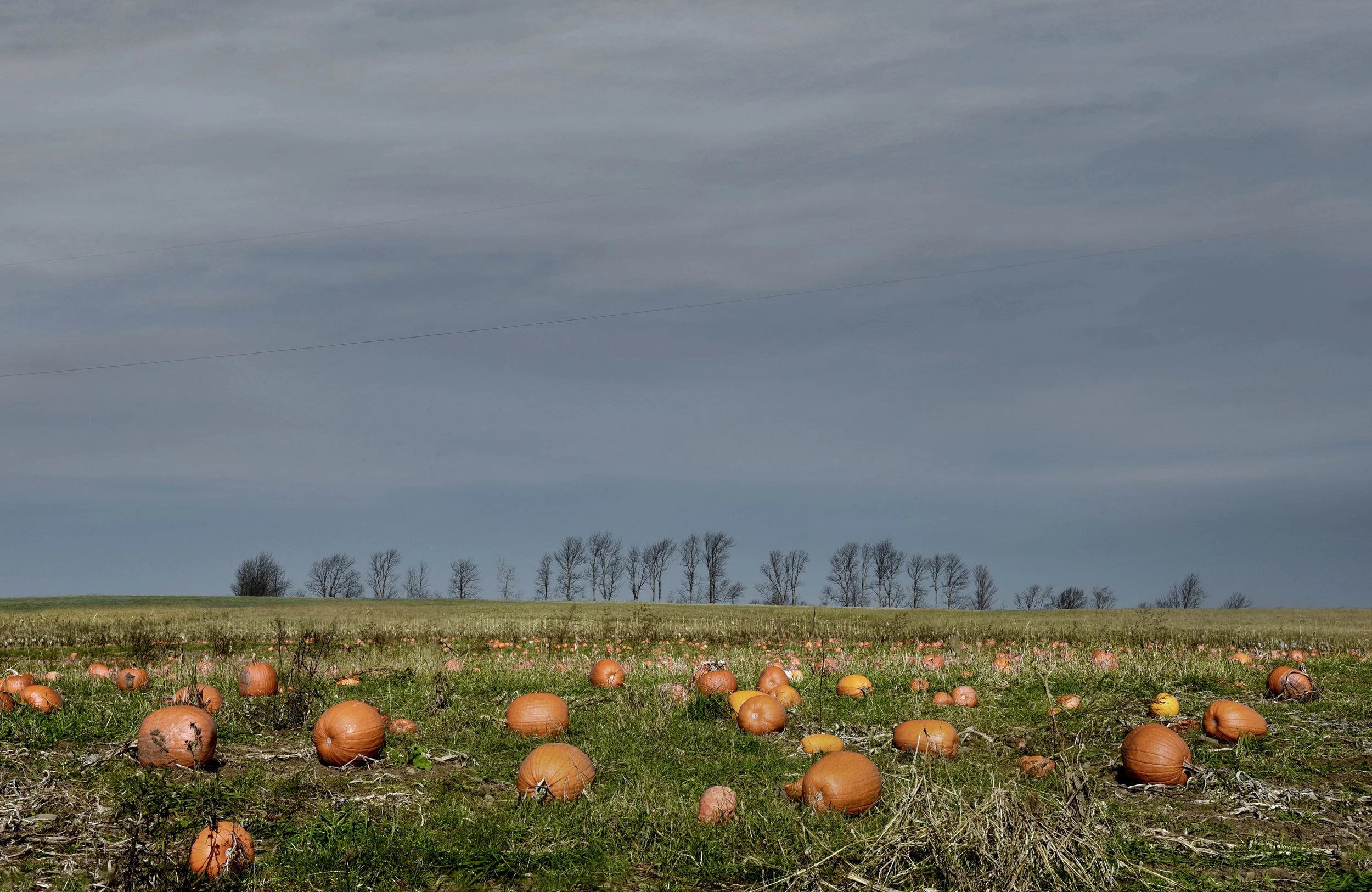
Driving through Wayne County, Pennsylvania, she notices isolated houses, trees, and open fields. Once, a field of pumpkins beneath a dark sky caught her attention. Getting out of the car revealed a line of bare trees she had not noticed from the road. Her book, The Great Wide Open, published by Setanta Books, brings together 62 photographs from years of returning to this rural landscape.
These ordinary places connect DeLattre to her childhood.
Growing up near Pittsburgh’s steel mills, she learned to find beauty in dark skies and familiar surroundings. The houses and farms of rural Pennsylvania still remind her of places she knew then. Much of the work developed without a book in mind, and only when she looked at the photographs together did she recognize the interest that connected them.
DeLattre explains how moving closer or stepping back changes the feeling of a subject, and how placing two pictures together can strengthen an image she might otherwise overlook. For anyone with years of photographs but no clear project, she also describes how reviewing them together helped her recognize what she had kept returning to.
The Book
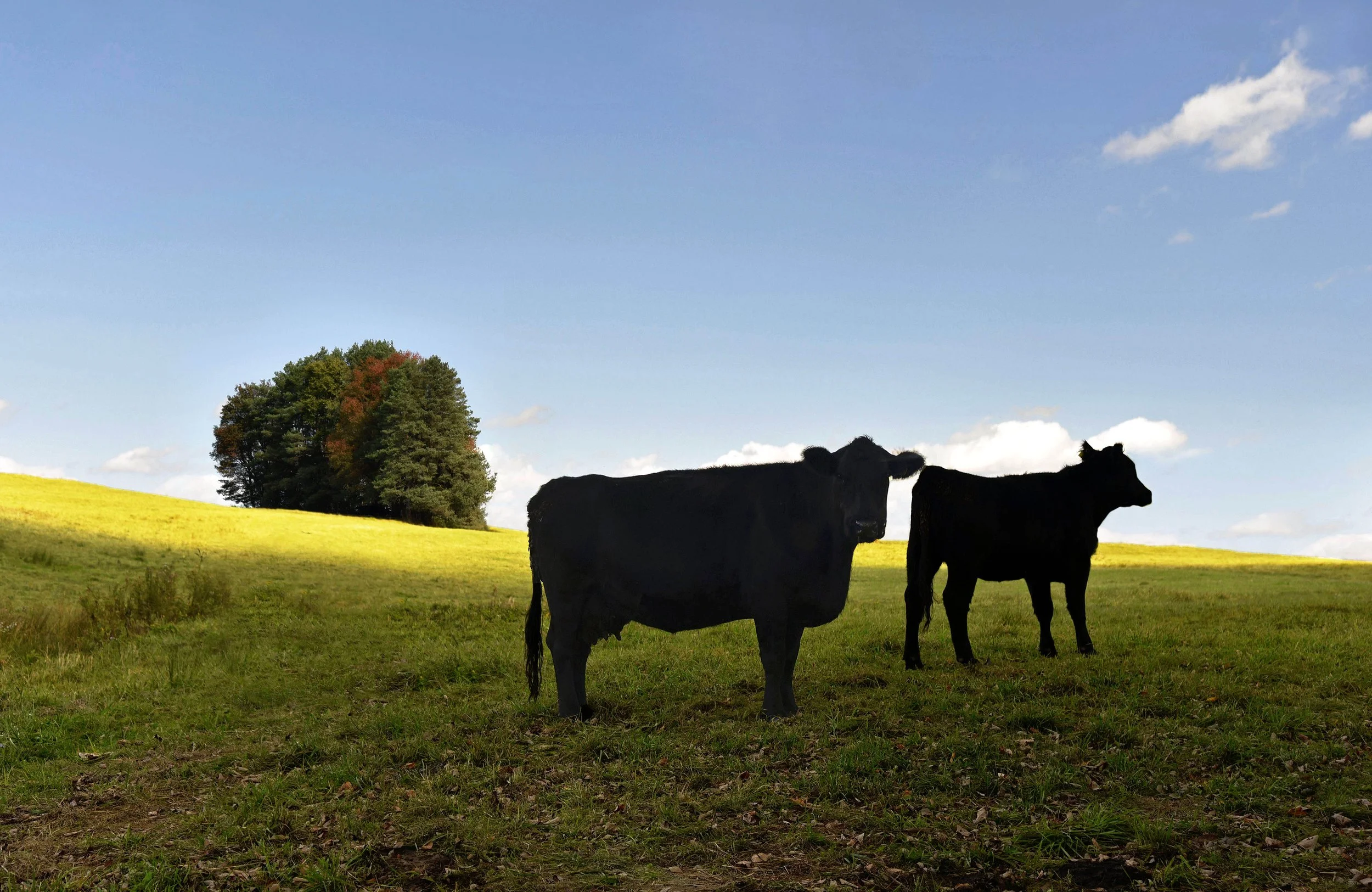
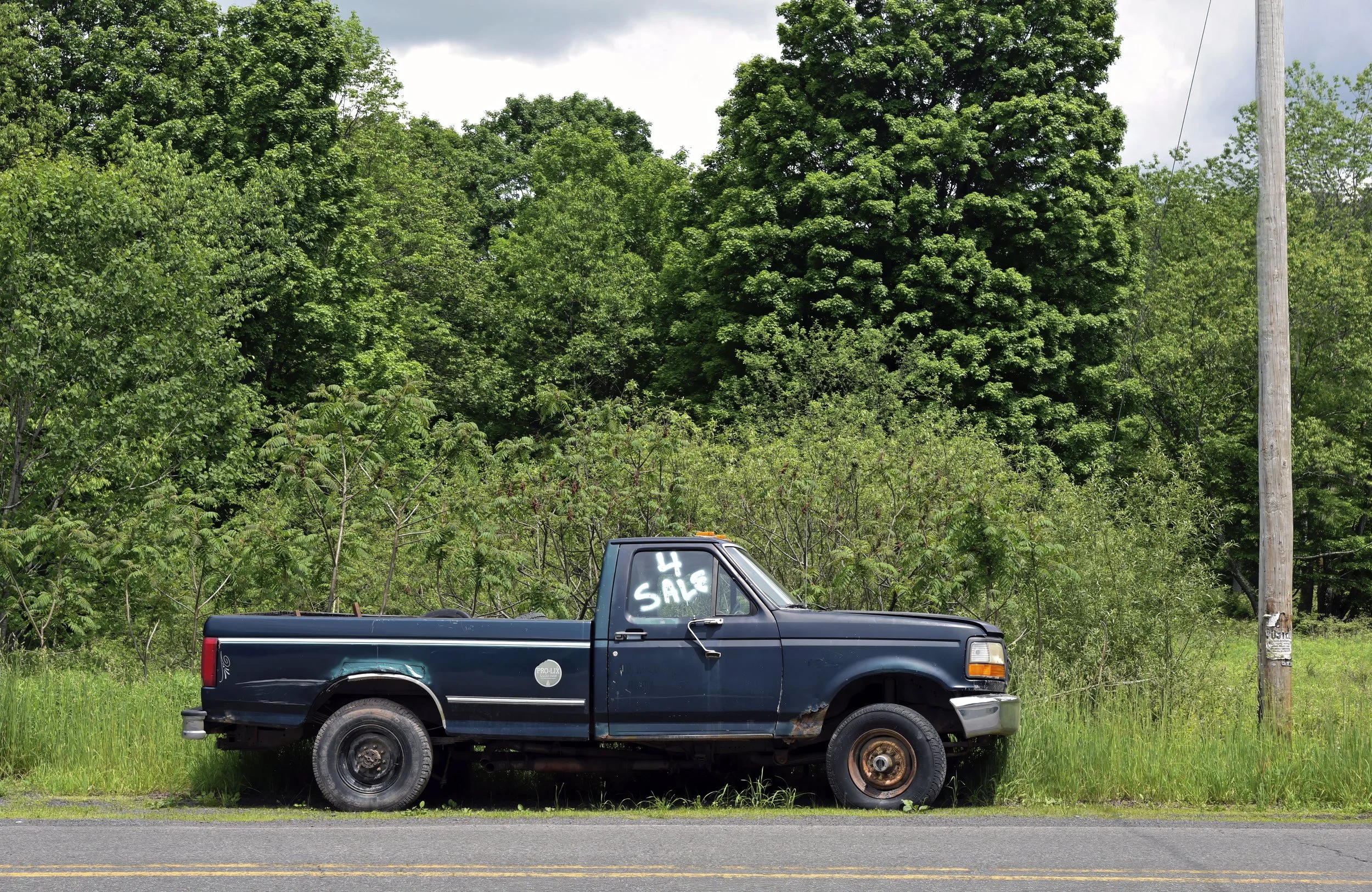
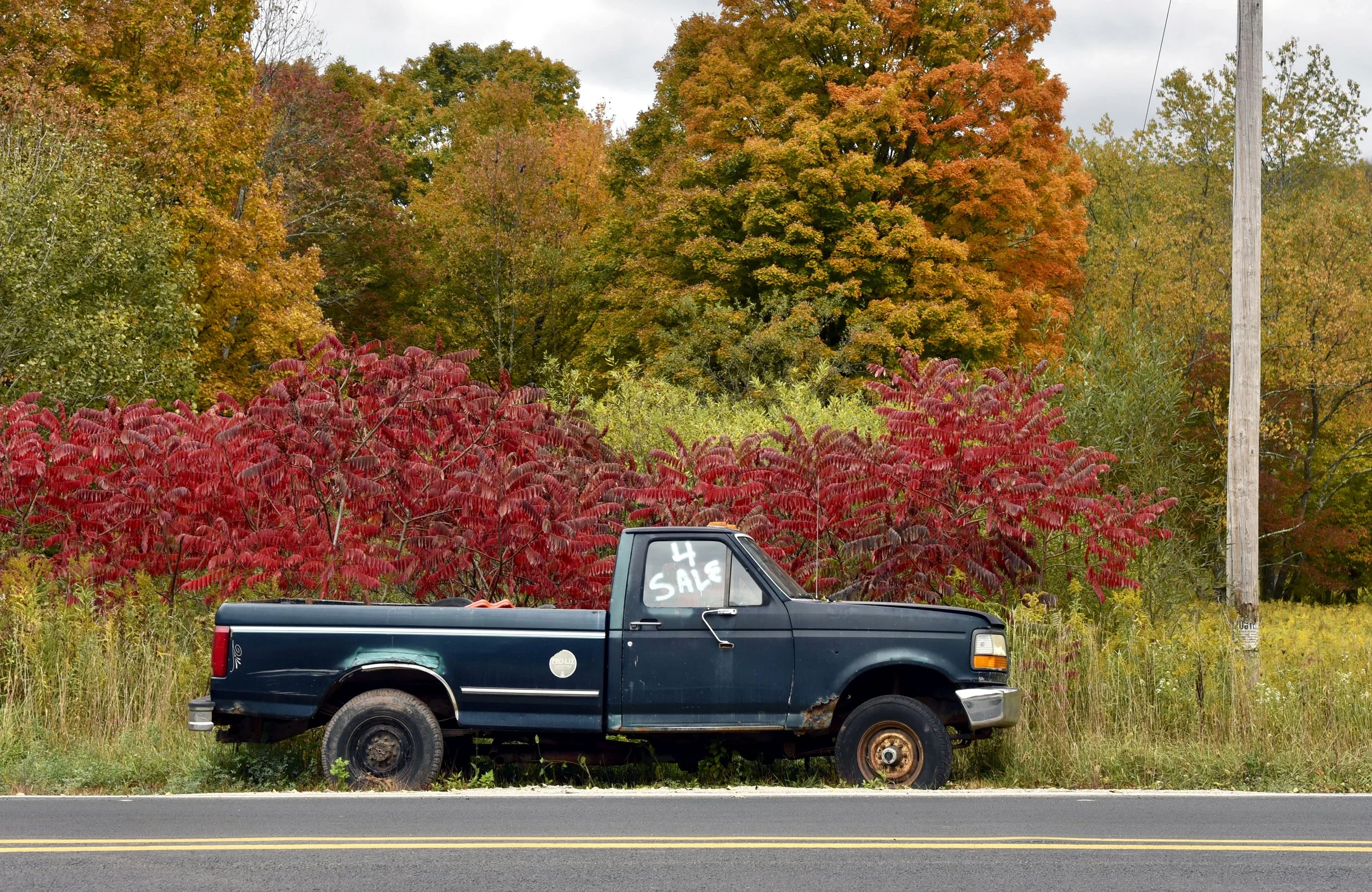
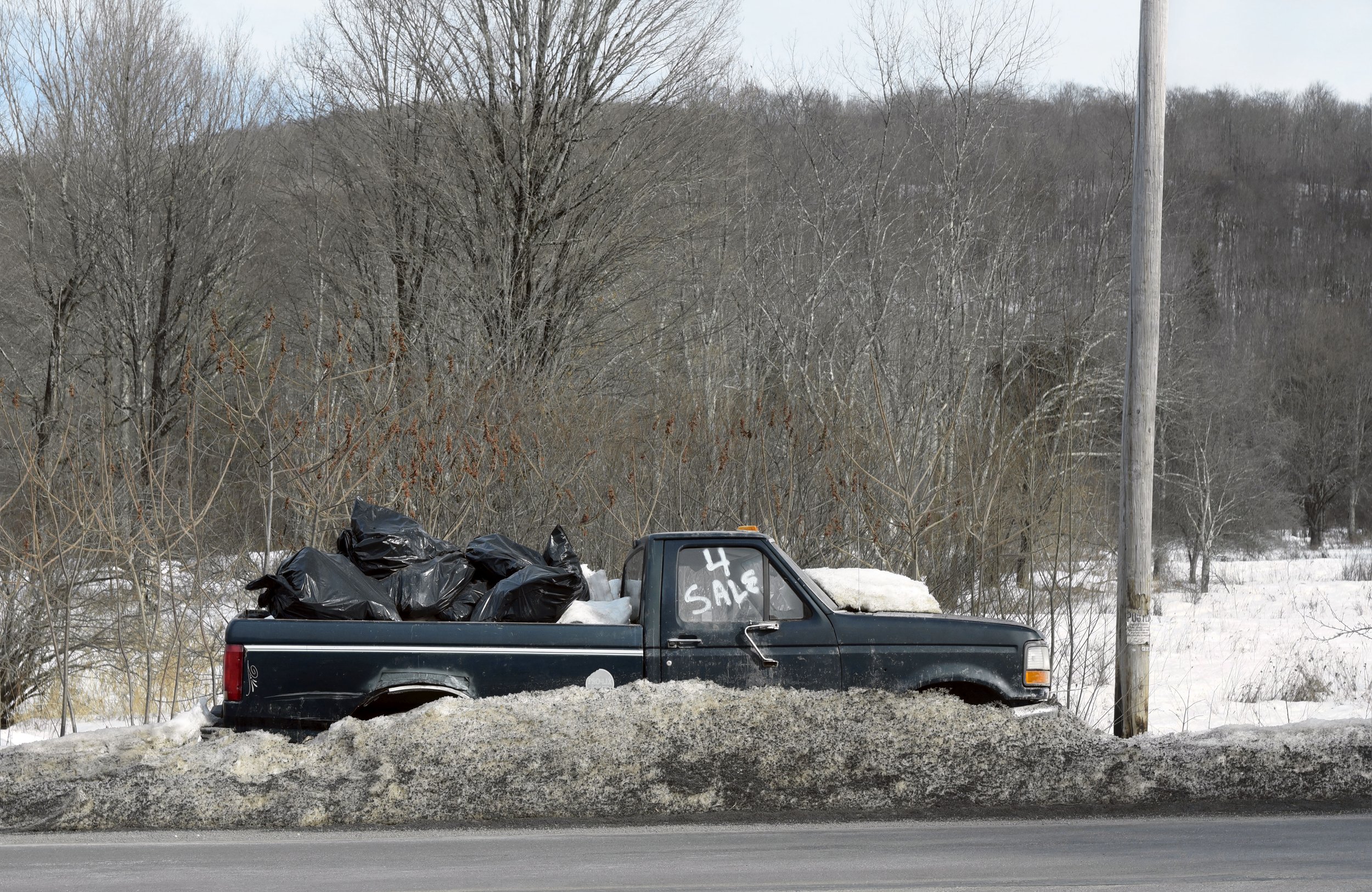
The Great Wide Open follows rural life through its surroundings. Catherine DeLattre photographs houses, barns, parked cars, and roadside details across Wayne County, Pennsylvania. These subjects show how people shape the landscape, even when they remain outside the frame. Fog, snow, and changing light mark the seasons, while broad fields and skies give familiar objects a sense of isolation.
Published by Setanta Books and developed with editor Martina Krosneva, the book connects images through color, shape, and horizon lines. Its sequence follows the quiet pace of a drive through the countryside, pausing at places that caught DeLattre’s attention. (Setanta Books, Amazon)
Origins: Your process began very intuitively: driving, noticing something, stopping to take the picture. At what point did that instinct turn into something you recognized as a real project?
My work is very intuitive. I'm driving. I see something in the landscape to which I respond, like isolated objects, open space, and the quiet traces of human presence. I stop and take the picture. My continued return to these places turned my instinct to photograph into a sustained body of work.
Getting back to stopping the car: You said you respond intuitively to something in the landscape and stop. Can you choose one photograph and describe what you saw from the car that made you stop, and what changed once you were standing there with the camera?
While driving, I noticed a large field of pumpkins against a dark sky. When I got out of the car with my camera, I saw how the field stretched toward the horizon, marked by a bare line of trees beneath a large grey sky. From the road or the car, I hadn't noticed the bare tree line. When I got out of the car, the landscape changed dramatically. I liked how the pumpkins were scattered throughout the field; their bright orange color contrasted with the green-brown vegetation, the trees, and the dark, moody sky behind them, creating a visually striking scene.
Finding emotion in ordinary places: You avoid sentimentality, but your photographs still carry real feeling. How do you decide how much emotion to let show in a picture of an ordinary place?
I think the emotion in my photographs is something I discover rather than add. My landscape photographs are inspired by the landscape that surrounded me in childhood. I grew up in Monongahela, Pennsylvania, a small town in the industrial Monongahela Valley of the 1950s, near Pittsburgh. My world was shaped by steel mills and the atmosphere they created. Days were often dark from pollution even when the sun was shining. I didn't find the darkness bleak. As a child, the moody atmosphere made me feel entitled to dream on dark days, and I loved how the fallout from the steel mills sparkled on the sidewalks like glitter.
Growing up in Pittsburgh's industrial valley taught me to find beauty in ordinary spaces. I remember the simple houses, mobile homes, and farms that dotted the landscape of rural Pennsylvania, outside of the steel towns. Even as a child, I was drawn to the solitude of quiet rural spaces. My choice of subject in my photography reflects this personal relationship to the rural scenes from childhood memory, but I try to remain neutral and not add sentimentality. I am interested in presenting a fact of the world and allowing feeling to accumulate around it, letting the viewer supply some of the emotion. I think the emotion is strongest when it is least announced.
Finding the right balance between subject and empty landscape: You are drawn to isolated things surrounded by open space. How do you know when the balance between a subject and the space around it feels right?
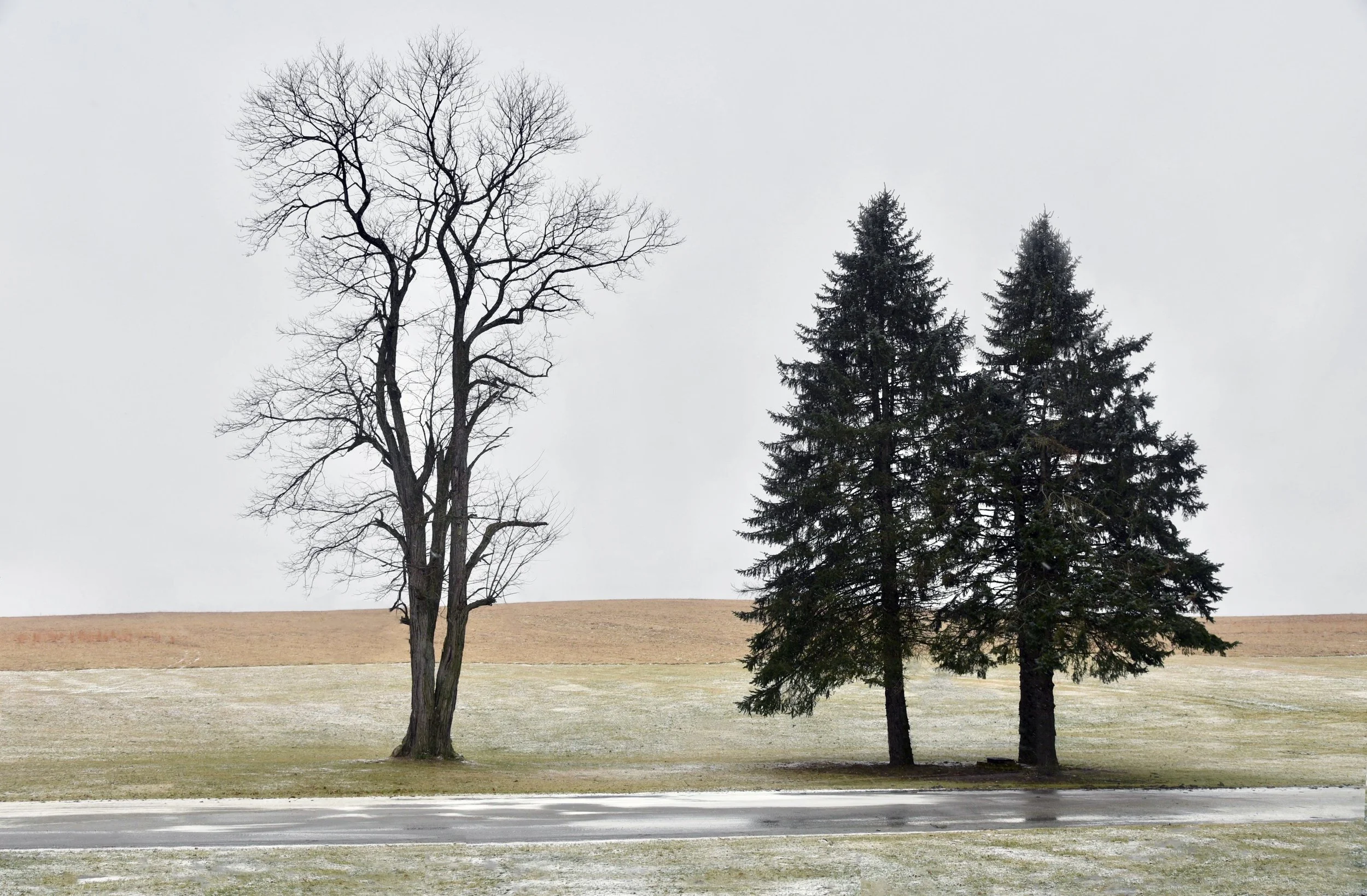
I try not to think too much. It's an intuitive feeling about when the tension between the subject and the open space around it feels right; then I take the picture. Thinking about your question, I feel that the subject in the image needs enough space to make the isolation meaningful, but not so much that the connection between the subject and the space disappears. Ultimately, I think the subject must feel visually connected to the space around it so the subject retains the ordinary quality of the place. In this photo of the trees, I think the photograph is about how these ordinary things exist in space. I mean the empty landscape isn't really empty. It's what allows the trees' differences, distance, and quietness to become the emotional content of the photograph.
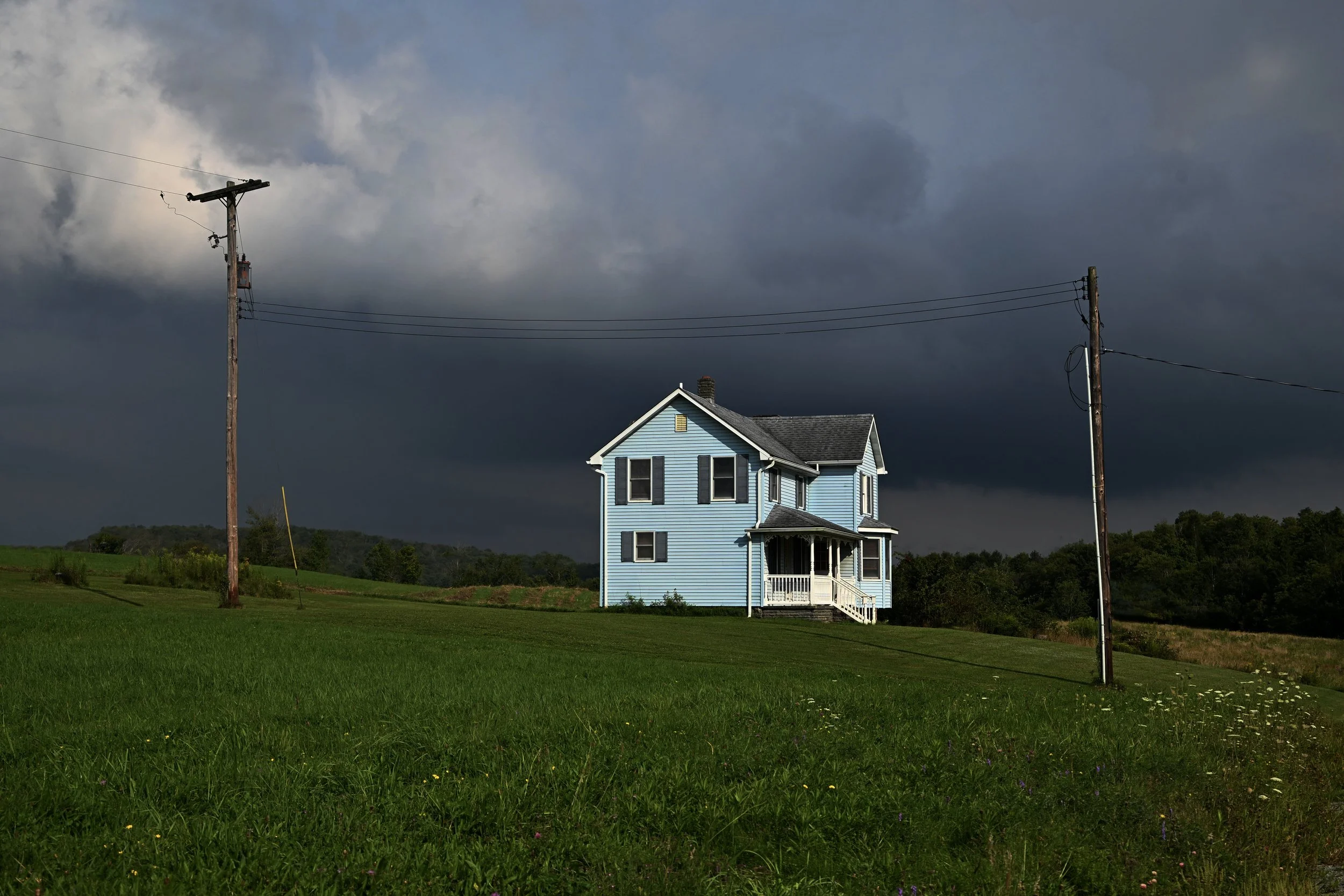
Getting back to the balance between subject and space: Was there a photograph where you kept changing your distance because the subject either felt too isolated or not isolated enough? What finally told you the balance was right?
I took two pictures of this house, moving closer and stepping back. I knew the balance was right in this shot because the bright house needed the surrounding dark space to create drama and a feeling of isolation. I love this picture. It has many of the elements I am attracted to in my photography. It feels quiet, isolated, and slightly uneasy — a little mysterious but also beautiful. There is a sense that a storm is approaching but sunlight still hits the farmhouse. I like the contrasts between light and dark, shelter and openness. The photo suggests human presence because there's a house, but at the same time no one lives there.
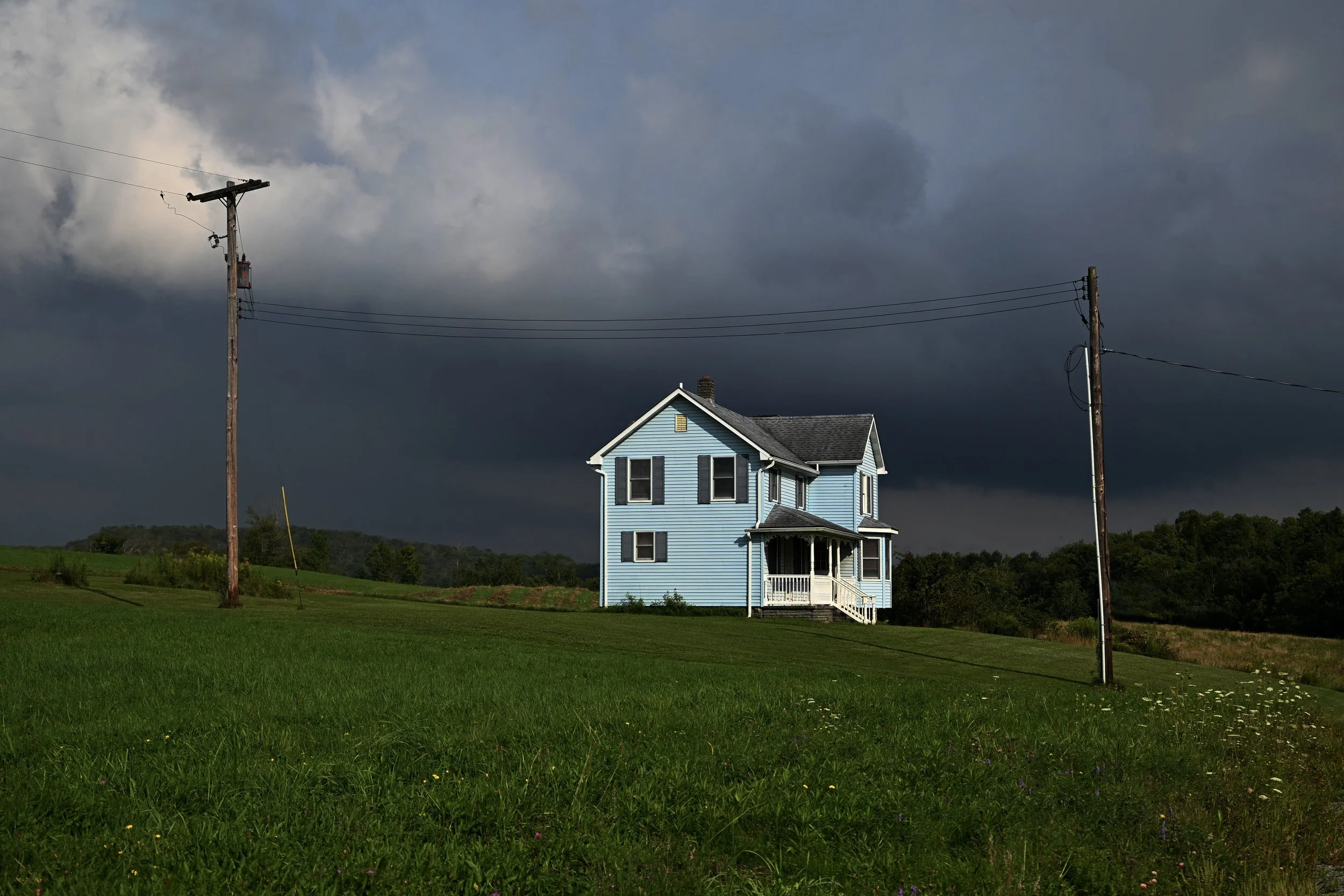
A landscape that doesn't change: You first came to this part of Pennsylvania in the late 1980s. How did returning to the same landscape, year after year, change what you noticed there?
Amazingly, I think this part of Pennsylvania is the only place I have ever been where you get the feeling that nothing really changes. I came here in the late 1980s and the terrain looks basically the same. There is quiet change, of course, but no major change — no housing developments, no industry. The towns are small and the countryside is still very rural. My photographs emphasize this through their wide open space and solitude. I think this feeling that nothing changes connects me to the rural landscape of my 1950s childhood. I recognize places in the houses and landscapes of my photographs that I saw as a child. My pictures reflect the passage of time, mood, and the progression of hours and seasons through natural elements like atmospheric changes, morning light, fog, and snow.
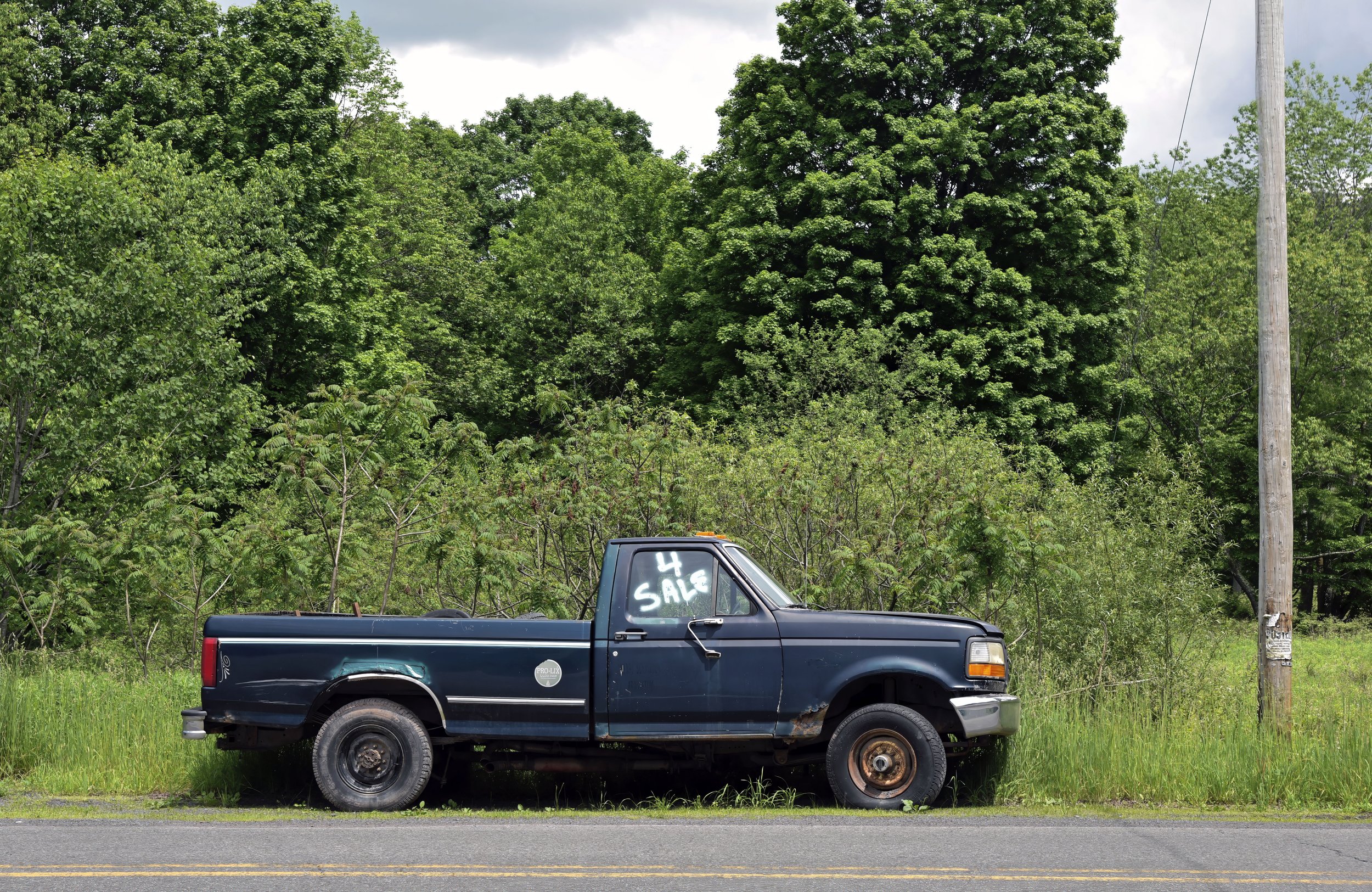
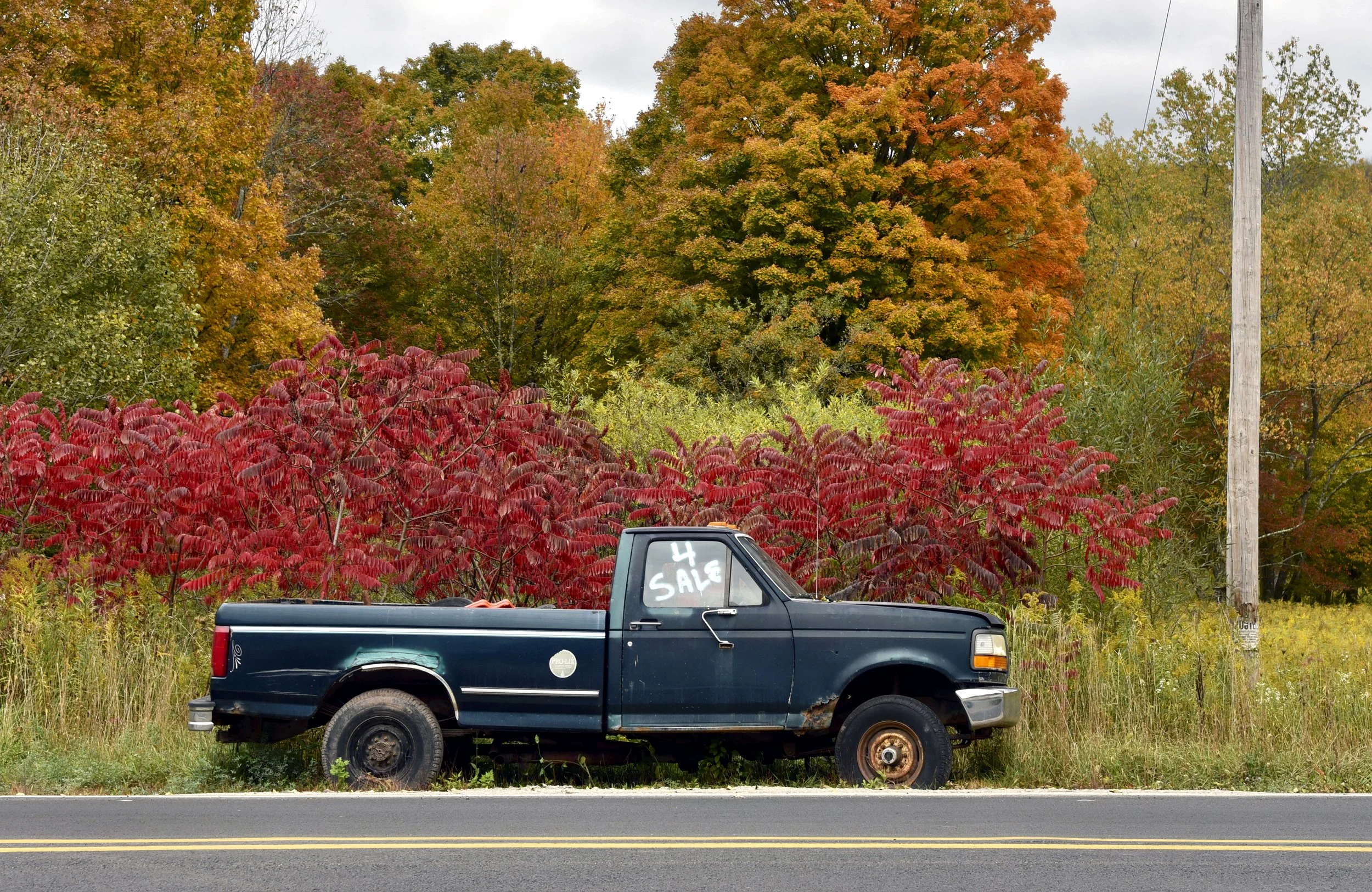
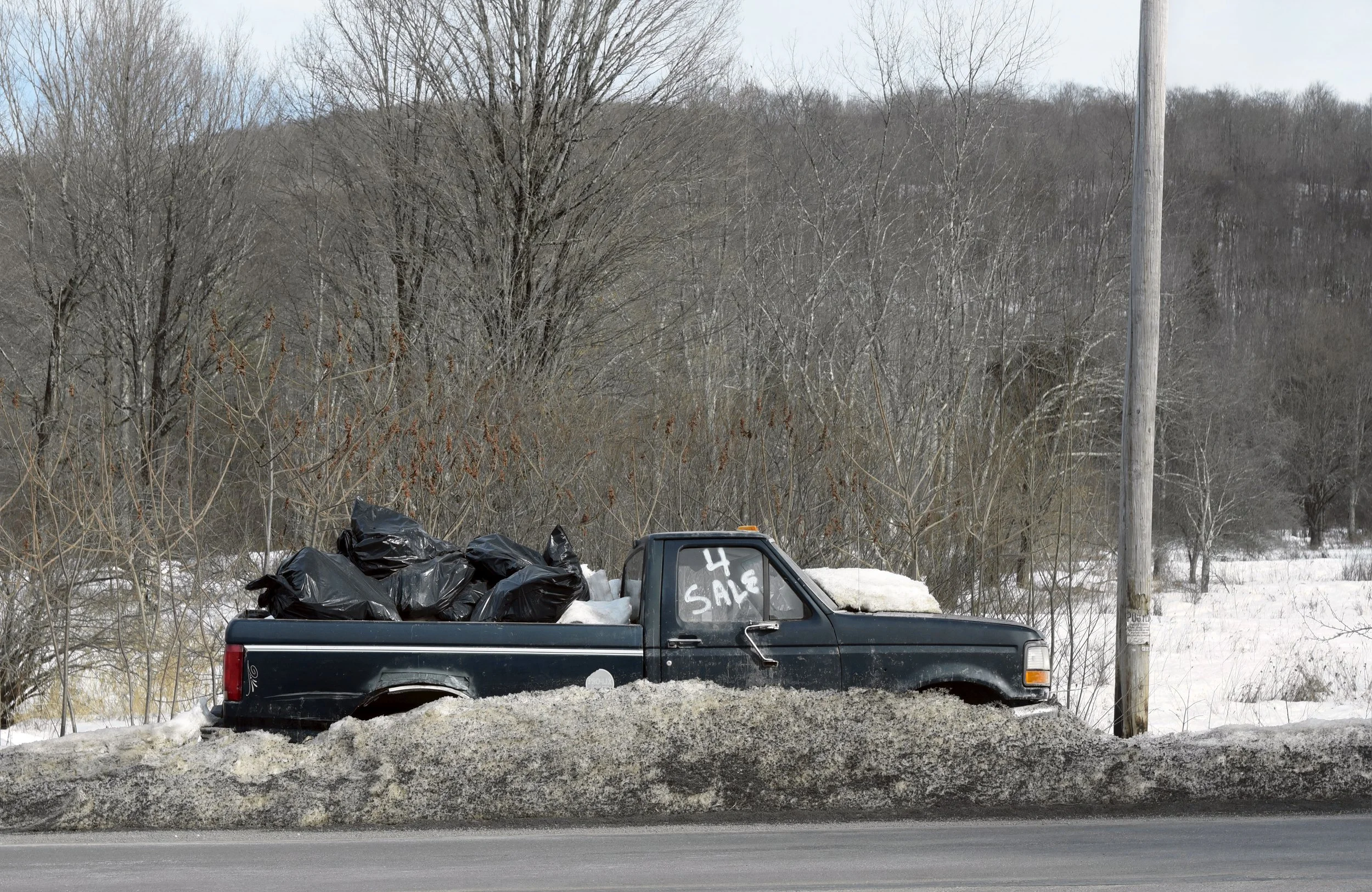
Choosing the ordinary: You've described your landscapes as not the postcard version of America, but a quieter, lonelier one. Why did you choose ordinary, unglamorous subjects over more dramatic or classically beautiful scenery?
I did not grow up in a picturesque part of America. 1950s Pittsburgh and its surrounding towns were far from picturesque due to the smog and pollution from the steel mills. Photographing the ordinary reflects the America I actually know. I have personally described my work as not a postcard version of America but a quieter, lonelier one. The rural stretch of land between towns — the space, the wide openness, the houses — all feel very American, yet solitary. I think my work connects to photographers like Walker Evans, William Eggleston, and Stephen Shore, who helped establish color photography as a way of taking ordinary American life seriously. The everyday reveals a place's character, showing how people live there and how time passes, more so than spectacular scenery.
Before becoming interested in photography, I studied anthropology and archaeology in undergraduate school at Kent State University in Ohio. My background in archaeology leads me to view the elements within these vernacular landscapes as human artifacts that reveal a place shaped by human presence. Whether documenting 1970s interiors or landscapes of Wayne County, Pennsylvania, my goal is to highlight the subtle details of everyday surroundings.
Editing the work and building the book: The book holds 62 images out of many more you shot in Wayne County. How did you and your editor decide what made the final cut, and how did that same process shape the order and flow of the book?
I had a wonderful editor at Setanta Books, Martina Krosneva. Originally, she asked me to send around 100 images. To help me choose, I divided the work into general categories — landscape scenes, towns, cars, houses, etc. — then selected pictures from each that were not just my standalone favorites but photos that contributed to creating a coherent experience of rural Wayne County, PA. I ended up sending about 130 pictures. Martina narrowed the selection down, and after a few edits we had 62 pictures for the book.
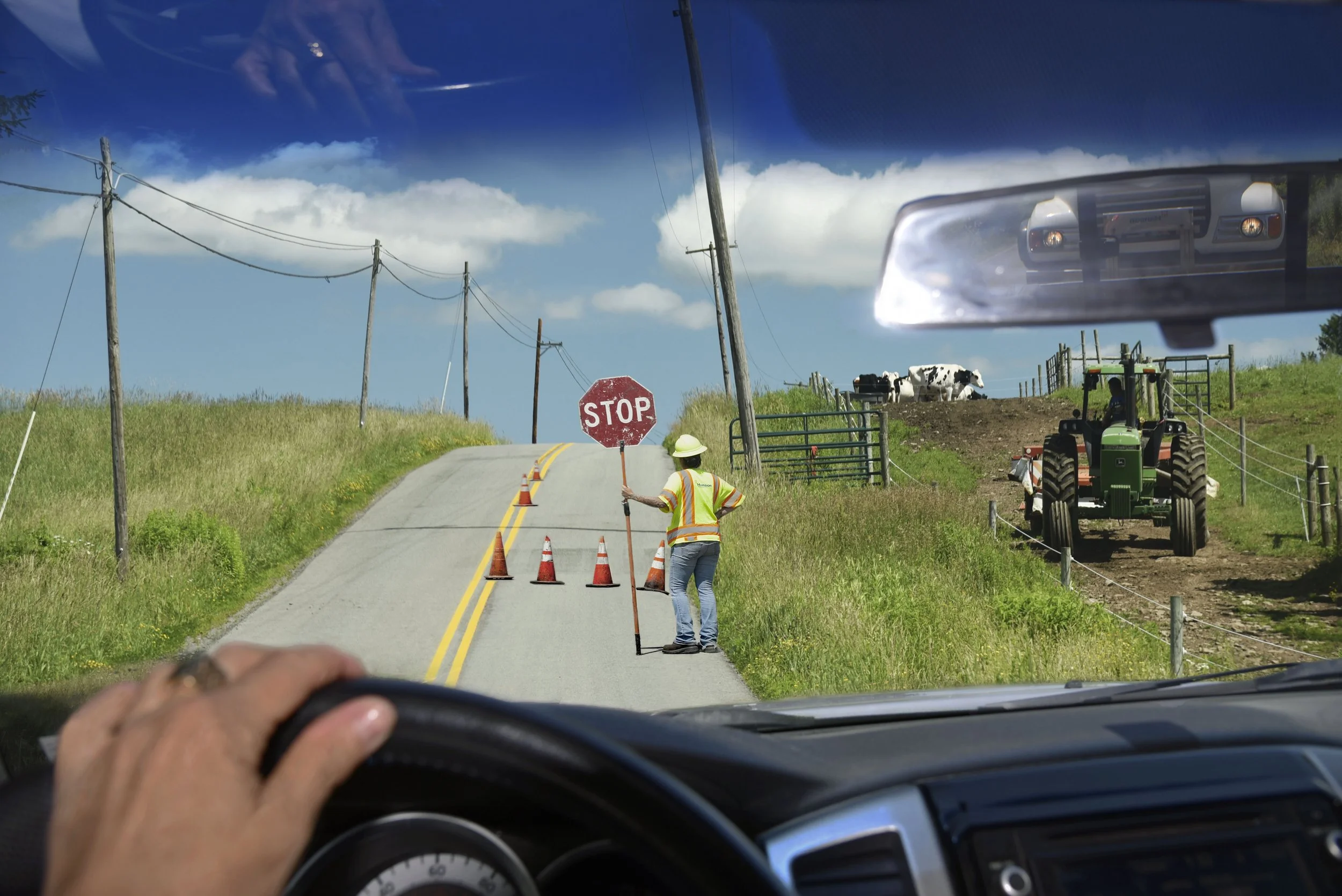
I liked how Martina assembled the book by connecting horizon lines, color, and shape within the images. It made the pictures feel connected on the page without being overtly noticeable. We were also interested in selecting pictures that suggested human presence but did not show actual people. Even though the photos come from different periods, I think the edit makes them feel like parts of a sustained vision. The book asks the viewer to slow down and notice the seemingly insignificant things that create a portrait of a place. It was important to me that the photos retain their quietness and recreate the experience of looking out a car window, stopping occasionally for a picture, then continuing on without telling the viewer where we were going.
Getting back to Martina's edit: Can you choose one photograph that was not one of your standalone favorites but became necessary because of the photograph beside it? What happens between those two images that made you understand why it belonged?
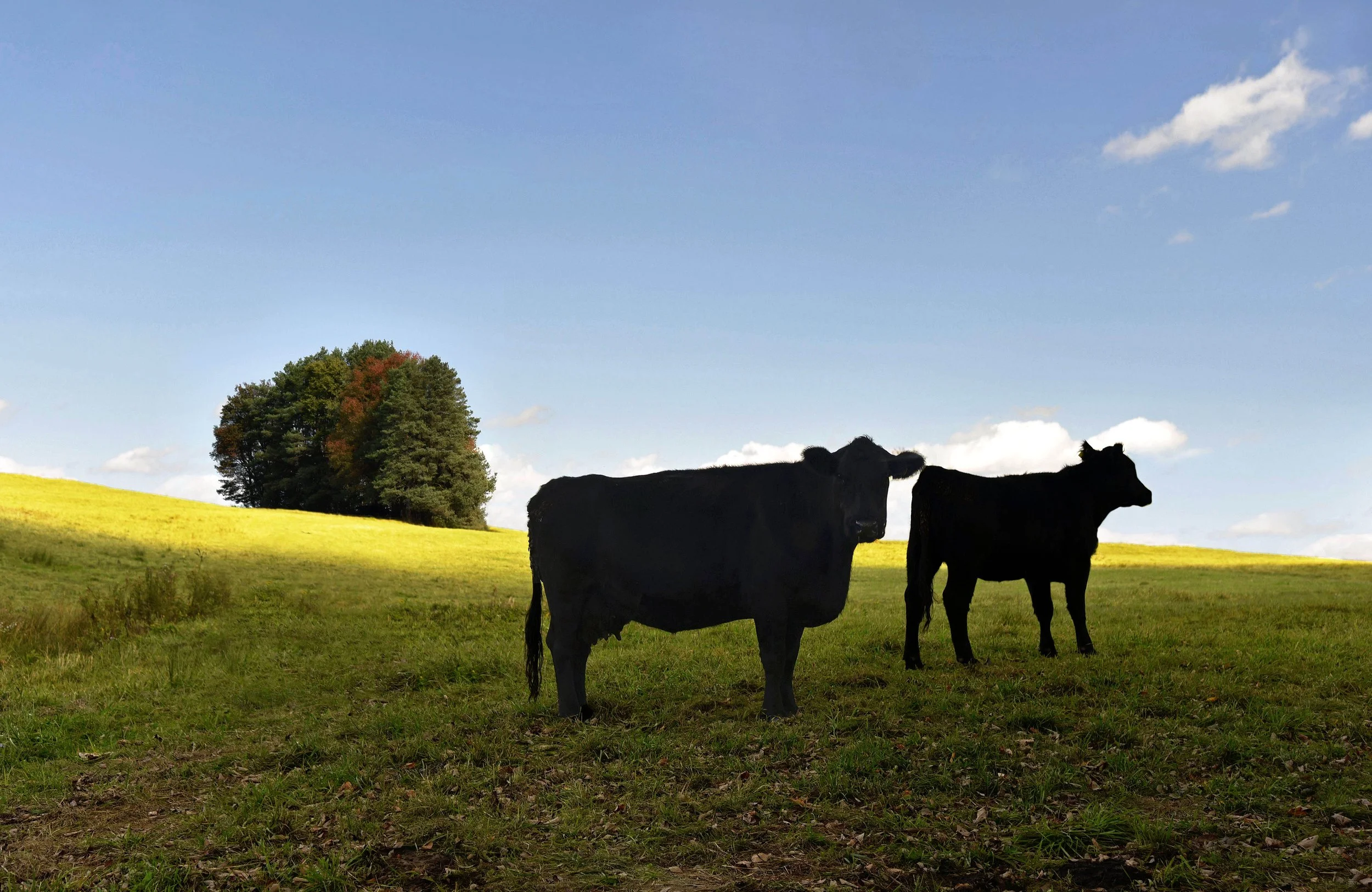
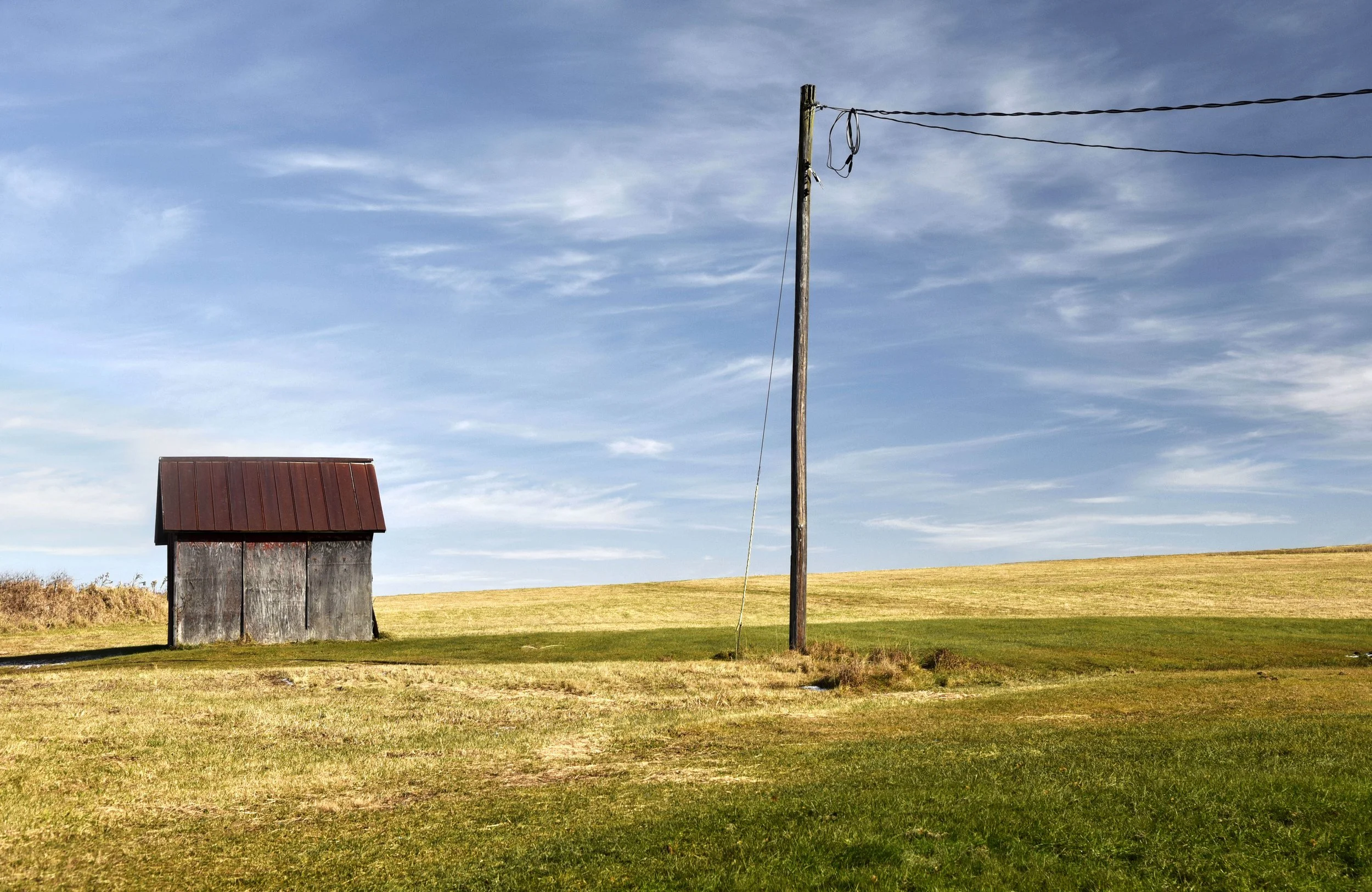
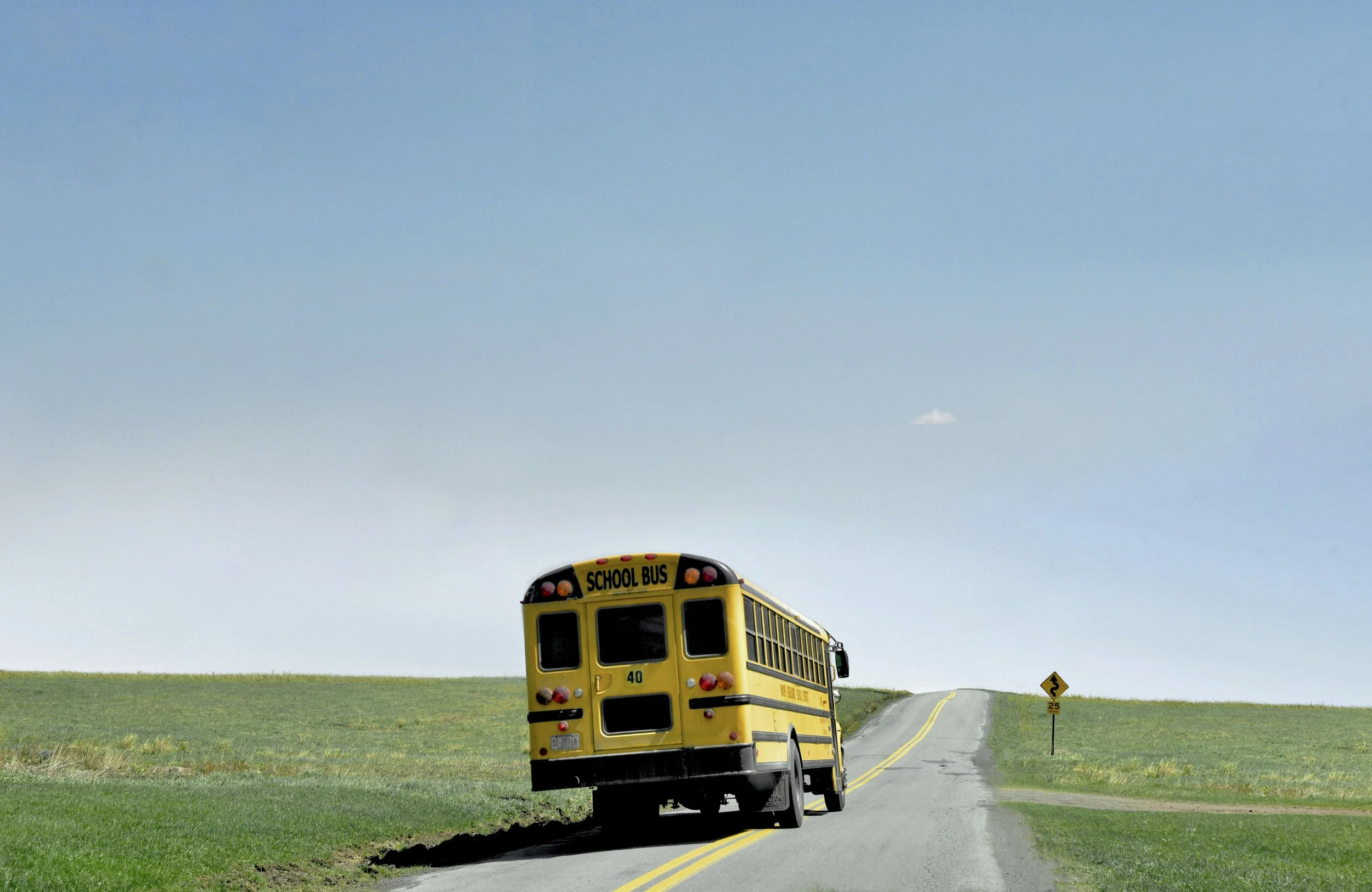
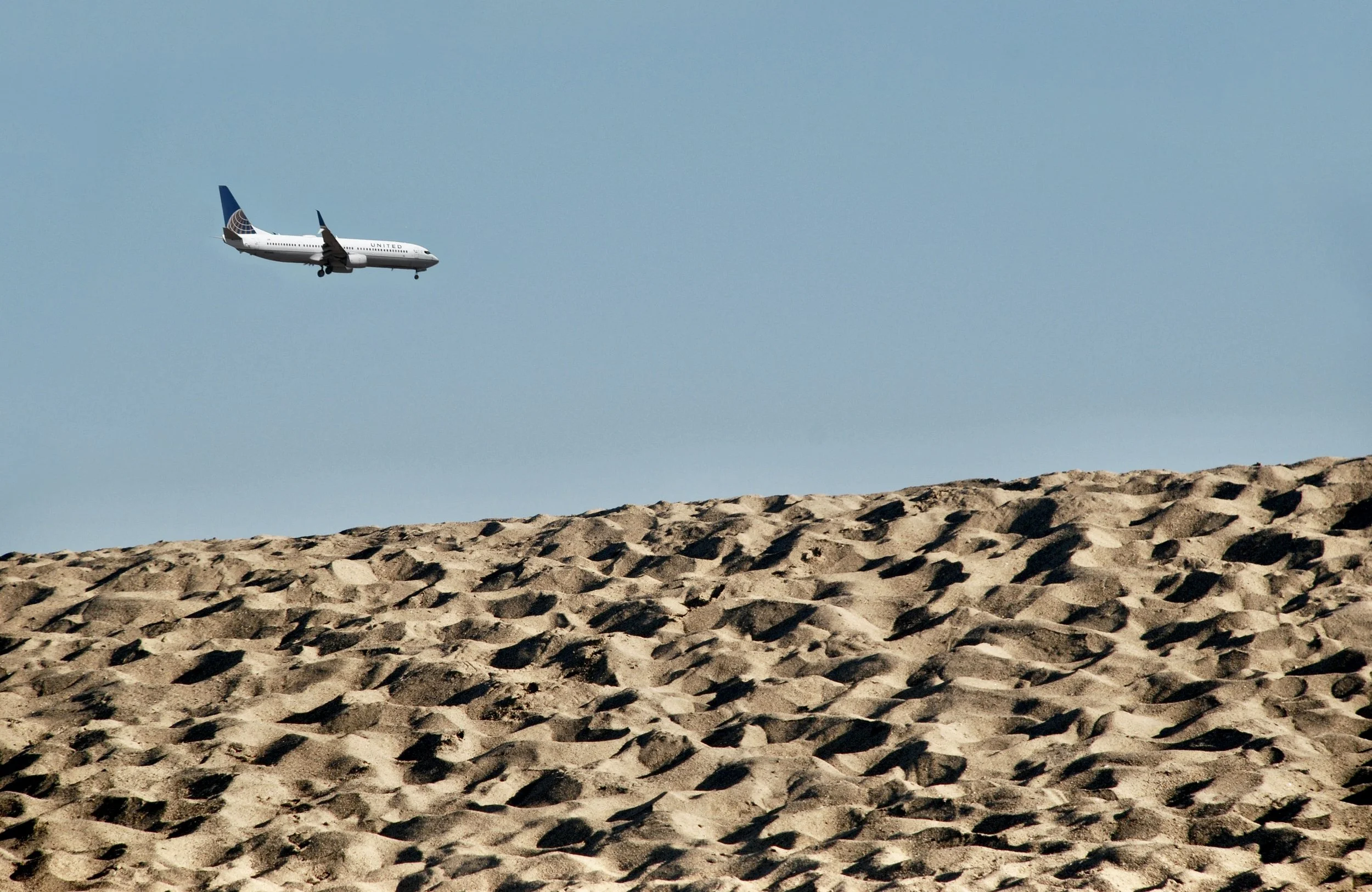
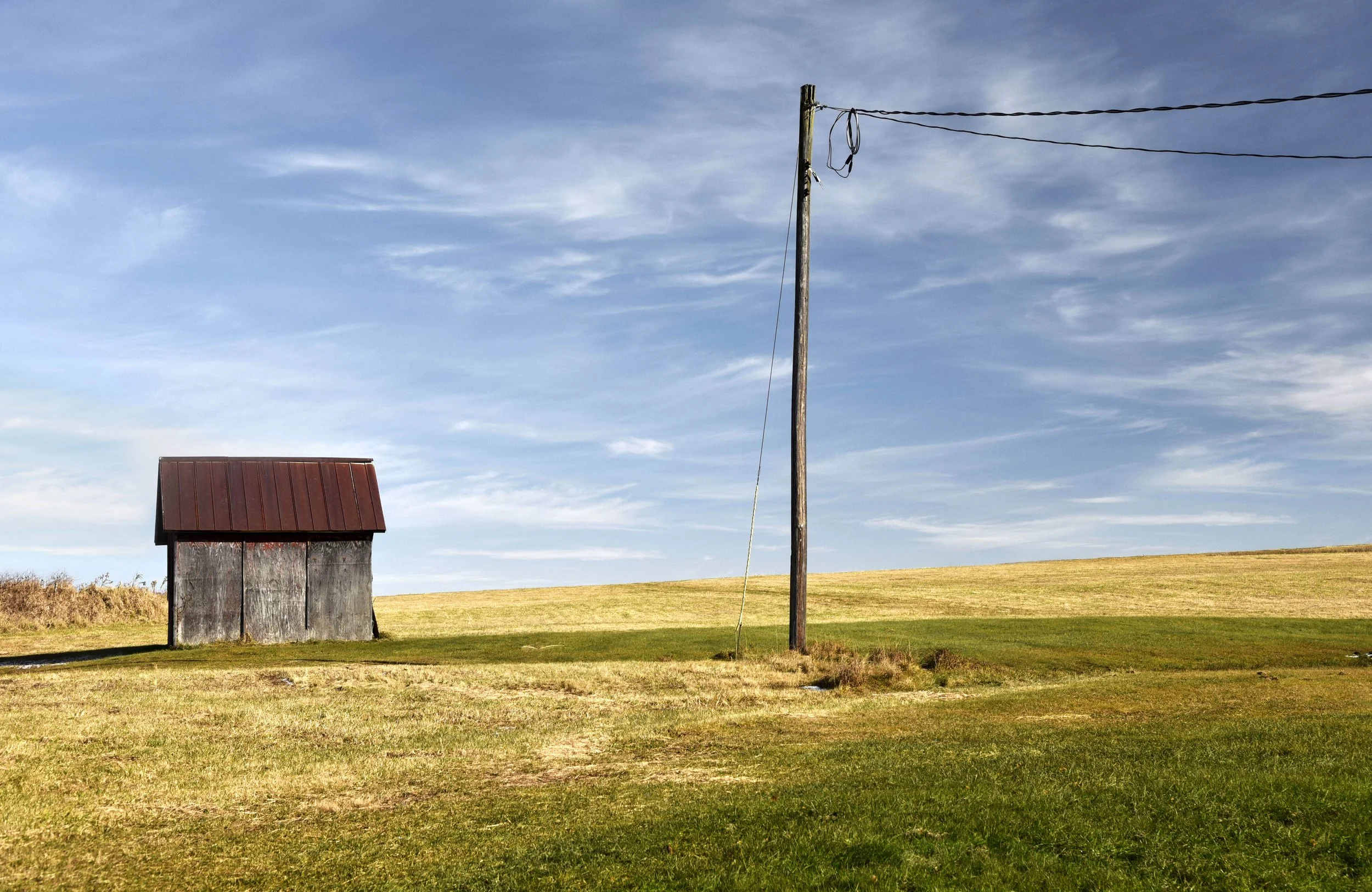
These two pictures are side by side in my book. The cow photo is a favorite of mine. I think the shed photo is stronger when placed next to the cows. Together they have the same quiet pace, similar horizon lines, and related color palettes. Both photos share the same visual structure, giving the pair a strong sense of continuity: horizontal bands, blue sky, distant horizon, open field, and darker foreground. The huge sky in both creates enormous atmosphere, making ordinary things look monumental. There is evidence of rural life without giving the complete story, making the viewer reconsider things normally overlooked.
What the project revealed: Much of this work was made without a book in mind. What would you tell a photographer who has years of pictures like this, with no clear project yet, sitting in a drawer?
My photographs accumulated over a long period as part of my ongoing way of looking. I think the body of work in The Great Wide Open was forming unconsciously for years. The realization came retrospectively; when I started looking at the pictures together, I could see that the pictures made at different times and places were expressing the same underlying interest: the relationship between people and rural landscape seen through ordinary things. Through editing, the book turned individual observations into a single sustained statement.
Getting back to discovering the project retrospectively: Once you realized photographs made years apart were expressing the same underlying interest, did that discovery change what you photographed afterward, or was the project already essentially finished?
No, the project isn't finished. I am still preoccupied with a recurring visual interest in isolated things surrounded by a lot of empty space. It's a way of looking.
To discover more about this intriguing body of work and how you can acquire your own copy, you can find and purchase the book here. (Setanta Books, Amazon)
More photography books?
We'd love to read your comments below, sharing your thoughts and insights on the artist's work. Looking forward to welcoming you back for our next [book spotlight]. See you then!

Catherine DeLattre’s photographs begin with something worth stopping for. Driving through Wayne County, Pennsylvania, she notices isolated houses, trees, and open fields. Photography Book Spotlight