Welcome to this edition of [book spotlight]. Today, we uncover the layers of 'The Holdouts,' by Ben Marcin (published by GOST Books). We'd love to read your comments below about these insights and ideas behind the artist's work.
A house could disappear and still shape Ben Marcin’s project.
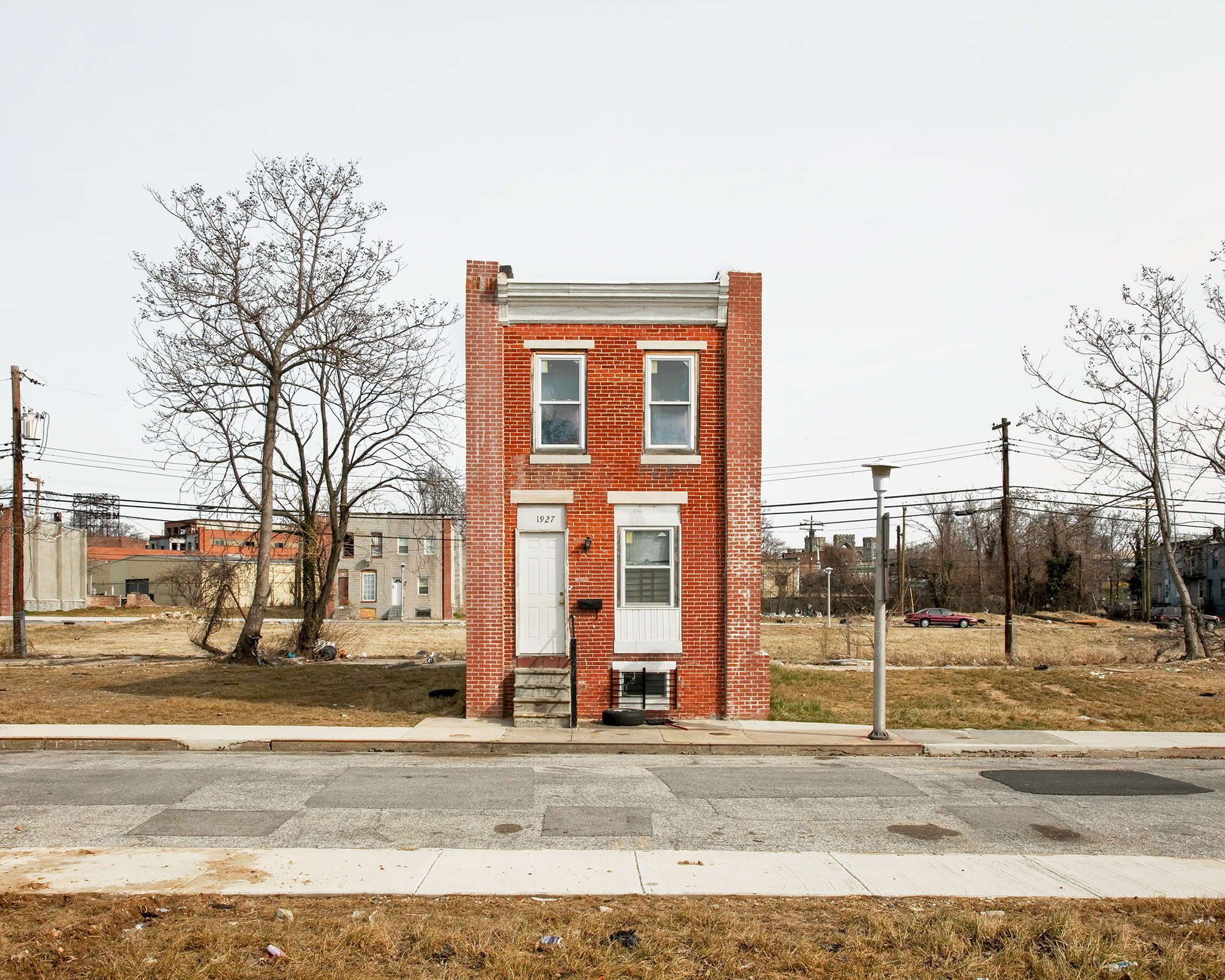
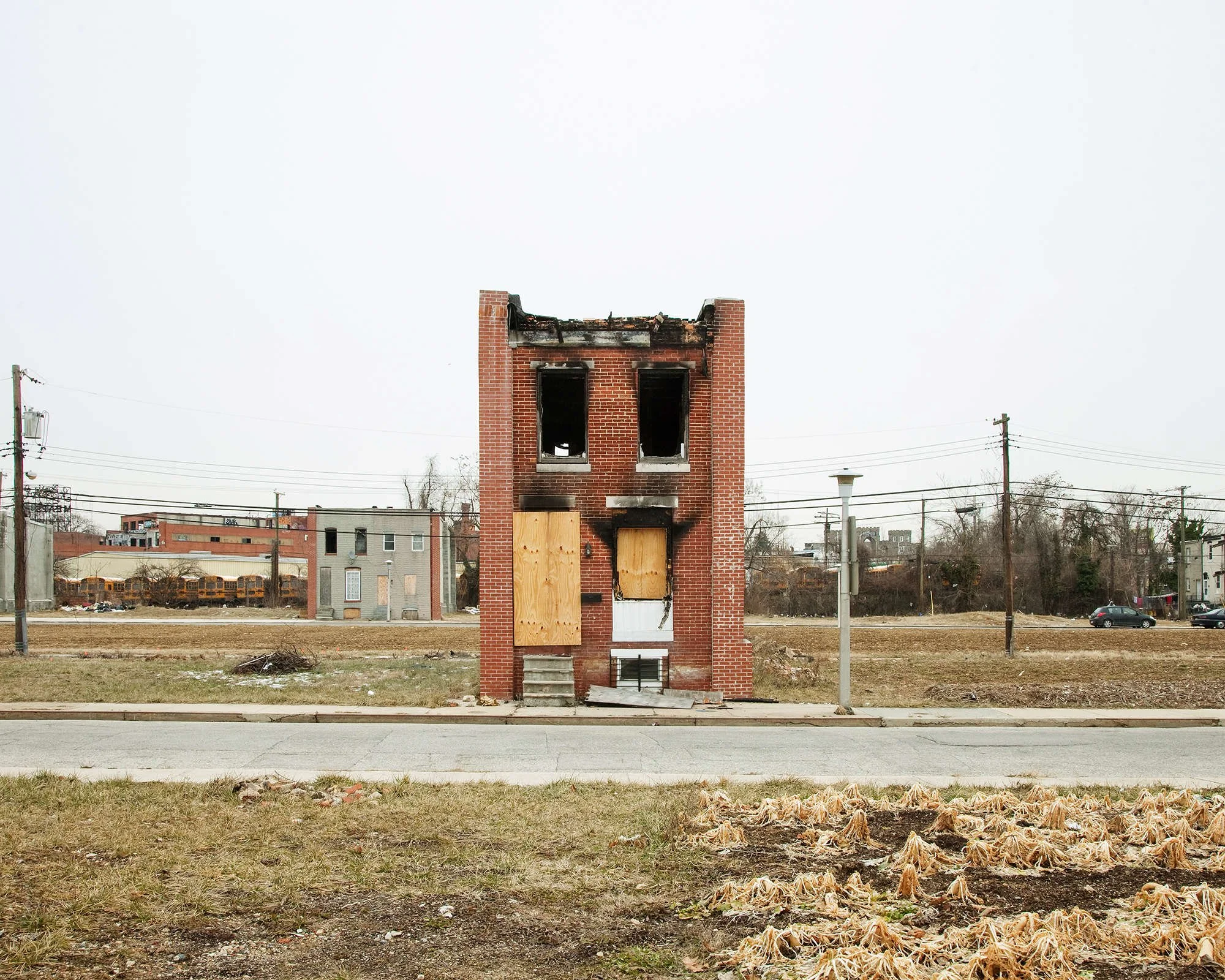
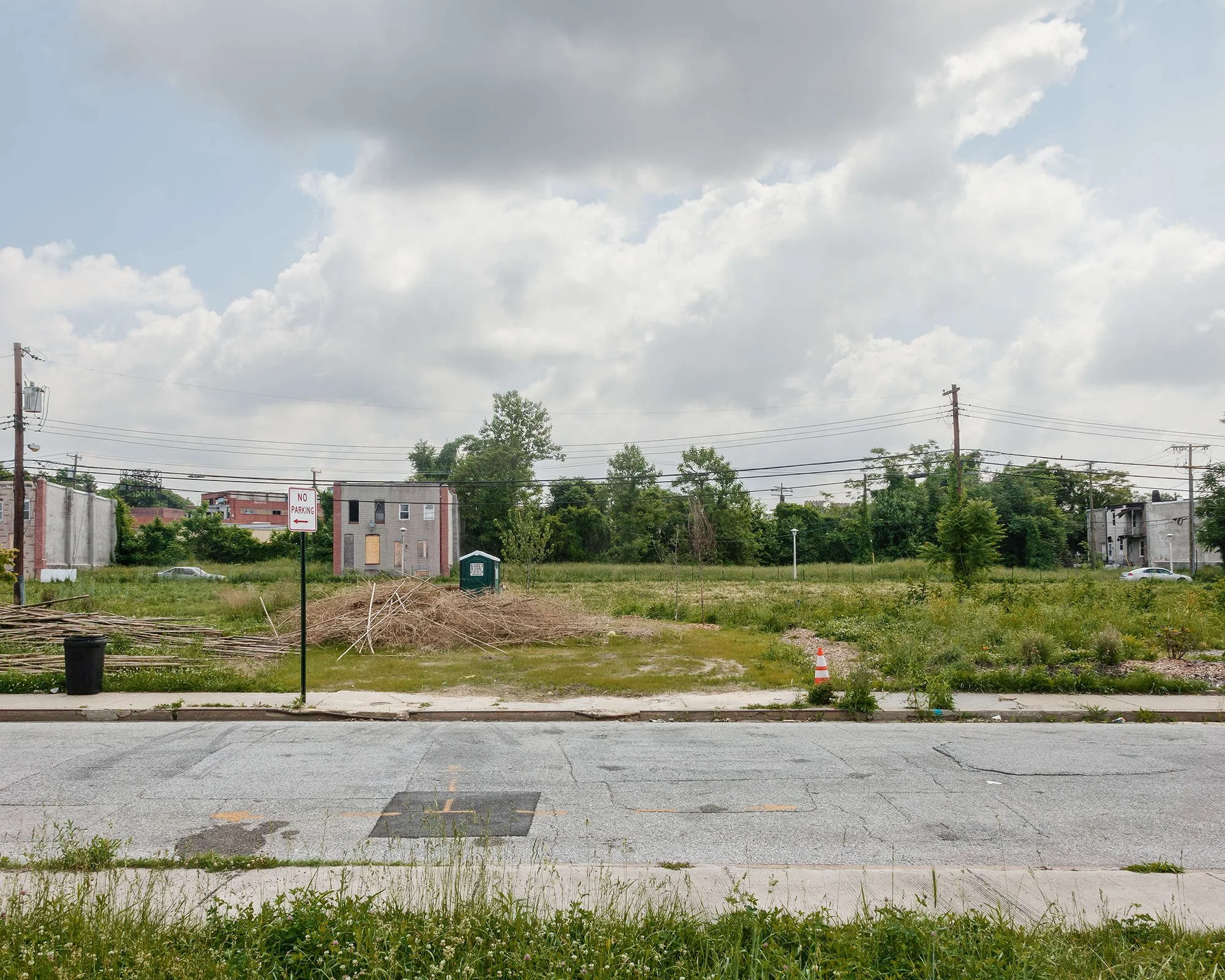
In Baltimore, he photographed single row houses left standing after their neighbours had been demolished. Sometimes he returned to find the remaining house gone too. He began including the empty lots in Last House Standing, showing that even the buildings that survived could eventually disappear.
Marcin wanted the outside of each house to suggest what might be inside.
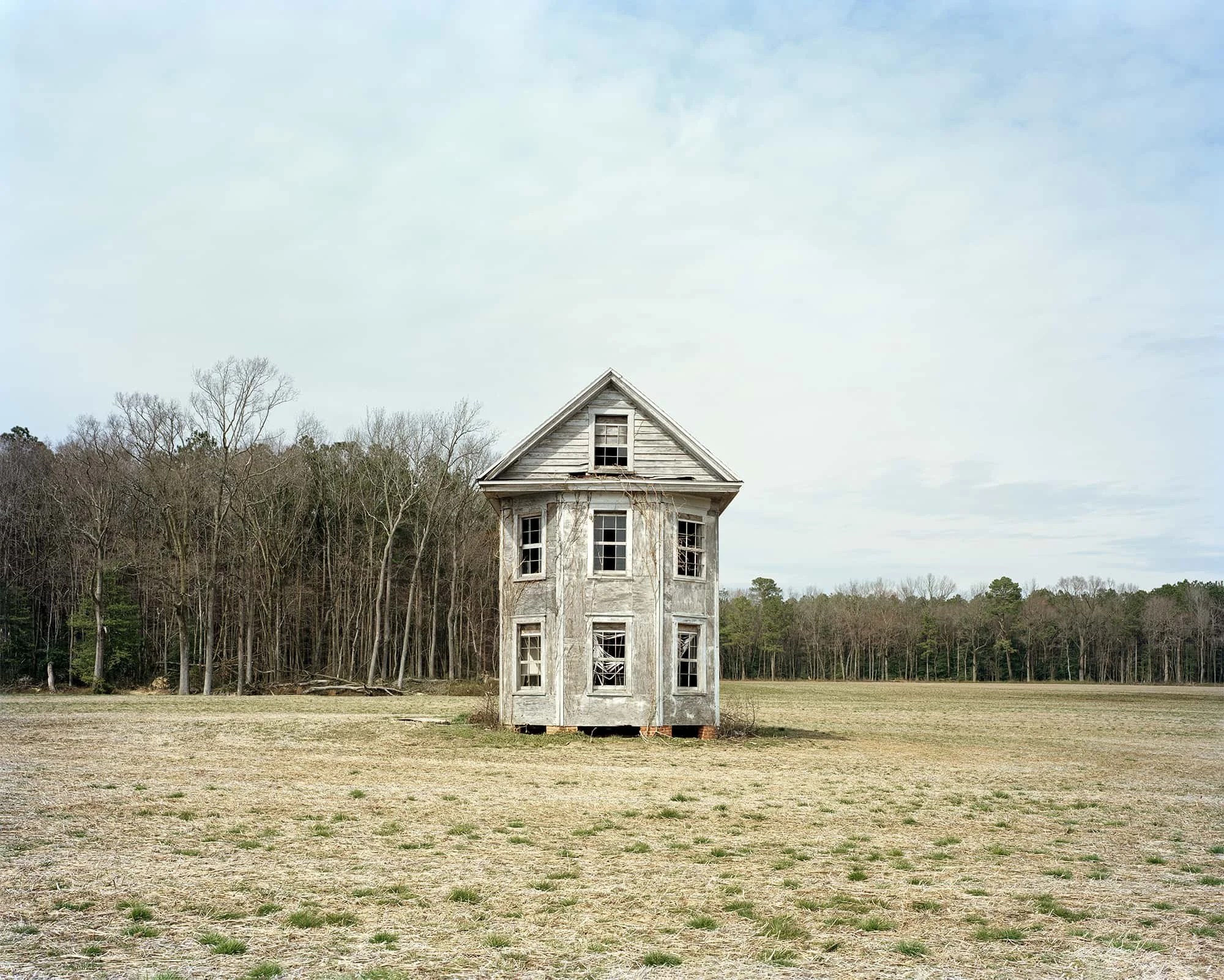
He never entered the abandoned houses, choosing to leave their rooms and belongings unseen. Instead, he paid attention to the space around them, where a road, an empty lot, or surrounding vegetation could suggest something about their history. He wanted to leave enough unexplained for people to imagine the rest.
He discusses how he decides whether another house adds something different, what the surrounding space contributes to a photograph, and why pictures he valued did not belong in this book. His answers give concrete examples of judging what a photograph adds beyond its strength as a single image.
The Book
The Holdouts
GOST Books · 2026 · 144 pages · Hardback clothbound
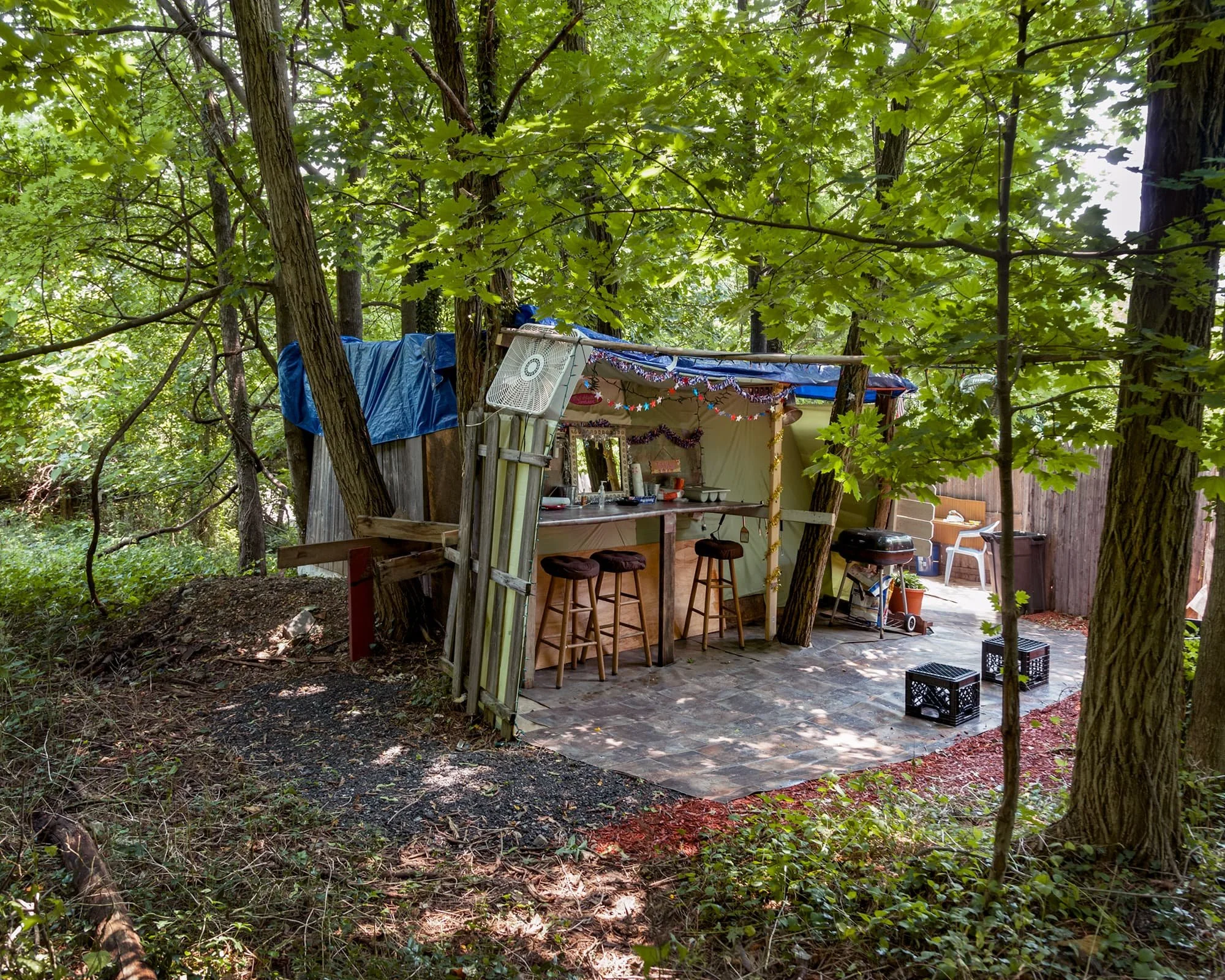
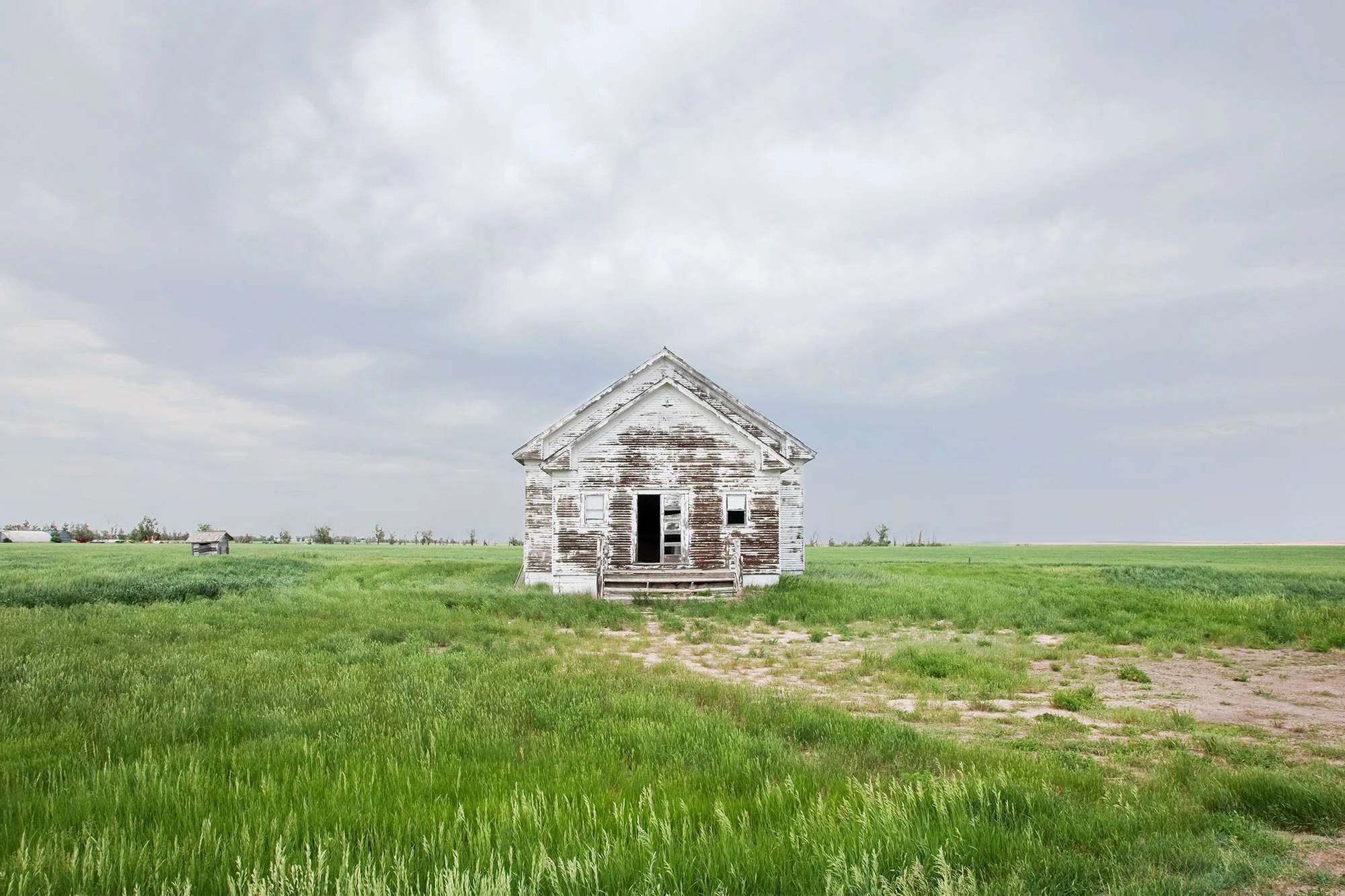
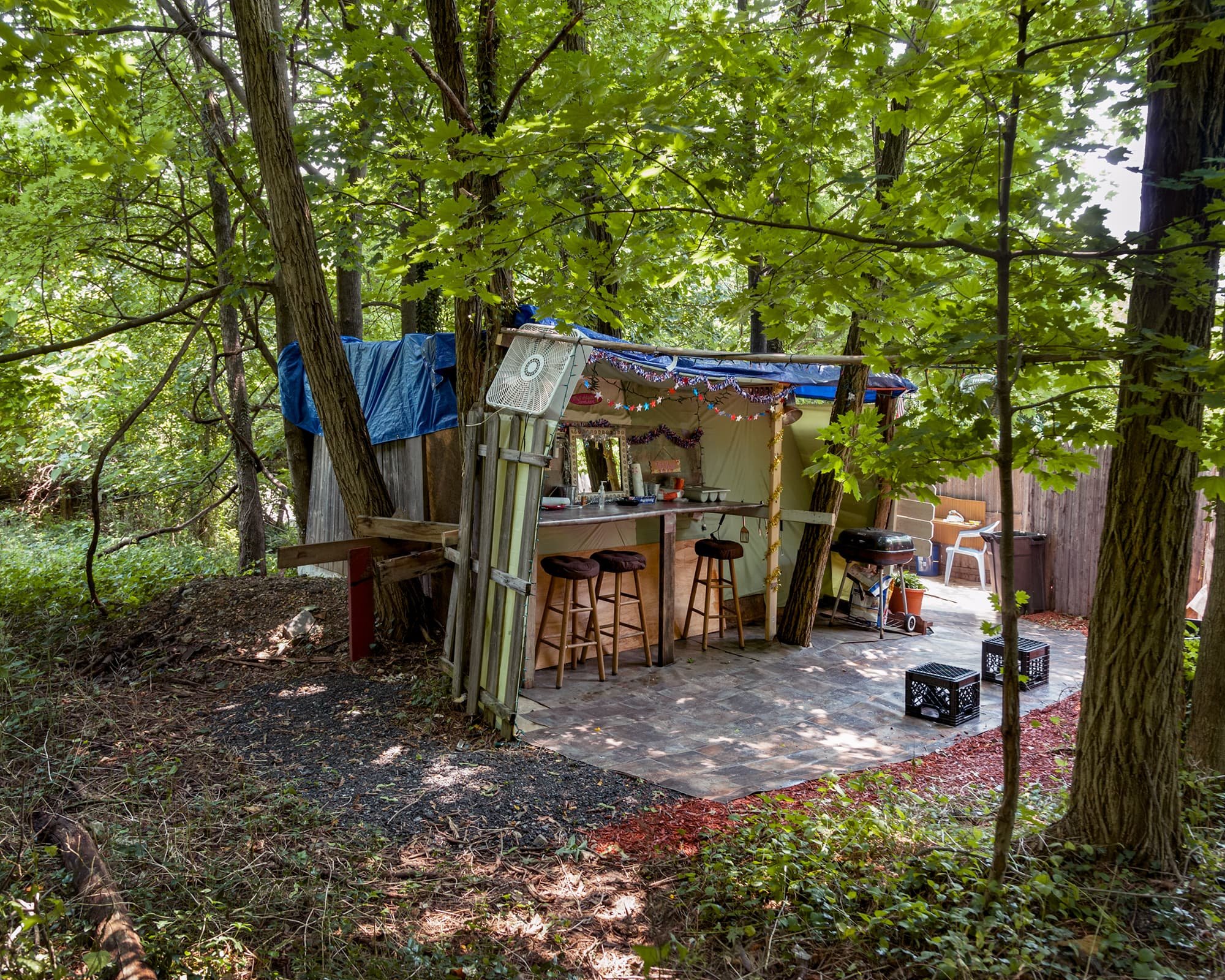
The Holdouts is Ben Marcin’s first photobook. It brings together three photographic series made in Baltimore and the surrounding region: Last House Standing, A House Apart and The Camps. Single row houses stand beside cleared plots, abandoned rural homes sit among fields, and temporary shelters occupy spaces away from public view. Some of the houses are about 250 years old, while none of the camps lasted more than a year.
Coming Home: You started by photographing your travels abroad, and over time moved closer and closer to home until you were working just outside your own door in Baltimore. Was there one trip or moment when you realized the stronger work was close to home? What changed about how you looked at Baltimore after that?
There was no special trip or moment that made a real difference. When I travel, I'm moving at speed. Around Baltimore, I'm essentially embedded in place and I have more time to absorb a specific location, even if I don't understand it at first. It's a double-edged sword. On the one hand, I travel for the same reason other people do: to get away from the daily routine and see and experience things that are exotic. Then I come back and notice new things in my own city.
What Makes a House Qualify: The houses you choose are not simply ordinary abandoned structures, but places that carry history. Take one specific house. What made you stop and decide it belonged in the project, and what did you deliberately leave outside the frame?
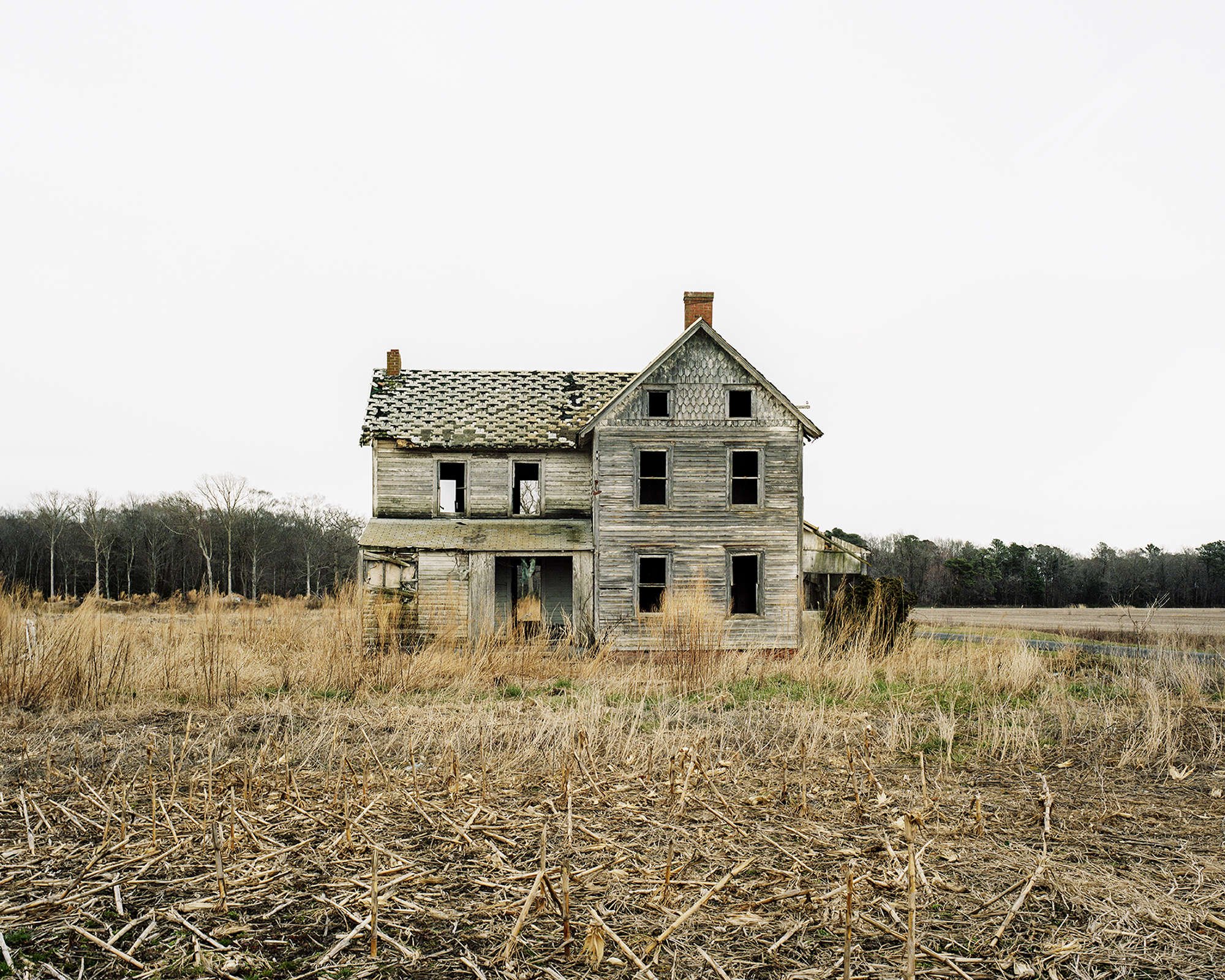
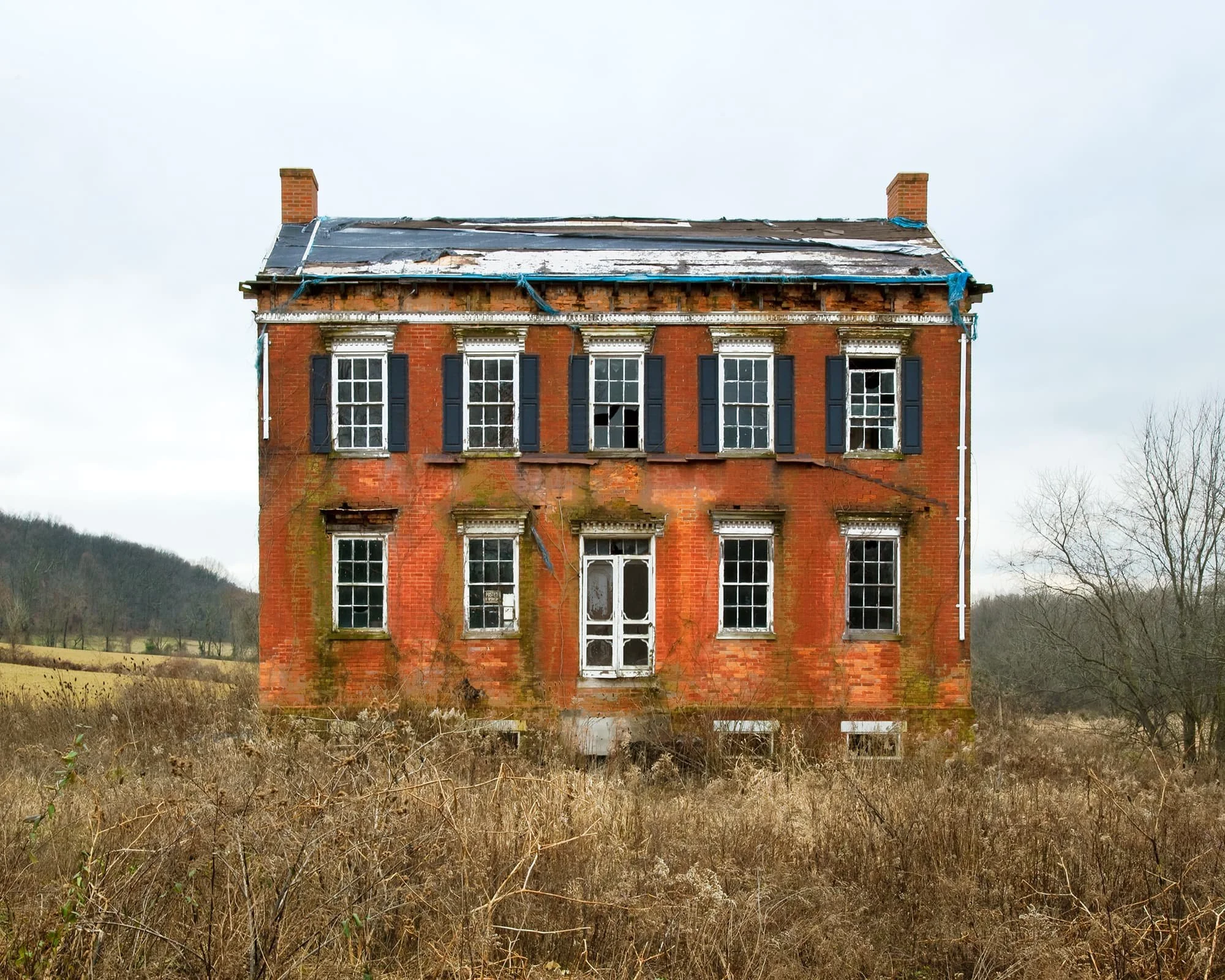
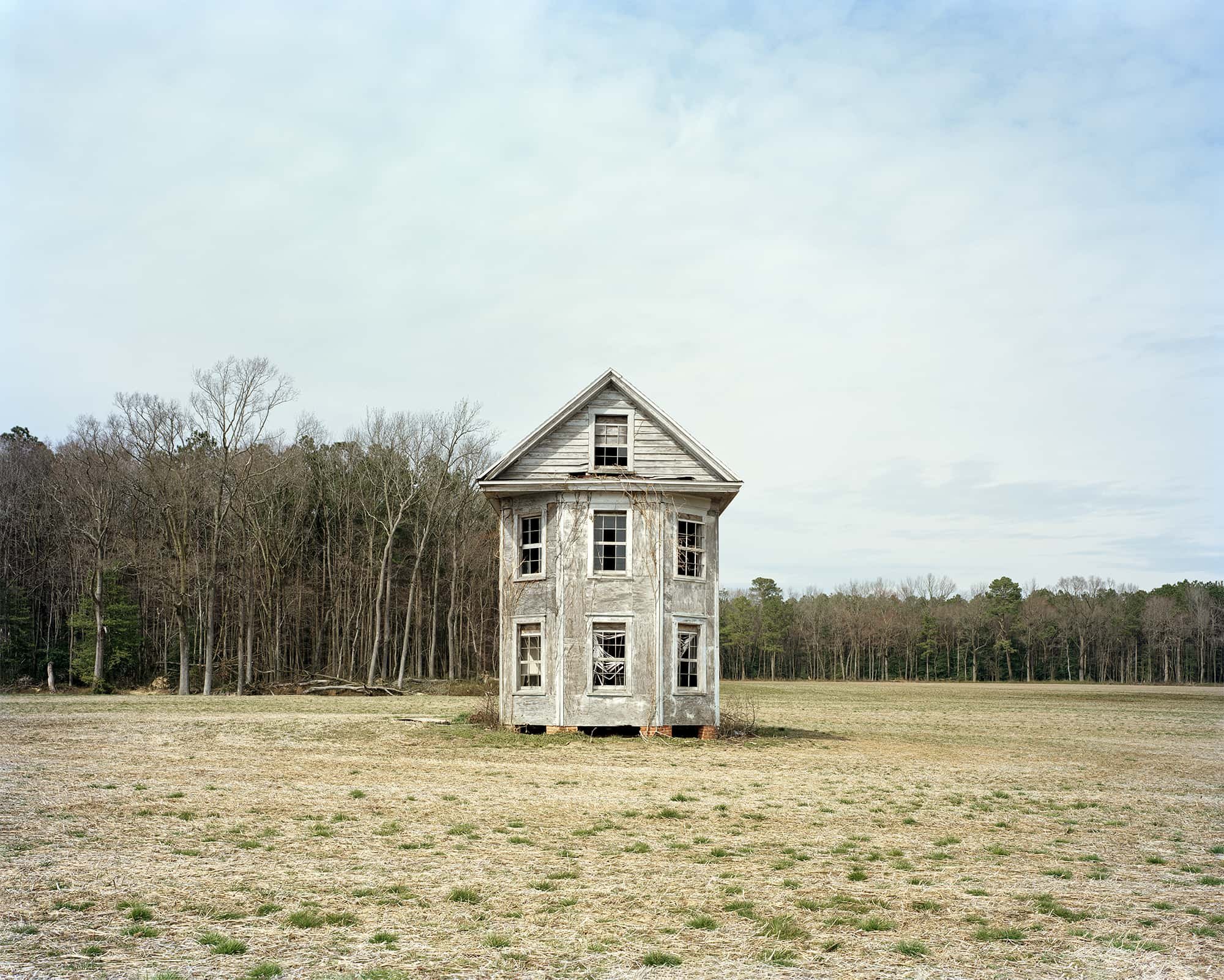
A house has to have a certain presence. It needs to exude some sense of mystery about the past, otherwise, it's just an abandoned house. I don't photograph the interiors. There are too many answers on the inside. I want the outside to present the story, whatever that may be.
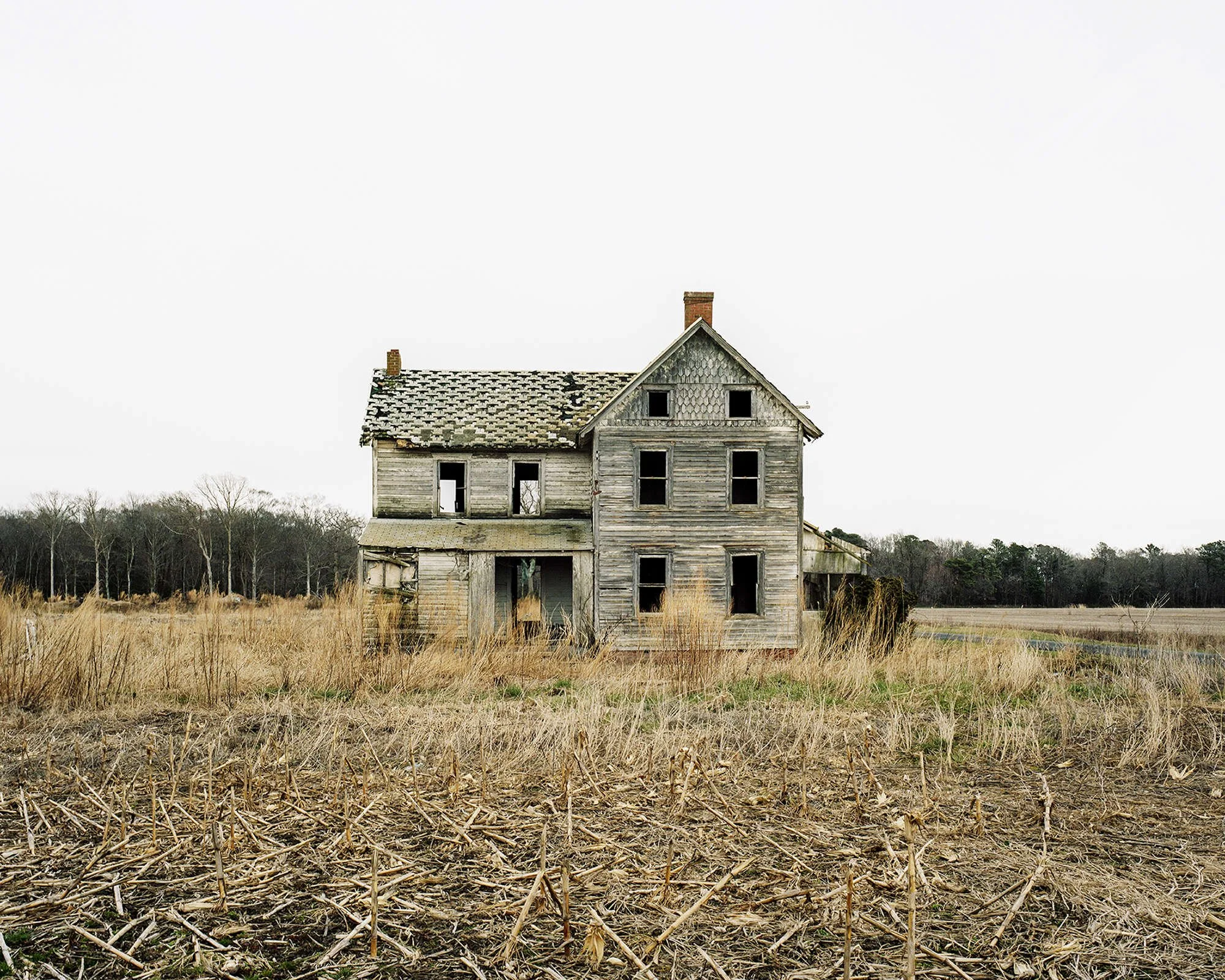
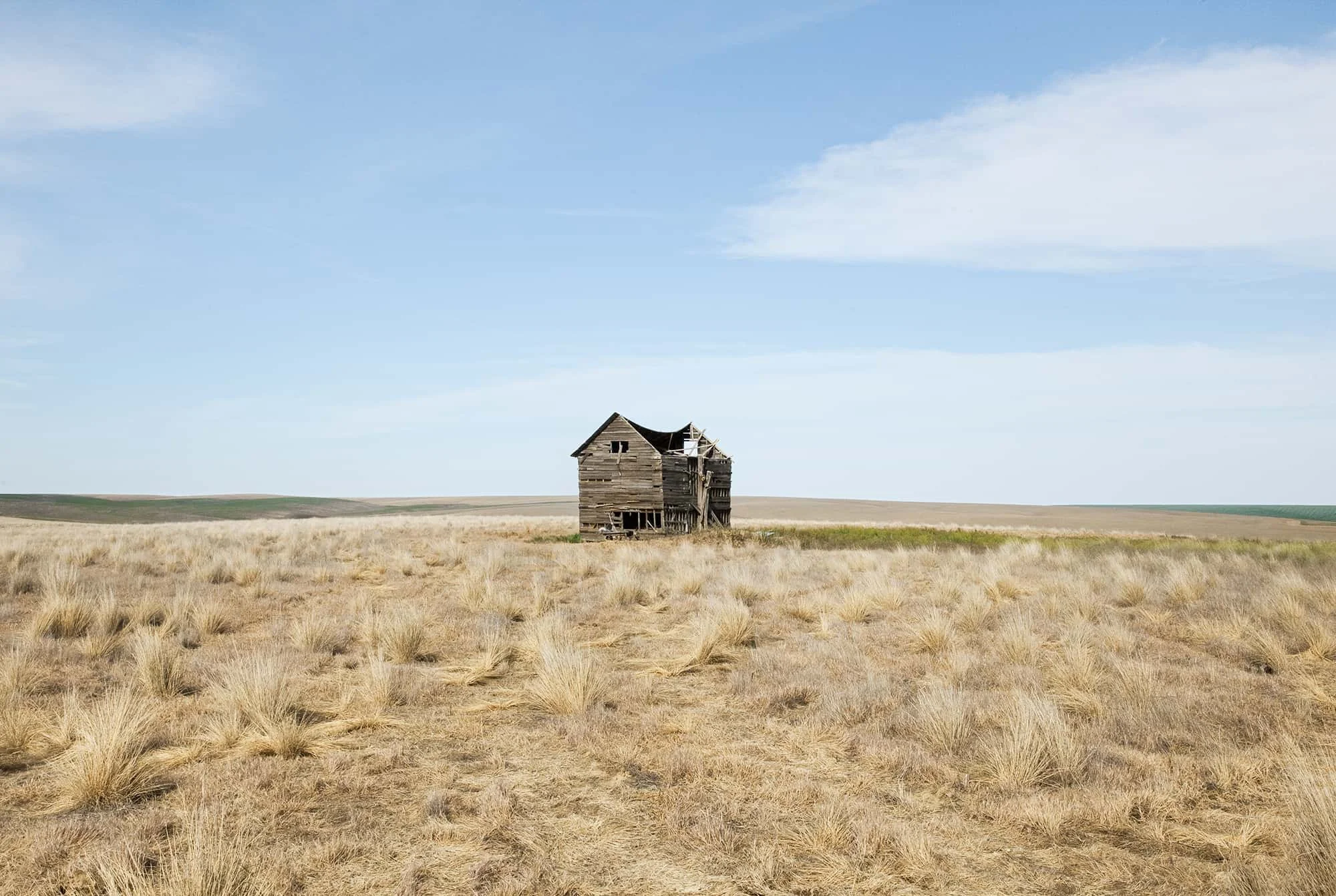
This house in Sussex County, Delaware was a runaway keeper when I first drove past it some years ago. The big oceanside resorts are just a few miles to the east. This particular setting, a monochromatic apparition in which the house is slowly blending into the landscape, was of a place where time stood still. The following year she was gone.
Still Teaching You Something: Last House Standing and A House Apart both grew across many houses and many years. When deciding whether one more house belongs, how do you know if it is still teaching you something new rather than becoming another example of what you already have?
That's a good question. A house would have to be different in some physical way or it will quickly get overlooked by the others. It would also have to convey the same sense of isolation and invocation of memory and history that carries the others to their heights. I think that both of these factors have to be present in order for a house to get added to the group. As the series progresses, I have become much more selective because I don't want to repeat myself.
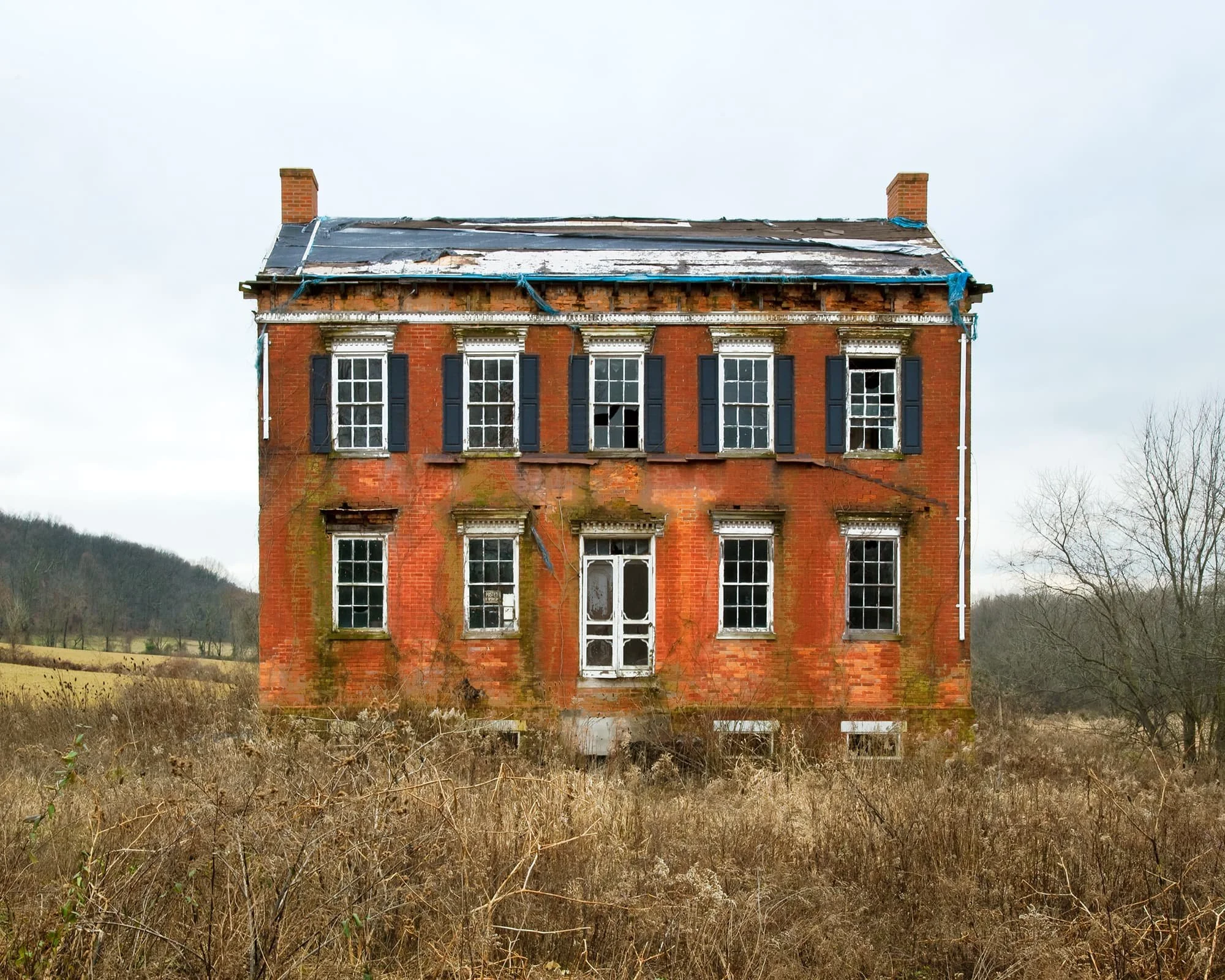
The very first house I photographed for A House Apart was transcendent and I spent years trying to find another one equal to it. Eventually, I gave up and came to understand that these are unique stories and they have to be in order to become part of the final selection.
The Long Search: You spent years trying to find another house in A House Apart equal to the very first one you photographed, before realizing each one needed to be unique. Was there a particular house or moment when you understood that trying to repeat the first photograph was actually holding the project back?
No, I just kept working at it until one day, after many years, I realized that I had a very good collection. Like everything else in life, if one is patient and works hard enough, the breakthroughs will come.
The Outside Story: You've said you never photograph the interiors of these houses, only the outside. Have you ever gone inside one and learned something that made you wish you hadn't known it? Did knowing the real story ever make the exterior harder to photograph openly?
The decision not to do the interiors was made at the very beginning. I never even bothered to go inside. Those kinds of photographs have been done many times, and I really wanted to pare things down so you'd only see the outside and imagine what was going on inside. Not long ago, I came across Ernest Hemingway's "Iceberg Theory" of writing, in which he deliberately left out many details and context within his narratives. Hemingway's idea was that the real truth lay beneath the surface of things, and he knew that he could engage his readers by giving them just enough for them to imagine the rest of the setup. At least that's how I understood his motives. Anyway, I think I was doing something similar with A House Apart as well as The Camps and Last House Standing.
The Ones That Got Away: Sometimes a house was already gone before you could photograph it. How often did that happen over the years? Did it change how or when you searched, or did you accept it as part of this kind of work?
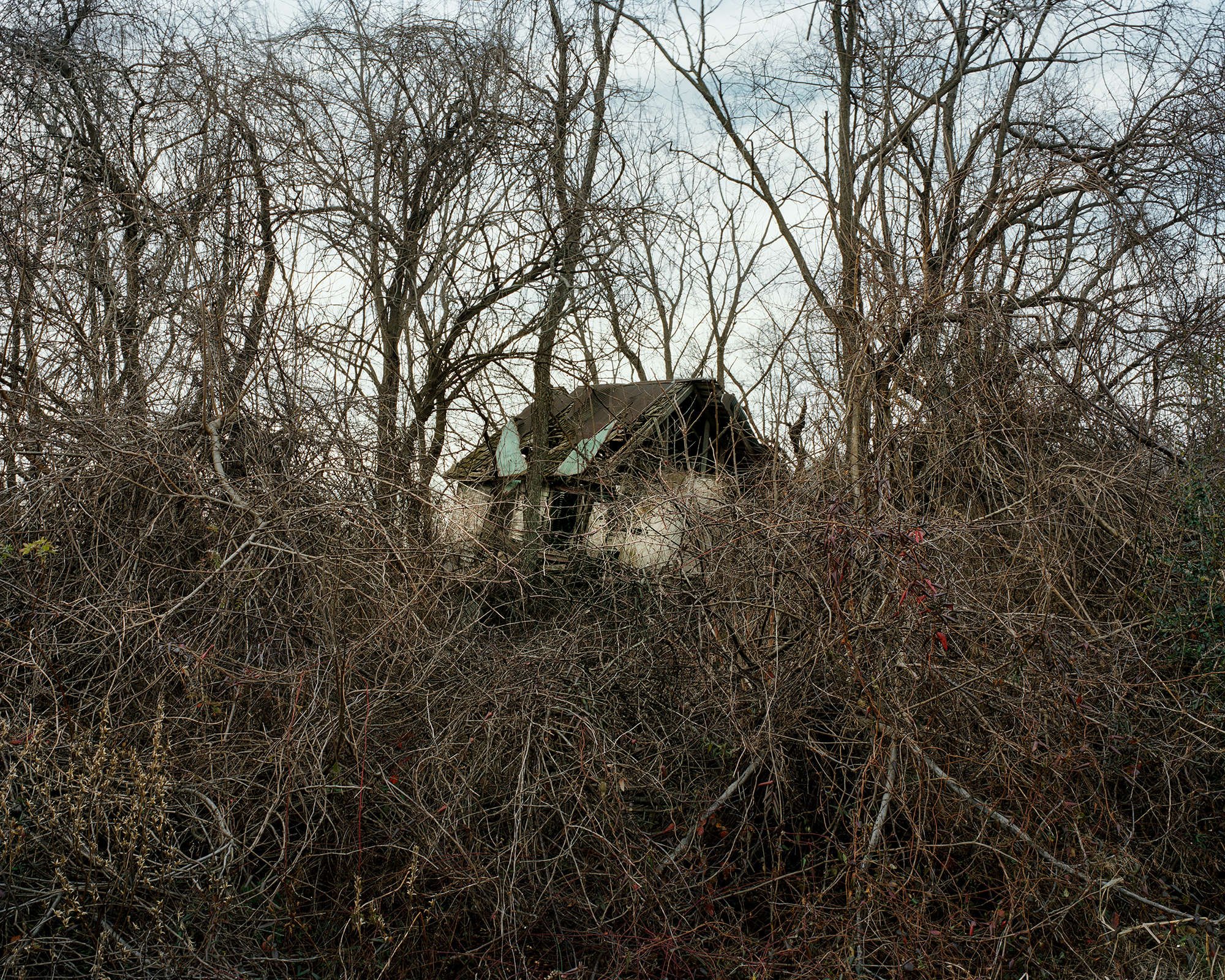
I don't use maps to find a house. I would go blind searching for them on my computer screen. I locate the houses when I am on the road or in the woods. I spend a lot of time in the woods and fields, most of it off-trail. Although quite rare, the houses I find in there can be astounding.
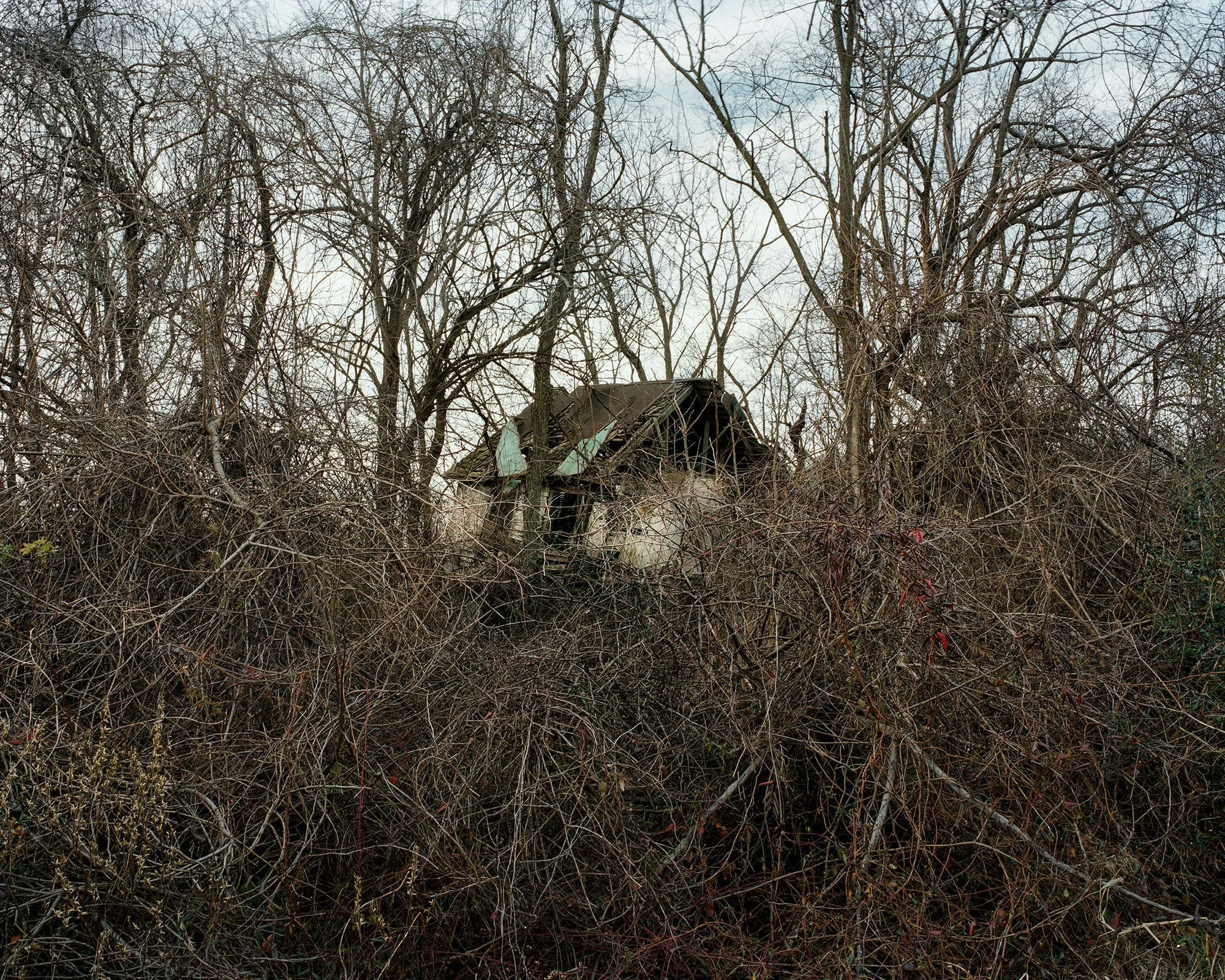
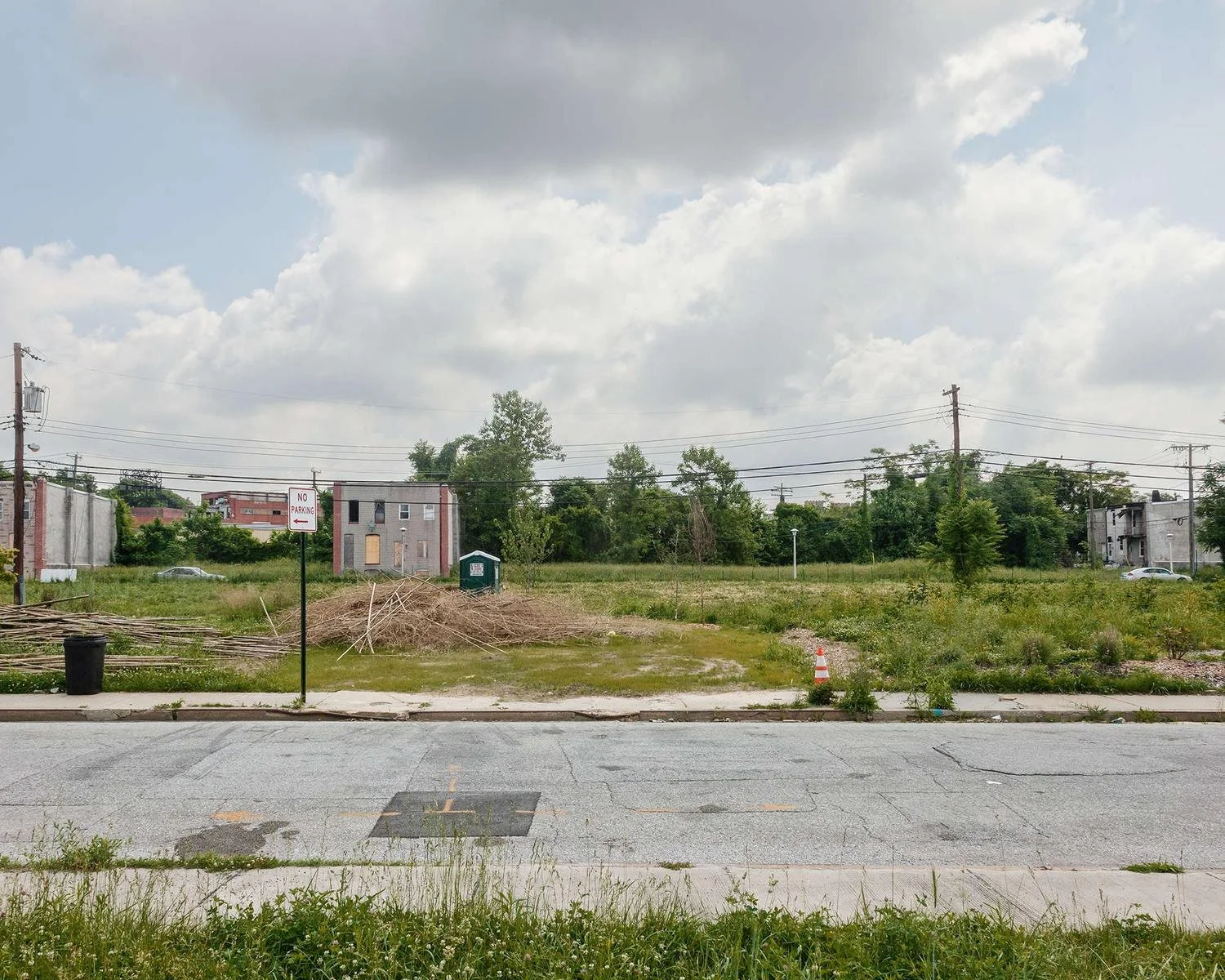
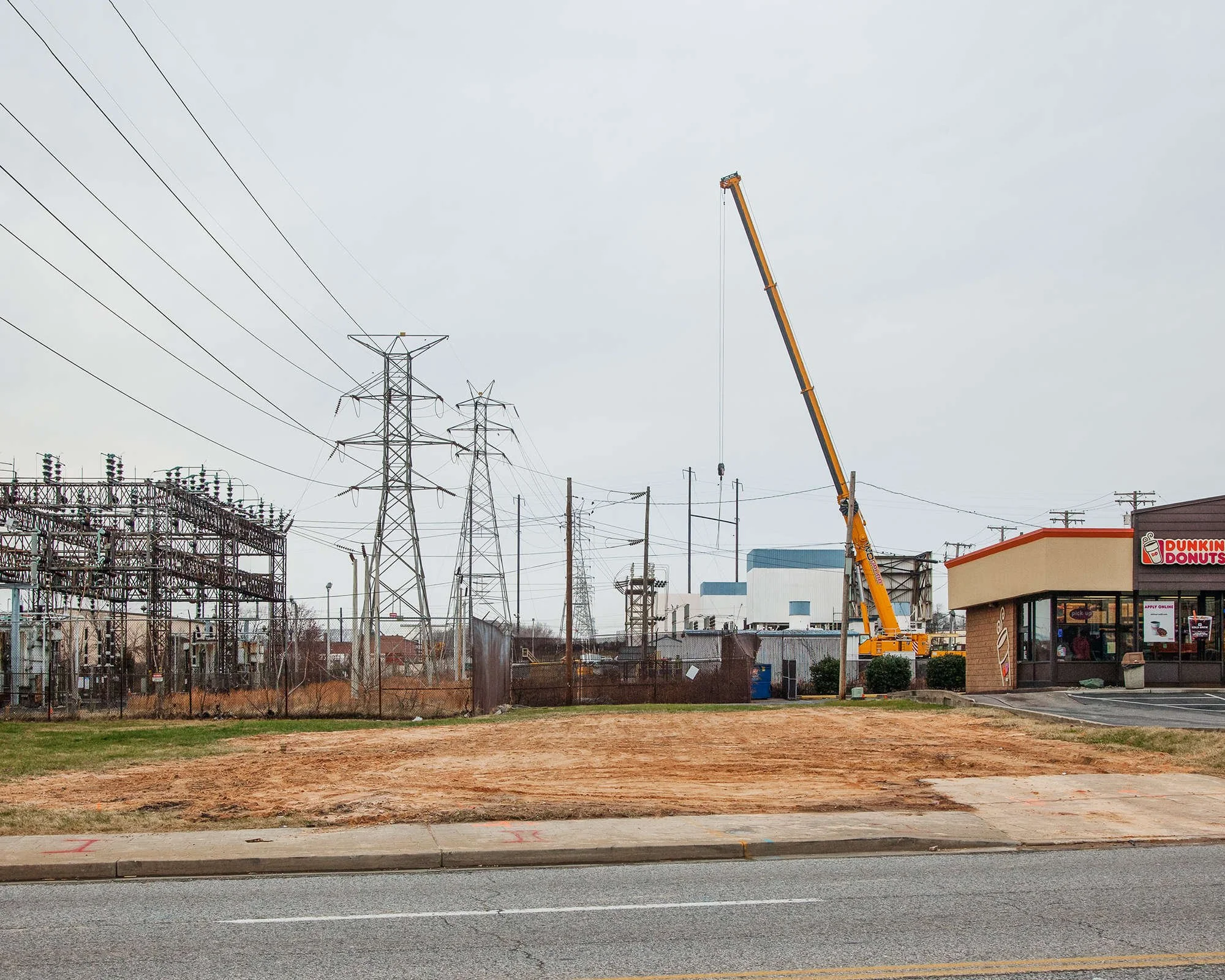
Occasionally, I will return to a house to rephotograph it only to find that it has vanished. It is a condition of the way things work that I have come to accept. Many years into Last House Standing, I started including the vacant lots that took the place of the original solo rowhouses after they were finally bulldozed. One of the signature themes of that series is defiance, the act of still standing when everything else around you has been knocked down. The vacant lots show that this is a condition that doesn't last forever.
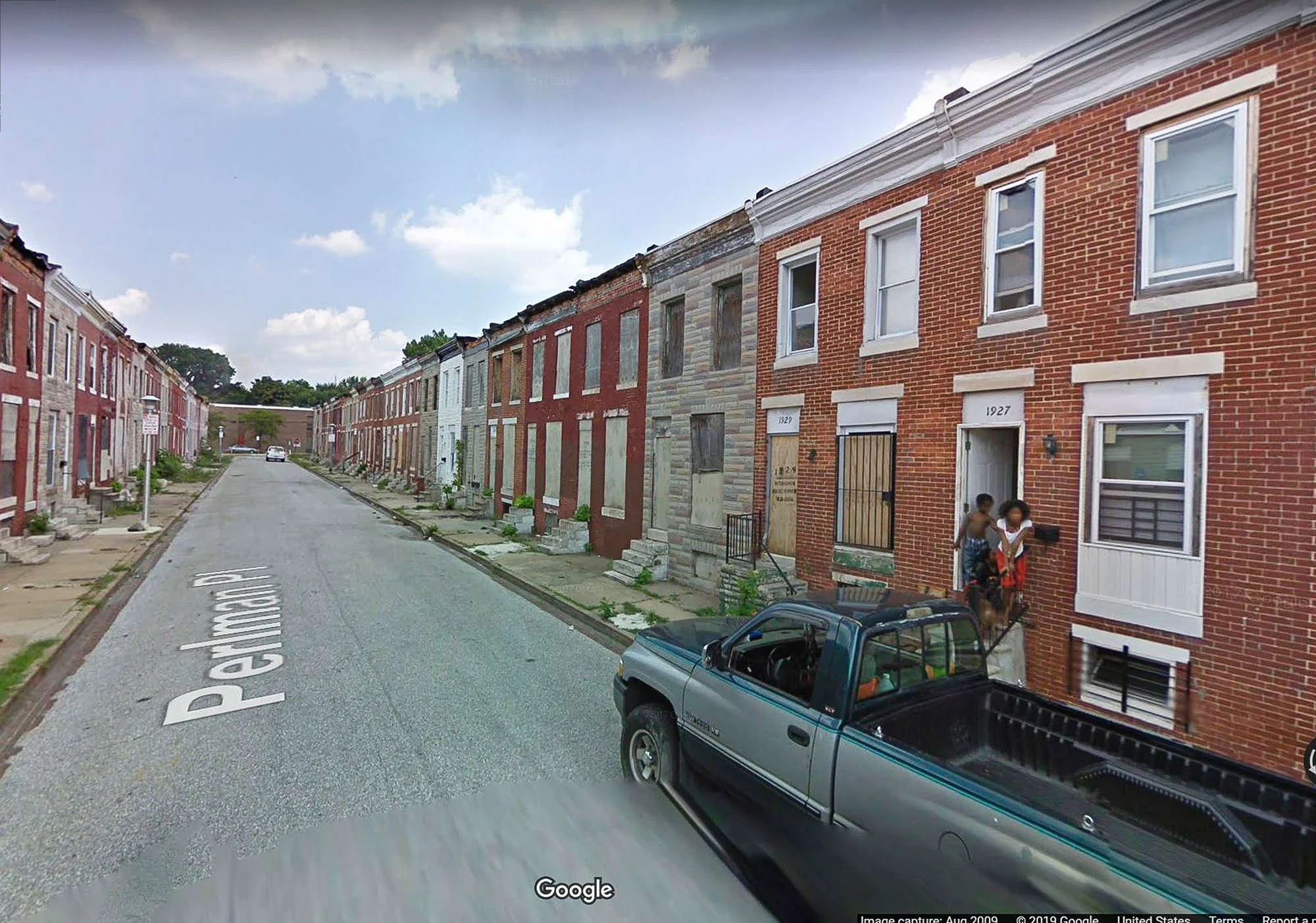
Below is Perlman Place in Baltimore, captured by a Google Street View car in 2009. The kids on the right are standing on the doorstep of their house at 1927 Perlman.
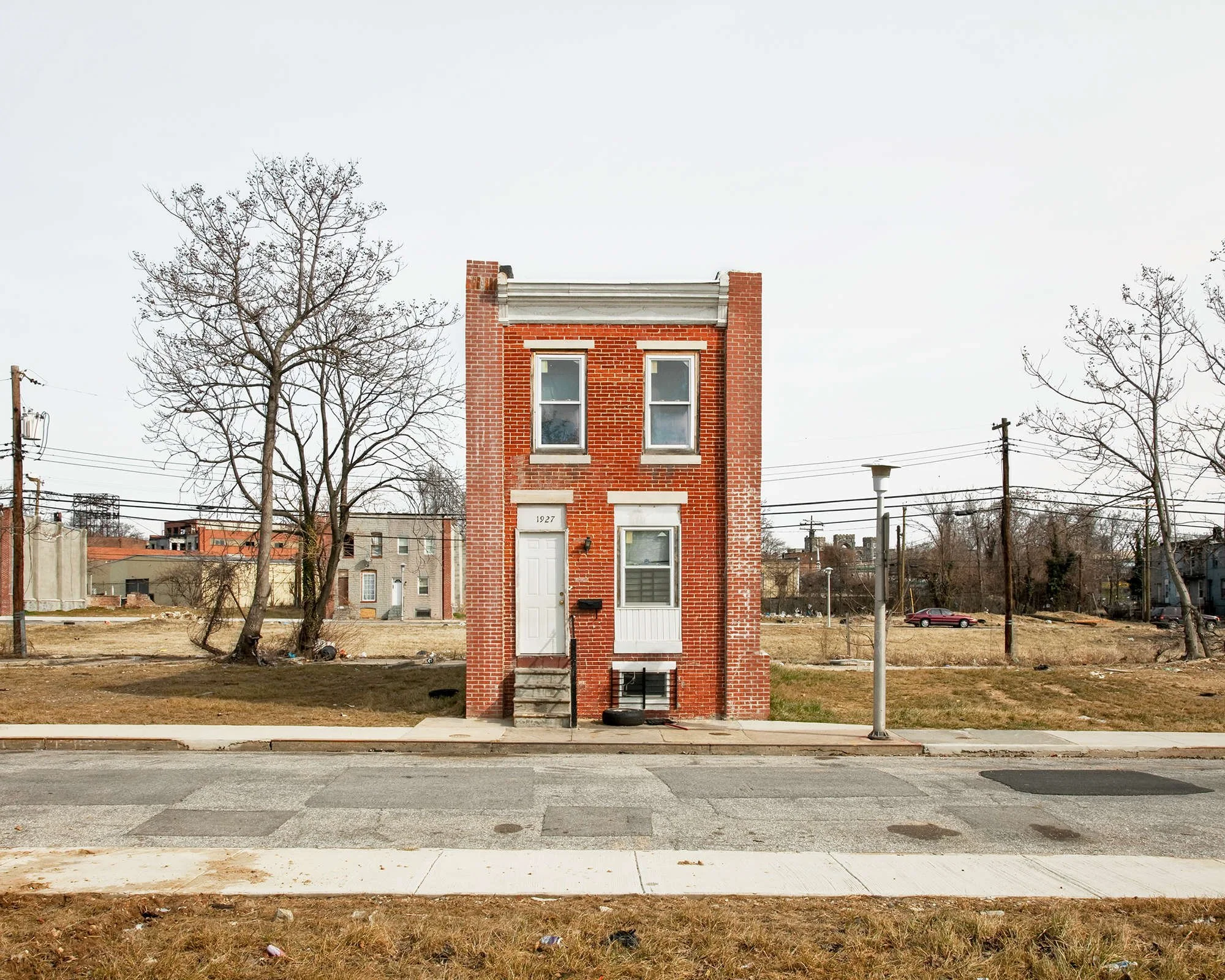
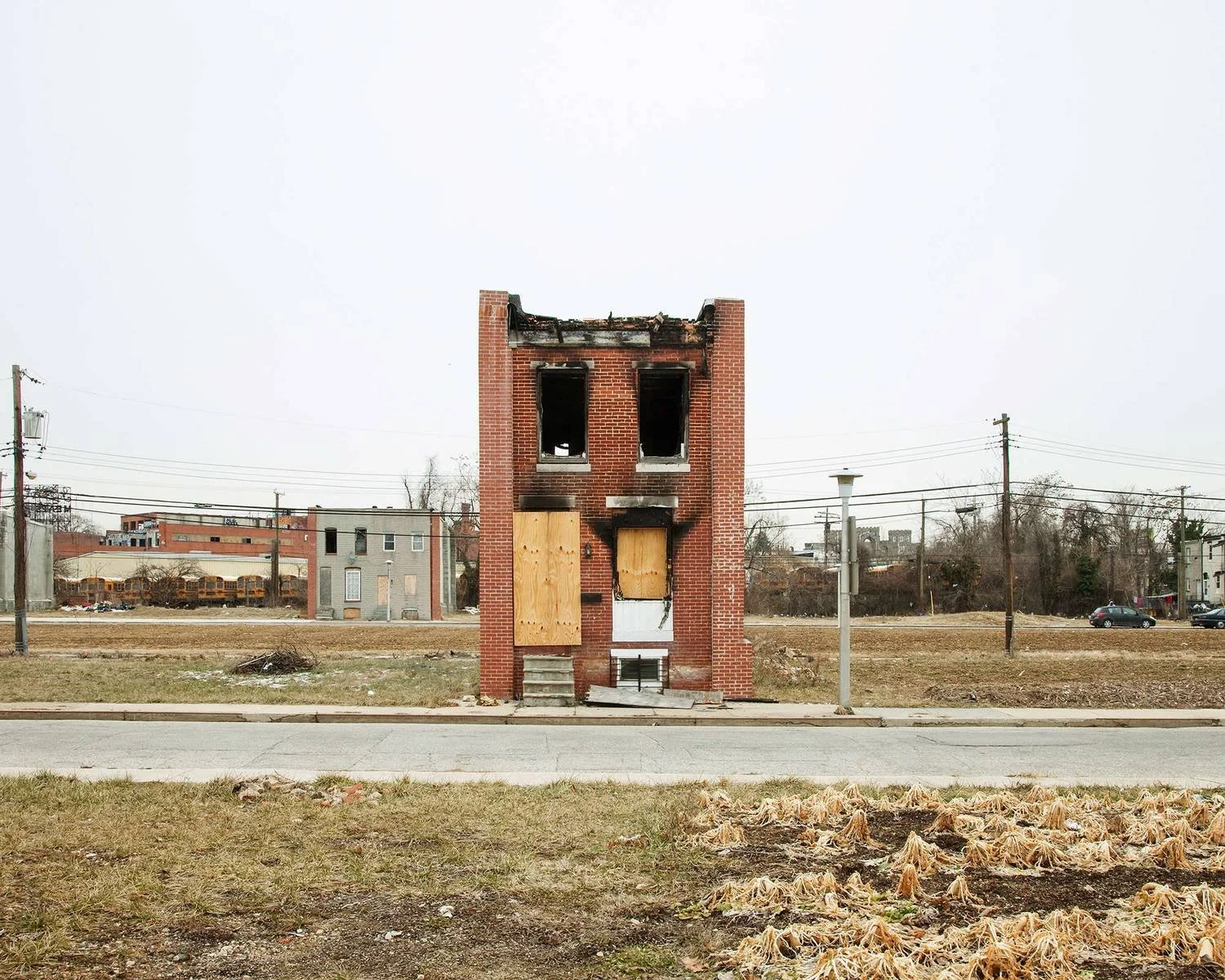
The next three pictures of 1927 Perlman Place were taken in 2011, 2015 and 2016.
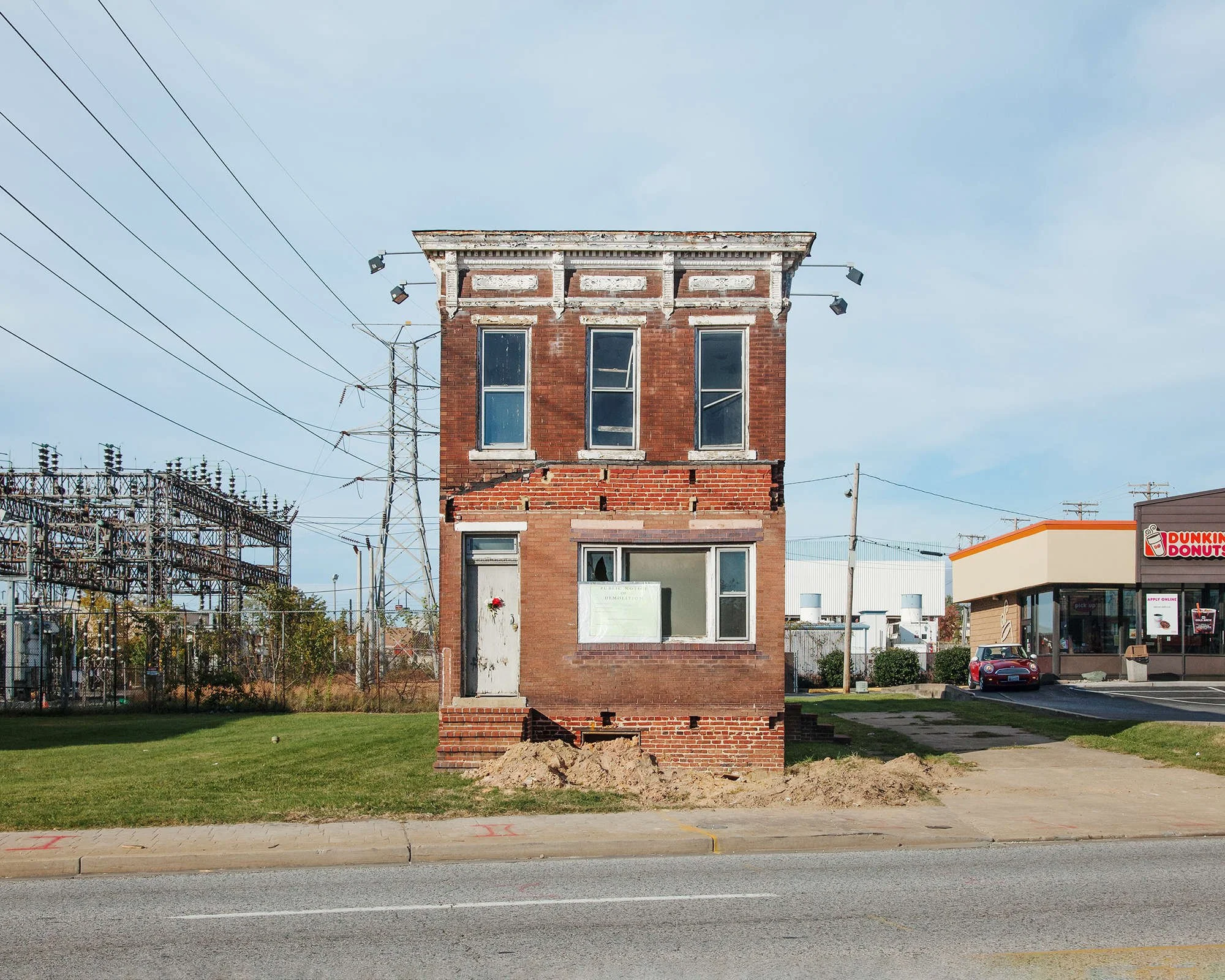
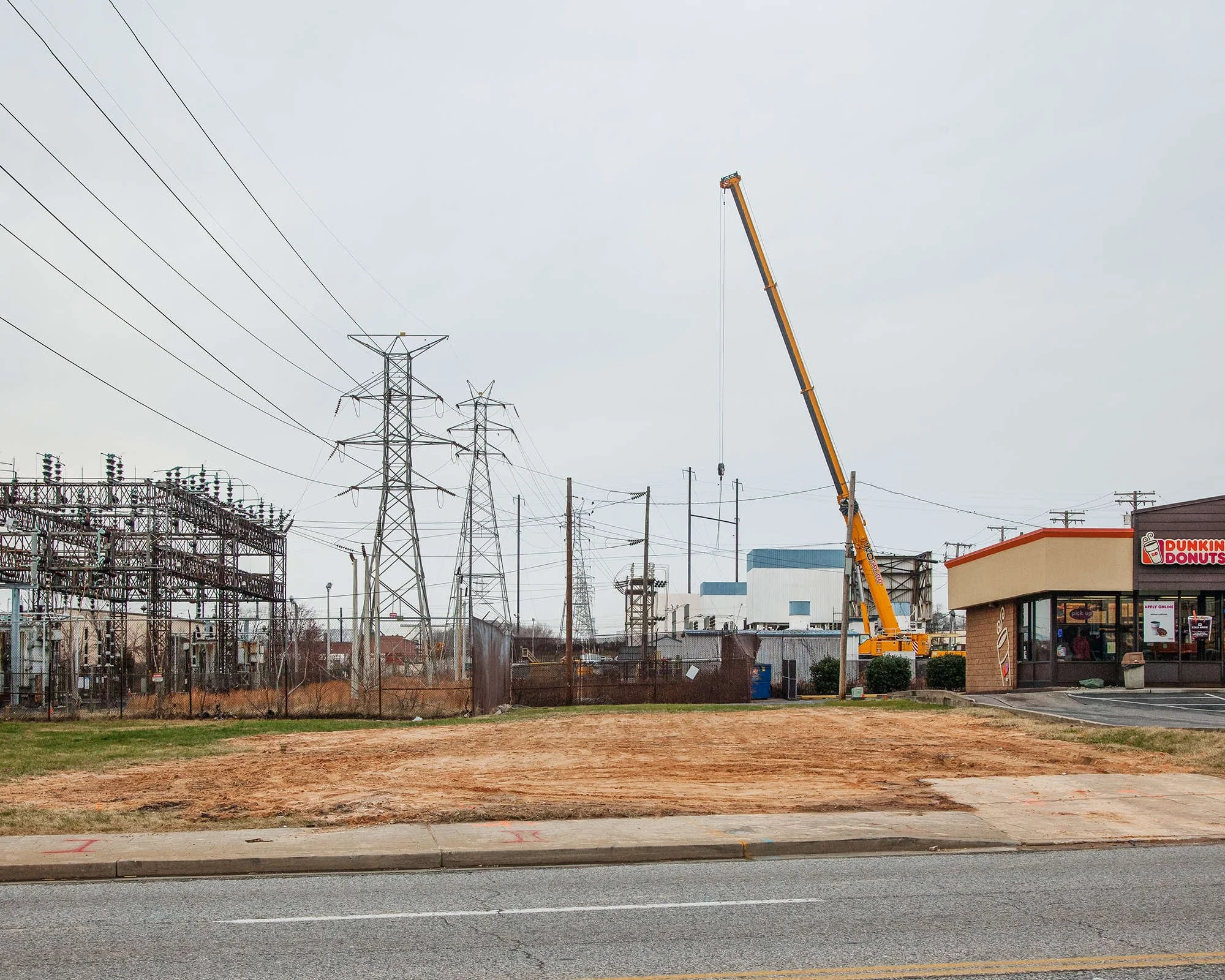
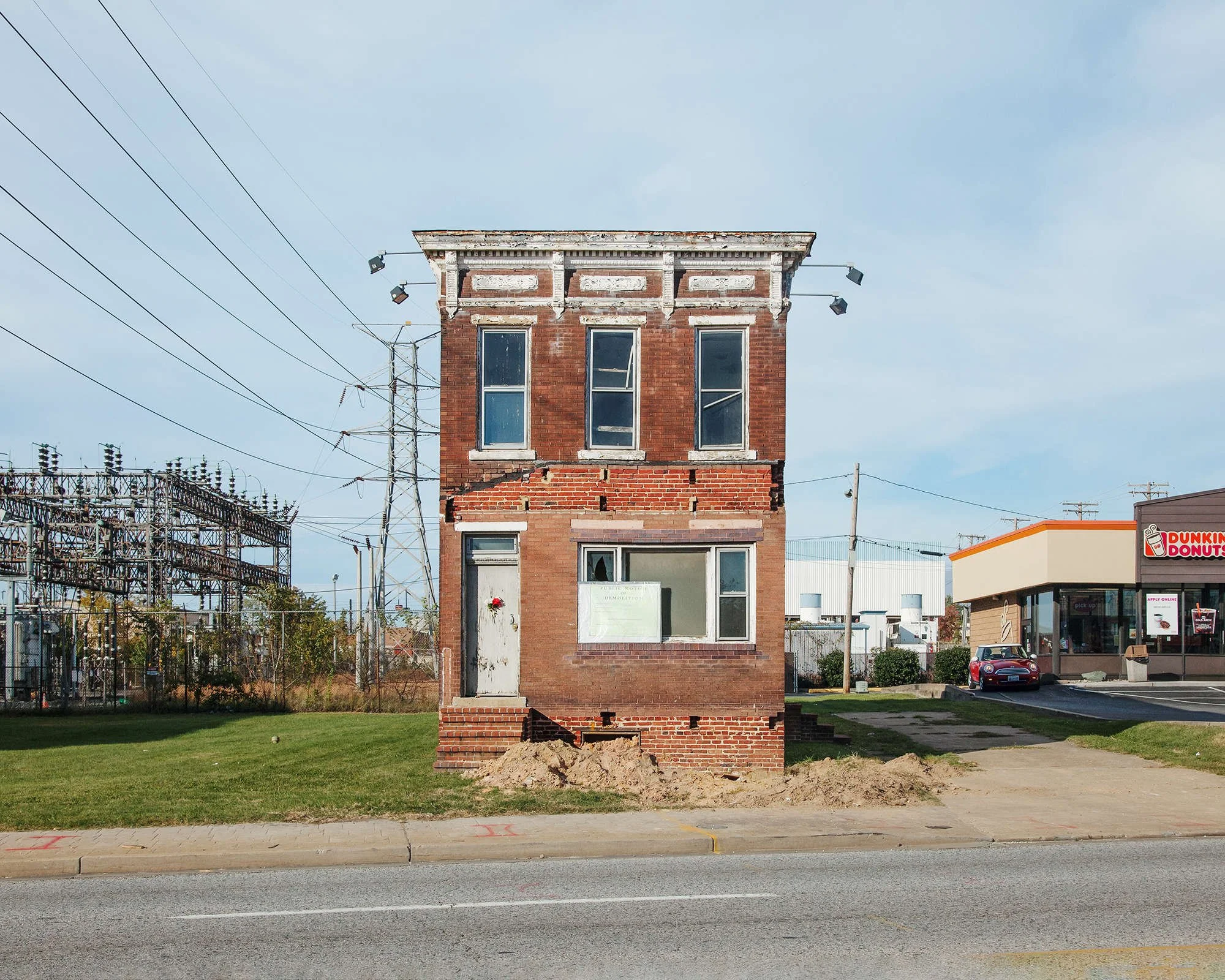
Photographing the Absence: In 2016 you photographed the house at 4006 Pulaski Highway. By 2017 it had been demolished to extend a Dunkin' Donuts parking lot, and you photographed the empty, leveled lot. What did that second photograph tell you that the first one, on its own, could not?
That house had an interesting story to it. In 1994, it was occupied by a 62-year-old woman who was the matriarch of a large clan of gypsy fortune tellers. She lived in the rear of the house and ran her fortune-telling business in the front parlor. One of her regular clients became despondent over what he believed was a hex she put on him, and he decapitated her in the house. While trying to escape arrest later that day, he attempted to throw himself under a train but was pulled away at the last second. At his trial, he had to be restrained in a wheelchair after attacking several police officers. The killer was sentenced to a maximum-security psychiatric facility and later released to the custody of his mother around 2003.
I first photographed the house in 2007, then went back to take the two pictures seen in the book ten years later. I was not aware of the story at the time, but there was clearly something about the house and its forlorn location that caught my attention. I could sense that things had happened here. The structure certainly predated its surroundings by decades but had long been subsumed by what you see in the picture. The street it faces is a major four-lane thoroughfare that is packed with trucks and heavy traffic at all hours. It was clear to me that whoever owned this house didn't have the political clout or connections to ward off the encroachment. Yet, there it was, still standing. Until it wasn't.
One Method, Three Subjects: The row houses, rural houses, and camps share a remarkably consistent way of being photographed. Did you develop that visual approach separately for each series, or did one project teach you a method that you then carried into the others?
Very early in the development of these projects, I saw that there were potential stories to be found in the spaces on either side of the houses and camps, so I shot everything dead center and included as much as possible on the periphery. This was relatively easy to do with Last House Standing, but a bit more problematic with The Camps because of their more amorphous shapes, but I made it work.
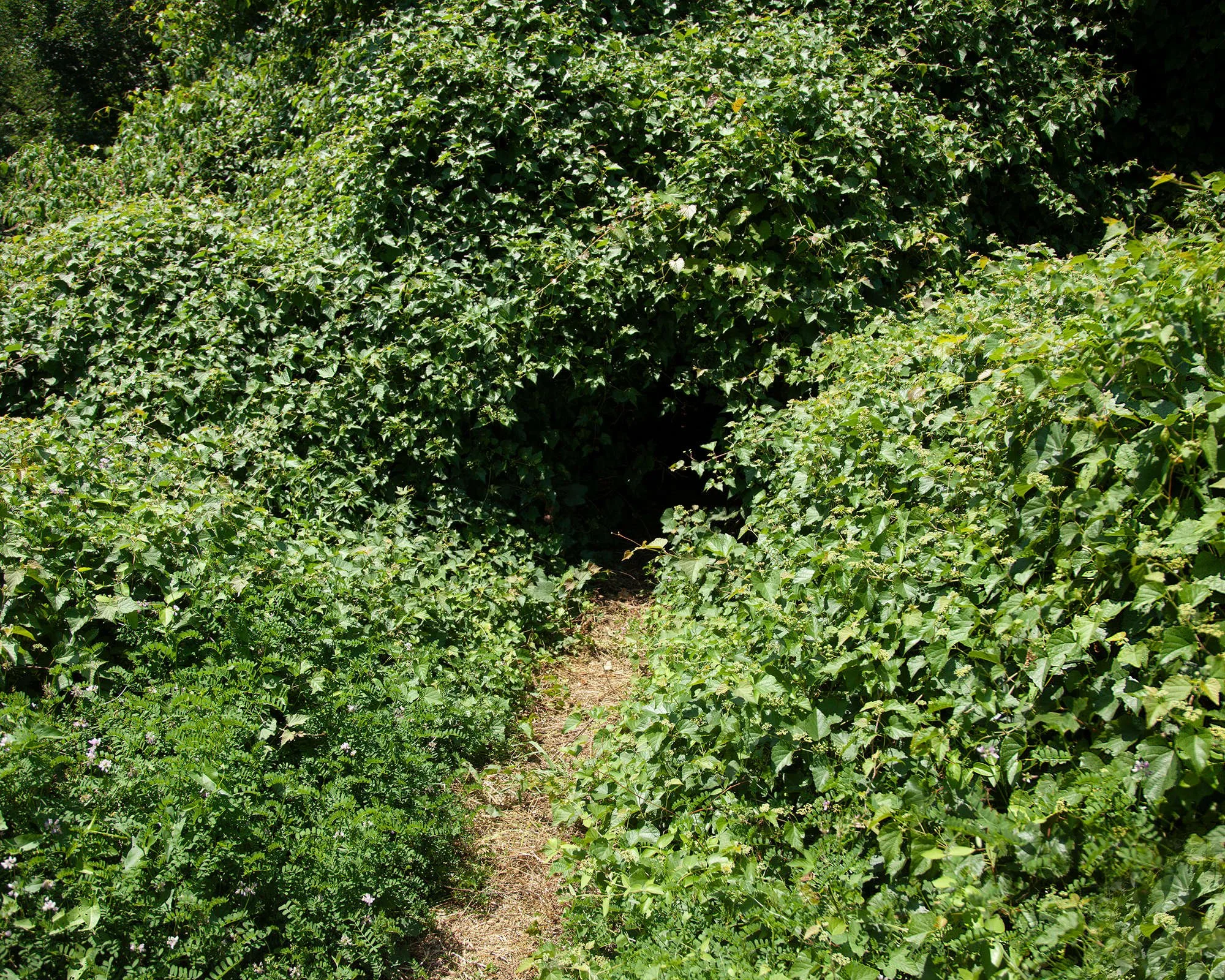
Here is the rear entrance to a large homeless camp, although I didn't know it at the time. I crawled in because I was curious and came upon three men seated on cinder blocks drinking beer. Forty yards away, the truck traffic on I-95 roared past us completely unaware of anyone living here. After a few awkward seconds, I held up my camera and was offered a beer. I declined, but explained my project to them and found out a little about their lives and why they were there. I crawled back out on good terms with everybody. The entire time I'd been in there, I hadn't taken any pictures, but I already knew that the photo of the entrance would tell the story.
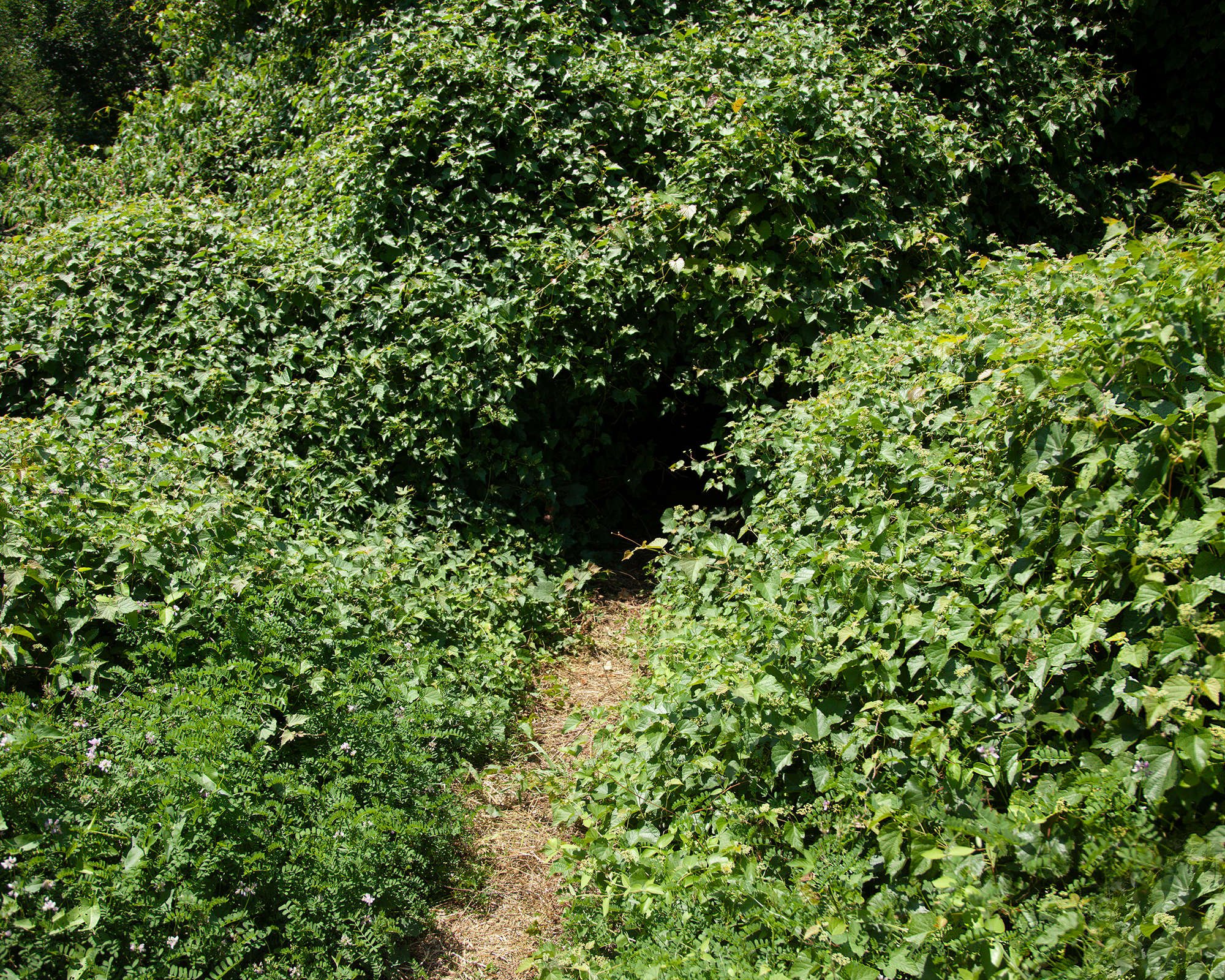
Confirming the Frame: You crawled into that homeless camp, met the men living there, and still decided the photograph of the entrance alone told the story best. What did you understand after going inside that confirmed you didn't need another picture?
For the same reasons that I didn't photograph the interiors of the abandoned houses, I also decided to omit the homeless people in the camps. It would have changed everything, revealed too much information. I think it's important to show dignity in these photographs, and this would have been difficult for me if I had photographed the people. Another photographer might have been more successful at it, but I felt it would have been exploitive, like photographing the interiors of the abandoned houses as some kind of ruin porn, and I didn't want that effect. Many of the camps I photographed displayed a lot of creativity and dignity on the part of the residents, and this is what I wanted to emphasize.
What an Outside Eye Saw: Going back to the book coming together in hindsight, what is one specific connection between the three projects that your publisher saw and you had not fully recognized yourself? How did it change the final shape of the book?
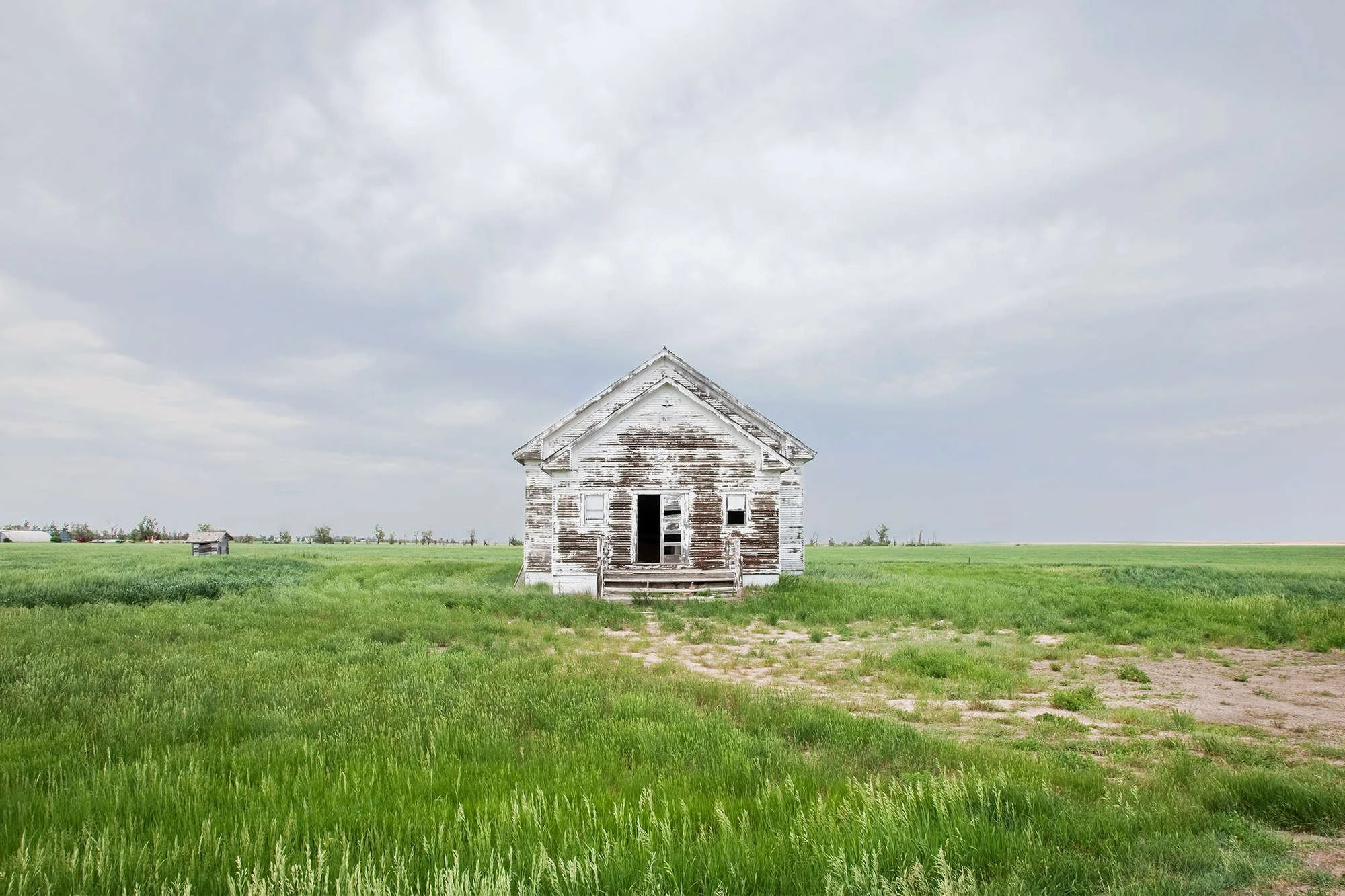
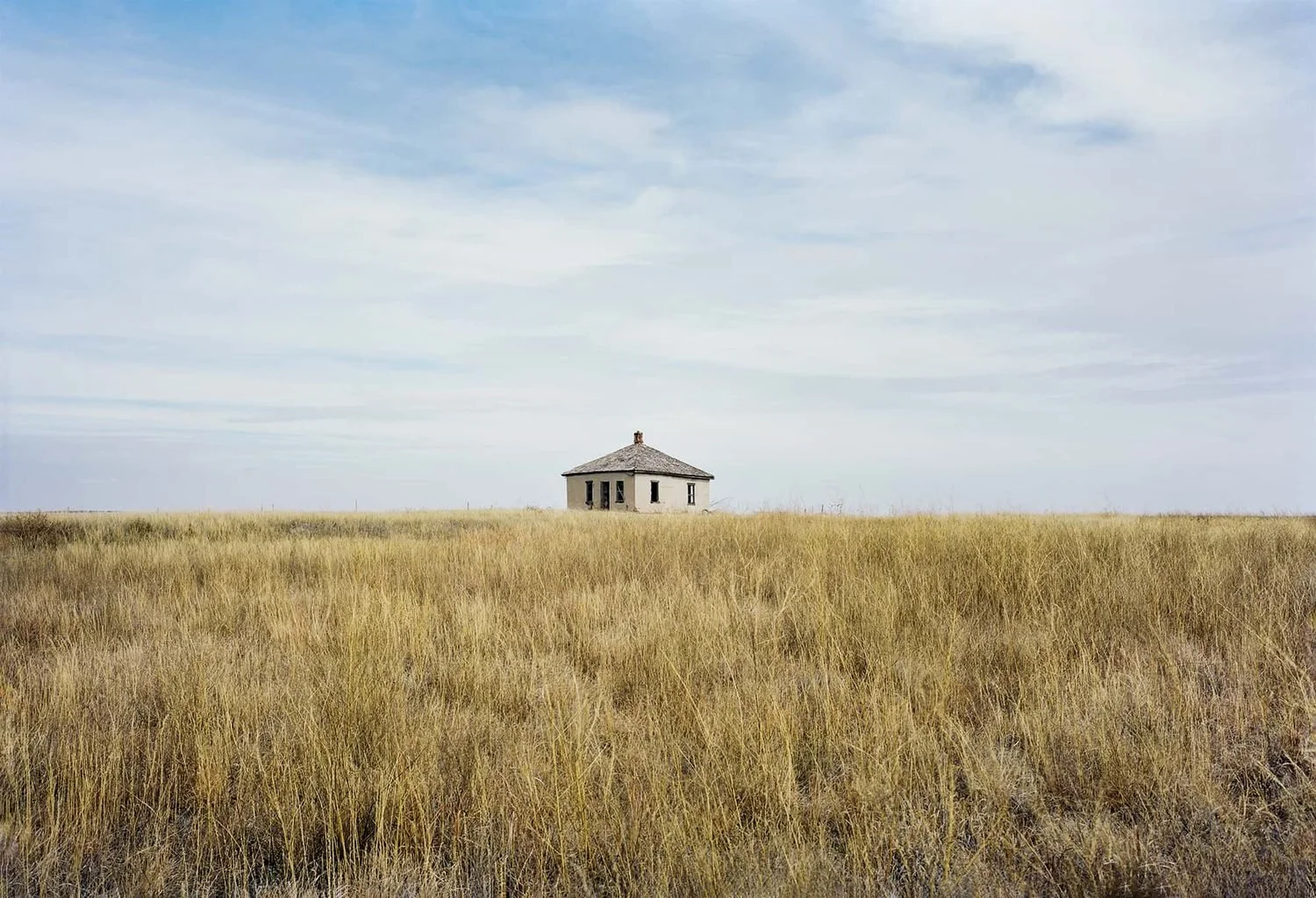
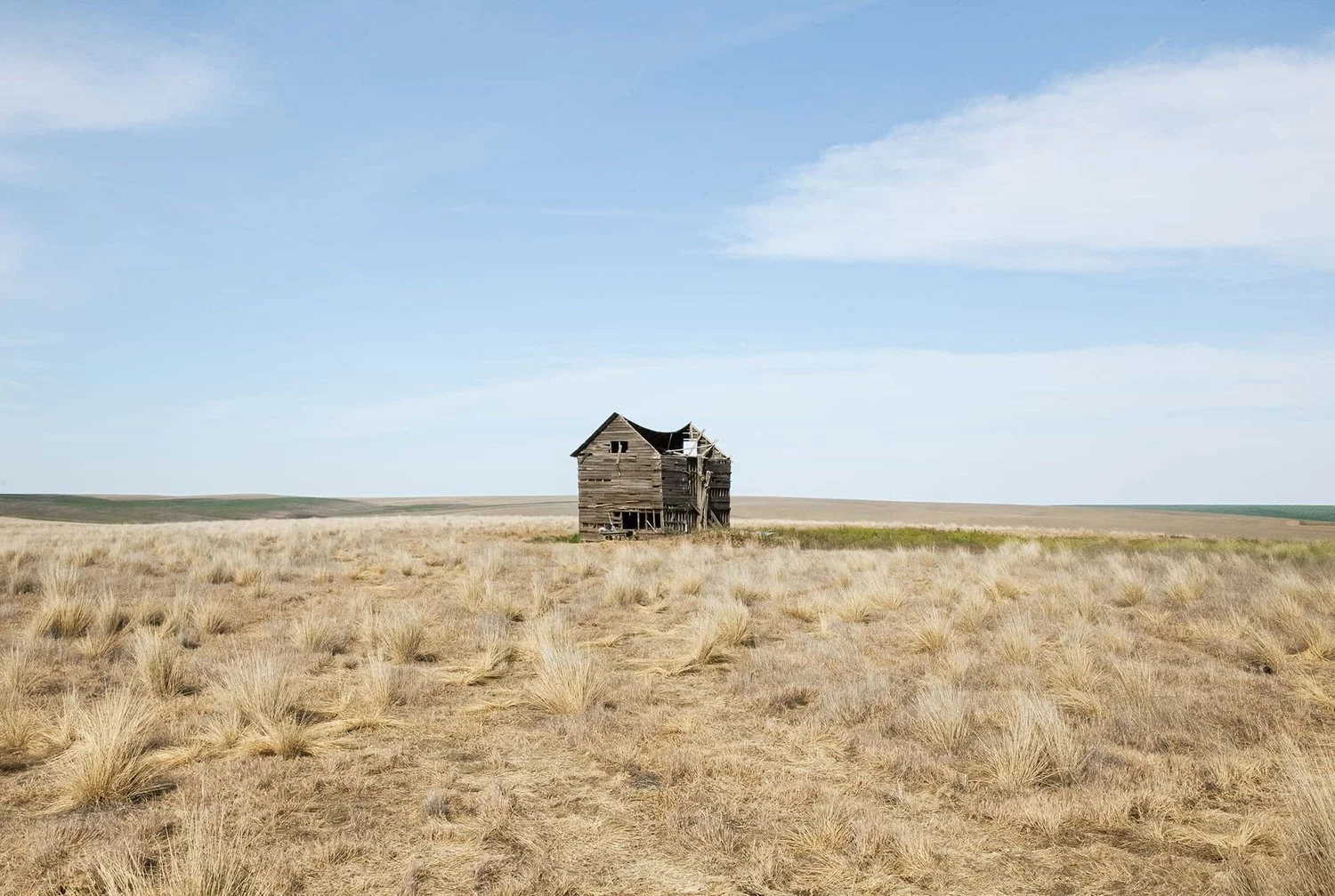
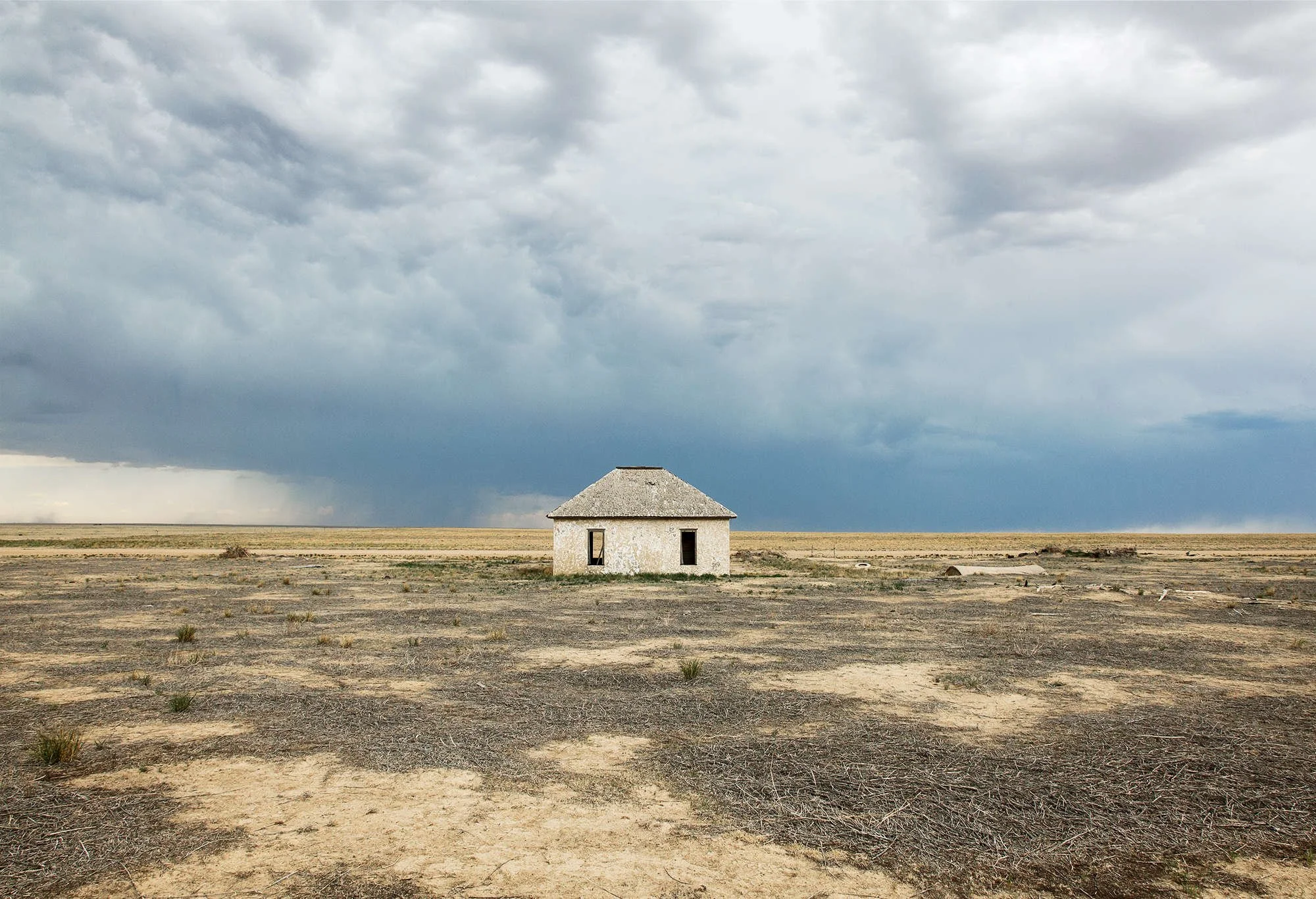
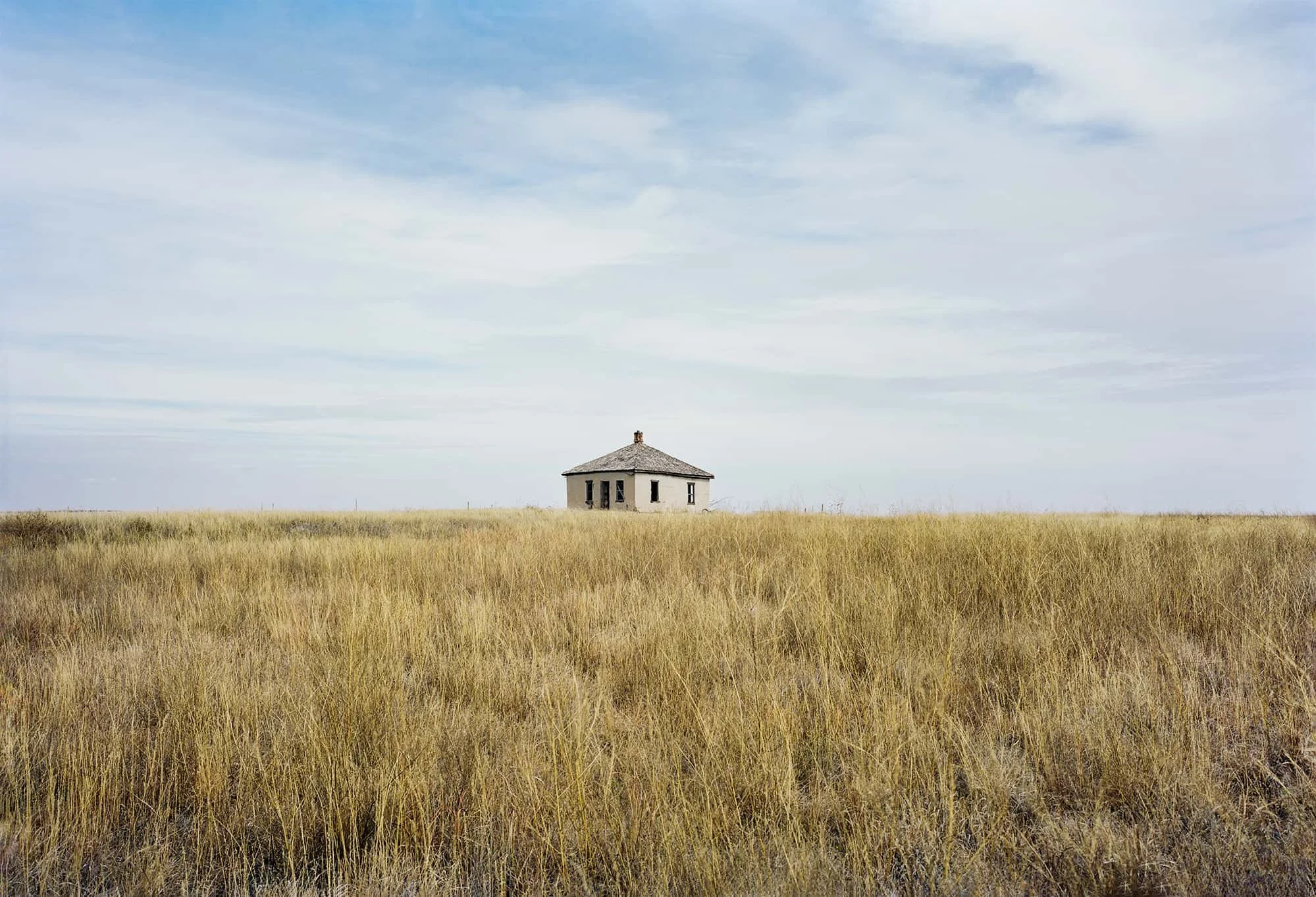
I worked on all three projects independently of each other. I was aware that there was a broad connection between the three, but I kept them separate for many years. When the time came to put a book together, I decided to combine the three photo essays, along with a fourth set that I called Out West. This fourth project consisted of solo prairie houses, photographed primarily in the high-desert regions of Colorado, Oklahoma, Kansas and Washington State. In my mind, the four photo essays were a collection of American houses that were all on the bubble.
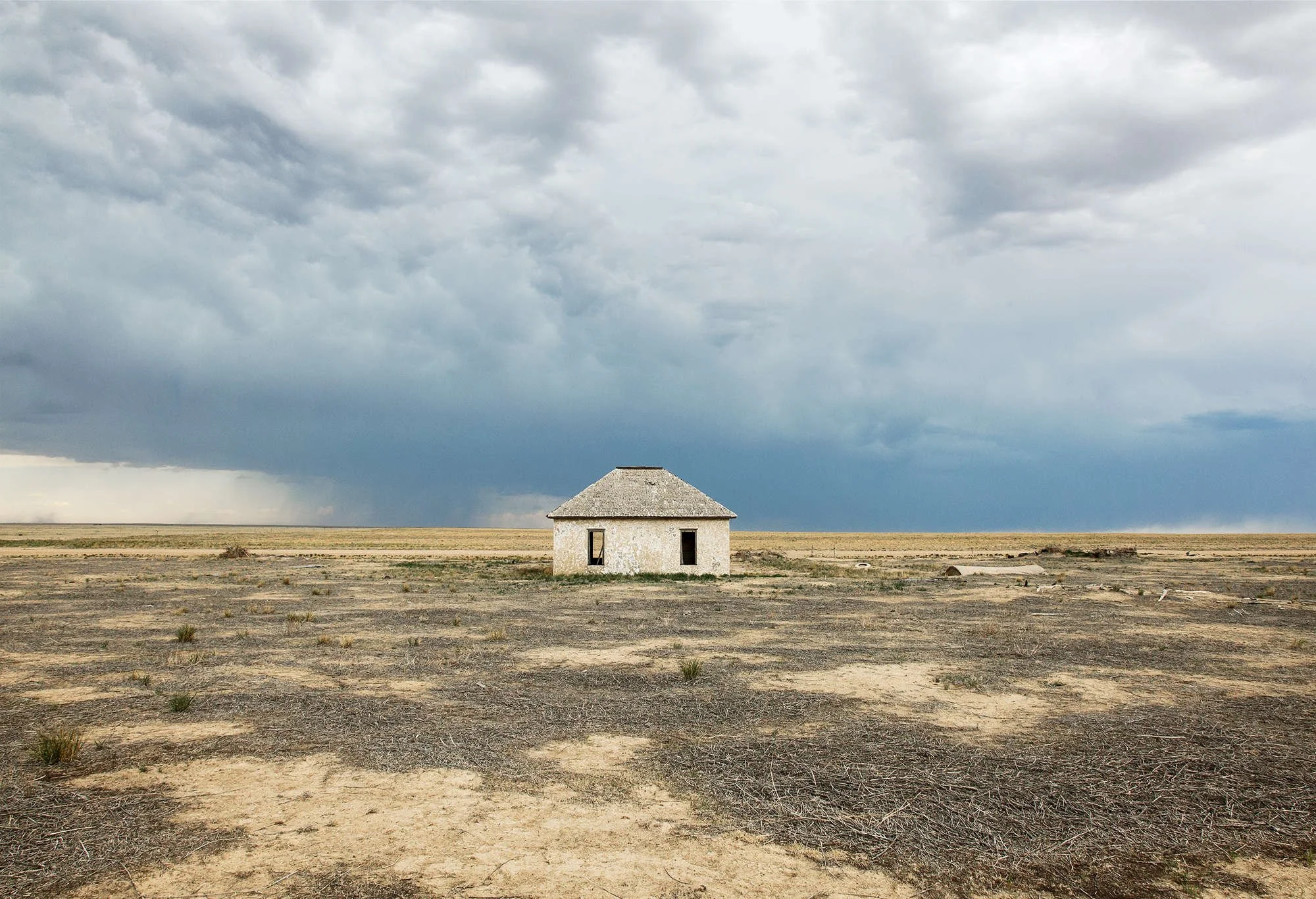
When I sent my initial proposal over to Stu Smith at GOST Books, he took some time to think about it and then made a counter-proposal. When his edit came back to me, none of the prairie houses were to be seen, and there was no comment from Stu as to why. I quickly understood that he saw a very strong connection between the three other series that now make up the book and that the fourth one didn't quite fit. The book would now be more narrowly focused on the Baltimore region instead of a broader American theme, and I realized that this would make for a stronger book. Stu made this connection without any real regard to the fact that the three series were all photographed in and around Baltimore. He just intuited that they belonged together. Stu made some remarkable contributions to the book, for which I am very grateful. Out West will get its day in a future book. They are very nice pictures.
Trusting the Edit: When Out West disappeared completely from Stu Smith's edit, was your first reaction to agree with him, or did you want to defend it? What finally convinced you that removing a whole body of work made the book stronger?
My first reaction to his edit was to go back and look at his sequence in case I had accidentally missed the prairie houses. After I realized he had actually left them out, I immediately turned the book over in my mind to one about Baltimore and the surrounding area rather than one about America. It's a much stronger book that way because it's regional. I would have had to include much more than just the prairie houses if I wanted to make the theme broader. Stu and I discussed it, and from his point of view, the three sets of photographs he chose simply worked better without Out West being involved, and I was okay with this. The prairie houses will have a fine place in a different series I am working on about flyover country, the American heartland that nobody notices when flying from one side of the country to the other.
To discover more about this intriguing body of work and how you can acquire your own copy, you can find and purchase the book here. (GOST Books, Amazon)
We'd love to read your comments below, sharing your thoughts and insights on the artist's work. Looking forward to welcoming you back for our next [book spotlight]. See you then!
