Welcome to this edition of Interviews. Today, we look at the project Kindred Guardians, by Justin Mott. We'd love to read your comments below about these insights and ideas behind the artist's work.
Justin Mott’s personal projects give him room to experiment.
He arrived in Vietnam in 2006 and soon began receiving regular assignments from The New York Times. Commercial work for hotels and resorts later became another part of his career. But he found himself repeating approaches he already knew, and his own projects became a place to try something less familiar.
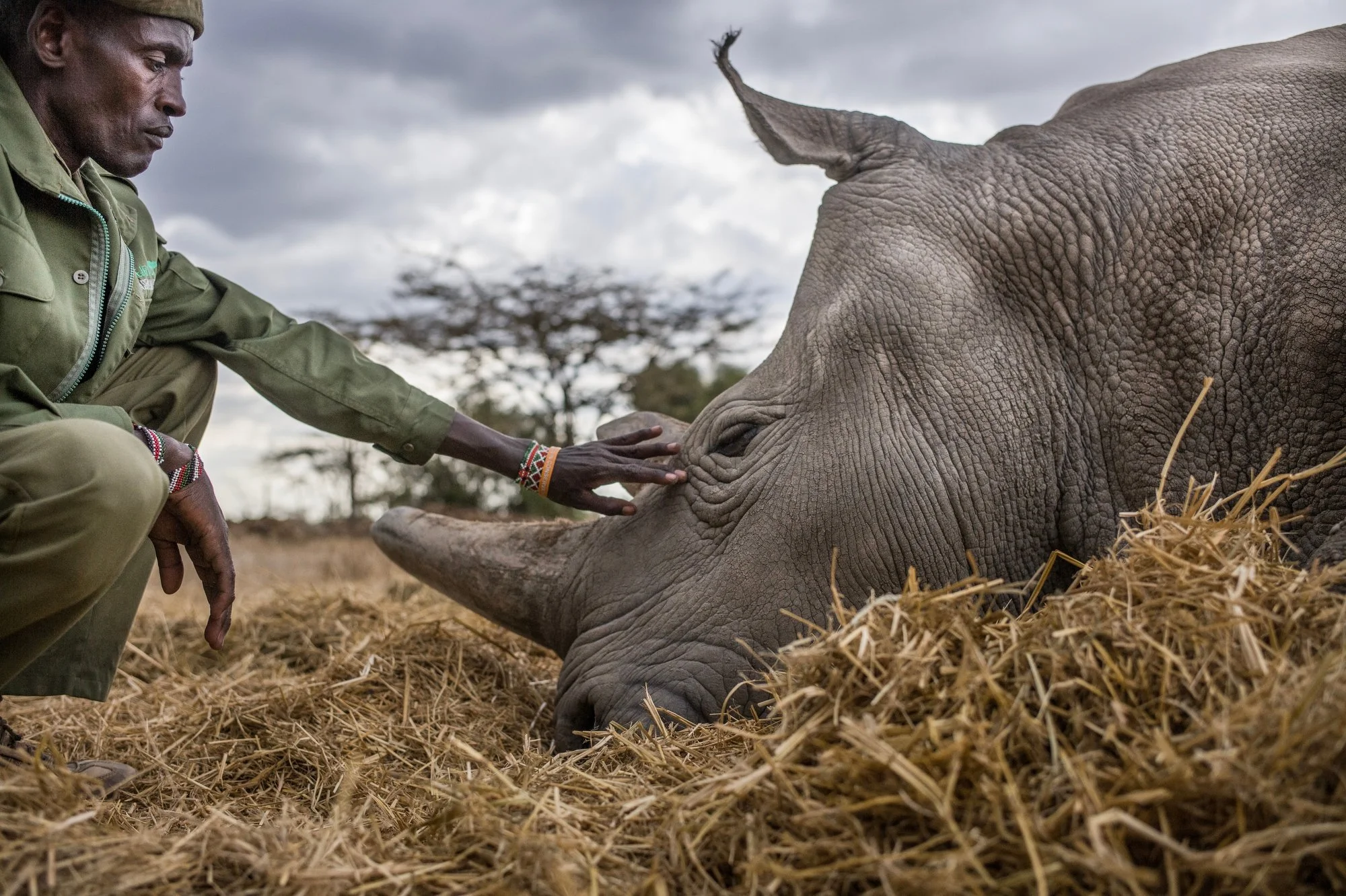
Photographing rhino caretakers gave him time that assignments rarely allowed.
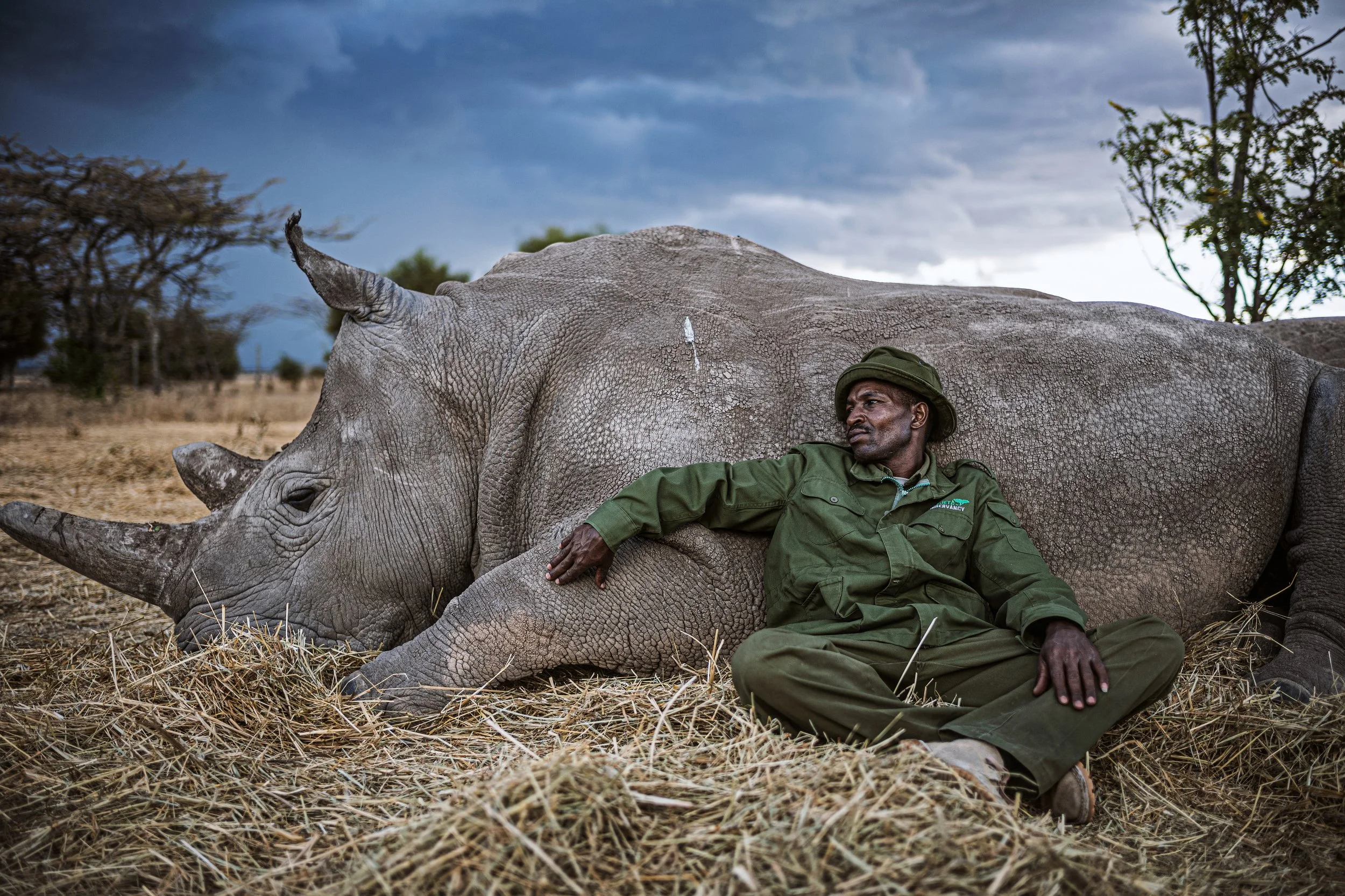
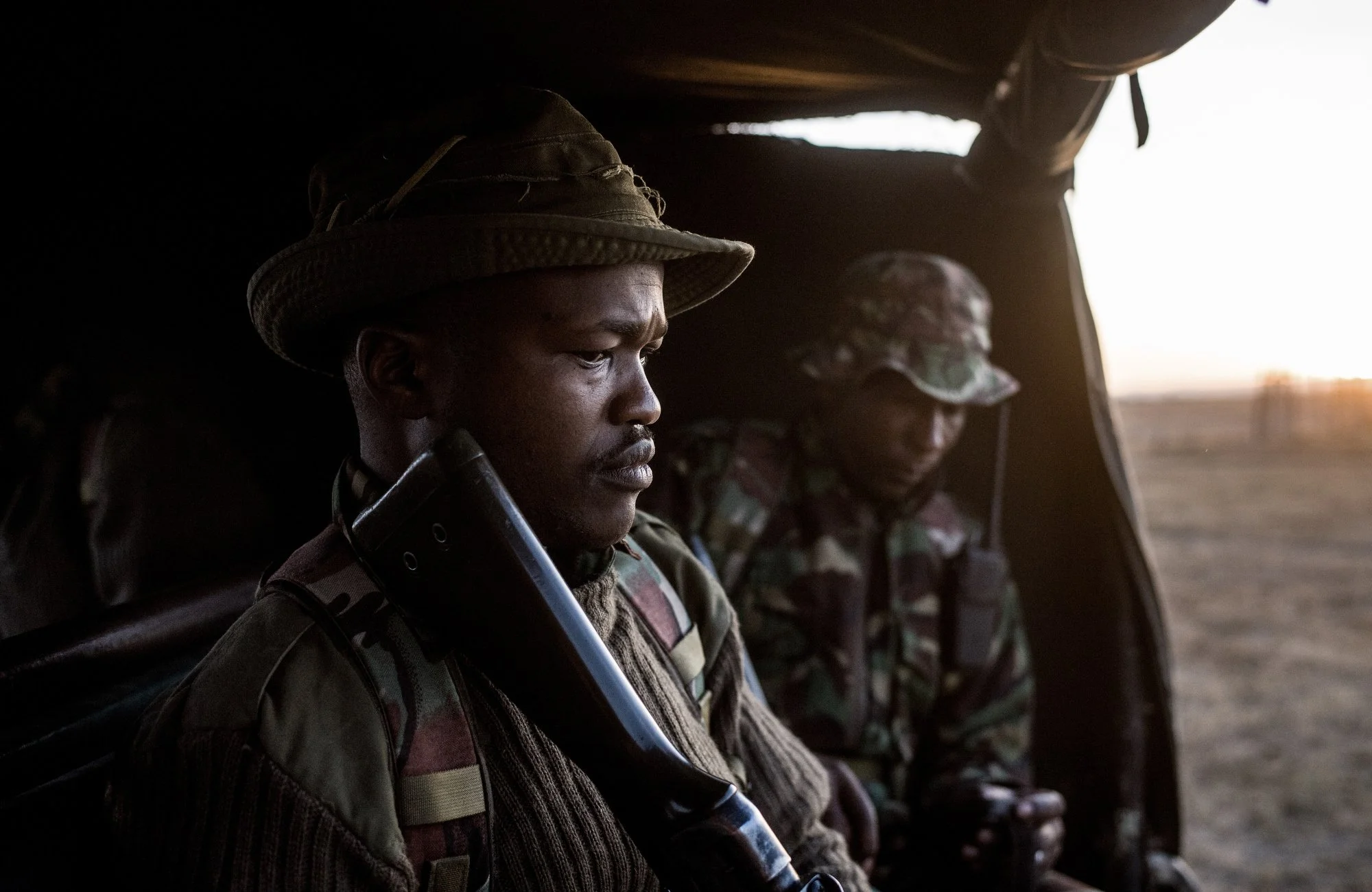
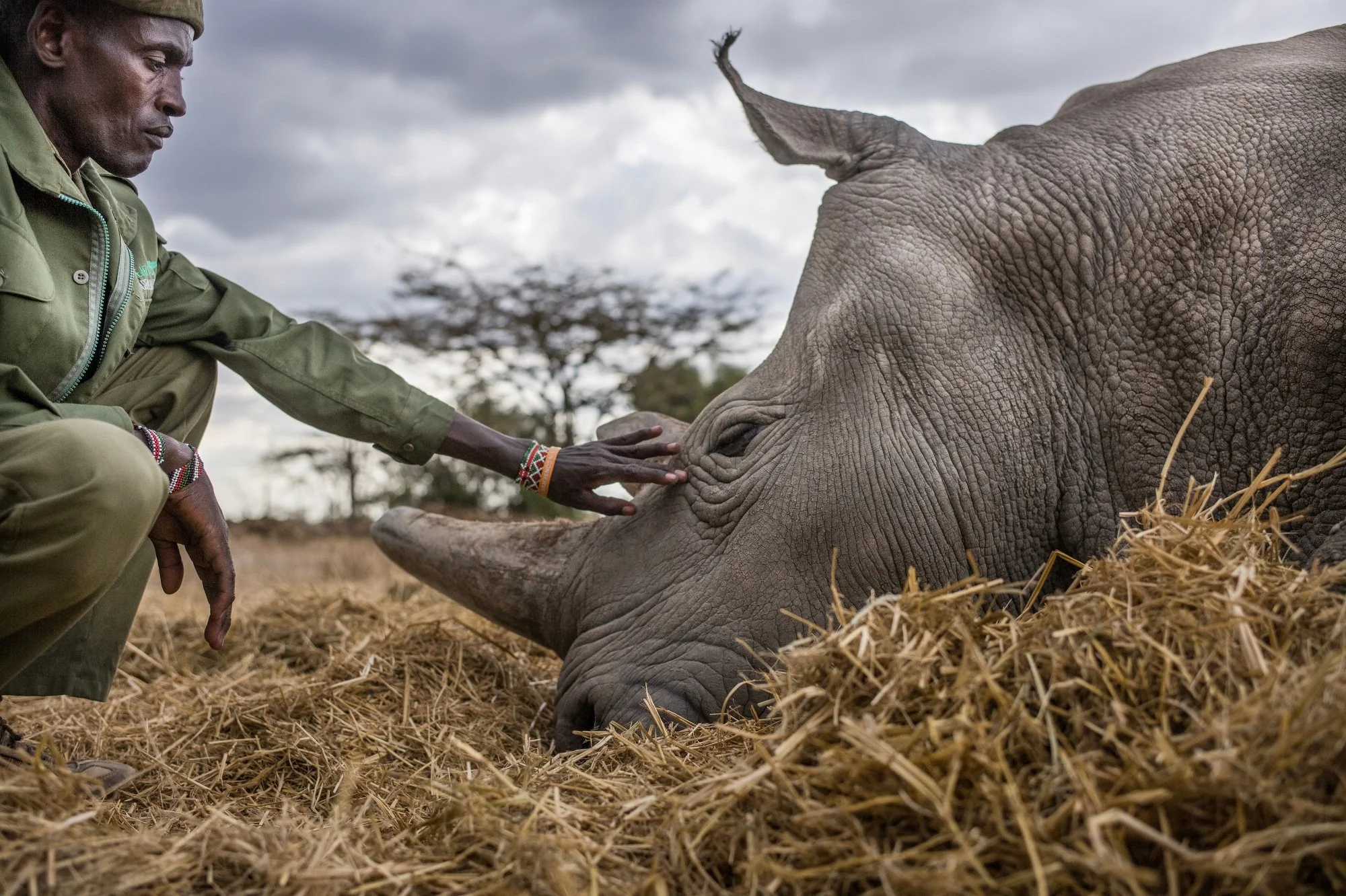
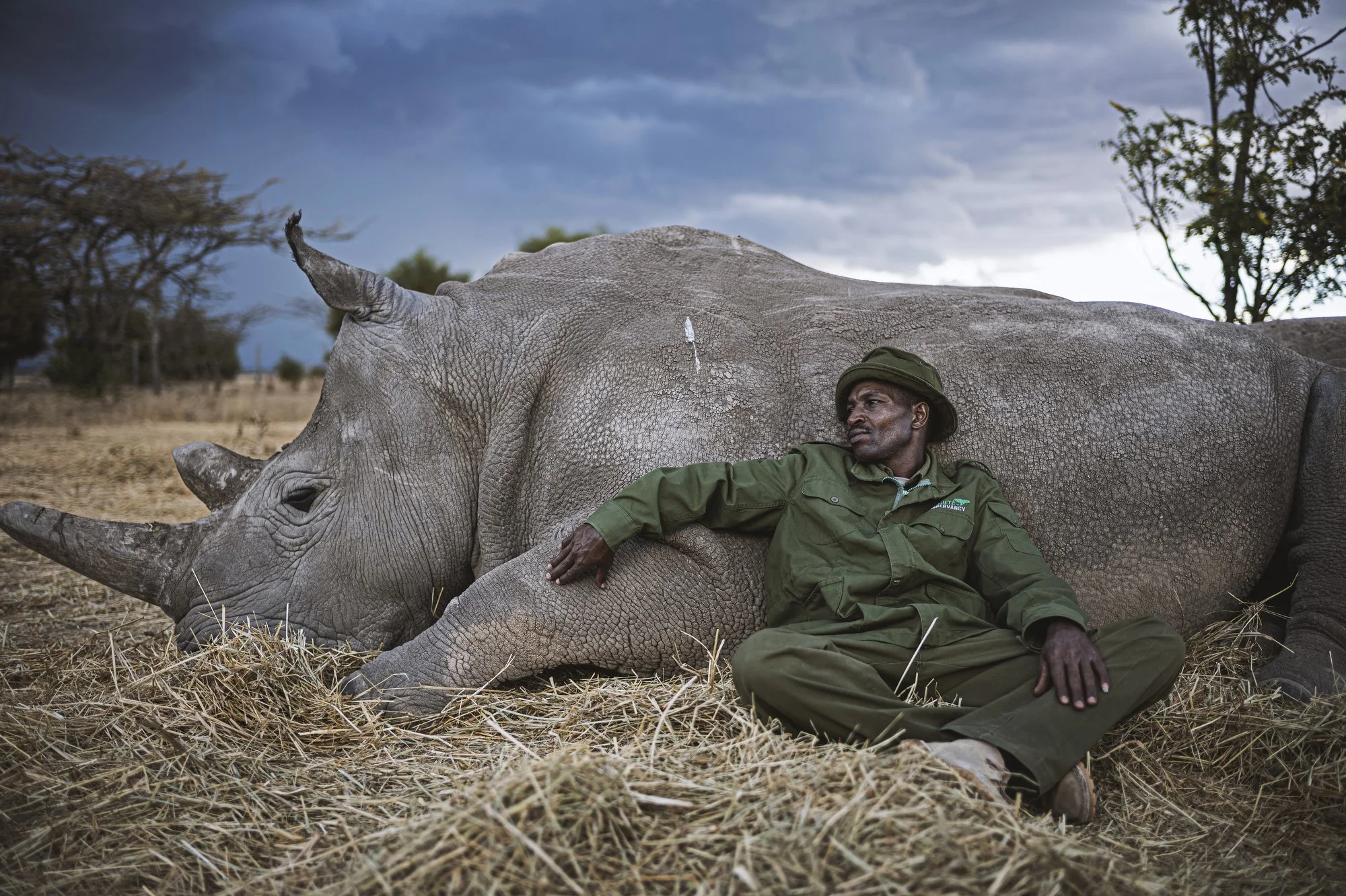
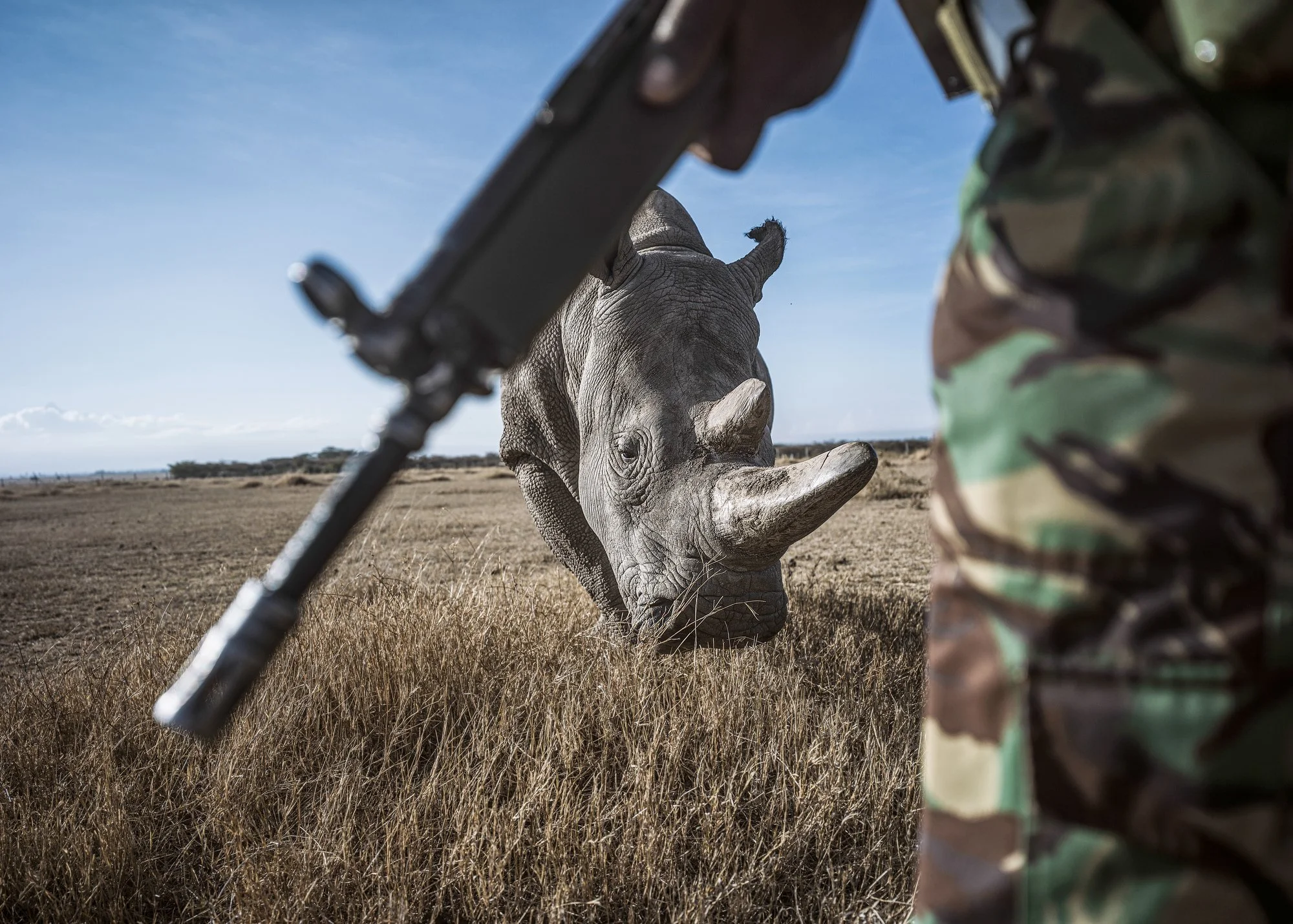
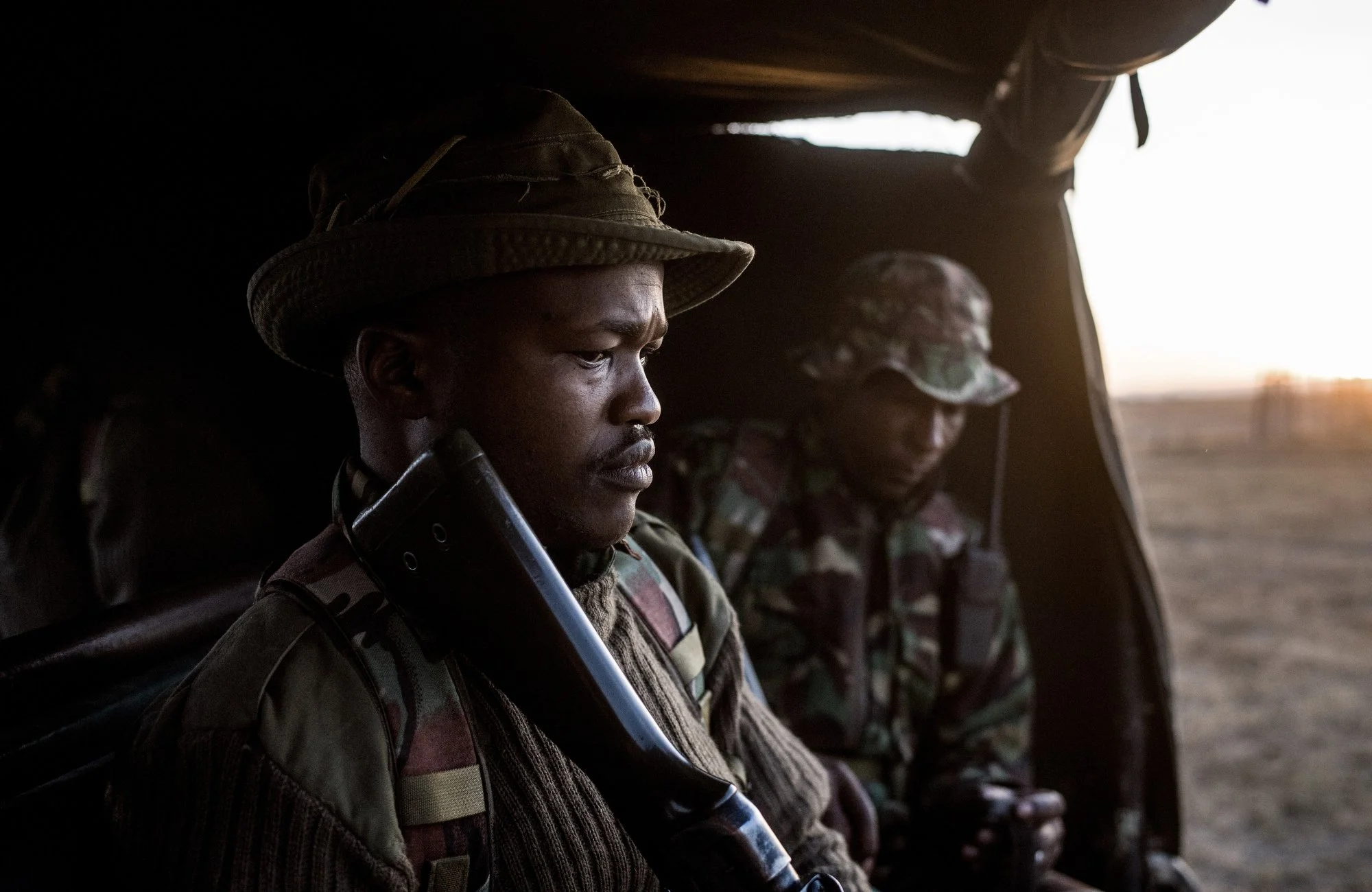
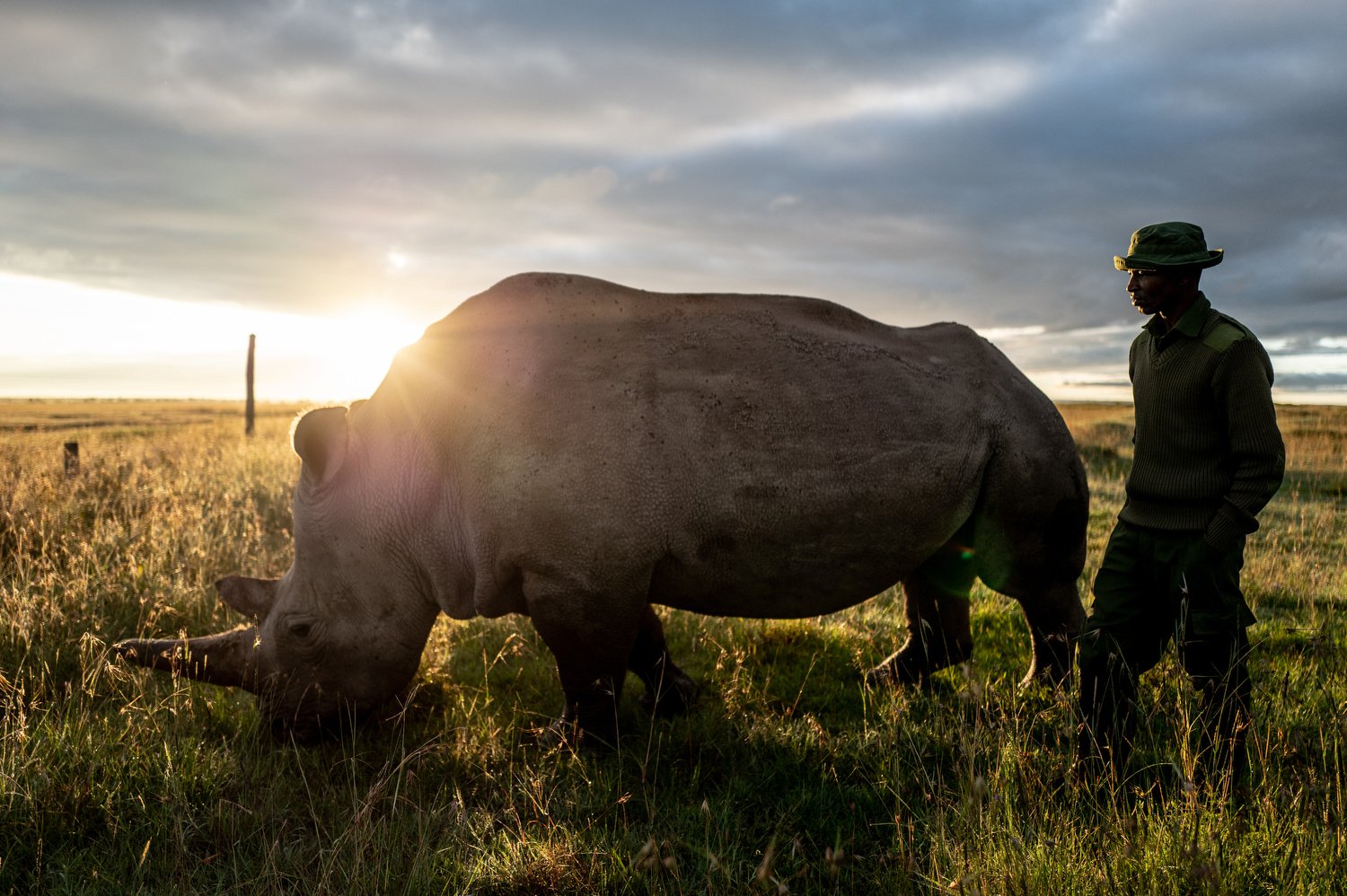
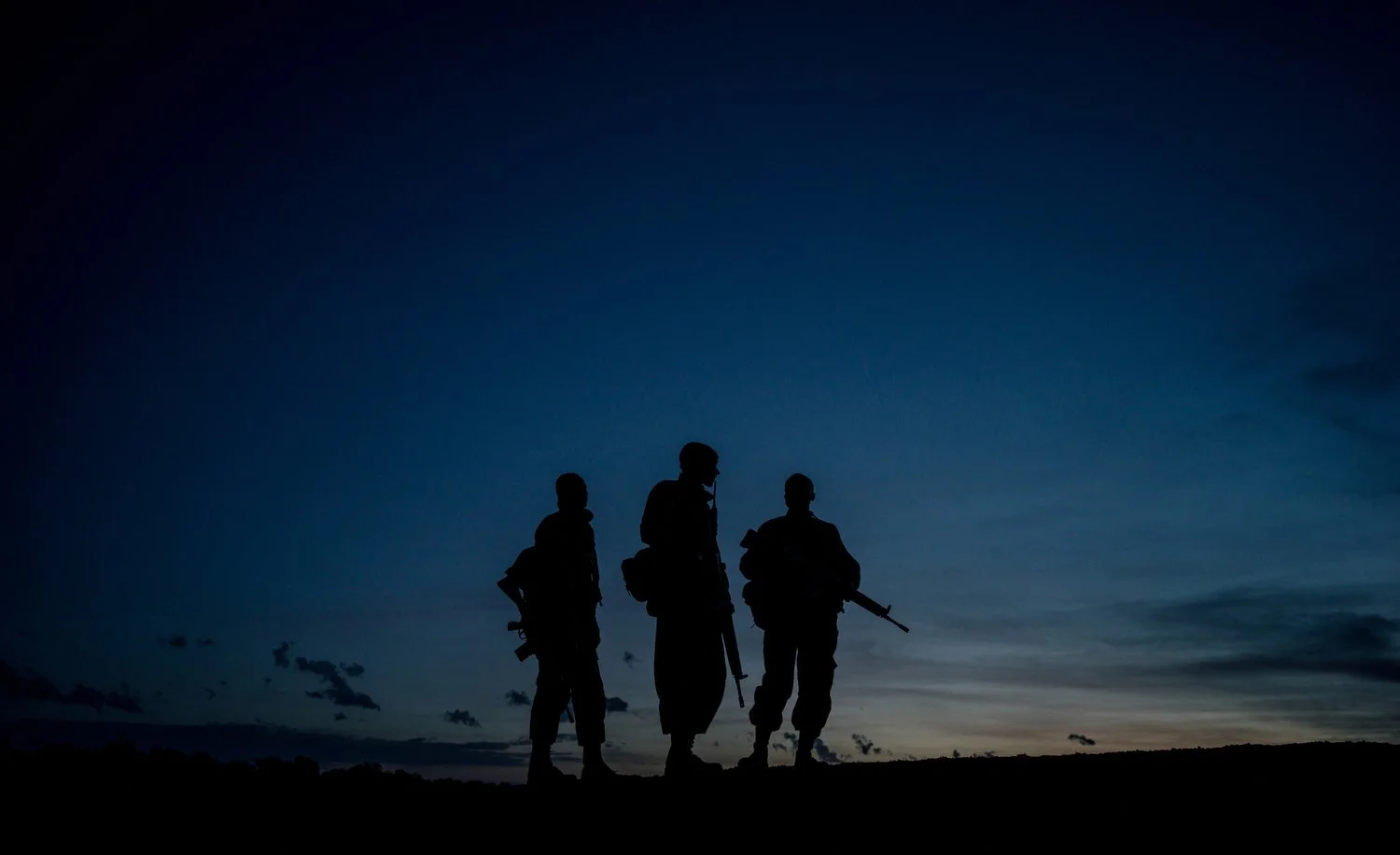
For Kindred Guardians, his ongoing project about people who dedicate their lives to animals, Mott could spend a day waiting for one image. He returned to the northern white rhinos several times, photographing their bond with their caretakers and the armed rangers protecting them. His commercial work involves a different relationship with the scene: he can arrange it, direct models, and then watch for moments that develop without further instruction.
In the interview, Mott explains how returning to a simple local subject creates room to experiment, and how reviewing pictures between visits helps reveal what is missing. He also discusses how another editor can help separate the strength of a photograph from the effort it took to make it.
The Project
Kindred Guardians
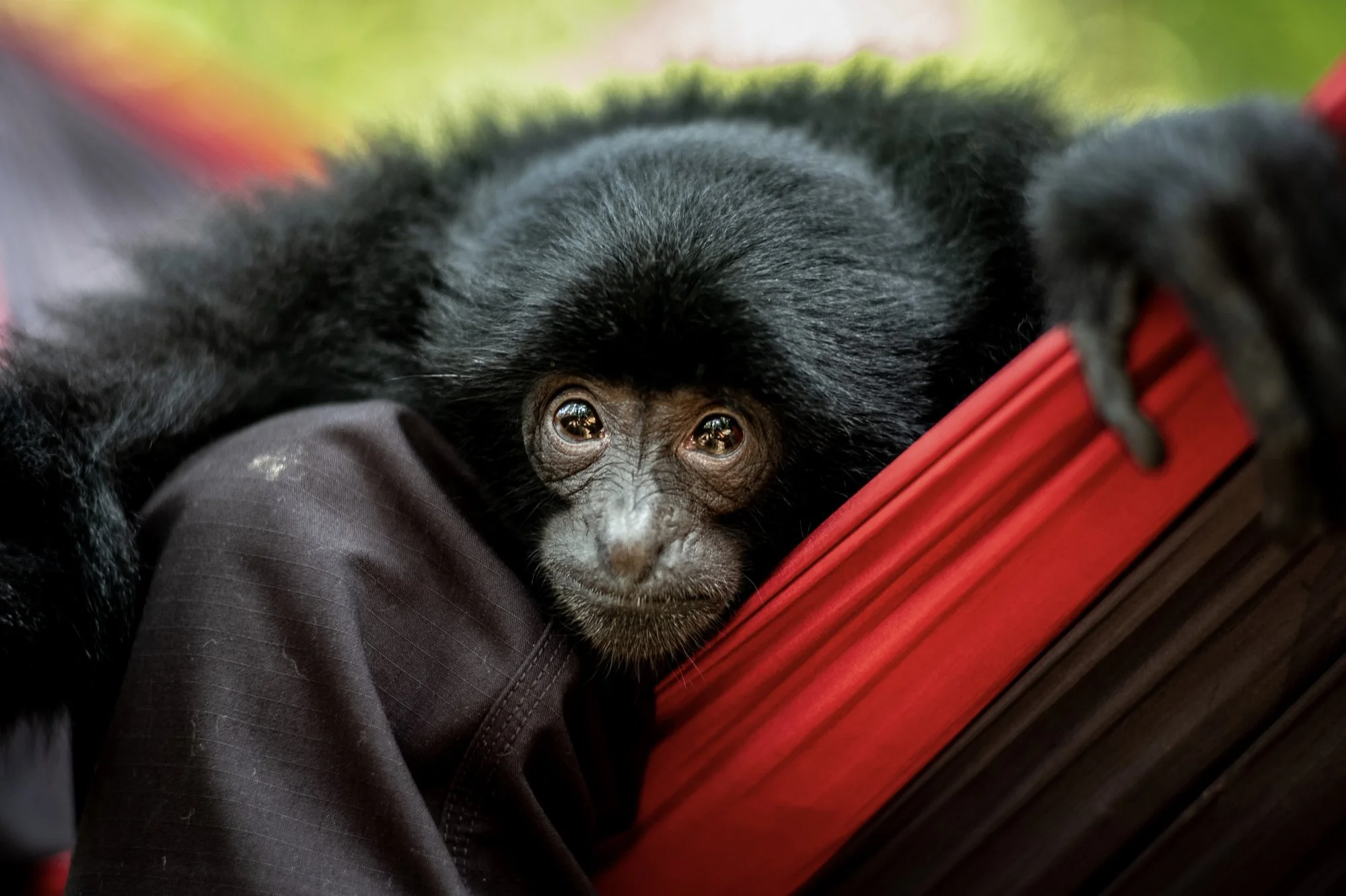
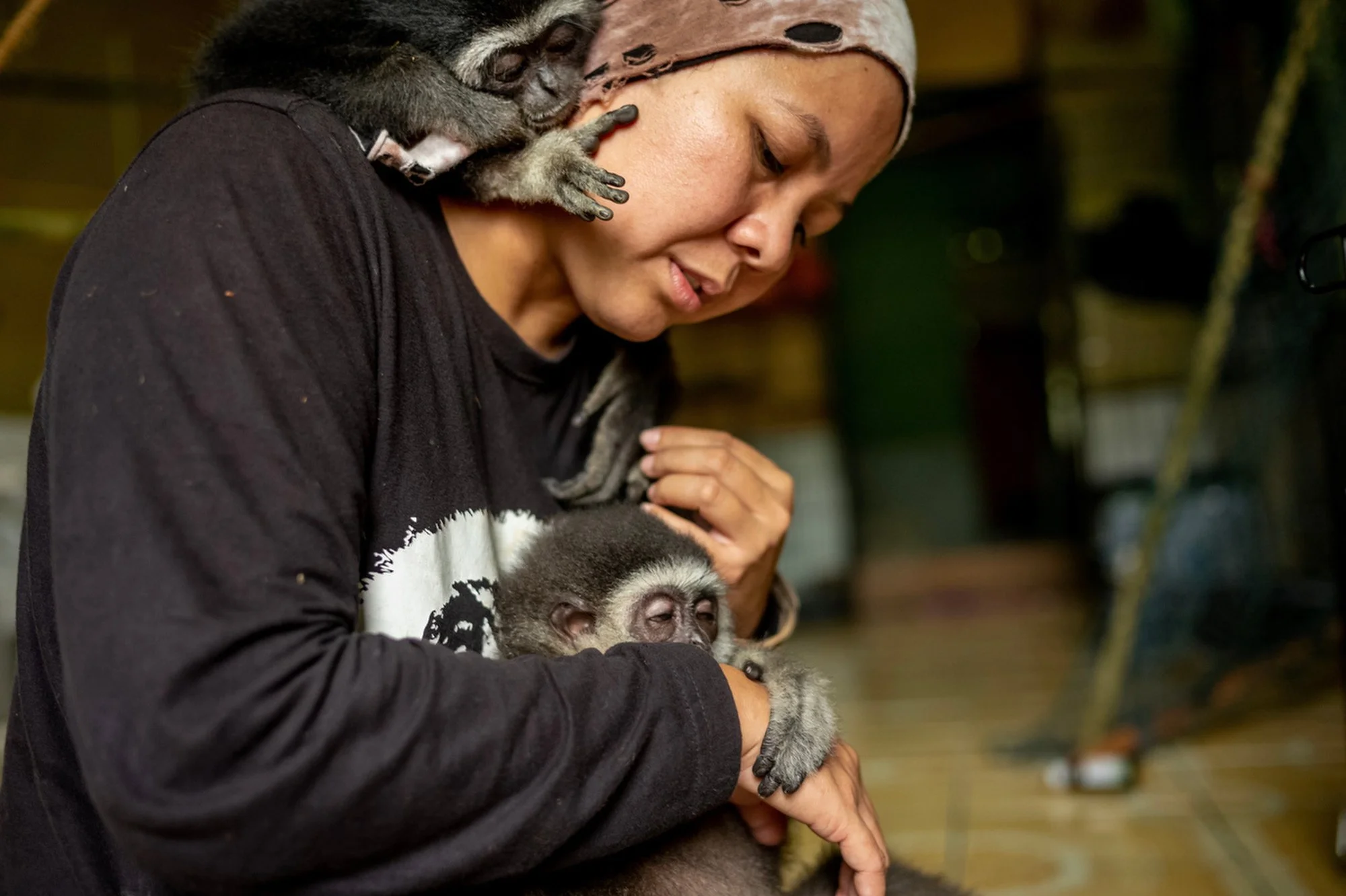
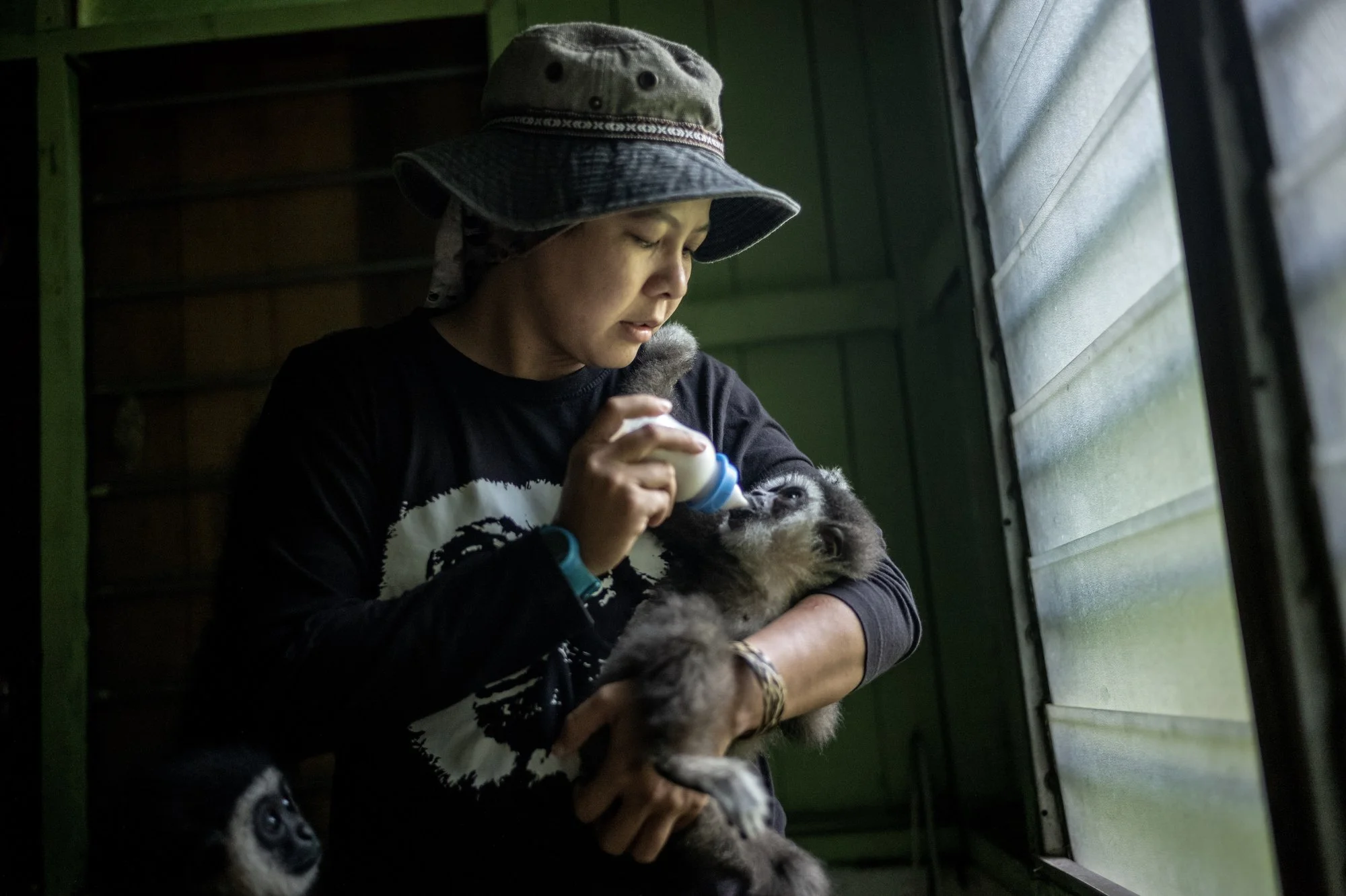
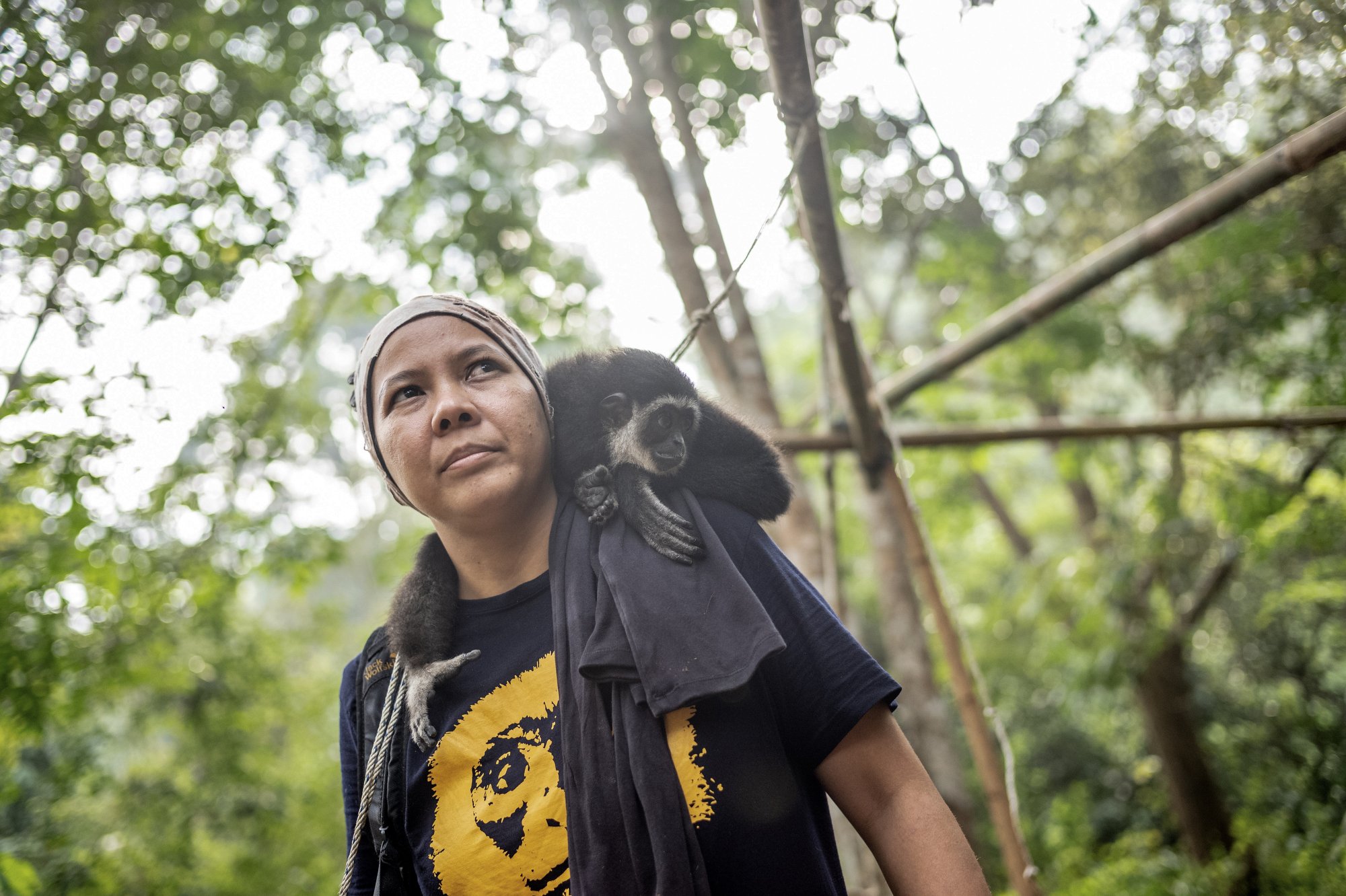
Kindred Guardians is Justin Mott’s ongoing, self-funded project about people who dedicate their lives to helping animals. Its chapters include the caretakers and armed rangers protecting northern white rhinos in Kenya, and a woman rehabilitating rescued gibbons in Malaysia. Through daily routines and time spent with his subjects, Mott documents the relationships between people and the animals in their care.
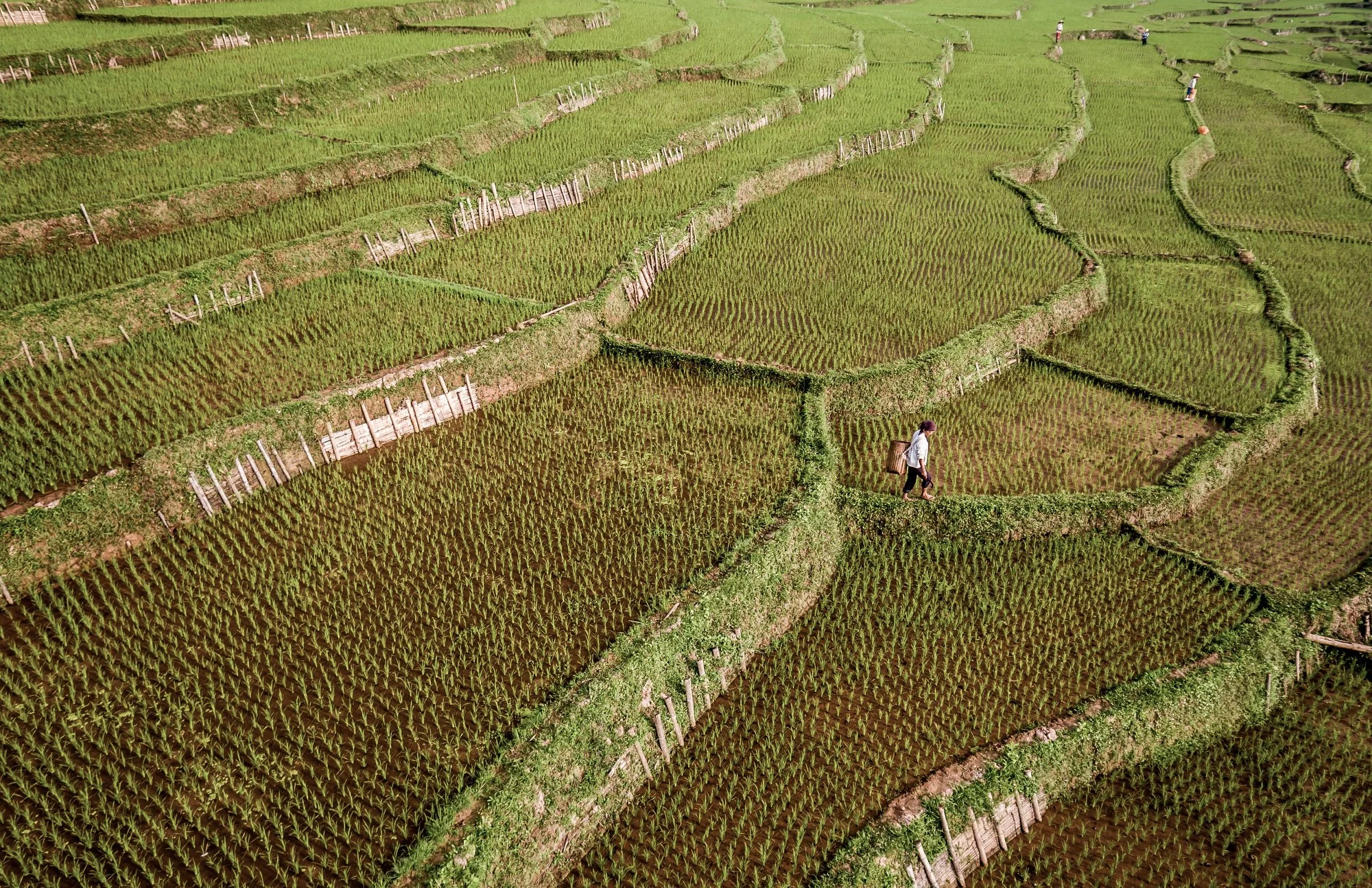
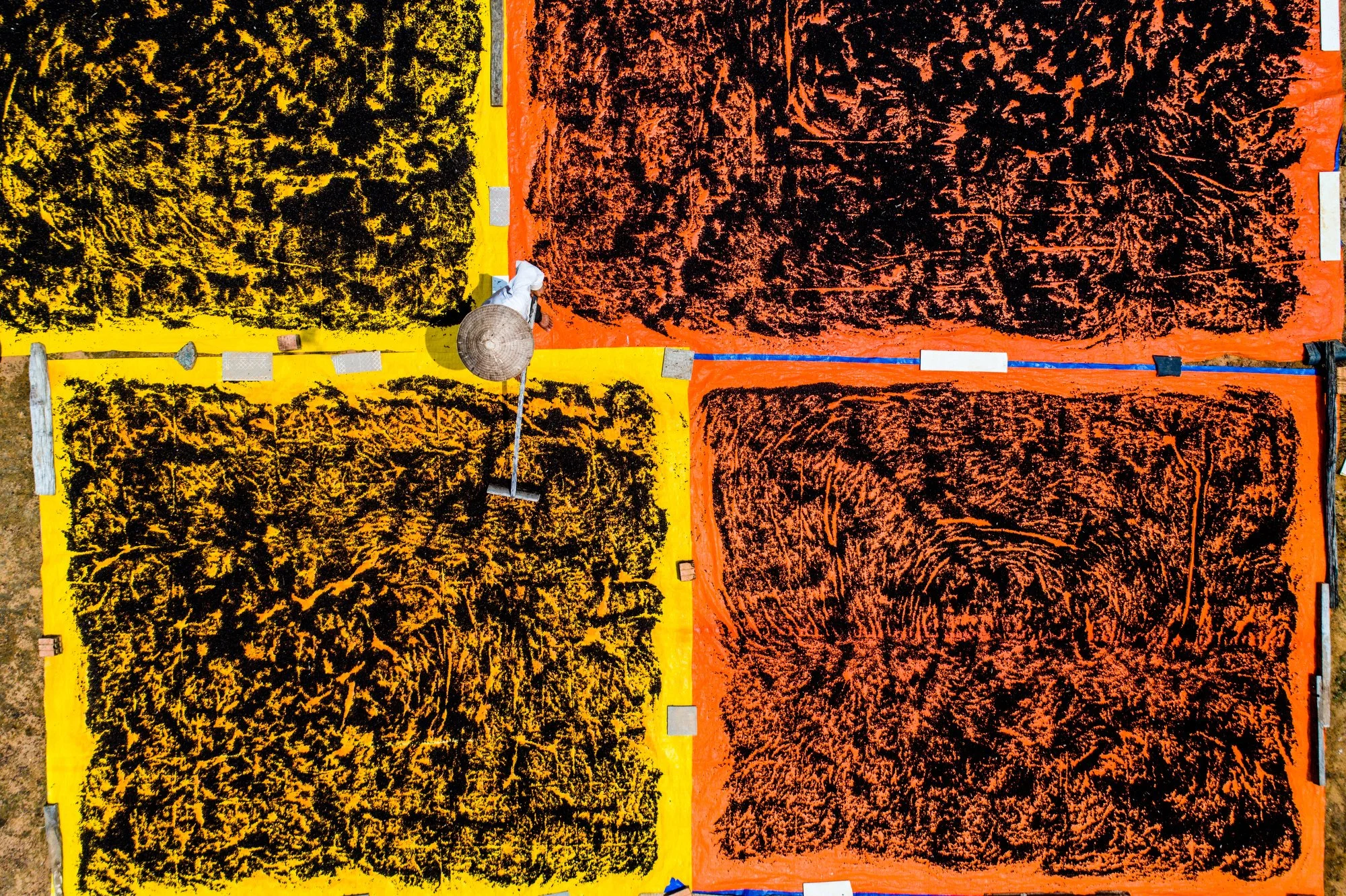
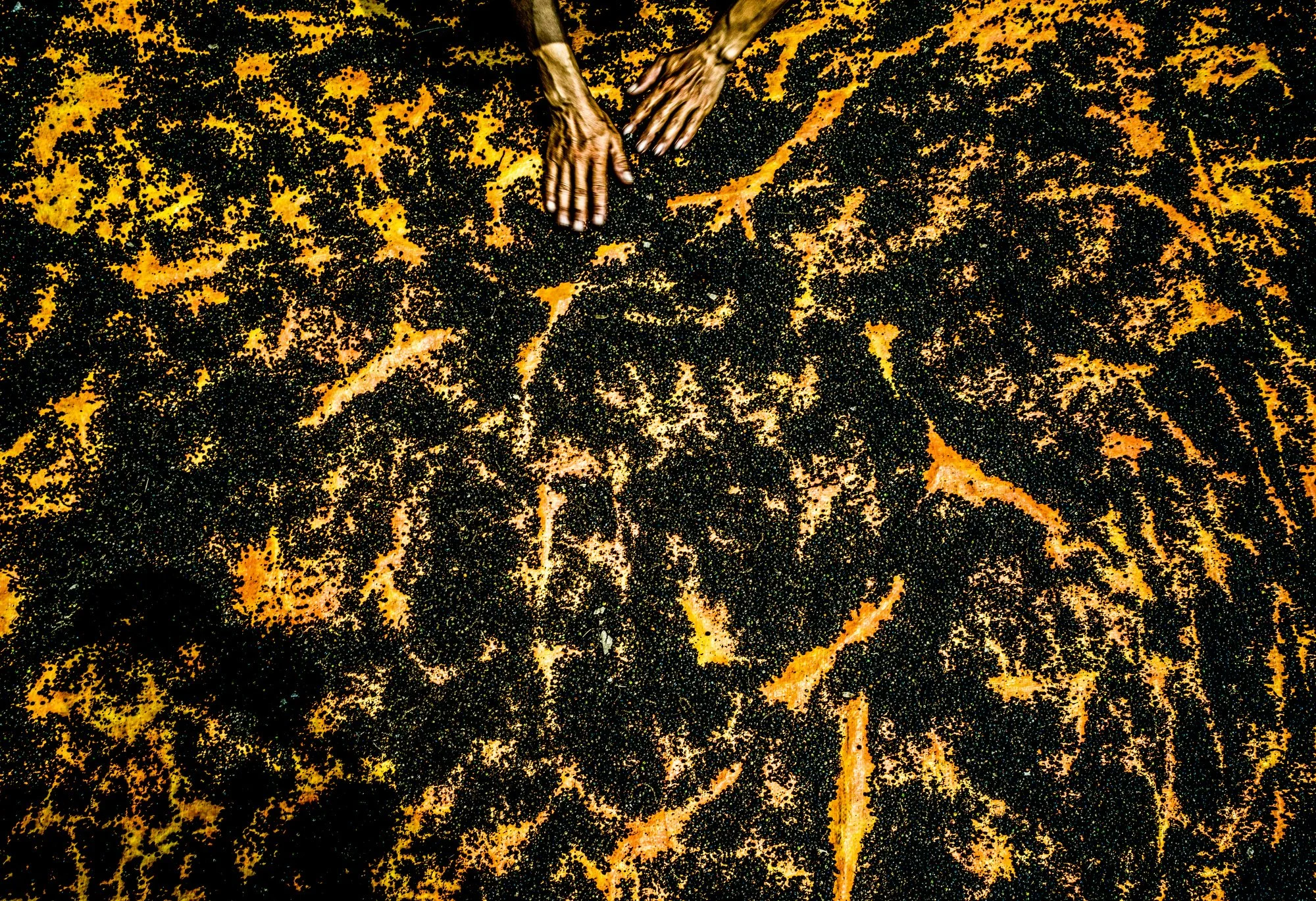
In As Above, So Below, Mott pairs aerial photographs of Vietnam with images made at ground level, connecting them through color, texture, location, or subject. His Vietnam retrospective brings together a different body of work: photographs from more than 100 assignments across roughly two decades. He is now revisiting this archive and beginning to shape it into a book.
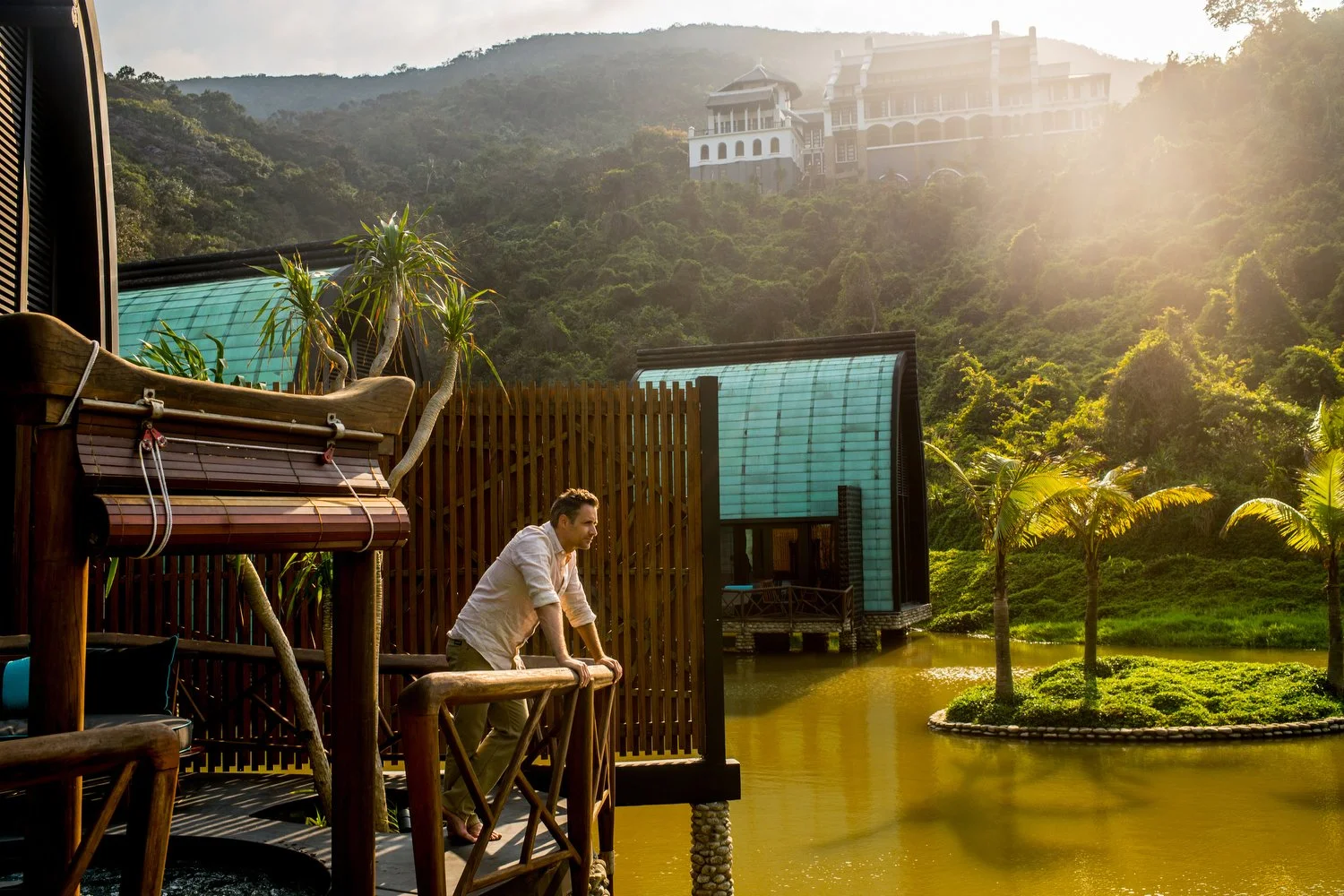
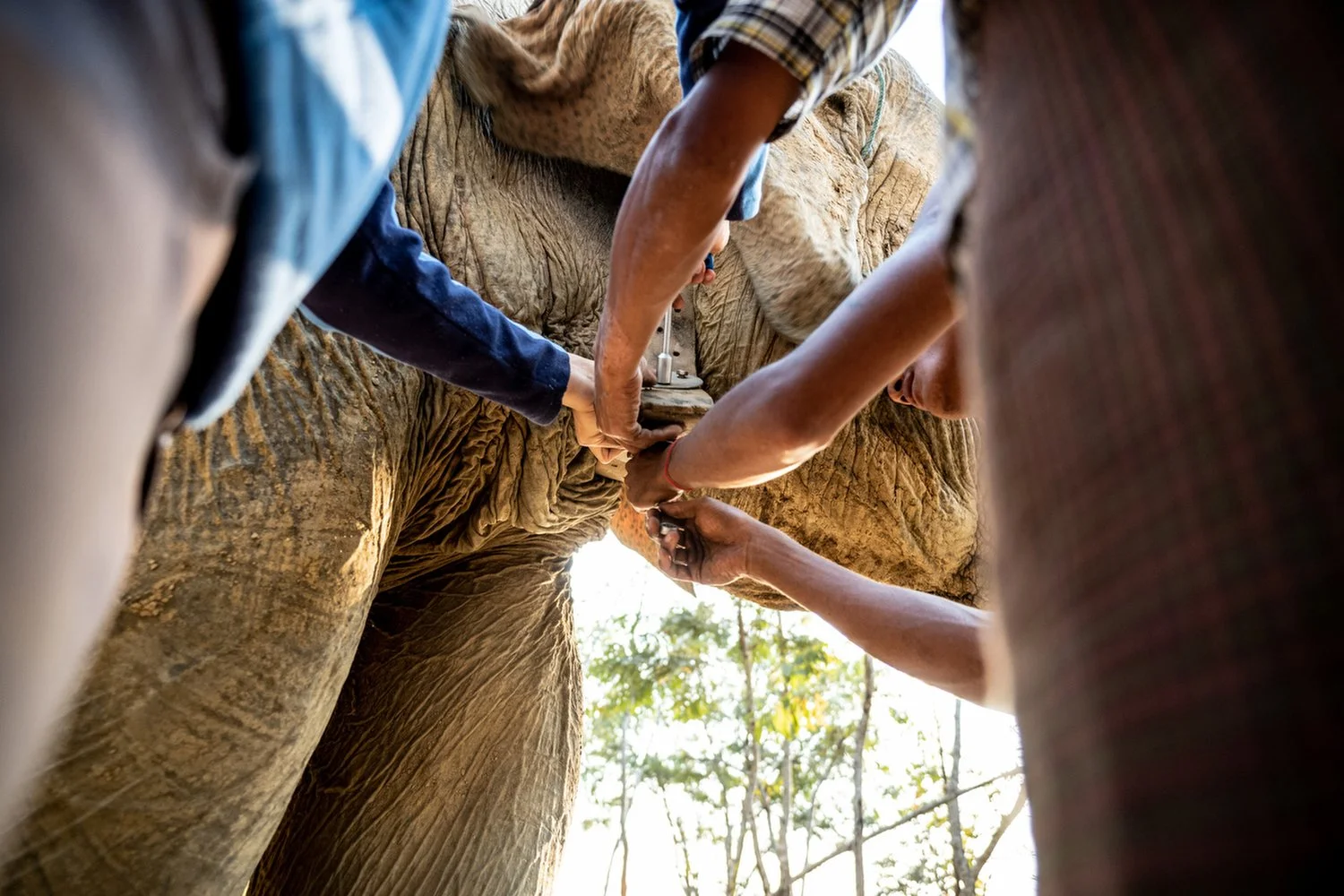
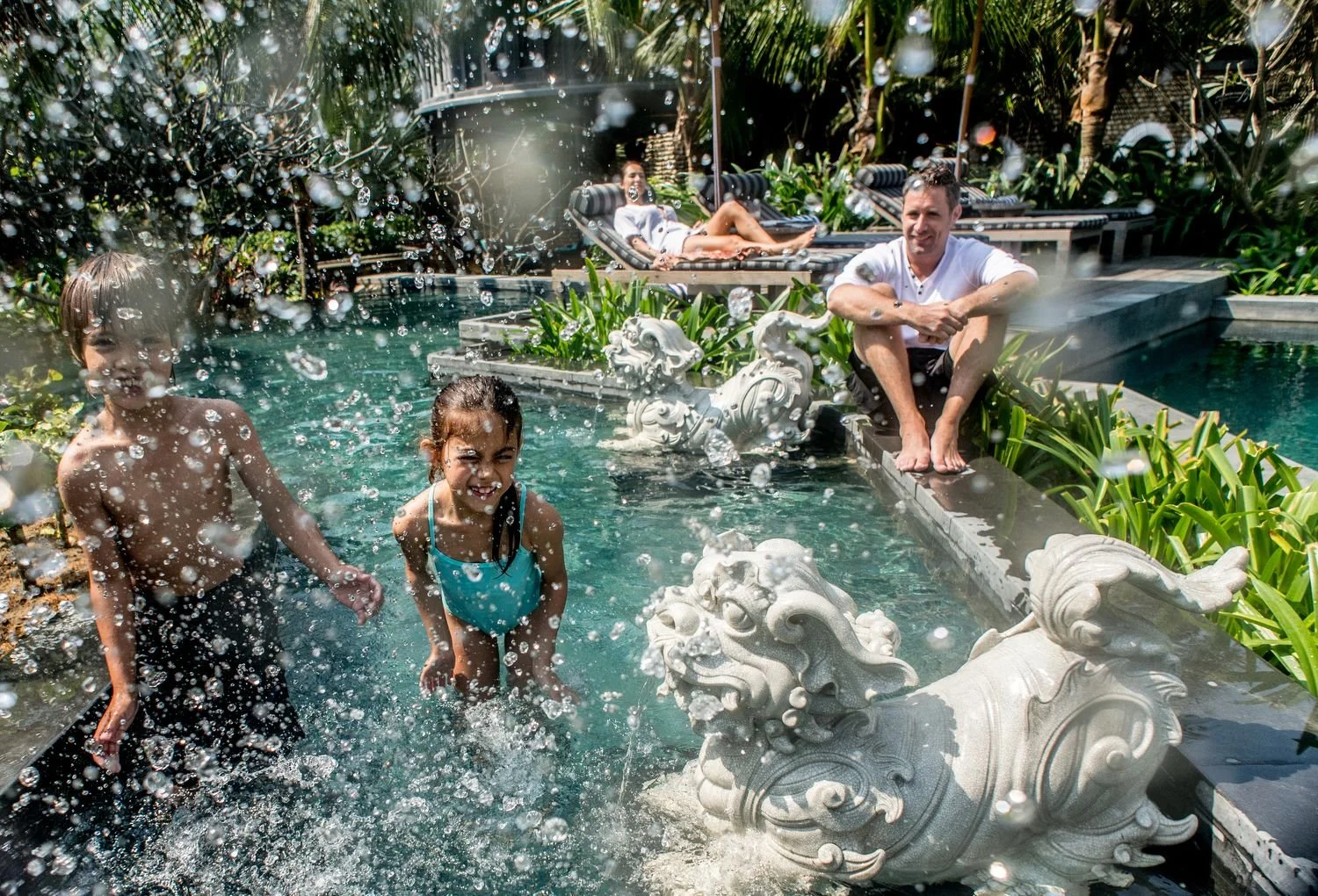
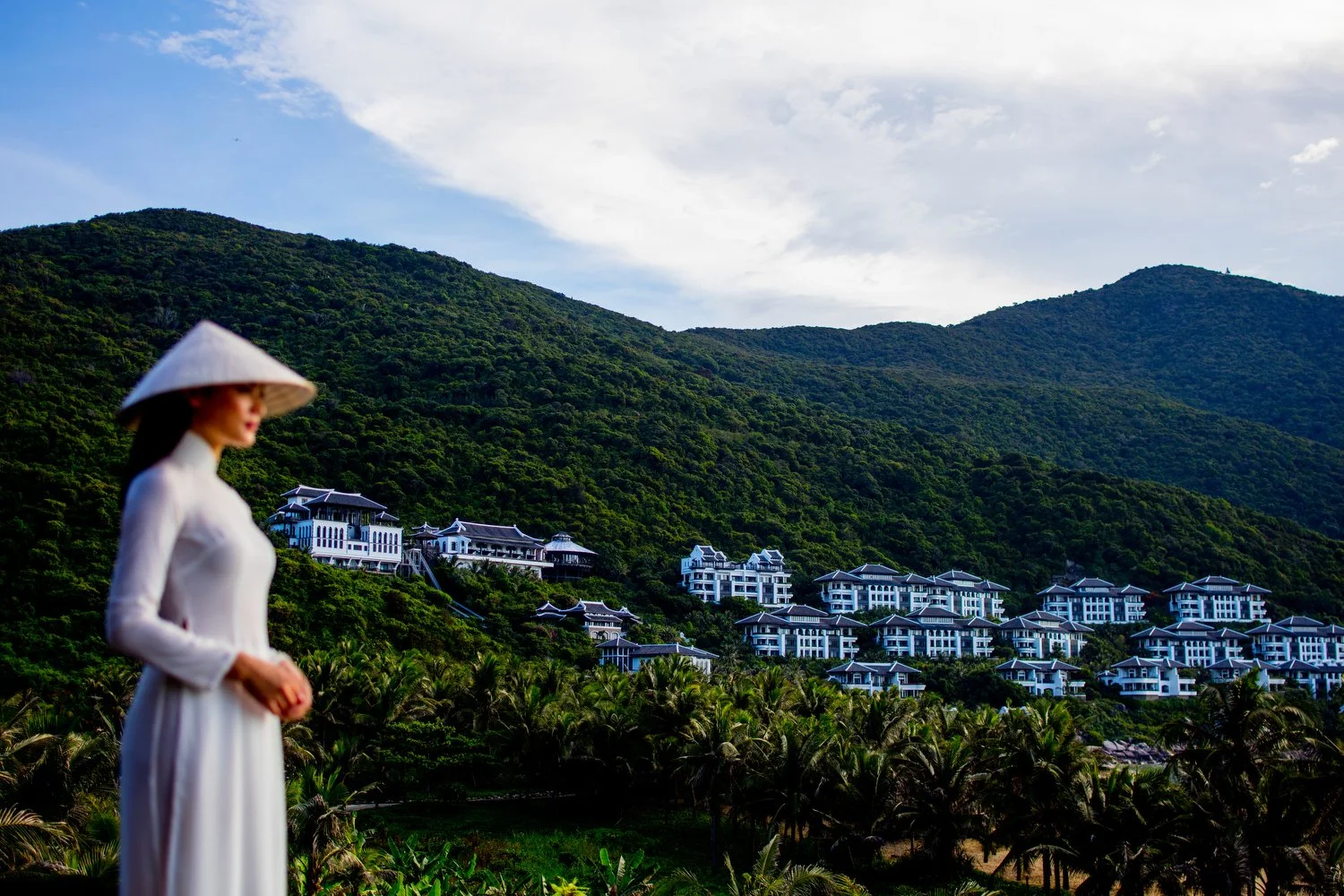
Alongside these personal projects, Mott photographs editorial assignments and commercial campaigns for hotels and resorts. The interview touches on stories about elephant tracking in Myanmar and the illegal wildlife trade. His hotel photography draws on the same attention to human interaction, while allowing him to arrange scenes and work with models before stepping back to photograph moments that develop naturally.
Starting in Vietnam: You arrived in Vietnam in 2006 and ended up building much of your photographic life there. What made you stay, and when did Vietnam change from somewhere you were photographing into somewhere you felt you could build long-term work?
I came here to really start my career as a photojournalist and, hopefully, to pick up assignments. I hit the ground running. I started working with The New York Times quite quickly and quite frequently.
I still had one year of university left, studying journalism, but I was taking a sort of self-assigned sabbatical. I just wanted to see what else was out there in the world. When I came here, I started to get the work I had always wanted, the work I was told I wouldn't get for another five or ten years, if ever. I started getting it right away. And I didn't want to lose my spot, because as photographers, we're replaceable. We're always very replaceable, as much as our egos like to tell us otherwise.
So I got frequent work as a freelancer pretty quickly, and I decided to roll with it. That just steamrolled into where I am now, twenty years later. A big part of the reason I stayed long term is my wife, who is Vietnamese. But I didn't meet her until a couple of years in, and we didn't get serious until a few years in. At the start, it was my career. I was getting so much work and so much variety of work. Then I pivoted to commercial work, and now I do a lot of educational work as well.
It's quite a country if you want to be versatile. Living expenses were a lot lower than in the US, so I could allow myself to try different things with my photography, to expand my business and to experiment. I think about three years in, I knew I was going to stay for five. Five years in, I thought maybe I'd stay for ten. Ten years in, I thought, okay, I guess I'm here. This is it. All my clients know me for Southeast Asia, and there's no turning back now.
When did you stop feeling like an outsider photographing something unfamiliar?
I have a bit of irrational confidence, and I think I'm pretty good with people from my time bartending, so I never really felt like an outsider, either with the photography community or with my subjects. I had to hit the ground running for The New York Times. There was no learning curve. There was no time to go somewhere, settle in and learn the culture. It was more like this: here's a story in Bangladesh, a country you've never been to. Get access to something that's really hard to get access to, figure it out, and deliver the pictures on deadline. And they'd better be good. That's what I was trained for at school, so I was able to do it fast and efficiently.
Southeast Asia is also a very welcoming region for outsiders and foreigners. Vietnam has a history with America, and I think a lot of Americans would assume there's a lot of hate here. But there's so much love. People are so welcoming and hospitable that, luckily, I've never really felt like an outsider. I guess I've never truly felt like an insider either. There's always the language, which I'm not great at. So I've always settled somewhere in between, and I'm okay with that.
Learning Through Assignments: You have spent years working on assignments for publications including The New York Times. What did assignment work teach you about finding a photograph quickly?
I didn't have a choice not to do it quickly. I didn't have a choice not to get access. I was learning that in school. My professor was really hard on us. We had weekly peer evaluations where they would tear your work apart, and you had to defend it. So I always had it in me to come back with something. Even if you didn't get access, you had to come back with something, and that something had better not be an excuse. He always used to say to us, "They don't publish your excuses in the captions." That was seared into my head. I decided I'm not an excuse person, and I'm not going to be one. So it's always a matter of figuring it out. I'm not saying every shoot is super successful, but I always found a way, and I think my editors always appreciated that.
New York editors are like Asian parents in a lot of ways. My wife would say that Asian parents are pretty tough, and editors are pretty tough on you too. They don't tell you when you've done a good job, but you get the next assignment. You'd sometimes risk your life, or risk getting thrown in jail or thrown out of a country to get access, and you'd just get an email saying, "Got the photos." They'd run on the front page, and that was it. Not "Hey, thanks, good job." A friend and I are starting a podcast where we talk about photographers being a little underappreciated. We talked about how photographers get taken advantage of in a lot of ways, maybe not so much by editors, because I've had good experiences with them, but by publications themselves and by clients. But that's off topic.
Did it also teach you a habit you later had to unlearn?
A lot of editors don't have time to teach you on the job. They just don't. But early in my career, I asked editors for feedback. In school, I had been rewarded for shooting wide open all the time, at f/1.4. I remember an editor at The New York Times saying, "Hey man, you asked for feedback, so I'm going to give it to you. You shoot at 1.4 way too much." He showed me a shot I had taken of an admiral returning to Vietnam. He was of Vietnamese background but grew up in the States, served in the US Navy and came back here as an admiral. I had taken the shot through two other people, and at 1.4 they were out of focus in the foreground. They were just a big blob. The editor said, "Use 1.4 with purpose. You don't have to use it every single time. You can shoot at f/2.8. You can shoot at f/5.6. You can try different things. Be a little more careful with your aperture." That was very helpful to me. It's a silly little thing, but it was important, and it stuck with me.
I also had to learn on my own that even though people here are hospitable, nice and welcoming, I always had to be aware of cultural things I didn't know about. Even if someone says yes, do they mean it? If someone invites you into their house, did you earn it? Did you earn that space with them? Are they really comfortable, or are they just saying they're comfortable to be polite? That took time and maturity to learn. Maybe in my twenties I didn't know it so well. In my thirties I learned more, and in my forties it became a little more intuitive. I learned to tell when people are okay with you getting close and with you documenting them, and when they're just doing it to be polite. It means slowing down, spending a little more time, talking to people and being human. Then you get the story, and then you get the images. And all the while, you do it creatively and truthfully.
You mentioned aperture. Is using it with purpose something you still think about?
No, screw him. I shoot everything at 1.4 now. No, I'm kidding. Of course I do. I shoot with different cameras, but for my personal work I use the Leica system a lot, and I like Leica lenses shot wide open. I just like the look and the separation I get. But it's definitely something I think about carefully. Let's say I'm photographing at a local market here, framing through something, and whatever the vendor is selling is in my foreground. If I shoot that at 1.4 and it's just a big blob, it's distracting rather than contributing. But if I shoot at f/5.6, you can see that they're selling, let's say, some sort of toy. You can make out what it is, and the focus is still on the subject. At least that foreground relates to the subject. It relates to the picture and to the story I'm trying to tell.
Finding Your Own Story: What changed when you began making personal projects where nobody had already decided what the story was?
I learned that in school, which was great. We had to find our own stories, shoot our own stories and pitch our own stories, so that was in me from early in my career. But I decided to go back to it later in life, because college was where I made all my growth, and I found myself just repeating all the things I had learned there. It was like a band playing its greatest hits. You never really grow, you just play. I needed some time in the studio to practice, or in the lab, or whatever you want to call it. My lab is personal projects.
So when I shot the northern white rhino story, that was a time for me to try things. On assignments, I'm always working on someone else's story. I attempt to try new things, but I can't always. Whereas with a personal project, I can say, okay, let me work on this story for fifteen days, and let me have a bad day. Let me experiment with my aperture, with the way I sequence the images, with the way I capture the shadow. Let me be patient and get just one image today, which is a luxury I don't have on an assignment. Or let me interpret the story my way, not the way the writer wants or the way an editor's shot list says. The more I work on personal projects, the more I find myself as a photographer and discover who I am. Hopefully, that's something that's always evolving.
How do you know when an interesting subject has enough in it to become a project?
Well, look for rhinos and people who protect them with guns, and you've got a recipe for good pictures. No, I try to look for things that are going to be visual. I teach through my online community and my YouTube channel, Ask Mott, and one of my main theories in teaching is personal projects and finding them. Even as an amateur, start simple. Start with a project documenting a friend, a family member or a small business. But you don't want it to be boring. If I worked at home in my office all day, maybe I wouldn't be a great person to document. So find someone who builds something with their hands, who does things and interacts with other people. Start there.
I think some people either choose something completely boring, or they jump straight to needing to do the rhino story, something that visual. Then they never do it, because access is hard and travel is hard and expensive. Whereas there are a million stories you can do in your backyard, in your neighborhood, or maybe even within your own house. So to me, something visual means people doing things. It means opportunities for moments, not someone sitting by themselves. And if they do the same thing every day, that's also okay, because you can grow as a photographer.
Let's say you want to photograph a mechanic. You go down to your local body shop, you talk to the people working there, and they say, "Okay, cool. You can come for an hour a day." On the first day, you'll get your go-to shots. On the second day, maybe you'll get those shots again. But on the third day, they do the same thing, and you think, okay, let me grow a little. I've grown in my relationship with them. I know them a bit better. I know the space better. I've taken all my go-to shots. Now let me experiment and try different things. Sequence the images before you go back, work on the project and build it. That's your lab.
Your lab isn't going out and taking random street photographs, or traveling and taking travel photographs. When people do that, they're playing their greatest hits. They're not necessarily growing. There are a lot of variables that contribute to that. They might not be comfortable in a new situation, or they might just be letting the location do the work. When people come to Vietnam, they photograph the rice fields. But is it a good picture? Or do you think it's good just because the rice fields are beautiful? You should still pay attention to light and composition. And if you're into journalism or documentary work like I am, you want some sort of moment in there. Oftentimes, people let the place do the work for them. A personal project, something simple, something you can return to every day, is a great place to start and grow.
Discovering Instead of Illustrating: With the northern white rhinos, you arrived without knowing exactly what the finished story would be. What did you think you were going to photograph, and what did you eventually realize the story was actually about?
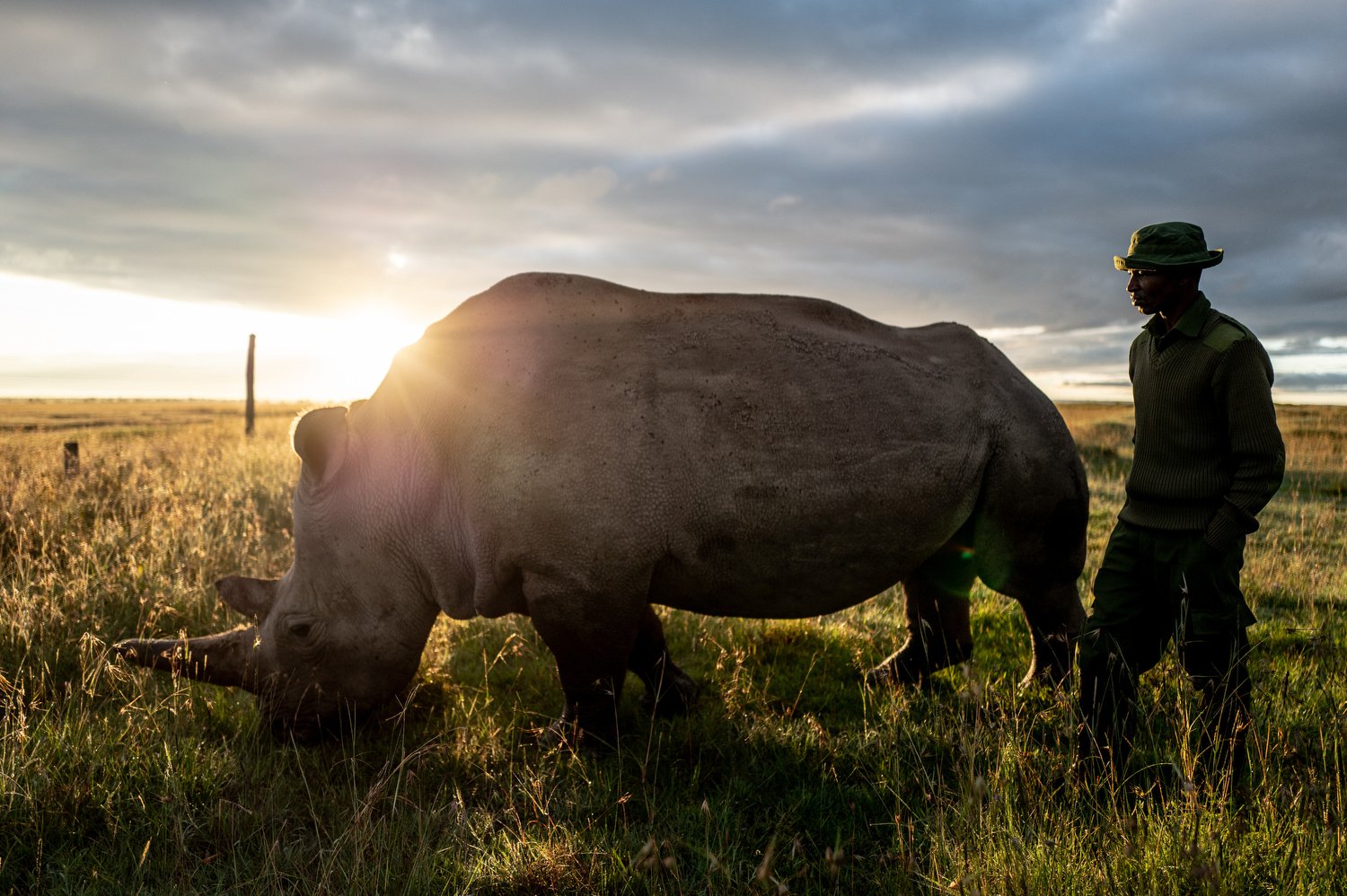
I went there several times, and each time I learned different things. The first time I went, I knew this was part of a bigger, ongoing project I'm working on, which is about people and their relationship with animals. I document people in different countries, and I really try to focus on people who dedicate their lives to helping animals. So I did think it would be about a caretaker and a rhino. I didn't know which caretaker, and I didn't know what it would be about that bond. But I found the caretaker who has been there the longest, and he had this great bond with the two girls. They call them that because they're mother and daughter.
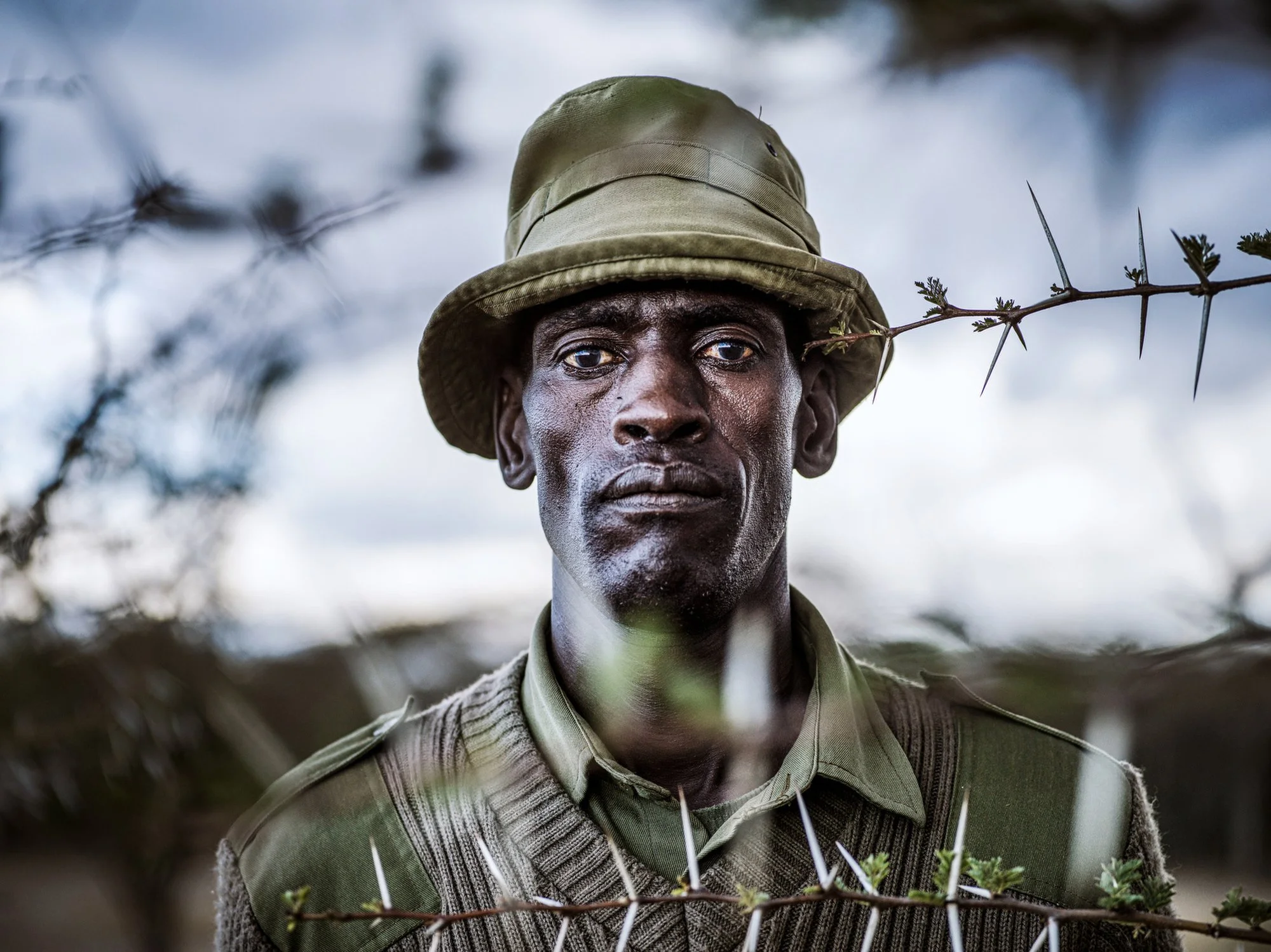
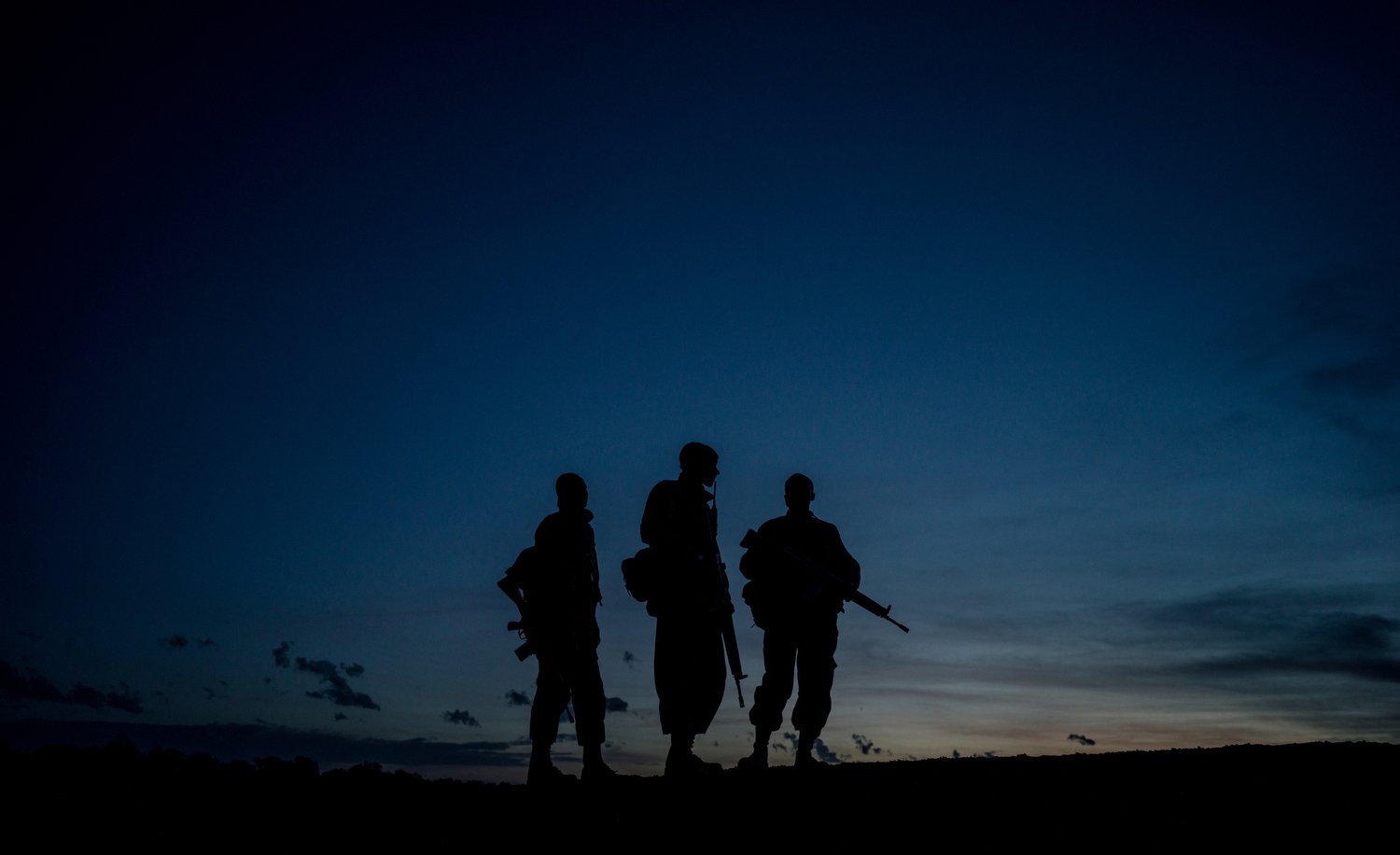
It was less about going in with any preconceived notions and more about saying, I'm going to be here every day, from the earliest they'll let me in until the latest they'll let me stay, and I'll document what I see and grow. I learned that the story is about the bond. I learned there are a lot of boring moments in between, when they're separated, sitting on piles of rhino poop, just hanging out, waiting and watching. I also learned there was a side story about the protectors who patrol the area, so I added that to my story. I didn't know whether I'd have access to that. I knew the rangers were armed and that they protected the area. So the story became multi-dimensional, not just about the caretakers but also about the protectors.
I went out with them at night. That was hard to get access to, because they were worried about my safety. But I was able to write them an email saying, "This email declares that if anything happens to me, I won't sue you. I made this decision." So I went out and learned from the rangers. One guy I met said he had killed several poachers a couple of months before, and he showed me the spot. I learned how dangerous the job was, not just because of poachers but because of the other animals out there too. They're out patrolling at night and risking their lives. I learned a lot about myself, and I learned how a story can go in different directions. I also learned that the story was a lot deeper and had a much bigger impact on me than I thought it would, because I went back two more times.
Was there something you photographed at first that later seemed unimportant?
I think there's always a bit of that in your edit. Because my background is in journalism, I would edit every day, even on a personal project. I'd come home, look at the images and create a folder on my desktop with my selects from the day. I didn't necessarily tone them. I'd just put them in a folder, look at them as a whole and ask myself, what am I missing? Do I have a good overall shot? A detail shot? Or maybe I have a great detail shot, but the shadow of the caretaker on the rhino wasn't quite right. Maybe it was too late in the day, so the shadow didn't look like a human form. So maybe tomorrow I'd focus on that. That's the great thing about a long-term project. I can be really picky. I can say, today I'm going to slow down and focus on this, and this is what I'm capturing.
I went in with an open mind, and different shots came to me. Because it was so repetitive, I don't feel there was anything I focused on that I shouldn't have. There were things I wanted to get that I didn't get, which was a bummer. I really wanted it to rain, because I thought it would be so dramatic to have raindrops hitting the rhinos. But it just didn't rain. The one time it did, I was thirty minutes away from them on my lunch break. I rushed back, but it wasn't raining in that area. That was a bummer. But there wasn't anything I thought I had spent too much time on. Again, I had a lot of time. That can happen when I shoot for one or two days, but I was there for several weeks. That was the whole purpose: I wouldn't miss anything, and I could slow down and try different things with my photography.
Research Without Closing the Door: Before a documentary project, how much do you want to know? At what point can research become a problem because you start looking for what you expect to find?
I don't think you can be over-prepared, so there's no problem with learning as much as I can. But I think you can overthink the shots. I know photographers who say, okay, I'm going there, and I want this to happen and that to happen. It tempts them into staging things. I've seen that happen on different stories. For me, that's a no-no. I'm a journalist. These images are going to be published in respectable journalism magazines. That story was published in loads of magazines. So no paying for access and no setting things up. The only setup shot I'll do is a portrait, and the viewer knows it's a portrait. Everything else has to happen naturally.
I would go in with some ideas of what I wanted to happen, or some shots I thought I might get, but I definitely kept a very, very open mind. When you do pure documentary photography, you go with as much information as you can. You ask questions, you evolve while you're there, you anticipate, and you take notes. Even on assignments, the writer might be talking to fishermen, asking about their haul and what it was like, and that's great. But I don't care as much about what happened in the past. I need to document now. So I ask: What time are you fishing tomorrow? Can I get out on the boat with you at sunrise? What time do you come back, so I can be there when you're offloading?
I ask questions that put me in a good visual situation. I want to shoot in good light, when the action is there and when the most moments present themselves, but without influencing the scene or their lives, and without being in their way. So I do think being prepared is important. But going in with too many prepared shots in your head is a recipe for staged shots, template shots or cliché shots. That's my approach.
When a True Photograph Gives the Wrong Idea: While photographing projects like the northern white rhinos, have you encountered situations where a photograph could show something that really happened but still give viewers the wrong understanding of what they were seeing? How do you recognize that problem during the edit?
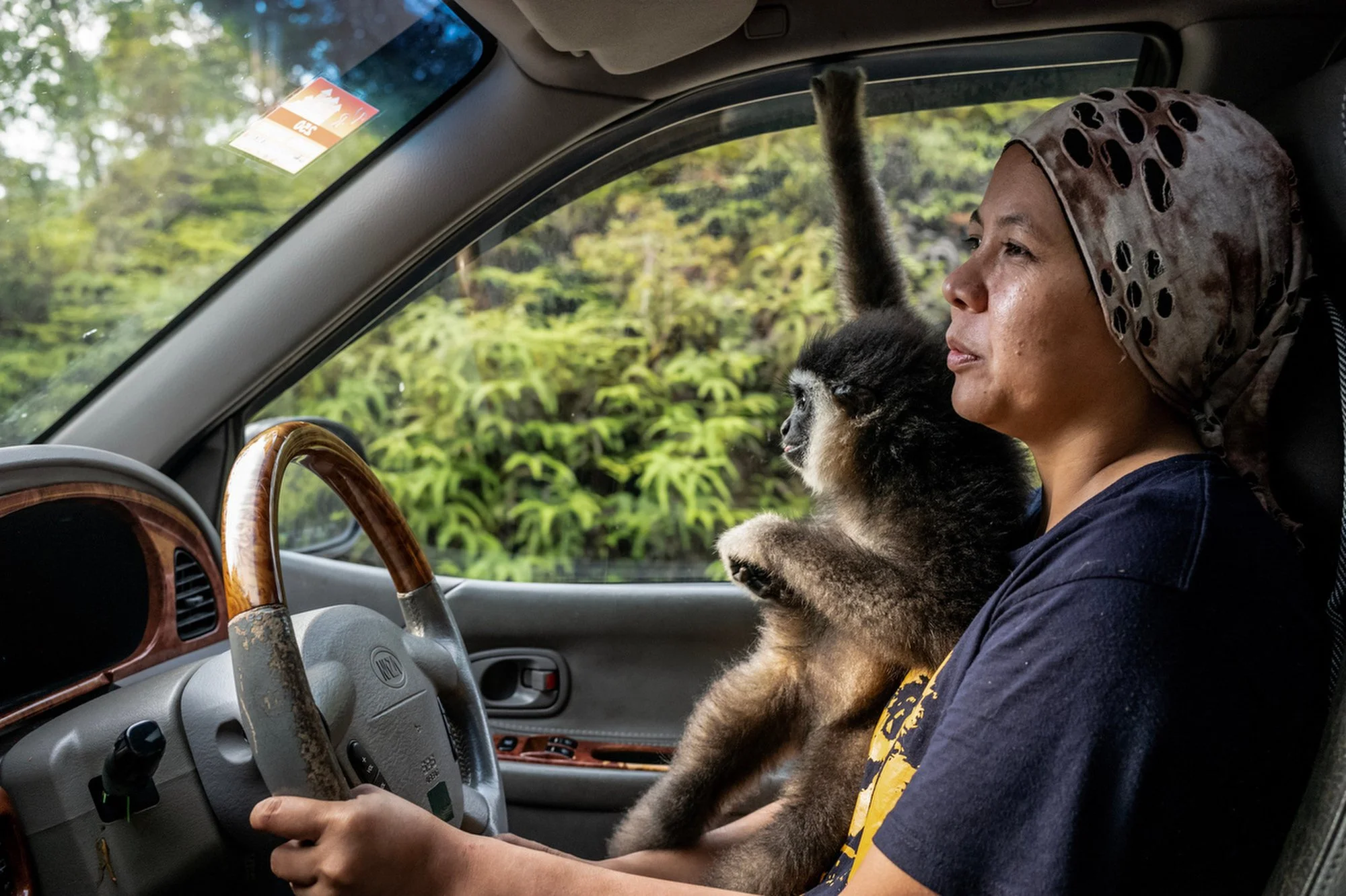
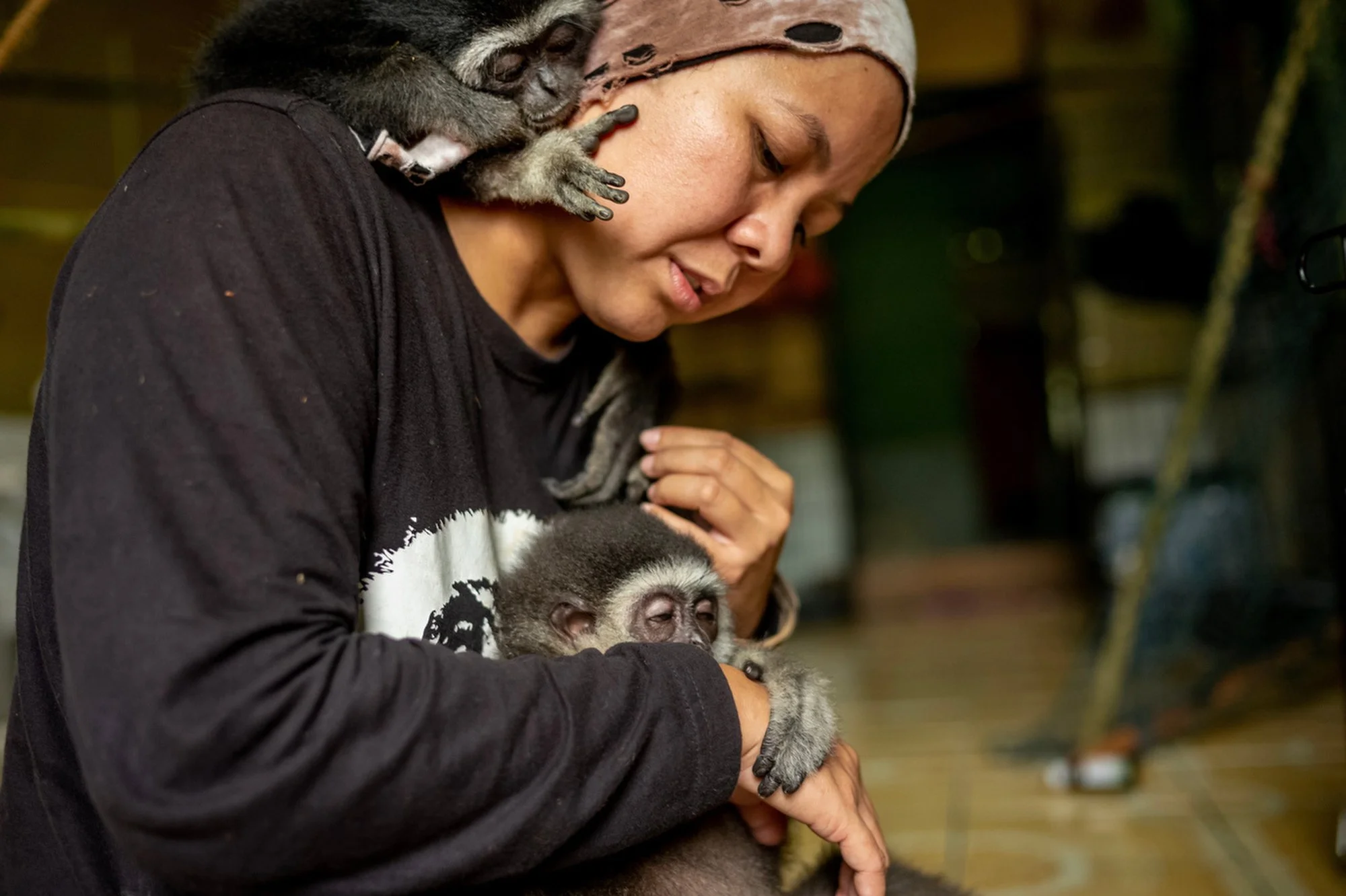
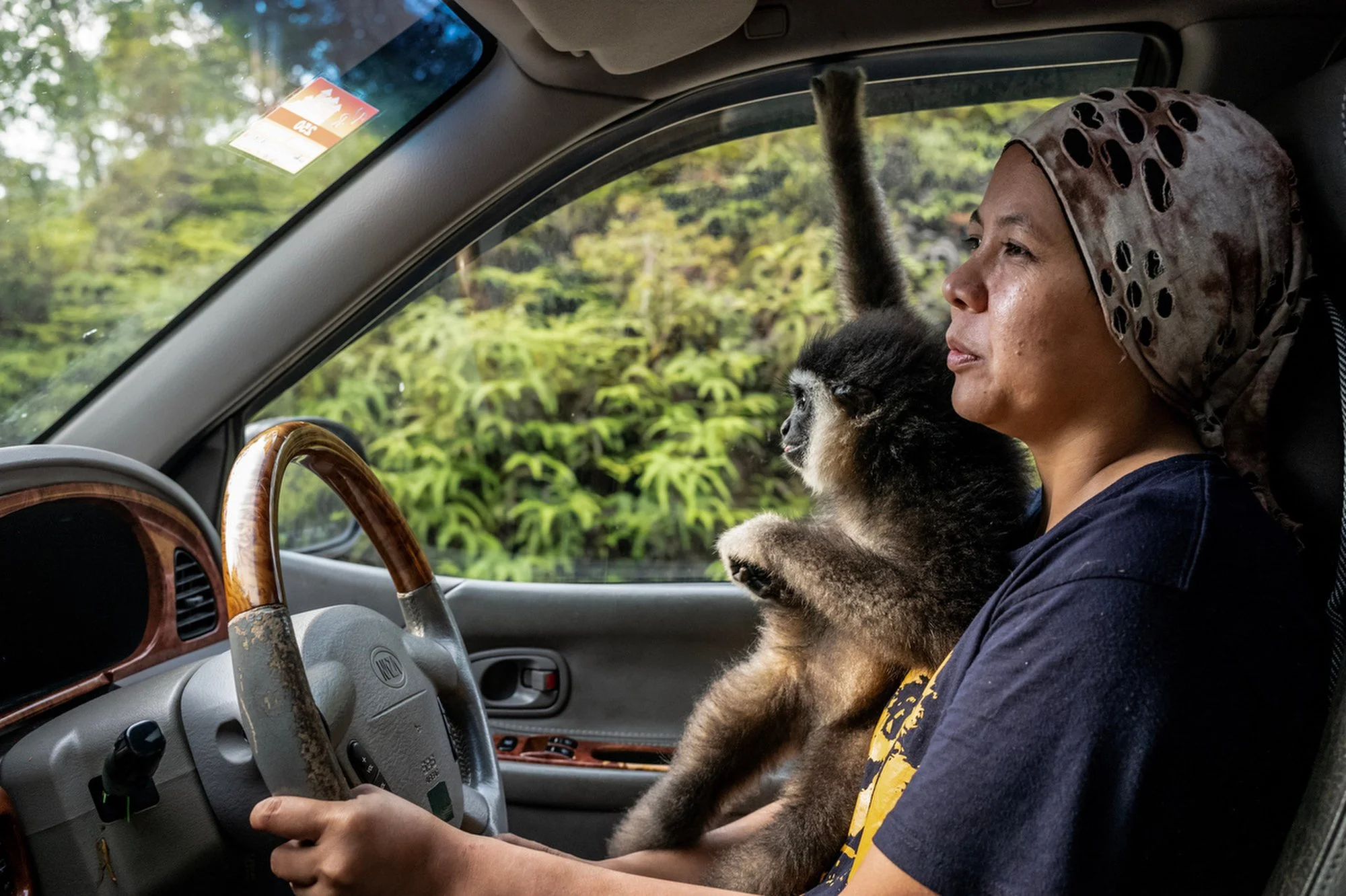
That happens a lot. Not so much with the rhino story, but with another part of that project. I was doing a story about a woman who has a gibbon sanctuary in Malaysia. She rescued gibbons from the illegal wildlife trade. People wanted these gibbons as babies for their influencer channels, and then suddenly they didn't want them anymore. The gibbons needed a place to live, and they couldn't live in the wild anymore because they had been raised domestically. So she would let them live at her home, and she would take them to a jungle school she had created. But at the time, she was doing all of this illegally.
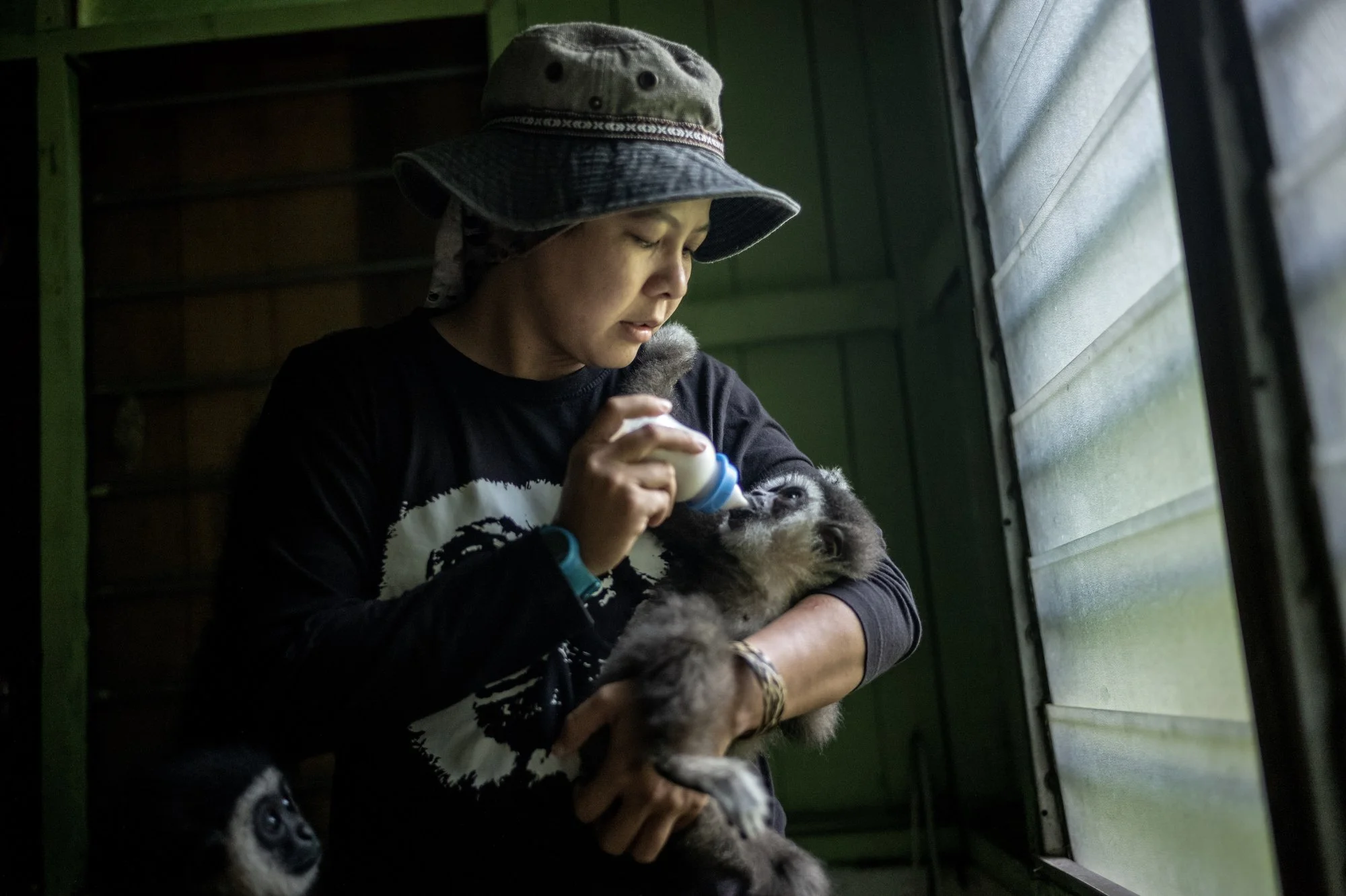
So I had to have a tough conversation with her. I told her I'd love to do the story and provide her with images. She said, "Yes, but I don't want these images to be used against me or taken out of context." If I had only photographed the jungle school, those would have been okay pictures. But I knew she drove them there. How visual and how cool is a shot of her driving her car? I do have that picture now, with two gibbons on her shoulders, almost helping her drive. And at her home, they jump around the house. But she didn't want people to get the wrong impression that she's one of those people domesticating them, because she's not.
I told her the only thing I could do, if she allowed me to do this, was to be open with her. I was going to publish the images, but I would always include the caption and always put them in context. I just couldn't promise that they wouldn't be taken out of context. She agreed to that. And if someone used them without the proper context or without my permission, which happens on Instagram, I would go after them. Not physically, of course. I would have Instagram shut their account down, or I would report it as improper use of my images. It's a tricky situation, because I don't want her to get in trouble. But the reality of the story is that she does these things, and if people interpret it the wrong way, that's hard. So you have to make these judgment calls and have these conversations with people before, during and after. I think if you're a good photographer and not selfish, you have these honest conversations ahead of time, and during, and after.
Have you ever had to remove a photograph you really wanted to keep for that reason?
I have one, for a different reason, that I can't really talk about. Well, I can talk about it a little. I won't say which country, but I was photographing the illegal wildlife trade, people selling rhino horns, basically the mafia. I went undercover to photograph them. I didn't put it on my website, and I shot it under an alias for the UN and then for Time magazine. The agency I worked with published it, and then a bunch of local papers in that country picked it up, with my name on it. I thought, whoa, whoa, whoa, you're using my images without my permission. So I didn't have to take them down from my own site, but I had to go after these publications that were using my photos illegally. They did a whole story about me without even interviewing me, which is bad journalism. It made me sound a lot better. I did that assignment in three days, and they said I went undercover for six months to a year or something like that. That was all false. I had to threaten legal action to get it taken down. They did take it down, but it was tricky.
Another time, I photographed an anonymous source for an agency. I didn't black out their face in post-production. I placed them in the shadow on purpose. I had agreed this with them, showed them the picture, and they were okay with it. But the agency sold that image to a publication, and the publication took the midtones, brightened them and made the person recognizable. I didn't expect a publication to actually brighten up the picture. It was a huge ordeal. I lost trust with the fixer and with the person who got me access. Technically, it is my fault, because I gave the image to the agency, but I just didn't expect that.
When the Project Changes: Kindred Guardians is a project about people who devote their lives to caring for animals. Did you understand that larger idea from the beginning, or did the photographs gradually tell you what the project was becoming?
The rhinos are one chapter, the gibbons are another, and there are many different chapters. But this one started with the idea. I think it came with the maturity of turning forty a while back. I thought, I want to tackle something quite big. I want an ongoing project for the rest of my career, something I'm passionate about, something I can come and go with but keep growing with. Each story is its own chapter, but a couple of images from each one feed into the core of the bigger theme: really celebrating these people who truly dedicate their lives, and sometimes risk their lives, to help animals.
Once you understood it, did it change what you looked for on later trips?
Yes, it does. Over the years, I've learned to look for stories that are visual. Sometimes great stories or people are pitched to me: "You'd love this guy, he does this." But I need visual things to happen there. There was one caretaker who has a center in South Africa for lions rescued from zoos. That sounded great, but as a journalist I have to do some digging, and the reality is that he isn't going to safely or ethically get close to lions. He's just feeding them every day in the giant areas they have. That's not great for me visually. Whereas with the gibbon story, the woman can ethically get close to them because she has to feed them. That makes a lot more sense, and it's a lot more visual.
As much as I admire people who do work like that, I still need a story I can tell visually. I like the challenge sometimes, sure. But this is all an investment of my own time and money. I donate the images to the organization, and I also work with an agency called We Animals. I donate the images to them, and they give them to publications that want to run stories. So I need to be able to get a good story in a few days. If I have more time, I can do it, but I look for very visual stories. And if the people do get close to the animals, it also needs to be ethically responsible. There has to be a reason they get close.
Knowing When Another Chapter Is Needed: Kindred Guardians now contains very different stories. What does another story need to add before you know the project actually needs it?
It's tough to know when I'll finish. I've taken time off to do commercial work recently. When you buy a house and do a renovation, you have to take on commercial jobs a little more frequently than you'd like, though I still like my commercial work too. I don't know when I'll know it's complete. I hope I'll know. I don't know what's still left. I know it needs more variety. I want more countries. There are a lot of animals and people I want to explore. It's not necessarily that they do something different. It's about different ways to show the same thing. I want to show how global this is. I want to show people around the world and celebrate them. So I just want more stories and more variety. And I don't want it to end, either. I think that's partly why it probably won't end, or at least won't end anytime soon, because I want to keep exploring. I just need to get back to it.
Have you photographed something that you later realized didn't belong?
For this project, no, because I do the proper research ahead of time. But on general assignments, it has definitely happened. I've done news stories where the writer and I met in a different country and waited for something to happen, and it didn't. On one story, the writer found out that the story he wanted to tell wasn't accurate. A good newspaper and a good journalist will kill that story. So I've spent days on stories that were killed and never published. Not because my photos were bad, but because the story the writer was trying to tell turned out not to be the truth, or not the direction things were going to go in the future. I still got paid, but it's a bummer not to have your hard work out there. It's also a bummer for the people who put in their time and let you into their lives. So I've definitely had stories that were never seen or published, because the writer killed the story or the publication decided to go in a different direction.
When Waiting Stops Helping: Documentary photography often depends on waiting, but sometimes time simply runs out. How do you know when to keep waiting for something to happen and when to make a portrait instead?
Time management is something you learn quickly on assignments. You get paid per day. Publications didn't have much money back then, and they have less money now, so they want you to get as much done in a day as you can. So when I'm on an assignment, I'm on a different clock than when I'm shooting a personal project. On assignment, the editor makes it clear: you've got to get these shots. Let's say I'm shooting a story for the Smithsonian in Myanmar about the collaring of elephants. They put collars on the elephants to track them and reduce conflict between elephants and humans. I need the action of the collaring, so I know I need to be there at that time. Then maybe there's a sunset shot of the community with the elephants, in good light. But I've only got one sunset, so I have to make a decision. What's the shot I need there? If nothing's working and things aren't happening the way I thought, I always go to a portrait, because I can arrange that and set it up. Or I look for details.
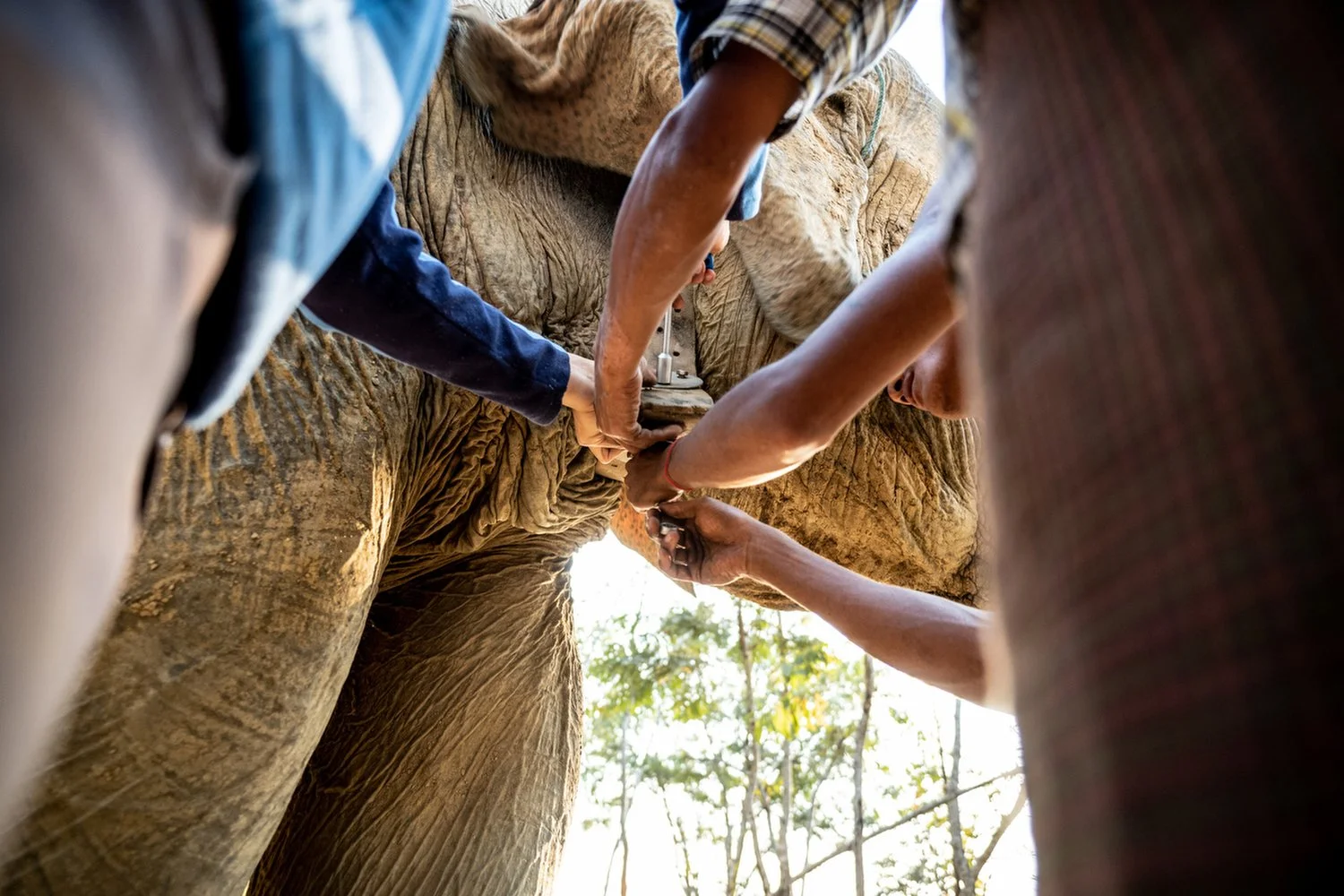
So it's time management. In each situation, you try to sniff out the most visual part. How much time do I need to capture it? And how much time do I need to leave to cover myself for the full story? Sometimes it's a cover story, and you put 90 percent of your time into the cover image, and the editor has made it clear that image is a portrait. Or an editor tells you, "We're not running a portrait here, so don't waste your time on that." Or, "We have room for six images." Back in the day with The New York Times, it was a slideshow, so it might be, "We might run fifteen images as a slideshow, but I also need five images for print."
So you have to budget your time on the fly. You go, you assess, and you work with the time you have. But I'm also a proud photographer, a nervous photographer and hard on myself. There were assignments where I was paid for two days and shot for three, because I wanted to get the story accurate, and also, selfishly, I wanted to look good. I've even had editors say, "Hey, I checked your metadata," and they appreciated it. No editor is going to be mad at you for doing that. I didn't like it, because you should be paid for those days. A lot of the time they didn't have the budget and weren't going to pay you. But as my old professor used to say, "Your name's on it, man, and it's on it forever." So you've got to put your best effort in and do it right, no matter what the assignment is.
Choosing Your Own Rules: In As Above So Below, each place is photographed both from the ground and from above. Why did you give yourself that rule, and what does it make you notice that you might otherwise miss?
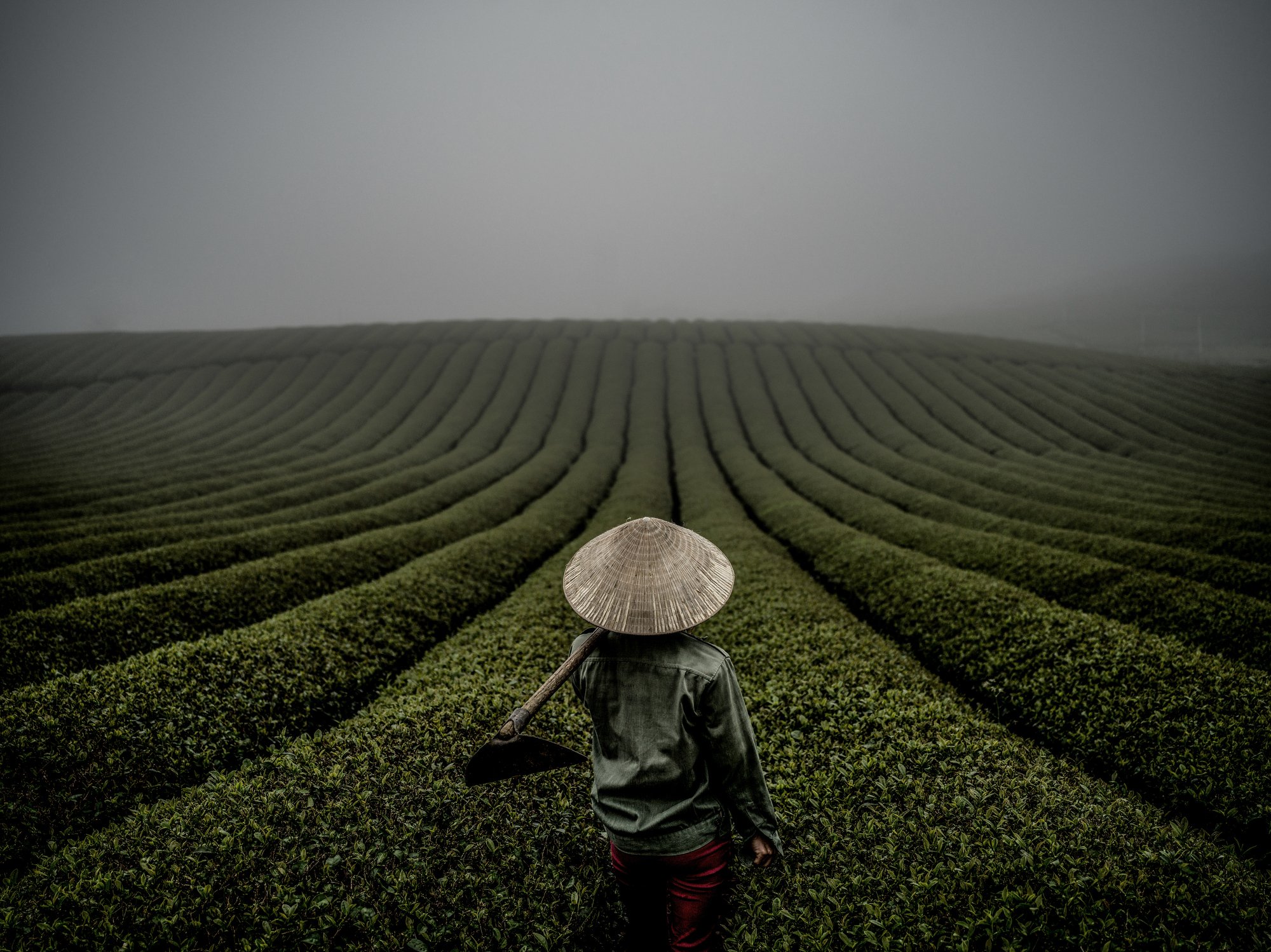
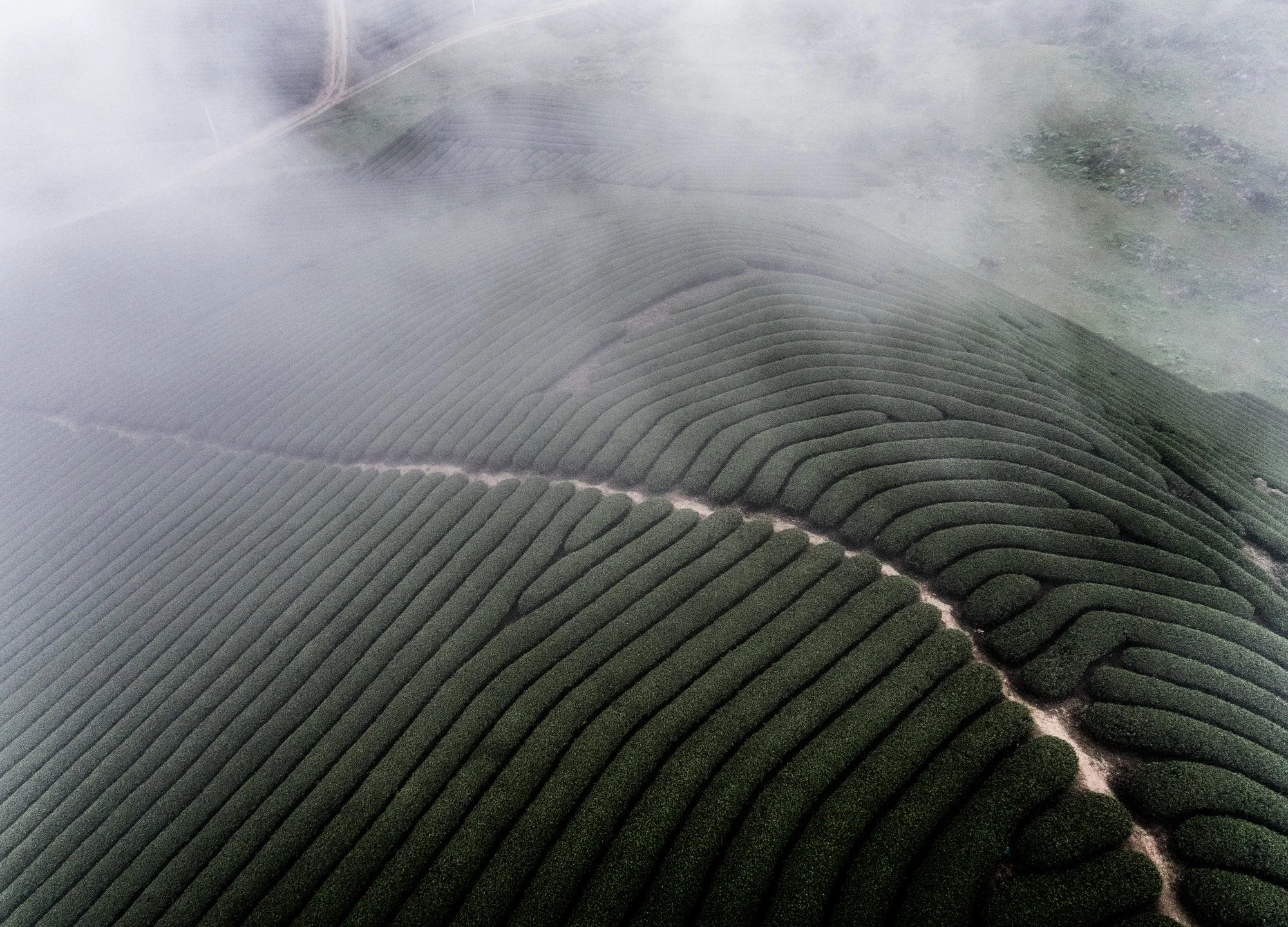
That was a while ago. Sometimes in my career, I like to challenge myself creatively through personal projects. At the time, we were doing a ton of drone work for hotels and resorts. So I asked myself, how can I go from directing drone shots to actually shooting drone shots myself for a personal project, and how can I make that connection? Vietnam is a place I love, and I had always photographed someone else's story here. So I thought, why don't I just document the beauty of this country? I had called it home for a long time by then, maybe fifteen years.
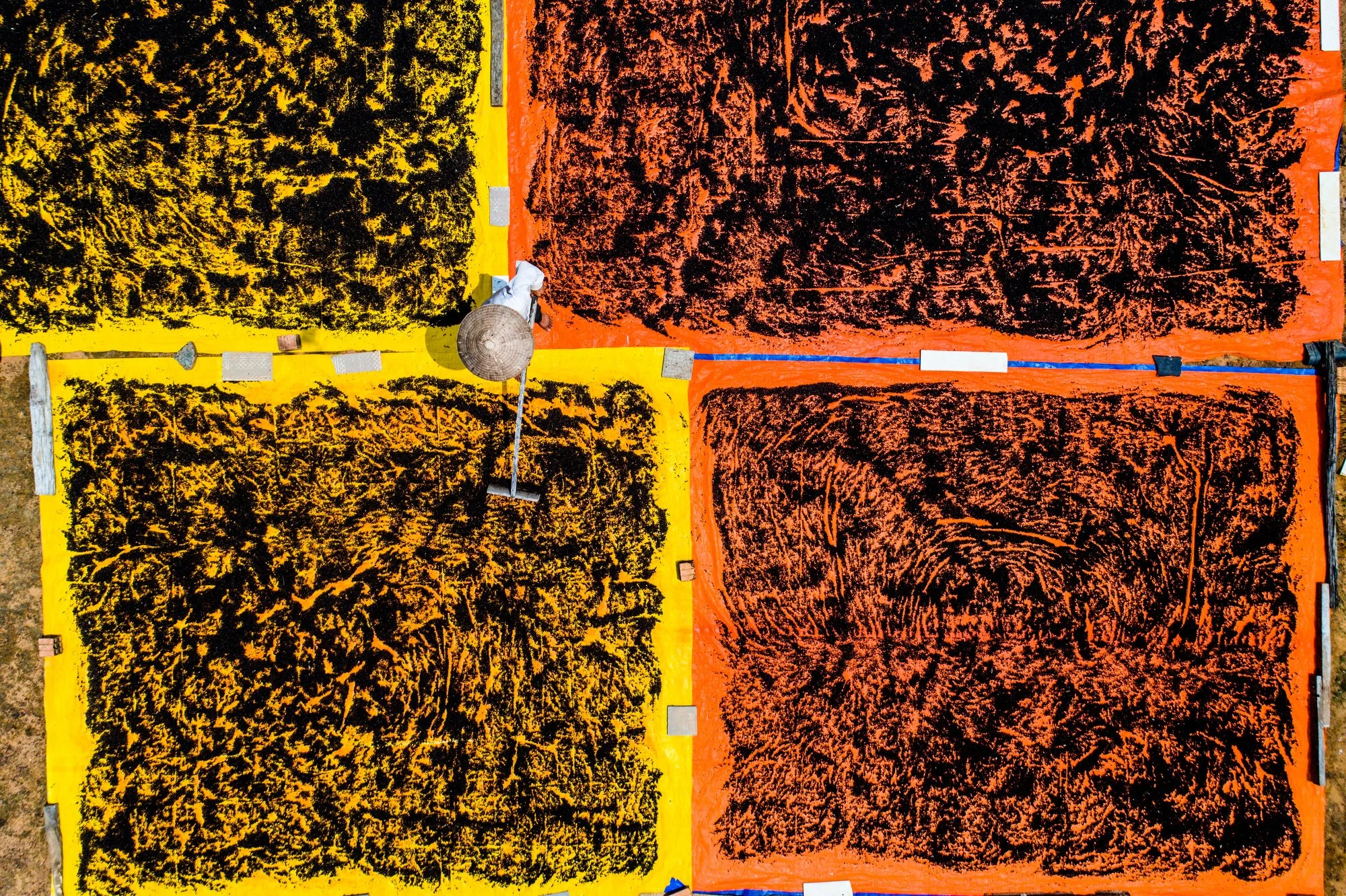
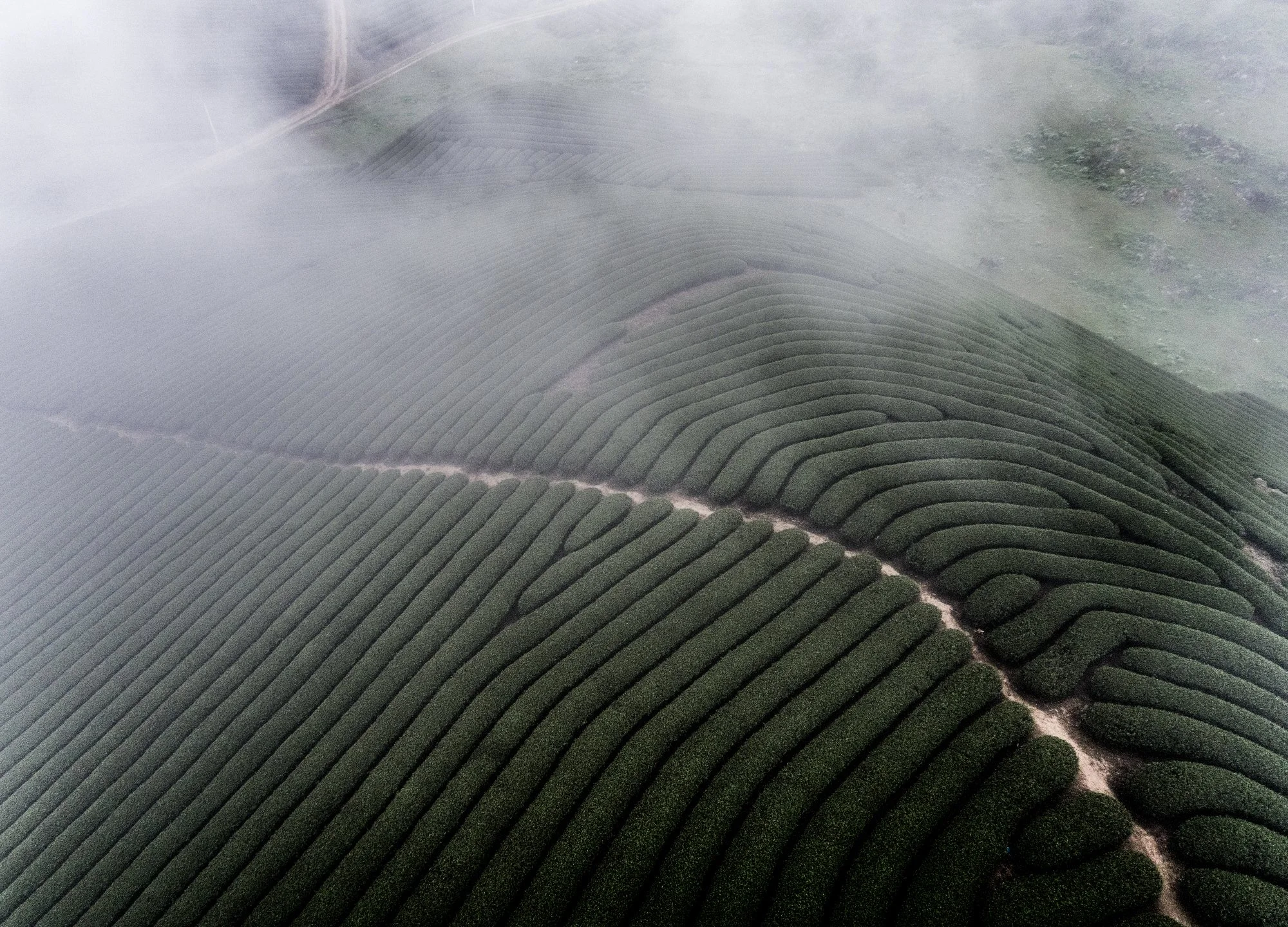
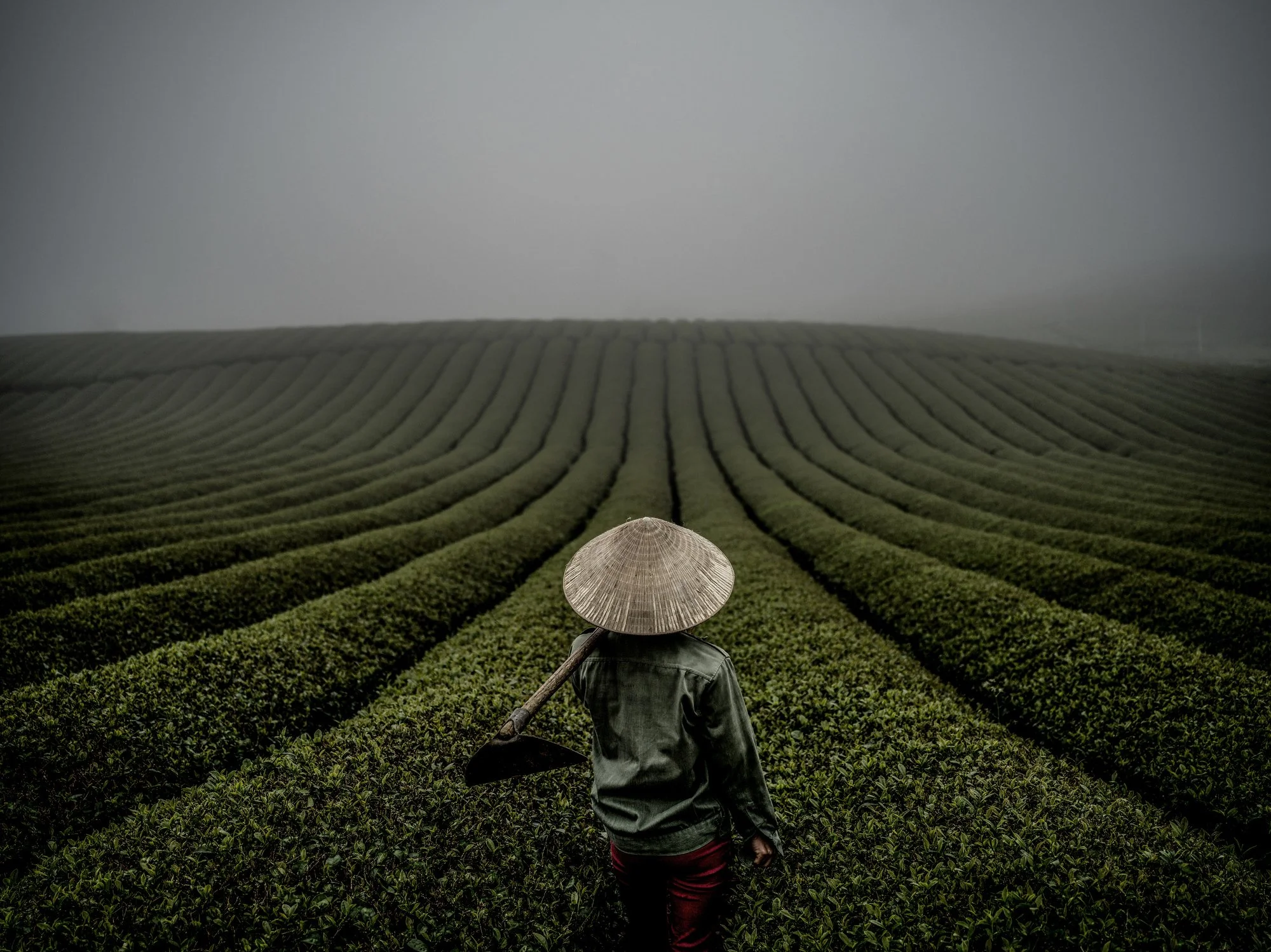
So I started working on this project and asked myself how I could make that connection in a series of diptychs. It's a different visual challenge. Instead of getting images to tell the writer's story, how do I get images to tell my story and share the beauty I see in this country? I didn't think of it as a gimmick. I thought it was a unique way to make a connection between above and below. It could be the texture of someone's hands, connected to the texture of a river. Or it might be an obvious connection, like someone in a field seen from above, and then the worker down below in that field. Sometimes it's just a color connection or a visual connection. Sometimes it connects as a story. I like the challenge of it. When I have time, I go to different parts of the country and try to get one diptych, one set of two images that match.
That story was published in National Geographic, which was pretty cool. Having Nat Geo, one of the biggest travel and journalism publications in the world, publish my story allowed me to share my work and showcase the appreciation I have for Vietnam.
Have you made a strong photograph that couldn't be used because its partner didn't work?
Yes, I have loads of those. It's hard. Sometimes you're forcing it. Sometimes it's not working. Sometimes one image is better than the other. That's the test of the project, and that's what I love about it. That's the challenge for me. You have to be a good editor of your own work, which is hard as a photographer, and say, okay, this one's cut. I've got the above but not the below, or I've got the below but not the above. Either I go back and get it, or if it just didn't work, it didn't work.
Do you feel you can be objective about your own work?
Yes, but before I publish a project somewhere big, whether it's a personal project or a book, I prefer to work with an editor. I do think I can be objective, but speaking for myself, you're always going to be biased. You think, I waited three hours, or I put the drone up and wanted the guy to swim through this exact spot in the water, and he did. But maybe it's just not a good picture. You waited so long that you convinced yourself it's a good picture.
So for my Kindred Guardians project, I definitely hire a separate editor to help me cull and work with the images. It's a back and forth. I don't just hand him the images. I think it's so important for both pros and amateurs to get portfolio reviews or project reviews and to have someone else edit their work. If you can't pay for it, join a community where someone can help, or find a friend and swap: you edit their work, and they edit yours. A second set of eyes is really important. It doesn't mean they have the final say, but it's good to get another take on your own images.
Assignments Becoming a Body of Work: You now have a Vietnam archive built from more than 100 assignments across roughly two decades. When you look at those photographs together, do you see something that none of the individual assignments could have shown you at the time?
Yes. I go back and look, especially right now. I've put this off forever, but I'm finally starting to edit a book of my work in Vietnam, and I'm trying to figure out how to give it a theme. When I go back and look at the shots, I learn more about myself as a photographer. I see what stayed with me and what periods I went through, like a saturated period and an undersaturated period. I see some of the cliché shots I've shed, and maybe some I've kept and elevated. I just wrote an article on Substack about the shot of a guy walking through a shaft of light, the kind of shot every street photographer uses, and about how maybe there's more to street photography than that, like emotion. So I've seen which shots and which phases I've gone through in my own photography. I think it helps me become a better teacher, and a better writer about photography for YouTube, Substack and things like that.
So I've learned more about myself. I don't know if I've learned much about what I look for. I look for different things at different times and in different projects. You can see times when I looked for moments more than light, times when I looked for light more than moments, and times when I was able to capture both. Hopefully, this process of editing my own book will also teach me what I want to hang on to as a photographer and what I want to get rid of from my sort of Rolodex of shots.
Have photographs that were minor supporting images for the original story become important years later? Has your relationship with the images you take changed?
Yes, it has. My taste changes. I'm lucky enough to work with some of the best editors in the world. From an assignment, I send them a hundred images, or maybe fifty, and they cut that down to ten, or five, or one. I've always been grateful that they know how to do that well. I give them variety, and I'm in the moment, but they can really slow down, look at all the images and then publish the right ones. Sometimes I disagree with editors about which image should have been published. Sometimes I feel they miss things. Sometimes an image is more artistic and belongs in my portfolio, but it didn't make sense for the story. You live and you learn from each shoot.
But I wouldn't say they missed much. I would say that sometimes I miss things in my own work. Now that I'm putting my book together, I'll take a raw shoot of, say, a thousand images and ask myself, what did I choose here? What did I miss? I'll pull something out and put it into my "maybe" folder for the book, and it wasn't even something I sent to the editor. So you do miss things. Luckily, in school I learned a lot about self-editing and peer editing, so I'm pretty decent at editing my own work and not missing things. But it happens.
Different Kinds of Photography: You move between journalism, personal documentary work, and highly produced commercial assignments. What have you learned in one of those worlds that unexpectedly made you better in another?
A hundred percent, there is. When I started to do commercial work, my unique selling point, to put it in marketing terms, was my editorial and storytelling background. When I started to shoot hotels and resorts, I shot lifestyle pictures with models, but in a very editorial way, just polished. We might light it, or we might not and really wait for natural light. Rather than stage the scene, I would create a scene. For example: here's a family of four playing on the beach with the hotel in the background. Let's pick the right time, get the right props and get the art department in there. But then let me just let them play and exist in this space. I'd direct the models at the beginning, but ask them to act normal.
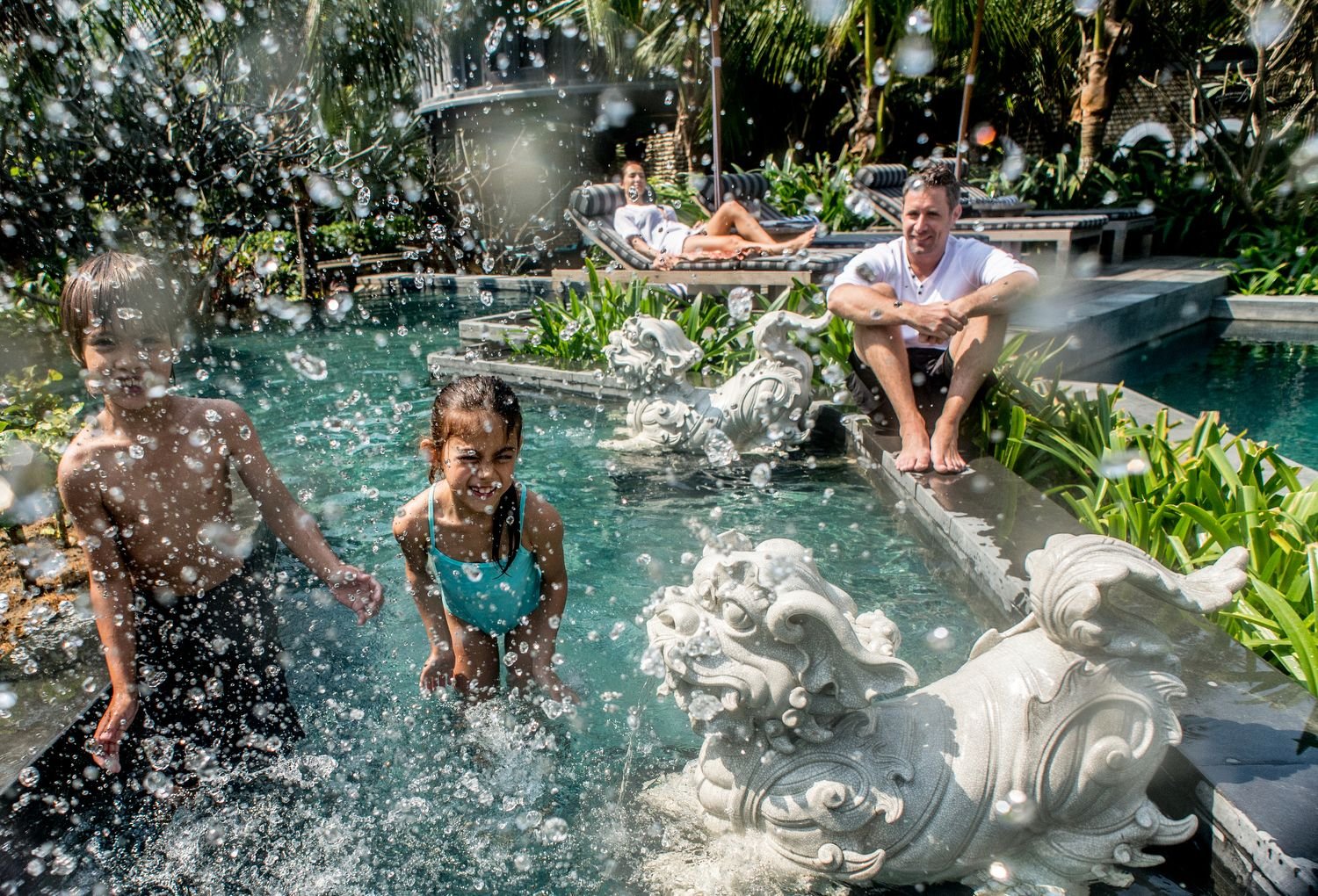
I think that's what made me different. A lot of my hotel clients wanted more natural-looking images, and I could sell that without it being BS, because I could say, "I know how to do this well, and if you give me the opportunity to do it in a controlled environment, I can really execute it well." When I shot travel stories for The New York Times, I was a fly on the wall. Don't disturb the scene. You can't ethically ask people to do things. You can't say, "Hey, walk by again," or "Hey, do this," or "Hey, hold this." So now I had to find the balance. I can do this for commercial work, but how much? I had to learn restraint: let's create a scene, but know when to pull back and let it unfold. Maybe we call cut on a shot, but then I notice the kids playing with the dad model, and that's a cute moment. Okay, let's go shoot again. So I would set myself up with scenes that work 360 degrees, with natural light rather than heavily staged artificial light, and count on myself to capture genuine moments.
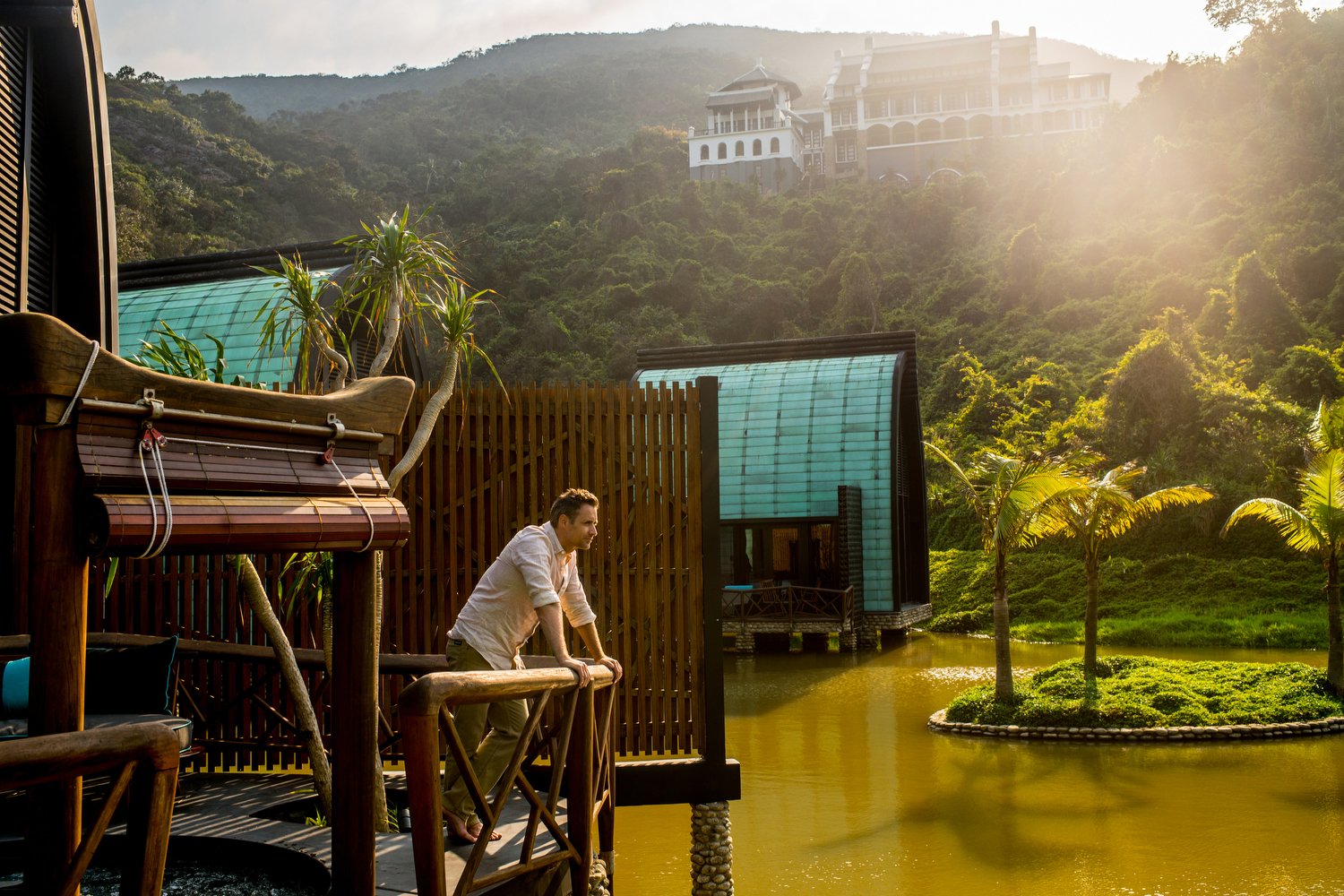
That put me in a unique position with a lot of my clients. InterContinental Hotels really appreciated that, and a long time ago we helped write their guidelines based on that kind of photography. So editorial and travel work taught me a lot about my commercial work. I still have big clients today, and I'm in a unique position to give them something different. That's not to say one approach is better or worse. Some people really need more polished, more heavily lit work that looks that way, and it works well. But the clients who come to me want something authentic. And I think now, in the age of AI, that's a nice selling point for me as well: really doubling down on authenticity. I have the résumé and the portfolio to back it up. And I believe in it too. I believe in it, and I think I'm pretty good at it.
Knowing a Place Too Well: After roughly twenty years in Vietnam, what can you see there now that you couldn't see when you first arrived?
Wow, you're getting deep on me today.
Like I talked about before, I can see the cultural things now, like when people are being a little polite, and when they just don't really want you in their home documenting them. I'm much more aware of little cultural things like that. Okay, you're just saying yes for the sake of saying yes. So I try to be sure before I get access. I try to earn space more. I can see when people are hesitant or uncomfortable. I can see better when it might take a little more time to earn someone's trust.
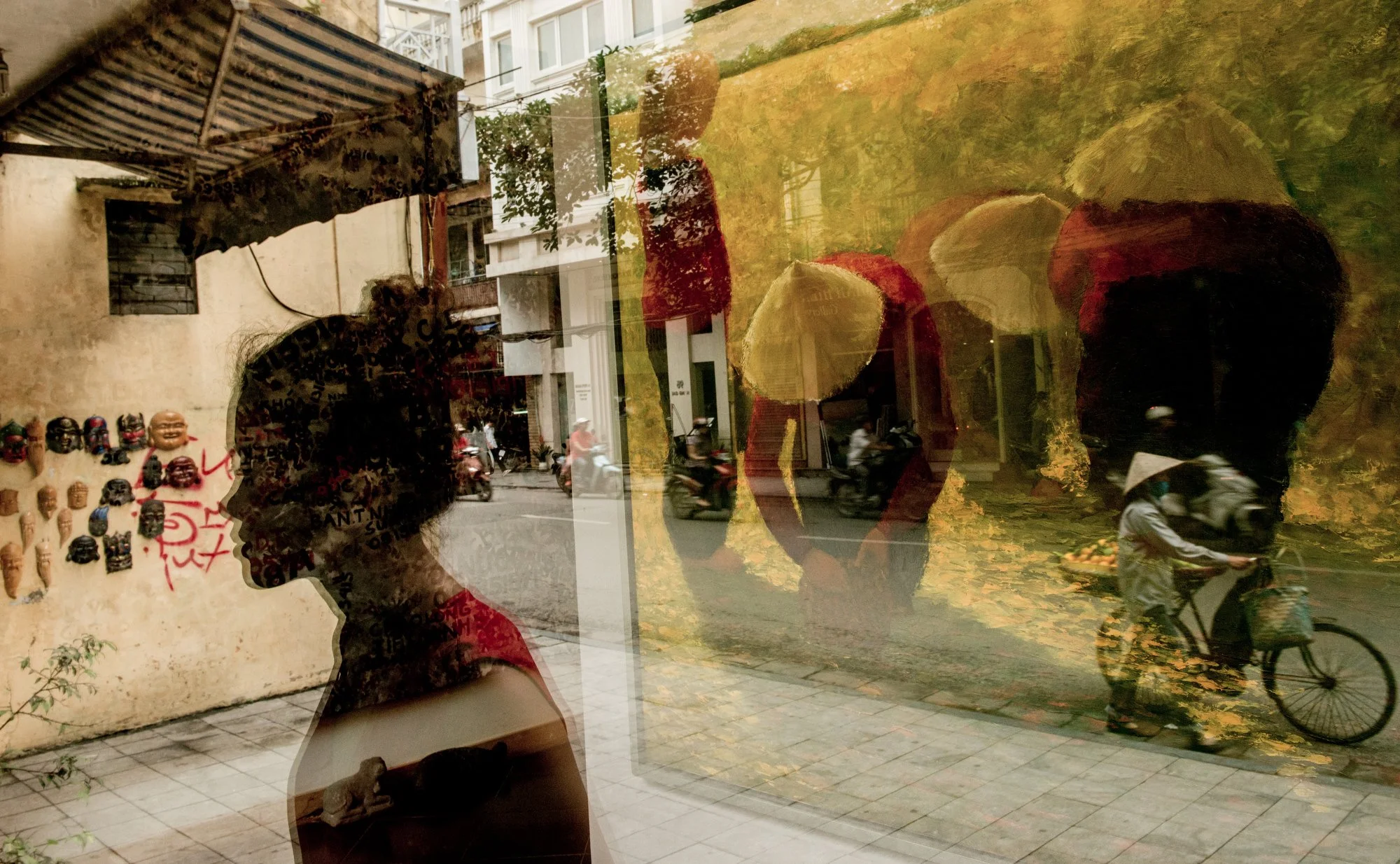
I think in the beginning, when you come here, everything is so fresh and new that someone wearing a conical hat is exciting. But no, I still want a moment. Don't let the hat or the busy market do the work. That stuff isn't as new and fresh to me anymore, so it forces me to think: what am I really trying to say here? What's really the picture? How can I really capture it? I've learned to slow down and shoot a little less. I've learned to research more, to observe more and to be more patient. I've definitely learned a lot from living here, but I think the biggest thing is to slow down a bit in my photography. I'm always in a rush, because I come from that background of assignment work, where it's boom, boom, boom, boom. I've got to get this done. I've got to get this assignment. And now it's more like, let me go out and shoot for me a little, let me grow a little, let me slow down a little.
What might you miss now precisely because the place has become familiar? And what do you do when somewhere familiar starts to feel too familiar to photograph?
I don't know. I'm still very much in love with photographing in Vietnam, which is great. It means I chose the right place. I know people who live somewhere for a year and get bored with it. If I just took my little camera and went out to shoot street photography at 5 a.m., I would love it. There's still something new. I just think there's less than there used to be, because everything is so exciting when you go to any new country or new place. And in photography in general, the more pictures you take and the more you've done, the fewer things are new to you. So it's harder for me to get a picture that I approve of. But I get to a picture that a client approves of faster than ever before. I don't know if that's good or bad. I can get there faster and do it faster, but I'm harder on myself. I hope that's good, and that it keeps me moving forward and growing in my photography.
We'd love to read your comments below, sharing your thoughts and insights on the artist's work. Looking forward to welcoming you back for our next [book spotlight]. See you then!
