How Damien Daufresne Turned Childhood, Animals, and Silence Into a Photographic Tale That Feels Like a Dream
Welcome to this edition of [book spotlight]. Today, we uncover the layers of 'The Overmorrow,' by Damien Daufresne (published by éditions Lamaindonne). We'd love to read your comments below about these insights and ideas behind the artist's work.
Damien Daufresne photographs childhood like a fading fairy tale.
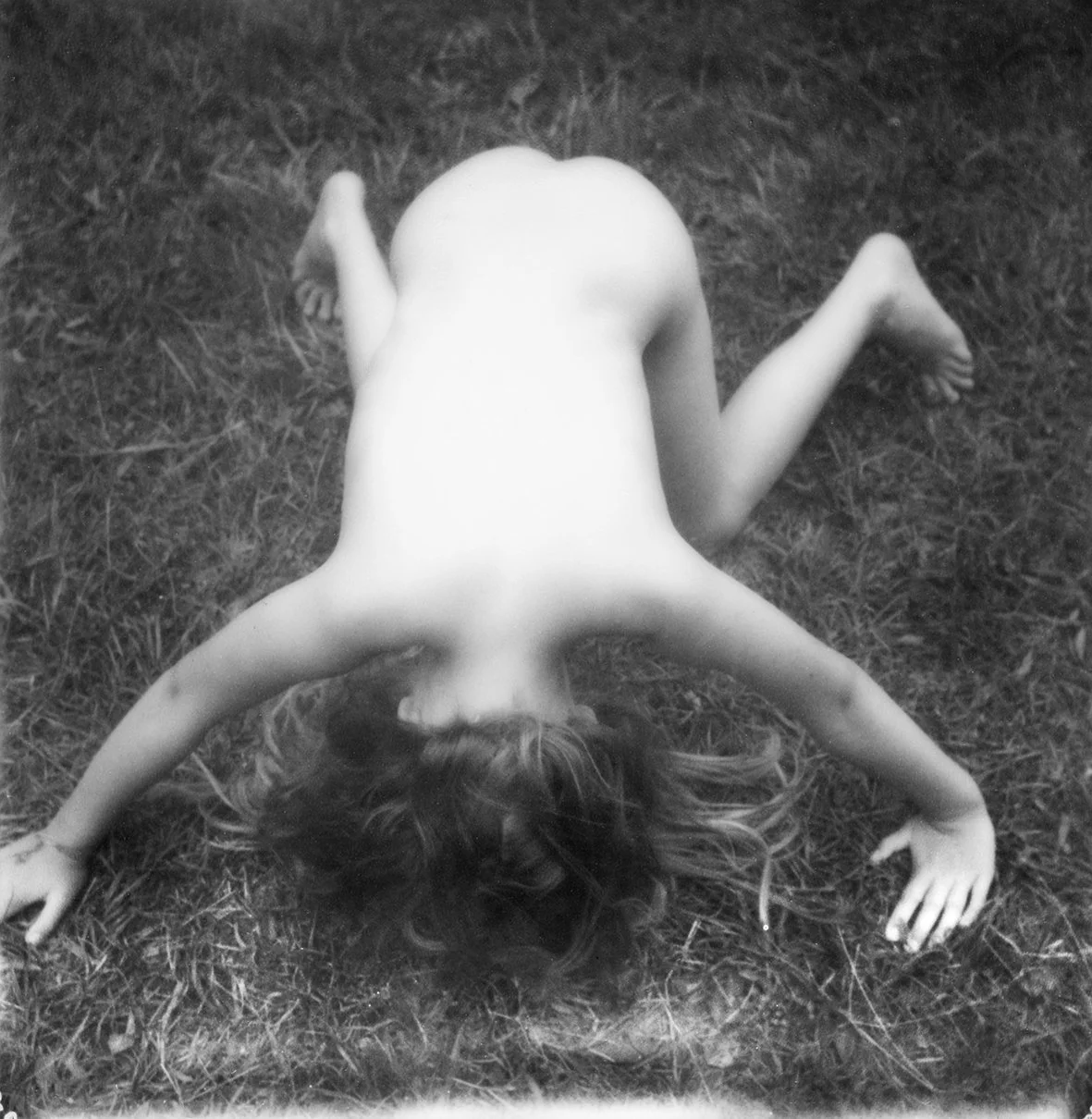
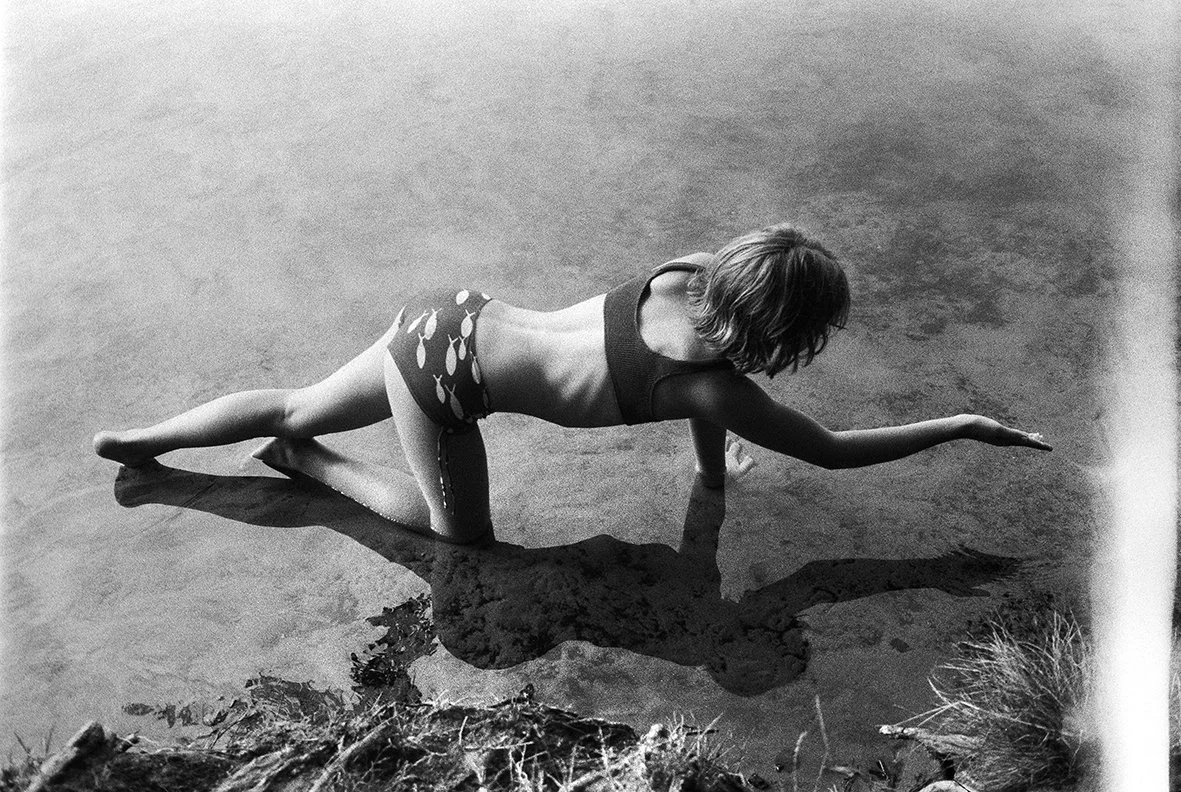
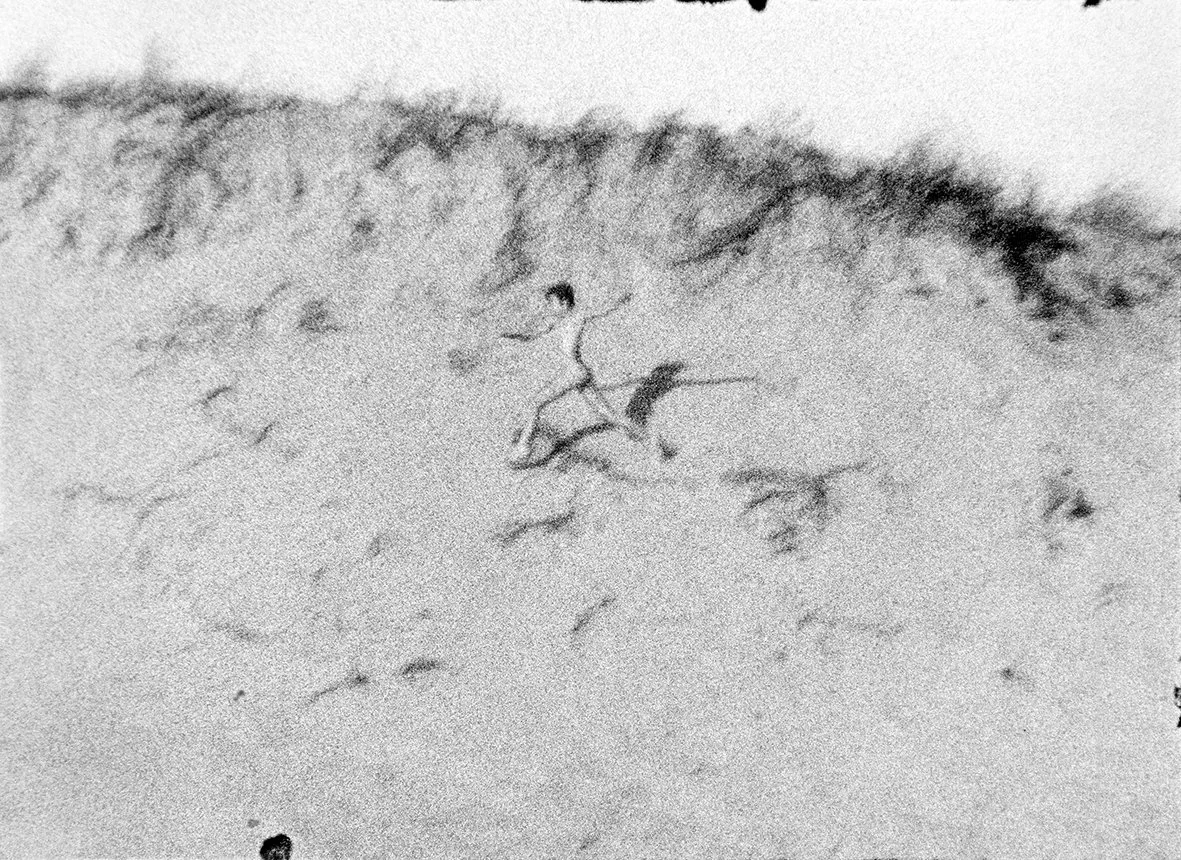
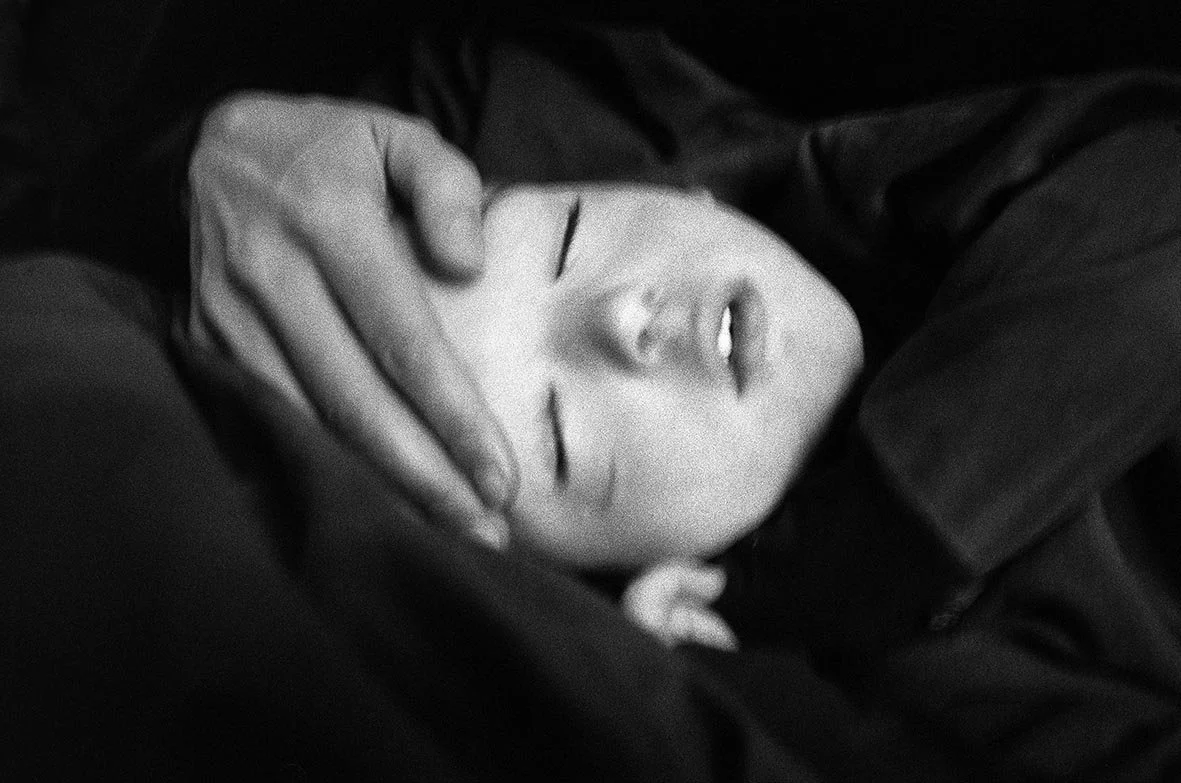
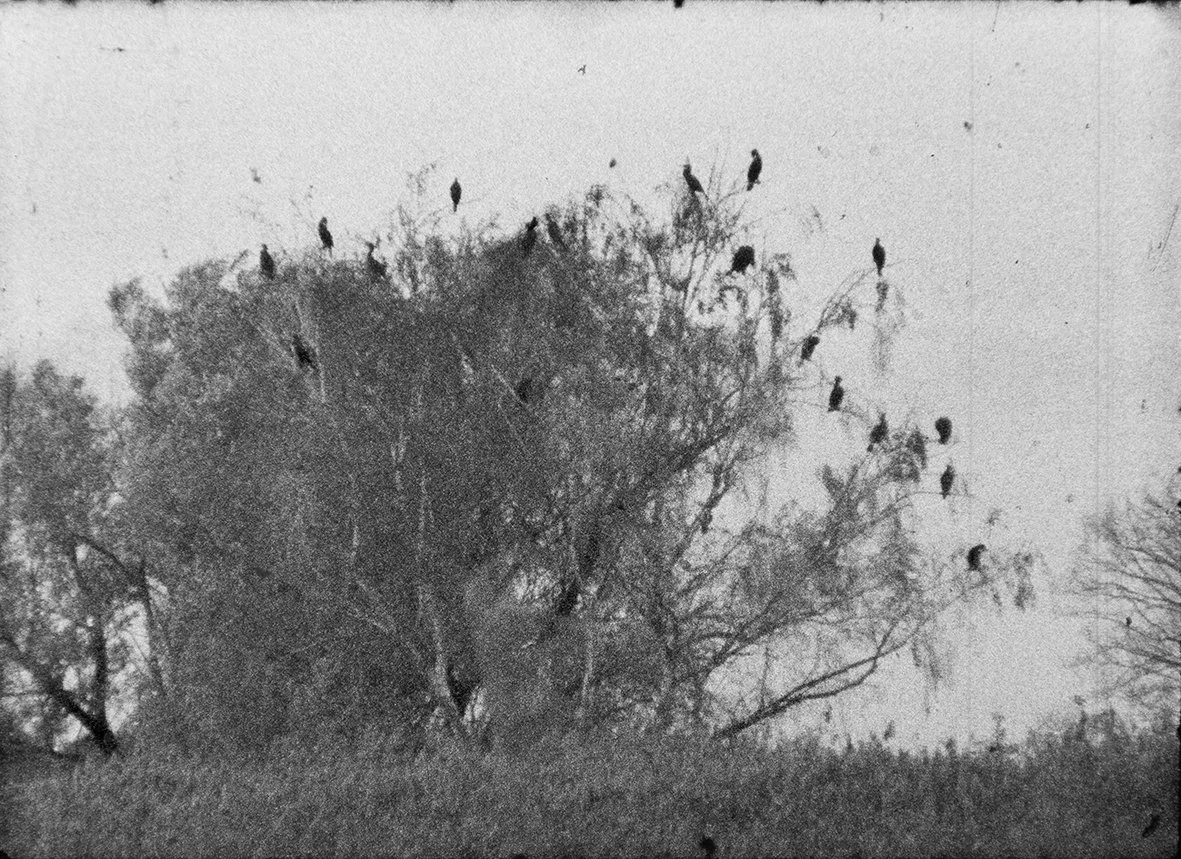
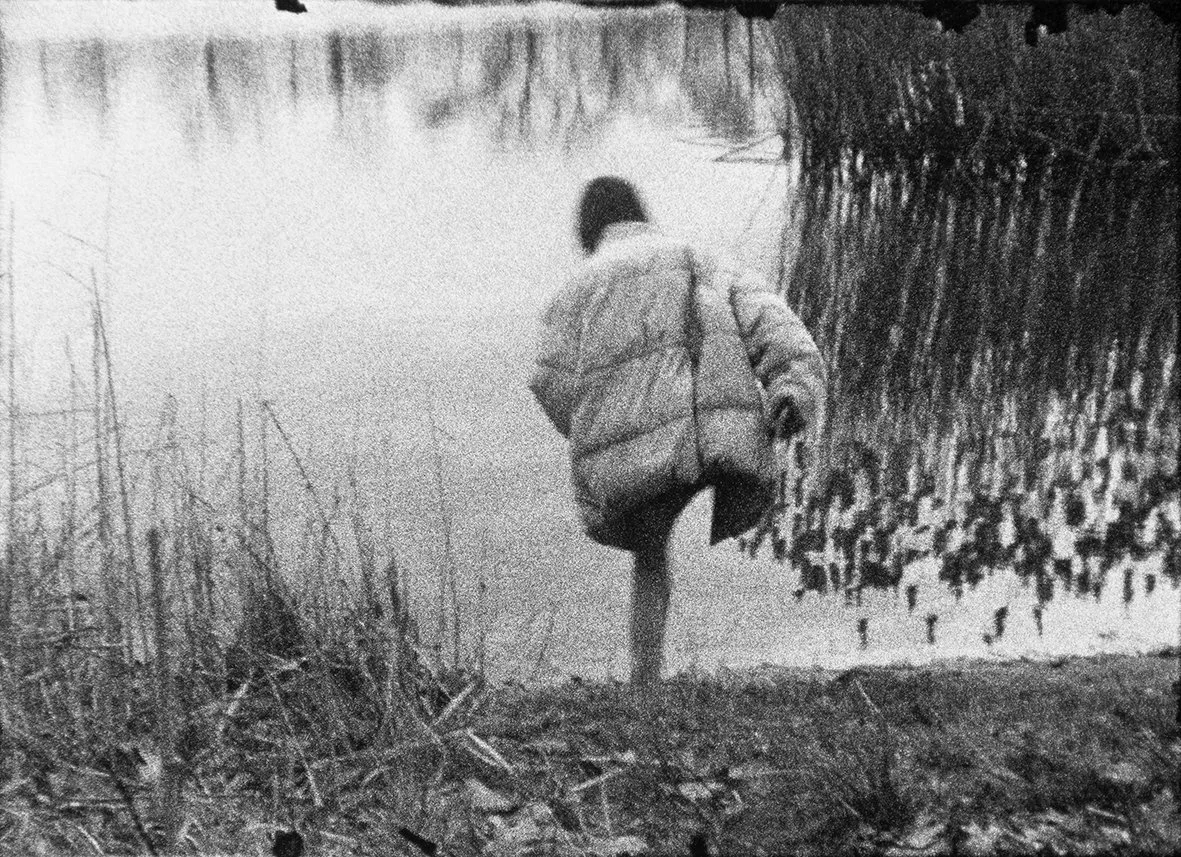
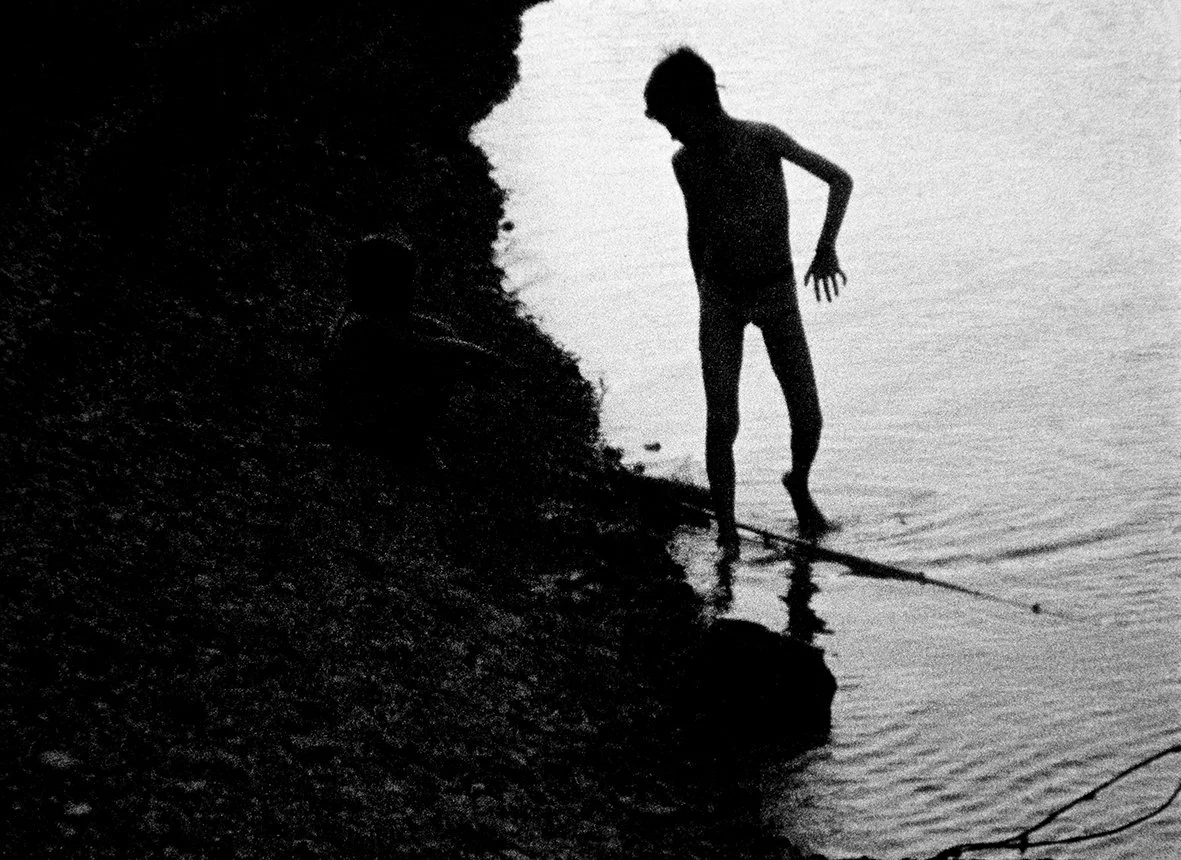
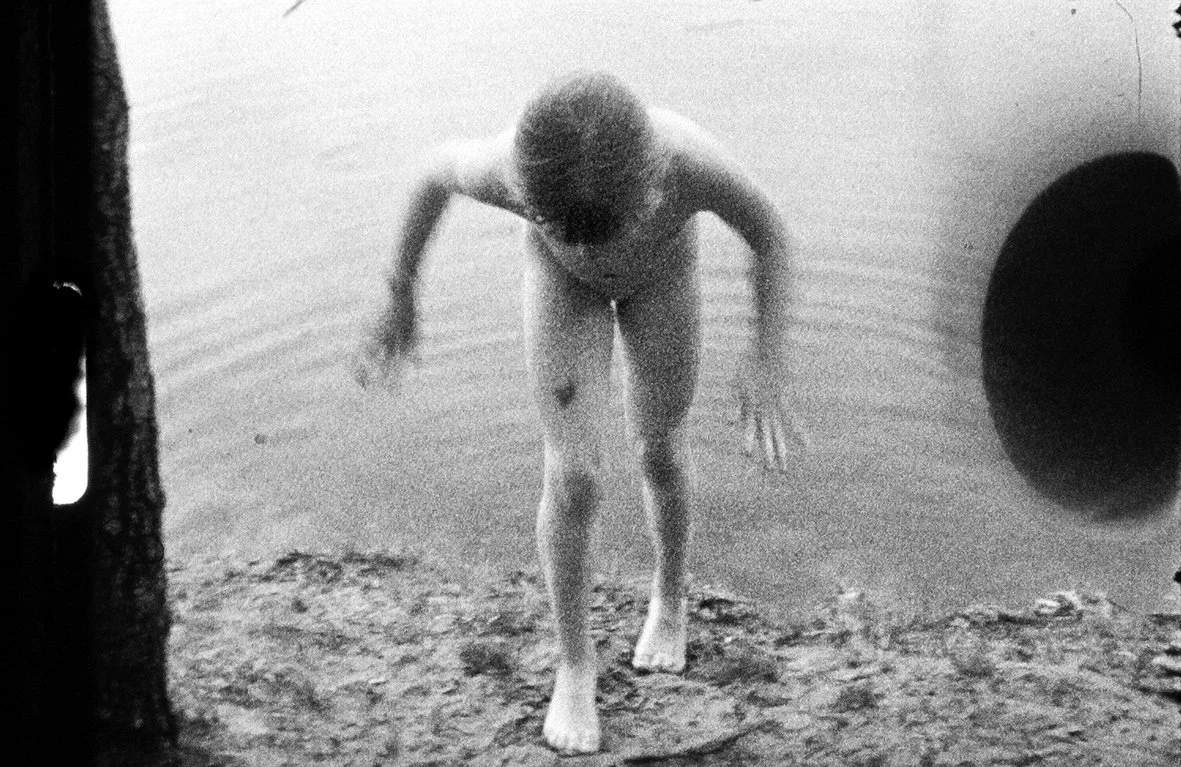
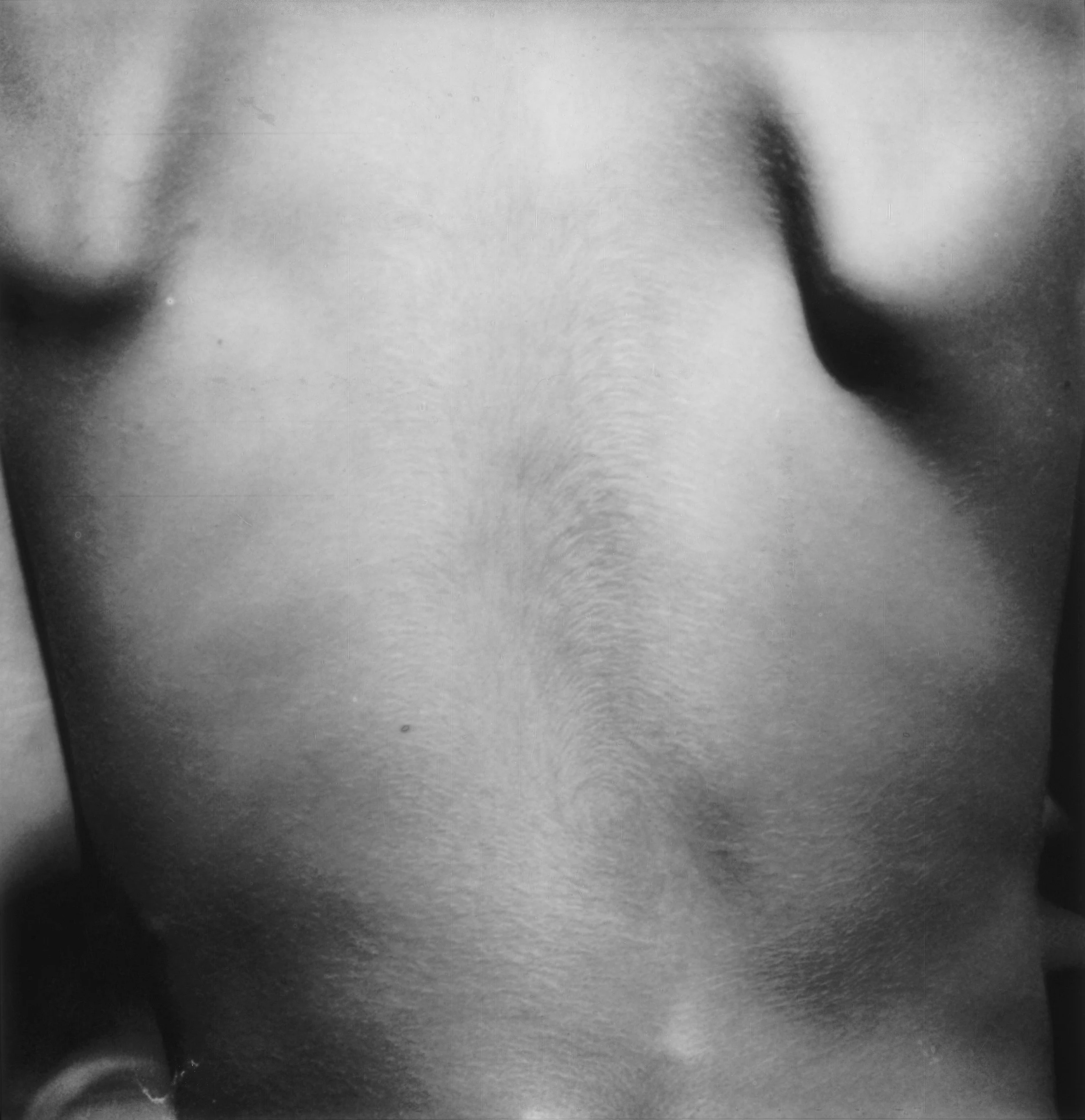
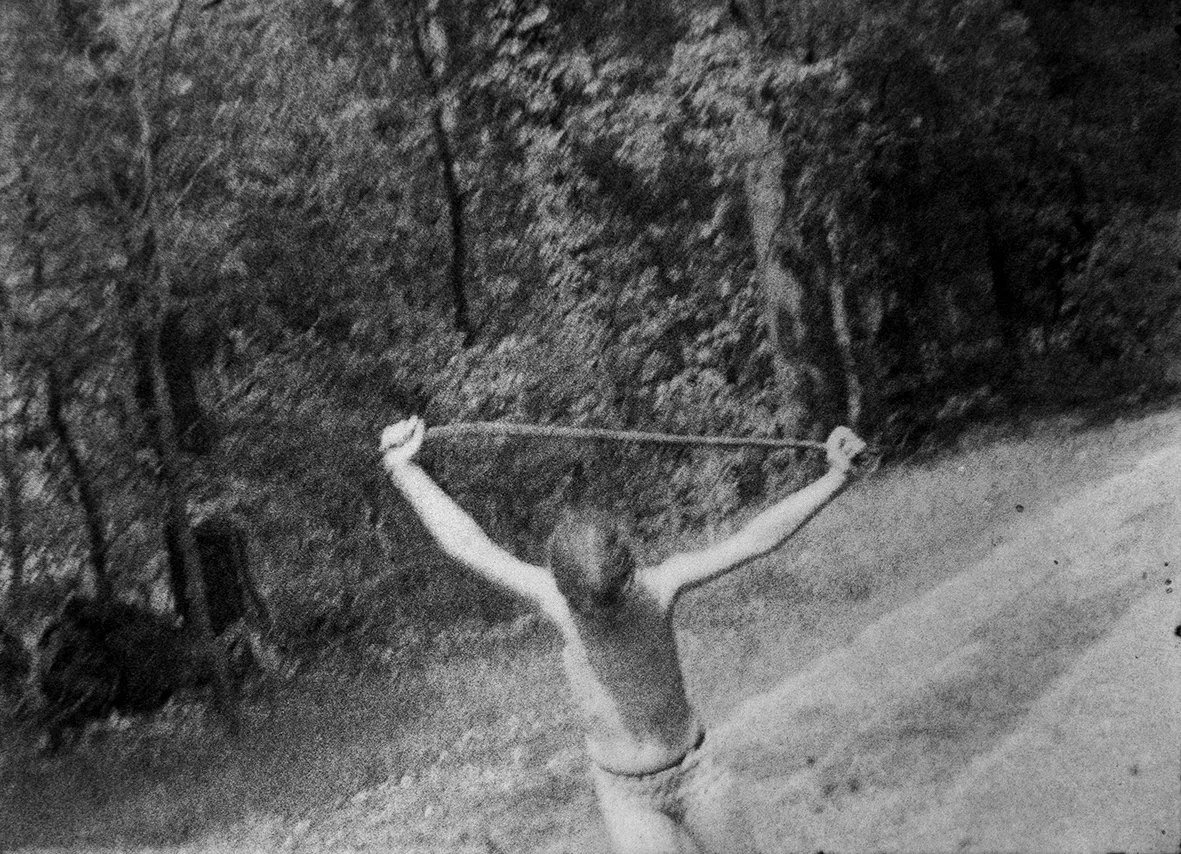
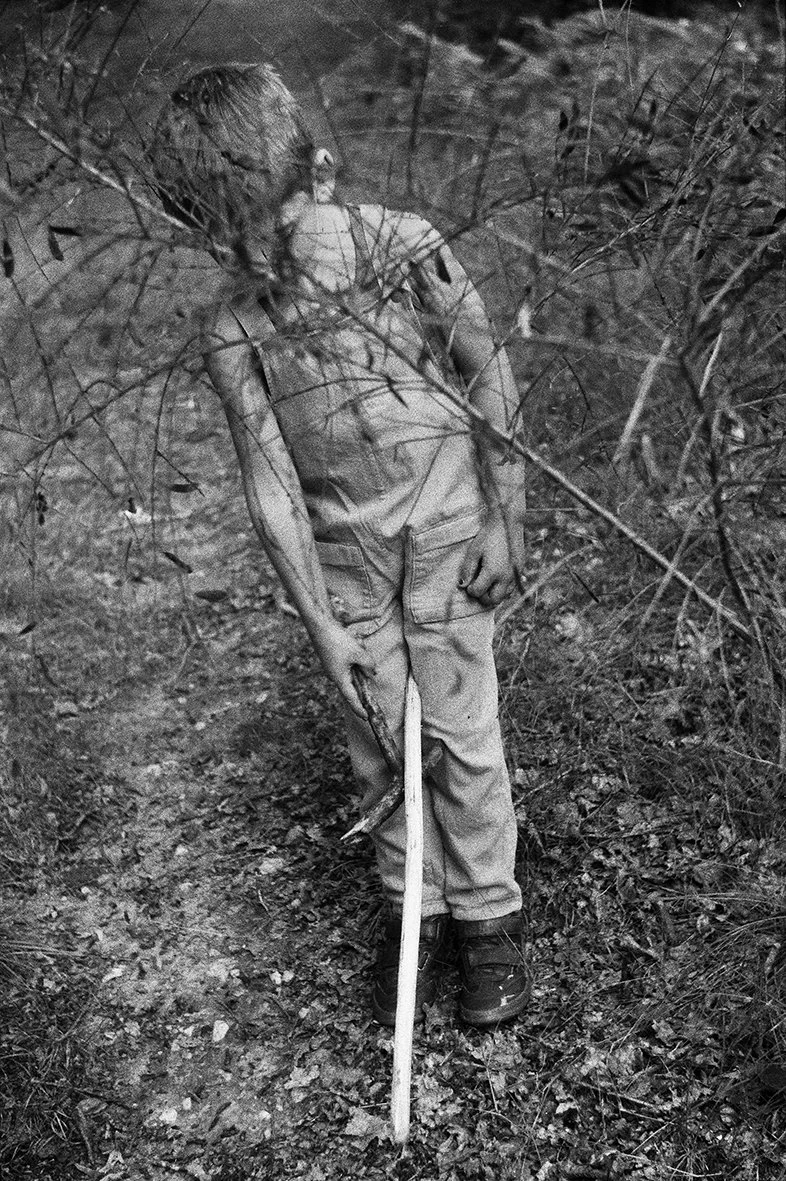
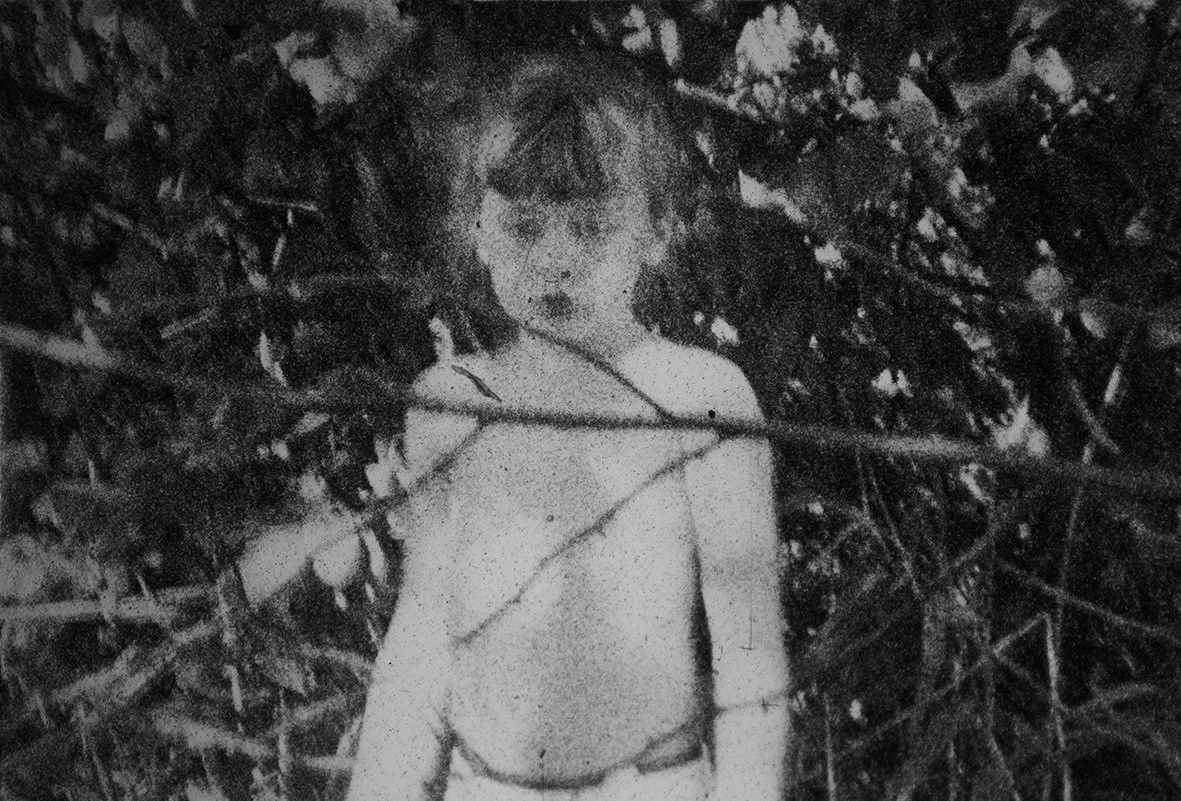
The Overmorrow is filled with children, birds, shadows, gestures, and moments that feel suspended somewhere between memory and imagination. The photographs are quiet and fragile, often balancing on the edge of disappearing completely. Nothing in the book feels fully explained, and that uncertainty becomes part of its emotional power. The result is a photobook that feels intimate, mysterious, and deeply human at the same time.
Some photographs tell you exactly what to see.
Damien does the opposite. In this interview, he speaks about ambiguity, silence, archetypes, accidents in analog photography, and why he prefers images that leave space for the unknown. He also discusses working with his son’s paintings, building rhythm inside a photobook, and creating photographs that feel more like emotional traces than direct documents. The conversation slowly reveals how The Overmorrow was shaped not only as a sequence of images, but as a visual tale built from fragments, absences, and intuition.
This interview also offers something practical beneath the atmosphere.
Damien explains how he uses repetition, ambiguity, sequencing, grain, and visual restraint to create emotional tension inside a body of work. His approach shows how photographs can become more powerful when you stop trying to explain everything clearly.
The Book
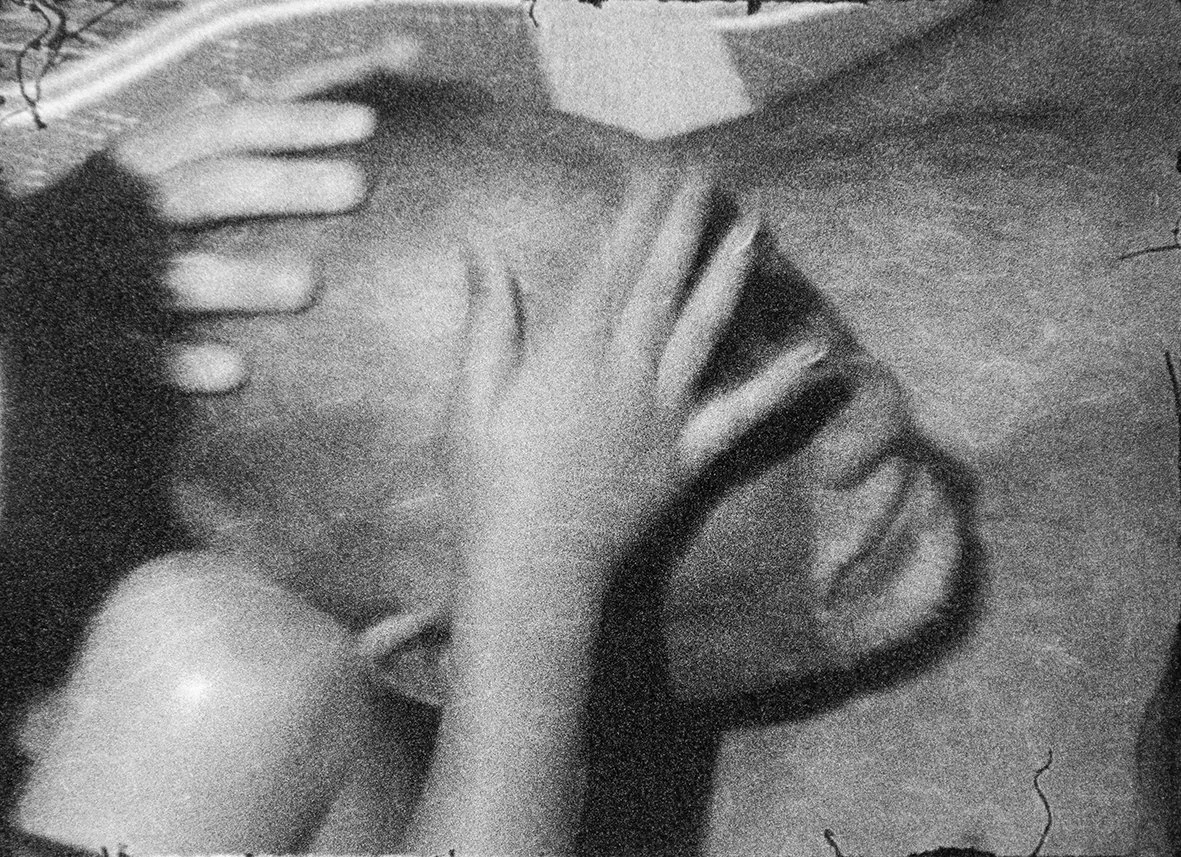
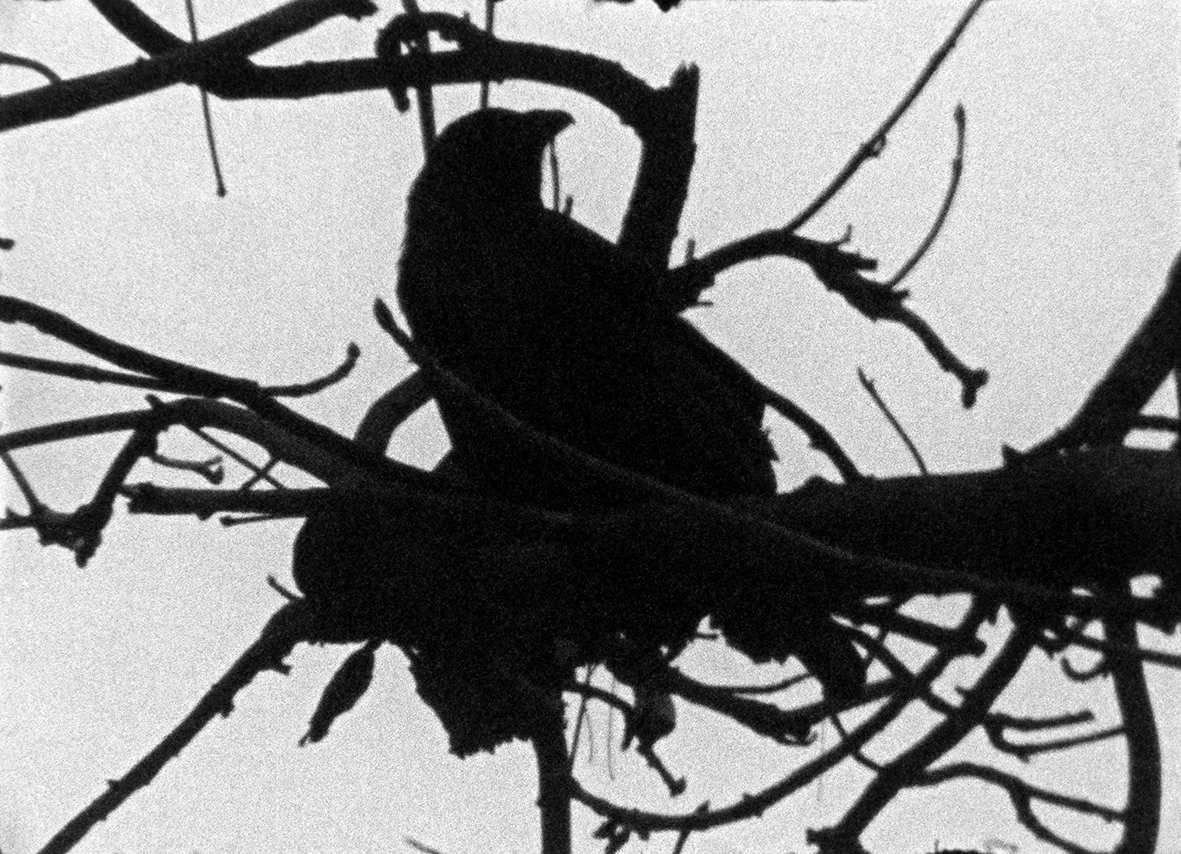
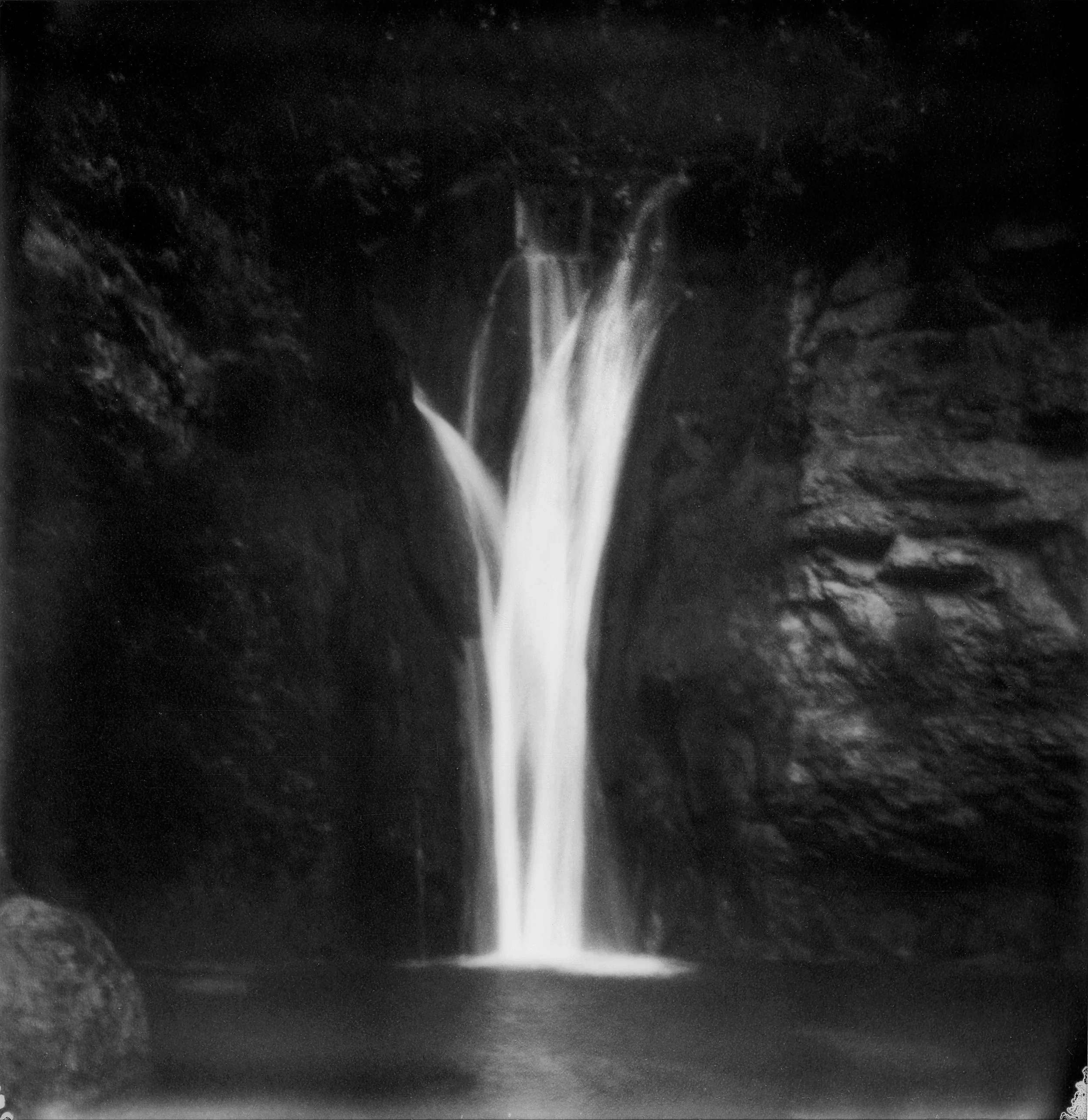
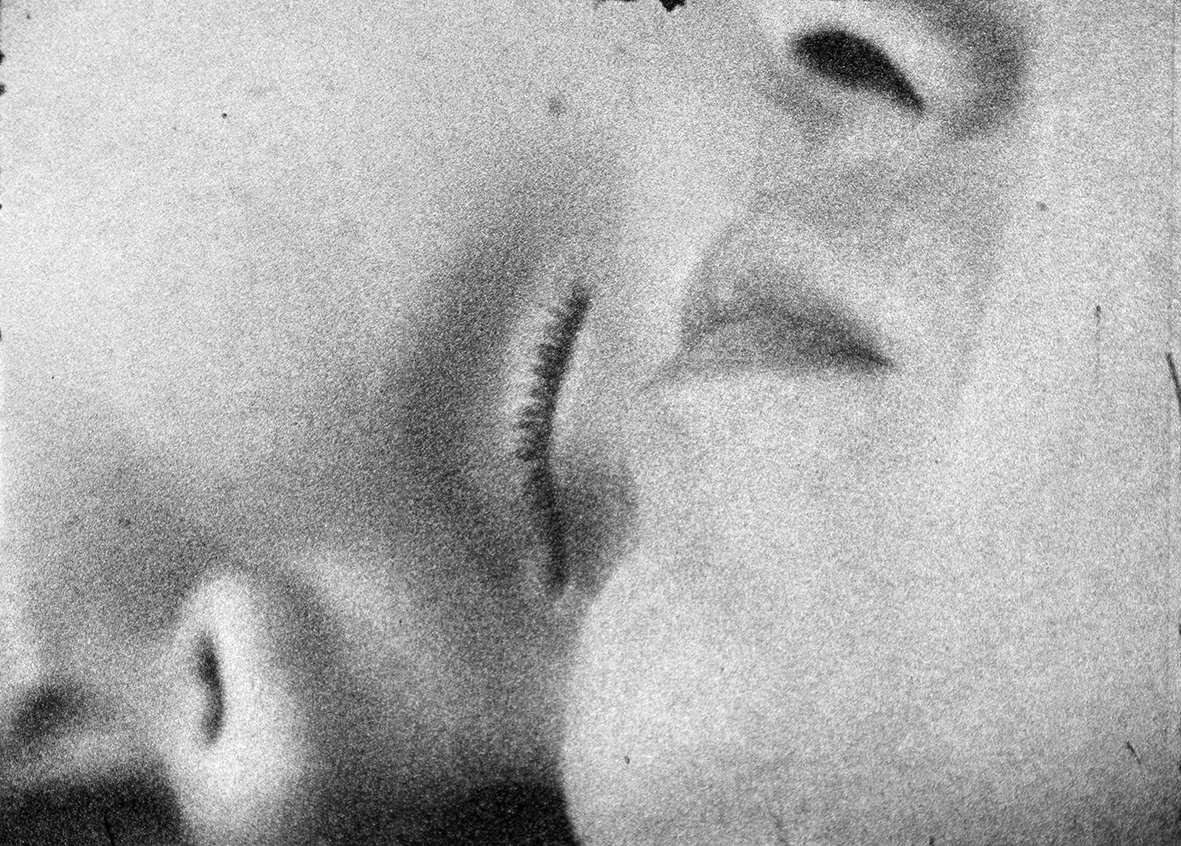
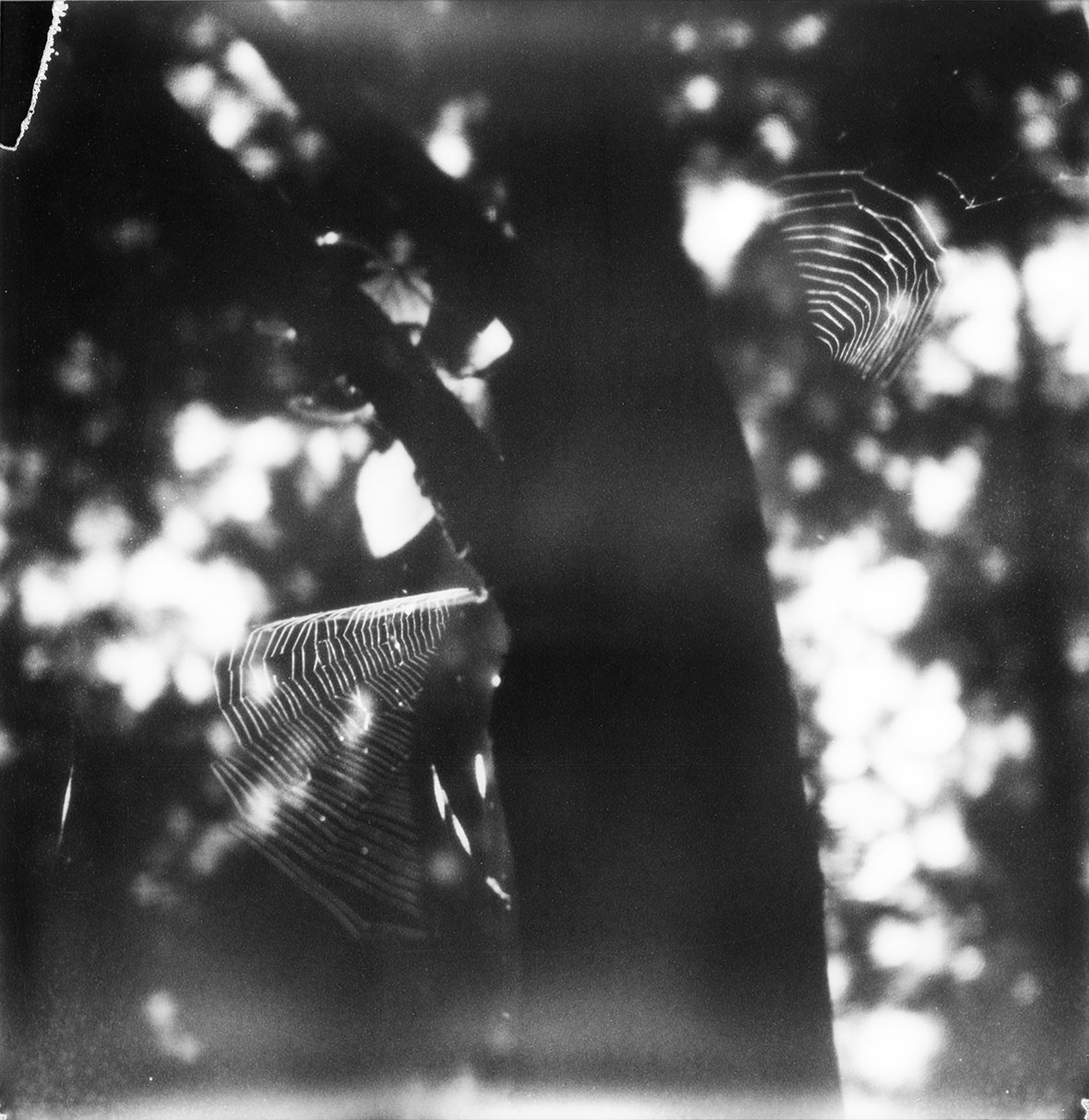
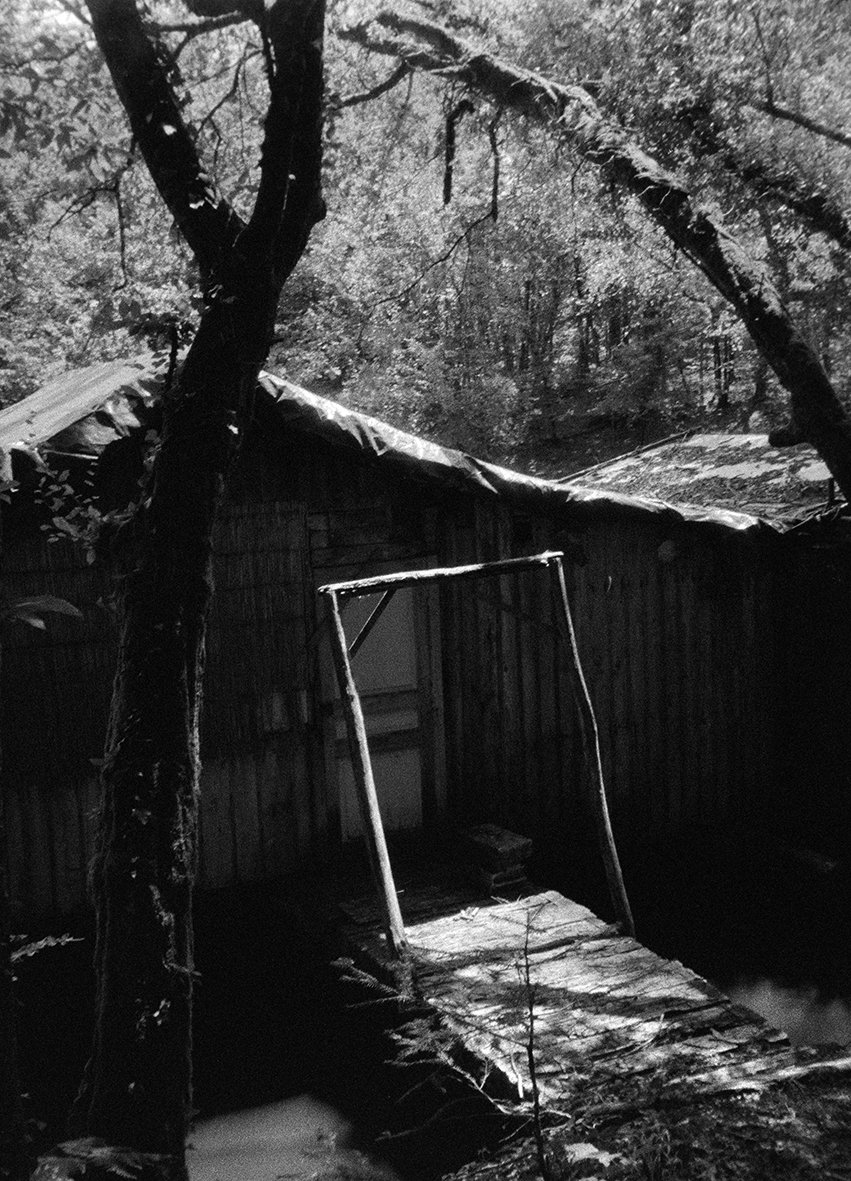
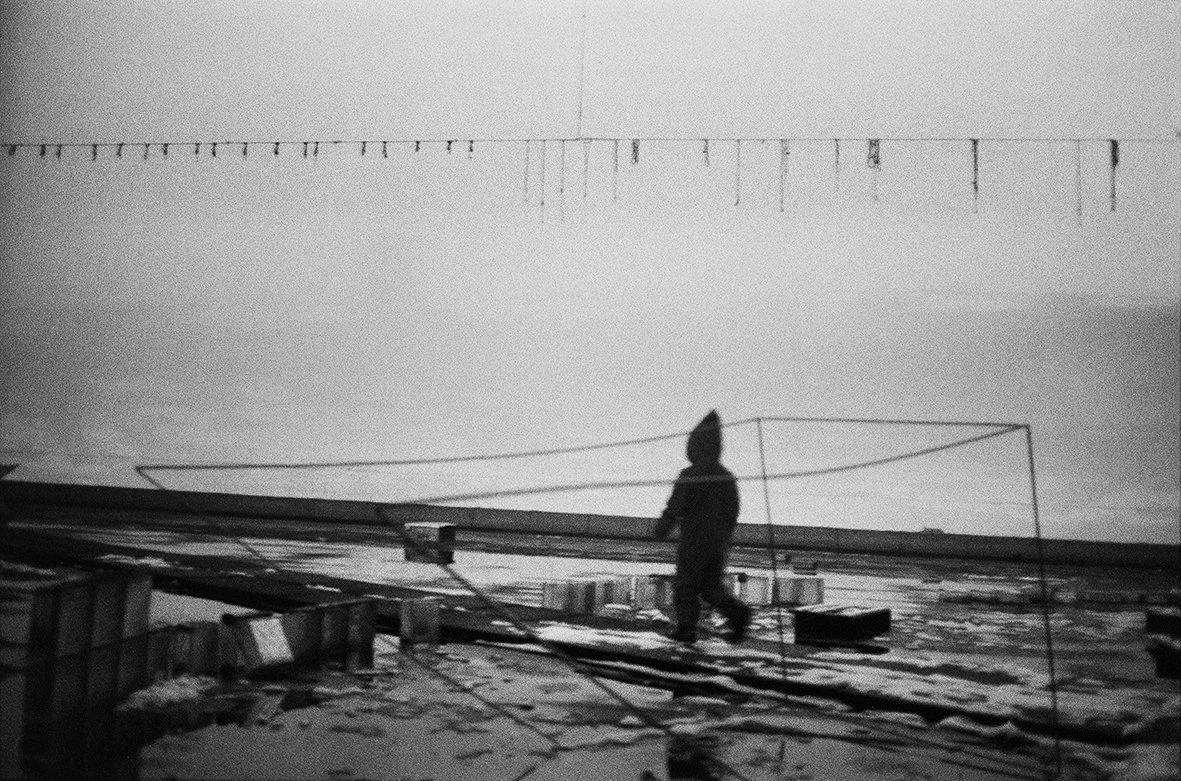
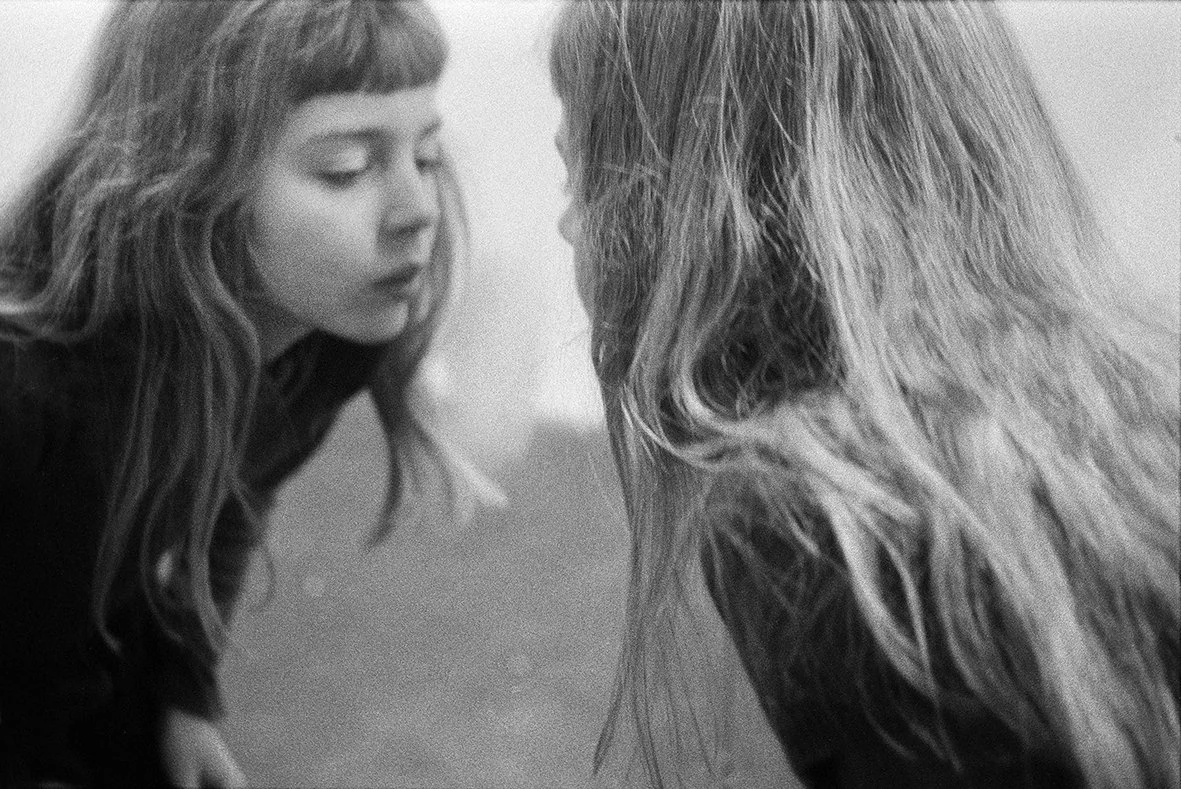
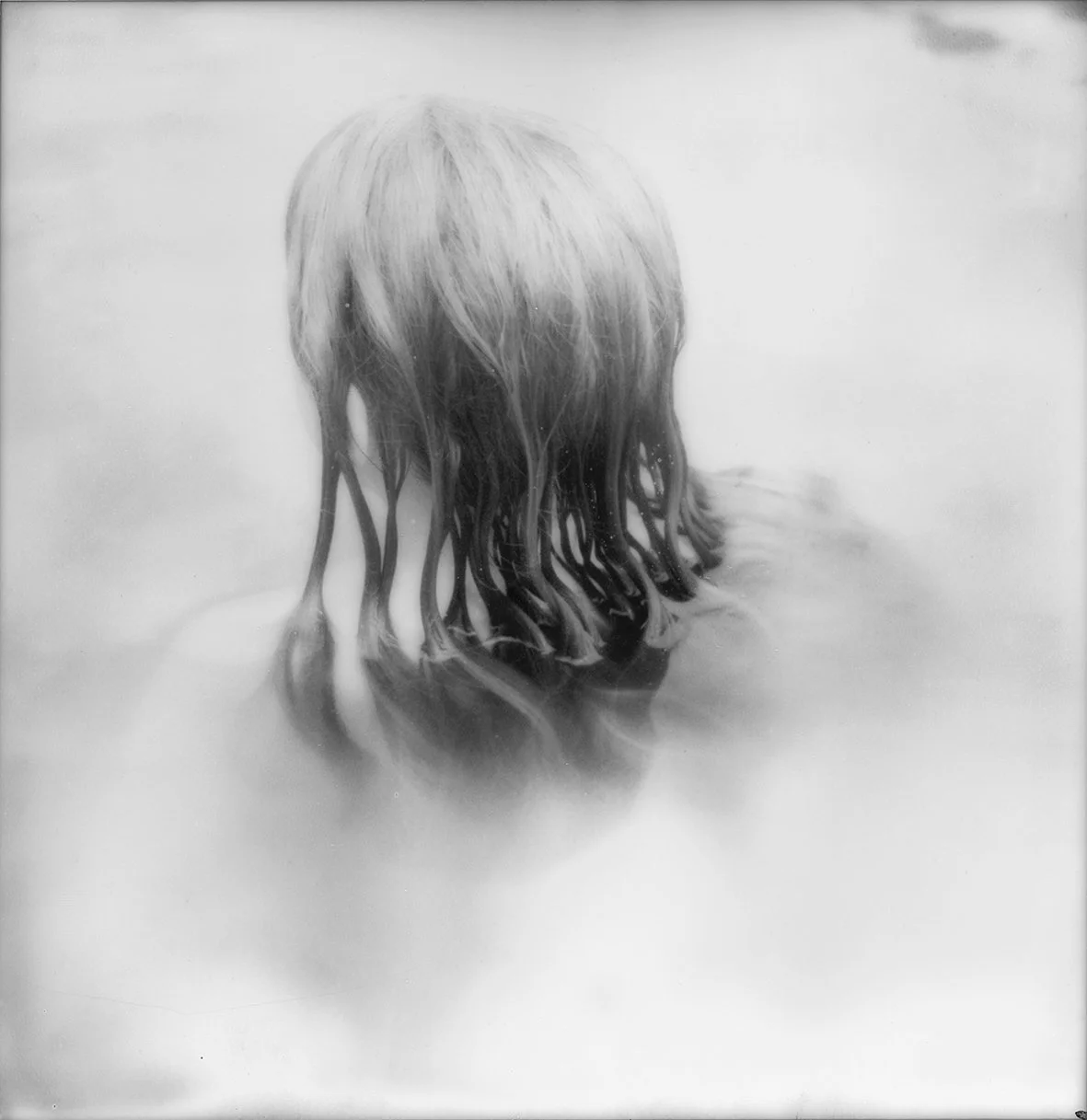
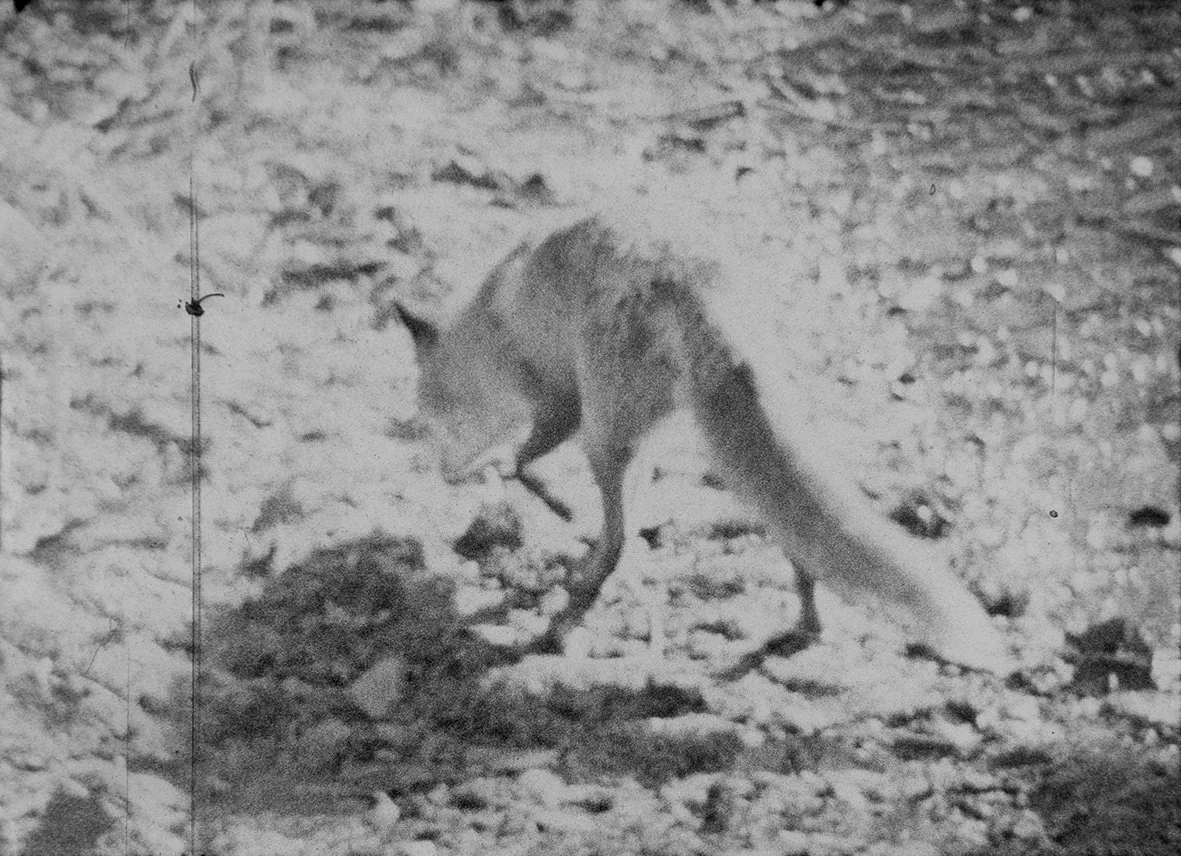
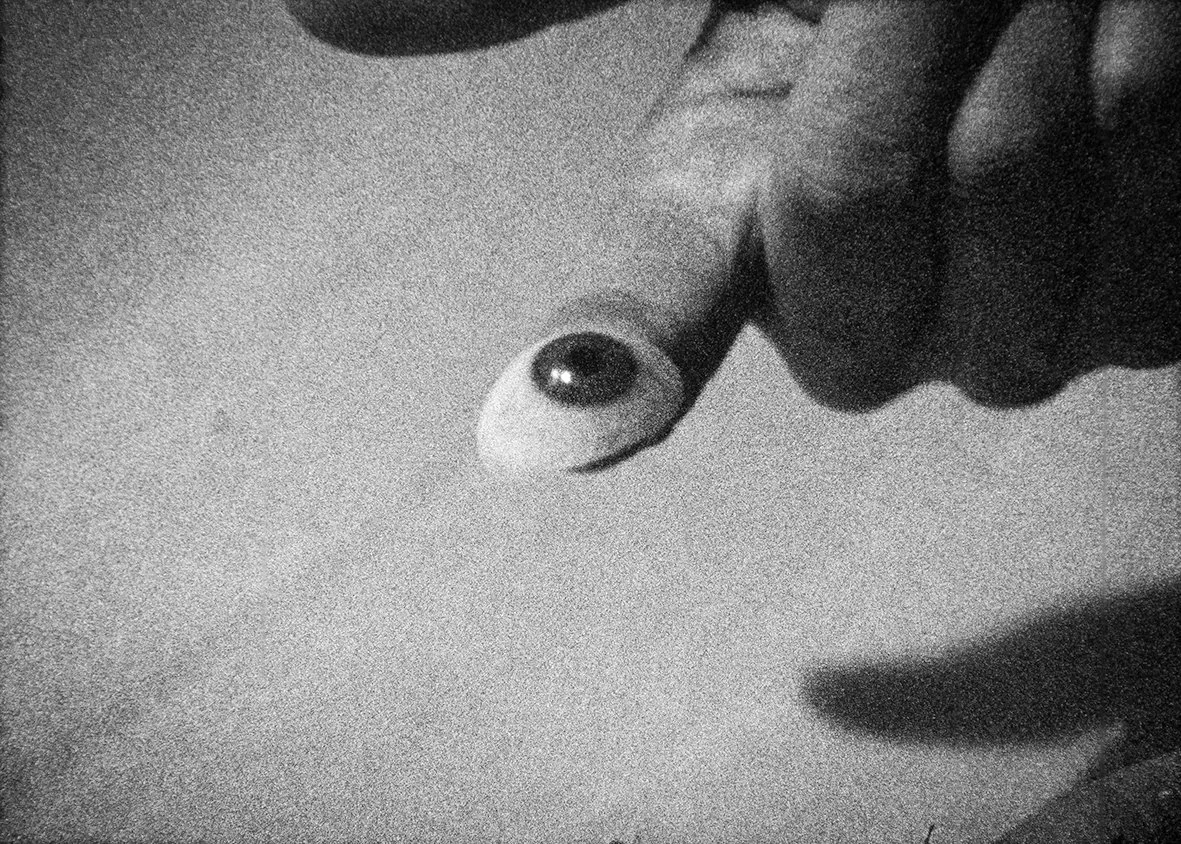
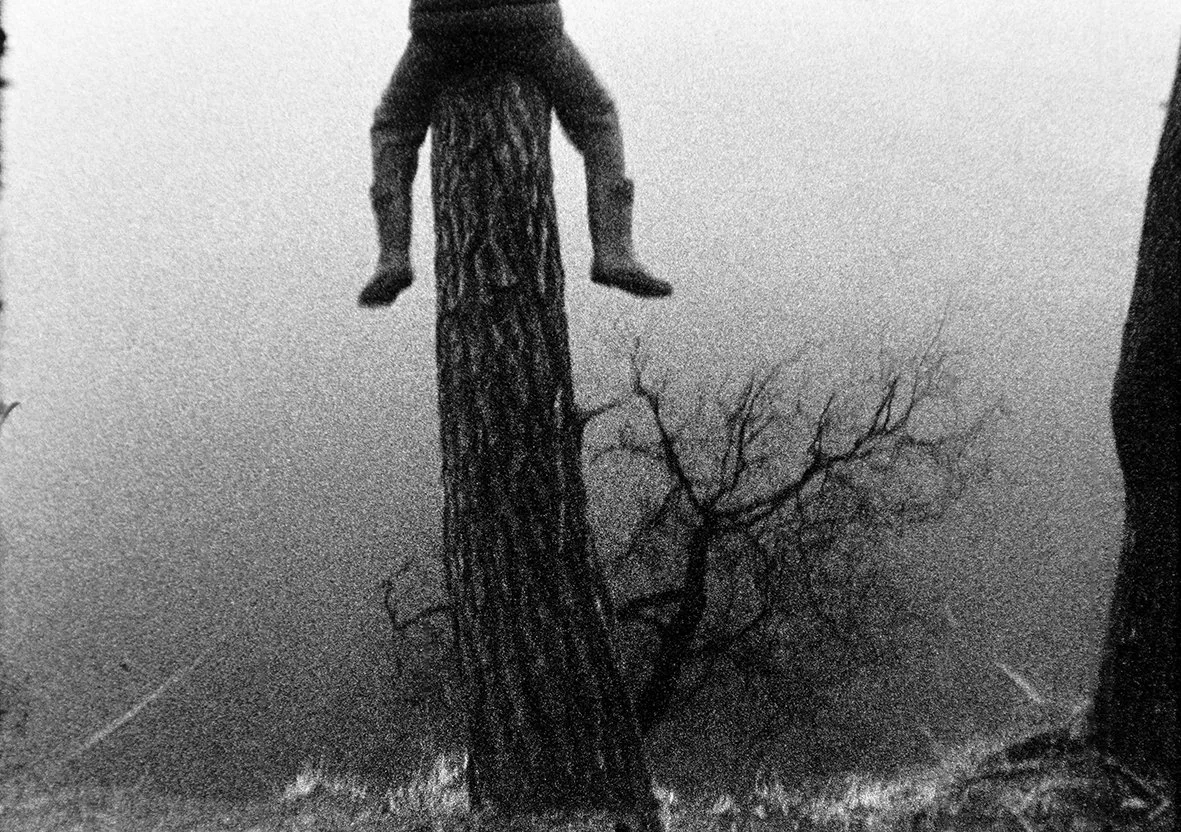
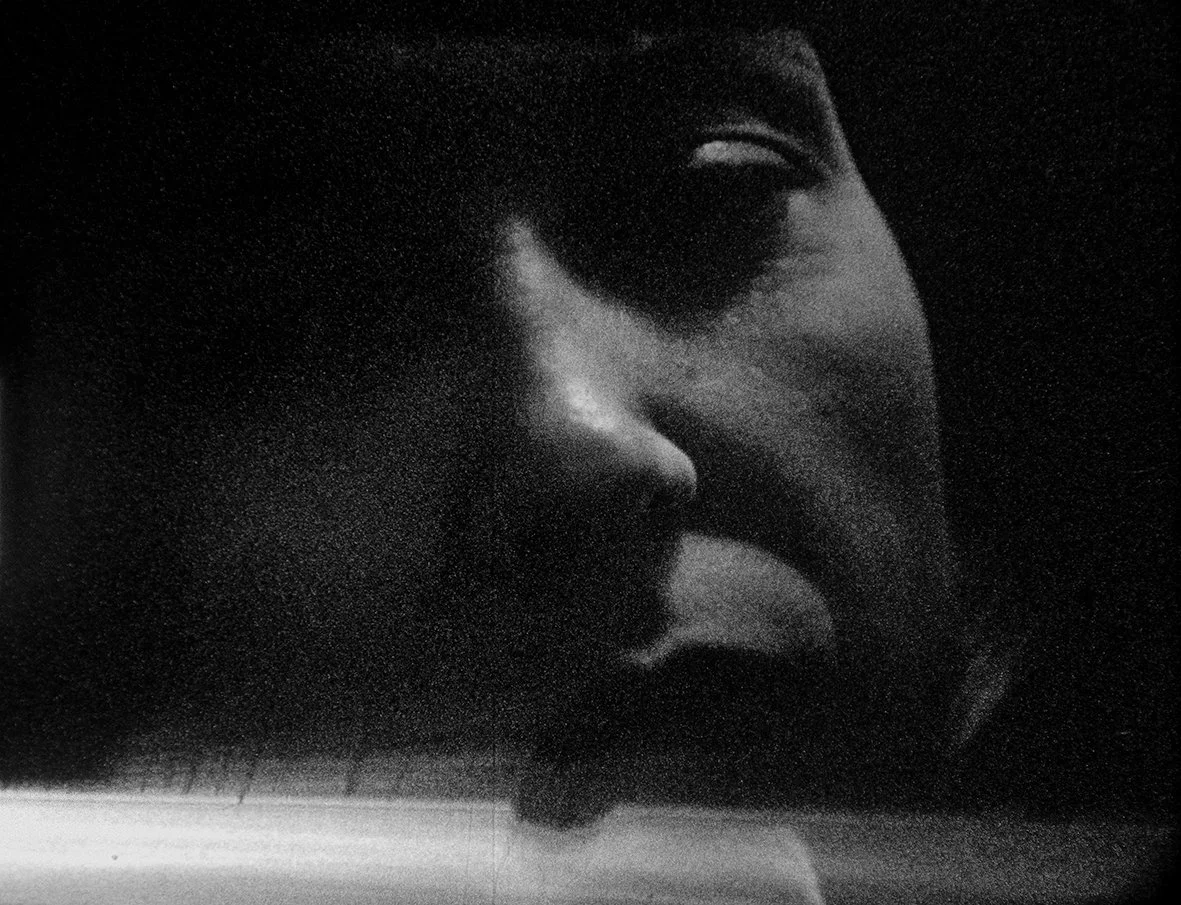
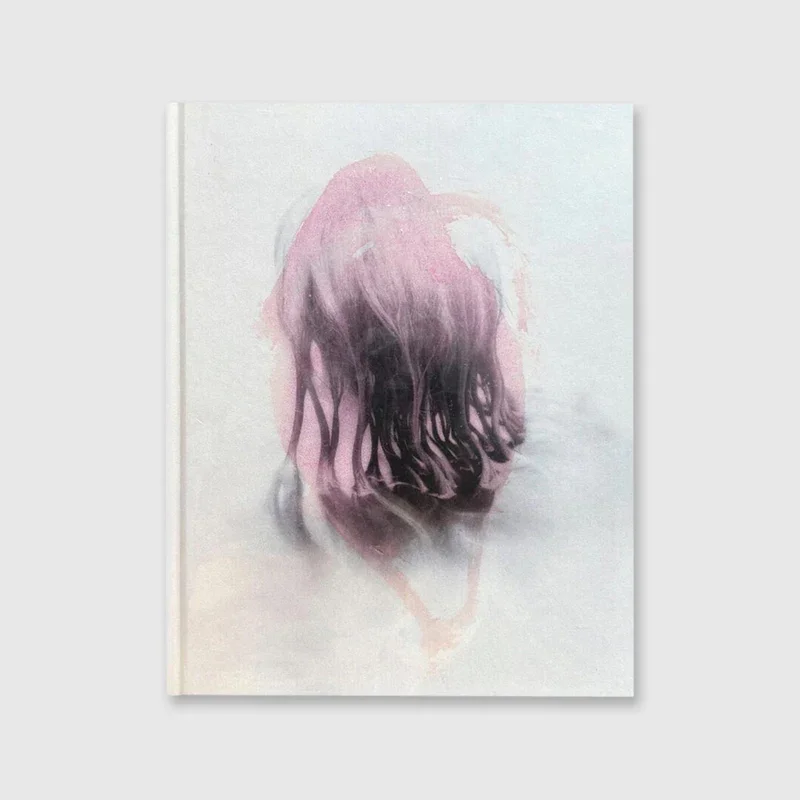
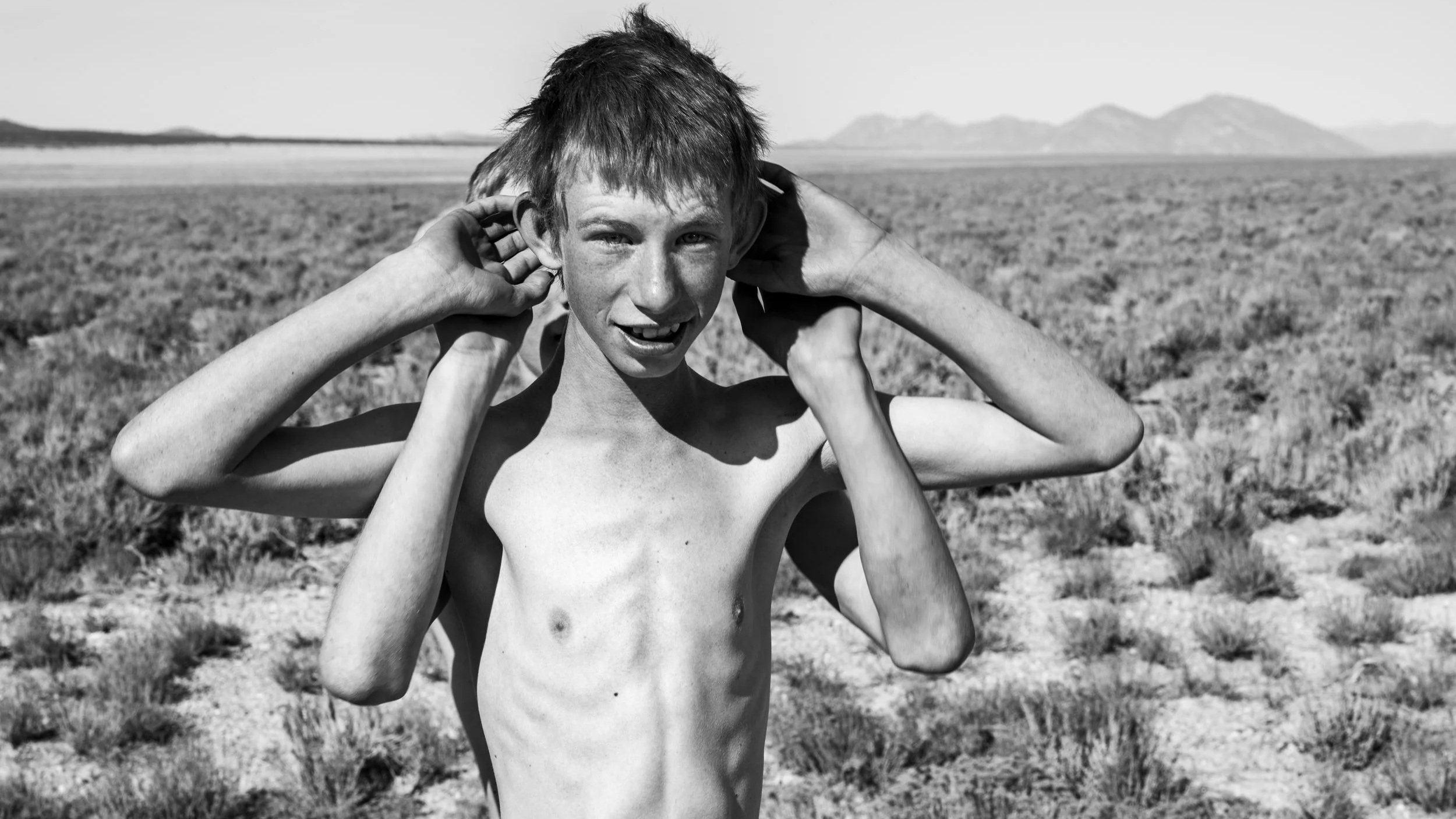
The Overmorrow by Damien Daufresne is a quiet and dreamlike photobook exploring childhood, memory, transformation, and the fragile space between reality and imagination. Built from grainy black and white photographs, Polaroids, and gouache paintings created by Daufresne’s son Arto, the book unfolds like a visual tale filled with birds, shadows, gestures, and mysterious fragments that resist direct explanation.
Rather than documenting childhood in a traditional way, The Overmorrow approaches it as an emotional and symbolic landscape. The sequencing moves slowly between ambiguity and intimacy, allowing silence, absence, and repetition to become part of the storytelling. Influenced by fairy tales, archetypes, and analog process, the book creates an atmosphere where memories feel unstable, distant, and deeply alive at the same time.
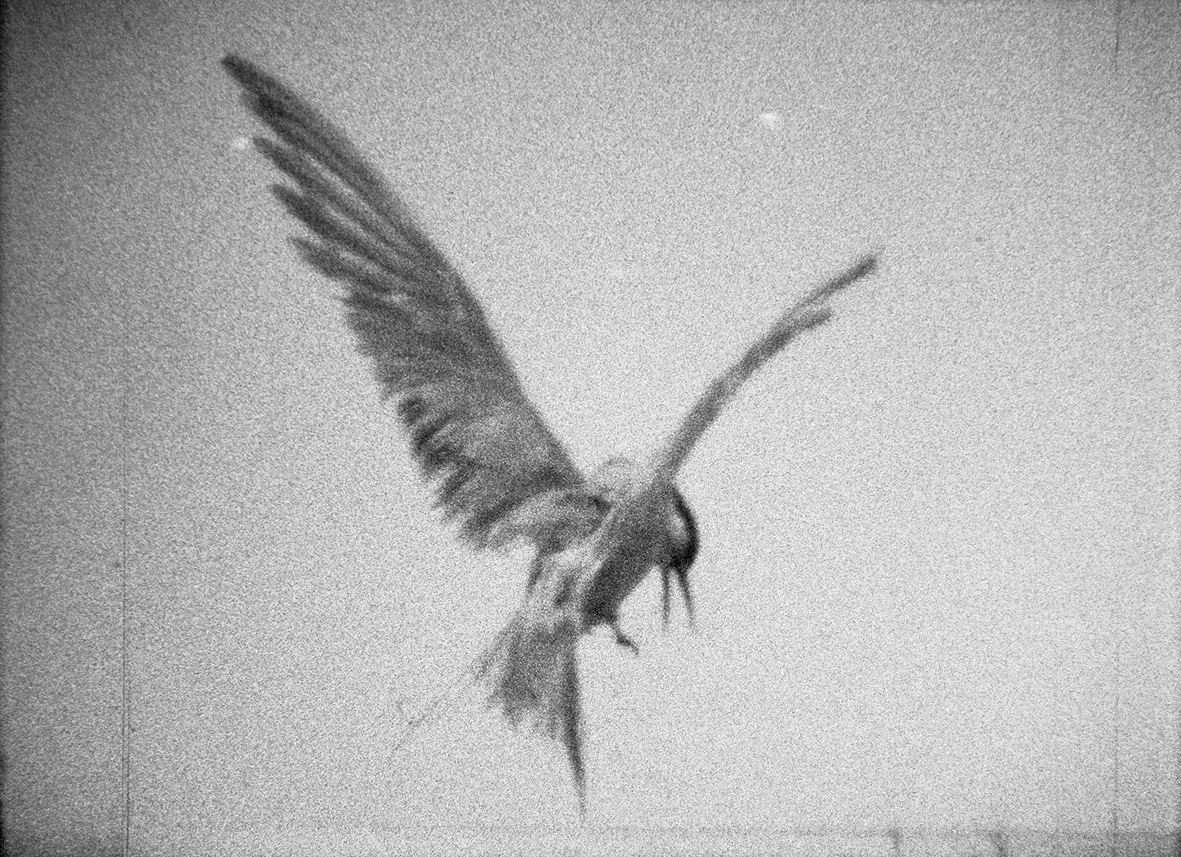
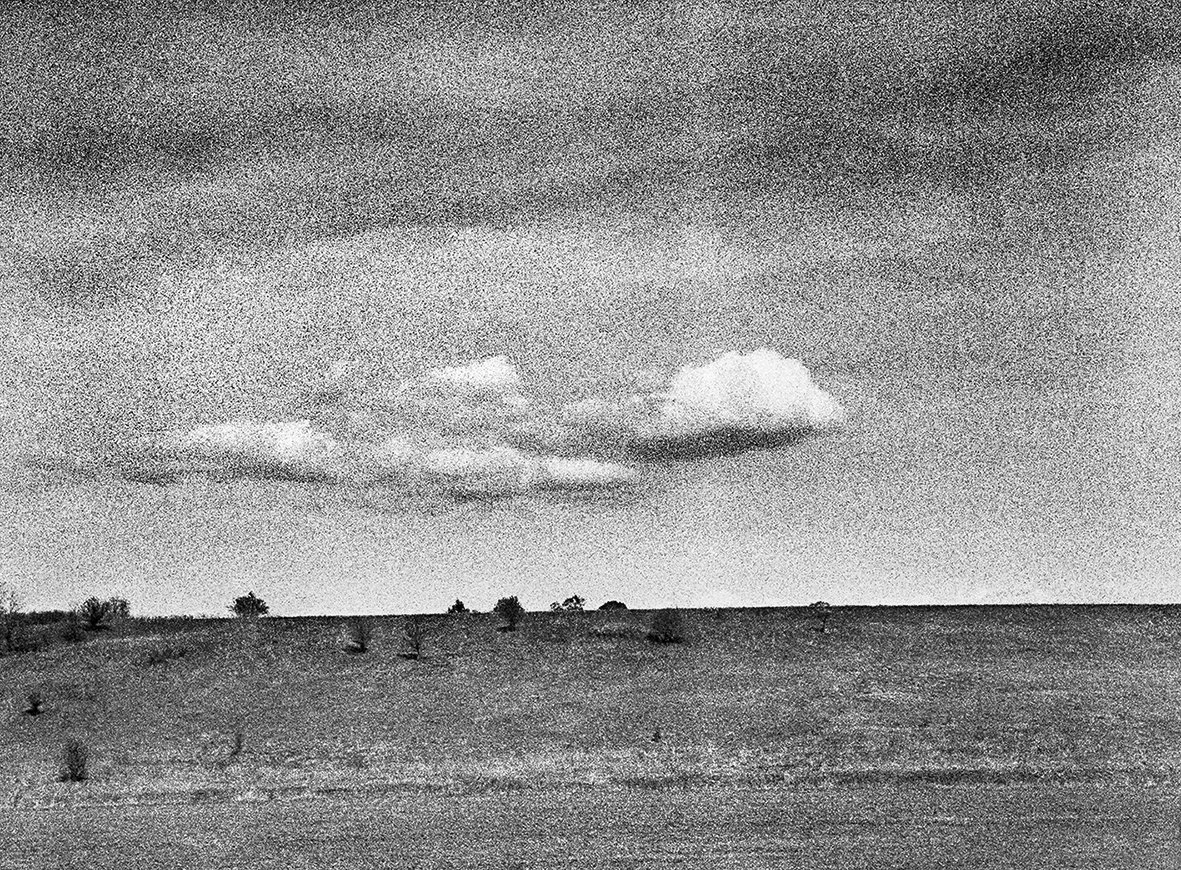
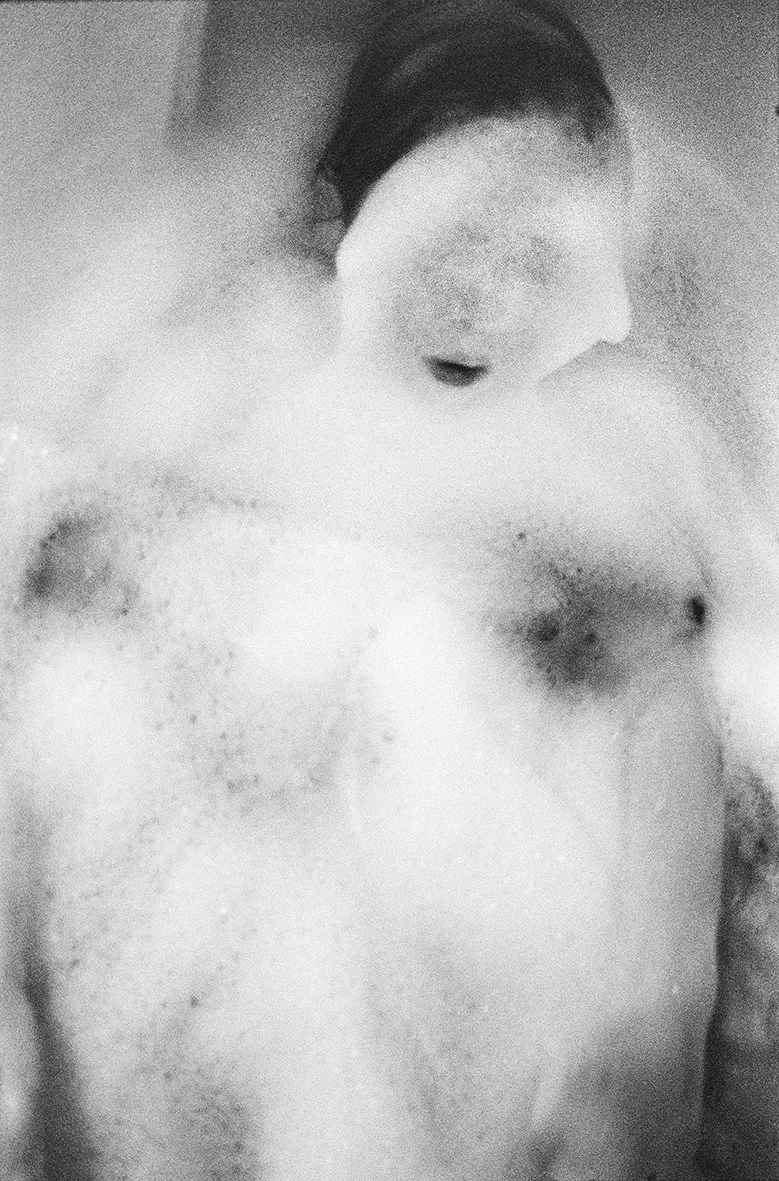
The physical quality of the images plays an important role throughout the book. Soft greys, fragile textures, blur, and imperfections create photographs that often feel as if they are appearing and disappearing at once. The result is a photobook that feels less like a document and more like a fading memory that changes slightly each time you return to it. (Charcoal Press, Amazon, éditions Lamaindonne)
Project Genesis: What made you decide to create a photobook about your own children, and how did the idea of making it like a bedtime story develop?
First of all, this is not a book about my children. But my photography practice has always been intimately linked to my personal life, and its main driving force is an emotional connection to the world, in all its aspects. So from the moment these children entered my life, seeing the world through them, through their gestures and their eyes, was not a choice or a decision. It was a natural inevitability.
The creation of the book came about in response to an invitation from David Fourré, publisher of the wonderful Lamaindonne publishing house. We have met many times and he knows my work well. He saw a film I made with my partner, "Un arbre. Un animal. Quelqu'un," and asked me to write a photographic tale.
I am also lucky to have grown up with a grandmother who is an author and illustrator of children's books, Michelle Daufresne, with whom I am very close. The idea of writing a children's book myself felt like a beautiful challenge.
But it turned out differently. Instead of telling a story to the children, the book became, in a way, the stories that the children told me.
Family Collaboration: Your son Arto created the gouaches and cover art for this book. How did you work together as father and son on this project?
My son Arto has a table in my studio where, after school, he draws and builds things. He sees me working and he does the same, but he already has a strong personality and a real sense of independence.
The gouache paintings, like the photographs in the book, were not created specifically for it. I collected them afterward. The cover is a collage, a superposition of one of my Polaroids and one of his gouaches. It came from an intuition the publisher had.
The gouache paintings were exhibited alongside the photographs at the Lectoure Photography Festival last summer, so he had his first exhibition at age six.
The book is, of course, dedicated to him and his sister.
Visual Storytelling: You describe this as a tale told differently each time, with gaps left for the next telling. How do you choose which images to include and which stories to leave untold?
In the repetition of gestures, as with words, there is a kind of double movement, a purification and an exhaustion of forms, allowing for a concentration that tends toward the essential.
This book deals with archetypes, leitmotifs, ambiguities, and metamorphoses. These are elements inherent to tales.
Between each image, it is possible to insert one's own stories. All these unspoken elements matter. Debussy said that his music is the silence between the notes. It is perhaps something like that.
Film Technique: You shoot with a Leica M7 and Summicron 35mm lens. What does analog film bring to photographing childhood that digital cannot?
The technique itself does not interest me much. The photos in this book were mostly taken over a period of about three years, and I probably used about ten different cameras during that time. The only common thread is that they are all analog cameras.
Photography is nothing more than a tool, but it has this wonderful ability to play with time in a delightfully subjective way. And film has a physical quality, playing with light, silver salt, chemistry, and paper. So many possibilities for accidents, which I love, and which digital technology tries to correct.
I like my photos to show me what I have not seen. I like accidents. I like to forget and then discover. I like to work on photos the way I would prepare a dish. I like my photos, just like my drawings, to reveal themselves to me.
Godard said that to achieve the positive, one must go through the negative. The things are there and are simply waiting to be revealed.
Light and Grain: The photographs have a grainy, almost disappearing quality. Can you explain how you achieve this delicate texture in your prints?
Working with film or Polaroid involves the hand and the body. Just as when I draw, there is a physical and sensual relationship with the material, a form of resistance too. When you develop, scan, and print an image, you refine your style, and the palette is very broad.
For a book like this, I wanted delicate and mysterious images and a wide range of greys. I wanted whispered images, on the edge, ambivalent.
With François Le Blond of Labor Moon-Prints in Berlin, we rescanned and processed all the images together to give them homogeneity and the tone I was looking for. Then Guillaume Genest in Paris prepared them for photogravure, and finally we went to EBS in Verona with David Fourré for offset printing. All these steps, including choosing the paper and the profiles, are extremely important in the production of a book. They ensure that the initial vision is reflected in the final result. The publisher plays a crucial role throughout this entire process.
Symbolic Elements: Birds appear throughout the book alongside the children. What do these repeated bird images mean in your story?
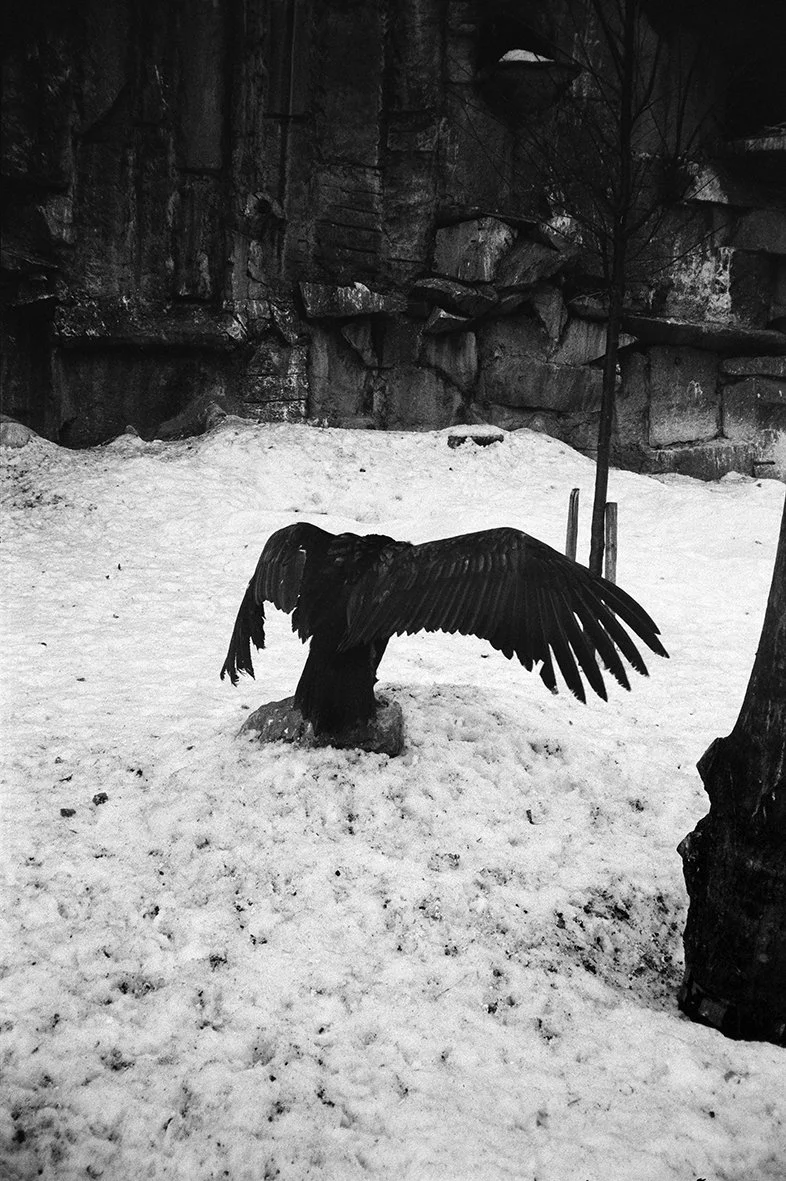
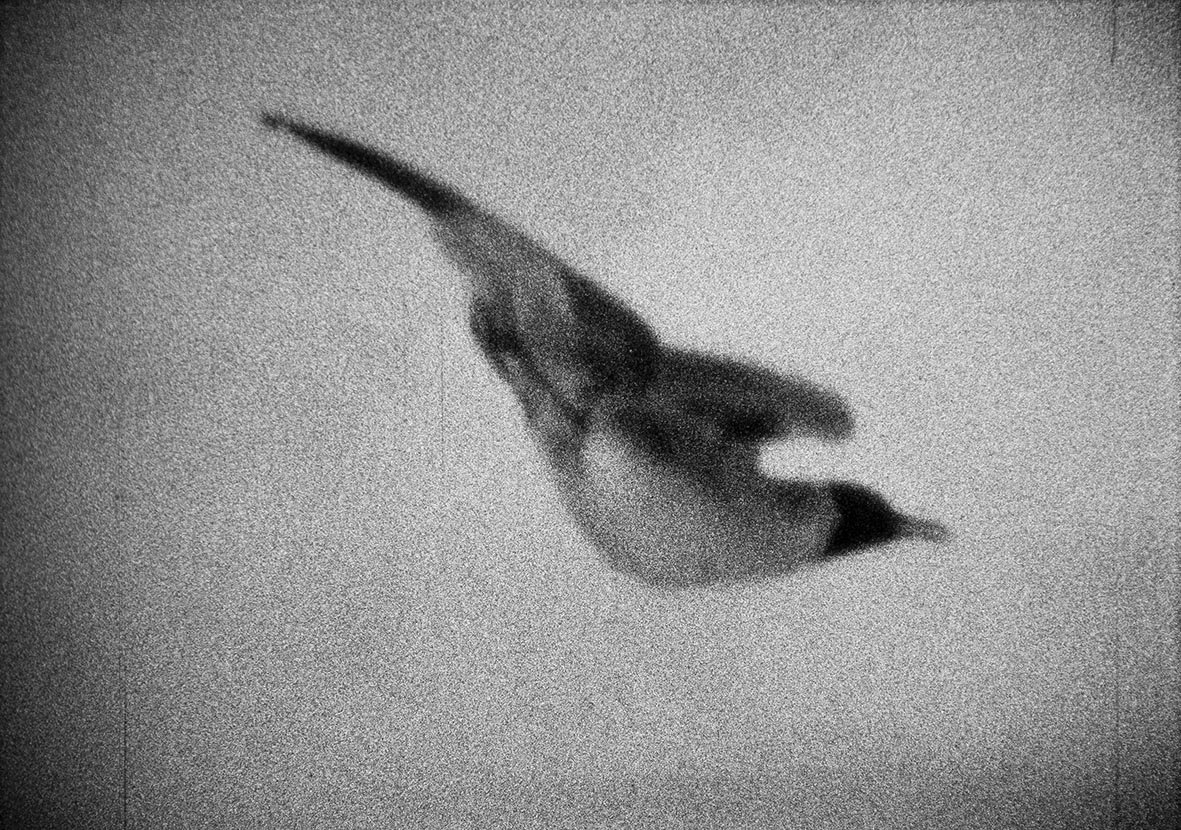
Yes, there are many animals in the book, and among them, many birds. They are forms, presences, and also quotations. There is a Persian tale recounted by Borges, "The Simurg," which has long fascinated me. There is "Jonathan Livingston Seagull," a story I love. And then there is simply the experience of animality in childhood, in gestures and bodies, which moves and fascinates me. Animals offer a kind of mirror, objects of transformation, or doubles.
Among them, of course, are the birds, for what they symbolize: freedom, fragility, vulnerability, and quite simply, beauty.
Black and White Choice: Why did you choose to photograph this project entirely in black and white instead of color?
I did not really choose. We initially imagined including color photographs, but as we refined the edit, fewer and fewer remained. The images that stayed until the end felt anecdotal. We needed to maintain the tension of the story. The color photographs all disappeared, and color survived only in the gouaches.
Shooting Your Children: What special challenges come from photographing your own kids compared to other subjects you work with?
Photographing children is always a delicate matter. Photography itself is a delicate act that requires sensitivity, attentiveness, and responsibility.
With my own children, there is of course a special closeness and trust, and it also connects me to my own childhood.
But again, this book is not about my children. They are present as archetypes. And there are several children in this book. They are not all mine. They all embody the same idea of childhood.
The book is called "The Overmorrow." It is, of course, a form of relay. The work is understood as receiving and giving, which is the natural act of creation. And as in the narrative, it is not about tomorrow but about a kind of perpetual day after tomorrow, one that leaves room for the unknown.
Natural Mystery: You show childhood as a time of transformation and unknowns. How do you capture these mysterious moments without explaining them too much?
Leonardo da Vinci said that one cannot draw the wind, only the traces of the objects it carries. Photographs are like those objects, traces of something much greater, sometimes difficult to name, something that transcends them.
To discover more about this intriguing body of work and how you can acquire your own copy, you can find and purchase the book here. (Charcoal Press, Amazon, éditions Lamaindonne)
More photography books?
We'd love to read your comments below, sharing your thoughts and insights on the artist's work. Looking forward to welcoming you back for our next [book spotlight]. See you then!
Color entered Janelle Lynch’s photographs through painting. In Another Way of Looking at Love, she photographed plants and trees on her property in the Catskills. Photography Book Spotlight