Wei Jian Chan Left Singapore For The UK. His Photobook Turns That Feeling Of Estrangement Into Geometry, Shadow, And Silence
Welcome to this edition of [book spotlight]. Today, we uncover the layers of 'Journey To The West,' by Wei Jian Chan (published by Setanta Books). We'd love to read your comments below about these insights and ideas behind the artist's work.
Moving abroad can make the world feel strangely distant.
Familiar routines disappear, and even ordinary streets can start to feel uncertain or emotionally cold.
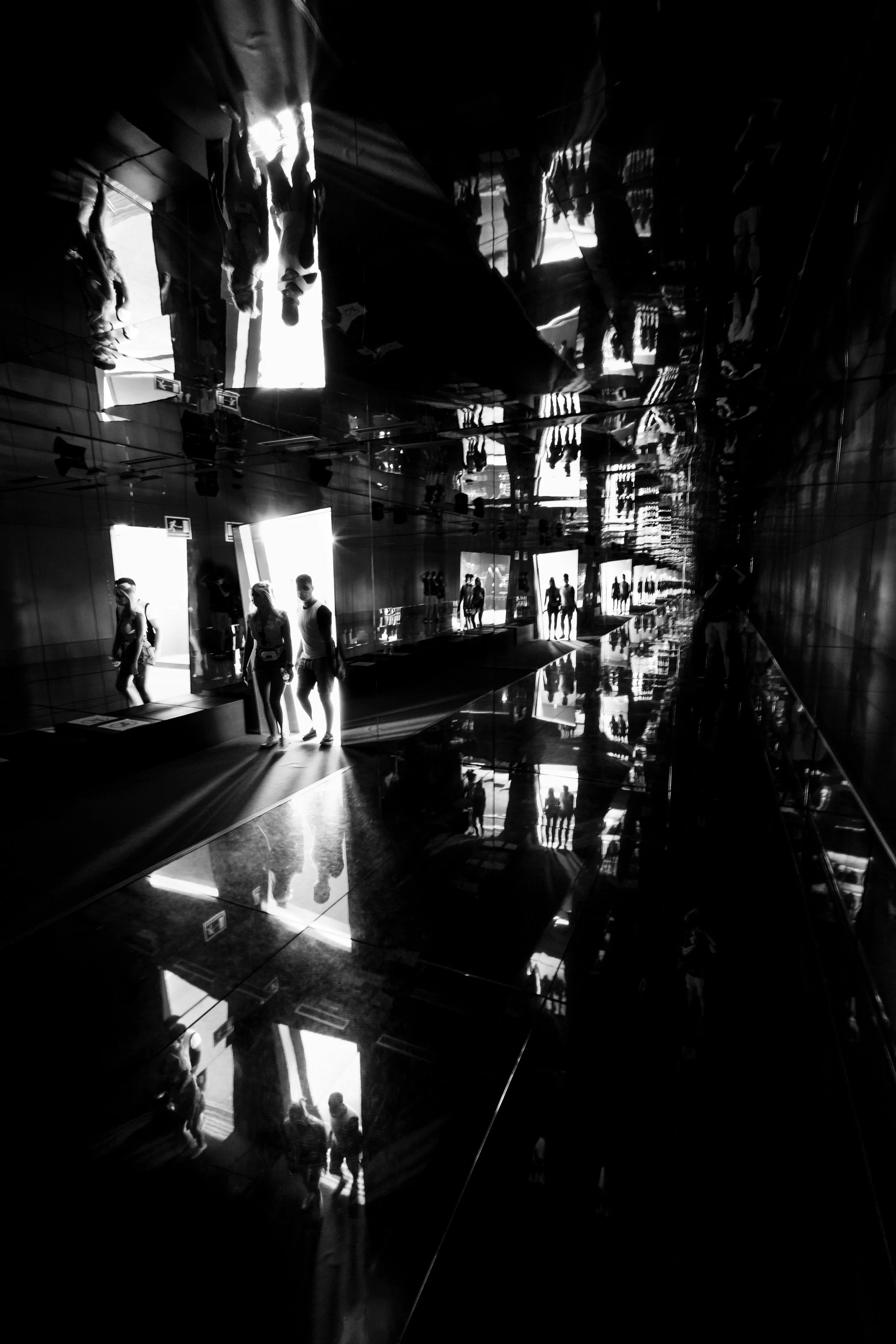
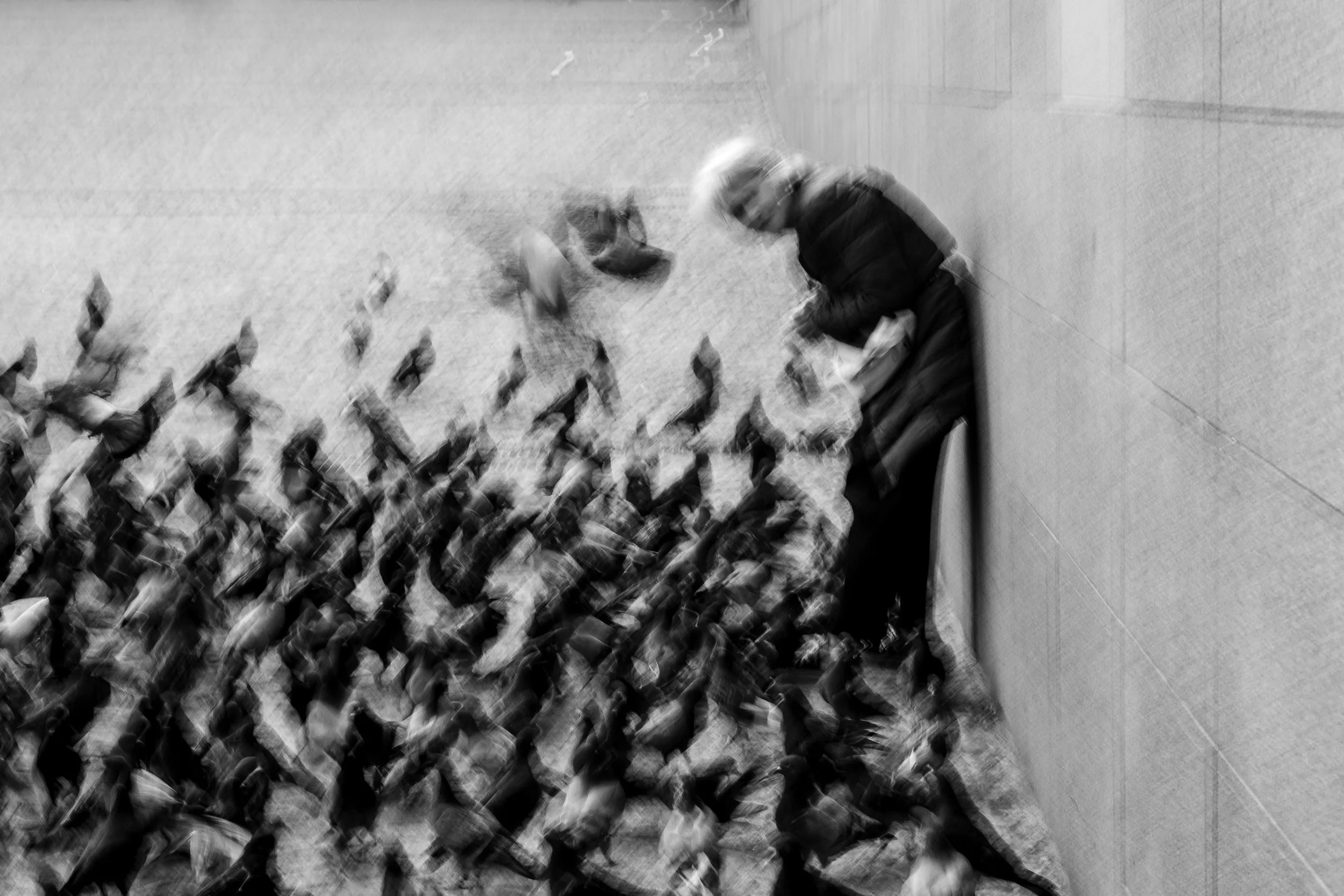
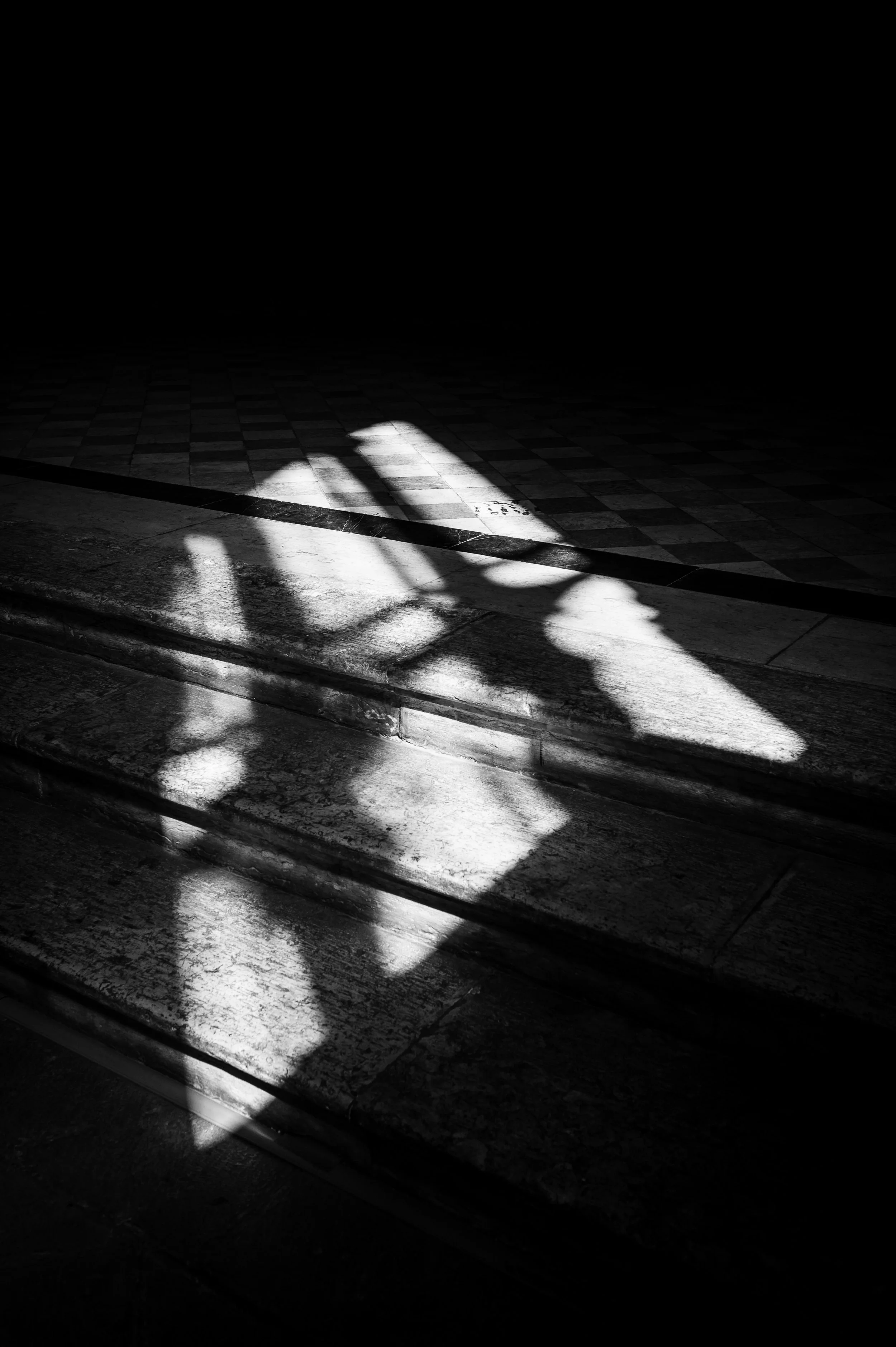
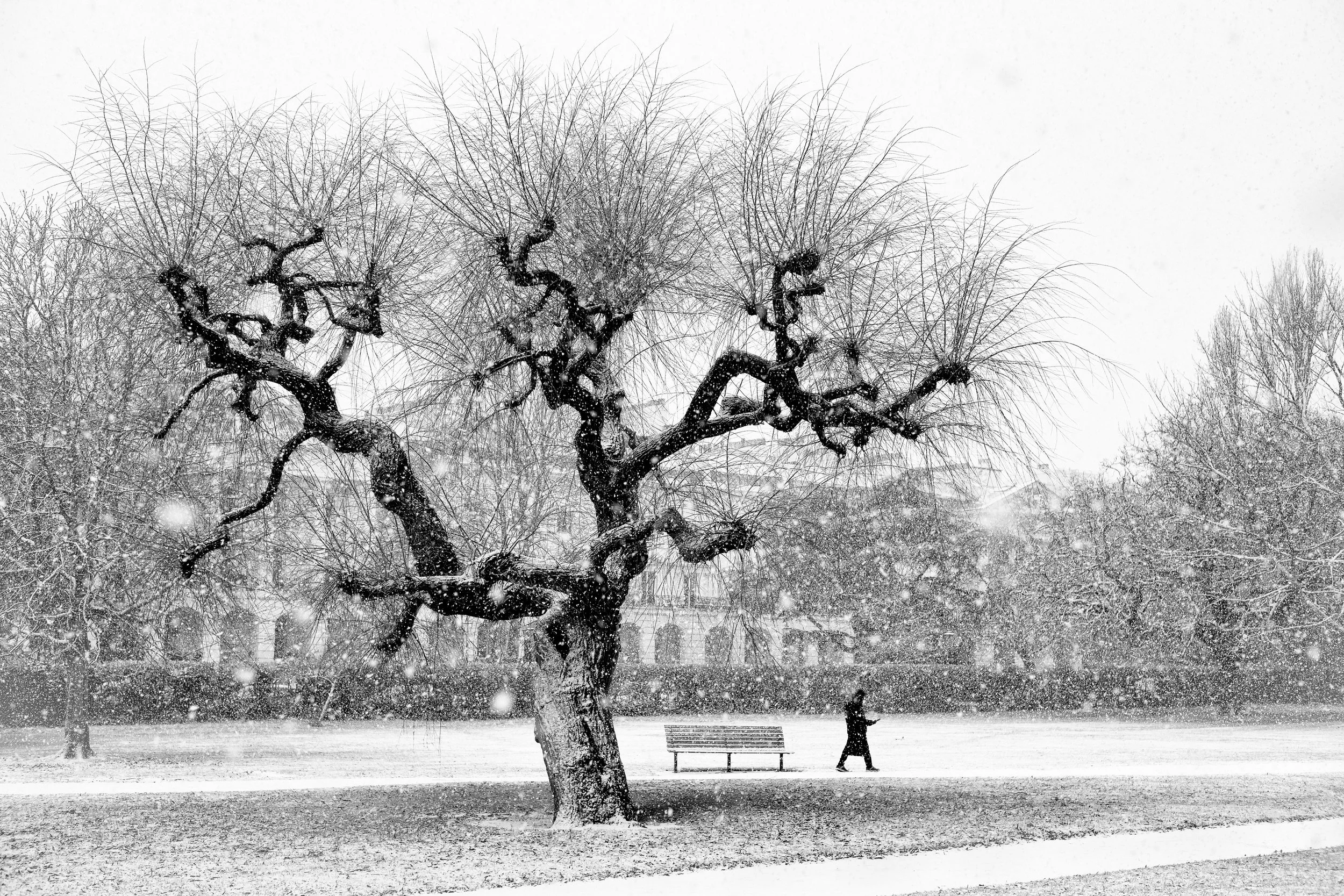
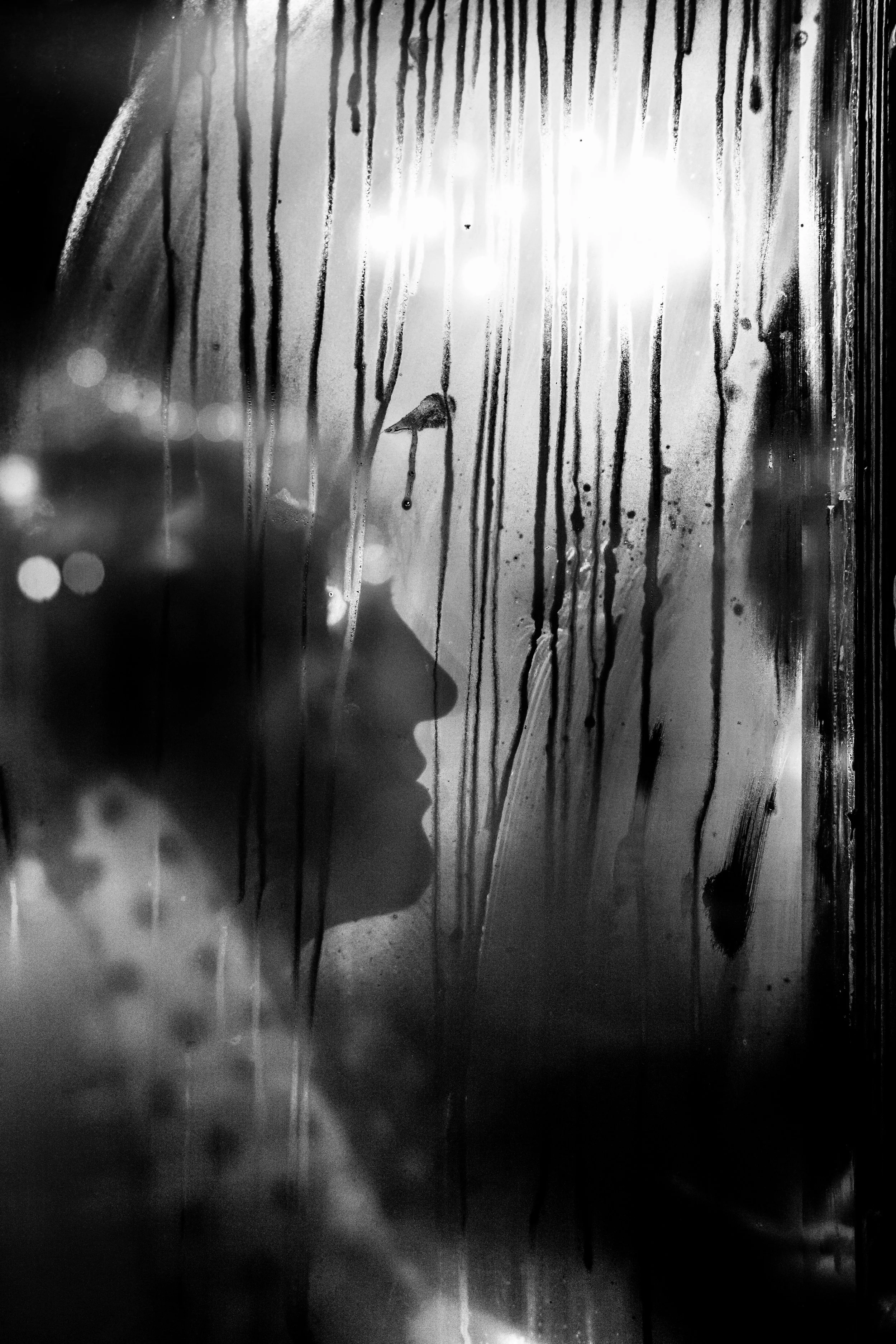
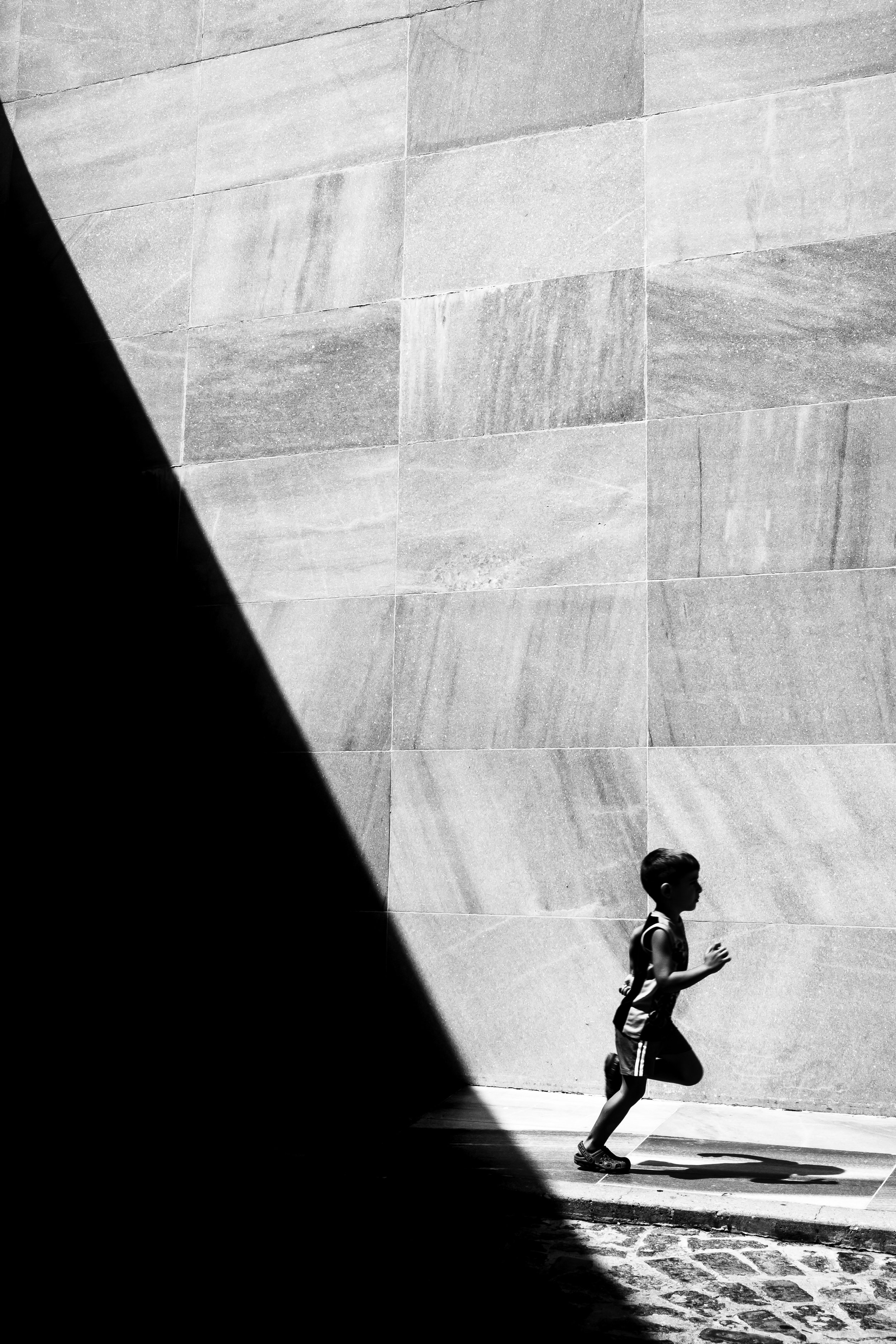
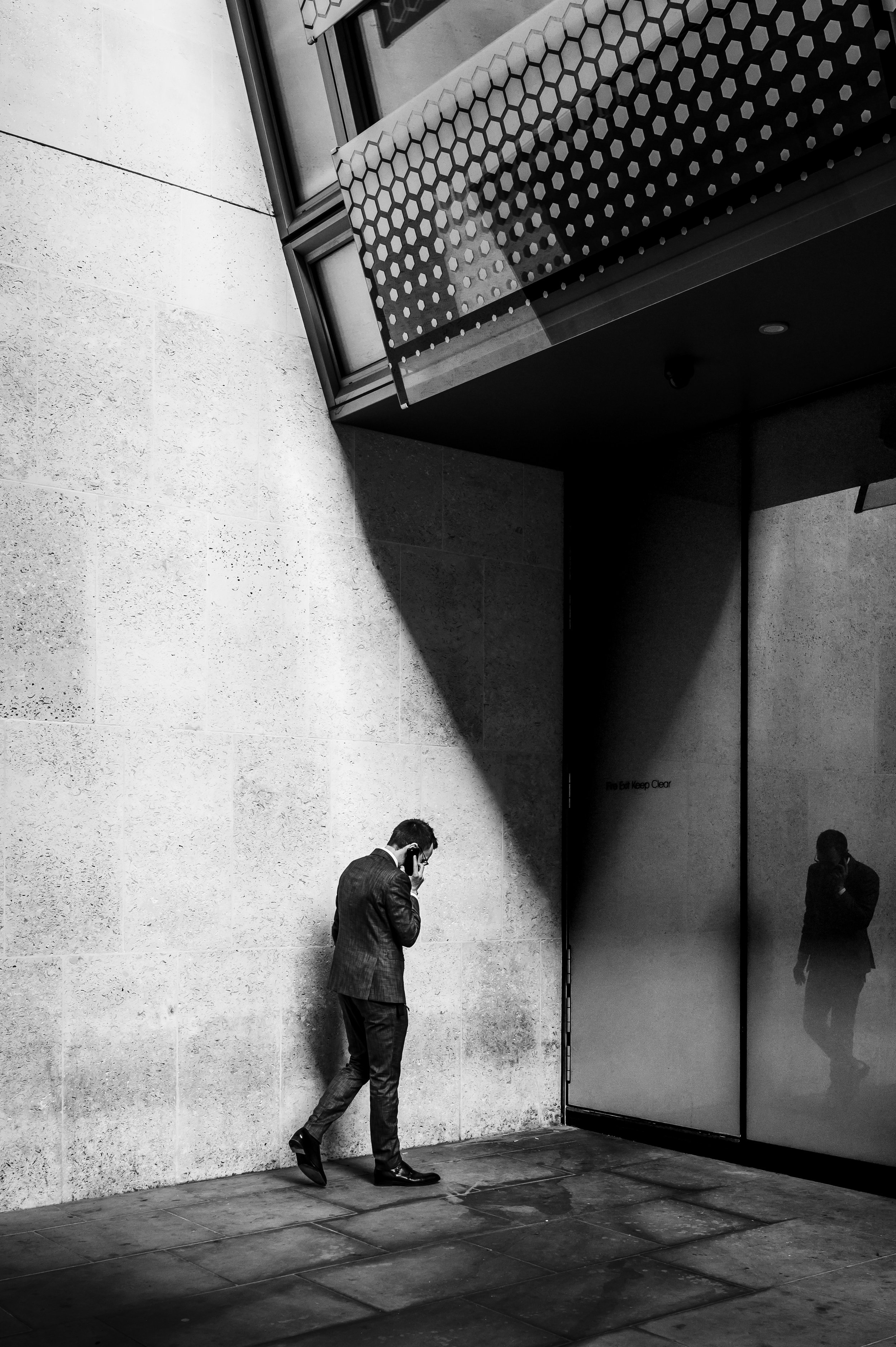
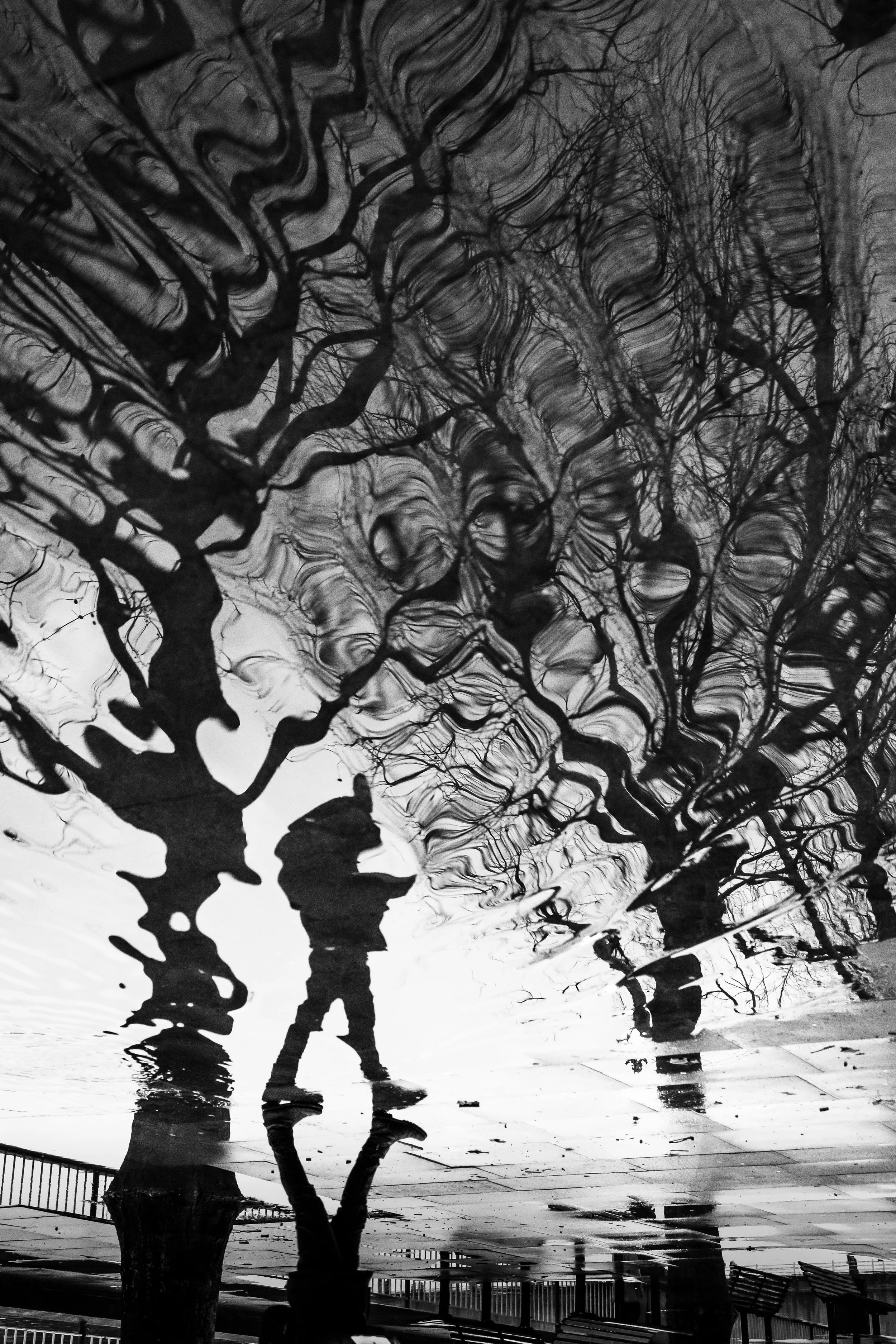
In Journey To The West, Wei Jian Chan photographs the UK with a sense of silence, anonymity, and disconnection shaped by his migration from Singapore. The photographs are filled with shadows, fragmented figures, hard geometry, and moments that feel emotionally suspended between observation and isolation.
What first looks like street photography slowly becomes a reflection on belonging and identity.
Some projects only reveal their meaning years later.
Wei Jian Chan did not begin this work with a clear narrative about migration or estrangement when he started photographing in 2019. Only later, while editing thousands of images and arranging work prints across his apartment floor, did he realise how many of the photographs carried the same emotional tension.
The sequencing process became a way of understanding both the photographs and his own experience of adapting to a new country. Journey To The West eventually became as much about self-understanding as photography itself.
Wei Jian Chan speaks openly about editing 40,000 photographs, sequencing by instinct instead of rigid rules, using geometry without overthinking theory, and why anonymous figures often create stronger emotional ambiguity than obvious storytelling. The conversation becomes a rare look into how a long-term street photography project slowly finds its real meaning during the editing process, not only while shooting.
The Book
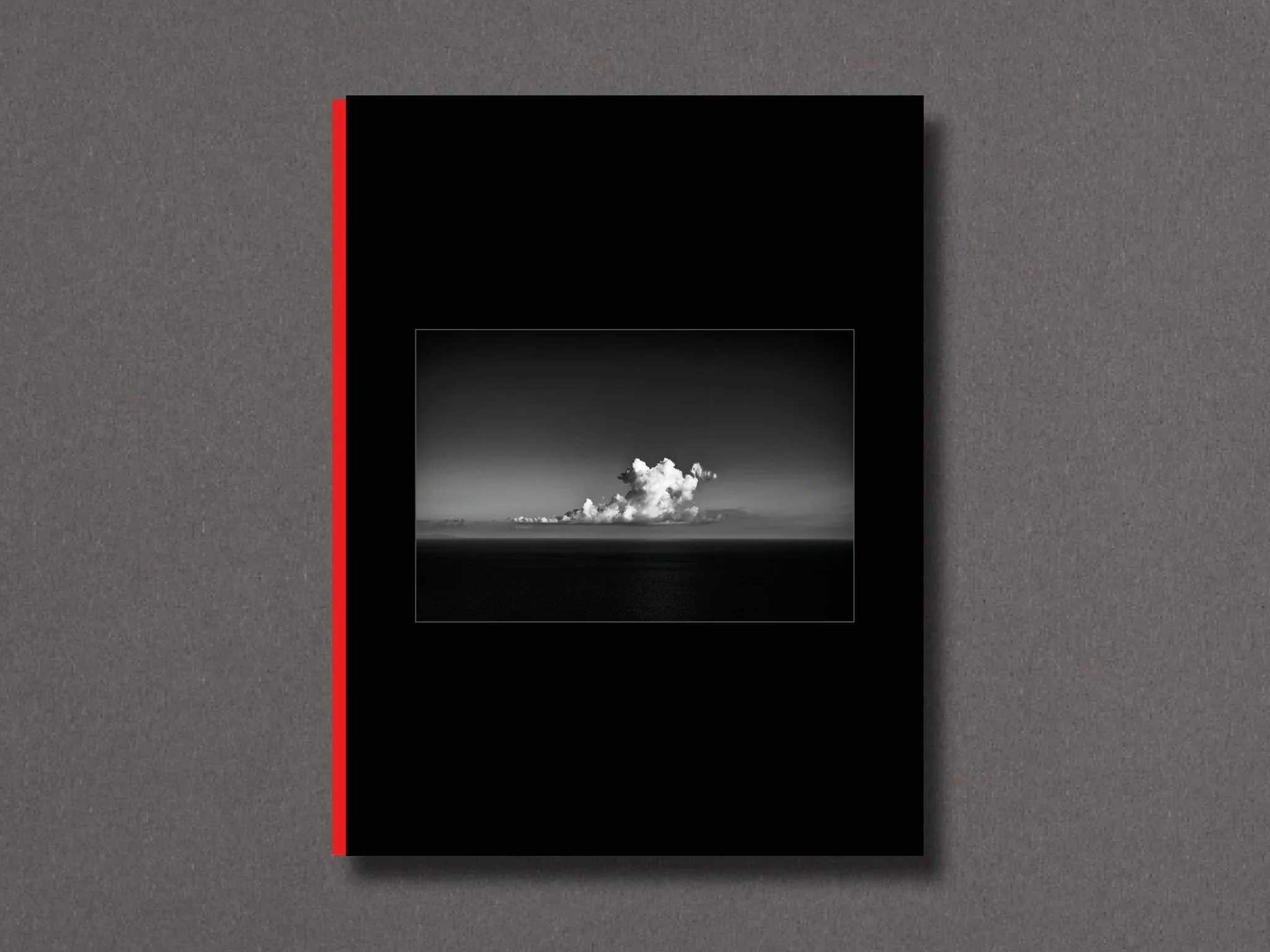
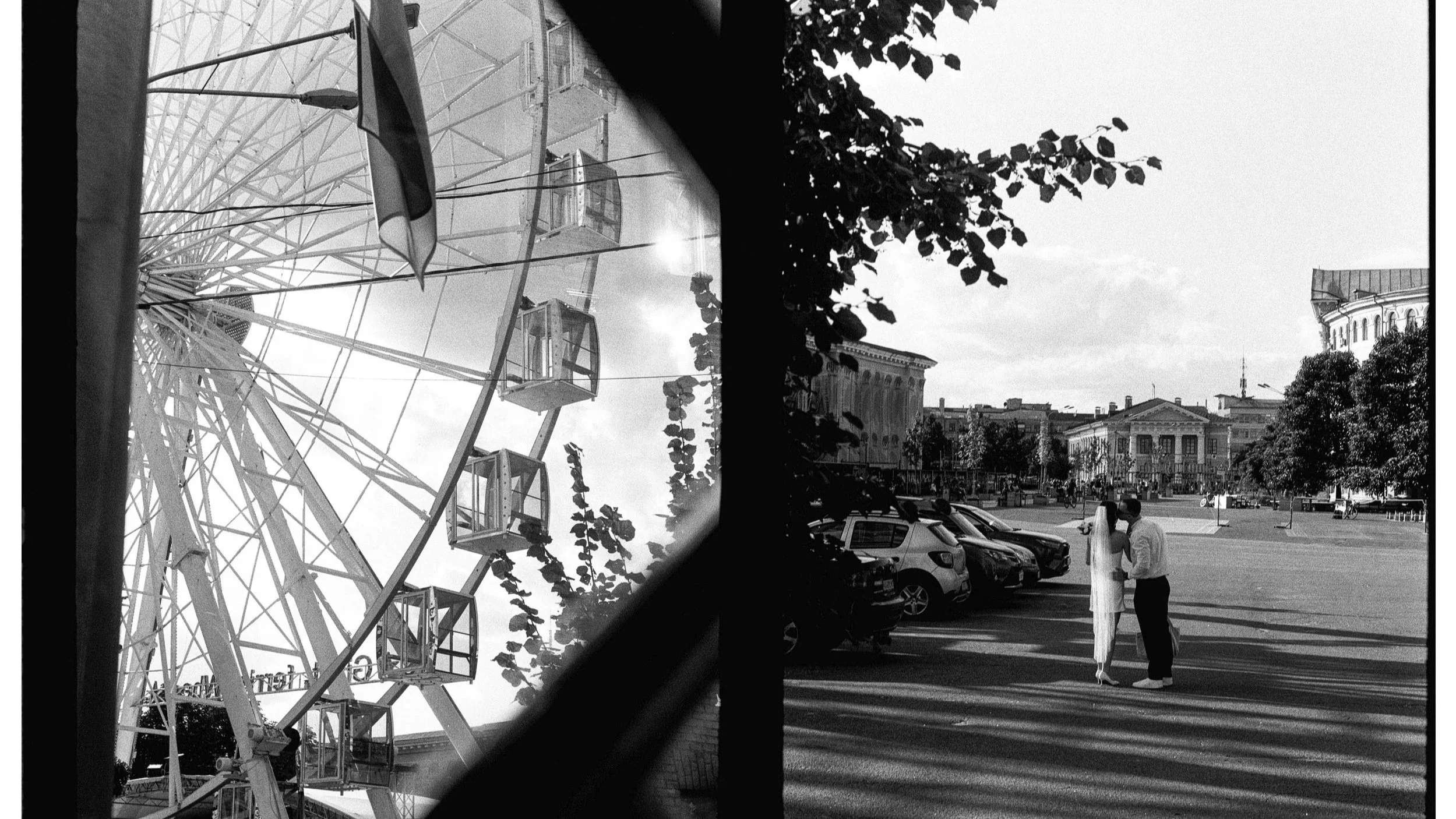
Journey To The West by Wei Jian Chan and published by Setanta Books is a black and white street photography photobook exploring migration, estrangement, and identity through four years of photographs made across the United Kingdom between 2019 and 2022. Rather than following a traditional documentary narrative, the book builds meaning through sequencing, geometry, shadow, fragmented figures, and emotionally ambiguous moments. Inspired partly by the classic Chinese tale of the same name, the project reflects Wei Jian Chan’s experience of moving from Singapore to the UK and slowly trying to understand both a new environment and his place within it. (Setanta Books)
The idea: What made you decide to turn 10 years of living in the UK into a photography book?
The photographs were made long before the idea of a book took shape. I began focusing seriously on street photography around 2019, and by 2021 I had built a substantial archive of work that seemed to demand a more deliberate form of presentation. A photobook felt like the natural medium because it offers scale, pacing, and sequencing in a way that social media simply doesn’t.
As I revisited my photographs, I experimented with different ways of grouping them: by geography, chronology, or subject. None of those frameworks felt authentic or appropriate.
What eventually emerged was a quieter, more personal thread: many of the images carried a sense of dislocation and estrangement that mirrored my own early years of migration from Singapore to the UK.
The book became a way to explore those emotions through the act of editing and sequencing. It became a meditation on both my photography and finding my place in the world.
Editing Process: You had 40,000 photos to choose from - how did you pick which ones tell your immigrant story best?
Editing and sequencing was a challenging, iterative process.
I began by pulling together an initial selection of a few hundred images that felt visually and emotionally compelling. I then made small work prints and spent months arranging and rearranging them to try and find the edit/sequence for my book.
Rather than applying fixed rules, I approached the edit intuitively. Ultimately, the selection came down to ‘feel’ i.e. what questions I thought the images posed, or what feelings they evoked for me. It’s hard to express in words why the photographs seemed right, but that ambiguity is intrinsic to photography itself.
Through a process of experimentation, I looked for pairings or juxtapositions between the images that evoked more meaning than the photographs alone. From these fragments, I built short sequences which I connected to produce the book. I came to understand that good photography tends to suggest narratives and ask questions, rather than deliver fully formed conclusions.
You mentioned spending months with work prints on the floor, arranging and re-arranging them. Can you walk me through what that process actually looked like day-to-day?
I had small work prints laid out in pairs or short sequences all around my flat.
Whenever I had spare time, I’d move them around, testing new juxtapositions, removing what didn’t work, and seeing how the rhythm changed. It was a gradual process of feeling my way toward an edit that felt coherent. Over time, the pace of change slowed as I became more confident in the flow of the images.
Choice of Black and White: Why do you only shoot in black and white instead of color for street photography?
To clarify, I don’t work exclusively in black and white. I do use colour in my work: for example, my ongoing photography series about India is mostly in colour.
I’m drawn to black and white because it places emphasis on light, form, and texture: the elements that interest me most in photography.
Removing colour also lends itself to a greater degree of abstraction. It distances the image from reality, and invites a different kind of understanding.
For ‘Journey to the West’, this felt appropriate: the absence of colour mirrored the sense of unfamiliarity and displacement I experienced when adjusting to life in a new environment.
When you said black and white creates "a different kind of understanding" - can you give me an example from the book where removing color completely changed how someone might read that image?
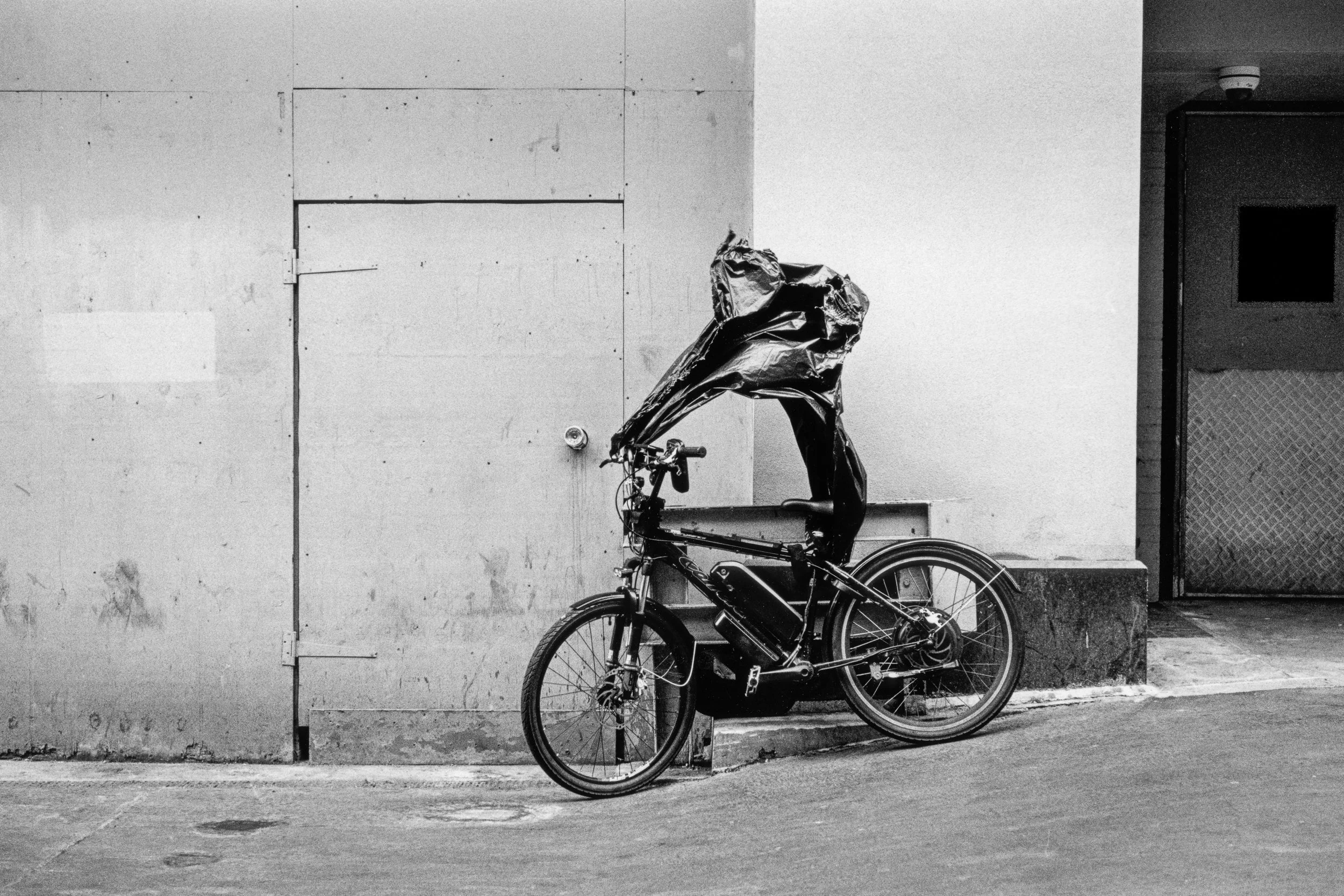
A good example is my photograph 'Not All Heroes Need Capes'. I recall the construction hoarding and the bike being quite brightly coloured, almost distractingly so. In black and white, those surface details fall away, and what remains is the play of forms and contrasts. The lack of colour focuses attention on the form and geometry, which are really what carry the image. It was made on black and white film, so I can’t show a colour version, but I’m certain it would read very differently.
Geometry: Your photos use lots of lines and shapes - how do you find and capture these geometric moments on the street?
Geometry is all around us, especially in cities where architectural forms dominate. I’m instinctively drawn to it. To rationalise my fascination with geometry, I would point to Henri Cartier-Bresson’s take on it:
“The greatest joy for me is geometry that means a structure. You can’t go shooting for shapes for patterns and all this but it’s a sensuous pleasure, an intellectual pleasure at the same time to have everything at the right place. It’s a recognition of an order which is in front of you.”
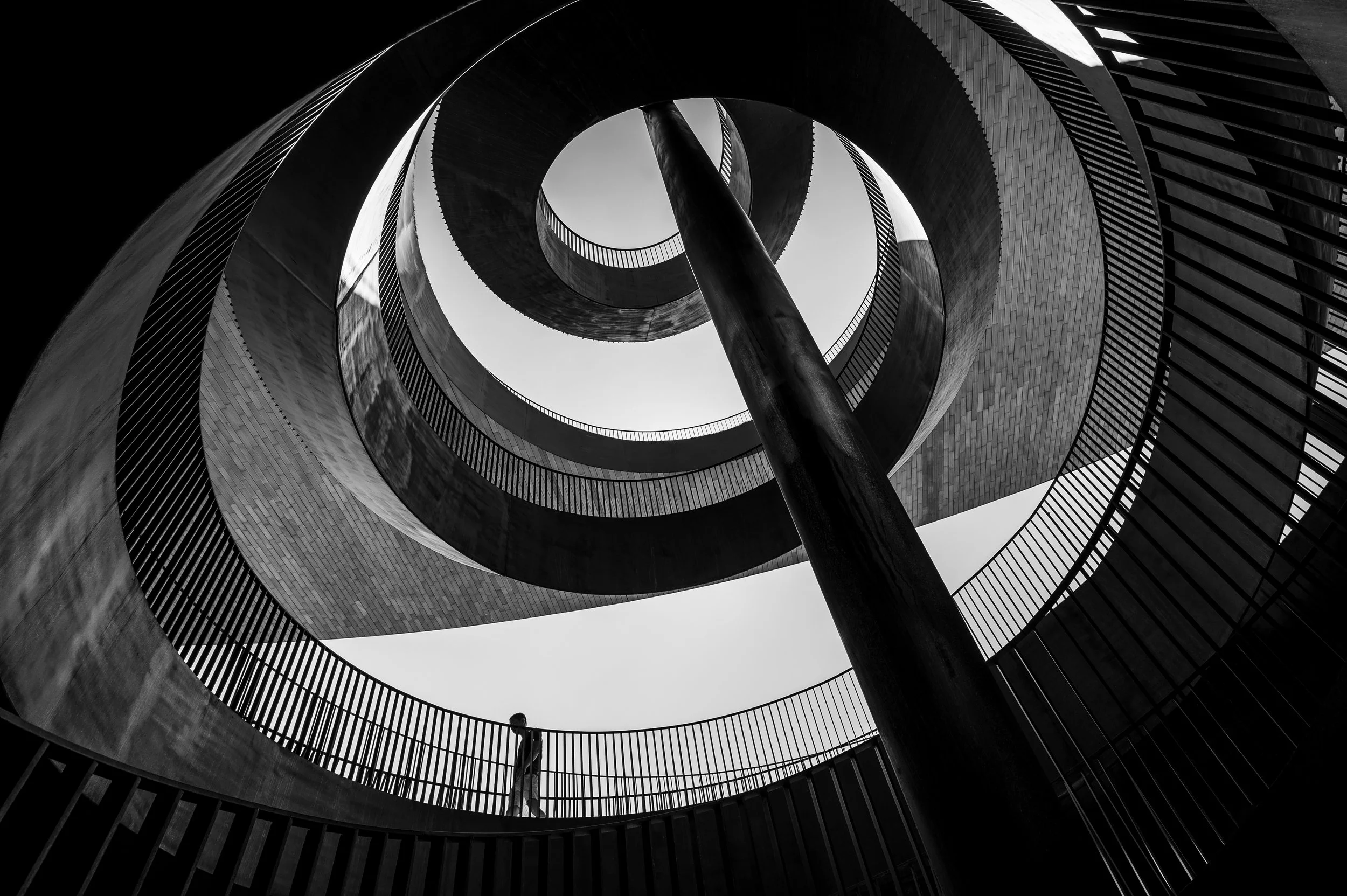
In the context of ‘Journey to the West’, geometry seemed to me to fit well as a metaphor for my attempts to navigate the cultural and social order of the UK, to find coherence amid unfamiliar surroundings.
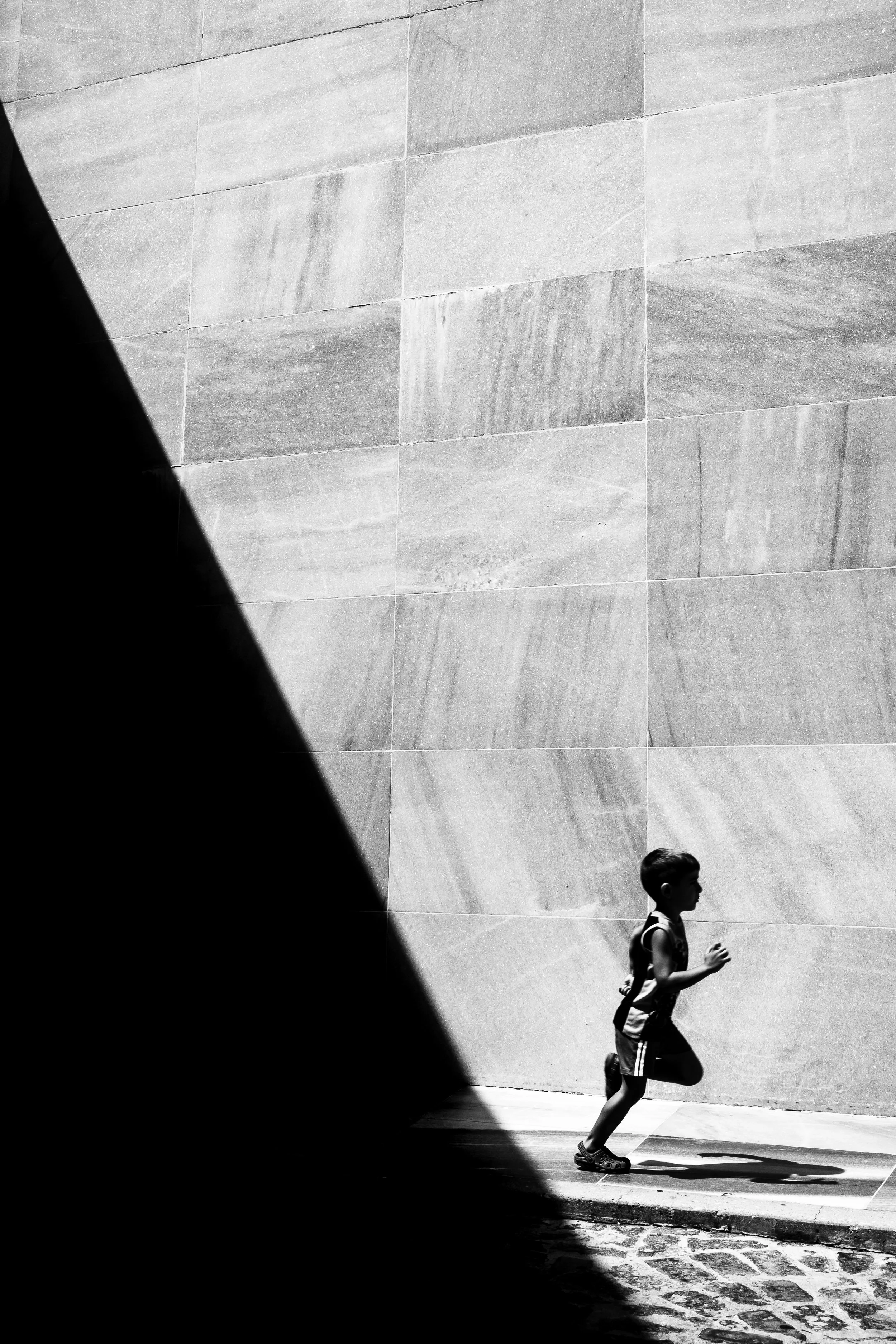
You quote Cartier-Bresson about geometry being "a sensuous pleasure" - when you're actually out on the street with your camera, does that intellectual framework guide you, or does it come more instinctively?
Entirely instinctive. I don’t think consciously about geometry or theory when I’m photographing, doing so tends to stop me from making pictures altogether. The real work of understanding what I’ve made, and shaping it into something coherent, happens later.
Anonymity: How does using anonymous people (without showing faces) in your photos fit within the themes explored in ‘Journey to the West’?
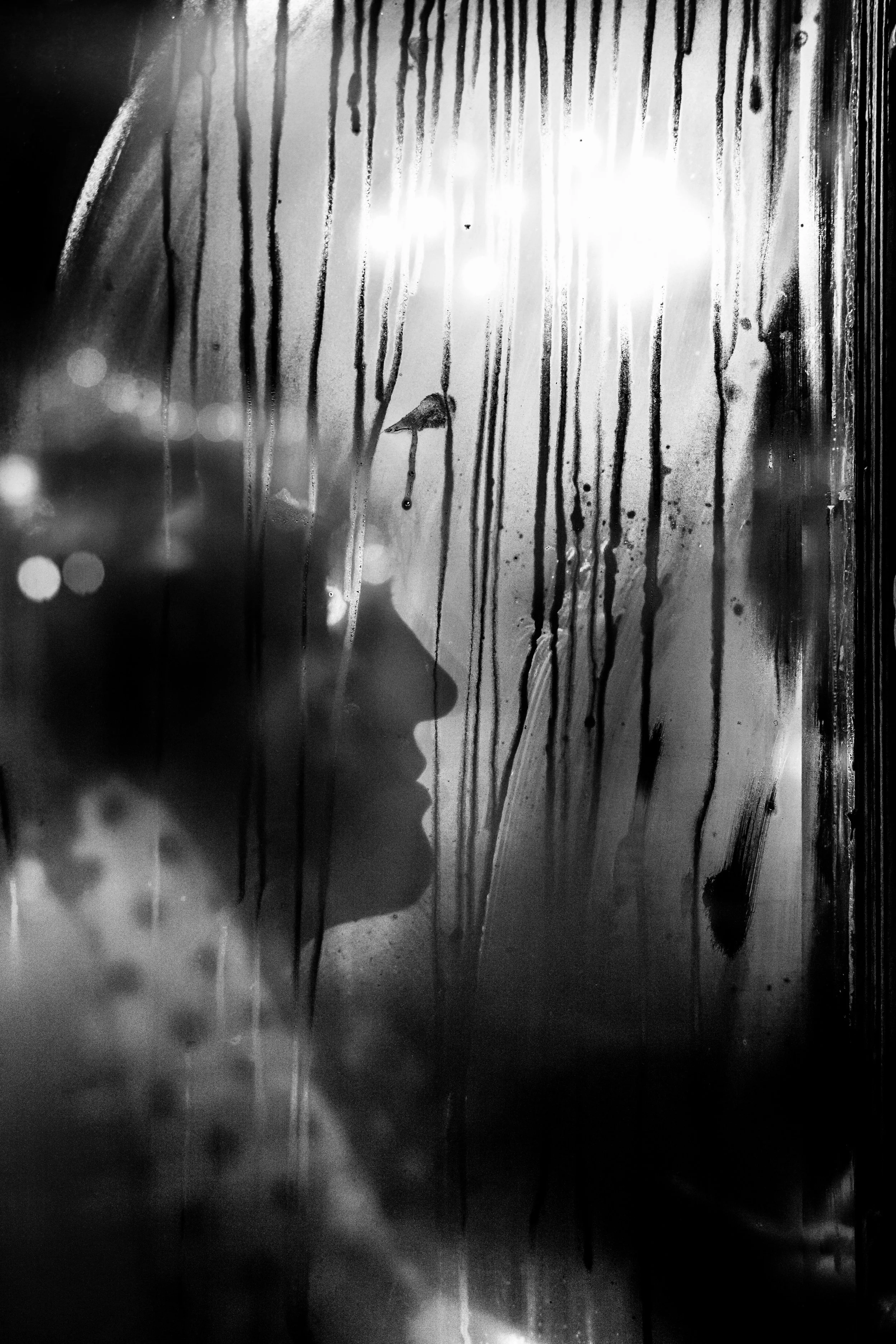
I didn’t set out to make anonymous street photographs or deliberately avoid faces. Rather, I noticed in retrospect that a lot of the images that resonated with me were anonymous. On reflection, I think the anonymity of my work spoke to the emotional distance I felt in the early years of moving to the UK, during which I was getting to grips with a different culture with different conventions, making use of different shibboleths.
Leica Rangefinder: What makes using a Leica rangefinder camera different from using a regular camera for street photography?
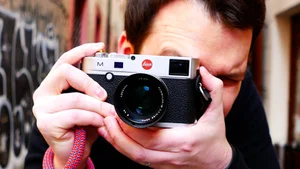
I like using Leica Rangefinders because they’re compact, unobtrusive, and deliver great image quality. Most street photographers find that large, bulky cameras can be intimidating or distracting on the streets. Leica cameras are quiet and discreet, and thus work very well.
Book Title: You named it after an ancient Chinese story about a monk's journey - why does this myth connect to your experience?
The title ‘Journey to the West’ is partly tongue-in-cheek. The story is ubiquitous in East Asian culture. It was everywhere when I was growing up, from television adaptations to children’s books. It carries a sense of familiarity and nostalgia.
As I developed the book, I realised that there were parallels to the myth. In the original tale, the monk’s pilgrimage is as much about personal transformation and the overcoming of tribulations, as it is about physical travel. That duality resonated with me: my project isn’t just about arriving somewhere new, but about the ongoing process of understanding myself and my place in the world.
Overcoming challenge: What was the hardest aspect of putting together your photobook?
The hardest part wasn’t making the photographs but shaping them into a coherent book.
Editing and sequencing didn’t come naturally to me; it required patience and a willingness to let go of images I was attached to. Without a linear or event-based narrative to rely on, I had to build a rhythm and logic that felt authentic to the work.
This process was slow and often frustrating, but it ultimately became the most valuable part of the project. It forced me to understand what my photographs were really about and how they spoke to one another. The challenge of finding that structure, of giving form to something that had emerged intuitively, was what made the book possible. It mirrored the process of finding structure and meaning in a new environment.
Photography Tip: What's one simple tip you would give to other photographers to make their street photos better?
This has been said a million times, but street photography involves a lot of failure. Most of your images will be banal or boring. The greatest determinant of the quality of your work is your persistence and willingness to invest your time and energy. So, my advice would be to enjoy the process, stay optimistic, and wear good shoes.
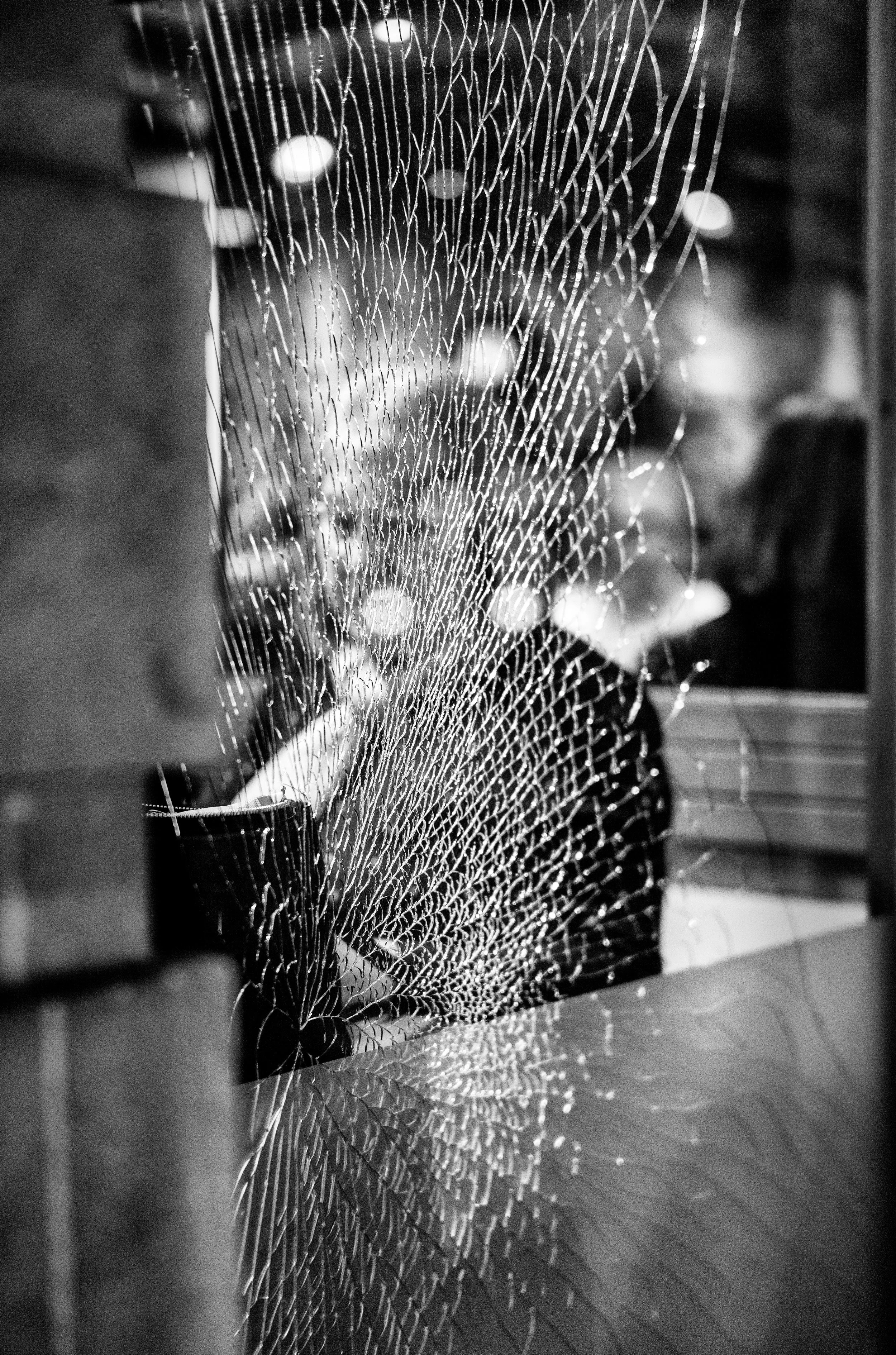
To discover more about this intriguing body of work and how you can acquire your own copy, you can find and purchase the book here. (Setanta Books, Amazon)
More photography books?
We'd love to read your comments below, sharing your thoughts and insights on the artist's work. Looking forward to welcoming you back for our next [book spotlight]. See you then!
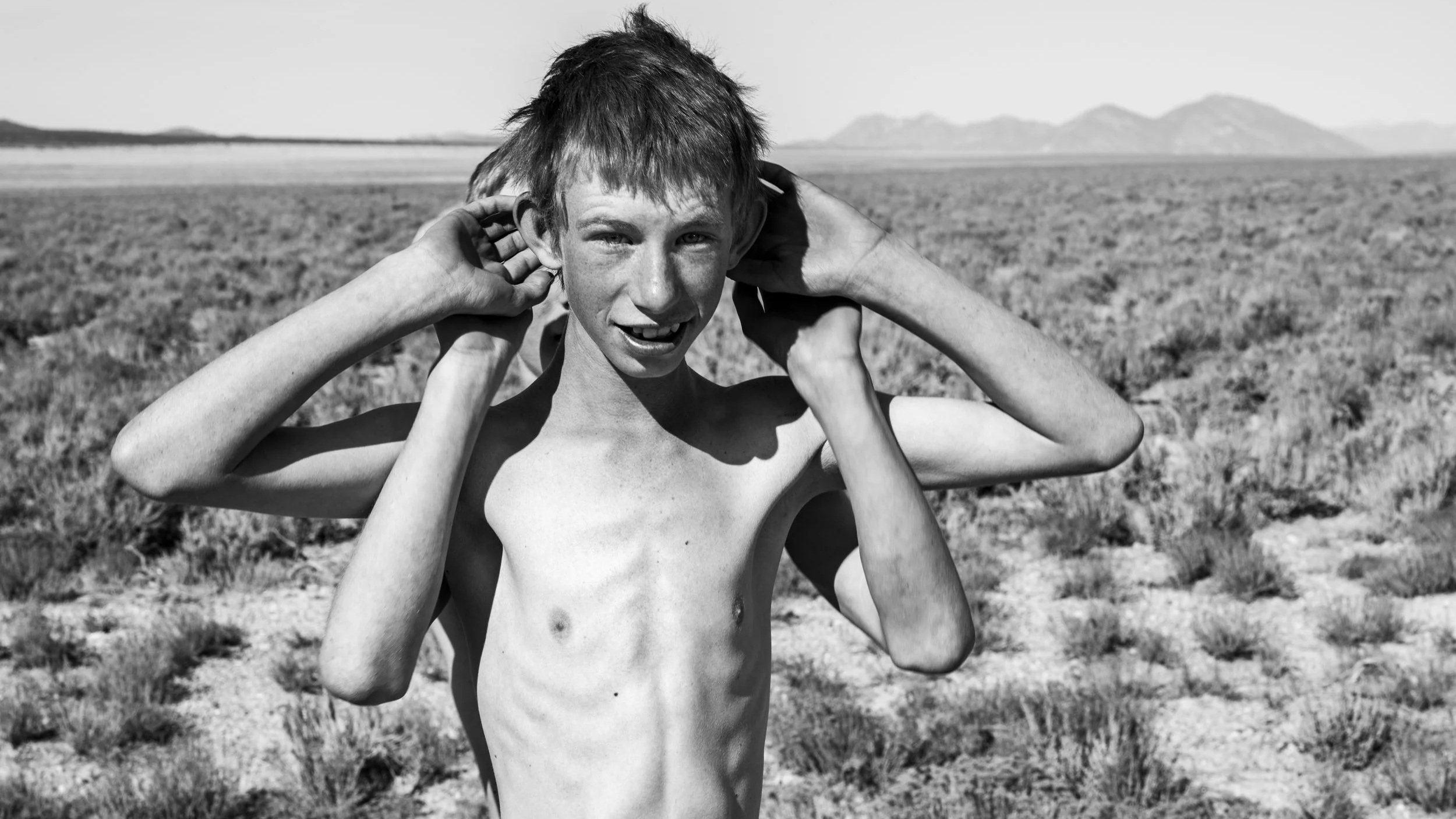
Color entered Janelle Lynch’s photographs through painting. In Another Way of Looking at Love, she photographed plants and trees on her property in the Catskills. Photography Book Spotlight