William Meyers Spent 25 Years Photographing New York. Civics Shows The Ordinary Work That Keeps Democracy Alive.
Welcome to this edition of [book spotlight]. Today, we uncover the layers of 'Civics,' by William Meyers (published by Apollo Publishers). We'd love to read your comments below about these insights and ideas behind the artist's work.
William Meyers photographed democracy at street level.
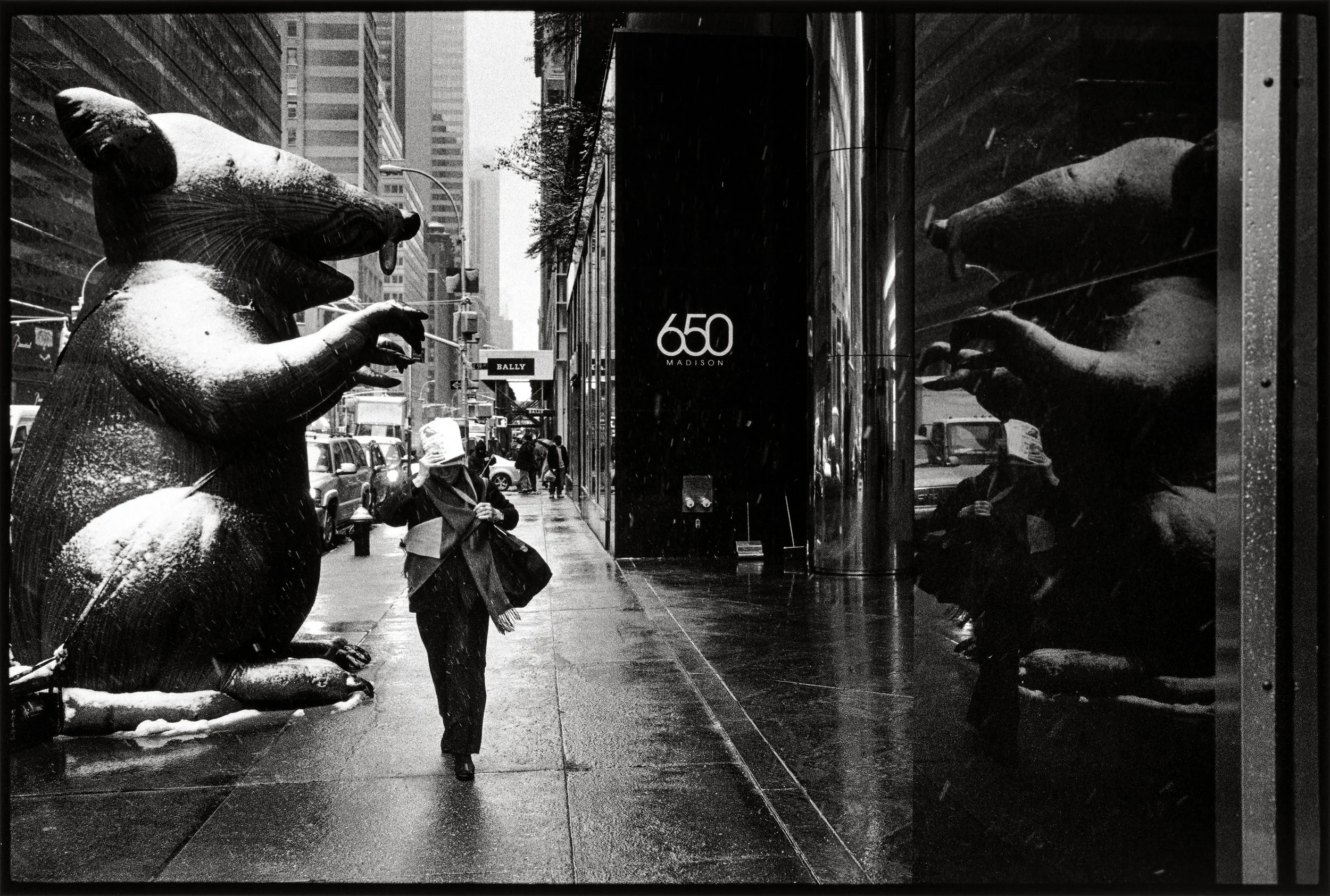
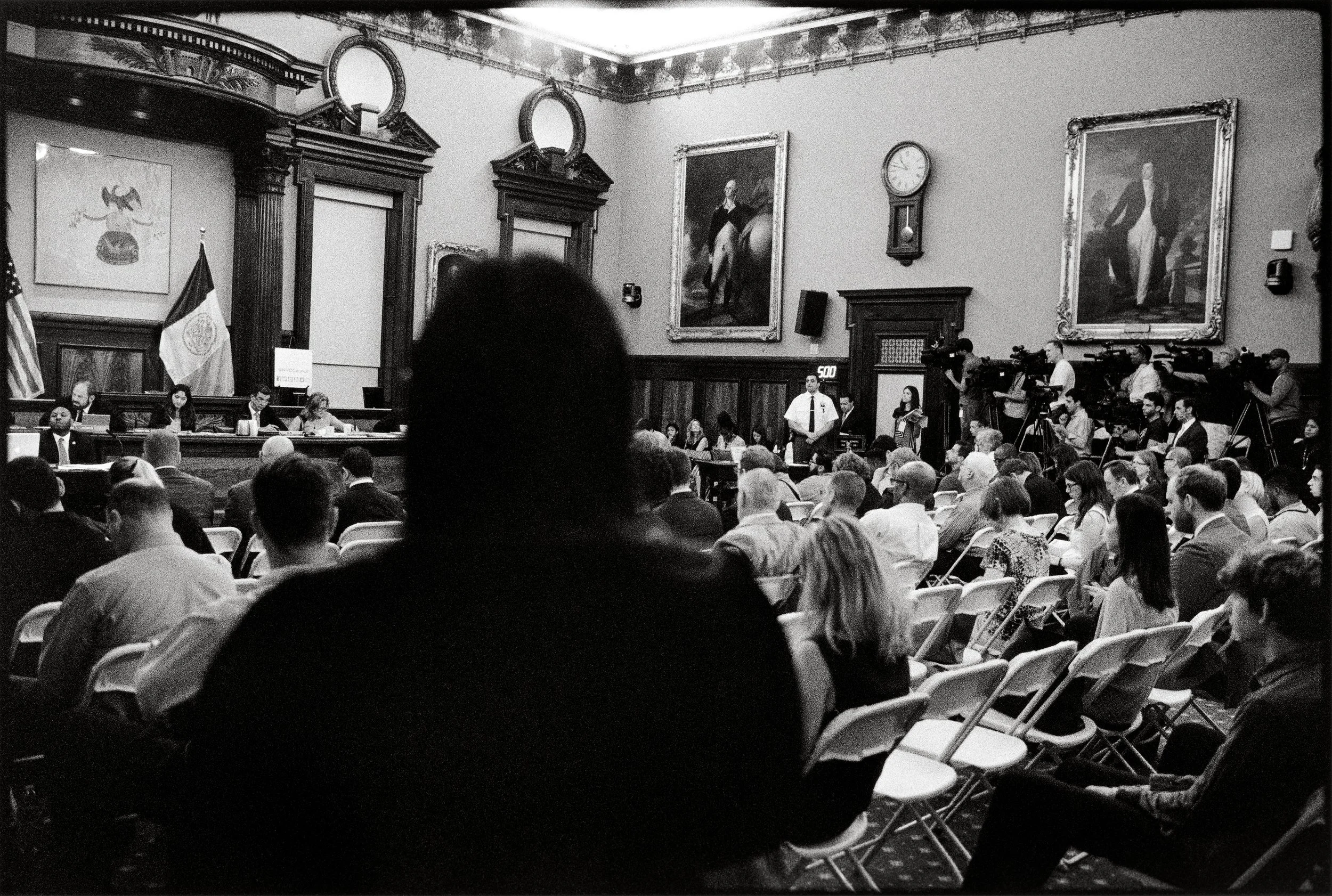
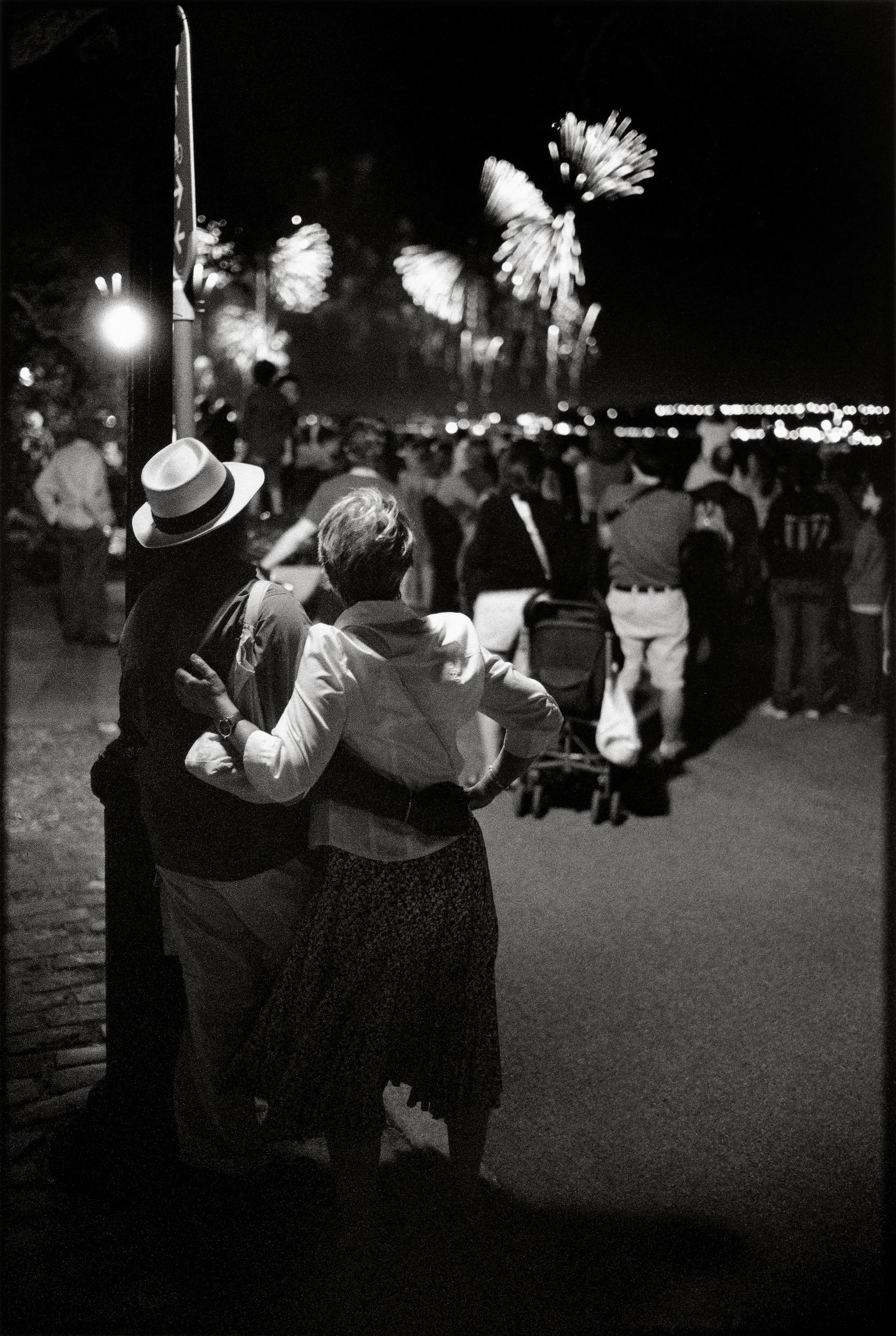
In Civics, he looks at New York not through presidents, campaigns, or political slogans, but through the everyday places where public life happens. Across 25 years, he photographed demonstrations, public meetings, ceremonies, libraries, government offices, and small civic moments that many people pass without noticing. The result is a book about how a city works when citizens take part in it.
Civics is about politics without the usual political noise.
In this interview, Meyers talks about why civic life became a natural subject for him, how his own experience in public service shaped the work, and why black and white photography helped him keep attention on the subject. He also speaks about editing a 25-year archive, sequencing very different kinds of civic moments, and photographing public life without disturbing what is happening.
Meyers’ answers show how a long-term project can grow from attention, patience, and a clear sense of what matters.
The Book
Civics by William Meyers, published by Apollo Publishers, is a 25-year photographic study of civic life in New York City. Made in black and white, the book looks beyond politicians and party politics to show the ordinary places where public life is formed: elections, demonstrations, public meetings, government offices, libraries, volunteer work, and small acts of civic responsibility. Across its 111 duotone plates, Civics presents New York as a living example of how democracy is practiced, not only announced.
Published to coincide with the United States’ 250th anniversary, the book brings together photographs made across the city and is structured around seven sections: Elections, Governance, Demonstrations, Press, Talk, Social Capital, and Civic Markers. With an afterword by journalist Nicole Gelinas, Civics connects the visible details of city life with larger questions about participation, public service, and what it means for citizens to share a place. (Apollo Publishers, Amazon)
Project Genesis: Civics spans 25 years of photographing New York City civic life. When did you first realise this was a project, and not just a collection of separate pictures?
There is no exact date at which point it became clear to me that using my pictures to explore civics was a natural way to organise them, but somewhere along the way I found that that was what I was doing.
I read a lot of history – American history, ancient history, urban history – much of which deals with how countries are governed and their cultures. And I have frequently participated in events of civic importance. When I was a Naval Air Intelligence Officer, I was involved in the Cuban Missile Crisis. I was on the staff of the Senate Subcommittee of Employment, Manpower and Poverty, which investigated the failure of the federal War on Poverty. I served on Community Board 7, which represents the Upper West Side of Manhattan. I was responsible for the installation of traditional bishop’s crook lampposts on our block, and I petitioned the Historic Landmarks Preservation Centre to install its first medallion dedicated to a photographer, James Van Der Zee. So, I have a sense of civics from both the inside and the outside.
There is a reviving interest in civics as a way to deal with the nation’s current fractures. I hope my book will illustrate and aid the process.
Subject choice: You describe Civics as "politics at retail" - everyday citizens rather than politicians or ideology. How did you decide where to point your camera when the subject is something as invisible as civic participation?
It was important to have a sense of what matters. Much of it came from walking about with my camera and taking pictures of what seemed relevant. Others depended on following the news and going where events were taking place. But many pictures, particularly in the Governance section, required planning and getting permissions from numerous people. “Citizenship Test Study Group, St. Agnes Library, Upper West Side, November 19, 2019” required numerous layers of bureaucratic approval. I had to convince people I meant them no harm for them to cooperate.
Duotone: The book uses 111 duotone plates rather than full colour. What does duotone give a project like this that colour would take away?
When you take a picture in colour, it becomes a picture of colour; the colour becomes a subject. This may distract from what you want the picture to be about. Black and white images are rare enough nowadays that they seem special. At any rate, it’s the medium I feel most fluent in.
Editing over time: When you are building a 25-year archive into a single book, how do you decide which images are strong enough to stay and which ones go?
I usually know what I’m hoping for when I take a picture and so pick the frame that comes closest to it. That frequently means passing over many, many pictures that don’t measure up. For instance, “Department of Education yellow school busses, Co-op City, Bronx, February 4, 1999” looks simple, but I had to go to the Bronx twice to get just what I wanted. And often enough, even the picture I wanted turns out not to be compelling enough to warrant inclusion. You have to learn to live with failure.
Sequencing: The book moves across very different kinds of civic moments - demonstrations, ceremonies, public meetings. How did you find an order that felt like one story?
The sections begin with the material closest to the classic definition of civics, the organisation and operations of government. The sections go on to the ways in which civilians are involved in the polity, first in formal and then more and more informal ways. The final section, Markers, is the most abstract, reminders of civic events.
Being invisible: Photographing public gatherings and political events means people often know they are being watched. How do you work in those situations without changing what is happening?
Now that everyone has a cellphone and, so, everyone is a photographer; as a consequence, people are accustomed to being photographed in public. I use a Leica MP, which is small and can be employed surreptitiously. Rarely have potential subjects moved to avoid being photographed.
Timing: The book comes out as the United States turns 250. Did the anniversary change the way you thought about the work, or were you already moving toward publication?
It took several years for me to bring this project to fruition; it was serendipitous that this year is the 250th anniversary of the Declaration of Independence. My understanding of the Declaration is that the colonists decided they were going to take things themselves; my Civics shows how it has worked out.
Collaboration: Journalist Nicole Gelinas wrote the afterword, placing the photos in the context of urban policy. How did her perspective change or add to how you see your own pictures?
Nicole has a deep understanding of many, many aspects of urban affairs. She knows how policies work out at street level, where it counts. I was privileged to have three of my pictures included in her Movement: New York’s Long War to Take Back Its Streets from the Car, which won the 2025 Gotham Book Prize. I think we share a vision of how the city works, so her interpretations of my pictures tend to reinforce my assumptions.
Continuity: Civics follows your earlier book, Outer Boroughs, which also focused on New York life over many years. What carries over from that project into this one, and what is genuinely new?
After wrapping up my Outer Boroughs project, there was nowhere else close at hand to photograph except Manhattan. Most of Civics was shot in Manhattan, but there are a few pictures from the earlier project. I like it when a picture can function in more than one context; its significance will change and deepen. “United States Postal Service (USPS), Concourse Village, Bronx, January 22, 1999” was first just a picture of local goings-on in a neighbourhood, but in Civics it illustrates a vital government service.



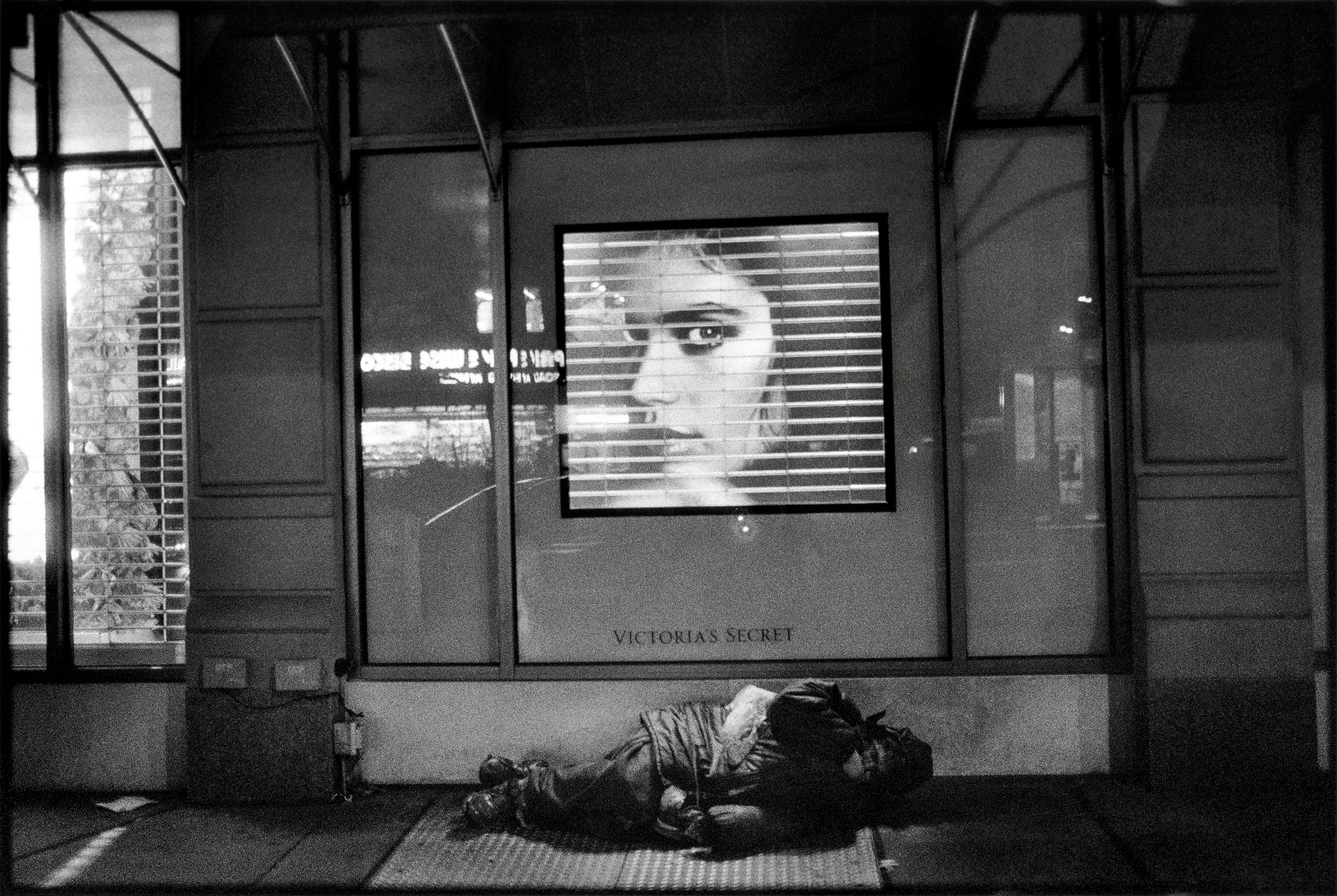


To discover more about this intriguing body of work and how you can acquire your own copy, you can find and purchase the book here. (Apollo Publishers, Amazon)
More photography books?

We'd love to read your comments below, sharing your thoughts and insights on the artist's work. Looking forward to welcoming you back for our next [book spotlight]. See you then!
Robin de Puy could no longer make this project alone. She first photographed Randy in Ely, Nevada, during a 2015 road trip and kept returning to him for more than ten years. Interviews