Shingo Kanagawa Lived With 3 Artists For 5 Years. A Bright Room Became A Photograph Of Family Without Fixed Labels
Welcome to this edition of [book spotlight]. Today, we uncover the layers of 'A Bright Room,' by Shingo Kanagawa (published by Fugensha, sold by by shashasha). We'd love to read your comments below about these insights and ideas behind the artist's work.
Family does not always begin with relatives.
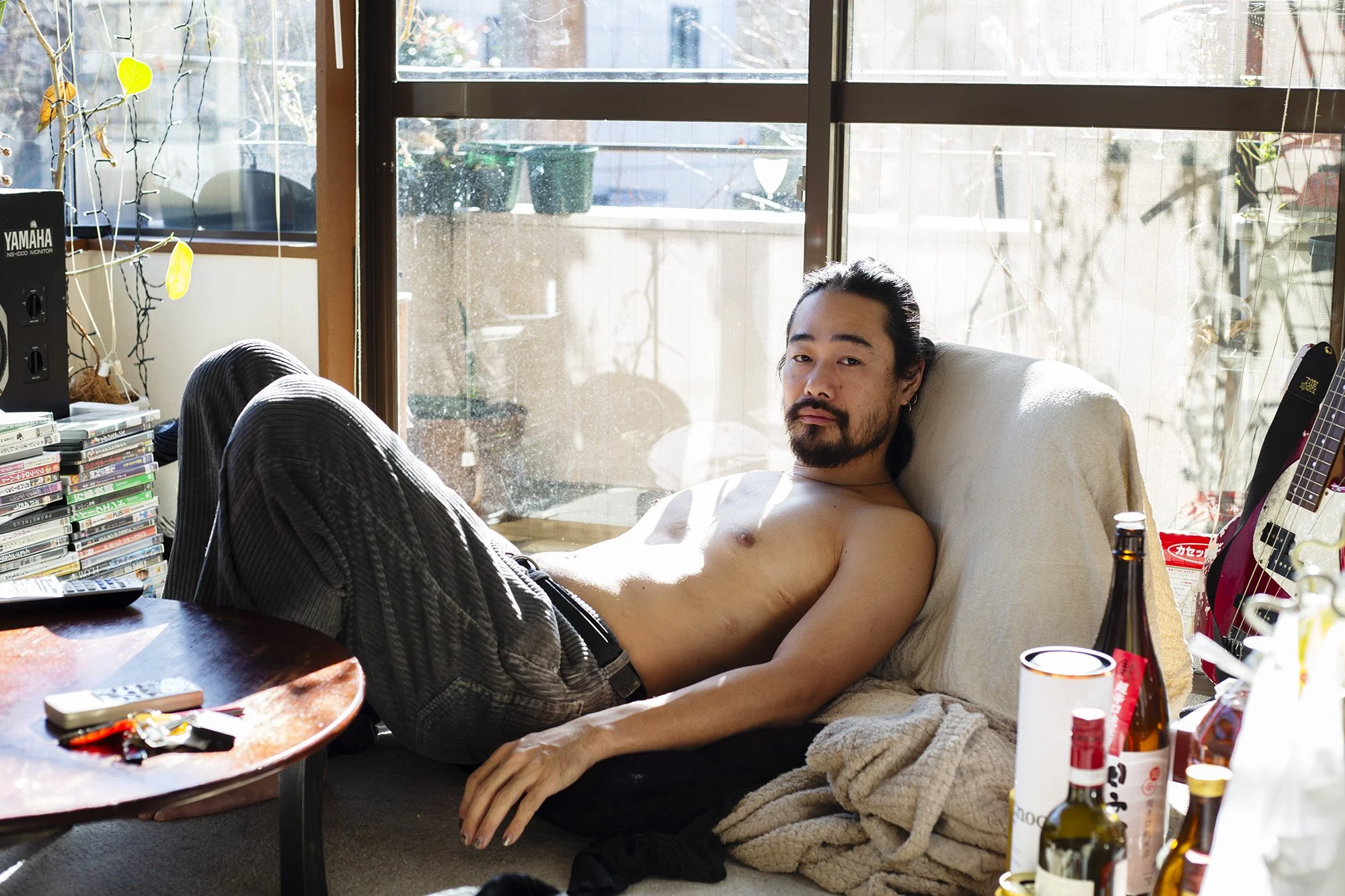
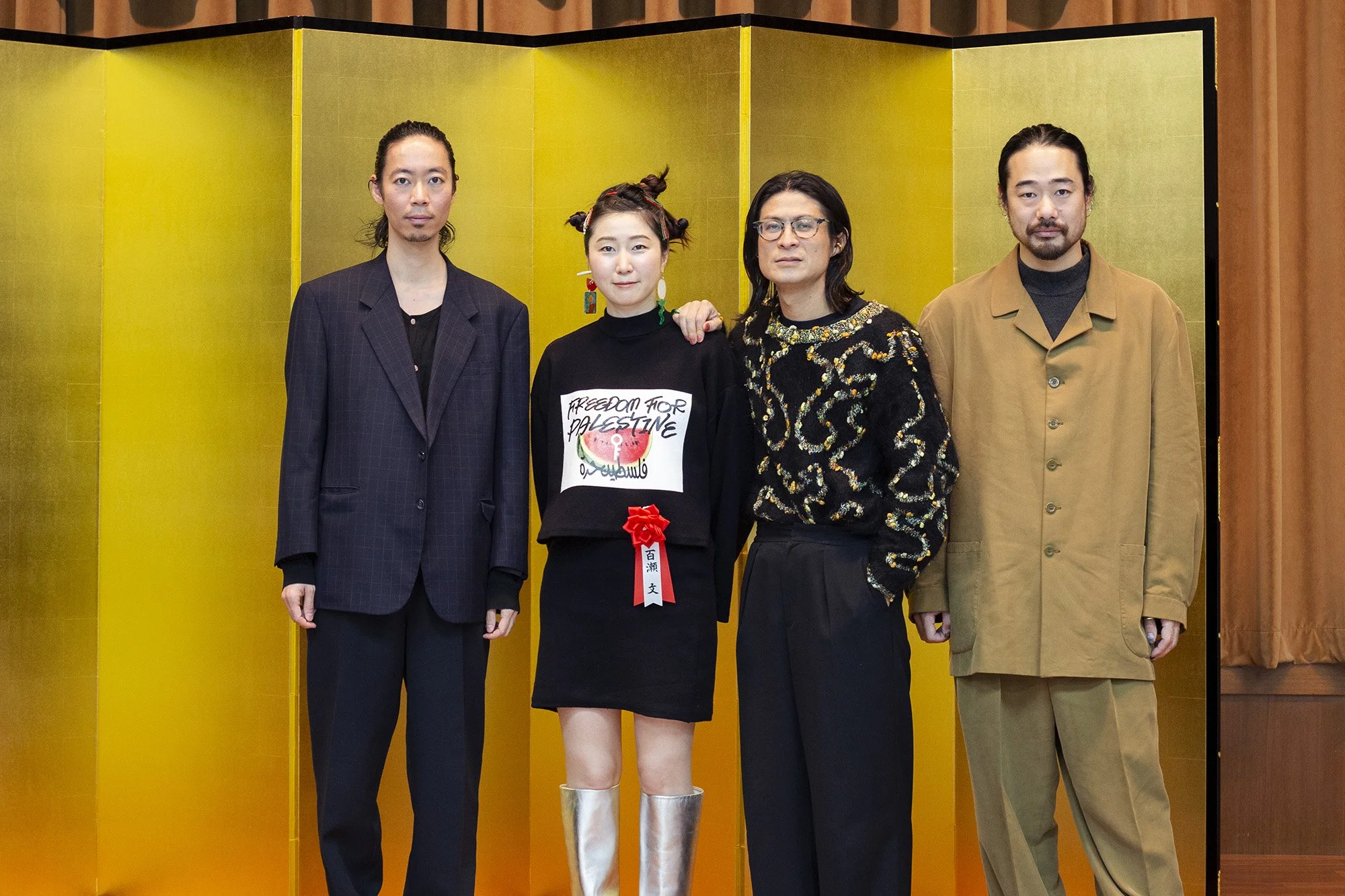
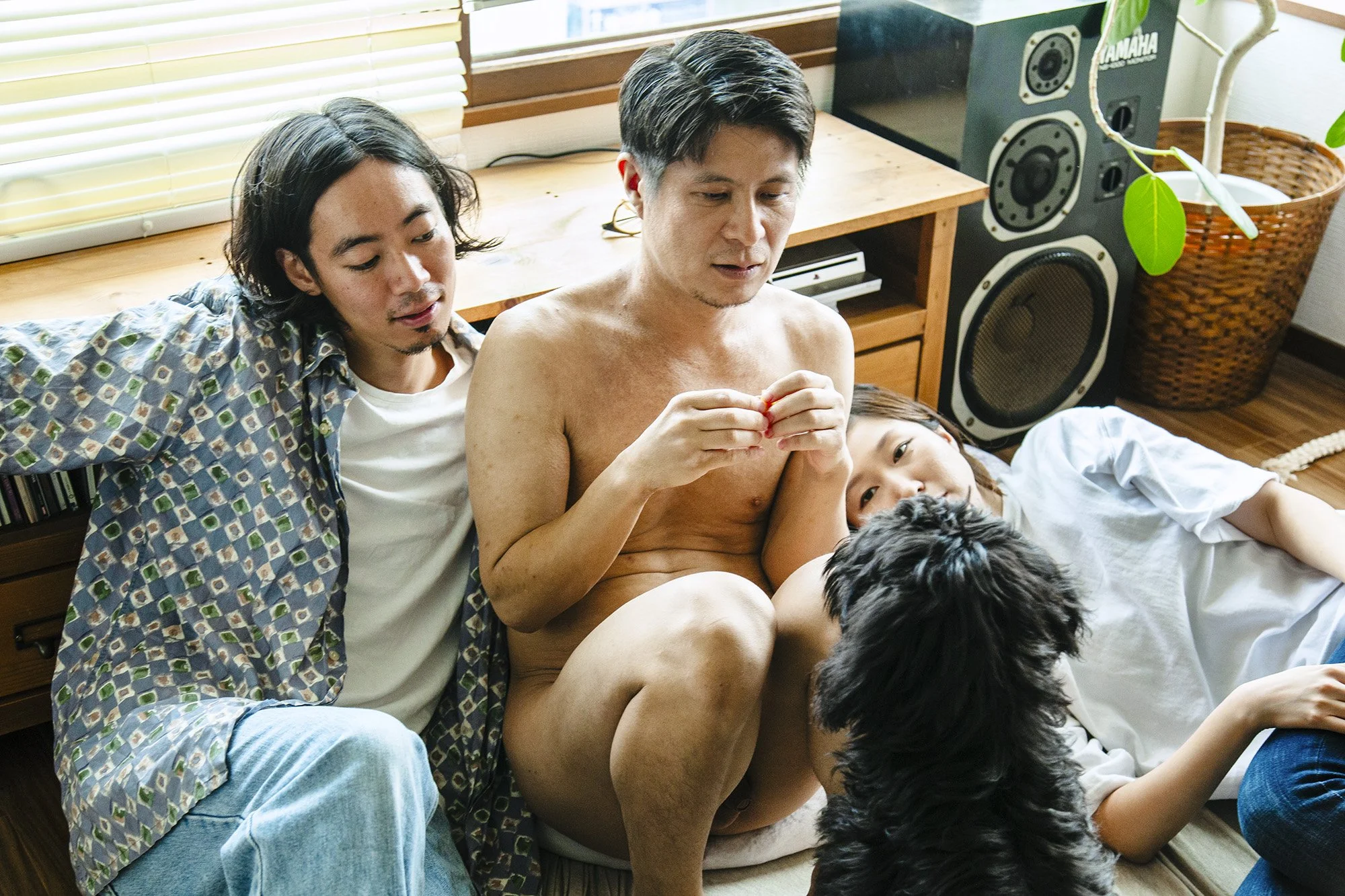
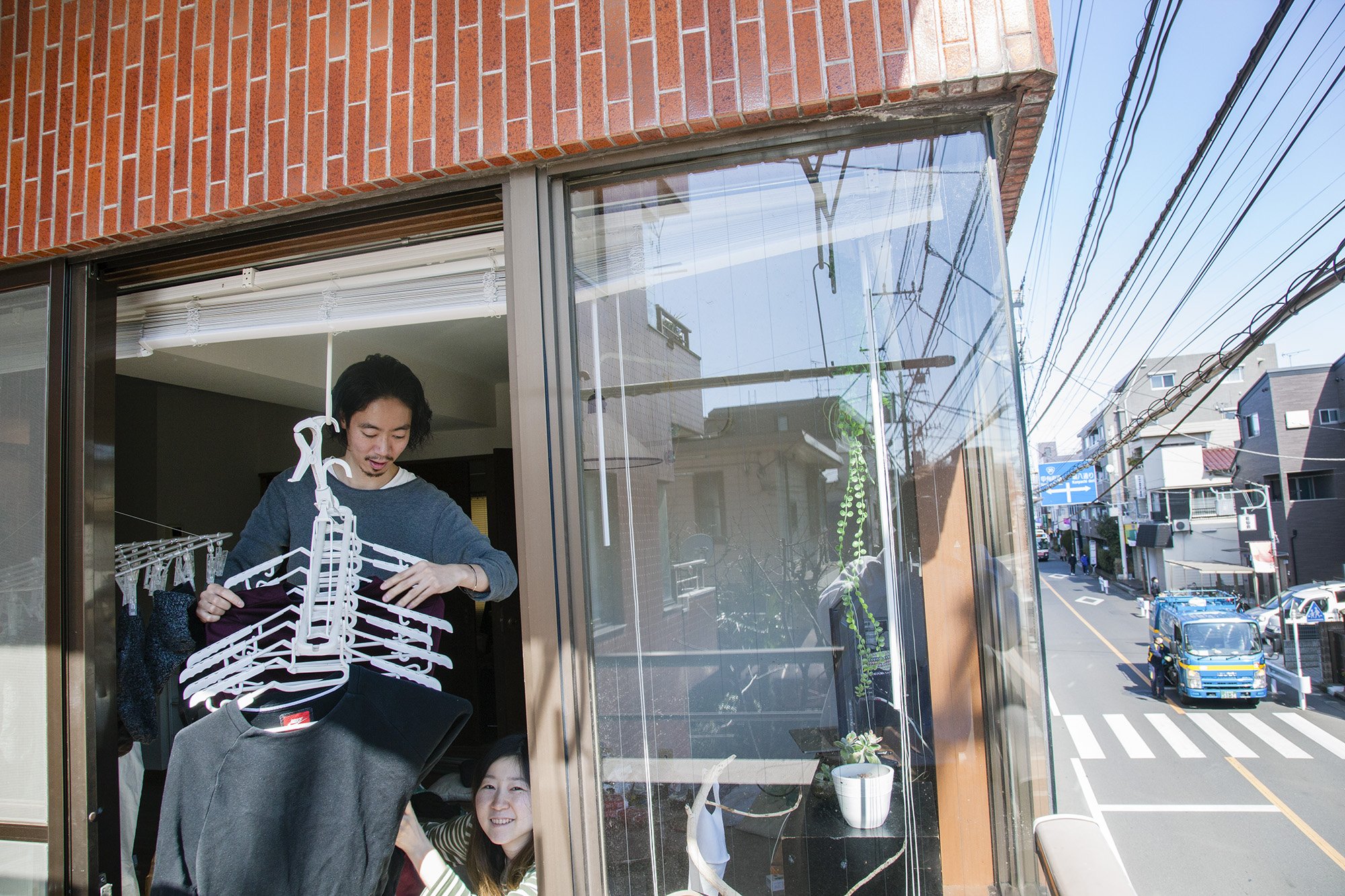
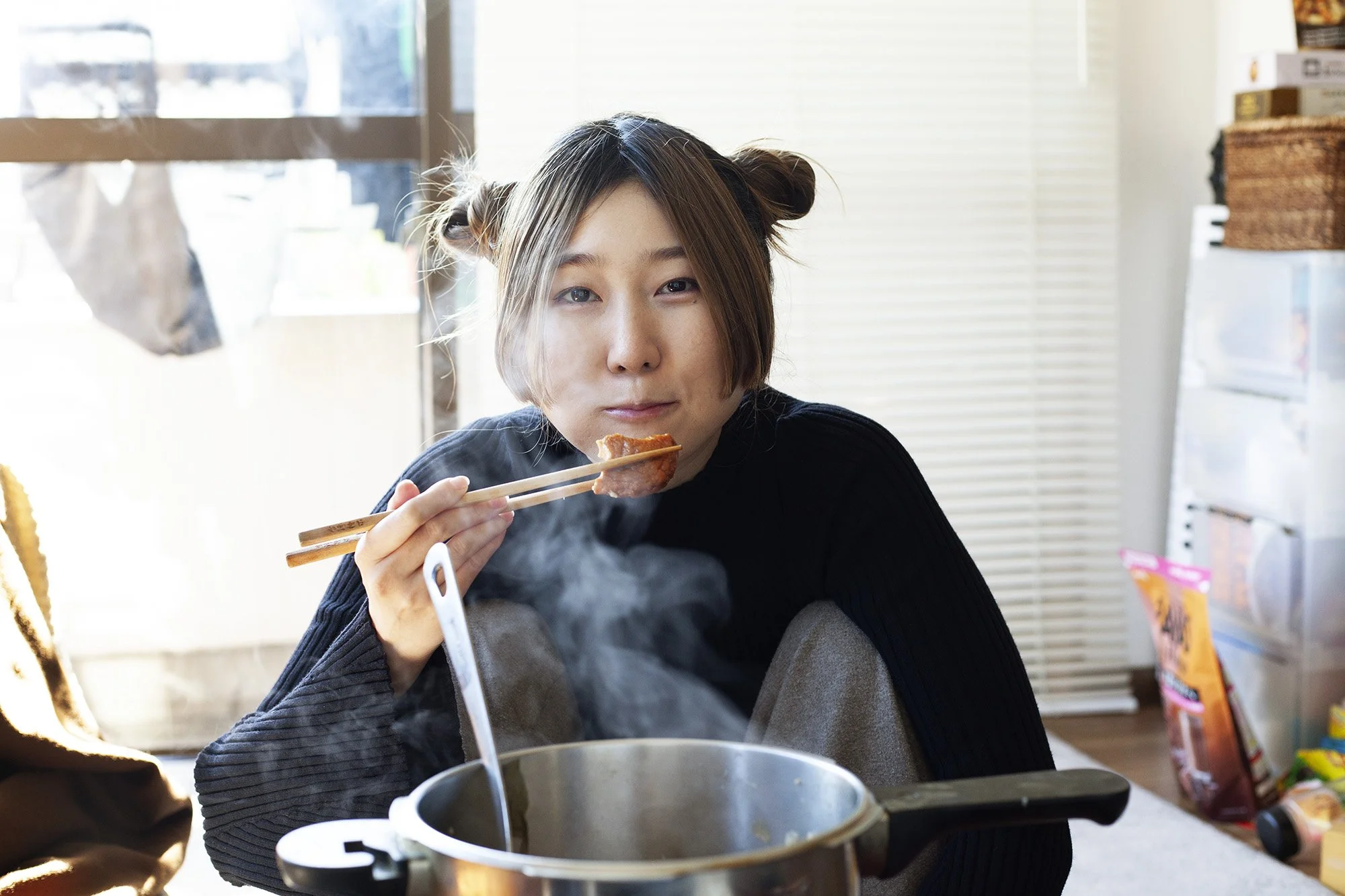
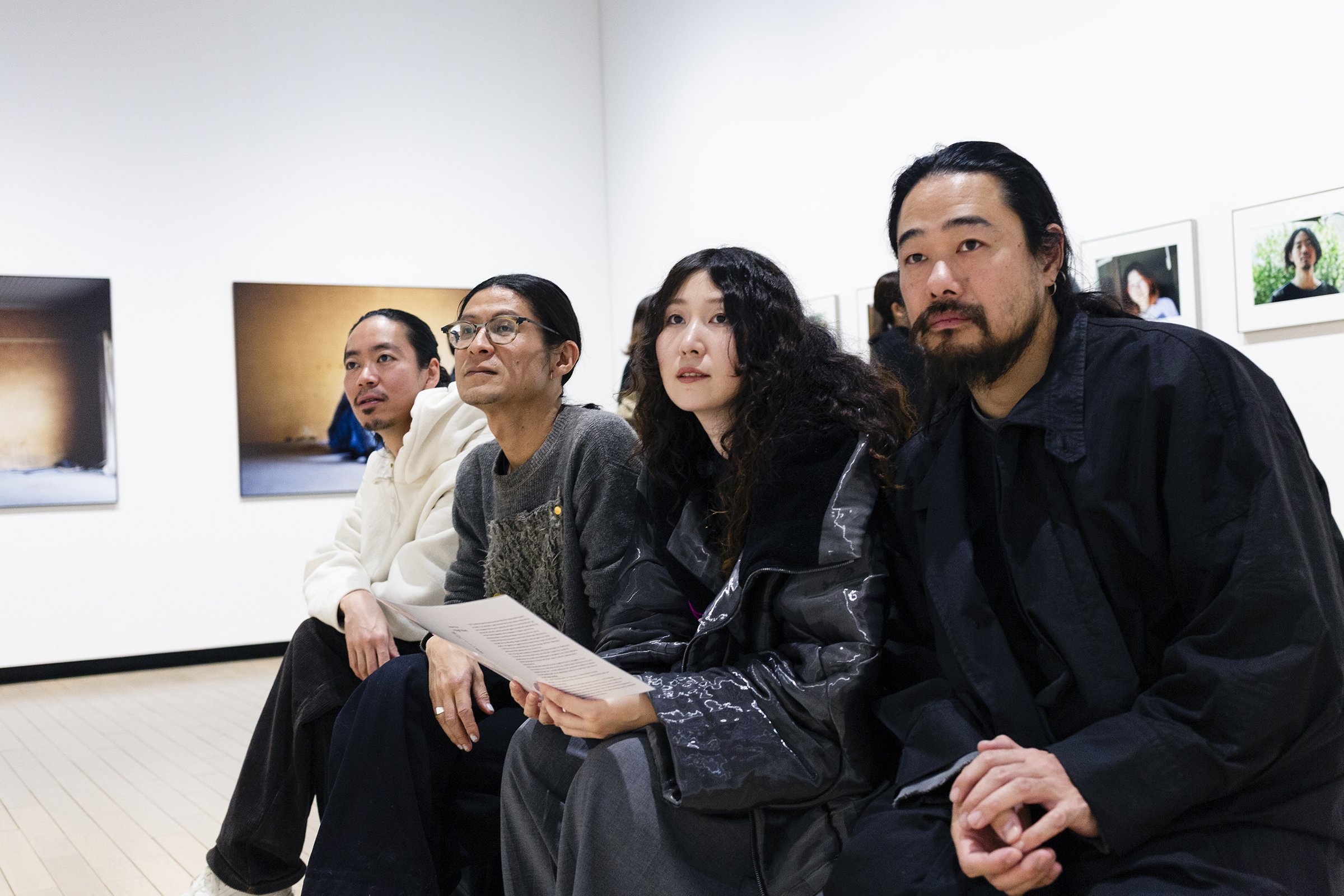
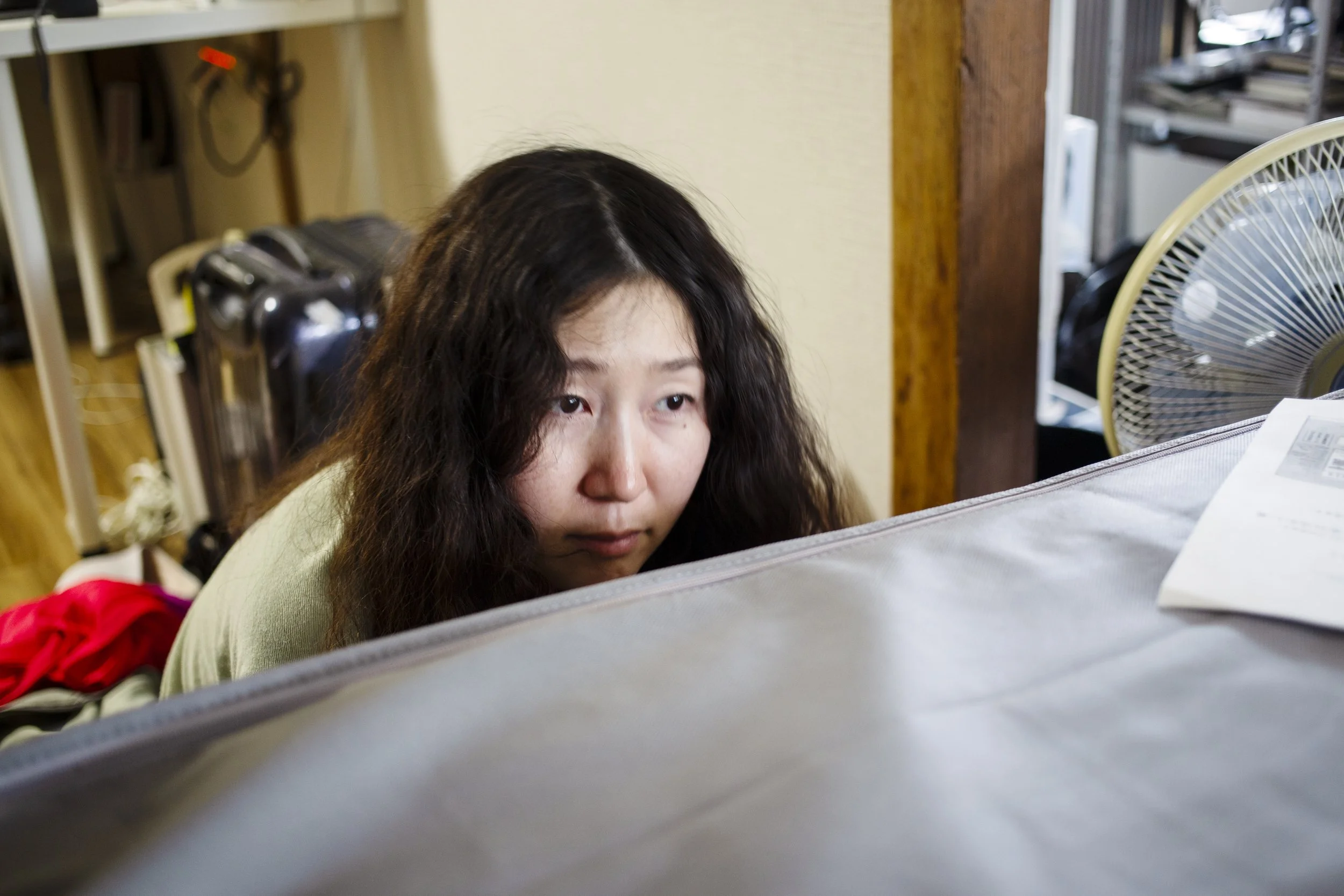
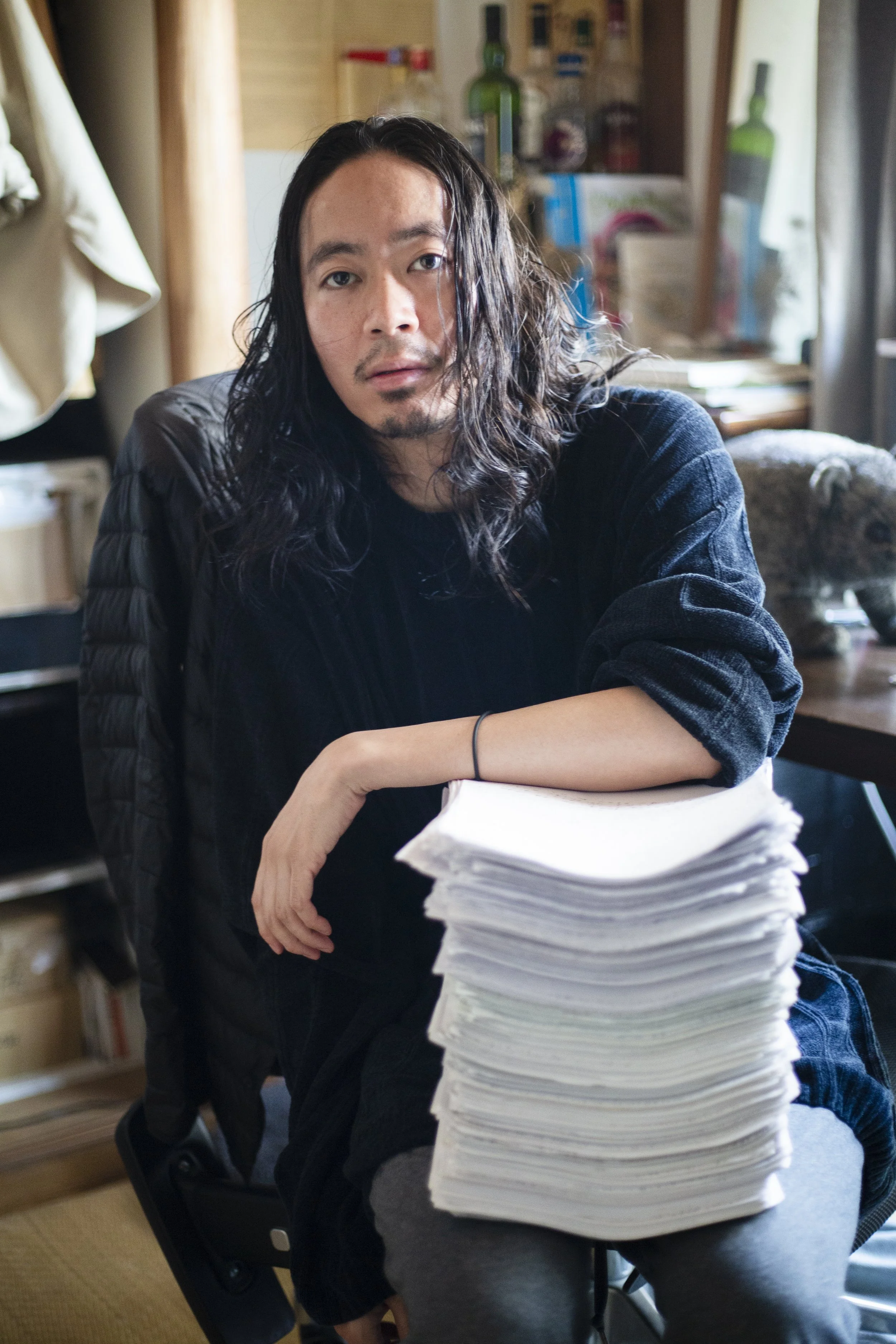
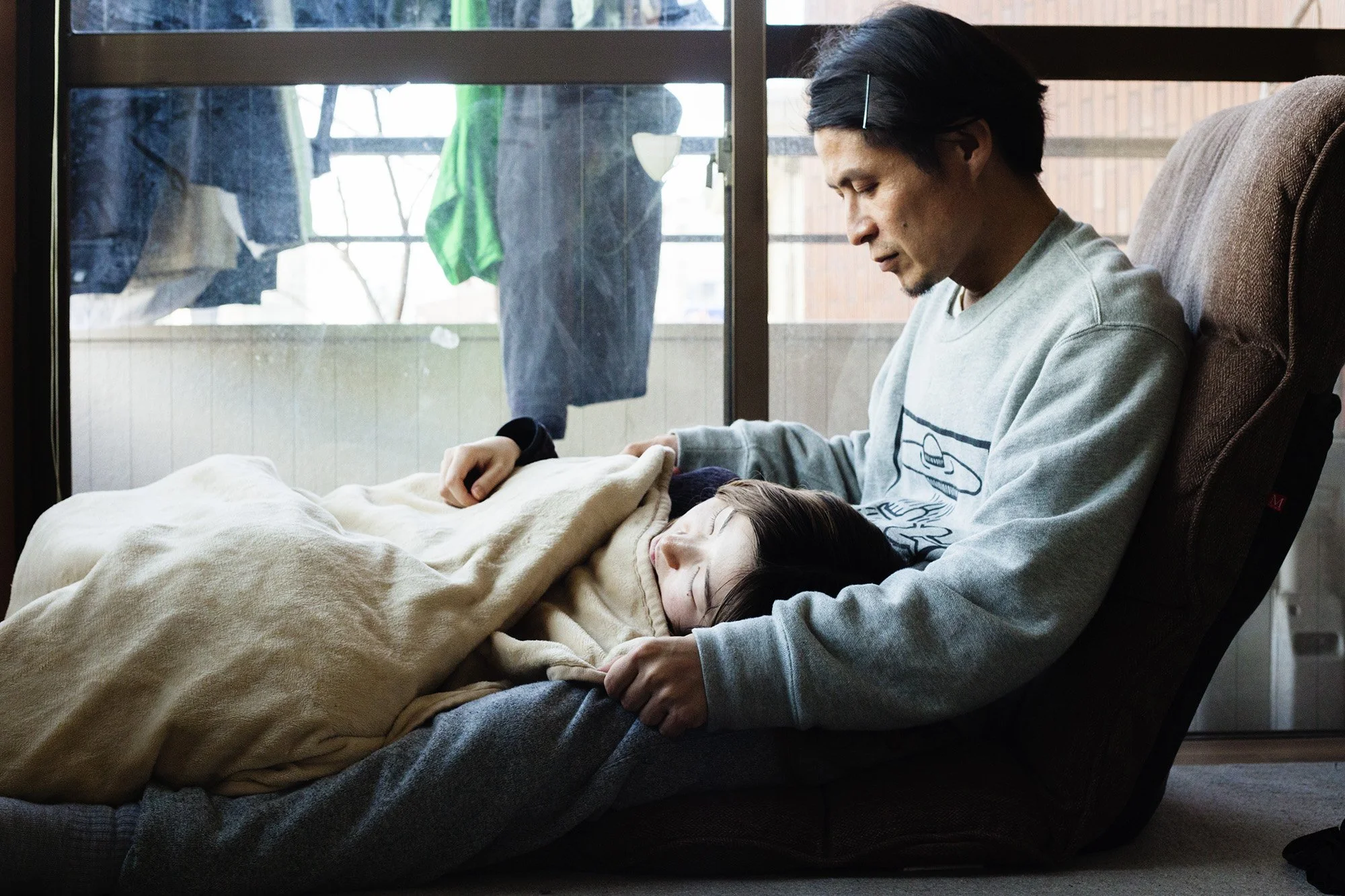
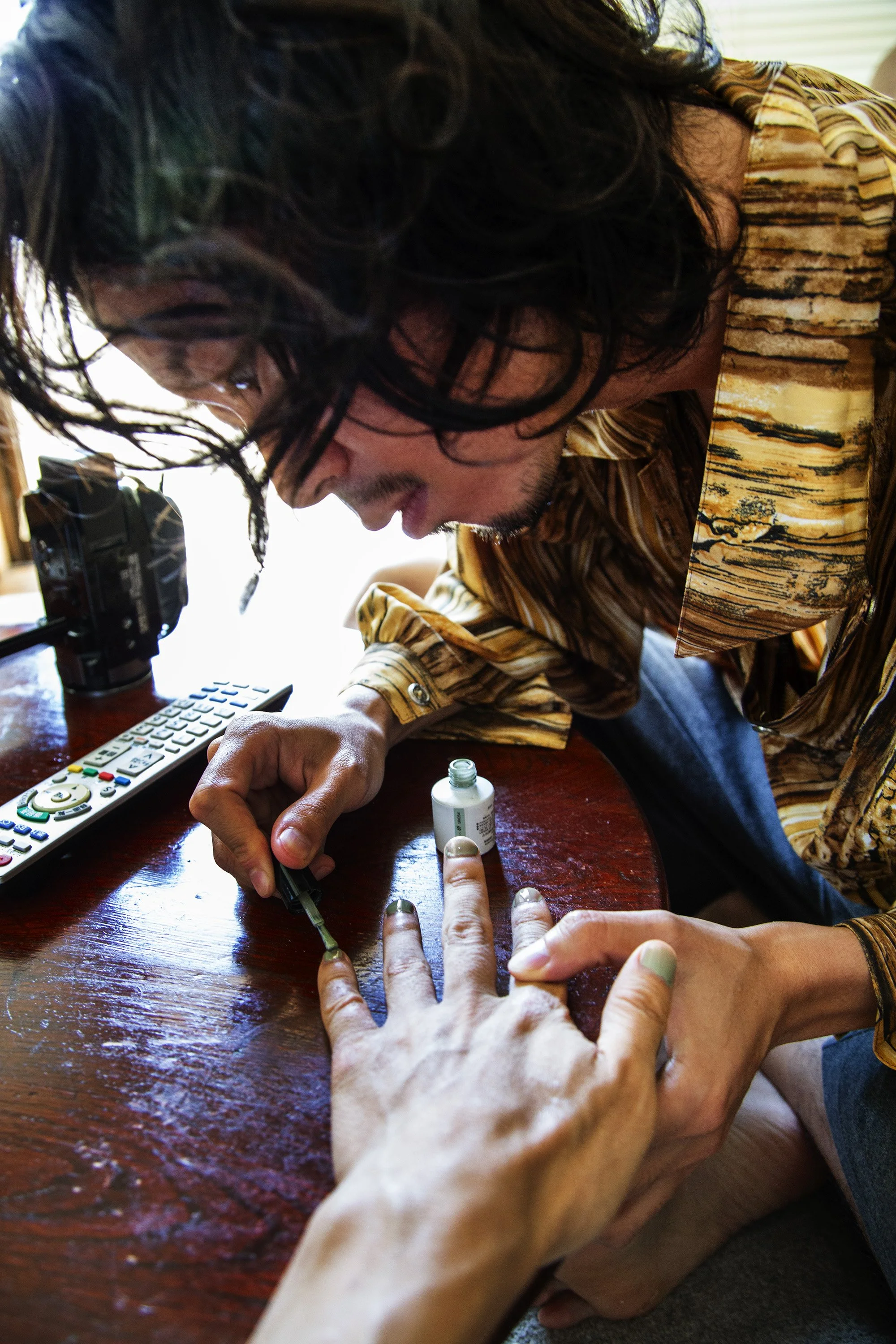
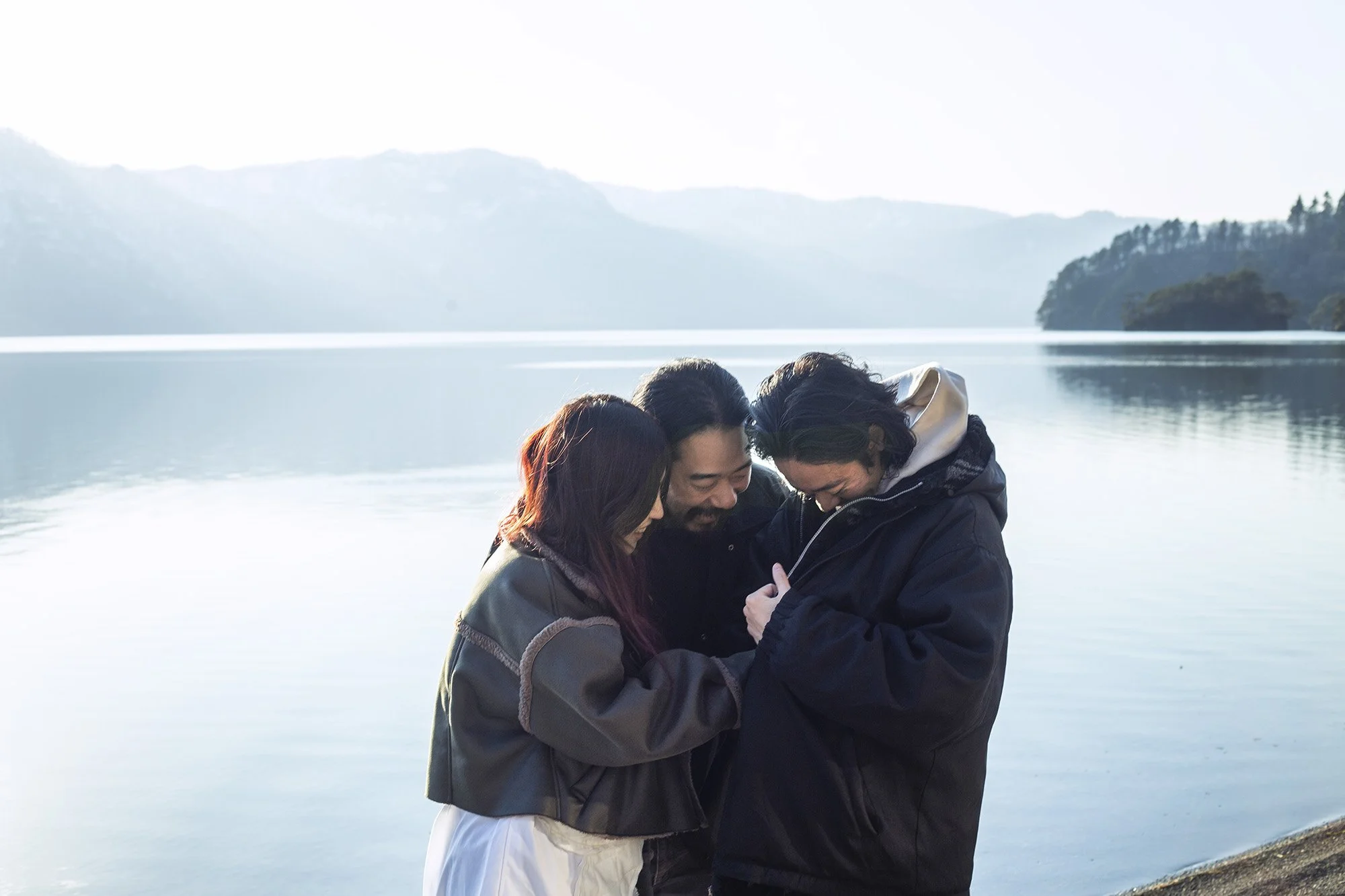
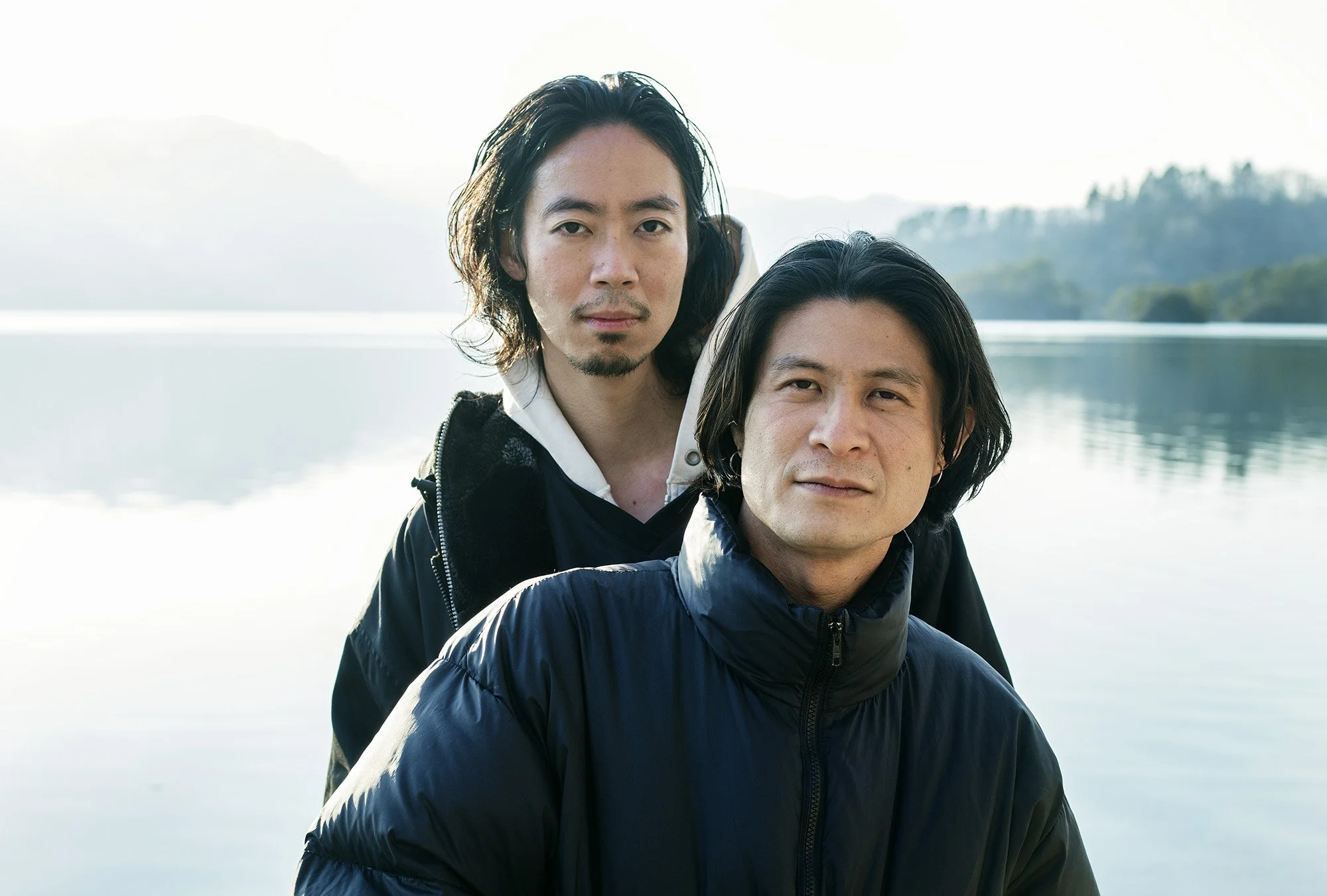
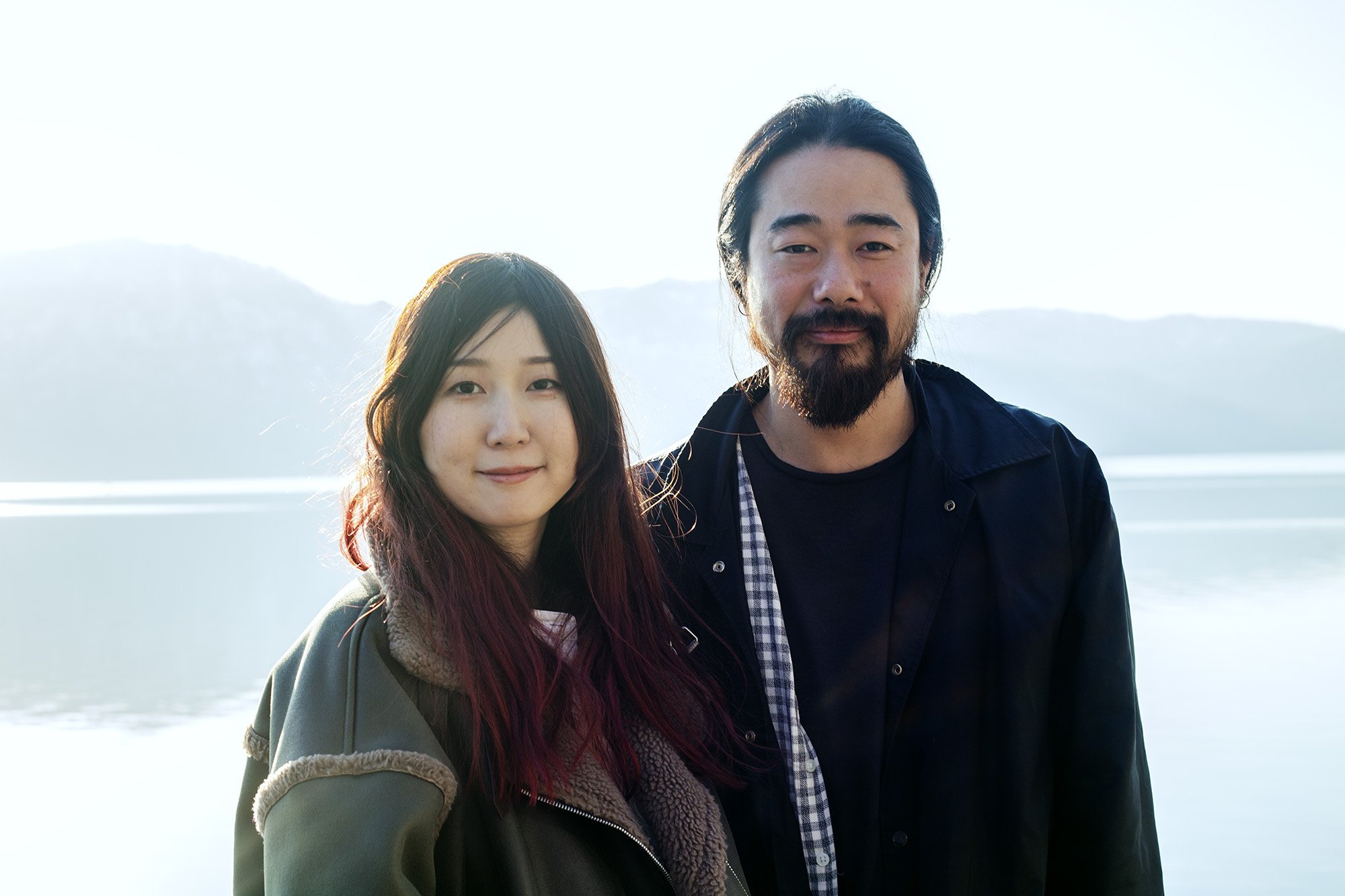
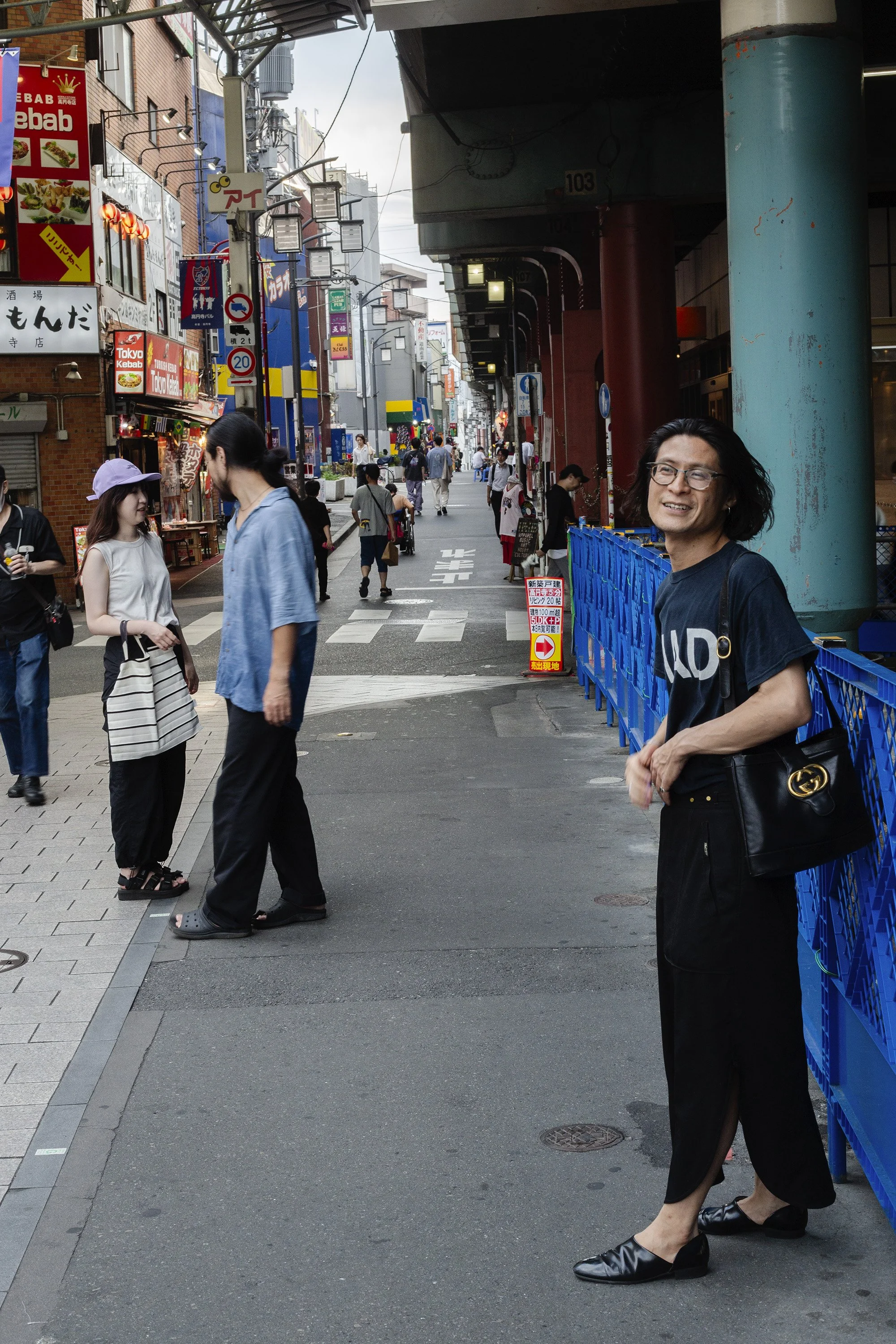
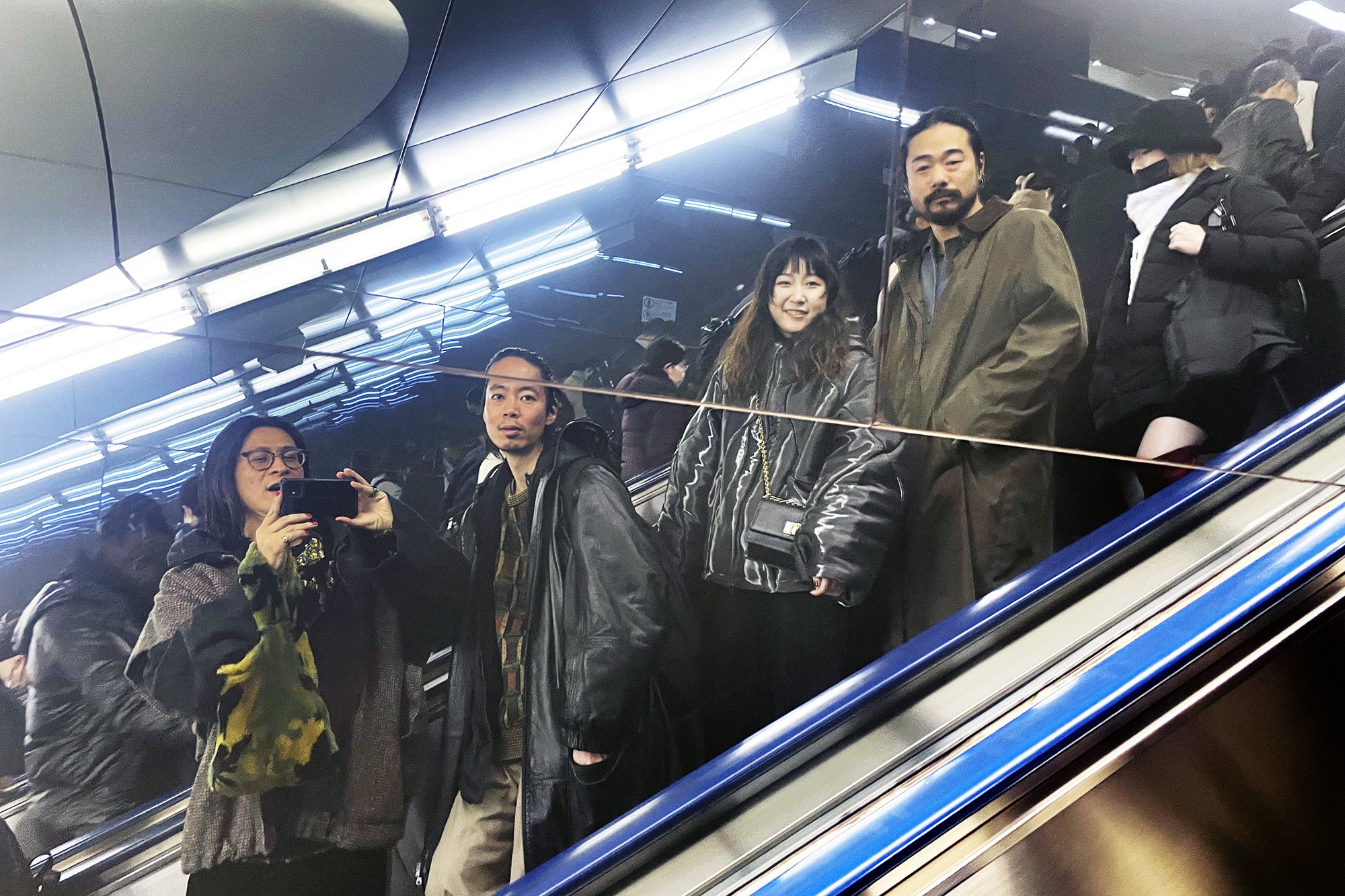
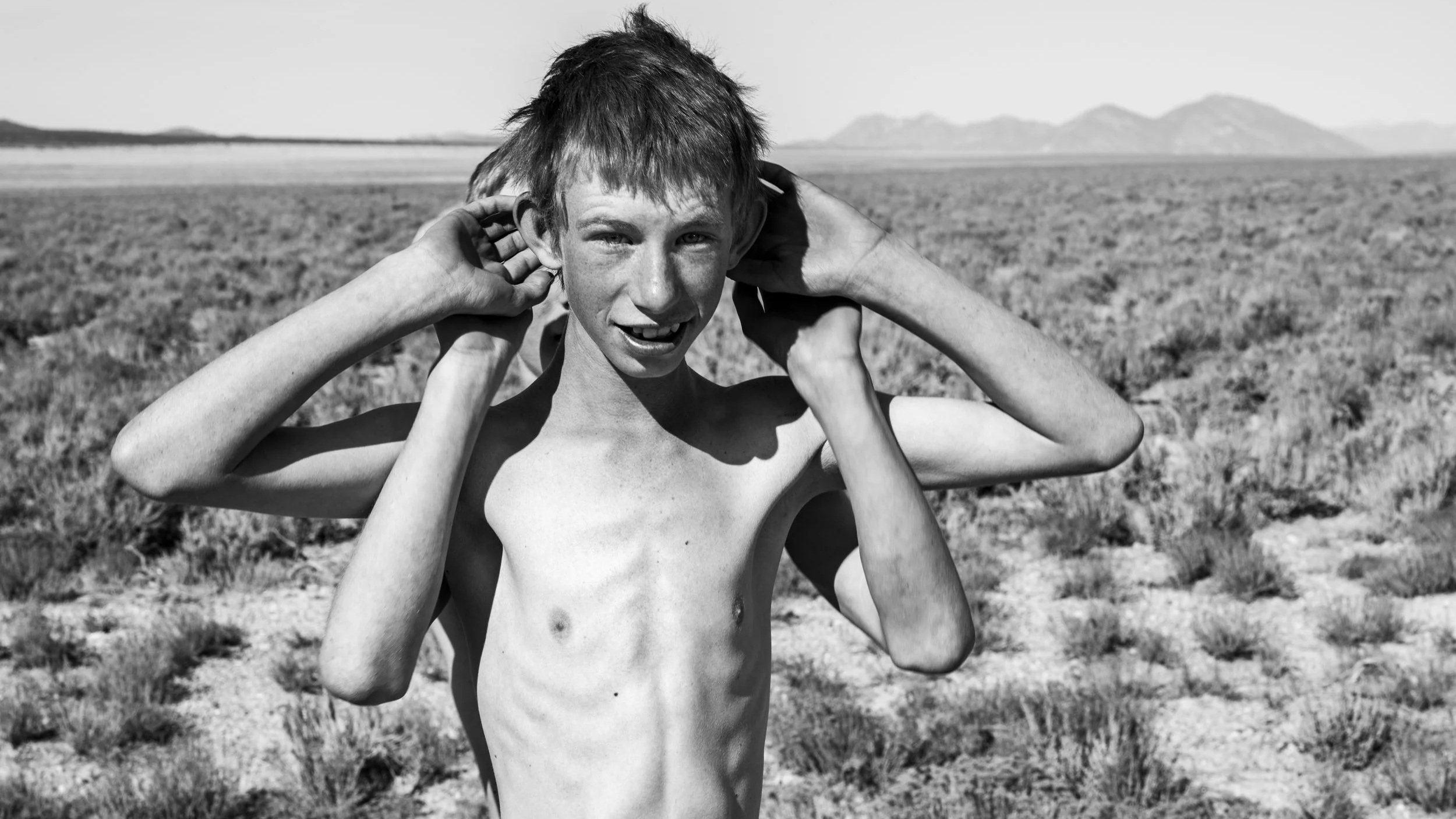
Sometimes it begins with people who decide to share a home, daily tasks, private space, and time. In A Bright Room, Japanese photographer Shingo Kanagawa photographs the life he shared with Aya Momose, Reiji Saito, and later Taichi Moriyama over several years. The book follows their apartment hunting, household chores, changing appearances, ordinary moments, and quiet intimacy without forcing their relationship into one fixed name.
Kanagawa is interested in relationships that can change.
He does not photograph his housemates as symbols of a new lifestyle, but as people who live together, make decisions together, and keep becoming different over time. In the interview, he speaks about intimacy beyond romantic or sexual love, about privacy and consent, and about why photography can leave some relationships unnamed. His photographs show that the most important parts of a shared life are often practical, repetitive, and difficult to separate from emotion.
Kanagawa explains why he included simple moments like apartment hunting and household chores, why he arranged the images chronologically, and how writing helped him express what photography could not. For anyone interested in personal documentary work, A Bright Room shows how a photographer can stay close to his own life without turning it into drama.
The Book
A Bright Room by Shingo Kanagawa is a personal documentary work about shared life, intimacy, and the changing meaning of family. The book follows the years Kanagawa spent living with Aya Momose, Reiji Saito, and later Taichi Moriyama, photographing their home, daily routines, practical decisions, and quiet moments together. Arranged chronologically, the photographs show a relationship that exists outside simple labels such as relatives, lovers, or roommates. With 118 photographs and a long written text by Kanagawa, A Bright Room becomes a study of how people build care, trust, privacy, and belonging over time. (Fugensha, Amazon)
Genesis: You started thinking about living together with Aya Momose and Reiji Saito in 2019. When did you decide to photograph the experience, and not just live it?
There was no single clear moment of decision. But from the time we began thinking about living together, I had a vague sense that I should probably be photographing it.
A fourth person: Taichi Moriyama joined in 2022. How did his arrival change what you were trying to capture in your photographs?
I was already thinking about it before he joined, but I think my awareness grew stronger around capturing intimacy that goes beyond the framework of romantic or sexual love. You could also say I became more conscious of wanting to show how relationships change over time. And practically, because Taichi joined, there were more people in the house, more belongings, and so the images became livelier too.
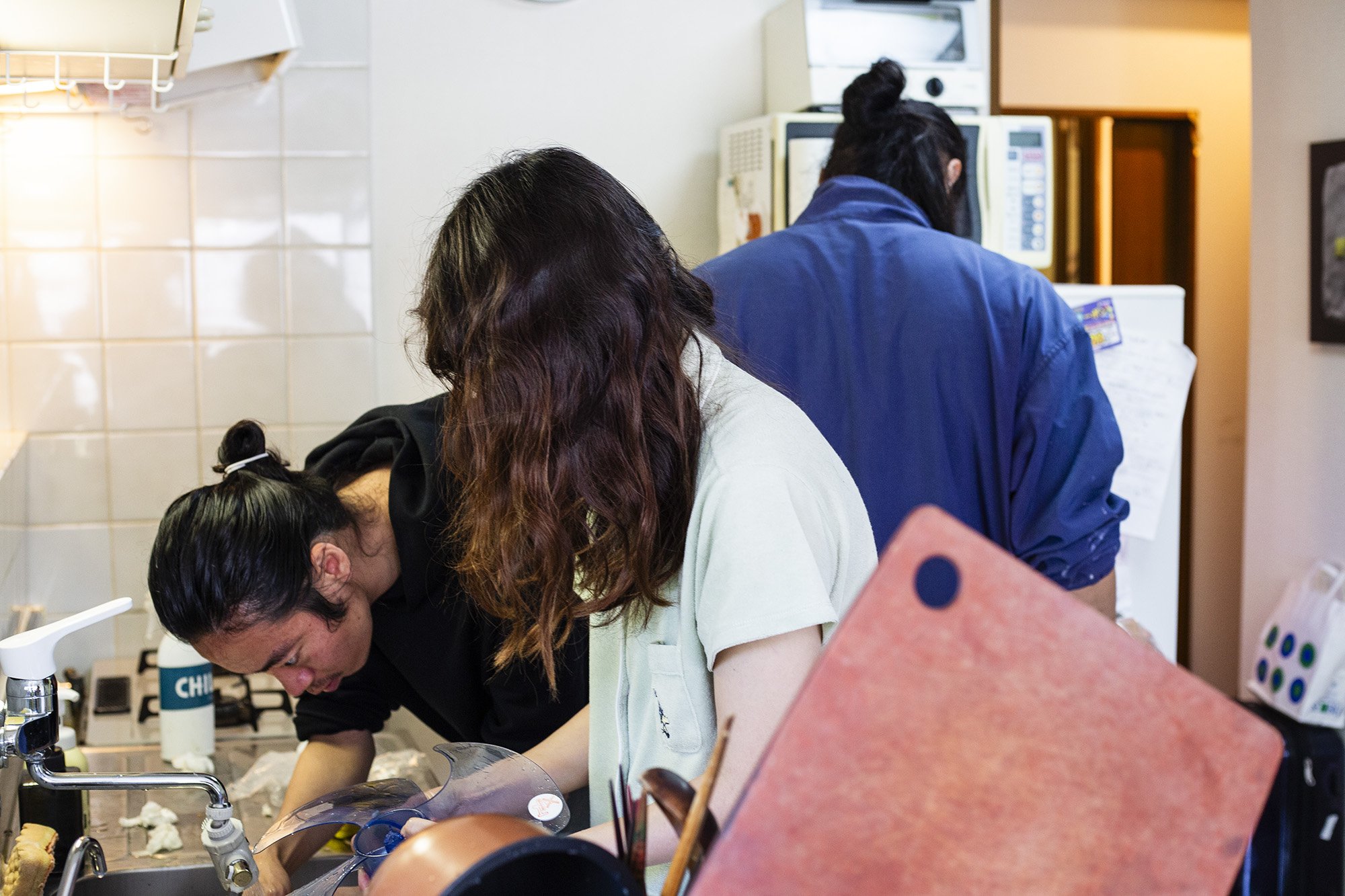
Everyday life: The book includes scenes like apartment hunting and dividing household chores. Why did you include these ordinary, practical moments alongside the more emotional ones?
For me, emotional moments and everyday practical moments are not separate things. I don't think they can be divided that way. That said, I did want to avoid creating emotional drama in this work. When a relationship is talked about and presented as art, there tends to be a pull toward showing its conflicts and difficulties as the main subject. That pull is even stronger when the relationship falls outside of what is considered normal. I included the apartment-hunting episode specifically because I wanted to show that Japanese society is structured around marriage and blood ties, and how that shapes everyday life.
Text and image: You wrote 25,000 characters of text to accompany 118 photographs. How do you decide what the writing needs to do that the pictures cannot?
I think you are asking about the relationship between photography and writing. They are quite different media. What I try to do through words is to put outward what has passed through my interior: my thoughts, my feelings. That is close to what we call expression. Photography, for me, is not a tool for externalizing what passes through my interior. What matters in photography is documentation, holding onto what exists outside of me. Photography is also one way I engage with reality. And at the same time, it is itself a kind of reality, a place where I can try things out.
Sequence: The photographs are arranged strictly in the order they were taken, with dates printed under each one. What did chronological order give you that thematic editing would not?
I thought it would make the documentary quality stronger. I also wanted to maintain a certain distance between the photographs and myself by organizing them that way.
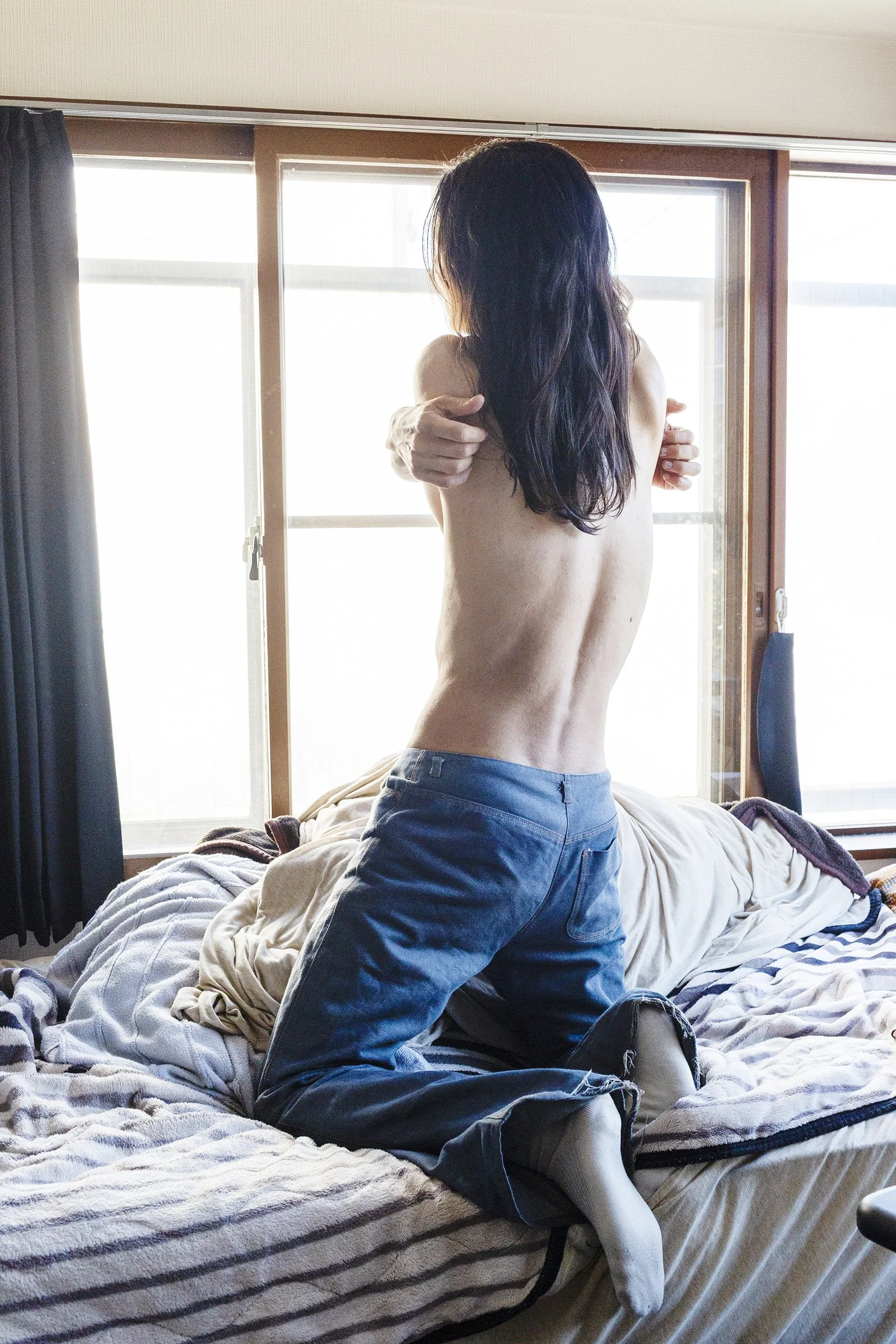
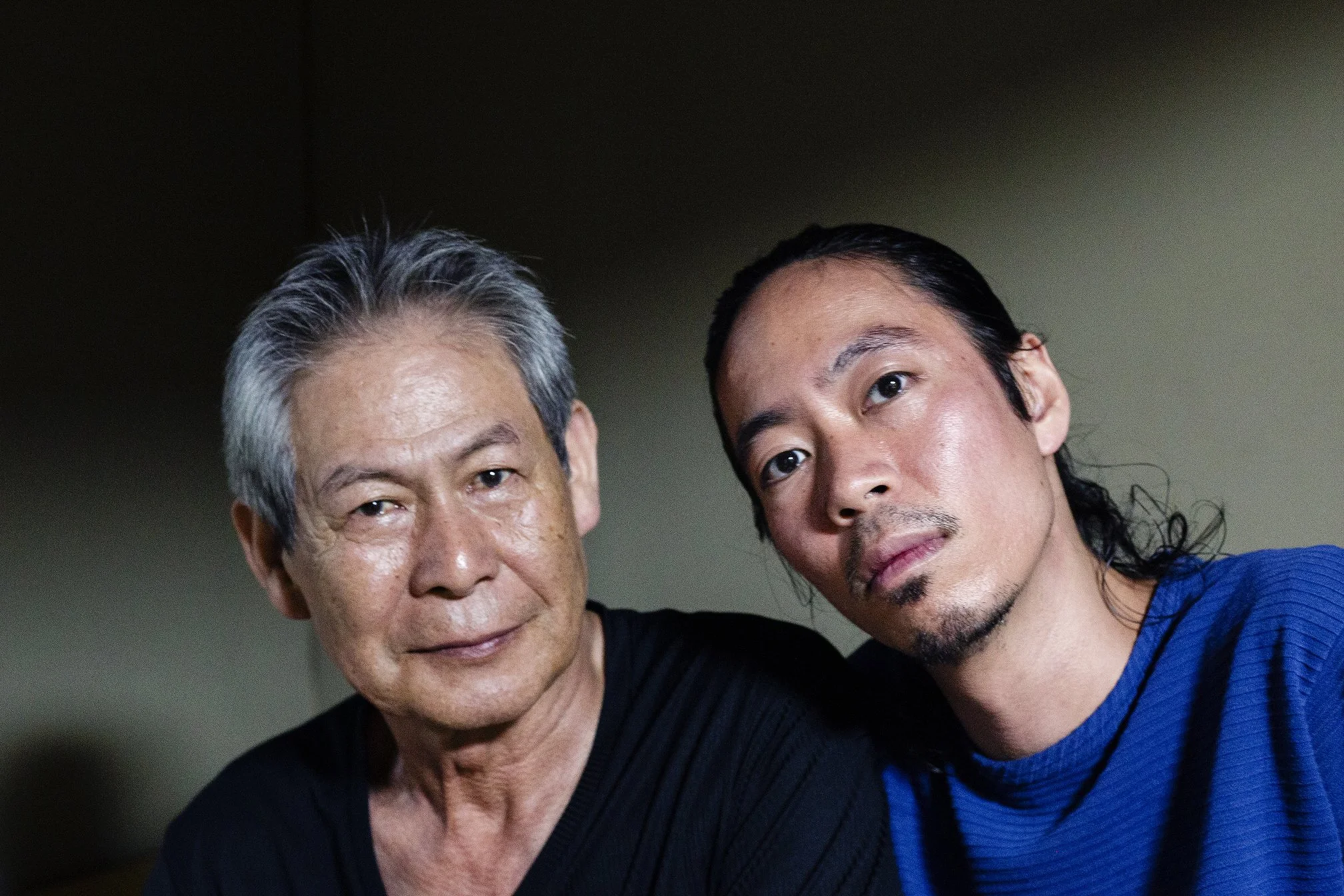
Change: The press release mentions that your own appearance changed during the project. Did you try to photograph yourself differently on purpose, or did it just happen?
The word intentional is very difficult here. I think my appearance changed in response to shifts in my environment, my situation, and my relationships with the people close to me. I chose to change how I looked, and I enjoyed doing it. It felt natural to me.
Family: You write that you resist the idea that family is the most important thing, yet you also feel comfortable calling your housemates family. How did photography help you think through that tension?
You need a name for a relationship when you need to explain it to someone else. In photography, you can set that question aside. The viewer may want to put a name to the relationships of the people in the photographs, but photography can keep its distance from that kind of labeling. I find that quality of photography compelling. Resisting the value that family is what matters most, and not feeling discomfort calling my housemates family, are not actually contradictory.
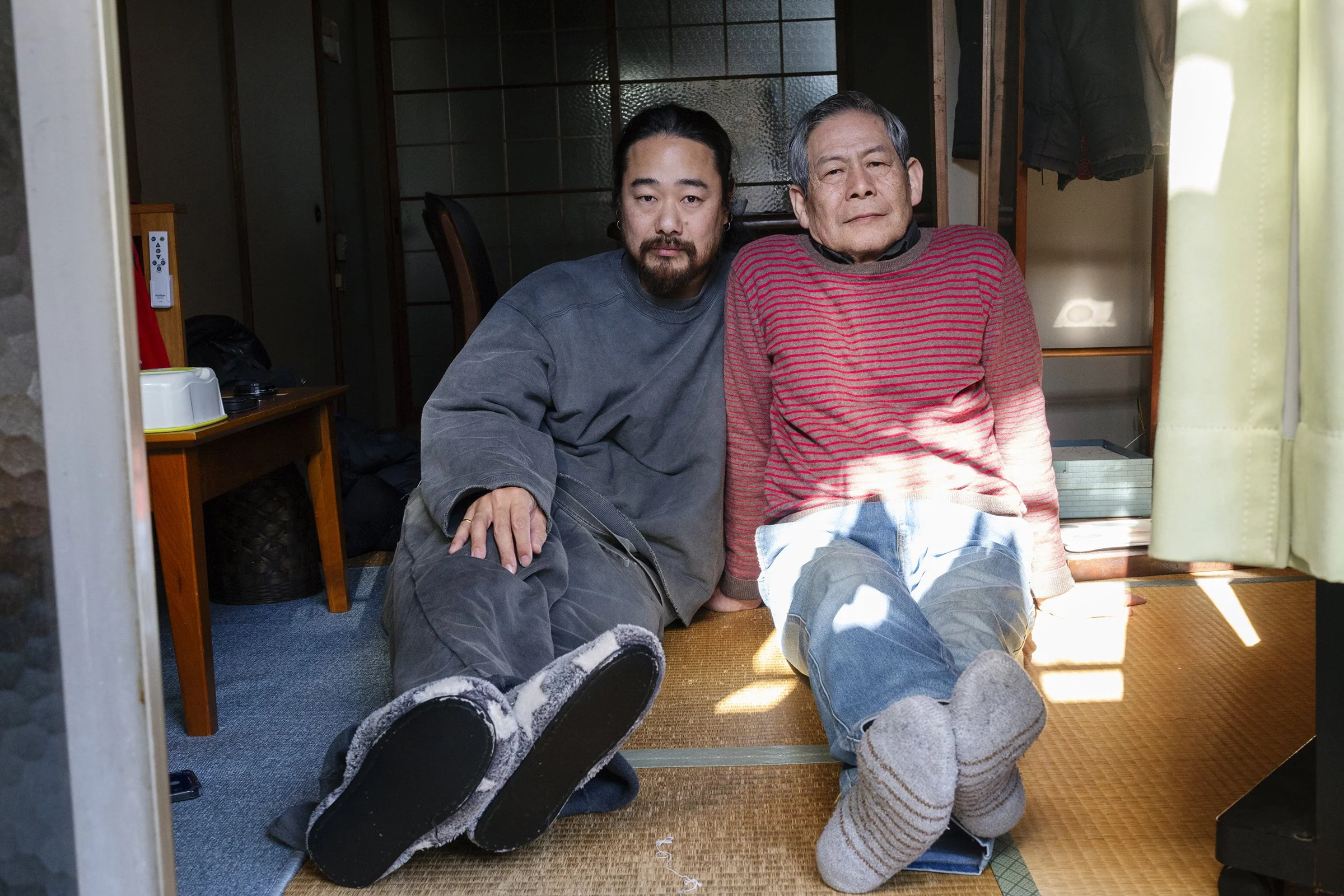
Loneliness: Your earlier work followed people who disappeared, including your father and your aunt. This book is about people who stayed. Do you see all three projects as asking the same question?
They are different things. I was not photographing my father and aunt out of loneliness. And it is not accurate to say my father and aunt disappeared while the people in this work stayed. That kind of binary does not exist. What matters to me is not treating the fact of always being together as unconditionally valuable. What is important is that we allow each other to change, both ourselves and the other person. In that sense, I think you could say all three projects are an extension of the same question.
Consent: Your housemates are neither conventional partners nor strangers. How do you think about consent and privacy when photographing them in ordinary moments?
All three of my housemates are artists, and they are positive about presenting their relationships as art. So during everyday photography I am not checking in every single time. I photograph the way you would take a commemorative photo with friends. But at the stage of presenting the work publicly, I go back to each of them, check in, and listen to how they feel about it.
More photography books?
We'd love to read your comments below, sharing your thoughts and insights on the artist's work. Looking forward to welcoming you back for our next [book spotlight]. See you then!
Color entered Janelle Lynch’s photographs through painting. In Another Way of Looking at Love, she photographed plants and trees on her property in the Catskills. Photography Book Spotlight