Welcome to this edition of [book spotlight]. Today, we uncover the layers of 'In Plain Sight,' by Jens Krauer (published by Kehrer Verlag). We'd love to read your comments below about these insights and ideas behind the artist's work.
Street photography begins when most people stop looking.
For Jens Krauer, the street is not only a place of movement, noise, and strangers passing each other. It is a place where small emotions appear for a second, where gestures become important, and where people reveal something without knowing it. His book In Plain Sight brings together ten years of walking through cities and paying attention to the quiet human stories hidden inside them.
Krauer’s photographs are not built on being invisible.
In this interview, he talks about how photography found him, how his background in graffiti shaped his need to build a body of work, and how he edited thousands of pictures down to 73 final images. He also explains why he tries to become part of a situation instead of hiding from it. What comes through is a very human approach to street photography, where attention, empathy, and dignity matter as much as timing and composition.
Krauer speaks about fear, patience, editing, and the small physical decisions that shape a candid photograph. For anyone interested in street photography, it shows how a picture can begin before the camera is raised, and how the strongest images often come from knowing when to stay, when to move, and when to leave the scene alone.
The Book
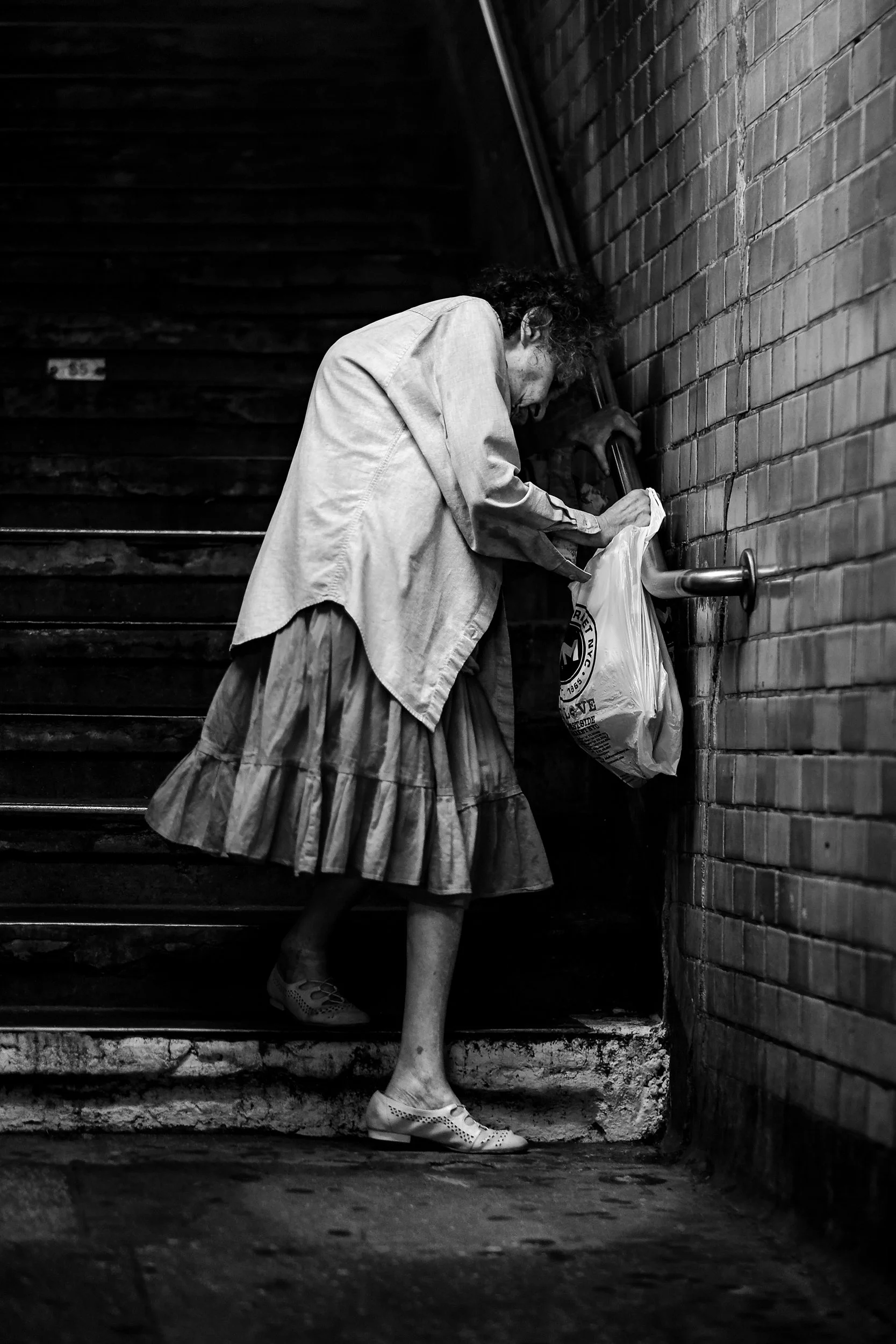
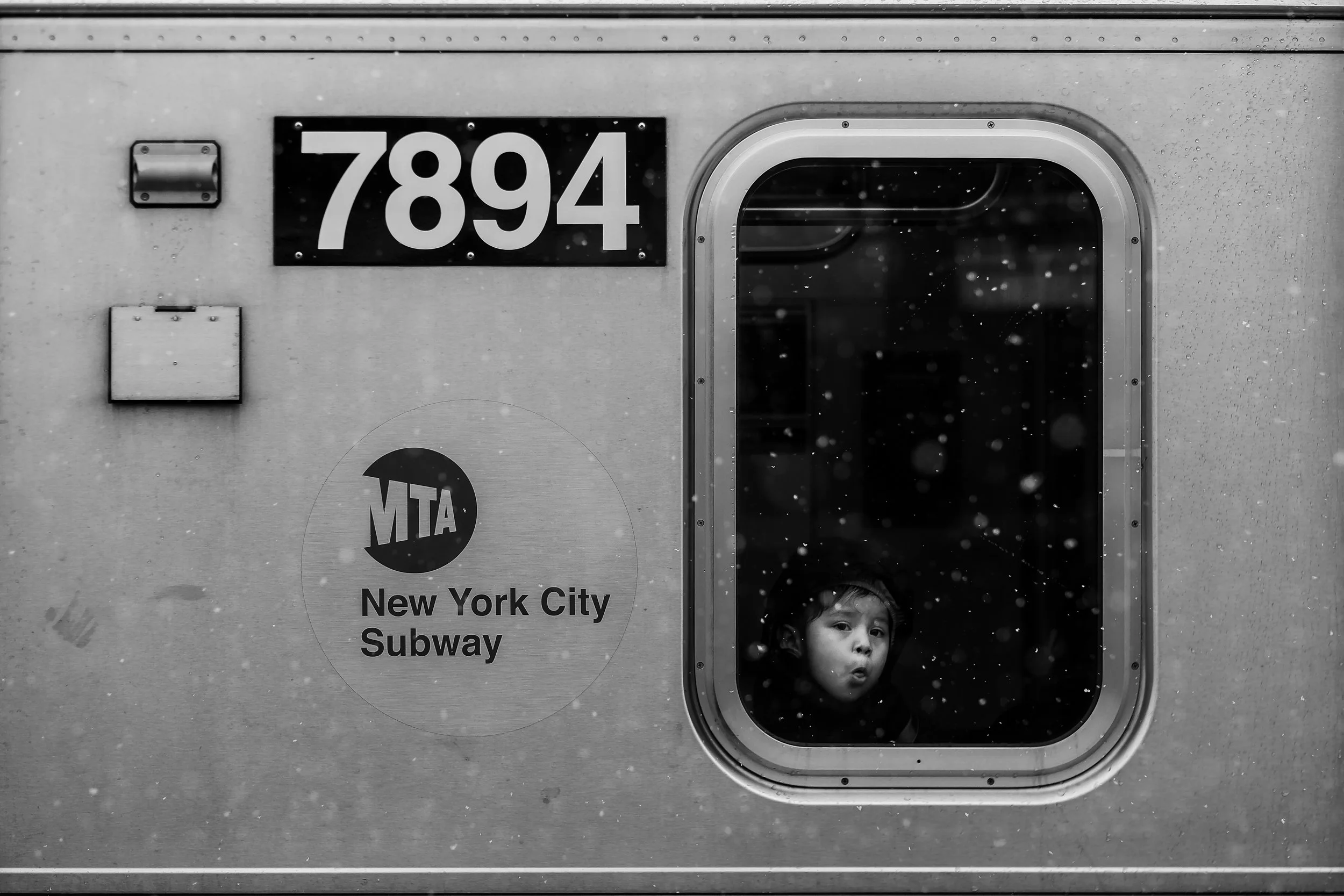
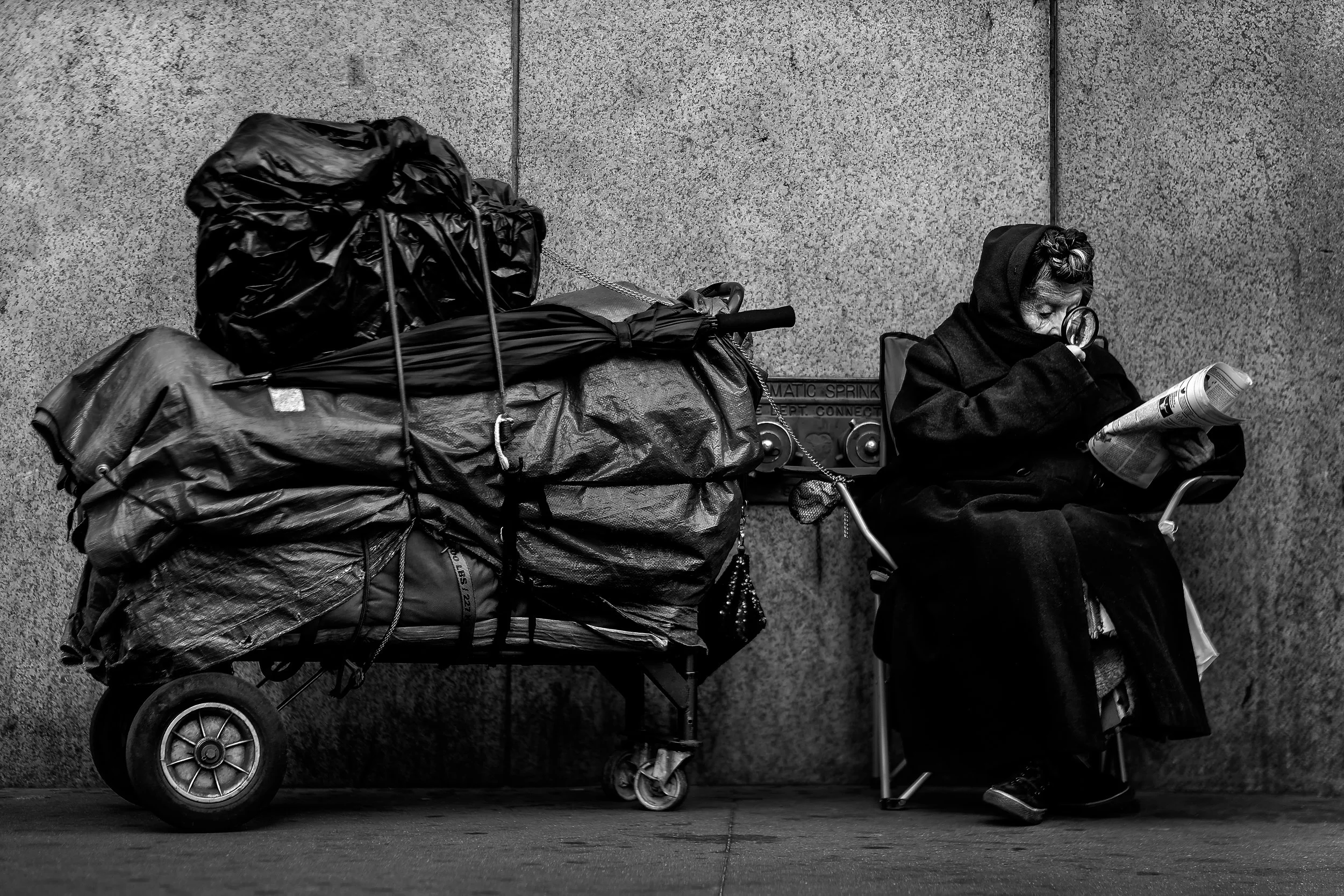
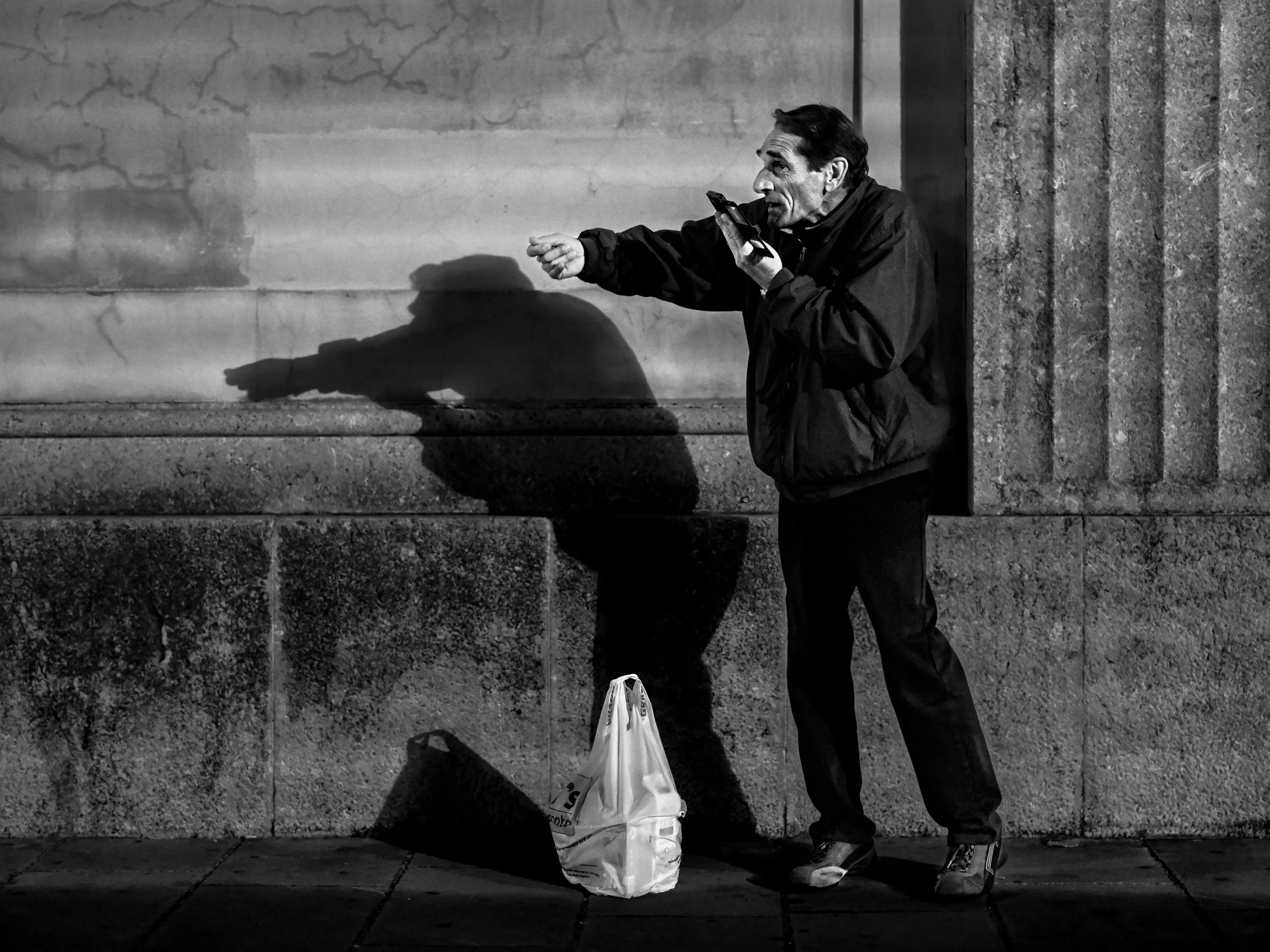
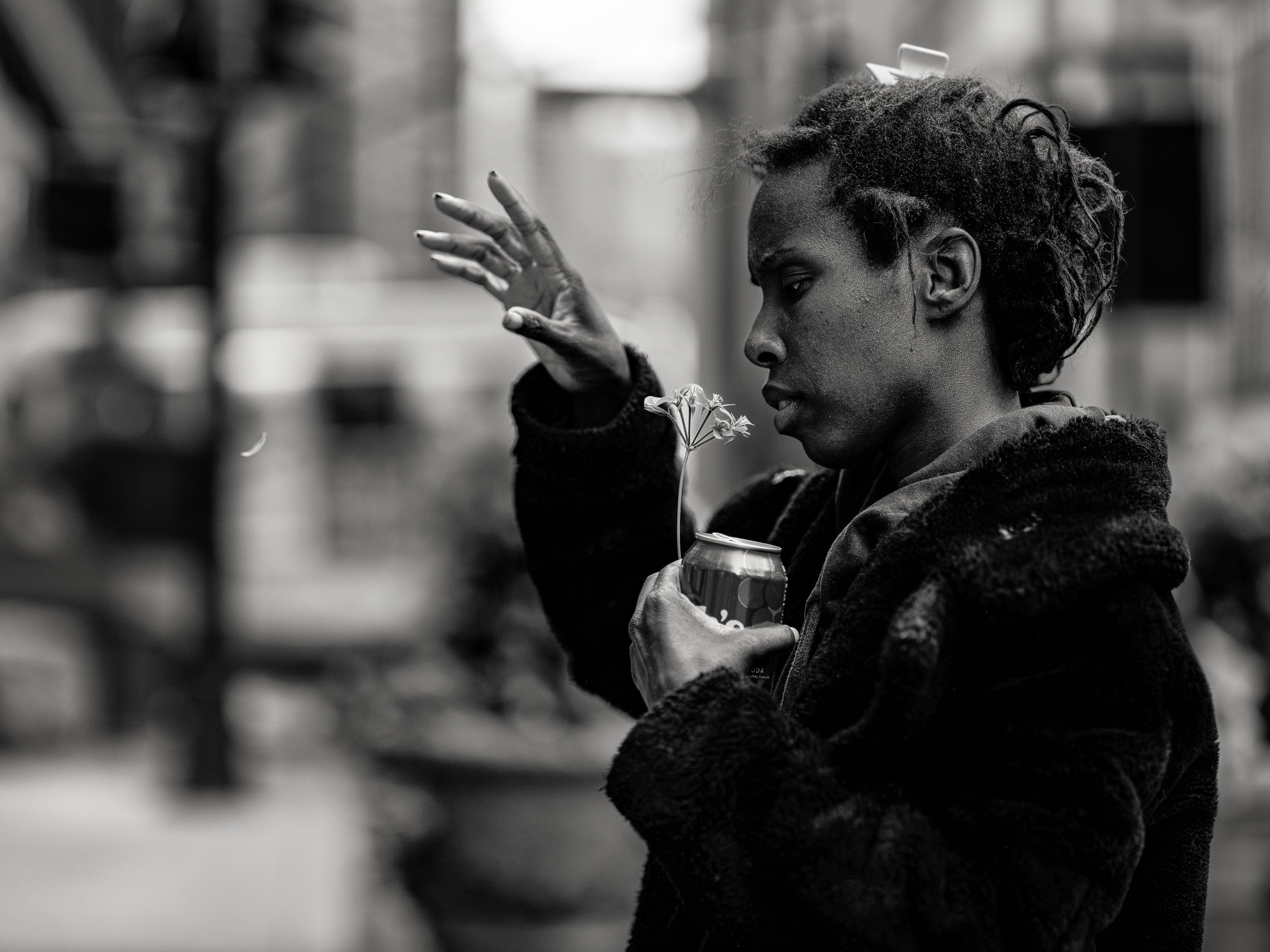
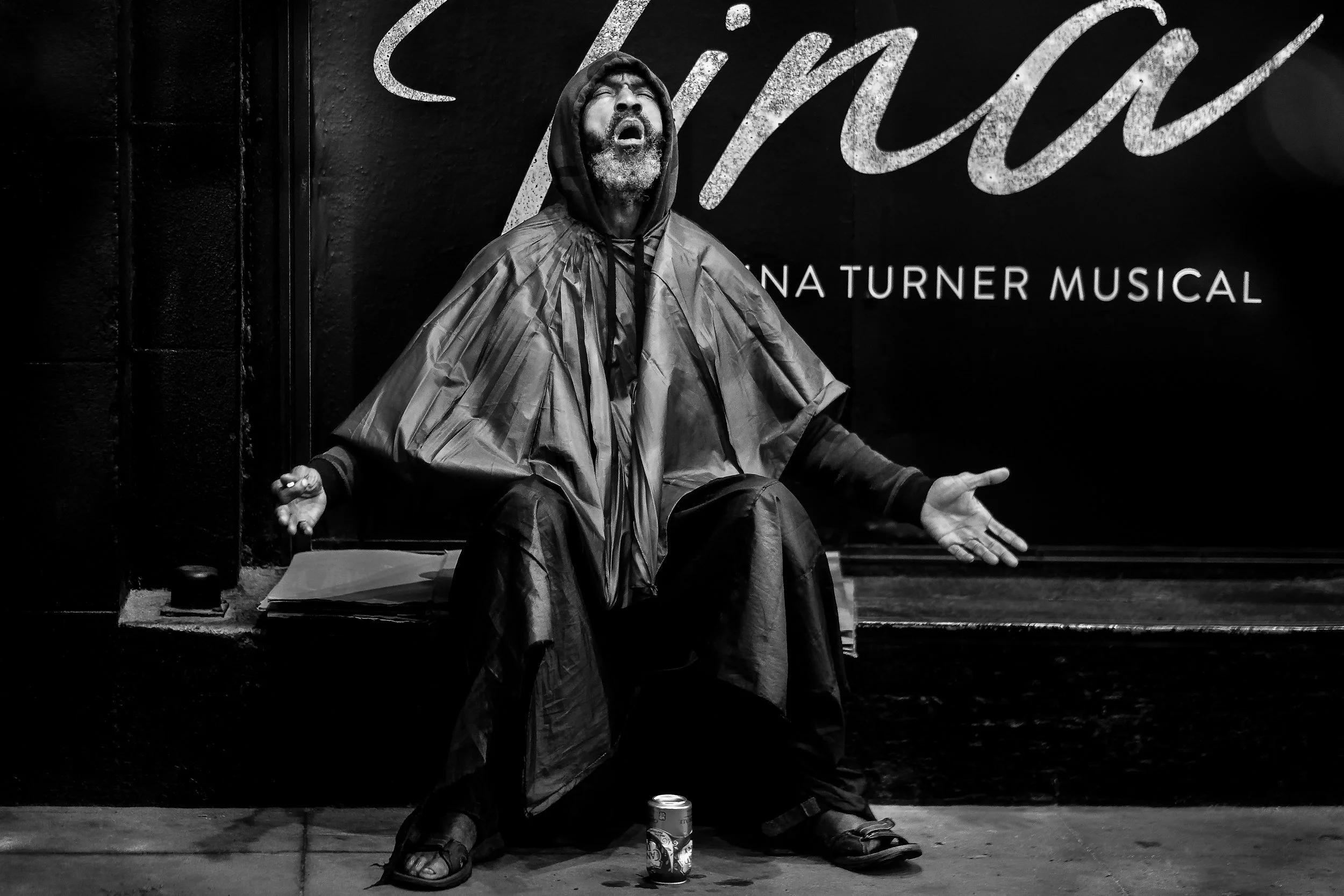
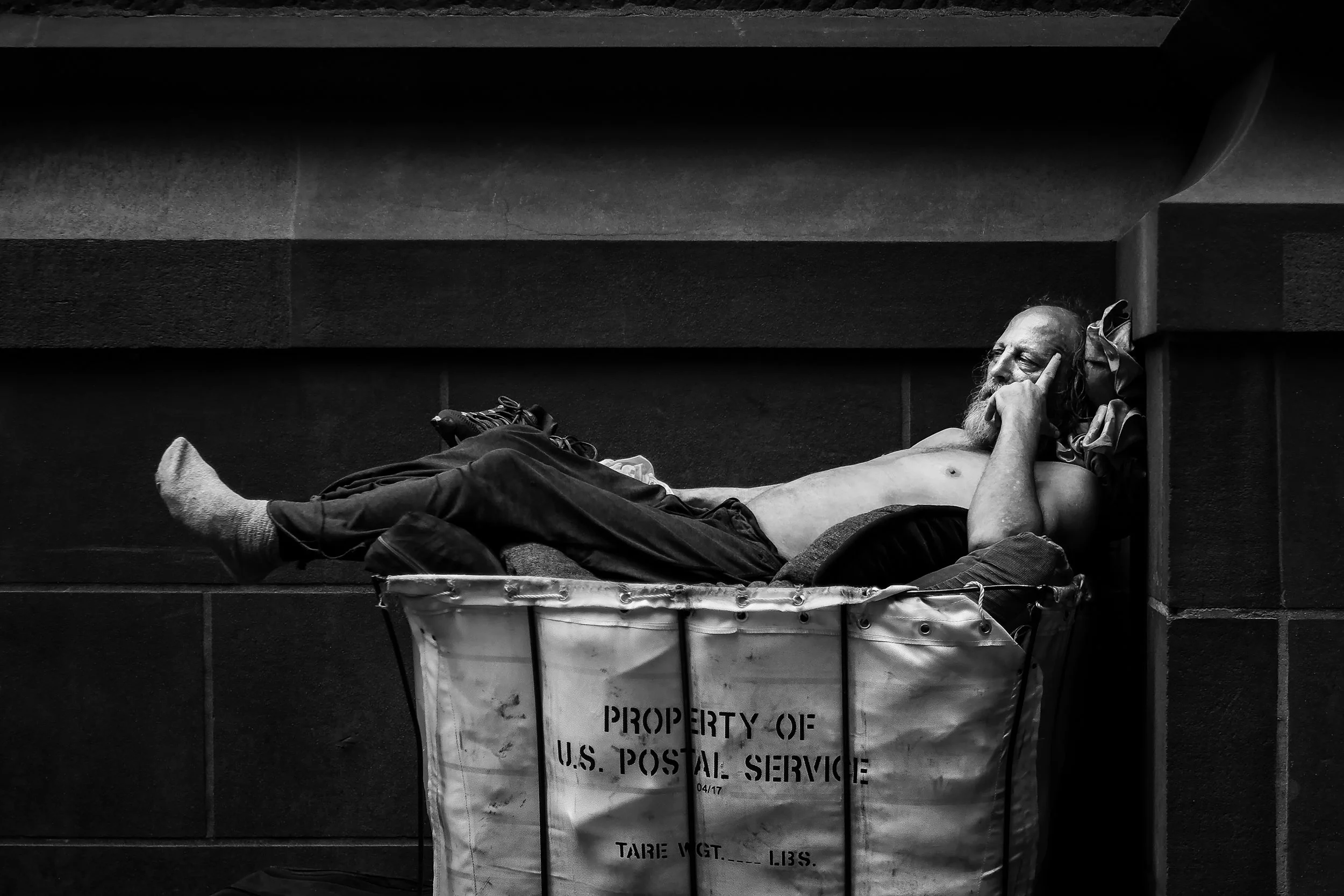
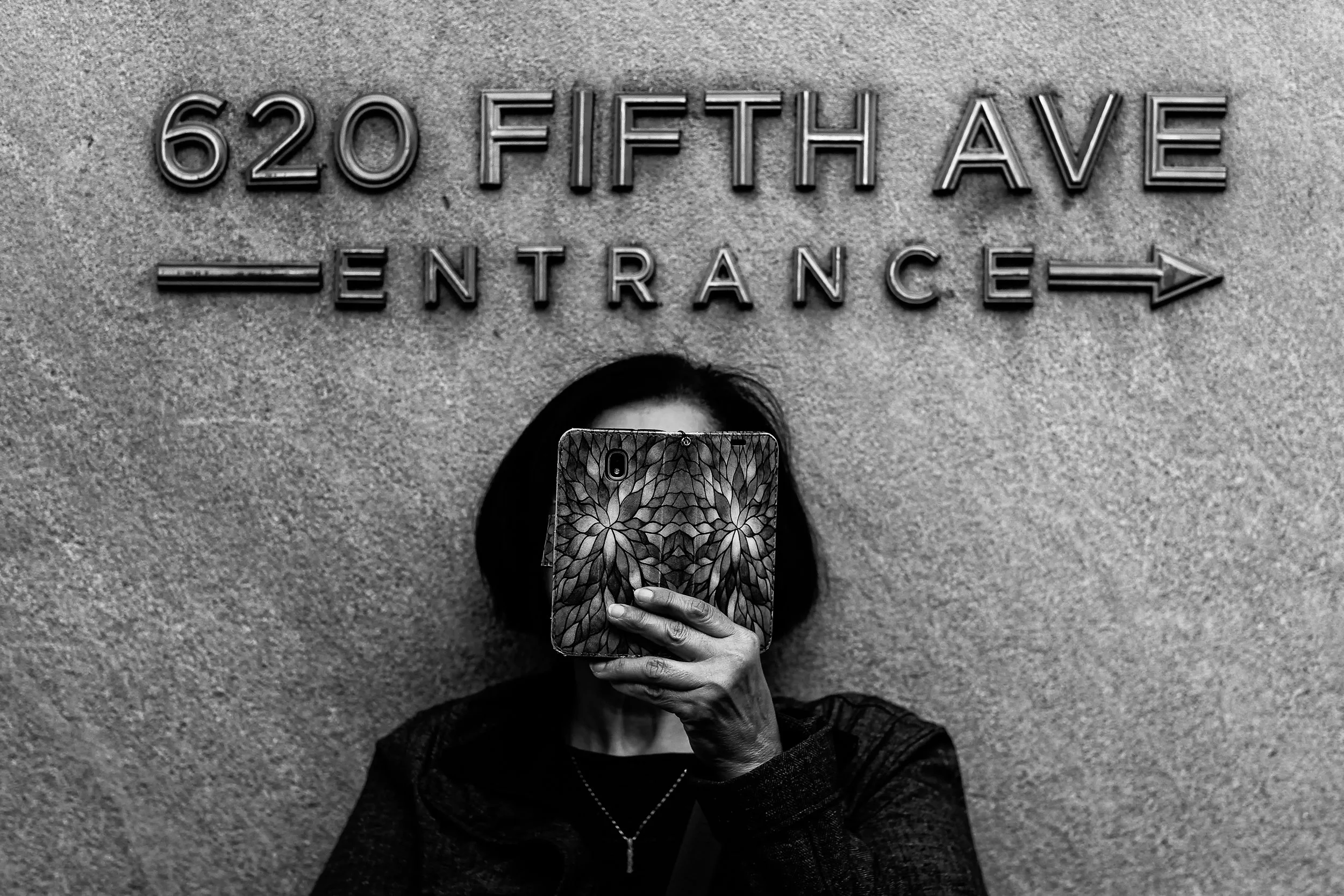
In Plain Sight by Jens Krauer, published by Kehrer Verlag, is a street photography book built from ten years of walking through cities and observing people in public space. Photographed in metropolises such as New York, Hong Kong, Tokyo, and Istanbul, the book brings together candid urban encounters that often happen quietly, almost behind the scenes. Across 73 duotone photographs, Krauer looks at small gestures, passing emotions, and the human stories that usually disappear inside the crowd. (Kehrer Verlag, Amazon)
Martin: Before photography became your main language, what kind of relationship did you have with the street?
Jens: The street and I go back a long way. I spent part of my youth on it, around the age of eighteen, and the rest of that time I was out there with spray cans in my backpack. Graffiti was my world. So I would say I have a certain street knowledge, a kind of familiarity with being out there that stays with you.
Were you already someone who liked to observe people in public spaces?
Not really, to be honest. I'm quite introverted by nature. I don't go out just to watch people. But once the camera came into the picture, it gave me a reason to do exactly that. It became my permission to look.
Do you remember a specific place, city, or street where this way of looking first began?
It started during a period when I was working in the corporate world, for a large sports federation. While my colleagues spent evenings at bars, I would walk through whatever city I happened to be in and take pictures. I was alone in hotel rooms, travelling constantly, and I needed something to do that was not about drinking. That's where it started.
You've said that photography found you rather than the other way around. What was happening in your life when it arrived?
That's exactly how it felt. Photography was never a plan. At the time I was wearing a tie every day and living the expat life in Ukraine. I started taking pictures the way most people do at first: tourist shots, casual snapshots. But when I showed them to people, some of them told me there was something there. That I should look into it more seriously. That feedback was the real beginning. I never bought my first camera thinking I would become a photographer.
Was there a specific moment when the camera started to feel important?
About a year in, after showing my work to others and hearing that it had real quality, something shifted. I started going out intentionally. Not just photographing when something happened to be in front of me, but actually going out to look. That was the moment I knew the camera was going to be my tool for the foreseeable future.
Did it feel like curiosity at first, or more like a need?
A bit of both. What I felt, really, was that I had found a creative mission. And when I find one of those, I commit to it completely. From that point, I knew I was going to keep going until I had a collection of images I was truly proud of. That still hasn't happened, by the way. So we're still going.
When you started photographing, what did the camera allow you to do that you could not do before?
There's a well-known idea that the camera is a kind of passport, and there's truth in that. But for me, what it really allowed was the building of something. Small scenes, small emotions, brief moments that felt charged with meaning. The act of collecting those into something larger was what made me genuinely happy, and honestly it's still what keeps me going.
Did it give you distance, courage, connection, or something else?
Connection, above all. After ten, fifteen years of watching people and trying to understand them, I feel I have gained a real understanding of how people treat each other, how we navigate daily life together, the social dynamics that play out in the streets every single day. That's what the camera gave me the most.
Did something become clearer through the camera?
People became clearer. The more time you spend observing them, the more you start to understand how we actually behave with each other. That's probably the deepest insight photography has given me. Not a technical one, just a human one.
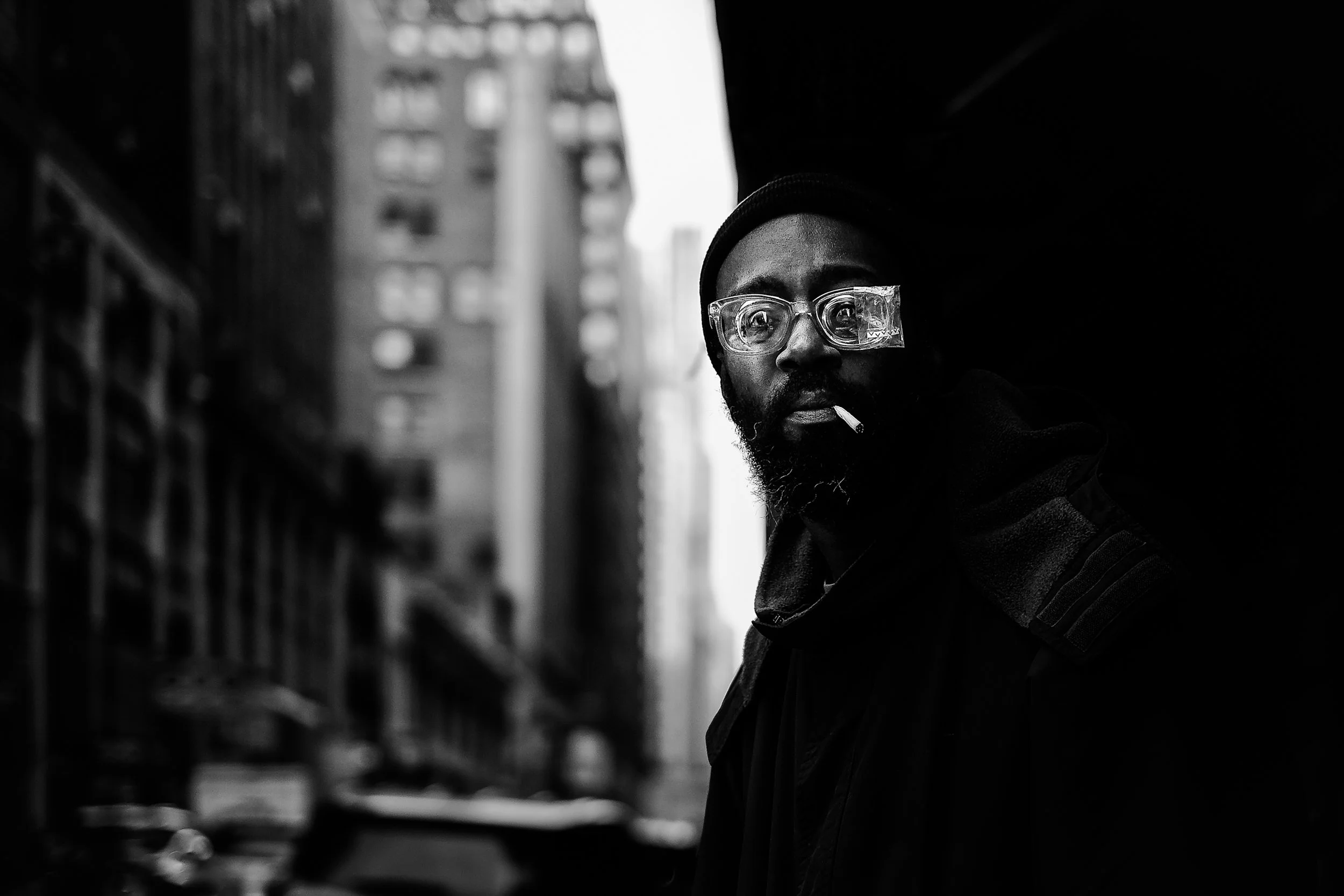
In Plain Sight came from ten years of walking through cities. When did you first feel that this was more than a collection of individual street photographs? When did it start feeling like a body of work?
That was the goal from the beginning, actually. I never wanted to just publish single images and feel satisfied with that. From early on, I was working towards accumulating a certain number of photographs in a consistent style. The framework I set for myself was simple: I kept a folder with a hundred pictures. One comes in, one goes out. Over the years, that naturally raised the standard. Then, roughly three or four years ago, I looked at the folder and felt that what was in it was something I could genuinely stand behind. That was the turning point.
Was there a specific image that made the project feel bigger?
No, I don't think so. There's a particular kind of trap with your best pictures, because they immediately push you to make the next one better. I actively avoid putting any single image on a pedestal. I just keep working and expanding the pool.
Where did that idea come from, keeping a rolling edit of a hundred images?
I think it comes from believing that creative work is never just one thing. It's never a single object. And that probably goes back to my graffiti days. You don't just do one piece and stop. You want the whole city to know you exist. That need to accumulate, to give the work a certain weight and presence, has always been part of how I think.
Staying with that folder for a moment: what does an image need to have to survive in it today?
Several things have to work at once. As Cartier-Bresson said, a picture first needs to be geometrically pleasing: there has to be quality in the composition, in how space is used and structured. Then there needs to be a strong subject, and that subject has to carry an emotion, a moment, or a gesture. Eye contact is something I'm drawn to as well. So there are four or five elements that all need to function together. And the stronger the emotion, the better the image. Getting any real emotion to come through is, in the end, the hardest part of all this.
What's interesting about that process is that it's essentially editing while you shoot. Most photographers do the whole project first and edit at the end. You were refining the work continuously. Did you end up using all hundred images, or did you go back into older work to pull things out?
I should clarify the process a little. When I'm shooting, I don't review images at all. No chimping. I'll shoot for two or three months, then wait another month before editing, and when I do edit, I'm not looking for the good ones. I'm getting rid of the bad ones. For the book we started with a hundred and twenty images and ended up using seventy-three. So even at that final stage, we cut further. And one of my biggest fears, honestly, is that somewhere in those tens of thousands of frames there are great pictures I've simply forgotten about. Maybe I'll find them in ten or twenty years. You never know.
Did something change once you realised the work might become a book?
Honestly, not during the making of it. What changed was after. Once a book exists, you start working more consciously towards the next one. With the first, I was never fully sure it would actually happen. A proper book with a proper publisher is still a privilege. But now that it's done, the work is about what comes next.
Your photographs often focus on people who might disappear into the crowd for everyone else. What makes you stop and pay attention to a particular person, gesture, or situation?
Mostly empathy. From my own personal history, I identify with underdogs, with people who get lost in the flow of city life. I feel a strong pull towards those who are struggling or forgotten. I'm also genuinely interested in social dynamics: the tension between people who have everything and those who have nothing, and all the space in between. When I see those dynamics playing out in front of me, I feel it.
How do you photograph people in difficult situations without turning them into symbols or victims?
It comes down to your code of ethics and how you approach the edit. And by edit I don't mean post-processing. I mean sitting with your pictures and asking honestly: am I doing this person justice? Am I exploiting a moment, or am I honouring it? That means being willing to remove pictures that cross a line, even if they're technically strong or might perform well online. Valuing the dignity of the people you photograph over potential recognition is, I think, where street photographers have to take their responsibility seriously. The edit is where that responsibility is executed.
So it's not about body language, light, faces, or movement specifically?
It's all of those things, but it depends what triggers me first. The human always comes first. And then, ideally, the light is right, the geometry is right, the situation is working. It always needs to be a combination. No single element is enough on its own.
Has it ever happened that you walked past a picture, kept going, then turned back?
All the time. You see something from the corner of your eye, you keep walking, and then a few metres later your brain catches up and tells you what you just passed. Then you turn around and try to get it. And a lot of times you miss it anyway. I don't even want to think about how many extraordinary pictures I've walked past without realising it.
How do you know when an ordinary moment has photographic energy?
Sometimes you can feel it from a distance. And sometimes the most unremarkable things become remarkable. A lot of it is about reading potential: what might happen next. You shoot a thousand ordinary moments and then on the thousand and first, something unexpected unfolds. So you approach every situation as if it could be the best picture of your life, because occasionally it is.
You've said that you don't hide and you're rarely invisible, but you try to become integrated. What does that actually look like on the street?
It starts with pre-visualisation. You see a situation from a distance, you understand what the picture could be, you know the frame, the light, where you need to position yourself. Then it becomes a question of how to get there without disrupting what you're seeing. That depends entirely on the context. At a train station, you look like someone waiting for a train. In a cafe, you order a coffee and become part of the scene. The principle is always the same: anyone watching from the outside needs to understand why you're standing where you're standing. The moment you just lift the camera and aim, people disappear. I had a workshop participant recently who was a former police officer, and after going through the theory, he told me it was exactly what they teach in undercover training. It really is applied psychology.
What do you do with your body, your eyes, your movements so that people don't feel threatened?
You apply certain habits that go directly against your first instinct. You don't make eye contact. You don't orient your body in a way that signals interest. There are small physical cues, the way you stand, how you hold the camera, where you look, how you move, that people read almost unconsciously. You learn to avoid all of them, systematically.
Can you be a little more specific? Say I'm walking and I see a subject I want to photograph. Do I just walk straight up to them and raise the camera?
No. You see it first, ideally from a distance, which gives you time. Street photography is always a game against time. You pre-visualise the image, you know where you need to be, and then you find a way to get there that makes sense in context. Are you at a market? You browse. Are you in a corridor or doorway? You pause as if reading something. The point is that from the outside, someone needs to see a reason for you to be there. The moment you appear purposeless while holding a camera, it's over. Working with fixed lenses forces you to move your body to the picture, which actually helps because it makes your movement look natural and directed. It's all physical thinking.
What do you do when you realise you've been spotted?
Usually I leave, or I simply stop shooting. Everything I do is about candid photography. The moment someone starts posing, or turns away and signals clearly that they're uncomfortable, the picture no longer exists anyway. And I'm not interested in pushing people or following them or putting them in any uncomfortable situation. If the candid moment is gone, I move on.
Going back to what you said about not hiding but becoming integrated: do you think street photography is less about being invisible and more about belonging to a situation for a few seconds?
I think it depends on the photographer. I don't believe my approach is the only valid one. I know photographers who shoot on the run, quick snapshots, and they get extraordinary results. Everyone finds their own system. For me, it's about presence and integration. For others it might be something completely different. What matters is that you find what works for you and commit to it.
And when you teach workshops, what do photographers most often misunderstand when they try too hard to be invisible?
What they misunderstand is that you need to find a kind of stillness within yourself in those moments. There's nothing to force. When a good image is available, you take it, but without tension, without aggression, without fear. The ideal state is a balanced one. The mistake people make is going too far in either direction: too much intensity or too little presence. What actually works is being genuinely relaxed. Almost Zen. The moment you start straining for the picture, you lose it.
You often talk about staying open to what the street gives you. But openness can easily become randomness. How do you stay open without photographing everything?
Because I'm extremely critical of my own work. Once you've made a hundred thousand frames on the street, you start recognising repetition. You walk past a bus stop, there's an interesting person, the light is decent, and you immediately know: I would have shot that ten years ago, but I have better versions of that picture already. The more you shoot, the more you filter. That said, on a bad day you sometimes take the mediocre shot anyway because you need to do something. It's an internal conflict most of the time. But one thing stays consistent: when you see a really good picture, you know immediately.
Do you ever wait for a situation to develop, or do you mostly react?
I'm too impatient to wait in the classic sense. I can't stand somewhere for twenty minutes waiting for someone to walk into the right spot in a frame. But if something is developing and the elements are falling into place, I'll dedicate ten or fifteen minutes to it and see what happens. That's different from waiting. That's choosing to stay with something that has real potential.
The book is now sold out, but the work has continued through exhibitions and new projects. How has your understanding of In Plain Sight changed since it left your hands?
It's been remarkable, honestly. There's a real comfort in knowing that your work is out in the world doing something without you having to manage it. Social media demands constant output, constant presence, constant effort to stay visible. The book just goes its own way. I have no control over it, and that's exactly the point. That quiet independence is something I didn't fully anticipate and genuinely value.
Did seeing the work on gallery walls change how you understood it?
Yes, but not because of anything I did. I don't hang my own photographs at home. I'm not particularly interested in looking at my own work that way. But over the last year we did several large exhibitions, and what I love about that process is working with good curators. When you hand your work over to someone who really knows what they're doing, they do things with it that genuinely surprise you. There were two exhibitions last year where the curators made choices that I would never have made, and when I walked into those rooms I thought, okay, that's actually good. It's rare that I say that about my own photography, but in collaboration with other skills and perspectives, the work can reach a level it couldn't reach on its own.
Does the book feel like an ending now, or more like one chapter in a longer practice?
A chapter, without question. There is more to work towards. And I'm genuinely glad to have moved beyond photography being purely an Instagram exercise. That's not a criticism of Instagram, but having multiple ways to show your work, books, exhibitions, other formats, is just more sustaining. It means the work can exist somewhere other than inside a feed that disappears in twenty-four hours.
Has the audience noticed things in the work that surprised you?
Always, and that's one of the most satisfying parts. I'm inside the work, I know why I made every image, and then someone comes along and reads something completely different into it. Something I never intended. They feel something I wouldn't feel looking at the same picture. That kind of response, whether it's happiness or sadness or discomfort, tells you that something real was transported. As a photographer, that's about as good as it gets.
When you edited ten years of photographs down to seventy-three images, was there anything painful to cut? Why did it not belong?
Nothing, honestly. I don't cling to pictures. I have nothing to defend. Cutting from a hundred and twenty to seventy-three felt right, and it meant we had more images left over for future use. I learned very early that showing less raises the quality of everything you do show. It's something I say in workshops regularly: don't add a picture to your portfolio if you're not sure about it. You will always be judged by your weakest image, not your strongest. Once you really internalise that, you stop wanting to add things and you start asking what else you can remove.
You also teach workshops. Is there something that people consistently struggle with before they come to you?
It tends to be the same things. Fear is the biggest one, and it takes different forms: conflict avoidance, shyness, introversion, worry about disturbing or upsetting strangers. That connects directly to the second challenge, which is self-development. To be good at street photography, you need to know why you're doing it. You need a reason strong enough to push you past the discomfort. A lot of people arrive at workshops without that clarity. They haven't asked themselves the fundamental question. And then the third thing is simply technical: most people don't know their cameras well enough.
What do you do to practice overcoming that shyness? Is it just forcing yourself into situations, or is there something more to it?
There is some forcing involved, yes. That's true of any habit that feels uncomfortable at first. But the more powerful tool is having a clear answer to the question of why. Why am I doing this? What am I trying to say? Where am I trying to go? Once you have a real answer to that, the motivation starts pushing you from behind rather than you having to chase it. That shift in direction, from pulling yourself forward to being pushed from behind, is one of the biggest changes you can make to your photography.
Martin: Thank you very much for your time and answers.
Jens: My pleasure.
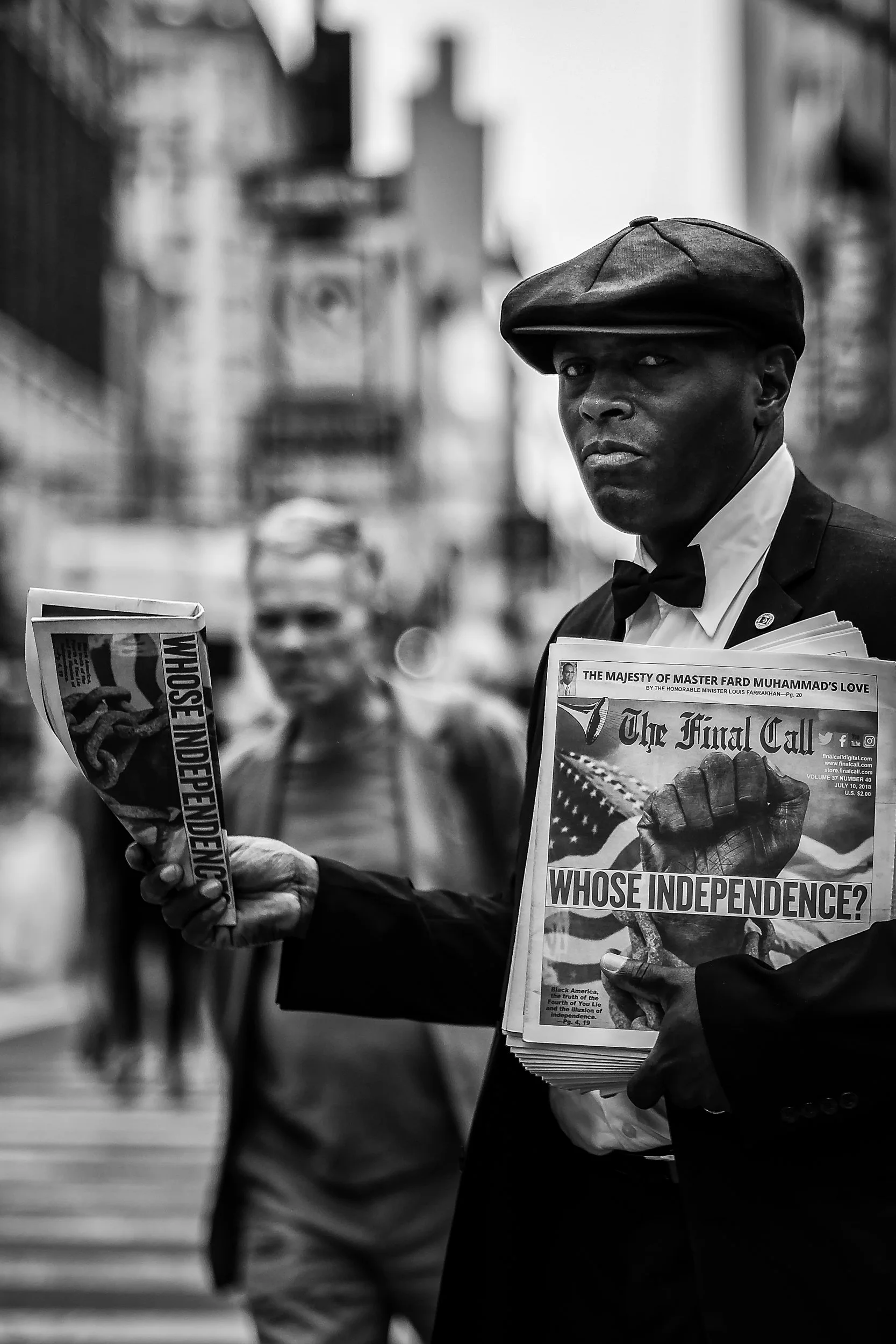
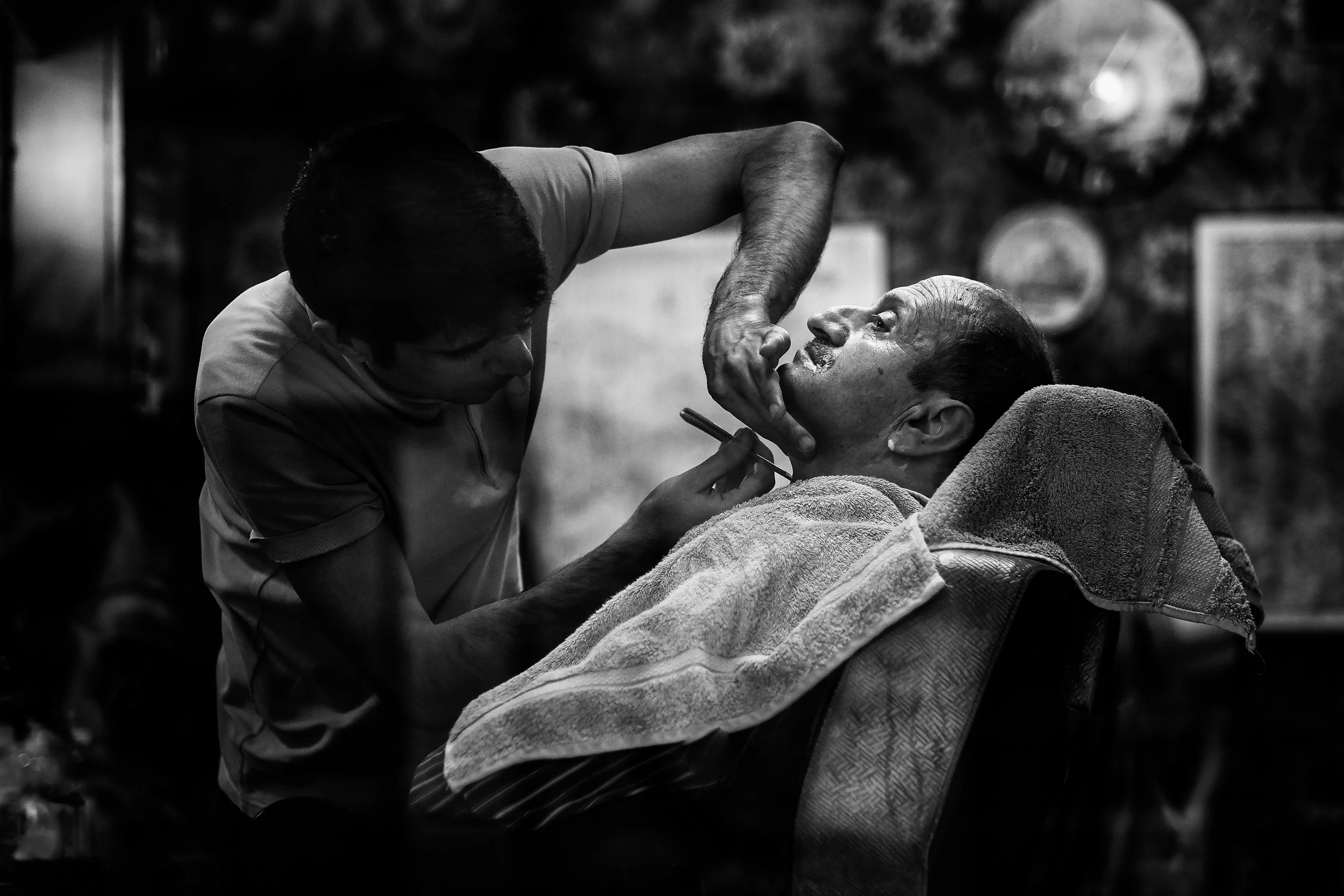
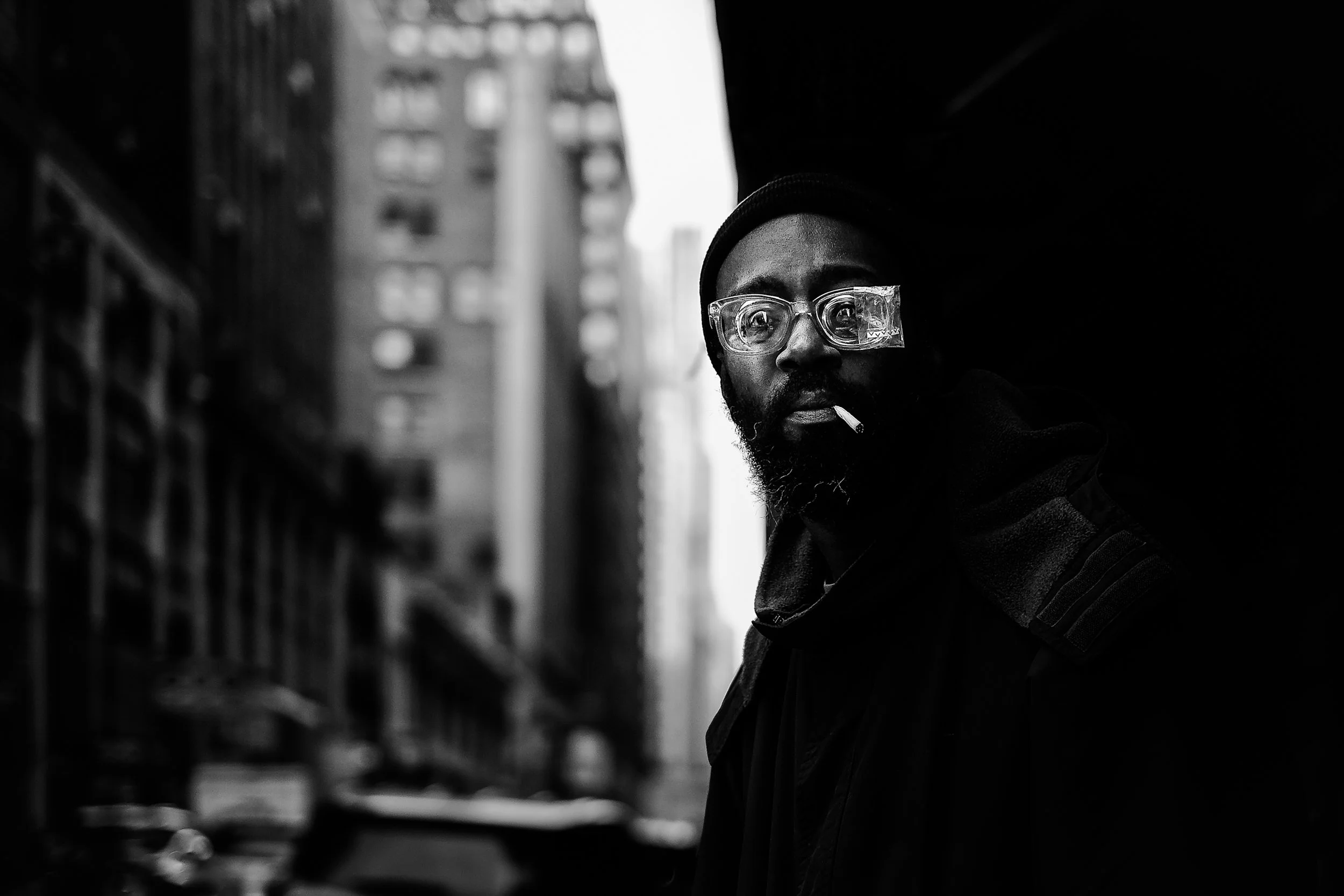
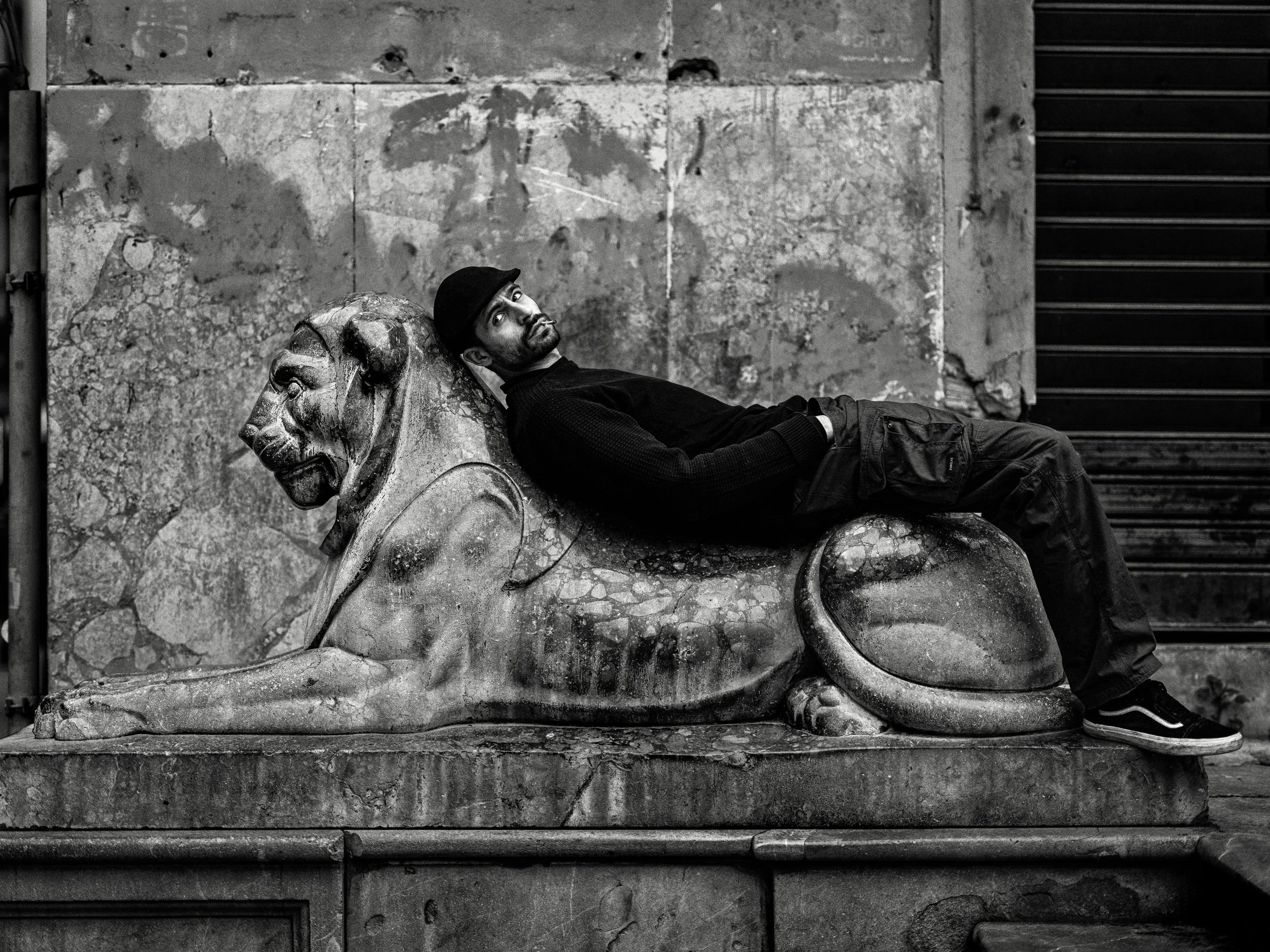
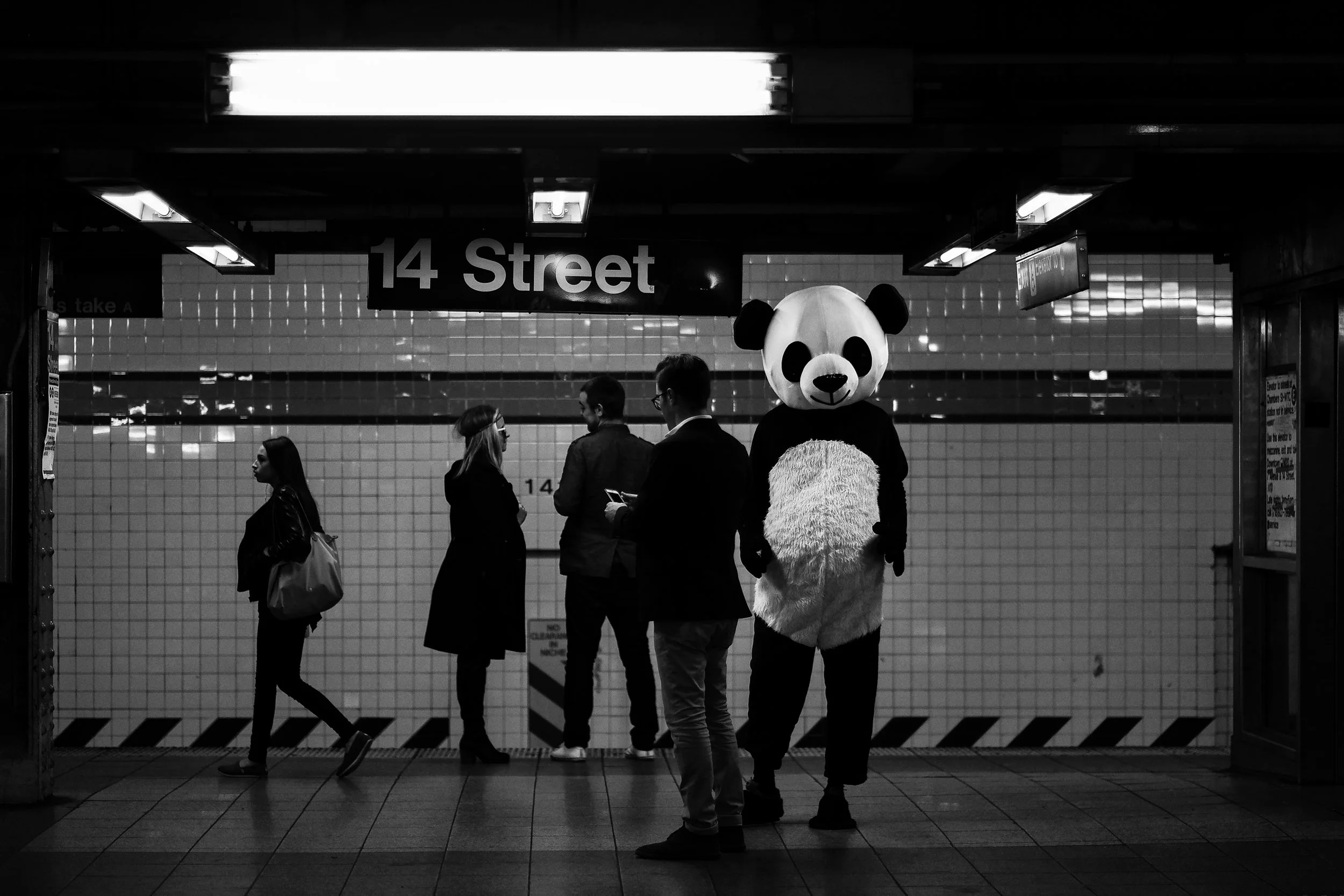
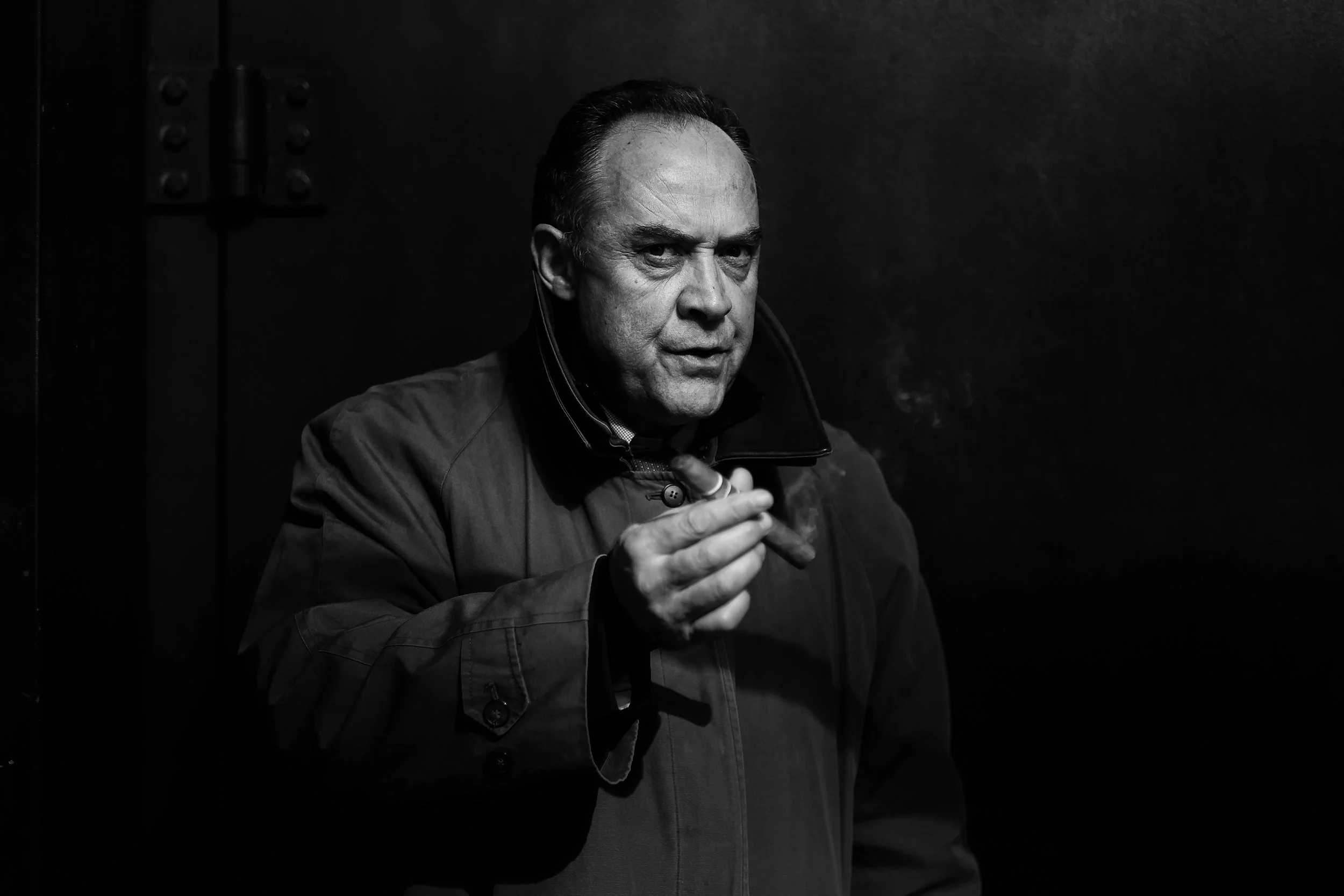
To discover more about this intriguing body of work and how you can acquire your own copy, you can find and purchase the book here. (Kehrer Verlag, Amazon)
More photography books?
We'd love to read your comments below, sharing your thoughts and insights on the artist's work. Looking forward to welcoming you back for our next [book spotlight]. See you then!
Catherine DeLattre’s photographs begin with something worth stopping for. Driving through Wayne County, Pennsylvania, she notices isolated houses, trees, and open fields. Photography Book Spotlight