Welcome to this edition of [book spotlight]. Today, we uncover the layers of 'And They Laughed at Me,' by Newsha Tavakolian (published by Kehrer Verlag). We'd love to read your comments below about these insights and ideas behind the artist's work.
Newsha Tavakolian returned to the images she rejected.
Not the perfect images, not the famous images, but the failed ones she had left behind. After the death of her father, she went back to old negatives, broken prints, and photographs that once felt wrong to her. In those images, she found something closer to grief, anger, memory, and the political disappointment of her generation.
And They Laughed at Me is not only about an archive.
It is about what happens when a photographer looks again at her own past and no longer sees it in the same way. Tavakolian connects photographs made when she was a teenage photojournalist in Tehran with later work made almost 20 years after. The result is a book about Iran, lost hope, personal failure, and the choice to keep moving toward light.
Tavakolian speaks about why she searched for her “eyesore” photographs, how grief changed her relationship to the archive, and why one famous image of hope became painful for her to look at. It is a reminder that old work is not always finished, and that sometimes the images we avoid are the ones that still have something to say.
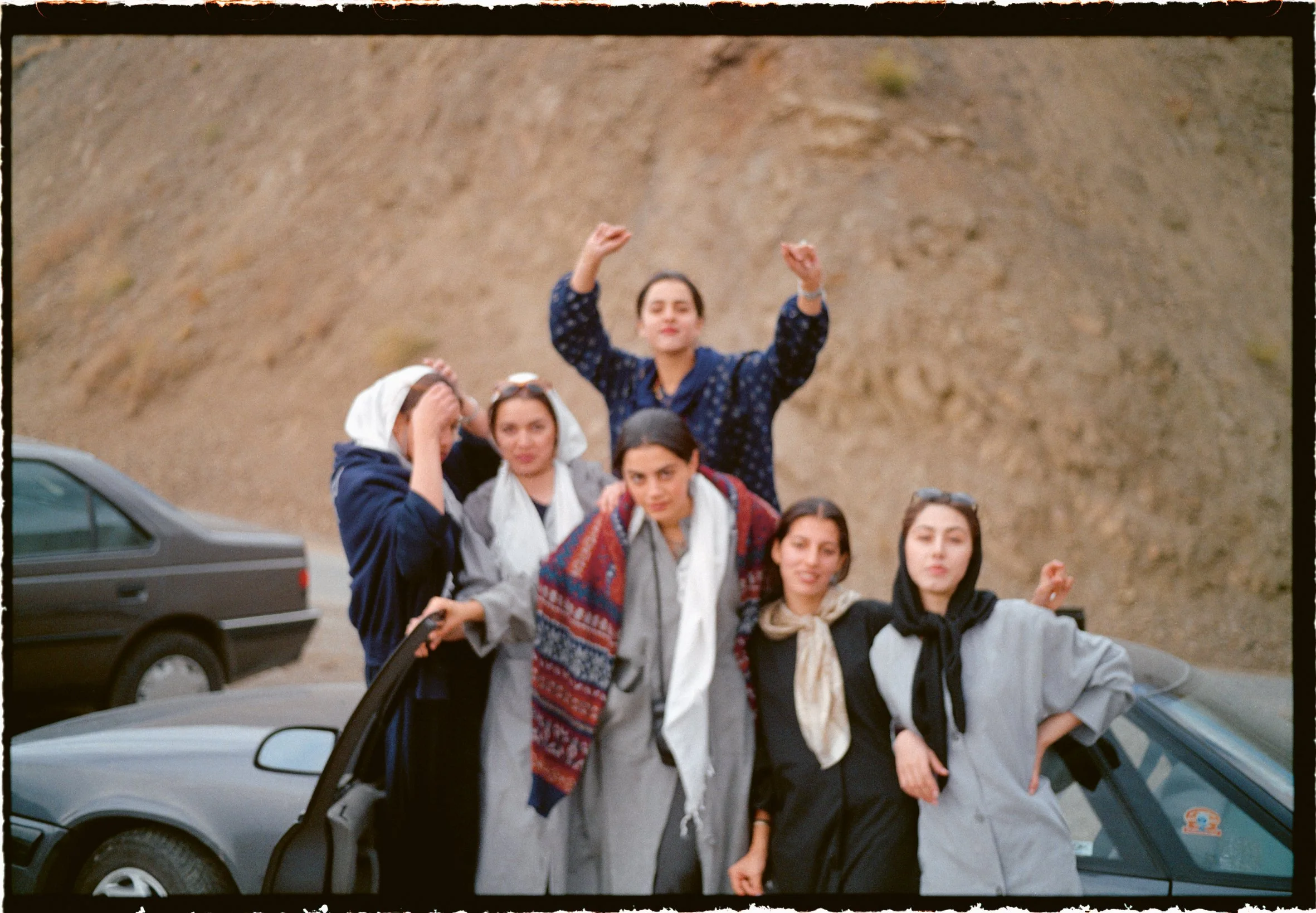
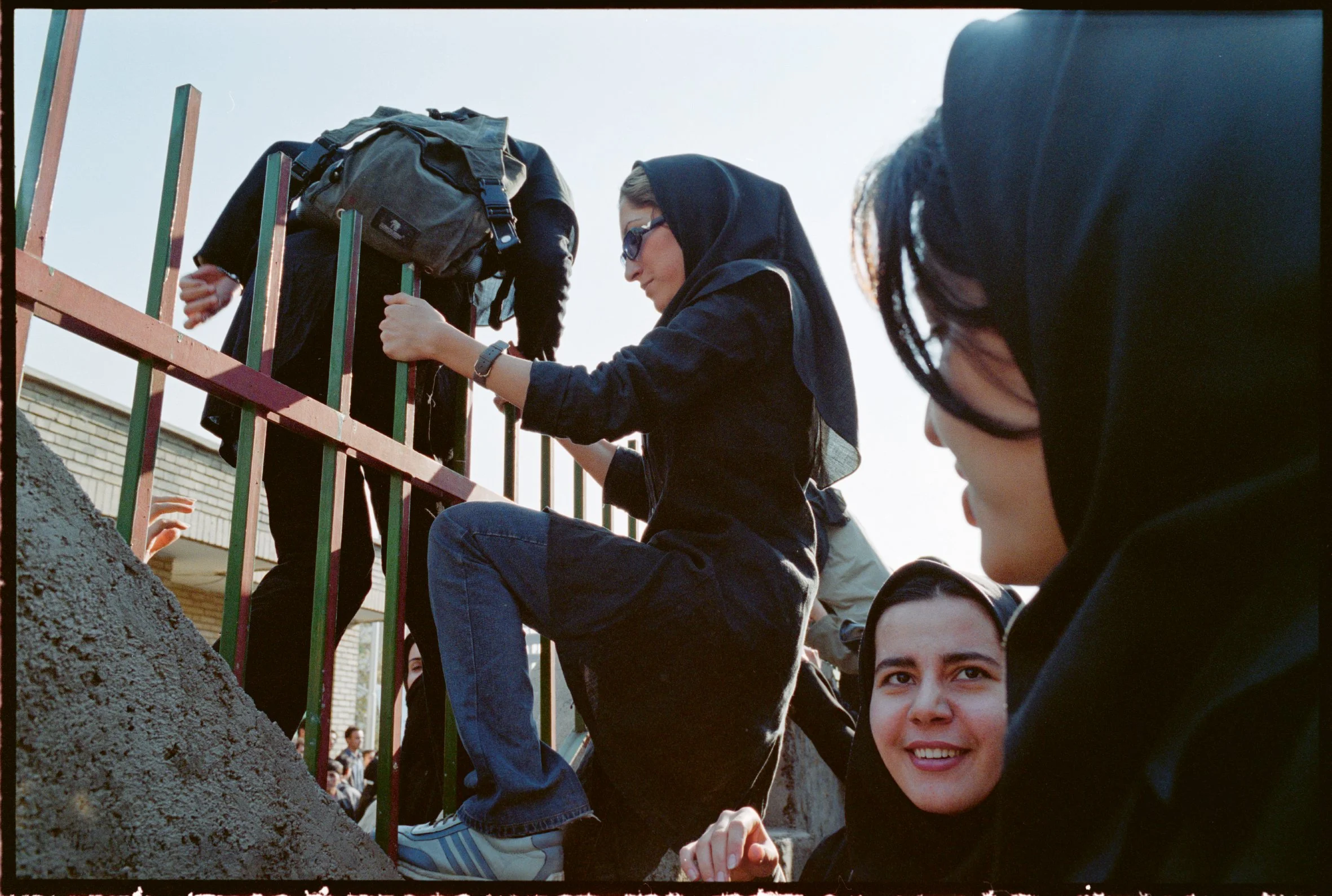
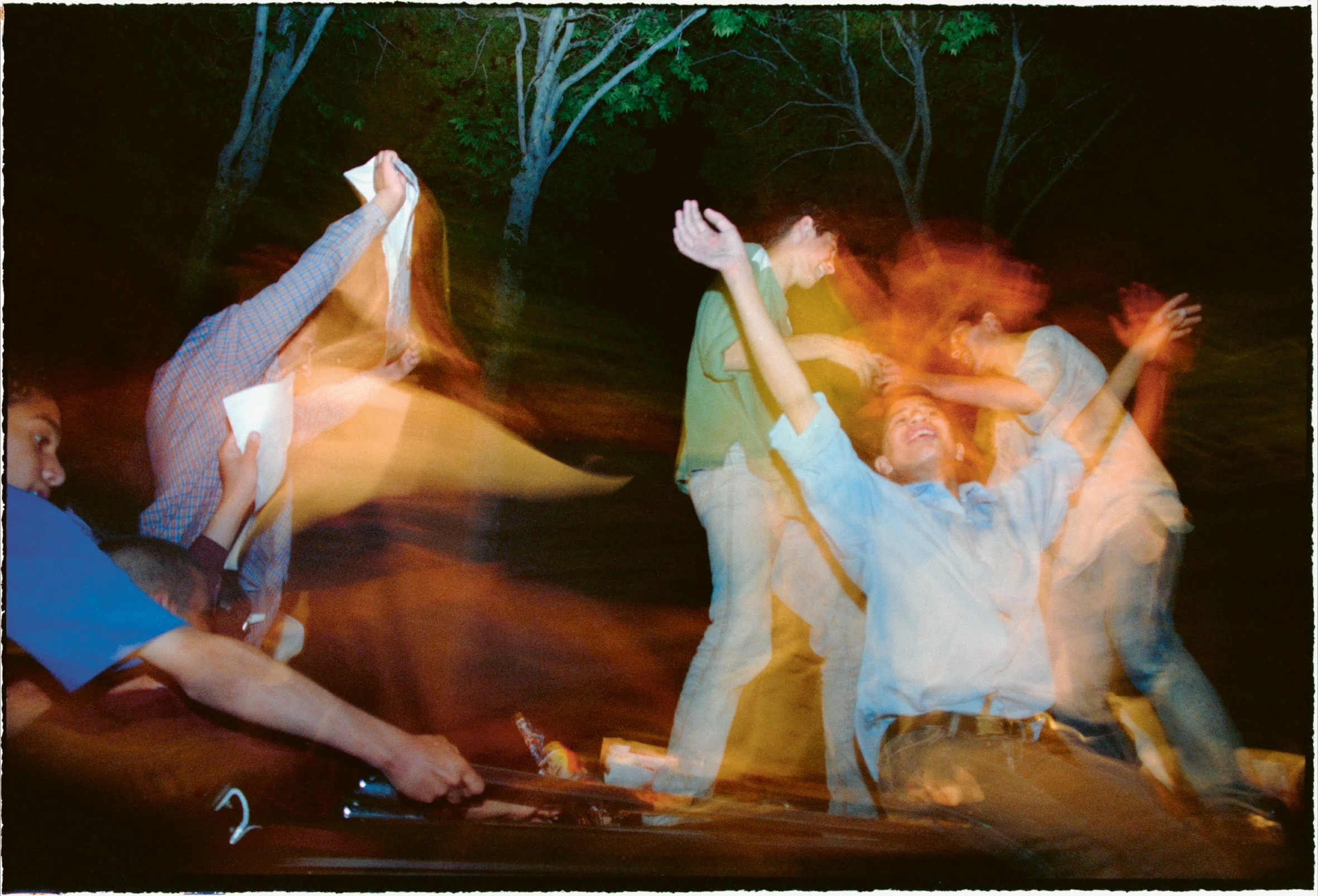
Dancing with friends and their parents in the mountains outside Tehran. (Shemshak, 1998)
The Book
And They Laughed at Me by Newsha Tavakolian, published by Kehrer Verlag, brings together photographs made between 1995–2001 and 2017–2019. The book begins with Tavakolian returning to her own archive after the death of her father, searching not for her strongest images, but for the imperfect photographs she had once rejected.
Made from broken negatives, torn prints, overlooked snapshots, and later conceptual work, the book becomes a personal and political journey through memory, grief, disappointment, and endurance. Tavakolian revisits her early years as a teenage photojournalist in Tehran and connects them with later images that reflect a more complex understanding of Iran, hope, and survival.
Rather than presenting a clean career survey, And They Laughed at Me looks at failure as a place where truth can begin. It is a book about what remains unresolved in an archive, and how photographs can change meaning as the photographer changes with them. The publication includes 240 pages and 144 color illustrations. (Kehrer Verlag, Amazon)
Project Genesis: You started working as a photojournalist in Tehran when you were sixteen. What made you pick up a camera so young, and did you imagine then that those early images would one day become a book?
I left school when I was sixteen, but I had a strong need to have a voice. At that time, my dream was actually to become a singer, but that wasn’t possible for me.
We had a camera at home, and that’s how I found photography. I went to photography school and started learning, and it slowly became my way of expressing myself.
I never imagined that those early images would one day become a book, especially not the ones I chose. I was more interested in the imperfect images, the ones I had set aside for years. I never thought those would be the ones I would return to.
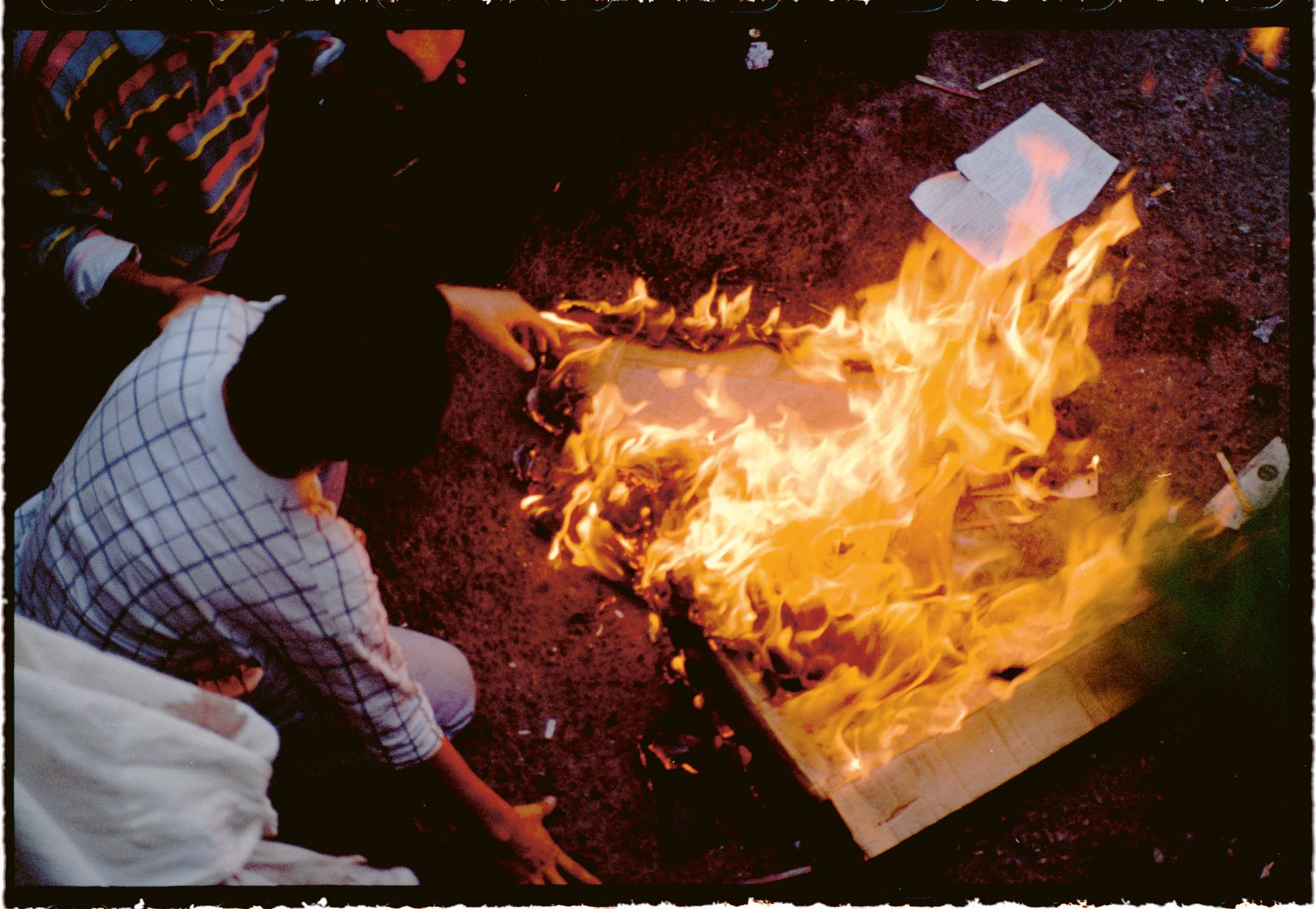
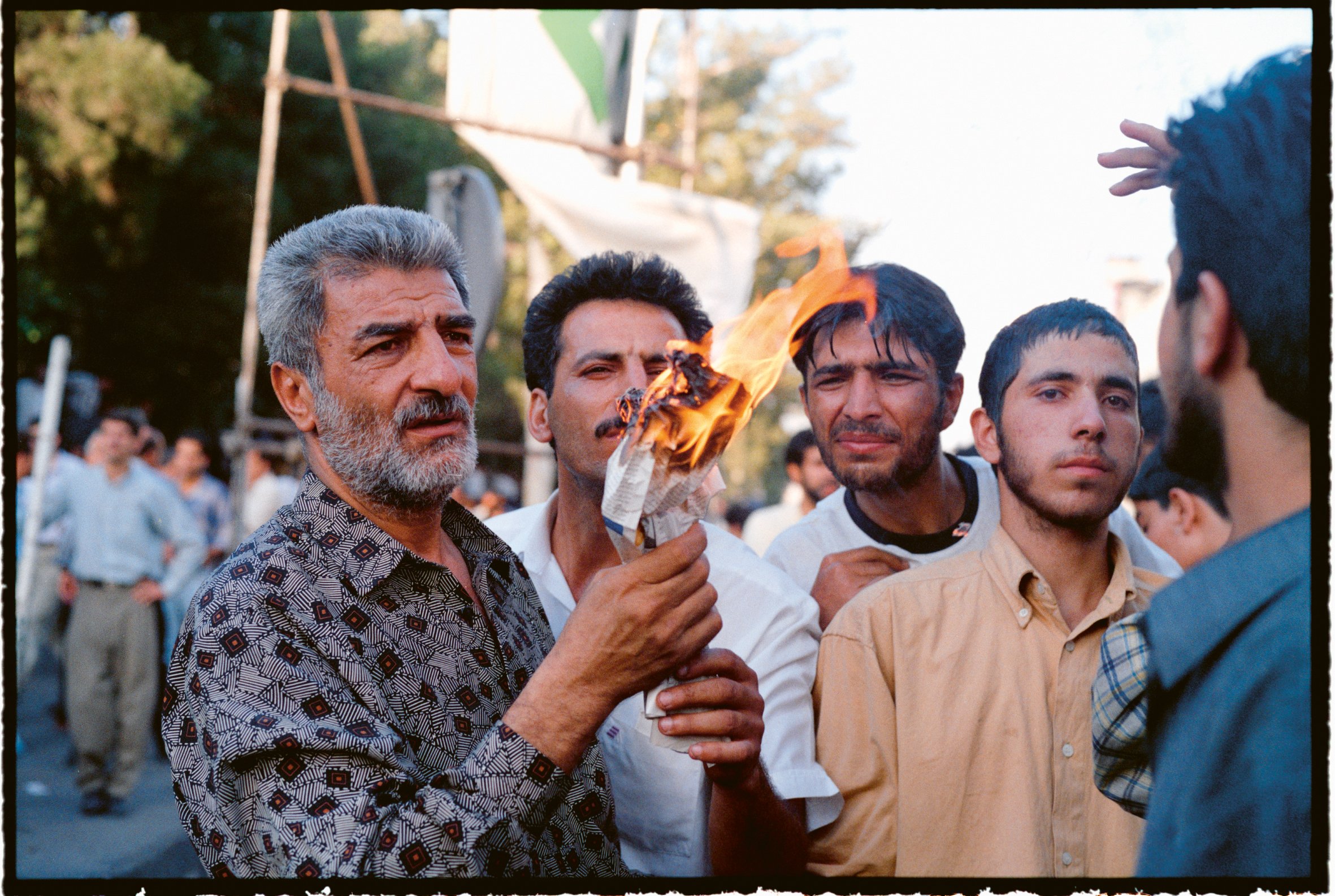
After riot police used tear gas, protesters burnt cardboard to use the smoke to drive the tear gas away. (Tehran, 1999)
The Archive: After your father died, you went back to old negatives and looked for your worst photos, not your best. Why did failure feel like the right place to start?
I think when you want to heal, you have to go deeper, into the things that hurt the most.
Maybe that’s why, without fully realising it at the time, I was drawn to the images that felt like failures - the ones that were not perfect, the ones I had rejected.
It wasn’t a conscious decision in the beginning. But looking back, it makes sense. Those images were closer to something raw, something unresolved. And that felt like the right place to start.
Editing: Most photographers search their archive for strong images. You did the opposite. How did you decide which "eyesore" photos were worth including, and which ones were still just bad?
When a negative is exposed to light, it’s done; you can’t undo it. In a way, it’s like life. You can’t rewind the past. You have to live with it, try to understand it, and find a way to move forward.
That’s how I approached the images. I wasn’t looking for “good” or “bad” in a traditional sense. I was looking for something that stayed with me, something I couldn’t ignore.
Some images still felt empty, but others, even if they were technically imperfect, carried something unresolved. Those were the ones I kept.
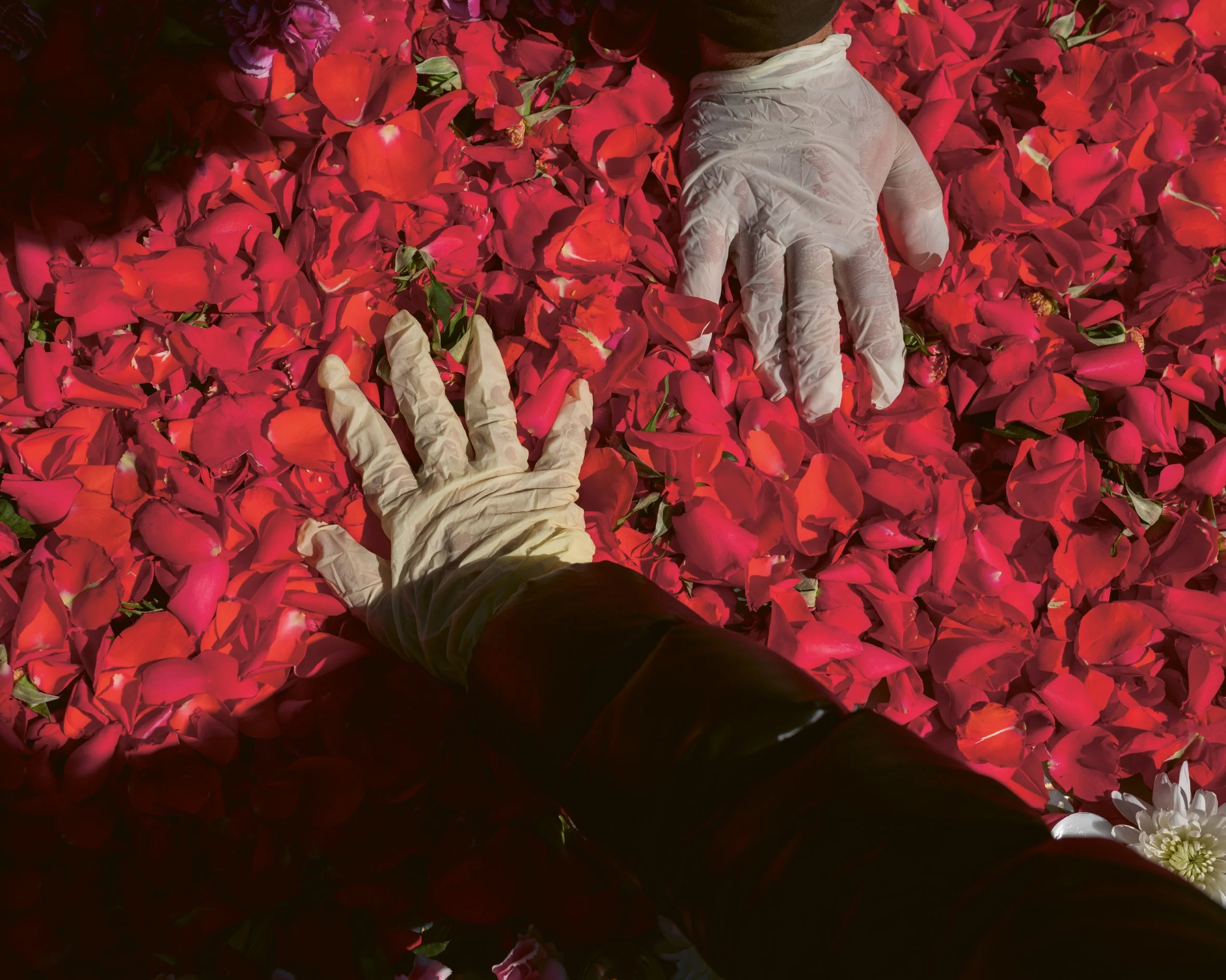
Tehran, 2019
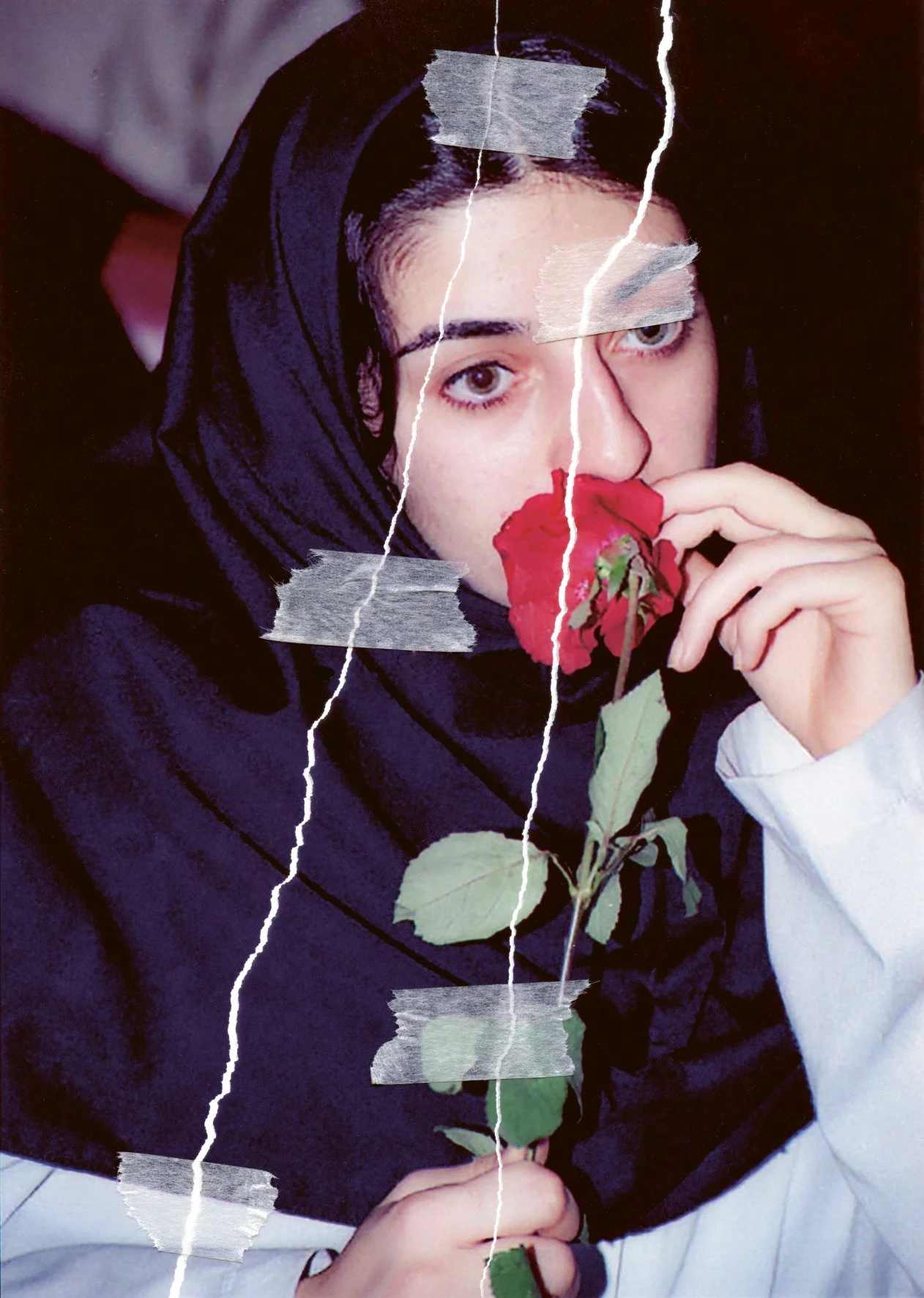
The iconic image: You describe wanting to "kill" your famous photo of a girl smelling a rose at a political rally. How do you deal with an image that the world loves but that you have come to see differently?
Girl smelling a rose, it had taken on a meaning that no longer felt true to me.
But instead of killing it, I realised that the image had changed because I had changed. The way I see it now is different from how I saw it then. So it was not about the image itself, but about my relationship to it. I decided to keep it and let it exist with that complexity.
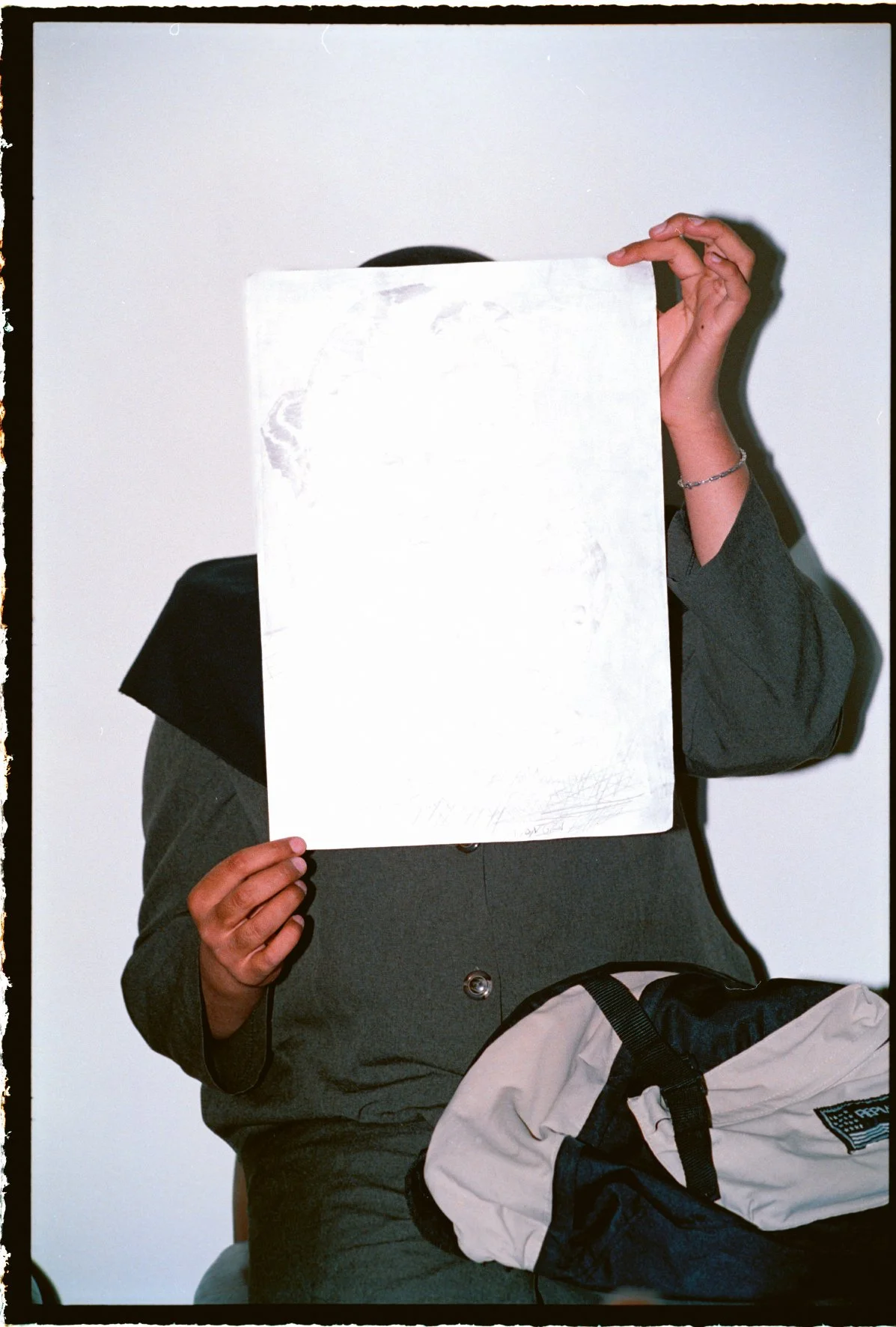
Girl smelling a rose, during an election rally for politicians promising more freedom for young people. Torn print, taped back together. (Tehran, 2020)
Two time periods: The book brings together photos from 1995 to 2001 and then from 2017 to 2019. How did you connect work made almost twenty years apart so that it feels like one story?
I worked on the book for almost five years, and I made six different dummies. I had to sit with the work for a long time until it started to make sense to me.
The connection didn’t come immediately. It slowly revealed itself. I also wanted to understand why my gaze feels melancholic, and that became part of the process.
Between 2001 and 2017, there is almost a gap in the images. What connects that period for me is a short text I wrote about watching Hamlet in Tehran. In a way, that text holds those missing years and brings everything together.
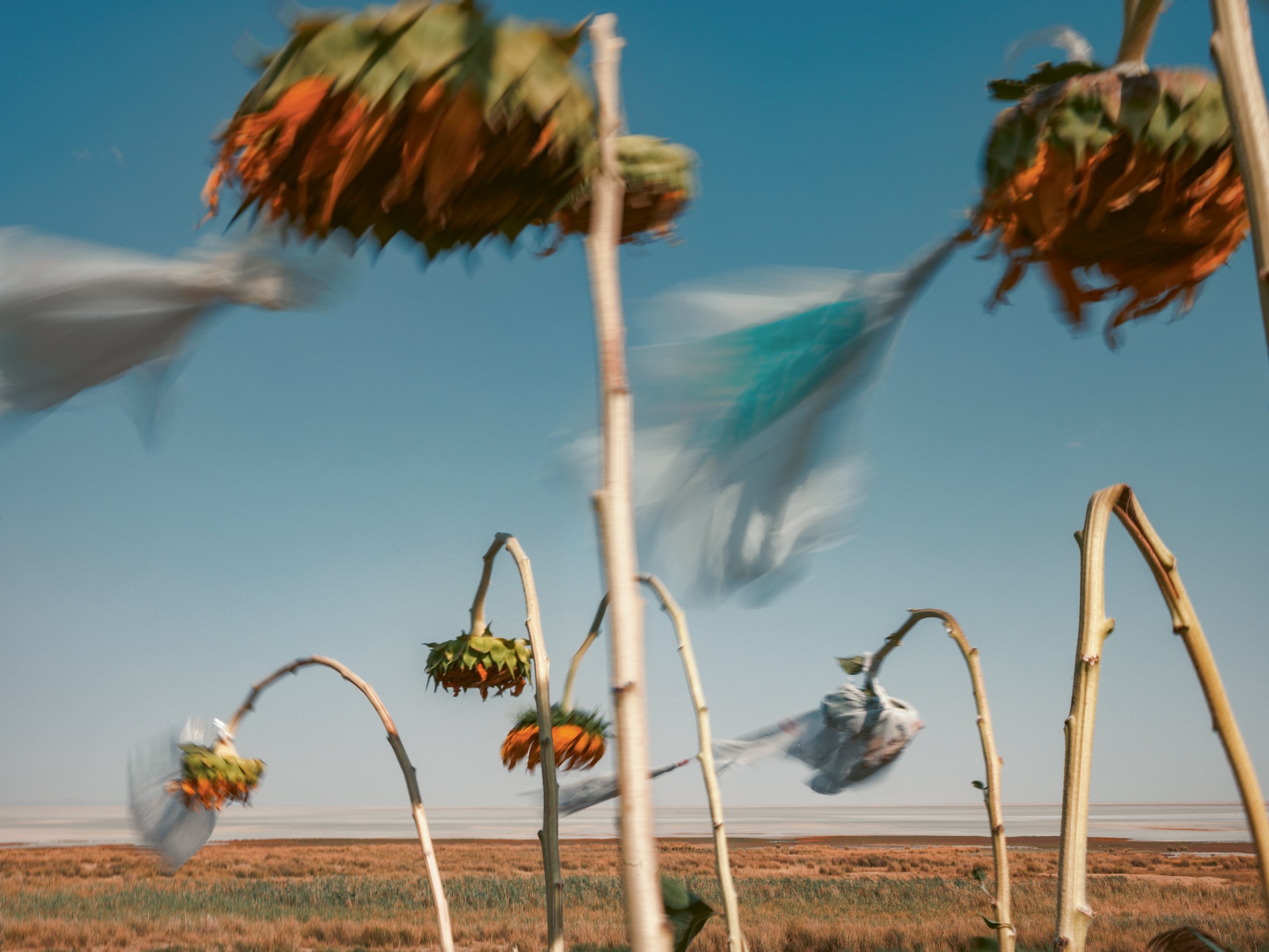
Uremia, 2017
Technical choices: The book includes torn prints taped back together and broken negatives. Did you choose to show those physical marks as part of the story, or did the imperfection just feel honest?
I wanted to keep everything raw, both in the way I look at the world and in how I express myself.
The physical marks, the torn prints and broken negatives, are not just imperfections. They are part of the process, part of the emotion behind the images.
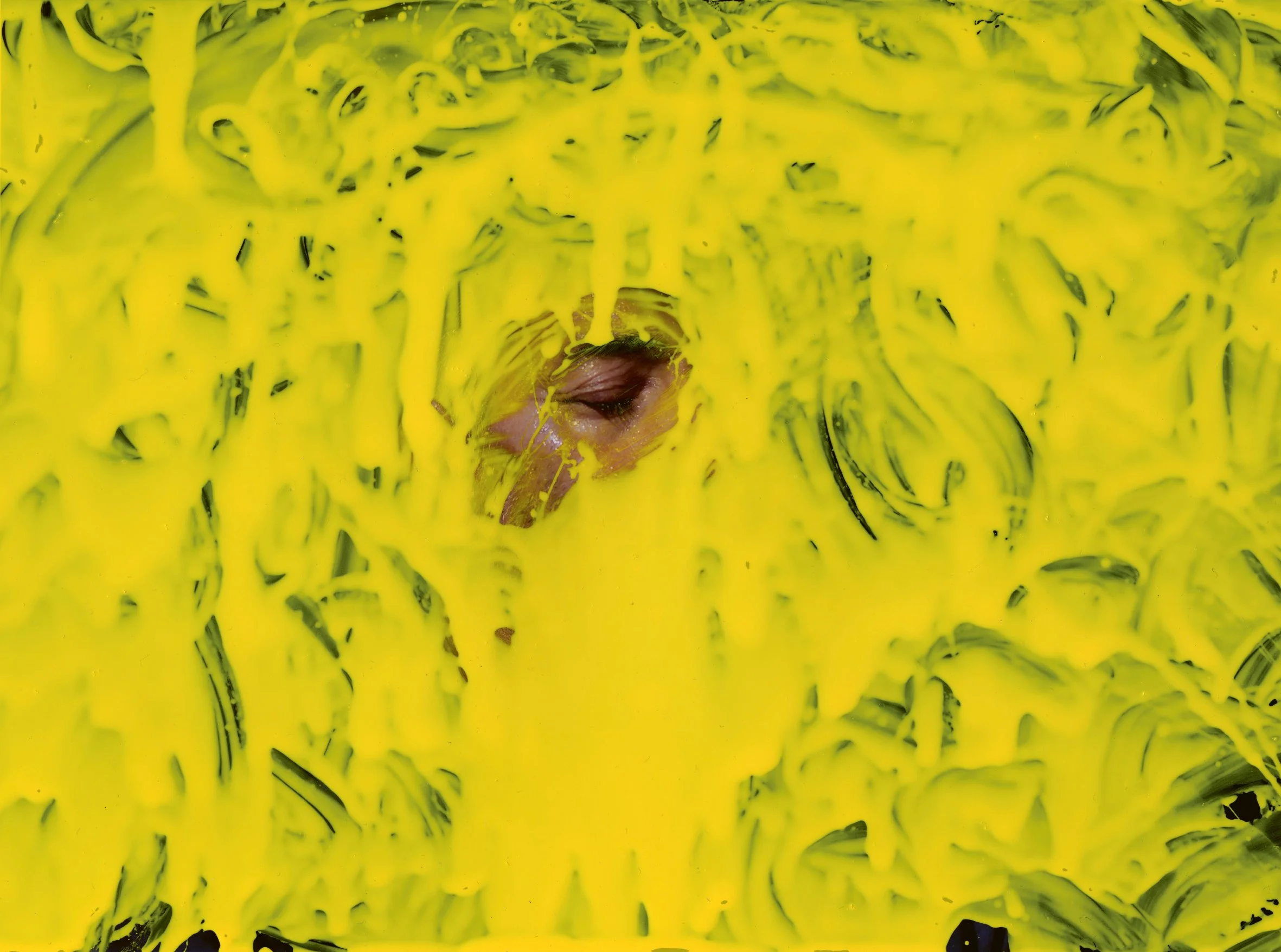
I remember printing a photograph of my father for an exhibition in Tehran. The image came out very dark, and I didn’t want to show him that way. I had some yellow paint, and I had already used it for the background. Without thinking too much, I started throwing the paint onto the image.
I thought I was alone, but afterwards someone from the gallery asked me if I was okay. I realized I had released a lot of anger in that moment. For a few days my muscles were in pain, but inside I felt lighter. That was the beginning. I started to use paint on my images, not to fix them, but to change their energy, to let something physical enter the work.
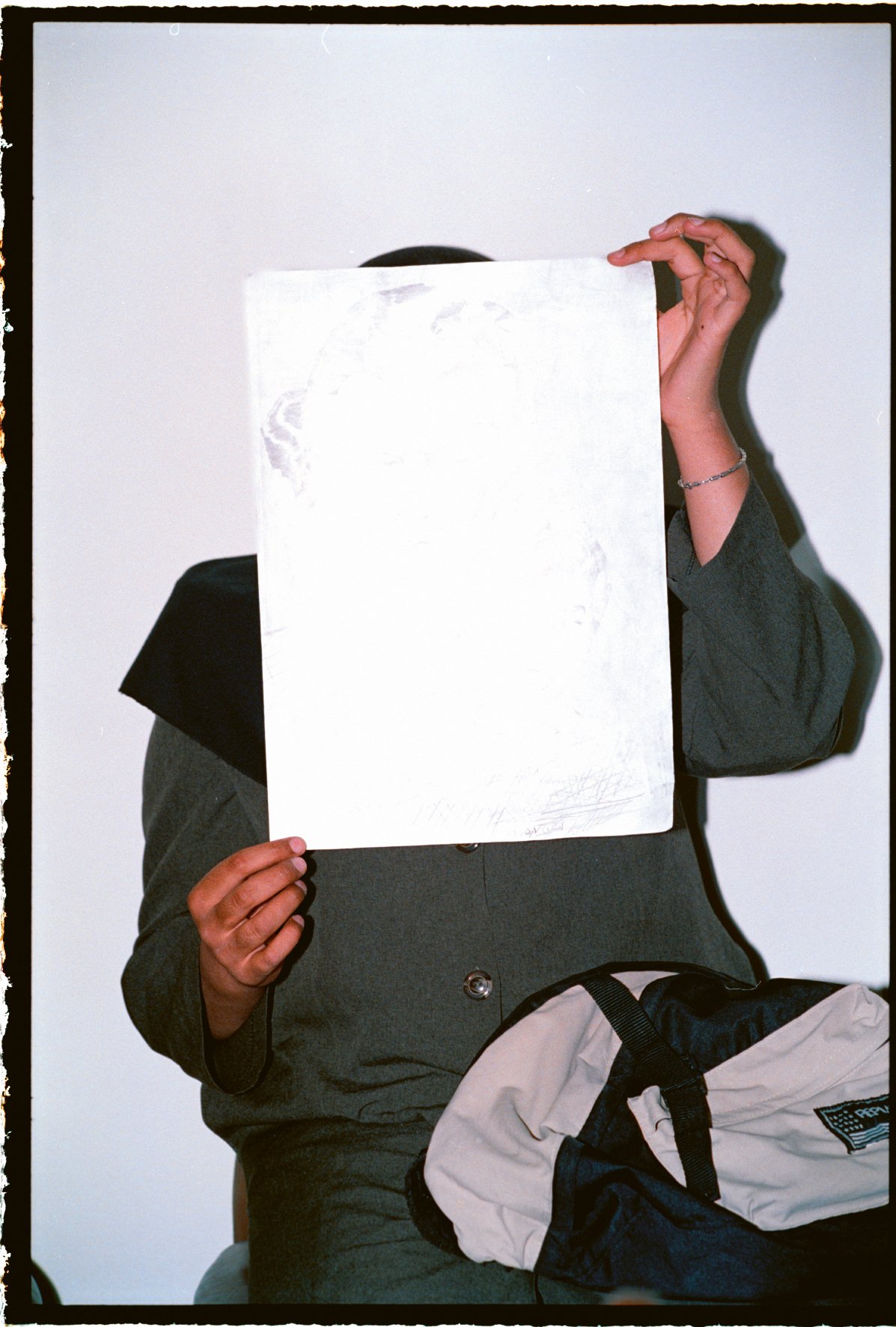
Documentary and art: Your work moves between photojournalism and more personal, artistic portraits. How do you decide in the field whether you are making a document or something closer to a feeling?
Since around 2010, I made a conscious decision to work between documentary and art. My first project in that direction was Listen, about women singers.
For me, these two approaches are not separate. They complete each other. Documentary gives me a connection to reality, to what is happening, while the more personal, artistic side allows me to express what cannot be seen directly.
In the field, I don’t always decide consciously. It’s more intuitive. But I know that without one, something is missing.
Hope: The book ends on the idea that, despite everything, there is a choice to go toward the light. Was that conclusion something you understood at the beginning of the project, or did it come to you while working on it?
The ending changed with me. I had different versions of it while I was working on the book. It wasn’t something I knew from the beginning. It came slowly, through the process.
In the end, I decided to go toward the light.
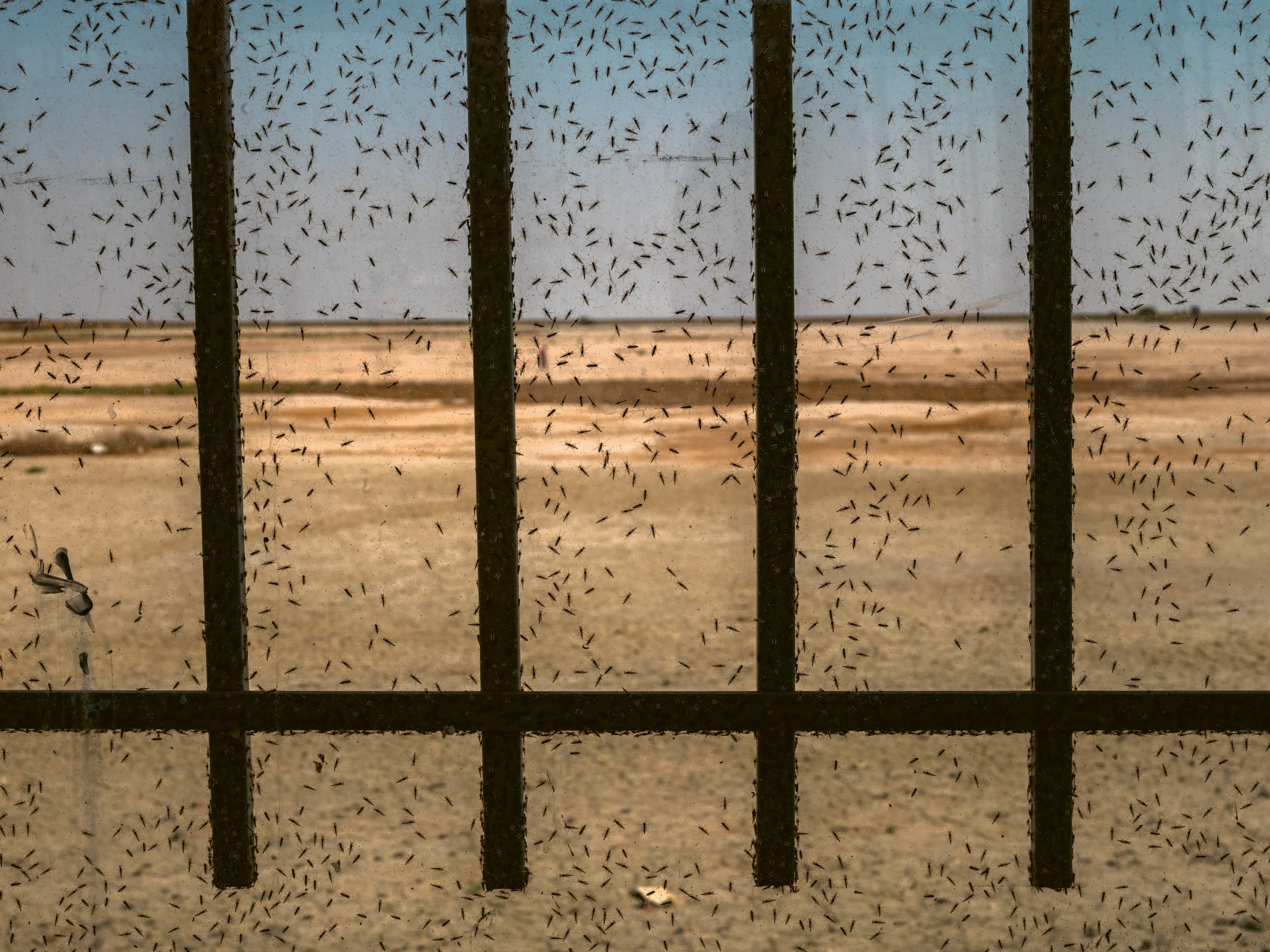
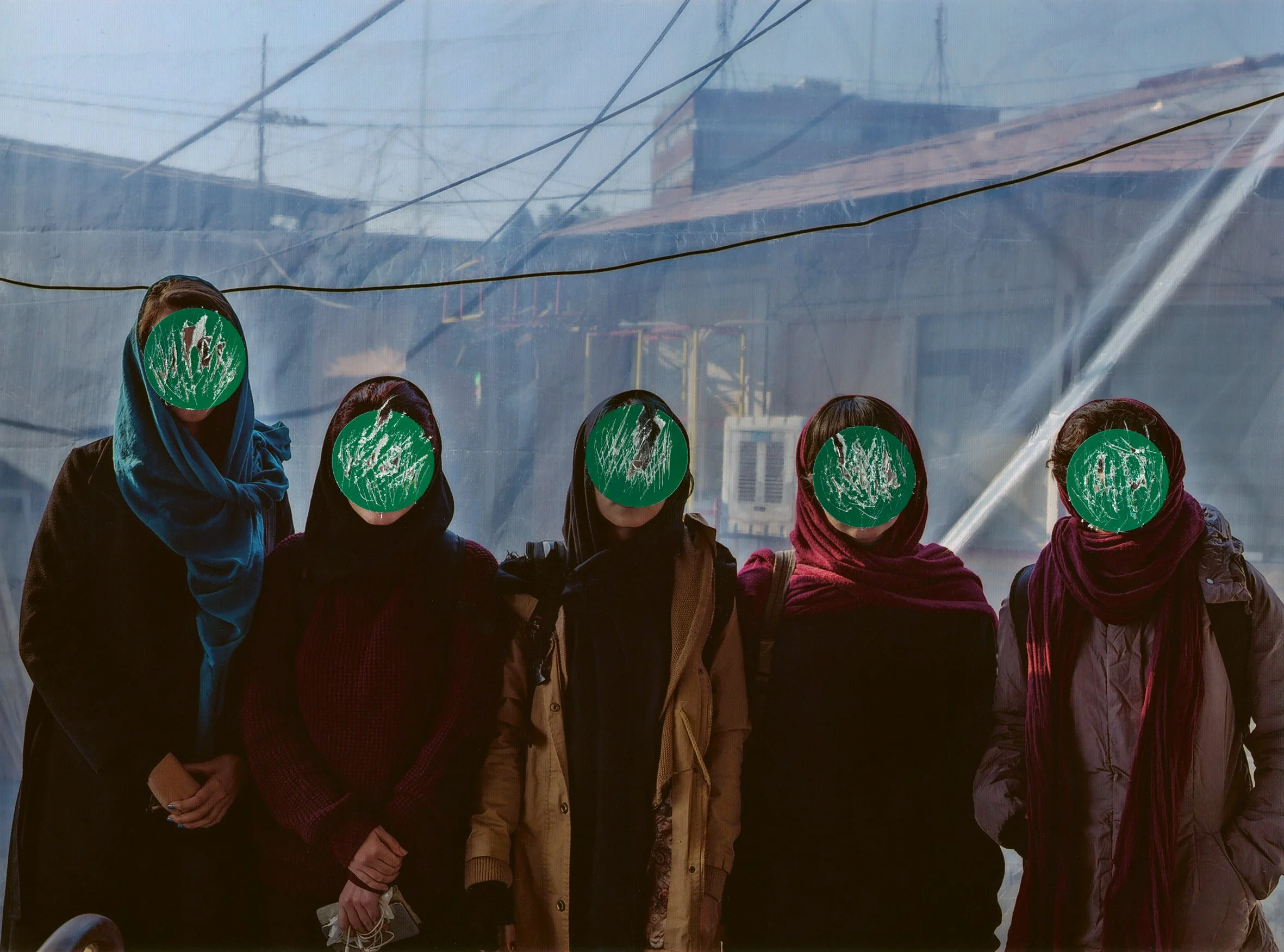
To discover more about this intriguing body of work and how you can acquire your own copy, you can find and purchase the book here. (Kehrer Verlag, Amazon)
More photography books?
We'd love to read your comments below, sharing your thoughts and insights on the artist's work. Looking forward to welcoming you back for our next [book spotlight]. See you then!
Julio Mitchel finished El Sur without seeing conditions improve. From the 1980s to 2000, he travelled through seven Latin American countries, photographing poverty, inequality, and the abuse of power. Photography Book Spotlight