What happens when home becomes inherited memory?
For Erdiola Kanda Mustafaj, this question began with Albania, a place she left very young and later returned to as both familiar and foreign. Her long-term project Pasqyra e Lëndësh, also titled Sommarium, started in 2019 from this feeling of return, displacement, and not fully belonging to one language or one place. Over time, the work became less about one country and more about how exile continues through family stories, silence, oral memory, and the landscapes people carry inside themselves.
This interview looks at how Erdiola builds images from things that cannot be fully remembered.
She speaks about private archives, rejected photographs, analog materials, fragile papers, rituals, mythology, and the difficulty of photographing memories she did not fully live herself. Instead of making exile easy to read, she keeps the gaps visible and lets the images stay unstable. In her work, memory is not complete or clean, but fragmented, inherited, and always changing.
This conversation gives a practical look at how an artist can choose images, reject images that explain too much, sequence work through emotional tension, and use materials to support the meaning of a project. It also shows how a long-term body of work can grow from one private question into something larger, without losing the feeling that started it.
Since this interview was published, Erdiola has been selected as the recipient of the Hidden Narratives Residency, a partnership between Photoworks, the Italian Cultural Institute in London, and the Royal Geographical Society. Over the course of a year, she will work with the Society's Collections, more than half a million original photographs, negatives, and lantern slides, some dating back to the mid-nineteenth century, exploring how landscape has been constructed through the colonial and scientific gaze. The residency will allow her to extend the research behind Pasqyra e Lëndësh into new archival territory, building toward a broader inquiry into belonging and what it means to look at places that were never yours to claim. She will present work in progress at Summit Photo in July 2026, with a final presentation at Summit Photo 2027.
The Projects
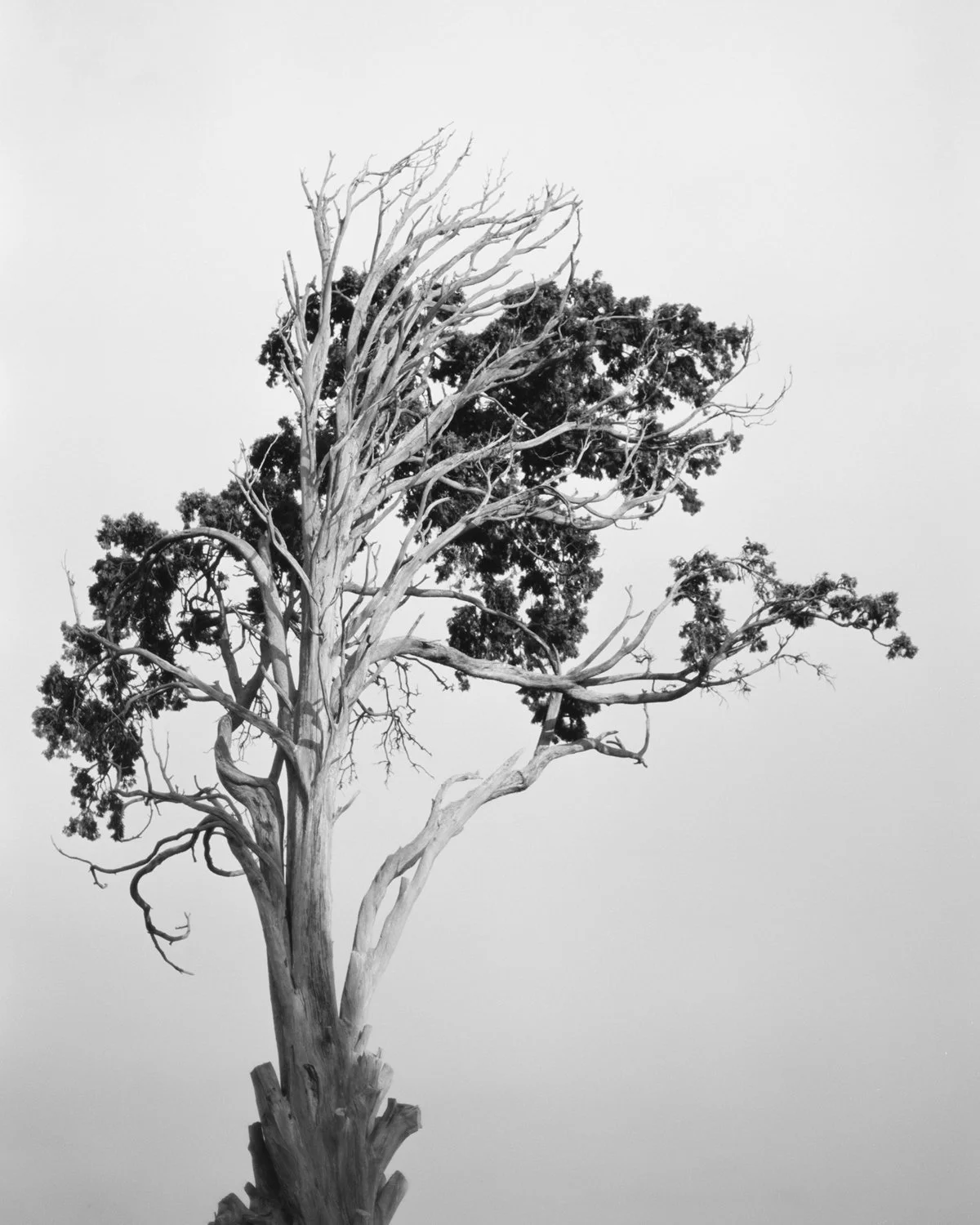
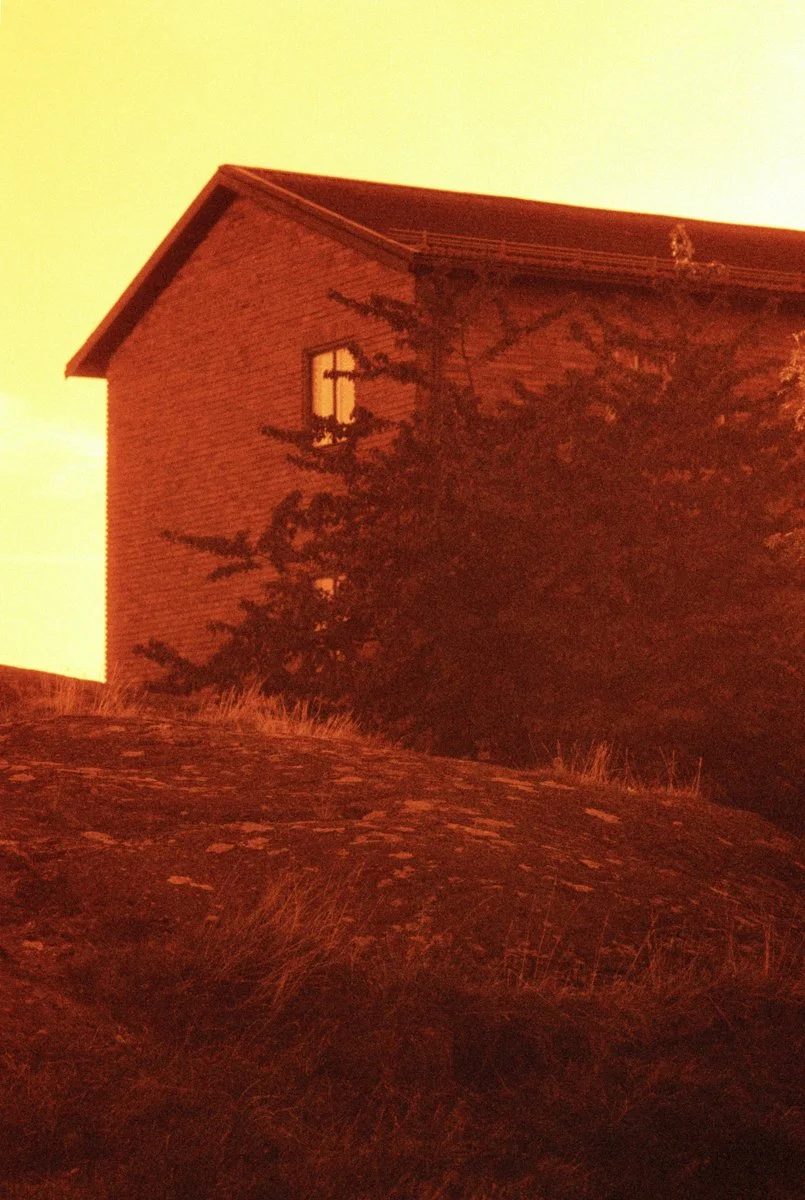
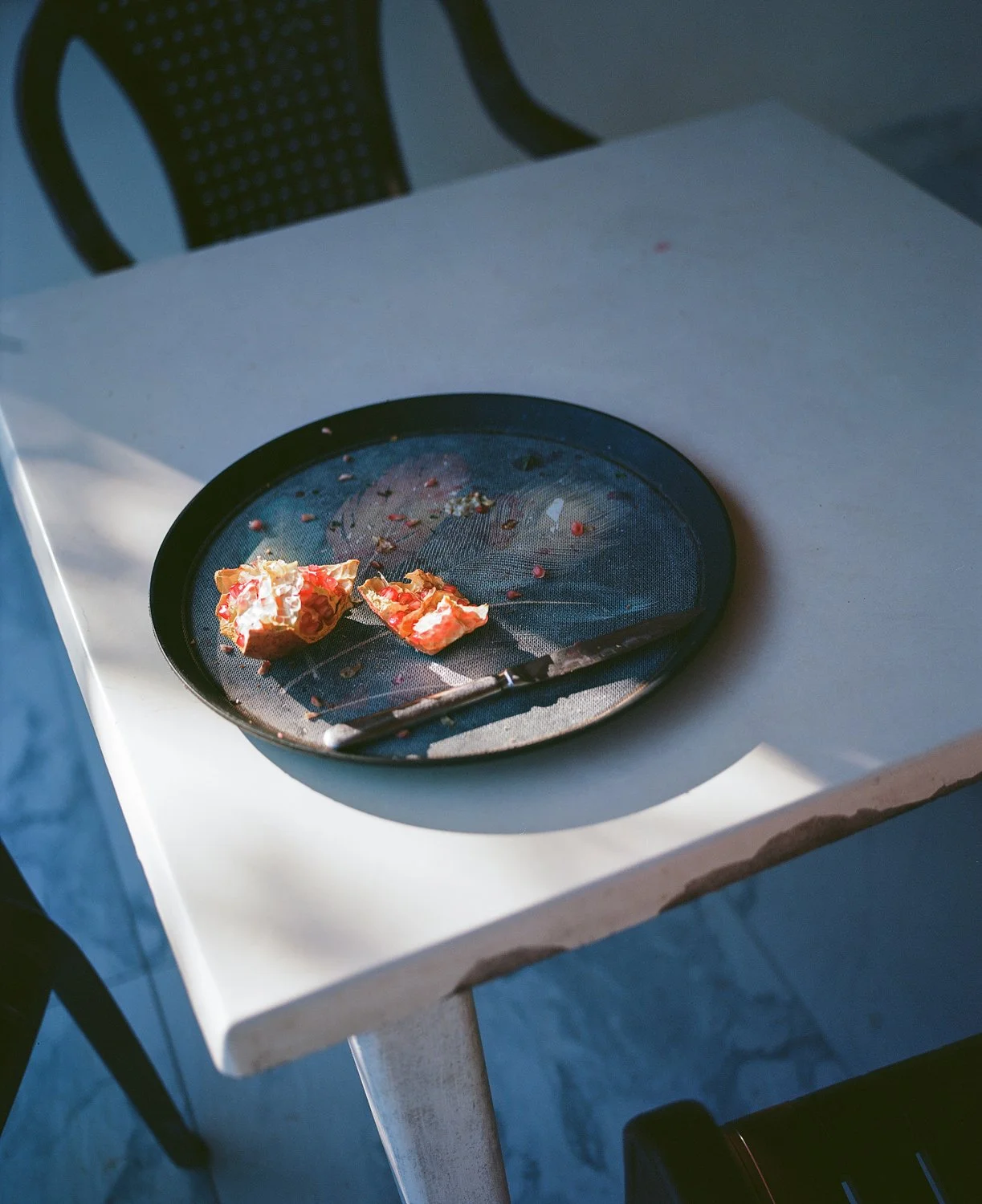
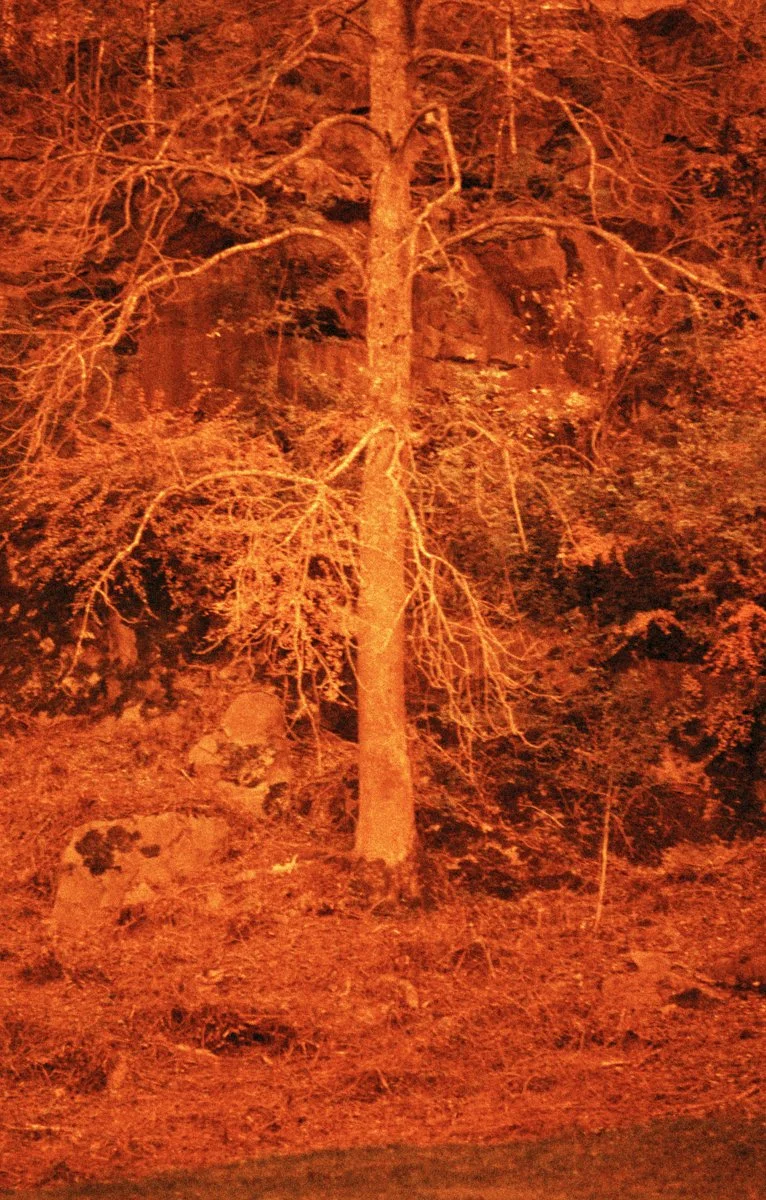
Pasqyra e Lëndësh (Sommarium) is a long-term photographic project by Erdiola Kanda Mustafaj that explores exile, displacement, and the unstable ways memory is carried across generations. Built through analog photography, layered visuals, rituals, landscapes, and archival traces, the project looks at how personal and collective memory can be preserved, erased, or reactivated through movement.
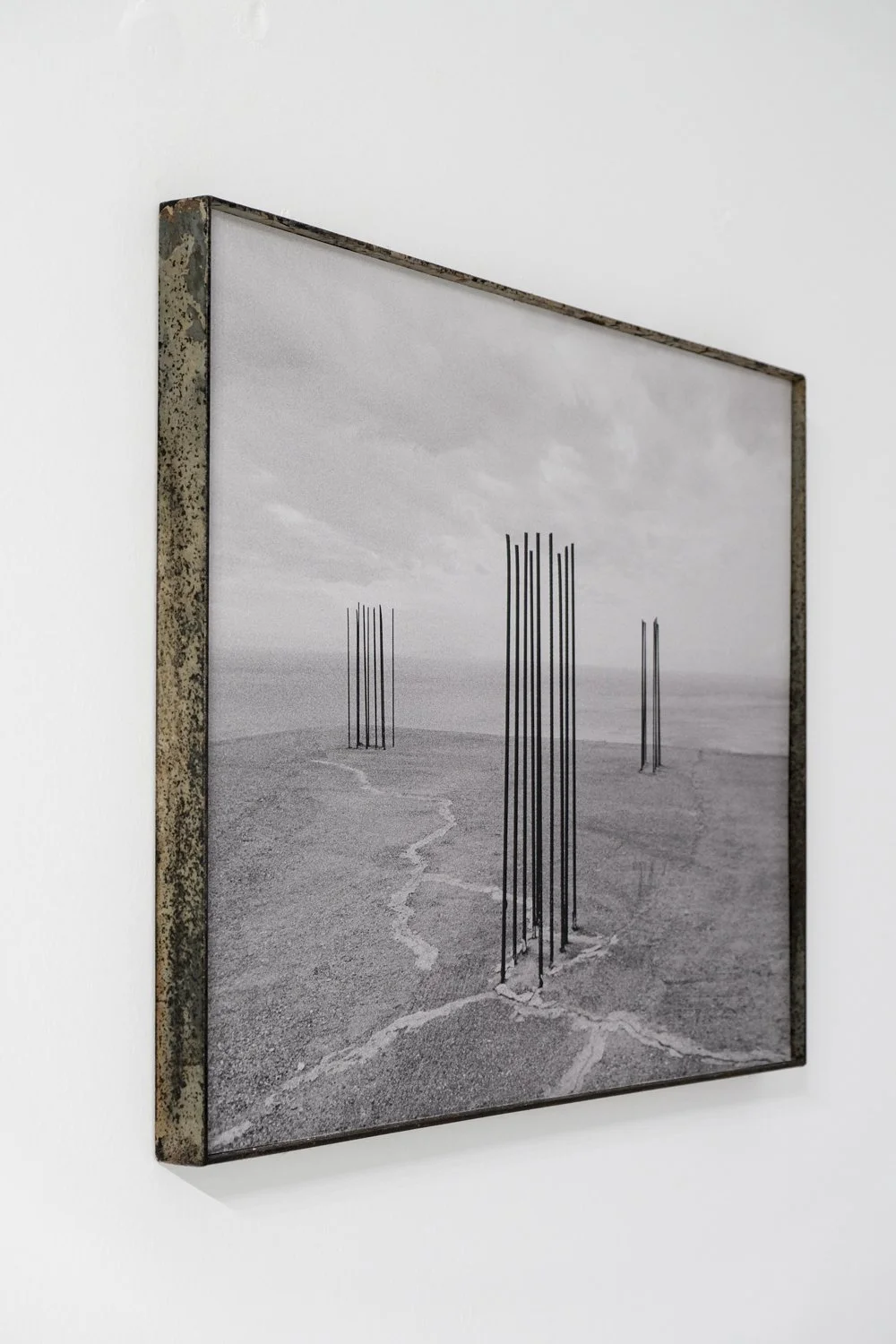
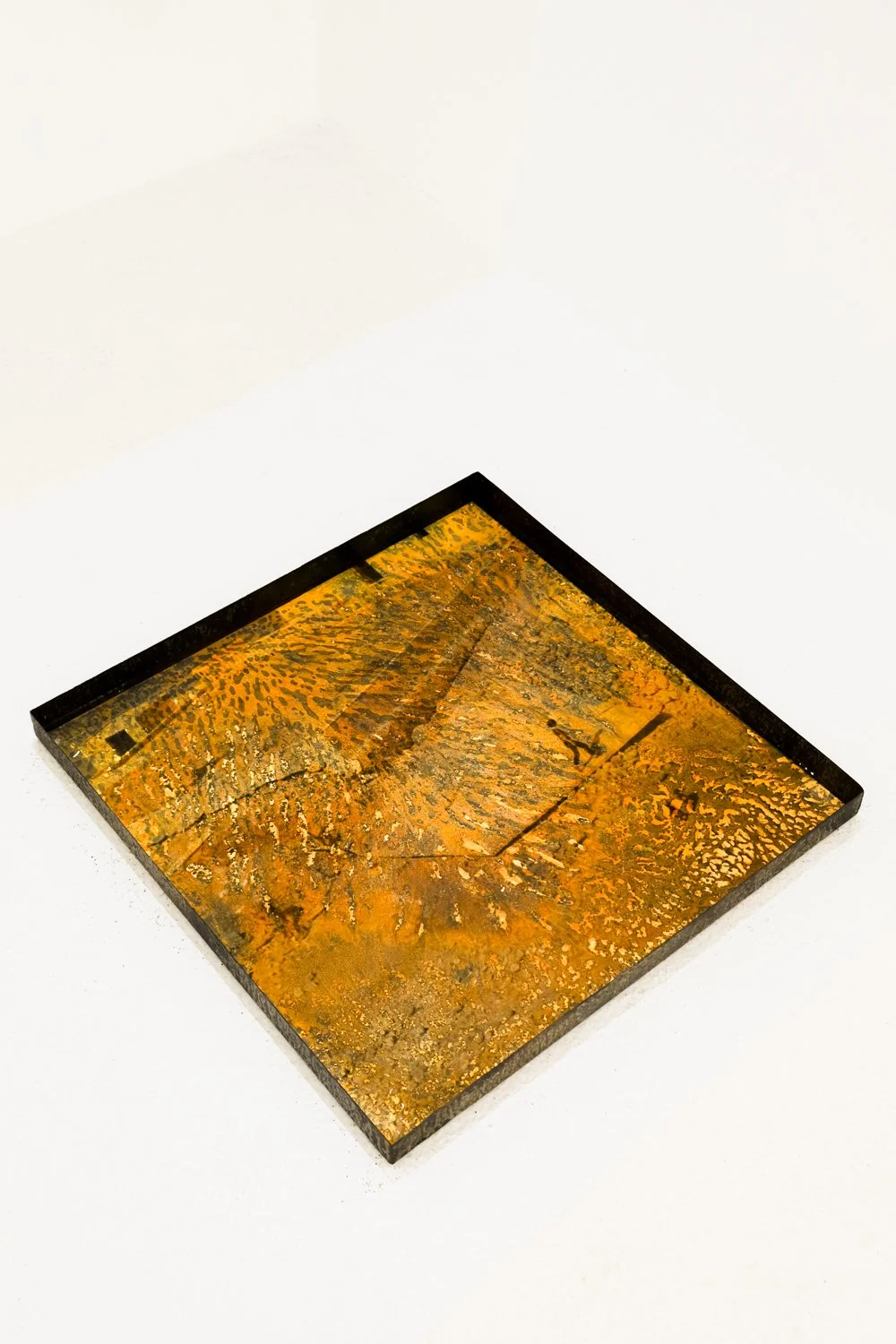
The work follows the experience of diaspora as something fragmented and out of sync with ordinary time. Places appear transfigured, rituals create tension inside the landscape, and exile becomes not only a physical condition but also a space where myth, family stories, silence, and inherited memory begin to overlap. Printed on Hahnemühle Photo Rag and Awagami Kozo papers, the project uses material fragility to echo the fragile nature of memory itself.
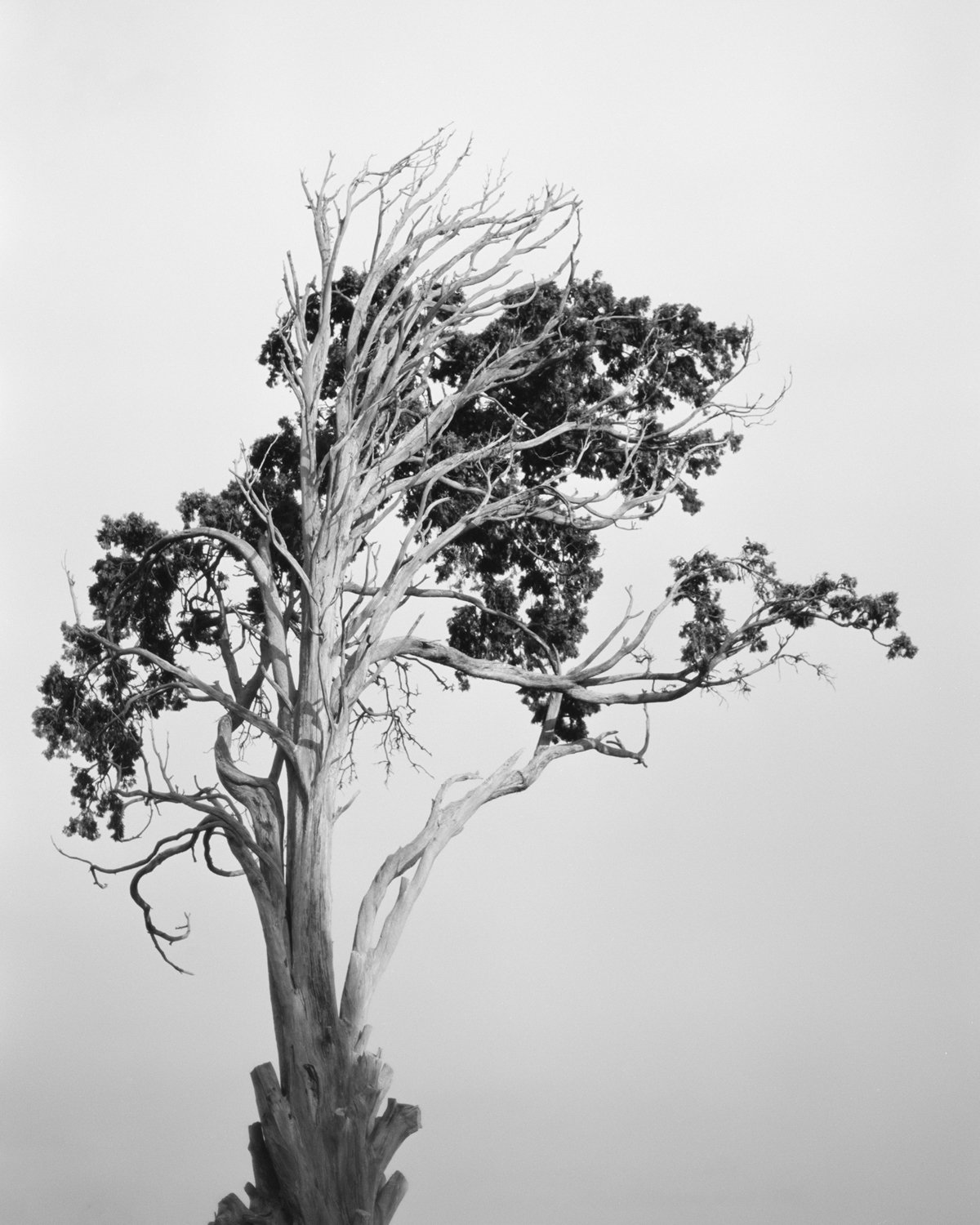
Project genesis: You started “Pasqyra e Lëndësh” in 2019 and have been developing it ever since. What first made you want to build a long-term project around the experience of displacement and exile?
It wasn’t a decision so much as something that crept up on me. I grew up in Italy, and for years Albania lived only in my childhood memories. The return overlapped with the final year of my Photography Master’s in Milan, and I remember an urgency building, a need to make images that could open up a different way of seeing, not just of Albania, but of the broader question of where I belonged. Going back meant recovering a language I’d nearly lost, and facing a landscape that no longer matched the one in my memory. Everything was familiar and foreign at once, and that tension is really where the project began, not as a concept, but as a feeling I didn’t yet have a name for. I had no sense of how this feeling would evolve. It simply followed me throughout alongside my own life – through Italy, France, Greece, back to Albania – each place layering onto the same question rather than answering it. Over time I came to see displacement not as a single rupture but as something that repeats, that gets inherited, that never quite settles into one fixed image.
Borrowing from memory: The project description talks about “private archives, oral transmission, and collective memory.” How do you decide which materials to include, and which to leave out?
In the Albanian diaspora in Italy, things often stay unspoken. There’s a kind of protective silence, especially among those who left in the early ’90s, built from shame and from simply not having time to archive anything while rebuilding a new self. So when I started gathering oral stories, I realised I was working with silence itself as a material. That ambiguity is what held me to it. I don’t try to fill the gaps or resolve them into a complete picture, I let the absence stay visible, choosing materials that point toward what’s missing rather than replacing it. An oral story that became a legend, an image with no name: these interest me more than anything fully documented, because they’re honest about how inherited memory actually works: incomplete and always missing something. So when I decide what to include, I’m not asking whether something is accurate or complete. I’m asking whether it holds that tension between what’s known and what’s lost.
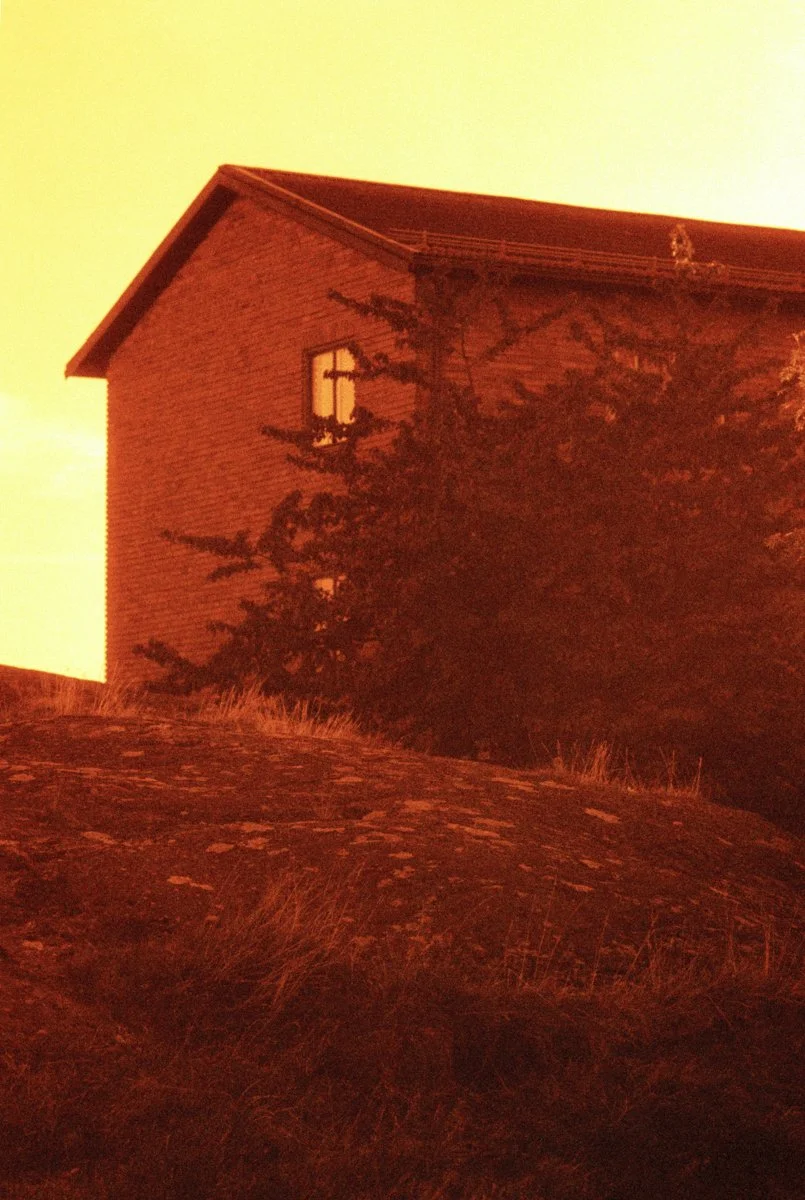
What kinds of images do you reject because they explain exile too literally rather than letting it remain unstable?
In practice, when I’m selecting images I let myself be guided by feeling rather than by whether something fits a linear narrative. If there’s no tension inside the image, it gets set aside. The images I reject are usually the ones that arrive with their meaning already settled, where you can see immediately what they’re about, where exile or displacement is legible on the surface. There’s nothing left unresolved, nothing pulling you inward, and without that pull the image has no place in the project. What I’m looking for is something I can’t fully account for, an instability inside the frame that I sense before I can name it.
Can you name one image that failed because it illustrated inherited memory instead of embodying it?
There’s an image I made in Greece, in a small village bar. The walls were covered in printed images of ancient Greek deities used as wallpaper, layered against family photographs from the 2000s belonging to the people who ran the place. On first instinct it felt significant, all that collision of mythology and personal history in one frame. But that’s exactly where it failed. Everything was already illustrated within the frame itself: the ancient and the recent, the collective and the private, laid out so explicitly that there was nothing left for the viewer to feel their way toward. It lost its evocative charge by explaining itself. It mattered in the early stages of the project, but it no longer belongs to the whole.
Finding the project: The title translates as “Mirror of Matter” in Albanian, and “Sommarium” in Latin. Why did you choose two languages for the title, and what does that double naming mean for the work?
Pasqyra e Lëndësh is what we call, in Albanian, the index found at the end of a book, the compass that helps you navigate its pages. I chose to give it this title because the work itself lives between languages, and the title needed to carry that condition. My images want to function like that index: a point of access into multiple, overlapping narrations of exile. I think living between languages is what led me to photography in the first place, not because photography is universal, but because something happens when you don’t fully belong to any single language: you become attentive to what exists between words. Photography became my way of working in that intermediate space. I left Albania very young, grew up in Italy, and later moved to France. Each move meant learning not just a new language but a new way of being in the world. At some point I realised photography was the one practice that didn’t ask me to choose between these different selves, I could bring all of them to the camera at once.
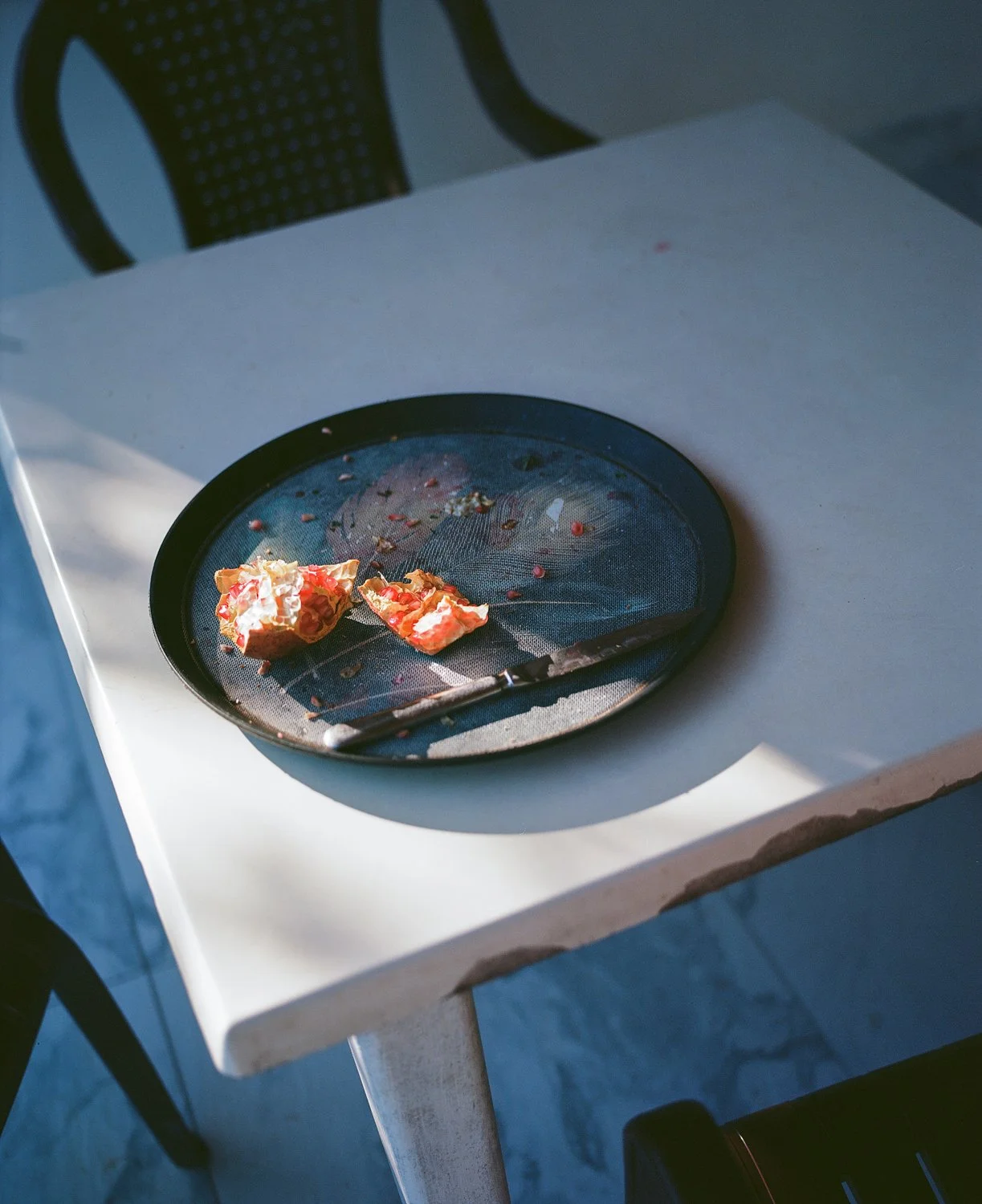
Building the work: You use analog photography alongside Hahnemühle Photo Rag and Awagami Kozo papers. How does the choice of analog and these specific papers change how the final images feel?
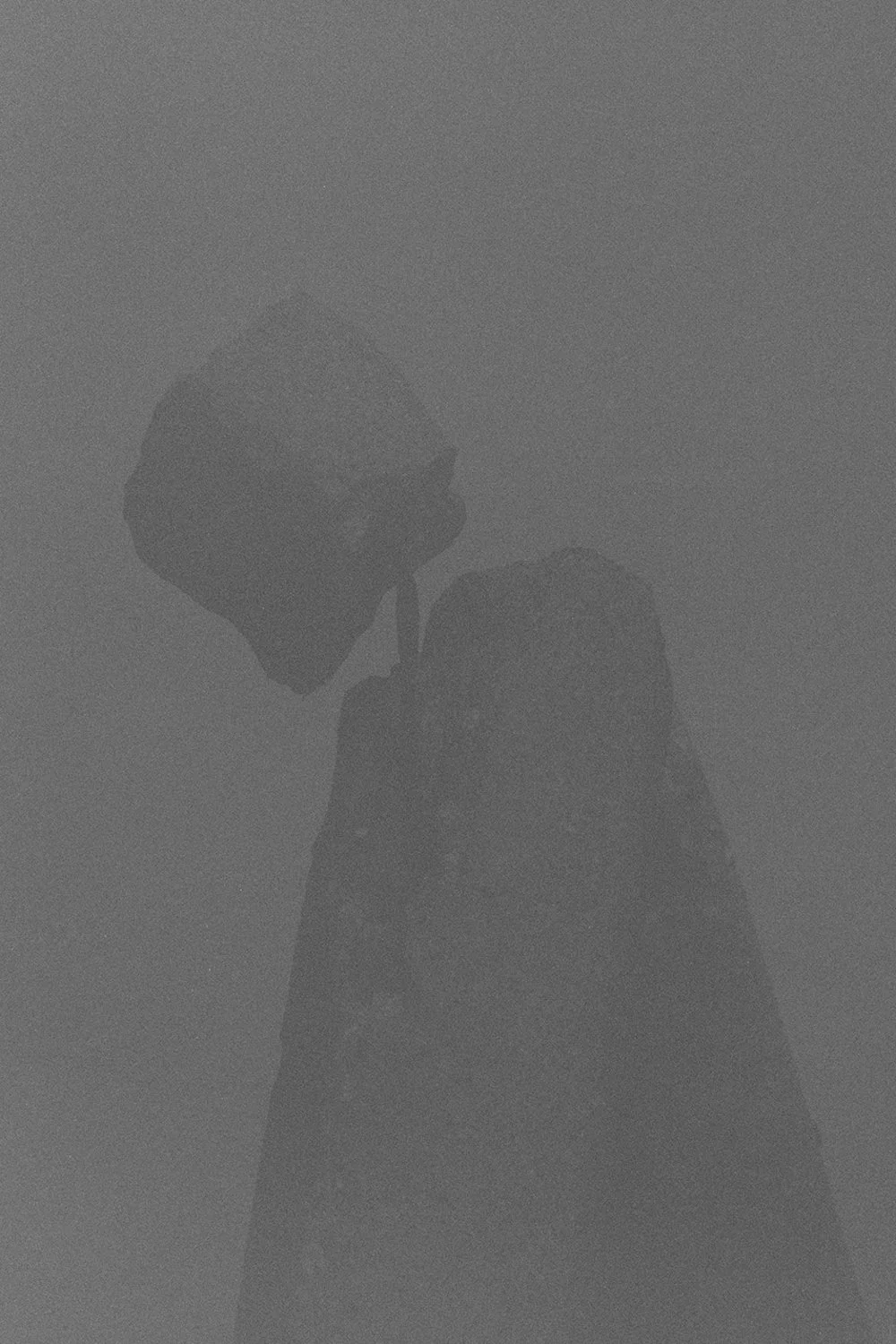
Many people who have left their country of origin know that particular form of suspension, no longer entirely where you came from, not yet entirely where you are going. Analog photography holds something of that same state. The negative carries a latent image, one that exists but hasn’t yet resolved into something fixed, waiting between exposure and appearance, the way exile is a state already begun but not yet arrived anywhere. Working with film also means accepting a loss of control: I can’t fully see what I’ve captured until the development. That uncertainty feels true to working with memory that isn’t fully mine, I have to wait for it to surface. The paper extends that same logic. The Awagami Kozo paper is especially fragile, a Japanese mulberry paper with visible fibres running through it. The image never feels fully fixed on it; it seems to sit just under the surface, as if it could dissolve back into the paper. I use it for images closest to myth or inherited memory, the ones I want to feel unstable, on the verge of disappearing, the way oral memory itself can be lost if it isn’t held carefully.
Taking it further: The project uses what you call “non-linear storytelling” and “sensorial mapping.” In practical terms, how do you decide the order of images when you are editing and sequencing the work?
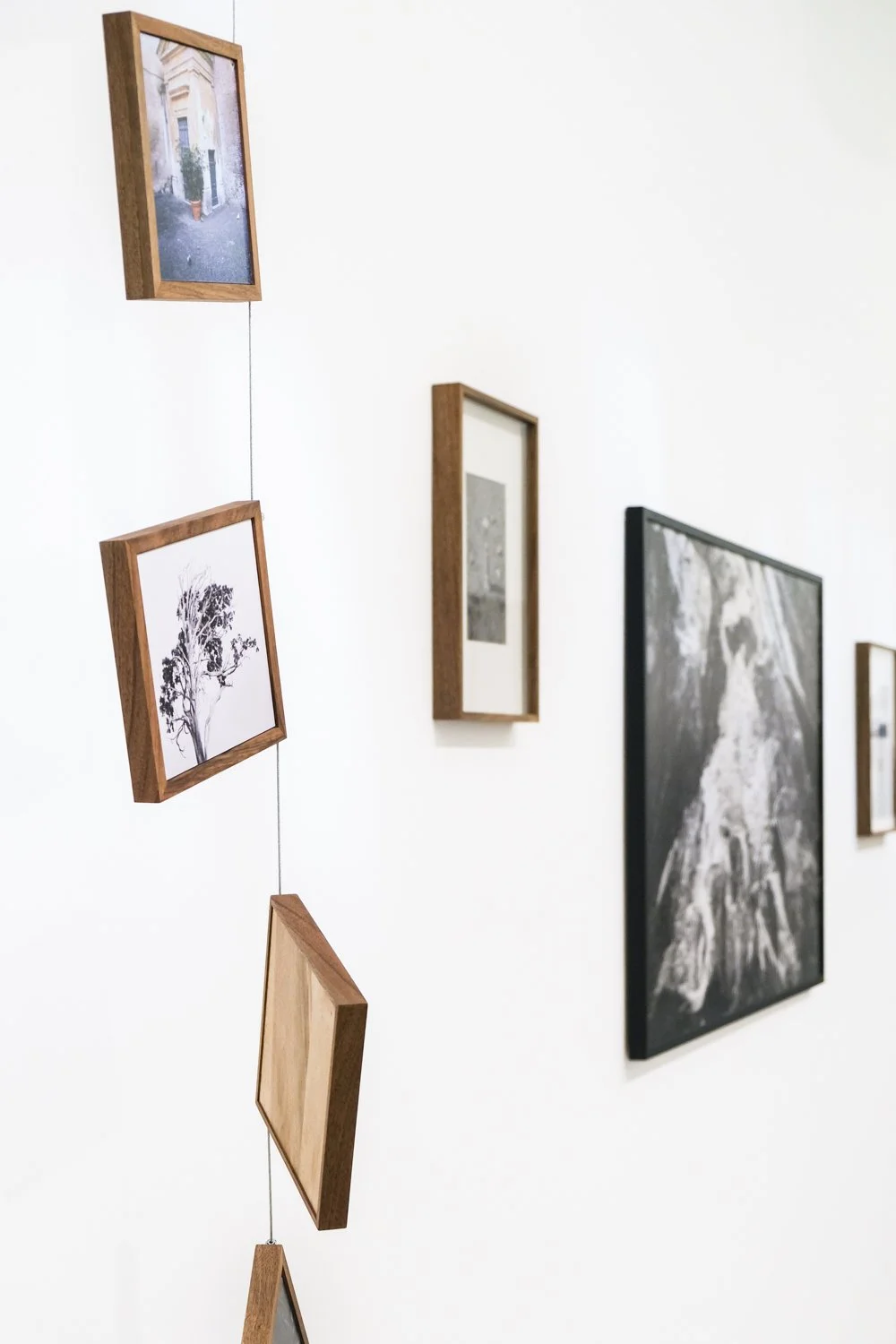
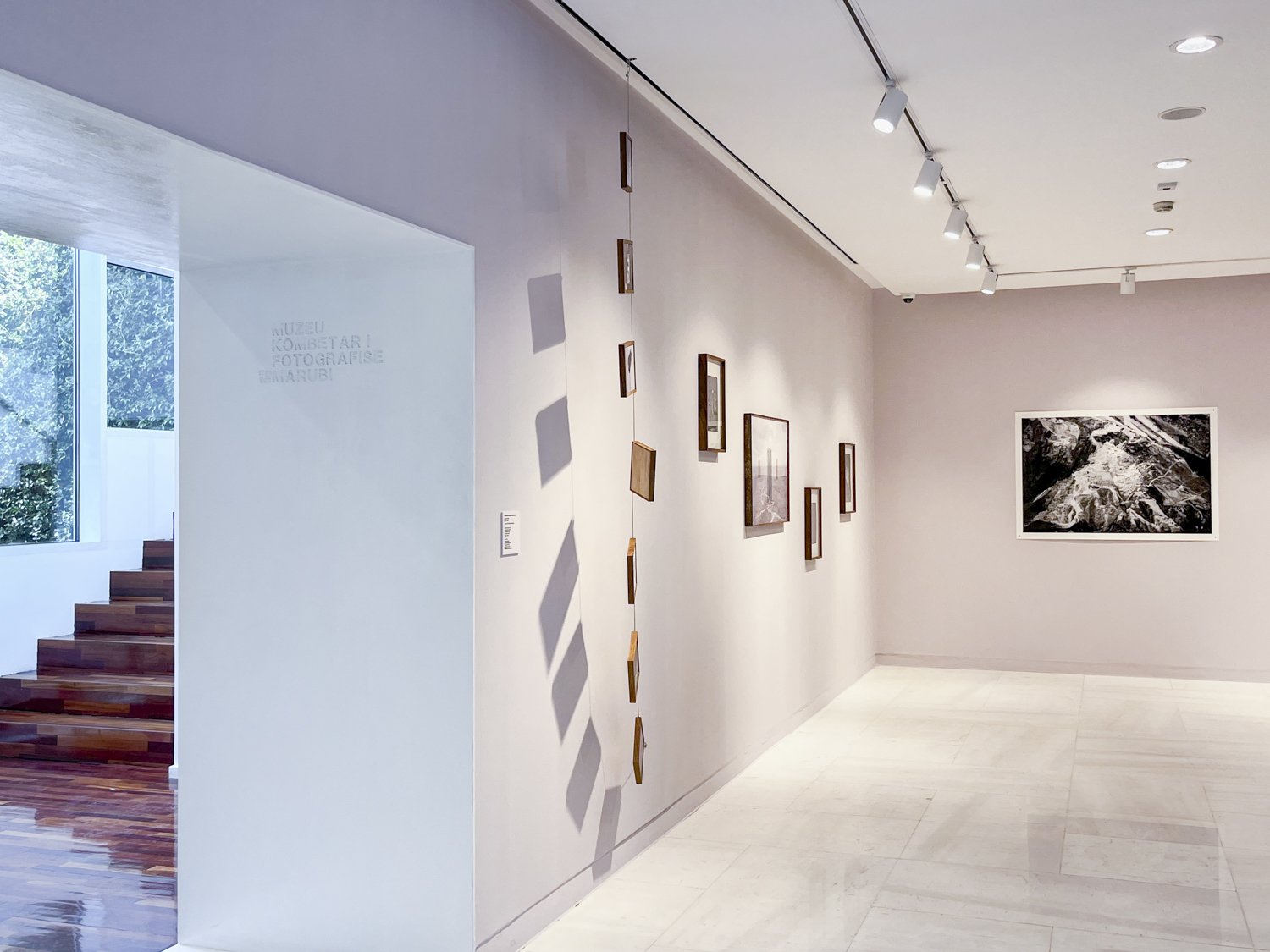
The work changes every time I show it, since it follows a labyrinthine path rather than a fixed one. I don’t solve the sequencing once and repeat it; each installation is a new attempt to navigate the same material, so the order and physical arrangement shift with the space. What interests me most is the displacement of the images in space itself, how they’re positioned relative to the viewer’s body and movement. At Giovane Fotografia Italiana, seven square images, boxed in handmade walnut wood, hung from the ceiling like tessere of a mosaic. You could walk around them, see them from different angles. That impossibility of linear storytelling feels, to me, like the closest visual equivalent of how memory actually functions: not in a clean sequence, but in fragments, repetitions, things half-remembered and half-imagined. So instead of editing the work into one fixed narrative, I let the images behave like those tessere, a pattern you can sense but never fully grasp, suspended in space so the viewer has to physically move through their own act of reconstruction.
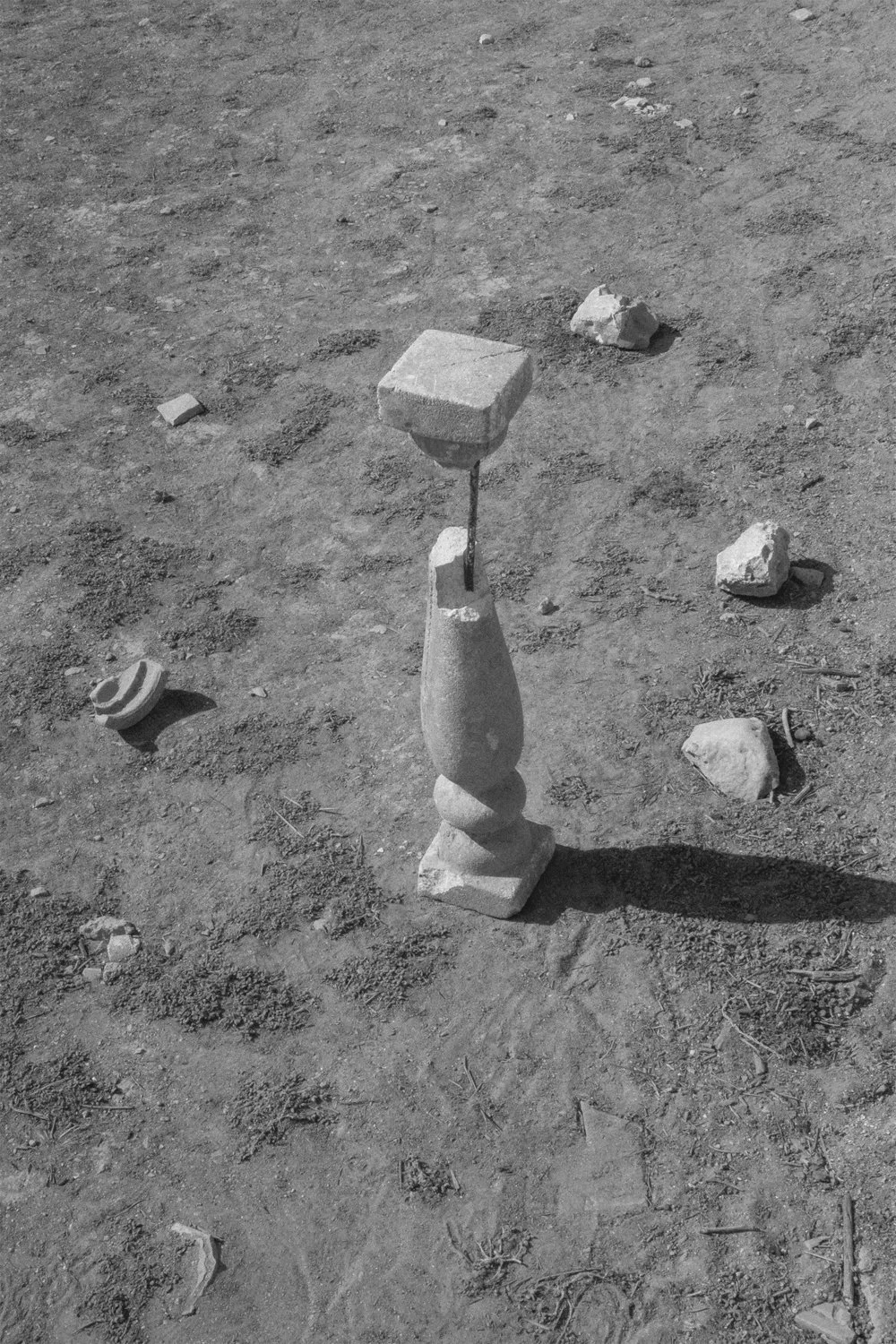
When resequencing the installation, what kinds of adjacencies matter most: material resemblance, emotional echo, or narrative tension?
For me narrative tension and emotional echo are inseparable, they feed each other, and pulling them apart would weaken both. When I place two images together, I’m thinking about the relationship between them, not as isolated objects. The tension lives in the gap, in what they withhold from each other. Material resemblance works too, but more as a subtle undertone, a shared texture or light that reinforces the emotional thread without making it explicit. What I’m looking for in an adjacency is friction that doesn’t break: two images close enough to resonate but different enough to generate movement, to keep the viewer reconstructing rather than concluding.
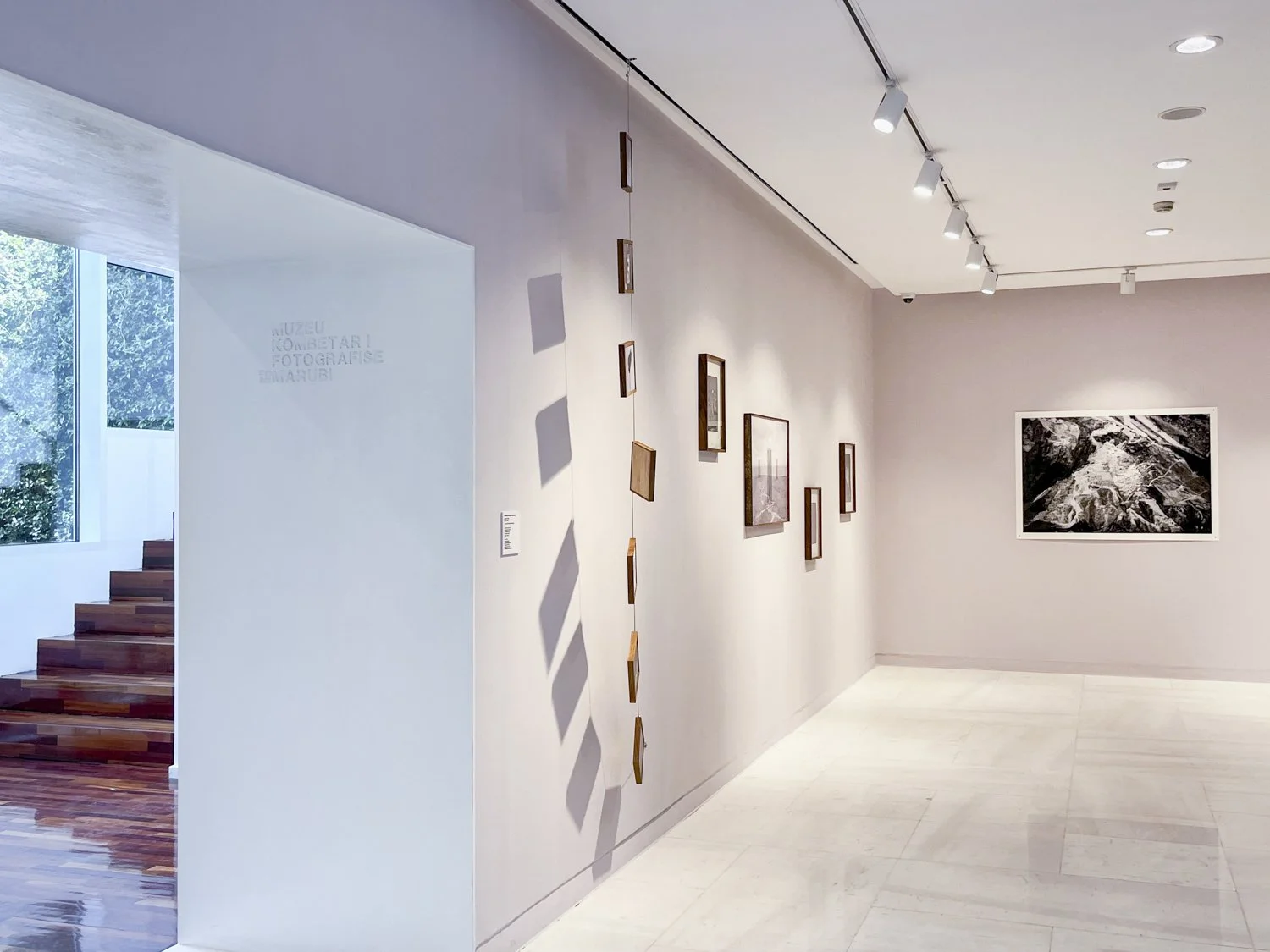
Unique challenge: The project deals with memories that are partly inherited, not just personally lived. How do you photograph something you did not fully experience yourself?
Thank you for the question, it touches something really central to the project. I carry a strong relationship to oral storytelling, inherited directly from my family. My grandparents were forced to leave the region of northern Greece, ancient Epirus, and they lived in exile from that point on. That displacement was never abstract to me; it was something I grew up hearing about, in songs, dances, conversations around tables. I think I only fully understood how much that inherited memory had shaped me when I experienced it myself, by moving to France, where I live now. Suddenly, things I had only heard about, the disorientation, the work of rebuilding a life and a language elsewhere, the way home becomes something you carry rather than somewhere you stand, became my own lived experience. That’s when the two layers of memory, theirs and mine, started to speak to each other. So when I photograph something I haven’t personally lived, I’m not trying to reconstruct it literally, I’m working with the gap itself, the space between what was told to me and what I now feel in my own body. The image becomes a way of giving form to inherited memory, filtered through my own experience of displacement. It’s less about illustrating my parents and grandparents’ story and more about finding where their exile and mine overlap, where an old absence and a new one resonate with each other.
Building the work: Some images in the project show landscapes that look “transfigured,” while others show rituals. How do you approach photographing a place when you want it to carry more meaning than just what is visible?
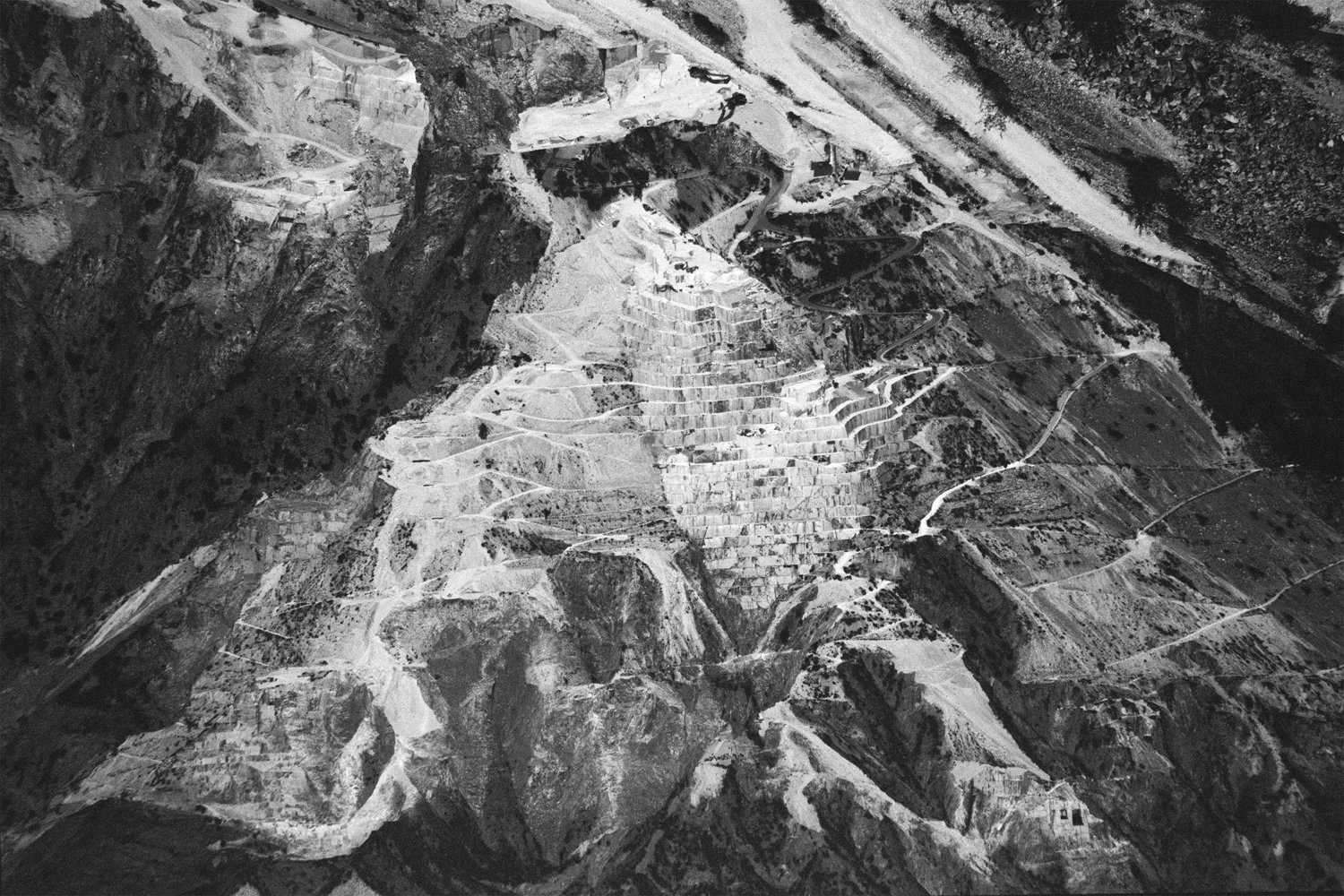
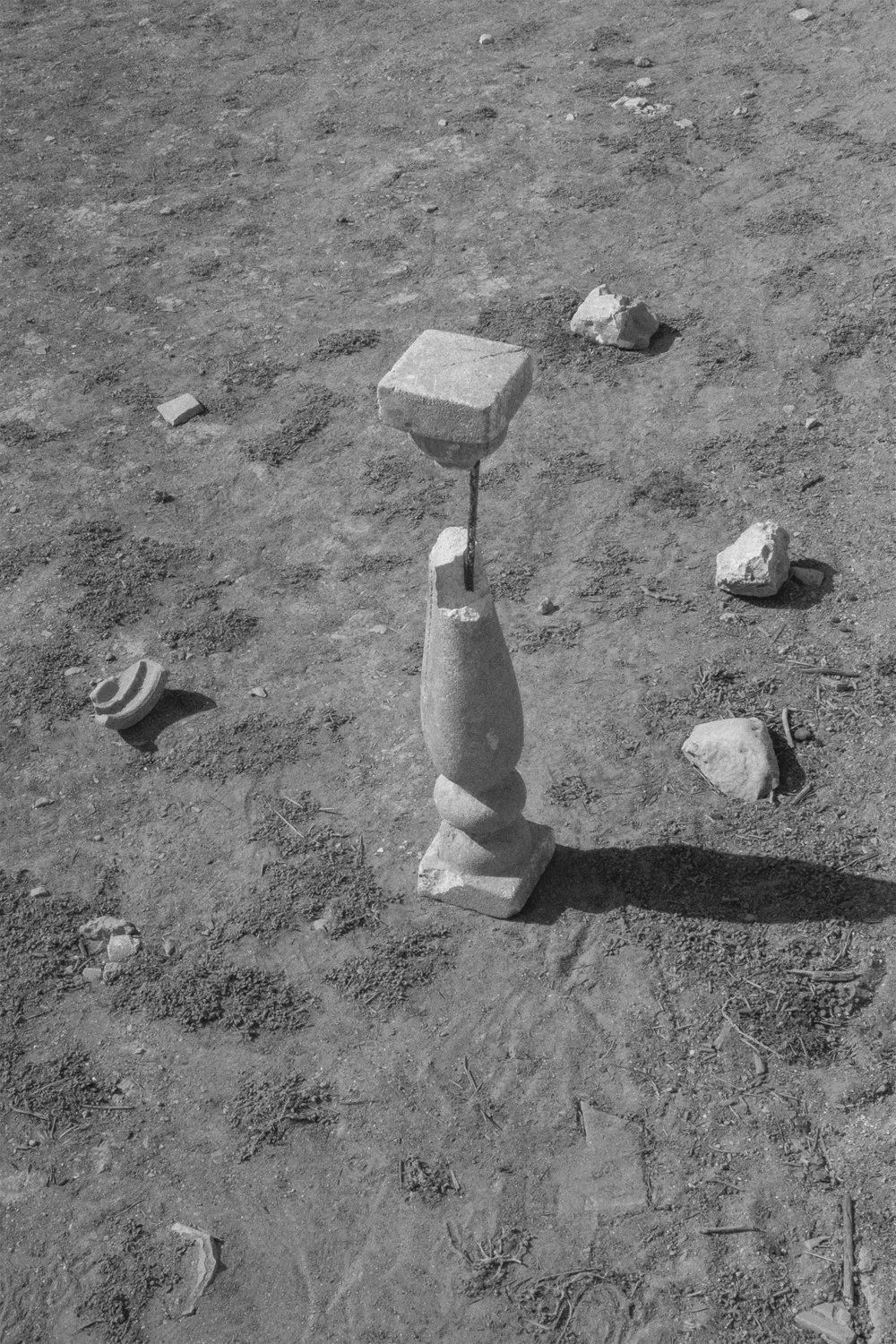
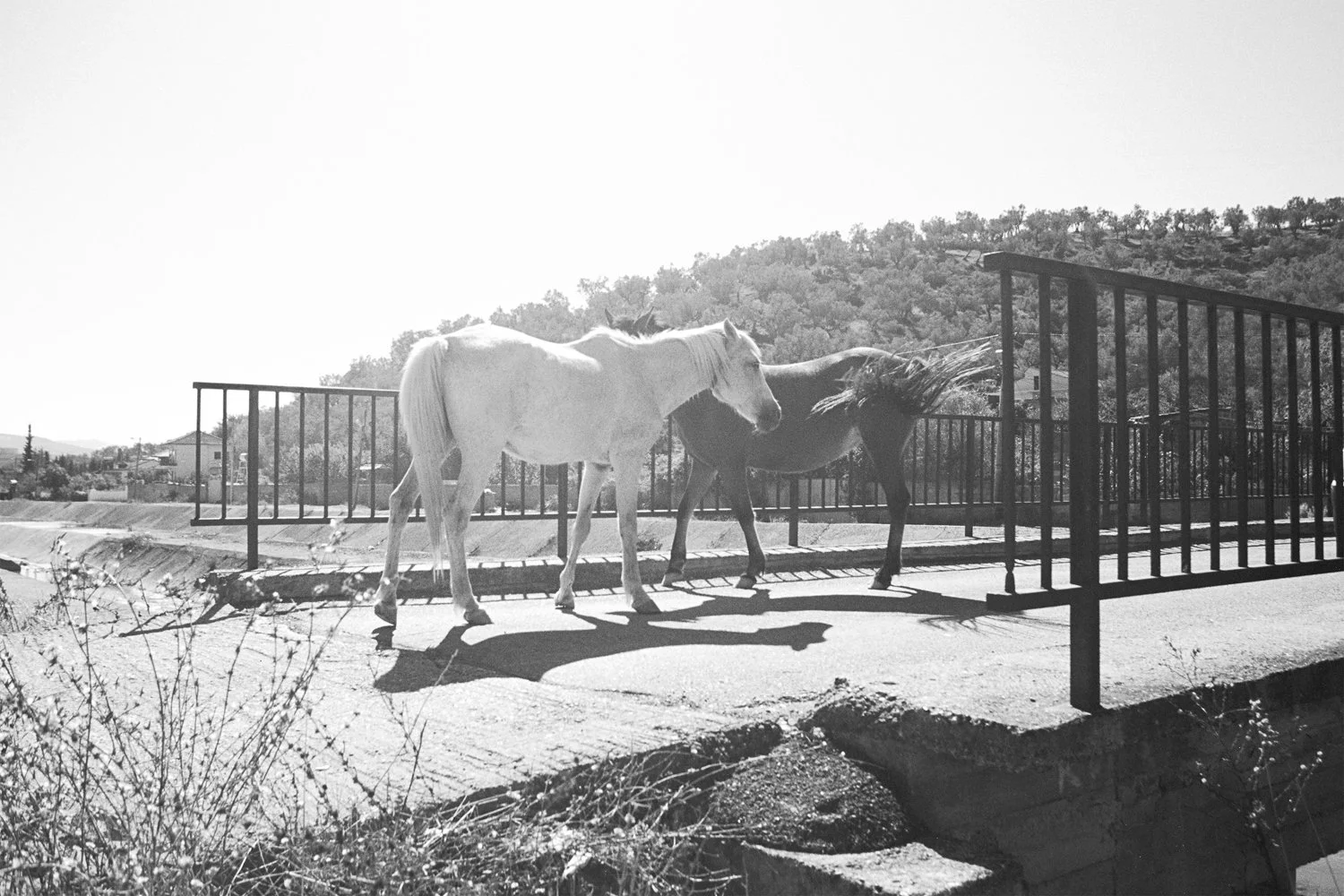
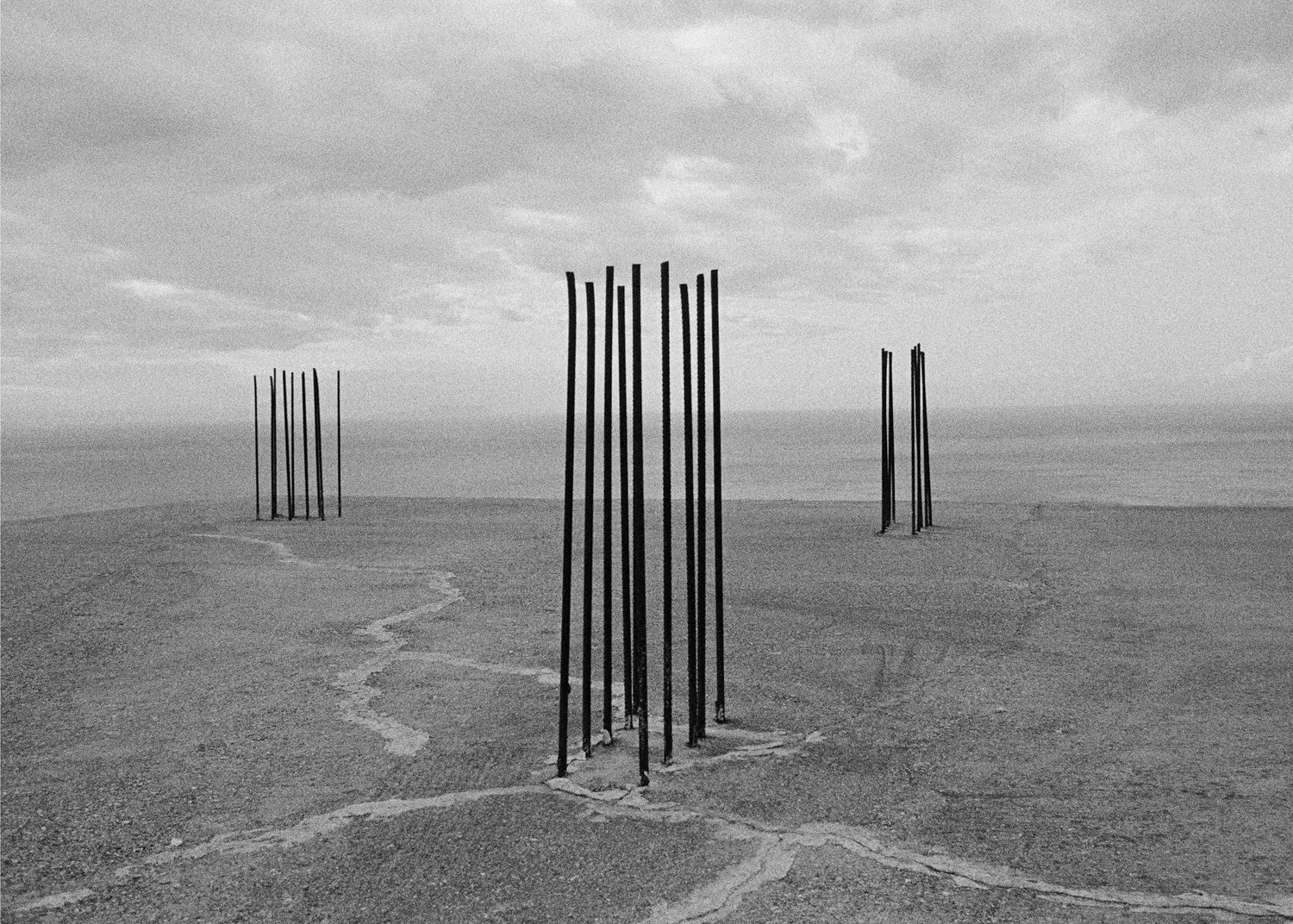
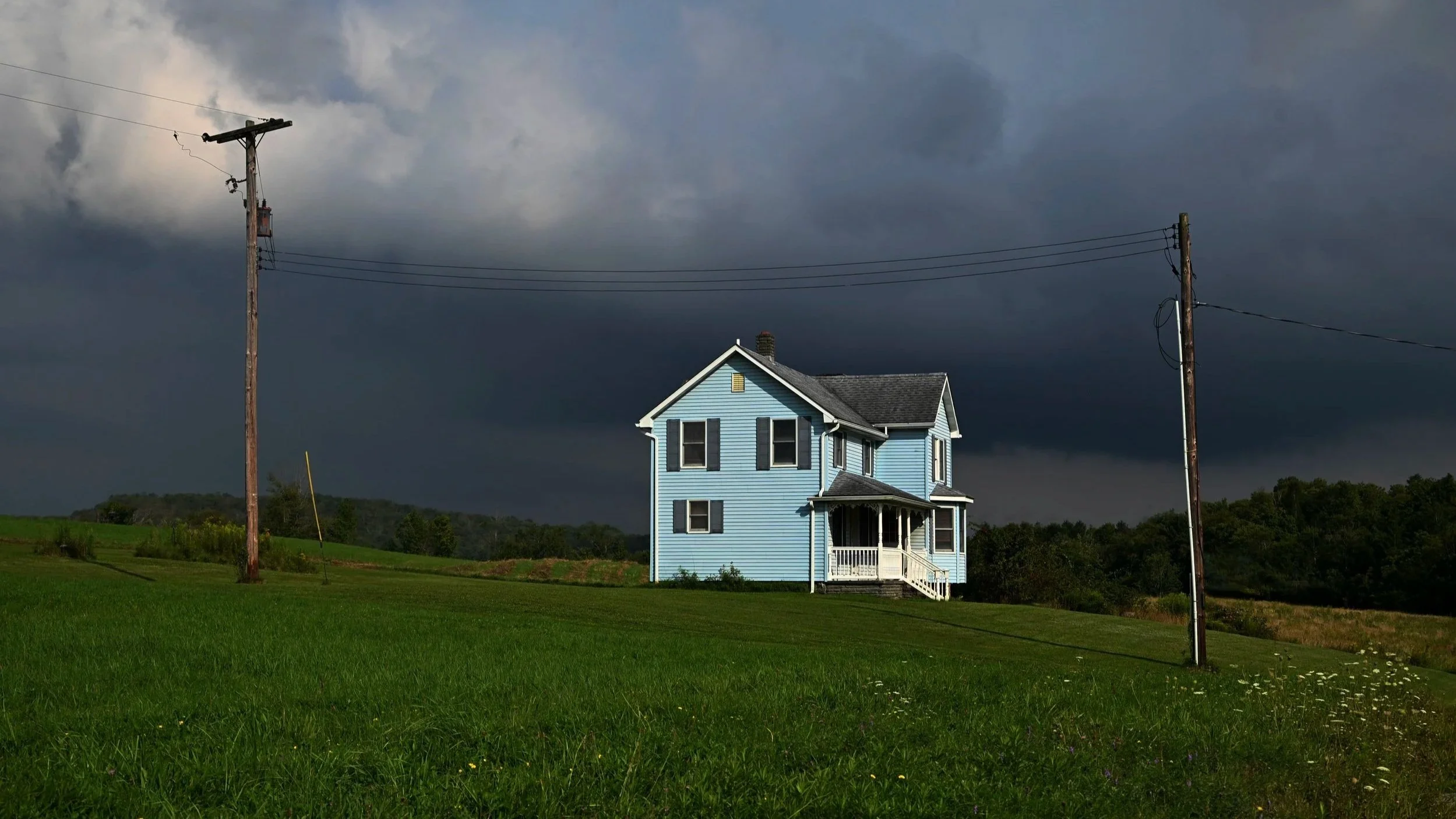
In my work, the persistence of ritual gestures and the circularity of certain elements act as an interface with myth; they ask the eye for a further effort, one that triggers a more analytical, even disenchanted way of looking at the image. I’m interested in what happens when a place becomes available to this kind of exploration, when it transcends the merely visible. This is where Édouard Glissant’s idea of “opacity” matters to me; the right of an image to remain not fully transparent, not reduced to a single meaning. I want something in my images to stay irreducible, resistant to one reading, the way memory resists full translation. Therefore, a piece of concrete becomes a human figure and a cave becomes a mountain, a Mons Sacer, the dwelling of ancient gods who once governed time and space from there. Materials, in my images, are never neutral, they carry the weight of the history that produced them, a temporal position tied to an ideological slant that marks their existence. This is also why I work with the symbolism of communist Albania, horses, in particular, recur throughout the project. They appeared in socialist-realist monuments, projecting strength and a controlled vision of the future. I take that iconography and undo it, returning it to ambiguity, letting it carry contradiction rather than one imposed meaning.
How do you tell when opacity is productive and when an image becomes simply too obscure?
Allow me to quote Glissant once again. In his Poetics of Relation he defends what he calls the right to opacity, not as obscurity but as a refusal of reduction. It protects what can’t be summarised. That speaks directly to what I’m trying to do with these images. The line I try to hold is between opacity that creates a pull and obscurity that simply closes down. For me, an image works when it resists easy reading but still offers a thread, still opens something without explaining it away. It fails when there’s nothing to hold onto.
Borrowing without copying: Your work mixes photography with video, writing, and sound. When does a photograph alone feel like enough, and when do you feel you need to add another medium?
From the beginning, I understood that the layering this project required wouldn’t be possible through photography alone, it needed a fluid interchange between mediums: photography, video, sound, and written word. Each element changes the rhythm of the work and helps build a varied amalgam of voices within the same narration. Some images were meant to remain still: a landscape transformed into myth, the encounter between two figures frozen in a moment just before the shutter was released. Those moments ask the viewer to slow down and project their own time onto the image. A photograph is enough when what I want to say is precisely what cannot be said, when stillness itself is the meaning. But exile, as a subject, isn’t static. It has duration, repetition, a disjointed temporality, it asks to be told through different paces. So when I need movement, duration, or the materiality of a voice, I turn to video. Video holds onto time in a way a still image can’t: it shows a ritual unfolding rather than just its trace while the sound brings the texture of language itself. Each medium carries a different register of the same narration, almost like a different witness to the same event. Together they form something closer to how memory and exile actually feel: fragmented and multi-sensory.
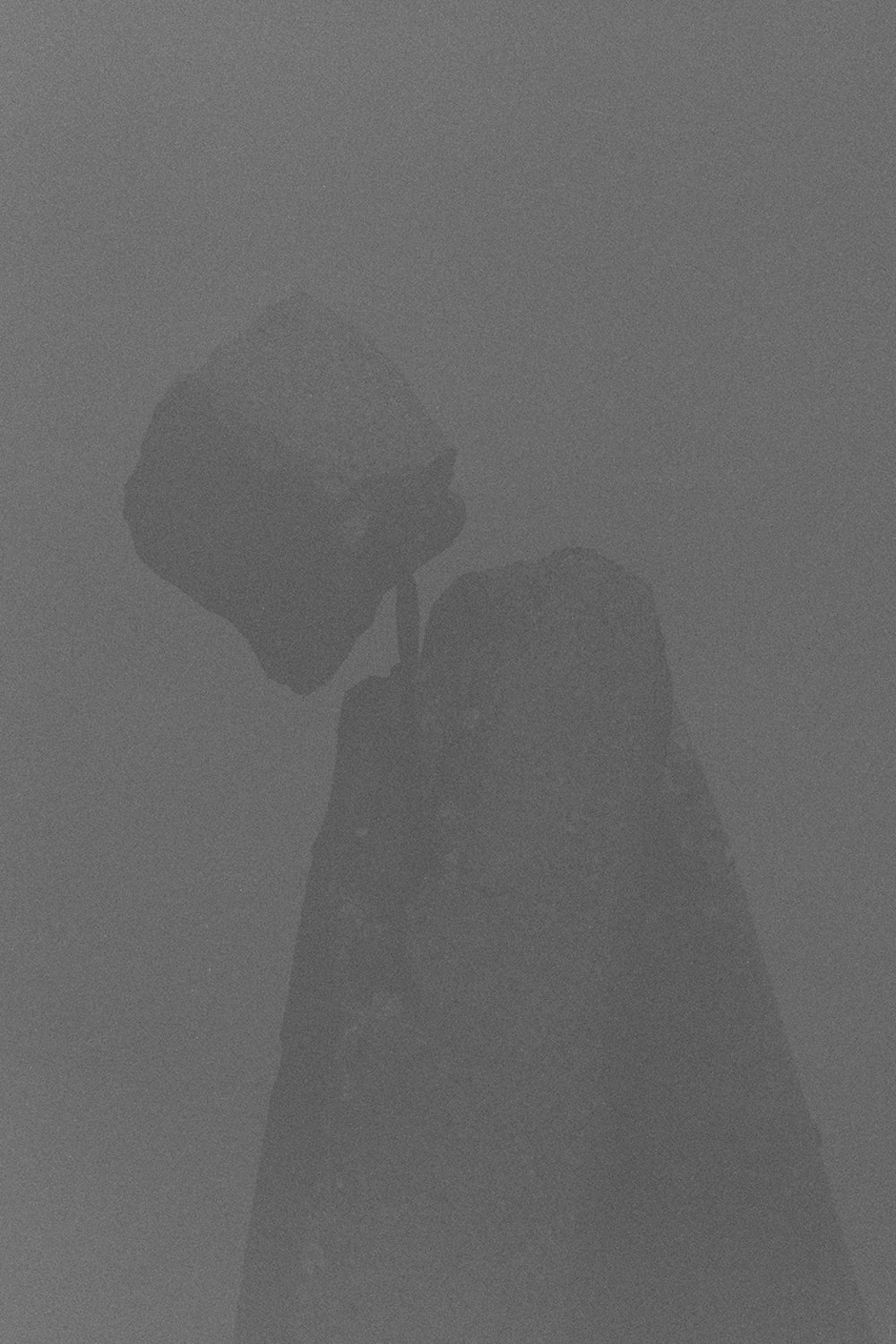
Taking it further: The project received an honourable mention at Giovane Fotografia Italiana and led to a solo exhibition in Stockholm. How has showing this work to audiences outside Albania changed the way you think about it?
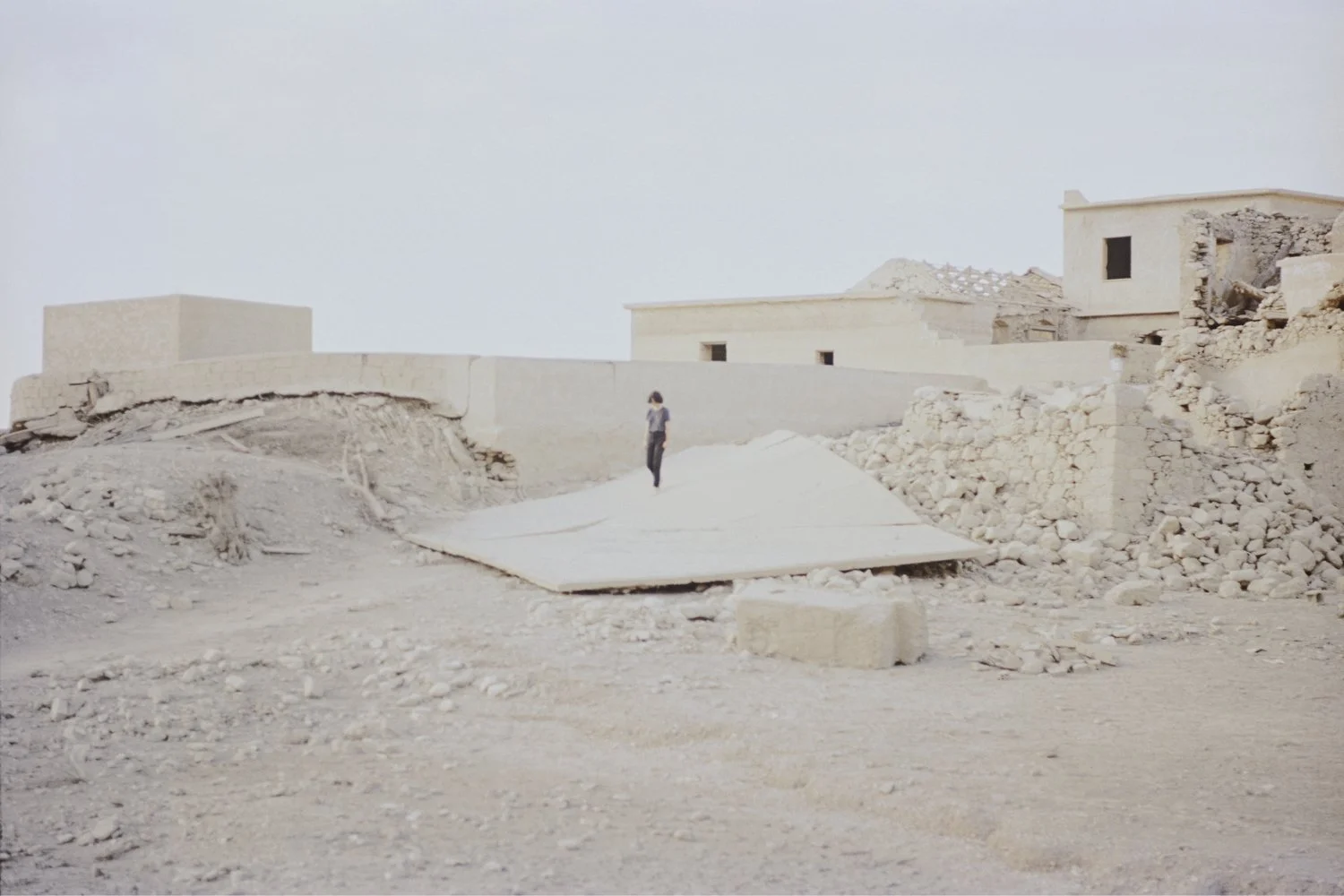
Thanks to the honourable mention, I got the opportunity to extend this project further. The residency at the Italian Cultural Institute in Stockholm gave me time in a landscape I didn’t know, and that unknowing was important. I arrived without a predetermined story, without a community I belonged to, without a language I could move through easily. You pay attention in a more acute way when you can’t rely on the automatic knowledge that familiarity provides. I worked with the personal archive of a Swedish-Italian family and tried to push my inquiry into a land where I had no personal attachment. In a strange way, that distance clarified something about my own project: exile isn’t only about the place you left, it’s also about how you relate to a place you have no claim to at all. Working in Stockholm, I understood that “Pasqyra e Lëndësh” was never only about Albania – it’s about displacement as a condition, one that can surface anywhere, even in an archive and a landscape that doesn’t belong to me.
More photography books and interviews?
We'd love to read your comments below, sharing your thoughts and insights on the artist's work. Looking forward to welcoming you back for our next [book spotlight]. See you then!
Julio Mitchel finished El Sur without seeing conditions improve. From the 1980s to 2000, he travelled through seven Latin American countries, photographing poverty, inequality, and the abuse of power. Photography Book Spotlight