Harrison & Turnbull Turned 11 British Landscapes Into Fallen Flowers
This article contains some very tasteful nudity, so maybe don’t open it during a serious meeting.
Welcome to this edition of [book spotlight]. Today, we uncover the layers of 'Fallen Flowers,' by Claire Harrison & Adelaide Turnbull (published by Kozu Books). We'd love to read your comments below about these insights and ideas behind the artist's work.
Fallen Flowers turns women into living landscapes.
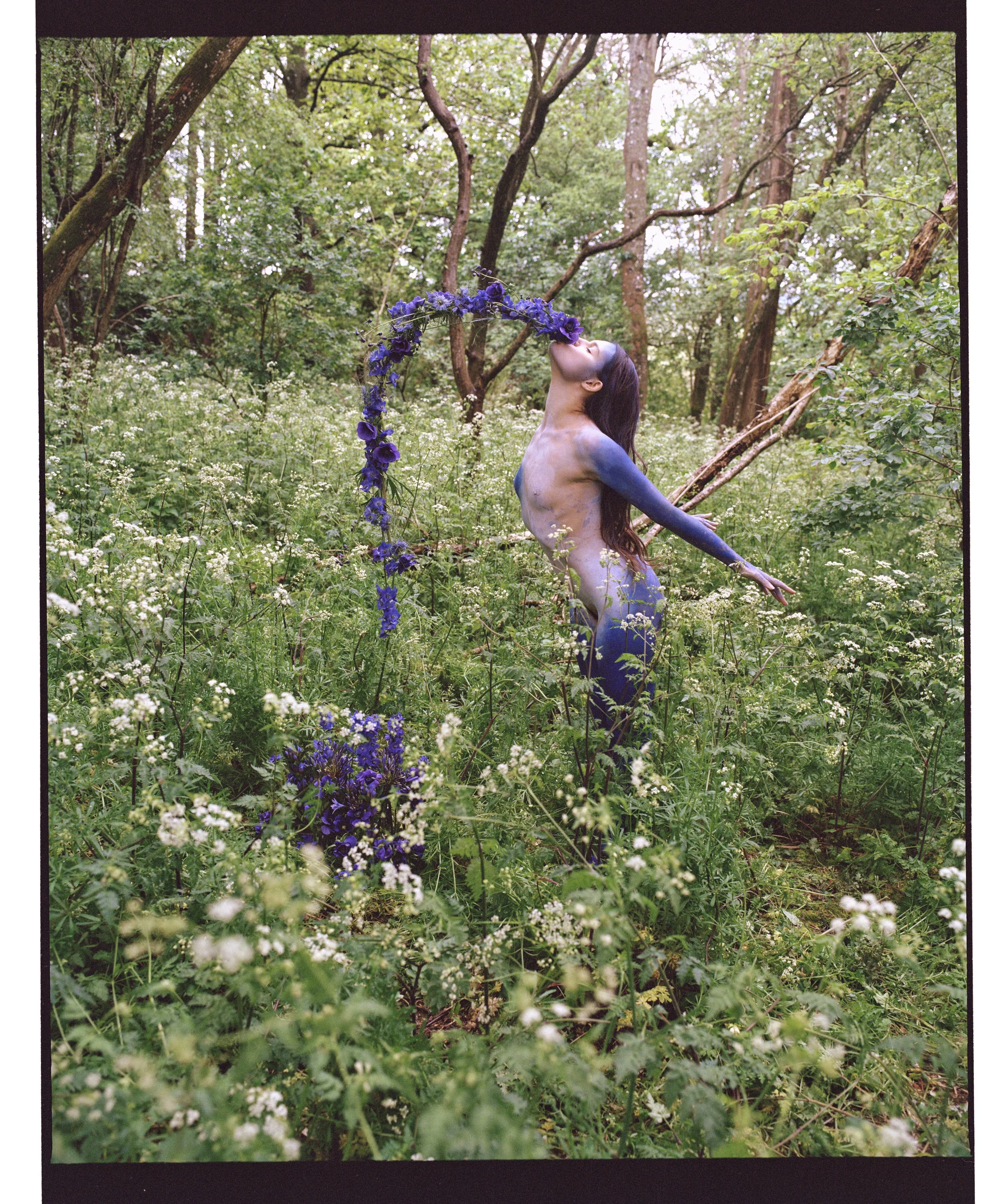
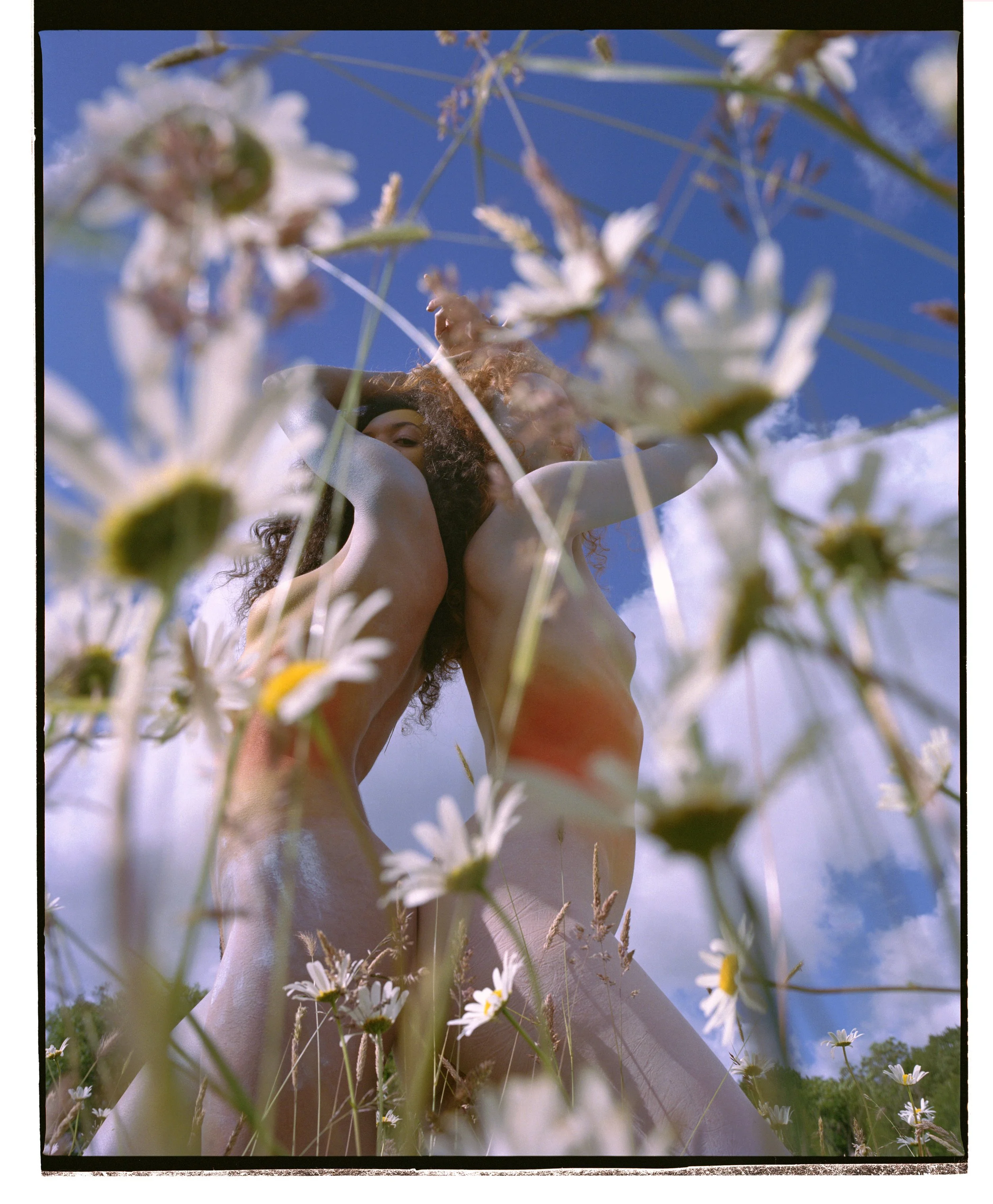
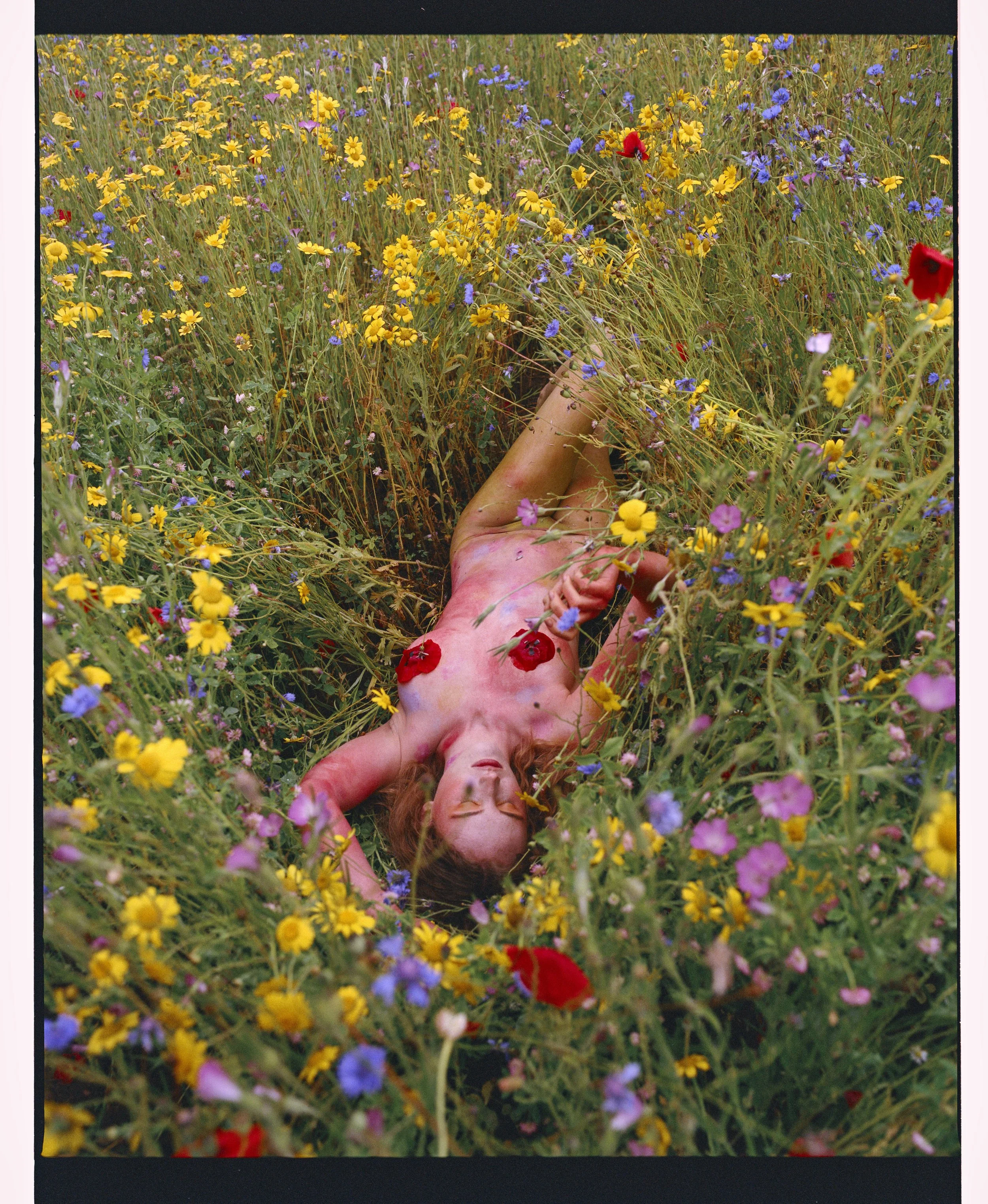
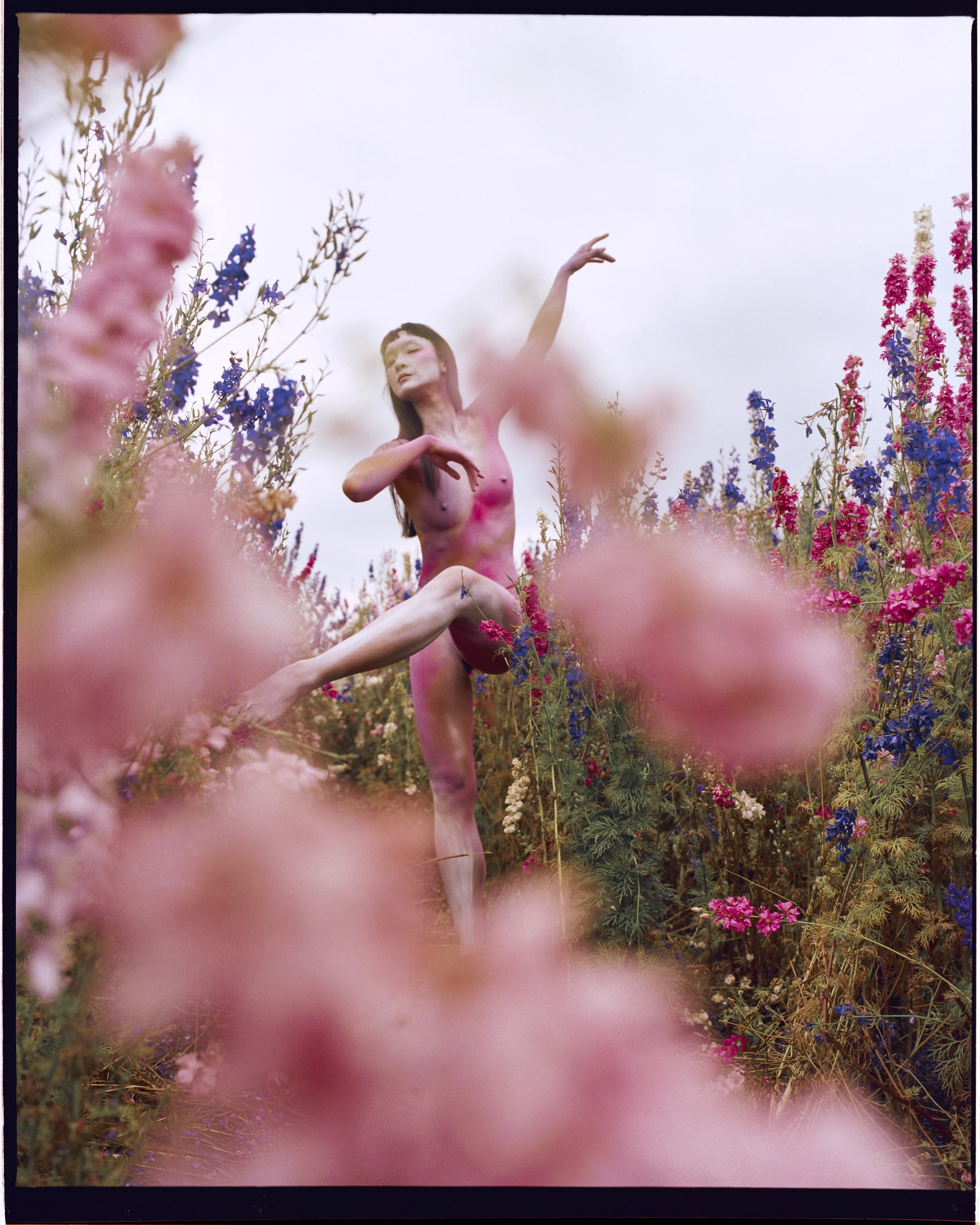
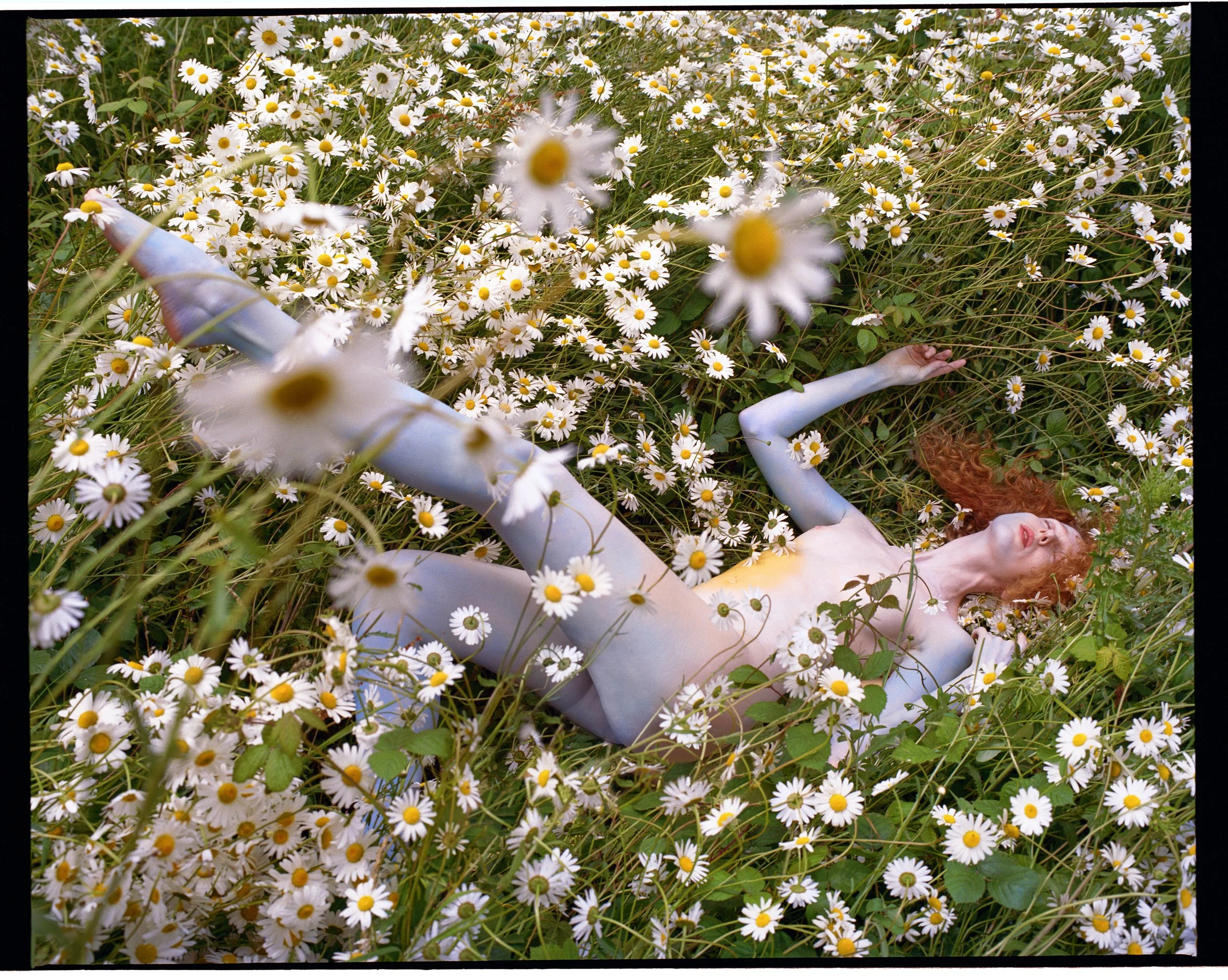
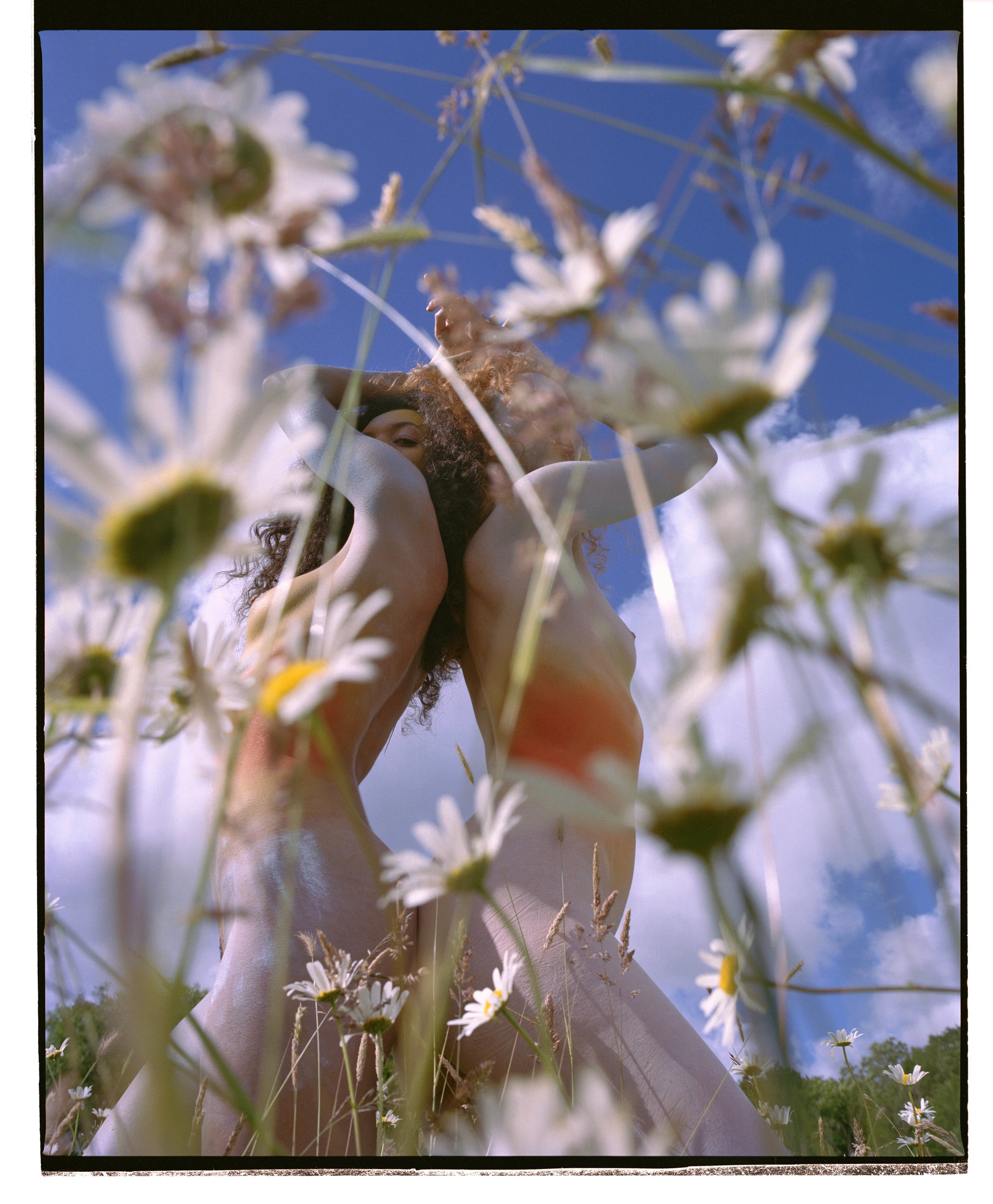
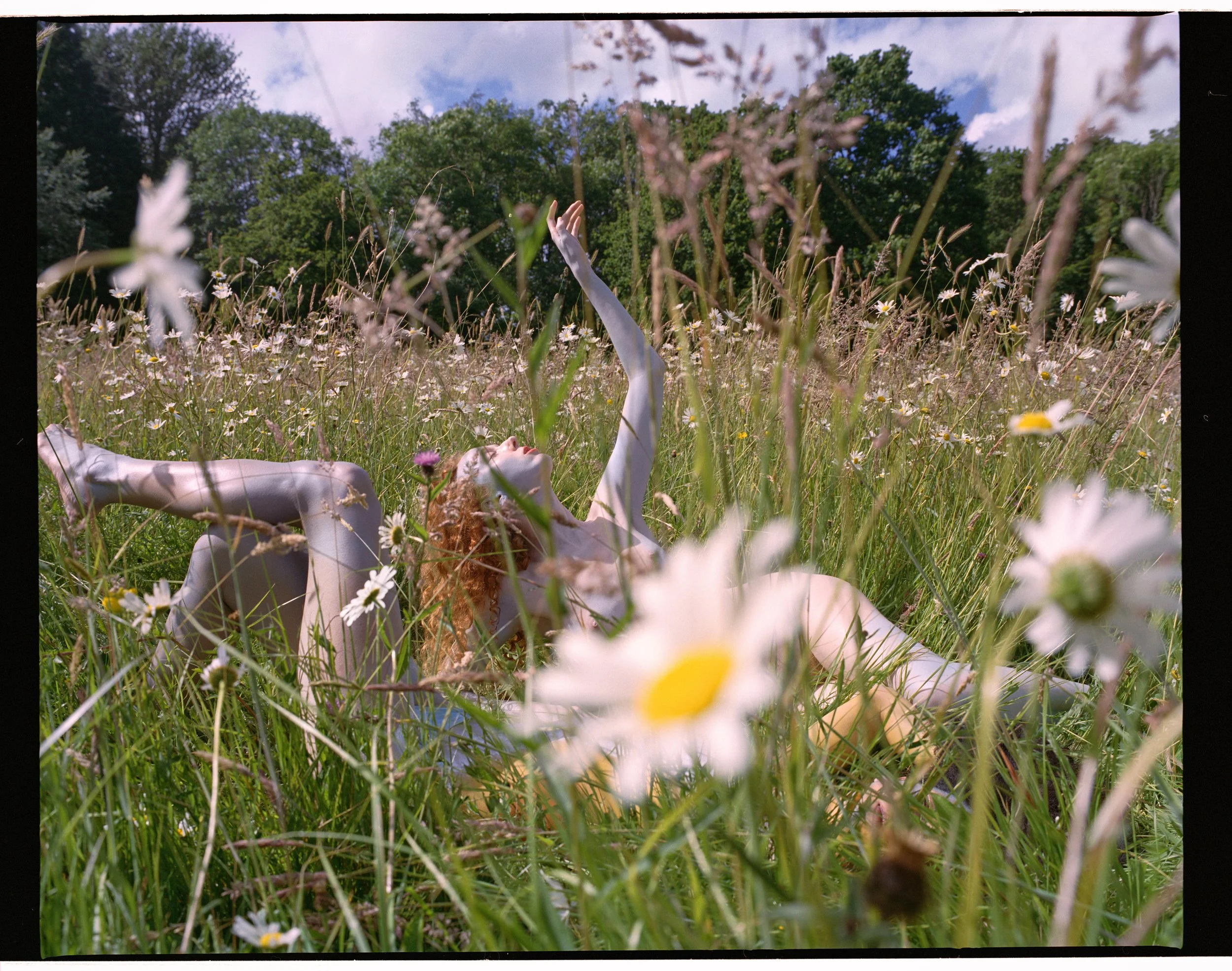
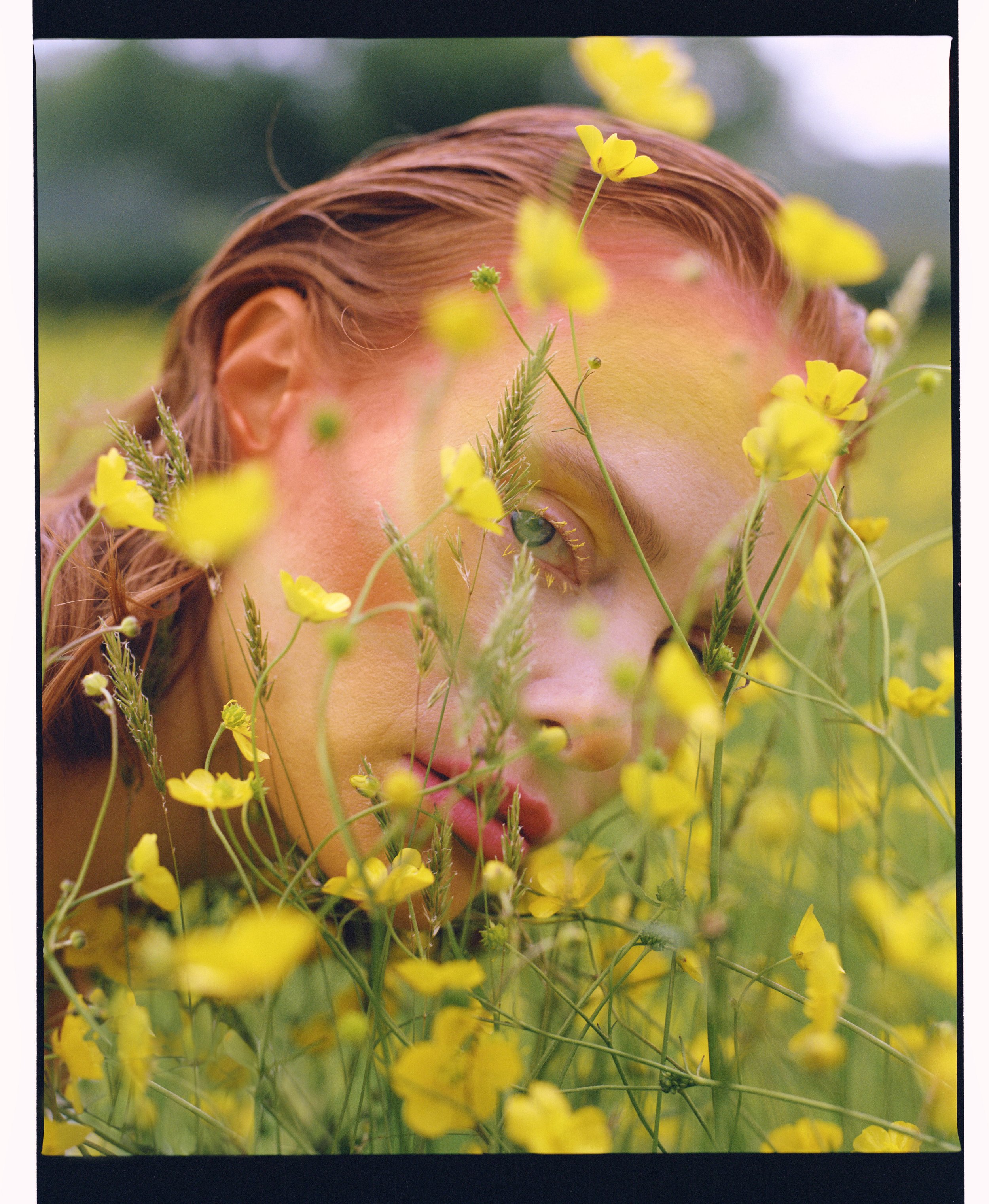
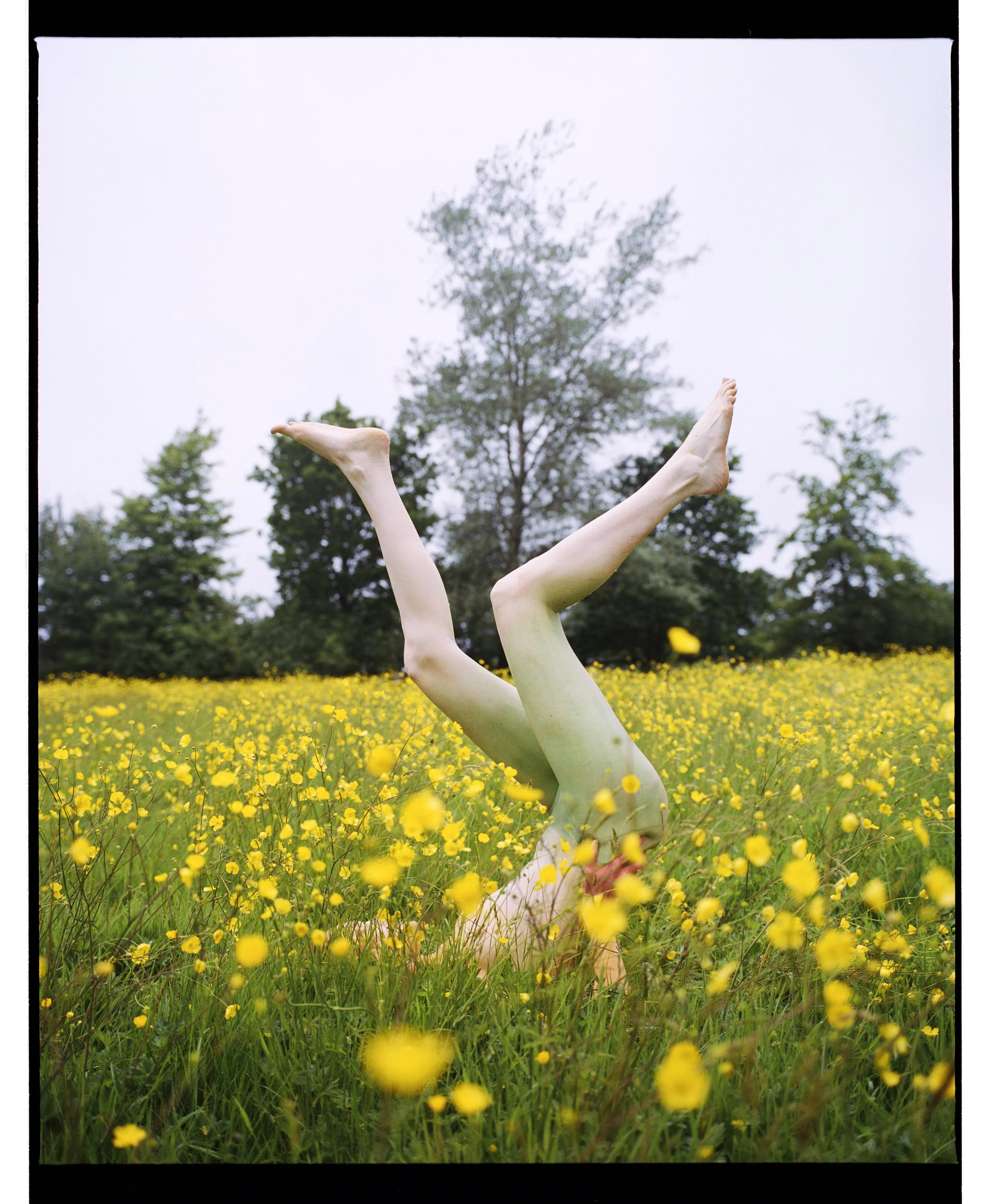
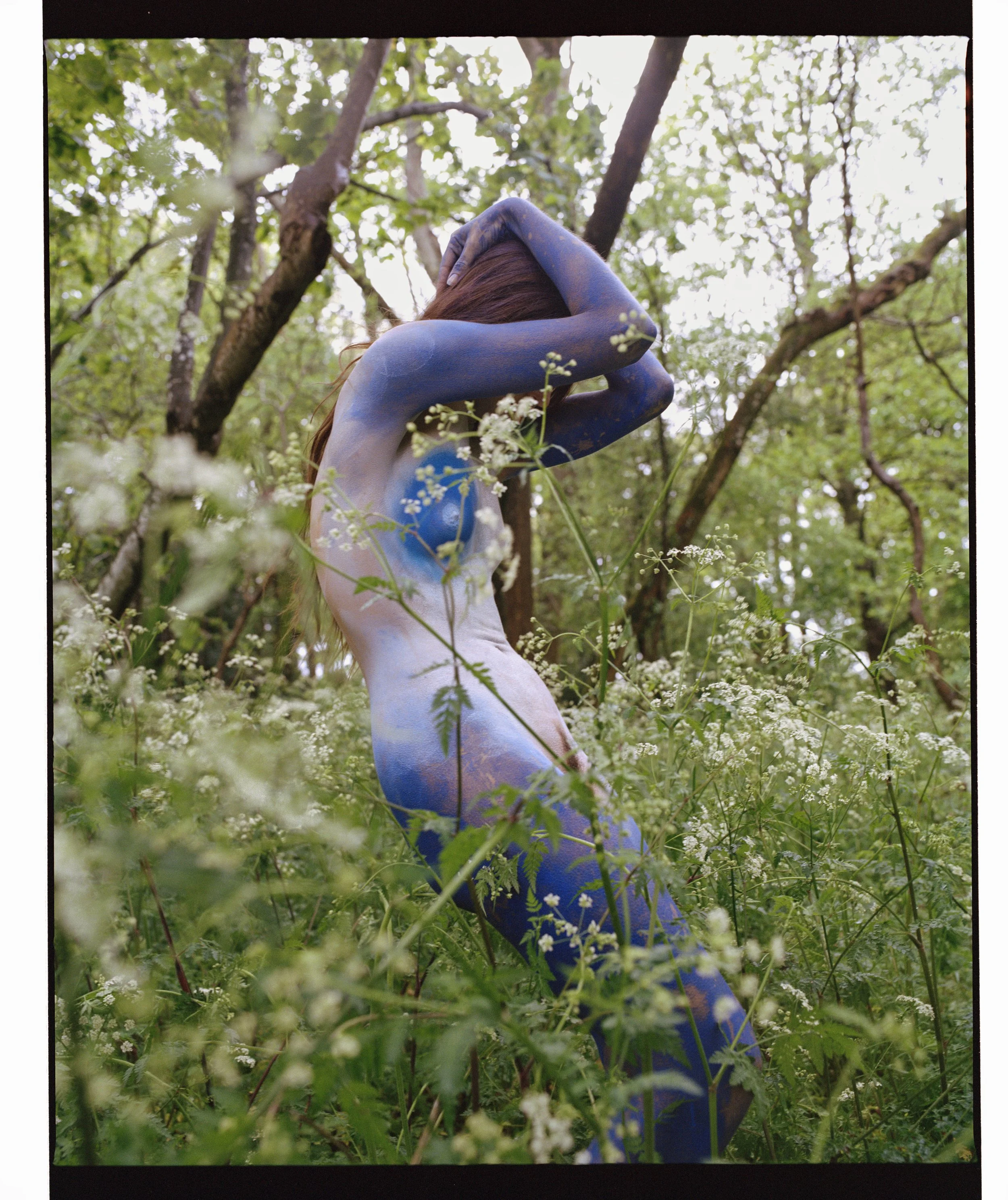
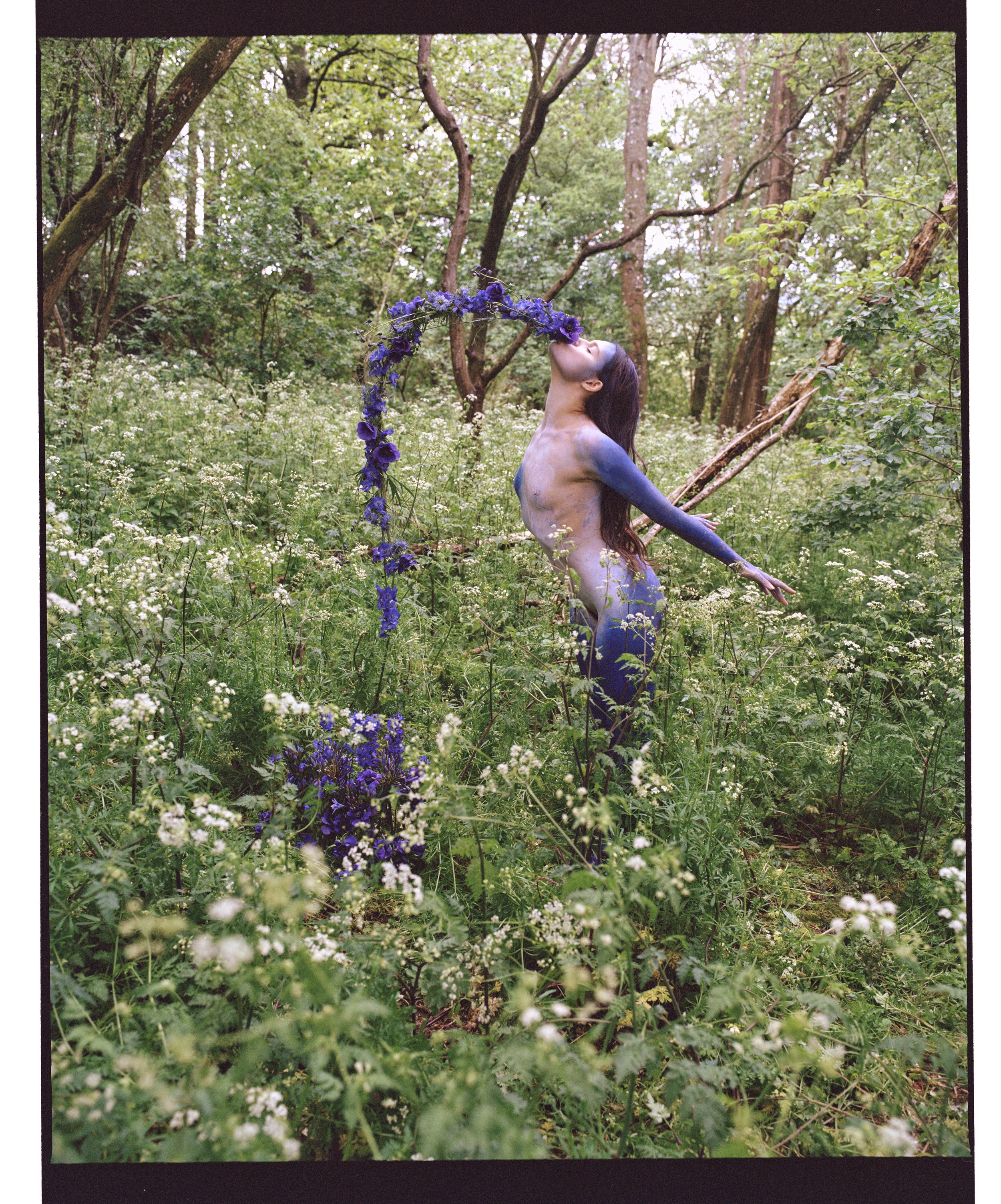
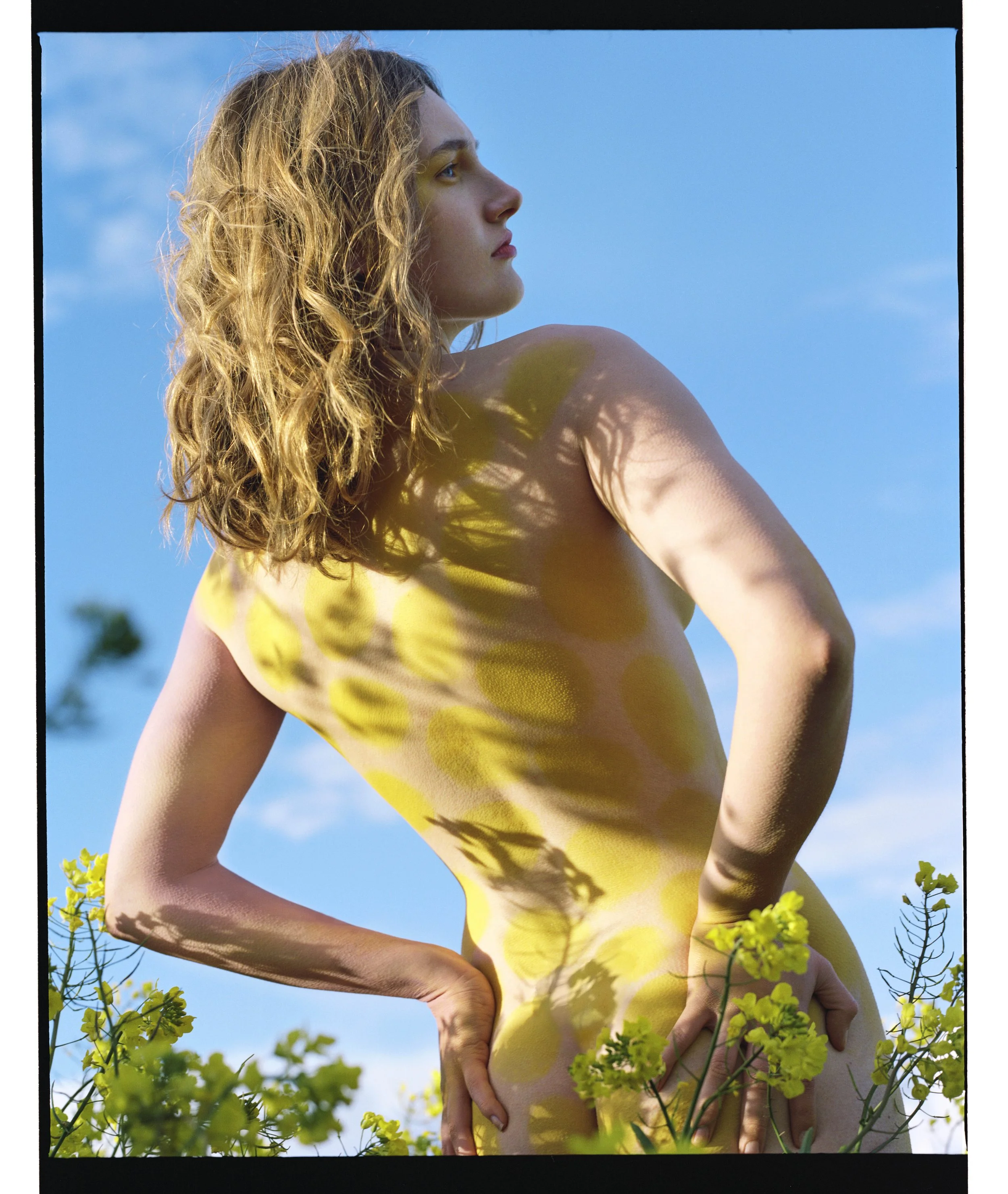
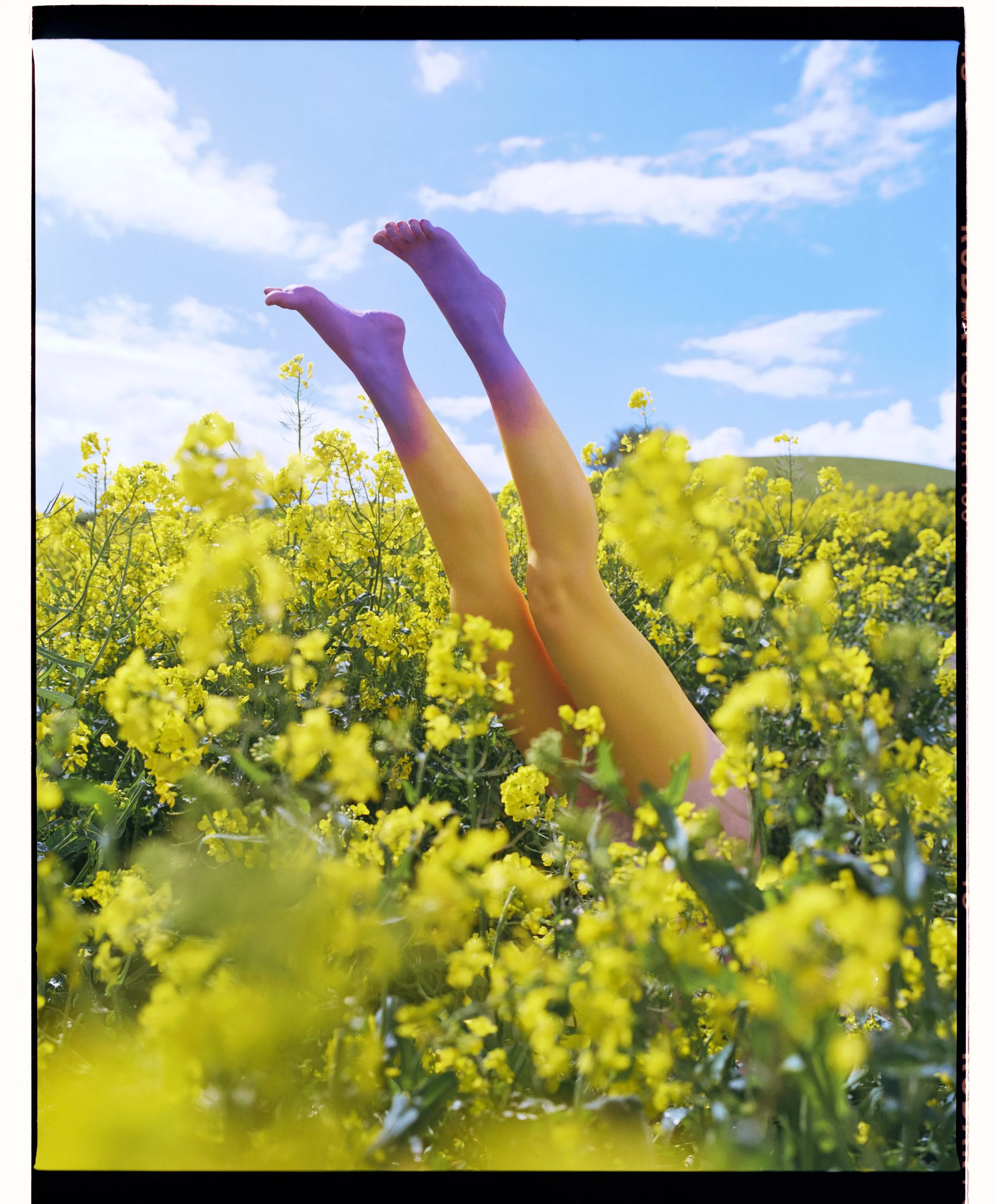
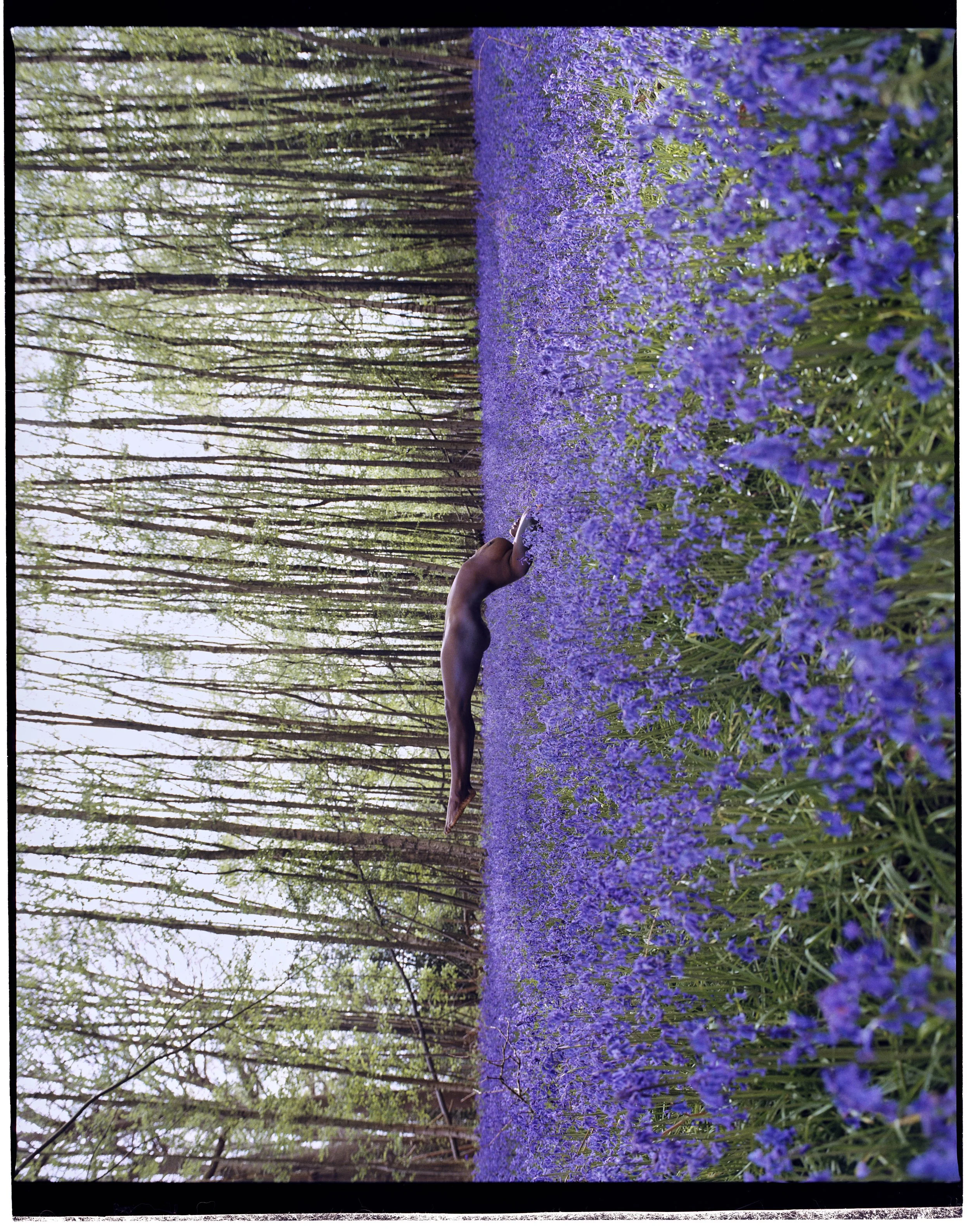
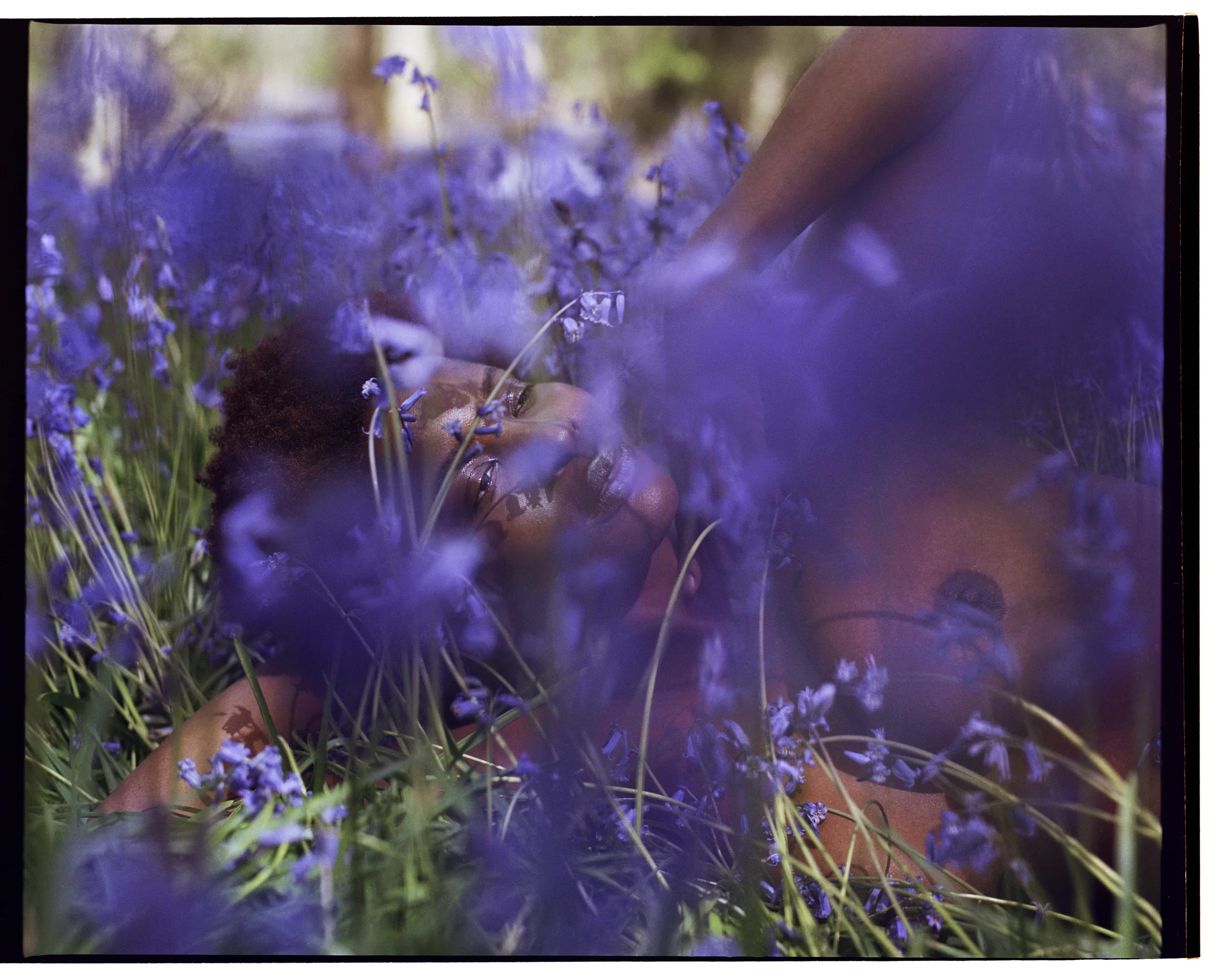
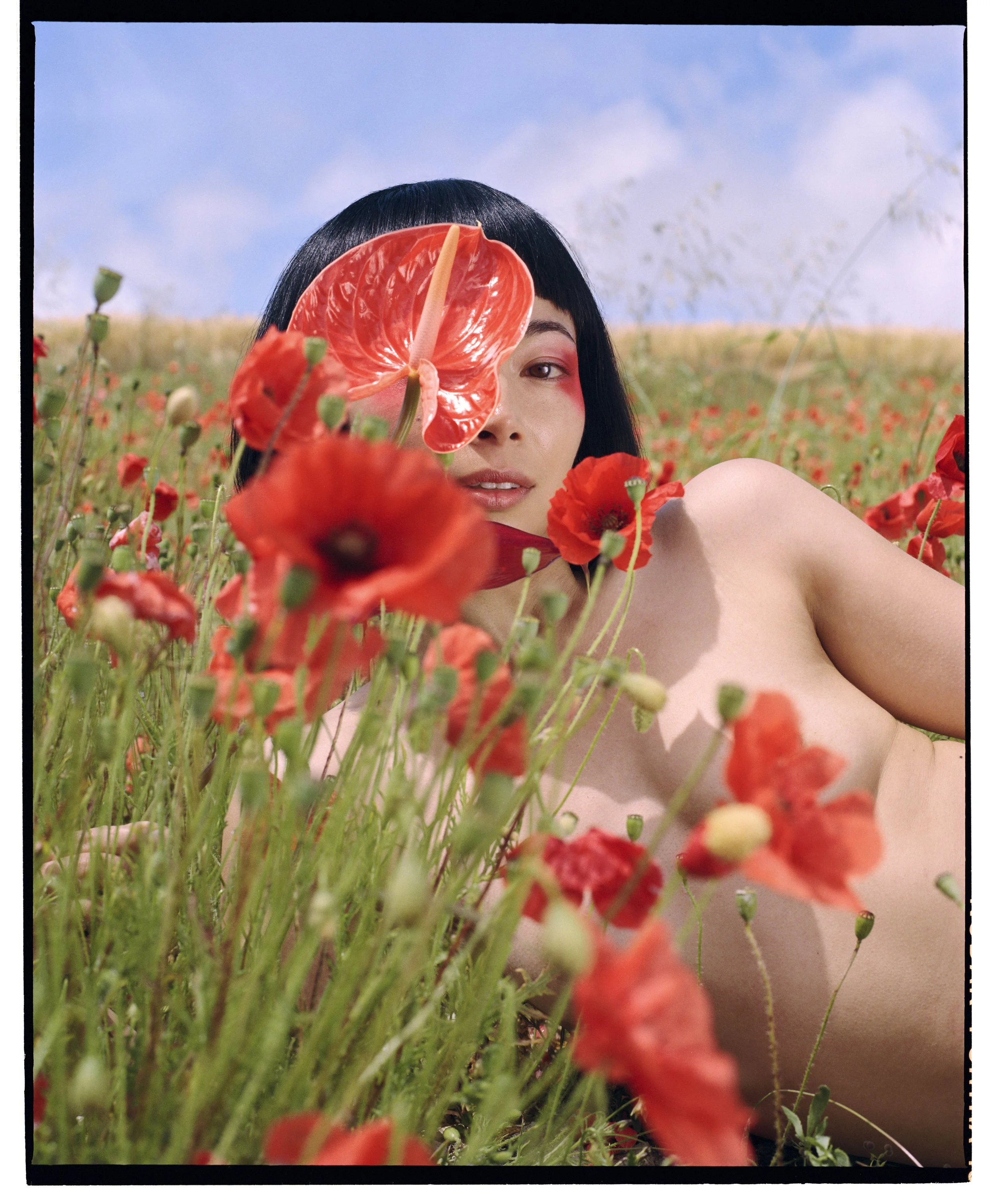
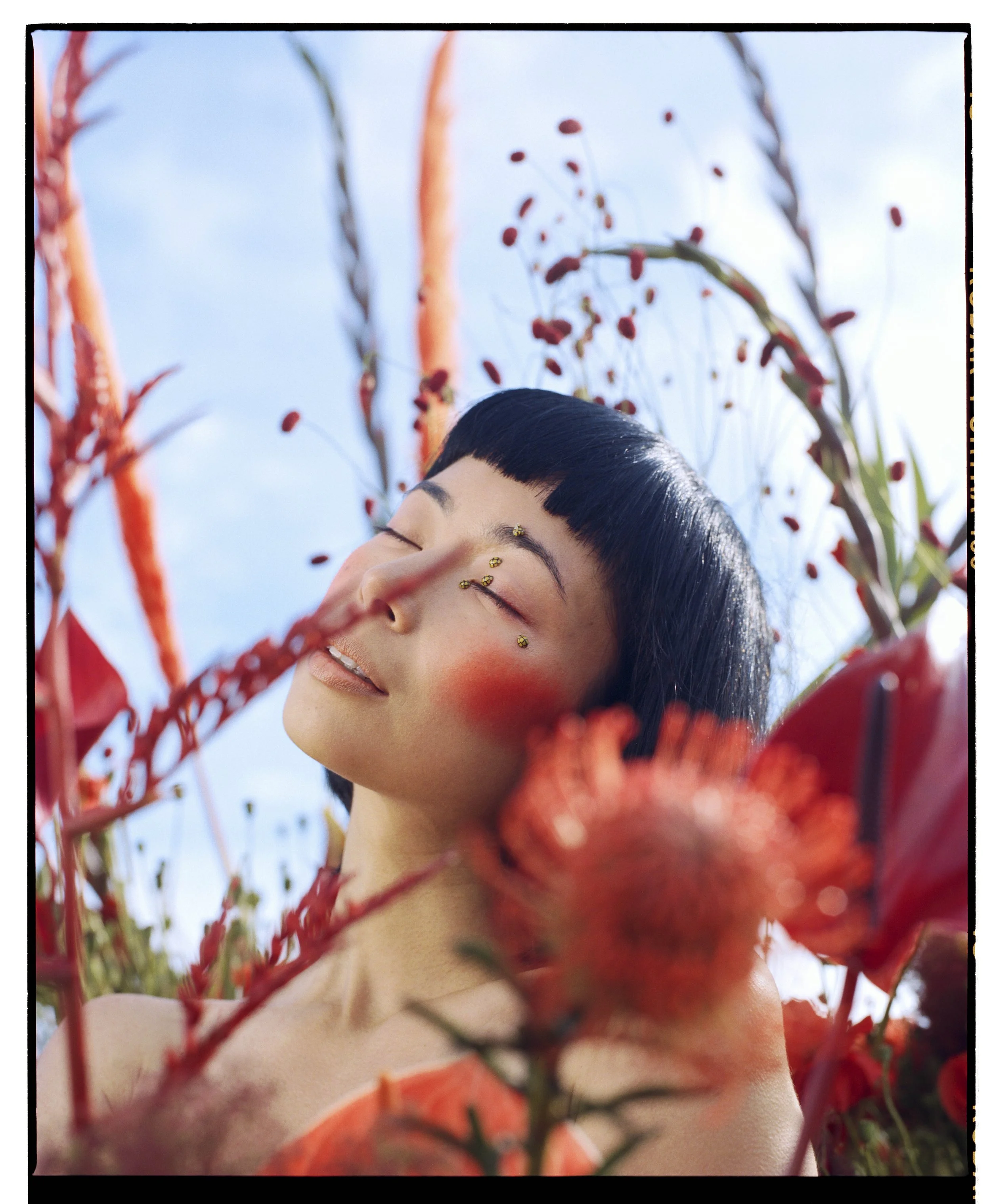
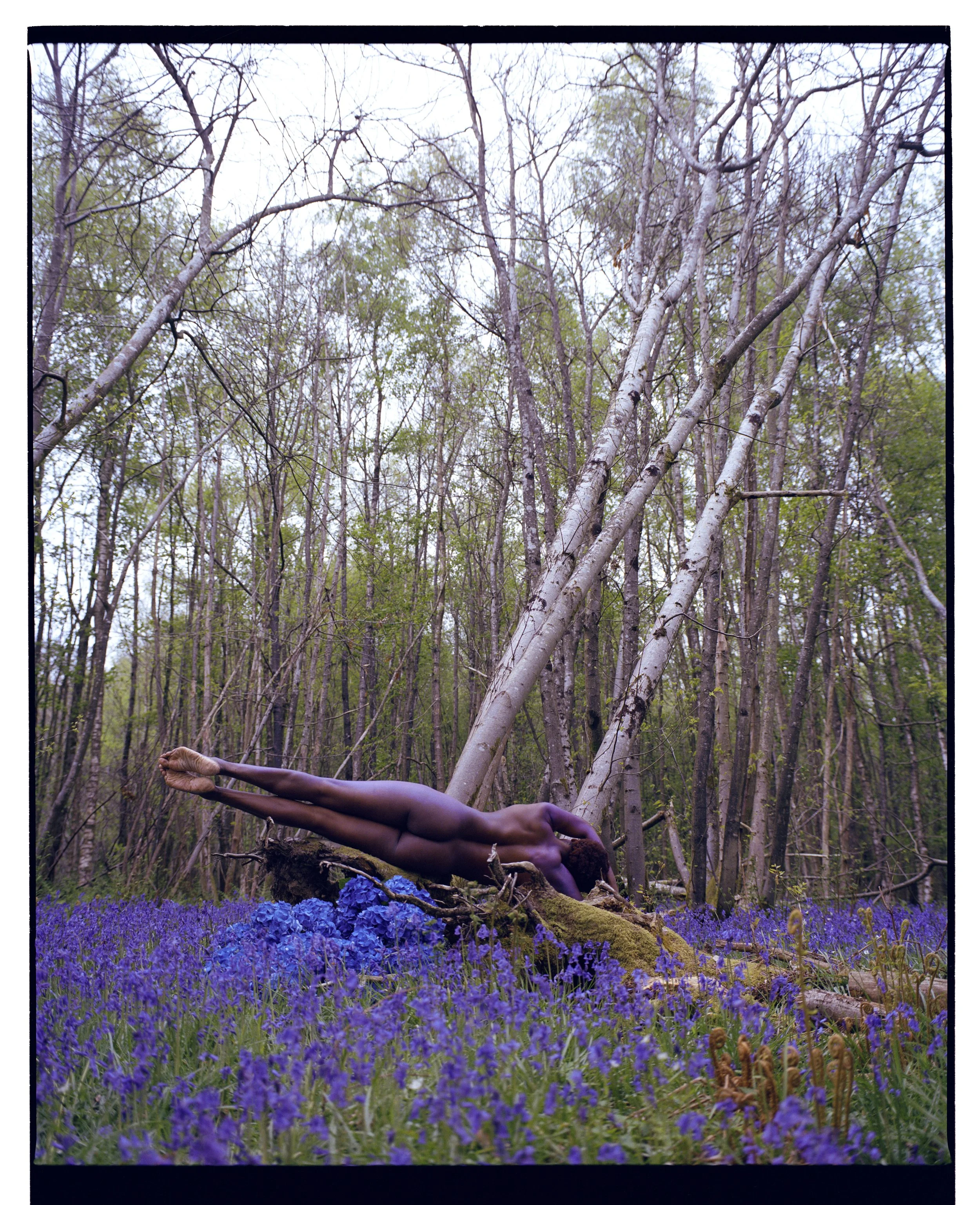
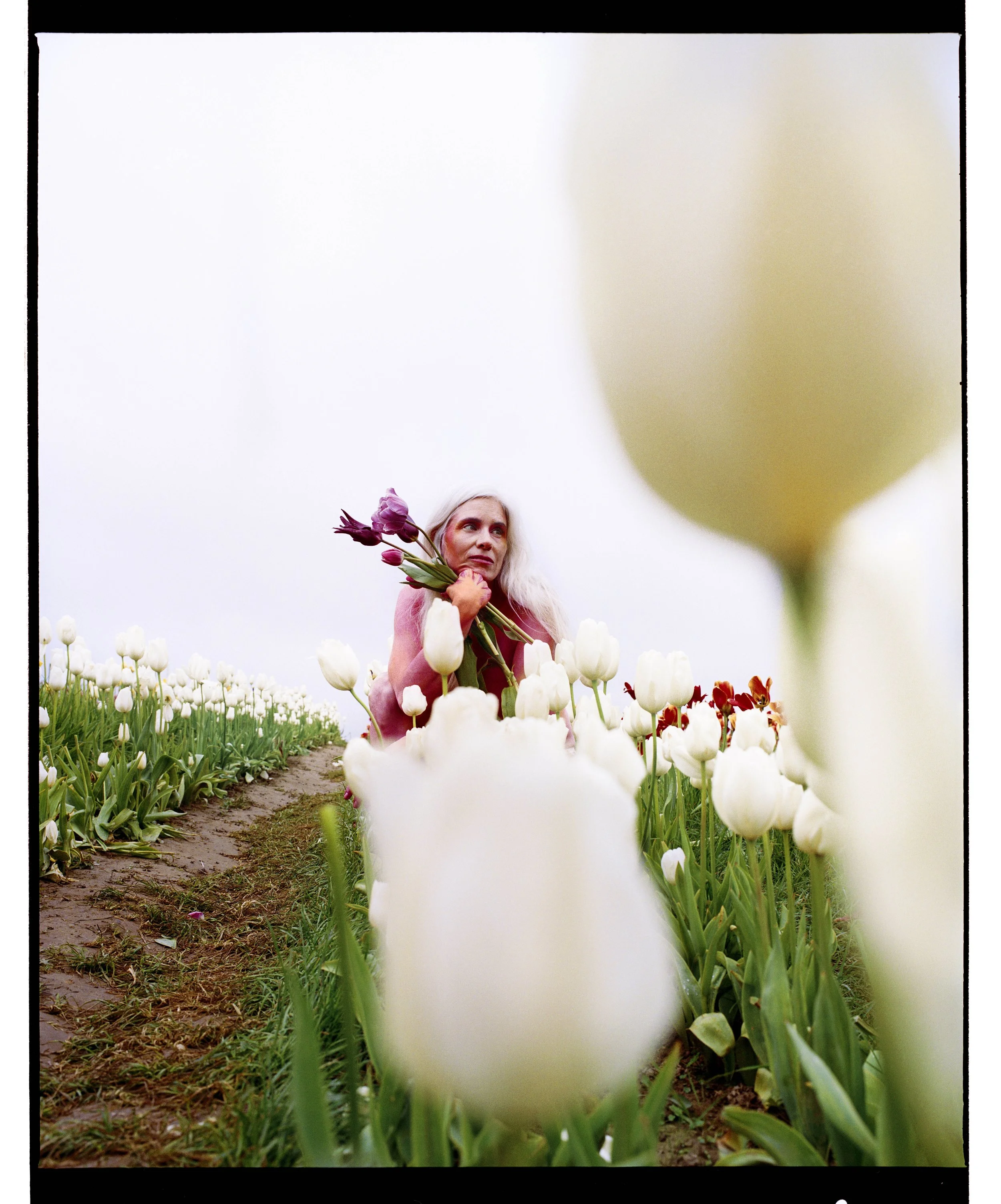
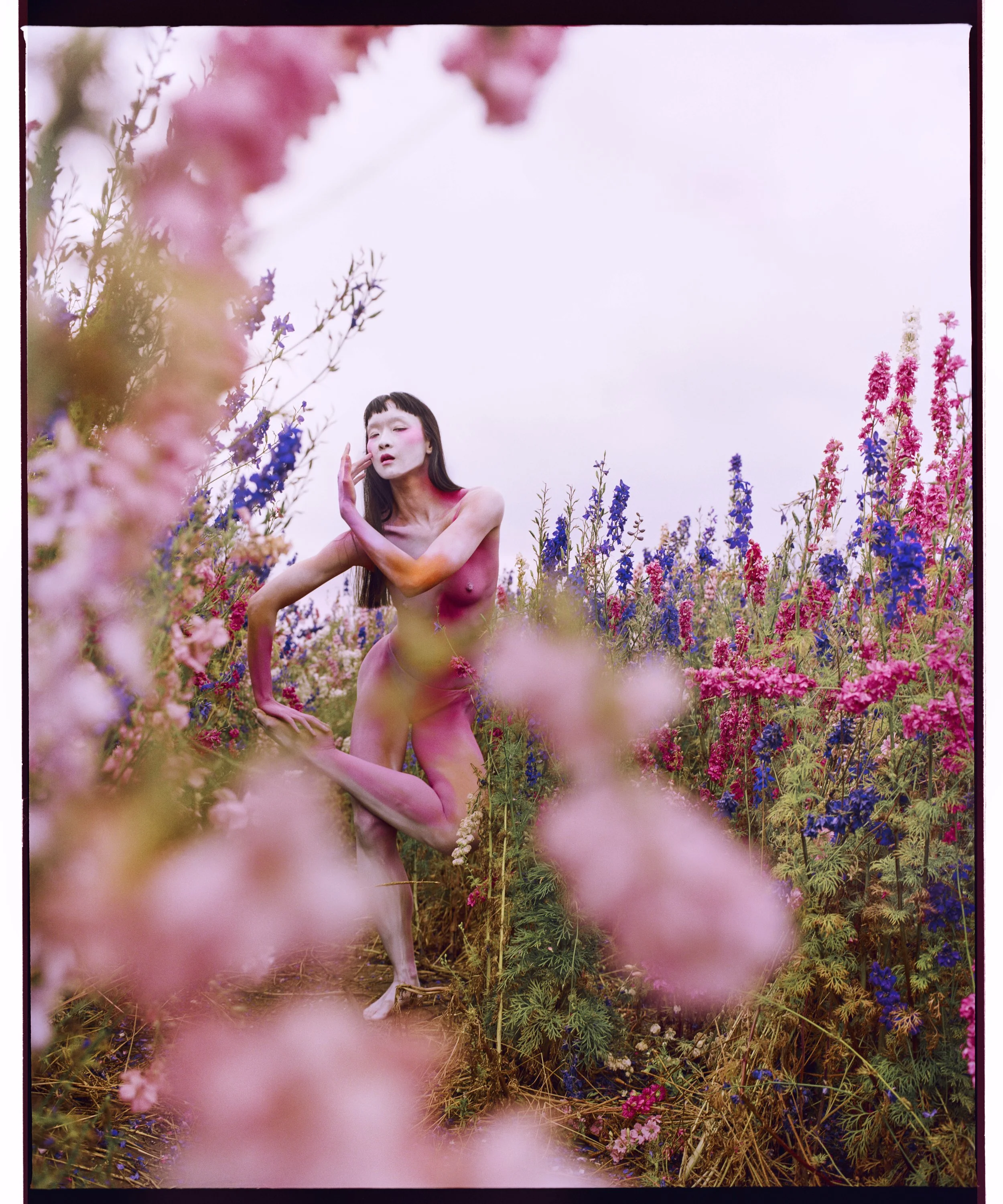
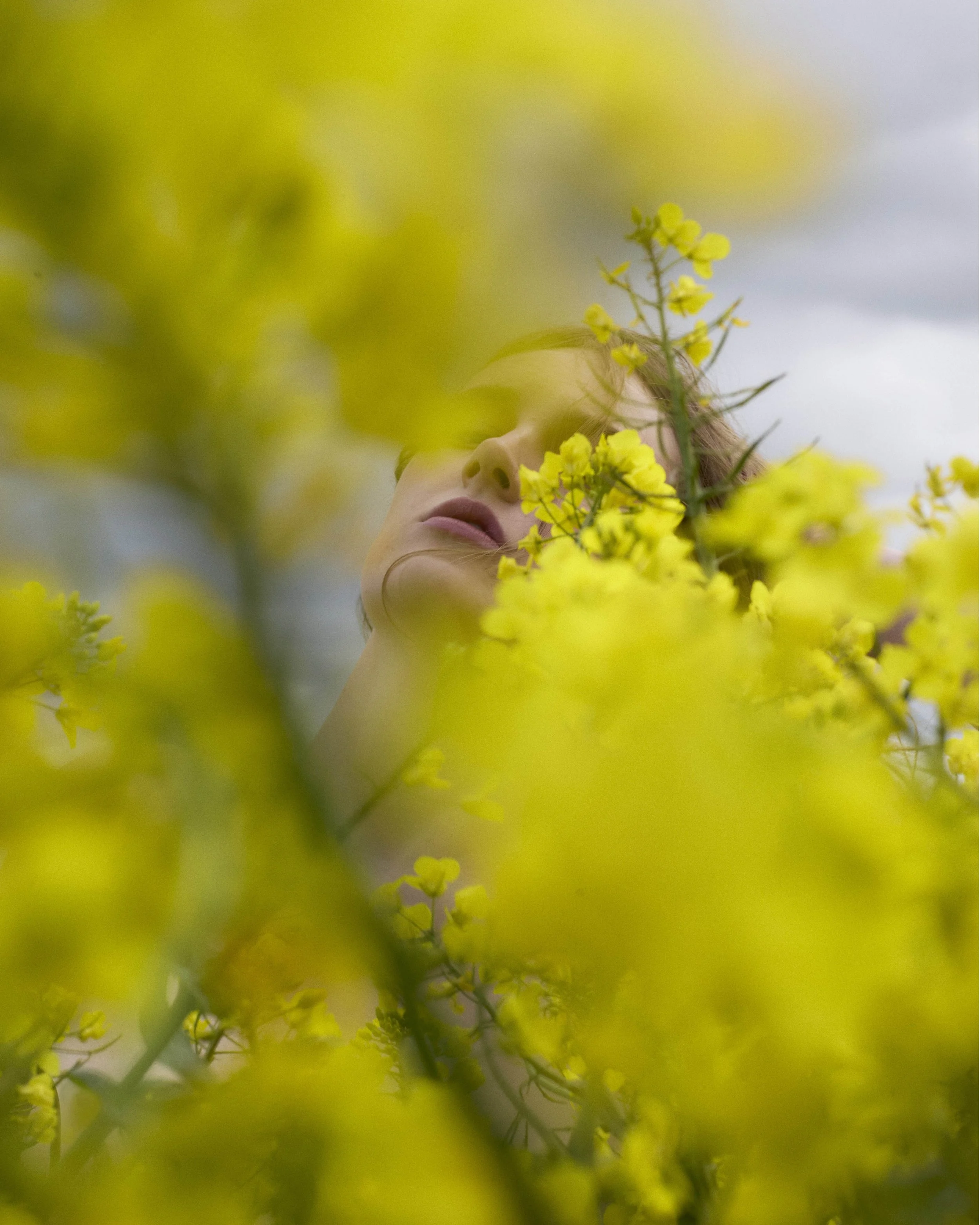
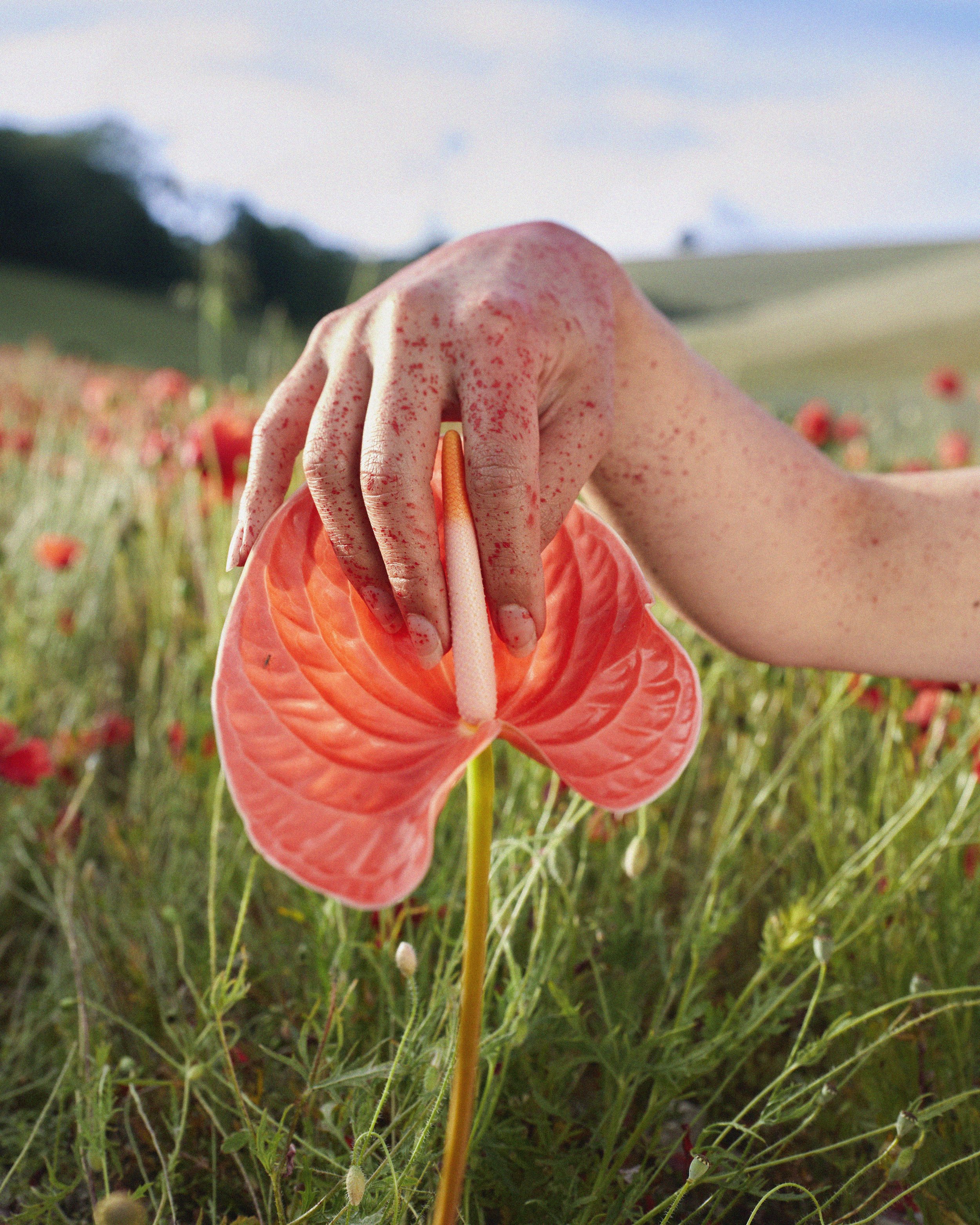
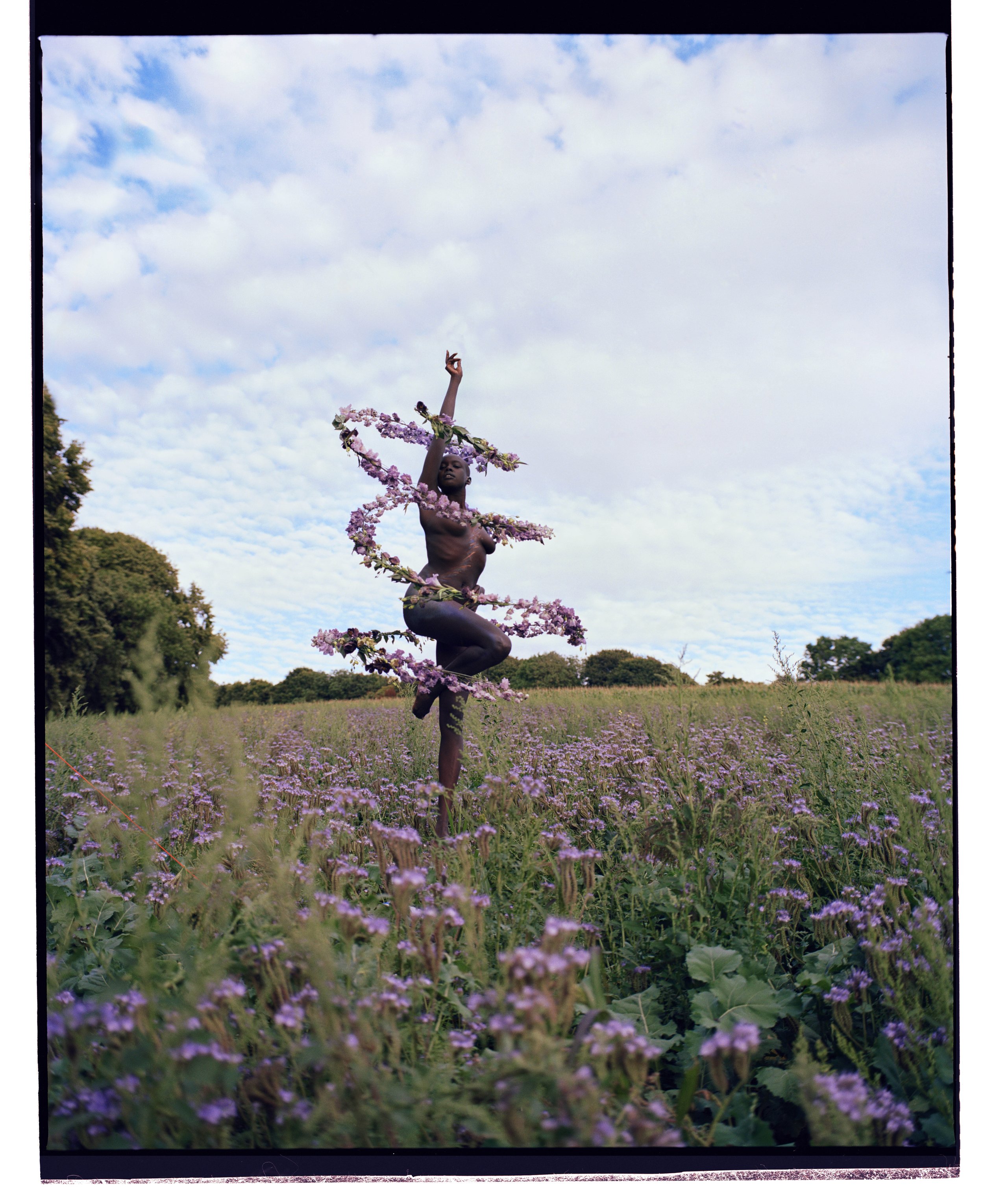
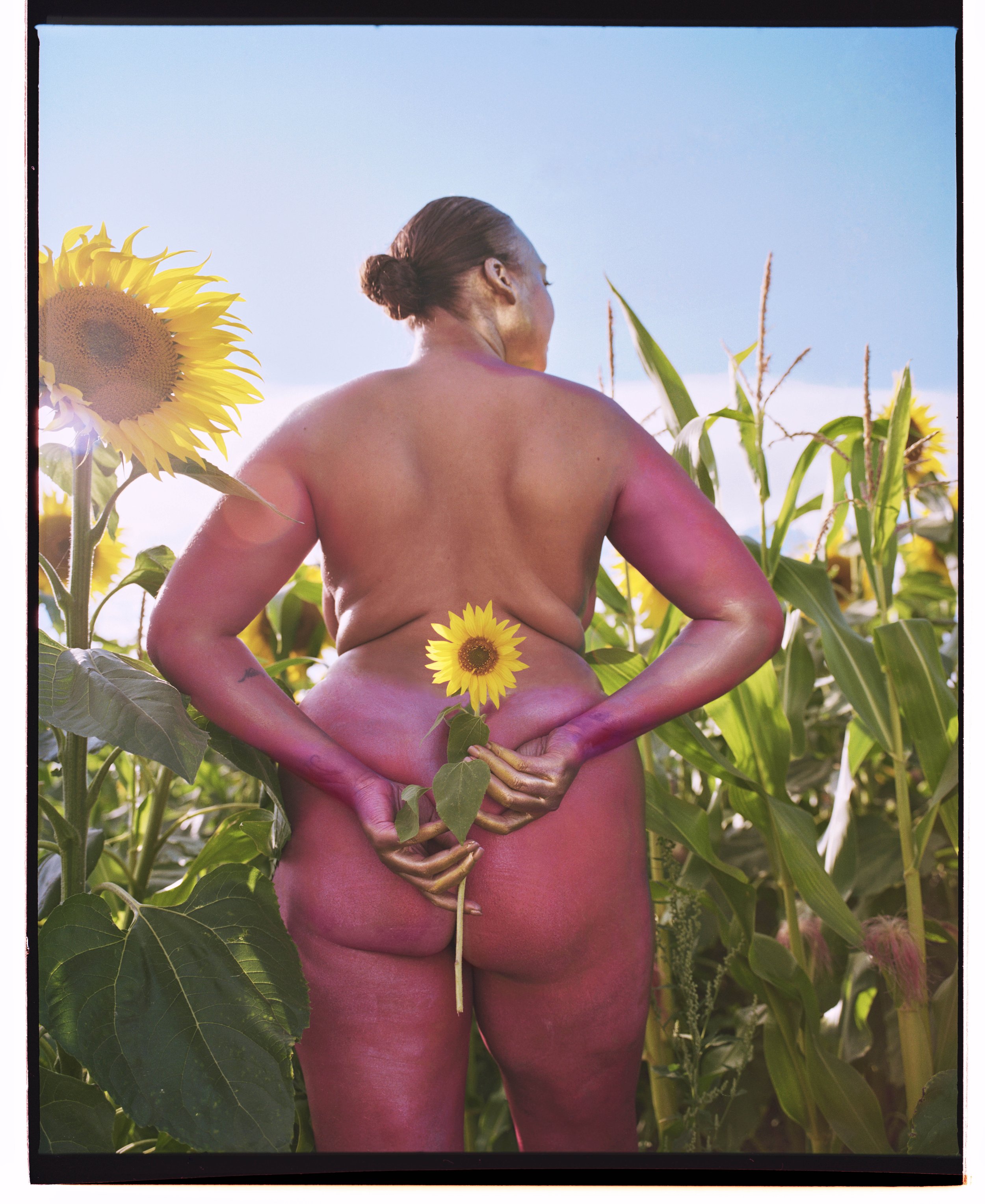
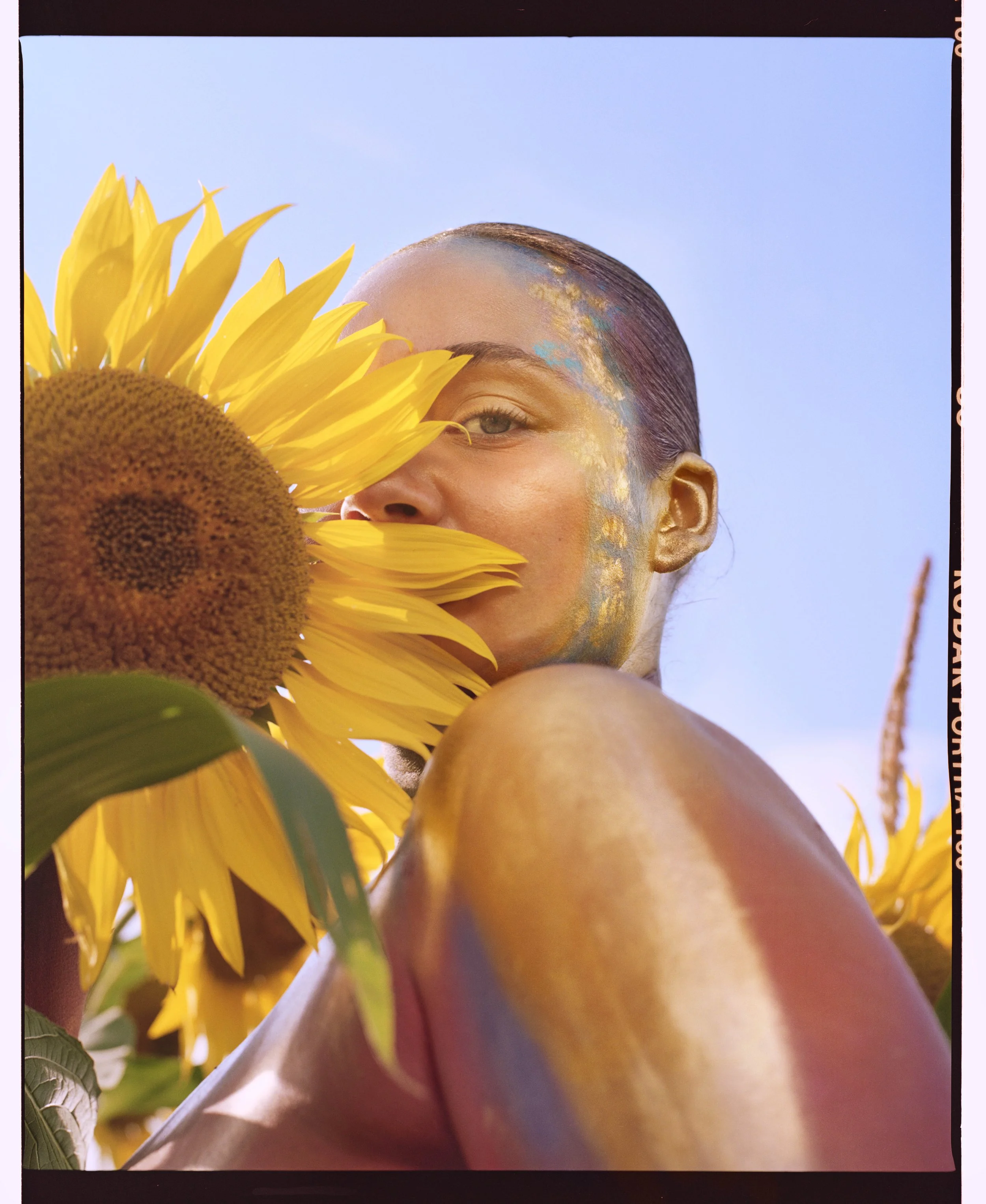
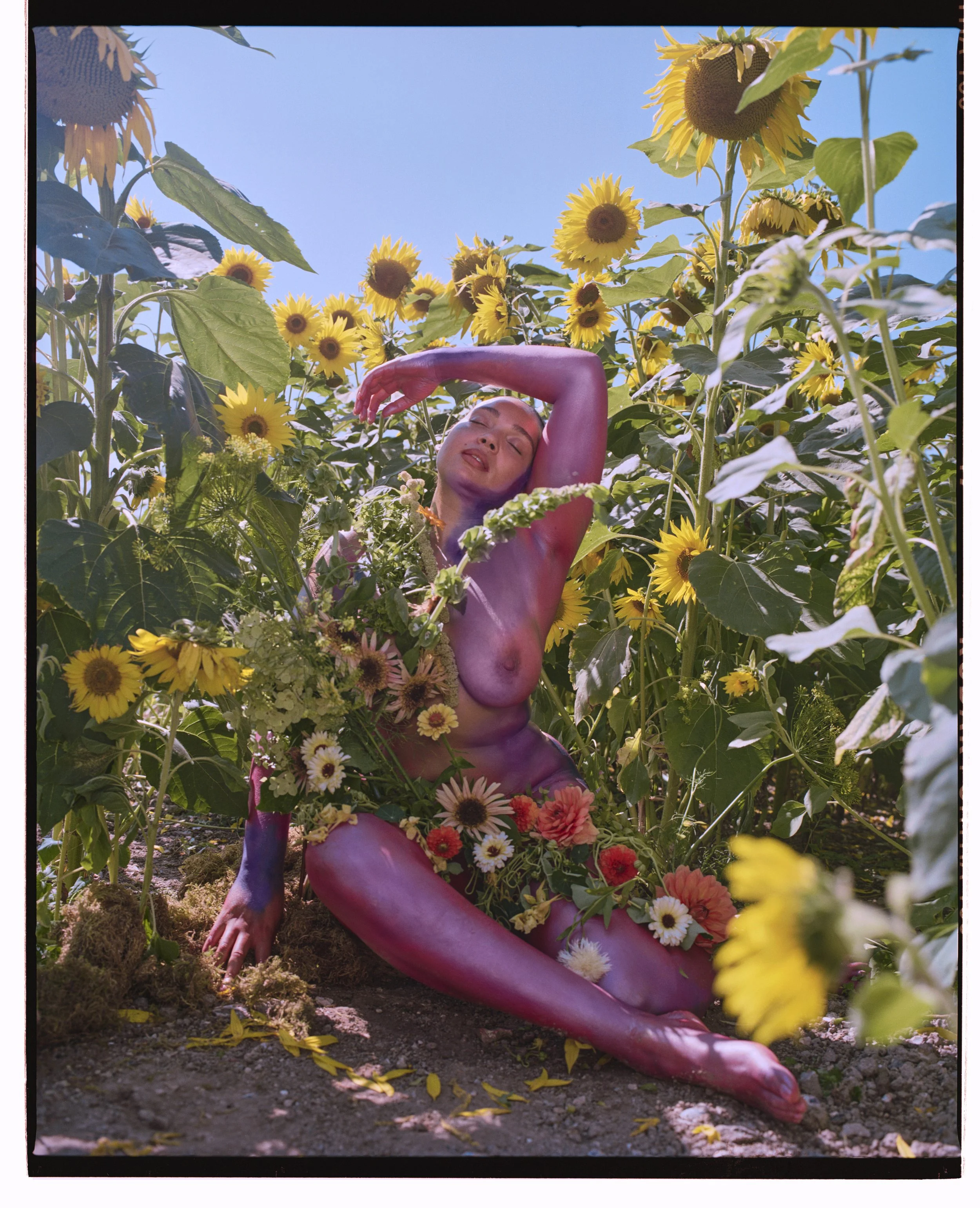
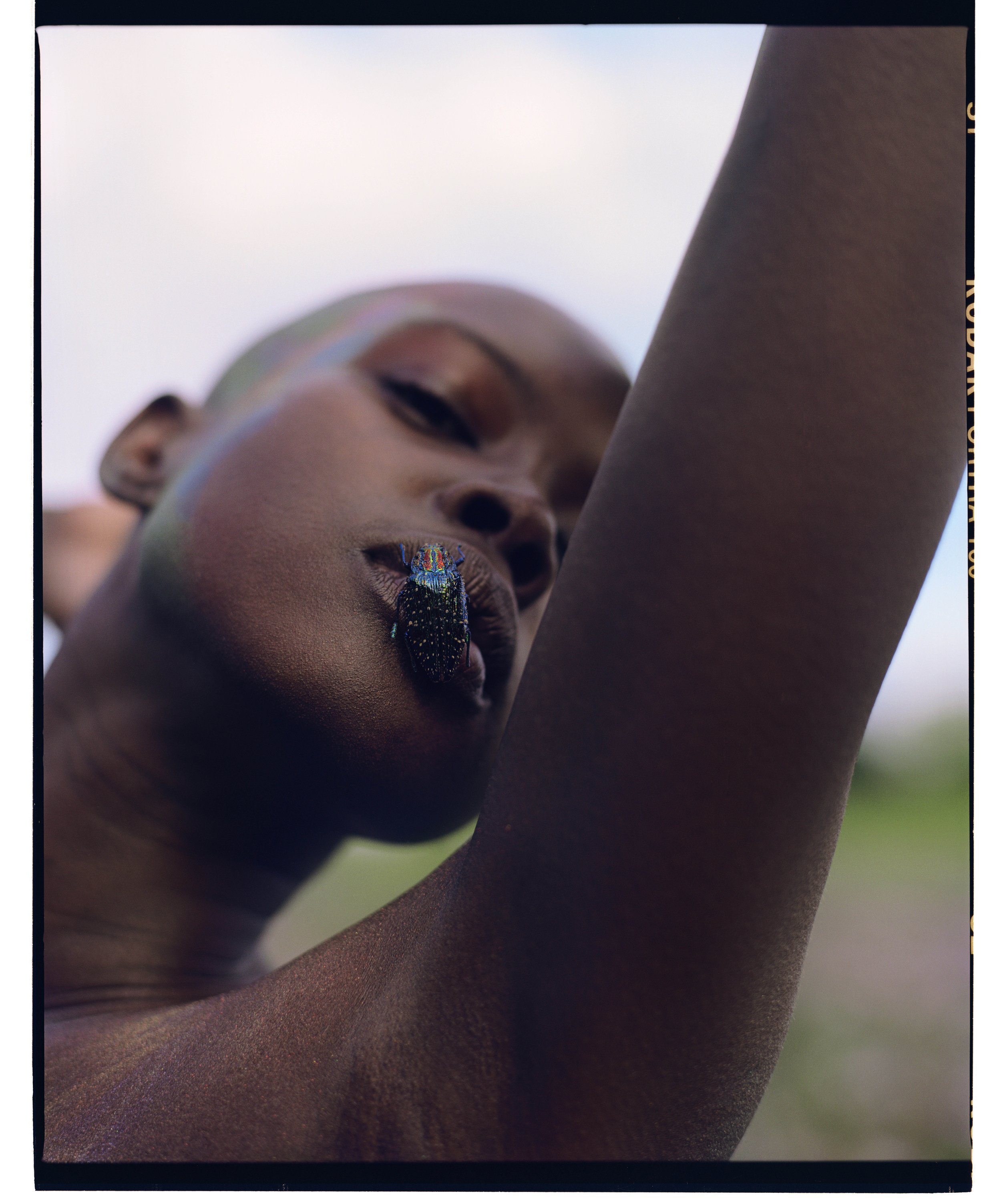
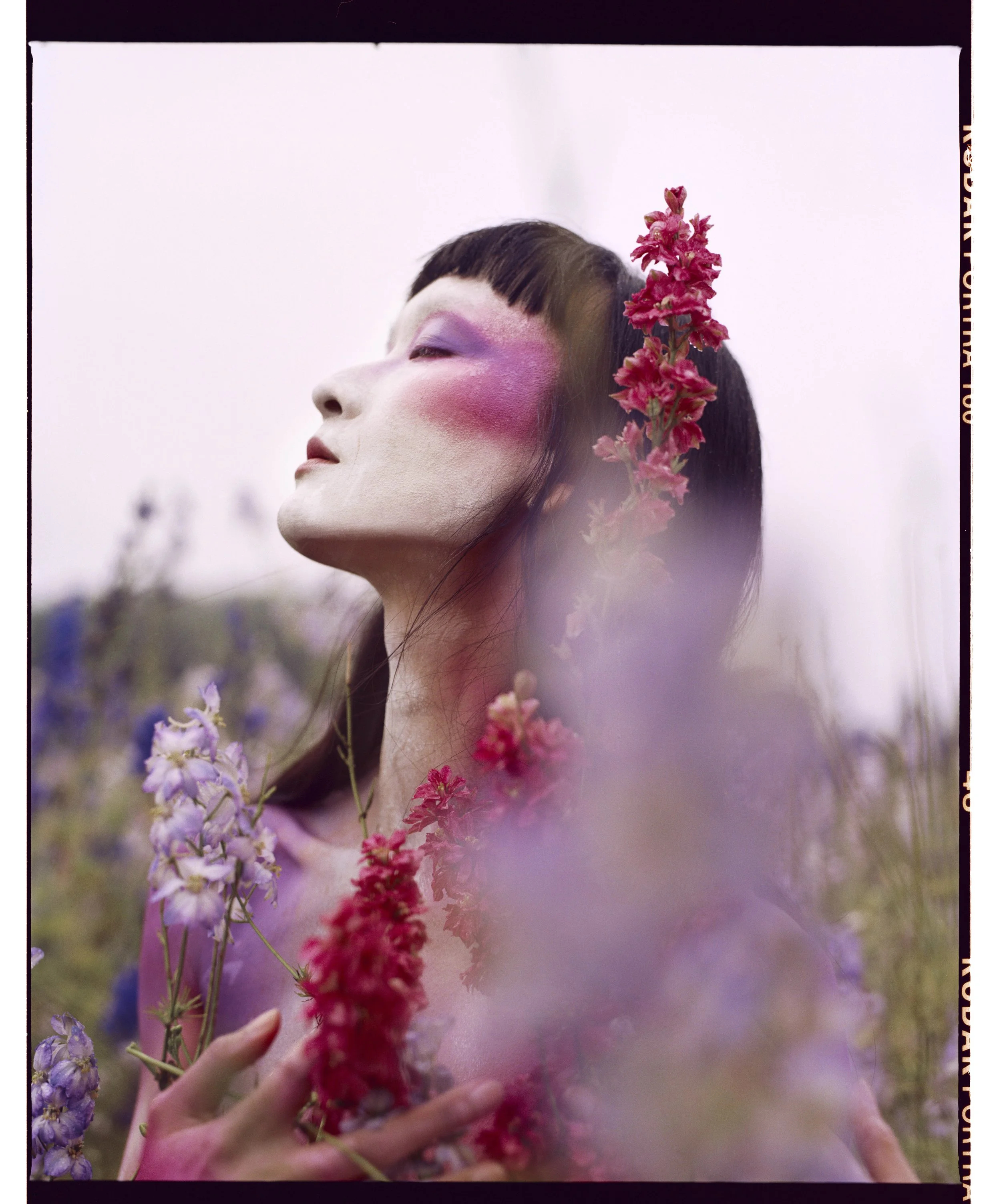
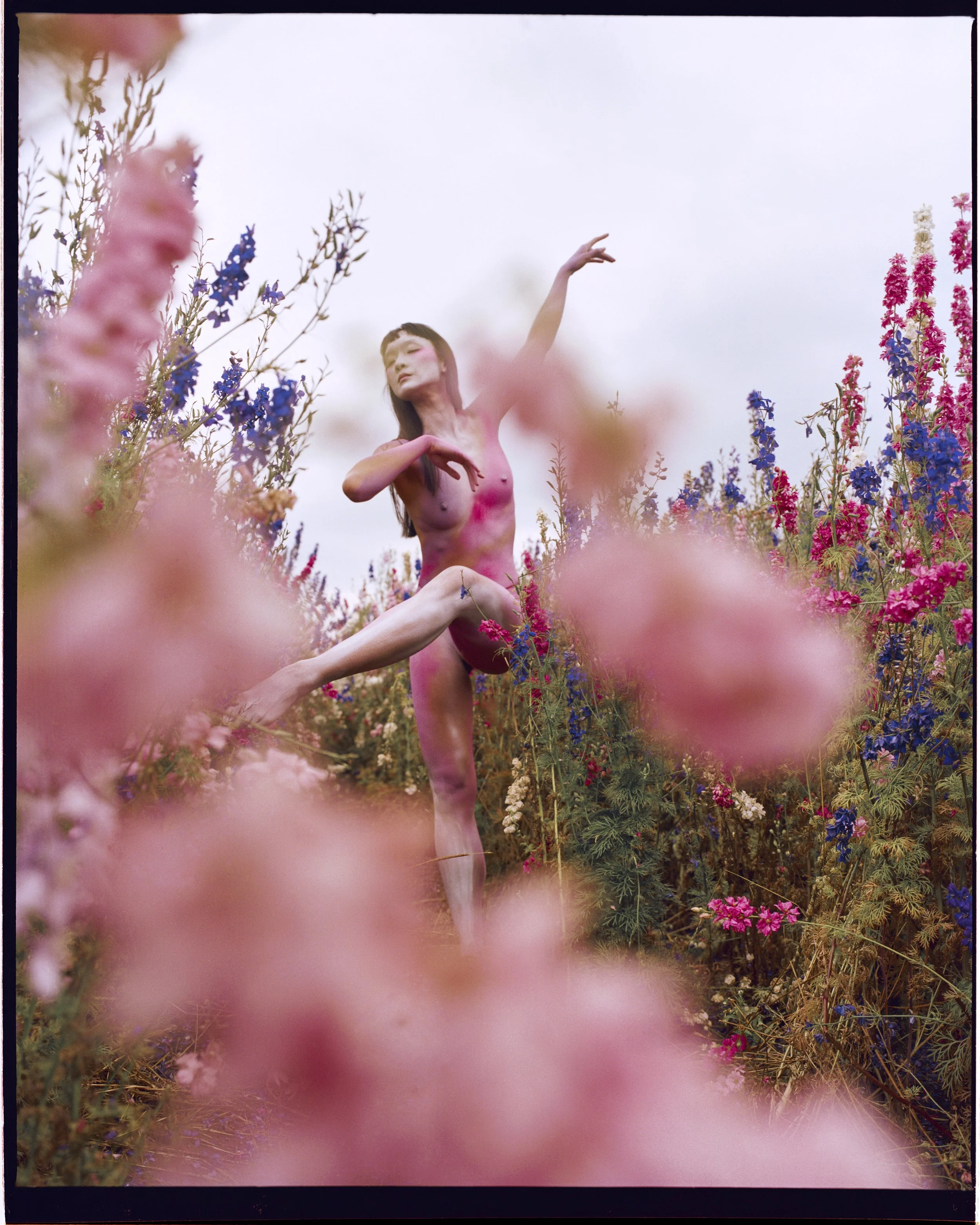
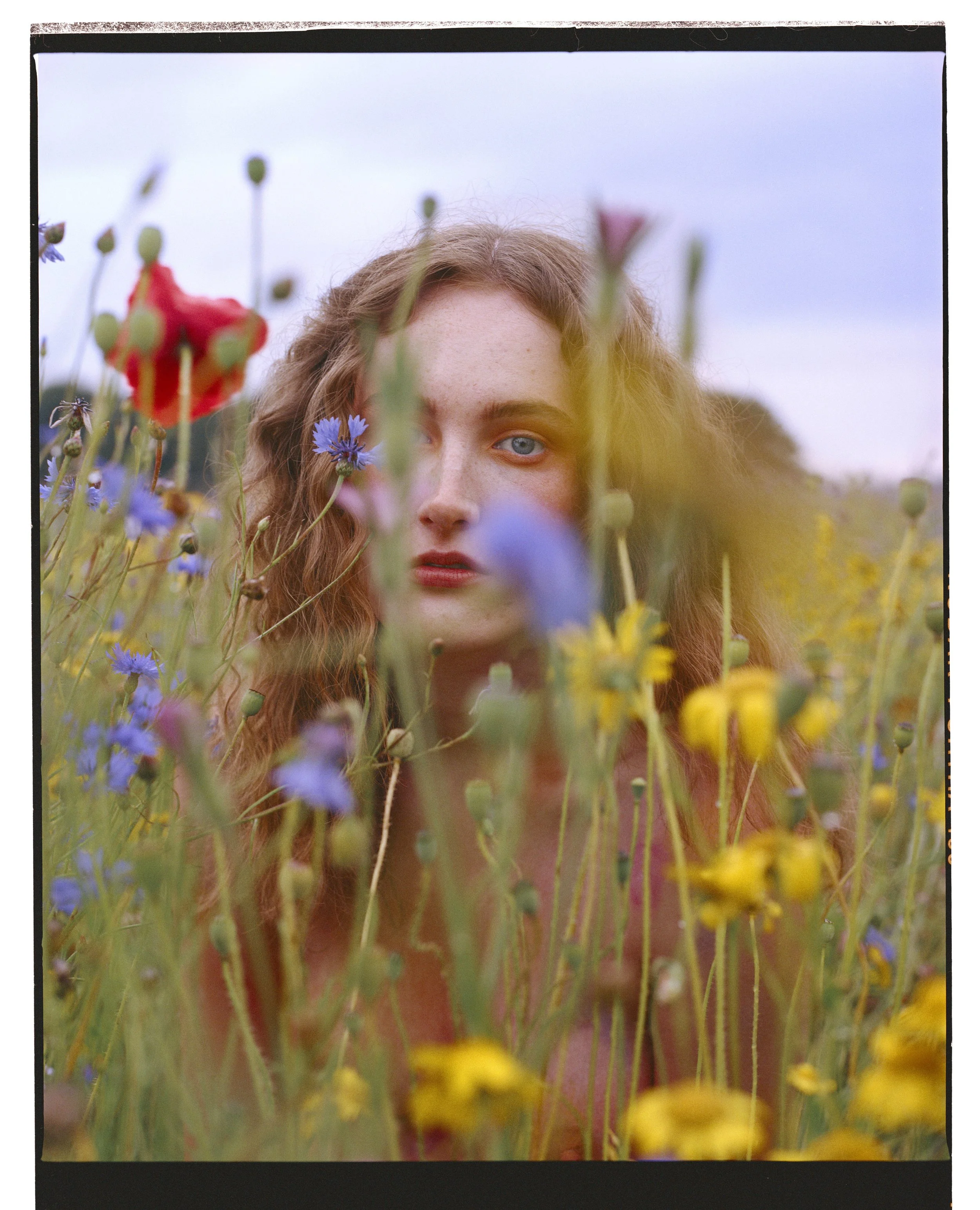
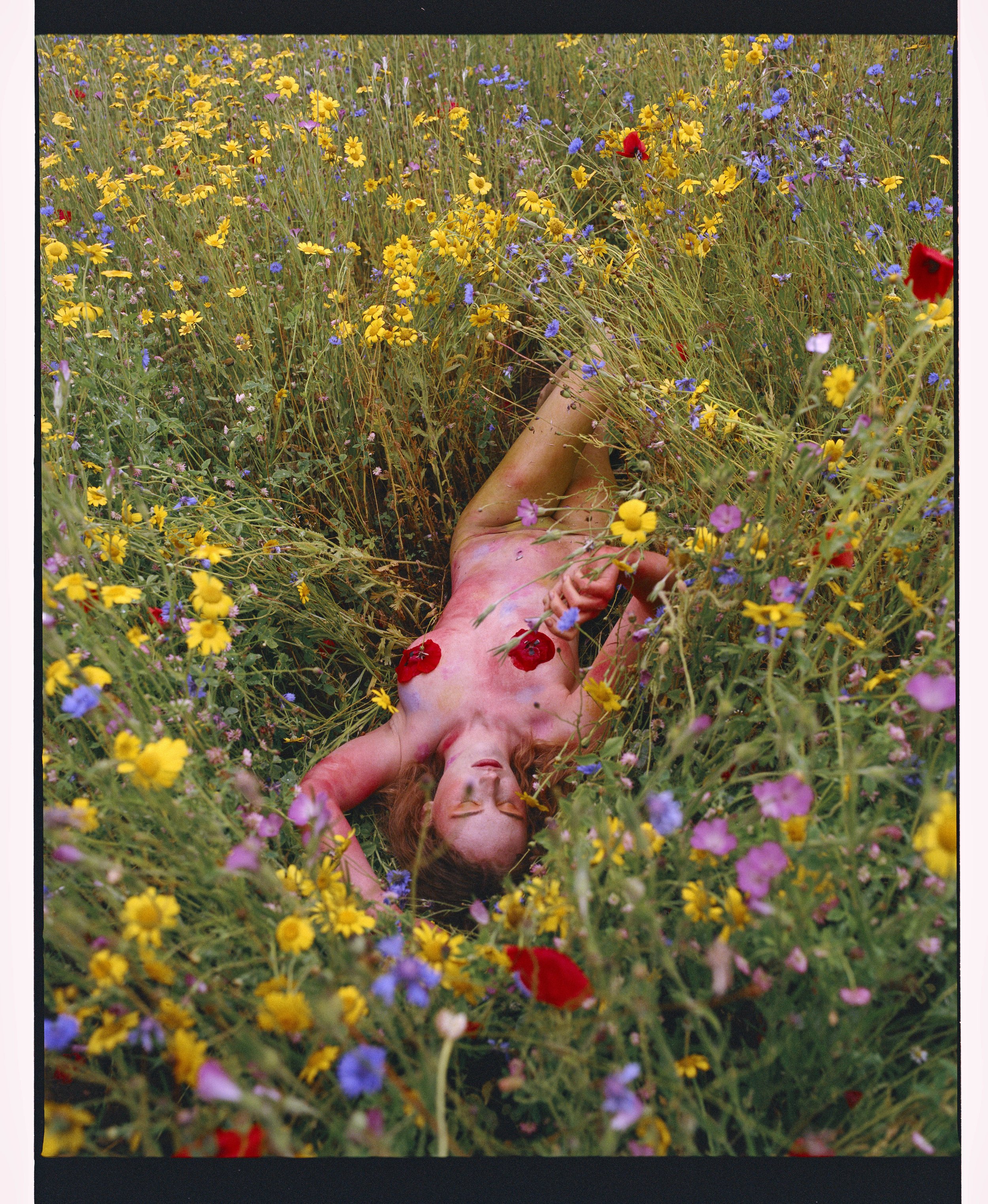
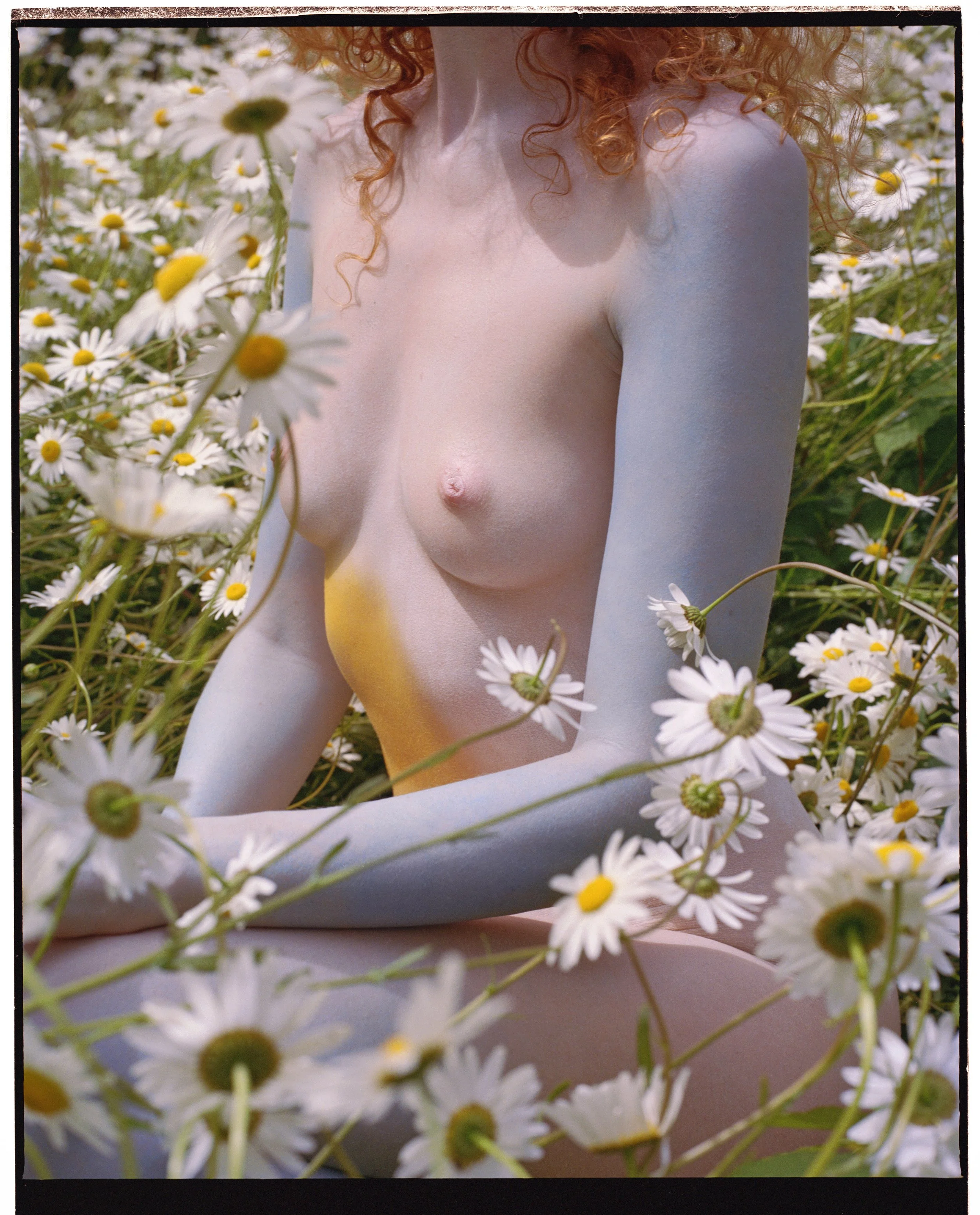
In this book, Claire Harrison and Adelaide Turnbull bring women, flowers, body paint, and the British countryside into one visual world. The project was shot across three summers and eleven different landscapes, following flowers in the short moment when they are at their strongest. The women are painted, covered, and placed among the flowers so they do not feel separate from the land around them. Fallen Flowers is a book about beauty, nature, collaboration, and the fragile moment when everything briefly comes alive.
But the project is also shaped by time.
Claire and Adelaide had to follow the rhythm of the seasons, wait for each flower to bloom, and work with the unpredictable British weather. Rain, wind, changing light, and the limits of shooting on film all became part of the process, not just problems to solve. That is what gives the photographs their energy, because they feel planned, but never completely controlled. In the interview, they speak about finding the locations, building the floral installations, working with the models, and creating a book that feels both carefully made and alive.
Claire and Adelaide explain how they moved from mood boards, scouting, and colour choices to actual images made in fields, rain, mud, and changing light. For anyone interested in long-term projects, this conversation shows how much depends on preparation, trust, timing, and knowing when to let nature lead the work.
The Book
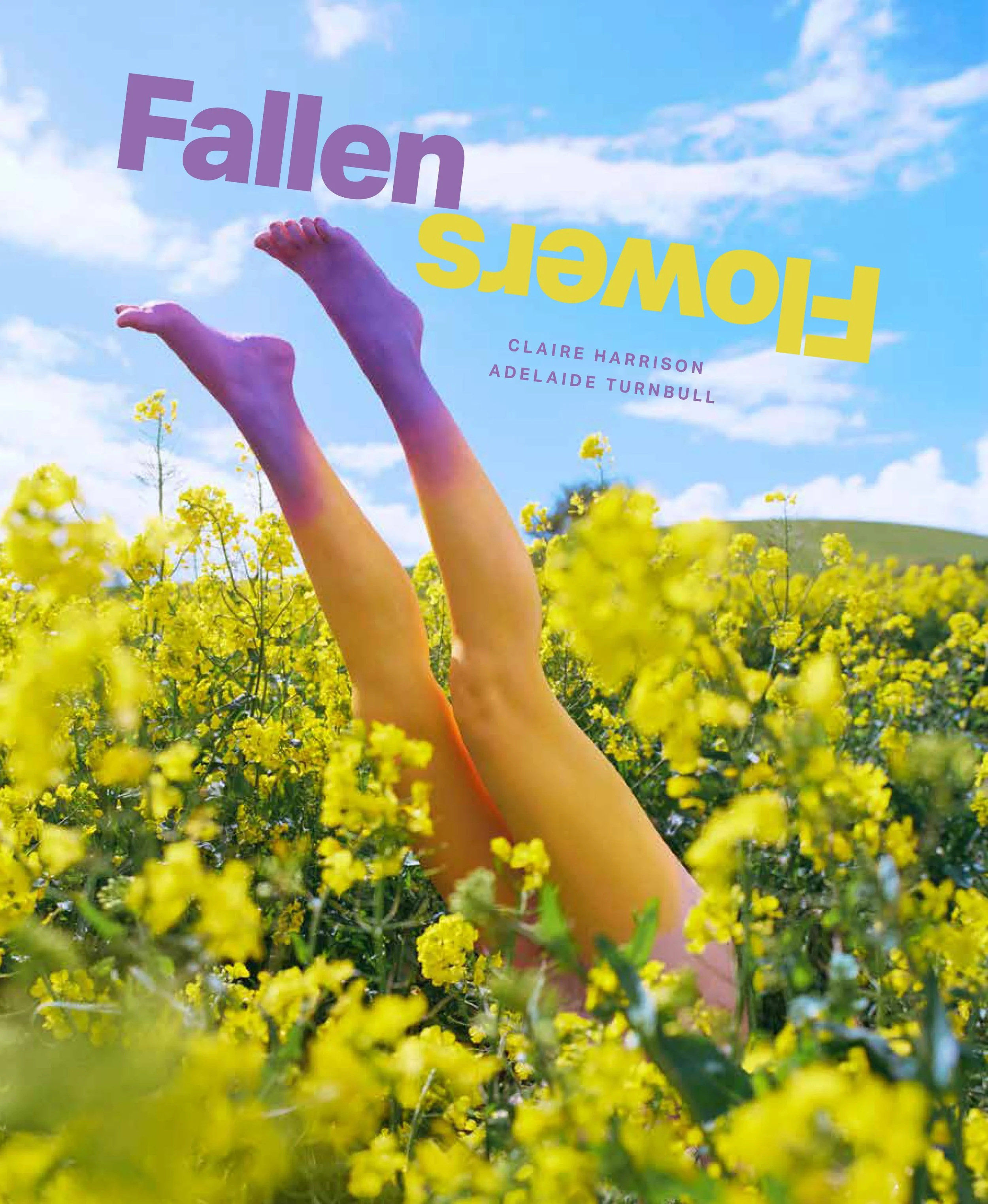
Fallen Flowers by Claire Harrison and Adelaide Turnbull, published by Kozu Books, is a 220-page photographic tribute to women, nature, and the British landscape. Shot across three summers and eleven different locations, the book brings together body paint, floral installations, natural light, and real flower fields in the short moment when each landscape is in bloom.
The project follows the rhythm of the seasons, from early spring flowers to fields full of colour, while exploring the connection between women and the natural world. Rather than placing the models in the landscape, Harrison and Turnbull worked to make them feel part of it, shaped by colour, weather, flowers, and the fragile beauty of each location. (Kozu Books, Amazon)
Genesis: How did Fallen Flowers come about, and how did you two end up working on it together?
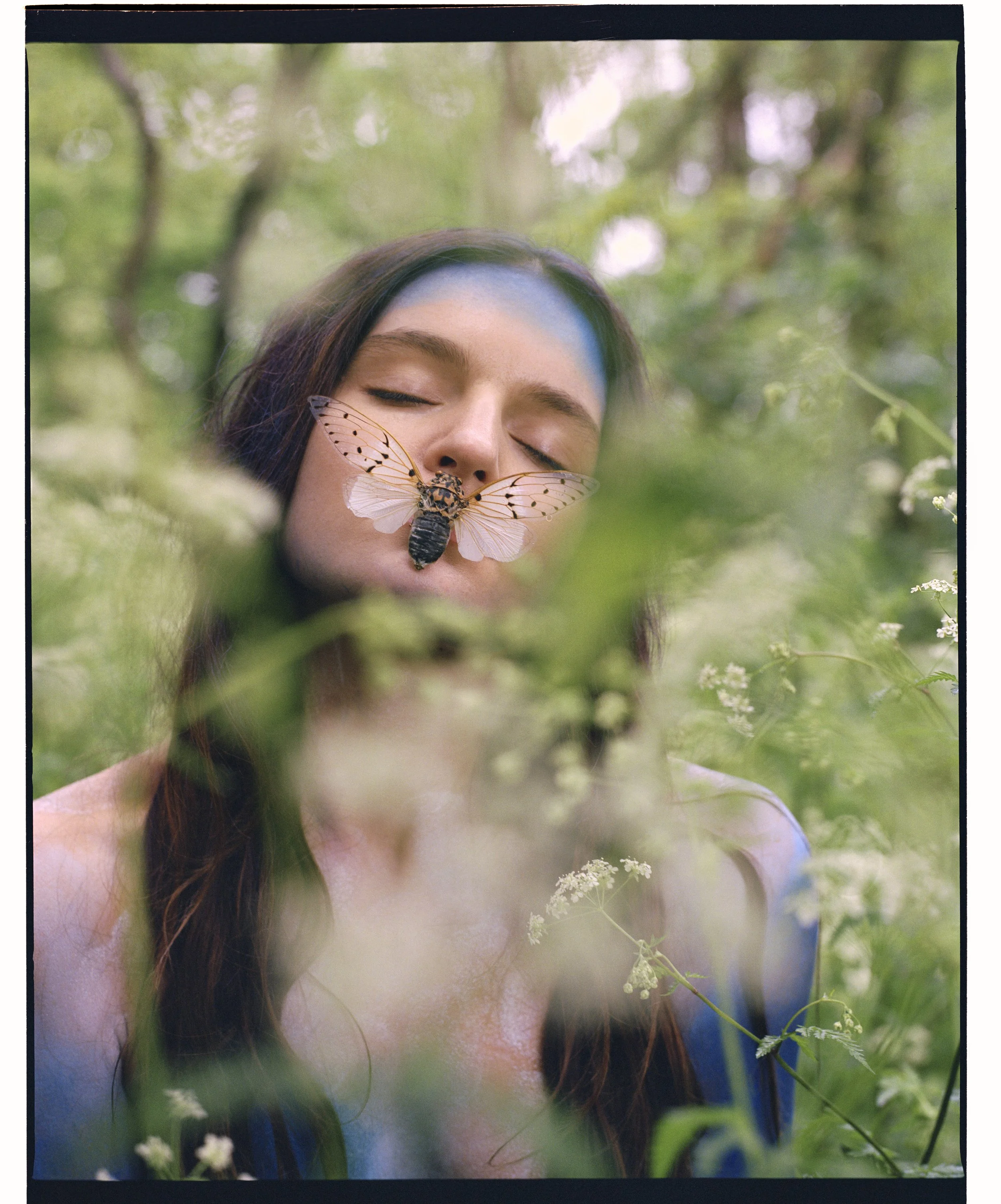
Claire: Fallen Flowers came about because, as a photographer, I have always been drawn to both the delicacy of flowers and the strength of women. For many years I had wanted to create a body of work that brought those two forces into dialogue, exploring their shared beauty, power, and presence within the natural world. Growing up, I was captivated by the flower fields of the United Kingdom. Long drives to Cornwall revealed endless floods of colour stretching across the horizon, landscapes that seemed to transform almost overnight. Nature could feel sudden, even brutal, yet always beautiful. That constant change stayed with me and quietly shaped the way I see. Years later, that fascination became something I felt compelled to explore through my own work. I had a deep desire to shoot women body-painted within flowers, immersing them in landscapes and interpreting them in a sculptural and artistic way so that they felt part of the landscape itself. Merging with colours and form, exploding from the landscape for contrast or disappearing into the flowers. Making pictures that made the colourful fields we know and love, and some we don't, of the English countryside come alive with beautiful objects that feel like they are talking to each other and becoming one with each other. The true essence of Mother Nature. Adelaide and I first met in 2012, bonding over a shared love of flowers and fashion. Since some of our very first shoots together, we have always ended up using flowers or the landscape in some way. It's creatively what draws us together. Adelaide has always fascinated me with her knowledge of the English countryside and flowers, and the collaboration truly felt inevitable that we would eventually create something like this together.
Locations: Adelaide, you were responsible for finding the eleven locations across the British countryside. What were you actually looking for in a landscape, and how did you know when a place was right?
Adelaide: Finding the locations for this project was both a logistical challenge and an absolute joy. I've always loved watching the progression of nature through spring and early summer. In the UK, winter can feel endless, and then, almost suddenly, spring arrives in waves of colour. From the first snowdrops that signal the season's arrival, through hellebores, daffodils, blossom and bluebells, each flower has its own brief but spectacular moment. Once you start paying attention, you notice how quickly the landscape transforms, with one bloom giving way to the next. Having moved out of London with my young family in December 2023, I found myself in the perfect position to track those early signs of growth and identify potential locations for each flower we planned to photograph. I was looking for places that combined a large concentration of a particular flower with a sense of scale, landscapes that would allow us to capture a variety of perspectives, create depth within the frame, and deliver maximum visual impact, all while being accessible for a production shoot. Location scouting involved a great deal of exploring, discovering promising sites, and then doing the detective work to find the right people to contact for permission. We were incredibly fortunate that most of the landowners and farmers we approached were generous, open-minded and enthusiastic about supporting the project. Perhaps the greatest challenge was timing. We had to anticipate when each flower would be at its peak, while also ensuring we had the right model and crew available at exactly the right moment, all at the mercy of the famously unpredictable British weather. There were a lot of moving parts, but that only made it more rewarding when everything aligned and came together.
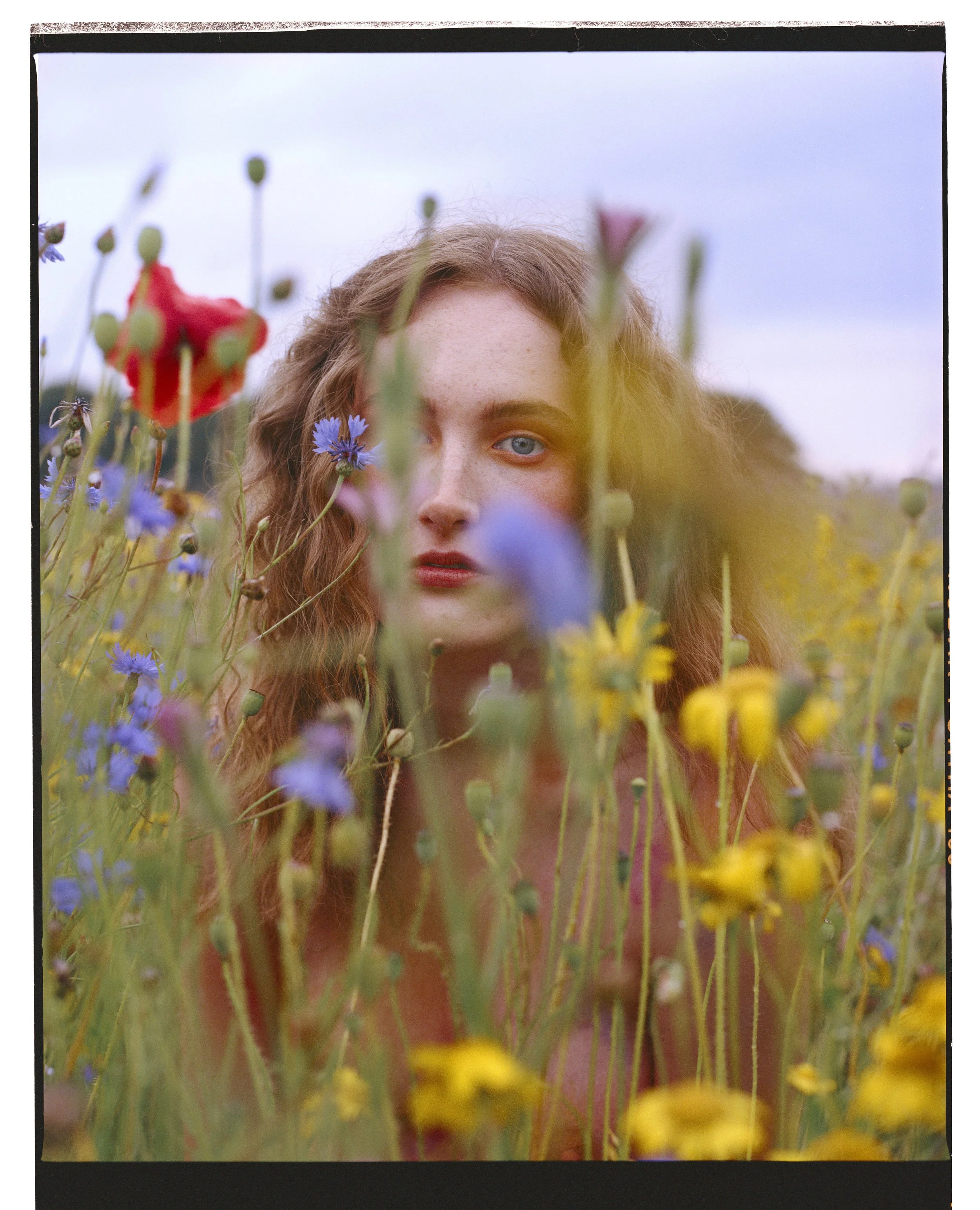
Seasons and time: The project was shot across three summers starting in 2022. What changed between the first summer and the third, either in the work itself or in how you approached the shooting?
Claire: We seemed to refine the workflow for the shoots as we went on. We started off more chaotic and less prepared for the weather, but by the end we had systems in place, ways to hold our nerve as the rain kicked in, and ways to drop shots if needed when the rain stayed too long. We refined the make-up we used, tried various different brands to see which would hold up in the rain better, and became very well acquainted with some seriously big umbrellas. Each shoot was shaped by the unpredictability of English weather, rain, thunder, mist, and shifting light. Rather than resisting it, every model and team member embraced it. That raw, weather-washed energy became the heartbeat of Fallen Flowers, spontaneous, joyful, and alive. From a photography point of view, I started the first few shoots shooting both digital and film. But as I became more confident that the film would always give the more beautiful result, and as time on the shoots became tighter, I decided, with reassurance from the previous shoots, that we would get what we needed mostly shooting on film. It was a risk, but it was also exhilarating, and made getting the film back such a treat, like it was back in the day when film was the only option. The process was freeing and made capturing each frame feel important and special. This work was created entirely through natural processes, no AI, embracing both the beauty and the risk of film: the possibility of loss, imperfection, and moments that cannot be repeated. Within that risk lies intention. Each frame carries weight. Nothing is rushed, only guided by season and light.
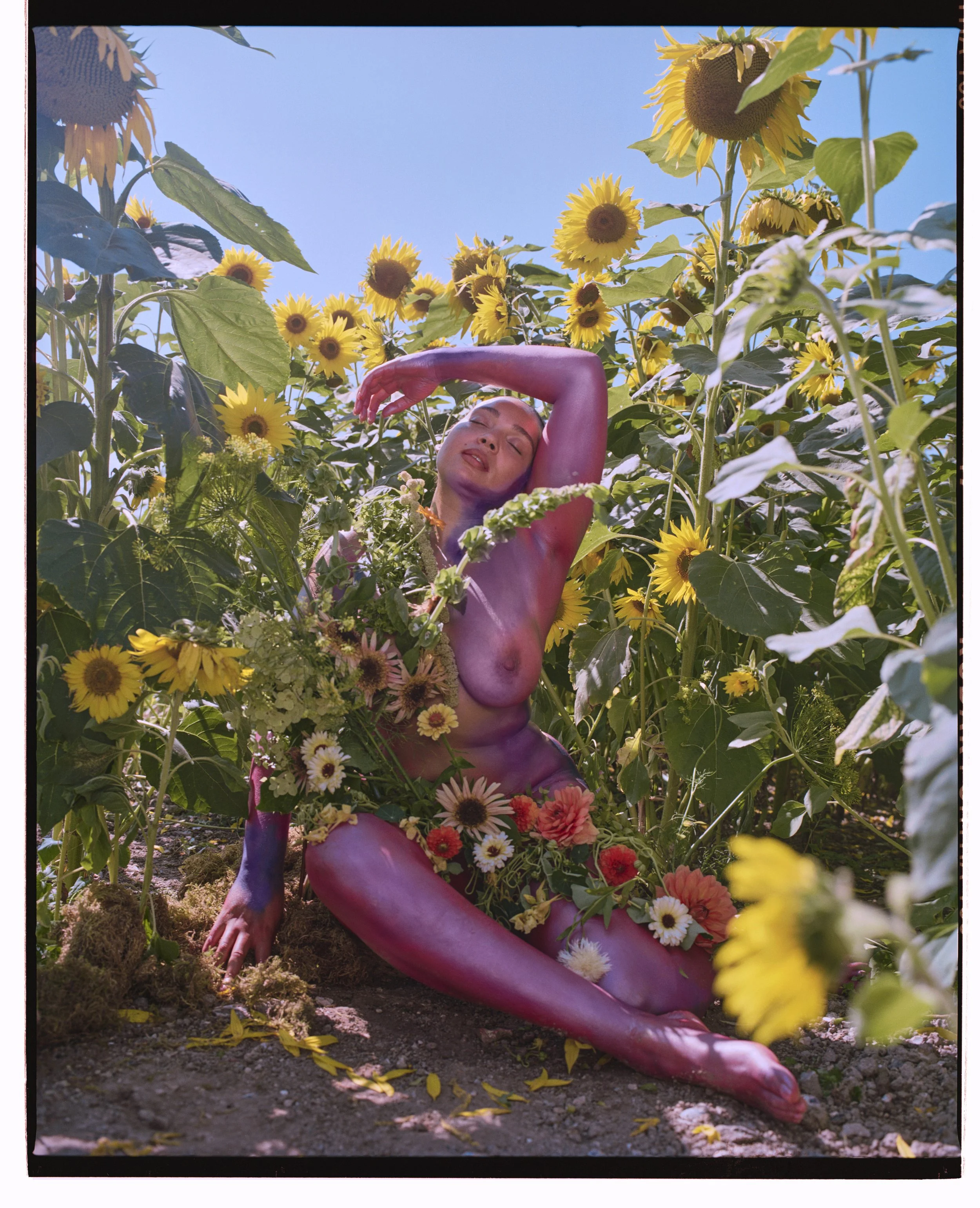
Flowers as subject: Flowers appear regularly in your personal work, but here they become floral installations inside real landscapes. How did you decide how much human arrangement was right, and how much should be left to nature?
Claire: Adelaide and I would roughly plan together which shots we would focus on based on the mood boards and references I had gathered over many years, alongside ideas that had previously only existed in my head, sketched out and waiting to become real. We would decide how much of the shot would focus on the model immersed in the landscape, celebrating the beauty of the floral surroundings, which would become our "wow" sculptural installation shots created with Adelaide's magic, and which would focus more closely on beauty, make-up, skin, and the features of the model. Where possible, we would recce the locations before the shoot day and draw rough plans over the recce photos to make things easier and more structured on the day. We often had some sort of map in our heads of the location. I remember on the bluebells shoot we spent a good hour trying to relocate one specific tree that we somehow completely lost on our return.
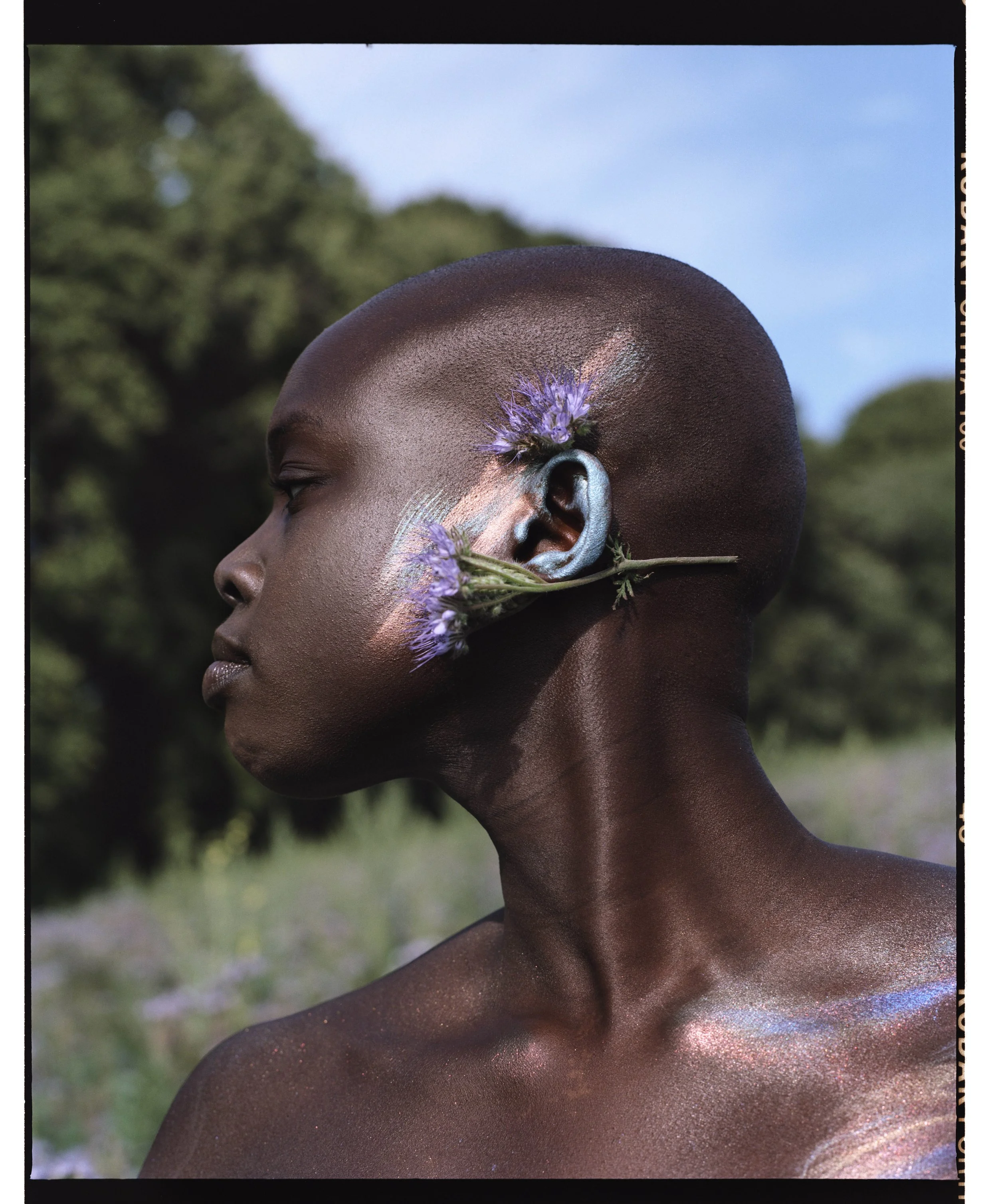
Adelaide: Flowers have been a constant source of inspiration throughout my career as an art director. I've worked with them in many different ways, using them as props and backdrops in photo shoots, creating flat lays and immersive environments for fragrance campaigns, as well as designing floral arrangements and large-scale installations. That experience gave me a strong instinct for how flowers can shape a visual narrative. For this project, however, I took my cues from the landscapes themselves. During the location scouting process, it quickly became clear which environments needed additional floral elements and which were strongest when left largely untouched. In some places, there were areas of exposed soil or expansive skies that could benefit from greater colour, texture and density. In others, the natural setting already provided everything we needed. The aim was never to overpower the landscape, but to work in conversation with it. I introduced complementary or contrasting flowers where they could enhance what was already there, adding layers of texture, shape and colour to enrich the overall composition. Every decision was guided by the character of the location and what would create the most visually compelling image. Claire and I were also interested in pushing the scale and imagination of the project, using flowers in unexpected ways to create moments of surprise and wonder. Whether it was the dramatic explosion of sunflowers or the sweeping spiral of phacelia, these interventions allowed us to amplify the beauty of the natural landscape while still remaining rooted in it.
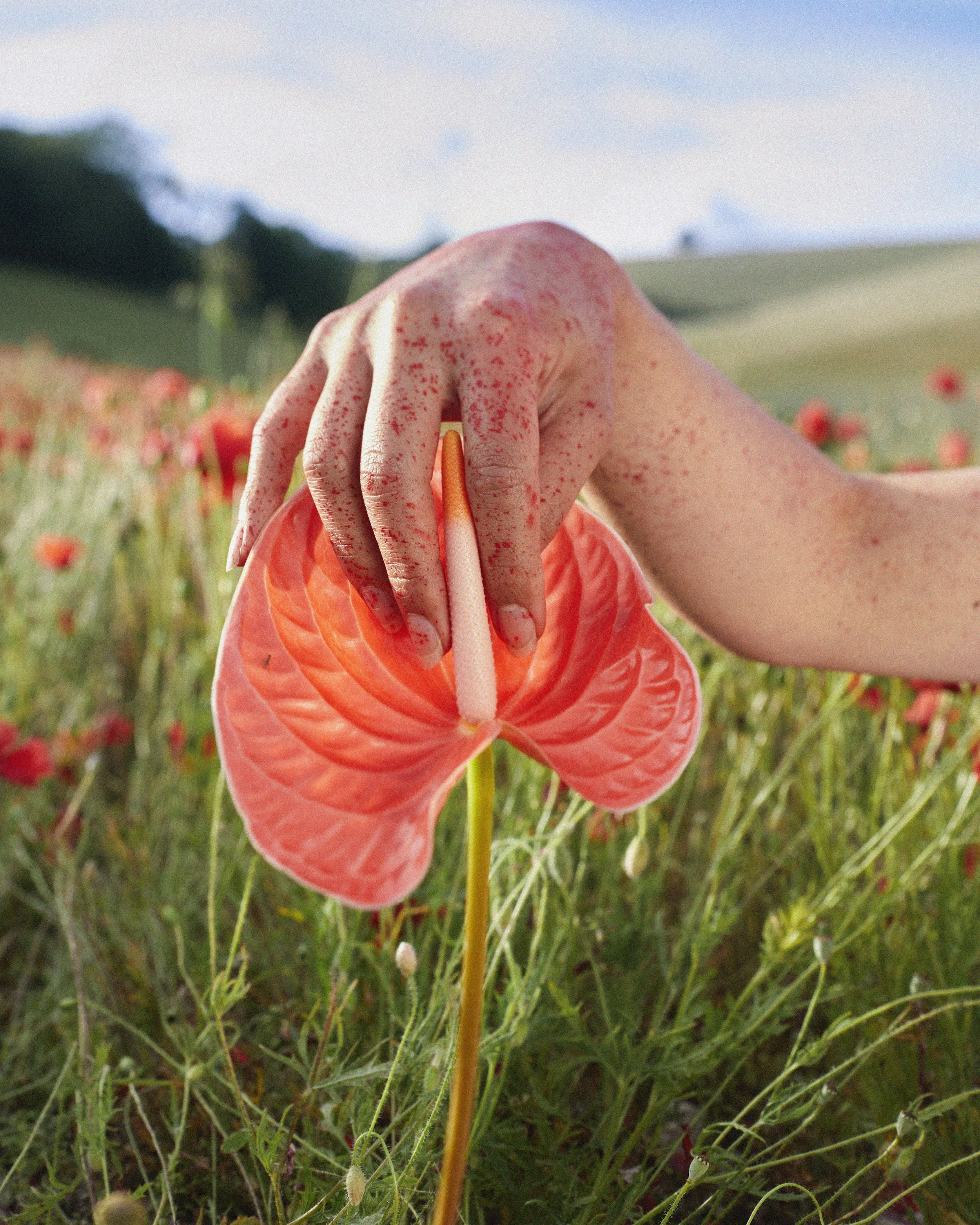
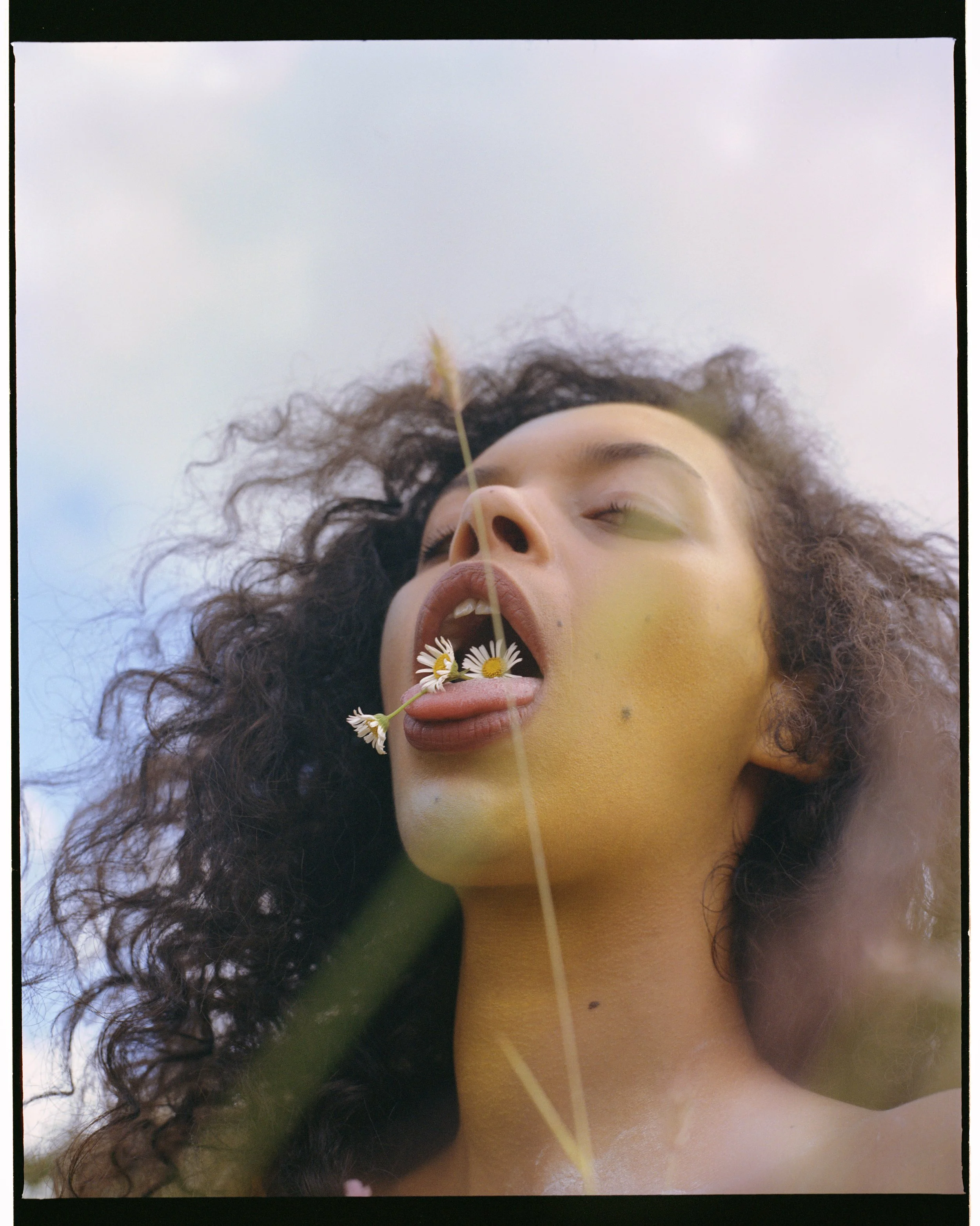
Body paint and color: The images show skin painted to mirror the color of each landscape, from yellow rapeseed to deep blue woodland. How did that idea develop, and did it change the way you thought about the relationship between the human body and the natural world?
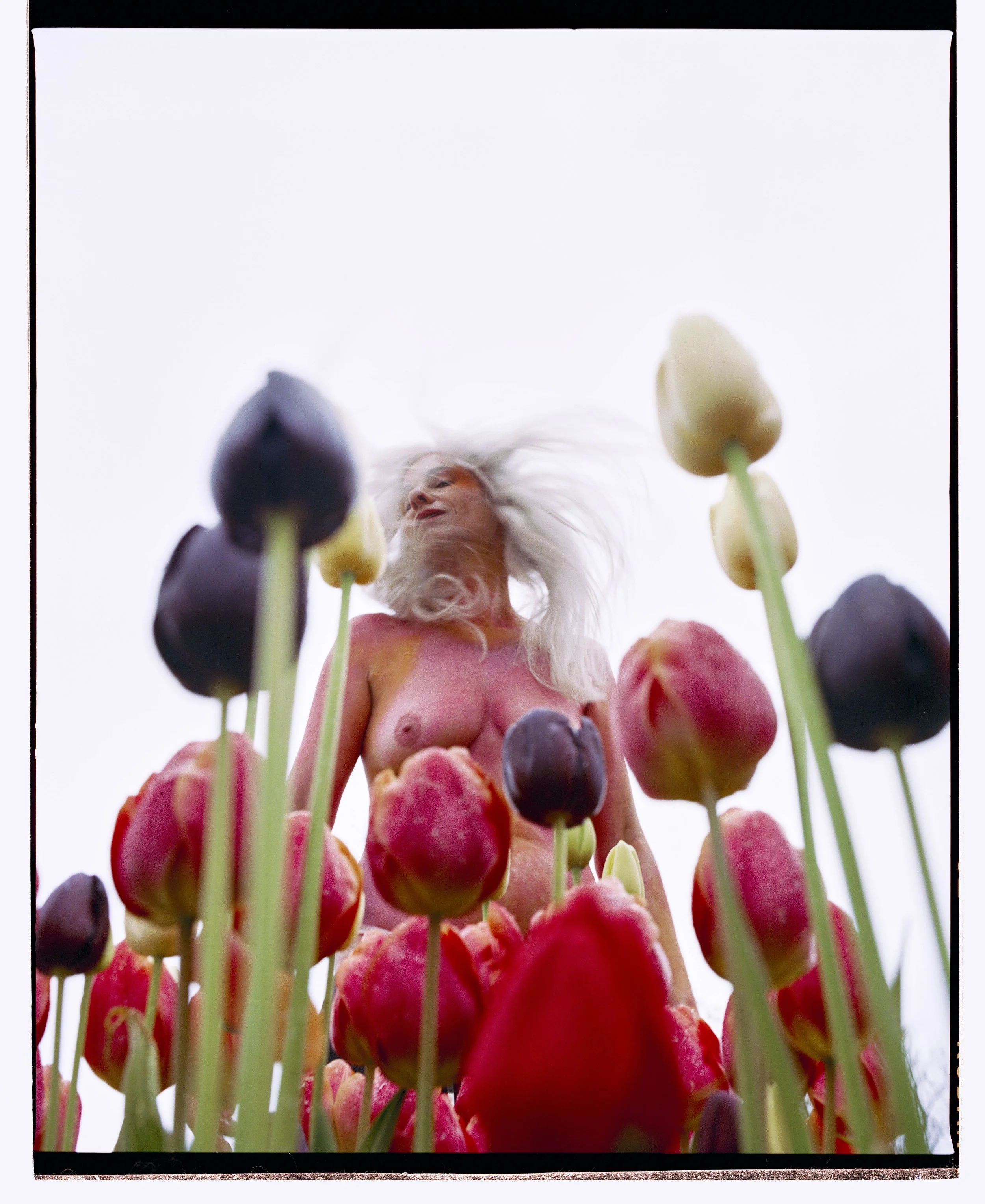
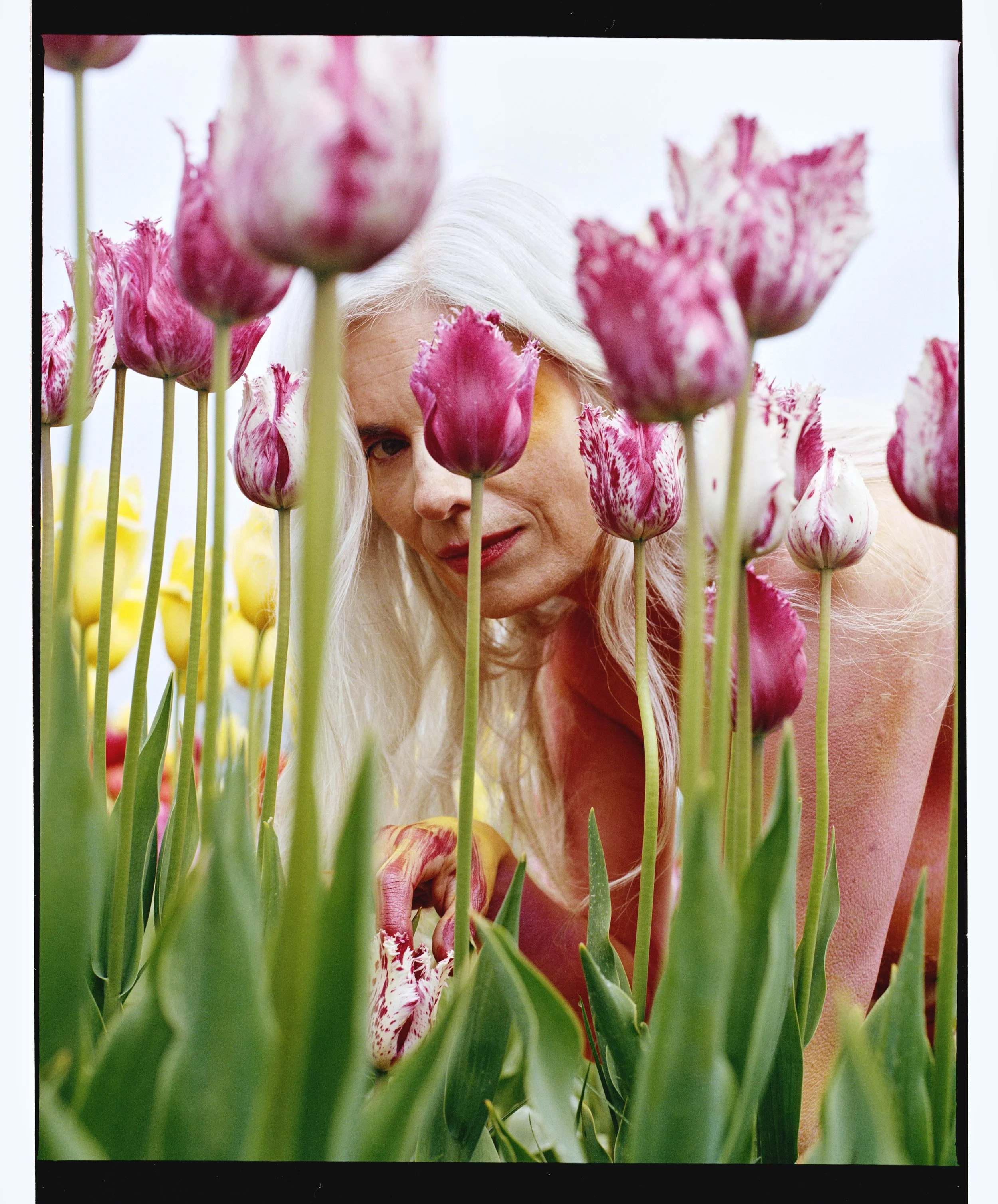
Claire: We would have a rough route and shot count, and Adelaide would choose colours for the flowers. We would then choose complementary or contrasting body-paint palettes for the make-up artists with references, before leaving space for their own skill and talent to shape the final art on the day. Truly, we wanted every person, creatives and models alike, to feel like a huge part of the process and the image-making. Creativity should feel collaborative, free, and joyful.
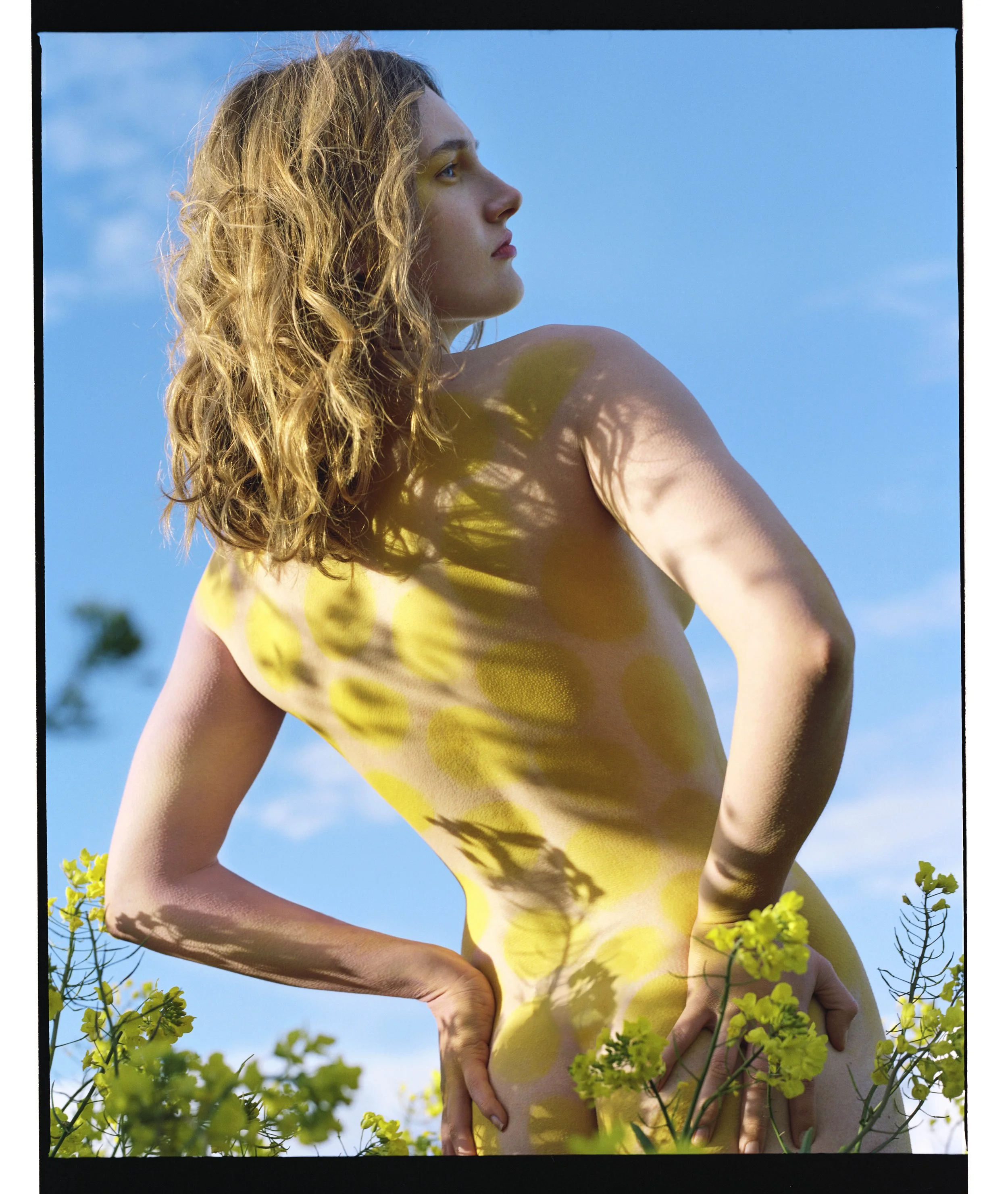
Women and landscape: The project explores the connection between women and the natural world. How did you make that idea visible in an actual photograph, beyond just placing a woman inside a landscape?
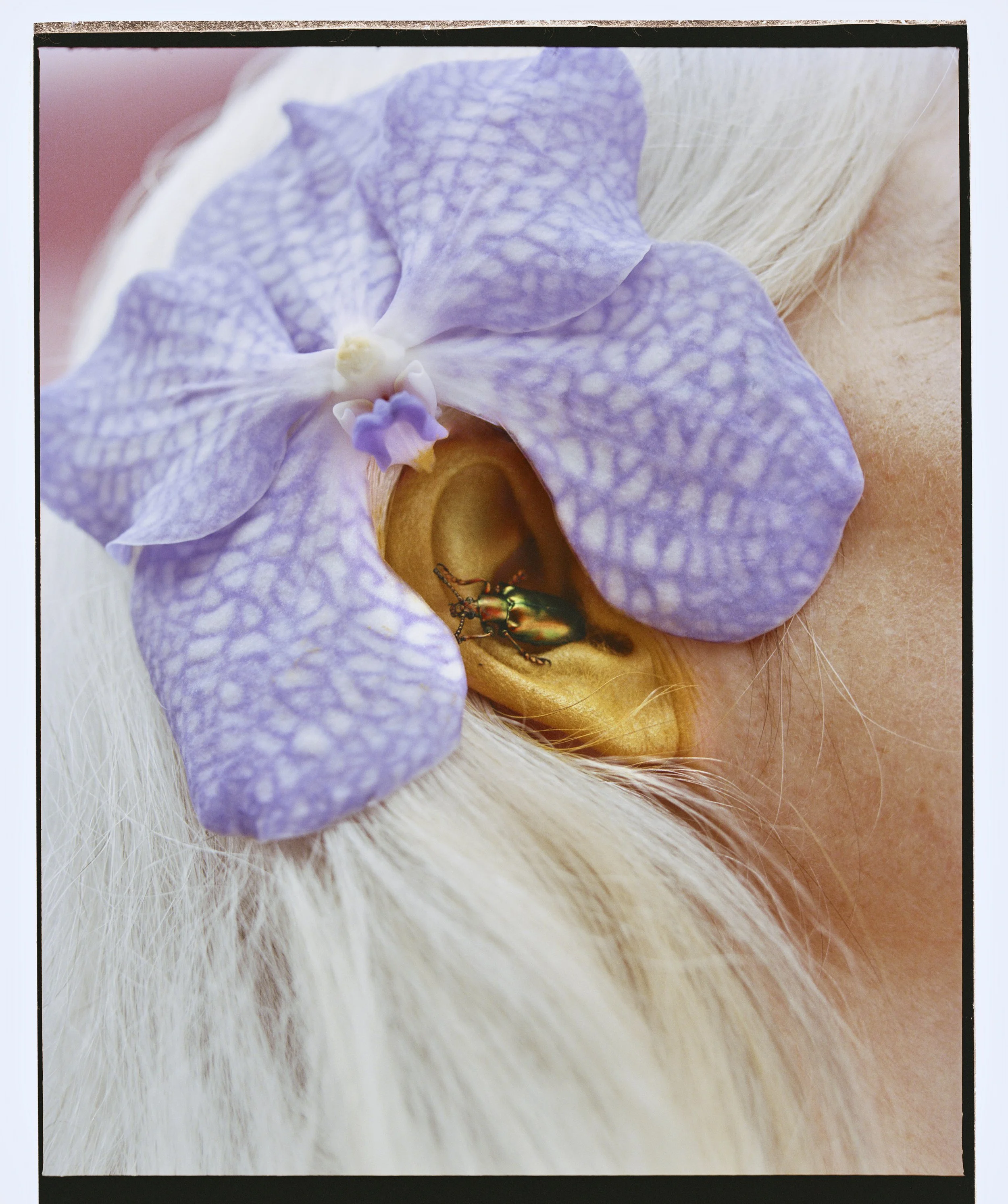
Claire: When I began developing Fallen Flowers, I knew I wanted to create images where the women felt genuinely part of the field, where both subject and landscape were held in equal presence, enhancing one another through colour, texture, and form. It became a kind of dance with nature, where beauty and strength could exist together in one fleeting moment. We integrated the flowers onto the model, under the model, and sometimes even inside the model's mouth or ears to immerse them fully into the landscape. The model was always told in advance about the shoot and the flower we had in mind for them, and we made sure they genuinely loved that flower before confirming the shoot so that they truly wanted to be there in that moment. I think that joy is what mainly connected them to the landscape, and hopefully all the elements in the image complete that feeling so that they belong in that field and in that moment, becoming part of nature itself. Each model and team member felt important and united, as creativity should be. Rooted in collaboration, we made these images to represent diversity, of beauty, body, and environment, and to show our respect for these essential elements of the natural world.
Writing and image: Adelaide, you wrote the narrative text for the book as well as co-directing the shoots. How did writing about the project change the way you saw the photographs?
Adelaide: Writing the text for the book became a way of distilling everything I had learned about the flowers we selected, as well as my wider interests in nature, sustainability and the British landscape. With each shoot, my understanding and appreciation of every flower deepened as I researched where, when and how it was grown, or where it occurred naturally. Many of the flowers we featured are cultivated either as crops or to improve soil health, and I was keen to understand the role they play within the wider ecosystem. Learning about how these plants benefit both farmers and the land itself added another layer of meaning to the project. My long-standing fascination with plants, gardening, floristry, ecology and the natural world came together with my love of art direction and photography for the book. Writing about the project encouraged me to look further beyond the visual qualities of the flowers and to consider more deeply their ecological significance. I have a deep respect for nature, so it was important to communicate not only the beauty of these plants, but also what they contribute to the environment and why preserving these remarkable landscapes is so essential.
Sequencing: With 220 pages and eleven distinct landscapes, how did you decide the order of the images, and what did you want a reader to feel by the time they reached the last page?
Claire: We chose to order the images in bloom order so that the seasons worked naturally with the book's sequence. We also wanted to make sure there was a range of colour palettes throughout the book so that each chapter felt like a new burst on the senses. The landscapes all hold their own rhythm, shaped by season, weather, and human hands, and we wanted readers to feel that gradual movement through nature as they turned the pages. As I mention in the introduction to the book, creating these images has been one of the greatest experiences of my life. As people move through Fallen Flowers, I hope they feel something of what we felt in those fields, freedom, strength, playfulness, and awe. This work is a tribute to the women in front of the lens, the collaborators behind it, and the enduring presence of the natural world.
To discover more about this intriguing body of work and how you can acquire your own copy, you can find and purchase the book here. (Kozu Books, Amazon)
More photography books?
We'd love to read your comments below, sharing your thoughts and insights on the artist's work. Looking forward to welcoming you back for our next [book spotlight]. See you then!
Gosbert Gottmann wanted war photographs that resisted easy reading. In Freiheit Freedom Воля, he works with images connected to the war in Ukraine and changes them through abstraction, distortion and deformation. Photography Book Spotlight