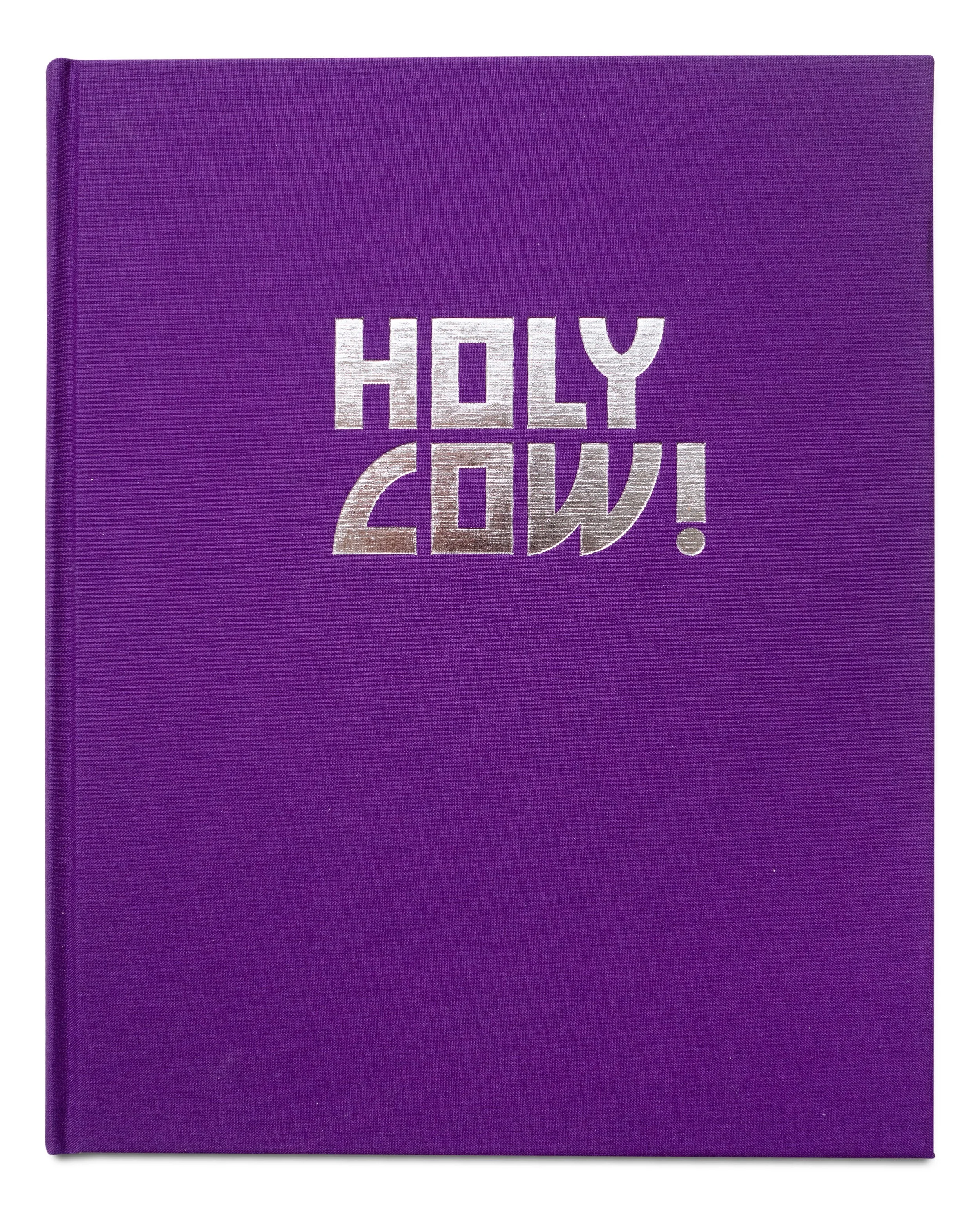
Welcome to this edition of [book spotlight]. Today, we uncover the layers of 'Holy Cow!,' by Melonie Bennett (published by GOST Books). We'd love to read your comments below about these insights and ideas behind the artist's work.
Melonie Bennett photographed what most families bury.
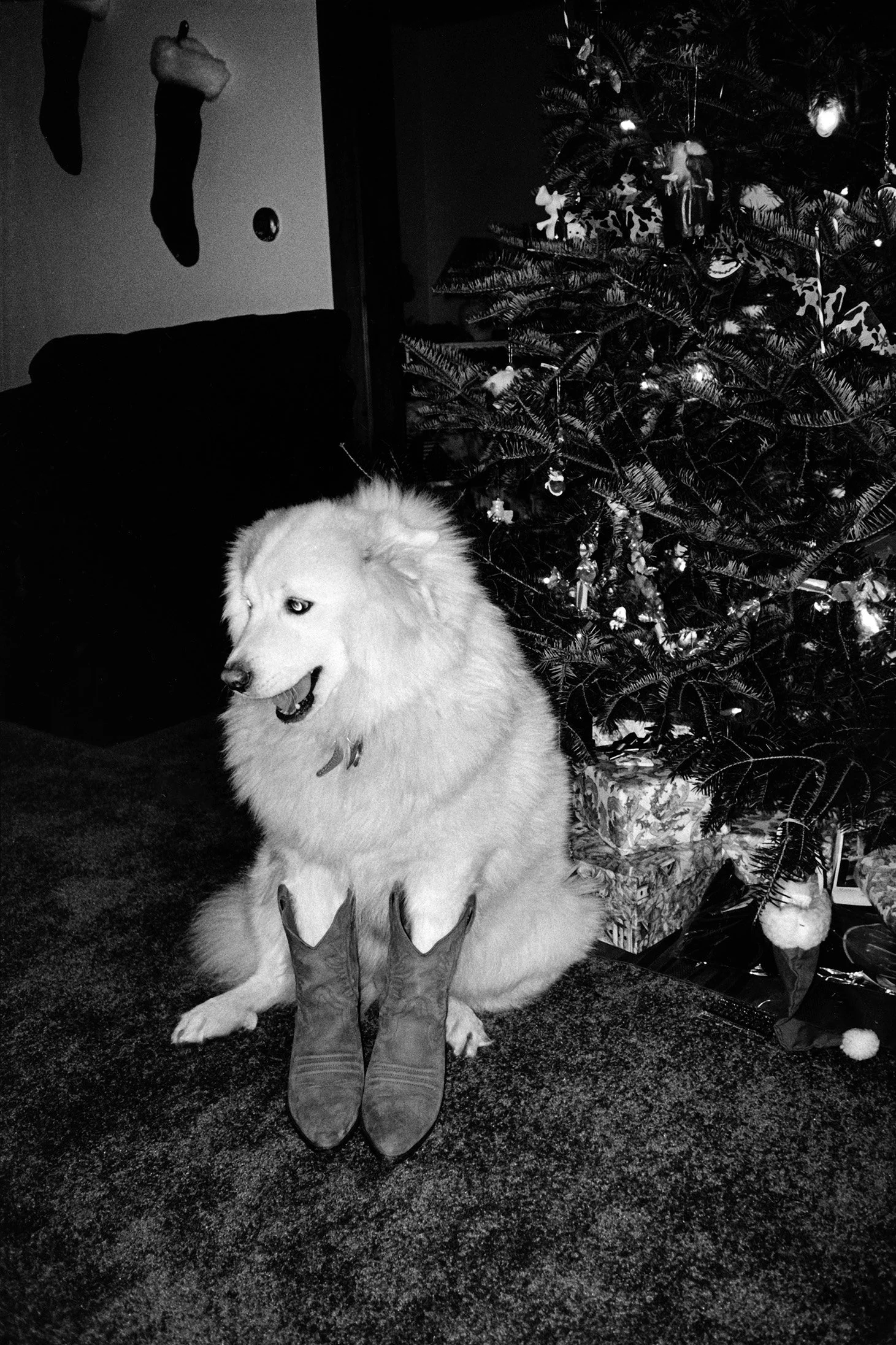
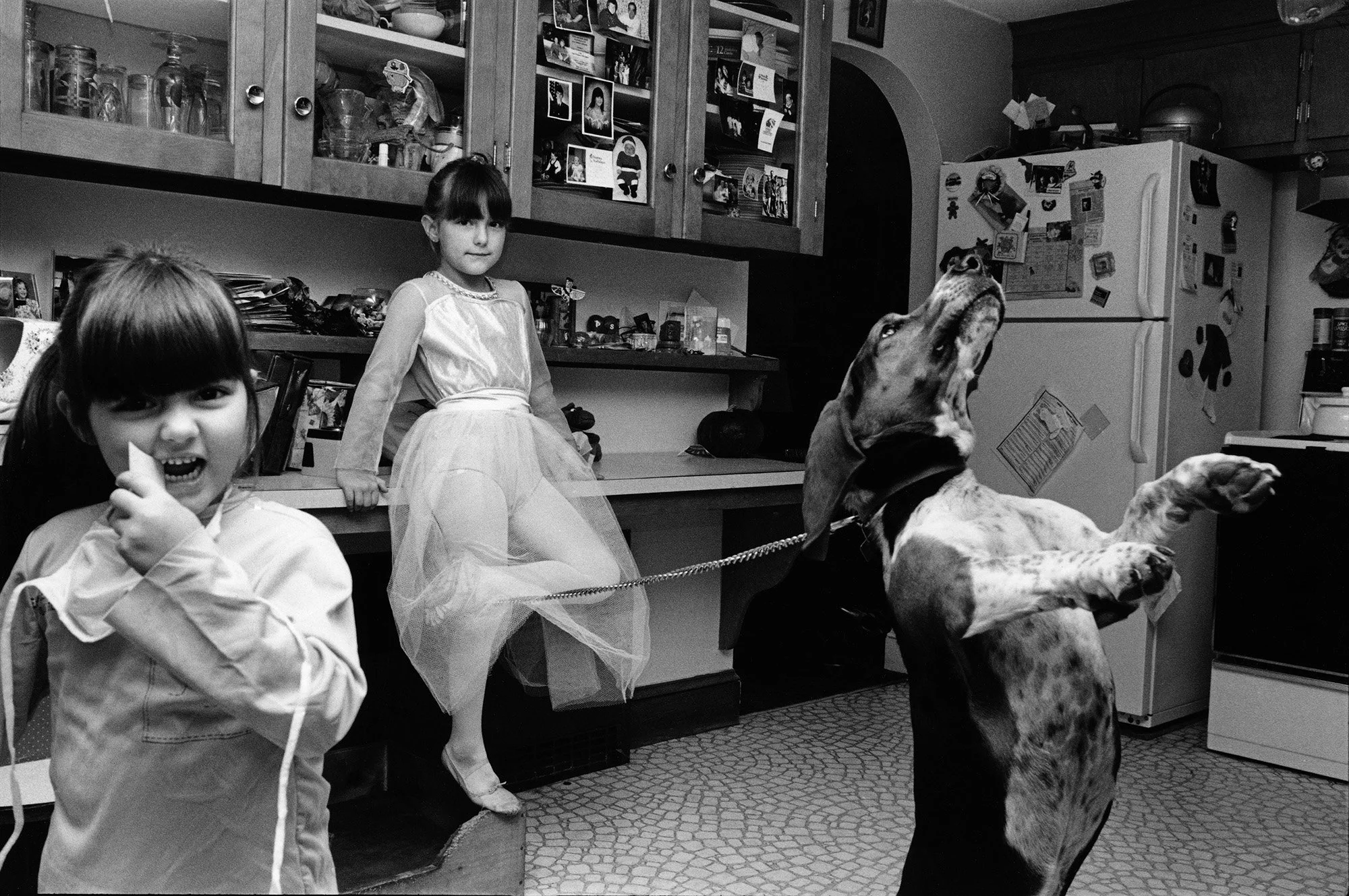
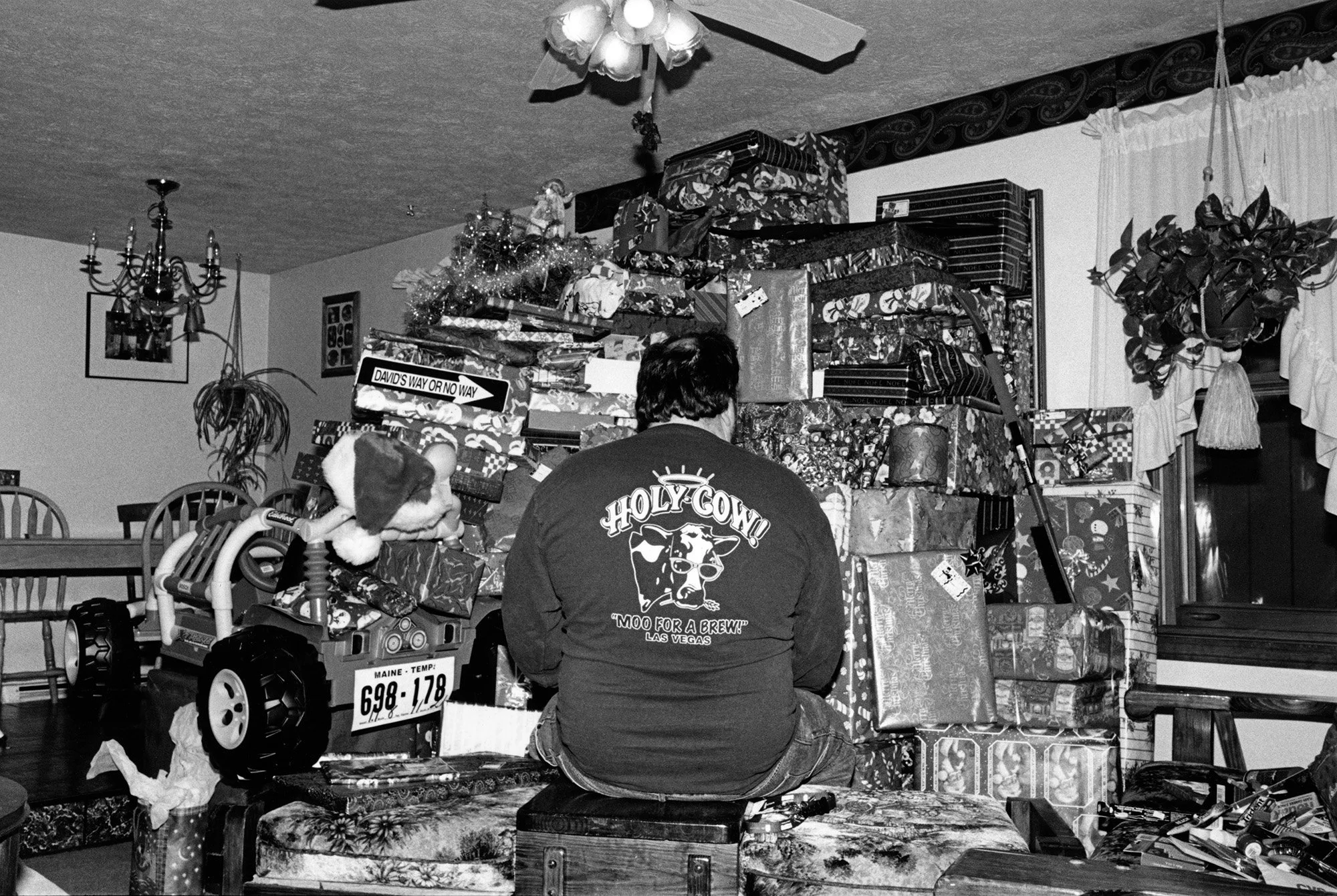
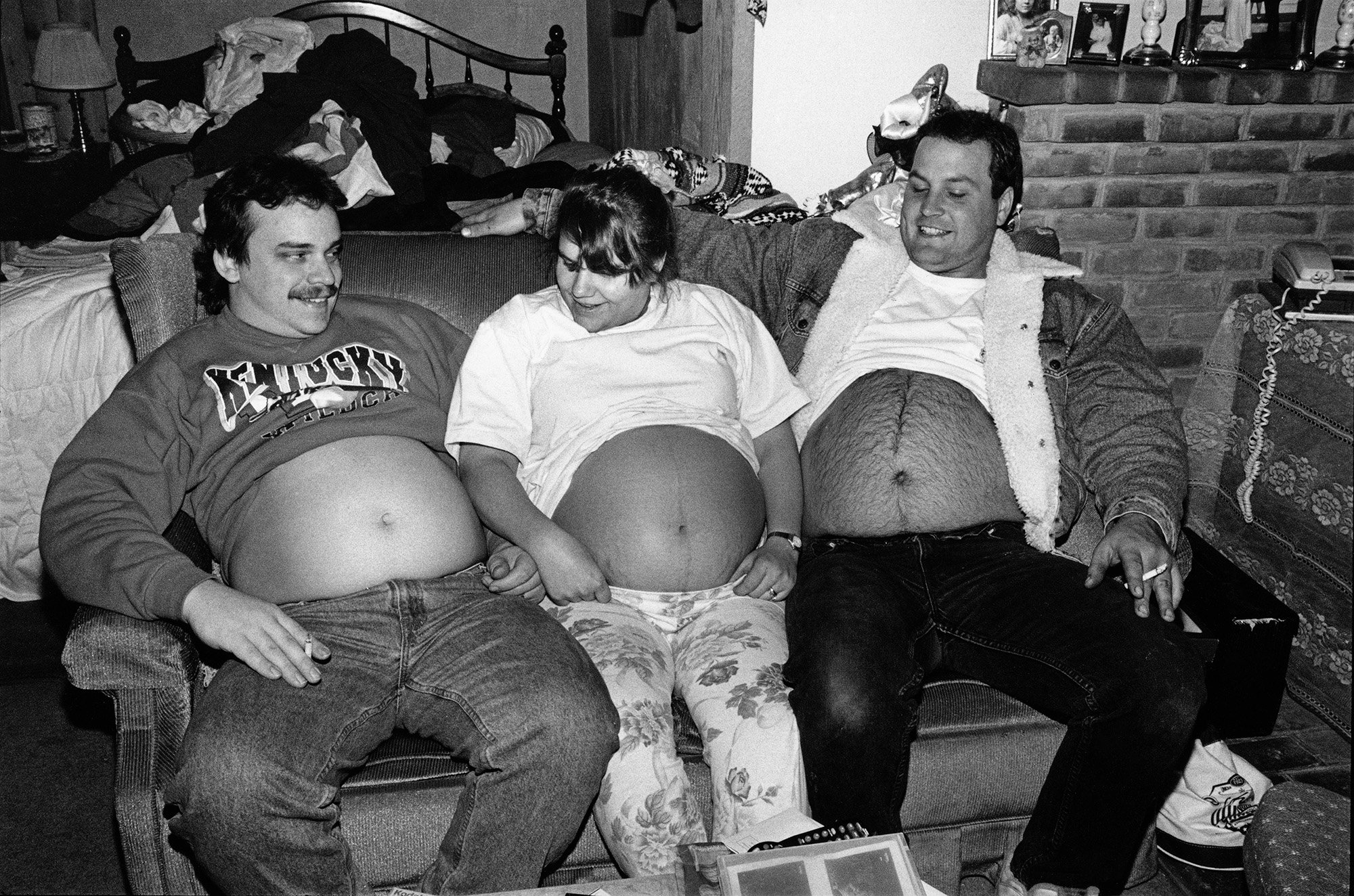
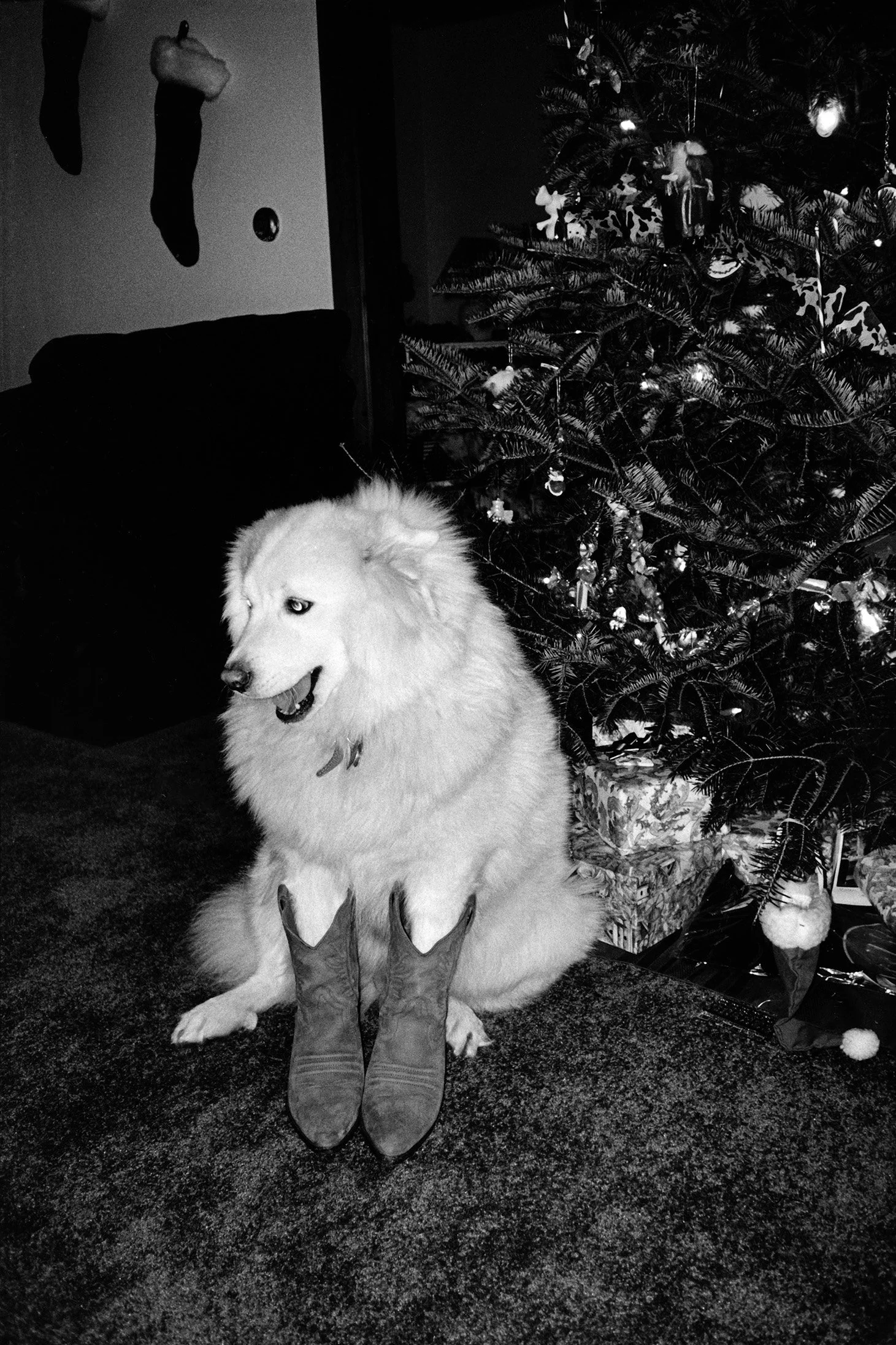
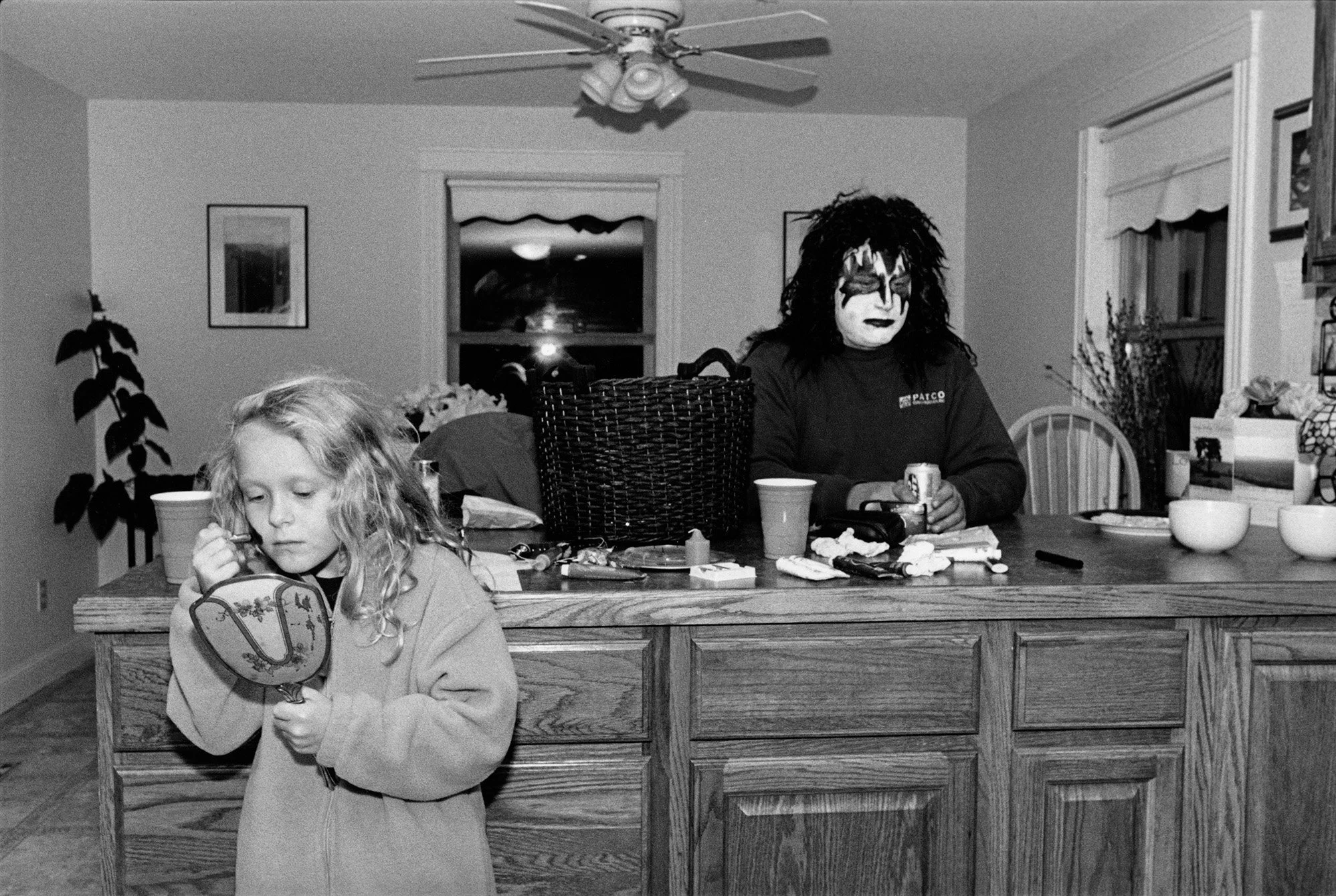
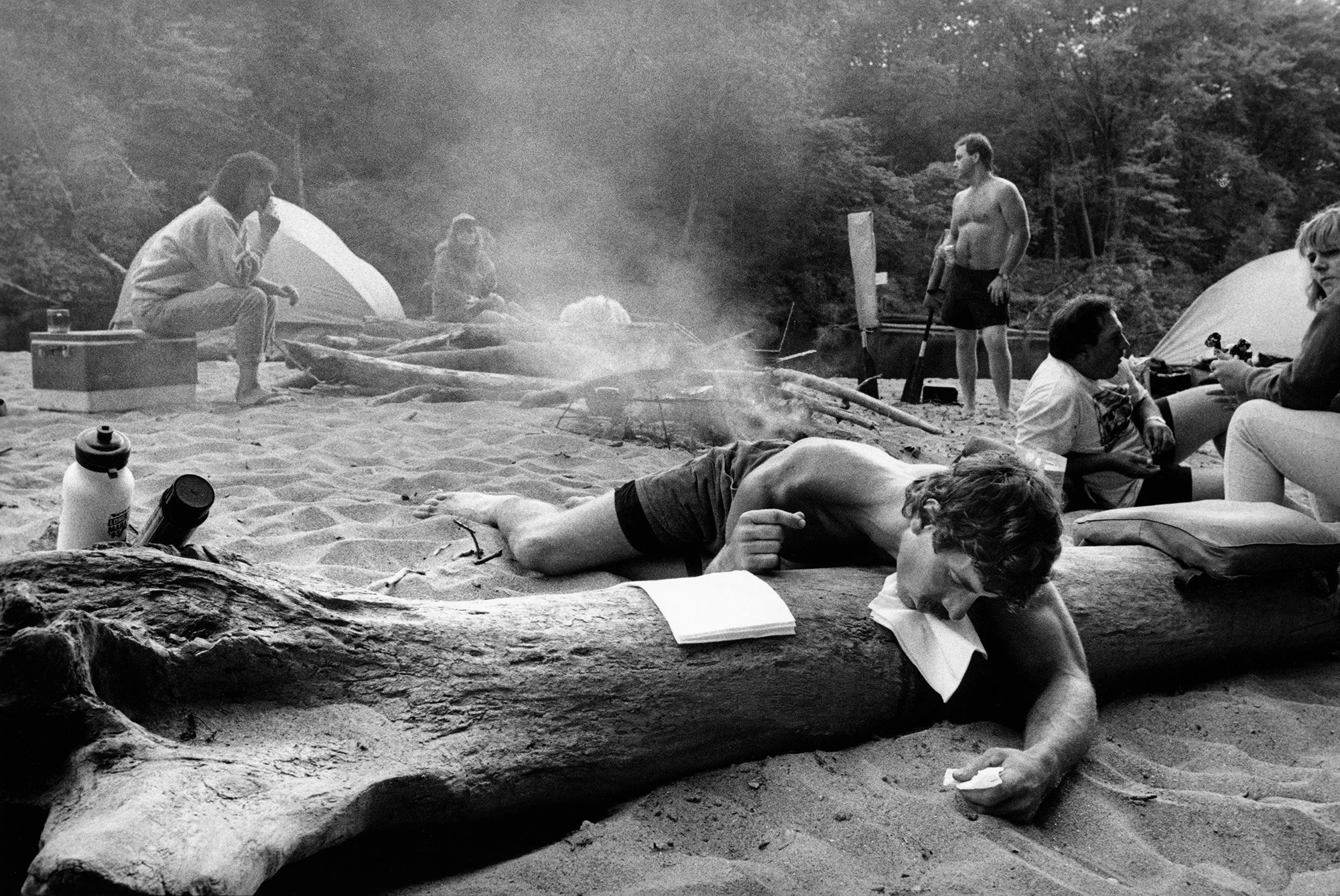
Her book Holy Cow! follows more than twenty years of family life filled with drunken parties, illness, fights, jokes, rituals, and emotional chaos. The black and white photographs move between absurd humour and painful honesty, showing a family that survived pressure and dysfunction by laughing, arguing, eating, and carrying on together. What makes the work stand out is how close Bennett is to the people she photographs. This interview looks at how she documented the kind of moments most people would never want photographed at all.
Some photographs become more complicated the longer you look at them.
At first, Bennett’s pictures can feel funny, chaotic, even ridiculous, but underneath the humour is exhaustion, addiction, illness, tension, and years of emotional history. Her family trusted her enough to let the camera stay present through vulnerable moments, and over time the photographs became less about single events and more about the emotional atmosphere of an entire family. The result feels less like a traditional family album and more like a record of people trying to survive life together without pretending to be perfect. In this interview, Bennett speaks about photographing difficult moments without shame, using humour to survive heavy situations, staying invisible inside chaos, and why simple candid pictures can sometimes hold more emotional truth than carefully planned photographs.
Bennett also talks openly about working with simple cameras, learning to anticipate moments, gaining trust over decades, and understanding where the emotional line is when photographing people close to you. The interview also shows how long-term personal work can slowly grow into something much bigger than a collection of snapshots.
The Book
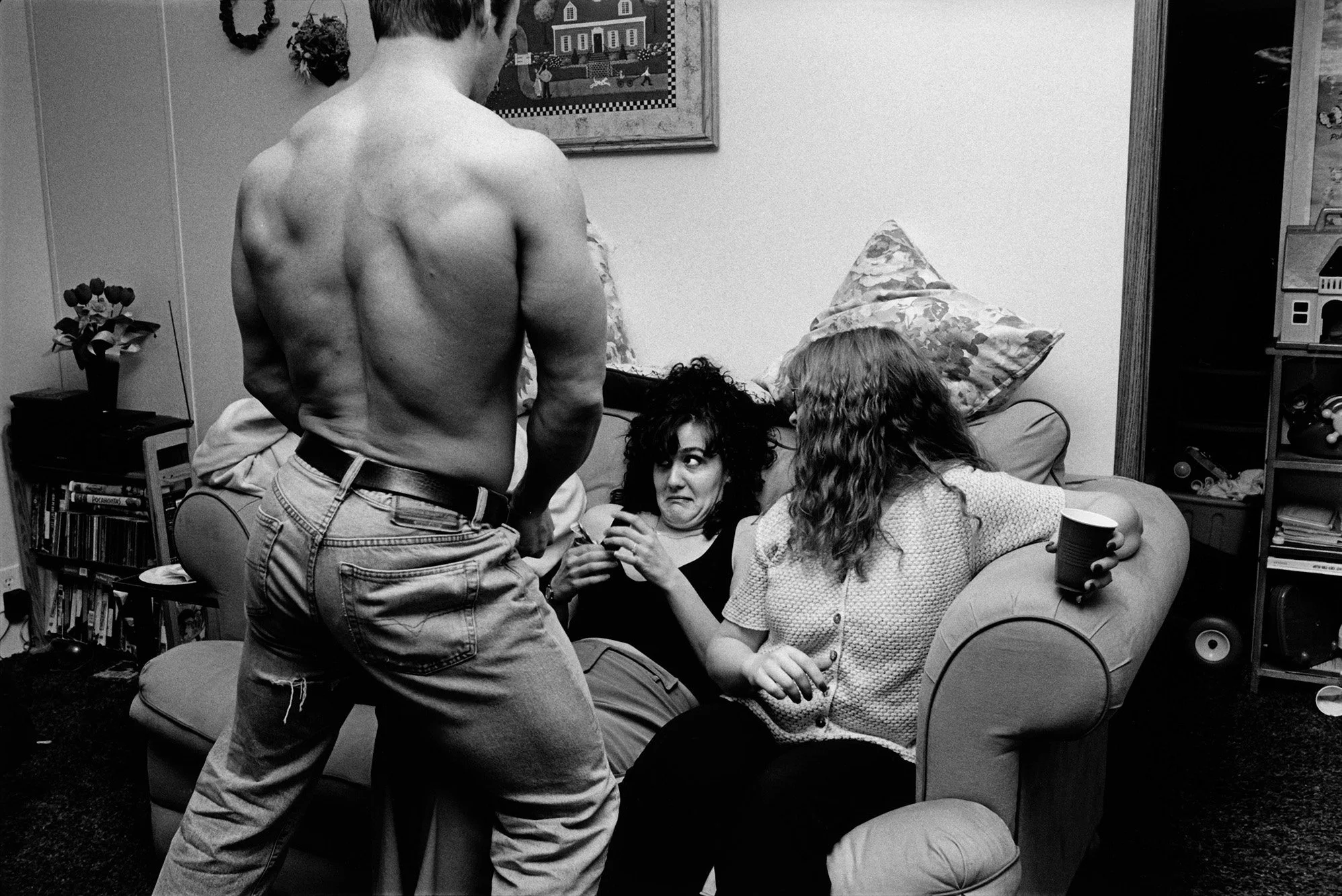
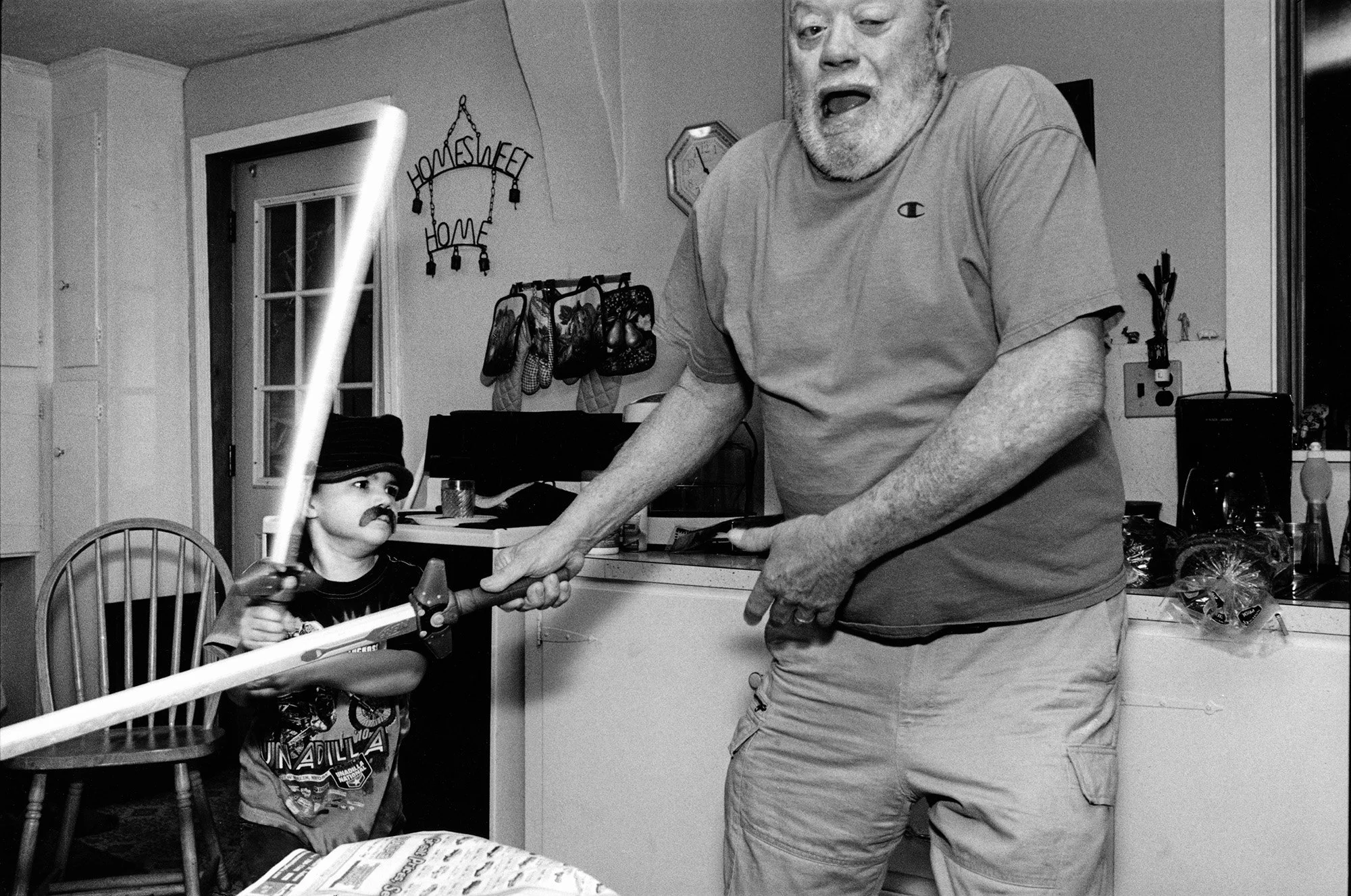
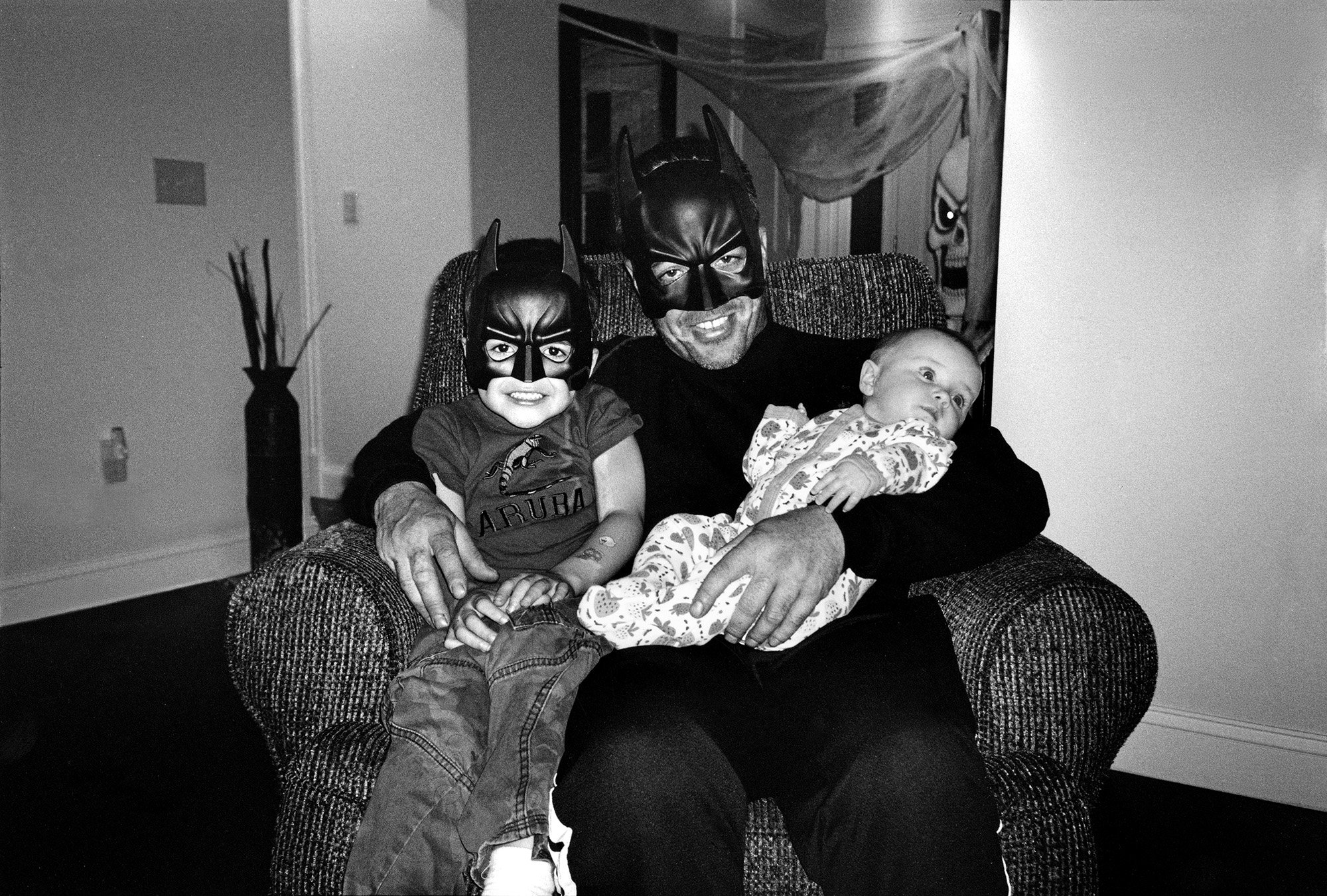
Holy Cow! by Melonie Bennett published by GOST Books is a black and white photobook built from more than twenty years of photographs of the artist’s family and surrounding community in rural Maine. Made between 1990 and 2011, the book captures drunken parties, family rituals, illness, humour, arguments, holidays, accidents, and quiet moments of exhaustion with the same unfiltered honesty. Alongside Bennett’s photographs are personal stories written by her brother Merritt, whose chaotic memories and dark humour add another emotional layer to the work. Rather than presenting an idealised family album, Holy Cow! becomes a raw portrait of people trying to survive pressure, dysfunction, love, and everyday life together. The book also marks Bennett’s first monograph. (GOST Books, Amazon)
Project Genesis: You describe yourself as shy in high school, but being the designated driver at parties gave you a reason to observe and photograph everyone. How did this role as the sober observer shape the way you see and capture moments?
Growing up in a family with a history of addiction leaves you at a crossroads as you start making decisions in life. I recognised at an early age that each decision I made could lead me towards a more pleasant life or I could just repeat and perpetuate what I knew. When I started taking photos at parties, I was surprised to find how invisible I was to my peers. Everyone there was in a different state of mind. This left me free to take it all in, the surroundings, people, and interactions.
Another epiphany was the entertainment value of relationship drama, PDA (personal displays of affection), fist fights, and then the aftermath of people getting sick and passing out, etc. In my eyes, this made for compelling picture-taking opportunities. No attention was focused on me, even with the flash blatantly going off in their faces. Anyway, in the end, the partiers liked seeing their images, even in unflattering circumstances, which I considered a gift.
I used the time I had to observe and try things out. I was able to move around amongst them, try different juxtapositions with the foreground and background. I had time to practice framing, lighting, and also just shooting off the cuff in the dark, like in the photo “Knocked out at Plumbley’s party”, where there was a fight happening. I couldn’t really physically see what was going on.
I learned how to anticipate when something might happen and could try to position myself accordingly. I liked to see how quickly I could replace a roll of film, because the best things always seem to happen at about frame thirty with only six pictures left on the roll of film. By the end of the night, I usually had a car full of people that I kept from driving home drunk.
Technical approach: You shot Holy Cow! with a Contax T3 and Pentax K1000 using fixed 35mm wide-angle lenses. Why did these simple cameras work better for your family photography than more complex equipment?
I am not technologically driven. The less equipment, the better. All my work is quick and candid. I would not have stuck with taking pictures if it required set-up, direction, settings, etc. The fixed 35mm lens worked perfectly for the small rooms I was usually in. I like to move myself around and put my camera frame where I could get the best shots. This camera and lens gave me that flexibility and forced me to be close to the subject; it was lightweight, and the images were sharp.
After college, I was worried I would get out of practice or lose my “eye” as I had to figure out how to earn a living, and I thought my art would have to be on the back burner. I decided my family would be my main subject. I had easy and constant access to them, and I felt like there was some material there to explore. I never knew what kind of odd things I was going to run into on a daily basis.
One time, we went to get our taxes done, and our accountant asked us to play a game of pool with him. He took us into his house, which was attached to his office, and instead of picking up a pool stick, he picked up a microphone and started singing karaoke. When his dog started singing with him, I ran to the car and got my camera. No one would have ever believed that I witnessed this organically, unless they saw the photographic proof. I hate thinking about the ones that got away.
Point and shoot is best for me. I tried to upgrade several times to other cameras, thinking I was missing out on something or I felt like if I had a more professional camera I would get better photos. Time after time I tried something new and could never get the effect I wanted or there would be a lag when I pushed the shutter and I would miss the picture.
I wish I had just had the confidence and knowledge at that age that it’s what you do with the equipment you have that is important. I just wanted the camera to take a simple photo of what I was looking at, period. That is why I used a basic Pentax K1000 and Trix film.
I also added a Vivitar 283 flash with a cord attached to a battery pack that I clipped to my belt or strapped over my shoulder. I had the flash set for one setting and everything between about 5 and 15 feet would be in focus and the flash would go off repeatedly when I needed it to. This was the one concession I made for equipment, it was worth carrying this external battery pack if I could get the pictures I wanted.
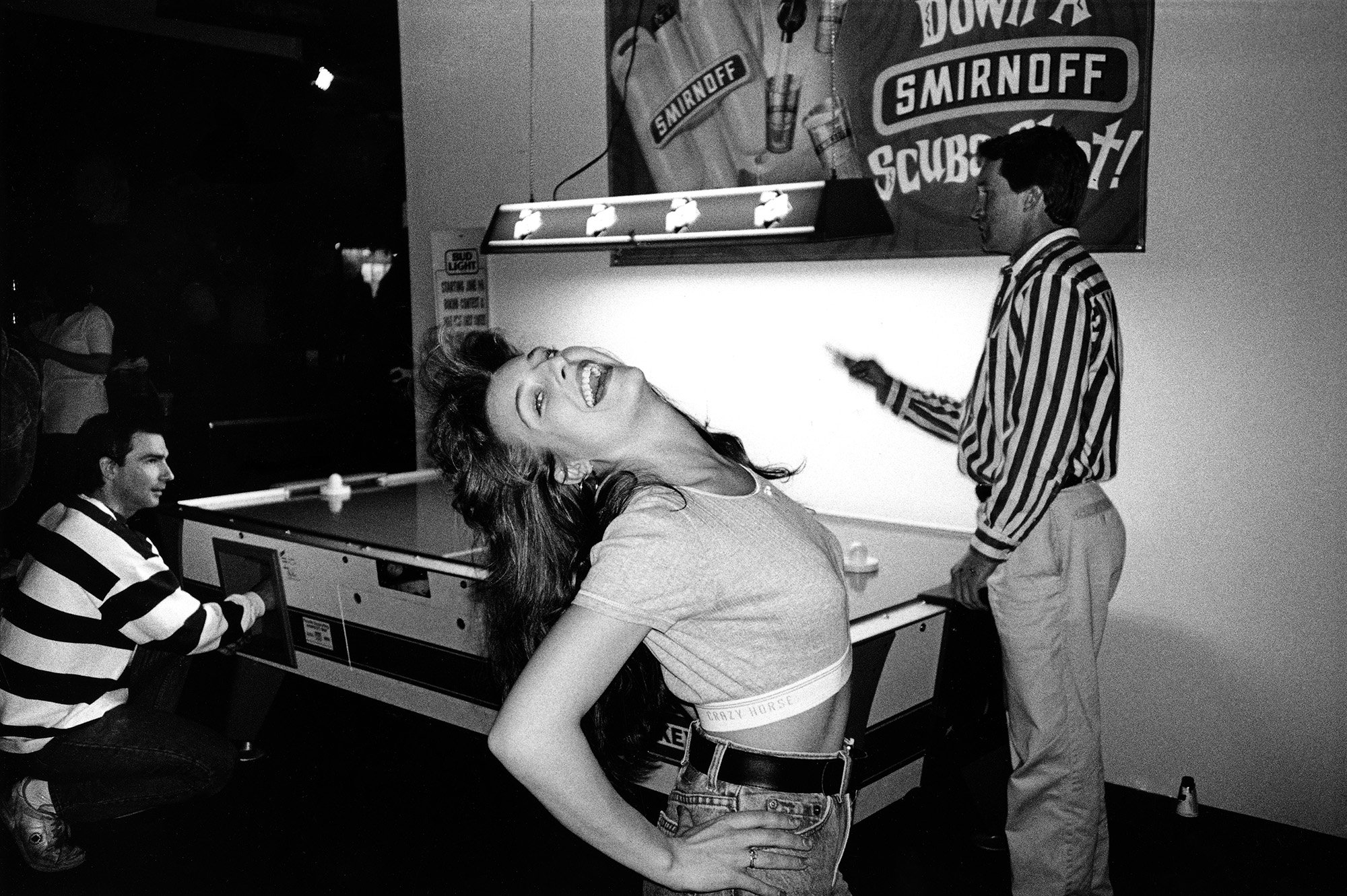
I didn’t have to do anything except move, enjoy watching people interact and push the shutter. The Contax T3 I could lock focus by pressing halfway down on the shutter and as long as I let its flash recharge it worked for me. It was not quite as successful because the flash recycle time was slow, but I could take it anywhere because it was so small and compact. It gave me confidence that I had a fighting chance if something unexpected happened that I wanted to catch. I took the photo of Suzie at the Bahama Beach Club with that camera.
Gaining trust: Your family clearly lets you photograph them in very vulnerable and silly moments. How do you keep their trust after 20 years of pointing a camera at them during parties and gatherings?
My parents took a huge leap of faith supporting me through four years of art school. They were farmers, and to tell you the embarrassing truth, we didn’t fully understand what art photography was. I loved the art and photography classes I had taken and had experienced the magic of being in a darkroom, so art school seemed like a great plan, it was the only plan.
After graduation, my parents were puzzled that anyone would be interested in pictures of our family, especially on walls in galleries and museums. They had no other recourse except to trust me and hope for a return on their investment.
As my self-assigned family project progressed, I would show them the photos I took to give a better understanding of how I thought our “family album” crossed the line from snapshots into art pictures. I also explained how it acted as therapy and lightened up the harder situations we had to deal with with humour.
This process was a family collaboration of sorts. Trust was given to me from the beginning, and then I managed that trust through the years, making sure everyone was comfortable if their images were to be shown or printed publicly.
Finding humour: Growing up on a dairy farm with constant stress, your family used humour and irony to cope. How do you know when a moment is funny enough to photograph versus just embarrassing?
I would photograph anything with the slightest potential of humour or irony and sort it out later. When I would get contact sheets back, it would usually be evident what worked and what went too far or what had just enough of that special something that is hard to describe.
I would sit on contact sheets for months, and if I went back and still got that vibe, I would know the image was doing something special and worthy of continued consideration.
An example might be my father striking a pose as he walks through the house with Groucho Marx glasses on. He is in his underwear recuperating after a very invasive abdominal, aortic aneurysm surgery, including a long induced coma. He had been away for over a month at the VA hospital in Boston. He is still not really in his right mind.
He is joking with me and thinks he is funny walking around with these glasses on, he is engaging me, and yes, the glasses are silly, but this picture relays what we had to go through with him all joking aside. We loved him for what he brought to the table, and we embraced who he was. He was not embarrassed by this picture; he got a kick out of himself, and he taught us that being able to laugh at yourself was a gift.
You mentioned your father walking around in Groucho Marx glasses right after his surgery, still not in his right mind. That image sounds both funny and heartbreaking at the same time. When you photograph your family during really hard moments like illness or recovery, does the camera help you deal with what is happening, or does it sometimes make things harder?
The camera actually becomes a welcome support system in the more difficult times. I didn’t know this consciously for quite some time, but when I lift the camera up between myself and someone else, it feels like the personal emotions and worries I’m having recede, because my mind shifts gears to a visual perspective.
I get very wrapped up and engaged when trying to see a photo. In my eyes, I am creating images that make all this life stuff worthwhile. During very rough and heavy times, I would not be taking photos. I have learned where that line is.
Collaboration: Your brother Merritt writes stories that appear alongside your photos in the book, and he used to give you single rolls of film as gifts. How did his writing change the way you think about your own pictures?
My brother, Merritt, is a great storyteller and, for better or worse, he is usually the main character in them. Like our father, his personal trials and tribulations affect our family deeply. When he tells his stories to us at family gatherings, he relives the scene play by play and he tells the unfiltered, lawless truth with a giddy pride and plenty of animation.
Since his early teens, he has had a propensity for mischief. What he does is over the top and is at a level most will never experience in their families. We laugh with him, because what else can you do?
When we hear his stories, we learn more about his mental state and we understand how he ends up in so many difficult situations. His decisions have an impact on his life and also affect the rest of us. I hope hearing a few of his accounts gives the viewer of my photographs a glimpse into what is running behind the scenes in my family and what comes out in the imagery.
Placing a camera between my brother and myself helps me detach a bit from the outcome at hand and, in another way, celebrates him and his bravery as he lives through the predicaments he has created for himself.
You said something interesting about your brother Merritt. You said putting a camera between you and him helps you detach from the outcome, but also celebrates his bravery. That sounds like two opposite things at once. Can you explain what you mean by that? How can the camera create distance and connection at the same time?
My brother expresses his emotions outwardly, and he acts upon them many times before thinking through the consequences. He will not accept any help or constructive criticism. There is no controlling him.
This is a hereditary trait in the men in my family. They are in a constant cycle of acting out and then having to put all the pieces back together again. This is tough on relationships, finances, and self-esteem.
So when I photograph him, my intention in my mind is to celebrate his resilience. He leads a hard life.
Black and white choice: All 66 images in Holy Cow! are black and white, spanning 1990 to 2011. What does removing colour do for these intimate family scenes that colour could not?
This is hard for me to articulate. Black and white cleans the slate. I feel like removing colour directs the viewer more to the action and state of mind of the people in the photos.
It neutralises things you would have to take into consideration if you were taking a colour picture. I am looking for a frame, background to subject, maybe I am keeping it simple like the equipment. Colour is, for a lack of a better way to say it, too real and may feel dated.
I have tried shooting in colour and it just did not convey what I was after at the time.
Editing challenge: You photographed your family for over 20 years and selected only 66 images for this book. What was the hardest type of photo to cut, and why?
The images hardest to cut would probably be ones with some sort of sentimental value. Ironically, choosing the photos seemed like the easiest part of this process.
Stu Smith, my designer and publisher at GOST Books, asked to see all my contact sheets as he wanted to get a sense of my work and how it flowed. The blessing was that I was finally forced to organise all my negatives.
Therefore, I spent last winter facing boxes of uncut rolls of film, making new contact sheets, and then manually scanning all my contact sheets for Stu and his team to review.
Stu had a good intuitive understanding of my photos and, most importantly, a similar sense of humour, so the editing process was a good back and forth for the final selection.
Observer versus participant: You describe photographing "the landscape where people set themselves loose and live." How do you stay invisible enough to capture real moments while still being part of your own family?
We wear everything on our sleeves in my family. We know way too much about each other; we confide everything to each other.
The gift of my family is that I don't have to be invisible to take pictures of them. I have been in their face for so long that they are basically anaesthetised to me. I am also not trying to get anything past them.
The best thing about them is that they are brave enough to have let me share it.
Artistic recognition: Your work now appears alongside Richard Avedon, Sally Mann, and Gordon Parks in the PRESENCE exhibition. What advice would you give to photographers who want to turn their personal family snapshots into serious art?
If I continue to enjoy looking at a picture over time, there is a chance that other people might find it interesting too. Share your work with other artists and get feedback to see if what you have done is effective.
I think there has to be an element or style that takes the snapshot to a level to make it your own. This could be almost anything that is consistently represented from one photo to the next and that leads to a body of work that feels cohesive.
Any combination of time of day, light source, distance to subject, mood, medium, environment, following one person or a group of people that become known to the viewer over time. Authenticity is key.
Thank you so much for sharing all of this with us. Holy Cow! is your first monograph after more than 30 years of photographing your family. Now that this book is finally coming out into the world, what do you hope people feel when they look at your family and maybe recognise something of their own?
I hope the viewer of my photographs can relate to the humour and ingenuity of my family members. I hope they can also find compassion for their own family members in whatever trials and tribulations they are suffering from.
If the viewer of my book has a “normal” family, I hope they can embrace the freedom and joy that comes with that.




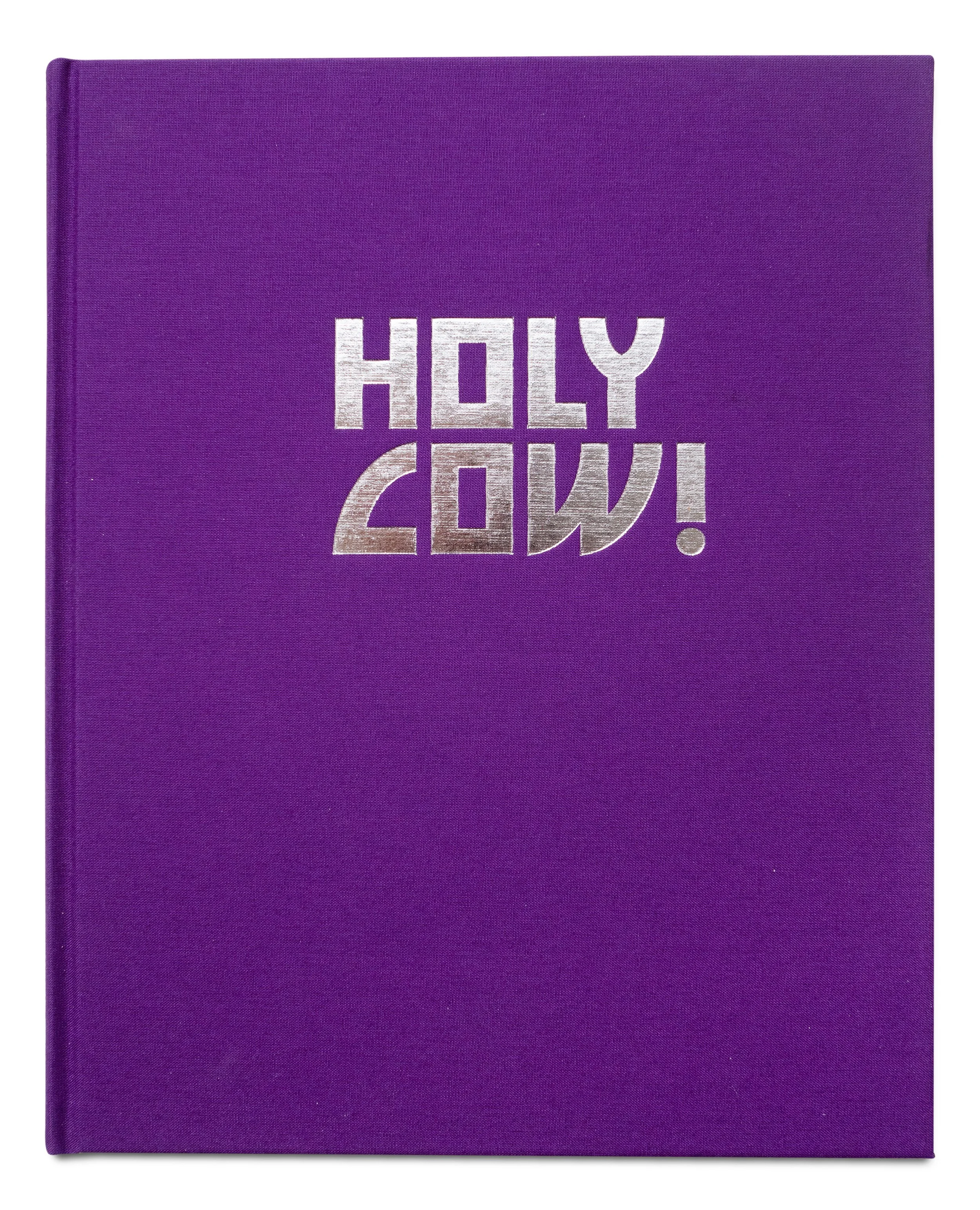
To discover more about this intriguing body of work and how you can acquire your own copy, you can find and purchase the book here. (GOST Books, Amazon)
More photography books?
We'd love to read your comments below, sharing your thoughts and insights on the artist's work. Looking forward to welcoming you back for our next [book spotlight]. See you then!
Catherine DeLattre’s photographs begin with something worth stopping for. Driving through Wayne County, Pennsylvania, she notices isolated houses, trees, and open fields. Photography Book Spotlight