History Happens When You Least Expect It - Pete Souza on Photographing Obama Beyond the Official Image
Welcome to this edition of [book spotlight]. Today, we uncover the layers of 'Obama: An Intimate Portrait,' by Pete Souza (published by Little, Brown and Company). We'd love to read your comments below about these insights and ideas behind the artist's work.
One photographer spent 8 years inside Obama’s private world.
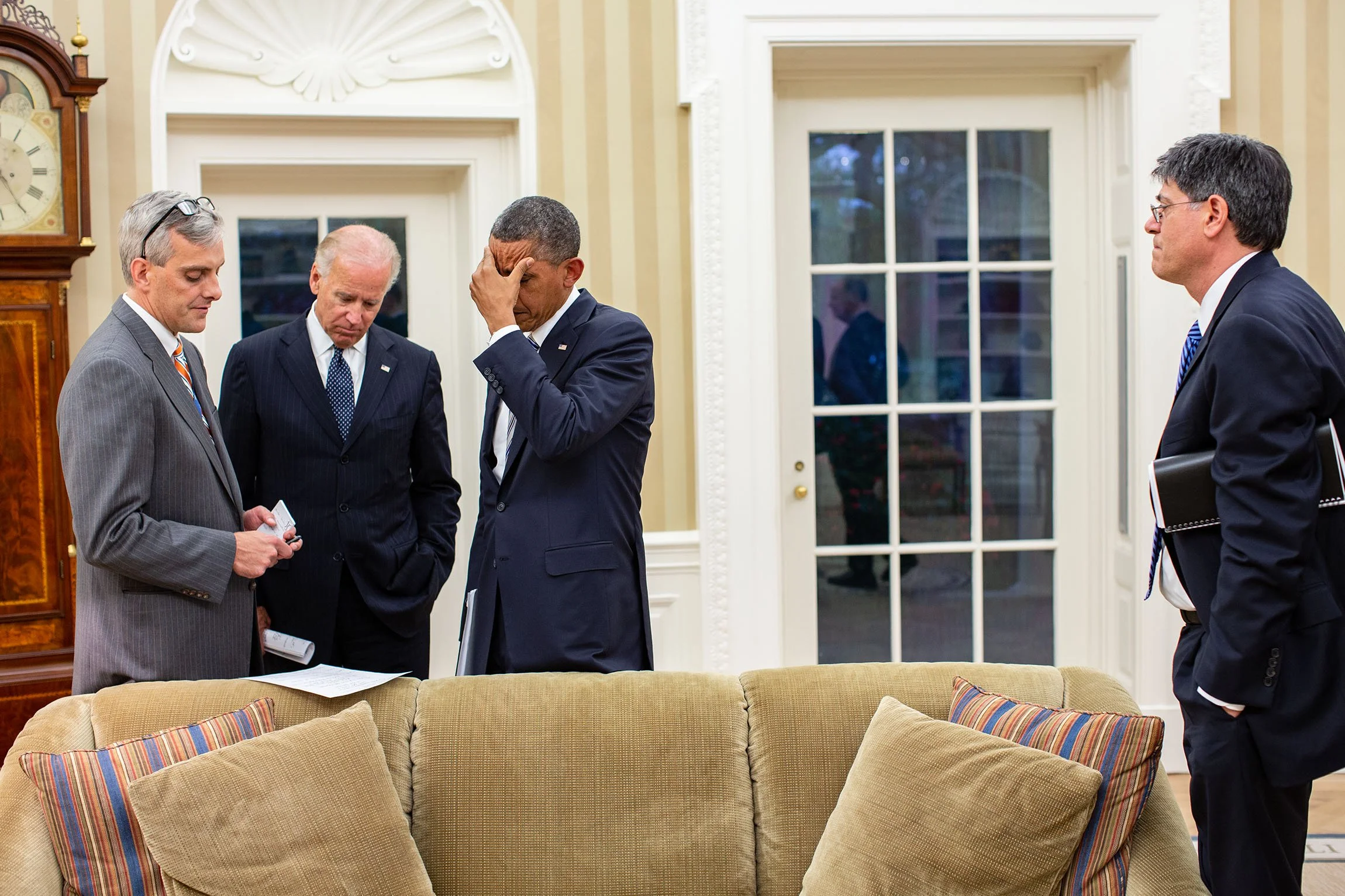
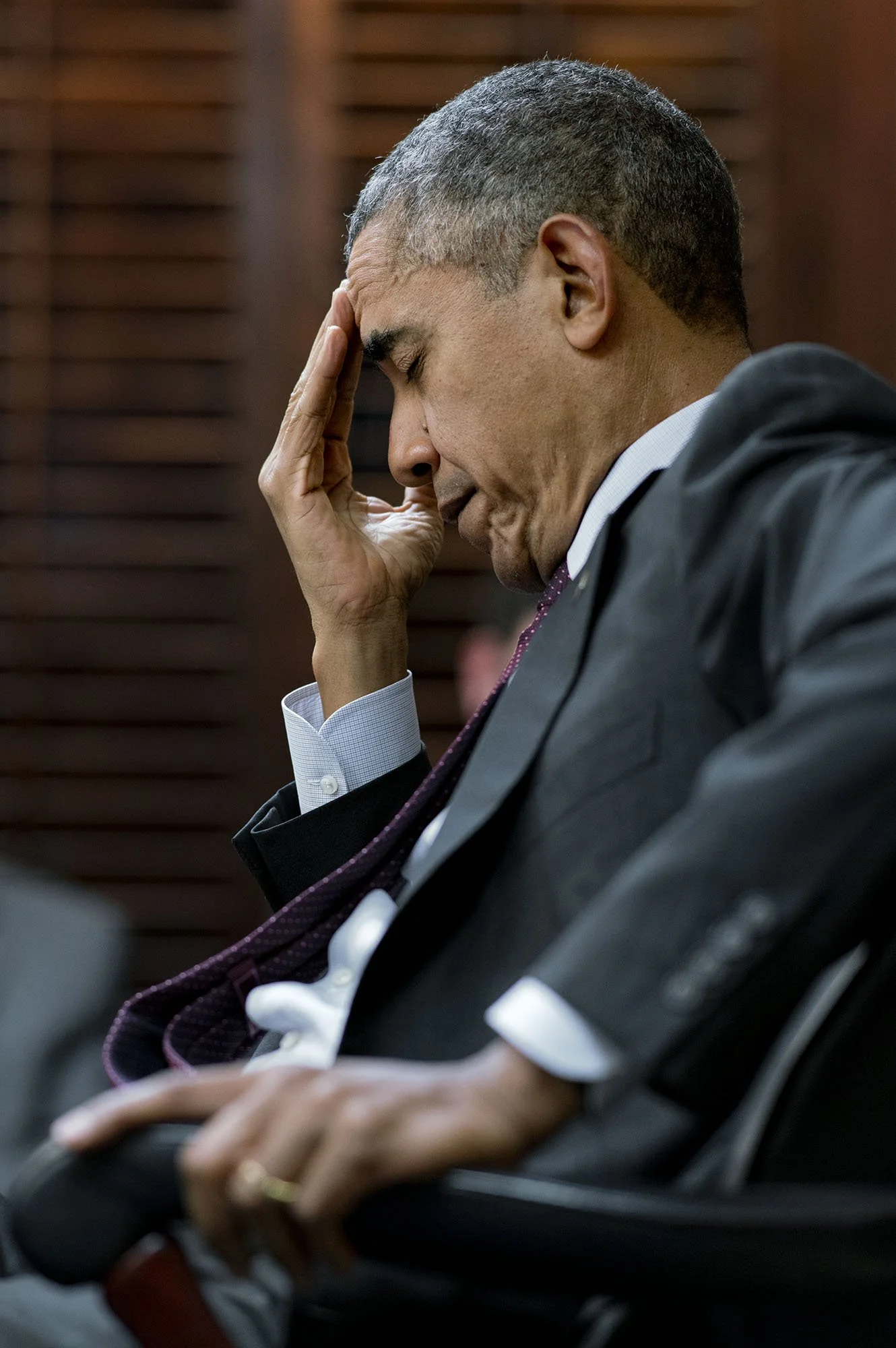
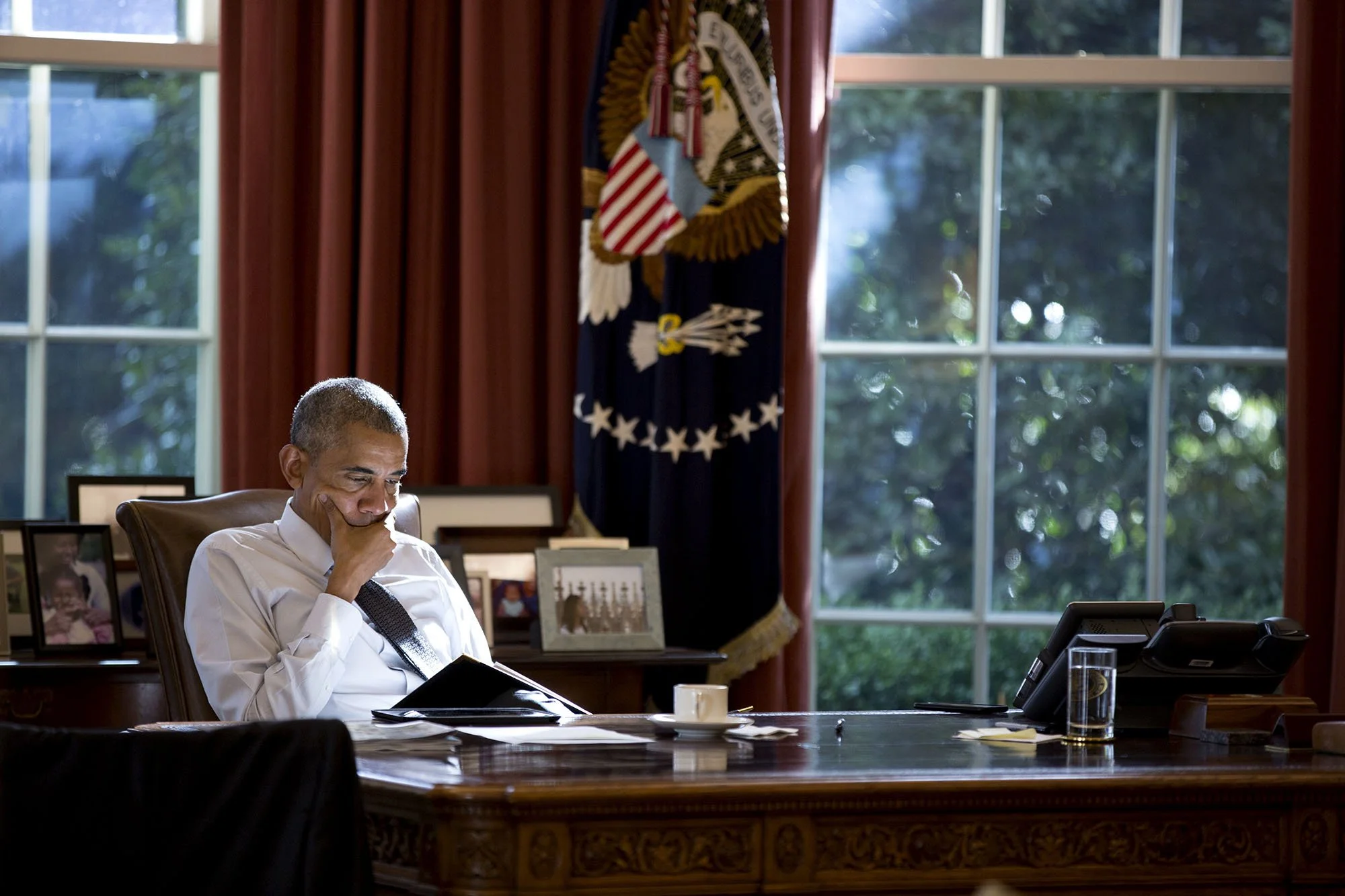
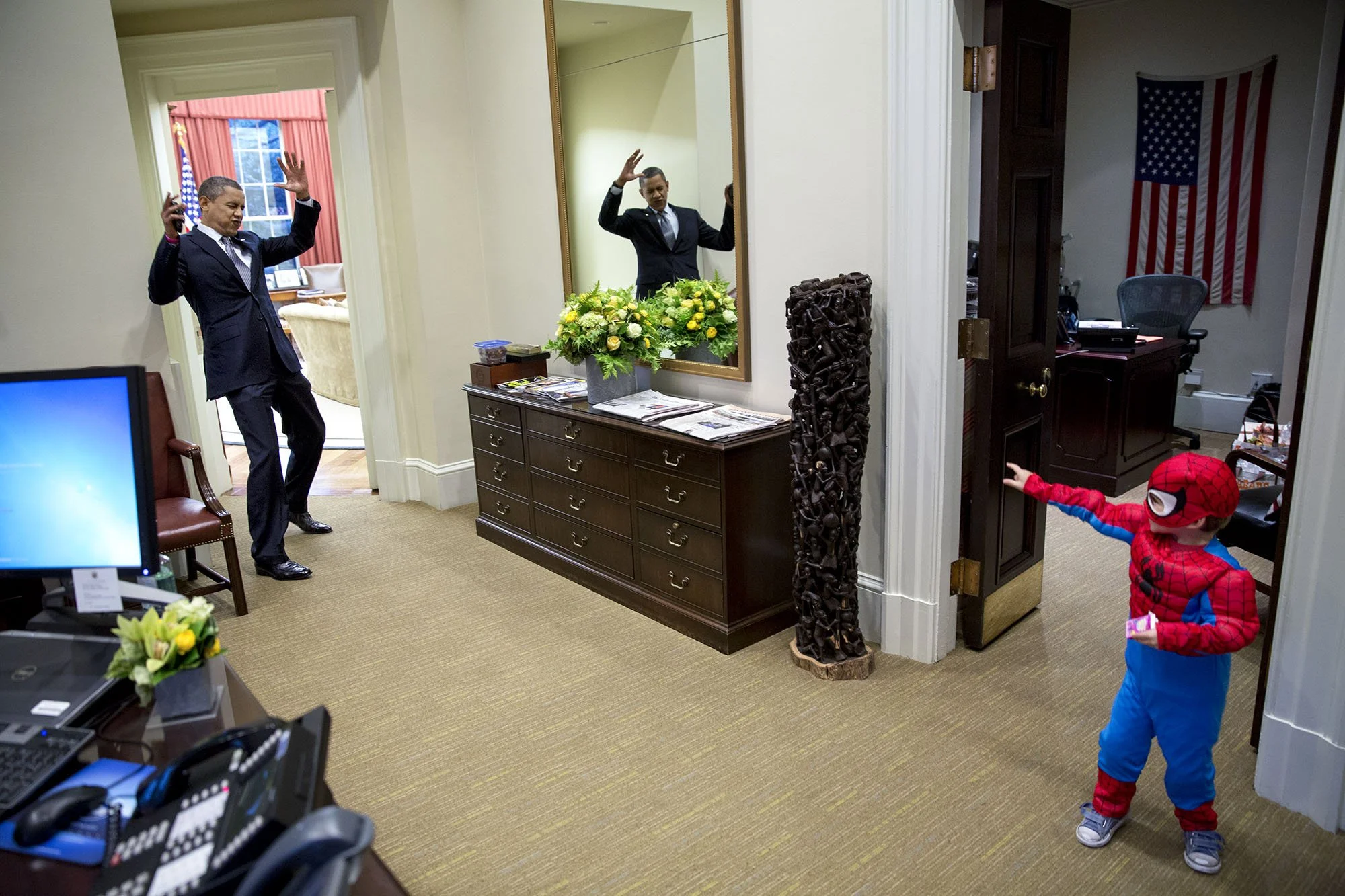
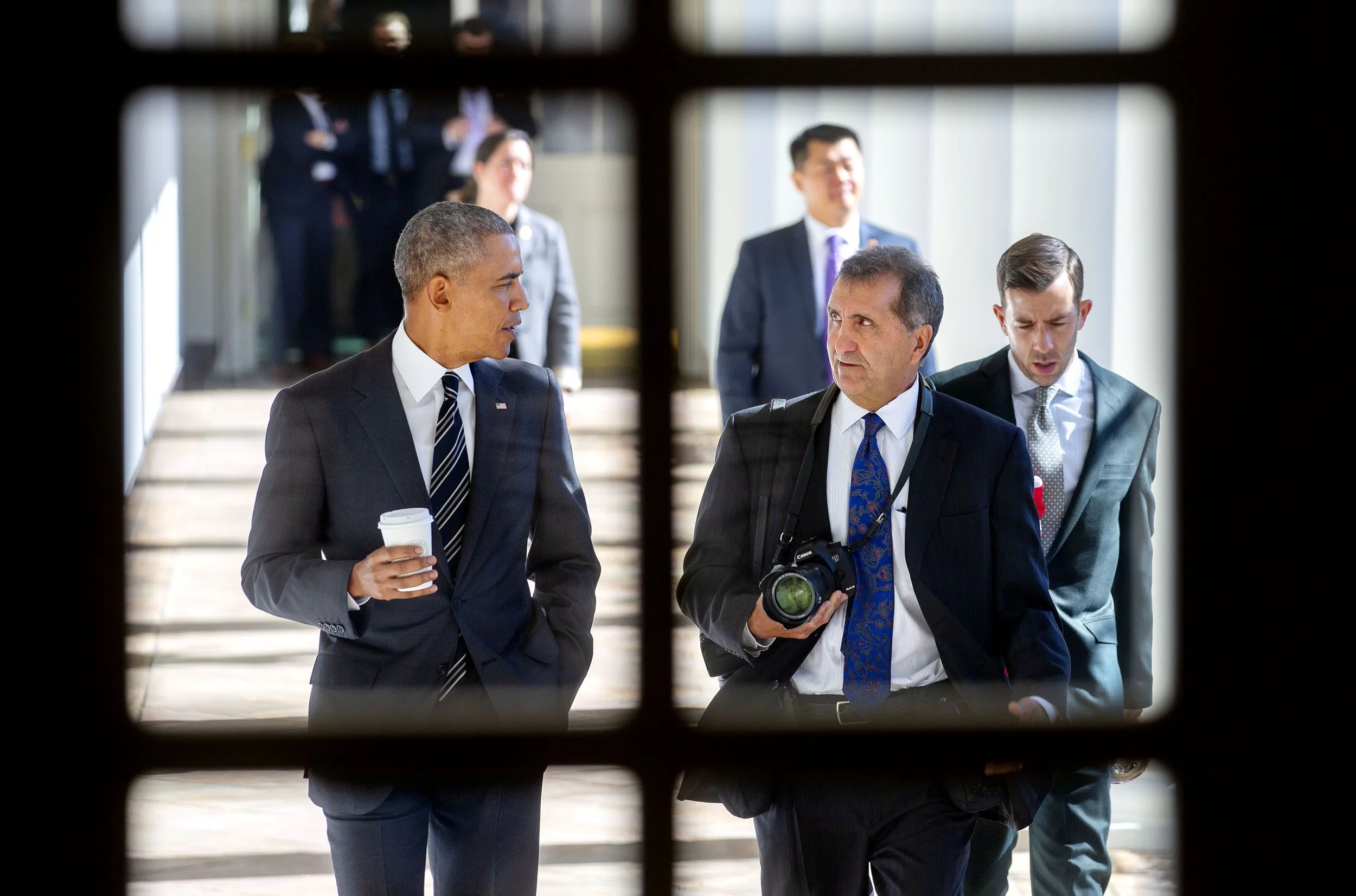
Pete Souza was not there to make Obama look presidential. He was there to stay close enough, long enough, until the official image started to disappear. Inside the White House, he photographed meetings, family moments, national tragedy, silence, exhaustion, and history before it had a clear shape.
His book is about what power looks like when the room forgets the camera.
Souza looks back at the access, trust, and responsibility behind that work. He talks about becoming almost invisible, about choosing between millions of photographs, and about the moments that were almost too painful to photograph. What comes through is not a myth of the perfect presidential image, but the daily work of watching, waiting, and deciding what history might need later.
Some images only happen because you stayed. Souza shows how trust is built slowly, how small moments can carry more weight than public events, and why the hardest part is often not taking the photograph, but knowing what it means to show it.
The Book
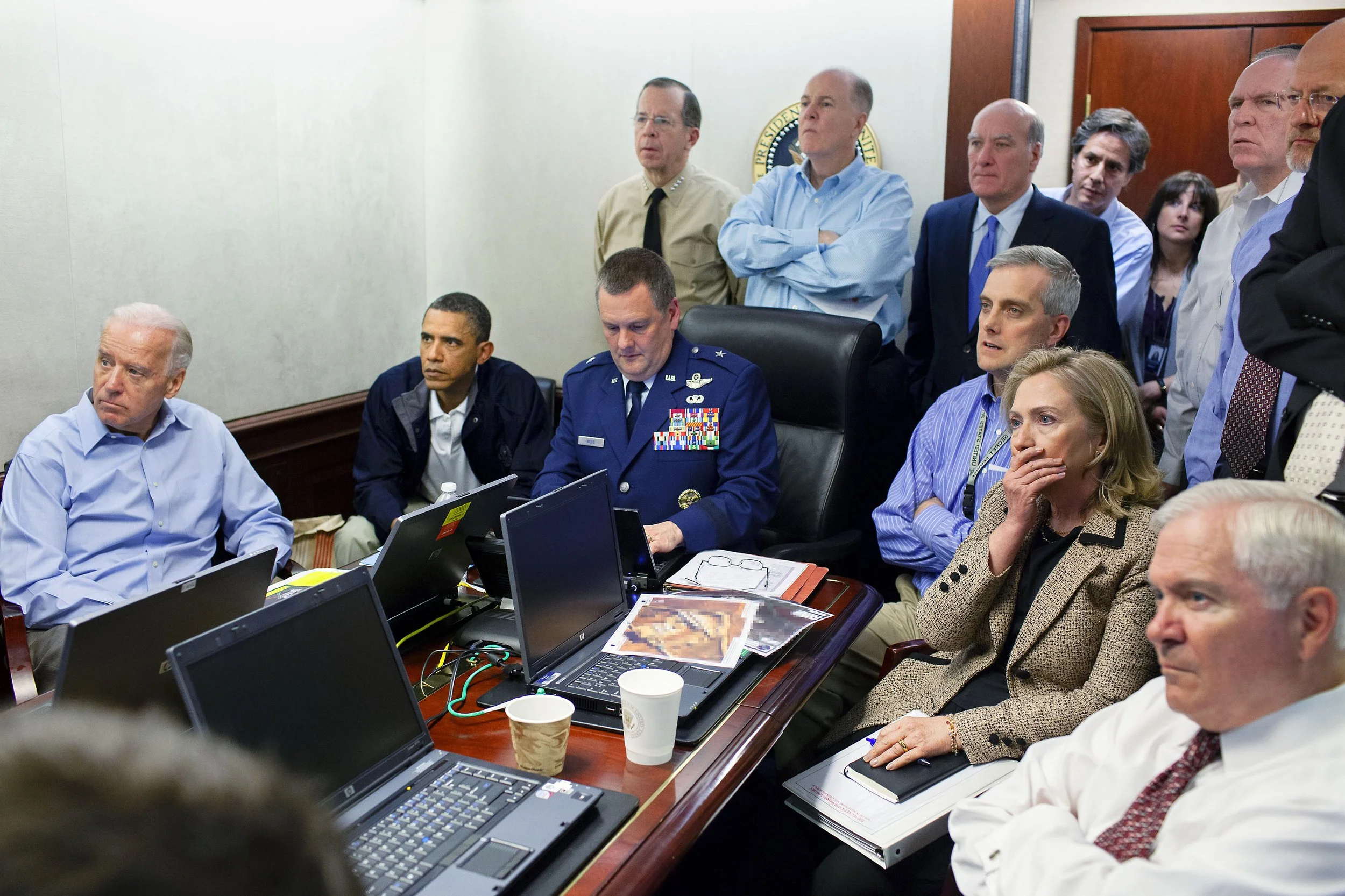
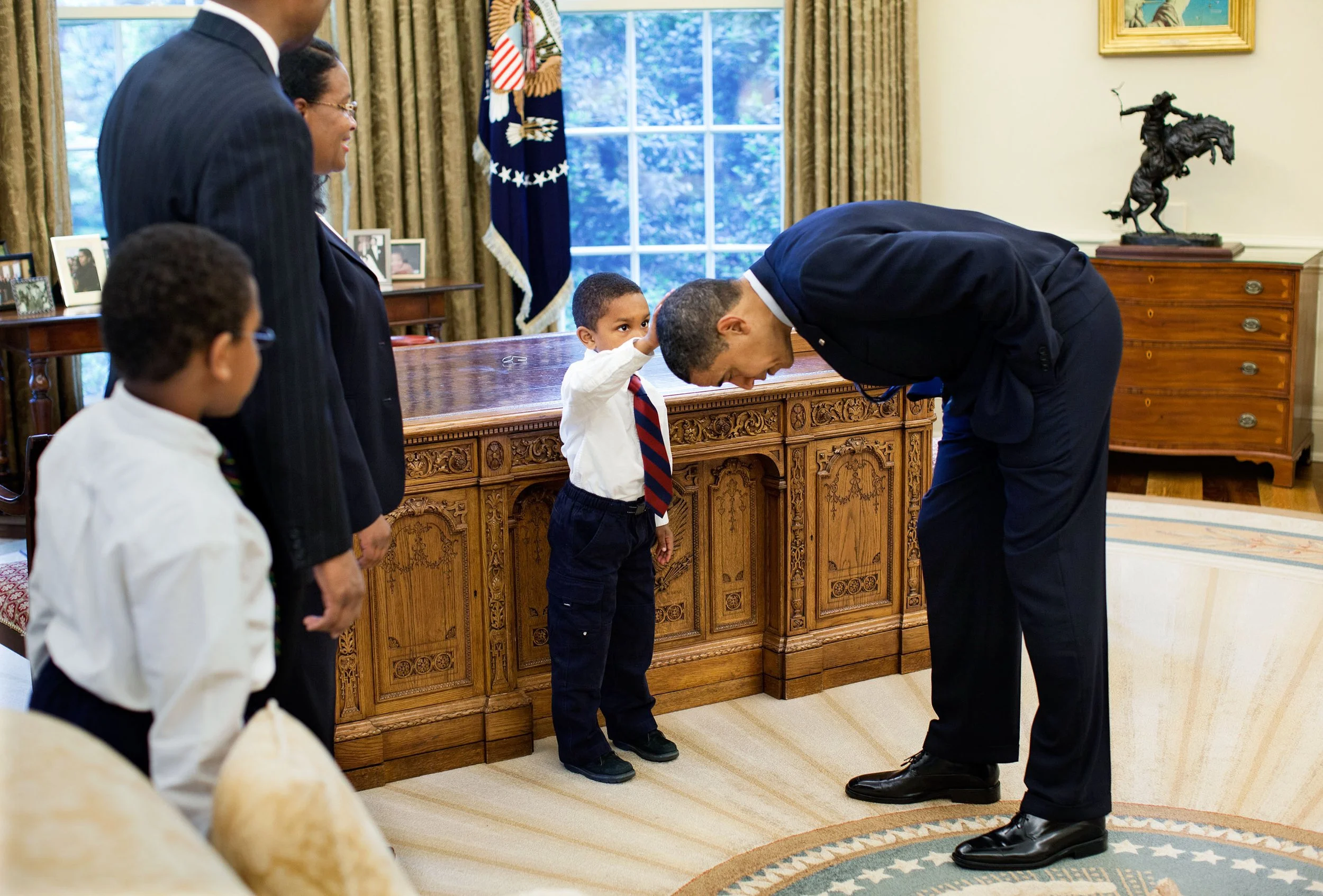
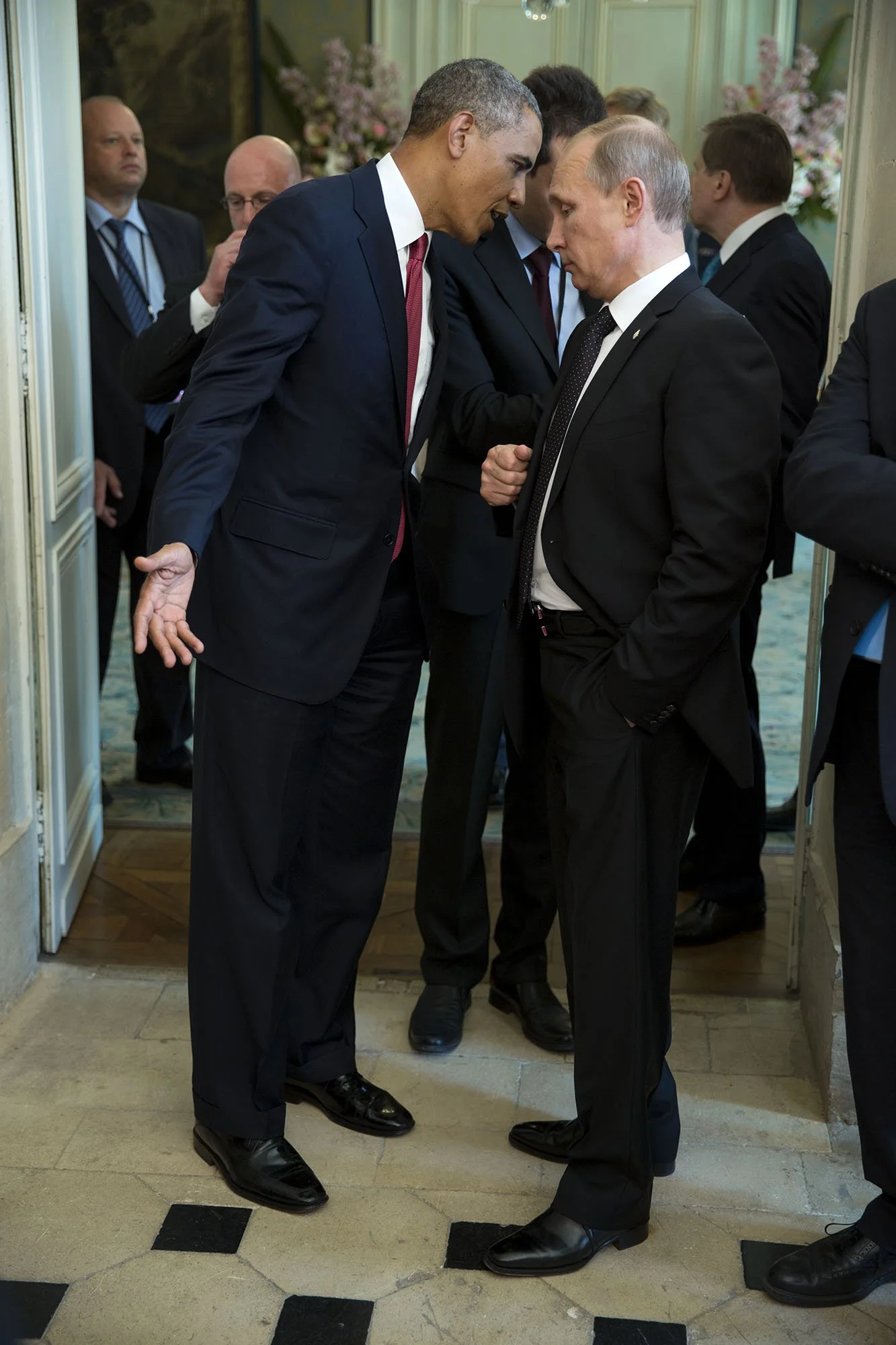
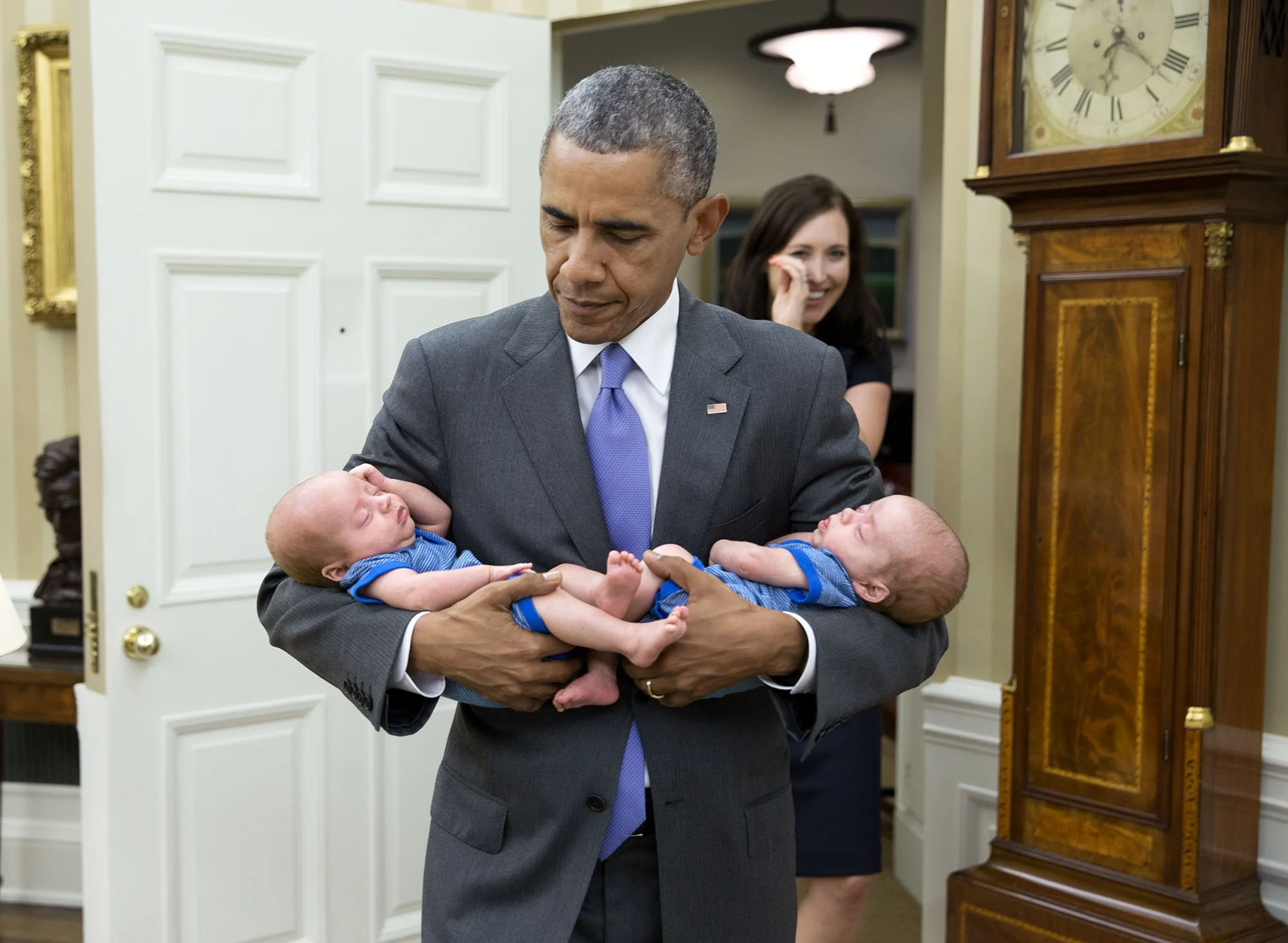
Obama: An Intimate Portrait by Pete Souza, published by Little, Brown and Company, brings together more than 300 photographs from Souza’s years as Chief Official White House Photographer during Barack Obama’s presidency. Drawn from nearly 2 million images, the book moves between historic events, private family moments, world leaders, moments of grief, and the quieter spaces where the official image of the presidency becomes something more human. With a foreword by Barack Obama, the book is both a visual record of 8 years in the White House and an intimate study of what power, responsibility, and presence can look like when photographed from inside the room. (Little, Brown and Company, Amazon)
Can you remember an early assignment where you felt, for the first time, that you were not just covering an event but actually seeing it in your own way?
Going through forty-plus years of photographs while organizing my archive, I keep coming back to one experience from graduate school in Kansas. I was working for the college paper when I noticed a stone house across the street from my apartment. Every morning, parents would drop their children off there. It was one of the early daycare centers in the area, something that was not yet common at the time. I had seen a Life magazine photo essay on a one-room schoolhouse, and I thought, maybe I could do something similar at this daycare center.
I spent several weeks there with one teacher and her group of kids. That experience really taught me the value of just hanging around, being present, blending in, and letting remarkable moments unfold in front of you. Without the time I put in, without people simply getting used to my presence, I would never have been able to capture what I did: those quiet moments between the teacher and the kids, between the kids themselves.
It was the first time I felt I was getting something more than what you get from a standard assignment, where you go out and come back in an hour with a picture. This was more involved. And in many ways, it was the same approach I used at the White House many years later: hang around, be present, blend in. I learned that skill at a daycare center.
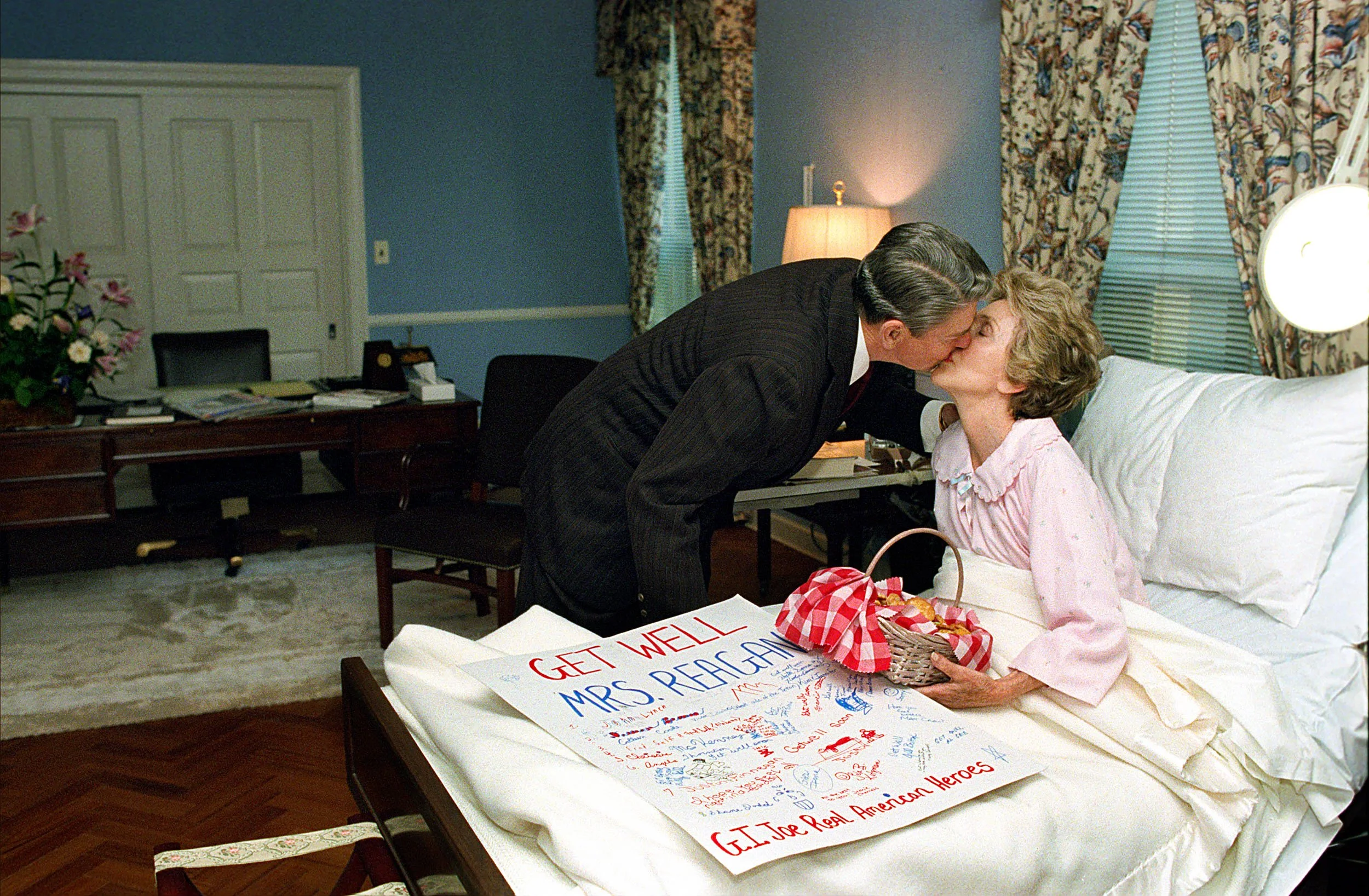
You later covered Reagan as a young White House photographer in the 1980s. What did that experience teach you about photographing power, and specifically what you can and cannot capture when someone knows they are being watched?
I came in during the middle of Reagan's first term, so he was already accustomed to having photographers around, always in the room. What it taught me more than anything was something I had not expected. I was in my late twenties, deeply intimidated by the sudden ability to walk into the Oval Office every day, often as the only photographer in the room.
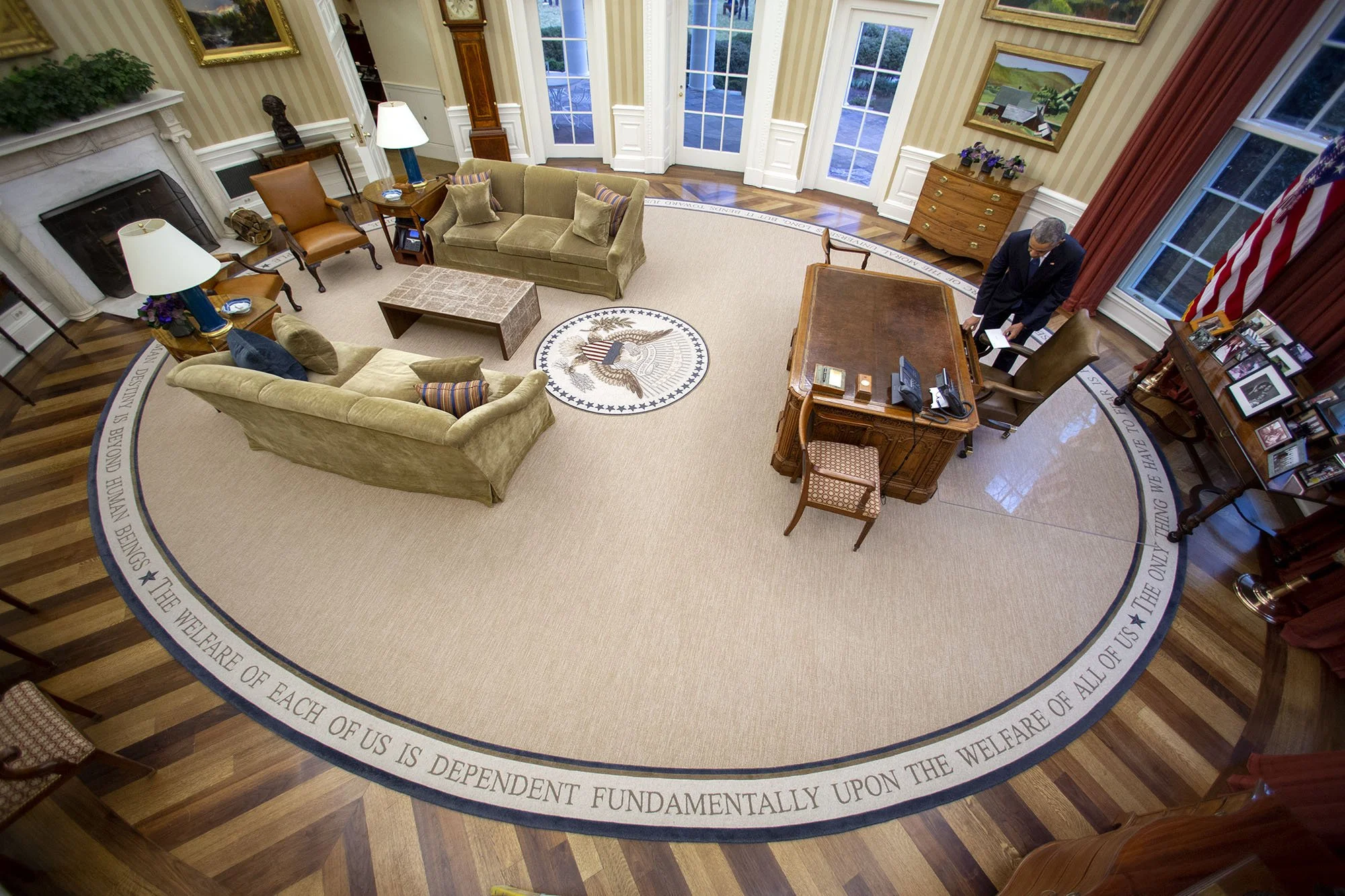
But what I came to understand was that the President of the United States is a human being, just like anyone else. It took a little while to feel that at ease with it, but that is simply the fact. Yes, he may be one of the most powerful people in the world, but ultimately, he is just a person going about his daily life. Once I began to understand that, I found I was able to capture his humanity far more effectively. The job is about documenting for history, but it is equally about photographing a human being going about his daily activities.
You also photographed Obama before he became president. Was there a specific moment when you realized he came across differently in photographs than other politicians?
Day one. The day I met him was his first day in the United States Senate. I was working for the Chicago Tribune, based in Washington, and we were planning to follow his first year in the Senate. I tagged along with him that first day, and he just went about his business while I tried to do my job.
I have one photograph taken just a few hours after I met him. He is having lunch before being sworn in as a senator, sitting with his two young daughters, who were three and six at the time. I am in his private space, the only person there. He has a sandwich in his mouth, his daughters are eyeing it, the older one is doing her own thing, and he is not paying any attention to me whatsoever. From a photojournalistic standpoint, that is exactly the kind of subject you want: someone who is simply not going to be affected by the presence of your camera.
I have met so many politicians who never get comfortable, who are constantly aware of how they look or how they are behaving. Obama, on that first day, acted as though I was not even there. I latched onto him immediately, thinking this was a remarkable subject. It did not take long to realize that someday, whether or not he ran for president, he was going to be a significant national figure.
On day one of the Obama administration, you said you were determined to create the best photographic archive of a president ever done. What did that actually mean in practice, and what did you decide to do differently from the start?
Going into that job, I had not only the previous five and a half years with Reagan but also twenty years of experience as a photojournalist. I had covered every conceivable kind of situation, domestically and internationally, including war zones. I felt I was an experienced photographer who understood how that job should be done.
I had also known Obama for four years by then, so there was already a professional relationship. He knew how I worked. One of the conditions I set when taking the job, which he actually writes about in his own book, was that I needed access to everything. He agreed. It was a gut decision on his part, giving someone that level of access, but I think he understood the value of having someone document his administration visually.
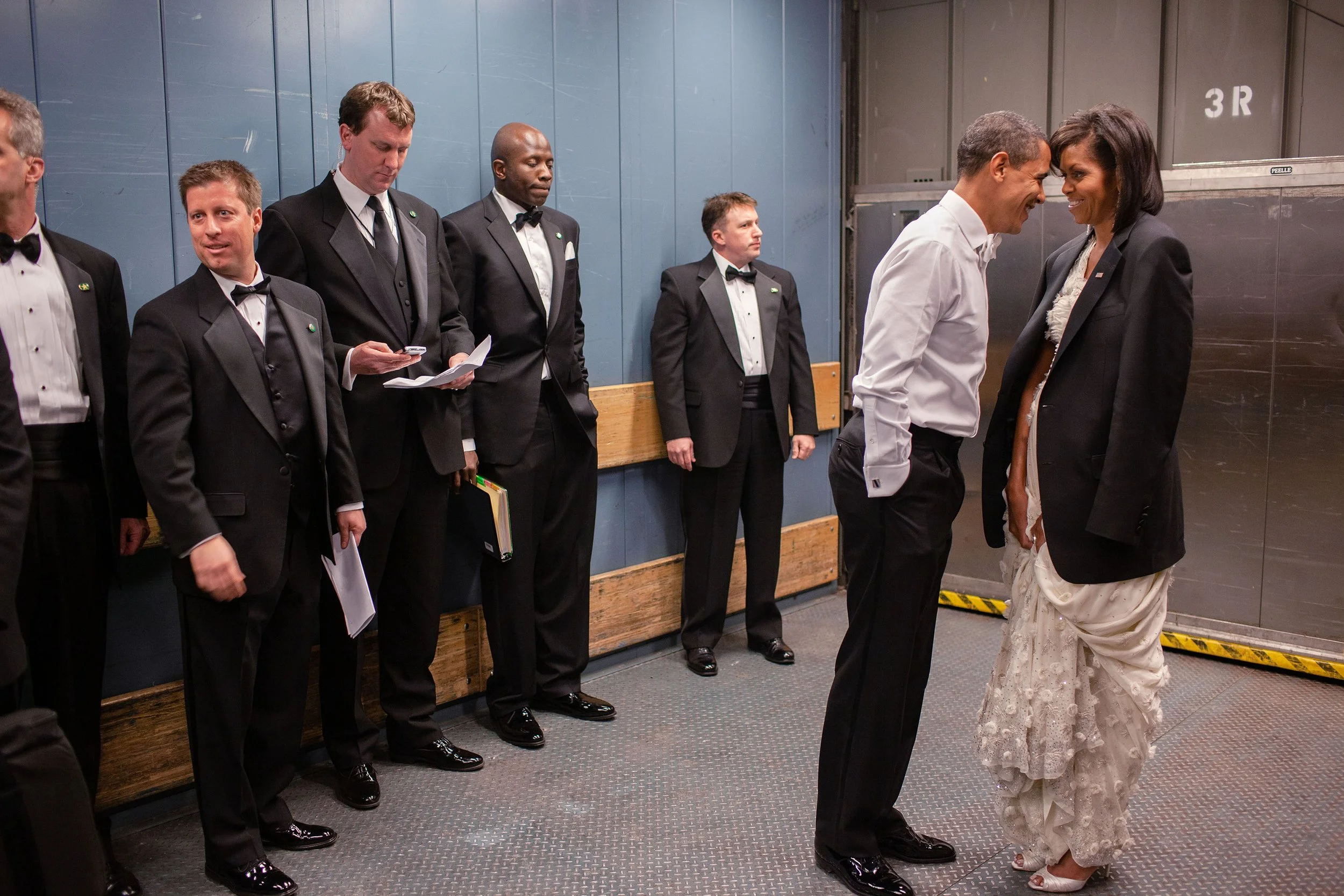
I was determined to be there all the time. I knew, even if my wife did not fully appreciate it at the time, that I was going to have very long days, every day, for eight years. But I was willing to do that, because I had come to understand that history happens when you least expect it. Some things are planned, but many are not. Some of my best photographs came from what were essentially non-events, moments that were not on any schedule, things that just happened during the course of a day.
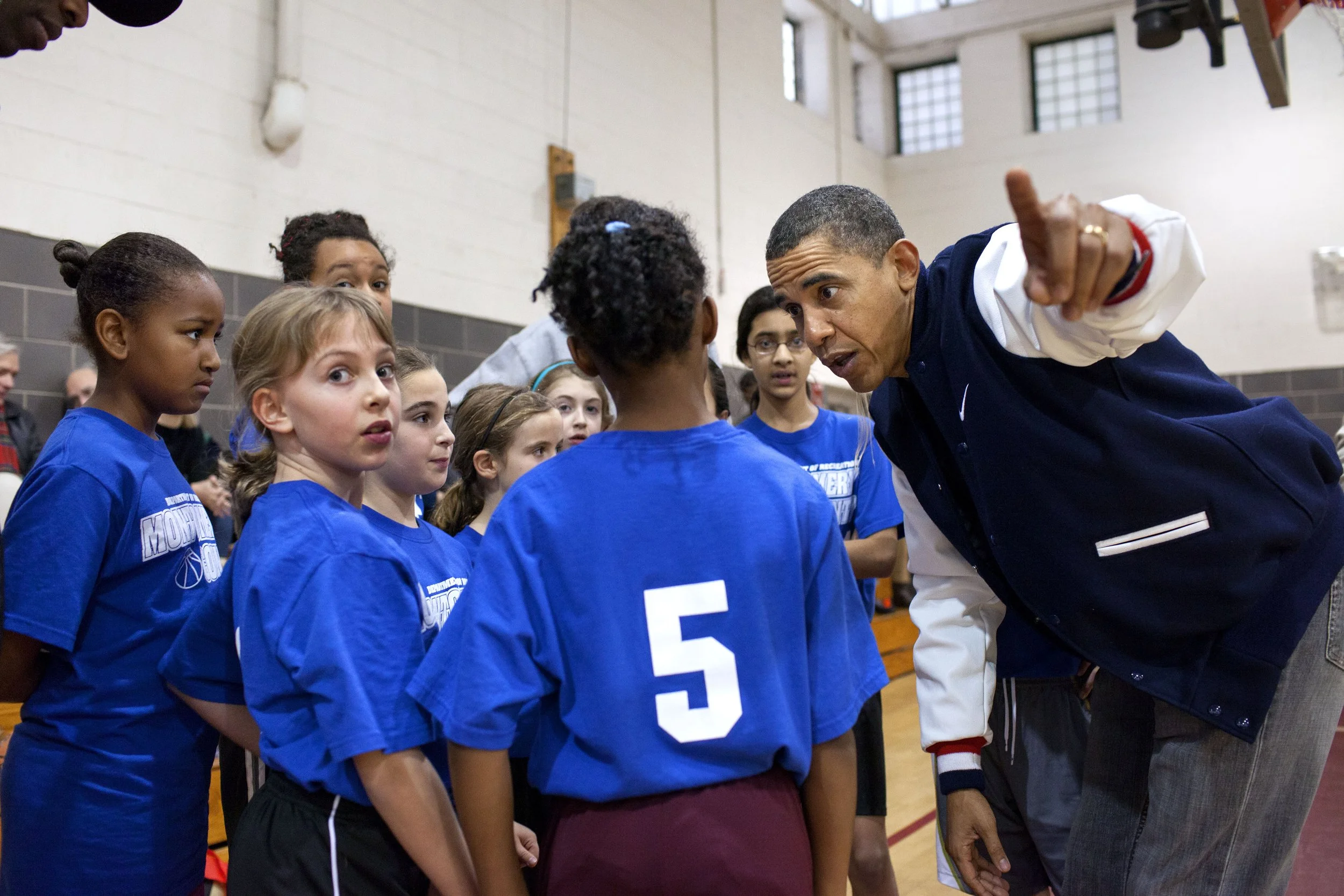
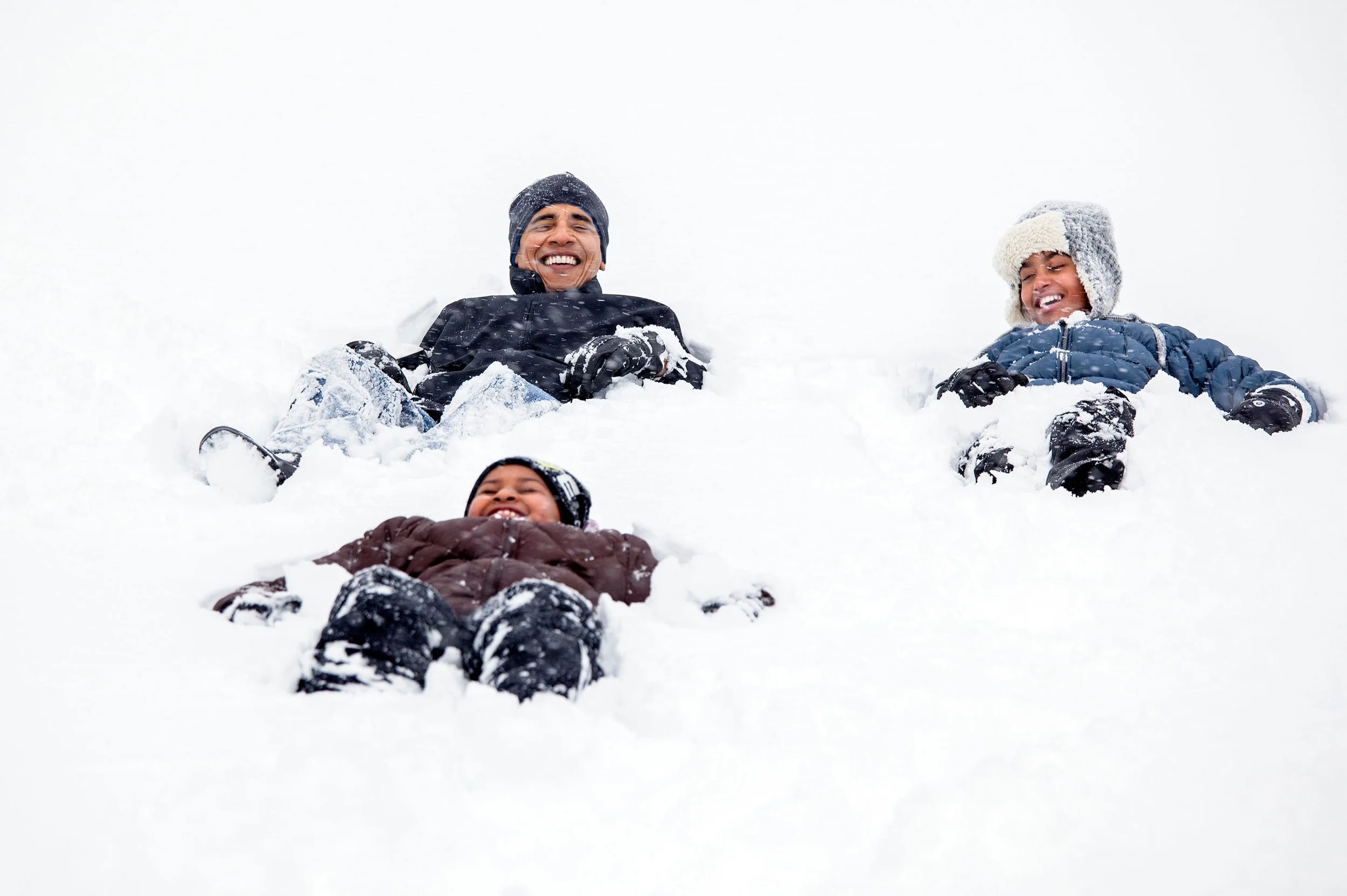
What I meant by wanting to create the best archive was this: I was going to be there all the time, I was going to photograph everything, and I was going to look not only for the historical moments but for the small, quiet moments that revealed something true about him as a human being.
Was there something from the Reagan experience that taught you what not to do?
Part of the reason I insisted on full access going into the Obama job was that there had been times during the Reagan years when I did not have that kind of access and had to ask for it. The Reagan team was more guarded. They had preconceived ideas about how Reagan should be seen.
With Obama, because my professional relationship was directly with the president himself, that was never an issue. If anyone had ever tried to keep me out of a room, the only person who could have made that call was Barack Obama. Anyone else who tried would have been told: go talk to him. During the Reagan years, I had to go through staff to secure access. That was the fundamental difference.
Was there ever a moment, during either project, when you doubted yourself or wondered whether you could see it through?
During Reagan, I was not the chief photographer. There was a chief photographer during the first term, and after he left, three of us rotated on the behind-the-scenes work during the second term. So only about a third of my time involved that kind of close documentary access. The other two thirds, honestly, I was fairly bored.
With Obama, even though I had behind-the-scenes access every single day, eight, ten, twelve, sometimes fifteen hours a day, exciting things were not happening every minute. There were hours, and sometimes entire days, that felt like watching paint dry. But that is part of the commitment. Always being there means accepting that not every moment carries the weight of history. You put in the time so that you are present when things do happen. There is no other way to do it.
I never felt, during the Obama years, that I was so burned out I needed to walk away. I was determined from day one to see it through. The last year was difficult, I will admit that. I was exhausted, physically and mentally, and I was counting the days until it was over. But there was not a single day when I did not give it everything I had.
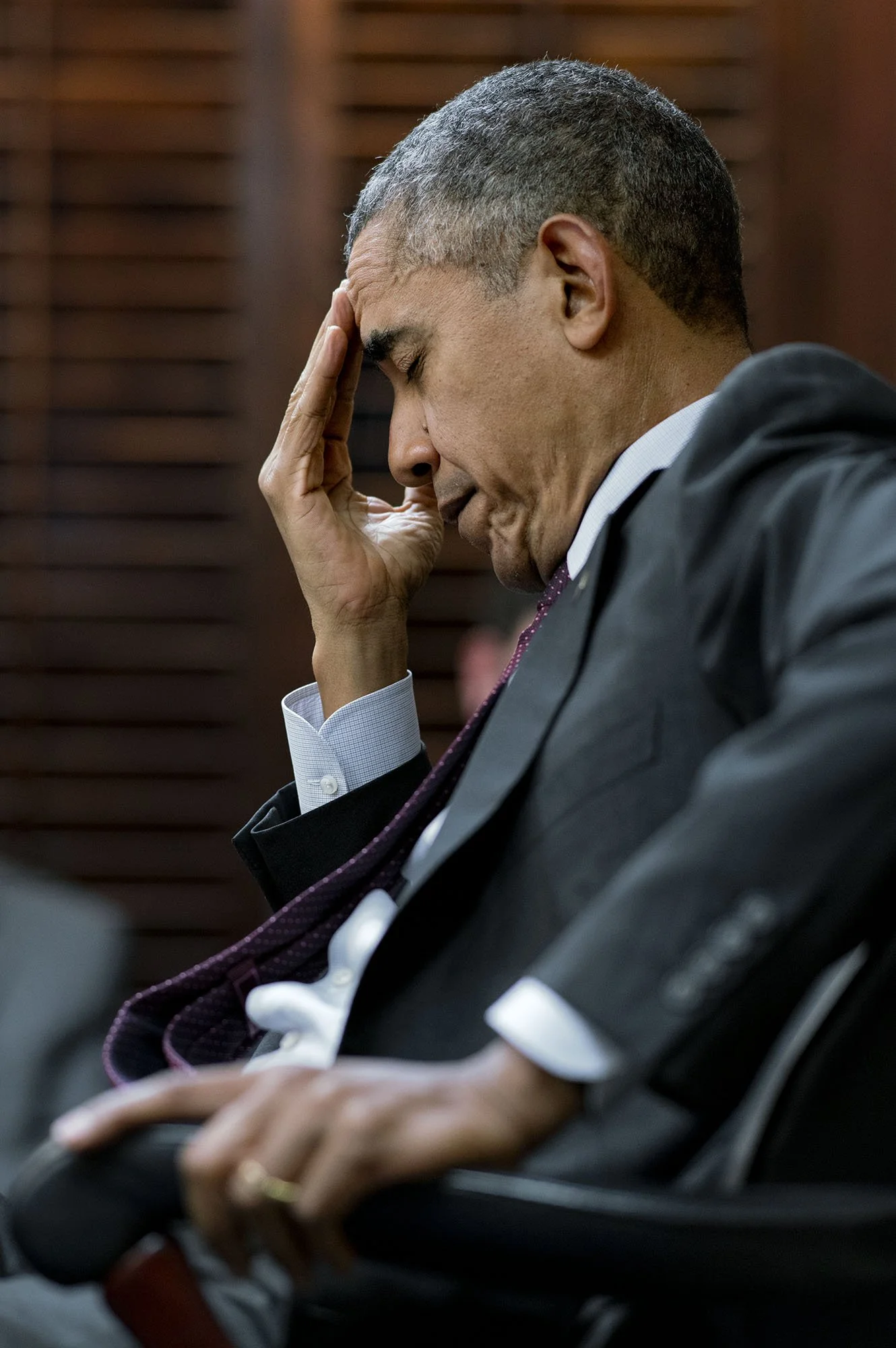
You took nearly two million photographs over eight years. At some point, every day, you had to decide: stay or step back, raise the camera or lower it. How did you develop the instinct for when a moment was worth shooting?
That comes from experience and intuition more than anything else. My default was always to lift the camera. If he was working alone in the Oval Office for an hour, I was not going to stay in the room the entire time. The man needed some space. But that was never something he told me directly. I just tried to put myself in his position, as a fellow human being. What would it feel like to have someone following you around all day with a camera? I tried to apply that kind of judgment continuously.
Was there a category of moment you learned to always shoot, even when nothing seemed to be happening?
Every meeting he had, I treated as historically important, even if it was not visually exciting. Take his intelligence briefing in the morning or his daily meeting with senior advisors. It was largely the same group of people, sitting in the same configuration, in the same room, every day. Nothing was going to change dramatically from one session to the next. But I never skipped those, because for the visual record, it mattered that they were documented.
To keep myself engaged, I would play small creative games. One day I would commit to shooting the entire meeting through a telephoto lens, focusing entirely on Obama's reactions. Another period, I became interested in photographing people's feet during these meetings: women in colourful boots, men's dress shoes, the small details that told you something about the room without showing you the obvious. It was a way of staying alert and finding something worth looking at when nothing on the surface seemed to be happening.
A big part of your job was becoming invisible, to the point where Obama and the people around him stopped registering that you were there. How long did it take, and was there a moment when you knew it had happened?
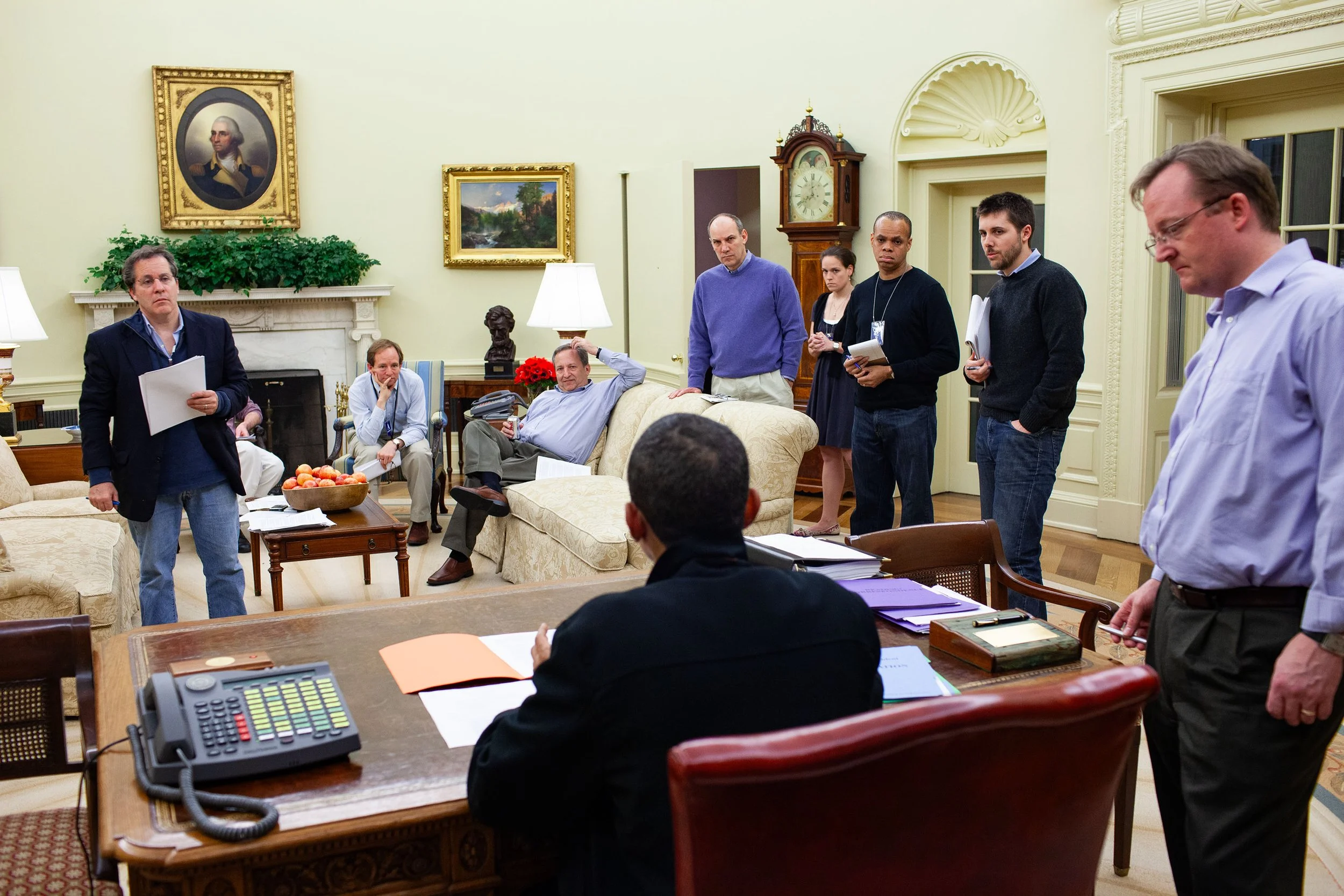
There is one photograph from early on, maybe three or four months in, that I think answers that question better than I can in words. It was a Sunday night. The federal government was about to bail out two major automobile manufacturers that were facing bankruptcy, and Obama was about to make a phone call to one of the CEOs. There were about eight other people in the room. I positioned myself directly behind him, less than three feet away, to capture the faces of the people listening to him speak.
Every single person in that image is looking at Obama. And yet I am standing right there, and nobody is paying any attention to me at all. I am obviously present, but I am invisible. That photograph demonstrates the relationship better than anything I could describe.
Was there a specific person in Obama's circle who took the longest to stop noticing you?
For the behind-the-scenes work, the Secret Service was generally not in the room. They are outside. They are never in the Oval Office during meetings, unless the press is present. They are never inside the Situation Room when something is happening. So in terms of that close documentary work, it was less of a factor than you might expect.
That said, I had a genuinely good relationship with the Secret Service. I respected them and they respected me. I learned how to maneuver around them, and I understood what mattered to them. When he was appearing at a public event, for instance, there would always be a stairway on each side of the stage as an escape route. The most important thing, always, was to never block that stairway. Never sit on it, never stand on it. That was the escape route, and it was common sense.
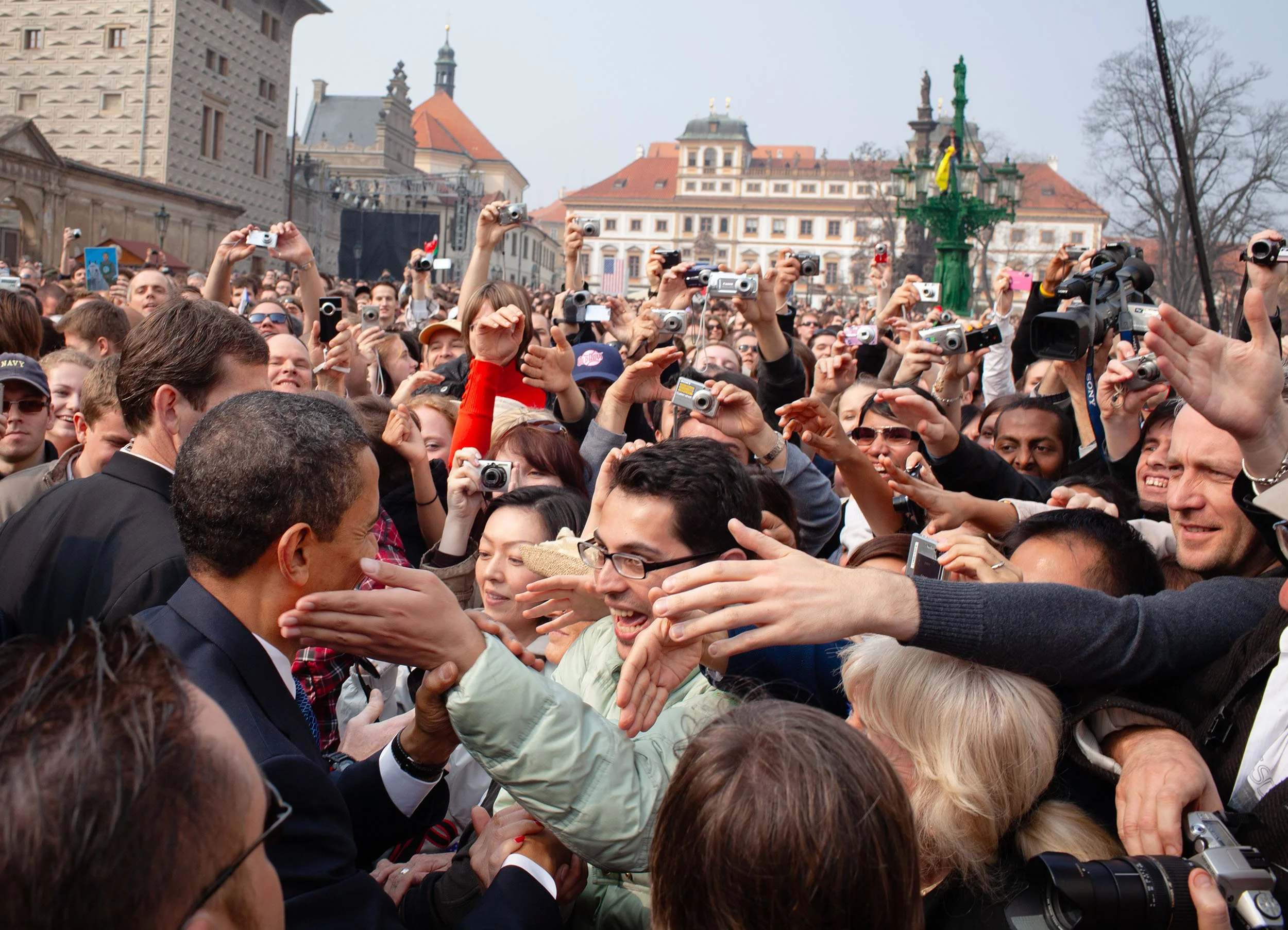
Similarly, when he was working a rope line after an event, shaking hands with the crowd, the Secret Service were right on top of him, and I learned how to position myself to get pictures without interfering with their ability to respond if something happened. I think if you asked any of the agents on his detail, they would say we respected each other and understood what the other person needed to do. His safety was always first and foremost in their minds, and I never forgot that.
Did Obama ever say or do something that confirmed you had truly been absorbed into the space?
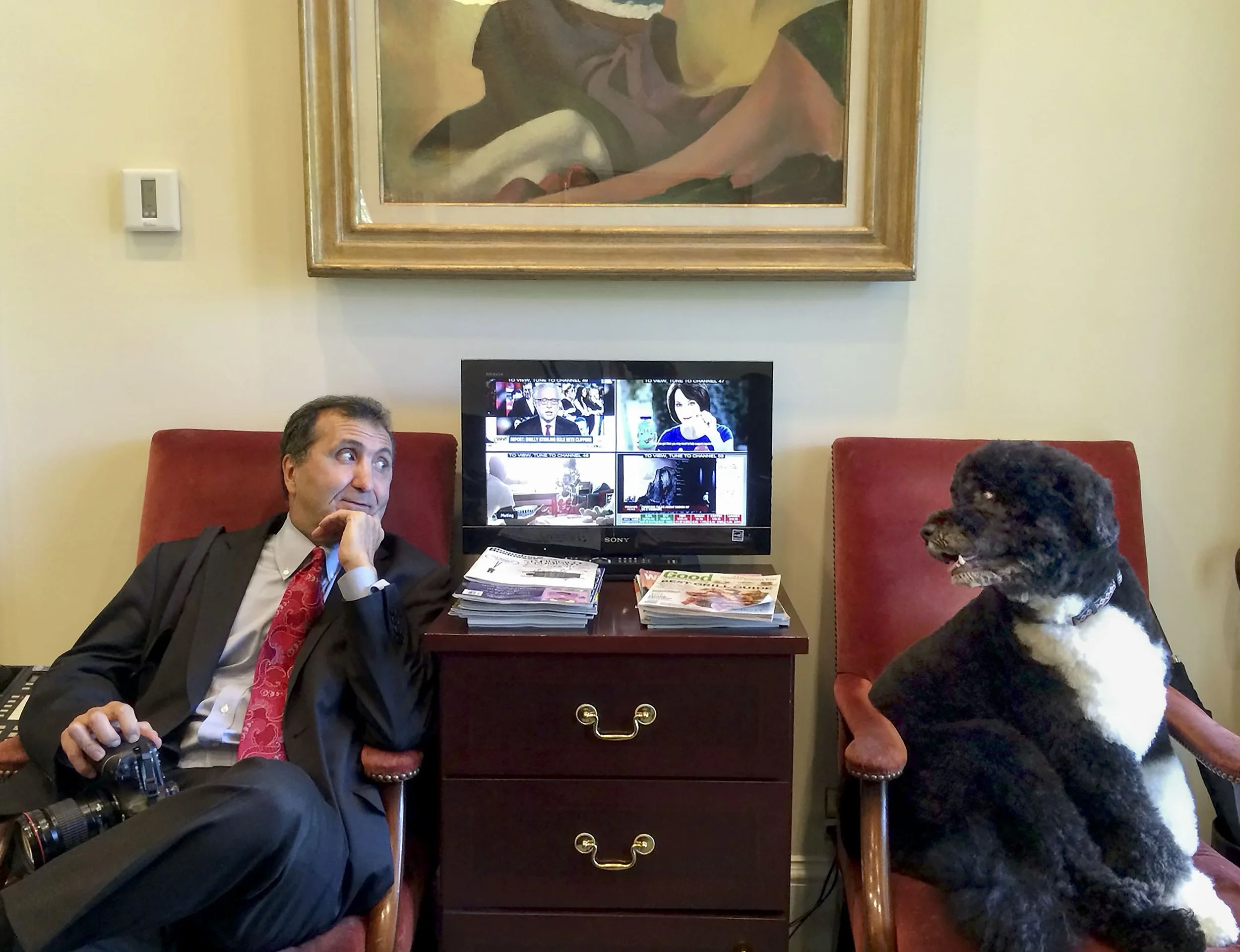
There was a moment, sometime in the first or second year, that still makes me laugh. His secretary had forgotten to tell me that a meeting with the governor of California had been moved from after lunch to before lunch. I had gone downstairs to eat, came back, and the governor was already walking out of the Oval Office.
I was frustrated, and Obama saw me exchanging words with his secretary about it. He asked what was wrong, and I explained that I had missed the meeting because I had not been told about the change. His response was that I had been in there taking pictures. I told him I most certainly had not. He kept insisting, completely convinced that I had been in the room, because he was so accustomed to my presence that he simply assumed I was there even when I was not. I thought that was pretty funny.
You ended up with nearly two million photographs and chose around 300 for the book. What was the editing logic? Were you looking for the best individual images, or were you trying to build something that worked as a whole?
Both. There were probably fifty to a hundred photographs that I knew immediately had to be in the book, either because of their historical significance or because they captured a genuinely powerful human moment. That formed the core.
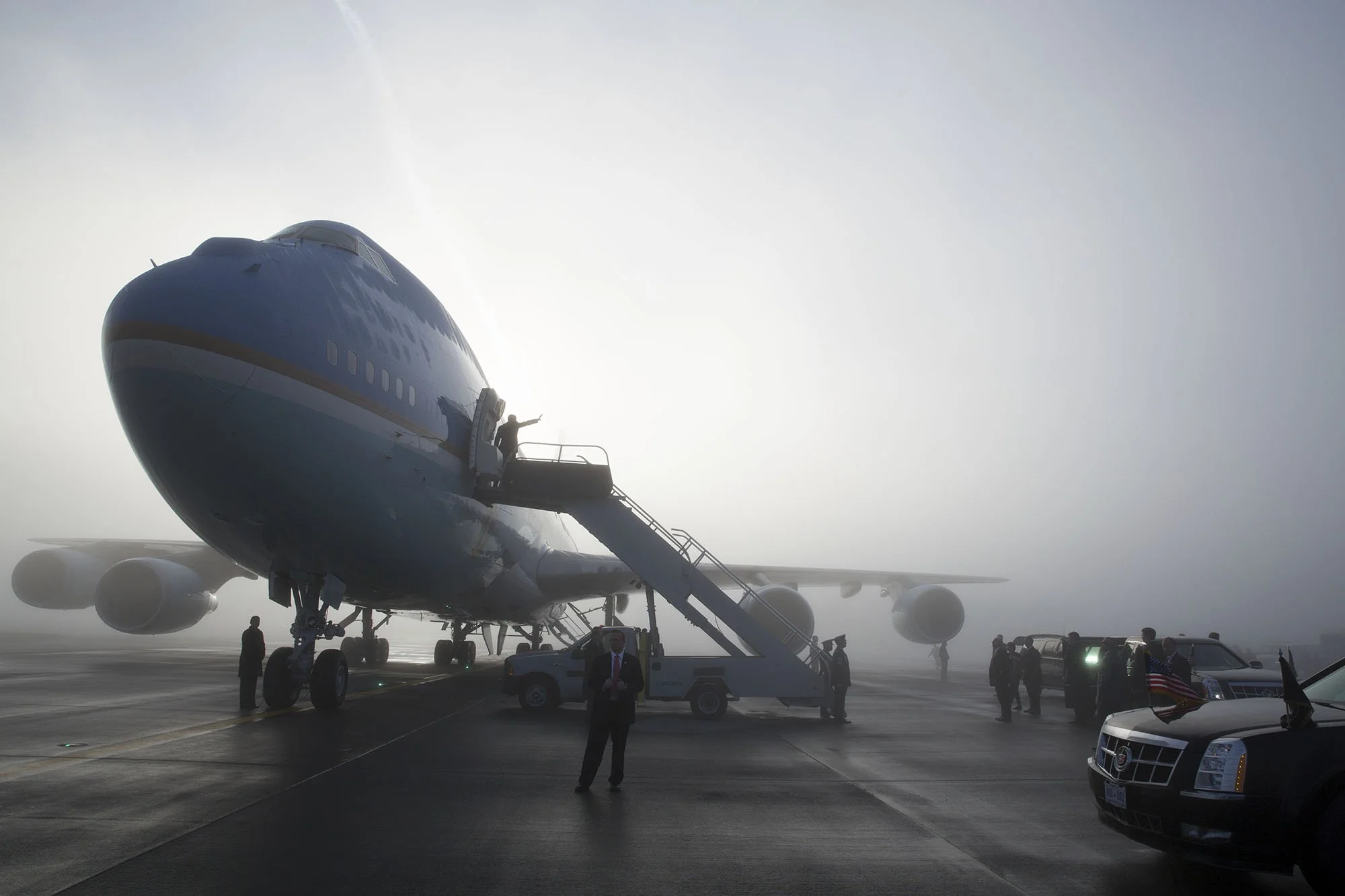
The designer and I then decided to organize the book chronologically, which meant the pacing kept shifting as we worked to weave personal moments together with larger, more public ones. A quiet image of him with his daughters next to something like a sweeping photograph of Air Force One. Roughly ninety percent of the images came from behind-the-scenes situations. I think there is maybe one photograph of him at a podium in the entire book, and that was from the anniversary march at Selma, which was too historically significant and too charged a moment to leave out.
Ultimately, it was a gut edit: myself, the book designer, and a couple of other voices I brought in for perspective. It was also, by necessity, a rushed one. I could not begin work on the book until I left the job on January 20th, 2017, and we went to press that July. In retrospect, the deadline was probably a gift. Without it, I could still be editing today.
Photography selection is entirely subjective. There is no correct edit and no incorrect edit. The deadline forced decisions that I might otherwise have kept revisiting indefinitely.
Were there images that were technically strong but felt wrong for the book?
There were probably hundreds. Even now, when I post throwback photographs on Instagram, I sometimes go back to the book to check whether I wrote about a particular image, only to discover it is not even in there. And I find myself wondering why on earth I left it out. That happens regularly. There are still photographs I look at and think: that should have been in the book.
Some of the most memorable images in the book are the quiet ones: Obama alone, with his daughters, or in a moment of private emotion. Was there a photograph where you almost did not press the shutter?
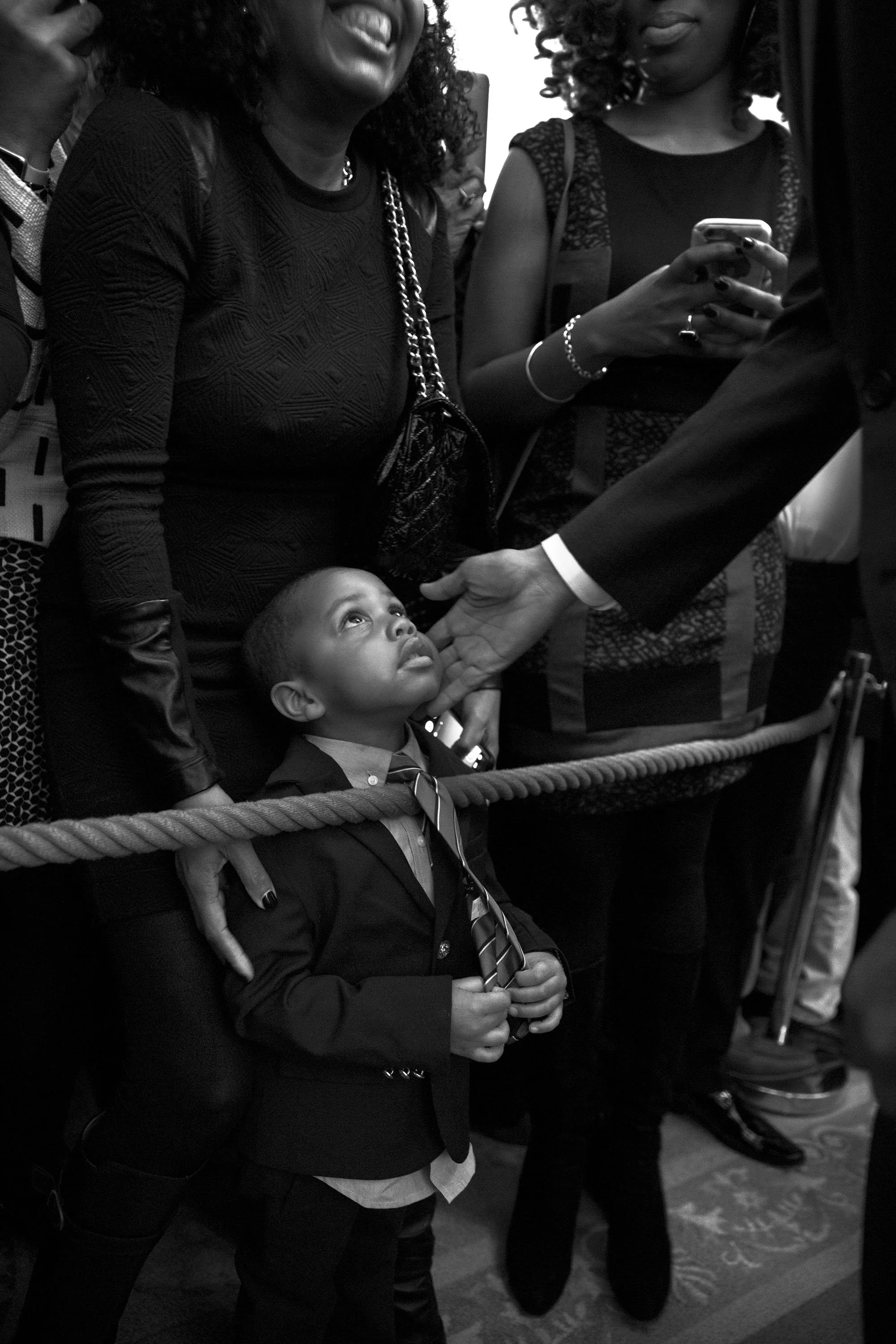
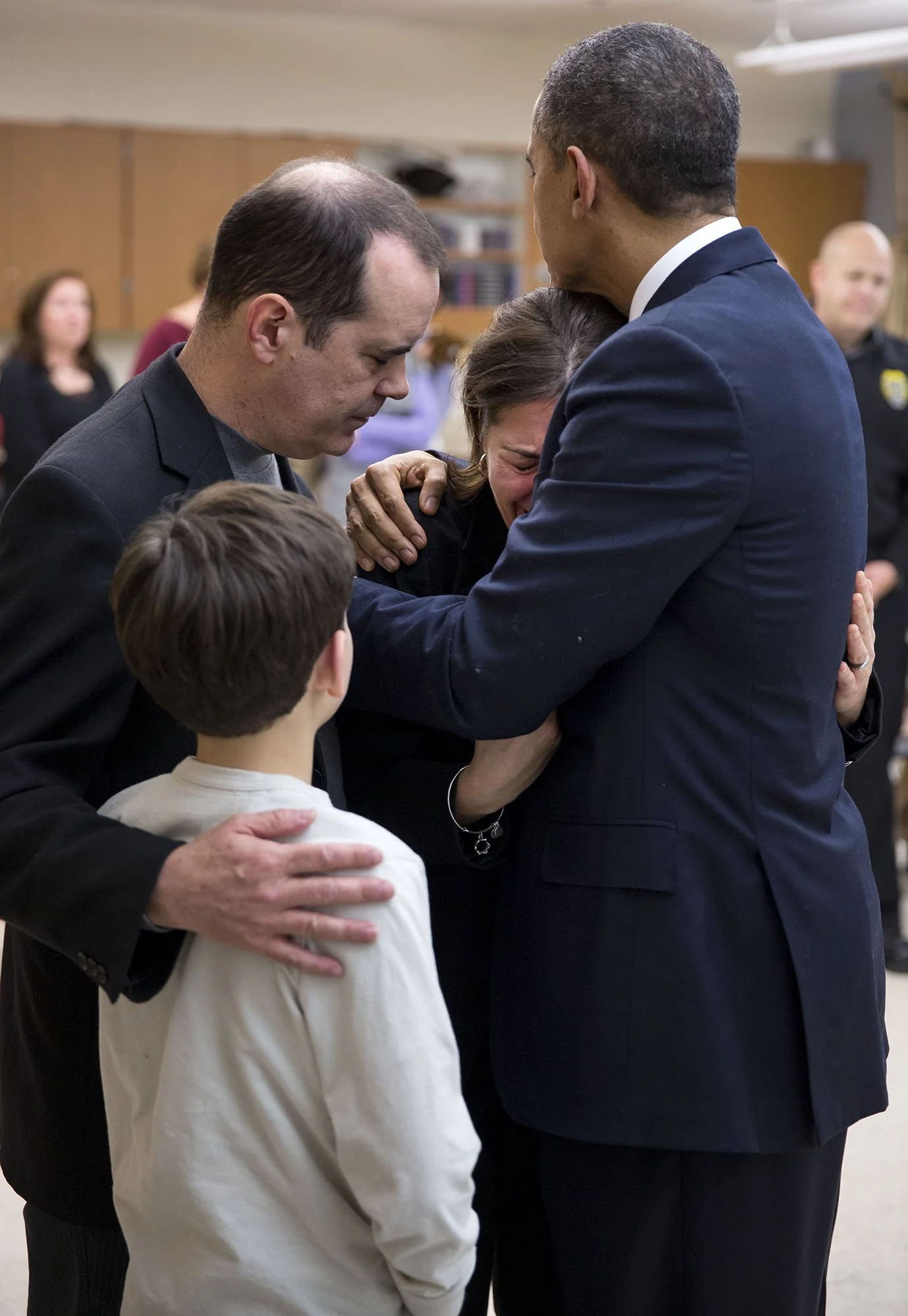
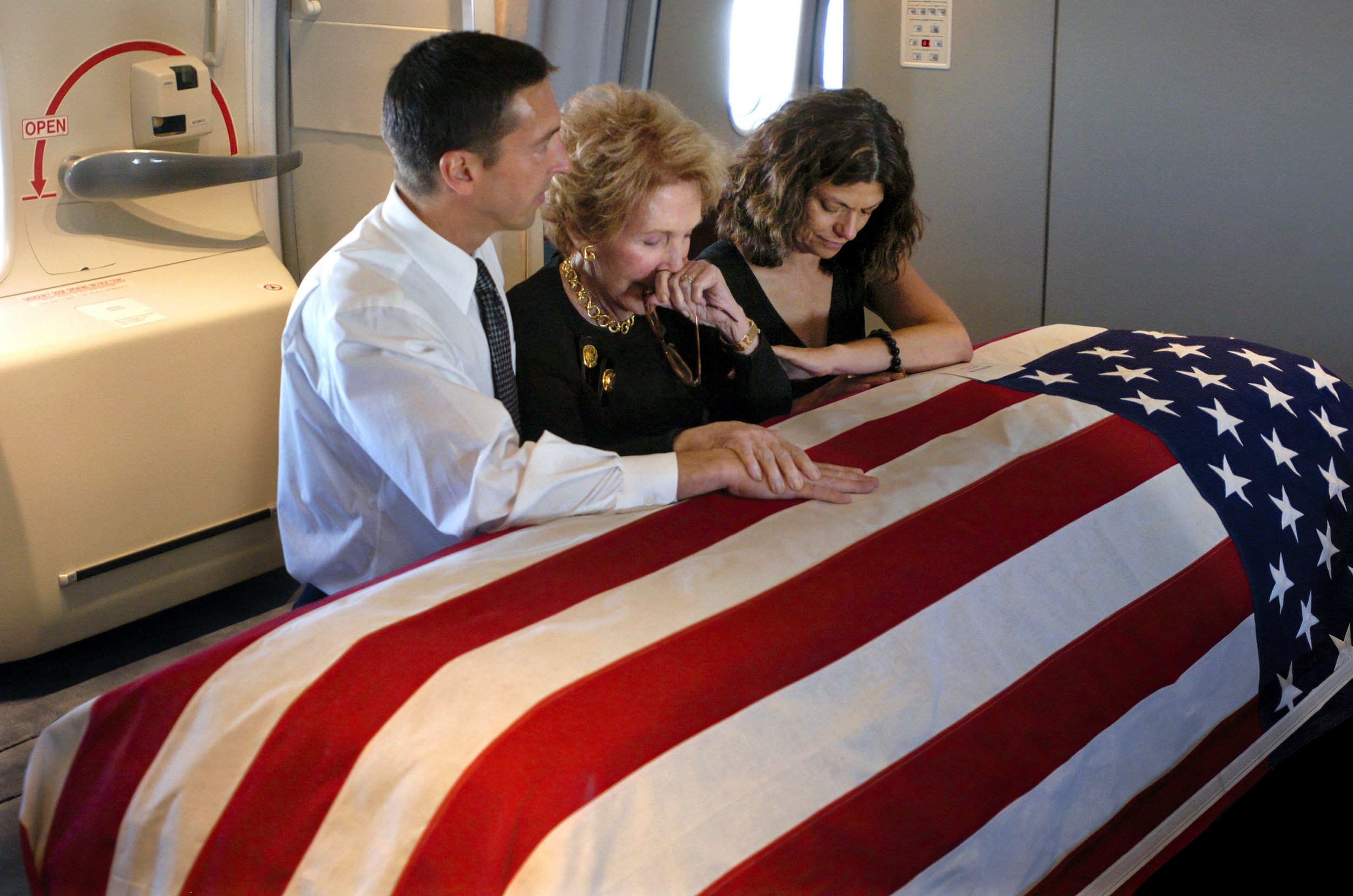
Not in the sense of hesitating to take it, no. Even in uncomfortable situations, I always understood that it was my job to photograph. The hardest situations were when he was consoling families after national tragedies, whether after a mass shooting or a natural disaster. When he visited the families of victims, sometimes just days after they had lost a loved one, I was in those rooms with him.
Photographing people who were still in shock, still crying, still grieving was genuinely difficult.
What I held onto was the fact that those families always knew in advance that the White House photographer would be present. Unless they gave explicit permission, none of those photographs would be made public, but they would receive copies. I could always tell if someone was uncomfortable with me being there, and I would back away without hesitation. But that rarely happened.
Still, they were hard pictures to press the shutter on. There is one in the book from Newtown: a mother of a six-year-old who was killed, holding Obama and crying. An important photograph. A devastating one.
Did you ever take a photograph and then decide later not to use it because it felt like too much?
The Newtown photographs, as a group, were never made public. The one that appears in the book required a separate decision entirely. When I was putting the book together, about five years after the shooting, I felt it was important to include one of those images, painful as they were, because of what they said about how he responded to national tragedy.
But because that photograph had never been published, I went and visited the family myself. I showed them a draft of the book, explained where the image would appear and why. I told them that if they said no, it would not be in the book, and I meant it. They understood. I think they felt respected by being asked rather than simply having the decision made for them. They agreed, and I think they were honoured to be included, even in a moment that terrible.
When I spoke with them, they described their lives in terms of before and after. Before Ben was shot and killed, and after. That is how they understand their own existence now. A terrible thing to carry.
There is a specific skill in your work: capturing someone in an unguarded moment without that moment feeling stolen. What is the difference, in your mind, between a photograph that reveals someone honestly and one that simply catches them off guard?
That is something I wrestled with during my years as a newspaper photographer. A concrete example: I was based in Washington during the Clinton impeachment proceedings in 1998. Every day there would be some new development in the inquiry, and Clinton would be holding an event on education or the environment, completely unrelated to the impeachment. But the front page story was always about the latest revelation, and the editors always wanted a current photograph of Clinton to run alongside it.
I found myself in an ethical difficulty. Was it fair to select a photograph of Clinton looking distressed, head in his hands, just because that expression happened to appear during an unrelated event? He shows a full range of expressions at any given appearance. Using one to illustrate a story it had nothing to do with felt like editorializing, not documenting. It was not authentic to the situation.
That tension changed when I became the White House photographer. From that position, my standard became clear: if an image was going to be made public, it had to be authentic to the moment it came from. The context had to match the image.
Was there ever a photograph of Obama that was real and authentic but that you chose not to publish because it might be misunderstood?
The clearest case I can think of was the attack on our consulate in Benghazi. Obama was in a meeting when it happened, and when that meeting broke up at the end of the day, his deputy national security advisor came in to brief him on what had occurred. I photographed his reaction.
Obama is someone whose expressions are subtle. When we were selecting the year-in-photos and came to choose an image of him receiving that news, we had maybe three photographs, all taken in the same moment, all completely authentic, but each showing a slightly different expression. Choosing between them was genuinely difficult, because depending on which one we selected, it could be interpreted very differently. That is the only time I can clearly recall being acutely aware that the editing decision itself carried real consequences.
Editing, and I mean image selection rather than processing, is sometimes one of the hardest parts of the job. The right photograph for the right moment is not always obvious, especially when several authentic options exist.
Over eight years, was there a daily habit or practice that helped you stay alert over such a sustained period?
Honestly, I think it came down to keeping myself physically healthy. Eating reasonably well, getting some exercise in the morning when I could. That more than anything else helped me stay sharp.
Beyond that, it was experience and intuition. The only time I would go to my office during the day was for lunch. Even if there were two hours when nothing was scheduled, I would stay right outside the Oval Office. That is where you watch the paint dry. But the schedule was always just a starting point. If something was happening in the world, the Homeland Security Advisor might come upstairs at any moment. If his daughters decided to drop by, that was never announced in advance. I simply could not afford to be somewhere else when any of that happened.
After decades of this work, the instinct is simply there: you never know when something is going to happen, so you stay.
What was the hardest moment in the entire project, the moment when you were not sure you could keep going?
Newtown. Two days after the shooting, when we went for the memorial service and he spent around two and a half hours meeting privately with the families backstage. The emotion in those rooms was unlike anything else I experienced in eight years. I was crying at points. That was probably the one time the weight of what I was witnessing became almost too much to carry.
When it affected you enough to bring you to tears, how did you keep working through it as a photographer?
You just wipe the tears away and keep going. It helped, in a practical sense, that modern cameras have autofocus, because when your eyes are full of tears it is genuinely difficult to focus manually. But mostly you just power through it. It did not affect me to the point where I could not continue. Composing a picture while crying is not easy, but I managed.
Thank you so much, Pete. I really appreciate your time and your generosity. This was incredibly valuable, and I enjoyed it a lot.
Thank you, Martin. That was great. I enjoyed the conversation.
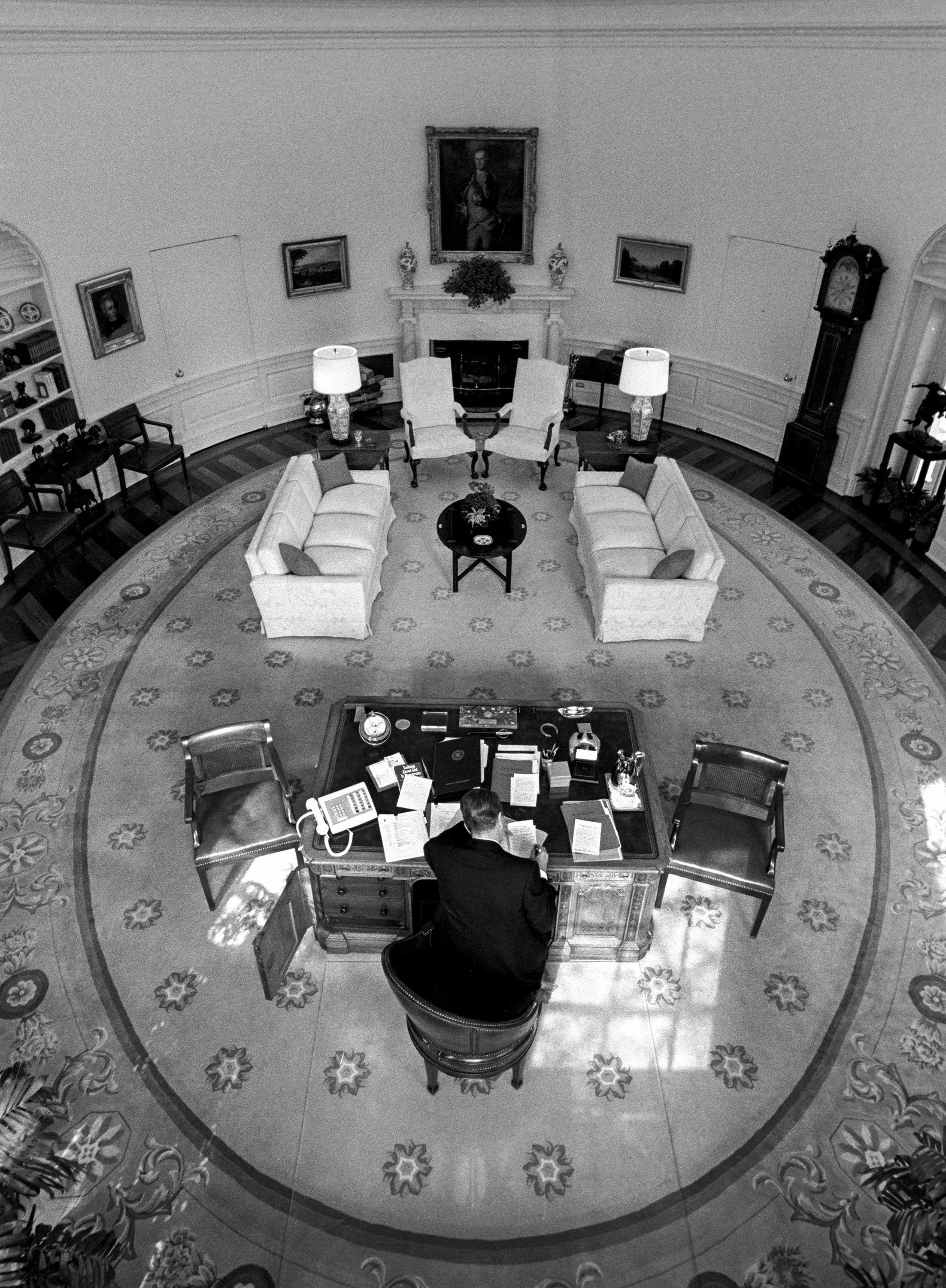
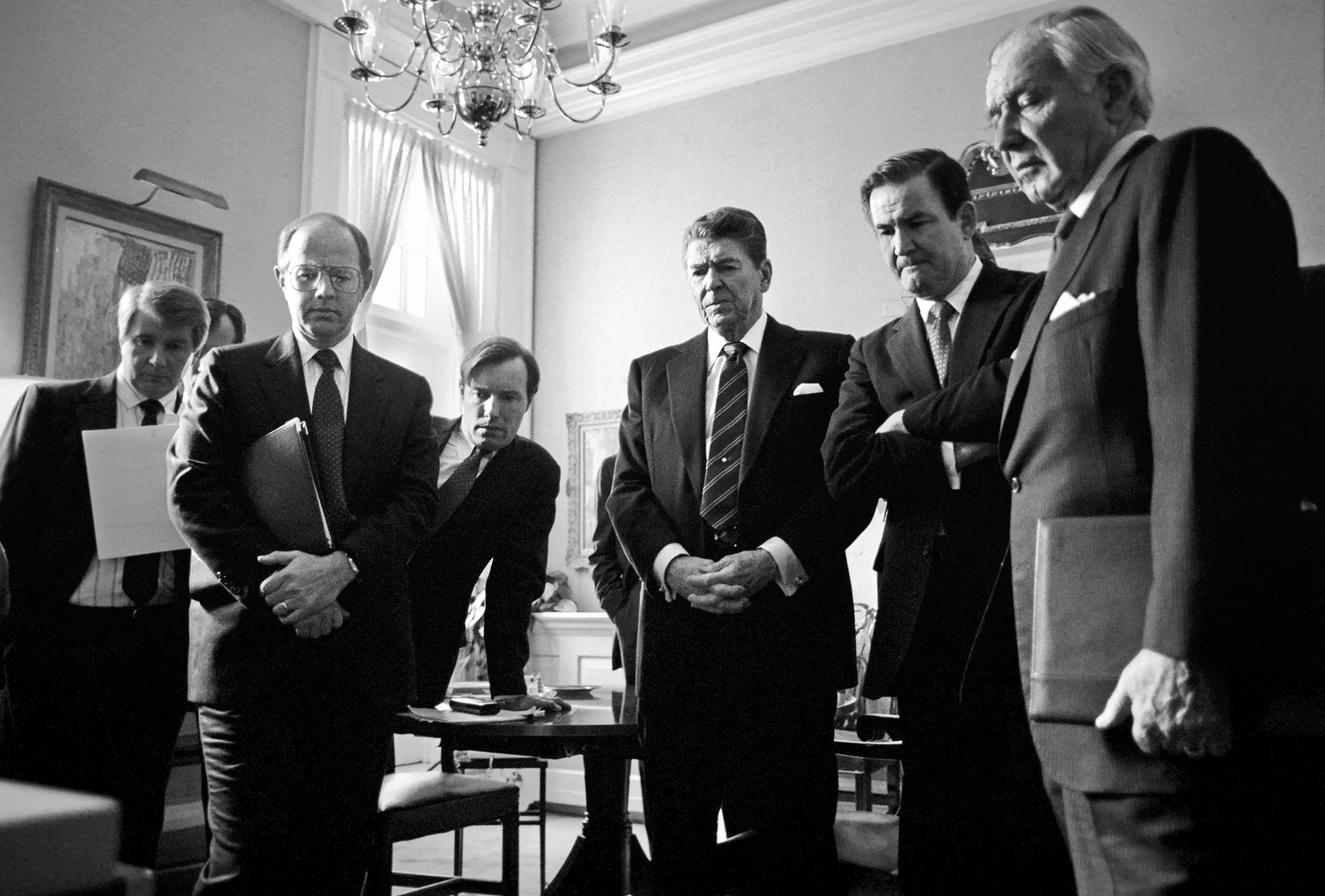
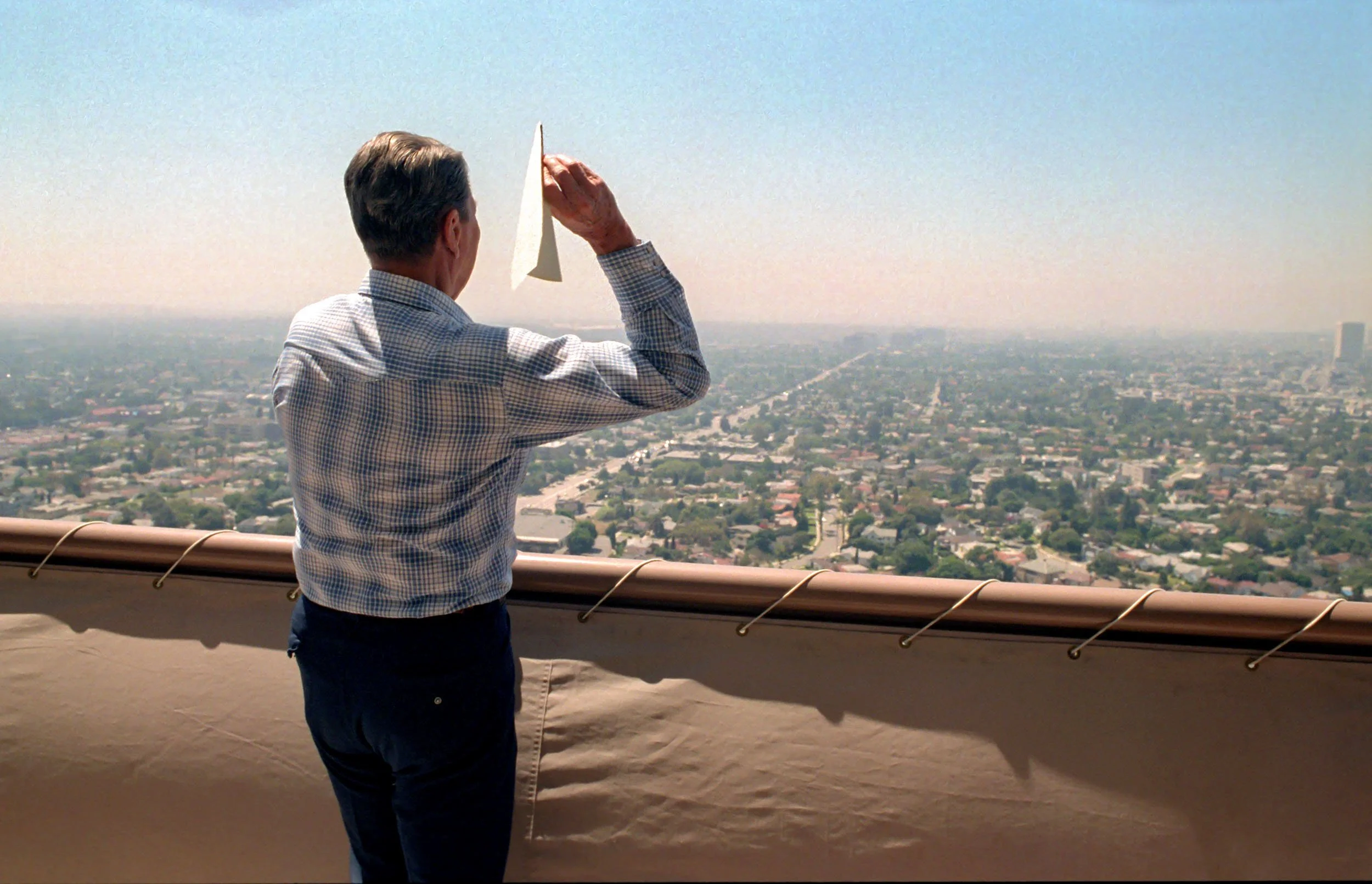
To discover more about this intriguing body of work and how you can acquire your own copy, you can find and purchase the book here. (Little, Brown and Company, Amazon)
More photography books?
We'd love to read your comments below, sharing your thoughts and insights on the artist's work. Looking forward to welcoming you back for our next [book spotlight]. See you then!
Ian Bates found his wildfire story after the fire. In 2014, he saw his first wildfire while visiting a friend in Eastern Washington. Photography Book Spotlight