How Thomas Boivin Turned One Paris Square Into a Portrait of a Generation
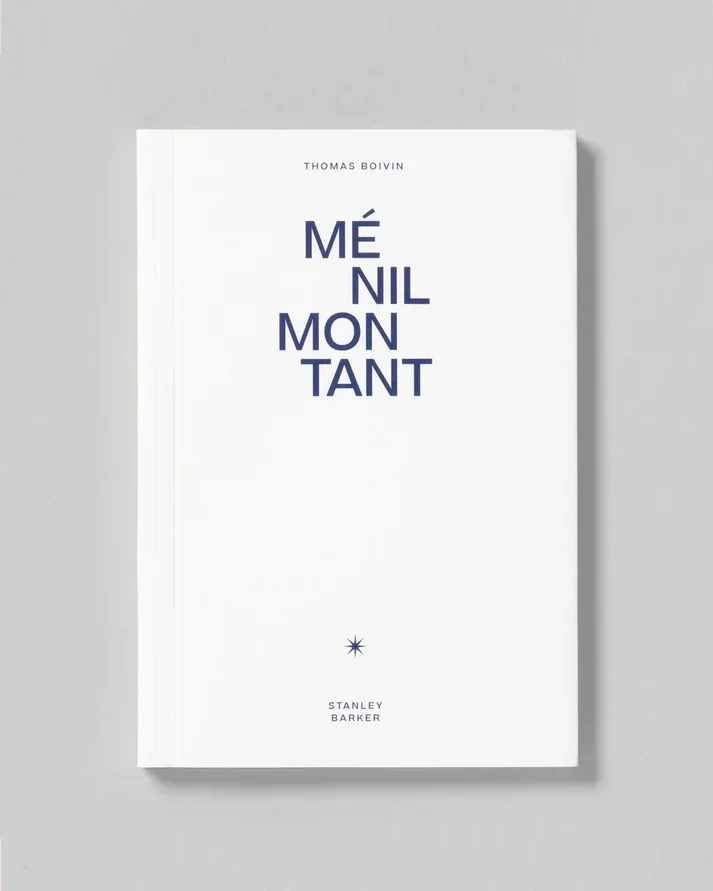
Welcome to this edition of [book spotlight]. Today, we uncover the layers of 'Ménilmontant,' by Thomas Boivin (published by STANLEY/BARKER). We'd love to read your comments below about these insights and ideas behind the artist's work.
Thomas Boivin photographed youth by standing still.
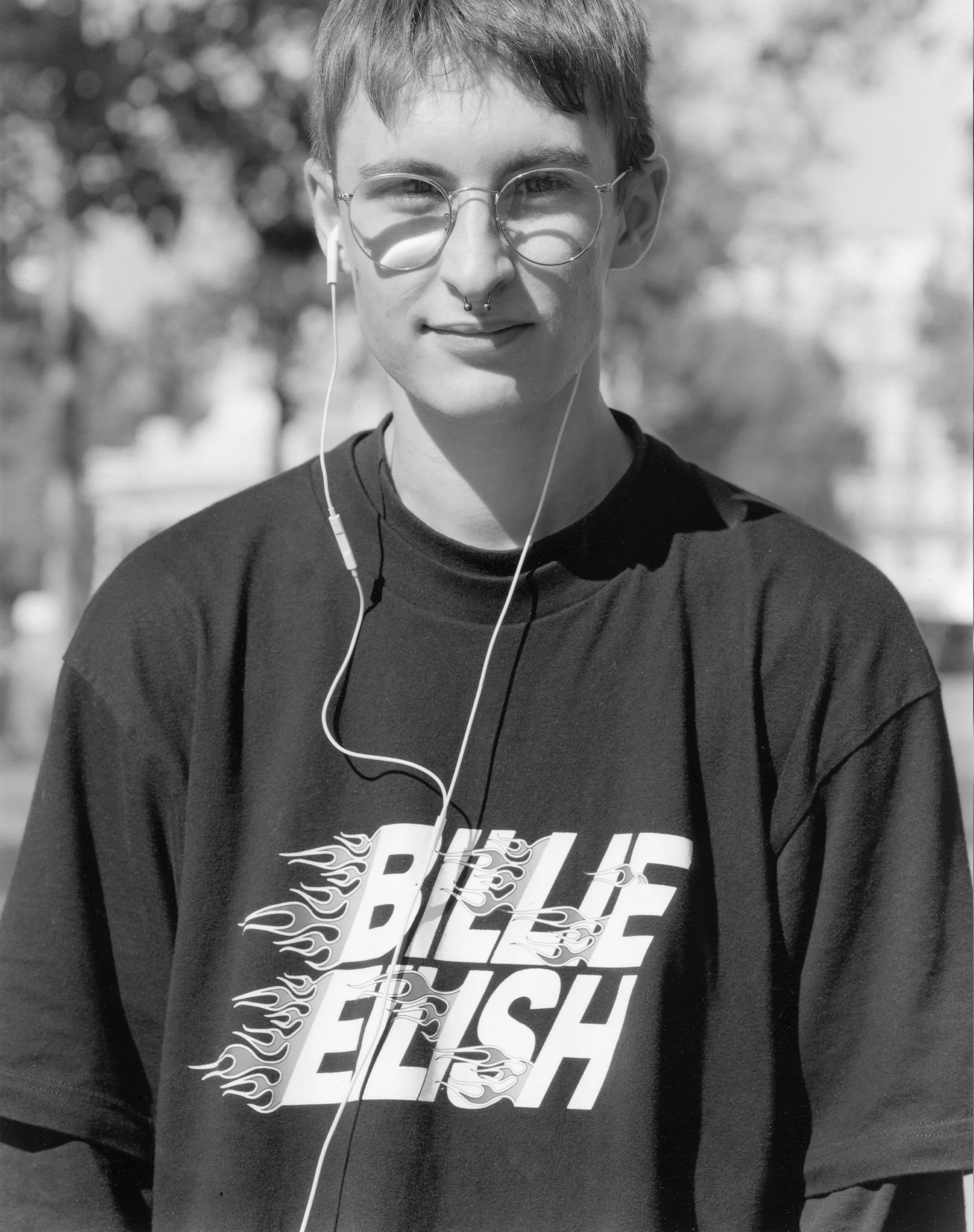
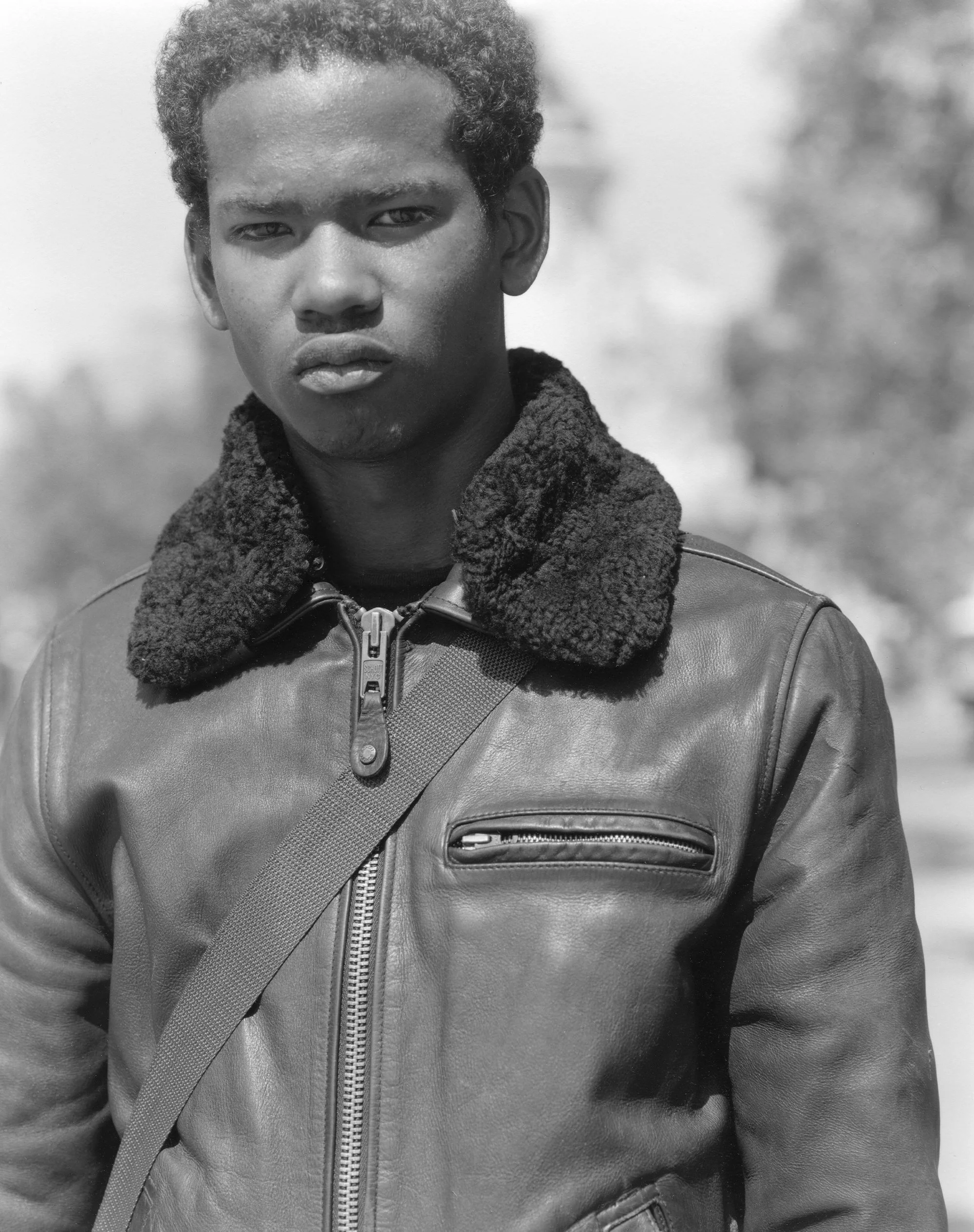
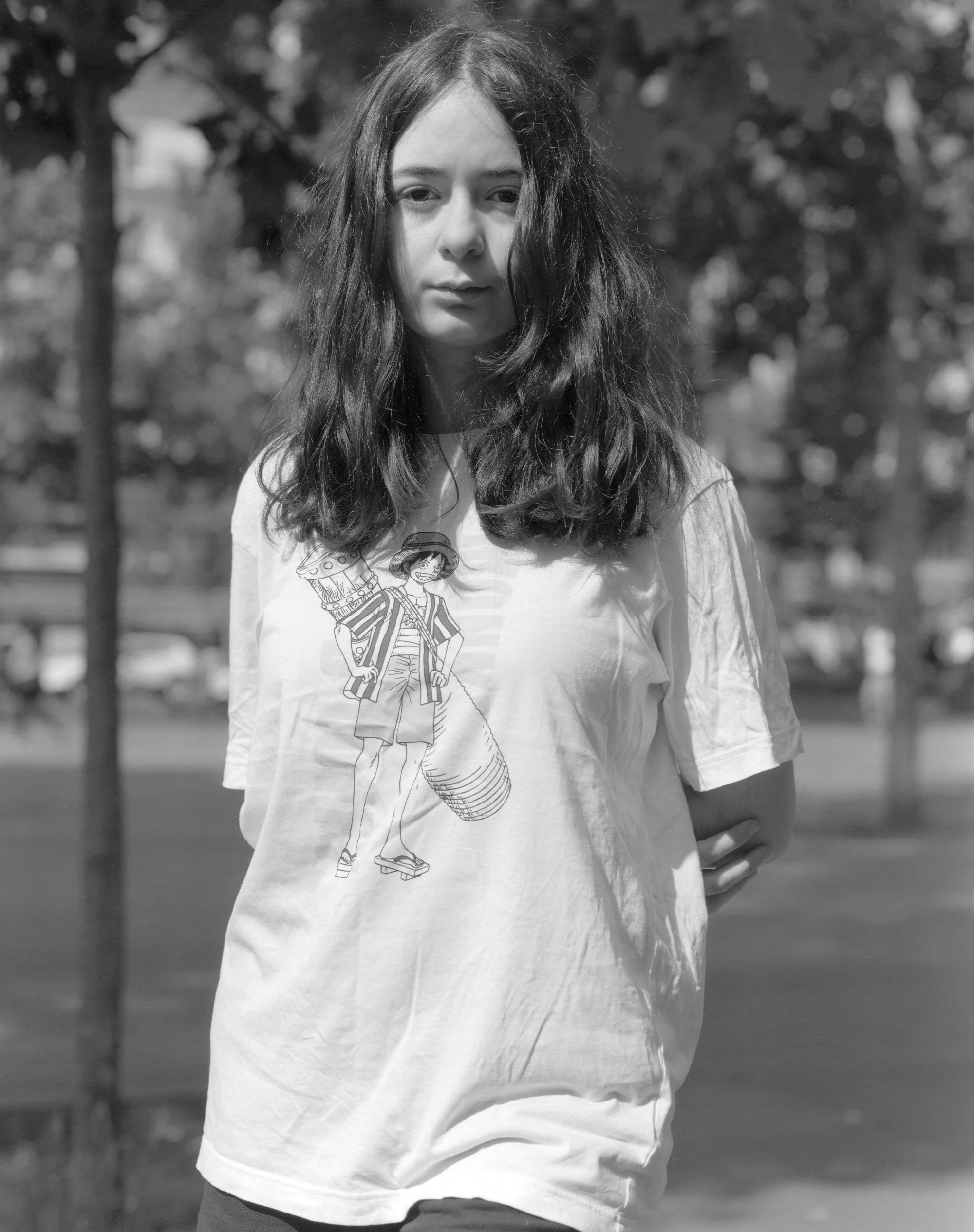
For five years, he returned to Place de la République in Paris. He was not chasing a project with a fixed plan, but following something that slowly kept his attention. The crowd became young people, and the square became a place where time, identity, and change could be seen. What he made is a quiet portrait of a generation passing through the centre of the city.
The work also became personal.
Boivin realised that the people he photographed would be the age of his daughter when they would be his own age now. He was looking at the future she would grow into, while also photographing the youth he was leaving behind. It becomes a book about looking at others, but also about understanding time in your own life.
The interview offers a simple but important lesson.
A project does not always begin with a clear idea. Sometimes it begins by returning to one place long enough until the meaning slowly appears.
The Book
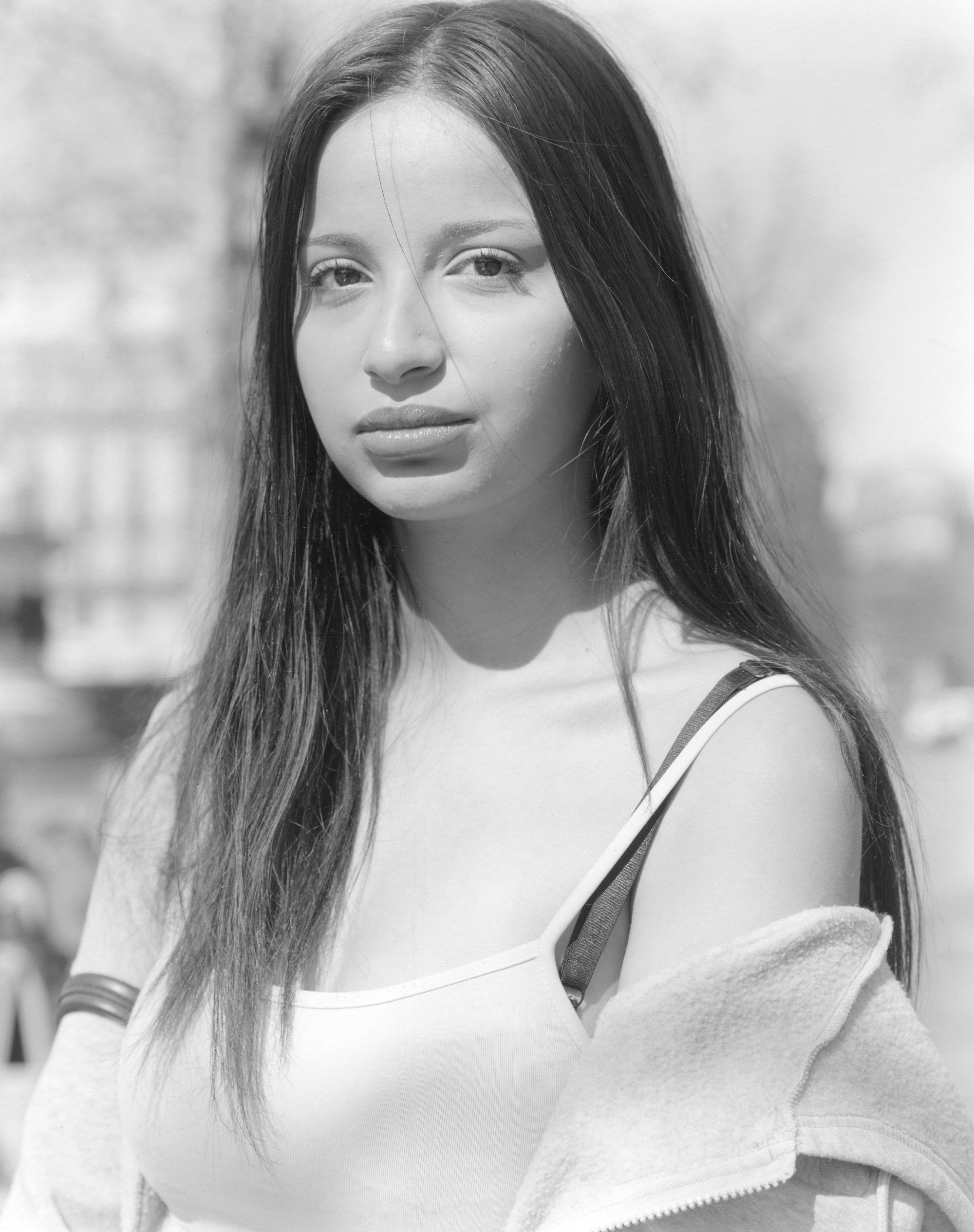
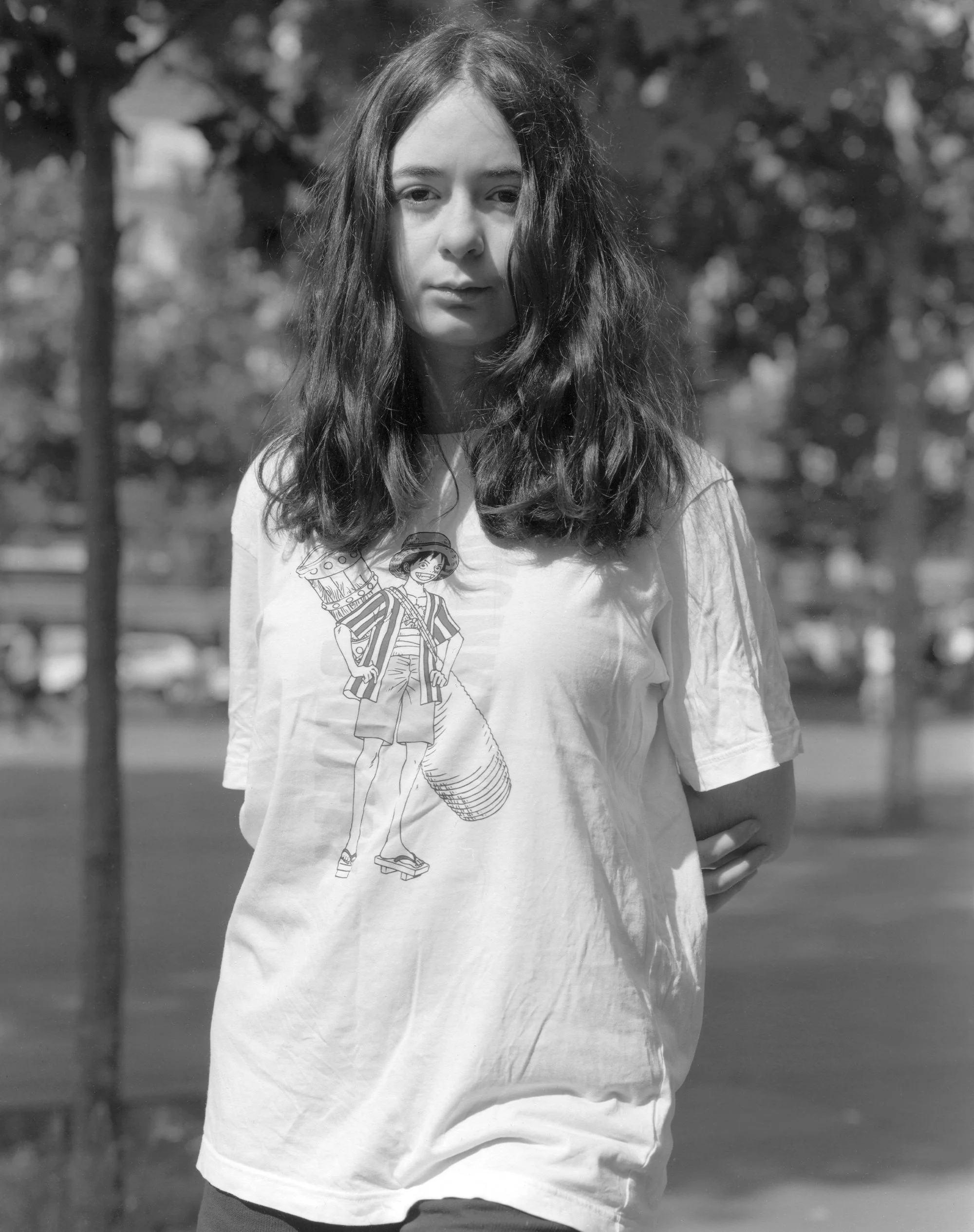
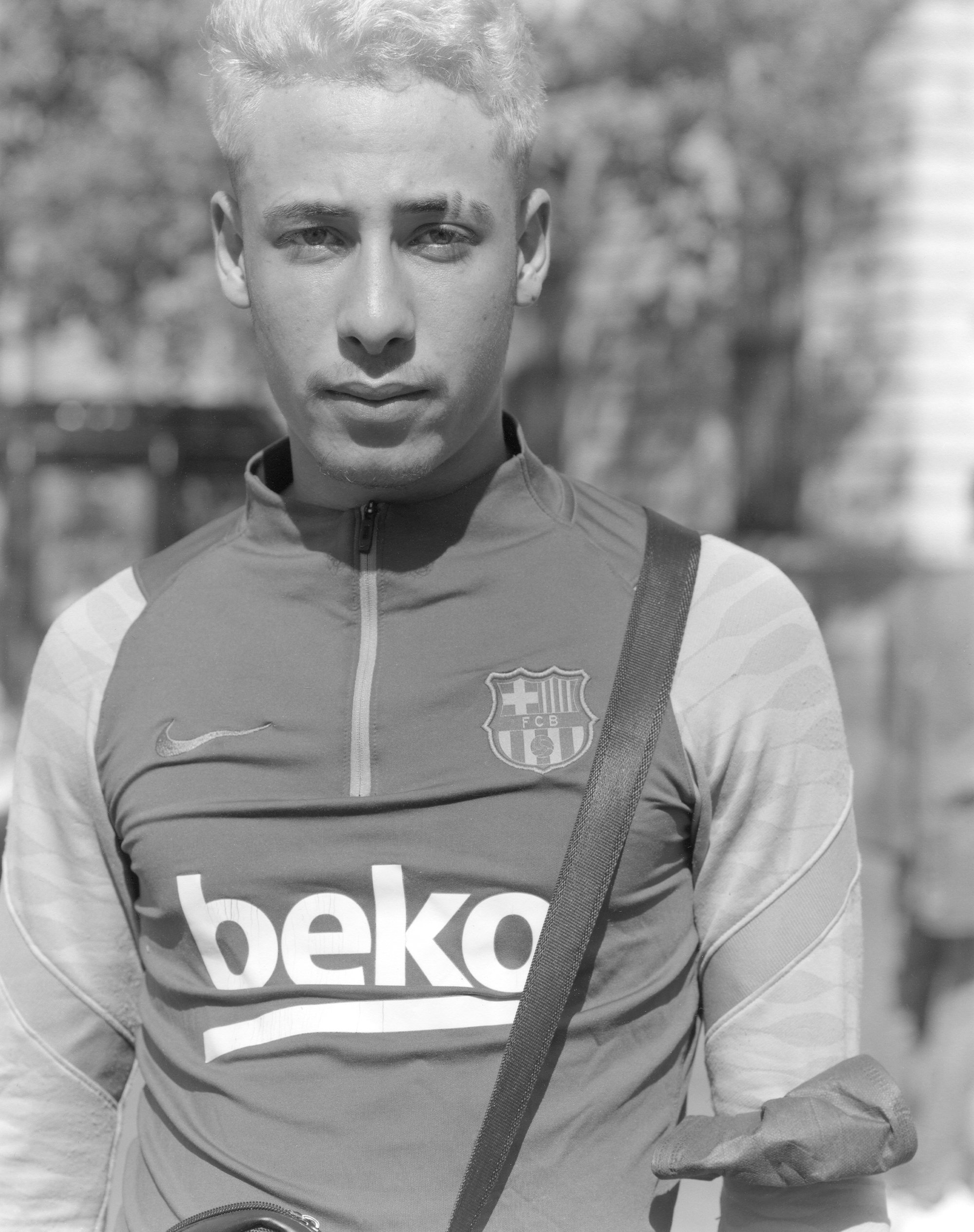
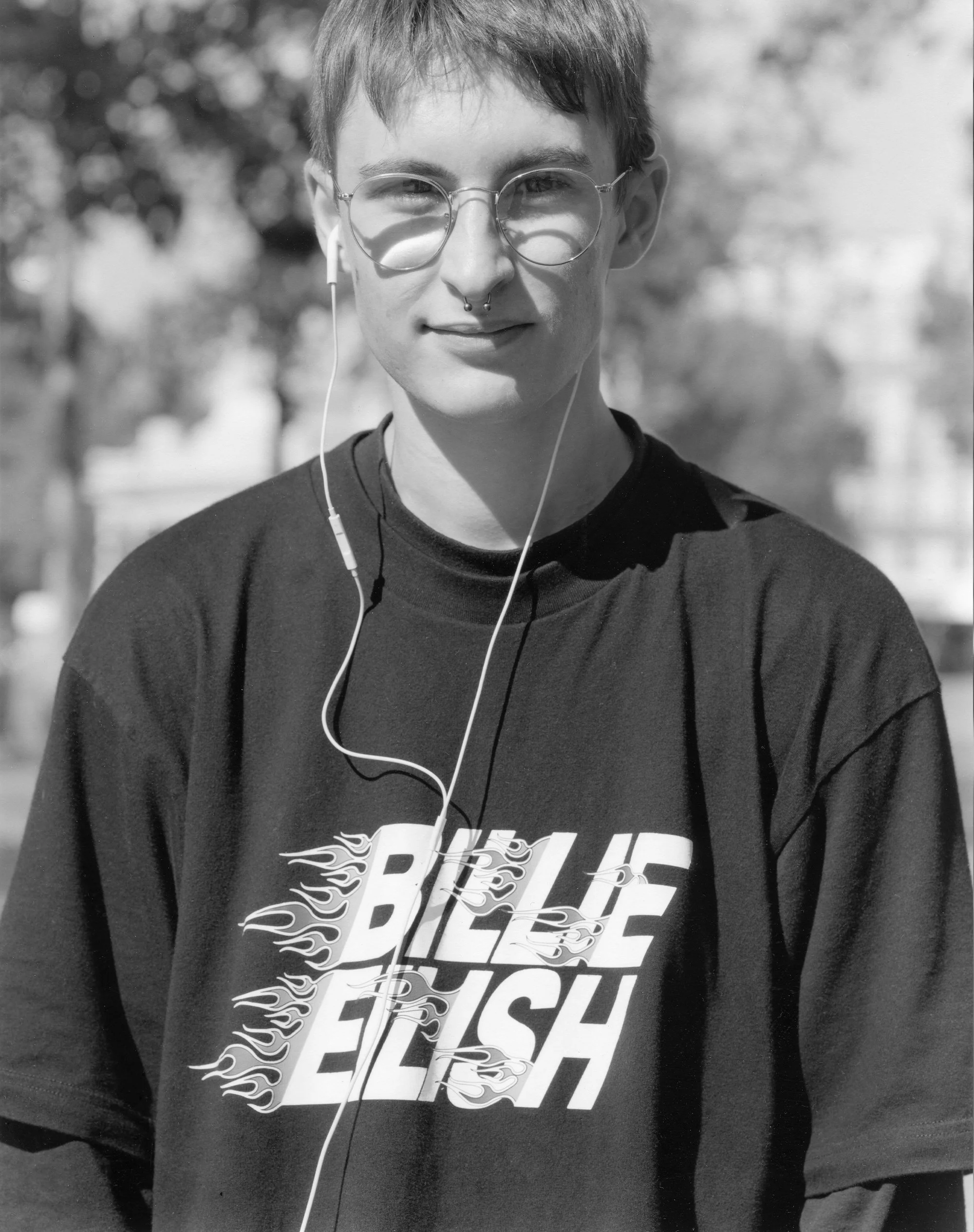
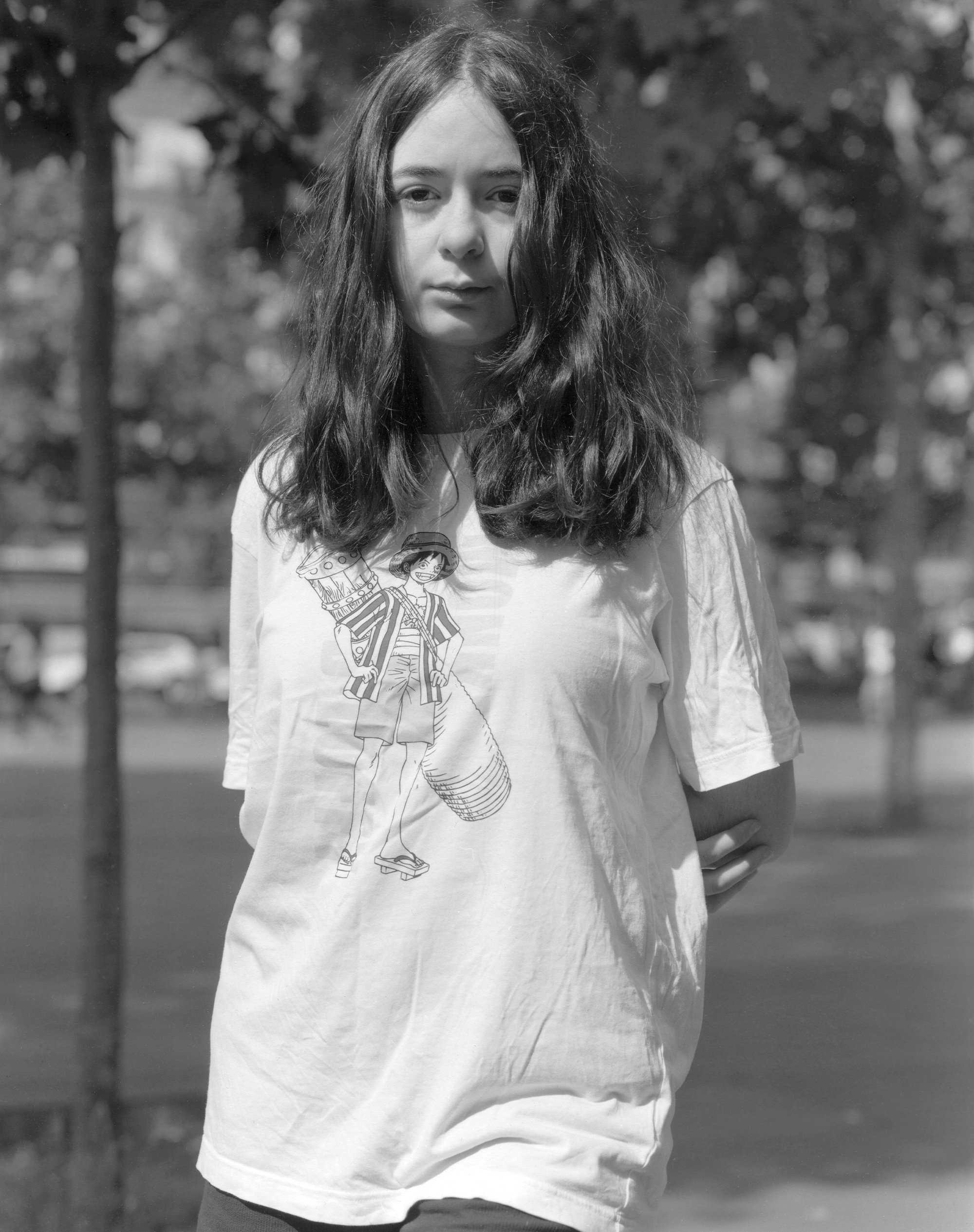
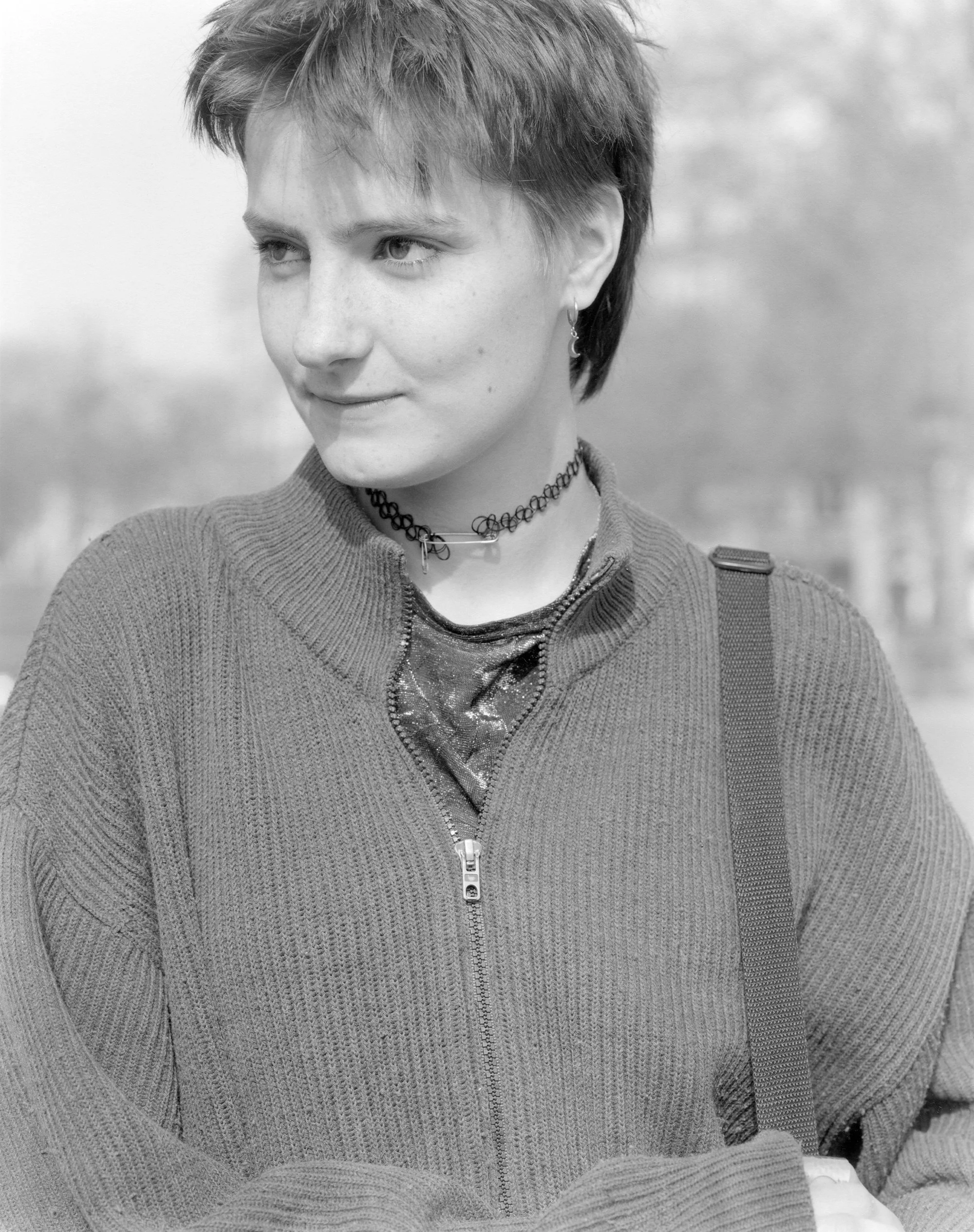
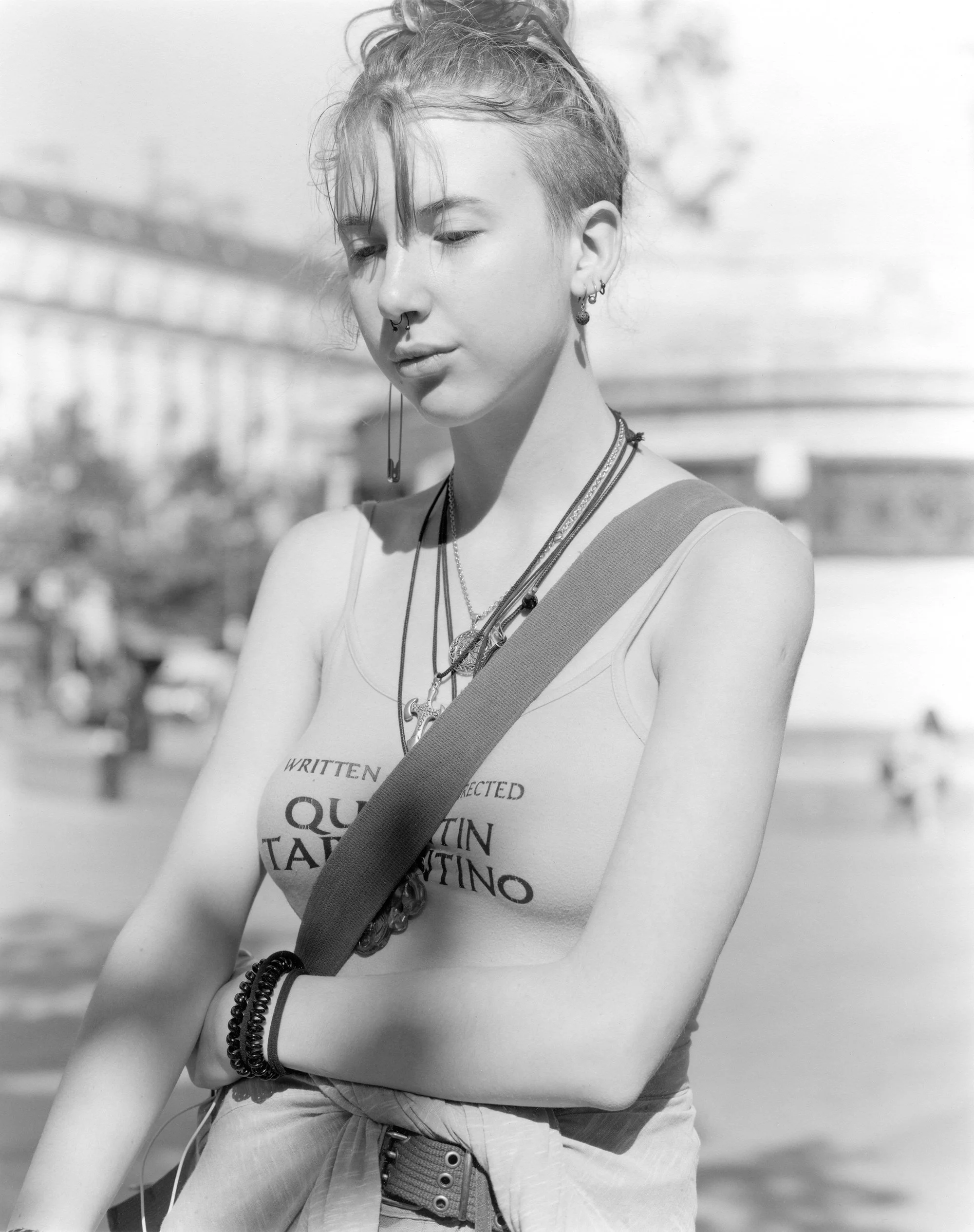
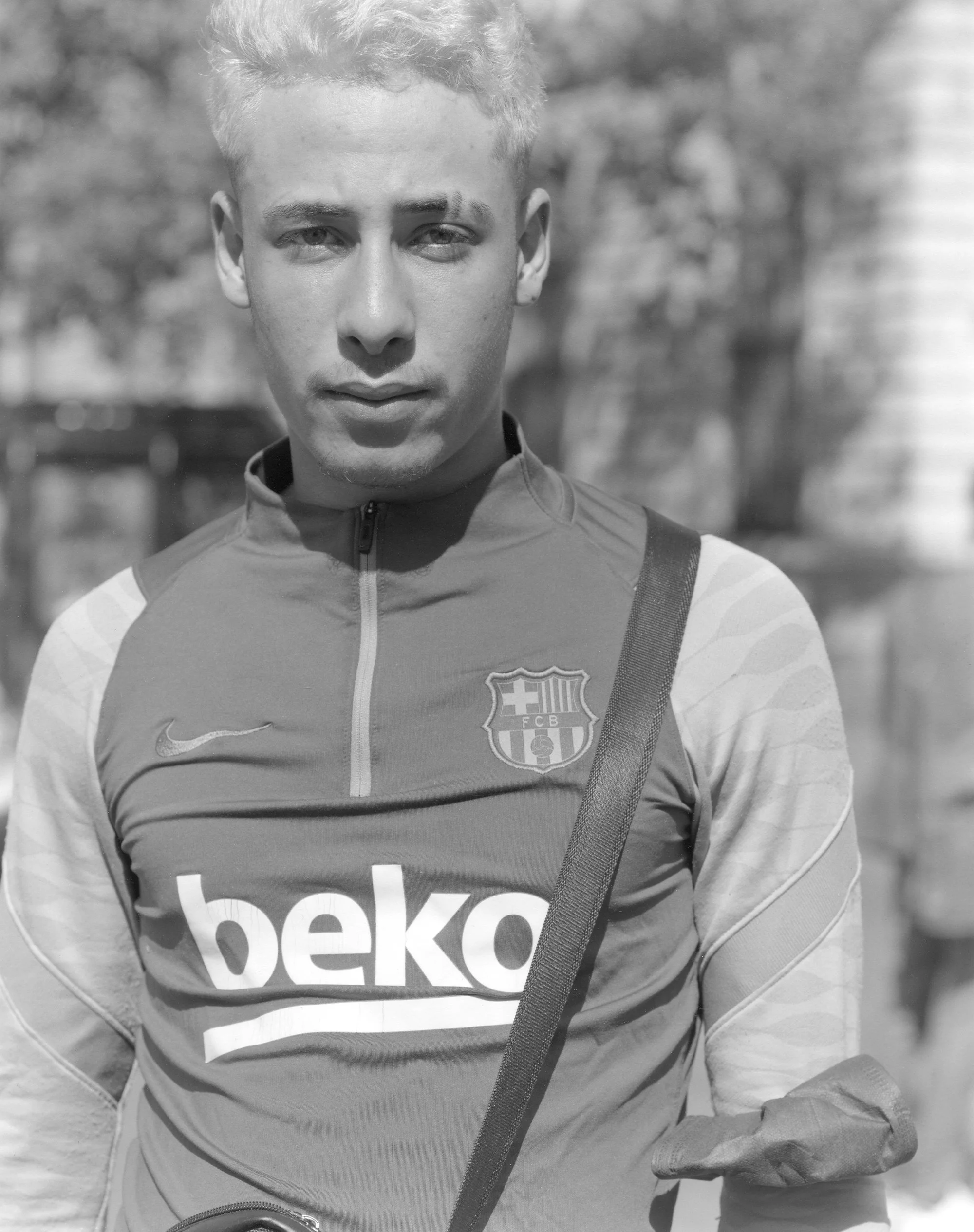
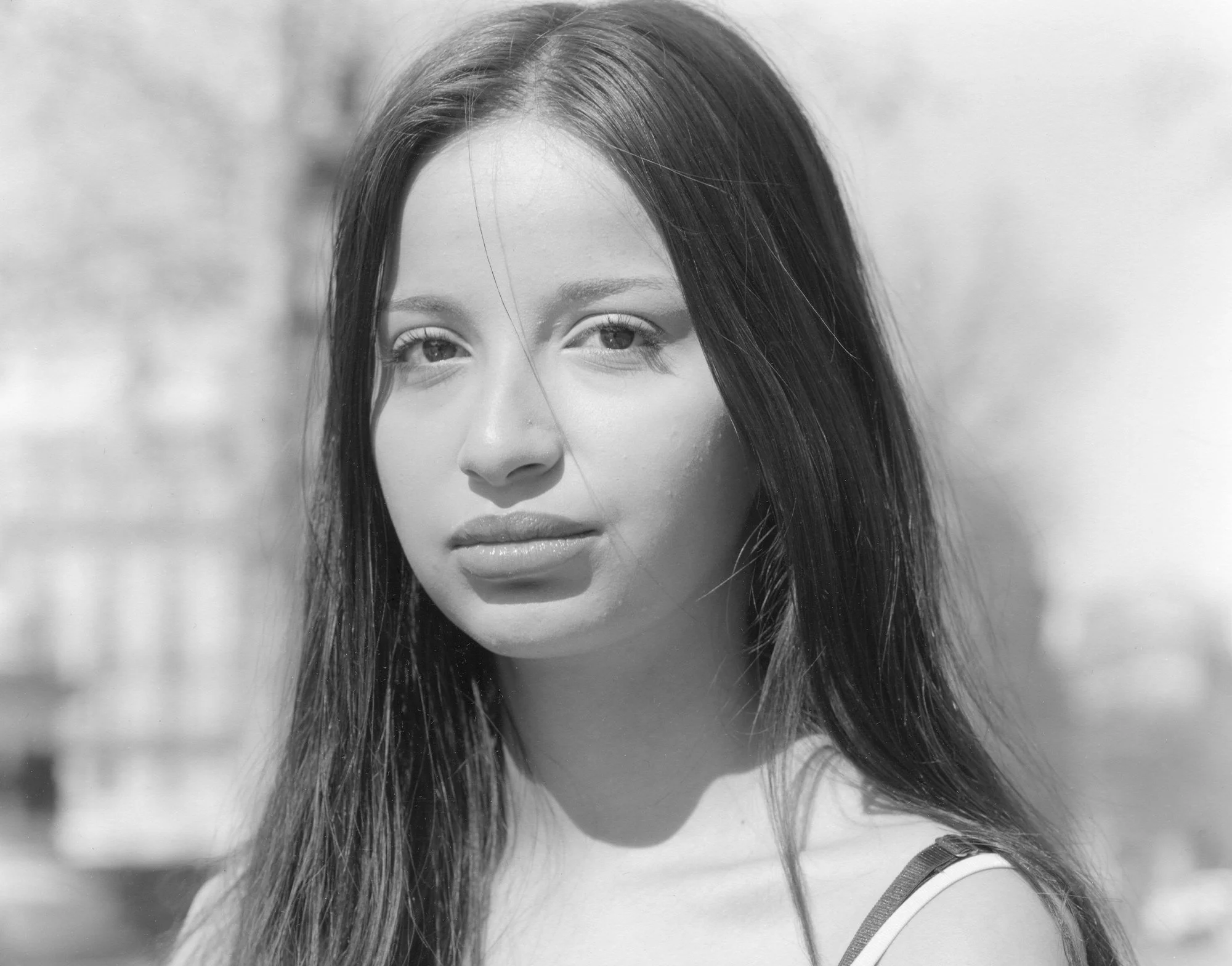
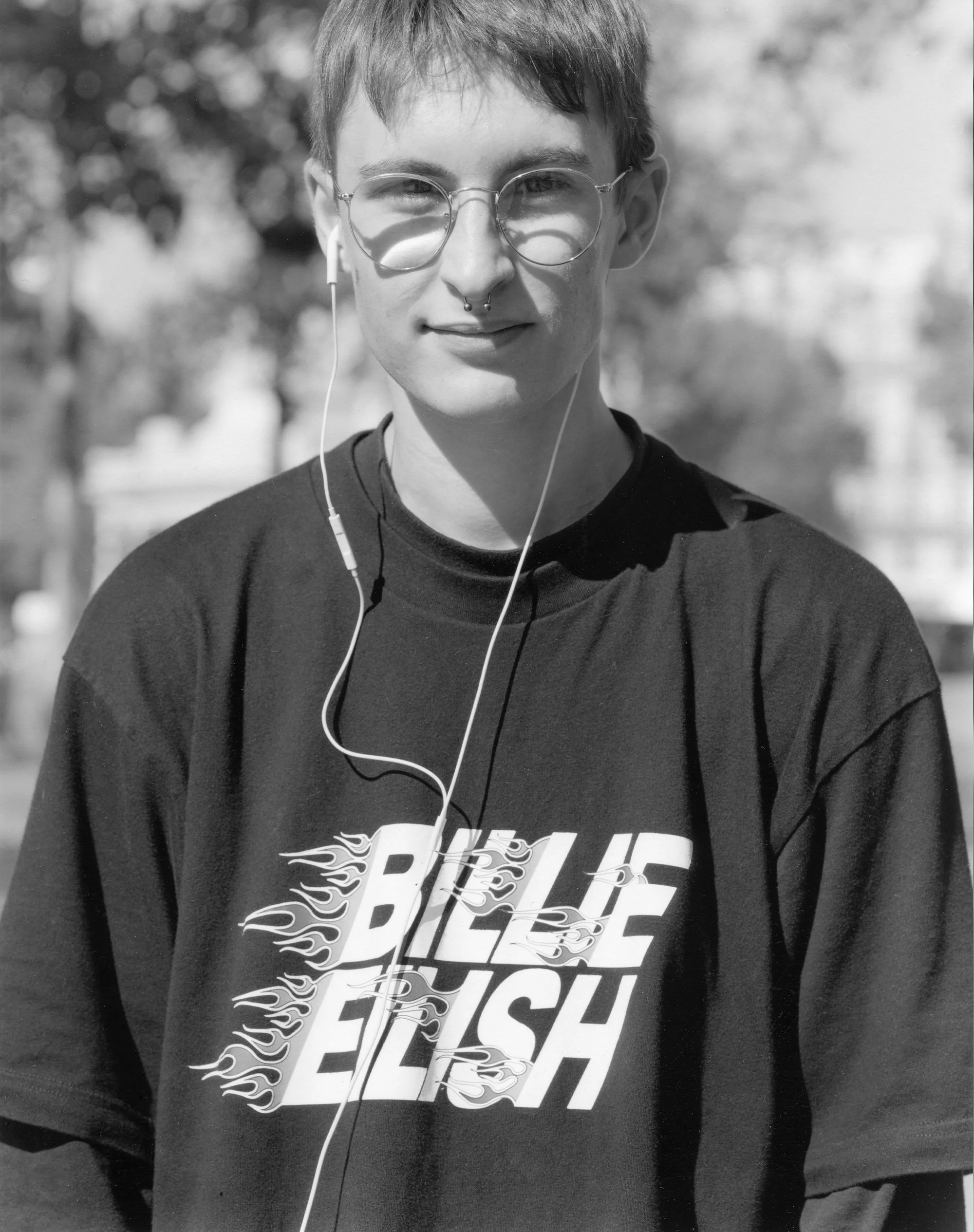
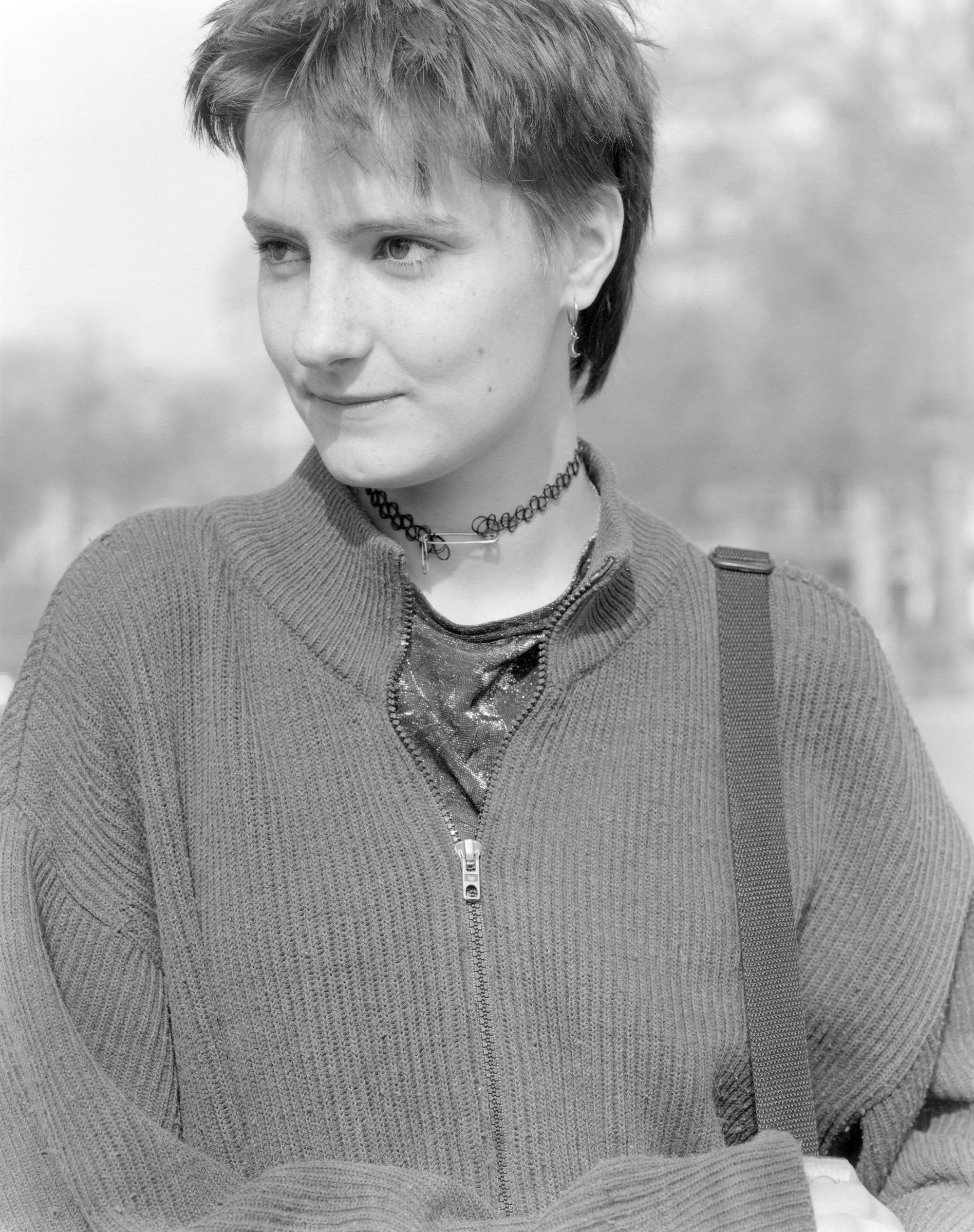
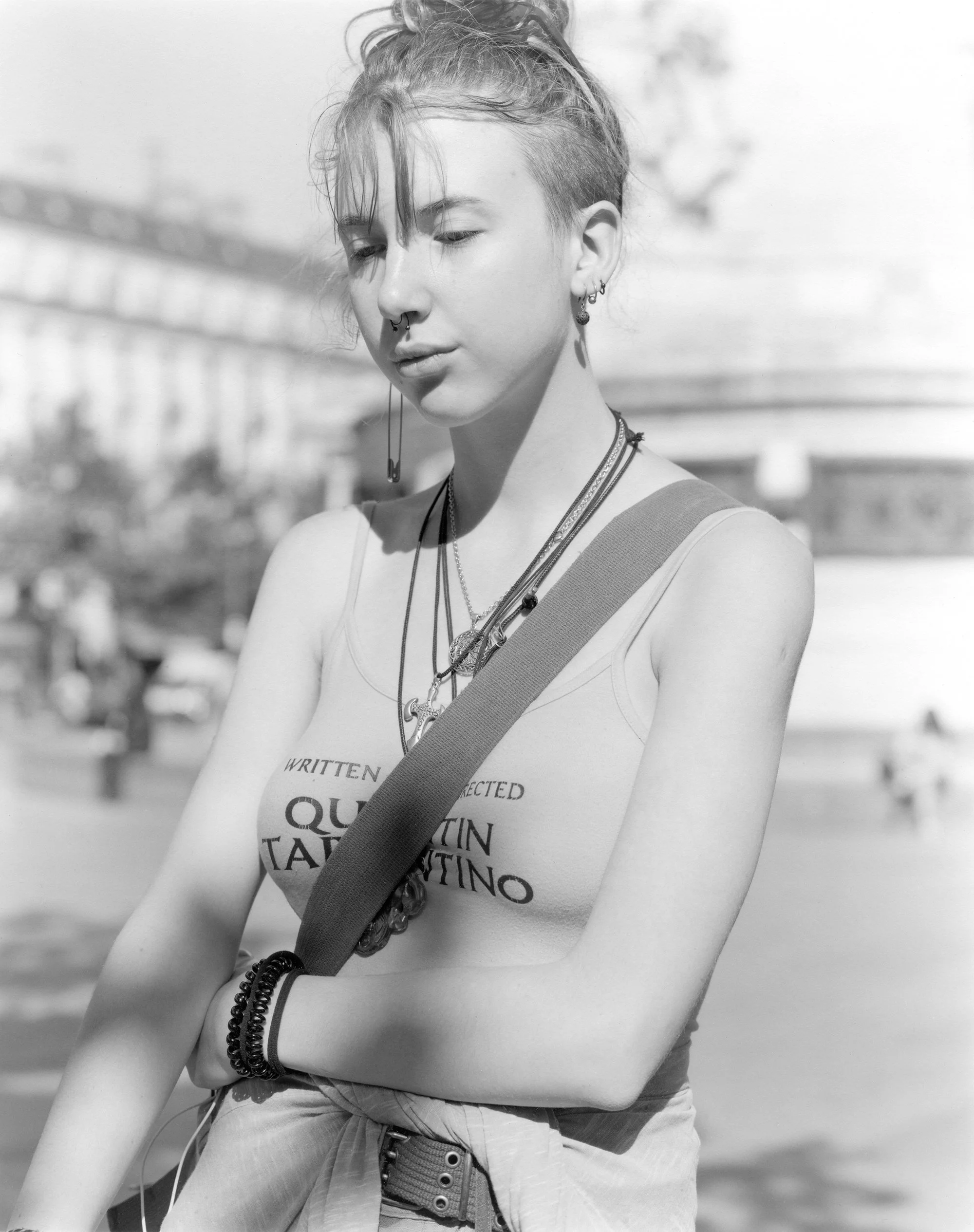
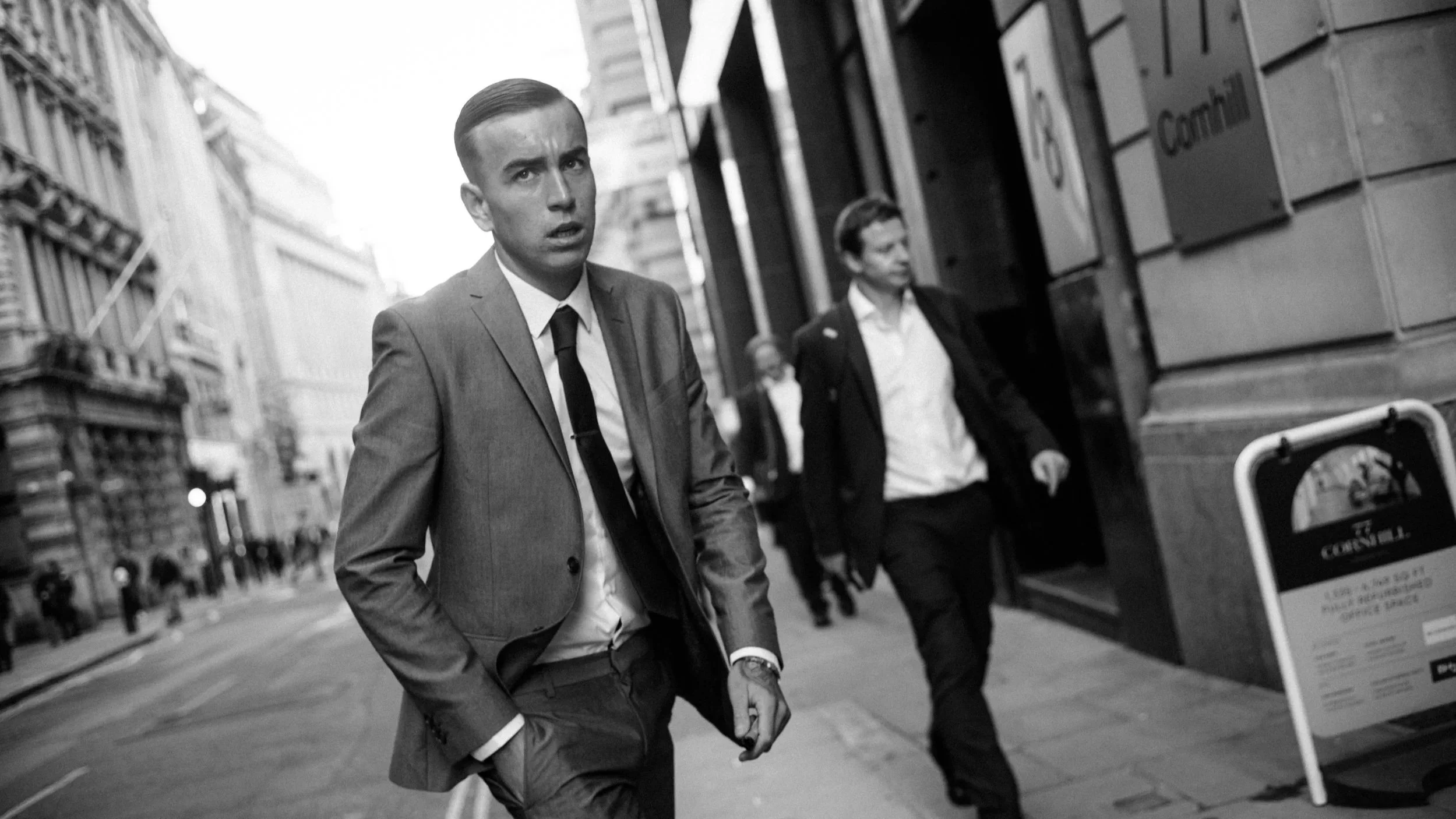
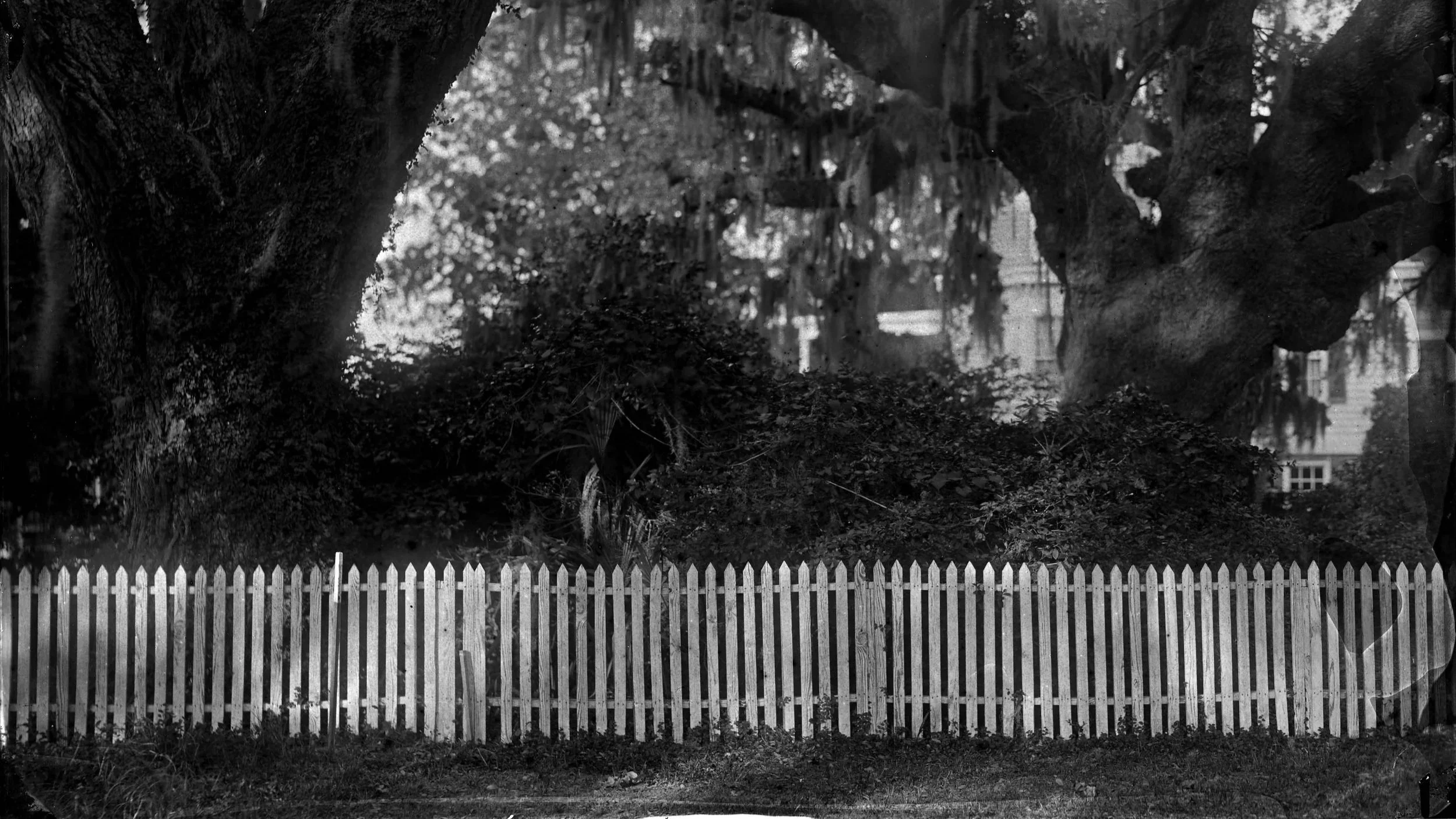
Place de la République by Thomas Boivin brings together five years of portraits made in one of Paris’s most symbolic public squares. The book focuses on young Parisians passing through a place long connected to protest, gathering, daily life, and the public expression of the city.
Working with a 4x5 camera, Boivin photographed strangers in the crowd with a direct but quiet attention. What began as an intuitive attraction to the square slowly became a portrait of youth, identity, and belonging in a city always changing.
The work is also deeply personal. Boivin connects it to the birth of his daughter, the end of his own youth, and the future generation she will one day meet. Rather than explaining too much, Place de la République lets faces, gestures, clothes, and posture carry the weight of the book. (STANLEY/BARKER, Amazon)
Project Beginning: Why did you decide to photograph young people at Place de la République for five years? What drew you to this specific square and this generation?
I did not decide that; that's pretty much never how I work. I feel that something attracts me, and I keep working until I find that I have done my best and that I have no energy for it anymore. So I was interested in the crowd there, and I started with medium format and gradually switched to a view camera. I also found that the youth really was what interested me more, but it happened over a long time; it was not the result of a decision.
And then I realised my daughter would be the age of these young folks when they would be my age; somehow, they would be the median age of the society she would meet as a young adult. And then I also realised that I was photographing the age I was leaving, too. And it all made sense to me.
Building on Past Work: In our last interview, you mentioned needing mechanical tools and touching your images physically. How did working with a 4x5 view camera on a tripod change your physical connection to making photographs?
I don't think it did; it was just a bit more difficult to move around.
Technical Choice: You said Place de la République is "straightforward 4x5 view camera portraiture, much more systematic" than Ménilmontant. Why did you switch from handheld medium format to a large format camera on a tripod?
I started with a 6x8 and a 6x6, but I quickly found out that it was difficult to make portraits, and portraits only, in a crowd with a medium format. 4x5 would make it easier to frame consistently the same way, and a shallow depth of field would isolate the subject more. Hence, I ended up switching to a large format.
Finding People: How did you approach strangers and convince them to sit for a portrait with a big camera on a tripod?
I never try to convince anyone. I just ask if I can take a photograph.
Light and Time: You usually photograph in bright morning light. Did you keep this habit at Place de la République, and how did the light affect the way young people looked?
I need to be fast, so abundant light is necessary for using a large format quickly.
Youth and Hope: You wrote about finding "renewed faith" in young people during tense times. What did you see in their faces or gestures that gave you this hope?
I do not analyse images this way. I am just as intuitive looking as I am working, and I don't think I would do justice to anyone, as a photographer, by giving detailed commentaries on what people look like in my photographs. I think anything I would tell you of that kind would subtract more than it would add. That is the beauty of photography - silence - and it's counterintuitive for me to add words on top of the silent contemplation that I love so much. It feels like betrayal.
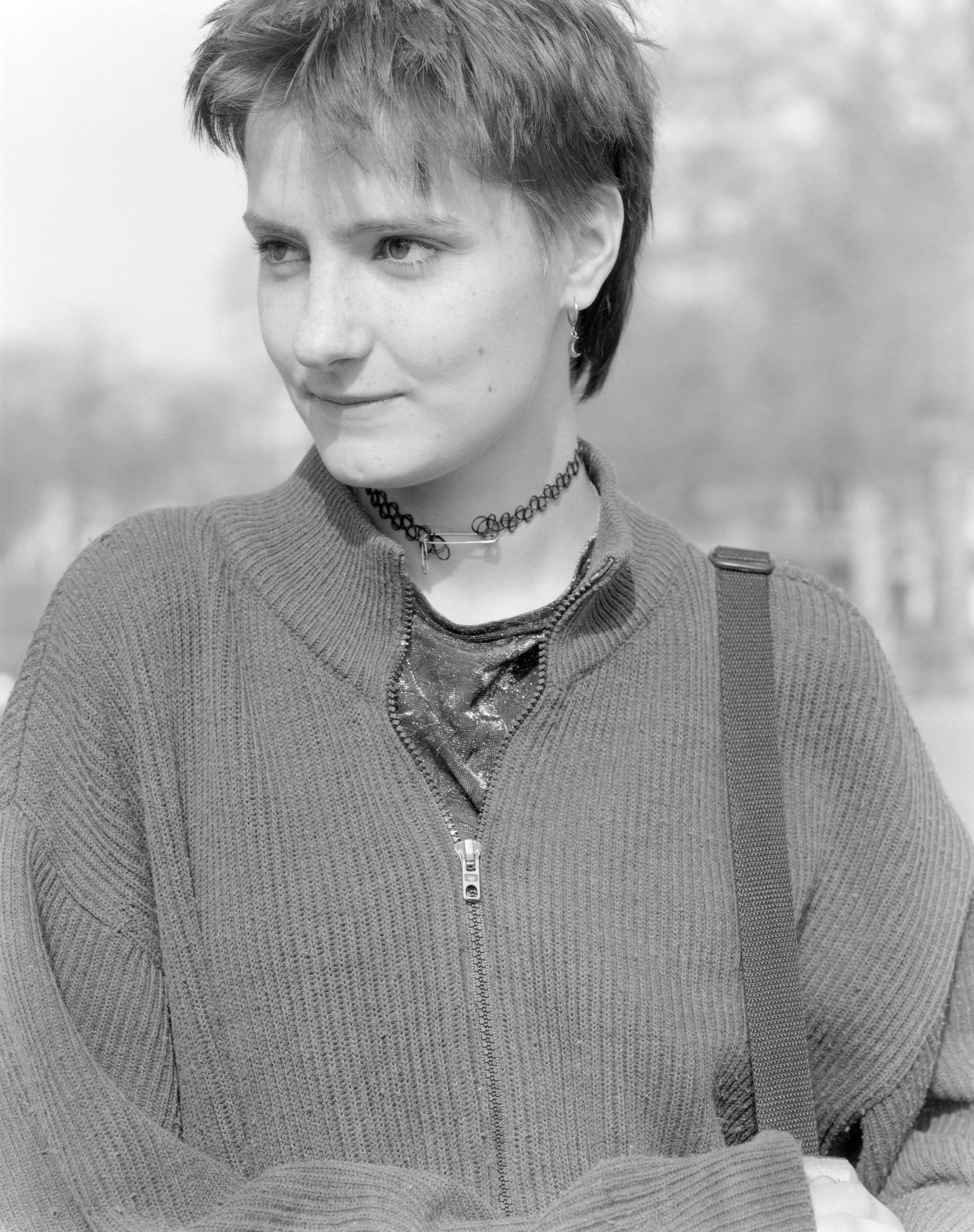
Subject Partnership: Your subjects clearly know you're photographing them. How did you create this comfortable partnership between you and the young Parisians?
I do think that this is, really, my work. And in some ways I could write or talk extensively about it, but at core this comfort that you speak of is a genuine relation to others while photographing that is deeply personal. It can't be replicated, because it is the photographer's personality, free of embarrassment, that is at play here. But it certainly doesn't mean that it needs fixed routines and elaborated strategy. It has to be simple.
Printing Portraits: How is printing portraits different from printing street scenes? What do you focus on when making the final prints?
It's just the same. I always make sure that I can clearly see the eyes, and I try to have the longest tonal range. But you'd never see me doing these complicated maskings that we see on the internet on some famous photographs. I rarely mask. I think I can, providing a good enough exposure, print the full scale of a negative with very little tweaking. But for that one needs to be very focused on grayscale.
Working Method: Standing in one place with a tripod for five years is very different from walking around. What did this fixed position teach you about photography?
That the world unfolds on many, many layers, that you can travel to without moving.
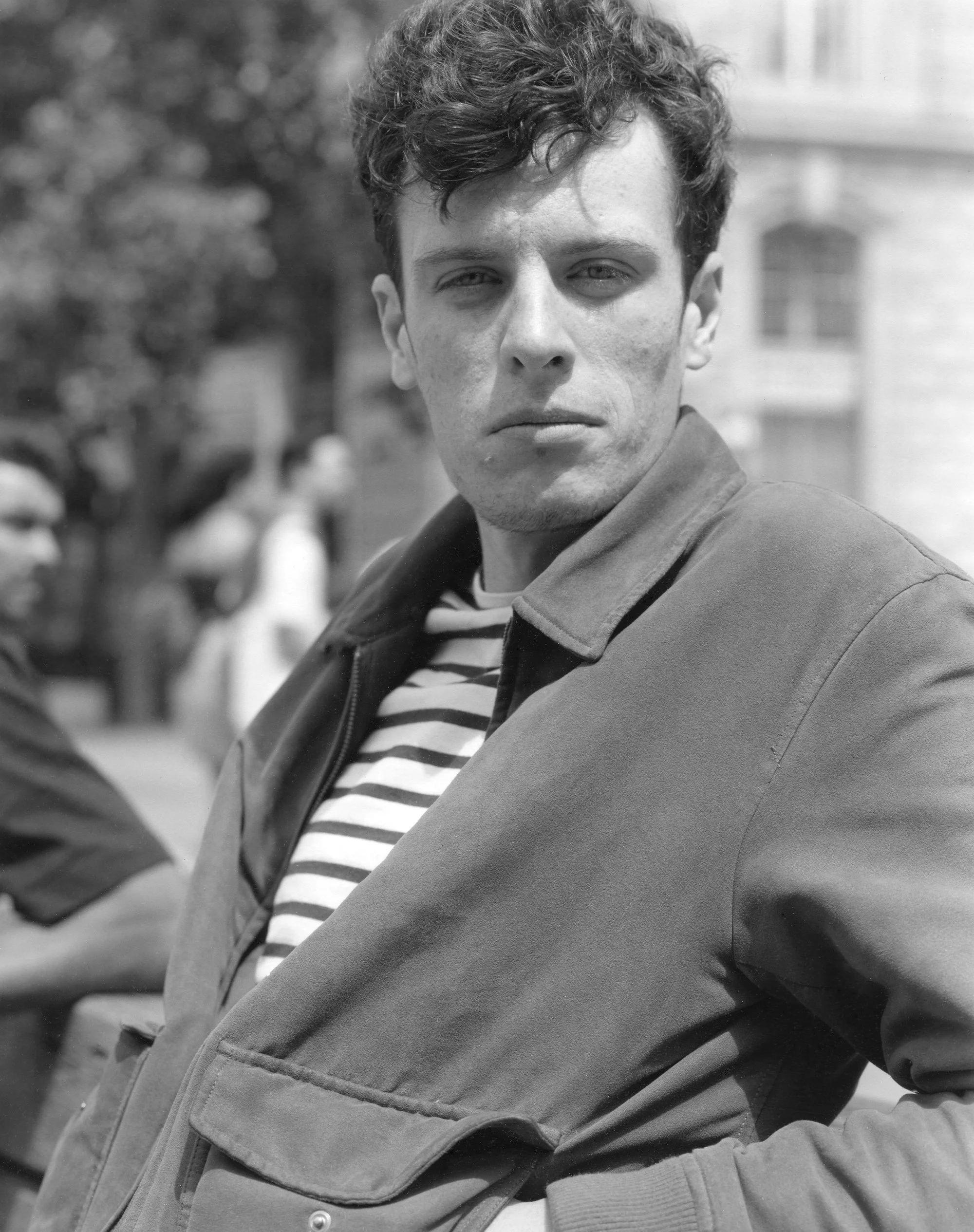
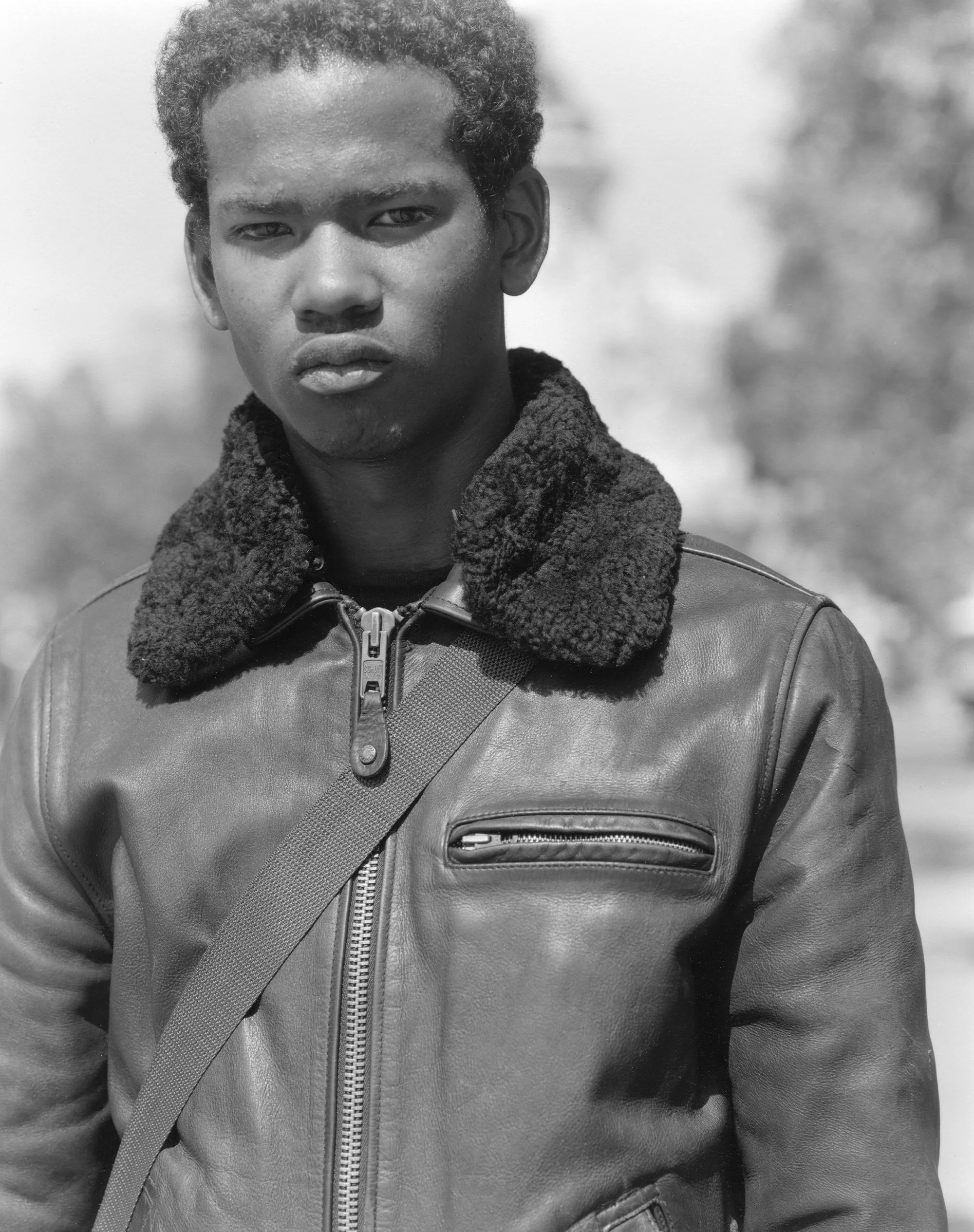
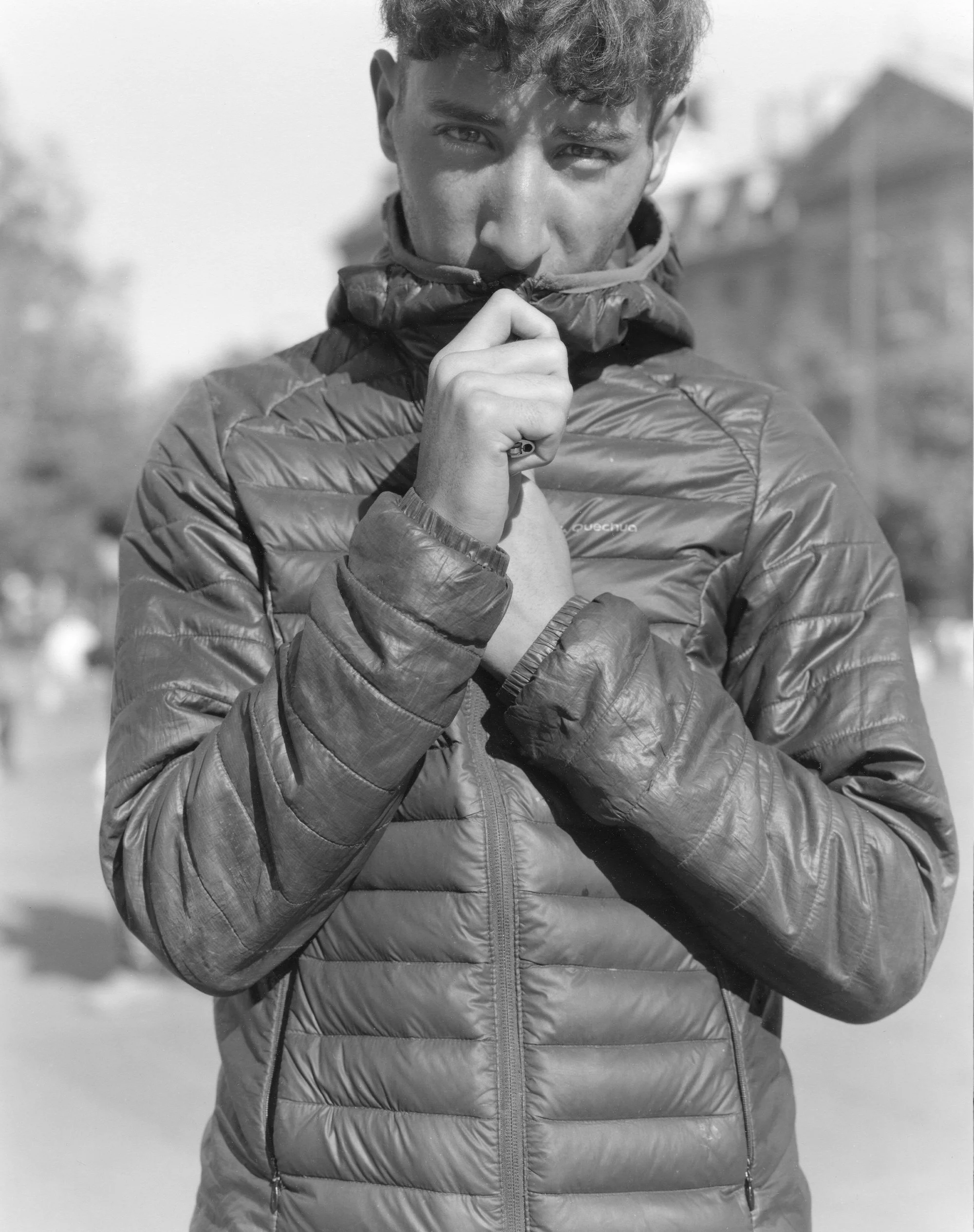
To discover more about this intriguing body of work and how you can acquire your own copy, you can find and purchase the book here. (STANLEY/BARKER, Amazon)
More photography books?
We'd love to read your comments below, sharing your thoughts and insights on the artist's work. Looking forward to welcoming you back for our next [book spotlight]. See you then!
Lee Espinoza reminded Darren Vargas of his late grandfather. The photographer met the boxing coach in 2025, five years after his grandfather Esmael died. Photography Book Spotlight