How Artificial Trees, Fake Rocks, and Museum Dioramas Became Nicolò Rinaldi’s Way of Questioning Nature
What happens when wilderness becomes a human invention?
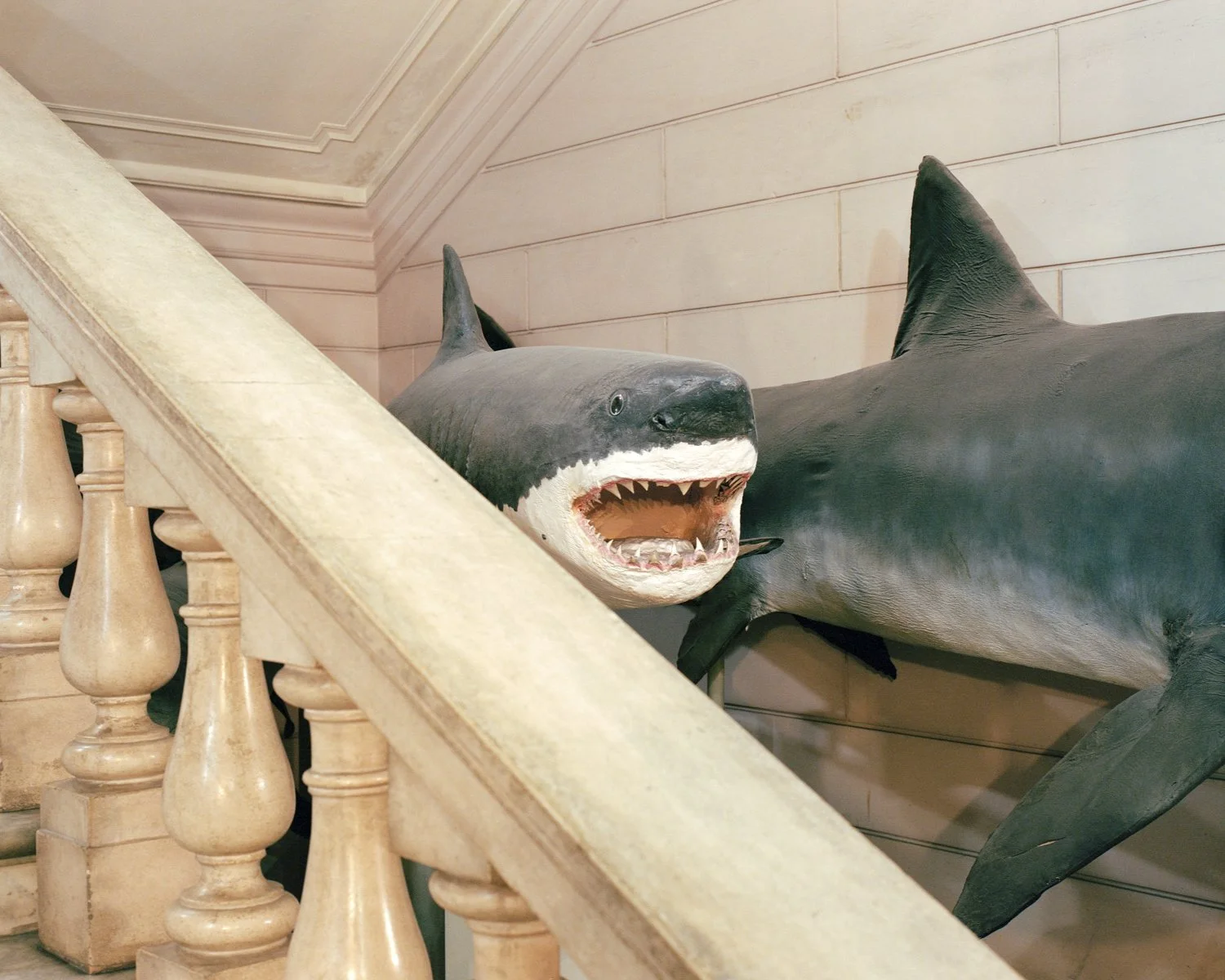
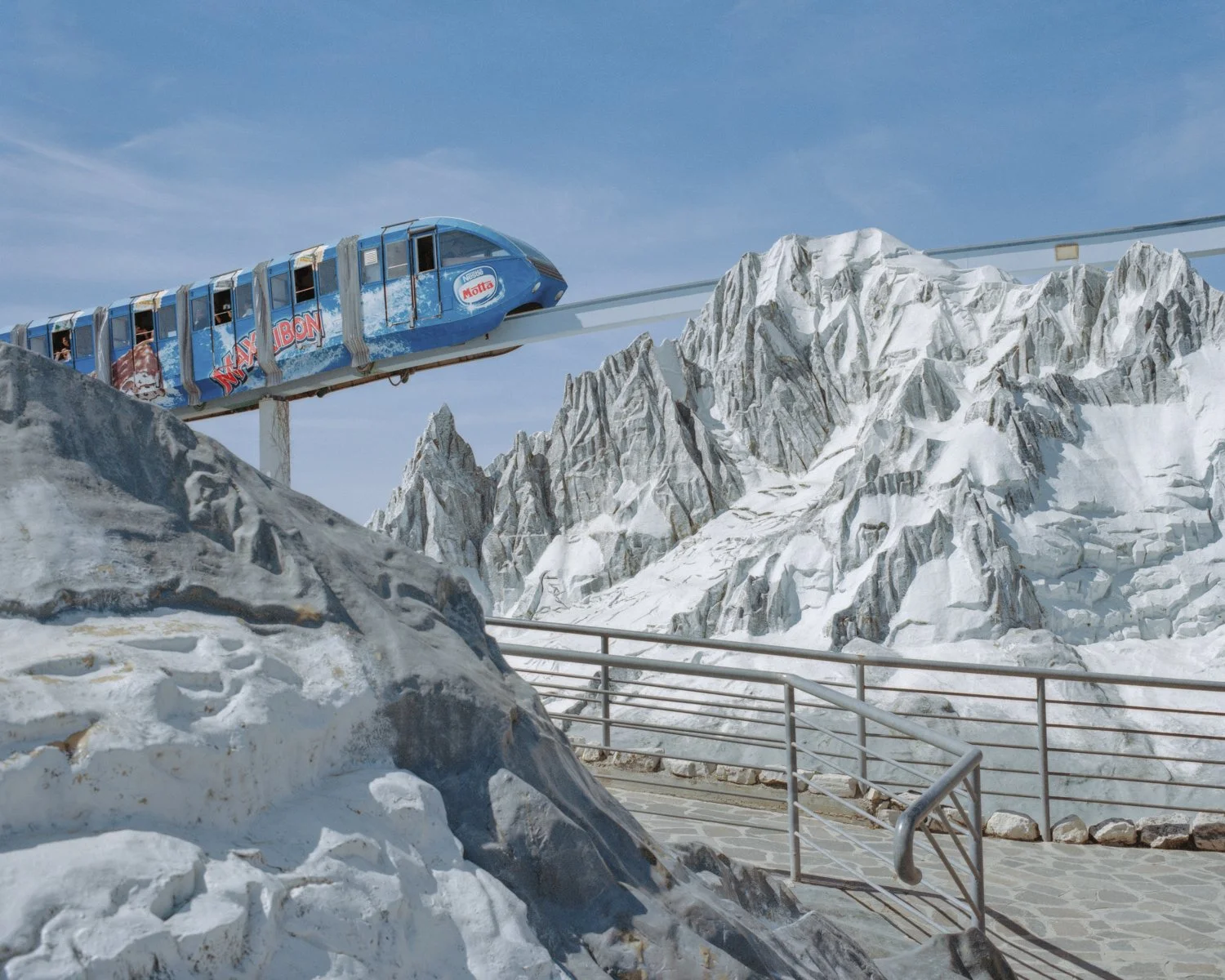
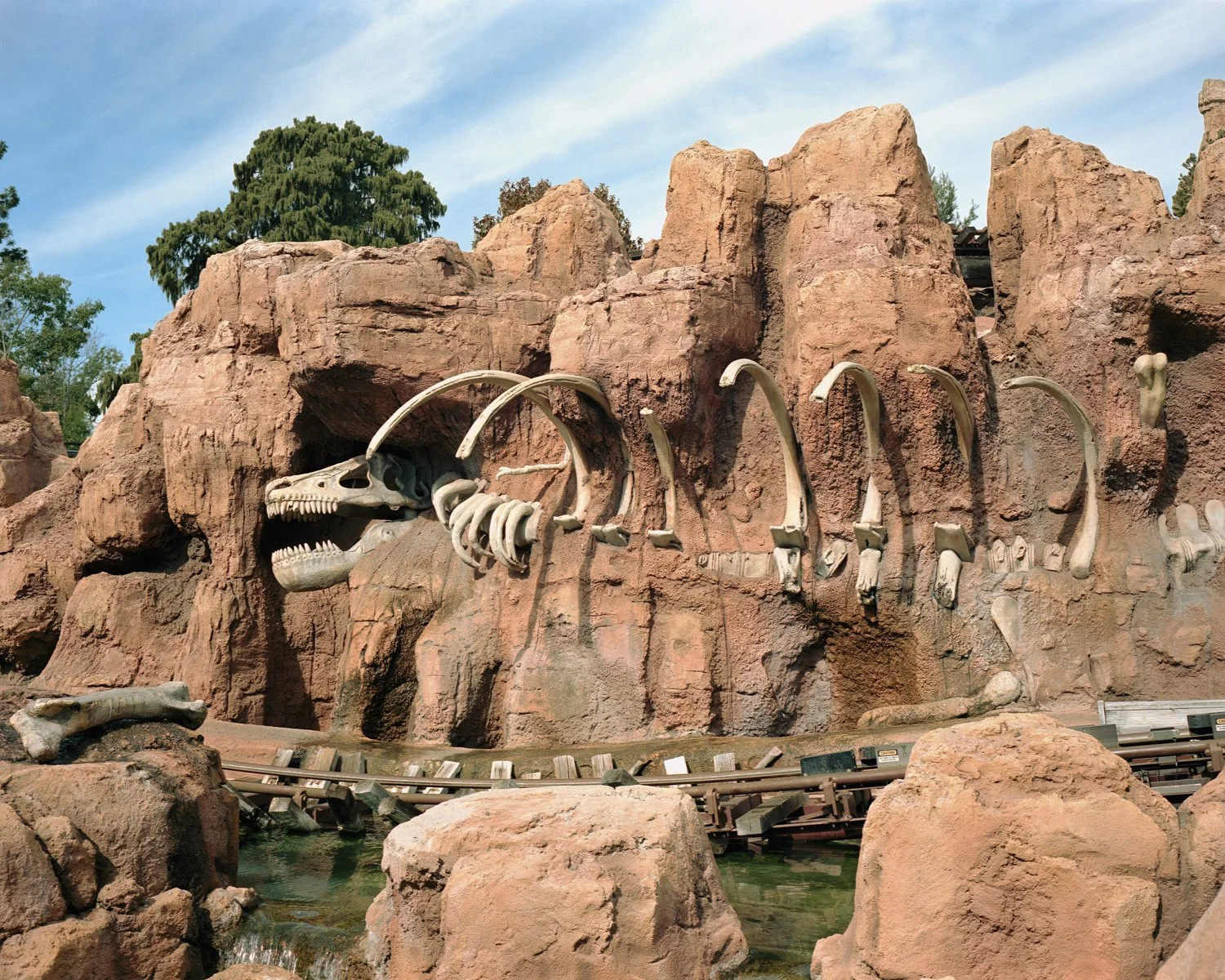
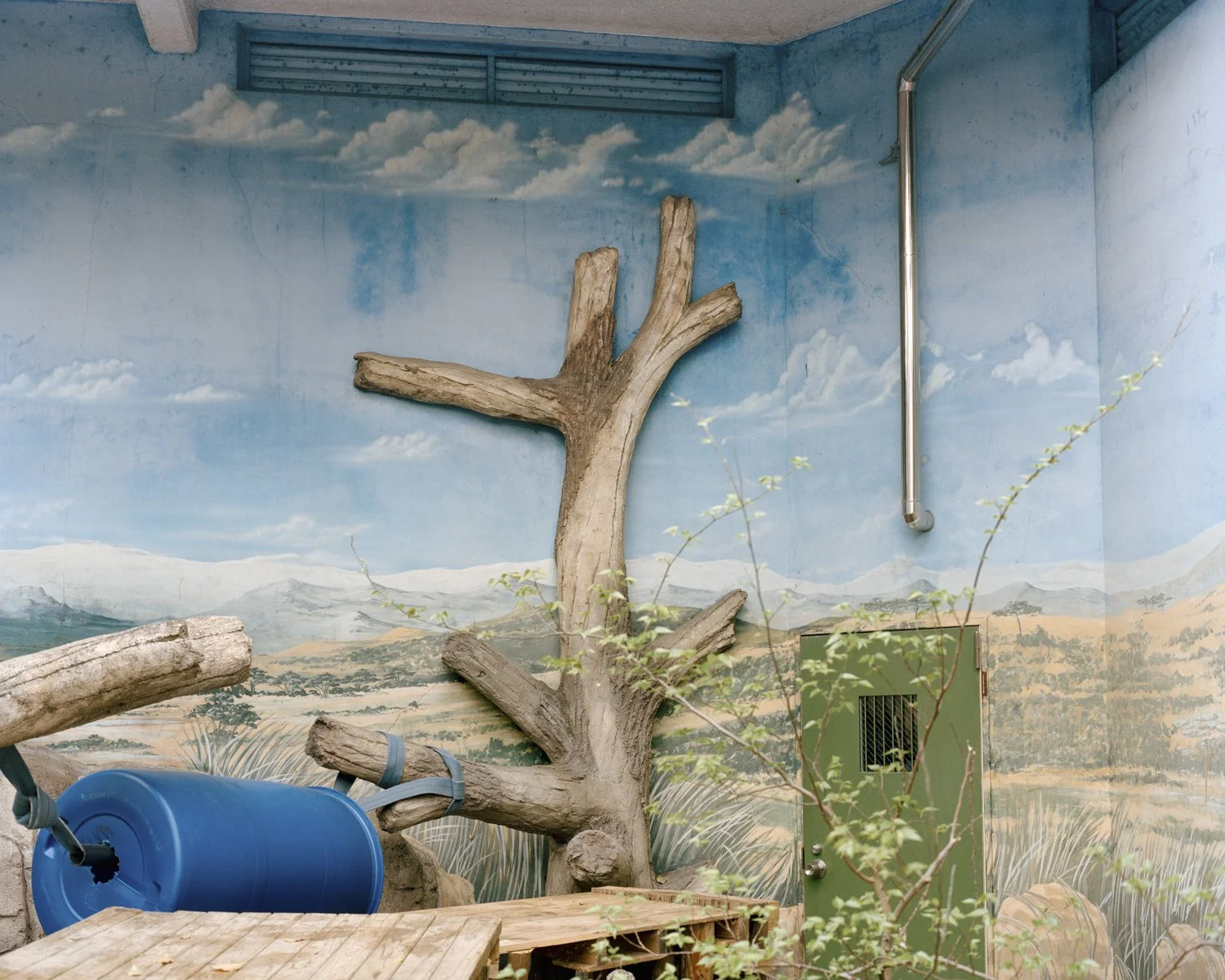
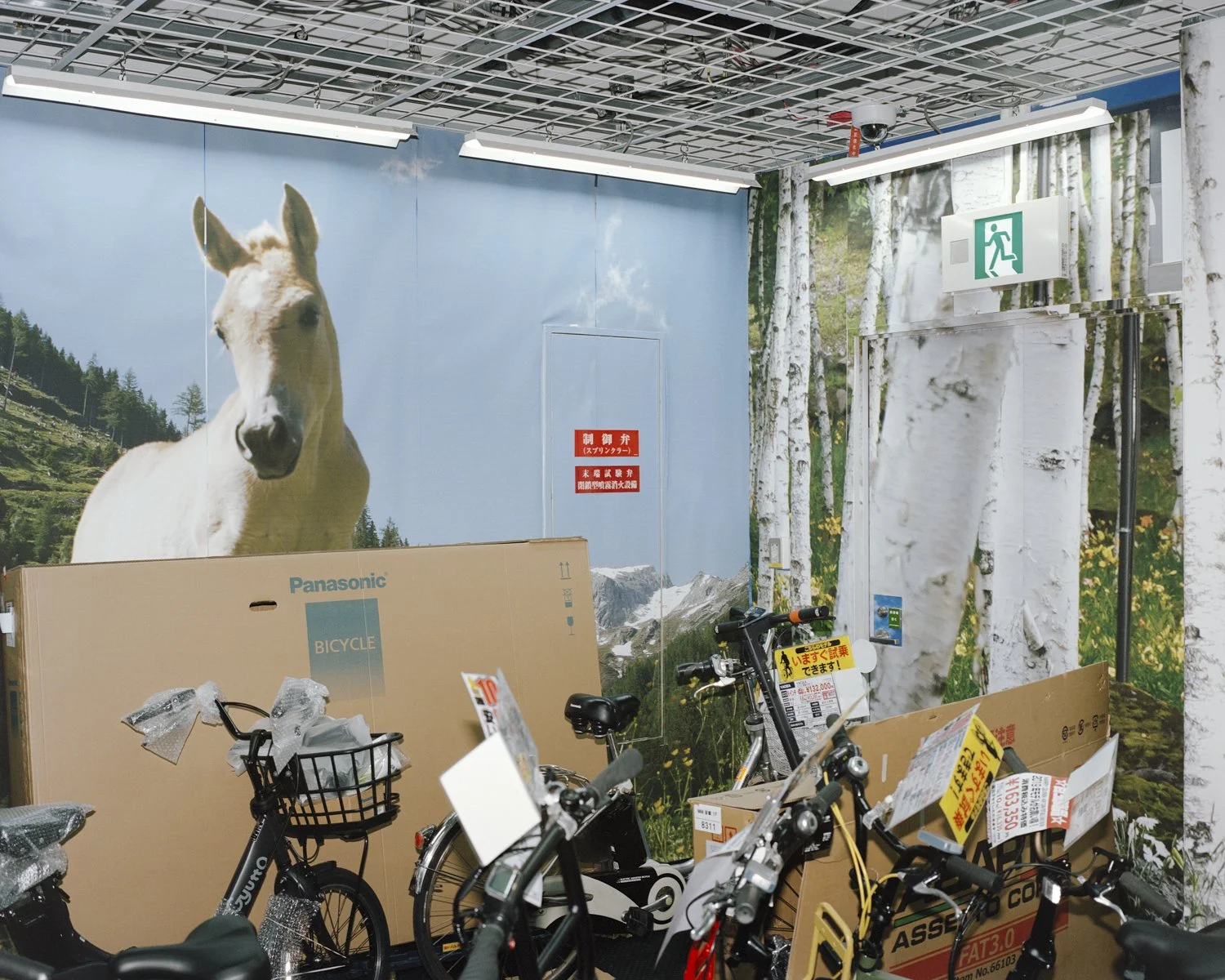
For Nicolò Rinaldi, this question became the starting point of W.E.I.R.D.. The project looks at places where humans copy nature, control it, and rebuild it into something easier to accept. Artificial trees, fake rocks, museum dioramas, zoos, aquariums, and theme parks appear almost familiar at first. But slowly, they begin to reveal how far we have moved from the wildness we still claim to desire.
This is not a project about fake nature only.
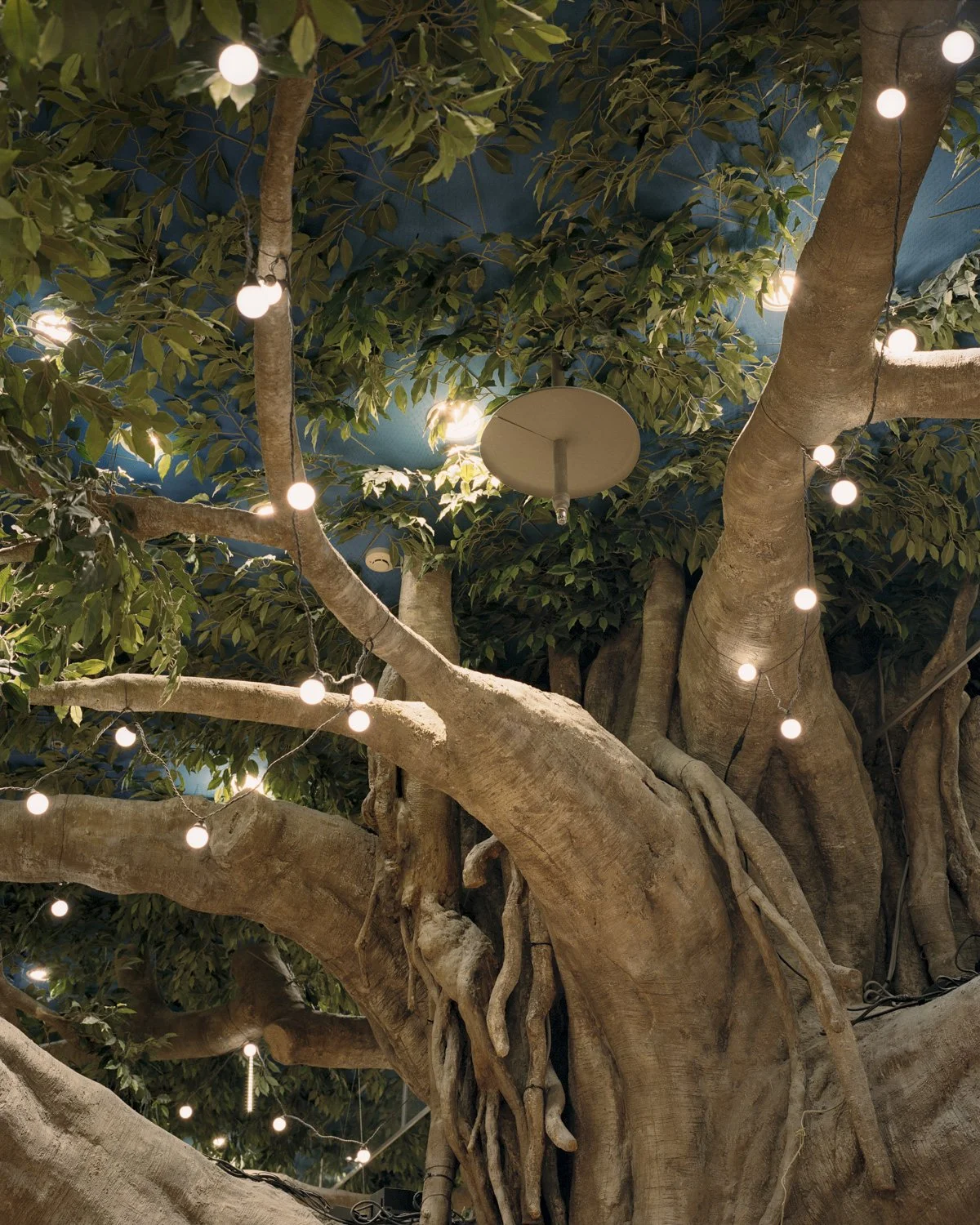
It is also about the human need to make nature safe, clean, ordered, and less frightening. Rinaldi photographs these spaces with a strange calm, often letting the illusion work before showing where it breaks. A tree in a shopping mall can look beautiful for a moment, until a fire sprinkler hidden in the leaves changes everything.
That tension between wonder and discomfort is what gives W.E.I.R.D. its quiet force.
In this interview, Rinaldi explains how he finds these places, how he builds images that reveal themselves slowly, and why his time in Japan changed the project.
Sometimes the strongest image is not the one that explains everything immediately, but the one that lets the viewer notice something is wrong only after looking longer
The Project - W.E.I.R.D.
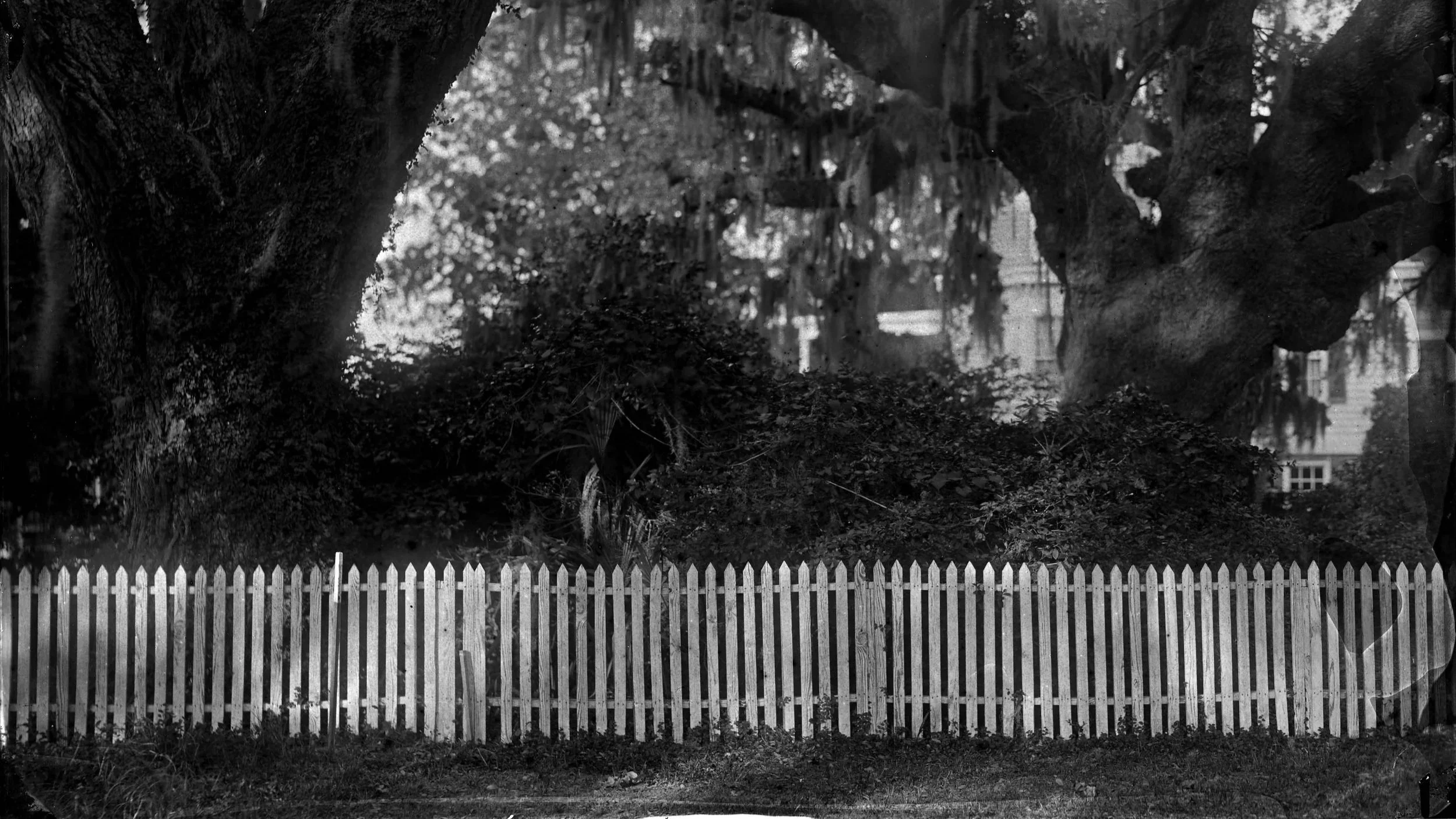
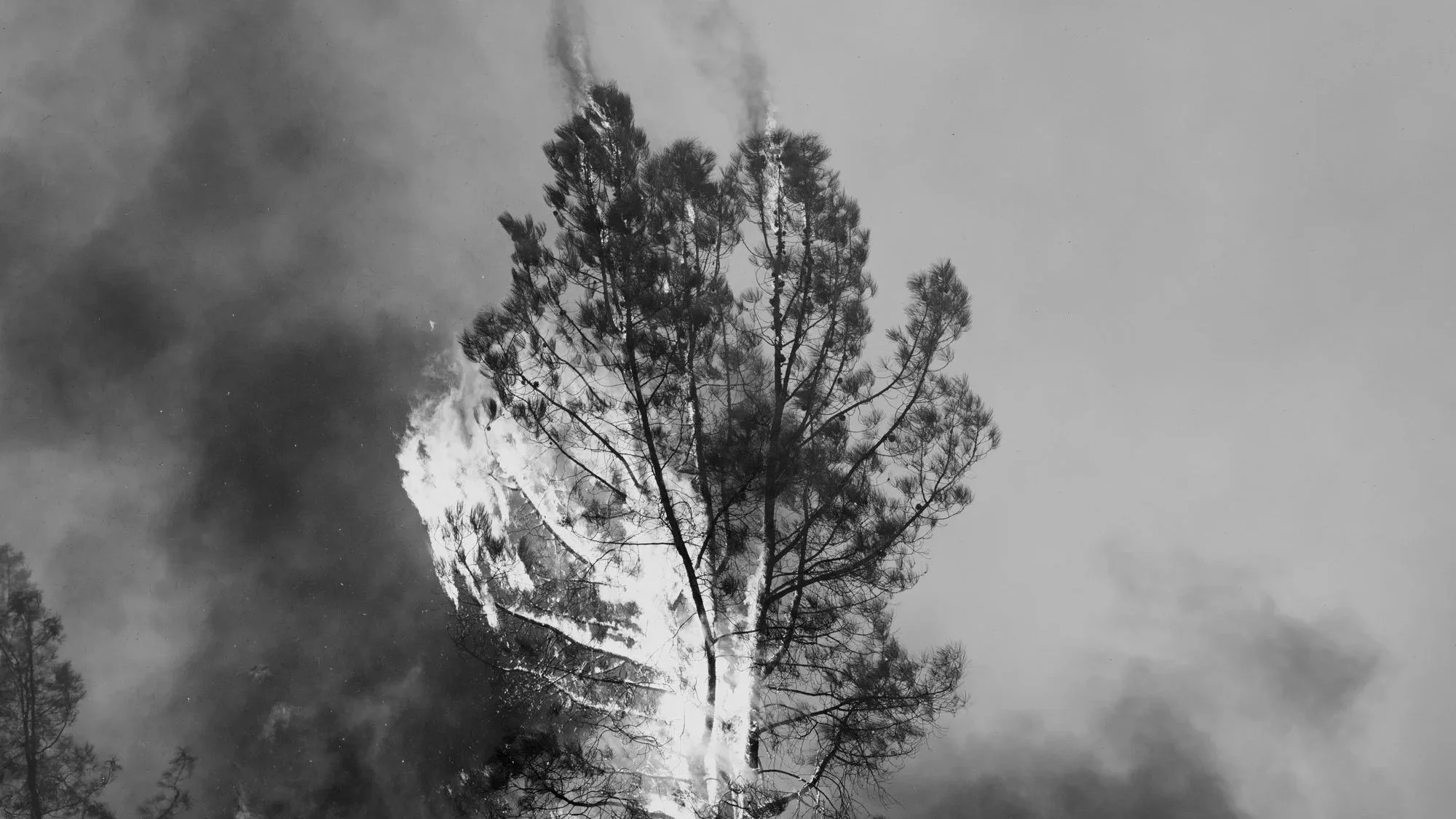
W.E.I.R.D. is a photographic project by Nicolò Rinaldi that looks at places where humans imitate, replace, or domesticate nature. Through images of artificial trees, fake rocks, museum dioramas, zoos, aquariums, theme parks, and greenhouses, the project questions why we often accept nature only when it becomes clean, safe, ordered, and controlled.
Rather than offering a direct critique, W.E.I.R.D. creates a space of uncertainty. At first, the images can feel beautiful or familiar, but small details slowly reveal that something is artificial. In that tension, Rinaldi reflects on the distance between real wilderness and the versions of nature we build for ourselves.
Project Genesis: W.E.I.R.D. started as a personal assignment in late 2023. What first made you want to photograph places where humans try to replace or copy nature?
As with all my projects, W.E.I.R.D. also stems from a question.
In this specific case, however, there are many questions: “Why does humanity feel the need to imitate nature? Where does this need come from? Is it a requirement of contemporary society or a primordial need? Why do we feel the need to stay in touch with nature, even if it means accepting the compromise of an artificial, inauthentic, and domesticated version of it?”
With W.E.I.R.D., I am not trying to provide a definitive answer, but rather to encourage the viewer to reflect on this phenomenon.
The answer I have personally arrived at is that today, humans tend to accept nature only when it is domesticated, clean, and orderly, without recognizing that its true essence is the opposite: wild, untamed, and unpredictable.
Concept: The title stands for "Wilderness Emulation Implicates Rapid Destruction," and you open the project with the myth of Icarus. How does that story shape the way you look at each location you choose to photograph?
The title of the project, initially called simply WEIRD, was later transformed into an acronym (“Wilderness Emulation Implicates Rapid Destruction”) when I decided to include this myth in the statement. It has always fascinated me greatly, and I believe it opens up the possibility of considering forms of imitation different from those we are accustomed to.
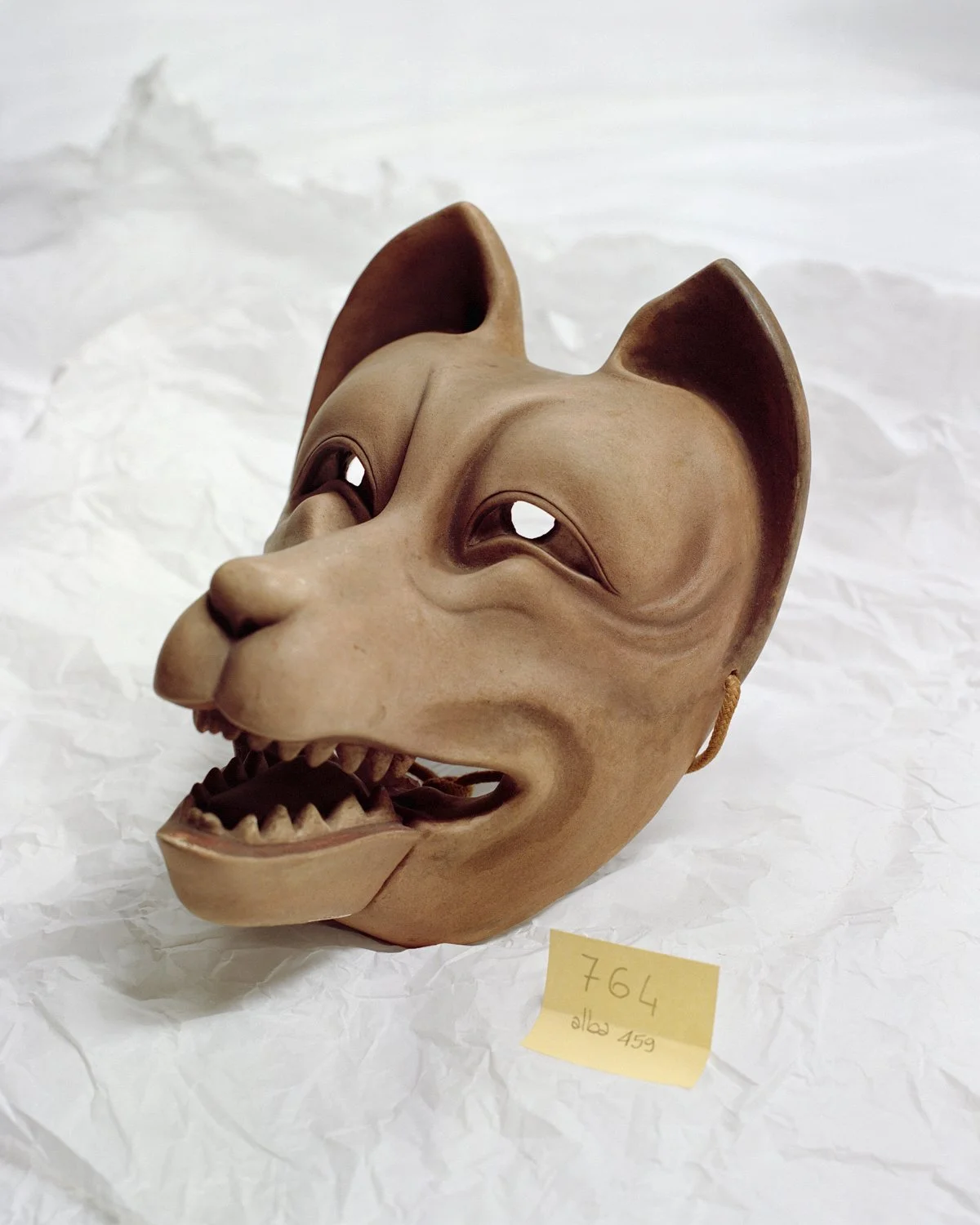
Looking at the man-made landscapes I photograph, such as theme parks or museums, one might think that this impulse to replicate nature is unique to contemporary society. But Greek mythology, as well as the objects we identified and photographed in collaboration with the Chiossone Museum of Oriental Art in Genoa, my hometown, prove the opposite.
I chose this myth also because it encapsulates two aspects that intrigue me and that led me to embark on this journey: the first is that Icarus manages to escape the labyrinth precisely by imitating nature; the second is that, blinded by this new ability, he forgets that it is nothing more than an artifact, ultimately causing him to fall.
An effective way to show that we must not forget that imitations can never surpass the power and beauty of real nature.
Visual Technique: One of your key images shows an artificial tree inside a shopping mall where the illusion only breaks when you spot the fire sprinklers hidden in the leaves. How do you compose shots so the viewer sees beauty first and only later realizes something is wrong?
My photography involves a long period of observing places and objects before I begin to capture them, often preceded by in-depth online research.
The photograph of the tree inside a shopping mall is a perfect example of this. When I spotted that subject, I observed it carefully, trying to understand which aspect interested me most and which I wanted to highlight. Since there were no interesting elements around the trunk (only fast-food tables and store windows), I chose to focus on the upper part.
By using this framing and excluding the context in which the tree was situated, everything appeared more realistic, and the sky-blue ceiling helped make this illusion even more convincing. Looking at the image, therefore, our brain is led to believe we are looking at a photograph taken outdoors.
Only later, however, since it is an image rich in detail, does the eye begin to spot elements that “clash” within the image, such as the lights and the fire sprinkler system, triggering a sort of perceptual short circuit.
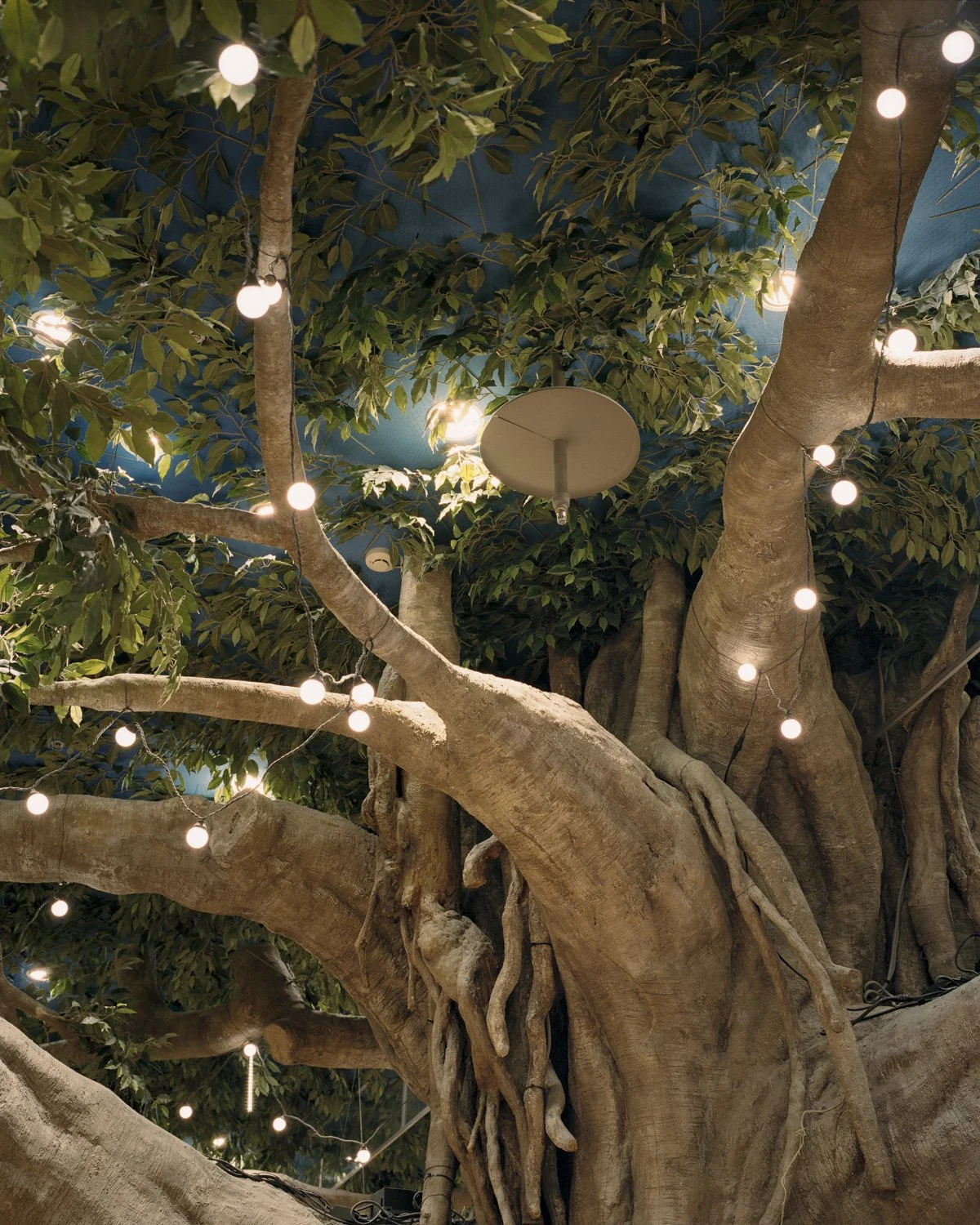
I really enjoy creating this kind of illusion, even though I’m actually fascinated by an aesthetic that has little to do with the “perfect imitation” of nature. In fact, I often choose to depict funny and kitschy objects.
Selection: The project spans very different spaces, from zoos and aquariums to tropical greenhouses. How do you decide which constructed environments make it into the project and which ones you leave out?
A huge part of the project takes shape even before I start taking photographs.
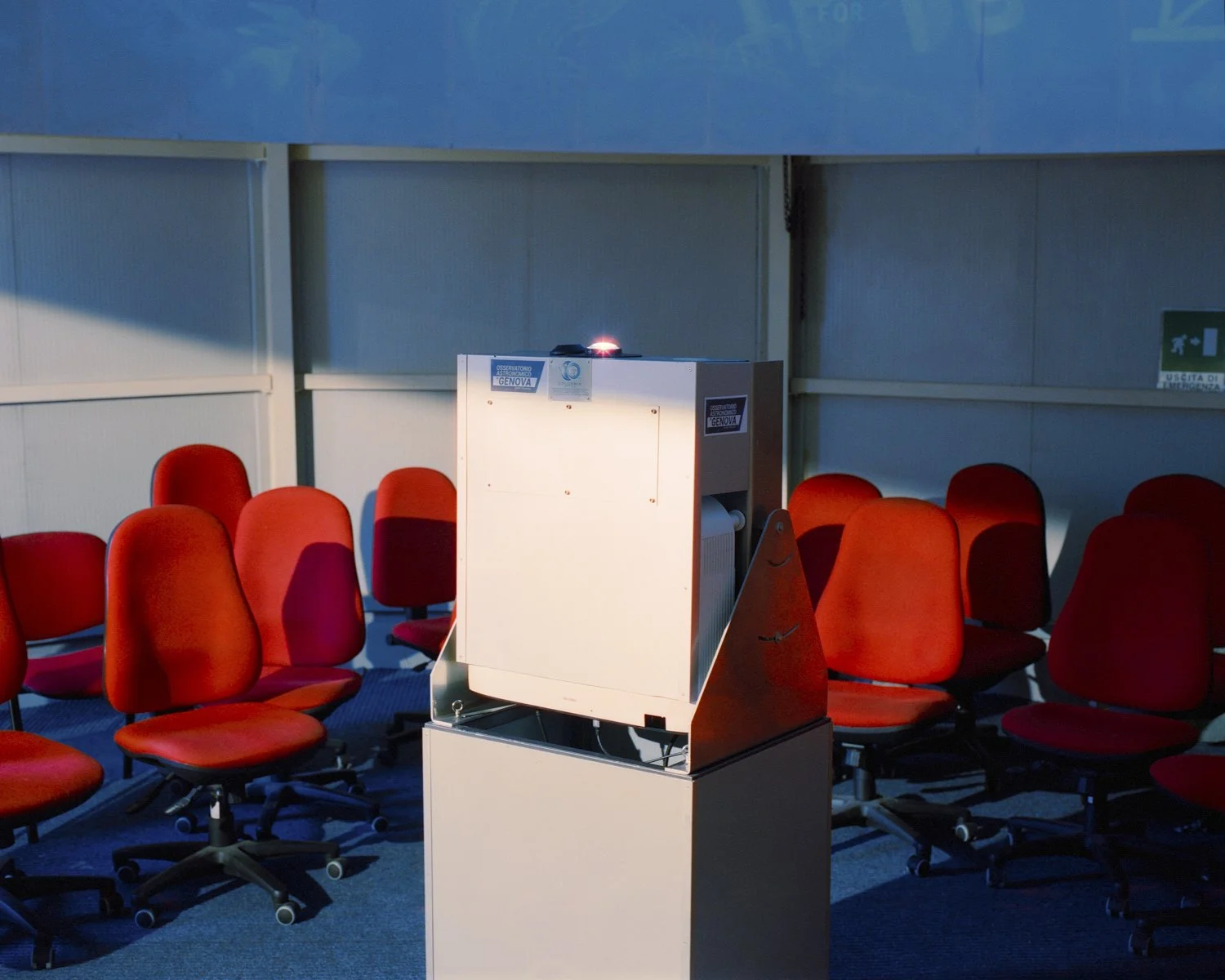
The visual research almost always begins online, but it’s more complex than it seems. It’s not enough to type “artificial nature” into Google to find the right elements. This is especially true for more conceptual images, such as those taken inside the astronomical observatory, where what’s shown isn’t a replica of nature, but rather the instrument used to reproduce it (specifically, the digital projector with a spherical lens).
Over time, however, it’s becoming easier: some people, after seeing the project, share their experiences of “artificial nature” with me, giving me the chance to expand it. For example, many visitors to my latest solo exhibition told me about interesting places where I plan to go and take photographs.
Once I’ve identified the locations, I try to figure out which ones are most relevant to me, prioritizing variety over aesthetics. Let me explain: since I’ve already been to various theme parks, museums, or aquariums, I’m no longer looking for places of that kind, but I’m exploring new settings to broaden the scope of my research.
Residency: Last year, thanks to the STRATEGIA FOTOGRAFIA fellowship, you spent one month in Kyoto for an artist residency. How did taking photos in Japan give the project a new direction?
My time in Japan was the real turning point for the project. First of all, because having the opportunity to stay in one place and have a studio to work in - a sort of “base camp” where I could gather my thoughts before and after each photo session - was incredibly helpful.
Furthermore, one aspect that may seem trivial but which I believe is not at all was the interaction with the other artists in residence: talking about what I was doing helped me better understand which direction to take (when you don’t engage with others and remain closed off within yourself, you risk becoming stuck in certain concepts and being unable to break free).
Finally, in Japan, you find replicas of real objects practically everywhere. I often came across very interesting subjects to photograph while traveling to locations I had previously identified online. And, not infrequently, these chance encounters turned out to be more interesting than the destination itself.
Here I was able to produce a substantial body of work that led W.E.I.R.D. to become a full-fledged project, and no longer just a series of images.
Sequencing: Building the exhibition at Palazzo Ducale in Genova meant selecting and ordering images from very different countries and spaces. How did you find a sequence that holds together as one story?
The aim was to showcase all the types of replicas identified up to that point.
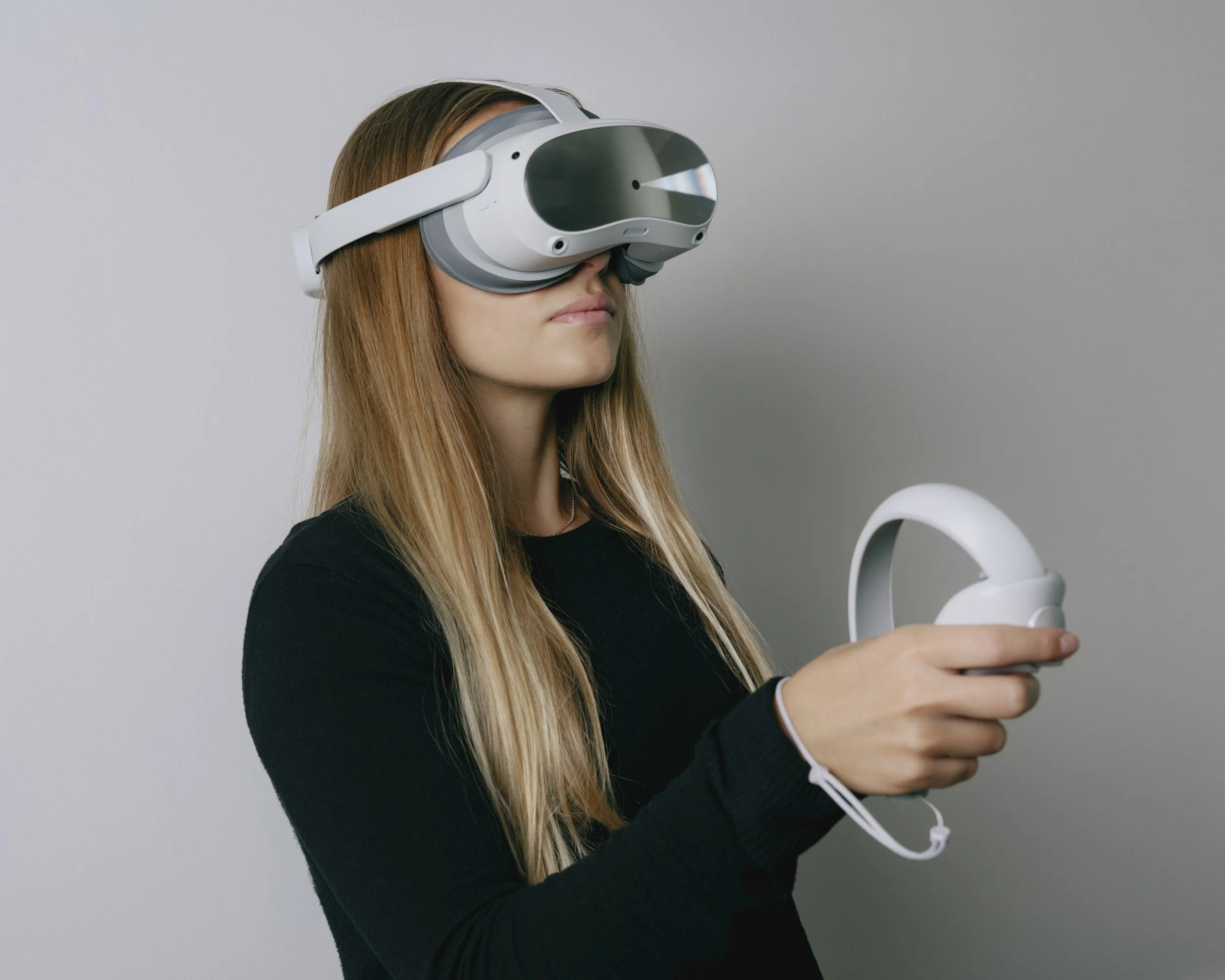
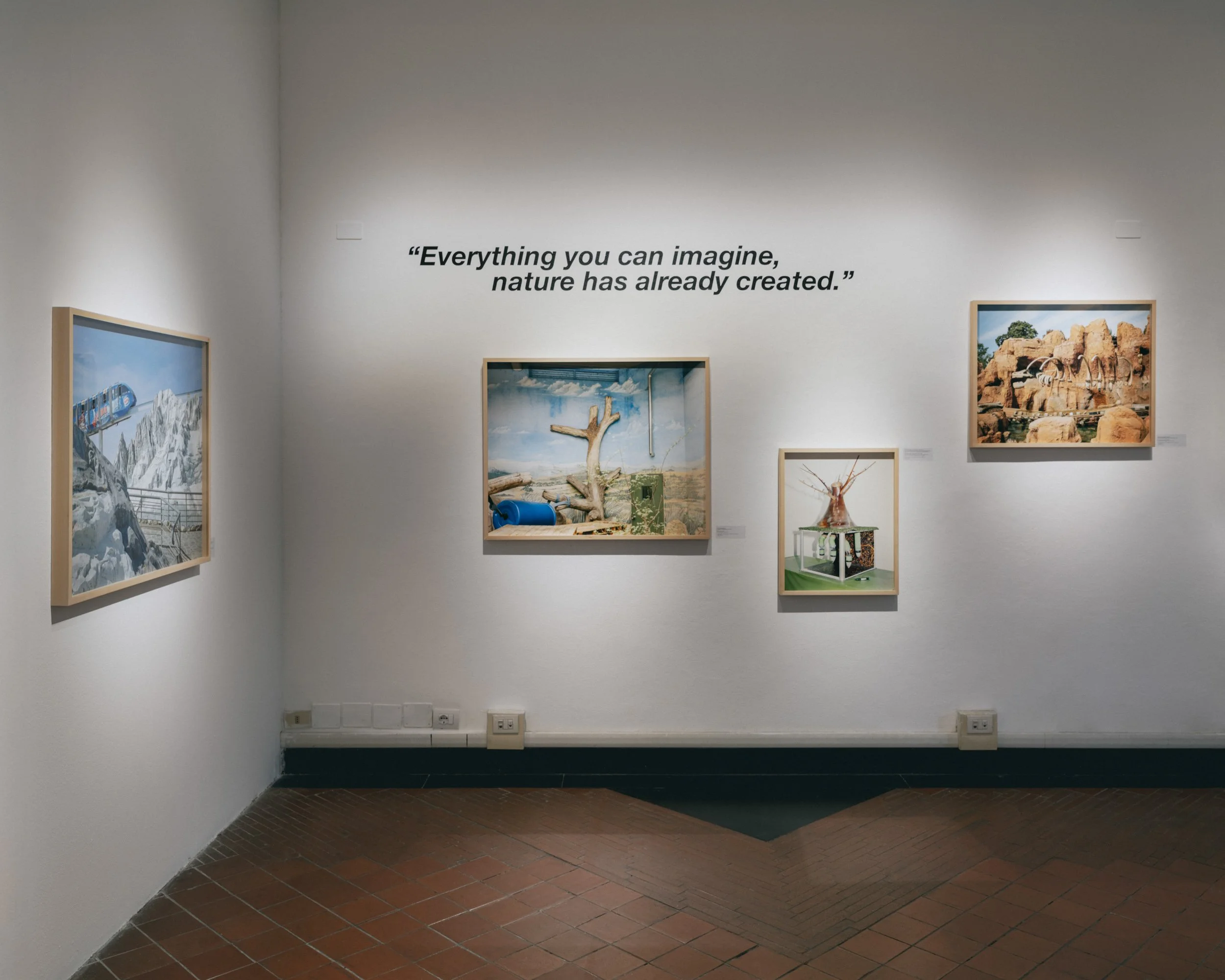
The layout of the space clearly dictated the arrangement of the works: it was immediately clear to me that part of the exhibition would be physical, featuring prints on traditional materials, while another part would be presented within virtual galleries.
In total, 37 photographs were exhibited, a fairly large number that allowed for the inclusion of both images taken in Japan and those created prior to the residency, placing them in dialogue with one another and creating an environment devoid of geographical references, where “weirdness” was at the center of everything.
The most difficult choice was actually selecting which photographs to print, leaving the others exclusively within the digital galleries. A total of 13 prints were produced, ranging in size from small formats (64x51.2 cm) to the largest size (100x80 cm), issued in an edition of 3 copies +2 A.P., considered the most representative of the project.
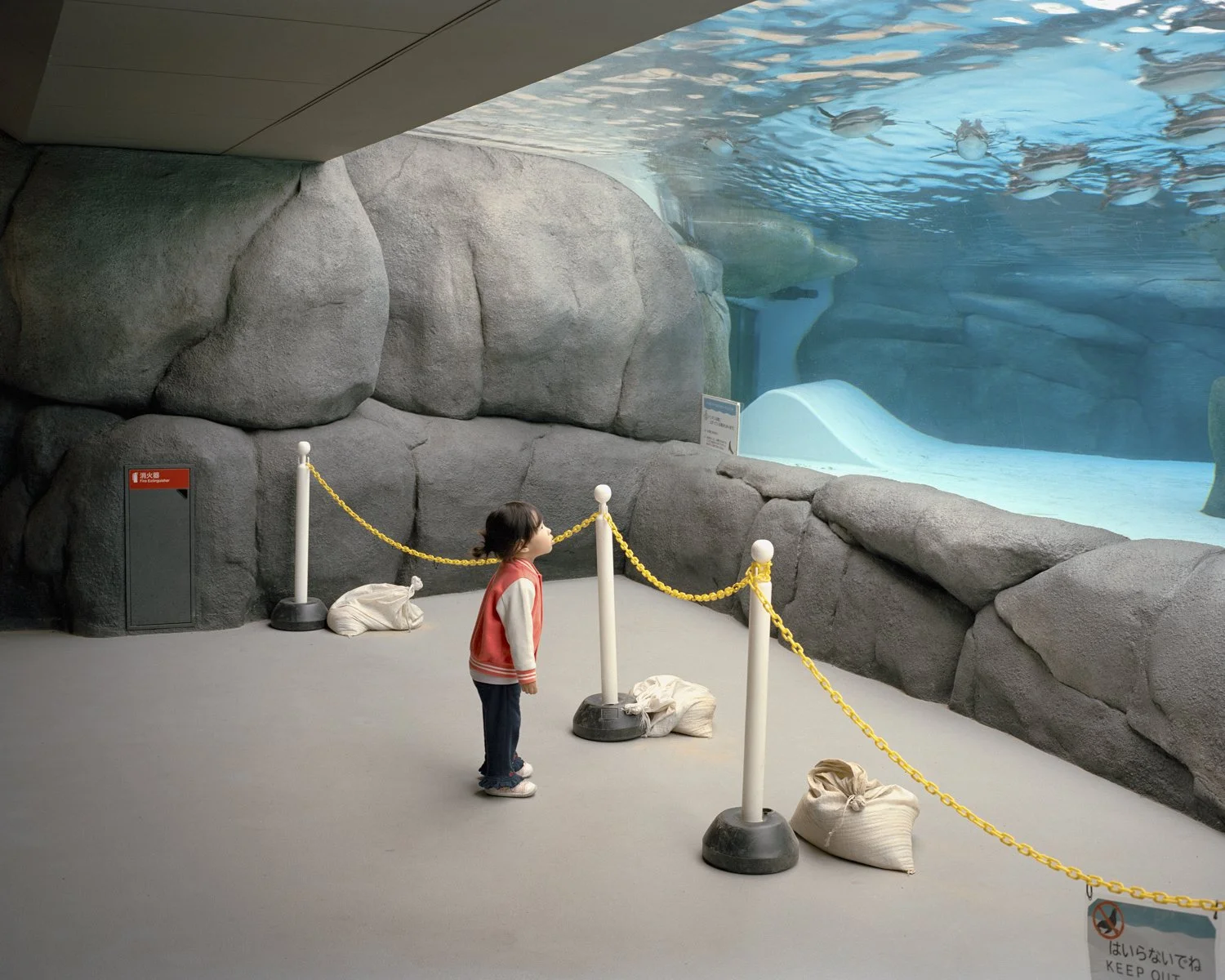
Among these is the image placed at the beginning of the exhibition and the first in the catalog, taken at the Osaka Zoo in the corridor beneath the penguin tank.
I chose to include it as the opening photograph because it best captures the essence of the project: a little girl, photographed from behind, stands spellbound before what is likely, in her eyes, the most authentic version of nature. The same scene, viewed from a few meters back, reveals instead just how far that place is from the idea of unspoiled nature.
I like to think of that little girl, amazed and spellbound, as a metaphor for the entire human race: fascinated by what she observes, yet unable to realize the distance that separates her from nature. A separation made evident by thick glass that excludes us and a yellow barrier that underscores its boundary.
Furthermore, it is the only image in which a human subject is the protagonist.
Next Step: You have mentioned wanting to take the project toward augmented reality and immersive installations. How do you keep photography at the center when the work starts to involve other media?
My artistic journey and working method have evolved significantly in recent years. My approach today is closer to that of a visual artist than to that of a photographer.
For this reason, just as I had done in the exhibition “Tourist Tsunami – tourism as performance,” I chose to incorporate installation elements that would make the experience more immersive for visitors.
Nevertheless, photography remains my primary practice, and within the space, the images remained the focal point, while the installations served to enhance their impact.
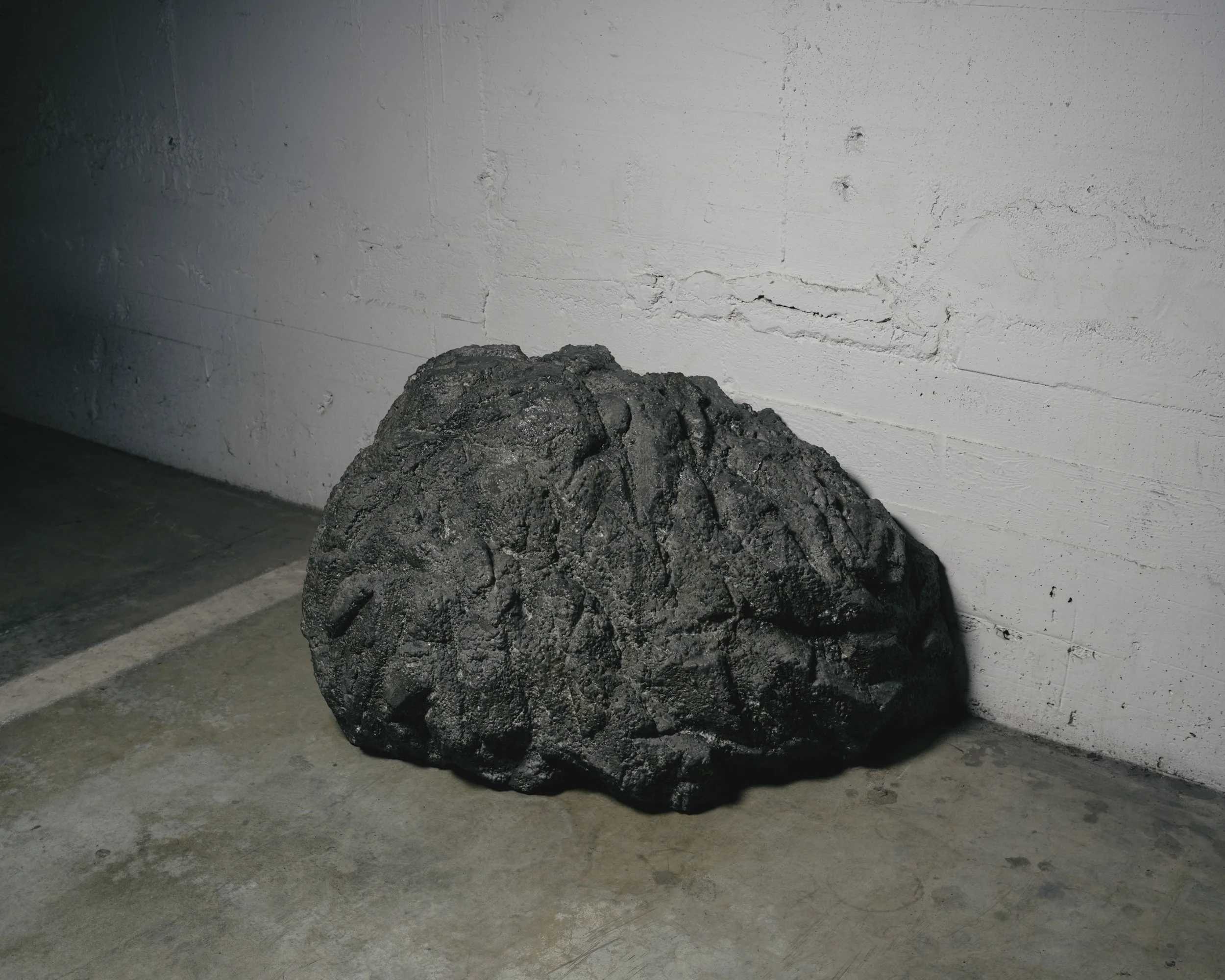
The first installation element consists of a sculpture: an artificial rock made of polystyrene, resin, concrete, and paint. It was installed near the photograph taken at the “Italia in Miniatura” theme park to create a dialogue between the elements within the image and what lies outside it. The artificial rocks found in amusement parks or museums have always fascinated me, which is why I chose to create one myself.
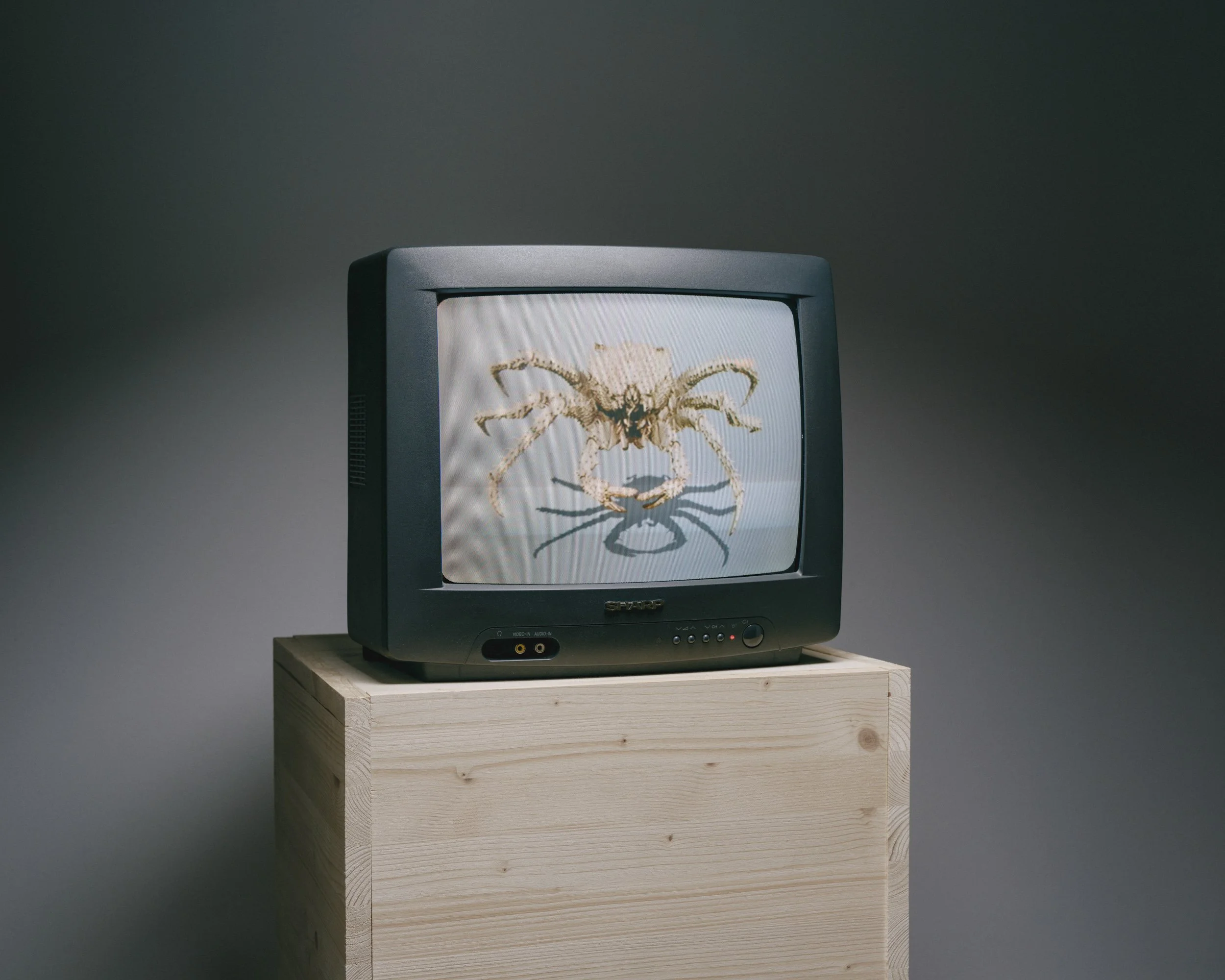
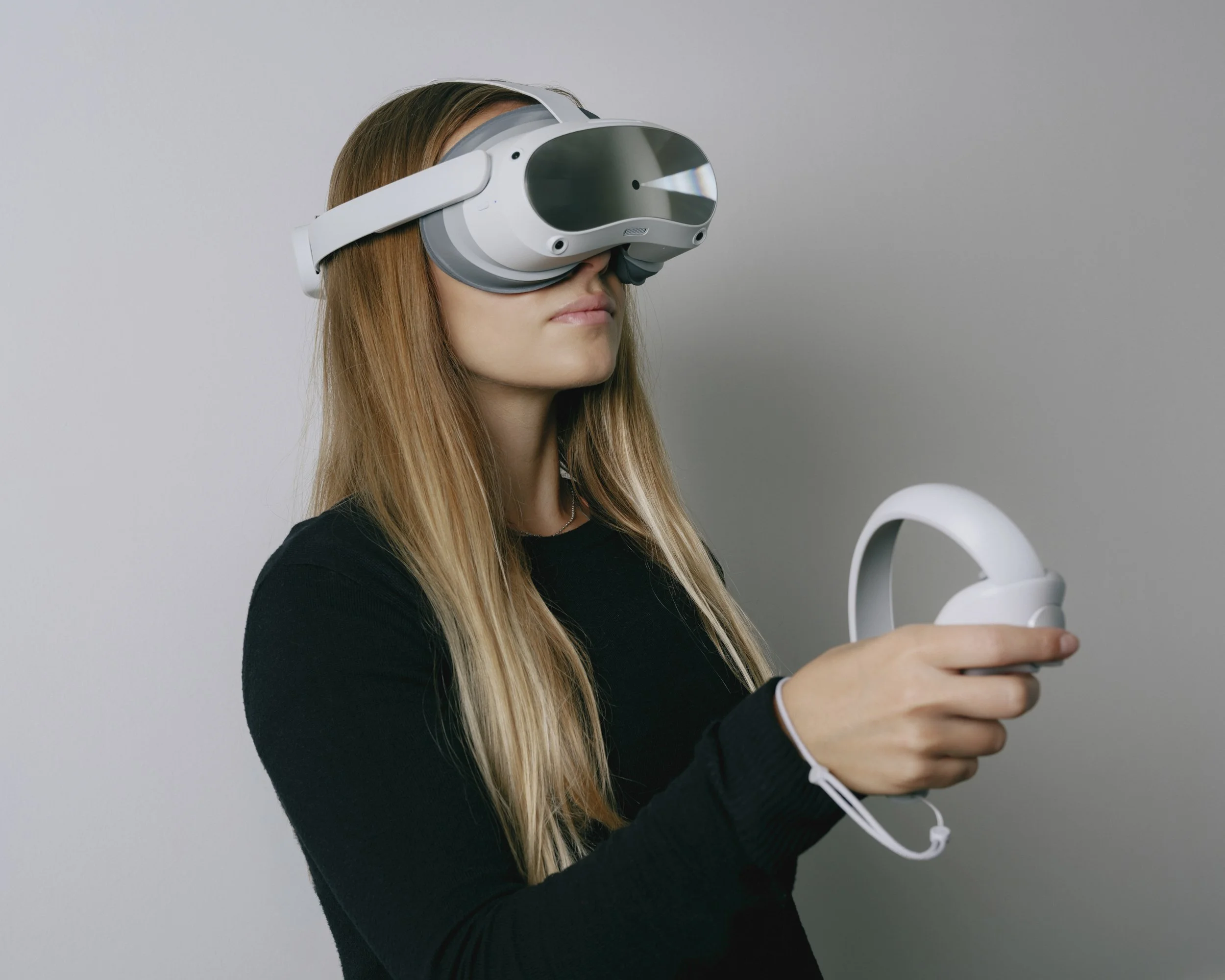
Other installations consisted of totems on which I set up “vintage” digital devices: old iPhones and iPads used to display digital galleries containing images from the project.
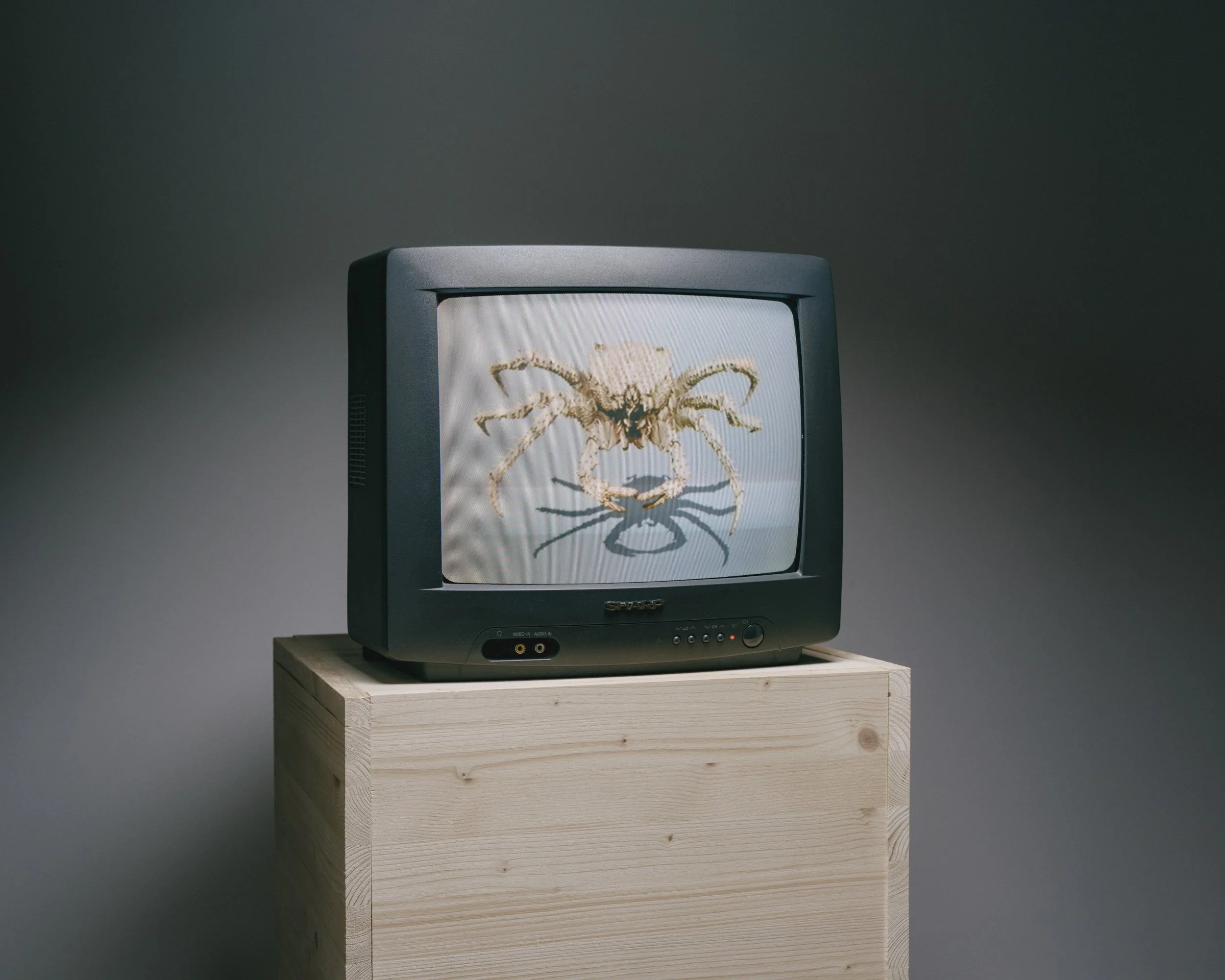
Inside an old television, however, I inserted a video created in collaboration with the University of Genoa. I chose to display 3D models of objects from the natural world created using photogrammetry, enhanced aesthetically with the addition of lights and shadows, and then set to rotate, highlighting how the replication of nature can also be virtual and not just physical. Thanks to the university’s support, it was also possible to view the same models through 3D viewers.
A soundscape was also present throughout the space, composed of sounds from the natural world (woods, rivers, forests, etc.).
The goal of these installations was to use unconventional devices to increase the project’s “weirdness factor” and make the experience more immersive for visitors.
Evolution: Now that the first solo exhibition of the project has come to an end, how is W.E.I.R.D. evolving, and what directions is it taking moving forward?
The exhibition at the Palazzo Ducale was certainly a major milestone for me, but by no means the end of the project. It perhaps marks a turning point between what I’ve been exploring up to this point and what I’m working on now.
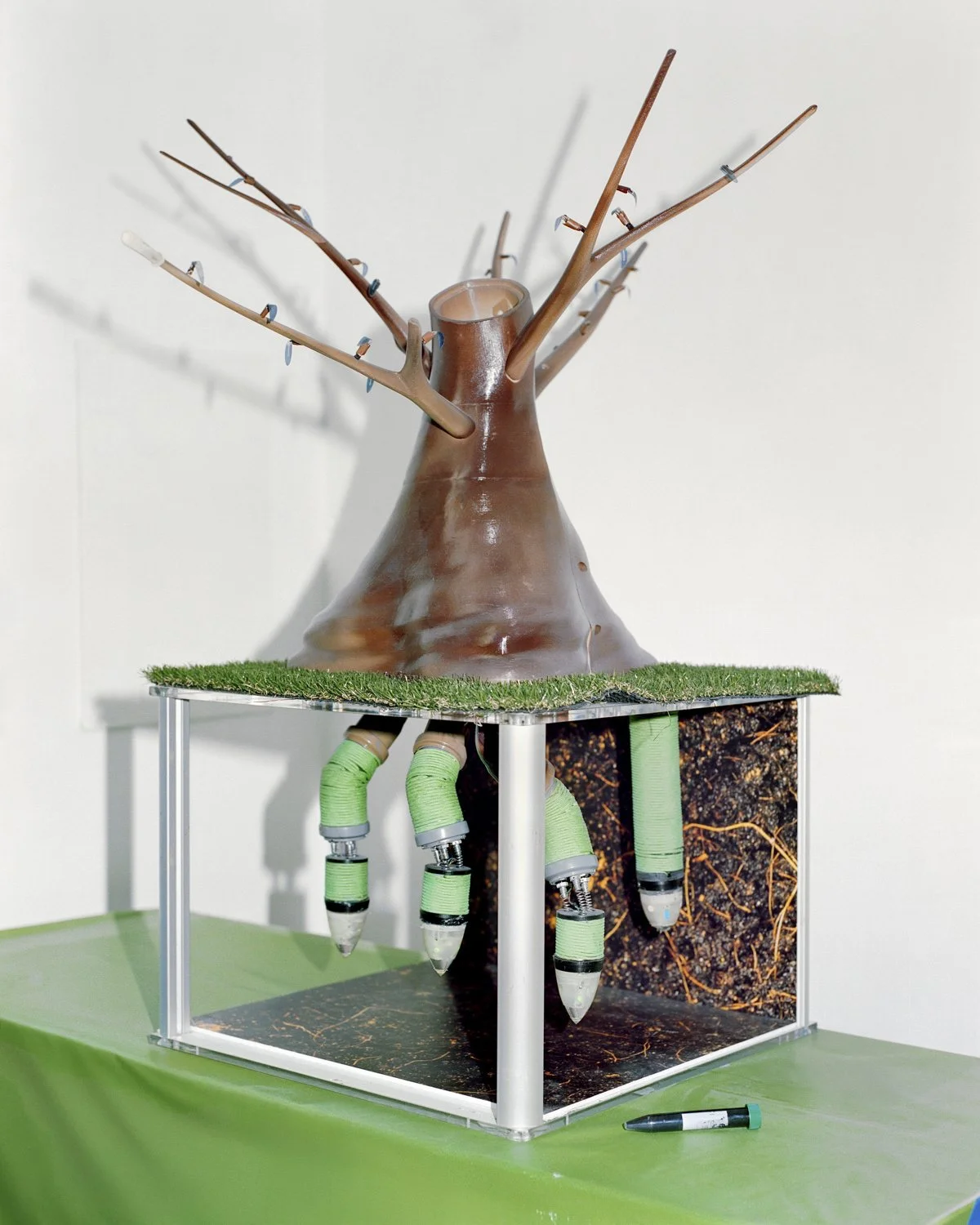
I am very interested in the scientific aspect of replicating nature—biomimicry: the study of nature to understand its processes and replicate them in scientific fields such as robotics and medicine.
Some of the first photographs of this new chapter were taken in the laboratories of the Italian Institute of Technology, where I had the opportunity to photograph robots built specifically by drawing inspiration from plants or animals
More photography books and interviews?
We'd love to read your comments below, sharing your thoughts and insights on the artist's work. Looking forward to welcoming you back for our next [book spotlight]. See you then!
The street is boring until you learn what to notice. Most of the time, nothing special is happening. Photography Book Spotlight