From Chaos to Control: How Mark Cornick Learned to Predict Camera Movement and Shape Abstract Images
Welcome to this edition of [book spotlight]. Today, we uncover the layers of 'ETHEREAL,' by Mark Cornick (published by Kozu Books). We'd love to read your comments below about these insights and ideas behind the artist's work.
Abstract photography doesn’t have to be random.
Most ICM (Intentional Camera Movement) work looks unpredictable, like the result of chance. But Mark Cornick spent 8 years returning to the same coast, slowly understanding what he was doing. What started as frustration became a long process of observation and repetition.
There is a moment when guessing stops and something else begins.
For Mark, it came after hundreds of visits, not one breakthrough. Working in the same places, in changing weather and light, shaped how he sees and moves. The work became quieter, more minimal, but also more deliberate. The book Ethereal is the result of that slow shift.
If your images feel inconsistent, this interview gives you something to hold onto.
Not rules, but a way of thinking about movement, place, and repetition. You will start to see what actually changes the result, and what does not.
The Book
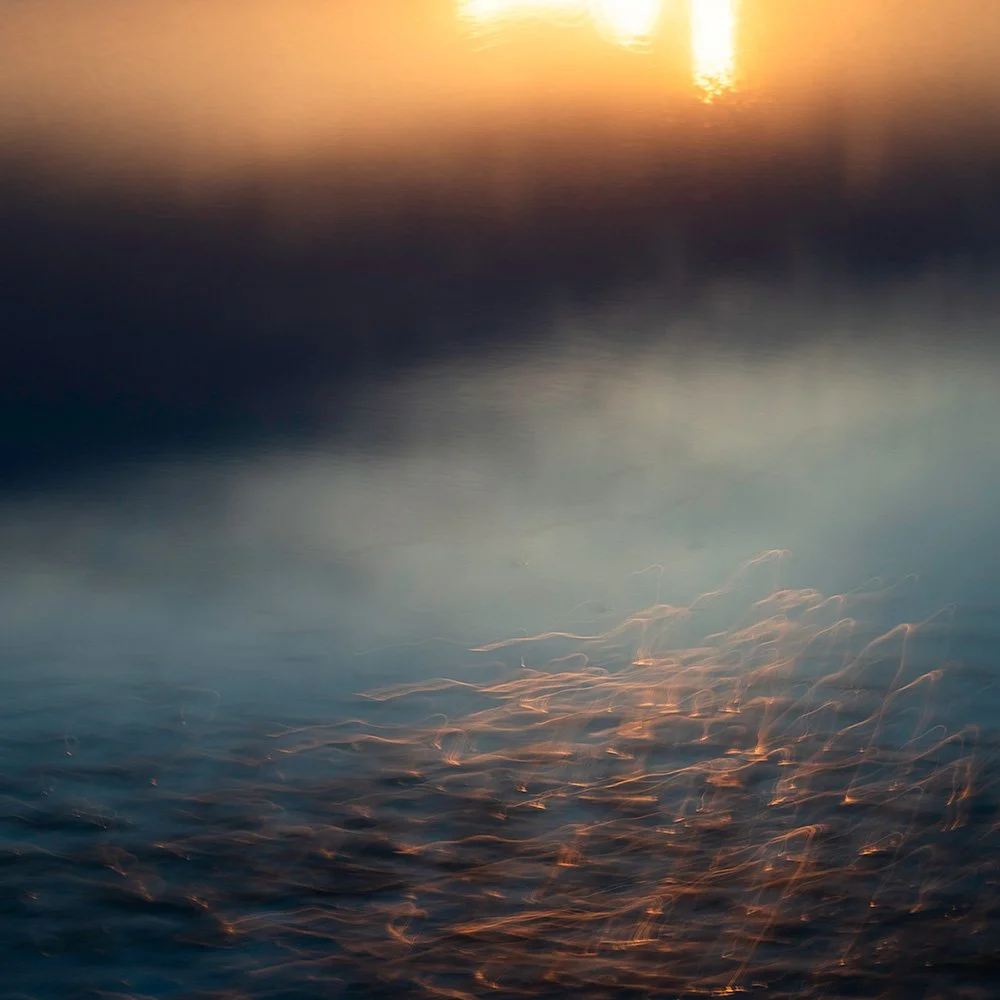
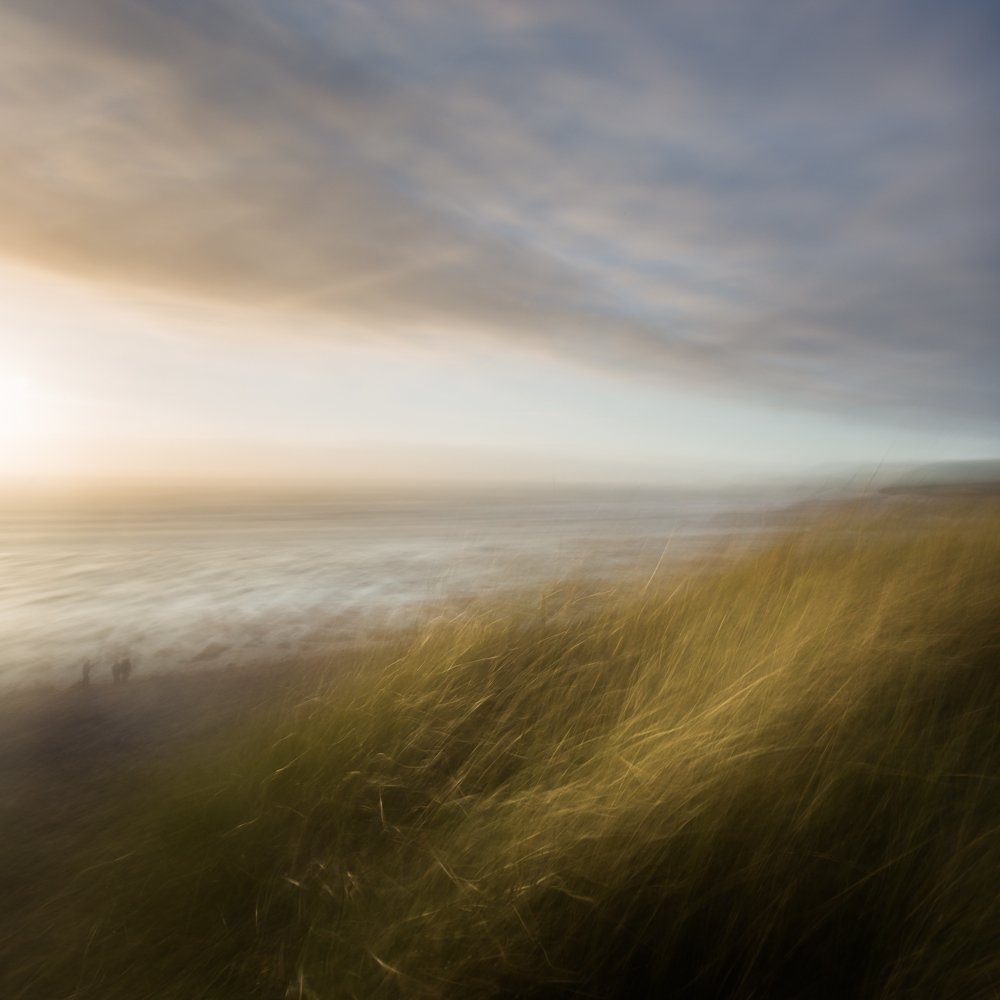
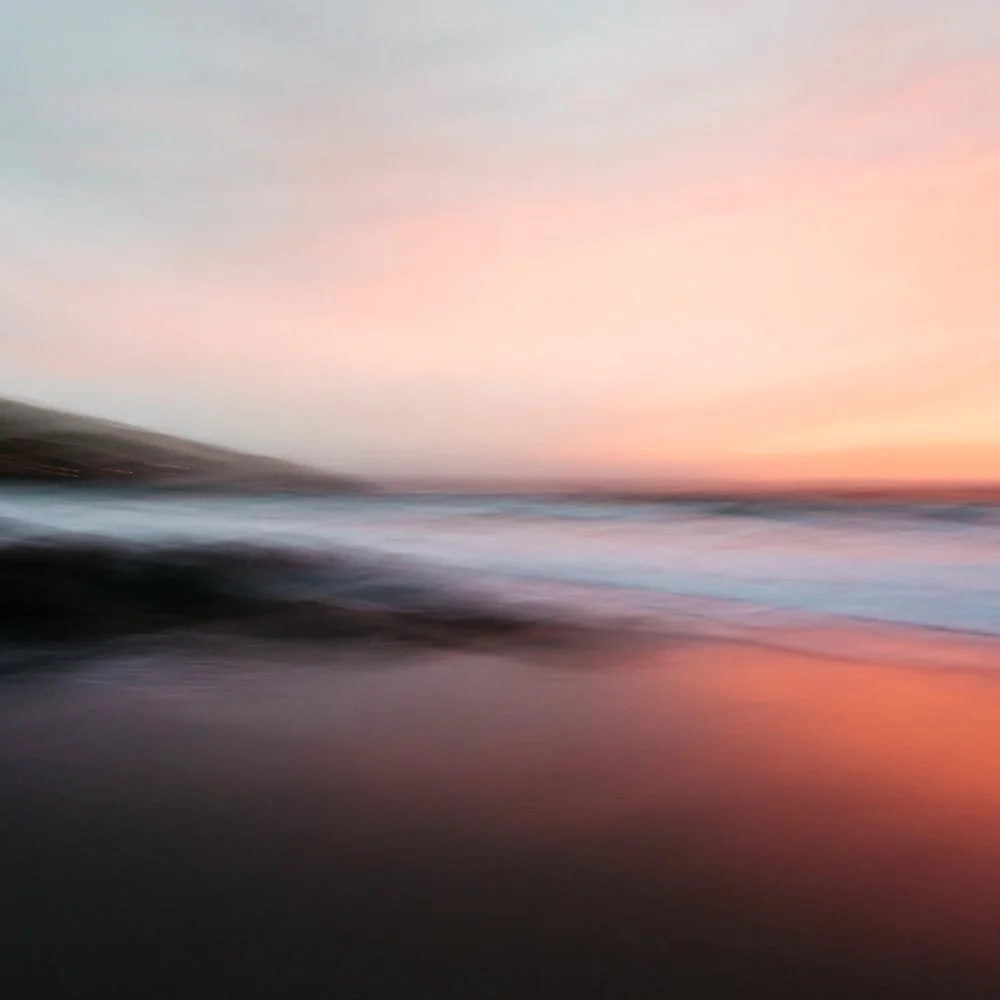
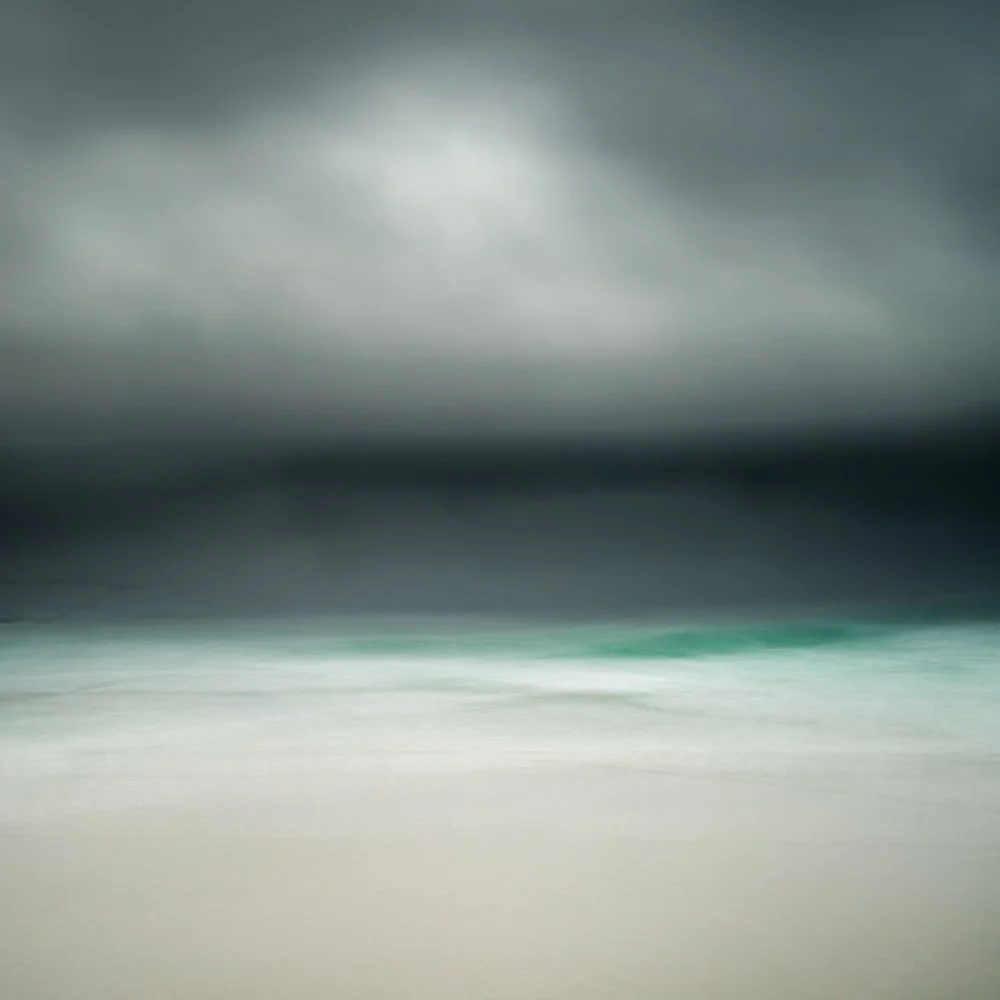
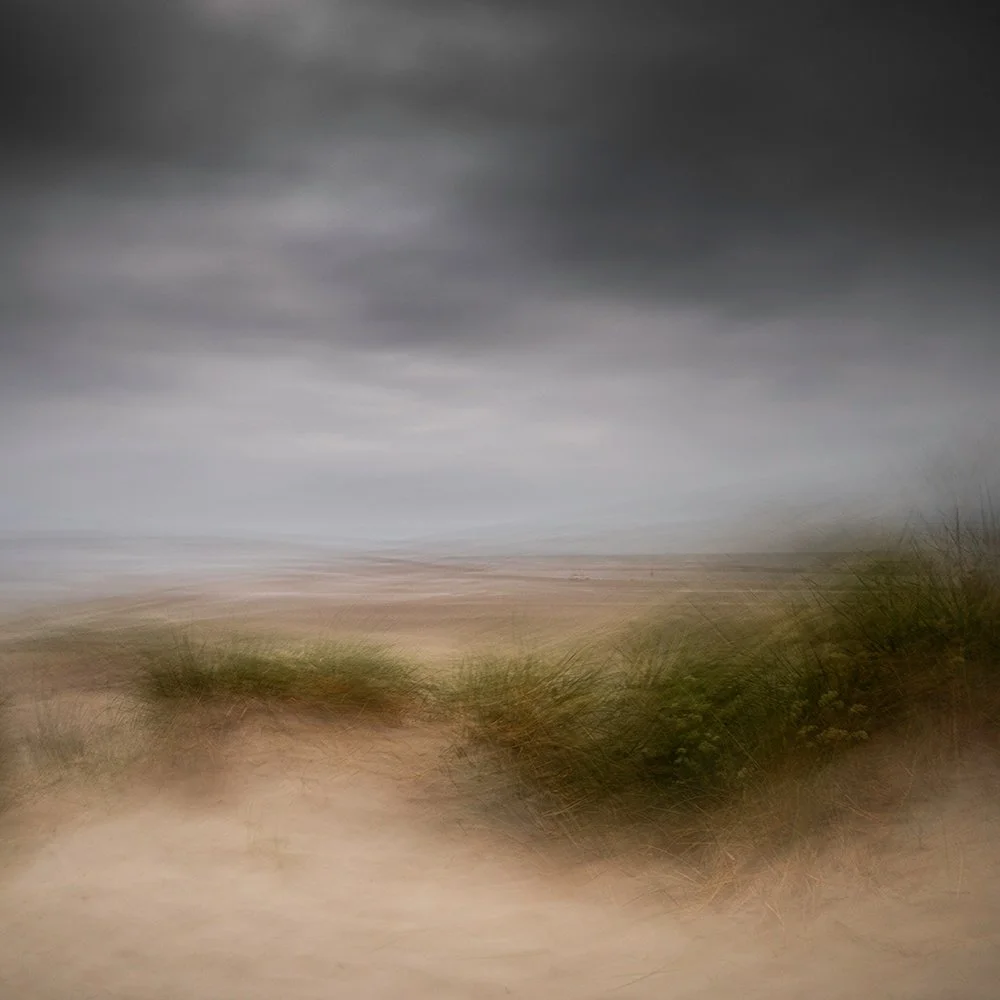
Ethereal by Mark Cornick, published by Kozu Books, is a long-term photographic work built over eight years along the coasts of Cornwall and West Wittering. The book brings together two distinct bodies of work, shaped by changing weather, light, and repeated visits to the same locations. Through intentional camera movement, Cornick moves away from literal representation and focuses on patterns, colour, and atmosphere, creating images that sit between landscape and abstraction.
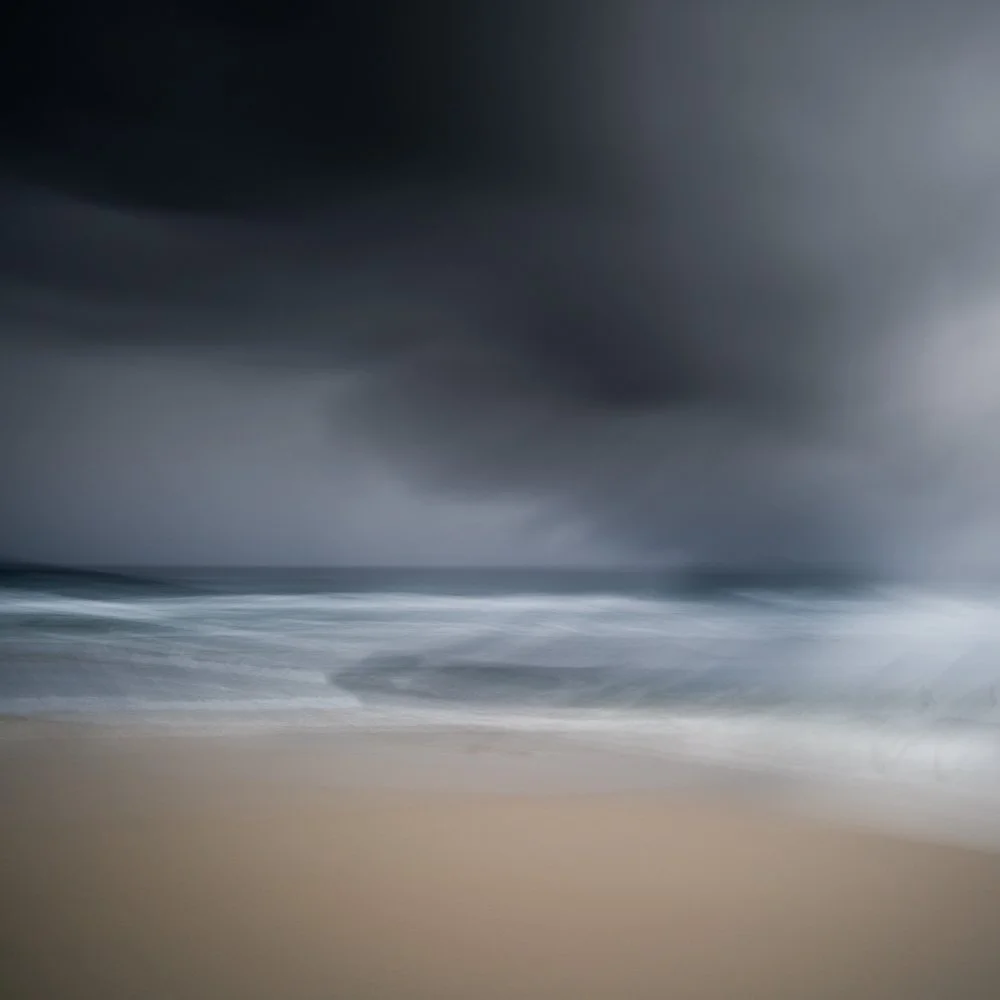
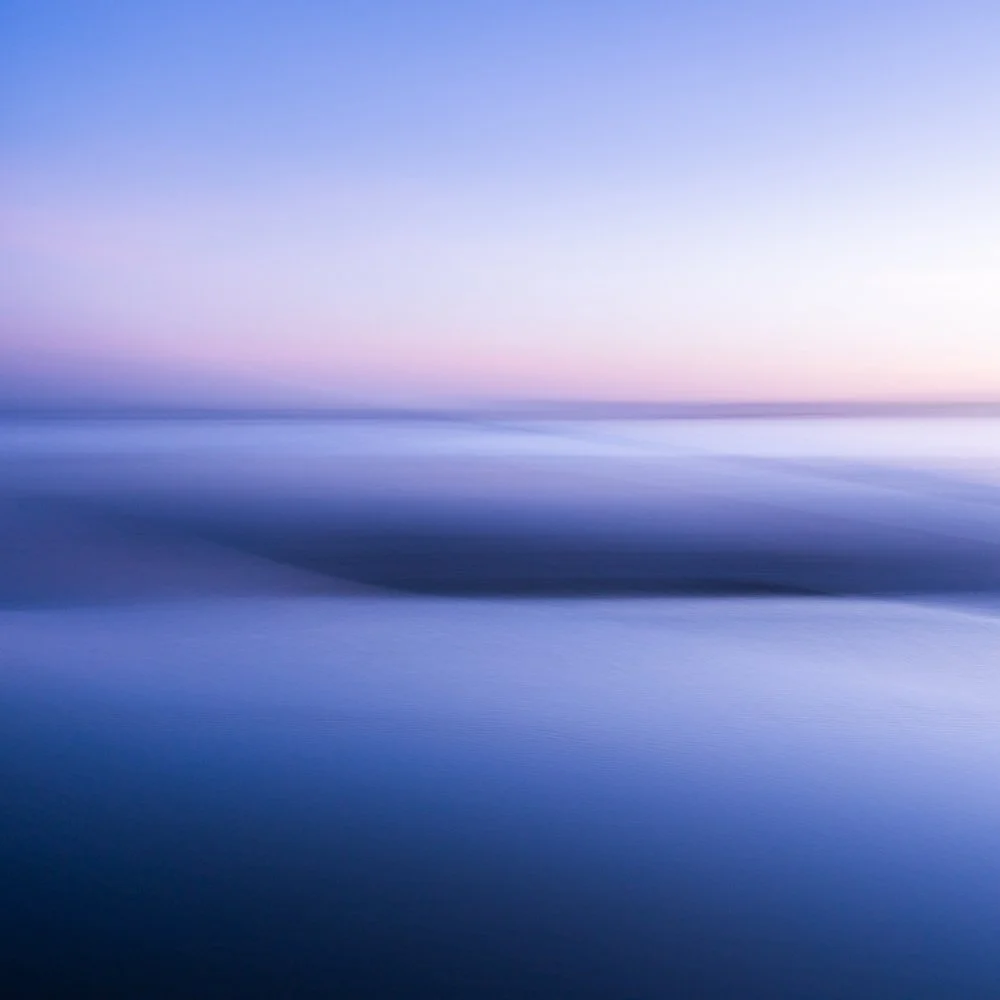
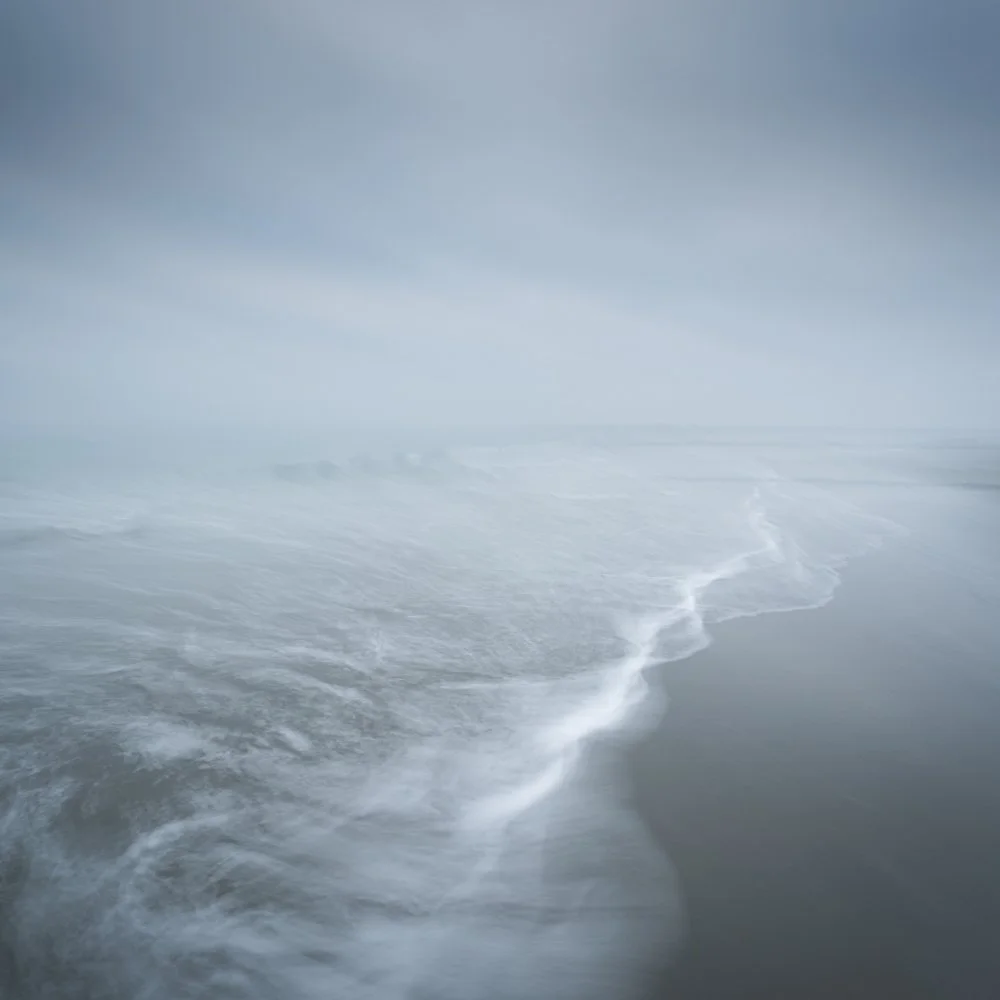
The sequencing reflects this duality. Cornwall appears darker, more turbulent, with rough seas and winter conditions, while West Wittering shifts into softer tones and quieter, more minimal compositions. This transition is gradual, guided by subtle changes in colour and mood, allowing the two projects to feel connected while still maintaining their own identity.
Alongside the photographs, Cornick includes field notes written during or shortly after shooting. These texts add context to images that are otherwise abstract, grounding them in specific moments, emotions, and conditions. Together, the images and notes form a personal record of process, place, and time, rather than a single fixed interpretation. (Kozu Books, Amazon)
Project genesis: You discovered ICM at a time when you felt frustrated and unmotivated with photography. What happened in that moment, and how quickly did you know it was the direction you wanted to follow?
Yes, this is very true. I knew that I had a strong interest in long exposure photography, particularly in coastal areas, but was finding making those types of images with tripods an unrewarding experience, even though I was fascinated by the results. I find using tripods a restrictive process, cumbersome, and creatively restricting. This is of course just my own personal opinion and in no way meaning to sound detrimental to those who may find the opposite. They just do not appeal to the way that I wanted to express myself through my photography.
Quite by accident I came across the work of Andy Gray, Doug Chinnery, Chris Friel and Valda Bailey, who you could call pioneers in the world of ICM and abstract photography. What fascinated me the most about their work was their use of long exposure but without using tripods, and this became one of those lightbulb moments, and one that would turn out to influence the rest of my photography journey.
Soon after absorbing myself in the work of these photographers we went on a two week holiday to Cornwall. Instead of taking the usual heavy camera bag laden with equipment, I took one camera, one lens and one 6 stop ND filter and spent every evening on that holiday on the beach experimenting with ICM. I knew right then that this is what had been missing from my photography. I fell in love with the results instantly.
Location and connection: Ethereal brings together two very different coastal locations, Cornwall and West Wittering. How does shooting in a place you feel emotionally connected to change the images you make?
I think this is one of the most important elements to creating successful images and projects. It was not until I applied ICM to a setting that meant something to me that I started to make images that really captured and represented that feeling and connection that I have to these places.
When you are in a location that you feel inspired by, feel safe in, and a place that you are familiar with, then you are bound to feel inspired, and in turn create work that is far more creative and captivating.
Discovering that place that you are emotionally connected to is one of the things I talk a lot about when teaching workshops, and I encourage people to spend time working out where that place is for them, and then spending as much time in that place as possible.
This also leads nicely on to the second reason why I feel we make much better work when in places we feel connected to. We are likely to visit them more often, see them in a variety of weather patterns and tide changes, which helps us to build a strong portfolio of a location and tell the story of that location.
Technique: ICM images depend on how you move the camera during the exposure. How do you decide the type and speed of movement before you press the shutter?
This is a very good question, and the very short answer is experimentation. As with anything you are trying to become better at, you have to put in the hours out in the field. With ICM this was hundreds of visits to beaches where I just tried everything. Experimenting with shutter speeds and different camera movements was the only way that I was able to learn how one would affect the other. It was also the only way that I was able to work out the types of results that appealed to me the most. When you are first learning ICM it is very important to review each image that you make, and when you find a result that you are pleased by, to note exactly what you did to achieve it.
Now that I have this experience, I am able to determine what types of movement and shutter speed will best suit the location I am shooting. Cornwall and West Wittering are very different regions, and both require a different approach.
Time and patience: The book represents eight years of work. How did your approach to ICM change over that time, and when did you feel the work was mature enough to become a book?
I feel that over time my approach to photography changed, mainly through my interest in long term project photography. Once I had separated my work into different projects, it became much easier to see how they could work well in a book, and this is where early attempts at sequencing and creating complementary images started to become something I took notice of.
In short, I would say it took all those eight years for me to feel ready and confident to put the work out in a book. I knew it was something that I always wanted to achieve, it was just about putting in the work and having enough strong material to start thinking that a book could be a viable option.
Over this time, my approach to ICM has certainly changed. As I became more experienced, I was able to apply my knowledge into creating results that pleased me. I think that I have also slowed down and taken a more considered approach to shooting, especially at West Wittering. I have seen my work there become far more minimal, concentrating more on subtle patterns and colours.
I also started to work almost exclusively in square format when making ICM work. I feel that this is the most pleasing way to present my work, and it has a far more balanced presentation style.
Sequence and edit: You combined two long-term projects into one book. What was the biggest challenge in making Fathom and Timeless Seas feel like one coherent body of work?
I think because they are such different locations, it works well as the images are quite distinct from one another. Cornwall has that real rugged, wild and free feeling to it. A lot of the images from Fathom were shot during the winter months, under dark brooding skies and rough seas, and I think that energy really comes through in the Cornwall section of the book.
There is then a gentle shift in colour palette toward the end of the Cornwall section to some more pastel shades, which leads nicely into Timeless Seas, which has a far more minimal and mellow feel, with a lot of the images being taken during serene sunrises, although I could not resist getting some of the moodier winter images into this section too.
How did you decide where Cornwall ends and West Wittering begins in the sequence, and what transition images made that shift work?
Greg did a fantastic job of the sequencing and there are some subtle colour palette shifts toward the end of the Cornwall section into sunset reds that then work nicely as a transition into the West Wittering work.
When two ICM images are both attractive, what specific qualities make one worth keeping and the other disposable?
For me it would generally be the specific patterns and textures in either the water or clouds, that are working in particular directions, or that complement other images that I have made.
What kinds of ICM pictures do you now reject immediately, even if they look beautiful at first glance?
I do not ever delete images, especially not in the field, as it is impossible to tell from the back of a camera screen exactly what information you have captured. I have come back to files months and years later and found images that I had previously rejected and made new edits that I have been pleased with. Sometimes you need to have a period of time away from images, and come back to them with new ideas and perspectives.
Field notes: You included journal entries written on location throughout the book. What made you want to add your written thoughts alongside the photographs?
This was something I felt really quite passionate about including with the book. Due to the fact that the images are so abstract in nature, it felt like having some written content to add context to the work would really enhance the experience for the reader.
I have also found that creating these field notes, either while on a shoot or shortly after, has really helped my photographic process. By having these words with me when editing, I am able to remember more vividly what I was feeling at the moment I made the image, and this has really helped to define certain edits.
Can you describe a moment when your field notes changed an edit decision you would have made from the pictures alone?
Certainly when editing stormy Cornish images I am drawn back to the words I have written, which may help influence whether the colours need to be cooled down or warmed up, depending on how I was feeling when I was making them.
Mindfulness: You describe the coast as your coping mechanism and talk openly about well-being in the book. How important is it to you that other photographers understand this side of the creative process?
I talk a lot about mindfulness, and using photography as a coping mechanism for anxieties, because it has helped me so much. Just the experience of being at the coast is enough to help me to relax and feel more centred.
The only thing that I try to encourage people to do when they are at the coast, or a similar location that brings them joy, is to take a few minutes to appreciate the location, take in the sights and smells, and hopefully come away from that day of shooting feeling more creatively inspired and mentally rejuvenated.
Conditions: ICM at the coast means shooting in wind, changing light, and moving water. Are there conditions you actively look for, or conditions that make the technique almost impossible to use?
I am naturally drawn to winter conditions: dark moody skies, impending storms and empty beaches. This is what excites me the most when I am at the coast, and where I feel the most alive and inspired to shoot. This is when the coast feels the most natural and raw, just before a huge storm that will soak you from head to toe, when you are the only one mad enough to be on the beach waving your camera around!
Advice: If someone wants to try ICM for the first time, what is the one thing you would tell them to focus on before they start moving the camera?
My honest advice would be to start moving the camera as soon as possible. You can only learn by doing, and there is no wrong way to make an ICM image. I have always said that the most important part of learning ICM is to experiment.
In terms of the fundamentals, as long as you have your camera, lens and at least a six stop ND filter, there is nothing stopping you from getting out onto the beach and starting to make ICM images.


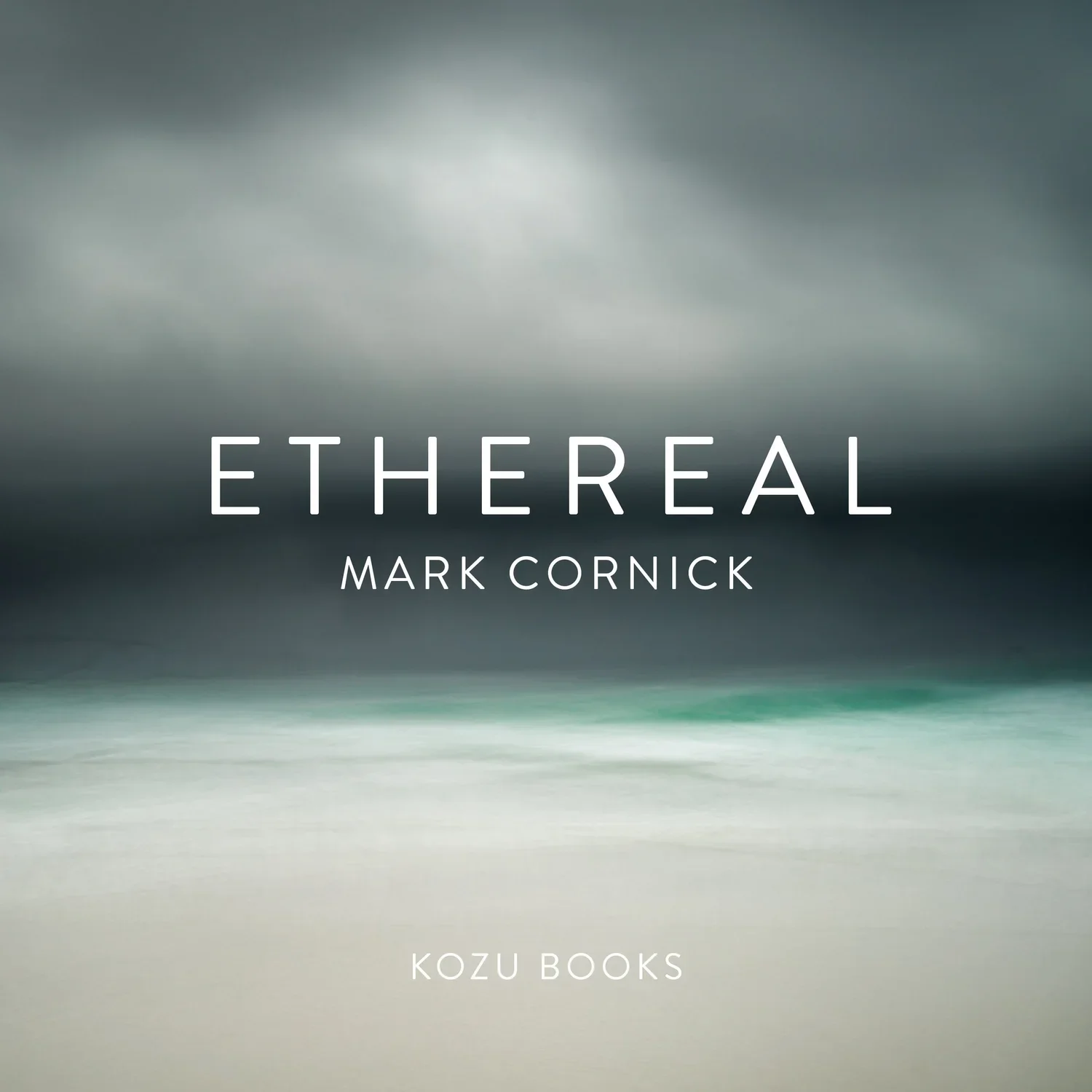
To discover more about this intriguing body of work and how you can acquire your own copy, you can find and purchase the book here. (Kozu Books, Amazon)
More photography books?
We'd love to read your comments below, sharing your thoughts and insights on the artist's work. Looking forward to welcoming you back for our next [book spotlight]. See you then!
Robin de Puy could no longer make this project alone. She first photographed Randy in Ely, Nevada, during a 2015 road trip and kept returning to him for more than ten years. Interviews