Eva Verbeeck Photographed 400 American Girls. She Let Them Decide How They Wanted to Be Seen
Welcome to this edition of [book spotlight]. Today, we uncover the layers of 'America’s Girls, On the Edge of a Dream,' by Eva Verbeeck (published by GOST Books). We'd love to read your comments below about these insights and ideas behind the artist's work.
For six years, Eva Verbeeck listened before photographing.
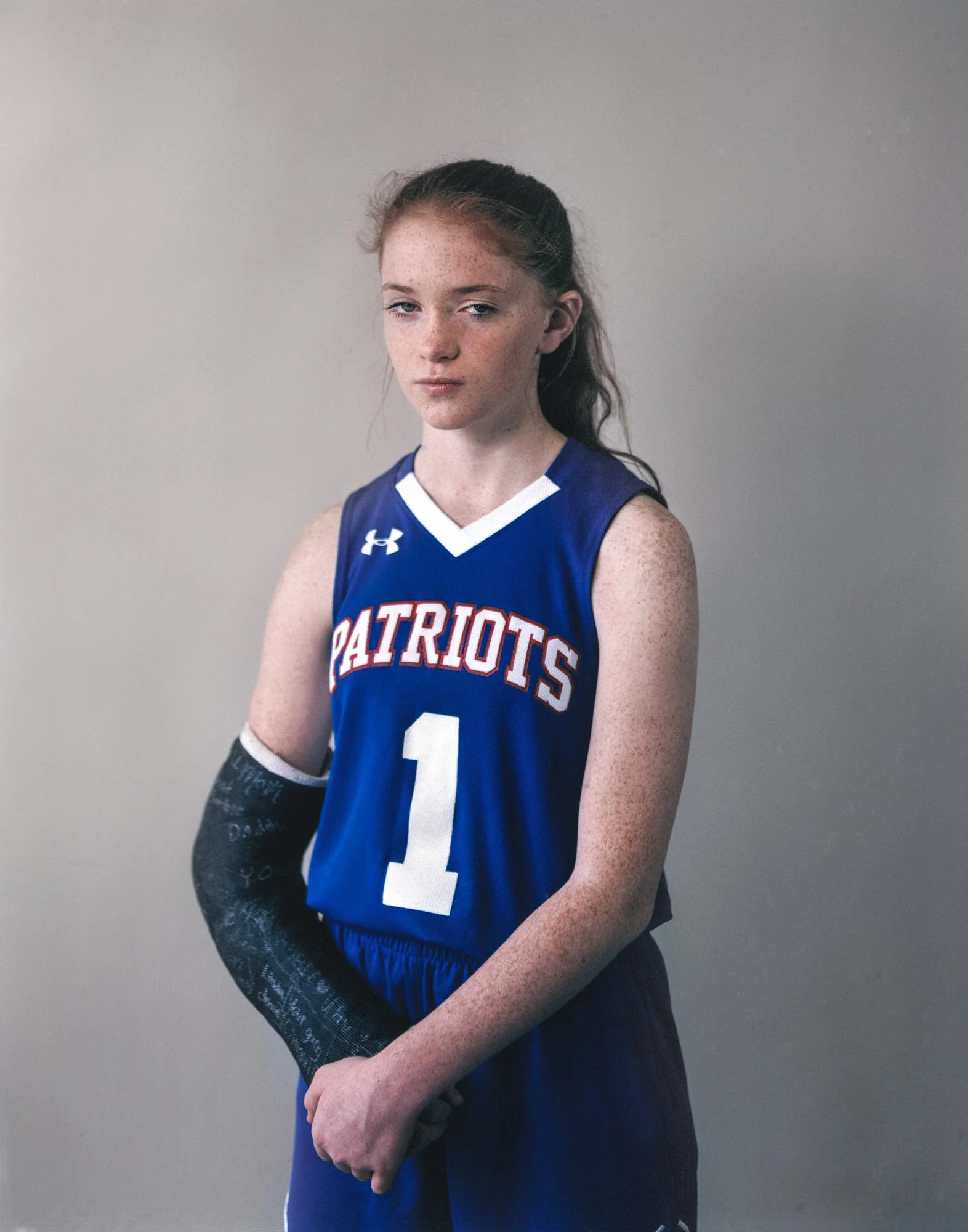
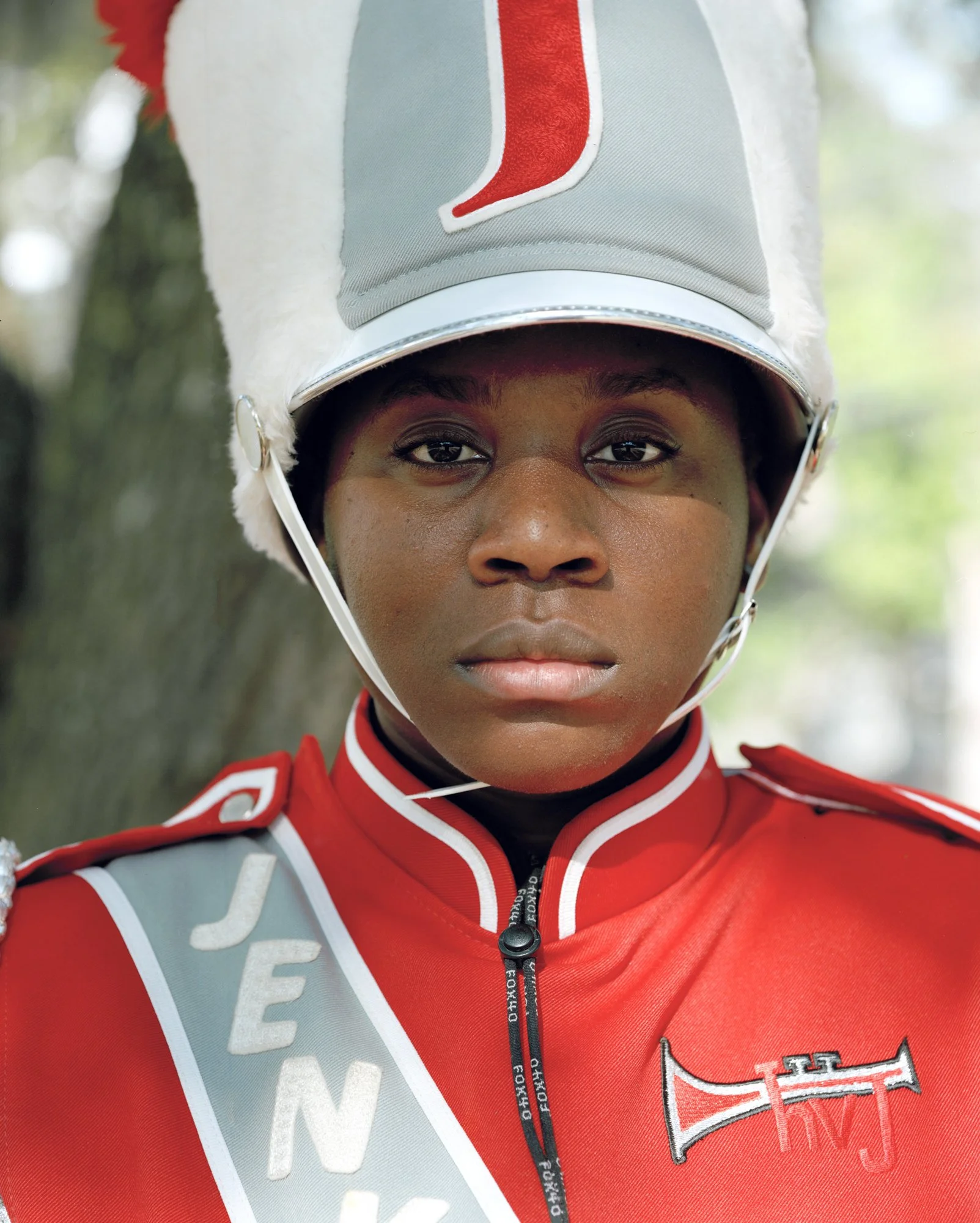
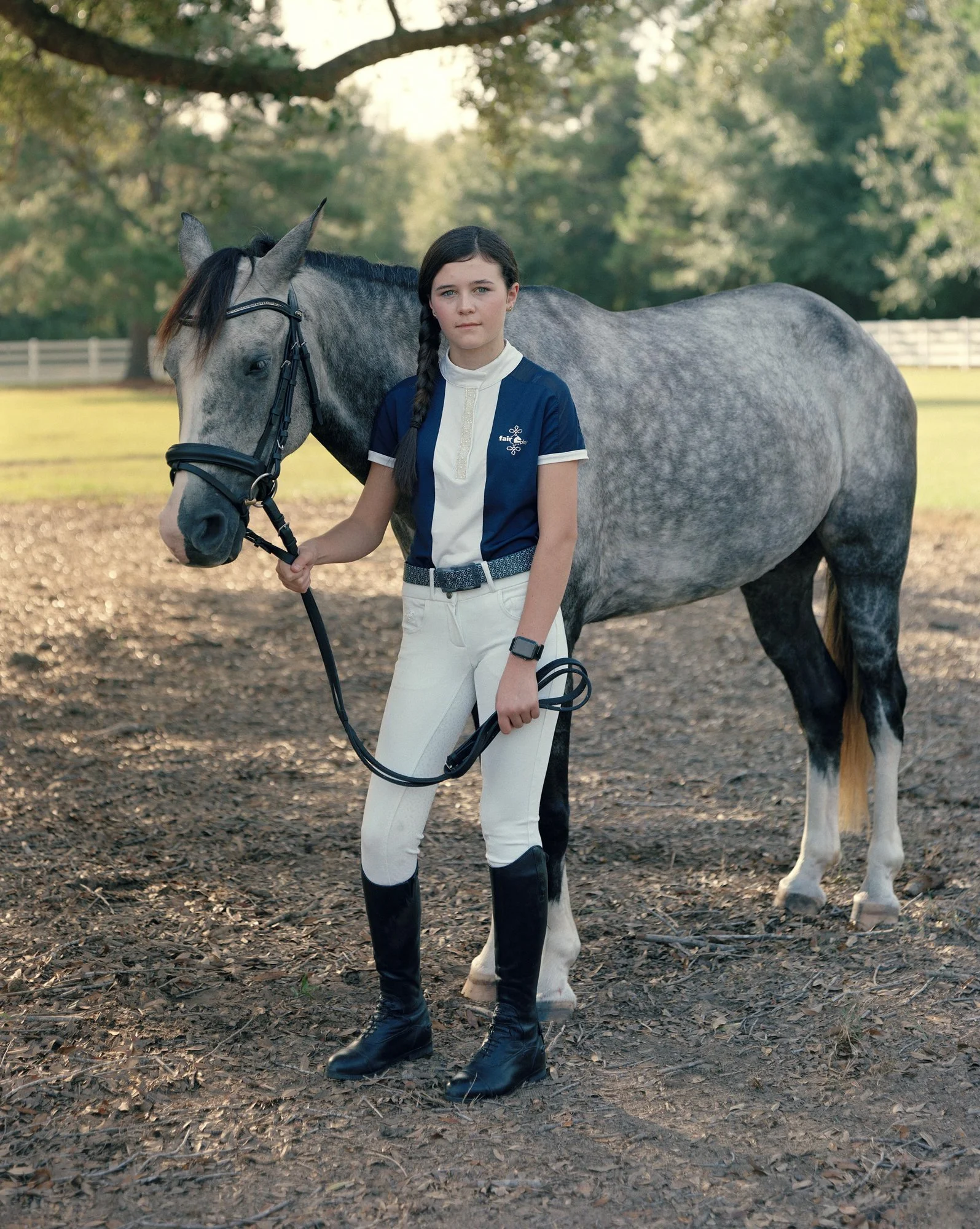
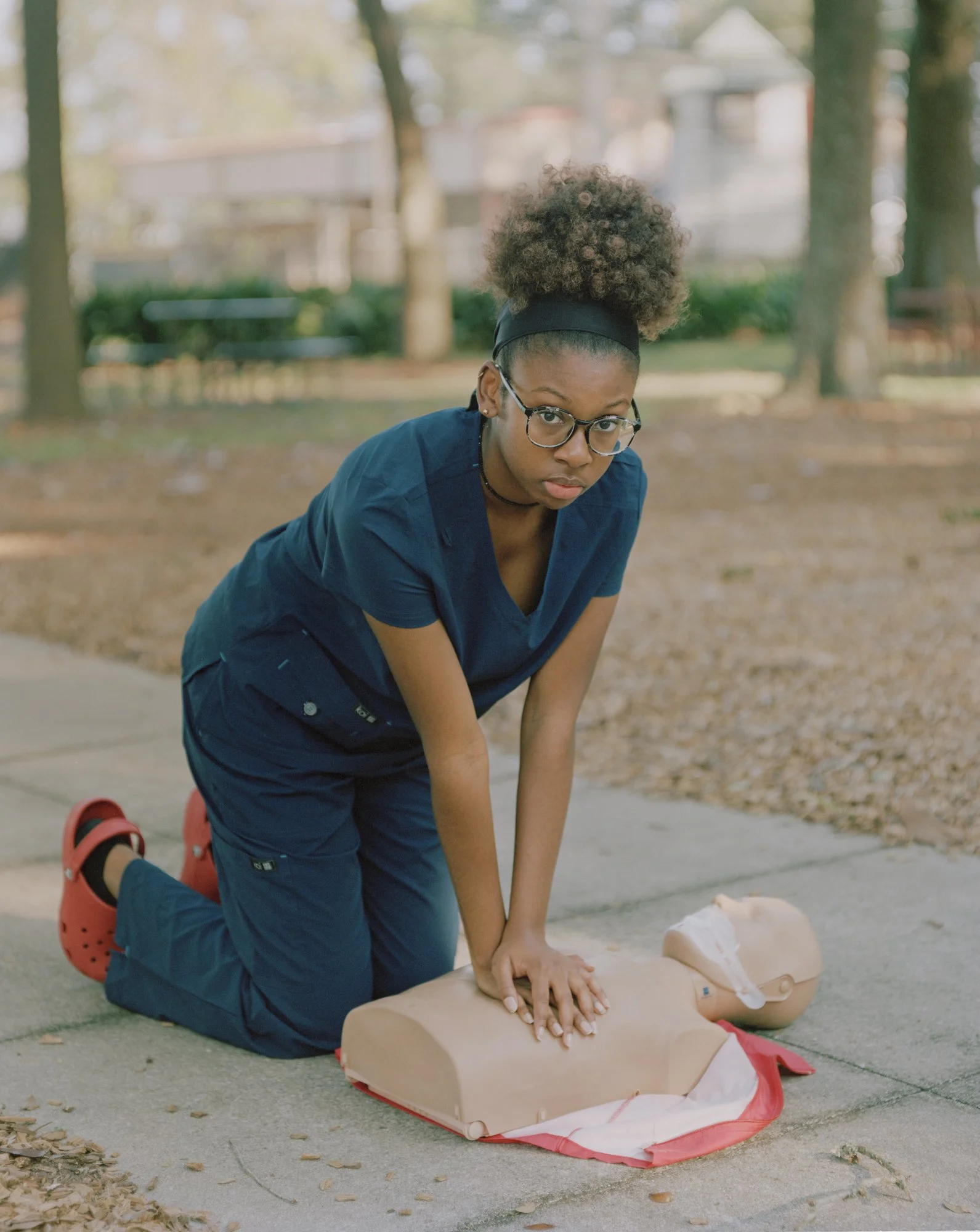
She travelled across 28 American states and photographed more than 400 girls between the ages of 8 and 18. The participants were not chosen because of how they looked. They joined through open calls, schools, youth groups, and local communities, and each of them could decide how she wanted to appear in the portrait.
The project became a study of trust, identity, and representation.
In this interview, Verbeeck speaks about her childhood image of the American girl, the reality she later discovered, and her decision to make the portraits through collaboration. She also explains why the slow process of large format film was important for a generation growing up with constant digital images and immediate judgment.
The interview shows the value of spending time in conversation, allowing the subject to influence the image, and resisting the need to control every detail. It also explains why editing a photobook is not only about choosing the strongest photographs, but about finding the right rhythm between them.
The Book
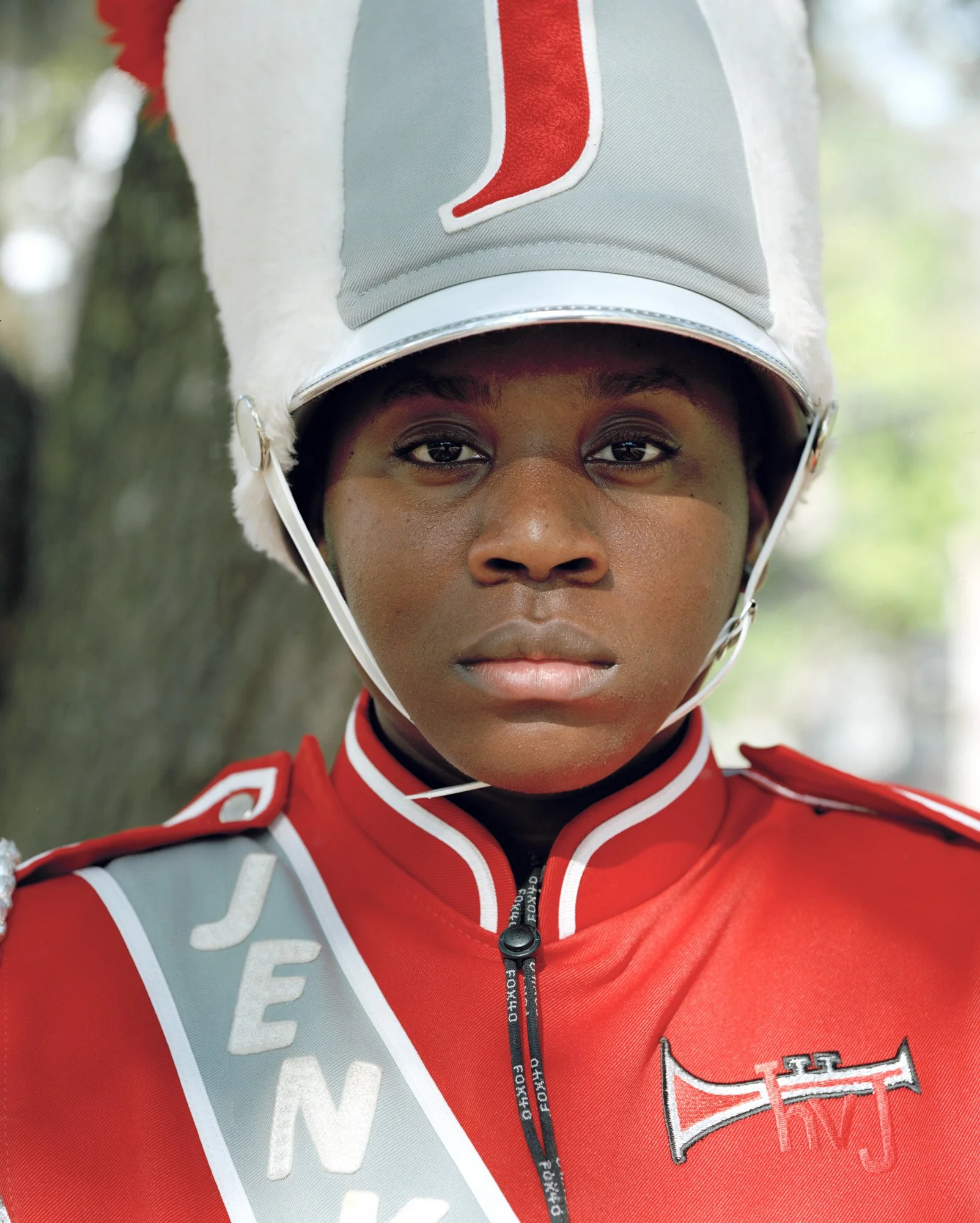
America’s Girls, On the Edge of a Dream is a six-year photographic project by Belgian photographer and filmmaker Eva Verbeeck. Made across 28 US states, the work brings together portraits of more than 400 girls between the ages of 8 and 18, exploring identity, agency, femininity, and the experience of growing up in contemporary America.
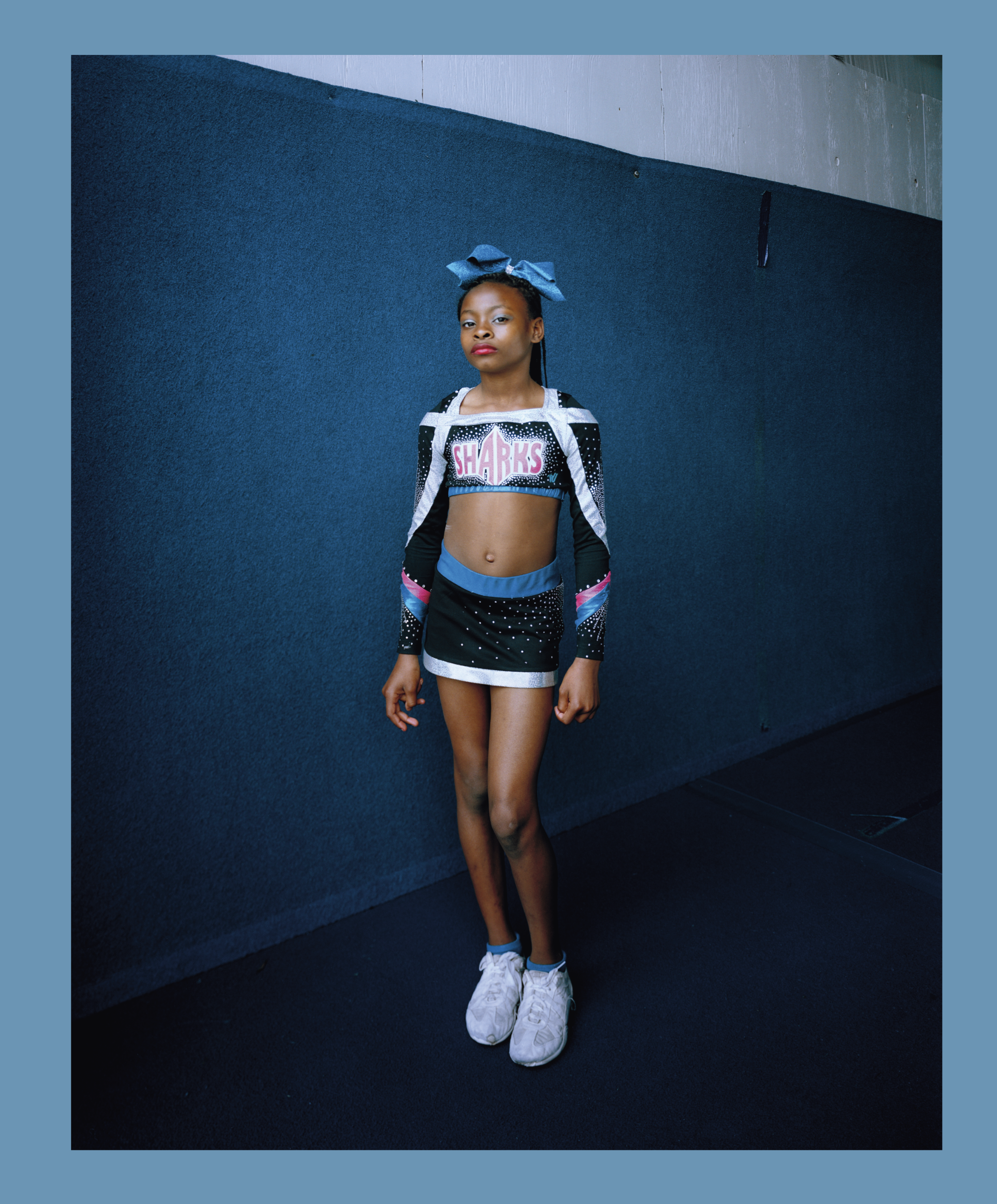
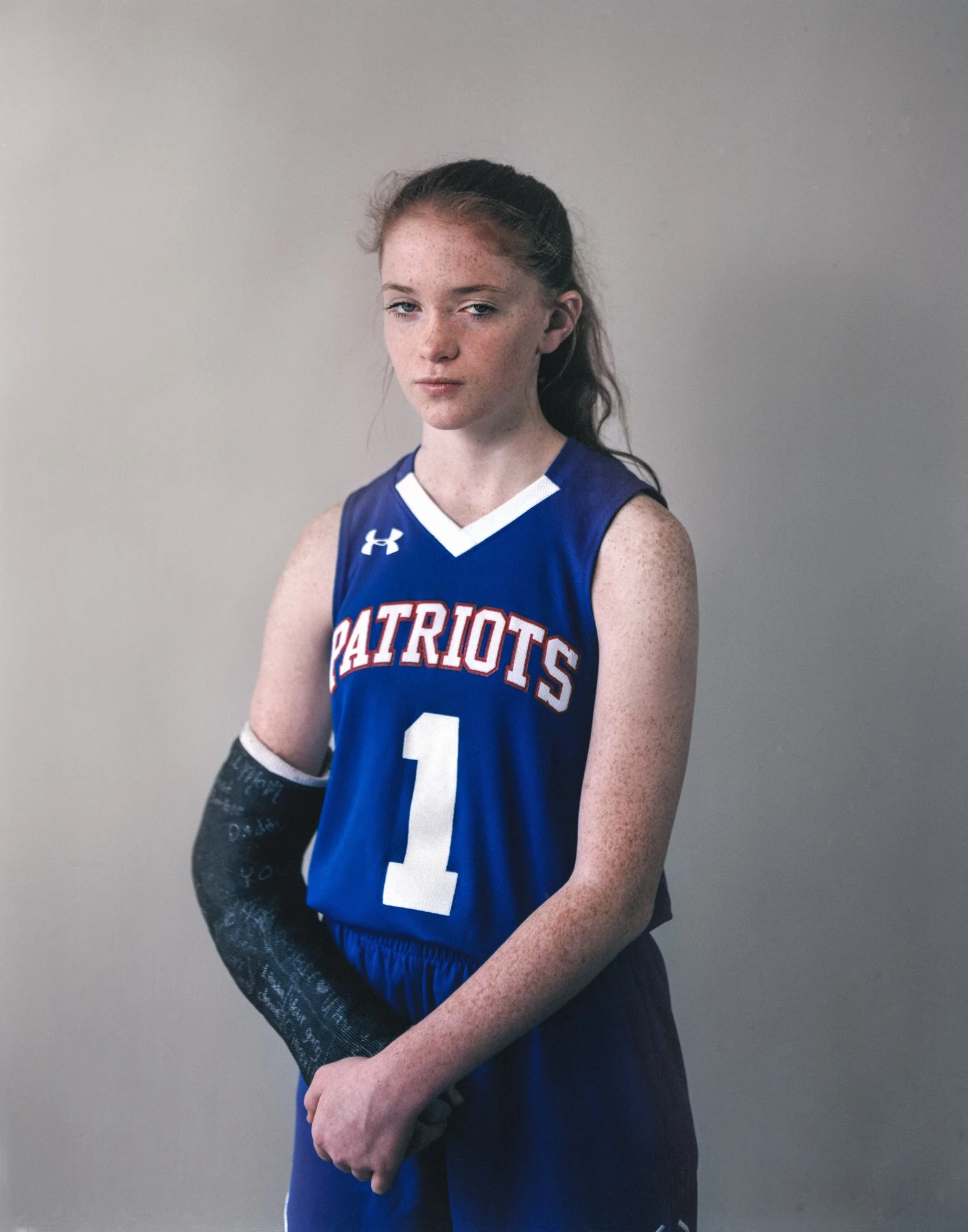
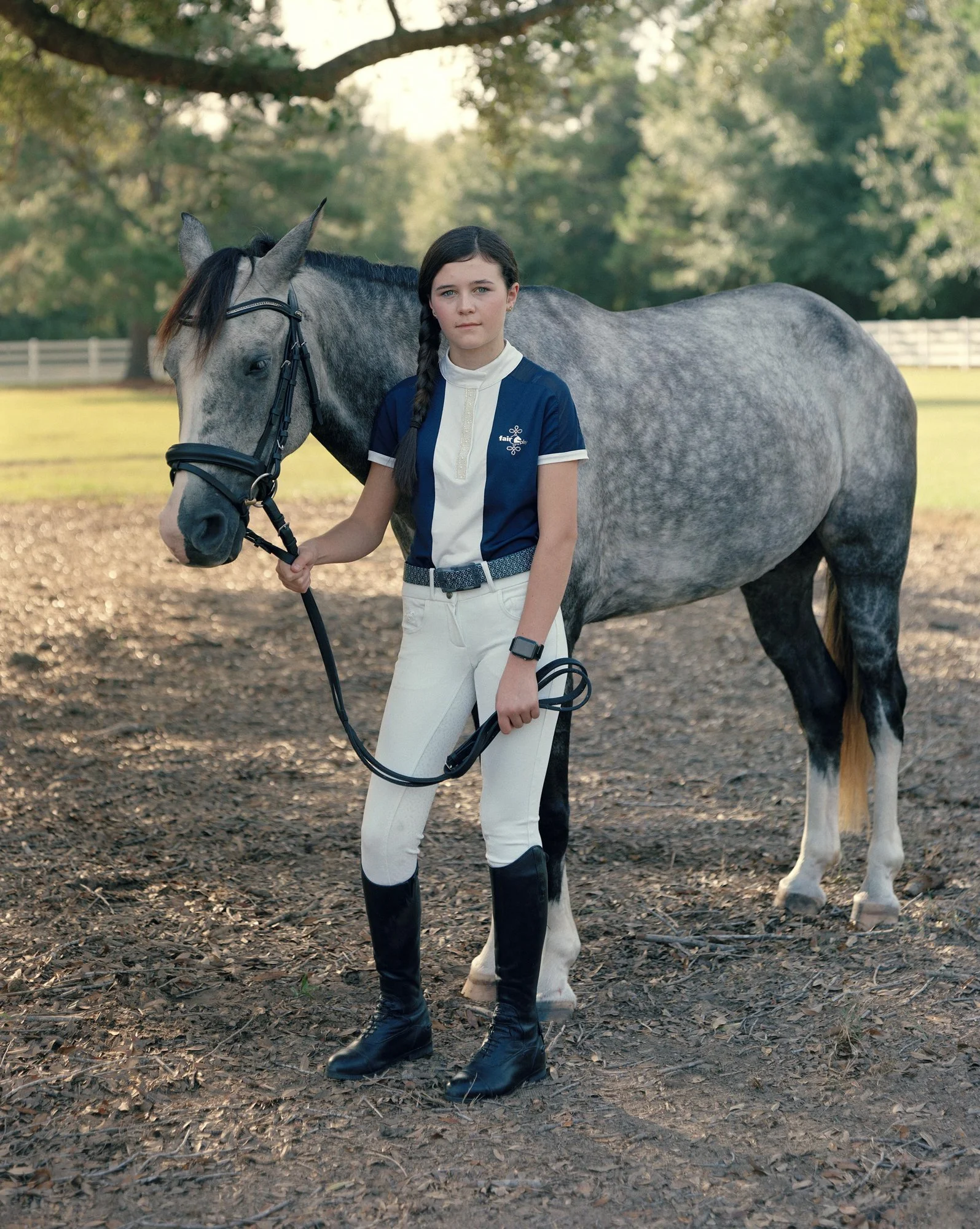
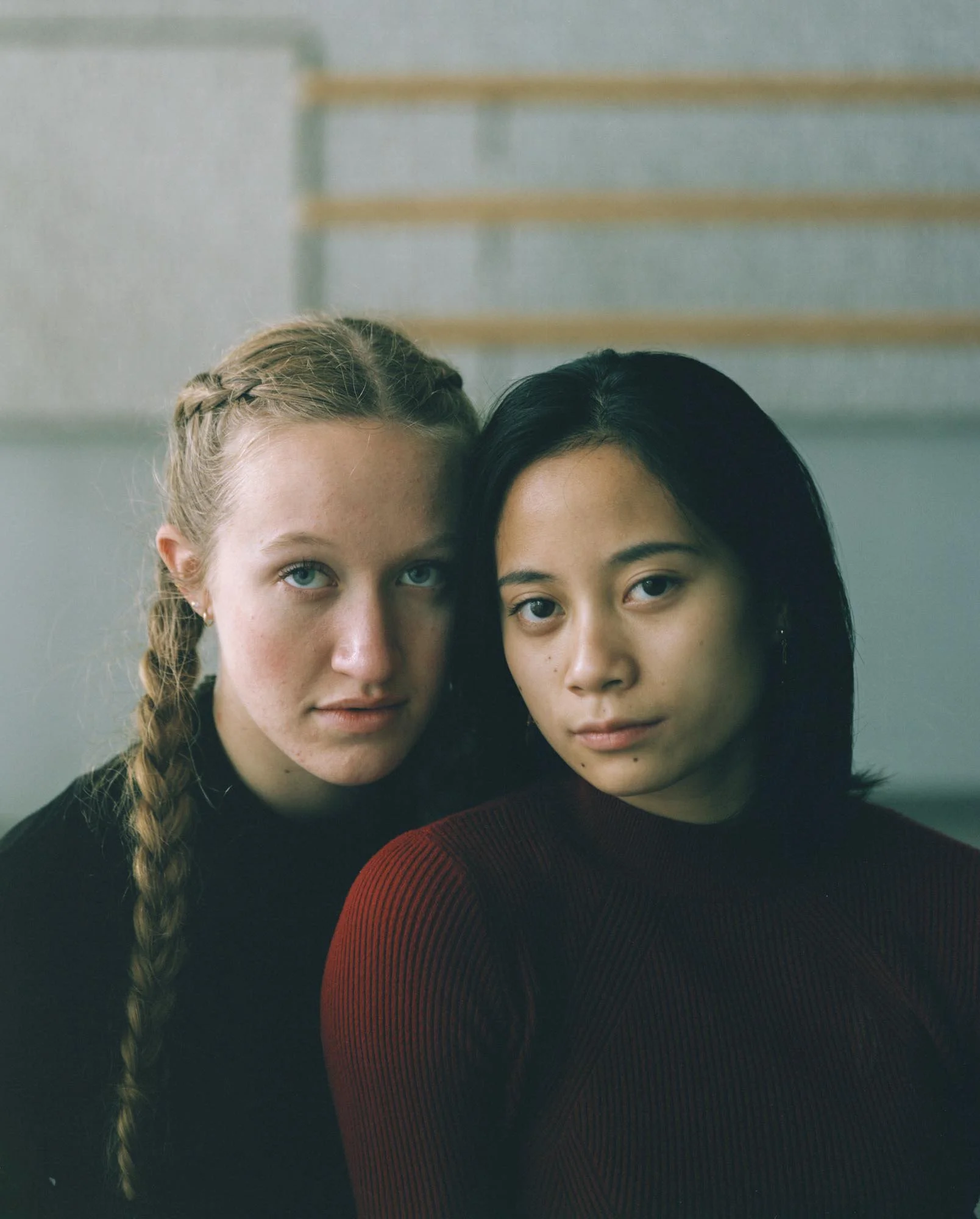
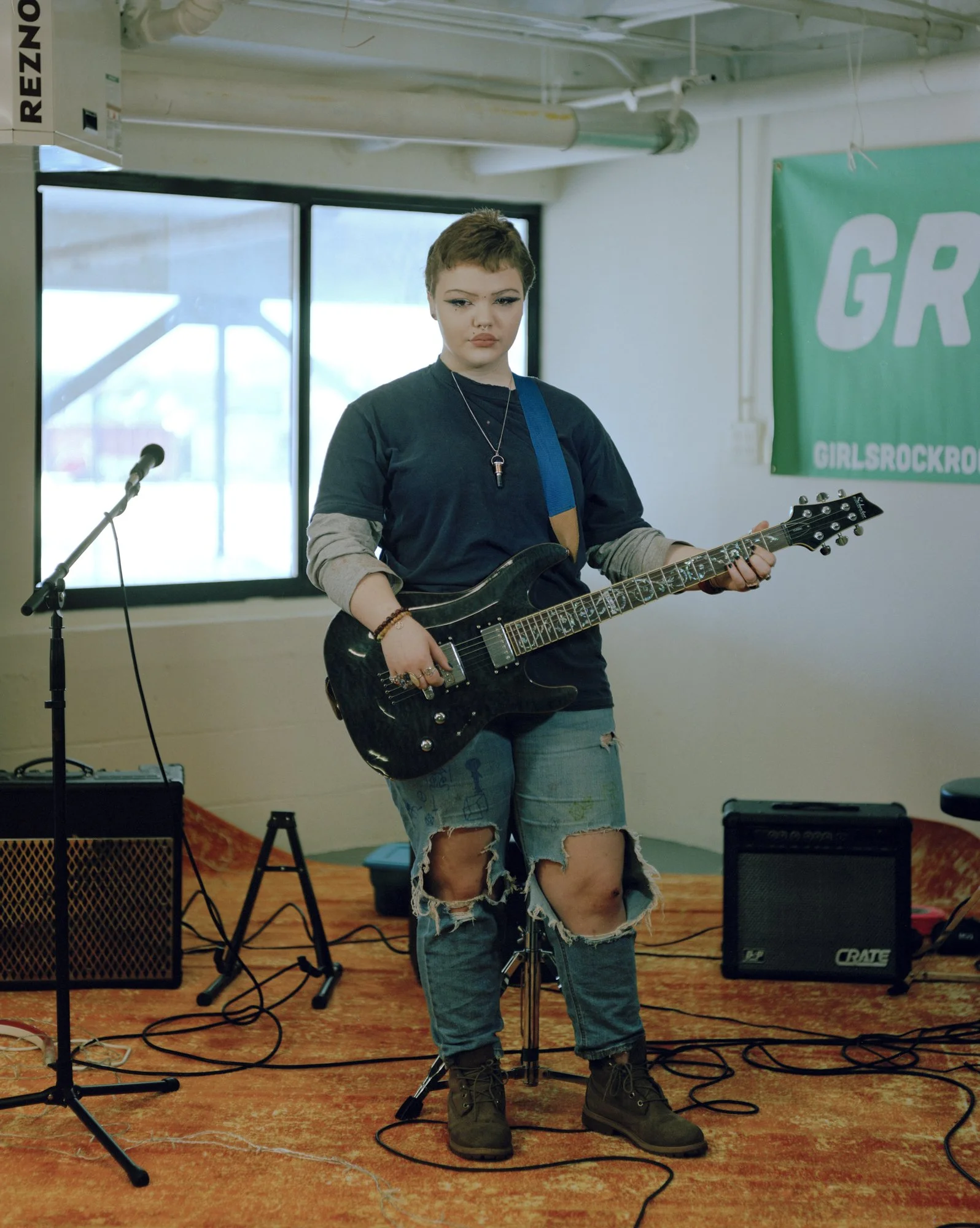
Photographed entirely on large format analogue film, the project developed through open calls, schools, youth groups, community events, and personal connections. Each participant was invited to choose how she wanted to be represented, sometimes bringing an object, clothing, pet, or personal item that reflected something important about her identity.
Published by GOST Books in September 2026, the book contains 54 photographs selected not only for their individual strength, but for the emotional rhythm they create together. Rather than offering one fixed definition of American girlhood, the book gives space to many different experiences of confidence, vulnerability, belonging, and becoming. (GOST Books, Amazon)
Genesis: You grew up in Tessenderlo, a small farming town in Belgium, dreaming about American girls you saw in magazines and movies. What made you turn that childhood daydream into a six-year photography project?
I grew up in a small farming town in Belgium where America felt impossibly far away. Like many children of the 1990s, my understanding of the United States came through films, television, magazines, and music videos. The American girl became almost mythical to me. She represented freedom, confidence, possibility, and a life that felt much bigger than the one I knew.
Years later, when I moved to the United States, I found myself returning to that childhood fascination, but this time with a very different question. I wasn't interested in comparing reality to the fantasies I had grown up with. Instead, I became deeply curious about what it actually means to be a young woman in America today.
I was living there during a formative period of my own life, and I felt an increasing urgency to make work that gave young women the space to represent themselves honestly, on their own terms. I thought back to who I was at that age, when I was trying to understand who I wanted to become, to distinguish myself from everyone around me, and to imagine a future that felt possible. That coming-of-age experience felt deeply personal, but also universal. It made me wonder how girls across the United States were navigating that same moment in their own lives.
From the beginning, I wanted the project to be collaborative rather than observational. I wasn't interested in illustrating an idea of the American girl or confirming existing narratives. I wanted to create portraits in which each participant could shape how she was seen, through conversation, through the objects she chose to bring, and through the time we spent together. The photographs are as much about agency as they are about representation.
I also never set out to make a six-year project. It began simply with curiosity and a desire to understand the country I was living in through the experiences of its young women. One portrait led to another, one conversation opened the door to the next, and the work grew organically across six years and 28 states.
Although the photographs were made in the United States, I hope they reach beyond that specific place. At its heart, America's Girls is not only about America. It is about the vulnerability and resilience of coming of age, about searching for identity, belonging, and independence. My hope is that wherever someone encounters these portraits, they recognise something of themselves or someone they know. The project began with my childhood fascination with America, but it ultimately became a reflection on girlhood itself and the universal experience of growing up.
Scale: You photographed more than 400 girls across 28 US states over six years. How did you plan and manage a project this big without losing focus?
I never really thought about photographing 400 girls. If I had started with that number, it would have felt overwhelming. I simply began with one conversation, one portrait, one journey.
The project grew organically. Every girl introduced me to another community, another family, another part of the country. Over six years, I travelled repeatedly across the United States, often alone, building relationships and returning to places more than once.
What kept me focused was that the project was never about collecting portraits from every state. It was about understanding and giving each person that was portrayed the time and attention they deserved. Every encounter reinforced what the project was really about. More than making portraits, I wanted every girl who participated to feel genuinely seen and heard.
Although there is very little text in the book, conversation was always at the heart of the process. We spent time talking about their lives, their dreams, their fears, the things that excited them, and the things they were struggling with. Some girls even wrote letters while waiting for their portrait to be made. Those exchanges became just as important as the photographs themselves, quietly shaping the way each portrait came to exist. Over time, it was this accumulation of conversations, trust, and shared experiences that gave the project its depth, I think.
Camera choice: Every portrait was shot on a large format film camera. Why did this slow, old-fashioned way of working fit this story so well?
The camera completely shaped the project. A large format camera forces everything to slow down. Every photograph requires intention. I only had a few sheets of film with me, so every exposure mattered.
That slowness mirrored the kind of conversations I wanted to have. I wasn't interested in quick reactions or performative moments. I wanted space for silence, reflection, and honesty.
There is also something beautifully symbolic about photographing a generation that lives in a constant stream of digital images with one of the slowest photographic processes ever invented. It creates a different kind of attention, for both me and the person standing in front of the camera.
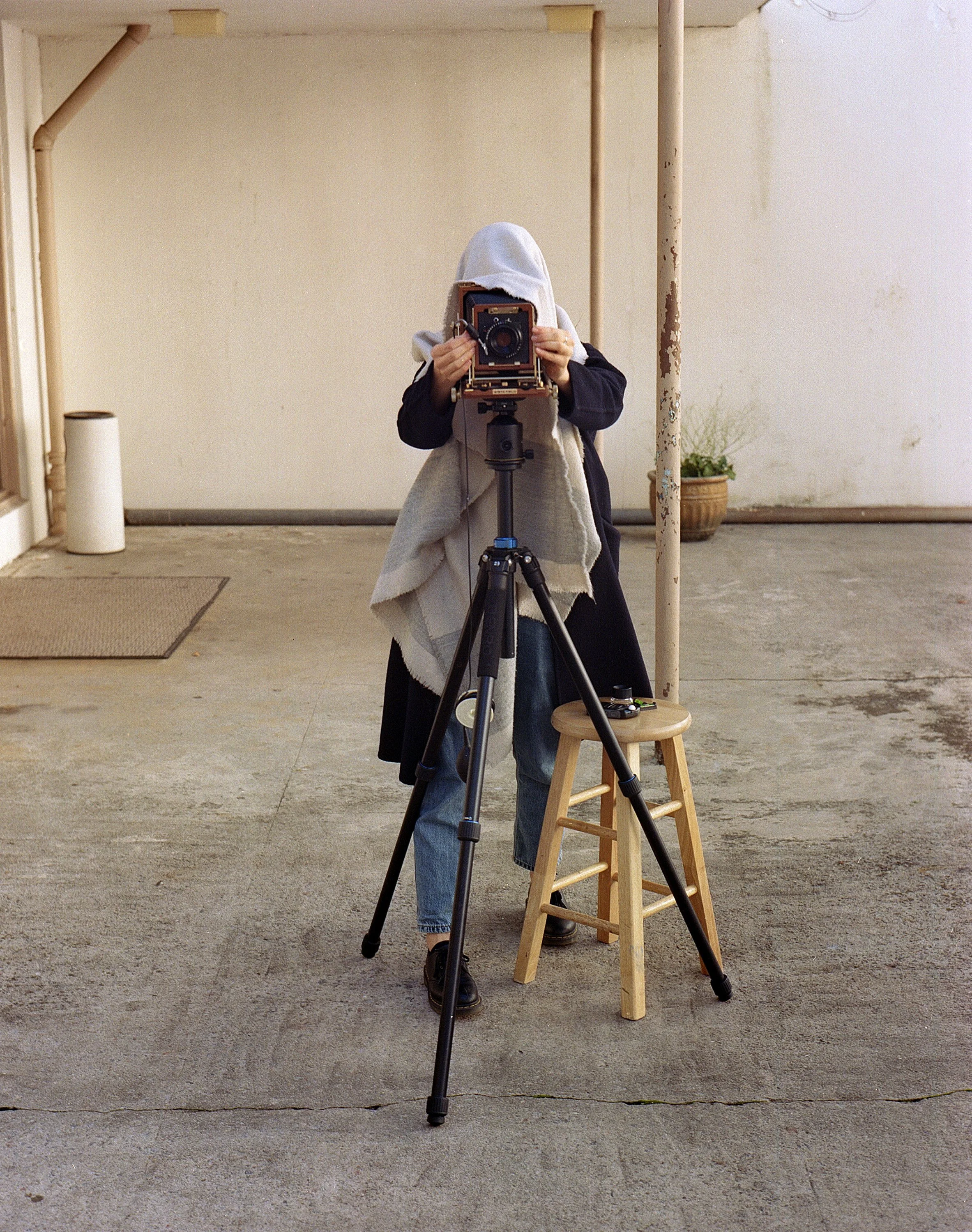
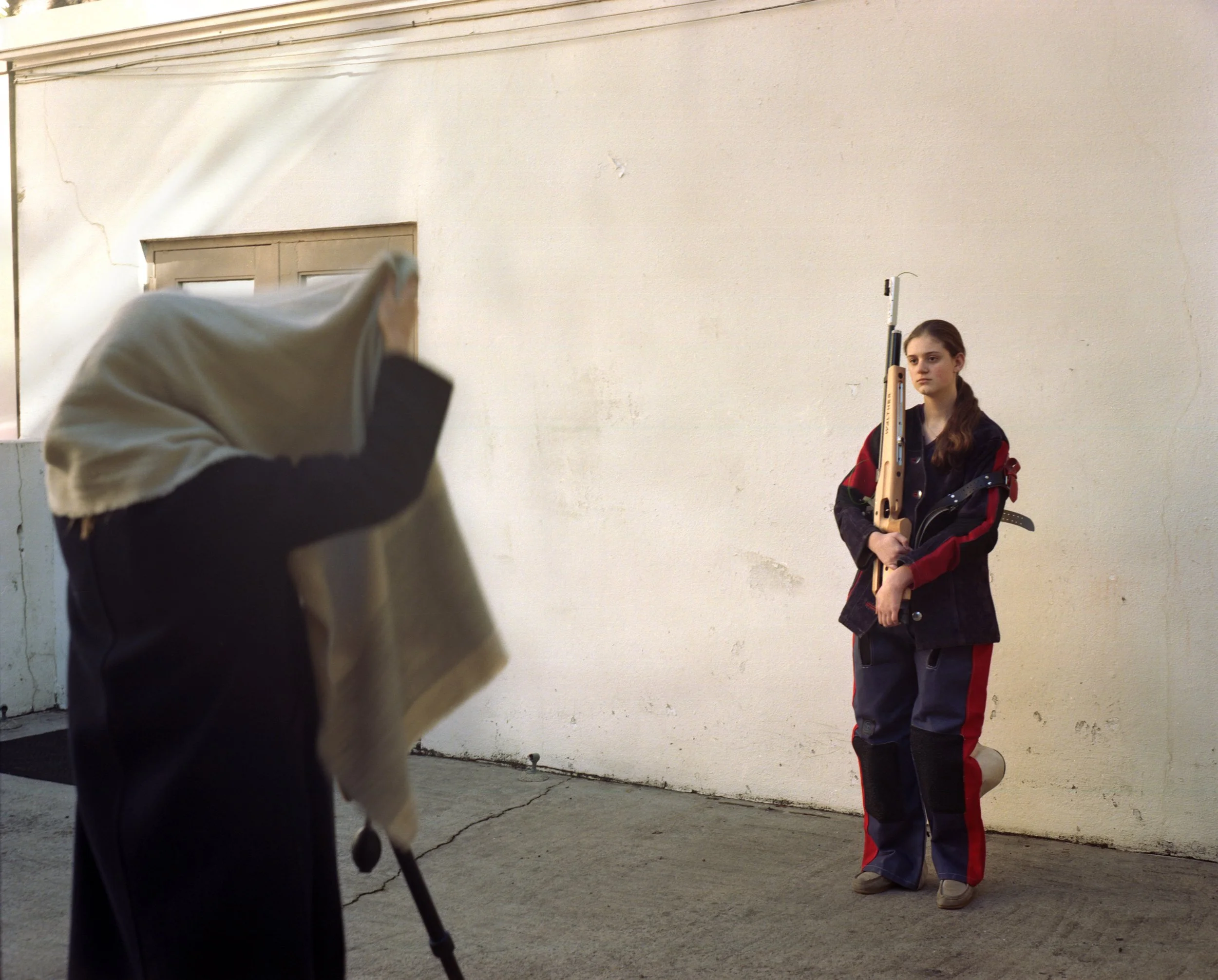
No instant preview: Large format cameras have no screen to check the photo right away. How did this change the mood between you and the girls during a shoot?
I do think that changed everything. Without a screen, there was nothing to interrupt the interaction. We couldn't immediately judge the photograph or decide whether someone looked good enough. Once the shutter closed, we simply had to rely on trust.
That trust shifted the focus away from appearance and back towards the experience itself. For a generation that has grown up constantly reviewing and editing their own image, that experience felt surprisingly liberating. The portrait became something we created together rather than something we immediately evaluated.
Finding subjects: You found the girls through open calls, schools, youth groups, and talks you gave while travelling. What made someone feel like the right person for this project?
One of the most important principles of the project was that it was entirely self-selected. I never approached girls on the street or asked someone to participate because of how they looked. Instead, I shared open calls through schools, youth organisations, community groups, and talks I gave while travelling. The girls decided for themselves whether they wanted to take part.
Because of that, I never knew exactly who would be standing in front of my camera until the day of the shoot. I usually knew how many participants to expect, but I didn't know what they looked like, who they were, or what they would bring with them. Occasionally, when I photographed within a particular community, such as a sports team or a music programme, I knew there would be a shared interest that connected them. Beyond that, everything remained open.
That was a very conscious decision. I wanted to remove as much of my own bias as possible. I didn't want the project to be shaped by my ideas of who should represent the American girl or by aesthetic preferences. The portraits weren't curated through my gaze before we met. Instead, the work was shaped by the girls who chose to participate and by the conversations we had together.
The only real requirement was openness. I was looking for people who were willing to spend time together, talk honestly, and collaborate in making a portrait. The extraordinary diversity of the participants became one of the project's greatest strengths, not because I had carefully selected it, but because it emerged naturally when young women were simply invited to represent themselves on their own terms.
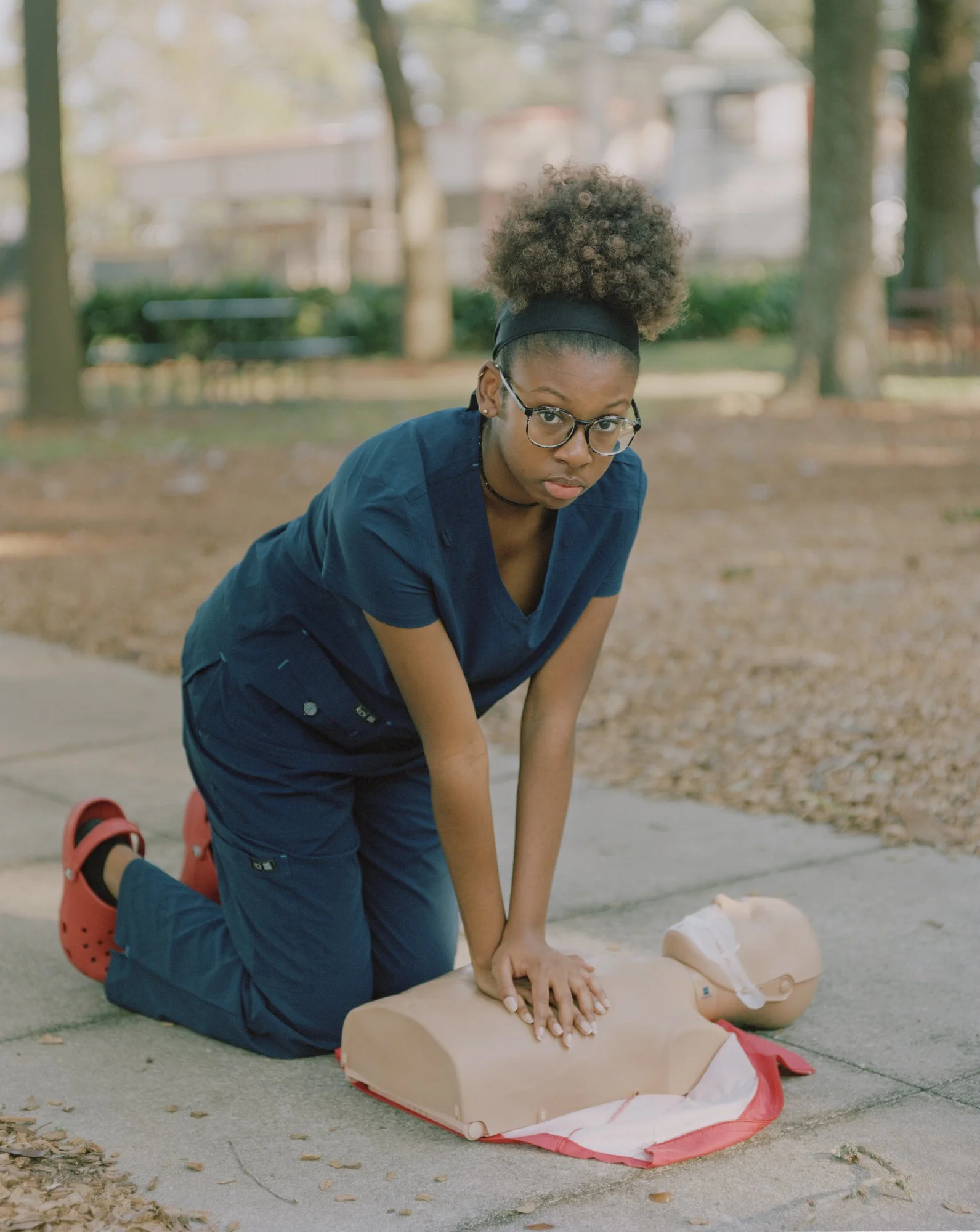
Building trust: Some shoots were planned weeks or months ahead. What do you do in that time to earn a young person's trust before you even pick up the camera?
A lot of preparation went into each portrait long before the day of the shoot, but because most of the participants were minors, that preparation usually happened through a parent, guardian, teacher, or community organiser. We discussed the project, what participation would involve, and made sure everyone felt comfortable. Consent was essential, but in most cases I hadn't actually spoken to the girls themselves before we met in person.
That meant our first real conversation usually happened on the day of the shoot. Before making a portrait, I would spend time talking with each girl individually. Sometimes these conversations happened before we photographed, occasionally afterwards, but they were always an essential part of the process. I asked them about their lives, their interests, what they cared about, how they experienced growing up, and what they thought about the world around them. Many participants also filled in a questionnaire or wrote a letter while waiting for their portrait to be made. These conversations weren't intended to produce text for the book. They were there to create understanding.
For me, listening is as important as photographing. Taking the time to genuinely get to know someone changes the dynamic completely. The portrait no longer becomes something that is taken from a person, but something that is created with them.
Historically, young women have so often been represented as symbols, muses, or anonymous figures. Even in the history of photography, portraits are frequently titled Portrait of a Girl or Young Woman, as though the person herself is secondary to the image. I wanted to move away from that tradition. Every participant in America's Girls is named because every participant is an individual. The conversations we shared, the questions they answered, and the stories they chose to tell all shaped the final portrait. The photograph became a collaboration rather than an observation, allowing each young woman to be represented not simply as an image, but as herself.
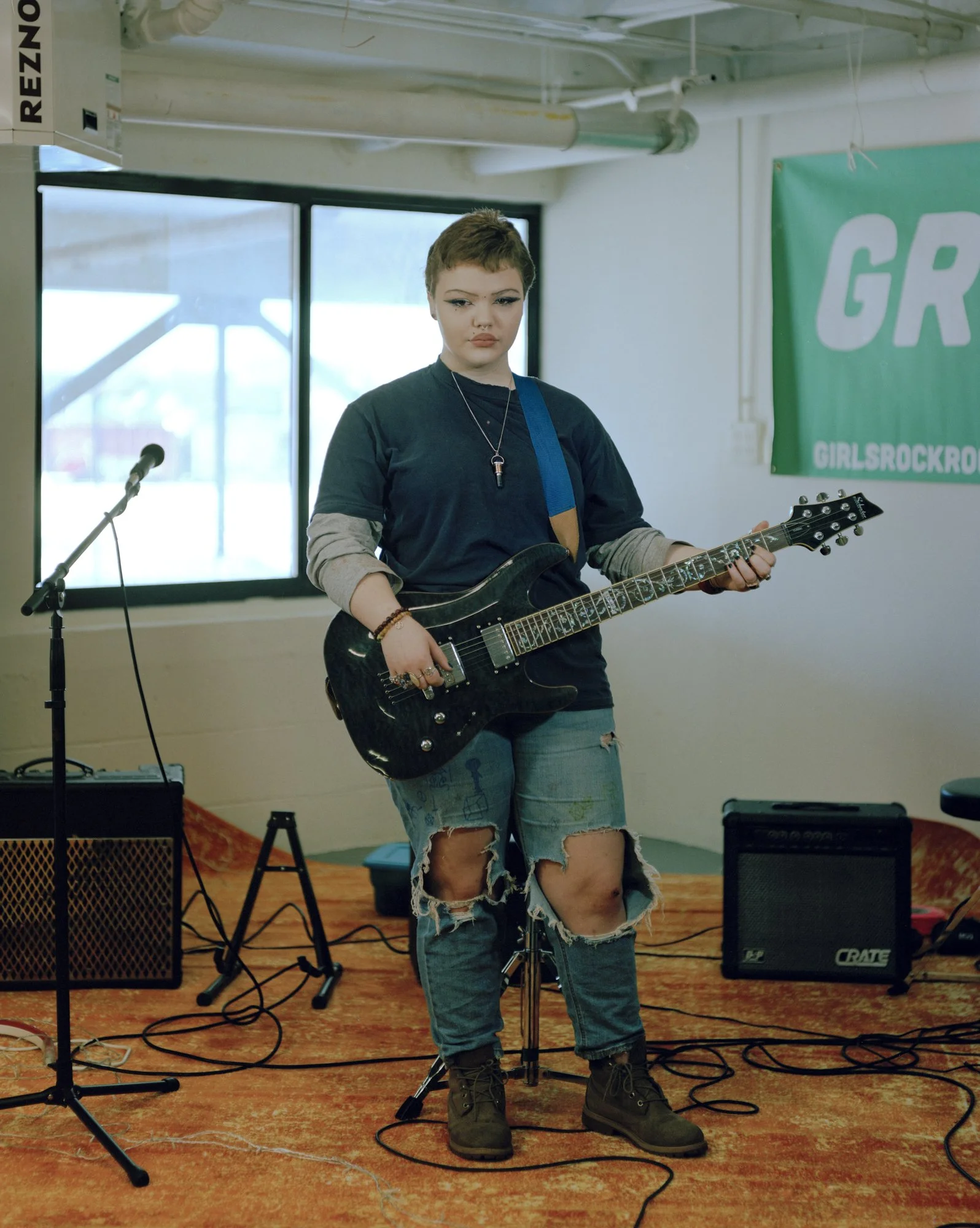
The object: Each girl could bring one object that meant something to her. What did this simple choice add to the portraits?
It wasn't necessarily an object. I invited each girl to either bring something or wear something that they felt represented who they were or something they identified with. These elements became a voice within the project.
For some, that was a musical instrument, sports equipment, or a cherished possession. For others, it was a favourite piece of clothing, a pair of cowboy boots, a cheerleading uniform, a necklace passed down through generations, or simply something they wore every day that made them feel most like themselves.
I never wanted to dictate what that should be. The decision was entirely theirs, and that choice became another way for them to participate in shaping their own portrait. It wasn't about symbolism for its own sake, but about giving each girl the opportunity to present herself on her own terms. Those personal details often reveal something that a photograph alone cannot, reminding us that every portrait holds a much larger story beyond what we can see.
Editing: The book holds 54 images chosen from six years of work. What guided you when you had to leave so many photographs out?
The decision was never about choosing the strongest individual photographs. It was about creating a conversation between images. Every photograph had to contribute to the emotional rhythm of the book and to the experience of moving through it.
This is also where working with Stuart Smith at GOST Books became so important. Stuart has an incredible sensitivity for sequencing and for understanding how a photobook functions as its own medium. He constantly encouraged me to think beyond individual images and instead ask what the book itself needed. Together, we spent time moving photographs around, removing images we both loved, bringing others back in, and slowly discovering the narrative that was already there. It was a deeply collaborative process, and Stuart's experience helped me understand that editing is often about letting go of photographs you love for the sake of something larger.
I wanted the book to unfold almost like memory rather than chronology. It doesn't tell one linear story. Instead, it moves between quiet moments and more confrontational ones, between portraits and pauses, allowing the reader to make connections of their own. Many photographs that I deeply love didn't make it into the final edit simply because they interrupted that rhythm. Editing taught me that making a book is fundamentally different from making individual photographs.
*Extra note
Beyond these questions, I think one thing is important to mention. Although America's Girls is rooted in the United States, I never intended it to be a definitive portrait of America. It is one photographer's attempt to understand a generation through patience, curiosity, and conversation.
In a time when images are consumed almost instantly, I wanted to make work that asks people to slow down. The large format camera, the years of travel, the conversations, the handwritten letters, and the objects the girls brought all became ways of resisting speed.
Ultimately, this project isn't about defining who these girls are. It's about creating the space for them to define themselves.
To discover more about this intriguing body of work and how you can acquire your own copy, you can find and purchase the book here. (GOST Books, Amazon)
More photography books?
We'd love to read your comments below, sharing your thoughts and insights on the artist's work. Looking forward to welcoming you back for our next [book spotlight]. See you then!
Robin de Puy could no longer make this project alone. She first photographed Randy in Ely, Nevada, during a 2015 road trip and kept returning to him for more than ten years. Interviews