Benita Suchodrev Stopped Searching for Specific Pictures. She Began Waiting for the Photographs to Find Her
Welcome to this edition of [book spotlight]. Today, we uncover the layers of 'Find Me Paradise,' by Benita Suchodrev (published by Kehrer Verlag). We'd love to read your comments below about these insights and ideas behind the artist's work.
Some photographs reveal their meaning only years later.
Benita Suchodrev discovered this while returning to images made across different periods of her life. She began placing photographs together that had no clear connection in subject, place, or time, yet something new appeared between them. These unexpected pairings became the foundation of Find Me Paradise, a book built from almost 300 photographs and more than two decades of work.
The book grew from intuition rather than a fixed plan.
Suchodrev speaks about editing, pairing, sequencing, beauty, disturbance, and the meanings that appeared only after the work was already made. She explains why two unrelated photographs can create a third space, why a strong pairing is not always in the right place, and why the full sequence had to be felt as rhythm rather than solved as structure.
The interview shows how to recognise connections before you can fully explain them, how to let meaning follow instinct, and how to avoid turning intuition into a formula. It may help you look again at photographs you once ignored, and ask whether their real meaning depends on what you place beside them.
The Book
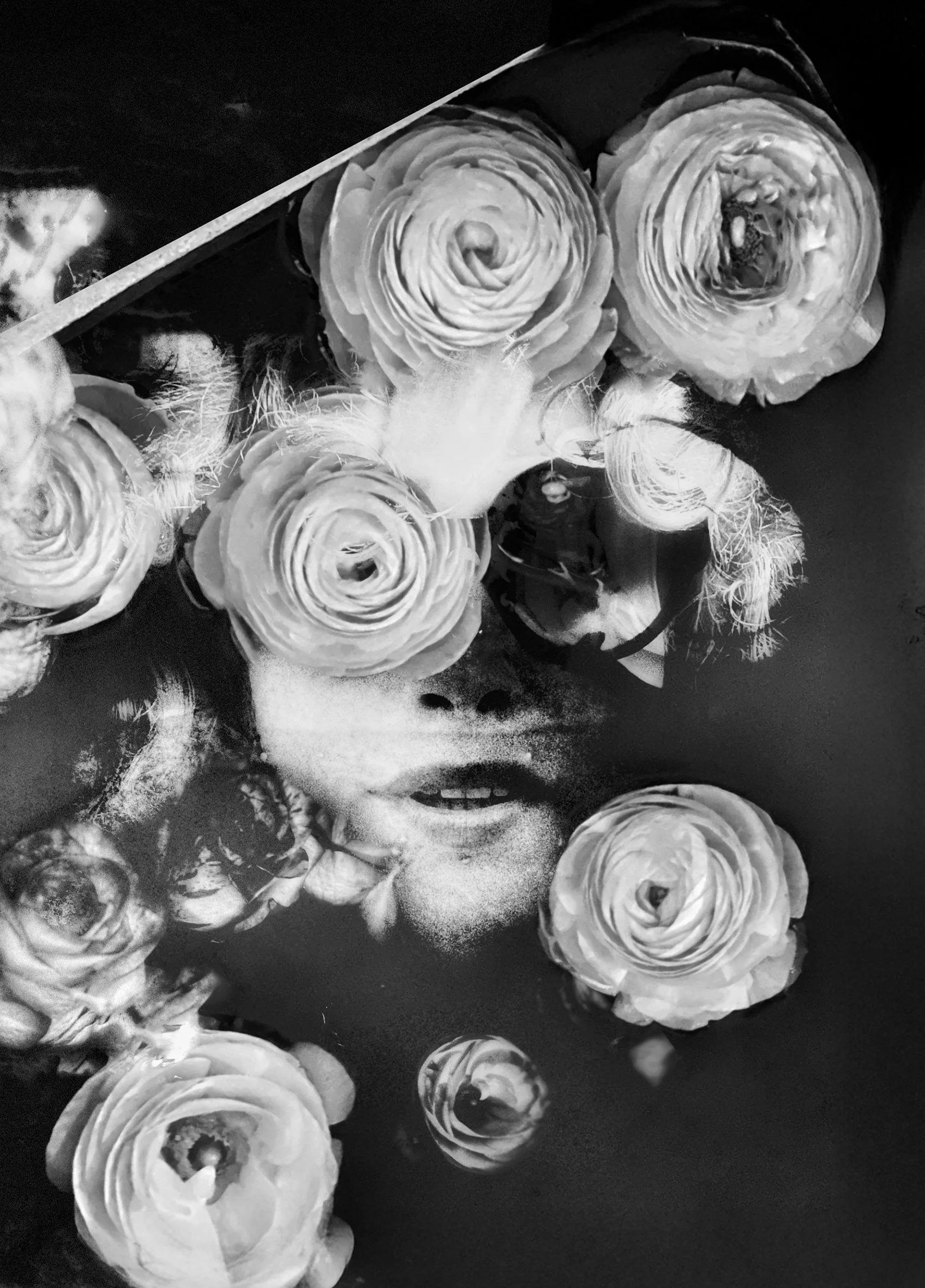
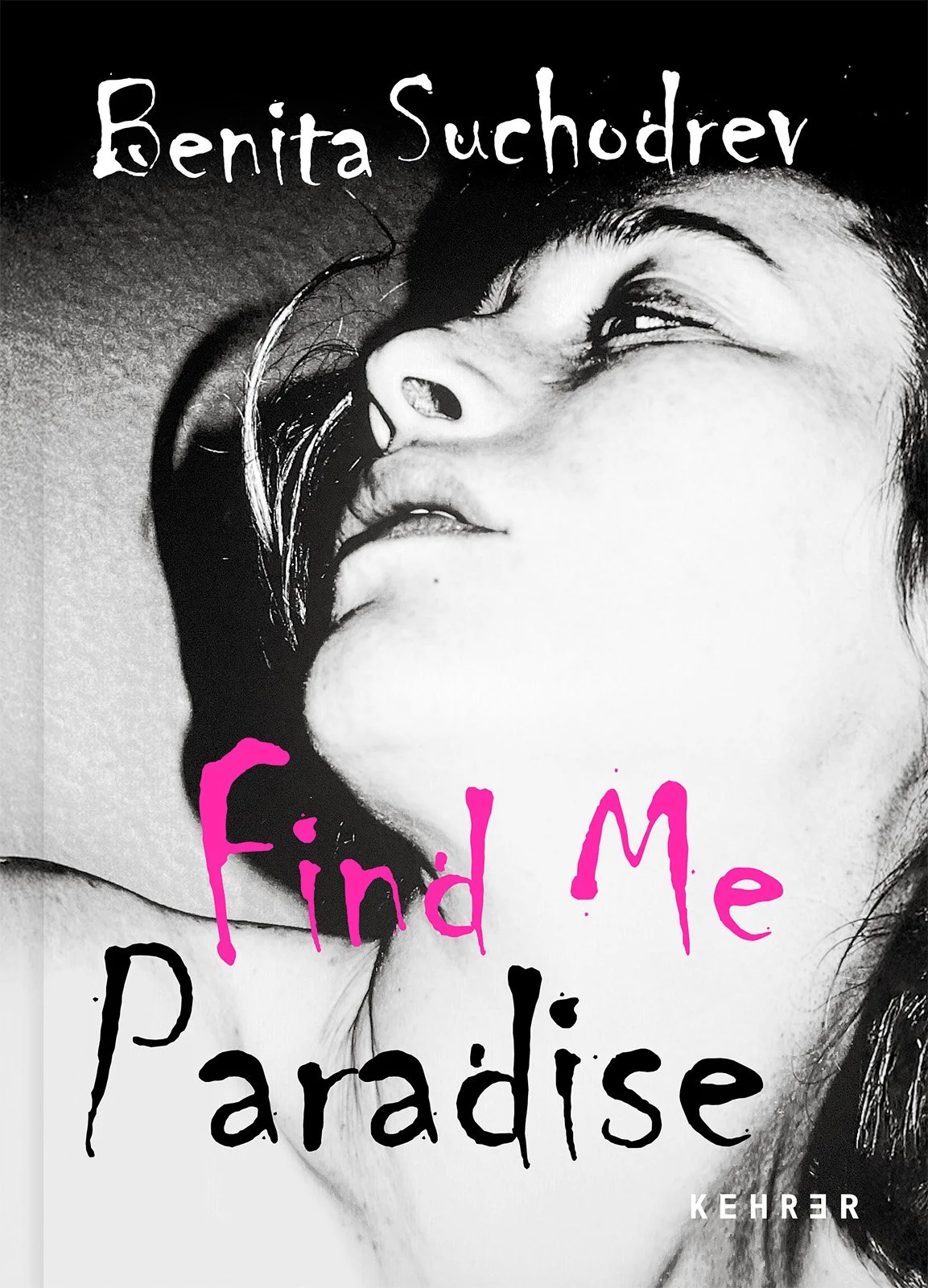
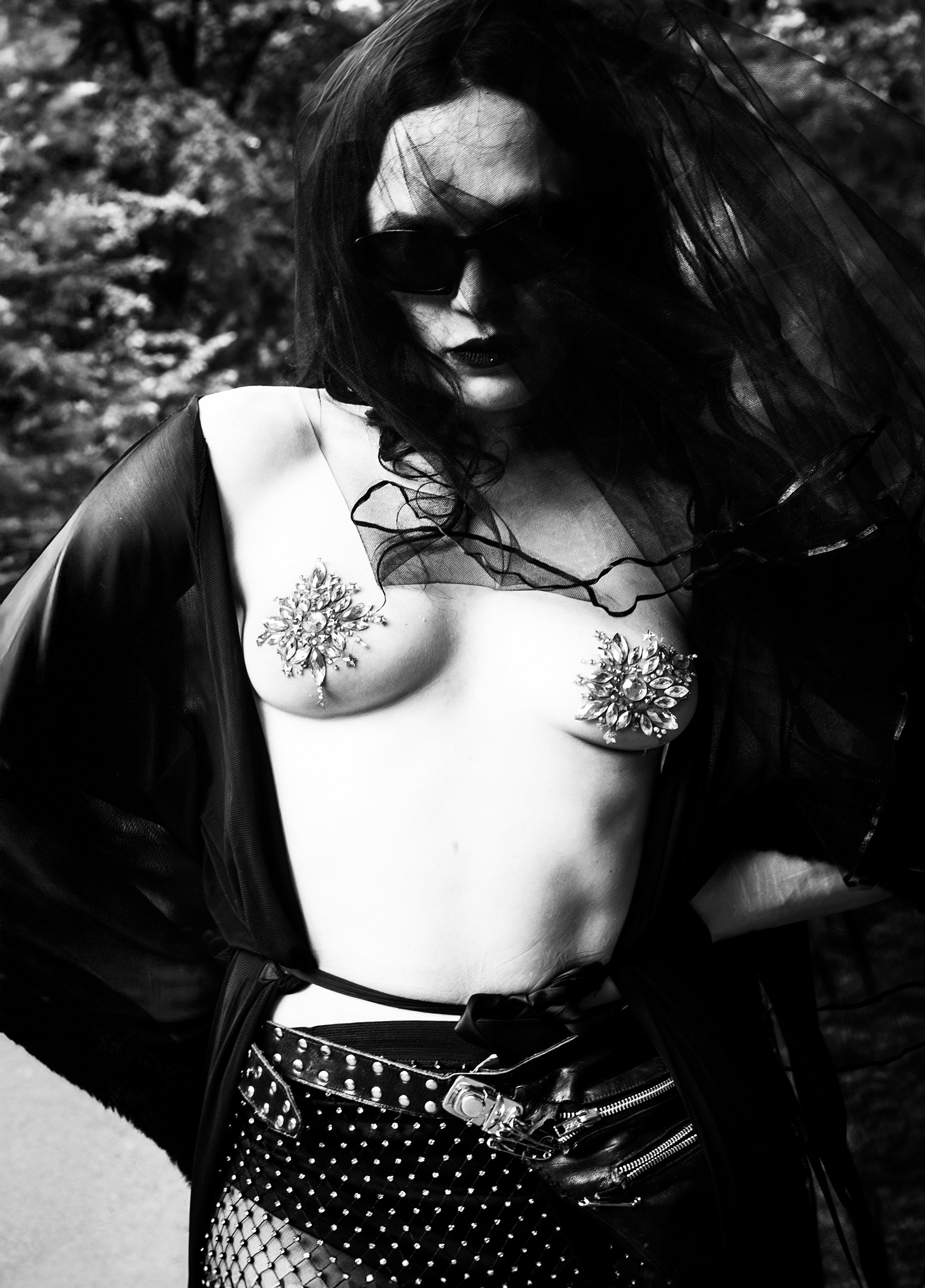
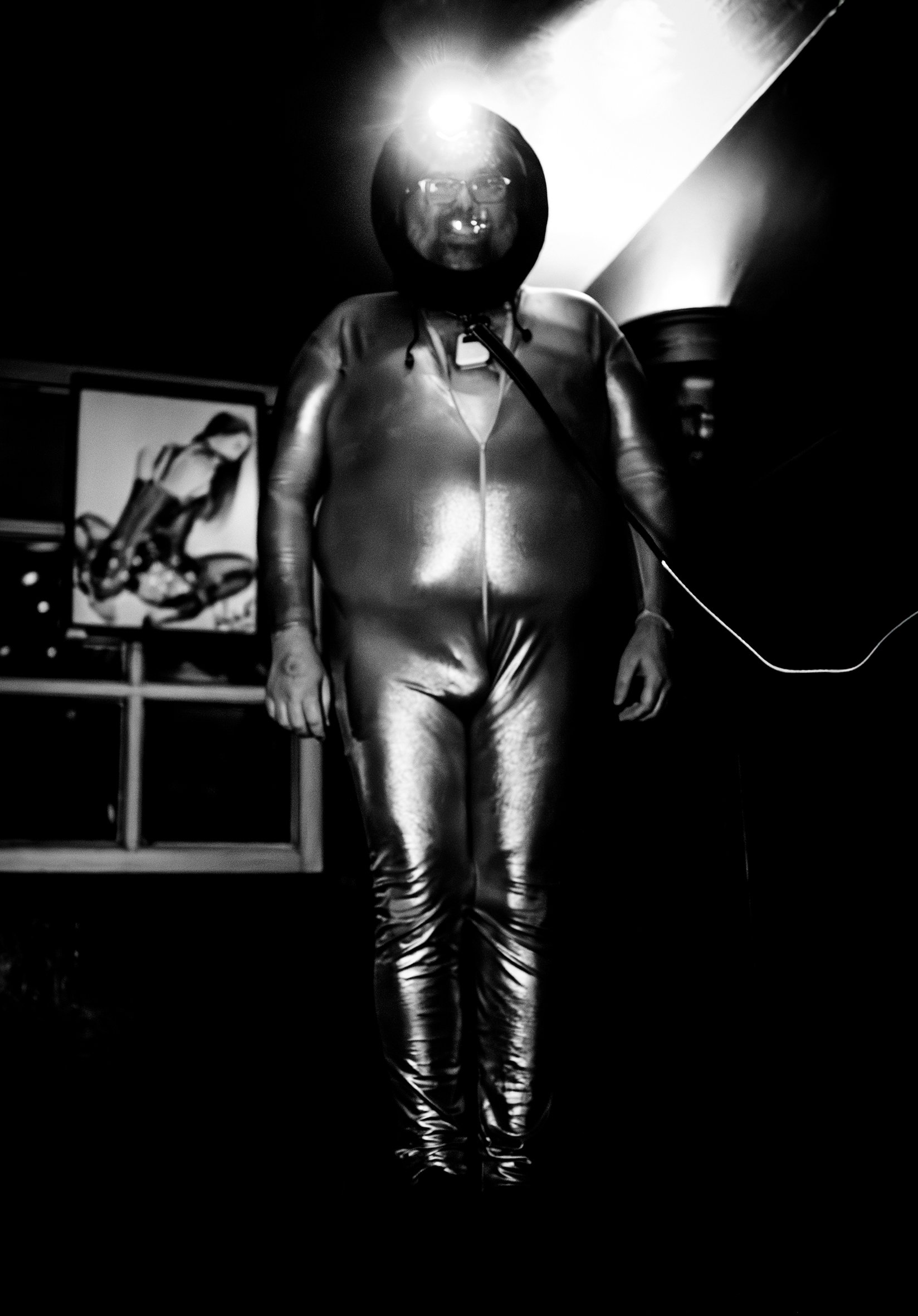
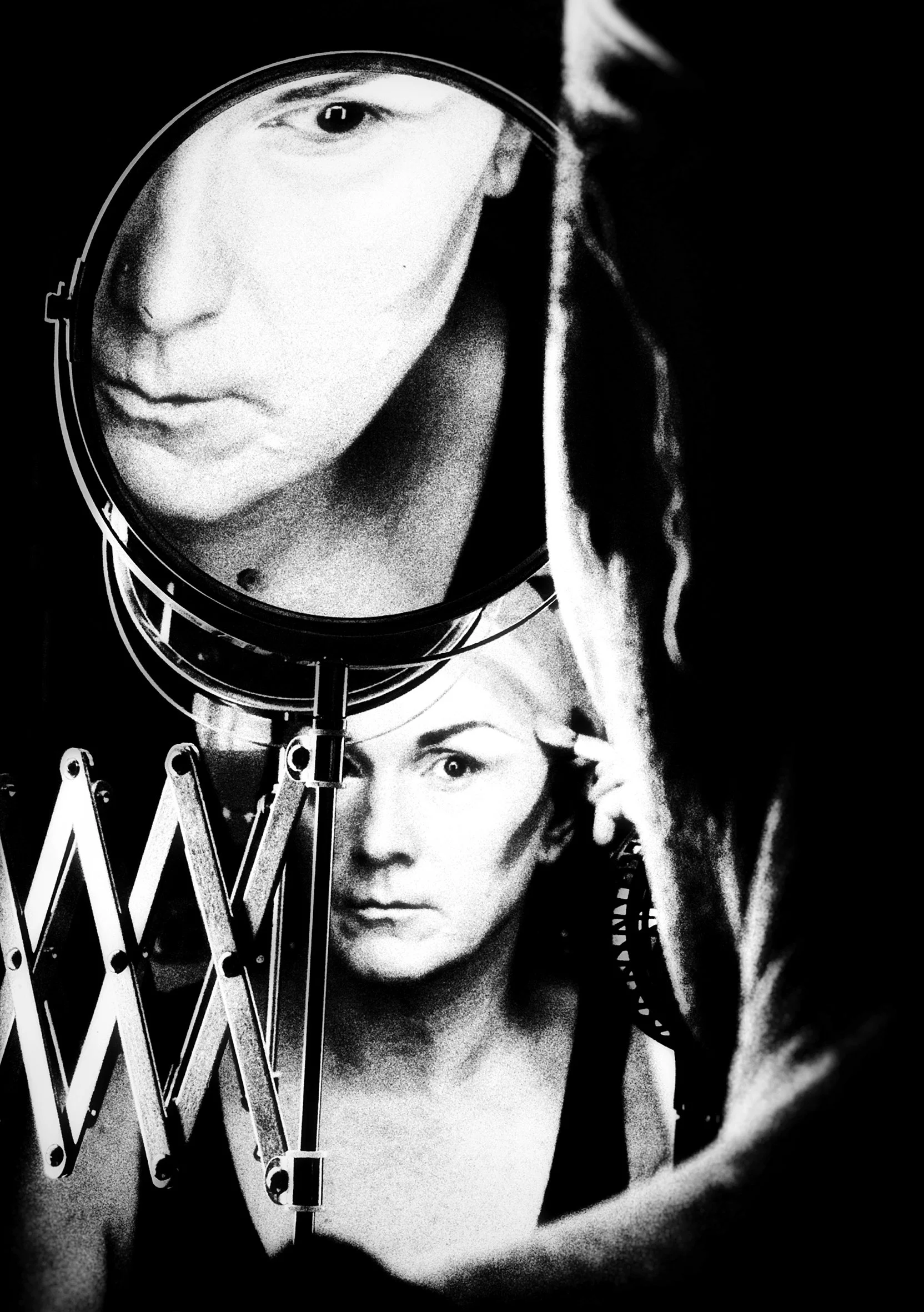
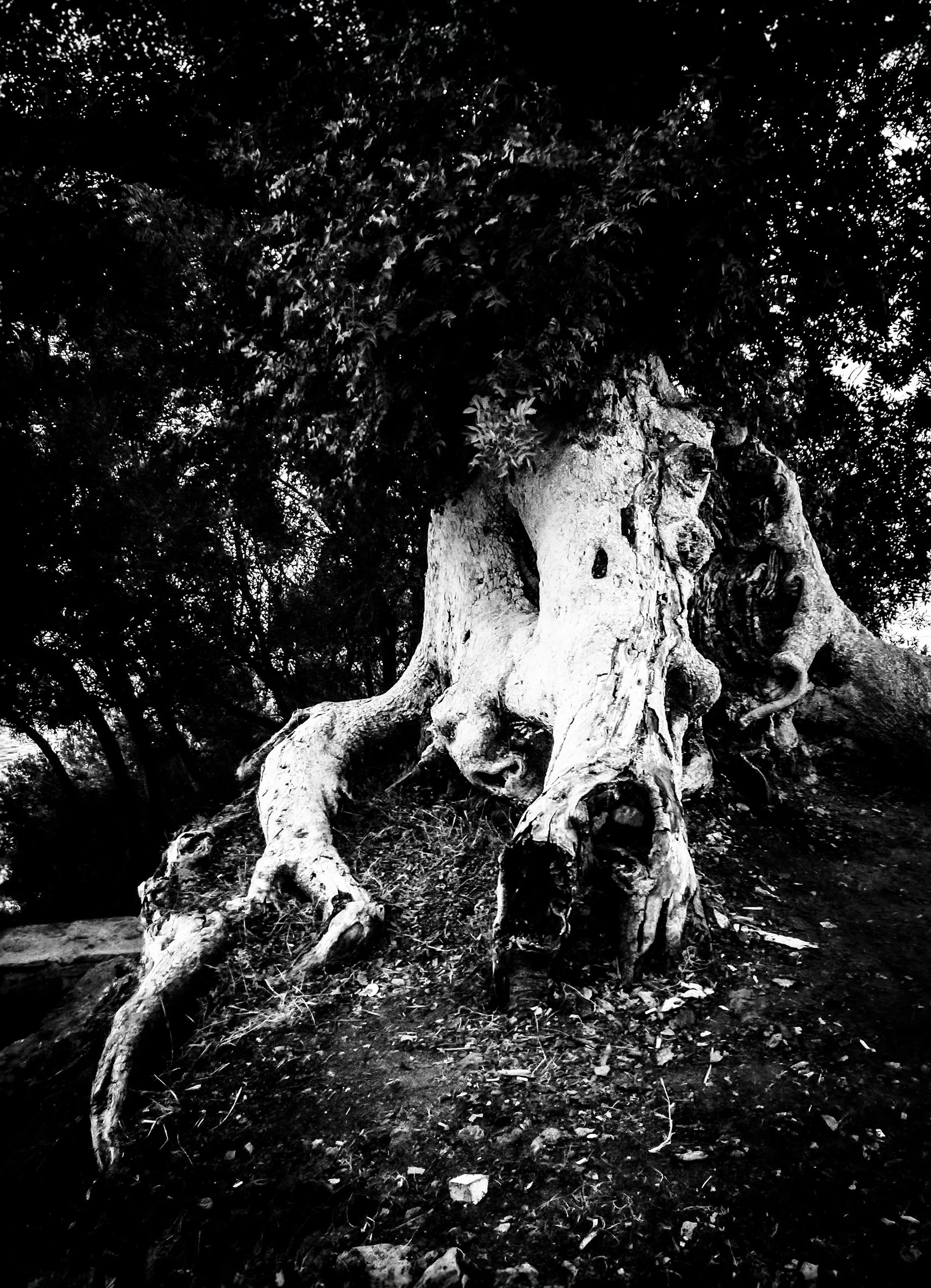
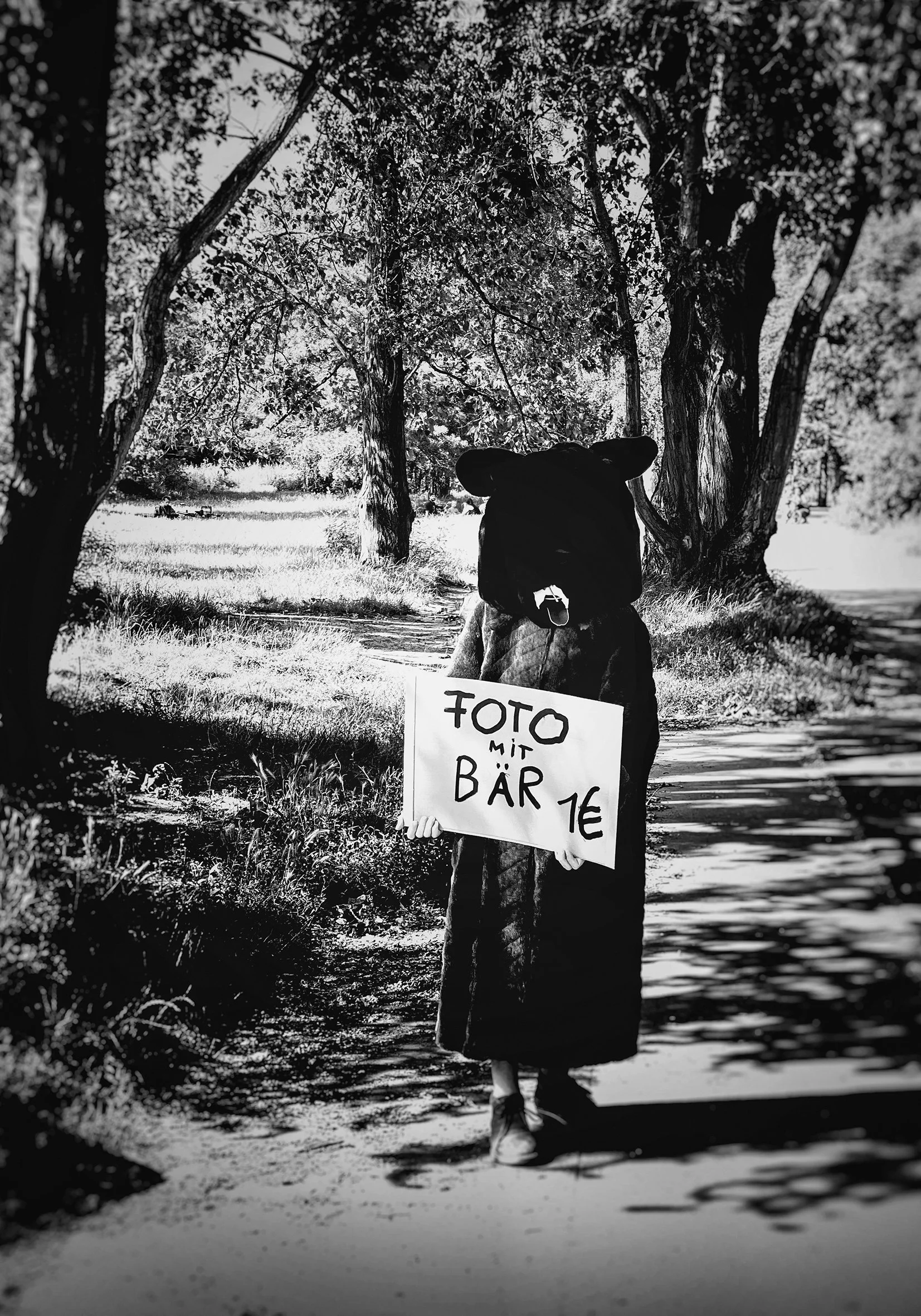
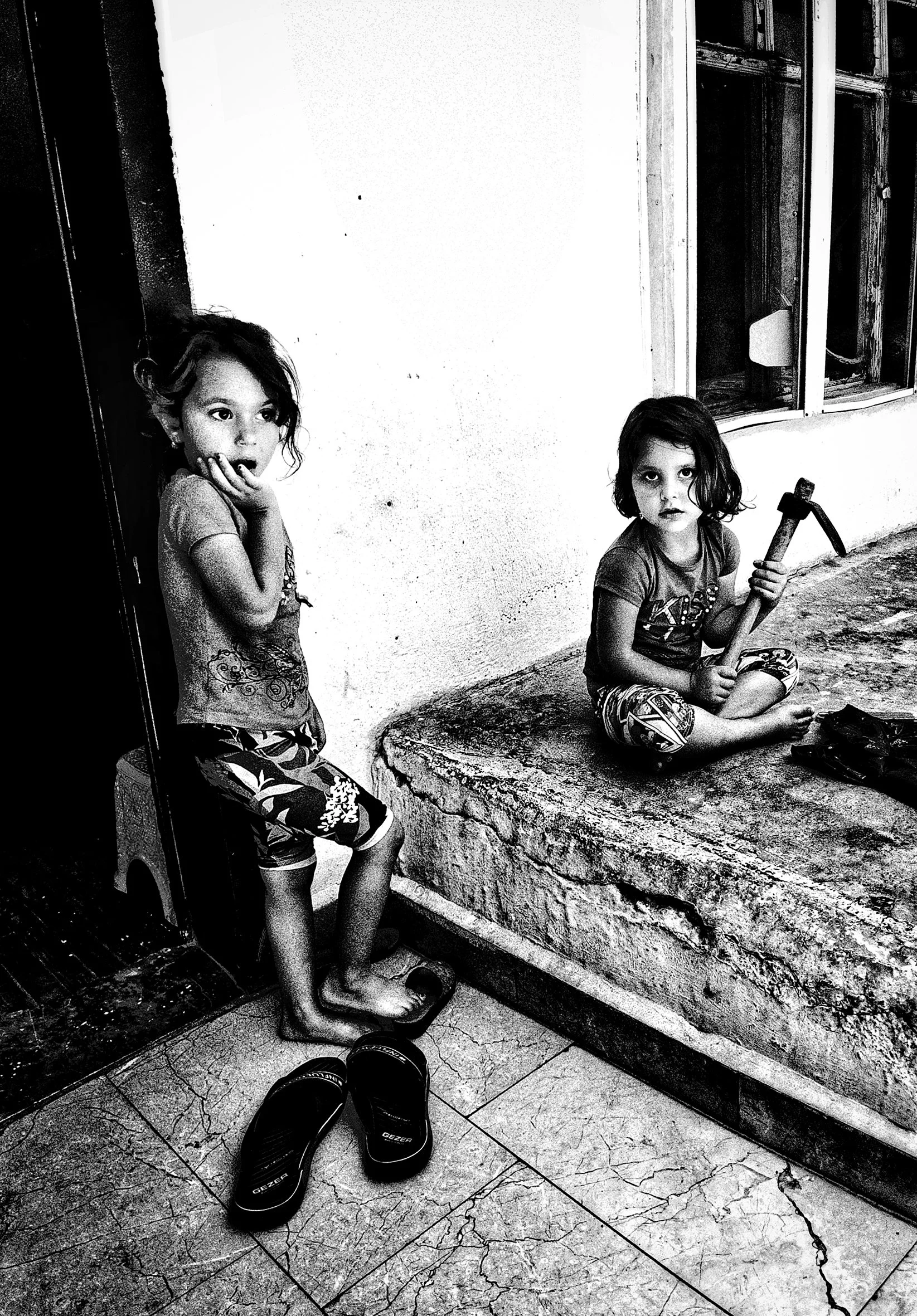
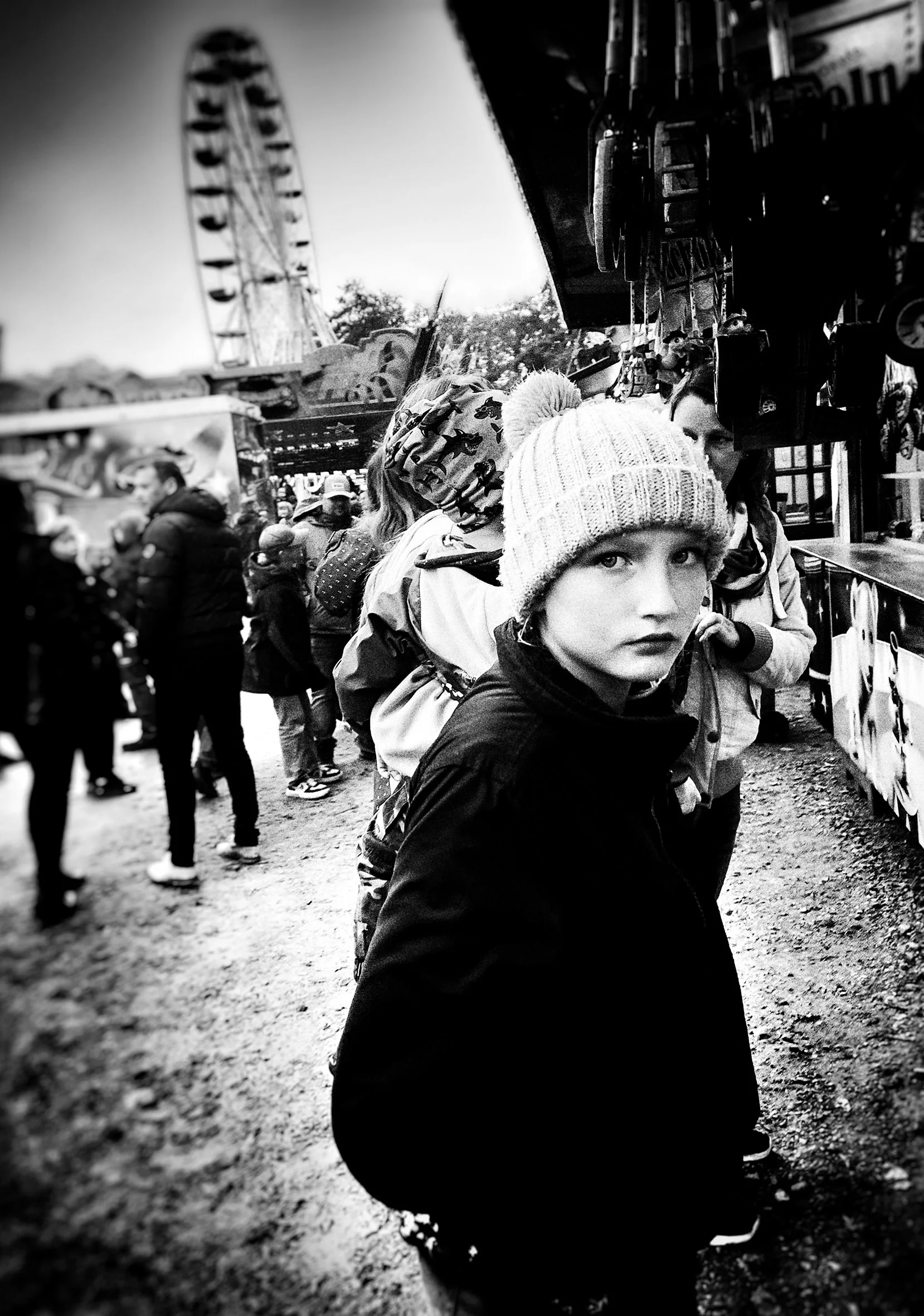
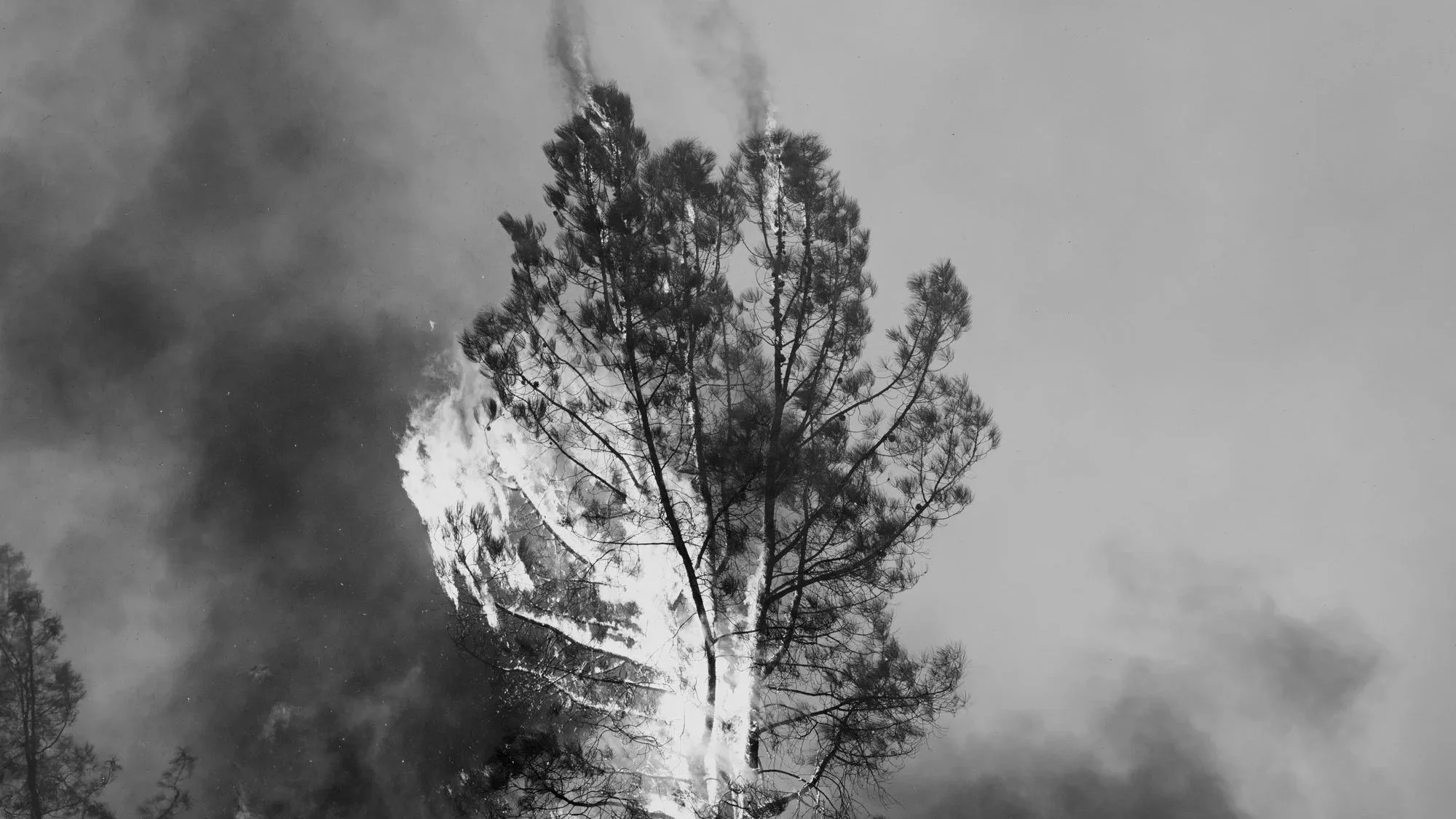
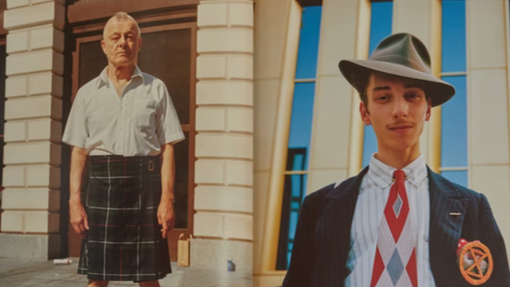
Find Me Paradise by Benita Suchodrev, published by Kehrer Verlag, brings together almost 300 black-and-white and duotone photographs made over more than two decades. Rather than following one place, period, or conventional documentary subject, the book connects portraits, landscapes, animals, still lifes, and fleeting encounters through recurring tensions between beauty and disturbance, intimacy and distance, desire and doubt.
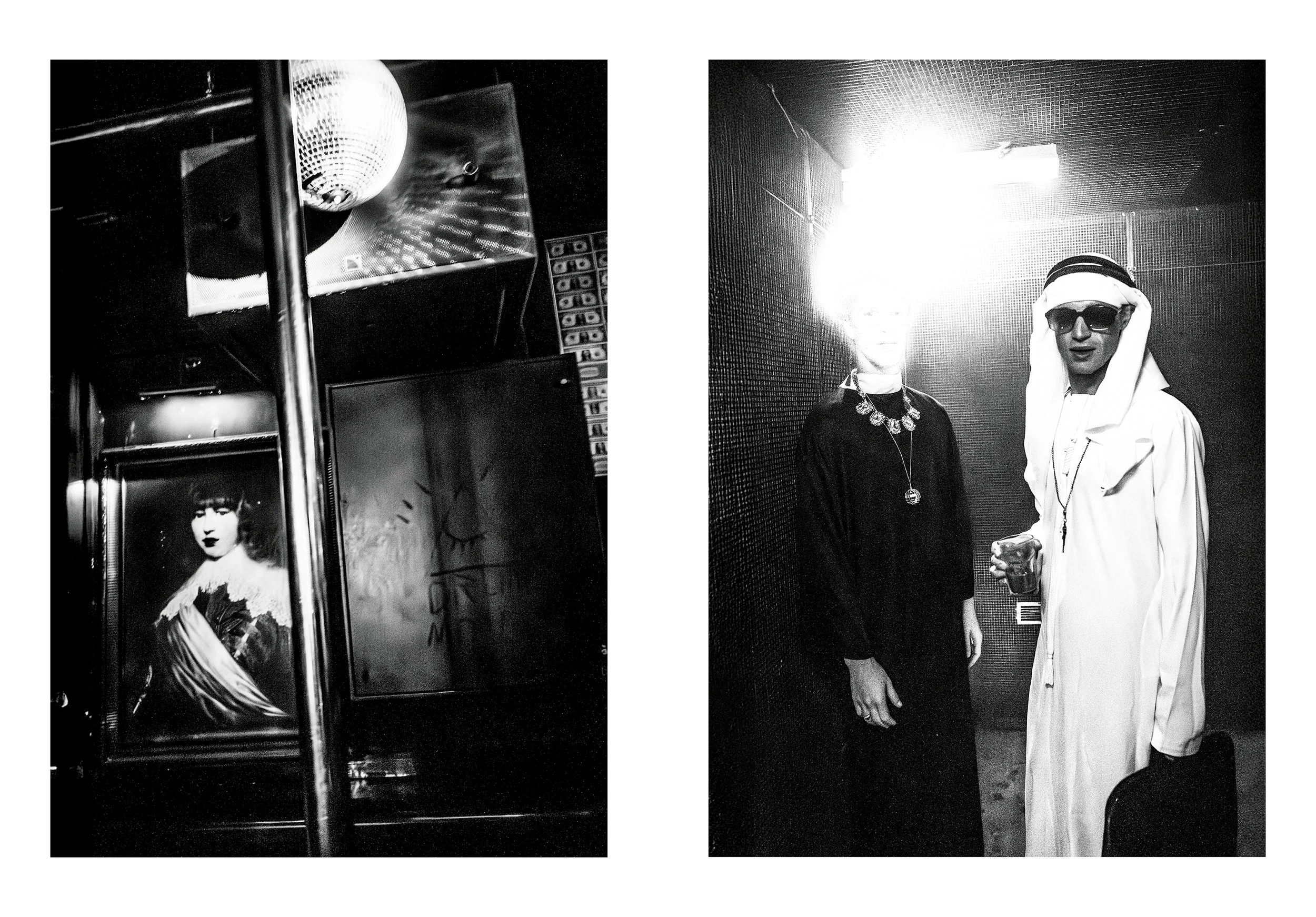
The project emerged when Suchodrev began pairing photographs that appeared unrelated in subject, time, and location. Through editing and sequencing, these images formed new associations and created meanings that were not present in either photograph alone. The result is both a personal retrospective and a new body of work shaped less by chronology than by emotional and symbolic connections.
Across 400 pages, Find Me Paradise explores paradise not as a place that can be reached, but as a longing that remains just beyond possession. The book moves through unrest, vulnerability, tenderness, fear, and contradiction, suggesting that paradise becomes imaginable only after passing through the darker parts of experience. (Kehrer Verlag, Amazon)
Genesis Through Editing: At what point during your 2020 lockdown search through old photographs did you realise you were no longer organising an archive, but discovering a new body of work?
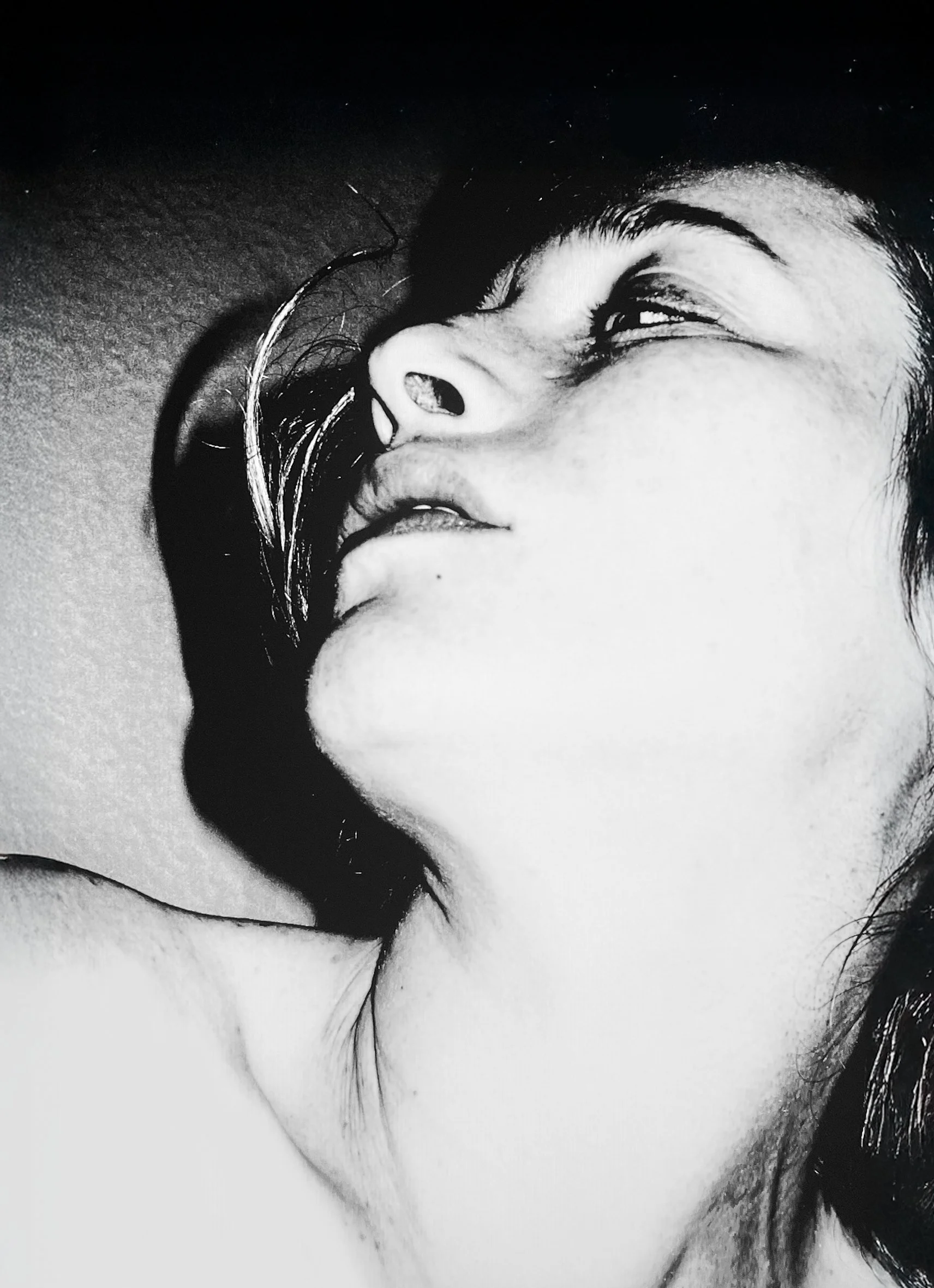
It happened rather spontaneously and very intuitively. I had a collection of images that I photographed during and immediately after the lockdown, once it became possible to travel again. Yet I felt all along that these photographs could not stand on their own, that something was missing.
As I was looking through these individual images of animals, landscapes, still lifes, and other subjects, I decided to conduct an experiment. I pulled out a photograph from a recent series and placed it next to an image that seemed to have virtually nothing in common with it, at least from a rational perspective. The two photographs were neither thematically nor chronologically related.
The pairing first took shape in my mind, but when I finally saw the two images side by side, I was astonished by the extent to which they connected. They questioned one another, even contradicted one another, yet ultimately completed each other.
Something new had been released, and I allowed it to take over.
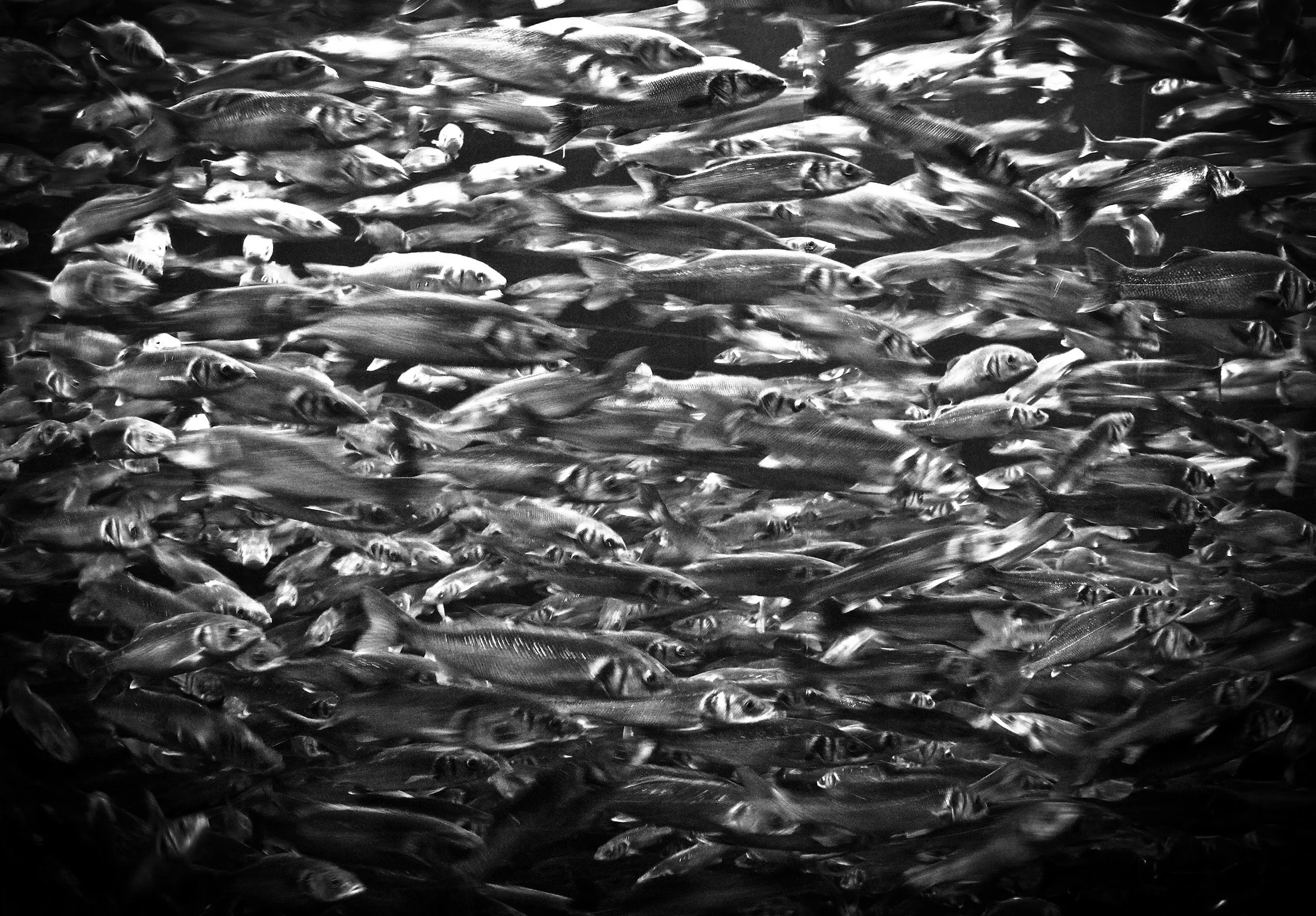
The Fish Photograph: You made the aquarium fish photograph before you took photography seriously, then lost it for years. When did you realise it carried a meaning that went far beyond what first attracted you to it?
Very often, what attracts our eye, captures our attention, and resonates with something deep within us is rooted in a hidden place where feelings or thoughts we cannot yet fully articulate quietly reside and begin to take shape. This process of growth and transformation unfolds over time.
When I took this photograph, I may have been consciously drawn to the obvious: the multitude of fish, their close proximity, their perpetual motion. But on an unconscious level, the very thing that fascinated me also disturbed me, even though I was not aware of it at the time.
That sense of disturbance surfaced only years later, when I looked at the image with different eyes and in a different context. The idea of disturbance runs like a connecting thread throughout the book.
Instant Pairings: You’ve said most of your pairings worked immediately, before you understood why. How do you recognise in that instant that two photographs belong together?
Think of it as a kind of symbolic alchemy, the union of opposites. Two images that appear incompatible are brought together and, somehow, begin to form a new, harmonious whole.
The role of the alchemist, symbolically, is not simply to mix substances, but to reconcile tensions: light and darkness, masculine and feminine, spirit and matter, chaos and order. I believe something similar happens when two photographs truly belong together. Their differences are not erased; they remain intact, yet they create a third space in which something entirely new can emerge.
I know this may sound abstract, but the specificity lies in the images themselves: in their visual details, their form, subject matter, rhythm, and composition. When placing two photographs side by side gives rise to a new feeling, a new idea, a question, or even a revelation that neither image could evoke on its own, then I know they belong together.
Naming Your Own Instinct: You later realised your pairings shared recurring patterns of shape, contrast, light, and symbolism. Did understanding those patterns strengthen your intuition, or make you question it more?
It actually strengthened my trust in intuition, but it didn't replace it.
Recognizing those recurring patterns reassured me that my choices had never been arbitrary. There was an internal logic at work long before I was conscious of it.
At the same time, I have to be careful. The moment I begin looking for those patterns deliberately, they risk becoming a formula. I don't want to illustrate ideas that I already understand. I want the work to surprise me.
So, intuition still comes first. Understanding follows. The meaning reveals itself only over time. I see reflection as a way of discovering what I have already made, not as a blueprint for making the next photograph or pairing.
If I ever started making pairings because I recognised the pattern, I think the work would lose something essential. The pattern is something I discover, not something I pursue.
Sequencing vs Pairing: Pairing two images came easily to you, but sequencing almost 300 photographs into a rhythm was harder. Why did building the full sequence require a different way of thinking than putting two pictures side by side?
A pairing is a dialogue between two photographs. A sequence is the language of the entire book. Those are two very different creative acts.
Pairing was almost entirely intuitive. I would place two photographs together and immediately feel whether something happened between them.
Sequencing required a different kind of attention. I was no longer listening only to the conversation between two images, but to the rhythm of the entire book. Every spread influences the one before it and the one after it.
A strong pairing isn't necessarily in the right place. Its meaning changes depending on what precedes it and what follows it. So, sequencing became less about individual photographs and more about movement, pacing, tension, silence, and release. I wanted the reader to experience the book almost like a piece of music or a film, where every transition matters.
Ultimately, even when sequencing became more analytical, intuition still made the final decisions. I could study the rhythm for days, but in the end, I still had to feel whether turning the page was inevitable.
Beauty and Terror: You’ve said beauty without terror is boring and terror without beauty is unbearable. How do you recognise when a photograph has lost that balance?
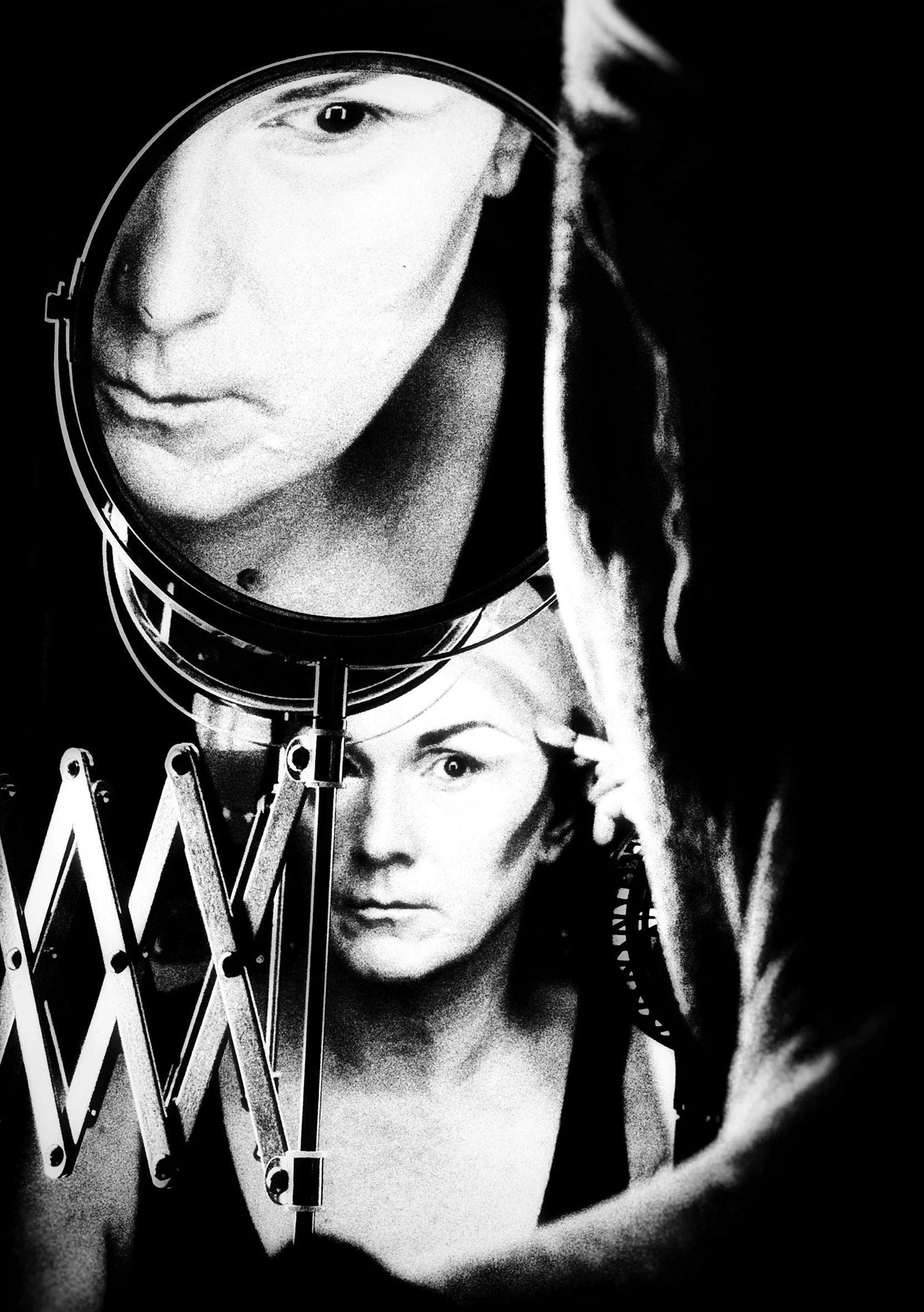
For me, beauty and terror are not opposites. They are two forces that give one another meaning.
I begin to lose interest when a photograph offers only one emotional register. If it is only beautiful, I admire it, but I don't stay with it for very long. If it is only disturbing, it can become overwhelming or even illustrative.
The photographs that continue to fascinate me are those that resist a single reading. They attract me and unsettle me at the same time. They invite me closer while making me hesitate. That tension keeps the image alive. The moment it disappears, I feel that something essential has been lost.
What I'm really searching for is not beauty or terror, but compassion. Beauty and terror are simply two paths that lead us there.
A Title Before the Pictures: Find Me Paradise existed as a title before the book took shape. How did having that title influence what you began noticing in your archive?
The title didn't tell me what to include; it didn’t give me answers; but it may have subtly changed the questions I asked of the photographs.
I wasn't searching for beautiful places or idyllic moments. I was asking whether paradise could reveal itself in unexpected, even contradictory situations, in intimacy, loneliness, tenderness, desire, loss, darkness.
In that sense, the title became less of a destination than a way of seeing. It opened up meanings that I hadn't consciously recognised before.
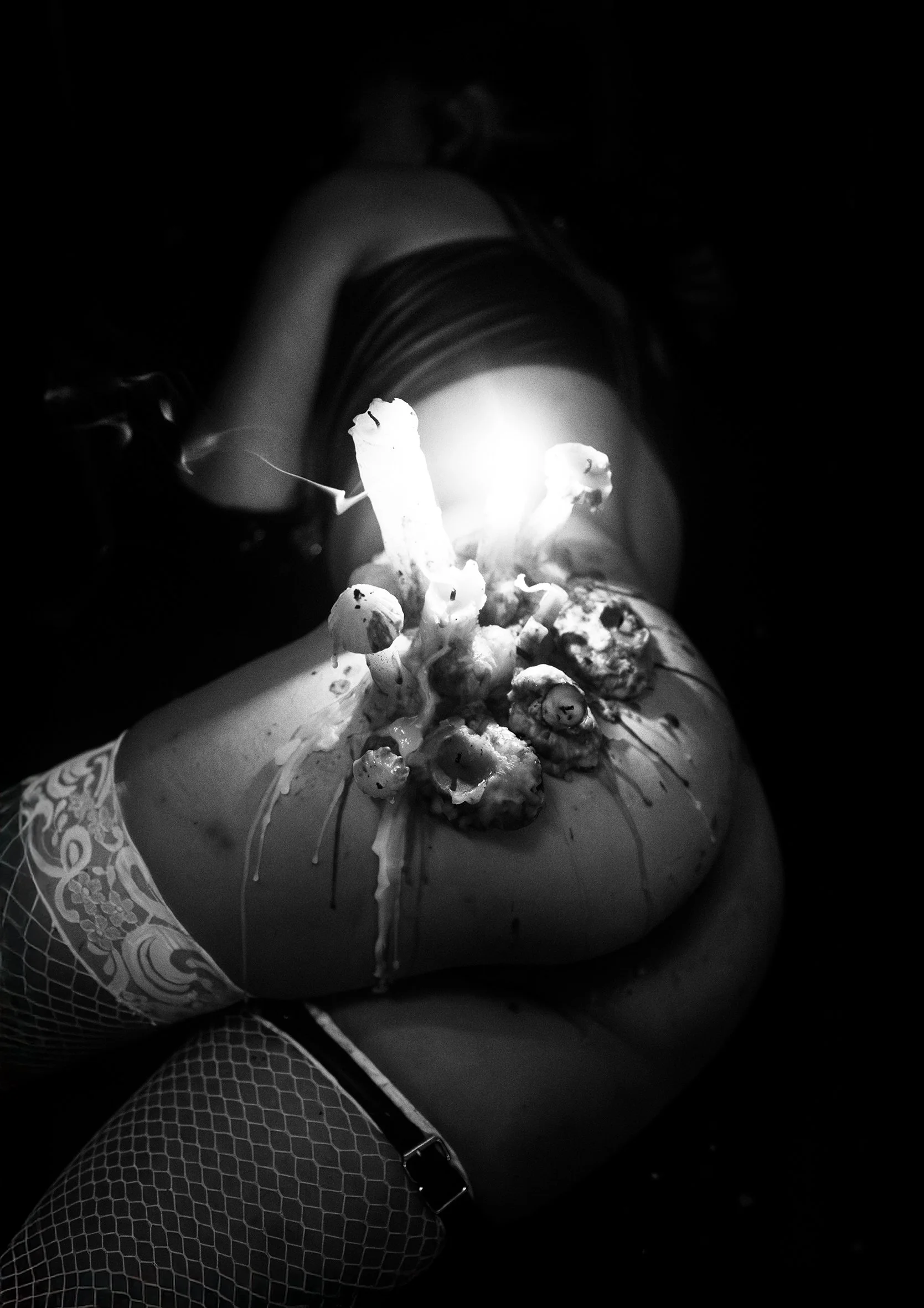
Reading the Street: You’ve said intuition is faster than the brain, and that you often see the photograph before you make it. What do you notice in a person just before that in-between moment appears?
I notice emotion. It can appear as tension, transition, hesitation, or contemplation. Whatever form it takes, it is always a kind of indeterminate, unfinished state, a moment where something is about to shift, but has not yet revealed itself. This is the moment I am drawn to, a fleeting point where something is still forming, and the photograph captures it before it resolves.
Looking Back: Looking back at Find Me Paradise, what part of making this book has changed the way you now photograph every new project?
Find Me Paradise taught me to trust the unknown. The more I trust it, the more I understand that photography is not about finding answers, but about remaining open to the mysteries that reveal themselves.
Looking back through years of photographs, I saw that the images I was most drawn to were often the ones I could not immediately explain, moments where beauty and discomfort, intimacy and distance, vulnerability and strength existed together.
In my work, I never searched for a specific image; I searched for a feeling, for a connection, for that moment when something unexpected appears and asks to be noticed.
Since making this book, I believe I will approach every new project with an even greater openness. It is this openness to the unknown that allows the photograph to find me, rather than me simply finding the photograph.
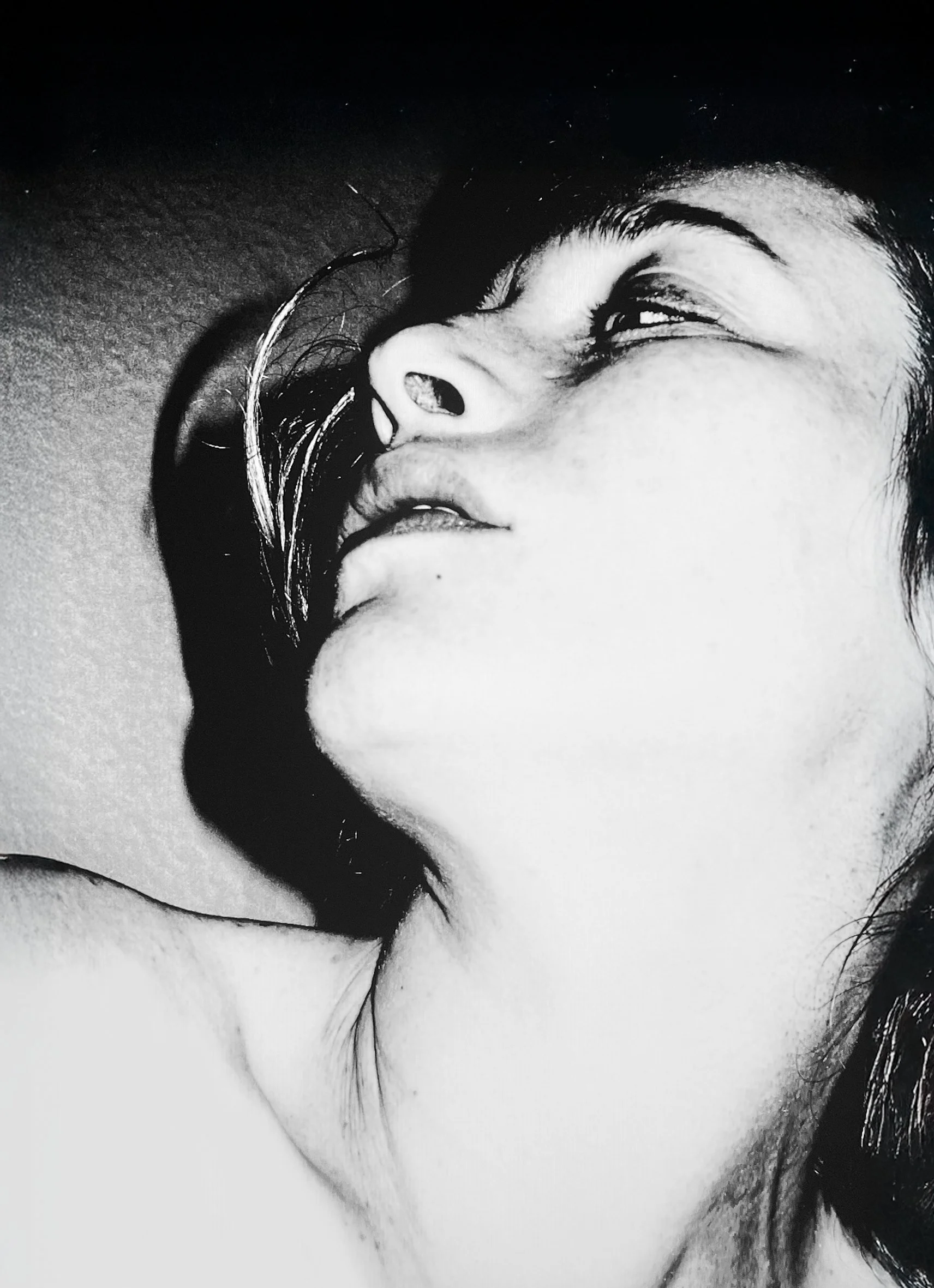
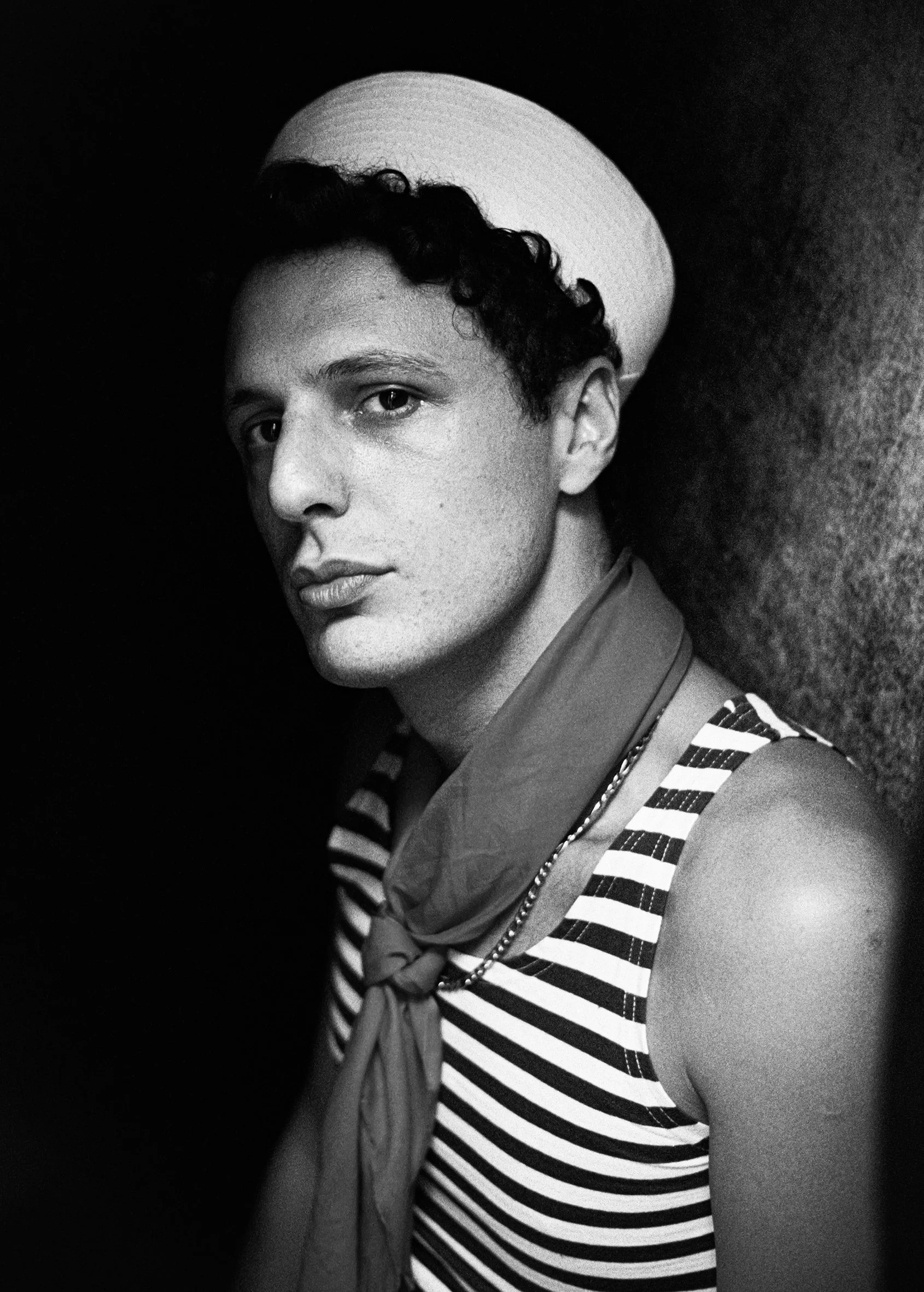
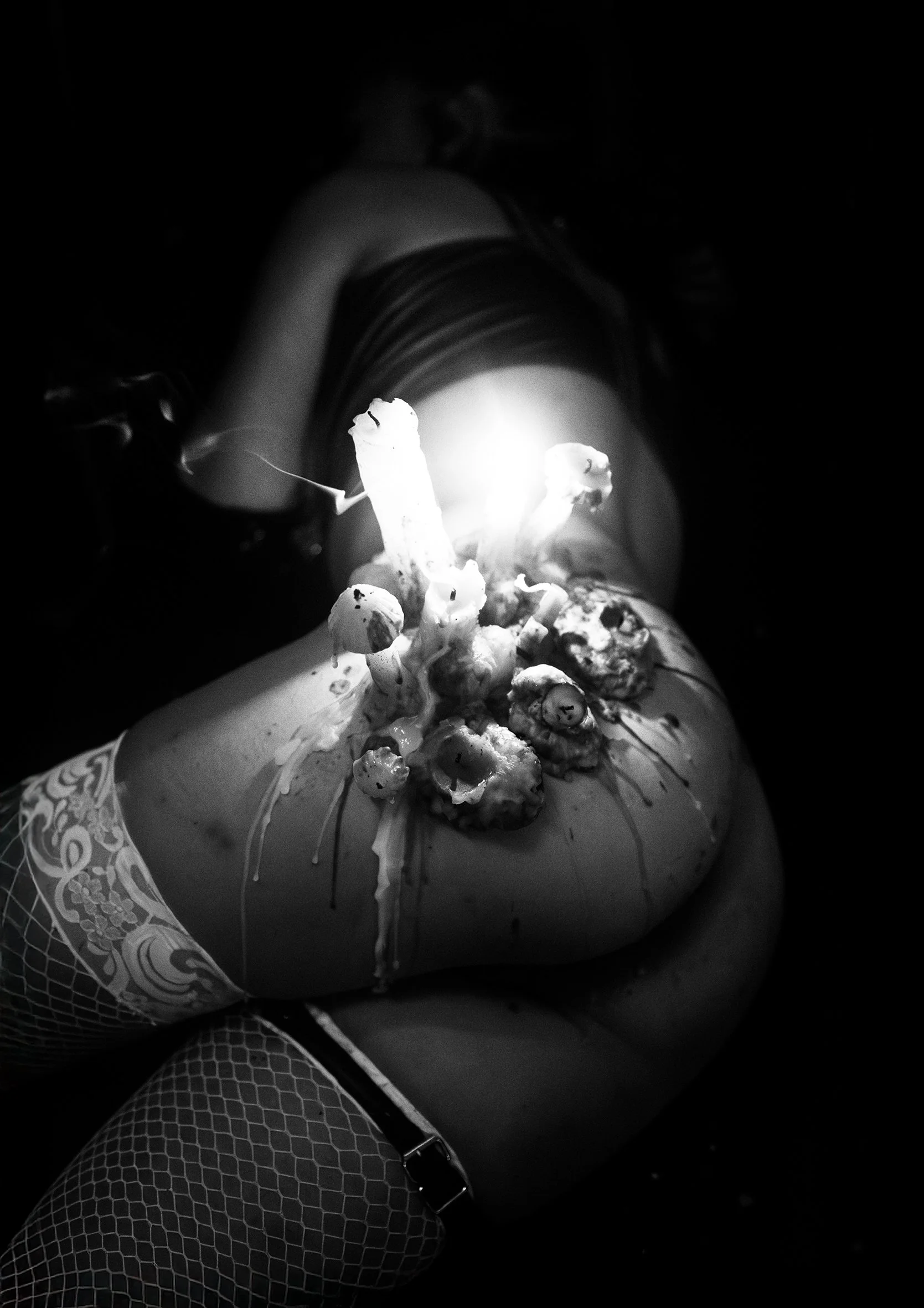
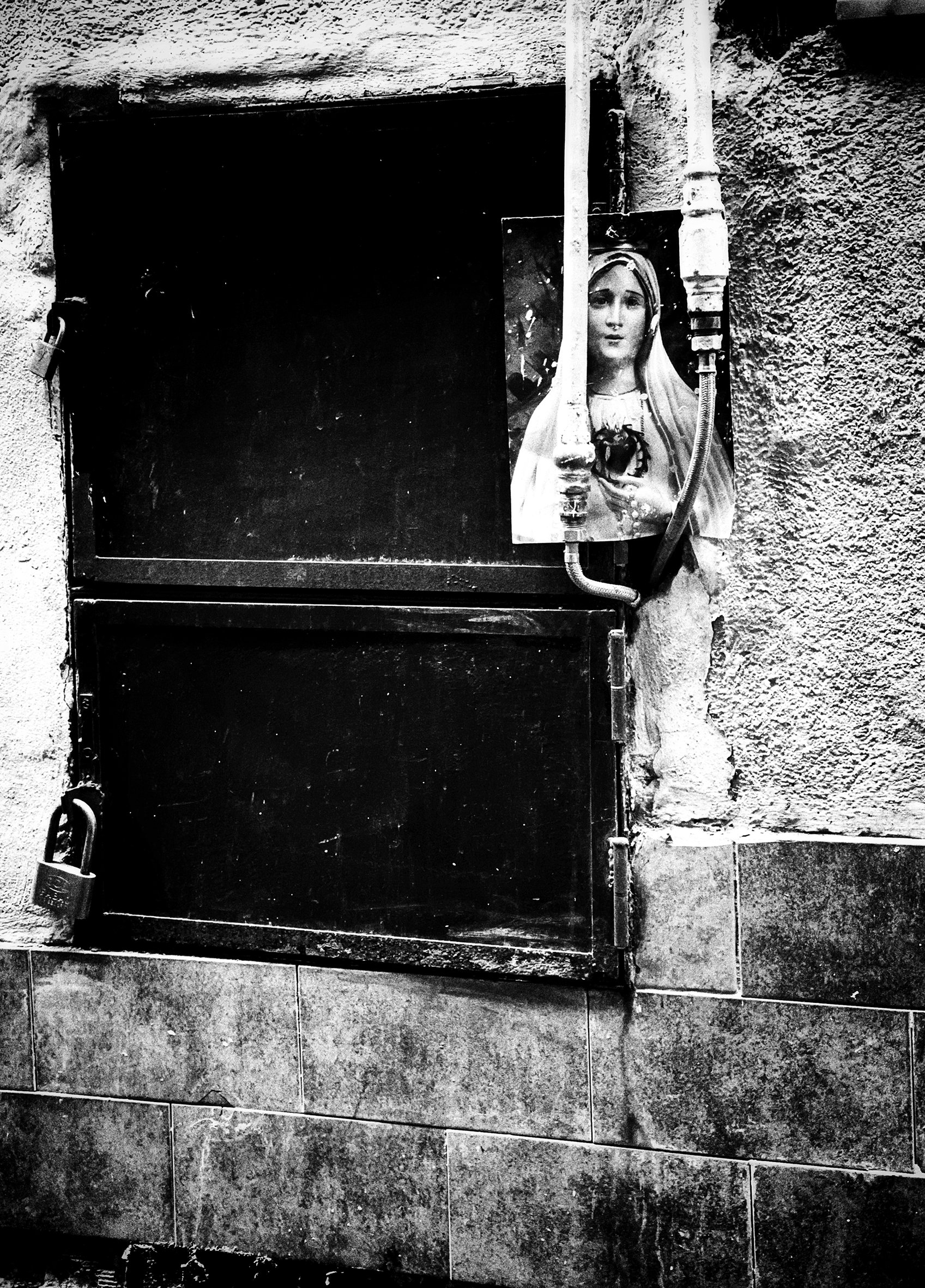
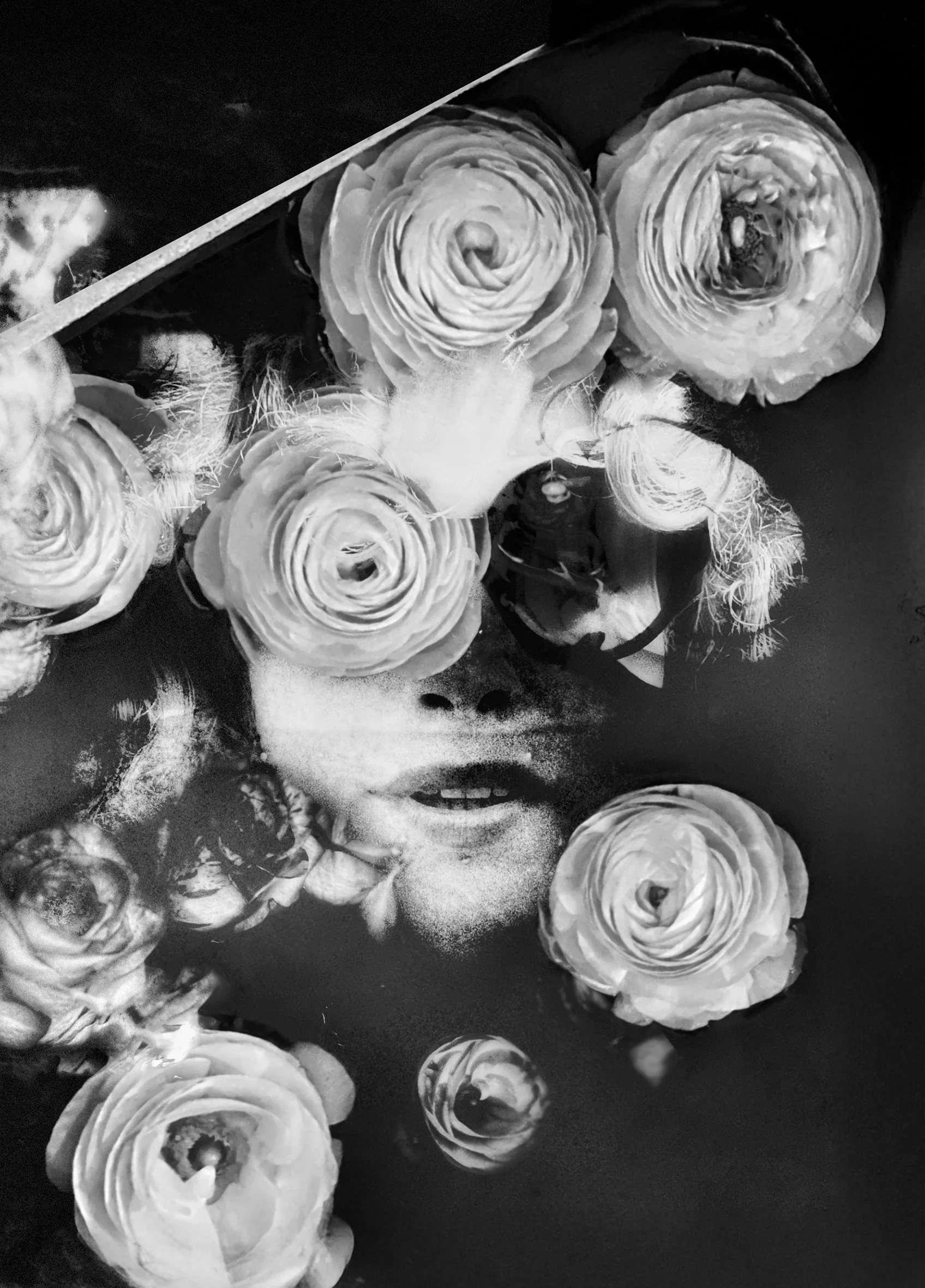
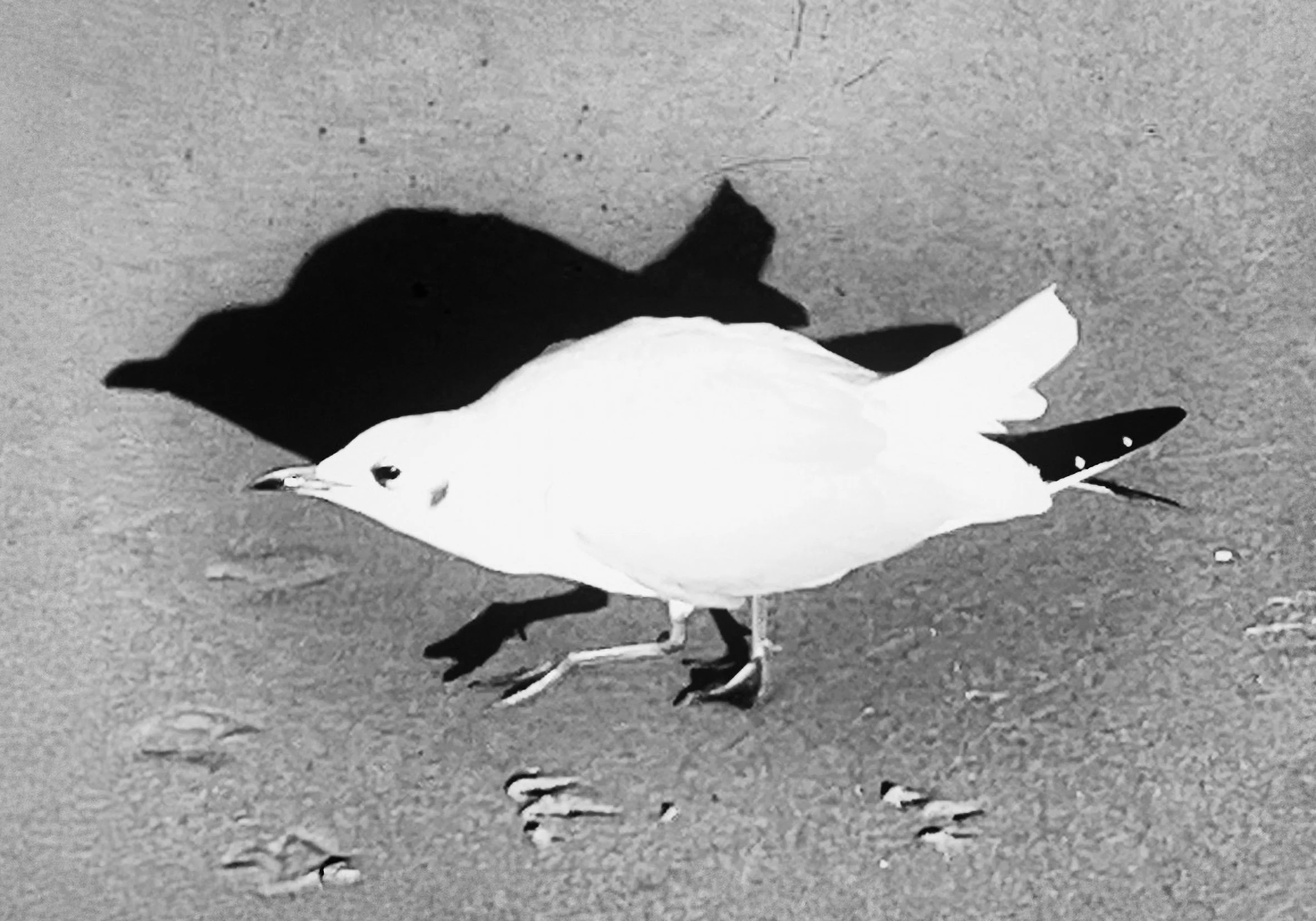
To discover more about this intriguing body of work and how you can acquire your own copy, you can find and purchase the book here. (Kehrer Verlag, Amazon)
More photography books?
We'd love to read your comments below, sharing your thoughts and insights on the artist's work. Looking forward to welcoming you back for our next [book spotlight]. See you then!
The past became visible once Richards learned where to look. For The Inner Passage, Virginia McGee Richards spent fifteen years photographing a waterway in the South Carolina Lowcountry. Photography Book Spotlight