How Dan Nelken Approached Photographing the Women of Rural Uganda as an Outsider
Welcome to this edition of [book spotlight]. Today, we uncover the layers of 'HeadStrong,' by Dan Nelken (published by Kehrer Verlag). We'd love to read your comments below about these insights and ideas behind the artist's work.
Being an outsider shaped every portrait Dan Nelken made.
He had known that feeling long before arriving in Uganda. By the age of eleven, he had already lived in three countries, and photography later became a way for him to enter places and meet people he would otherwise never know. But in Uganda, being there with a camera also meant understanding that he was entering someone else’s culture and could not assume he knew how to work within it.
HeadStrong grew from a project that did not work at first.
On his first trip in 2017, Nelken photographed street vendors and returned home thinking the portraits had failed because the people seemed to disappear into their surroundings. When he returned to Uganda, the project slowly changed. He began focusing on working women, collaborated with Ugandan writer Beatrice Lamwaka, worked with local assistants, and eventually found a visual solution in the mosquito netting that allowed the women to remain connected to the places where they worked.
The interview shows how he approached trust, permission, collaboration, and representation when photographing people from a culture different from his own. It also shows how practical decisions, from asking local partners for advice to letting the women decide how they wanted to pose, can change not only the photographs but the whole direction of a project.
The Book
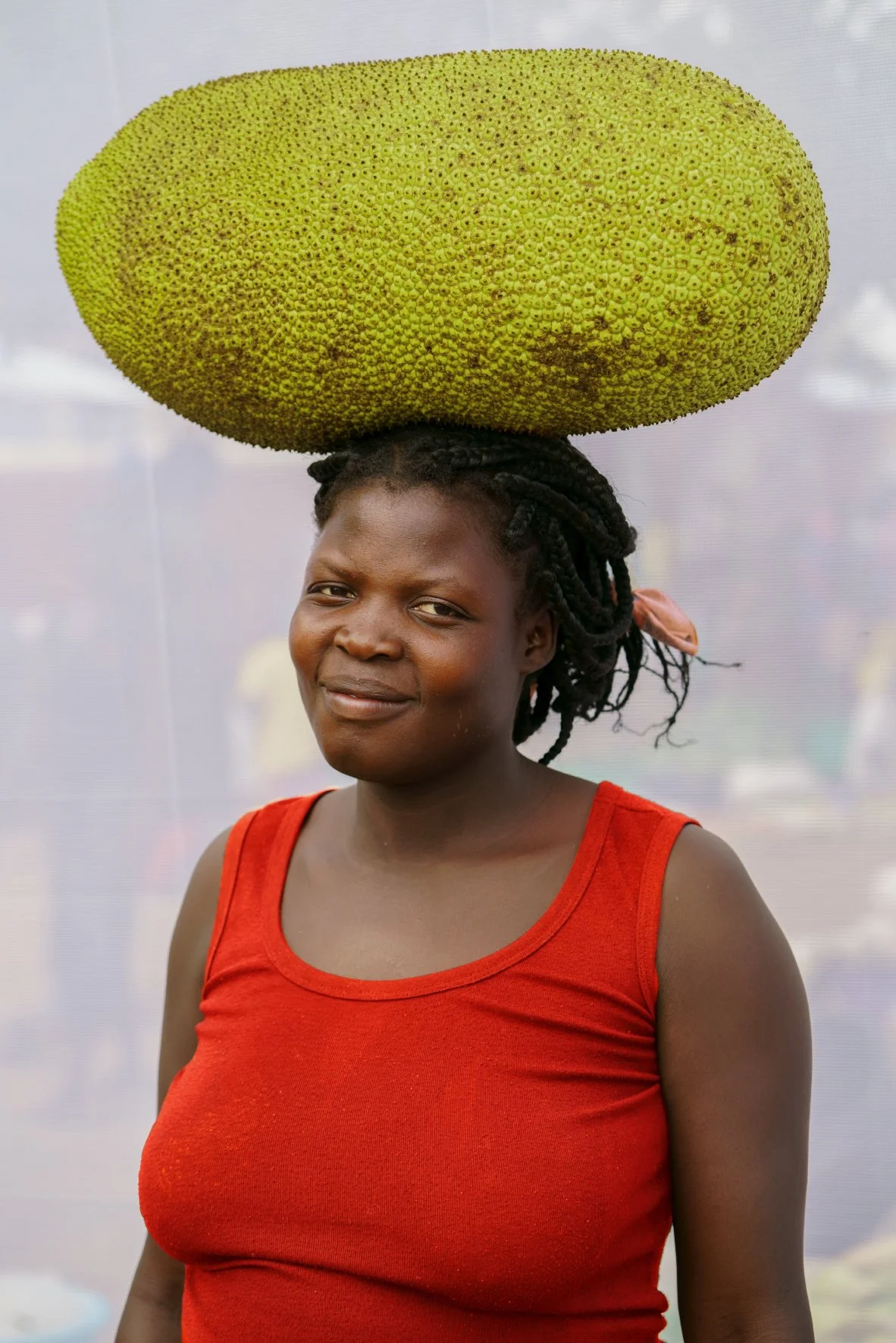
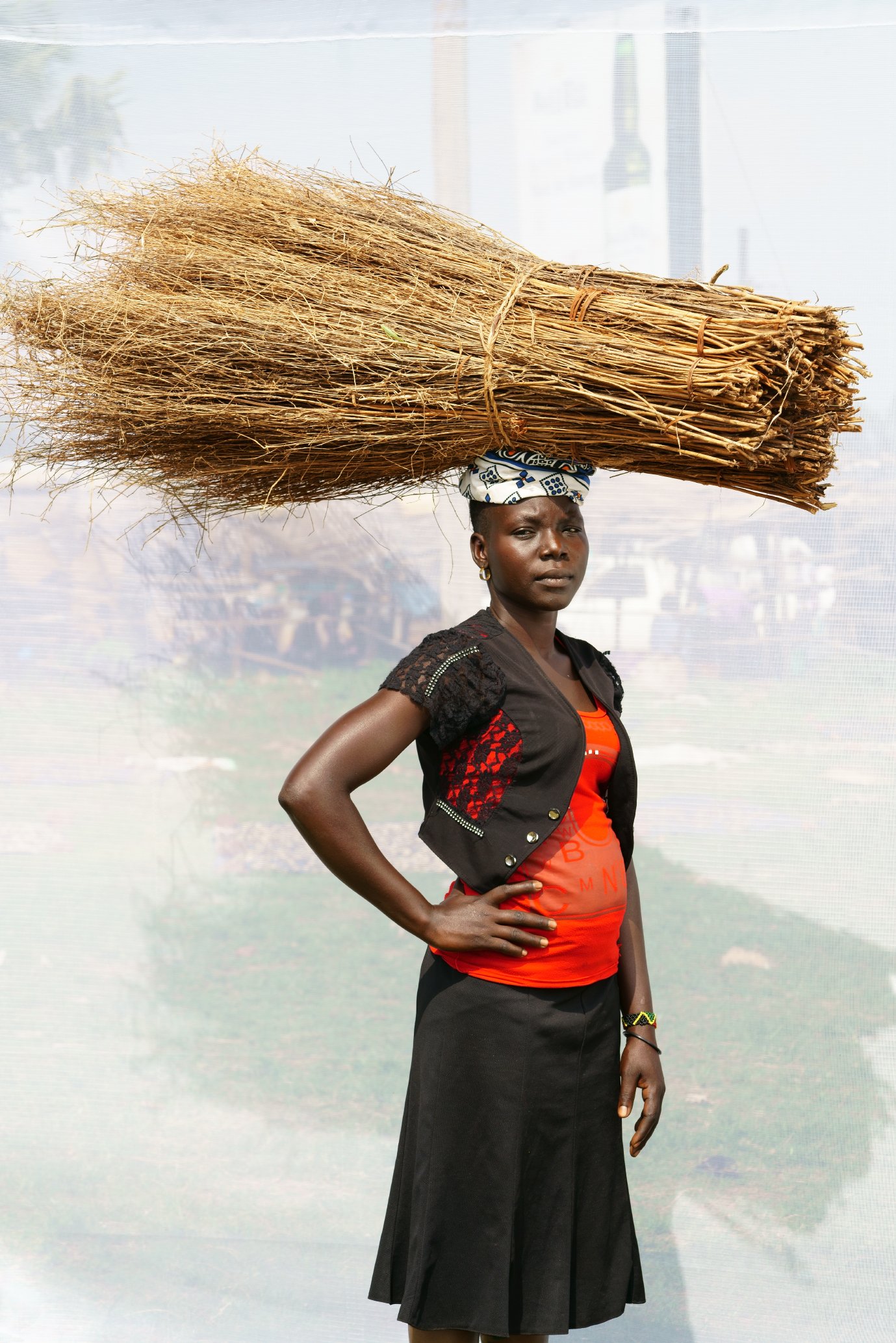
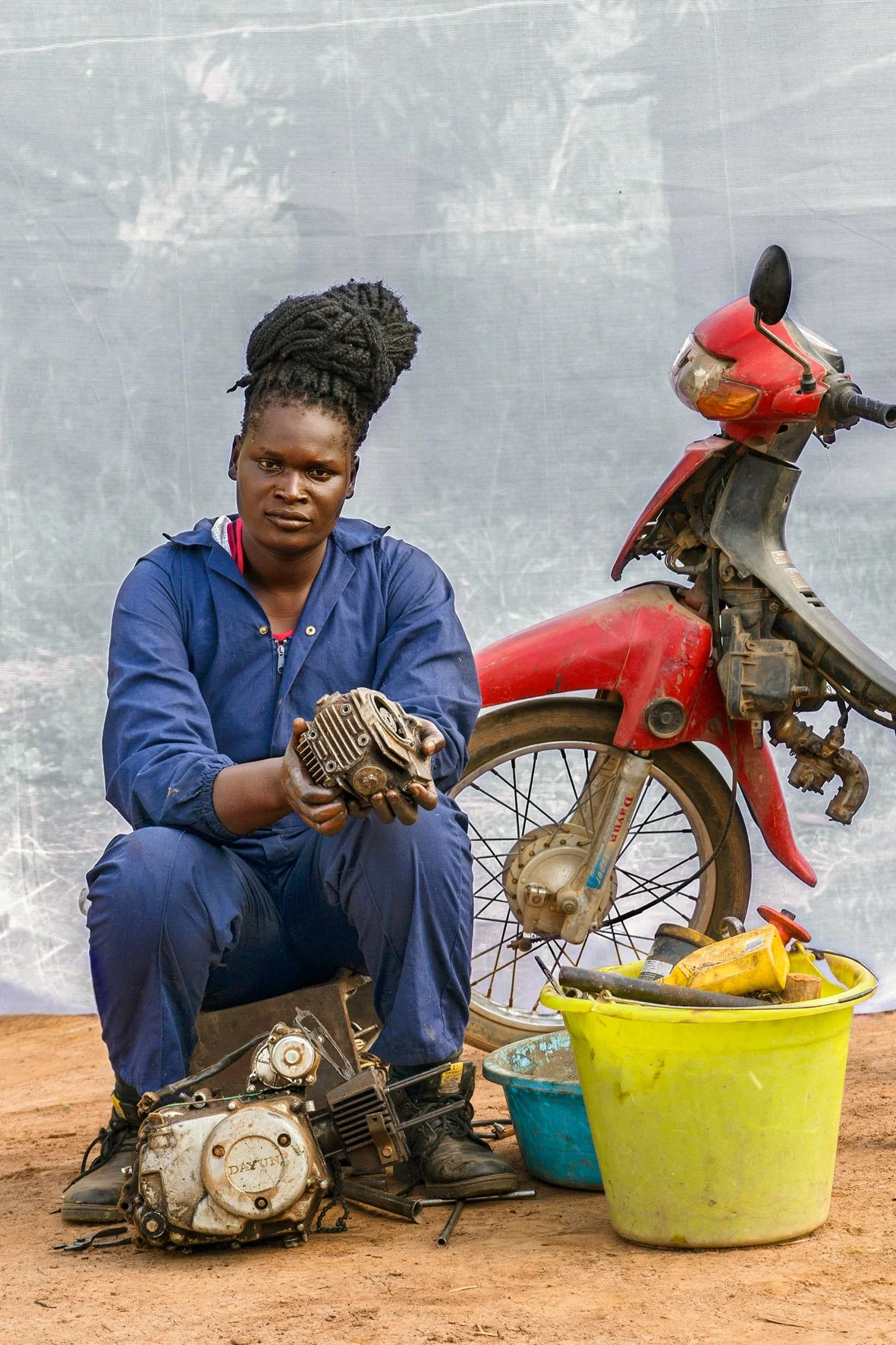
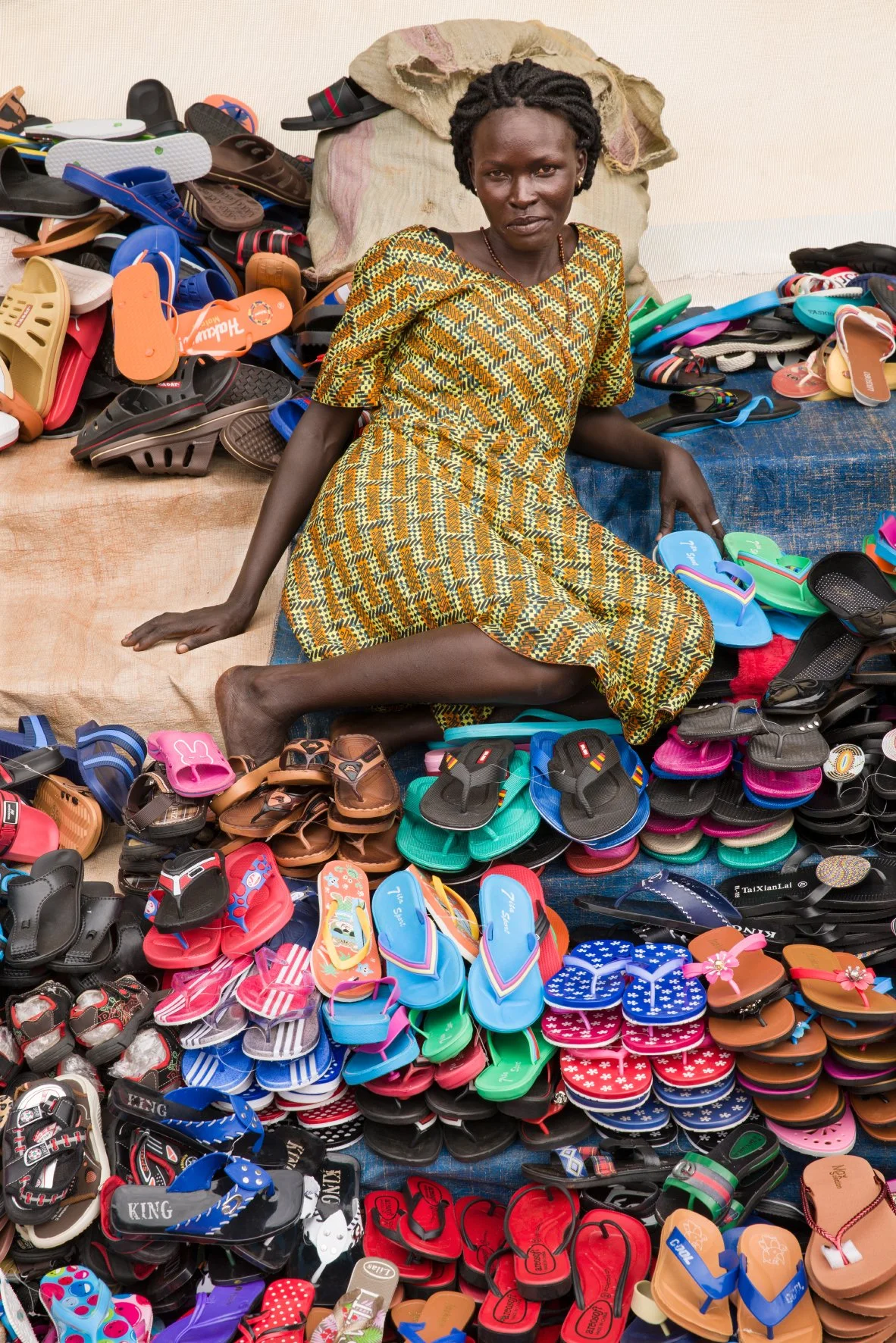
HeadStrong: The Women of Rural Uganda by Dan Nelken brings together portraits and personal stories of working women across rural Uganda. Made over four trips between 2017 and 2019, the project follows women working in markets, quarries, farms, healthcare, technology, and other professions. Their stories speak about war, abduction, motherhood, education, work, faith, and the struggle to provide for their families. Created in collaboration with Ugandan writer Beatrice Lamwaka, the book combines Nelken’s portraits with the women’s own accounts, alongside essays by Ber Anena and Dr. Stella Nyanzi that provide wider social and historical context. Published by Kehrer Verlag in 2026. (Kehrer Verlag, Amazon)

Beauty and hardship: How did you decide how much formal beauty a portrait should carry when the story beside it describes war, abduction, or loss?
For this project, I did not set out to create formal beauty portraits, but I hoped to create authentic ones. My priority was to first make each woman feel comfortable by letting them know they could pose any way they chose. I wanted them to trust that I would represent them as they wanted to appear, with their agency intact.
In addition, I had no idea what any of the women would discuss with Beatrice after I took her portrait. I did not want their stories to unintentionally influence how I would photograph them.
First trip: At what point during your first trip to Uganda in 2017 did you realize your original way of photographing wasn't going to tell the story you wanted to tell?
My wife and I went to Uganda as volunteers with an NGO (Oysters & Pearls Uganda) that offered hands-on computer training to high school-aged blind and sighted Ugandan students. Again, I did not have any predetermined plan to create a project. I was there to photograph the NGO's activities while my wife, Adele, taught critical thinking to the blind students.
After a week, one of the students, Emmanuel, asked if he could assist me because he wanted to be a photographer. With Emma by my side, I decided to venture into the town of Gulu to photograph street vendors, with no preconceived plan beyond taking portraits. As a Mzungu (a white person), one cannot expect to do any “street photography” unnoticed, for obvious reasons. Besides, it is considered intrusive and impolite to take a photo of an individual without first asking permission.
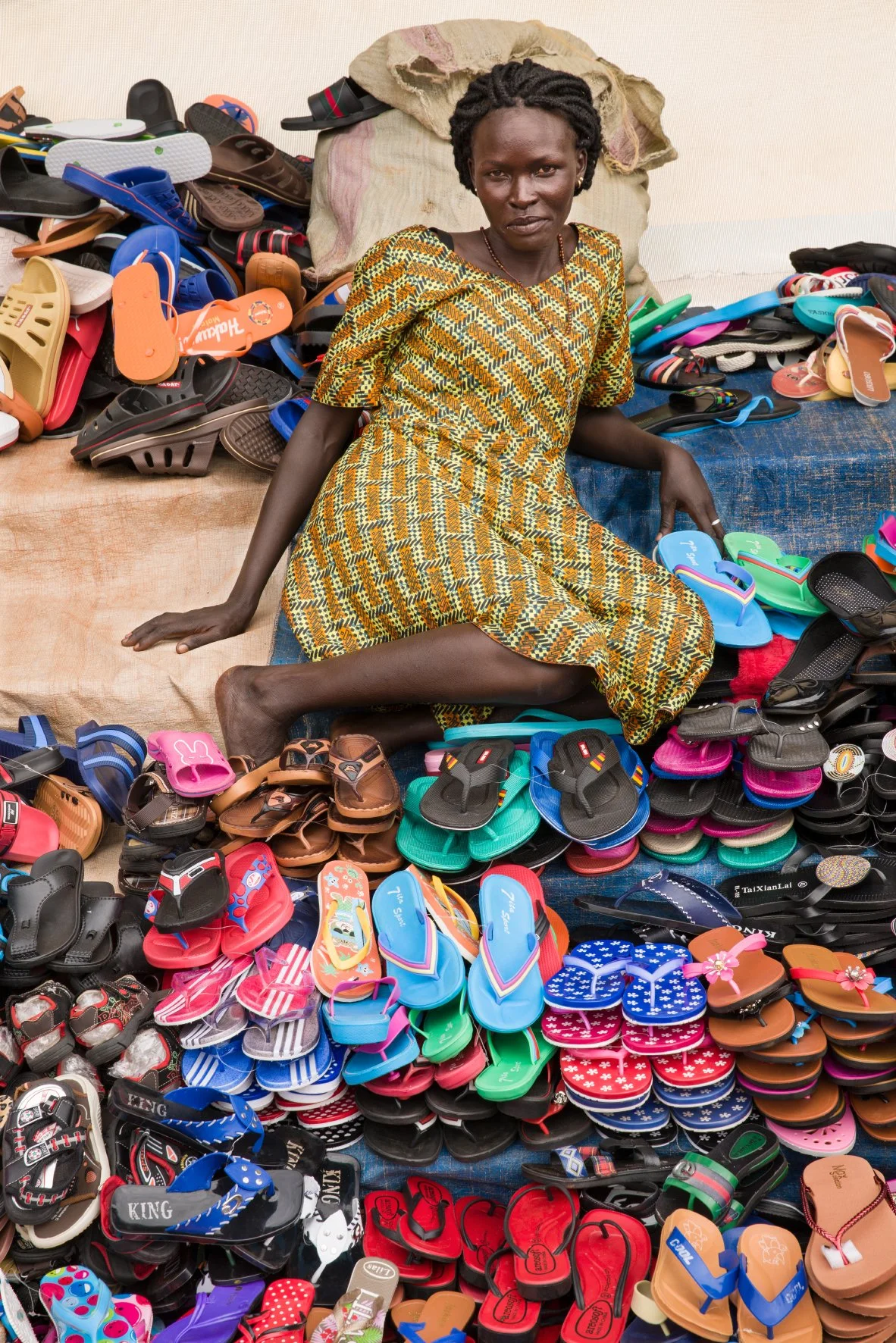
I sought advice from the Ugandan teachers at the NGO on how best to photograph the street vendors. I was told to ask permission first and offer them a modest fee for their time, which I did. Most of the vendors agreed to this arrangement.
Over two afternoons, I took portraits of about 20 vendors, both men and women. At the time, I was more than content with what I produced until I returned home. I immediately realized that the vendors seemed to recede into their environment. Since we had no plans to return to Uganda, I filed the images away, considering it an unsuccessful experiment.
Several months later, Adele and I were asked whether we would consider volunteering again the following year. That got me thinking. During our time in Uganda, it seemed obvious to us that the women were doing most of the work, which led me to consider focusing on working women.
I knew that I needed Ugandan support if I were to continue taking portraits for this project. I contacted Emma and asked him if he knew of any women who would like to assist us. We hired two university students to help us set up the mosquito netting and identify all the women I was going to photograph.
I began doing my due diligence, searching for a female Ugandan writer who would be willing to travel with us and help me navigate the introductions, as well as interview the women after I took their portraits. Beatrice Lamwaka agreed to be part of our team.
Outsider's perspective: You grew up as the child of Holocaust survivors and had lived in three countries by the age of eleven. How did that early experience of being an outsider shape the way you approached being an outsider in Uganda?
Growing up, I often felt like an outsider observing from the sidelines due to language and cultural gaps. Because the camera can be both a barrier and an open door, photography provides access to places and people I would never have met otherwise, enriching my life in countless ways. My childhood experiences taught me not to force myself to fit in but to engage with others through empathy and curiosity.
I am inherently attracted to cultures and communities that fascinate me and that I would like to continue to explore.

Working apart: While you were making the portraits, Beatrice Lamwaka spoke with each woman privately in her own language. How did receiving those stories later change the way you saw photographs you had already made?
If a person has no visible scars, you can rarely tell from a portrait that a person has experienced trauma. Learning about some of these women's backgrounds only made me admire their resilience more. It also validated my sense that these women had compelling stories to tell, and that I was privileged to read them first and share them with others.
A portrait reconsidered: Can you think of one portrait that completely changed meaning for you after reading Beatrice's interview? What did you see differently when you looked at the photograph again?
Uganda's prolonged civil war was fought mostly in the north where the women of HeadStrong were located. We photographed and interviewed three women who had been kidnapped by the Lord's Resistance Army rebels when they were youngsters. They were physically and sexually abused during their captivity, yet they had the cunning, resolve, and determination to escape their captors.
Having learned their backstory, I was deeply moved by these women's trauma and amazed by their resilience. Afterward, I found it difficult to remain objective about their portraits.
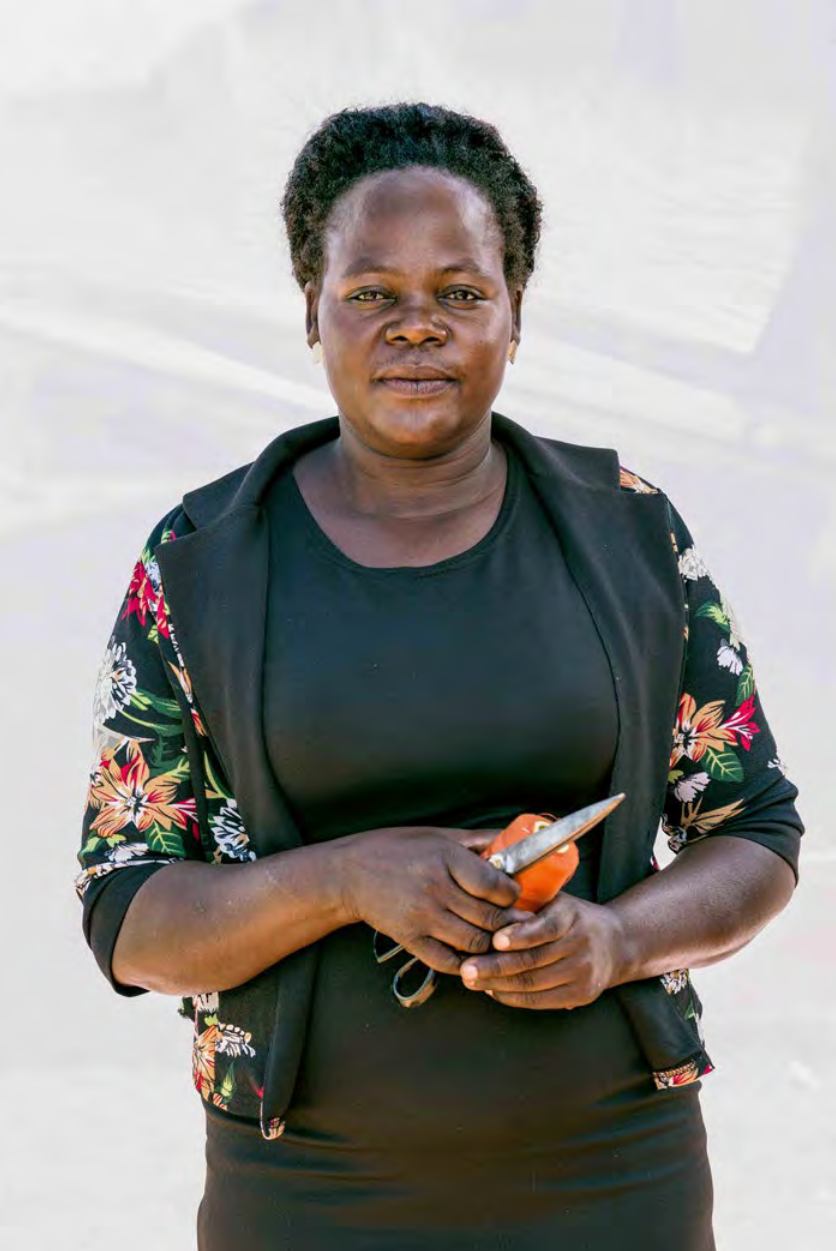
Earning trust: Many of the women were understandably cautious of outsiders, and some had never had a formal portrait made before. What actually changed between your first encounters and the moment they began to trust you and Beatrice?
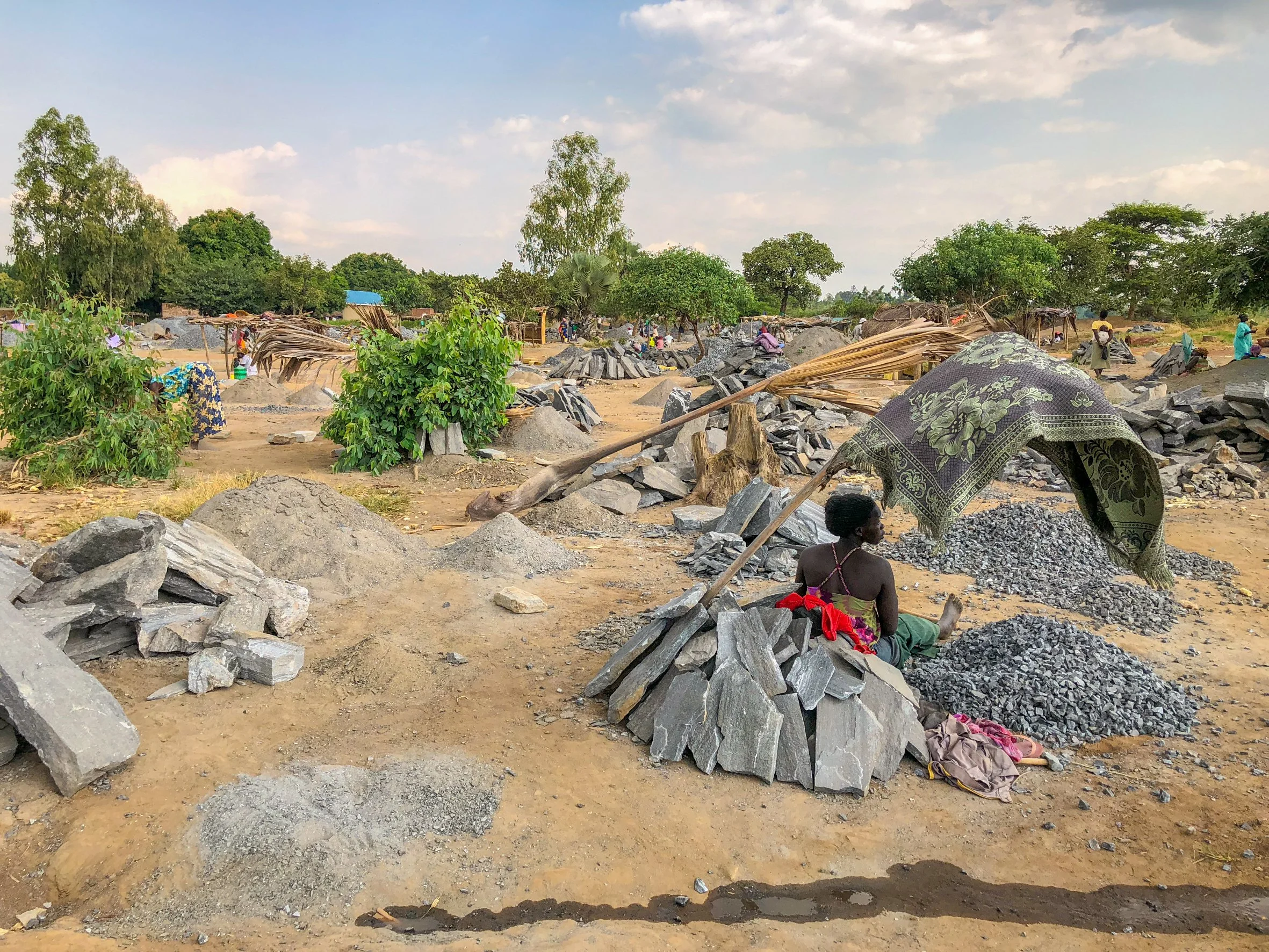
When I wanted to photograph the women in the quarry, I had to get permission from the quarry manager first, who initially did not want to provide it, because others before me had made promises that they did not keep. When I finally received permission and set up my backdrop, I asked Emma to approach a few women and see if they would be interested in being photographed and interviewed.
A couple of women were bold enough to be first, and I explained to them what I wanted to do. Once the process was over, a few more women were willing to be photographed and interviewed.
When I returned to the quarry the next day with prints to distribute to those who had posed, I did not expect the incredible outpouring of joy and gratitude. That laid the foundation for trust, opening a floodgate of women who were willing to be photographed and interviewed.
The mosquito net: You chose mosquito netting as the backdrop, creating a visual layer between the women and their surroundings. When did that idea first come to you, and how did its meaning evolve as the project developed?
I knew I had to solve the visual problem of keeping the women from being lost in their environment. I did not want to use a seamless background à la Avedon or Penn and isolate the women from their surroundings. Their environment was important to the overall imagery. It was not until a couple of months after returning home that the idea of using mosquito netting occurred to me.
My Eureka moment came when I passed a restaurant in NYC with lace curtains on its windows, and the idea of using mosquito netting was born.
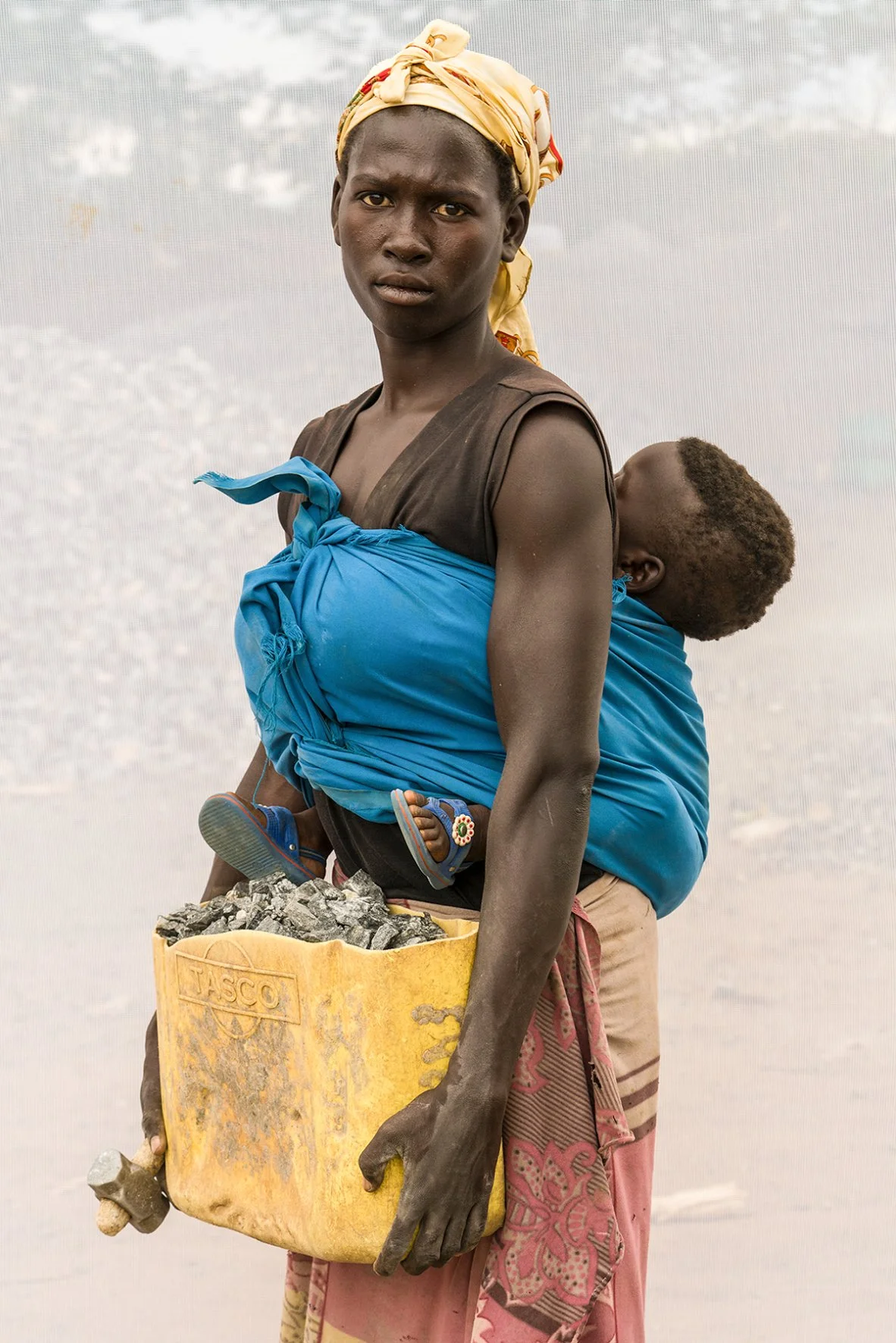
Mosquito netting was ubiquitous in all the hotel rooms where we had stayed. Its semi-transparency allowed the viewer to see that the women were at their place of work. It would visually help the women stand out from their environment and symbolically represent the lack of medical care in Uganda.
Photographing a child at work: Jovia was ten years old and had already worked in the quarry for four years. How did you decide whether, and how, to photograph a child doing that kind of work?
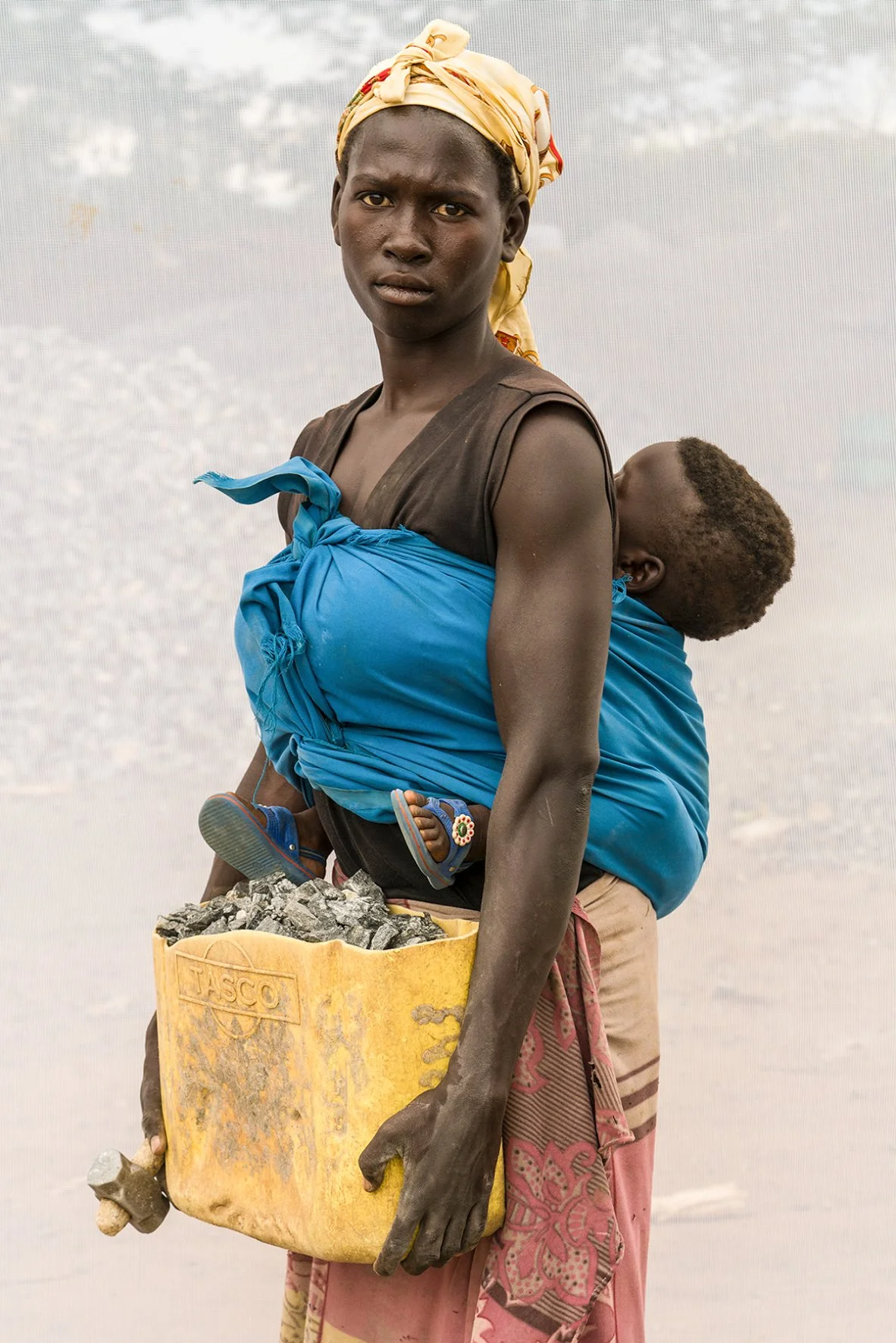
I was accustomed to seeing children much younger than Jovia assisting their mothers at the quarry, even though it is forbidden. With no childcare available, these working women have little choice but to bring their children to their place of work.
One of the few interactions that left a lasting impression occurred on a Saturday when we entered the quarry, and I was taken aback to see a young girl smashing rocks, wearing a colorful, clean dress that seemed out of place in the quarry. With Beatrice's help, I was introduced to Jovia. I spoke with her and learned that she works on weekends to pay her school fees because she dreams of becoming a doctor. She continued to tell me that her mother occasionally borrows money from her and often does not repay it. I was so taken aback that I did not know what to say.
Jovia's older sister, who also worked in the quarry, gave me permission to take their portraits. Without too much effort, Jovia lifted her jerrycan full of gravel, weighing approximately 50 pounds, balanced it on her head, and looked directly into the camera with a maturity beyond her years.
I took several dual portraits of mothers and their children in the quarry, which are in the book.
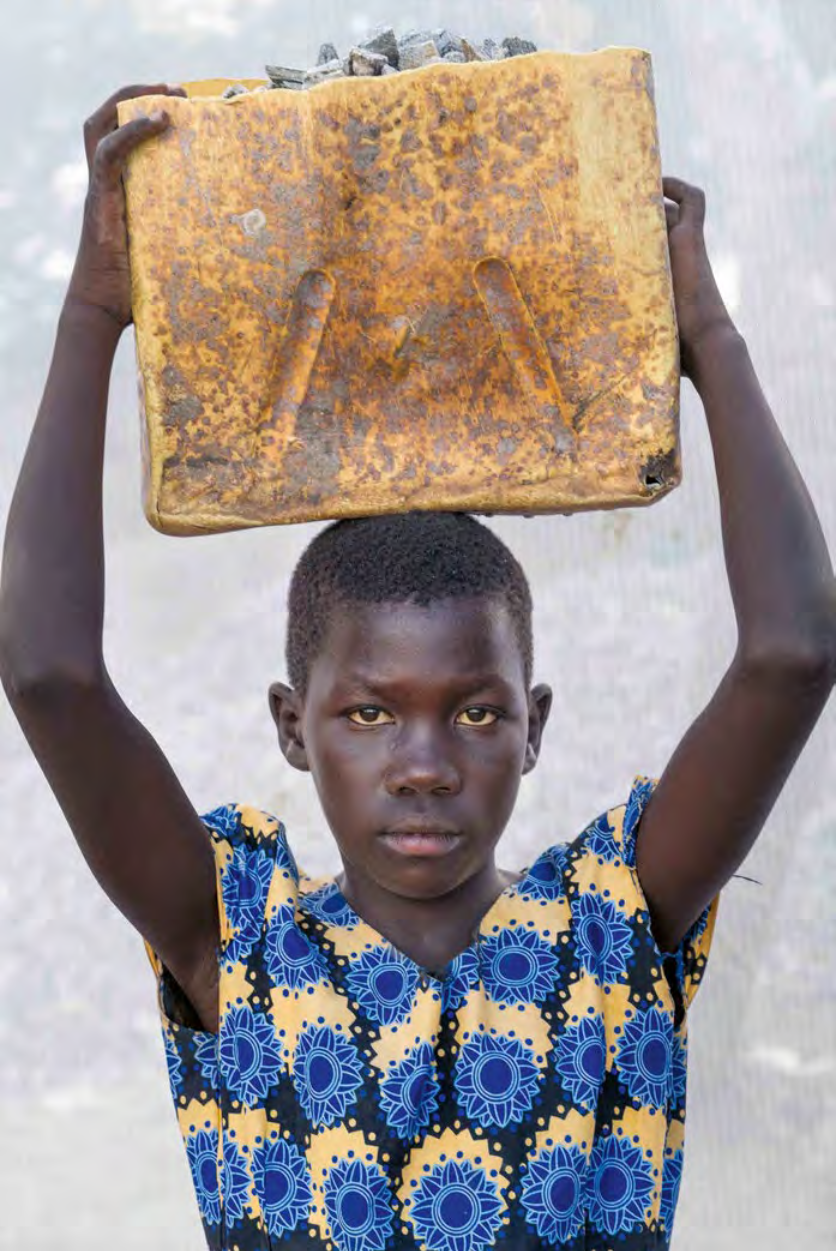
Jovia, reconsidered:Jovia's story is incredibly powerful. Did you ever hesitate about including her portrait in the book, knowing readers might focus more on the shock of child labor than on her as a person? How did you decide the photograph remained fair to her?
The short answer is no. As you can see, there are portraits in the quarry of three other children, much younger than Jovia, plus two babies. I had more mother-and-child/baby quarry portraits that were not included, but it was a difficult decision which portraits to leave out. For me, some of the more memorable images in this series are of quarry workers who are girls and young women.
I do not know exactly what you mean by “…remained fair to her.”
The edit:You photographed 112 women, yet the book contains only 62 portraits and 36 stories. How did you and Beatrice decide which voices belonged in the book, and which stories were too personal, incomplete, or difficult to publish?
Editing is always difficult. Regarding the stories, there were times when Beatrice felt the women were holding back, and there was no point in continuing the interviews. Others had similar experiences, so their portrait determined whether they were included, since we did not want redundancy in the narratives. Some of the women declined to be interviewed, but the strength of their portraits led me to include them.
In addition, a number of the women sold similar items, so their demeanor in front of the camera and their story determined who was included in the final edit.
We included stories whether they were difficult to read or not.
Working through disagreement: When you and Beatrice disagreed about a portrait or a story, how did you resolve it? Can you remember one disagreement that ultimately made the book stronger?
We never disagreed. I respected Beatrice's skills as an interviewer and writer, and she trusted me as the photographer.
One lesson:If another photographer wanted to build a long-term collaborative project across a different culture and language, what is the most important lesson HeadStrong taught you?
First of all, it is about respect and trust. You are a guest in a foreign land; do not assume anything without first checking with a local partner.
Do your research. Read and learn as much as you can about where you will be.
Find a local ally, as I did with Emma and Beatrice, who can help you navigate an unfamiliar culture so you do not make avoidable errors that might offend others or sabotage your project.
A wrong assumption: Looking back now, what is one assumption you brought to Uganda that turned out to be completely wrong? How did discovering that change the way you worked for the rest of the project?
What surprised me at the beginning, as I interacted with the local population, was how open and friendly so many Ugandans were to an outsider.
I also did not expect to see so many women with babies as well as young children by their sides performing hard labor.
Those observations did not change the way I worked; they became the impetus for starting HeadStrong.




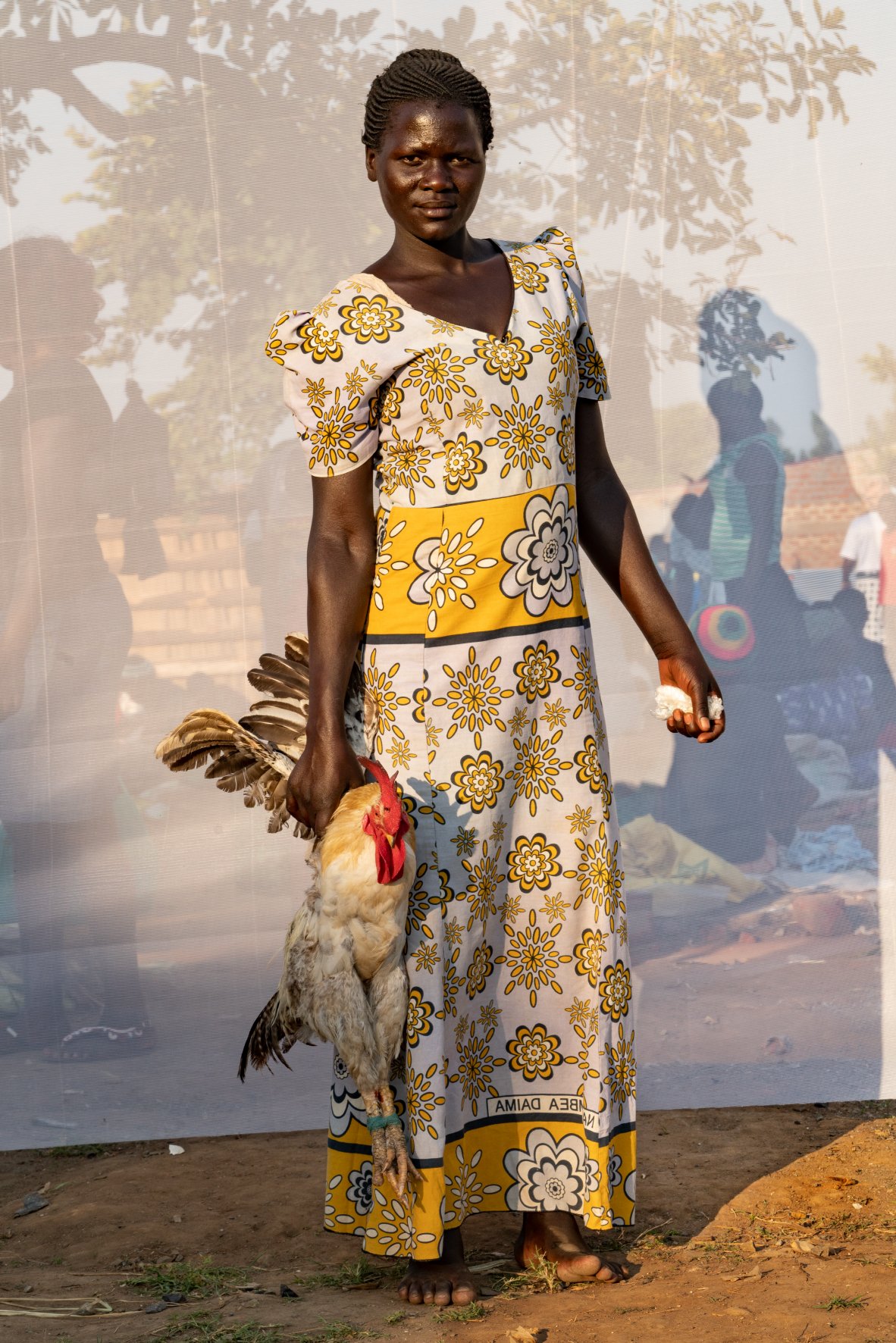
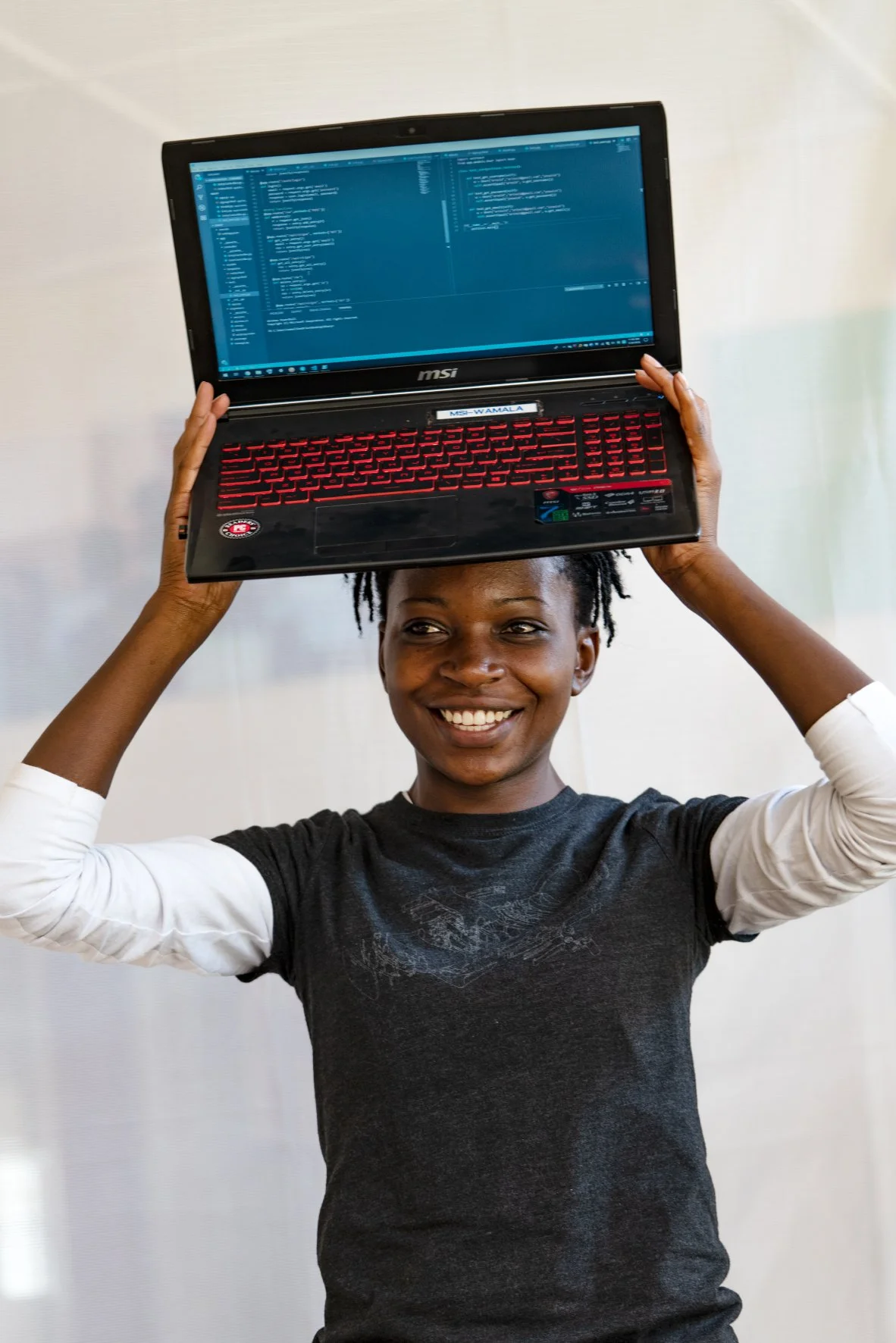
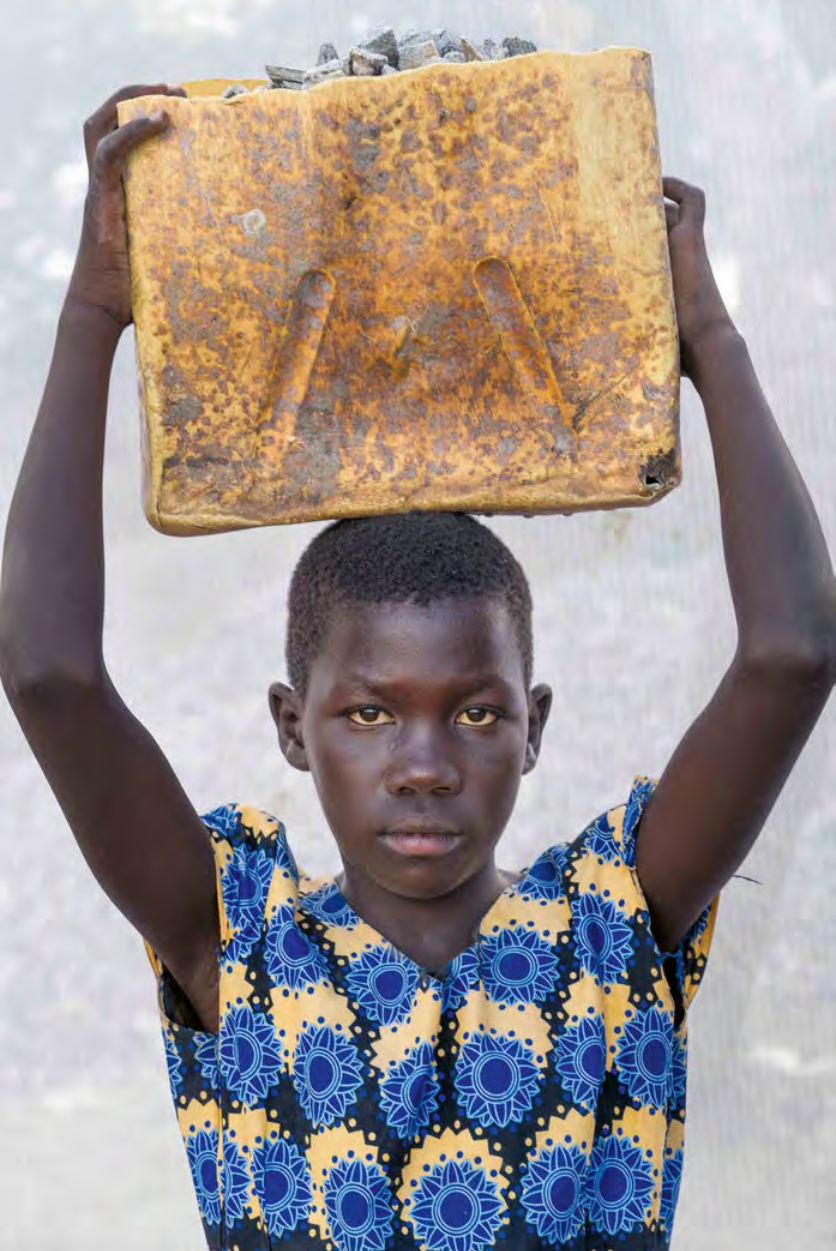

To discover more about this intriguing body of work and how you can acquire your own copy, you can find and purchase the book here. (Kehrer Verlag, Amazon)
More photography books?
We'd love to read your comments below, sharing your thoughts and insights on the artist's work. Looking forward to welcoming you back for our next [book spotlight]. See you then!
Color entered Janelle Lynch’s photographs through painting. In Another Way of Looking at Love, she photographed plants and trees on her property in the Catskills. Photography Book Spotlight