Welcome to this edition of [book spotlight]. Today, we uncover the layers of 'Index,' by Christopher Anderson (published by Stanley/Barker). We'd love to read your comments below about these insights and ideas behind the artist's work.
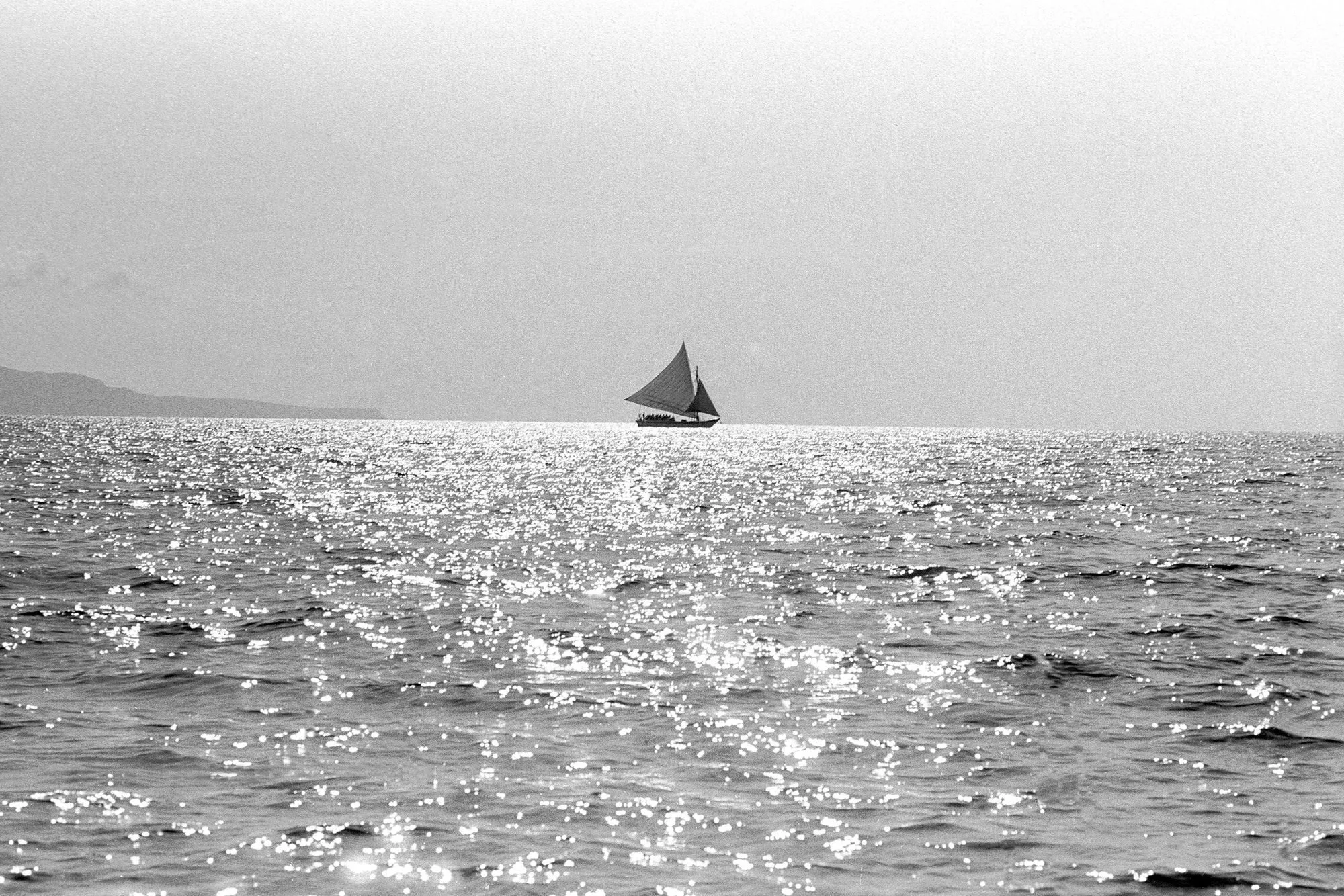
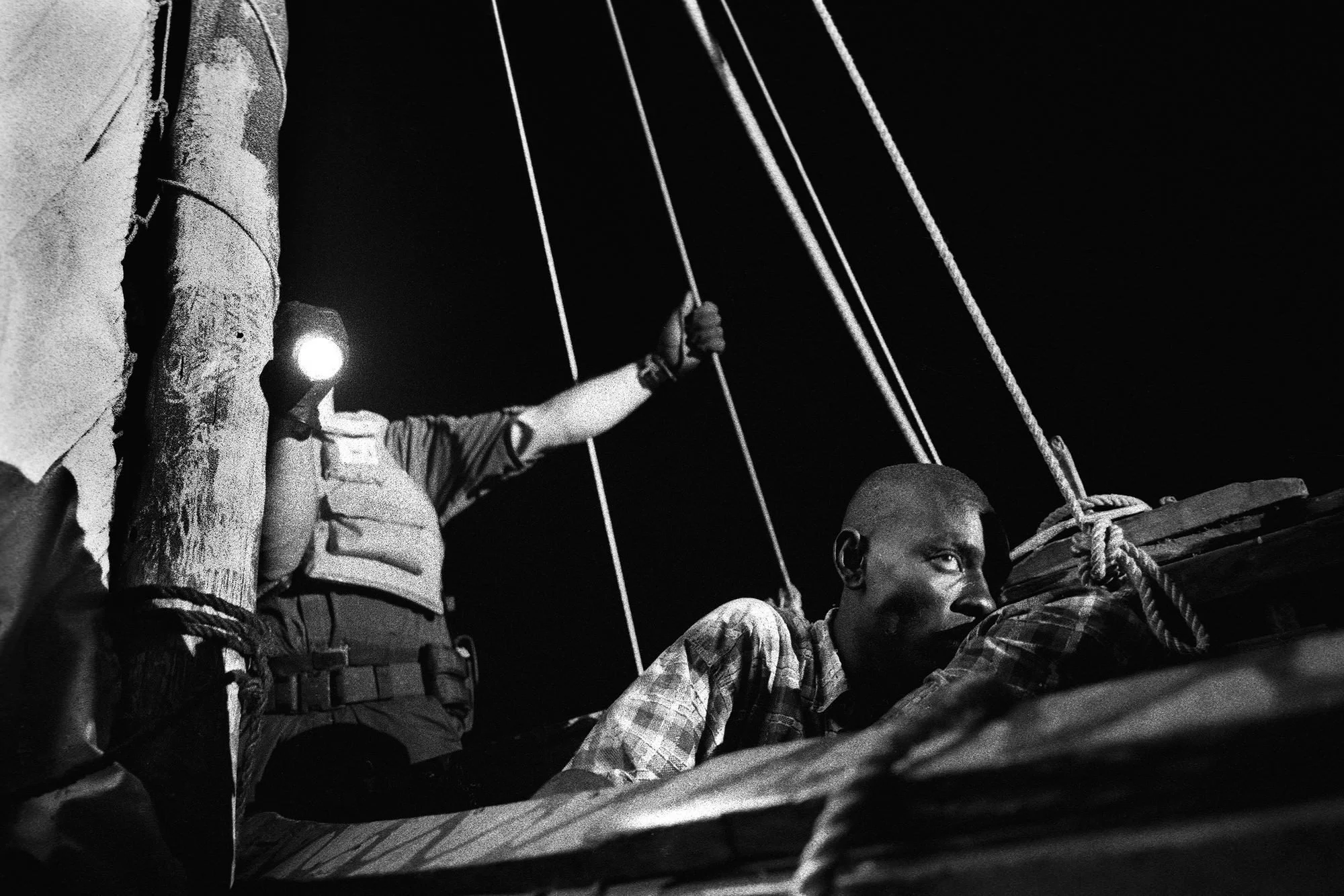
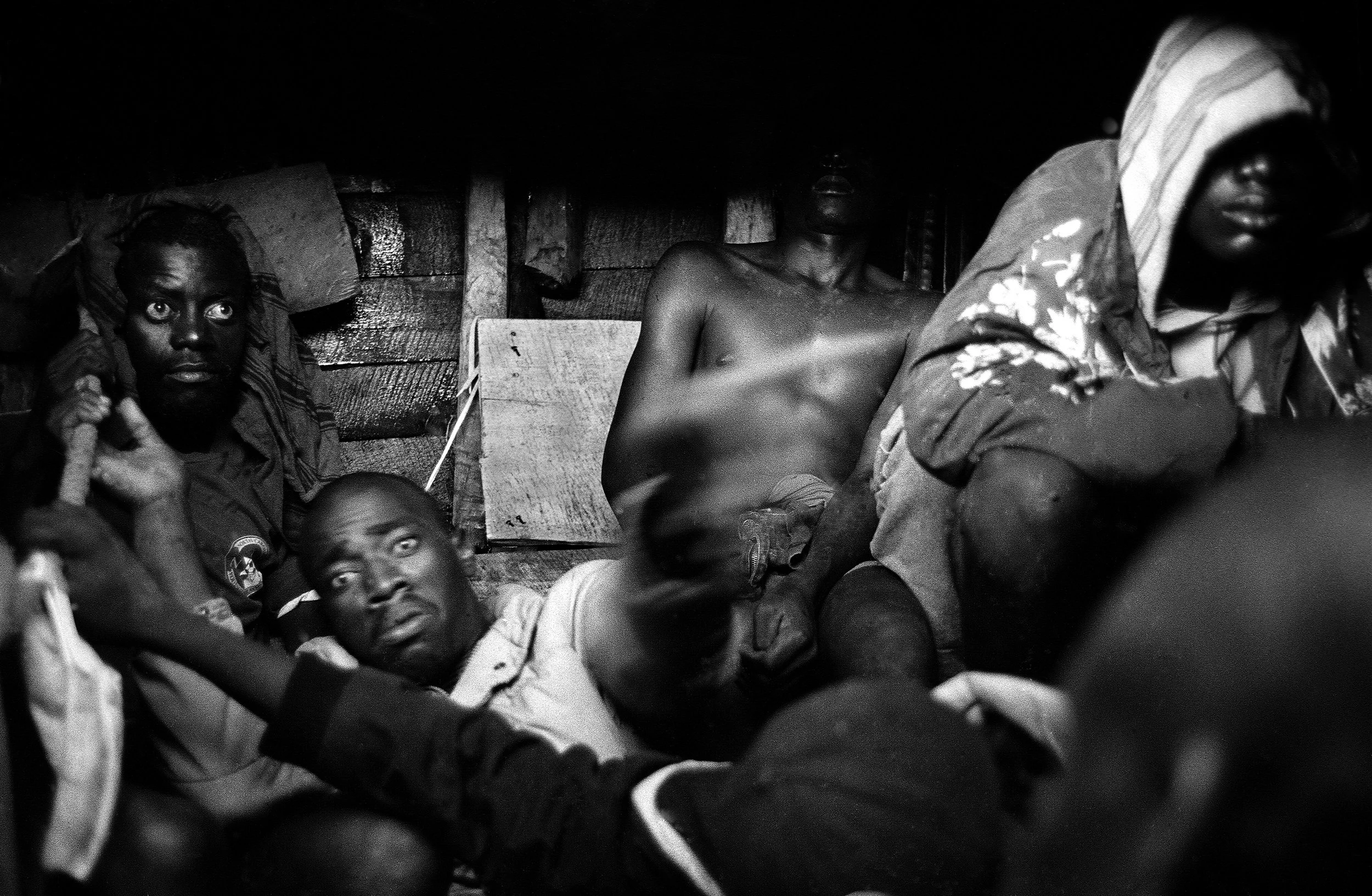
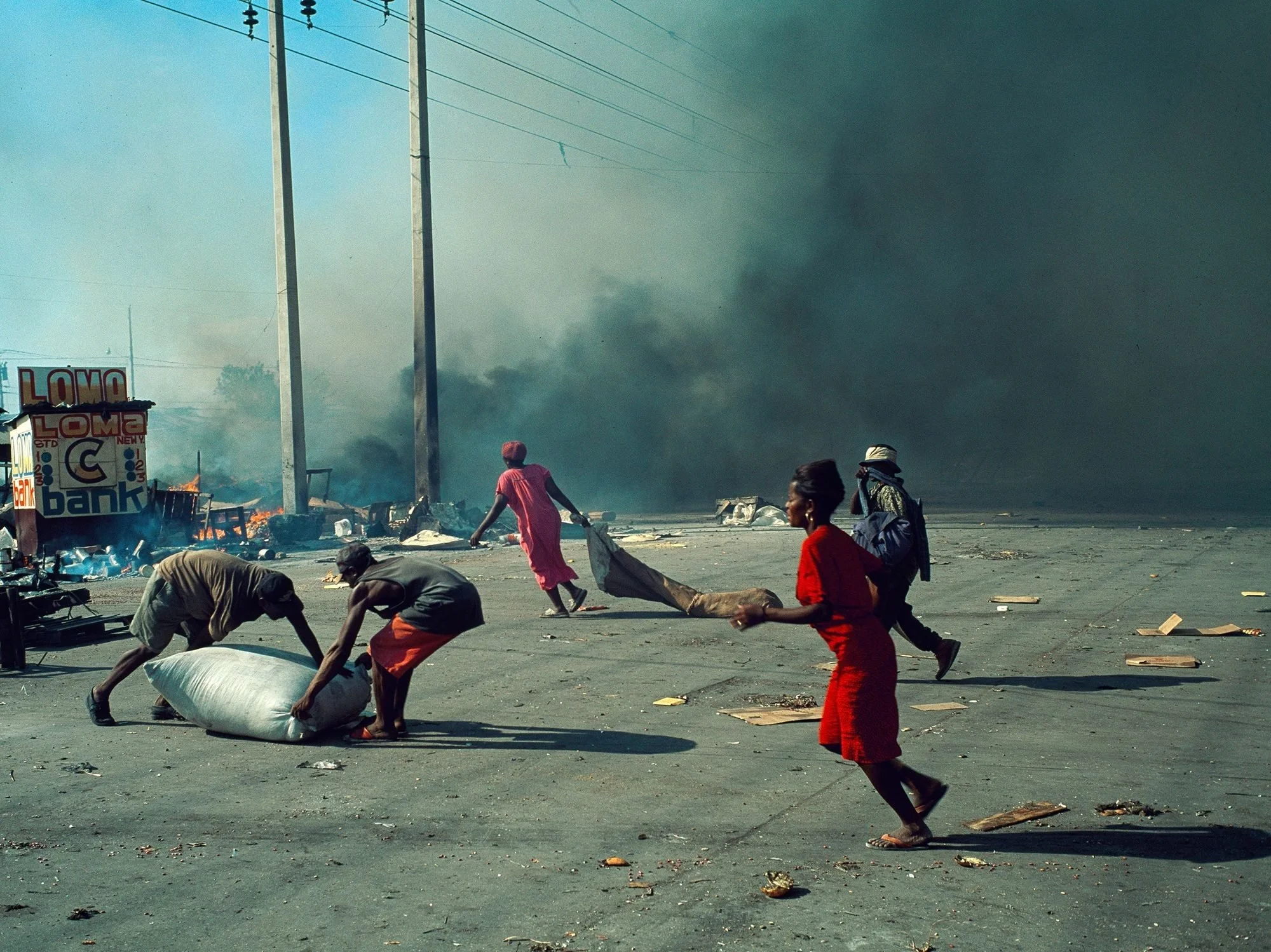
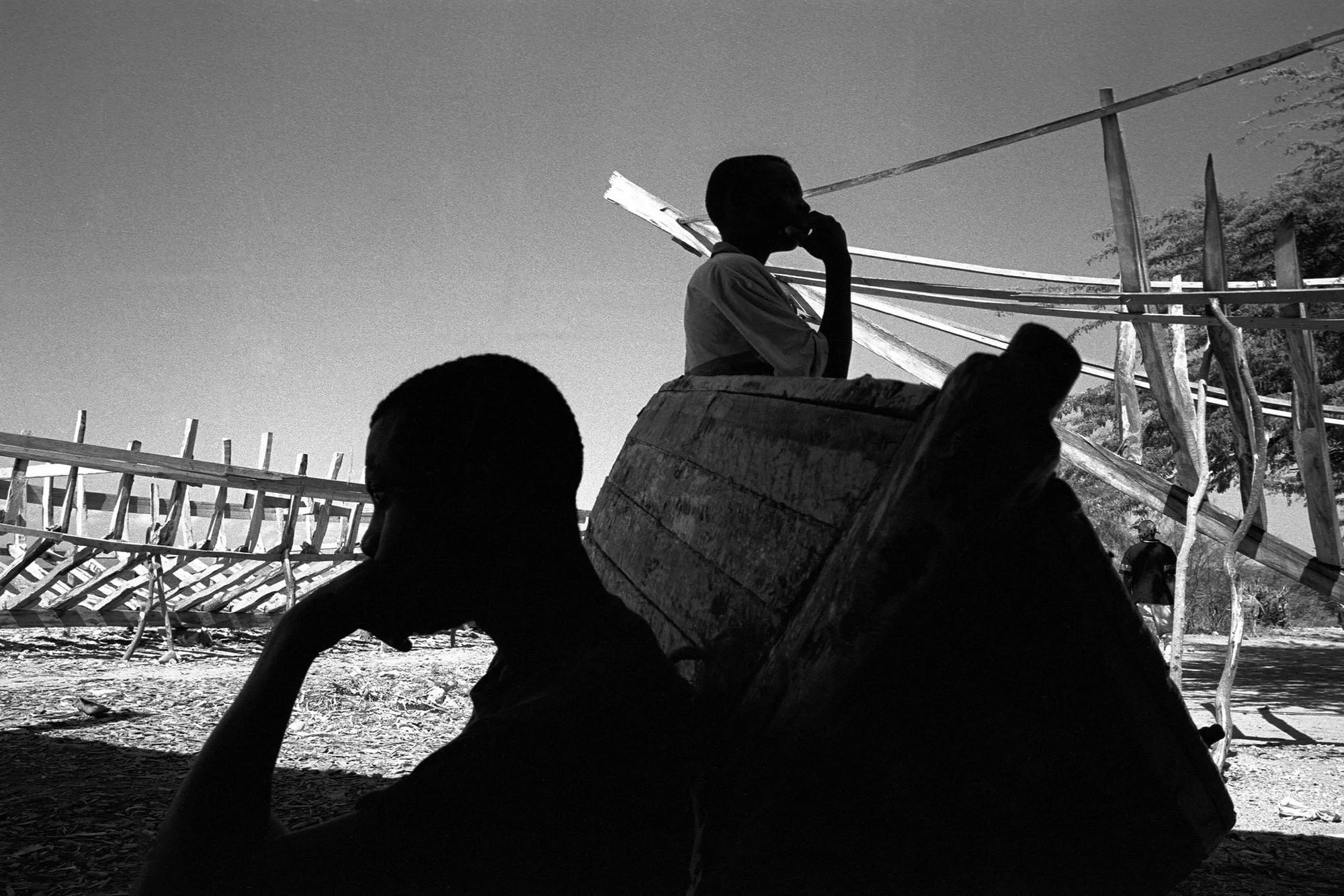
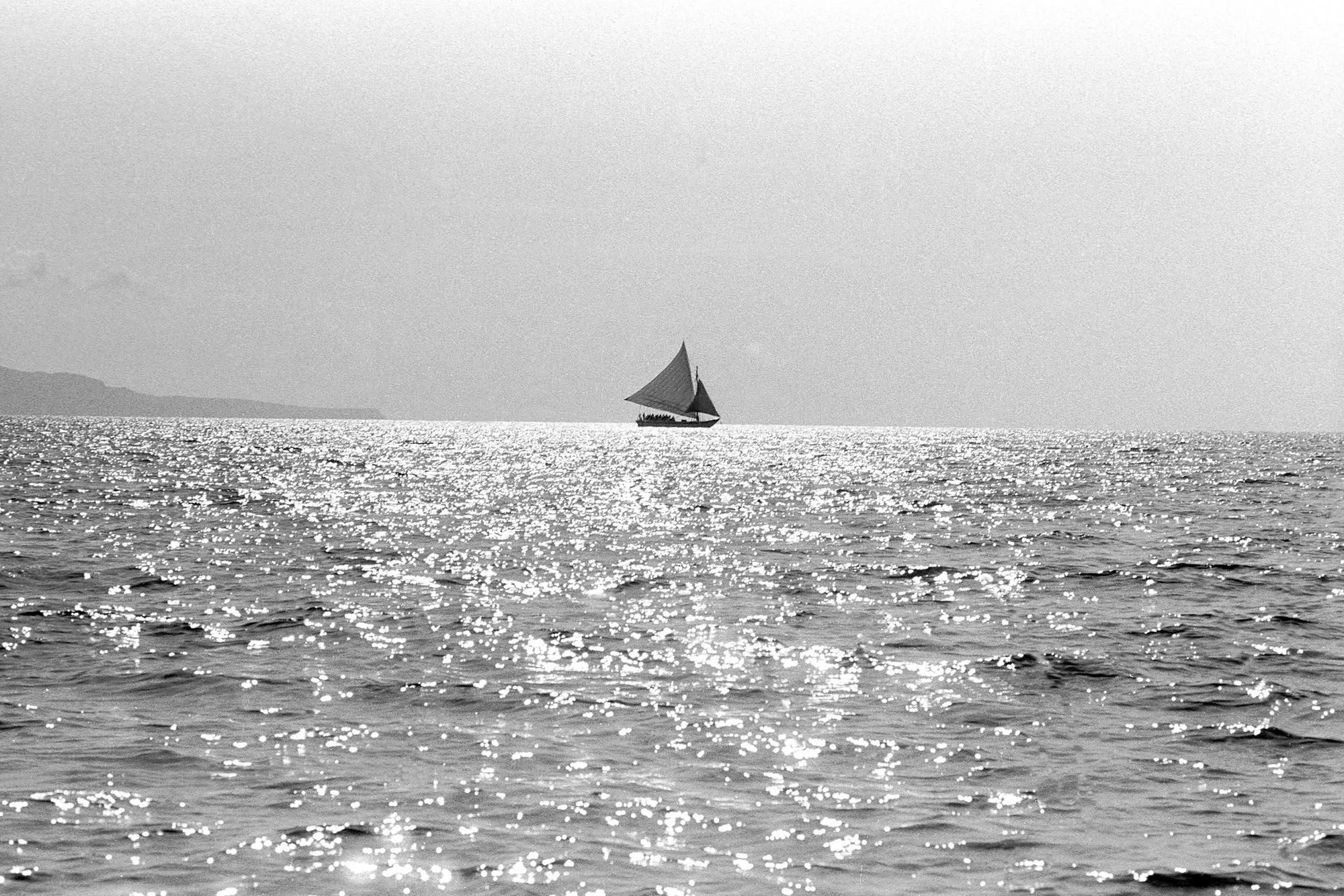
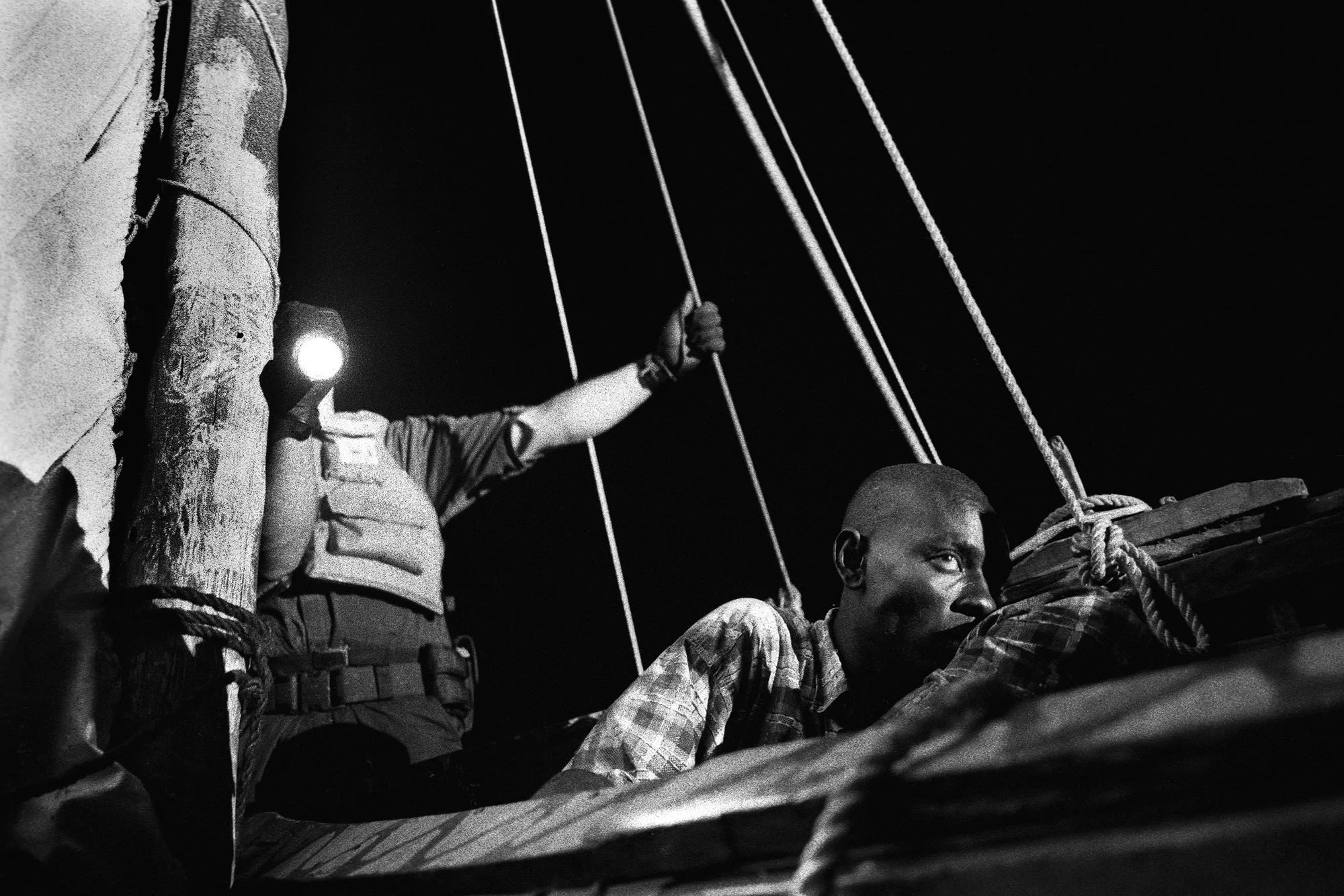
In 2000, Christopher Anderson boarded a small wooden boat with Haitian migrants. In the middle of the night, it began to sink.
He raised his camera and kept photographing, sure that nobody would ever see the pictures. The Coast Guard found the boat, and everyone was saved. That night showed him that, for him, photography was a way to explain the world to himself.
His new book, Index, opens the boxes of his archive.
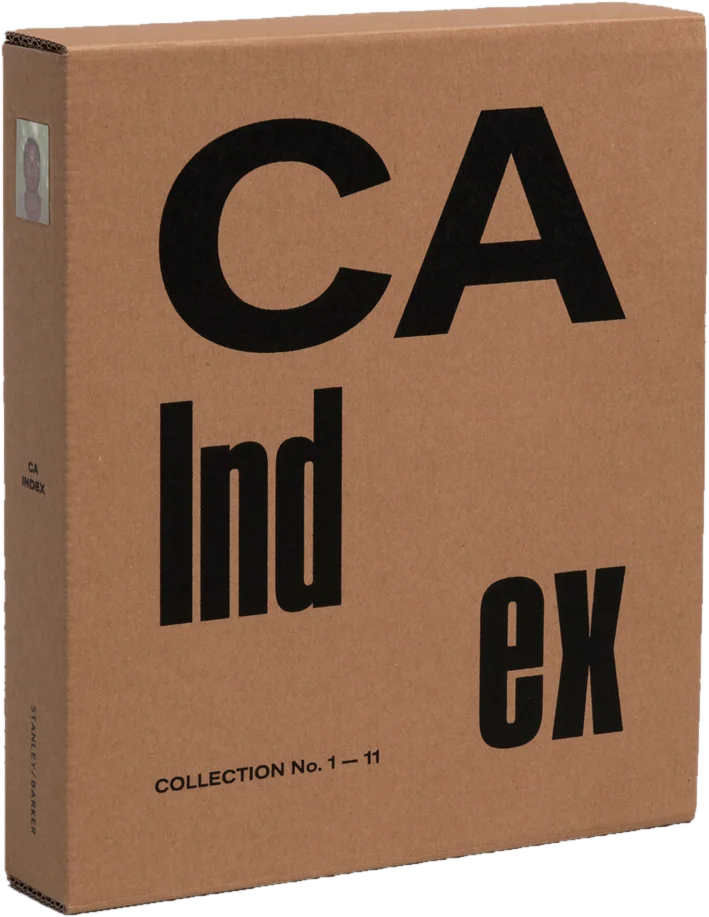
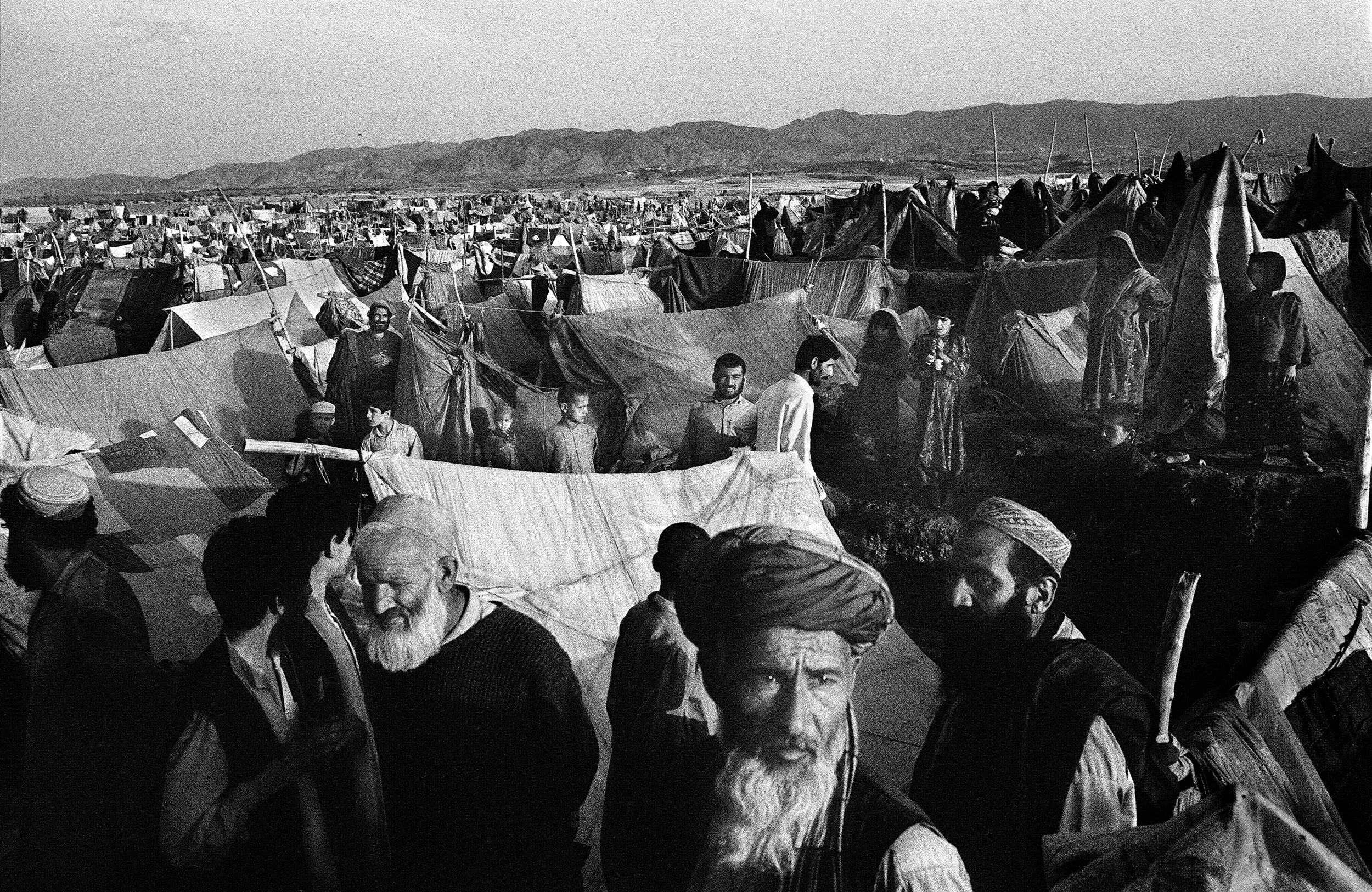
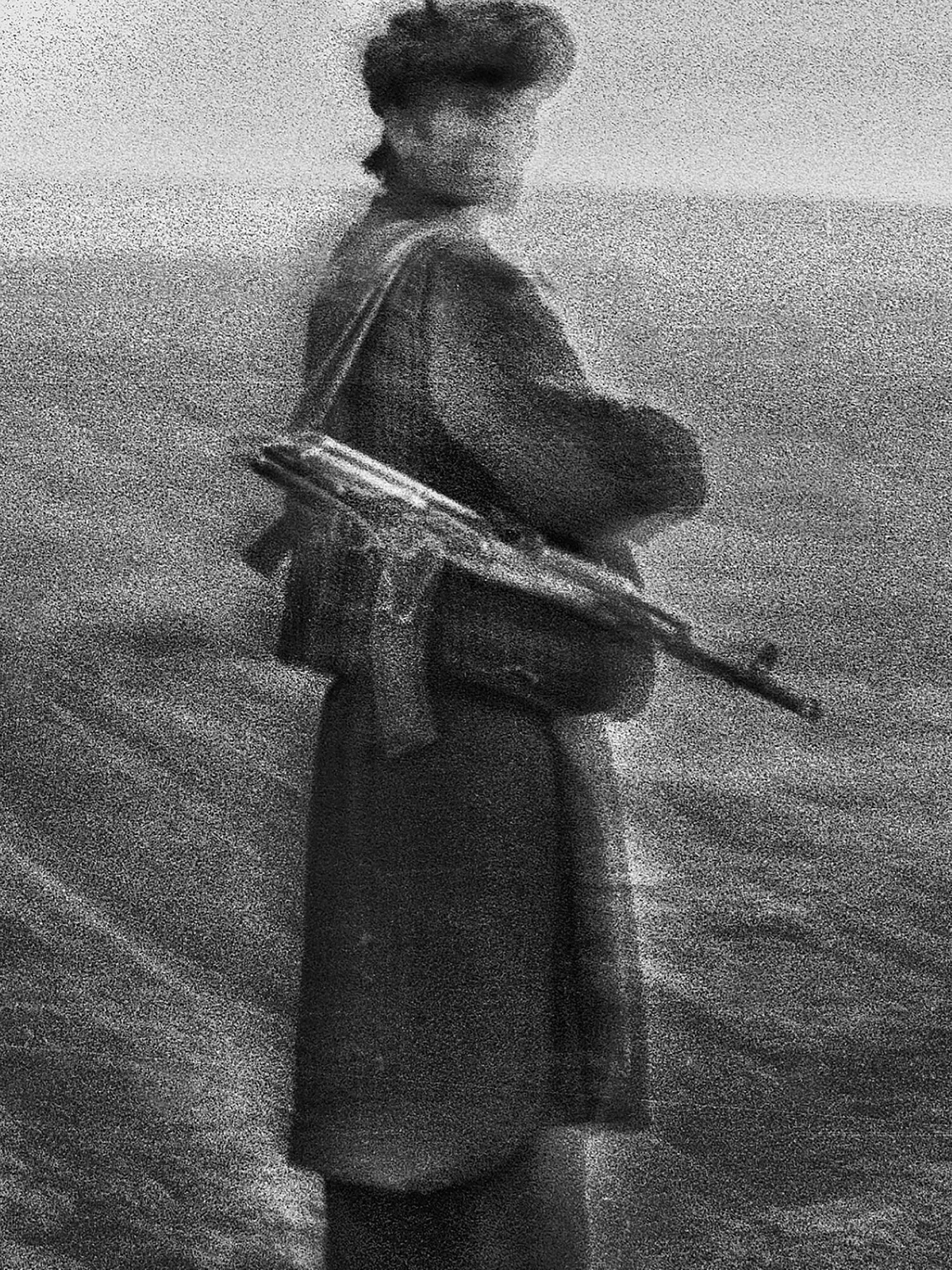
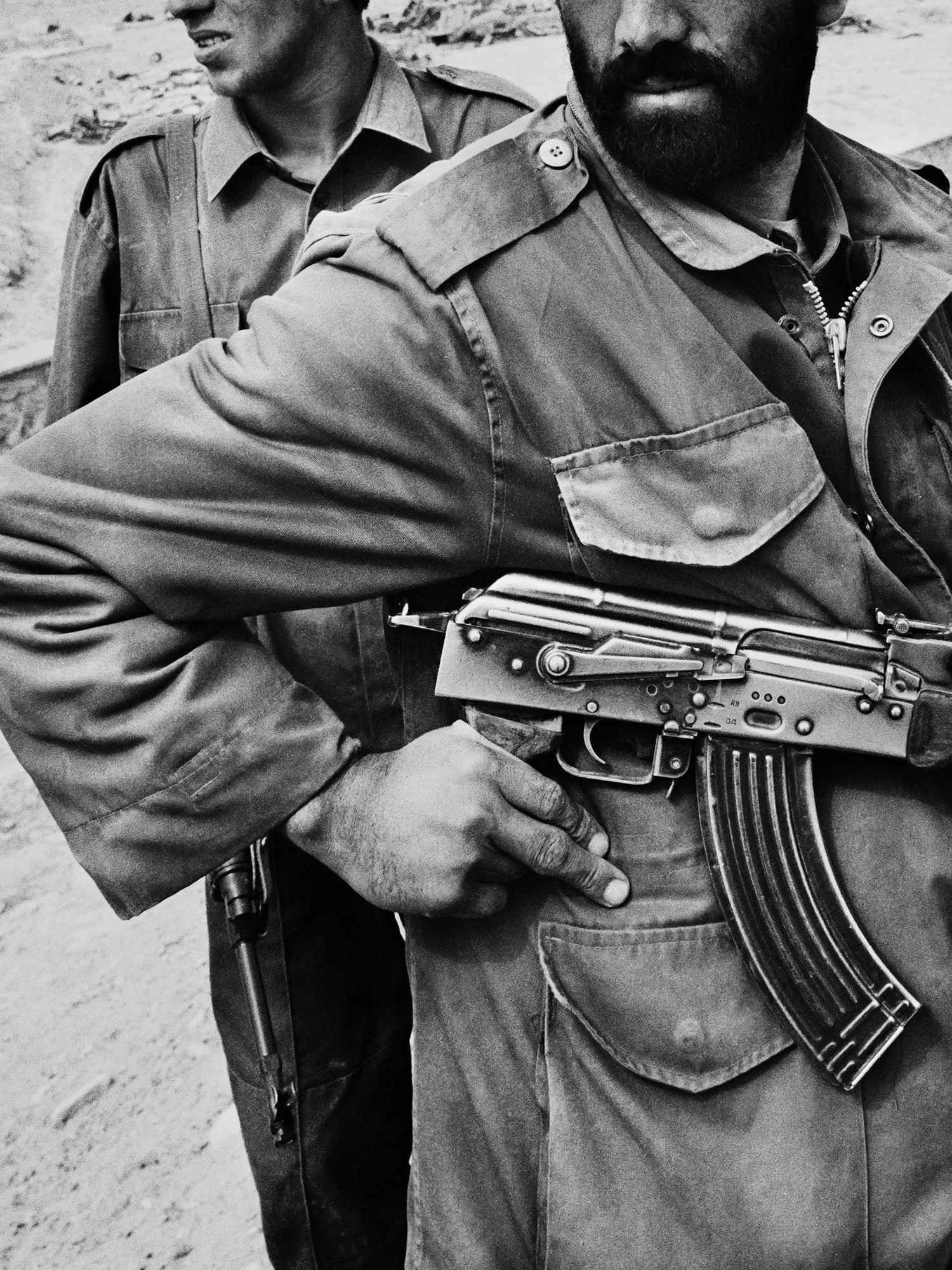
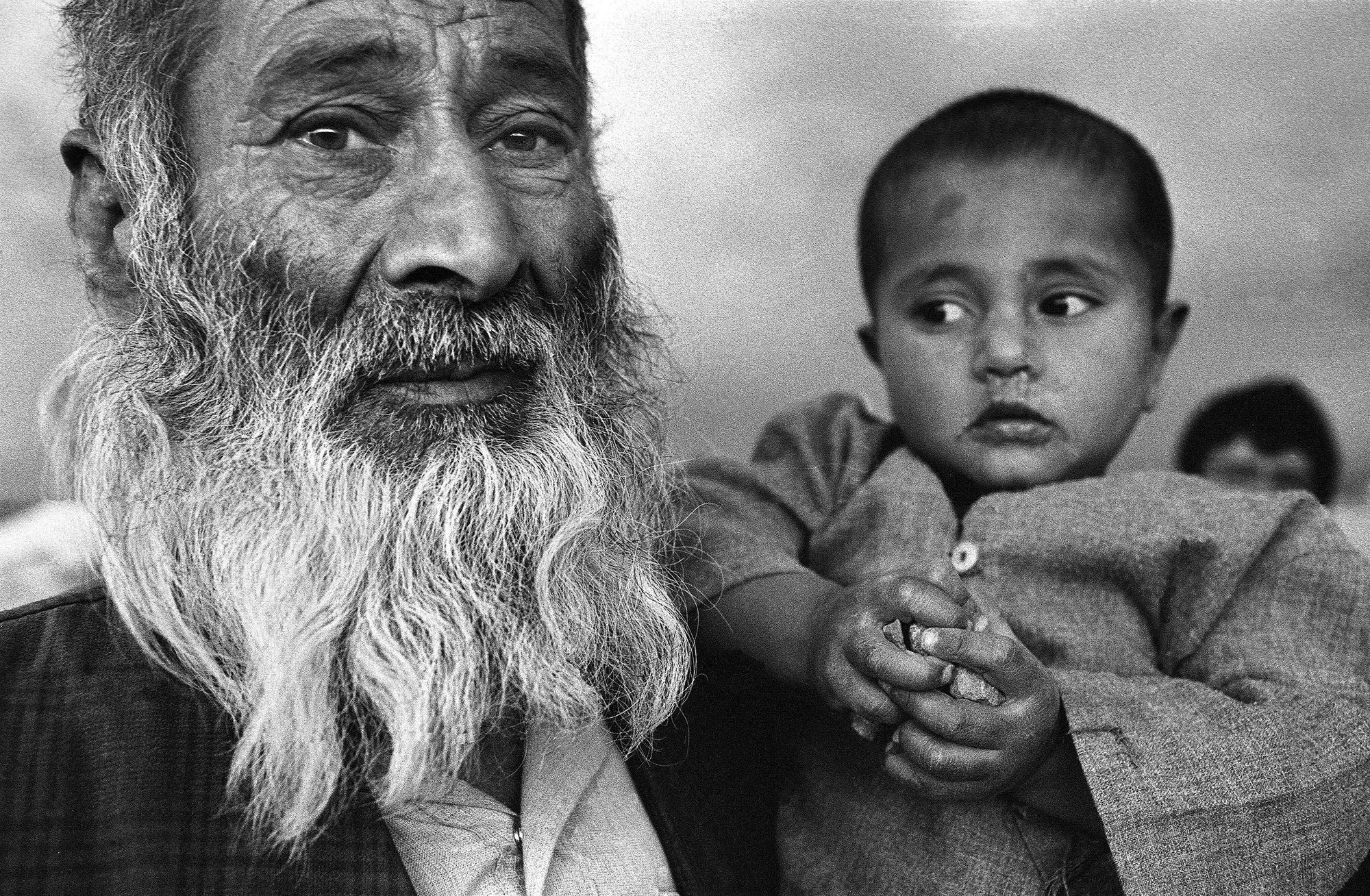
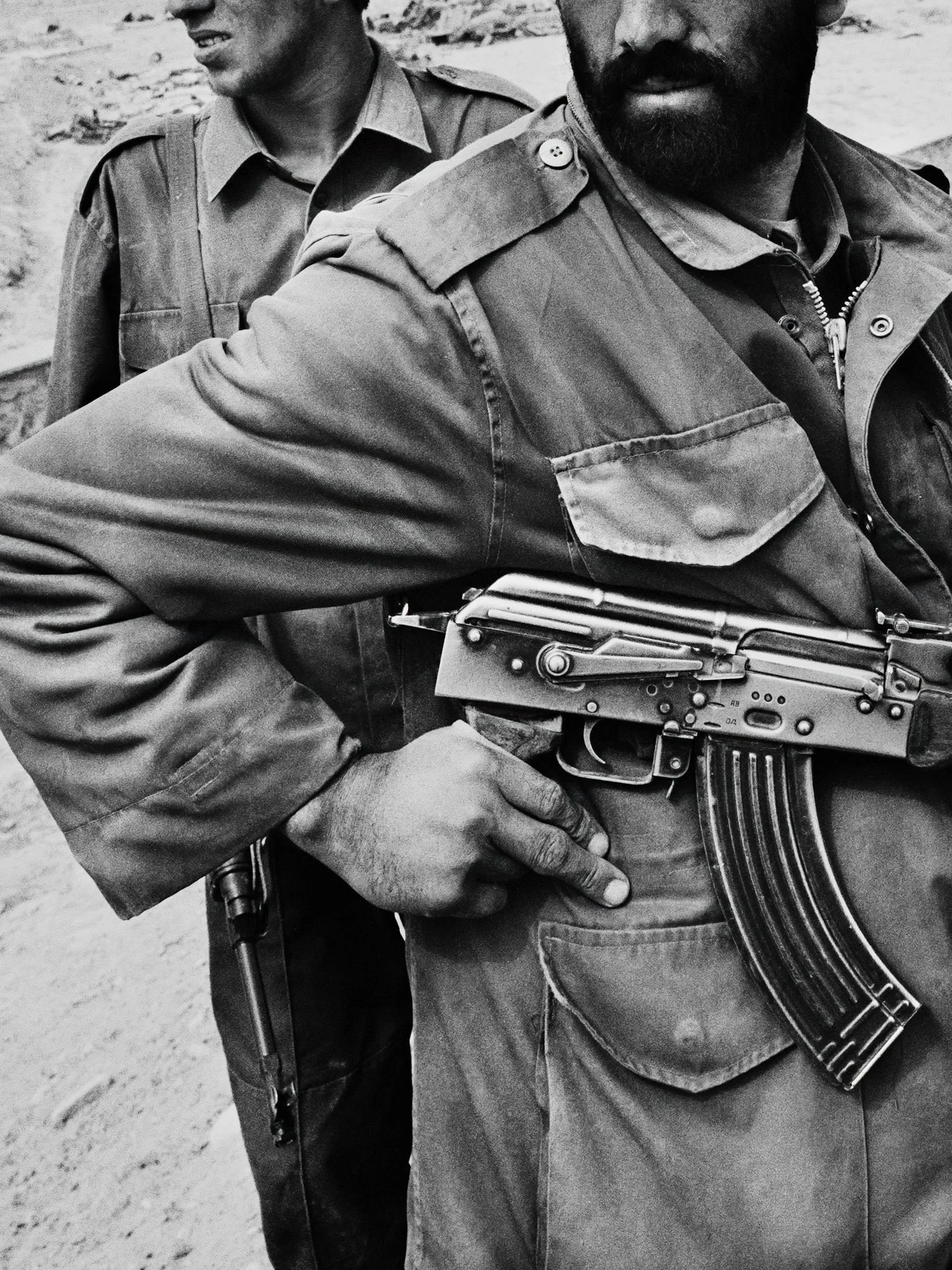
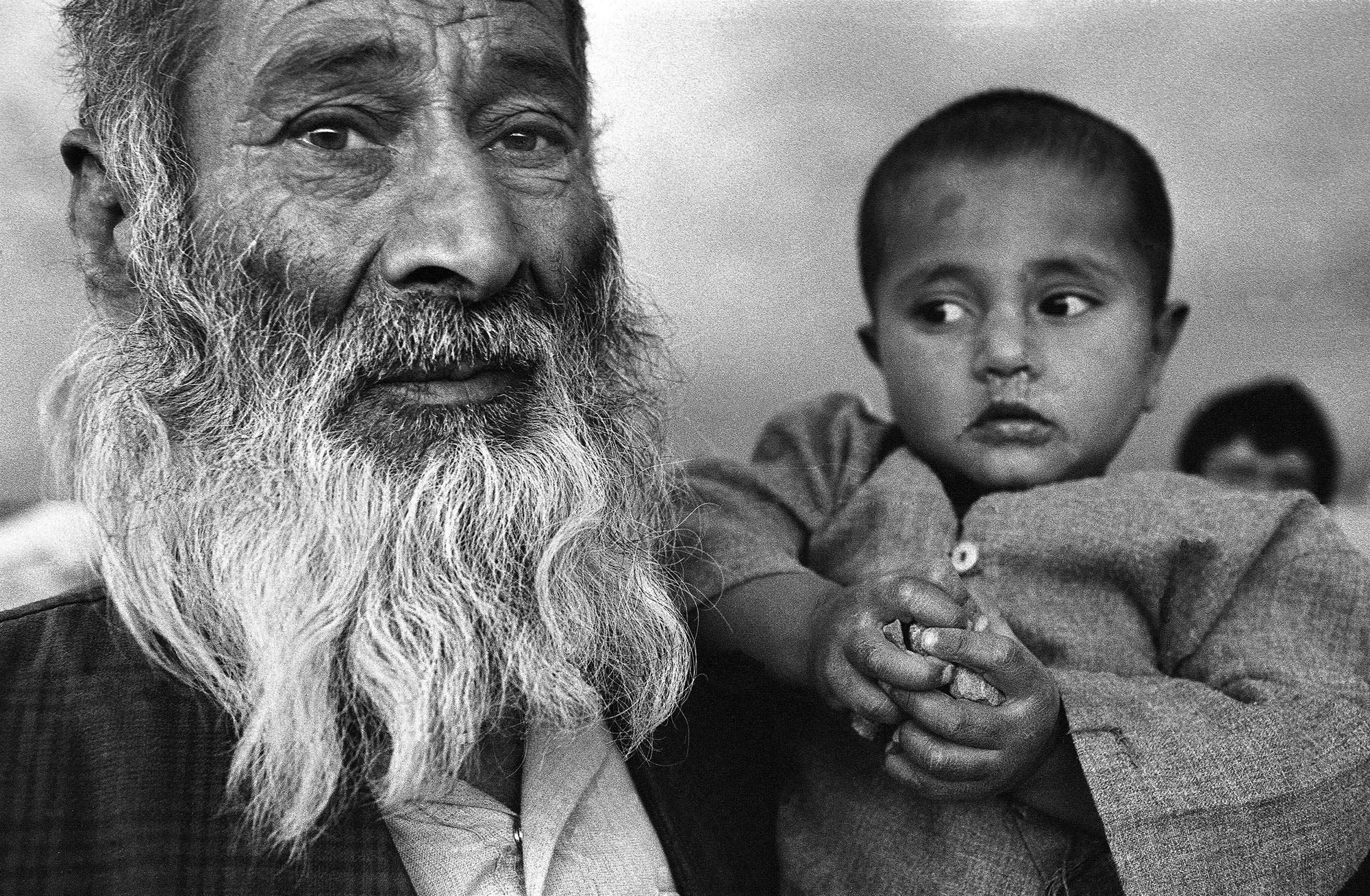
Published by Stanley/Barker as eleven separate volumes in one slipcase, it moves from Afghanistan and Haiti to his family, his cars and the White House. In our live conversation, Anderson explains why it is not a retrospective, how history can change the meaning of an old photograph, and why he started working so close to the people he photographs.
His answers show that a career which seems to go in many directions can still be one journey.
The Book
Index
Stanley/Barker · 2026 · 320 pages
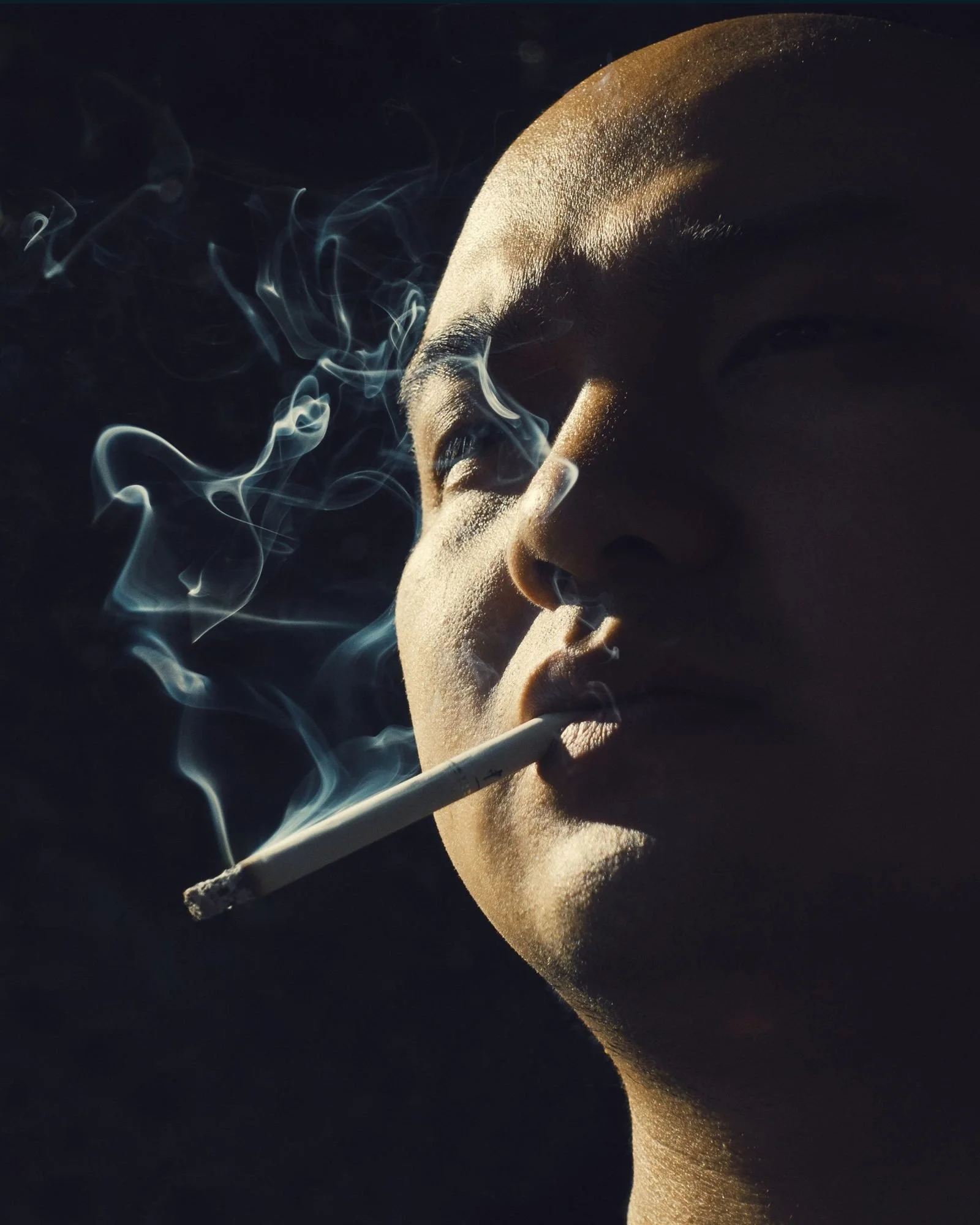
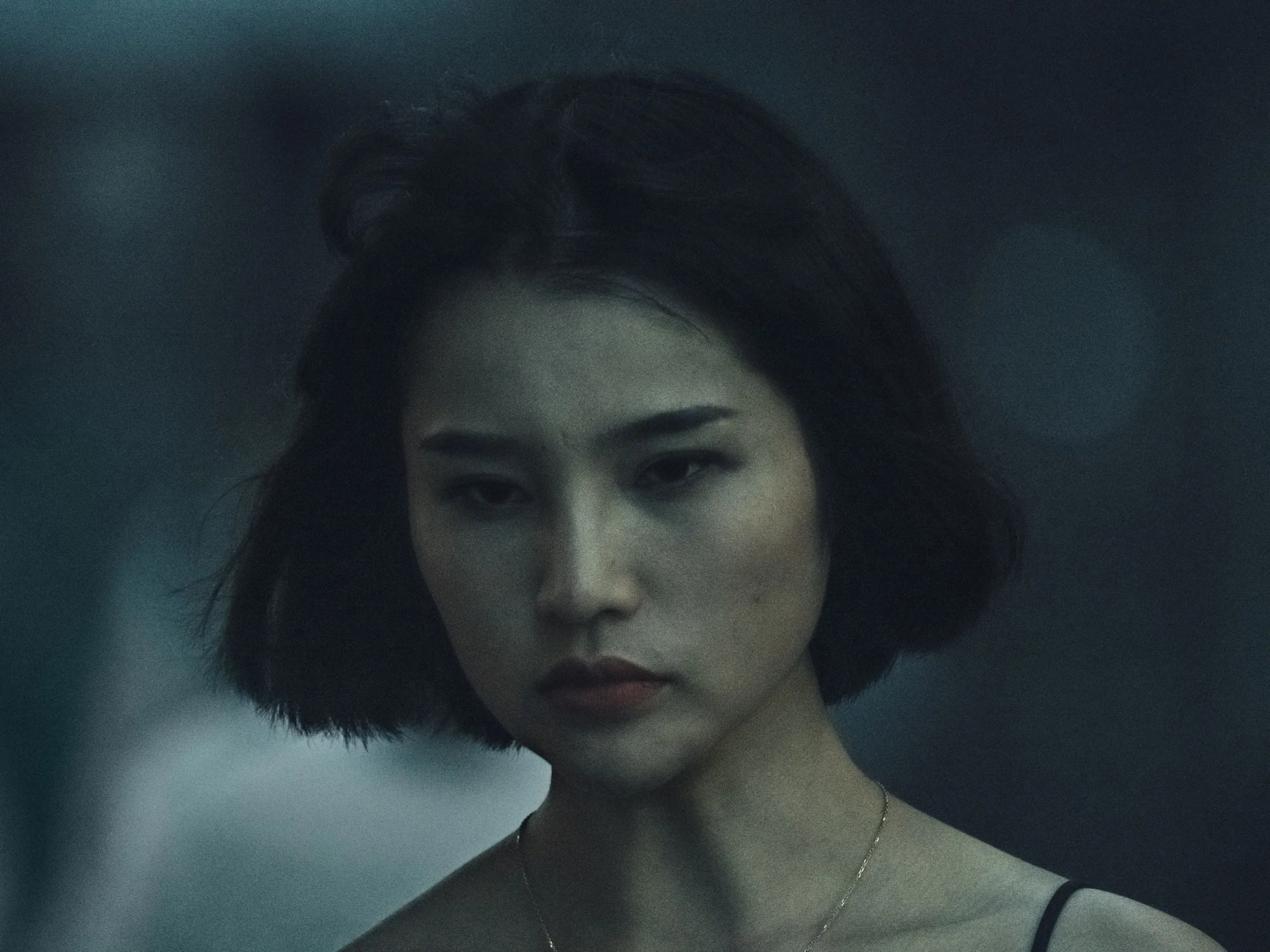
Index gathers 11 series from across Christopher Anderson’s career, each presented as its own saddle-stitched volume: Afghanistan, Haiti, China, France, Cars, Self Portrait, Holiday, New York, Trouble, White House and 9 East 71st Street, NY. The volumes come in a silkscreened slipcase designed by Brian Roettinger. It is not a retrospective but a dive into his archive.
A night on a sinking boat
Before we get to Index, I'd like to go back to the beginning. When did photography change from something you were doing into the way you wanted to understand and respond to the world?
I don't know if it changed from something I was doing into something I wanted to do. It was more that I discovered that this is what photography was about for me, if that makes sense. It was a revelation of what photography was to me, more than a decision to make a change.
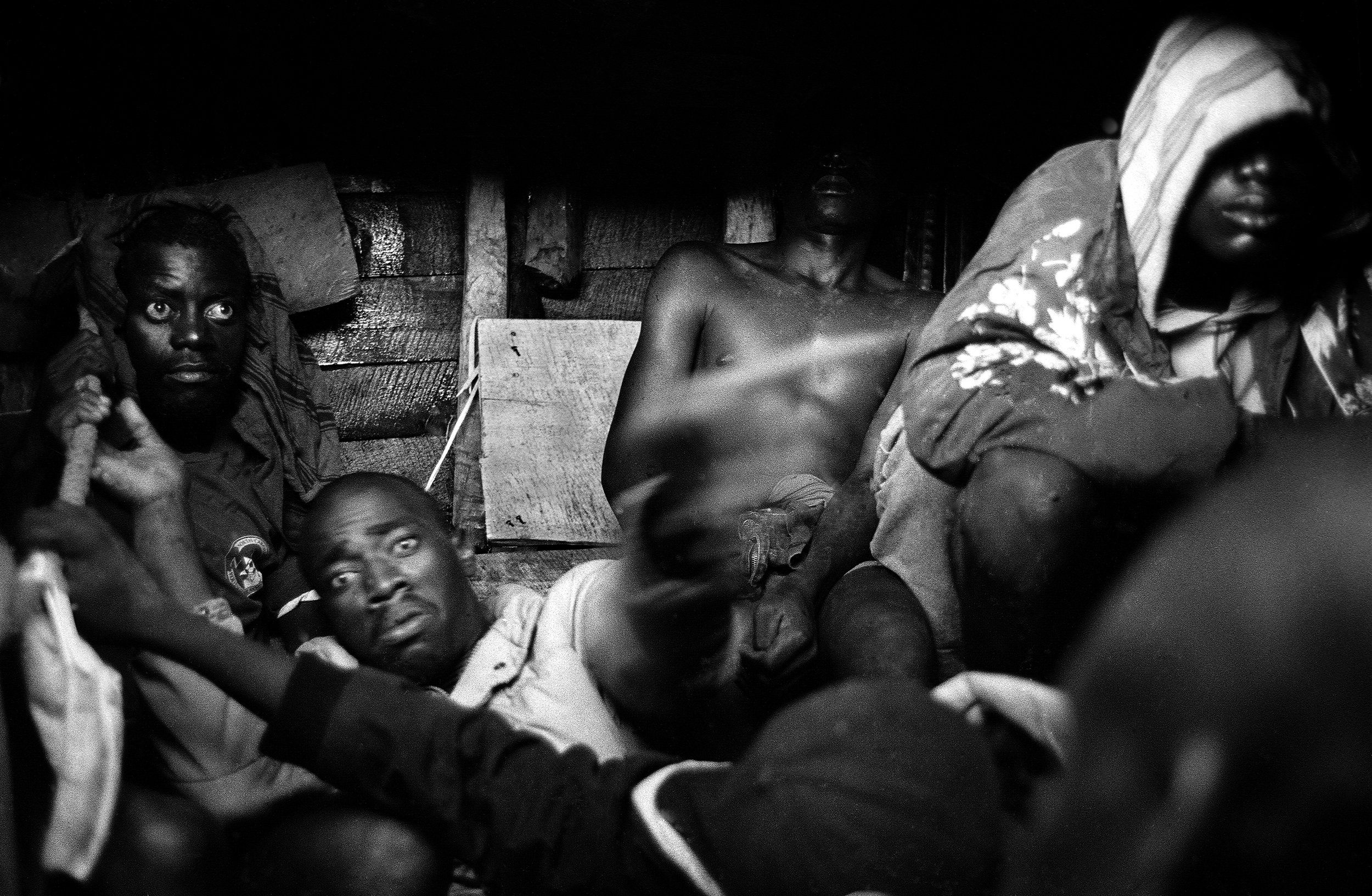
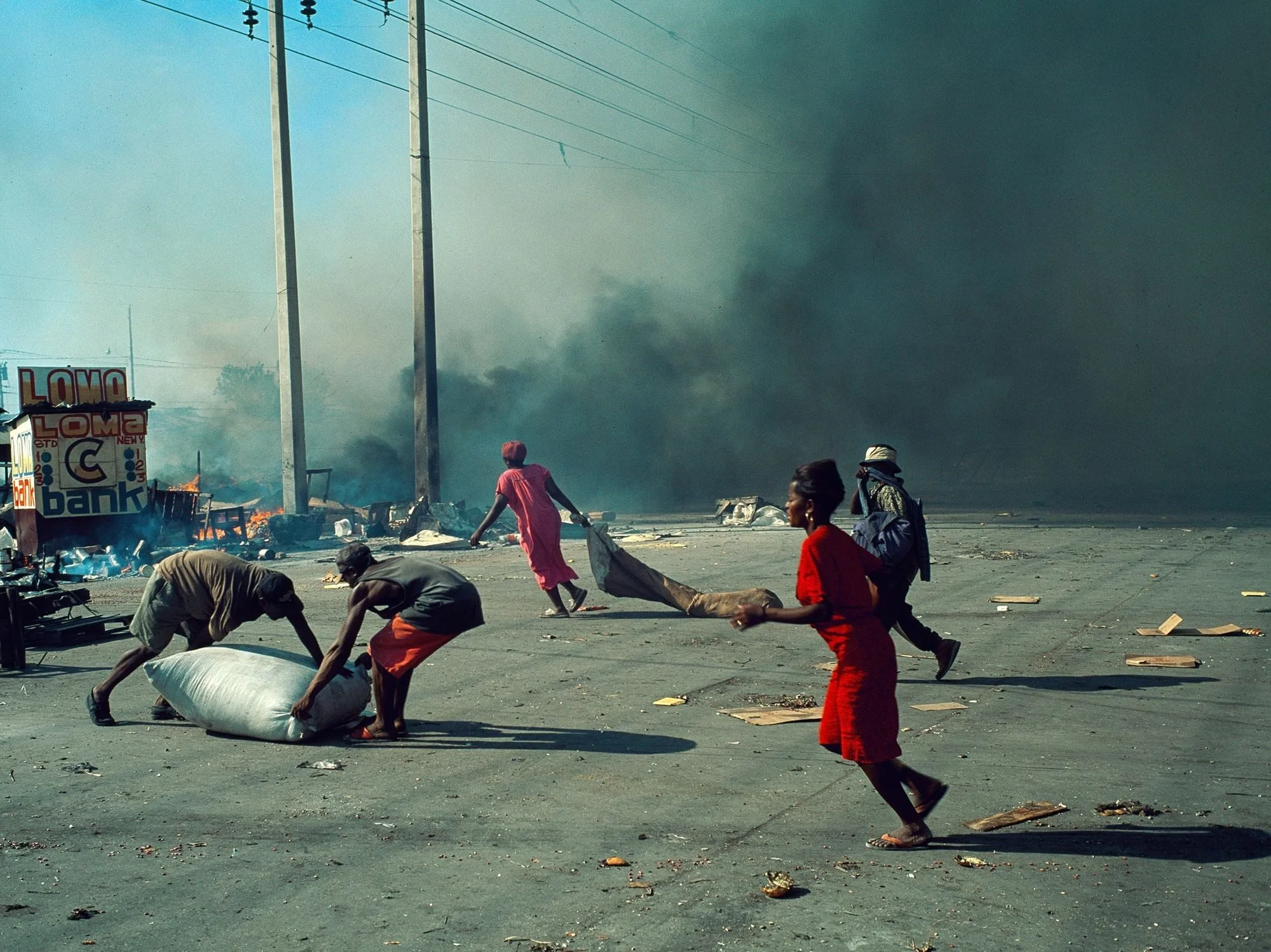
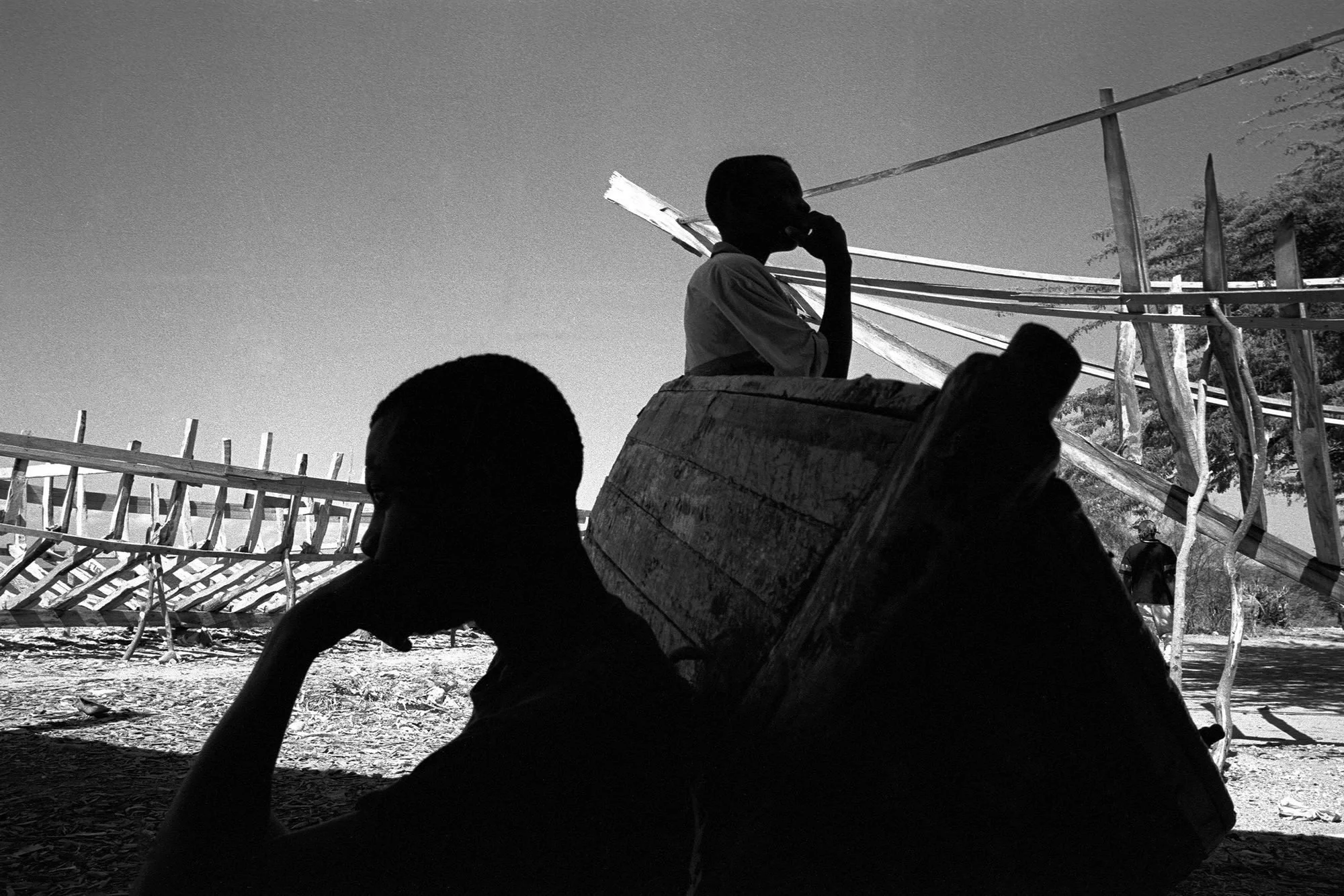
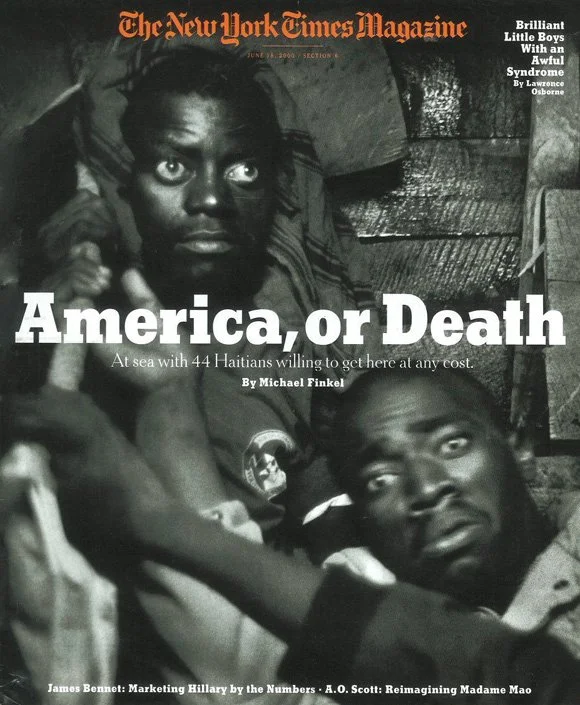
I was just in Bristol at the Martin Parr Foundation, speaking about this. I described a moment when I was photographing in Haiti. In 2000, together with the writer Mike Finkel, I took a boat with Haitian refugees who were trying to sail from Haiti to the United States.
It's a long story. But there was a moment in the middle of the night, in the open ocean, when we realized we were sinking. There were 44 Haitians in this small boat, and the Haitian man who was accompanying us said to me: "Chris, you'd better start taking pictures, because we're going to be dead in an hour."
I lifted the camera to my eye and began photographing without thinking about it.
The long story short is that the Coast Guard found us in the middle of the night, and we were all saved. The pictures were published, and people might know them now. But in the weeks that followed, I kept thinking about that experience. I played it over and over in my mind, and I kept asking myself: what was the point? Why did I start making photographs at that moment, when I assumed that no one would ever see them? I thought they were going to perish with me.
Why make photographs that you assume no one will ever see? That is a deep question. The only satisfying answer I could find for myself was this: the act of photographing had more to do with explaining the world to myself than with explaining it to someone else. That became a revelation for me. It crystallized, like a diamond, what I wanted my photography to be about and what I wanted my pictures to do. I wanted them to connect emotionally. I wanted them to cut through the noise and communicate something about an experience that data never could. I think that has informed my work ever since. How's that for a nice little social-media-friendly answer?
When you think about that experience, would you do it again?
Would I do it right now? No. But let me put it this way. I can't imagine my life without that experience, because it has shaped me in so many ways. It has informed every moment of my life since. I'm grateful for that moment. But, man, I'm so lucky that I'm able to sit here and talk about it.
One photographer, one journey
Your career has moved through conflict, family, street photography, portraiture, politics, and very personal work. From the outside, those can look like major changes of direction. When you look across them now, do you see yourself becoming different photographers, or the same photographer responding to different circumstances?
Now we are getting into the territory of what I made my book Index about. From the outside, I'm aware that it looks like I was one kind of photographer, then stopped being that and became something else. But for me, all of those experiences were connected. So were all of those bodies of work and all of the photographic languages I have used. It's the same photographer who got on that boat in Haiti, who made the photographs of my family, and who walked into the West Wing of the White House to photograph Trump's inner circle. It's a continuation of experiences. For me, they all represent different points along one journey. I use the word journey.
That is what Index is. I made Index to address that. I wanted to open up the experience of coming into my studio, opening boxes, rifling through them and finding stacks of pictures of the different things I have photographed. For me, they represent different moments of my life and different moments of evolution. But it's not this thing separated from that thing. They are all connected. So I wanted the book to be an autobiography in that sense: a life lived in photography.
But it is also a comment on the very nature of an archive itself. I'm looking through the work, and I'm not necessarily pulling out the best of it. I'm looking through the archive in a different context, through the filter of time and experience. I see things I didn't see before. I appreciate things differently. I find new pictures, or things I wasn't aware I was seeing at the time, or things that mean something different now. That is what I'm pulling out in this book.
What has remained most consistent even when the subjects and visual language changed completely?
I see something connecting it all. I see the same curiosity, the same confusion and the same desire to connect and to express something. For me, it's the same eye. It's the same person. Yes, I can see myself in different eras. In the earlier work, maybe you can see me working through my influences a little more. I tried a little of that because I had looked at a certain book, and a little of this because I had seen a certain photographer's work. It was maybe less about trying to emulate it and more about taking it in and trying to make it my own.
I feel that my family work is where it really happened. I don't like the expression "finding my voice." But it's where I felt I came into a knowledge of how to access what I was trying to do with a picture, and how to access it on command, I guess. Still, I'm looking for the same thing in those pictures that I'm looking for now, whether it's my personal work, a portrait, commercial work or anything else.
Why Index, why now
What made this the right moment to look across your career and make Index? Was there a question about your own work that you couldn't answer by looking at the individual projects separately?
Well, I suppose you can add the time of my life into that reasoning. I'm not a beginner anymore. I'm not in the early stages of my career. Hopefully I'm not at the end of my career either.
Maybe I felt it was time to answer some questions, both for myself and for an audience. From a very practical perspective, I had moved my studio from New York to Europe, and not everything had been unboxed. I was in one studio for a few years, and then I moved studios again, here in Paris. Over the past couple of years, through these moves, I started digging through the archives. Those of you who follow me on Instagram might have seen what I call archive rummaging. It's literally me going through the archive and saying, "Oh, there's this. Here's a picture I missed in the first edit." So that process had already started, simply because I had moved studios and finally found the moment to go back through older work. That's the very practical, logistical reason.
But, as I said, it's also a moment in my life when I'm reflecting on what I've done and taking stock of it. Maybe I'm also thinking about what I'm going to do next. So it was a moment to mark a point in time.
Did making Index change the story you had previously told yourself about your career?
No. I think the new discoveries I made were more about individual pictures and edits, not about how I had seen my career. As I said, from the inside, I always experienced it as one thing informing the next thing, which informed the next thing. I had an intimate understanding of my own experience.
The revelation, or the discovery, was looking back at things and thinking, "How did I not see that picture before?" Or, "Wow, that's interesting." I understand why that picture wasn't the one I picked at the time. But now, because of what we know, or because of what has happened since, the picture is important, or it has a different meaning. There has been a lot of that.
Eleven books, not a retrospective
Index separates the work into eleven individual volumes rather than combining everything into one continuous retrospective sequence. Why was preserving those boundaries important?
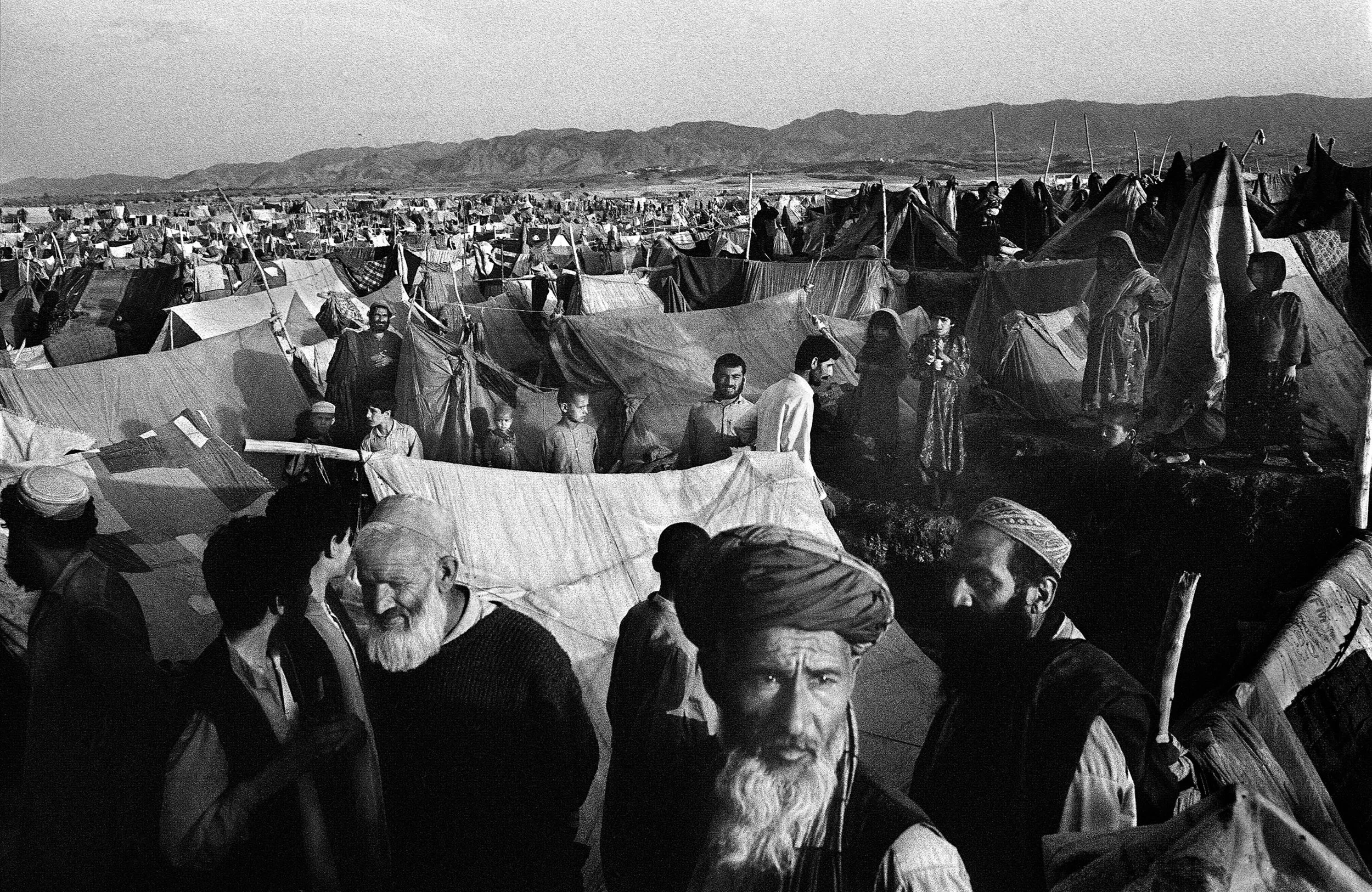
It is intentionally not a retrospective. First of all, it leaves out many of my better-known bodies of work, because I had already made books about those. This was about exploring things in the archive. On some subjects I had a deep archive, but for whatever reason, they never became books and were never completed.
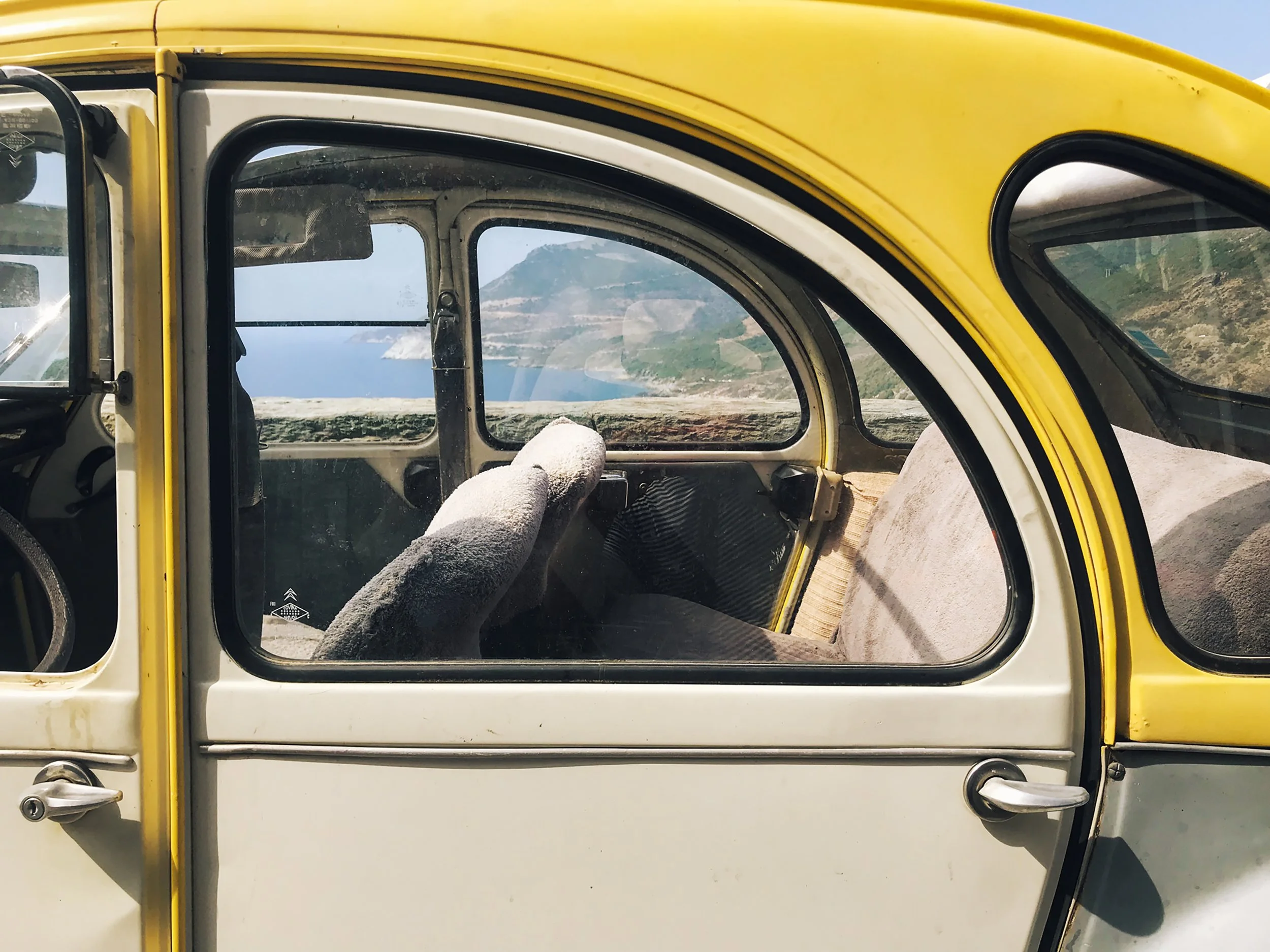
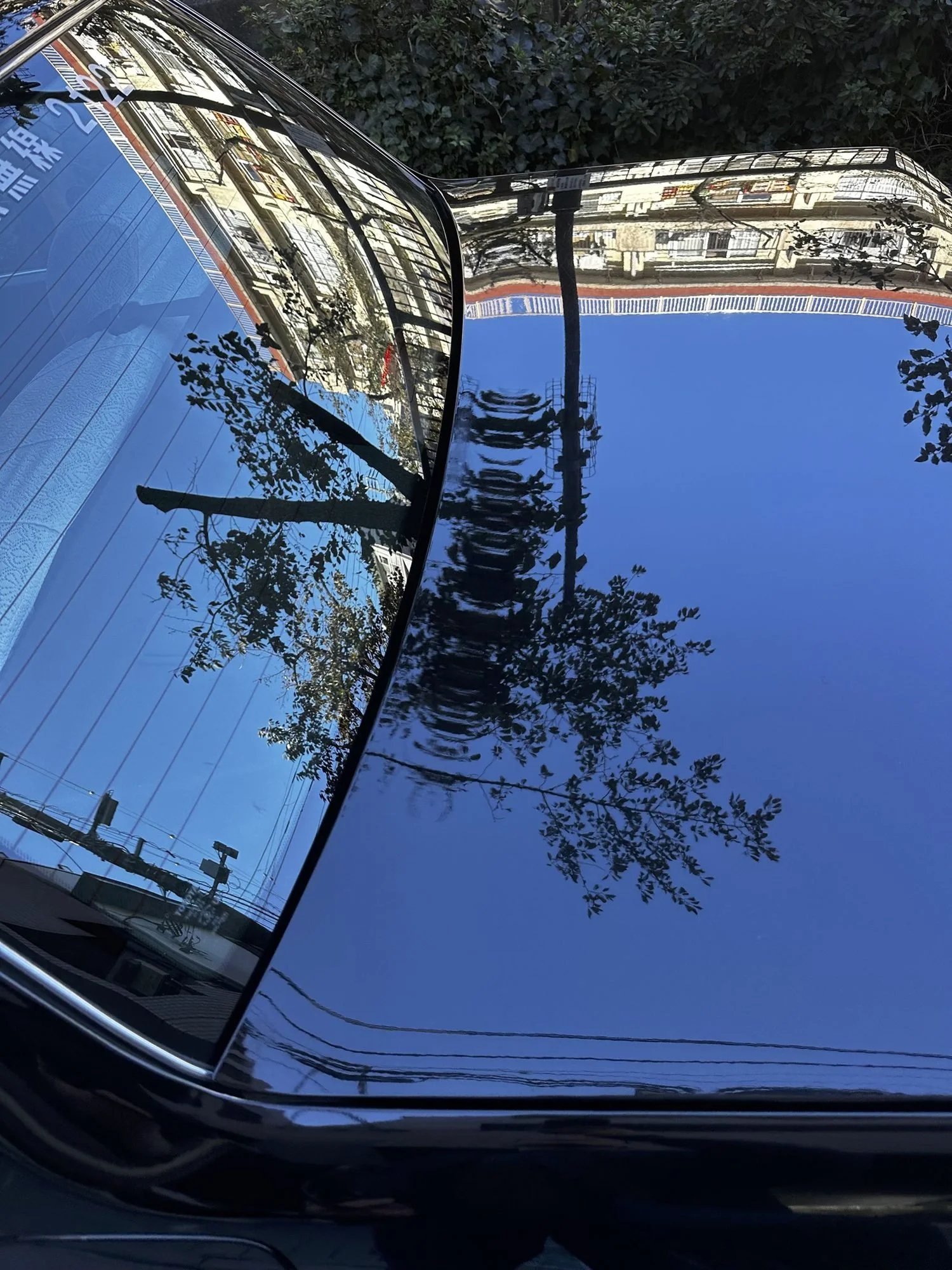
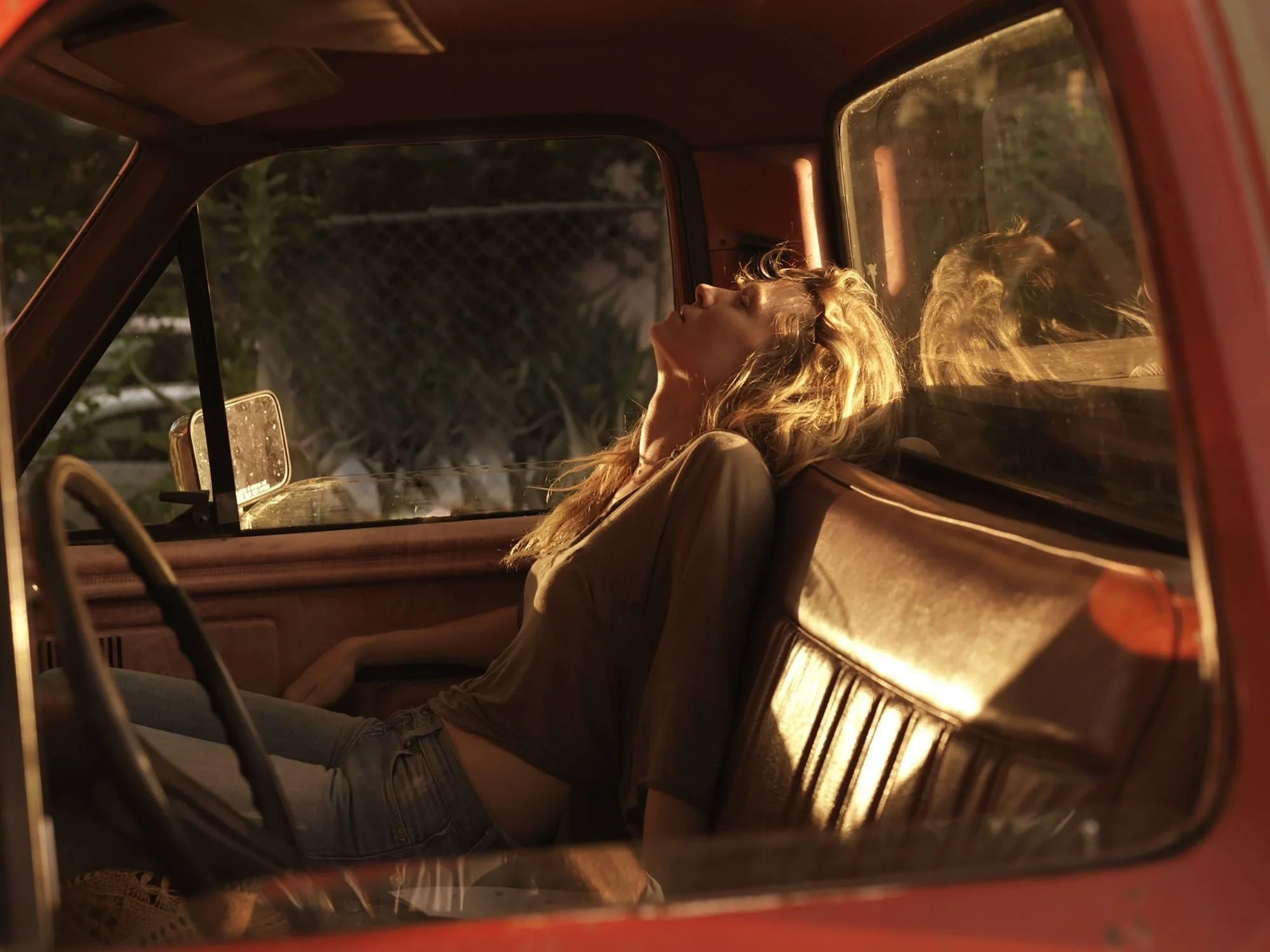
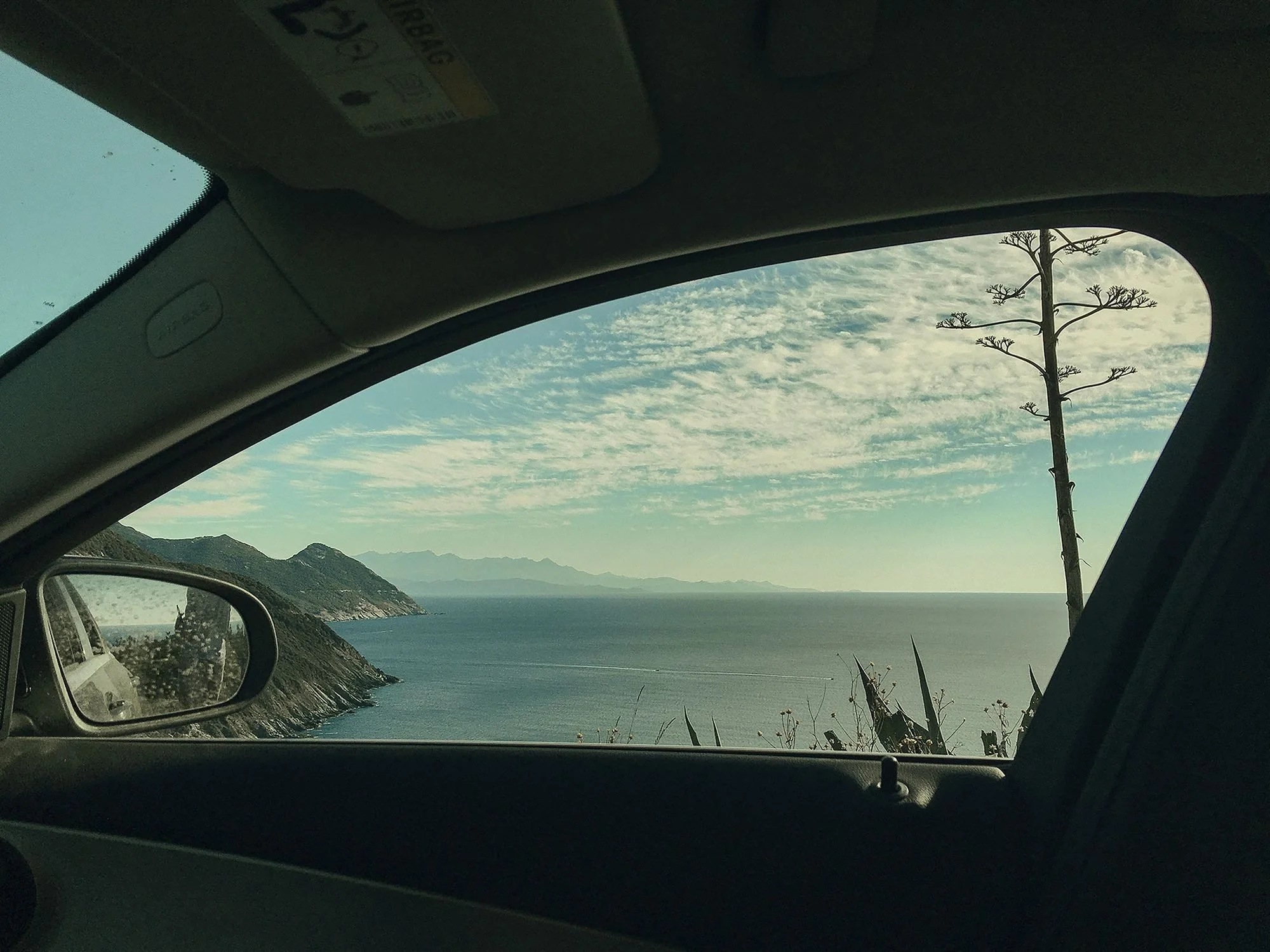
Some of these subjects seem closer to what people connect with my work. Others are different. Cars, for instance. I have a lot of pictures of cars. Not because I set out to make them, and not because I'm particularly interested in cars. But going through the archive, I noticed: wow, I photograph cars in a kind of compulsive way. I wanted that chapter to speak about the compulsive nature of what I do. Part of this is also taking random samplings from different points in the archive, which speak to different things and different experiences.
It is certainly not an exhaustive survey of my archive. And it's not a retrospective, because one day I would certainly like to make that retrospective. It would be more comprehensive and maybe less about the idea of the archive.
Index was originally conceived with fewer bodies of work, and the White House and Epstein photographs were added during the production process. What made those photographs important enough to reopen something that was already taking shape?
We were putting the finishing touches on the book at the very moment I had done the White House work and had recently rediscovered the Epstein work. The book was ready to go to print. Right at the last moment, the designer, the publisher and I all agreed that these pictures were pertinent to what the rest of the book was about. They also spoke to the present moment, and that fit very well with the idea of the book. So we said, "Let's crash the deadline." We quickly turned them into their own sections, their own bodies of work, and put them in the book. Fortunately, we had enough time to do it, and we were able to add them at the last moment. So it was more a question of timing than anything else.
When history changes a photograph
The Epstein photographs were made years before they entered Index, under circumstances very different from how they are understood today. Can a photograph become important because the world around it changes, even though nothing in the photograph itself has changed?
Yes, is the short answer. This goes back to one of the themes of the book. An archive is not a static thing. It's a living, breathing animal that changes and evolves in its own way. That happens because of the filter of time, and because our understanding of things changes. Things take on new meaning because our perspectives have changed. That happens through revelations about what we know now, and through changes in our perceptions and understanding. What we see as important may change as well. And that changes the meaning of photographs. It changes the effect they have, the impact they have, what they mean to us and what they say to us.
Photographing his family
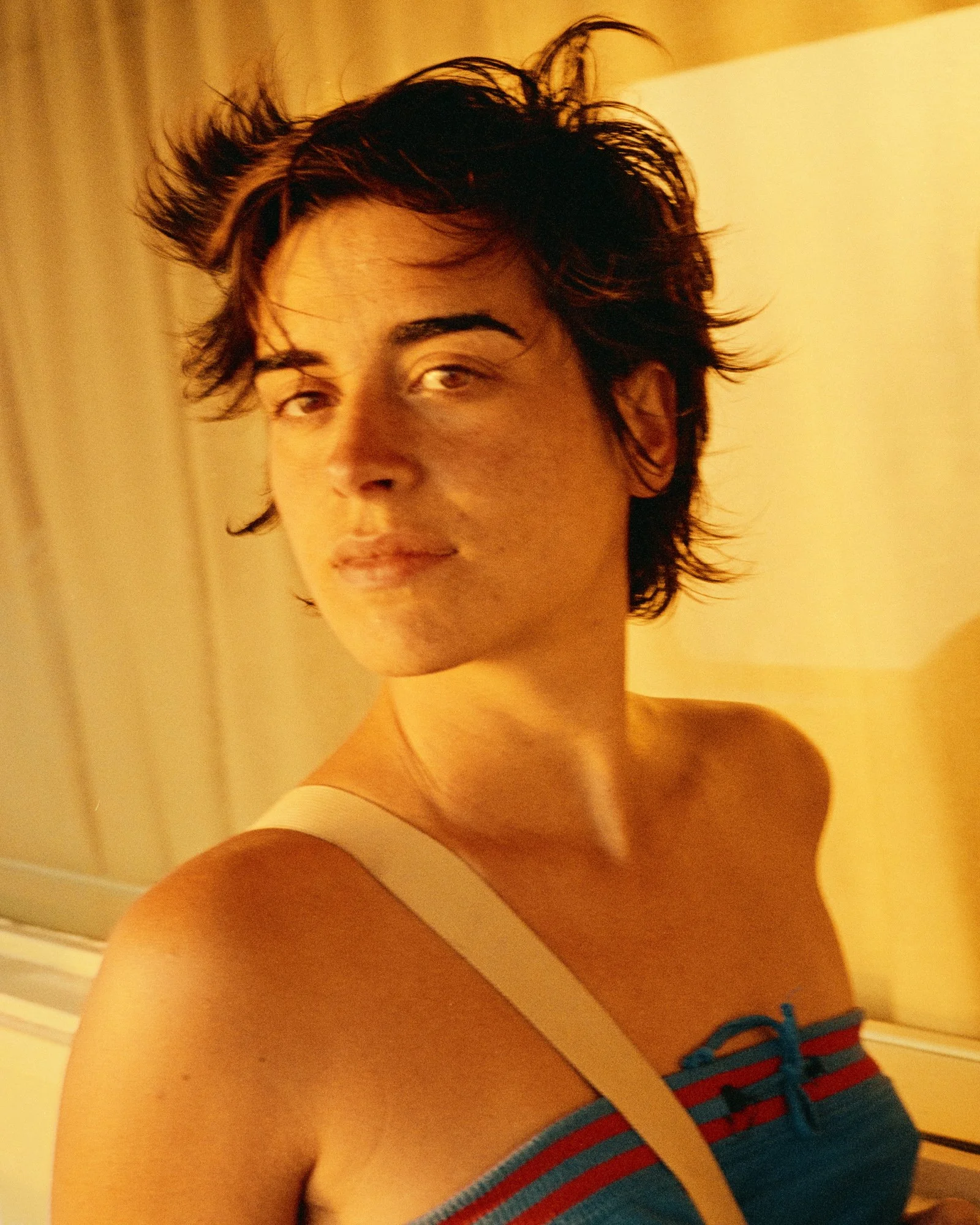
Your wife, Marion, has worked with photographs from Son, Pia, and Marion, approaching an archive in which she is both part of the family being photographed and an experienced photo editor. What could she see in those photographs that you couldn't because you had made them? Did anything surprise you?
I don't know if "surprised" is the right word. She has curated a couple of shows of that work in the past two years. What I felt was relief. It was a big relief for me to see her take her own license over those pictures, and to have her own ownership and agency over what they are about. There is always a certain feeling, maybe a certain sense of guilt, that through those pictures I have taken something from her. To have her reclaim it as her own was pretty special for me. I think it was special for her too.
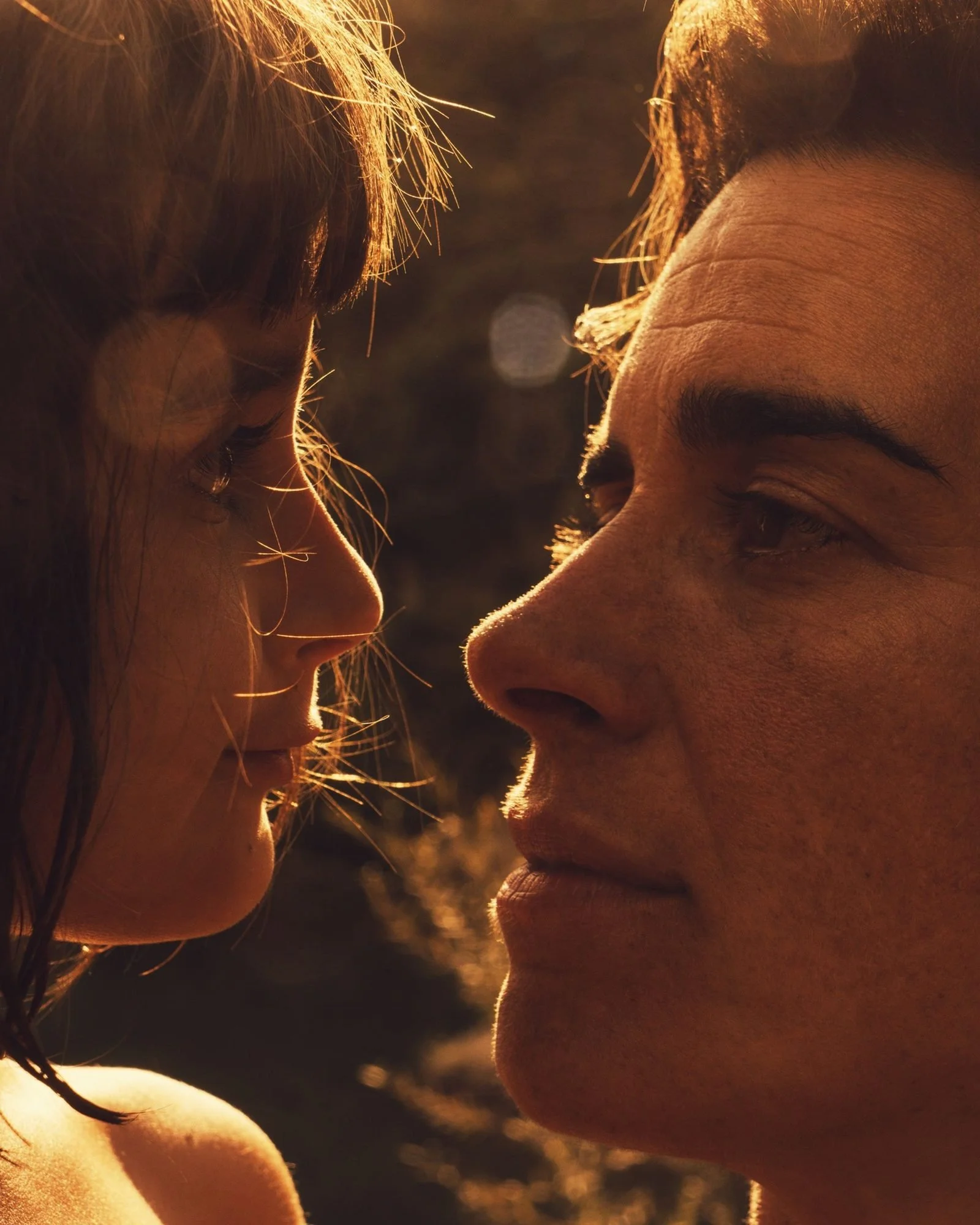
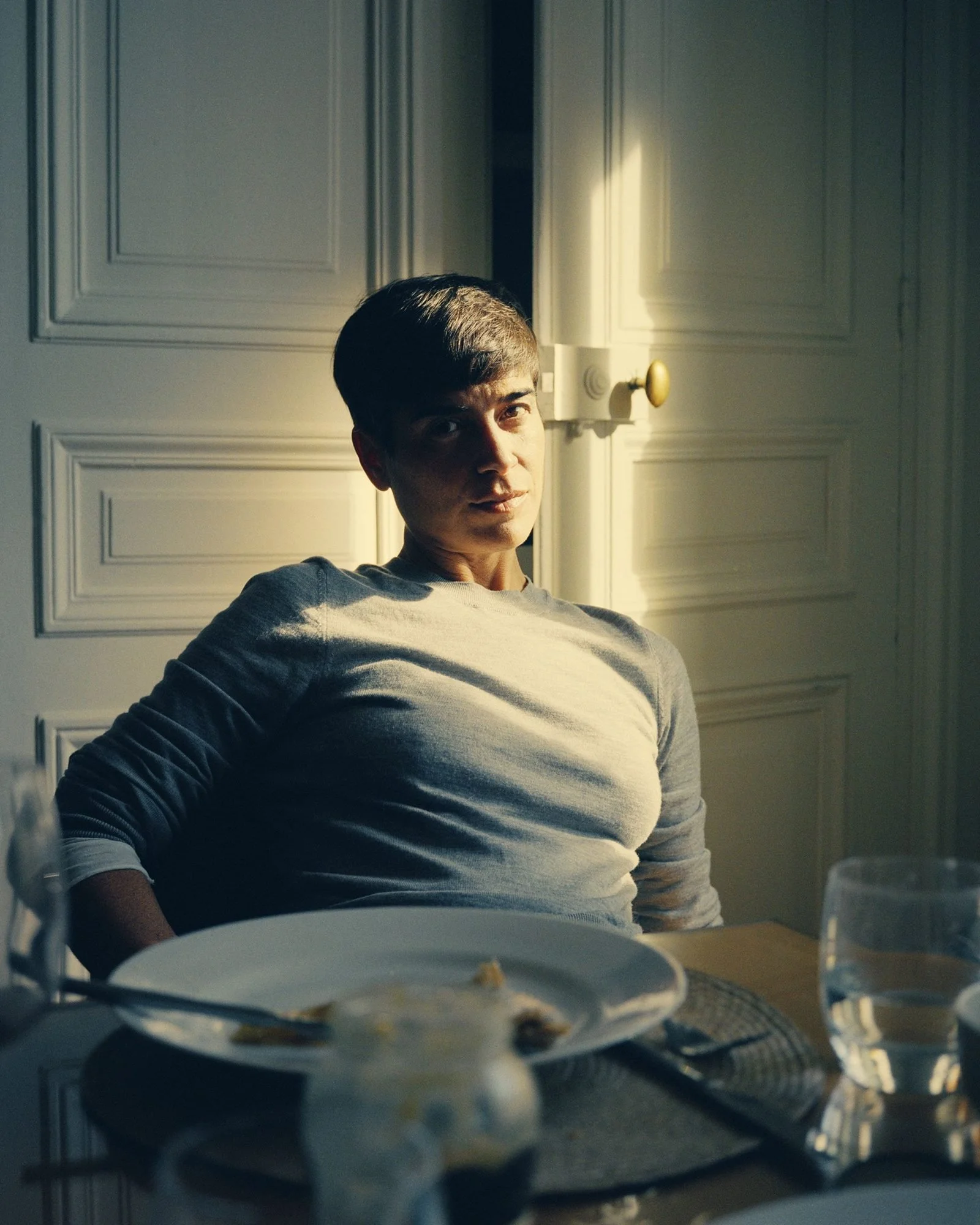
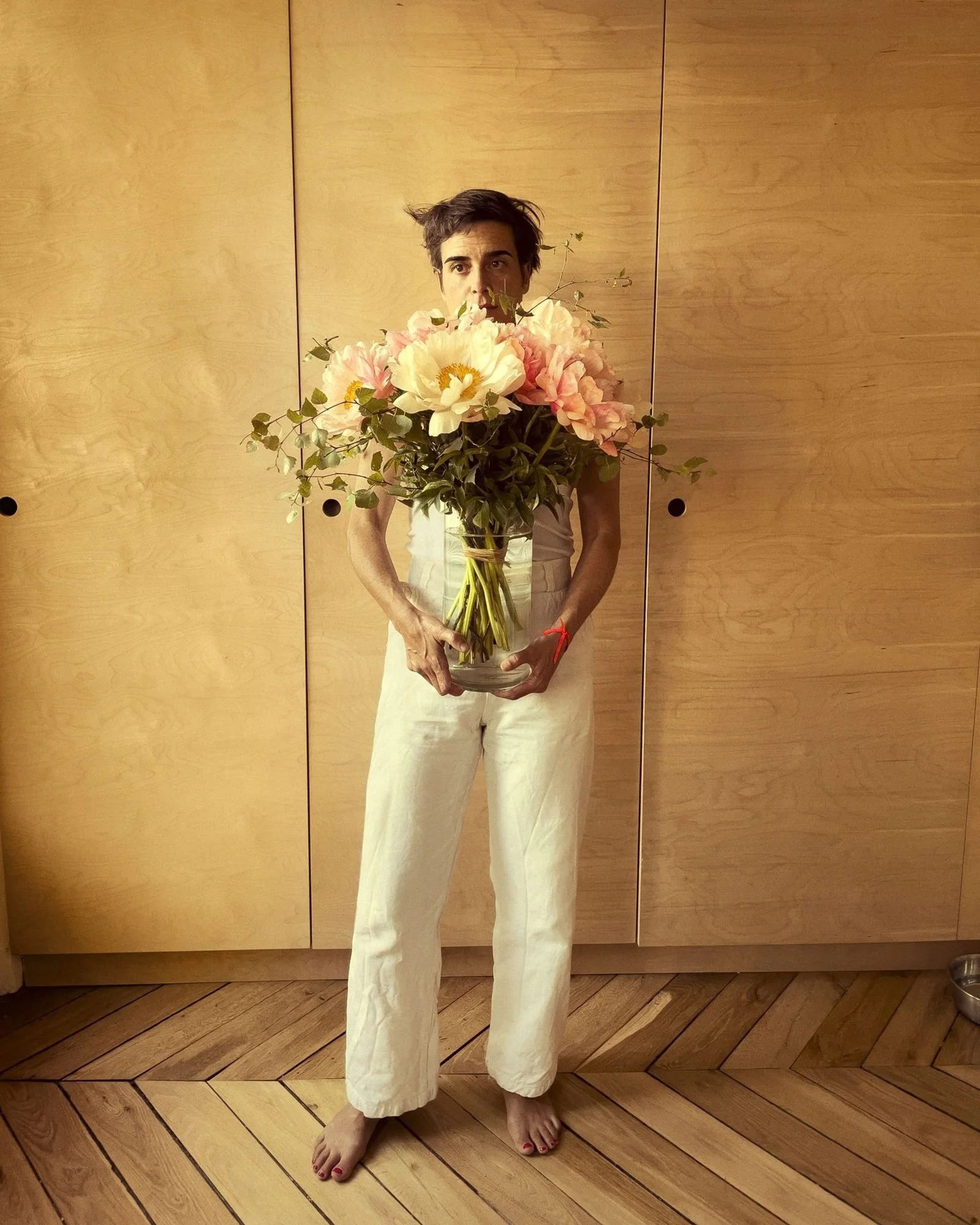
Was there a photograph whose importance changed for you after seeing how she selected or positioned it?
Yes. I can't think of specific examples right now. But there are pictures that maybe I didn't see the same way, or that weren't as important to me, and I saw that they were important to her. Maybe a picture reminded her of a particular time. Maybe it said something about our experience at that moment.
Few photographers turn their own family into a long body of work and a series of books. How did that idea come about?
When my son was born, I stepped away from the journalism world, and more specifically from war photography. That was a break for me, and there was a big question about what would come next. I knew I was leaving the work I had been doing, and not just because I had a child. There were many, many reasons. I knew I couldn't continue working the way I had been working. But I hadn't yet figured out what would be next.
Then my child was born, and for the first time in my life I started making pictures about something so close to me, about my personal life. In the beginning, it was very organic. I photographed the way any father photographs his family, almost as a compulsion. It never occurred to me that it had anything to do with what I would call my work. Maybe I was just trying to stop time. I was so enamored with the experience itself, so completely turned upside down by it. It's something that is completely universal and unique at the same time.
It wasn't until maybe two years into making those pictures that it dawned on me. Not only was this part of my work, but everything I had done up to that point had prepared me to make these pictures now.
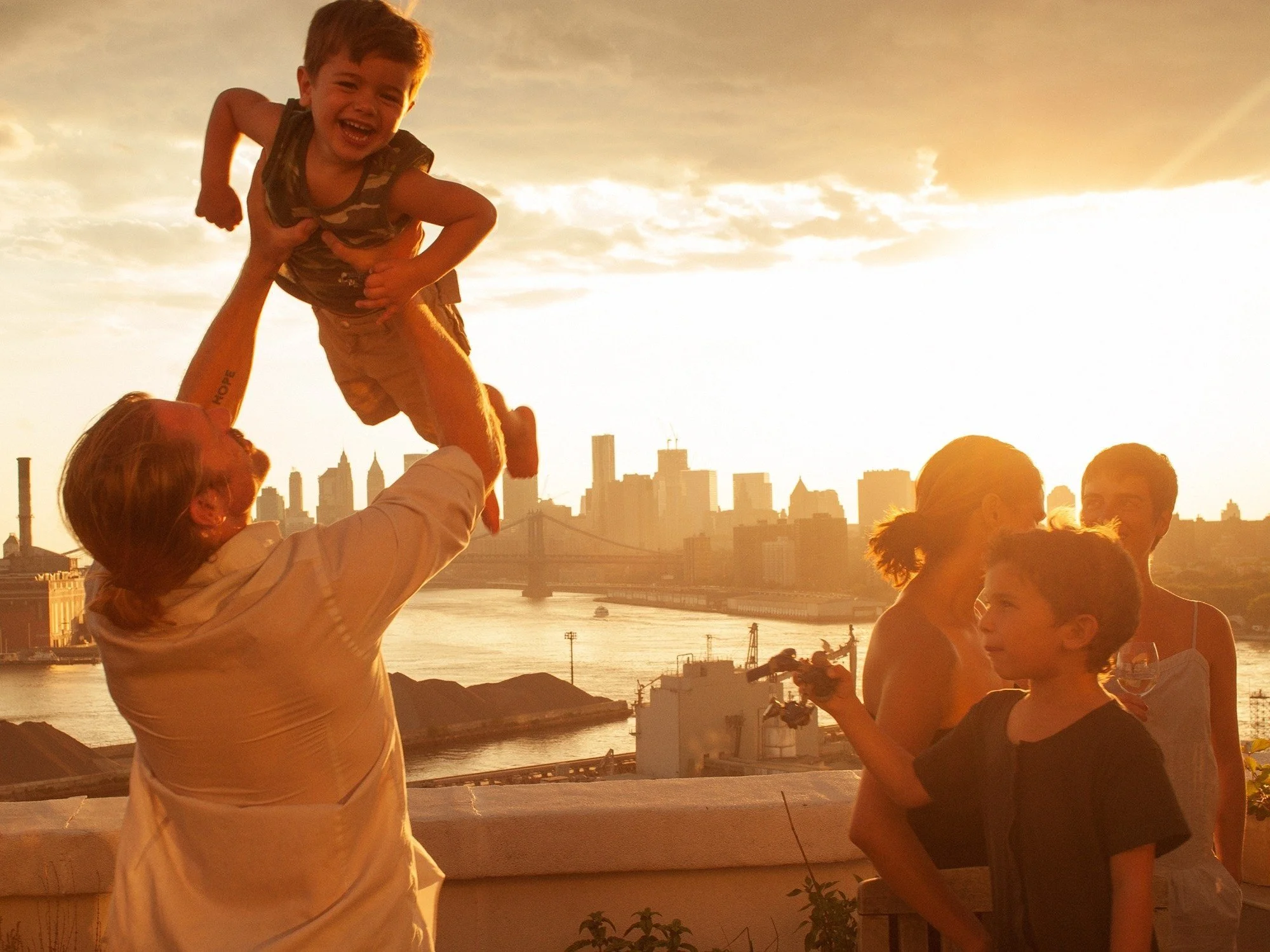
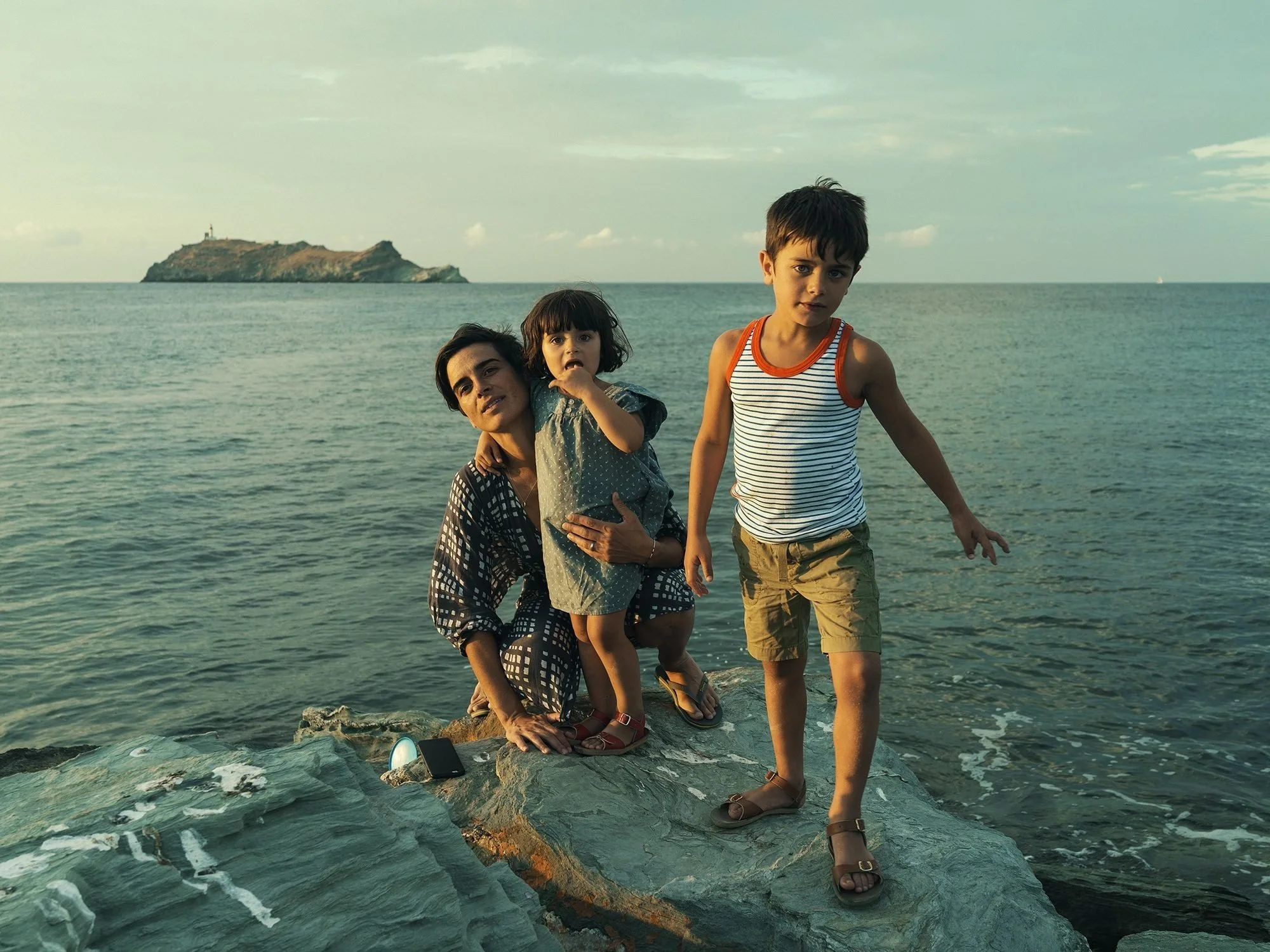
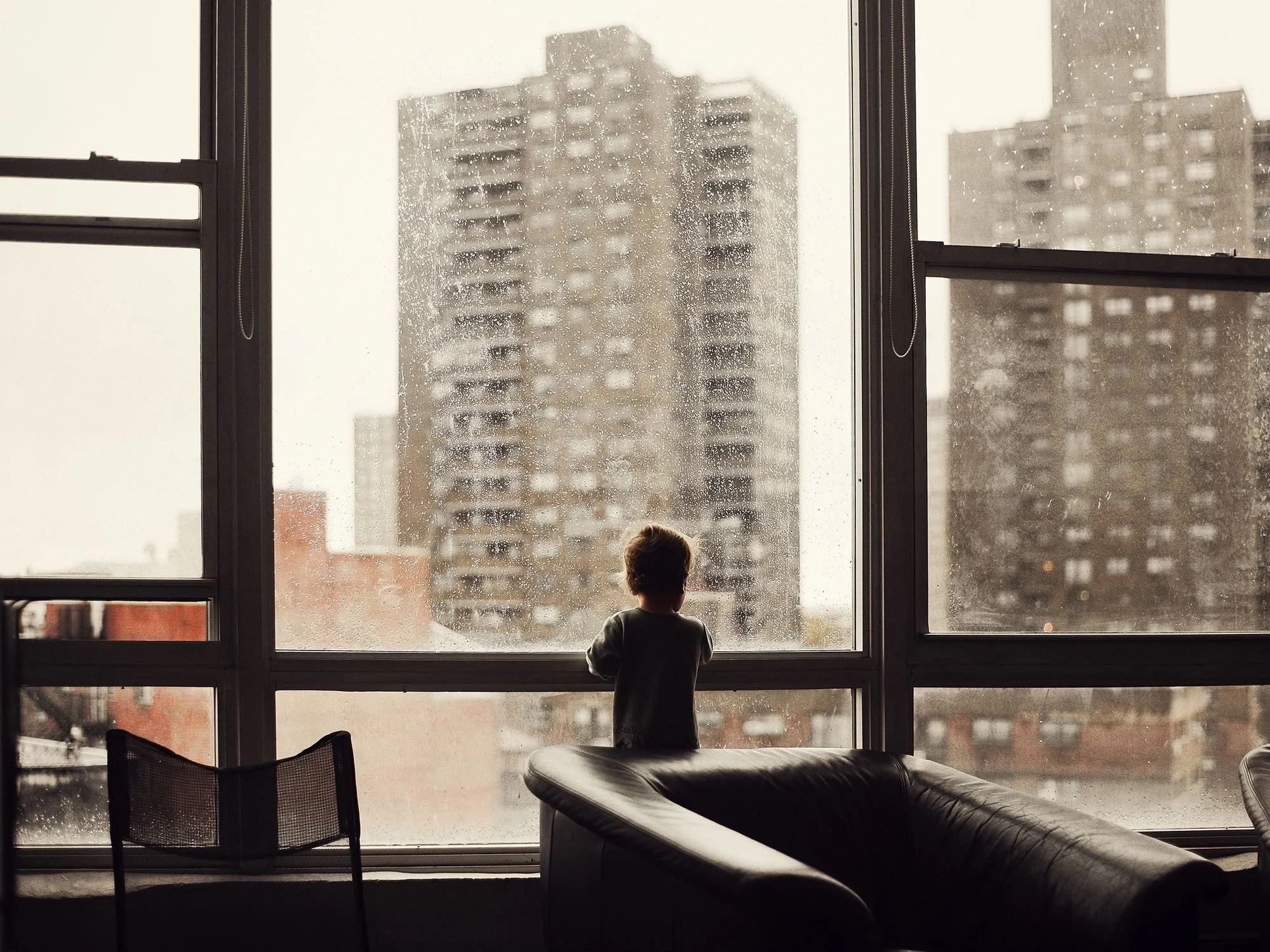
You've said that when you were photographing Son, you eventually became too conscious of making photographs for the project, rather than simply photographing your son. How did that change the way you worked, and when did you realize it was time to stop?
Well, as I said, it was when he was about two years old that it dawned on me that this was actually part of my work. Recognizing that, and being conscious of it, risked spoiling the power of the work. I think what people connect to in those pictures is a certain naivety, a spontaneity and an earnestness. As soon as I became aware of what it was, it was hard to turn off that awareness. It was hard to find that purity of reaction.
That's when I knew. As imperfect as the first book was, I needed to put the work together in a book that captured that moment of naivety. To me, that's what is beautiful about the book: that sense of purity. So that was the cutoff moment. I put it together, and the book was published.
Later on, as I continued the work, something happened that I can't fully describe. Maybe in my mind I was able to shut off that conscious part again, because I thought, "I've done that book, and now I can move on." So I went back to photographing my family in the same compulsive way as before. I didn't plan on making a book about Marion or Pia. Then, at some point, my daughter asked, "Where's my book?" So I thought, "Hmm, okay." We had a long talk about it with my daughter and my wife, and I ended up making the book about Pia.
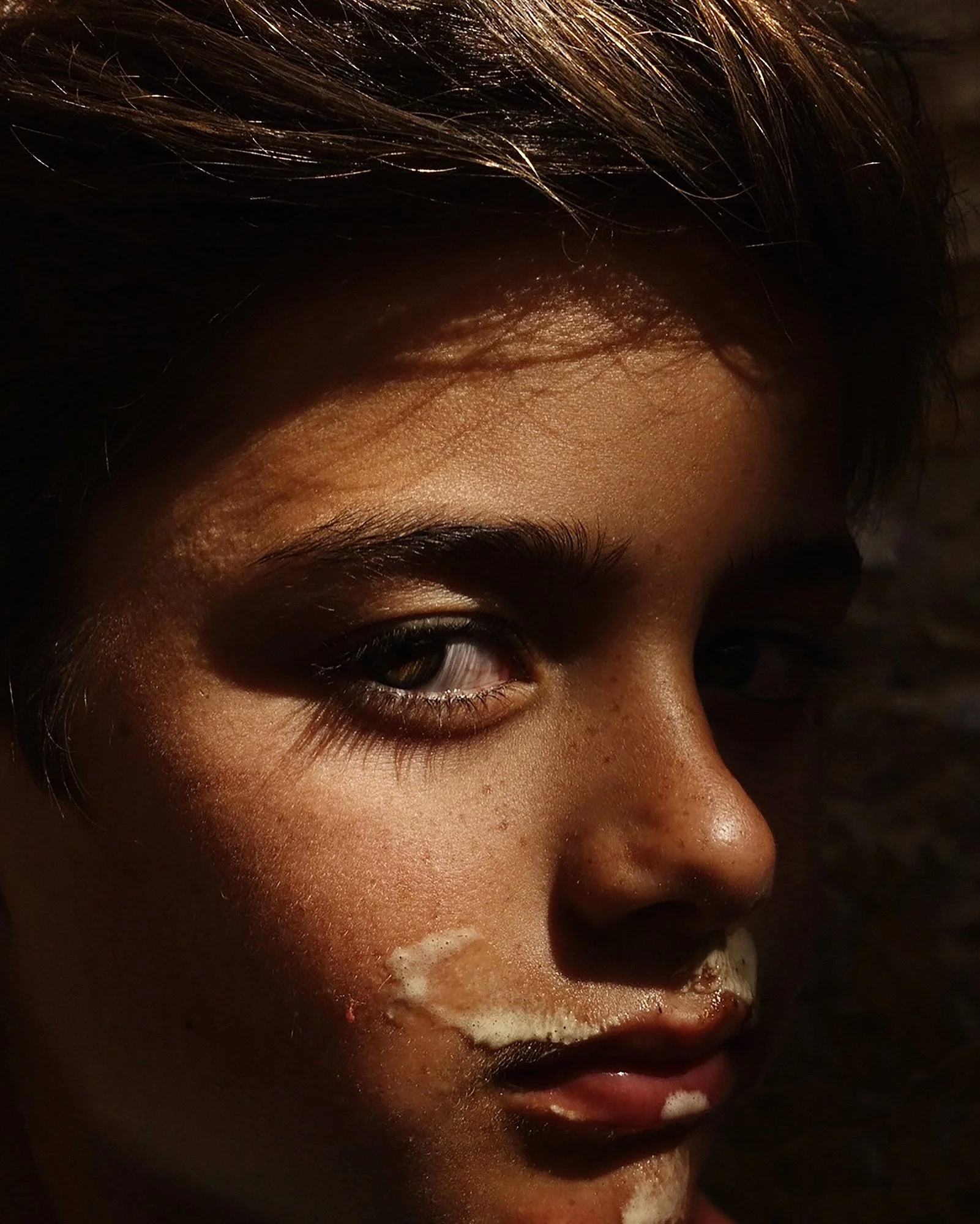
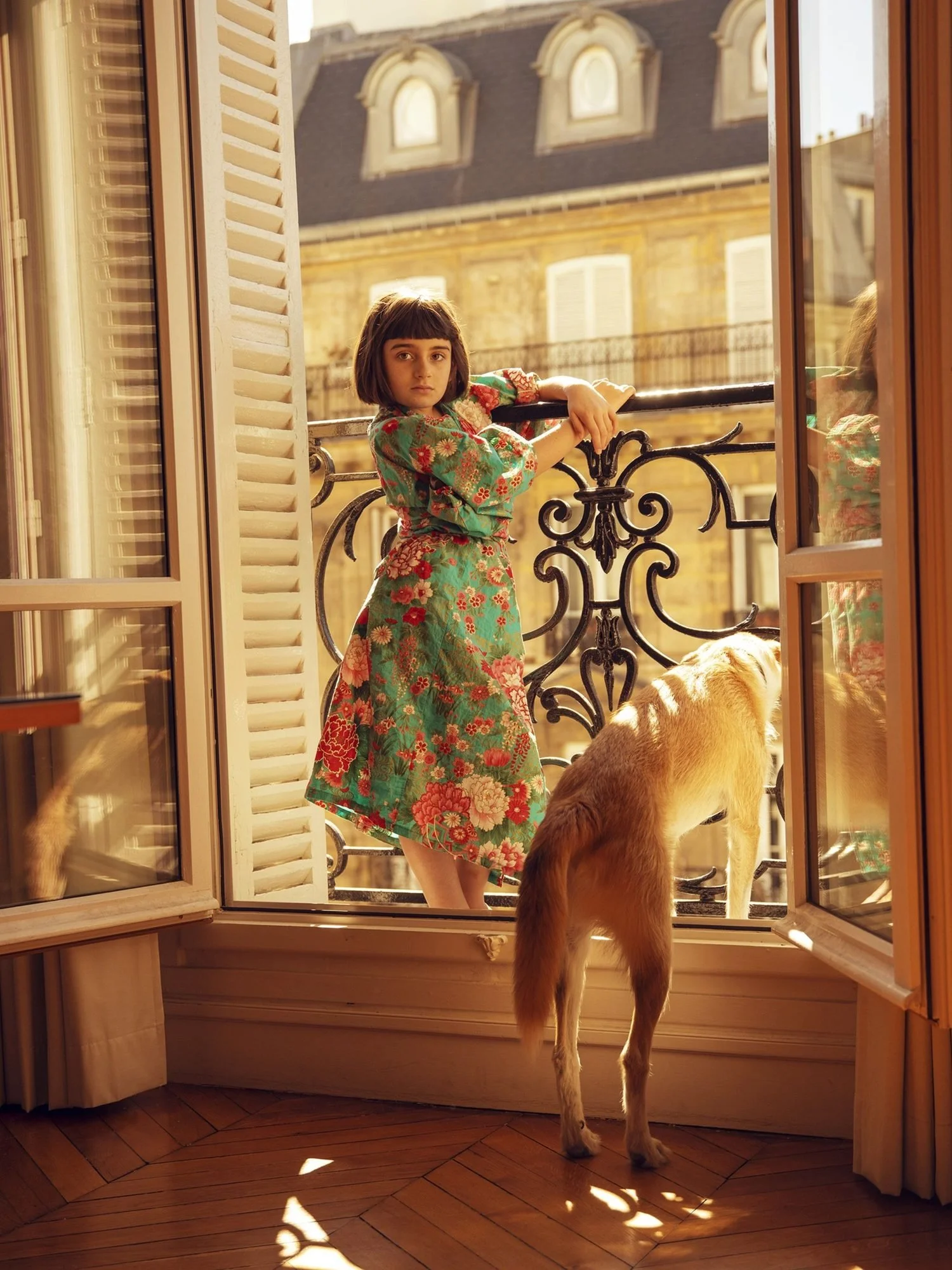
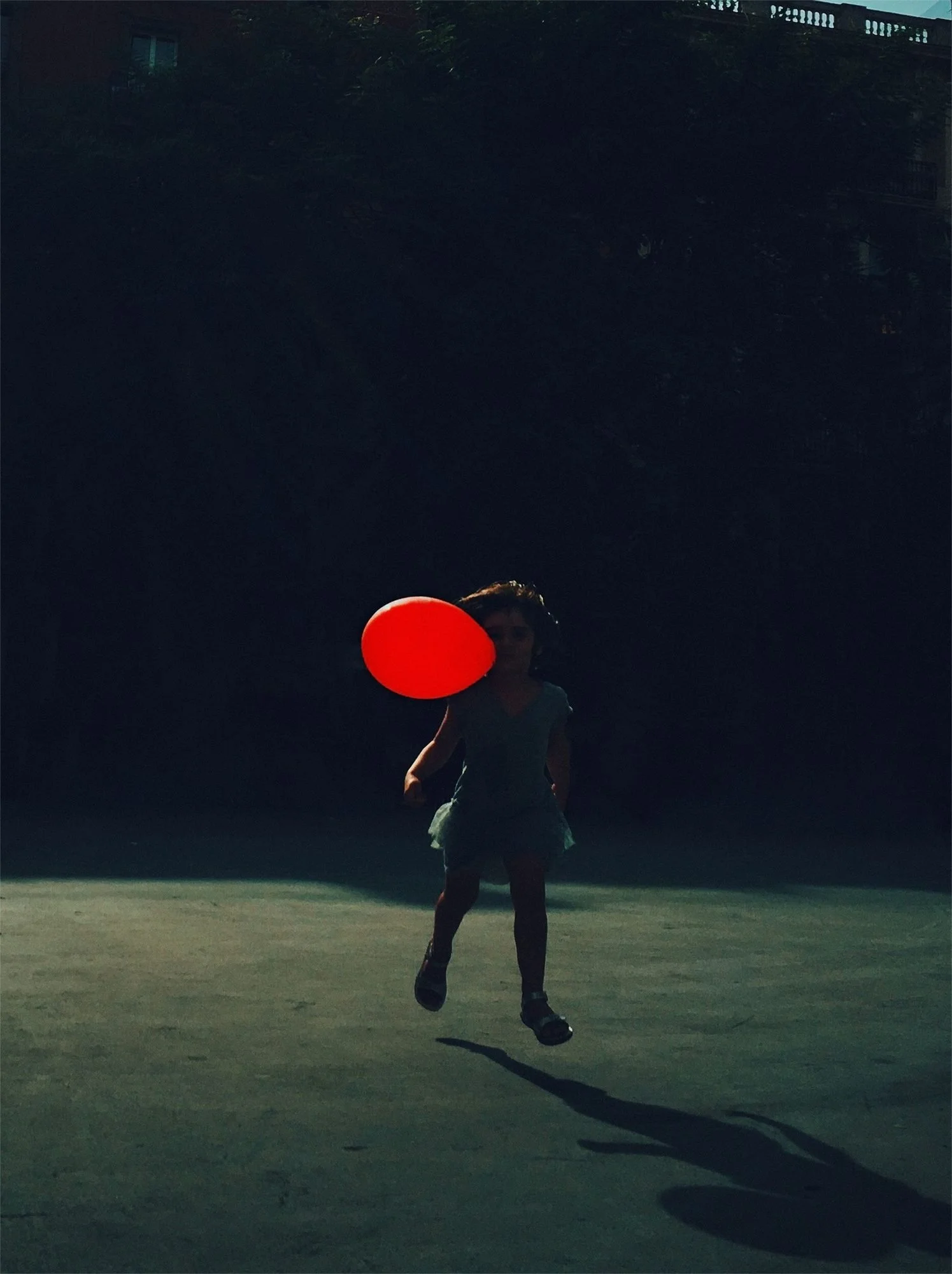
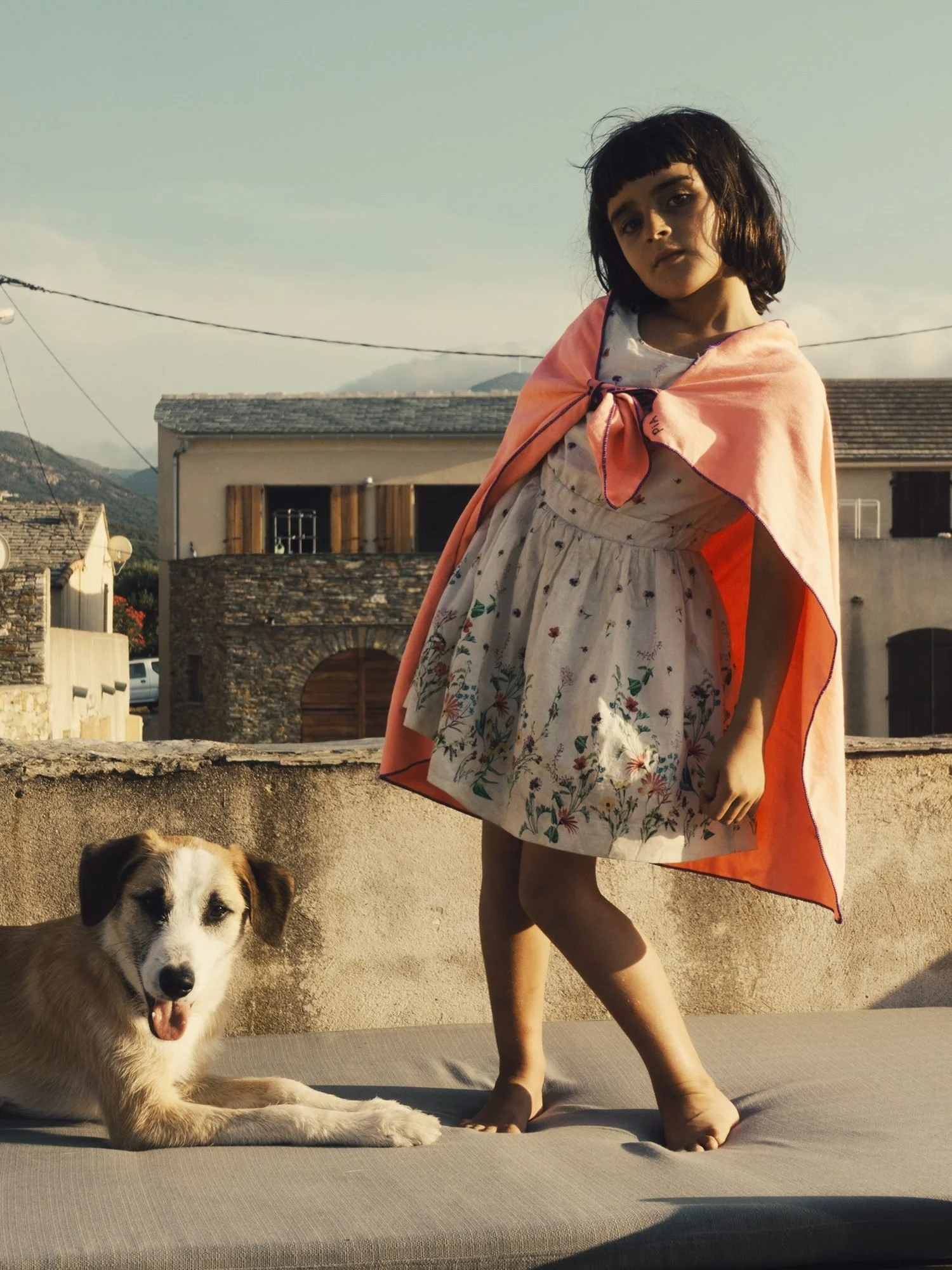
Then friends and family started asking, "Okay, now where's the book about Marion?" So it was like, "Hmm, maybe we should do this third book." But because of the way those events happened, I was able to keep that sense of naivety throughout the work.
Photographing your family required a very different relationship to the subject than conflict photography. Did it teach you something about making photographs that later returned when you photographed strangers?
Yes, but not only through making the pictures. Becoming a father, full stop, taught me something about photographing strangers. I'd like to think it informs everything I do now. Perhaps it taught me something about empathy and sensitivity. It certainly taught me something about the idea of hope. And I'd like to think it made my work less cynical.
The White House and fairness
With your family work, the photographs begin in a deeply personal relationship. In something like the White House work, you know the images will immediately enter a public and political context. Does knowing who a photograph is for change the photograph before you make it?
Wow, that's a great question. I'd have to say yes. When I accepted the White House commission, I had a very clear sense of mission about what I needed to do and say. That sense was shaped by the audience. I knew I had an audience, and I was very aware of it. I went back to the sense of mission and responsibility I had in my journalism days. I wanted to make sure that my observation, and what I had to say, could be sharp, focused and honest.
See Christopher Anderson’s White House photographs on his Instagram
Christopher Anderson’s White House photographs for Vanity Fair, as he posted them on his Instagram on 18 December 2025.
You've rejected the idea that the photographer can ever be a completely neutral observer. If every photograph carries a point of view, where do you draw the line between expressing your response to someone and constructing the viewer's judgment of them?
My job, my responsibility, is not to construct perceptions. It is to make sure that my point of view is as honest as I can make it. I know that my subjectivity is not the final, factual truth, because who knows what that is. But my truth is my truth, and it had better be true. I need to be truthful in speaking my truth, if that makes sense. I don't want to sound too philosophical, and I don't want it to come across as pretentious. But at this point, the only thing I'm interested in with photography is being able to see through someone's eyes. I want to see their point of view, see their brain at work and see their truth come out. I'm not interested in the trick of photography.
I'm sorry, I'm at a loss for words here. But I'm going to have a point of view, and I want you to know it. I'm going to do my best to be as open and honest about it as I can, while being fully aware that I may get it wrong.
Does fairness require showing something that complicates your own initial impression of a subject?
Yes. I go into something armed with my impressions and my preformed opinions. But I'd like to think that I go into an encounter trying to make something that is truthful about that encounter. Not truthful about my preformed opinion, but truthful about the encounter itself.
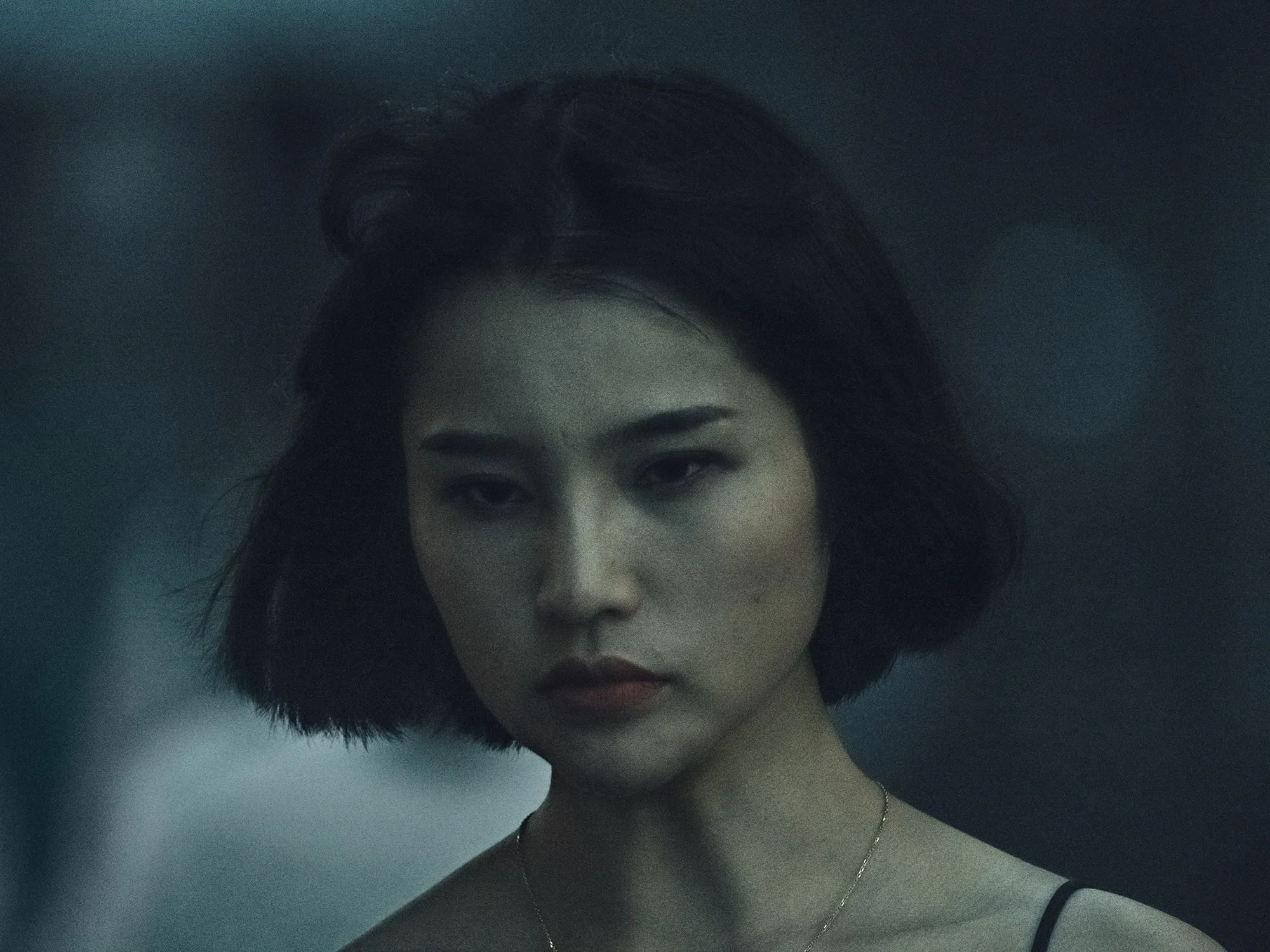
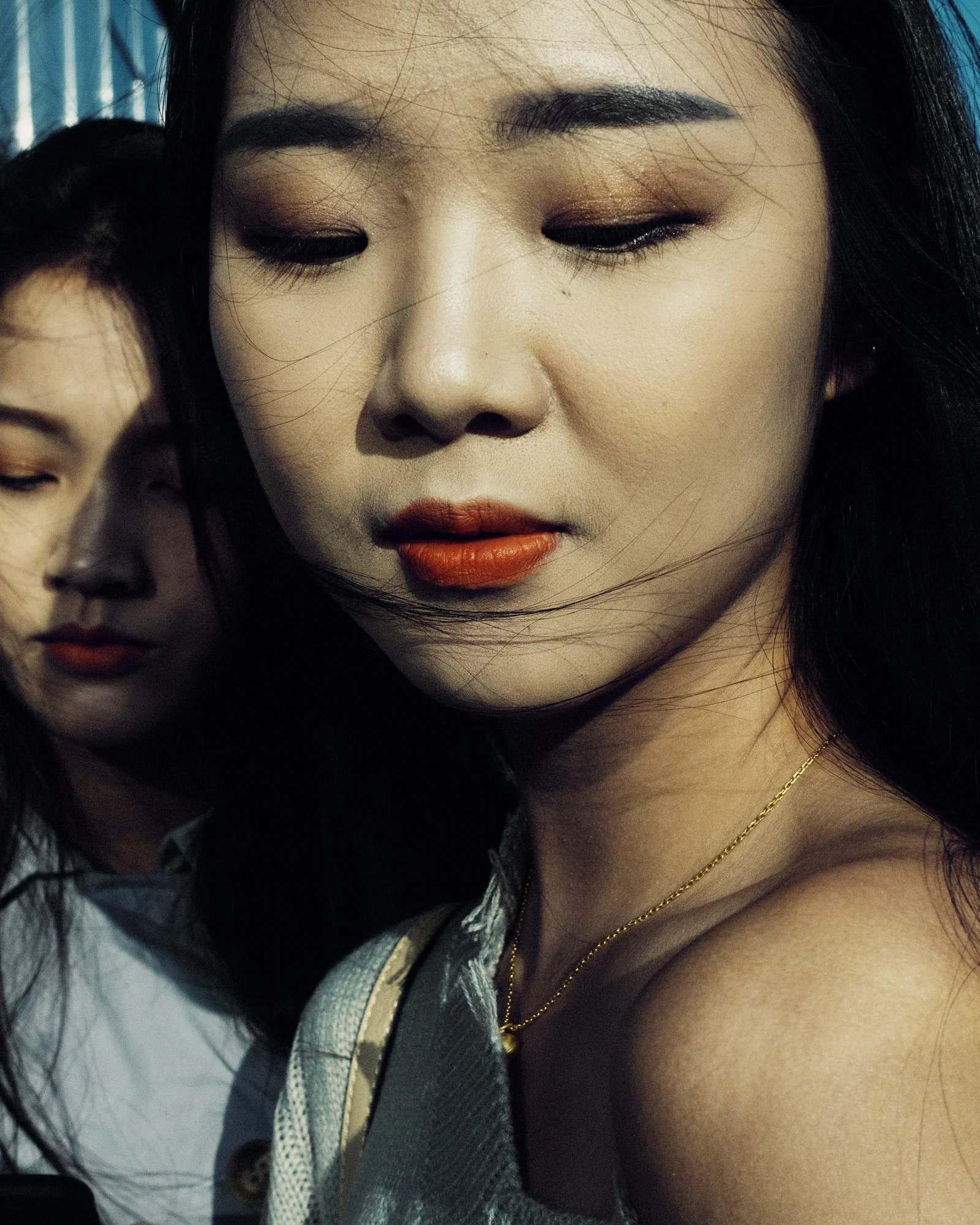
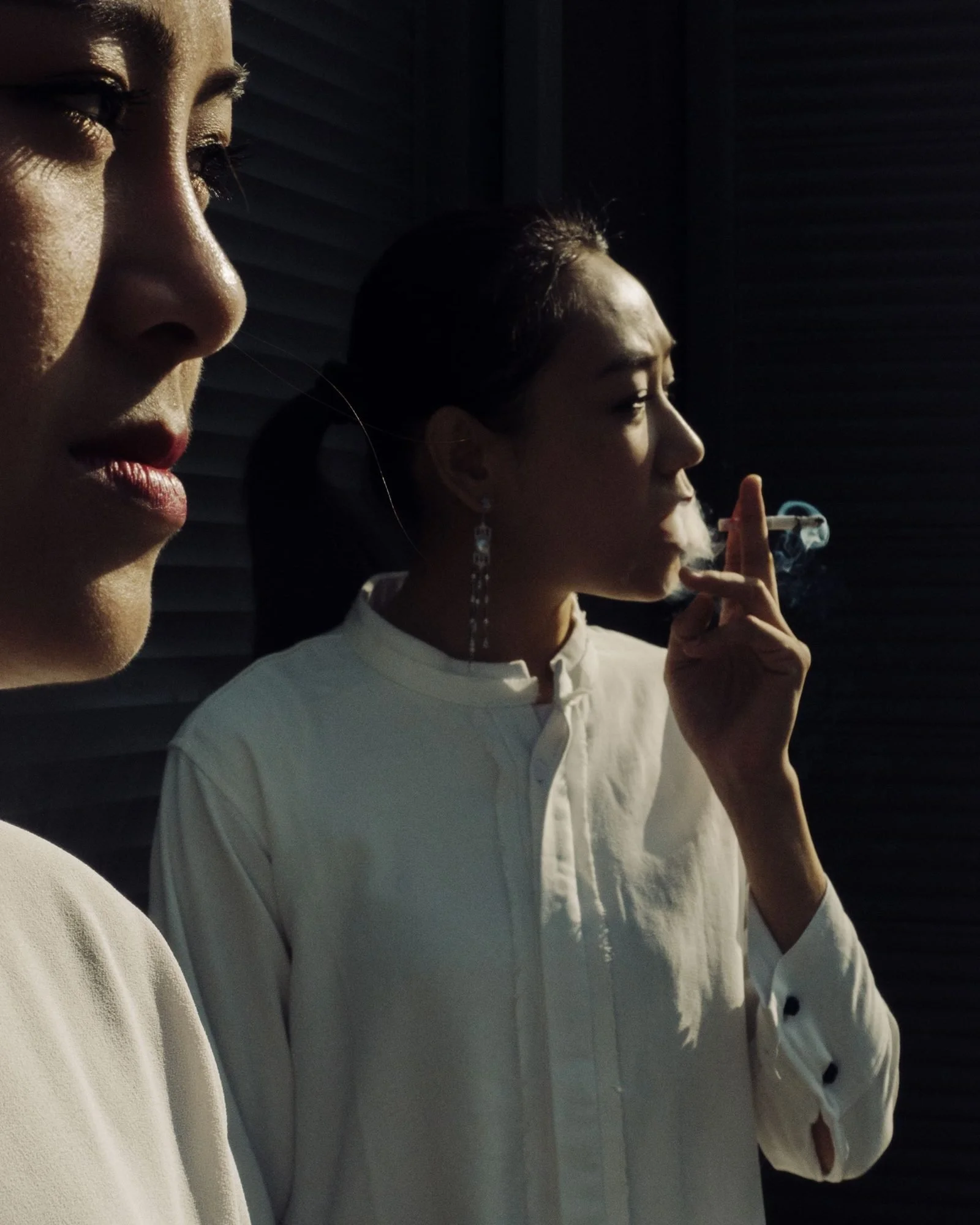
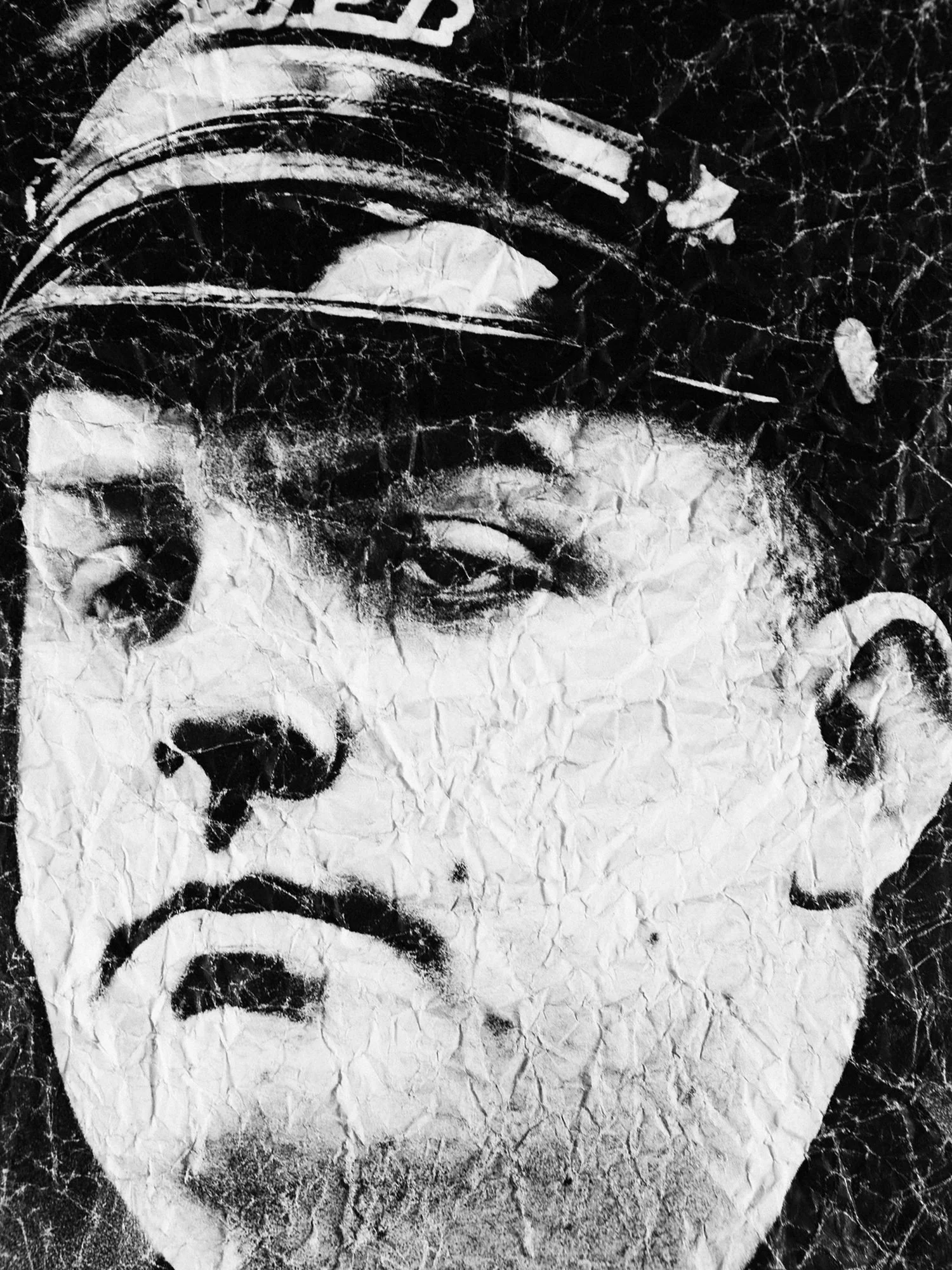
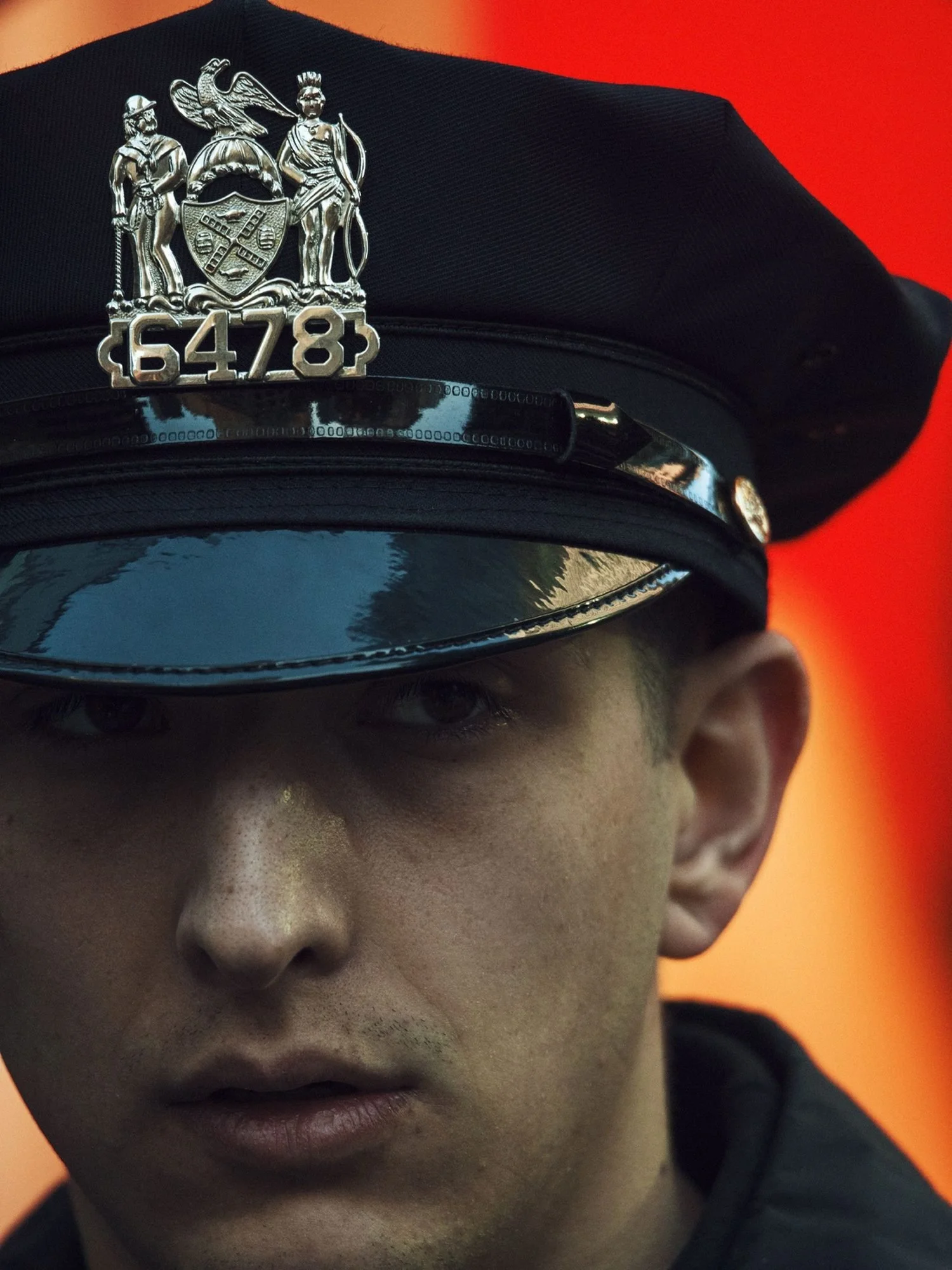
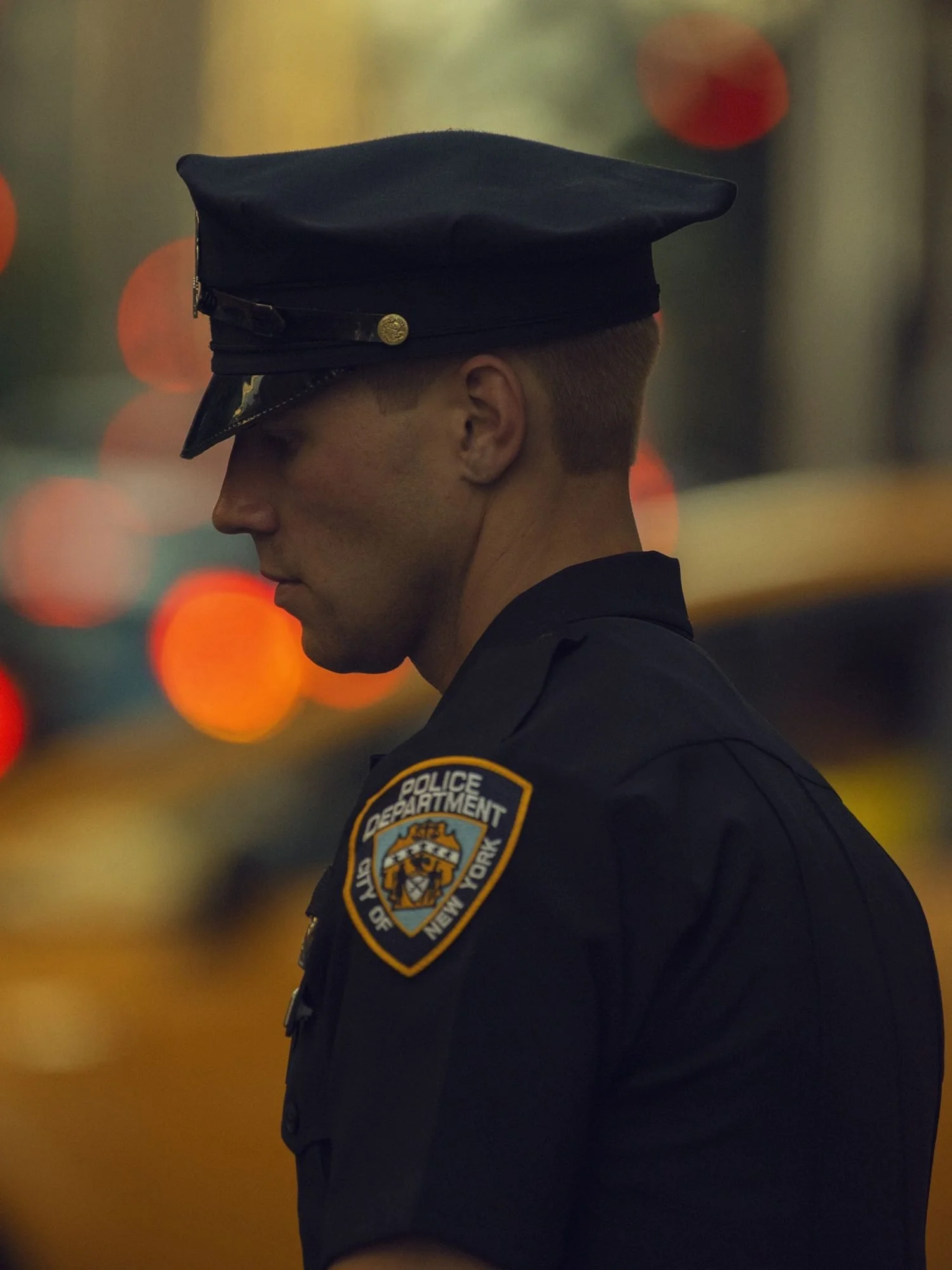
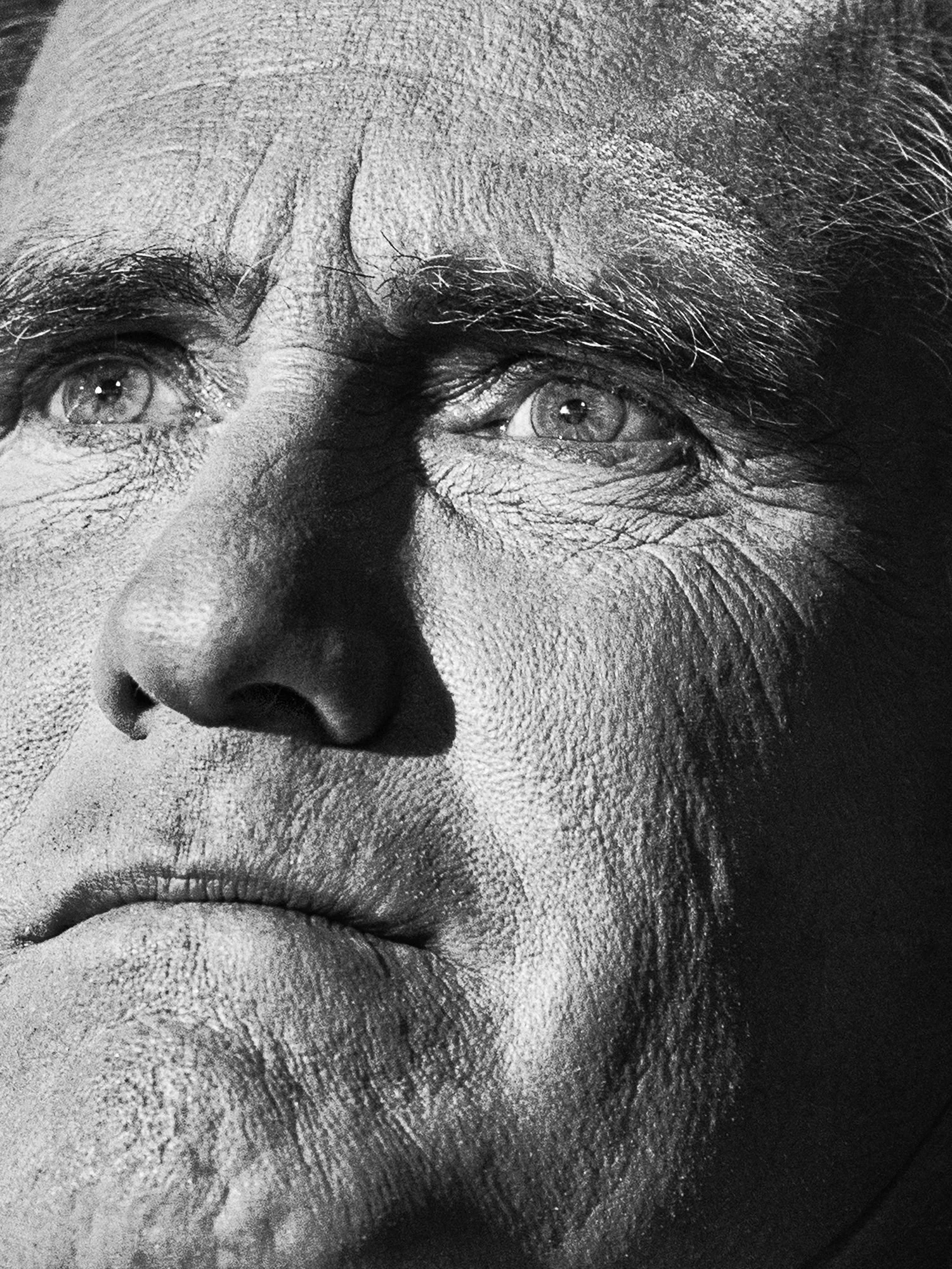
In your White House portraits, physical proximity is part of the way the photographs feel. What tells you that moving closer will reveal something rather than simply impose your own intensity on the subject?
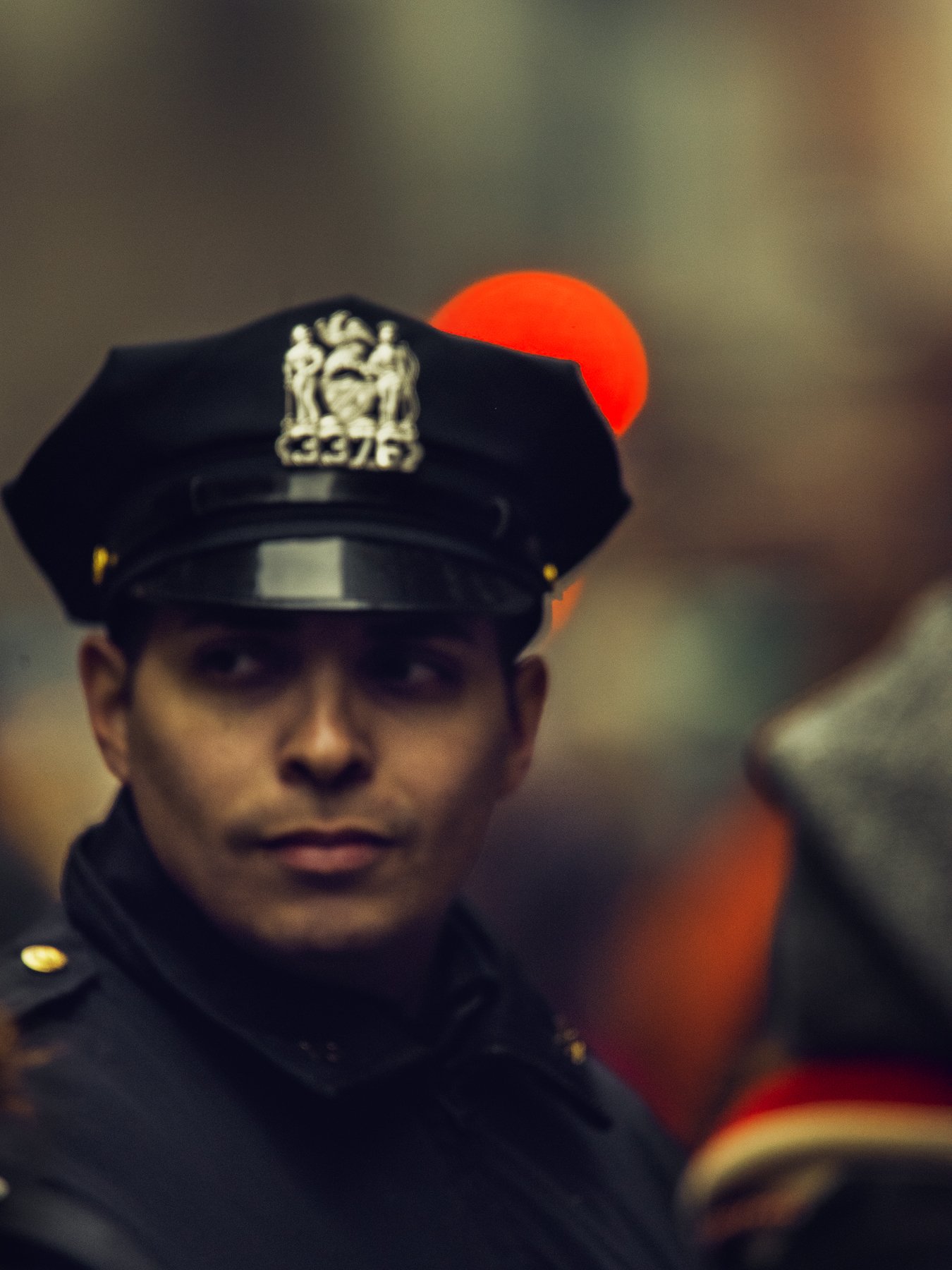
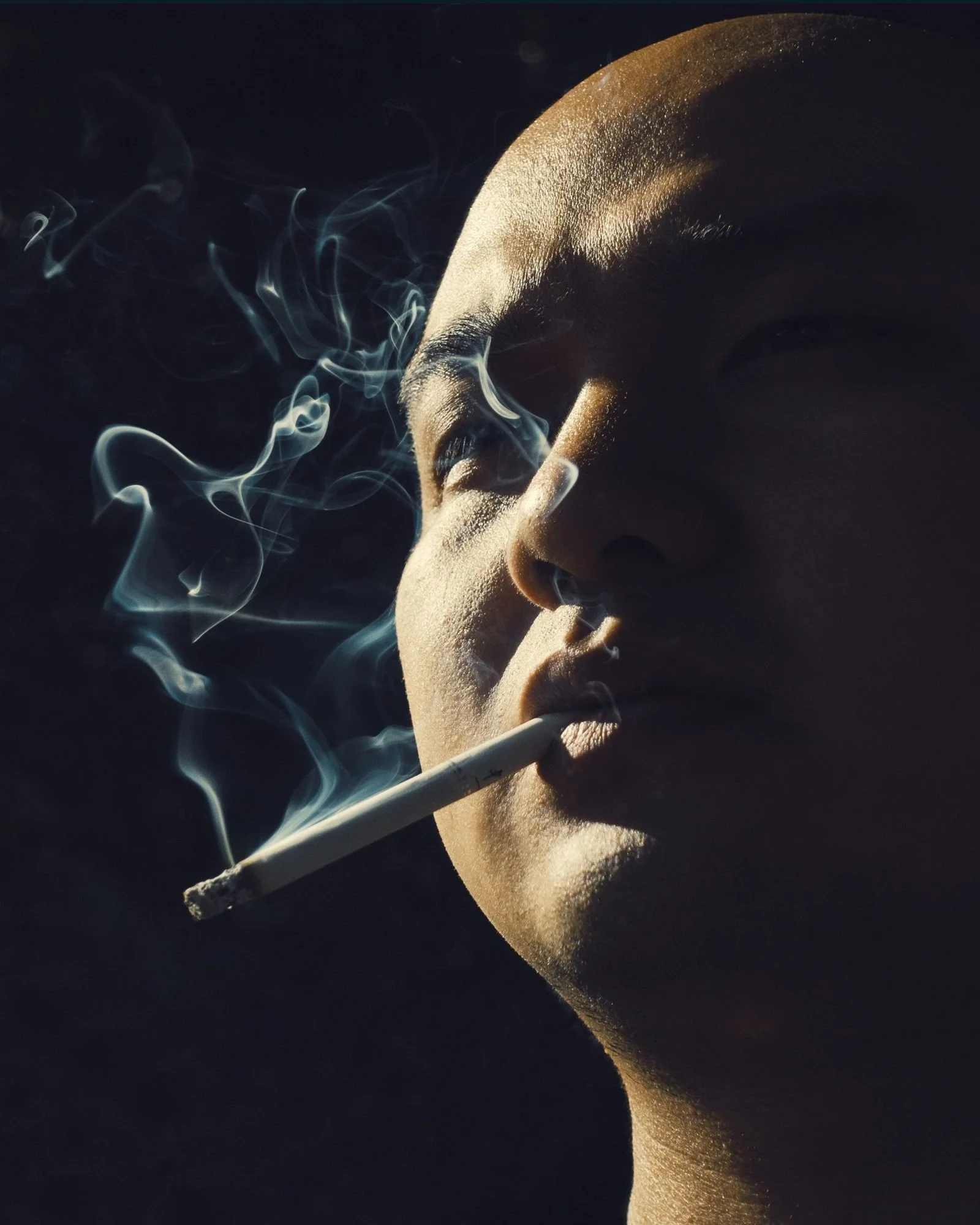
I don't know if I know that it will. But working very close and very tight was something I came to while photographing politics in the United States, during the 2008 and 2012 elections. At these political events, you are presented with a very stage-managed scene, designed to get photographers to make a certain image. So I was always looking for a way to subvert the image they wanted me to make. I was always looking for a way to jump the barricade, cut through the whole theater of the political image and get at something else. That's how I started using proximity: to cut out all of that stage-managed theater and get at something else.
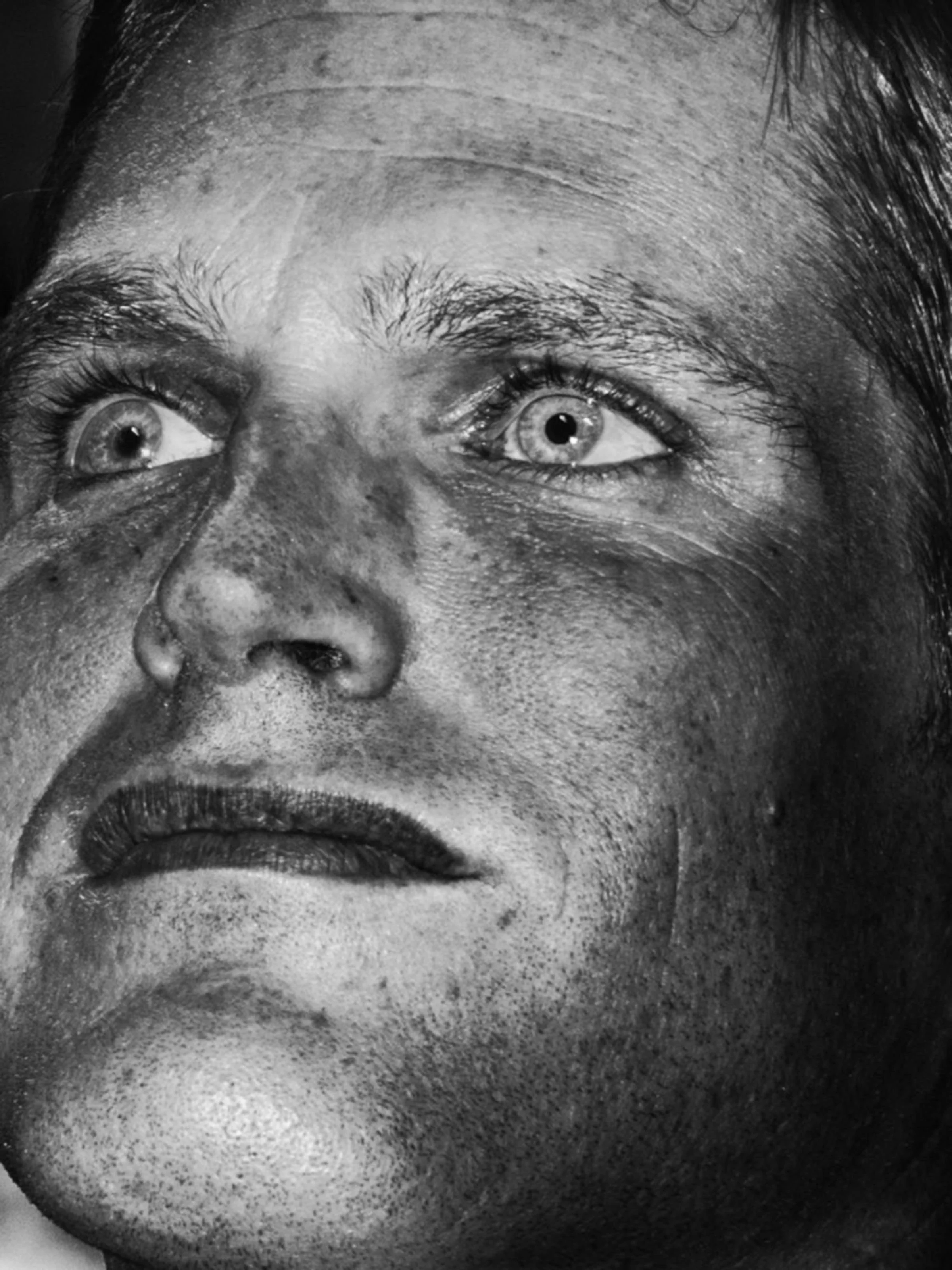
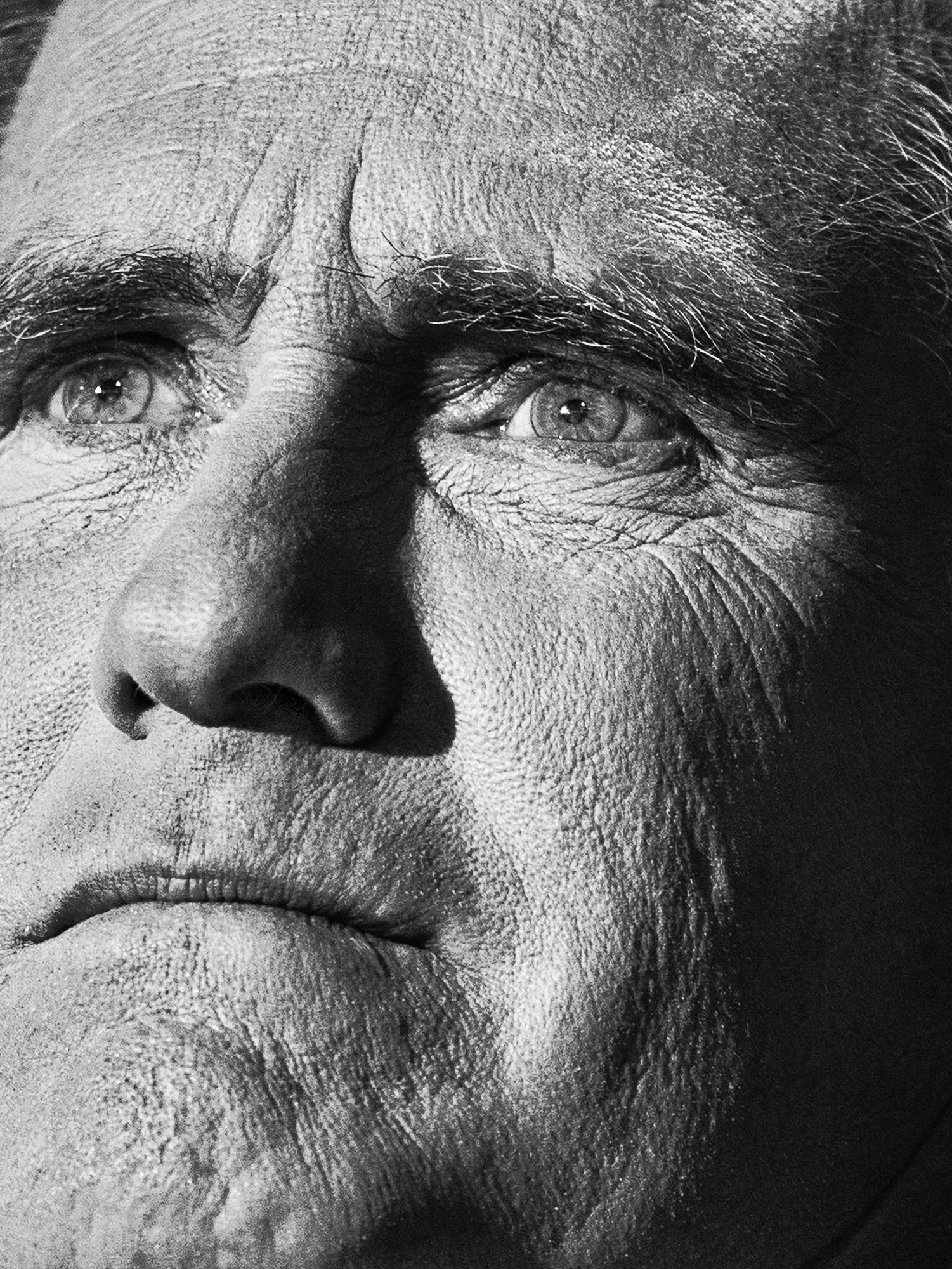
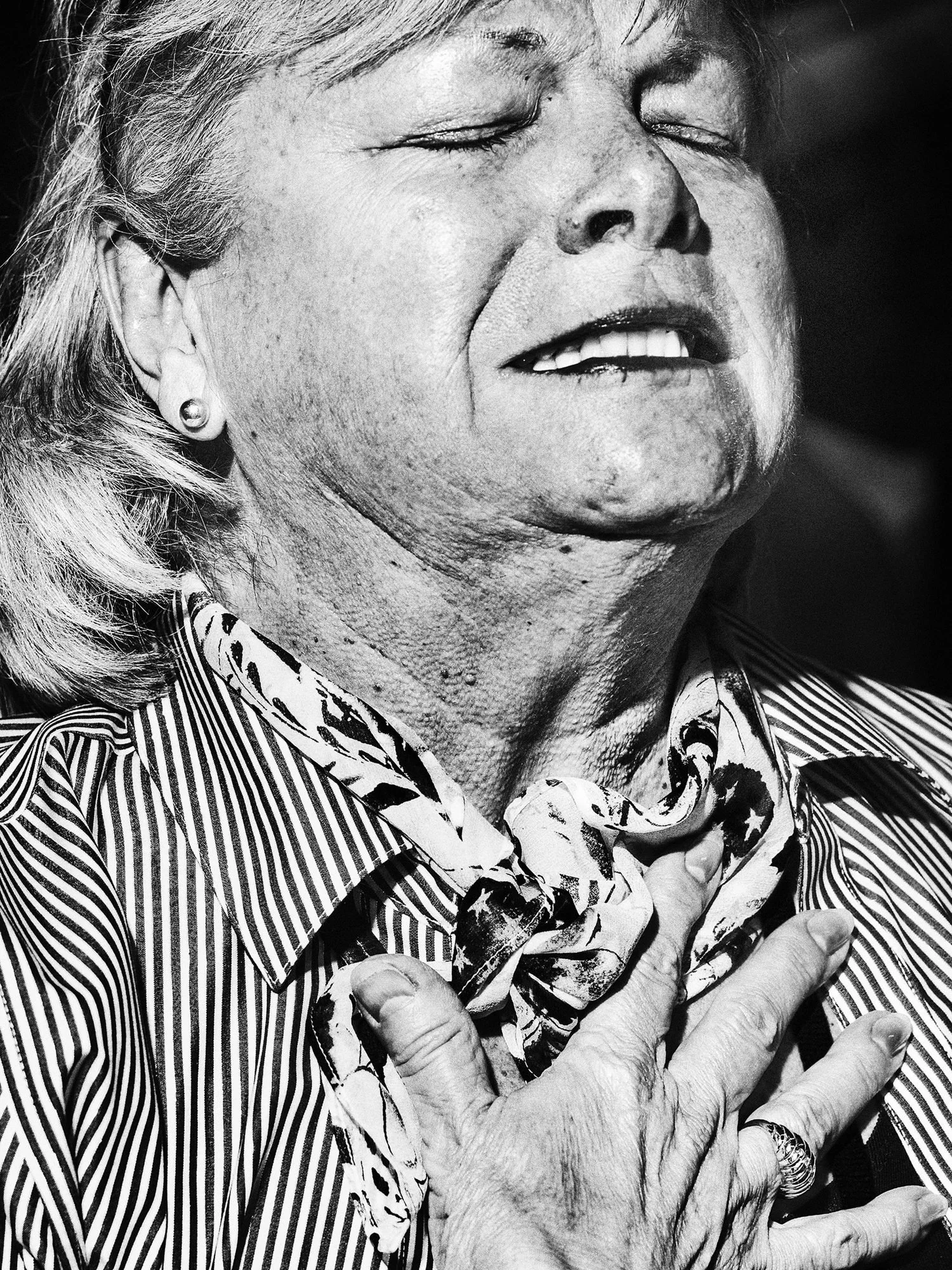
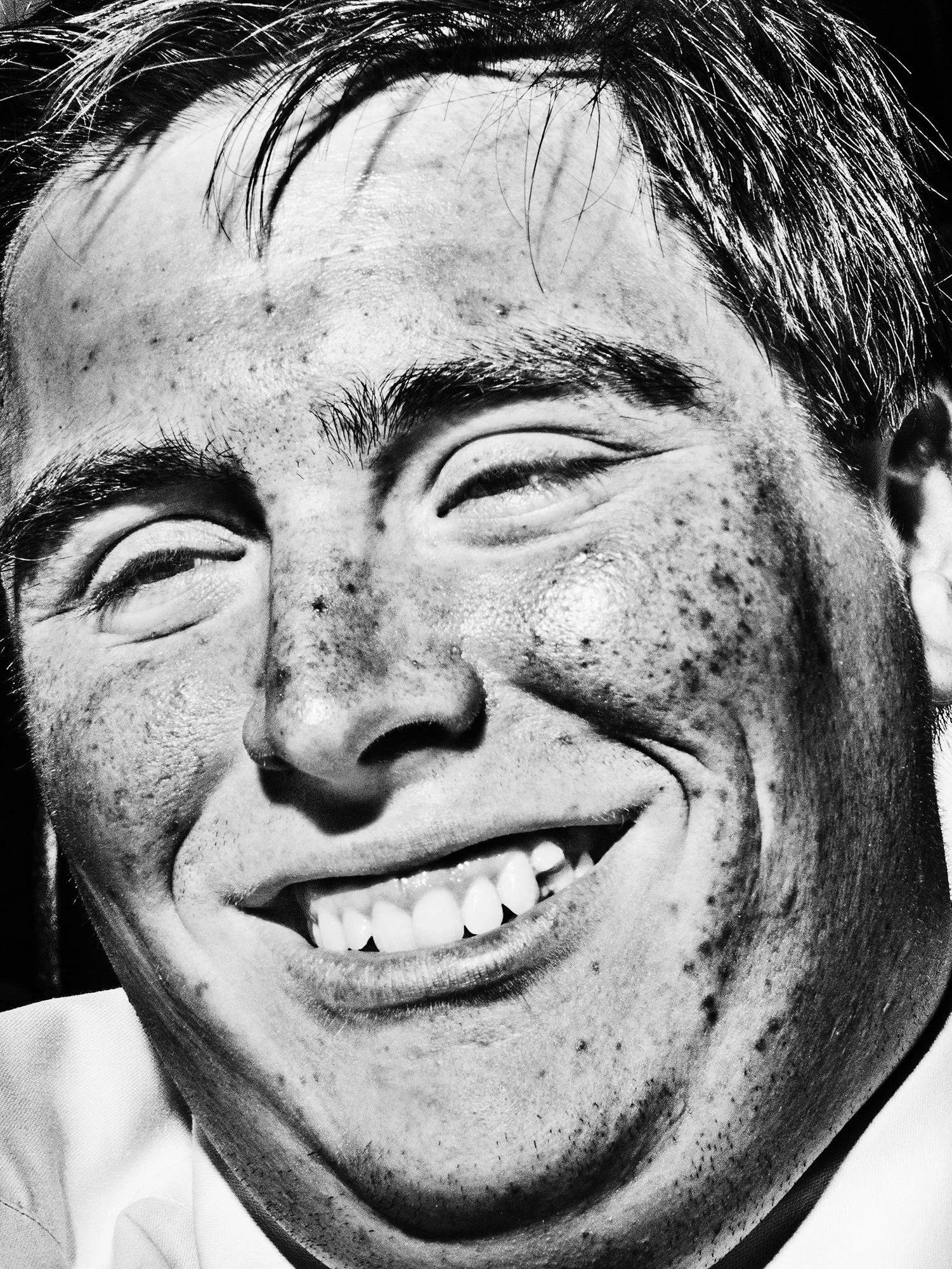
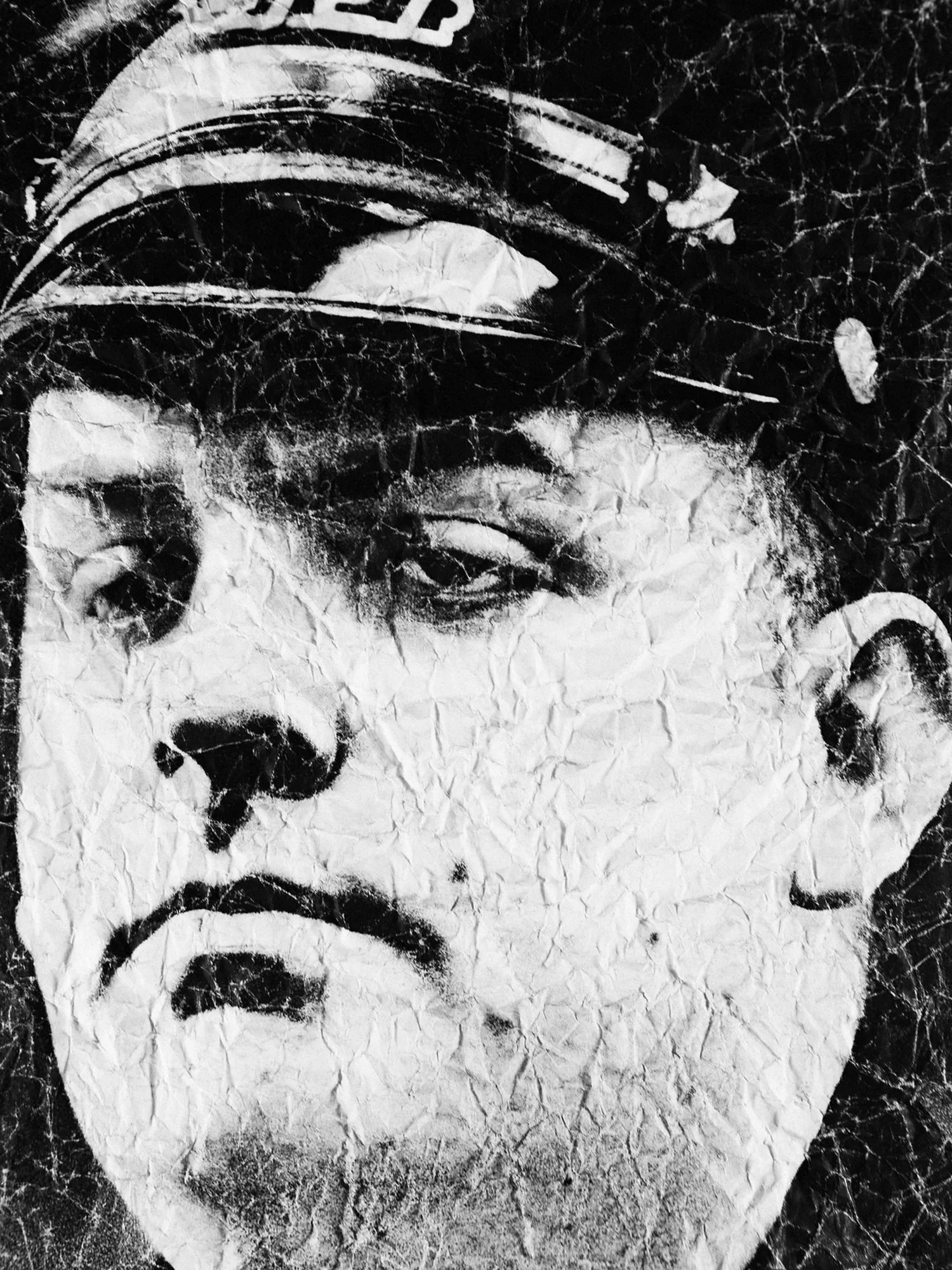
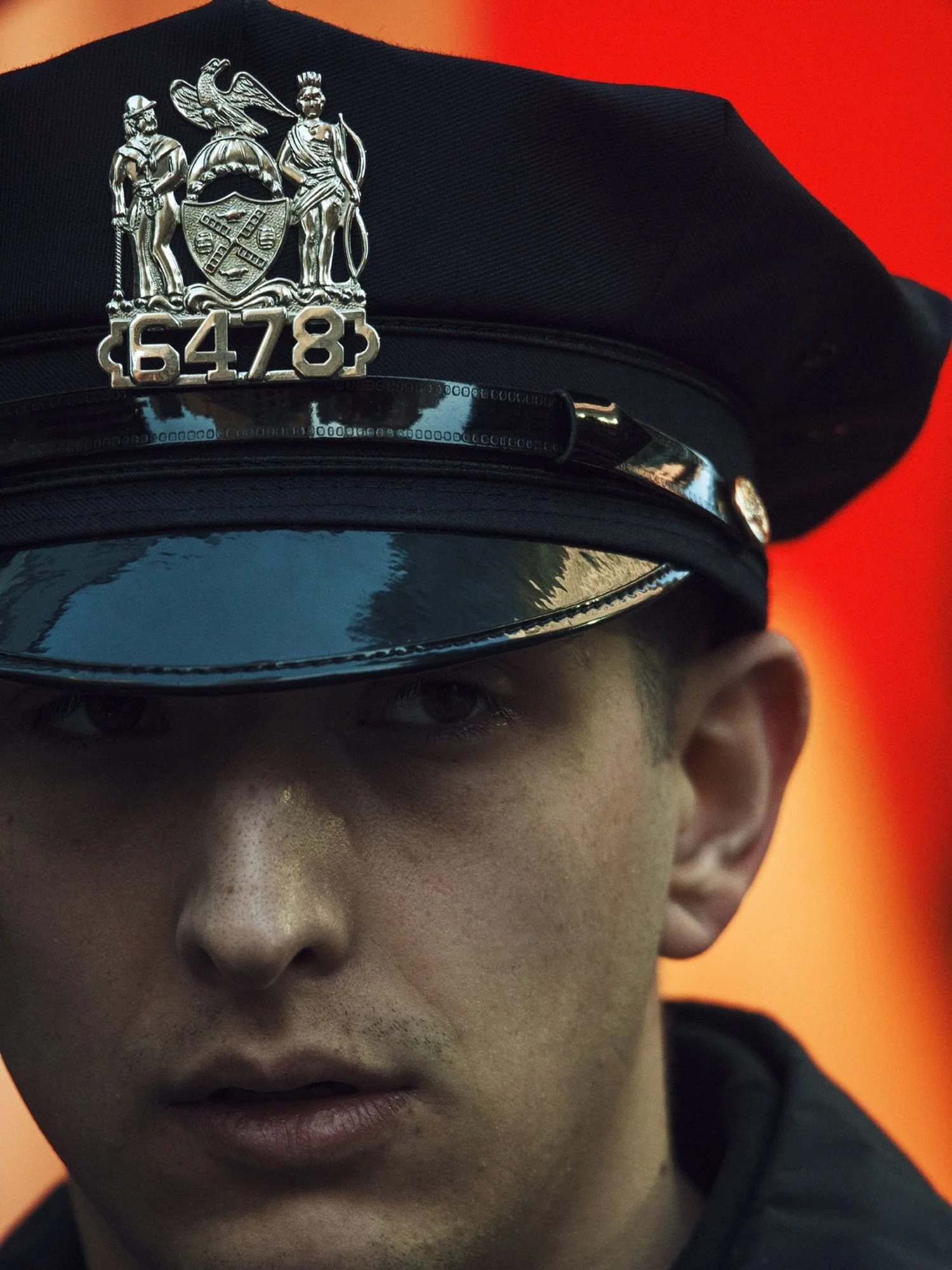
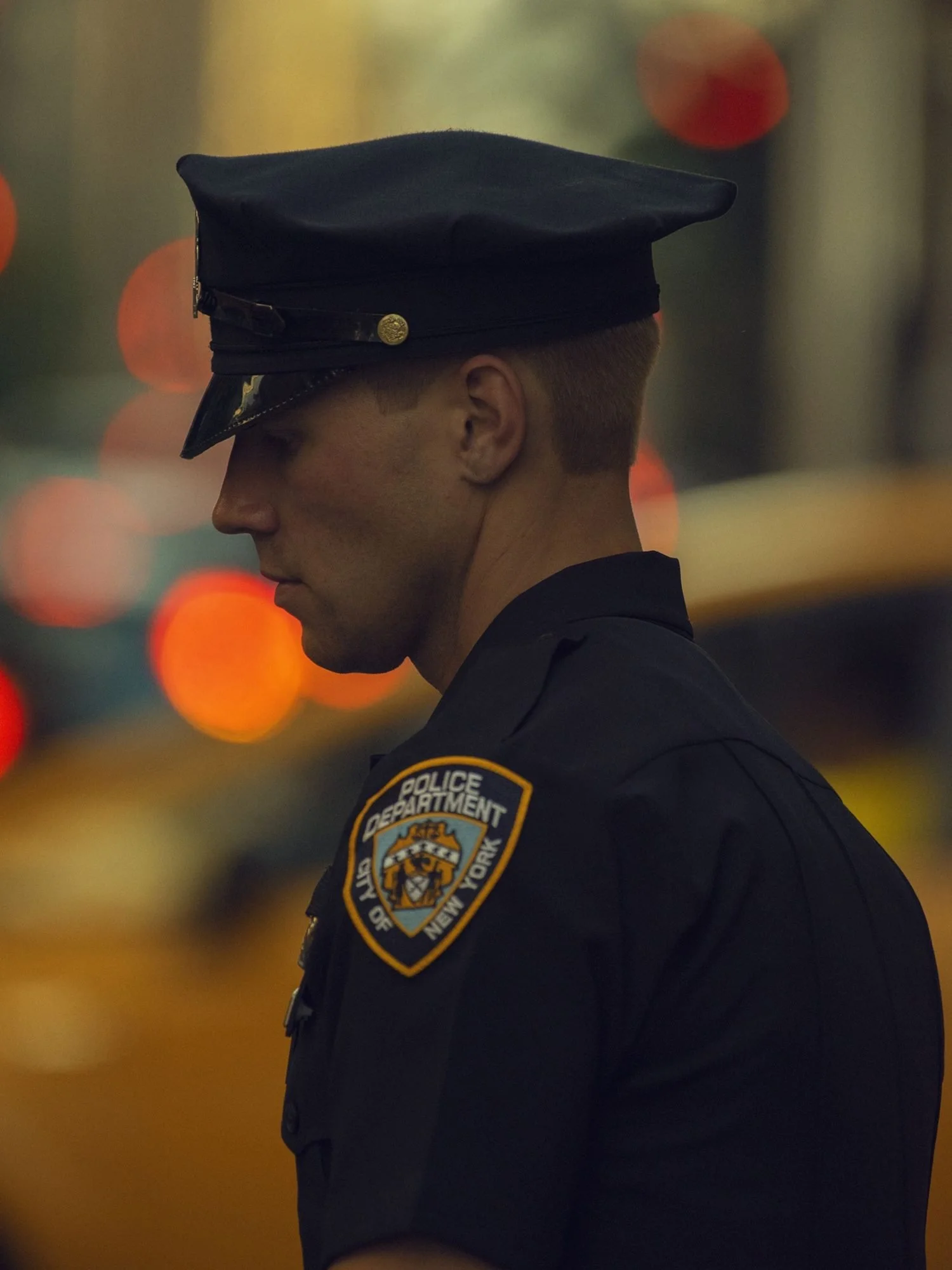
Since then, I have used that device in other contexts of place, activity and action. I did a book about cops, and I did a book in China called Approximate Joy, whose title plays on that idea of distance. I use it to get at something that I hope will be revealing about an encounter with someone.
Did anyone you photographed at the White House get back to you about the pictures?
No. Stephen Miller didn't invite me for a beer afterwards.
So you think he didn't like his portrait?
Actually, I wonder if he might have liked his picture. I think he wanted to play to character. I think he enjoys the perception of being seen. I think he enjoys being seen as the villain.
So was it more an editorial decision than a compositional one?
It's both. It's a solution to a problem, and it's also a compositional choice.
Looking back at the archive
Looking back through Index, are there photographs you made earlier in your career that you would approach very differently today?
Yes. One thought kept coming back to me again and again while I was going through my archives: why didn't I photograph more of this? I remembered seeing that thing, or this happening. Why didn't I photograph it? I think at the time I was looking for a perfect, decisive-moment kind of photograph, maybe. If all the elements weren't there, I wasn't interested in photographing it. So there are so many things I wish I could still see in the archive. Maybe I was trying to save film. I don't know. But there are so many things where I think I should have taken more pictures.
I have evolved as a person and as a photographer, so aesthetically my pictures might look different. Around 2013, when I got my first iPhone, I suddenly started photographing vertically. Before that, the majority of my pictures were horizontal. Suddenly, the majority became vertical, for a good six, seven or eight years, maybe even longer, until I remembered to turn the camera back the other way. Or to turn the iPhone around. So aesthetically, there are different choices I would make. But the thing that comes to mind most is that I didn't take pictures that I would take now.
How do you distinguish abandoning a successful formula from simply continuing to develop a personal language?
I don't know how to answer that now. Whatever my formula or my personal photographic language is, it has become so ingrained in what I do that I don't know how to separate it out. I don't know how not to make pictures the way I make them now. I can't undo what I have arrived at. If I try, it becomes very self-conscious, and it's not what I'm looking for.
I think it's more that early on, I was trying to work out what I thought was "good photography." I was trying to learn how to make good pictures, in quotation marks. My idea of what that meant is very different from what it means to me now. Back then, I wouldn't photograph certain things, because I didn't think they would make pictures that showed off how great I could make a picture. Some stupid idea I had. Now, my interest in pictures has very little to do with what a "good" picture is, with technically good compositions and all that kind of stuff. It has much more to do with what a picture makes me feel, or what it represents. Now I find myself taking pictures of things because of what they mean and what they represent, in a much more conscious way than I did back then. So I photograph things that back then I probably thought wouldn't be very interesting. Now I'm interested in them.
Thank you for your time and thoughts.
Thanks for the interview.
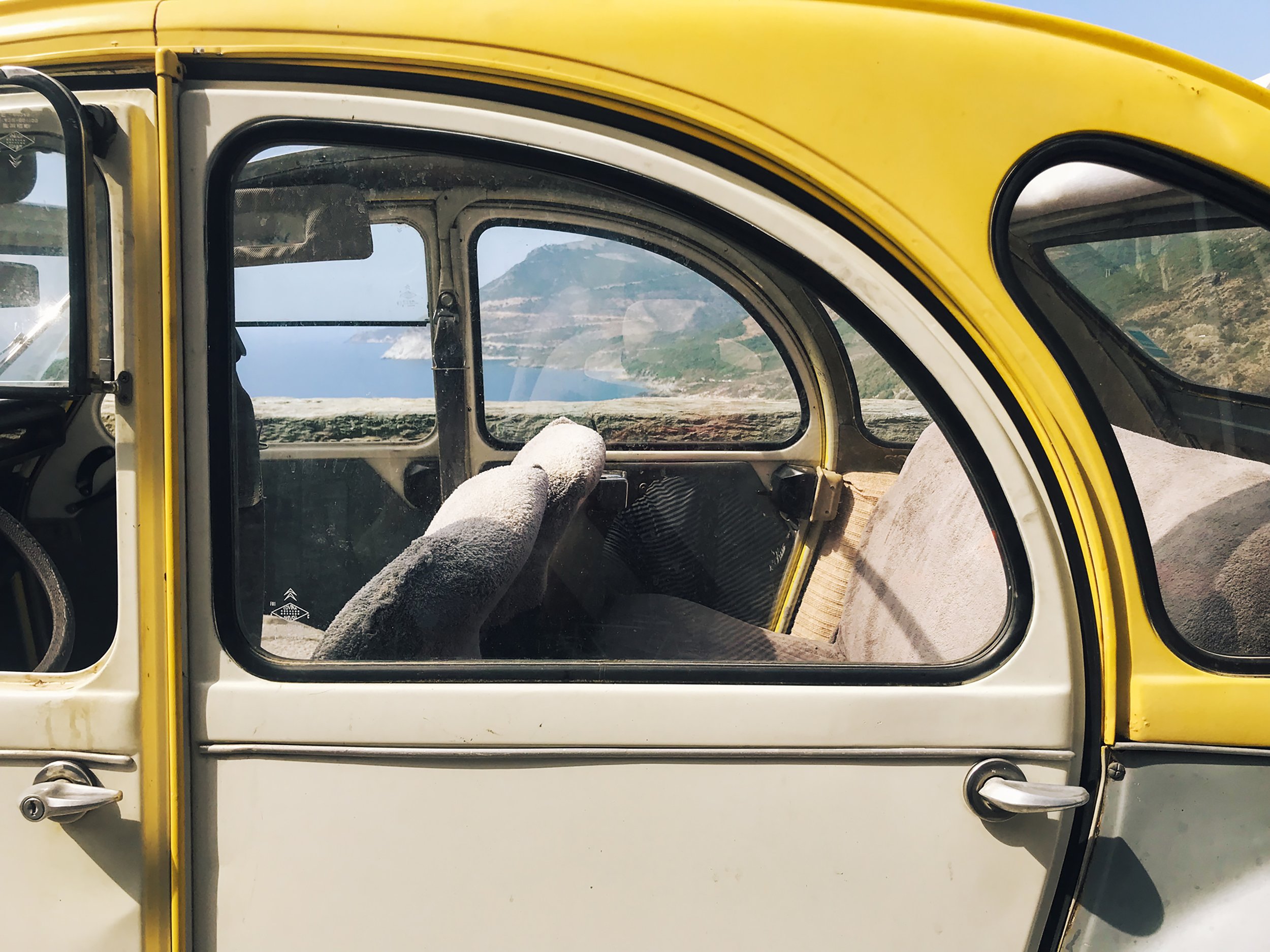
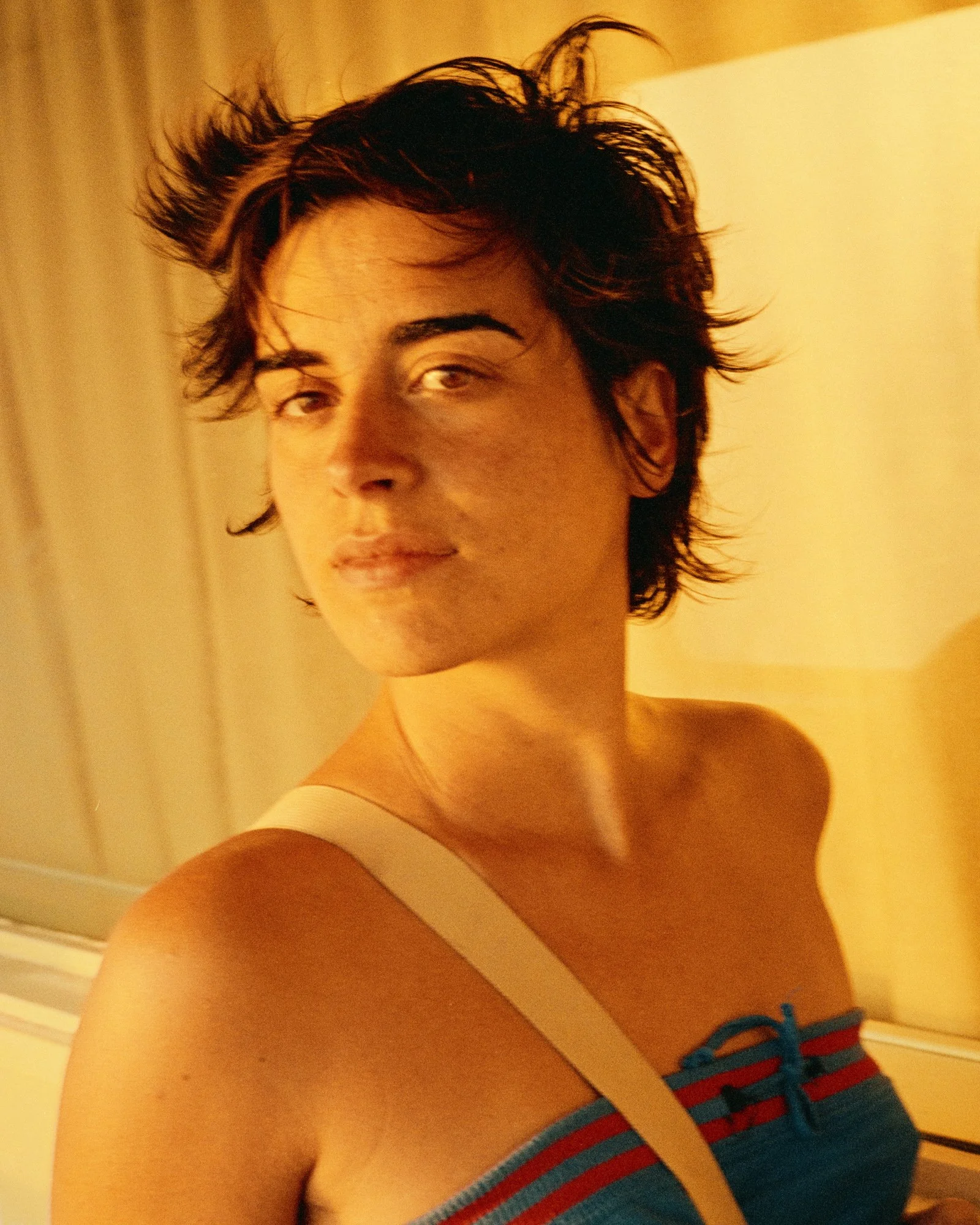
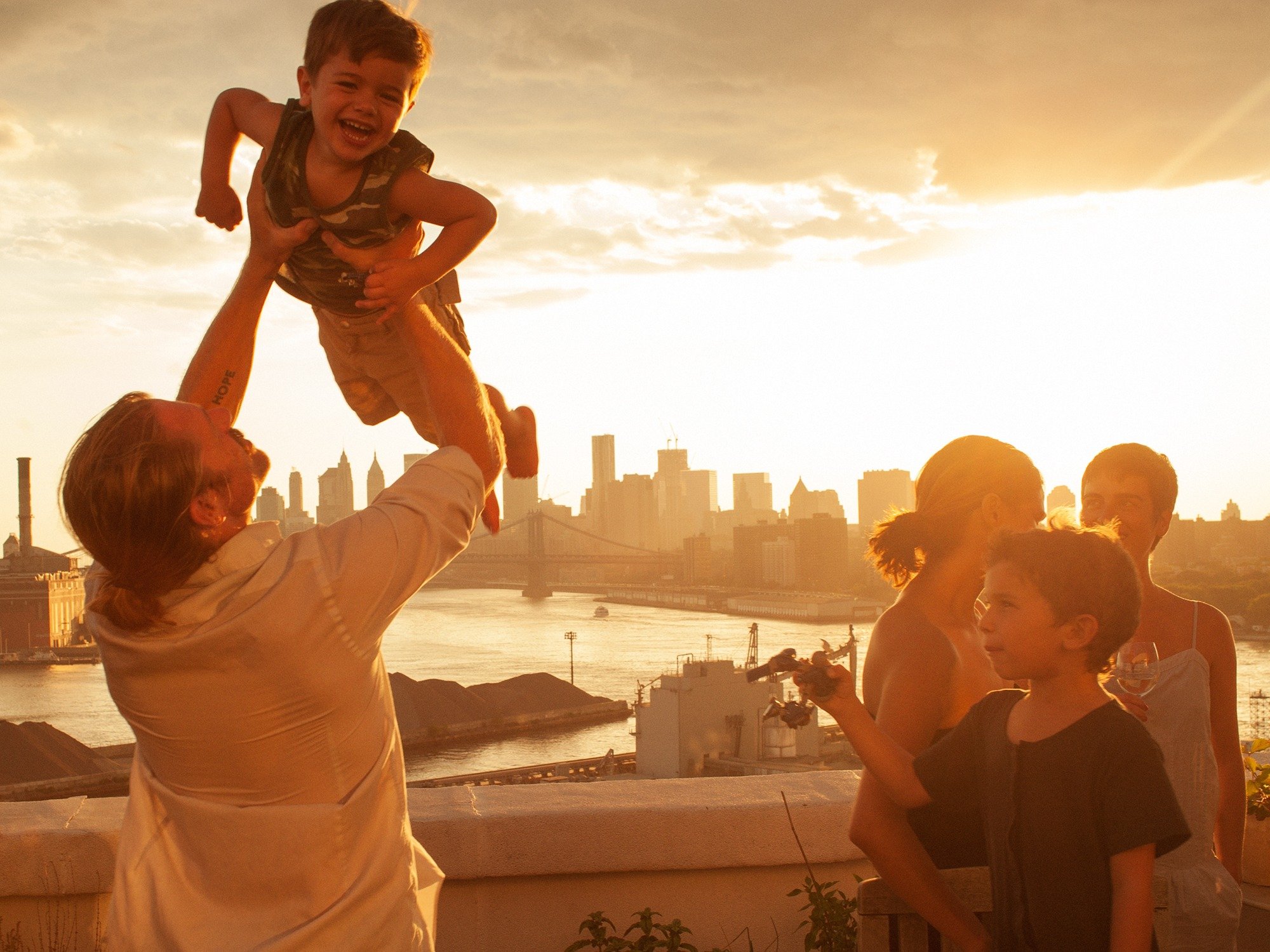
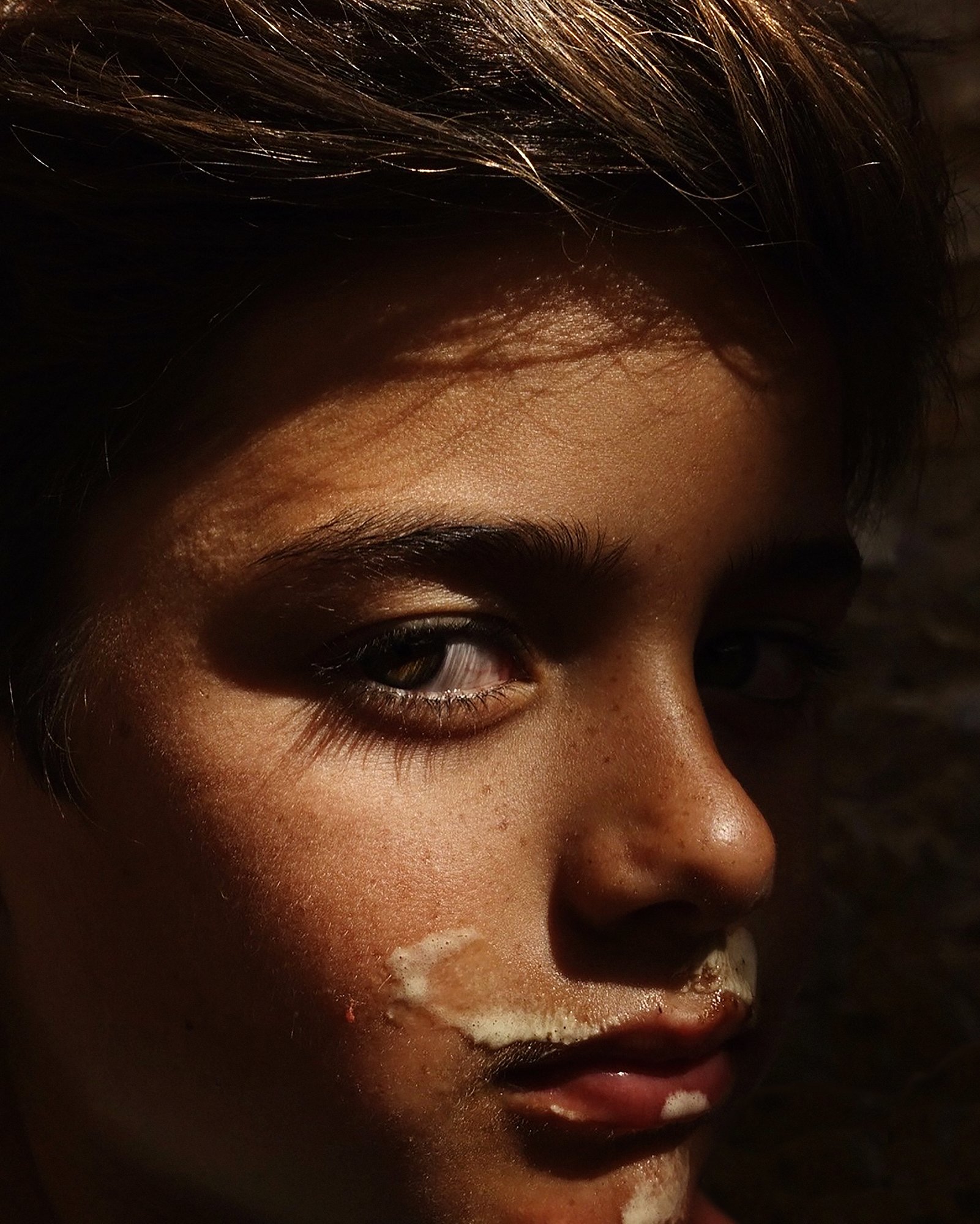
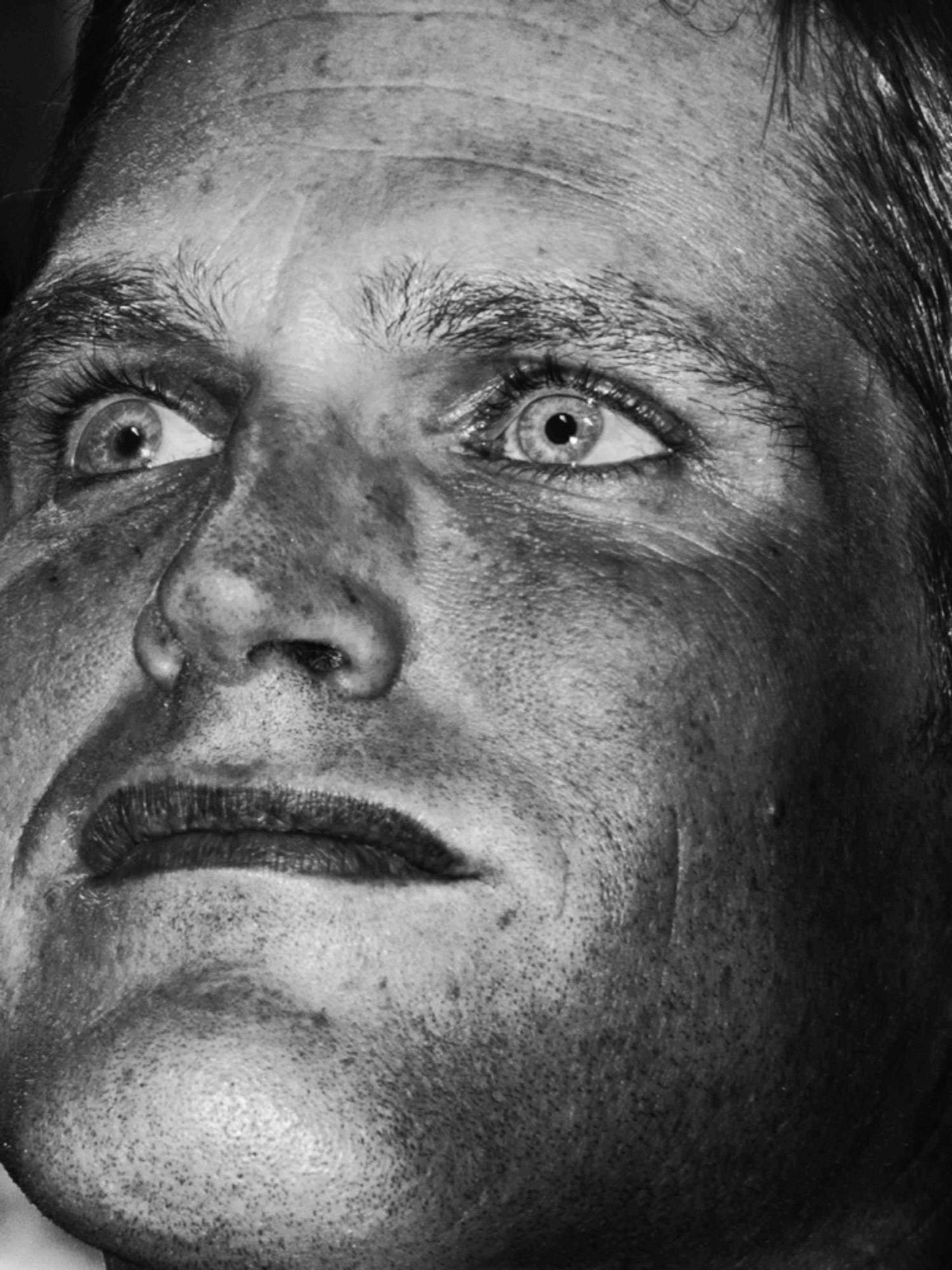
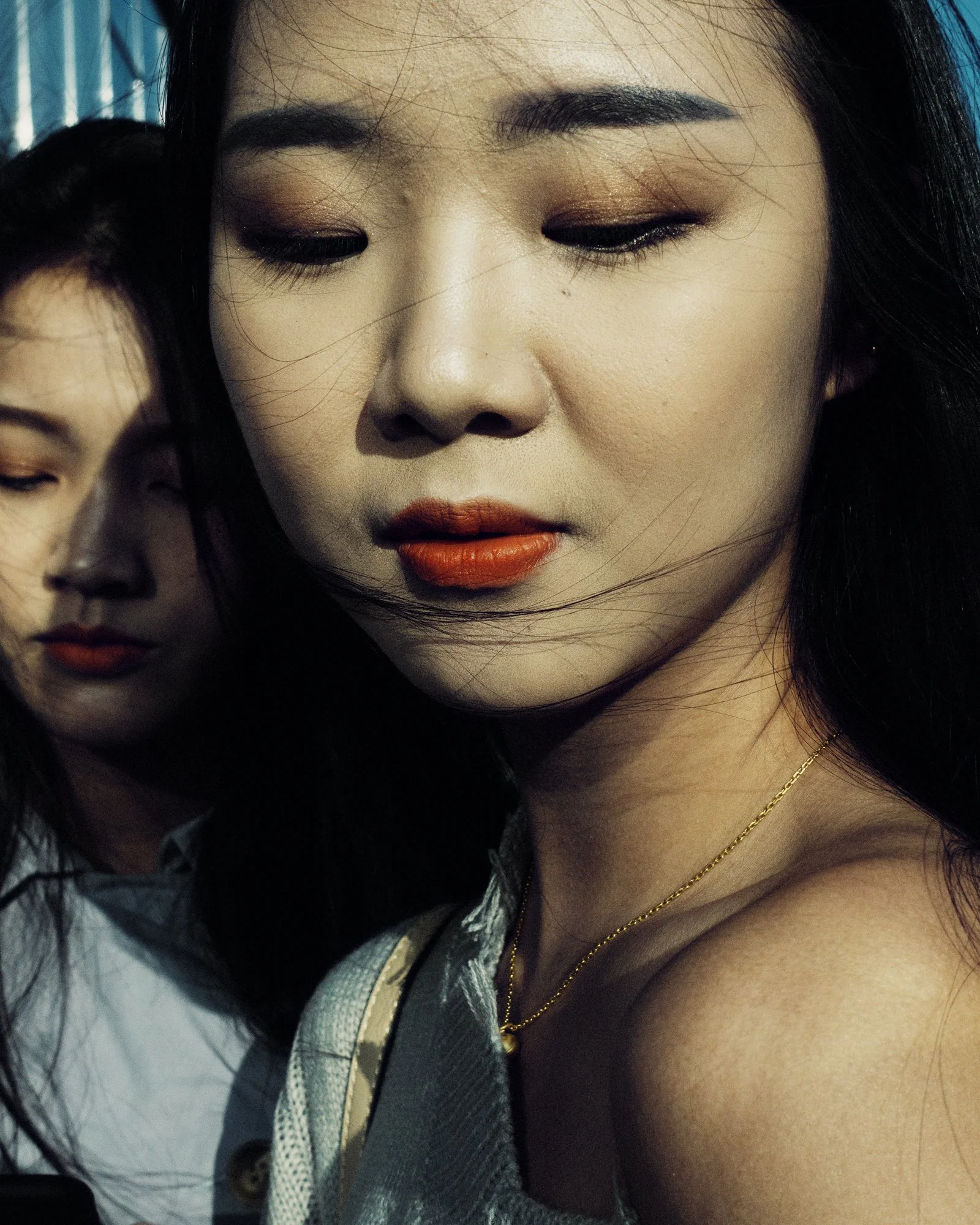
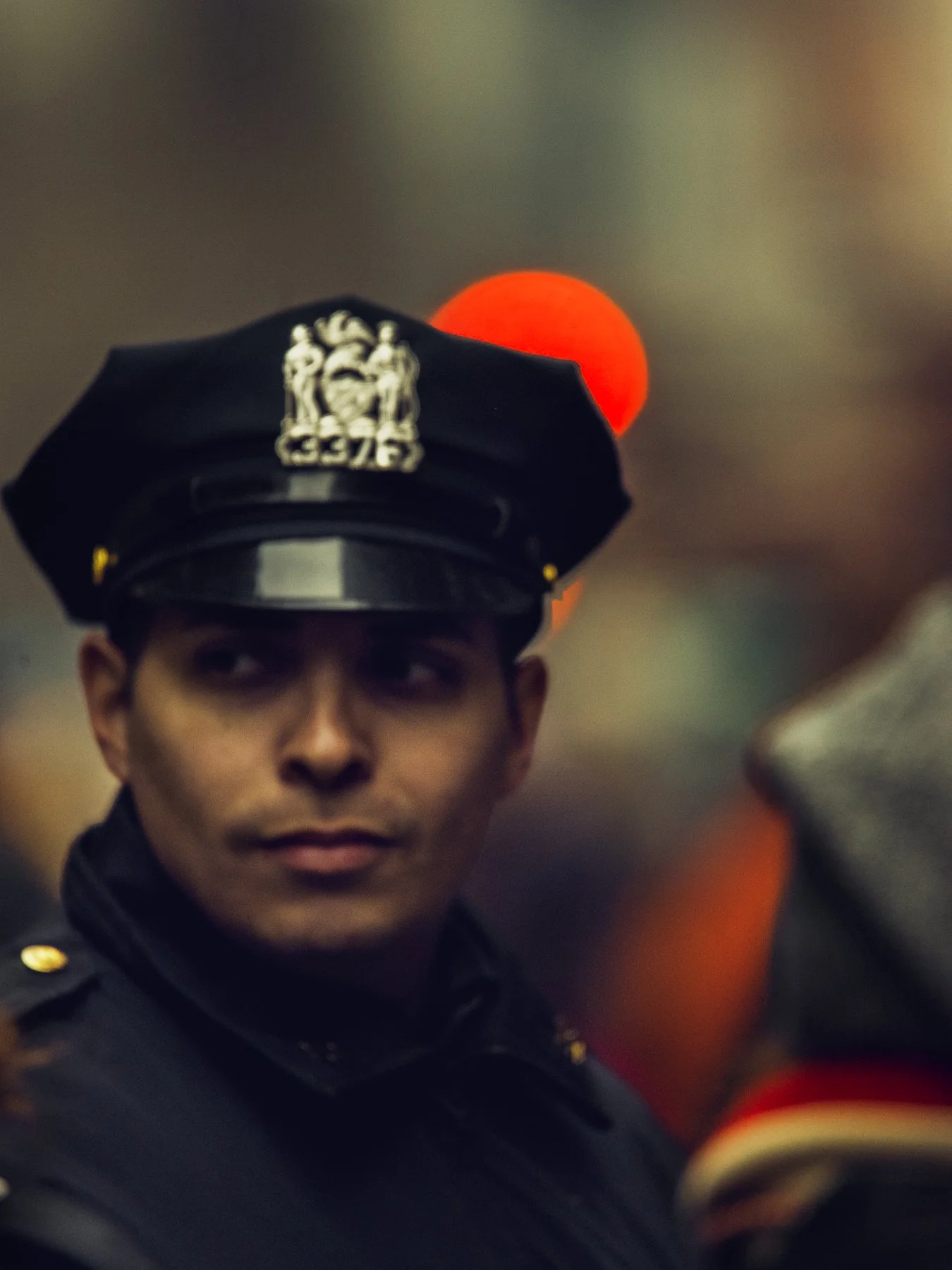
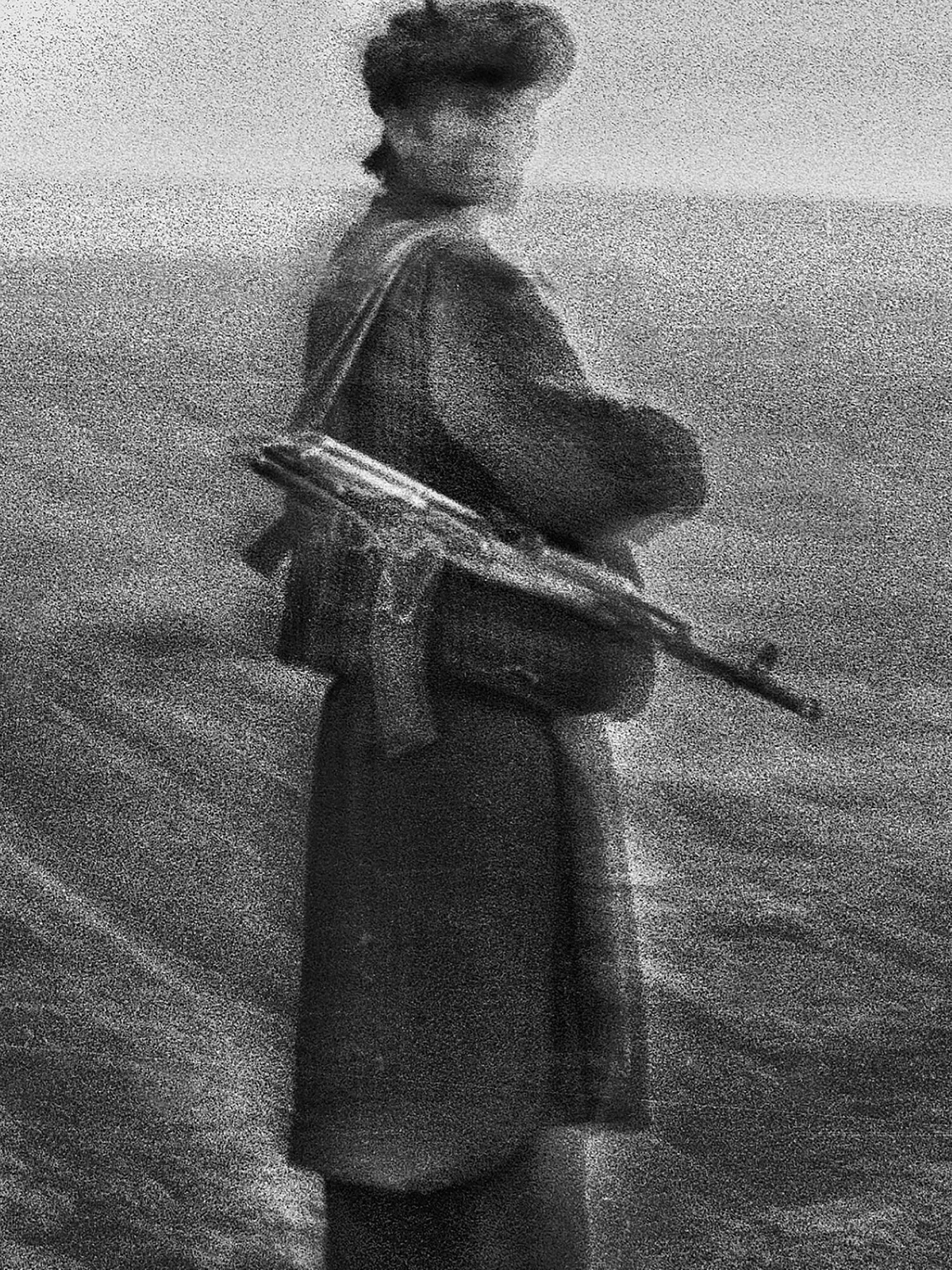
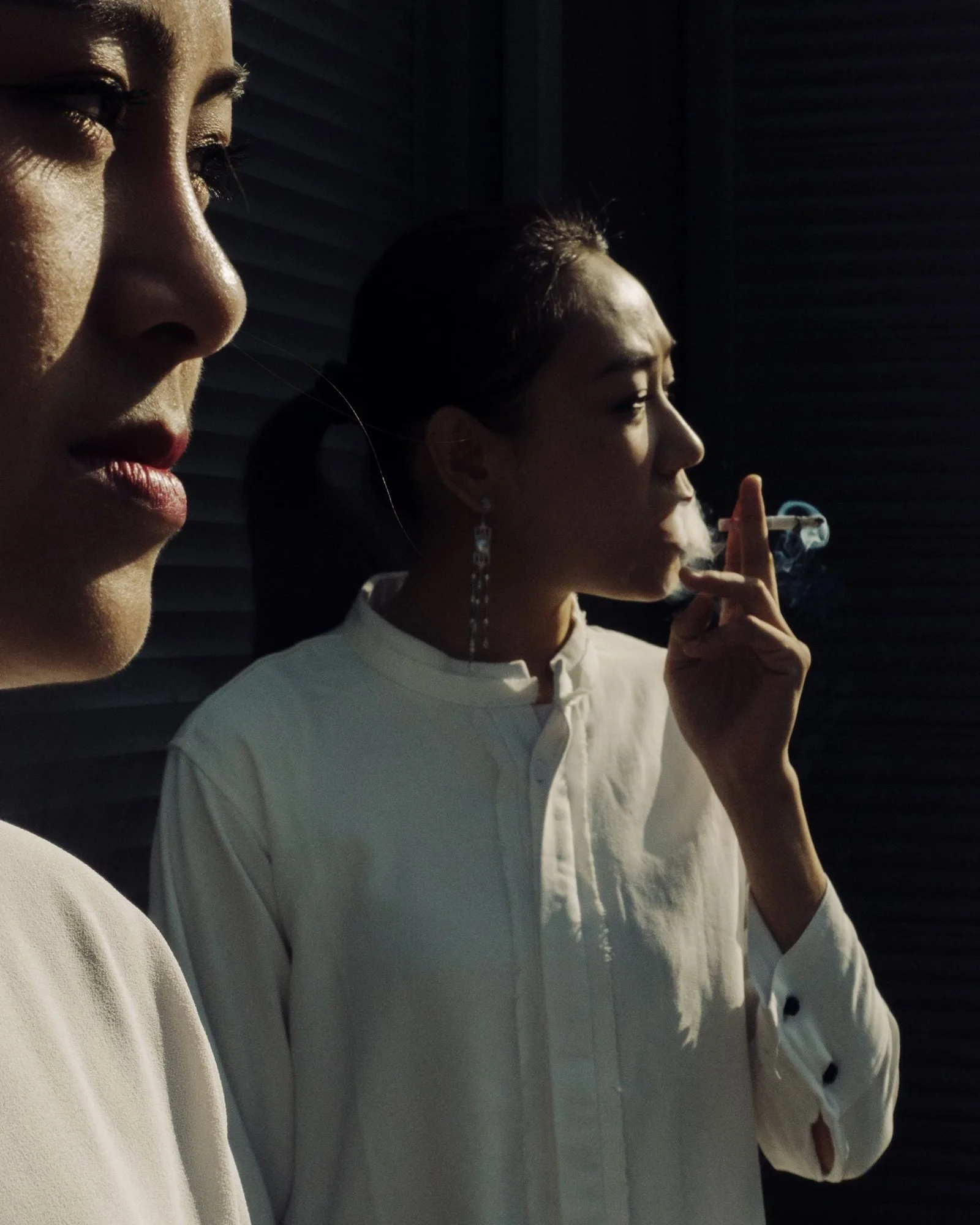
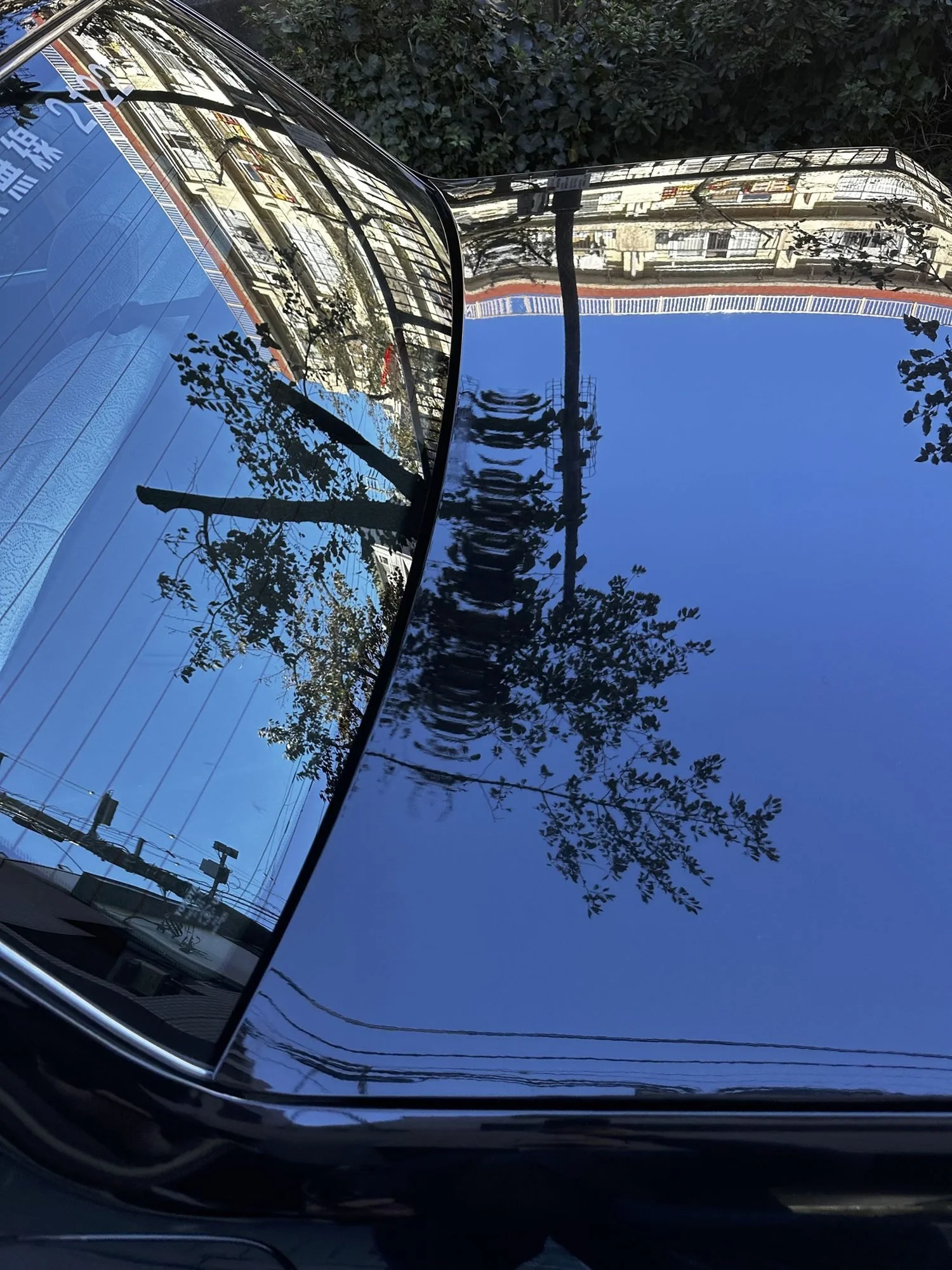
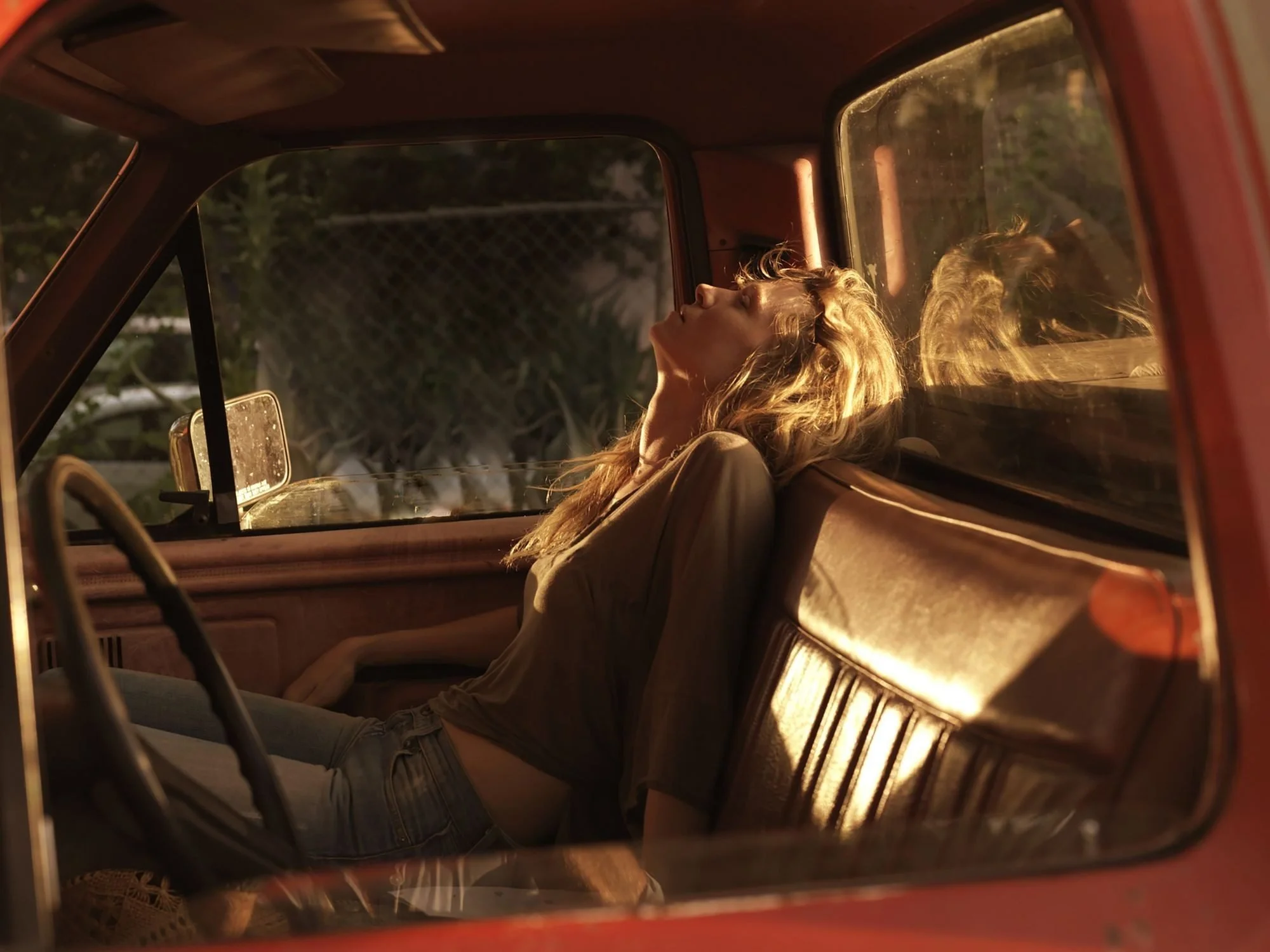
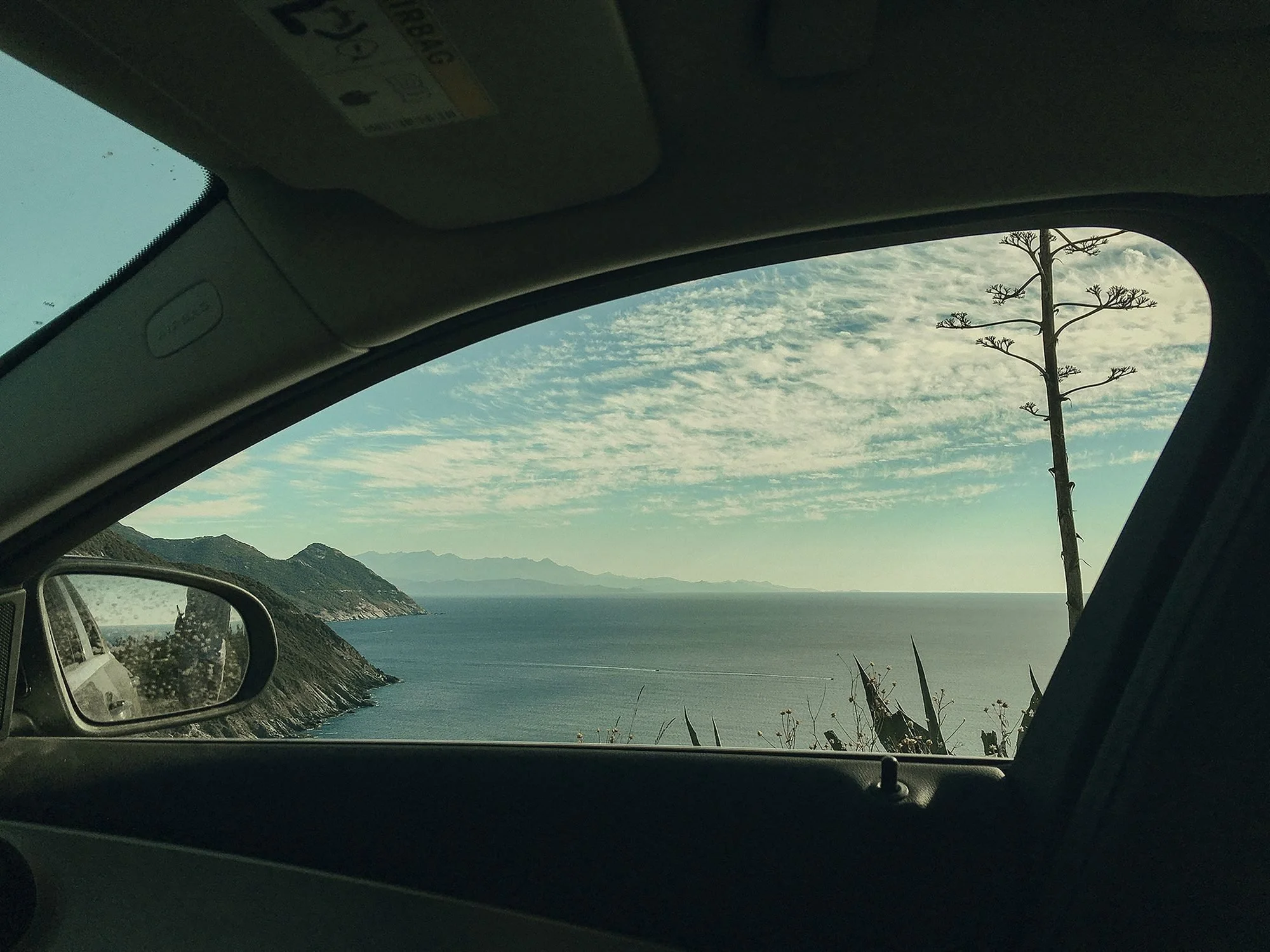
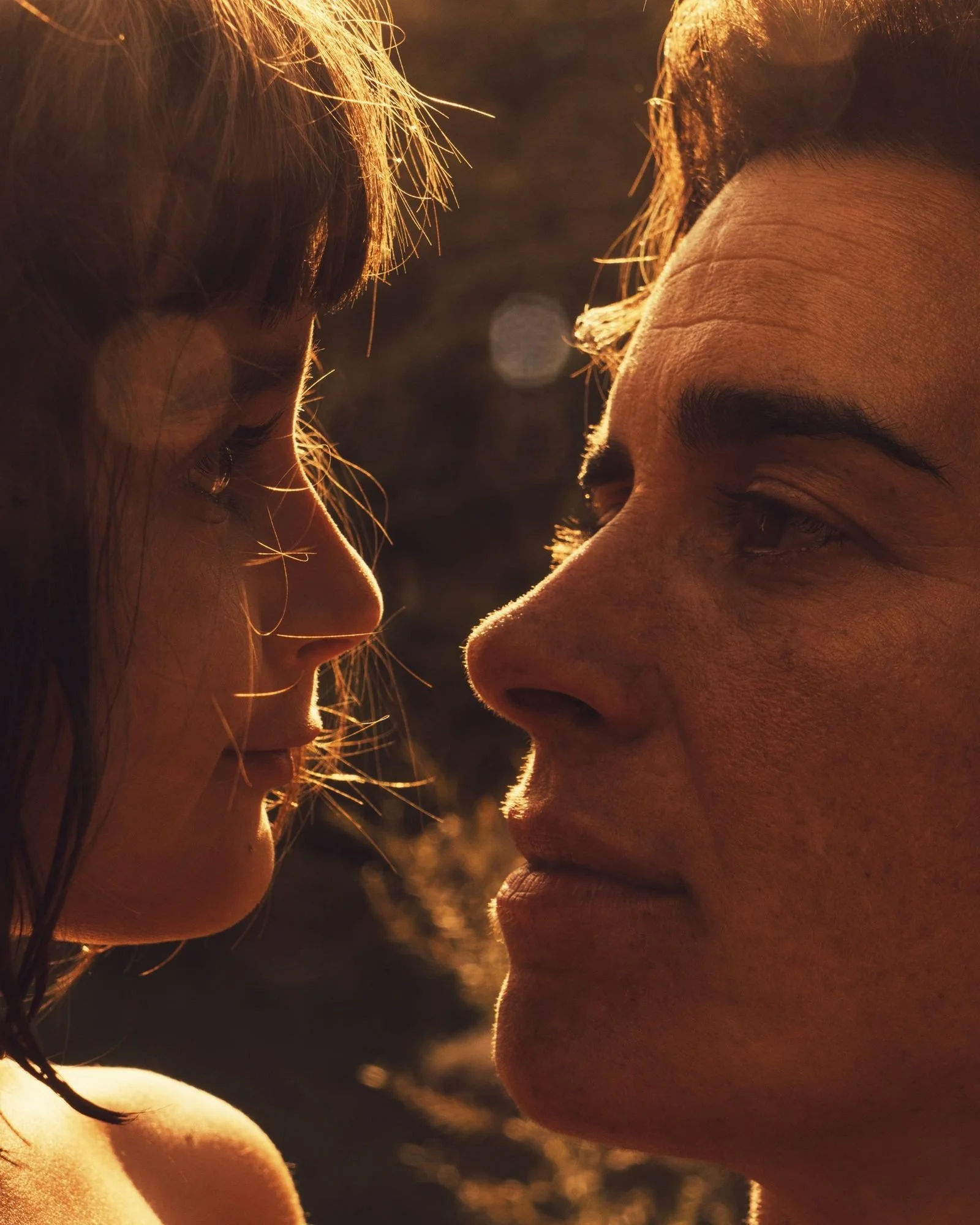
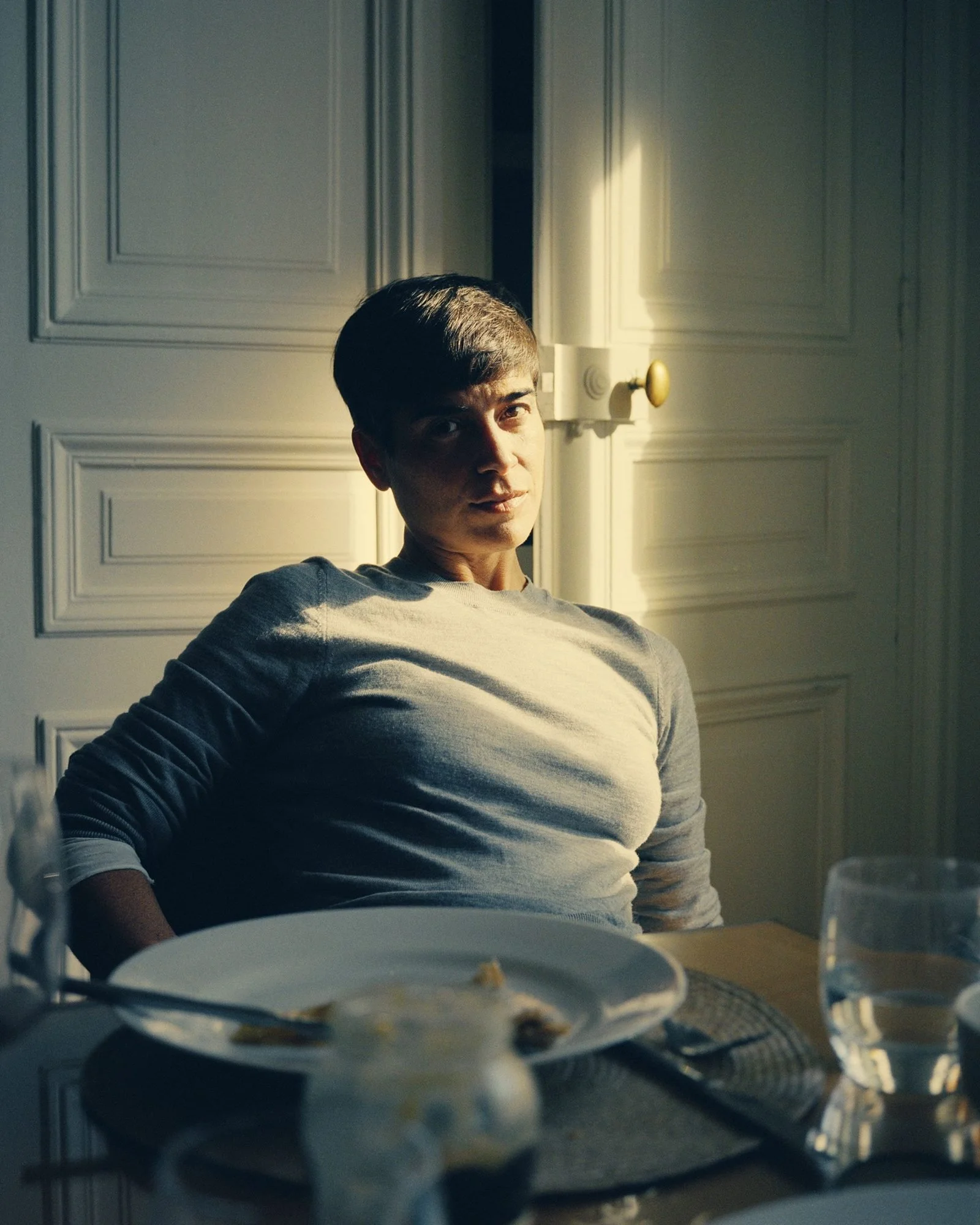
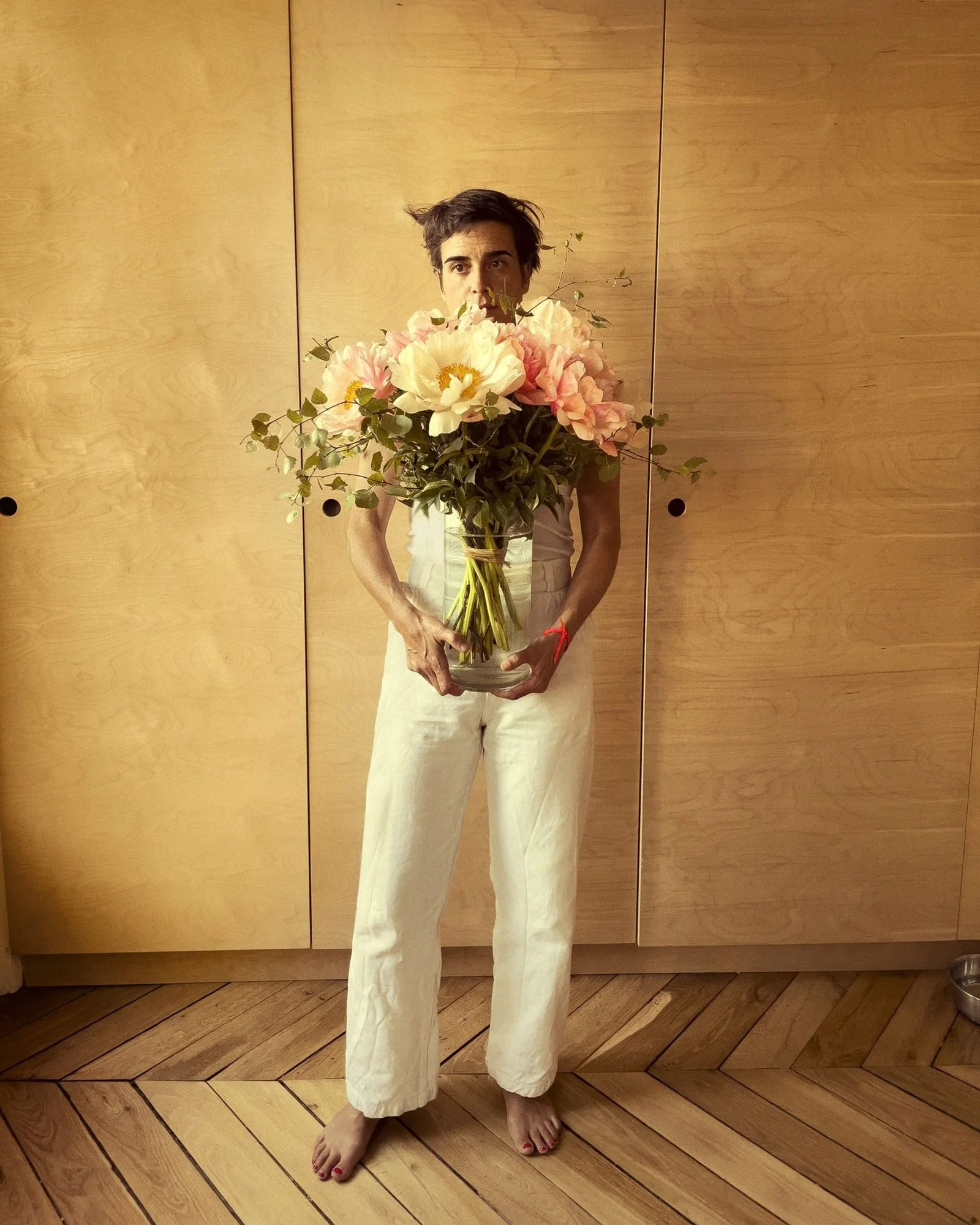
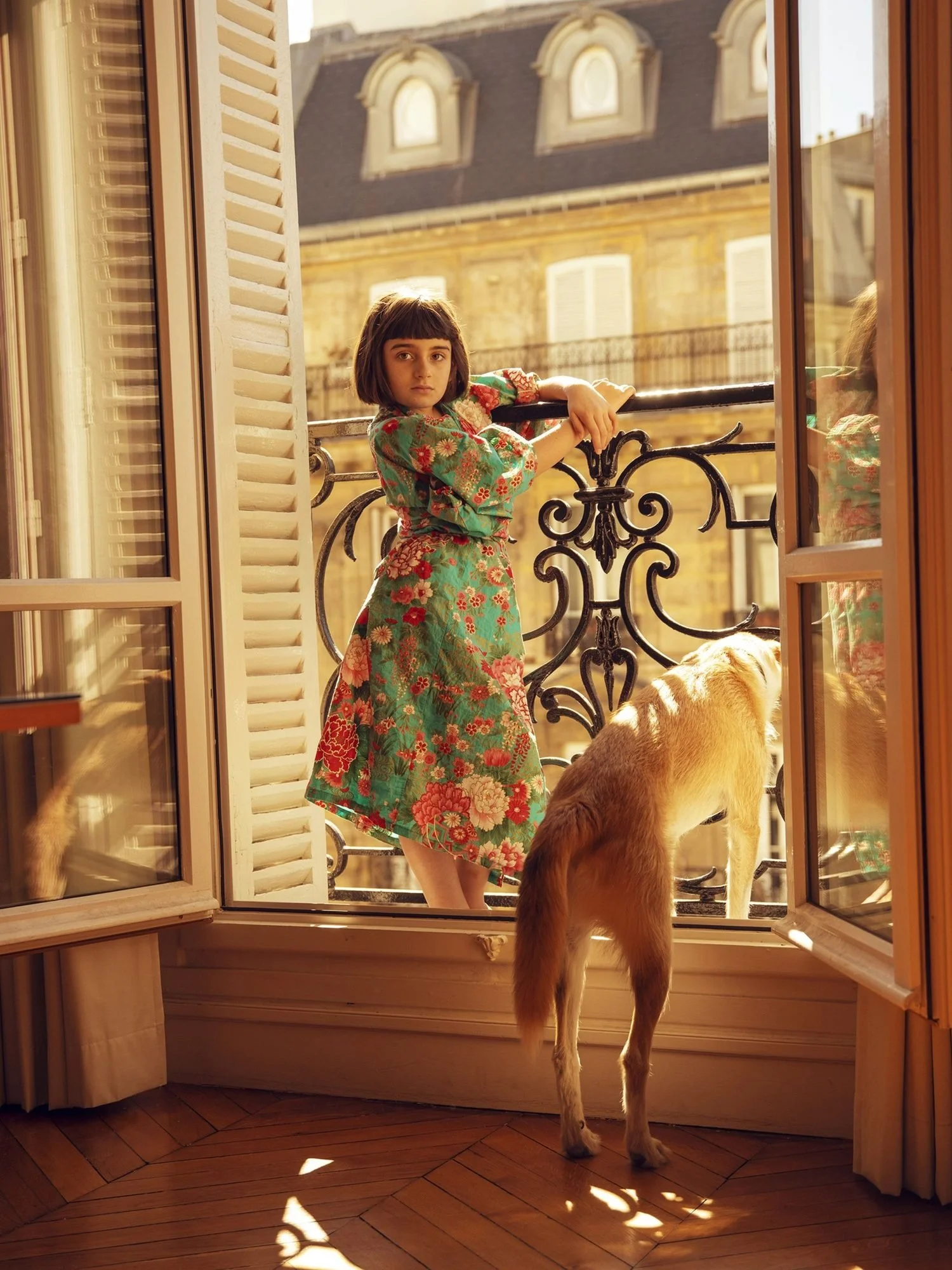
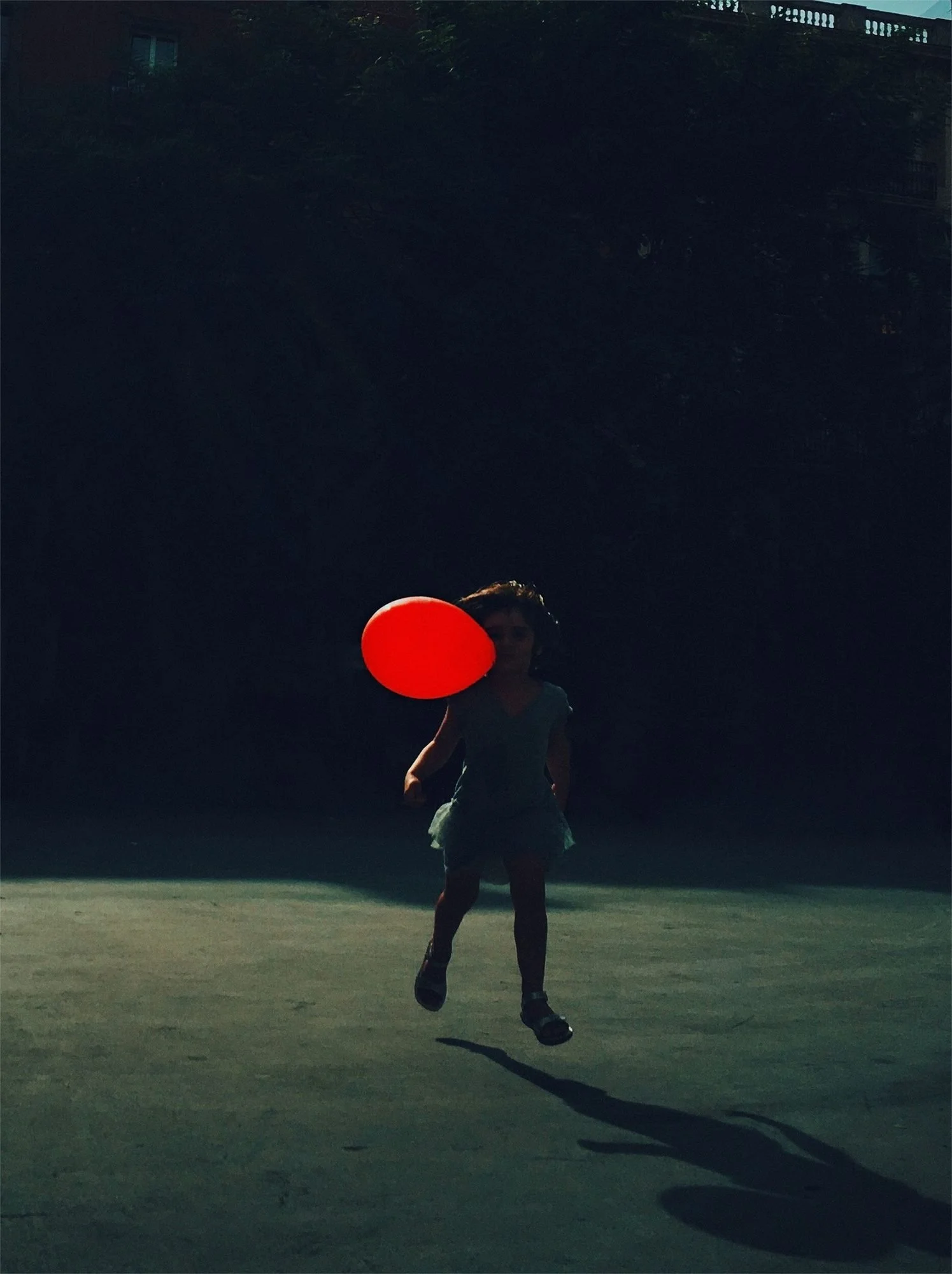
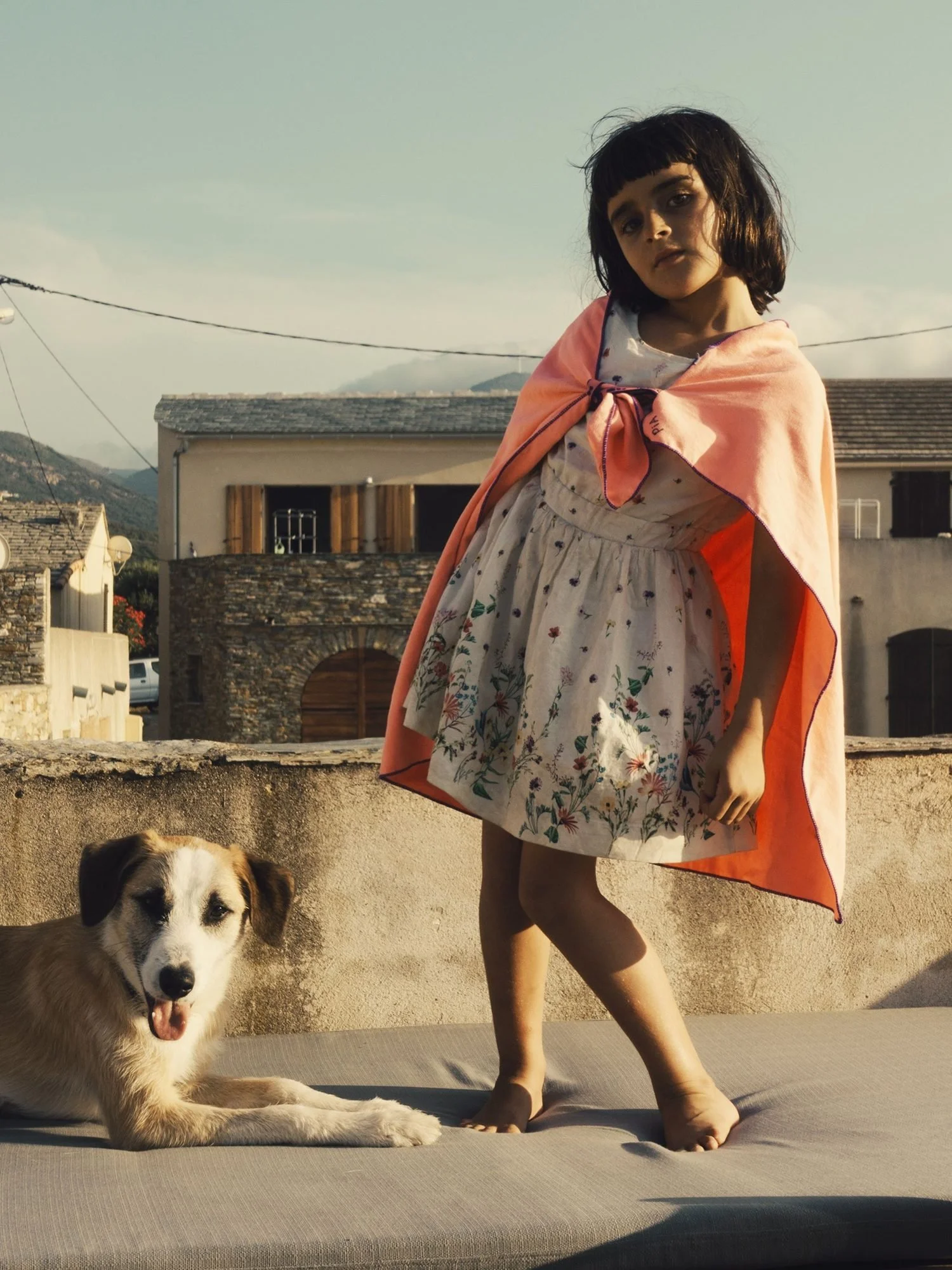
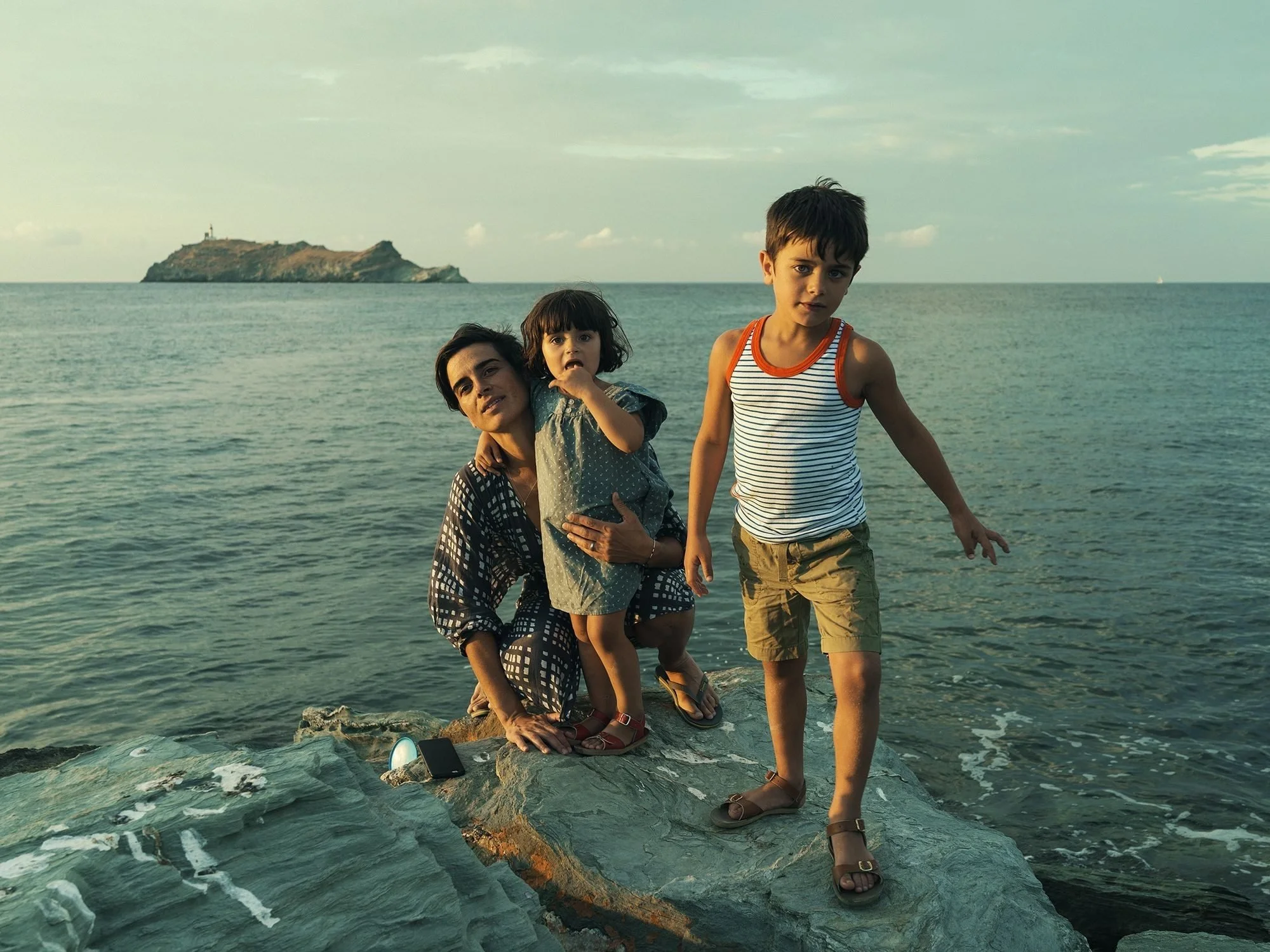
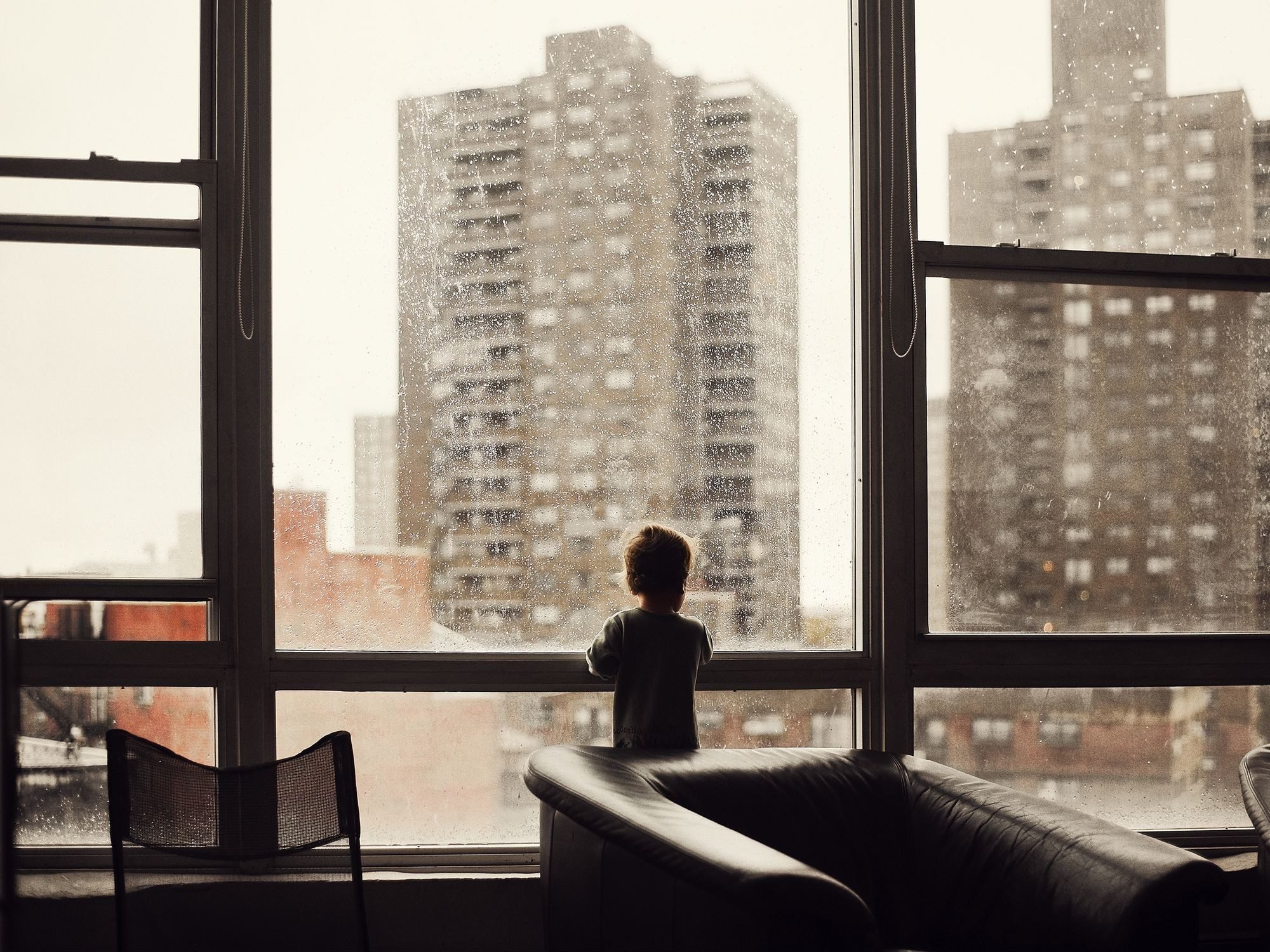
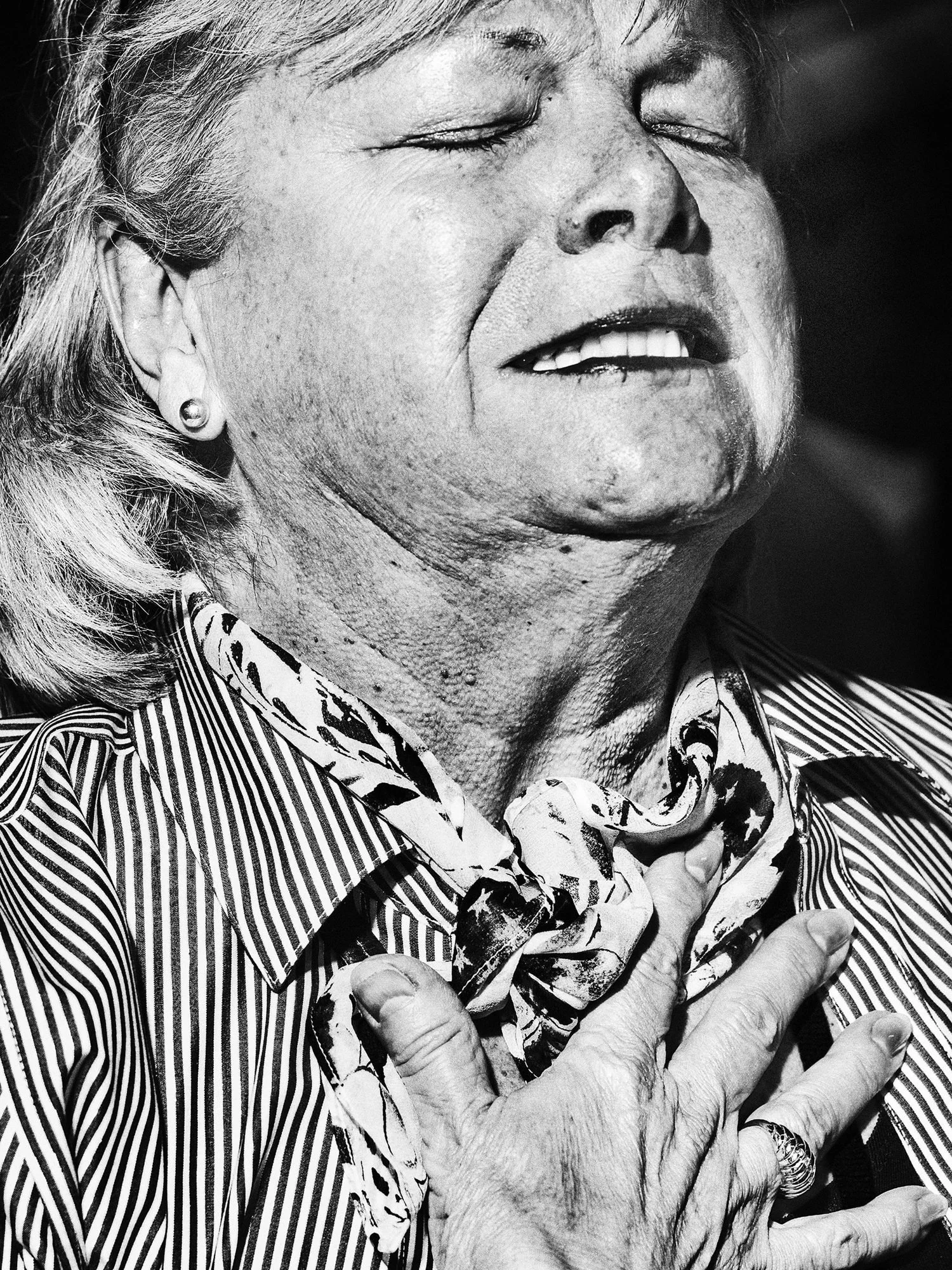
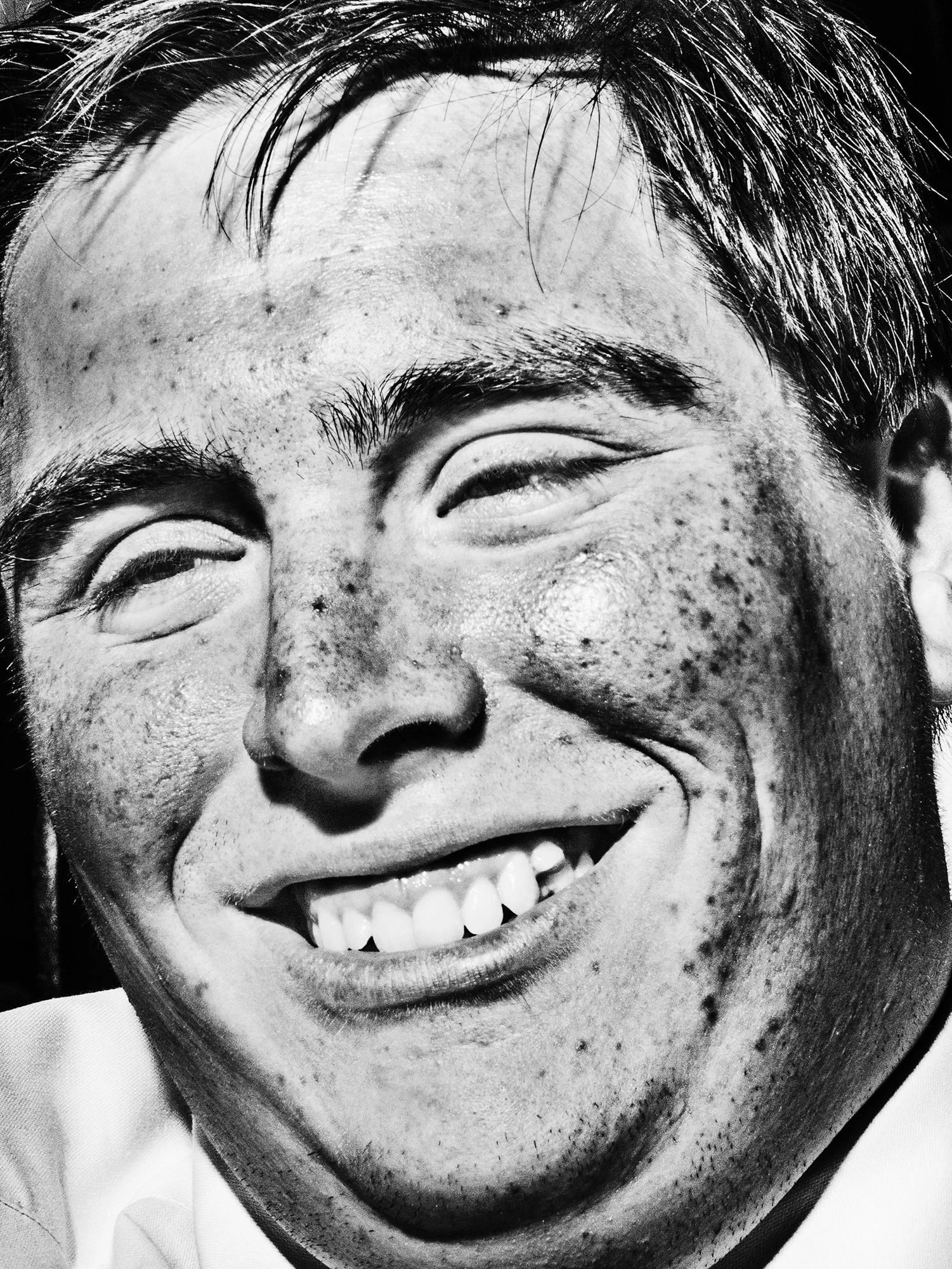
When his son was born, Christopher Anderson stepped away from war photography. He photographed his son the way any father photographs his family. It never occurred to him that this was his work. When his son was about two years old, he realised it was, and he put the first book together. Naming something a project can change how you photograph it.
“As soon as I became aware of what it was, it was hard to turn off that awareness. It was hard to find that purity of reaction. That’s when I knew.”Christopher Anderson
We'd love to read your comments below, sharing your thoughts and insights on the artist's work. Looking forward to welcoming you back for our next [book spotlight]. See you then!
