Welcome to this edition of [book spotlight]. Today, we look at Tales of the Islands, by Yasuhiro Ogawa (published by Photo Editions). We'd love to read your comments below about these insights and ideas behind the artist's work.
Yasuhiro Ogawa has been photographing Japan’s remote islands for 20 years.
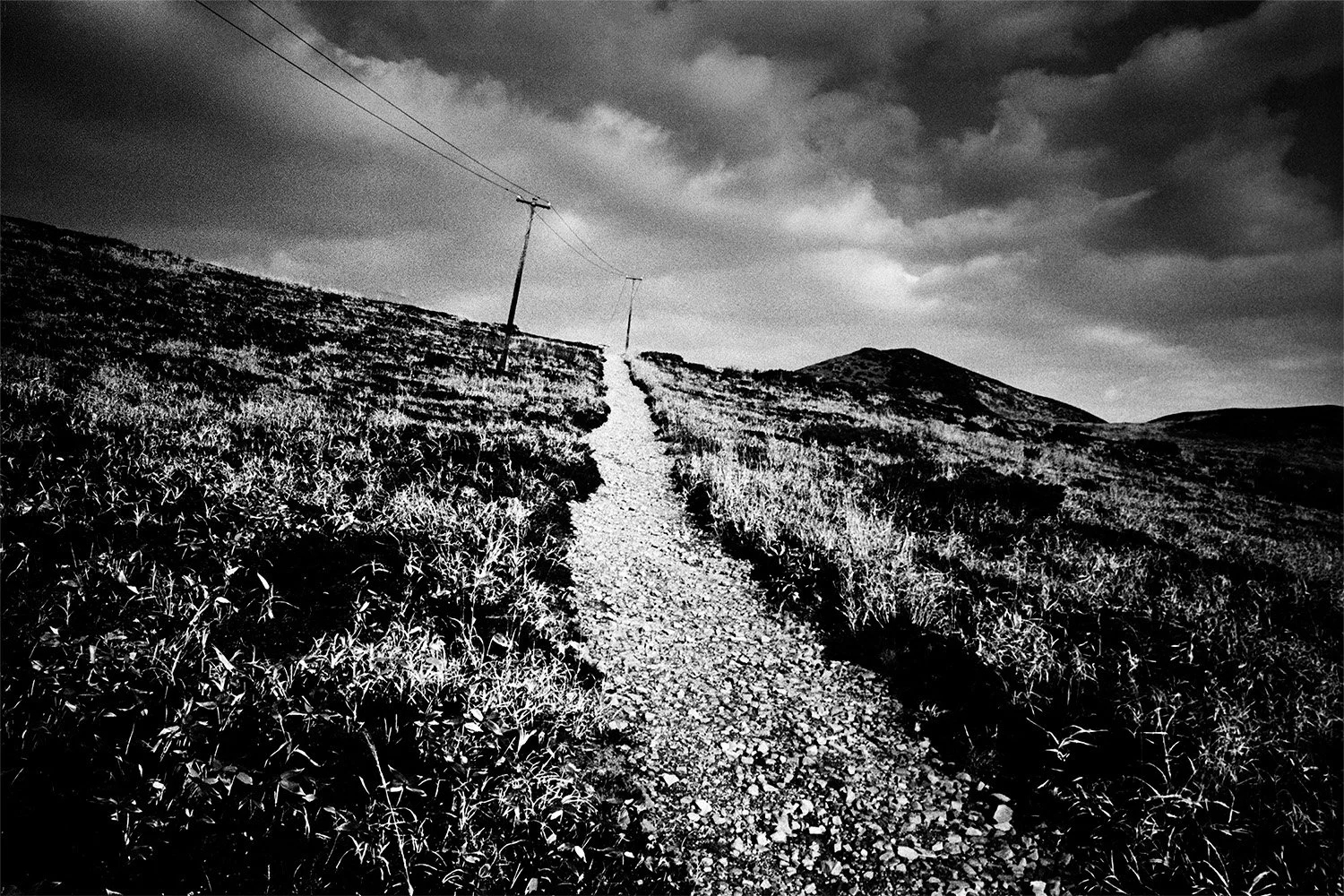
It began in 2005, when a weekly magazine sent him to Miyakejima, and the quiet he found there made him want to see other islands. He left out every island connected to the mainland by a bridge and looked for places that were as hard to reach as possible. Many of these islands were once busy stops on sea routes, and today they face severe depopulation.
His new book, Tales of the Islands, gathers this work in black and white.
This time, Ogawa chose the order of the photographs himself.
In 2014, the sequence of Shimagatari, the first version of the book, was chosen by the publisher’s editor. For the new edition, Ogawa rethought the format and design, built the sequence on his own and added 23 photographs that were not in the first book. He also used tritone printing for the first time, to give the photographs more depth than the duotone printing he had used before.
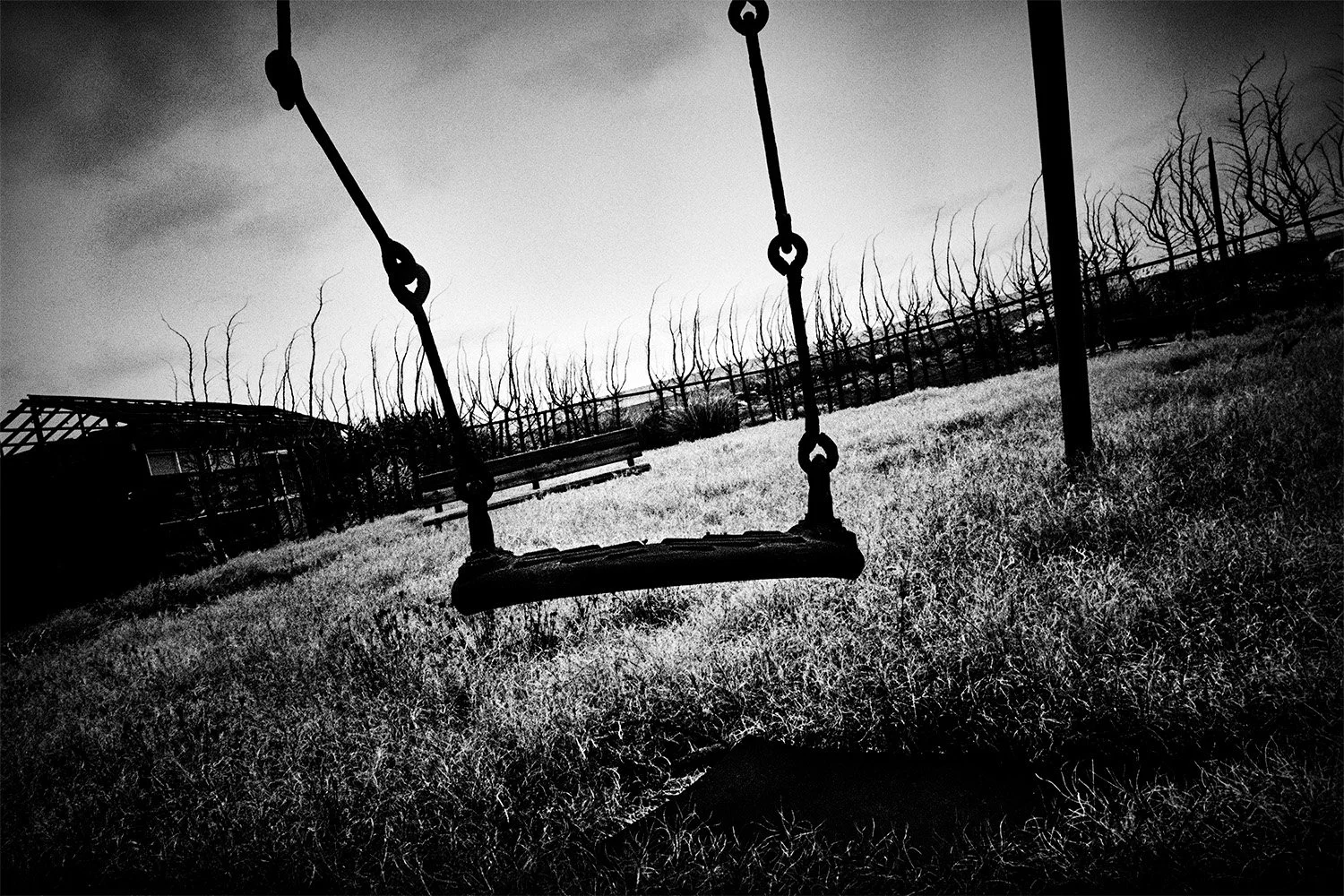
In the interview, he explains why his photograph of a swing on Miyakejima holds his early anger about depopulation, why the cloud on the cover stands for the resignation that came later, and why he thinks our perspective on a long project shifts every three years or so.
The Book
Tales of the Islands
Photo Editions · 2026 · 112 pages
Tales of the Islands is a revised and expanded edition of Shimagatari, which Sokyusha published in 2014. Its black-and-white photographs were made on remote islands across Japan, from Miyakejima to the Tokara Islands in Kagoshima and Yagishiri Island off Hokkaido.
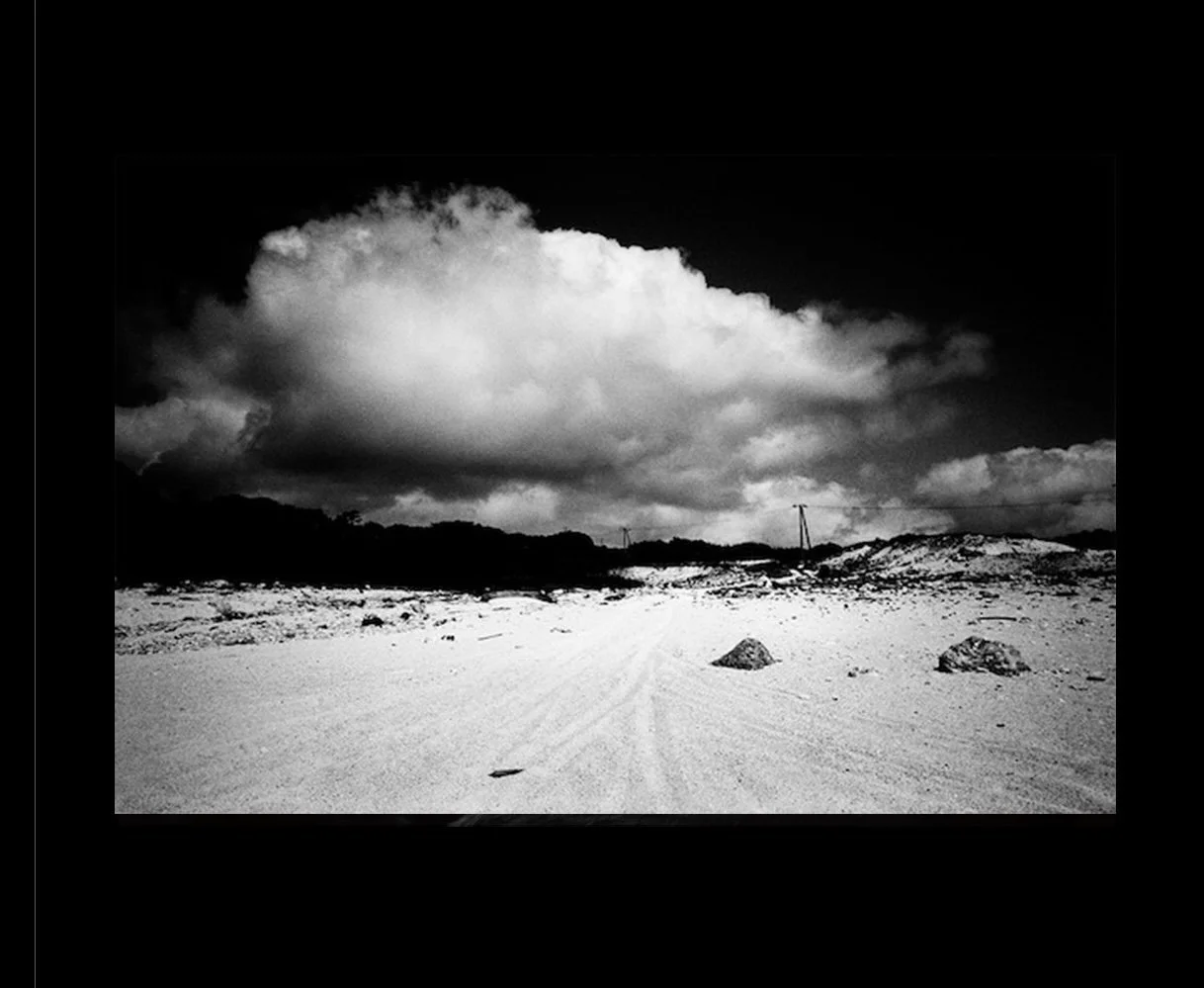
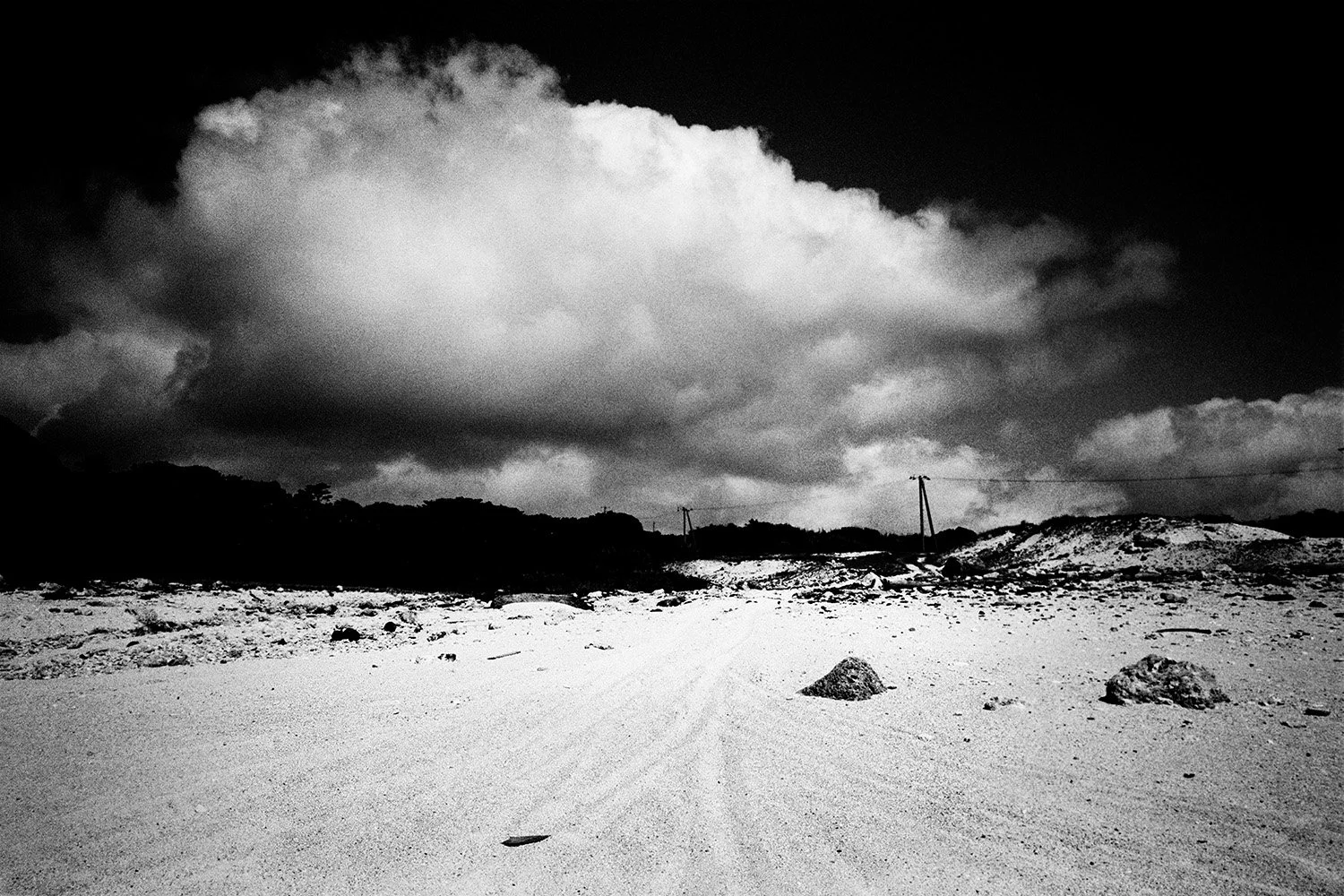
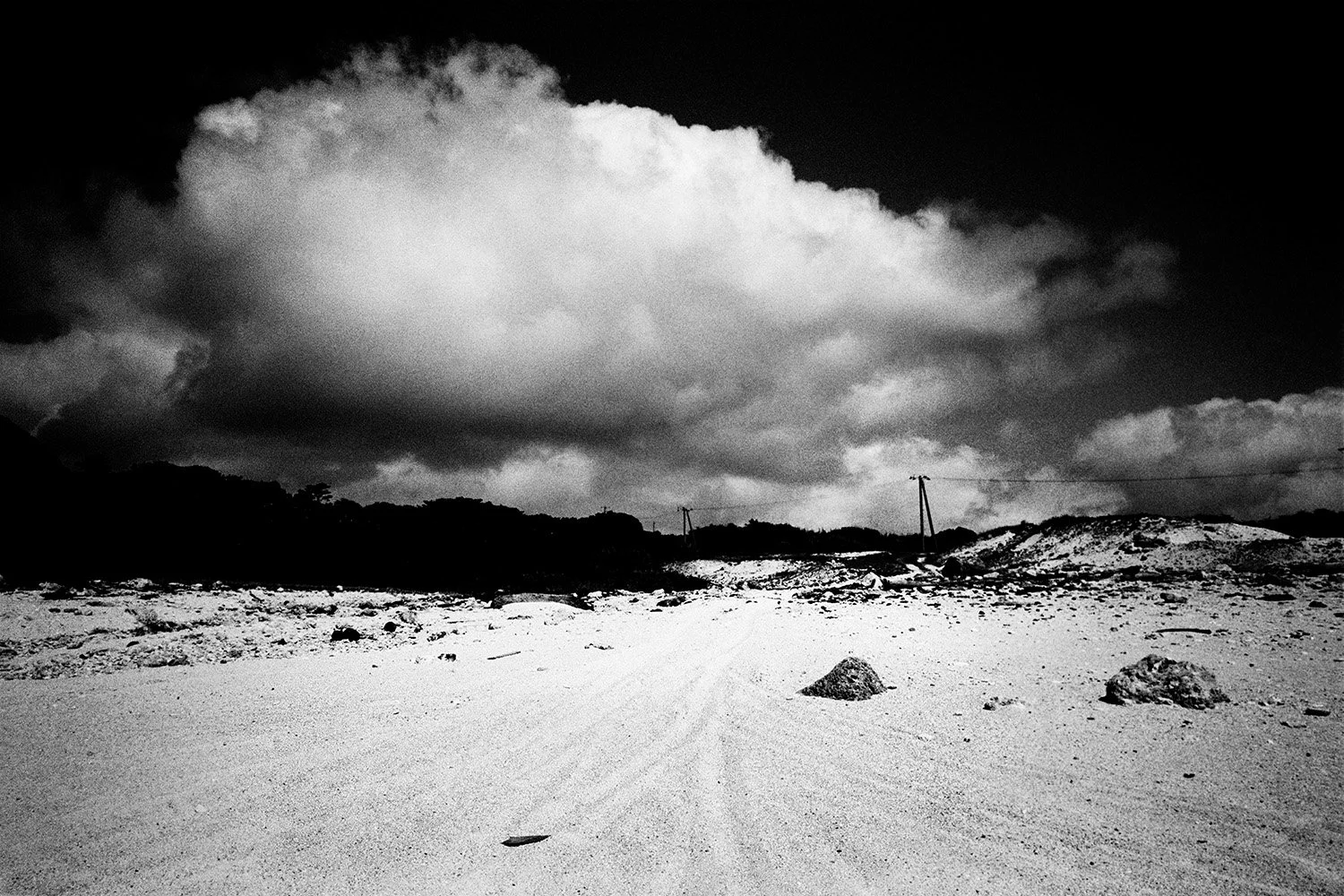
The hardcover measures 23.3 by 28.3 cm and has printed endpapers. Its black cover carries the photograph Summer Clouds, made on Takara Island in 2013.
Buy from Photobookstore · Order from the photographer · Amazon
Beginning: In 2005 you first went to Miyakejima, after the island was evacuated because of the 2000 eruption. What made you go there, and what made you keep going to other islands?
At the time, I was working for a weekly magazine when I was assigned to visit Miyakejima Island. The tranquility I encountered on the island was unlike anything I had ever experienced before. It was as though time had stood still for five years. Wanting to understand the deeper meaning behind this extraordinary tranquility, I began exploring other islands in the wake of that visit.
Central idea: You write that history on the islands builds up “like a bank of snow.” What do you mean by that?
These islands were once important hubs of maritime transport. They lay along what we might today think of as a motorway, and it was this strategic position that brought them to the height of their prosperity. However, as transportation shifted from sea routes to land routes, the era of these once-prosperous islands gradually came to an end.
I chose the phrase ‘a bank of snow’ because what remains on these islands today feels like a fleeting apparition of their former glory. Through my photographs, I sought to capture these lingering phantoms of history: the traces of a past that still haunt the islands.
Choosing islands: About 300 islands in Japan are inhabited. How did you decide which islands to visit?
I deliberately excluded from my itinerary any islands connected to the mainland by bridges, as I felt that they had lost something of their distinct island character. As for the rest, I sought out places that were as difficult to reach as possible.
Returning: You write that sometimes an island feels too heavy and you leave on the ferry, but then you feel you forgot something and go back. What were you looking for each time you returned?
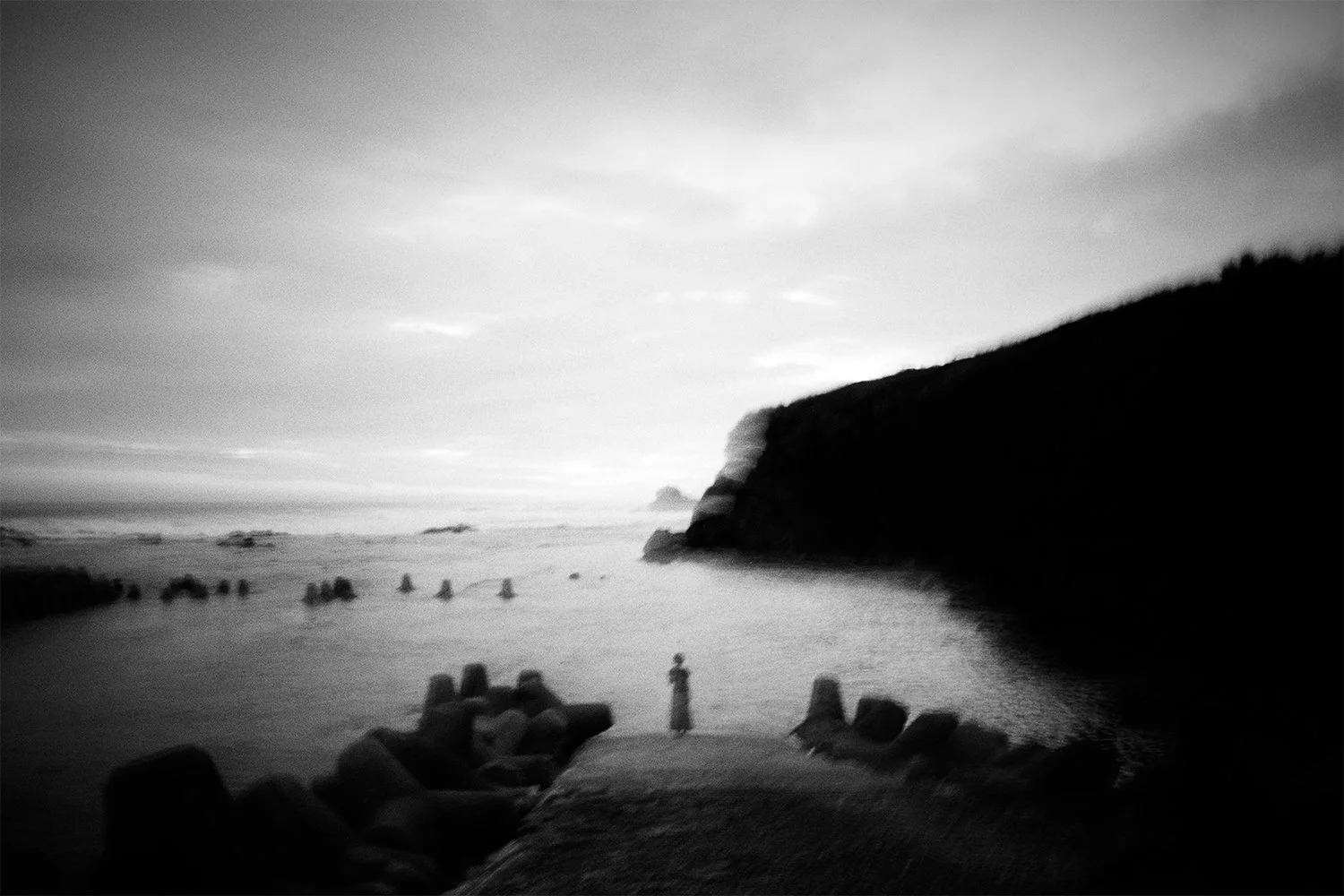
The scenery across these islands is, in many ways, much the same. There are run-down fishing villages, closed-down primary schools, and settlements inhabited almost entirely by elderly people. Yet every now and then, I come across an island with an atmosphere entirely its own, something I cannot find anywhere else. It is this individuality that draws me to these islands. Yagishiri Island, off the coast of Hokkaido, and the Tokara Islands in Kagoshima Prefecture, for example, possess an atmosphere unlike any other, and I find myself returning to them time and again.
You said that most islands look much the same, but a few have an atmosphere of their own, like Yagishiri and the Tokara Islands. What tells you that an island has this atmosphere?
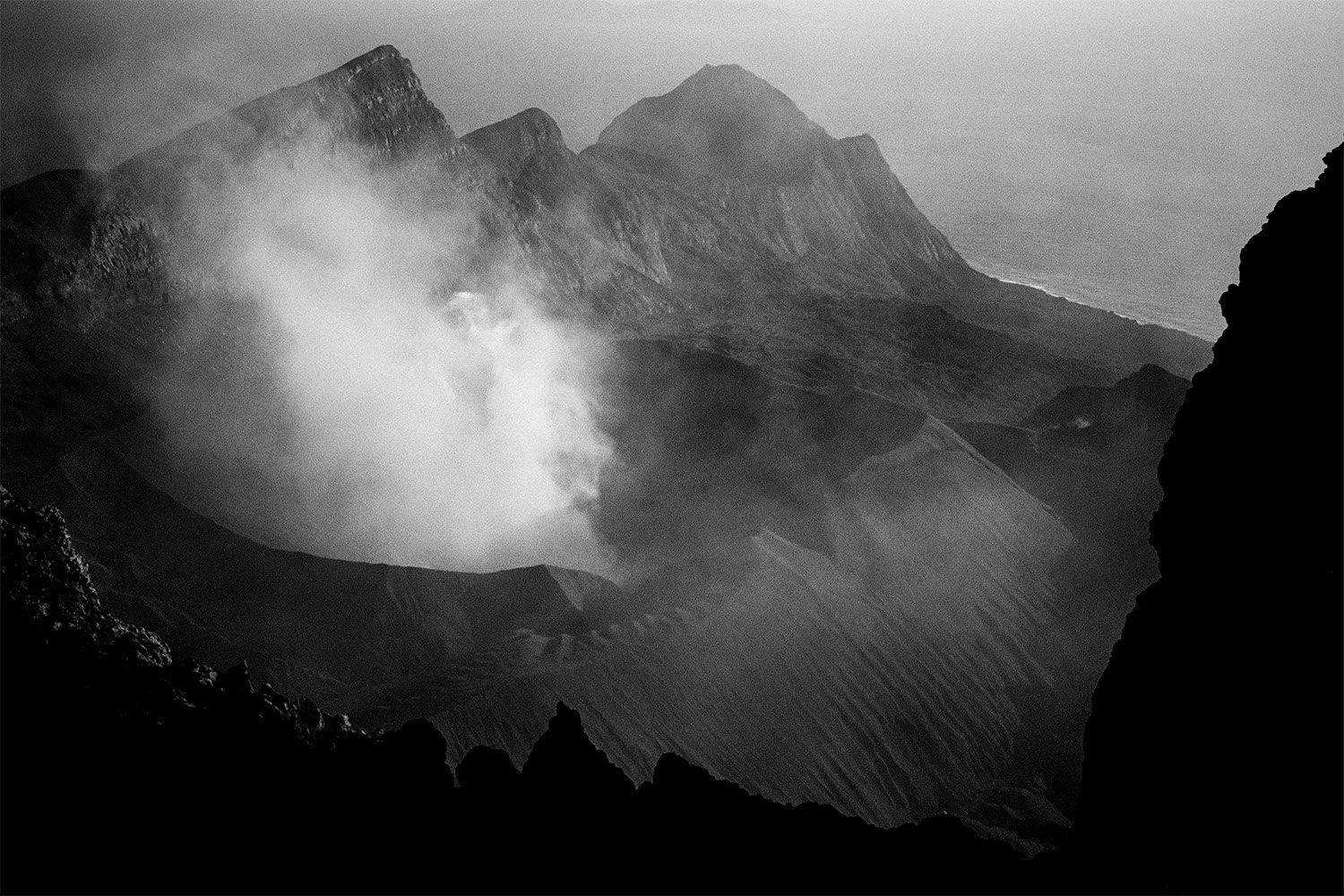
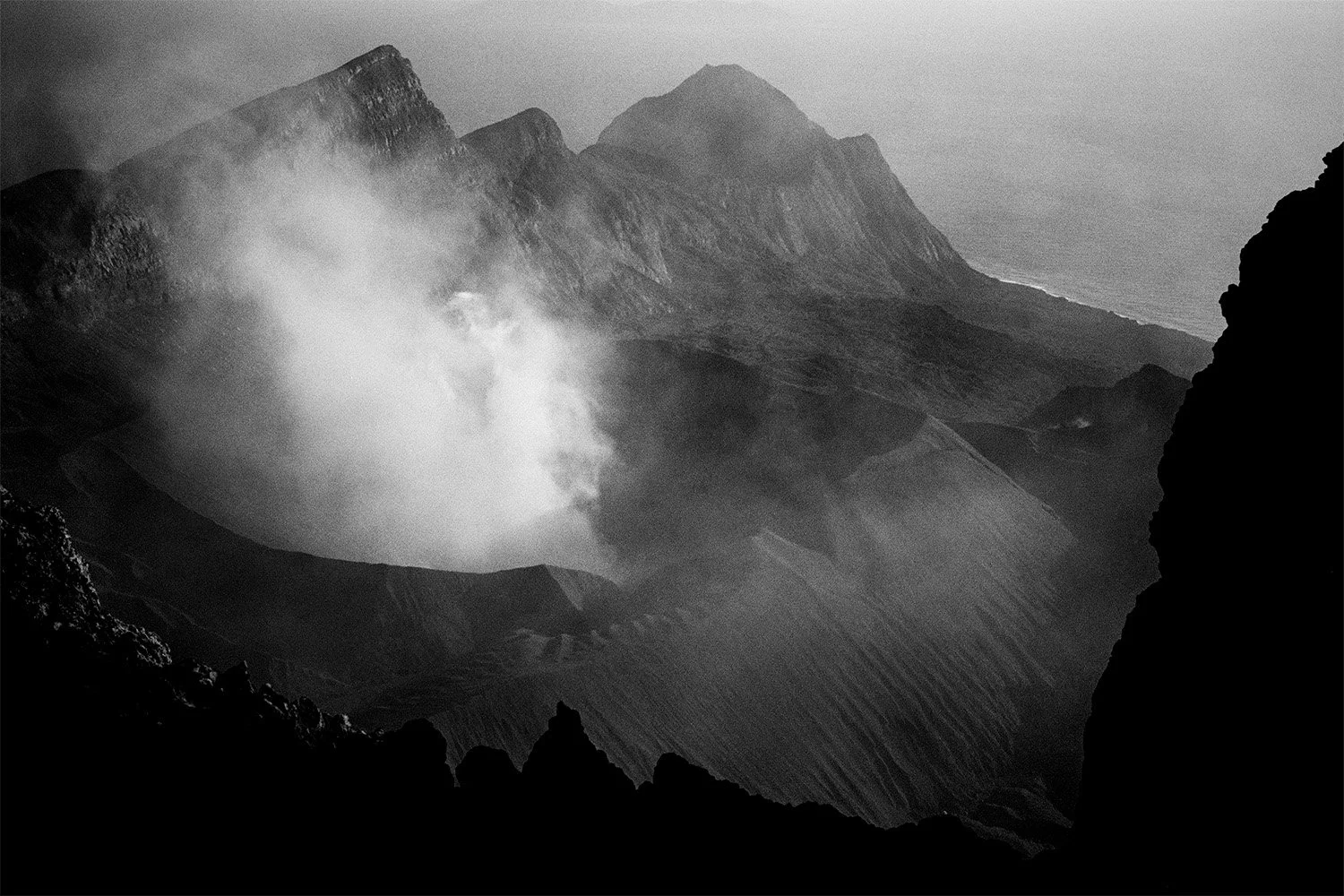
It is difficult to describe this unique atmosphere, but I believe the islands’ natural environments play a major role in creating it. Take the Tokara Islands, for example. Suwanose Island, one of the islands in the chain, is home to an active volcano. Its landscape, blanketed in volcanic ash, creates a mysterious and otherworldly atmosphere.
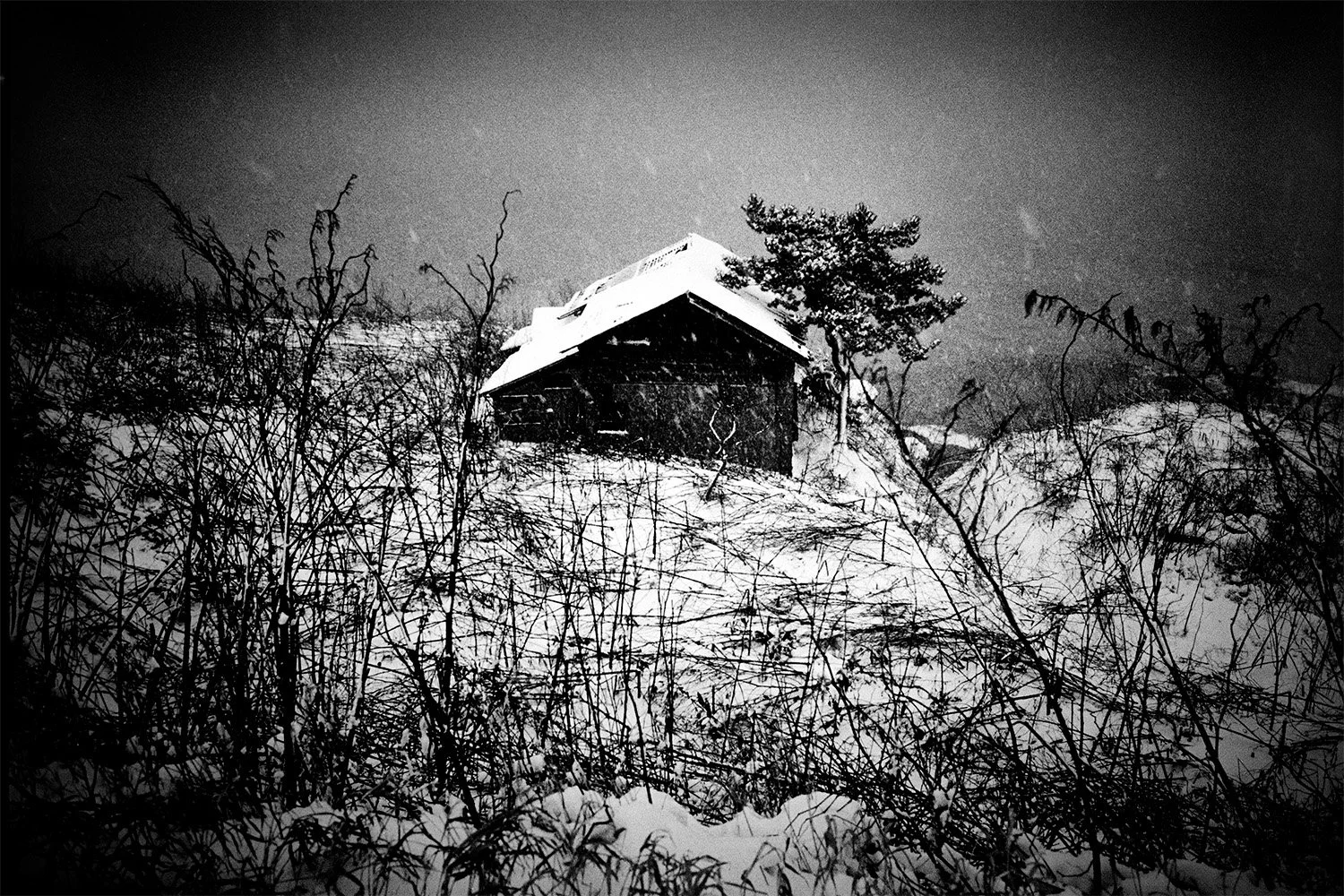
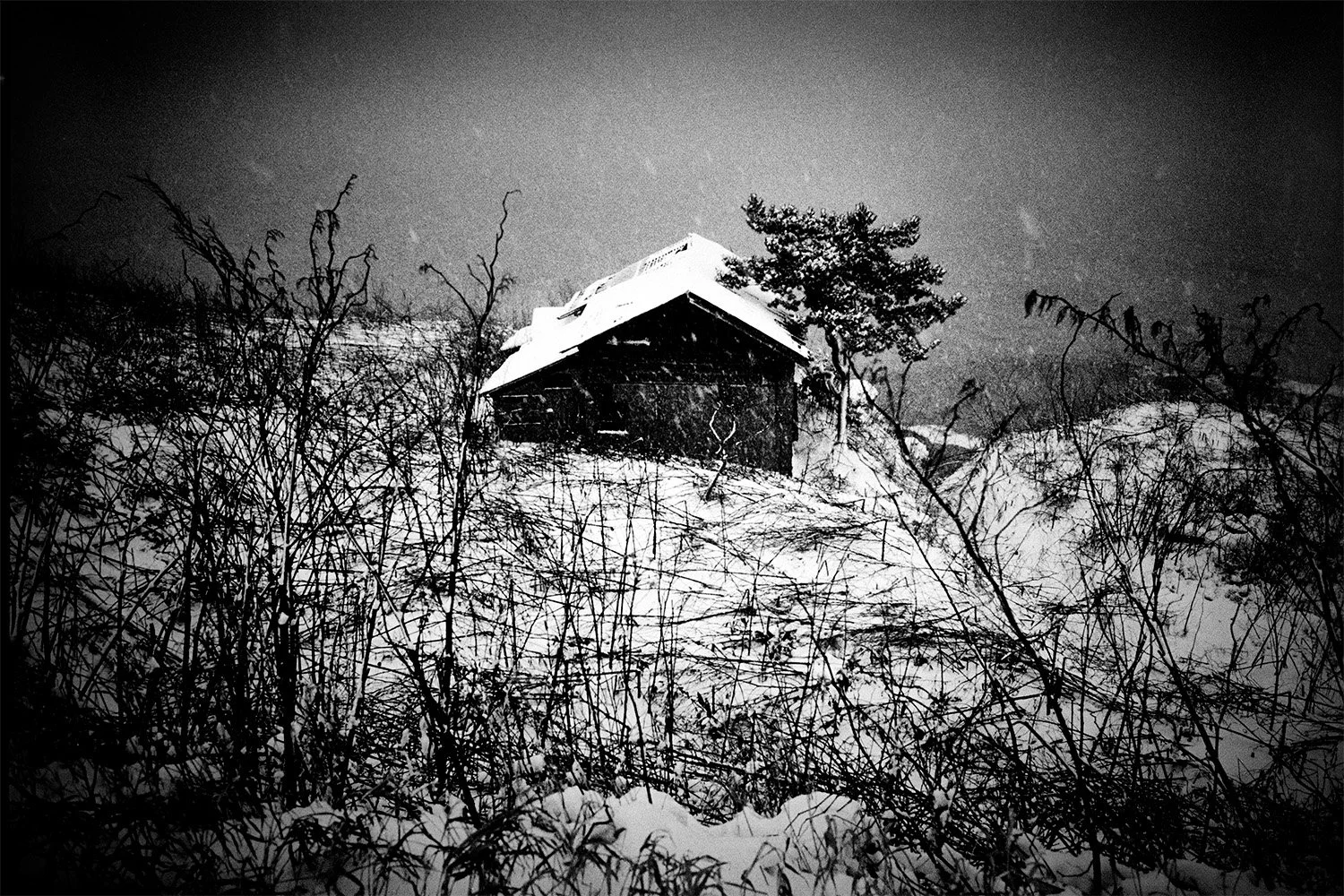
Yagishiri Island in Hokkaido, on the other hand, once thrived as a herring fishing ground. Although it has been many years since herring were last caught there, the sight of buildings dating back to the island’s heyday, shrouded in snow, is both melancholic and beautiful.
Beauty and sadness: You have said that the beauty of these places is the only reason to go there. How did you decide to show this beauty together with the sadness of empty villages?
For me, the ‘beauty’ of these islands lies in the aesthetics of decline. They are now facing severe depopulation, and many will likely become uninhabited in the not-too-distant future. I feel that these islands are gradually returning to nature. It is in this process of gradual reclamation, as nature takes back what was once inhabited by humans, that I find their particular beauty.
Two projects: In 2013 you started the colour series By the Sea, while you were still working on these black and white island pictures. How did you decide what belonged in each project?
I have photographed this island project exclusively in black and white ever since my first visit to Miyakejima in 2005. At the time, I was working on a color project called Slowly Down the River, so I chose black and white for my island photography to maintain a balance between the two approaches. I made a similar decision with By the Sea, opting to work in color to distinguish it from the island project I was pursuing at the time.
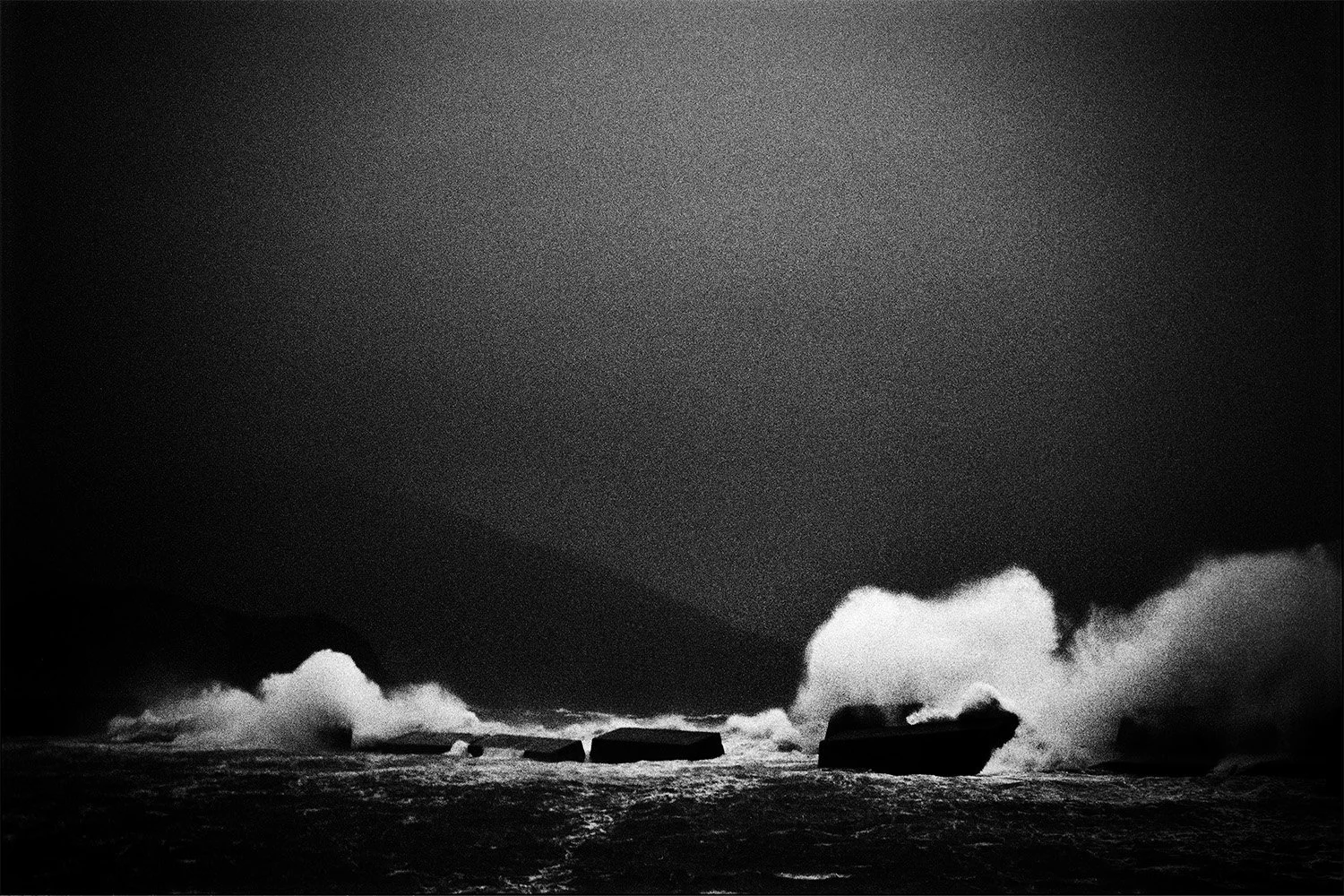
New edition: This book is a revised and expanded version of Shimagatari from 2014. What made you go back to it now, and how did you decide which pictures to change?
I had never been entirely satisfied with the format of Shimagatari, originally published in 2014. So, when the opportunity arose to reprint the book, I decided to completely rethink its format and design. I had continued photographing the islands in the years since its publication, and felt that if I was going to create a new edition, it would be a good opportunity to incorporate some of this more recent work. The resulting book includes 23 photographs that were not featured in the original 2014 edition.
The new book has 23 photographs that were not in the 2014 edition. Where do they come from, and did you also take pictures out of the old edition?
The 23 new photographs include some taken during visits to the island since 2014, as well as others taken earlier but not included in the book published that year. The main reason for excluding these photographs from the present edition is that, from a photographic perspective, I no longer consider them particularly strong.
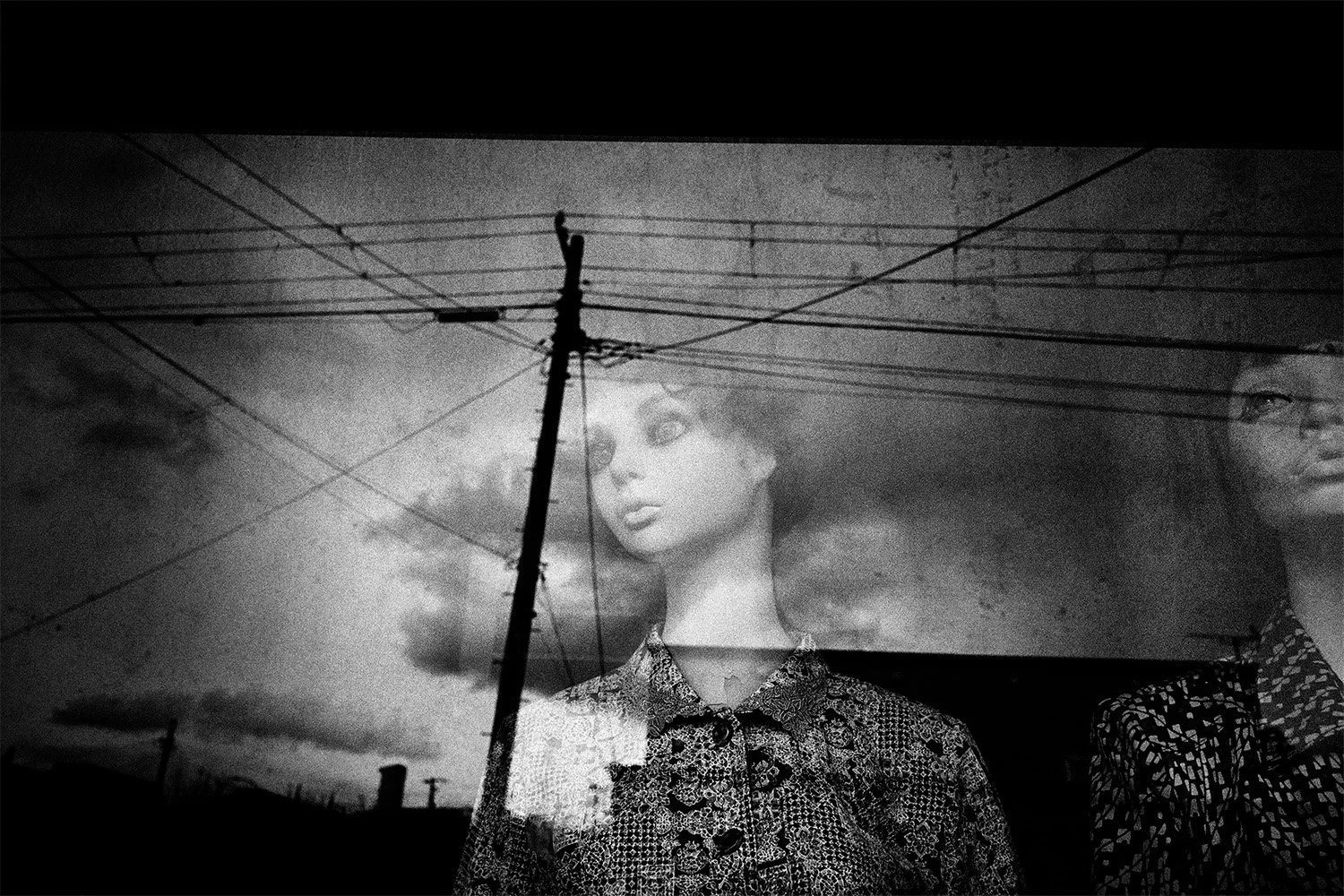
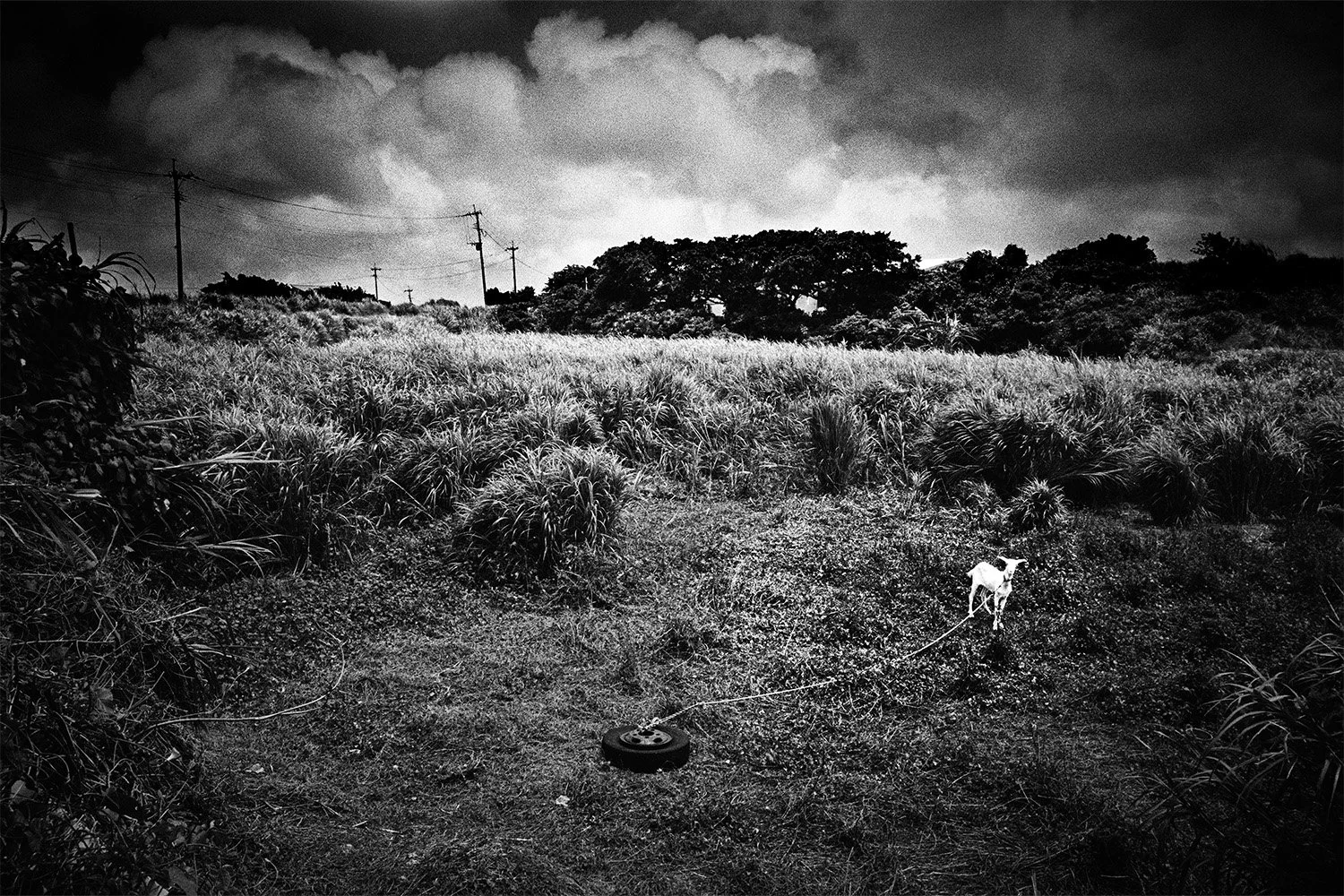
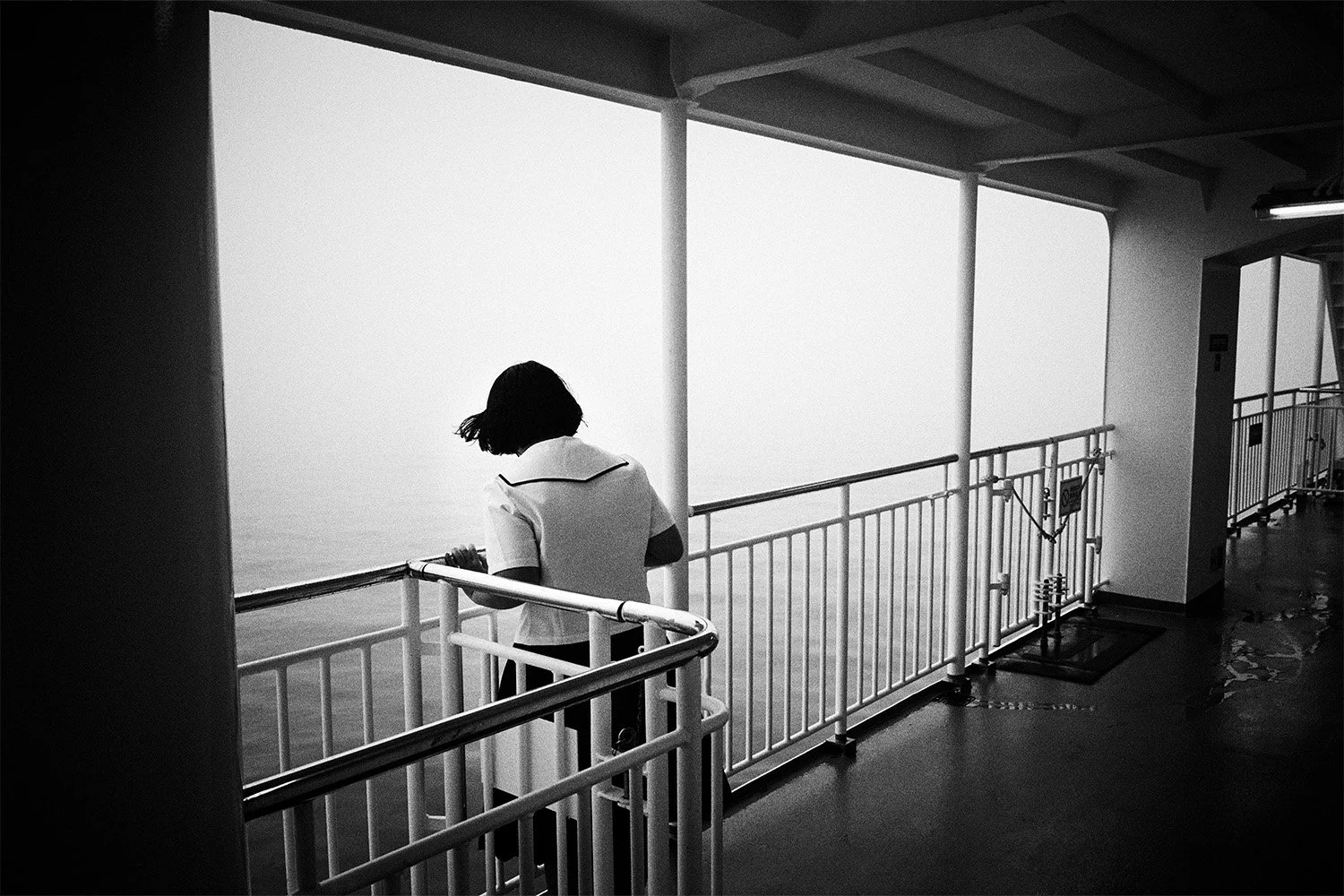
Tritone: You used tritone printing for the first time. Why did you choose it for these pictures, and did it change how you judged or edited them?
I had long been curious to see how far I could push black-and-white printing in a photobook. This time, rather than the relatively flat appearance of the duotone printing I had used previously, I wanted to give the photographs a greater sense of depth and dimensionality. In that respect, I believe the tritone printing was a success. The book's sequence had already been finalized before the tritone printing process began, so the decision to use tritone printing had no influence on the sequence of the photos itself.
What changed in the sequence compared with the 2014 edition?
The sequence of the book published in 2014 was not determined by me, but by the publisher’s editor. As I had relatively little experience producing books at the time, and the editor was a well-known figure, I entrusted the entire process of arranging the photographs to him. For this book, however, I decided on the sequence entirely myself. I believe this has allowed the visual narrative to unfold even more beautifully in this volume.
Can you give one example of a picture from your early years on the islands and one from later years? How was your way of looking different?
Japan, particularly its remote islands, is currently facing severe depopulation. At first, I thought of this depopulation as entirely negative, fearing that these islands would become deserted in the near future. However, after years of visiting these islands, my perspective on depopulation has gradually shifted. Although seeing these landscapes become deserted is undoubtedly sad, I have come to feel a sense of resignation towards the idea of nature reclaiming them.
I think the photograph of the clouds, which I also used on the cover, best captures this sense of resignation.
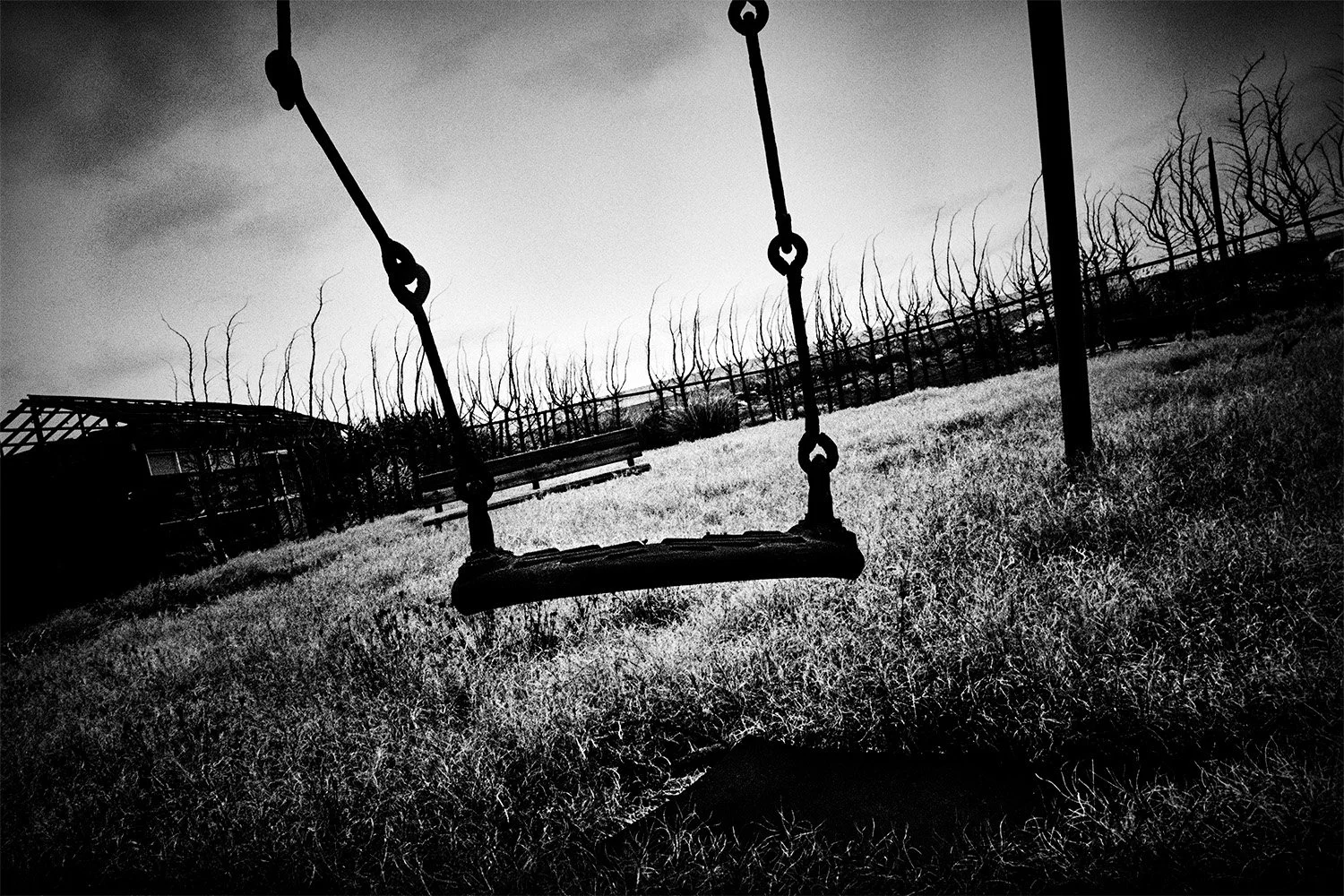
In contrast, when I first began exploring the islands, I found the prospect of them becoming deserted deeply distressing. Perhaps the photograph of the swing best illustrates this feeling. I believe it captures something akin to my anger towards depopulation.
Lesson: After so many years with the islands, what is one thing you learned that another photographer working on a long project could use right away?
It has now been 20 years since I first began photographing the islands. I never imagined at the outset that I would continue working on this project for so long, so I may not be the best person to offer advice to photographers embarking on long-term projects. However, there is one thing I can say: our perspectives tend to shift every three years or so. A change in perspective that we may not even notice at first can become apparent three years later, perhaps as a result of the experiences we have accumulated in the meantime, or simply because we have grown older. In this way, over the course of ten years, you can gradually build up a project like a stack of building blocks, each layer reflecting a different perspective. It is not necessarily a question of the longer, the better. But I believe that if you give a project enough time, it will eventually reward you. That is what I would like to convey.
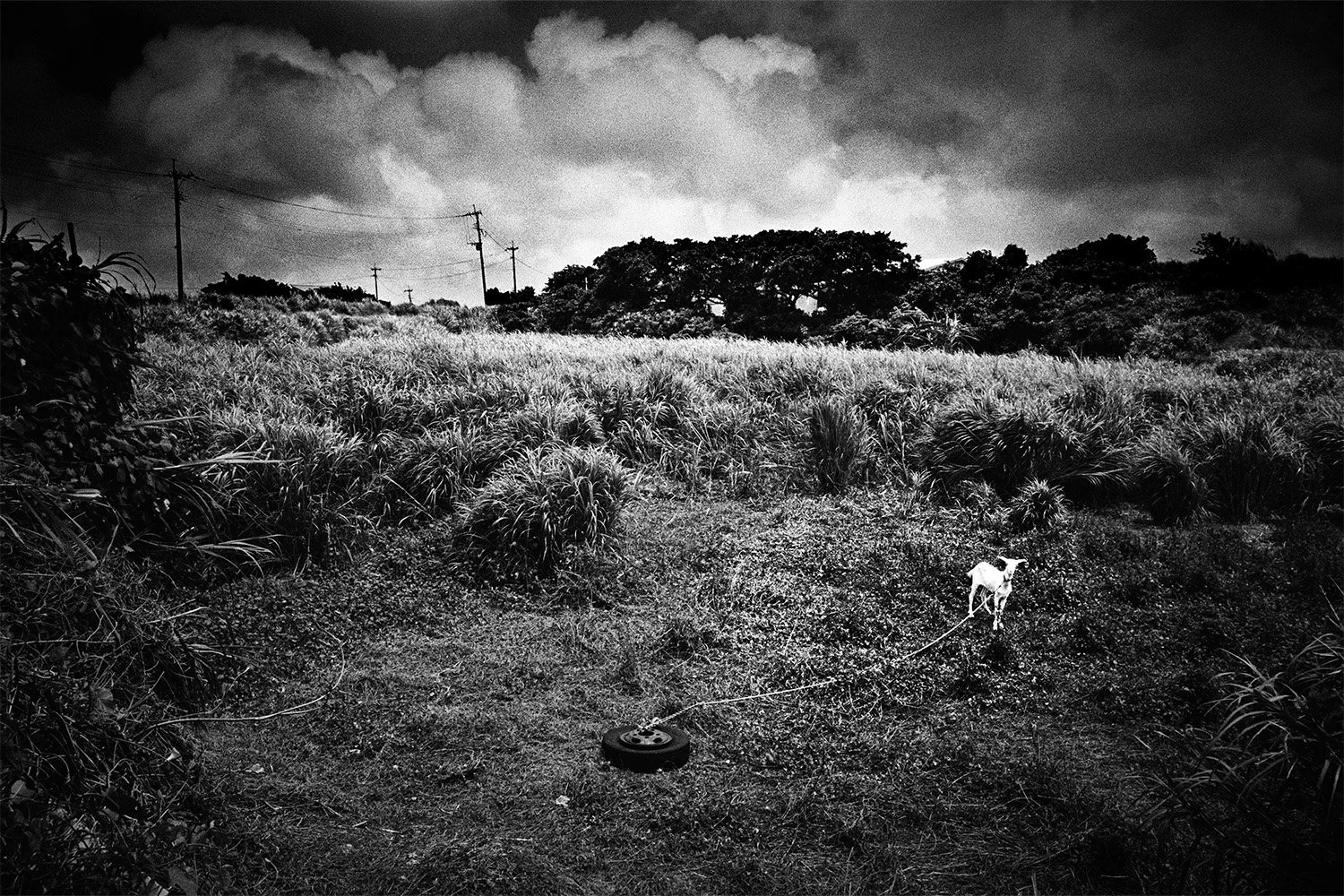
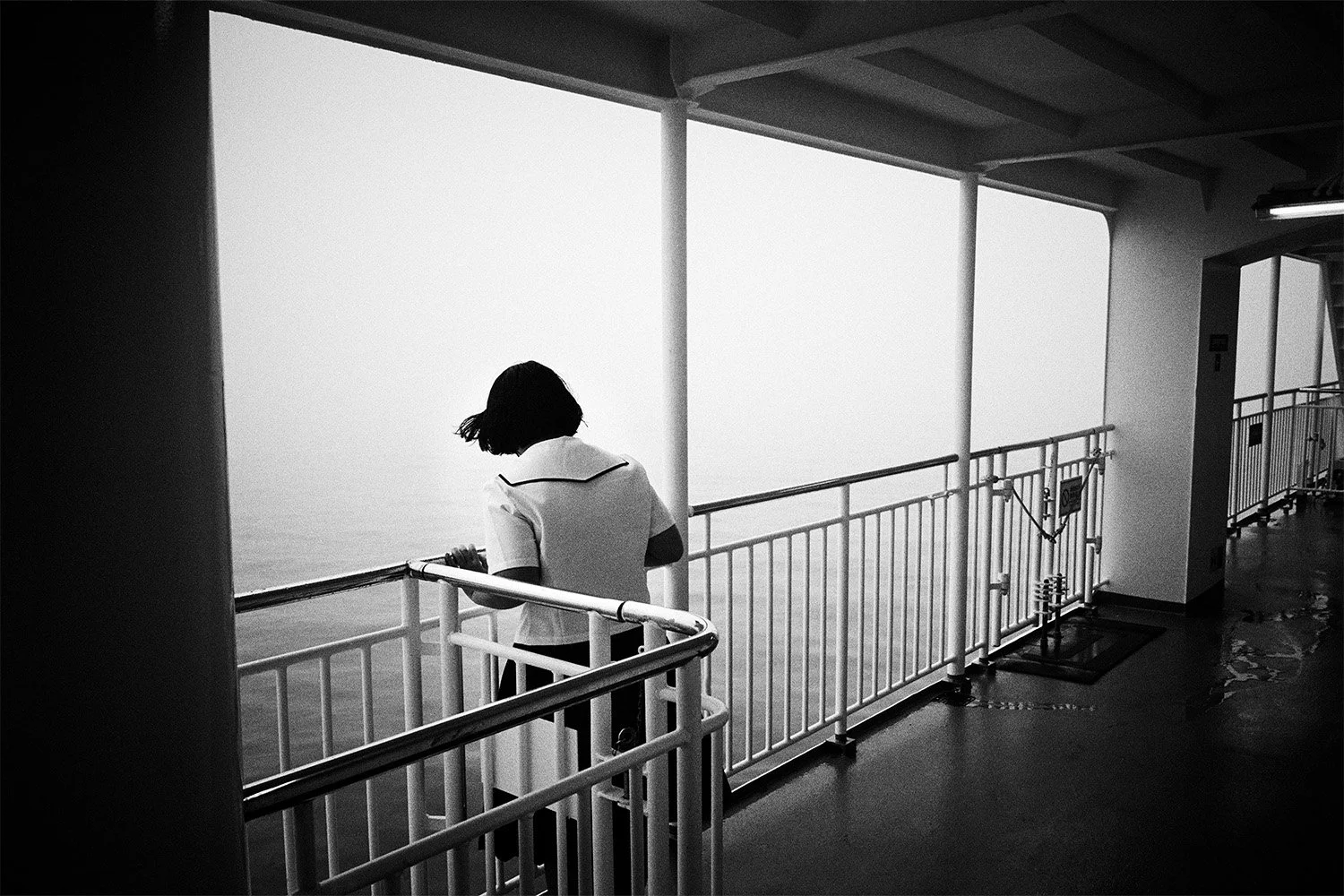
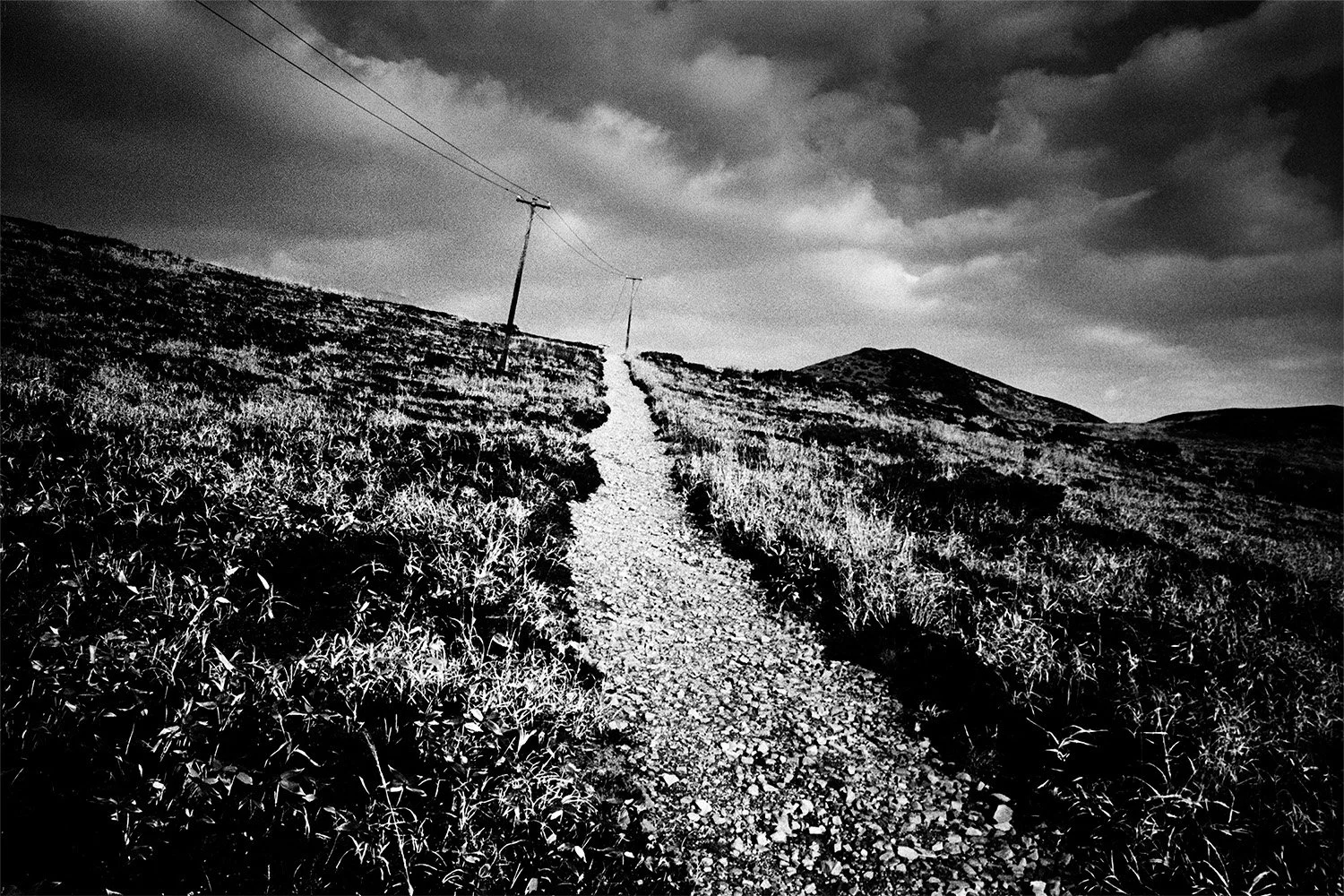
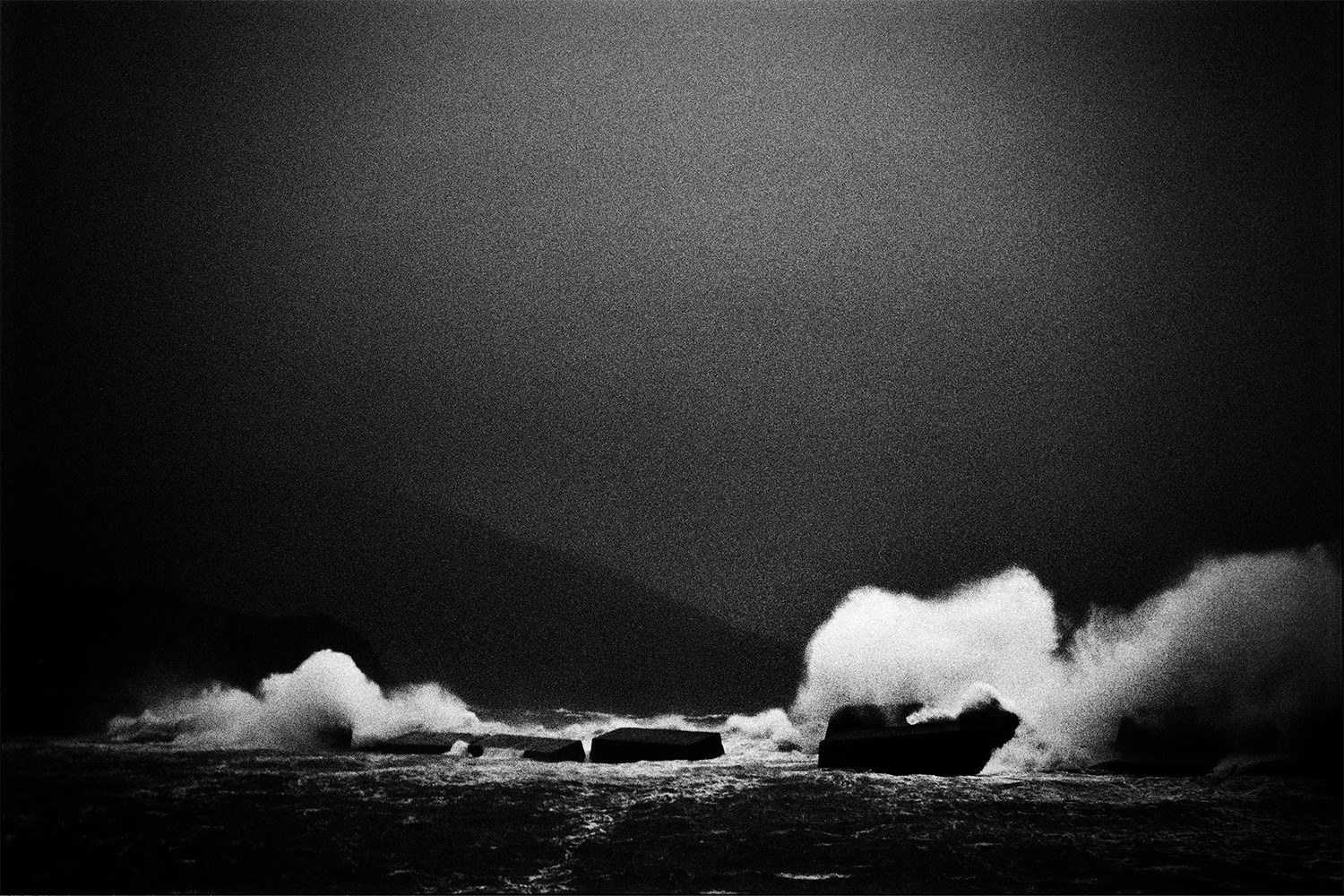
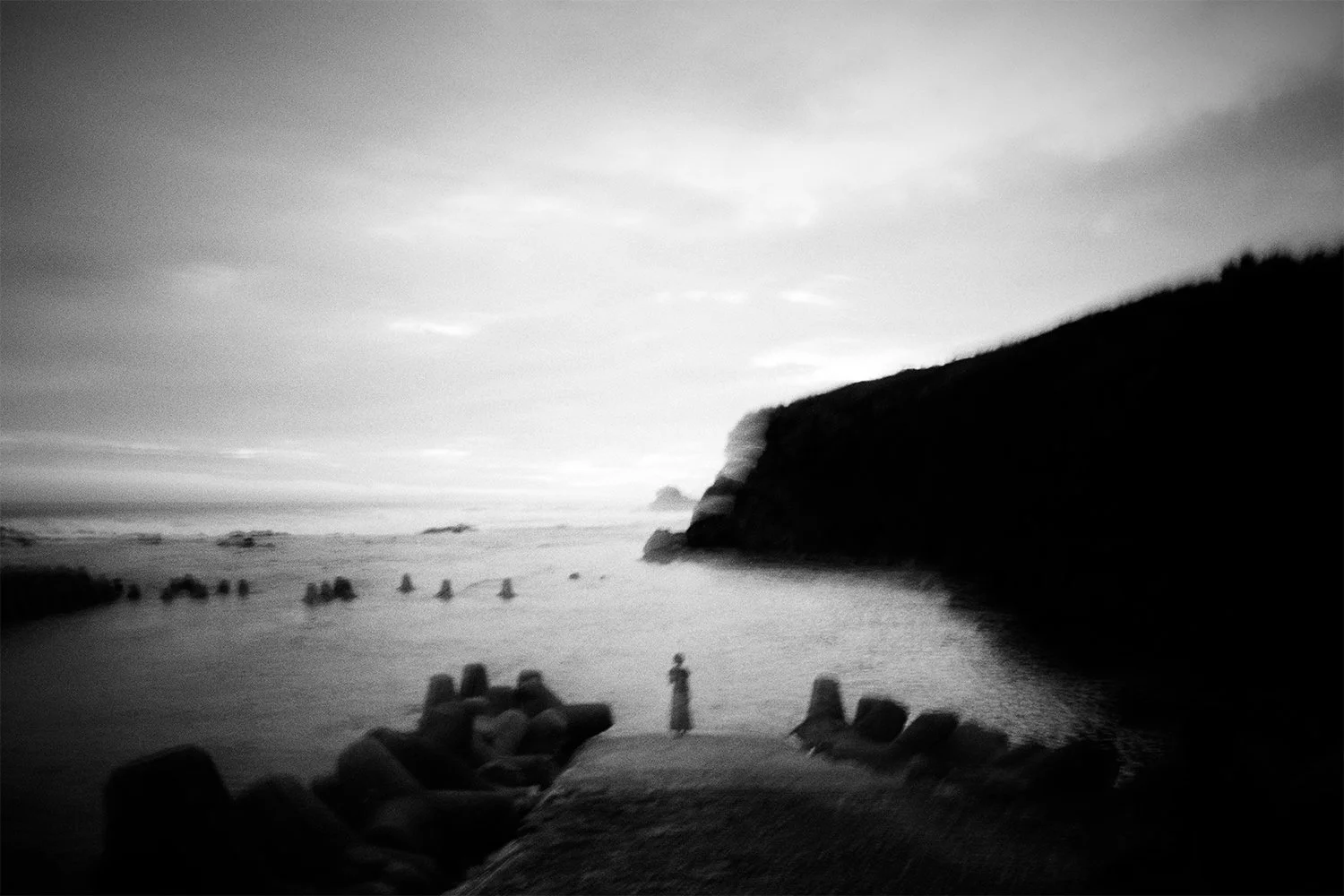
When Yasuhiro Ogawa began photographing Japan’s remote islands in 2005, the thought that they would become deserted was deeply distressing to him.
He kept returning to the islands for years, and for the cover of Tales of the Islands he chose a photograph of summer clouds on Takara Island.
“After years of visiting these islands, my perspective on depopulation has gradually shifted. Although seeing these landscapes become deserted is undoubtedly sad, I have come to feel a sense of resignation towards the idea of nature reclaiming them.”Yasuhiro Ogawa
What we feel about a subject can change while we keep photographing it. How has your view of your own long project changed?
We'd love to read your comments below, sharing your thoughts and insights on the artist's work. Looking forward to welcoming you back for our next [book spotlight]. See you then!