Welcome to this edition of Interviews. Today, we look at the project Photographing Together, by RongRong&inri. We'd love to read your comments below about these insights and ideas behind the artist's work.
When RongRong and inri met in 1999, they did not share a common language.
They met in Tokyo and talked by tracing characters on each other’s palms. A year later, inri came to Beijing, and the two photographers began to photograph each other. Soon they were making pictures together, through one camera, and they started to call what appeared between them the “third eye.”
For more than twenty-five years, their shared life has been their subject.
Liulitun, Caochangdi, the birth of their children and the founding of Three Shadows all became part of the work. In this interview, RongRong&inri talk about disagreeing over photographs, returning to the same places, and how Tsumari Story found a new direction after the 2011 earthquake in Japan.
If you make work with another person, their answers show that the distance between two ways of seeing can become the picture itself.
The Project
Photographing Together
RongRong (born 1968 in Fujian Province, China) and inri (born 1973 in Kanagawa Prefecture, Japan) have worked as a photographic duo since 2000. Their major works include In Fujisan, Japan, 2001, Liulitun, Beijing (1996 to 2003) and Tsumari Story (2012 to 2014). In 2007 they founded Three Shadows Photography Art Centre in the Caochangdi art district of Beijing, and since 2009 they have run the Three Shadows Photography Award for emerging photographers in China. See their work at rongin.com.
Beginning Together: Before you started working together in 2000, you were two independent photographers. At what point did you realize that making photographs together could become its own way of working, rather than simply two photographers influencing each other?
When inri came to Beijing in 2000, we didn't begin with the idea of making work together.
At first, we photographed each other. We were both photographers, so there were often moments when we were in the same place and both wanted to take a photograph. It became strange: who would take the picture, and who wouldn't? Once we started photographing together, the process became much more natural.
Before that, photography for each of us was about "what I see" and "what I photograph." As we began living a photographic life together, it became "what we see" and "what we create." The subject shifted from the individual to the two of us, and our world expanded.
Through one camera and one lens, a world shared by two people began to emerge. Quite early on, we started calling this the "third eye." The camera, and photography itself, became a third presence between us. It is like a blind spot at the point where the two of us overlap, an invisible connection that we cannot fully grasp. Gradually, this third presence became the center of our creation. For us, this third presence is photography.
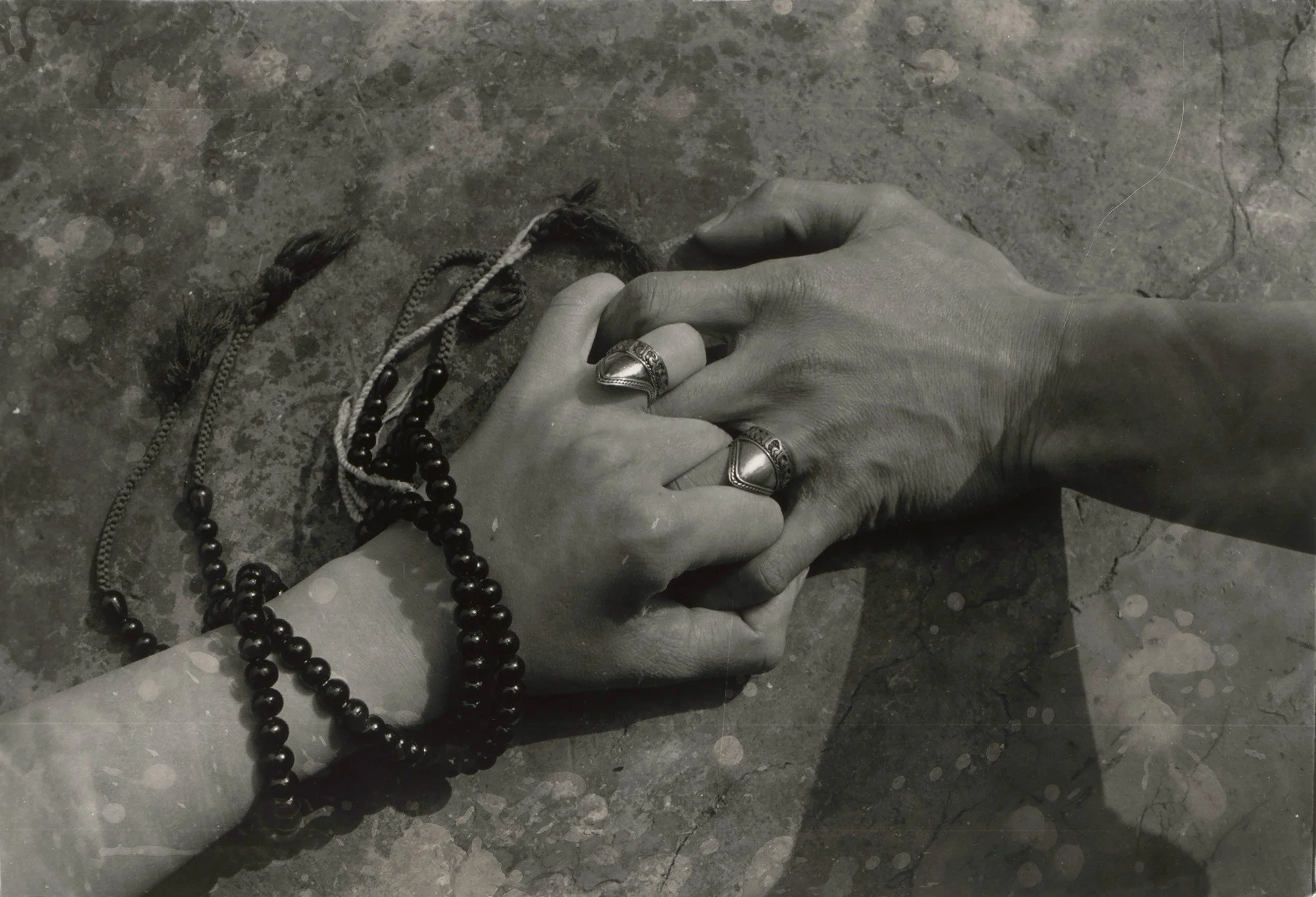
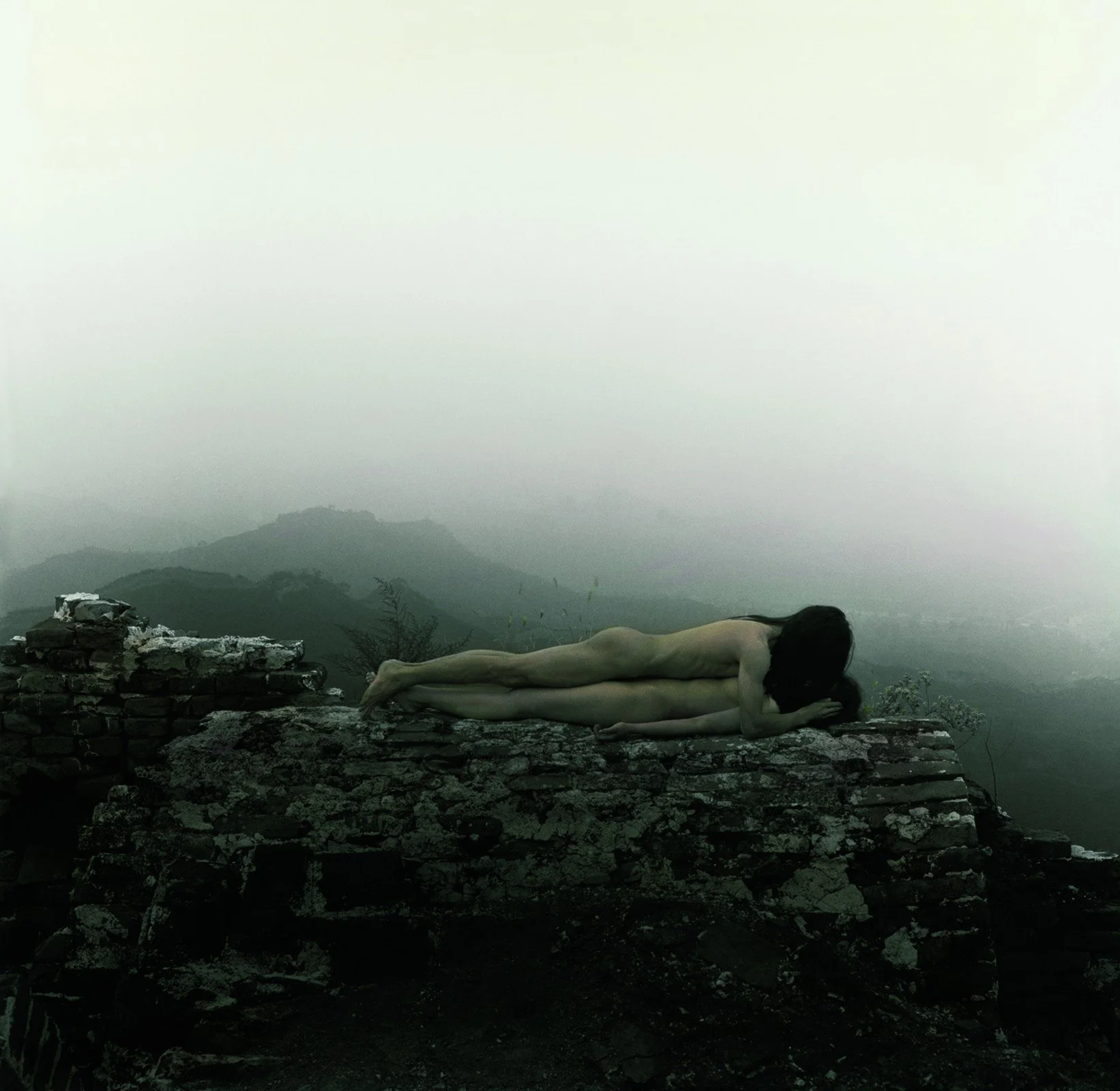
One Photograph, Two Eyes: When you are making a photograph together, how do you decide what the picture should become? What happens when one of you sees something the other does not?
Of course, even when we are looking at the same thing, we don't see it in the same way. One of us may discover something while the other sees it from another perspective. We don't need to erase that difference. More than what appears in the photograph itself, we are interested in what emerges between us.
Even as individuals, the world we see and focus on contains blind spots. What we see is also an image constructed by the brain. Just as the brain takes what our two eyes see and understands it as a single image, we understand the worlds seen by two people through a single camera.
Just as there is a distance between two eyes in order to see one image, there is a distance between the two of us. That distance creates differences, and between those differences a third image can emerge. We think of ourselves as two satellites orbiting a photograph. We keep our distance from each other while continuing to orbit the photograph. When that balance is maintained, we move well together.
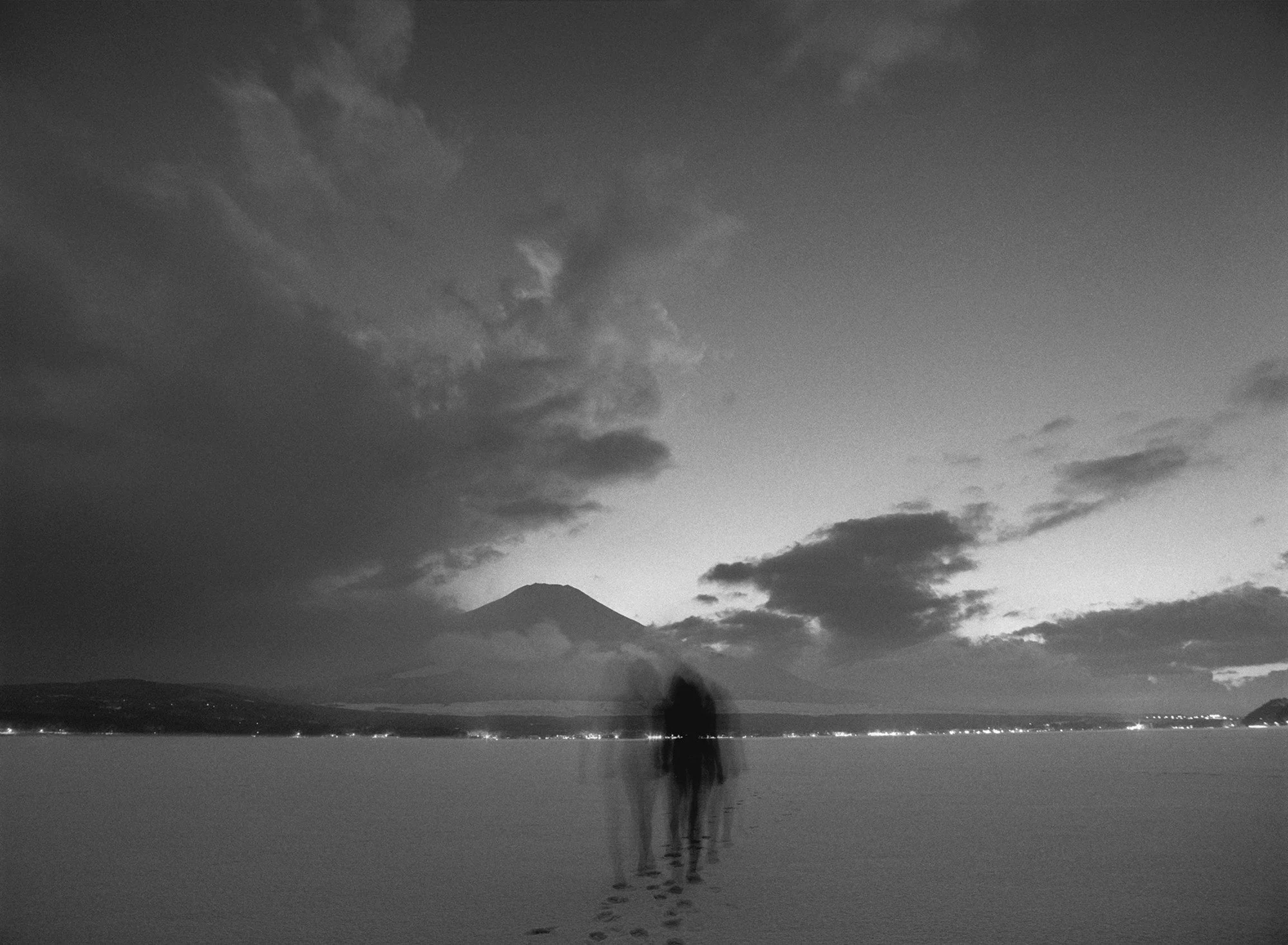
Disagreement: When one of you believes a photograph works and the other does not, how do you decide whether to keep pursuing it or let it go?
We often disagree. Sometimes one of us thinks a photograph is good and the other feels nothing. Depending on the purpose and circumstances of the presentation, we usually set it aside for a while.
After some time has passed, when we have almost forgotten about it, we may look at it again and see it differently. If we discover something new between us at that moment, then it becomes a good photograph.
This is why we actually have an enormous amount of unpublished work. Slowly going through these unorganized and unpublished photographs while retracing our lives together has also become a way of discovering what it means for us to live.
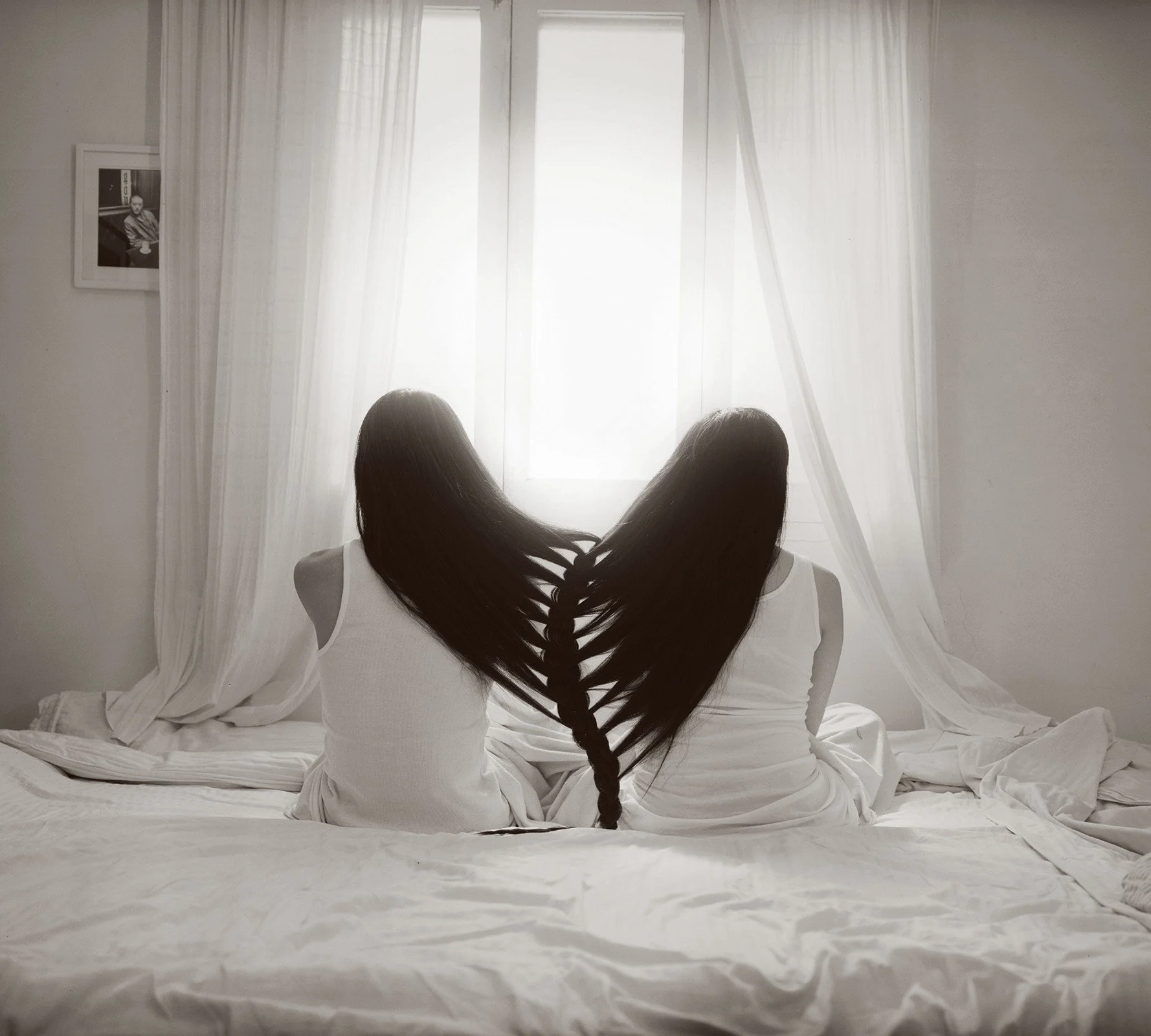
Life Becoming the Work: Your photographs have followed major changes in your own lives, from Liulitun and Caochangdi to becoming parents and building Three Shadows. How do you decide when something happening in your private life should become part of the work?
Much of our work comes from photographs we made at different moments while living our lives together. This is why many of our works are titled simply by place and year.
At first, we didn't realize that the life we were building together would become such an important core of our work. We were photographing each other while searching for photography as a form of expression.
After our children were born and Three Shadows came into being, we began to explore the possibilities of photographic expression beyond simply making and presenting photographs. "I" became "we," and through Three Shadows, that "we" opened toward the infinite possibilities of photography. This idea is also contained in the name Three Shadows, which comes from Laozi: "From three come the ten thousand things."
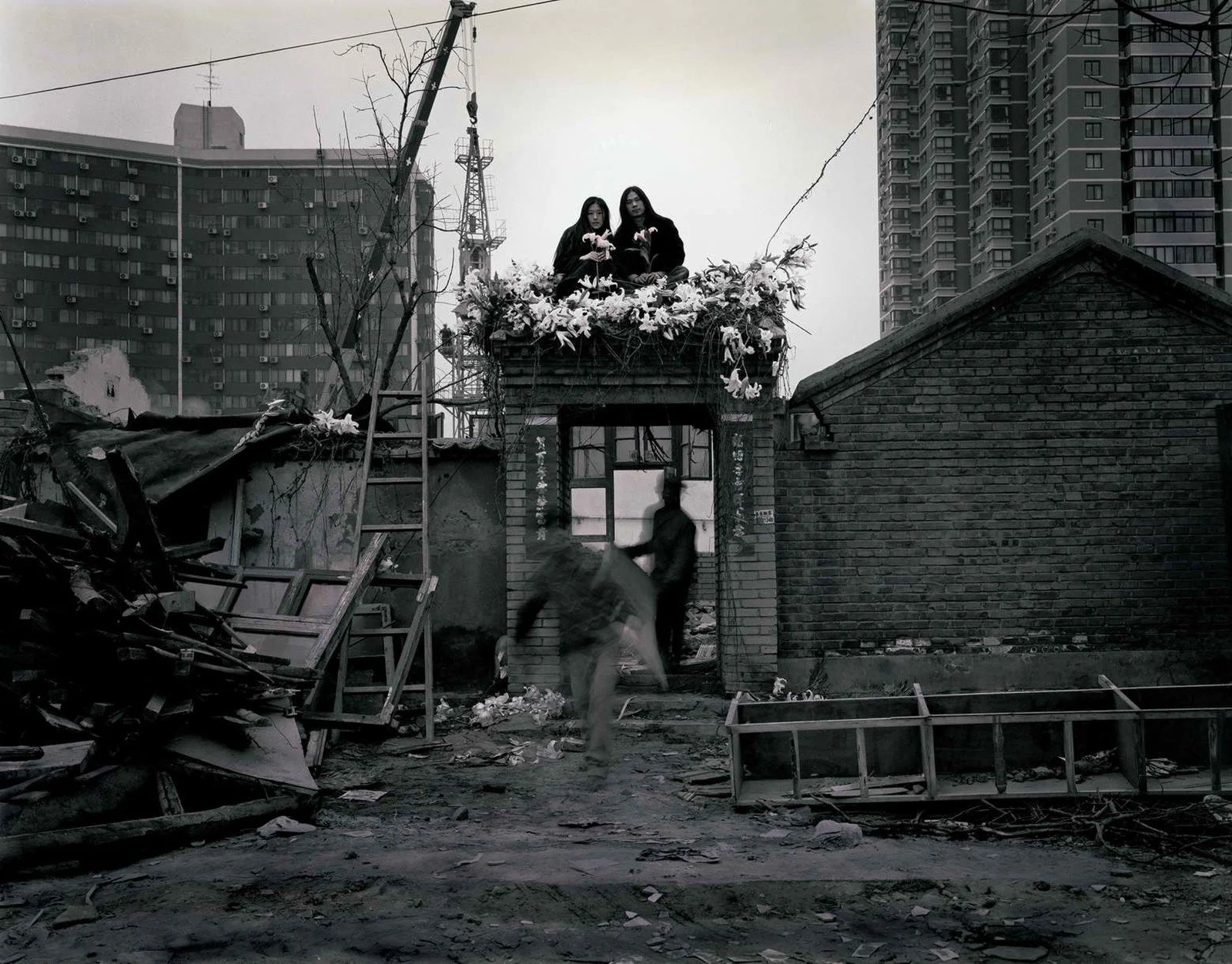
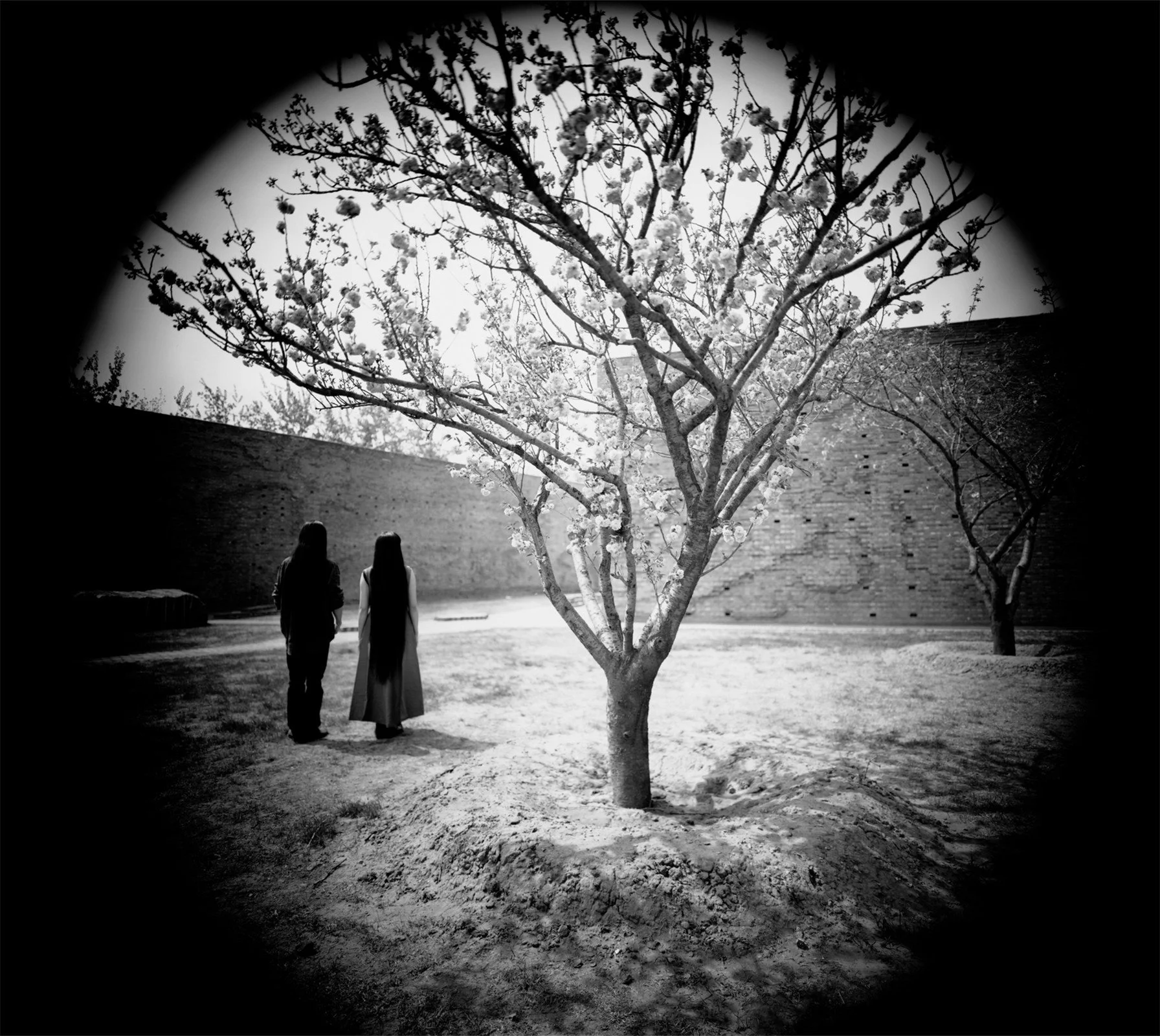
Before the Photograph: When you are living in the same place and photographing it for years, what makes an ordinary moment suddenly feel like a photograph?
Above all, keep photographing. Photograph all the time. Make many photographs. Photographs are being born all the time. Even when we don't take a photograph, we can keep something in our minds as a photographic image.
What is strange is that we want to photograph places we have already photographed. We want to photograph landscapes we have already seen. Day after day, we keep photographing the same world. Our eyes keep returning to the same places.
Why is that?
Returning to that question again and again has become a kind of study, a way of understanding our relationship with photography.
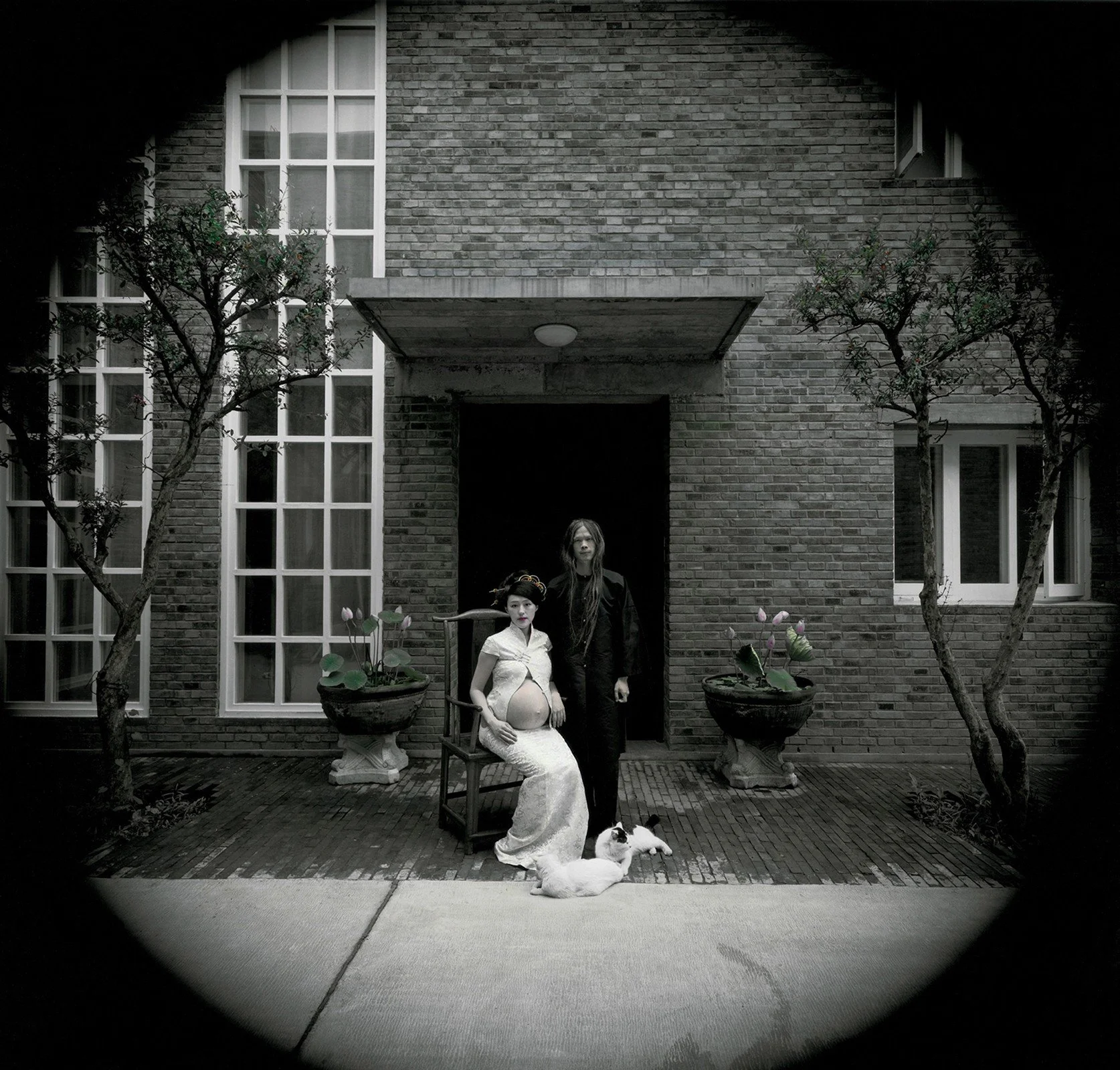
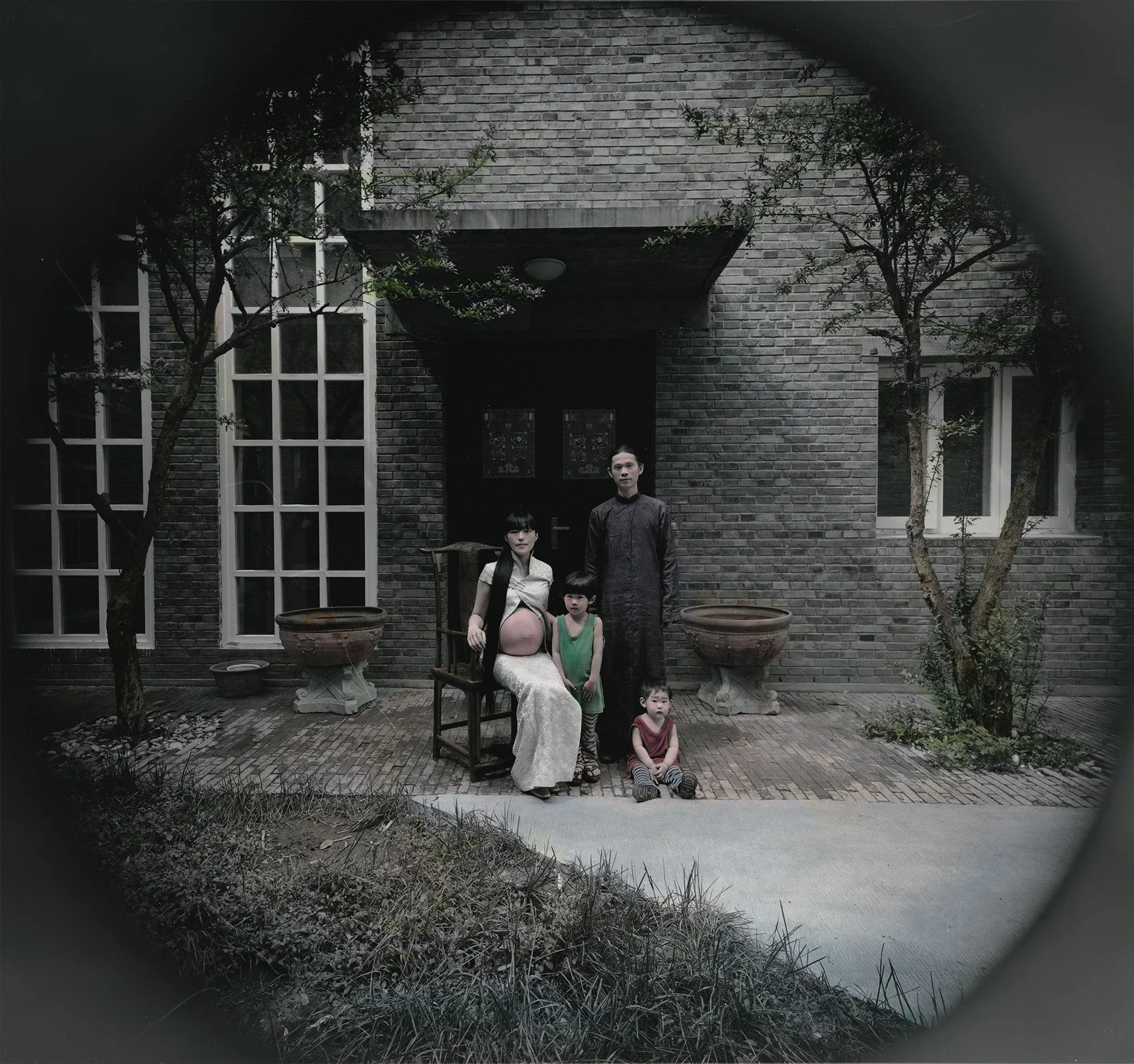
When a Project Stops Working: While making Tsumari Story, you began to doubt the original idea and came close to giving up. How did you know the project needed a new direction rather than simply more time?
After the Great East Japan Earthquake in 2011, the way we saw the air, and the way we saw the landscape, had changed.
When we began photographing in Tsumari in 2012, we initially approached the local legends, history, and geology through a story of the two of us. It was beautiful in its own way, even poetic.
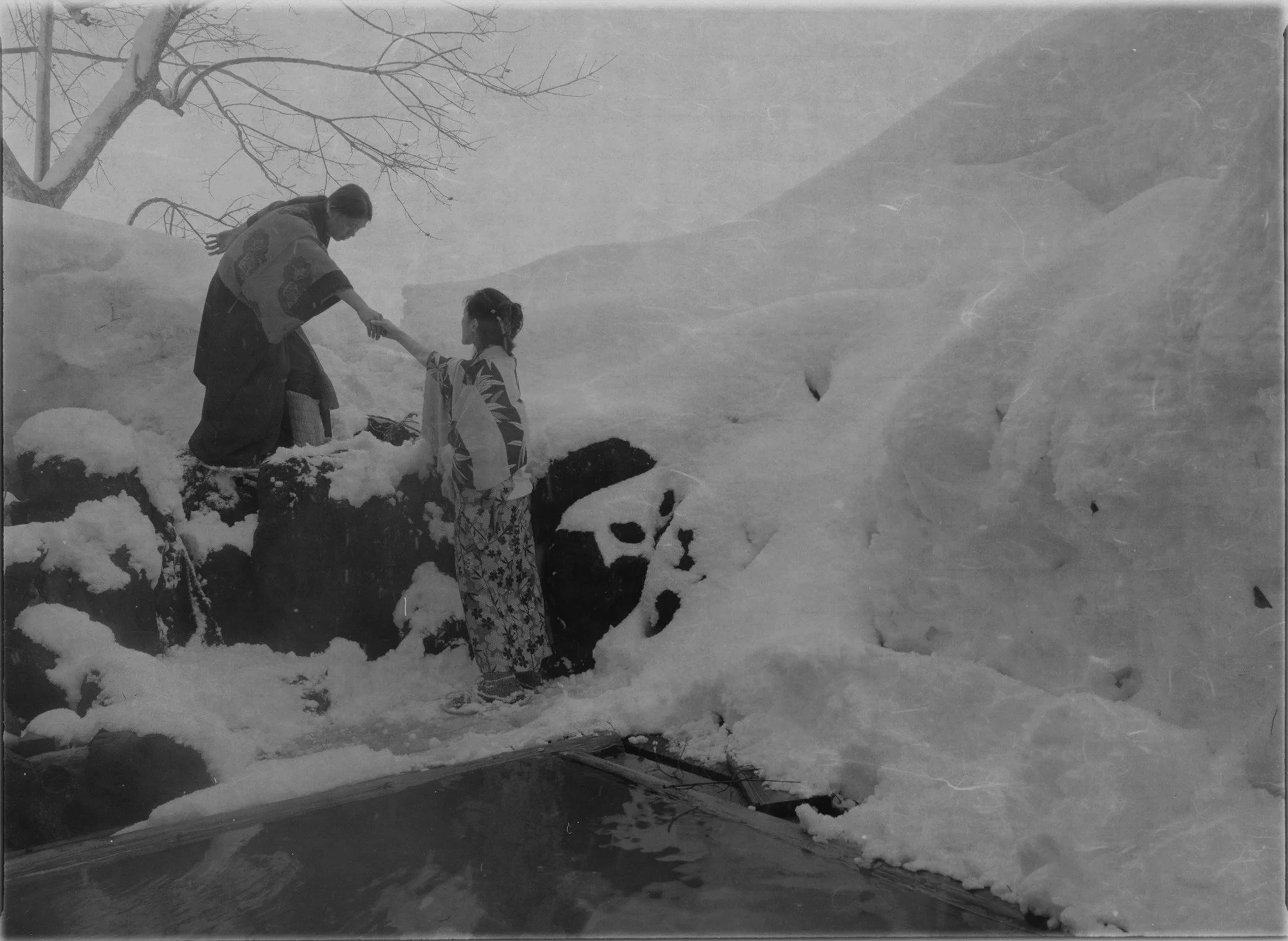
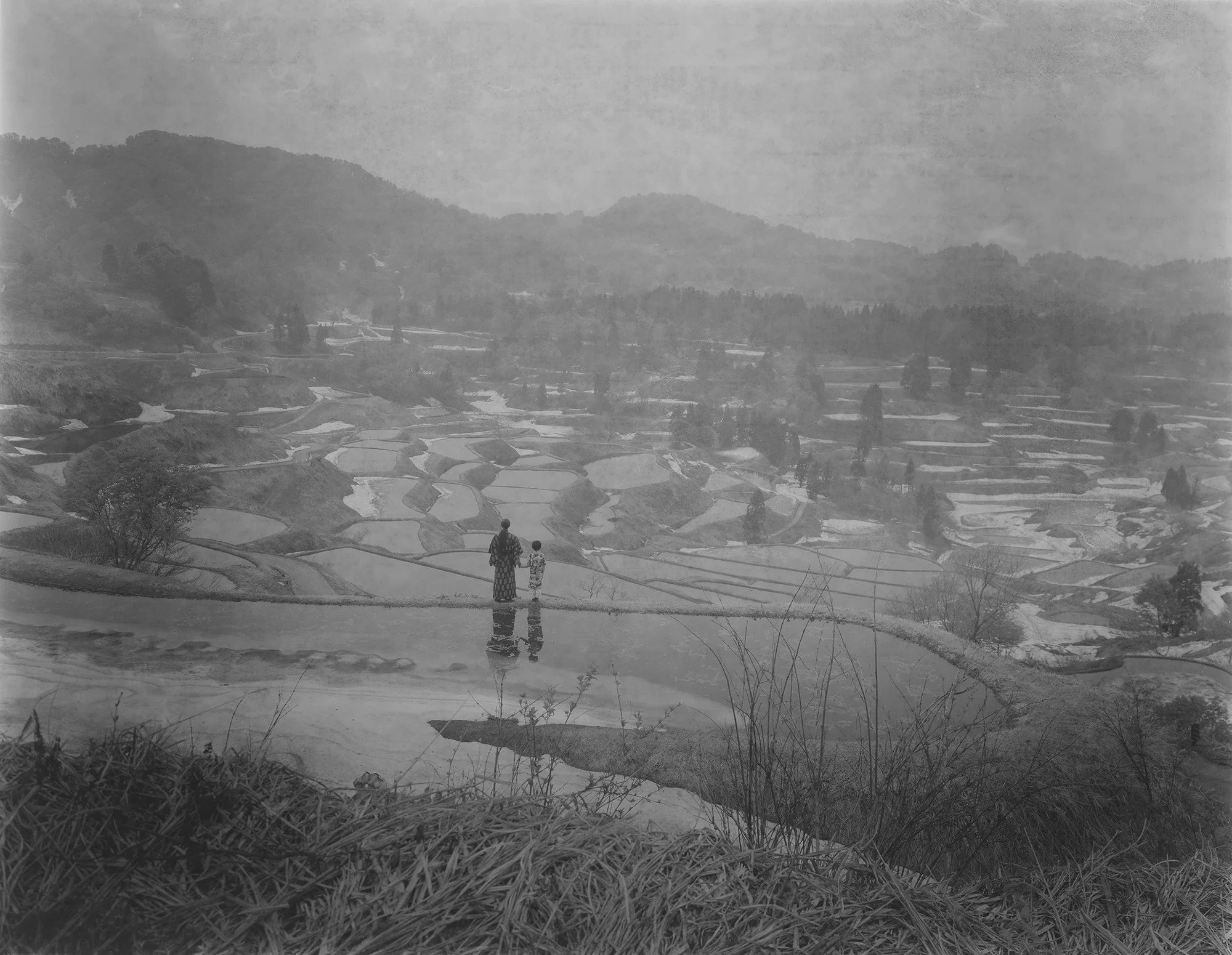
But surrounded by this overwhelming nature, by landscapes buried in snow, we began to question whether it was enough simply to present them as beautiful photographs of the Japanese landscape. Snow melts into water, flows, and circulates again. Beginning with this cycle of water, the water of life, the series became a way for us to reconsider our own existence.
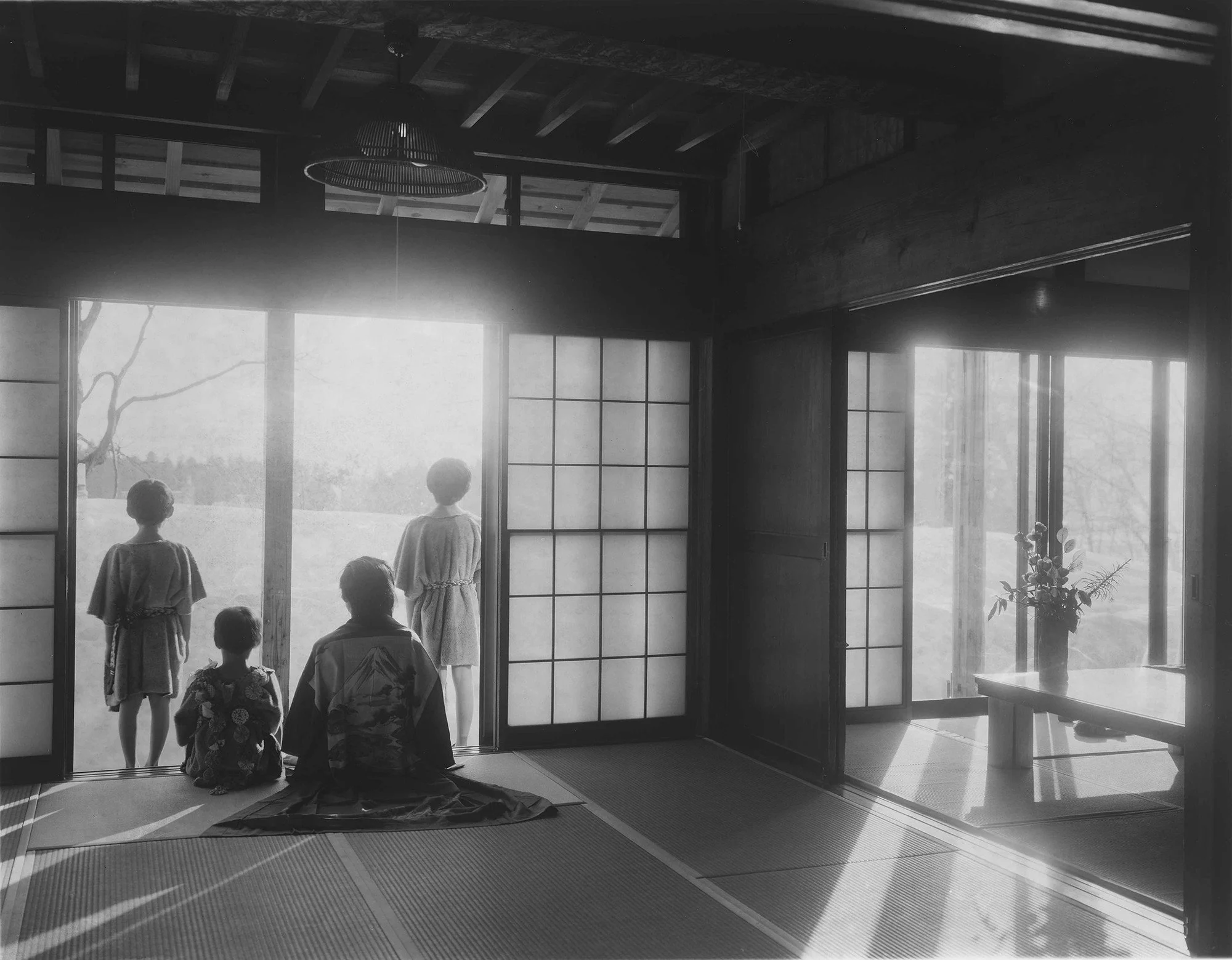
Our participation in the 2012 art festival was also about more than presenting our own work. We transformed a former school into the Asia Photography and Image Center, curating work by a number of photographers from Japan and China and working with the entire space. We were participating both as artists and as Three Shadows.
By bringing our children into the work, the story also began to extend into the future.
What Could Not Be Saved: Was there anything from the original version of Tsumari Story that you kept trying to make work but eventually had to abandon completely?
We didn't abandon anything. In our work, the original idea and the final work are often very different. That is exactly what makes creating together so interesting.
We talk, and sometimes we argue. Those are often the moments when something new is invented. If possible, we would always like to work this way.
Changing Direction: Once you realized the original approach was no longer working, how did you decide what to keep and what had to change?
We don't really have a sense that something is "not working." Everything is always changing, so we simply keep going until we both reach a point that feels right. That is fundamental to our relationship.
We don't really think in terms of whether something works or doesn't work.
What Survives Between Projects: Looking from your earliest collaborations through Liulitun, Caochangdi and Tsumari Story, what part of your way of working together has survived every project, and what have you had to unlearn?
What has remained is perhaps that, through all these projects, we have discovered something that does not change.
We began as two separate people photographing together, learning when to photograph, when not to photograph, and how to express the relationship between us. From the birth of our children and Three Shadows to our everyday experiences, we have learned from all of it.
Living through photography as RongRong&inri, we keep asking what kind of world only we can discover. We believe it can become an expression that reaches beyond the two of us, toward something universal. That conviction is our expression as two people.
We haven't let go of anything or forgotten anything, because we are still living within it.
Twenty-Five Years Together: After more than twenty-five years of making photographs together, what can the two of you create together that neither of you believes you could have made alone?
When we worked individually, we struggled with how to express our inner worlds.
When we became two, we began placing the dark box of the camera between us. The camera reveals the blind spot between us. The image that emerges there comes to embody our relationship, and that became what we wanted to photograph.
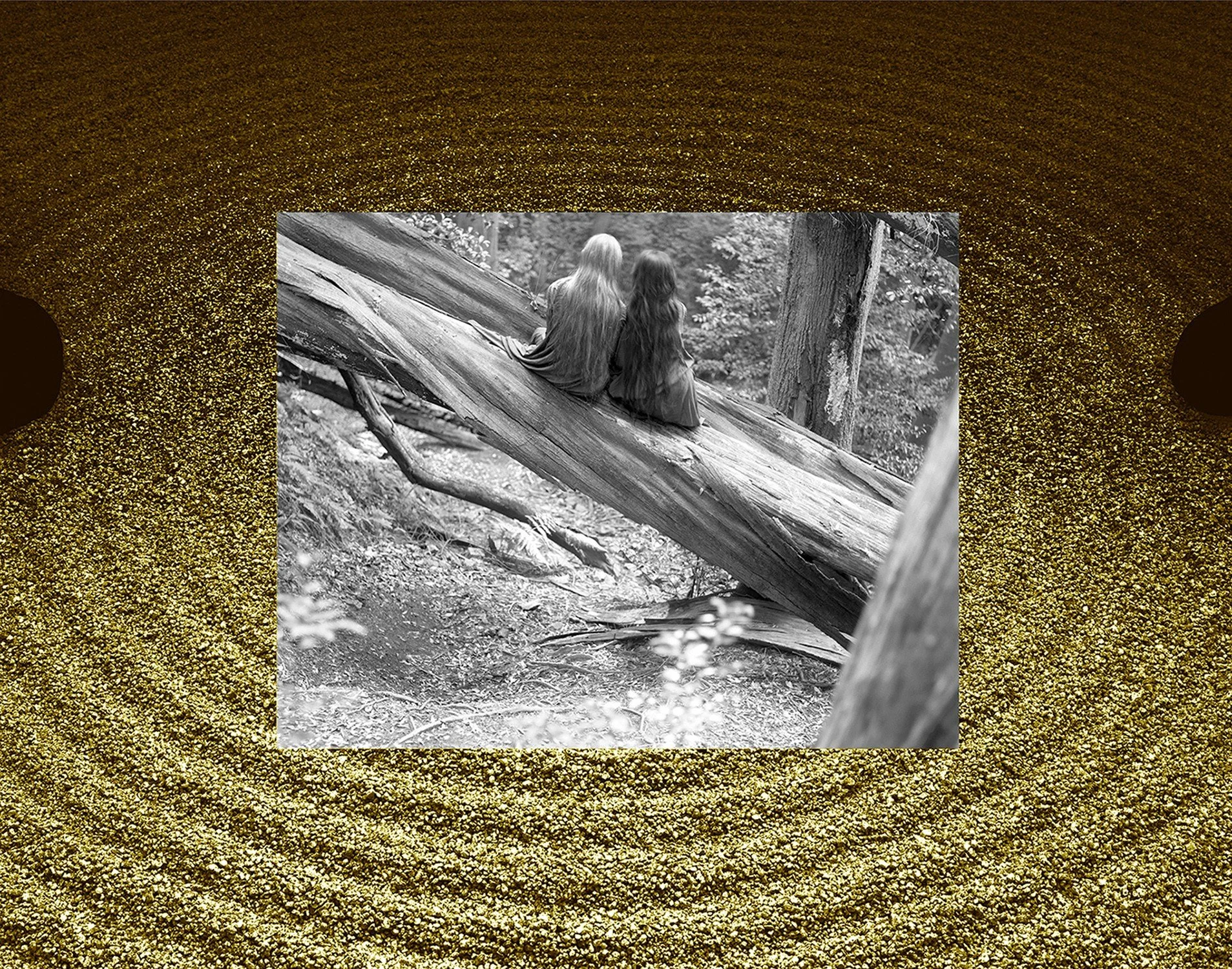
From early on, we called it the "third eye." But it is only recently that we have really begun to understand what that "third eye" means.
When RongRong and inri disagree about a photograph, they put it away.
When they look again later and find something new between them, it becomes a good photograph.
“After some time has passed, when we have almost forgotten about it, we may look at it again and see it differently.”RongRong&inri
A picture can change while it waits, because we change. Which of your photographs would you look at again?
We'd love to read your comments below, sharing your thoughts and insights on the artist's work.
