Welcome to this edition of [book spotlight]. Today, we uncover the layers of 'We Are Gathered Here,' by Angela Cappetta (published by L’Artiere). We'd love to read your comments below about these insights and ideas behind the artist's work.
Angela Cappetta made We Are Gathered Here at other people’s weddings.
The book collects film photographs from more than a decade of weddings, all made before smartphones arrived in 2007. She started when she asked the first of her friends to get married whether she could shoot at the wedding. She calls it photography at a wedding, not wedding photography.
Every ceremony was left out of the book.
She let her publisher edit and sequence it.
The twin brothers who run L’Artiere went through her contact sheets with a grease pencil in her New York studio, and the designer set the order. Cappetta usually edits alone, and she has done residencies at MacDowell and the American Academy in Rome to be alone with her work. The cover began as a picture she felt lukewarm about.
If you are hired to photograph an event, this conversation is about what you can still make for yourself. Cappetta explains how she decides where to stand, why she skipped the ceremonies, and why a commission is a ticket to places you would not otherwise be invited.
The Book
We Are Gathered Here
L’Artiere · 2026 · 128 pages
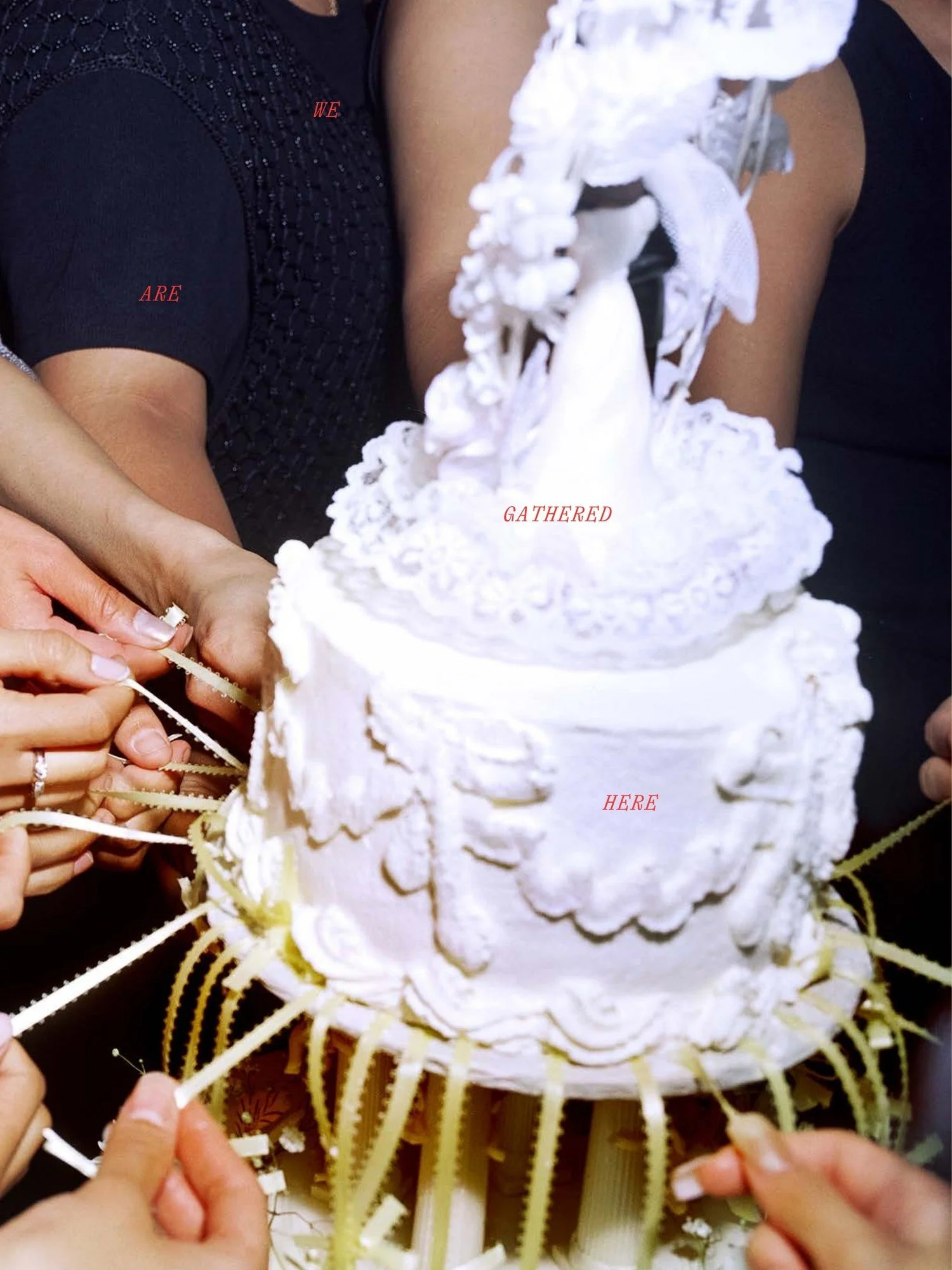
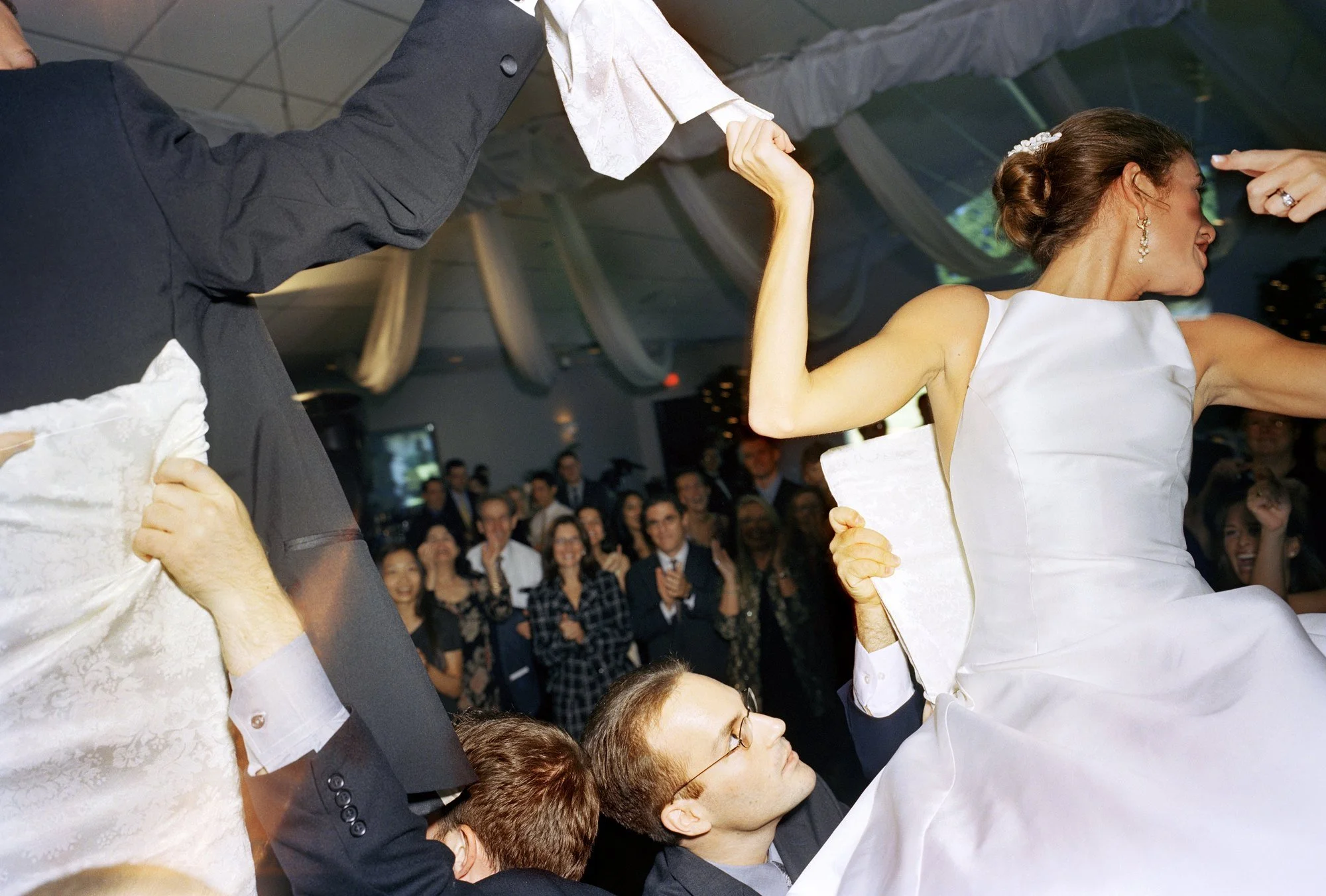
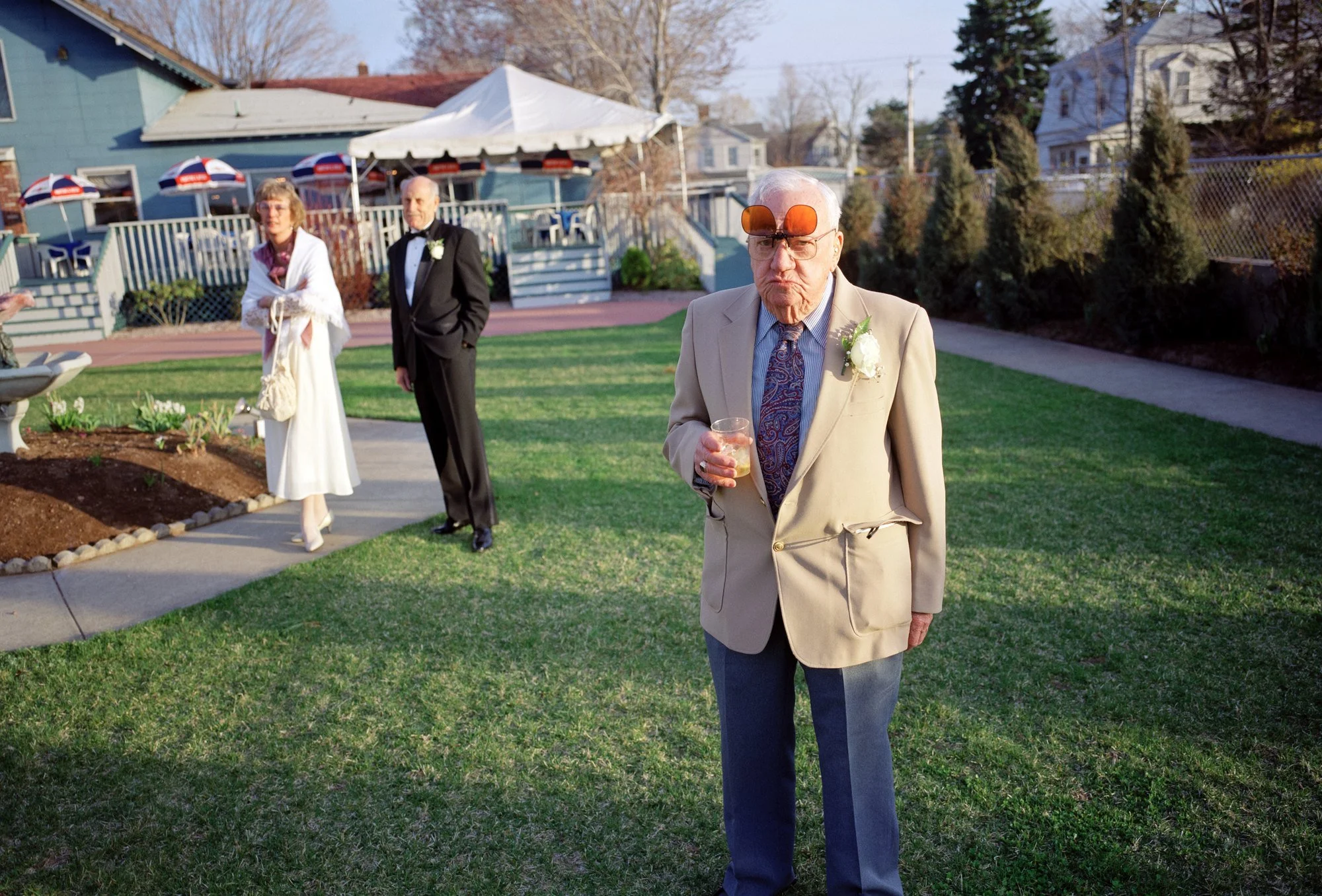
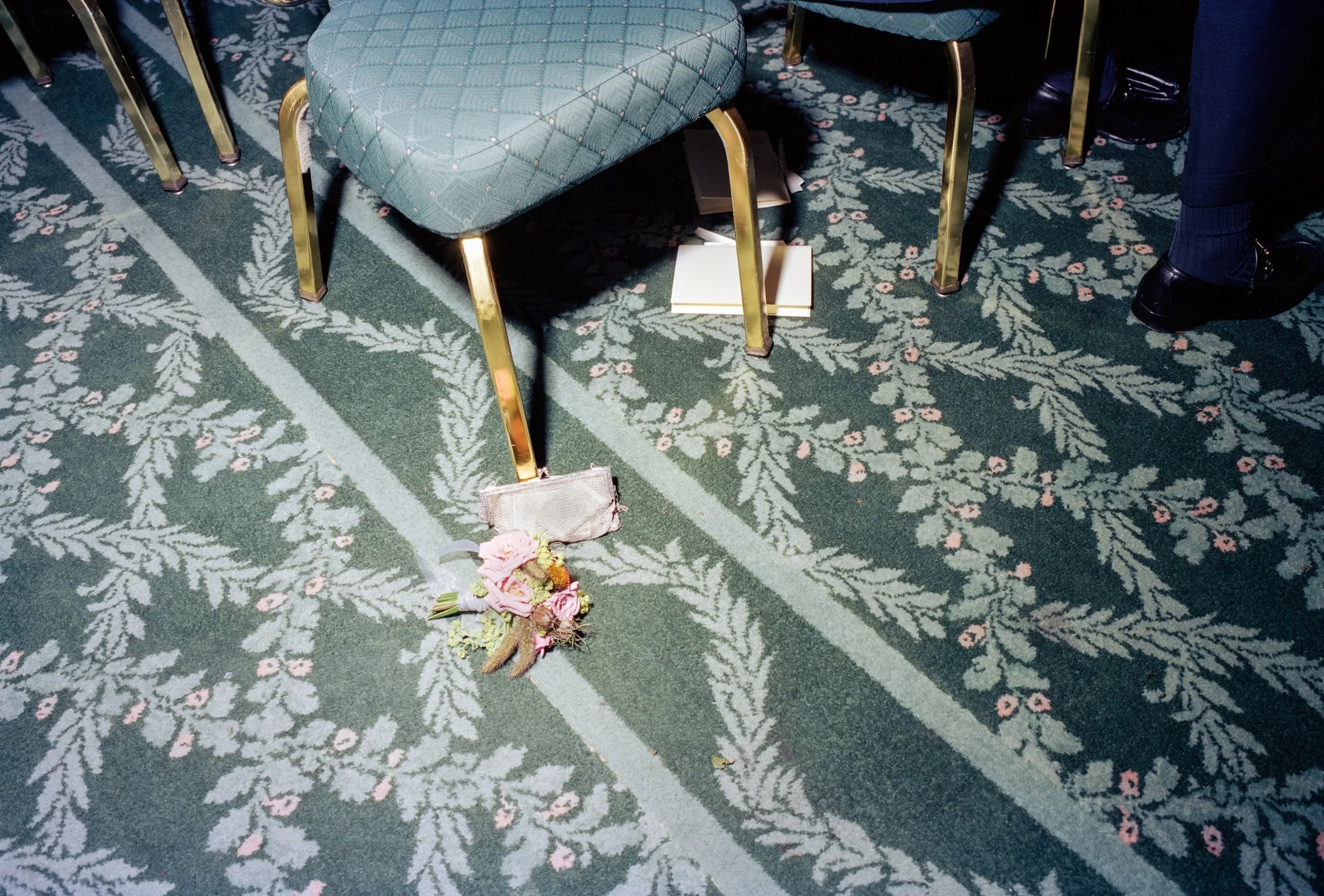
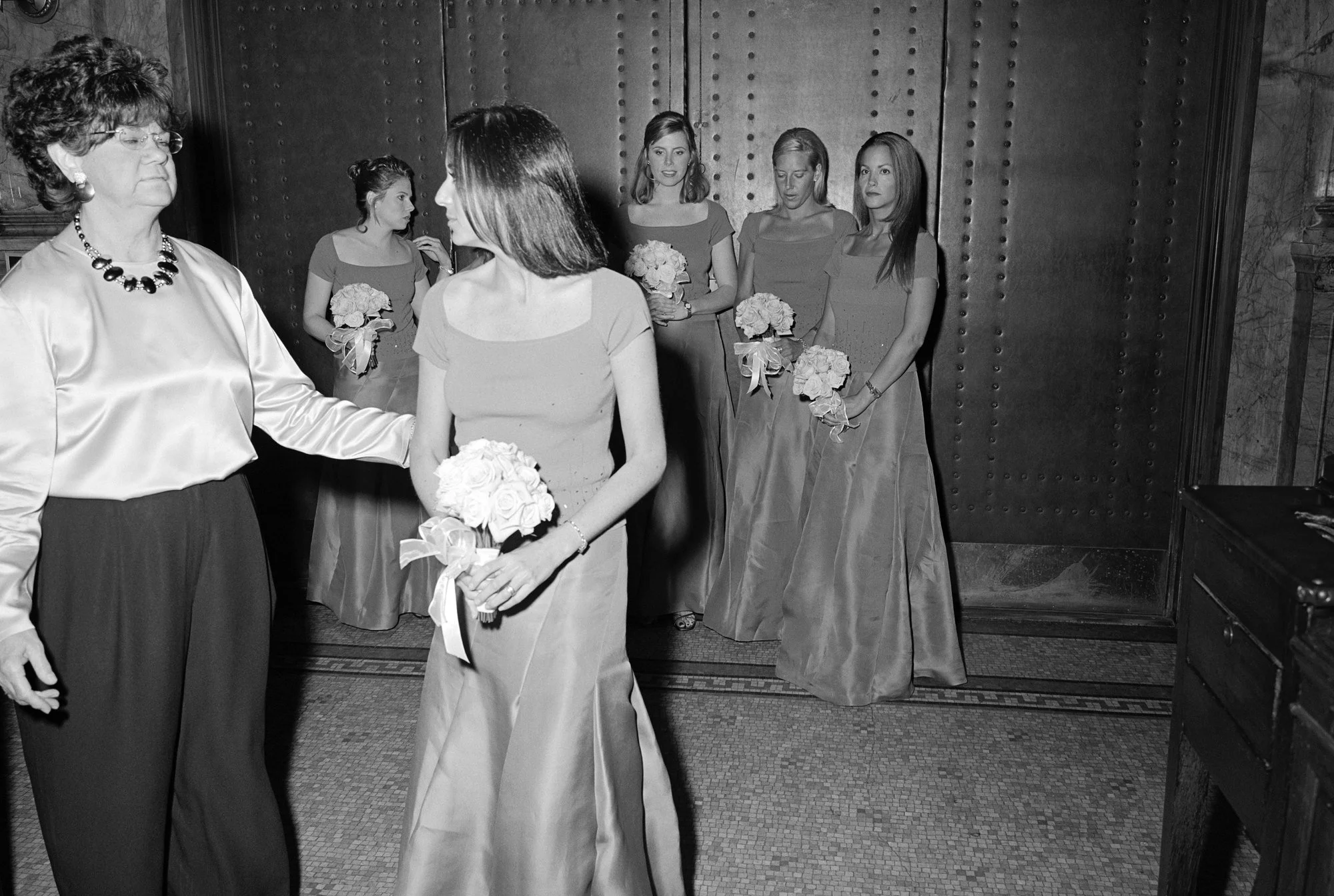
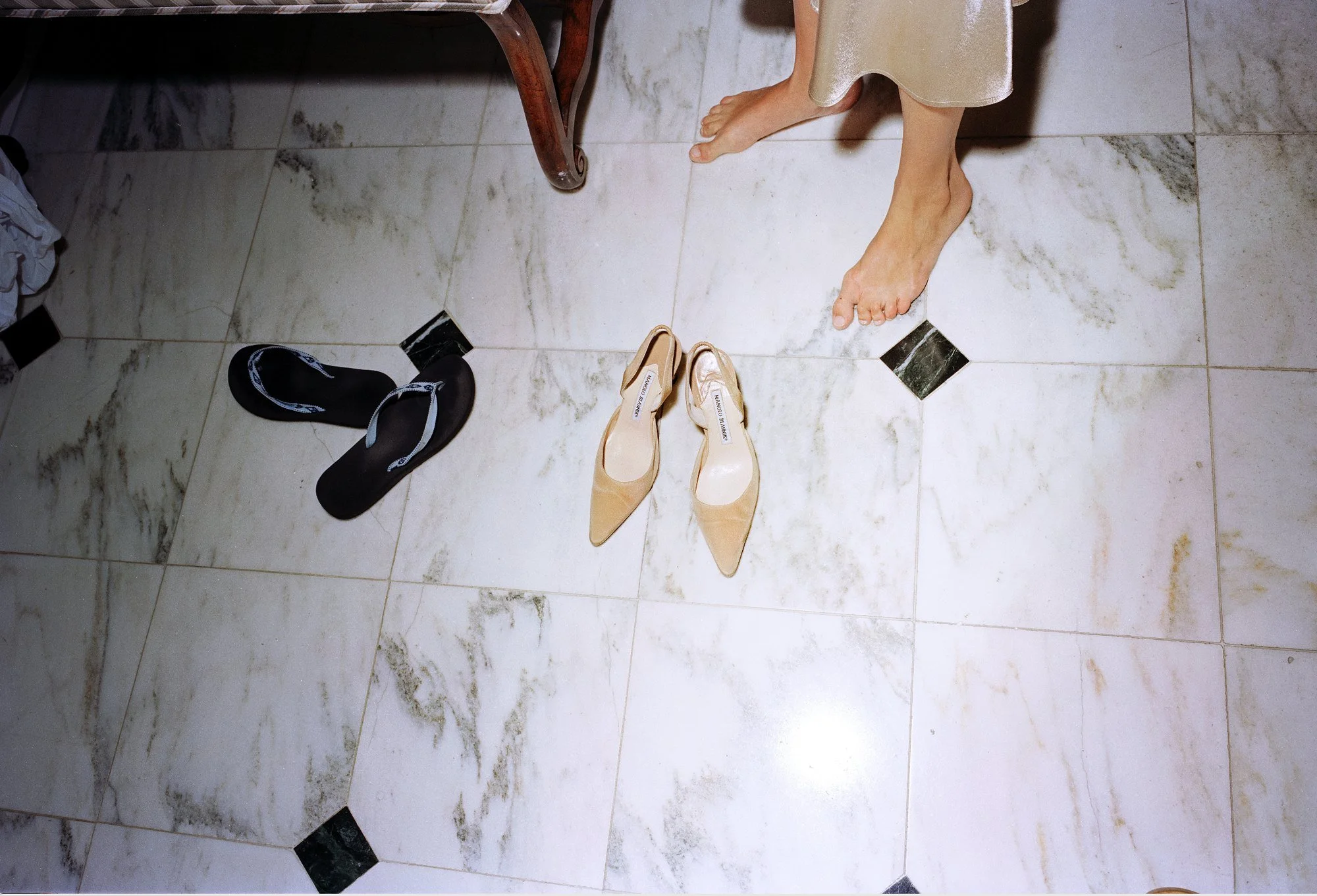
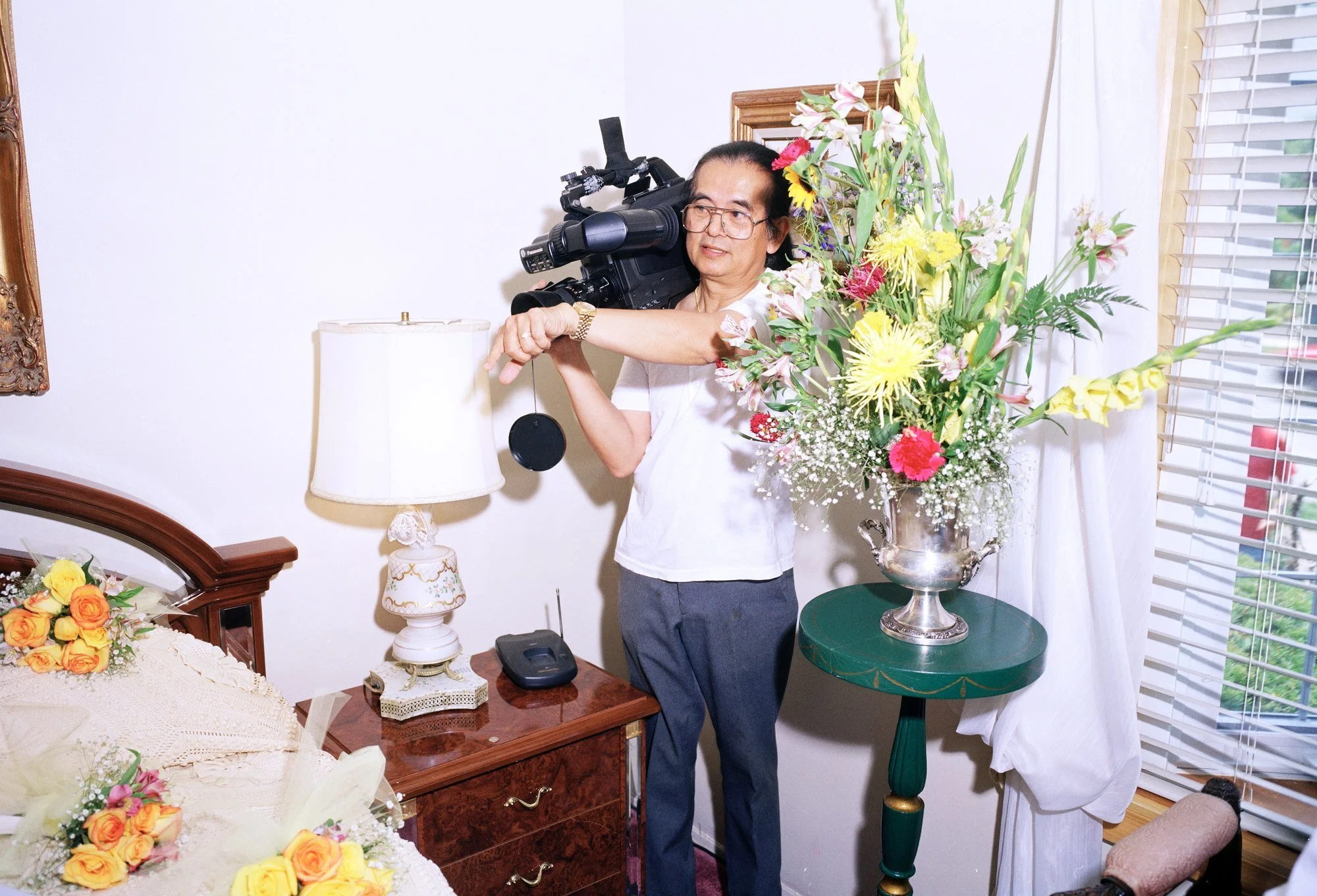
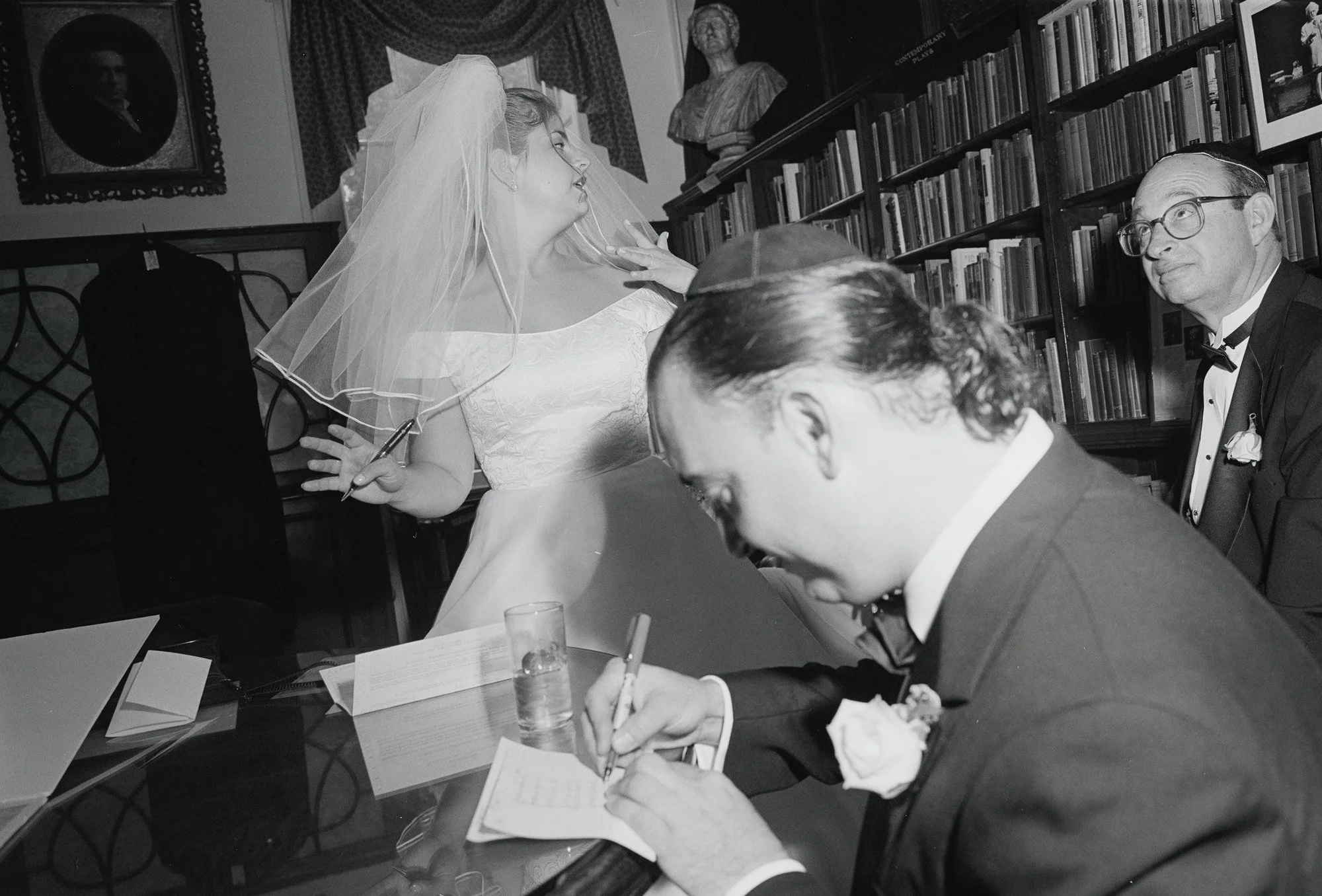
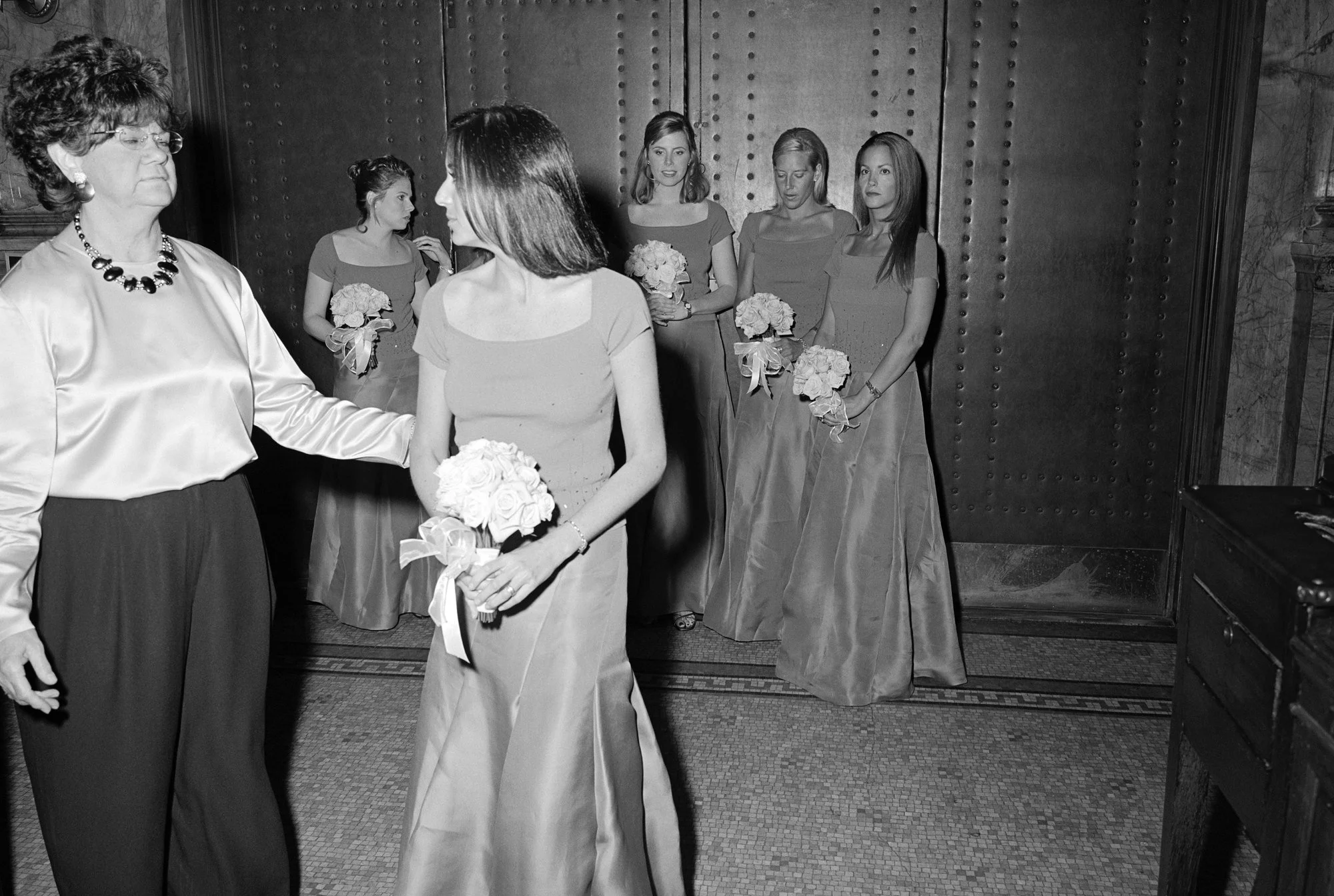
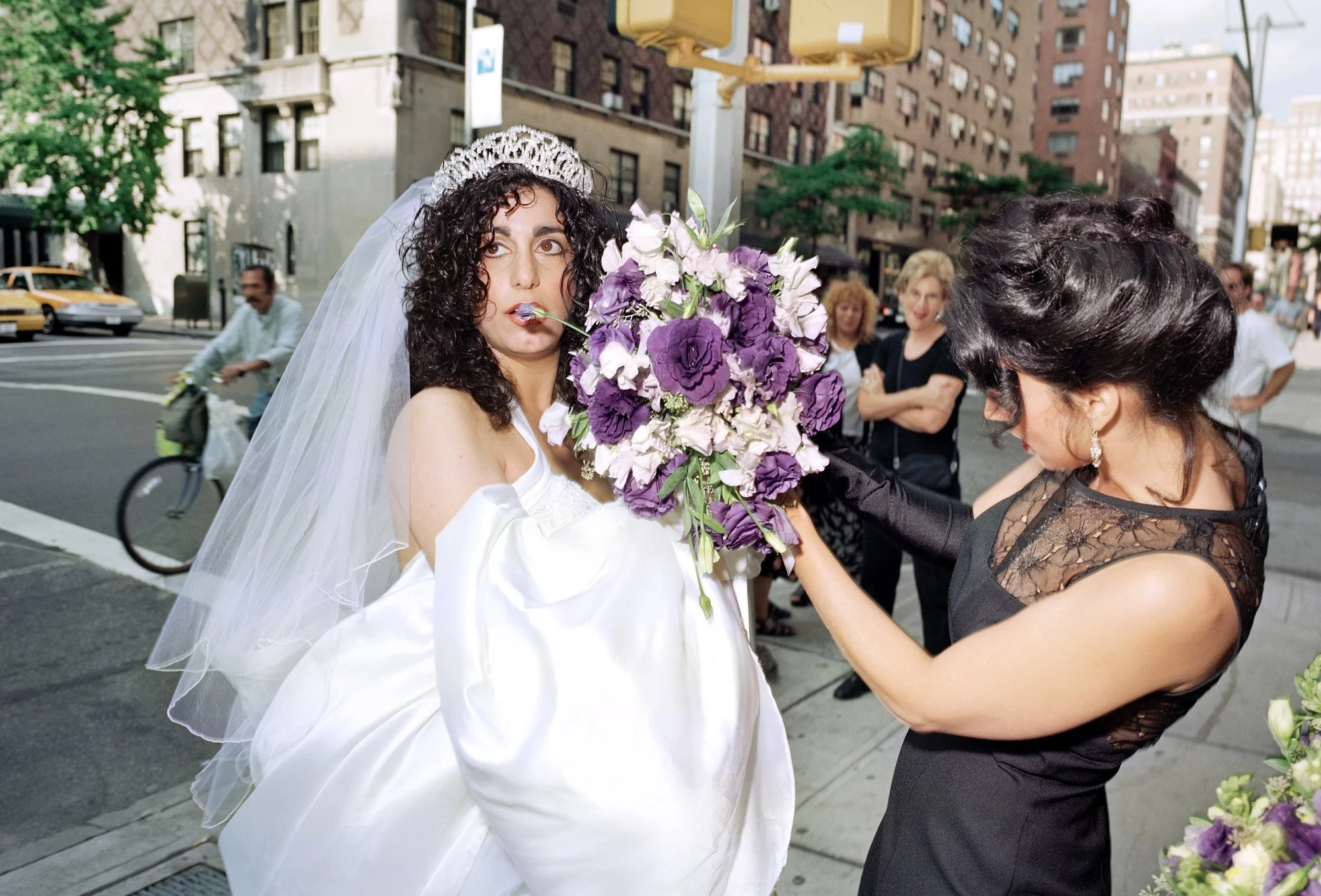
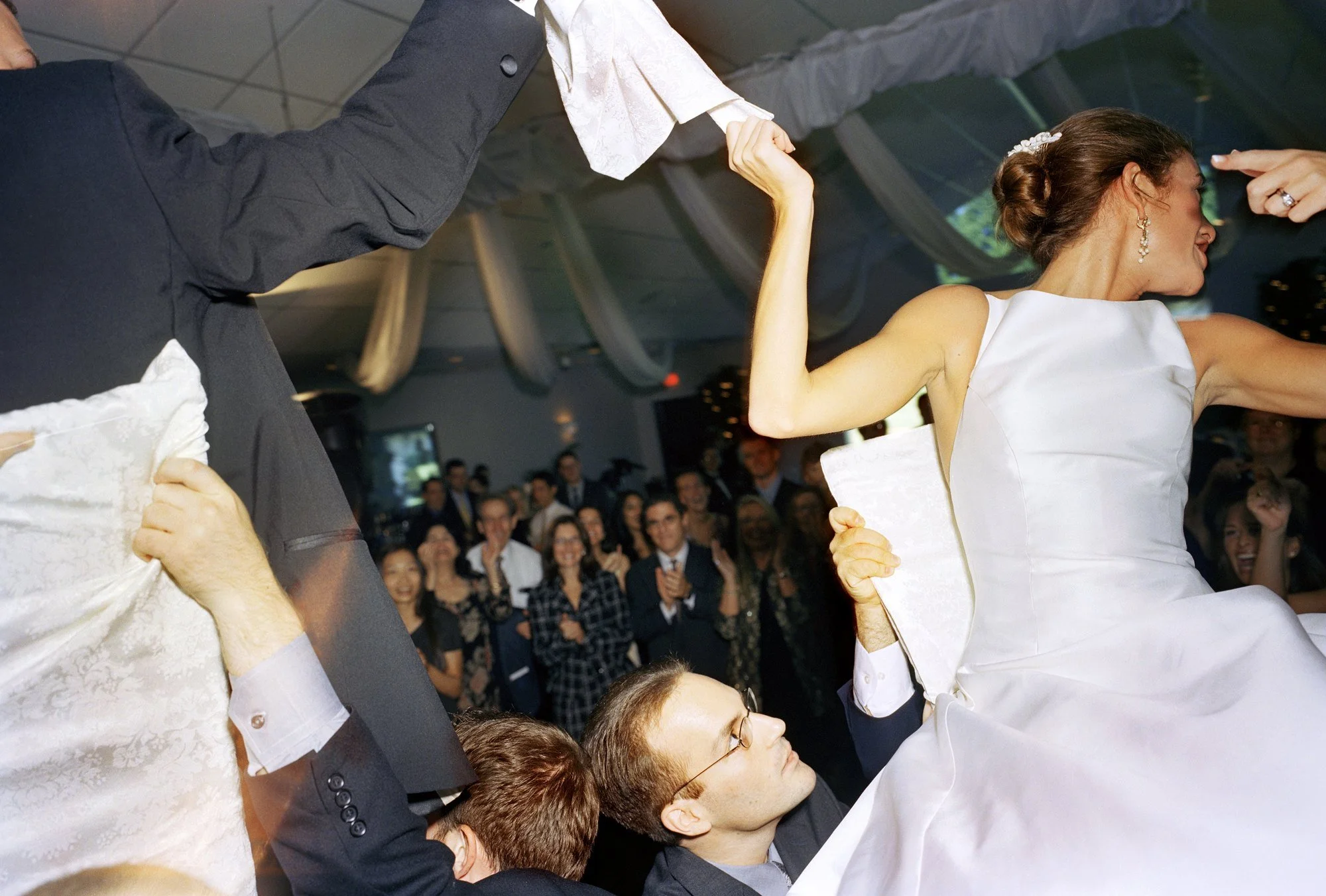
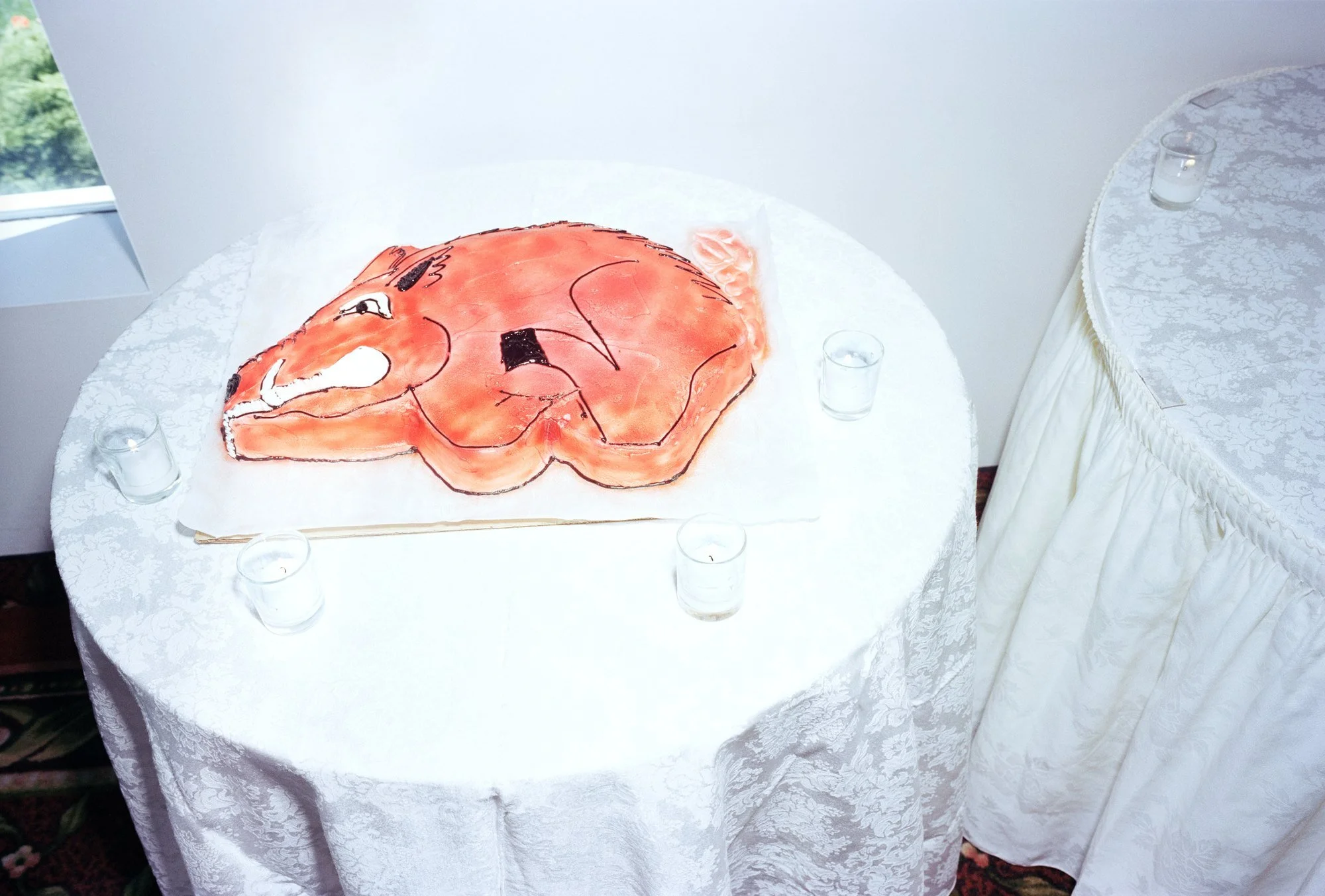
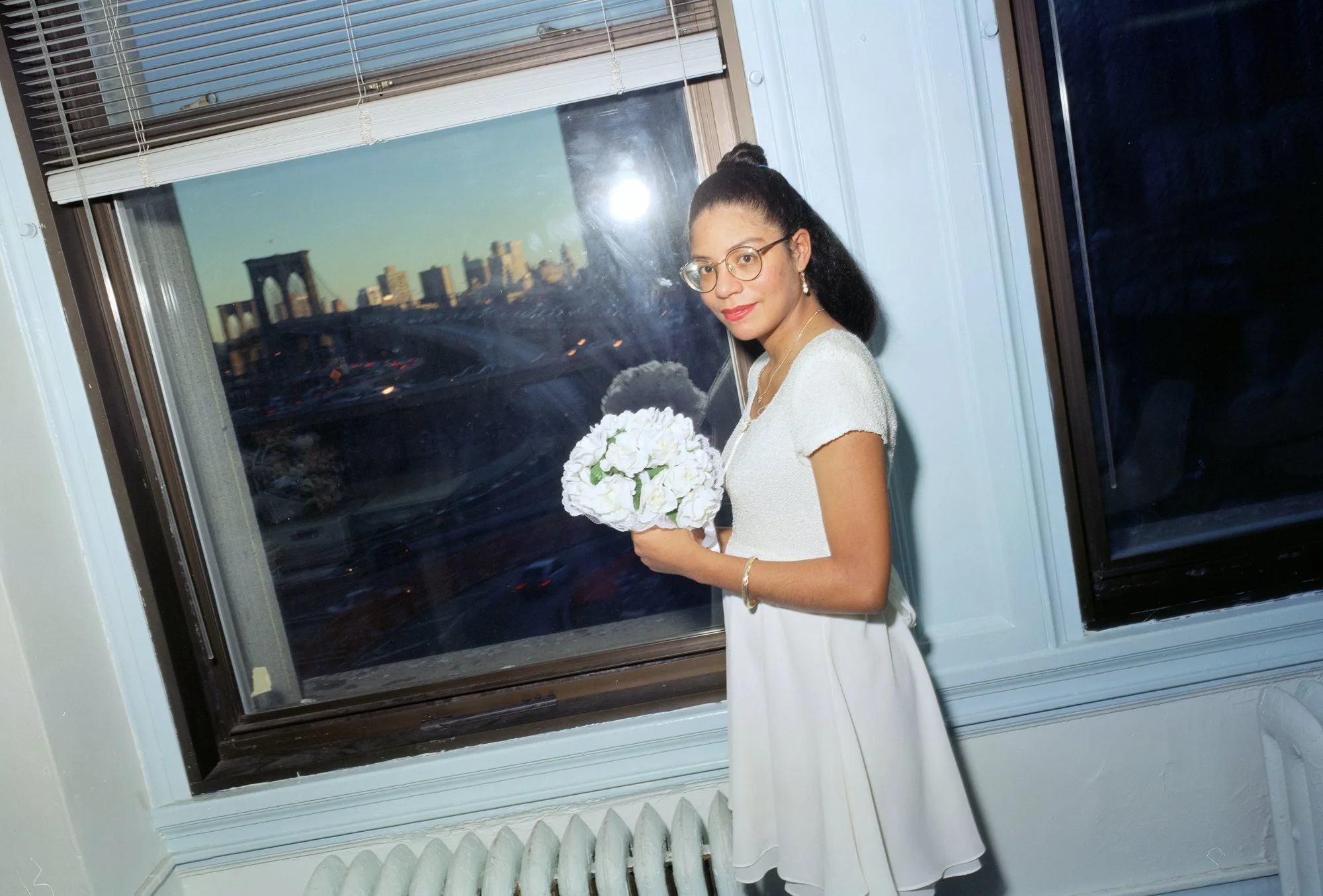
We Are Gathered Here collects film photographs that Angela Cappetta made at weddings over more than a decade, all before smartphones arrived in 2007. It shows the hours around the ceremony: preparations, waiting relatives, dancing guests and quiet moments in between. No ceremony is in the book.
The hardcover measures 24 by 26 cm and was published by L’Artiere in a first edition of 750 copies. It includes Cappetta’s essay “We Are Gathered Here” and a foreword by Dr. Shana Lopes. The book was launched at Paris Photo in November 2026.
Buy from Angela Cappetta (US) · Buy from L’Artiere (EU) · Amazon
Start: How did you start photographing weddings, and at what point did you realize that more than a decade of this work could become a book?
I started when I asked my first friend to get married if I could shoot at her wedding. She and I are still friends to this day. I had no desire to work in any official capacity, I just wanted a blank check to insert my medium format camera and flash into people's faces, nothing offers that quite like a wedding. It's an unchallenged space for this type of pre-approved personal space violation. And I haven't looked back since. I always shot the work thinking it would edit well into something unexpected, but I didn't think I had a book on my hands until my Publisher and I discussed the project at greater length. I knew which were the standout pictures, but it needed the right guidance to take shape.
At what point did shooting weddings stop being a “blank check” for your camera and start becoming a body of work?
Ah, but the blank check is the body of work. At no point did that idea ever shift. I simply photographed weddings because I liked them. For me it was never wedding photography, but photography at a wedding. I kept going back because I enjoy how unpredictable they are, especially with film. You never know what's gonna happen. I've had to train myself to feel out where to stand. I'd say that is the central idea to how the work took shape. Standing in the right spot at the right time, having a fast enough trigger finger, making sure my gear and setup support the micro movements I make, etc. It's a very athletic job.
Around the ceremony: Your pictures look less at the ceremony itself and more at everything around it: the waiting, the nerves, the family tensions, the children playing. Why did you choose to turn your camera that way, and what would you like people to see in these photographs today?
You got it right, we did not edit any ceremonies into the book. I sort of don't feel like they're the point so I decided to skip them entirely. As for what I want people to see in the work, I only want people to see what speaks to their own experience, for them to create their own meaning and mythology to the work on their own terms.
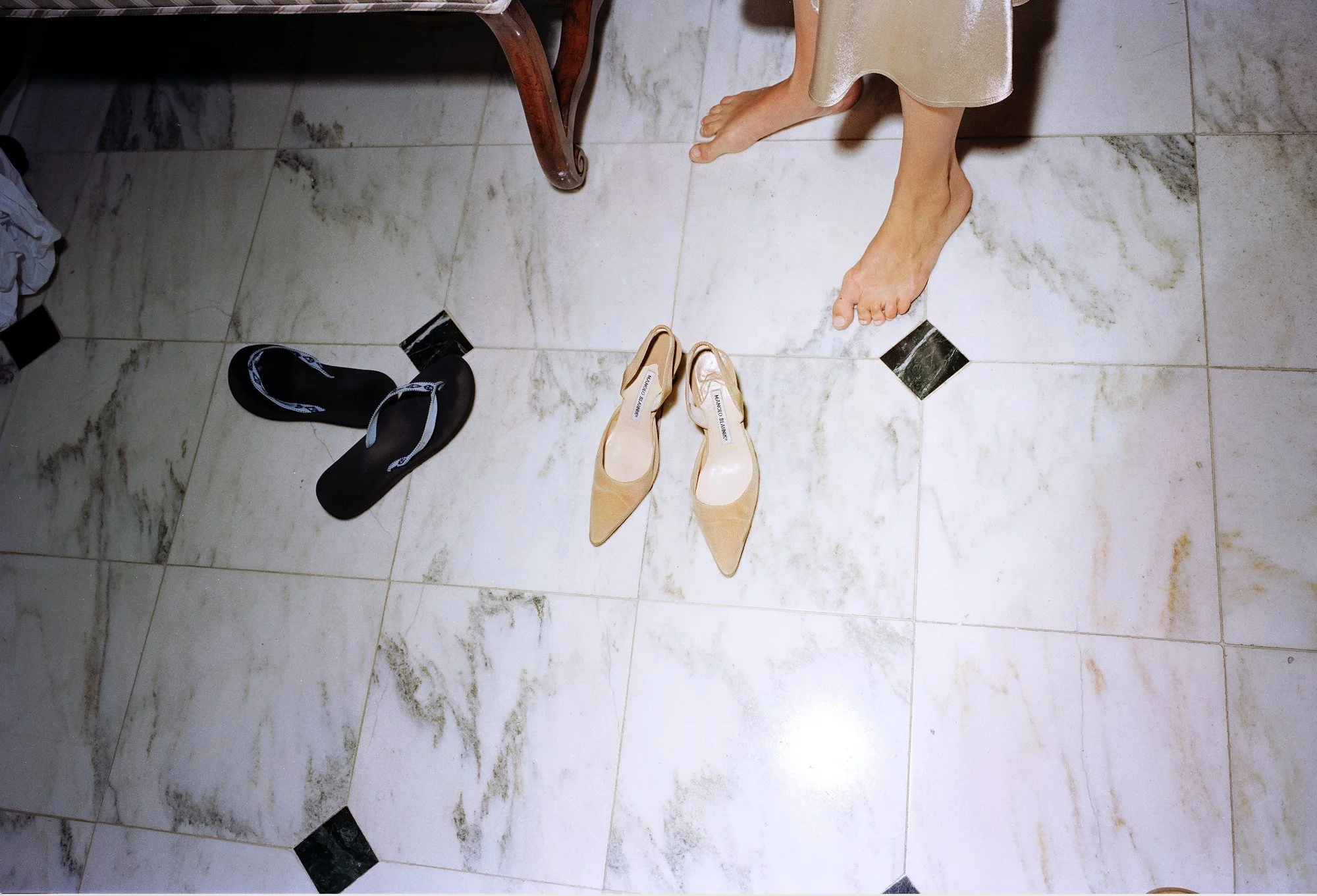
At what point did you decide the ceremony was not the point, and what did the book gain without it?
It is typically the shortest part of the day, 30 to 60 minutes tops. Ceremonies are cool from a cultural standpoint. I've gotten to see so many; I shot one on a mountain in Turkey once that was pretty incredible. But I don't think we go to a wedding to stare at the back of someone. We go to gather and immerse ourselves in an experience, to get lost for a day. That's what the work is about.
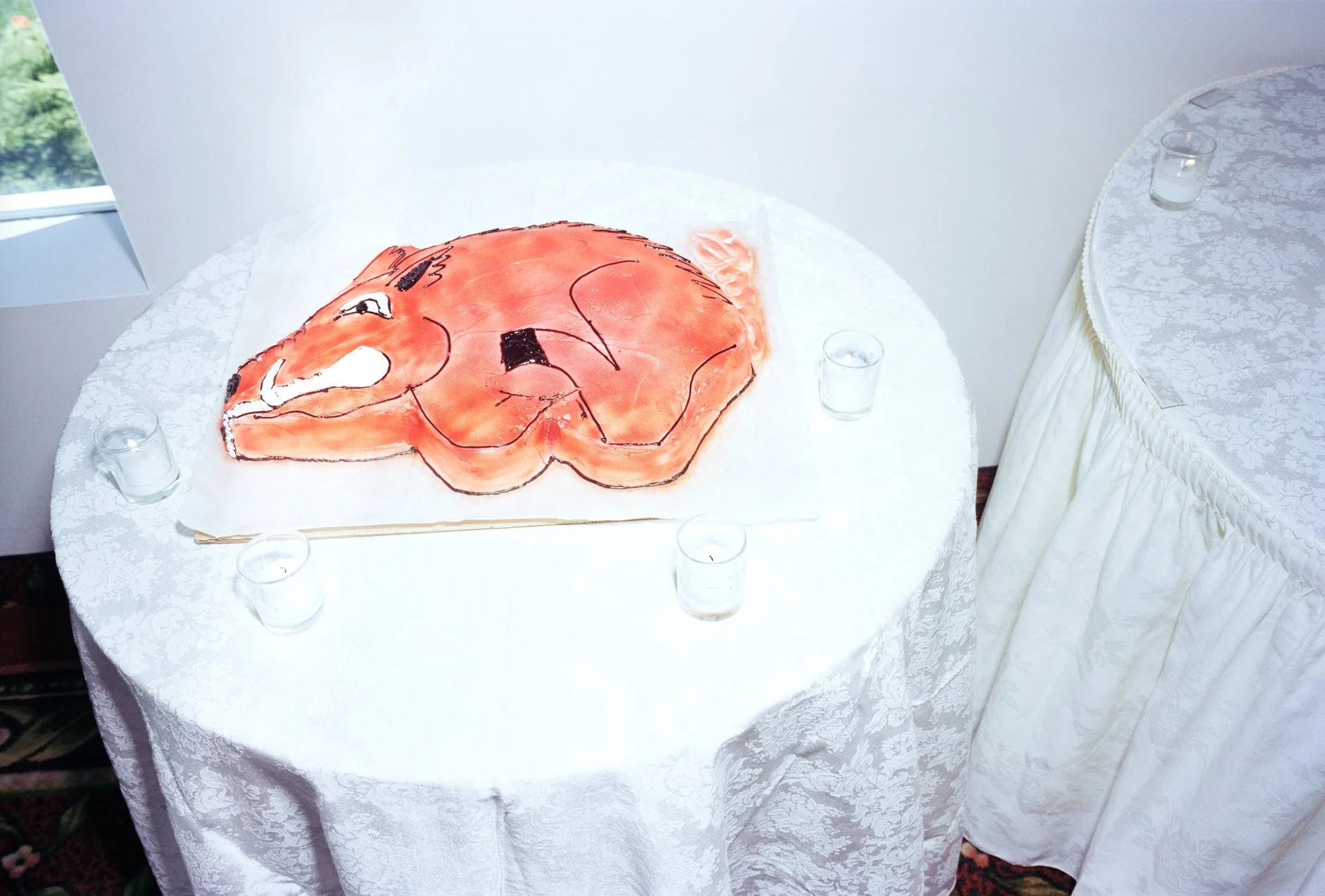
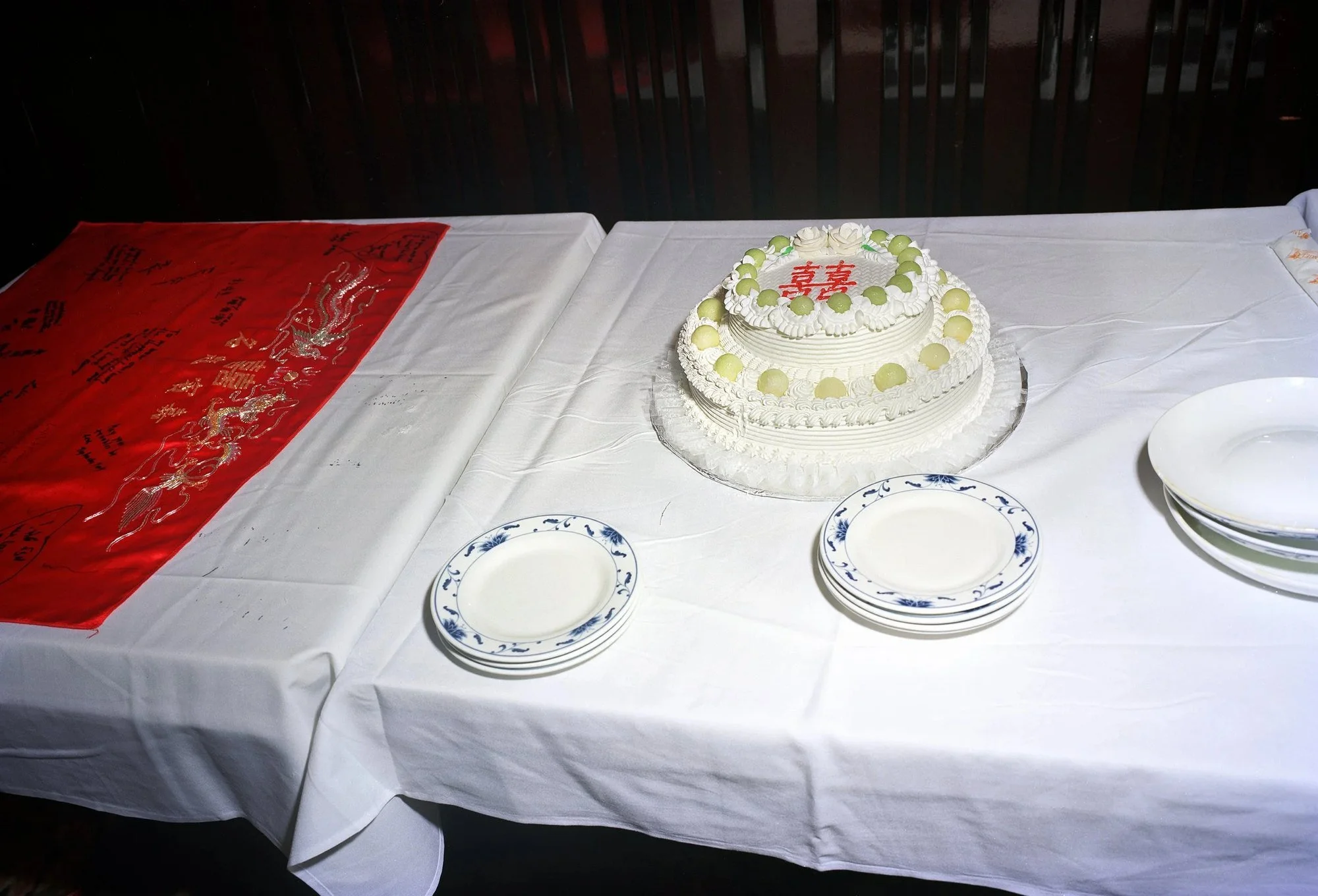
Central idea: You write that the main character of the book is the gathering itself, and that these are some of the last weddings before smartphones. When did you realize that the smartphone was the line that defined this project?
Not till I looked back to edit. To this day I'll try to incorporate a micro screen into a picture. Sometimes it works but mostly a screen is a bit of a joy-kill in a picture. So I went back and did a re-edit of everything before the tiny screen took over and I loved it. It felt like a time machine. Maybe someday I'll edit the work to be more about smart screens, but that would be a very different social commentary.
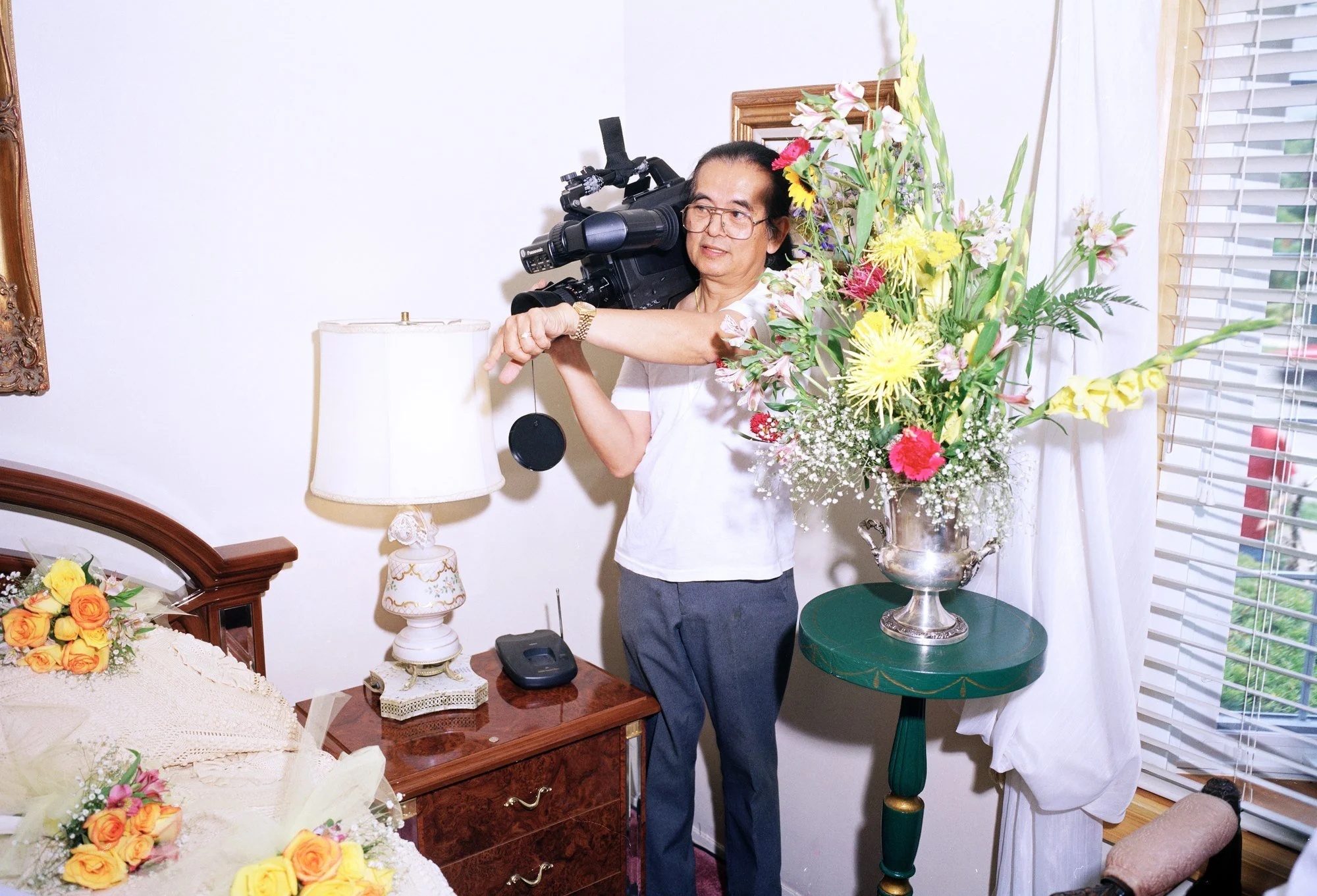
Finding pictures: How did you decide where to point the camera on a day so full of planned moments?
Where to be in a room is based on intuition more than anything else. I decide to explore something because I like the way it looks, and plant myself there till something else pulls me. I bop around all night like a ping pong ball.
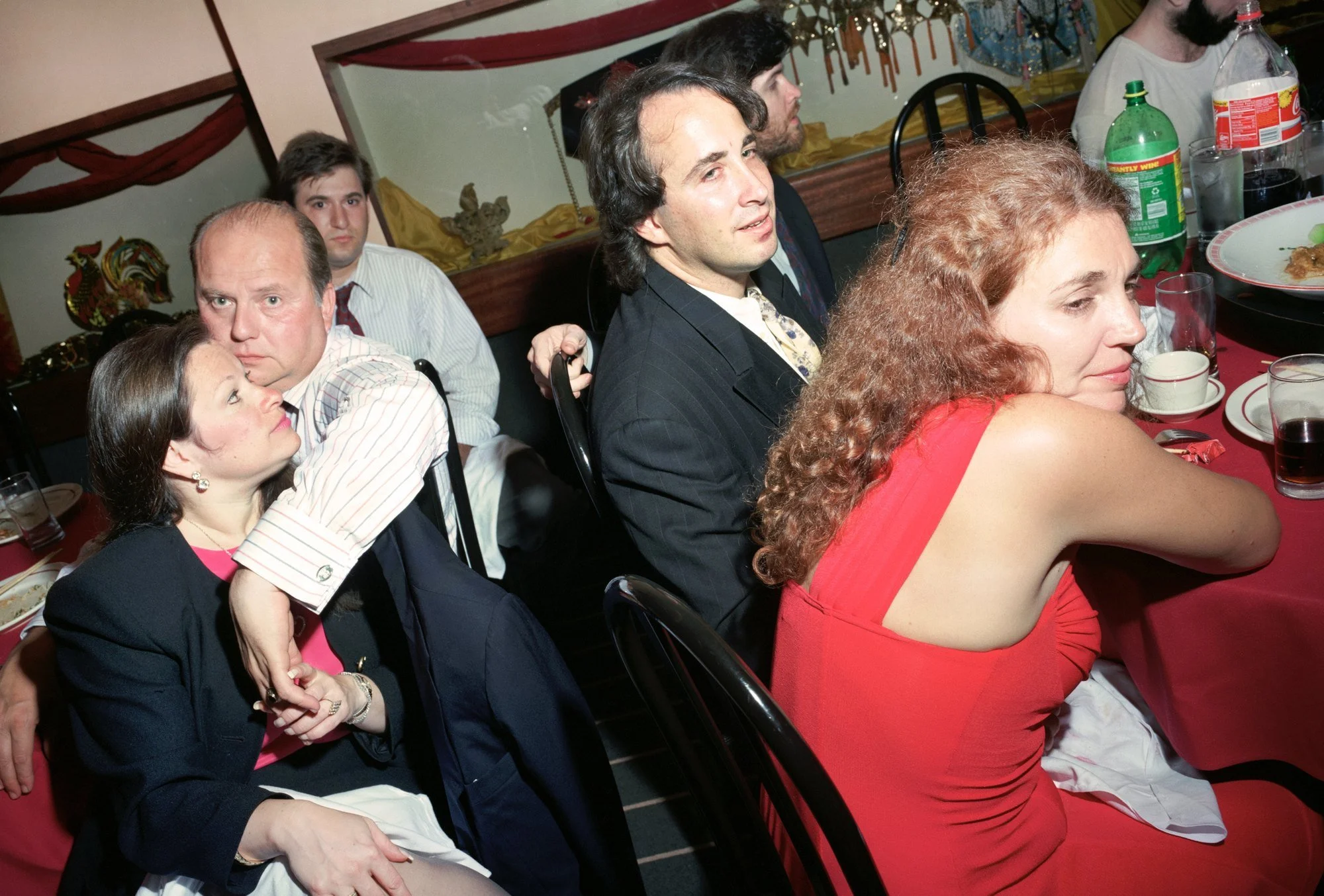
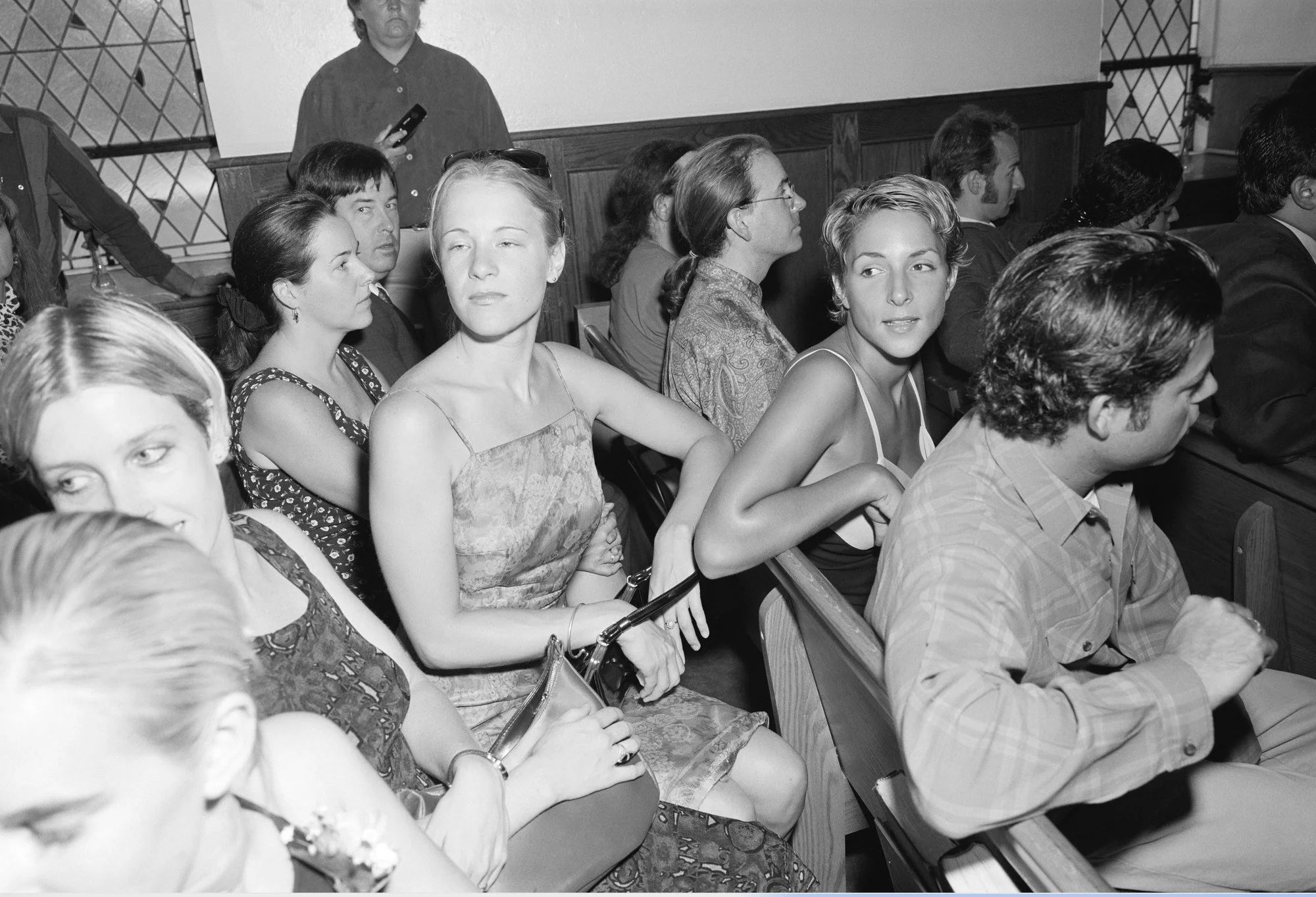
Working with people: You were working for the couple, but you also write about prowling in a world your subjects are unaware of. How did you balance the pictures the couple needed with the pictures you wanted for yourself?
I don't think about it that much. I've been very lucky in that my couples trust me to do my thing, so I don't put restrictions on myself. I need them to tell me the run of show for practical reasons: when, where, how many people, etc. But shooting a wedding is like shooting anything else. It's a balancing act between subject and photographer, but at the end of the day I have to be myself. The mythology of wedding photography carries with it an antiquated idea of what a photographer is there to do. For some, that's fine, but that's never what I wanted for myself. I'm not better than anyone else. I'm just clear on what works for me.
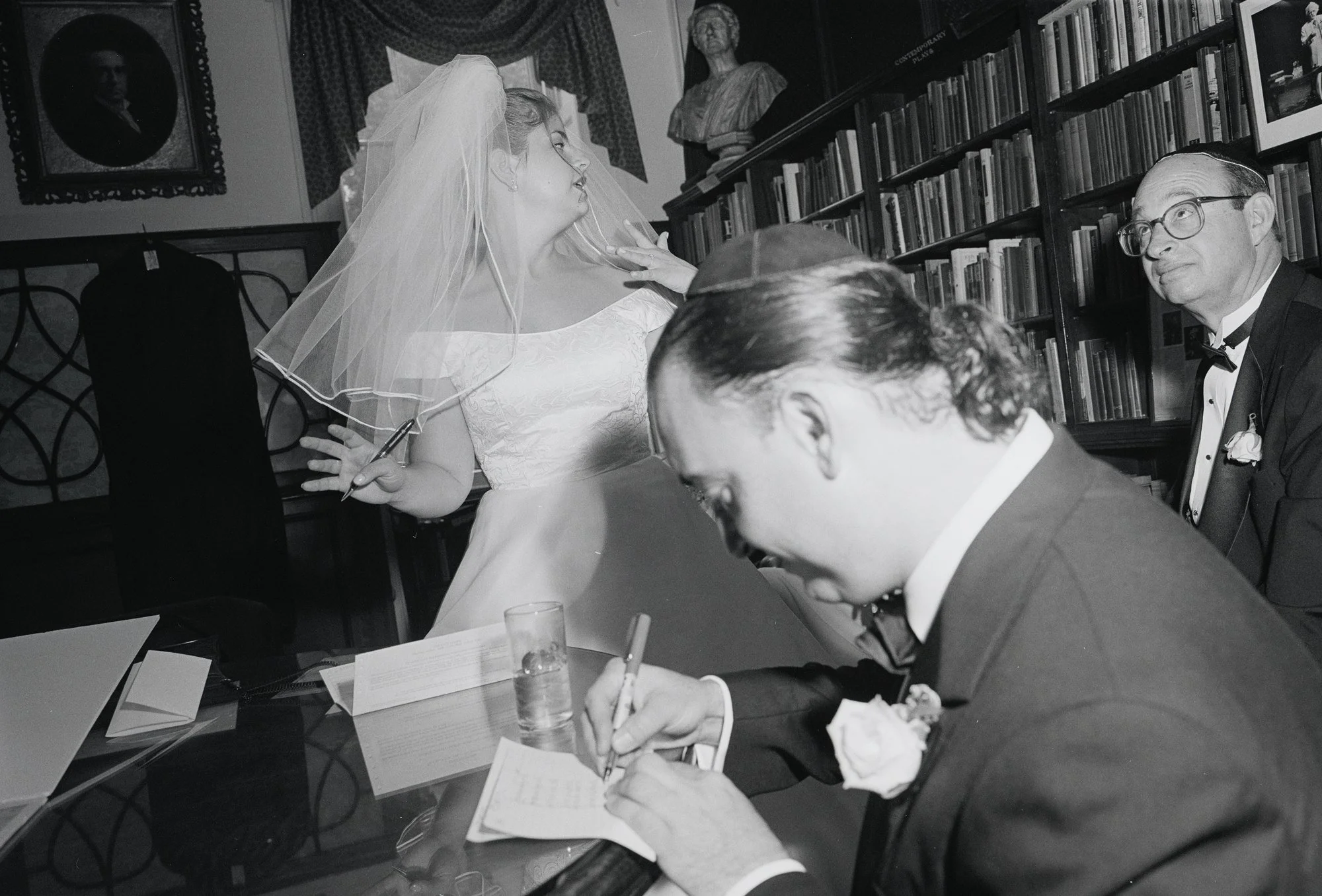
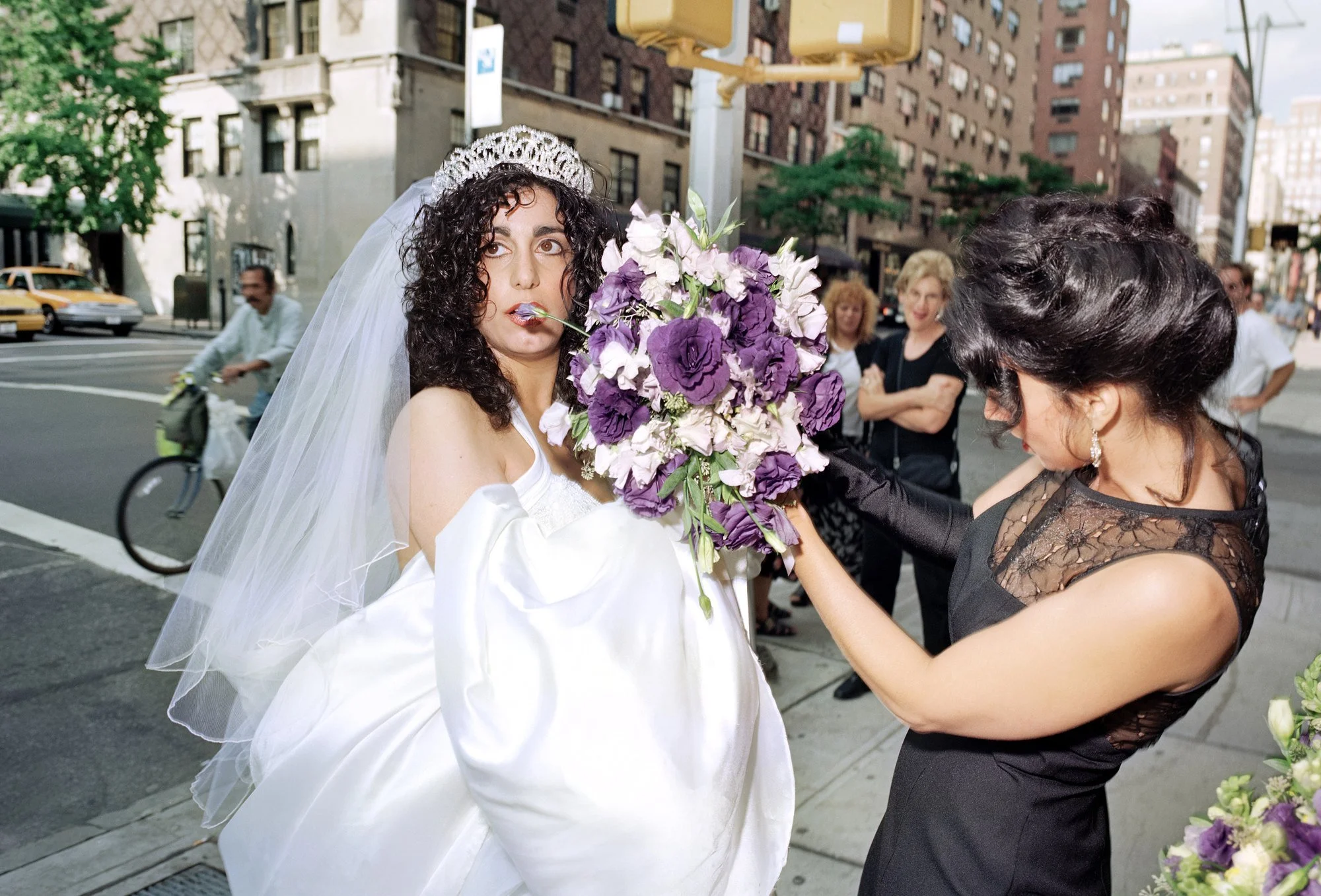
Editing: What did your publisher help you see that you could not see alone, and which picture was hardest to let go?
I am with a particularly photo-smart publishing team. The two twin brothers who run L'Artiere are adept at looking at work efficiently. They came from Italy to my studio and went through everything with a grease pencil. This is not typical for me. Normally, I wouldn't let anyone near my contact sheets, but they know what they're doing, so I stepped back and let them have at it. Later, as the book design took shape, I was mesmerized by what the team did with my work. For example, the cover was for me a quasi throw-away picture, then when I saw what the designer did with it I couldn't believe my eyes. She took a picture I was lukewarm on and transformed it into a cover that speaks to the experience of the whole book.
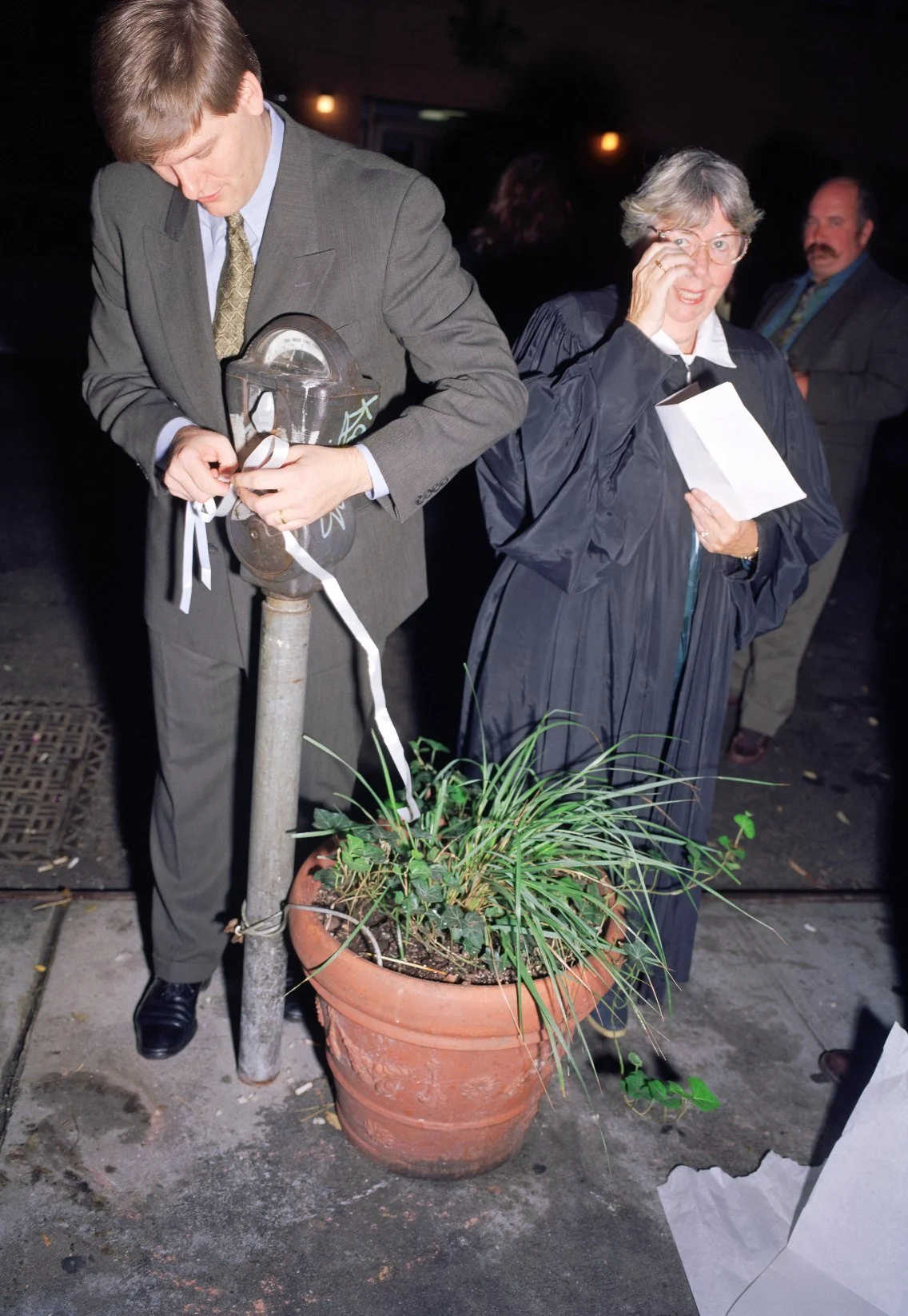
Sequencing: The book moves through preparations, waiting relatives, dancing guests and quiet in-between moments. How did you decide the order, without following the usual structure of a wedding day?
This was a new experiment for me. I always sequence and edit everything myself, and I'm usually fiercely private about it. I have even done residencies (MacDowell, American Academy in Rome) to be alone with my work on a wall. But here we did something different. My publisher convinced me to let our designer sequence the book. I had a few key pairings that I would not separate, but overall, the process allowed me to see my work in a whole new way. My publisher did this with Andrea Modica's edit of Italian Story. That book was my inspiration for this editing process.
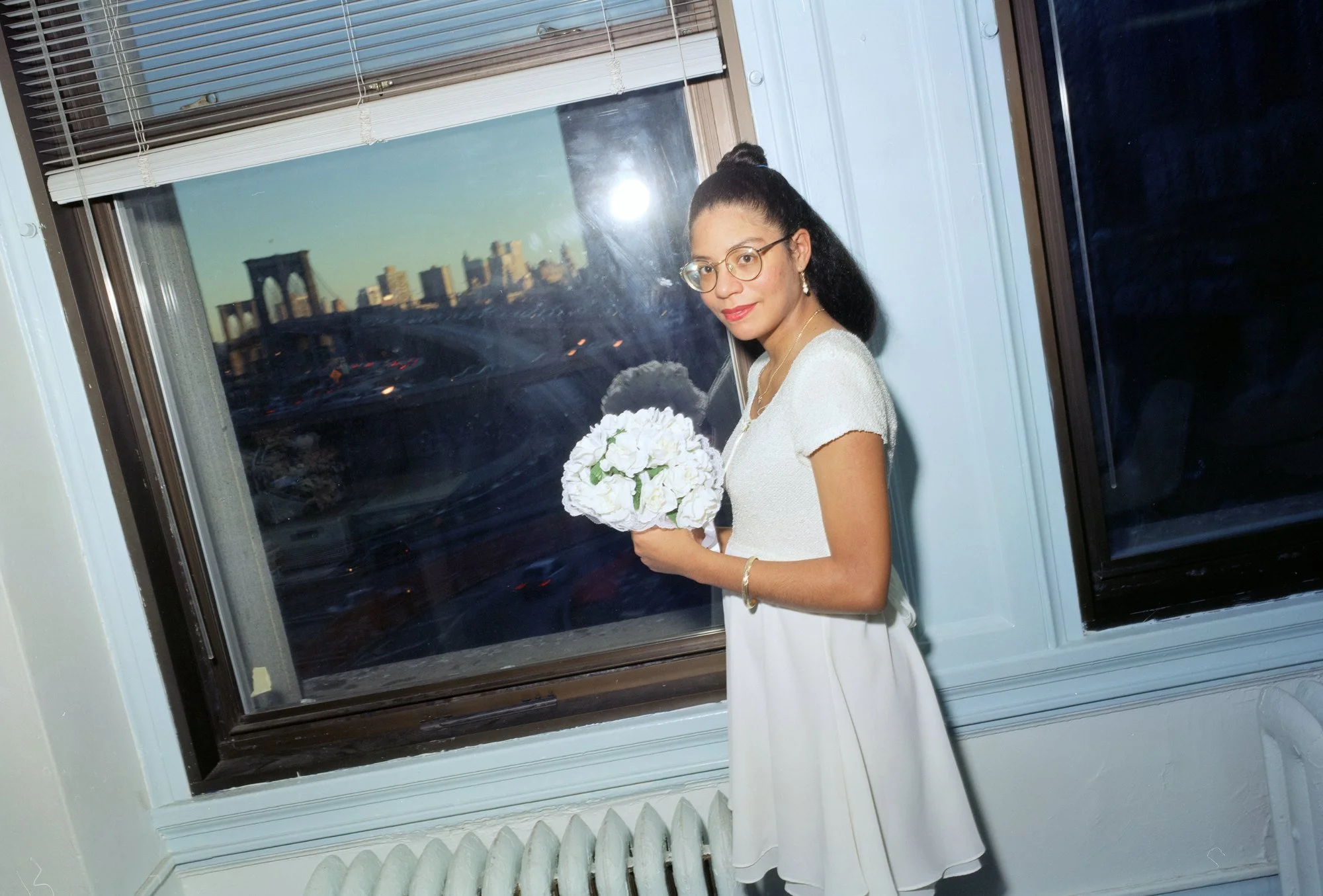
Lesson: What is one lesson from making personal work inside commissioned jobs that other photographers can use?
A private commission is a ticket to a place I might not otherwise be invited. What I do with that access is up to me. I never stopped making work I enjoy just because someone hired me to be there. Without these commissions, I wouldn't have this body of work. These experiences I've had, the amazing people I've met, the relationships I've formed along the way: all of it came through this work.
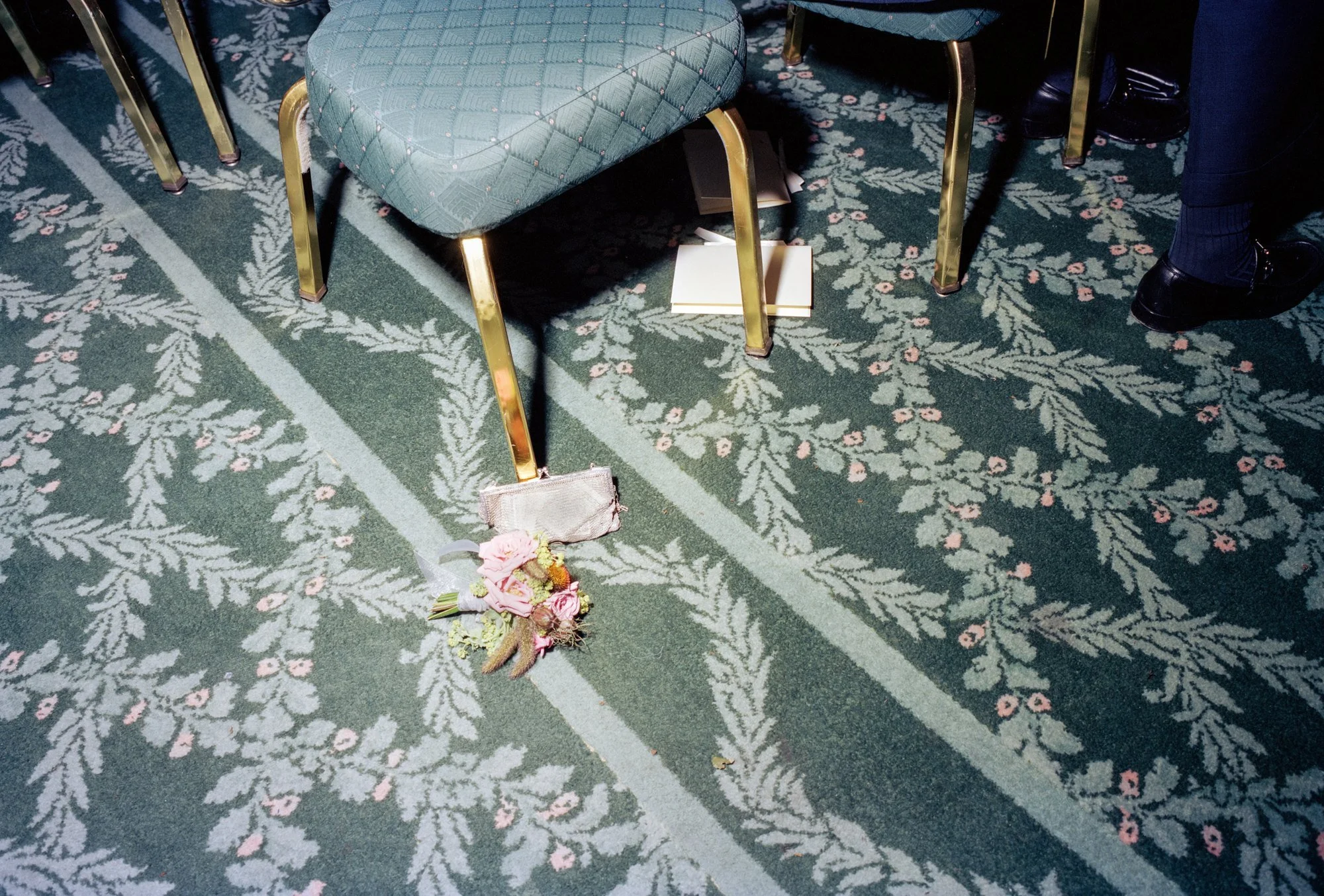
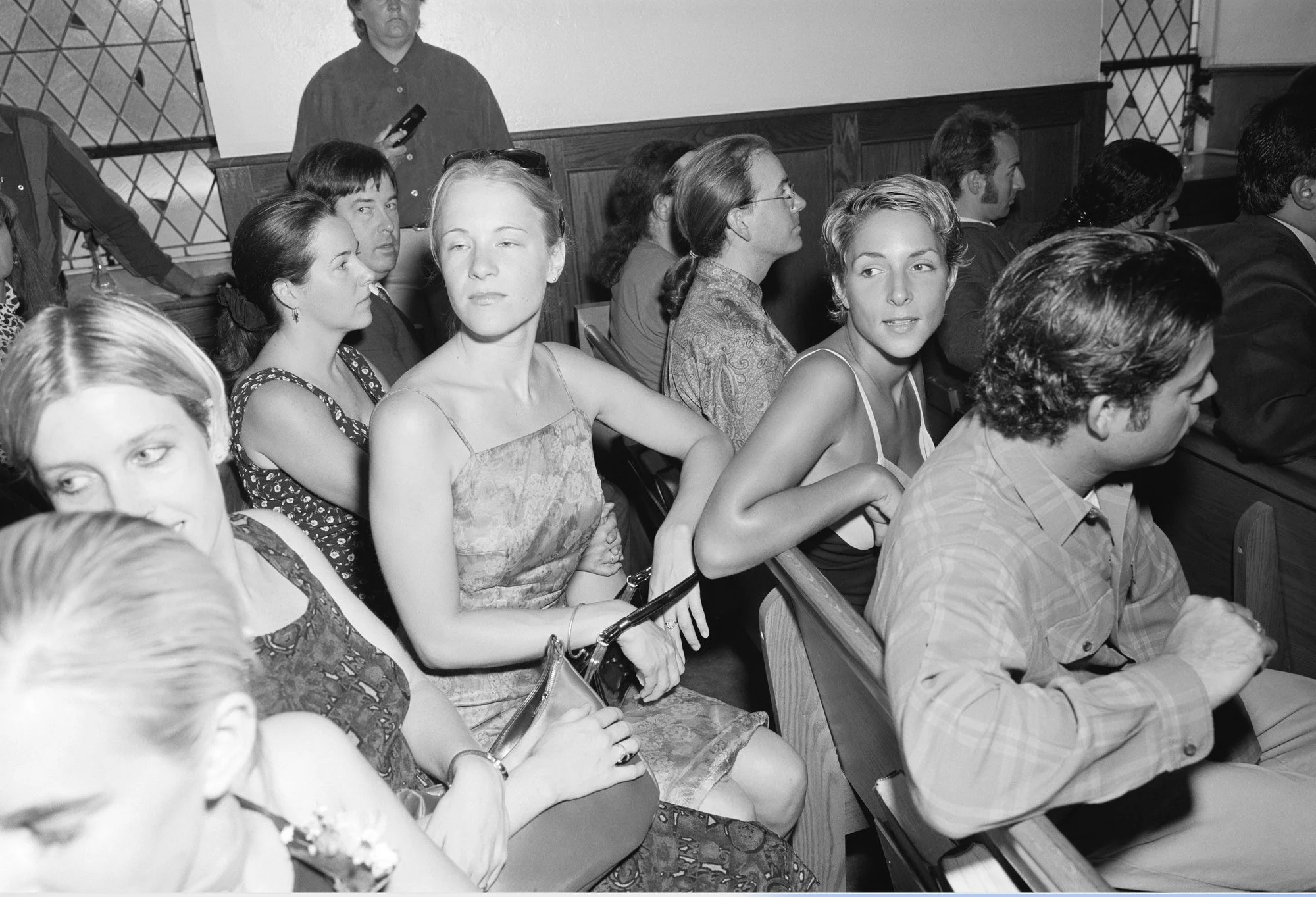
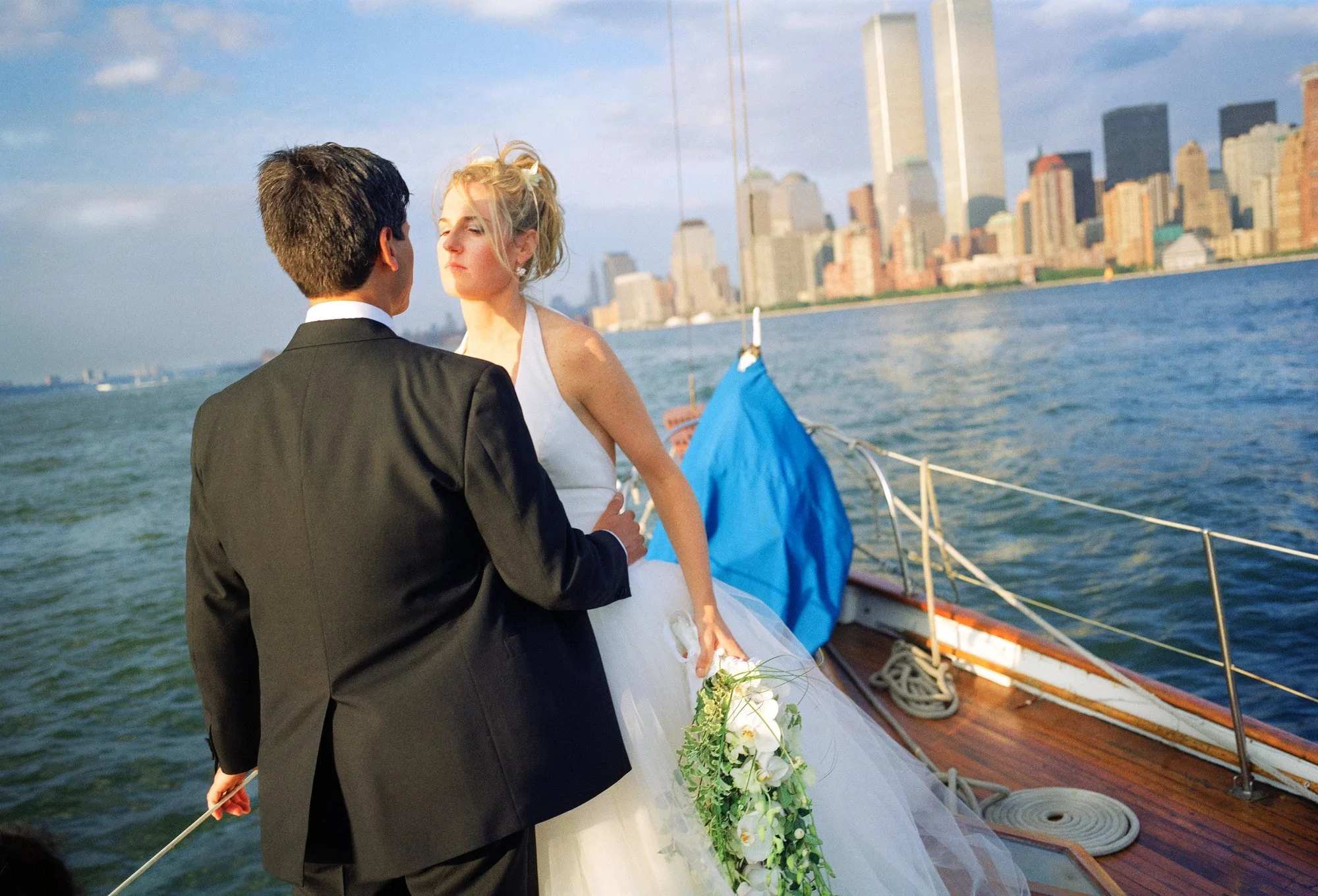
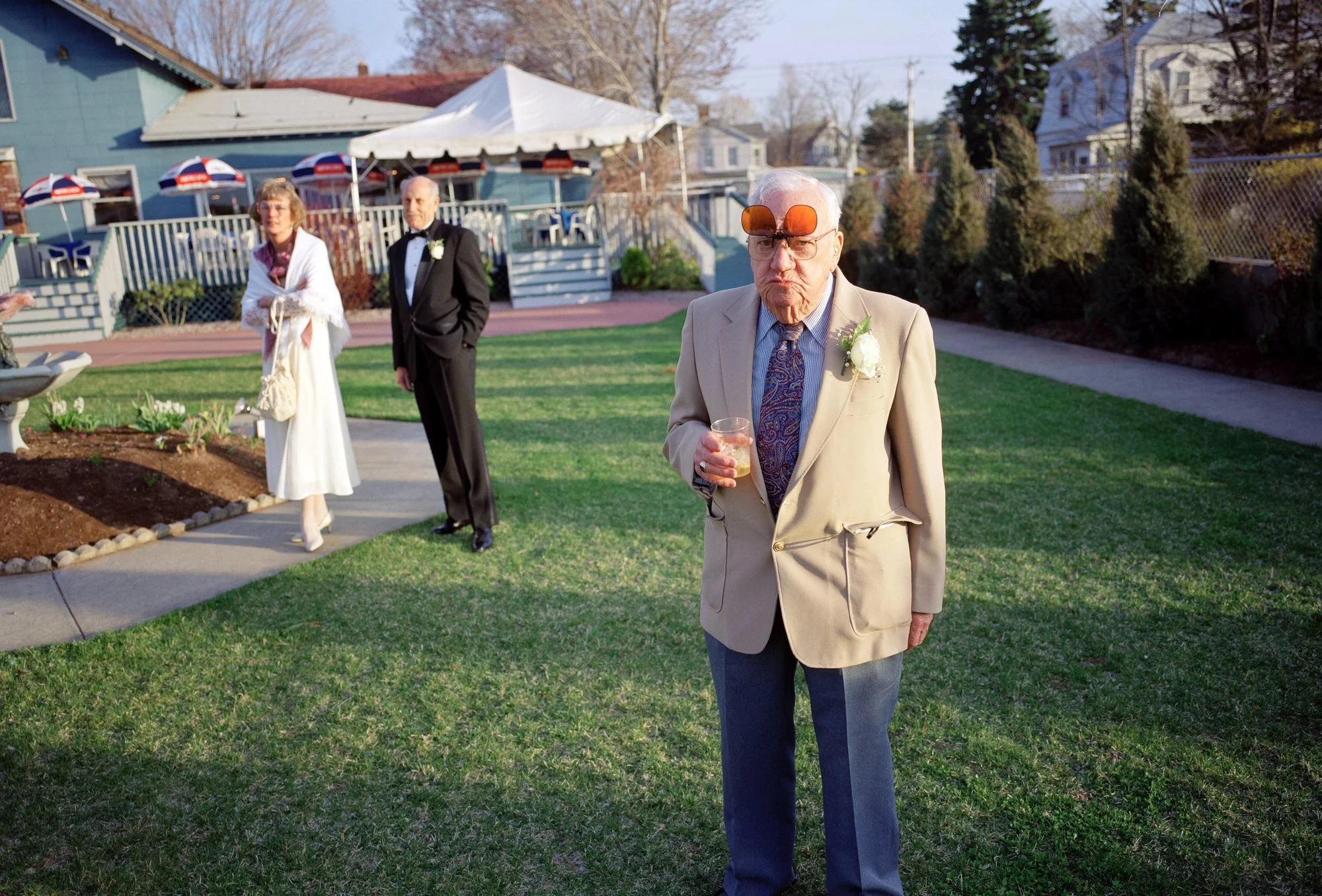
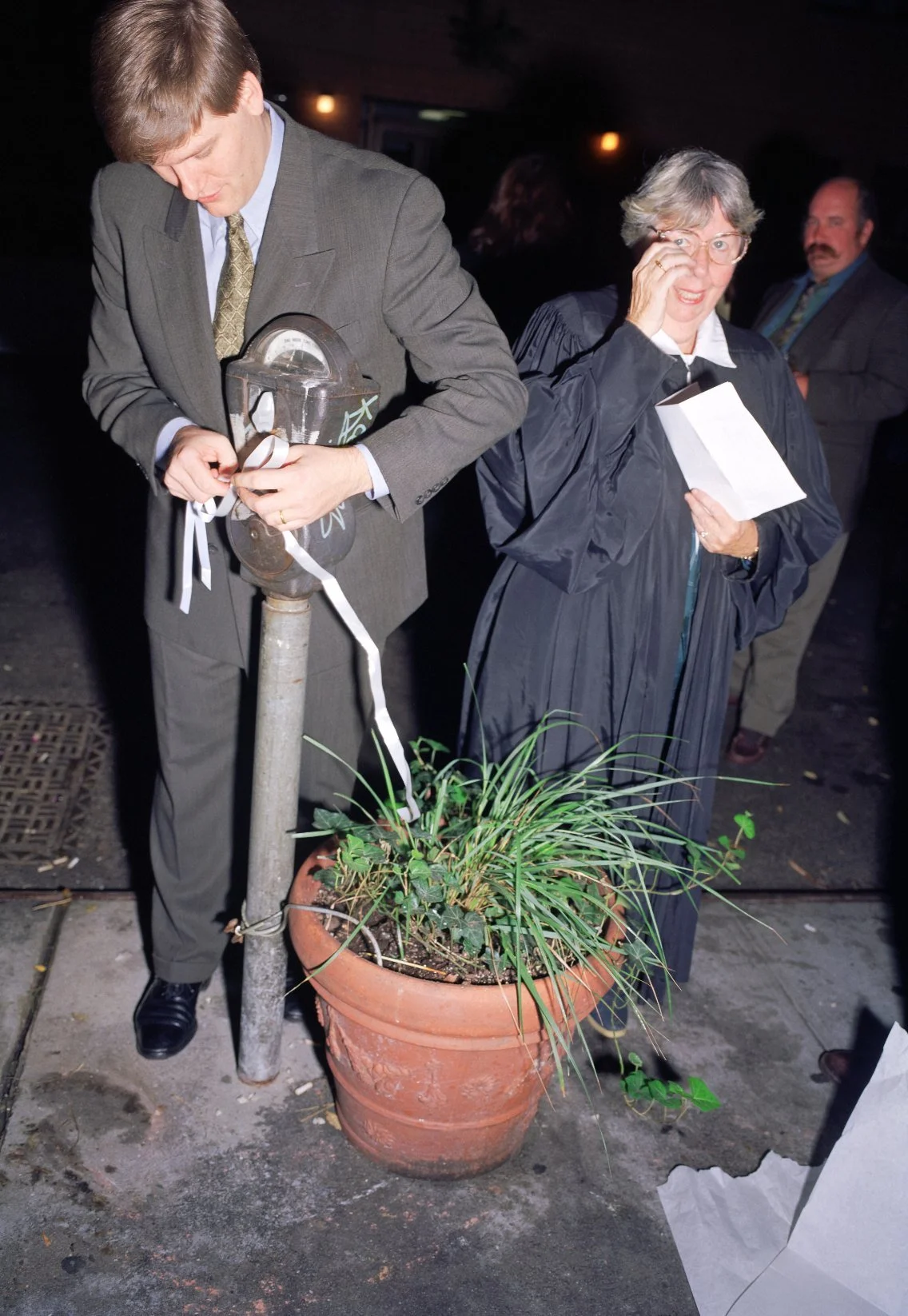
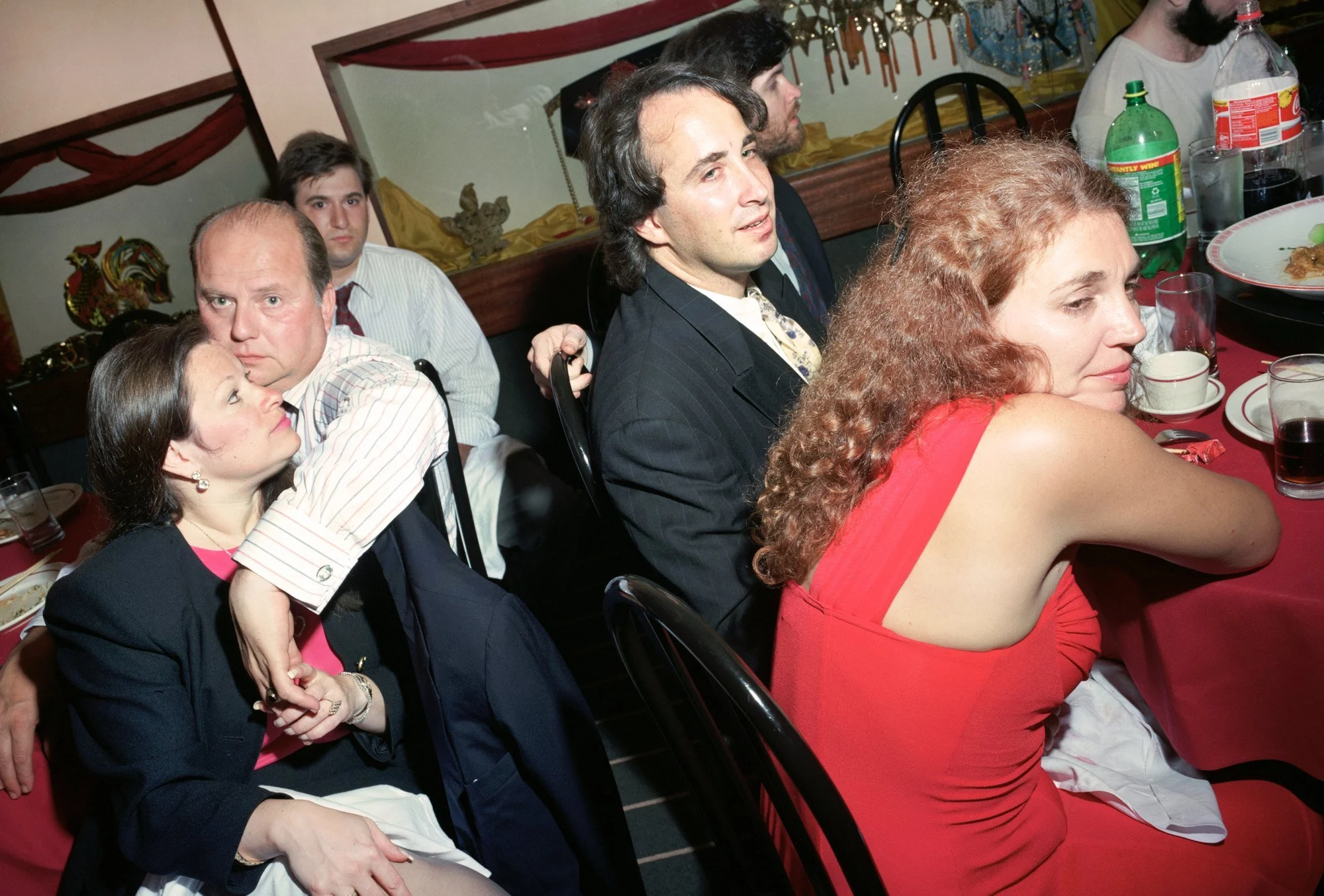
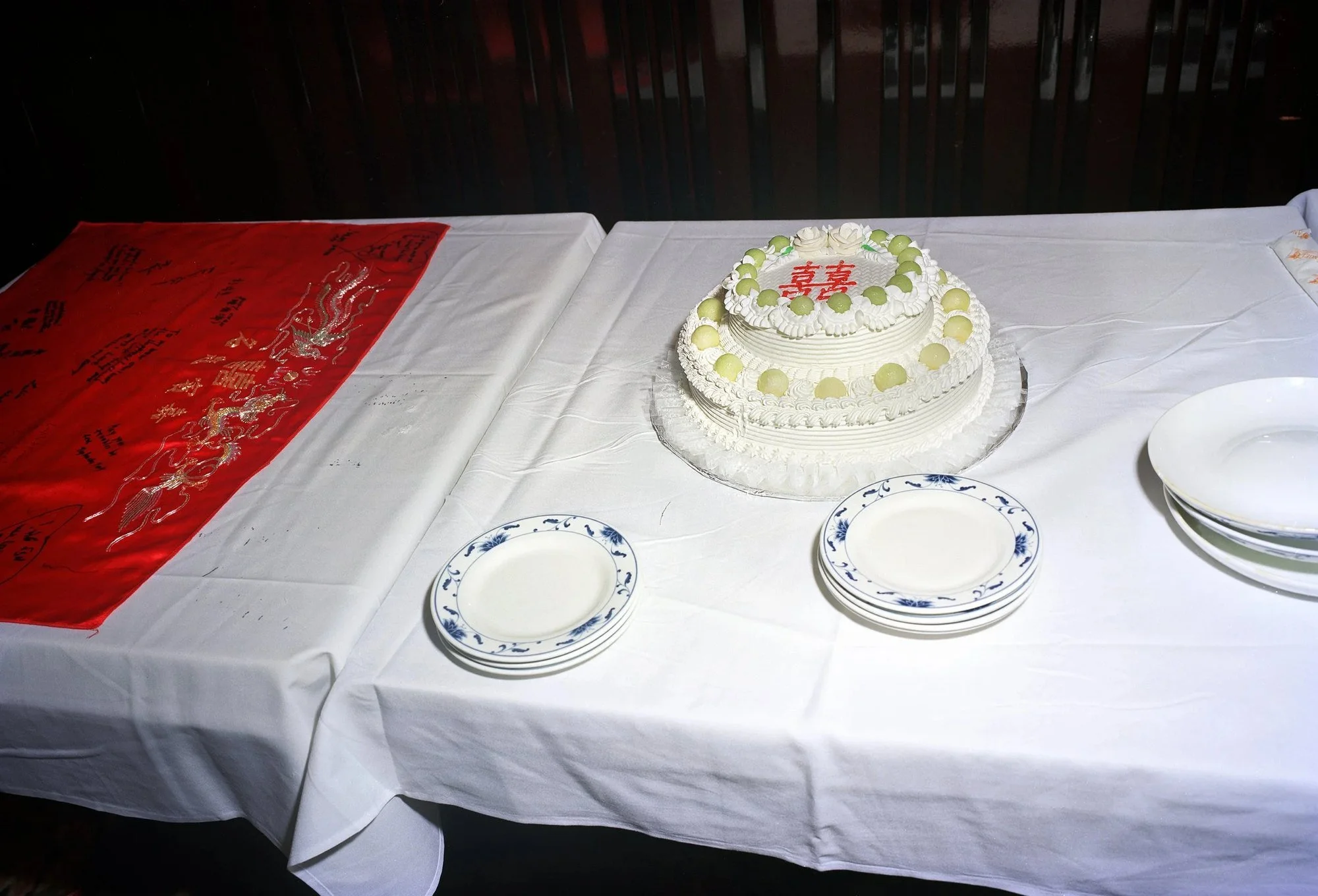
Angela Cappetta left every wedding ceremony out of her book.
She photographed weddings on film for more than a decade, all before smartphones. The book shows the hours around the ceremony: preparations, waiting relatives and dancing guests.
“I don’t think we go to a wedding to stare at the back of someone. We go to gather and immerse ourselves in an experience, to get lost for a day. That’s what the work is about.”Angela Cappetta
The moment everyone calls the main event is not always the one worth photographing. Where will you point your camera when everyone else is watching the main moment?
We'd love to read your comments below, sharing your thoughts and insights on the artist's work. Looking forward to welcoming you back for our next [book spotlight]. See you then!
