Welcome to this edition of [book spotlight]. Today, we look at Wool, Wind and Waves: Faroe Islands, by Eva Chupikova (self-published). We'd love to read your comments below about these insights and ideas behind the artist's work.
Czech photographer Eva Chupikova travelled to the Faroe Islands in 2024 and went back in 2025.
She had no plan to make a book. She walked across the islands, often with only sheep for company, and photographed cliffs, grass, water and fleece. Over time, she began to see the photographs as parts of one experience.
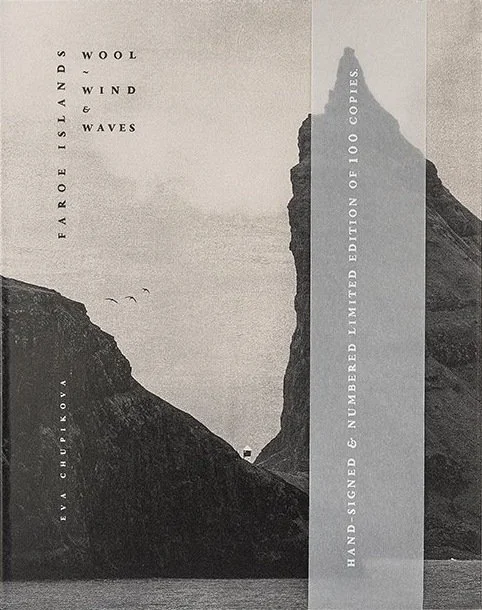
Wool, Wind and Waves: Faroe Islands is the book she made from those two trips.
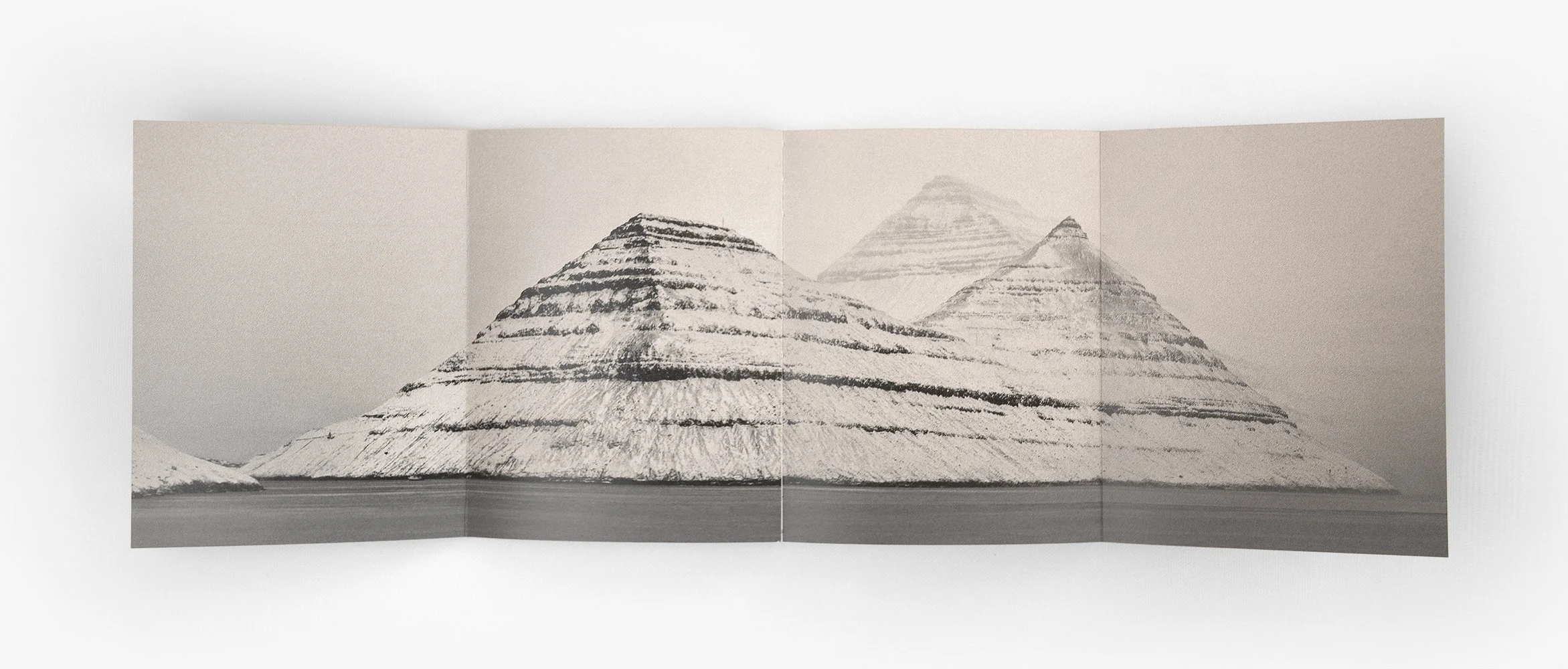
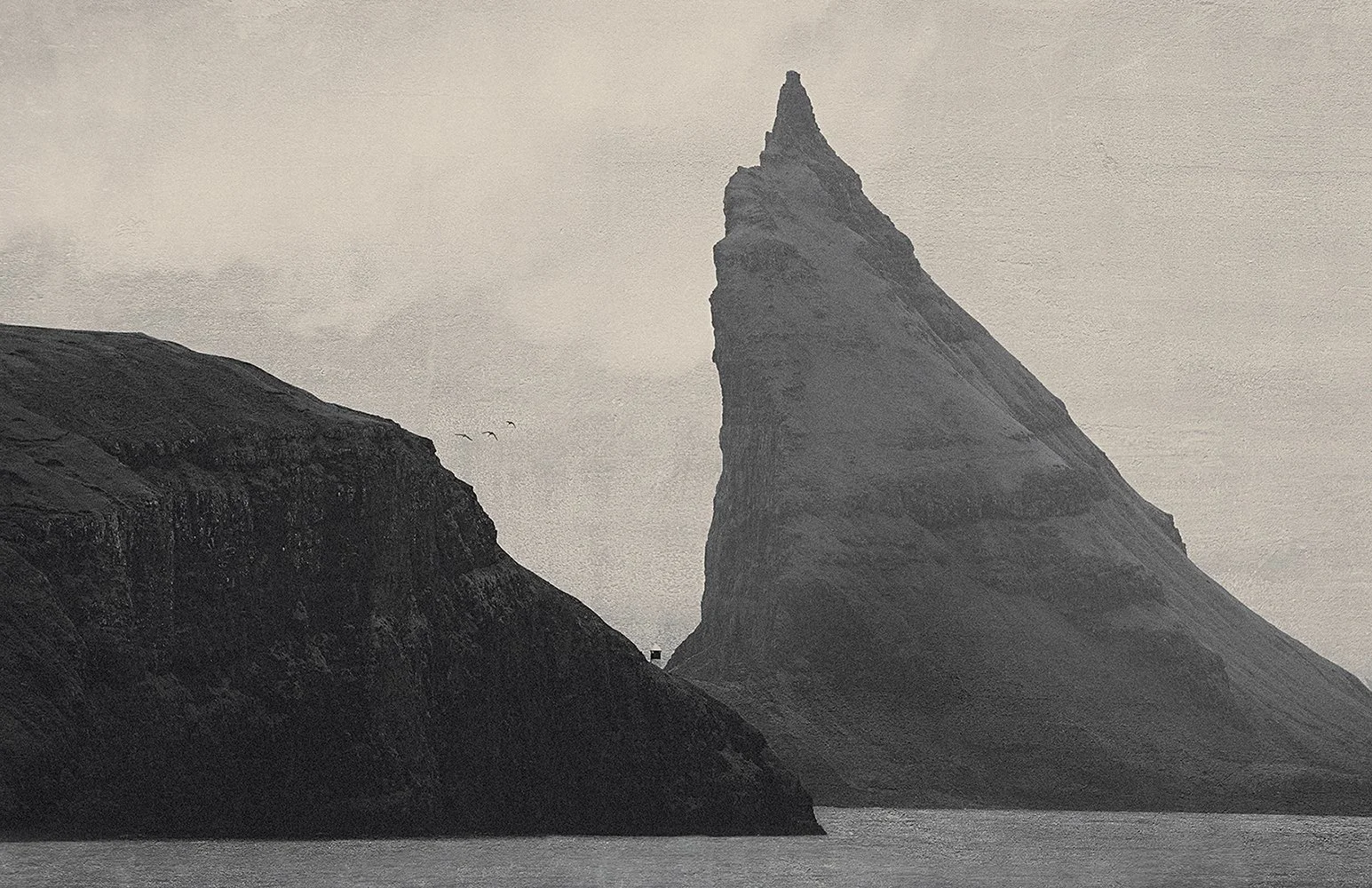
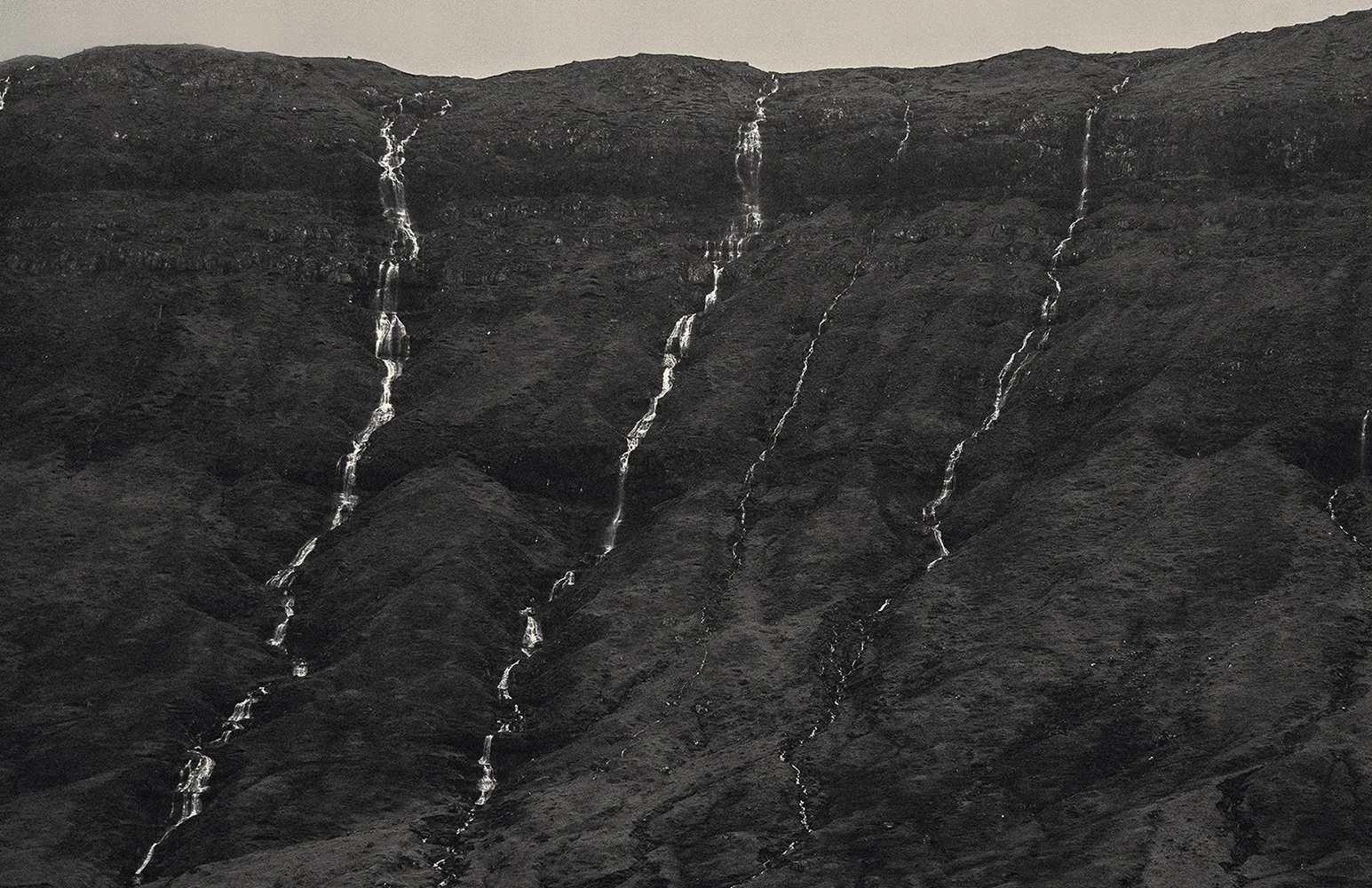
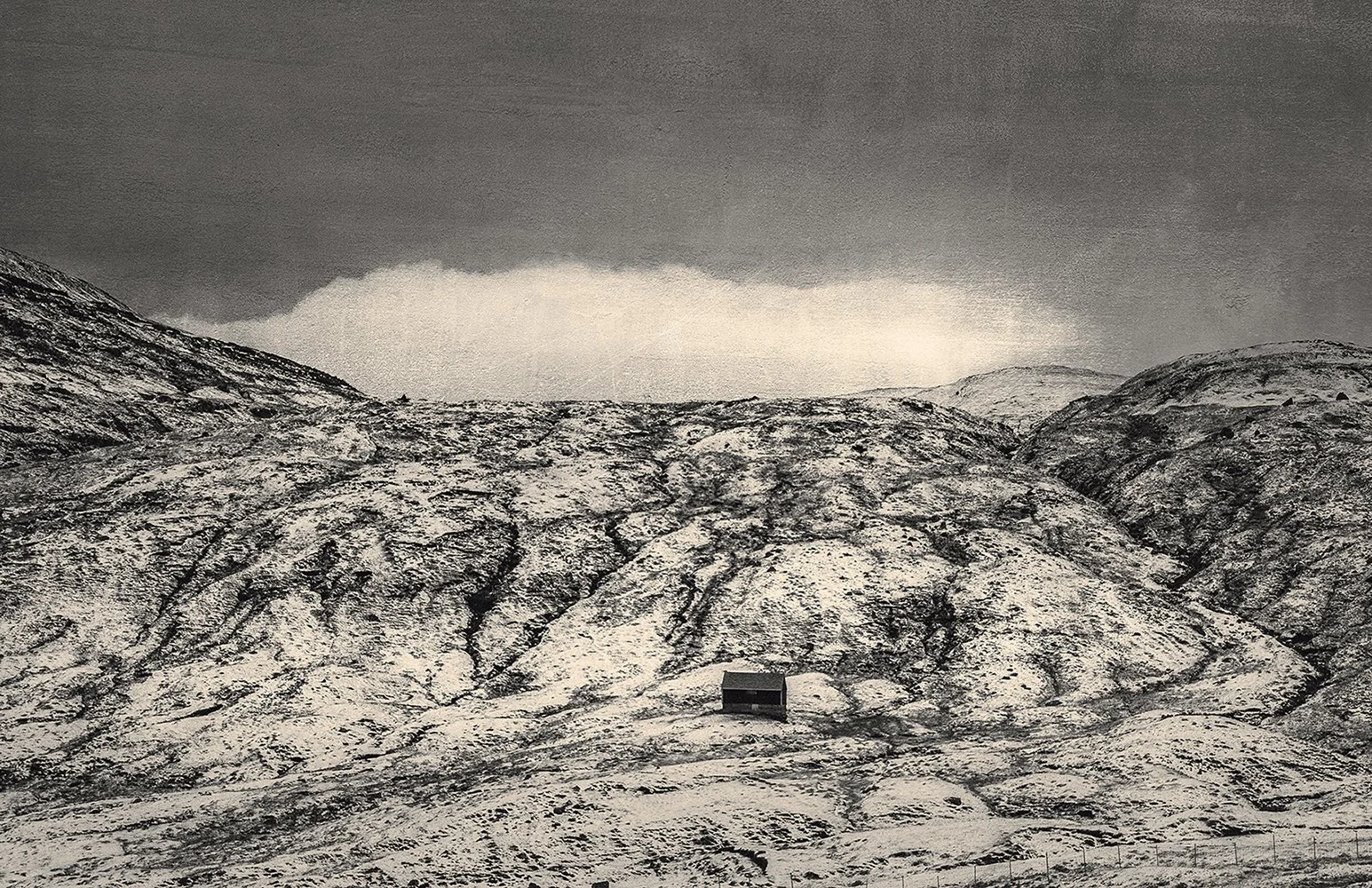
Chupikova designed the 150-page book herself. Its colours are quiet and earthy, some photographs are in black and white, and a few pages fold out to give a landscape more space.
In this interview, Chupikova talks about why wool comes first in the title, a lonely day above the village of Gjógv, how two different photographs can become one, and a few seconds of sun on dark land.
The Book
Wool, Wind and Waves: Faroe Islands
Self-published · 2026 · 150 pages
Wool, Wind and Waves: Faroe Islands is a photobook by Eva Chupikova made on two trips to the Faroe Islands in 2024 and 2025. It moves from wide views of cliffs, fjords and the ocean to small details of grass, water and sheep, in muted colour and black and white. Chupikova designed the book herself. It has a Swiss binding, an obi and double-page fold-outs. The first edition of 200 copies sold out, and a second edition of 150 copies followed.
Beginning: In 2023 you photographed the fjords of Senja in Norway. What made you go to the Faroe Islands after that, and at what point did you realize your photographs from 2024 and 2025 would become a book?
In autumn 2023, I spent two weeks on the island of Senja in northern Norway. This journey will always be associated with seeing the Northern Lights for the first time in my life. Senja enchanted me with its dramatic landscapes, magnificent birch forests and breathtaking views. I came back with several photographic series. One explored the elegant curves of the fjords, using a minimalist black-and-white approach to emphasise their shapes and natural geometry. Another focused on the humble fishermen's huts and their remarkable ability to blend into the surrounding landscape. I was particularly drawn to their simplicity and the quiet relationship between human presence and nature.
The Faroe Islands had been on my mind for some time. I felt a strong desire to experience the islands for myself. When I first travelled there in 2024, I had no particular plan to create a book. I simply wanted to explore, observe and photograph. But the experience was so powerful that I returned in 2025. Gradually, I began to realise that the photographs were becoming part of something larger. They were not simply individual images or separate series, but fragments of one experience, connected by a common atmosphere and visual language. I started to see the possibility of bringing them together into a book.
Title: Your title names three things: wool, wind and waves. Why did you choose these three words, and why did you put wool, the sheep, first?
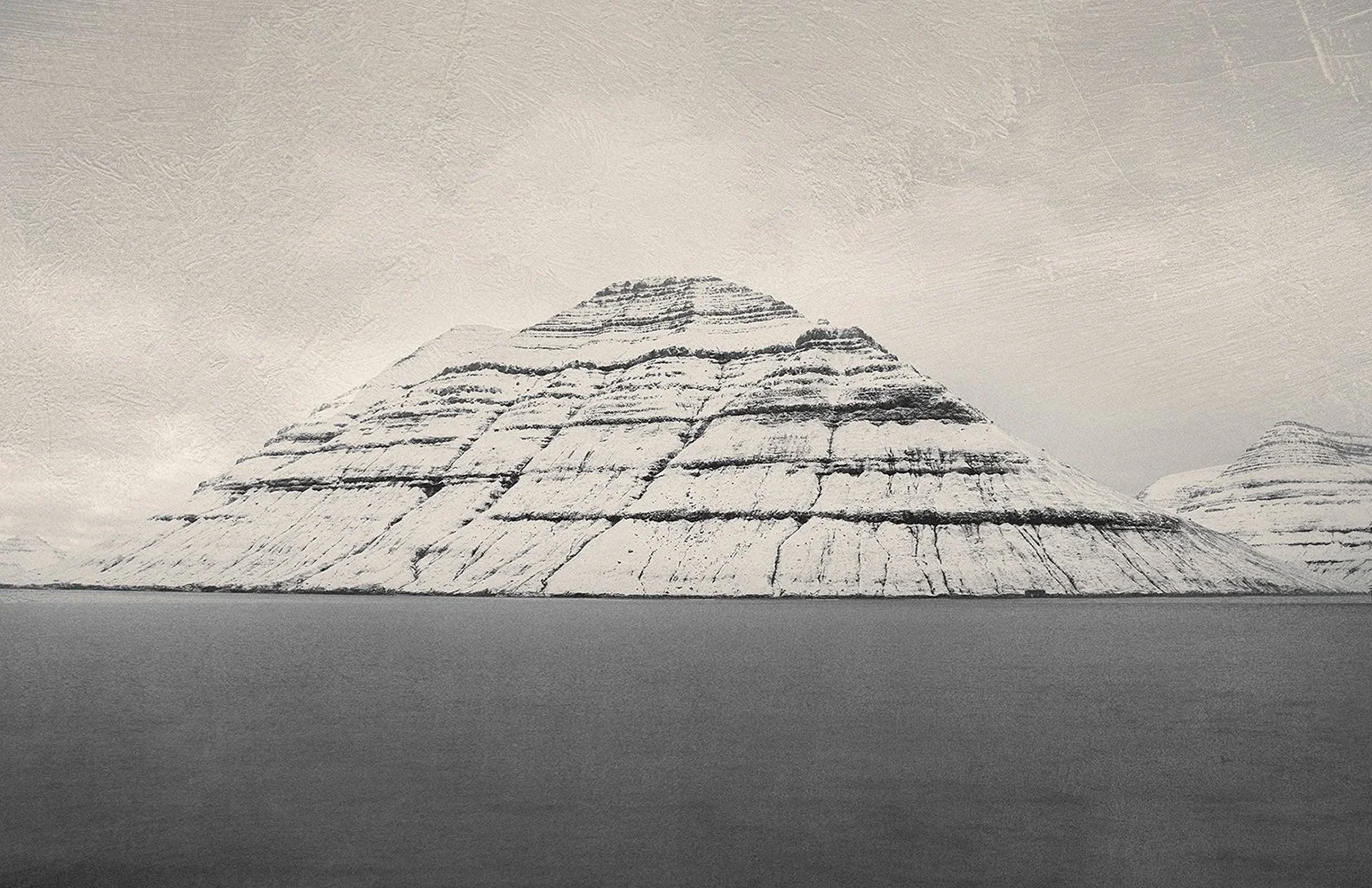
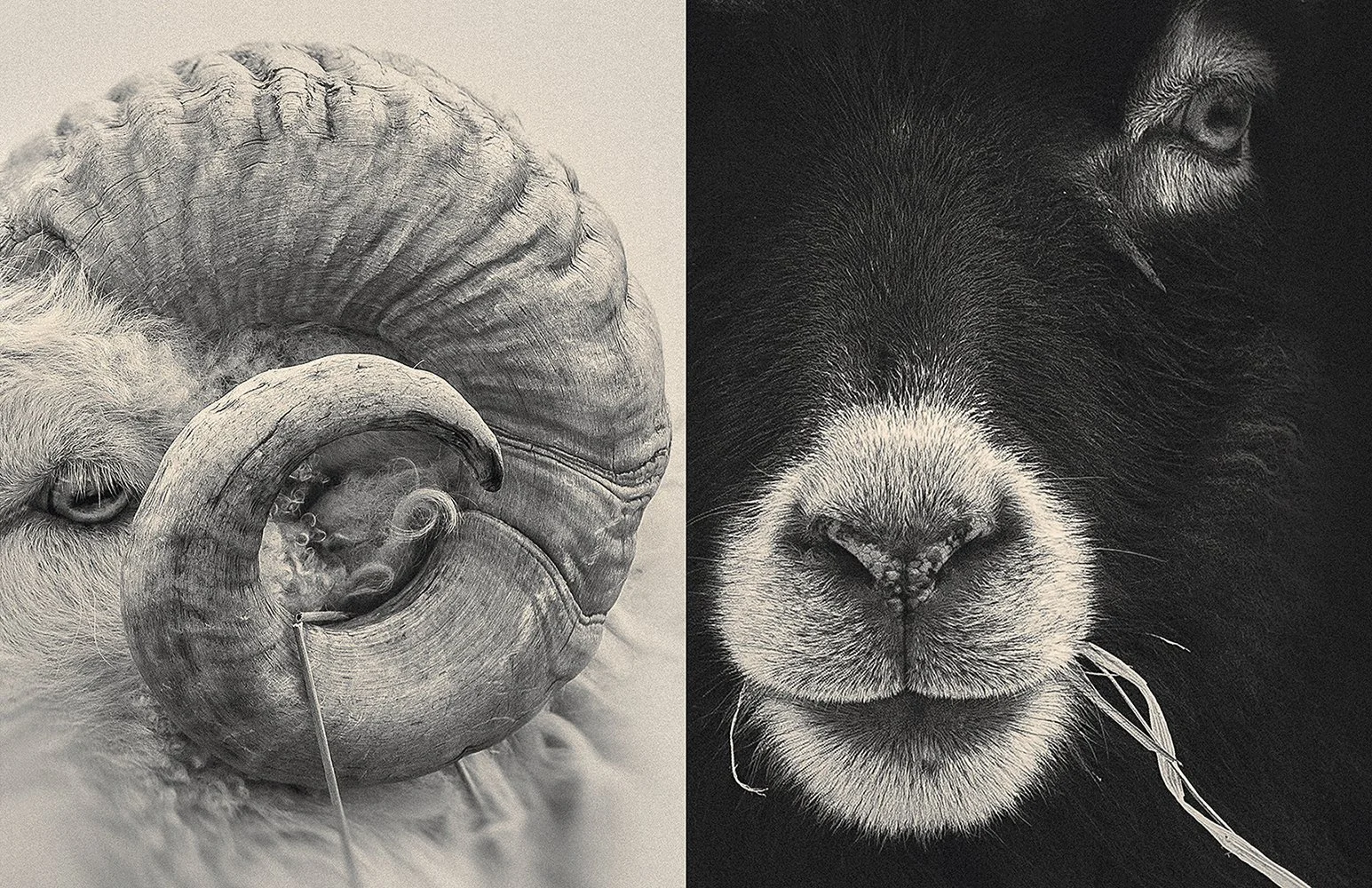
I chose these three words because, for me, they capture some of the most essential elements of the Faroe Islands and the experience of being there. Wool comes first because sheep are everywhere. They were often my only companions during long walks across the islands. I became very attached to their presence. Their wool also influenced the visual character of the book: the subtle, earthy tones of the photographs are partly inspired by the colours and textures of their fleece.
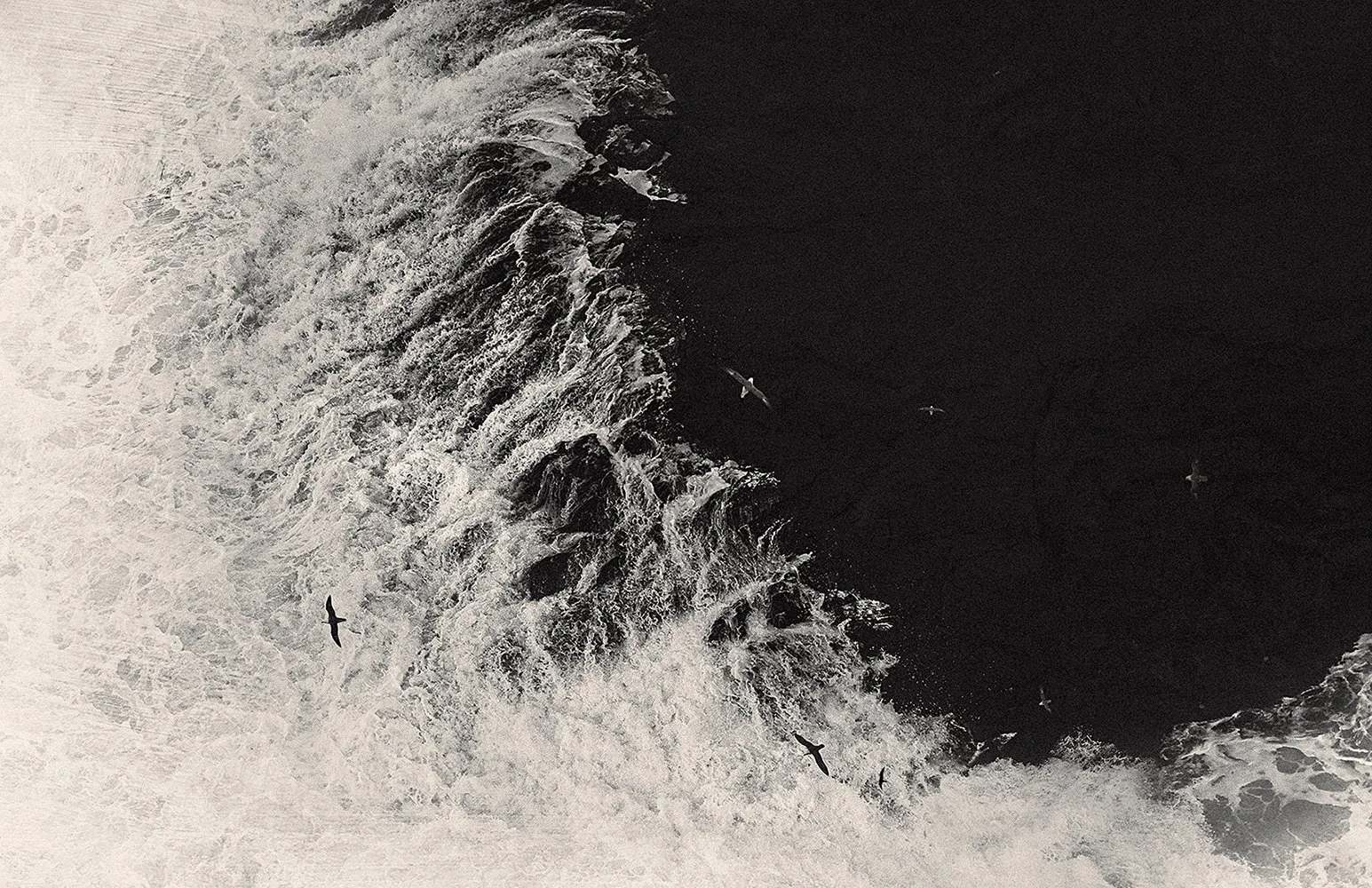
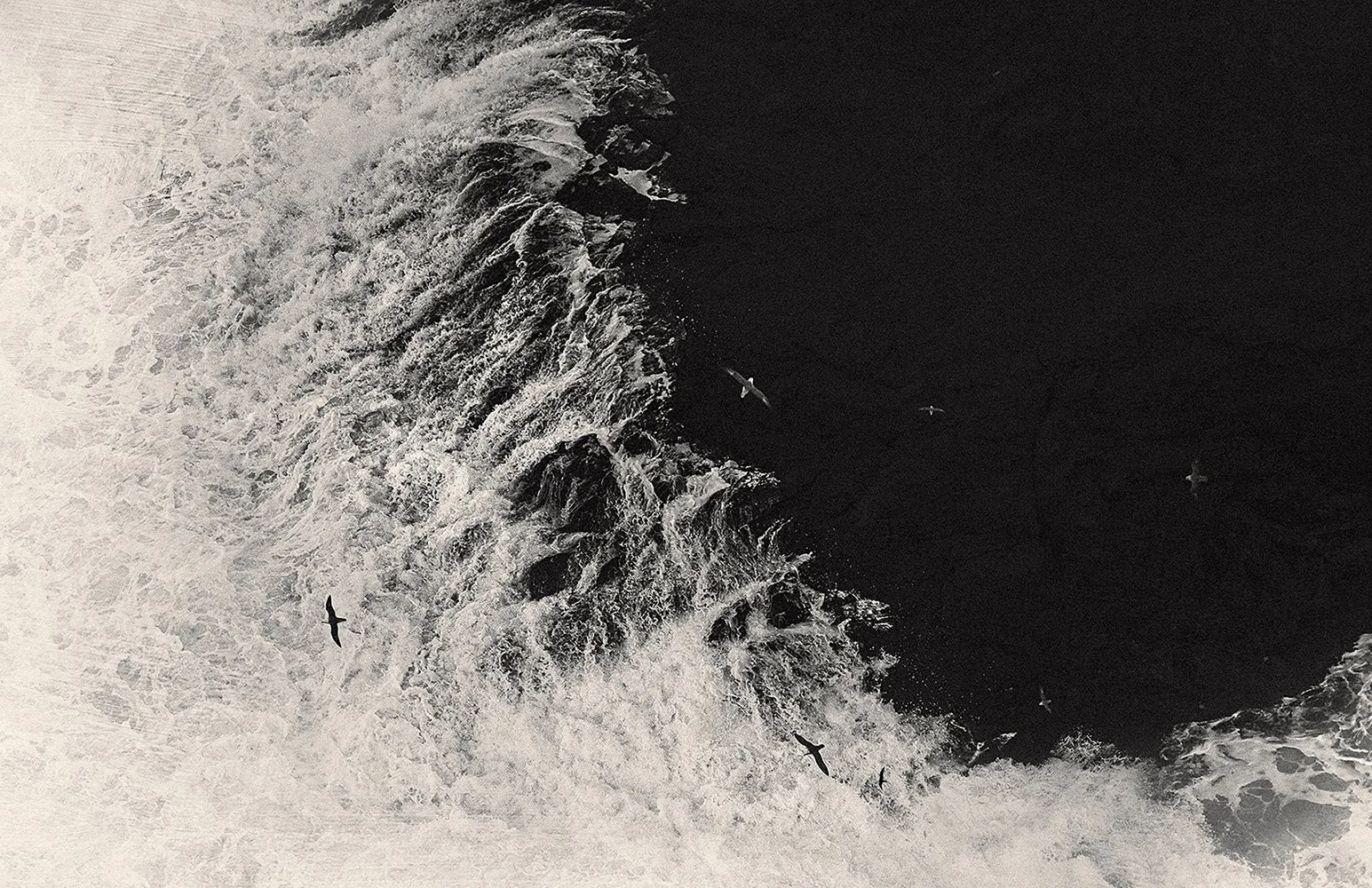
Wind is something you cannot see, but you feel it everywhere, on your skin, in your hair, in the landscape around you. It is an invisible presence that shapes the islands and is impossible to separate from the experience of being there. And waves represent the feeling of being surrounded by the Atlantic Ocean. The awareness that these islands lie in the middle of this vast ocean is essential to my experience of the Faroes. The sea is always there, reminding you of the islands' remoteness and their close relationship with nature. Together, wool, wind and waves became a way of expressing not only what I saw, but also what I felt while being there.
Finding subjects: Your text says your lens moved from wide views to small details, like wind moving through sheep fleece on ochre grass. What made you move closer, and how did you decide which small details were worth a photograph?
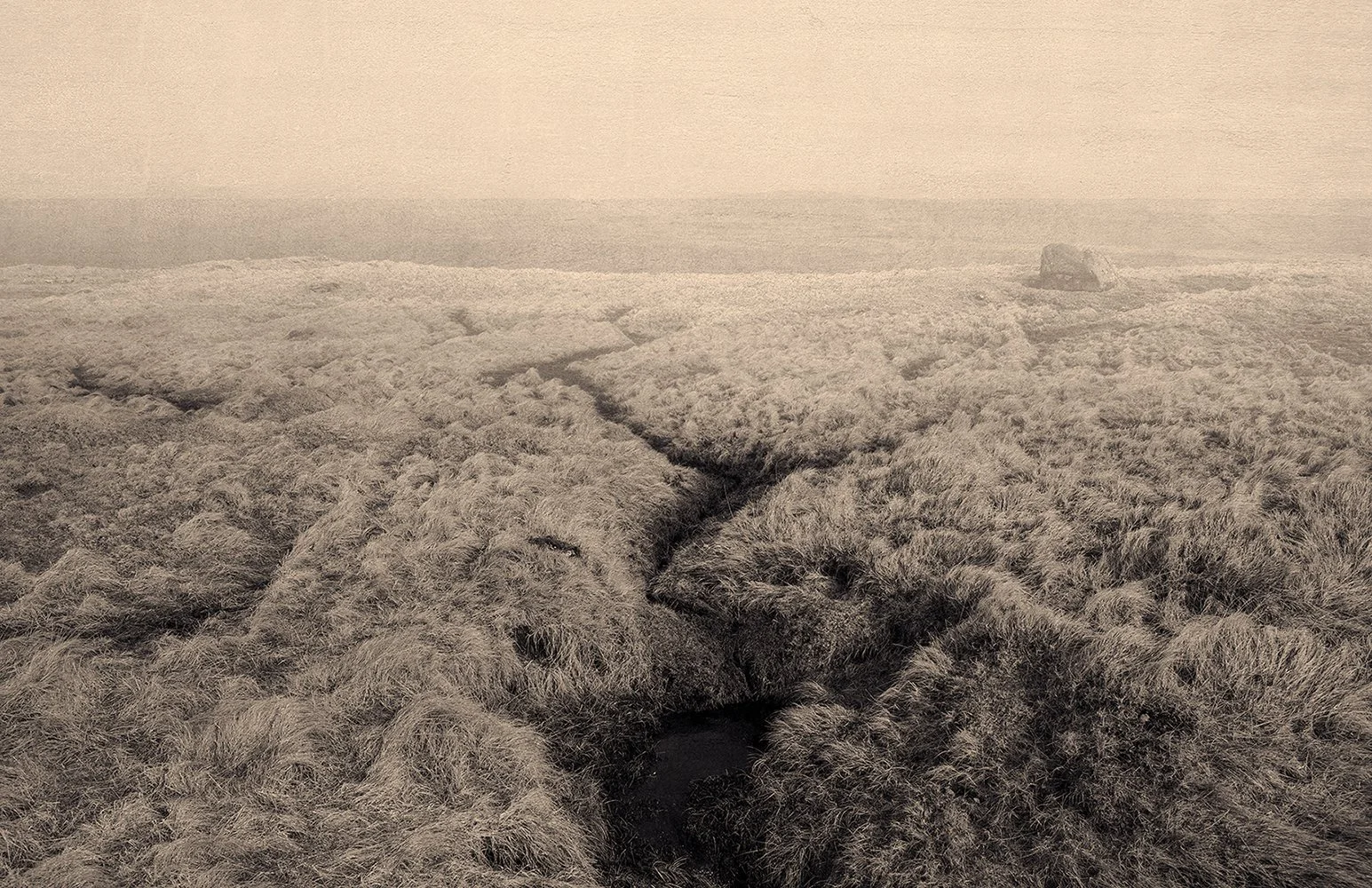
I think it was a natural progression. At first, I was drawn to the vastness of the landscape, the dramatic cliffs, the open horizons and the relationship between land and sea. But as I spent more time on the islands, I began to notice that their character was often revealed in much smaller things. I became increasingly interested in textures, patterns, shapes and subtle changes in the landscape. These details could sometimes tell me more about the atmosphere of a place than a wide landscape view. I didn't have a particular list of subjects in mind. I just followed my curiosity. Something would catch my eye, and I would take time to observe it, sometimes from different angles, waiting for the light or the movement to reveal something unexpected.
Can you describe one photograph in the book where you waited, and what changed while you waited?
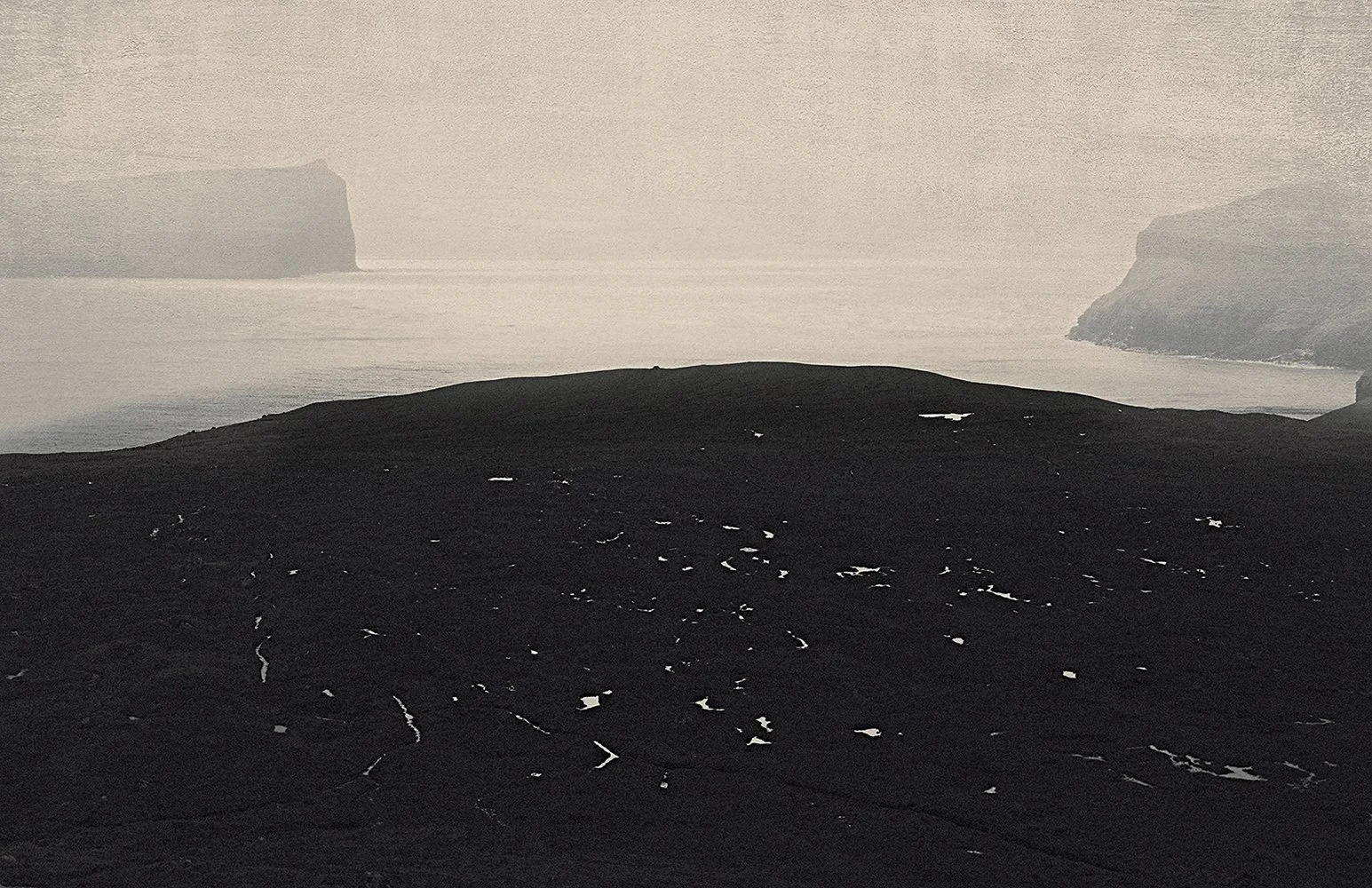
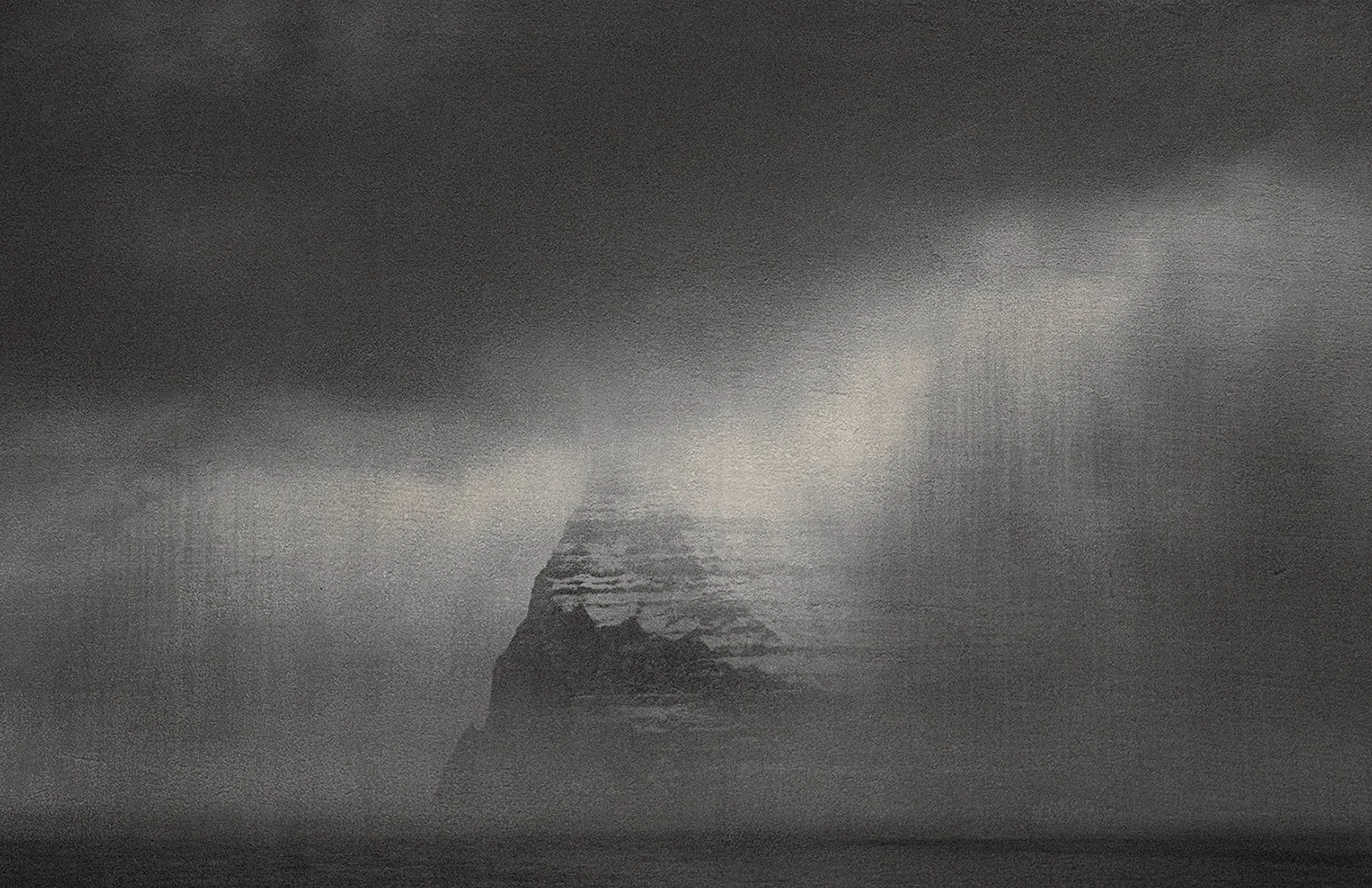
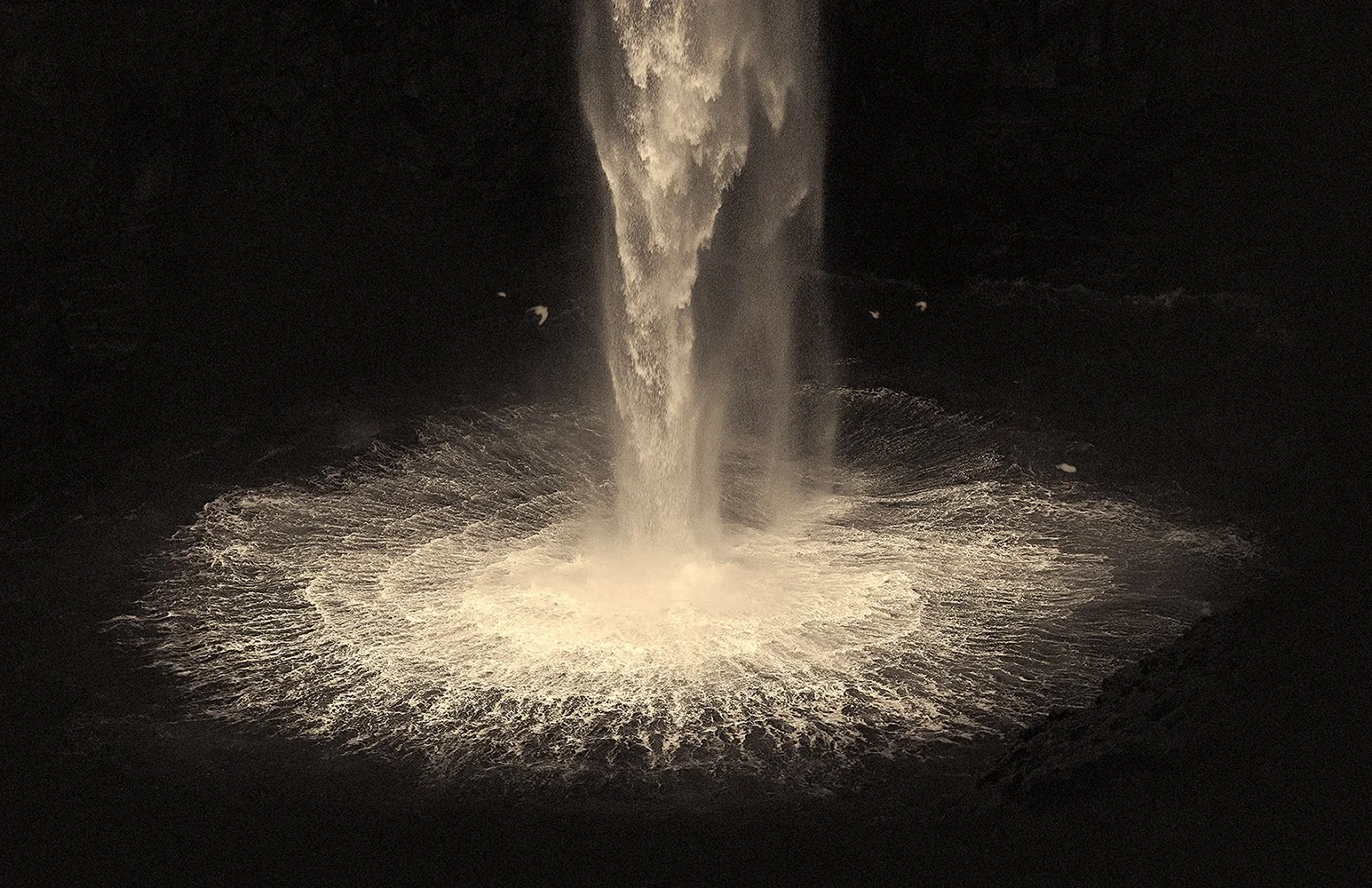
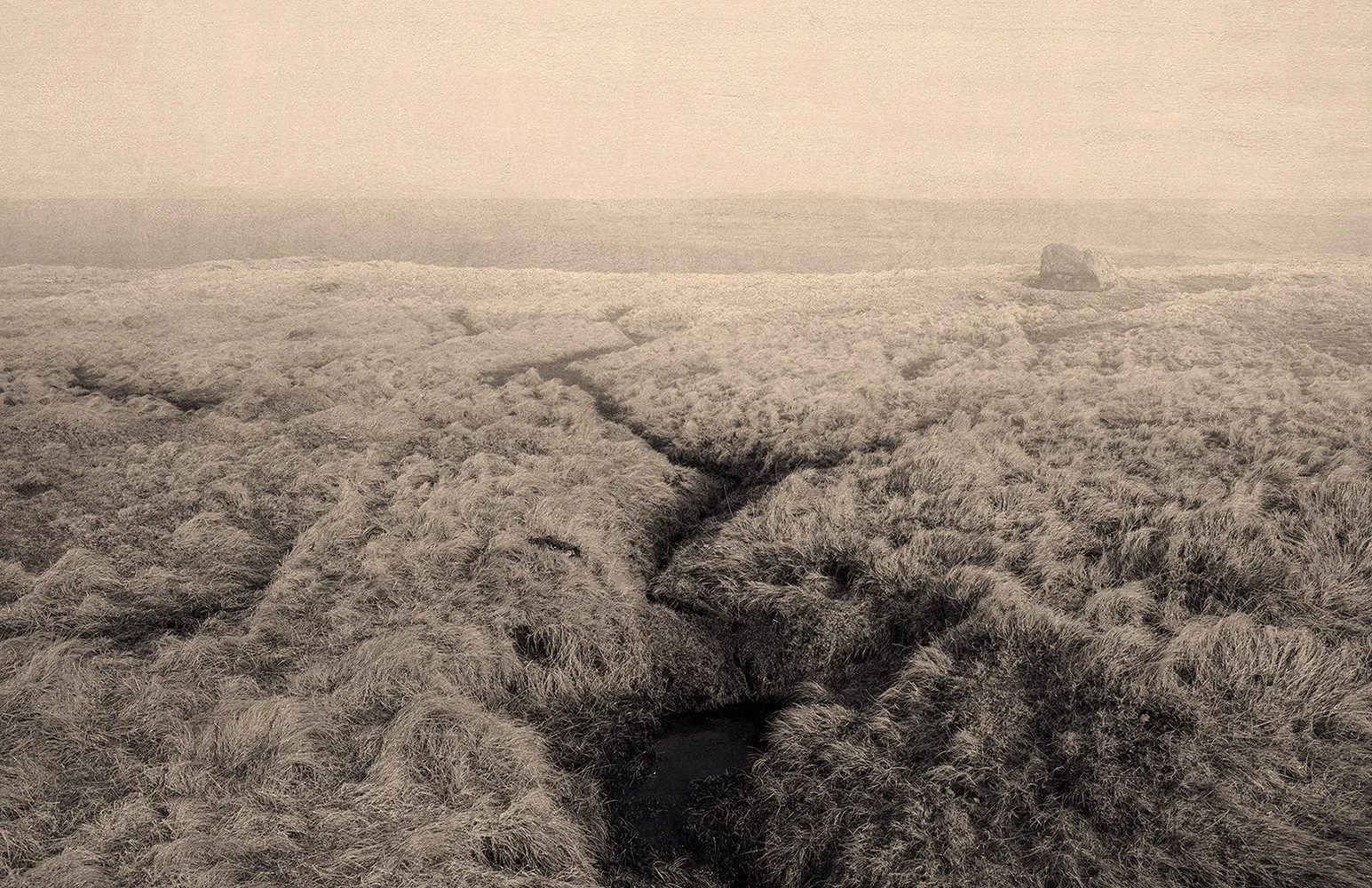
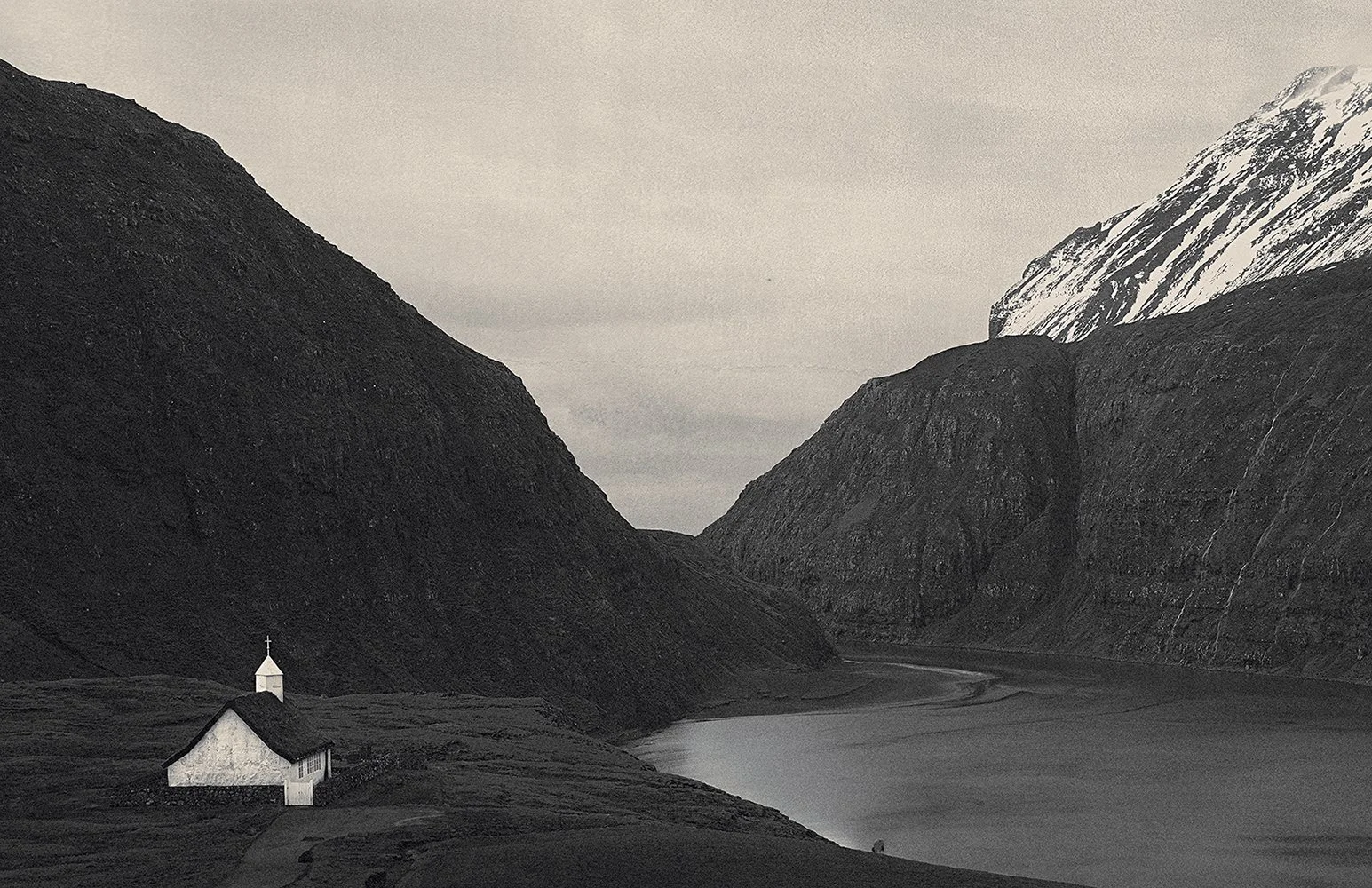
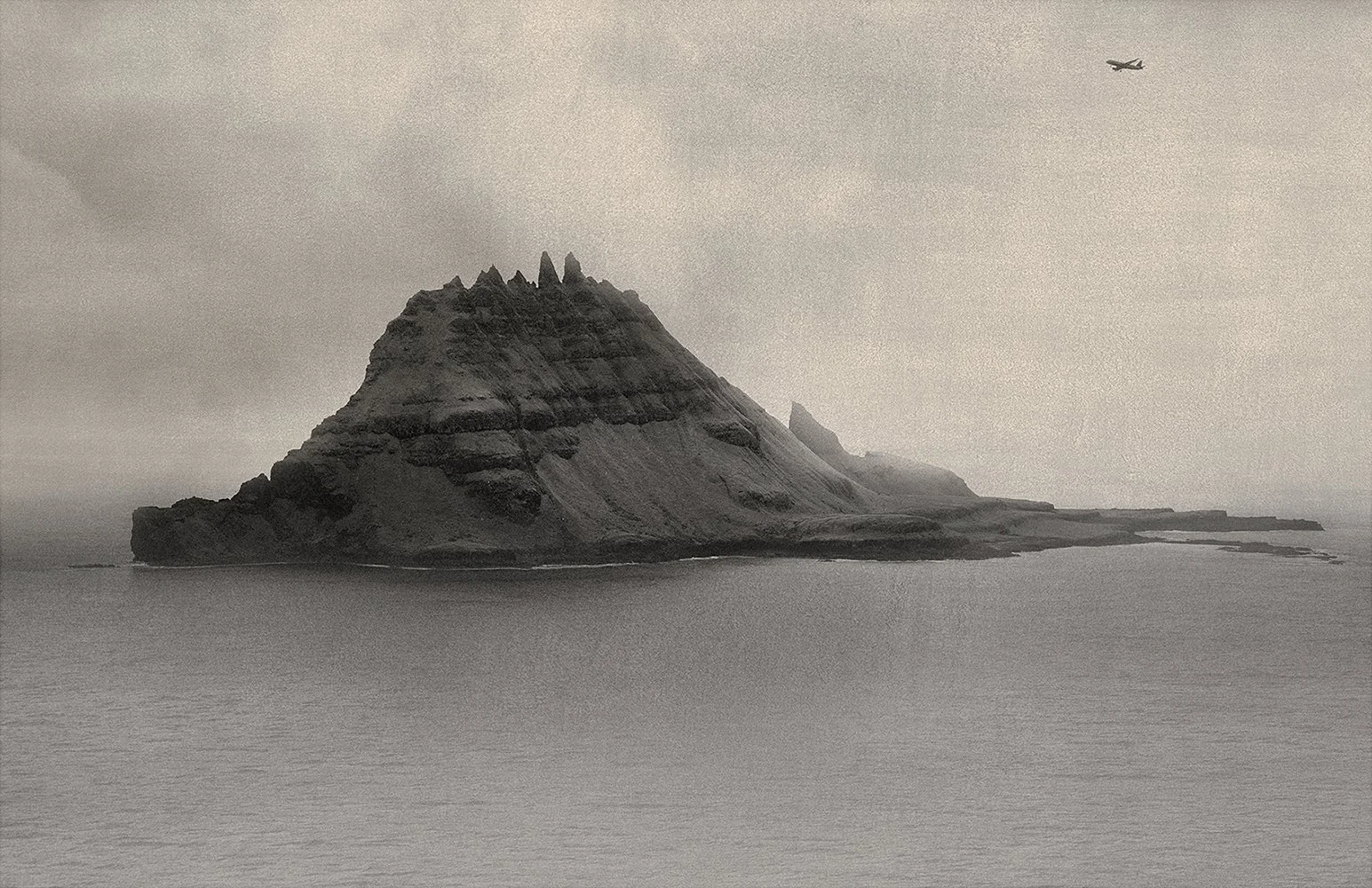
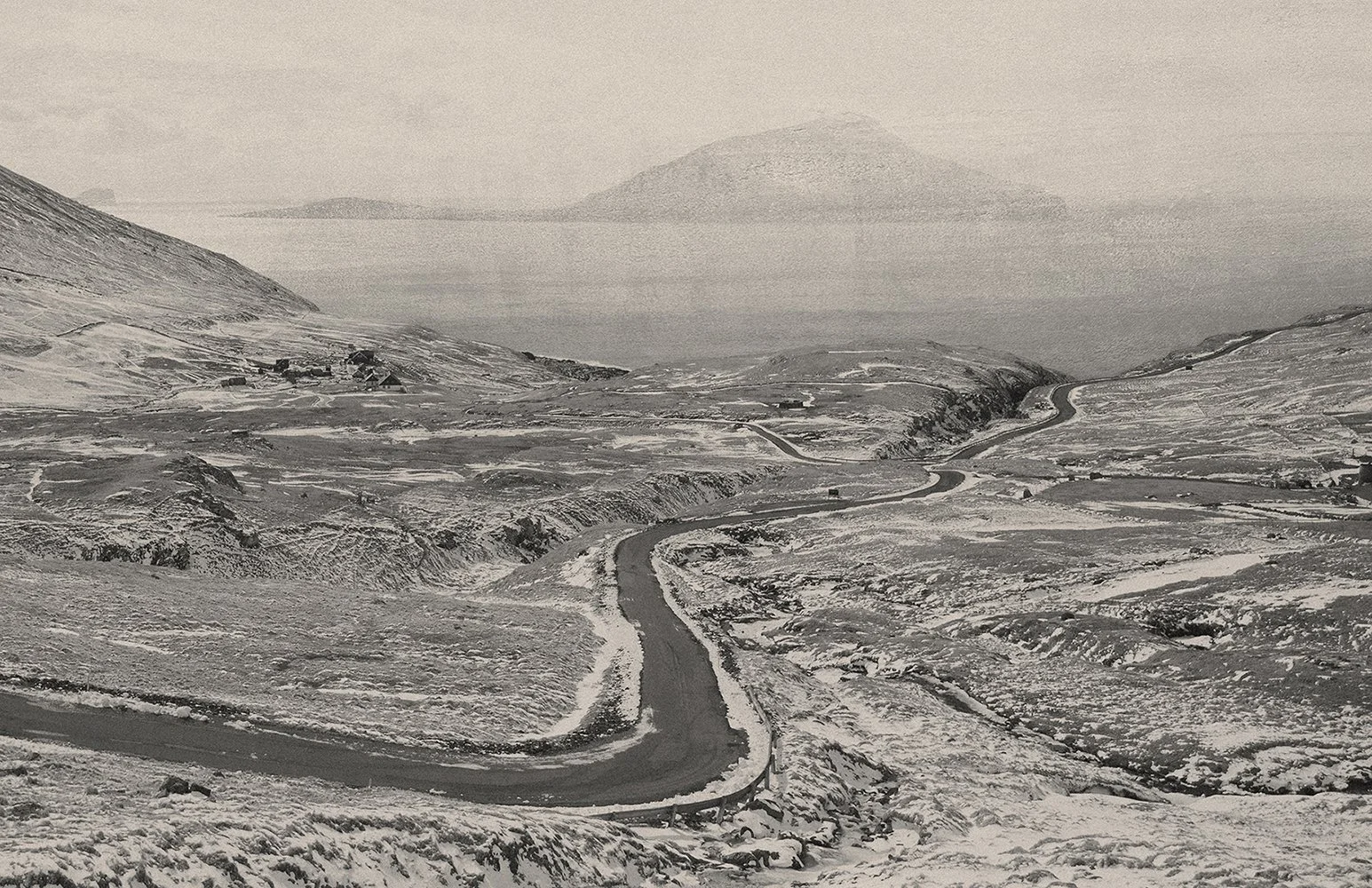
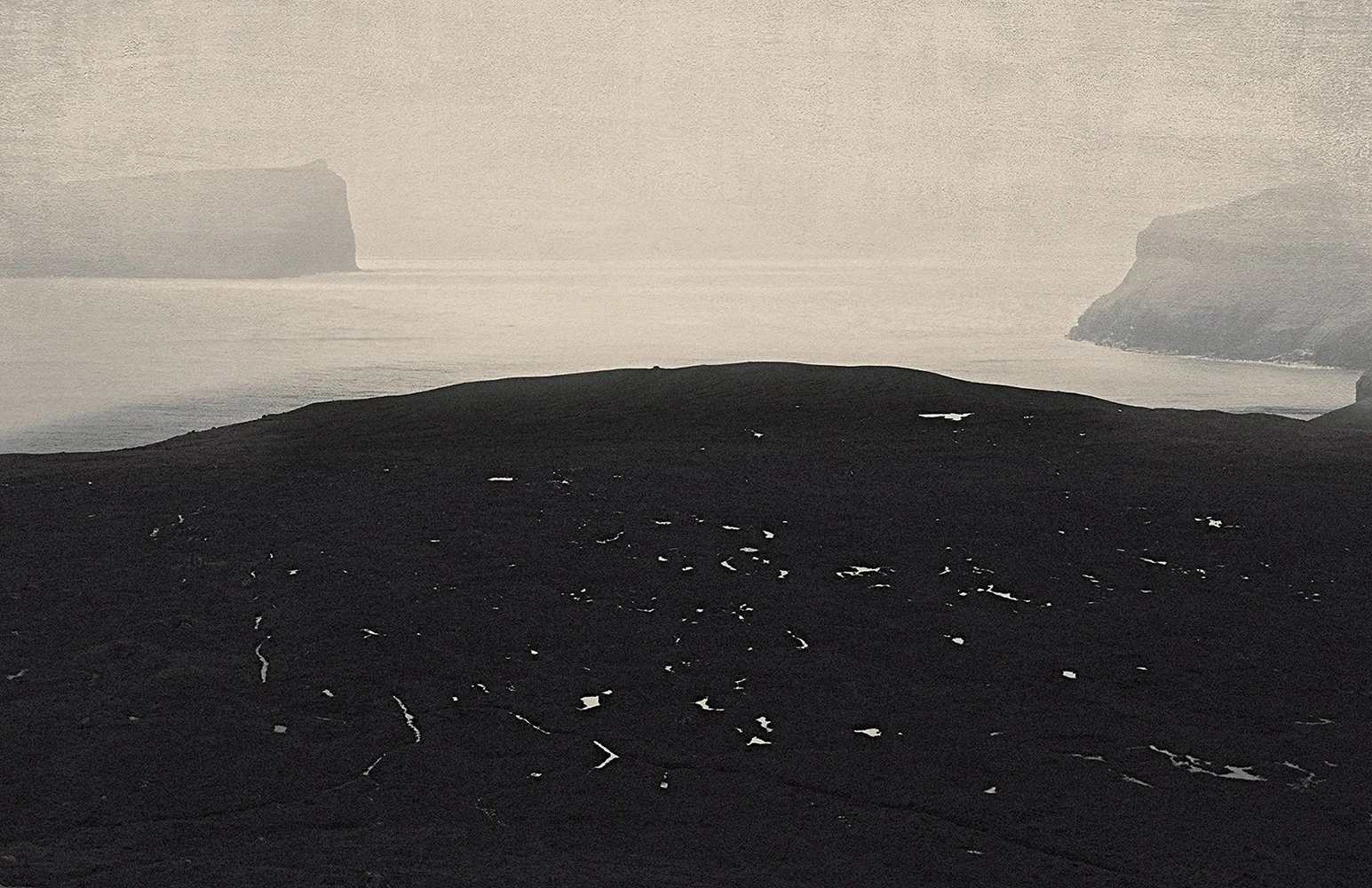
I remember this moment very clearly. It was an overcast day, with very soft, diffused light. The distant islands were almost disappearing into the fog, and the whole scene had a very quiet, muted atmosphere. I stayed there for a while, observing the landscape. Then, quite unexpectedly, the sun broke through the clouds for a brief moment and illuminated a few small patches of water in the foreground. They suddenly began to sparkle, creating a delicate contrast with the dark land and the misty islands in the background. It was a very subtle and fleeting change, but it completely transformed the scene. I think this photograph is a good example of why I like to spend time in one place rather than move quickly from one viewpoint to another. Sometimes you don't need a dramatic change to happen. You simply need to be there when a small moment reveals itself.
Key decision: The book has no saturated colours and uses black and white pictures too. How did you decide which images should be in colour and which in black and white?
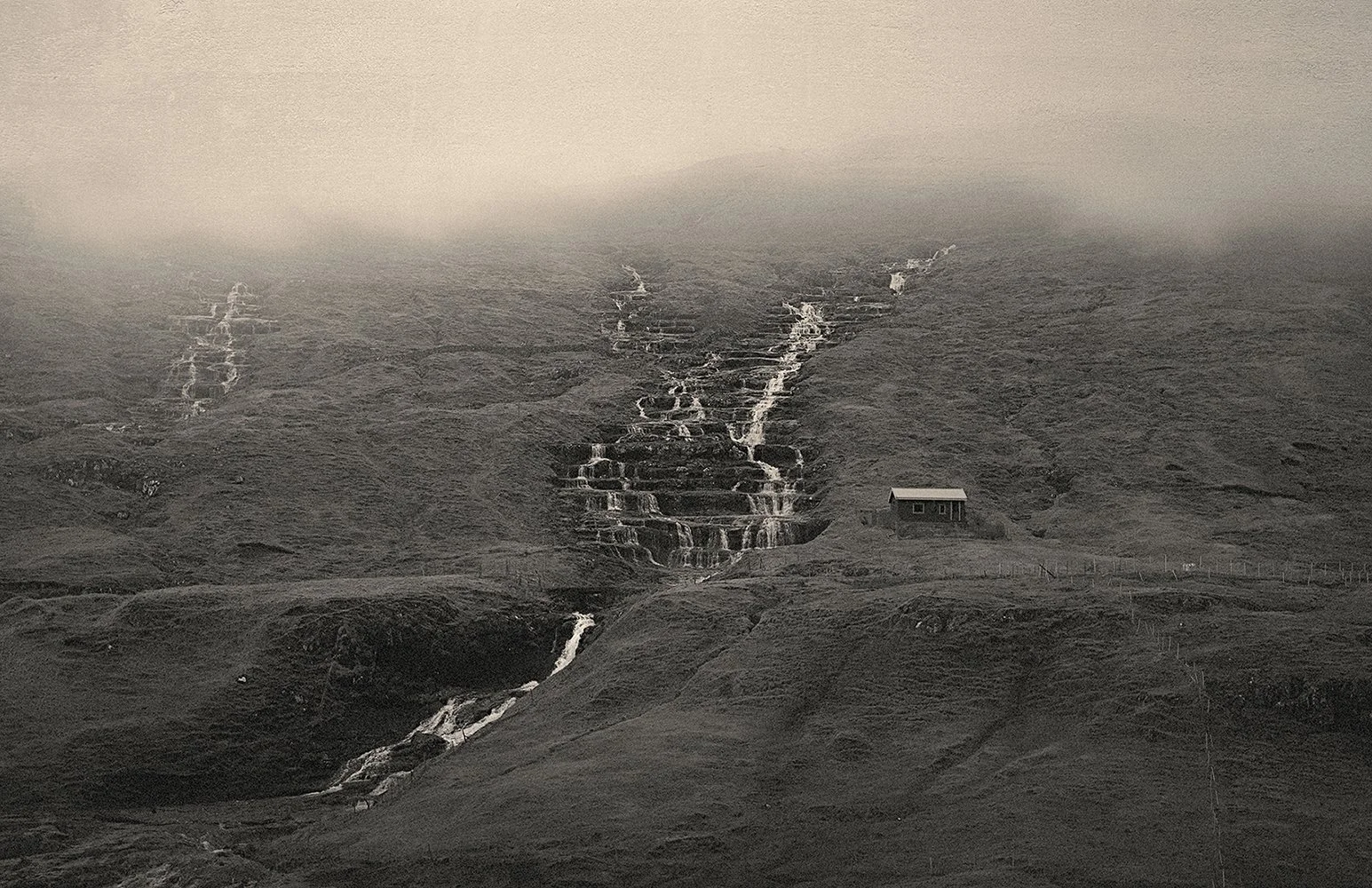
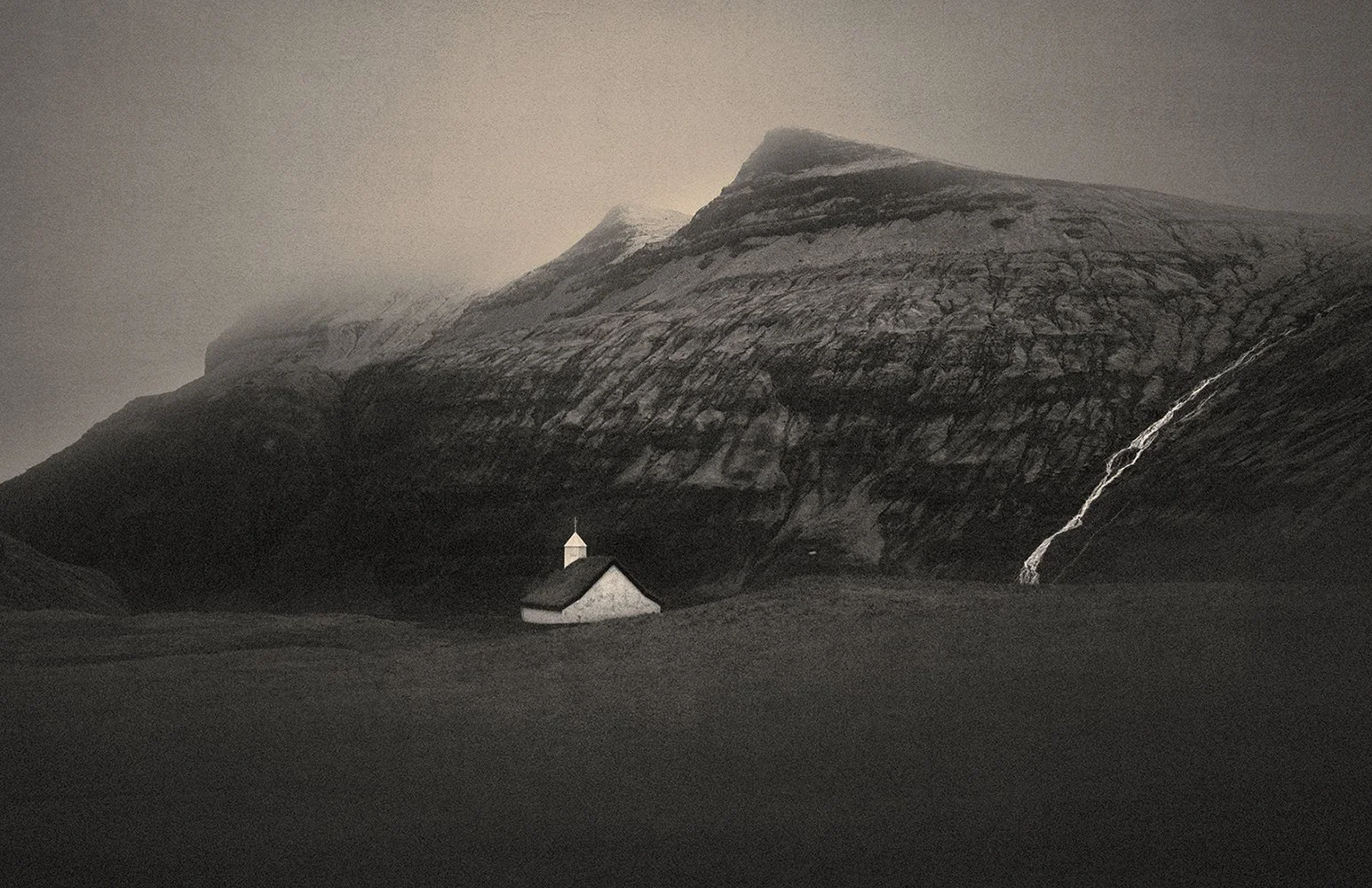
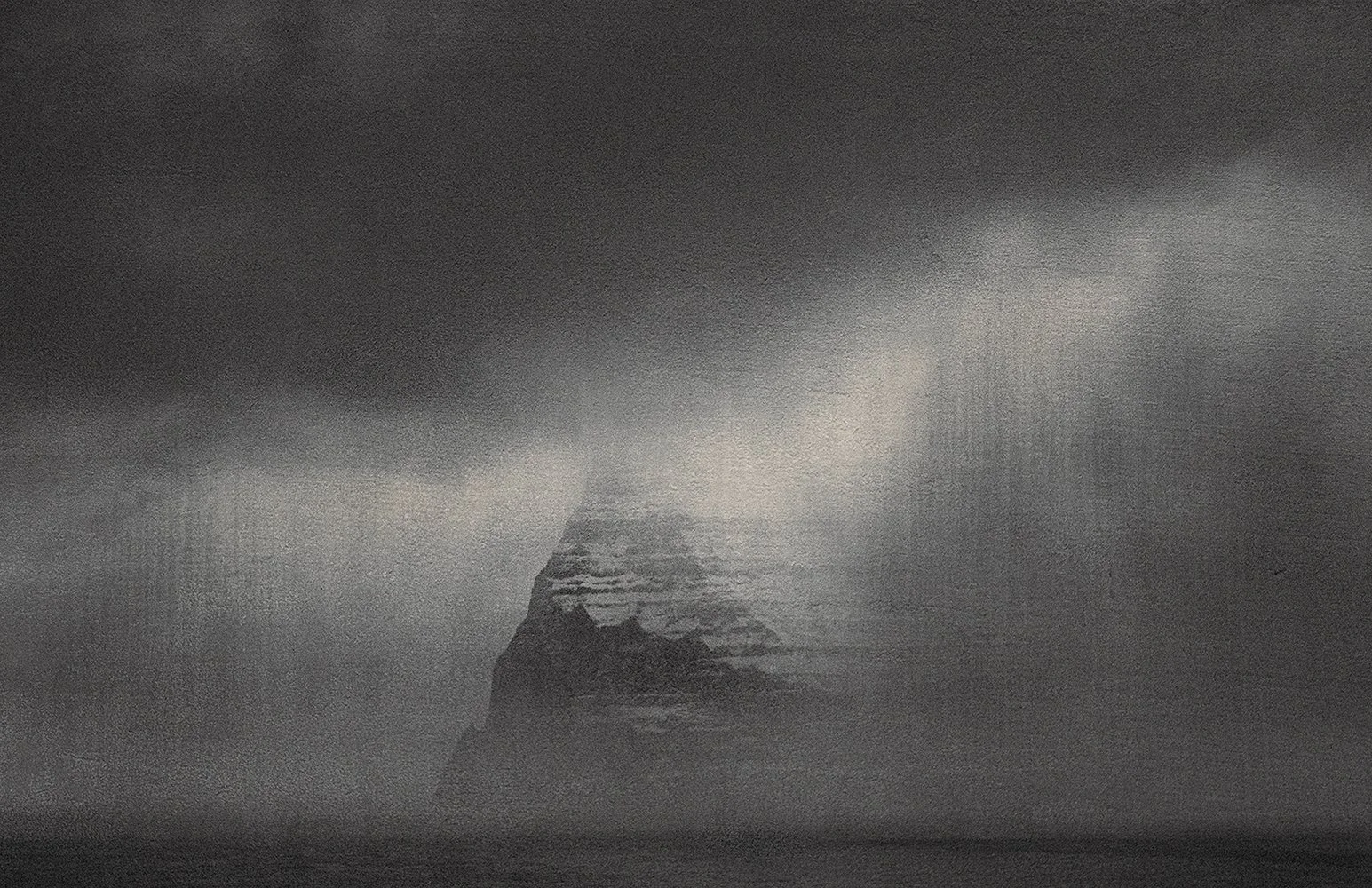
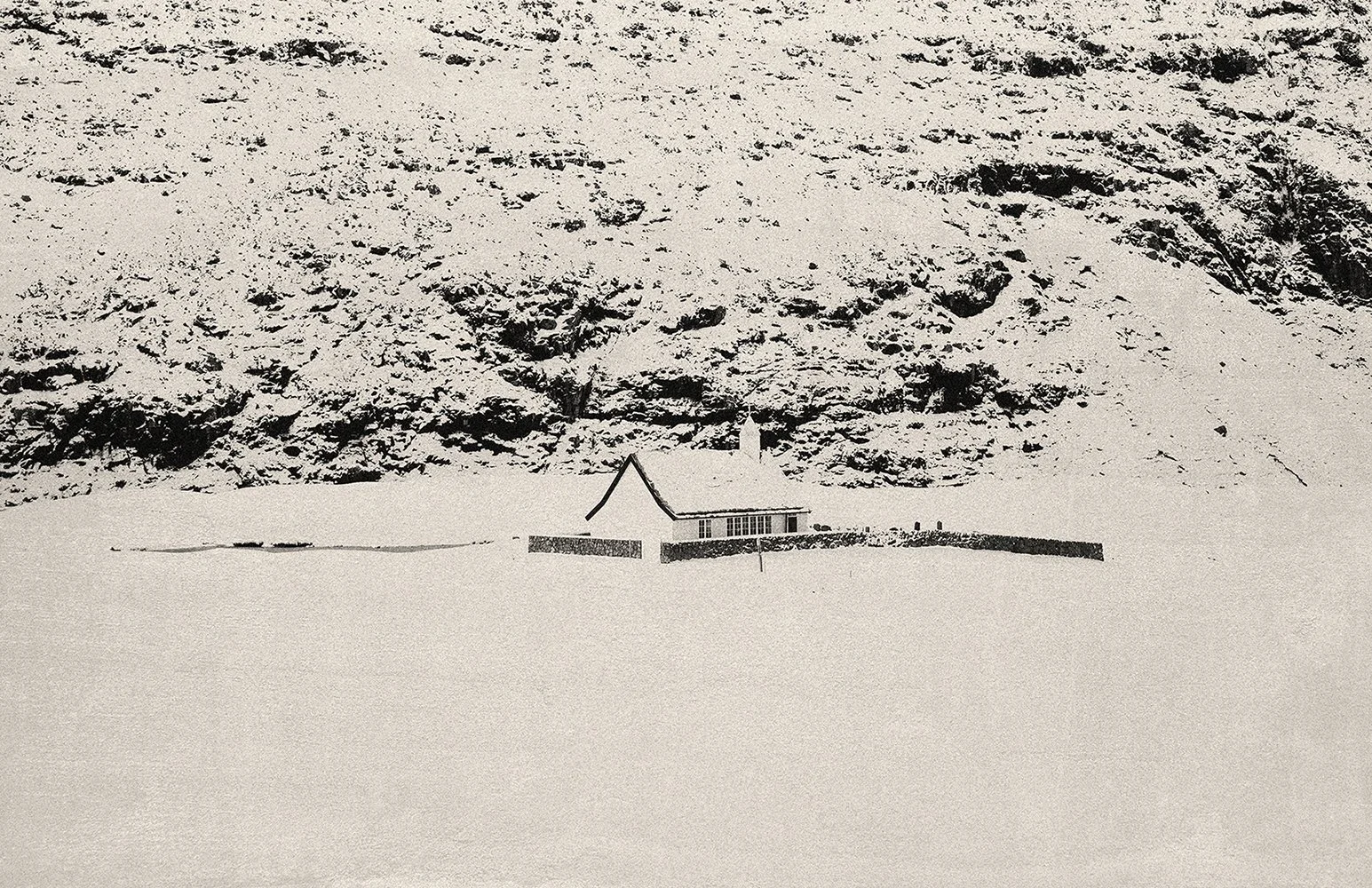
The decision was largely spontaneous and intuitive. I didn't follow any strict rules about which subjects should be in colour and which in black and white. I tried to feel what each photograph needed. The colours in the book are very restrained. They are mostly earthy tones, inspired by the natural palette of the islands, the warm ochres of the grass, the subtle shades of sheep's wool, and the muted colours of the landscape. I wanted to preserve this quiet, natural palette rather than introduce strong or saturated colours. Black and white offered a different way of seeing. Without colour, I could emphasise forms, textures and structures, allowing them to speak more clearly.
Colour also plays an important role in the overall rhythm of the book. I wanted the two approaches to complement each other, creating a visual dialogue and a natural flow from one image to the next. Ultimately, the choice was always about what best expressed the feeling of a particular photograph and how it contributed to the book as a whole.
People: In Gjógv you saw no one, and only your bus driver, Uffe, knew where you were. You even wondered if people were watching the “strange figure in a yellow jacket” from behind their curtains. How did the islanders, both the few you met and the ones you never saw, shape the way you worked there?
Every day was different, and every morning I woke up with a sense of excitement, wondering what the day would bring, what I might discover and whom I might meet along the way. I found the people in the Faroe Islands very friendly, open and willing to help. There is a strong sense of community and closeness between people. I believe this has been shaped over centuries by the nature of island life. Living in such a remote and sometimes challenging environment has meant relying on one another, and I think this has become part of the islanders' character.
Of course, there were days when I hardly met anyone. Sometimes I was completely alone in the landscape. But even when people were not physically present, I could feel their connection to the land. It is visible in the way they live, in the houses and villages, in the sheep grazing freely across the hills, and in the close relationship between everyday life and nature. Perhaps this also influenced the way I worked. I became more attentive to the traces of human presence, even when there was no one around. The islands taught me that a landscape is never just a landscape; it is also shaped by the people who have lived with it for generations.
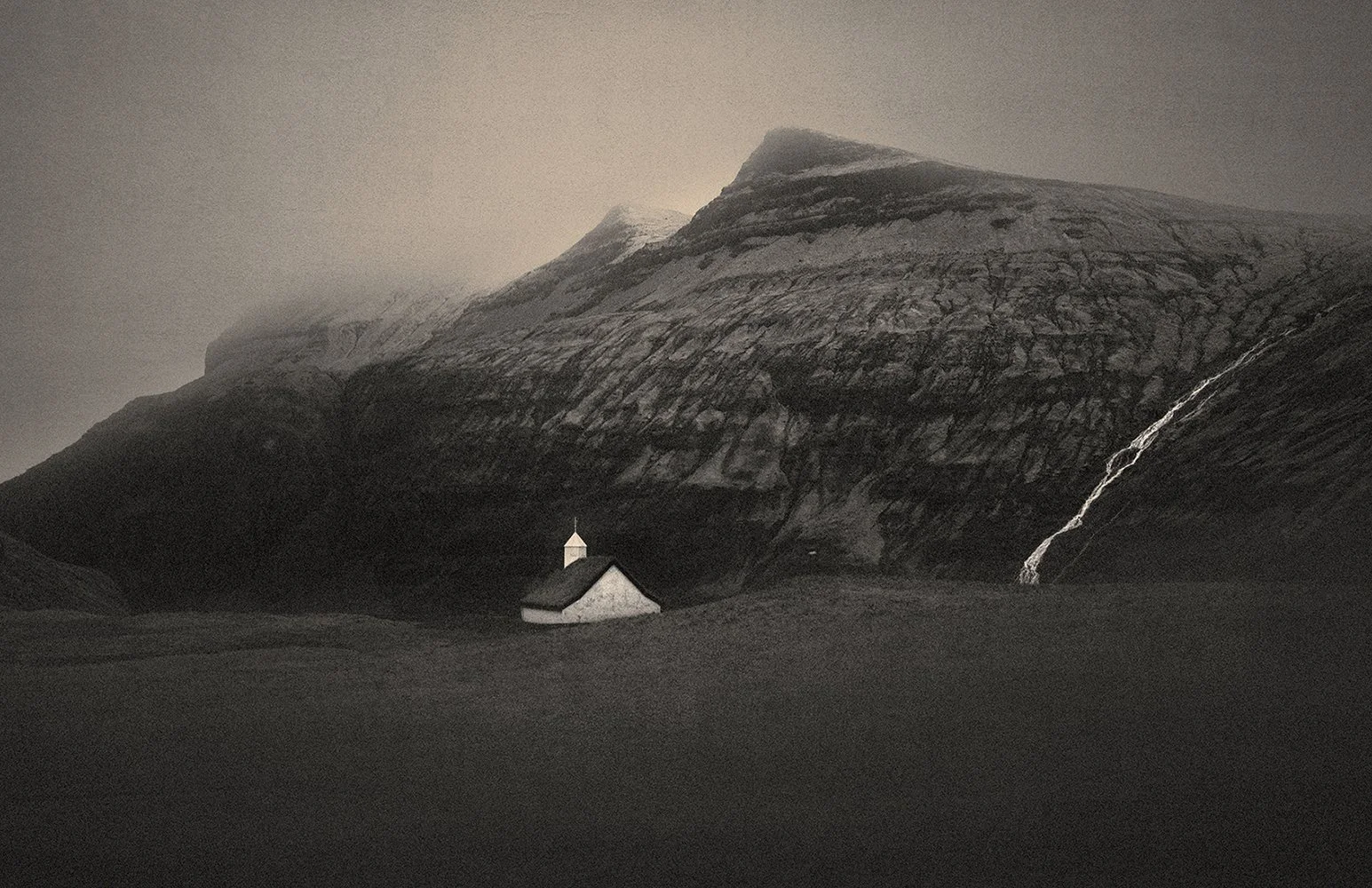
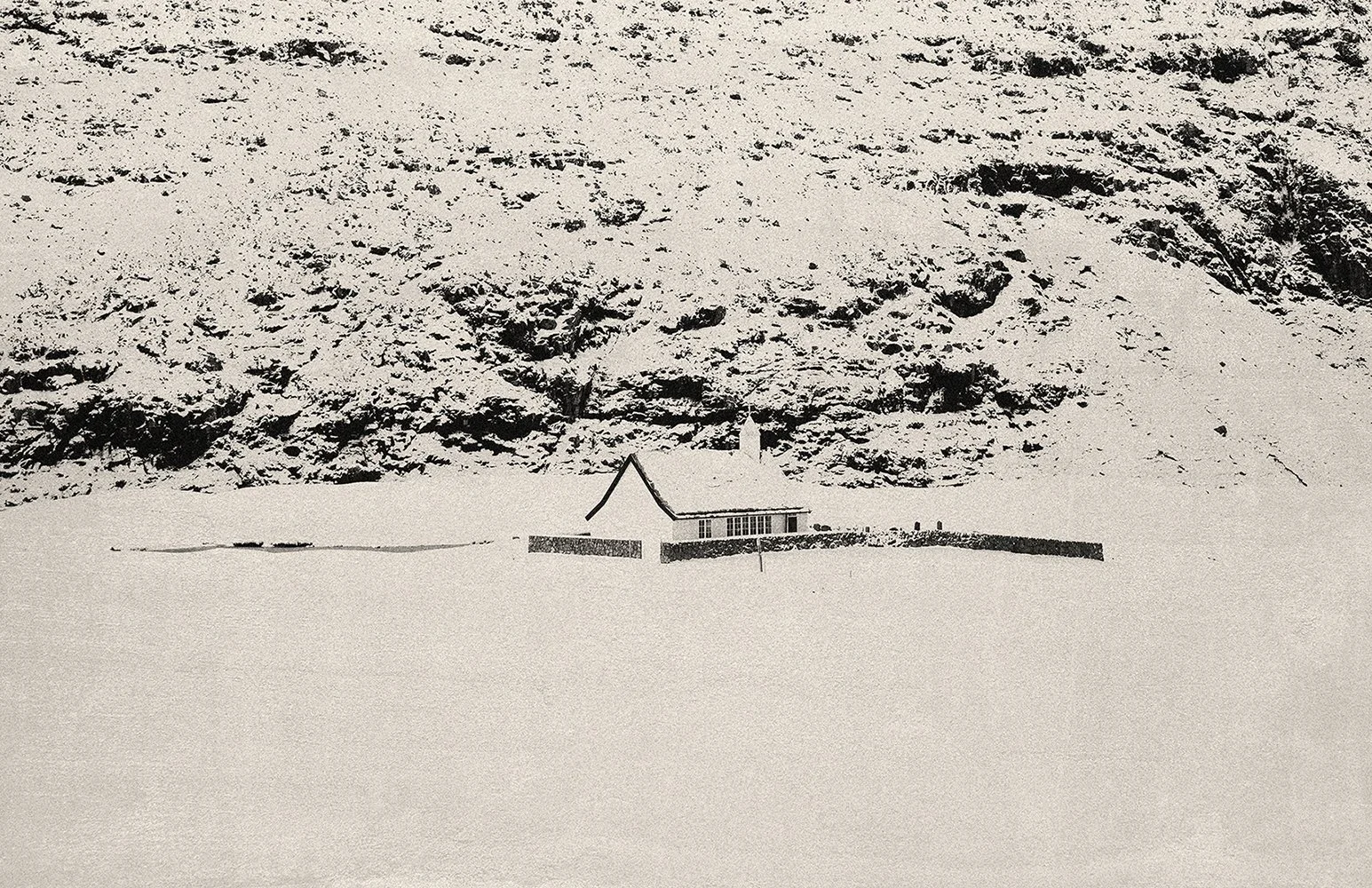
Problems and surprises: On the hill above Gjógv you felt “an intense feeling of loneliness”, and sun, rain and snow all came at once. What made you stay with that feeling instead of leaving, and did an important picture come from a moment that first felt like a problem?
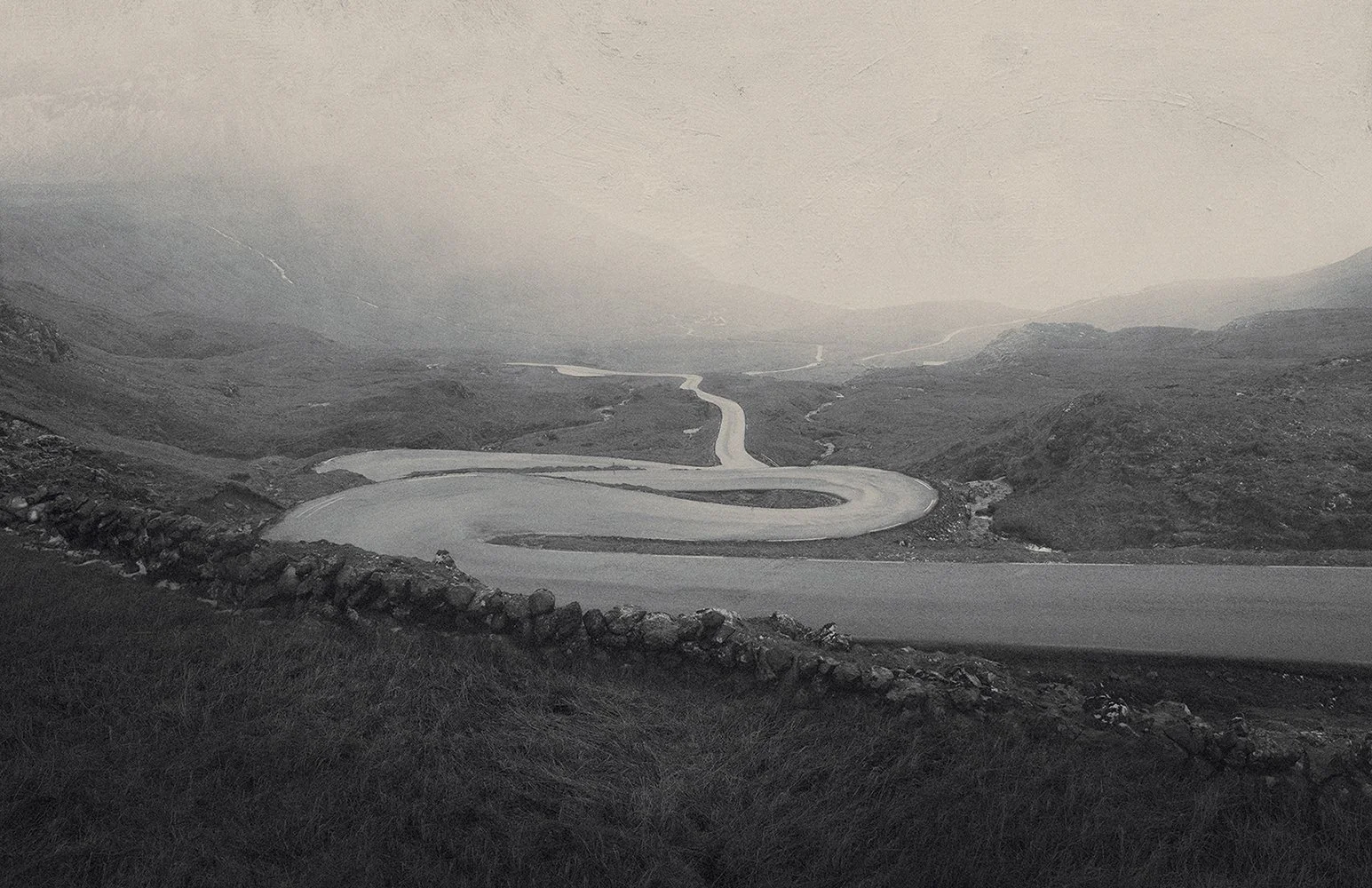
Yes, I remember that moment very clearly. Not for a moment did I think about leaving. Although, even if I had wanted to, there was no easy way out of Gjógv. The weather was changing constantly. Sun, rain and snow seemed to arrive almost at the same time. But this is something I had gradually learned to accept in the Faroe Islands. You cannot expect the weather to cooperate with your plans, and perhaps that is part of what makes being there so special. You simply have to adapt, stay curious and embrace whatever the day brings.
I remember the intense feeling of loneliness, but it wasn't necessarily an unpleasant one. It made me more aware of my surroundings and more connected to the landscape. I stayed, observed and waited, allowing the place to unfold in front of me.
In the end, the limited number of pages in the book did not allow me to include this particular view. However, several other photographs from Gjógv, taken on that same day, found their place in the book.
Editing: You have said you prefer making series to single images, and that pairs of pictures often come to you by intuition after the shoot. How did you decide which photographs from two years went into the 150 pages, and which strong images did you have to leave out?
Editing the photographs was probably one of the most challenging parts of the whole process. I had two years of material to work with, and naturally, there were many photographs I was very attached to.
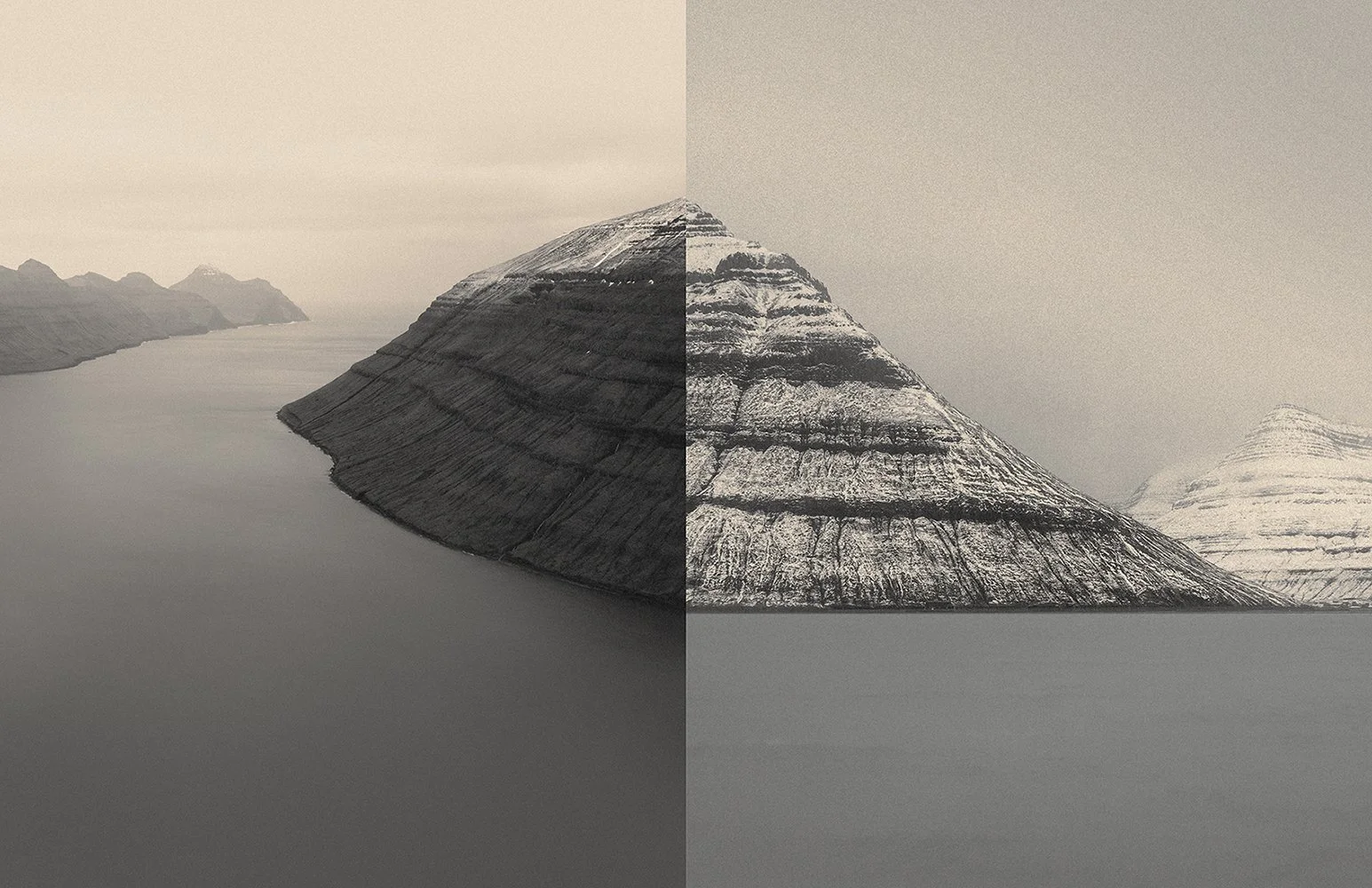
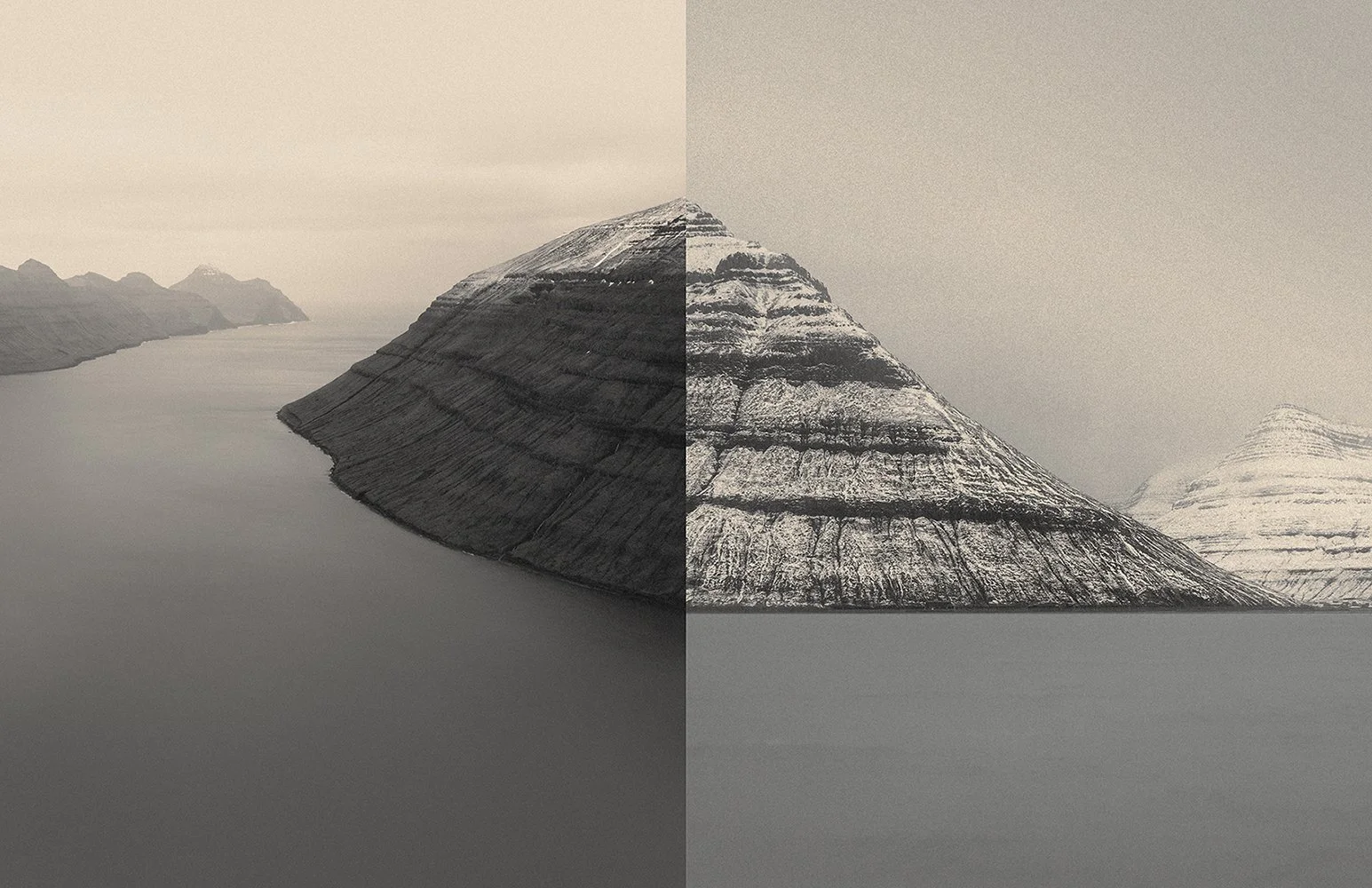
I tend to think in series rather than in individual images. A photograph may be strong on its own, but I always ask myself what happens when it is placed next to another image. Sometimes two photographs that seem quite different at first reveal an unexpected connection. I often discover these pairings intuitively, and they can create a new meaning that neither image would have on its own.
When selecting the photographs, I was looking beyond beautiful views or technically successful images. I wanted each photograph to contribute something to the overall atmosphere and visual narrative of the book. Some images introduced a place or a feeling, others offered a pause, a detail or a different perspective. The relationships between forms, textures, tones and shapes were also important in creating a natural flow.
The sequence gradually became a story in itself, a quiet walk through the Faroe Islands as I experienced them. I wanted the reader to feel this journey rather than simply look through a collection of photographs.
Of course, there were strong images I had to leave out. That is always difficult, especially when you have a personal connection to a particular photograph. But I learned that leaving a good image out can sometimes make the whole book stronger. The final selection had to serve the story, not my attachment to individual photographs.
Can you describe one pair in the book, what connected them, and what new meaning they create?
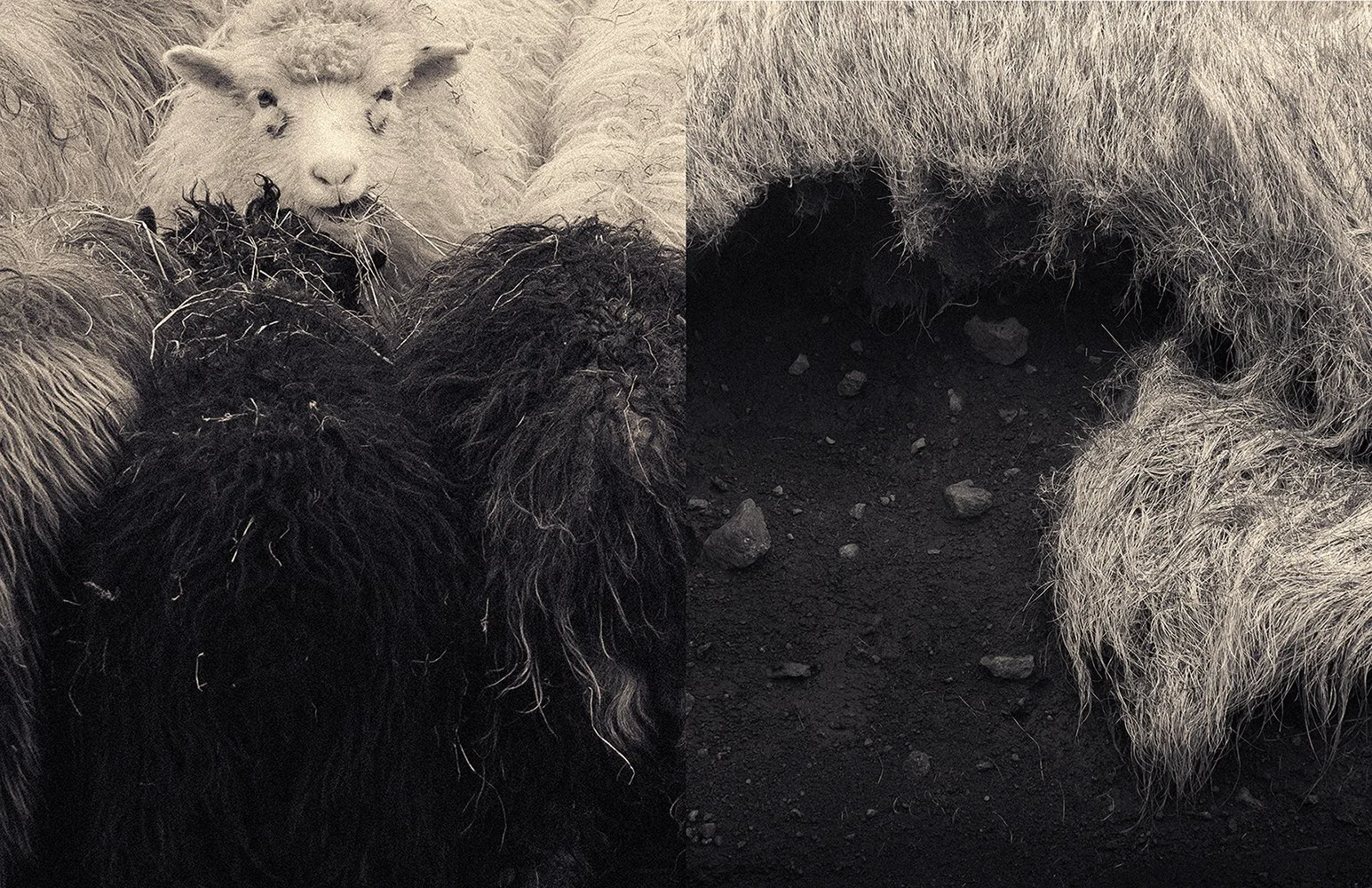
One example is this pair of photographs, bringing together sheep's wool and the texture of the grass. At first glance, they appear to be two quite different subjects, but when placed next to each other, I love how the textures begin to flow seamlessly from one image into the other. Almost as if they were part of the same organic form. The distinction between the animal and its surroundings becomes less important, and they begin to merge into one visual whole.
Together, the photographs create an impression of unity between the sheep and the landscape, suggesting that they are not separate elements but part of the same natural environment.
The view from the hill above Gjógv did not fit in the 150 pages. Is there another photograph you were attached to that you left out, and what did you ask yourself before you removed it?
There were actually many photographs I had to leave out simply because the book had a limited number of pages. Some of them were images I was personally very attached to, which made the editing process quite difficult. But at a certain point, I had to step back from my personal feelings about individual photographs and look at the book as a whole. I kept asking myself: Does this image bring something new to the story? Does it add another layer, a different perspective or a particular atmosphere? Or is something similar already expressed elsewhere in the book? Sometimes an image can be beautiful and meaningful on its own, but it doesn't necessarily belong in the final sequence. I had to accept that the book could not contain everything I experienced and photographed over those two years. It had to become a coherent story, rather than an archive of my time in the Faroe Islands.
Sequencing: You designed the book yourself, and it has double-page fold-outs. Why did you choose fold-outs, and how did you decide where in the sequence the reader should open a page wider?
Designing the book myself allowed me to think about it as a complete experience, not just a collection of photographs. I wanted the physical form of the book to contribute to the way the story unfolds. The fold-out pages came from a desire to give certain photographs more space to breathe. Some landscapes have a particular sense of openness and scale that is difficult to convey within the limits of a standard double-page spread. By opening the pages wider, the reader can discover the image gradually and experience it on a different scale. It also creates a small moment of surprise and interaction.
Which photographs did you choose for the fold-outs, and how did you decide that these images needed more space?
I chose photographs that I felt would benefit from a wider visual space, not necessarily because they were panoramic, but because of the way they invited the viewer to explore the image. Some of these photographs contain a sense of openness, with forms and details that extend across the landscape. I felt that showing them within a standard double-page spread would limit the experience. The fold-outs allowed me to reveal more of the scene and give the viewer time and space to take it in. The decision was also connected to the rhythm of the book. I wanted the fold-outs to create moments of expansion, a change of pace, perhaps even a small surprise for the reader.
Lessons: You write that on these cliffs human vanity disappears, and you felt how small you are. What did this project teach you about being small in front of your subject, and what is one idea another photographer can take into their own work?
The Faroe Islands taught me to slow down, to observe and, above all, to listen. Standing on those cliffs, surrounded by the vastness of the ocean and the power of nature, I became very aware of how small and temporary our human presence is. There is something humbling about being in a place where nature sets the rules and you simply have to accept them.
I think this awareness changed the way I approached photography. I stopped trying to impose my own ideas on the landscape and became more open to what it was offering me. I learned to be patient, to spend time in one place and to wait for the moments when something unexpected reveals itself.
If there is one thing I would share with other photographers, it is this: don't be in a hurry to make a photograph. Spend time with your subject. Look beyond what you see at first glance. Sometimes the most meaningful images appear only when you stop searching for them and allow yourself to become truly attentive to the place.
For me, photography is not only about what we see, but also about how deeply we are willing to experience it.
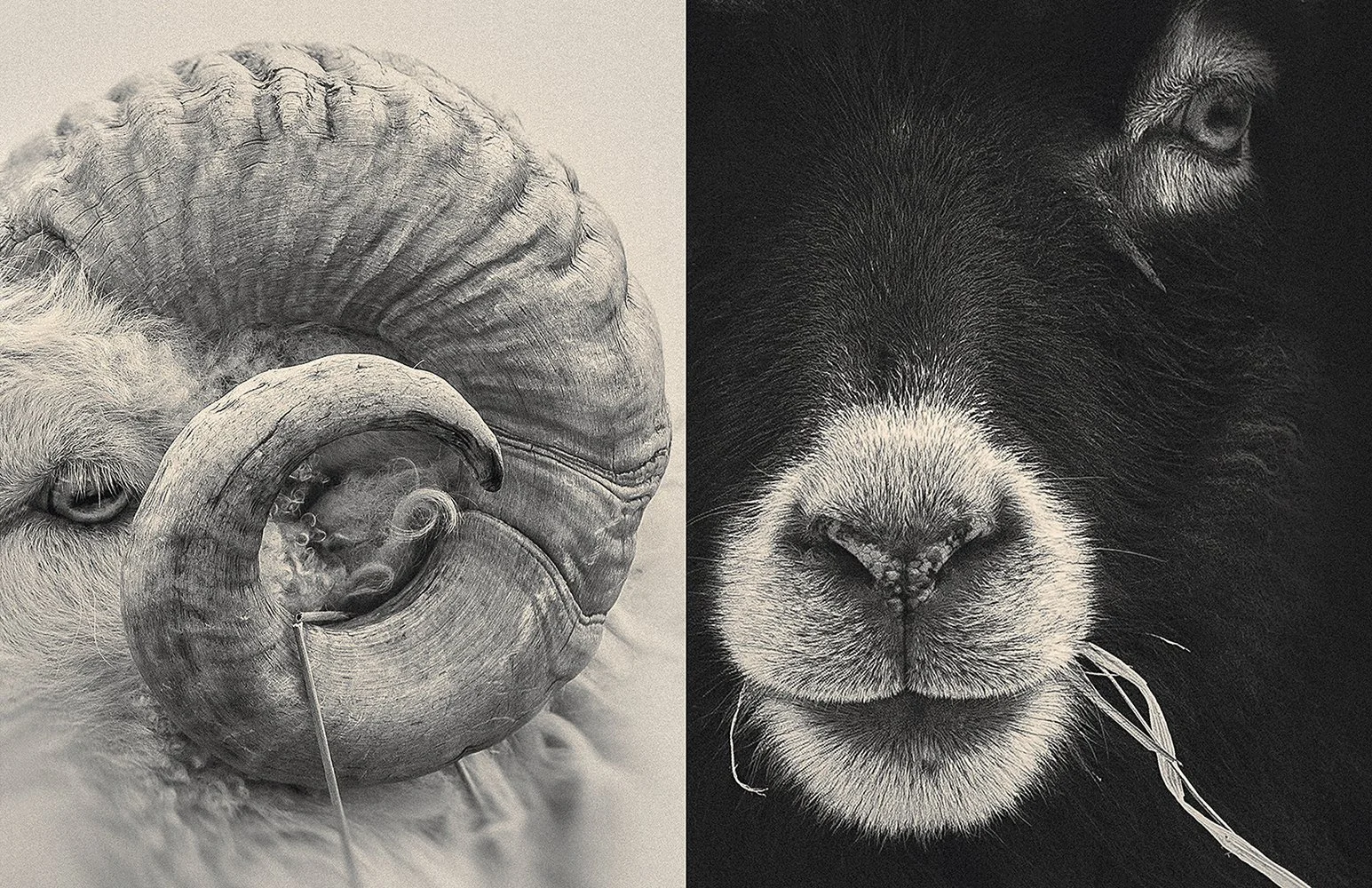
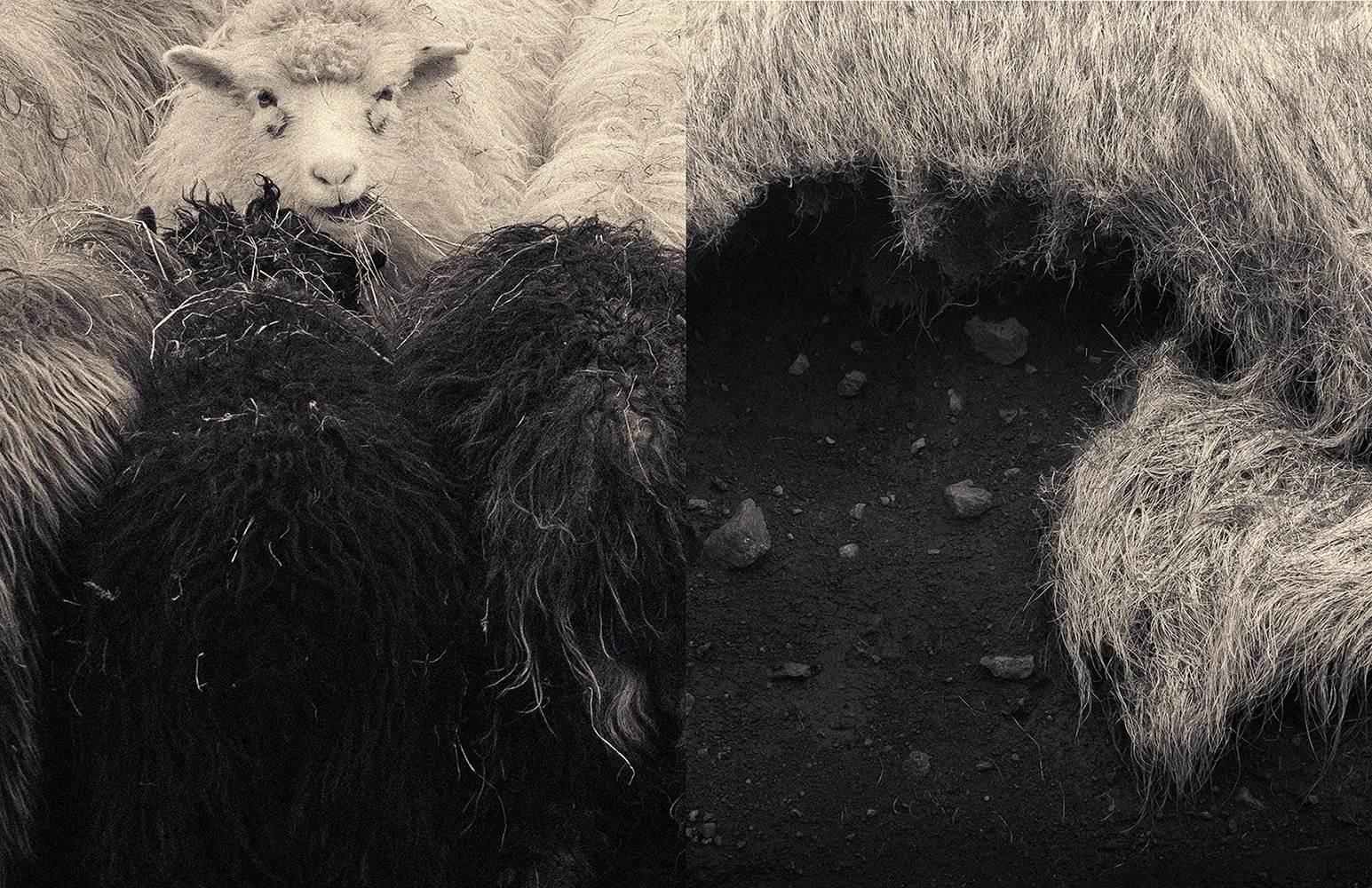
In Eva Chupikova’s book, a picture of sheep’s wool sits next to a picture of grass.
The textures flow from one image into the other, and the animal and the land seem to become one.
“Sometimes two photographs that seem quite different at first reveal an unexpected connection.”Eva Chupikova
A photograph can mean something new next to the right partner. Which of your pictures could you pair?
We'd love to read your comments below, sharing your thoughts and insights on the artist's work. Looking forward to welcoming you back for our next [book spotlight]. See you then!