AT A GLANCE
- Known for
- Big cats of Botswana and Kenya, above all lions and the leopard Legadema, photographed over more than 40 years in the bush
- Works in
- Color, plus black-and-white and sepia fine art prints; film in the early years, digital today
- Camera
- Canon, with long lenses such as a 600mm
- Also
- Filmmaker with her husband Dereck Joubert (Emmy-winning films for National Geographic); co-founder of the Big Cats Initiative and Rhinos Without Borders
- Start with
- Wild Eye: A Life in Photographs (National Geographic, 2025)
- Links
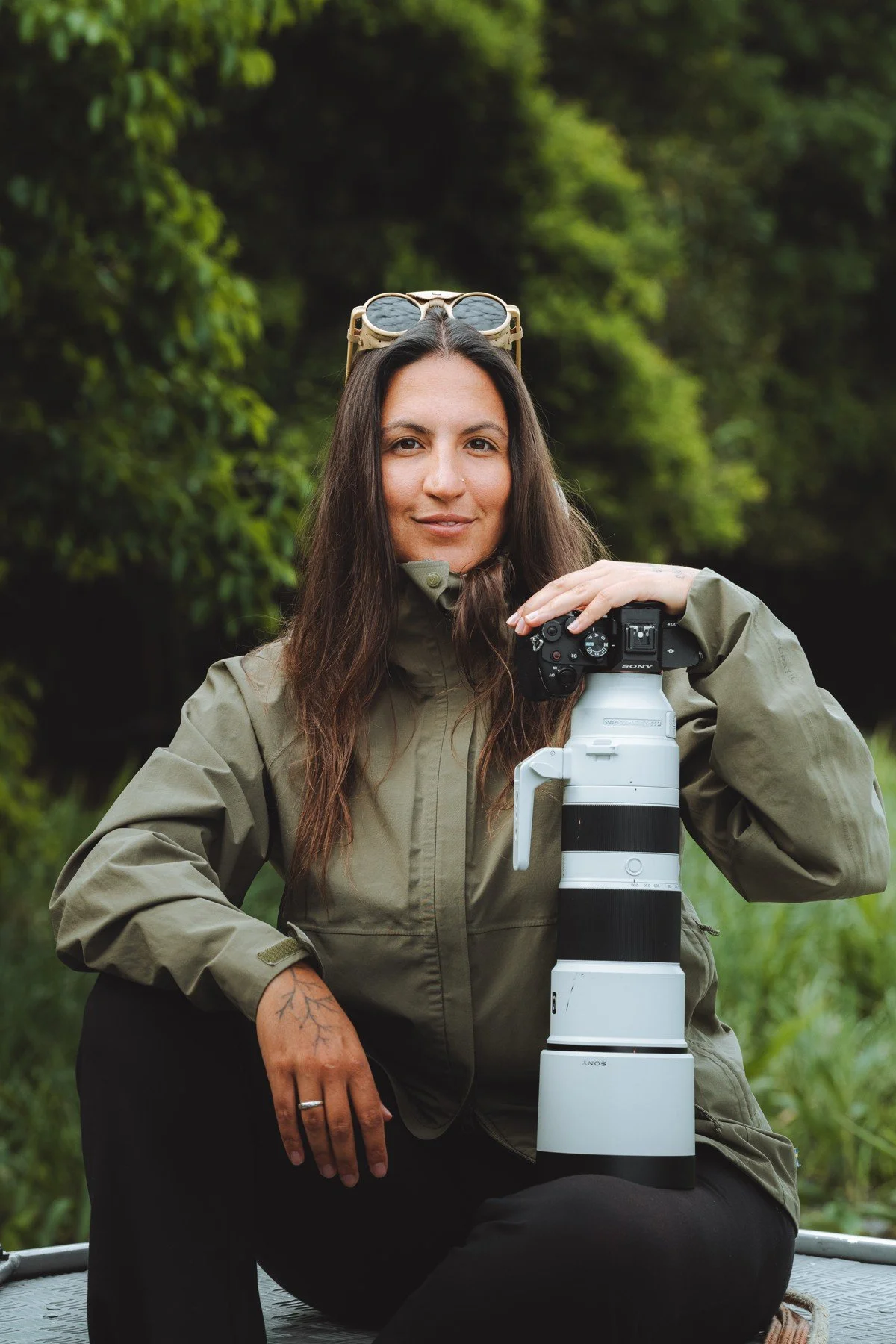
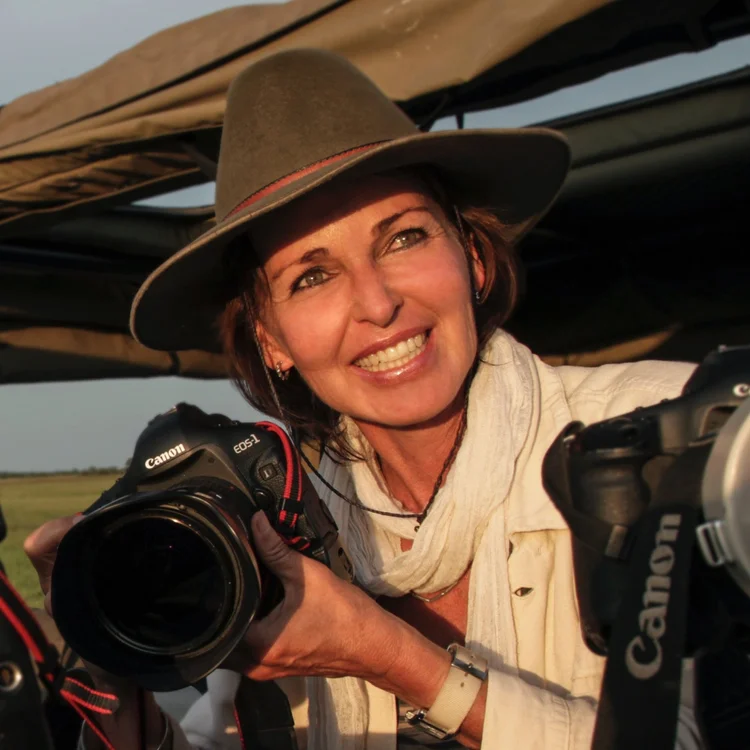
Beverly Joubert (born 1957) is a South African wildlife photographer, filmmaker and conservationist. Since the early 1980s she has lived and worked in the African bush with her husband, Dereck Joubert, mostly in Botswana. A National Geographic Explorer at Large, she is best known for her pictures of lions and leopards.
The story
Around 2003, Beverly and Dereck Joubert spent a few days tracking a female leopard in Botswana's Okavango Delta. Then the leopard led them to her den. Inside was a newborn cub, “this tiny little fluffy furball,” as Joubert remembers. They named her Legadema, which means light from the sky, after a lightning bolt that struck close to the cat and to them. “This moment changed our lives,” she says.
Cameras had not been the plan. Joubert was born in Johannesburg in 1957 and met Dereck in high school. Around 1981, a canoe trip in the Okavango Delta made them decide to stay in Botswana, and they joined a lion research station. At Savuti they watched lions and hyenas fight at night. Scientists told them this could not happen. “And that’s really when we picked up cameras,” she says. Dereck filmed. She took the still photographs and recorded the sound.
Those first years were slow. A roll of film held 36 frames, and the film had to go to London to be developed. “I would have to wait three to six months to even see an image,” she remembers. Lions filled most of those years. Later, in the Duba Plains, the couple spent two years watching three prides hunt a huge herd of buffalo that often fought back.

But Legadema was different. Day after day, the Jouberts got up at 3:30 or four in the morning, found her tracks and stayed with her until night. Her mother went hunting for up to two days at a time, and the people in the vehicle were always there. Slowly the curious cub came to look at them. Their film about her, Eye of the Leopard, won an Emmy. She also pushed them to act. “We realized that the numbers of all big cats were declining over our lifetime, and we wanted to do something,” Joubert says. In 2009 they started the Big Cats Initiative with National Geographic.
The little furball from the den is now on the cover of Wild Eye, her 2025 book of 40 years of pictures. Joubert chose Legadema's eyes on purpose. Pictures should not make people afraid of animals, she explains. “If the soul of an animal connects with you, you're going to fall in love with them.”
The work


- 1957Born in Johannesburg, South Africa
- 1981Around this year, moves to Botswana with Dereck Joubert after a canoe trip in the Okavango Delta
- 1982Starts photographing to document night battles between lions and hyenas
- 1983Marries Dereck Joubert
- 1992Eternal Enemies: Lions and Hyenas brings the couple international acclaim
- 1997Publishes Hunting with the Moon: The Lions of Savuti
- 2009Co-founds the Big Cats Initiative with National Geographic
- 2017Survives a buffalo attack near the couple's camp in the Okavango Delta
- 2025Publishes Wild Eye: A Life in Photographs
Lessons
Stay with one animal. The Jouberts followed Legadema almost every day for years, from before dawn until night. The trust came slowly, and the pictures came with it.
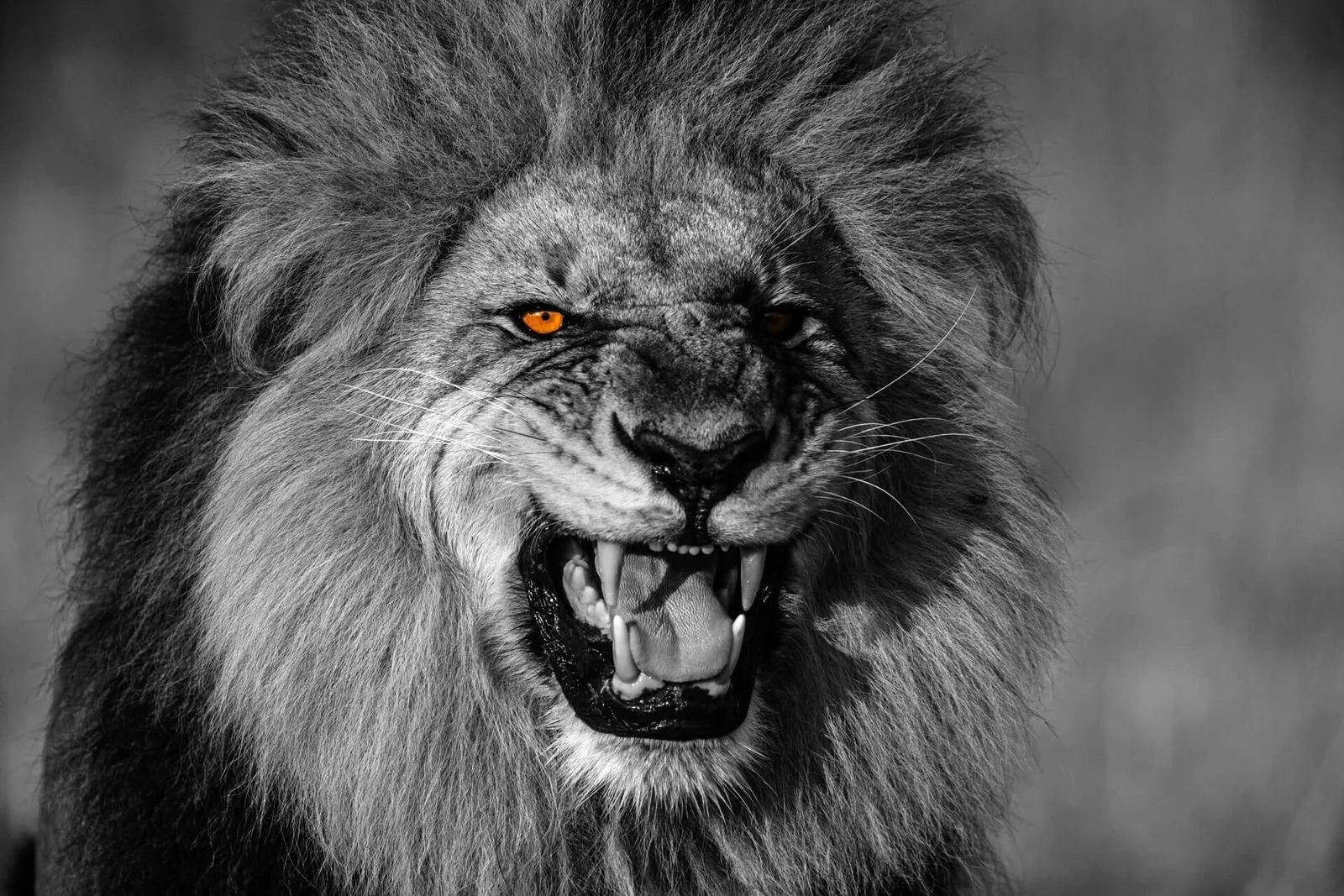
Let the animal be natural. Joubert does not try to make an animal look aggressive. With predators she prefers a long lens, so the animal is not disturbed.
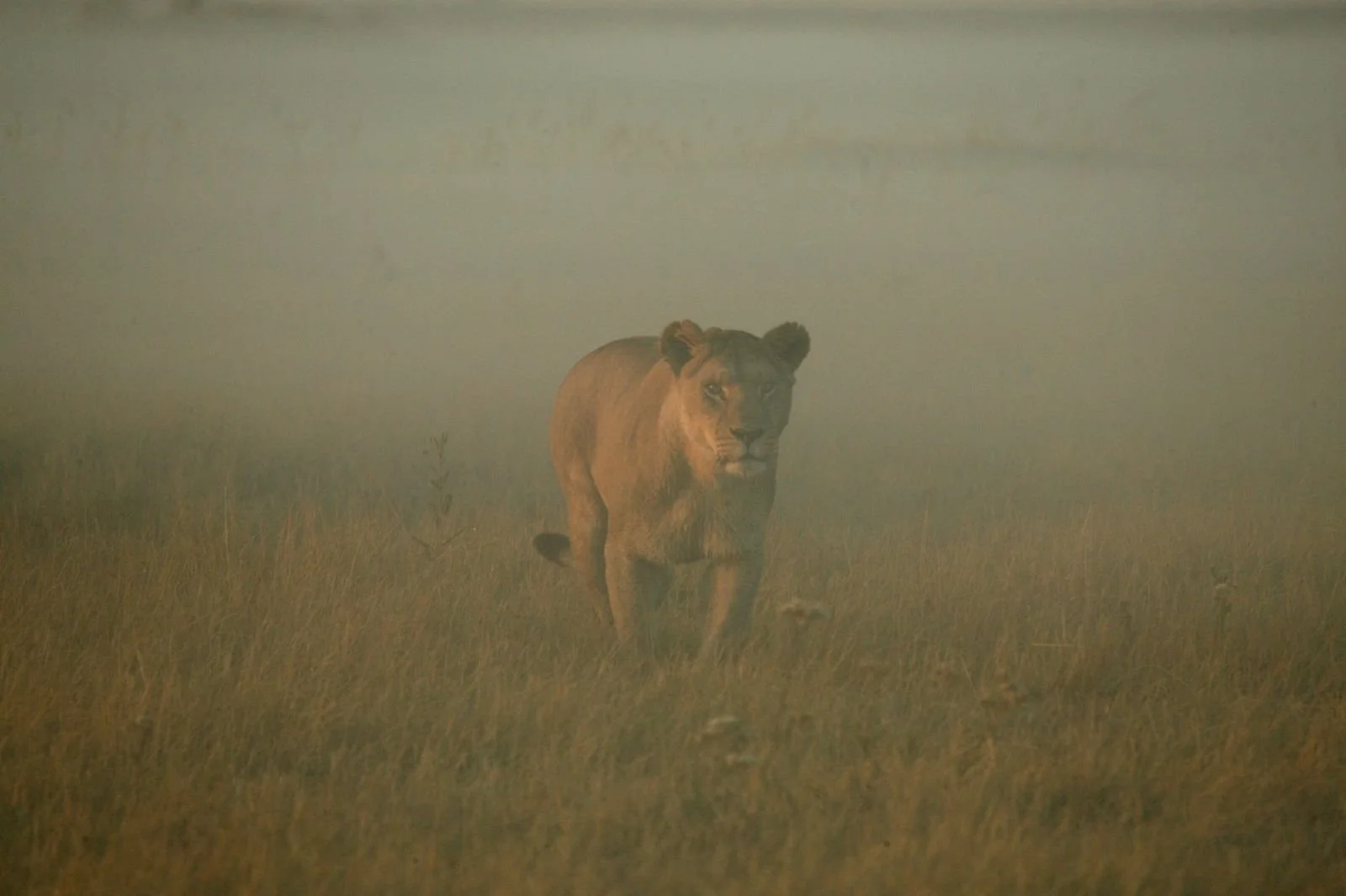
Look for the eyes and the light. She wants the animal in its surroundings, not only a portrait. If she can catch the sun and a glint in the eye, she calls it perfect.
Try this: choose one animal near you, like a neighbor's cat or the birds at a feeder. Visit at the same time every day for a month and use your longest lens. Keep only the frames where the animal ignores you and the light catches its eyes.
Gear
Joubert rarely talks about camera models. A few interviews give the outline.
35mm film camera: in the early years each roll held 36 frames. The film was shipped to London for developing, so she saw her pictures months later.
Canon cameras: she photographs with Canon today.
600mm lens: for predators she likes a long lens. National Geographic describes her using a 600mm lens with a teleconverter, mounted on a refitted safari vehicle.
Spare battery and memory card: the one thing she tells others to pack, because the best moment often comes when the battery is almost empty.
Books
Wild Eye: A Life in Photographs (National Geographic, 2025). A large 416-page retrospective with more than 250 color photographs from 40 years of work in Kenya, Botswana, Zimbabwe and Tanzania. The pictures are grouped in five themes: Awe, Compassion, Humility, Intimacy and Legacy, and each one carries a short observation by Dereck Joubert. The couple sequenced the images so that the colors flow from one page to the next, like a film. The cover shows the leopard Legadema. This is the best place to start if you want to see her whole career in one book.
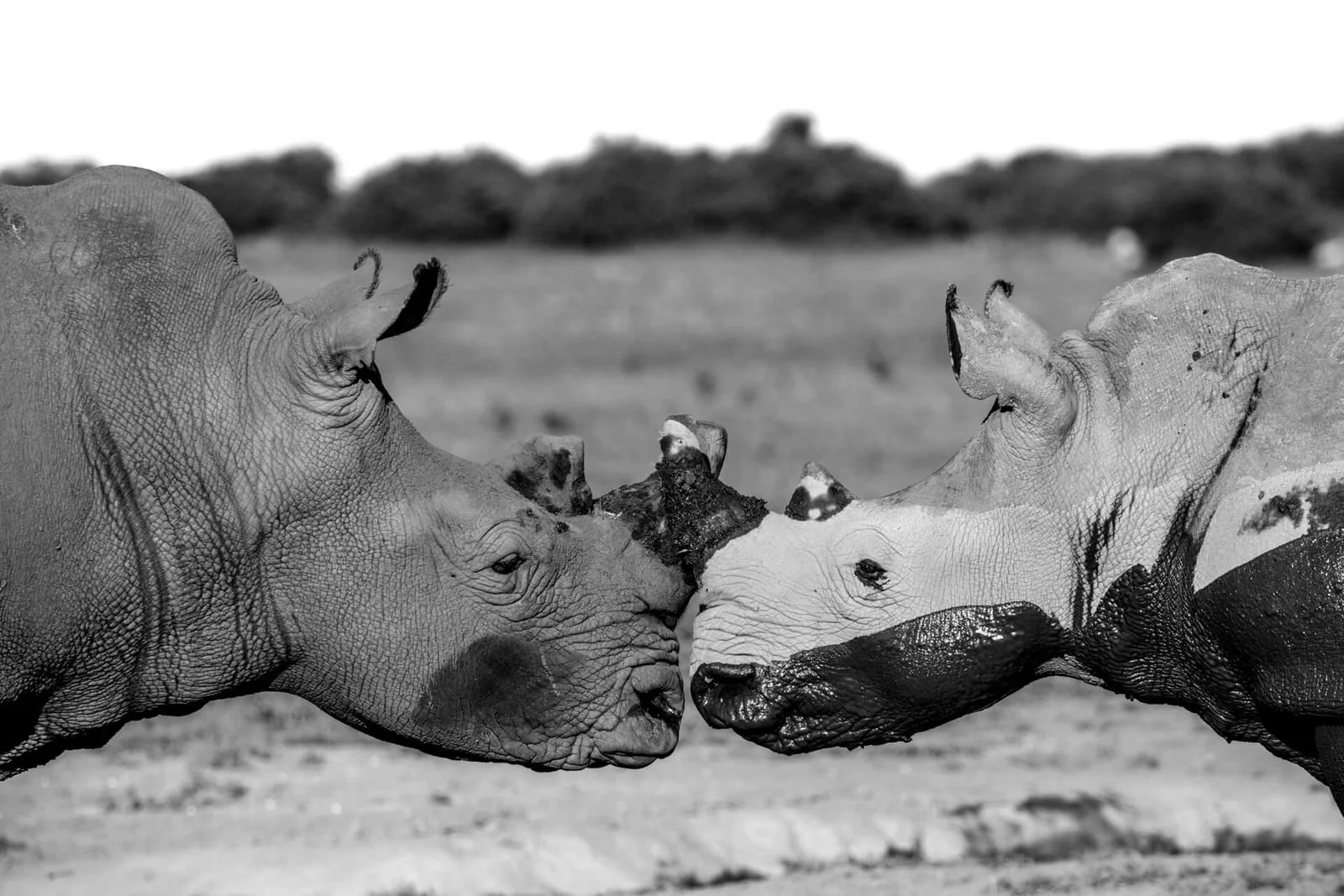
Blood Moon: Rescuing the Rhino (Rizzoli, 2020). By Dereck and Beverly Joubert, with a foreword by Jane Goodall. The 208-page book follows Rhinos Without Borders, the project that moved rhinos from heavily poached areas of South Africa to secret places in Botswana, with the help of soldiers, aircraft, helicopters and boats. The photographs are mostly black and white, with red used as an accent. Proceeds support the Great Plains Foundation. A strong choice for readers interested in conservation photography.
Relentless Enemies: Lions and Buffalo (National Geographic, 2006). A 176-page book with 100 images from the two years the Jouberts spent with the lions of Duba in the Okavango Delta. It follows three prides as they hunt a large buffalo herd that often fights back with its horns. It was made as a companion to their 2006 National Geographic film of the same subject. Good for anyone who loves action and animal behavior.
Hunting with the Moon: The Lions of Savuti (National Geographic, 1997). A 168-page book with text by Dereck Joubert and photographs by Beverly Joubert. It comes from the more than ten years they spent living near the lions of Savuti in northern Botswana, where the lions hunt at night and sleep by day. One of their earliest books, it shows where her work with lions began.