AT A GLANCE
- Known for
- Soft, natural-light portraits of brides, couples, mothers and women; covers for wedding magazines
- Works in
- Color and black and white; film for many years, digital alongside it
- Camera
- Contax 645 (film) and Fujifilm GFX100S (digital)
- Also
- Author of The Luminous Portrait; photographer of the bestseller The Silver Lining; teaches online courses
- Start with
- The Luminous Portrait (Amphoto Books, 2012)
- Links
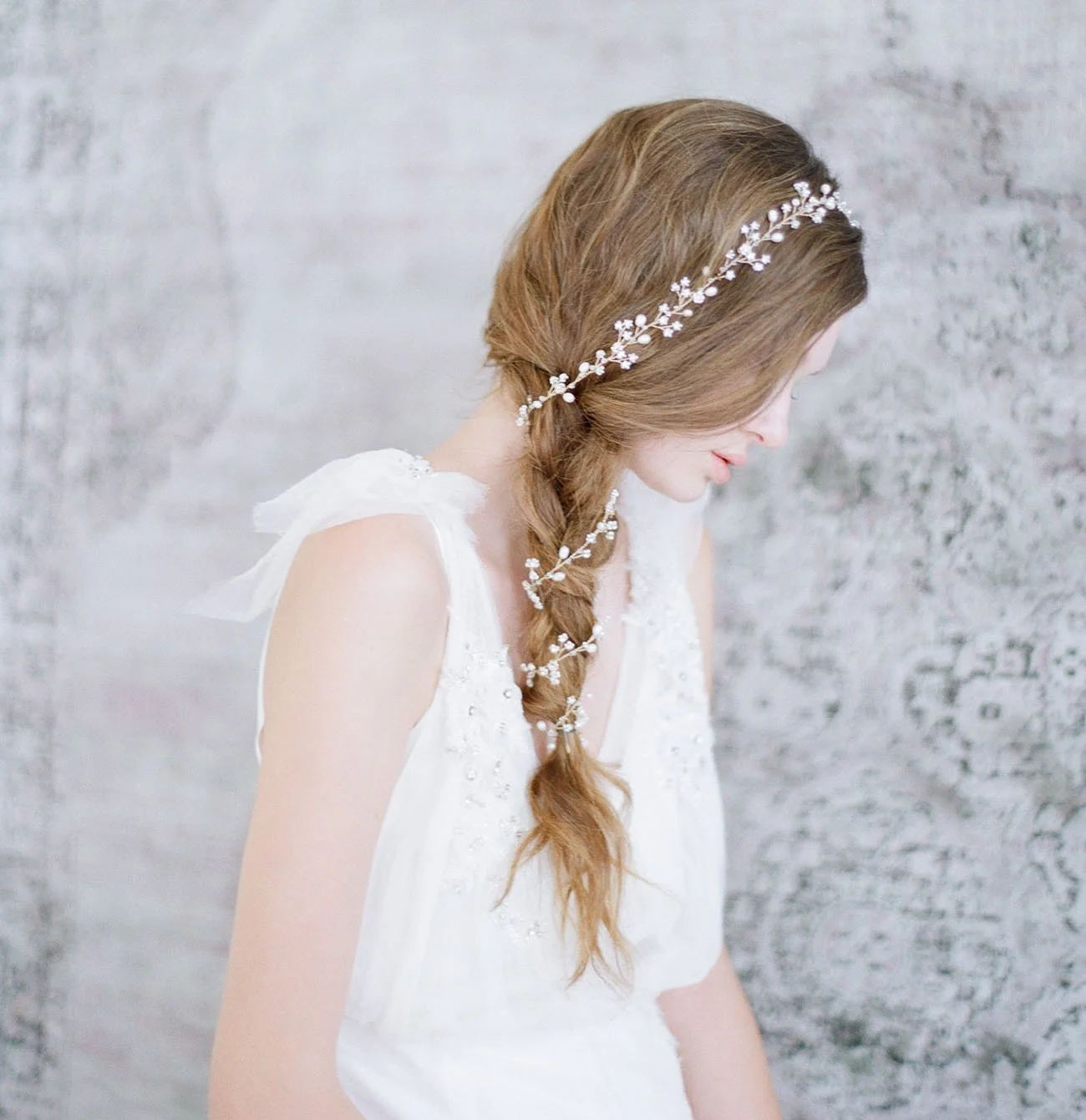
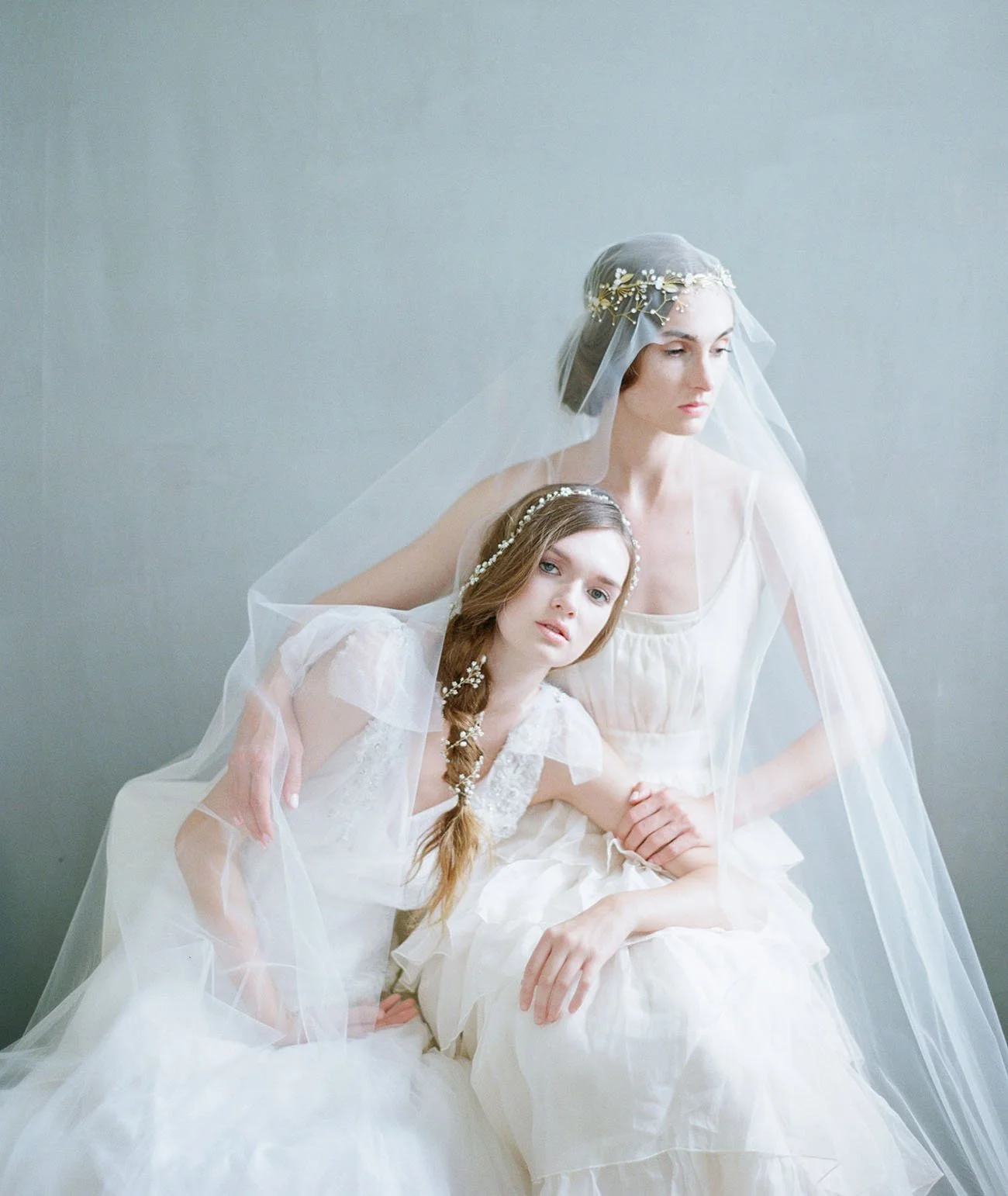
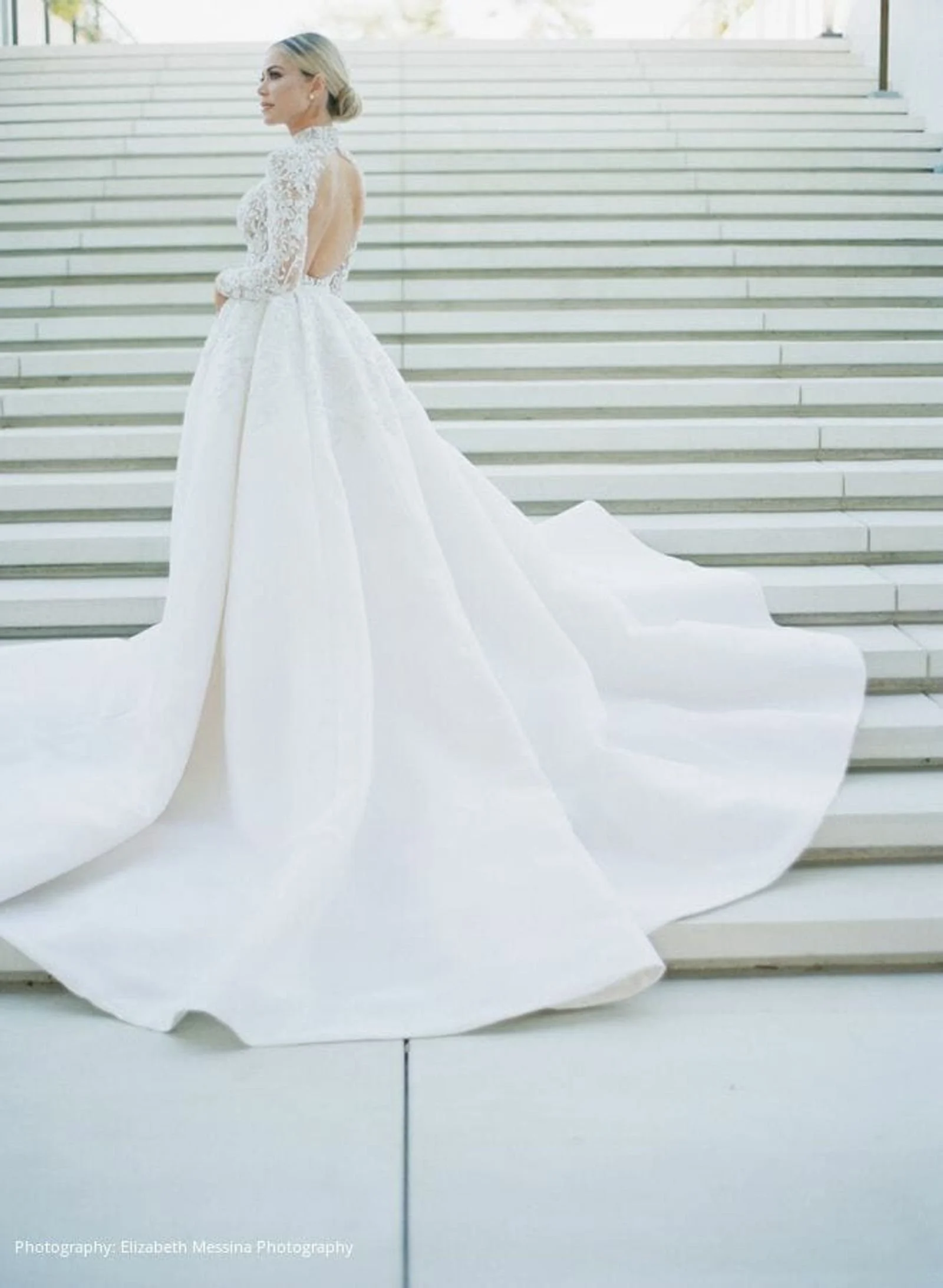
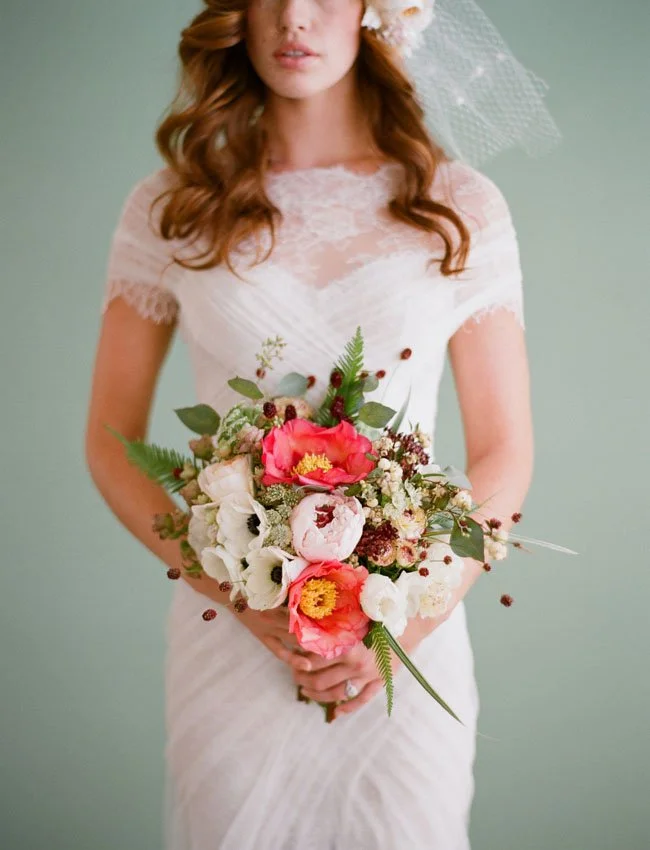
Elizabeth Messina is an American wedding and portrait photographer based in Southern California. She is known for soft portraits in natural light of brides, couples, mothers and women, made on film and digital. She is also an author and a teacher.
The story
Her first wedding was a favor. A friend was getting married and offered her about $500. Elizabeth Messina did not shoot weddings, and her daughter was only one month old. So the baby came along, and her mother came as her assistant. Between portraits, she nursed her daughter. By the end of the day she had fallen a little in love with weddings: the light, the emotion, all the things she was already drawn to.
The road to that day was long. When she was 12, her mother gave her a camera, a Nikon FE2. She photographed her girlfriends and told them where to sit and what lipstick to wear. In 1991 she graduated from the San Francisco Art Institute. After that she rode a bicycle across the country with her camera and worked as a photographer for a newspaper on the East Coast.
But a fire in her apartment destroyed everything she owned. Only the camera was left. “The secret is to never give up, no matter what comes your way,” she said later. For about ten years after art school she worked as a waitress, partly to pay for film. All that time she kept photographing her sister and her friends.
So when weddings came, she was ready. She shot on film with a Contax 645, always looking for natural light. Her pictures went on the covers of wedding magazines, including the 2013 fashion issue of The Knot. In 2012 she published The Luminous Portrait, a guide to portraits in natural light.
Then a dear friend, the nurse Hollye Jacobs, got breast cancer. Cards and flowers did not feel like enough, so Messina offered to photograph her. After a double mastectomy, Jacobs could not hug her young daughter, so the two invented leg hugs. Hospitals are hard places, Messina thought. Why should the photos have bad light too? The pictures became part of The Silver Lining (2014), a New York Times bestseller.
The young woman who lost everything except her camera never sat down to plan a look. Neither did the new mother at her first wedding. “I didn’t decide to have a certain style but rather was drawn to some inner vision that I could not put words to,” she says.
The work
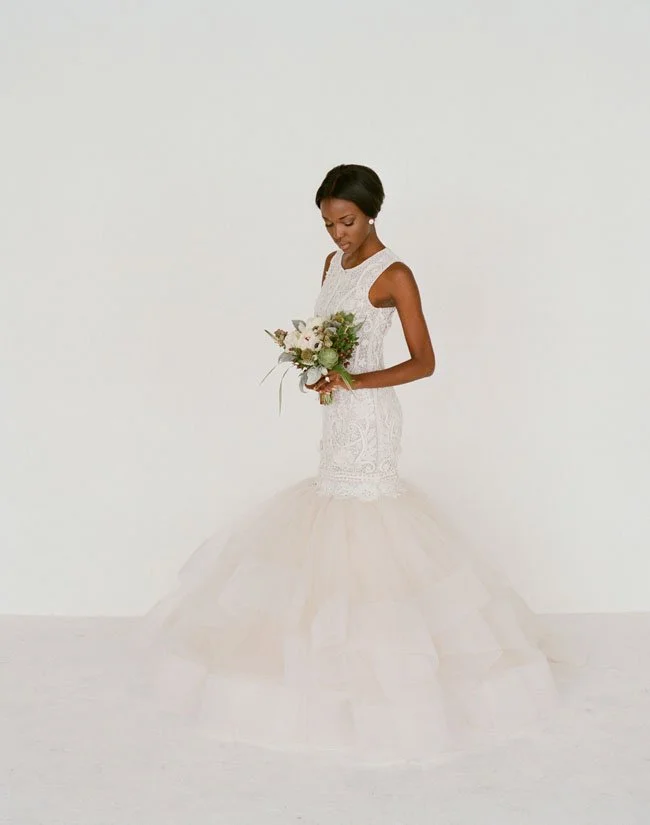
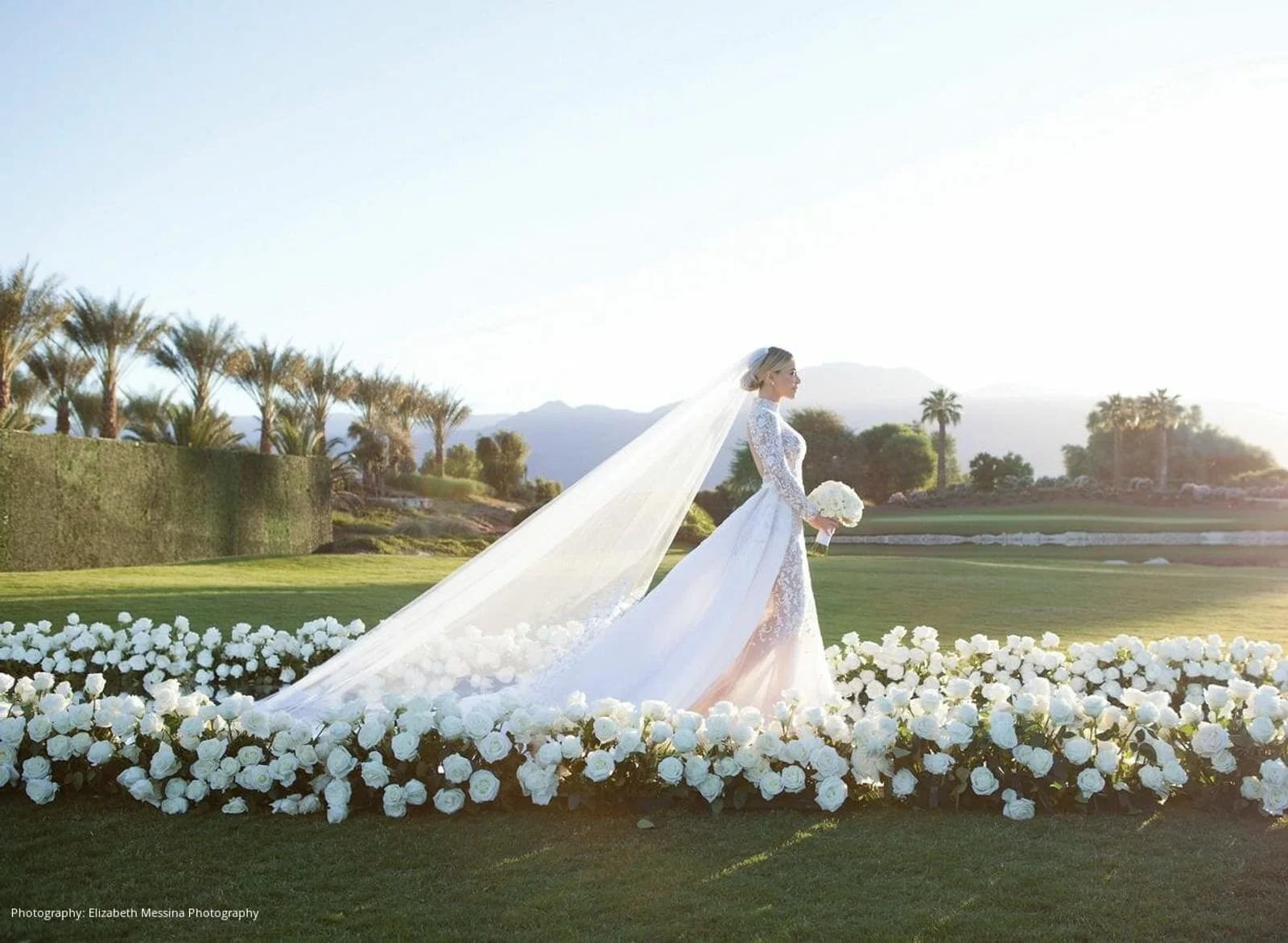
- 1991Graduates from the San Francisco Art Institute
- 2008Featured in Professional Photographer magazine (“Enchanted”, September issue)
- 2012Her photographs of Jose Villa and Joel Serrato’s wedding run in Martha Stewart Weddings (Winter 2012)
- 2012Publishes The Luminous Portrait with Amphoto Books
- 2013Shoots the cover of The Knot’s fashion issue
- 2014The Silver Lining, with her photographs, is published and becomes a bestseller
- 2023Launches an online course on photographing women, The Art of Boudoir
- 2026Launches an online course on maternity photography
Lessons
Make people feel welcome first. In her home studio she treats sitters as guests and offers food and tea. She often keeps her cameras out of sight when someone arrives.
Remind people to breathe. Nervous people often hold their breath. She tells them to breathe, because exhaling relaxes the body and looks better in a photograph.
Watch the in-between moments. Her best frames often come when she pauses or puts the camera down and the person relaxes. Then she asks them not to move.
Try this: photograph a friend close to a window, about three feet away, with nothing else in the frame. The cover of her book The Luminous Portrait was made that way in her bedroom. Halfway through, put the camera down and talk. Pick it up again when your friend relaxes.
Gear
Messina has described her cameras in podcast interviews and to PopPhoto.
Nikon FE2: her first camera, a gift from her mother when she was 12. A 35mm film camera that she still owns.
Contax 645: her main film camera for many years. She likes the bigger negative and the shape of the 6x4.5 frame more than 35mm.
Fujifilm GFX100S: her digital camera in recent years. Its frame has a similar shape to her Contax, and she edits the files only lightly, sometimes adding a little grain.
iPhone: she uses it during shoots to check light and framing, almost like a Polaroid.
Books
The Luminous Portrait: Capture the Beauty of Natural Light for Glowing, Flattering Photographs (Amphoto Books, 2012). Her first book, written with the editor Jacqueline Tobin, with a foreword by the photographer Ulrica Wihlborg. In 176 pages she explains how she makes romantic portraits using only natural light. The book covers children, weddings, maternity and boudoir portraits, and aims for pictures that look “lit from within.” The cover shows her assistant at the time, wearing a veil by Twigs & Honey, close to a window in Messina’s bedroom. A friendly book for photographers who want to learn to see and use window light.
The Silver Lining: A Supportive and Insightful Guide to Breast Cancer (Simon & Schuster, 2014). Written by Hollye Jacobs, a palliative care nurse and breast cancer survivor, with photographs by Elizabeth Messina. It began as a private project between friends. The book is a large, glossy guide in nine chapters, and each chapter has three parts: memoir, the silver lining, and practical matters. Calm color and black-and-white photographs run through it, including a portrait of Jacobs after reconstruction. It reached the New York Times bestseller list. For patients, families and anyone interested in gentle documentary portraiture.
In her words
“I am drawn to the stillness of a moment when another woman looks into my camera and is present and vulnerable.”
“Sometimes it takes a tremendous amount of work to create an image that feels effortless.”
“My best work is a reflection of actual trust and comfort between myself and my subject.”