AT A GLANCE
- Known for
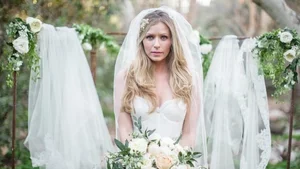
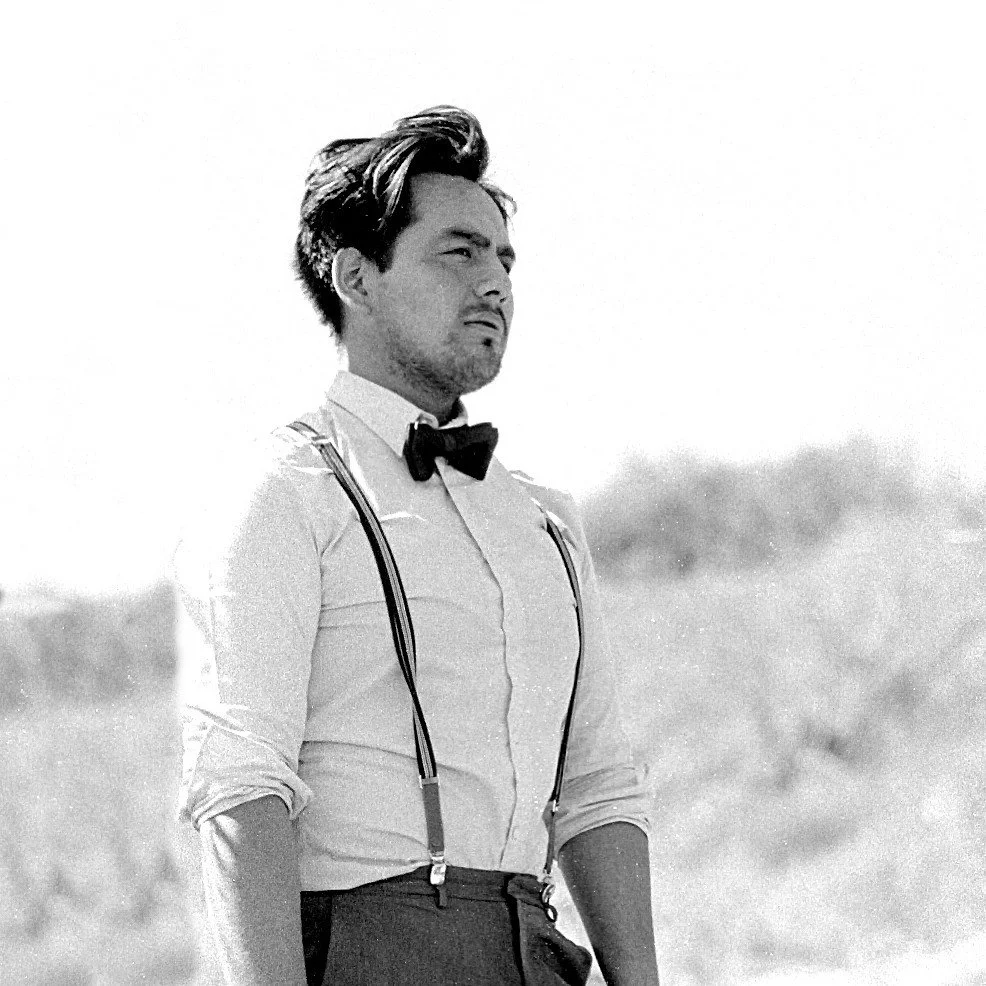
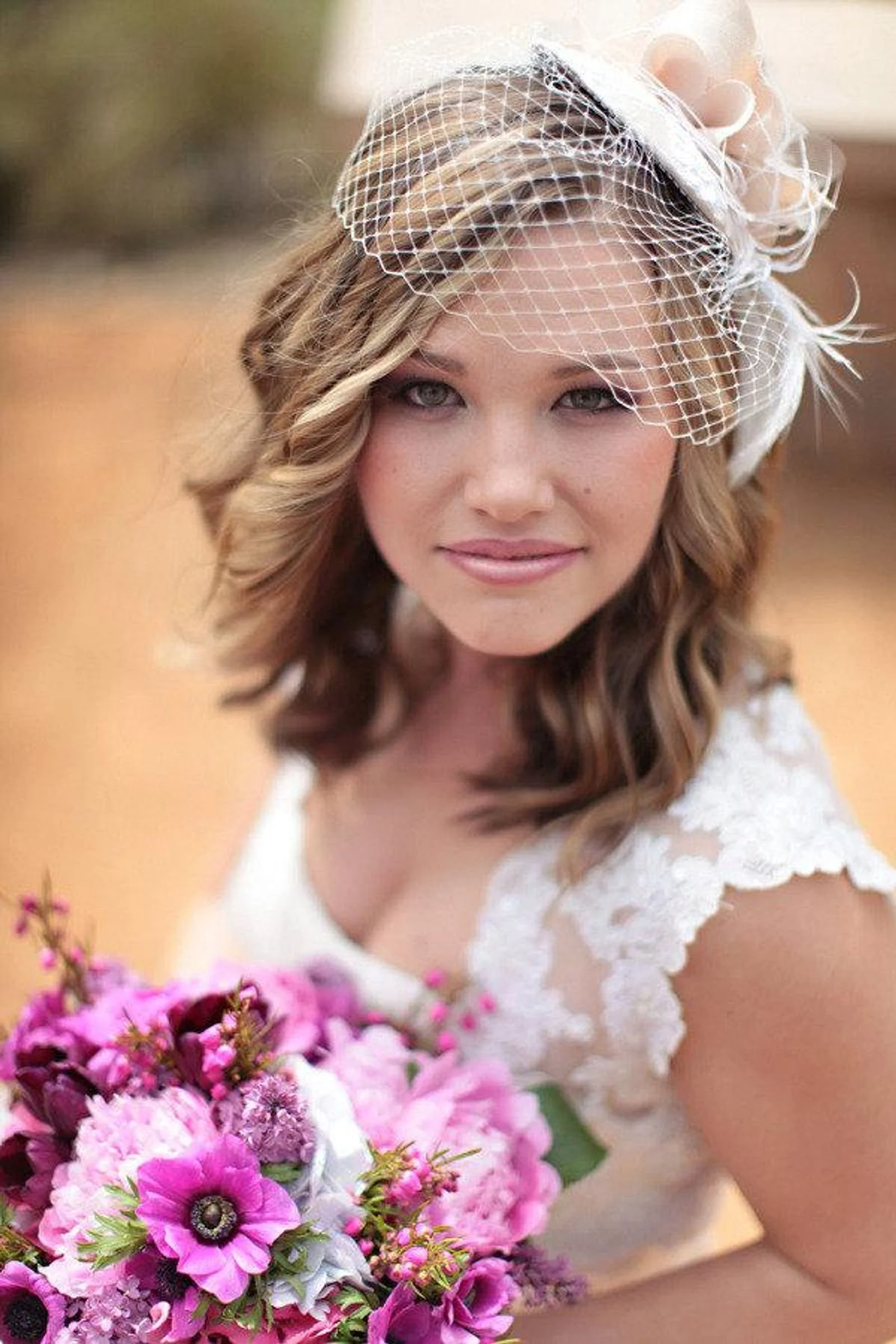
- Editorial-style wedding photography in Southern California and teaching other photographers and small business owners
- Works in
- Color, digital
- Camera
- Canon EOS 5D and 5D Mark II, mostly with a 50mm f/1.2 lens
- Also
- Taught one of the first CreativeLive wedding classes in 2010; founder of Social Curator; podcast host
- Links
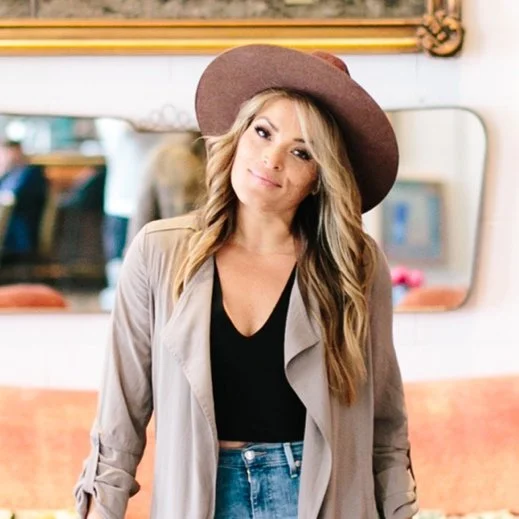
Jasmine Star is an American wedding photographer from Southern California. She left law school, started her business without owning a camera and, four years later, was named one of the top ten wedding photographers in the world. Today she also teaches marketing to small business owners.
The story
The garden was pitch black. It was a Friday wedding at an estate with a Victorian house and a gazebo, and Jasmine Star had planned the family portraits for after sunset. Her camera could not focus in the dark, so the flash would not fire. Her second shooter was stuck in traffic. So her husband, JD, ran to his car, came back with a flashlight and held it on the group until the lens could find them. “I was happy, scared, shocked, overwhelmed, content, nervous, terrified and thrilled all at once,” she remembered later. It was the first wedding she had booked herself, a referral from her own wedding photographer, David Jay.
A few years earlier, nobody would have guessed this path. Her parents came from Mexico and Puerto Rico. She did not learn to read until she was 11, but she finished at the top of her class, studied business at Whittier College and won a scholarship to UCLA law school. Then her mother fell ill. “When I was 25 years old, doctors said my mom was dying of brain cancer,” she said. She left law school to go home and help.
Going back felt impossible. Her husband told her: “I’d rather see you fail at something you love than to see you succeed at something you hate!” But she had no camera and no training. So she rented everything she needed, down to the memory card, and offered to photograph people for free. She learned at what she called the “University of Google and YouTube.”
That dark garden showed how much she still had to learn. Therefore she made the most of what she did get. Within a few days she sent the bride a slideshow of about 70 images. The bride loved it, and her bridesmaids shared it. In 2006 she photographed three weddings. In 2007 she photographed 37. Four years after she started, American Photo listed her among the top ten wedding photographers in the world. Her mother recovered, too.
The law student who had no camera and the beginner holding her breath in a dark garden made the same kind of choice. “I’ve never been a person to straddle a line. I choose my line and then I go 100 percent without fear of the end result,” she says.
The work


- 2002Graduates from Whittier College with a business degree
- 2005Marries her high school sweetheart, JD, in a small wedding in Hawaii photographed by David Jay
- 2006Leaves UCLA law school, starts her studio and photographs three weddings
- 2007Photographs 37 weddings; JD becomes her business partner
- 2009Named one of the top ten wedding photographers by American Photo
- 2010Teaches a five-day CreativeLive wedding workshop that ends with a wedding streamed live online
- 2017Launches the Social Curator membership for small business owners
- 2020Starts her podcast
Lessons
Plan around the light. Her first wedding taught her not to schedule portraits after dark. She now asks for the timeline weeks ahead and plans the ceremony with sunset in mind.
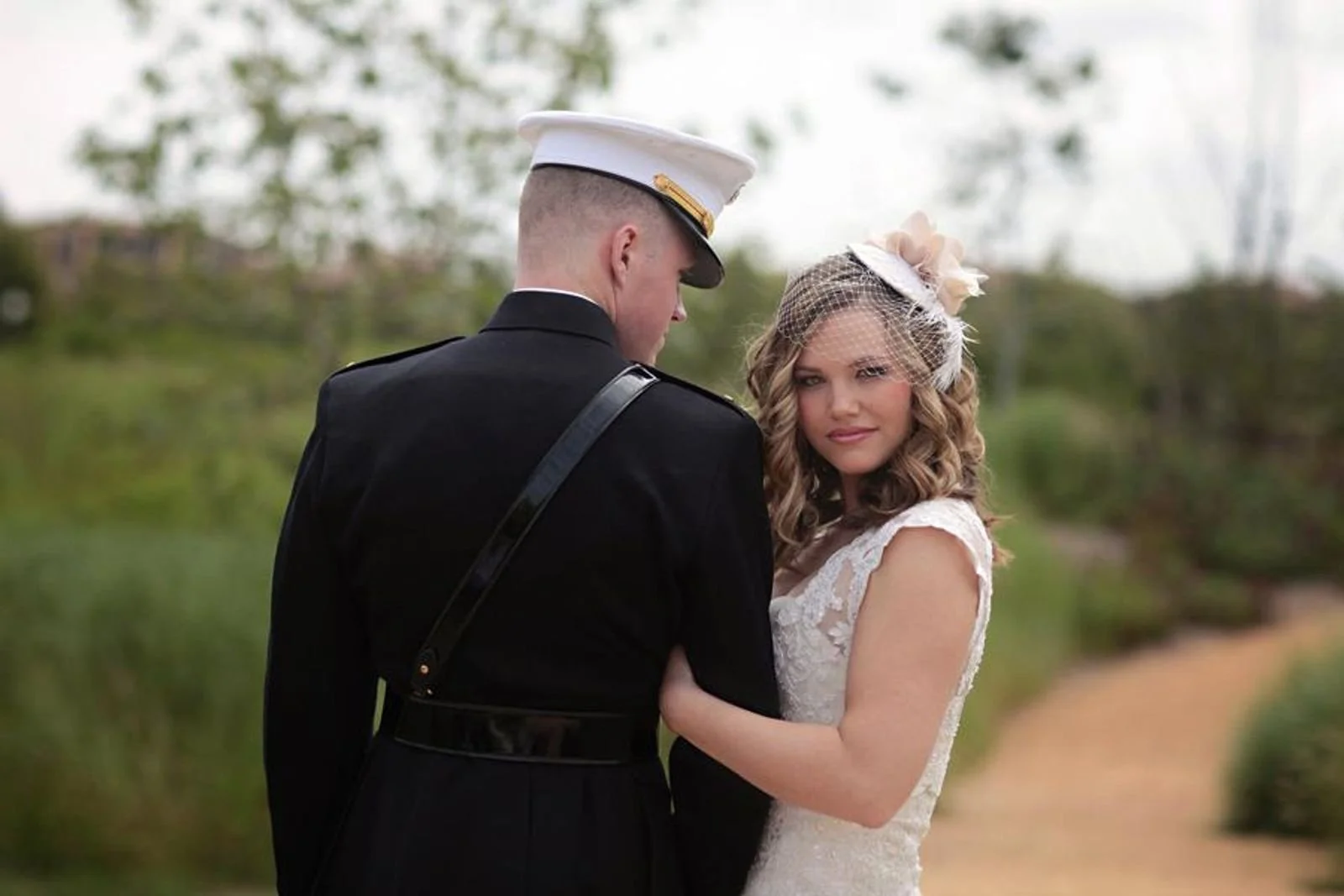
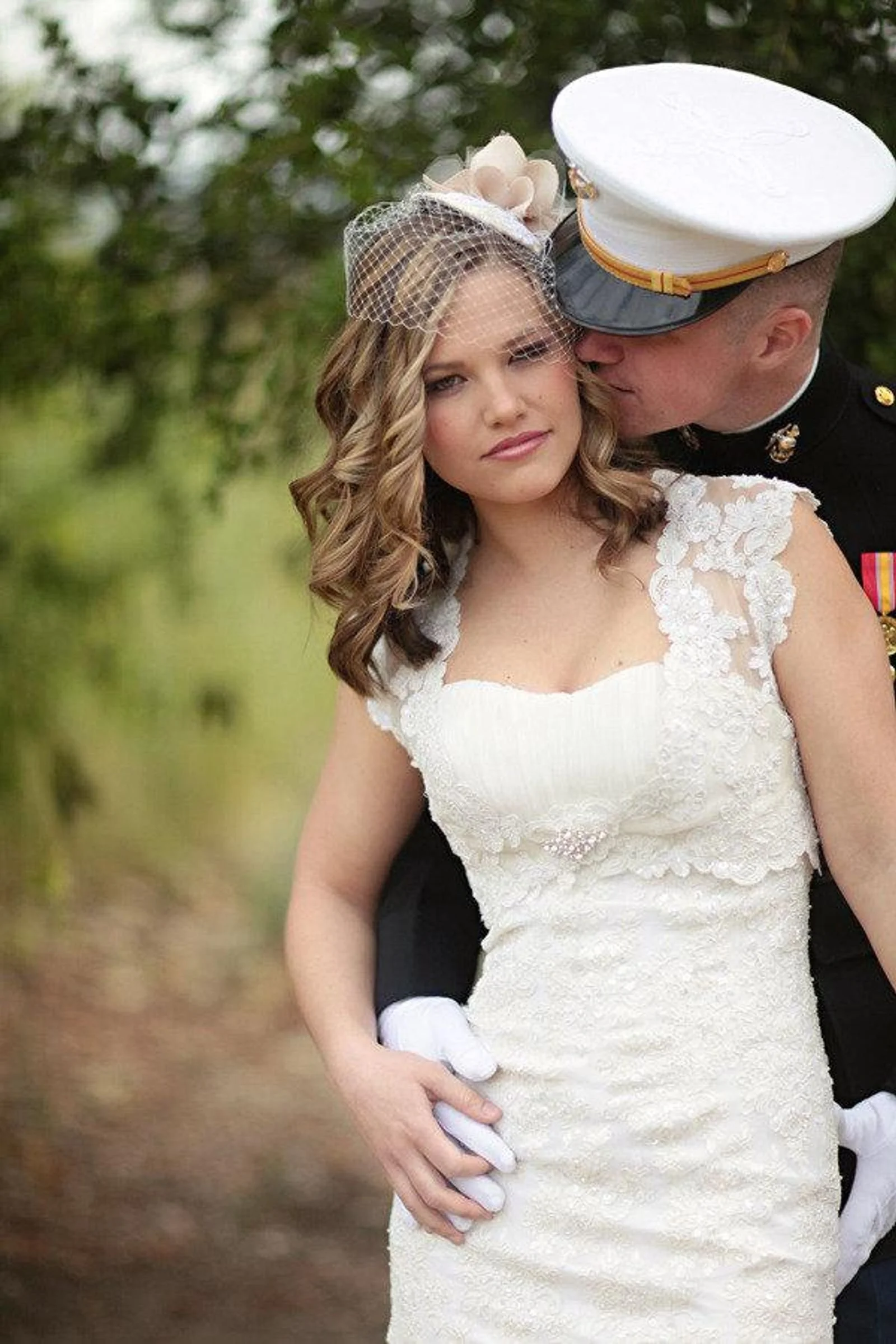
Look for the moment in between. She calls her idea “life in the in between”: the candid seconds just before and just after a posed moment. “It’s right before the kiss and right after,” she told PhotographyTalk.
Start before you feel ready. She began with rented gear, free shoots and online tutorials. Her early pictures were weak, but she kept going and learned on the job.
Try this: photograph two friends with a 50mm lens, wide open. Ask them for a posed hug or kiss, but keep shooting for a few seconds before and after it. Pick the frame from just before or just after.
Gear
Star has described her equipment in interviews with Rangefinder (2010) and PhotographyTalk. When she started, she rented everything.
Canon EOS 5D: her main camera around 2010, used mostly with a 50mm f/1.2 lens. She shoots wide open because it gives her “buttery skin tones.”
Canon EOS 5D Mark II: the camera named in her PhotographyTalk profile, with 50mm f/1.2, 85mm f/1.2 and 24mm f/1.4 lenses.
Flash and PocketWizard: at receptions she put a Canon flash on the camera and used a PocketWizard to fire a second flash behind the band. She uses flash only when the natural light is gone.