AT A GLANCE
- Known for
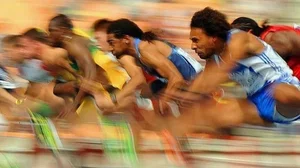
- Action pictures and athlete portraits for Sports Illustrated, from the Olympics to the World Cup and the Super Bowl
- Works in
- Color
- Camera
- Canon: EOS-1D X Mark II bodies in Rio 2016, the mirrorless EOS R5 from 2021
- Also
- Canon Explorer of Light; Lucie Award for Achievement in Sports Photography (2016)
- Links
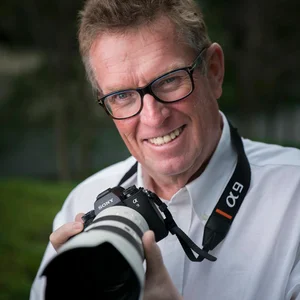
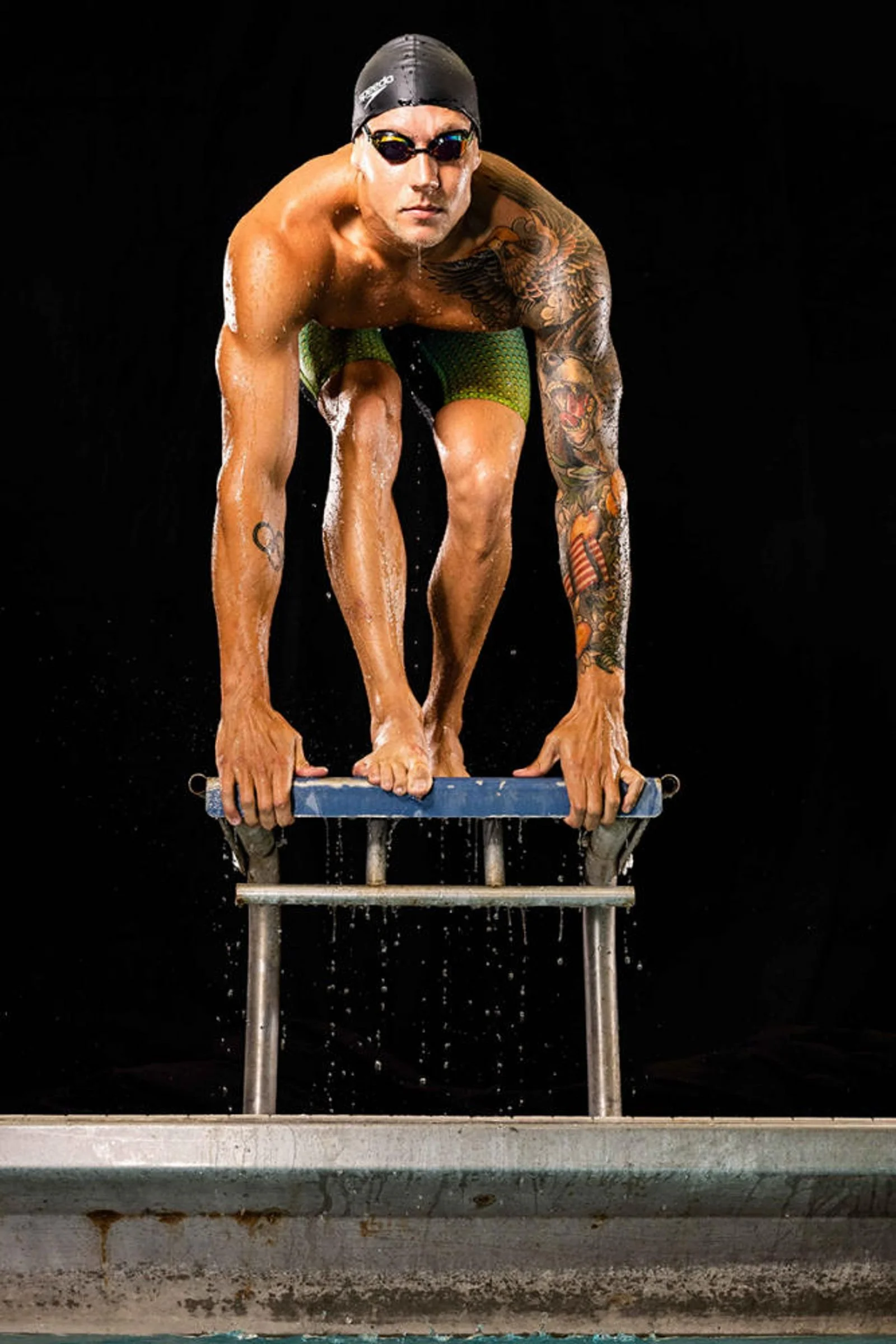
Simon Bruty is a sports photographer who has worked for Sports Illustrated for many years. He grew up in London and Cape Town, started at the sports agency Allsport and moved to New York in 1994. He has covered Olympic Games, World Cups and Super Bowls, and makes portraits of top athletes like Michael Phelps.
The story
The fish swam away. Simon Bruty was at the National Aquarium in Baltimore, photographing Michael Phelps inside a tank for Sports Illustrated. The fish did not follow any plan, and he could only wait. Then they came back into the frame, and he got his picture.
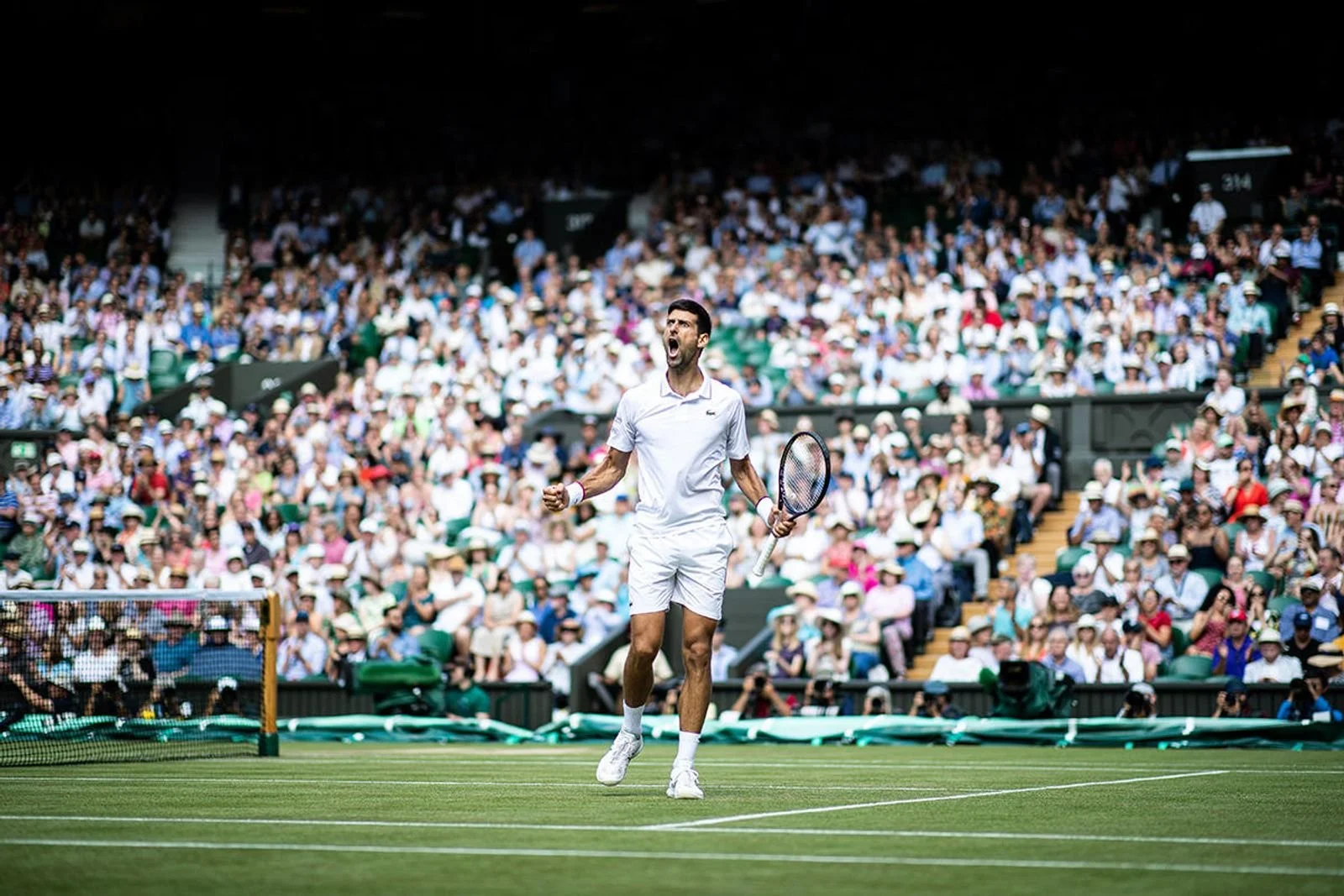
Moments like this are part of the job. Bruty grew up in London and in Cape Town, South Africa. “My first chance of a job in the photography industry was with a sports photography agency–Allsport,” he said. In 1994 he moved to New York City. Over more than 30 years he has photographed World Cups, Super Bowls, tennis majors and Olympic Games.
Phelps runs through much of that work. The two first met at the Athens Olympics in 2004, where Phelps won his first gold medal. Twelve years later, in December 2016, Bruty photographed him for a Sports Illustrated cover wearing all 28 of his Olympic medals. It was the first time Phelps had posed with the full set. Together the medals weighed 18 pounds and 4 ounces, a little over 8 kilos.
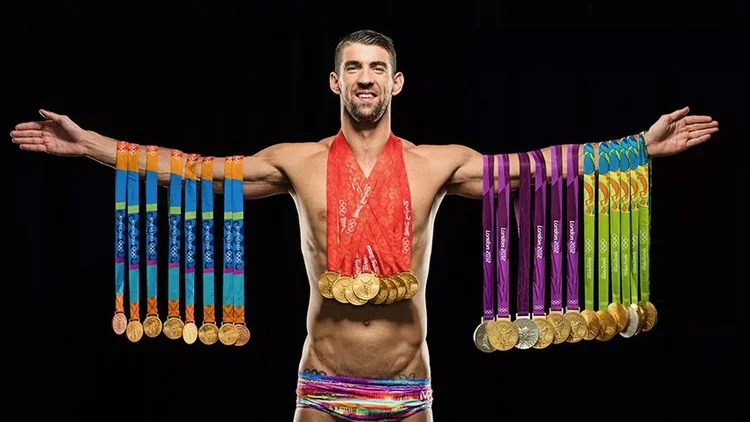
A portrait can be planned. A race or a lift cannot. Speaking about one of his pictures from the London Olympics in 2012, he was honest about luck. “The thing about being a sports photographer, it wasn't like I created everything,” he said. What he does control is everything before the moment: “What it is down to is me getting there early, me getting a decent spot, and then paying attention and concentrating.”
So in the aquarium, the fish were never his to direct. His part was to stay ready until they swam back. The same habit has carried him through eight Summer Games by Rio 2016, and on to Tokyo. “The image that I’m most proud of is the one I’m going to take next,” he says.
The work


- 1994Moves to New York City
- 2003The Observer names one of his photographs among the world's 50 greatest sports photographs
- 2004Meets Michael Phelps at the Athens Olympics
- 2006Appears in a Canon TV ad before the World Cup
- 2016Covers Rio, his eighth Summer Olympics
- 2016Lucie Award for Achievement in Sports Photography
- 2016Phelps with all 28 medals on the Sports Illustrated cover
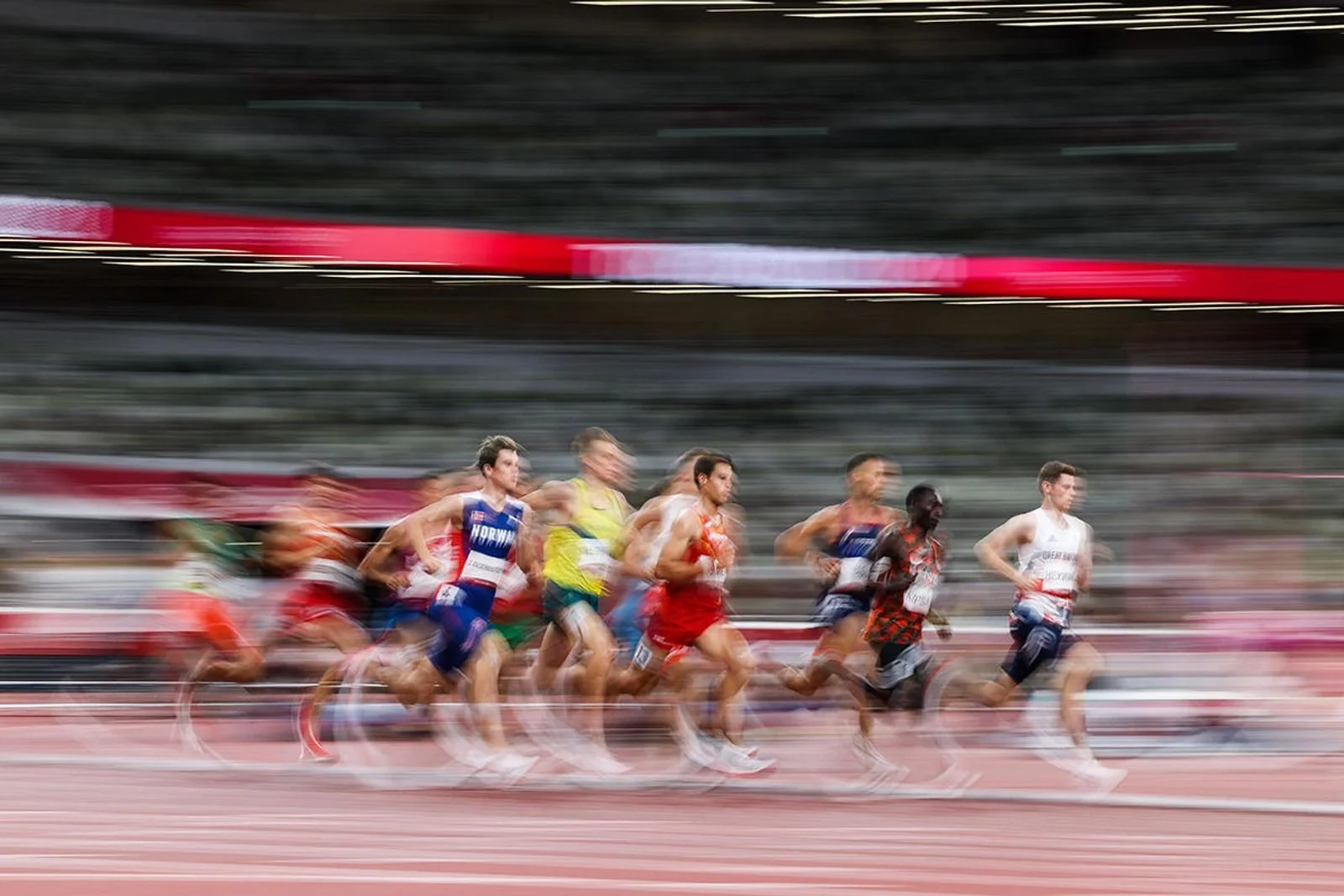
- 2021Covers the Tokyo Olympics in a three-person SI team
- 2023Gives workshops and a lecture at Western Kentucky University
Lessons
Arrive early. He says good pictures come from getting there early, finding a decent spot and then paying full attention.
Practice close to home. You do not need the Super Bowl to train concentration and preparation. He says you can do it in your own backyard.
Connect with your subject. For portraits, he calls the connection with the athlete “pretty key.” Athletes are often busy, so the idea has to be ready before they arrive.
Try this: go to a local game and arrive before the warm-ups. Choose one spot and stay there for the whole game. Concentrate in short bursts on the moments that happen in front of you.
Gear
Bruty shoots Canon and is part of Canon's Explorers of Light program. His gear lists come from interviews before the Rio and Tokyo Olympics.
Canon EOS-1D X Mark II: he took five of these bodies to Rio in 2016, plus one older 1D X.
Canon EOS R5: by the Tokyo Games in 2021 he had moved to mirrorless. The silent shutter changed how he shoots golf, where camera noise can disturb players. “For me, I'm all in on the mirrorless with the R5 and the RF lenses,” he said.
Canon RF 400mm f/2.8 lens: his long lens for Tokyo, together with a lighter RF 70-200mm f/4. He wanted to travel light and move quickly.
Tilt-shift and fisheye lenses: his Rio bag held four TS-E tilt-shift lenses and an 8-15mm fisheye, next to zooms from 11-24mm to 200-400mm.
Think Tank bags: a Think Tank rolling bag and backpack as carry-on, with the rest in hard Versaflex cases.
In his words
“Concentration or the ability to work in short bursts is an important skill for a sports/action photographer.”
“I love the challenge of coming up with an idea and executing it.”
“You don't have to be going to the Super Bowl to concentrate or prepare.”