Welcome to this edition of [book spotlight]. Today, we uncover the layers of '400km,' by Alberto Tandoi (self-publishing). We'd love to read your comments below about these insights and ideas behind the artist's work.
Alberto Tandoi walked 400 kilometres photographing London strangers.
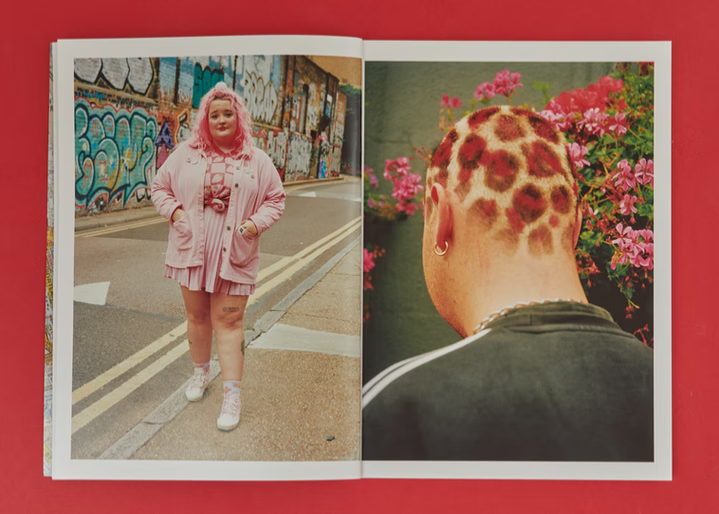
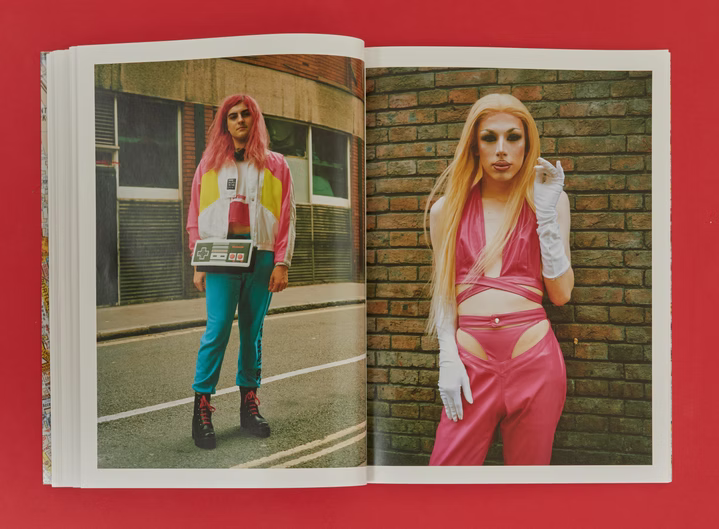
The project started from his fascination with how people in the city express themselves through clothes and personal style. With a Mamiya RB67 and a tripod, he walked through London, stopped people who caught his attention, and kept a record of the places where each portrait was made. Over time, those encounters became 400km, a portrait book named after the distance he had walked.
The camera made these encounters slower than ordinary street photography.
The Mamiya RB67 needed time to set up, which gave Tandoi more time to talk with the people he photographed. Sometimes they walked together to find better light or another location. One person even took him on a 45-minute walk to a market they liked. These small exchanges became an important part of how the portraits were made.
For photographers, there is something useful here about slowing down, approaching strangers, and allowing an encounter to develop before taking the picture. In this interview, Tandoi explains how these choices shaped both the portraits and the book that eventually grew from them.
The Book
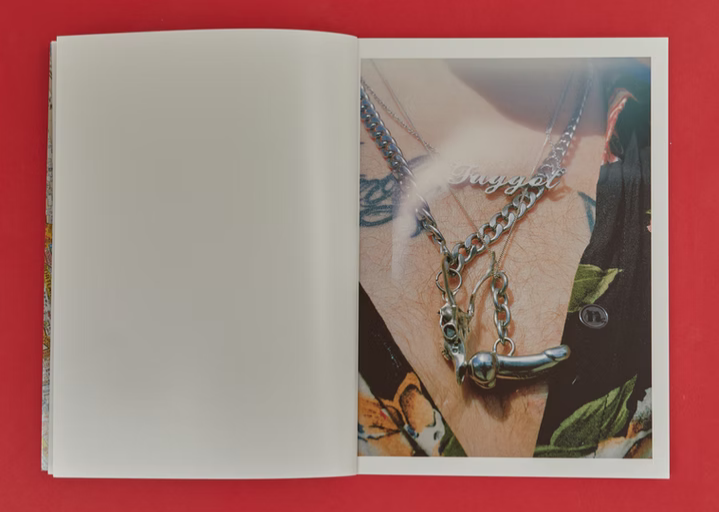
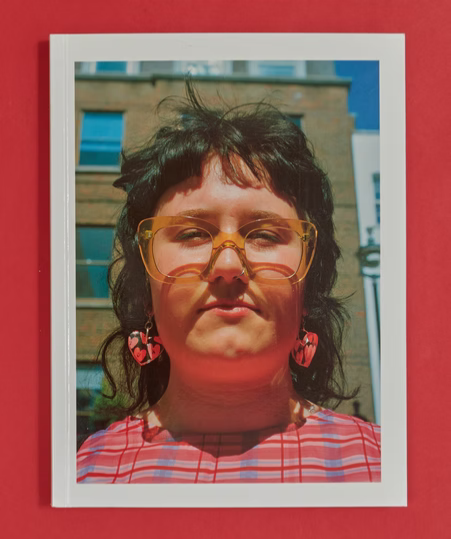
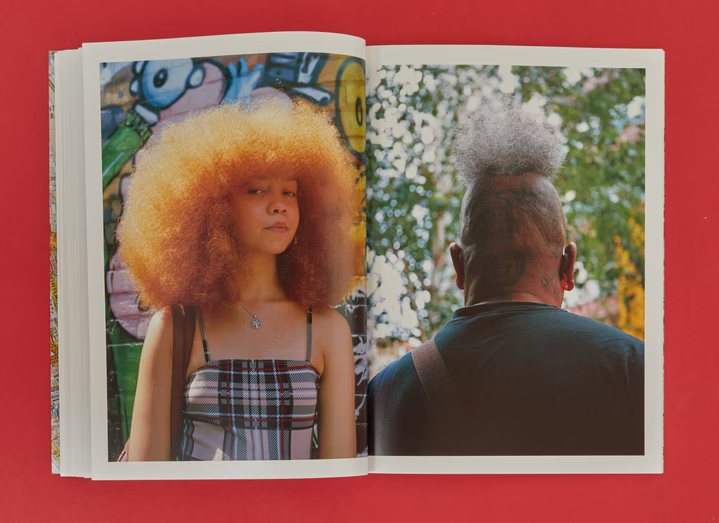
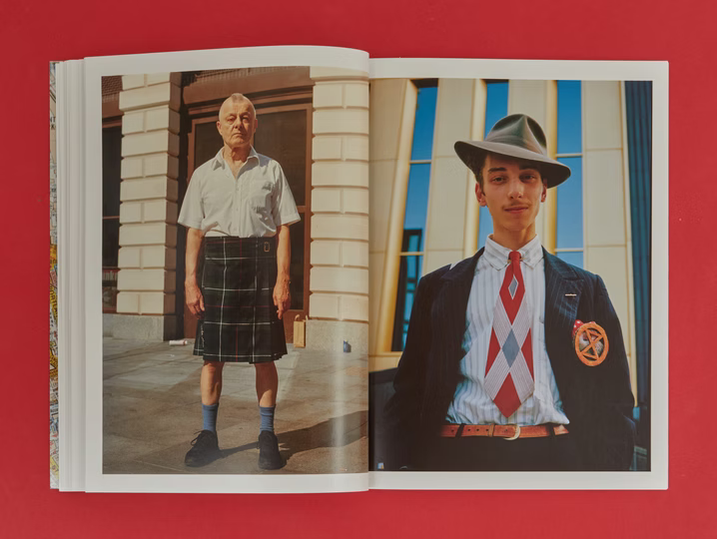
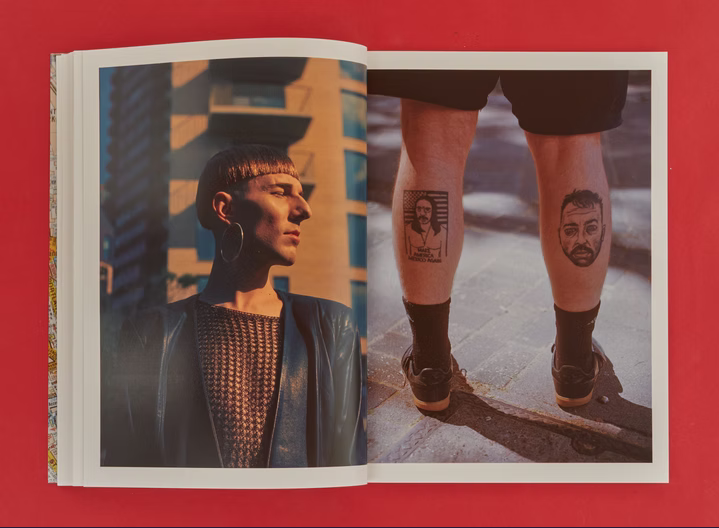
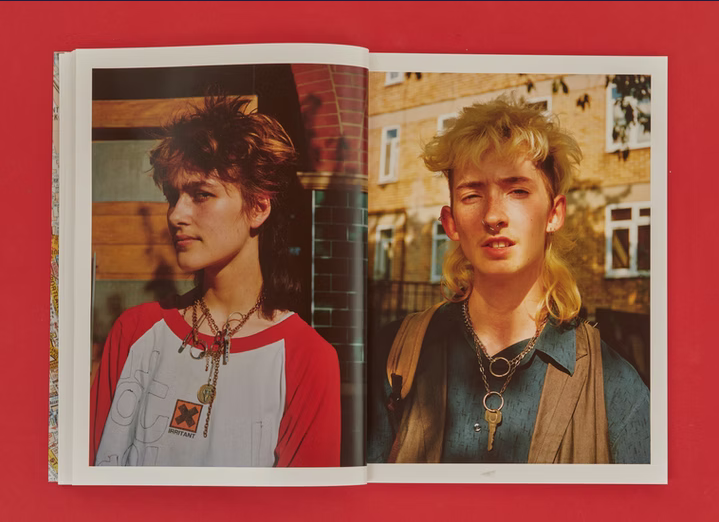
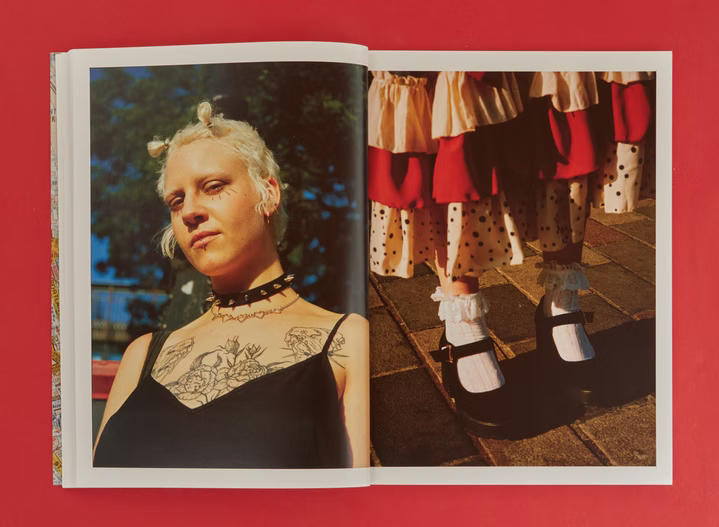
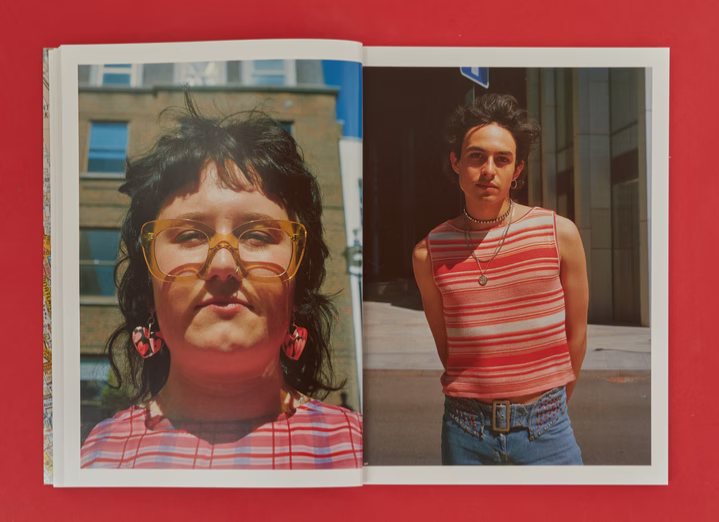
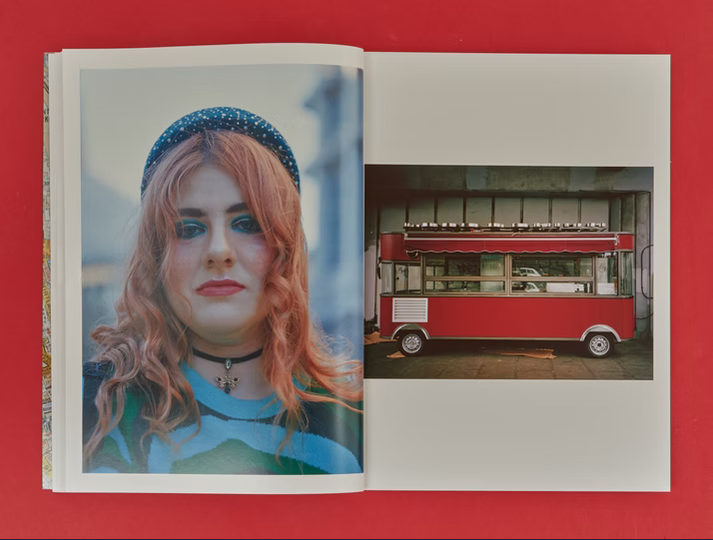
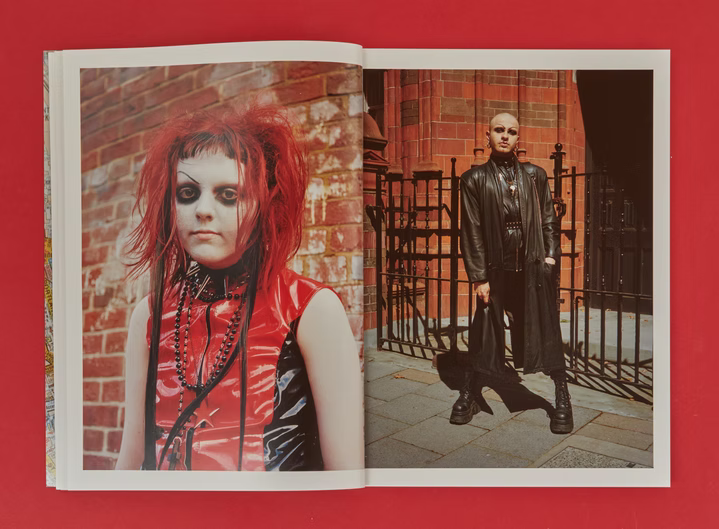
400km is a self-published photobook by Alberto Tandoi, created from portraits of people he met while walking through London. Tandoi photographed strangers who caught his attention, often because of their personal style and way of expressing themselves. He recorded the places where each portrait was made and kept track of the distance he walked, which eventually reached 400 kilometres and gave the book its title. Made with a Mamiya RB67 and tripod, the portraits combine elements of street and fashion photography while showing Tandoi’s personal view of London and the people who give the city its character. (Website)
Project genesis: Why did you decide to walk 400 km across London and turn those encounters into a portrait book?
The project started from my fascination with how people in London express themselves through their personal style. I was inspired by the freedom and individuality I saw on the streets, and I wanted to document that energy. Walking across the city became a natural part of the process—I would explore, meet people who caught my attention, and take their portraits. From the beginning, I kept a log of where I went to take pictures, how many kilometres I had walked, and put a pin on a map where I took pictures (I included a picture of it on the inside covers of the book; you can see it here: www.albertotandoi.co.uk/400km). Over time, I realised that I had walked a total of 400 kilometres, which gave the book its name. It became both a chronicle of encounters and a personal interpretation of what my ideal city could be.
Technique: You used a large format camera like the Mamiya RB67 for this project. What made you choose that camera for street portraits?
I used the Mamiya RB67, which is quite a clunky camera and requires a tripod and time to set up. Choosing this camera allowed me to slow down the process and really look at the people who sparked my visual interest. It also gave me the chance to spend time talking to them, helping them get comfortable and transforming what could have been a quick snapshot into a more thoughtful and intimate portrait.
Creative process: When you meet strangers on the street, how do you make them feel comfortable so you can take a natural photo?
I usually spend a bit of time talking with the people I want to photograph. That conversation helps them get used to me and the idea of being photographed by a stranger. Sometimes we even walk together for a bit to find a better spot, or one where the light is better. Once, a person even took me on a 45-minute walk to a market they liked, just to show me around. These small human exchanges make the process feel natural, and I think that comfort shows in the portraits.
Visual style: Your portraits mix the feeling of street photography with the look of fashion photos. How do you balance these two styles?
I’ve always been fascinated by how people in London express themselves through their clothing—their personal fashion becomes a form of storytelling. I don't think I consciously have to balance the two styles, but having a fashion background probably shows in the pictures.
Storytelling: Each person in the book shows a small part of London’s character. How do you decide who to photograph and what story each image should tell?
I didn’t have a fixed plan or agenda. I simply approached people who caught my eye, those whose style sparked my curiosity. Every portrait felt like a silent story, a glimpse into a person’s world. Together, these moments became a collection of characters that, in a way, reflect how I see London: diverse, expressive, and full of individuality.
Constraints: Using a tripod camera on the street can be slow. Did that change how you interacted with people or how the portraits looked?
Definitely. Because the camera setup takes time, it naturally created a pause in the process. That slowness gave me and the subject a moment to connect and to be present. It made the portraits feel more deliberate and intimate rather than rushed. I think that’s part of why the people in the photos seem so calm and open.
Artistic purpose: You call the book a “collection of silent stories.” What do you hope viewers feel or think when they see these portraits?
I hope viewers can sense the beauty of individuality and the generosity of people who were willing to stop and share a small part of their life with me. Each portrait tells a different story, and together they form a portrait of a city that celebrates self-expression and human connection.
Practical tip: What advice would you give to someone who wants to make a similar walking portrait project in their own city?
Buy comfortable shoes and be open to people. You’ll be surprised by how generous people can be with their time and how open they are to connecting.
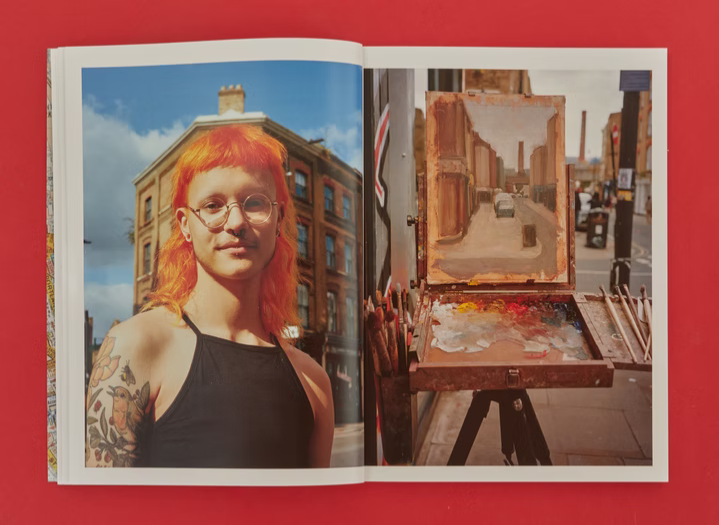
To discover more about this intriguing body of work and how you can acquire your own copy, you can find and purchase the book here. (Website)
More photography books?
We'd love to read your comments below, sharing your thoughts and insights on the artist's work. Looking forward to welcoming you back for our next [book spotlight]. See you then!
Color entered Janelle Lynch’s photographs through painting. In Another Way of Looking at Love, she photographed plants and trees on her property in the Catskills. Photography Book Spotlight