Welcome to this edition of [book spotlight]. Today, we uncover the layers of 'The Weight Of Ash,' by Ian Bates (published by Deadbeat Club). We'd love to read your comments below about these insights and ideas behind the artist's work.
Ian Bates found his wildfire story after the fire.
In 2014, he saw his first wildfire while visiting a friend in Eastern Washington. He was struck by how completely the landscape had changed, and over the next six years he kept returning to burned areas across the American West. Eventually, he realized that the quiet aftermath interested him more than the flames themselves.
That decision became The Weight of Ash.
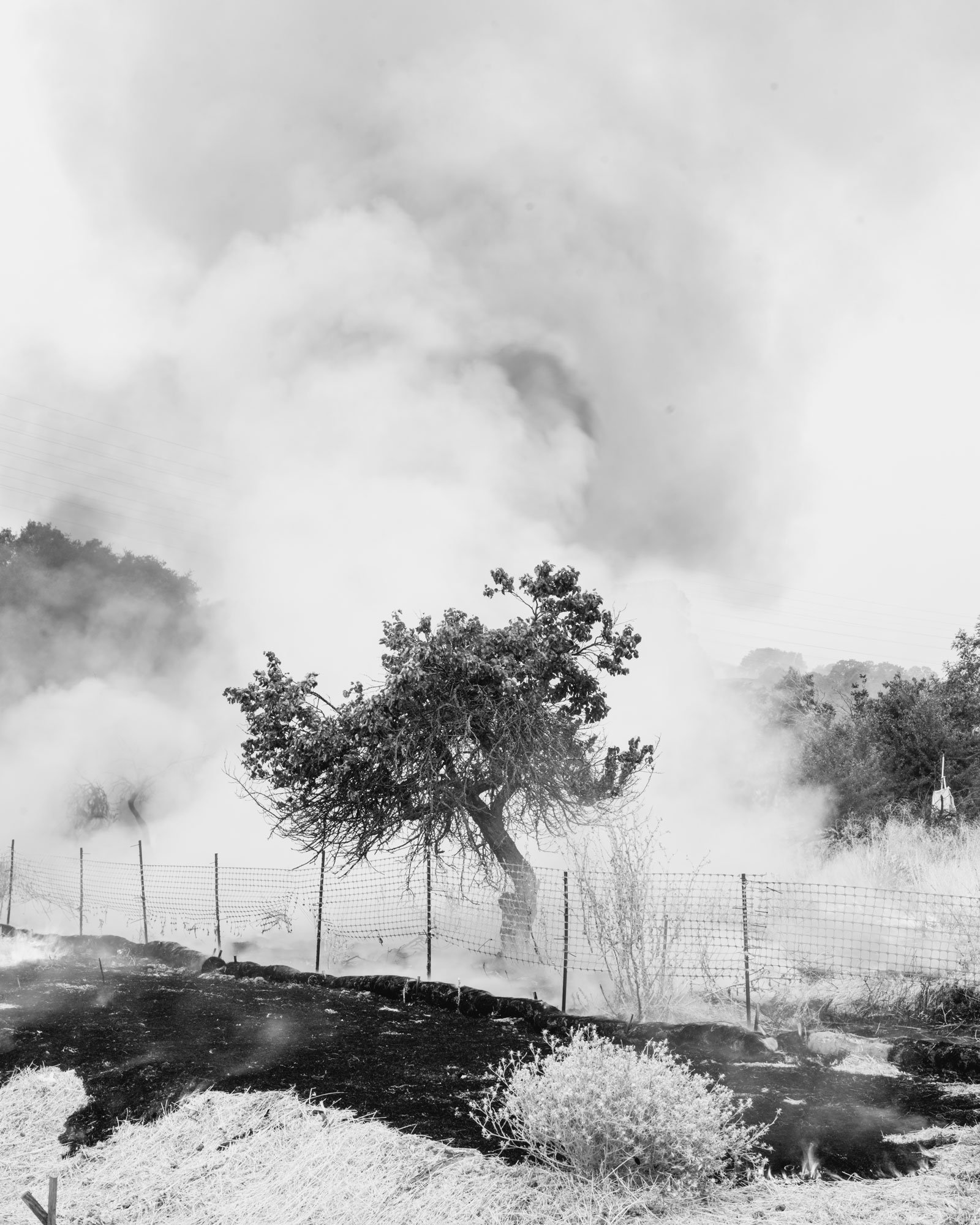
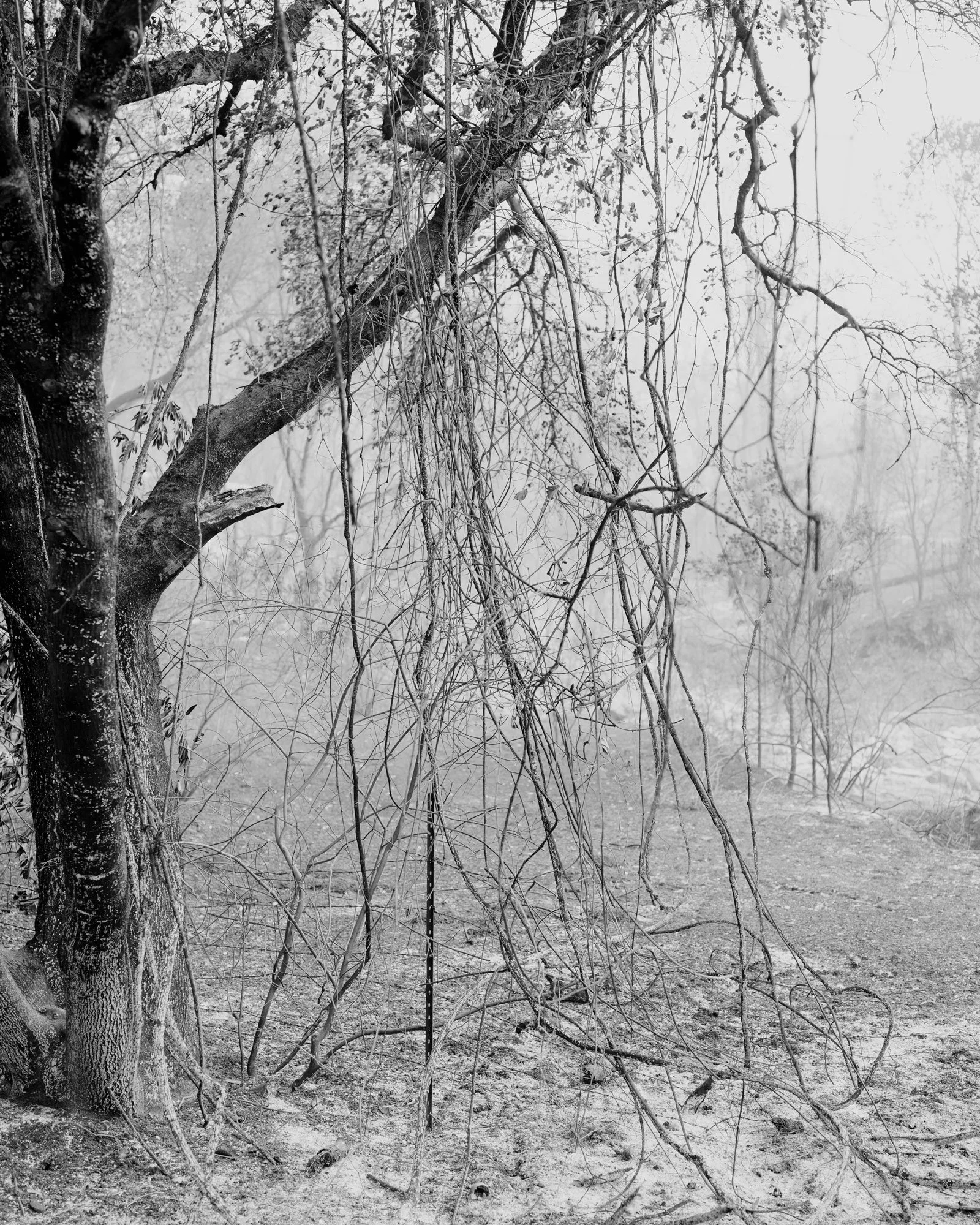
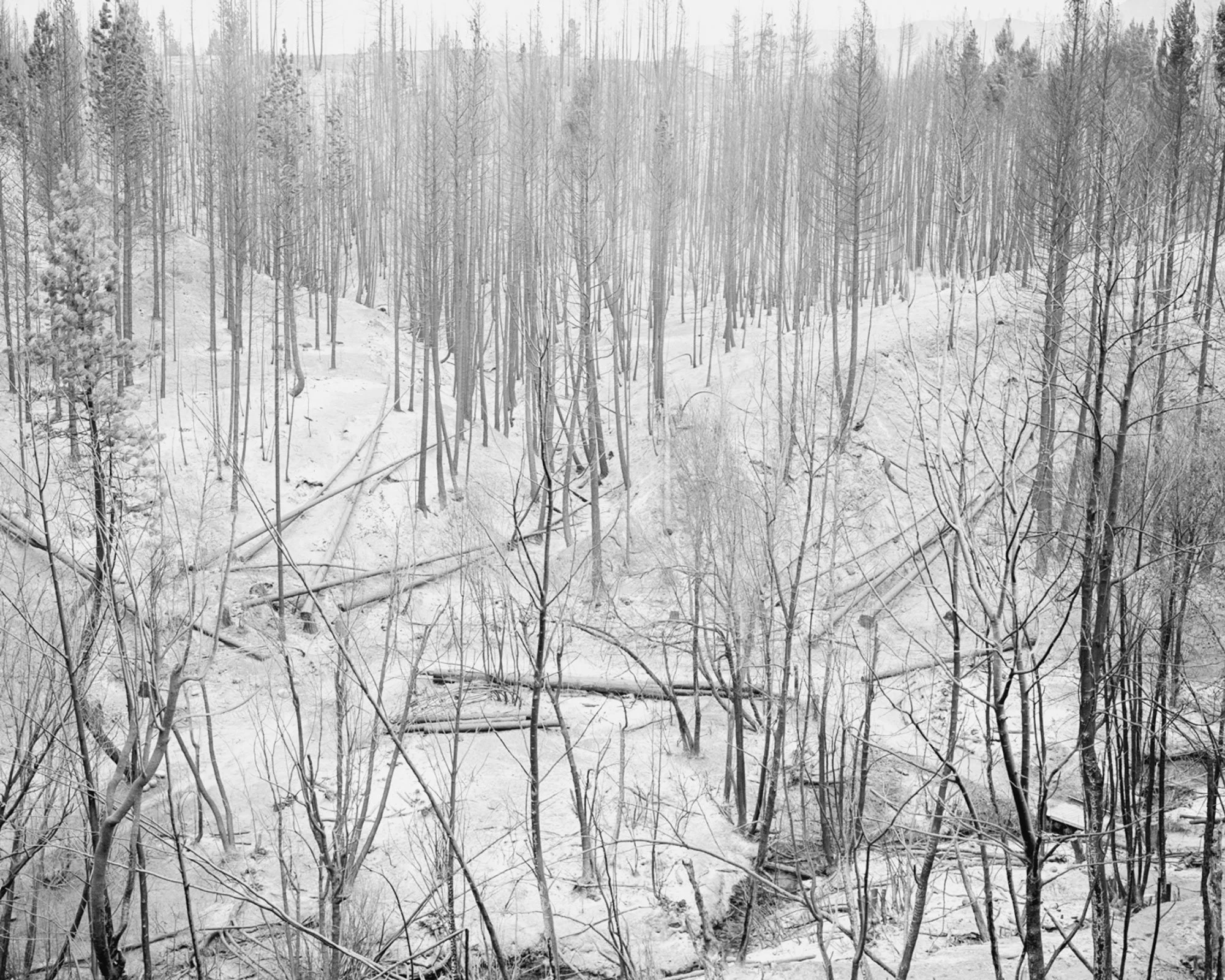
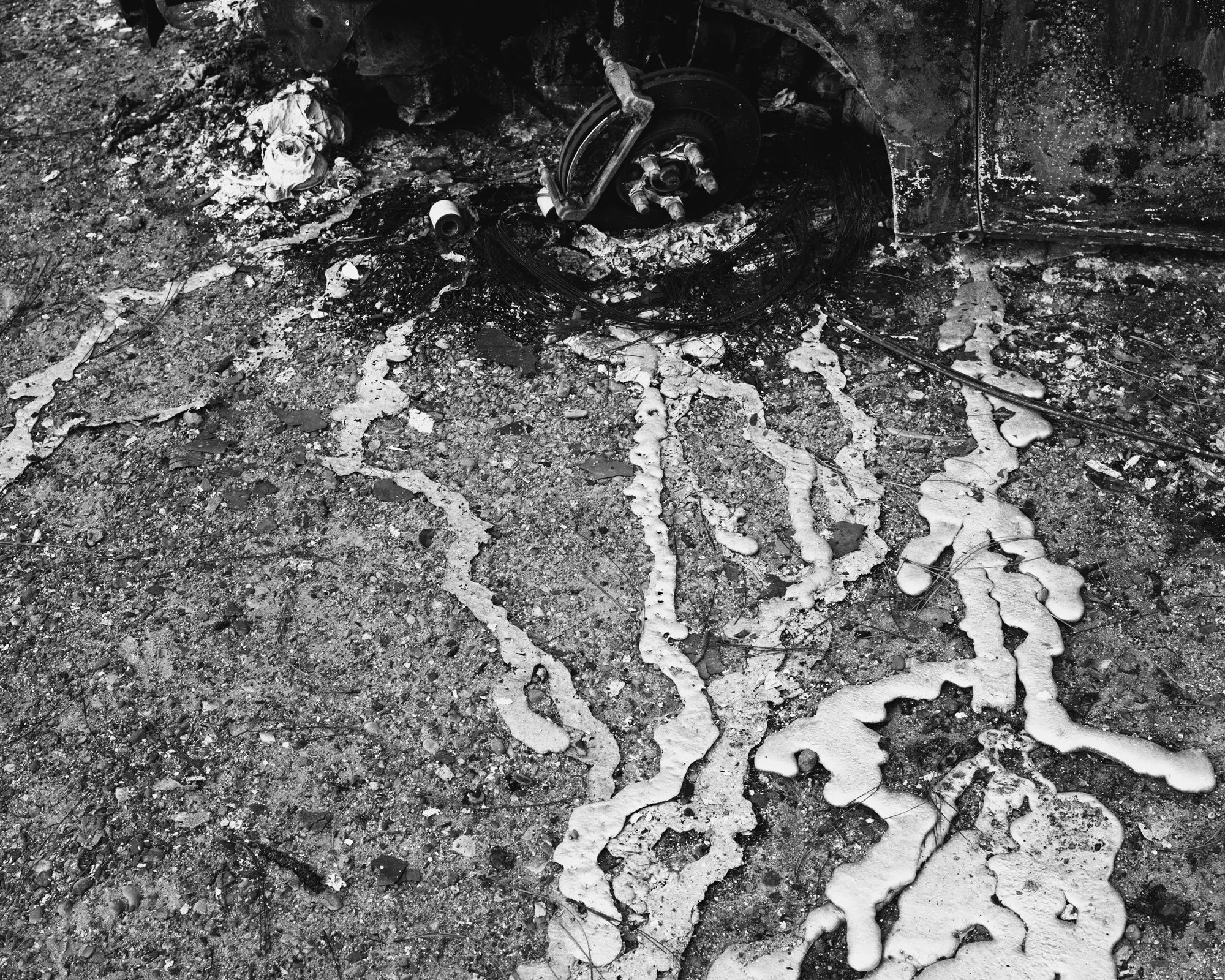
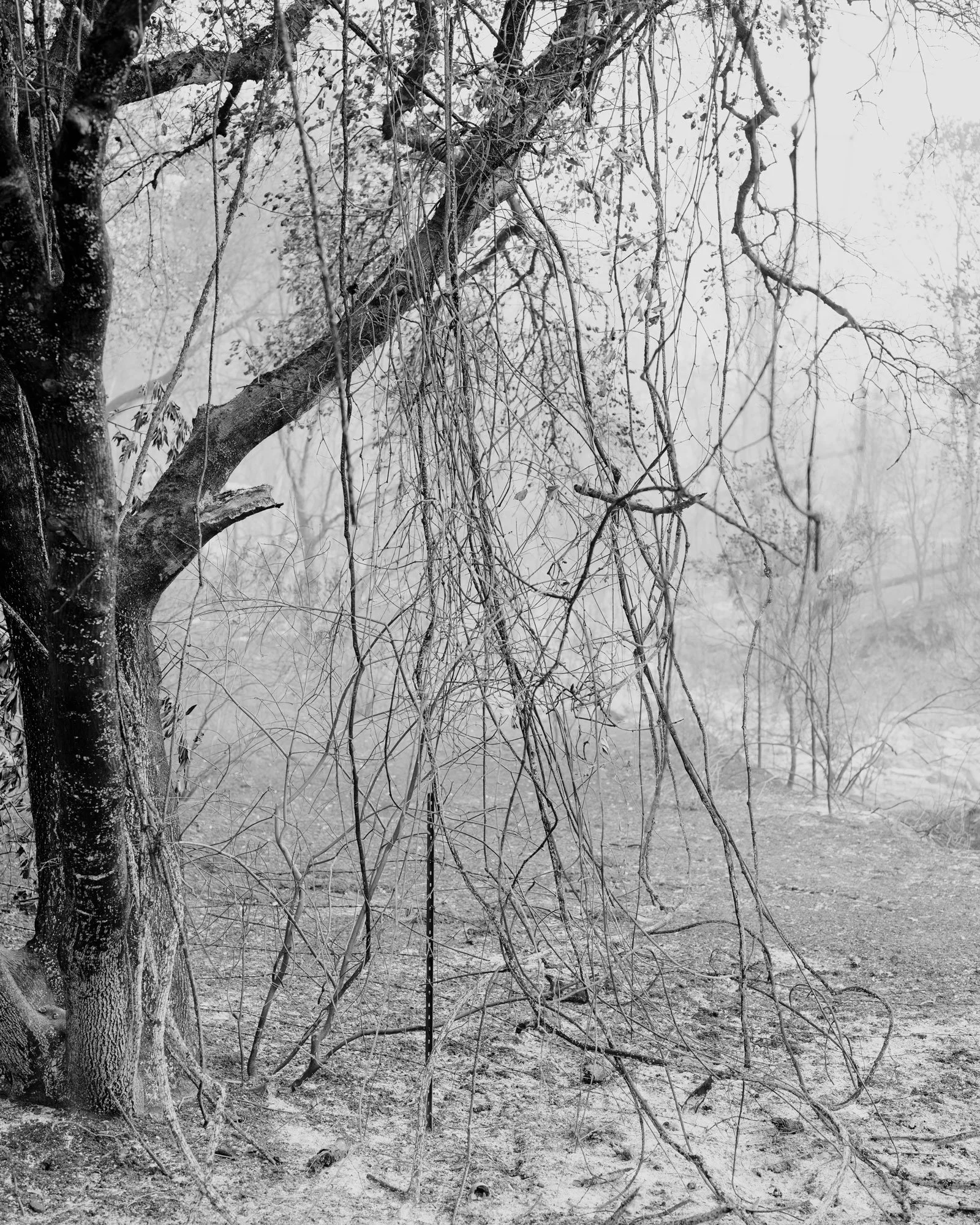
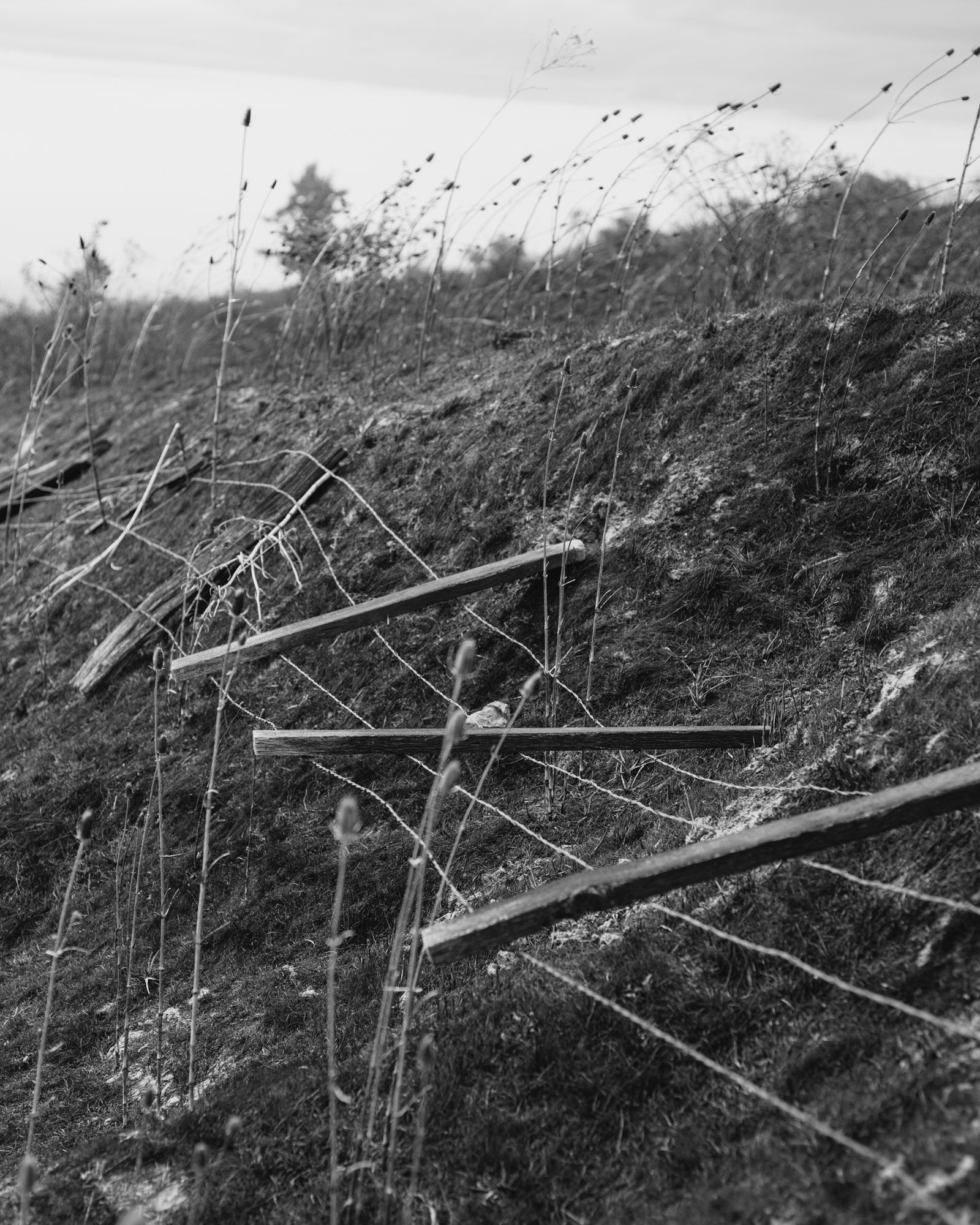
Instead of photographing the most dramatic moments, Bates focused on what remained: blackened forests, damaged homes, melted objects, ash-covered ground, and the strange silence before people returned. The project slowly took shape across roughly ten to fifteen fires, until one especially dangerous experience finally marked its end.
In this interview, Bates explains how he recognized what he was really looking for, why editing became an important part of that process, and how he knew when it was time to stop. For photographers working on long-term projects, these decisions may be as important as taking the photographs themselves.
The Book
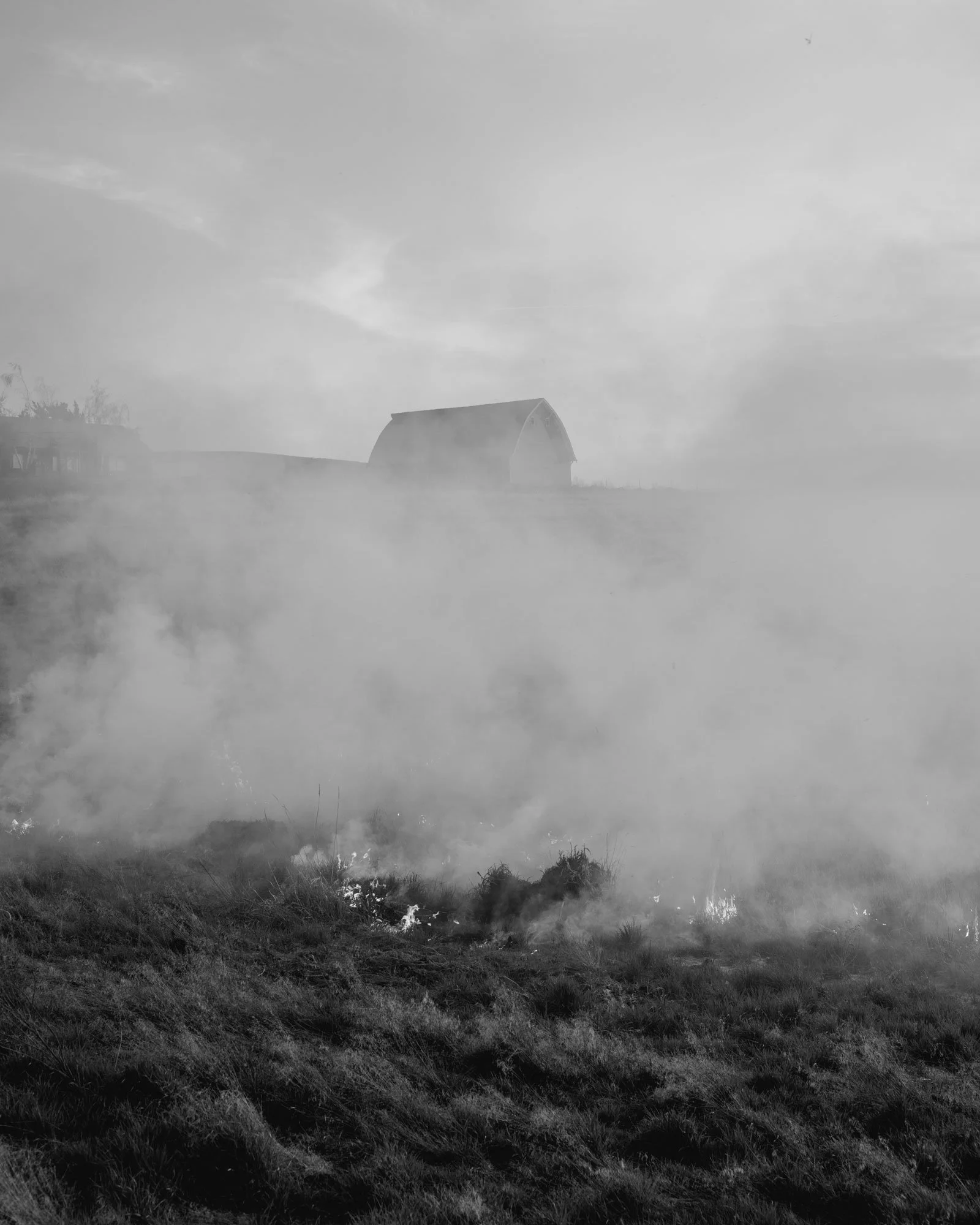
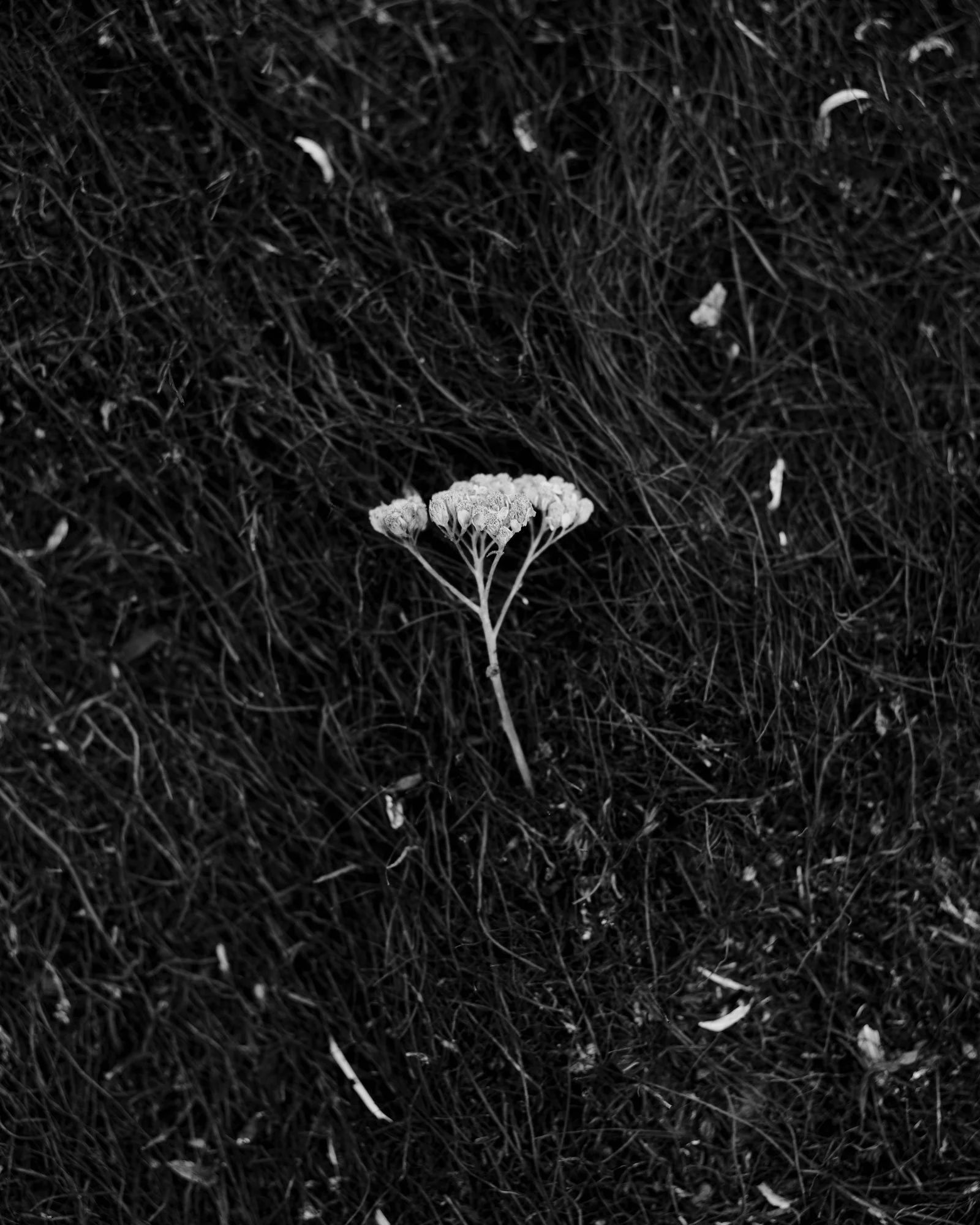
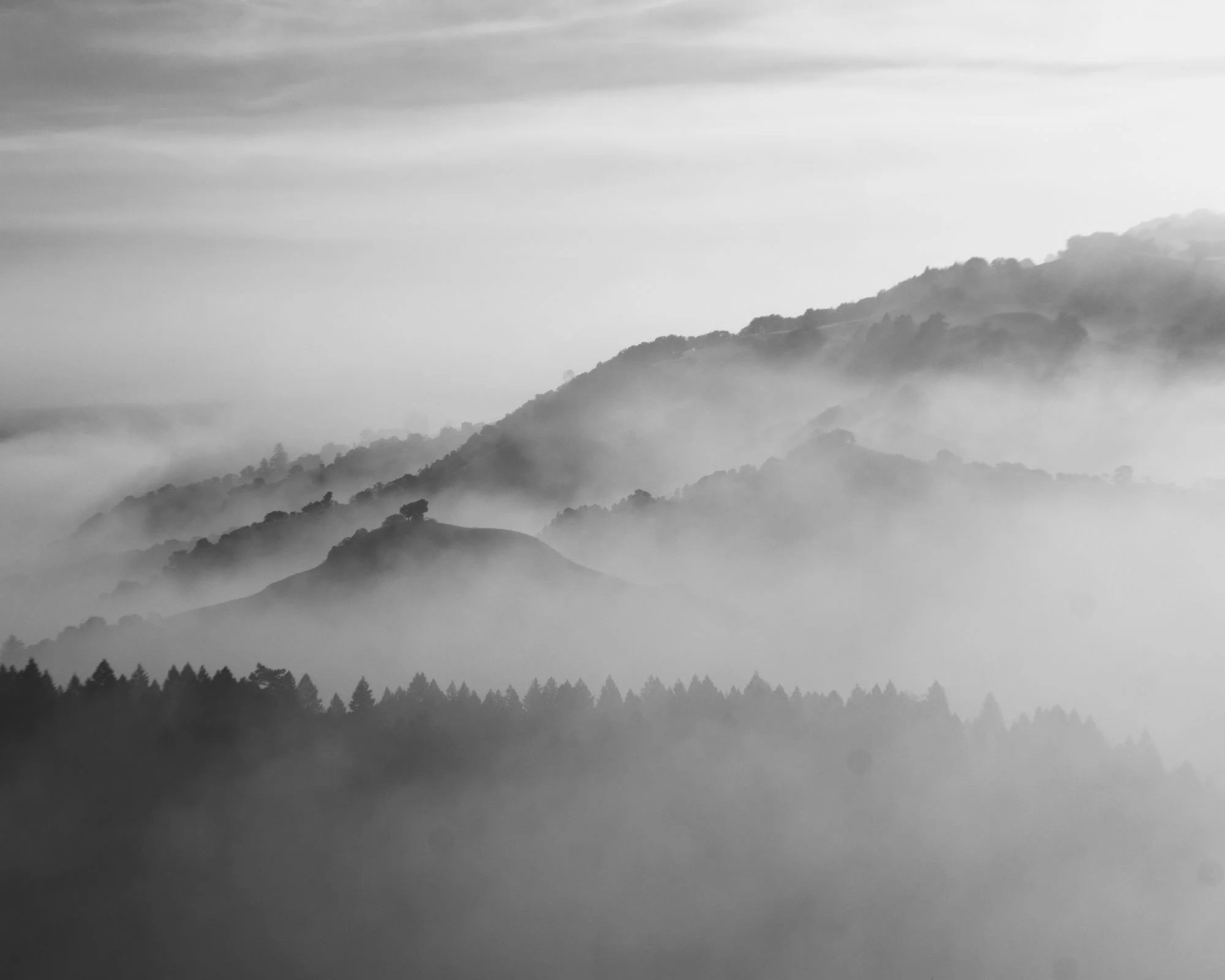
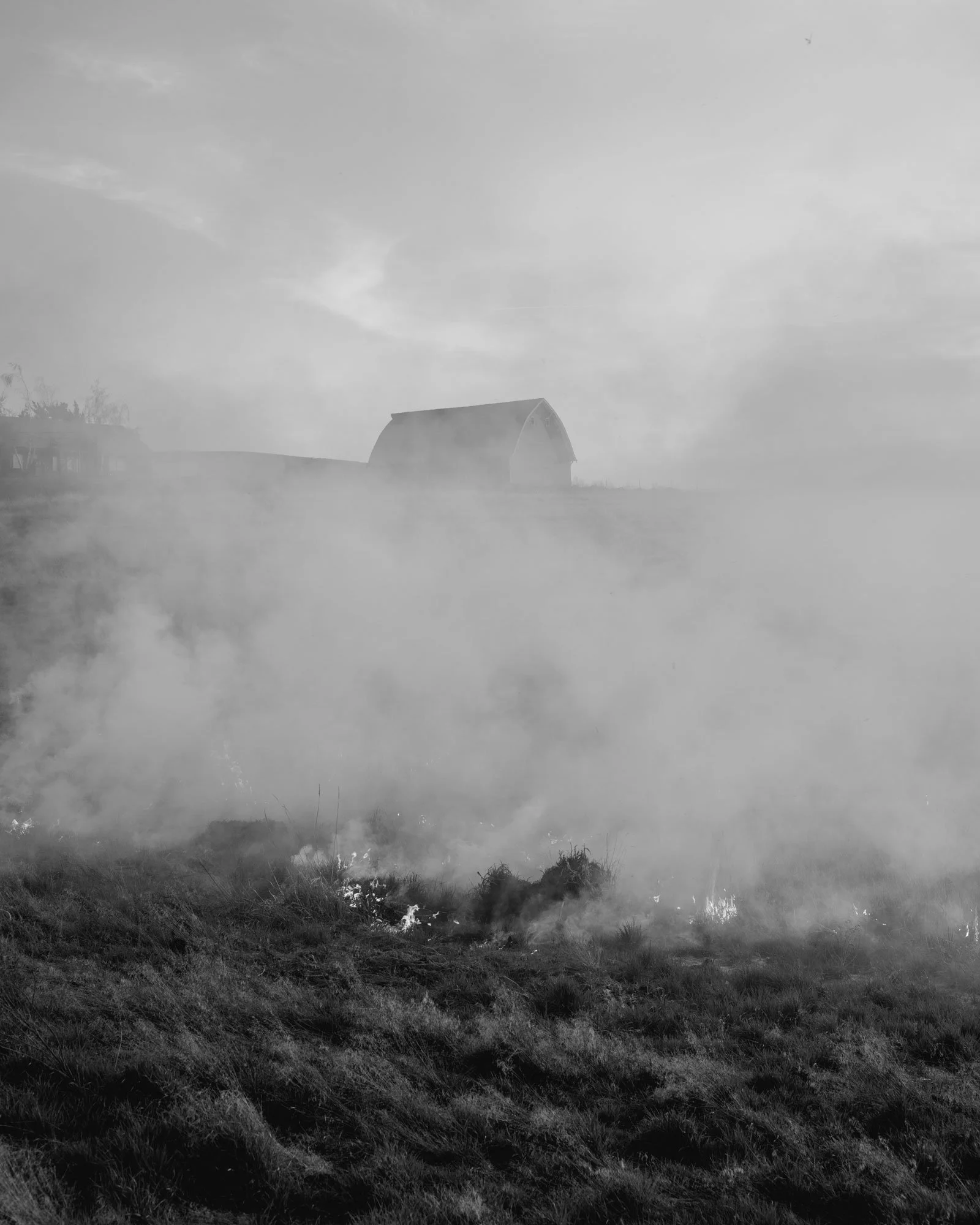
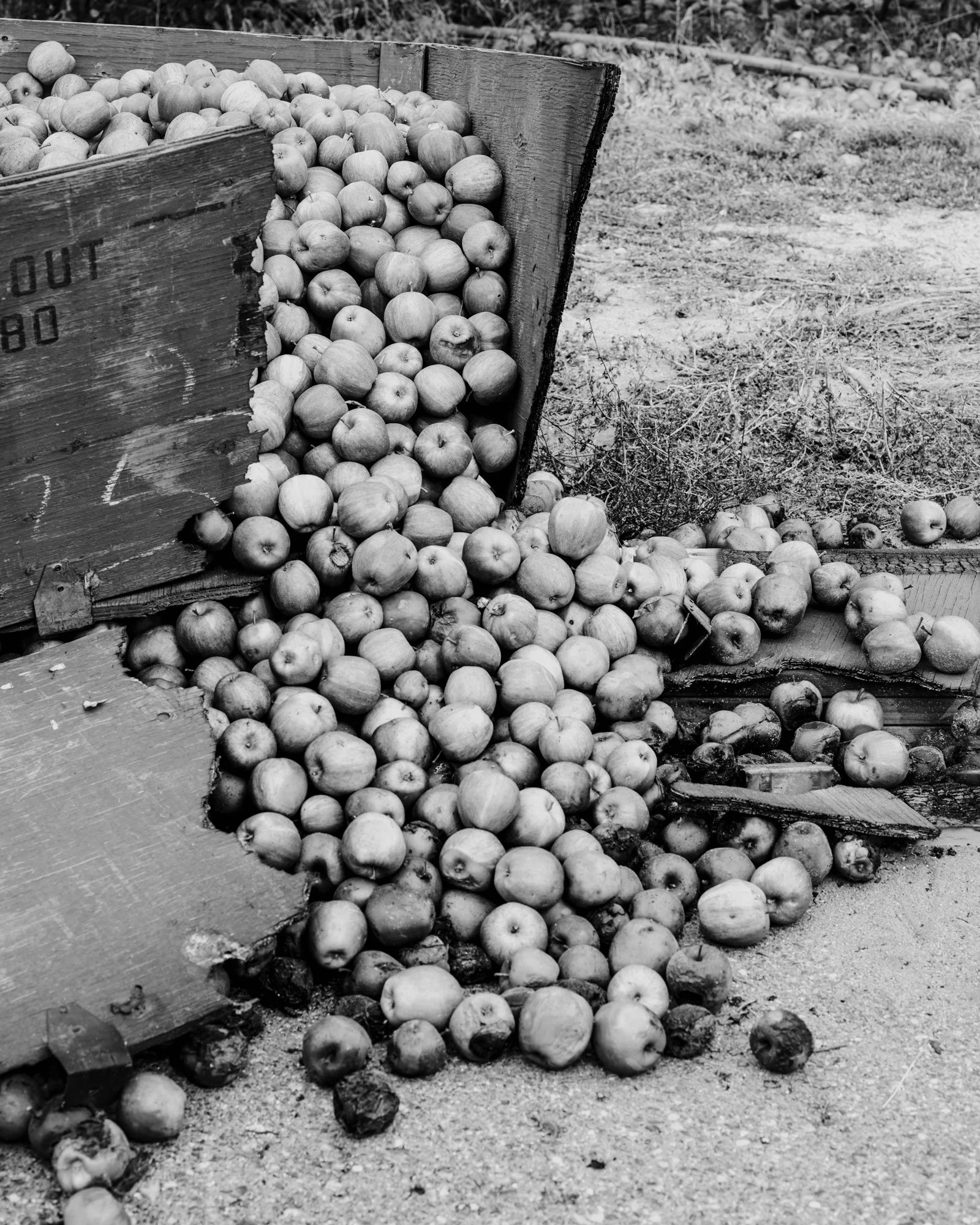
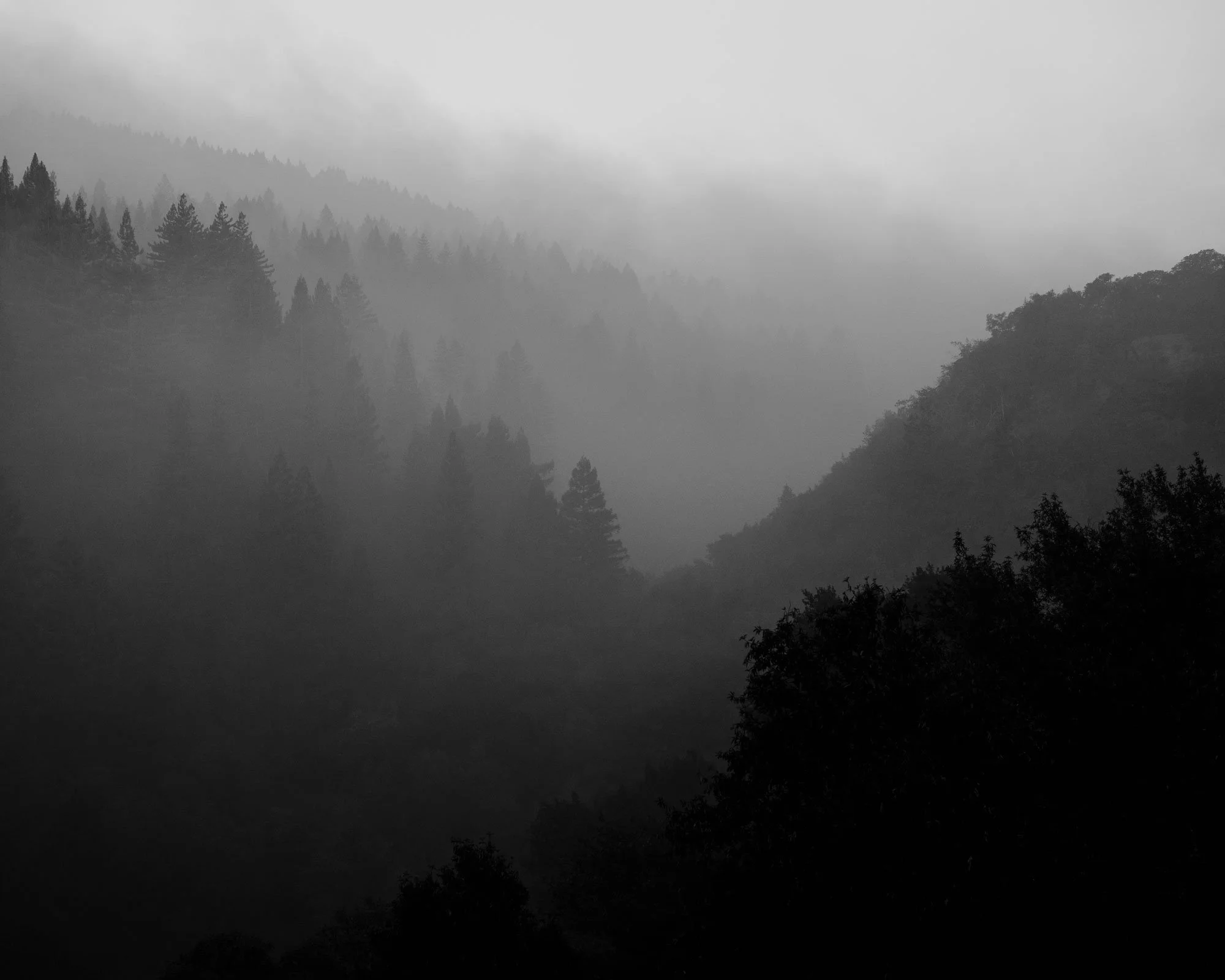
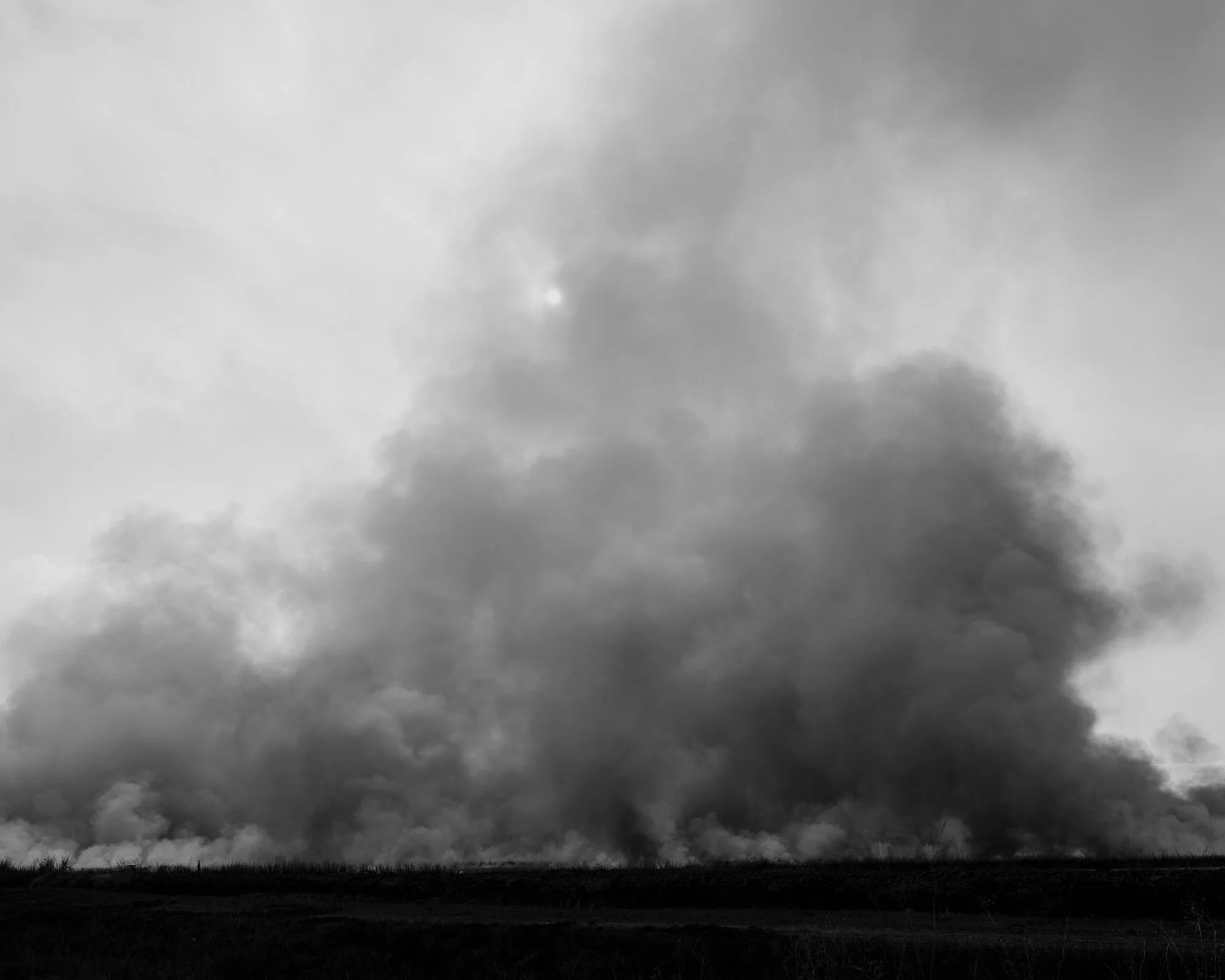
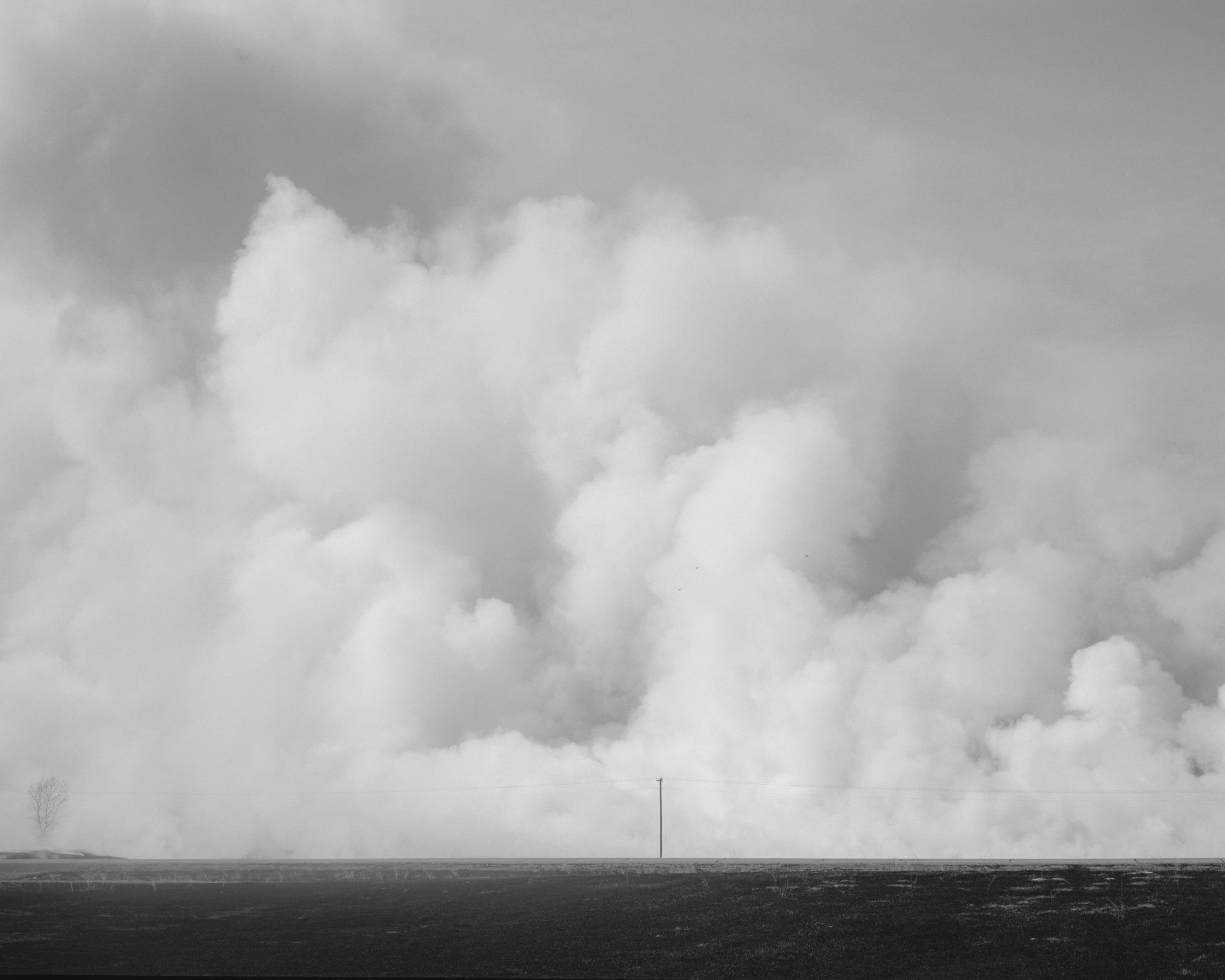
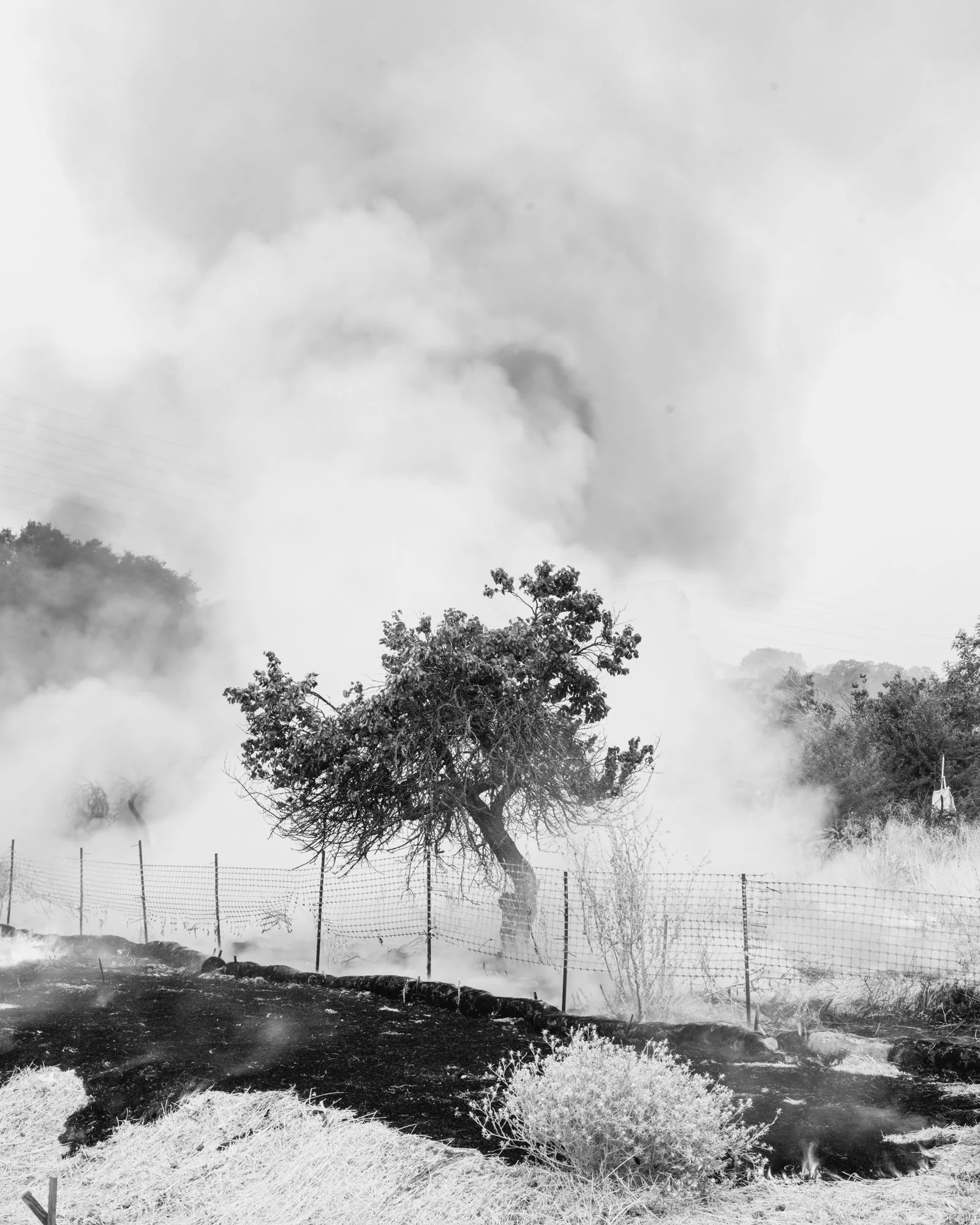
The Weight of Ash is a photobook by Ian Bates, published by Deadbeat Club in 2025. Made between 2014 and 2020 across wildfire areas in California, Washington, and North Dakota, the project focuses on what remains after the fire has passed. Rather than showing dramatic walls of flames, Bates photographs burned forests, damaged homes, altered objects, and landscapes covered in ash. Working mainly in black and white, he explores the difficult relationship between destruction and renewal, and between human life and a natural force that has always been part of the American West. The book includes a poem by Caitlin Lorraine Johnson and an afterword by Daniel Gumbiner. (Deadbeat Club, Amazon)
Project Beginning: What made you decide to photograph wildfire areas between 2014 and 2020 instead of showing the actual flames?
In 2014, I was living in Washington State and visiting a friend in his hometown in Eastern Washington when a fire broke out nearby. Curious, we drove out to photograph it and were immediately struck by the starkness of the scene. It was my first encounter with a wildfire. Having grown up on the East Coast, I was completely enamored by the transformed landscape and its raw power, and it drew me in deeper.
I had not yet decided it would become a project. I tend to let my interests in a place or theme develop intuitively, with some serendipity. But I knew I wanted to photograph more, and more intensely, so I began reaching out to photo editors I worked with, hoping to be sent into fires for news coverage.
It was around the third or fourth fire I photographed, over the course of a few years, that something shifted. I was standing in a forest burned down to bare dirt when I noticed how quiet it was. My footsteps were muffled by a blanket of ash, the songbirds were gone, and I was completely alone. That silence was all-consuming. I looked around at the destruction and knew I was somewhere I needed to keep returning to.
Timing: You talk about the special moment after a wildfire burns but before people return. How did you know when to visit these places to catch this exact time?
In the beginning, I went to fires on my own, but later I was sent by news outlets to cover them. The fires I photographed burned extremely hot and fast, constantly shifting with the winds. After a few, I learned to read the fire maps put out by wildland firefighters. I could figure out what had burned the night before, or where the fire line was, as I headed into the black.
A lot of it was pure luck. A lot of it was driving for hours only to find a road closed by downed trees or power lines and having to turn back. But the firefighting agencies work hard to keep the public informed, and that made all the difference in navigating where to go.
Black and White Choice: Why did you choose to shoot this project in black and white instead of showing the colors of ash and burnt land?
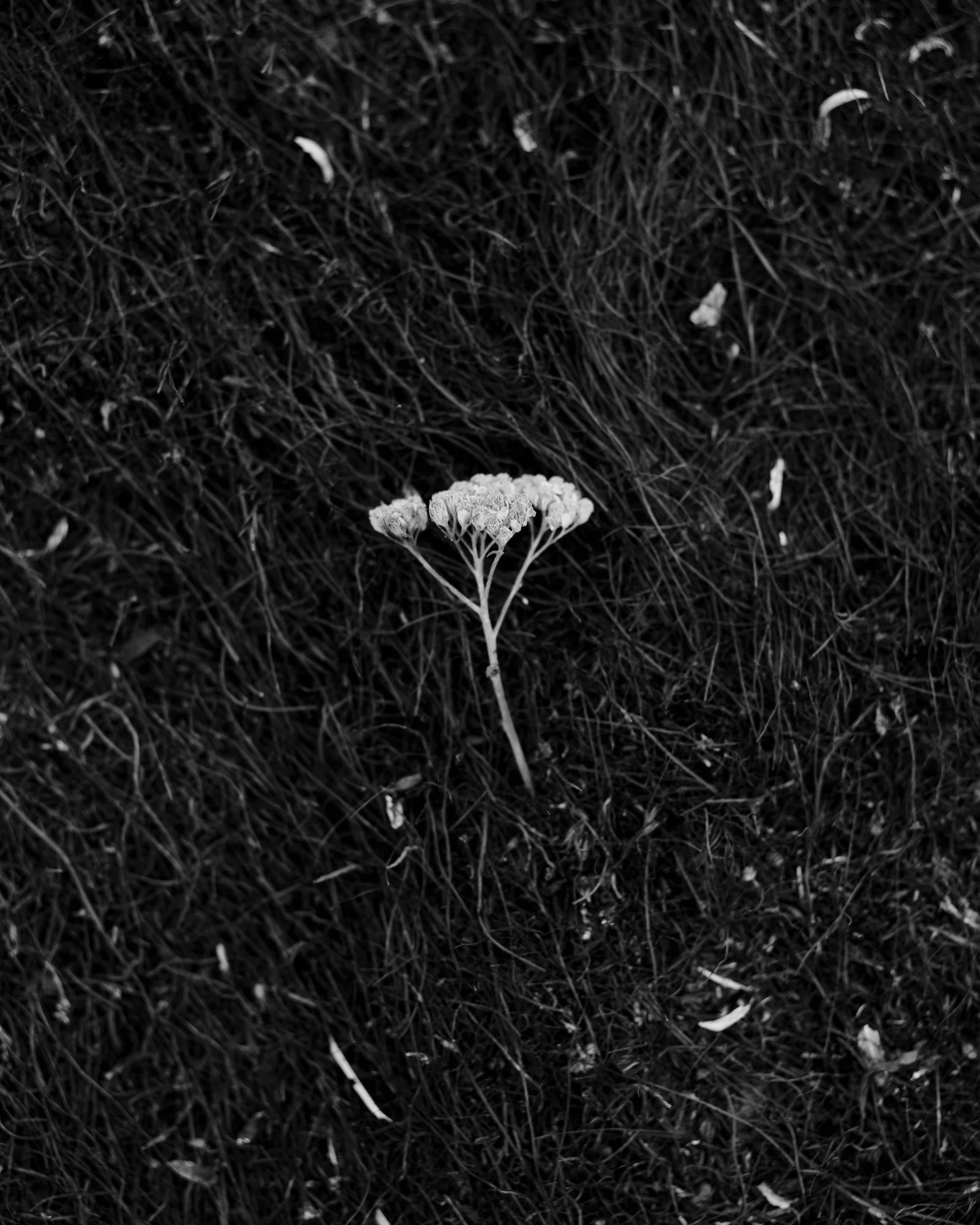
You have likely seen news coverage of wildfires: the walls of flame, the orange-tinted light struggling through thick smoke overhead. I wanted this work to be something different, more subtle, focused on form. Black and white allowed me to separate it from the news pictures and give it its own identity. The hope was that it would invite the viewer to look deeper, without the distraction of the vivid, eye-catching colors of fire.
Finding Locations: How did you find and reach the wildfire areas along the West Coast during your six years of work?
In California, anyone credentialed with a media pass and proper PPE can access disaster zones, though access in Washington State is somewhat more restricted. For many of these fires I was on assignment, and I would make my own work alongside the assignment pictures. I did not make it to every fire that burned over those six years, but I ended up at roughly ten to fifteen of them.
Safety and Distance: What challenges did you face when photographing burnt land, and how did you stay safe while getting close enough for good pictures?
I learned quickly that being inside the fire line is incredibly dangerous. Beyond the fire itself, areas that had already burned were littered with dead trees that could fall in the slightest breeze. Where the fire burned hottest, it could travel underground through root systems, leaving trees standing but held up by almost nothing. I made sure to have the proper gear: fire-resistant Nomex clothing, sturdy boots, a hard hat, and an emergency fire shelter in case the worst happened.
There were a few close calls. The last fire I photographed brought the most harrowing one. I was deep in a canyon that had burned the night before, one road in, one road out, surrounded by the remains of homes that had been reduced to ash, with trees and spot fires still burning around me. While I was making a picture, I heard a loud crash behind me. A smoldering tree had fallen across the only road out. I was lucky to be able to clear enough of the broken pieces to drive out.
That moment, and the sheer intensity of that fire, marked the end of the project. The power of these fires was never lost on me.
Mood Creation: How do you make your photos feel quiet and still when photographing places that just went through such violent fires?
My process is intuitive. I do not go out with a plan or a predetermined purpose for each photograph. It is more of a gathering process, with editing as the second art form. I collect and collect, then spend months or years sifting through what I have made. Once I understood the kinds of pictures I was looking for, I started seeing them everywhere.
Equipment: What camera and lens did you use most often for this project, and why did you pick them?
I used a digital medium format camera for roughly 95% of this work, though a few pictures were made on a Mamiya 7 when I was still shooting film. I use whatever works best for me, both financially and practically, and allows me to stay out making work.
Contradictions: Your work often shows contradictions in how people and nature interact. What specific things in these wildfire areas showed this idea best?
Most news coverage of wildfires focuses on destruction: structures lost, lives taken, the cost of rebuilding. I understand the importance of that reporting, and I feel the weight of it deeply. This project was emotionally grueling to make. Knowing I was standing in places where people had not survived, or had lost everything they owned, made me question whether I should be making this work at all. I took long breaks between fires to recover. After each one, my wife was there as I broke down, overwhelmed by what I had seen. Even after weeks spent in the middle of it, I could not fully comprehend what people had gone through.
Over the course of this project, the fires, both naturally occurring and human-caused, grew more intense year after year. There are many factors at play, but climate change has clearly been a major driver. It is a core human-made problem, and it is making these fires burn larger, hotter, and faster.
That tension is at the heart of this work, because it is so purely nature versus civilization. Fire has always been part of the landscape, a kind of natural reset. Certain seeds only spread after a burn. Mushrooms appear that are found nowhere else. The following spring brings an extraordinary bloom of wildflowers. Fire opens the tree canopy, letting sunlight reach ground that has not seen it in years. It is rejuvenating.
And yet we have built communities in places where fire has always occurred, and when those fires burn now, they collide with everything we have made. The destruction is immense. It is beauty and terror at once. How can something so devastating also be so beautiful?
Book Design: The book uses duotone offset printing and has a blind debossed title. Why did you choose these printing methods for showing your wildfire photos?
All the credit for the design of this book goes to Clint Woodside. From our first book together, Meadowlark, he has understood what I am after. I wanted something subtle and fading, and he got it immediately. There was almost no back and forth: he sent me a mockup and it felt exactly as I had imagined. Clint and Alex are just a joy to work with. It is the purest form of collaboration that I get to be involved in, and I would not have it any other way.
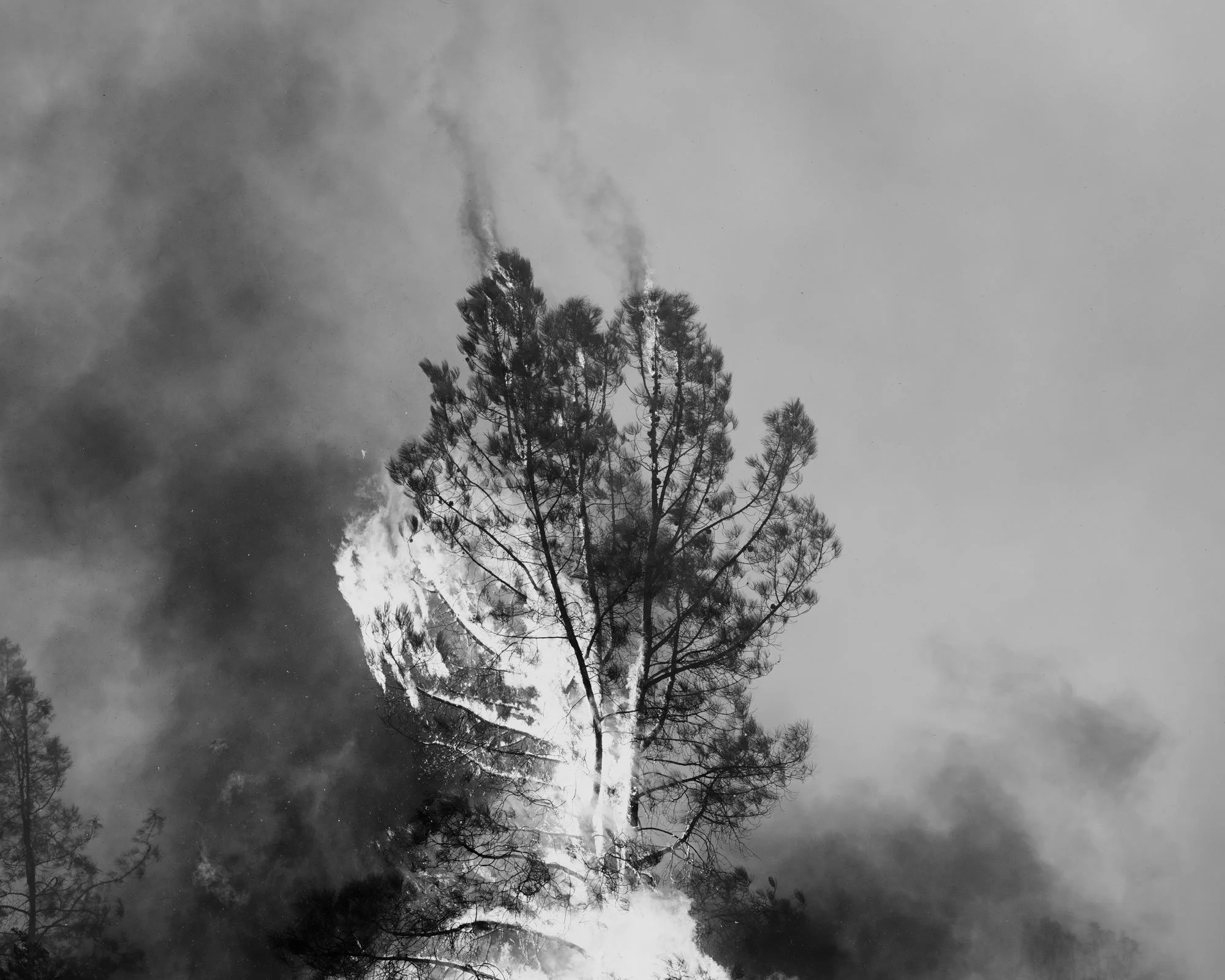
To discover more about this intriguing body of work and how you can acquire your own copy, you can find and purchase the book here. (Deadbeat Club, Amazon)
More photography books?
We'd love to read your comments below, sharing your thoughts and insights on the artist's work. Looking forward to welcoming you back for our next [book spotlight]. See you then!
Catherine DeLattre’s photographs begin with something worth stopping for. Driving through Wayne County, Pennsylvania, she notices isolated houses, trees, and open fields. Photography Book Spotlight