The Same Valley, 26 Years Later: David Katzenstein on Photography, Time, and Reunion
Welcome to this edition of [book spotlight]. Today, we uncover the layers of 'Between One and Another,' by David Katzenstein (published by Hirmer Verlag). We'd love to read your comments below about these insights and ideas behind the artist's work.
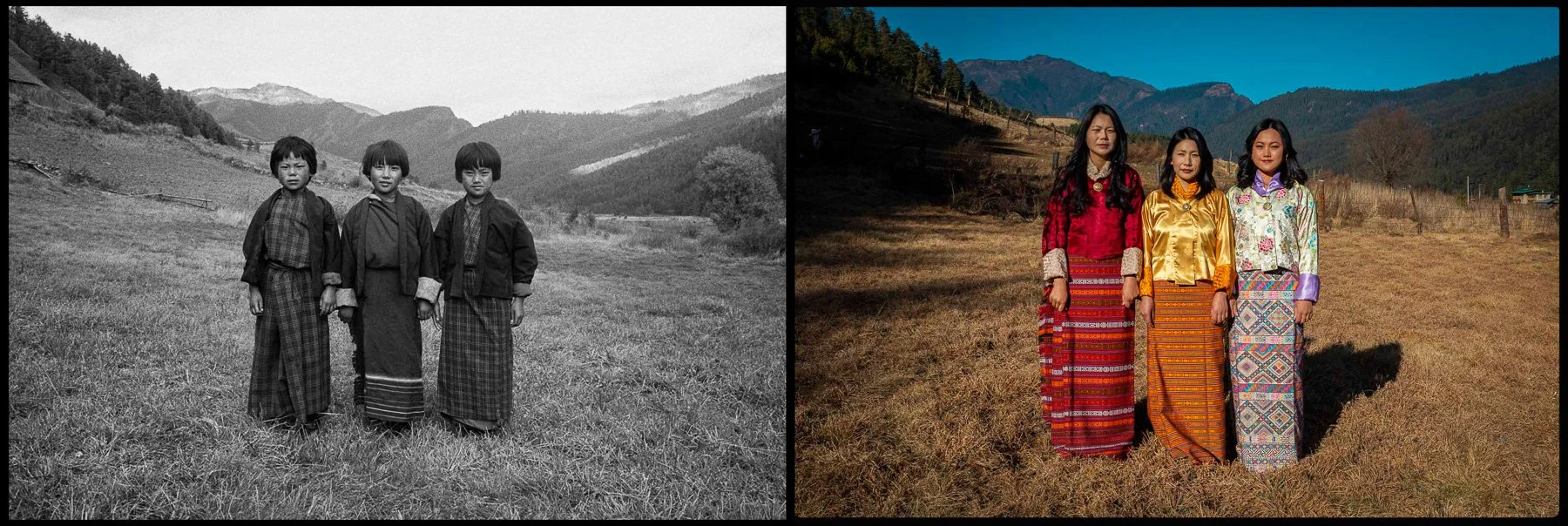
David Katzenstein returned to Bhutan after twenty-six years.
There, he met the same three girls he had photographed in 1999, now grown women. The reunion became one of the strongest examples of what runs through between one and another, a book bringing together 57 years of photographs made across 25 countries. It is a book shaped by people, relationships, and what happens when a photographer returns to the same places many years later.
But between one and another was never planned as one long project.
Katzenstein and designer Tracey Shiffman built it from an archive of thousands of photographs, eventually working with around 600 images before arriving at the final selection. In our interview, Katzenstein talks about returning without nostalgia, photographing strangers, moving from film to digital, and allowing photographs made decades apart to form new relationships on the page.
Katzenstein explains why research matters before photographing, how trust can be built without sharing a language, and why an old archive can reveal connections that were impossible to see when the photographs were first made. For photographers working over many years, his experience offers a useful way to think about when separate photographs can finally become one body of work.
The Book
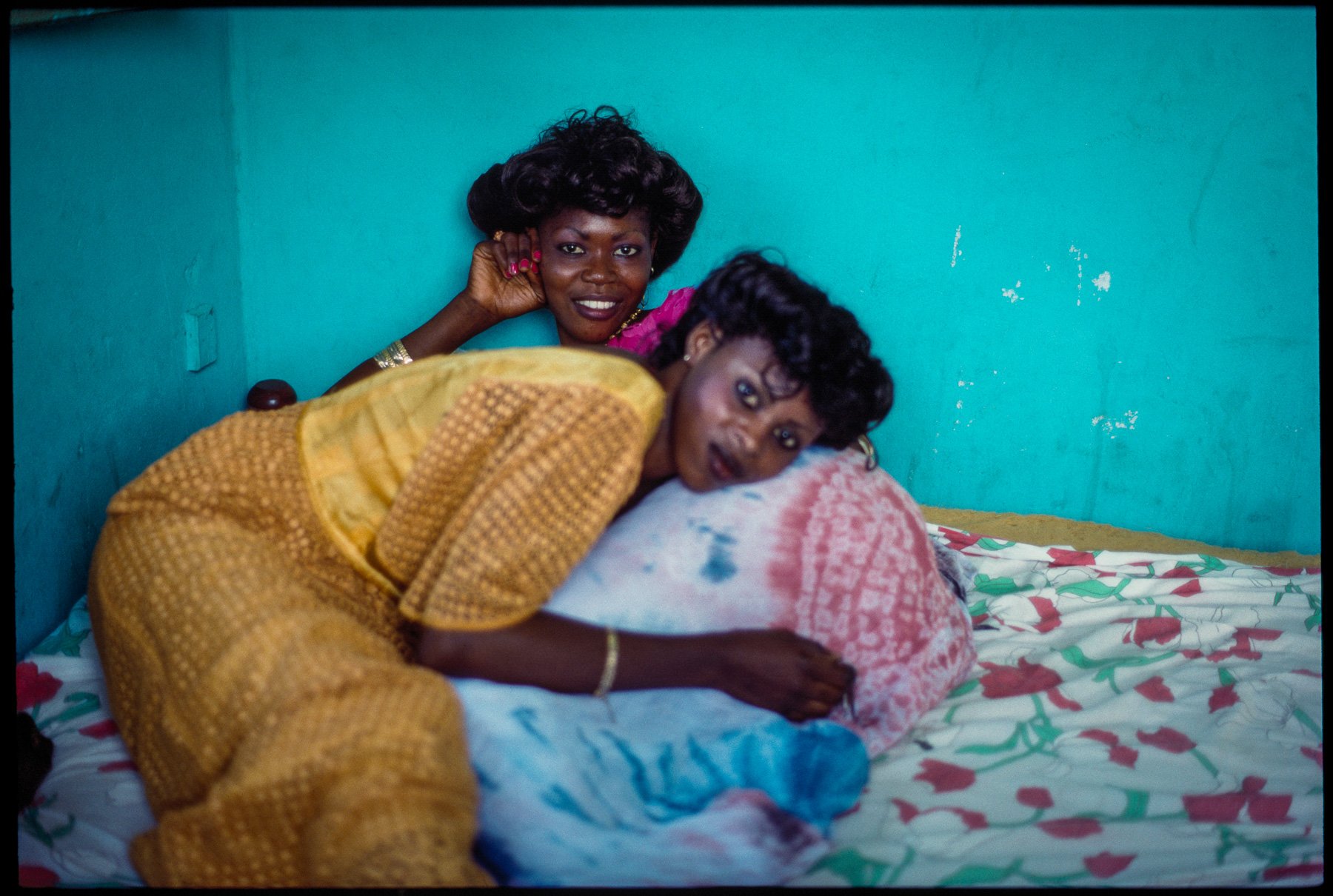
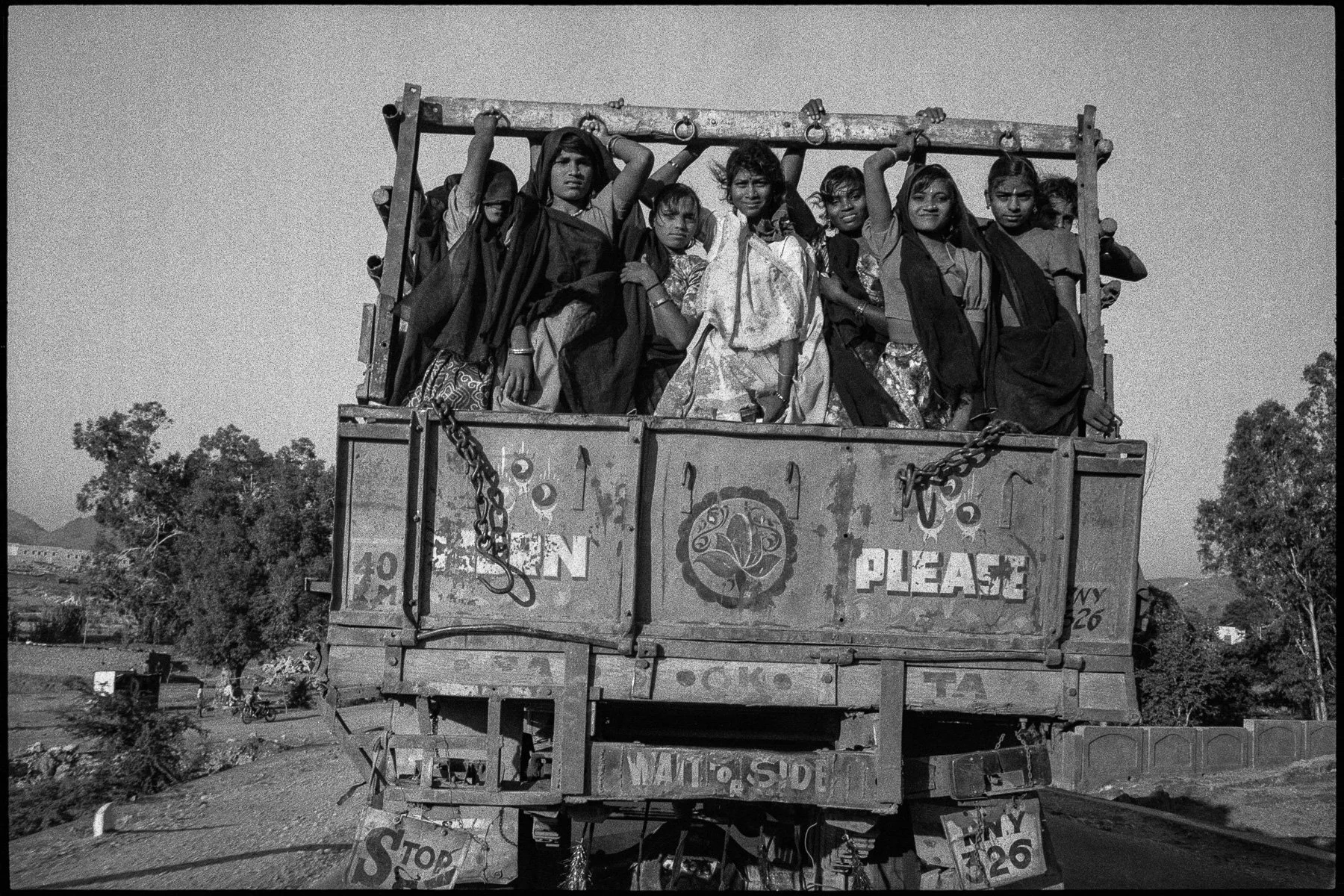
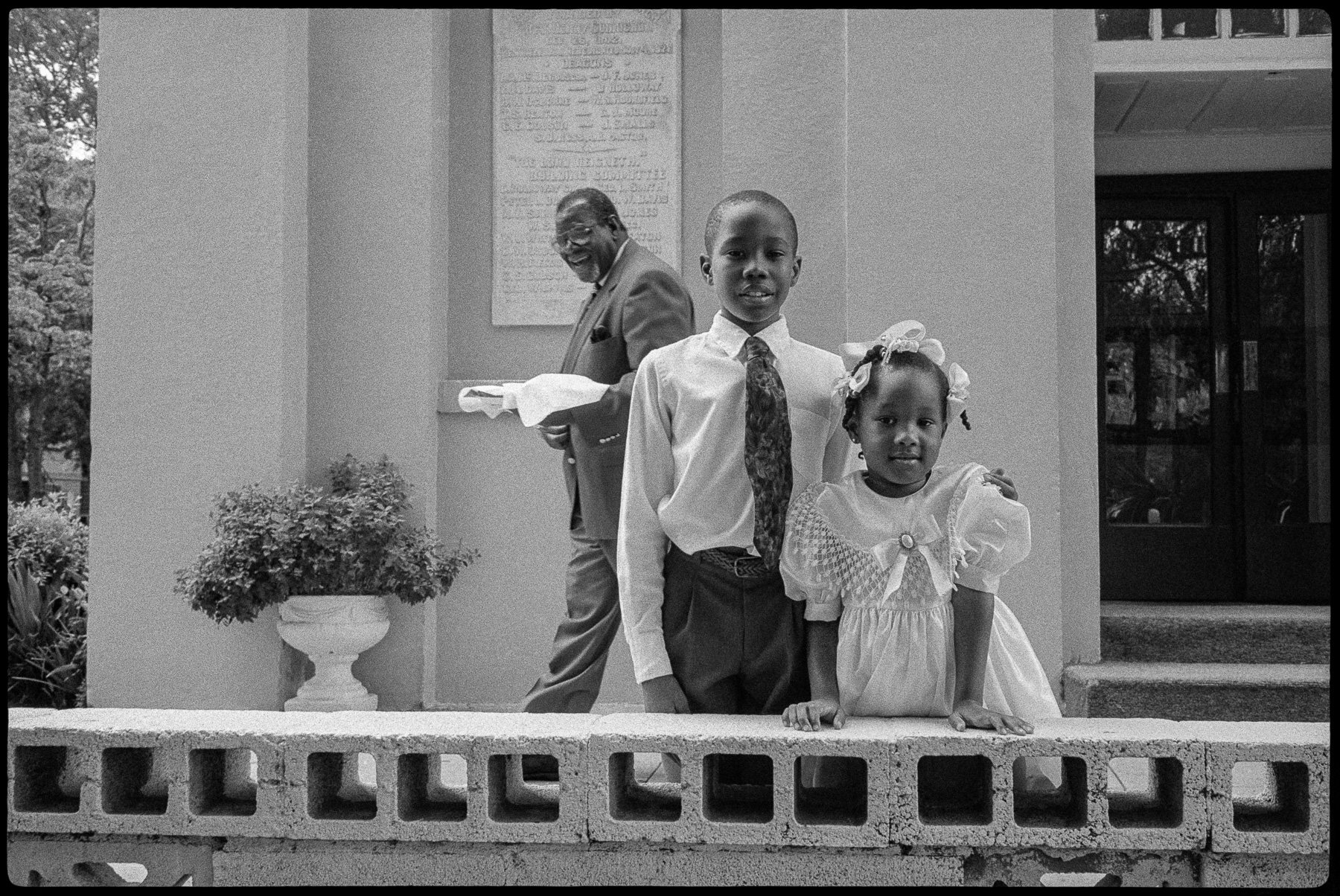
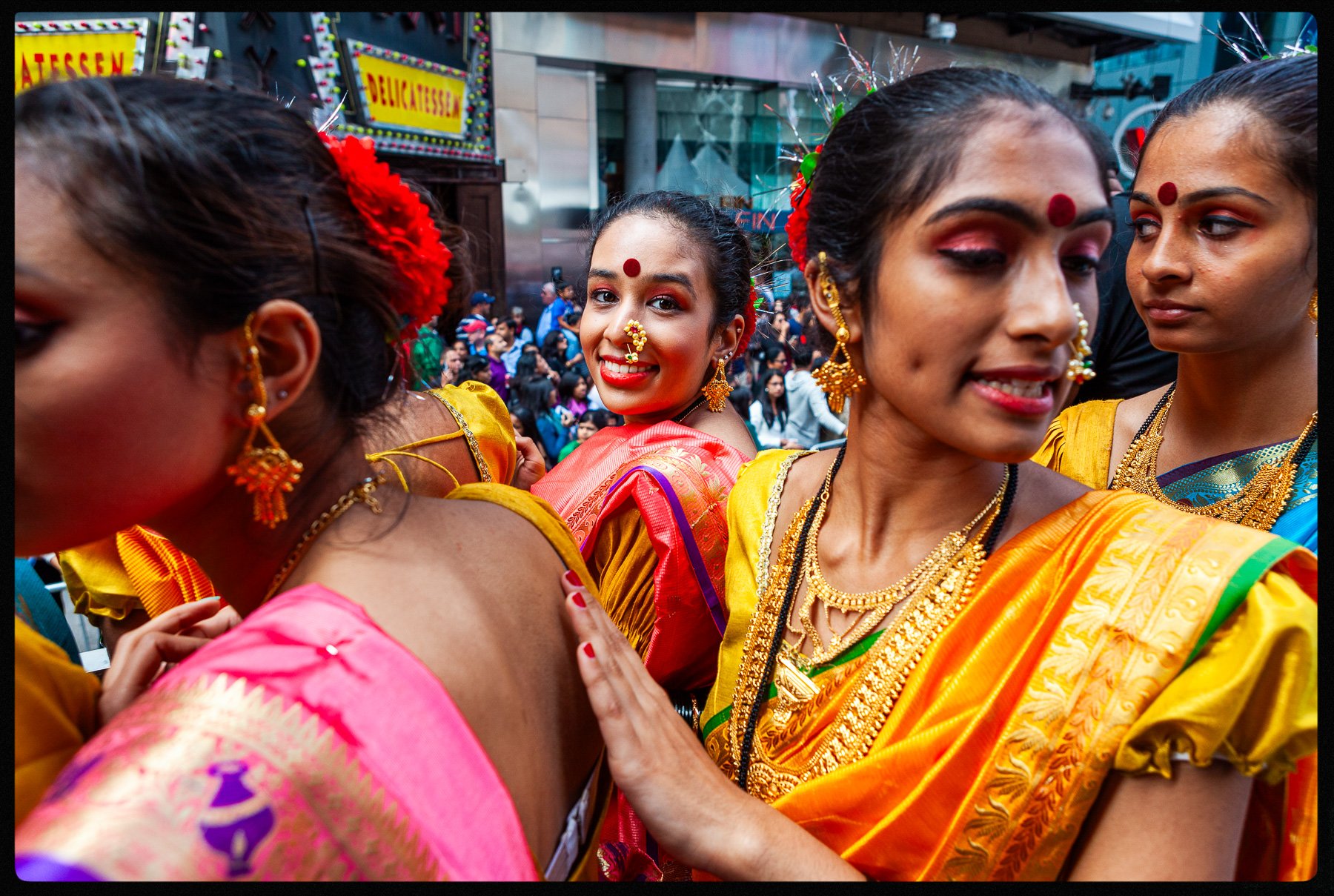
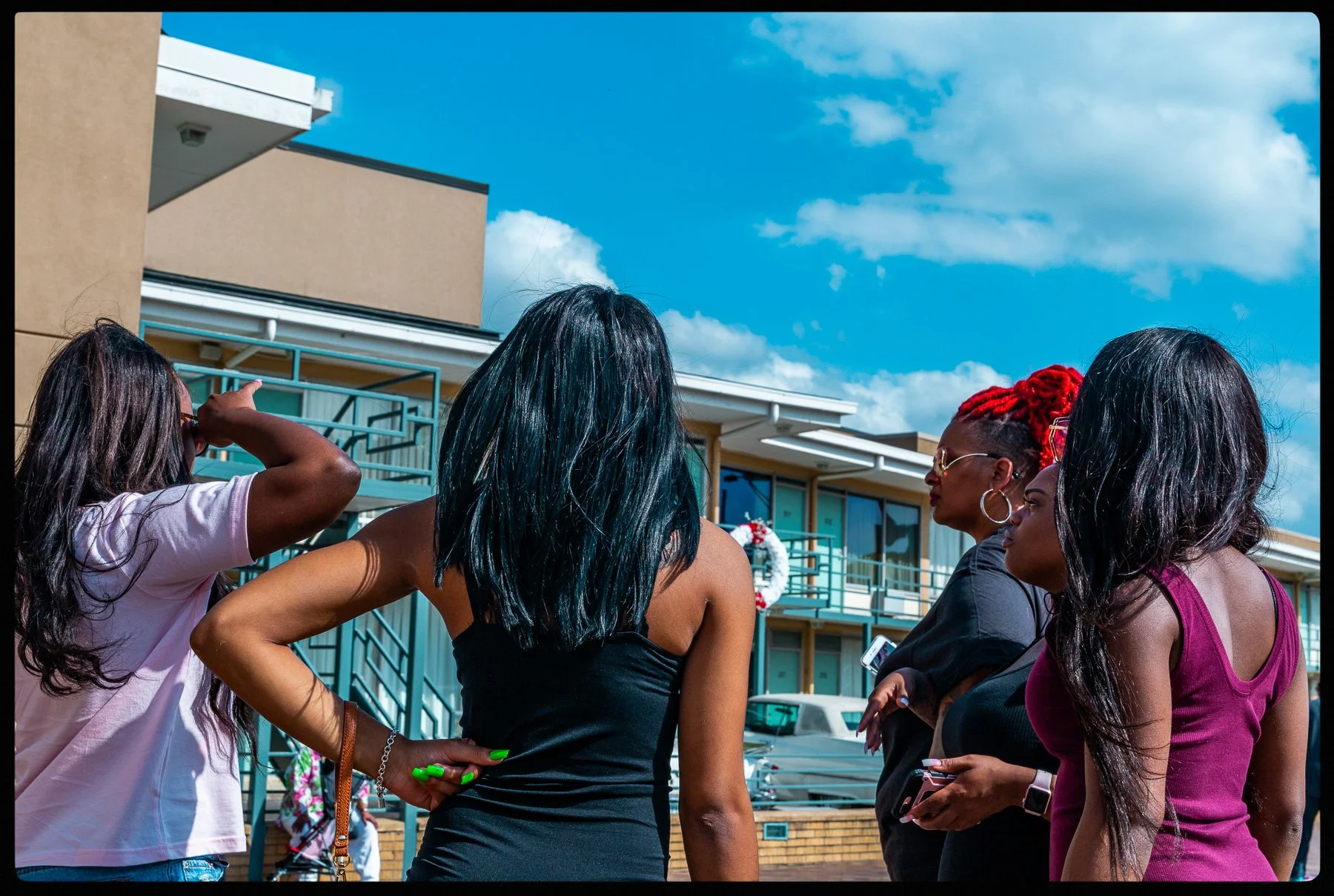
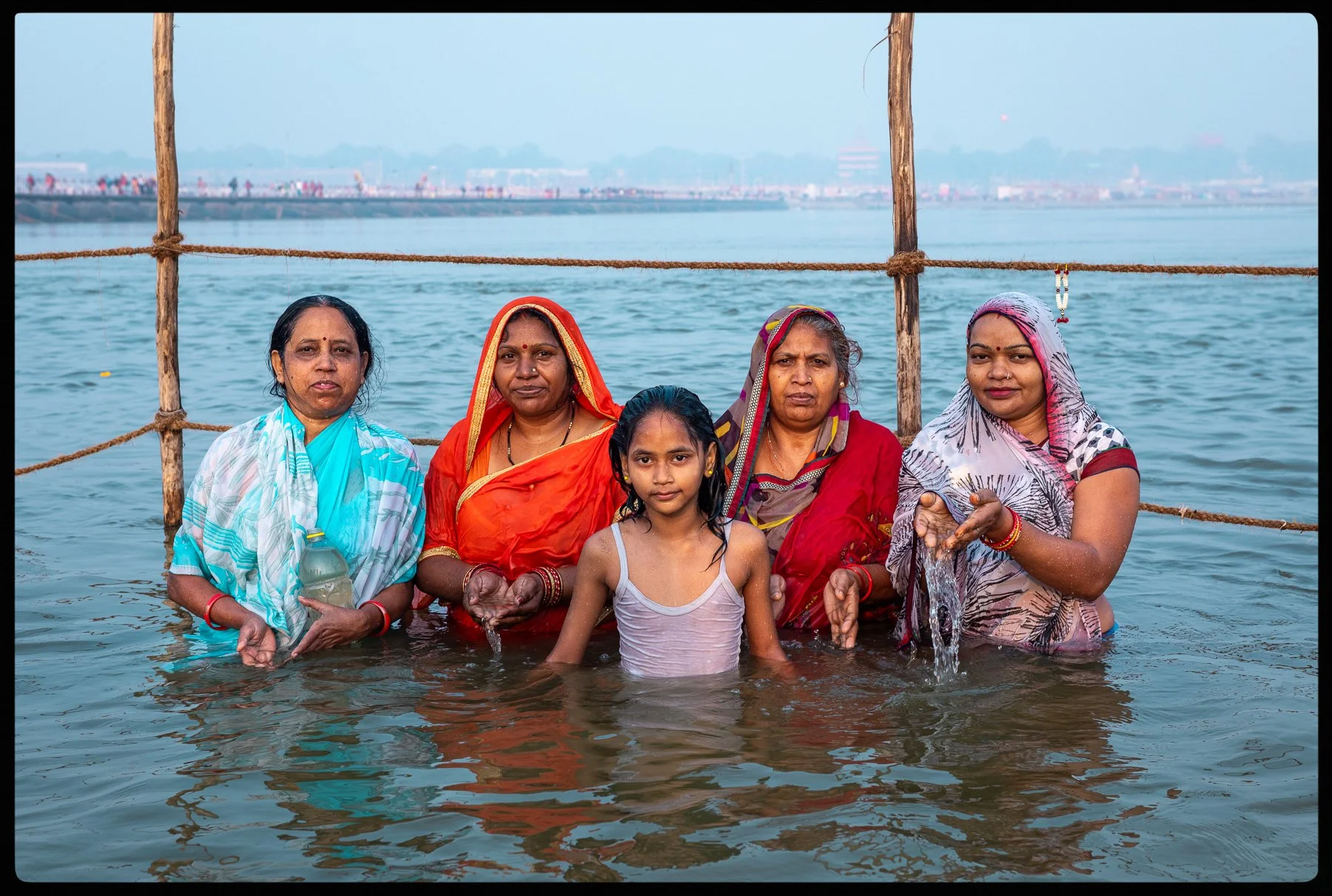
between one and another by David Katzenstein, published by Hirmer Publishers, brings together 144 photographs made across 25 countries between 1969 and 2026. Drawn from more than five decades of work, the book moves between street photography, portraiture, and documentary images, with people and human relationships at its centre. A recurring theme is Katzenstein’s return to the same places and people years later, including his reunion in Bhutan with three girls he first photographed in 1999. Rather than following one project made over time, the book creates connections across a much larger archive, bringing together photographs separated by years, countries, and different stages of Katzenstein’s life. (Hirmer Verlag)
Project Genesis: What made you decide to pull 57 years of photos into one book called between one and another?
Excerpted from my essay in the upcoming book:
When I look back on the photographs that comprise this collection—a body of work spanning (unbelievably) almost six decades—my heart swells. I still live and breathe photography, beginning each day either working on past and current projects or planning future ones. What a journey I have been on all these years, from the opening photograph of my father in the foreground, taken in 1969, to the very recent work from my return to Bhutan after two and a half decades, taken in 2026. between one and another is about people and relationships within the visual frame of reference that I have created through my lens.
The Return to Bhutan: You went back to the same valley after 26 years and found the same three girls, now women. What was that moment like when you saw them again?
This reunion after 26 years was planned a few months in advance of my trip. I was reunited with not only them, but with their large extended family, many of whom I had met in 1999 on my first visit to the Tang Valley. It is difficult to express the immense joy of acceptance felt upon my return to my friend/guide Ugyen's mother's house, where I stayed on the recent trip for 4 days.
I recently received an email from the girl, who stands in the middle of both photographs (1999/2026) and it says it all: "Thank you so much for sharing this precious and beautiful picture. The frame not just holds pictures and memories but also the untold tales of how the women in the frame goes on to embracing life."
Time and Memory: The book is built on you visiting the same places and people years apart. How do you decide when it is time to go back?
I returned to certain locales a number of times either with specific projects in mind or sometimes by happenstance, when an assignment sent me back to a place that I was already familiar with. Certain countries kept pulling me back, India, France and Italy come to mind. But, keep in mind that the images in this book were selected from a far larger collection of work, and chosen because the designer thought that they fit into the theme of 'between one and another', relationships between people and relationships between myself and my subjects.
Returning to Place: When returning to a place after many years, what tells you there is still a photograph to be made rather than only a memory to revisit?
I almost always work in the present moment, and do not dwell on the past. When I have returned to the same places, often years later, there is very little nostalgia in my images. I am always searching for new compositions.
Pairing Images Across Time: Can you describe one pair of images made years apart that changed meaning completely when seen together?
I don't think that the meaning of the individual images changes, but when placed together on a spread in the book there becomes an association between the two images that helps the viewer experience the photographs in possibly a new way than if seen individually. Again, this is the art of the design process.
Shooting on Film: You use a Leica rangefinder and shoot mostly on film. Why do you still choose film today, and how does it change the way you take pictures?
The book comprises 145 photographs, spanning from 1969-2026. The images created between 1969 and 2011 are primarily shot on film (78) and the images from 2011-2026 are all digital images (67). So, from the time I purchased my first Leica M3 camera in 1974 until I transitioned over to using a Canon digital camera in 2011, film was my medium. Keep in mind that since transitioning (first warily) from film to digital I created a profile for the digital files in Lightroom for black and white printing that matched as close as possible the grain structure of my earlier work shot on film.
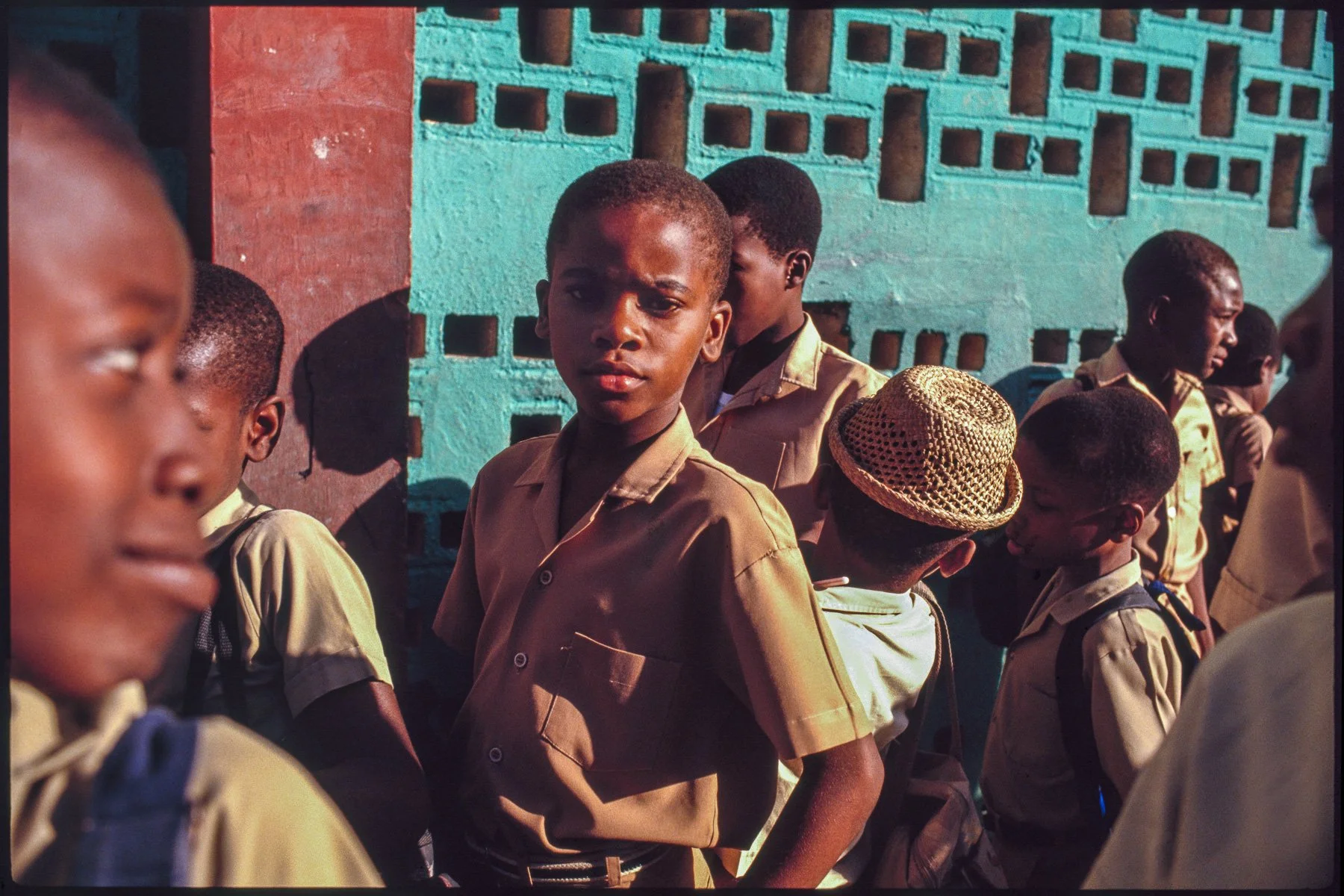
Building Trust: Many of your photos are close portraits of strangers, like the family in Otavalo or the schoolboys in Port-au-Prince. How do you get people to trust you fast enough to take their picture?
For my work over the years I realize that I have the ability to instill trust in others almost immediately, and often use non-verbal communication, since language in foreign lands can often be an obstacle. A lot of the photographs have a story behind them. I will share some with you in another document as examples.
Sequencing the Book: With 144 photos from 25 countries, how did you decide what order to put them in so the book feels like one story?
The process of creating my books may not be a normal one. In 2022, during the Covid epidemic, I connected with renowned graphic designer Tracey Shiffman, who had responded via email one day to one of my periodic e-blasts; this one was of a horse in Egypt. We began to discuss ideas for a book project, and finally came up with themes that would lead to my first book Ritual.
The way I work with Tracey is to give her a large edit of images based on the theme of the book and she then selects images. Usually I do not see anything until she presents the layout of the completed book, and after that there are very few changes made. So for between… I put together a collection of about 600 photographs and shared them with her.
The Design Partnership: What did Tracey Shiffman see in the archive that you were not seeing yourself?
Tracey and I work closely together, and since our first book project Ritual we have not strayed from our initial collaborative process. It is rare that once the layouts are completed and presented to me that I change any of them. Tracey helps to bring the archive to life in different ways with each new book project.
Editing the Archive: What kinds of photographs did you remove because they were strong alone but did not support the book's theme of return and relationship?
The process that I go through creating new books with Tracey Shiffman may not be the usual way. Once a theme for the new book is finalized, I go through my entire archive of work (1000s of images) and create a collection to present to the designers. In the case of between…, I shared about 600 images based on the themes. I do not think of removal as part of the process. For example, with one of my last books, Distant Journeys, I selected pretty much a totally different group of images to consider for the theme of that book.
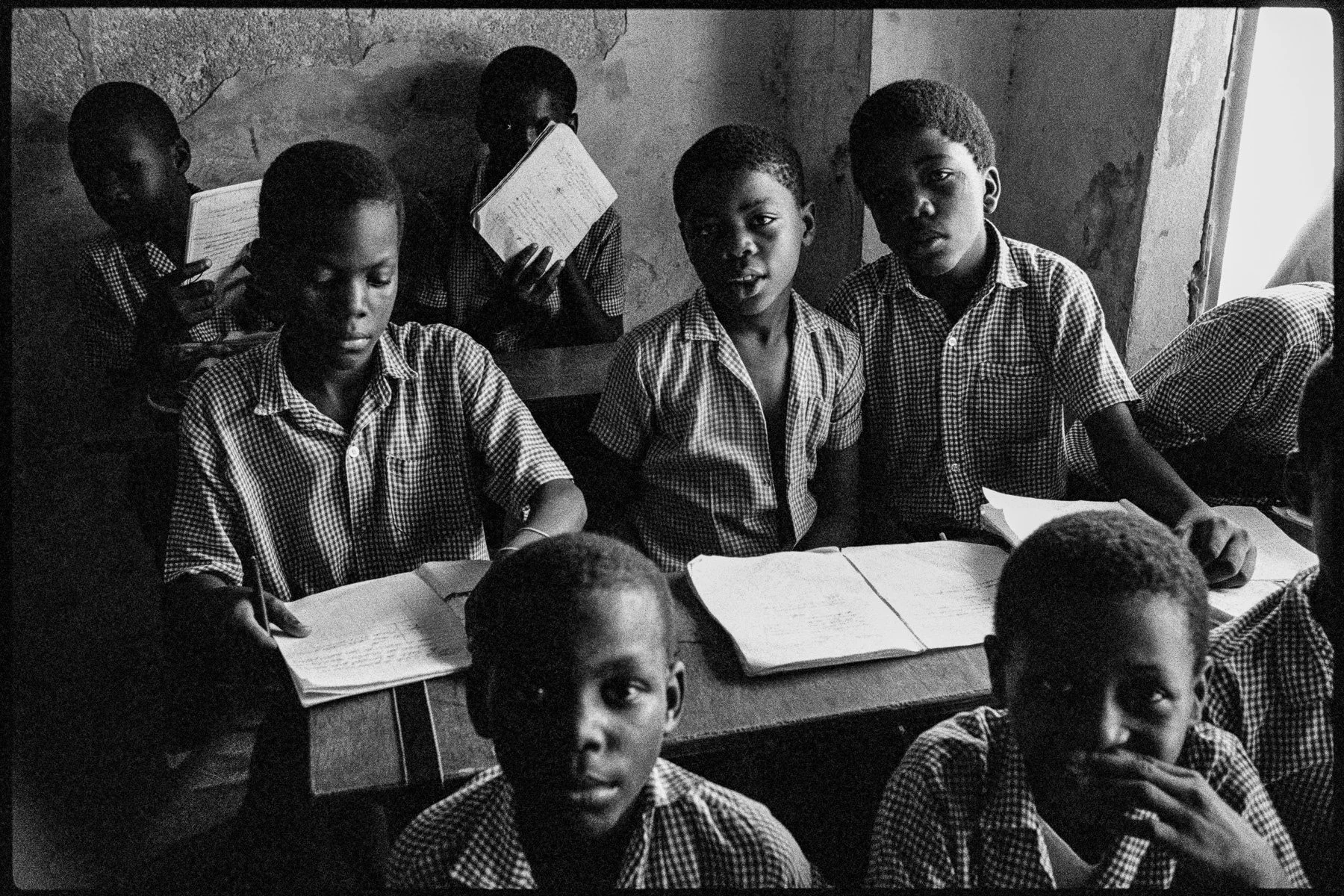
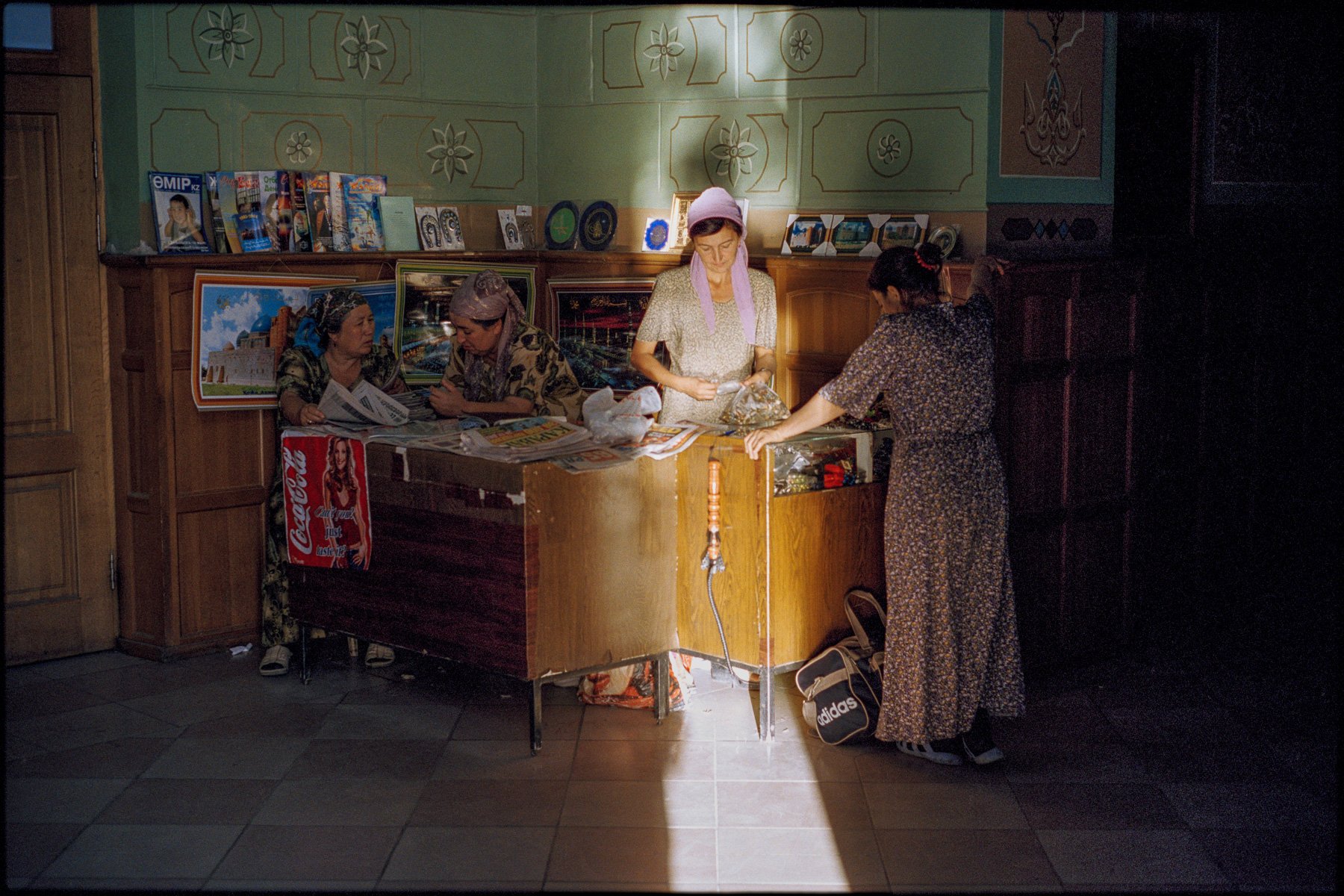
Reading Light and Composition: In your artist statement you talk about using light and composition to create visual dynamism. Can you give an example from the book where this really worked?
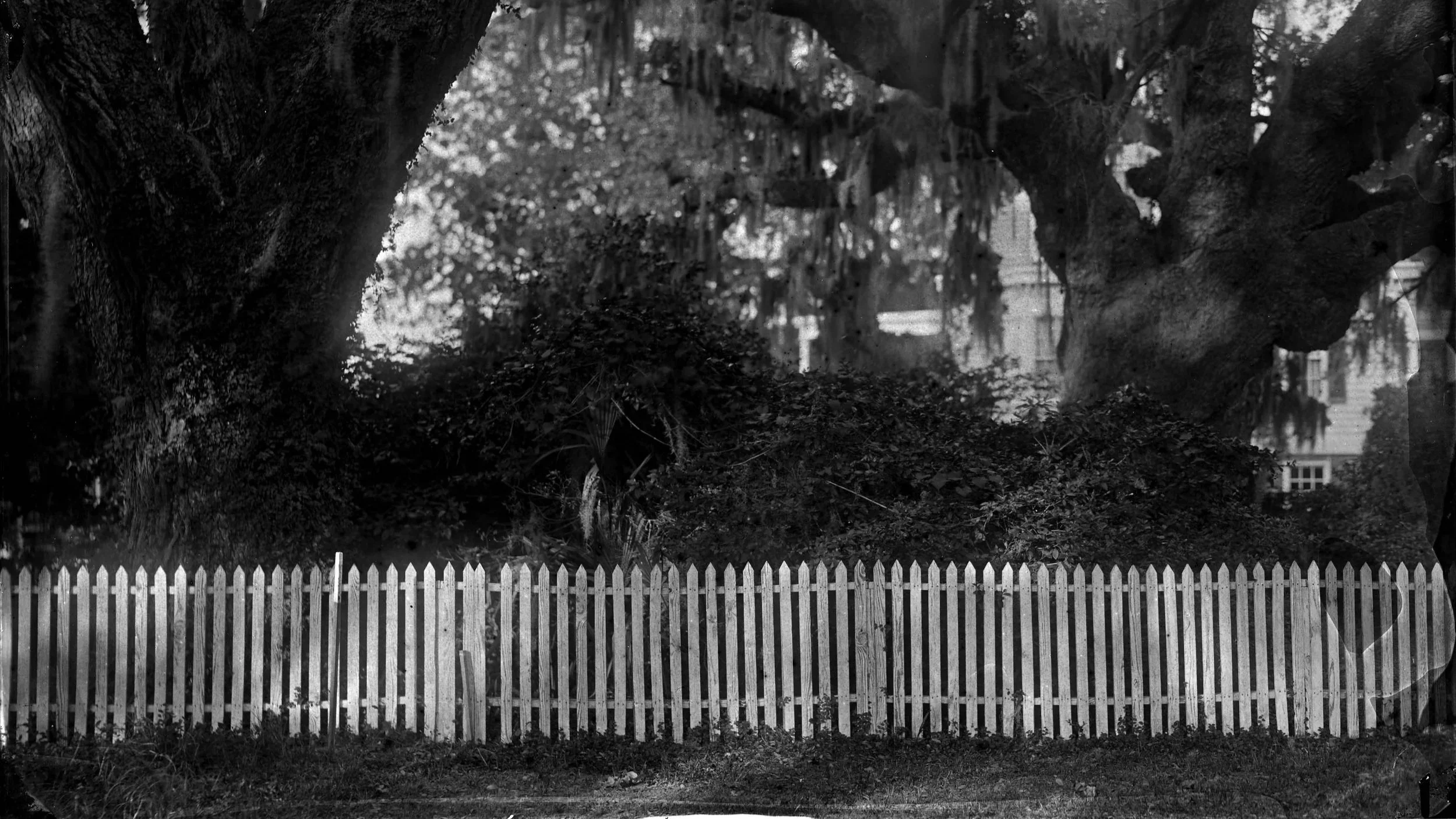
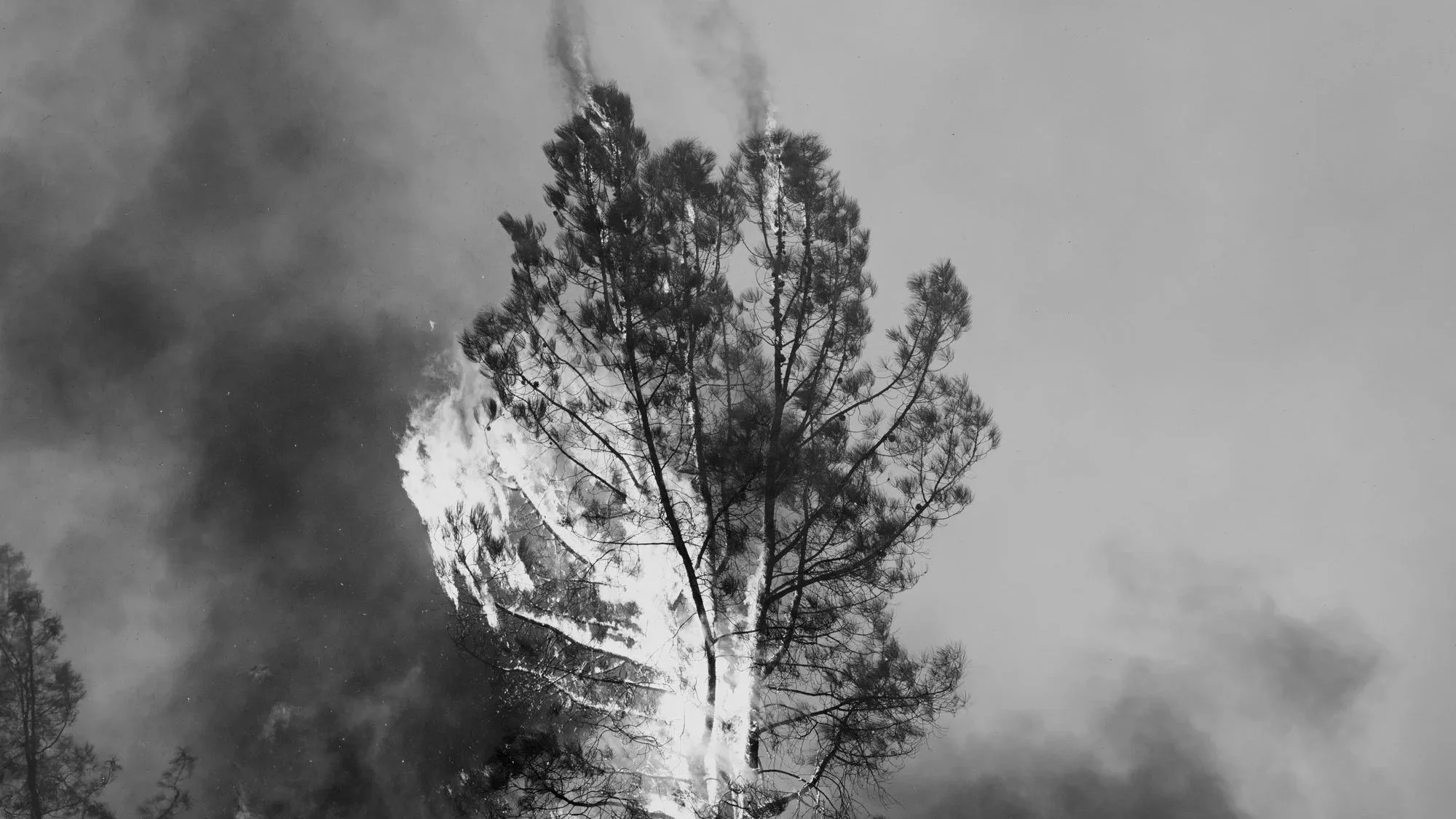
It's difficult to select just one image in answer to your question. Here are two examples:
Boys in classroom, Port-au-Prince, Haiti, 1991
Shop in Train Station, Turkestan, Kazakhstan, 2005
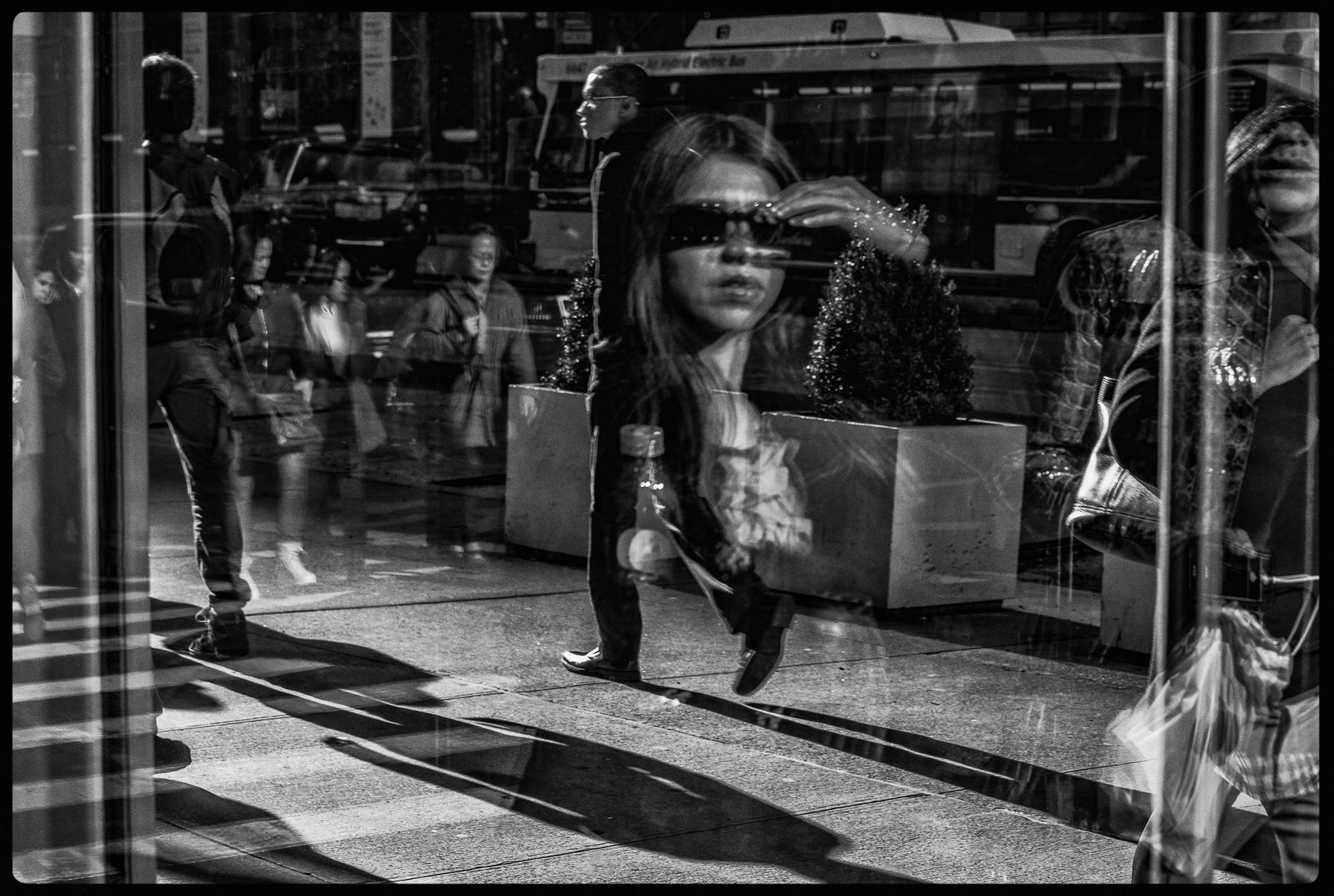
Reflections and Layers: Some of your New York photos, like the ones in Times Square, use window reflections to show many things at once. What draws you to that kind of layered image?
Actually, the series of photographs of people reflected in windows is not from Times Square, but probably from an avenue in midtown Manhattan (Fifth or Madison). One is used on the cover of the book. I was drawn to the challenges of creating compositions of people in motion to represent the energy of the city, and at the same time use composition to abstract the scene.
Advice for Emerging Photographers: If someone wants to start a long term documentary project like this one, what is the first thing they should do?
So to be clear, this book, as well as my previous books Ritual and Distant Journeys, was not conceived in advance as a documentary project. They serve as a compilation of years of work where there are visual themes that emerged over time. At the same time there are many photographs in between… that came out of a concerted plan to explore a particular culture and/or locale.
My advice would be to do as much research as possible about the subject that is of interest to the emerging photographer prior to beginning to photograph. The research has a tendency to be there in the background, which in turn gives the photographer the ability to assess places and scenes in a more coherent way.
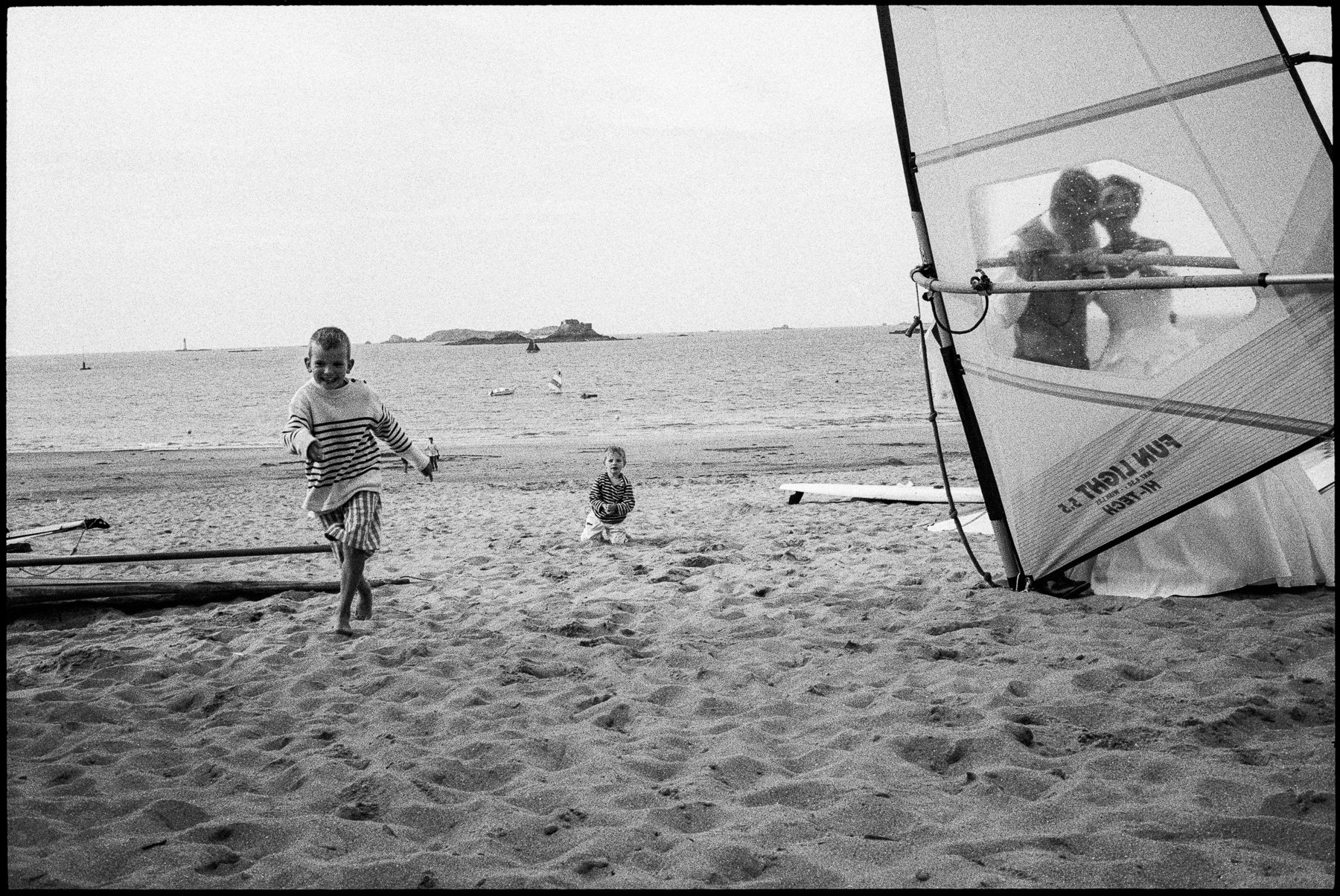
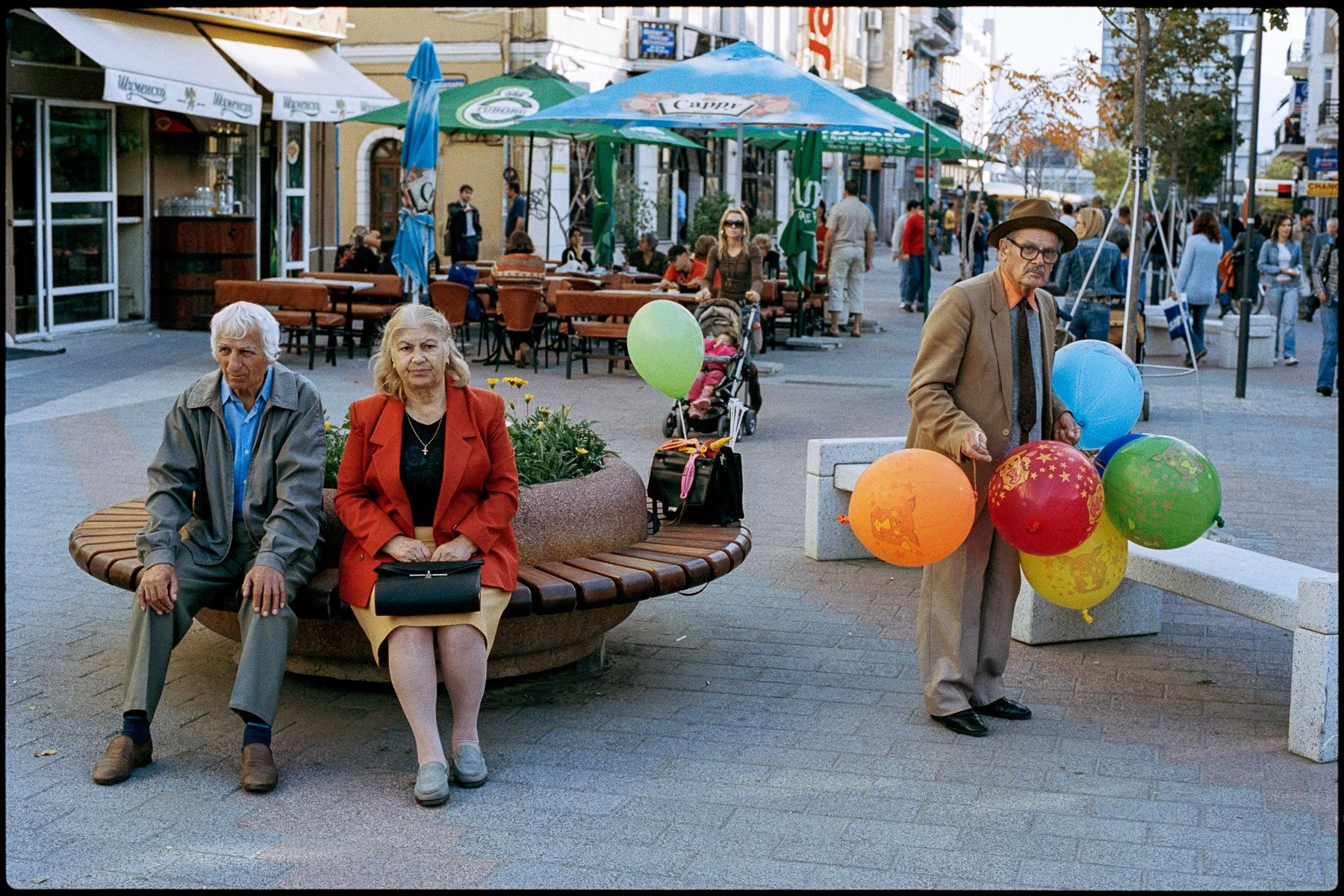
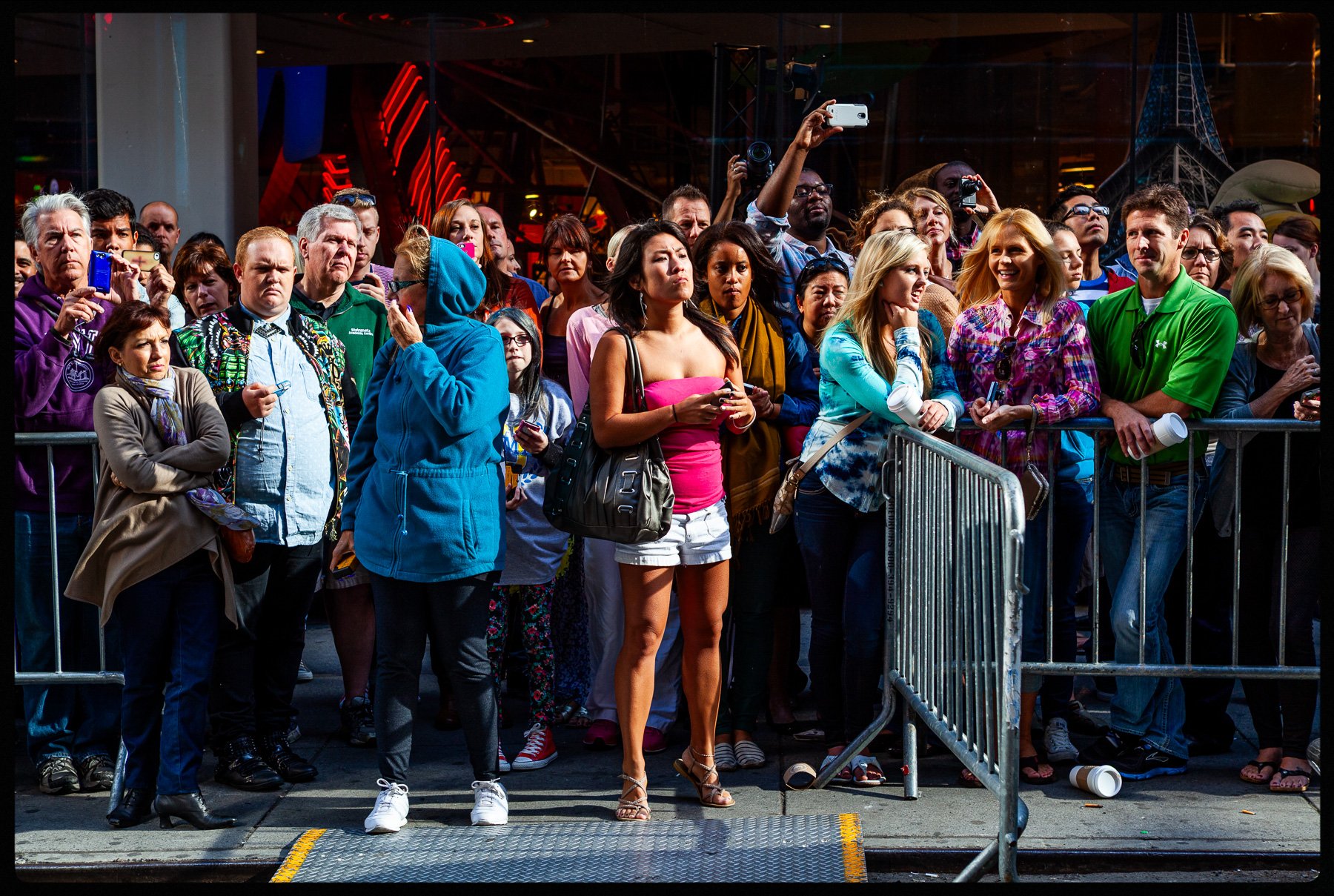
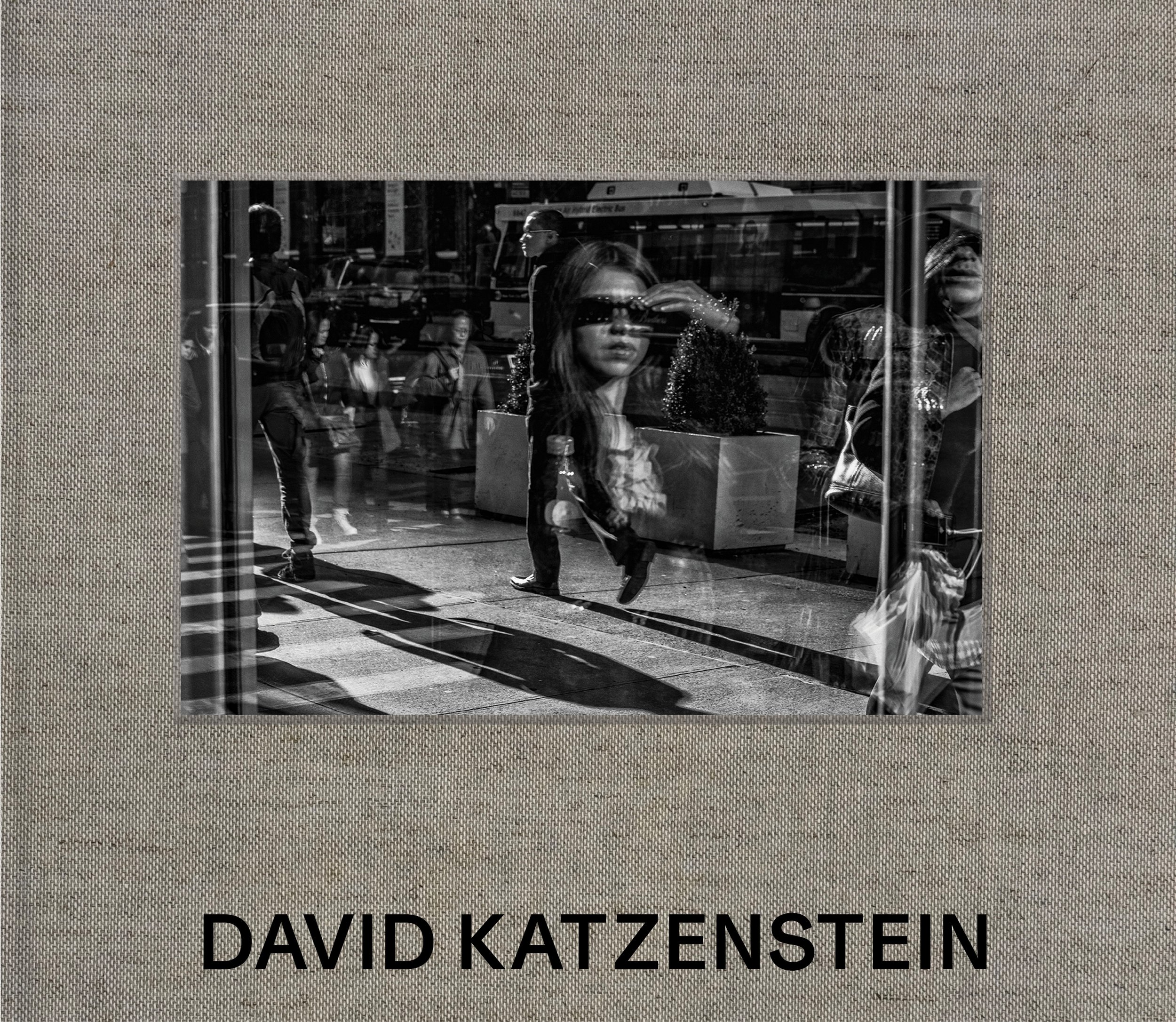
To discover more about this intriguing body of work and how you can acquire your own copy, you can find and purchase the book here. (Hirmer Verlag)
More photography books?
We'd love to read your comments below, sharing your thoughts and insights on the artist's work. Looking forward to welcoming you back for our next [book spotlight]. See you then!
The street is boring until you learn what to notice. Most of the time, nothing special is happening. Photography Book Spotlight