Susan kae Grant Spent 25 Years Photographing the Space of Dreams Without Illustrating a Single Dream
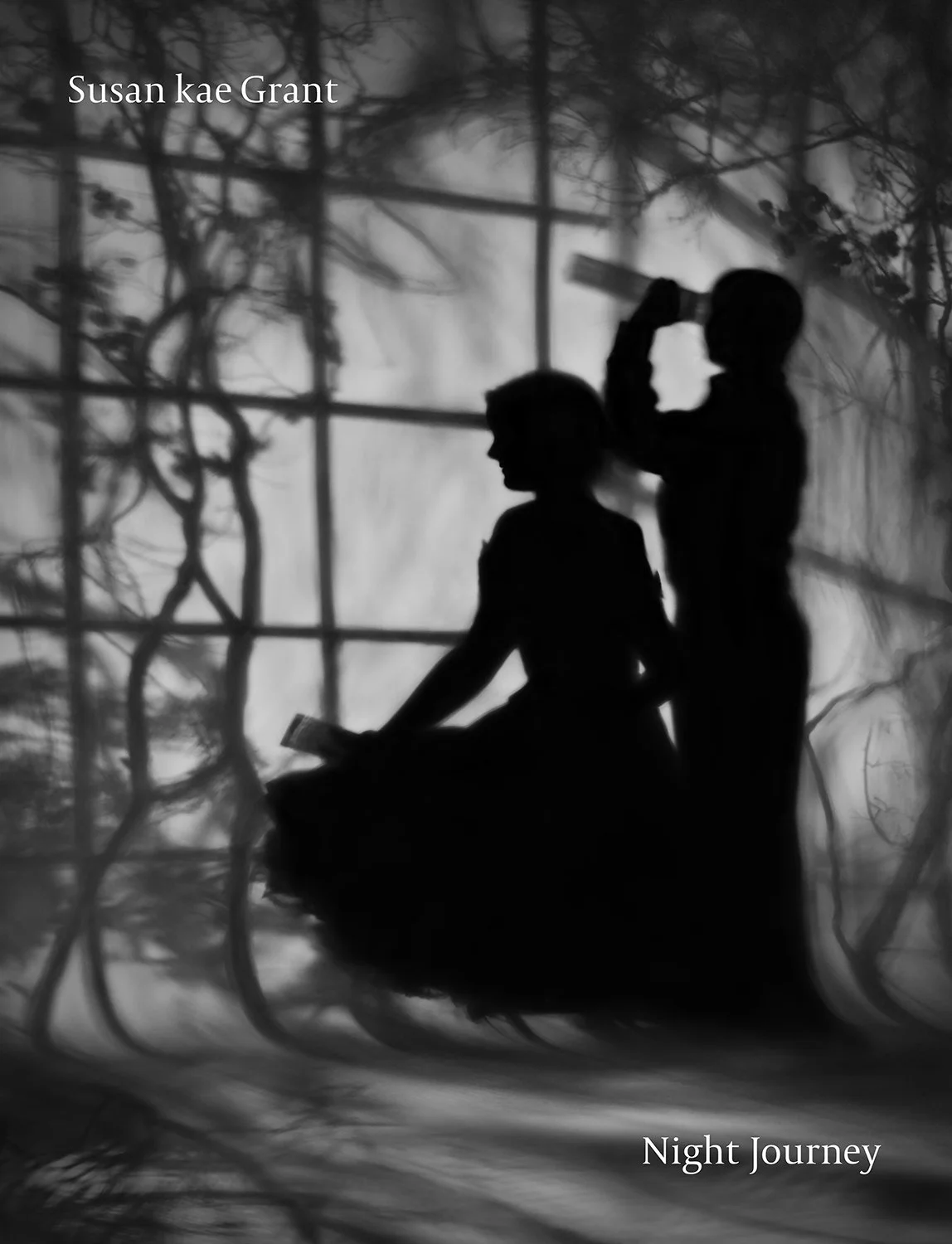
Welcome to this edition of [book spotlight]. Today, we uncover the layers of 'Night Journey,' by Susan kae Grant (published by MW Editions). We'd love to read your comments below about these insights and ideas behind the artist's work.
One sleep-lab transcript changed Susan kae Grant’s photography.
She had been waking from REM sleep and describing what she had just seen. Later, while reading the transcripts, she found a passage about black and white forms that looked like blood vessels or tree branches. That description gave her the idea to work with shadows, which became central to Night Journey, a project she continued for more than twenty-five years.
Grant was never interested in simply illustrating her dreams.
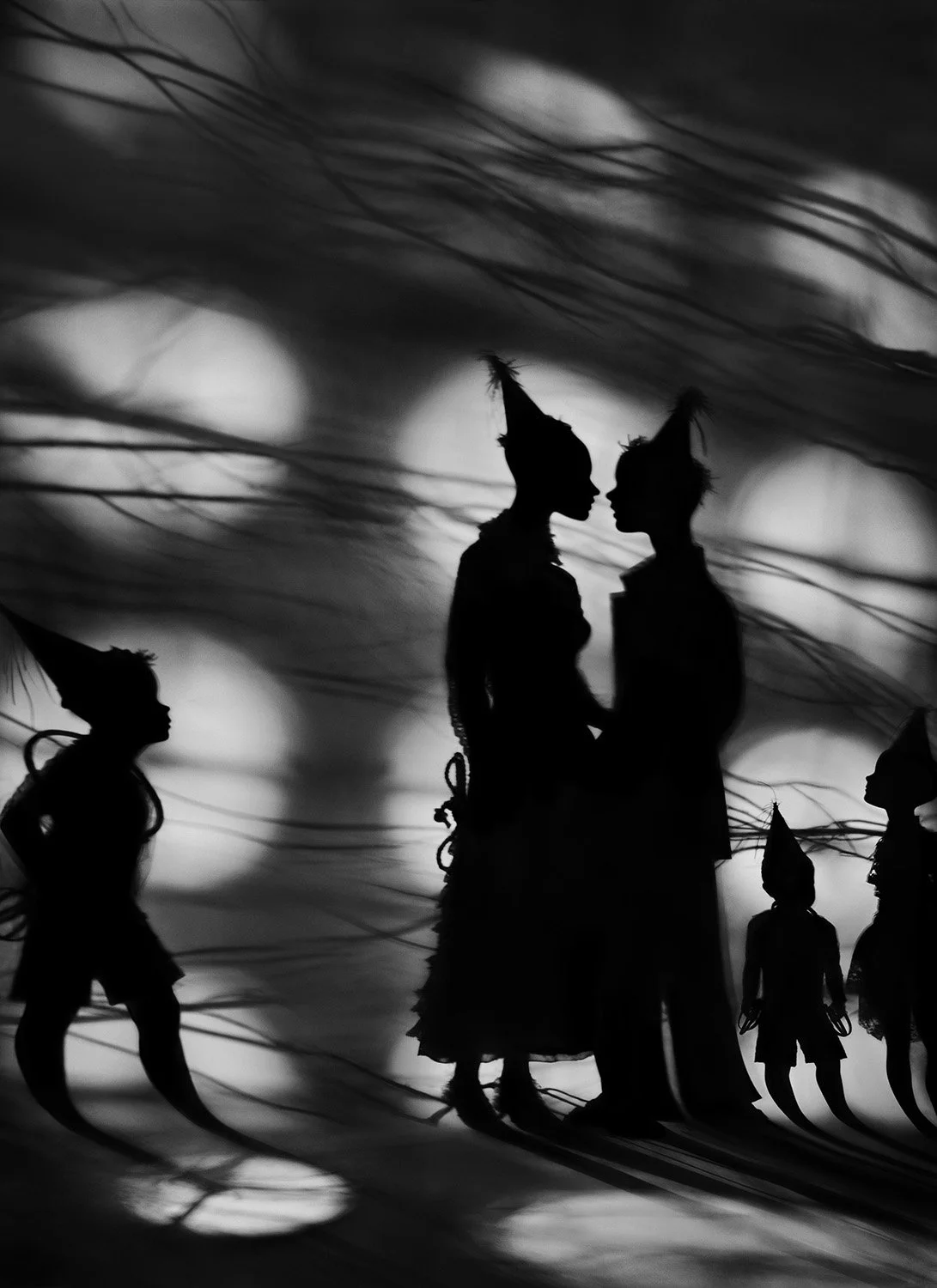
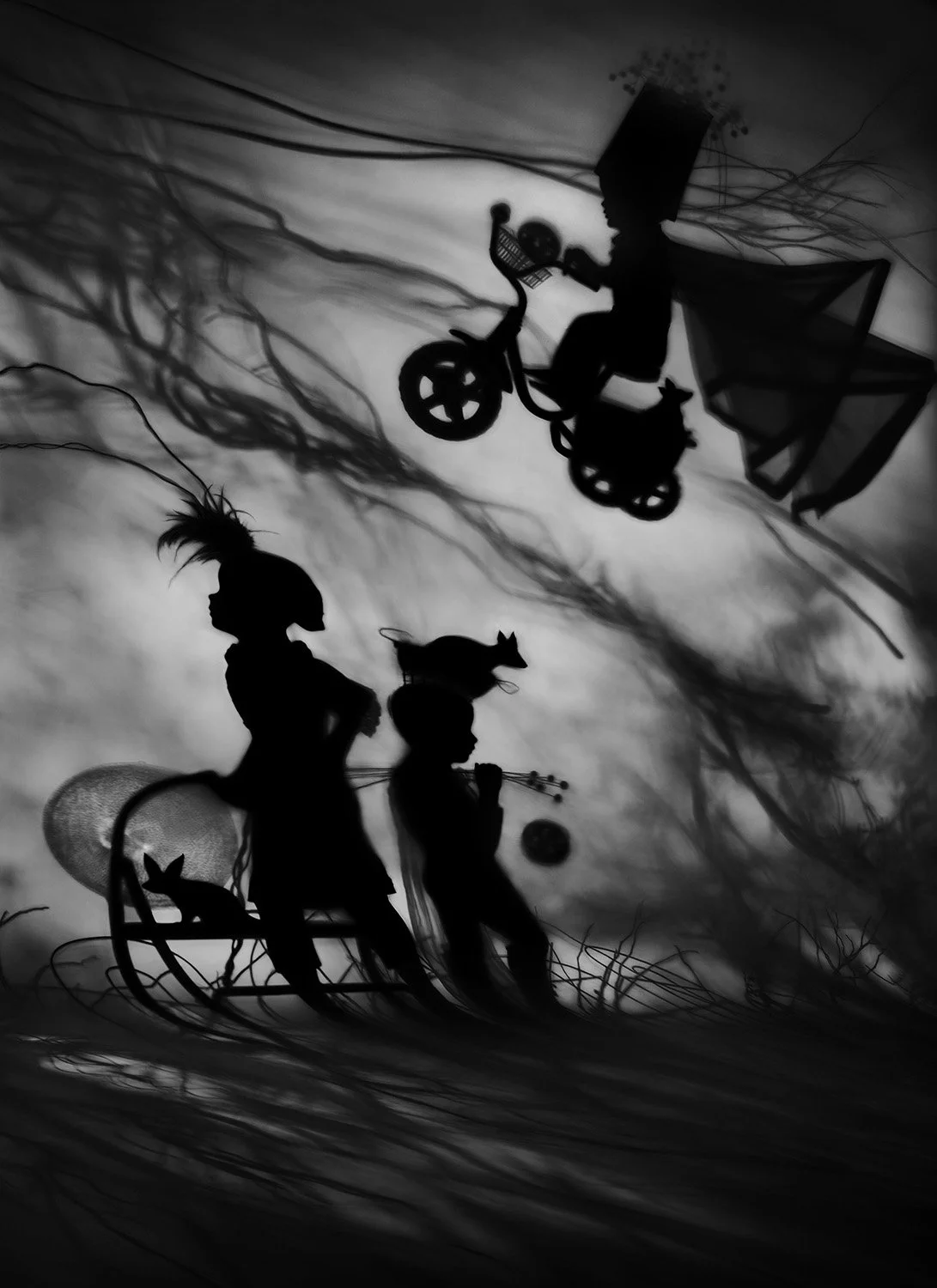
She wanted to create the feeling of being inside a dream, where some things are sharp, others disappear, and the meaning is never fully clear. Over time, the project grew through constructed sets, performers, props, changing light, and years of slow editing. What began in the sleep lab became a long study of how an internal experience can slowly take visual form.
In the interview, Grant explains how she moved from notes and dream fragments to physical images, how she tested ideas without making them too literal, and how she decided whether a photograph added something new to the project. It is a practical look at how an abstract subject can become more specific through writing, experimentation, editing, and time.
The Book
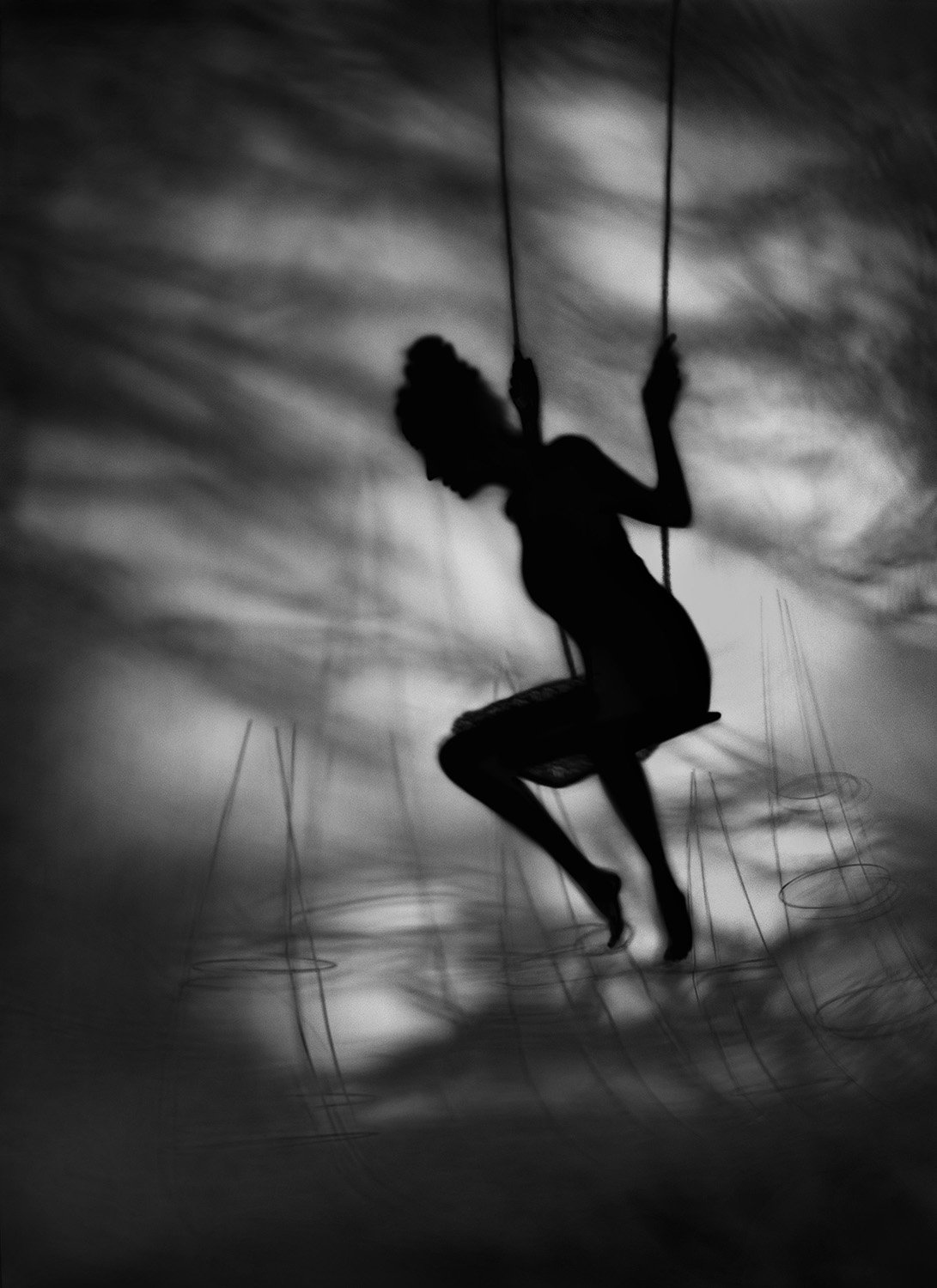
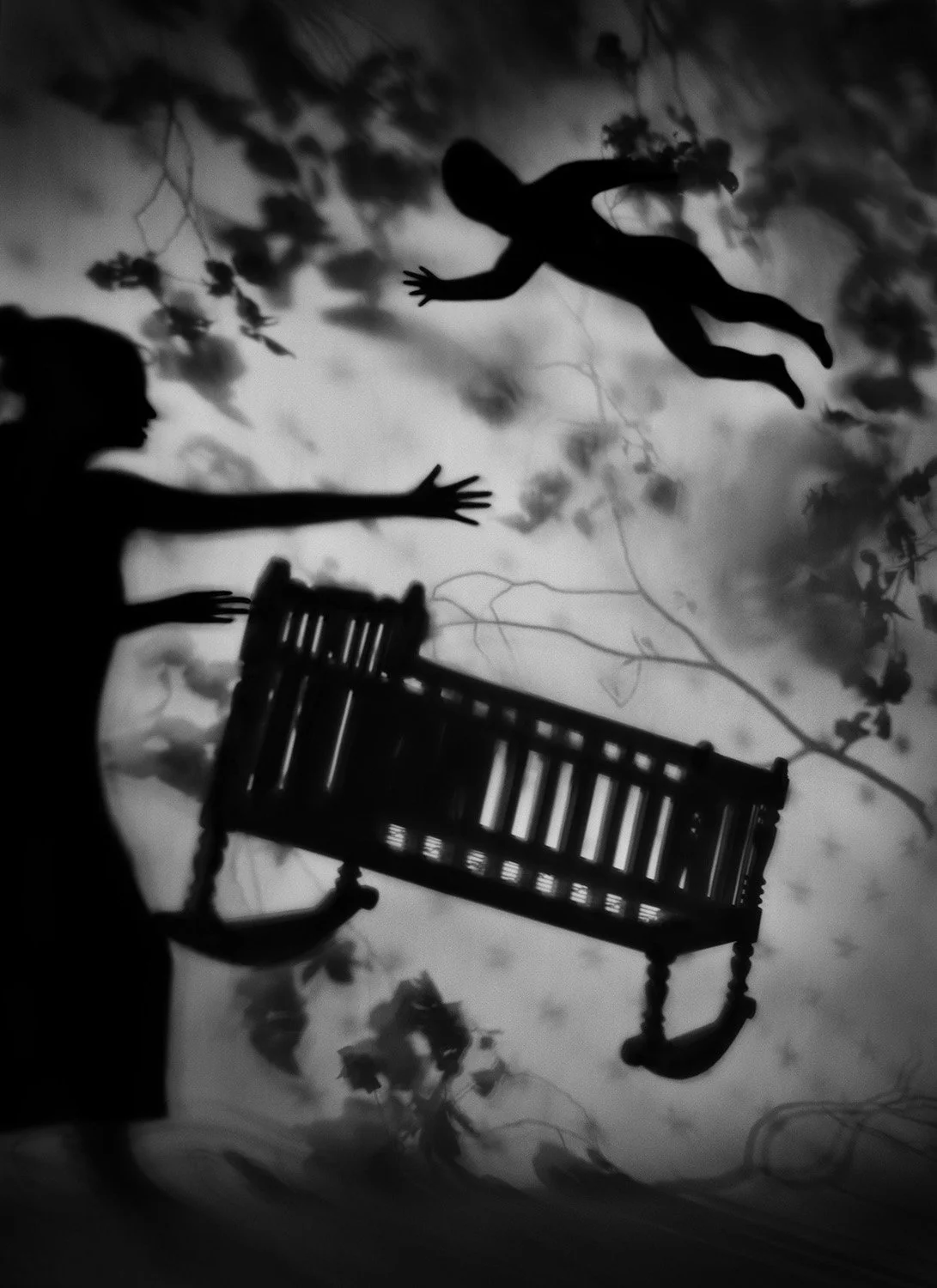
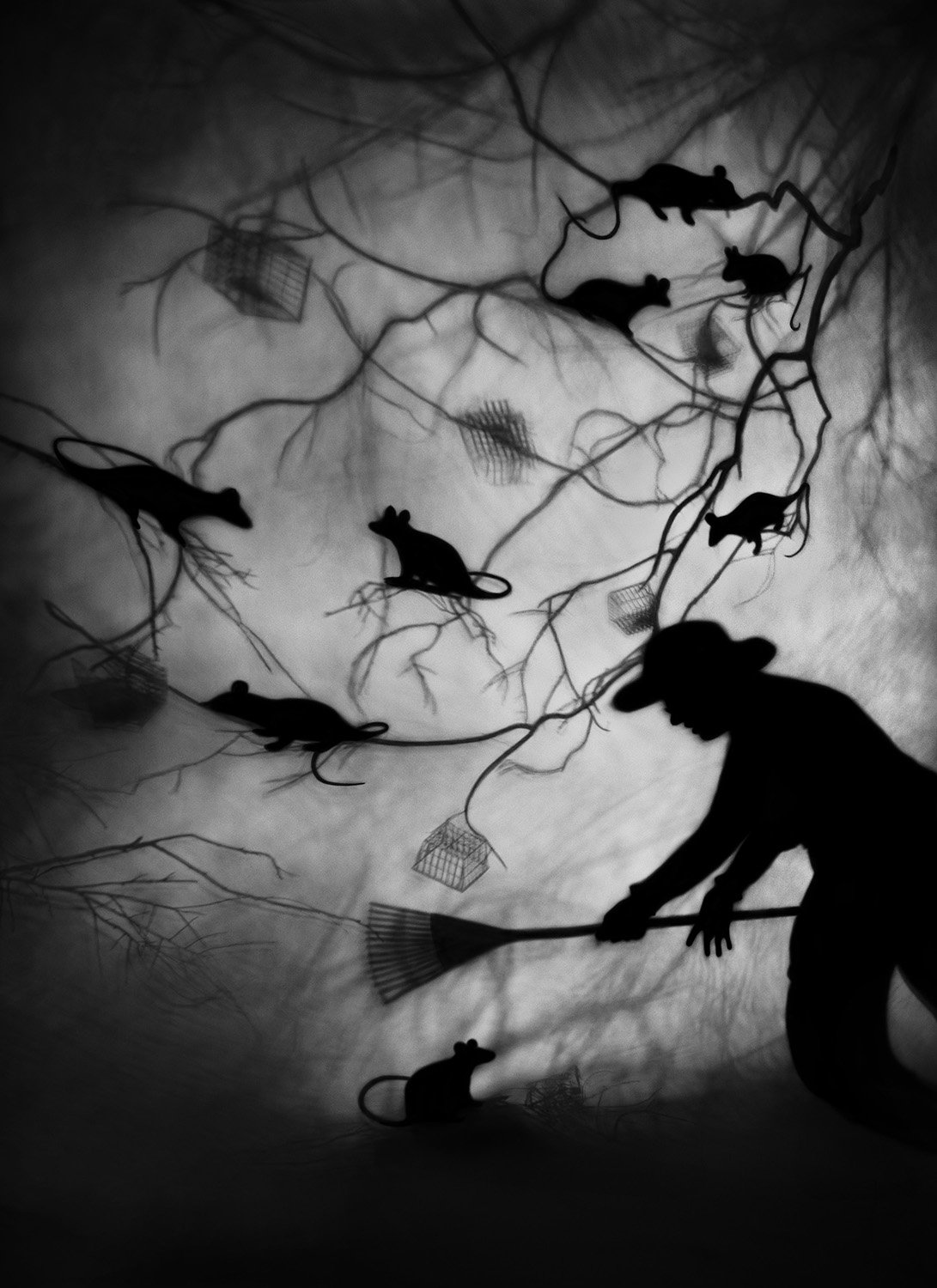
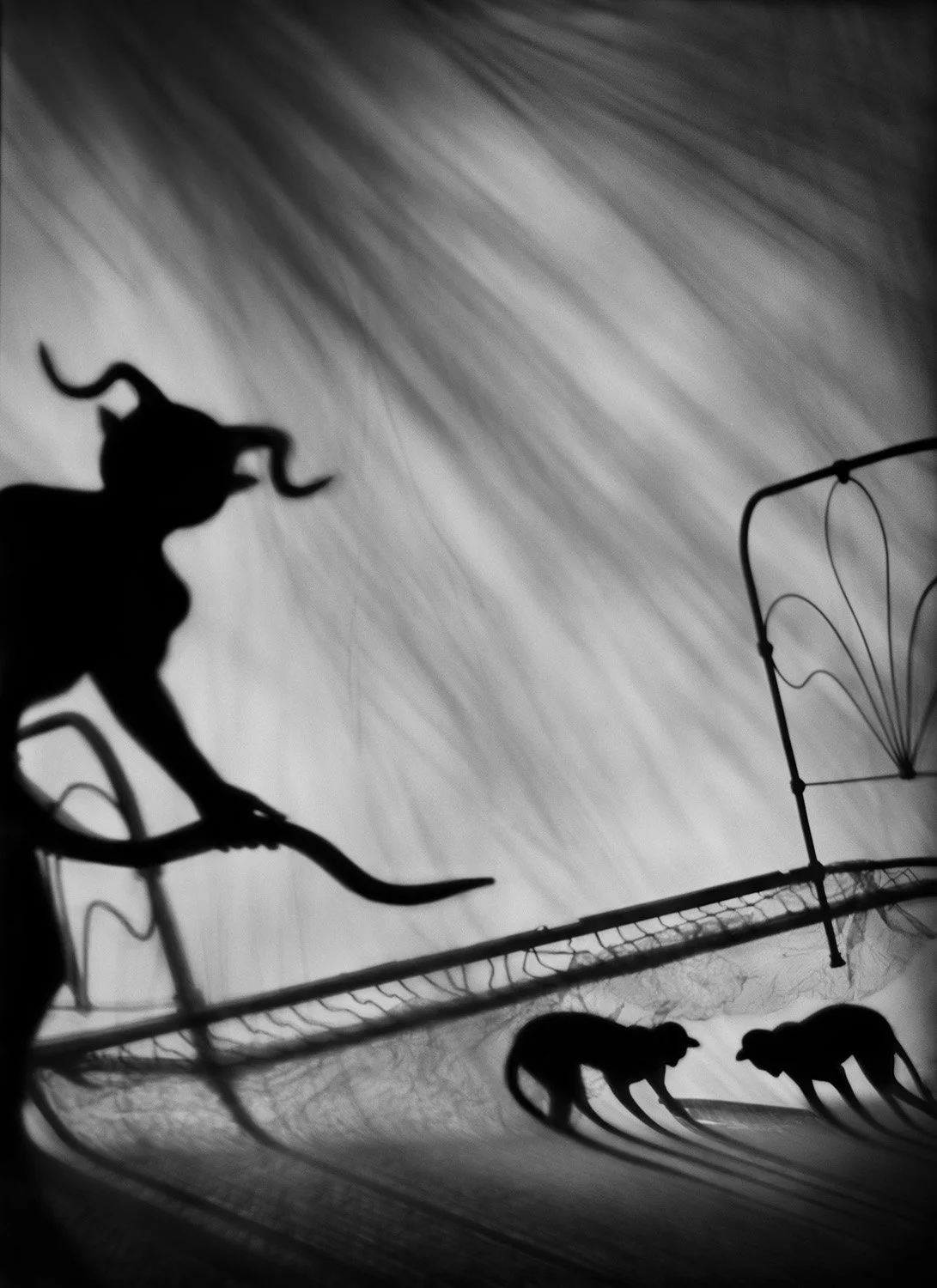
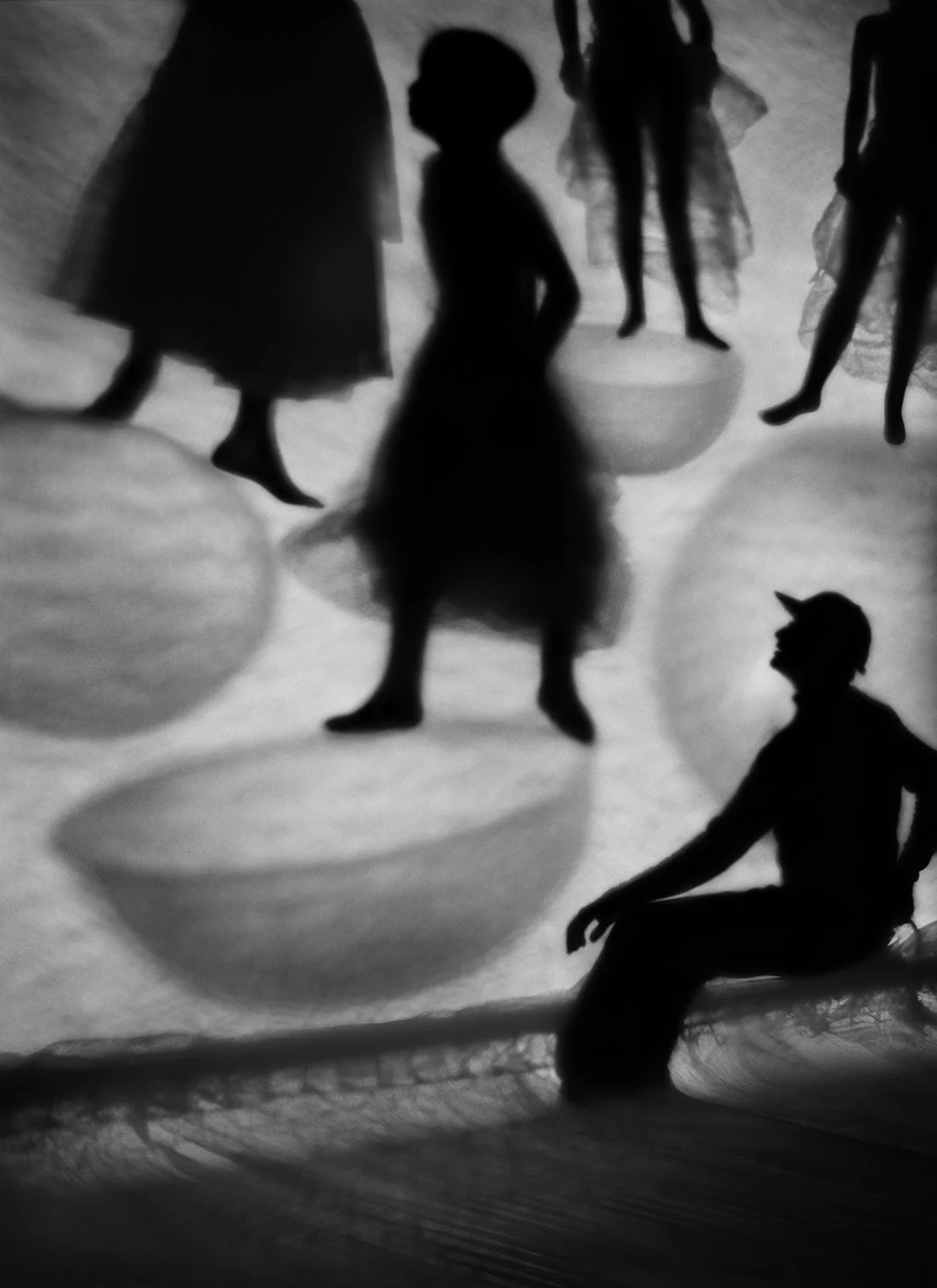
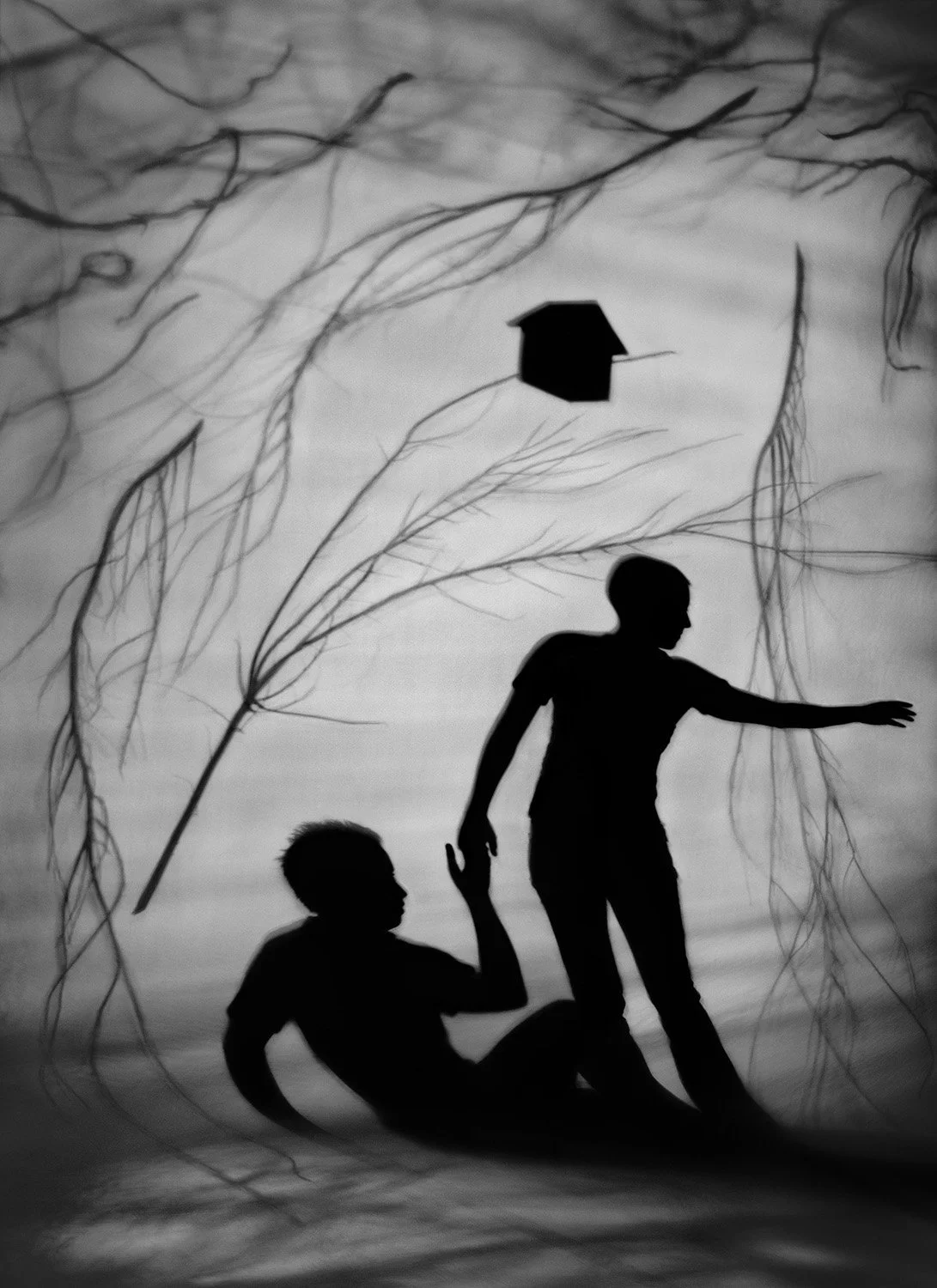
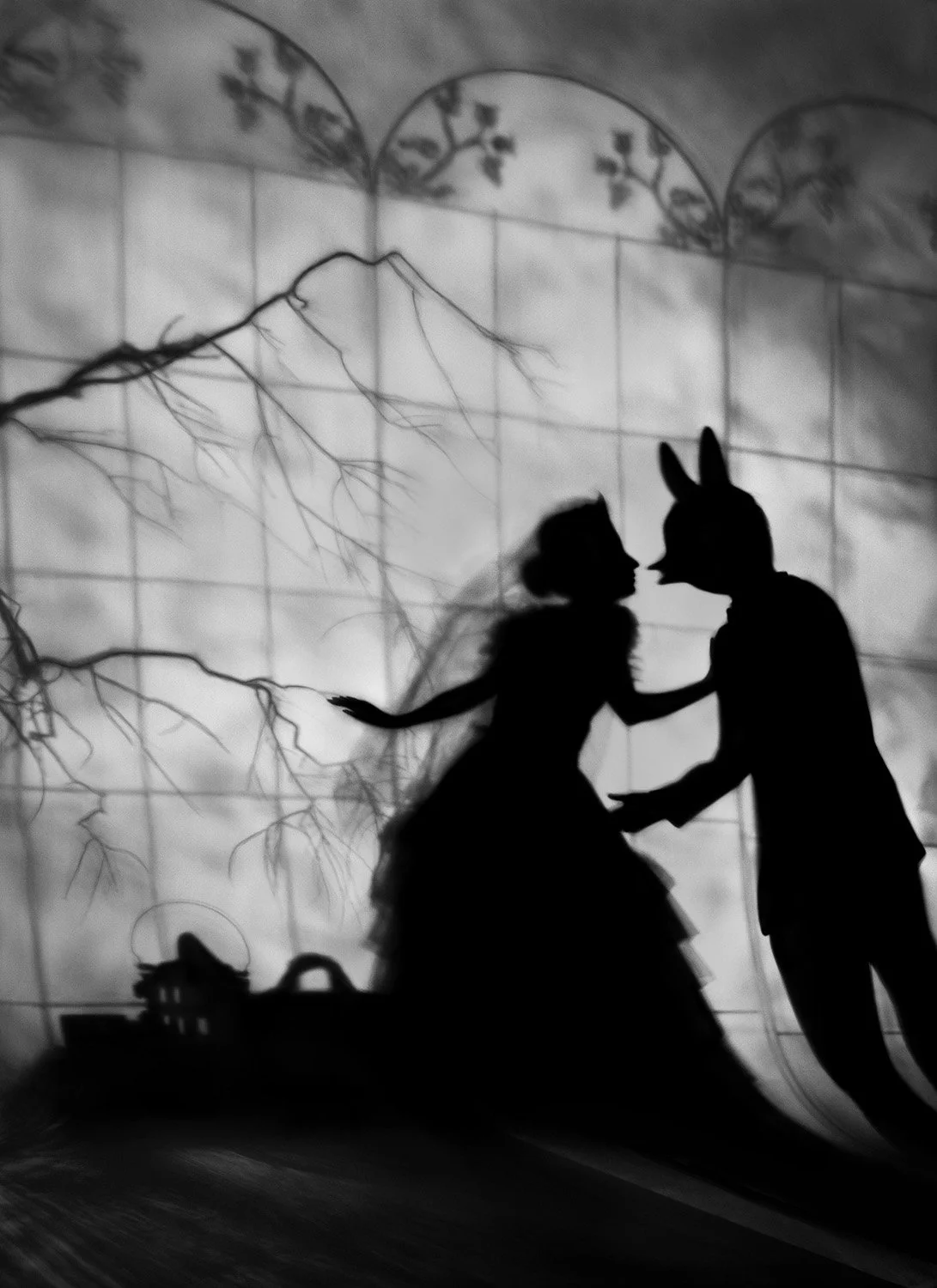
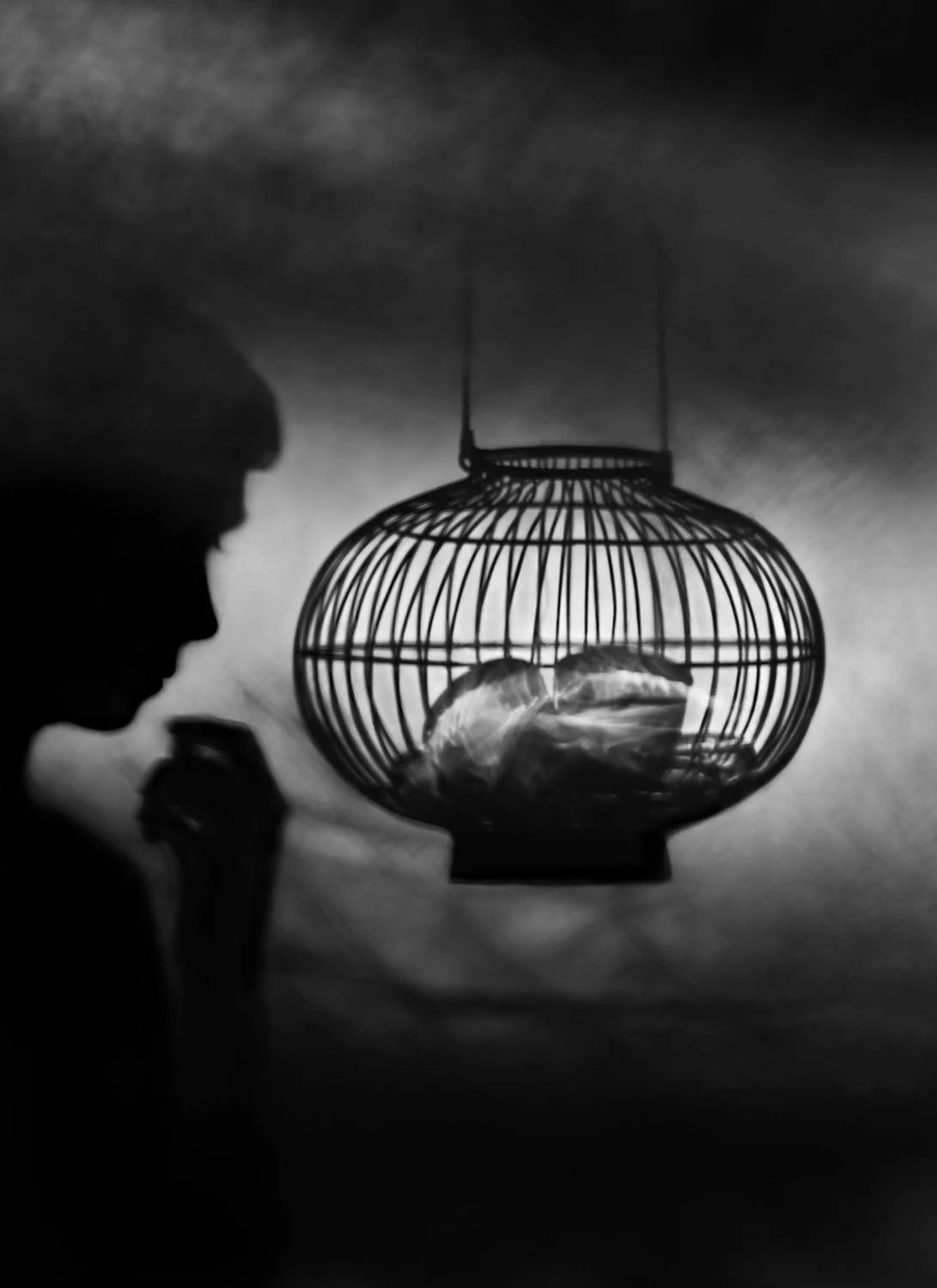
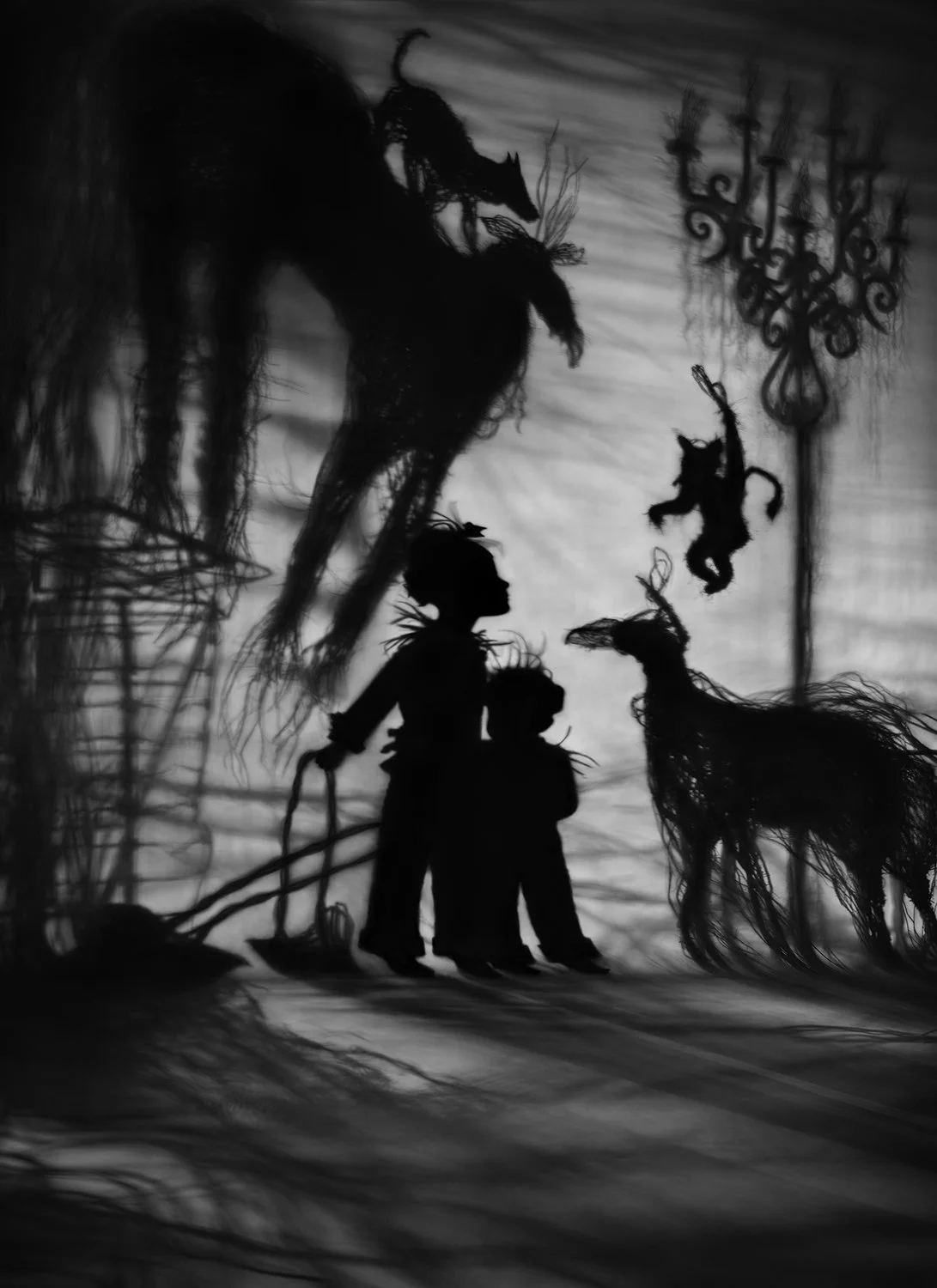
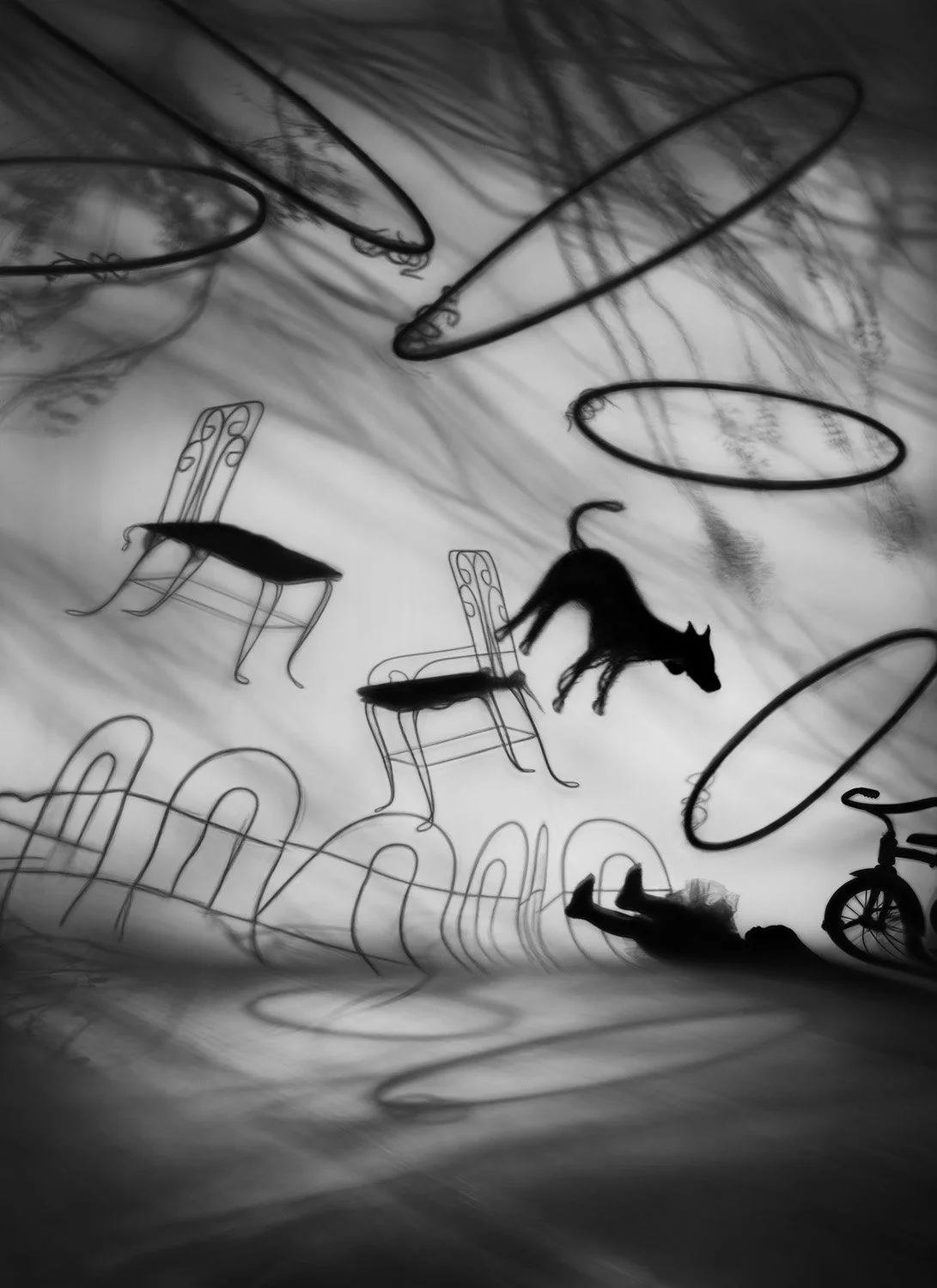
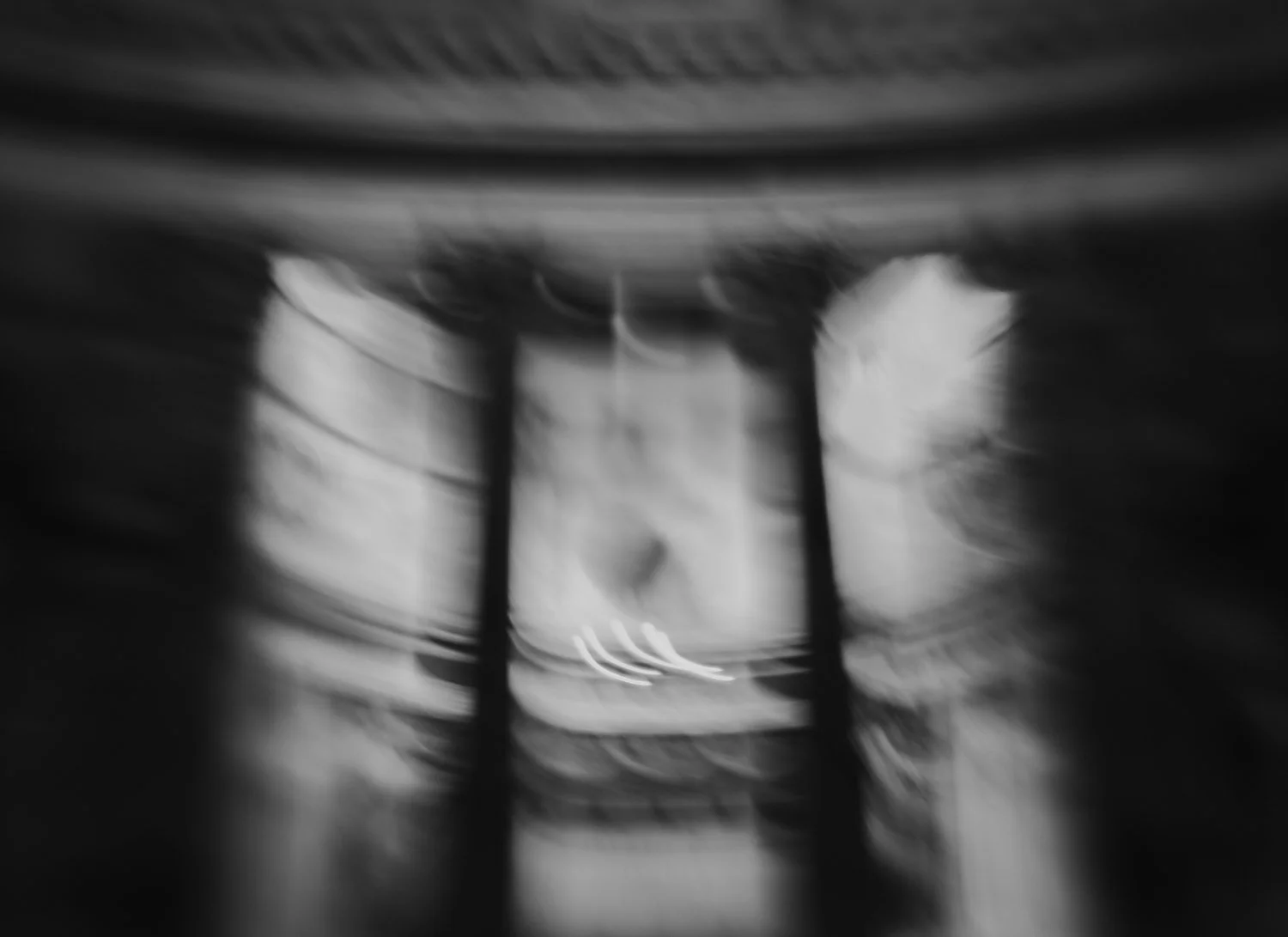
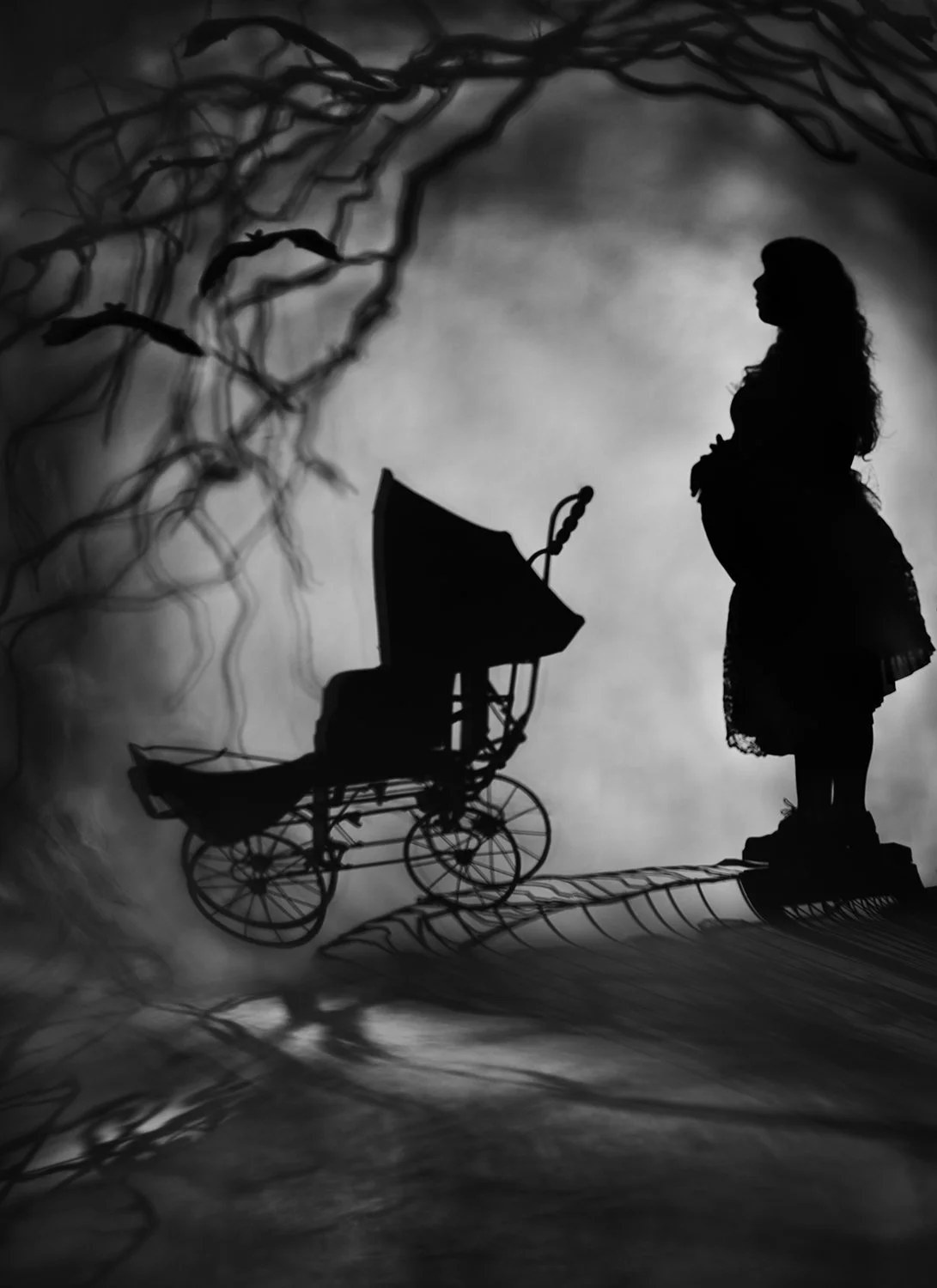
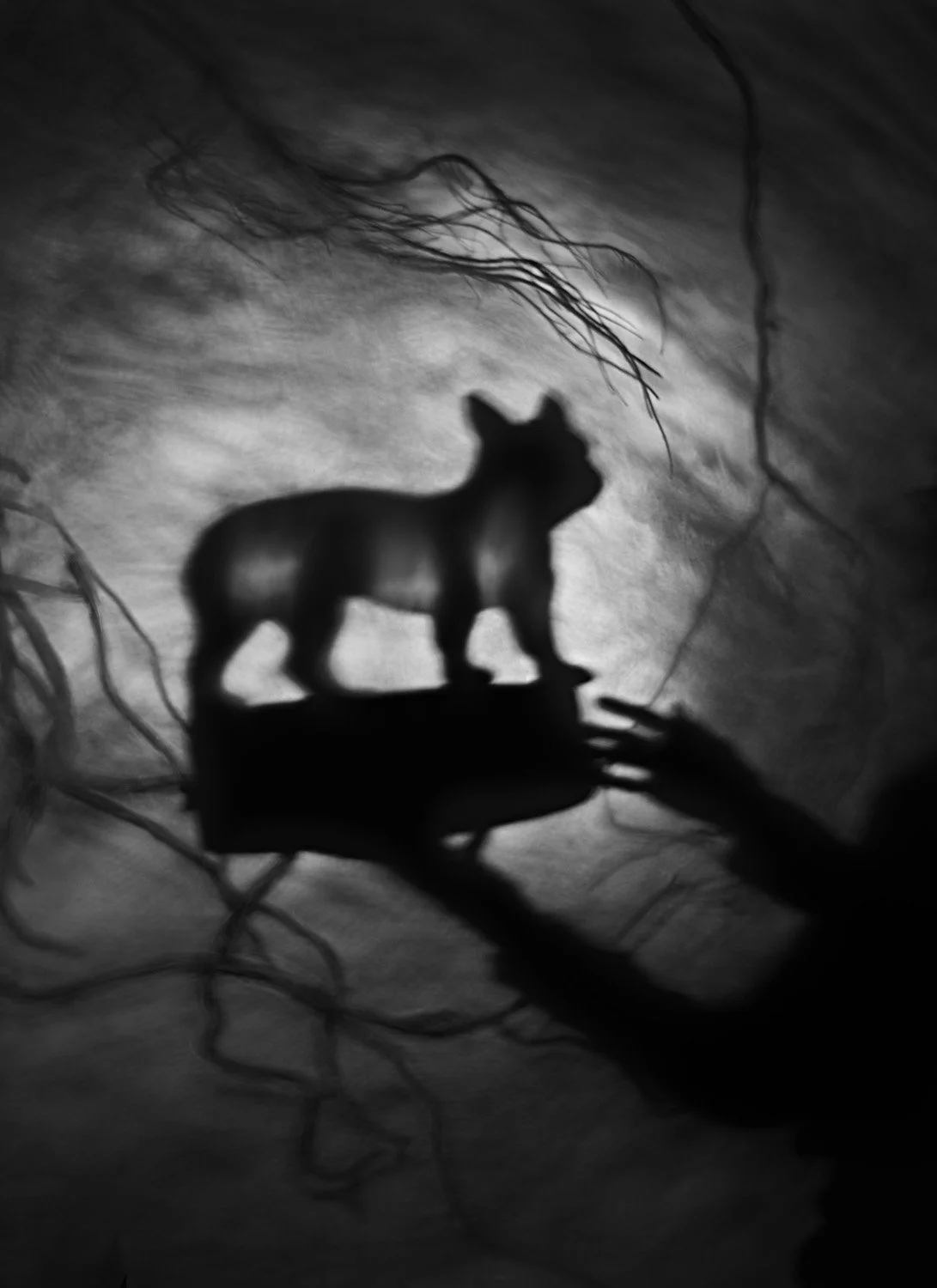
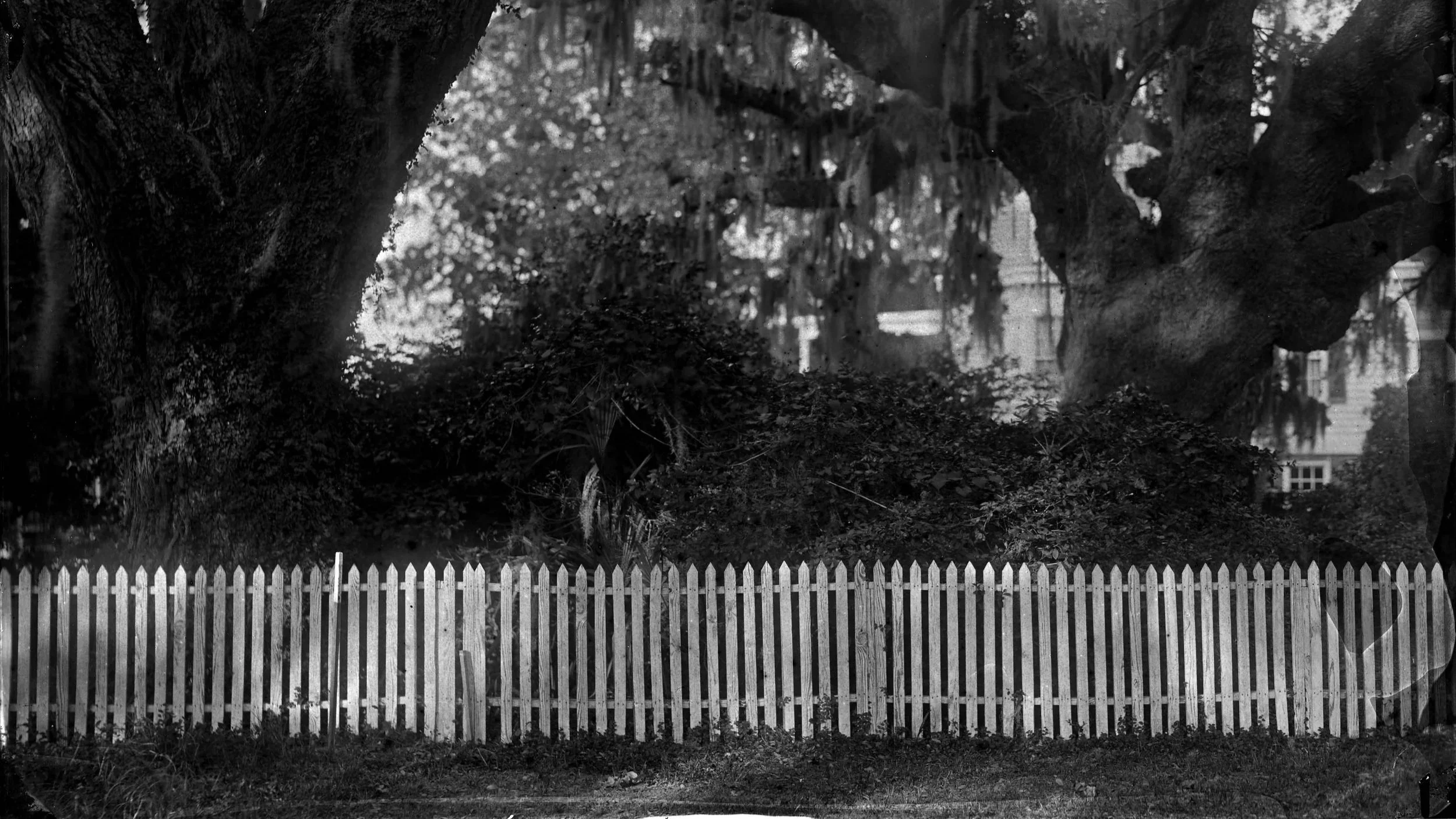
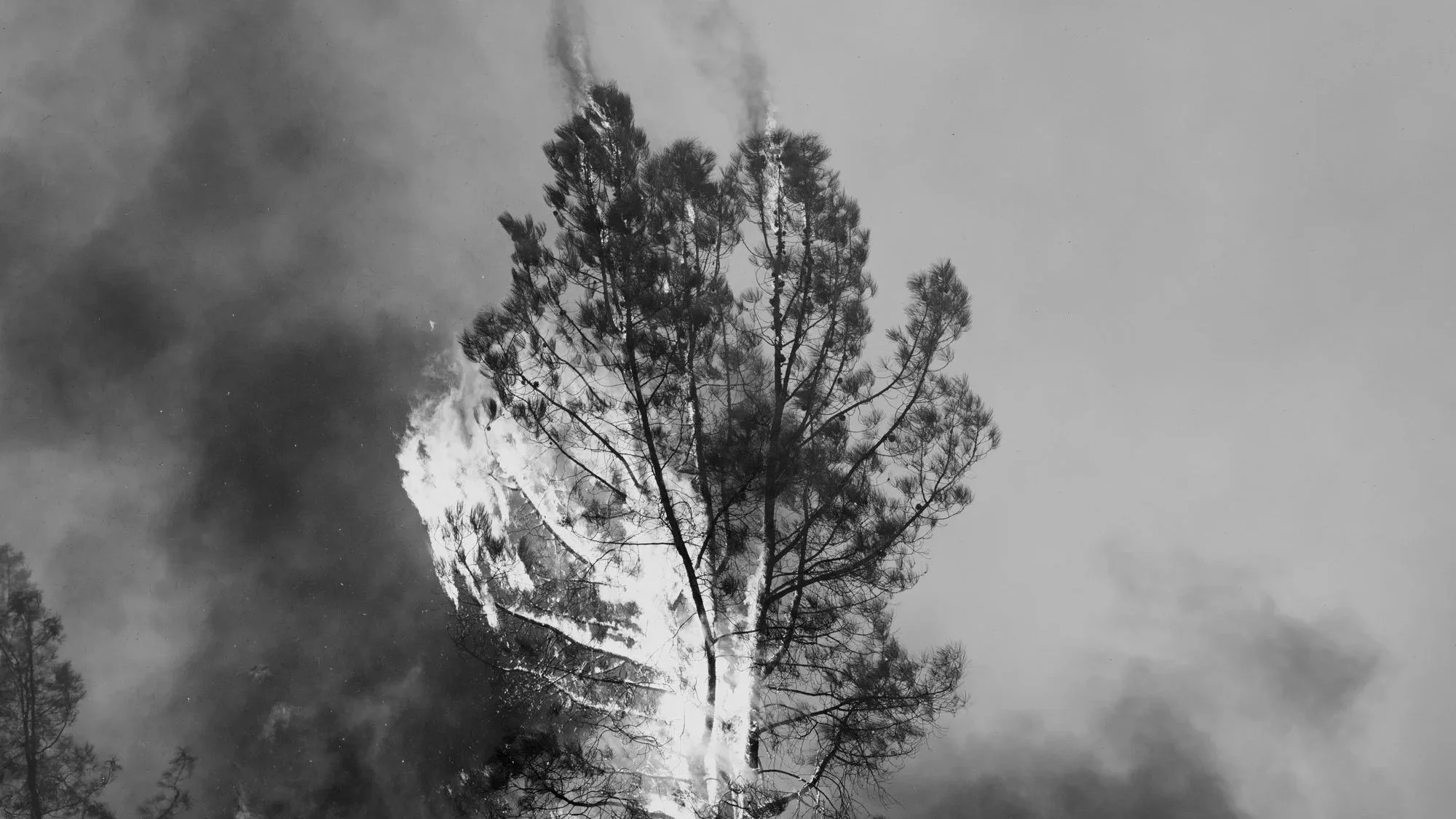
Night Journey, published by MW Editions in 2026, brings together more than twenty-five years of work by Susan kae Grant. The project grew from her research into REM sleep, including nights spent in a sleep laboratory where she was awakened during dreams and asked to describe what she had just seen. Rather than illustrating individual dreams, Grant used fragments from these recordings as starting points for carefully constructed black-and-white photographs made with shadows, performers, props, and staged sets. The book follows the development of the project chronologically, from its early, sparse compositions to increasingly complex and layered images. Its first chapter is printed on translucent pages, referring back to the original installation of the work on chiffon panels. Night Journey explores what happens when an experience that exists only in the mind is slowly given a physical form. (Amazon, MW Editions)
As a child, you woke up and told your mother, “I went somewhere last night.” Do you still remember what that dream felt like, or has the sentence itself become the memory?
It wasn’t just the first time. We did it over and over again, and it became a kind of ritual between us. My mother was interested in the arts and in imagination, so when I told her I’d gone somewhere in the night, she never dismissed it. She’d play along and ask where I’d been, and I’d tell her a whole story. At some point I became genuinely convinced that we really did go somewhere at night, and that’s where the project started. I wanted to see what that looked like, where we really went.
And where did that childhood experience first connect with photography for you?
There’s so much in between. I was always interested in the image. My mother was the family photographer, and I used to go with her to the drugstore to pick up her pictures. We’d come home and I would sequence them and tell little stories with them. At some point I saved my babysitting money to buy a small camera, and the first thing I did was start staging my girlfriends in imaginary scenes. That started very young.
When I went to college, everyone around me was doing documentary work, but I started making fabricated images instead, building sets and constructing scenes. I was also a window designer at the time, so I was creating sets inside large glass windows, and that’s really how I learned to build the bigger sets I use now. By the time I began the dream research, staging scenes already felt completely natural to me. I was already building sets and telling stories with clothing and mannequins.
Before dreams became your subject, what were you photographing, and what made you trust that something as invisible as an internal state could become a photographic project?
That’s a good question. I was staging color photographs with a view camera, a lot of it in the landscape, and I was doing autobiographical work. At some point I felt like I’d uncovered every stone. I’d made a great many images from that place, and I wanted to do something less totally controlled.
I went back to the memory of telling those dreams. For years I kept a box of paper under my bed, and I’d wake up in the morning, or sometimes in the middle of the night, and jot down images. At some point it felt like the natural next step to build sets and make images that didn’t exist anywhere in the world. I was already doing something like that, but these images didn’t exist even in a photographed sense. They existed only in the mind.
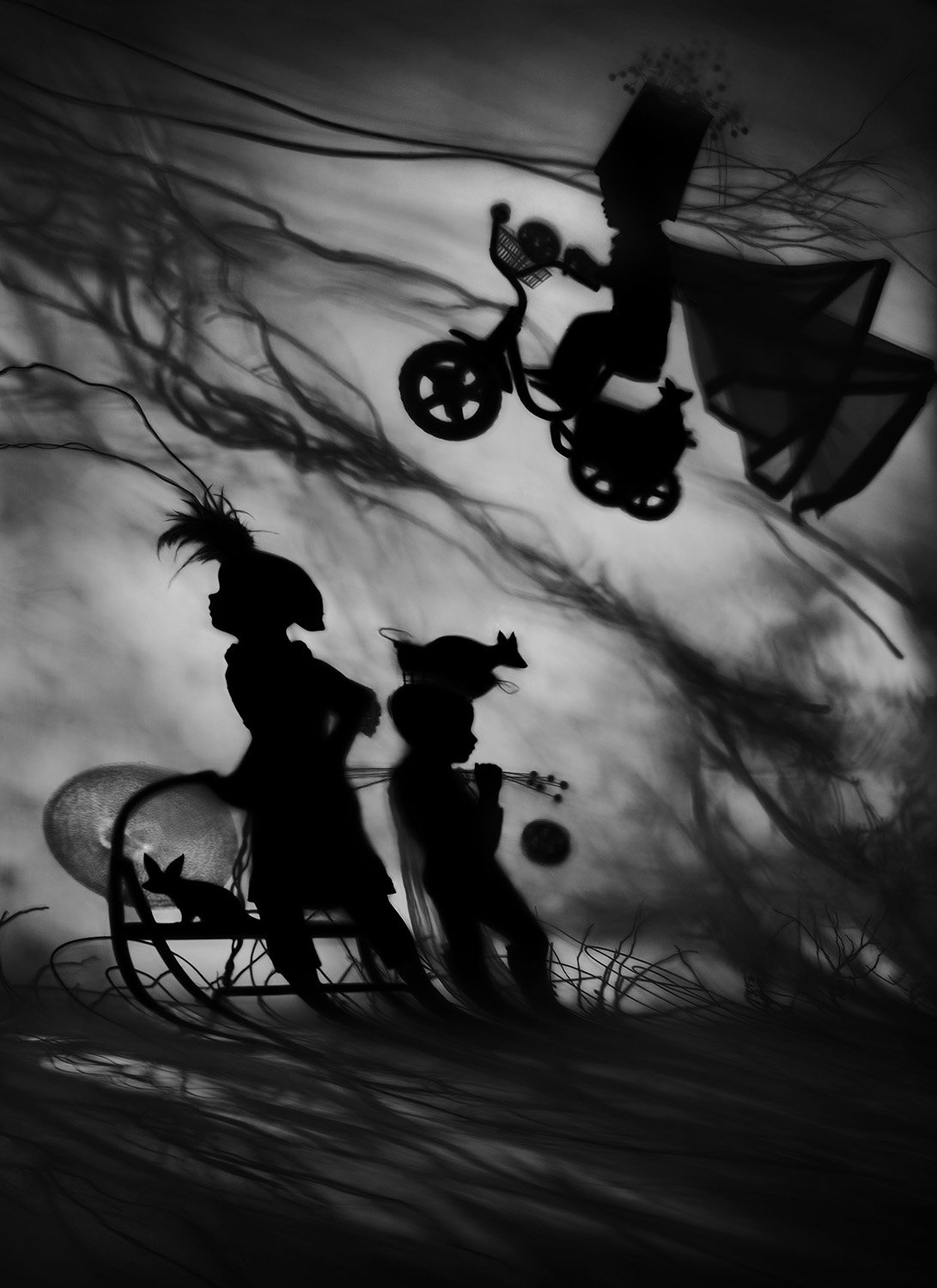
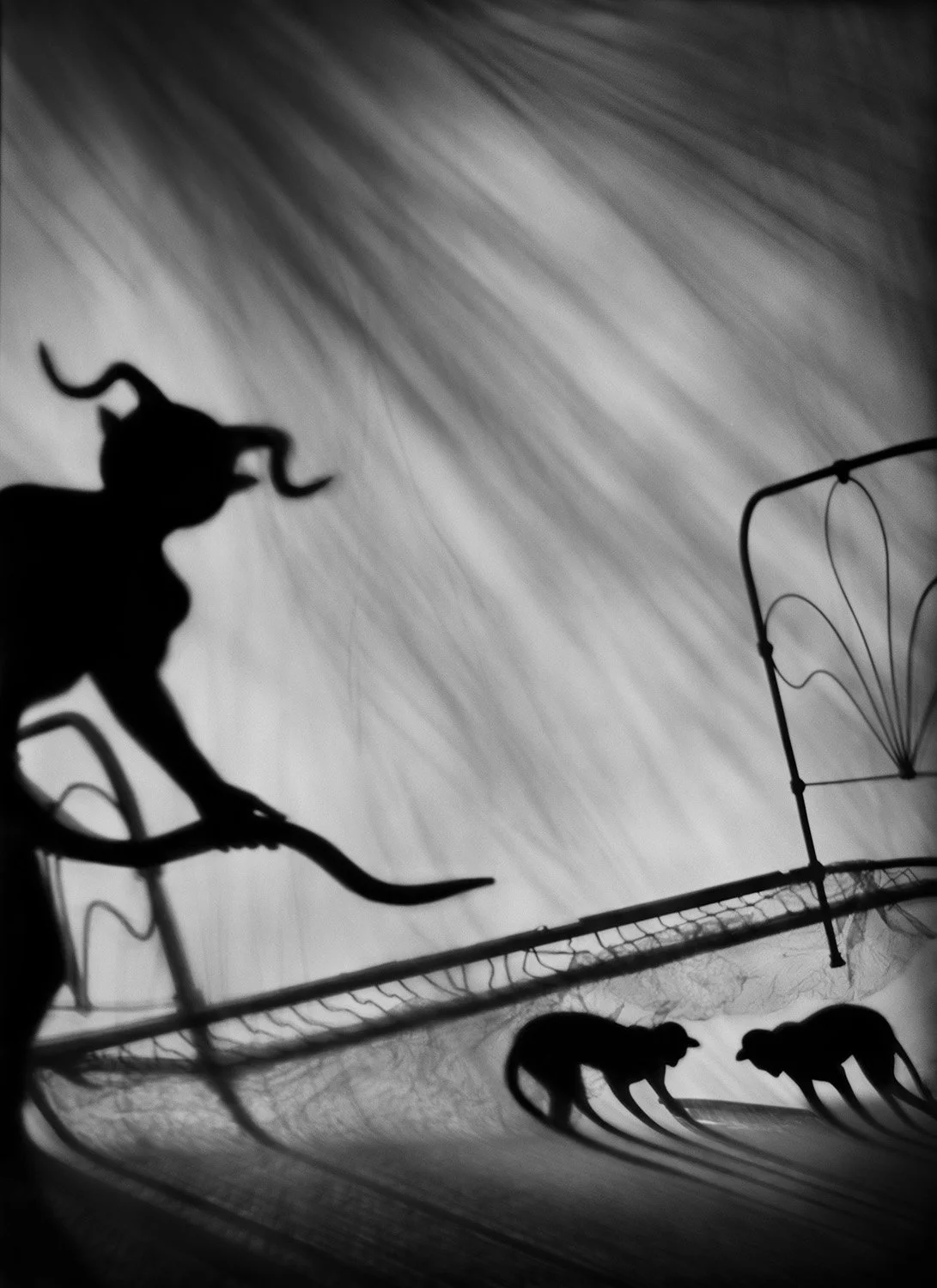
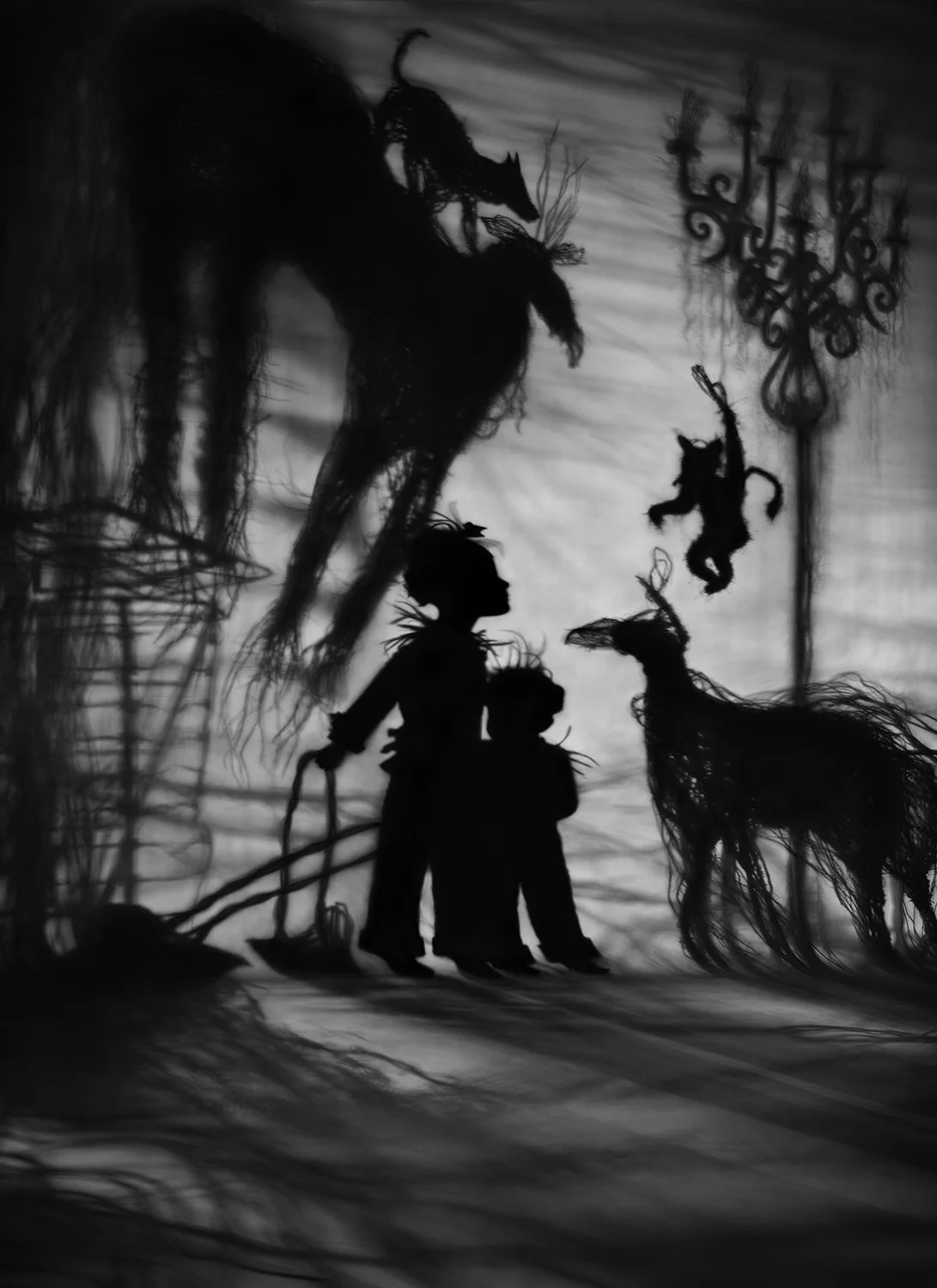
I didn’t want to illustrate any single dream, because I’d already been sketching my dreams in journals for years. So building images out of shadow felt like the perfect metaphor for something that wasn’t really there. I’d been fascinated by shadows since I was a child. I remember walking down the street and watching my shadow move in front of me, then behind me, then disappear, then reappear as I moved back into the light. That felt like the experience of being woken out of REM sleep in the lab: you have vivid recall of exactly where you were, and then it dissipates almost as quickly.
Using the shadow, trusting the shadow, felt right because the shadow itself isn’t really there. I’m creating it. People sometimes ask why the work is all in black and white, and the answer is that the shadow is black and white. It’s the truest black and white photograph I can make, because I’m photographing something that has no color unless I put a colored light or a piece of colored glass in front of it. In some ways it’s the most honest black and white photography there is.
That trust also came from something intuitive. I remember waking up in the sleep lab one of the first times, in a pitch black room, with someone asking me questions over a loudspeaker: what did I just see? The image was completely clear, and then it was gone almost as fast. If you open and close your eyes quickly, there’s an afterimage of the world you were just looking at, and I kept coming back to that: an image that’s there and then gone. The shadow was a perfect way to represent that. There’s also a natural ambiguity to it. You often can’t tell who the figures are, what race they are, or how old they are, and that mirrors the disorientation of the dream space itself: sharp and unsharp, confusing, mysterious.
You led the photography department at Texas Woman’s University for thirty-six years while also making deeply personal work drawn from your own unconscious. Did those two sides of your life ever affect each other?
I’ve always loved teaching. As a child, finding my place in the arts, and especially in photography, was how I escaped the unpleasant parts of childhood. I drew pictures and made little books, and there was something beautiful about being able to communicate something you couldn’t say out loud. I was a shy child. I didn’t want to talk much. Expressing myself through photography and the arts felt like freedom and relief.
Being able to teach others to do that, to help them find their voice and express whatever they were carrying, no matter how heavy or how light, was a real gift. Watching that moment happen for a student is something I never got tired of. Watching people move through their own work with courage and commitment overlapped completely with my own experience. I had no idea what I was going to do with the images I was imagining in the sleep lab, but watching others work pushes you to keep working yourself, in a way that’s hard to describe.
Did teaching other photographers ever make you question decisions in your own work?
I don’t think it made me question decisions so much as it made me look more critically at my own work. As a professor, you’re giving feedback on students’ work constantly, being honest about strengths and weaknesses, saying what something reminds you of. I held my own work to that same critical standard.
Is it even possible to look objectively at your own work, or is that difficult?
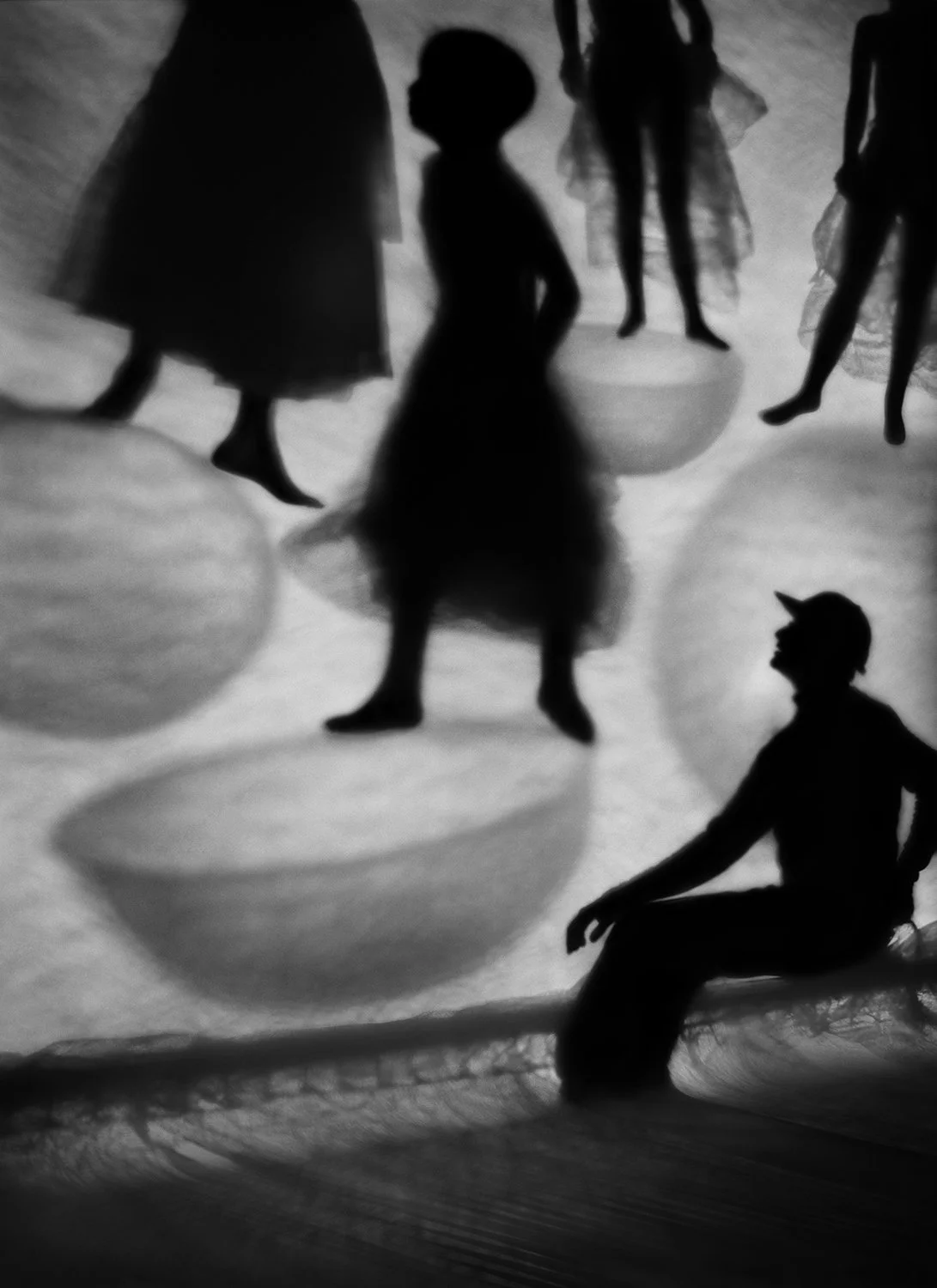
That’s genuinely hard. I have a small group of women artists and photographers I share work with regularly. It’s difficult to be objective, especially with this kind of work, because so much of it is smoke and mirrors. Someone who looks like they’re levitating on a three-dimensional sphere might actually be suspended next to a flat cake pan. I can never quite see what’s outside the frame of the set, so I depend on my husband, Richard, and others to tell me what they actually see. He doesn’t see the flat pie pan; he sees a ball someone is suspended on.
I like to get feedback through specific questions rather than general reactions: does this look real, is this believable? If the set or the narrative answers every question for the viewer, I lose interest in it. I want to present questions and scenarios that people have to sit with and think through out loud. So I rely on people I trust, showing them an image and asking what they think is happening in it, which gives me the outside perspective I can’t get on my own.
As someone who has stood on both sides, giving feedback and receiving it, what do you think matters most when giving feedback? And what are you looking for when you receive it?
The most important thing when giving feedback is understanding the intent before you give it. When I work with a graduate student, an undergraduate, or someone in a workshop, we get clear first on what the work is trying to communicate. Once I know the intention, I can respond to that specifically. Without that, feedback is just personal opinion, disconnected from what the person is actually trying to achieve.
When I ask for feedback on my own work, there’s a context I want it measured against. Even if someone doesn’t know that context, you can weigh what they say against your own internal sense of it. If someone tells me an image looks too scary or violent, and that was exactly my intent, then that’s good feedback, even if it disturbed them. But if my intent was fear and violence, and someone tells me the image feels pleasant and happy, then I know I have work to do.
The end viewer often looks at the work without knowing any of that intention. Do you also think about making the work enjoyable for someone who comes to it uninformed, whether they’re seeing the exhibition or opening the book?
Once the work leaves your hands, whether it’s hanging in a gallery or printed in a book, you can’t control how someone reacts to it. You can control what they see, but not how it lands, and in most cases they’ll never know your context. I’ve asked myself whether that actually matters, and I don’t think it’s essential that they know it.
What I do know is that certain props push a viewer in a certain direction, and different materials symbolize different things, whether or not the viewer consciously registers that. Even without understanding the specifics, the way you work can still create a journey or a path for someone. I call it placing your attention on your intention. If I’m intending something, I put my attention on every way I can make that materialize, from the props to the scene to the lighting.
Because I also make artist’s books and teach bookmaking, I know that binding a book in black sandpaper communicates something very different from binding it in pink satin. That’s what I mean by attending to the communication through material and technique. In the shadow work, that means choosing models, choosing props, and choosing exactly how the light falls on the backdrop to create a specific intention.
How do you know when the intention of a project is clear enough to start making decisions around it?
I think that comes down to intuition and trust. I’ve always made work about the things I’m afraid of, and doing that helps me work through them. Beyond that, I think you simply start. You get into the work, make something, and ask yourself whether you like it, whether it’s something you want to show anyone or keep to yourself. It comes back to trust, which is really what academic training taught me: self-discipline, but also trust in your own voice and in what you actually want to do, rather than weighing it against what happens to be popular at the time. If you’re making work because you think it will sell or because it’s fashionable, I don’t think it’s authentic. You have to be honest with yourself first and worry about where the work goes later.
That’s a hard thing to say out loud, but you have to make the work for yourself and trust the process. We all make things that are terrible and things that are good, and at some point you bring the critic back in and look honestly at what you’ve made. For me, the freedom is in allowing yourself to express under any condition, and only evaluating it afterward.
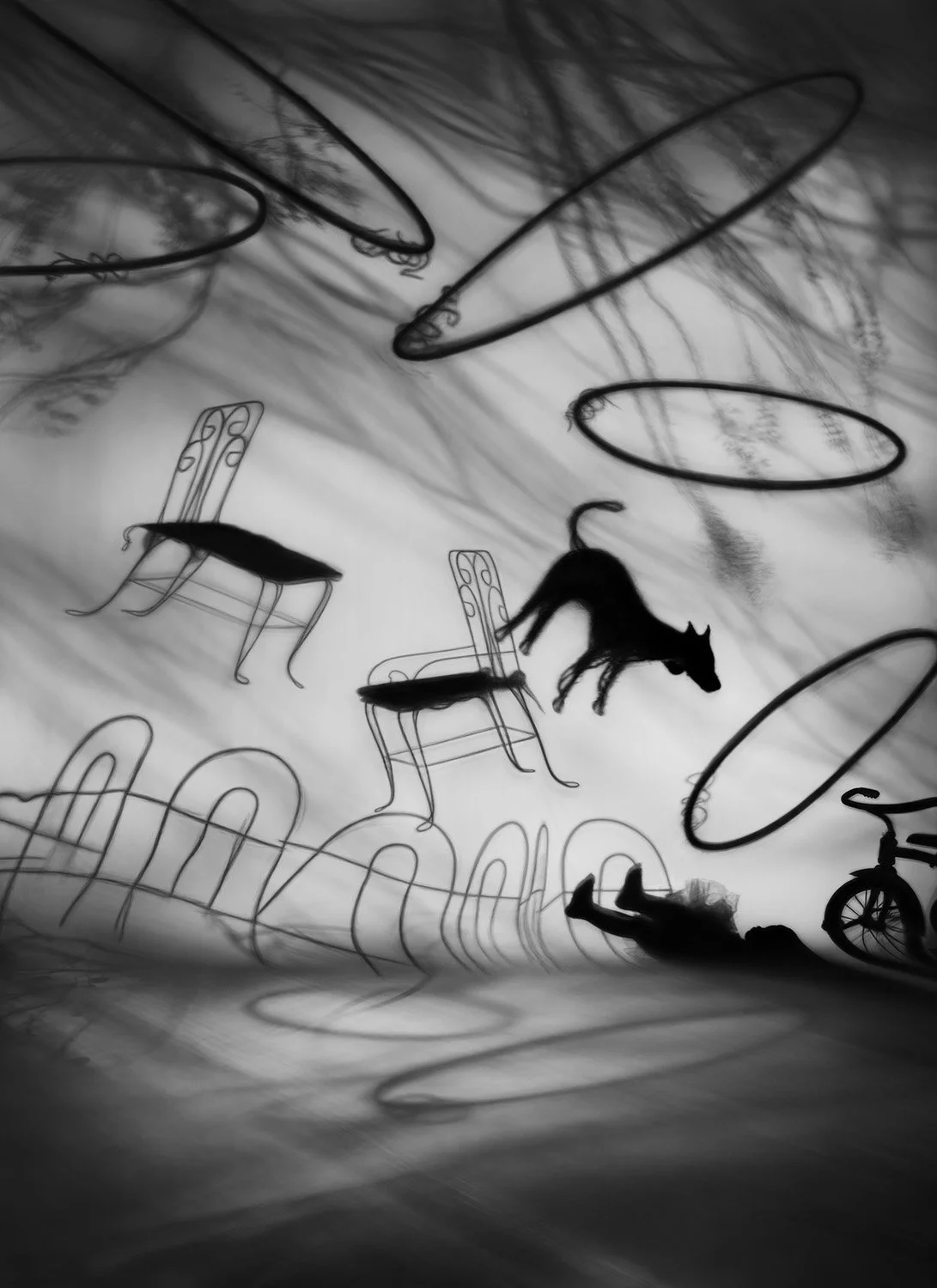
Can you walk me through an actual session with Dr. John Herman? What did a controlled awakening feel like, and what happened in the seconds after they woke you?
I’d arrive at the sleep lab about forty-five minutes before bedtime. I’m a night owl, so I had to adjust my schedule since I couldn’t go in at eleven or midnight. I’d sit in the lab area while they attached electrodes to my scalp, my clavicles, under my chin, and both hemispheres of my brain, all wired to a control tower. In the corner of the room the first time I met Dr. Herman, I noticed a machine, a kind of pen plotter, that traced the readings, left brain, right brain, heart activity, onto paper. They don’t use that anymore; it’s all computerized now. But when I saw it, I remember thinking that even though I didn’t yet know what I’d do with any of the research, I might want to use that data or those charts somehow.
Before I went back to the bedroom, they’d check each electrode against the plotter to make sure it was reading correctly. Once I was wired up, I’d carry a small control box down the hall to my room. I think there were about eight bedrooms, each behind its own door. Once inside, the control box velcroed to the side of the bed, and from there they could watch my brain activity on a monitor in the control room down the hall. Eventually the lights would go off, and I’d be in a completely dark room, which was unusual for me since I don’t normally sleep in total darkness. That was actually the first place I noticed how an image disappears the moment the lights go out.
The goal of each night was to wake me specifically out of REM sleep, rapid eye movement sleep, which they could see on the monitor. In a normal sleep pattern, the eye movements are slow and steady. In REM, they start darting rapidly, and the further apart and more frequent those movements get, the deeper into REM you are. If you’re woken directly out of REM, you have vivid recall of exactly where you were. If you’re woken before or after it, the recall is disjointed, a refrigerator flying through the air with a dog, a car parked in the living room, nothing that follows any logic, because of the way the brain is firing.
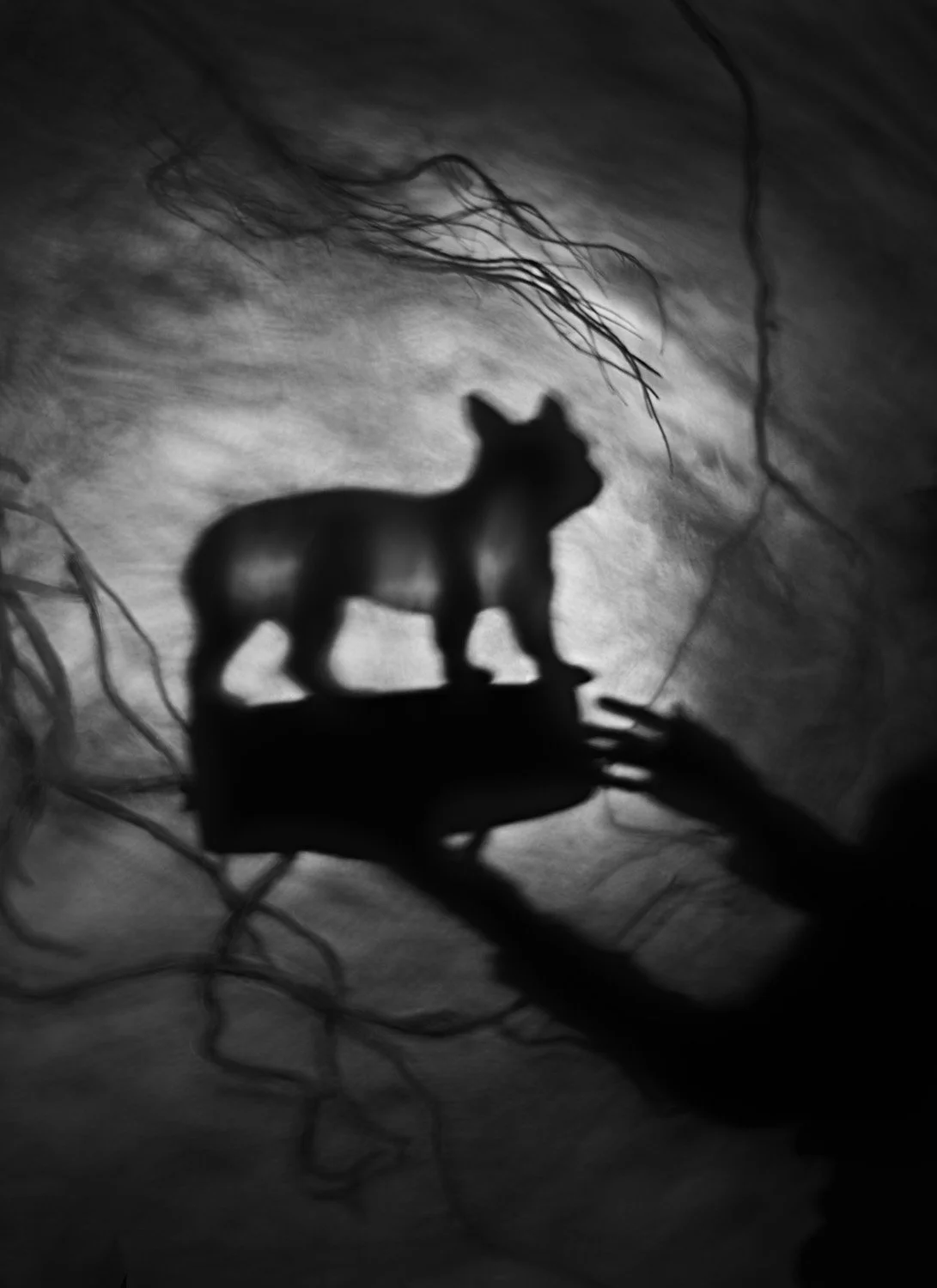
When they caught me in REM, they’d wake me over an intercom in the ceiling, asking, “Susan, what was the last thing you saw before we called your name?” I’d describe it, because I was interested in the visual quality of the dreams, not what they meant. I didn’t want to spend my grant money or my time in the lab interpreting them. I just wanted to see what they physically looked like. Dr. Herman conducted the first awakenings himself, then trained two or three graduate students to do the rest under his guidance. The best technicians knew how to ask specific visual questions: you said you were near a fence, what kind of fence was it, were you indoors or outdoors. We’d build the scene together that way, working backward. Was there anything before that? What happened just before that? They called these interrogation sessions, and they sometimes lasted forty-five minutes. If you looked at the brain chart during one of these sessions, the line would be jumping because I was talking, whereas right before REM it would go almost flat, since there’s no eye movement at all.
The session usually ended when they asked if there was anything else I could remember, and I’d say no, and they’d tell me to go back to sleep. It took me a while to actually be able to sleep in that environment. On a good night you’ll have about three REM cycles, roughly every ninety to a hundred and twenty minutes, and if you’re deprived of REM sleep, the cycles start coming closer together. After the session ended, I was allowed back into the control room, since I had grant funding to be there. It was an official sleep lab, also used for people with sleep apnea and other sleep disorders, so I’d sit with the technicians reviewing the brain maps, each with its own set of numbers along the top.
Afterward, I hired someone who transcribes audio recordings, because we’d placed a recorder in the ceiling to capture every interrogation session. My husband is a sound and visual artist, and since I didn’t yet know how I’d use any of the material, I wanted a full audio record. Having it in written form mattered to me specifically because, since childhood, I’ve always responded to written words on the page, whether it was song lyrics or anything else. When I was learning to read, in about third or fourth grade, I was the slowest reader in my class because I was visualizing everything as I went, which is really the same instinct that drives how I build photographic images now.
The transcripts came back in reverse order, since the technician was transcribing from the end of each recording backward. I had to put them back in the correct sequence, the first awakening through the last, and within each awakening I had to reorder the dialogue so I could see the dream moving from its beginning to its end rather than backward. While I was going through one of those transcripts, I came across a passage where I was describing something that sounded like either blood vessels or tree branches: pure black and white forms. That was the moment I saw the idea of the shadow. I’d been describing something that was almost a shadow in the light, without meaning to, and it sparked the question of how I might build narratives out of shadow.
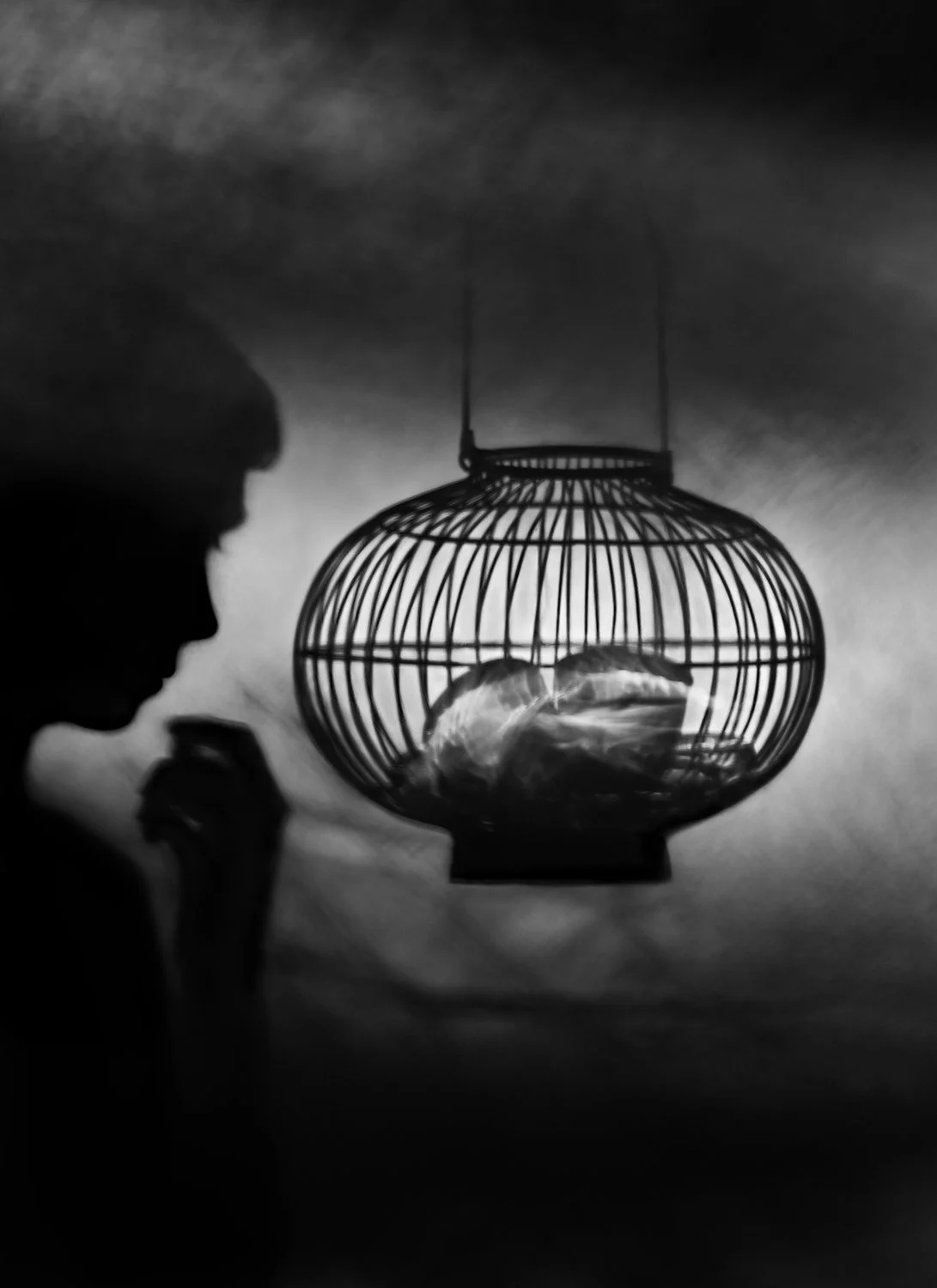
From there I went back through the transcripts looking for phrases: “she told me not to touch that,” “he’s sitting in the back,” “sex is interrupted,” “I don’t know how to get there, but he does.” Some of those exact phrases appear in Trudy’s essay in the book. I’d take a phrase and put it on what I call an inspiration sheet, then start thinking about what props, what scenario, what kind of models or background it might call for. At the time I still used four-by-eight-foot tables in my studio, and I’d load them with objects I thought would cast interesting shadows.
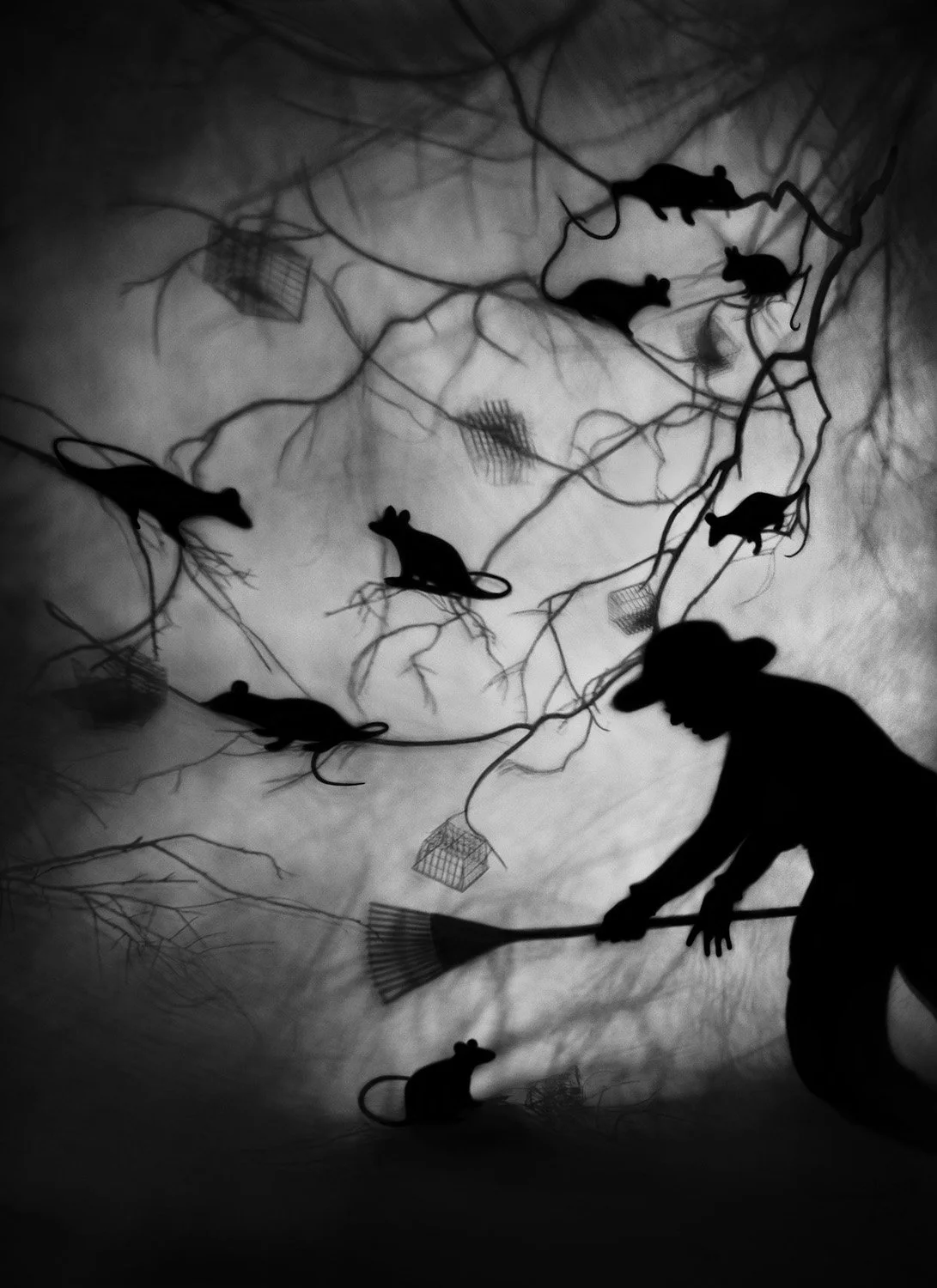
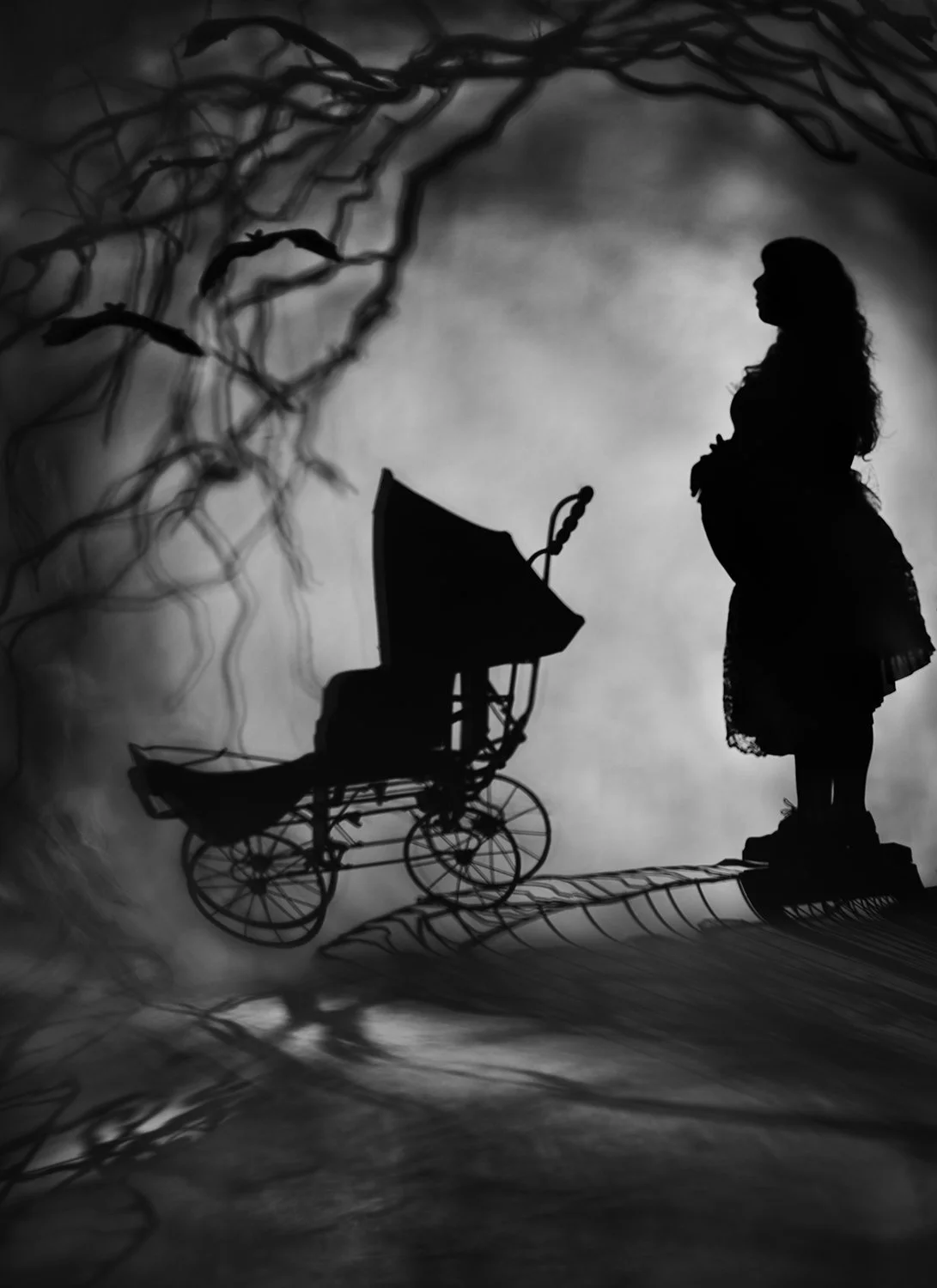
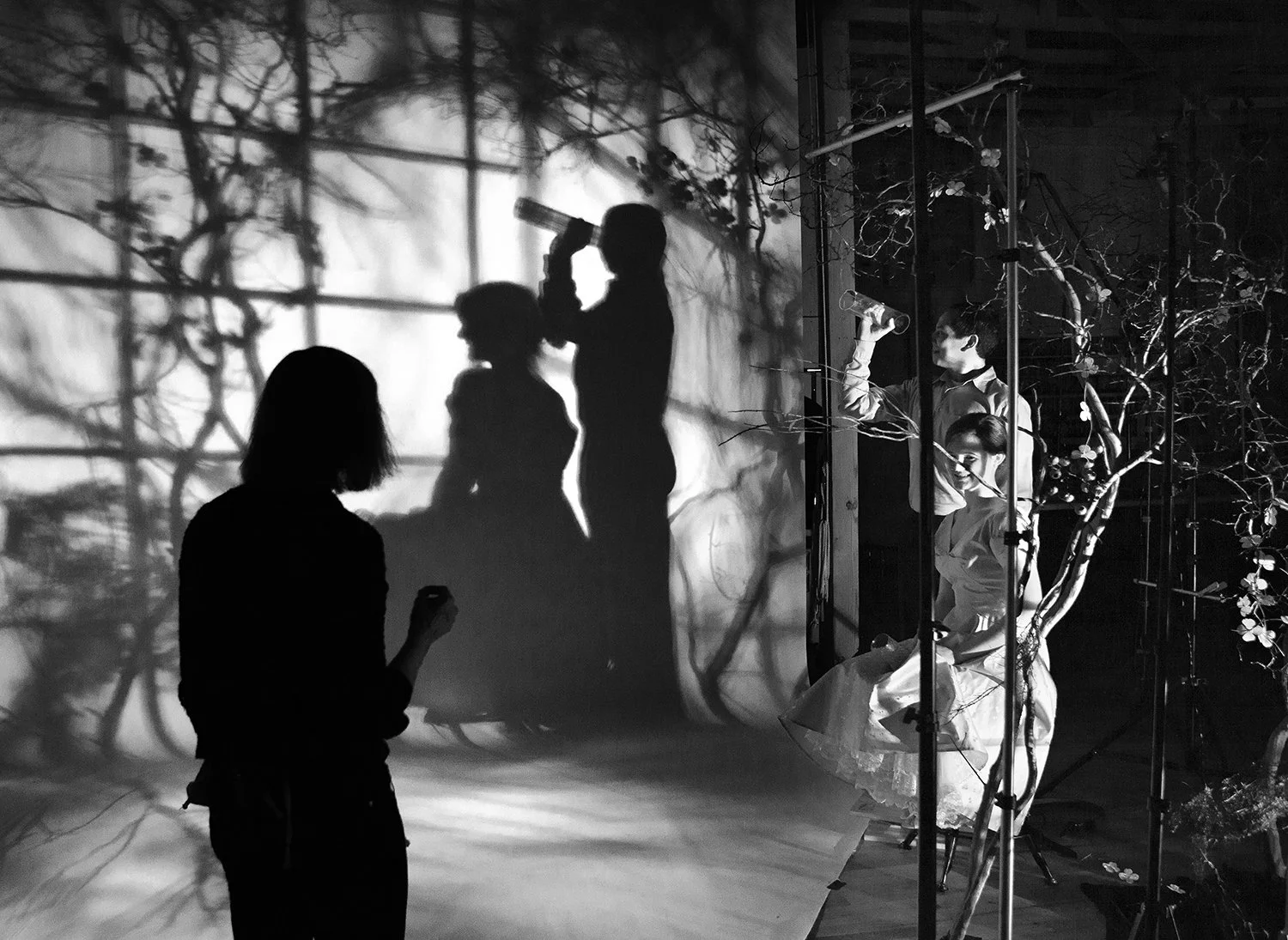
When I actually started making the images, I worked with a twelve-foot backdrop and a single stage light centered on it, with a line marked on the studio floor running from the light to the far end of the backdrop. Everyone and everything had to stay on the far side of that line, otherwise they’d appear directly in the shadow rather than as part of the composition. Using the same skills I’d developed as a window designer, I’d hang props and build the environment first, often with a rough sense of where a figure would eventually go. Sometimes I’d stand in myself, or have my husband stand in, just to test the gesture, so that once a model arrived I already knew what space they’d occupy.
Once the background felt ready, I’d bring in a model. I like working with theater performers or dancers whenever I can, because they’re skilled at controlling and contorting their bodies, which matters since my models are positioned off to the side and have to look natural in a shadow they can’t actually see. I’d direct them with a pointer, since they had no way of watching the backdrop themselves. I always tell them I don’t know exactly what I want until they do it, and then I’ll know. I might give them a simple prompt, something literal like being scared in the middle of nowhere, or being free on a swing, but I never told them the actual phrase I was working from, because I never wanted the result to be that literal. At that point I become something close to a film director, controlling every detail: the position of a finger, a profile, the fall of the clothing.
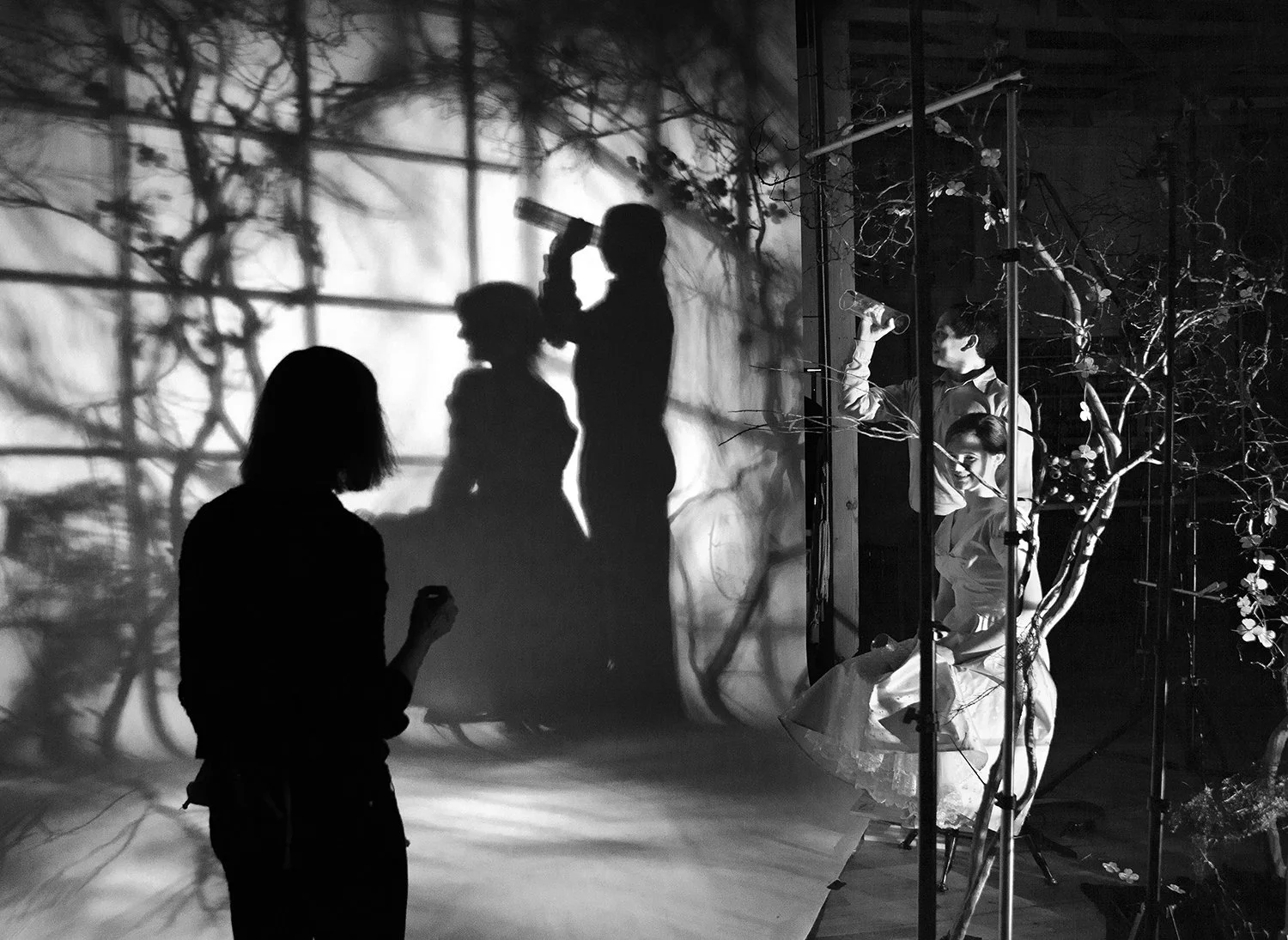
In the early years I shot on four-by-five Type 55 Polaroid film, so I could shoot a series of gestures, pin them on the wall, and choose a favorite to recreate on film. Because film was expensive, I might only shoot four sheets once I knew what I wanted, and I never reshot an image. I always got what I needed in that session. I wanted the resulting narrative to feel just as intuitive as the act of remembering a dream. I could easily have illustrated any single dream literally, but a dream changes every time you remember or retell it, so I wanted that same sense of curiosity and unresolved possibility in the images.
Once I was building an image, the original phrase would fall away almost immediately. It stopped mattering. What mattered was the image coming to life, until, at some point, a model would move a certain way and I’d know to stop, because it was right. I sometimes compare the sleep lab work to going to the Grand Canyon with a camera and a notebook, never taking a single picture, but coming home entirely inspired to make work about the experience of having been there. That’s really where the project lives: I was never trying to depict a specific dream, but the space of a dream, sharp in places, out of focus in others, confusing, mysterious, full of questions. I keep building an image until it raises more questions than it answers.
The project has developed over more than twenty-five years. When you compare your earliest finished photographs with the ones you’re making now, what has changed in how you build an image?
The biggest change has been learning how to create depth of field. The images in the earliest chapter are long and narrow, because the first version of the project was an installation of twenty-four four-by-eight-foot panels on chiffon, arranged so viewers walked through them like a maze, entering the dream space physically. Those images usually show one solitary figure, very little background, and almost no foreground, since I was working with only a single stage light.
As the project moved from fabric to printed images, I was able to capture much more detail, which let me build far more complex sets. Even in the earliest printed chapter, the foreground is still fairly sparse. At some point I started adding eight to ten small spotlights on the opposite side of the set from my main stage light, which comes from the right, and used those to build foregrounds on the left that echo what’s happening in the main scene, using different branches and props, moved around until they read as part of the same image.
What’s changed the most is the ability to create a dimensional space instead of a flat one, and the sets themselves have become far more complex. I also learned that what reads as depth of field is actually created physically. If I put a tree and a figure on the same backdrop and light them, they sit on the same plane. But if I take a second tree that looks identical and set it three feet farther back, it suddenly reads as dimensional, even though it’s the same kind of object. Anything close to the backdrop stays razor sharp, and anything farther from it goes soft, which is the reverse of how depth of field works with a camera lens. I’m creating that depth entirely through where I physically place objects in the set.
The project began with material drawn directly from your own REM sleep. Was there ever a dream fragment that felt too private, disturbing, or unresolved to turn into a photograph?
That’s a good question. While I was sleeping in the lab, there were always technicians on the other side of an infrared camera, watching, and then waking me to ask questions. In any given moment you’re weighing whether you’re actually going to say what you saw. But I came to trust the environment they’d built, and I knew that whatever I described, I could always choose later whether to make an image from it or not. I tried very hard not to censor myself during the awakenings.
There’s another layer to that, too. The moment you’re woken out of REM, the image is so clear that your brain immediately starts trying to connect it to your surroundings. I remember one awakening where I described standing behind a fence with someone looking through it at me, which is a fairly typical dream to have in a lab setting, since you’re literally being watched. The technician asked me to describe the fence, and before I could stop myself, my brain filled in the details of the razor wire fence outside my actual studio, which was in a rough neighborhood at the time. He knew about that fence, and he asked whether that was really what I’d seen in the dream. When he pulled me back to what I’d actually seen, I realized I hadn’t seen that fence at all. My brain had supplied it from memory rather than from the dream itself. So what I found myself doing, again and again, was making sure I didn’t bring something into the description that hadn’t actually been there, that had come from lived experience instead of the dream.
You had decades of photographs to reduce to eighty-nine images. What made a photograph necessary to the book, rather than simply good on its own?
When I first signed the contract for the book, we talked about creating a beautifully sequenced picture book in some interesting order. In one of our early design meetings, Amy and Takaaki Matsumoto, the book's designer, presented a design concept: Takaaki proposed keeping each chapter in the chronological order the images were made, paired with gatefolded triptychs, and that's how the book ended up being designed. The first chapter is printed on translucent, vellum-like pages, which echoes the original installation on fabric. The passage of time across the chapters was a deliberate decision.
The editing within each chapter came down to looking at how images played off one another, along with practical considerations like how many images a chapter could hold and the overall page count. There were certainly images we chose to leave out.
When two photographs expressed a similar idea, how did you decide which one survived?
When I’m editing my own work, or someone else’s, and I’m choosing between two or three similar images, I ask what one tells me that the other doesn’t. If they’re saying essentially the same thing, I have to pick one. While I was making the work, I always kept a pinup wall of the series in progress, because it’s easy to unconsciously repeat yourself, and I wanted to keep finding new ways to sustain the project over such a long stretch of time.
People often ask how I managed to work on this for so many years. During most of it I was running a photography program, teaching workshops around the country, and teaching three classes a semester, so studio time was limited. I could make maybe six to eight images a year if I was lucky. Fairly early on I started thinking of the project as a monograph rather than an artist’s book, which is a different kind of object I also make, and for a monograph I felt I needed roughly a hundred images to edit down to around eighty. In the end we included a few more than eighty, based on the final page count and chapter structure.
That suggests you were working toward a body of work rather than judging every single photograph individually. At what point does a photographer need to stop asking whether something is a good photograph, and start asking what the project actually needs?
I spend far more time asking what the project needs than asking whether a photograph is good, because I’m my own worst critic. If you asked me to dissect any single image I’ve made, I could find something wrong with it. As for knowing when a project is finished, I honestly don’t know. There were always more things I wanted to do within it.
The project kept evolving. It started on fabric, then moved to paper, then I worked with a sound artist to bring in audio, then with a video artist to create video pieces, and we used audio drawn directly from the original lab recordings. I kept asking what more the project needed, rather than assuming I was done. During the Covid lockdown I worked on an entirely different project, a series of white on white images, but I always knew Night Journey wasn’t finished. It was simply paused by circumstance, sitting in the back of my mind, and as soon as I could get back into the studio with models, I went back to it.
Is there something you believed about dreams, or about your own unconscious, when you began Night Journey, that you no longer believe now?
I wouldn’t say I no longer believe something. I’d say I believe it more strongly now. It goes back to your first question: my mother would play along when I told her I’d gone somewhere in the night, but I was completely serious about it. When I started researching REM sleep seriously, I read that a brain in REM sleep is more active than a brain on amphetamines, and when I read that, I thought, I already knew that. I knew there was something happening in the brain that made you physically feel like you were going somewhere, and that’s what took me to the lab. I wanted to be in a space where I could actually witness that.
What I’ve come to believe, more firmly than when I started, is that we really do go places at night. Not physically, but in the mind, and that felt like a remarkable thing to experience directly. After my first night in the lab, I couldn’t wait to go back and sleep there again, and if I’d had more grant money, I would have done far more sessions than I did. I can’t think of anything from those early beliefs that I’ve actually abandoned.
If a photographer has an internal subject, something like grief, memory, or fear, that can’t be photographed directly, what should they identify before they start making pictures?
I’m a strong advocate of writing. I use a lot of writing prompts with the people I mentor, in the spirit of someone like Natalie Goldberg, and I don’t think there’s anything that can’t be turned into an image if you have the imagination for it. When someone is working through grief, sadness, or a difficult issue, journaling can genuinely help, alongside the support of a therapist or counselor where that’s needed.
Over my teaching career I’ve seen countless examples of people finding real transformation through making art about the things they were struggling with. I’ve mentioned that I was a quiet, shy child, fairly afraid of the world, but something changed once I learned to express myself through the arts. I’ve watched that same shift happen again and again in the people I’ve taught and mentored. It’s a remarkable thing to watch someone come alive and finally express something they could never even say out loud.
Thank you very much for your time.
You're welcome. Martin
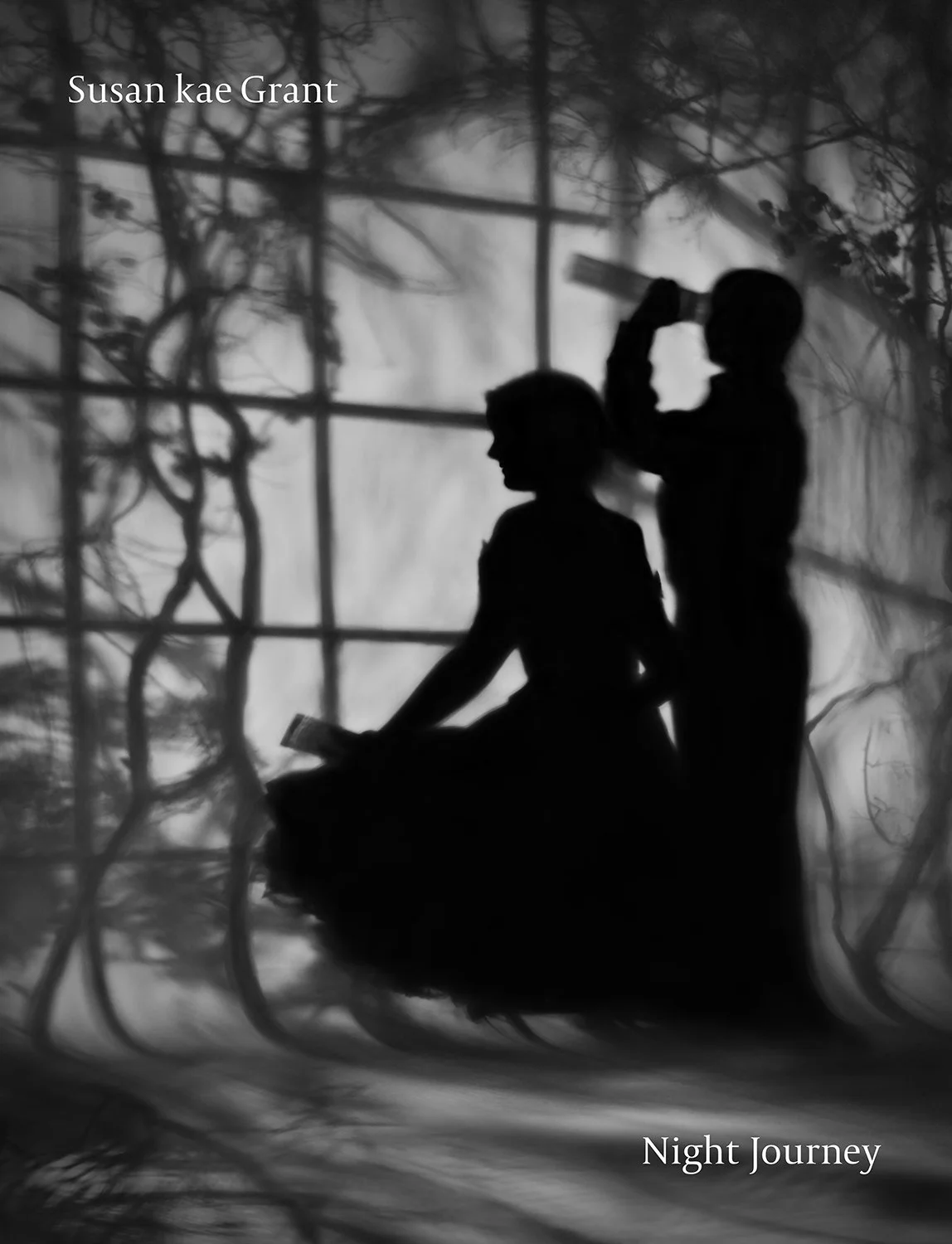
To discover more about this intriguing body of work and how you can acquire your own copy, you can find and purchase the book here. (Amazon, MW Editions)
More photography books?
We'd love to read your comments below, sharing your thoughts and insights on the artist's work. Looking forward to welcoming you back for our next [book spotlight]. See you then!
The street is boring until you learn what to notice. Most of the time, nothing special is happening. Photography Book Spotlight