How Oviul Maruf’s Mother’s Rooftop Garden Became the Setting for Botanical Silence
Oviul Maruf found a project in his mother’s garden.
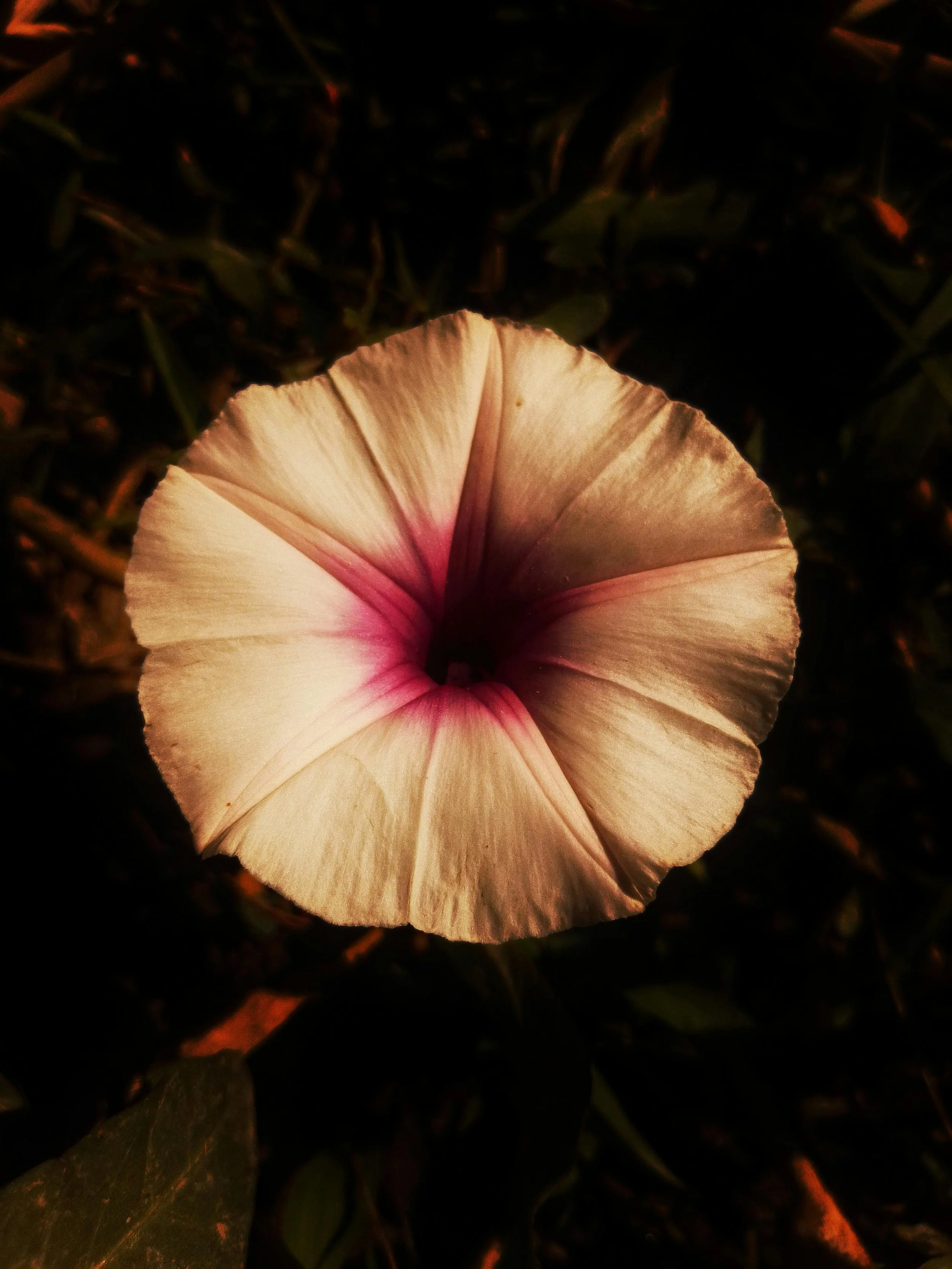
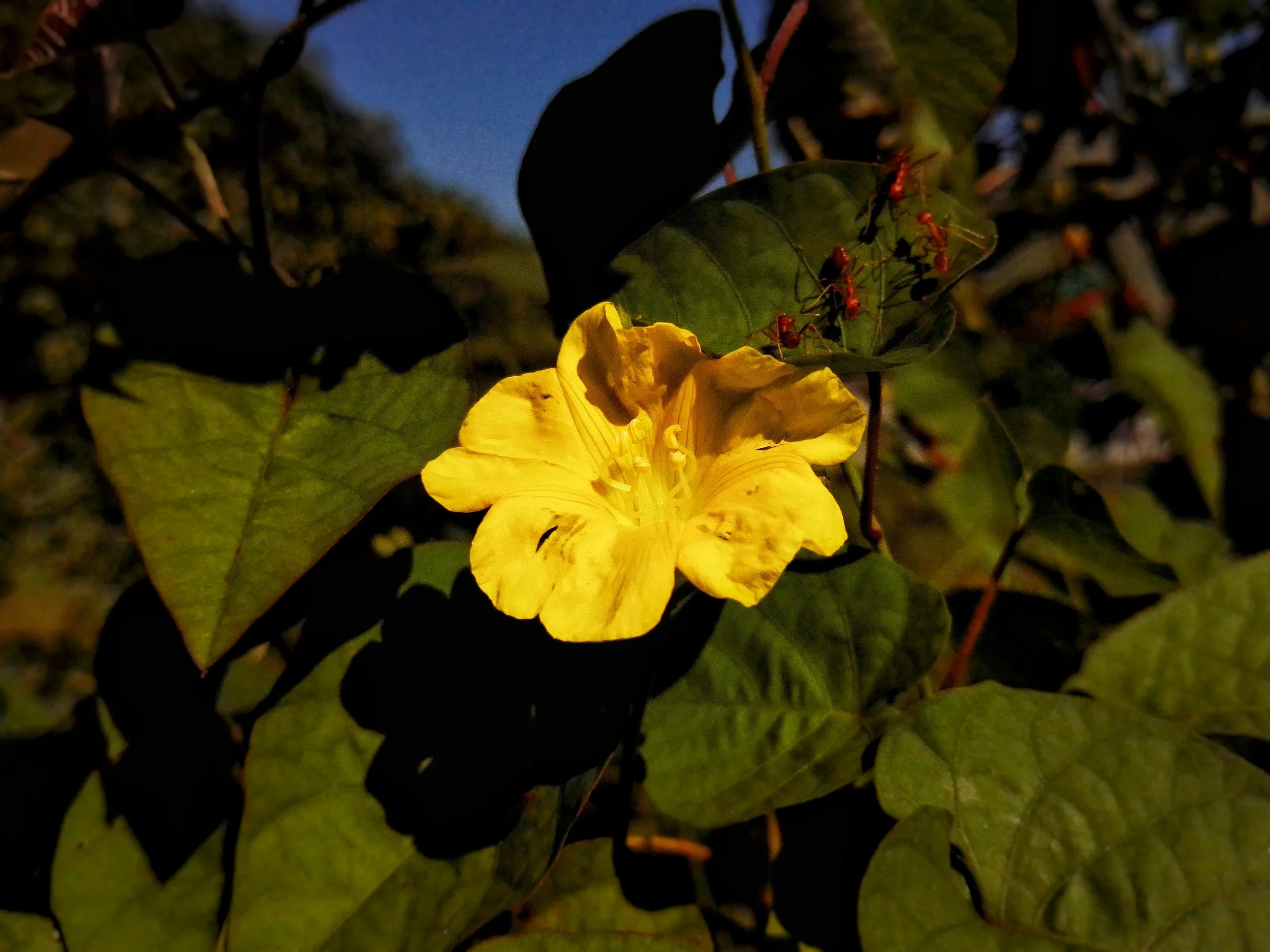
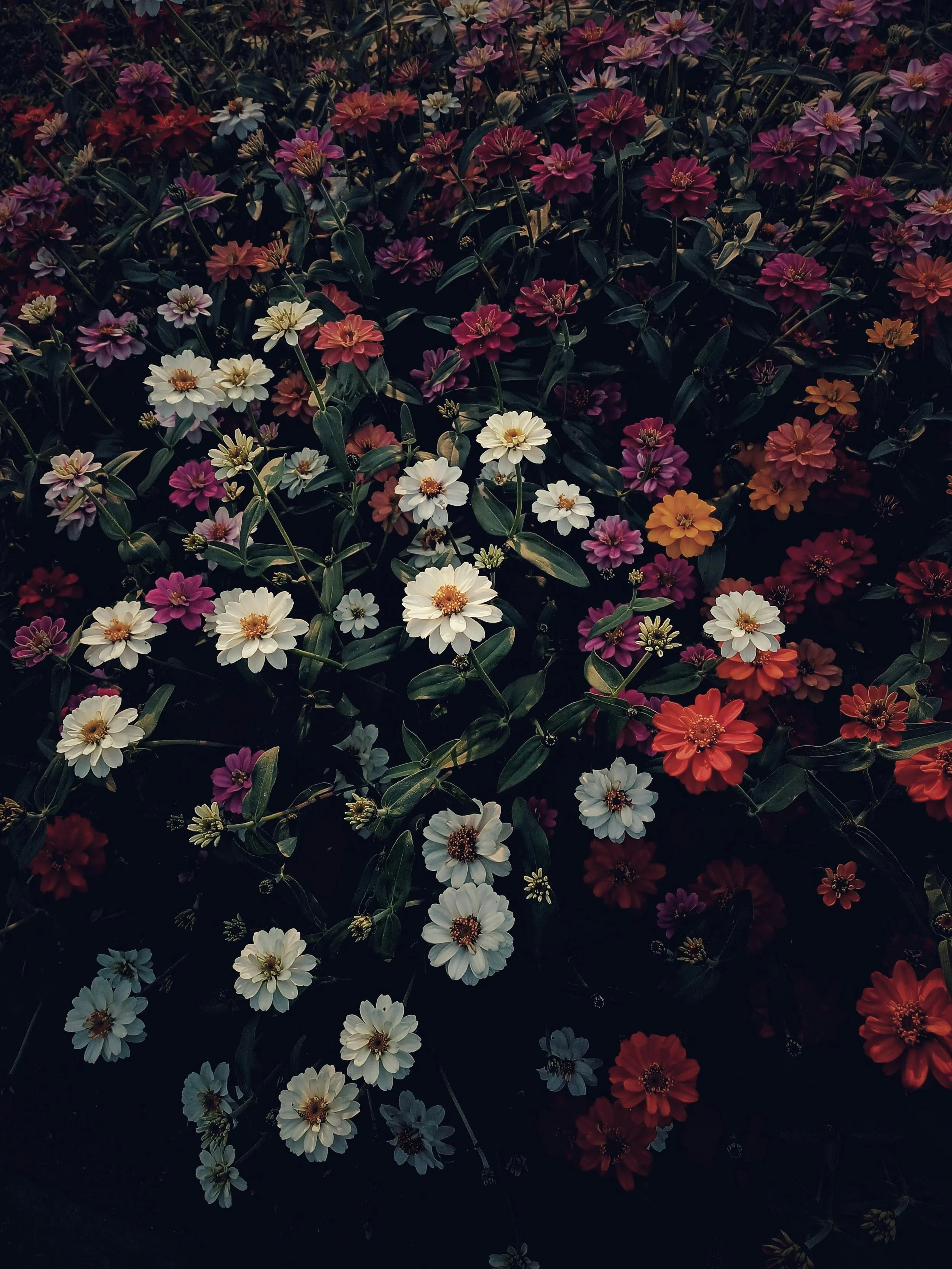
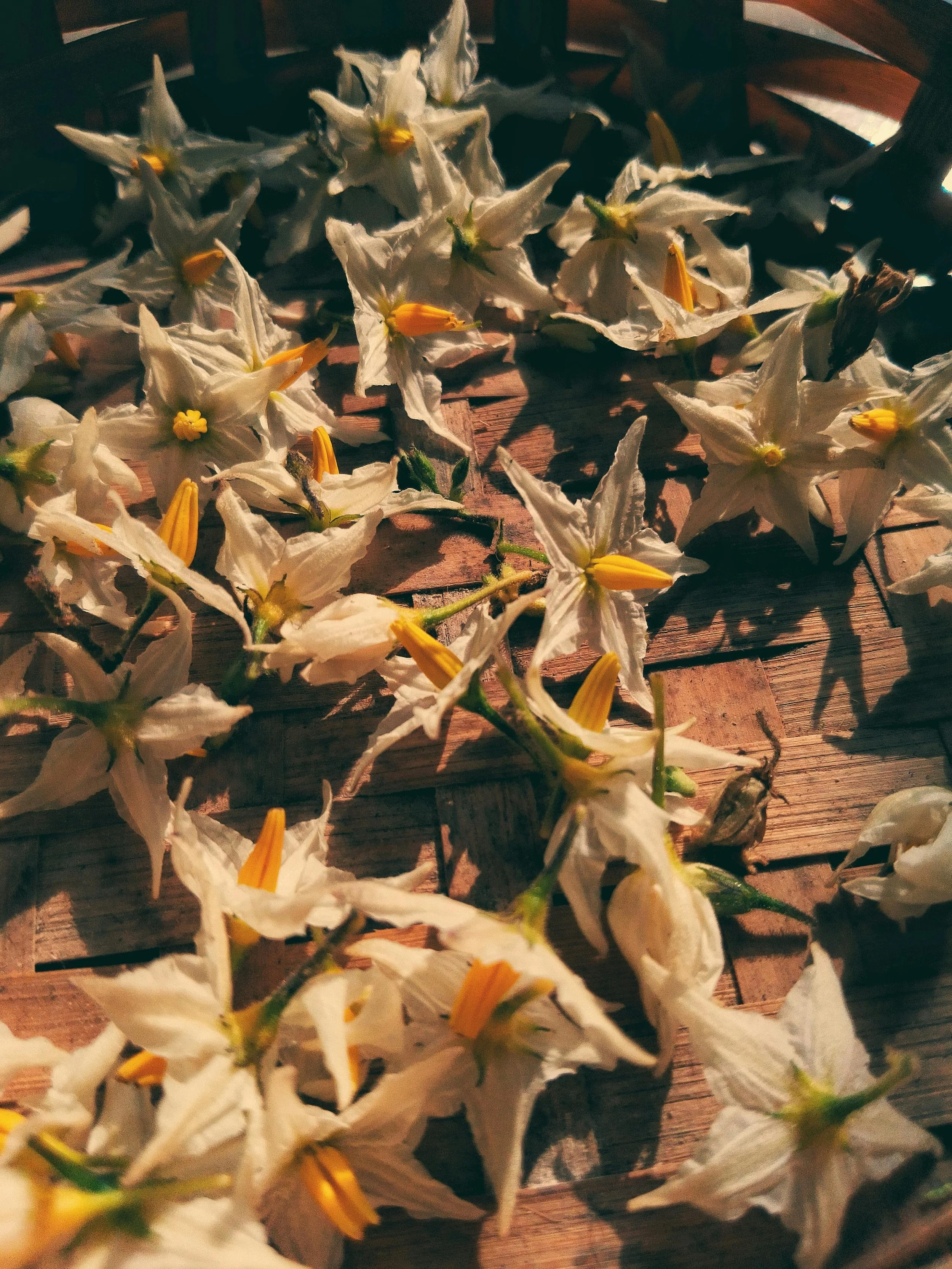
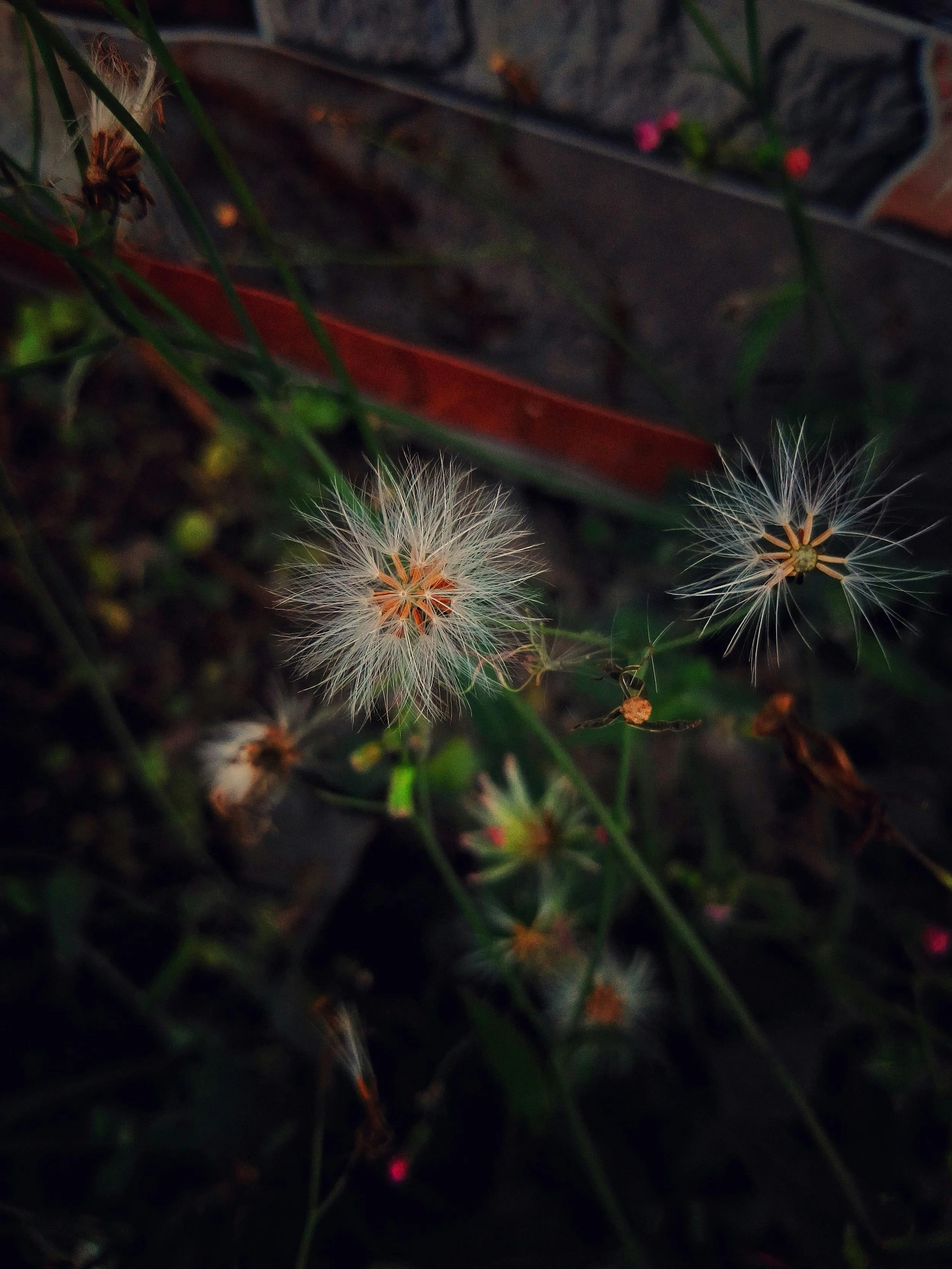
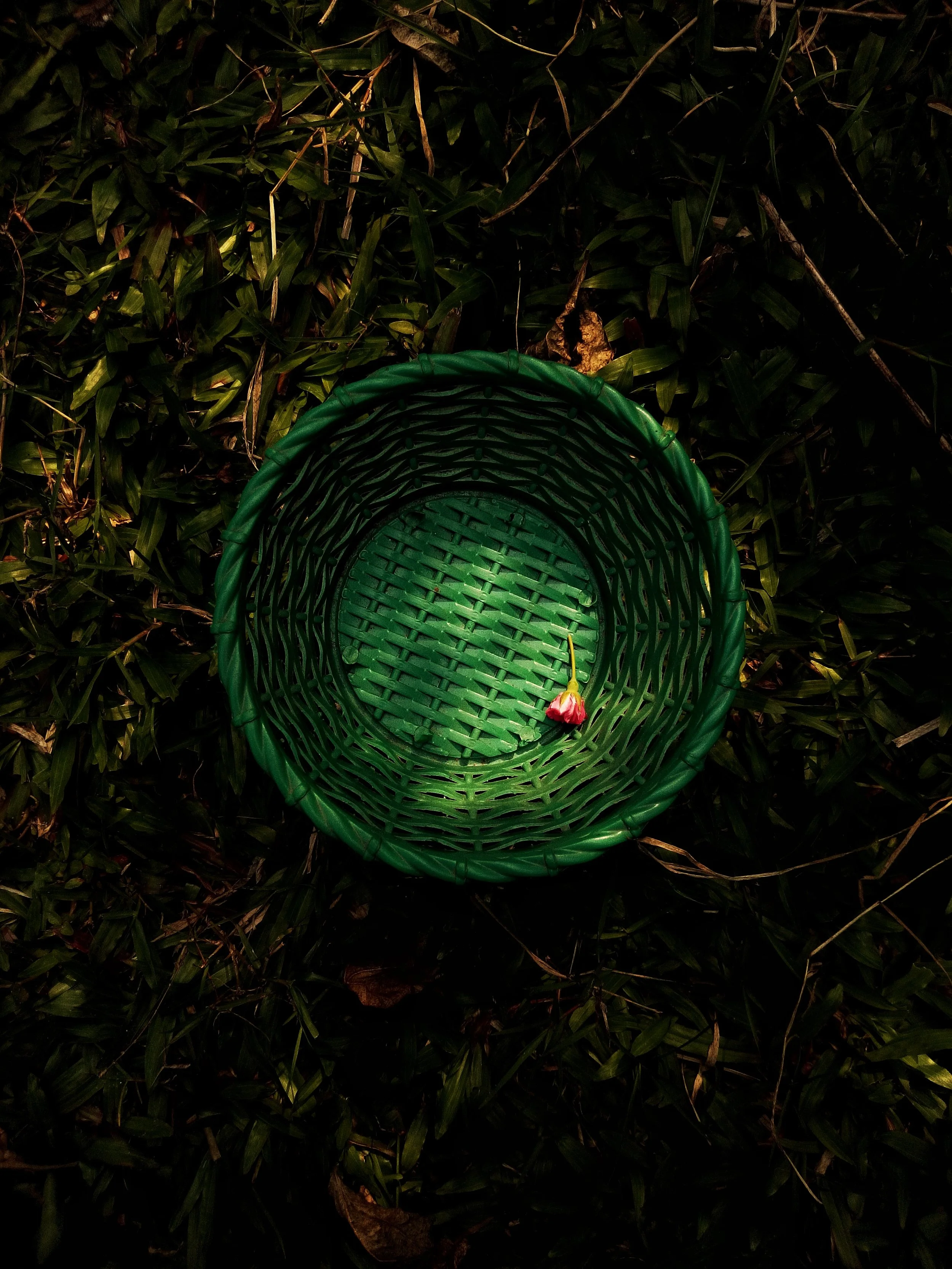
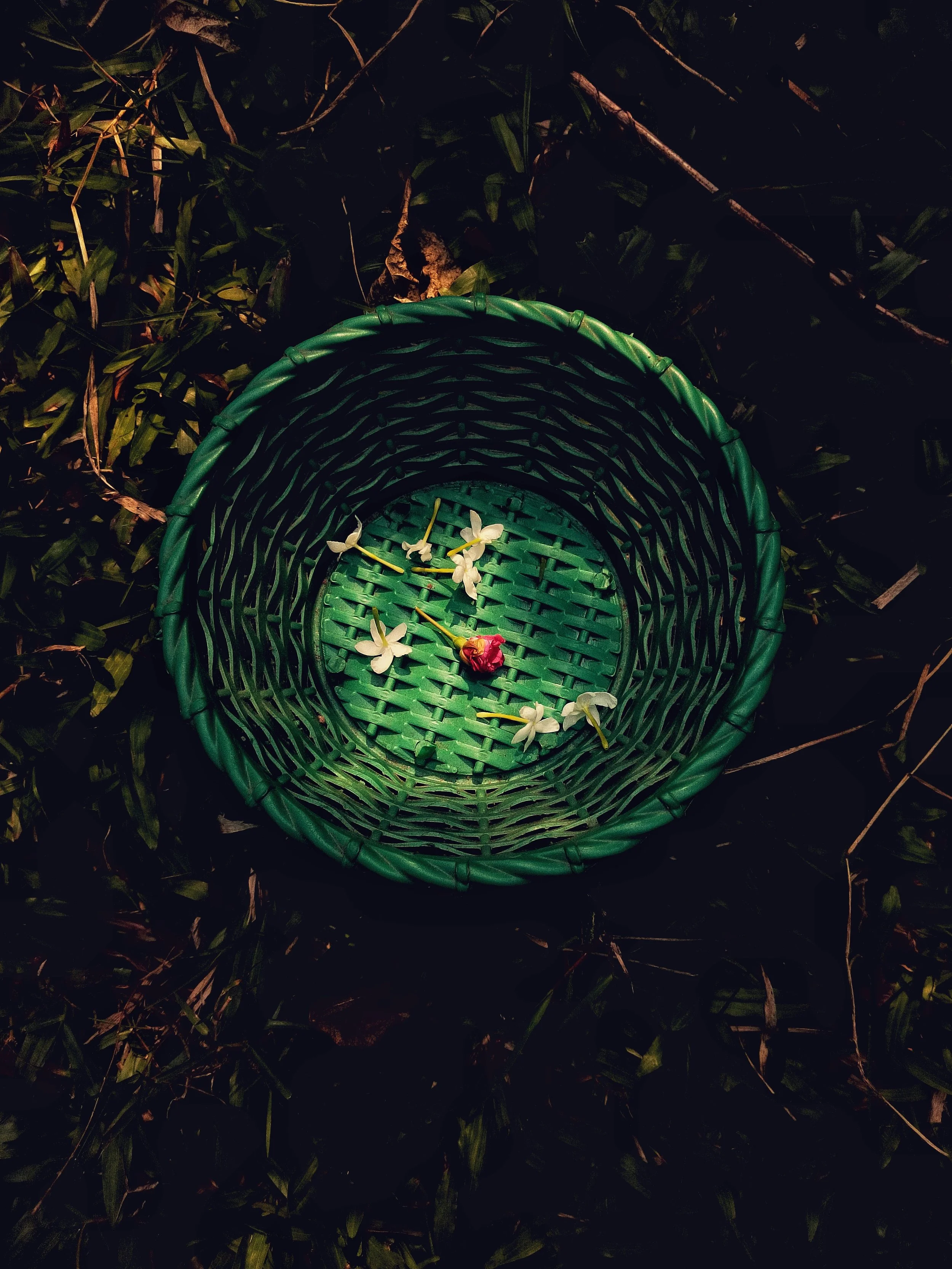
On the roof of their home in Sylhet, Bangladesh, she grows flowers that became subjects for many photographs in Botanical Silence. He photographed them as part of his daily routine, often in early morning or late afternoon light. Insect bites, holes in petals, and bees remain in the pictures because, for him, these details show the flowers as living things.
The series began with a connection between existing photographs.
Looking through his gallery, Maruf noticed that two or three images shared a quiet, intimate feeling. He wanted to have his work published, and gathering these photographs into a series gave him a direction. After naming it Botanical Silence, he returned to the rooftop looking for light, forms, and details that belonged in the project.
In the interview, Maruf explains what connected his separate photographs, why one version of a flower survived his selection, and when he lets the background disappear. These examples offer ways to look through existing pictures and decide what to explore the next time the camera comes out.
The Project
Botanical Silence
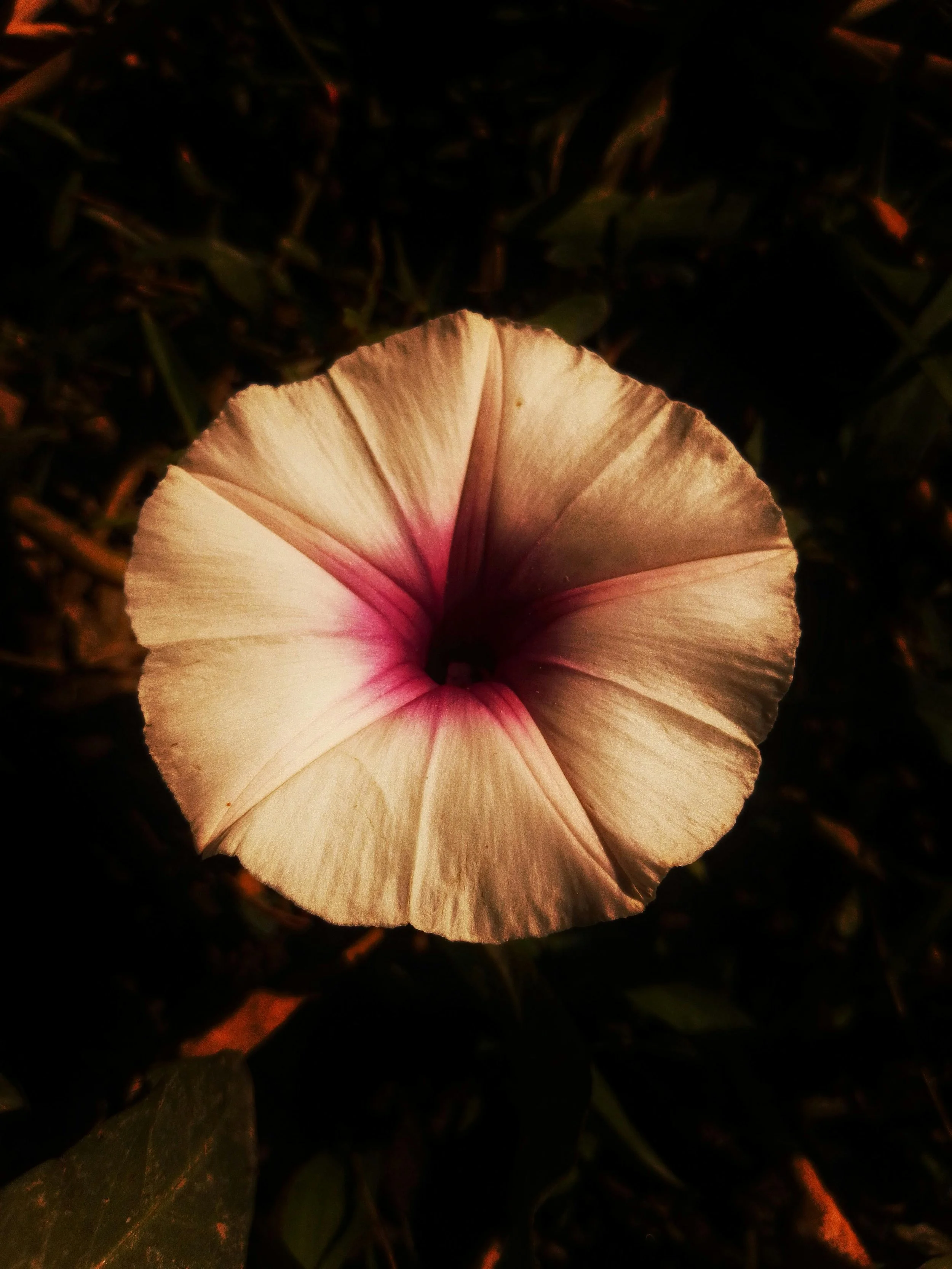
In this series, I try to capture the quiet presence of flowers and the delicate beauty that often goes unnoticed in everyday life. I am drawn to the stillness of botanical forms, the soft curves of petals, the subtle textures of leaves, and the gentle way light falls across them. Through photography, I explore how these small natural details can express a calm and contemplative atmosphere.
While creating this work, I focused on observing flowers closely and patiently, allowing their shapes, textures, and colours to guide my compositions. Rather than treating them simply as decorative subjects, I approach them as living forms that hold their own quiet character and presence. Many of these photographs were created in Sylhet, Bangladesh, where I found inspiration in ordinary flowers and plants in my everyday surroundings.
The process of creating Botanical Silence has also been an exercise in slowing down. Instead of searching for dramatic scenes, I spend time looking closely at subtle details and waiting for natural light to create the atmosphere I want. This allows me to transform familiar botanical subjects into images that feel more intimate and contemplative.
The series reflects my interest in slowing down and paying attention to the silent language of nature. In these moments of stillness, flowers reveal a quiet poetry, one that speaks through light, form, and fragility. Through Botanical Silence, I invite viewers to pause and experience the calm beauty that exists within these simple yet expressive natural forms.
Inside a Slow Session: You call the series "Botanical Silence" and talk a lot about slowing down. Can you walk us through one real session? For example, how long did you sit with one flower before you took the shot?
I never approach my photography with a rigid routine or a pre-planned schedule. Most of these moments happen organically. I might simply be walking through a garden when a particular flower catches my eye, perhaps because of its unique structure or the way it sits in the scene.
Before taking out my camera, I pause and observe it closely from different angles. Once I feel connected to the subject, I start experimenting with compositions and take several frames. Later, during the selection process, I carefully pick only the strongest one or two images for the final series.
Regarding how long I spend with a single flower: it entirely depends on how long it takes to achieve a frame that satisfies my vision. Sometimes it happens in just five to ten minutes, while other times it requires staying until every element, from light to composition, aligns with what I feel inside.
Recognizing the Frame: You mentioned staying with a flower until the light and composition match what you feel inside. Can you choose one photograph from Botanical Silence and describe the moment you knew you had the frame? What was wrong with the photographs you made just before it?
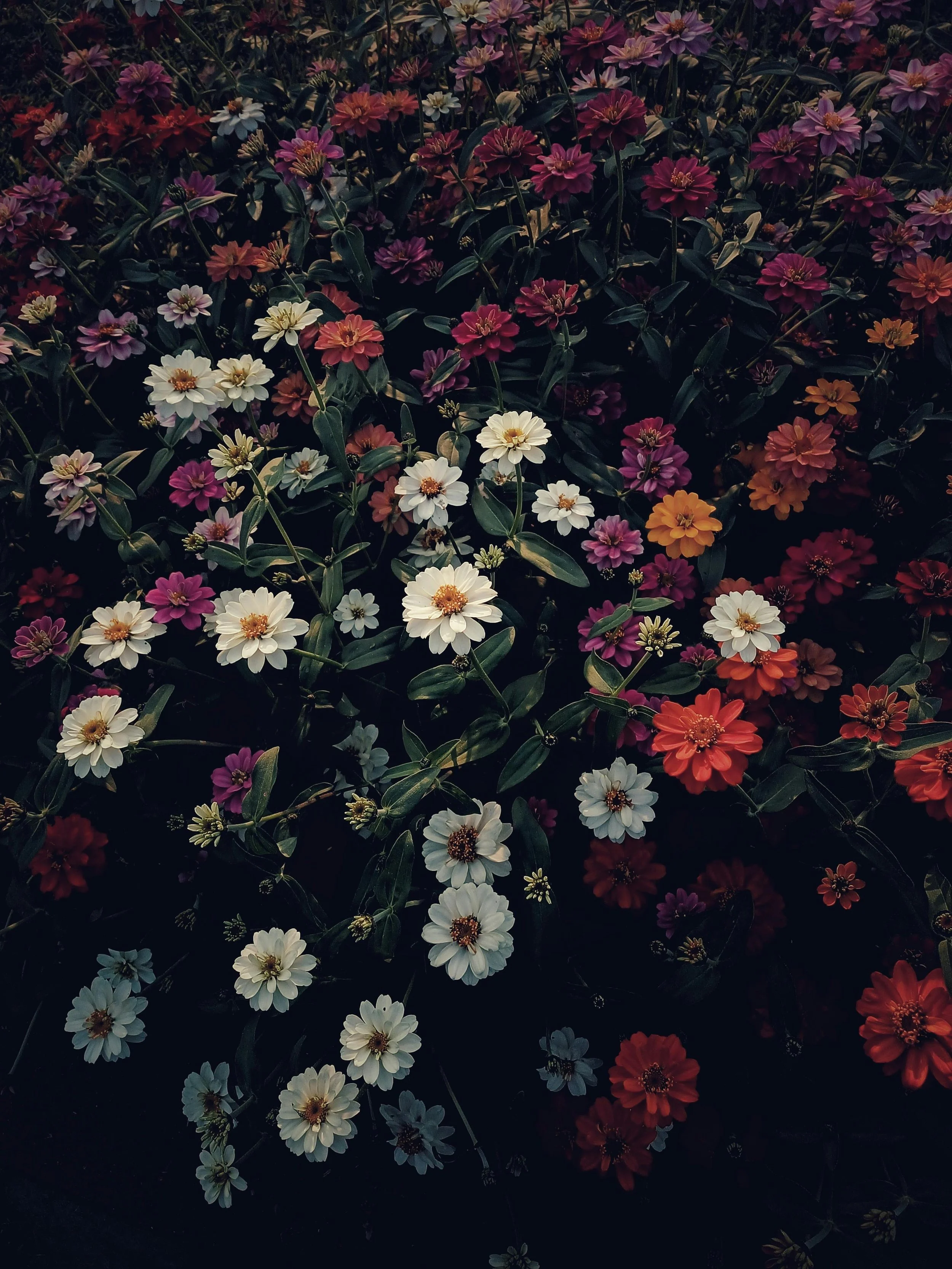
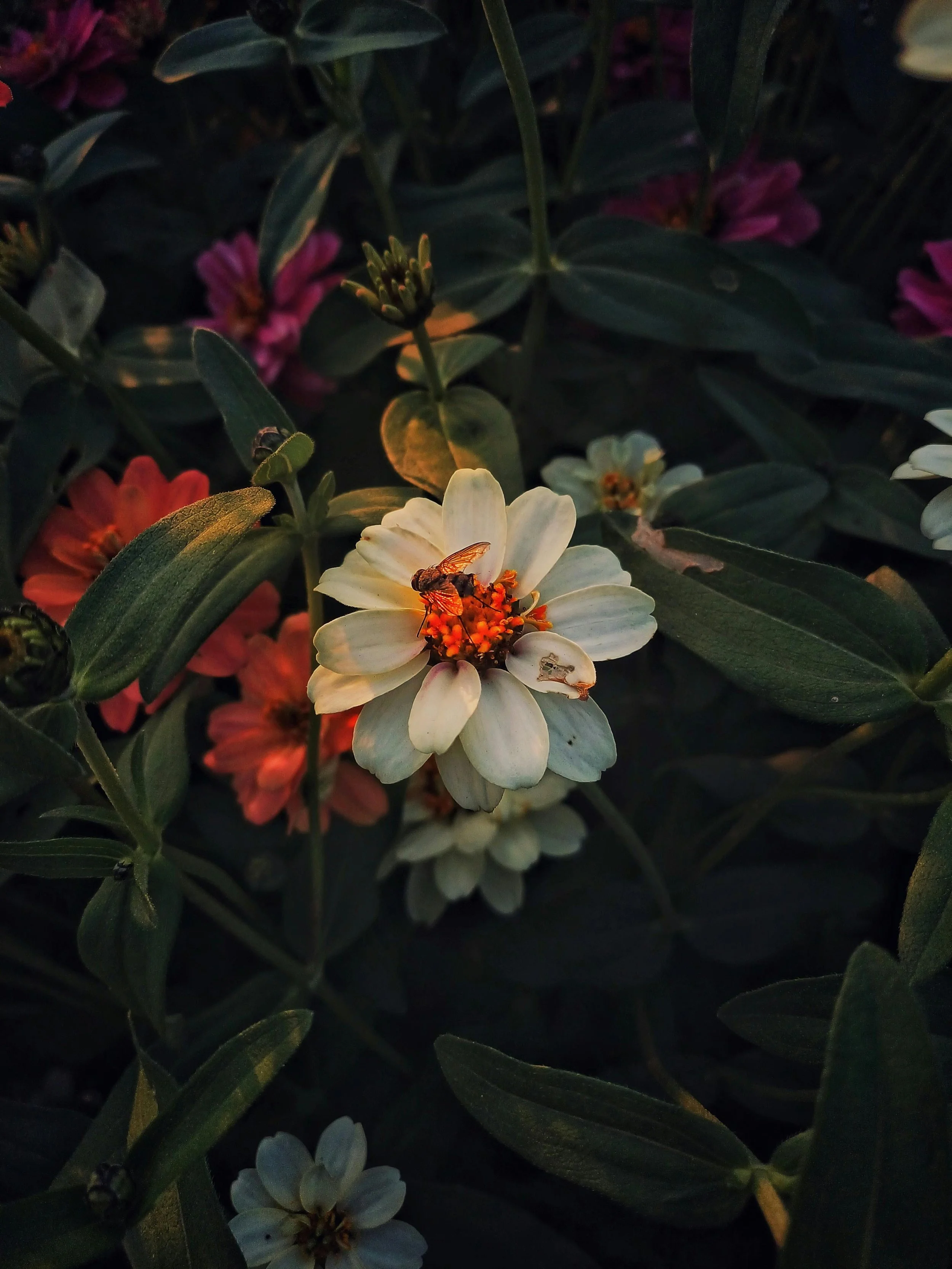
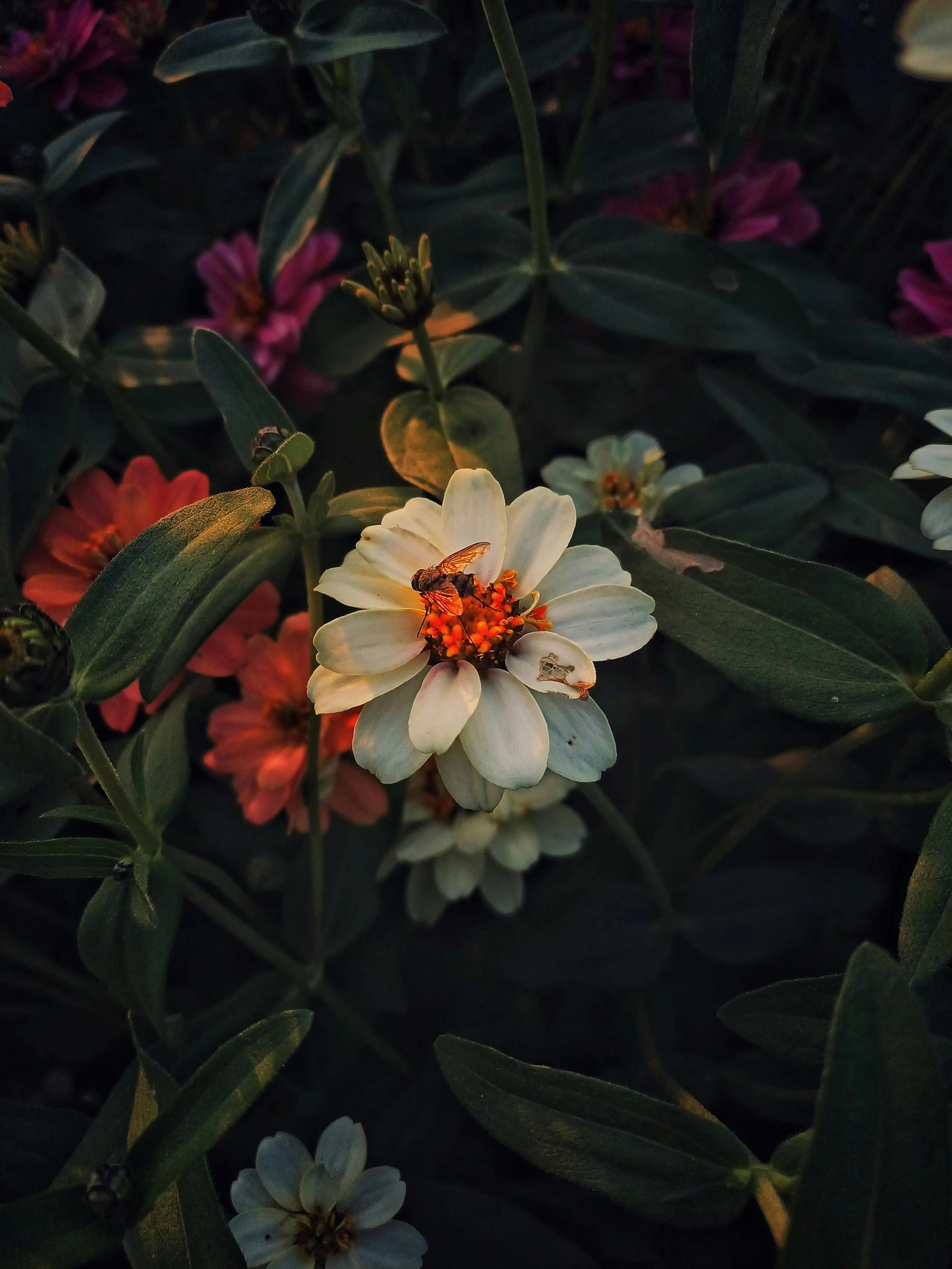
I think of a specific photograph from the series titled The Architect of Balance, where I captured a bee in the middle of pollinating a flower in a garden. This garden was located in Jalalabad Cantonment. Capturing that exact frame required immense patience and time.
Because the plants were positioned lower to the ground, every time I slowly leaned down or tried to get close to a flower where a bee landed, the slightest movement or shadow would startle it, and it would immediately fly away. In the photographs made right before the final one, I either had empty stems where the bee had just escaped, blurred motion from its wings as it took off, or frames where the background foliage felt cluttered and distracting from the interaction.
I stayed with the plants, moving as quietly as possible and waiting for the right moment during the late afternoon light. Finally, after many failed attempts, a bee settled on a bloom long enough for me to compose the shot without disturbing it. The moment I looked through the frame and caught the exact second of pollination, where the bee, the delicate petals, and the soft directional light aligned in complete balance, I instantly knew I had the frame. The earlier attempts were just frantic rushes, but that final image captured the living, quiet rhythm I was searching for.
Choosing the Survivor: You often make several photographs of one flower and select only one or two. Can you choose one flower where you had several possible images and explain why one survived and the others did not?
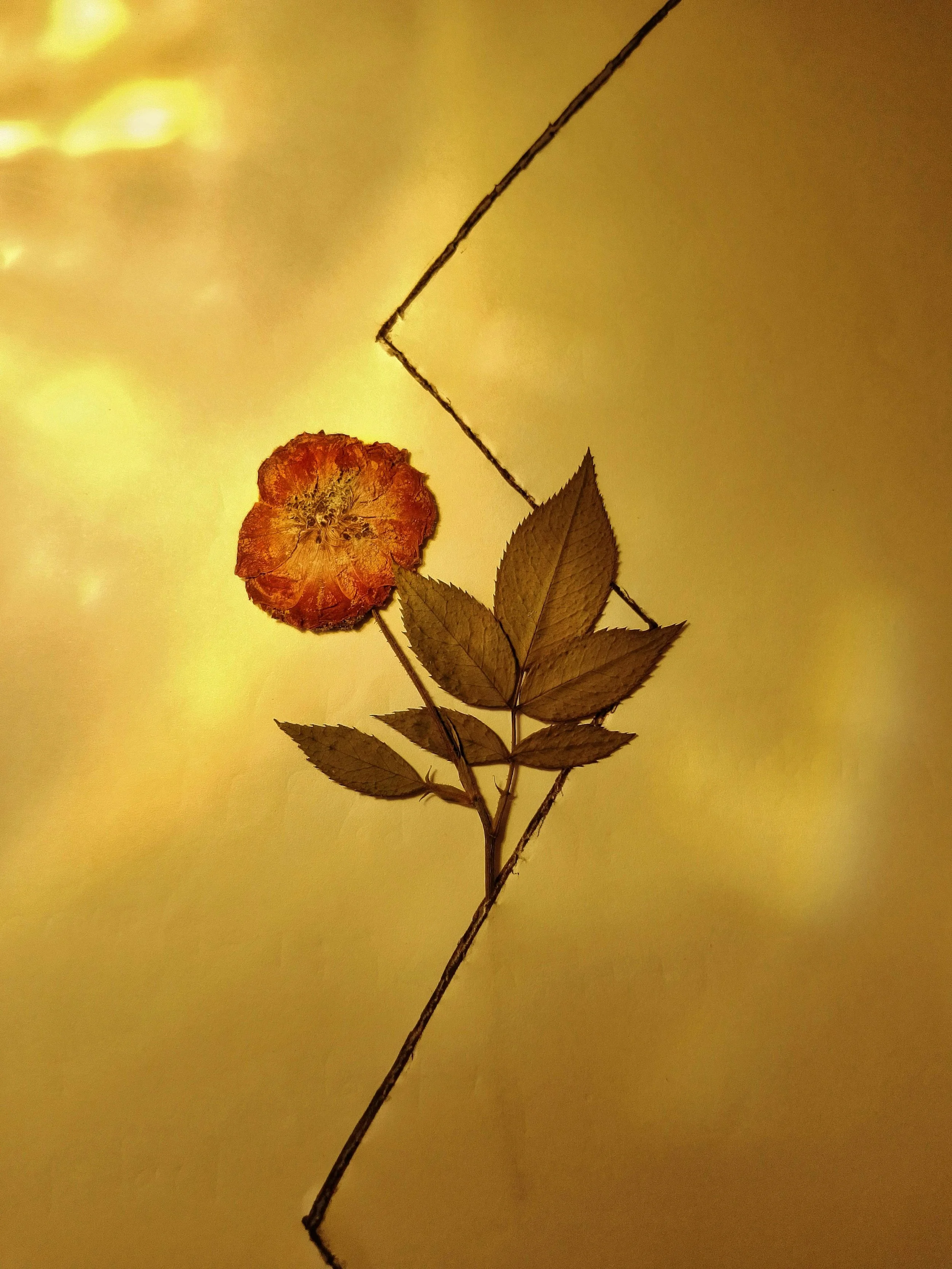
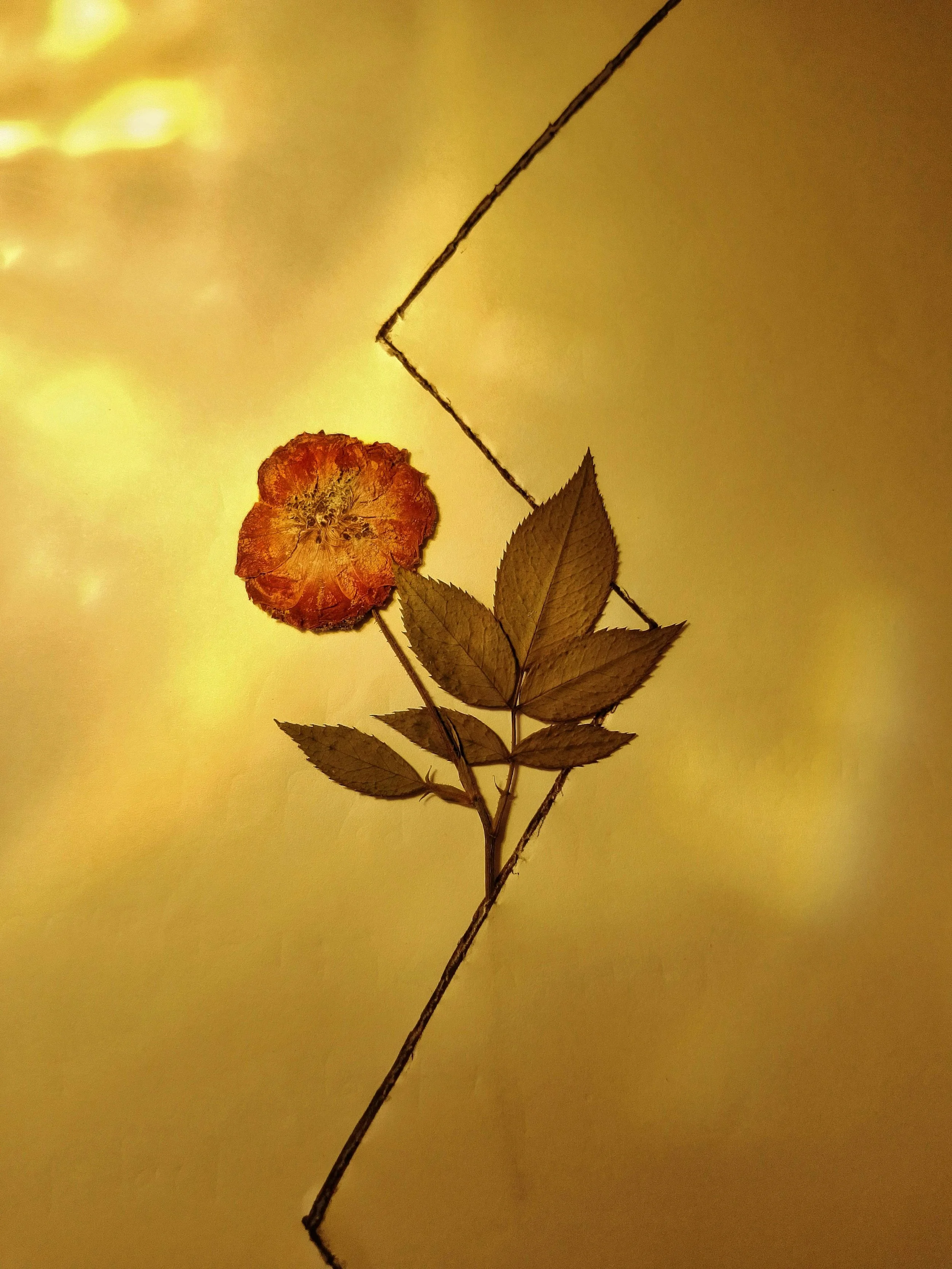
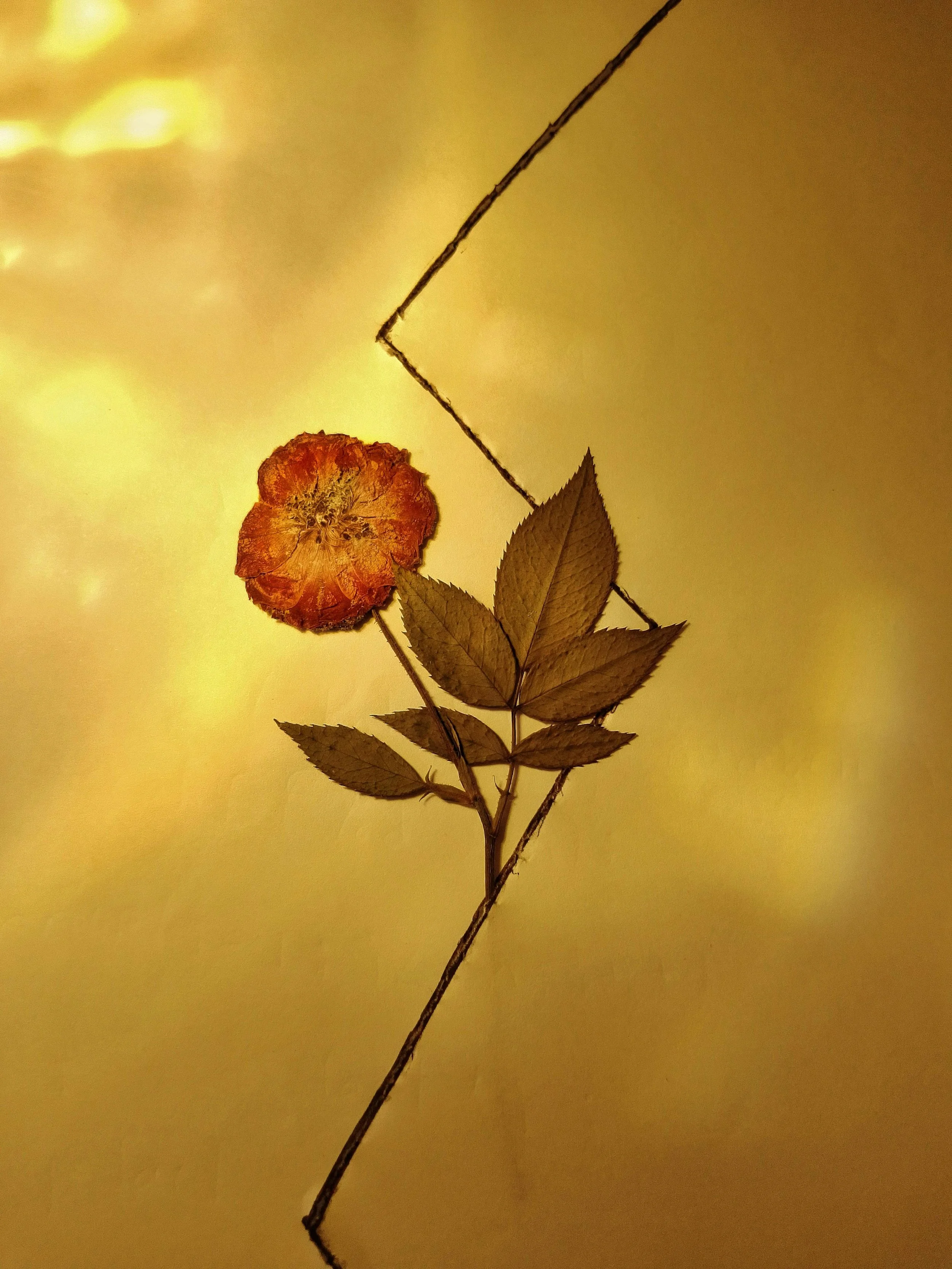
I think of this frame featuring a dried red-orange flower against a sharp geometric shadow and golden light.
I took several variations trying to balance the harsh shadow line with the soft bloom. In the discarded shots, the shadow cut right through the middle of the flower, which felt too aggressive, or the background light was too bright and washed out the golden warm gradient.
The winning image survived because the dark zig-zag line perfectly framed the stem and leaves without overpowering the bloom.
Once I pick the strongest image in my gallery, I delete all the other variations. In fact, to keep my workspace clean, I often delete the original unedited photos too, keeping only the final edited version in Snapseed. For me, the single image that reaches harmony is the only one that needs to exist.
Light and Shadow: Many photos use deep black backgrounds and small pops of light on the flower. How do you actually do that? Is it a special time of day, a light you bring, or something you do later on the computer?
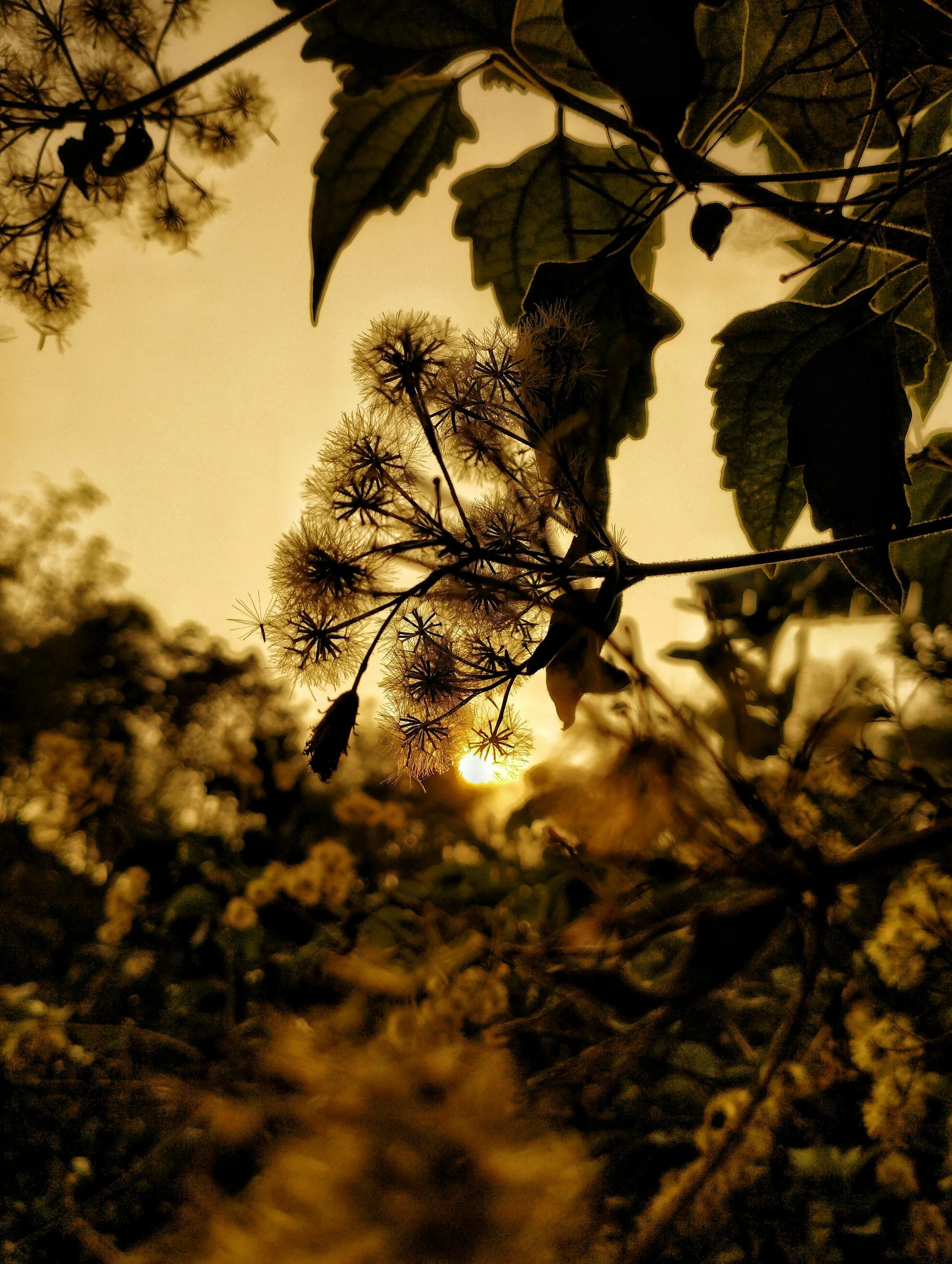
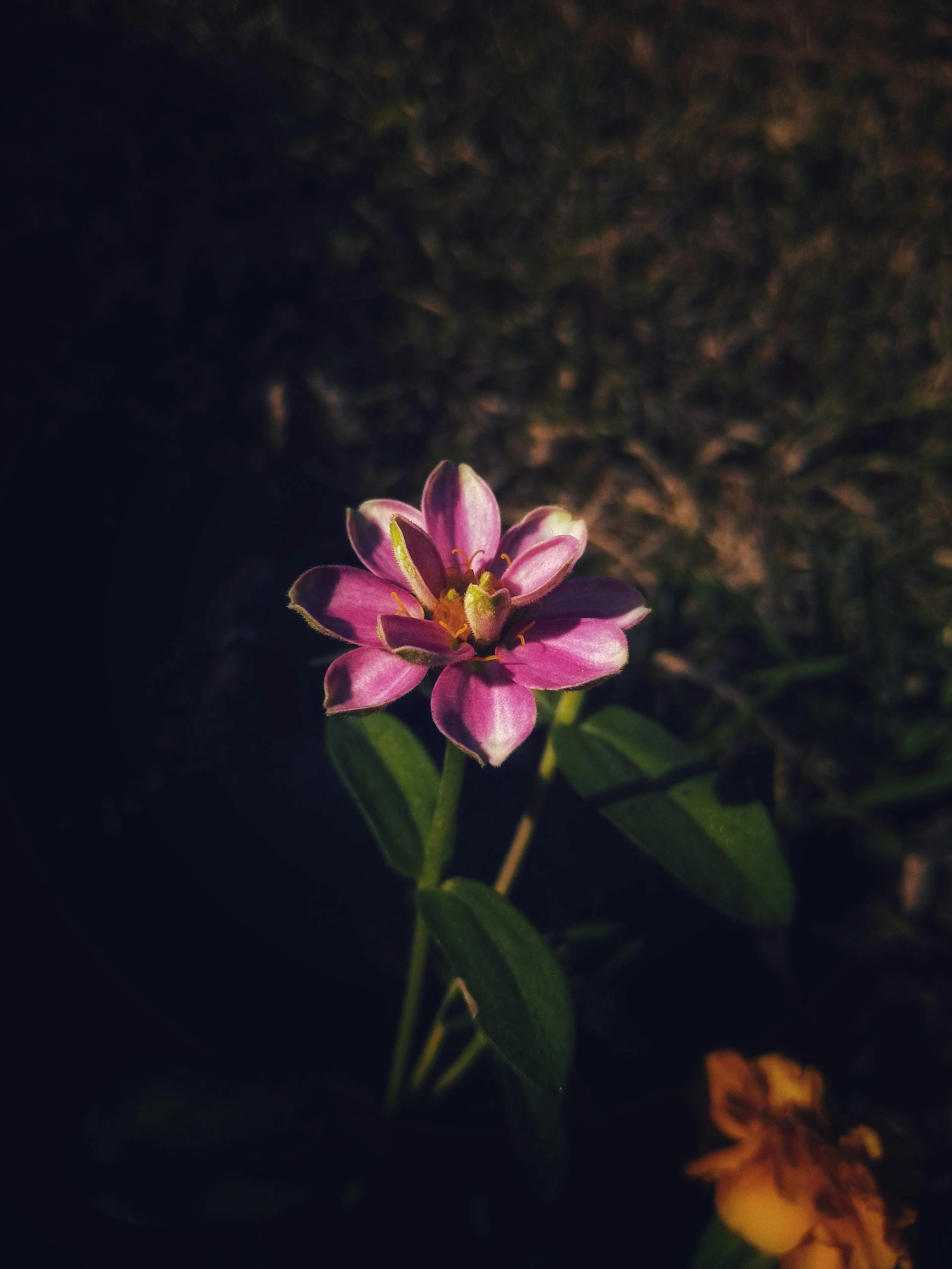
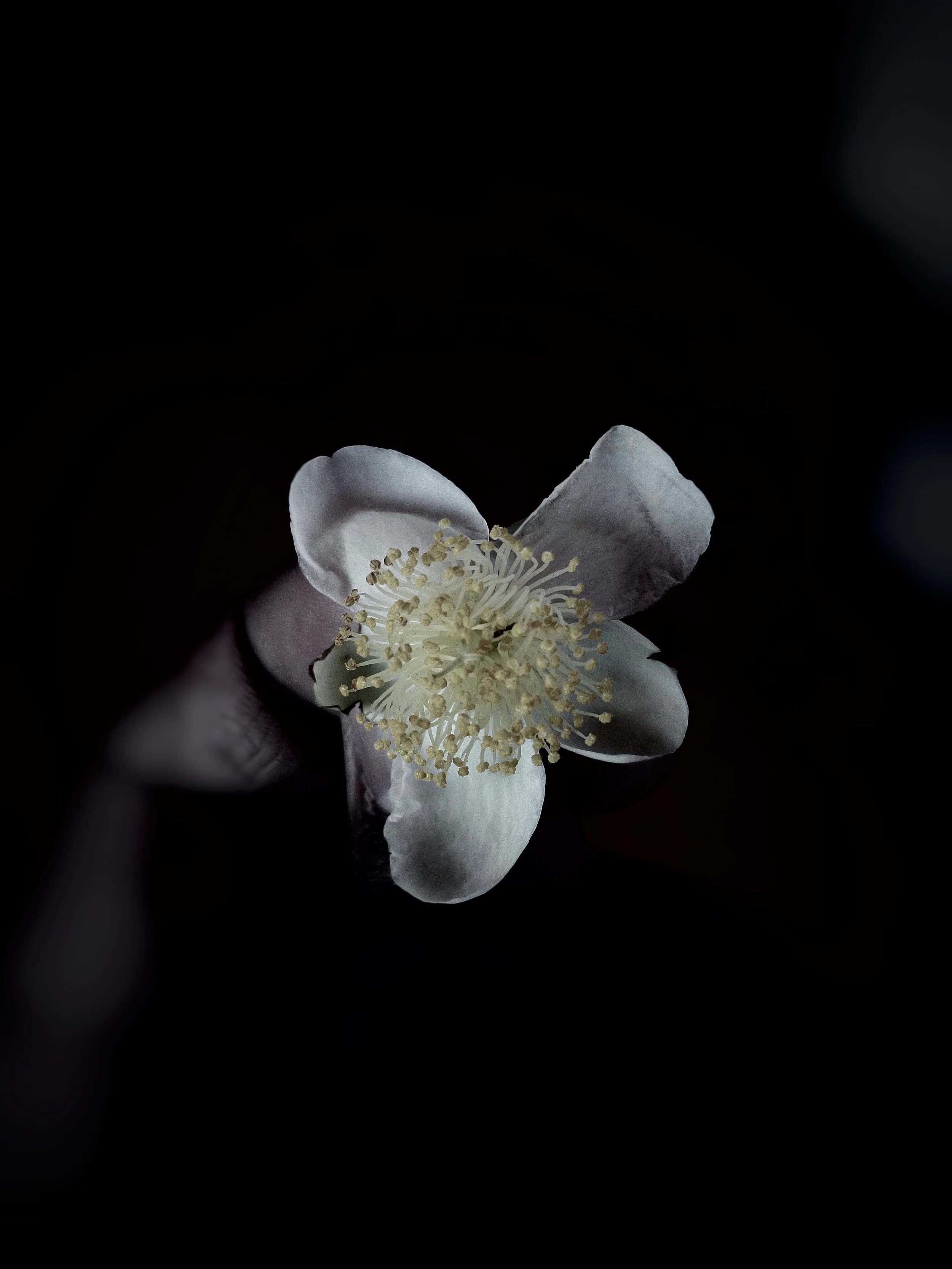
Most of the photographs in Botanical Silence were captured during the golden hours, either early in the morning or just before evening. This is my favourite time to shoot because the natural light is soft, directional, and creates organic highlights on the flowers.
In terms of editing, I process my images using Snapseed. I am very careful to keep the edits subtle so the photographs don't feel over-processed. My workflow involves gentle adjustments to brightness and saturation to enhance the natural tones.
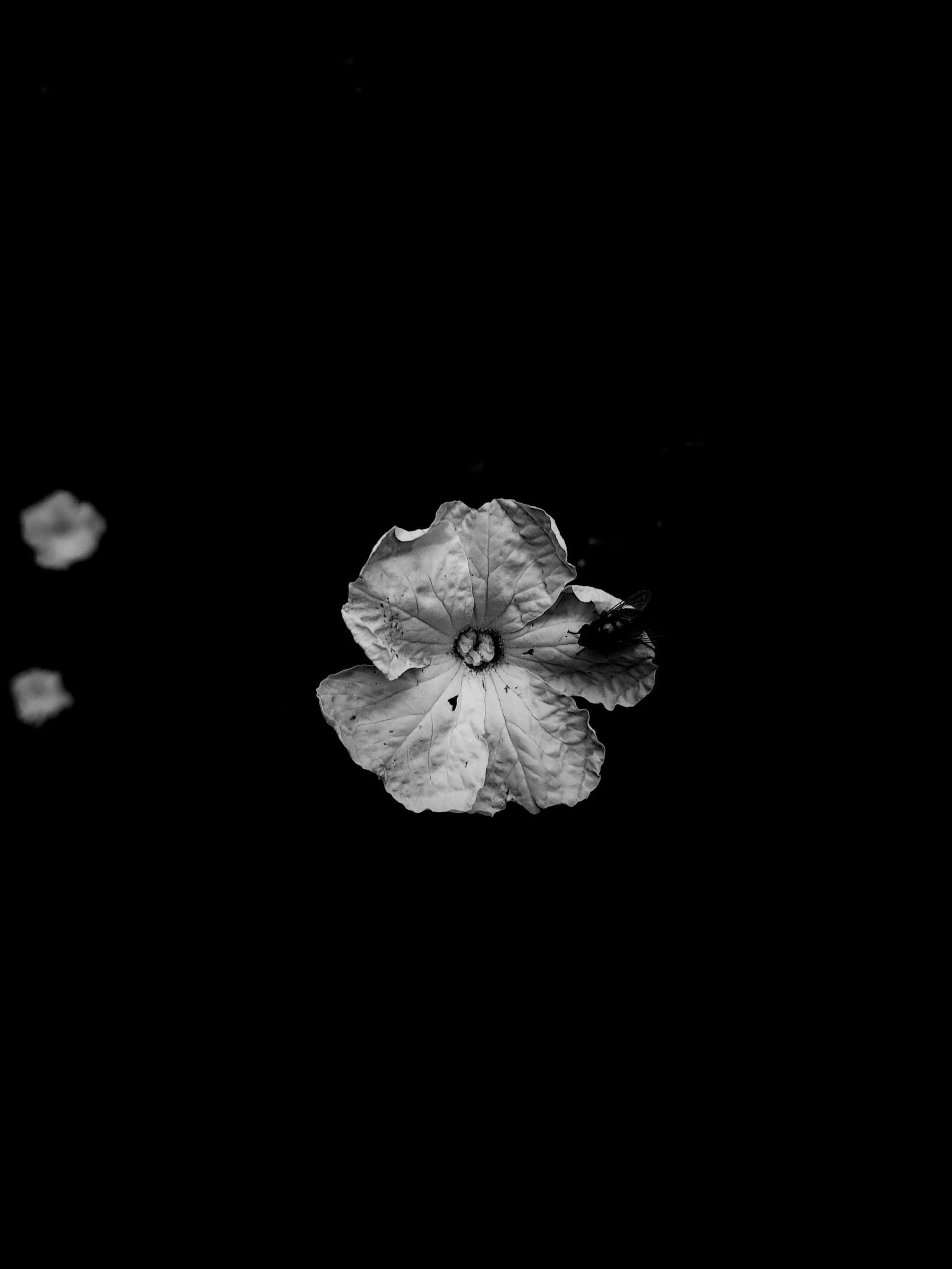
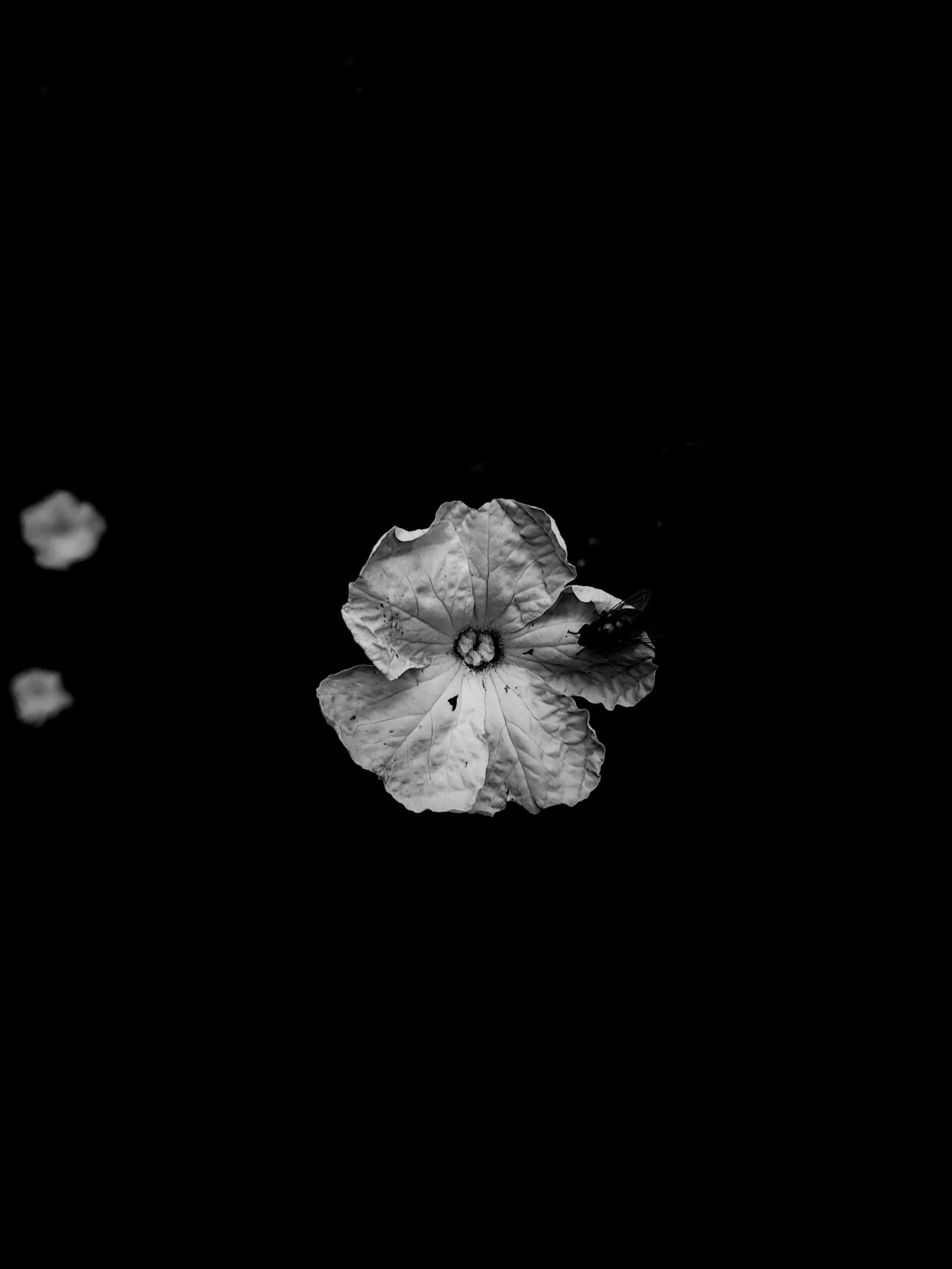
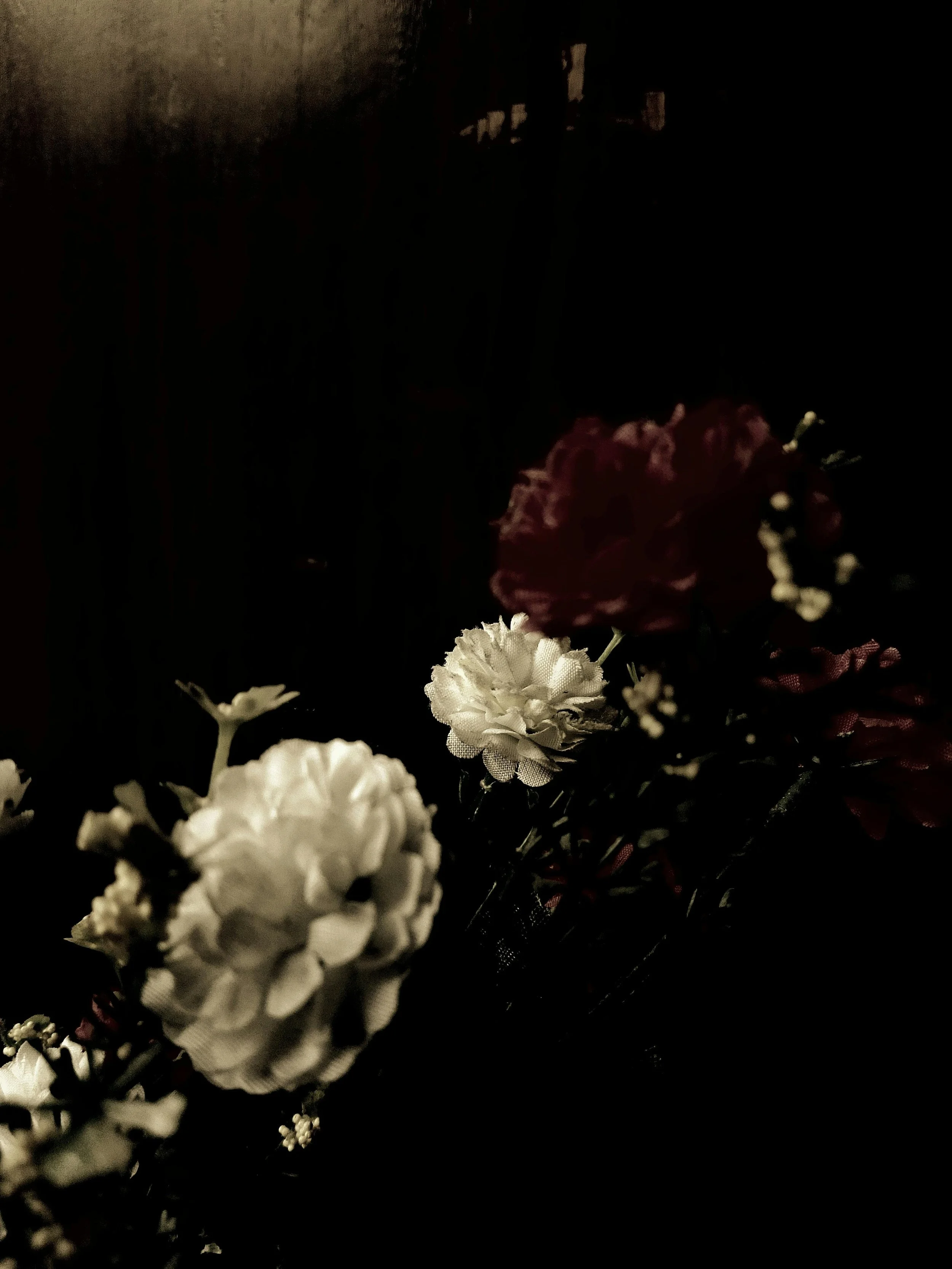
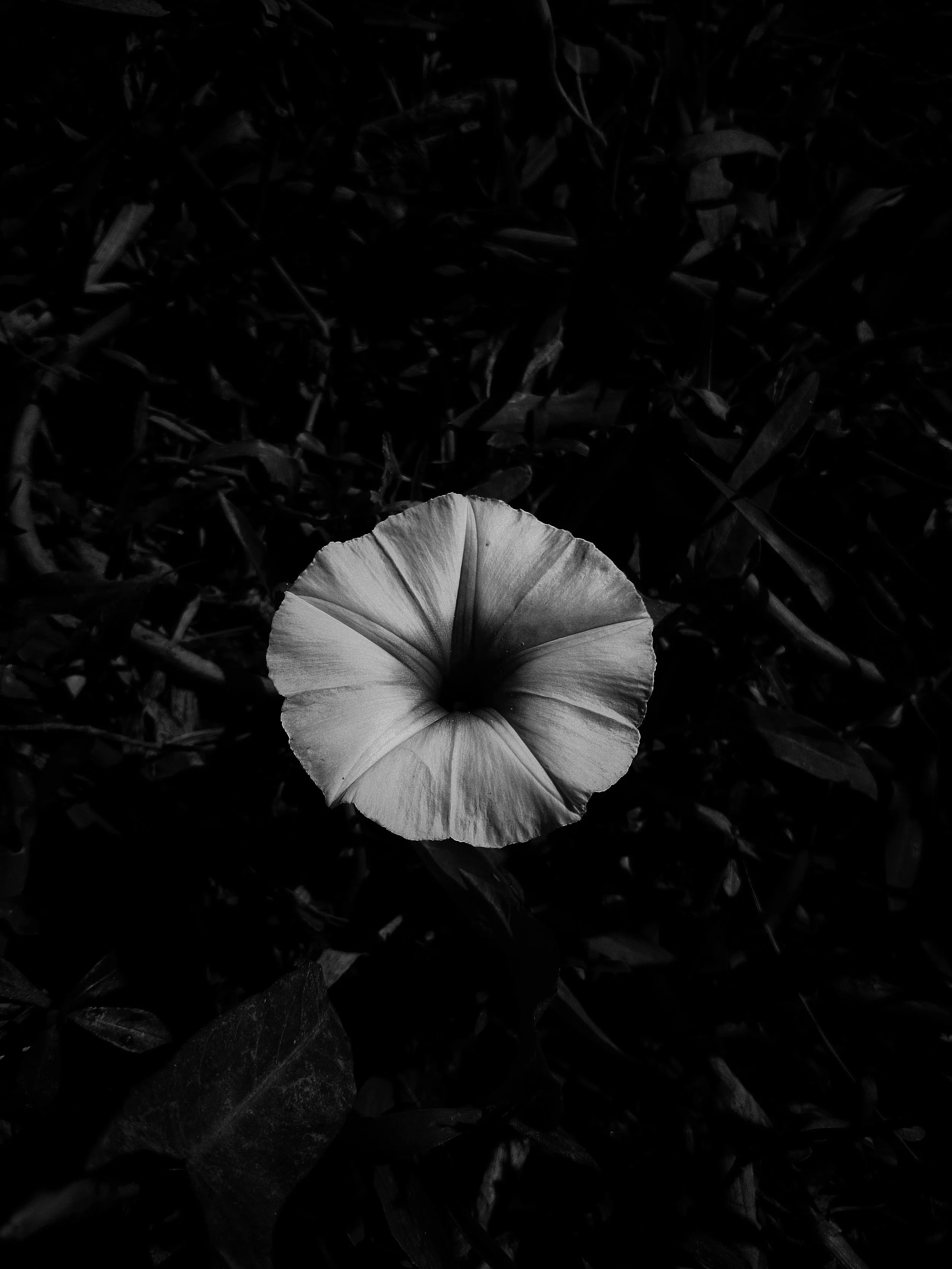
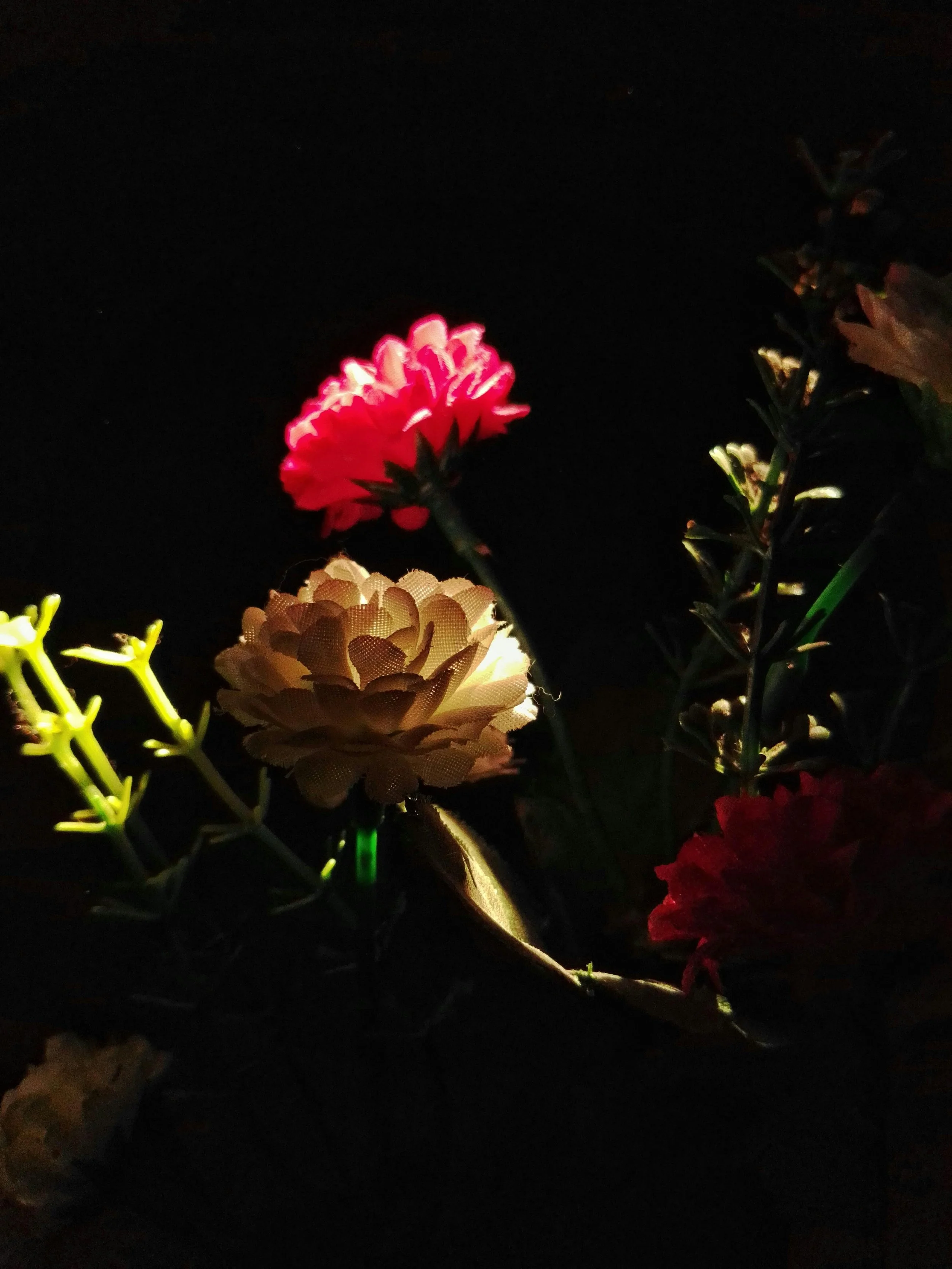
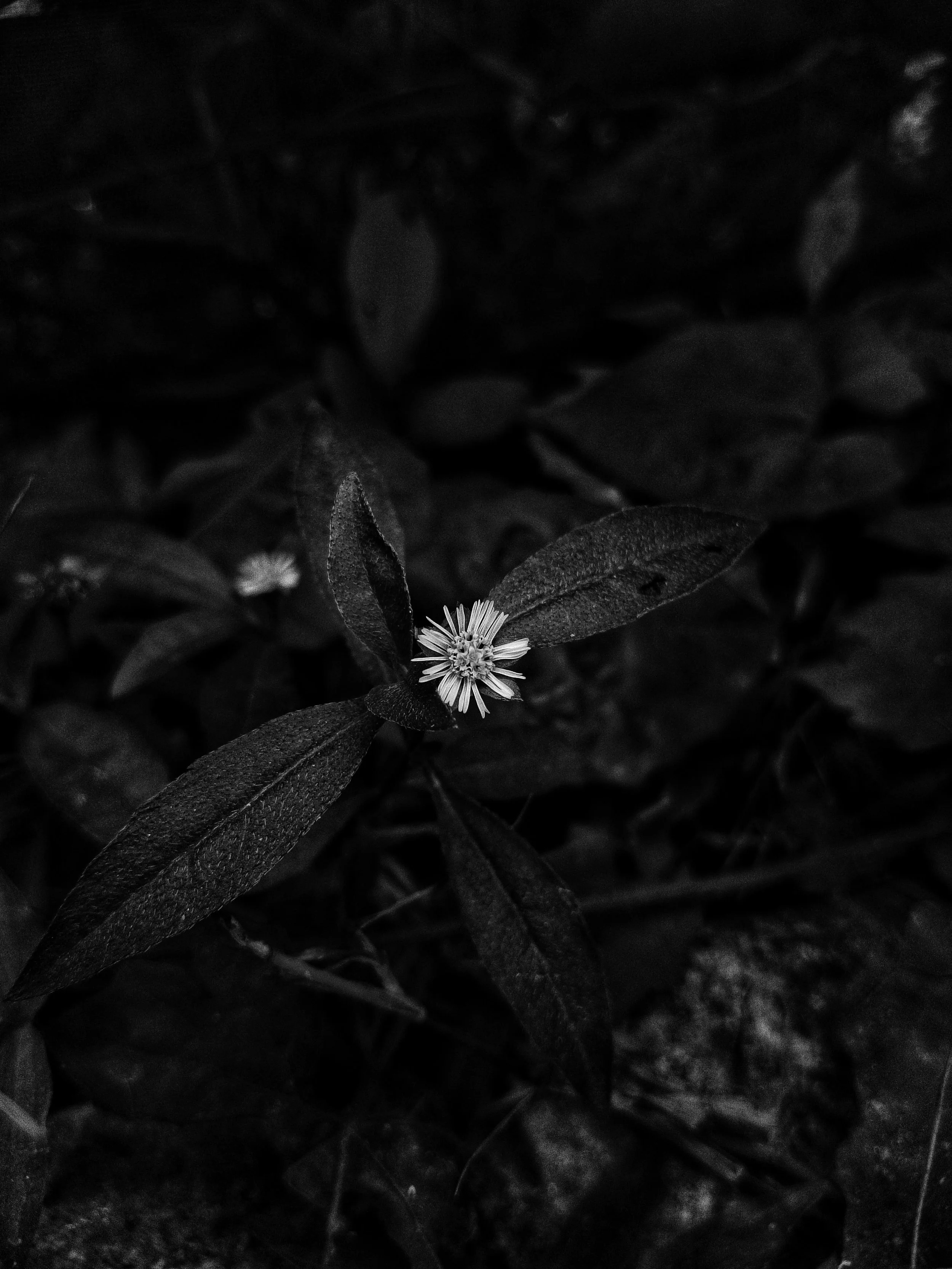
To achieve the deep black backgrounds and focused pops of light, I occasionally lower the background brightness or contrast significantly to isolate the flower and make the subject pop. In a few cases, I reduce the saturation entirely to zero, transforming the scene into a black-and-white composition where the dark background allows the flower's form and light to take centre stage.
Keeping or Losing the Background: Some photographs in the series isolate a single flower against darkness, while others include much more of the surrounding garden. How do you decide whether the environment belongs in the photograph or should disappear?
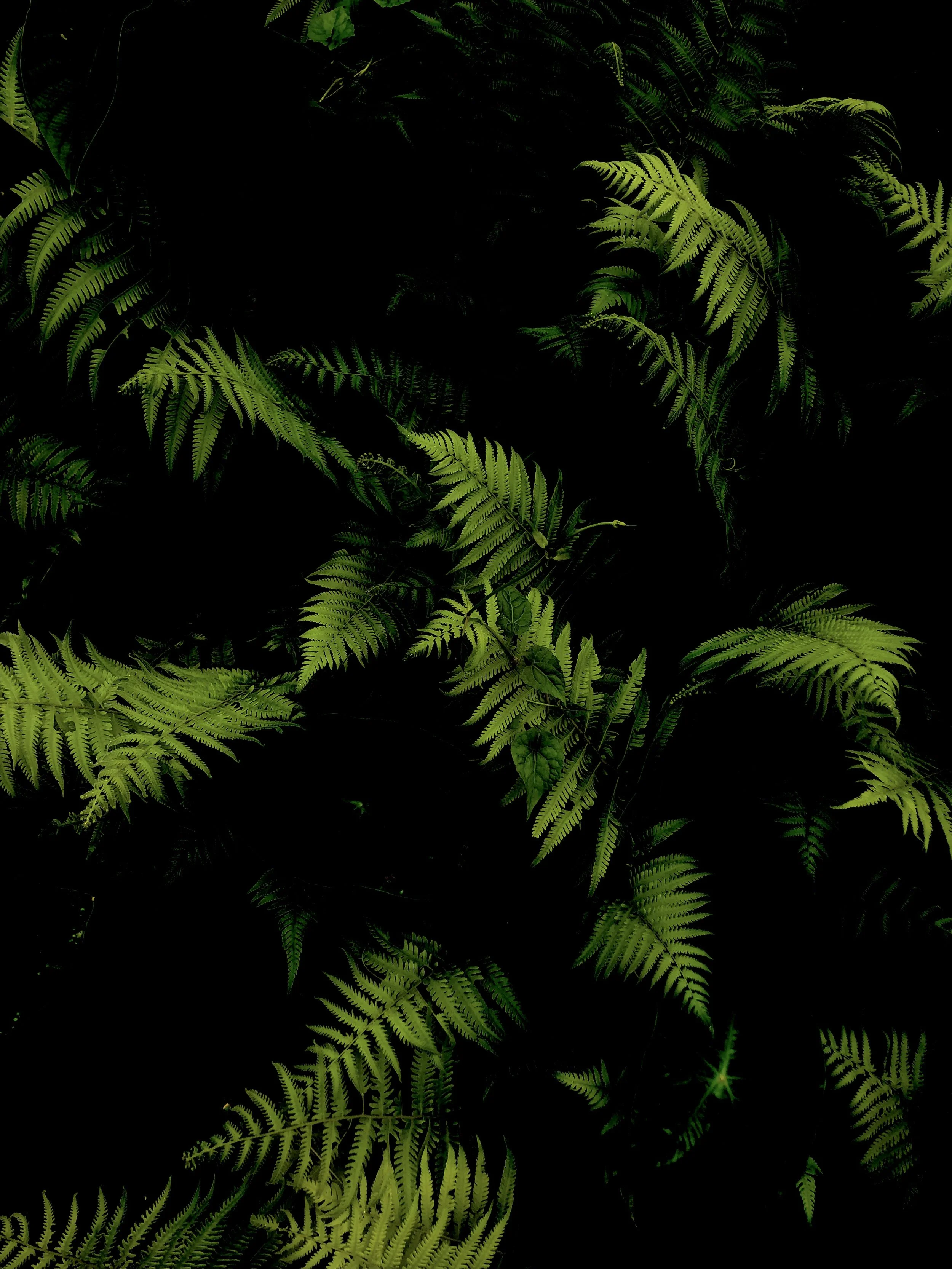
If the background leaves and natural shapes catch the warm golden hour light softly, giving the flower a sense of home in my rooftop garden, I let the environment stay. It grounds the subject in its natural space and adds a layer of warmth.
However, if the surrounding lines feel messy or pull attention away from the flower's delicate details and textures, I choose to make the background disappear. In Snapseed, I carefully lower the background brightness or contrast to isolate the bloom against deep black.
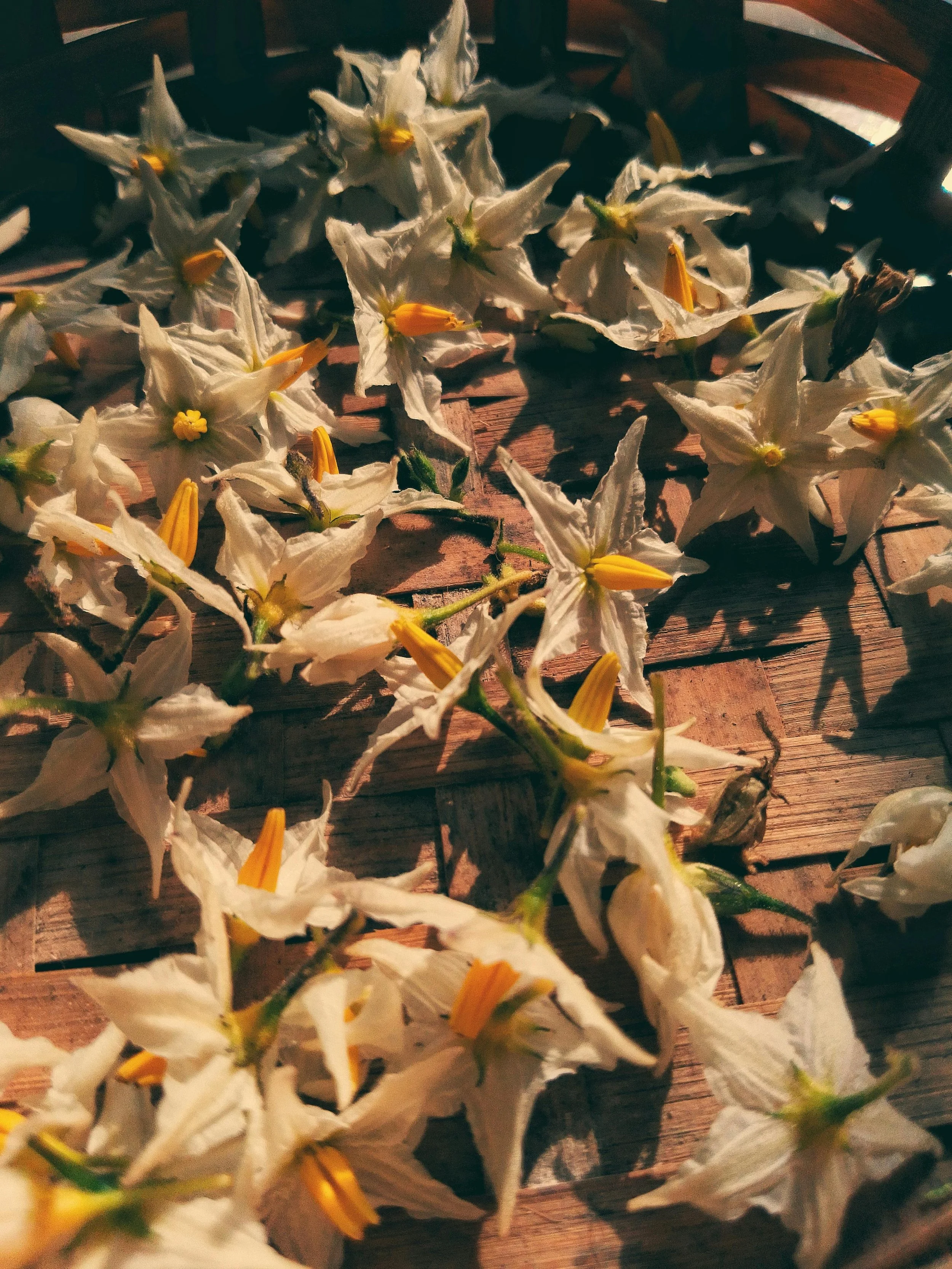
Colour or Black and White: A few images are black and white while most are in warm gold or green colours. How do you decide which flower gets colour and which one becomes black and white?
The decision of whether an image will be in colour or black and white usually takes shape the moment I press the shutter.
Later, when reviewing the shots in my gallery, I visualise how the final image will feel after post-processing. I mentally experiment with both looks, asking myself whether the emotion of the moment relies on the natural, warm tones of gold and green, or if stripping away the colour will better highlight the raw form, lines, and textures of the flower. That intuitive visualisation is what guides my final decision.
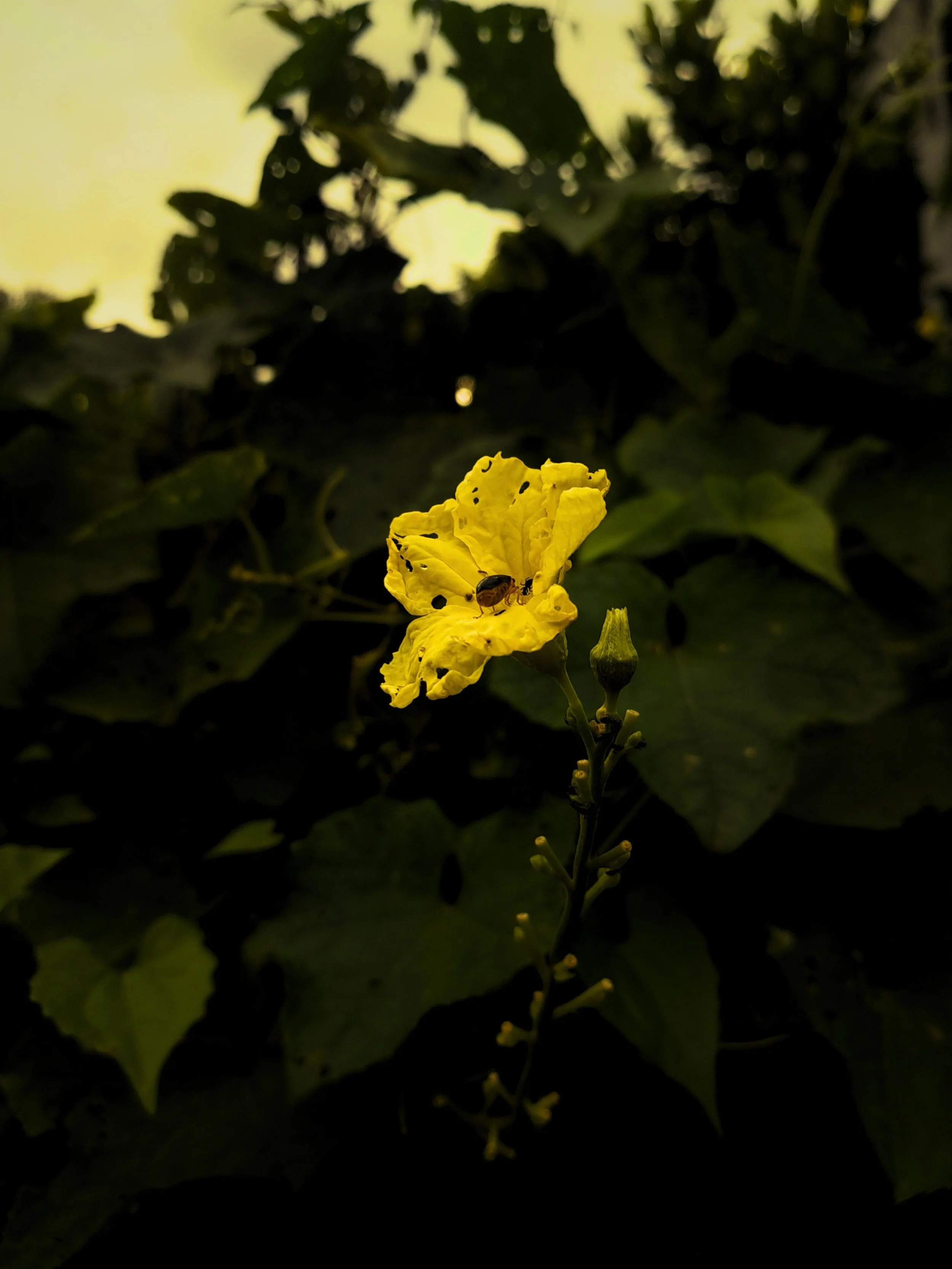
Beautiful Imperfection: Some flowers in your photos have holes and bite marks from insects, and there are bugs sitting right on the petals. Was that on purpose? What do these small "imperfect" flowers mean to you in this project?
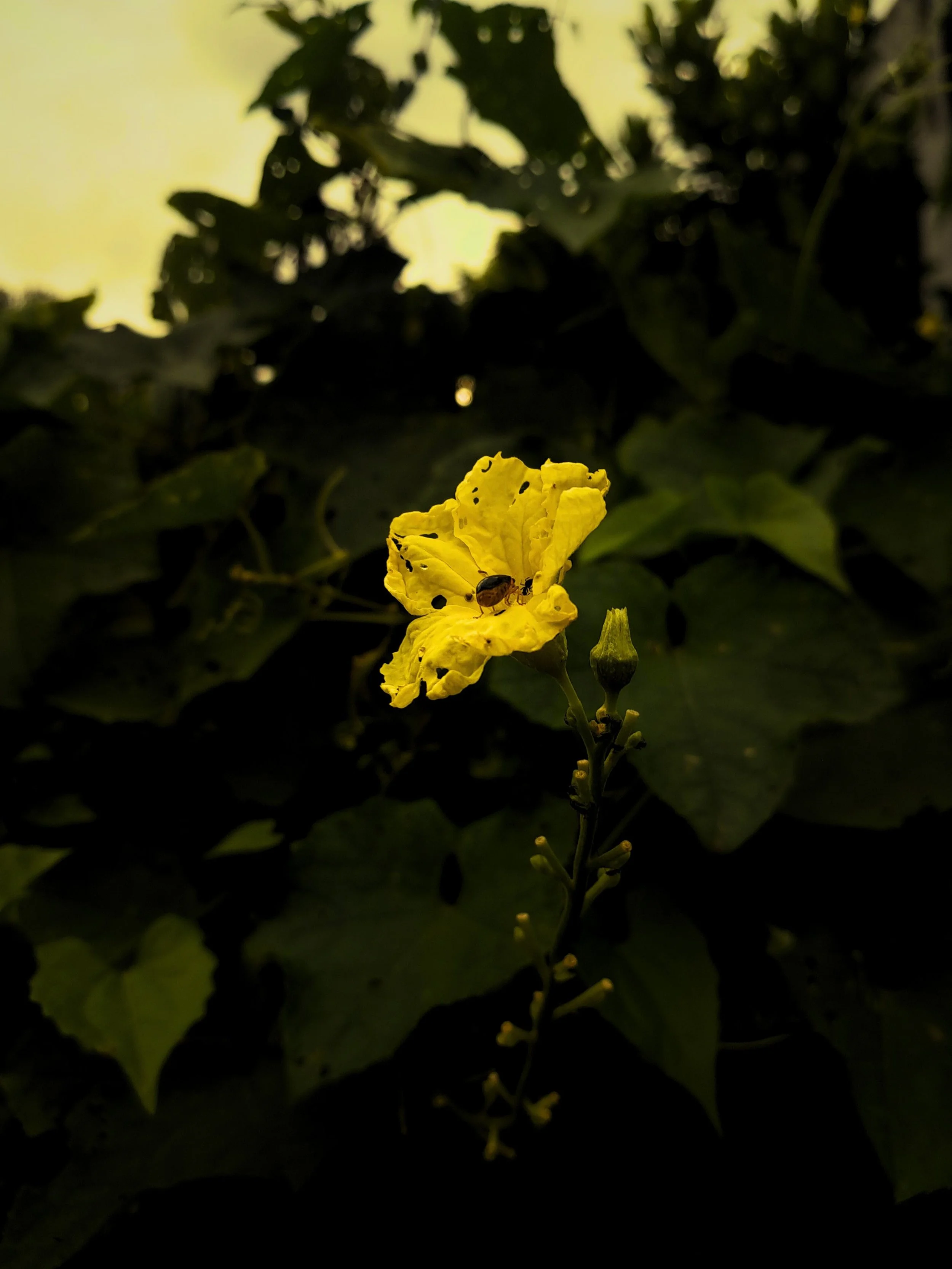
Yes, including these details was entirely intentional. To me, a flawless flower can sometimes feel artificial or detached from reality.
The bite marks, tiny holes, and insects sitting on the petals serve as a gentle reminder that these flowers are alive and deeply connected to their environment. They carry stories of growth, survival, and the quiet passing of time. In Botanical Silence, these "imperfections" add authenticity, vulnerability, and a deeper layer of quiet poetry to the series, showing that true natural beauty lies in things just as they are.
Rooted in Sylhet: You are only 18 and you shoot in Sylhet, a place with a lot of nature around you. Did growing up there shape the calm, quiet feeling in your photos? Do you go looking for flowers, or do you just notice them while doing normal daily things?
Growing up in Sylhet has definitely shaped my eye and my approach to visual art. Sylhet is famous for its natural beauty, hills, and green landscapes, so being surrounded by that environment from a young age naturally drew me towards nature photography. When you are constantly surrounded by beautiful views, it creates a natural desire to capture those quiet moments in a frame.
I don't go out on special trips looking for flowers. The images in Botanical Silence were taken naturally while going about my normal daily routine. In fact, many of the photos were taken right at home, either on our rooftop or from the plants just outside our house. My mother loves gardening and has planted many flowers on our roof, so her garden became one of my primary sources of inspiration. Experiencing nature in such an ordinary, home environment is really what gives the series its calm and intimate feel.
Becoming Botanical Silence: When did these photographs stop being individual pictures of flowers and become Botanical Silence for you? Did recognising the project change what you photographed afterwards?
The transition happened when I realised that photography journals and art magazines rarely feature single, isolated images; they look for cohesive series with a clear narrative. As a beginner, getting featured in a publication was a dream and a major milestone I wanted to work towards.
When I looked back through my gallery, I noticed two or three images that already shared a quiet, intimate atmosphere. That was the spark. I realised these weren't just random photos; they were connected by a feeling of stillness. I decided to group them into a dedicated series, named it Botanical Silence, and began shaping the story around the quiet presence of everyday flowers.
Once I made that decision, it completely changed my approach. I stopped capturing one-off pictures. Instead, every time I took out my camera on my rooftop, I shot specifically for the project, intentionally seeking out light, forms, and subtle imperfections that belonged in Botanical Silence.
More photography books and interviews?
We'd love to read your comments below, sharing your thoughts and insights on the artist's work. Looking forward to welcoming you back for our next [book spotlight]. See you then!

Color entered Janelle Lynch’s photographs through painting. In Another Way of Looking at Love, she photographed plants and trees on her property in the Catskills. Photography Book Spotlight