What Painting Changed About Janelle Lynch’s Photographs
Welcome to this edition of [book spotlight]. Today, we uncover the layers of 'Another Way of Looking at Love,' by Janelle Lynch (published by Radius Books). We'd love to read your comments below about these insights and ideas behind the artist's work.
Color entered Janelle Lynch’s photographs through painting.
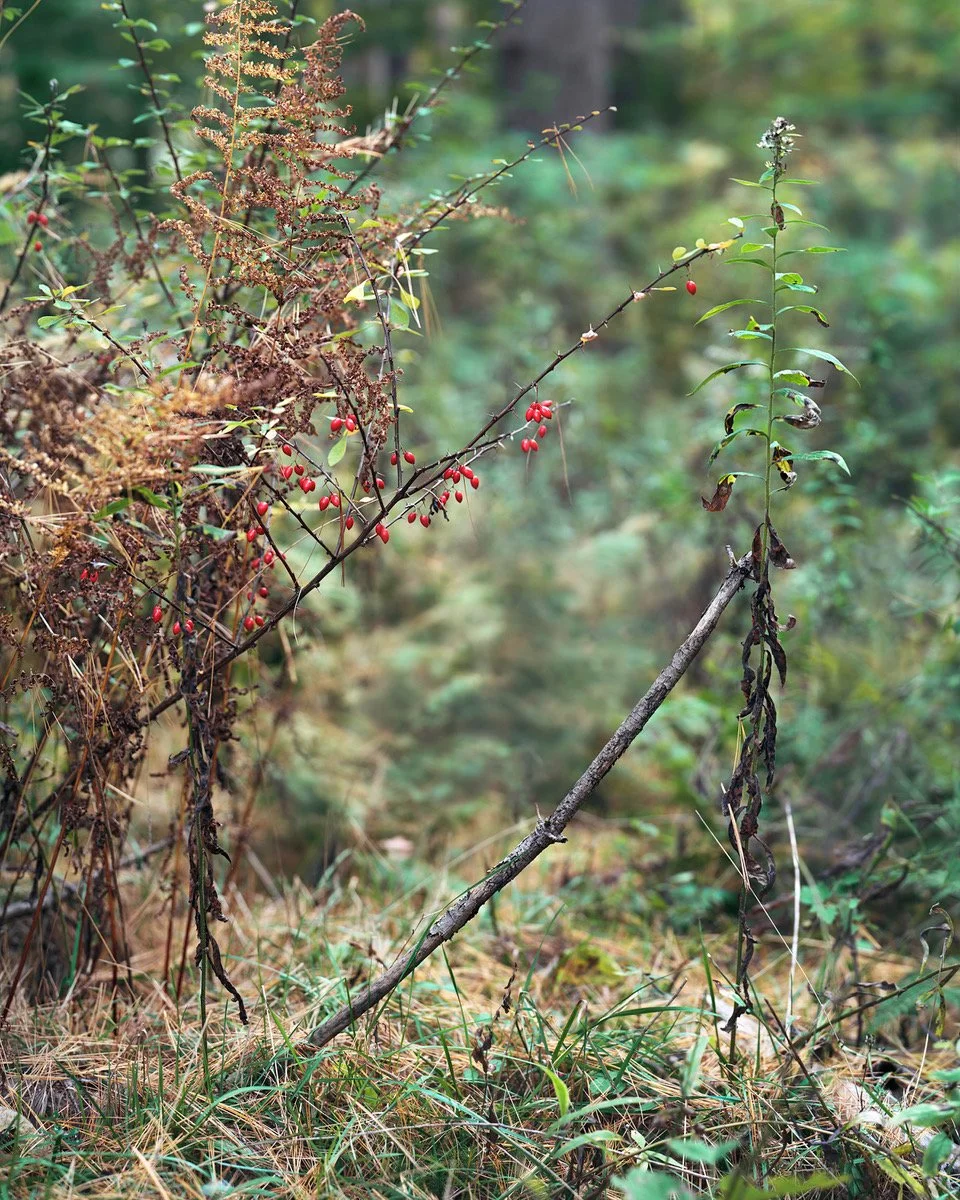
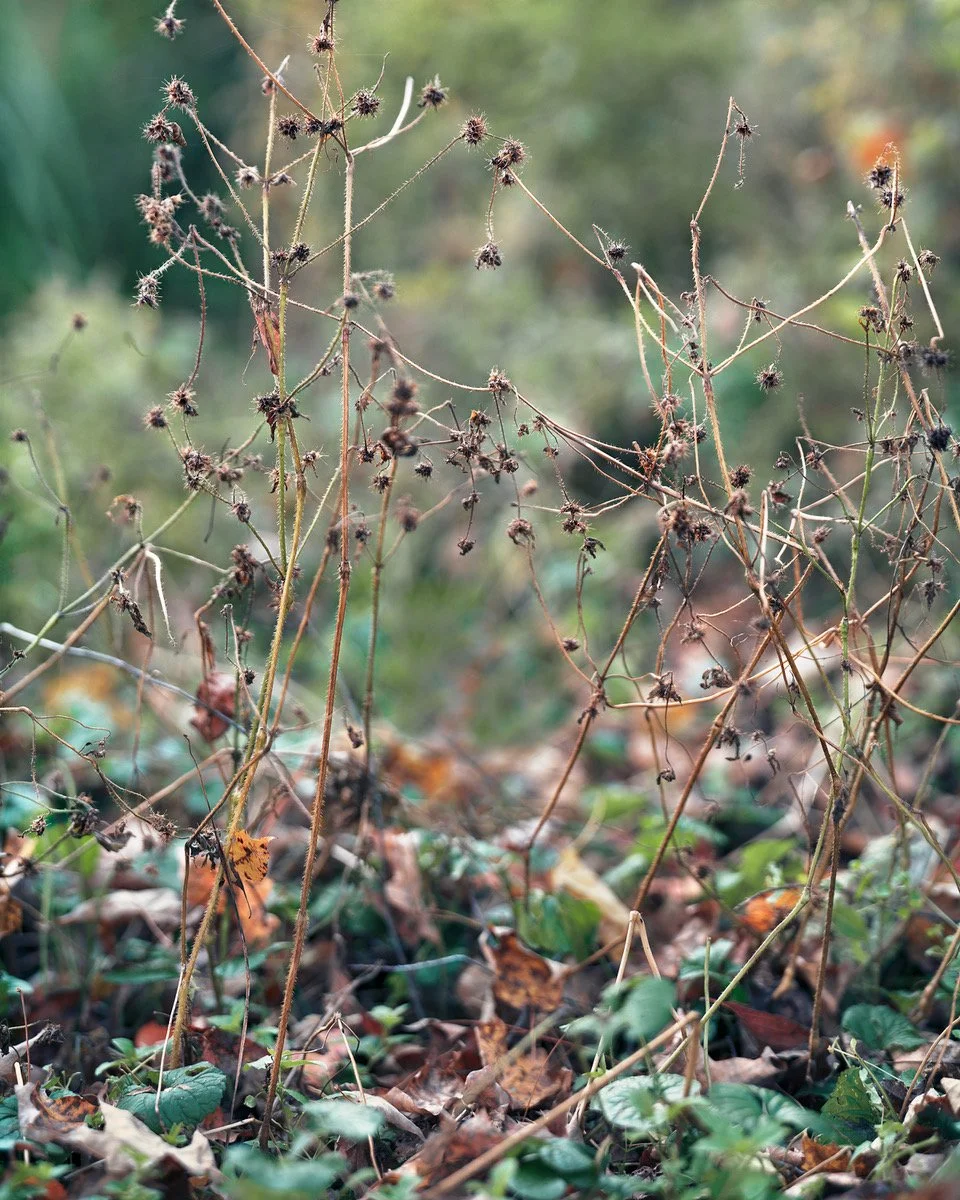
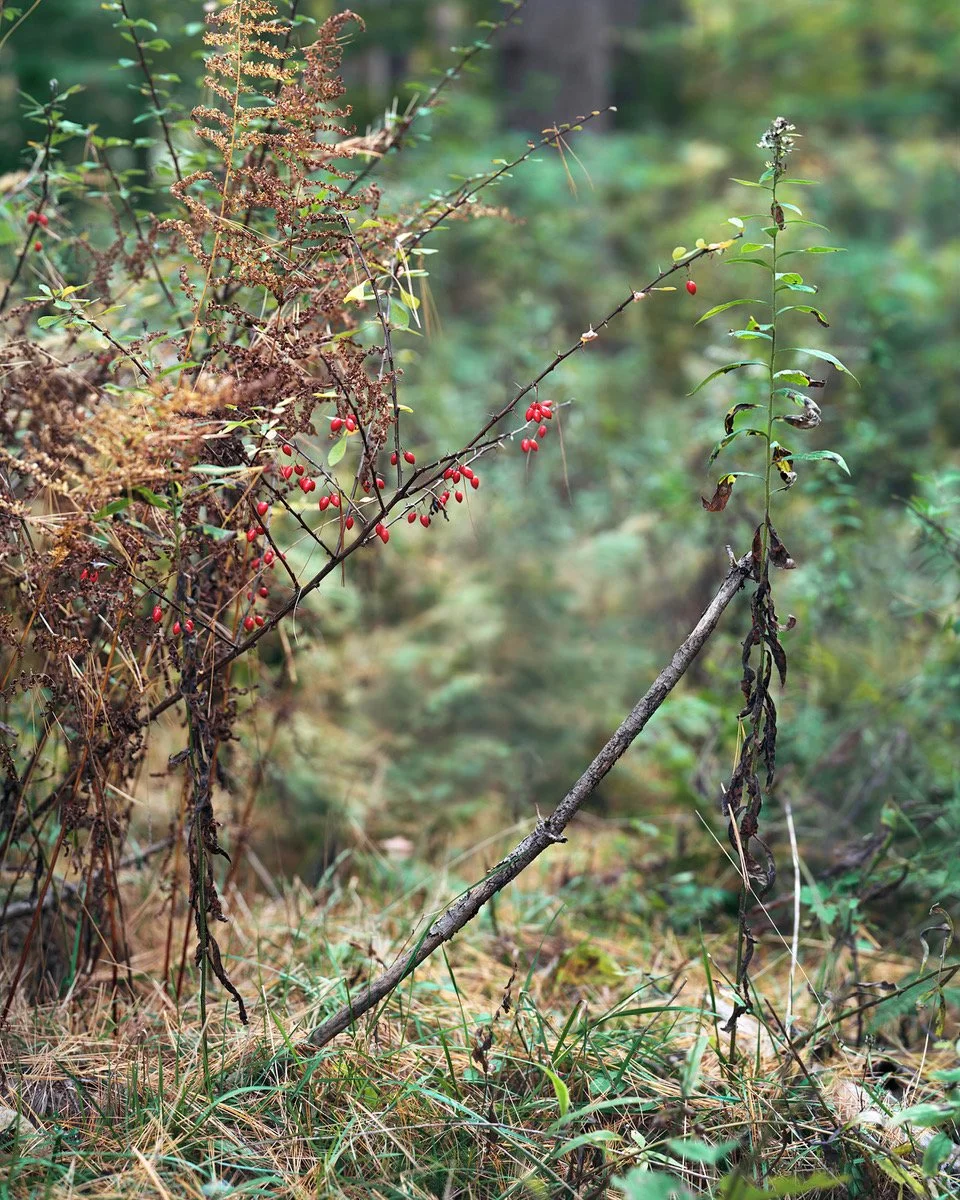
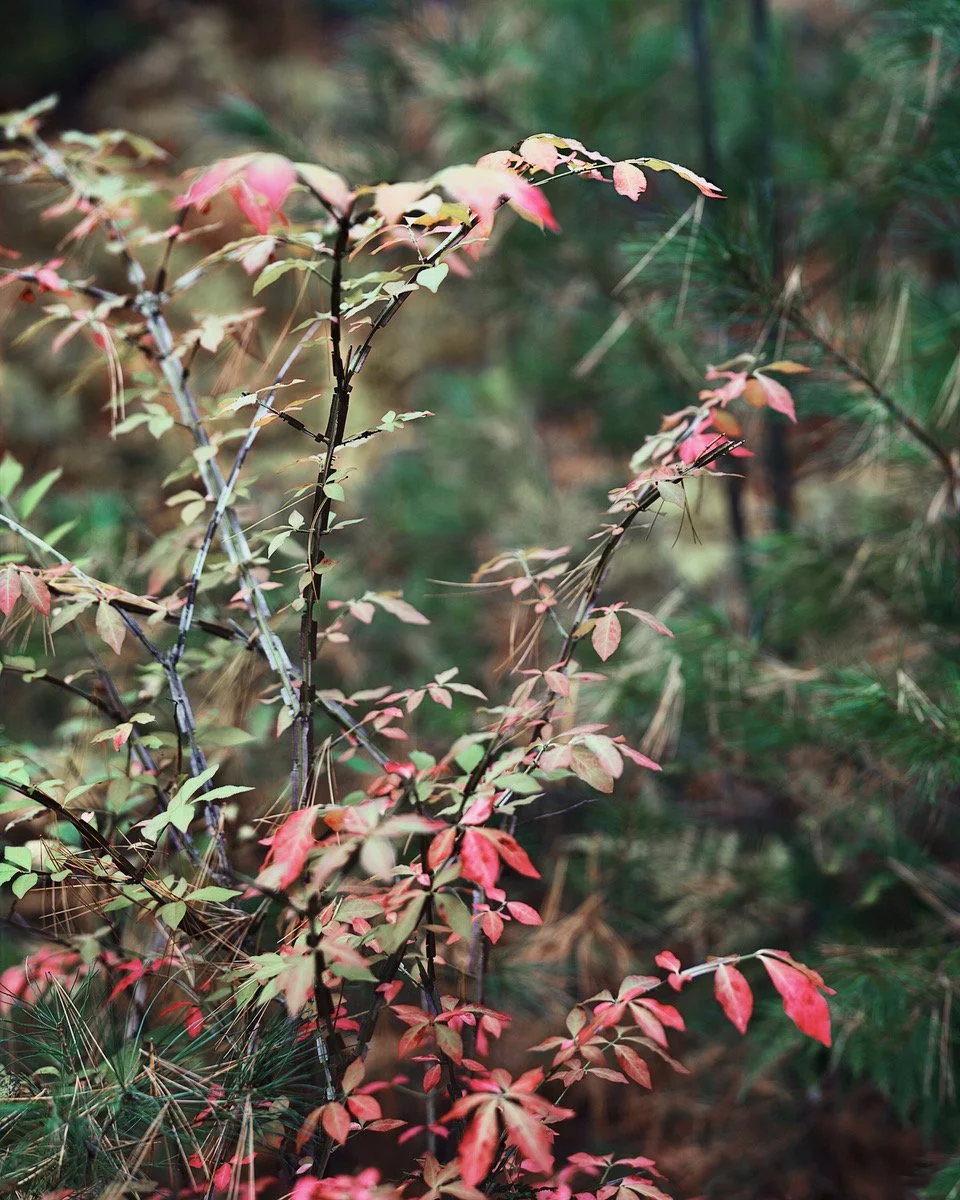
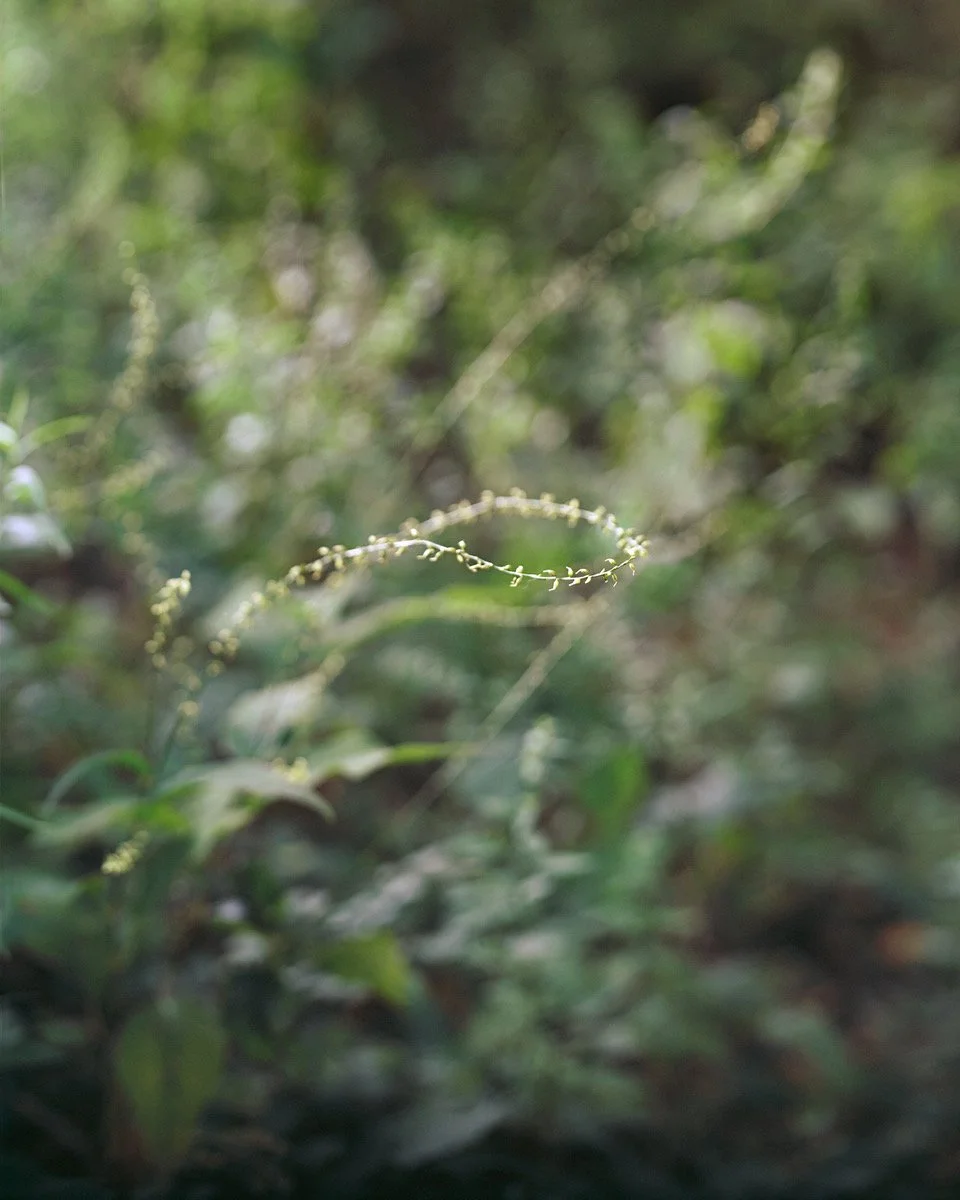
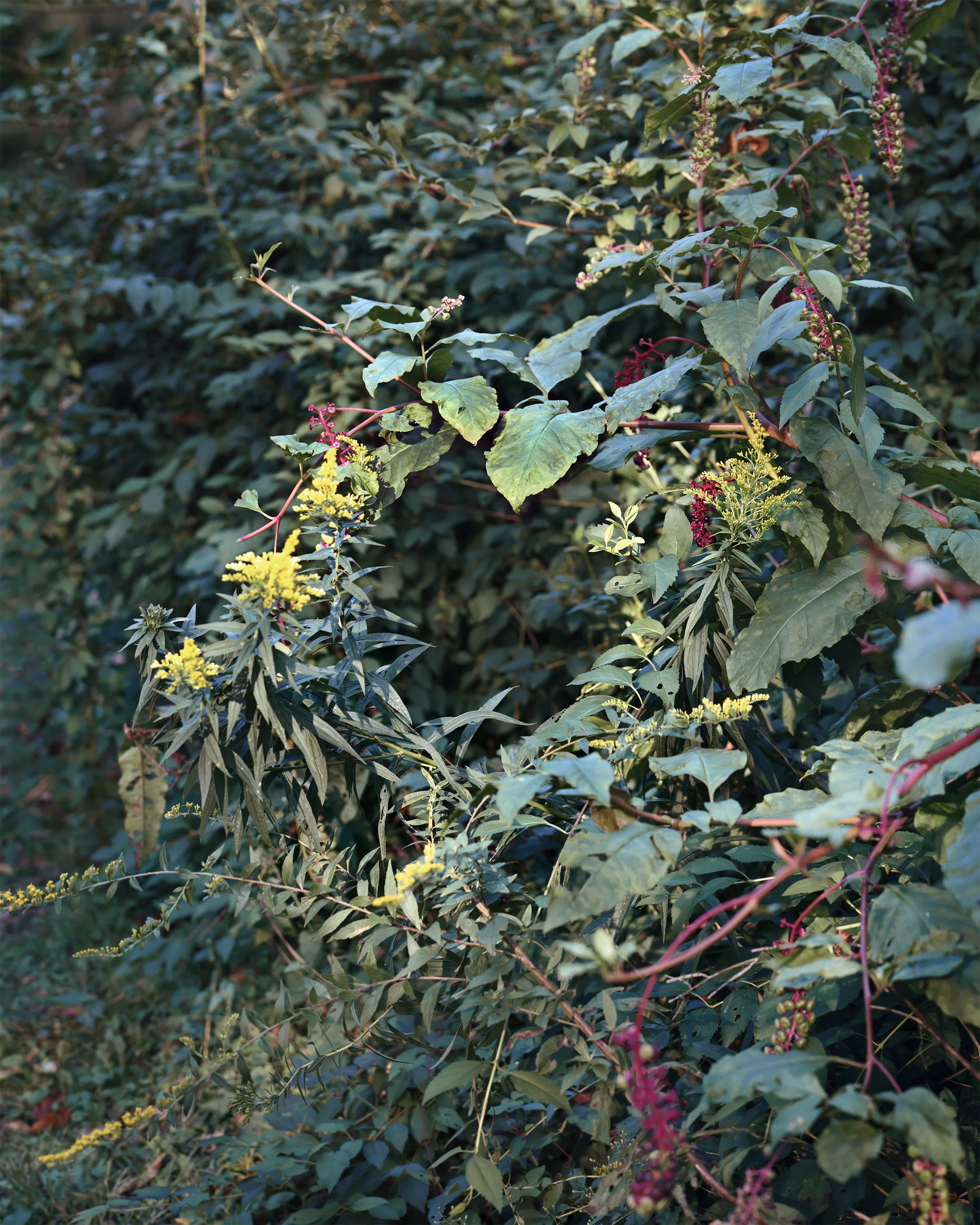
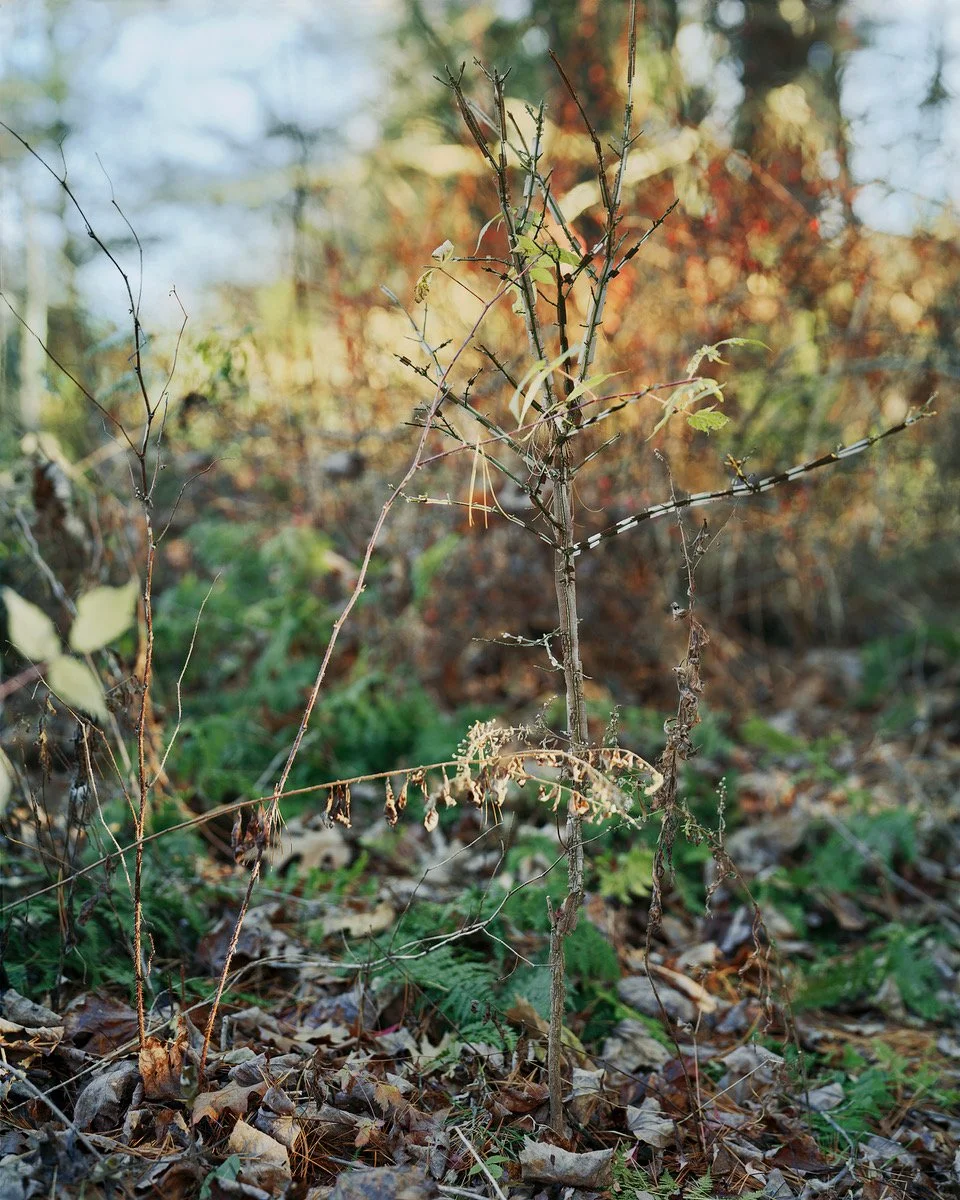
In Another Way of Looking at Love, she photographed plants and trees on her property in the Catskills. Years of painting at the New York Studio School helped her welcome brighter light and a wider range of color. Her photographs often bring separate plants together within the frame. The finished book holds 25 images in an accordion fold.
The change also began before Lynch picked up her camera.
Drawing taught her to notice how things relate to one another in space. She walks, looks, and finds her position before setting up her 8x10 camera. For one photograph, she waited ten hours for the light to reach the plants. She stopped working on the project when she felt she was no longer making discoveries.
She describes how time away from the camera changed what she noticed, what made an image belong in the book, and how she recognised that the project was finished.
The Book
Janelle Lynch made Another Way of Looking at Love on her property in the Catskills. Over three years, she photographed plants and trees with an 8x10 view camera, looking for points of connection between them. Published by Radius Books, the book contains 25 photographs in a continuous accordion fold. Its shape recalls the camera’s bellows and a toy accordion Lynch’s grandfather gave her as a child. (Amazon, Radius Books)
Drawing before photographing: At what point did you realize your drawing marathons with Graham Nickson at the New York Studio School were changing the way you composed through the camera?
In January 2015, I did my first of ten Drawing Marathons with Graham Nickson, the artist and dean of the New York Studio School, who died in 2025. I also completed two full-time semesters, Painting Marathons, and a Color Marathon. (Marathons are intensive all-day, and sometimes night, workshops designed to offer a semester's worth of teaching and practice in two weeks.) Graham's Drawing Marathons first changed the way I thought, then the way I saw, then how I composed an image.
Graham taught from a philosophical, experiential, and sensorial perspective. He invited students to see relationally, to consider how each element (a figure, chair, shadow on the floor) related to one another in space, and then to translate the relationships between things to a two-dimensional plane. We did not see in isolation, because nothing exists in isolation; everything is in relation to something else and the rectangle.
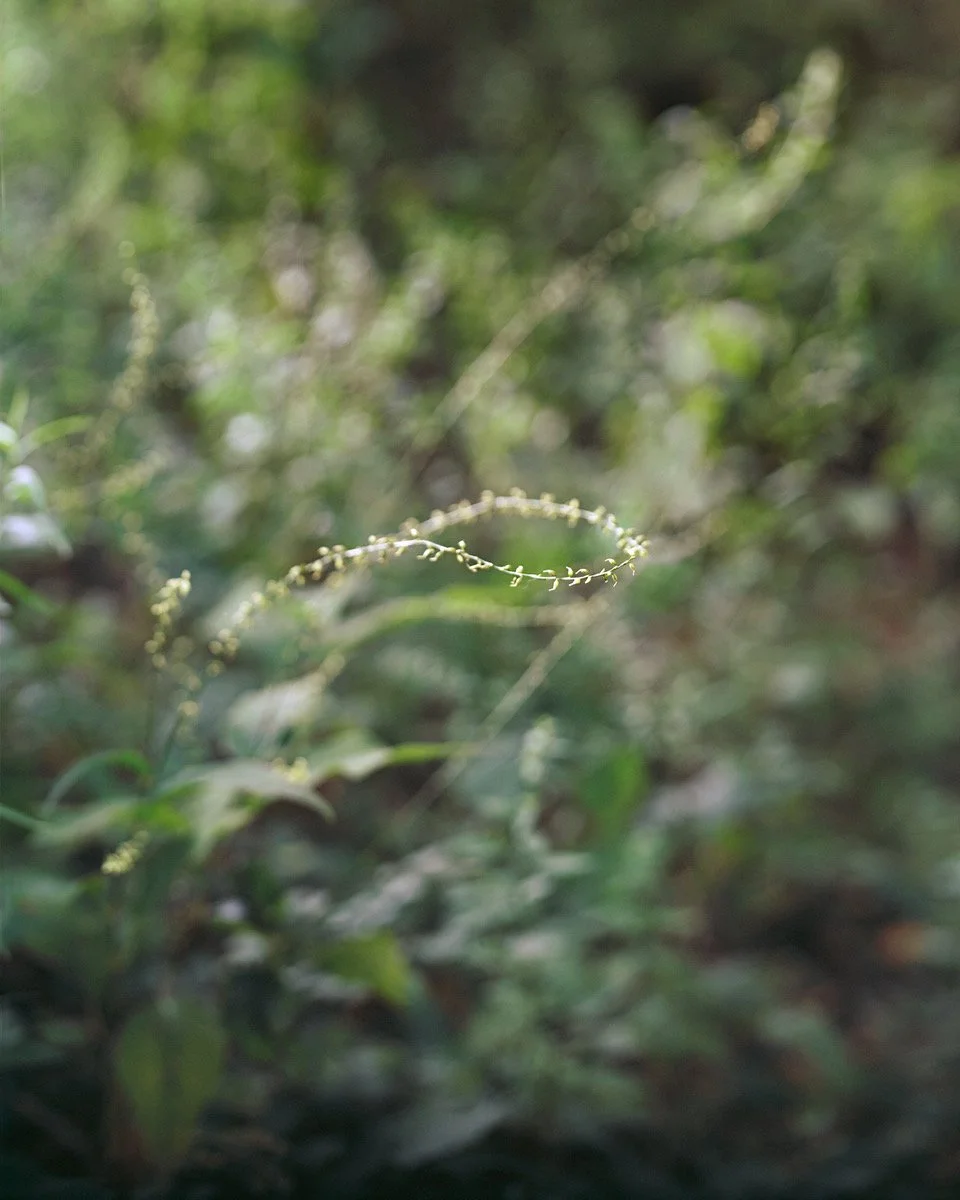
By then, January 2015, I had already been working with my 8x10 view camera on my property in the Catskills, searching for a new way to make a photograph. I hadn't yet made any images that were resolved. Then, in May 2015, I made Seeing Anew. Finally, everything had cohered: the prior year's work and the Marathon. The image was right outside my back door: two vines growing on two planes in space. But when seen from a specific vantage point and compressed spatially in two dimensions, it became something else: a symbol of connection.
I had been thinking about symbolism. During 2013, I was an artist-in-residence at the Burchfield Penney Art Center in Buffalo, New York, studying the work and writings of the artist Charles Burchfield while also making my own work. I was drawn to Burchfield's watercolor paintings (his use of light, the way he depicted the energy of nature) and I was also compelled by his small pencil and china marker drawings, Conventions for Abstract Thought. They are abstract symbols that represent psychological or emotional states indicated with text, for example: Aimless Abstraction (Hypnotic Intensity), 1917; and The memory of pleasant things that are gone, perhaps forever. Nostalgia, 1917.
So, while the Drawing Marathon had a significant influence on the shift in my practice, Burchfield's work did as well, along with other factors, particularly Mary Oliver's poetry and Jon Kabat-Zinn's essays.
The color shift: What made an oil painting workshop unlock bold color and bright sunlight, after twenty years of photography without them?
As I mentioned, I did Painting Marathons as well as two full-time terms at the School. Graham was a colorist, so there was great emphasis on color. And it is one of the things I love most in the world.
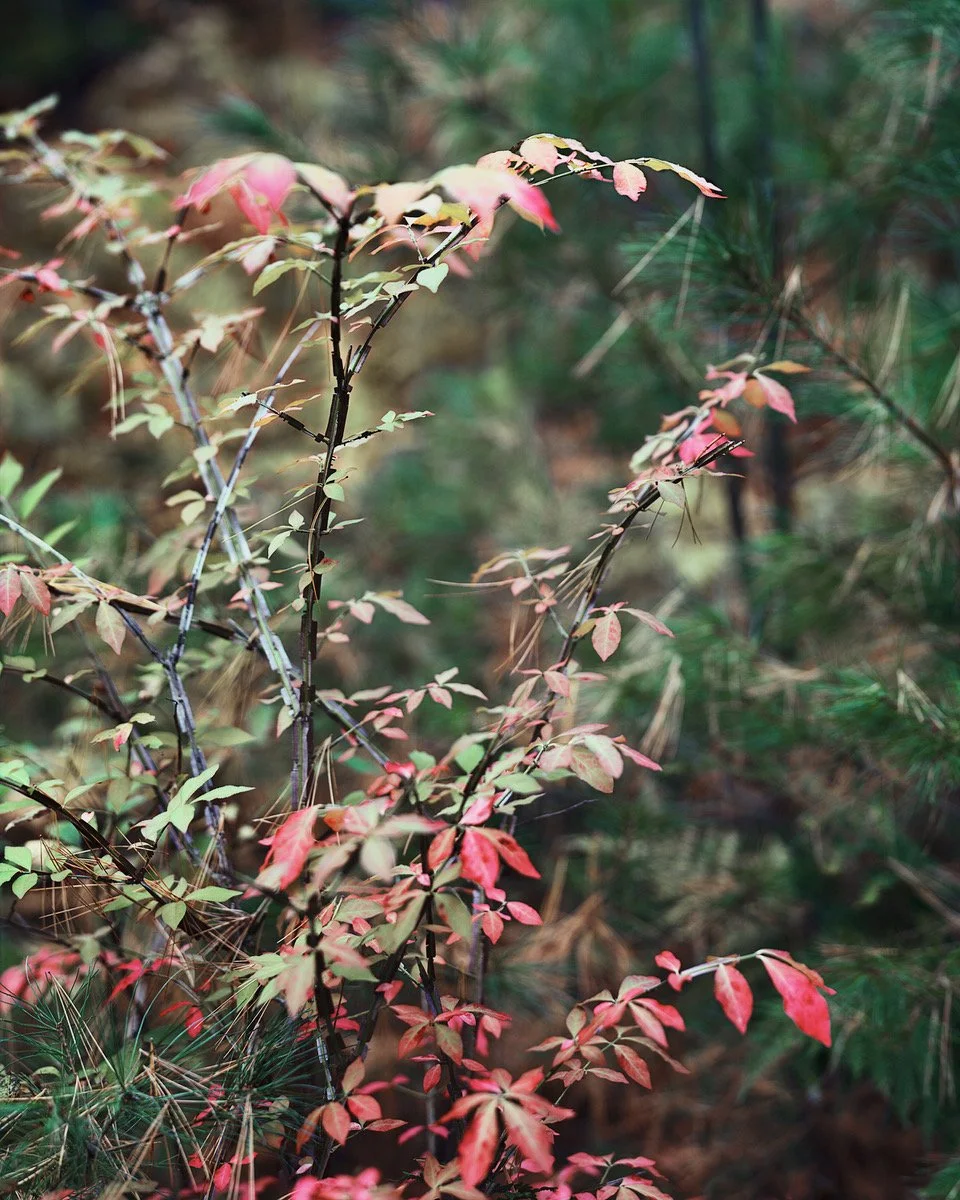
I spent hundreds or thousands of hours immersed in mixing color, talking about color, looking at and analyzing color. Kaitlin McDonough taught an extraordinary Color Marathon. Inevitably, all of that would change my photographic relationship to color. But, there were also personal shifts that I was nurturing that allowed me to welcome a broader palette and spectrum of light.
Working slow: Your 8x10 camera needs a tripod, a dark cloth over your head, and a measuring tape to set focus by hand. How did that slow, physical process change what you noticed in the grass and branches?
Much of my noticing happens before I even bring the camera to my subject. I walk. I look. I use my hands as a frame. I feel, sense, perceive with my whole body, not just my eyes. Then, after I have found the vantage point and the light, I introduce the camera and refine the composition. I am most interested in a connection to my subject that is unmediated by the camera, which becomes my collaborator. This belies my fundamental interest in the act of seeing itself, in having experiences in relation to the world and translating them through photography.
Can you take one photograph from the book and describe the moment before the camera came out? What first made you stop, what did you notice, and what did you deliberately leave outside the frame?
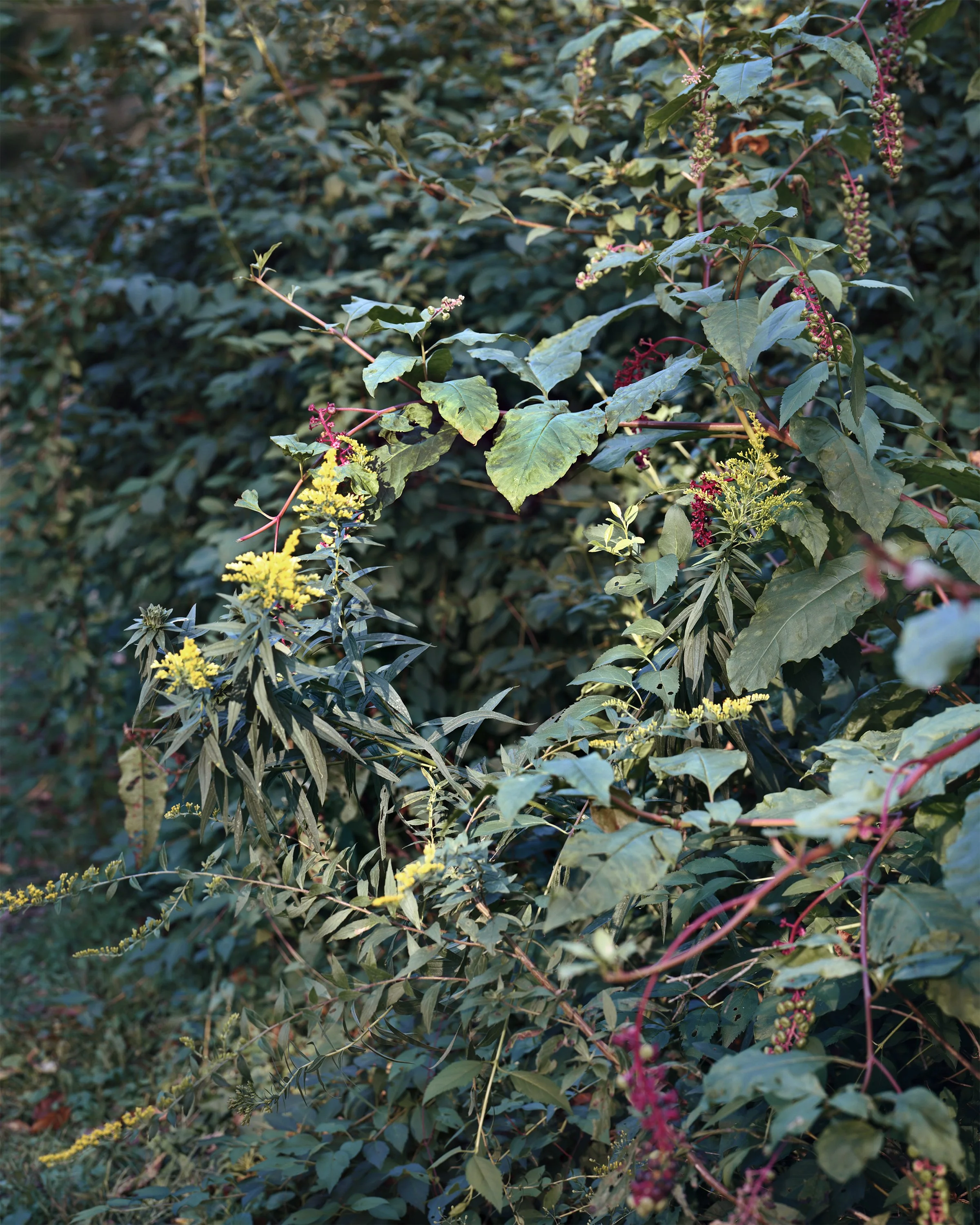
The complementary colors and the shape the plants formed drew me toward what would become Summer Wreath, 2017. It was a ready-made shape, less dependent on a specific vantage point. The connection between the disparate plants was already formed. What wasn't yet right was the direction of the light. The sun was still low in the eastern sky, but I set up the camera and found the composition. I left out the cattle gate on the left and ensured the snow fence behind the scene was not in the frame, and then I watched the light move throughout the day. Ten hours later, it illuminated the wreath. That's when I made the photograph.
The accordion book: The book's accordion fold echoes both the bellows of your camera and the toy accordion your grandfather gave you as a child. When did you decide the book's shape should carry that personal memory?
Yes, the book's accordion design references the 8x10 view camera's bellows, the toy accordion my grandfather gave me as a toddler (he was a photographer, by the way), and it echoes the theme of connection that's inherent in the work. The accordion unfolds into one long, uninterrupted sequence of 25 images.
The idea came to me spontaneously and I shared it with David Chickey, the Creative Director and Publisher at Radius Books. He agreed with it, then used his extraordinary talent and knowledge to realize the book, choosing the right paper, size, everything! He made a beautiful object.
The title's origin: Why did you choose one line from a radio interview, out of everything you were reading at the time, as the idea to build three years of work around?
Again, it was spontaneous and felt intuitively right. I was in my Long Island City studio in February 2017, late at night, and listening to Krista Tippett's On Being interview with Alain de Botton, the Swiss-born British philosopher and writer, when I heard de Botton say: “And another way of looking at love is connection.”
I knew immediately that in that phrase there were the right words for my title because of the conceptual coherence with the ideas in my work.
Choosing 25: You photographed for three years, yet only twenty-five images remain. What qualities made a photograph essential to the book, even if another image was equally beautiful?
With the way I use the 8x10, I don't make a lot of photographs. Rather, I invest in one image. But, yes, I did make many more than 25. I edit rigorously. Each image must stand on its own and be formally, technically, and conceptually resolved. (I don't rely on post-production software for any changes because, as I said, I am most interested in the act of seeing with care and attention.)
Other than the formal, technical, and conceptual clarity, each image had to be different enough from the others, each one had to hold my attention, and it had to hold an intangible quality of revelation.
Did David Chickey ever want to remove a photograph you considered essential, or keep one you were ready to cut?
Among the many factors that make David Chickey and Radius Books a great fit for me is that we share a similar aesthetic and philosophy about design and art. We uphold quality, craft, and the highest standards. We lean toward a minimalist sensibility. Another Way of Looking at Love was my third Radius book and I don't ever recall David and me differing on image selections for any of the books. Each time I showed him a rigorous edit. He didn't ask for more or less.
Knowing when to stop: Near the end of this project, you photographed people for the first time in years, which became a new body of work. How did you know this project was finished and a new one could begin?
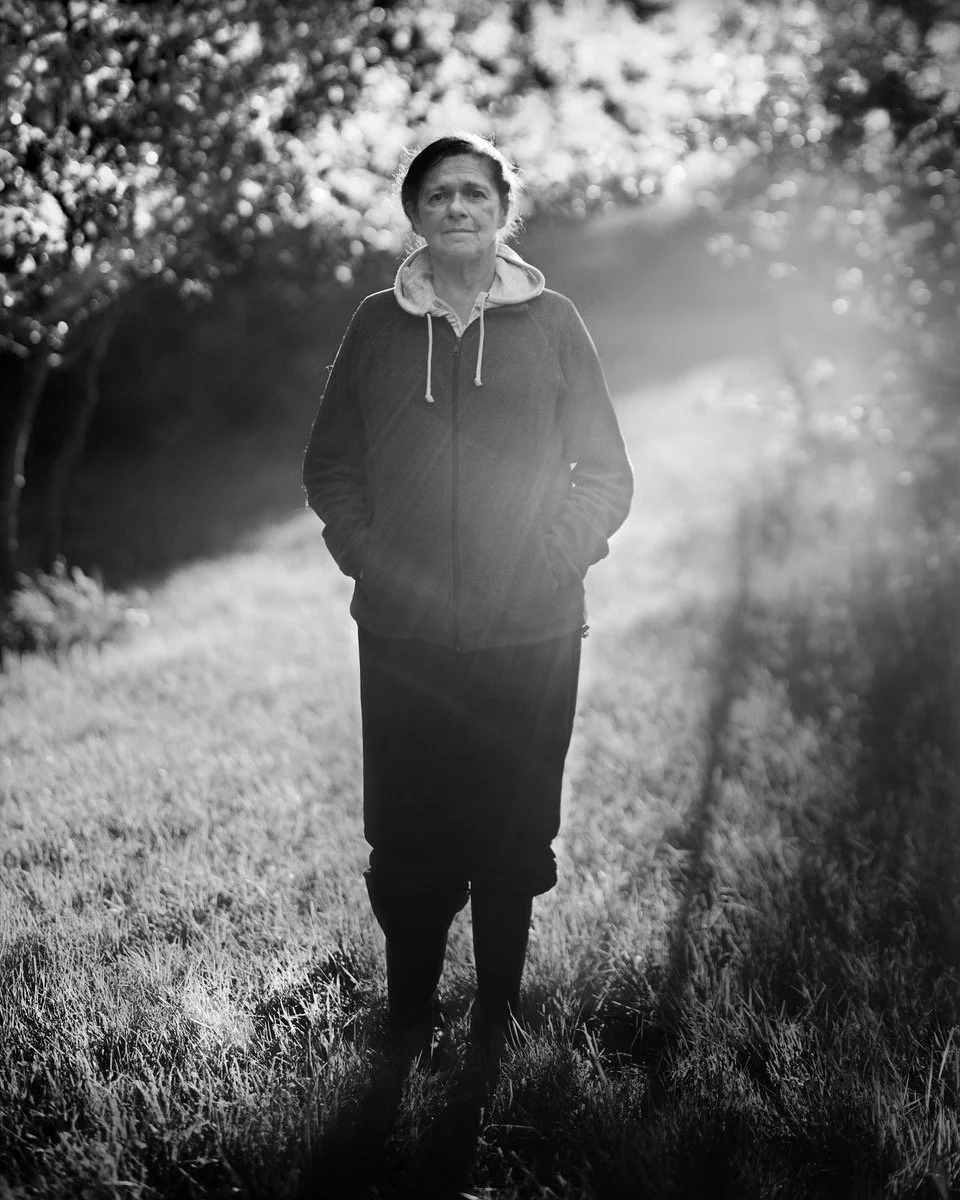
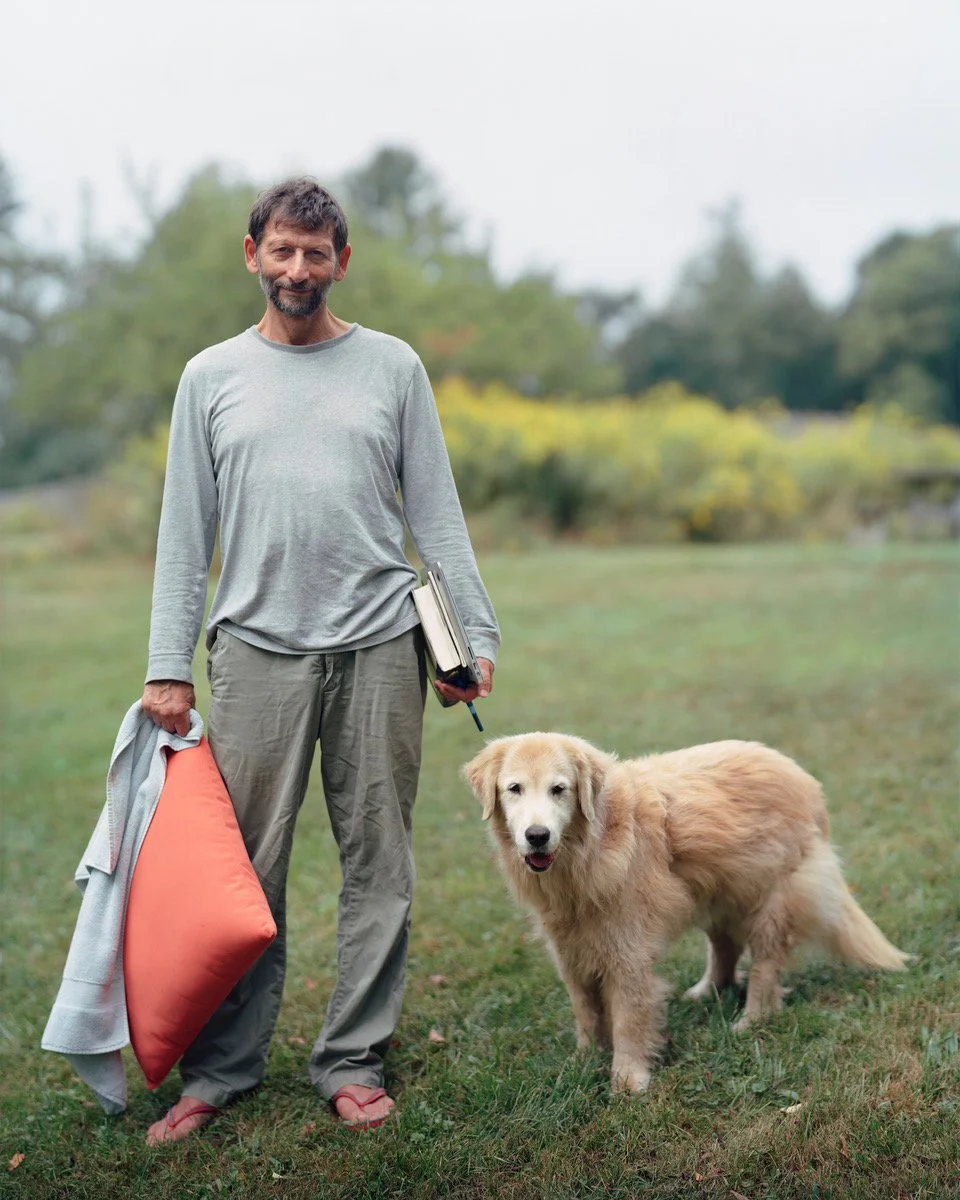
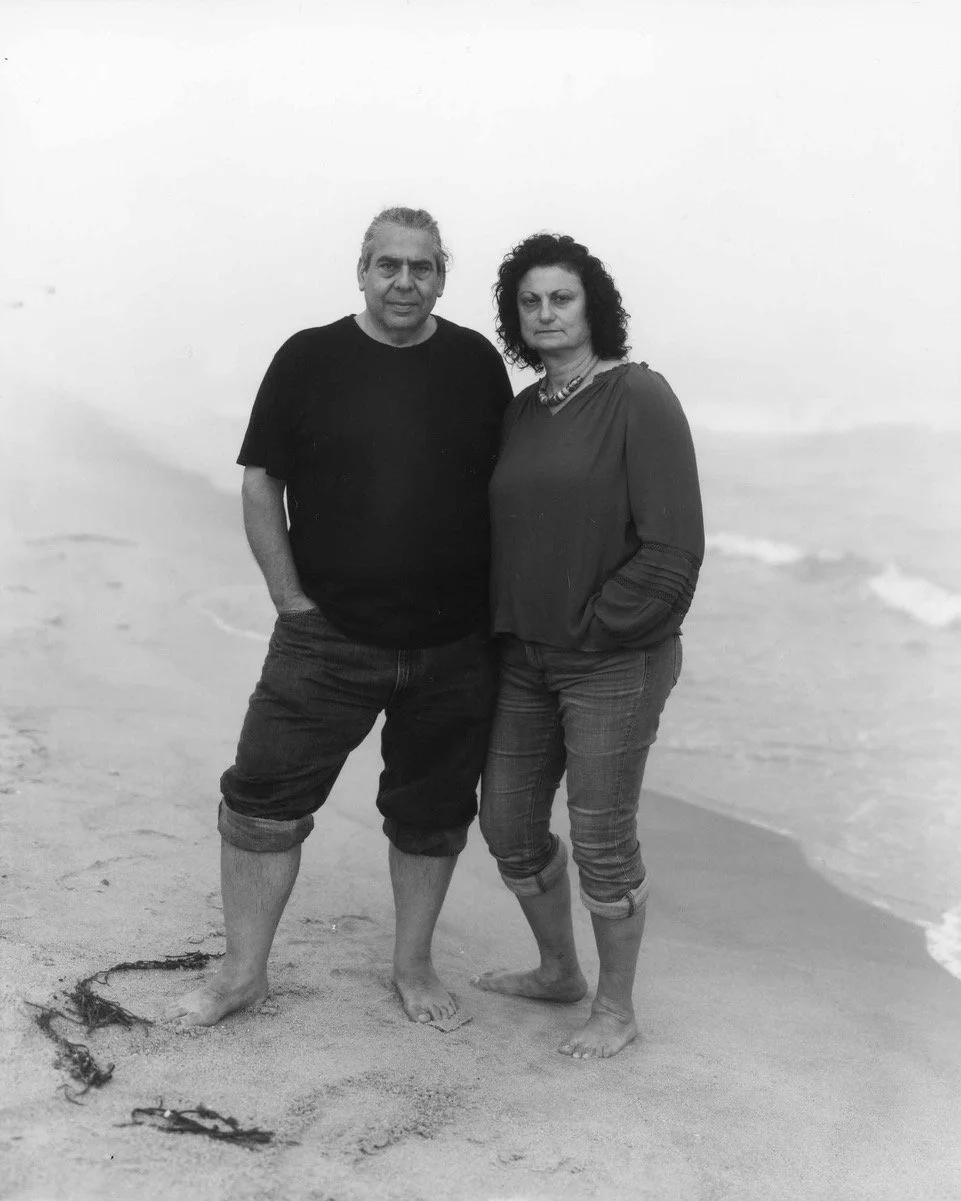
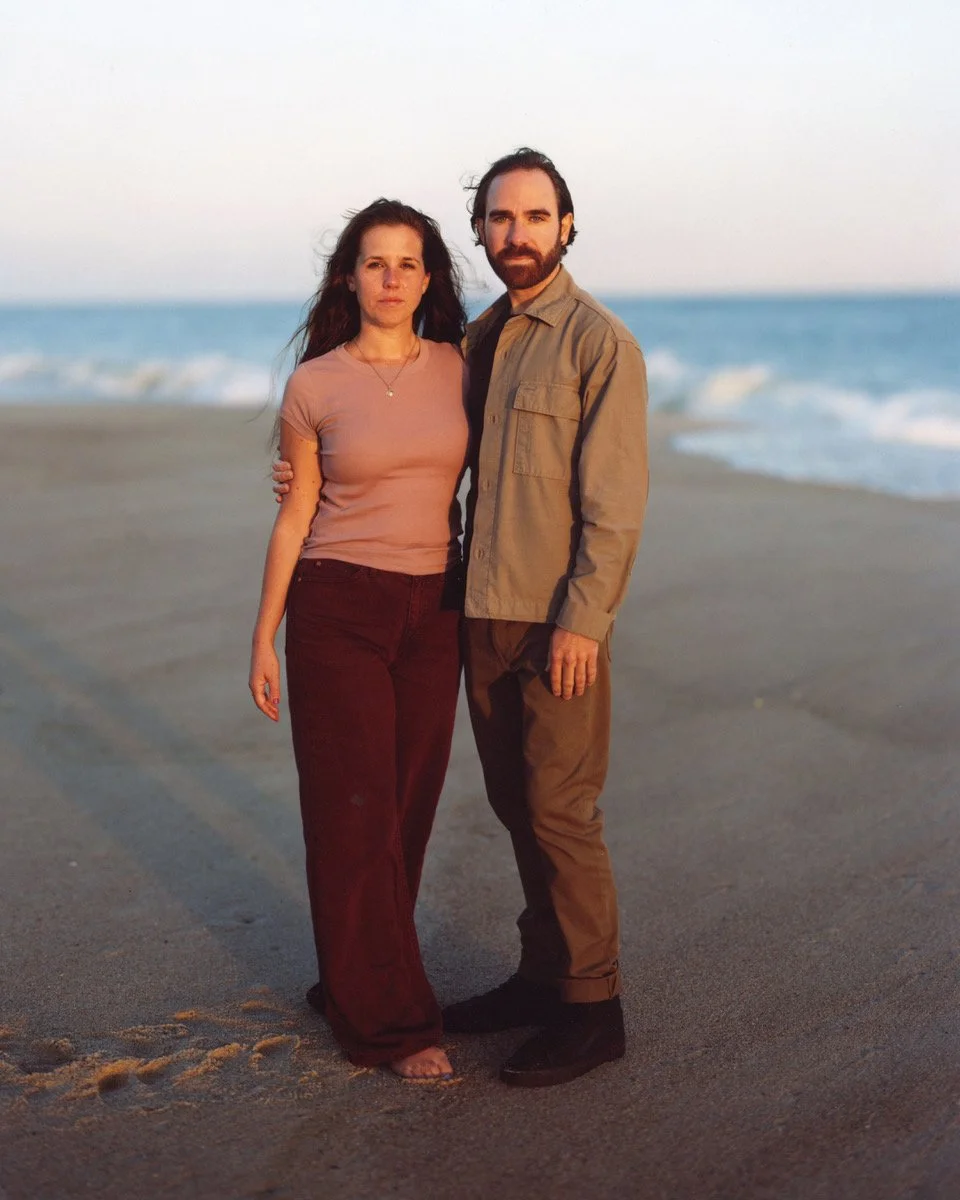
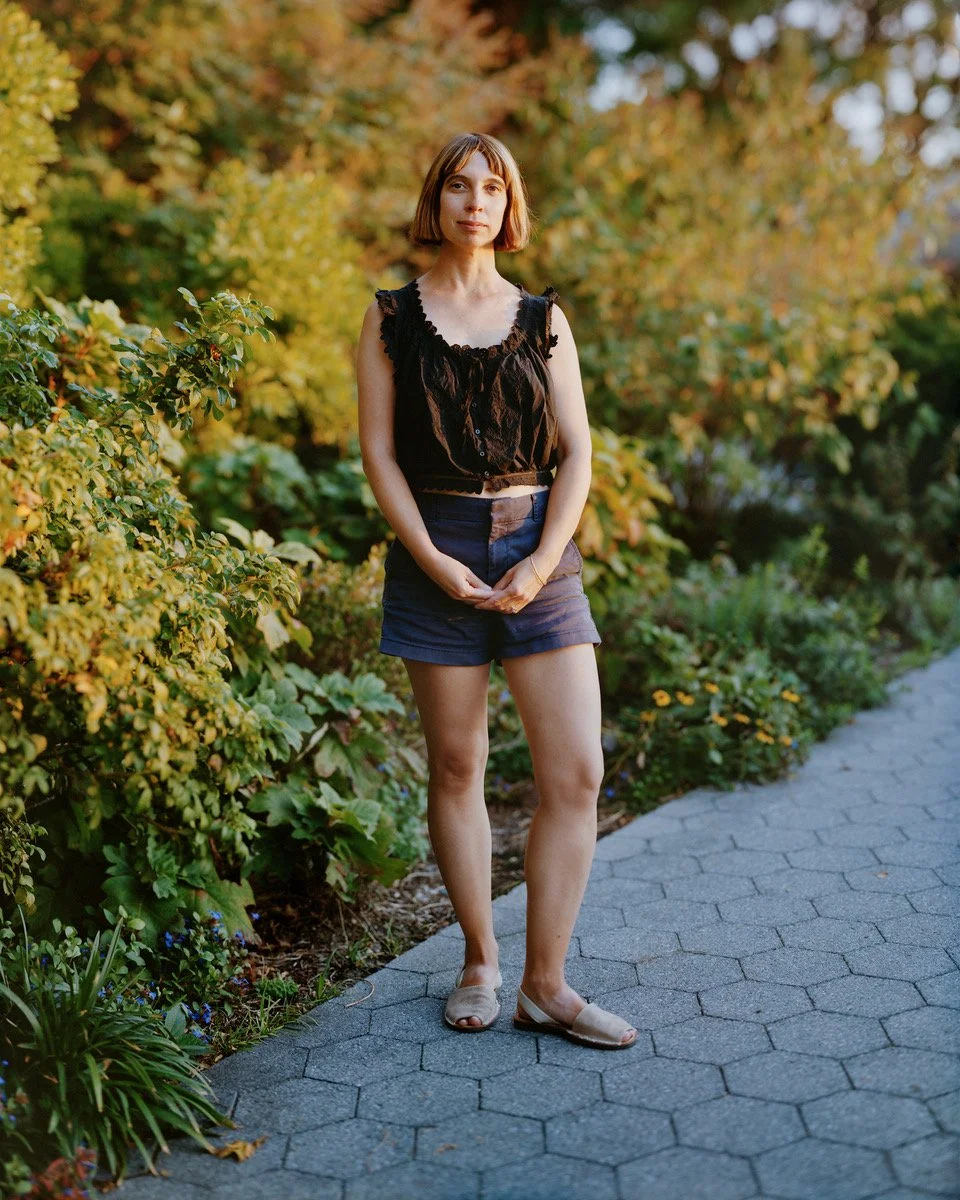
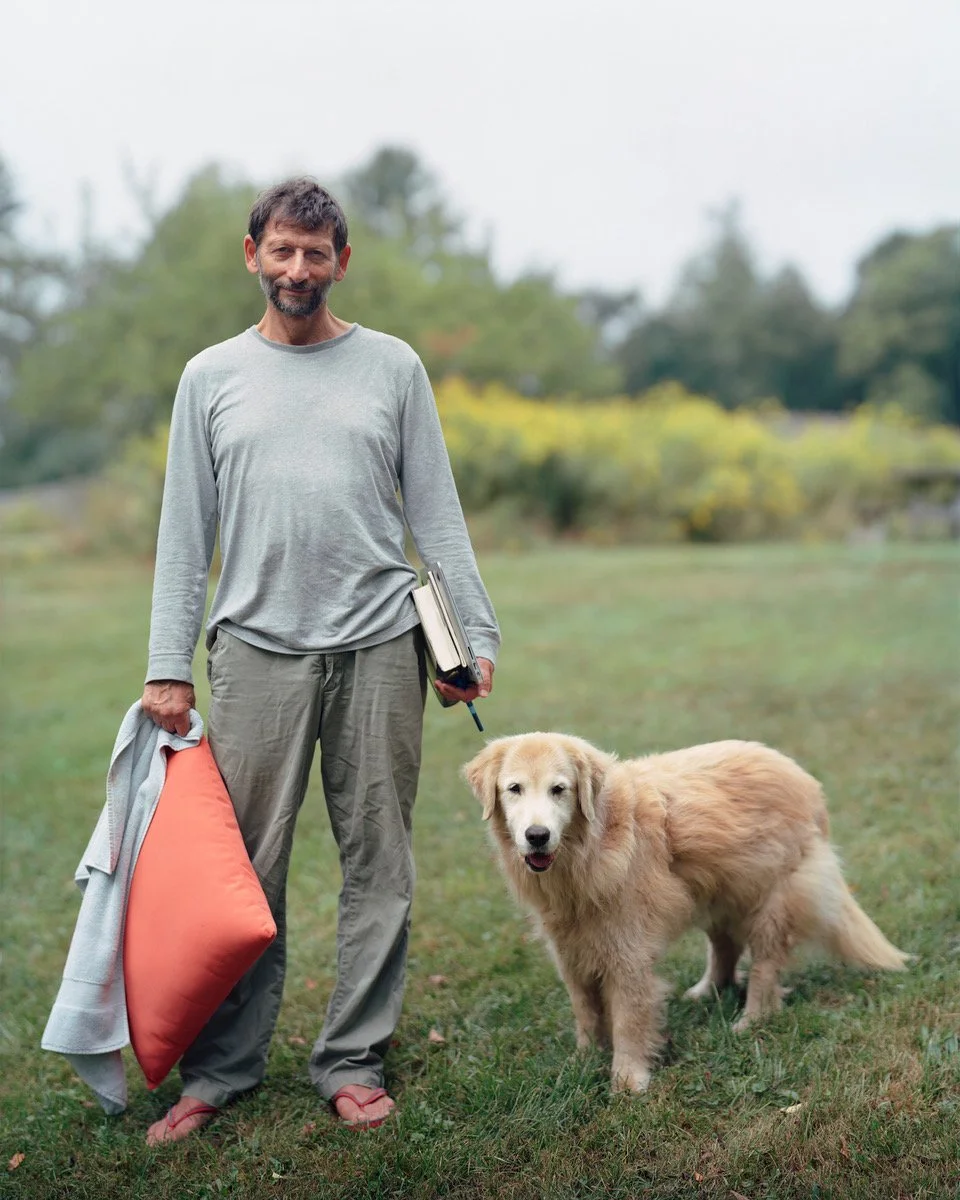
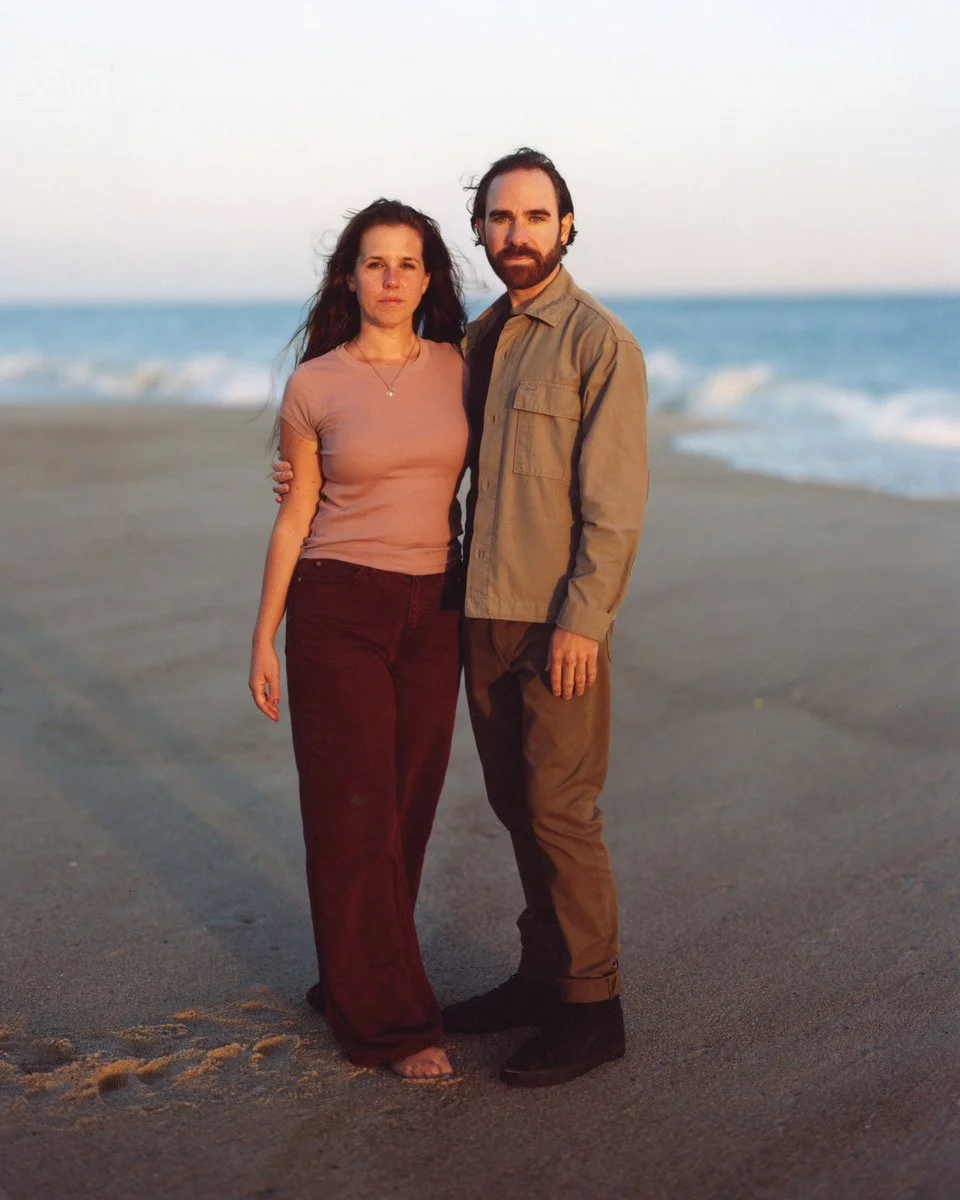
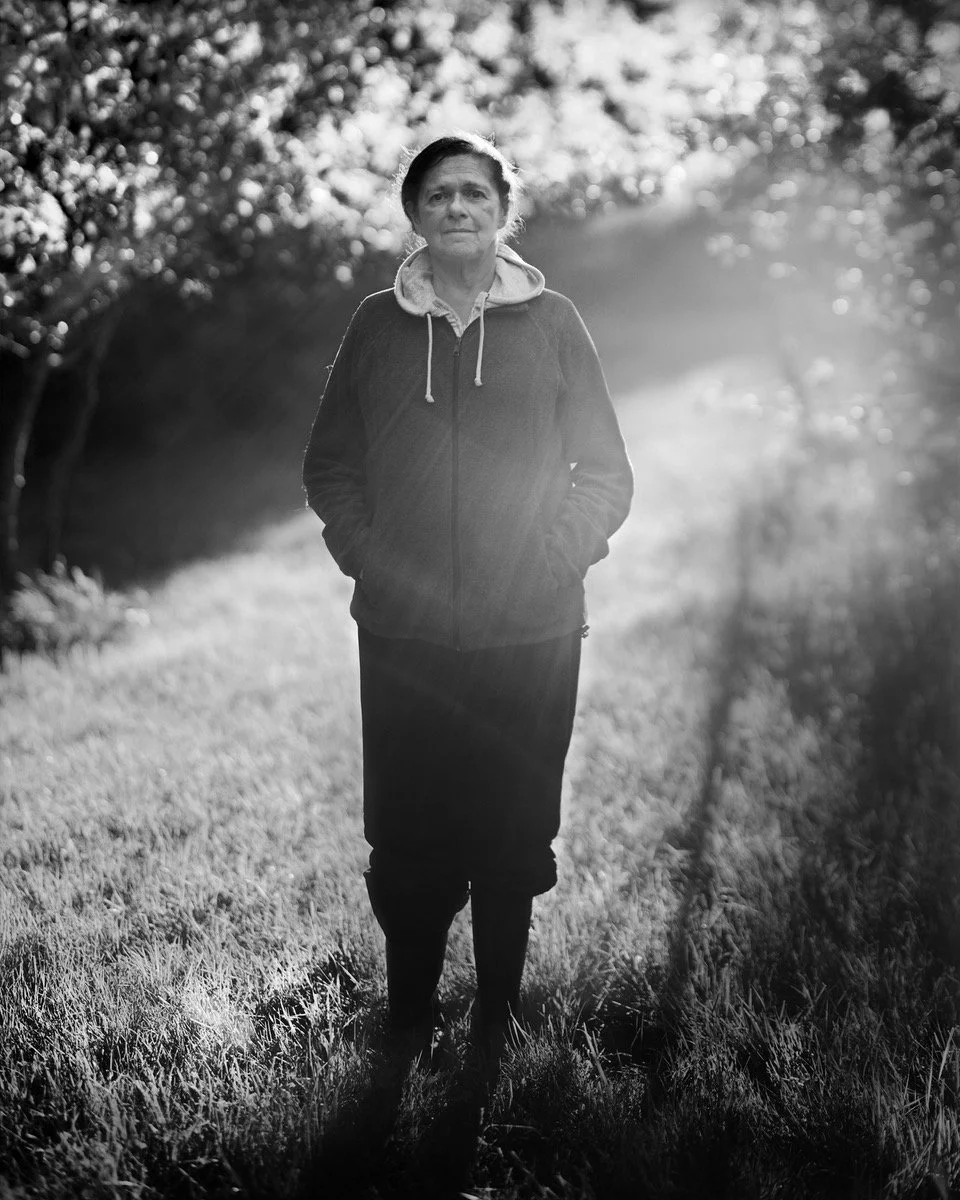
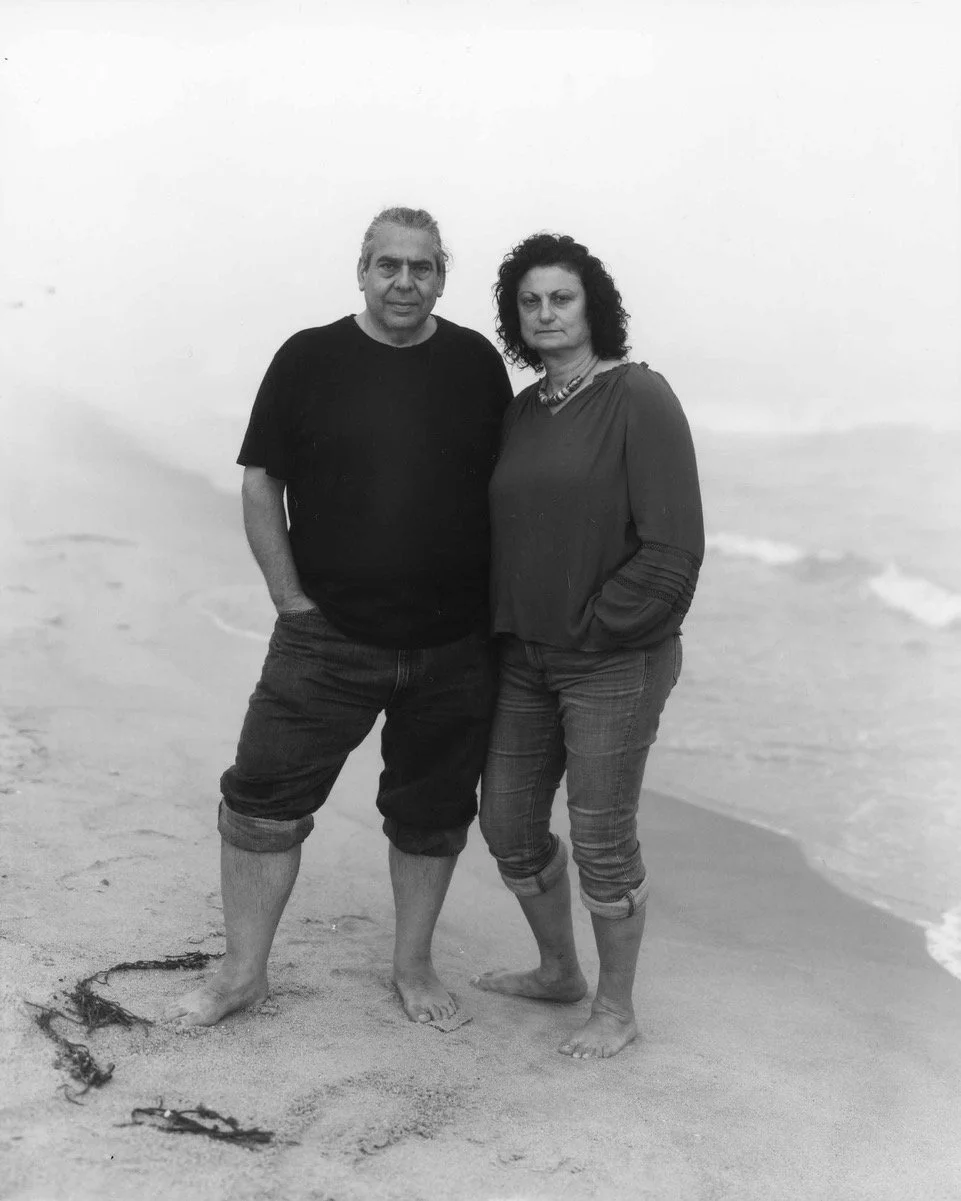
In Fall 2016, I made my first portrait, Gracie and David, so that was about midway through making the images for Another Way of Looking at Love. The body of work of portraits is ongoing (now with more than 40) and directly related to themes of relationality I explored at the New York Studio School and in Another Way of Looking at Love.
I knew that Another Way of Looking at Love was finished when I stopped making discoveries. That is what I'm interested in, ultimately: seeing with care and making discoveries about my subject matter, the medium, the world and myself in relation to it. I am not interested in illustrating an idea or in repetition. Also, I typically work within a geographic constraint. In the case of Another Way of Looking at Love it was my 3.5-acre property. So, by 2018, I had explored it thoroughly throughout the seasons.
Can you remember the first time you realized you were repeating something you already knew rather than making a new discovery? What told you the project was no longer moving forward?
When making Another Way of Looking at Love, I was aware that I was using the same formal and technical strategies to find and create my images. When I had become fully aware of the underlying conceptual themes that were motivating my search and that I had been integrating them into my life experience, that was when the sense of discovery felt complete.
When you moved from photographing plants and landscape into portraits, what part of your way of seeing did you deliberately keep, and what did you discover no longer worked once another person entered the frame?
Ten years after making my first portrait, I am still photographing people, plants, and the landscape. My current body of work in Amagansett, New York, combines all genres. I use the same strategy because it is, in fact, an essential part of what I'm exploring as a photographer: the very act of seeing itself, seeing with care, presence, and attention, and imparting or affirming the value of what I'm looking at through that deep, complete engagement. Of course, when I photograph a person, I have to be mindful of other things: their comfort, their gaze, their movement. But, otherwise, I see them in relation to the rectangle, the environment, the light and myself as I do my non-human subjects.
What other photographers can borrow: Looking back, which practice changed your way of seeing the most, drawing, painting, or photography itself and why?
They all inform each other, but the impact of studying painting and drawing at the School for almost 10 years is undeniable. I learned how to think and see relationally there, how to see with empathy and precision. As I created representations of light with charcoal and paint, I became more sensitive to and aware of light in the world. Every photograph I make is informed by Graham's teachings and that of the Studio School faculty, specifically Kaitlin McDonough, Elisa Jensen, and Fran O'Neill. And, every picture is also informed by what I learned from Joel Sternfeld and Stephen Shore during my second year of graduate school at the School of Visual Arts in 1998-1999.
But, the changes in the way I see are, again, inextricably related to the changes in my personal evolution. They are also related to the way I think and for those I am also indebted to writings by Robert Adams, Wendell Berry, Rebecca Solnit, Thich Nhat Hanh, Minor White, Mary Oliver, and Rainer Maria Rilke.
To discover more about this intriguing body of work and how you can acquire your own copy, you can find and purchase the book here. (Amazon, Radius Books)
More photography books?
We'd love to read your comments below, sharing your thoughts and insights on the artist's work. Looking forward to welcoming you back for our next [book spotlight]. See you then!

Color entered Janelle Lynch’s photographs through painting. In Another Way of Looking at Love, she photographed plants and trees on her property in the Catskills. Photography Book Spotlight