Welcome to this edition of [book spotlight]. Today, we look at Einfach da, by Ulrike Lauber (published by Kehrer Verlag). We'd love to read your comments below about these insights and ideas behind the artist's work.
For Ulrike Lauber, a crack makes a surface interesting.
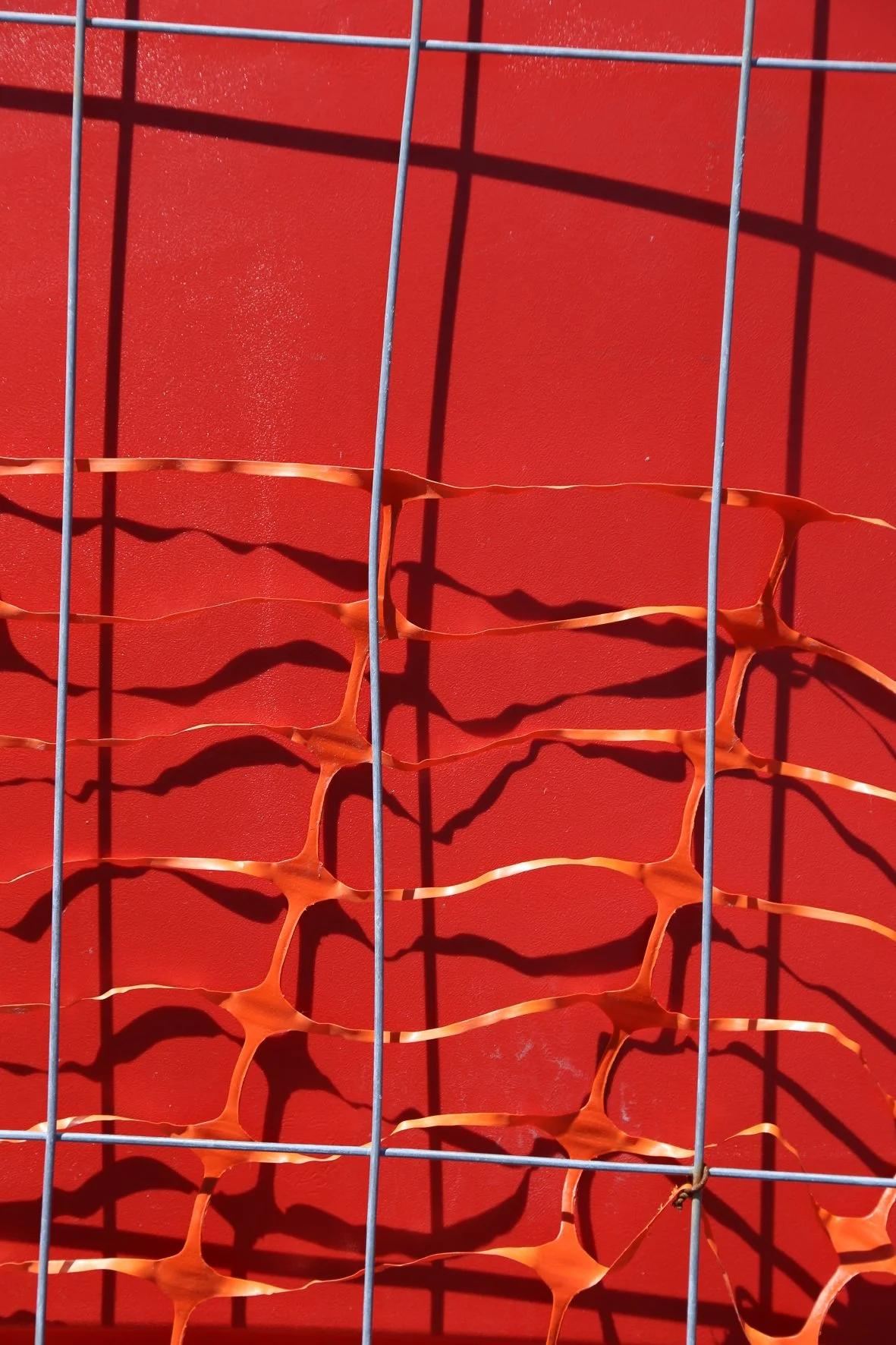
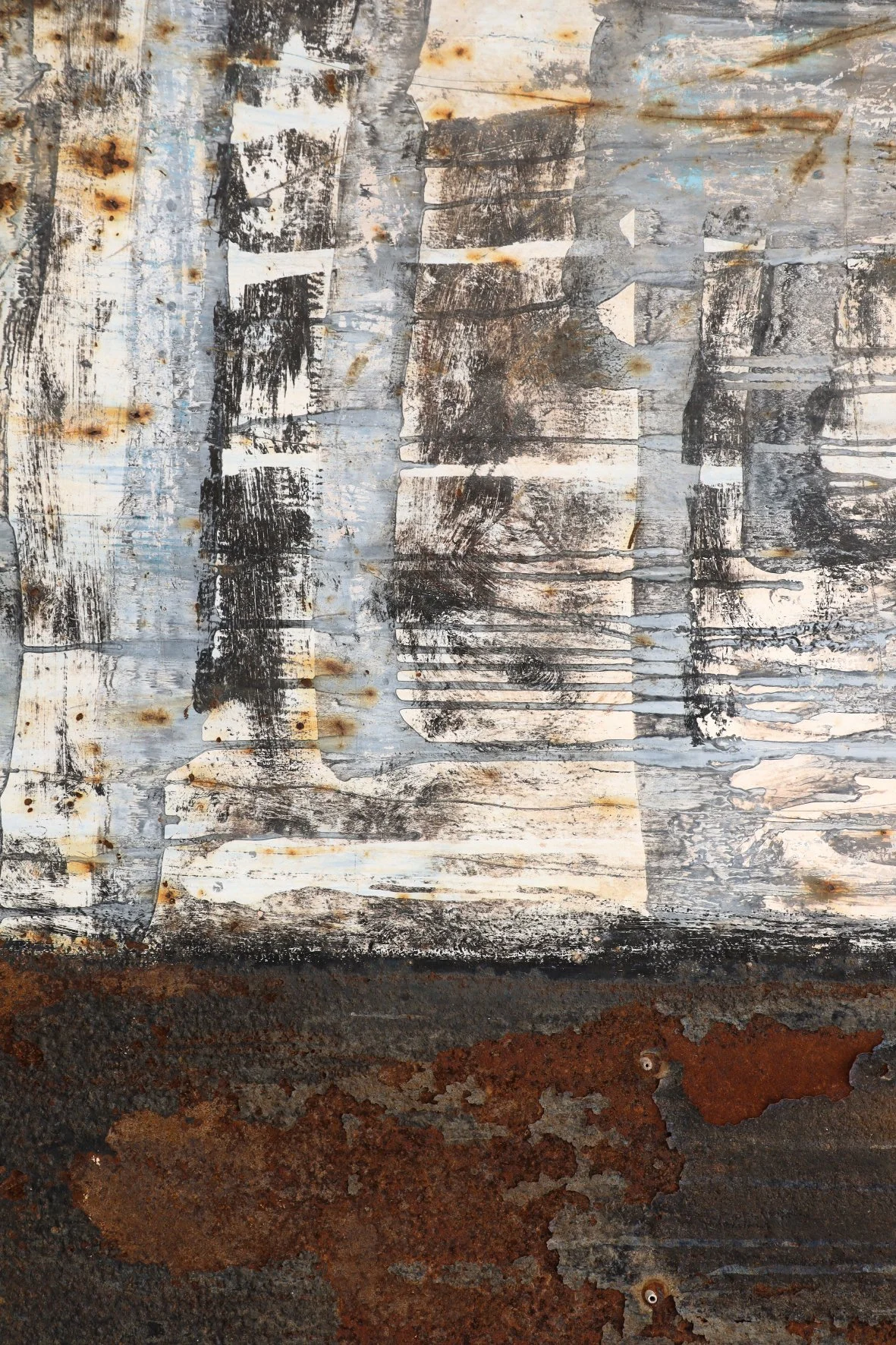
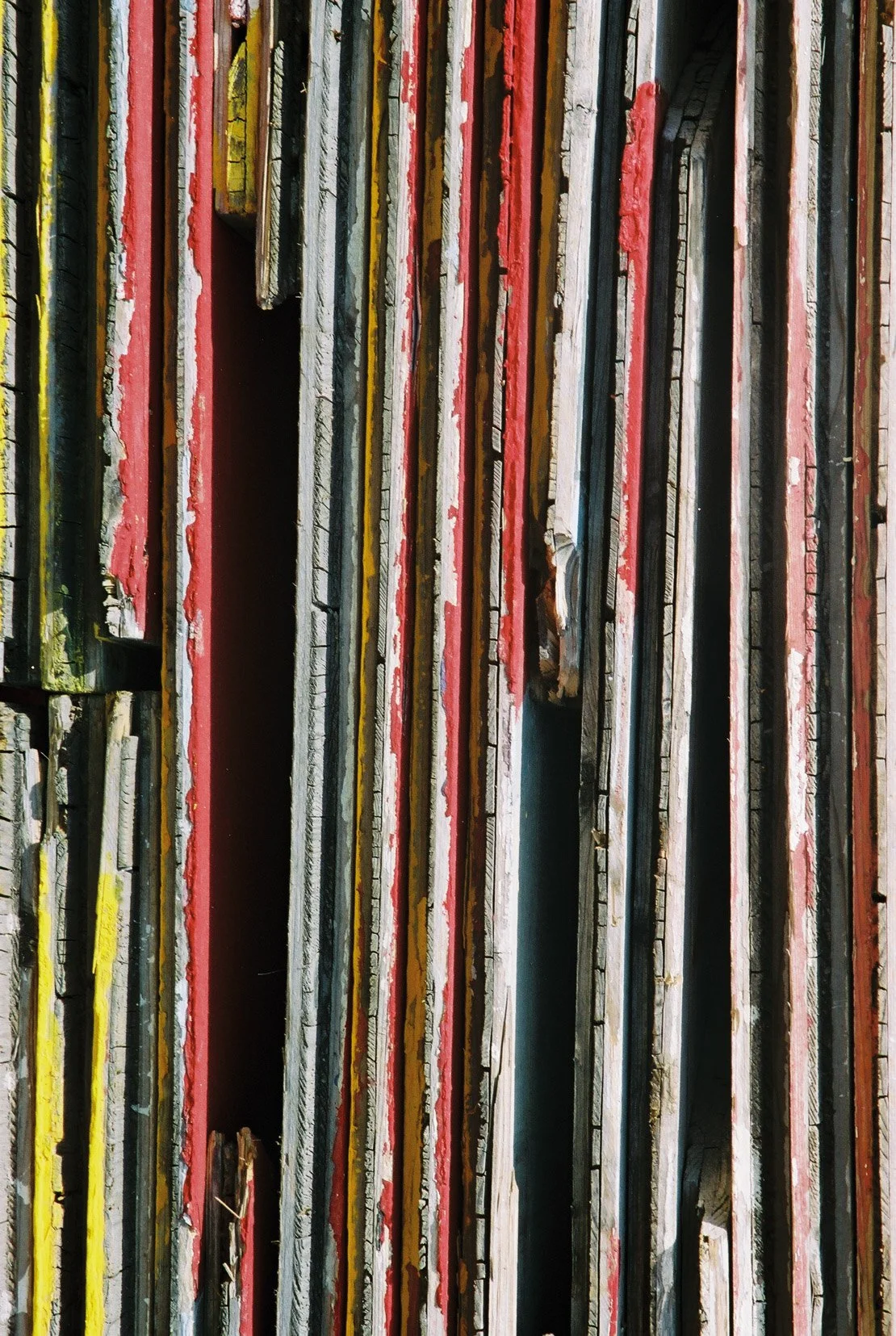
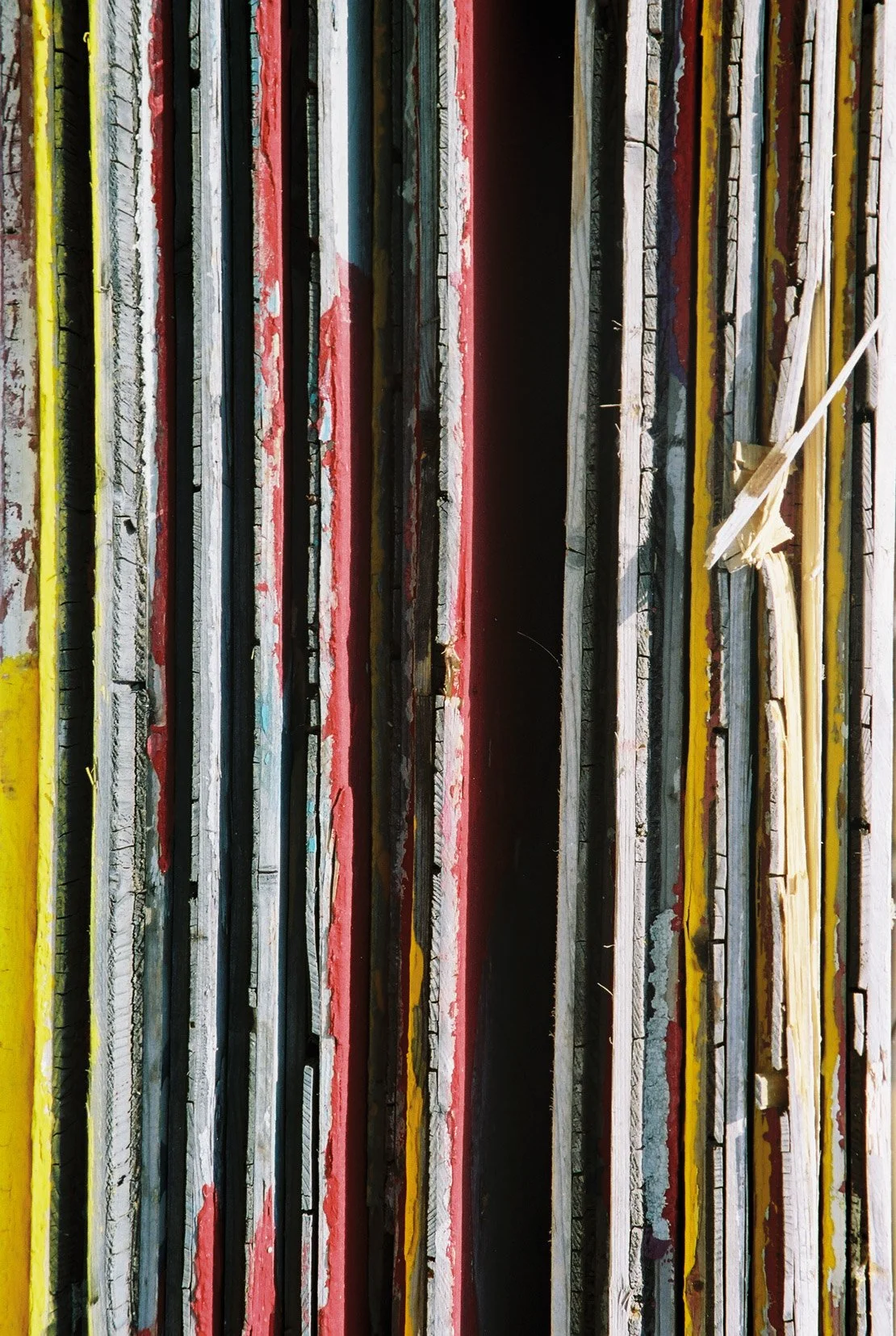
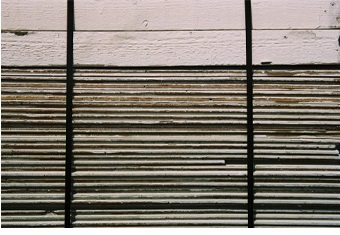
The architect and photographer looks for things that people have painted, scratched, built, or worn through use. After four years in New York, she found Munich too tidy and missed the marked surfaces that had caught her attention. Then, on her walks to work across the Oktoberfest grounds, she began photographing stacks of boards used to build the festival tents. Their colours and repeated stripes became her first series of photographs that belonged together.
Photographing these boards changed what she noticed elsewhere.
On later walks and journeys, Lauber continued finding connections between colours, materials, and structures in different cities. Her book Einfach da, published by Kehrer Verlag, brings together more than two decades of this work. Making the photographs was often quick and intuitive, but choosing which ones belonged in the book took time and discussion with Hans-Michael Koetzle and designer Detlev Pusch. Some pictures she loved did not make the final selection.
Lauber discusses recognising a series in everyday surroundings, finding photographs that work better together, and reconsidering favourites with help from others. She also explains what changed when those photographs moved from the book onto gallery walls.
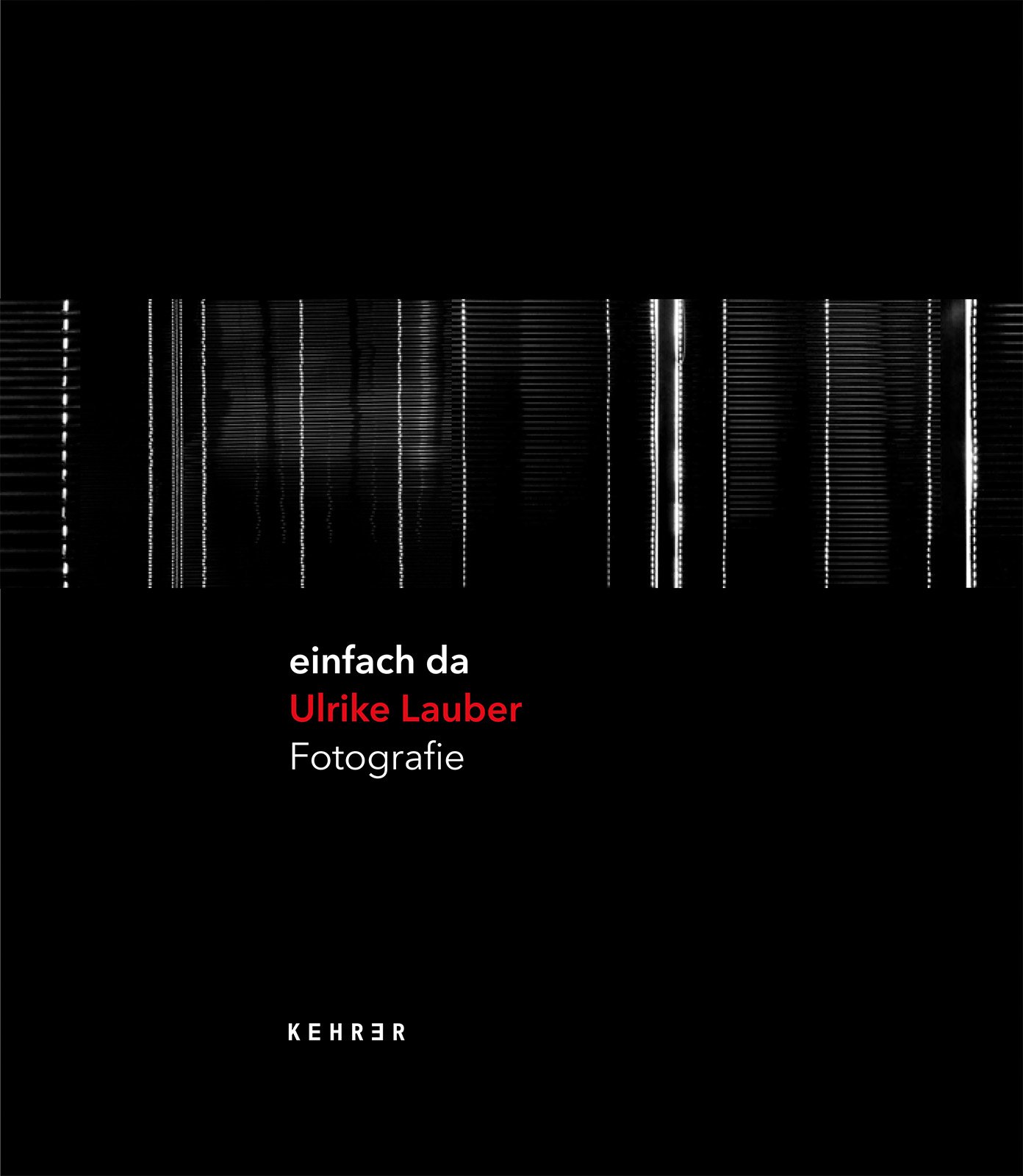
The Book
Einfach da
Kehrer Verlag · 2026 · 216 pages
Einfach da brings together Ulrike Lauber’s colour photographs of urban details, from painted surfaces and construction materials to patterns of light and shadow. The book moves through New York, Munich, Berlin, and other cities, ending in Venice. Tight framing often leaves the larger setting outside the picture, while captions identify the place and year. Fold-out pages allow several photographs in a series to be seen together.
Published by Kehrer Verlag, the book includes an essay by Hans-Michael Koetzle and is designed by Detlev Pusch.
Recognising a Way of Seeing: The photographs in Einfach da were made over a period of more than two decades. When did you first realise that these are not simply single pictures, but that you keep noticing similar relationships in your surroundings?
I worked as an architect in New York for four years, and I photographed a lot there. When I then moved to Munich, I noticed that I did not really like to photograph in this city. Everything is so tidy, so orderly, with little of what gave a photograph its appeal for me, especially in New York: surfaces that people have made, painted over, scratched or changed in some other way, and that became interesting to me precisely because of that. Traces of life. This very particular hidden beauty that only wants to be discovered.
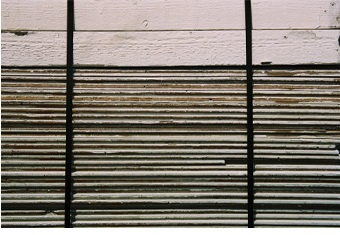
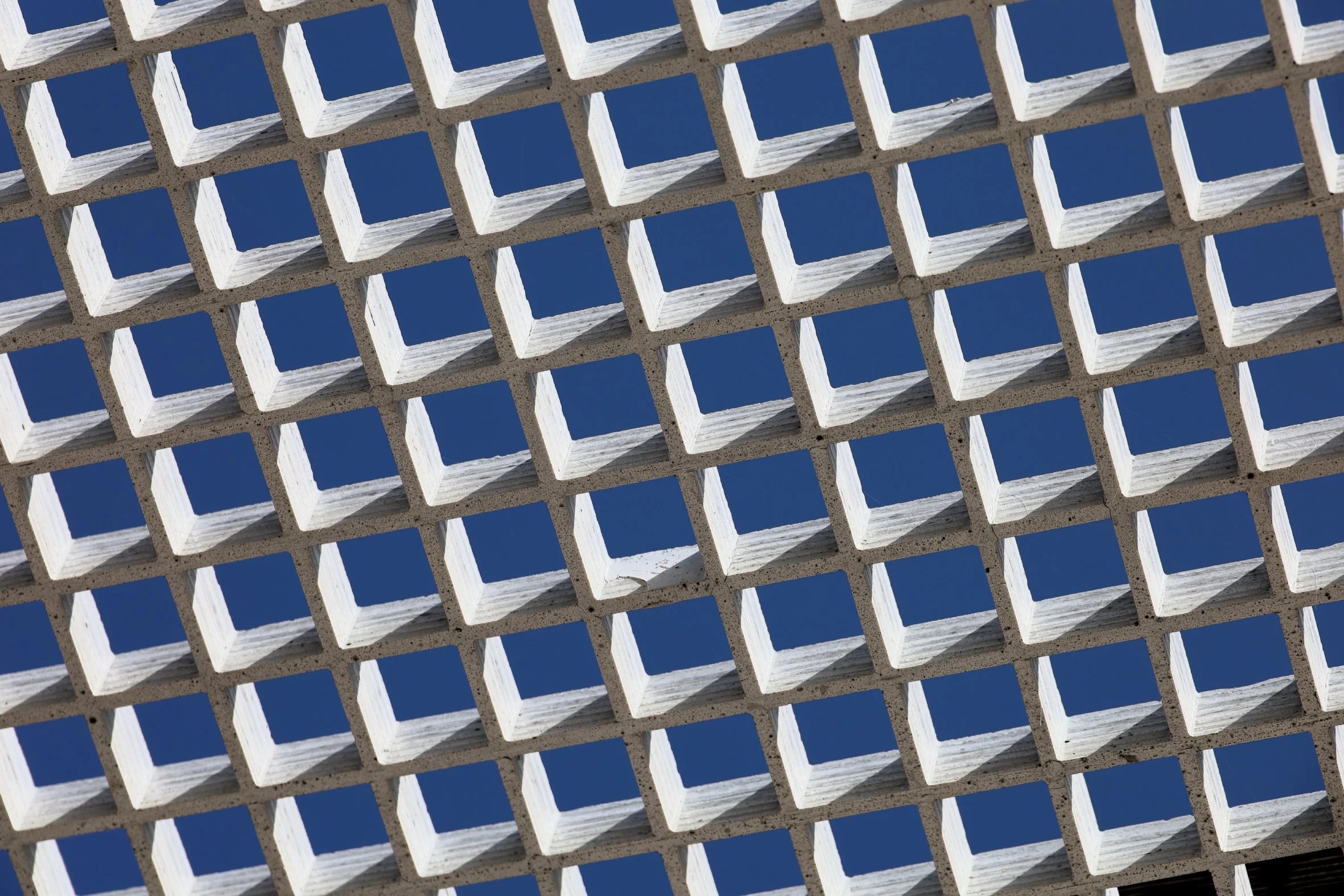
In Munich, on my way to work, I kept walking across the Oktoberfest grounds while the festival tents were being built for the year. There I was caught by the colours and materials of the stacks of boards, which have been used again and again for the buildings for decades, and I kept photographing almost the same thing. Not a complete scene, not a picture of the whole, but the stripes of the layered and stacked boards in all variations and colours. And so came a first series that did not consist only of single pictures, but of pictures that relate to one another, and that also look almost mysterious in their tight crop, with no explaining context at all. That never let go of me, and more series like this have followed since.
Series Munich
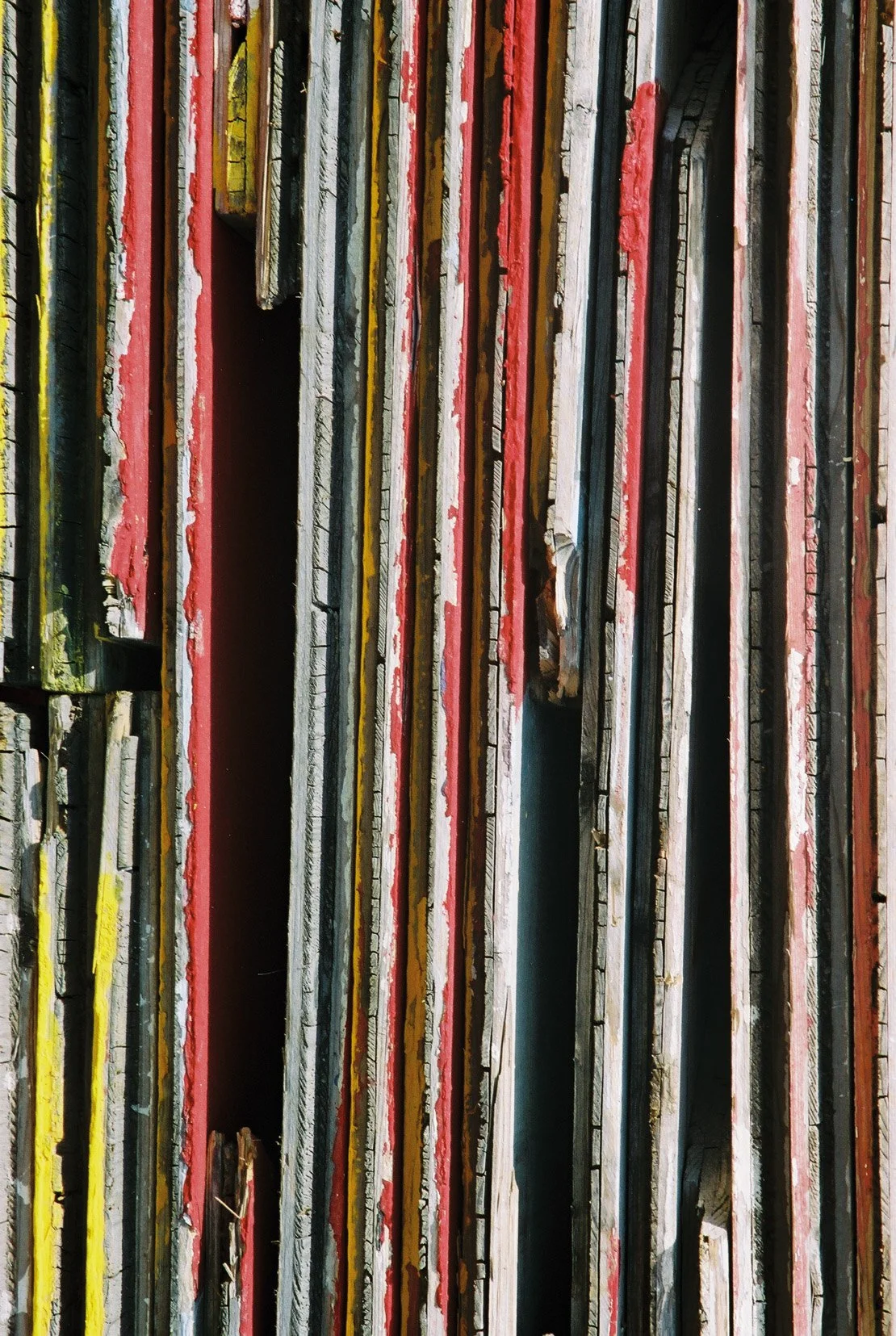
It is the chance glance at the often small things that become subjects ‘en passant’ on my walks and journeys of discovery, and that then join together into one big story.

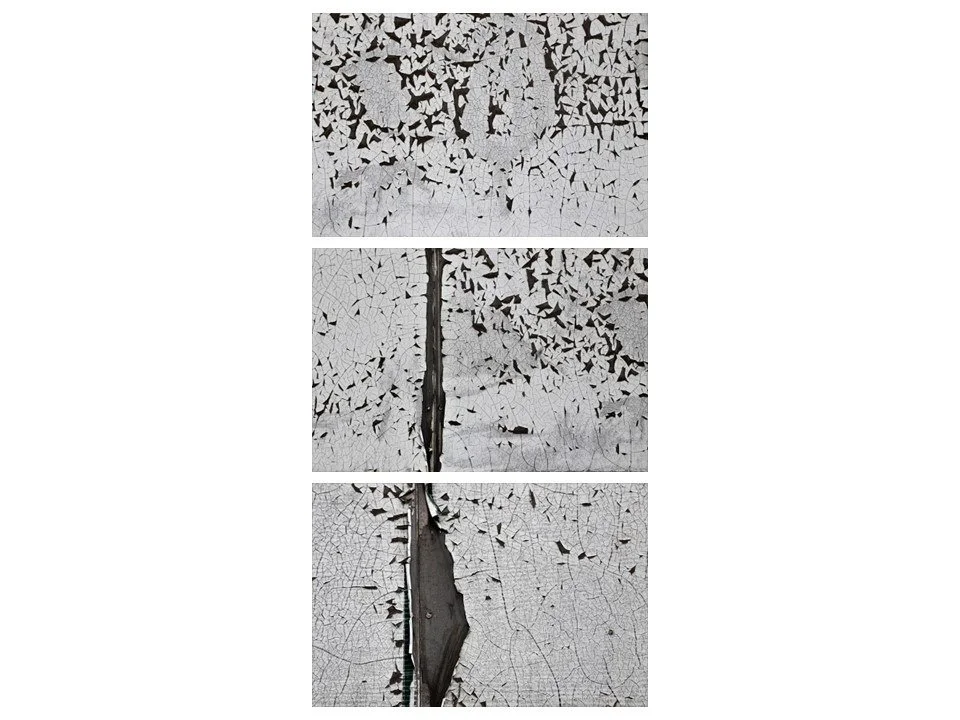
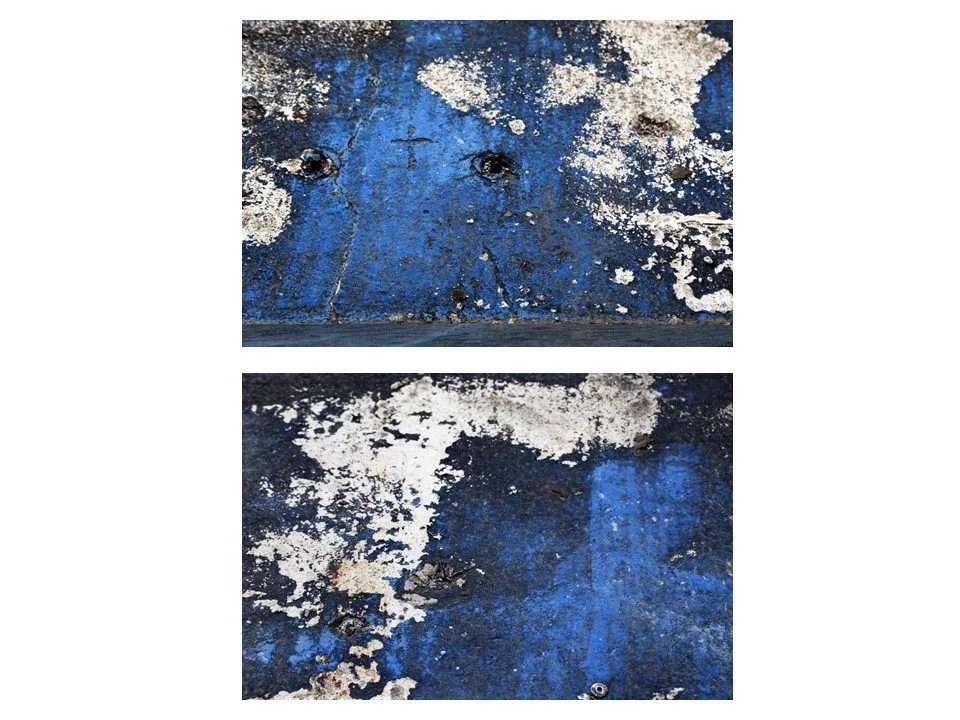
A Photograph, Step by Step: Can you choose one photograph from Einfach da and walk me through how it was made, step by step? What made you stop, move closer, step back or change your angle? And what did you deliberately leave outside the frame?
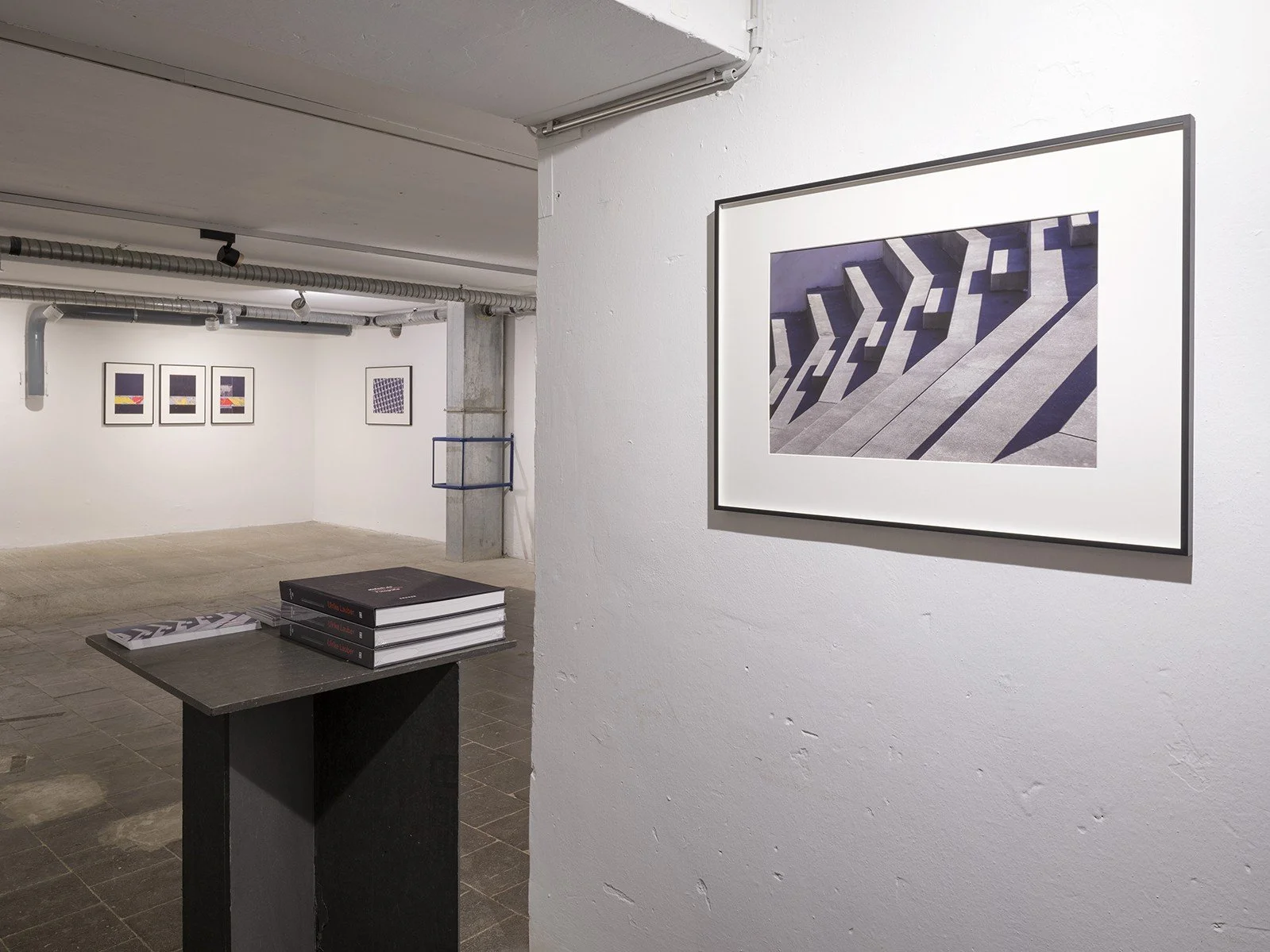
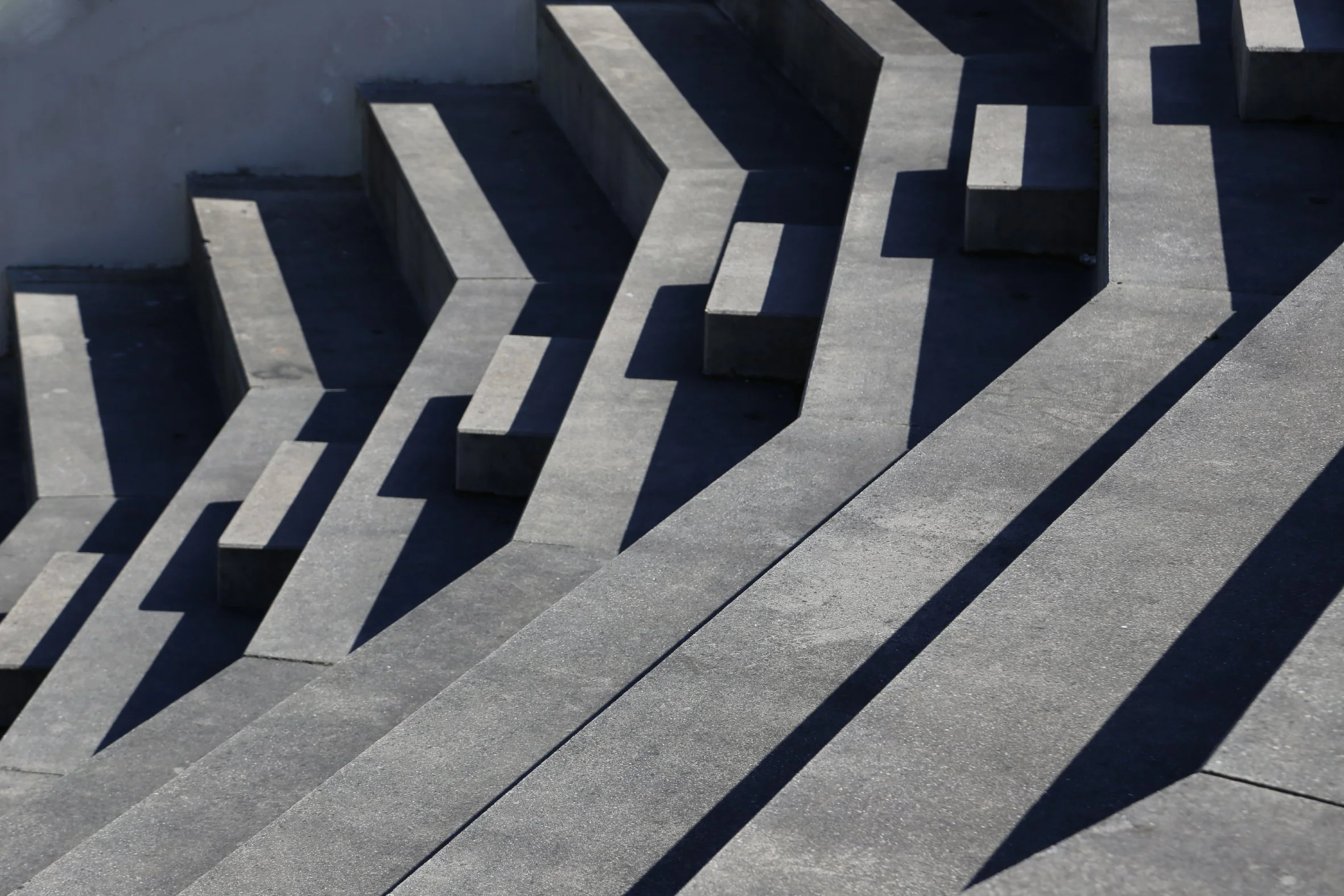
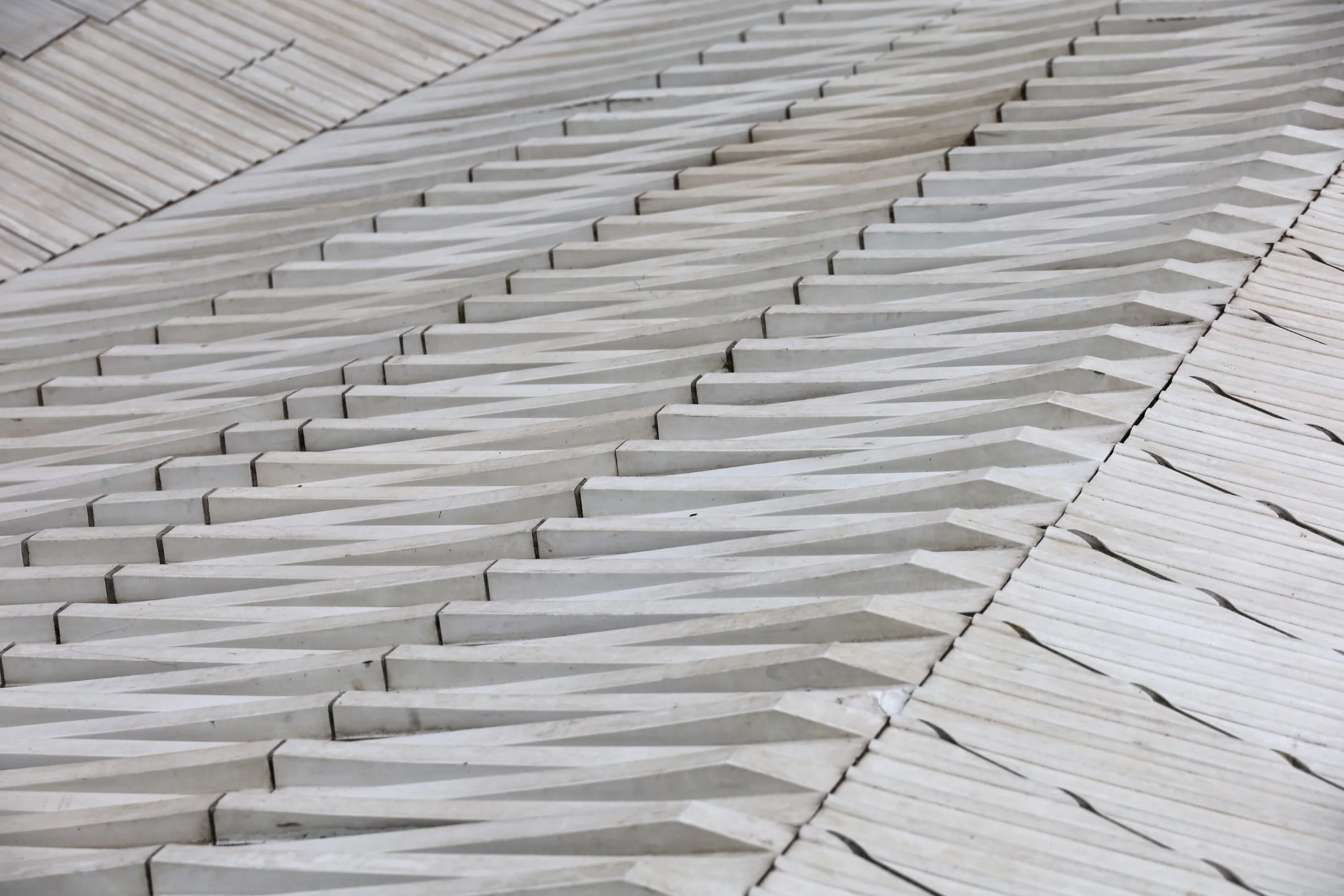
Let us take this photograph, Bilbao 2016. I am walking through Bilbao with my husband on the way to Frank Gehry’s Guggenheim Museum. He walks on. I have seen something again, so I slow down, take the camera and photograph a striking play of light and shadow on a flight of steps. Just one single photograph. Taken exactly from the spot where I happened to be. With the light that had lured me, without paying attention to what is around it. In the crop that I perceived. And then I hurry after my Arthur.
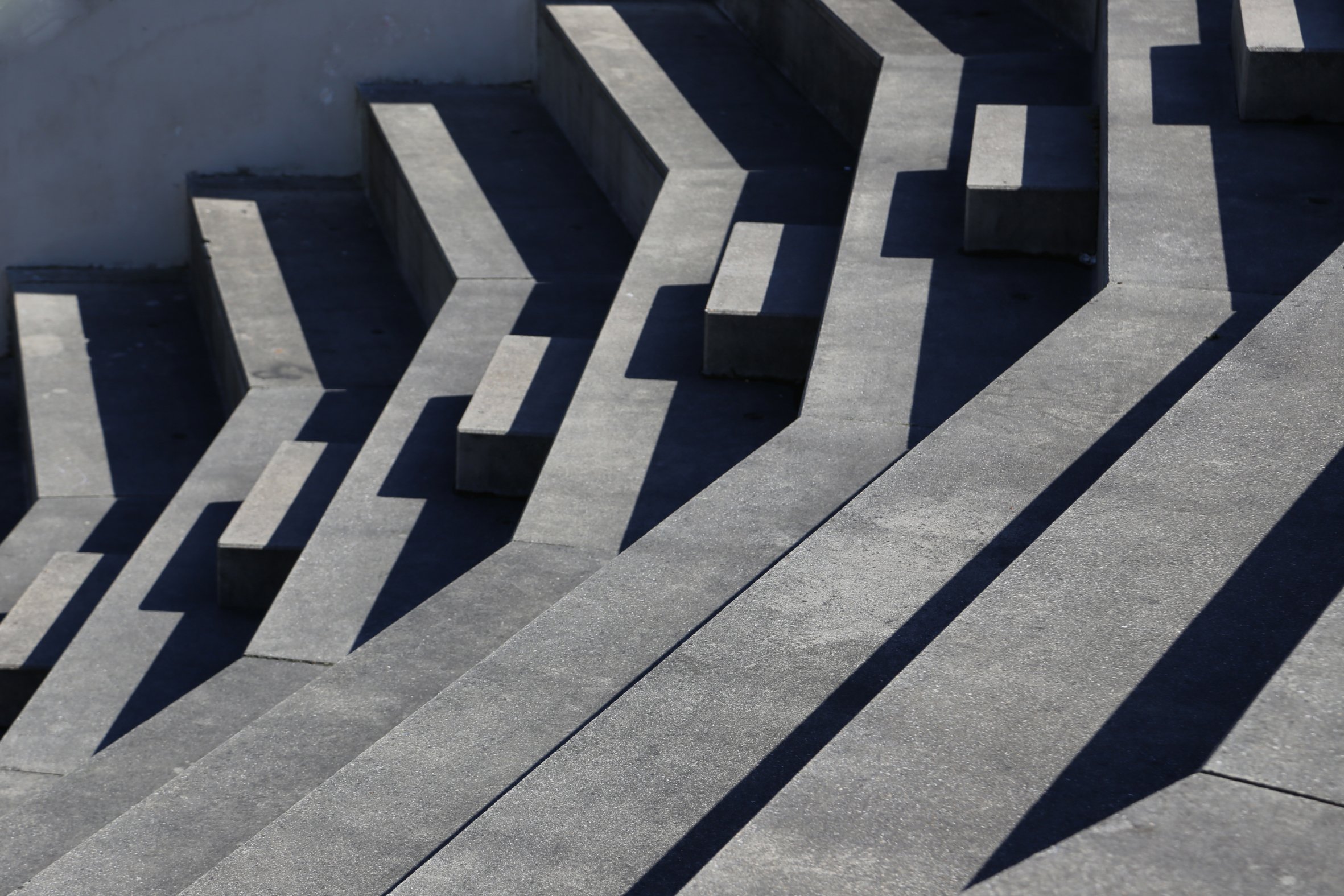
I see a photograph lying there, waiting for me as I pass by. It is by chance, and often just lines and shadows that are easy to overlook, or surfaces of intense colour. I do not leave anything out on purpose. I fall back on what I find, on what I have seen, just as it lies in front of me. It is simply there. I do not edit my photos afterwards either. I cannot use Photoshop or anything like it, and I arrange nothing. No later crop, no further editing. If I do not ‘get’ it right, then it is simply nothing.
Almost a Photograph: Was there something you noticed and even raised the camera for, but then realised there was no photograph in it after all? What was missing?
At the beginning of my time in New York, I often photographed along my daily route. On a cold, sunny winter day there was a small icicle on the grille of a façade. Beautiful. But I did not have a camera with me, so I hurried home to get it. What a disappointment: the light had moved on, and the little icicle was half melted. Wrong light, wrong moment. No photograph any more. I did take a picture in the end, but for me it was always just an example of missing the right moment. Uninteresting. I see things lying there, and if I do not take them with me right away, they are gone very quickly.
Architecture and Seeing: You worked for four years in Richard Meier’s office before you founded your own practice. What did your architectural training make easier when seeing with a camera? And was there a habit from architecture that you first had to give up so that certain photographs could happen?
Certainly my way of often shooting very different subjects at a 90° angle has to do with my work as an architect, with plans and drawing. The precision you need when planning, I had to ignore, and mostly could ignore, when photographing. It was not hard for me either. Chance and the moment are more important to me.
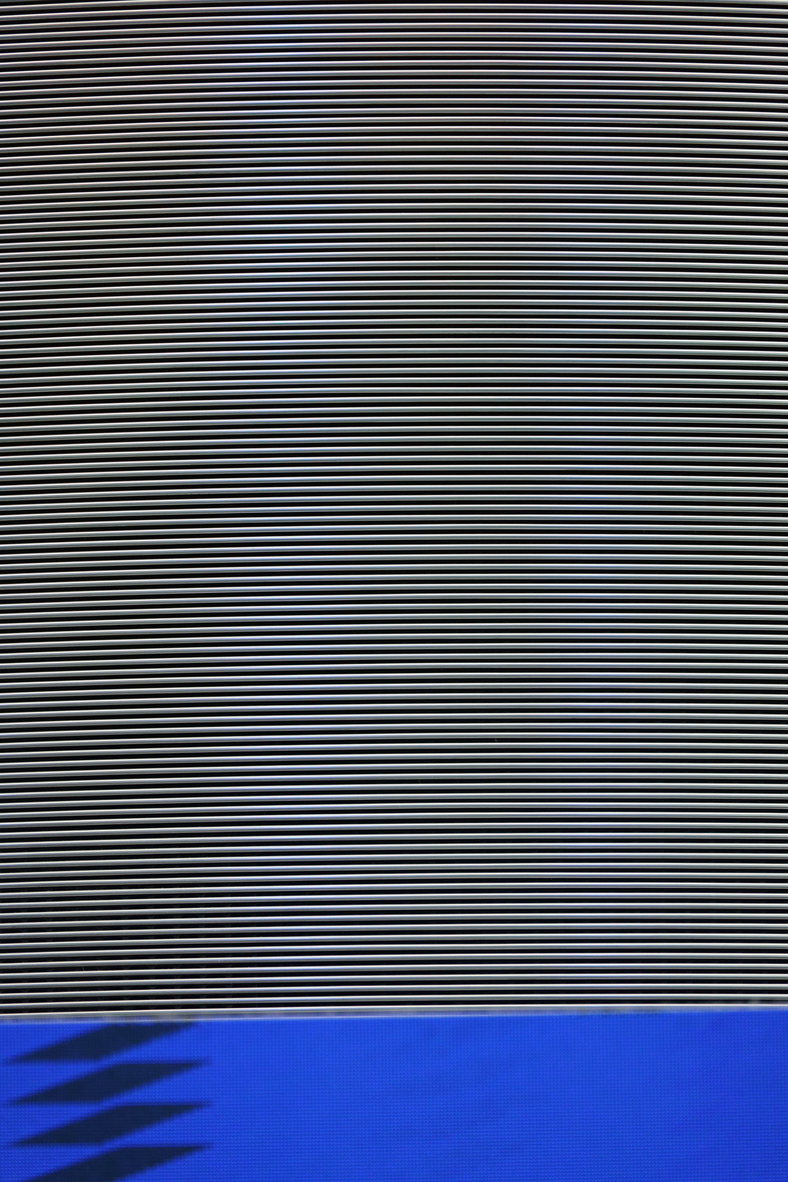
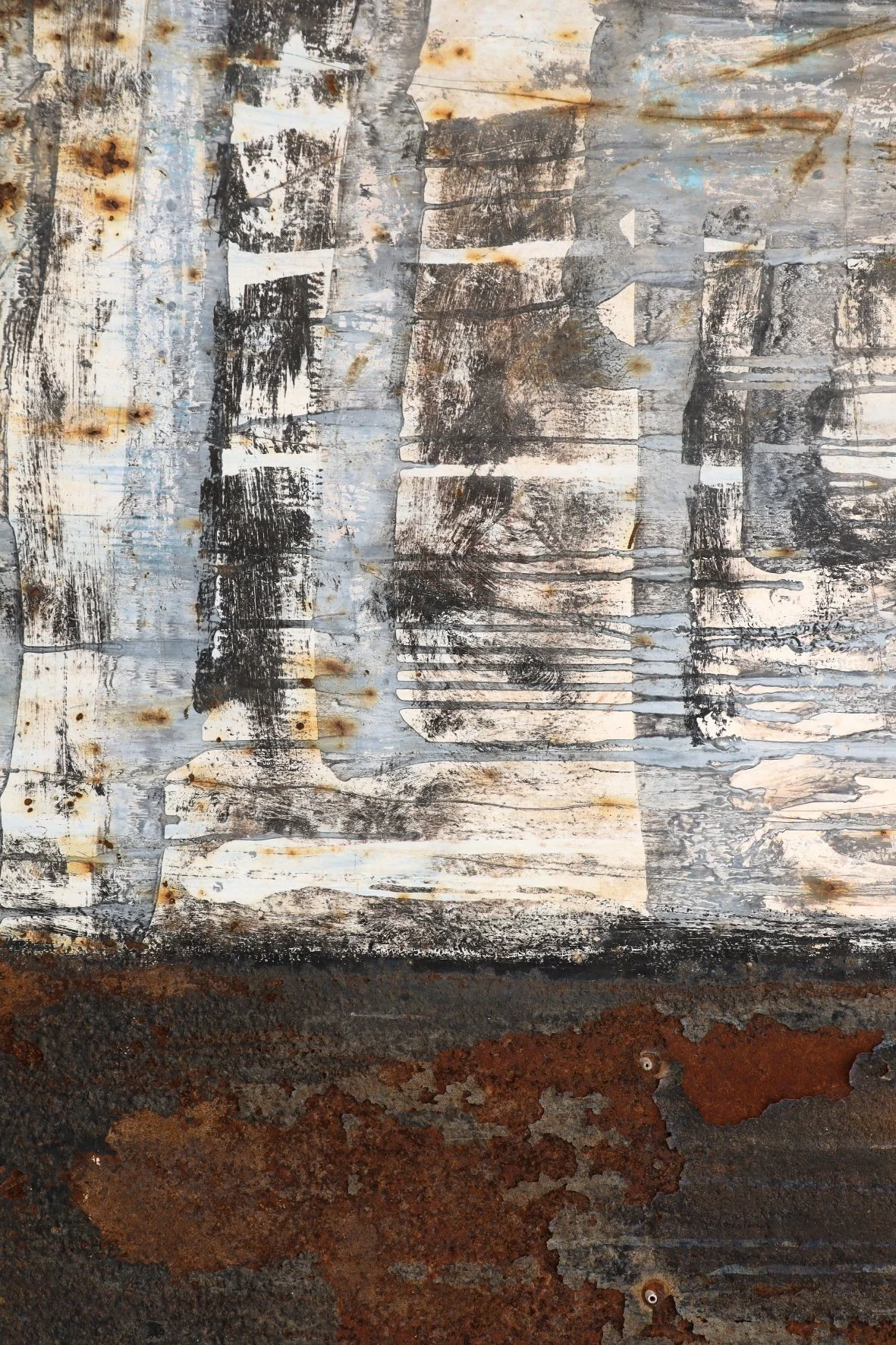
Architecture is just like photography: looking, perceiving, reacting. Seeing consciously. I always want to build in a modern way, but not in a fashionable way. My photography should be like that too. Clear, simply structured, calm. The simplicity that I value so much in architecture connects simple forms, structures and grids in my photos as well.
The two professions complement each other well. As a professional architect I thought about cities and houses and structures and materials, and also about the long period of time and the large team that it takes to carry out a concept. Architecture is built environment. As a passionate photographer I only depicted this environment, in my own way. Alone, always very direct and intuitive. No team. My eye, my photo.
What Never Resolved: Across all these cities and all these years, is there a subject or a kind of scene that you tried again and again to photograph, but never got right? What was it about that situation that kept escaping a photographic solution?
Again and again I tried trees. Renger-Patzsch and his photograph ‘Das Bäumchen’ (‘The Little Tree’) captivated me. I tried often, and I am slowly giving up. It is not for me. Others have done it so much better.
But I never got along with proper architectural photography either, even though it would seem the obvious choice for an architect. You work with a tripod and with lights, with big equipment. I only have my 35mm camera, which I can simply take with me.
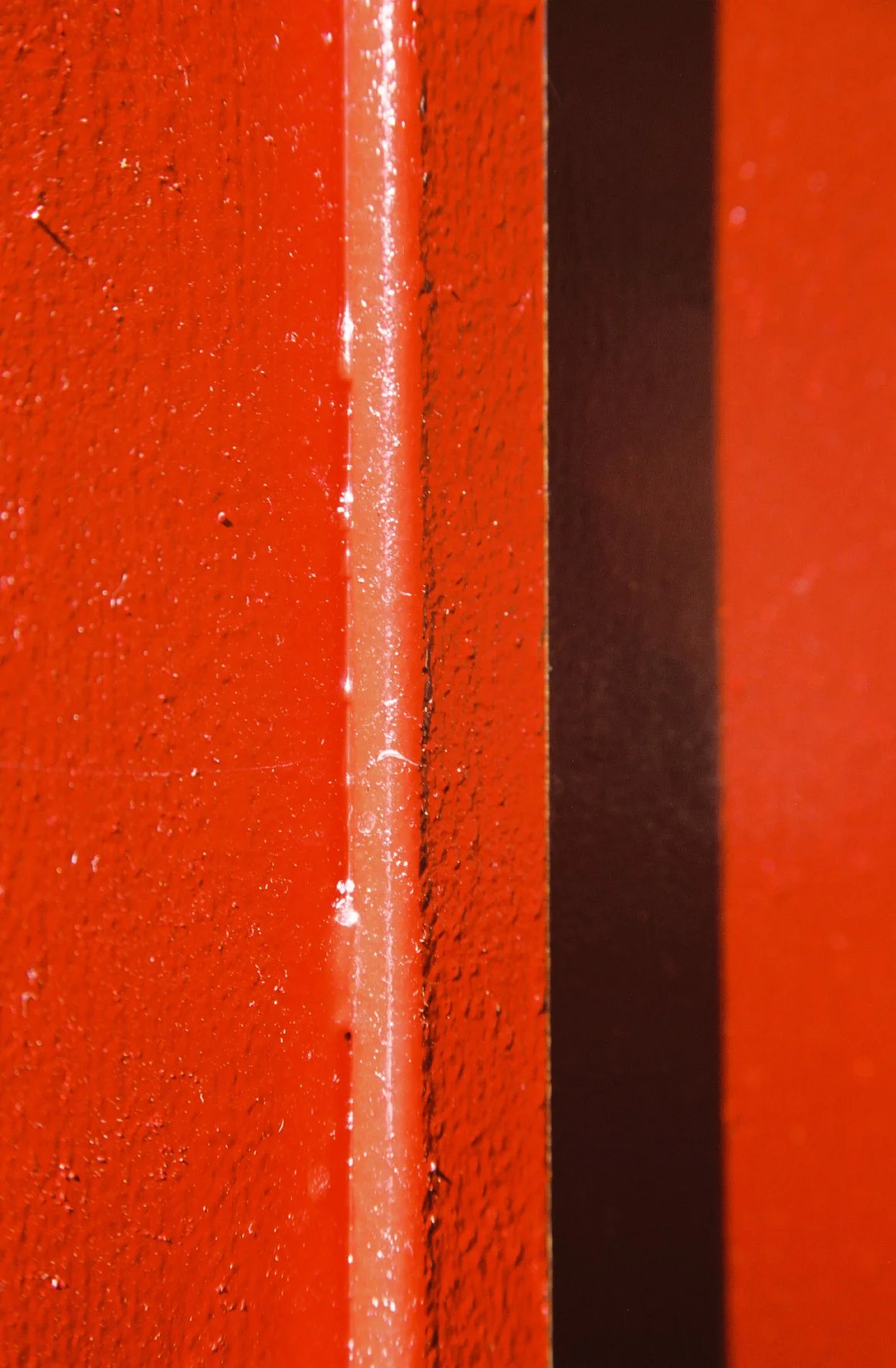
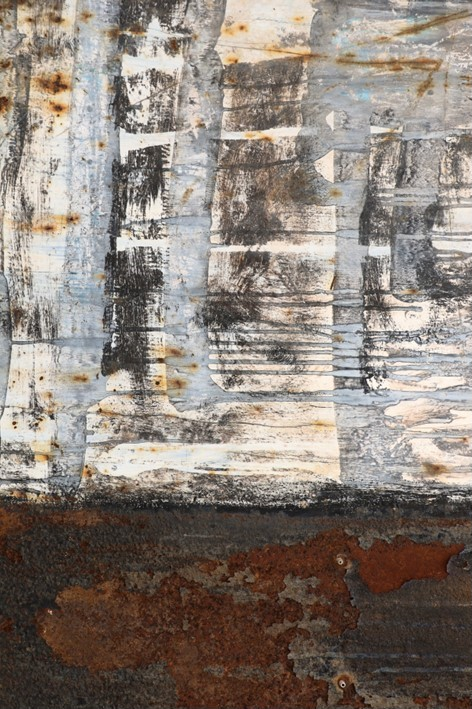
I also find it difficult to photograph people. Barbara Klemm and Ellen Auerbach, two close friends and great role models, always photographed people wonderfully. Their photographs showed me my limits, but they also led me to my own way. So I gave up black-and-white photography, despite having my own darkroom in my student days, and recognised colour, surfaces and structures, materials, as my subject. No nature, no people, but things that have been touched and shaped by people, the man-made. Things that have an irritation, a spot, a crack, some damage. Only then do they become human and accessible.
The Trees: You tried to photograph trees again and again before you concluded that this subject simply does not suit you. Was there a moment when you realised that more attempts would not solve the problem? What was missing from these photographs?
The essence of the tree. The ‘treeness’ (Baumhaftigkeit), as Ellen Auerbach once called it. I only made very pretty photos, but there was no tree there. You do not feel it.
From Archive to Book: Einfach da is based on photographs made over more than two decades in many different cities, and the book contains 234 pictures. How did this scattered archive become a selection of photographs that belong together in one book for you? And how do you recognise that a photo belongs in Einfach da and does not simply remain a good single image?
There are single pictures that can stand on their own and also work with the others.

The mix of soloists and orchestra members is important and helps to decide a selection.
I created a folder a long time ago in which I put my best photos once more, so that I have them in one place and can compare them with each other. Many subjects from the different places where I photographed them belong together for me, because of colour, structures and materials.
But at some point there were very many photos, because you always love them all. Hans-Michael Koetzle, who wrote the essay in my book, and Detlev Pusch, my brilliant graphic designer, helped me with the selection. In the discussion with him, I once again learned to see anew.
Soloists and Orchestra Members: Can a photograph that is less strong on its own still be indispensable for a series? What can an ‘orchestra member’ do that even one of your strongest single photographs cannot?
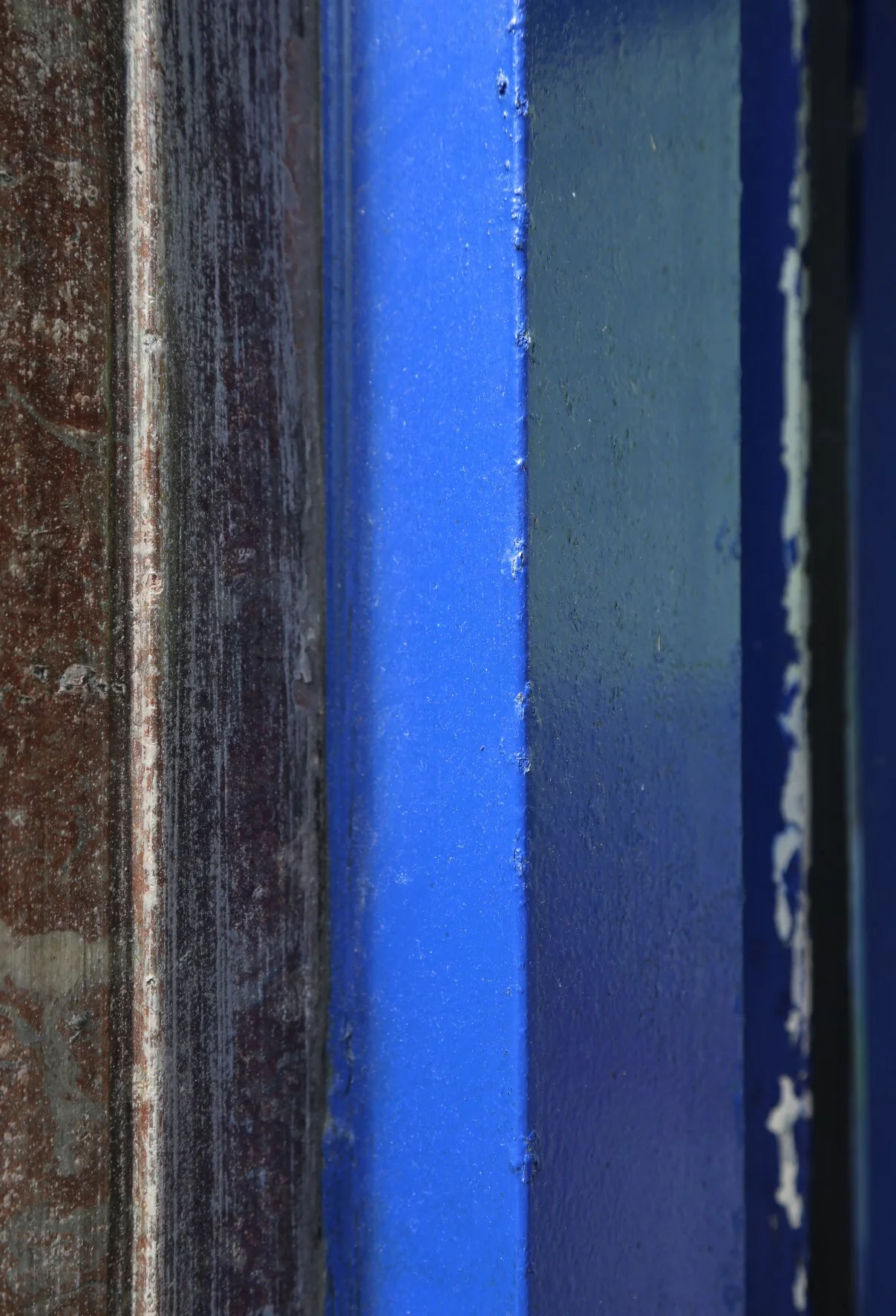
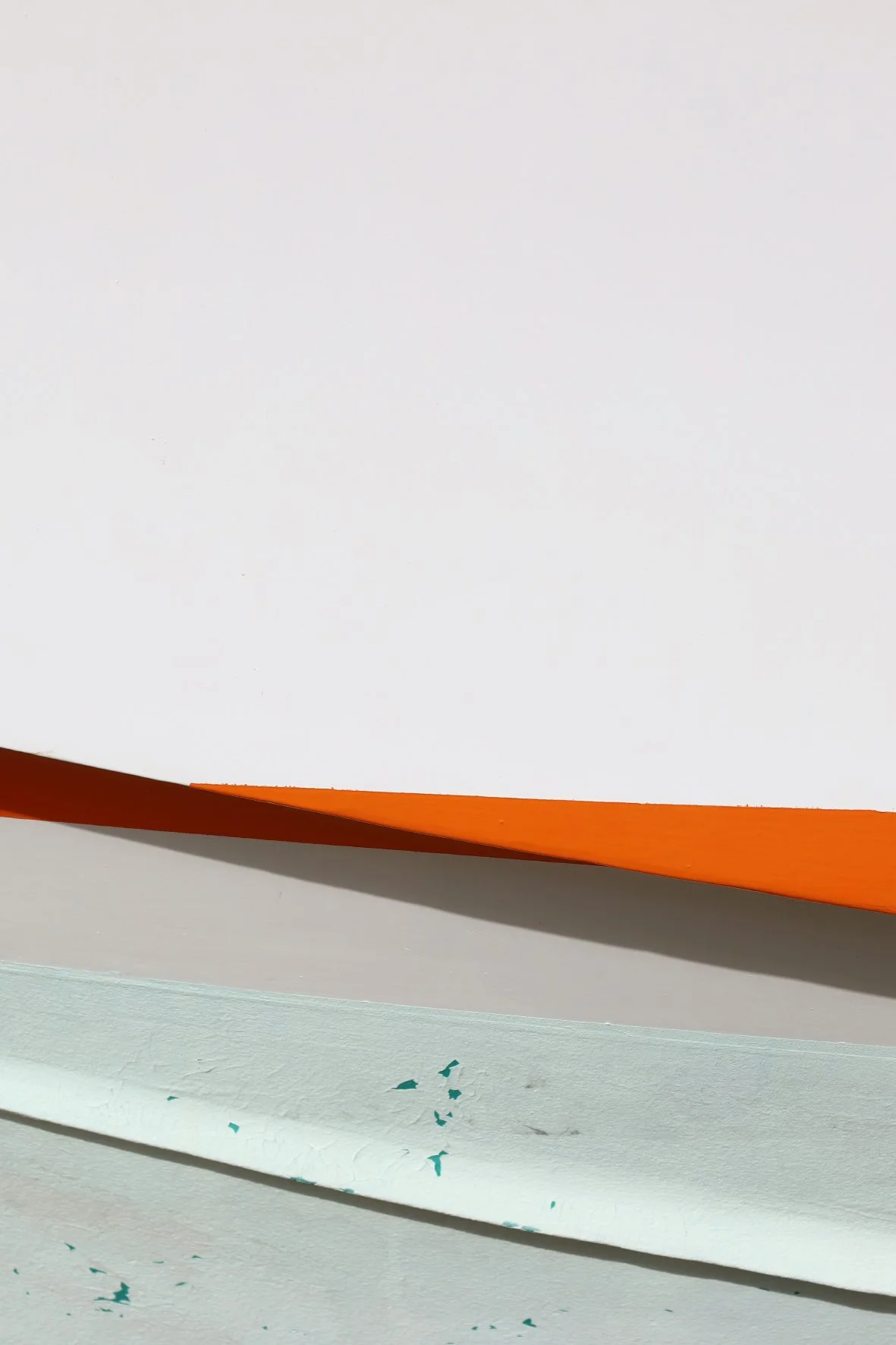
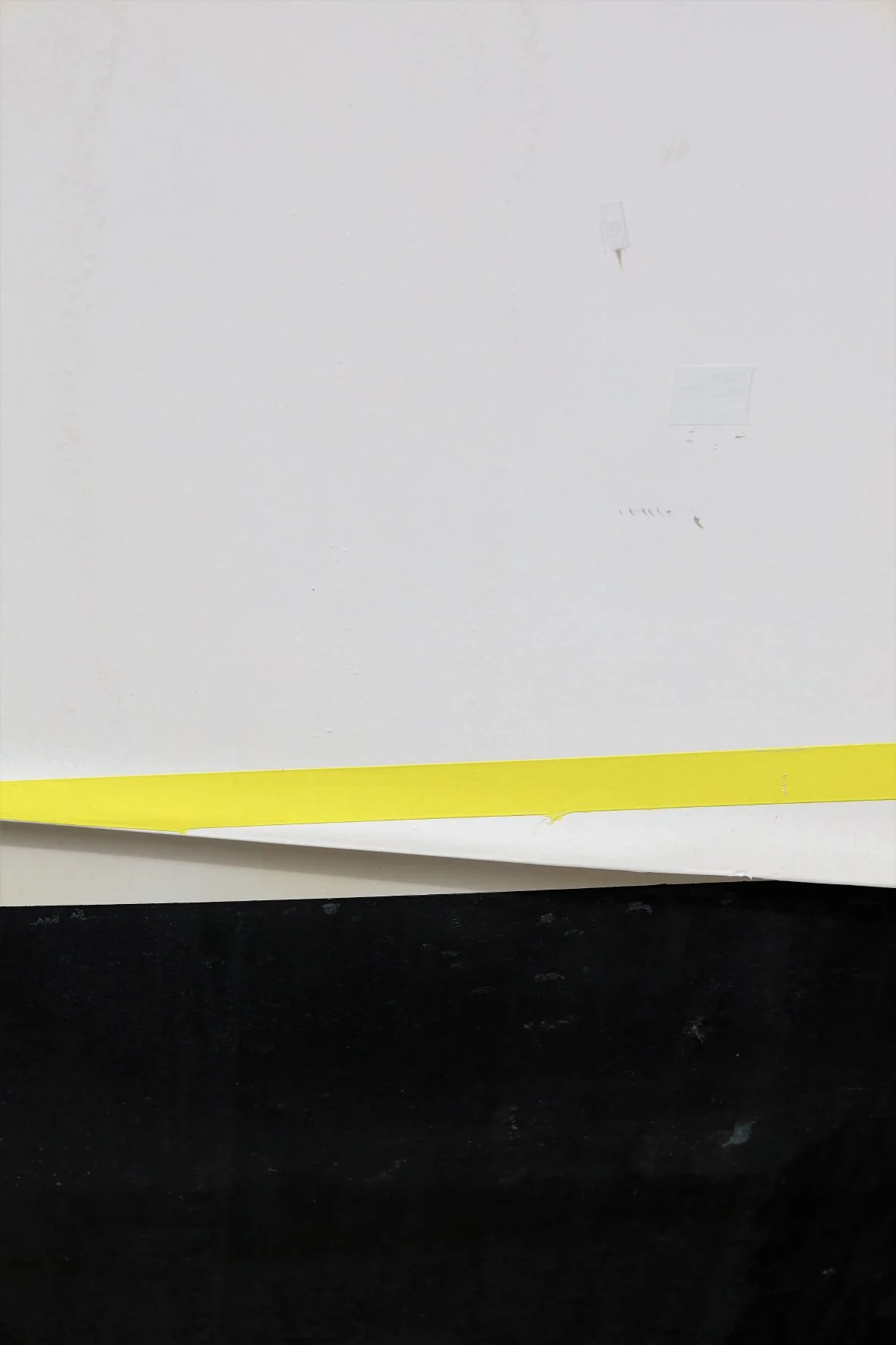
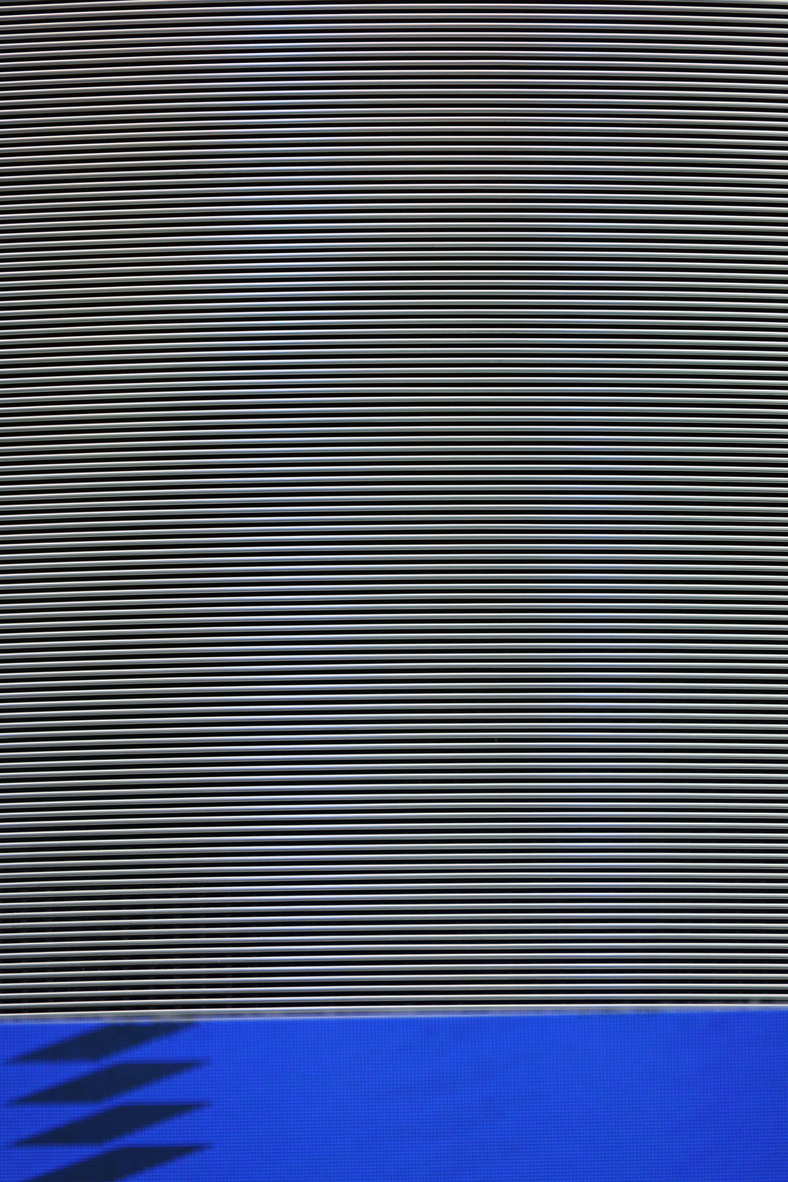
Which photo is the most beautiful? Which one would you choose as a soloist, and which would you leave out? But isn’t that all the same? Sometimes the black-blue-green ones are the better ones, sometimes the ones in dusty pink and grey, sometimes the simple dark grey one with two white stripes. Everything works, but together they are better.


Outside Eyes on the Selection: Hans-Michael Koetzle and Detlev Pusch helped you with the selection, and you said they helped you to learn to see anew. Was there a photograph that you absolutely wanted in the book, but one of them wanted to take out, or the other way around? What did they see differently from you?
There were quite a few that did not make it, which I had taken to my heart very much. Choosing is hard for me, but I am not trained in that either. We wrestled over some photos, and luckily we had time! After a few weeks I noticed myself that some photos were not so good or not so fitting, and that others were better. The shared work, the open discussion, the joy in every result: a gain!
I had never before had professional people around me who talked with me about my photos and wrestled over the selection. Sensational! It really made me humble: all the work and commitment that is in this book, from the essay to the design, the work at the publisher, and then the wonderful printing house in Altenburg. Over 400 years of printing experience and so much passion from each individual employee. What luck! I am a Sunday child, a lucky one!
Book Versus Wall: Einfach da was shown this year as an exhibition at the Architekturgalerie München, alongside the book. Is there a photograph that works differently on the wall than on the book page? If so, what changes?
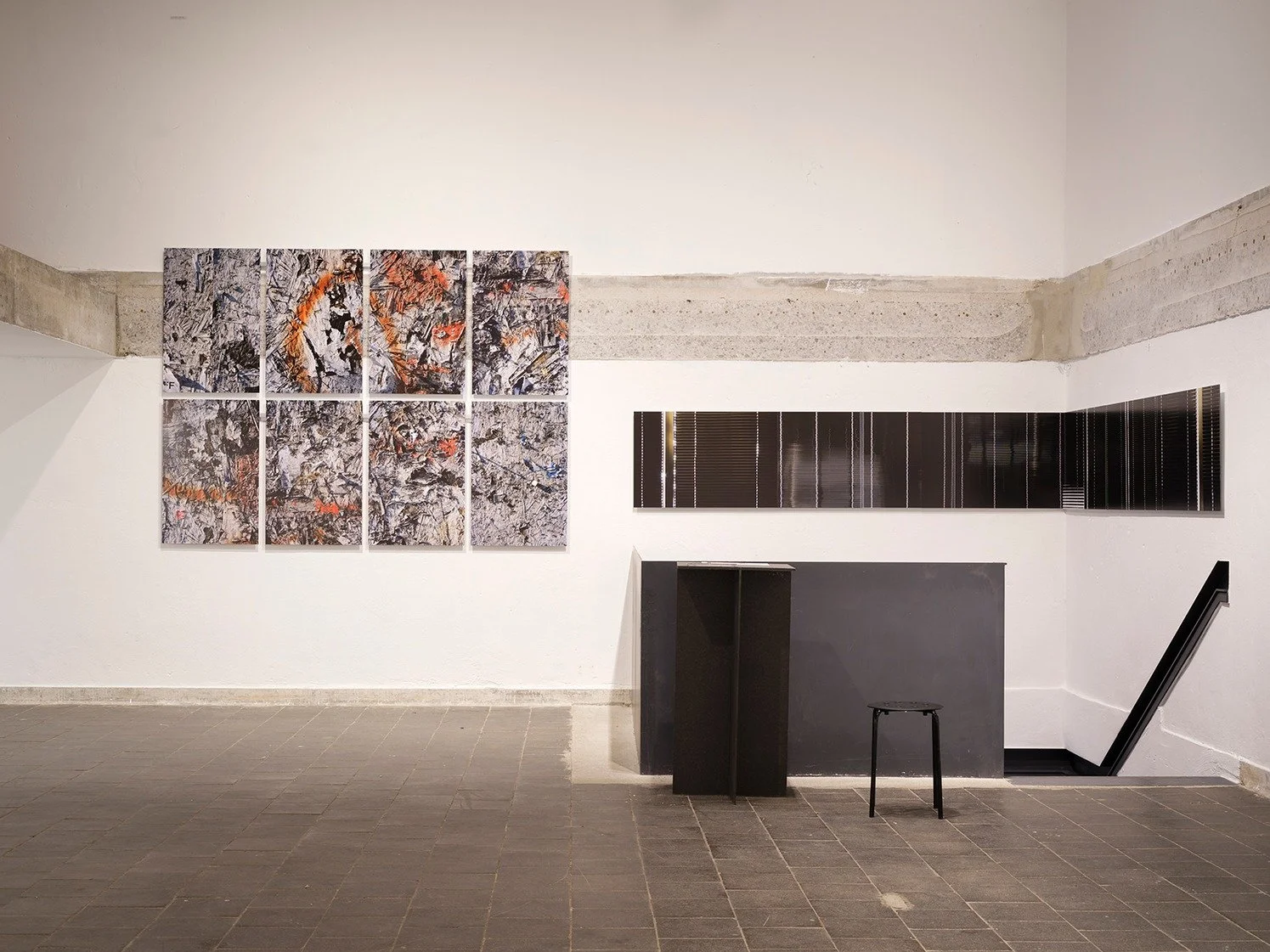
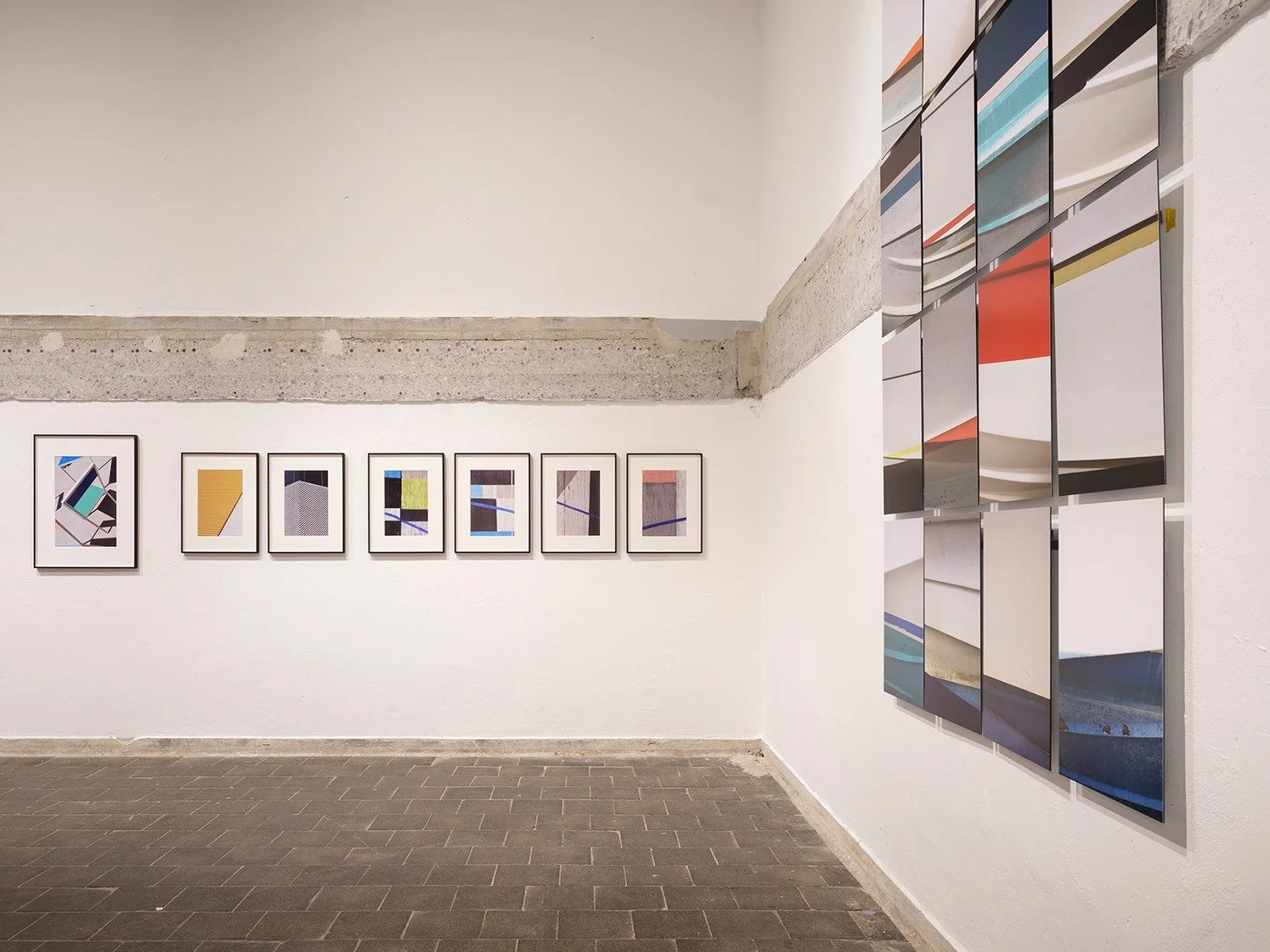
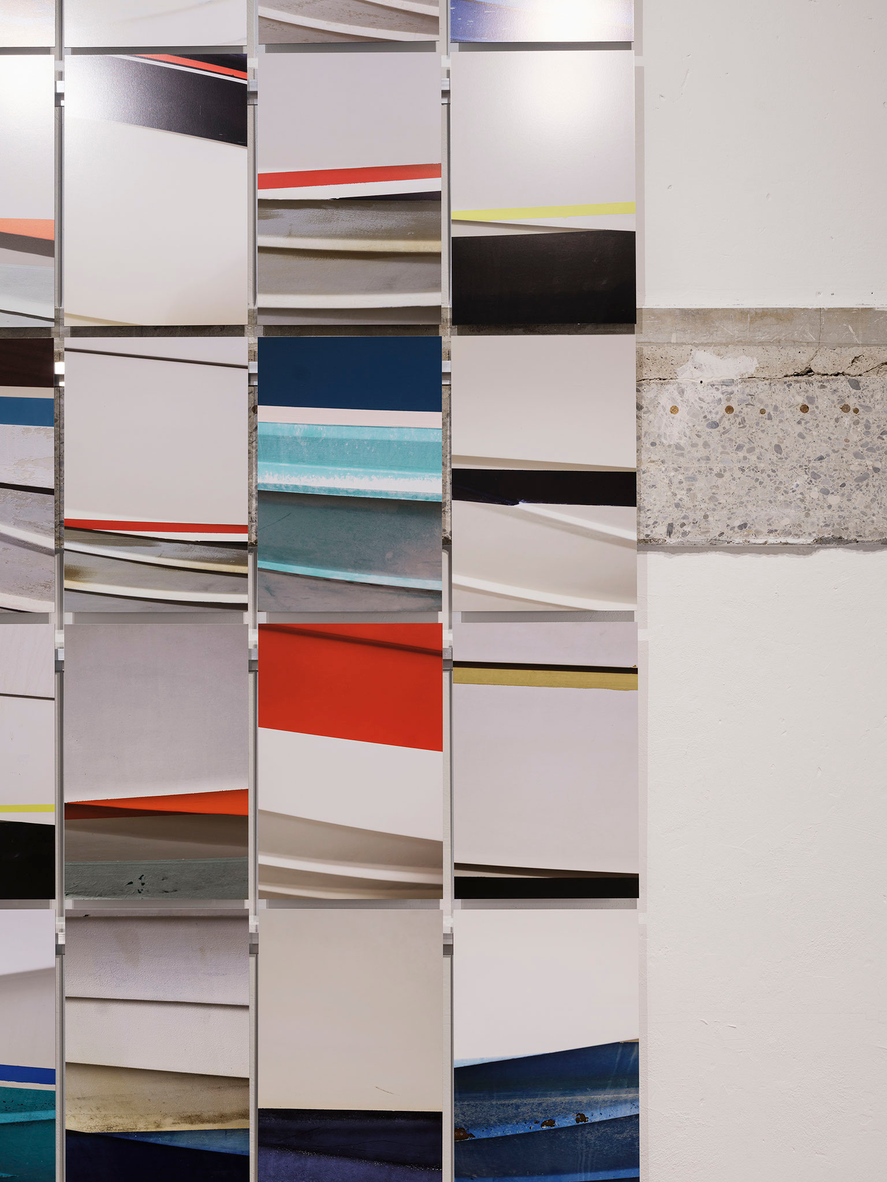
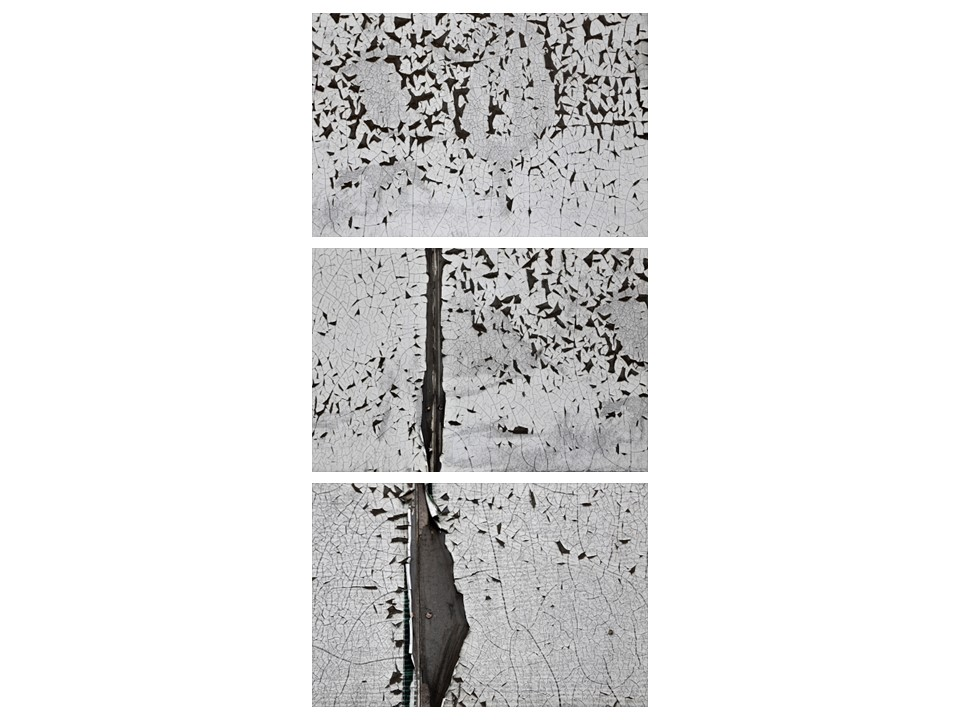
Everything looks different in an exhibition, more spatial. The individual groups of work can be taken in at a glance. Comparisons are possible, and connections can be experienced that are hardly possible on the double page of a book. In the book, however, I tried to make the character of at least some of the series more tangible by using fold-out pages.
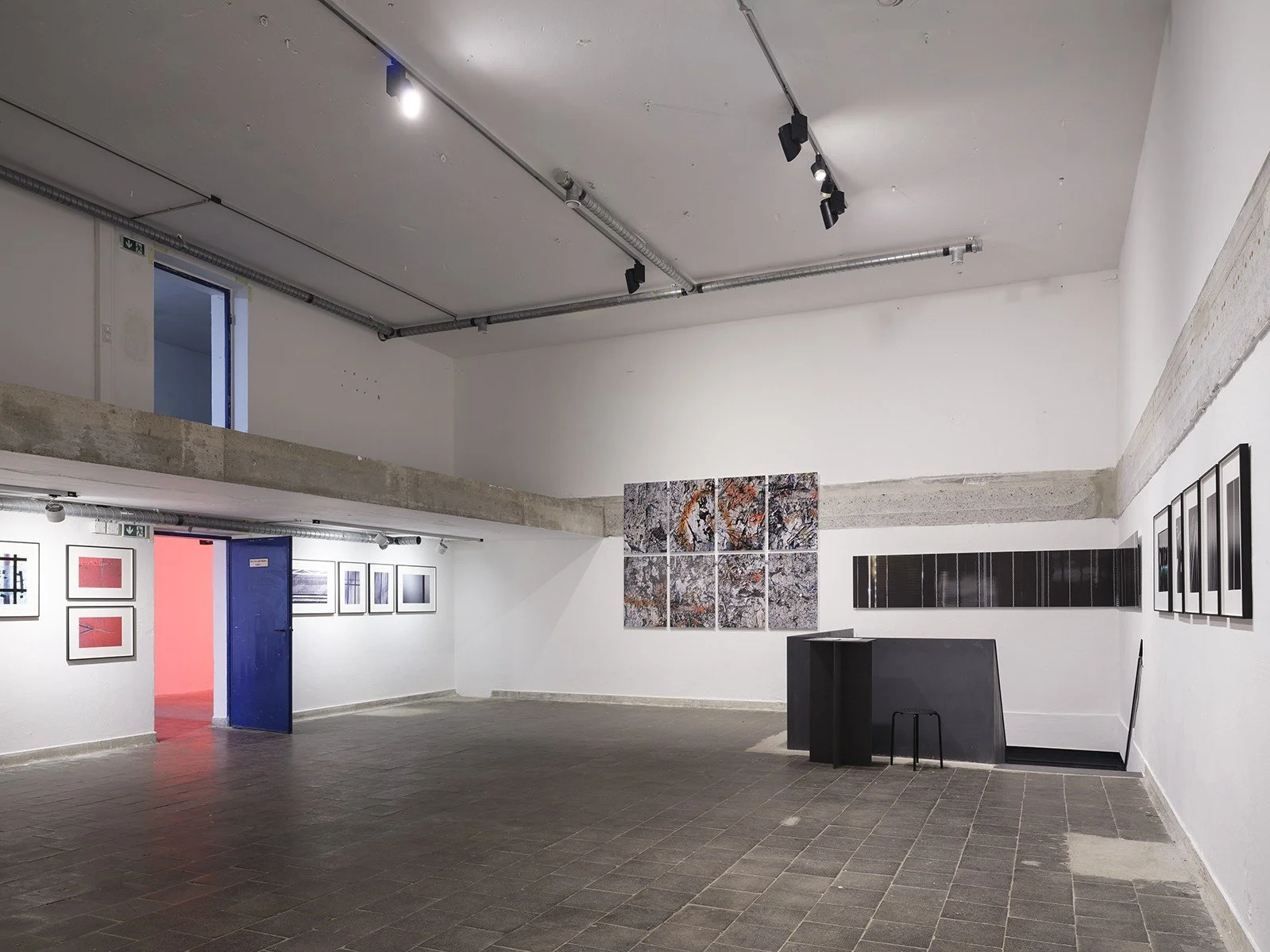
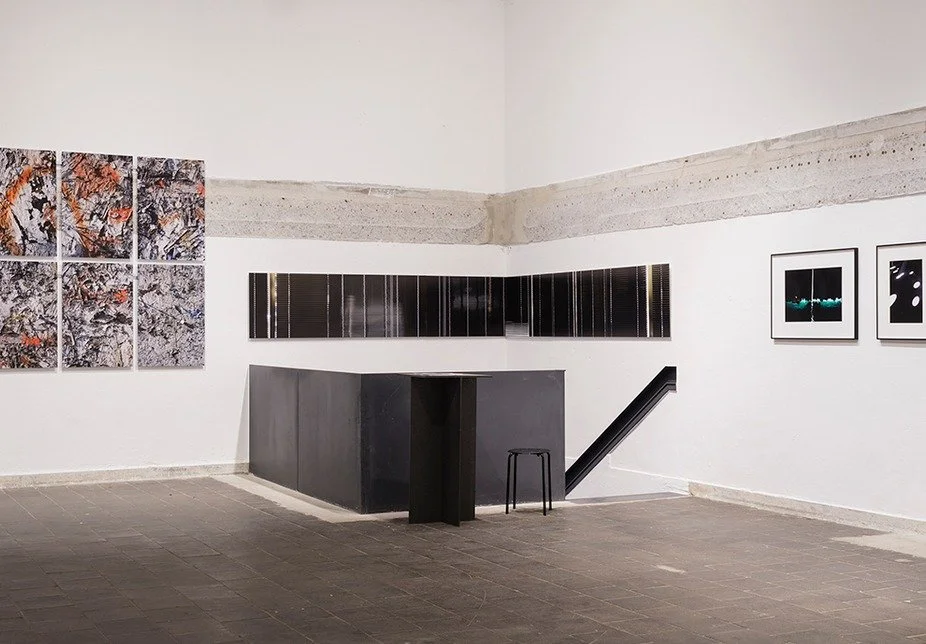
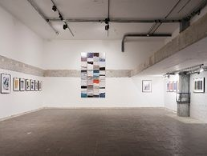
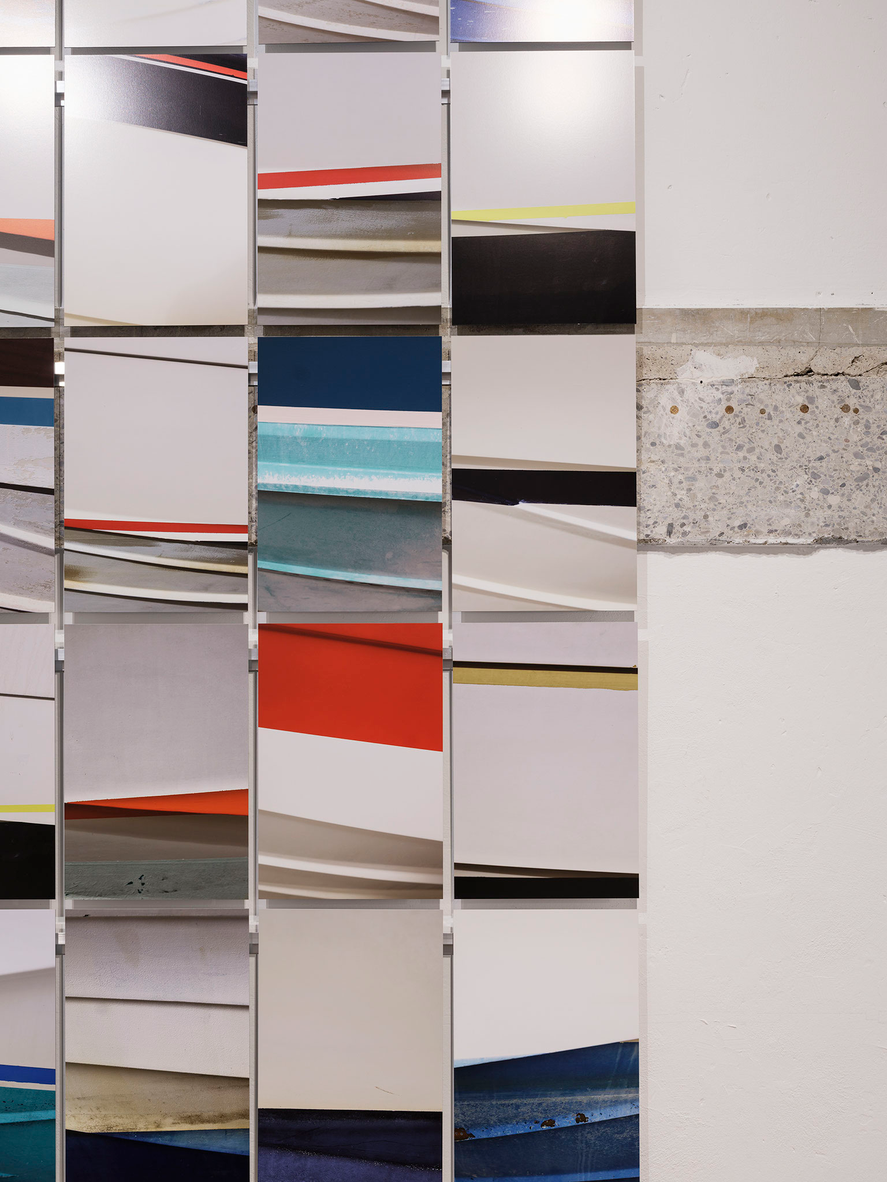
The series made of several single pictures in particular, which are no longer single photos but together take up the space, looked more powerful at the Architekturgalerie München, in the setting of the old, rough bunker from the 1940s with its cut-out floor slab and the contrast of white walls and grey concrete. They became one overall picture.
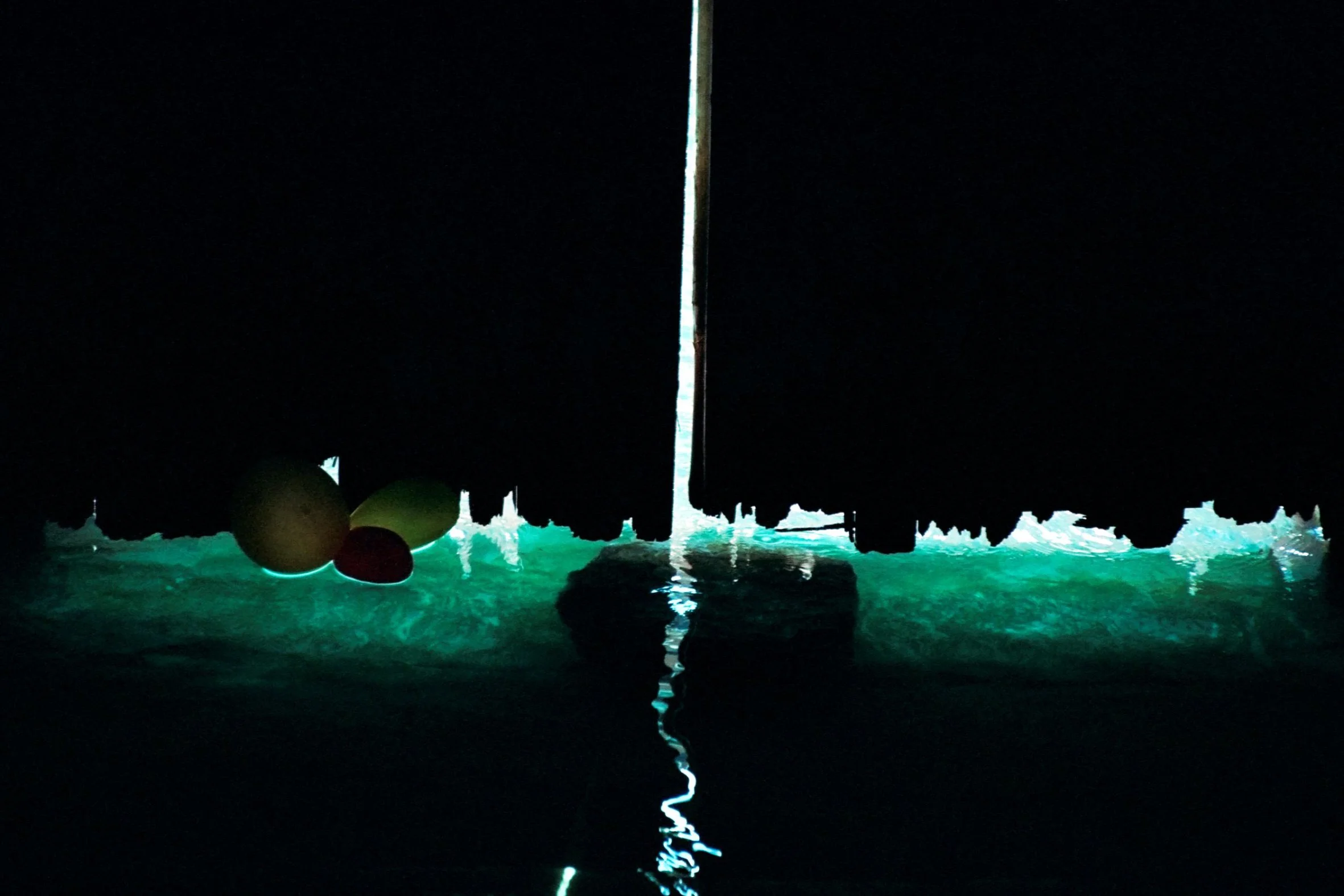
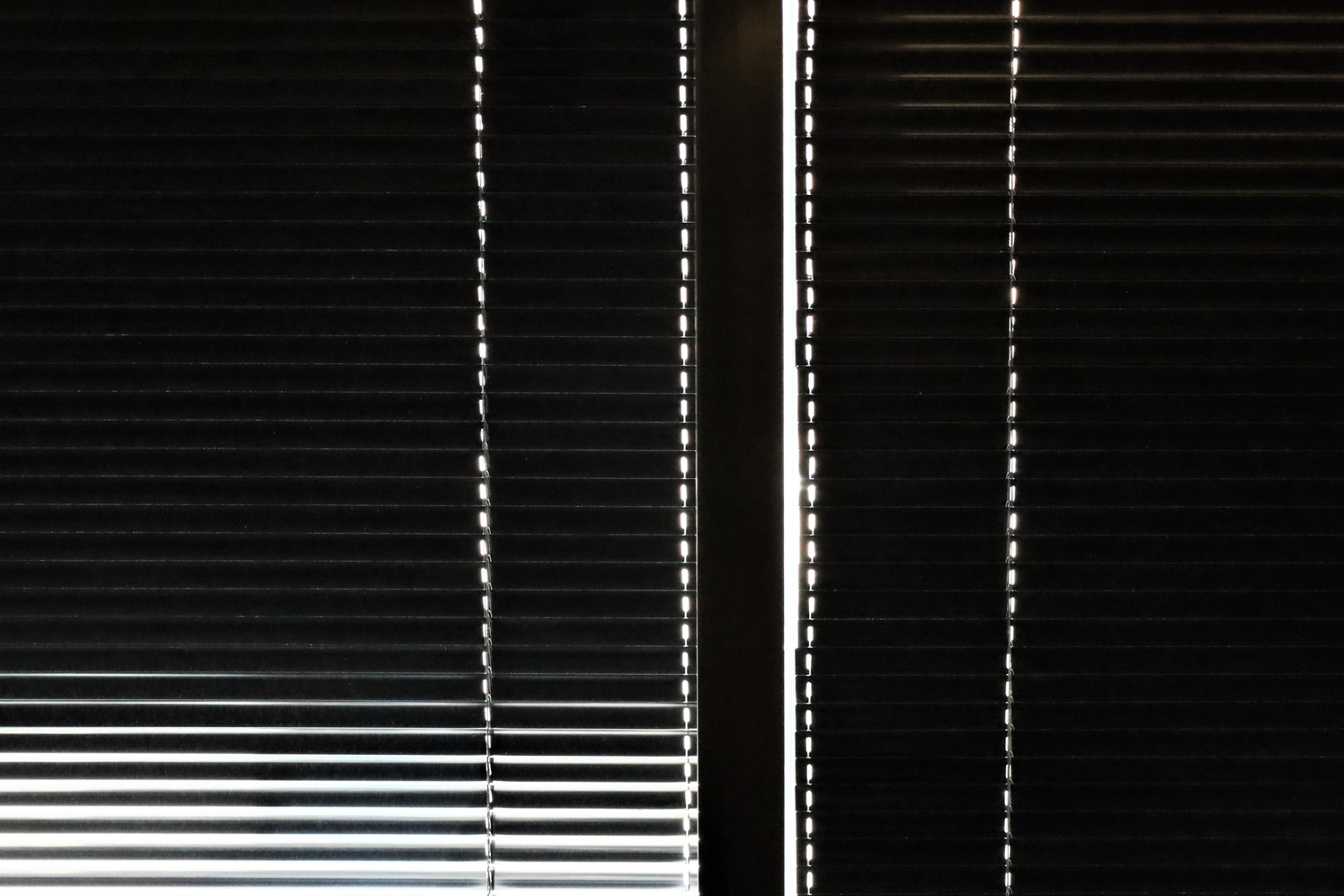
One example is Venice 2021:
Exhibition at Architekturgalerie München, photo: Stefan Müller-Naumann
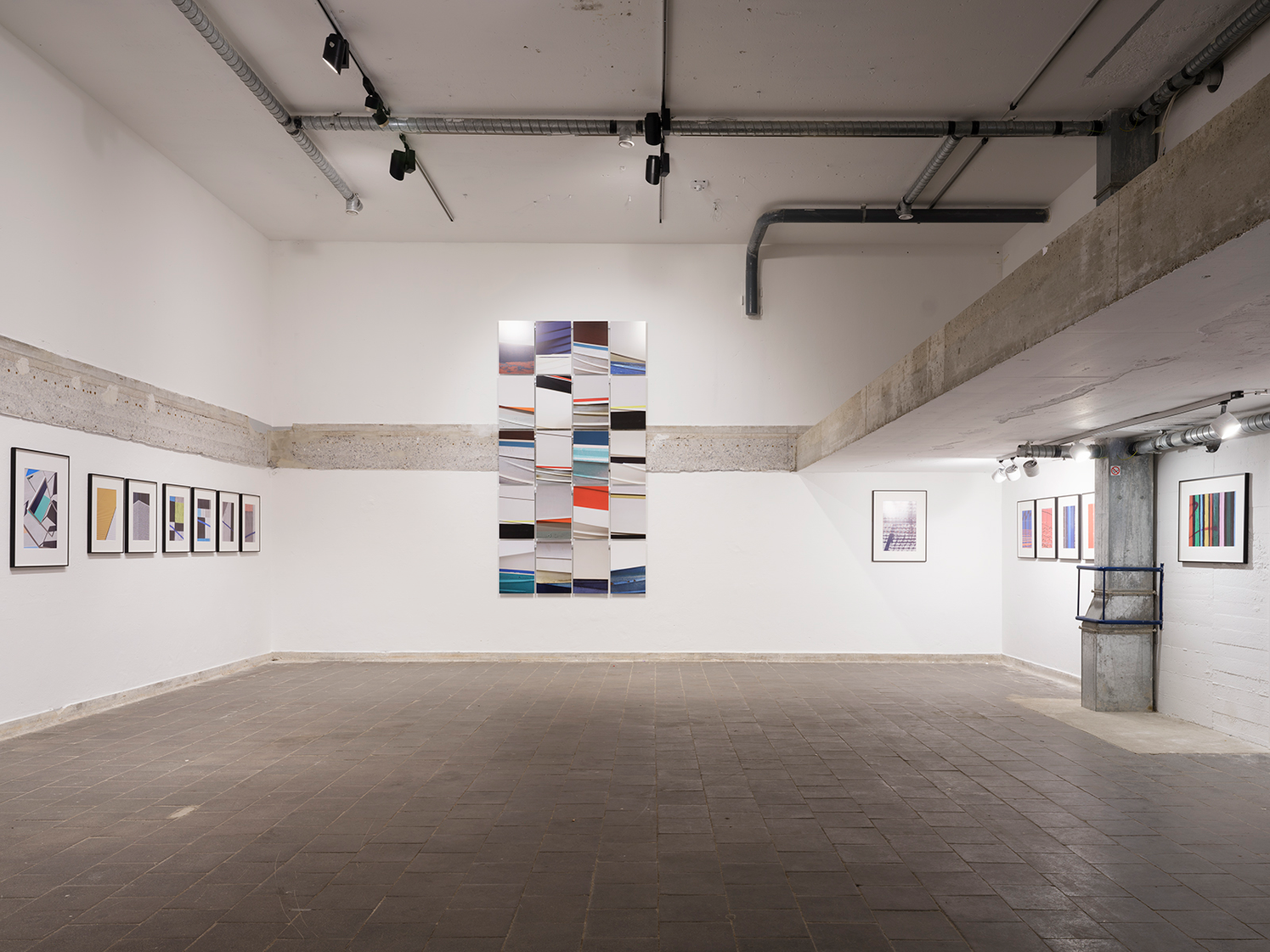
Another example is the series Berlin 2021, which is also on the cover of the book. The sculptural staircase of the gallery, the open space of the stairwell, the rough wall with the view of the concrete edge of the cut-out ceiling: all of this is suddenly held together by the band of photographs. I had planned the hanging beforehand and hoped that it would work well, but I was amazed myself at the enormous spatial effect of this band led around the corner, as if made for this place. It is a connection of two-dimensional surfaces and three-dimensional space. A new, different spatial quality is formed. Very satisfying, especially for my architect’s eye.
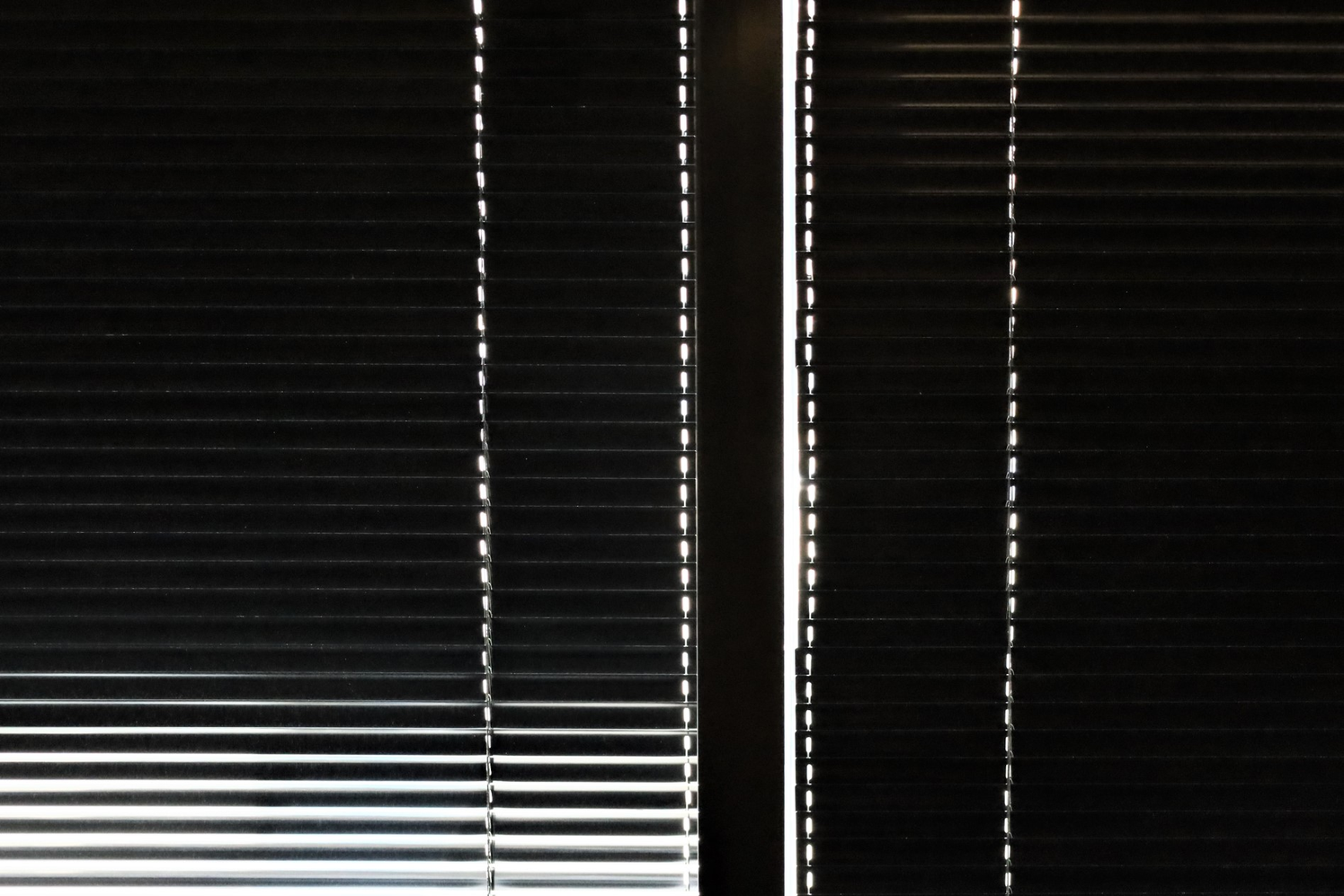
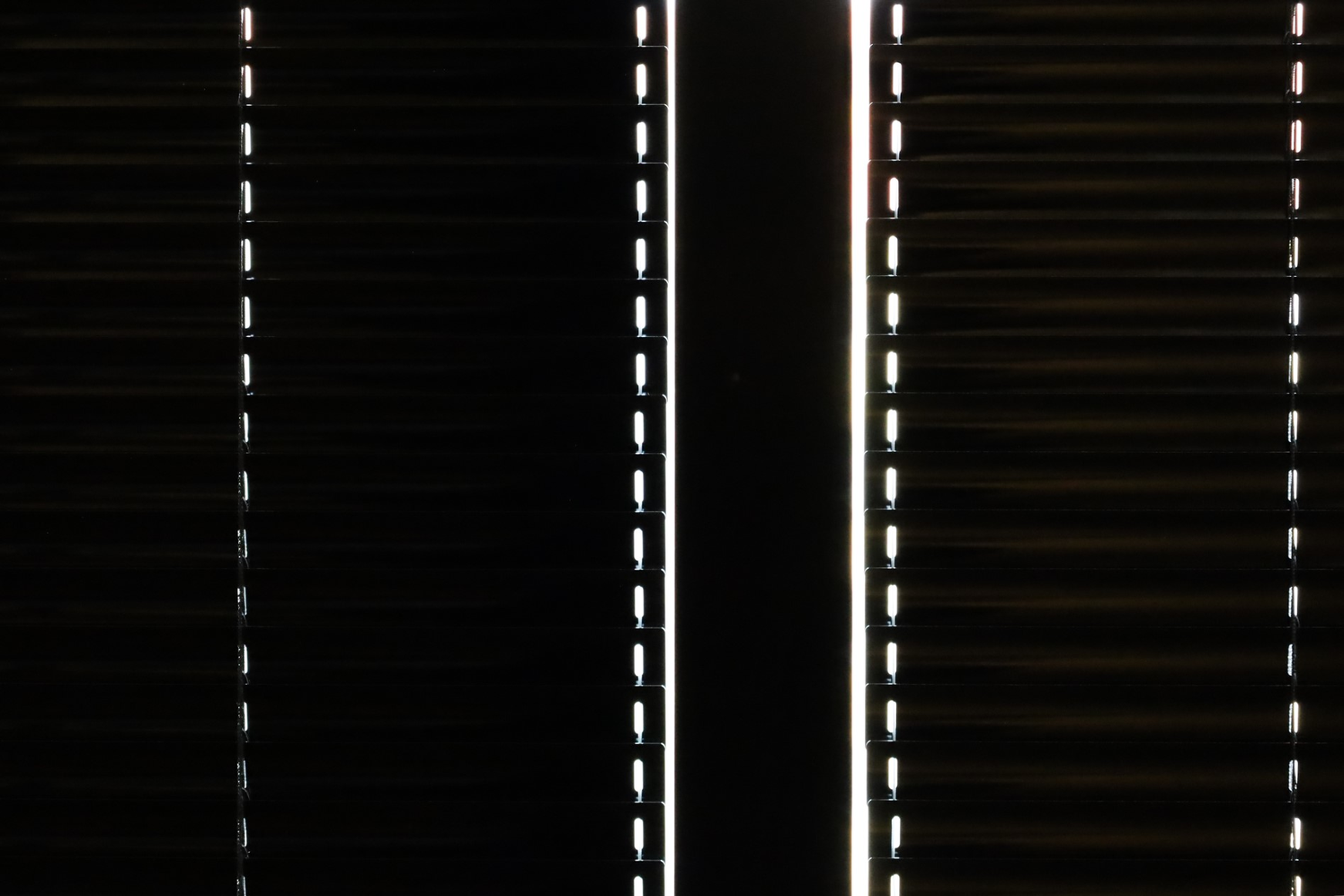
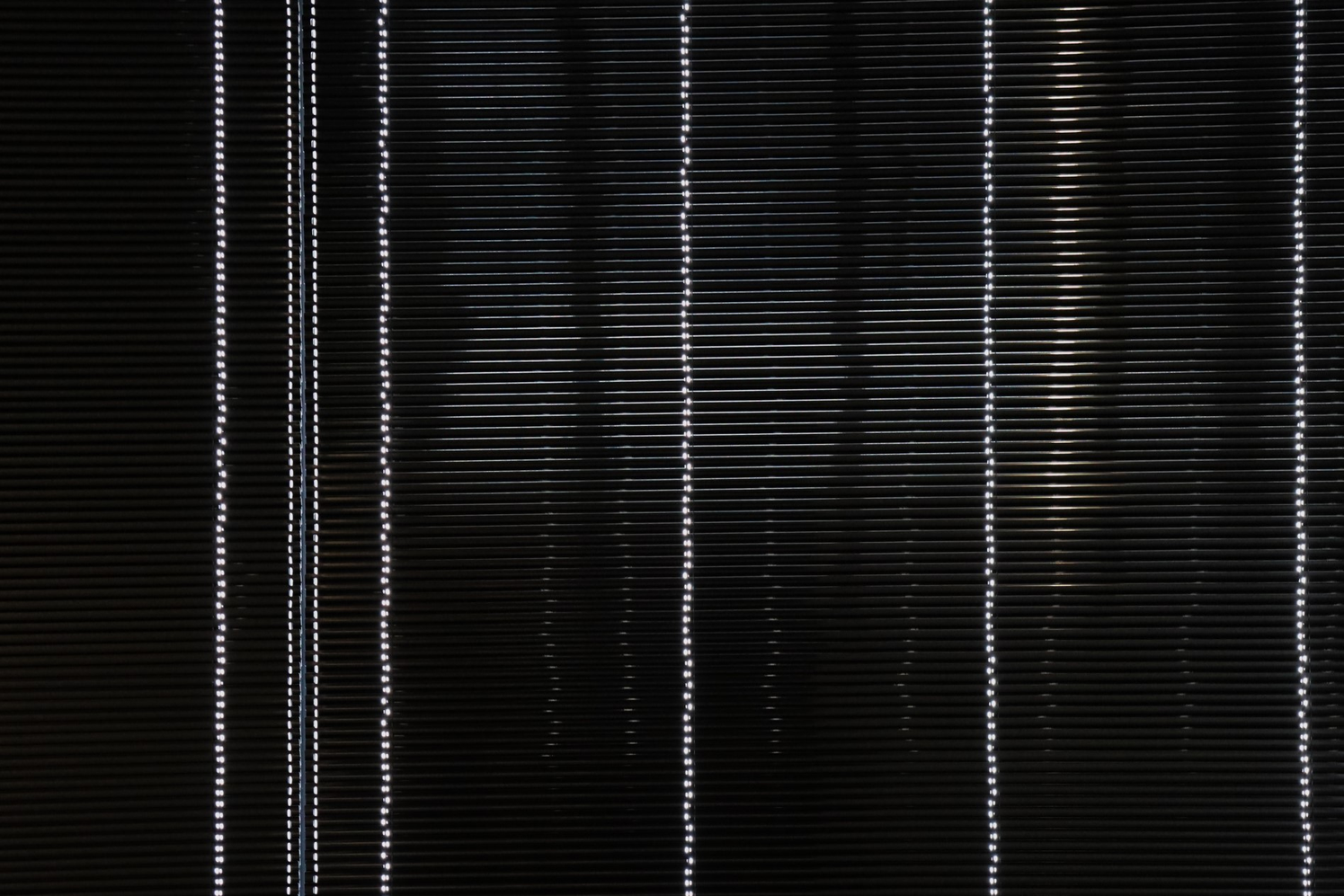
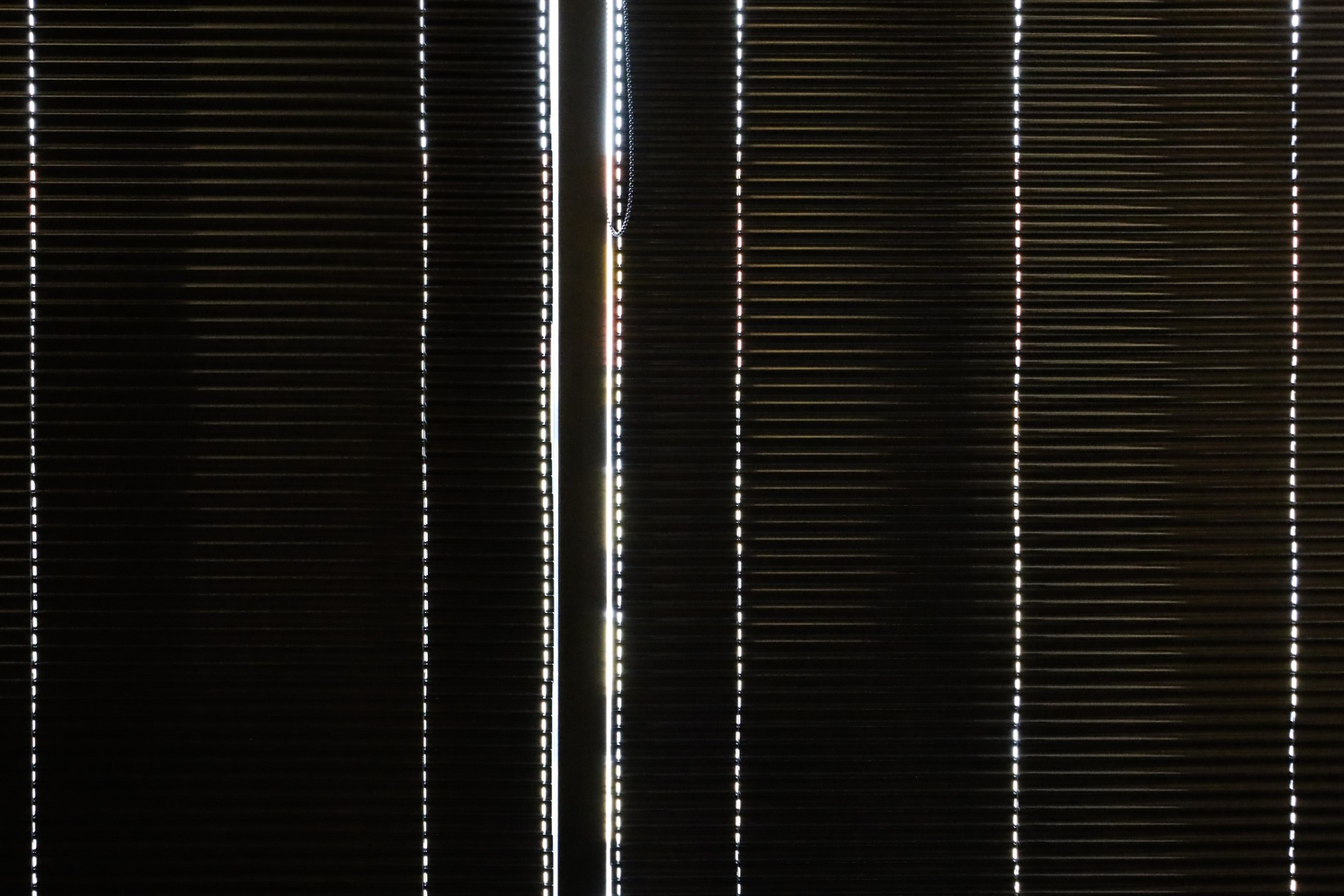
A Changed Eye: The photographs in this book cover a period of more than twenty years. Can you name something that you would have photographed without hesitation twenty years ago, but would walk past today, or the other way around?
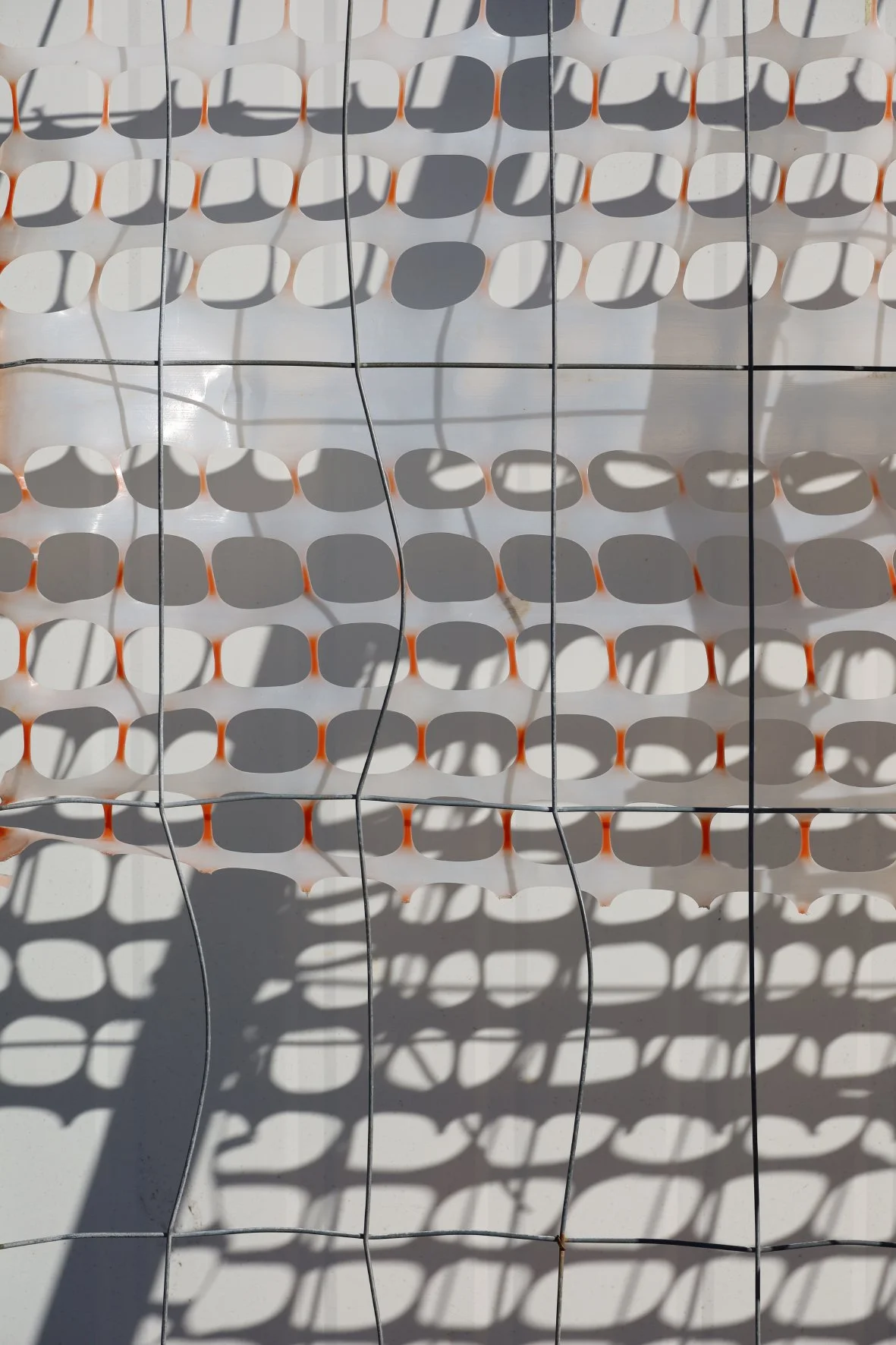
Discovering series has changed the way I look. I now see much earlier when there is a whole group of subjects, which I would not have seen like this before. Our world is so wonderful, and there is so much to discover. Even though so many people tend to see so much in a negative way today, it suits me better to find the beautiful: the beauty in what is hidden, the special in the small, lines, colours, patterns and structures in the seemingly banal. That has not changed over the years.
What Remained: Your gallery shows that over many years you have returned again and again to some of the same cities, including Venice. Is there something that you still react to today just as you did twenty years ago, even though your way of photographing has changed in that time?
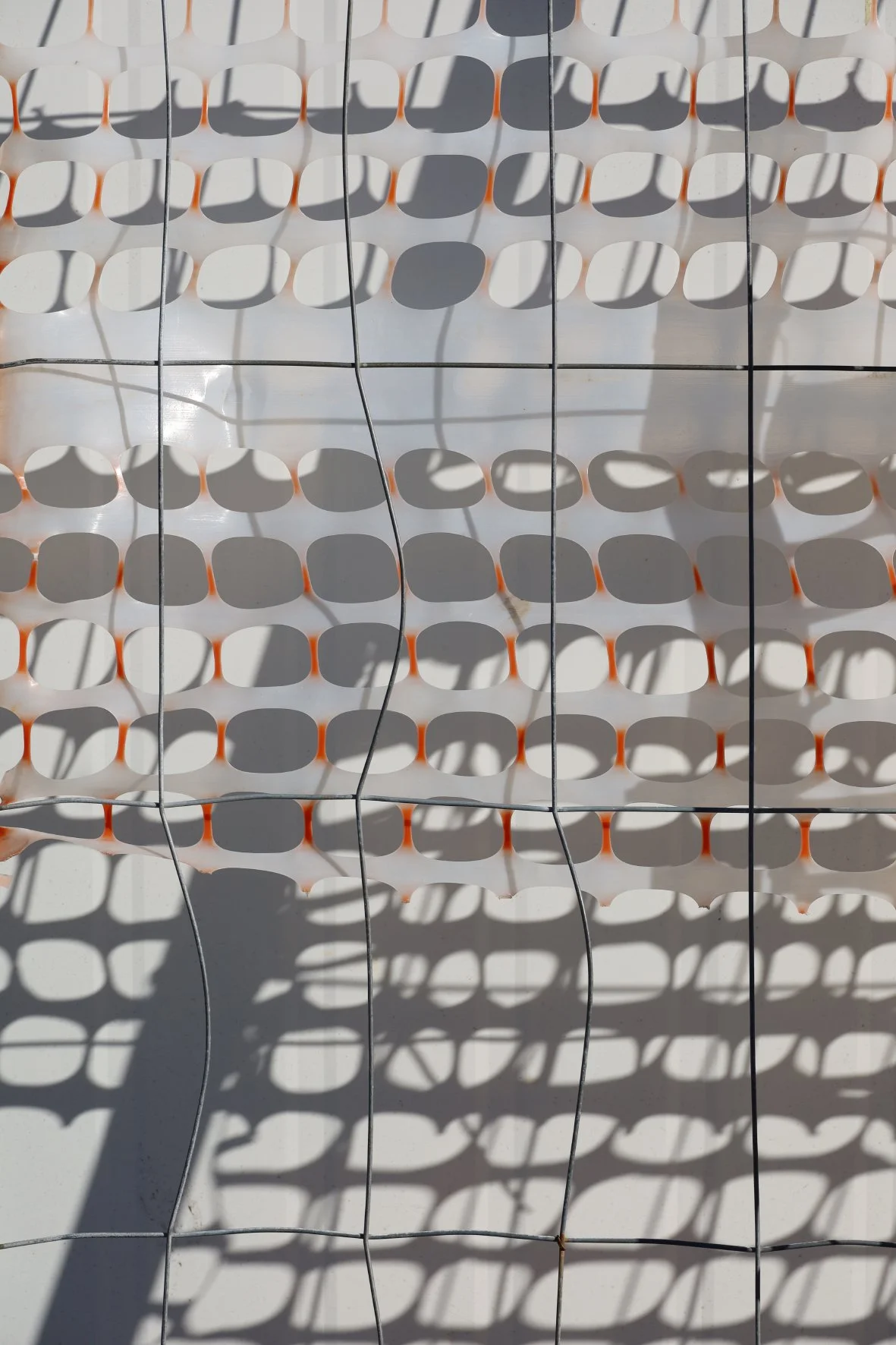
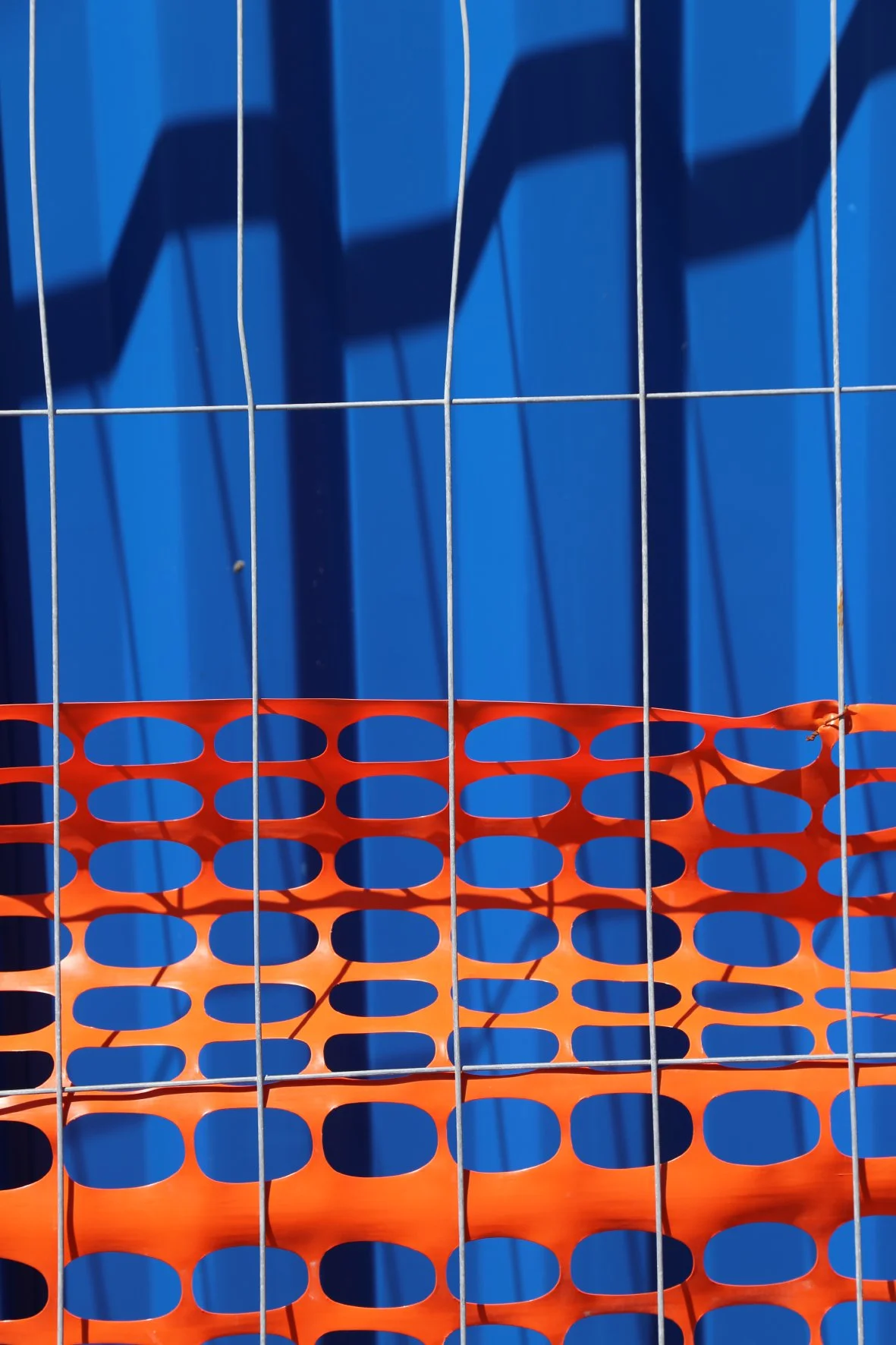
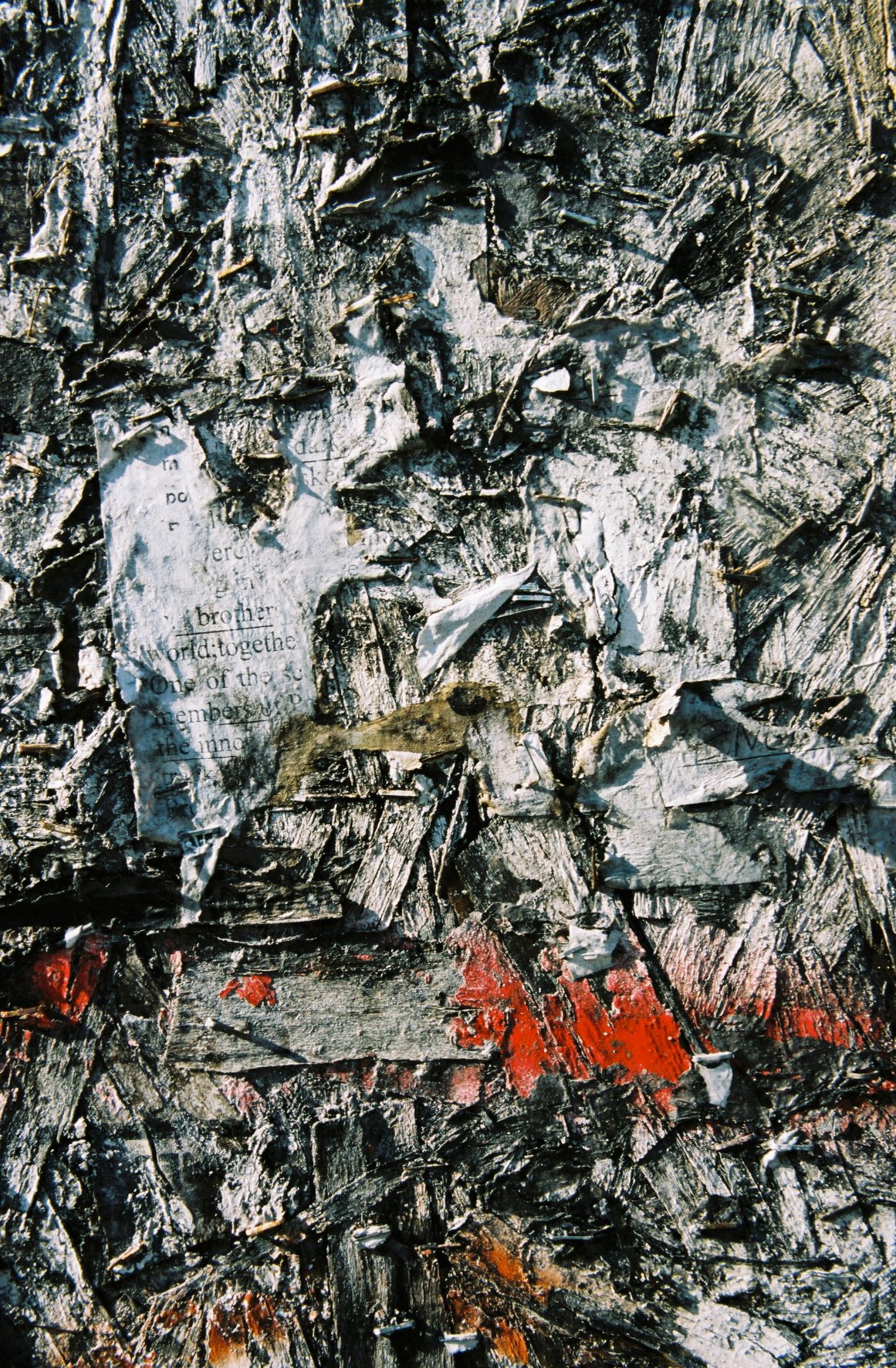
I like to return again and again to old places and situations, such as the Biennale in Venice and the streets of New York. And again and again I find barriers, board walls or building sites that are still fascinating to me today. I simply have to pick them up and take them with me, again and again. It was like that, it is like that, and I hope it never stops.





We'd love to read your comments below, sharing your thoughts and insights on the artist's work. Looking forward to welcoming you back for our next [book spotlight]. See you then!
