Mike Chudley Has Been Shooting Street Photography for Almost 10 Years. Here’s What He Wishes He Knew at 19
Welcome to this edition of [book spotlight]. Today, we uncover the layers of 'Find Your Focus,' by Mike Chudley (published by Frances Lincoln). We'd love to read your comments below about these insights and ideas behind the artist's work.
The street is boring until you learn what to notice.
Most of the time, nothing special is happening. People walk, talk, shop, and go to work, while the photographer waits for something that breaks this normal pattern. After almost ten years of street photography, Mike Chudley has come to believe that the biggest difference between photographers is not technical skill, but what each person manages to see.
This idea also sits at the centre of his book Find Your Focus.
Chudley describes the book as a conversation with the photographer he was at nineteen. Back then, he believed there might be clear answers about what makes a good photograph. Almost ten years later, he is much less interested in finding fixed rules, and much more interested in how taste, attention, experience, and instinct slowly change the way a photographer works.
In this interview, Chudley explains how he decides when a scene is worth waiting for, why the background can matter as much as the subject, and what he looks for before a photograph even exists. He also talks about copying other photographers, breaking composition rules, missing photographs, and why getting better often means learning to notice more rather than learning another technique.
The Book
Find Your Focus: A Street Photography Masterclass is a 144-page book by British photographer Mike Chudley, published by Frances Lincoln. Across 20 chapters, Chudley brings together lessons from years of photographing and teaching street photography, covering subjects including observation, composition, light, photographing people, editing, personal style, and creative motivation. The book combines his photographs with practical ideas about what happens before, during, and after making a picture. (Frances Lincoln, Amazon)
After almost ten years of making street photography and teaching it online, when did you first start thinking that these experiences could become a book? And what made you feel you had something worth passing on to other photographers?
One of the joys of creating anything is sharing that passion with other people. Photography especially has a second life once other people get to experience it: a photograph might mean one thing to the photographer, but something else entirely to someone who sees it later.
I started sharing photography content and ideas on YouTube because I enjoyed doing it myself, but then I realised other people were enjoying watching that process too. It reminds me a little of people who watch others play video games instead of playing the games themselves. It's very meta in a way, because people just want to experience someone else enjoying themselves. If you can project that kind of positivity and enjoyment, people pick up on it too. So I'm always happy to share anything creative in the photography world. Photography can live on well beyond the photographer, and it's even better once we get to share it. Instead of just documenting the world from a first person perspective, I like that other people get to see it as well.
But the book itself really wasn't my idea. The publishers reached out to me after seeing some of my videos on YouTube, presented the idea, and I said yes. I don't want to downplay or undersell it, but from my point of view it wasn't an enormous amount of work. I handed over a load of photographs and shared words I already had, from scripts of videos, since photography ideas are always on my mind when you're talking about it on YouTube all the time. So it was straightforward for me to pass that information on to the publisher. The team that designed the book and put it all together did an outstanding job. Even though my name is on the front, my pictures are inside, and it's my words, there was a wonderful copywriter who helped pull it together, and a design team who know exactly what they're doing when it comes to making books. I trusted their expertise. If the publishers hadn't reached out, I wouldn't have put something like this together myself. I would have just carried on making YouTube videos, because making videos and taking pictures is what I know.
The book side of it is more like a guide, a how-to book, and hopefully a genuinely useful one for people to have. I wouldn't necessarily know how to make one on my own. The only things I'd made before were straightforward photo books: just images with a couple of words here and there. This is a hundred and fifty pages of more than just pictures, so I can't take full credit for it. There was a good group of people behind it.
You've described this book, Find Your Focus, as a conversation with your nineteen-year-old self. What was the biggest thing that young photographer misunderstood about becoming better at street photography?
That's a great question. I think the thing is that everything takes time. Every year I take pictures and create anything, my ideas and thoughts evolve and change. What I was thinking when I was taking street photographs at nineteen is very different from what I think now, nearly thirty.
When I think about how I would have liked to improve over the years, I remember not liking much of my work for a long time, and thinking it was all quite difficult: how do the greats go out and take such wonderful pictures? The more you do it, and the more you experience anything creative, but specifically street photography, the more you realise that nobody really knows what they're doing either. It's a bit of a lie that people have got it figured out, because people come to me for advice and I'm still figuring it out myself. Just sharing that idea, that we're always figuring it out, is really helpful I think.
When I made that comparison, that this book feels like advice for nineteen-year-old me, it's because it has genuinely taken this long to be able to share any advice at all. It's easy to look back on ten years of photography and say you should focus on X, Y and Z, but you need to learn that for yourself in a strange way. It's almost an unteachable lesson, like the classic truths: money won't make you happy, you should see your parents more, being famous won't help. You can't just be told these things and absorb them; you need to learn them through experience. Tell a sixteen-year-old that money won't make them happy and they won't listen. You need to go and make some money first to realise it for yourself.
Photography is very much like that. You need to actually experience it, go through the trial and error yourself. That's what I'd teach my nineteen-year-old self: just put the effort in, put the work in, put the time and the repetitions in, and it should hopefully start coming together. But you'll never have it fully figured out. I don't think anyone does.
Was there something that took you the longest to realise?
Maybe that your style and taste are something you'll never fully define, never reach a definitive endpoint with. There's never a point where you think you've got it dialled in. The things that inspire you aren't necessarily the things you should copy; you should take little pieces of everything, whether that's certain editing styles, certain compositional techniques, or certain subjects and storylines that inspire you, and try to build your own puzzle out of them.
I used to think it would be straightforward, that if I took a photograph a certain way it would be good. It's just not that simple. The idea that lots of layers in your composition automatically makes a good picture, for instance, is false. It depends entirely on what you're shooting, where you're shooting, and what the story is. Street photography is so nuanced, and every situation so different, that there really isn't a fixed answer for what makes a good picture. There are ideas that point you in the right direction, but ultimately your understanding of what makes a good picture comes down to personal taste, and that's something you'll never have a final answer to. It keeps coming back to figuring it out: experimenting and playing.
I think younger me would have believed there was a definite answer for what makes a good picture. I really don't think there is. It's a bit like asking what the meaning of life is: an unanswerable question.
You've said that taking a photograph is a technical exercise, but seeing one is a mental exercise. When did you first realise that improving your camera skills was no longer enough?
I think once you spend enough time doing it, taking pictures on the street, you can tick most of the technical boxes: shoot a slow shutter speed or a panning shot, shoot at f/11 and capture a lot of depth, shoot at f/1.4 and isolate your subject. Once you start ticking off those technical exercises, you realise some of the results are good and some aren't, and it was never really the technical part that made the difference. It started before I even raised the camera.
A good picture, a good moment, a unique moment, is all about noticing and observing the world rather than making sure you have the correct settings. Once you're through the first few months or years of figuring out what settings work and are consistent, it stops being about that. You can put all of that knowledge to one side, almost like muscle memory. It's important, and the picture does need to be correctly exposed, of course. But once everyone has that baseline of understanding and skill, the only variable left is what the photographer actually sees, and that becomes the most important part.
The biggest difference I notice between photographers is this: if I'm walking down the street with two other people, and all three of us have the same technical expertise and the same understanding of our cameras, what each of us sees is still the biggest difference in the photographs we come away with. One friend might notice something I've never considered, another might notice something I've already seen, and I might notice something neither of them has. We're all walking down the same street. So the real difference between poor photographs and great ones, between boring moments and unique ones, comes down to what the person sees, and how observant the photographer is.
And when you realised that, what did you start practising differently after that?
I like the idea of offering out invisible compliments, observing the world through a kind of running commentary in your mind, regardless of whether you have a camera with you or not. I spend a lot of time on the street just looking at people's shoes and bags and facial expressions, the way light might hit someone's coat, the way a texture looks. You're building an ever-growing library in your mind of what could happen, and the more you do it, the bigger that library gets.
It could start very simply, someone with a nice hat, or a balloon, or a walking stick. That's level one. Level two might be a few of those things combined. Level three might be all of that plus good light. Level four might be all of that plus some extreme emotion in the middle of it. You build and build, and you just need to see more in order to grow that library. The way to start is by looking, and by offering out those invisible compliments. I think that's a genuinely helpful idea, camera or no camera: what interests you when you go outside?
It's strange, because the street is actually relatively boring most of the time, in the sense that everything is mundane and just is. If I walk down Oxford Street, there's an equilibrium to it: people are shopping, talking, driving, walking. That's the normal state. So you're immediately looking for anything that stands out, anything that breaks that pattern of normal, and then you can start building a picture from there. As exciting as we make street photography sound, it's a whole lot of nothing most of the time. You're always looking for the thing that stands out from the nothing.
Sometimes you notice one interesting element before the photograph actually exists. How do you decide whether to wait for something else to enter the scene, or simply keep walking?
A lot of pre-visualisation and imagination has to come into play. If I see something interesting, the next thing I do is imagine what if, and play out that game: what if this happened, or what if that happened. If that scenario is too unrealistic, too far-fetched, I won't wait around long. But if I play out the what if and there's a genuine chance in my mind that it could happen, then I'll wait for it.
There are situations where I see something quite good and think, what if seven people did that thing instead of two? If there's a big enough crowd, I might wait around for those seven people to do the thing. But if there are only a couple of people there, and I think this is never going to happen, I keep moving. That's a fairly extreme example, but you make a judgment call on whether your imagination is being unrealistic or not.
Imagination is key, and you have to be playful with it. The more playful you are about what could possibly happen, the more likely you are to hang around, because it's exciting. Whether a picture I've just taken is good or not, I'm always then thinking about what would make it better: what could improve this scene, make it more surreal, funnier, more random. Sometimes it doesn't take much to improve a scene, and sometimes it takes a lot more work. Depending on that, I'm more or less likely to hover and wait.
And was there ever a photograph you waited for that simply never happened?
Yes, every time. It happens every week, more often than it doesn't. I'm waiting around for something and then it just doesn't happen.
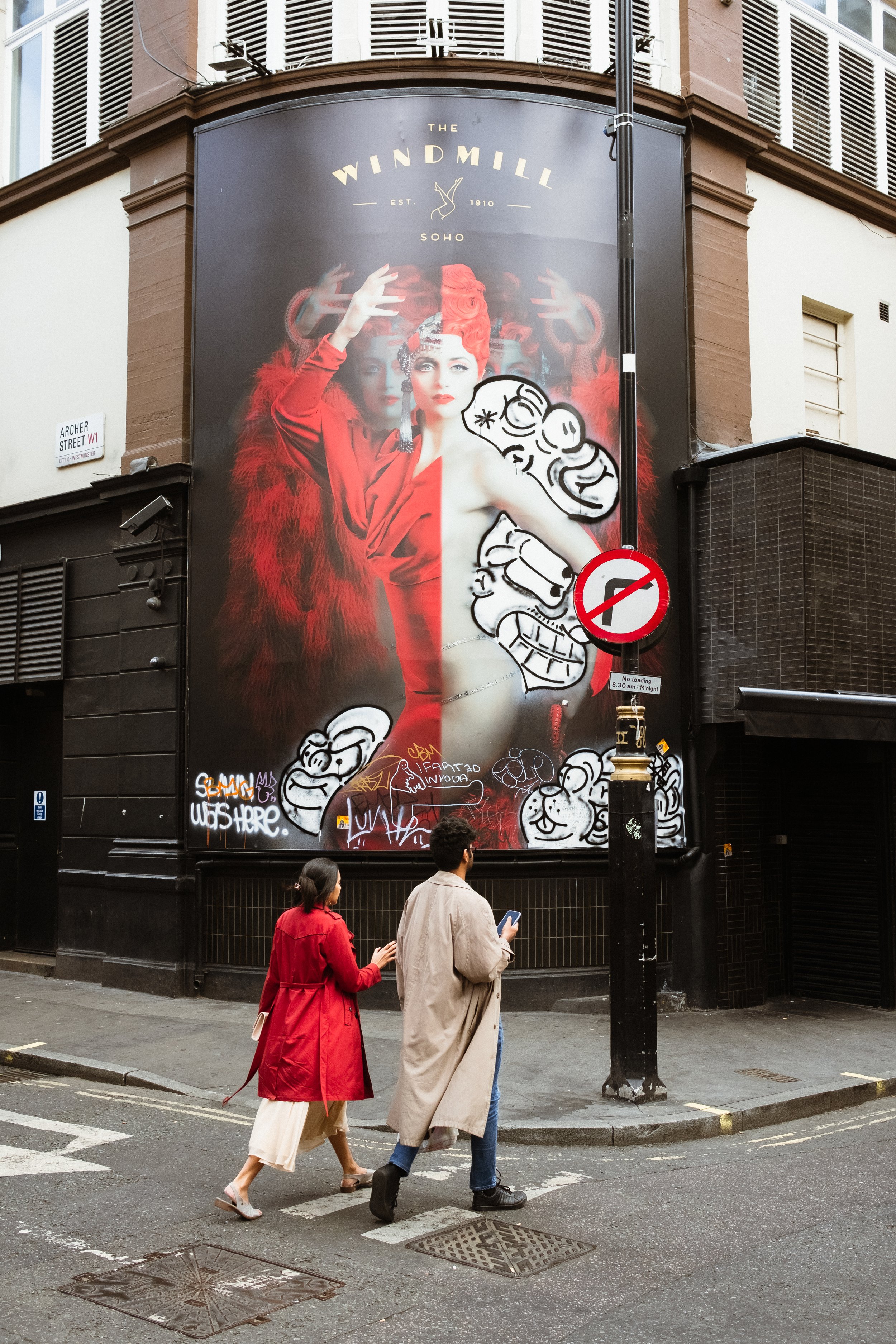
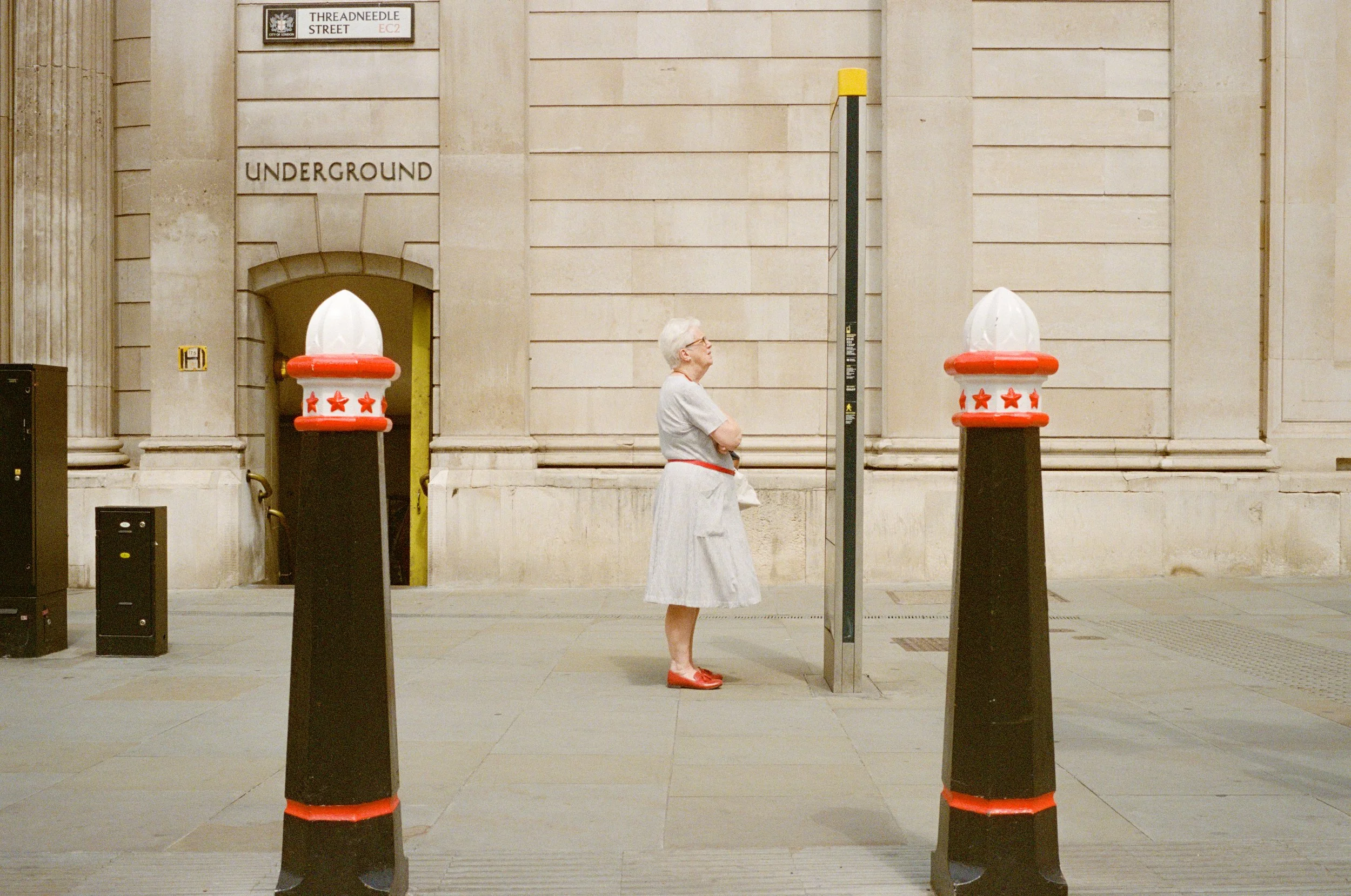
You've described seeing a woman between a black and red bollard, realising the elements didn't align, and crouching down until they did. How much of street photography for you is finding a moment, and how much is actively constructing the relationships inside the frame?
I think most of it is trying to find the moment, because that's the rare part. That might be level one: actually finding something interesting. The next step is how the photographer can improve on that interesting thing. You don't get to do that often, though, because things move quickly on the street. You might only have a split second once you've noticed something, and you have to grab it. But occasionally, not very often, you get the chance to work with the scene and keep playing with it until you get something a little better.
That photograph of the woman between the two poles, dressed in white and red, she was stood there for thirty to forty seconds, which gave me the chance to improve the scene. That's rare. Most of the time it's about noticing things and grabbing the moment as quickly as possible. But sometimes you do get the chance to play around with it and work the scene.
How quickly are you testing different viewpoints in your head?
Almost immediately. I'll take the picture and immediately think about what would improve it, even though I don't often get the chance to actually make that improvement. I can only imagine the what if. It's like a running commentary in my mind, always playing through scenarios. If I see something interesting, I'm immediately thinking of six variables that might improve or change the scene. They almost never actually happen. You rarely get the time and space to improve a scene, but I'm always imagining it.
Street photography often happens in visually messy places. When something attracts you, how do you decide what belongs in the photograph and what needs to stay outside the frame?
That's a really good question. It's mostly instinctual, very quick judgment calls depending on the time and place. But one thing I consider heavily is the background. Even when my subject is in the foreground and the action is right in front of me, the background is the thing most likely to ruin a picture. Making even a small effort, giving some consideration to what's behind the subject, is really important.
It might be that moving a couple of steps to the left places your subject against open sky, negative space, and that's a far better frame than if you'd stayed slightly to the right with that person's head behind a pole. Nothing has changed about the subject, the moment, or the story being told, except your consideration of the background. So one of the first things I think about after noticing something is how that person looks placed where they are, and if I have any control over the scene, I consider the elements behind them. If someone is genuinely interesting, you want to accentuate that, or at least tie it into the rest of the scene. If the background is messy or confusing, it distracts the viewer's eye, and the photo ends up weaker for it.
The background might be the main factor in most of my pictures. The subject has to be interesting, or there wouldn't be a picture there at all, but the next thing to consider is definitely the background, and how the subject or the story sits within the rest of the scene. Every situation is different, so there's no single correct answer, but it always needs considering.
You've also argued that photographers should learn composition rules before deciding when to ignore them. How do you know when you're deliberately breaking a rule, rather than simply making a weak composition?
I think you actually see this afterwards, in post, more than you experience it intentionally in the moment. When I'm out shooting, I'm considering all the basic rules of composition: keeping my horizon straight, roughly following the rule of thirds, exposing the scene correctly. I'm following the rules until something happens that means I can't. When I can't follow them, because something unique shows up in a way I don't have time to plan for, it's only afterwards, looking at the picture, that I know whether breaking the rules mattered or actually worked.
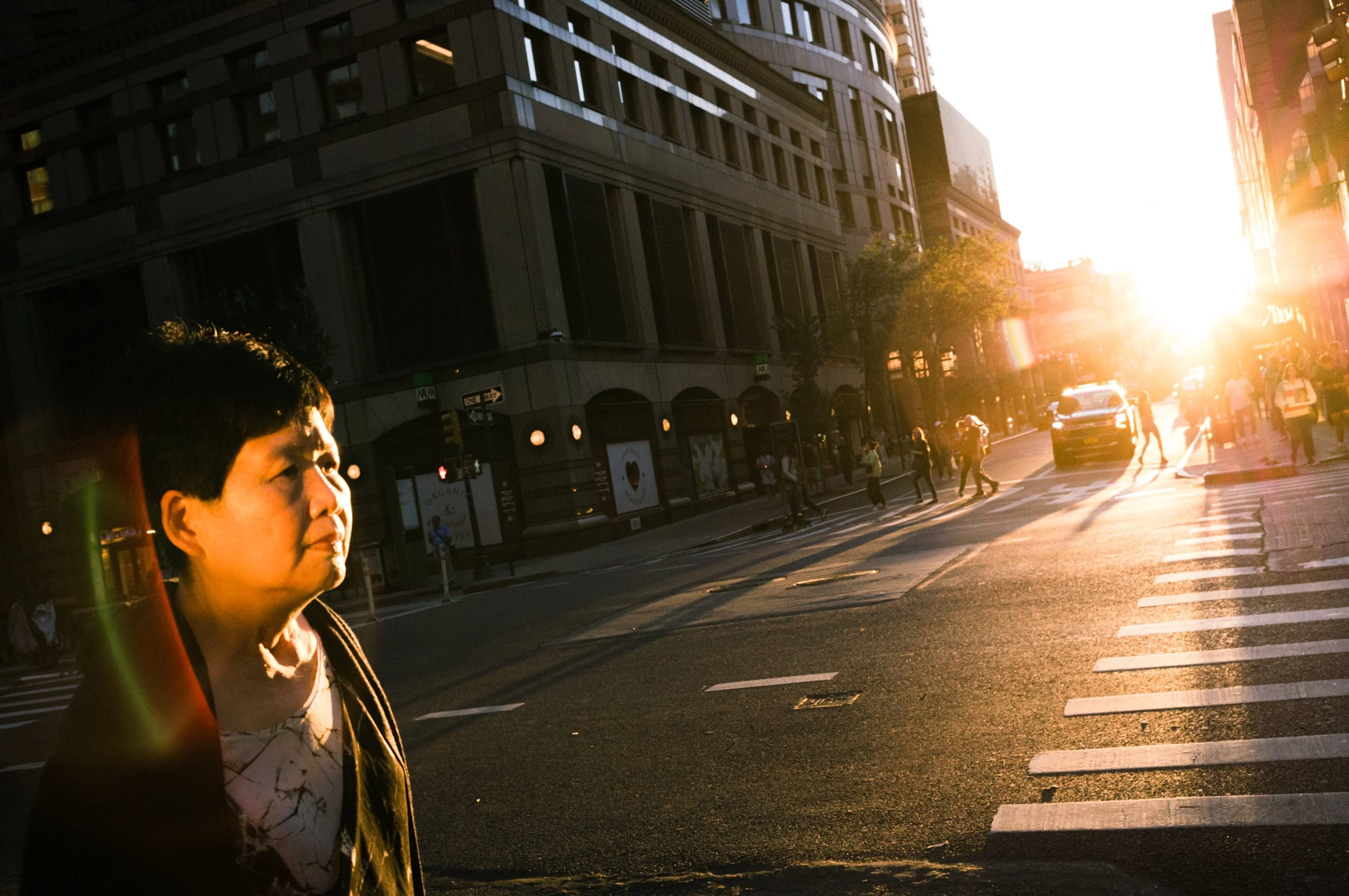
If I intentionally went out and broke all the rules all the time, my photographs would end up slightly odd, with no consistency: exposure wrong, horizon wonky. But there's an example I think of, a photograph I took in New York two years ago, photographing a sunset down an alleyway. It's a basic, straightforward composition, the sun in the middle, buildings either side. Then a woman's face comes walking into the frame in the bottom left. That breaks the rule, the space feels odd, the weight of the image is off because of her face. But because of that, the photograph became interesting. It's actually a better photograph with her face in that position than it would have been if I'd deliberately, correctly composed her towards one of the thirds or in the middle.
Because I didn't have time, and wasn't even aware of it happening, that happy accident meant the photograph worked. The light in it is interesting too, the sun is hitting her one way, and the reflection off a window is hitting her another, so her face is really well lit. By all the rules of photography, that shouldn't technically be a good picture. But I actually prefer it because of all of that.
When you miss a street photograph, do you normally know immediately why it failed, or do you only understand it later, when you look at the image?
I think if you miss something, it's usually because your reaction wasn't quick enough, or your settings weren't right, or you were shooting something else beforehand, got distracted, and turned around just as something happened in front of you. That's the problem with photography: you know immediately when you've done badly, but it takes a while to know if you've done well. Photography keeps punching you in the face, telling you that you did a bad job, again and again. Then very rarely, once in a while, you get a small gift back from the streets. You pretty much always know when you've made a mistake, that happens ninety-nine percent of the time, and it's the other one percent where you think, hang on, something actually worked.
Is there one way of working you relied on when you were nineteen that you no longer trust at all?
I think when I was nineteen I was probably just trying to copy the pictures I saw on Instagram, or copy the people I was shooting with. I was following the same path as everyone else, trying to figure it out. Whereas now I take inspiration from everybody, from my favourite pictures and photographers, but I definitely don't try to copy their photographs, because there's nothing to gain from that, and it's impossible anyway: the streets are so infinitely different and always changing. When I was younger, I'd see a nice picture on Instagram and think, I'm going to go outside and take the same picture. That's definitely not the way to go about it now. I try to stay in my own lane. There wasn't anything I did at nineteen that was better than what I do now, I think, so hopefully I'm just improving.
I don't mean better, necessarily. I mean something you did back then that, now that you've moved past it, makes you think: how did I ever do that? Something you're just not doing anymore.
Technically, a very simple answer would be autofocus. I think it's strange to rely on it now, for me personally. There are things I don't want in focus, and the camera is making its own judgment on that, whereas going back to manual focus is, in a way, going back in time through technology. A manual focus camera gives me ultimate control, and I'd rather have that than have the camera doing its own thing. Autofocus cameras today are outstanding, amazing even, but in a way you're handing that decision off to a computer, handing off control, and you're not directing it a hundred percent. That's not right or wrong, it's just how I prefer to work. When I use an autofocus camera on the street now, it feels a little odd and distracting, and I'm always checking to make sure it did what I wanted it to do. With a very basic, tactile, manual focus camera, I have ultimate control, so I feel more comfortable with that.
Was there a photographer whose work genuinely changed the way you looked for photographs on the street?
Matt Stuart's work completely opened my eyes to what was possible, especially his All That Life Can Afford body of work, all London photographs. Realising what elements you could combine in an image, the juxtaposition and coincidental moments that happen on the street, is magical. I was never really looking for moments like that before; I was just looking for visually pleasing ones. After seeing Matt Stuart's work, five or six years ago, I realised you could look for genuinely interesting moments that combine multiple things into one interesting frame. Whether that's a sense of humour, or wit, or a particular time and place, that's the magic of street photography, and Matt Stuart's work opened my eyes to it.
Have you ever realised that your photographs were becoming too close to another photographer's work, or to a familiar street photography style?
No, I think that would be too difficult to actually accomplish, because the streets are so different all the time that even my attempts to take photographs like Matt Stuart would end up leading somewhere else entirely. You can go out and try to take photographs like Elliott Erwitt or Garry Winogrand, but you're not going to. You end up making something else anyway. There's a really good book called Steal Like an Artist that explains this well: nothing is truly original, and every artist has, in some way, been influenced or inspired by another artist or piece of work that came before them. So even my attempts to photograph like Matt Stuart probably lead to something else that's hopefully interesting anyway. I'll never be able to replicate the likes of Joel Meyerowitz or Garry Winogrand, so I might as well try and see what comes of it. That's a more positive way to look at it, I think.
You were interviewed for this book for about six months. They asked you about things you'd been doing instinctively for years. Did they ever identify something about the way you photograph that you had never understood or put into words yourself?
I don't think so. The interview process, pulling all the words together for the book, was very collaborative. It was a lot of back and forth conversation, and I'd either agree or disagree. If I agreed, we'd put it in.
I was picturing more of an aha moment, something like: yes, that's exactly what I'm doing.
Nothing stands out immediately. There might have been a little of that, but I can't think of a specific example.
One last question: after almost ten years of street photography, what part of the way you photograph has stayed almost unchanged from the beginning?
Documenting people and human behaviour. I've dabbled a little in architecture, light and shadow, fine art in that sense, but I keep coming back to people being people. I'd rather take a truthful, interesting photograph than a visually better one. If I had the choice between a technically beautiful photograph, nice light, nice visuals, and human beings simply being human beings but the photograph being less polished, I'd choose the human beings every time. Human behaviour is just fascinating to me, and I think it's what most people are drawn to anyway. There's a place for fine art photography, for beautiful light and shadow, but ultimately I think finding relationships between people, understanding people, documenting the world, will always be more interesting to me, even when the photograph is technically weaker.
Are you thinking about focusing on something more specific? Maybe pushing further into documentary photography, taking pictures around a certain theme or topic, following some kind of story?
Yes, I'm really enjoying my coastline work at the moment, which is far more specific than the random moments that happen on the street. It's much more about the people working the harbours and the seaside, documenting that life and the culture around it. Where I live in Essex, I'm thirty or forty minutes from various coastlines, and there are a lot of sailing clubs and boats, a lot of that seaside culture that's been really enjoyable to document. I'm taking a lot more portraits, a lot more landscapes, a lot more slower paced, environmental work, and I've been really enjoying that. It's a nice contrast to the fast paced London street work, which is much more reactive and random. The coastline work has a bit more intention behind it, which has been enjoyable.

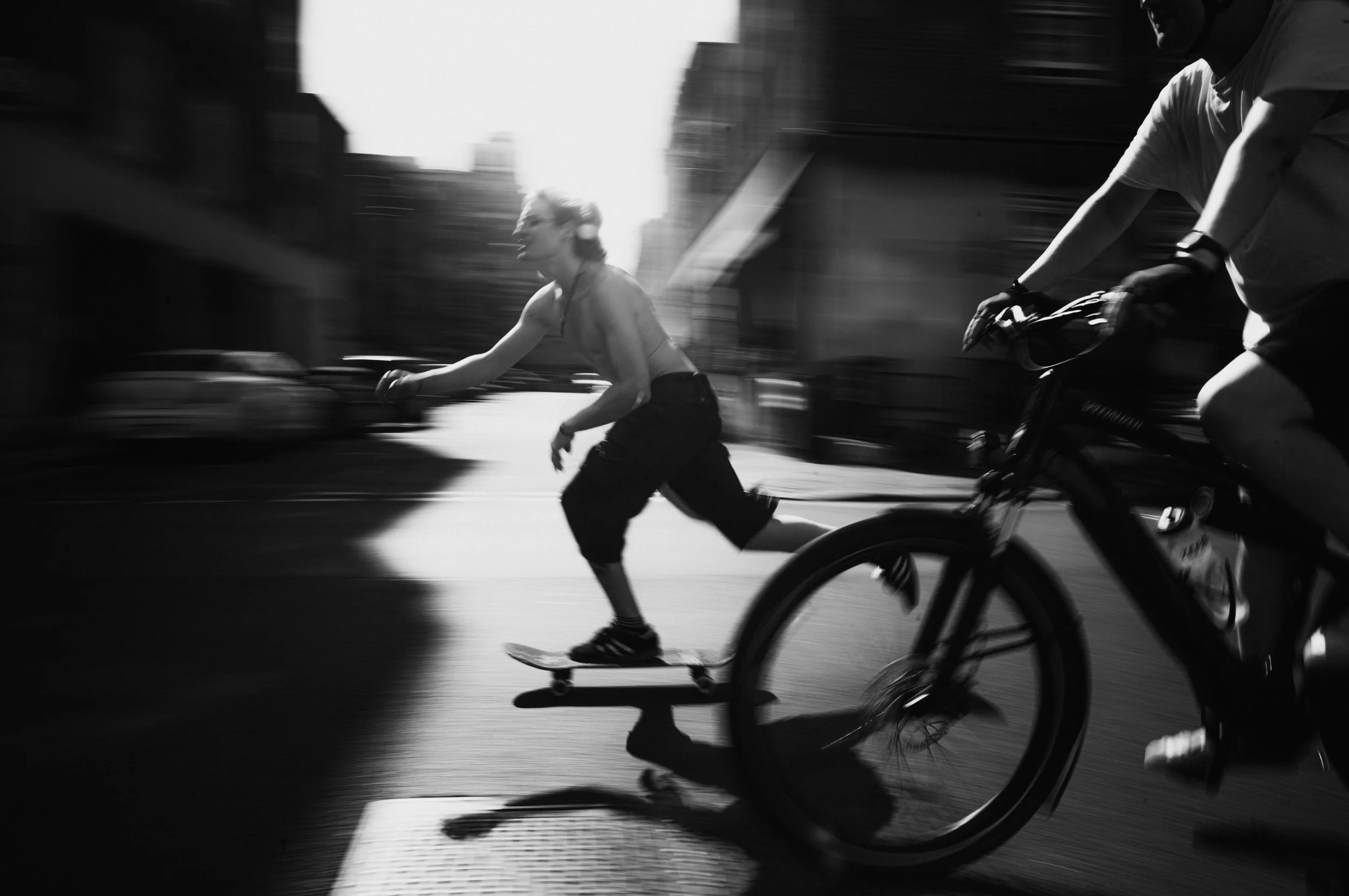
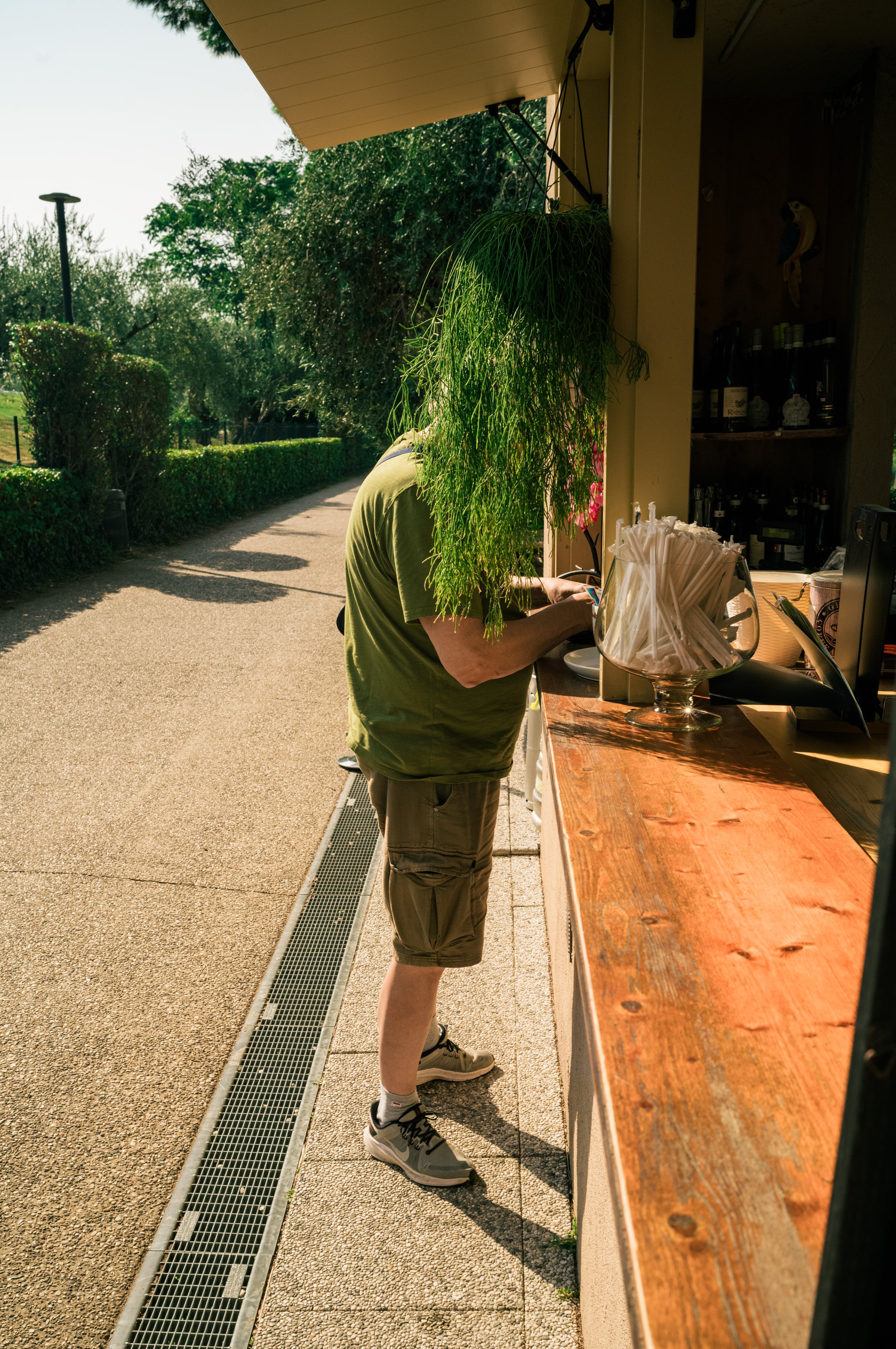
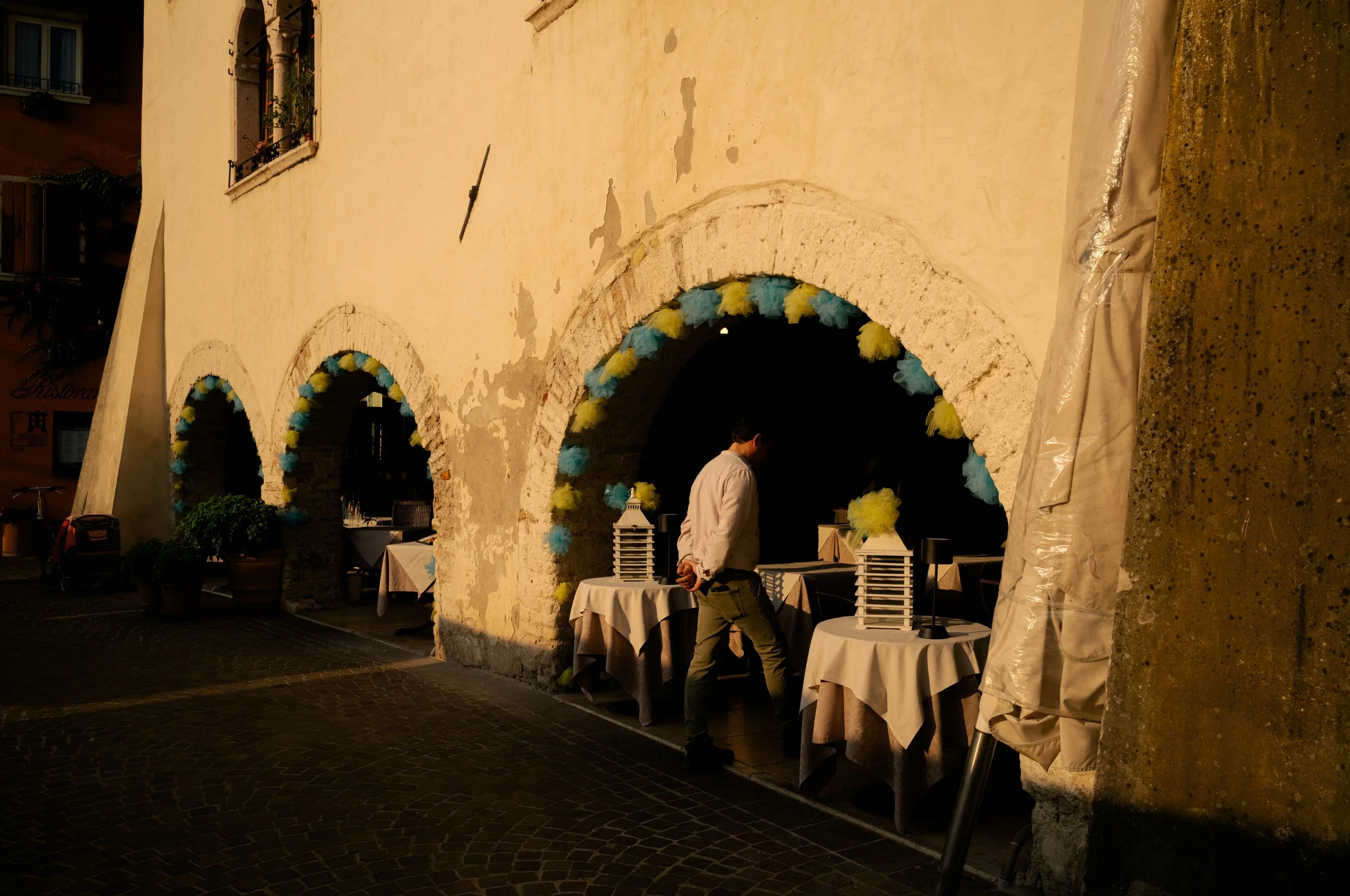
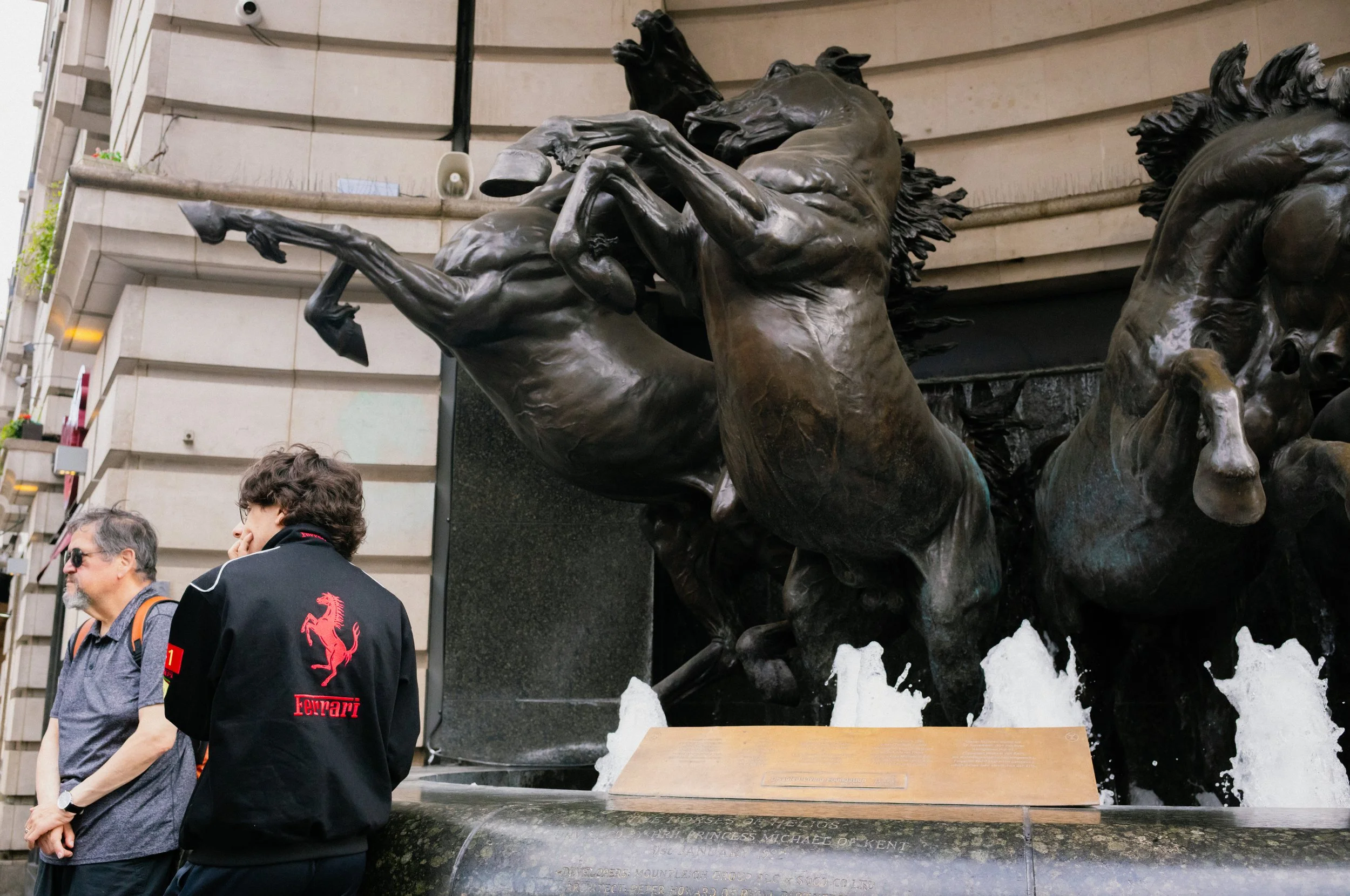
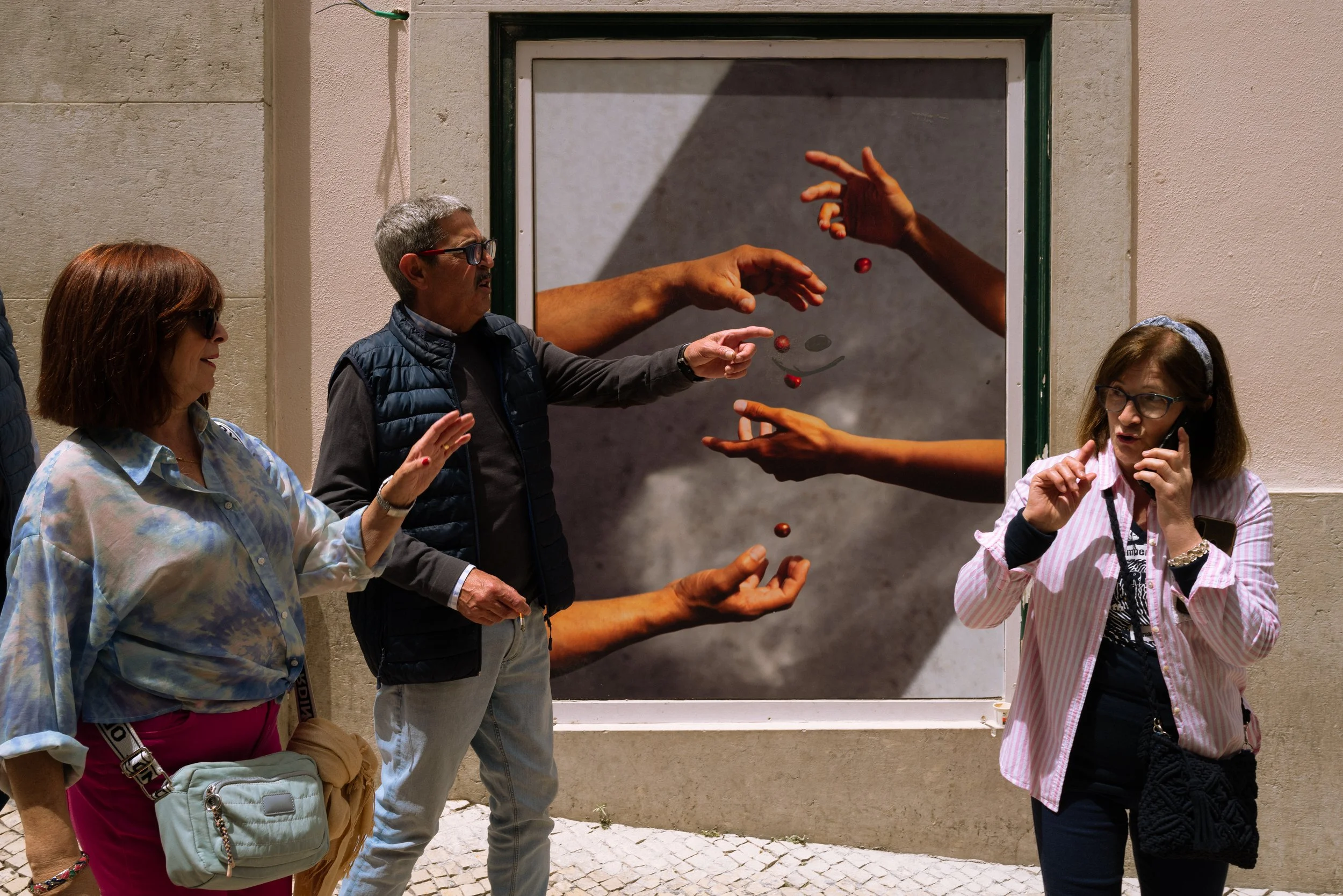
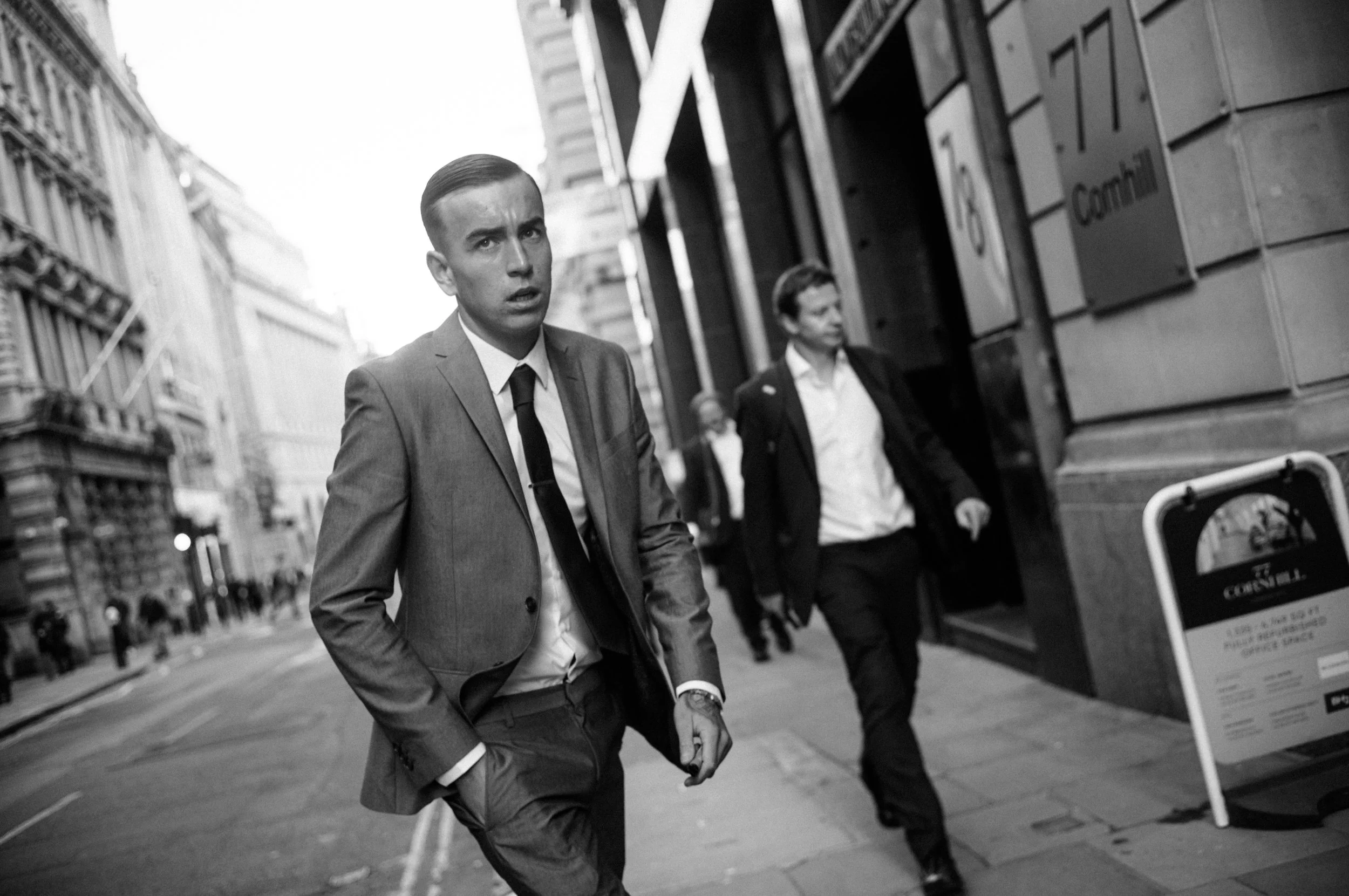
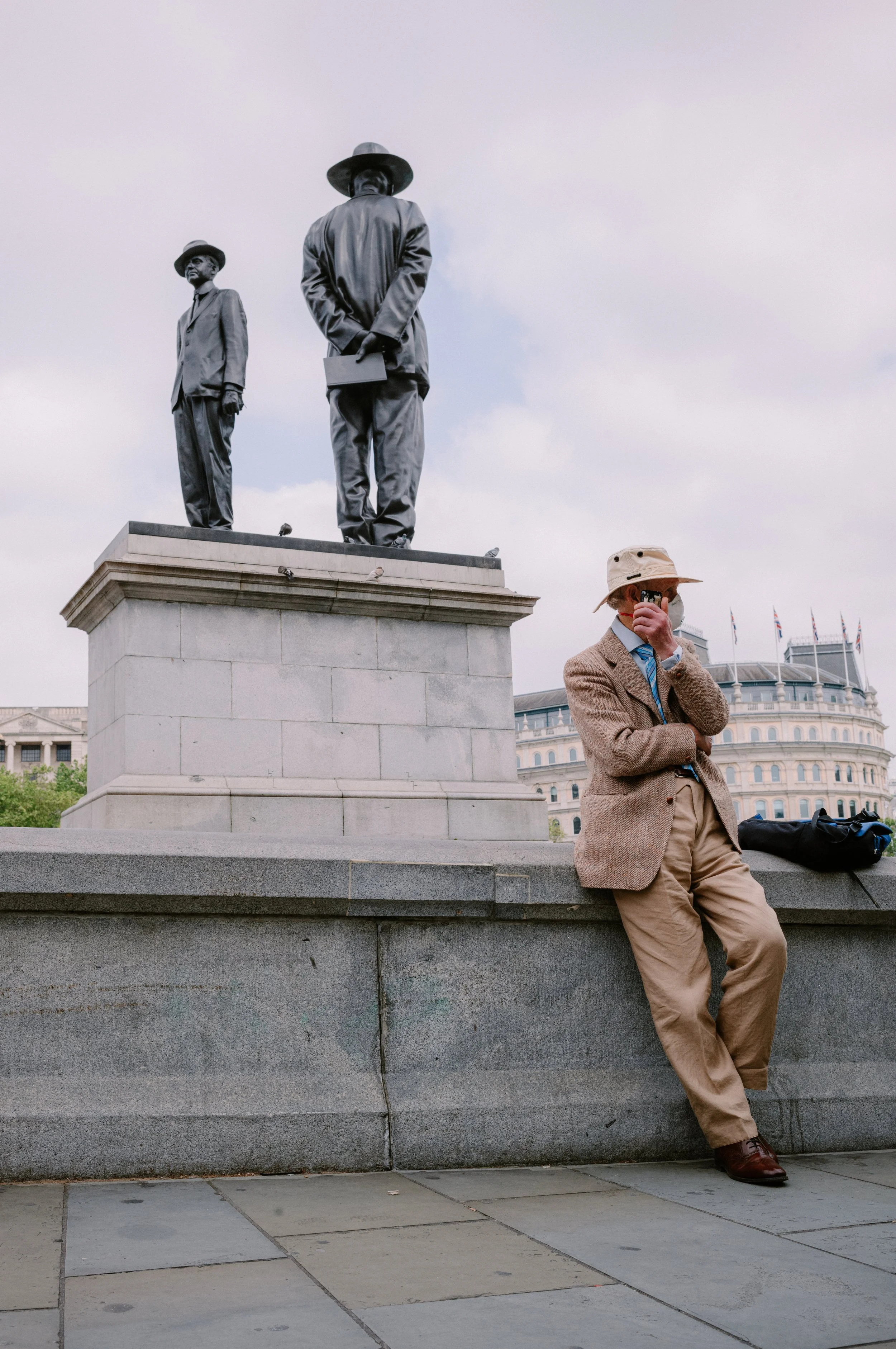
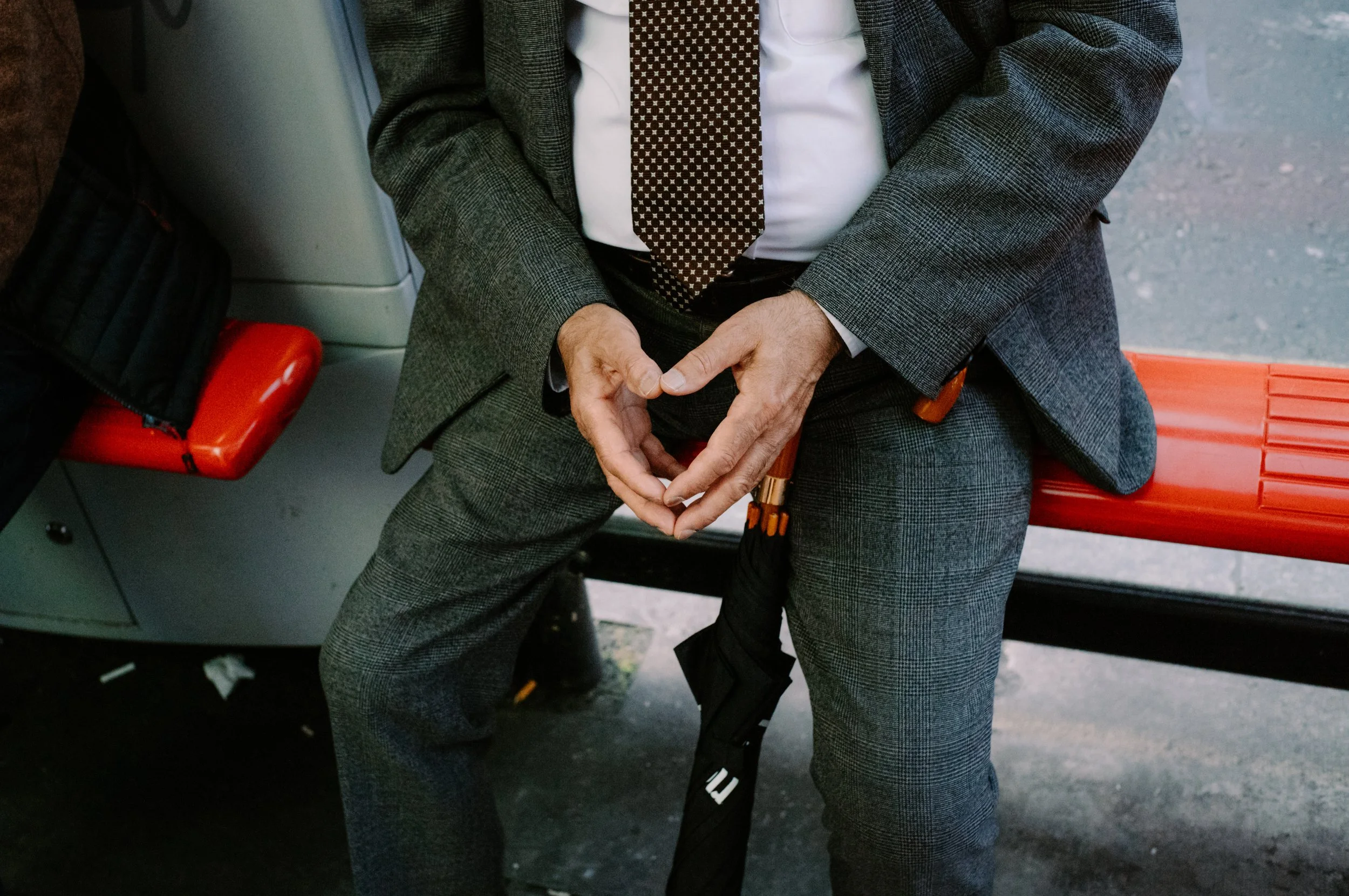
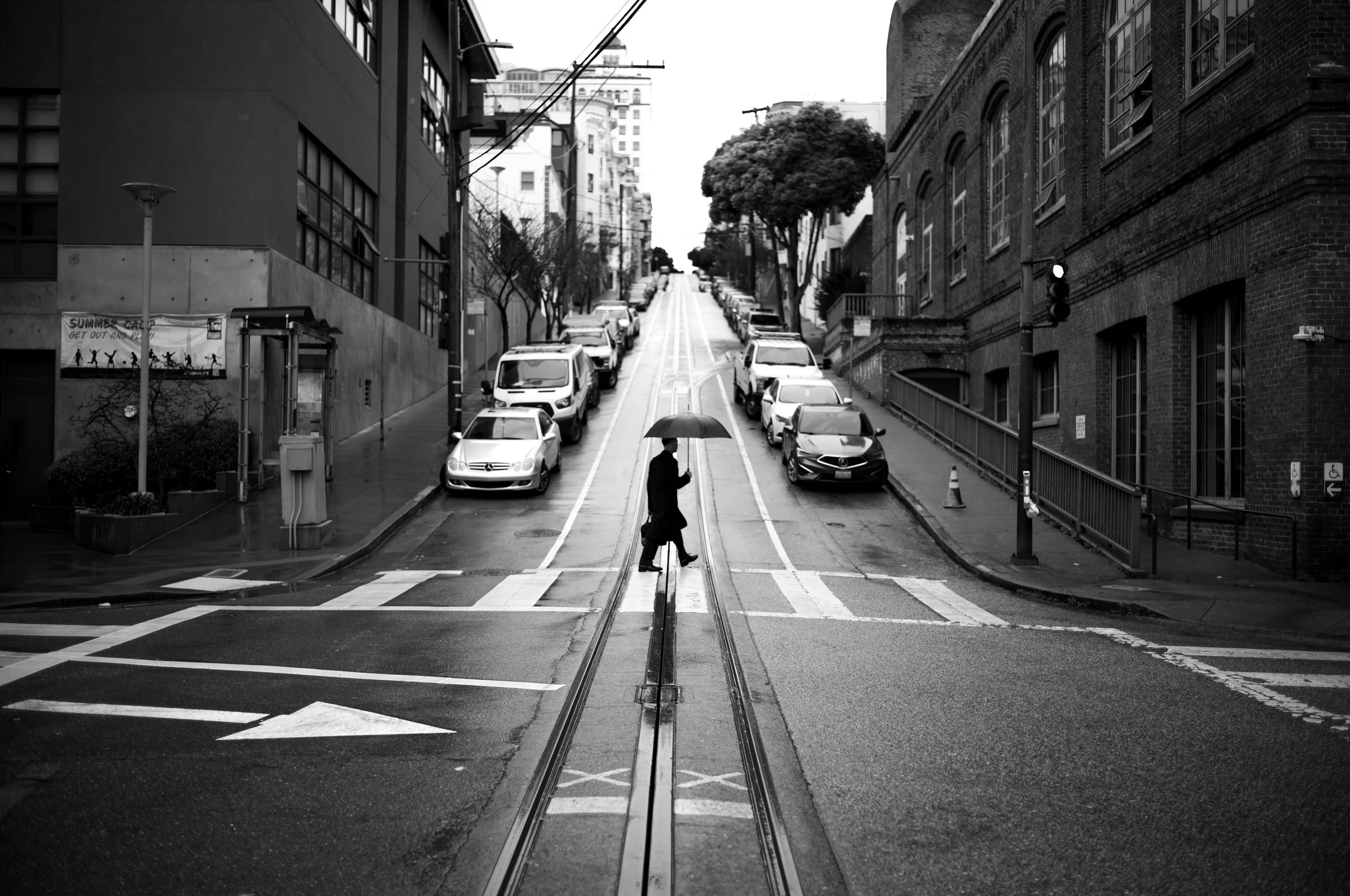
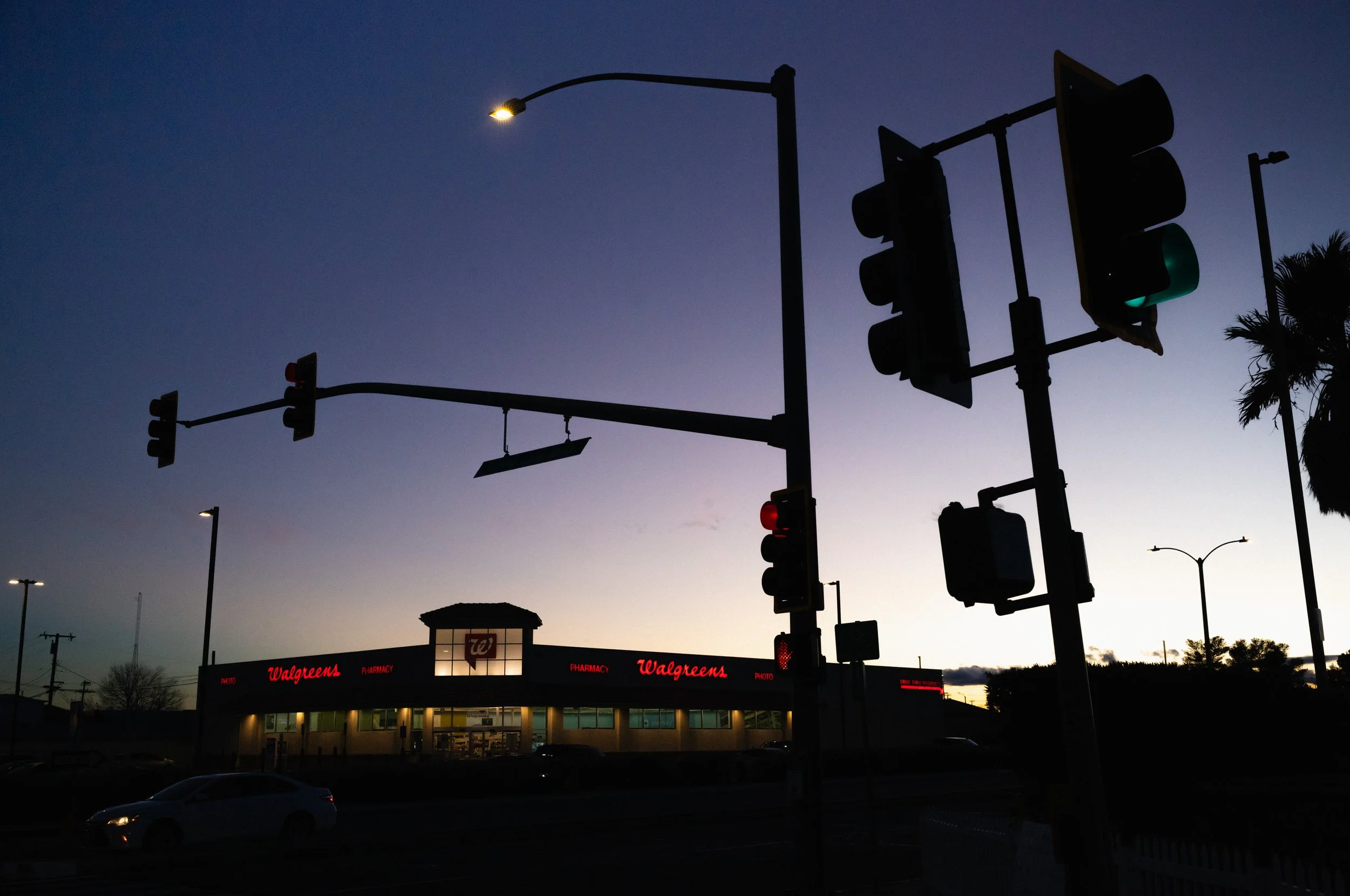
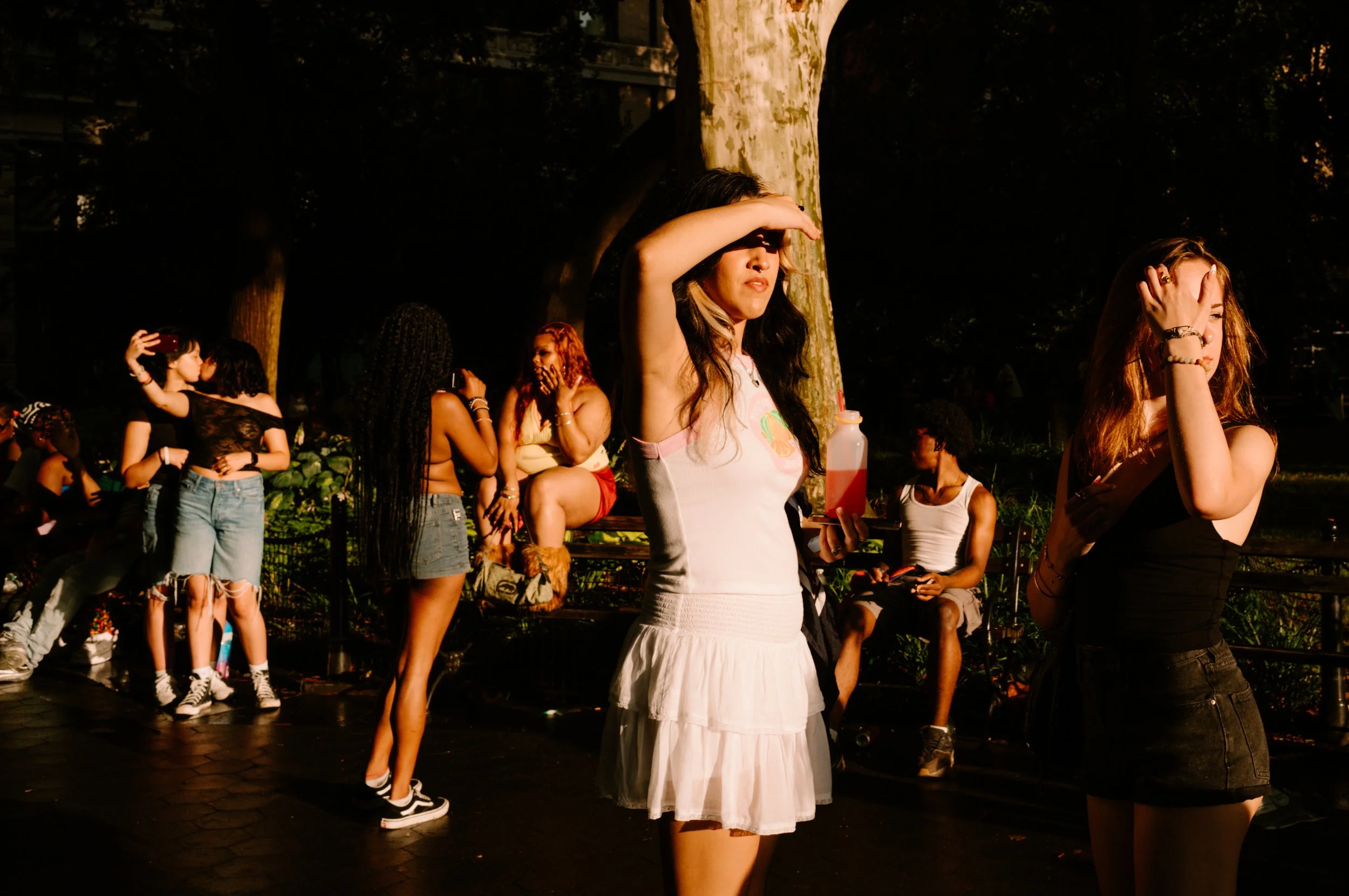
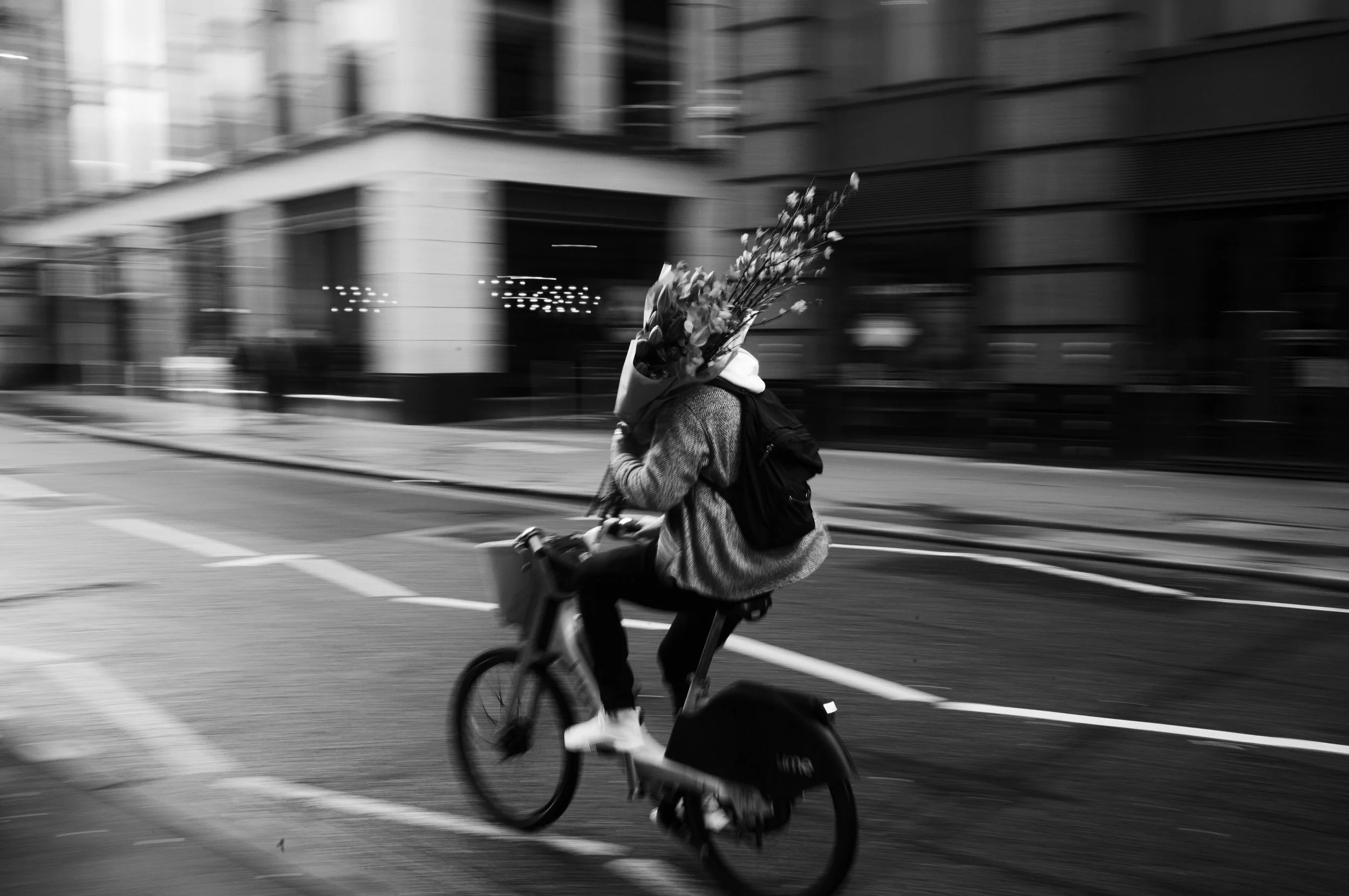
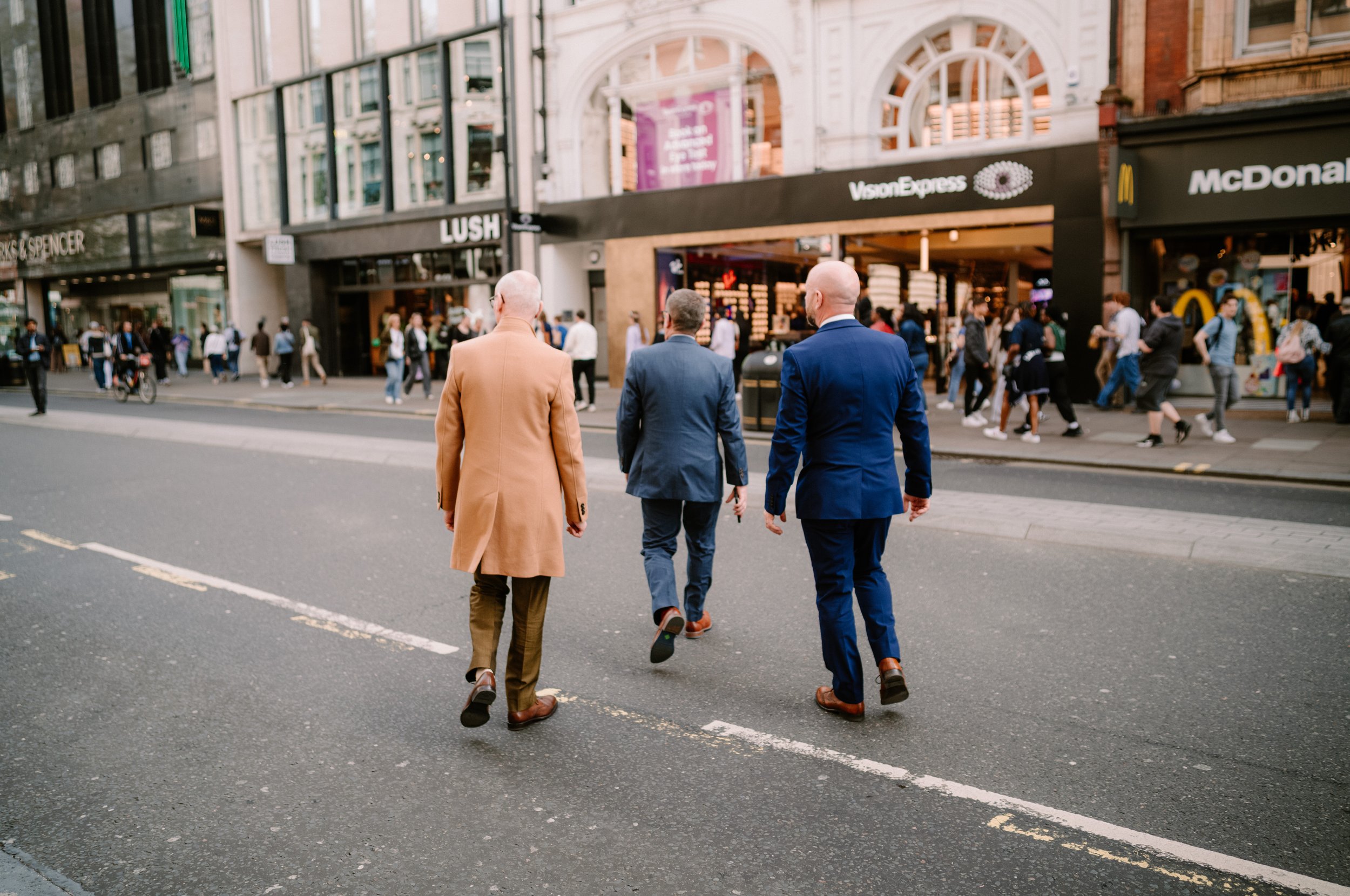
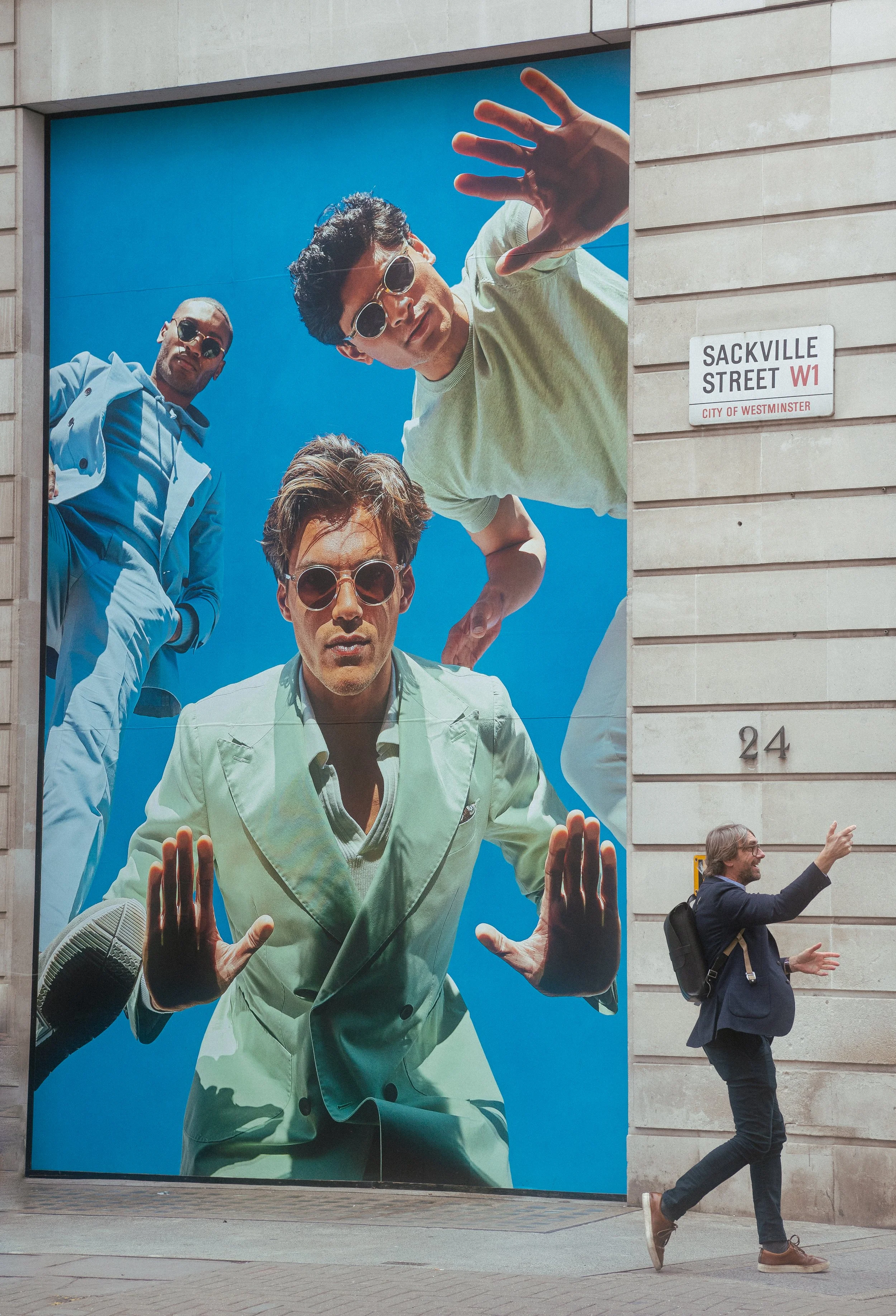
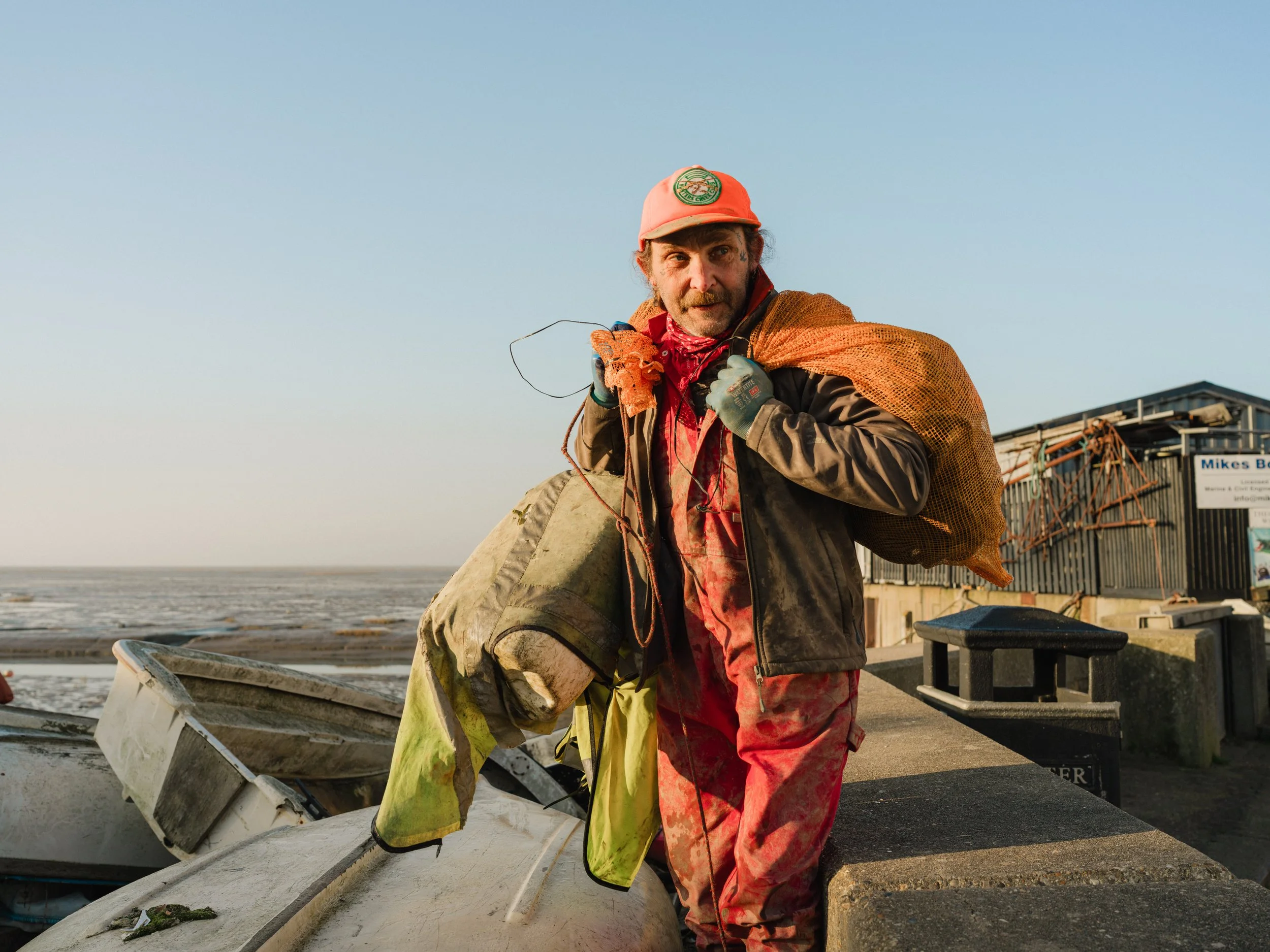
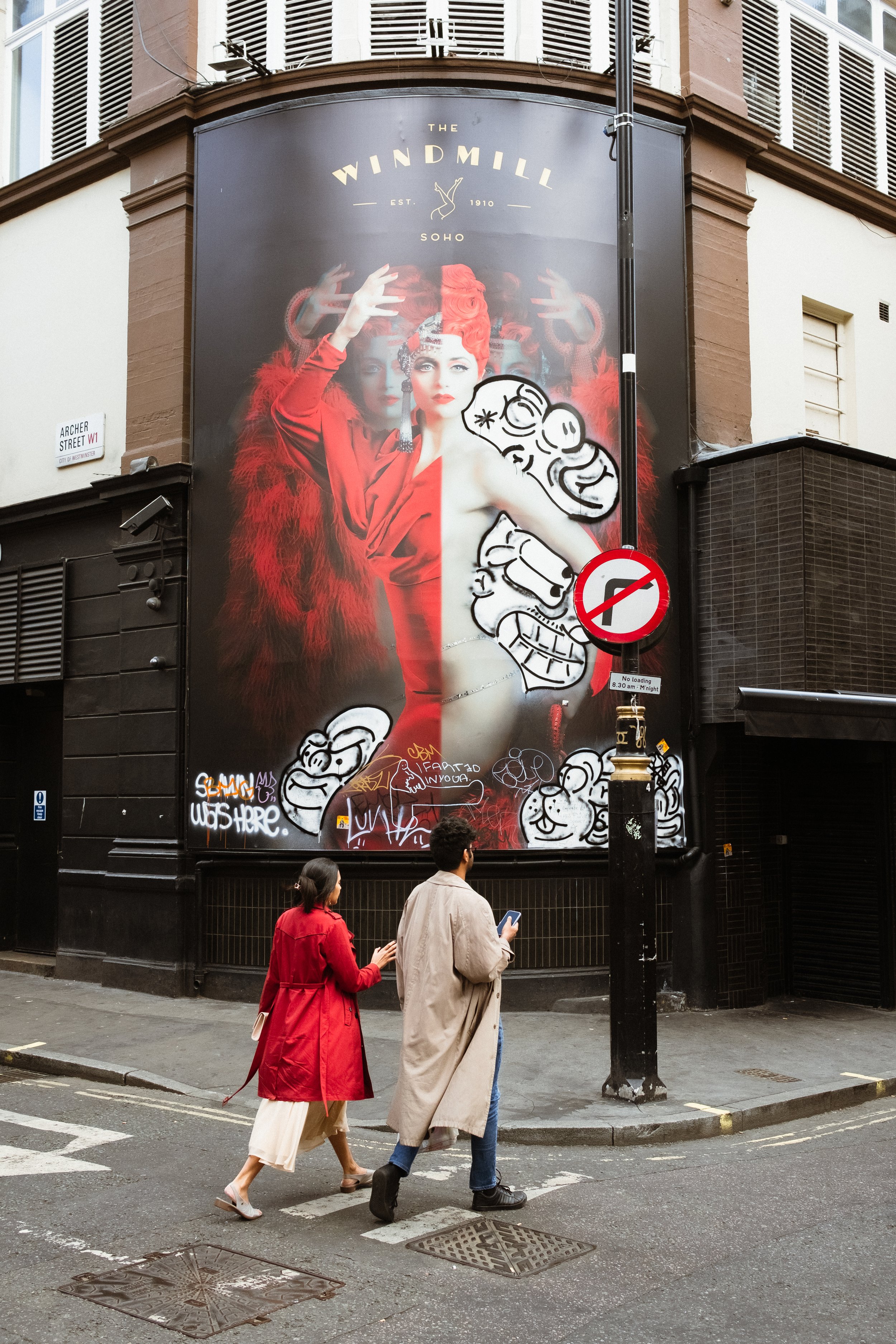
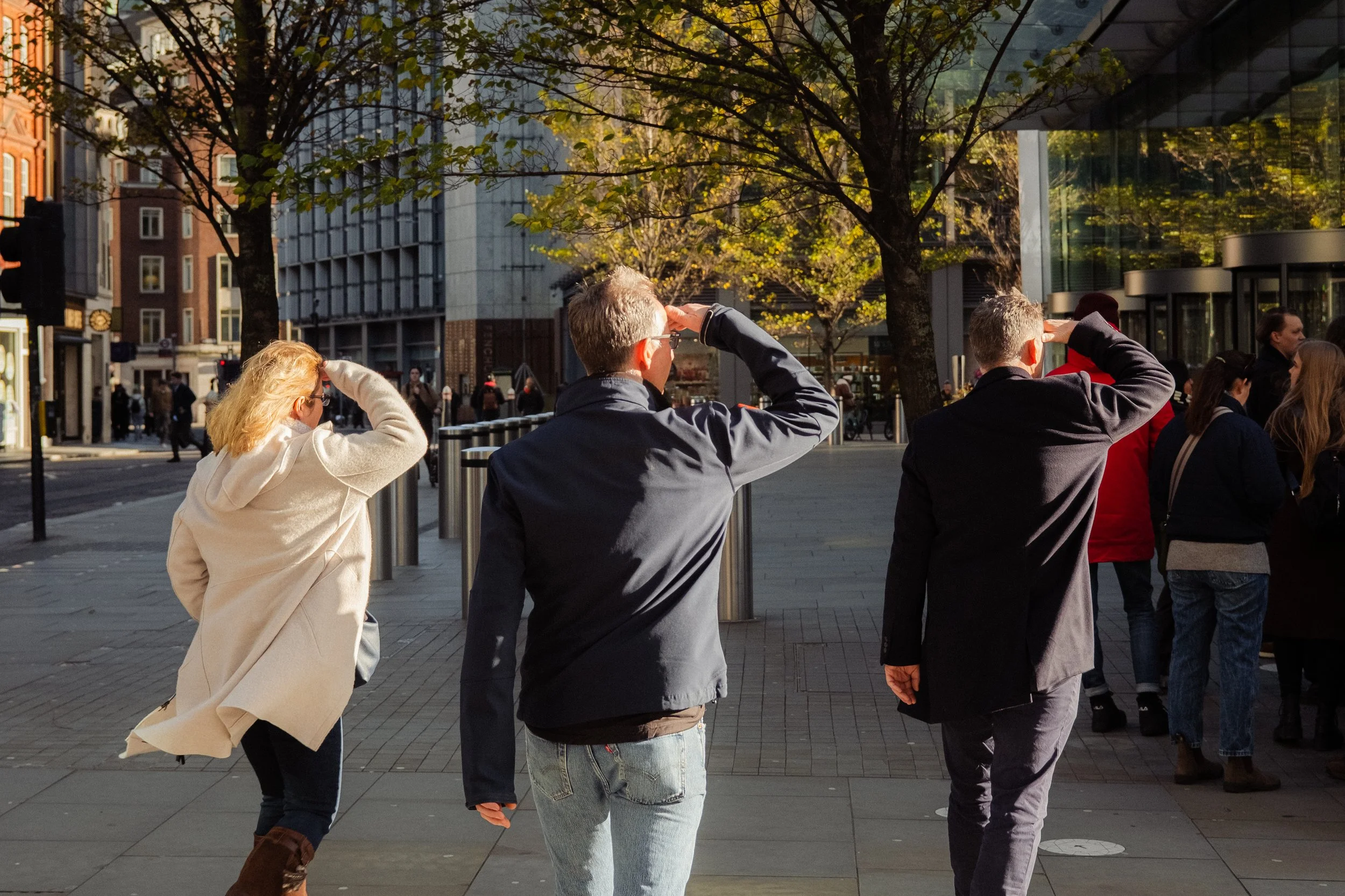
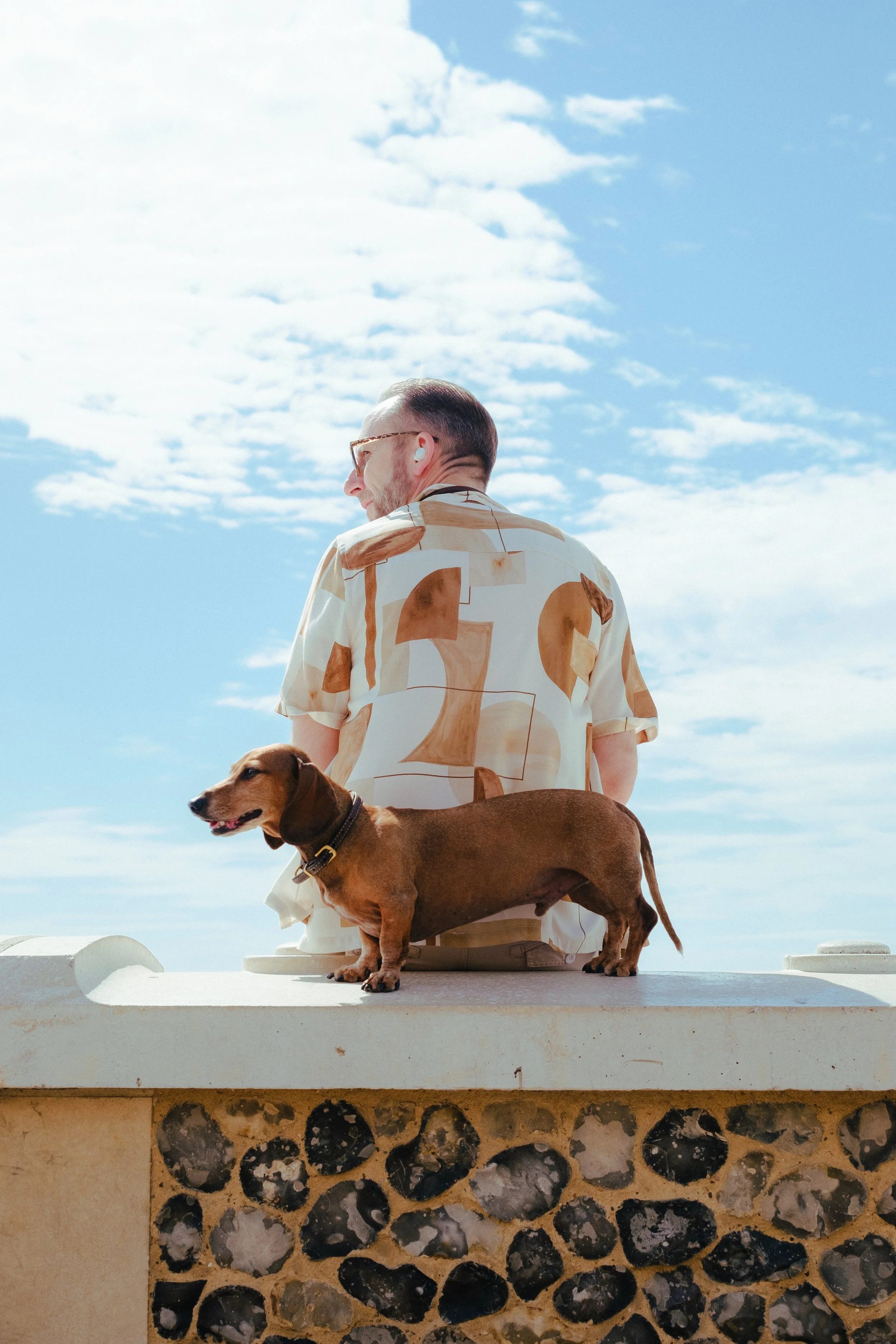
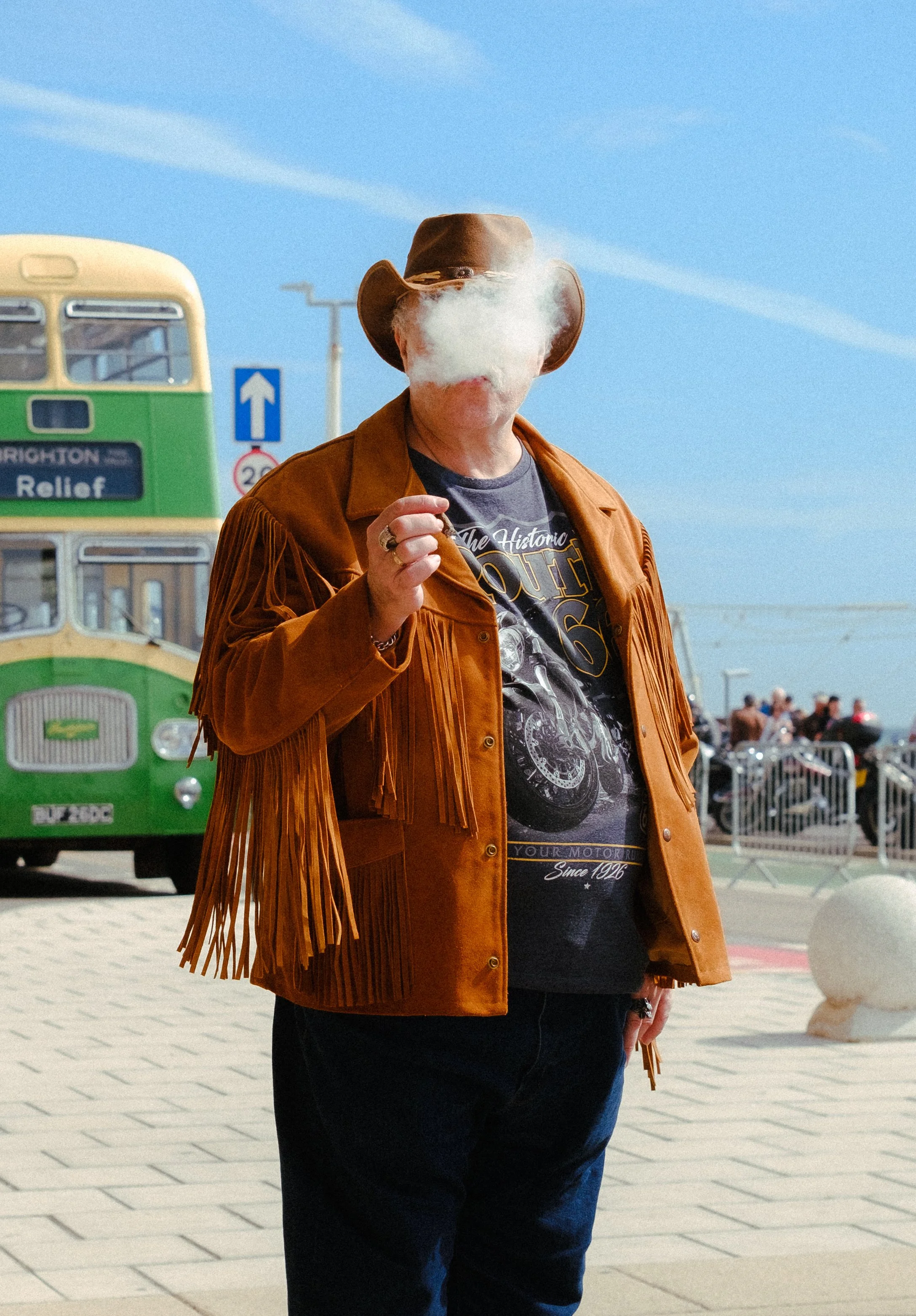
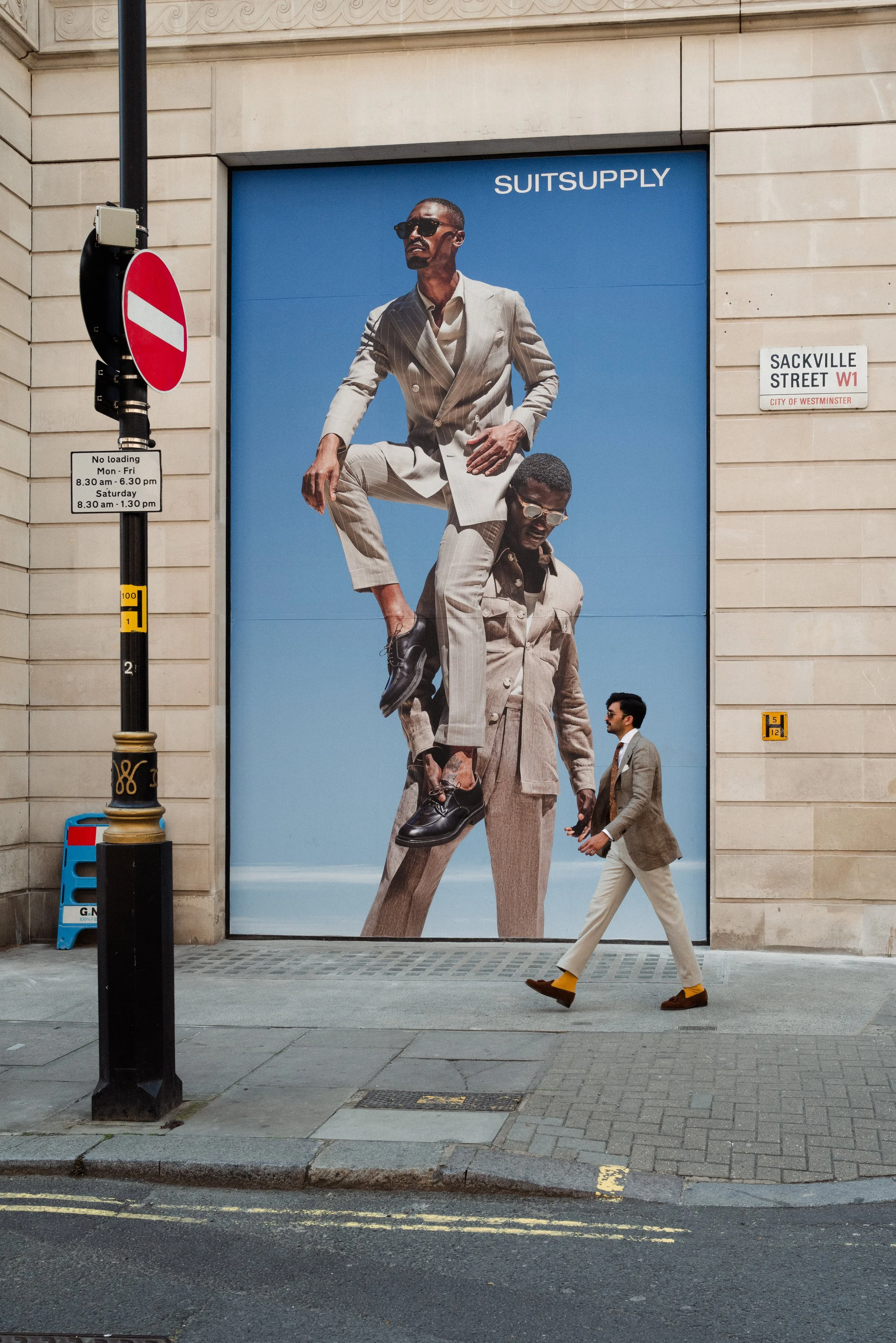
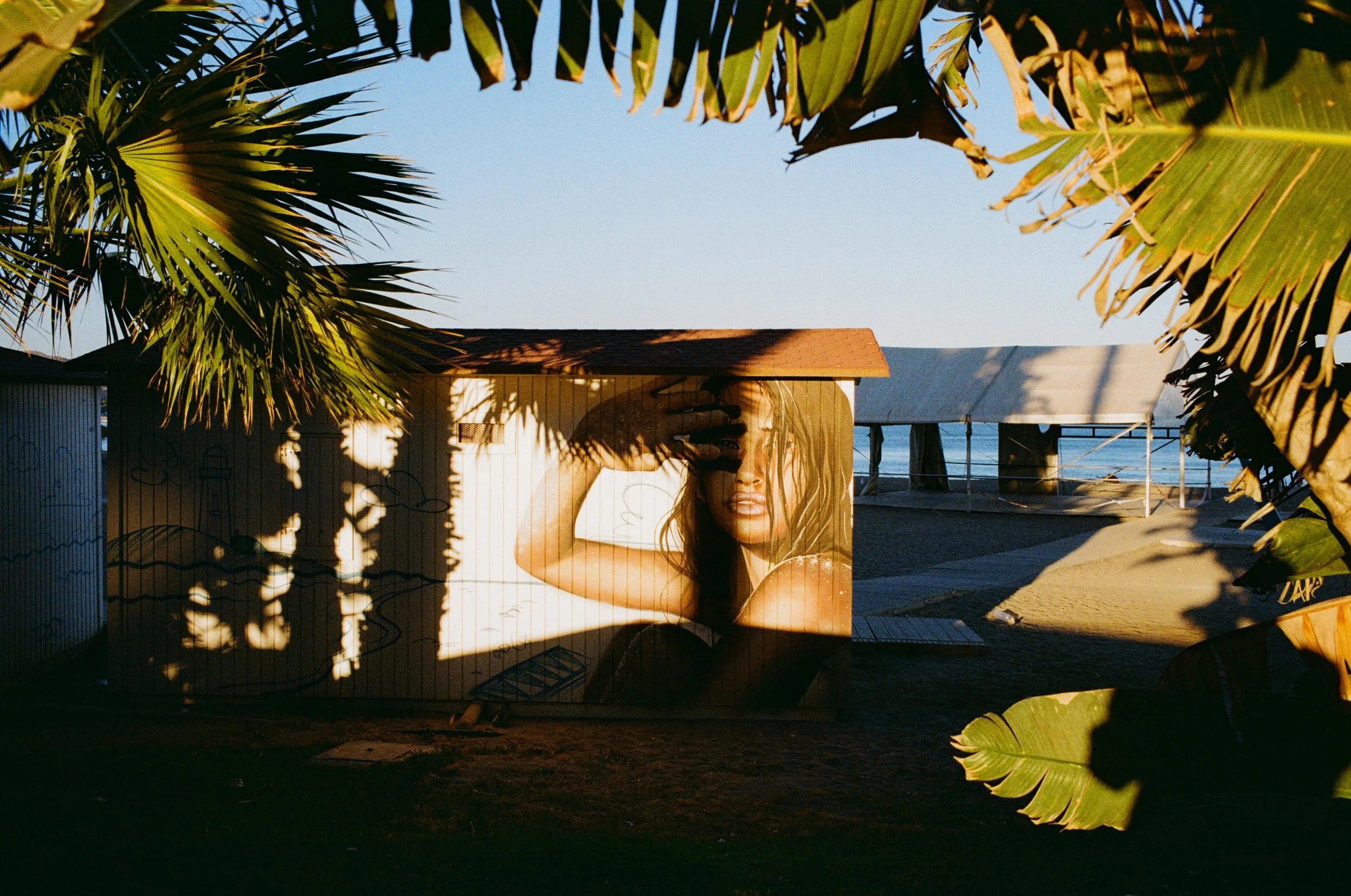
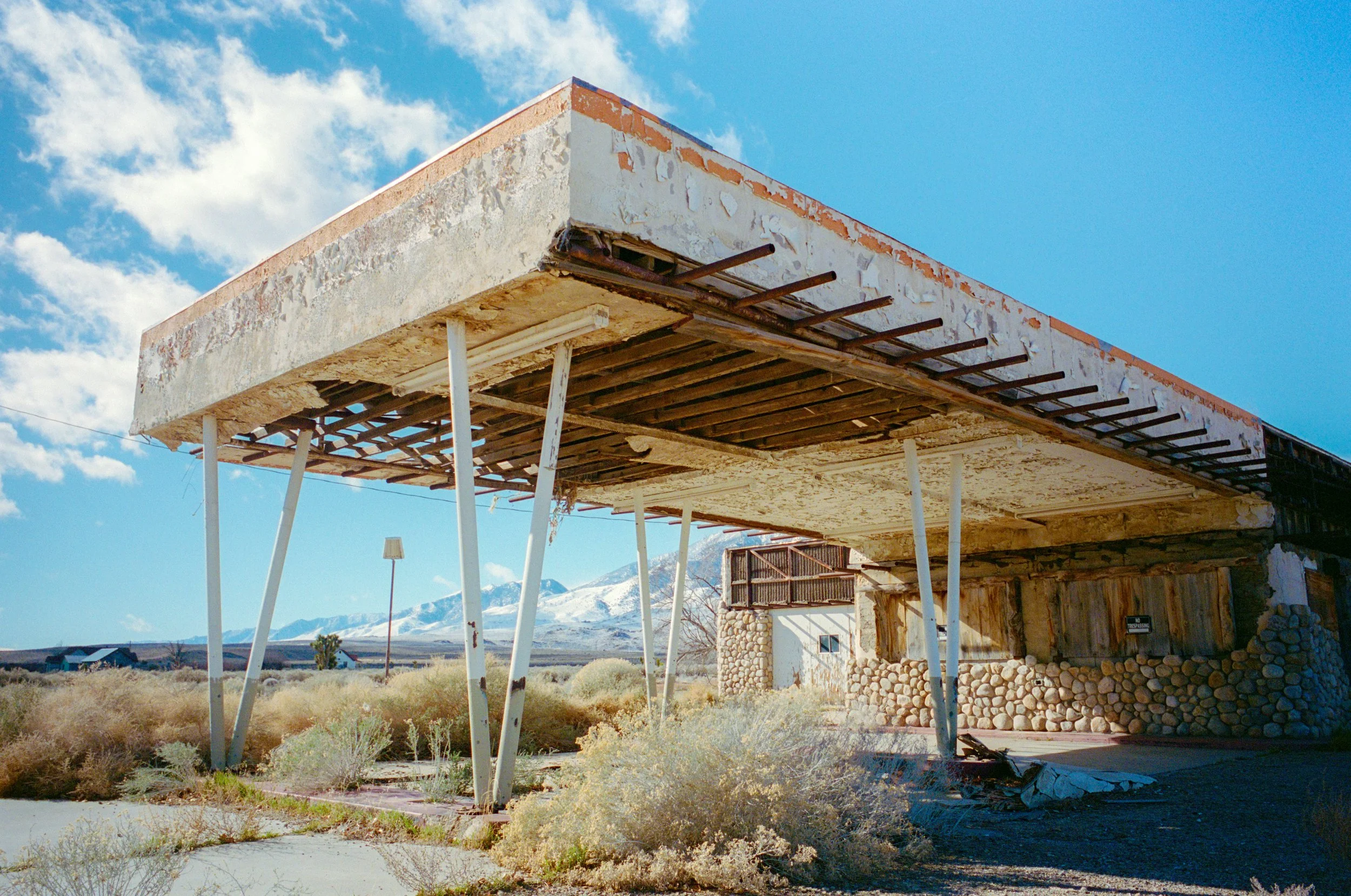
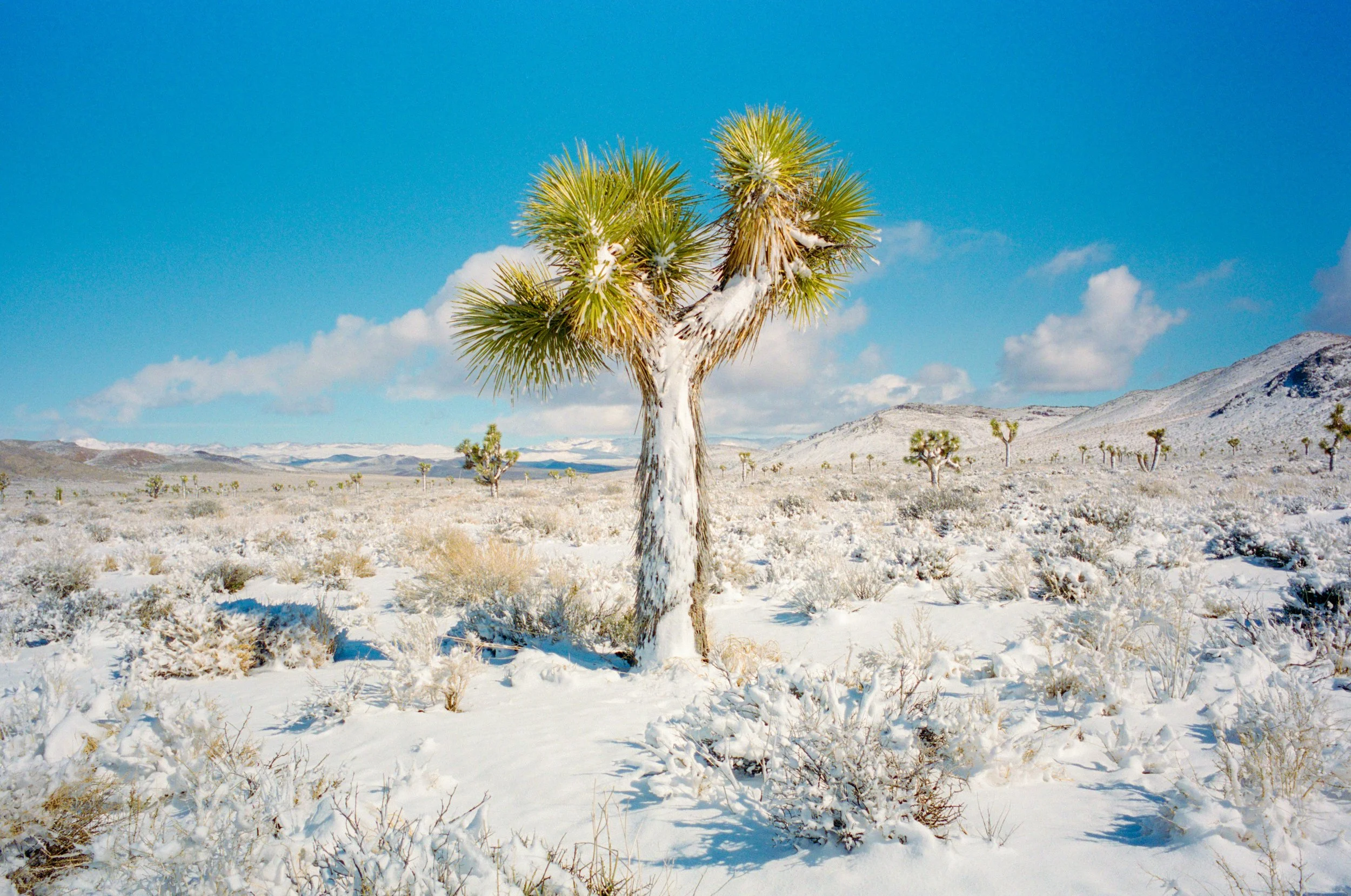
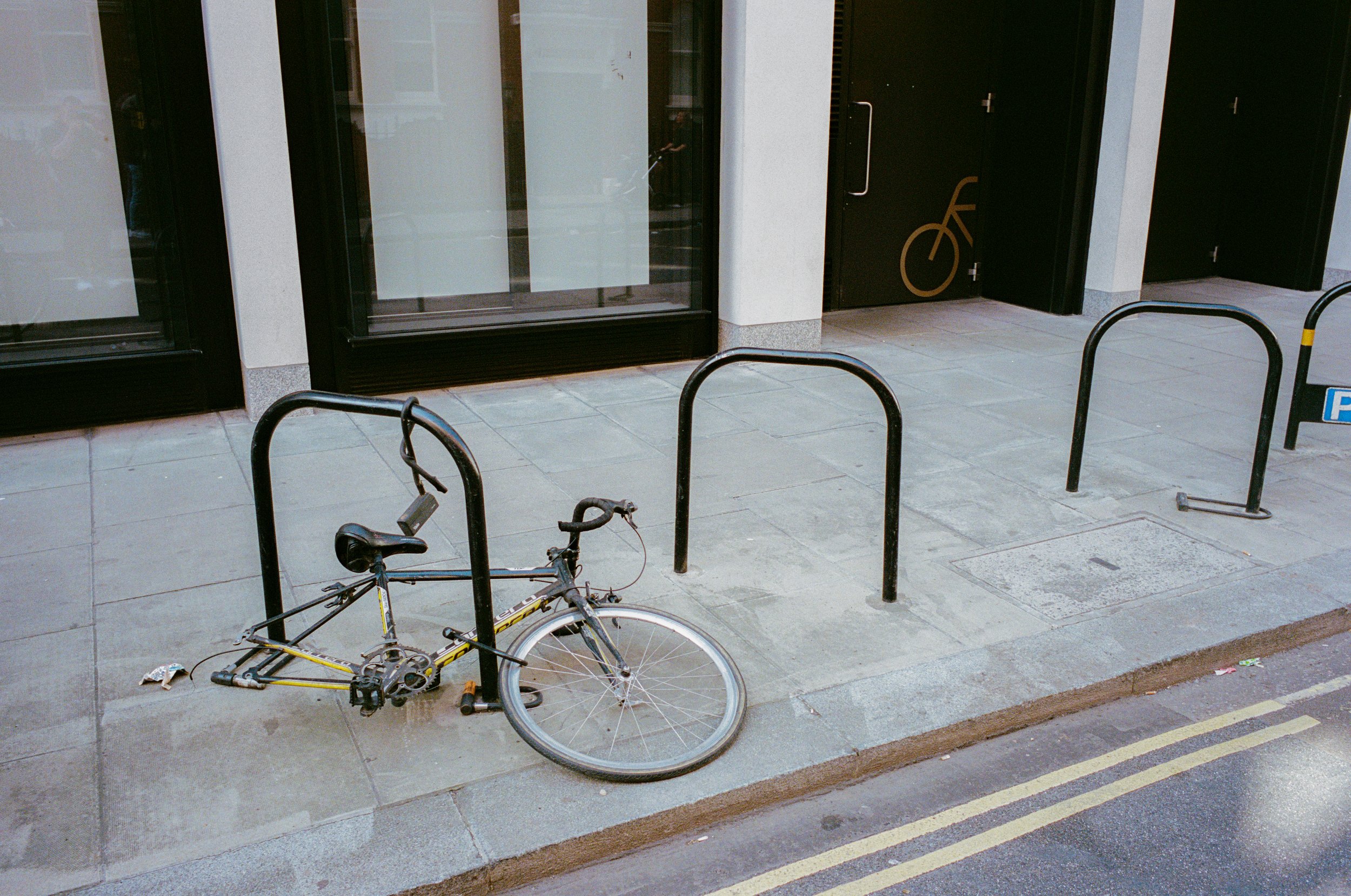
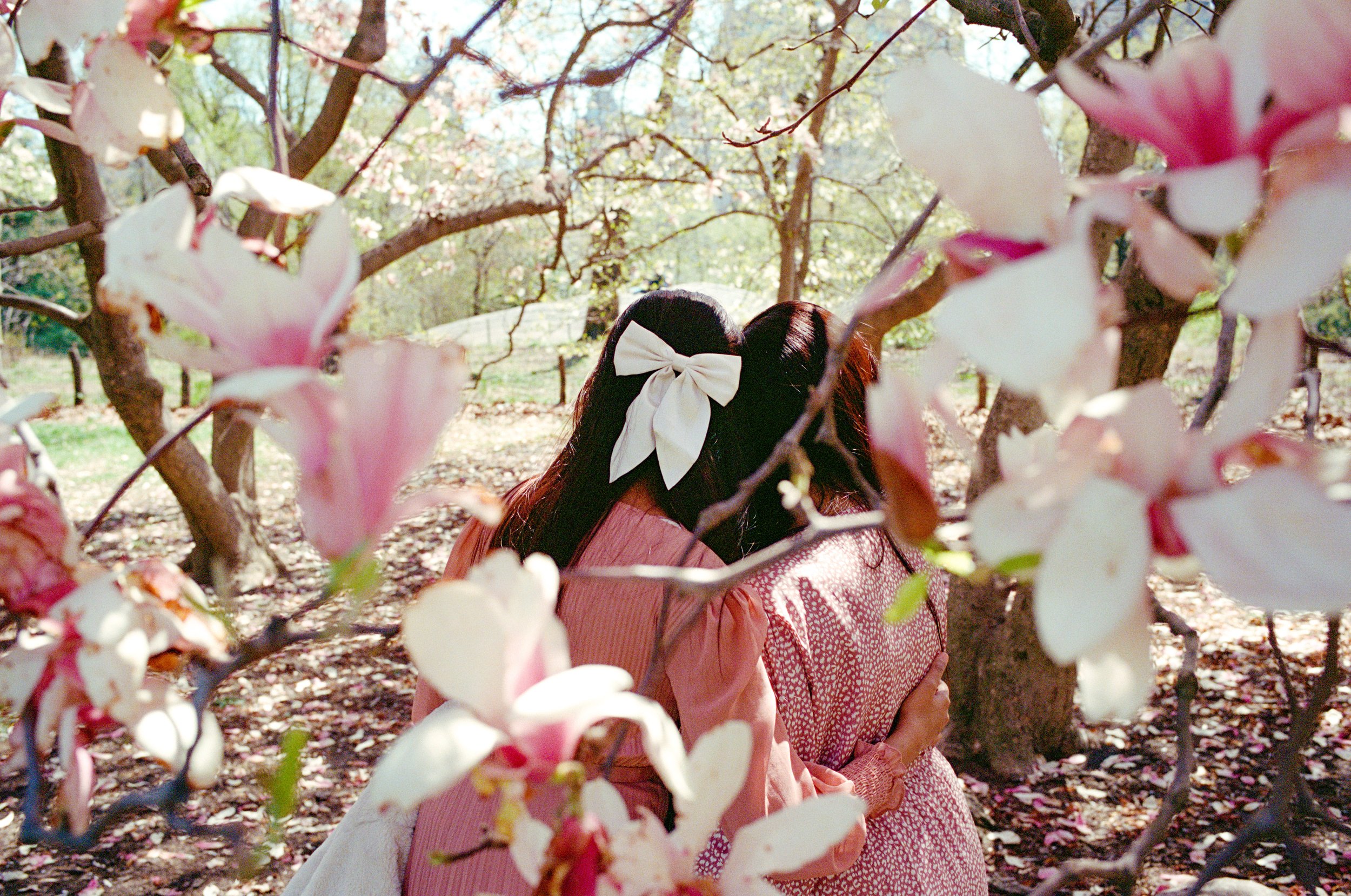
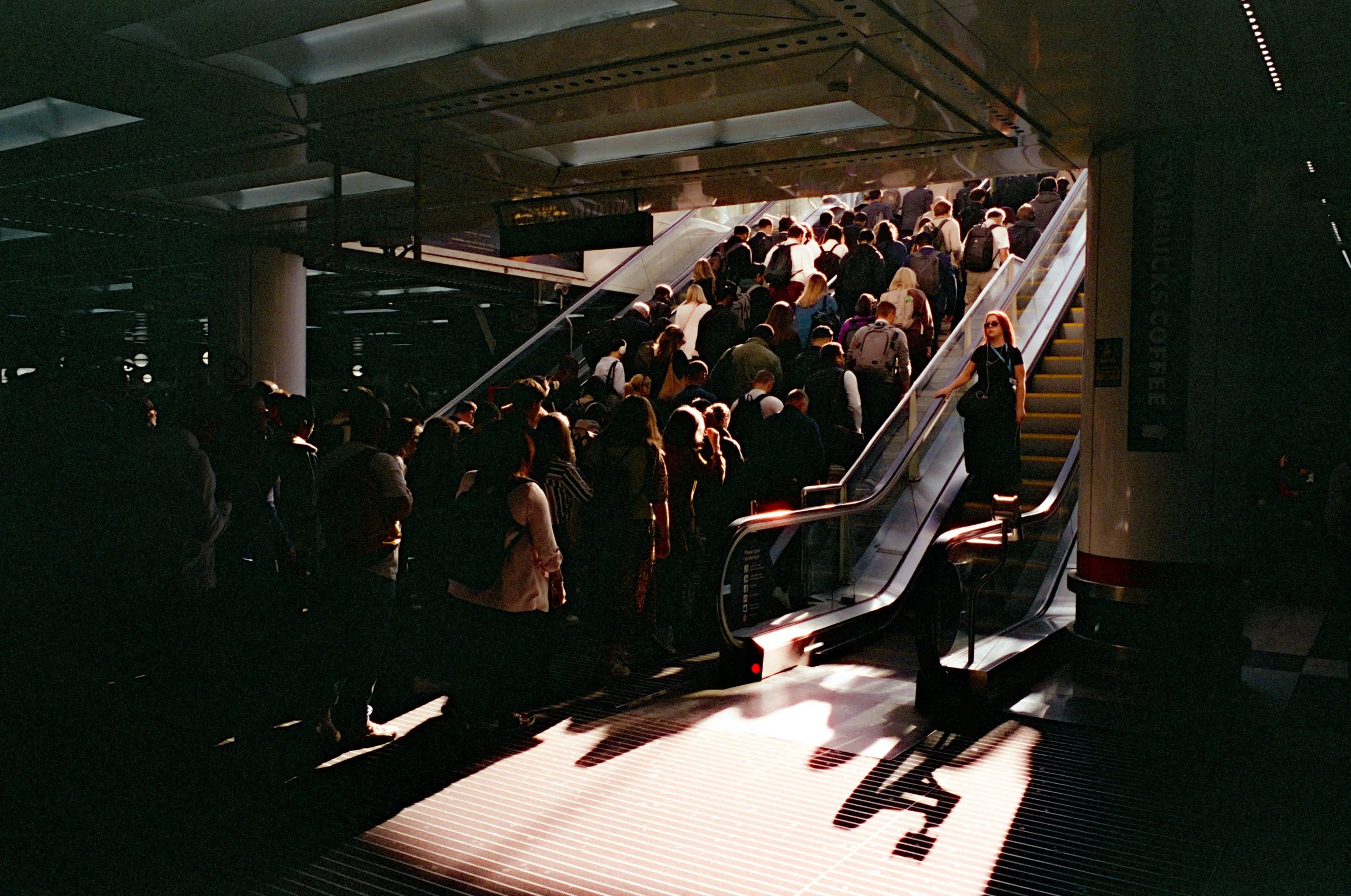
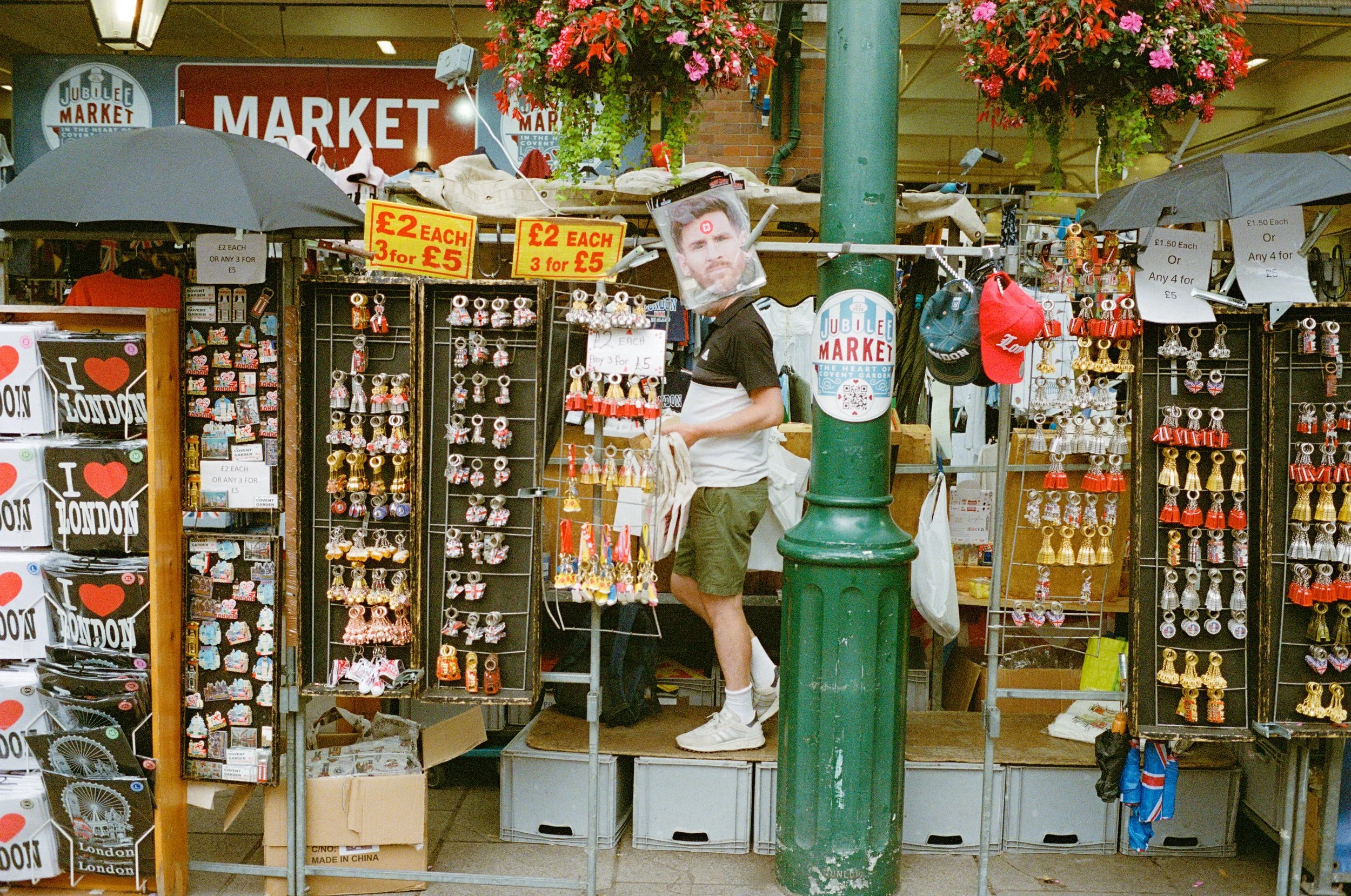
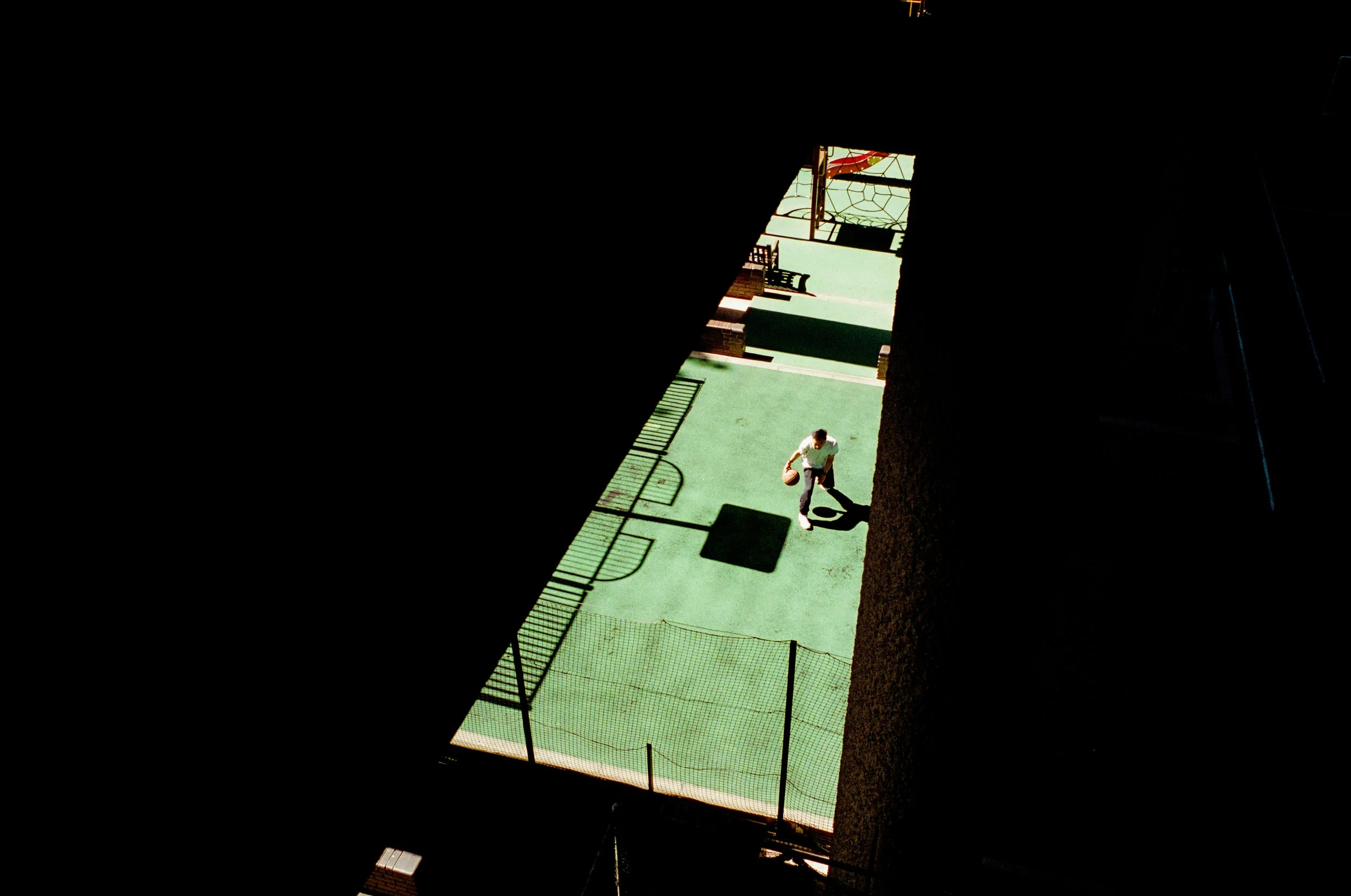
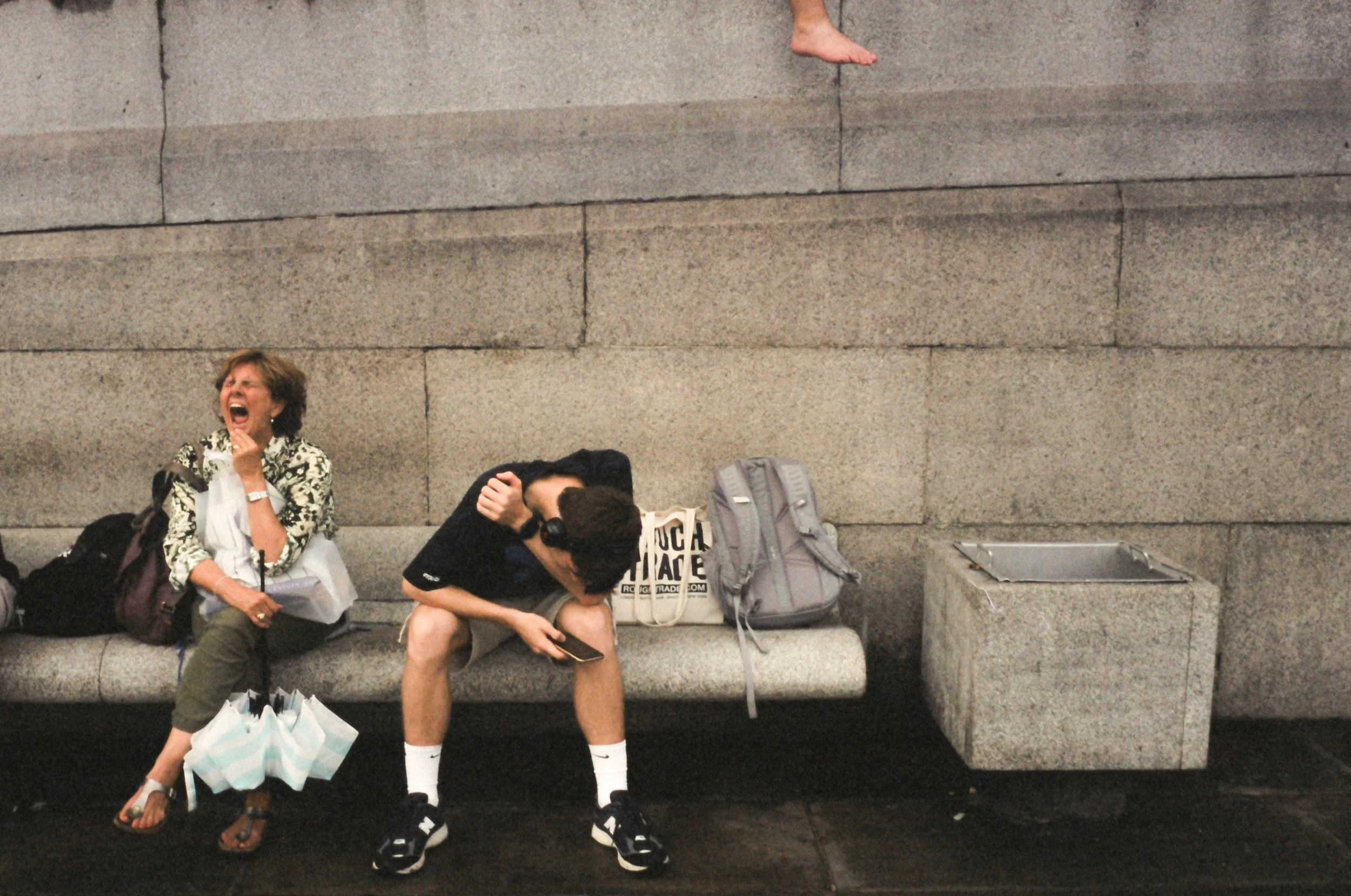
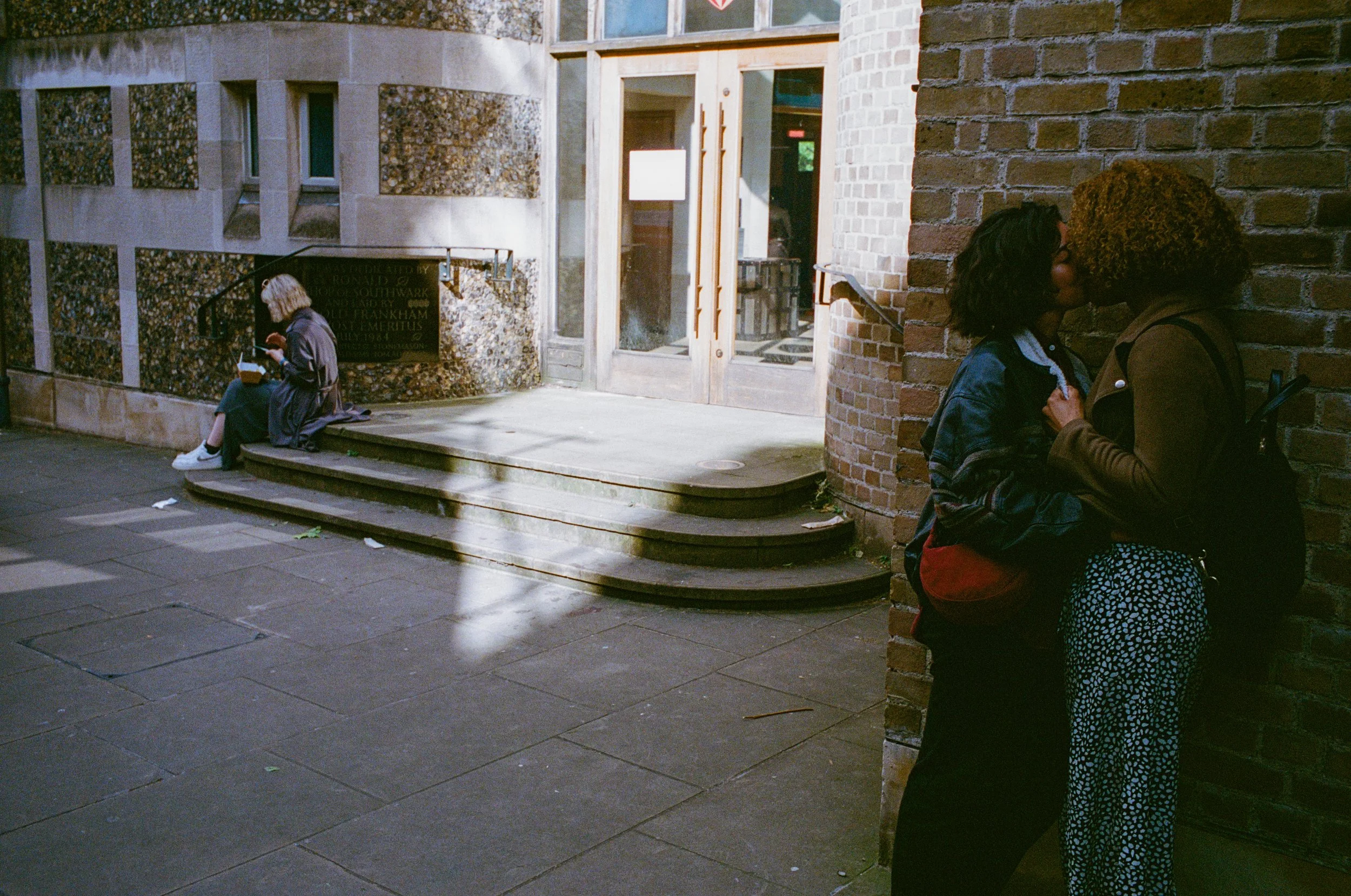
To discover more about this intriguing body of work and how you can acquire your own copy, you can find and purchase the book here. (Frances Lincoln, Amazon)
More photography books?
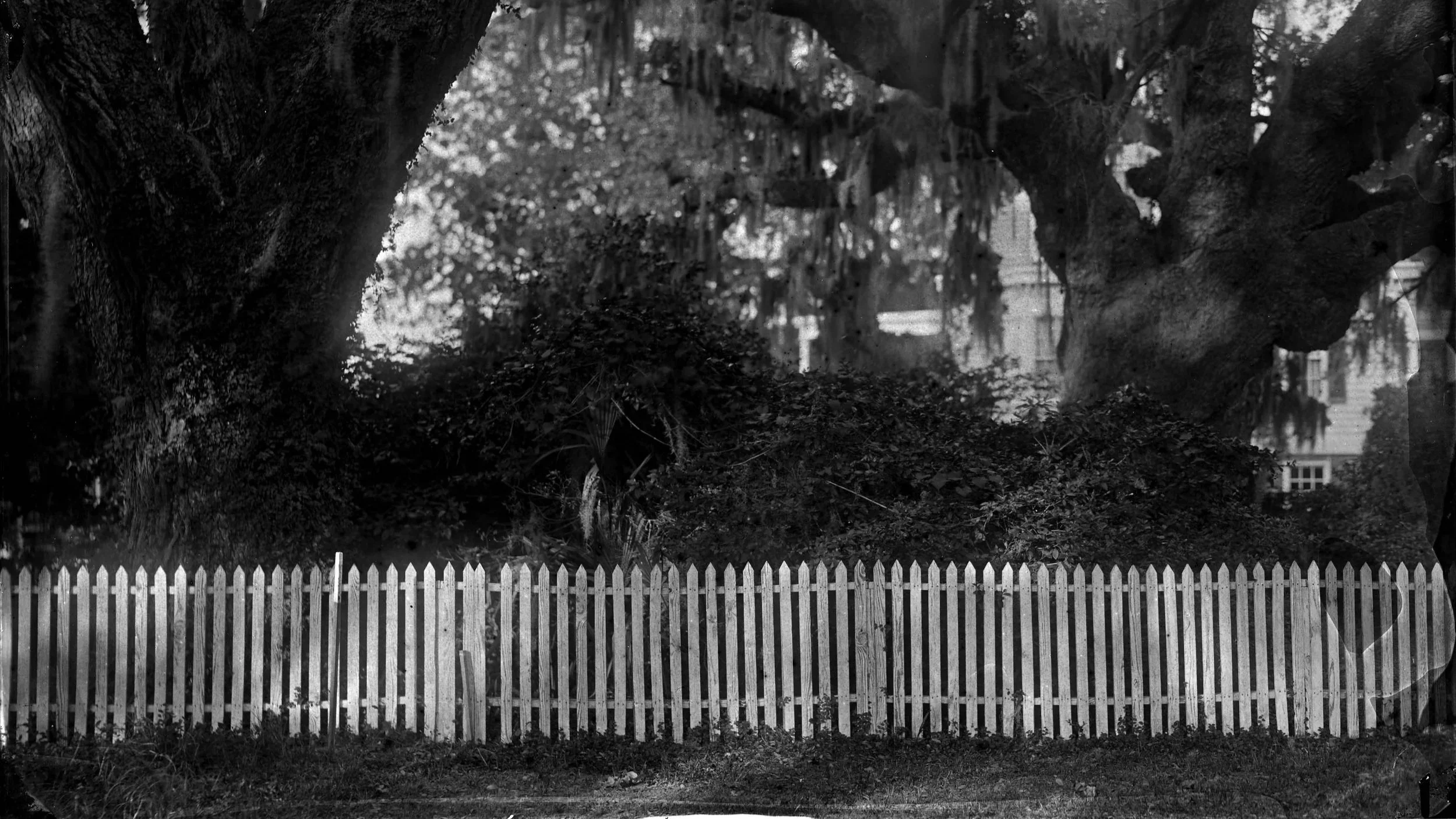
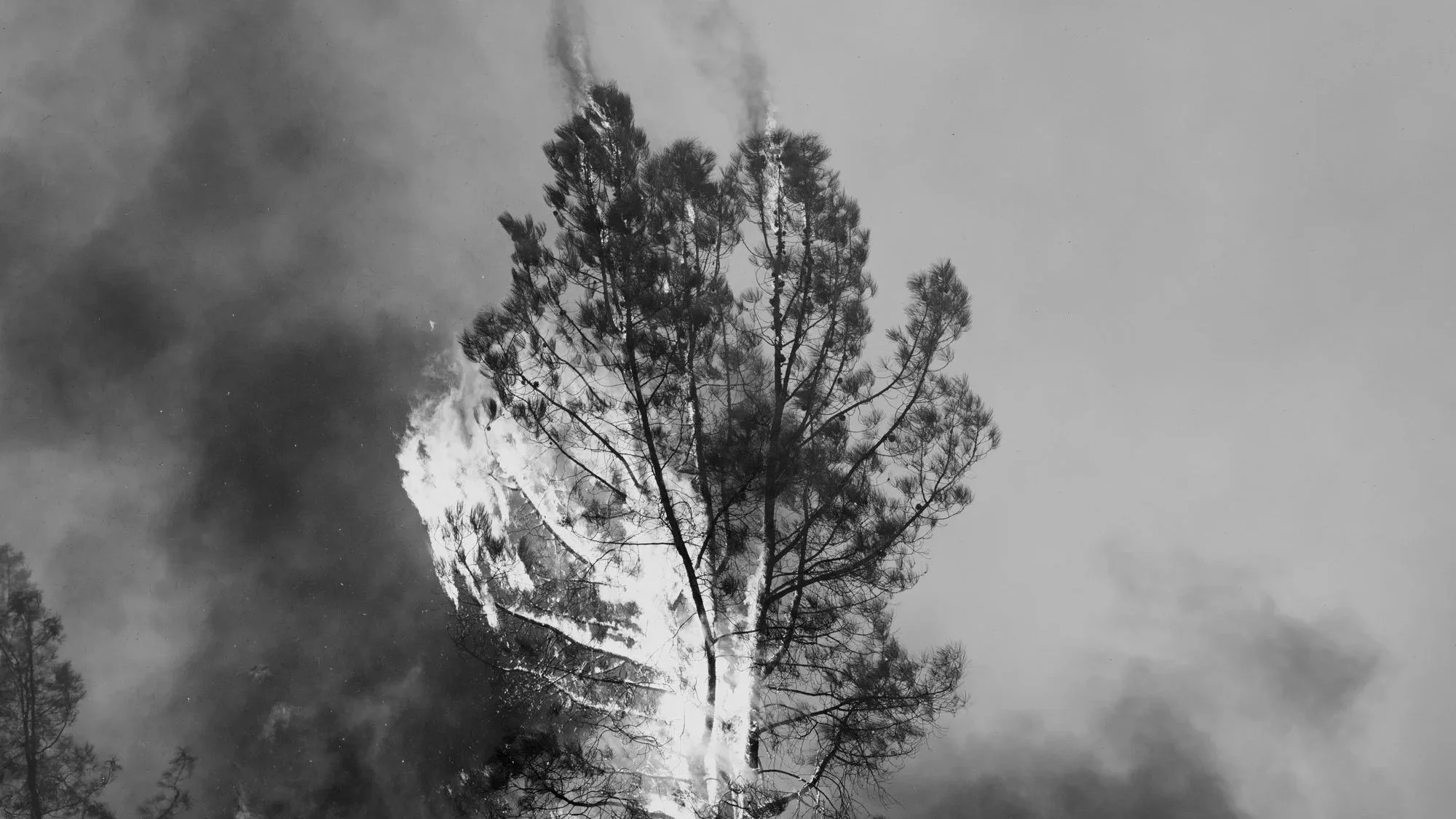
We'd love to read your comments below, sharing your thoughts and insights on the artist's work. Looking forward to welcoming you back for our next [book spotlight]. See you then!
The street is boring until you learn what to notice. Most of the time, nothing special is happening. Photography Book Spotlight