How 300-Year-Old Maps Changed the Way Virginia McGee Richards Photographed the American South
Welcome to this edition of [book spotlight]. Today, we uncover the layers of 'The Inner Passage,' by Virginia McGee Richards (published by The MIT Press). We'd love to read your comments below about these insights and ideas behind the artist's work.
The past became visible once Richards learned where to look.
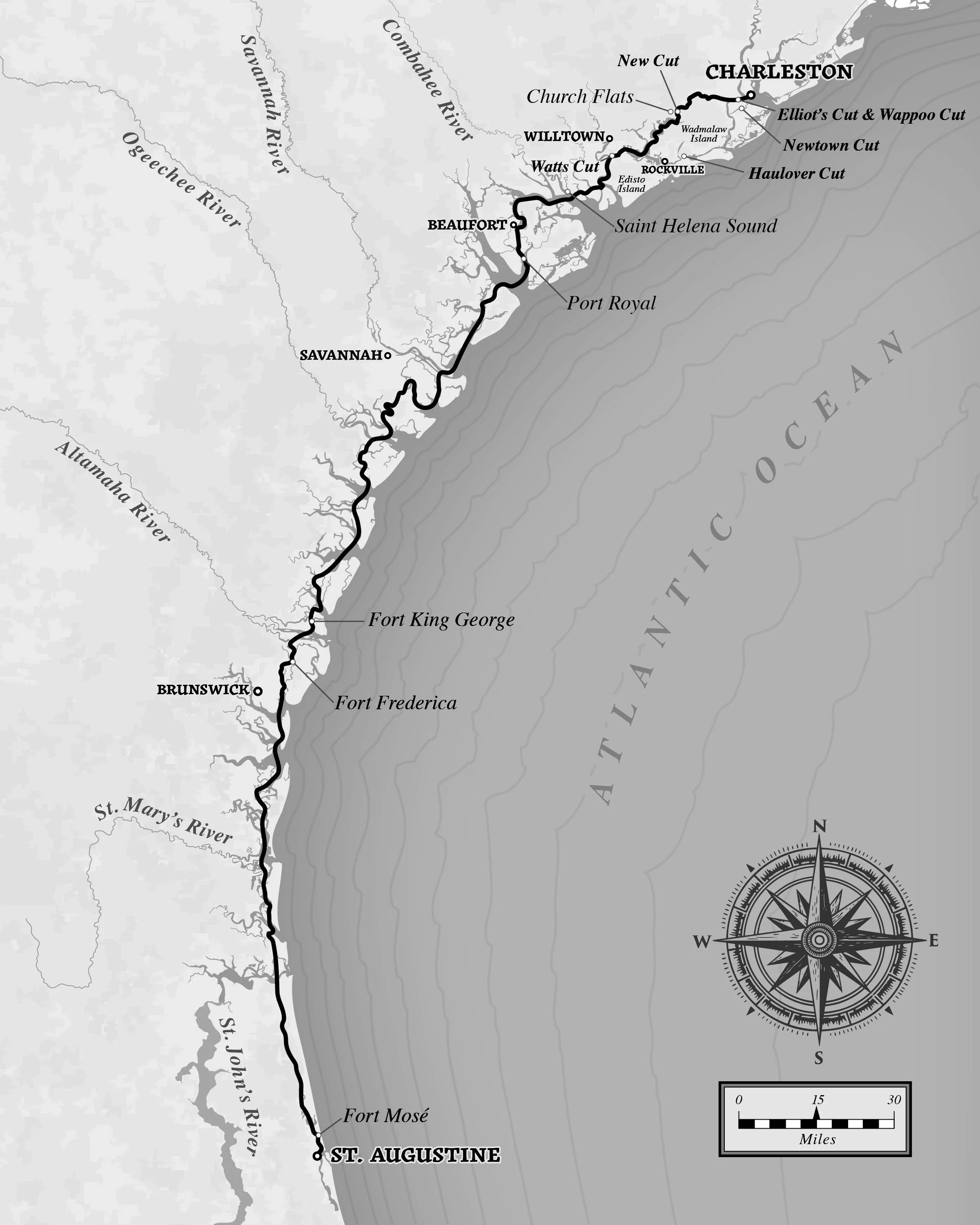
For The Inner Passage, Virginia McGee Richards spent fifteen years photographing a waterway in the South Carolina Lowcountry. Some of its canals were dug by enslaved men in the 1700s, and enslaved people later traveled south along the route toward freedom. Richards studied hand-drawn maps from the 1600s and 1700s and used them to recognize roads, trees, walls, buildings, and waterways that still carried traces of that history.
But understanding the history did not immediately give her the right photographs.
After about a year, Richards felt her digital images were too literal and too precise. They showed the landscape, but not the history and emotion she felt inside it. She began experimenting with wet-plate collodion, a process that recorded water, light, and even humidity in a very different way. What followed was not only a change of technique, but a different way of connecting research, place, and photography.
What happens when the subject still feels important, but the photographs do not say what you want them to say? Richards’s story shows why the answer may not be to abandon the subject, but to look again at the research, the process, and the way you are seeing the place.
The Book
The Inner Passage: An Untold Story of Black Resistance Along a Southern Waterway by Virginia McGee Richards traces the history of canals in the South Carolina Lowcountry that were built by enslaved people in the early 1700s. For more than a century, enslaved Black people also used these waterways to travel south toward freedom in Spanish Florida. Published by MIT Press, the book brings together 60 photographs by Richards with her historical research, an introduction by Imani Perry, and a foreword by James Estrin. (The MIT Press, Amazon)
The photograph that failed: At what point did you realize your first year of digital photographs of New Cut were not working, and what did you feel was missing from them?
When I first went out to New Cut, I wanted to make images that documented the current state of the canals; some of them are still navigable in shallow boats, while others are filled with silt and marsh grass.
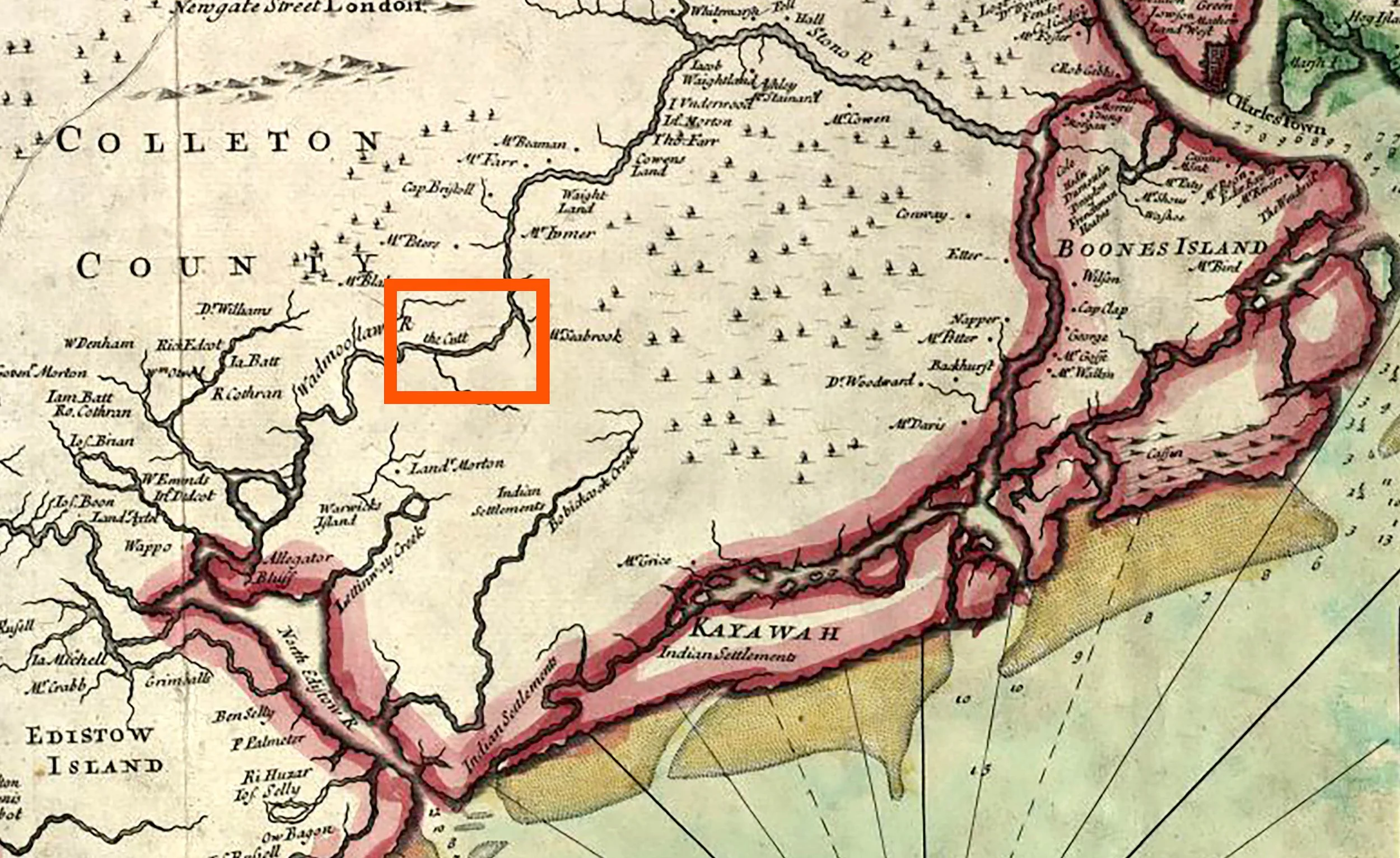
In those first months of working on the project, I spent lots of time in the local public library studying hand-drawn maps from the 1600s and 1700s. With copies of those maps in hand, I began exploring the waterway, and I could see the historical features as I walked along fields and rivers, dirt roads, chimneys, trees, stone walls, and historic buildings from these old maps. Many of these artifacts are still extant and visible on the land. The maps helped me translate the landscapes and ensured that every image I made of a field, tree, structure, or waterway was grounded in history.
As I learned more about the Inner Passage, I realized that the boundary between past and present was very thin along the waterway. I began to visualize the land and water as monuments to an unspoken history and hallowed ground, and I wanted to convey those ideas visually.
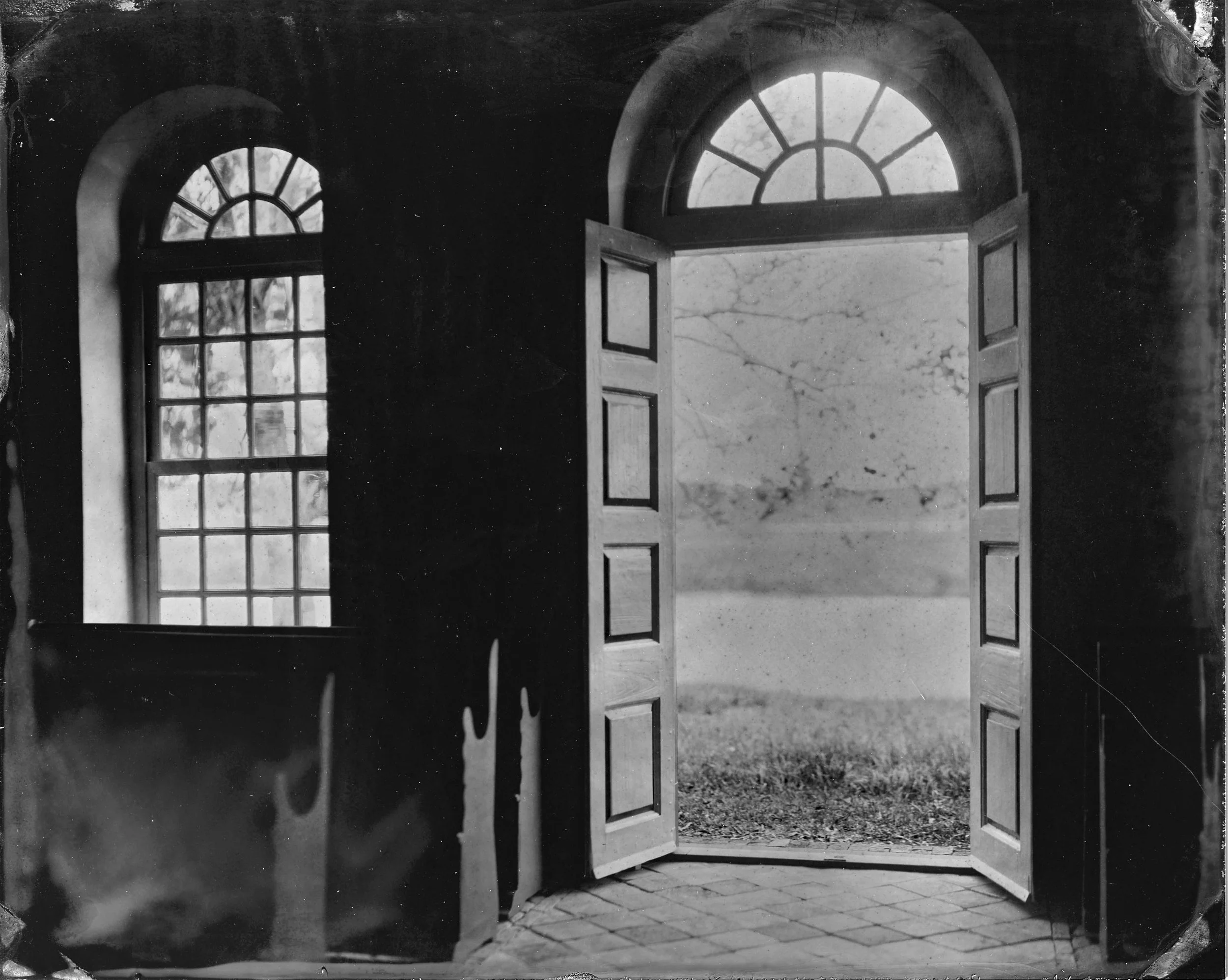
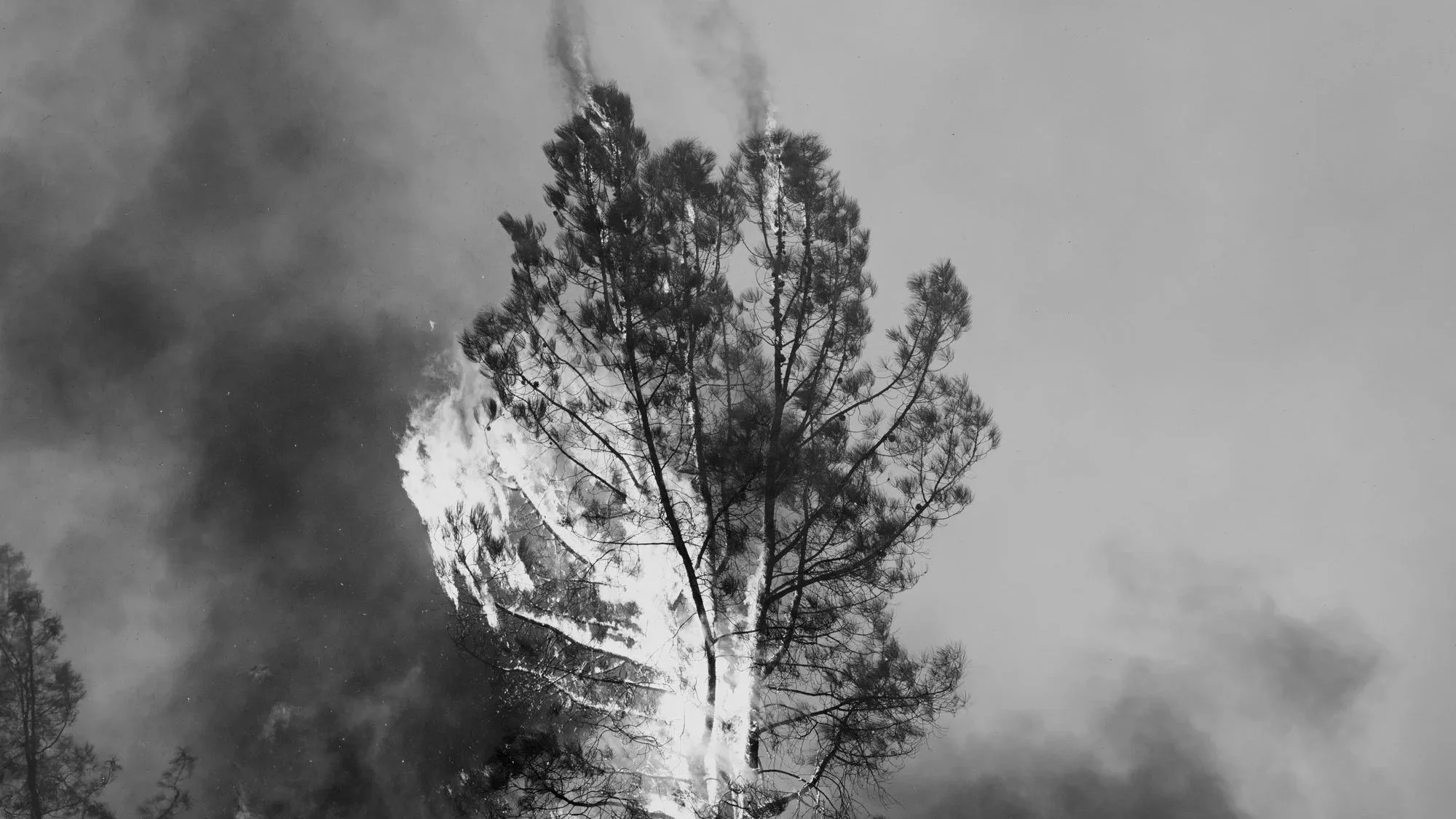
About a year into the project, the digital photographs I had made felt too literal, too precise. They did not narrate the complex history of the place and the emotions vested in the land. My ultimate goal was to make a visual poem—images that allowed the viewer to move fluidly from present to past. After reviewing photographer Tomas van Houtryve’s wet-plate collodion work, I decided that I wanted to try learning the same process. I began making images on tin and glass plates using wet-plate collodion, hoping that it would work. At first, I was just experimenting with the technique.
One image that did not work: You said the digital photographs felt “too literal, too precise.” Can you describe one specific digital photograph that was technically successful but still felt wrong, and what exactly was it unable to express?
I took a digital image of the headwaters of New Cut canal at high tide. The photograph is interesting and dynamic, and it conveys the information that these canals are gradually disappearing as they fill with silt. The digital photograph of the dry canal bed would work well in a story about the effects of global warming and the environment, but it did not convey the haunting and narrative quality of the later images taken with the wet-plate collodion process.
Changing the language: How did you know the problem was your photographic process, not the landscape itself?
I was committed to conveying the Inner Passage’s history as a photograph series, so I identified the shortcoming in those initial digital images as a wrong choice in process rather than a problem with the visual landscape itself. Initially, I was not sure how the wet-plate collodion would record the dark water of the canals, the flat gray of the Spanish moss, or the humidity in the air. During my first week of experimenting with the process, I made a lot of bad plates, overexposed, underexposed, or muddy gray in color with no contrast. The dozens of mistakes helped me understand what was possible with this unpredictable technique, though. I learned how much light the plates needed to record an image, the length of exposures for different times of day, and the painterly quality of the process.
Subject versus process: Once you realized the photographic process was the problem, why did you change the process rather than change what you were photographing? How can a photographer tell the difference between a subject that has stopped working and a way of photographing it that has stopped working?
I was committed to documenting the Inner Passage waterway, so I did not consider changing to photograph another subject matter. I assigned myself a quest to make images that told the story of the route’s forgotten history. For me, the process of making images and learning was energizing. I began the project with a sense of openness to where it might lead. While I worked, I was not focused on making images that would please an editor. As a photographer, I relied on my feelings and intuition about how to move forward, all the while trying to make images that conveyed emotion, feelings, and a sense of place.
Wet-plate as expression: What could an unpredictable wet-plate photograph express that a sharp digital photograph could not?
The wet-plate process records watery surfaces as lighter in color when those surfaces reflect the color blue from the sky. Over time I began to understand that wet-plate collodion allows the photographer to paint with both water and light, both are recorded distinctly on the plates. With an exposure of 30 seconds in low morning light, humidity in the air over agricultural fields, which was invisible to my eye, appears as a thick mist in wet-plate photographs, giving the image an atmospheric, haunting feeling. This haze makes the plate feel more authentic to the ambience of the place, a sort of lingering feeling.
The plate that convinced her: Was there one early wet-plate photograph where you suddenly realized the new process could do what the digital photographs could not? What did you see in that plate that convinced you?
During my second week of working with the wet-plate collodion process, I arrived at a former rice plantation on the Combahee River to photograph. By the time I set up my darkroom and chemicals, the July heat and sun were out in full force. I walked the property for hours, along the rice dikes and former agricultural fields, as I waited for softer, angled afternoon light. An ancient live oak tree standing between the fields and the river looked like it was dancing, and the light bouncing from the water illuminated the shadowed areas under the tree. Even though the tree was about a quarter mile from where I had left my car and set up my darkroom, I really wanted to document the ethereal light, movement, and history of that tree. I ran from my portable darkroom set up by the roadside to the tree, carrying two coated plates, a vertical and a horizontal. I made the images and then ran back the quarter mile to my rudimentary darkroom, hoping the plates would not dry out and peel off the glass before I put them in the developer tray. The resulting image of this Witness Tree, shown on pages 16 and 17 of the book, conveys the animated quality of the trees and landscapes in the Lowcountry. The tree seems as if it is moving on the page, and it invites the viewer to come underneath and witness the past held under its branches.
Landscape as evidence: You have said landscapes are manuscripts that hold history even when written records are incomplete. How did your years as an environmental lawyer train you to read land that way?
As a child growing up in the South, I spent my summers exploring creeks and woods with my brother. We were primitive archeologists, digging along lake beds looking for pottery shards and arrowheads, and turning over stones in creeks. We would identify the artifacts we found by looking through books from the library or the encyclopedia. So, from an early age I asked questions about nearby landscapes, wondering about their origins. As a lawyer, I asked those same questions about air and water quality, and degraded land and soil. What has impacted them, and how can it be remediated?
Research changing sight: How did learning to read old plats and property maps change what you noticed when you stood on that same land with a camera?
With copies of those old hand-drawn maps in hand, I could see the historical features as I walked along fields and rivers, dirt roads, chimneys, trees, stone walls, and historic buildings marked on maps from the 1600s and 1700s. Many of those same features are still extant and visible on the land today. The maps helped me translate what I was seeing and made sure that every image I made of a field, tree, structure, or waterway was grounded in documented history.

Witness trees: You describe the ancient live oaks as witness trees. At what point did you realize they had become central characters in the story you were trying to tell?
The wet-plate process required me to slow down. As I walked through the Lowcountry, I began to use the massive live oak trees as markers so I could retrace my steps and find my way. These trees are the largest natural feature in these savannahs and coastal plains. I found that mapmakers working in the 17th and 18th centuries noted many of these same trees as markers of property boundaries on their hand-drawn maps.
I began to see the trees as survivors. They have withstood hurricanes, centuries of forest exploitation, and planting seasons. They have stood over enslaved men who excavated canals in the 1700s. They were standing over the waterway as hundreds of enslaved people navigated boats southward to freedom on the Inner Passage. The trees witnessed both the violence and brutality of slavery, as well as voyages to freedom.
The edge of invention: The men who dug these canals were never named in any record you found. How did you decide what to leave unknown in a photograph, rather than filling the gap with a guess?
I used maps from the 1700s and 1800s to locate the canals, or “cuts,” that enslaved men excavated to create the waterway. Hand-drawn plat maps of former plantation sites indicated where agricultural fields, roads, and enslaved cabins had been sited. In many cases, those structures or their ruins were still extant. Each photograph in the Inner Passage series is grounded in historical fact. There were no guesses on my part. I considered the historical research an integral and necessary part of the project.
Descendants and trust: Meeting people like Kathy Holmes and Sherman Mack happened slowly, over years on the water. How did those relationships change the way you photographed the landscape?
So many of the people I met had intimate connections with the Inner Passage waterway. Kathy Holmes’ extended family has lived along the waterway, at a property they call “Pea Hill,” for the past hundred and fifty years. Her ancestors are proximate, they fished the same waterway and farmed the land that she sees every day from her window. She can feel their presence in her daily life. Kathy’s stories, as well as those of Sherman Mack, Rutledge Hammes, and others, gave me insights about the Lowcountry that I could not find in archival documents.
There are many people who spent hours sharing their histories and connections to the waterway. Each of their stories is remarkable.
One photograph shaped by a story: Can you remember one photograph that you would not have made, or would have made differently, because of something Kathy Holmes, Sherman Mack, or another person connected to the waterway told you?
Kathy Holmes often speaks of her brother, whom she was very close to. He died years ago, but she speaks of him as though he is walking beside her or just around the corner. For Kathy, her relatives and friends who have passed to the other side by dying are present in her life and landscapes. She lives comfortably moving between the past and present, which is an idea I wanted to convey in the Inner Passage portfolio.
Editing fifteen years: You narrowed fifteen years of fieldwork into sixty photographs. When deciding what stayed and what had to go, what instinct did you trust most?
I printed all the images and taped them to a wall for several weeks. As the days went by, I began taking one or two photographs at a time until there were only 60 images left. My editing was based on visual instinct informed by historical research.




To discover more about this intriguing body of work and how you can acquire your own copy, you can find and purchase the book here. (The MIT Press, Amazon)
More photography books?
We'd love to read your comments below, sharing your thoughts and insights on the artist's work. Looking forward to welcoming you back for our next [book spotlight]. See you then!
The past became visible once Richards learned where to look. For The Inner Passage, Virginia McGee Richards spent fifteen years photographing a waterway in the South Carolina Lowcountry. Photography Book Spotlight