Kinga Owczennikow Uses Internal Frames To Show How Photographs Can Reveal, Deceive, and Make Us Doubt What We See
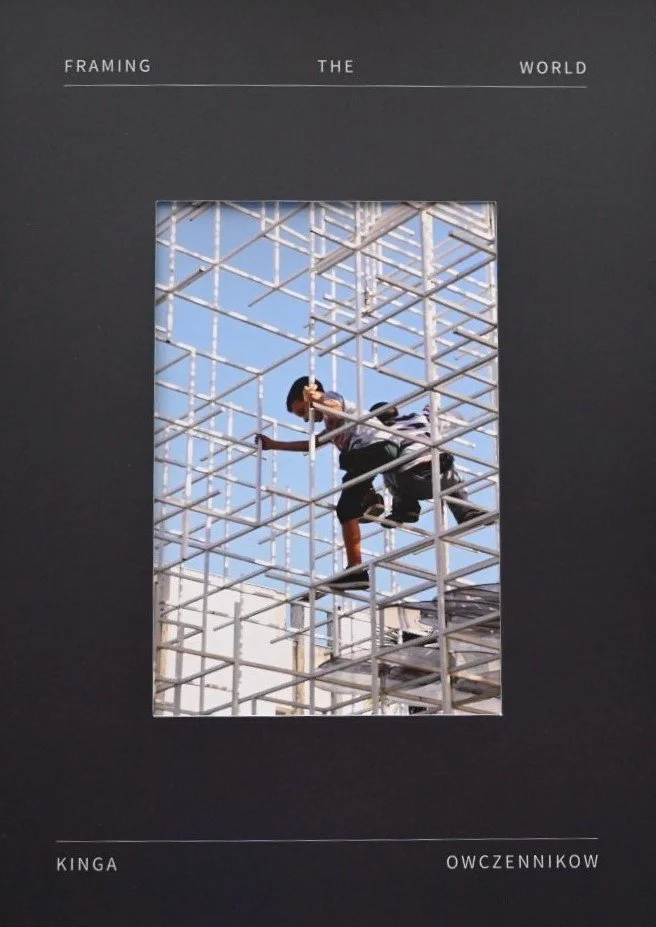
Welcome to this edition of [book spotlight]. Today, we uncover the layers of 'Framing the World,' by Kinga Owczennikow (published by Ephemere). We'd love to read your comments below about these insights and ideas behind the artist's work.
Kinga Owczennikow makes frames impossible to ignore.
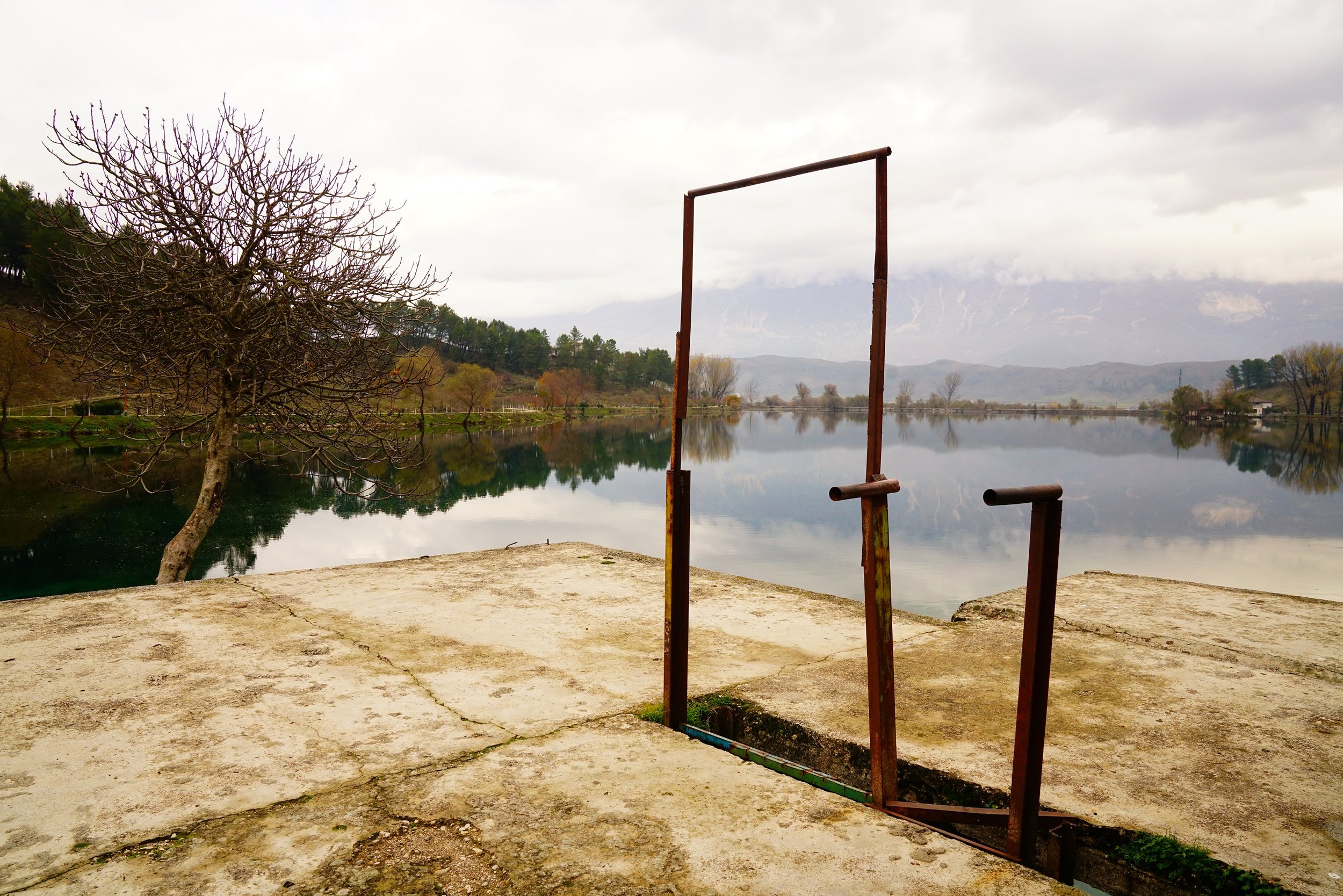
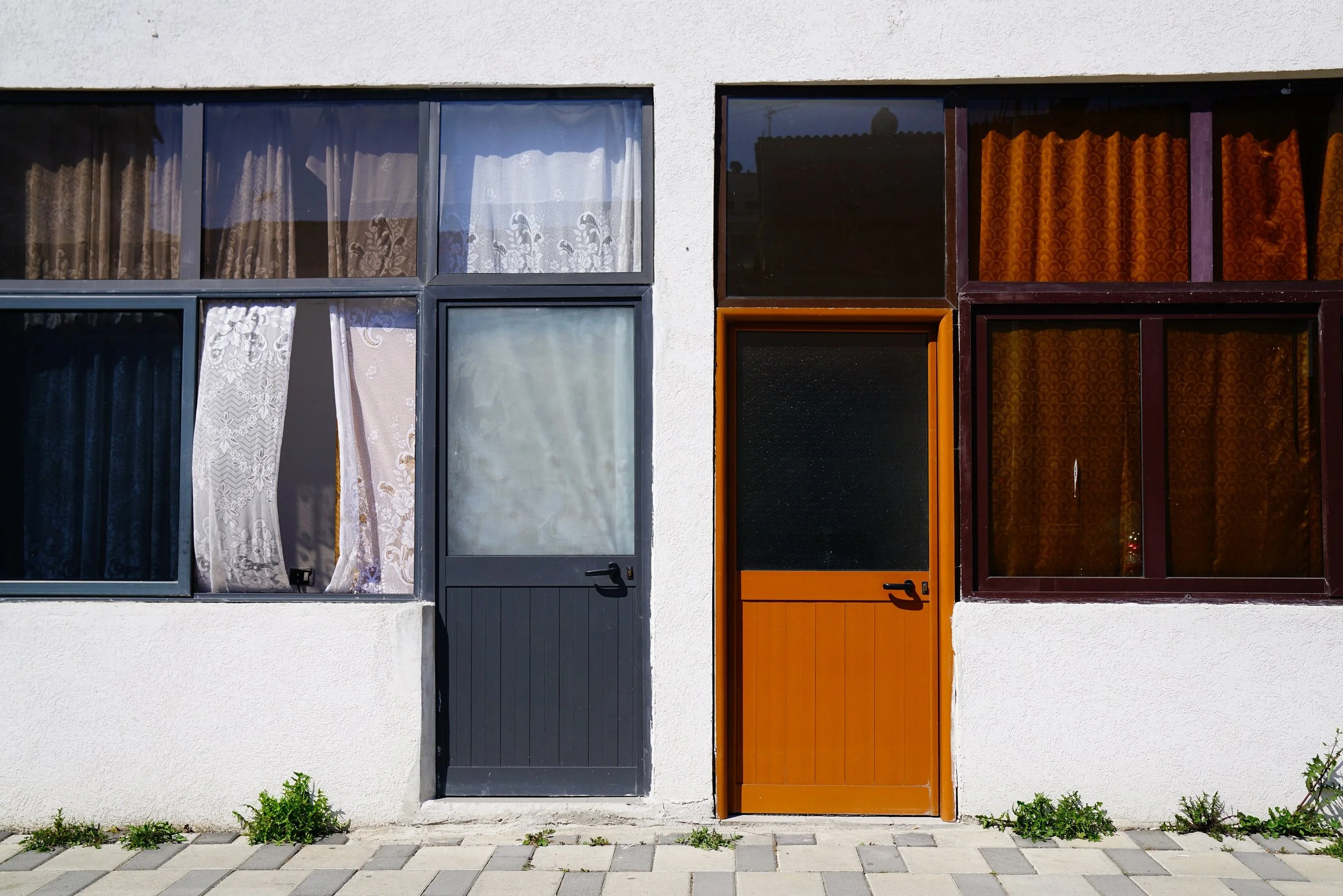
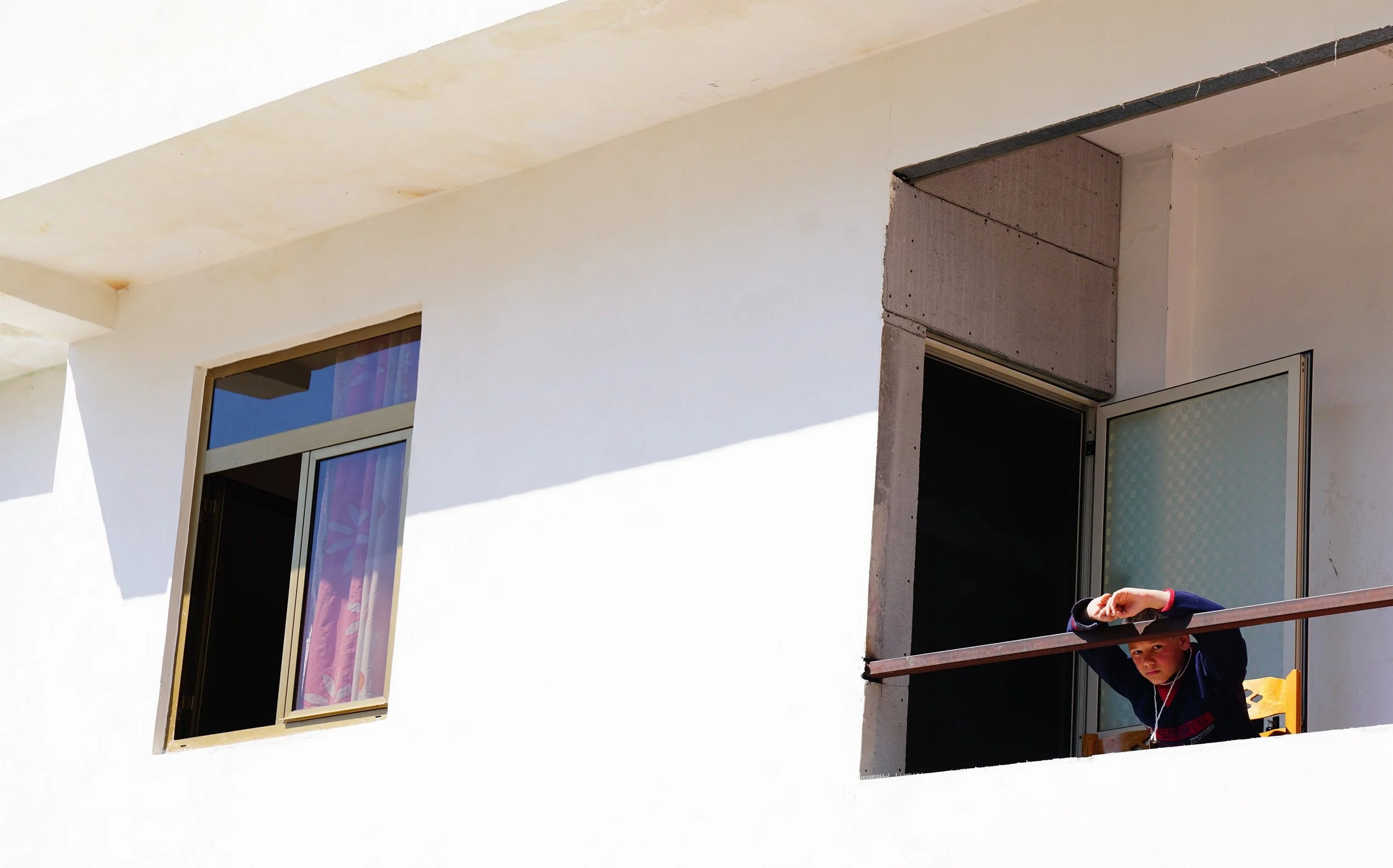
In Framing the World, windows, doors, mirrors, walls, and borders are not only parts of the scene. They become the reason to look closer. The book grew from a long conversation with writer and critic Tom LeClair, and from Kinga’s archive of photographs where internal frames kept appearing again and again.
This interview is about how a frame changes perception.
Kinga speaks about ambiguity, doubt, sequencing, and why she does very little cropping. She explains how a photograph can reveal something, hide something, and make us more aware of the assumptions we bring to an image.
Kinga talks about printing images, pairing them, walking the same streets, and paying attention to overlooked details in ordinary places. Her work shows that composition is not only about making order, but about noticing how the world is already framed before we photograph it.
The Book
Framing the World by Kinga Owczennikow, published by Ephemere in 2025, is a photobook about internal frames and the act of seeing. Across more than 50 photographs, Owczennikow uses windows, doors, mirrors, walls, and other visual boundaries to question how photographs guide, limit, reveal, and sometimes deceive our perception. With words by Tom LeClair, the book turns framing into both a formal device and a way of thinking about how we look at the world. (Ephemere, Amazon)
Overview of the project: What inspired you to begin Framing the World, and how did the idea of internal frames become central to your vision?
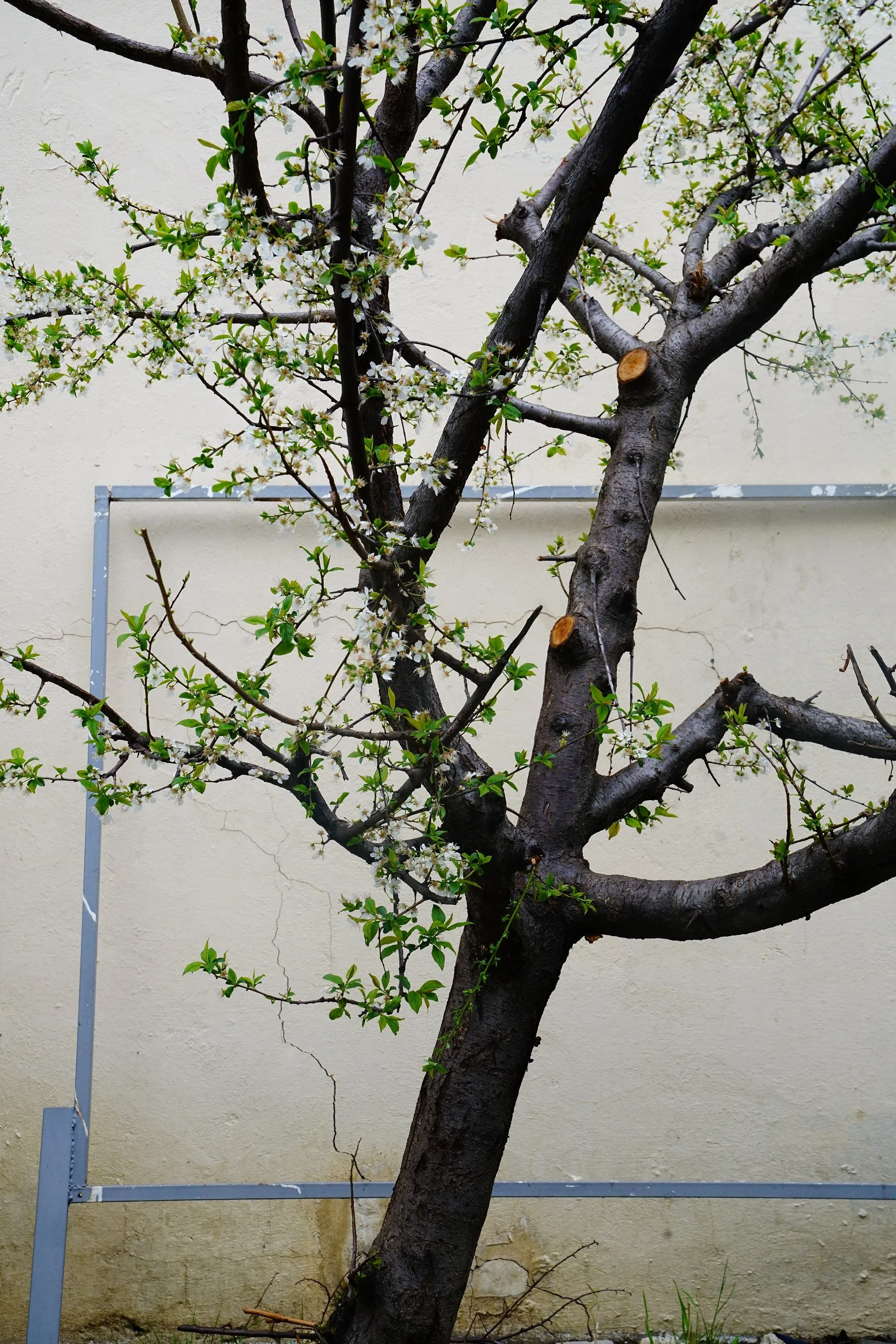
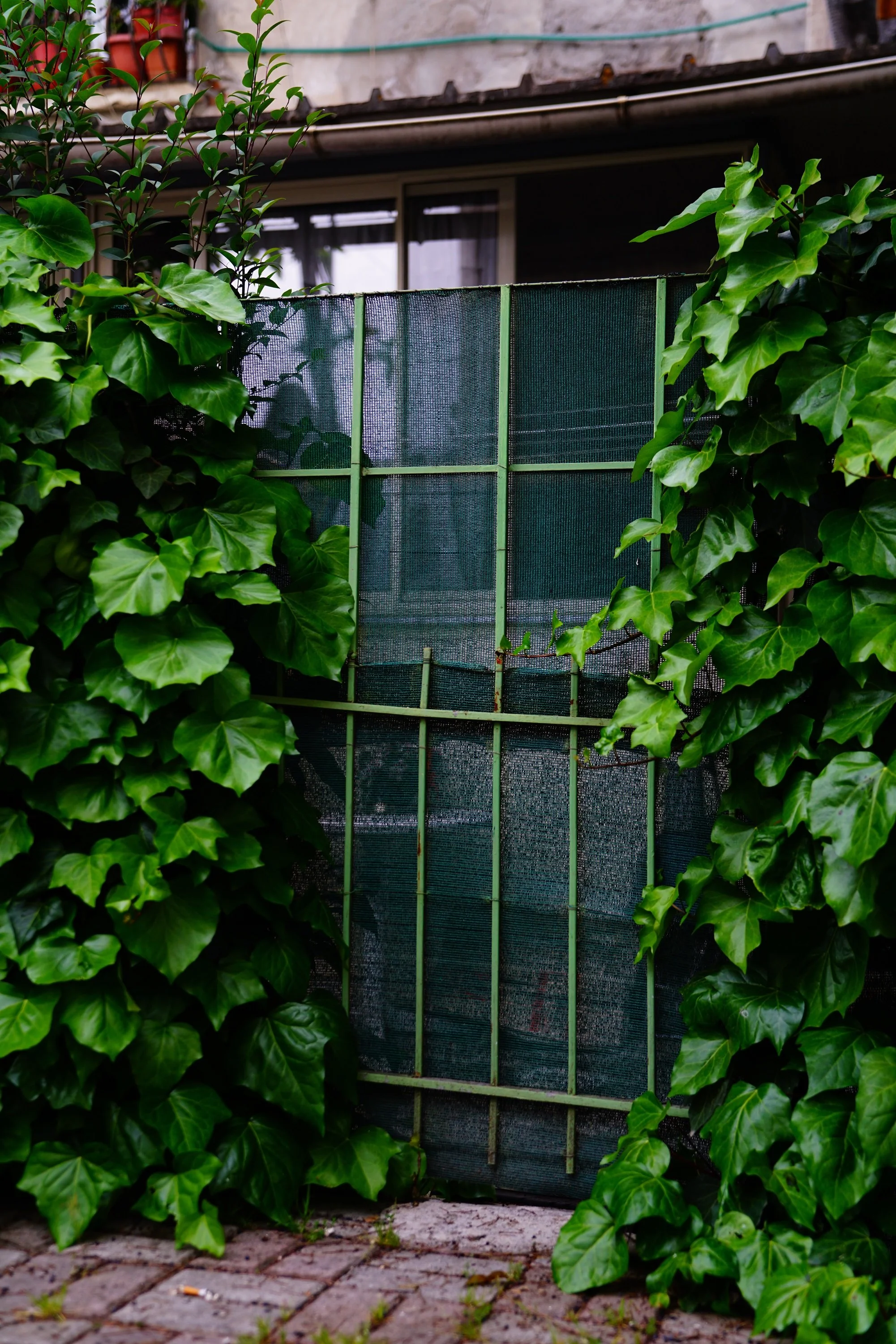
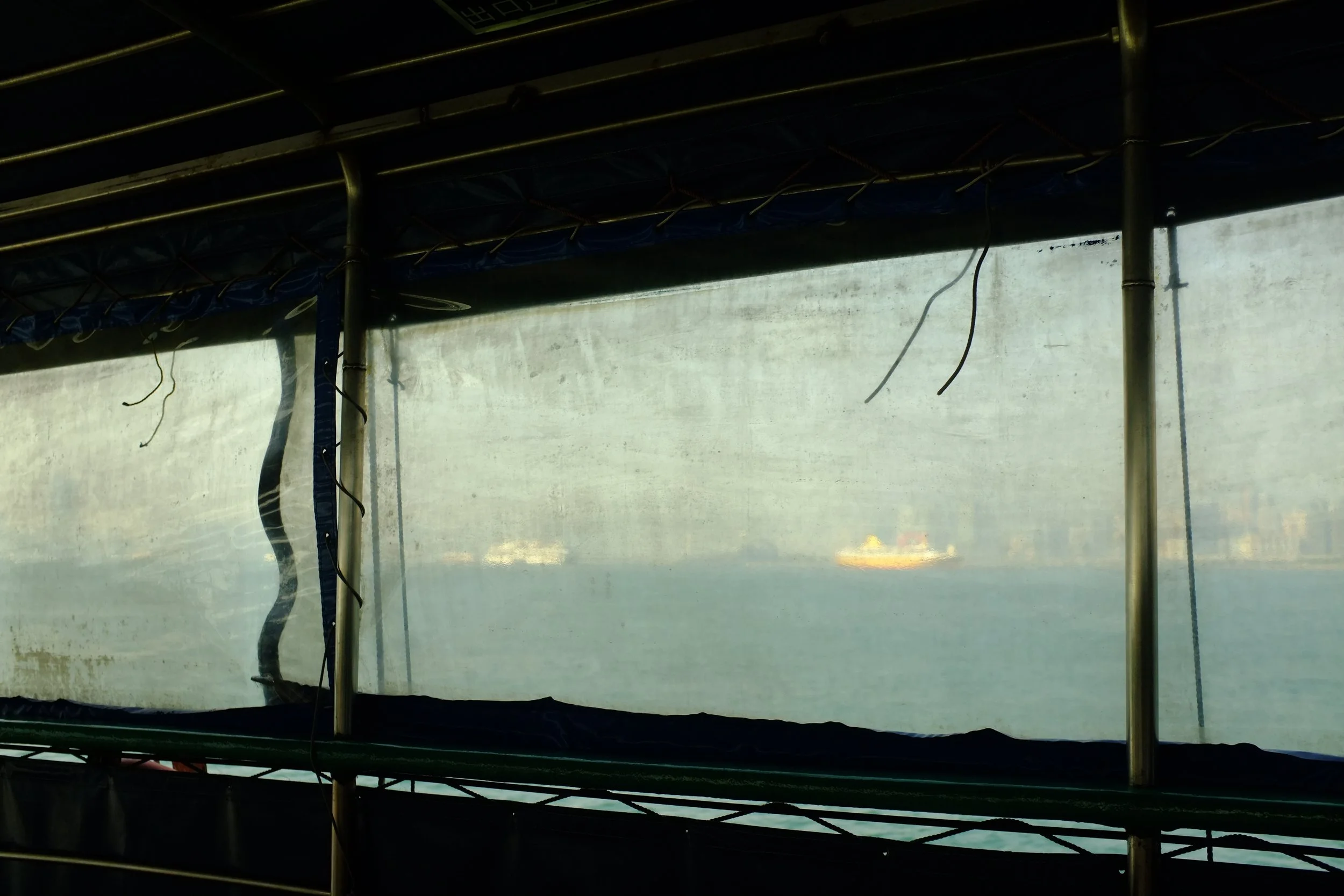
Framing the World began as a collaborative project with the novelist and critic Tom LeClair. It took the form of a prolonged interview about the functions of frames often found in my photographs, structural, formal, meta, and critical frames. Most of the photographs were already part of my archive, and when selected and looked at closely, they started to overlap in their functions, leading us to place some of them together as pairs or attempt to create short narratives. The more I thought about all of them, the more I understood framing was central for me, even if there is no internal frame. That's probably why I do very little cropping. I'm very particular about the frame before I take the photograph. I started with a Polaroid. I had to get it right.
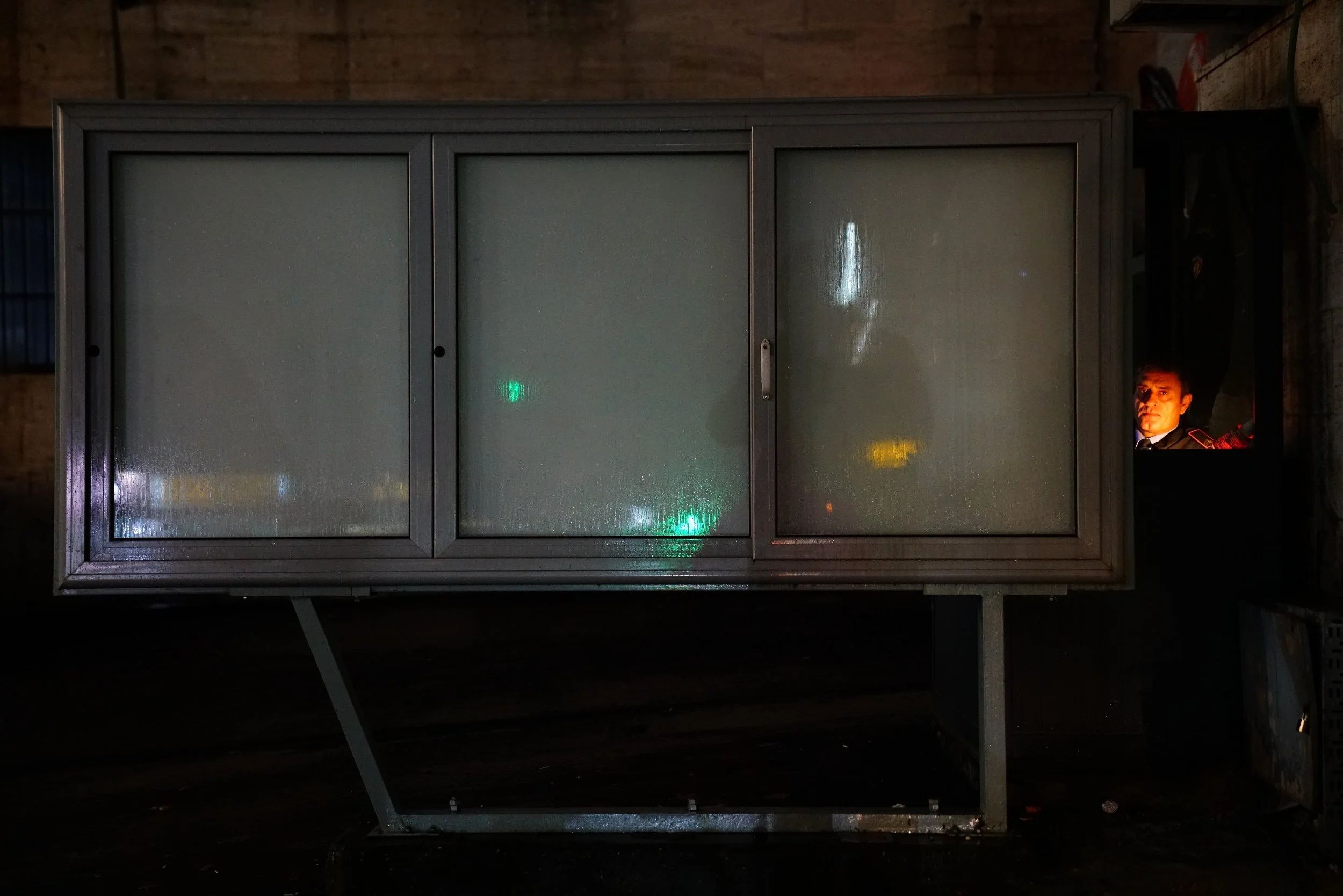
While studying photography, I came across words by William Fox Talbot, an English photographer and one of the pioneers of the medium: "The object to begin with is a window." Perhaps this single sentence guided me towards adopting and then over time adapting the structure of a window as my leitmotiv. But the window is just one of multiple framing and reflecting devices. But the nice thing about a window is that it can be transparent or reflective.
Seeing through frames: Your photographs ask viewers to reflect on how they look at the world. How do you hope your images change the way people think about seeing and perception?
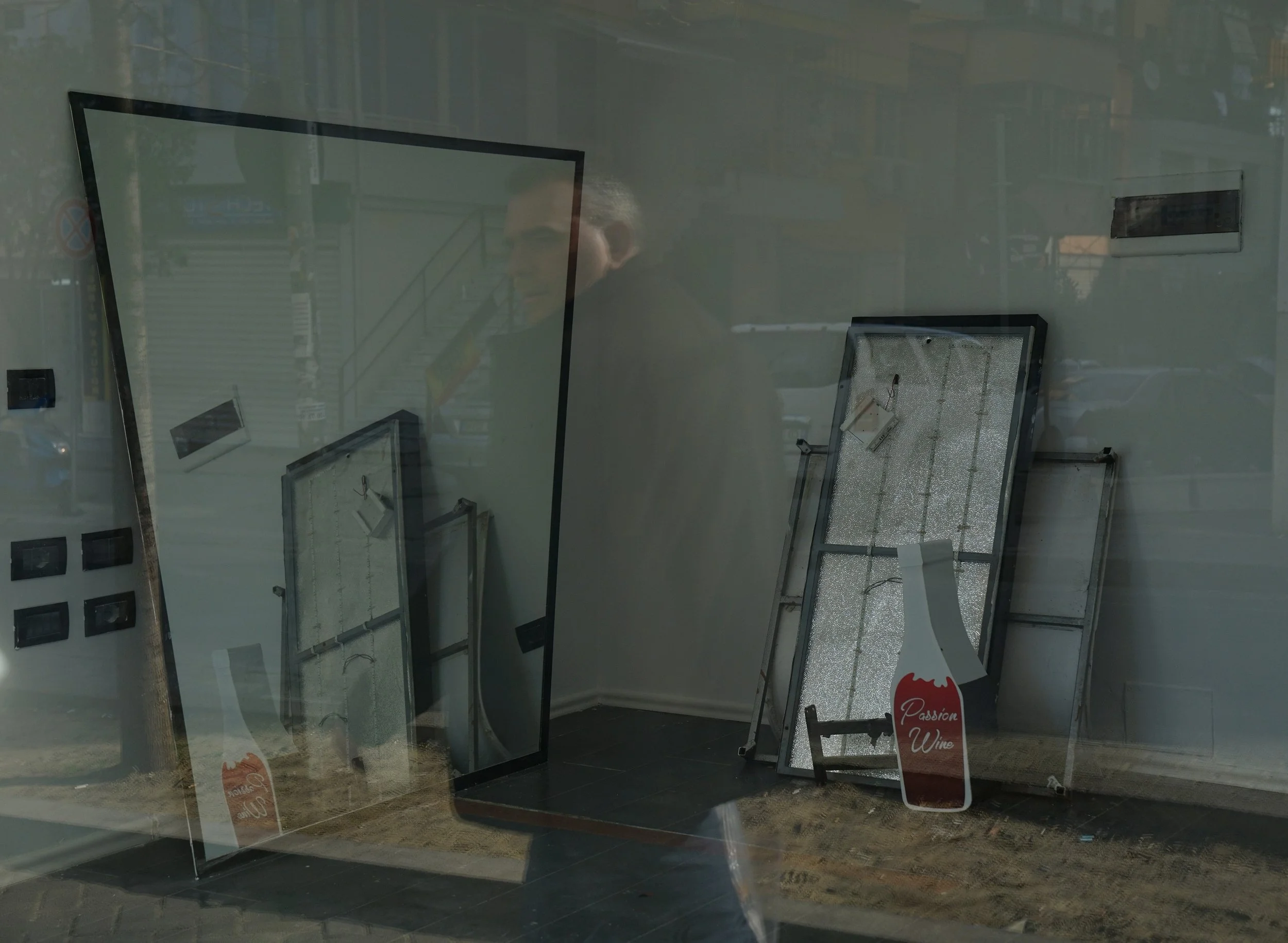
One of my aims is to encourage the viewer to question what more lies beneath the frame of the photograph in front of them. If they consider the frame within the frame, perhaps they will also consider how they "frame" the world, think about it through preconceptions. Brian Eno used "surrender" as an active verb, and I would like people to think in a similar way about the act of seeing. It doesn't mean necessarily to be completely still but to have enough attentiveness and curiosity to begin asking yourself questions. But seeing is only the beginning of perceiving, which places what is seen in a context, either familiar or, I hope, new. It's in the perceiving stage that frames are most crucial.
Frames as both device and subject: How do you decide when a frame in your image is there to guide attention, and when it should challenge the viewer's assumptions?
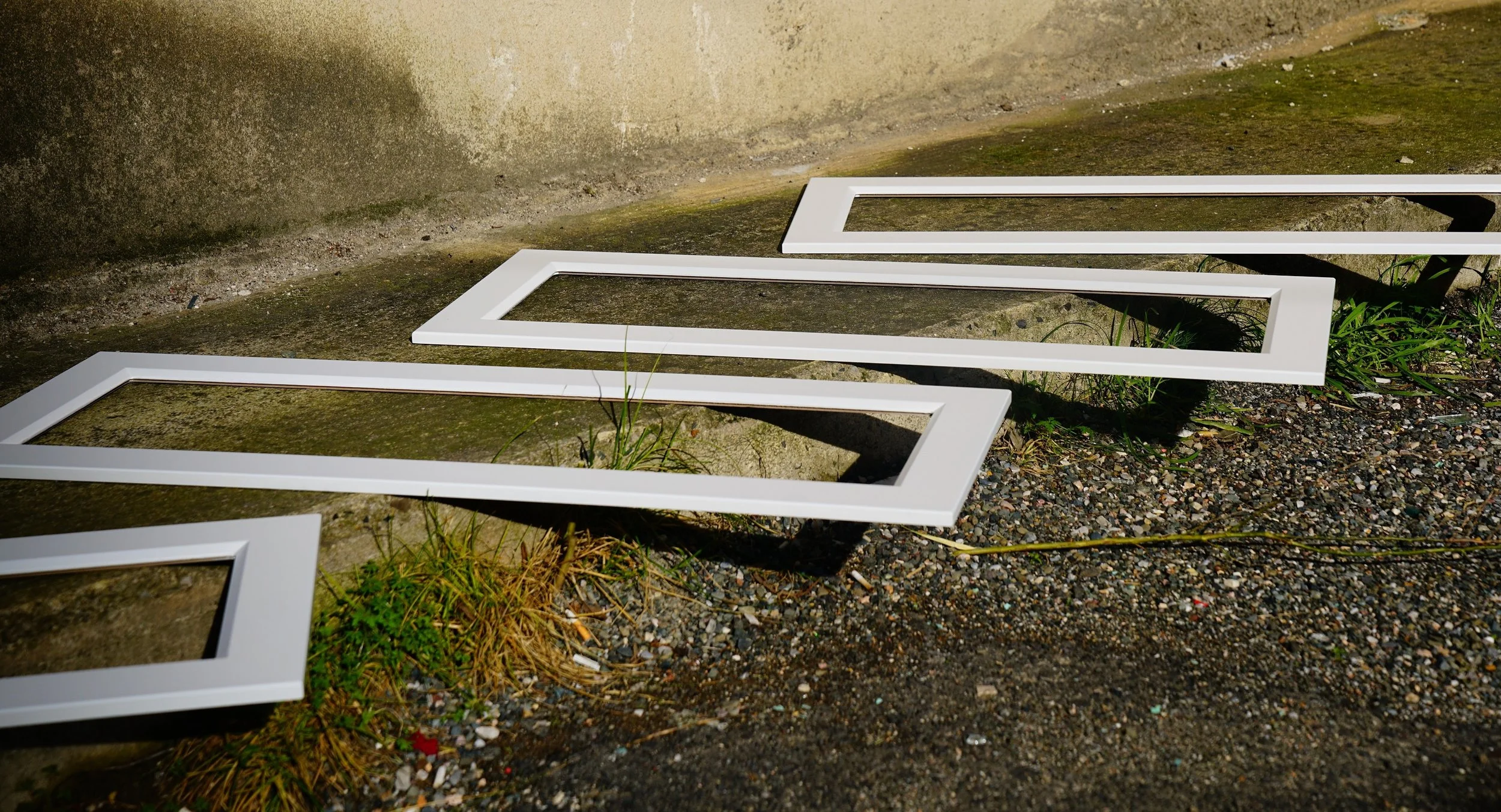
The frame within a frame is there to guide attention to attention, how the viewer is perceiving. Sometimes that is challenging when the viewer wonders why, for example, there is a photograph of four window frames lined up on a sidewalk. But that is a direct challenge. The more difficult ones are more subtle.
Advice for photographers exploring abstraction: What would you say to photographers who want to work with found forms and abstract compositions rather than clear subjects?
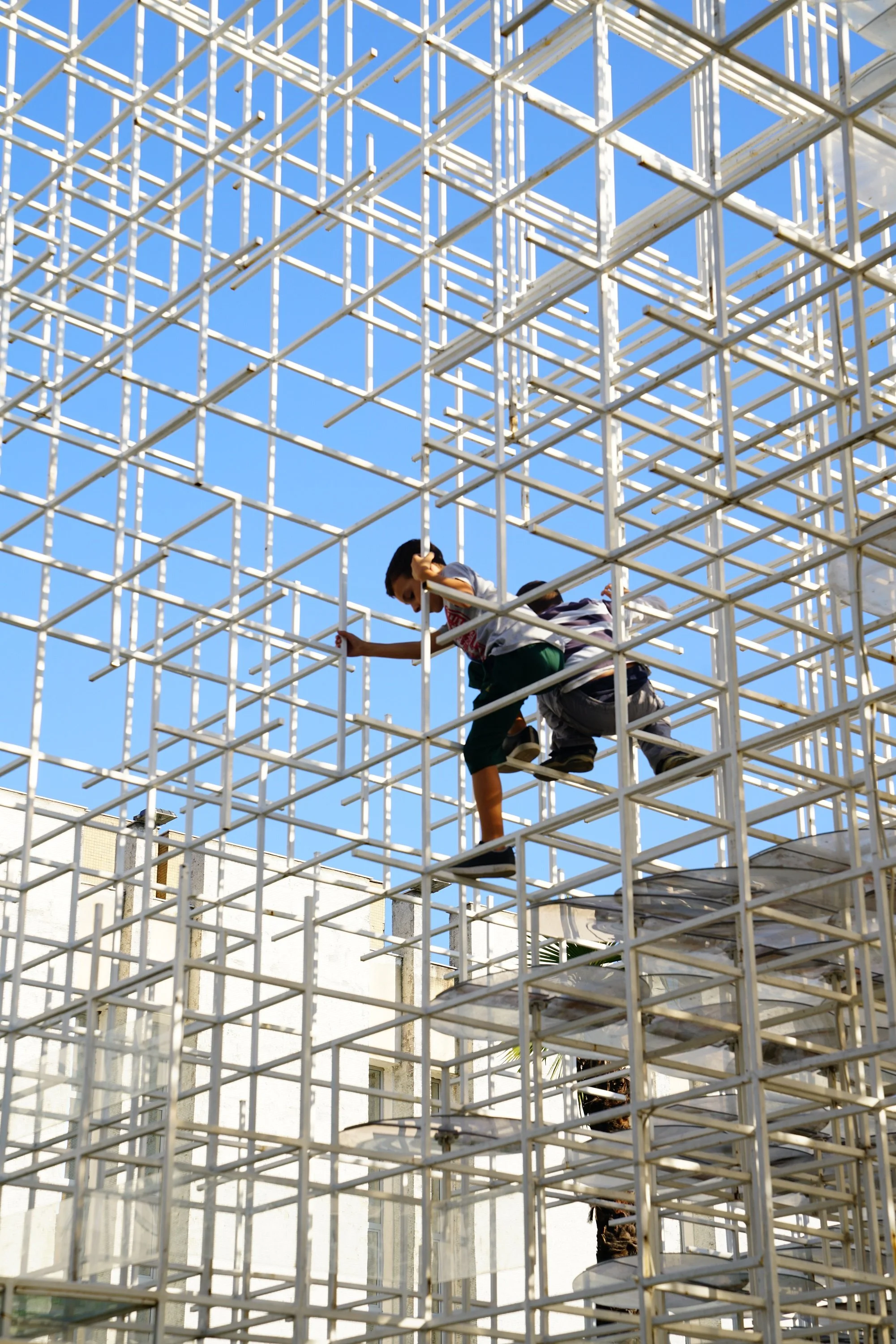
Slow down. Print out your images. Be playful. Take a collaborator. This advice could also be for myself as I wish to work more with abstraction as well as collages in the coming months. Whether working with clear subjects or more abstract compositions, I believe one's sense of geometry is the essential skill. One of the most known quotes which links photography and geometry comes from the master Henri Cartier-Bresson who famously said: "In order to give meaning to the world, one has to feel oneself involved in what one frames. This attitude requires concentration, a discipline of mind, sensitivity, and a sense of geometry." Some say that a person is born with that required sense of balance and strong mathematical mind; others trust that you can work on it. I think that you can get better by slowing down and exploring with printed matter.
Working across cultures: You've photographed in so many countries. How does place influence your sense of framing, and do you think your eye changes with location?
I don't think my sight changes with the location. I naturally adapt to my surroundings as I have moved across various cultures throughout my adult life. The world is my habitat unlike for most photographers usually settled in one or two places in their lives. No matter where I find myself, I remain respectful, attentive to people's gestures, and curious about their activities, at the same time using common sense to know when and where to refrain from photographing. I usually don't photograph human subjects which makes for an easier adaptation. Wherever I am, my first thought is composition.
Pairing images: Much of Framing the World is built on pairings and sequences. What is your process for deciding how images speak to each other?
Having spent several months going through the archives and having images printed to look at, one directly next to the other, has helped a lot to come to certain conclusions. The pairs of images are often based on contrasting or complementing elements. For example, two facing images have the frames and thus the scenes distorted. Having the second image encourages the viewer to think more about distortion, how it is related to frames. The facing images are within four chapters in the book with indicative or instructive titles: noticing, finding, playing, telling. The main idea is to work from simple to more complex. The book begins with frames in architectural structures, and then gradually moves toward more free-standing frames that push the viewer to think about the act of framing. Four chapters equal four sides of an actual frame, each side connecting with another.
Advice for photographers about looking deeply: What practical tips can you offer for developing the ability to notice overlooked or subtle details in daily life?
Photograph in your direct neighbourhood more frequently. Walk the same streets and make a list of visual or/and written notes about how surroundings change in different times of the day and under a variety of weather circumstances. Let me give you a simple example: today I passed by a simple brick wall and remembered how it attracted me JUST once. Then I noticed multiple shadows cast on it. That was also the only time I photographed it. I was reminded how 'ordinary' it looks like any other time. If possible, take slow walks with a young child and take a close notice of what draws their attention. Get inspired by that uncorrupted, fully curious, and democratic eye. Another idea is to make a very conscious choice of typology and focus on it for at least a few weeks.
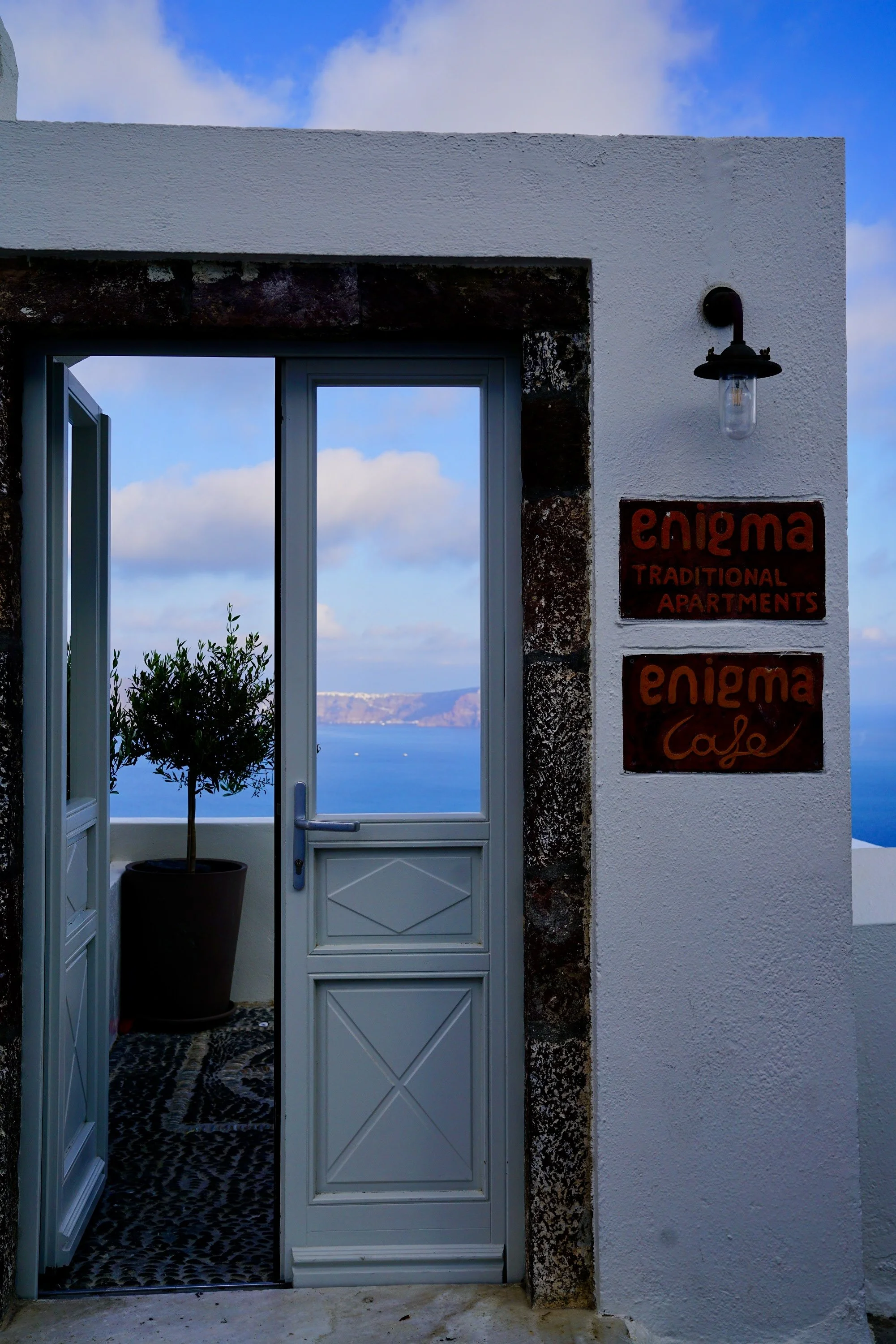
The role of ambiguity: Many of your images play with ambiguity and open interpretation. How do you balance inviting the viewer in without telling them exactly what to see?
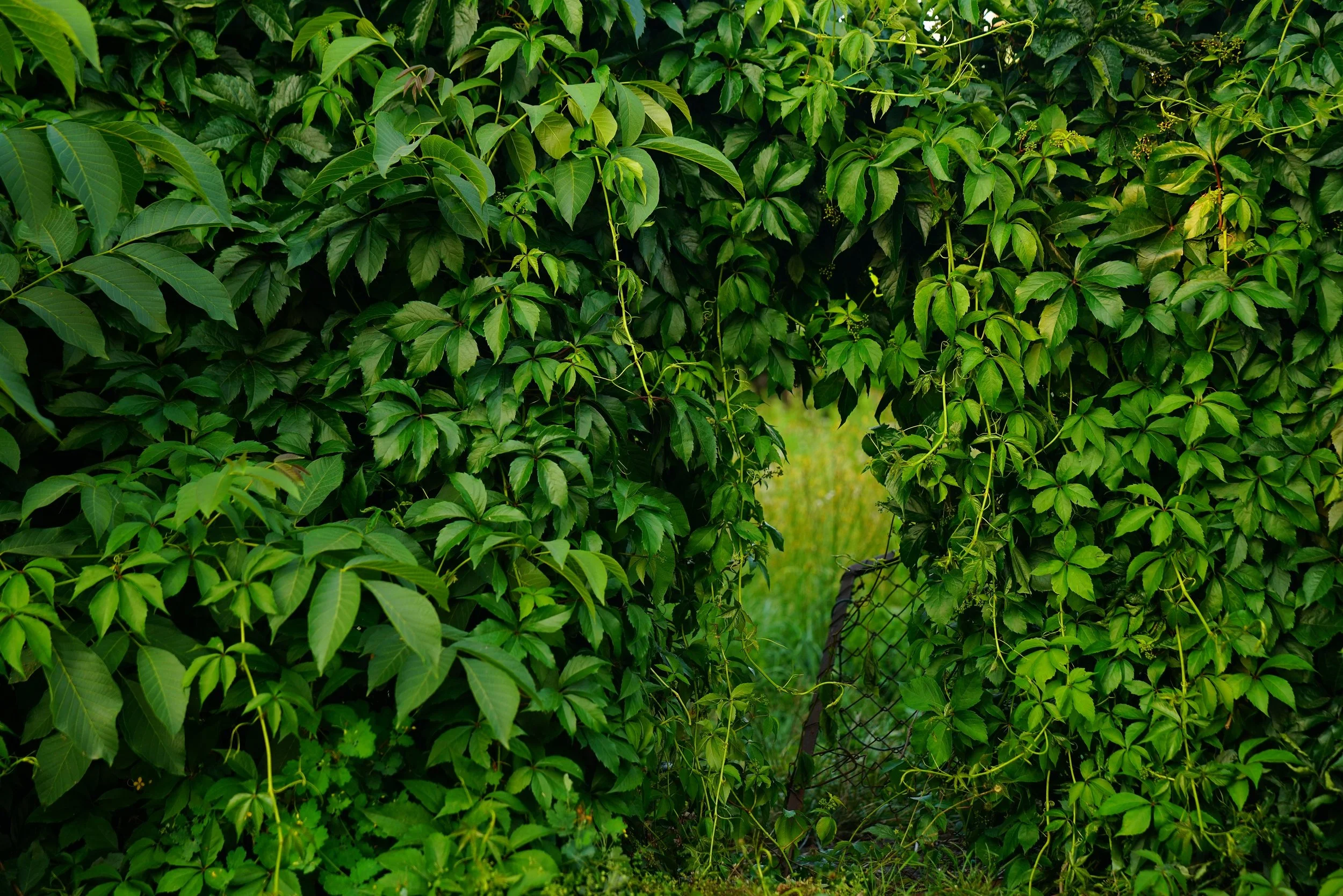
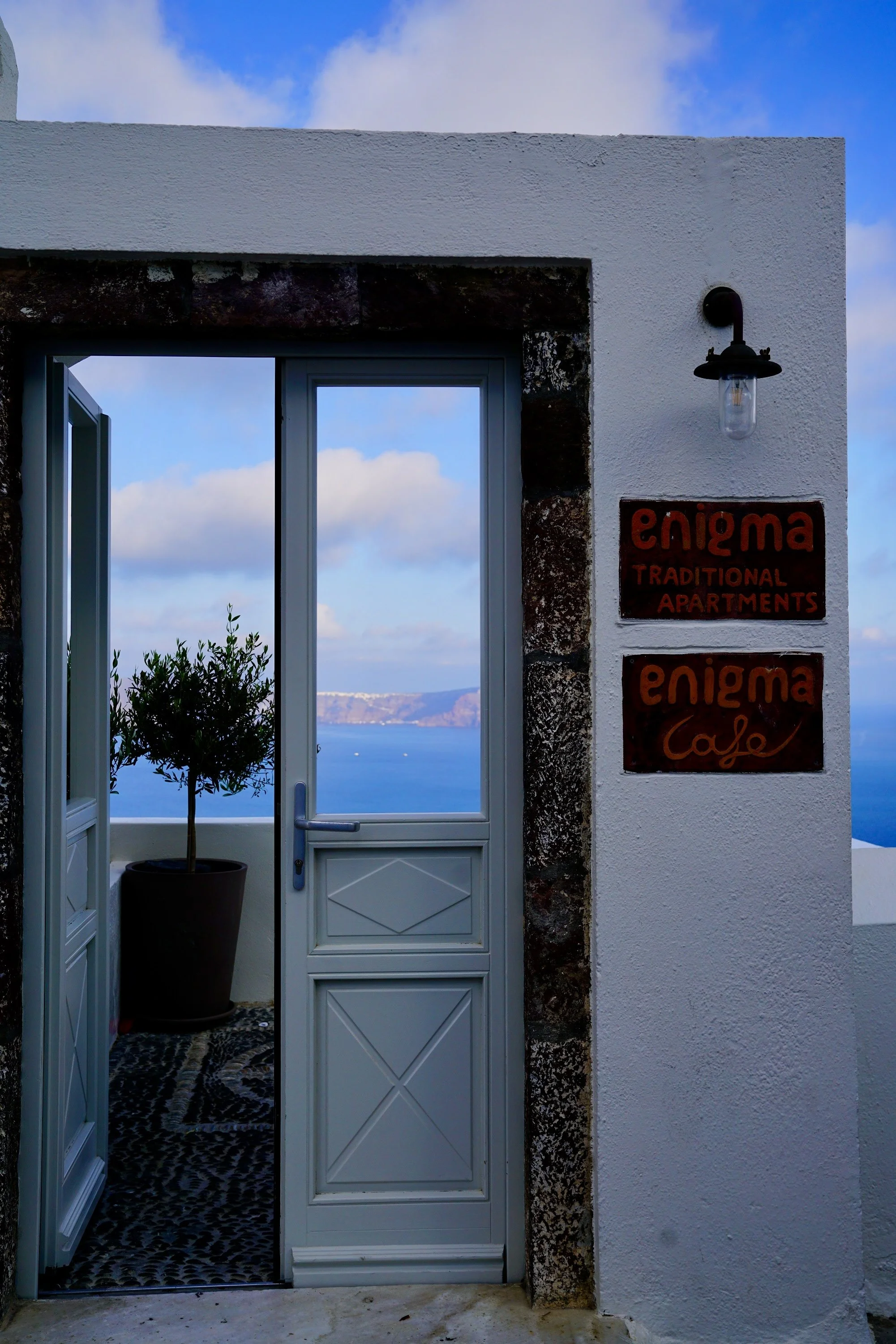
I will never know what it is that viewers first see when looking at my photographs. Of course, unless I have the chance of hearing their views. Within the last year, I was a member of a gallery run by photographers and had a chance to present various sets of my photographs selected from Framing the World to the same audience again and again. I have learned that I had overestimated my trust in how explicit the pairings were and how naturally framing concepts were taken by me but how little they were comprehended by others. I have also come to realise that it's one reason why such conceptual work seems strongest in the form of a book, with a particular order and textual direction. One of the last pairings in Framing the World is about "enigma." By the time readers of the book get to the two photographs, they should be prepared and maybe even pleased to be puzzled by a shot of the "enigma café" in Santorini. Here, at least, I give viewers a hint with the name of the café.
What remains with you: After completing this project, what lasting insight has the act of framing given you about photography or the world itself?
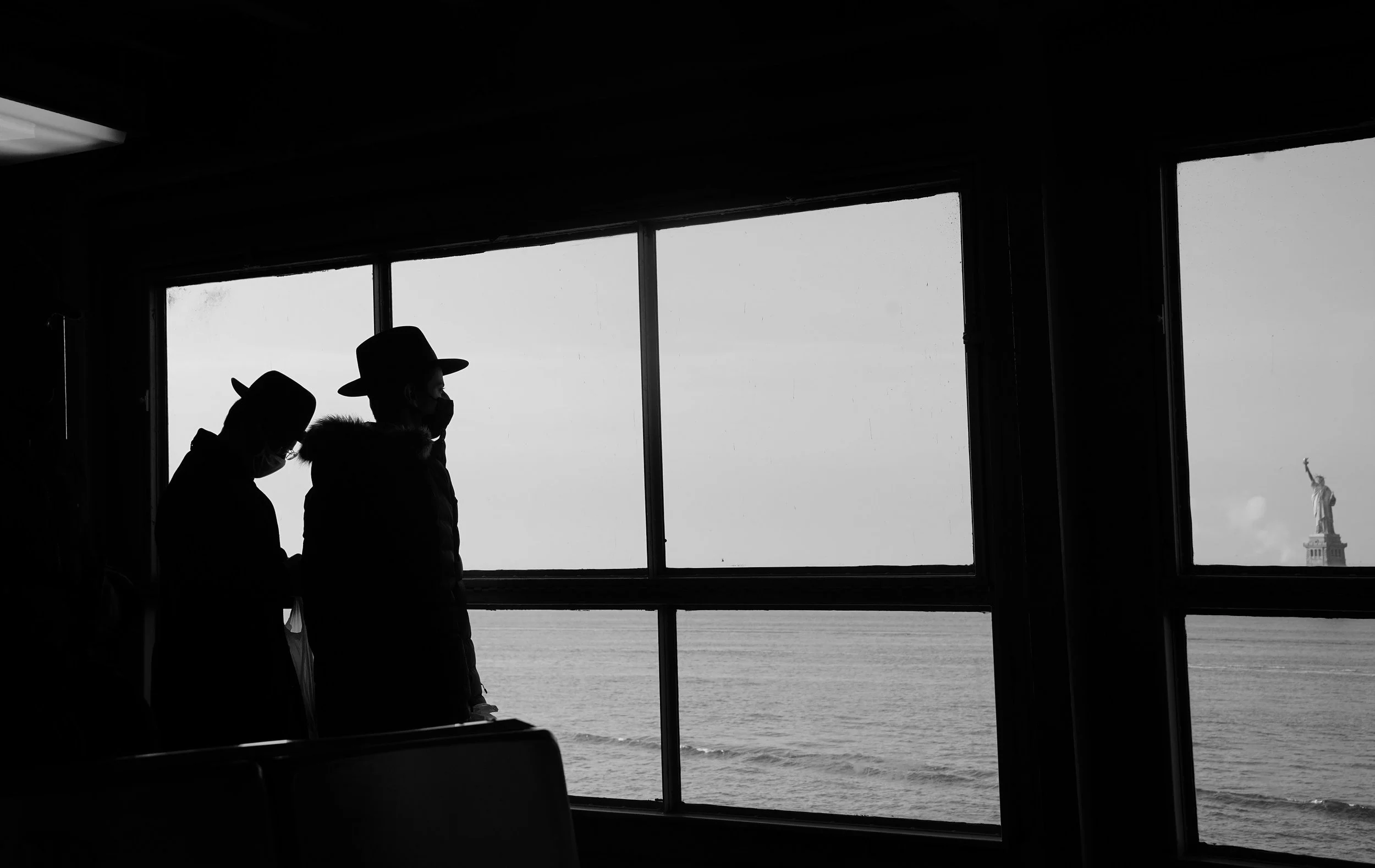
I realised that doubt can be used as a photographic method. Also, I seem to notice more internal frames than ever before. My interest in the nature of sight, light, and perception has extended, which led me to the book The Vast Extent: On Seeing and Not Seeing Further by Lavinia Greenlaw. The words from it that resonate with my framing project are: "The page, the painting, the window, the mountain, are all the surface of the visible and teach us about visual boundaries." They also serve as a valid reminder that each frame is an open invitation to consider reality that exists beyond the photograph's borders. Teju Cole's Blind Spot is a good reminder of the "beyond." Here is a photographer much concerned with the large world, including Swiss mountains. But he creates perspectives that make readers understand how they are likely to see the mountains, perhaps through a half-opened window. In this way, the photos are realistic about the world. I hope my frames do something similar, if on a smaller scale. Two men on the Staten Island Ferry are looking at the Statue of Liberty. It is a tiny structure in the far right of the photograph. What are the men thinking at this point, and what is the viewer thinking?
More photography books?
We'd love to read your comments below, sharing your thoughts and insights on the artist's work. Looking forward to welcoming you back for our next [book spotlight]. See you then!
The past became visible once Richards learned where to look. For The Inner Passage, Virginia McGee Richards spent fifteen years photographing a waterway in the South Carolina Lowcountry. Photography Book Spotlight