Michael Behlen Spent 3 Years Photographing Millerton Lake in Storms. The Result Is a Blue, Unstable Portrait of Water and Time
Welcome to another captivating photo essay, this time by Michael Behlen We'd love to hear your thoughts. Feel free to comment below and, if you're interested, share your photo essay with us. Your perspectives add valuable dimensions to our collective exploration.
Michael Behlen photographed water that would not stay still.
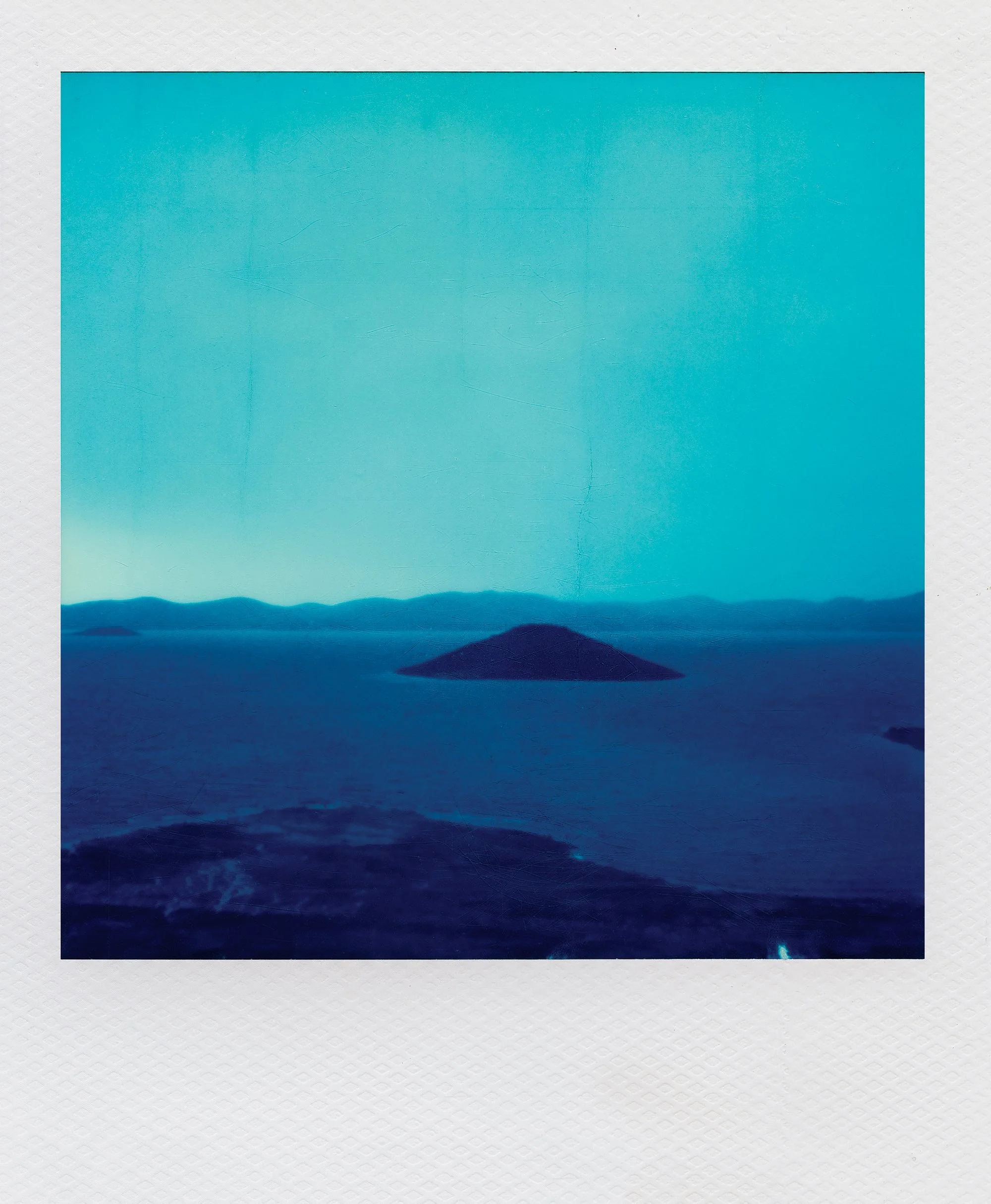
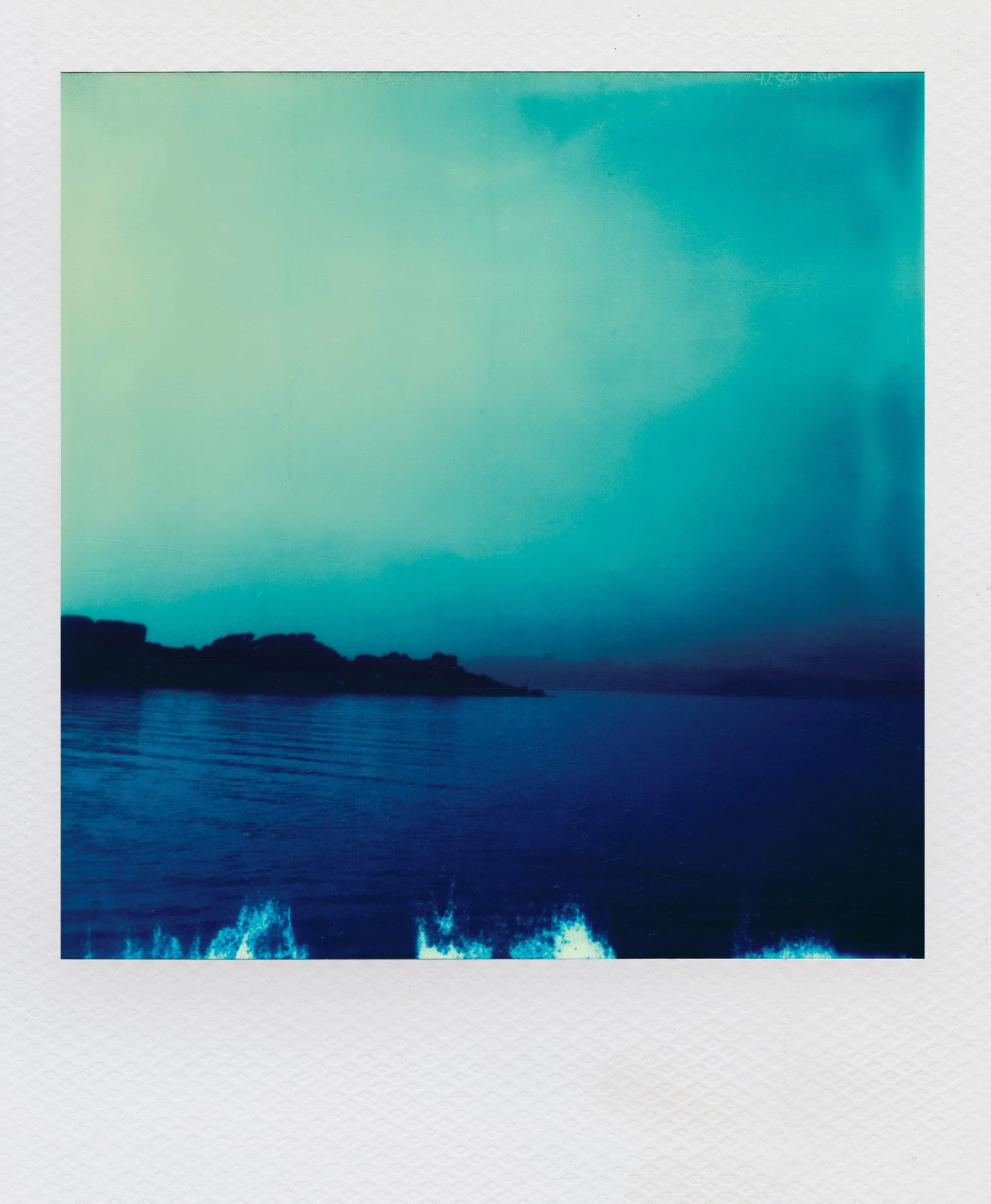
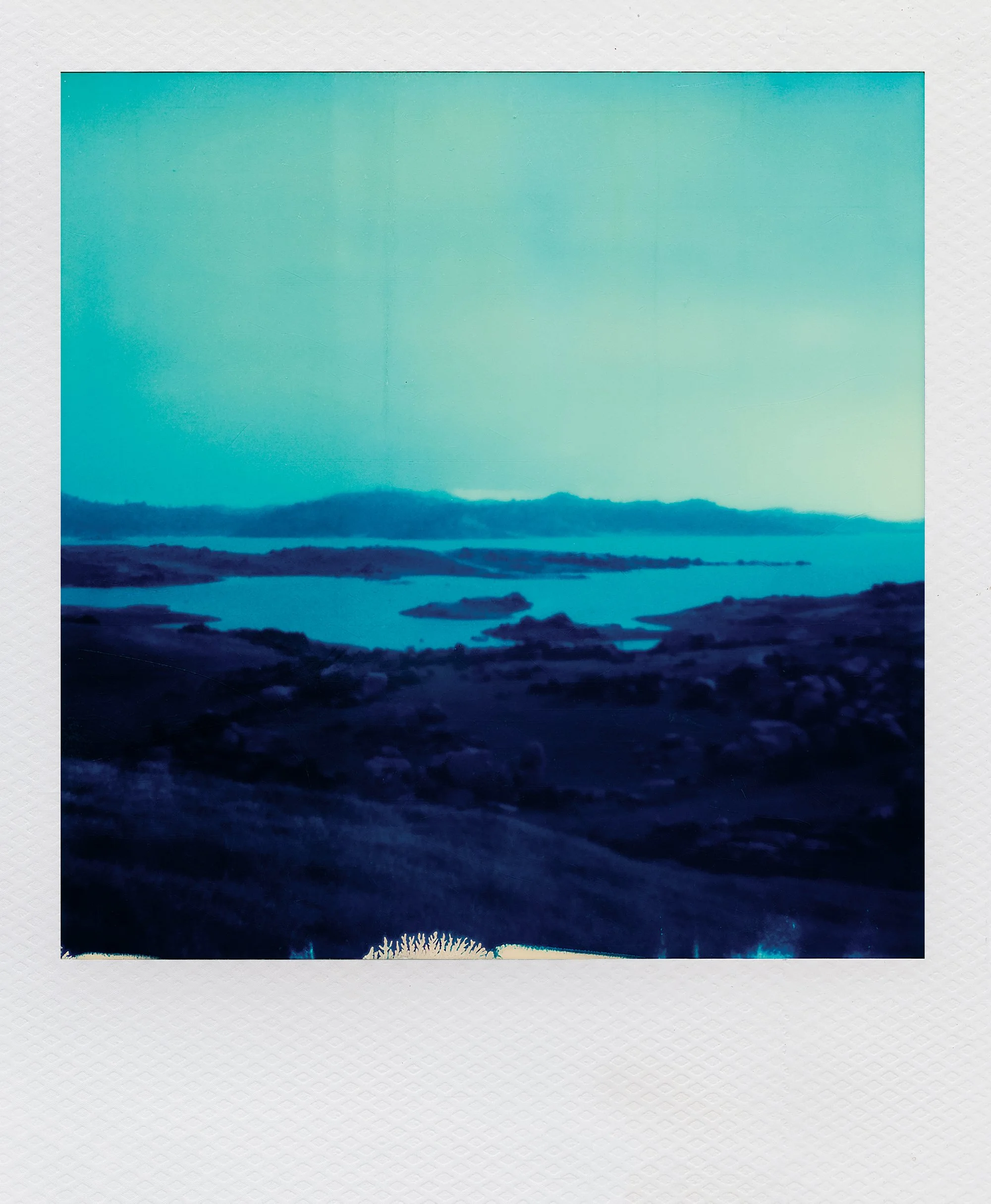
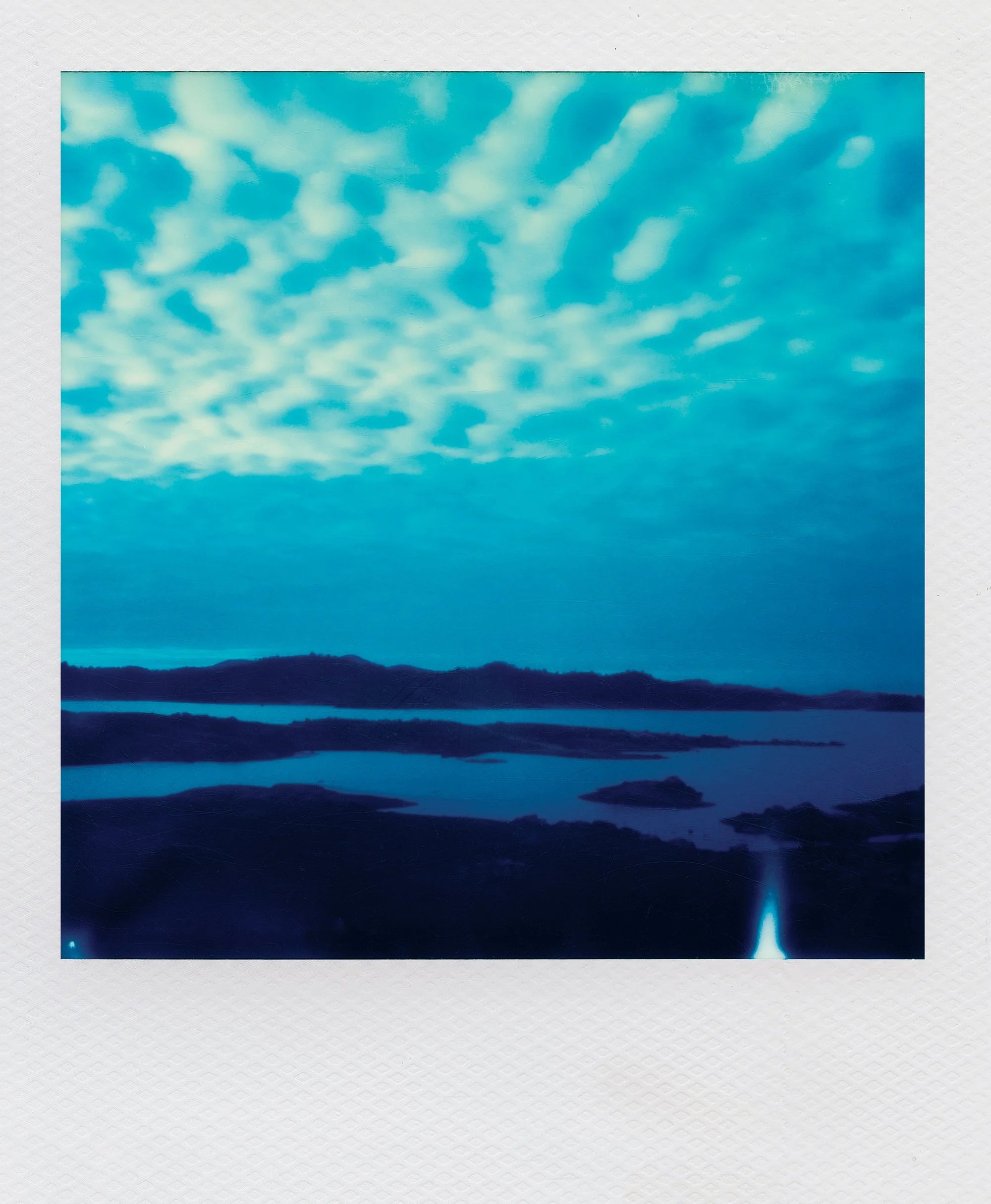
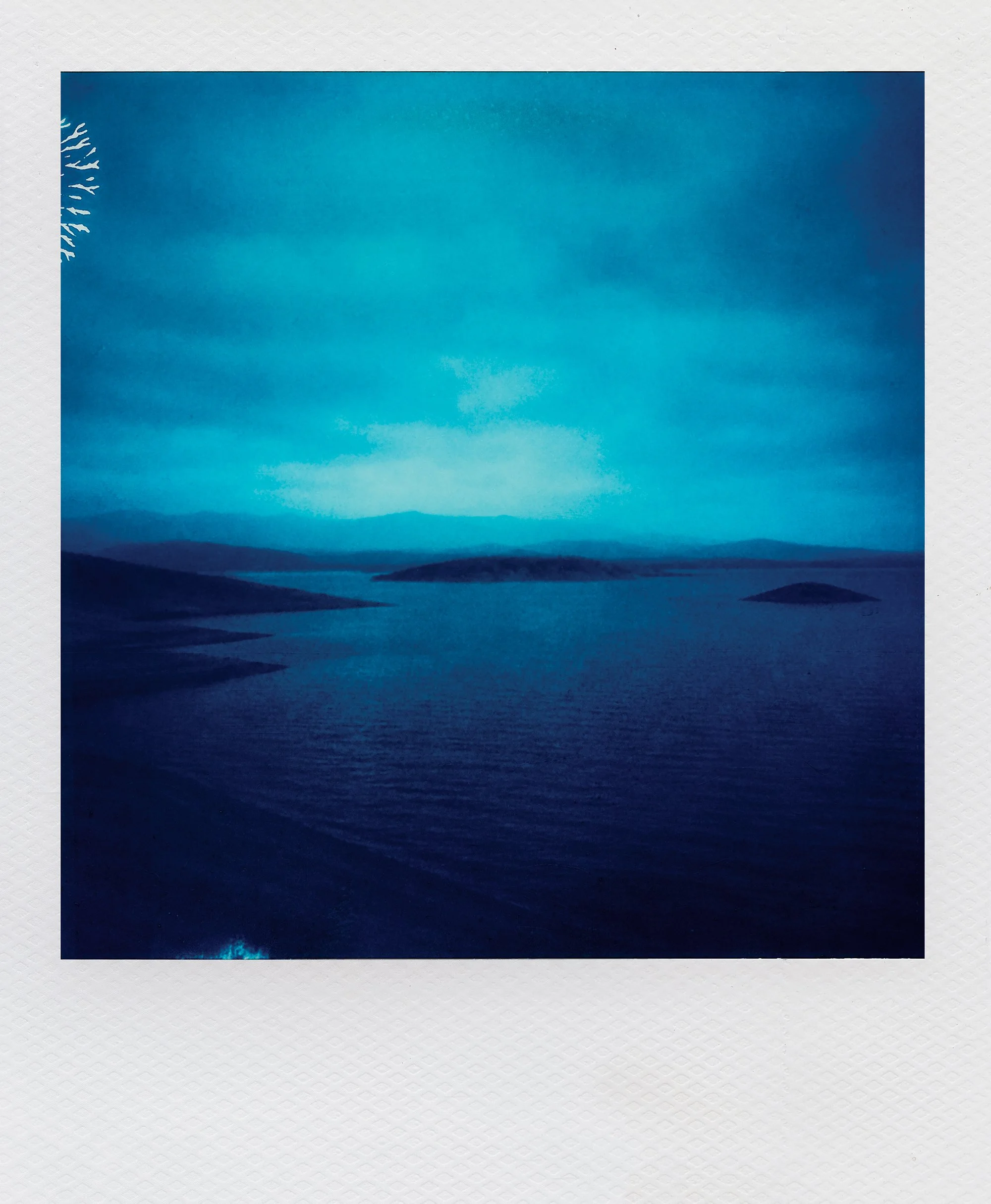
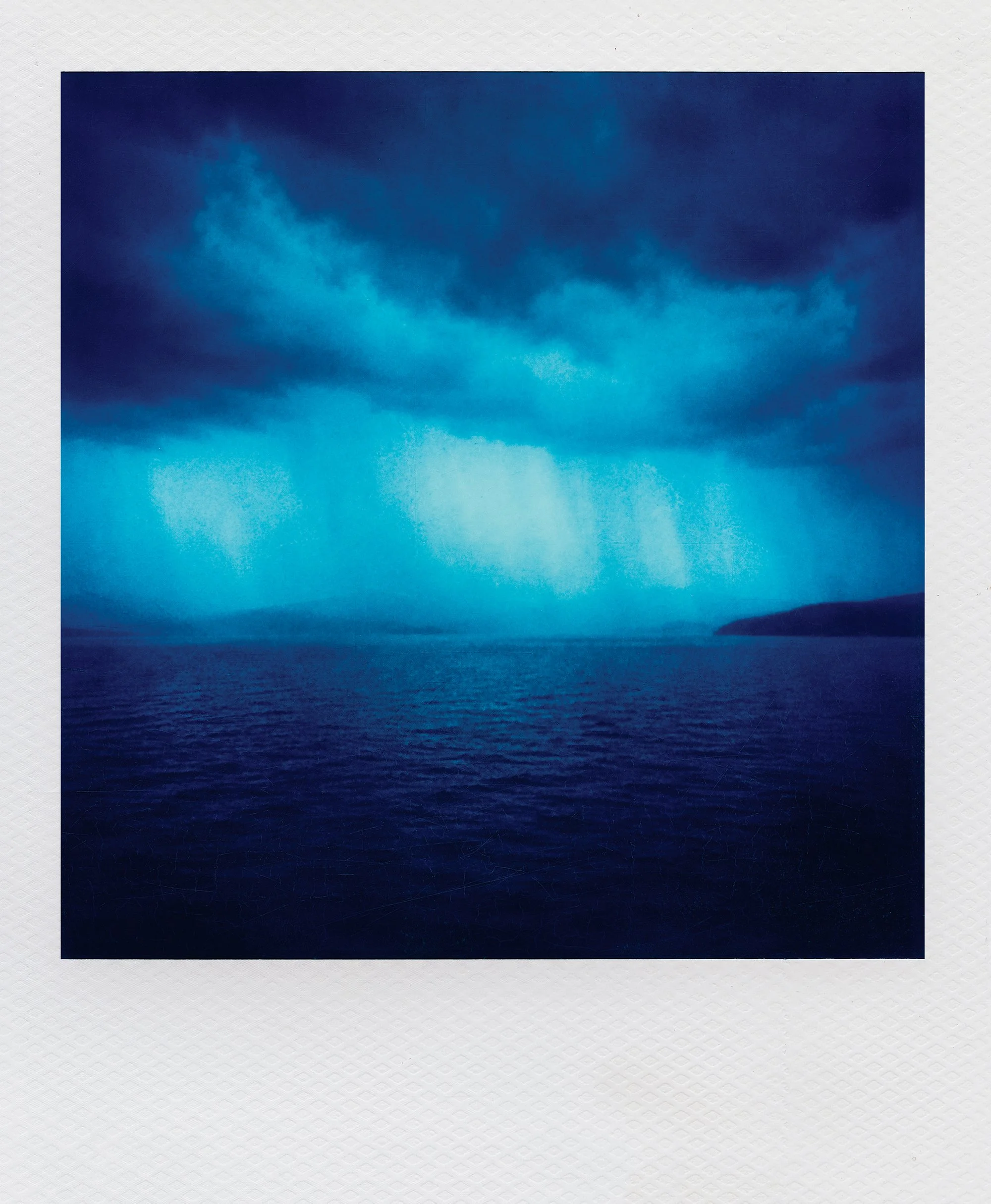
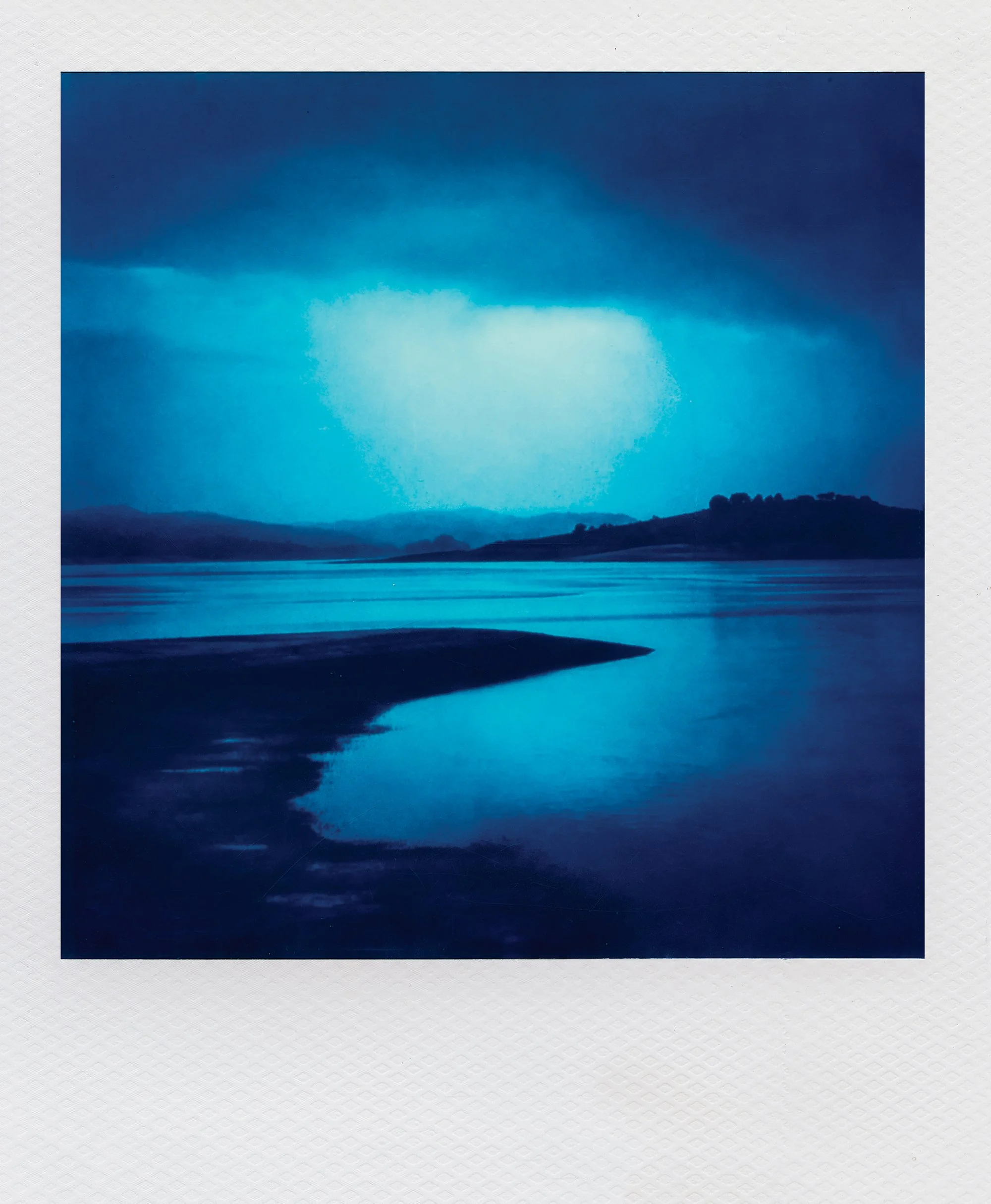
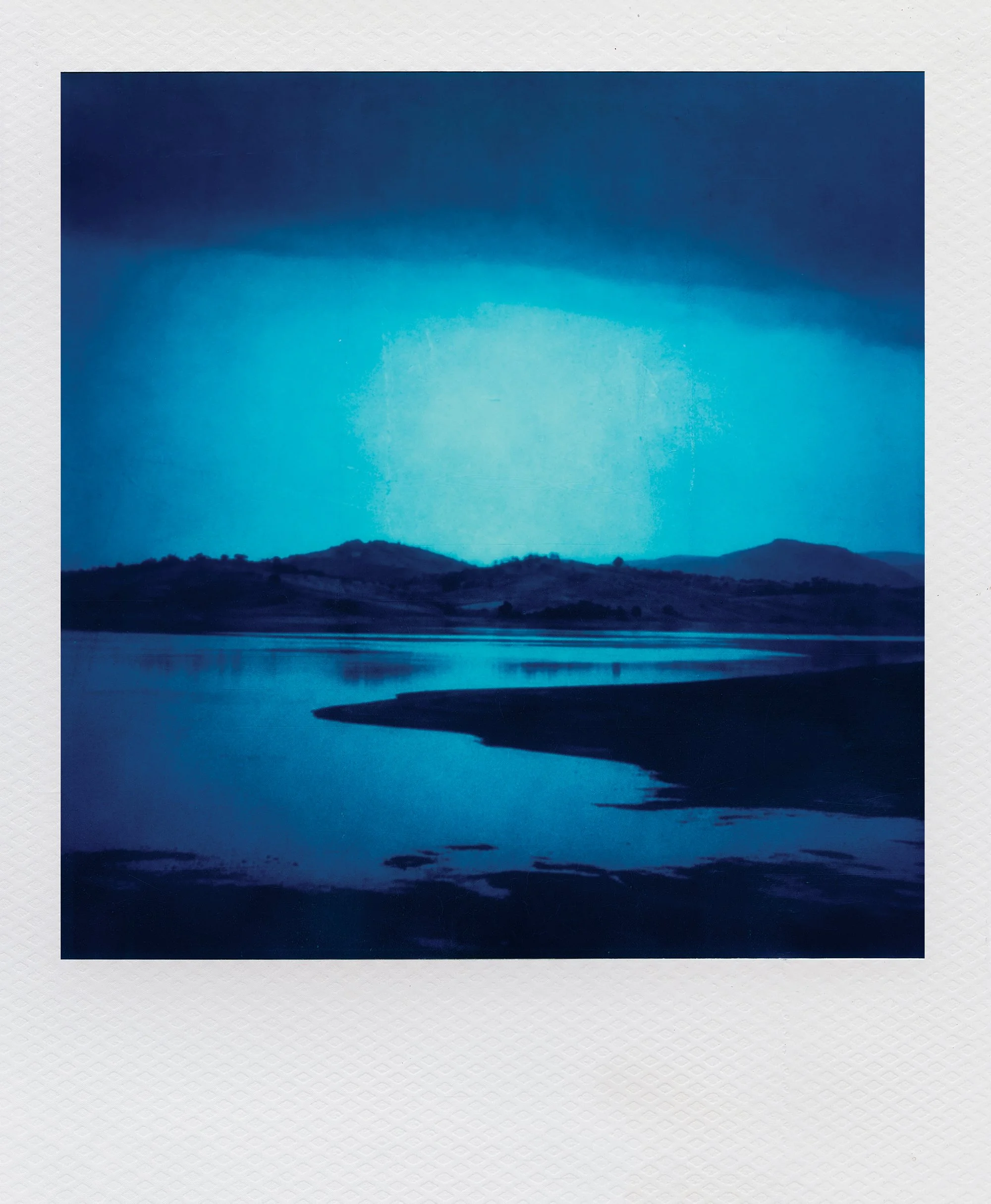
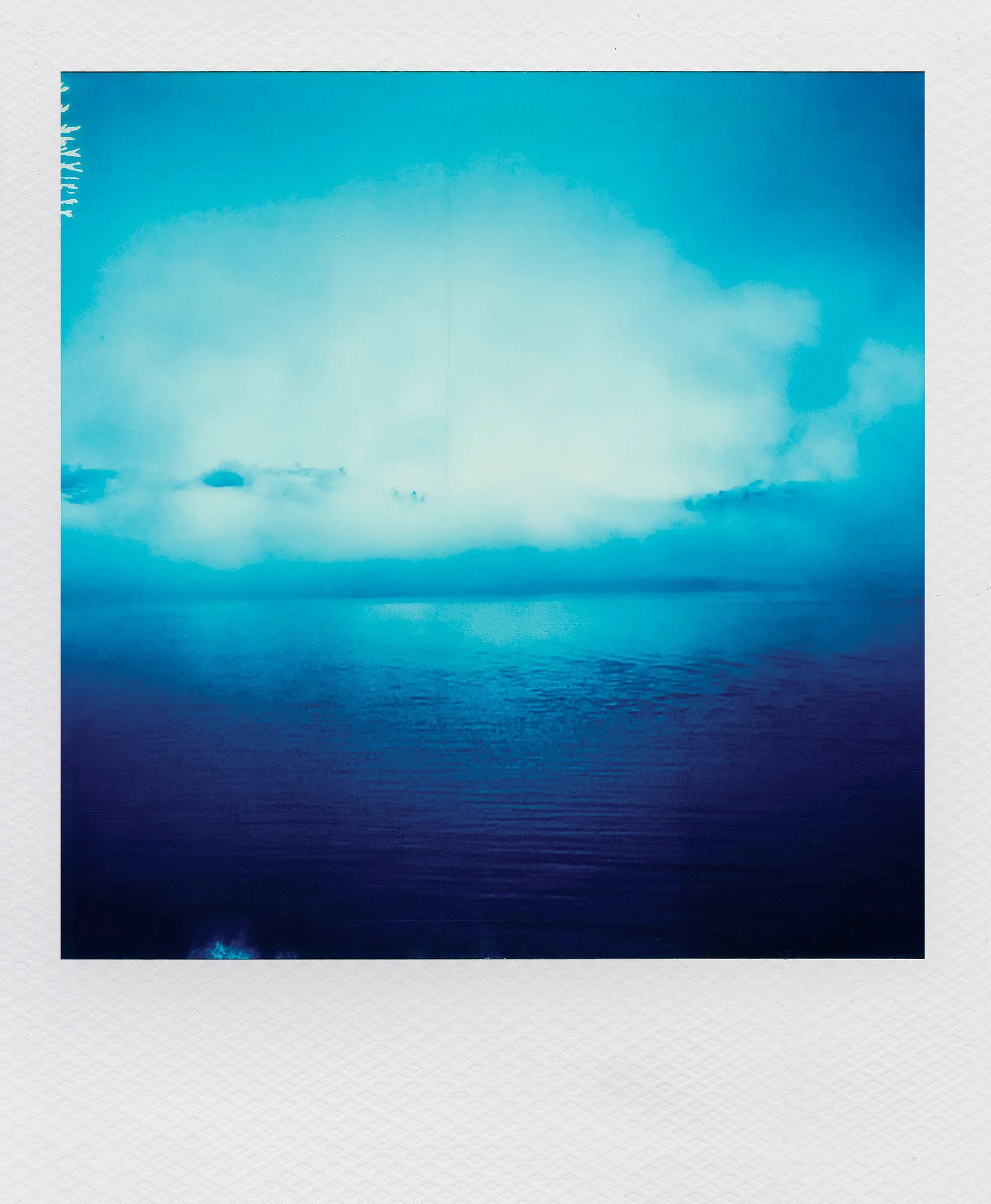
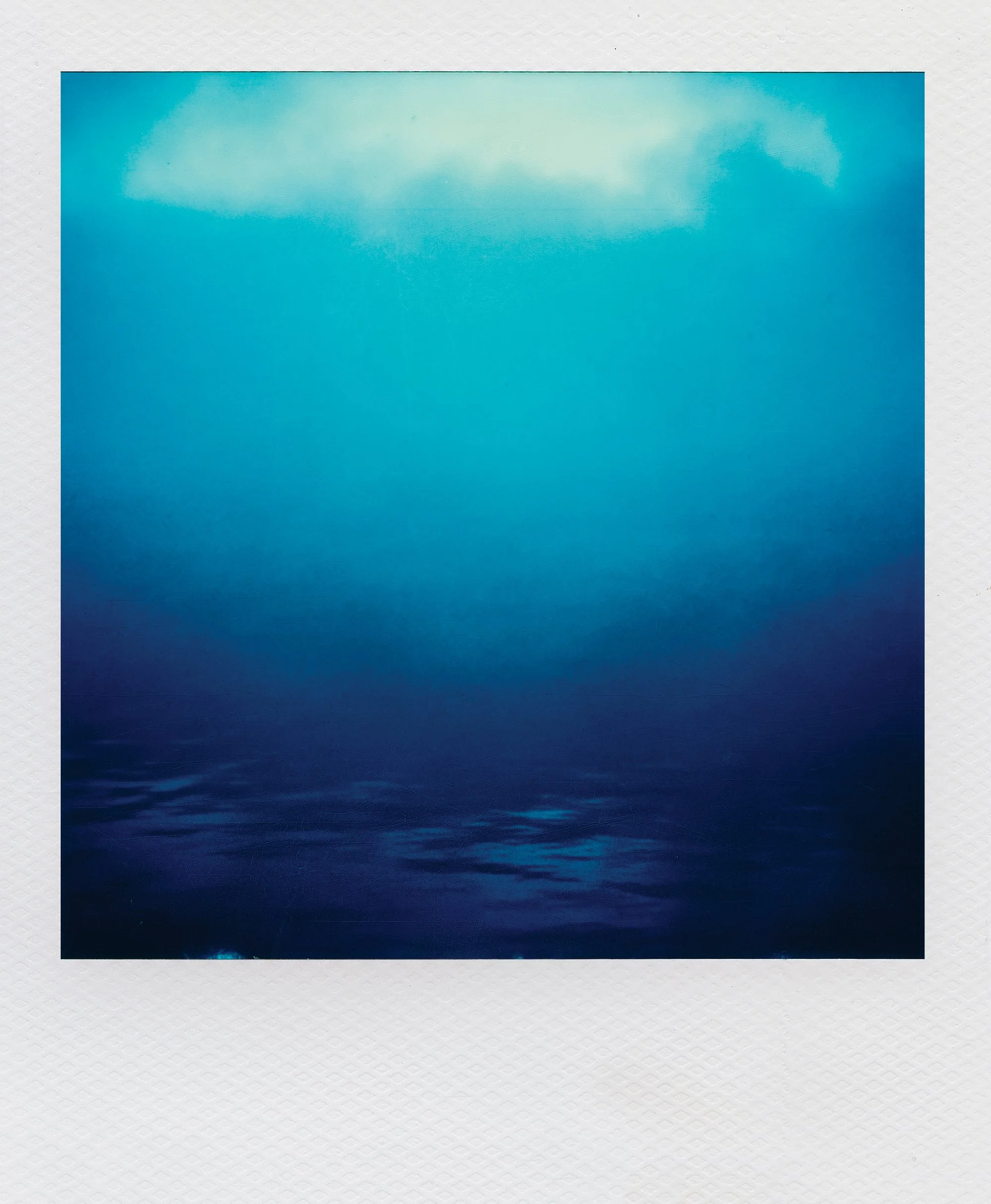
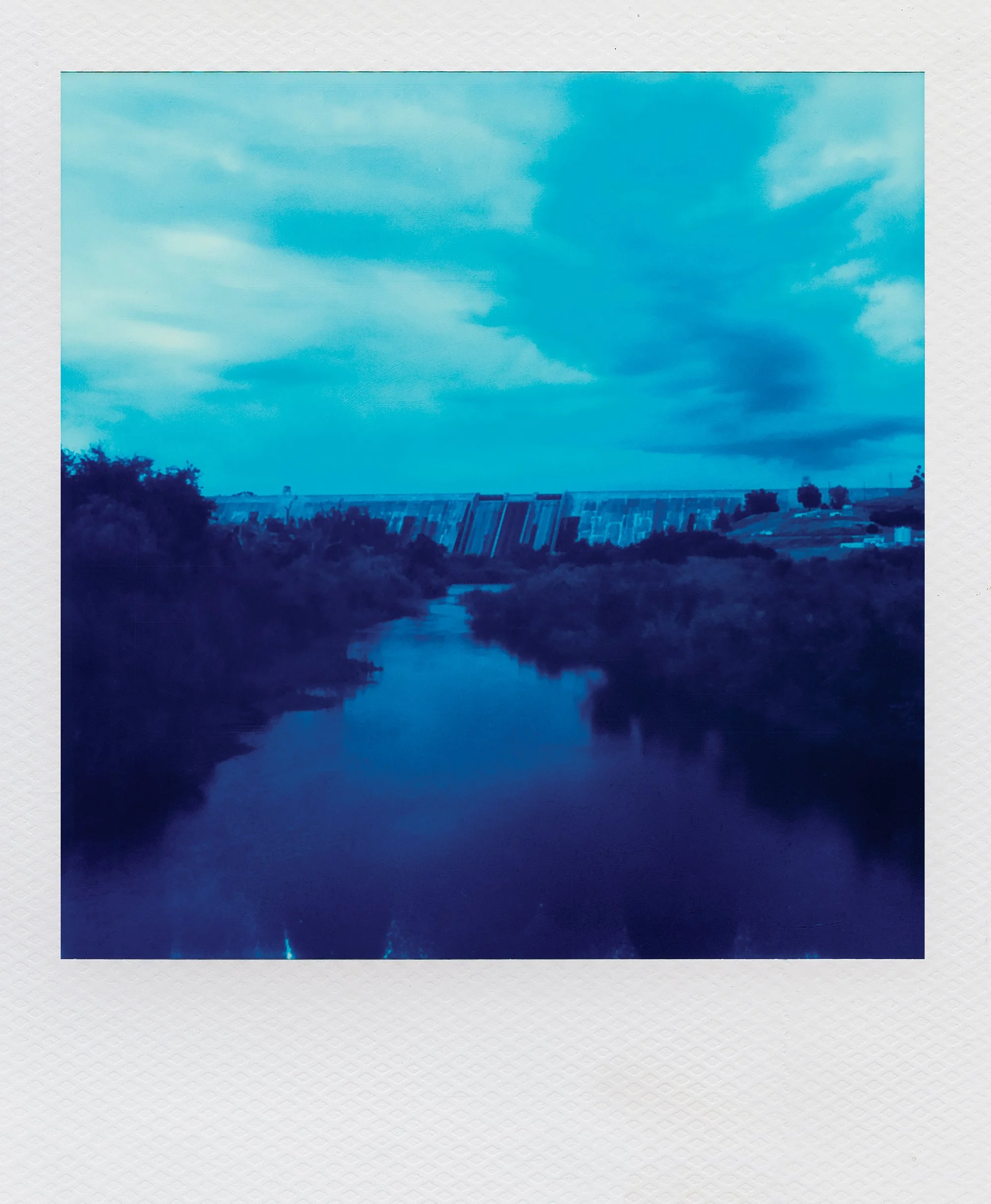
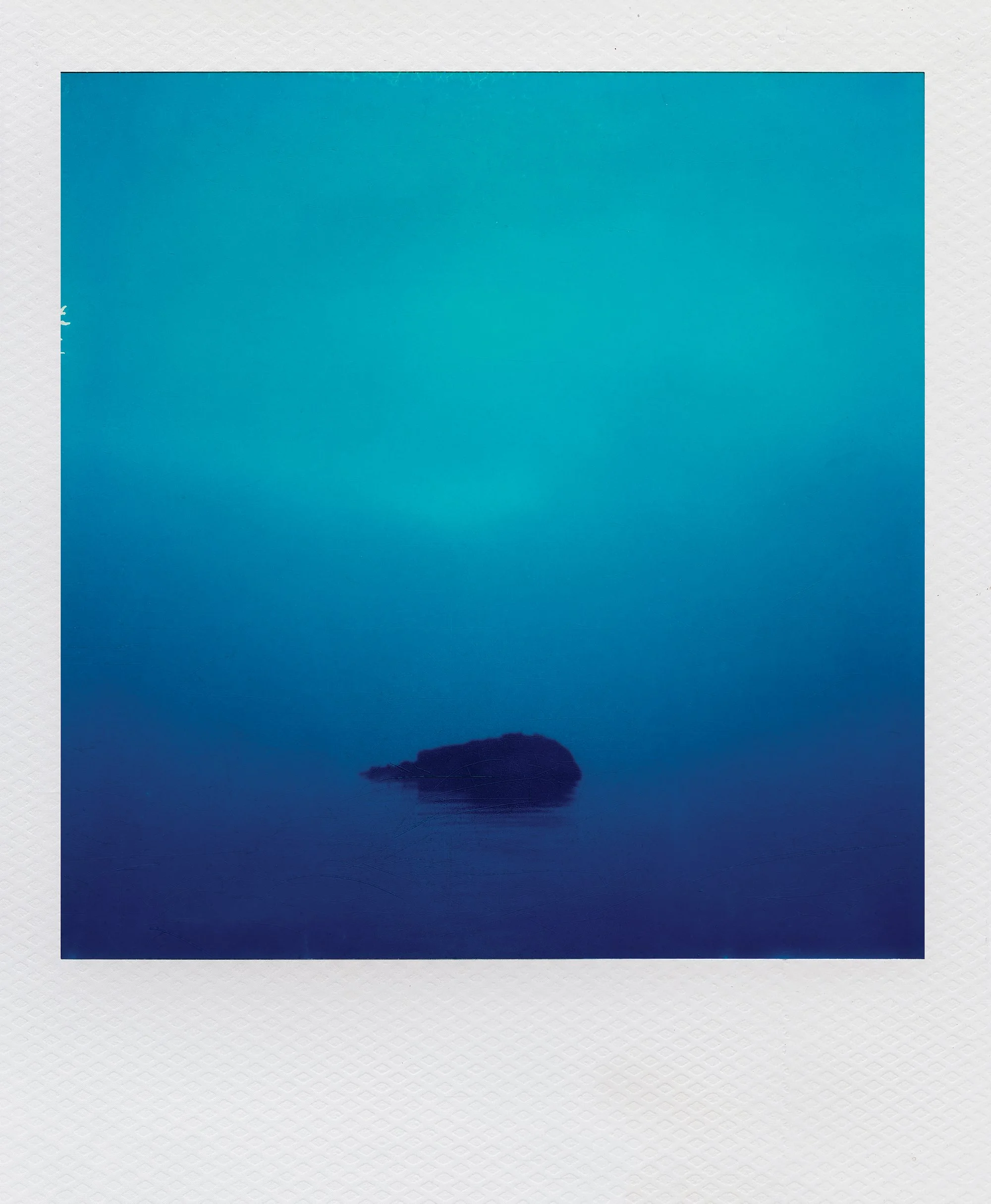
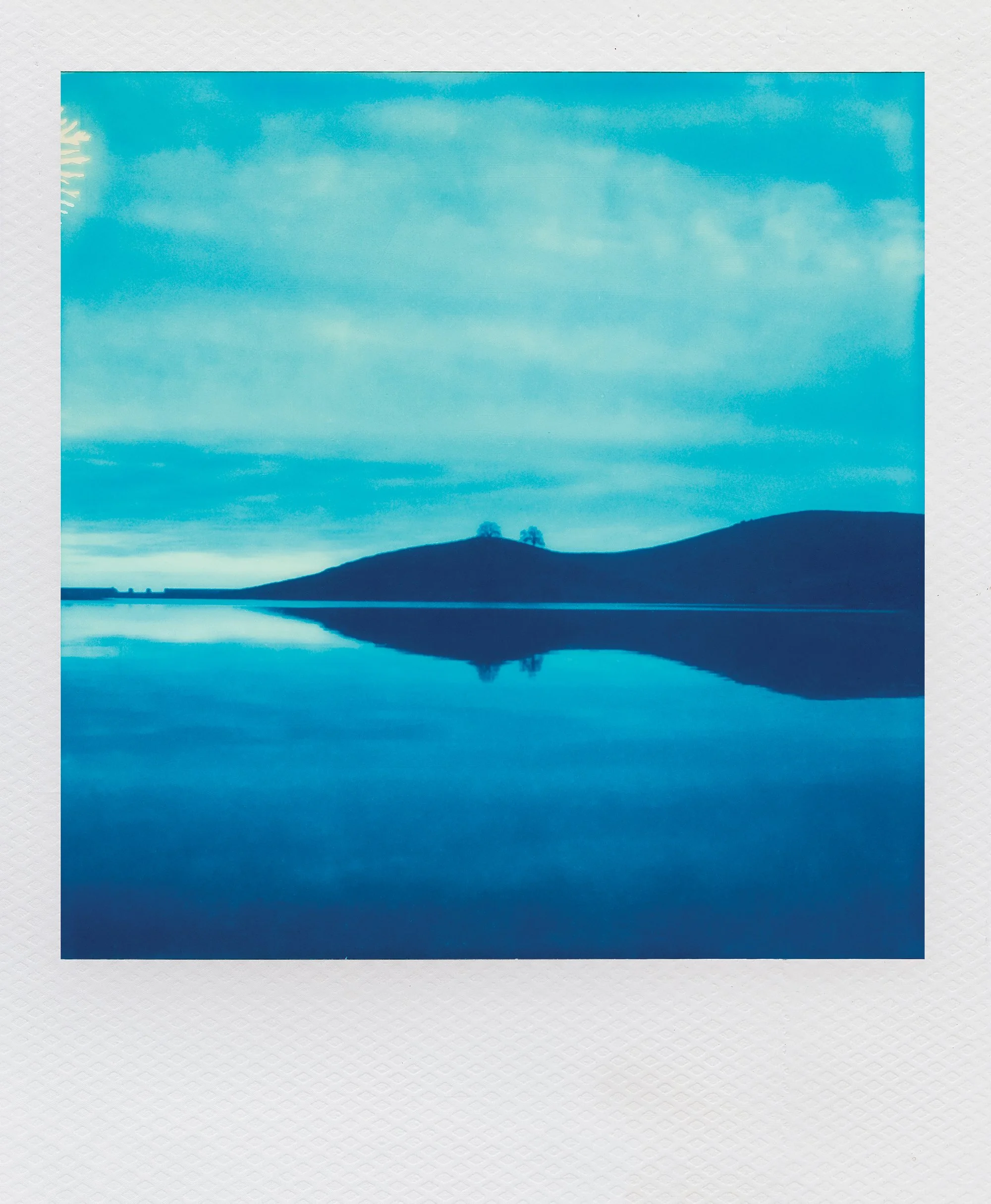
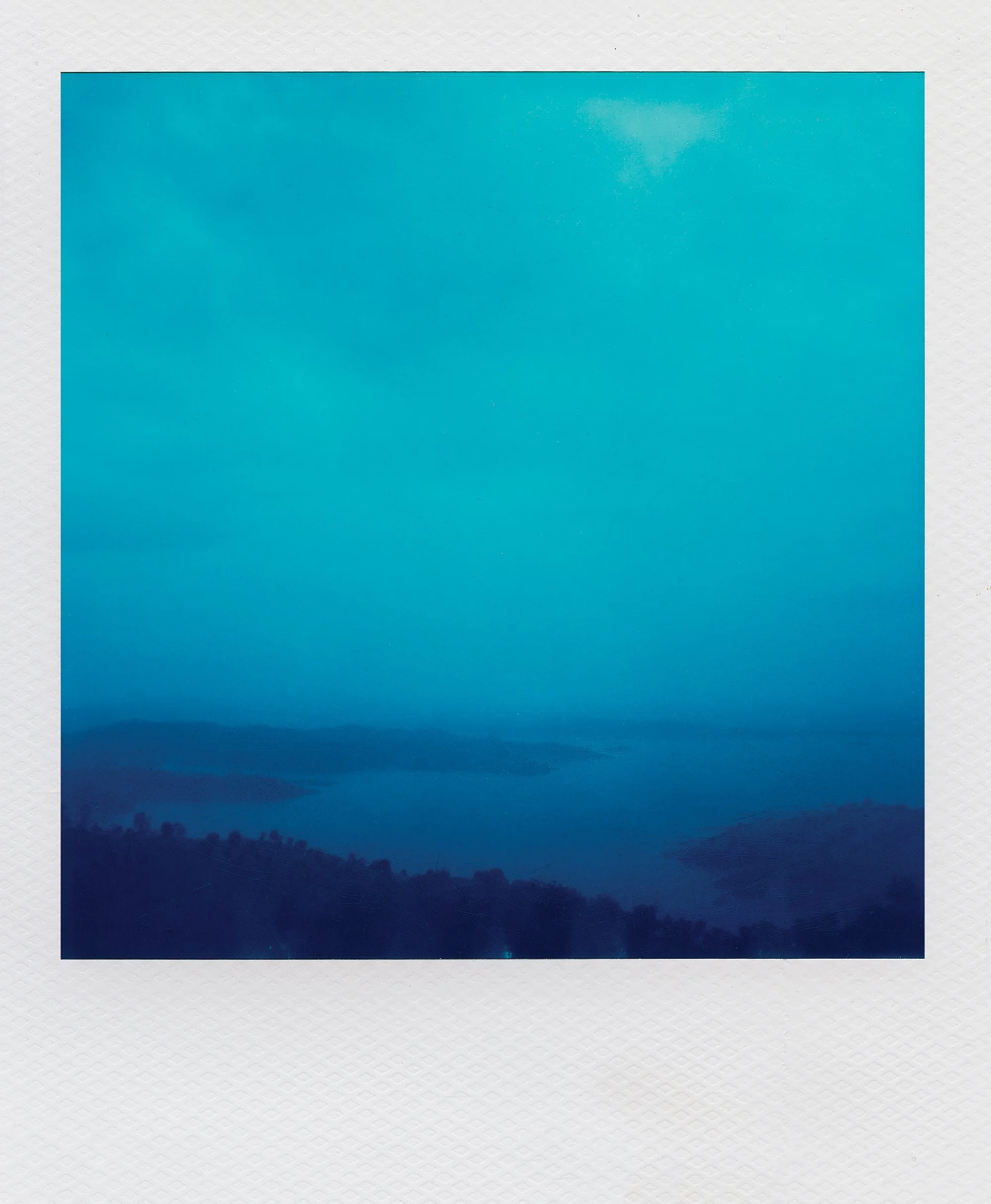
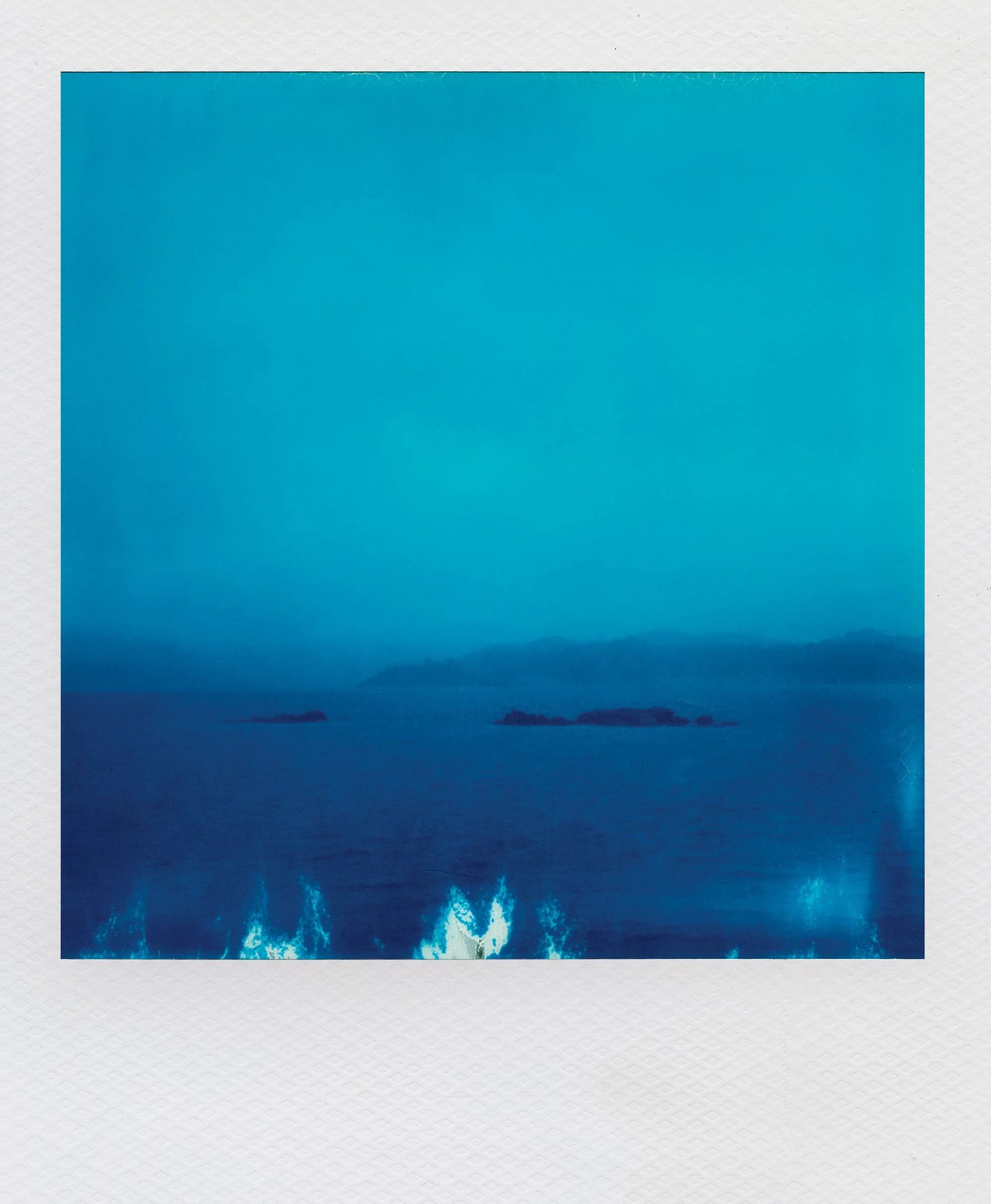
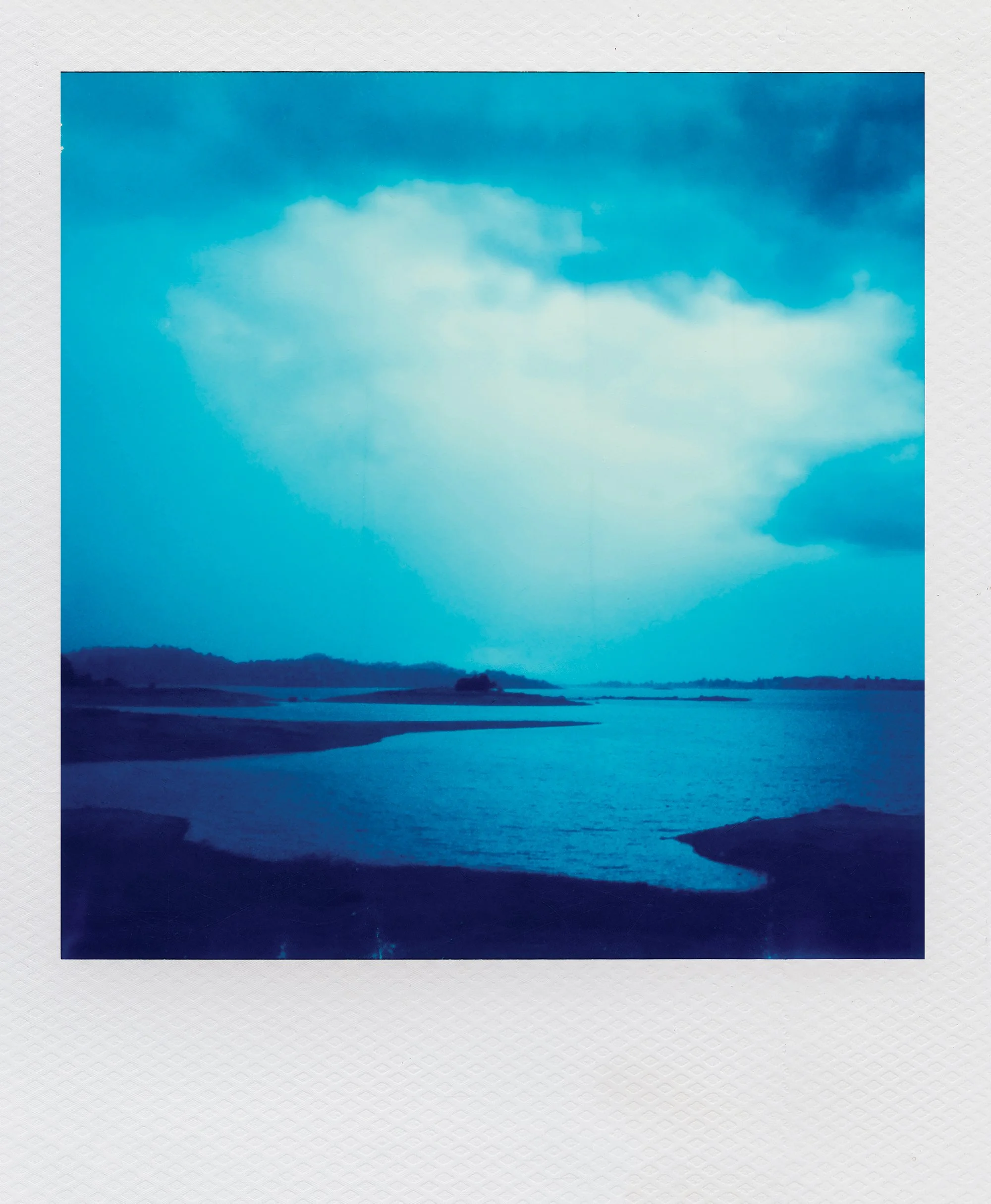
For three years, he returned to Millerton Lake in California’s Central Valley, making all the photographs during storms, when the reservoir became harder to read. Water, sky, and land began to fold into each other, while the blue tones of Polaroid Reclaimed Blue made the place feel both real and remembered. What began as a study of one lake slowly became a meditation on change, control, and uncertainty.
Where the Water Waits is about a landscape that refuses to become fixed.
Behlen photographed a reservoir built to hold and move water, but his images show something much less stable. Shorelines rise and disappear, weather changes the surface of the lake, and the film itself adds marks, shifts, and chemical accidents. In the interview, he speaks about storms, instant film, repetition, and the moment when a long project finally tells you it is finished.
This essay shows how a project can grow when you return to the same place again and again, instead of searching for something new each time. It also shows how limitations can become part of the work: bad weather, unstable film, chemical marks, and disappearing materials can all help shape the final meaning.
Series Statement
Where the Water Waits
Where the Water Waits is a three-year-long photographic study of Millerton Lake in California’s Central Valley, a reservoir created by Friant Dam in 1942 as part of the Central Valley Project, a federal system built to store, control, and move water across the state. At Friant, the San Joaquin River is not so much carried as it is paused, its flow held in suspension before being released into the canals that distribute water across the valley floor.
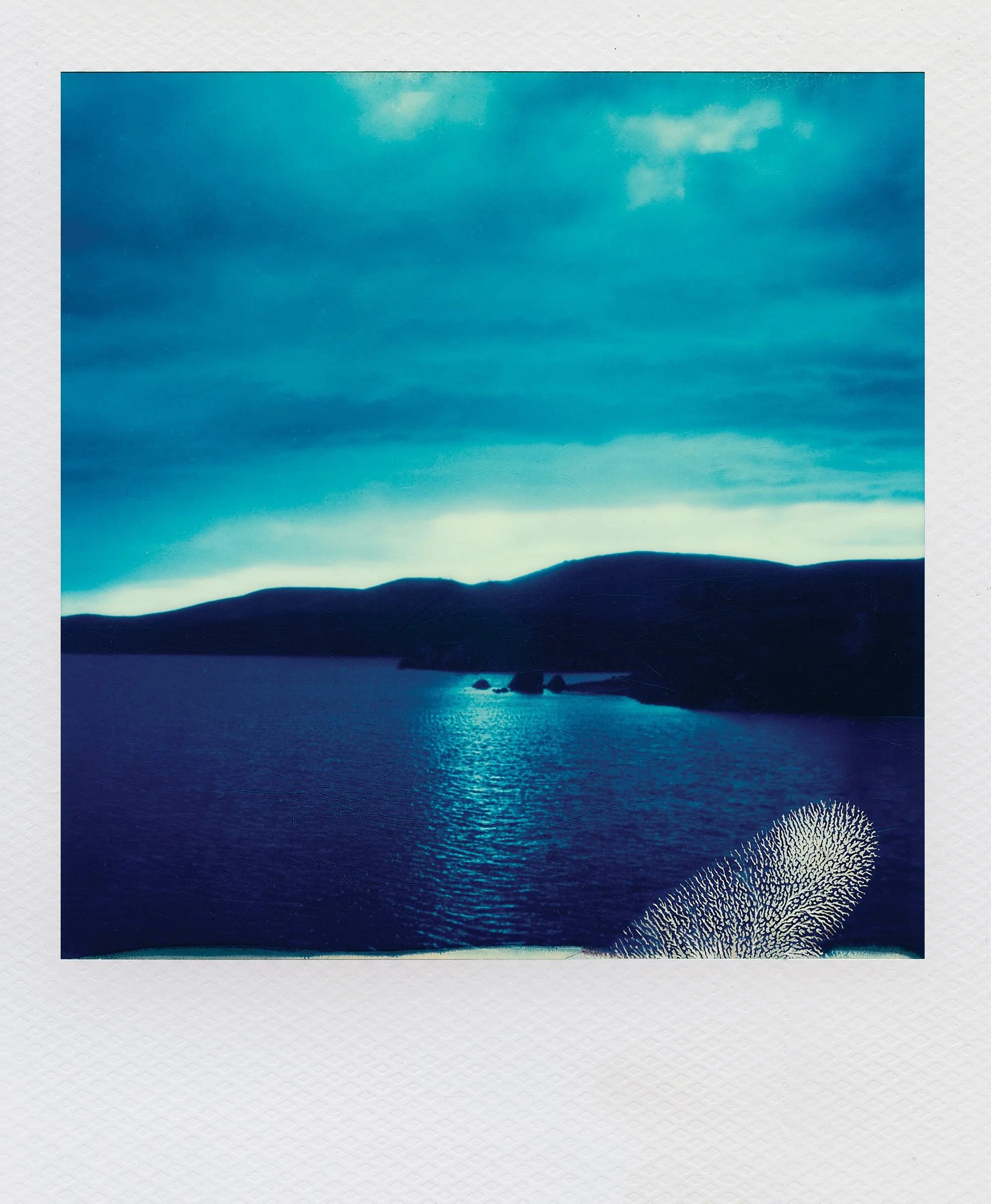
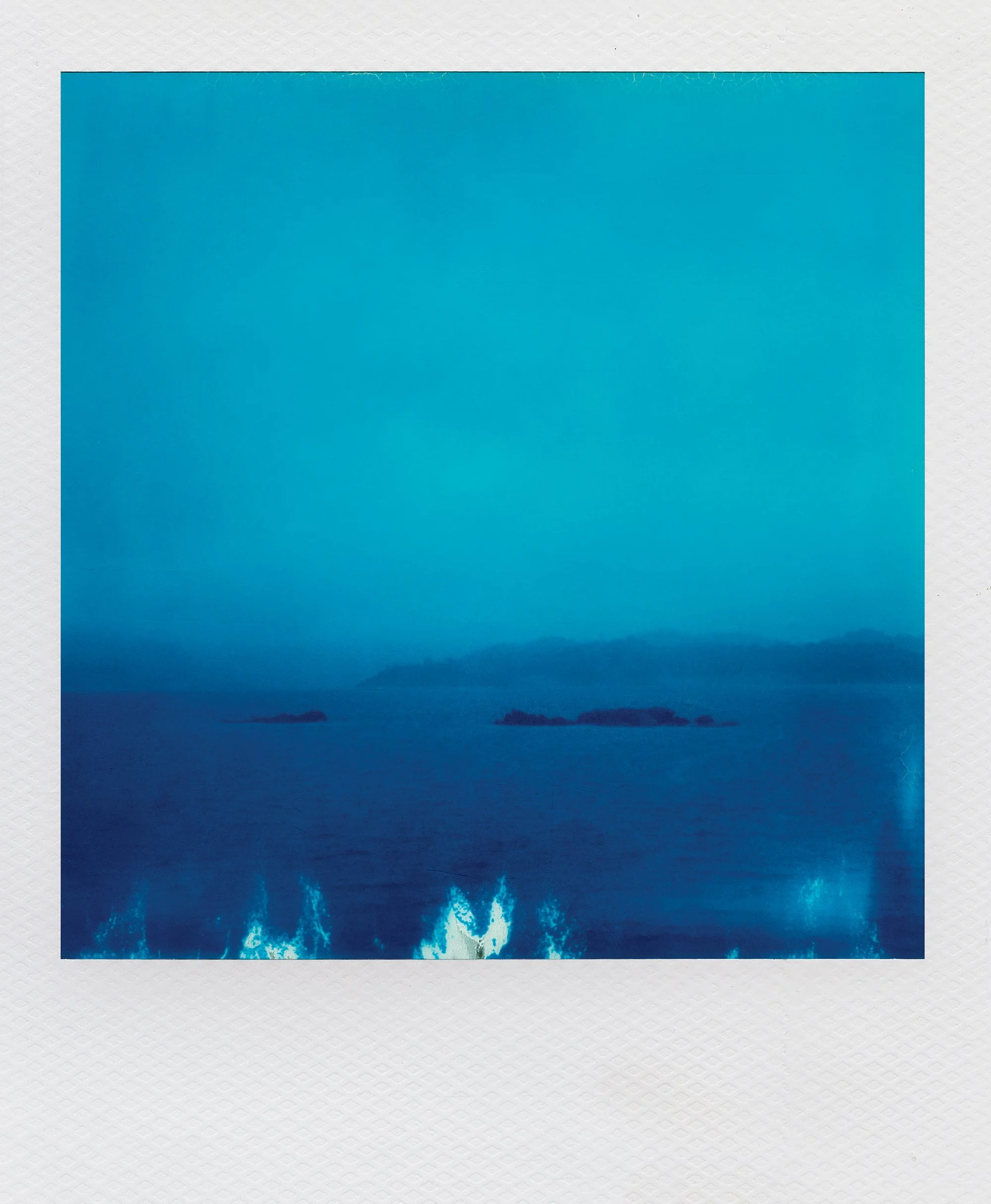
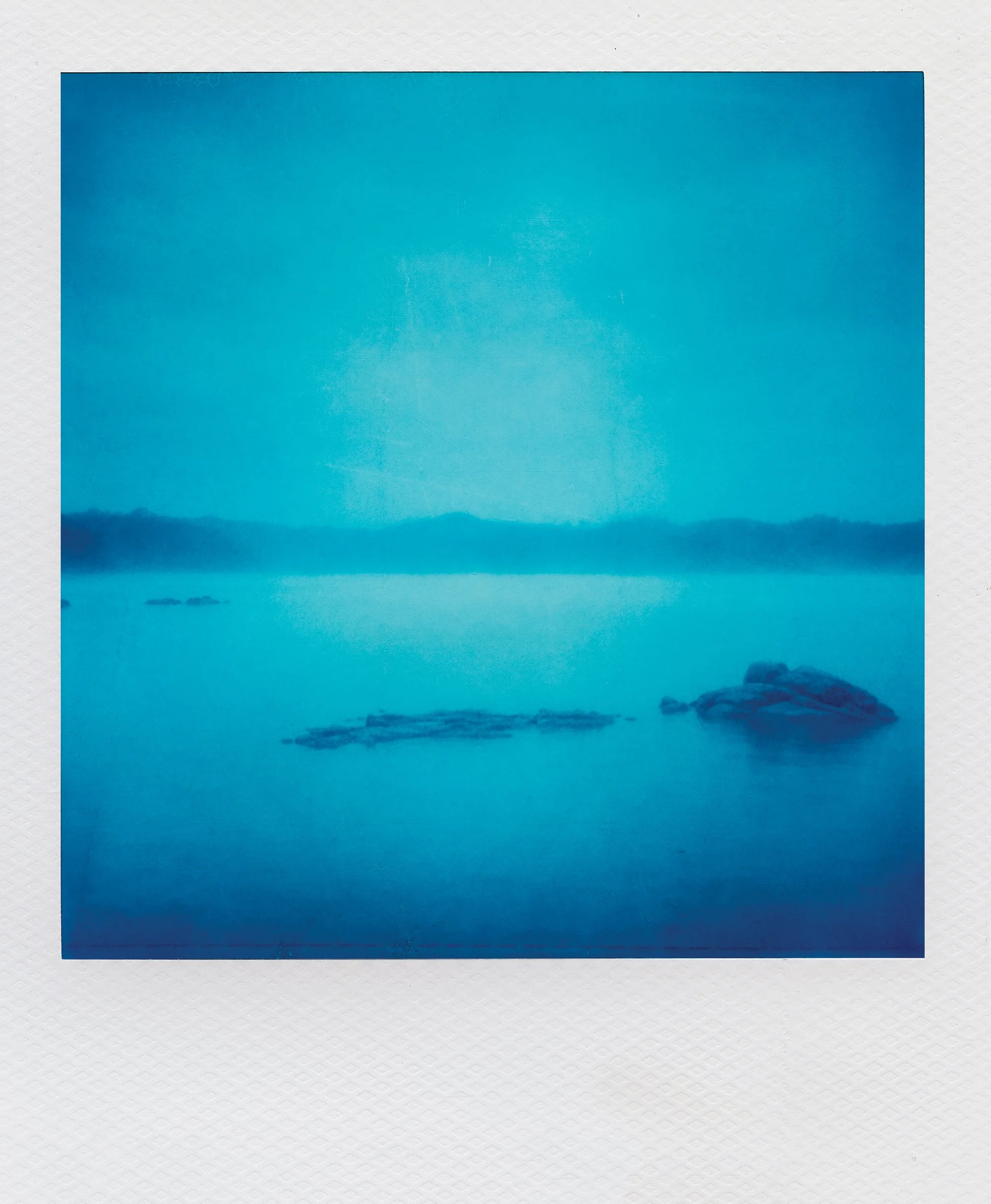
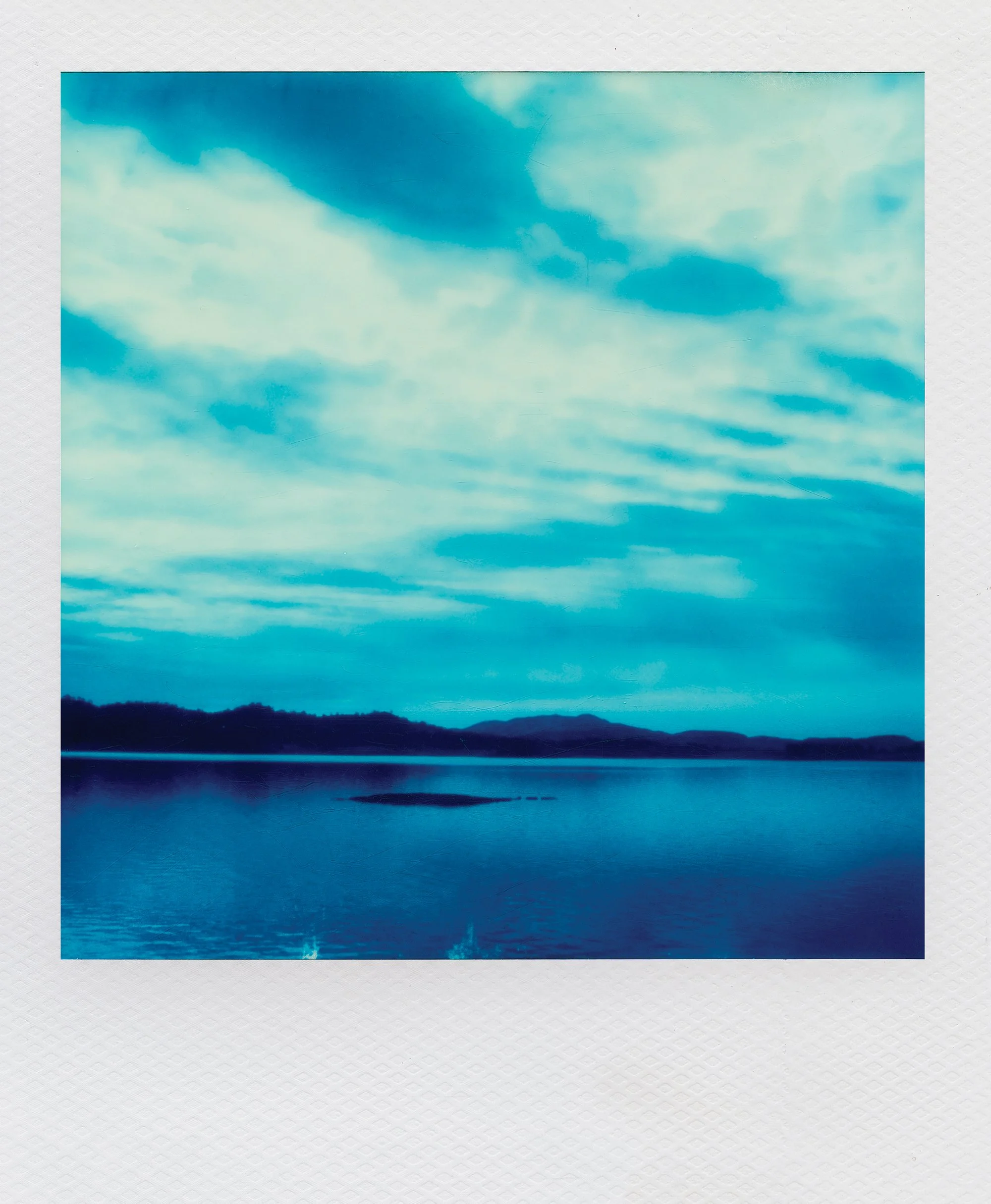
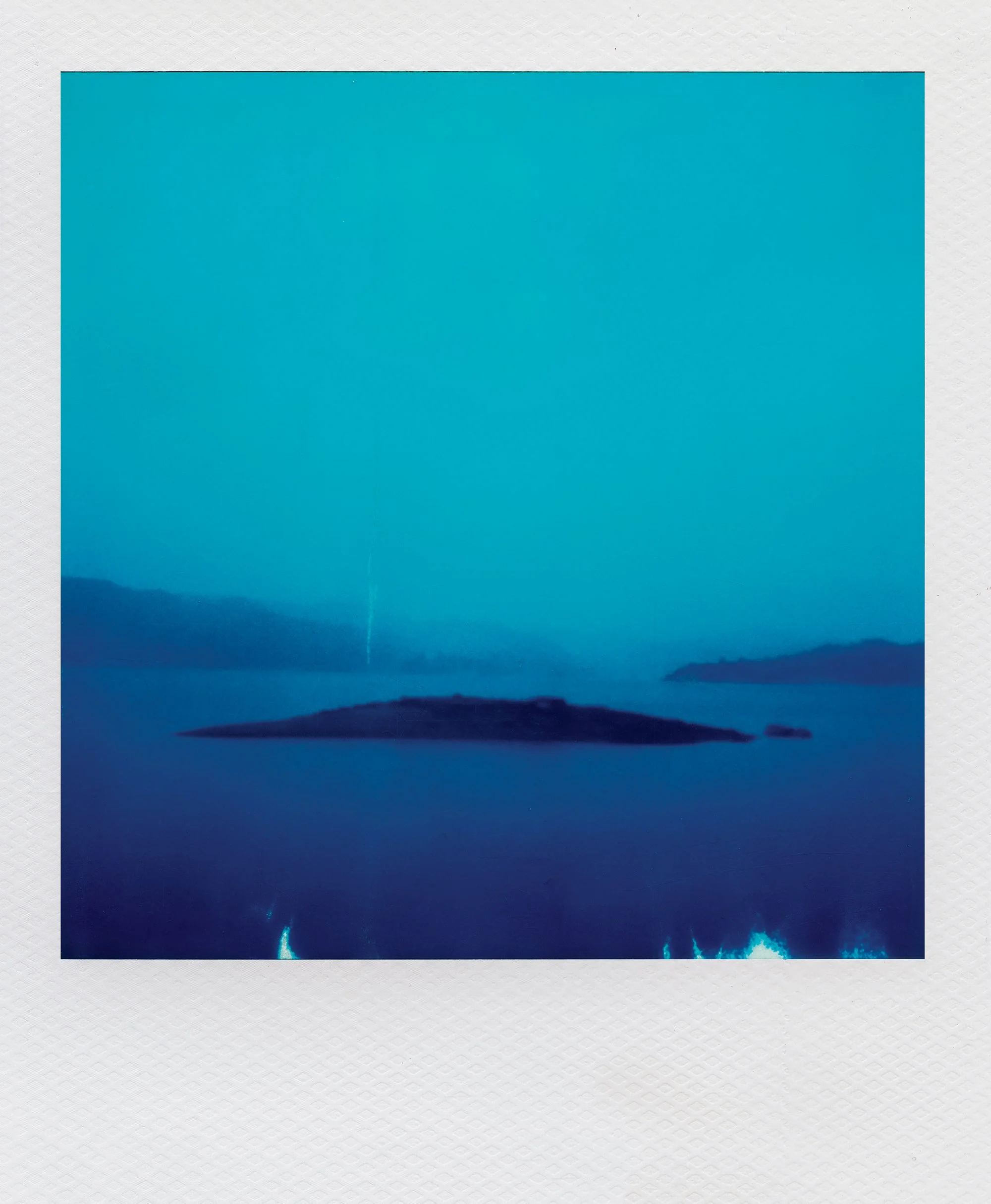
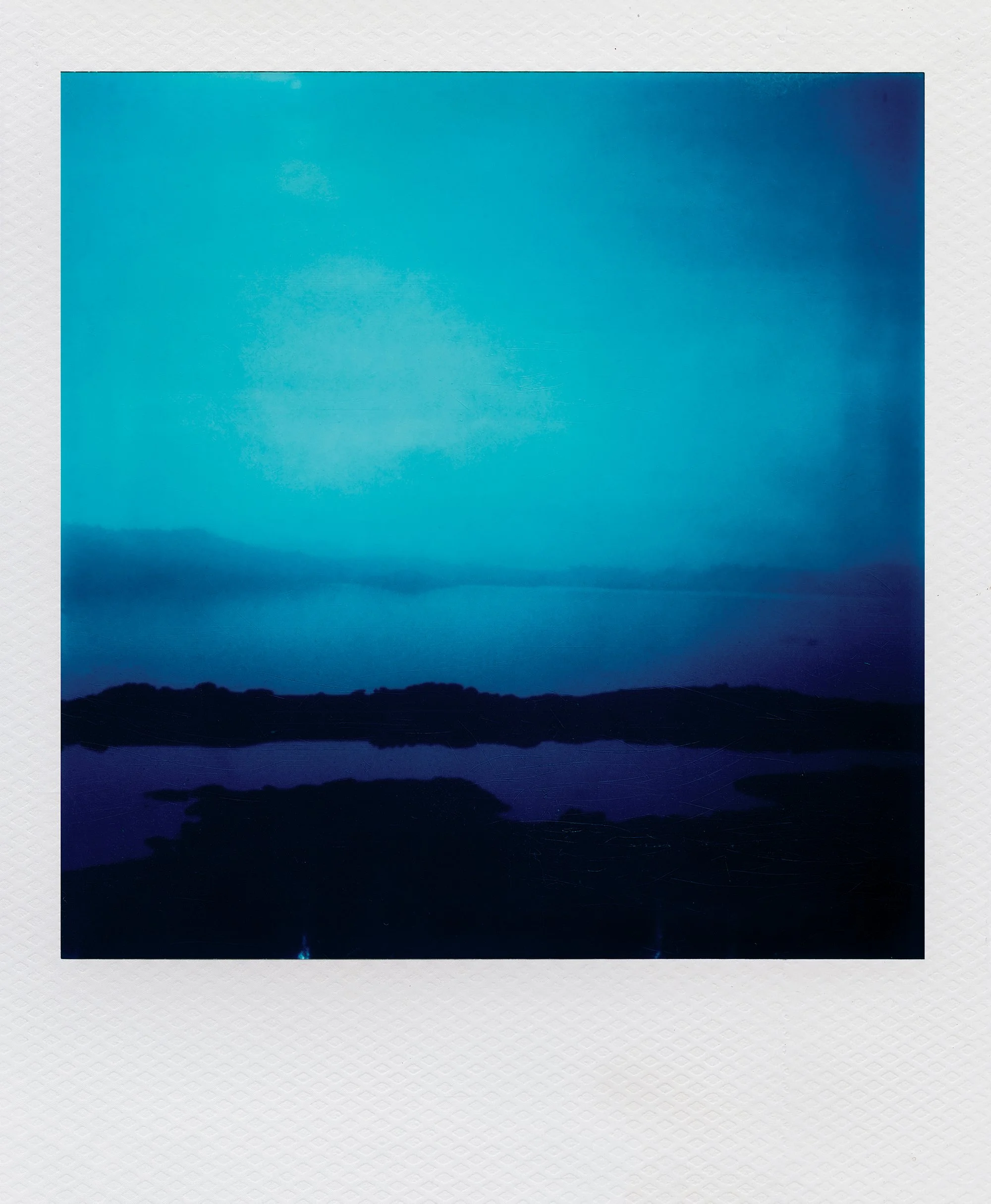
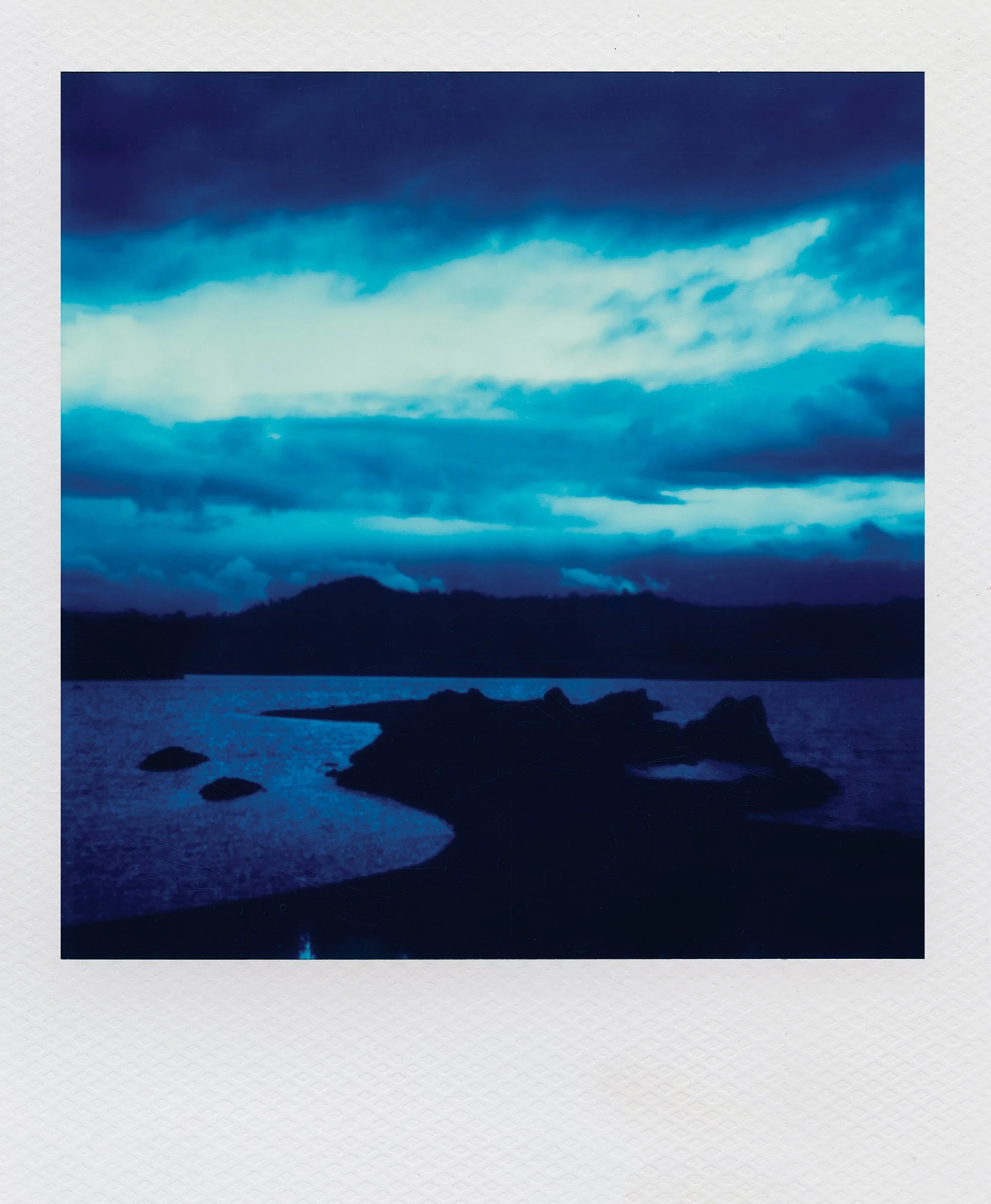
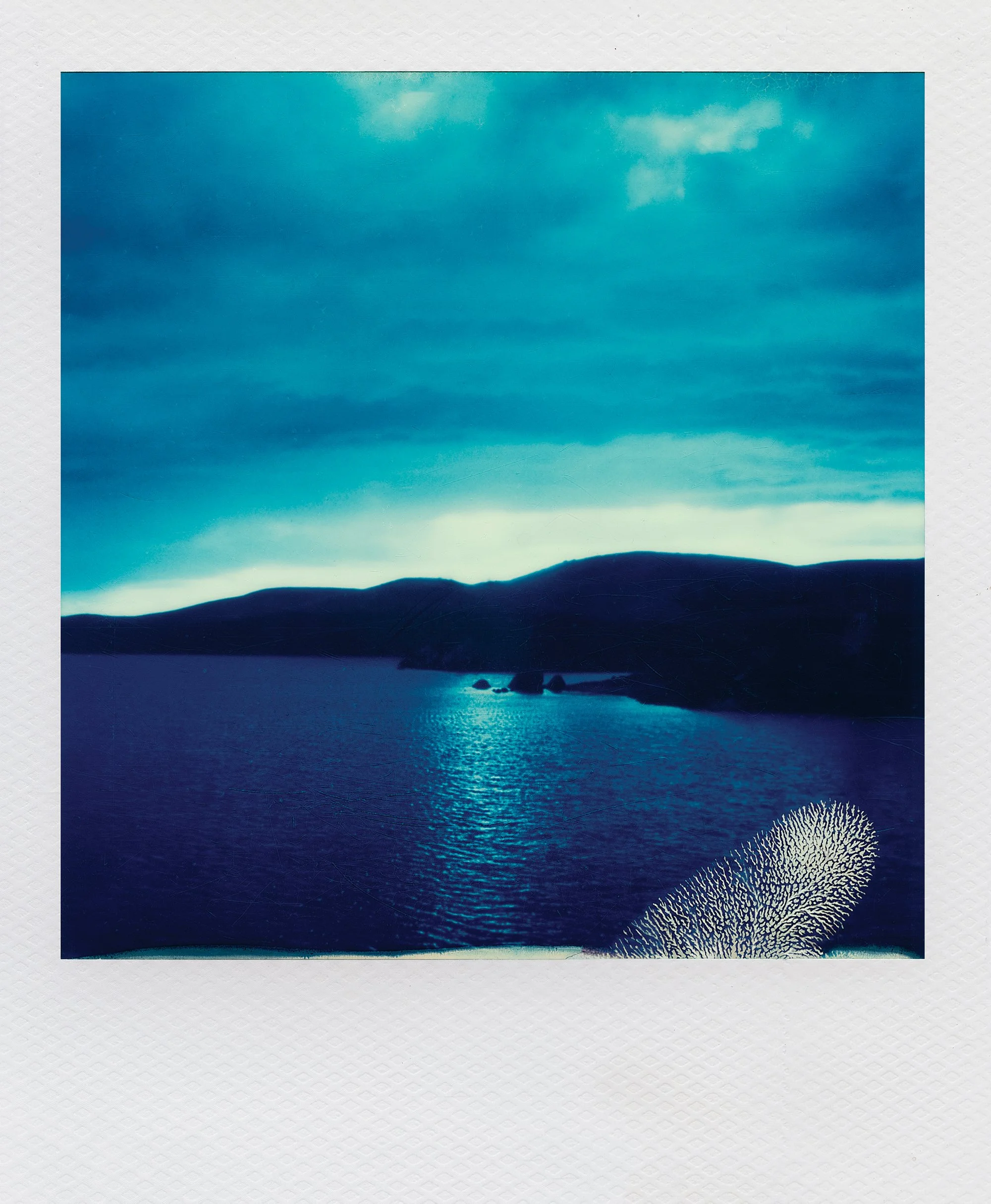
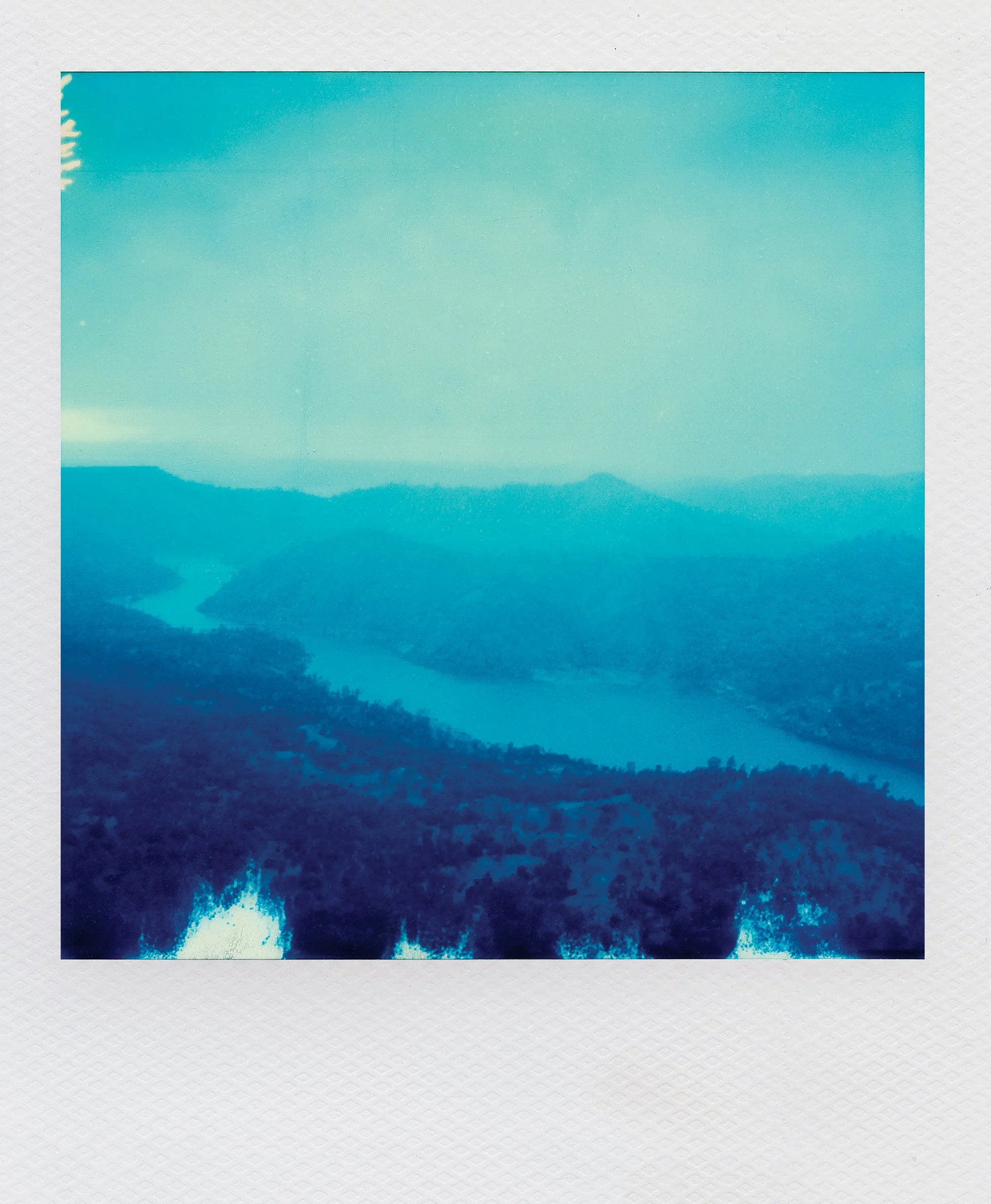
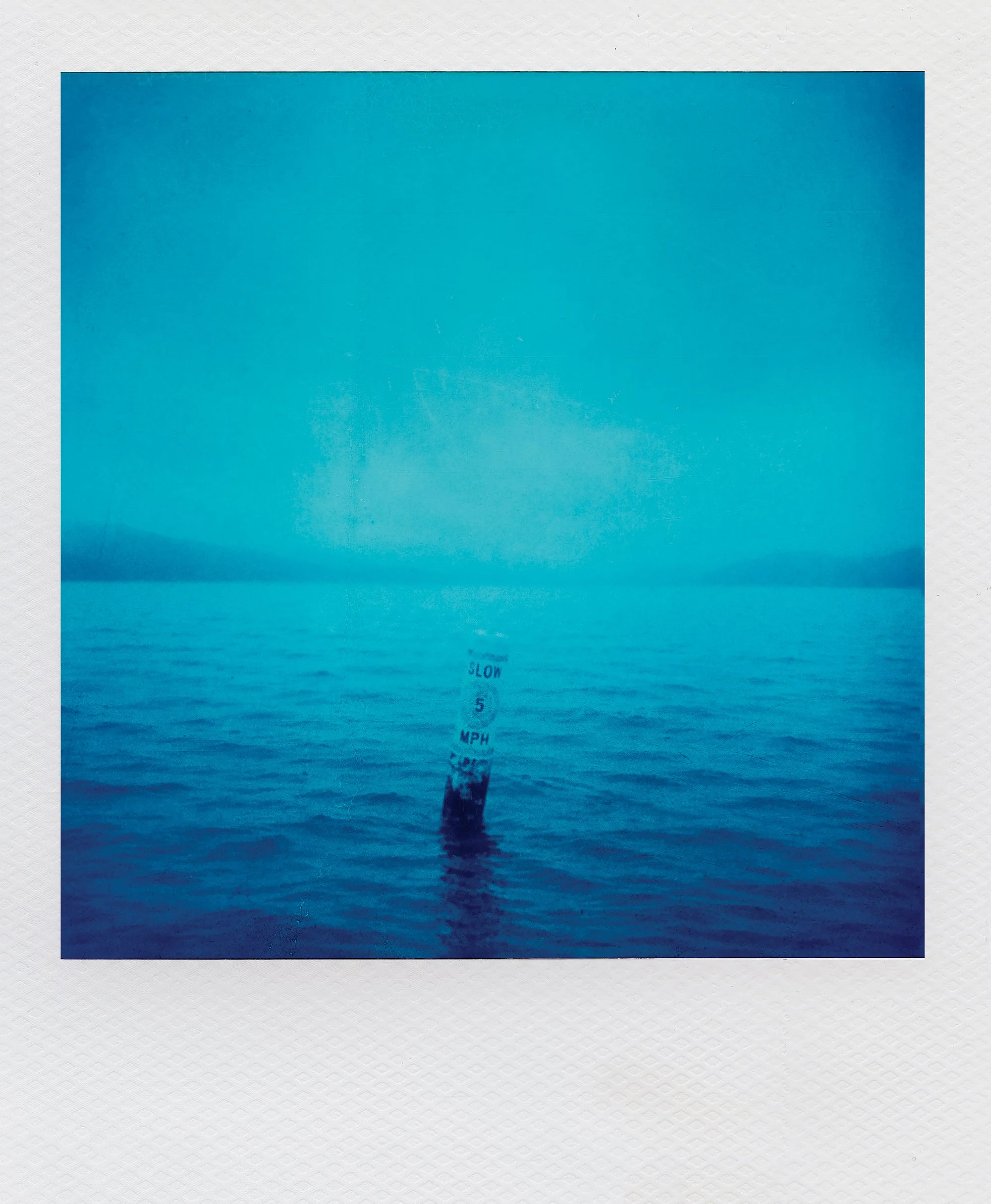
All of the photographs were made during storms, when the reservoir is at its most unstable and least legible. Wind moves across the surface of the water, rain compresses the foothills into the atmosphere, and the horizon begins to dissolve. Under these conditions, the reservoir resists the conventions of Western landscape photography - clarity, distance, and mastery - and instead becomes a shifting field of tone and reflection where water, sky, and land continually fold into one another.
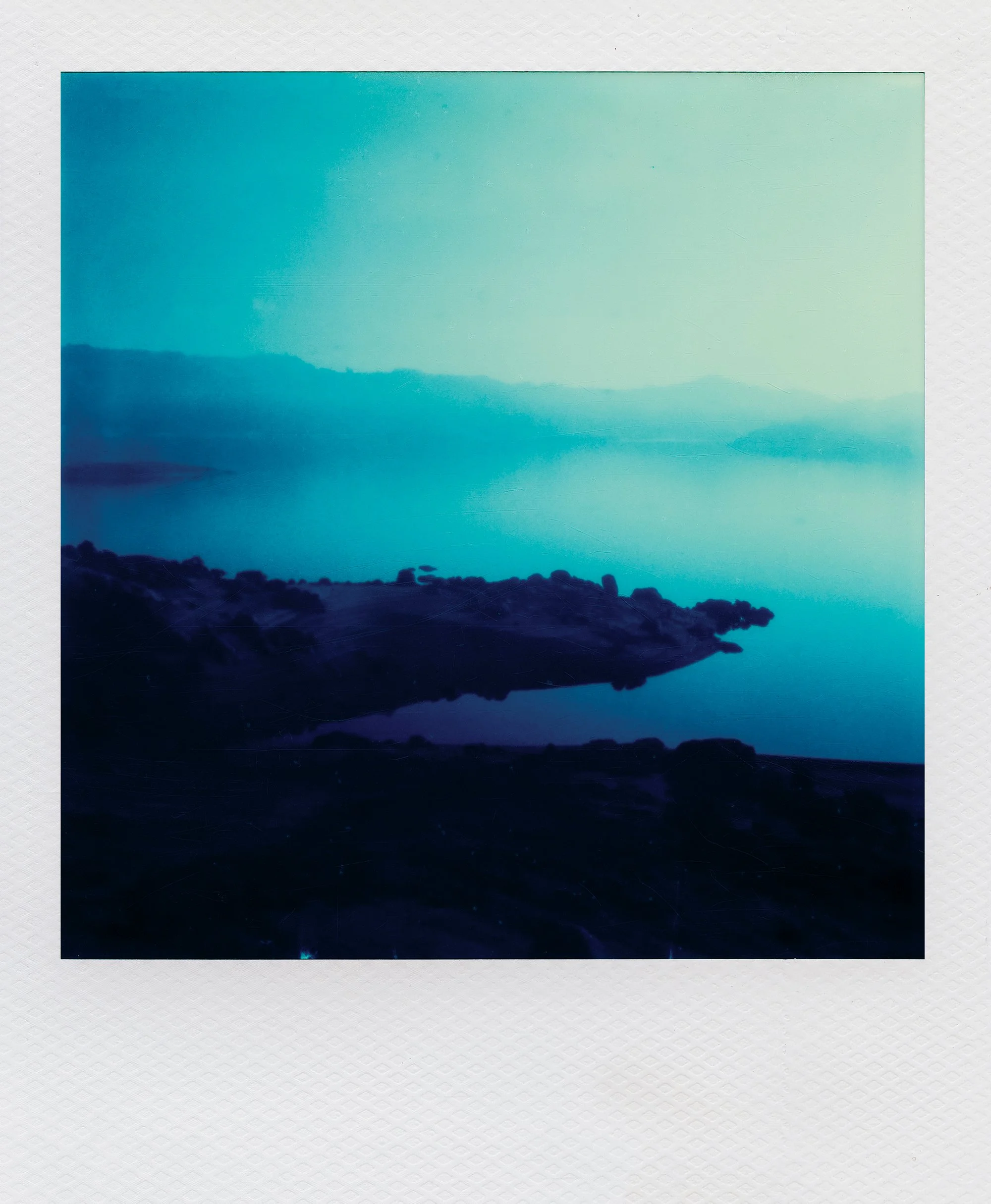
These conditions exist within a longer temporal rhythm that shapes the reservoir over time. Between years of abundance and years of drought, the lake expands and recedes in cycles. Shorelines advance and withdraw, continually redrawing themselves against the foothills. What appears fixed is, in fact, provisional: a landscape shaped as much by variability as by control, defined through accumulation and absence.
The work is made using Polaroid Reclaimed Blue, a monochromatic instant film produced by Polaroid as a limited experimental batch from salvaged production materials. The emulsion was never intended to exist as a permanent stock and renders the landscape almost entirely in shades of blue, stripping away the descriptive colour that typically anchors an image to a specific time and place while echoing early photographic experiments with light-sensitive chemistry.
What remains is a landscape that resists being fixed in time. The reservoir holds not only water but a set of conditions that shift between visibility and obscurity, stability and change, control and uncertainty. In these images, the act of looking becomes provisional, shaped by the same forces that continue to alter the land itself.
This series will be published in zine format in July 2026 (self-published).
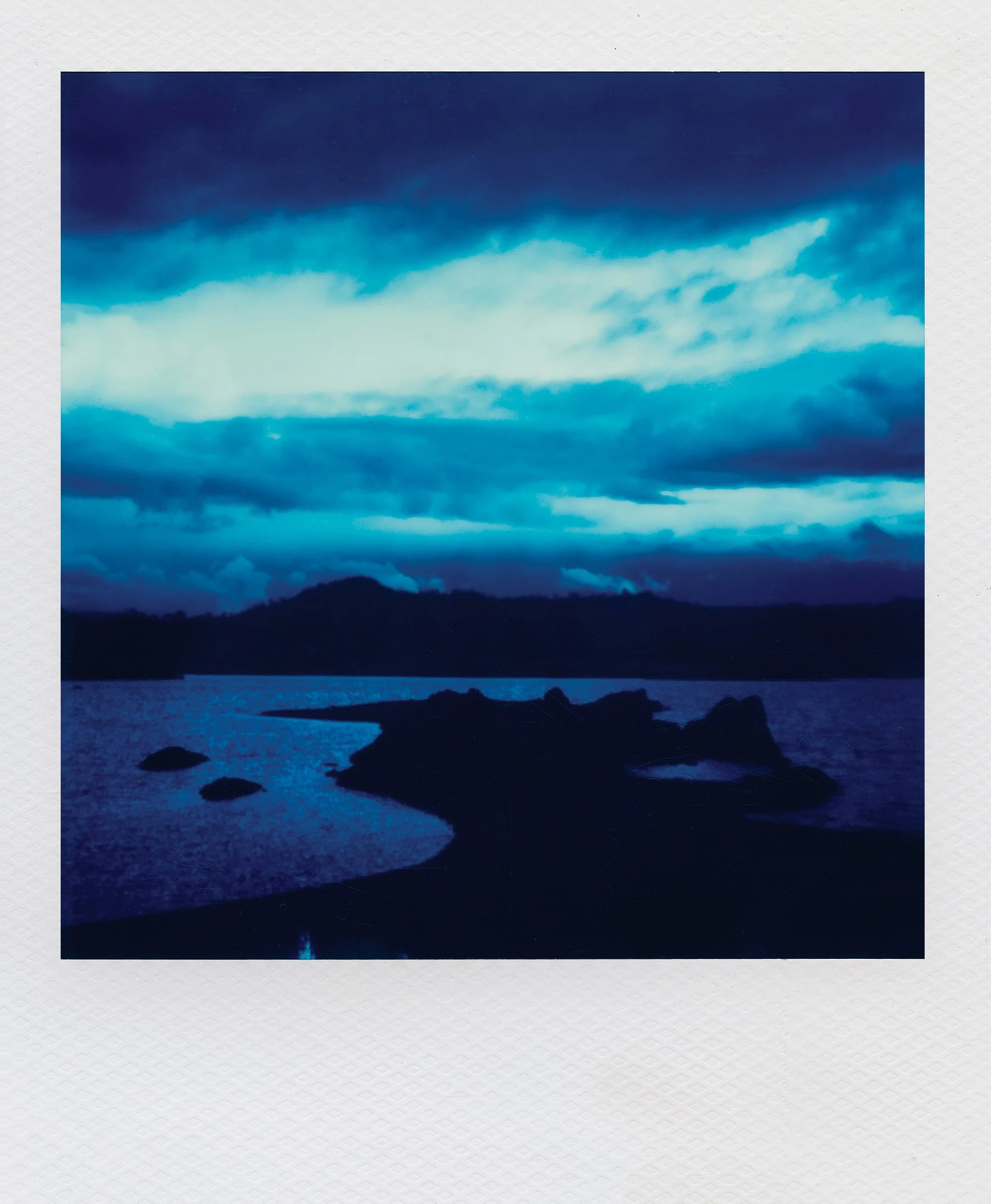
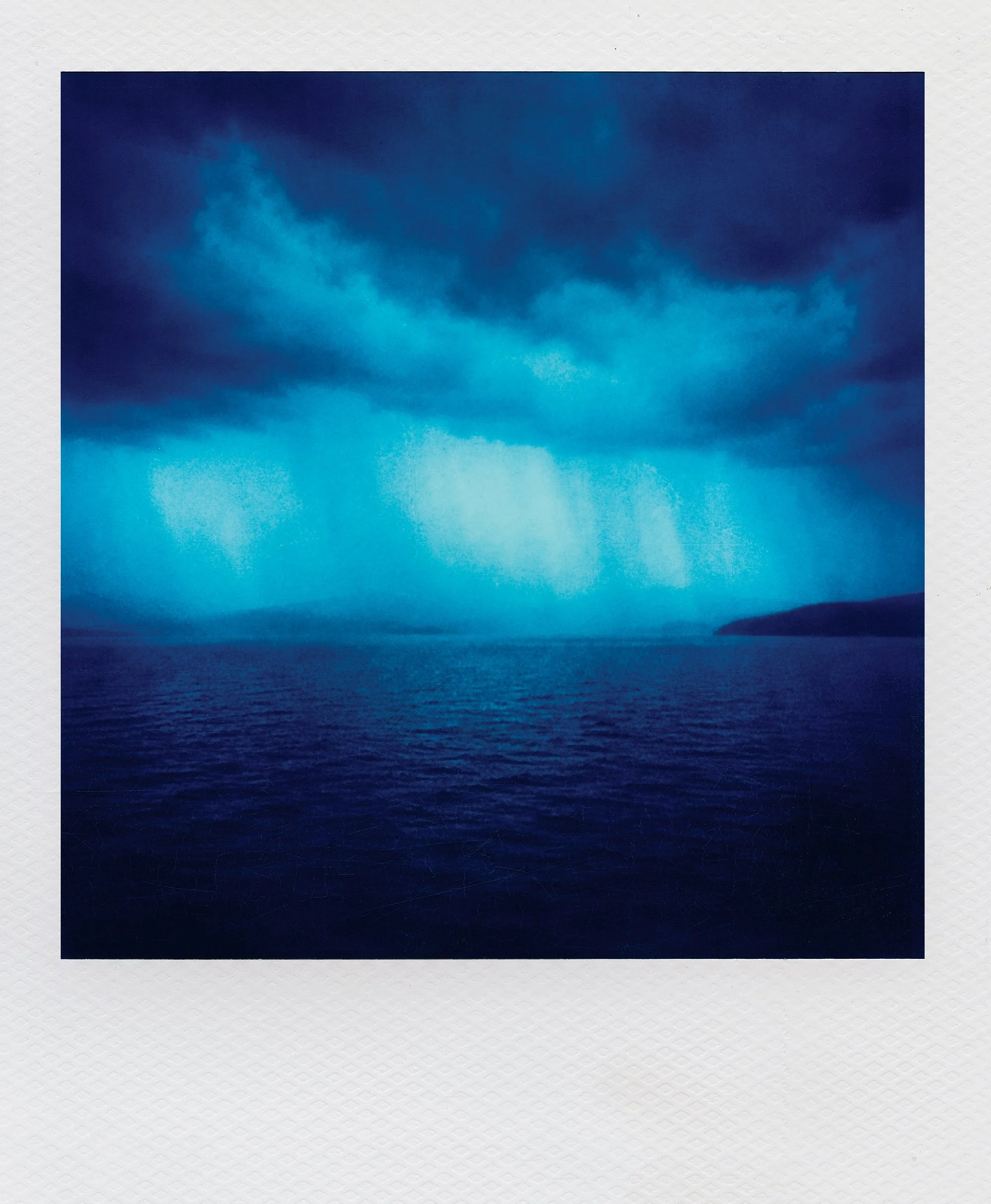
Storms: All these images were made during storms. Why did you choose that specific moment to photograph the reservoir, and does the bad weather change how you work with Polaroid film?
I was initially drawn to storms because they transformed the reservoir from a place of predictability into a place of possibility. On clear days, Millerton Lake functions exactly as it was designed to function. Its boundaries are visible, the horizon feels fixed, and the infrastructure appears orderly and controlled. During storms, those certainties begin to dissolve. Rain compresses distance, shafts of light break through the clouds, and the relationship between land, sky, and water becomes increasingly difficult to locate. The reservoir shifts from something engineered and legible into something far more uncertain.
As I continued returning to the lake, I became obsessed with the weather itself. I found myself constantly checking forecasts, studying storm systems, and trying to understand how different combinations of temperature, cloud cover, wind, and precipitation might shape the landscape. There was a sense of anticipation in that process that resonated deeply with my love of the outdoors. Every storm offered the possibility of encountering the reservoir differently than I had before.
The weather also fundamentally changed the way I worked with Polaroid Reclaimed Blue film. Cold temperatures, moisture, and rapidly shifting light all influenced the chemistry and exposure. The film's limited dynamic range required careful attention to highlights, often forcing me to work within a narrow exposure window to preserve the blue tonalities that became central to the project. Yet I never viewed these limitations as obstacles. Over time, I came to see them as part of the collaboration.
The physical instability of the film mirrored the atmospheric instability of the landscape itself. Both were governed by conditions that could be anticipated but never fully controlled. The photographs emerged from that relationship, where weather, water, light, and chemistry were all shaping the image simultaneously.
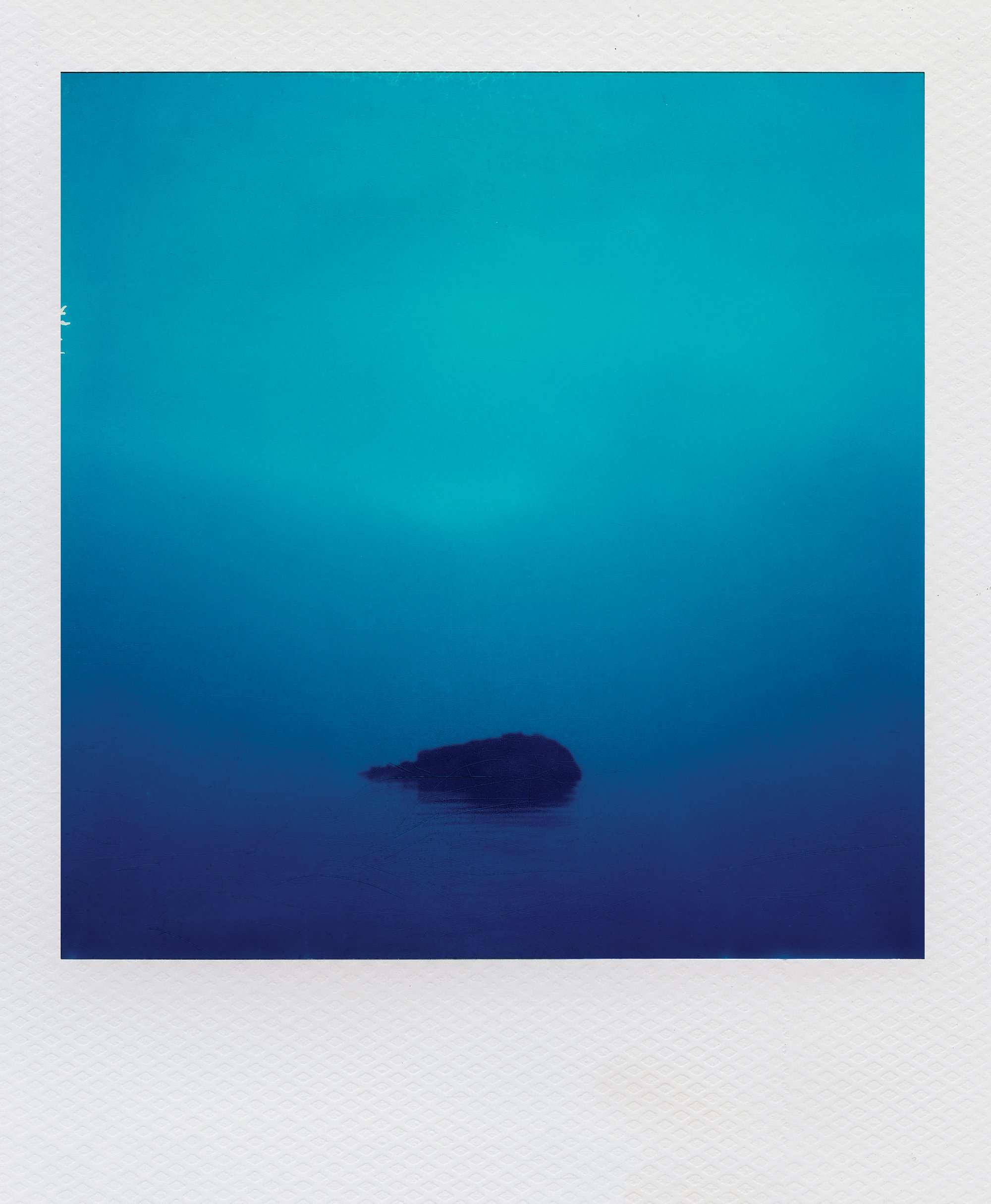
Polaroid Reclaimed Blue Film: The Polaroid Reclaimed Blue film turns everything into shades of blue. When you first saw your images in this colour, did it feel right for this project, or did it take time to understand what the film was doing to the landscape?
I was actually late to Reclaimed Blue. By the time I became interested in it, the film had already sold out and was beginning to circulate on the secondary market. I bought a single pack online and decided to try it on an impulse one evening after work, when I noticed a storm moving across the lake. I arrived just as the clouds began descending over the reservoir and, without realising it at the time, found myself in a brief window of extraordinary light. The shifting weather isolated the exposed islands and sandbars scattered across the lake, and the landscape seemed to simplify into shapes, tones, and atmosphere.
The first images were unlike anything I had seen before. The mixture of blue, cyan, and green transformed the reservoir into something simultaneously familiar and unfamiliar. There was certainly an immediate excitement to it. Instant film has a way of collapsing the distance between making a photograph and experiencing it, and seeing those images emerge in the middle of a storm felt almost unreal. For a while, that feeling kept drawing me back.
As I kept returning to the reservoir, something began to shift. At first, I was chasing storms and the possibility of extraordinary light, those brief moments when the landscape seemed to transform itself beneath moving weather and changing skies. But over time, my attention drifted away from the storms and towards the lake itself. I began noticing how much of the reservoir was defined by change, how water levels rose and fell, how shorelines advanced and withdrew, how islands appeared, disappeared, and returned again with the seasons. The landscape was never quite the same place twice. Each visit revealed a different configuration of water and land, as though the reservoir was continually rewriting itself through cycles of abundance and absence, resisting any fixed or permanent form.
The blue palette seemed to amplify that feeling. Familiar landmarks became difficult to locate, distances felt uncertain, and the reservoir began to exist somewhere between a real place and a remembered one, suspended between observation and recollection. What initially attracted me to the film was its colour, the strange mixture of blue, cyan, and green that seemed to transform the landscape, but what kept drawing me back was the way it altered the act of seeing itself, stripping the reservoir down to tone, atmosphere, and suggestion, allowing the photographs to drift away from description and towards something more elusive.
The longer I spent with the work, the more I realised that Reclaimed Blue wasn't simply recording the reservoir; it was participating in it. The film's unstable chemistry, limited lifespan, and tendency to shift over time seemed to echo many of the same conditions I was encountering at the lake. Both existed in a continual state of becoming, shaped by forces that could be observed but never fully controlled, and it was within that uncertainty that the project ultimately found its footing.
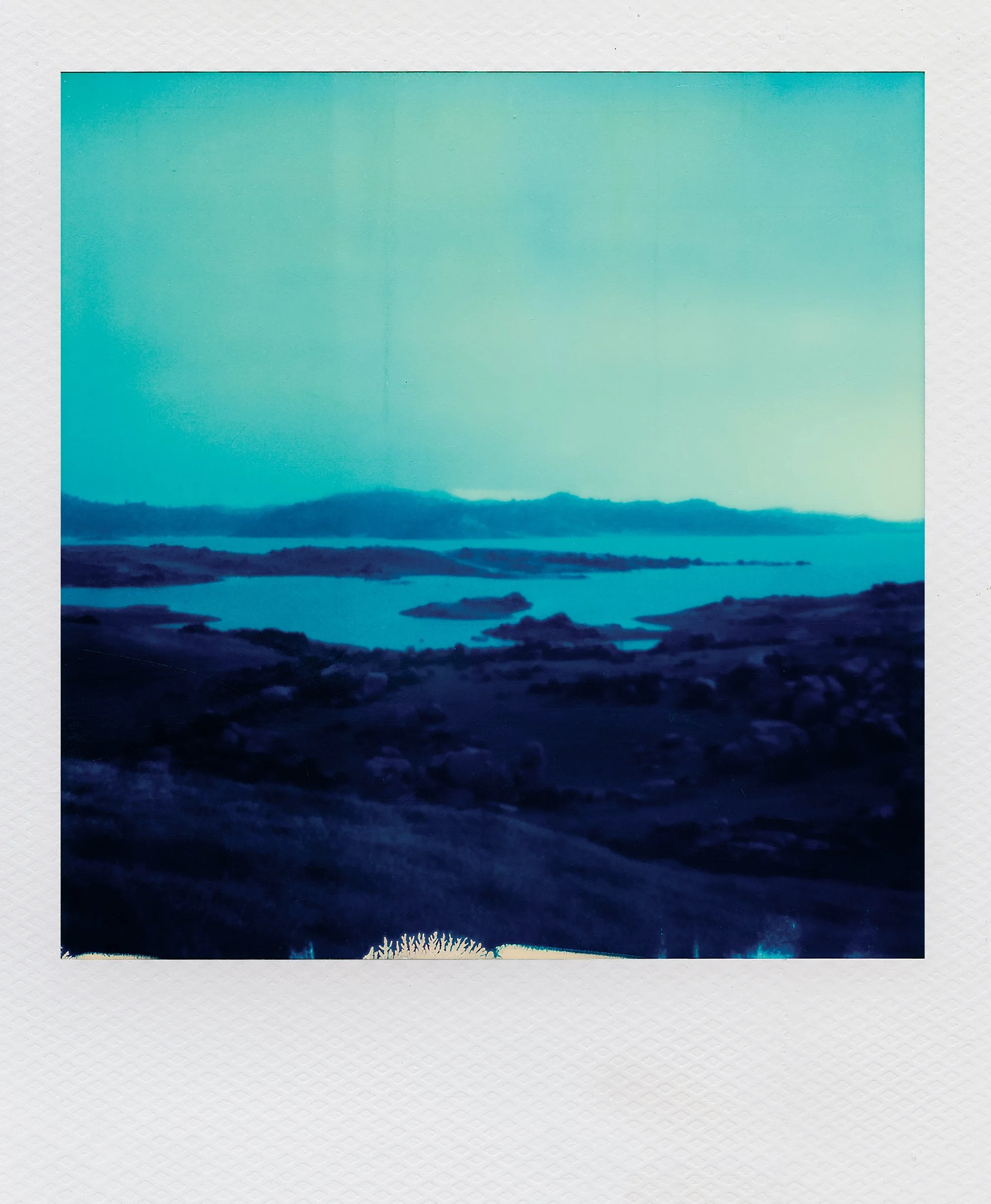
Chemical Marks: Several photos show strange white marks and chemical burns at the edges of the frame. Did you plan for those to appear, or did you simply accept them when they happened?
I never planned for them, but I was never interested in removing them either. One of the things I love about Polaroid photography is that the photograph exists as both an image and an object. We often talk about photographs as windows onto the world, but Polaroids never quite allow that illusion to hold. The chemistry, the frame, the surface, the imperfections - they are always reminding you of the photograph's physical presence.
The white marks and chemical imperfections became part of that experience for me. They pull your attention back to the object itself, to the fact that this thing was made, handled, carried through the landscape, and subjected to its own history. They create small interruptions in the image, moments where the photograph reveals itself rather than simply pointing toward something else.
I never viewed them as defects. If anything, they became reminders that photographs are not transparent records of experience. They are physical artifacts that accumulate their own scars, their own evidence of having existed in the world. For a project concerned with time, memory, and the changing nature of place, those traces felt less like mistakes and more like part of the conversation.
Series Completion: You photographed the same lake for three years. How did you know when the series was finished?
Finished is a strange word because I don't know that any project is ever truly finished. At some point, you simply have to call it. In many ways, the decision was made for me. Once I realised Where the Water Waits was becoming something larger than a collection of photographs, I committed to it completely, purchasing nearly every pack of Reclaimed Blue I could find on the secondary market. By the end, I had shot close to thirty packs of film, all of it expired and becoming increasingly difficult and expensive to acquire.
When the rainy season ended in the spring of 2026, I found myself at a crossroads. I could wait for storms to return later in the year, but there was no guarantee the remaining film would survive that long. Reclaimed Blue was already ageing, drifting further from the material it had been when it left the factory. The project had always been tied to a disappearing film stock, and eventually that reality imposed its own deadline.
What followed was a different kind of work. I stopped making photographs and started living with them. For months, Polaroids covered my floor, walls, and desk. I sequenced and re-sequenced them, removing images I loved and rediscovering photographs I had overlooked. Slowly, the project revealed itself.
Holding a Moment: You mention that the reservoir holds the San Joaquin River "in suspension" before releasing it into canals. Looking at your images now, do you feel the photographs do something similar, holding a moment in place rather than letting it move?
I think they do, but not in the way we often talk about photography.
Photography is usually described as a way of stopping time, of preserving a moment that would otherwise disappear. I've never been entirely convinced by that idea. When I look at these photographs, I don't see something frozen. I see something passing through.
What interests me about photographs is that they never contain as much as we ask them to. Every image is surrounded by things it cannot hold: what happened before it was made, what happened after, what exists beyond the frame, and what remains unseen. The photograph becomes less of a container and more of a threshold between those things.
I think that's part of what drew me to the reservoir in the first place. It is a place defined by what lies beyond immediate visibility, histories beneath the water, systems extending beyond the horizon, and decisions made elsewhere that continue to shape the landscape. The photographs hold a moment, but they also point toward everything they cannot contain. In that sense, they don't stop time so much as remind us that every moment belongs to something larger than itself.

Michael Behlen photographed water that would not stay still. For three years, he returned to Millerton Lake in California’s Central Valley, making all the photographs during storms, when the reservoir became harder to read. Picture Story