Welcome to another captivating photo essay, this time by Augusto De Luca We'd love to hear your thoughts. Feel free to comment below and, if you're interested, share your photo essay with us. Your perspectives add valuable dimensions to our collective exploration.
Some objects remember violence better than people do.
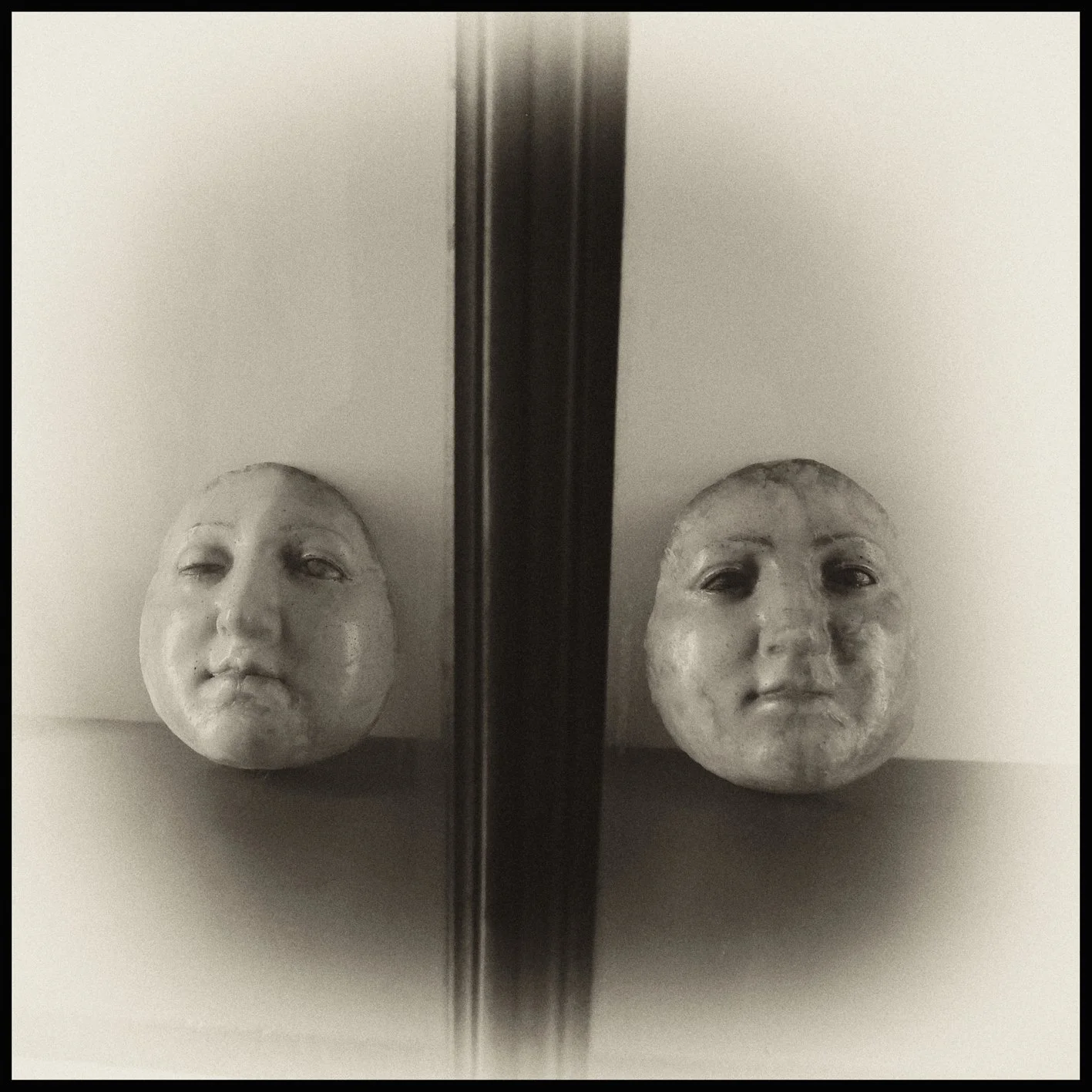
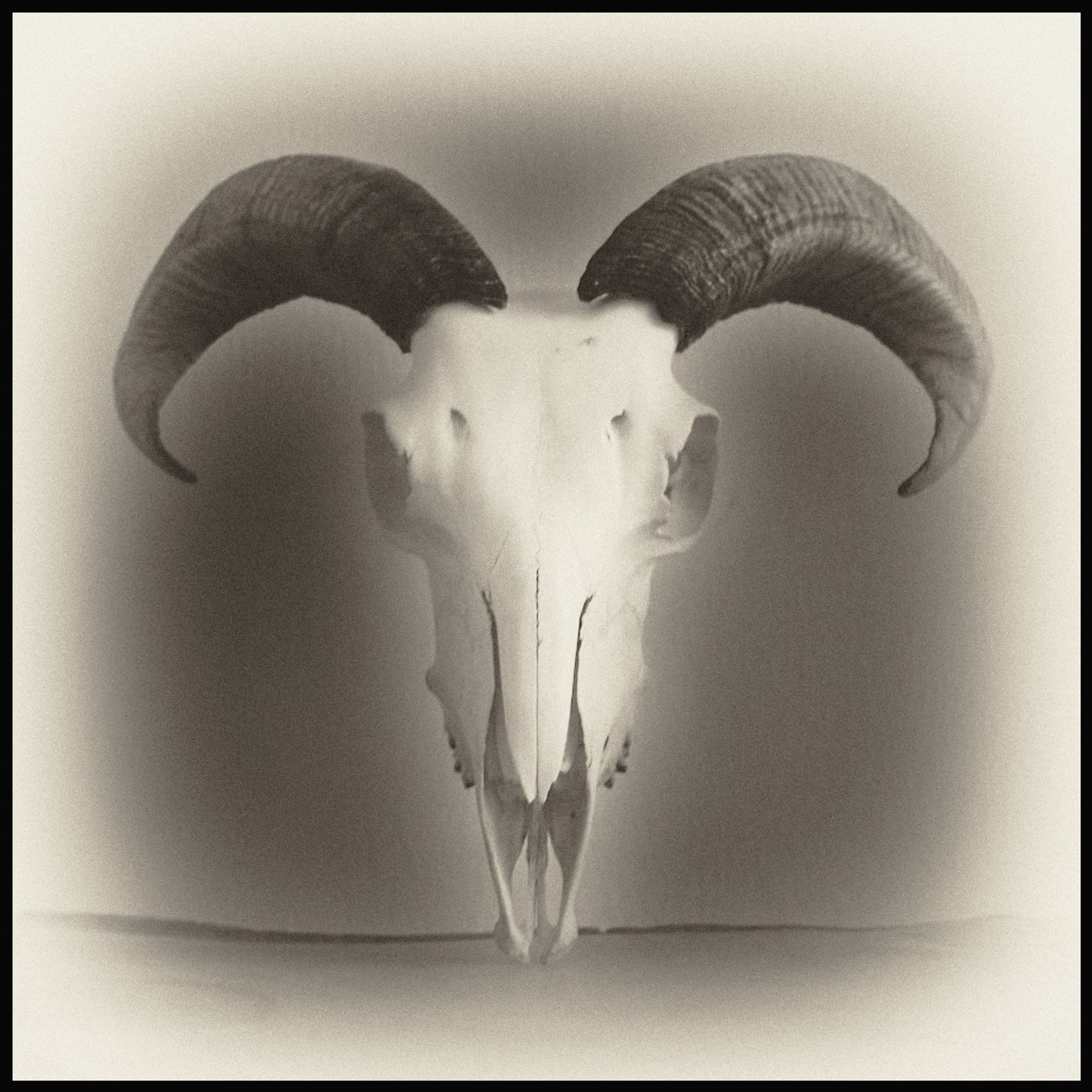
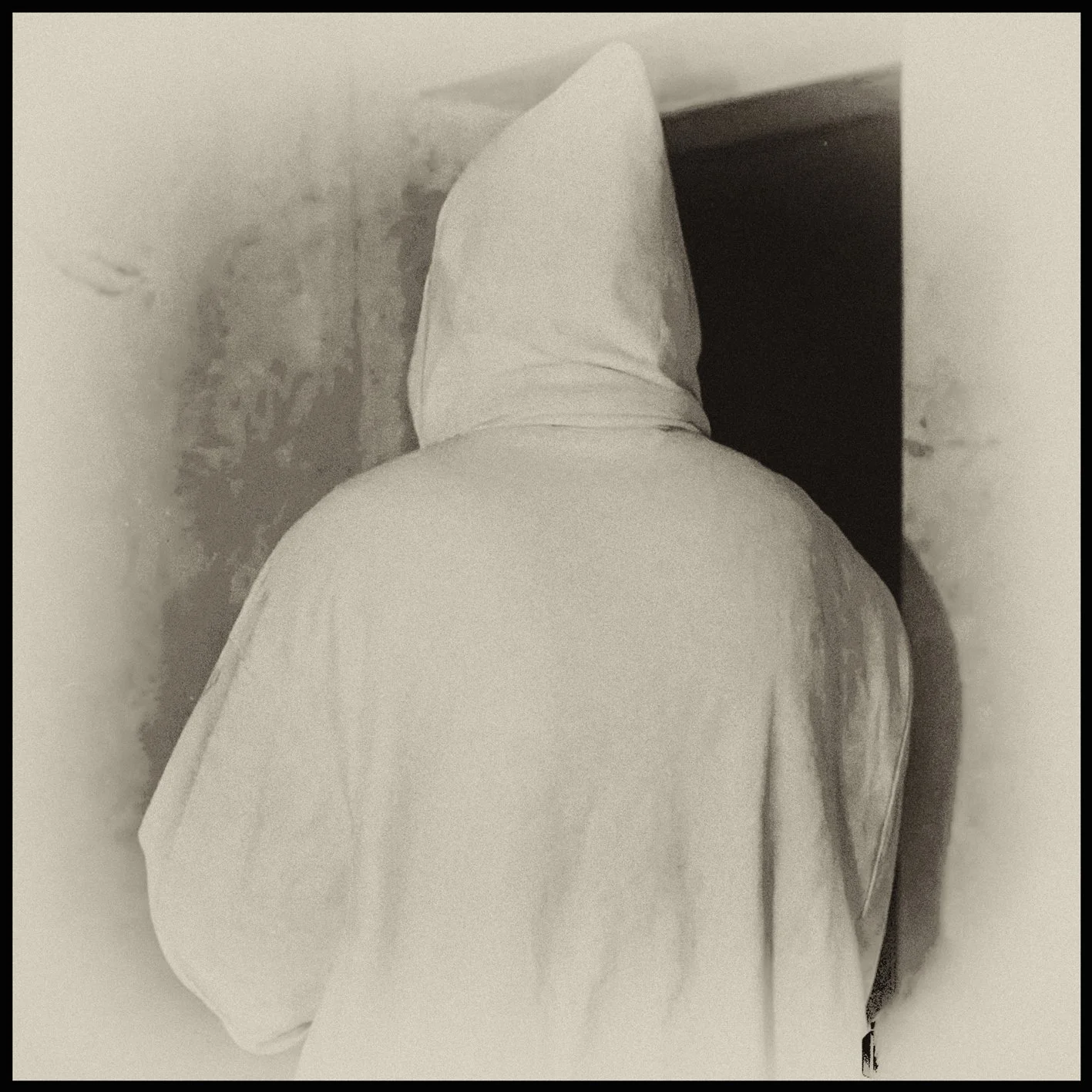
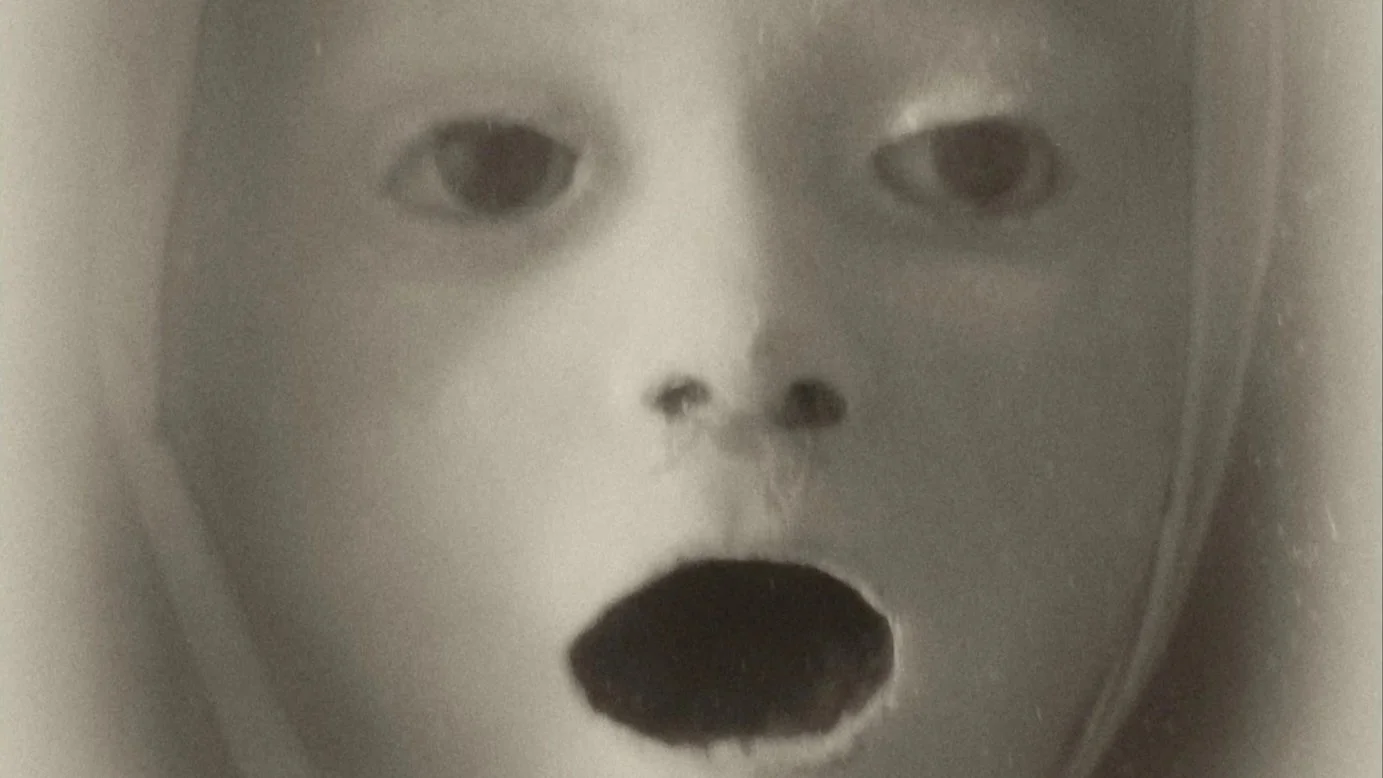
In ARMAGEDDON, Augusto De Luca uses skulls, helmets, masks, and other symbolic objects to speak about war without showing war directly. These objects are not used as decoration, but as fragments of fear, pain, memory, and silence. His photographs feel soft and dreamlike, yet what they carry is dark and heavy.
This is not a project about battle scenes.
It is about what remains after destruction, when history is no longer happening in front of us, but still lives inside objects. De Luca has spent decades photographing real people and real places, but here he turns to symbols because they can express something more hidden. A skull can suggest death, a helmet can suggest conflict, and an egg can quietly hold the idea of rebirth.
This interview offers a look at how De Luca chooses symbols, how he creates a blurred and fragile atmosphere, and why he believes photography can speak about suffering without becoming literal. Sometimes the strongest image is not the one that explains everything, but the one that leaves space for memory, fear, and hope.
The Essay
ARMAGEDDON
Photography has always had the power to capture the essence of reality, but when it ventures into the realm of the metaphysical and the surreal, it becomes a tool for exploring invisible dimensions and profound symbolism. In a world marked by the catastrophes of world wars, photographic work that weaves these themes together offers a unique perspective on human history, a visual narrative capable of provoking emotions and reflections. My latest photographs transcend the simple act of taking pictures; they are a journey into the souls of people, an attempt to capture the invisible that lies behind historical events. The scars left by global conflicts are evident, but there are also shadows and silences, the untold stories of those who suffered and those who fought. Through the lens of art, the essence of human emotions is explored, using surreal elements to highlight pain and hope. Every image captured in this context is laden with symbols. These symbols not only evoke the collective memory of wars but also invite the viewer to confront their own interpretation of suffering and rebirth. The choice of forms, composition, and lighting become tools for telling stories that go beyond the visible. The surreal element in my photographic work comes into play when reality is “distorted,” creating images that seem to emerge from a dream. In this context, the surreal does not seek to deny pain, but rather to amplify it, leading the viewer to a deeper level of understanding, dreamlike scenarios rich with hidden meanings. This approach challenges the viewer to reflect on the boundary between reality and imagination, between what has been and what could be. This surreal and symbolic photographic work on the catastrophes of the world wars is not merely a document, but an invitation to look beyond superficial images. It is a call to explore human emotions and experiences, to confront the past, and to find profound meaning in beauty and pain. Through art, the stories of millions of lives lost and transformed continue to live on, encouraging us to keep the memory alive and to look to the future with fresh eyes.
The objects in your photos, like the skull, the helmet, and the masks, where did you find them, and how did you decide which objects belonged in this project?
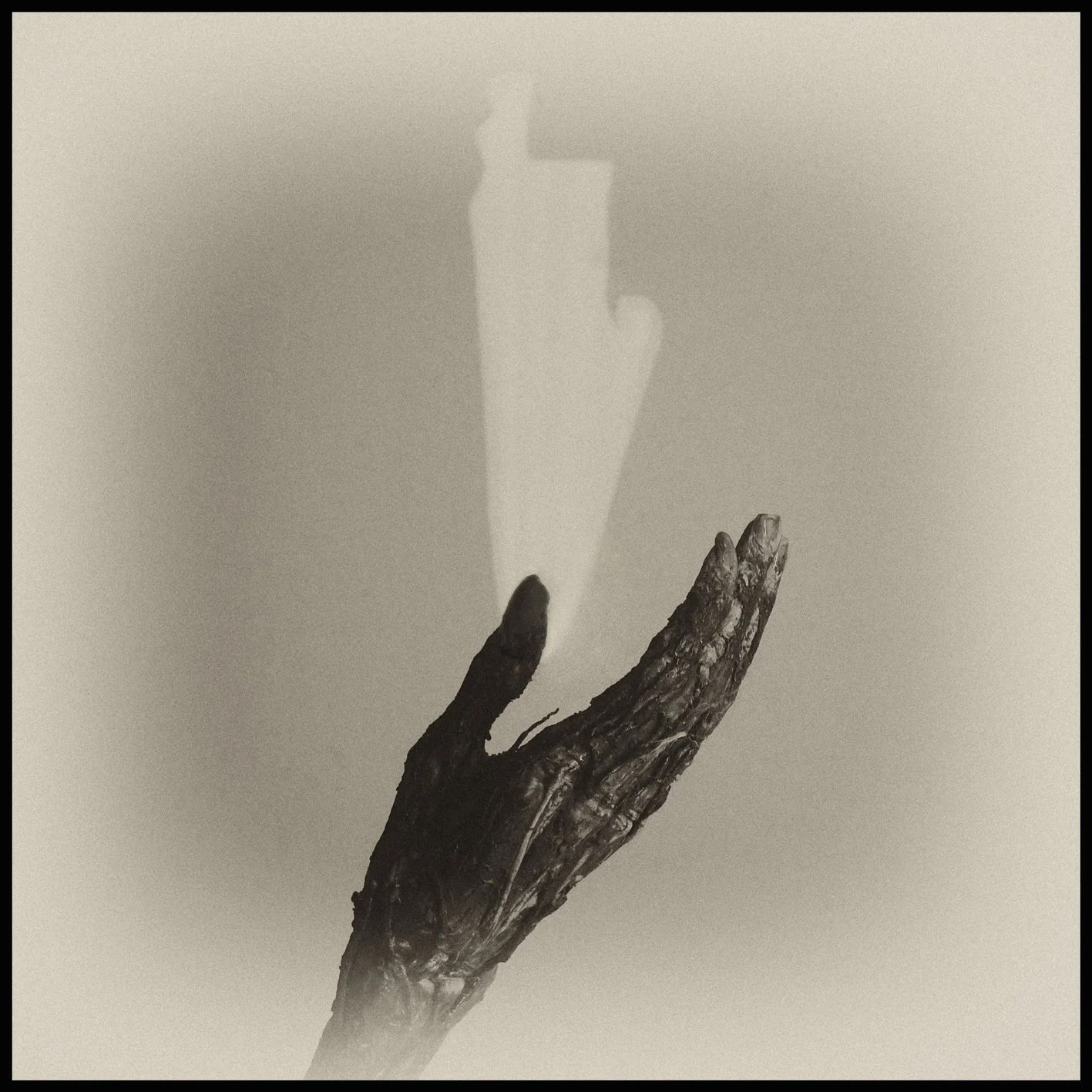
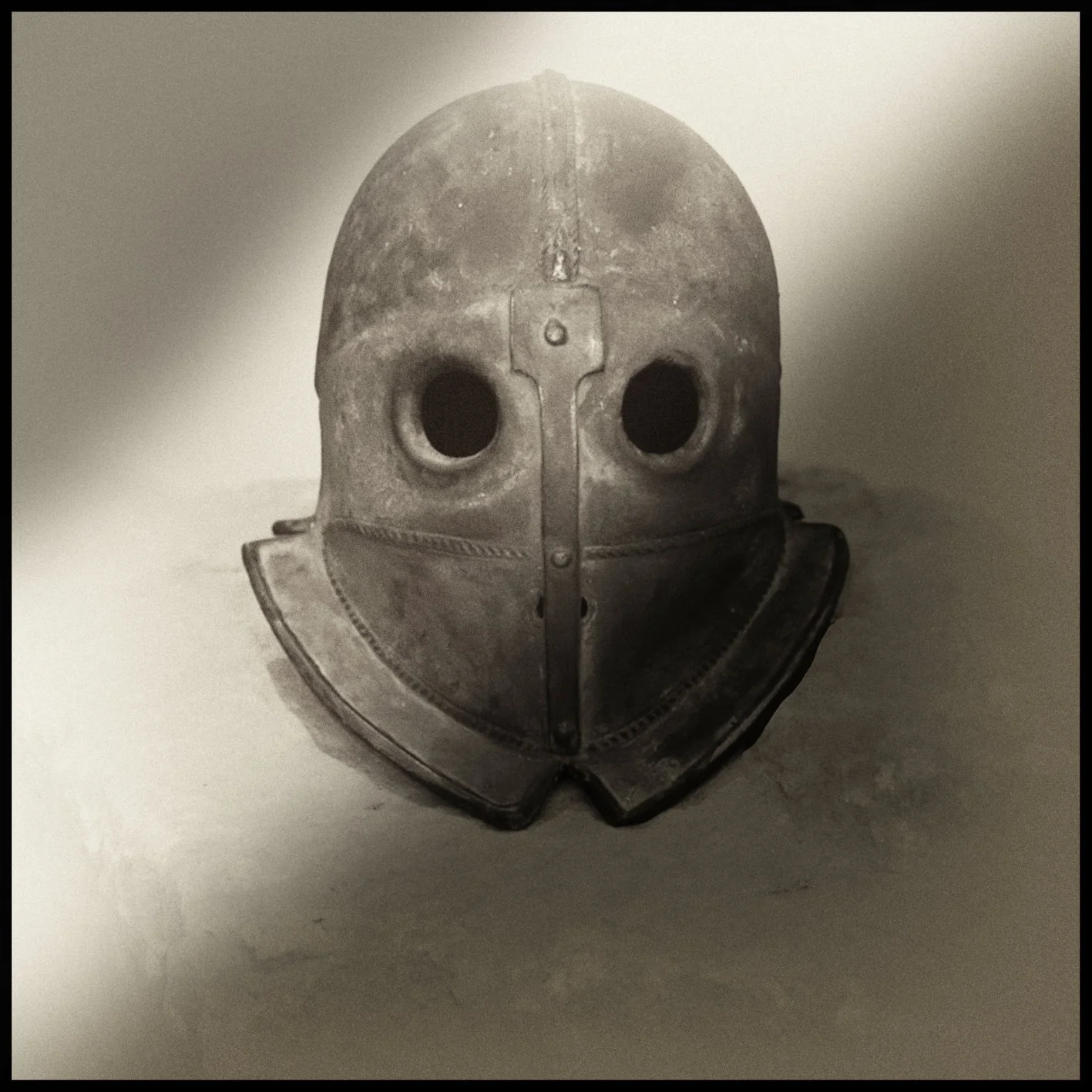
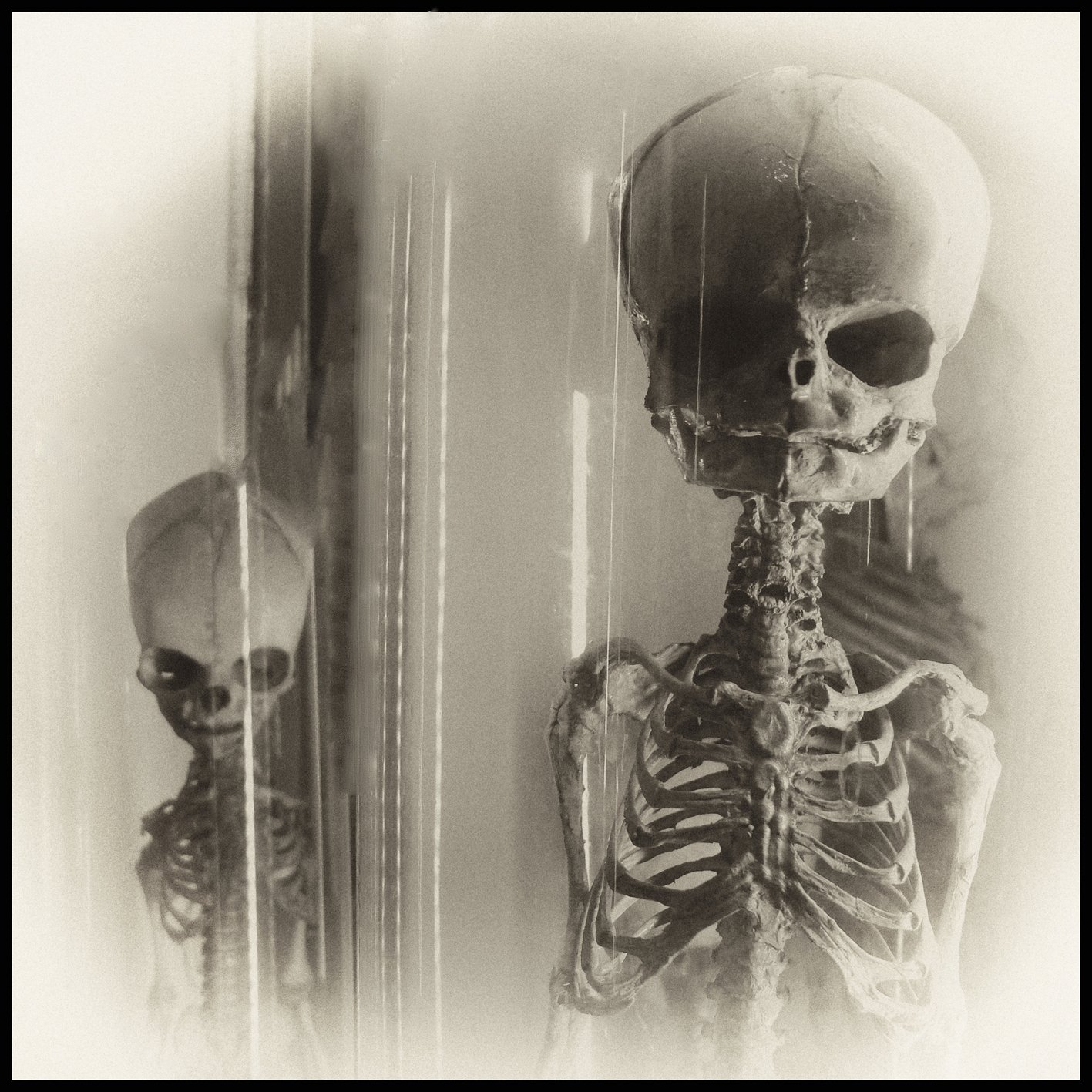
Anyway, before starting this new photographic project, I began by making a list of objects. I wanted objects that, taken together, could convey conflict, pain, suffering… in short, everything that stirs something deep inside you. It was a bit like searching for pieces of an emotional jigsaw puzzle. I thought of things that might seem ordinary, but which, in a certain context, become powerful symbols. Then, with my camera in hand, I started looking mainly in various museums in Naples: the University Museum of Science and the Arts, the Gaetano Filangieri Civic Museum, the Capodimonte Museum… and so on. Other objects, however, I already had at home: the ostrich egg, the ram’s skull… they’ve always been mine. Every shot was a little story, a fragment of that universal pain we all know, but which we often struggle to put into words.
Your images are very soft and dreamlike, but the subjects are dark and heavy. How did you create that visual effect, and was it a technical choice or did it come naturally?
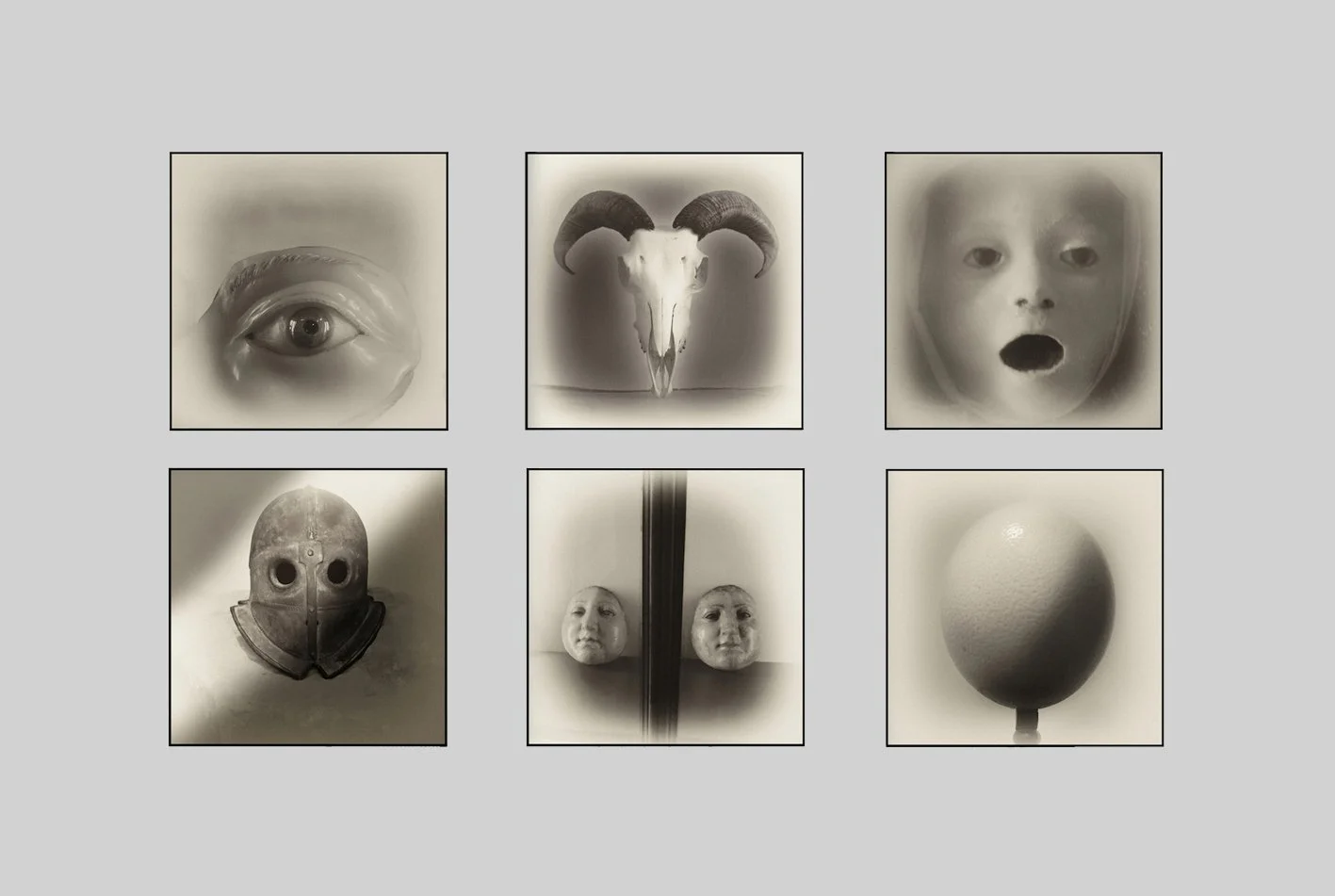
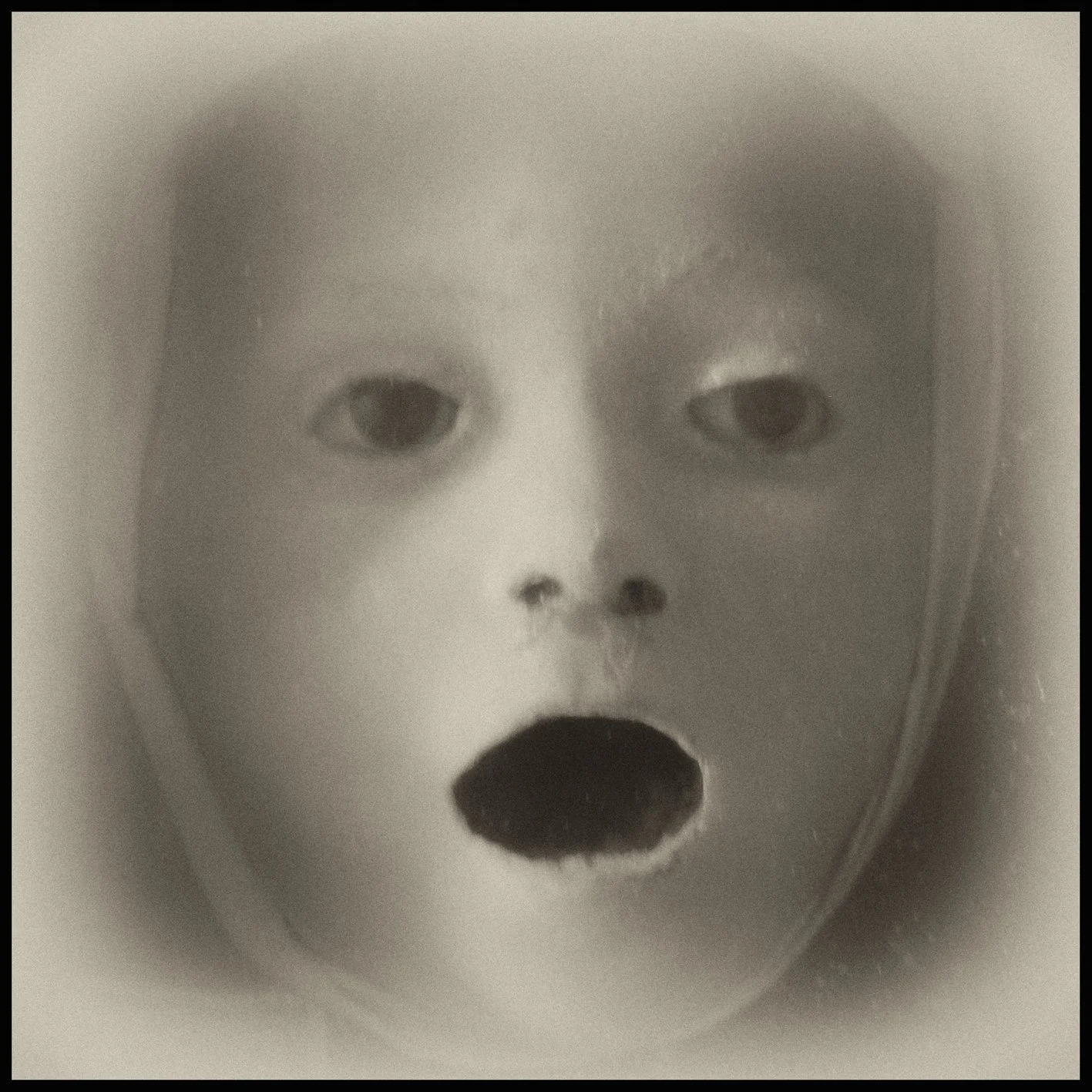
The emotional impact evoked by the image appears to be closely linked to the specific artistic technique employed. The use of blurred edges helps to create a sense of indefiniteness and vagueness, prompting the viewer to perceive the work as a memory or a dream rather than as a clear and concrete representation of reality. The faded colour, devoid of vibrancy and intensity, further accentuates this dreamlike atmosphere, lending the image a patina of nostalgia and melancholy. The lack of sharpness and resolution not only amplifies this effect but also evokes a sense of fragility and vulnerability, almost as if recalling an inner suffering that has been experienced but never fully overcome. All these technical elements therefore work together to create a visual experience that goes beyond mere aesthetics, inviting deep reflection on the most intimate and painful emotions. It is no coincidence, however, that I used a tiny Leica D-Lux 5 with just 10 megapixels.
You mention "rebirth" alongside pain and suffering. Which of these six images, in your view, carries the most hope?
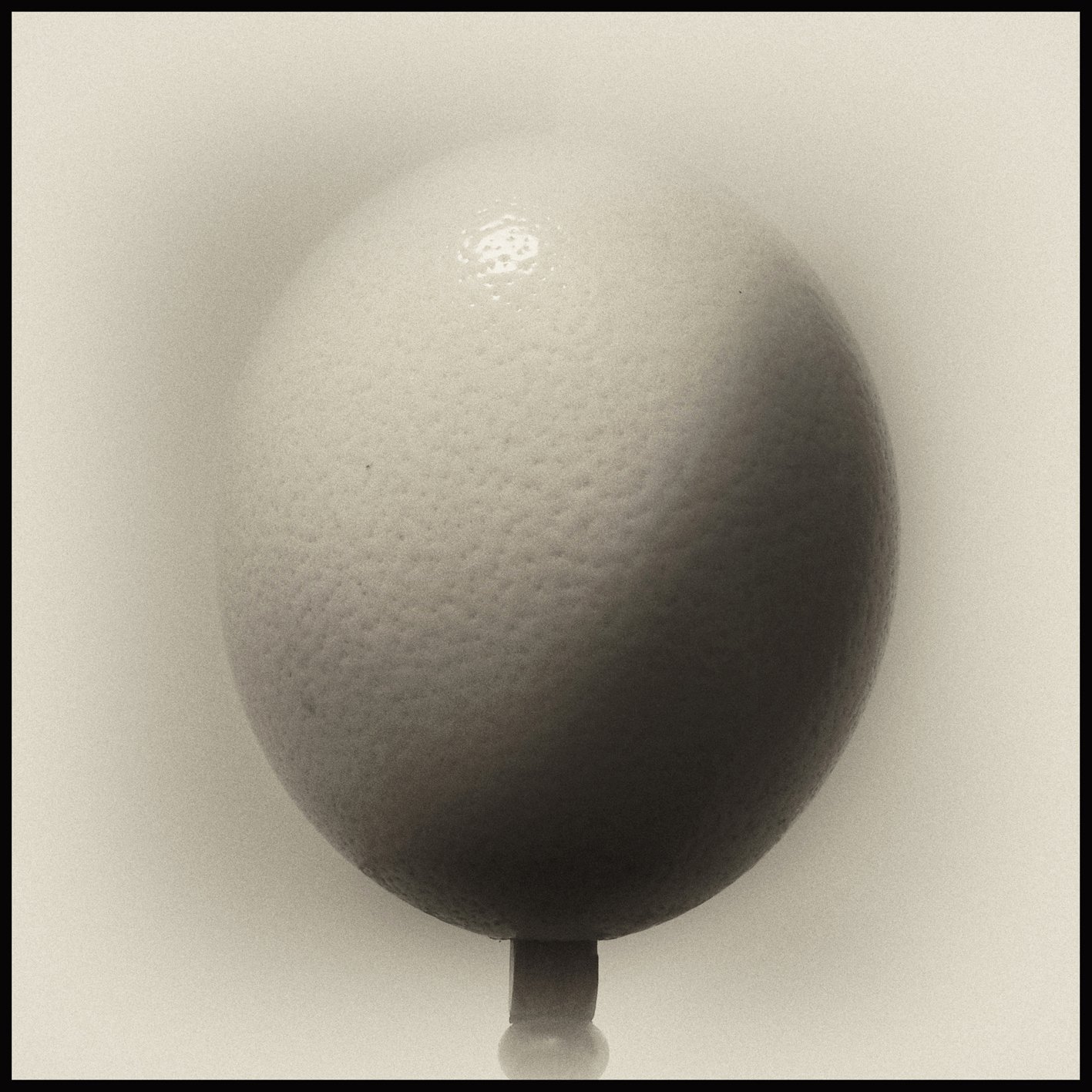
The photograph of the large egg. The egg, in its simple yet profound form, stands as a universal symbol laden with meanings that transcend mere material existence. Indeed, it represents not only a tangible object, but also a powerful archetype of the origin of life, of birth and rebirth. At the heart of its emblematic significance lies the egg’s capacity to contain and protect new life, concealed within a fragile yet resilient shell. This dual nature – vulnerability and potential – makes the egg a powerful image of hope and possibility. In the artistic and literary spheres too, the egg often serves as a metaphor for creation and regeneration. The breaking of the shell is seen as an act of liberation, a turning point that allows new possibilities and new horizons to unfold. In conclusion, the egg presents itself as an object laden with profound symbolic meanings, capable of communicating, through its apparent simplicity, the fundamental themes of birth and rebirth.
You have spent decades photographing real people and real places. What made you turn to objects and symbols for this project instead?
The dramatic events of endless conflicts that reach us daily via television, newspapers, and the internet represent a painful and inescapable reality. They provoke deep distress and anguish, feelings that I believe must be expressed so as not to succumb to indifference or resignation. In this context, I have chosen photography as my preferred medium for communicating my state of mind and my reflections. Photography, with its ability to capture and freeze significant moments, becomes a powerfully expressive and universal tool. Through images, I can tell stories of suffering, but also of hope, resilience, and humanity, thereby fostering a deeper awareness. I believe that visual art has the power to go beyond mere information, penetrating the viewer’s emotions and inviting them to reflect critically on the complex dynamics that fuel such conflicts. Therefore, my photography serves as an act of bearing witness and speaking out, as well as an invitation not to forget and to seek paths to lasting peace.
The title "Armageddon" suggests a final, total destruction. Do you see any light at the end of this project, or is it purely a work about loss?
Against the current backdrop, characterised by a succession of events that are putting global stability to the test, optimism often seems like an unattainable luxury or, worse still, a form of denial of reality. The complexity of these crises tends to generate a sense of collective powerlessness, making it difficult to maintain a positive outlook on the immediate future. However, resigning oneself to pessimism is neither the only nor the most effective possible response. This photographic project stems from the urgent need to bear witness to the gravity of the conflicts tearing at the contemporary world. Yet the visual narrative does not stop at denunciation: it is, I hope, merely a preliminary stage of a broader journey. It is not difficult to imagine that, in the near future, I might devote myself to a new project, shifting the focus from crisis to recovery. The aim will be to capture not a generic optimism, but the tangible certainty of a rebirth, demonstrating how photography can also serve as a record of active and unstoppable hope.

Michael Behlen photographed water that would not stay still. For three years, he returned to Millerton Lake in California’s Central Valley, making all the photographs during storms, when the reservoir became harder to read. Picture Story