Welcome to this edition of [book spotlight]. Today, we uncover the layers of 'The Sun Sets Midafternoon,' by Jessica Hays (published by Fall Line Press). We'd love to read your comments below about these insights and ideas behind the artist's work.
The Sun Sets Midafternoon is about climate grief.
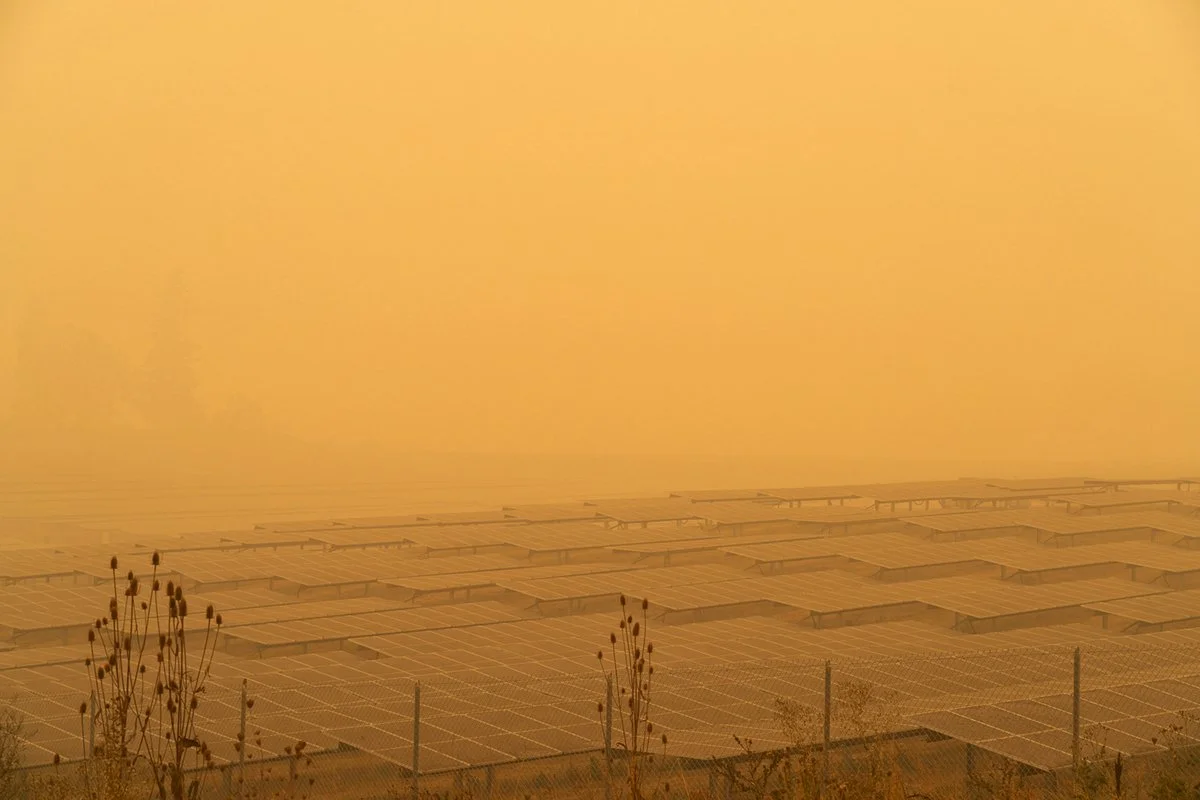
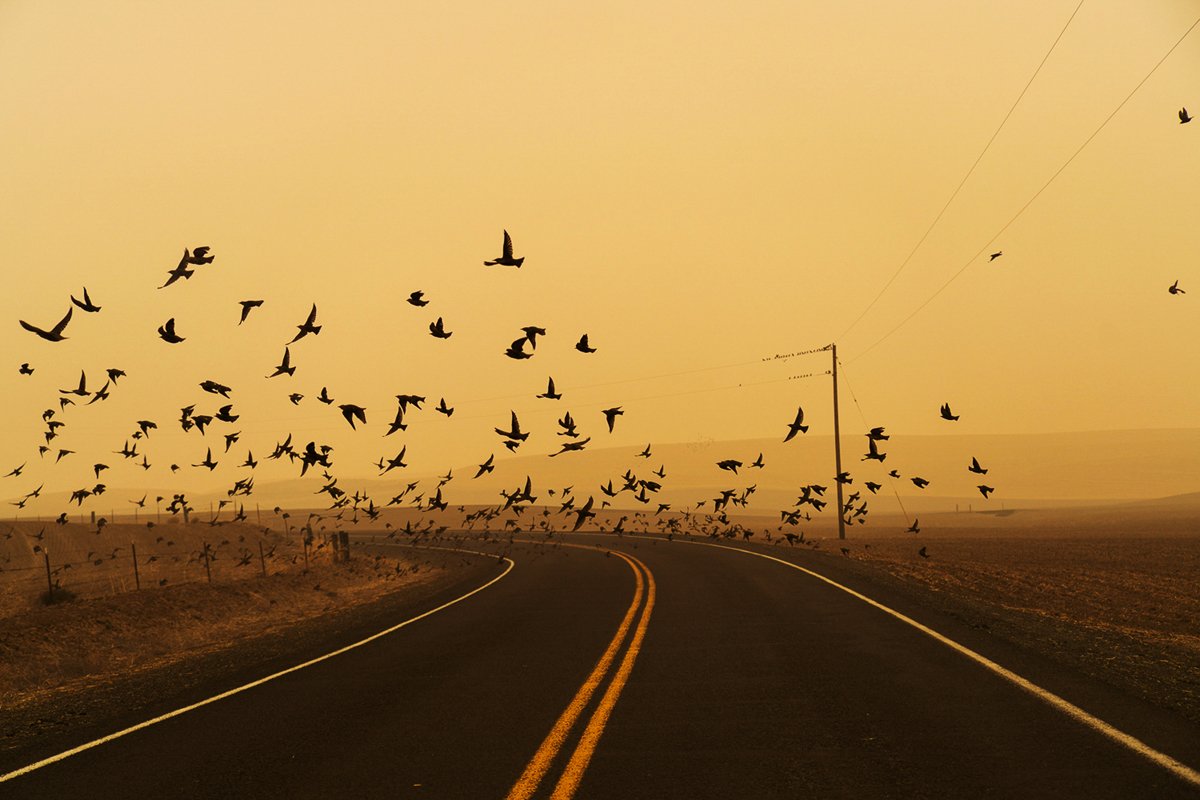
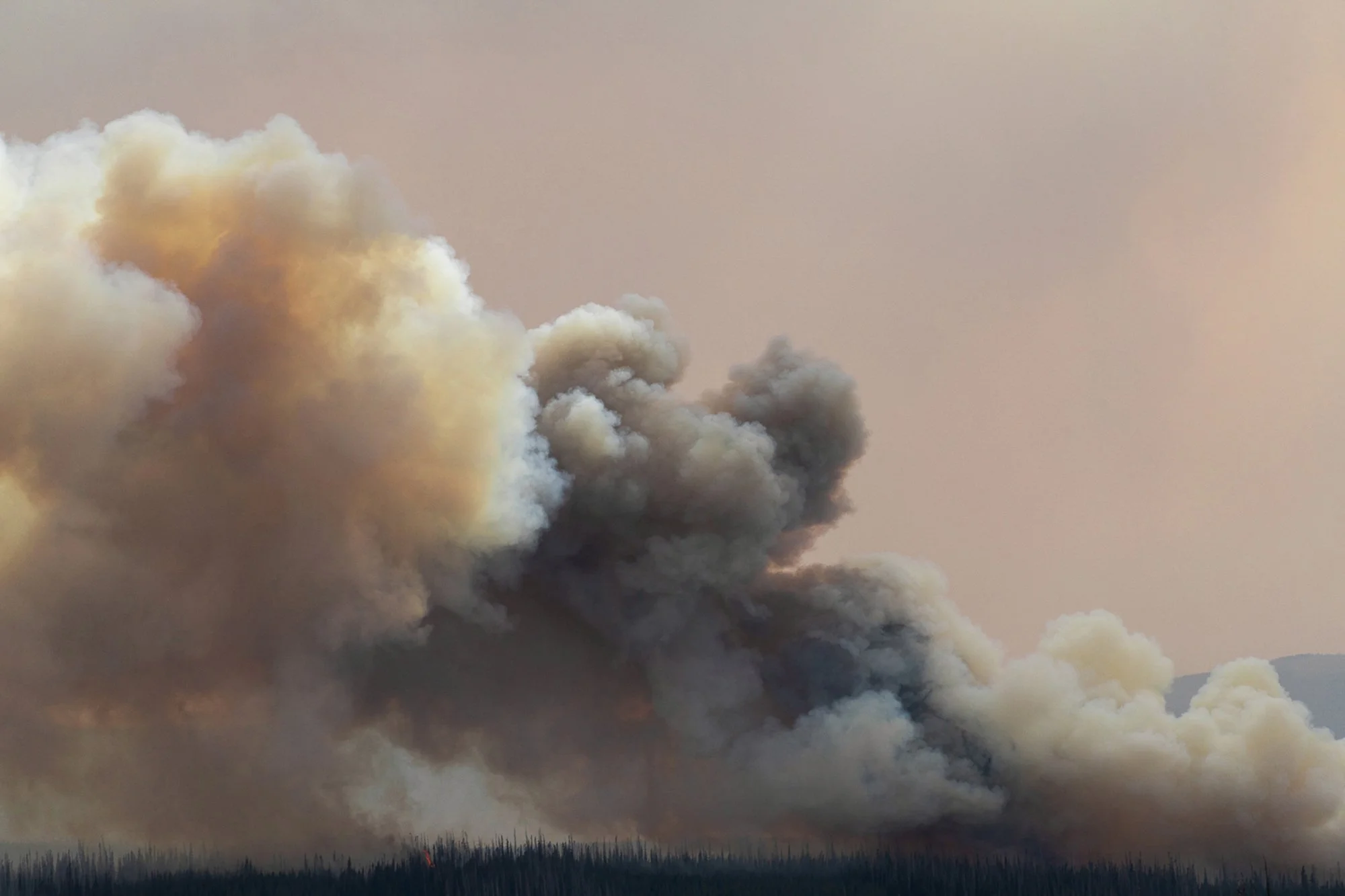
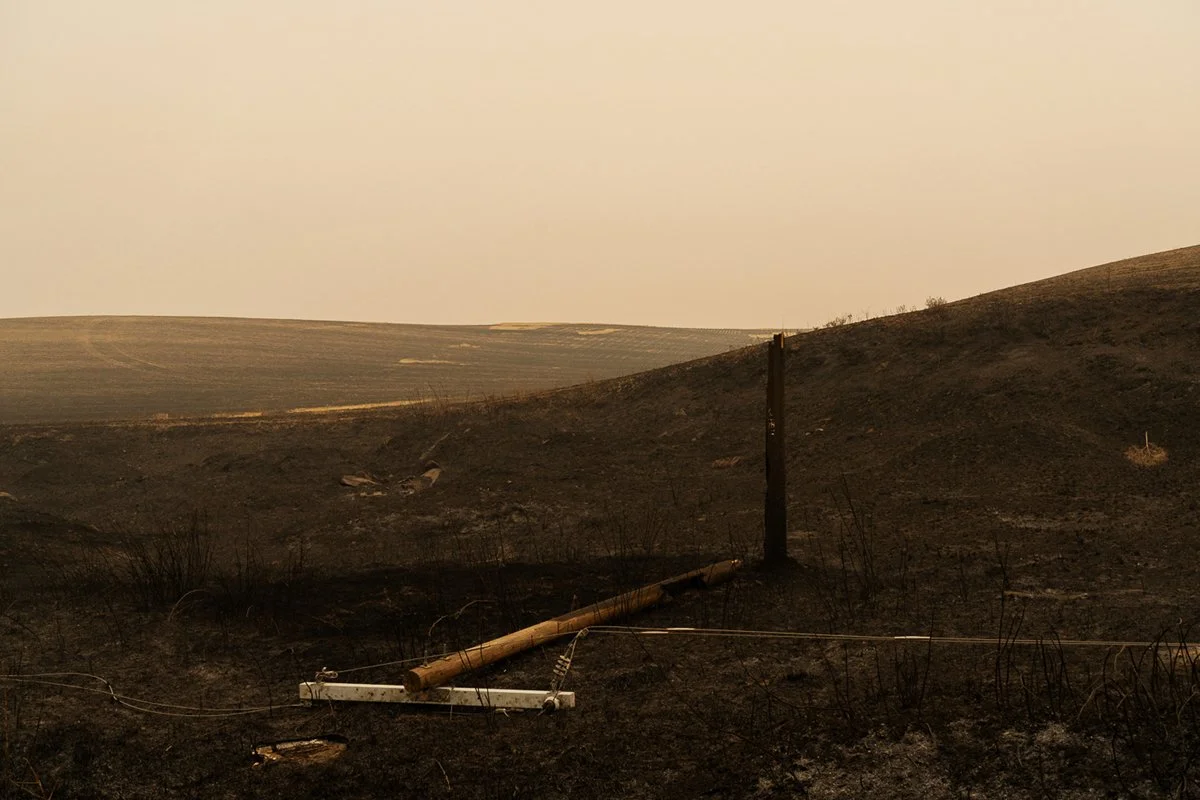
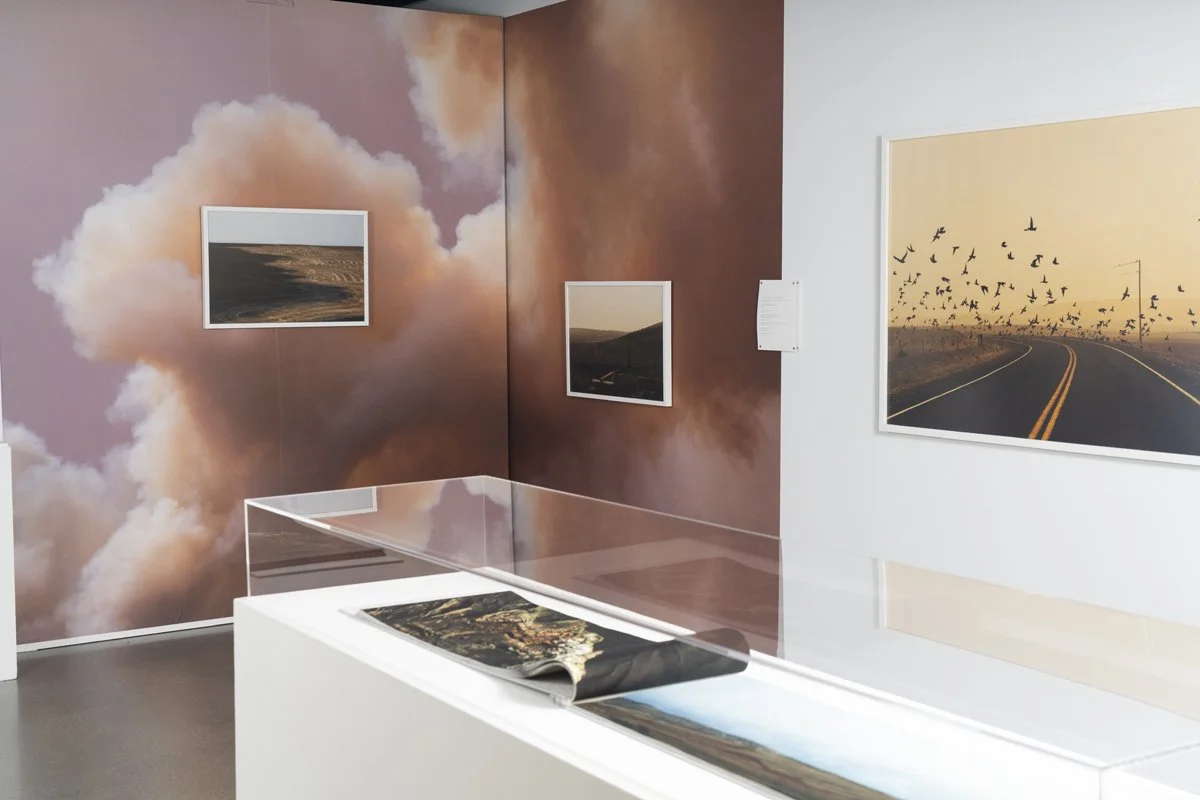
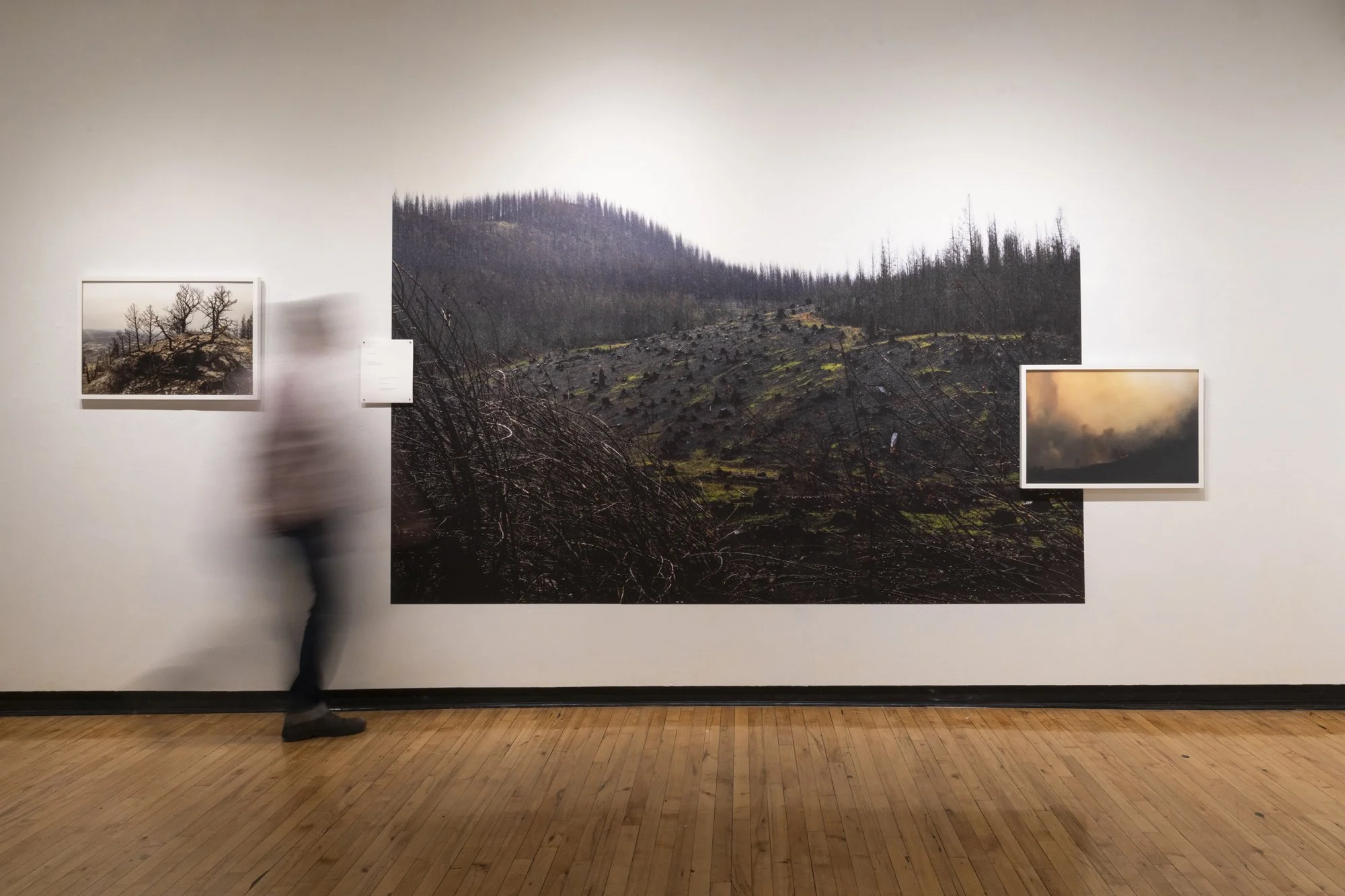
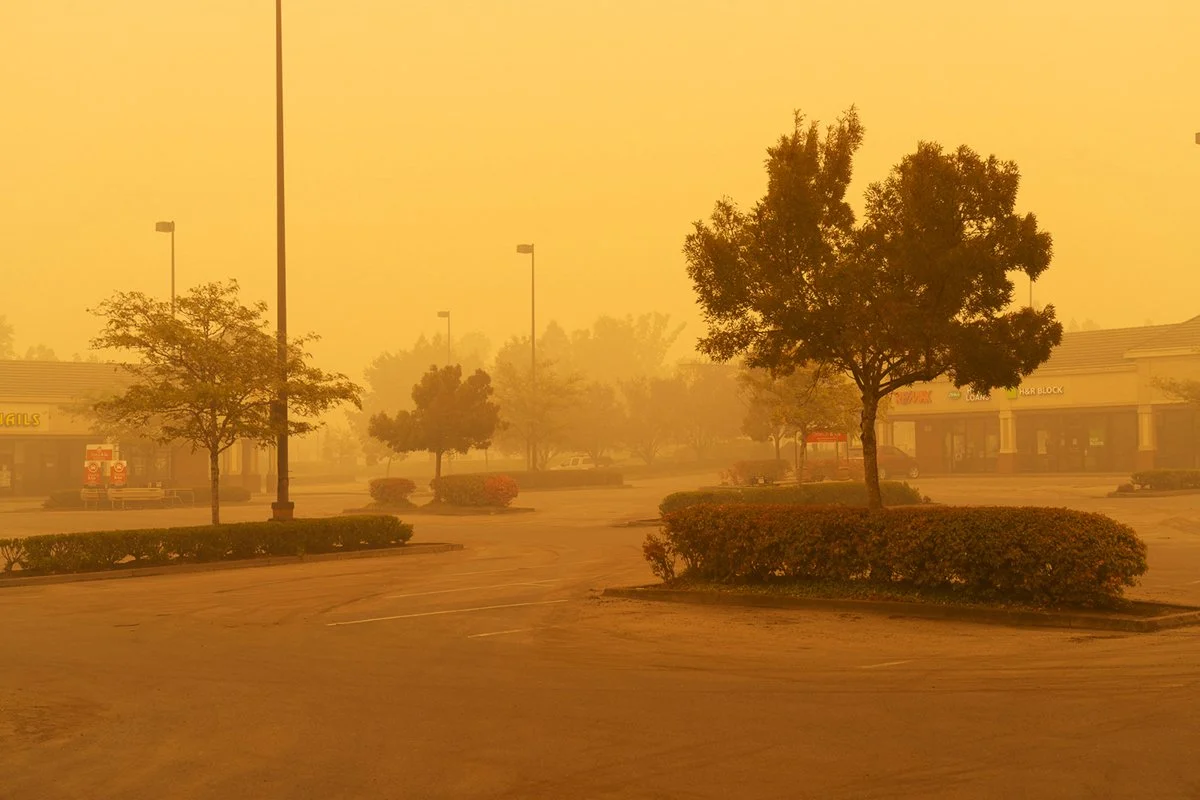
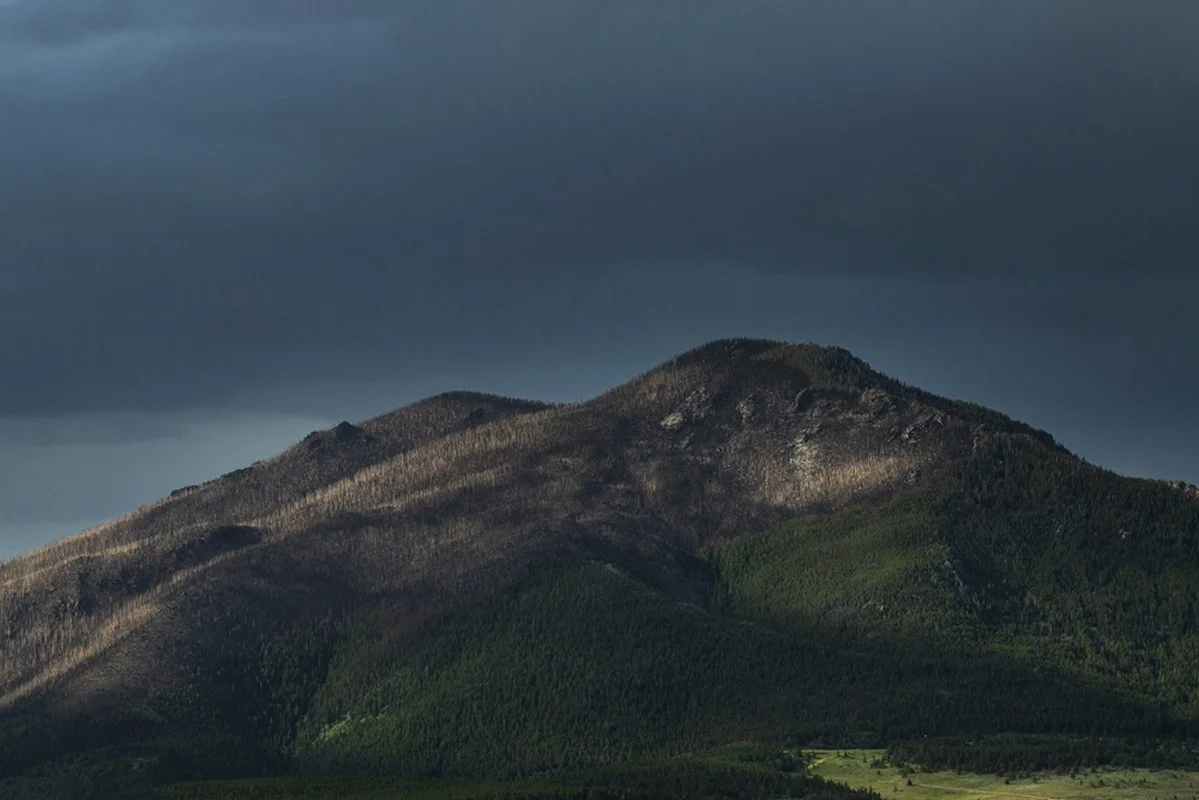
Jessica Hays began the project after a wildfire hit her hometown. She photographed during that first fire season because she felt a need to witness what was happening around her. Over the next 5 years, the work grew into a book about smoke, burned land, personal memory, and the pain of watching a familiar place become changed by fire.
In this interview, Hays talks about making work from inside that loss.
She speaks about solastalgia - the distress caused by environmental change - and how that word helped her understand the emotional weight of the project. She also explains how photographs, journal writing, video, sequencing, paper choices, and outside essays became part of the final book. Her answers show a project shaped not only by what she saw, but also by what she was trying to understand.
This interview shows how a project can begin with instinct, become clearer through repeated editing, and find its final shape through books, text, design, and sequence. Difficult work does not have to explain everything at once, but it does need time, structure, and honesty.
The Book
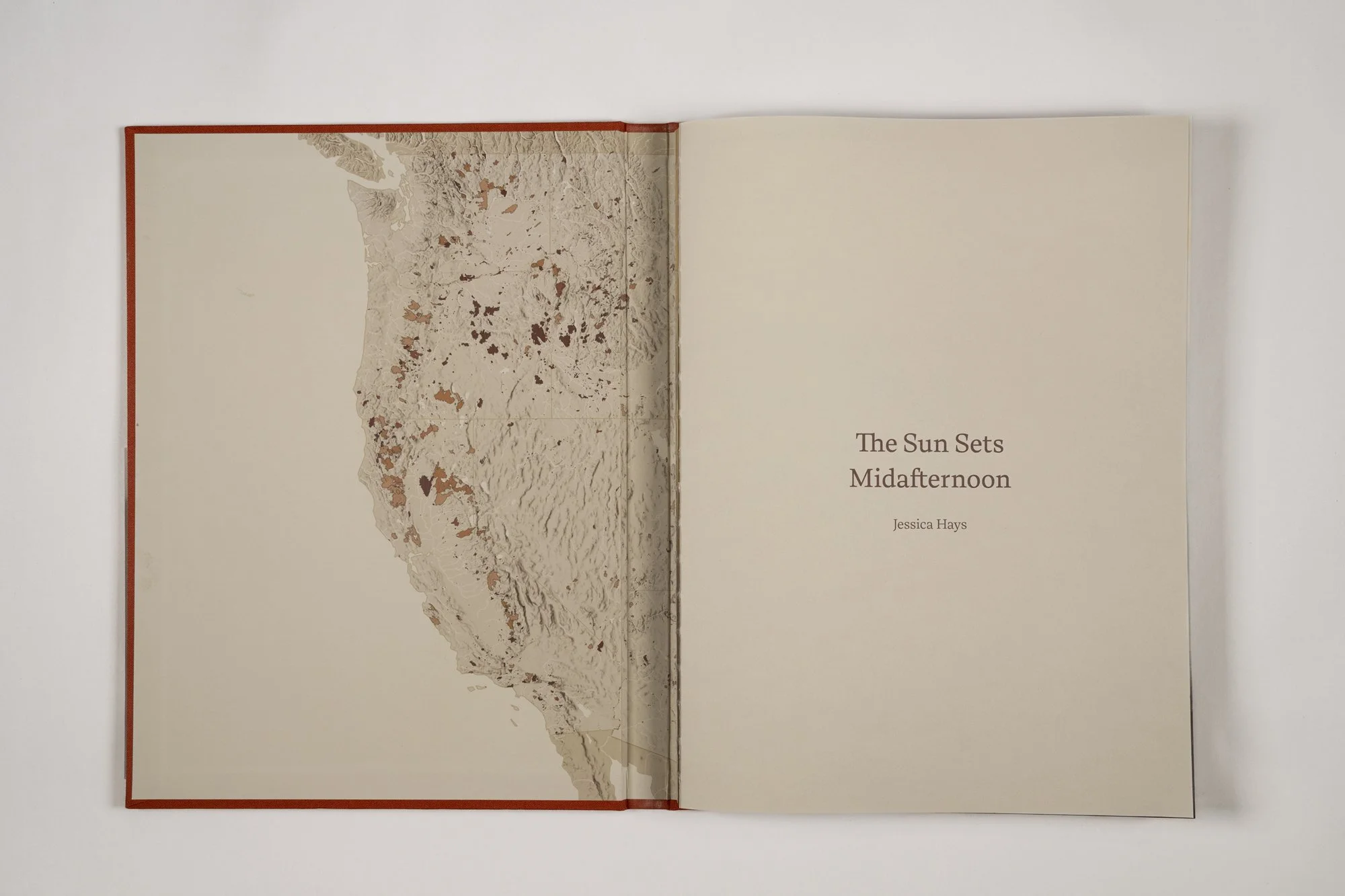
The Sun Sets Midafternoon by Jessica Hays, published by Fall Line Press, is a photobook about wildfire, solastalgia, and climate grief. Begun after a wildfire hit Hays’ hometown, the project follows the experience of living with fire in the western United States, from active burns to the quiet and heavy aftermath left behind.
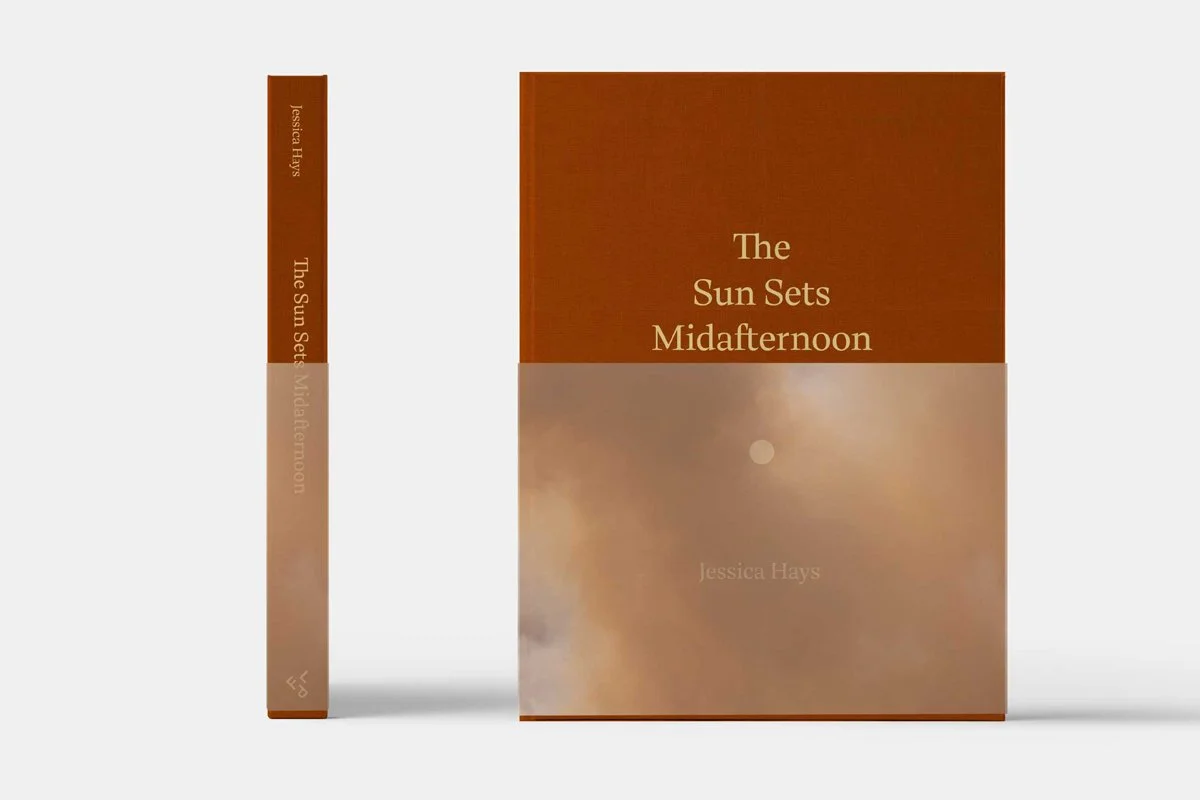
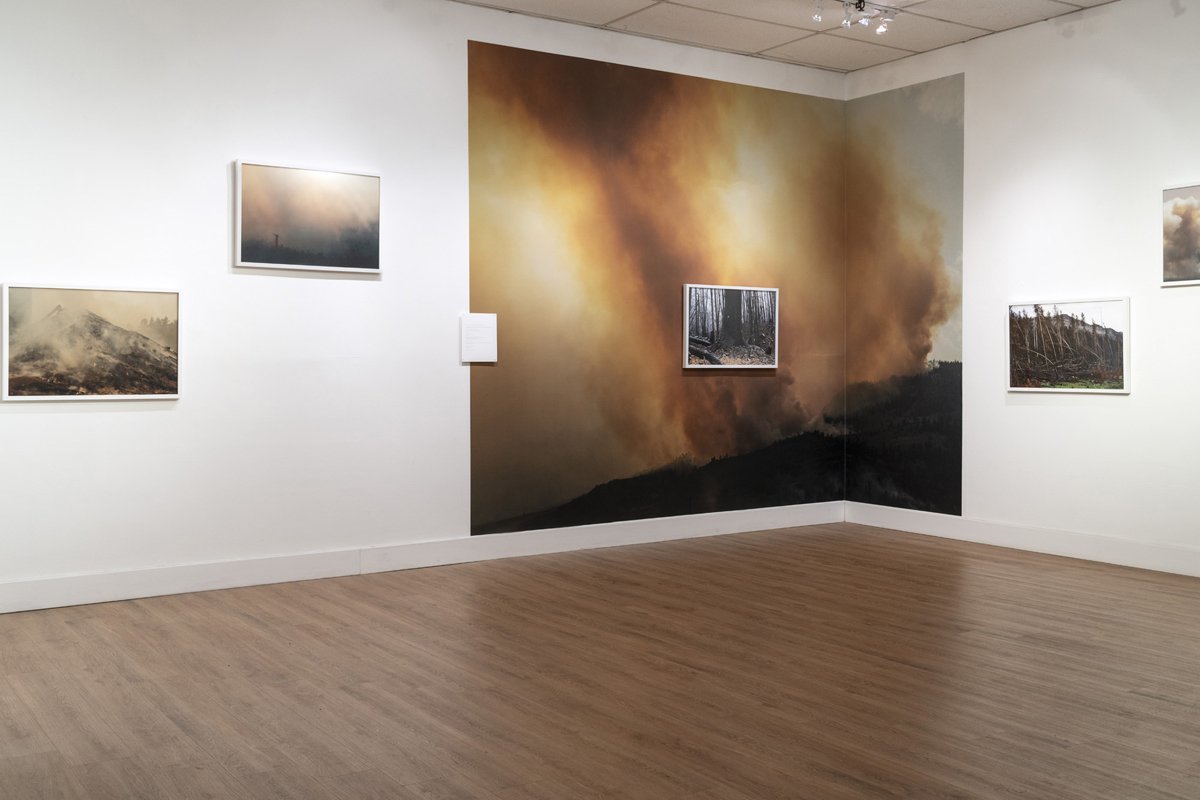
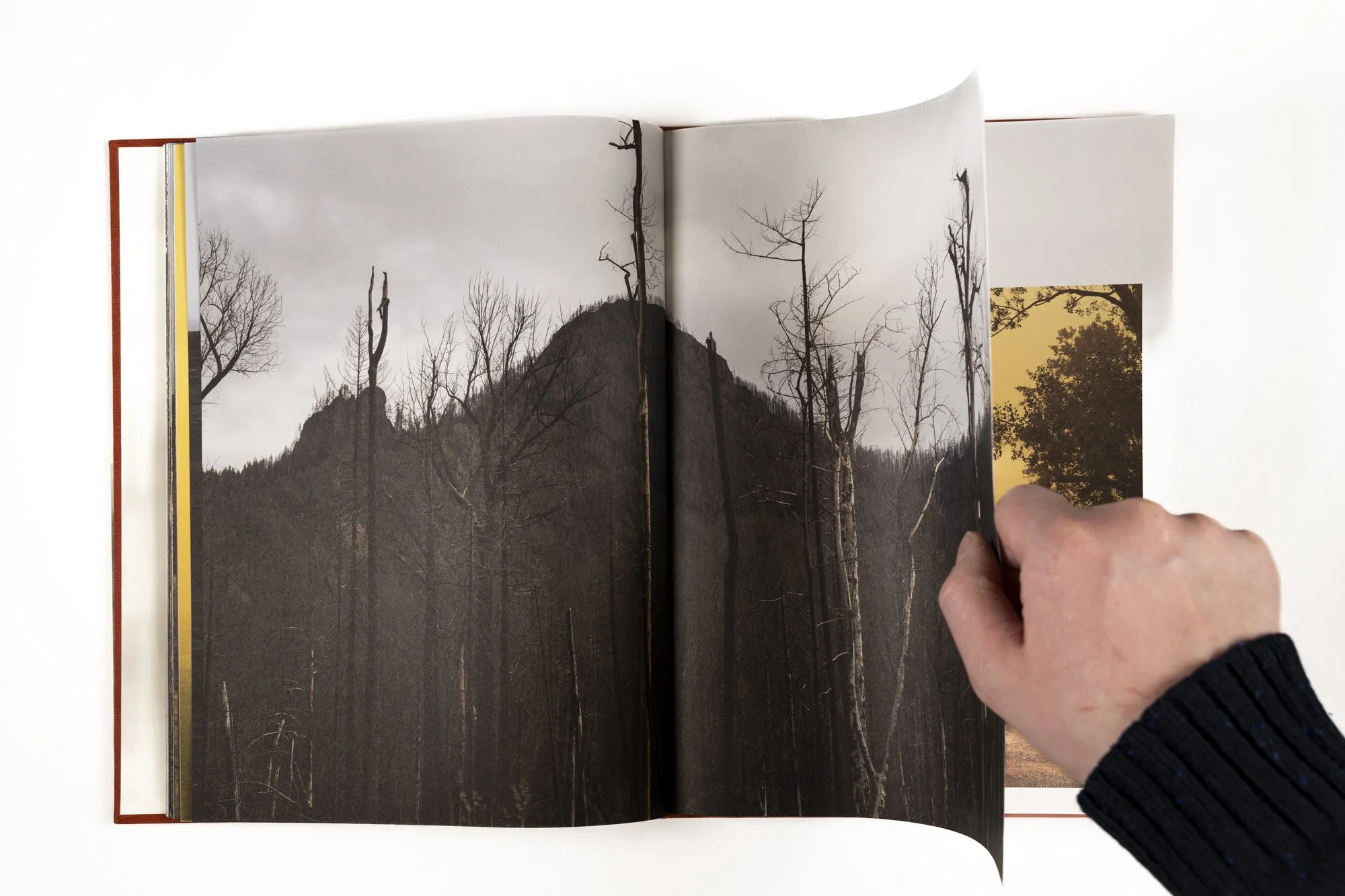
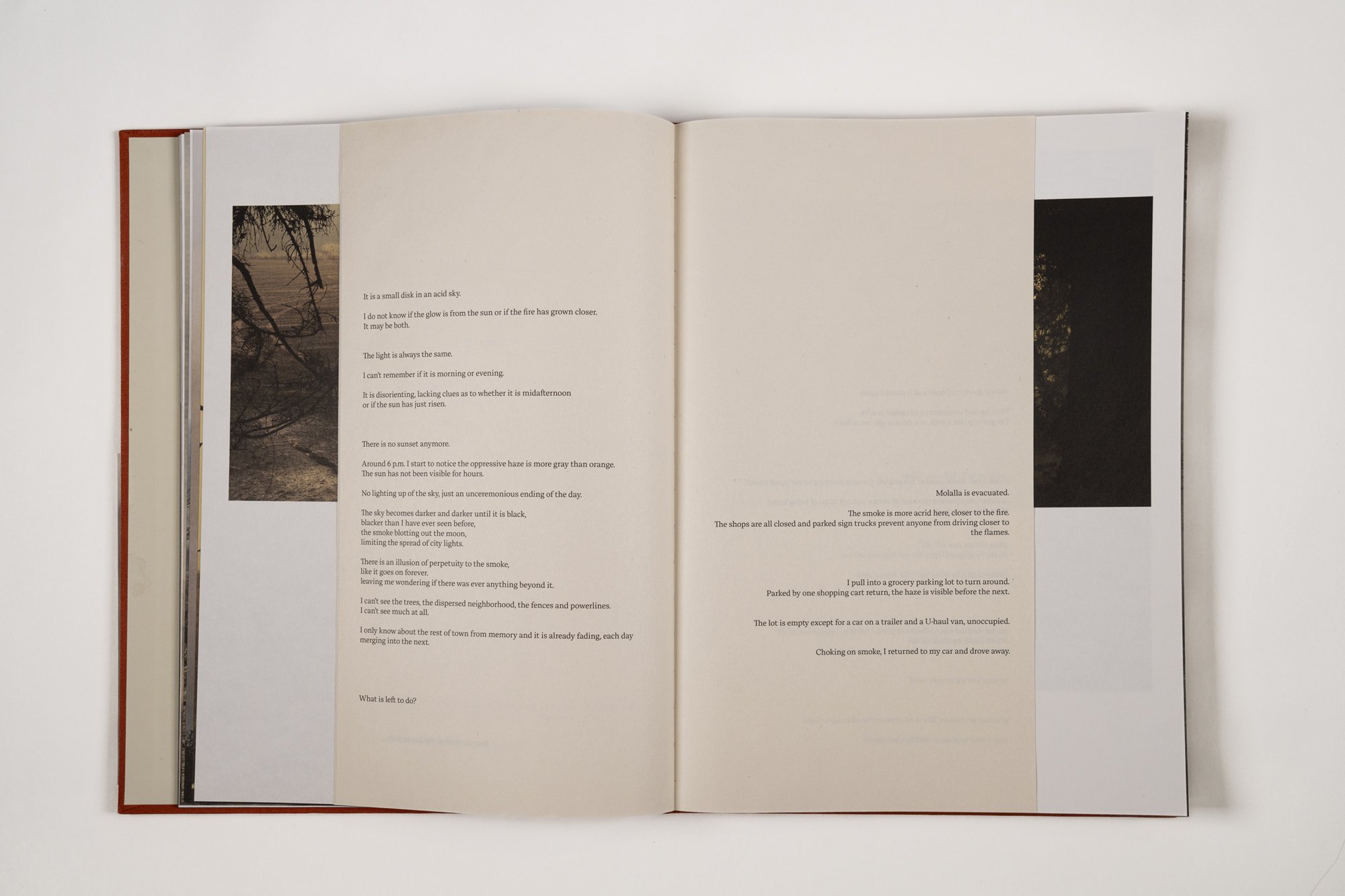
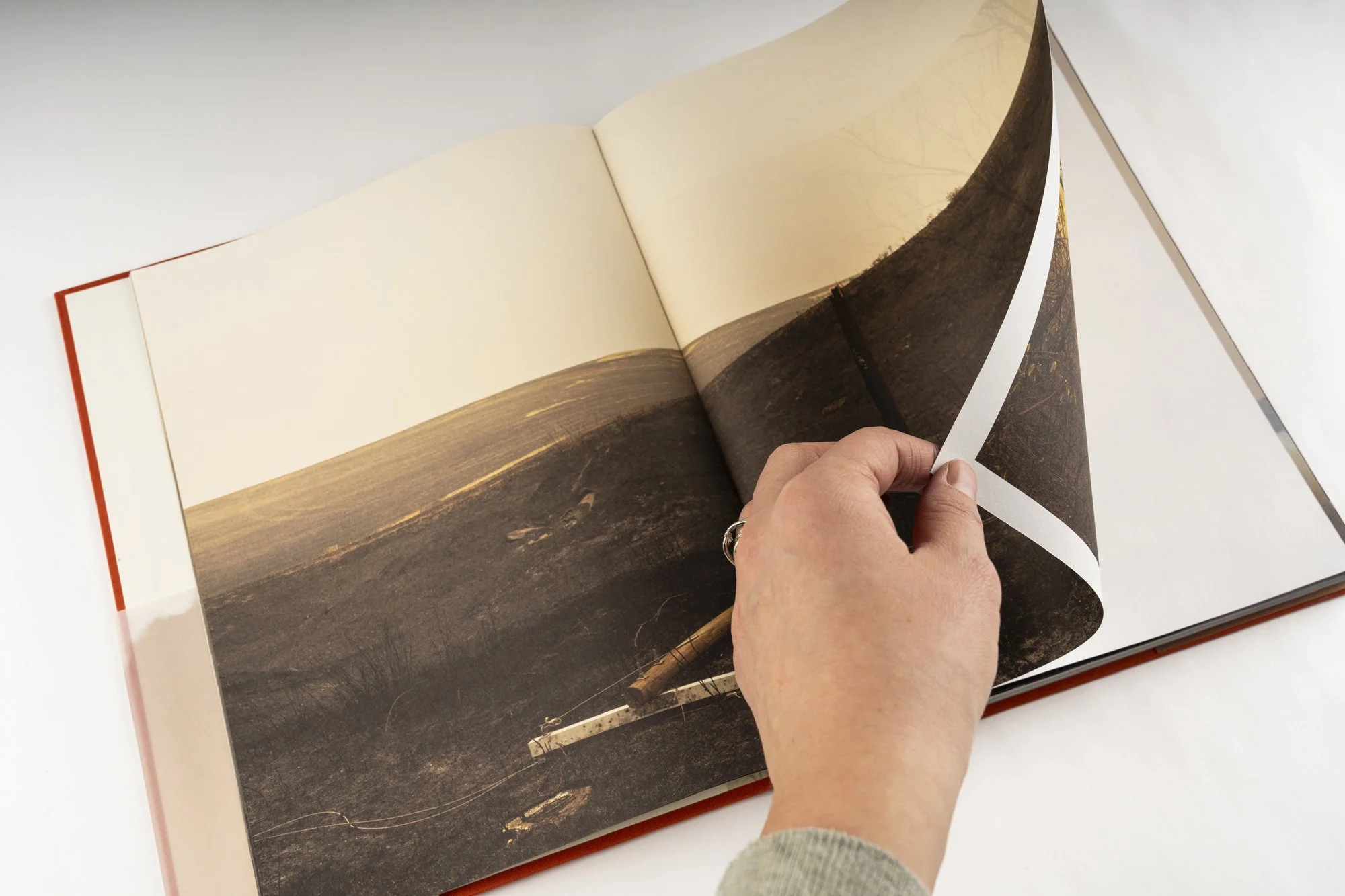
The book brings together 85 full-color photographs, two essays by Hays, and additional texts by fire historian Stephen J. Pyne and photographer and writer Tim Carpenter. Its design also carries the feeling of the project, using matte papers, a journal-like text section, and a semi-transparent dust jacket that refers to the obscuring effect of smoke.
Rather than treating wildfire only as a disaster seen from a distance, The Sun Sets Midafternoon looks at what fire does to memory, home, landscape, and the body. It is a book about environmental change, but also about the emotional weight of watching a familiar place become unstable. (Fall Line Press, Website)
Project Genesis: You started this project after a wildfire hit your hometown. What did you photograph first, and what made you realise this was going to be a long-term project?
I started photographing during that fire immediately, anything I could get access to. That whole first fire season I felt a compulsion to photograph and bear witness to the devastation and eerie half-light of the days cloaked by smoke. I was working online at this point, so I had a lot of flexibility, and spent many nights sleeping on couches and basements of friends’ houses in multiple states, photographing the fires impacting them. Towards the end of that fire season, I made a handmade book of a selection of the photographs and writing I had done out in the field. That book taught me a lot, mainly that this project was something important, and also that I wasn’t done yet, and it would be many more fires before I was. So I think I came to it being a long-term project fairly quickly, but the initial instinct was just to make pictures because I couldn’t ‘not’ do it.
The term "solastalgia": Your work is built around solastalgia, the distress caused by negative environmental change. How did knowing that word change the work you were making?
That term really shaped how I presented and talked about the work, and I think reinforced some of the things I was experiencing and thoughts I was having while making the work and sharing it with colleagues in the early days. For several years, I was working on this project while I split my time between Chicago and Montana. I could walk around the west and talk about feeling like I was losing something integral to who I was when I watched the forests burn. But when I got back to Chicago, the sheer scale and impact were difficult to get across, as was the reason it felt so devastating. When I found this term, originally coined by Glenn Albrecht, it became easier to describe what I was feeling and experiencing, almost like a shorthand. When I would describe this word and its meaning out on fires to other people either working or in the community, I could immediately strike up a connection with them. I also came to talk about it as a form of grief, which I think contributed to the quiet and heaviness of the aesthetic in the photographs. We could all relate to the great loss we were feeling.
Mixing media: The project combines photographs, video, and text. How did you decide which moments called for a photo, which needed moving images, and which needed words?
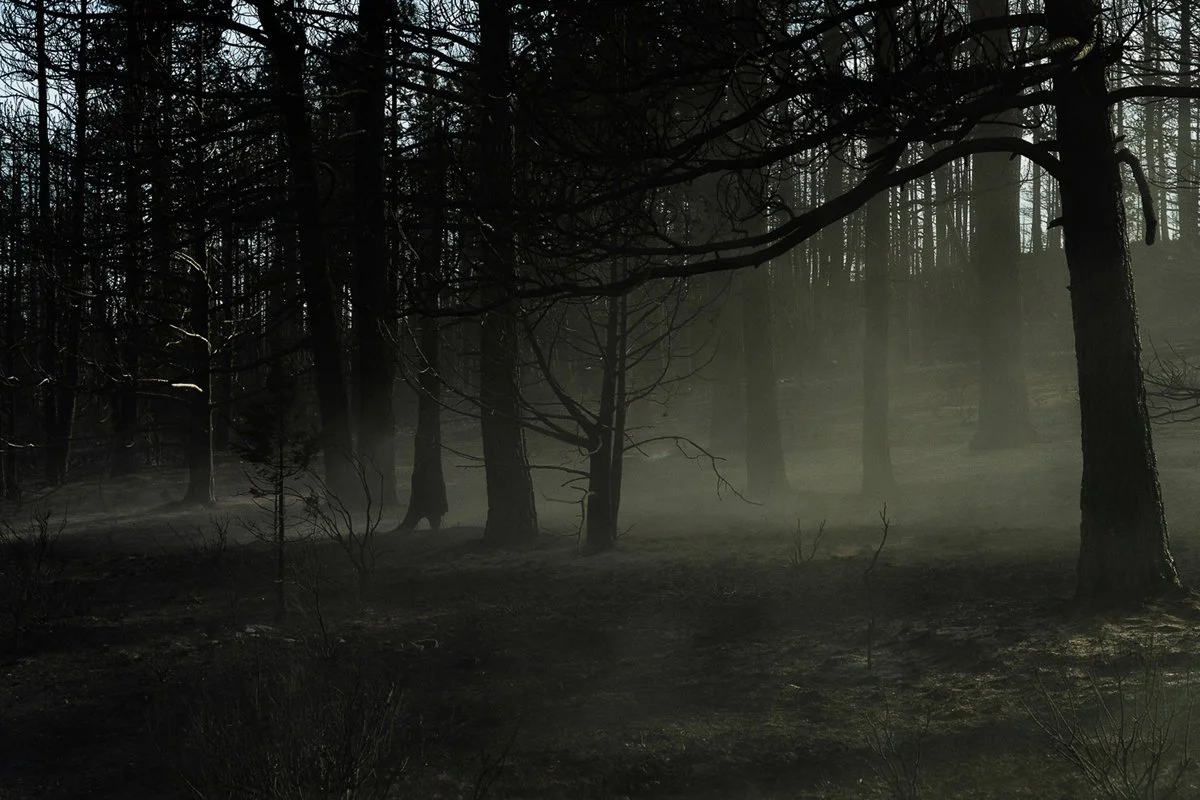
I think of the text as illuminating the psychological and internal experiences of these fires, while the photographs bear witness. When I am photographing, I am thinking about a feet-in-the-dirt kind of perspective. What does it look like to live through this, to see this from your front door? The aesthetic is desolate and haunting, but is very much grounded in the landscape, calling on human impacts on the places we inhabit. Much of the text is ripped right from my journals and field notes from time on fires, and lays out more of the thought patterns and individual stories. In the moment, I would often do both, photograph and make video all day, and then write after dark until I passed out from exhaustion, just to do it all over from sun up to sundown the next day. I think a lot of those final decisions about which pictures, which writing, came later in my studio.
The cycle of fire and aftermath: Your images move between active fires and what comes after. How did you sequence these two very different kinds of scenes so they feel like one story?
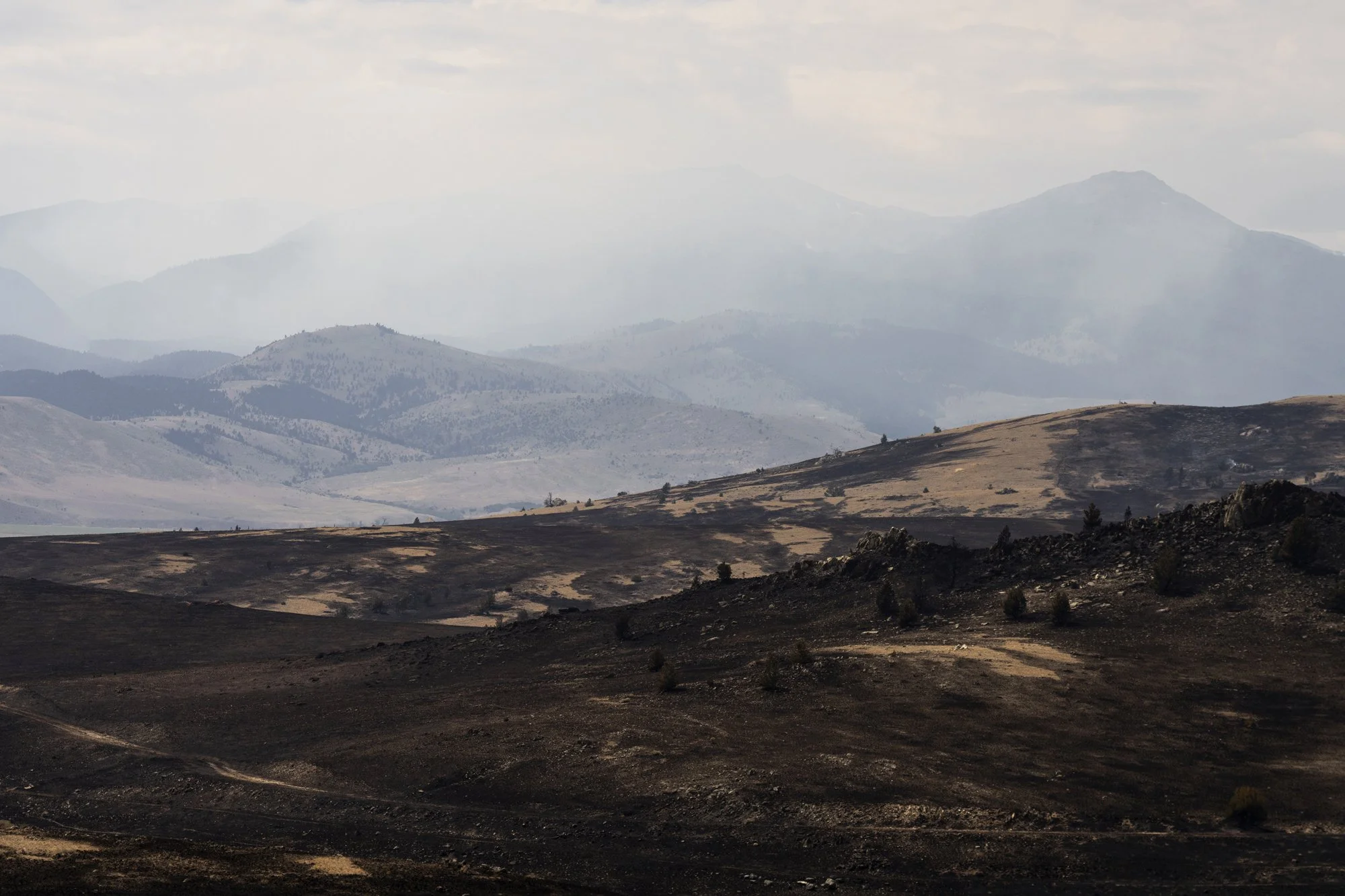
I am interested in talking about wildfire and climate change-driven fires as an issue endemic to a whole geography, not just about a single fire or single town impacted. That meant that sequencing was informed by the idea of the cyclical nature of wildfires themselves, and how we are seeing that cycle change and the interval shorten. Areas are burning more frequently than they have historically. Fires are larger than they have been, and what we can understand as ‘fire season’ is extending in many areas. There have been devastating fires in the Mountain West in December and March, months that we would typically think of as cold and snowy for the region. The sequence is really focused on that cycling, referencing flashbacks and time as well. However, the closing sequence of eight or so images is meant to feel like a quieting and temporary ending. After the constant cycling back and forth, it imagines that we are nearing the end of a fire season, only to see new smoke on the horizon just before we close the book.
The book object: The published book has 85 photographs, two of your own essays, and contributions from a fire historian and a photographer. How did you decide the book needed outside voices alongside your own?
The text that I wrote inside the book is a personally informed, first-person narrative about living through wildfires and watching climate change accelerate around you in day-to-day life. I think this approach to wildfire and climate issues is unique, and creates an opportunity for those a bit removed from the implications to empathise with this lived reality. However, I thought it was also important to include other perspectives and stories alongside my own. Stephen Pyne has decades of experience with wildfires and their history, and I value the perspective and deep knowledge he brings to the subject. Tim Carpenter and I met several years ago while I was working on this project, and he really understood what the work was about, and also wrote so aptly about what it was like to be out in the field. His essay illuminates another side of my story—not just that of the person living through these fires, but that of the photographer bearing witness. Alongside that, I made a lot of very intentional choices about the papers and materials used in the book to further the message. All the papers have the matte quality, and the text is on an extremely lightweight paper, at a smaller size, to mimic a journal. The cover features a semi-transparent half-height dust jacket, referencing the obscuring effect of smoke.
Making versus editing: The project spans five years and multiple fire seasons. What was your process for narrowing down what stayed in the book and what was left out?
Throughout the process of photographing, I made several handmade artist books of the work in various states. I made the first version of The Sun Sets Midafternoon after just one fire season. It was a very different book in terms of edit, text, sequence, etc., but it laid important groundwork in my understanding of how my pictures were functioning together. I made two more versions, the third version in a small edition, before finding a publisher to work with. Each iteration of the handmade book and now the published version with Fall Line was made following one or more additional fire seasons, so there were always more pictures to work from, and each one had a larger story to tell. In that way, I had already gone through the editing and sequencing process multiple times before we started on the final edit. I also made several design choices over each iteration of the handmade book that shaped how the trade edition came to be. We did start from scratch on the edit for the book with Fall Line, but we worked forward from a selection of ‘core’ photographs as I called them. I set aside some time to really focus on the edit while at a short-term residency, and I think we got it to about 90% of the way there then. I continued to work with the Fall Line team to lock in those last few selections together. Given how the text is intertwined with the work, design, and sequence definitely informed each other. As I was designing the text, we were thinking about where it would fit structurally and design-wise in the book, and that had some influence on the edit and sequence as well. I think of books quite holistically, so I’m usually moving back and forth between design and sequence/edit until it reaches its final form.
Photography and climate: Your background includes a degree in environmental studies alongside photography. How does that scientific side influence your work?
Science, especially environmental, has always been interesting to me, and I think it was part of my initial feeling that I really needed to make this work. Once I was out in the field, having that basis of familiarity made navigating these spaces a lot simpler. I am used to reading reports on these things in their original scientific terms, and have at least a basic familiarity with many of the databases and information sources that have what I need to better understand the landscapes I’m working in, as well as how the fires are behaving. I’m a lifelong learner, and working on this book really deepened my knowledge in fire science specifically, and I’ve always loved combining data/analytical and the creative sides of myself.
To discover more about this intriguing body of work and how you can acquire your own copy, you can find and purchase the book here. (Fall Line Press, Website)
More photography books?
We'd love to read your comments below, sharing your thoughts and insights on the artist's work. Looking forward to welcoming you back for our next [book spotlight]. See you then!
Color entered Janelle Lynch’s photographs through painting. In Another Way of Looking at Love, she photographed plants and trees on her property in the Catskills. Photography Book Spotlight