Welcome to this edition of [book spotlight]. Today, we uncover the layers of 'Sasanami (2020), Kurayami (2023), and Nusa (2026),' by Masao Yamamoto (photography) and Akira Uchida (music) (published by IIKKI). We'd love to read your comments below about these insights and ideas behind the artist's work.
When I reached out to Japanese photographer Masao Yamamoto to discuss Nusa, the final part of his trilogy with composer and musician Akira Uchida, I sent a list of interview questions. What came back was something different, and better.
Instead of answers, Yamamoto and Uchida each wrote a short essay about the other. Yamamoto on Uchida's philosophy of tuning. Uchida on what he hears when he looks at a photograph. Together the two texts say more about how the trilogy was made, and why it works, than any interview could have.
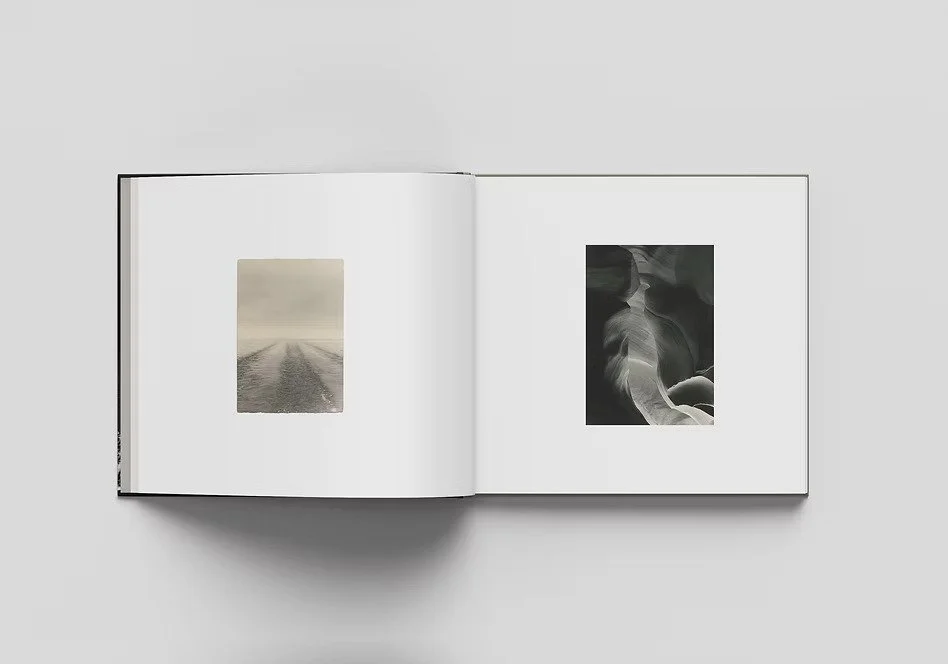
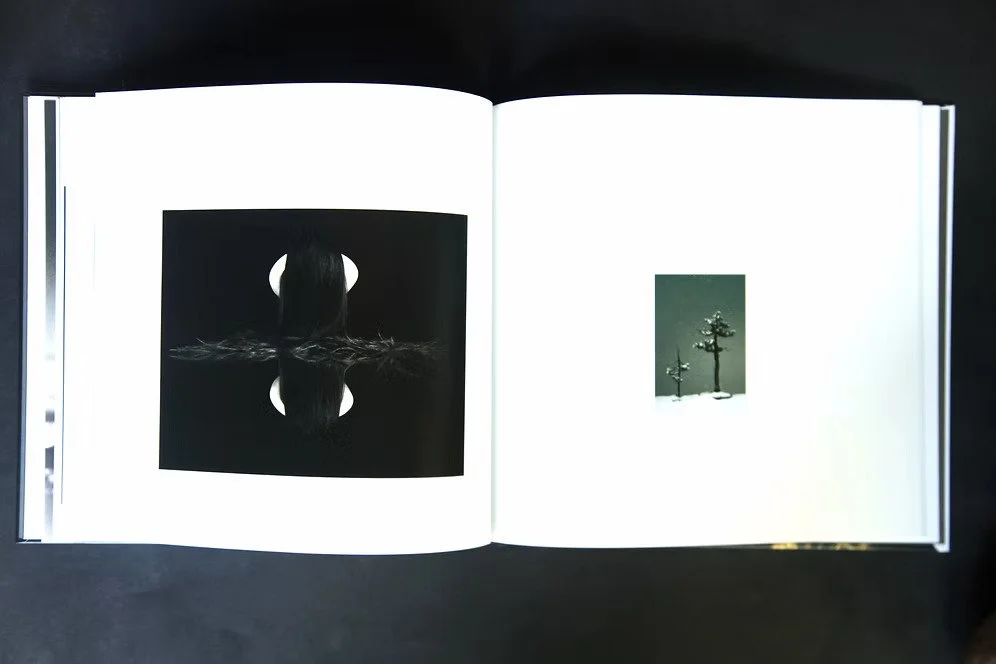
A brief note for context: Nusa (IIKKI, 2026) is the third and final book in a trilogy that began with Sasanami in 2020 and continued with Kurayami in 2023. The arc moves from light, through darkness, and arrives at the ambivalence of both. Each book pairs Yamamoto’s photographs with original music by Uchida, and is designed to be experienced either separately or together. For Nusa, the two artists traveled to Hokkaido in early 2026 to photograph and record the ice and surrounding landscapes. The book contains 67 photographs and is published in a limited edition of 1,500 copies.
Akira Uchida is a composer, pianist, and clavichord builder. He built the instrument he plays by hand, using medieval techniques. In 2020 he built a clavichord for composer Ryuichi Sakamoto.
The Books
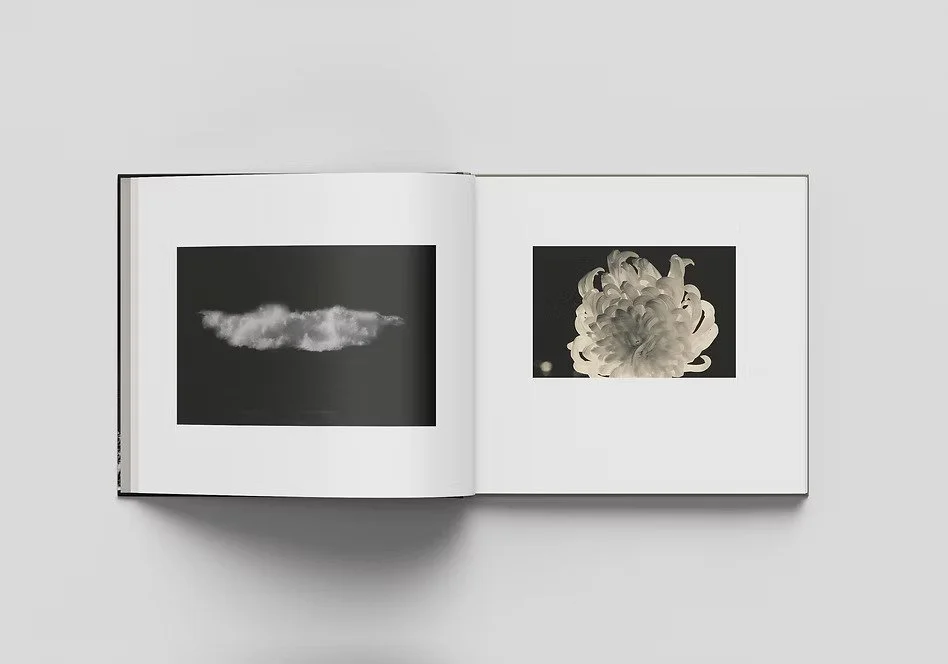
Sasanami (2020) The first part of the trilogy, built around the theme of light. Yamamoto's photographs capture quiet moments from the natural world, flowers, clouds, water, night skies, while Uchida's music, played on clavichord and soprano saxophone, adds an atmospheric, ethereal layer. The title means "ripples on water."
Kurayami (2023) The second part, moving into darkness. Yamamoto's images explore nature through shadow and mystery, with light and darkness as both subject and tool. Uchida's music deepens in tone to match, incorporating collaborations with a Sho player and a Buddhist monk reciting sutra. The title means "darkness."
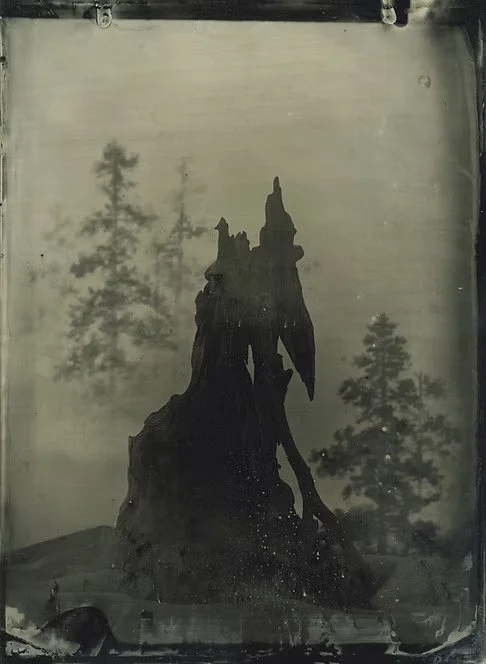
Nusa (2026) The final part, bringing light and darkness together into ambivalence. Yamamoto and Uchida traveled to Hokkaido in early 2026 to photograph and record the ice and winter landscapes, adding a raw, elemental dimension to the work. The trilogy ends not with resolution but with the coexistence of opposites, reflecting, as IIKKI put it, "the humanity that runs through us in these times of such stark contrast." (IIKKI, Amazon)
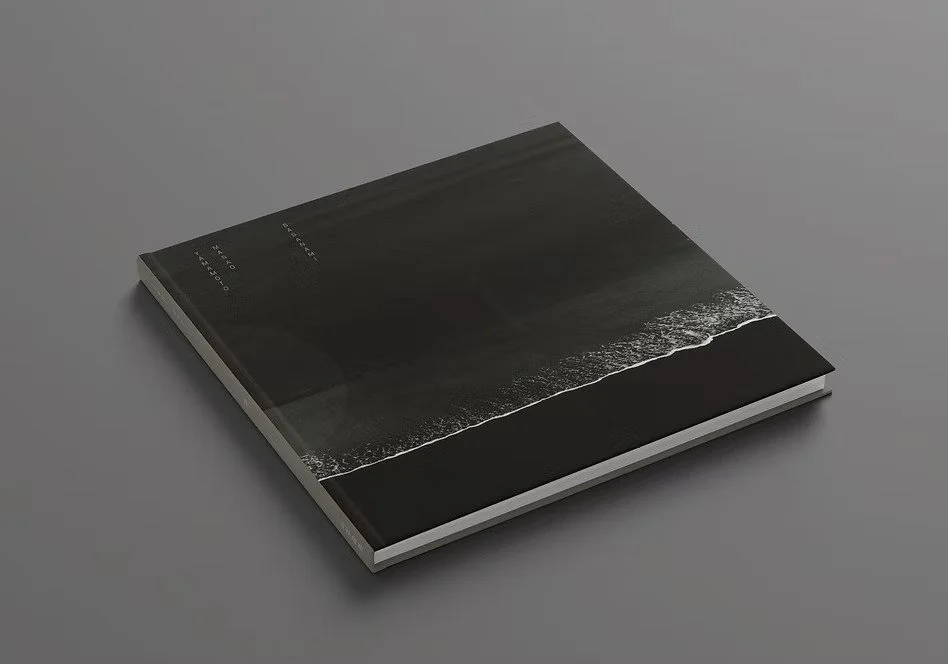
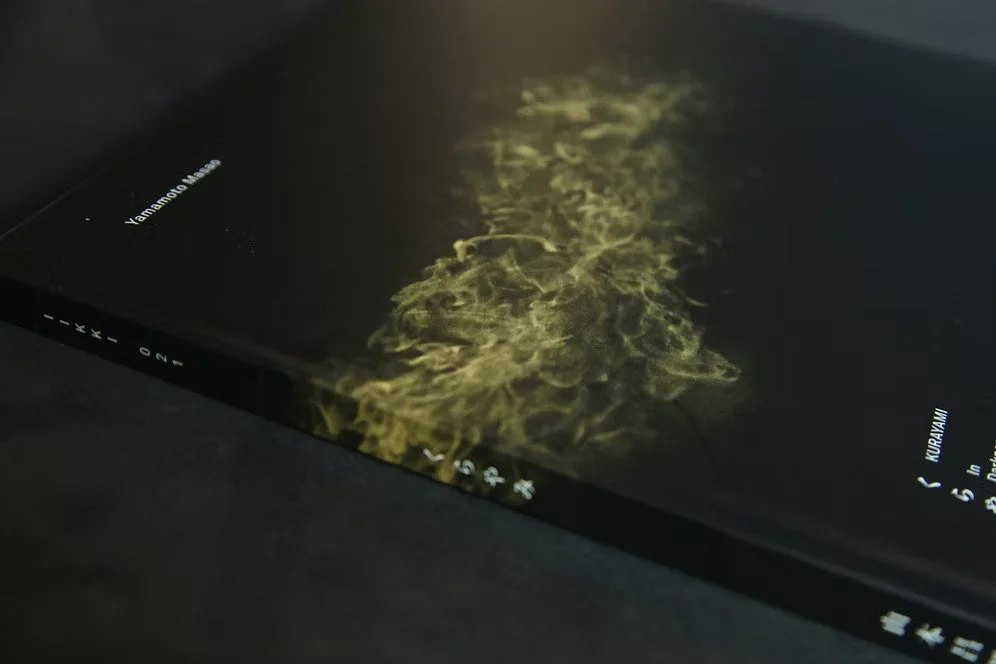
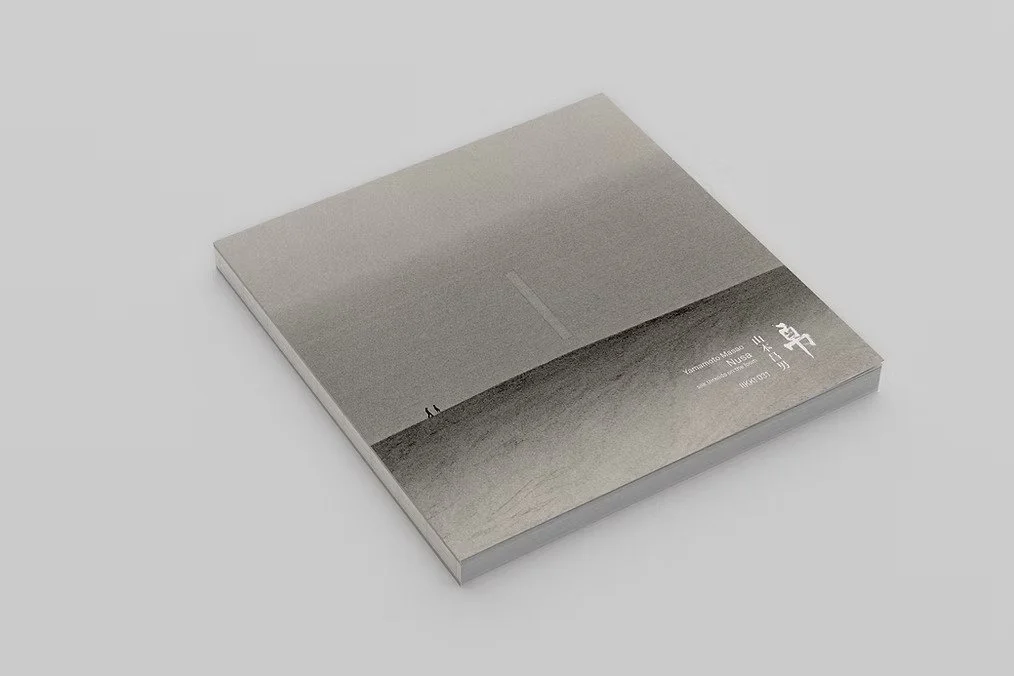
The two texts below were written in May 2026. They are published here unedited.
Uchida Akira and the Art of Tuning
by Masao Yamamoto
Last year, a clavichord concert by Uchida Akira was held in conjunction with a Yamamoto Masao exhibition at Huko in Kyoto.
Between pieces, Uchida always tunes his instrument. However, on that day, just as the audience expected him to play, he paused. “Ah, it still needs tuning...” he murmured, adjusting the instrument again. Moments later, he stopped again. “Oh, the sound of the air conditioner...” For Uchida, there is absolutely no compromise when it comes to preparing the environment for his music.
Uchida hand-built this clavichord himself. Often classified as the ancestor of the modern piano, the instrument exists on a highly delicate, fragile balance. Seeing it in person reveals the spiritual gravity of its creation; the act of meticulously shaving every wooden component by hand resembles a form of prayer. The finished instrument radiates an aura of tension and precision so intense that one hesitates to even approach or touch it.
In addition to early instruments, Uchida tunes modern pianos. He notes that while almost all instruments require tuning, none surpasses the piano in the complexity of its long, resonating echoes and symphonic depth. This complexity makes the craft profound. Consequently, discerning musicians frequently request Uchida to tune their instruments for special performances. Uchida also periodically hosts tuning workshops.
To understand Uchida’s philosophy of tuning, one must realize that humans do not control the sound of an instrument. Instead, we must wait for the sound to come, using our bodies as an anchor to listen. His workshops guide participants to a realization: while you believe you are adjusting the instrument’s sound, you are actually the one being adjusted.
This concept mirrors my own creative practice. Unlike painting, which builds a world from scratch on a blank canvas, photography begins by accepting the world exactly as is. By “tuning” that reality through the darkroom work and toning, I bring it closer to the world I perceived, transforming it into a piece of art. At the time of shooting, I rarely have a definitive vision of the final piece. Yet, by following the photographic process, and repeating gradual adjustments along the way, it eventually becomes the final artwork. This sequence of tasks unearths hidden dimensions of my inner self that I did not know even existed.
These shared aspects resonate with Uchida’s approach to tuning, which may be the reason for our mutual harmony and long-standing friendship.
Given Uchida’s intense artistic dedication, one might imagine him to be rigid or unapproachable. In reality, he is quite open and frank. He is even carefree.
I believe that discovering the philosophy of tuning provided him with a personal compass for navigating life. When it comes to his own concerts, he is entrusted with adjusting and tuning the performance space itself. Therefore, he works with the precise meticulousness mentioned earlier to manifest his ideal environment. In other environments, however, where the thoughts and circumstances of various people intersect, he recognizes that the wind blowing through that specific place is doing the tuning. Thus, he simply surrenders to the flow and enjoys the journey.
The clavichord is considered one of the early music instruments. Typically, a strict division of labor exists: instrument makers only build the instruments, while performers play pieces composed during the specific era when the instrument was made.
Why, then, does Uchida have such a unique style, building his own instruments and performing his own original compositions? The moment I realized that his life concept itself was “tuning,” I understood that this unconventional path was an entirely natural progression for him.
May 2026
The Resonating Photograph
by Akira Uchida
When composing while facing a photograph, I approach it almost like a sculpture: first, I lean Yamamoto’s work on the wall and play the recorded composition, observing how the sound resonates with the photograph.
Since his work contains both tempo and tone, if there is any discrepancy, I make the necessary corrections.
Through this repetitive process, I carve out the sounds that match the photograph.
At the same time, it also carves toward the photographer’s state of mind and condition at the moment the shutter was released.
There is an interesting example. When I viewed the work of a photographer who was born deaf, it was completely silent. I could not hear anything at all. Usually, I could hear the sounds of nature or the city, or sense the energy flowing in the background of the subject, but instead, a world of complete silence stretched out before me.
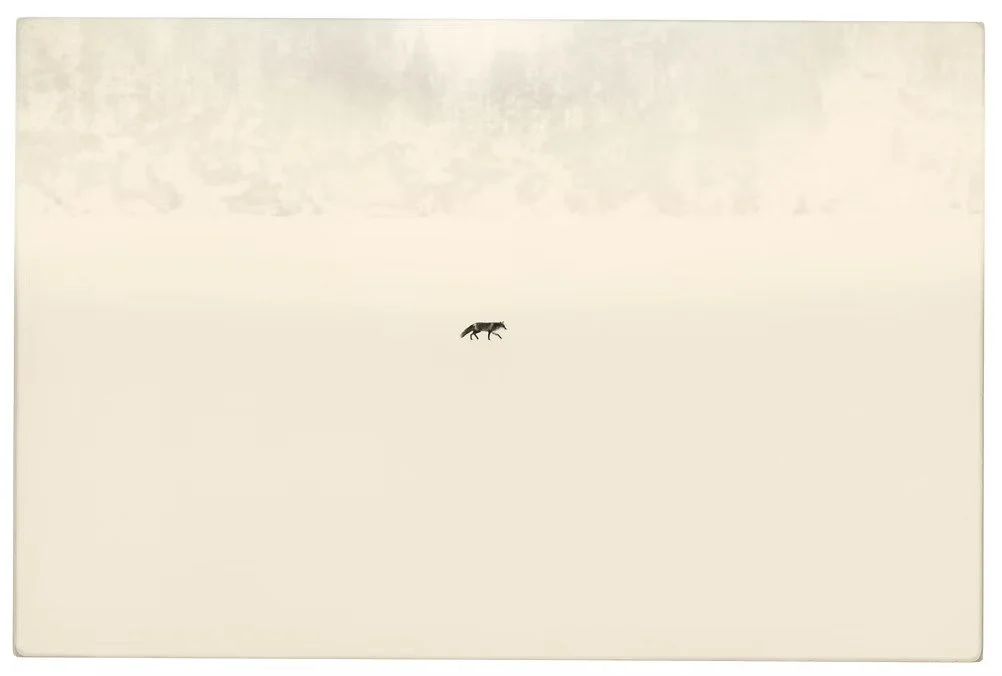
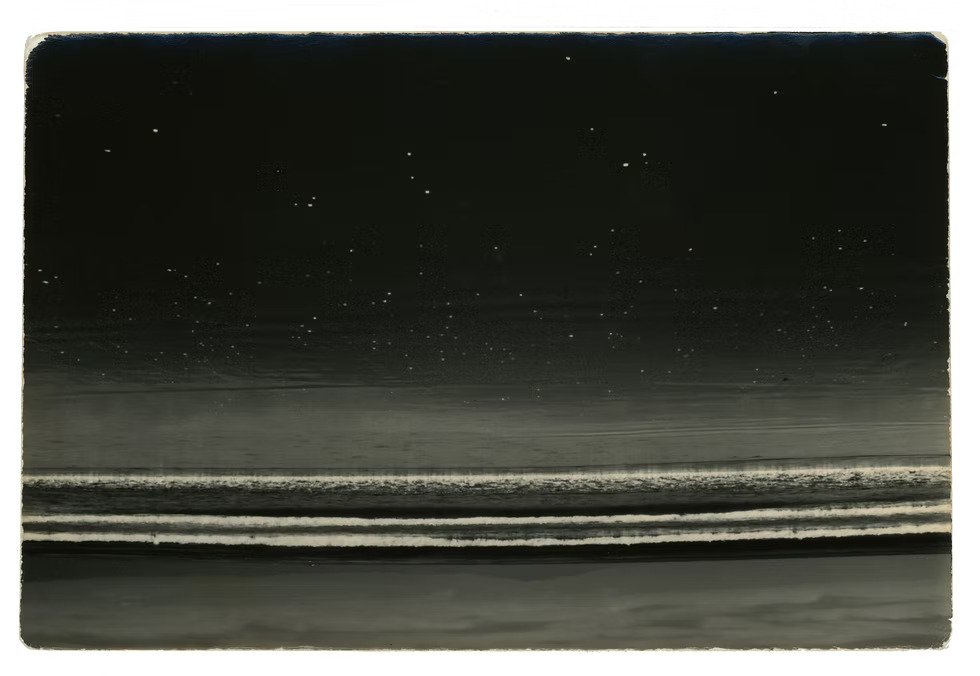
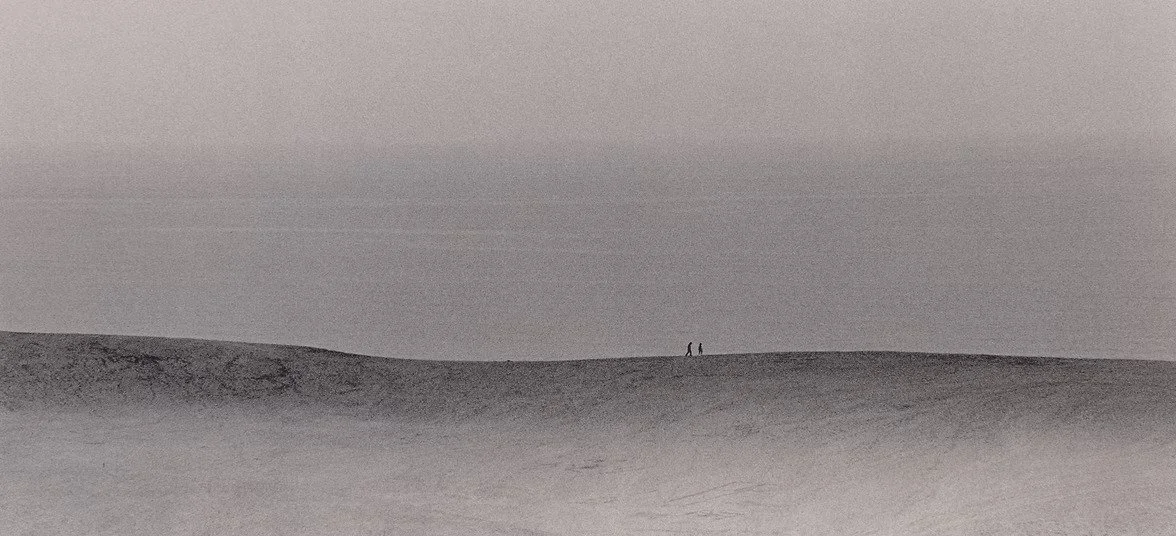
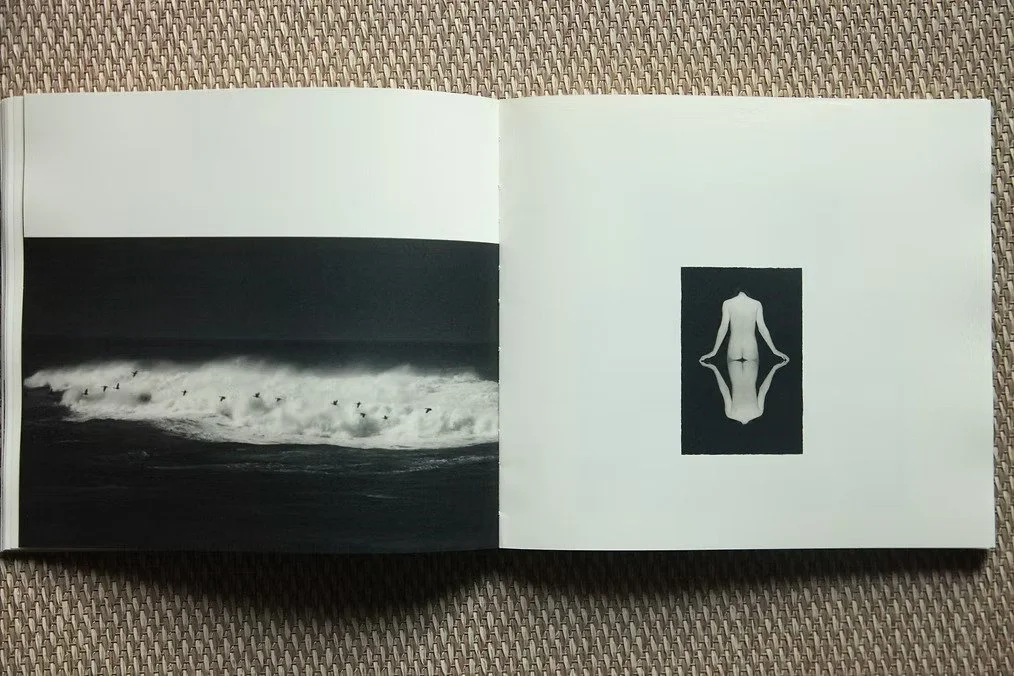
Based on this, I believe that the photographer’s physical and mental state are directly imprinted in the photograph. Therefore, rather than using sound to unilaterally complete a piece, I engage in a form of tuning-like composition that attunes itself to the photographer’s consciousness carved into the photograph.
Rather than musical photographs, it might be better to say photographs that inspire music.
The depth achieved with minimal sound and the seamless resonance of his photographs give musicians the most wonderful times.
The world he creates is surely a source of inspiration not only for me but for other artists as well, and when I think about the future, I wonder if the number of people he influences will eventually reach the stars?
I am grateful to be one of those.
May 2026
Akira Uchida
Akira Uchida graduated in saxophone from Senzoku Gakuen College of Music before turning to piano tuning and early music. He trained under instrument maker Masahiro Adachi and became an independent clavichord builder, constructing his instruments entirely by hand using medieval techniques. His philosophy of tuning extends beyond instruments into a way of engaging with the world, listening and adjusting rather than controlling. He built a clavichord for composer Ryuichi Sakamoto in 2020 and crafted another in 2021 from reclaimed wood from Kiyomizu-dera Temple in Kyoto. He has released seven albums since 2015, including three on IIKKI. (Website, Bandcamp)
More photography books?

We'd love to read your comments below, sharing your thoughts and insights on the artist's work. Looking forward to welcoming you back for our next [book spotlight]. See you then!
Color entered Janelle Lynch’s photographs through painting. In Another Way of Looking at Love, she photographed plants and trees on her property in the Catskills. Photography Book Spotlight