How Paolo Simonazzi Photographed Havana Without Falling For Vintage Cars, Political Icons, And Easy Nostalgia
Welcome to this edition of [book spotlight]. Today, we uncover the layers of 'Habana, eventual,' by Paolo Simonazzi (published by Silvana Editoriale). We'd love to read your comments below about these insights and ideas behind the artist's work.
Paolo Simonazzi photographed Havana against its clichés.
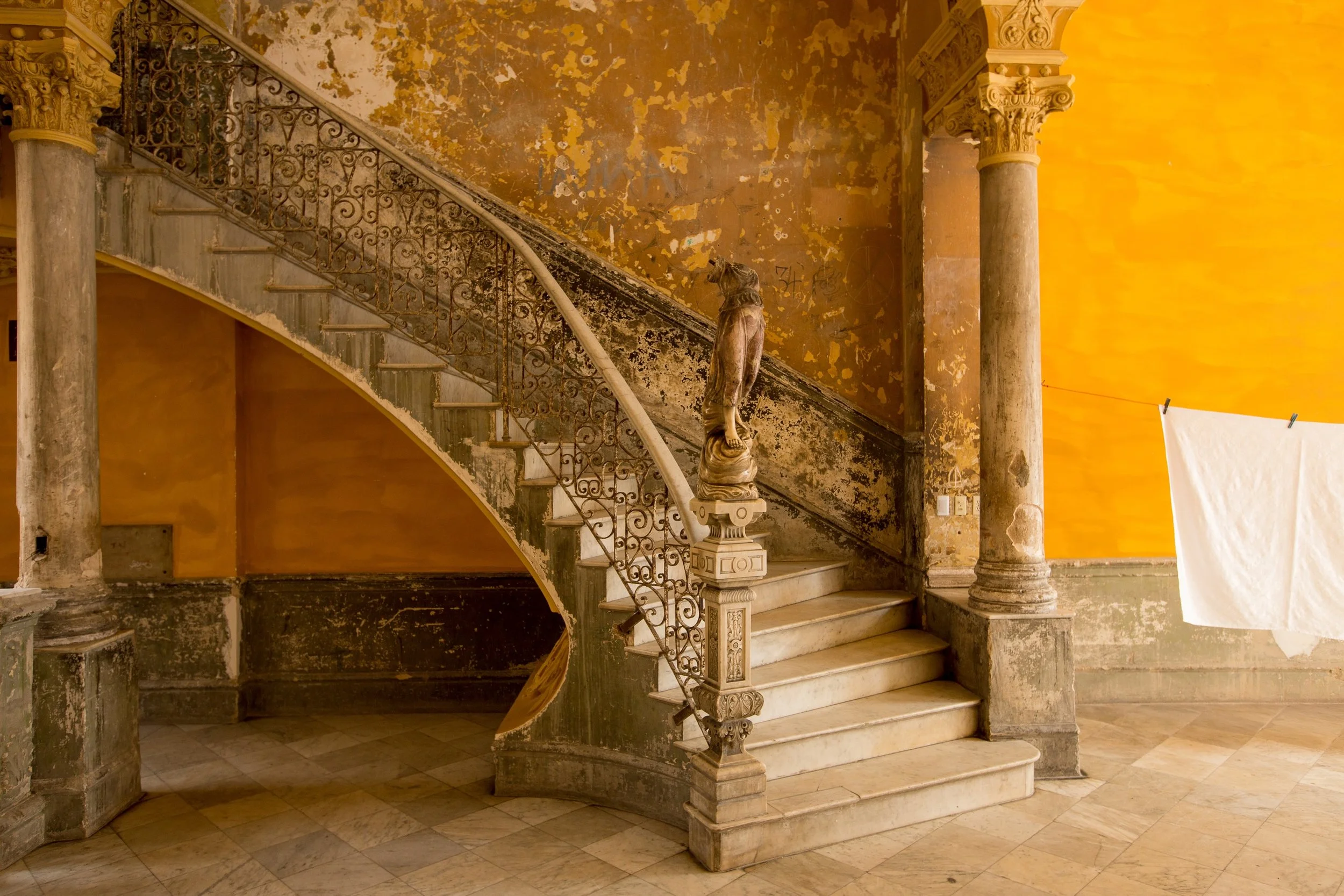
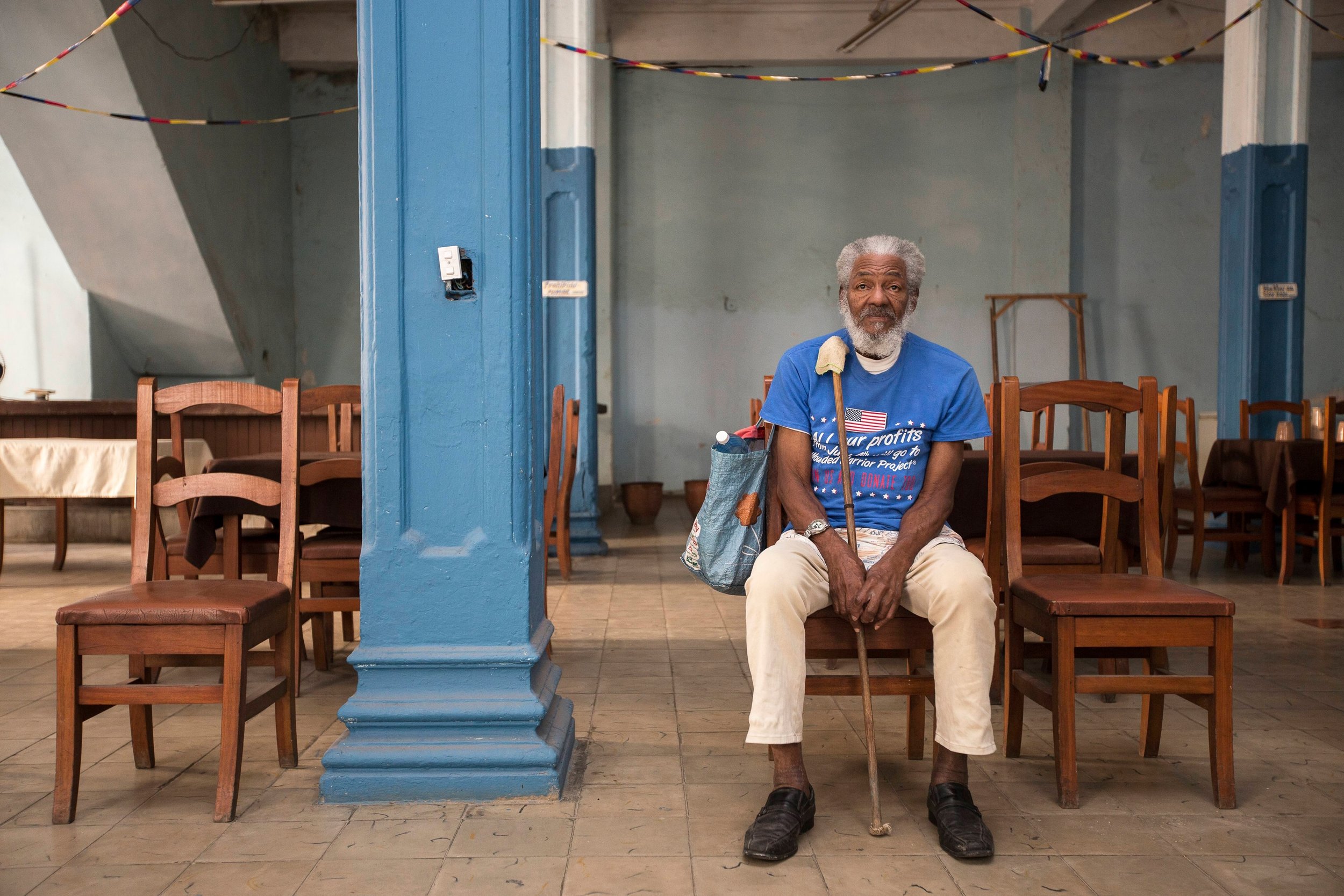
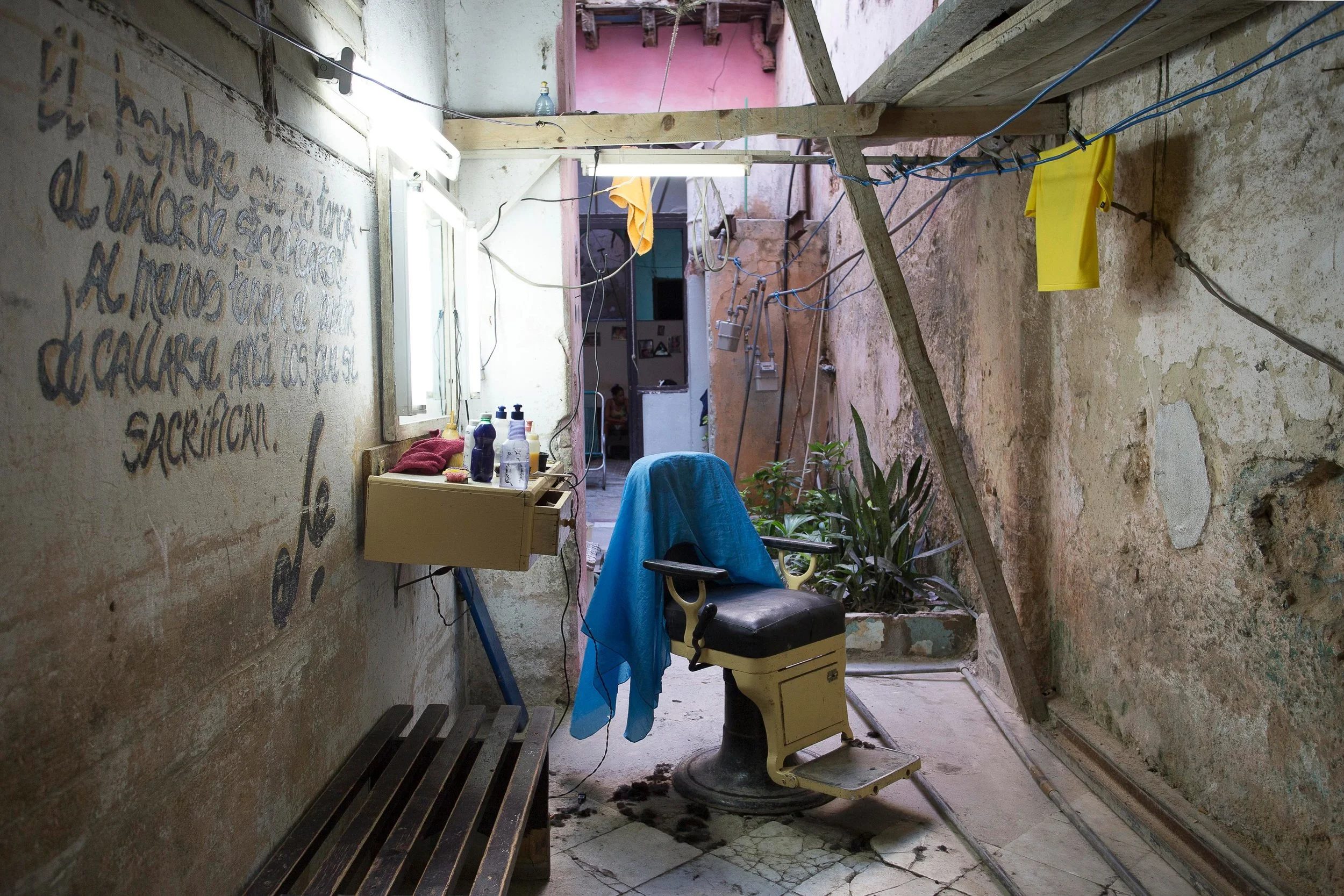
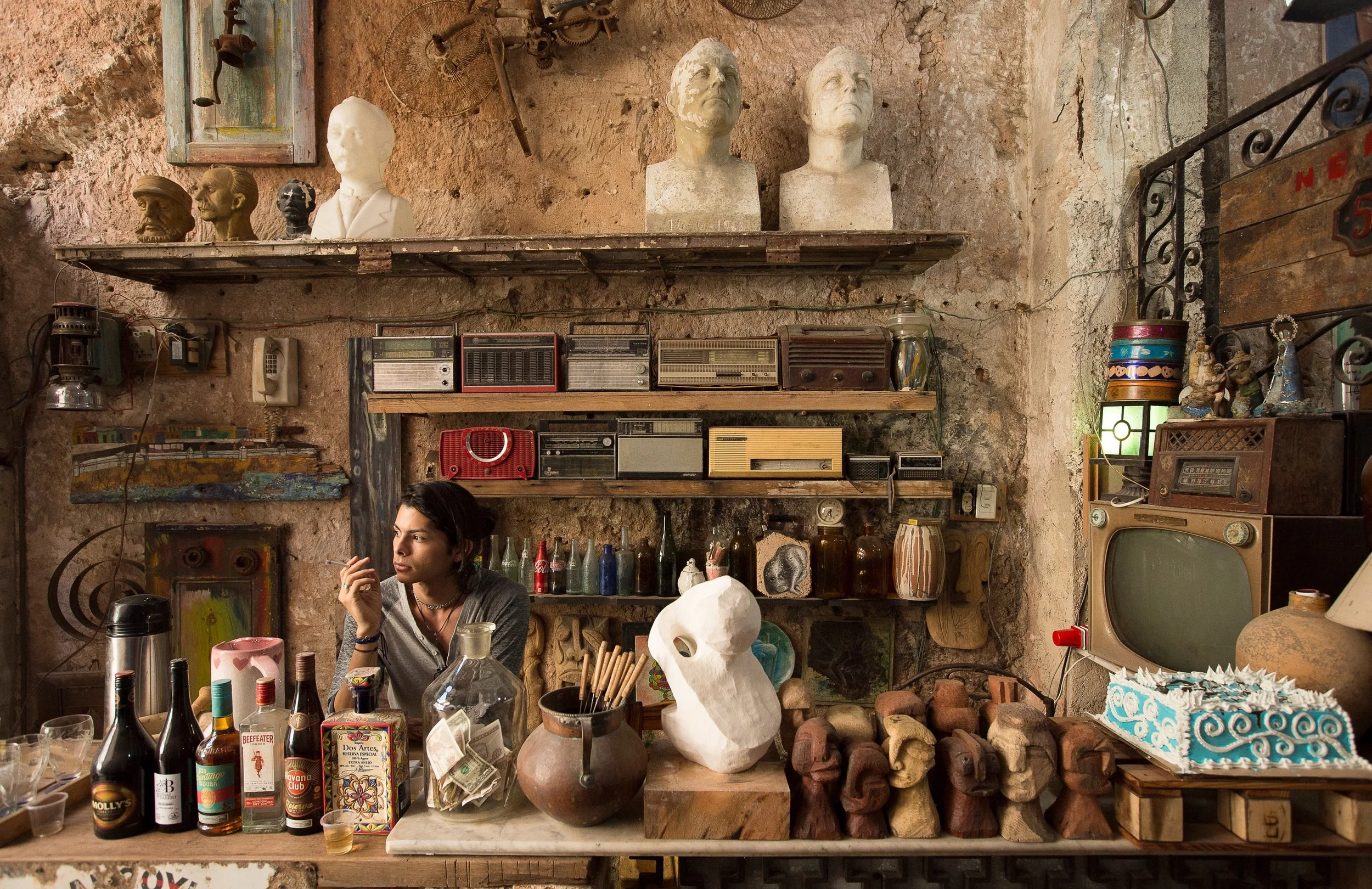
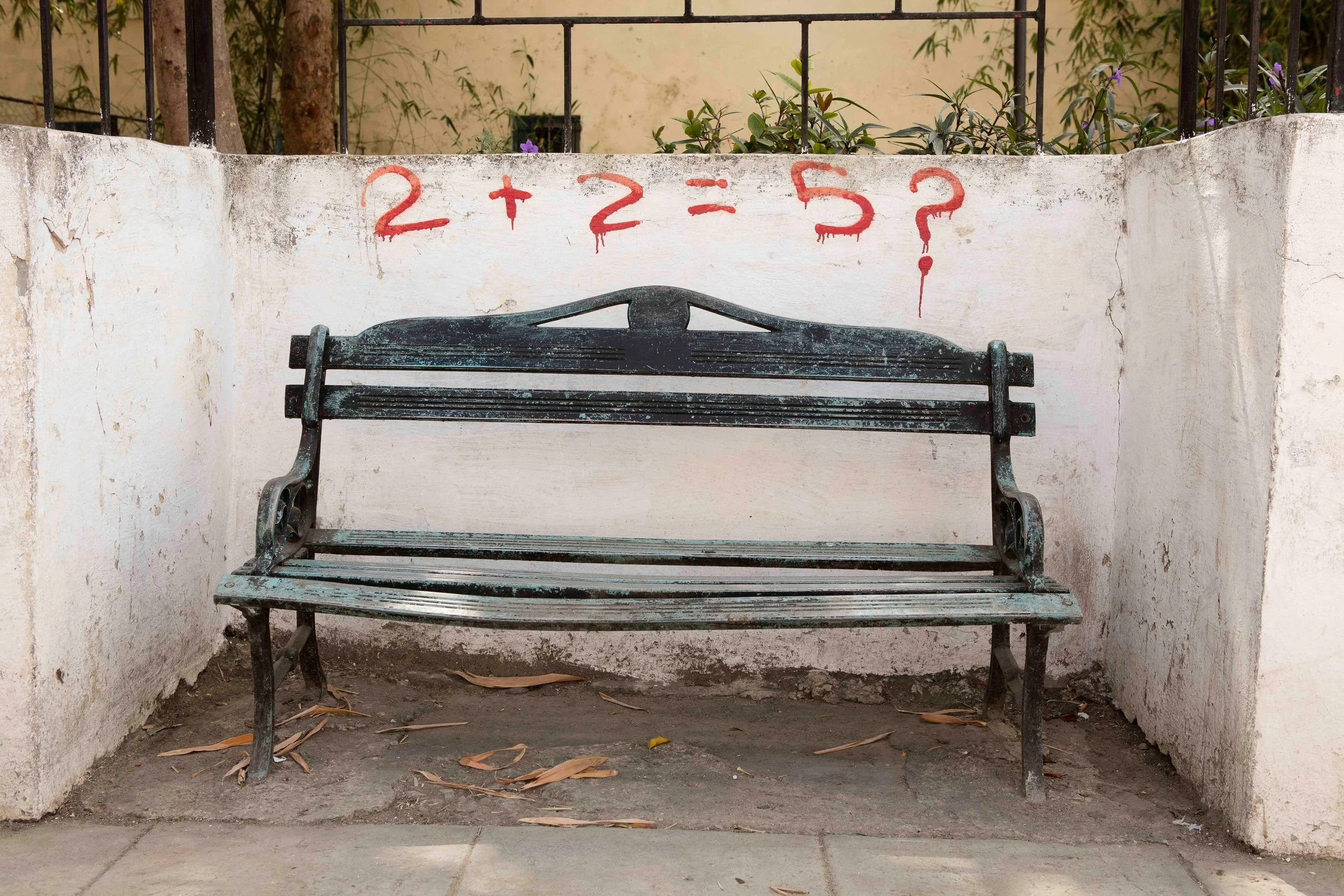
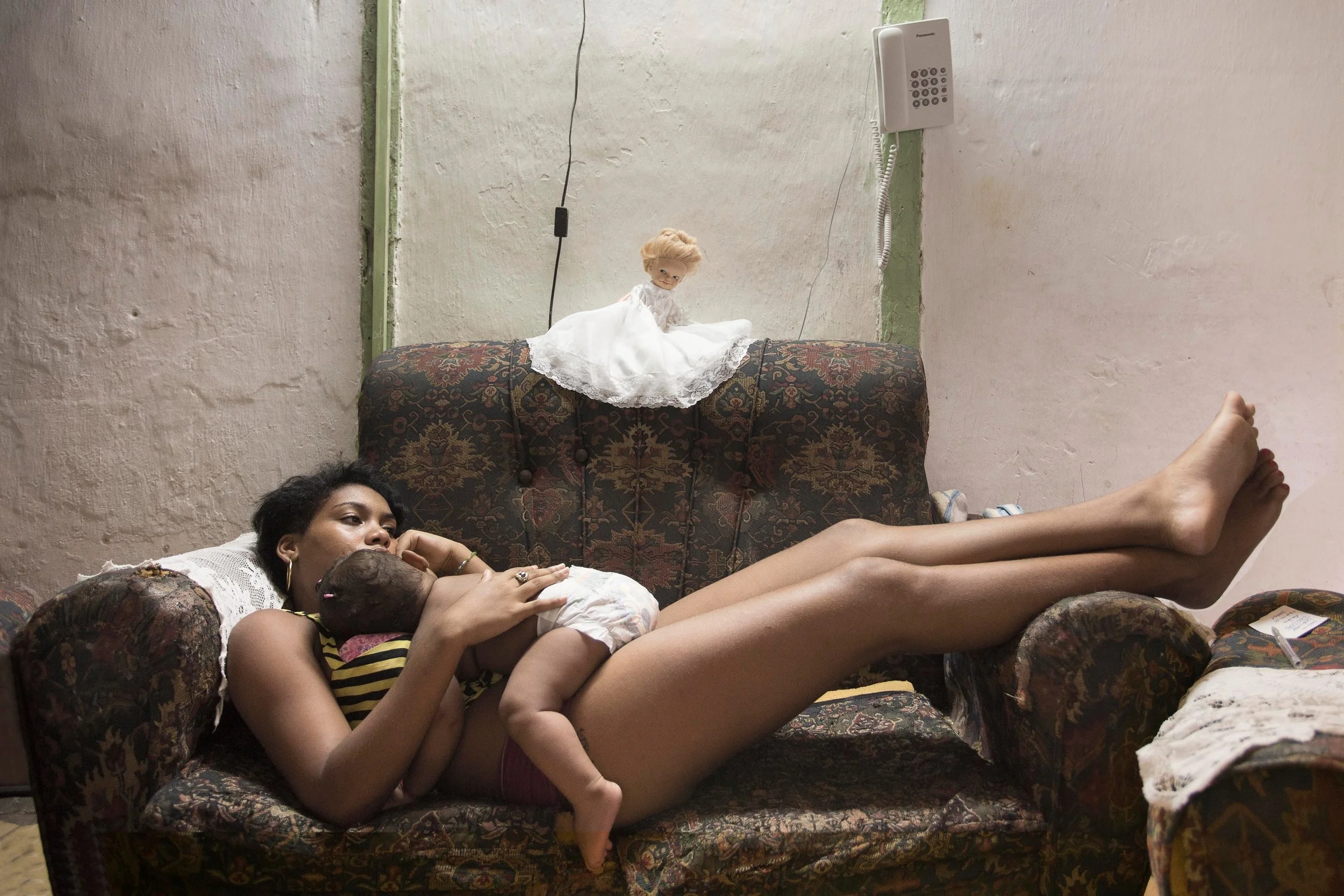
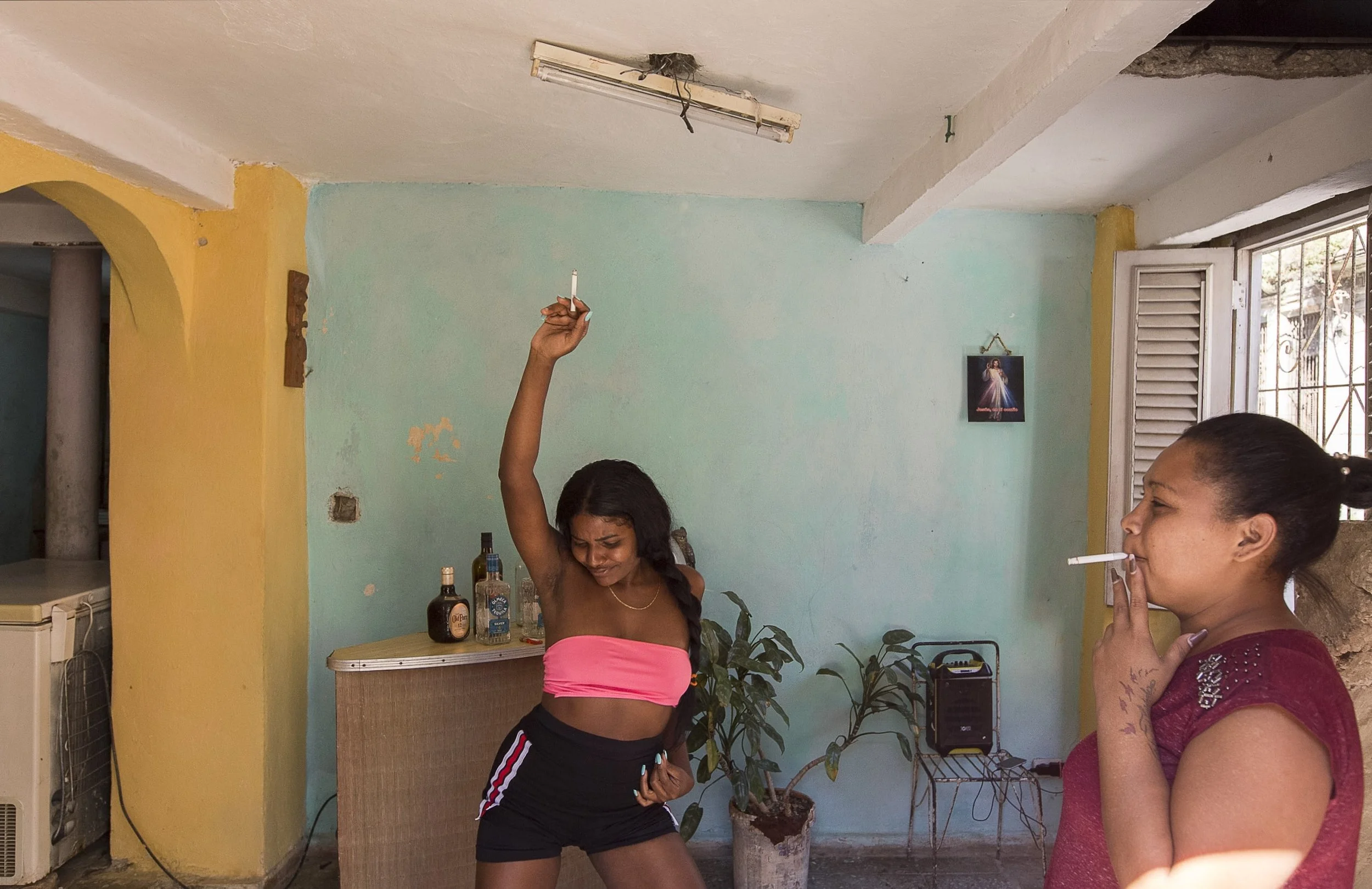
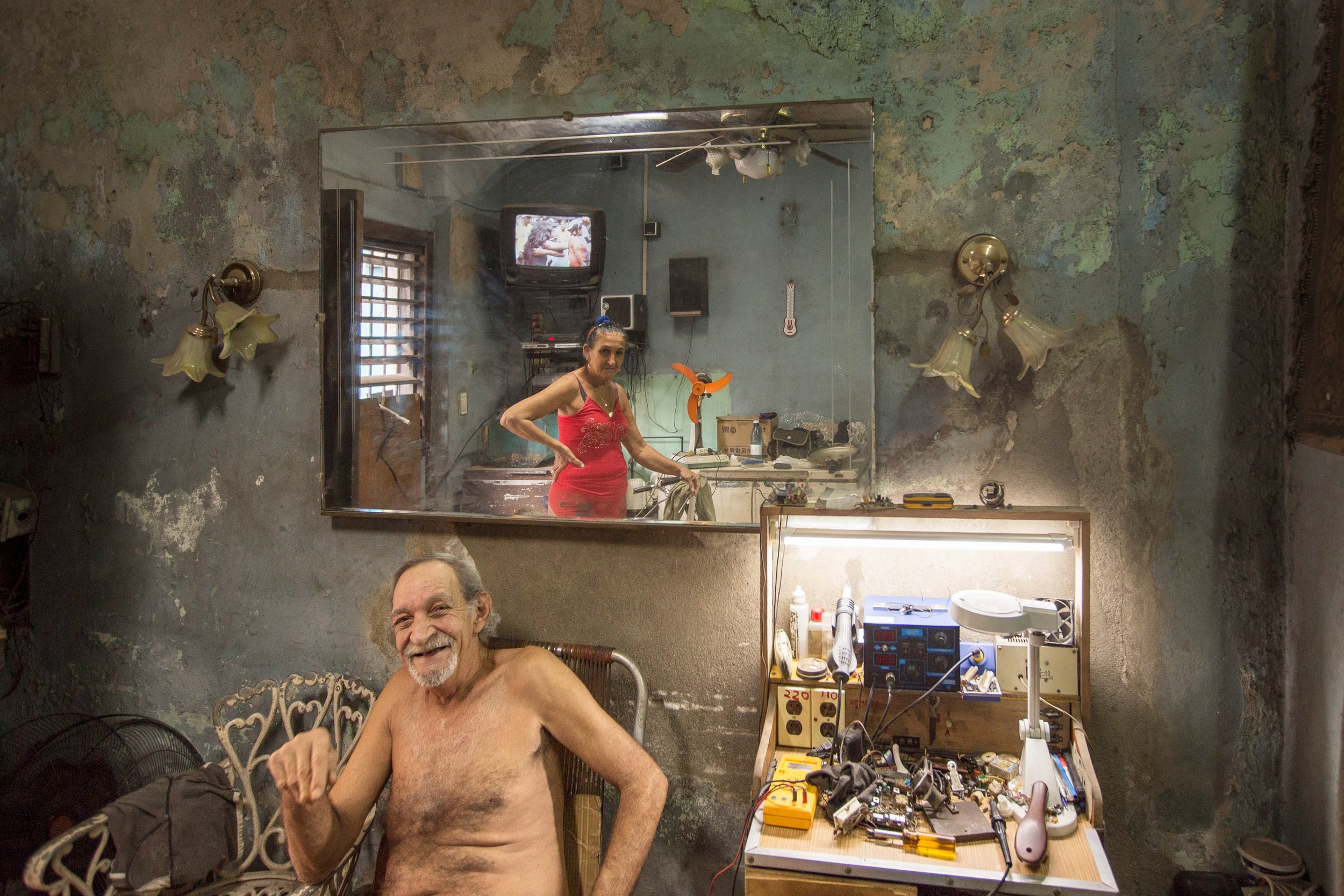
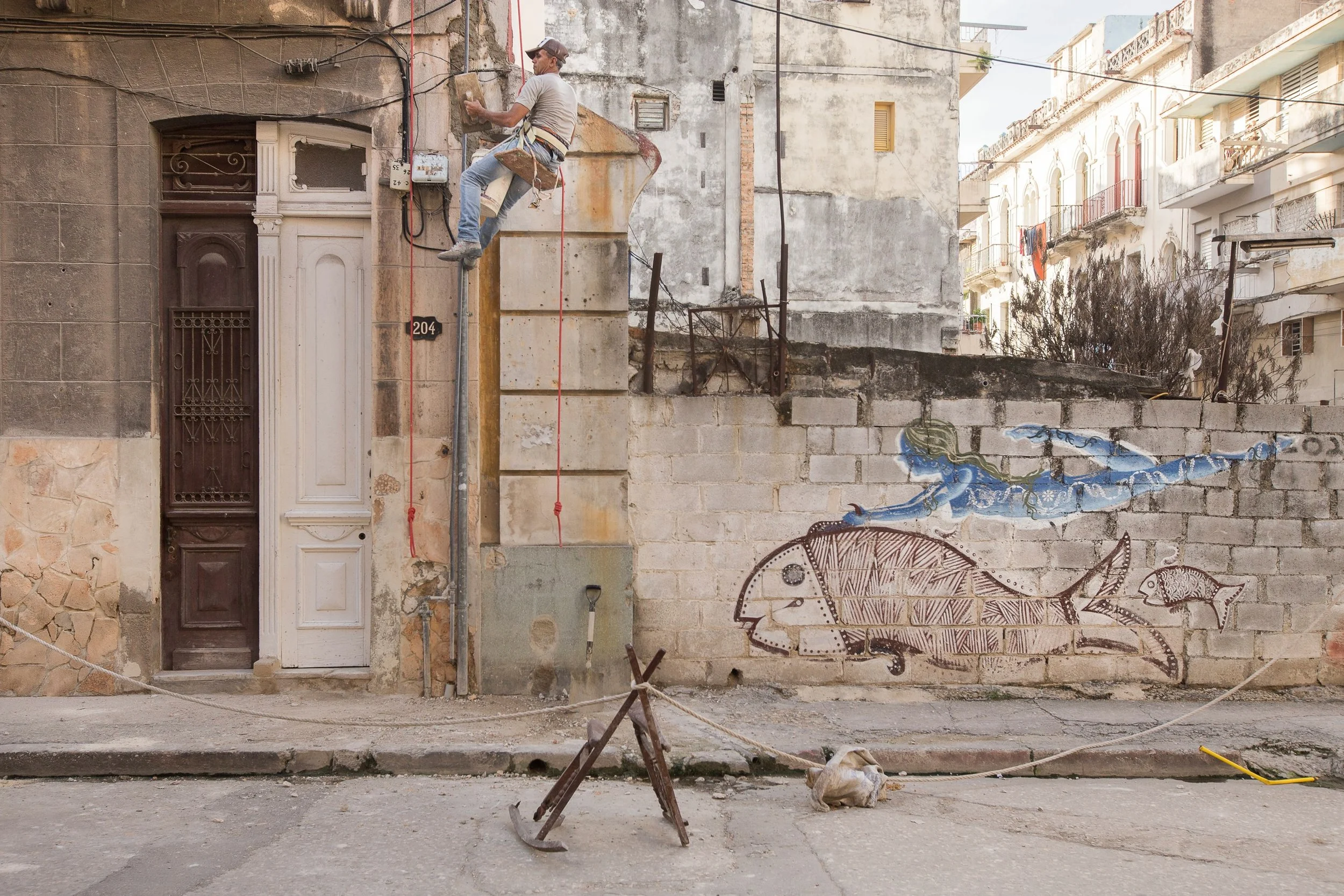
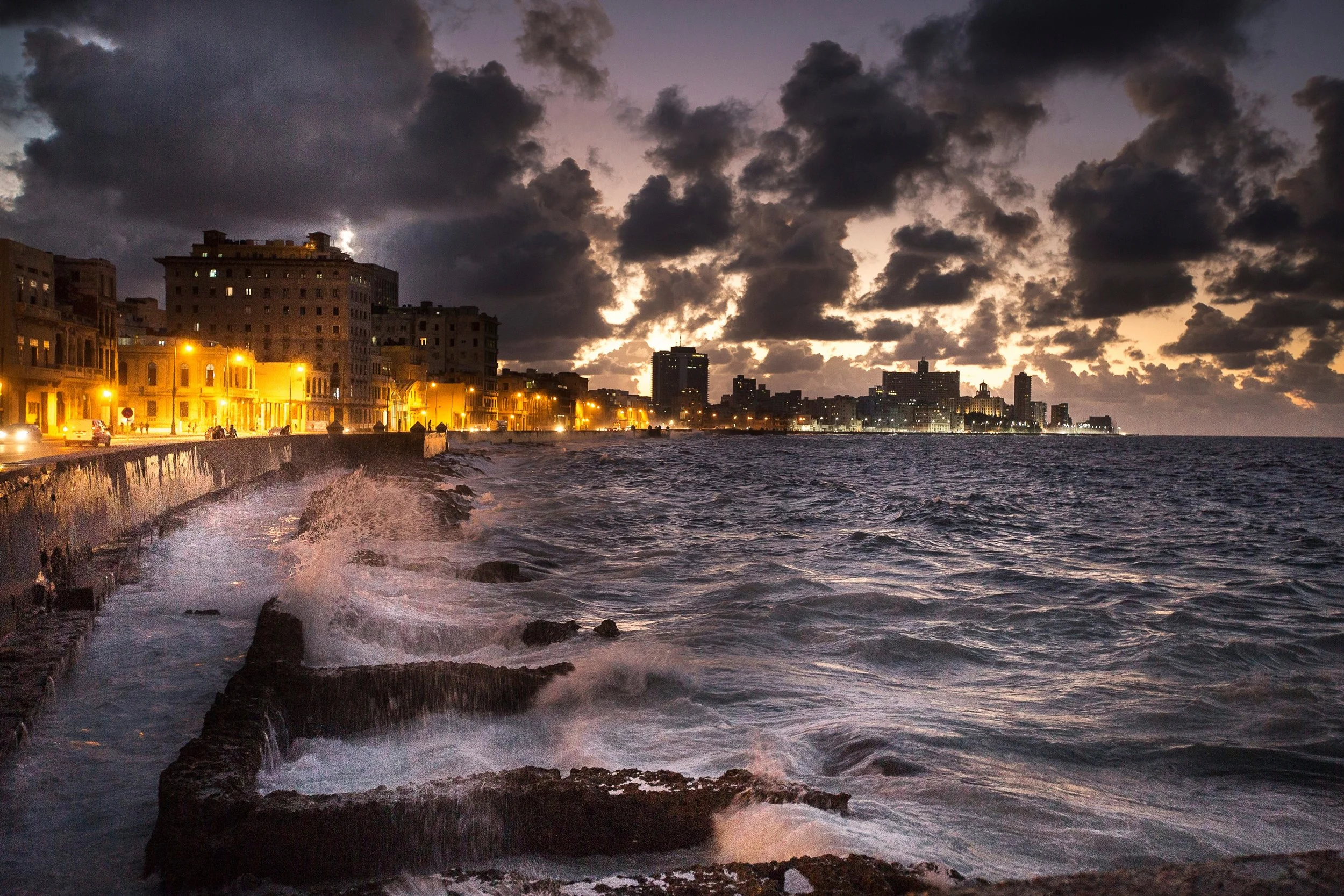
He did not want the usual Cuba of vintage cars, saturated colours, political icons, and easy nostalgia. In Habana, eventual, he returns instead to Centro Habana, where ordinary life appears fragile, strange, provisional, and deeply human. The book was made across ten years of repeated visits, shaped by walking, friendship, waiting, and a slow trust in the place.
What emerges is not a romantic portrait of Havana.
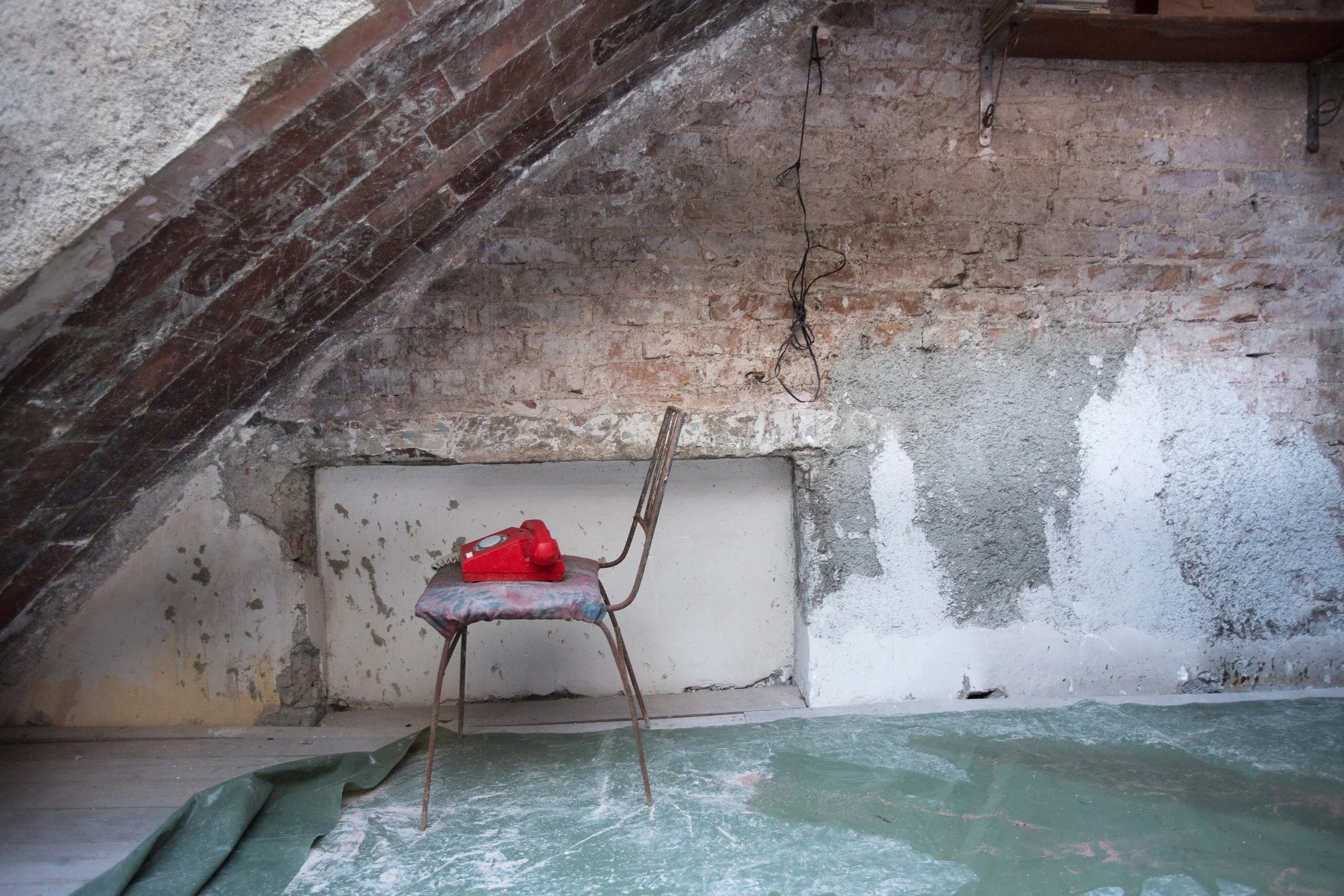
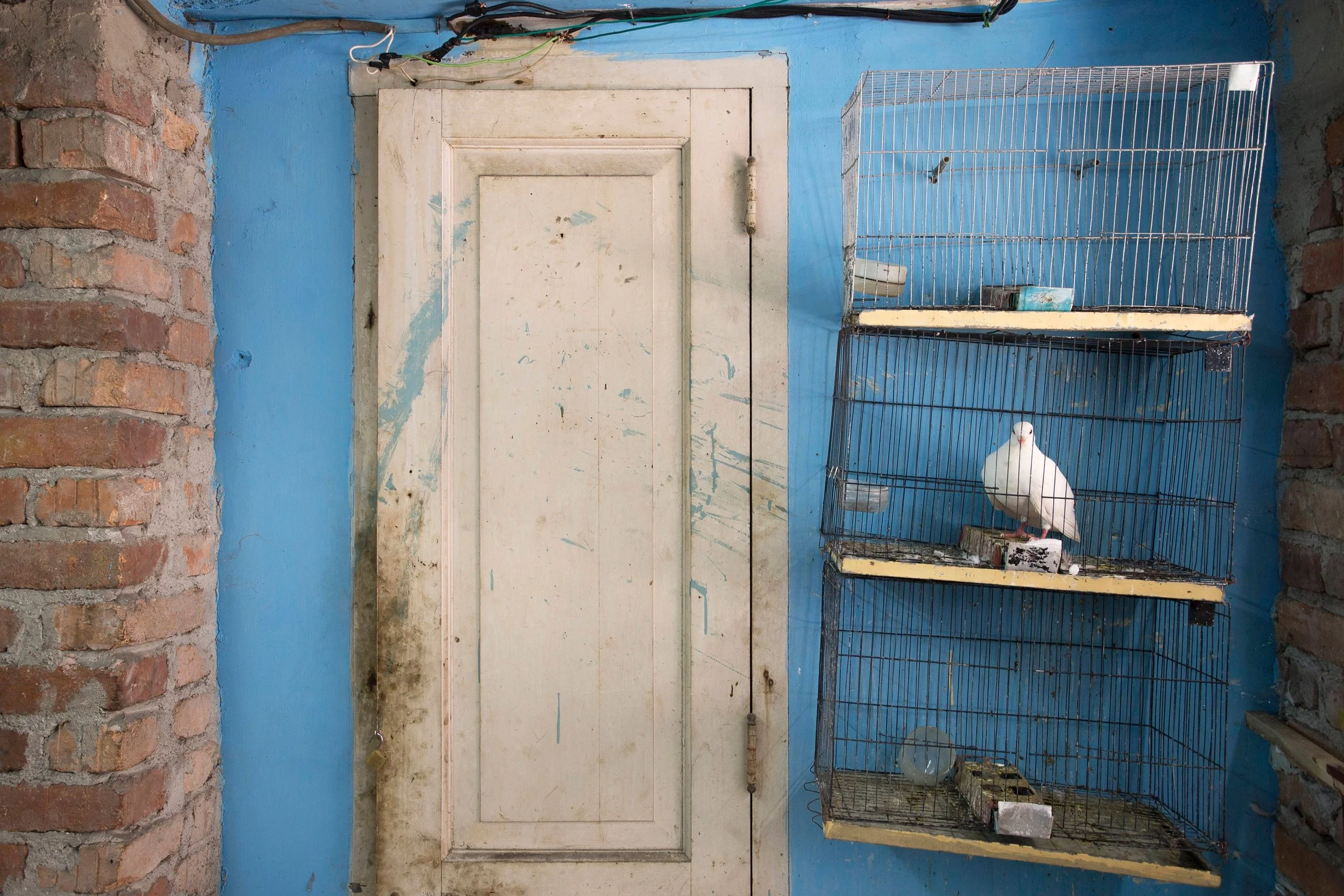
Simonazzi looks for moments that feel suspended between enchantment and disenchantment. His photographs stay close to people, streets, interiors, gestures, and small displacements of daily life, without turning them into symbols. In this interview, he speaks about returning to the same neighbourhood over many years, avoiding the expected images of Cuba, and learning to look with less urgency and more attention.
Simonazzi’s photography shows why a project can become stronger when the photographer stops chasing the exceptional and starts noticing nuance, ambiguity, and small signs of change. For anyone building a body of work over time, Simonazzi’s approach is a great example that patience, delicacy, and repetition can reveal what a single visit will almost always miss.
The Book
Habana, eventual by Paolo Simonazzi, published by Silvana Editoriale, is a photographic journey through Centro Habana, made over ten years of repeated visits to the Cuban capital. The book moves away from the familiar images of Cuba, avoiding vintage cars, political icons, and easy nostalgia. Instead, Simonazzi looks for fragile, provisional, and deeply human moments in everyday life.
The title refers to the Cuban Spanish word eventual, which suggests something temporary and permanent at the same time. This tension shapes the atmosphere of the book: people, streets, interiors, gestures, and small scenes appear suspended between enchantment and disenchantment. Across 130 pages and 137 illustrations, the book builds a portrait of Havana that feels uncertain, intimate, and resistant to cliché. (Silvana Editoriale, Amazon)
Project genesis: You first went to Centro Habana in 2015 and kept returning for ten years. What made you go back again and again, and when did you know this was a long-term project?
In 2015, I arrived in Havana together with the writer Davide Barilli, on our way to Mantua for a project we were developing together. The Mantua, Cuba exhibition was later presented at the Galleria Carmen Montilla with the support of the Italian Embassy, in November 2016, as part of the Italian Culture Week. A few days after the opening, the exhibition was suspended due to the national mourning following the death of Fidel Castro. I unexpectedly found myself with far more time than I had anticipated, and began making my way through the calles of Centro Habana, always with Davide's essential company.
My friendship with him, and the books he recommended, his own and those of Pedro Juan Gutiérrez, were the decisive impulses that kept bringing me back to Havana. The following year, I began thinking about a project. In 2019, after reading Altravana. Nel cuore di una città perduta (Perrone editore), the project already had its title, drawn from a chapter of that book. Then three years of interruption due to the pandemic, and another three to bring it to completion.
Finding the work: Your previous Cuba project, Mantua, Cuba, focused on a small town on the edges of the island. How did moving to Centro Habana, right at the centre of the capital, change what you were looking for?
It feels natural to think of something Leonard Cohen once said about his own writing: that in the end, an author composes only a couple of songs, and everything that follows is variations on a theme. Looking more closely at these two projects, the difference is precise: in Mantua, Cuba, people are represented through symbols, photographs, intimate totems; in Havana, eventually, they are visually present. Presences that are not incidental, but co-constitutive of the project's purpose. A humanist approach, in any case, as is my background.
Approach: The press release says you walked the streets without staging anything. How do you get close enough to people to photograph them with that kind of intimacy, and what does "discretion and delicacy" mean for you in practice?
This question brought to mind something Wim Wenders wrote for his 1987 book Written in the West: "I hope you will find these photographs free of arrogance." That is precisely what I aspired to, a gentle gaze, suspended between empathy, irony, and melancholy.
One decision, initially difficult but ultimately firm, was to avoid direct references to iconic figures such as Che and Fidel. I let myself be guided by my natural inclination towards human contact, and by the indispensable support of people from the neighbourhood, what in reportage photography are called fixers.
The title: The word eventual in Cuban Spanish means something that is both temporary and permanent at the same time. How does that idea shape the way you choose which moments to photograph?
Eventual is probably untranslatable, and I think it should be understood less as a word than as an oxymoron, exactly as you put it, and as Davide Barilli suggests in Altravana. An uncertain concept, which I tried to convey by privileging improbable, provisional situations, suspended between enchantment and disenchantment.
Building the work: You made photographs across ten years and many visits. How did you decide which images belonged to this book, and did your eye change between 2015 and 2025?
I photographed over many years, but my stays in Centro Habana were always necessarily brief, in addition to the three-year interruption caused by the pandemic.
The selection of images was a team effort: myself, Davide Barilli, Nicola Cazzulo, the graphic designer at Silvana Editoriale, and Ilaria Campioli, whose expertise was fundamental in shaping the book.
My eye, over time, I believe, changed naturally. Perhaps it became less drawn to the exceptional and more attentive to nuance, ambiguity, the small displacements of everyday life. Returning to the same place repeatedly also means learning to look at it with less urgency and more trust.
Avoiding clichés: Cuba is one of the most photographed places in the world. What did you actively avoid, and what did you look for instead?
Cuba is one of the most photographed places in the world, and precisely for that reason the first decision was to give up what is expected: vintage cars, saturated colours, political icons. I looked instead for improbable moments, precarious situations, presences that do not offer themselves but allow themselves to be approached. The gentle gaze I describe in the previous answer is also a strategy: to draw close without claiming, to observe without appropriating.
Constraints: Your final trip in February 2025 happened during Cuba's energy crisis, with frequent blackouts. How did those conditions affect the way you worked and the pictures you made?
In February 2025 I returned to Havana with two specific objectives: to attend the presentation at the Feria Internacional del Libro de La Habana of the Azul series, conceived and edited by Davide Barilli, dedicated to emerging Cuban writers, with cover photographs made by me, and to meet Viola Novarini, cultural attaché at the Italian Embassy, to discuss together the exhibition venue for the project.
The photographic work was already in its final stage, and the frequent apagones did not affect it. What struck me, and what I also described in the conversation with Ilaria Campioli, was something else entirely: people were not complaining about the darkness. They were expressing their noisy joy at the return of the light.
The surreal in the everyday: Your work across many projects finds moments where ordinary life tips into something strange or theatrical. How do you recognise that moment when you see it?
As Sarah Moon once wrote, "the eye feels before it sees." I think that moment arrives exactly like that: first as a sensation, and only afterwards as an image.
What to borrow: You describe your photographs as "pieces of resistance." What does that mean, and what can photographers working on long projects learn from that idea?
A constant in my work is the attempt to give value to small worlds on the edge of oblivion, still capable of transmitting vital pulses. But "pieces of resistance" also means, above all, continuing to believe with determination in one's own projects, despite difficulties that at times seem insurmountable.
And here I return to Bruce Springsteen, who remains an important reference for me: "It takes a leap of faith to get things going, and there in your heart you must trust."
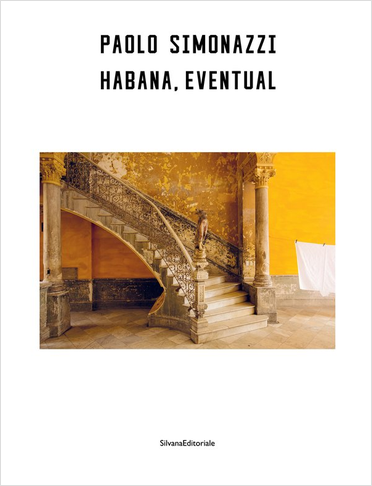
To discover more about this intriguing body of work and how you can acquire your own copy, you can find and purchase the book here. (Silvana Editoriale, Amazon)
More photography books?
We'd love to read your comments below, sharing your thoughts and insights on the artist's work. Looking forward to welcoming you back for our next [book spotlight]. See you then!
Color entered Janelle Lynch’s photographs through painting. In Another Way of Looking at Love, she photographed plants and trees on her property in the Catskills. Photography Book Spotlight