Darren Smith Spent 7 Years Photographing People Who Wait All Year To Become Themselves
Welcome to this edition of [book spotlight]. Today, we uncover the layers of 'Mayflies,' by Darren Smith (published by Lecturis). We'd love to read your comments below about these insights and ideas behind the artist's work.
Some people wait all year to become themselves.
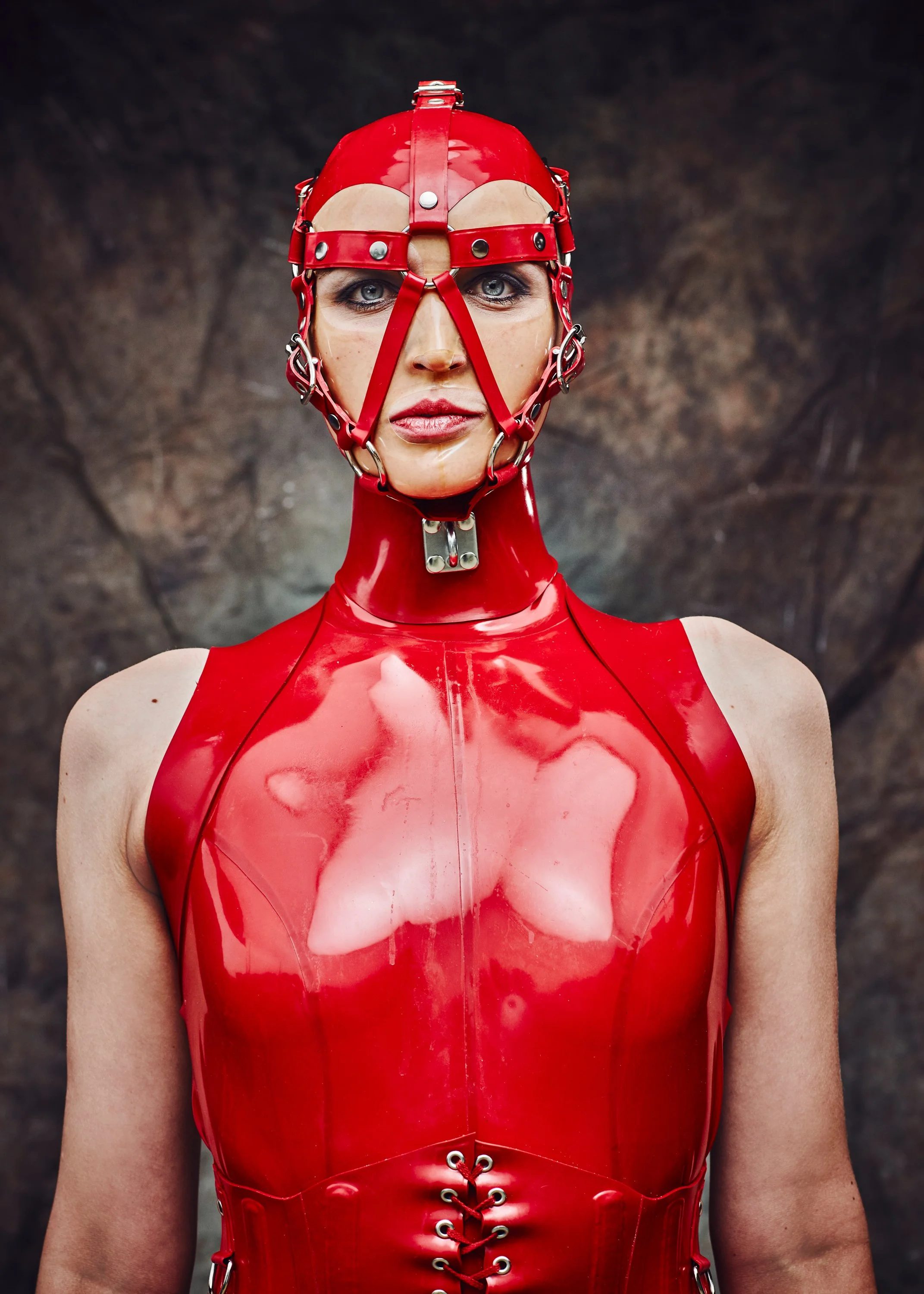
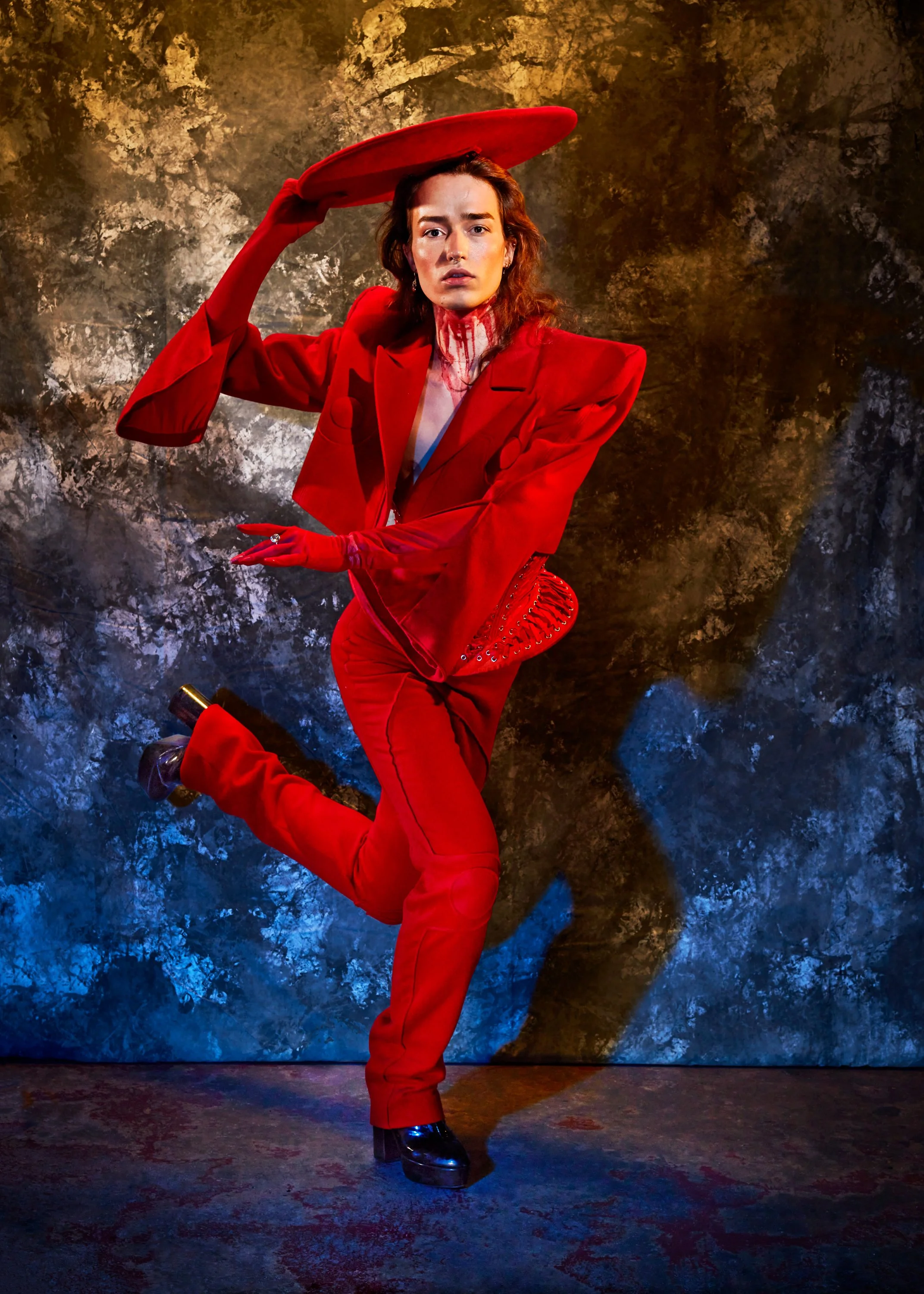
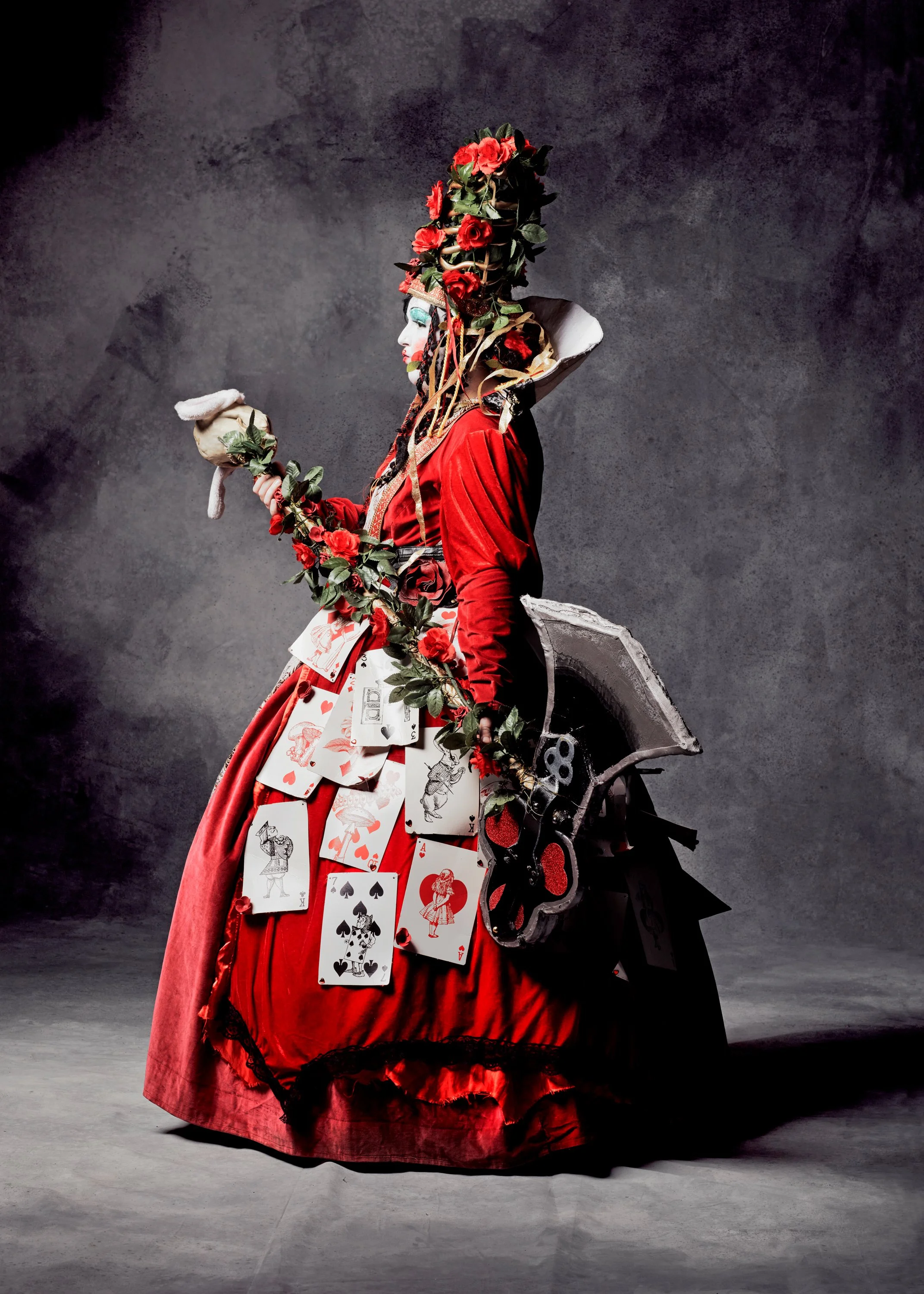
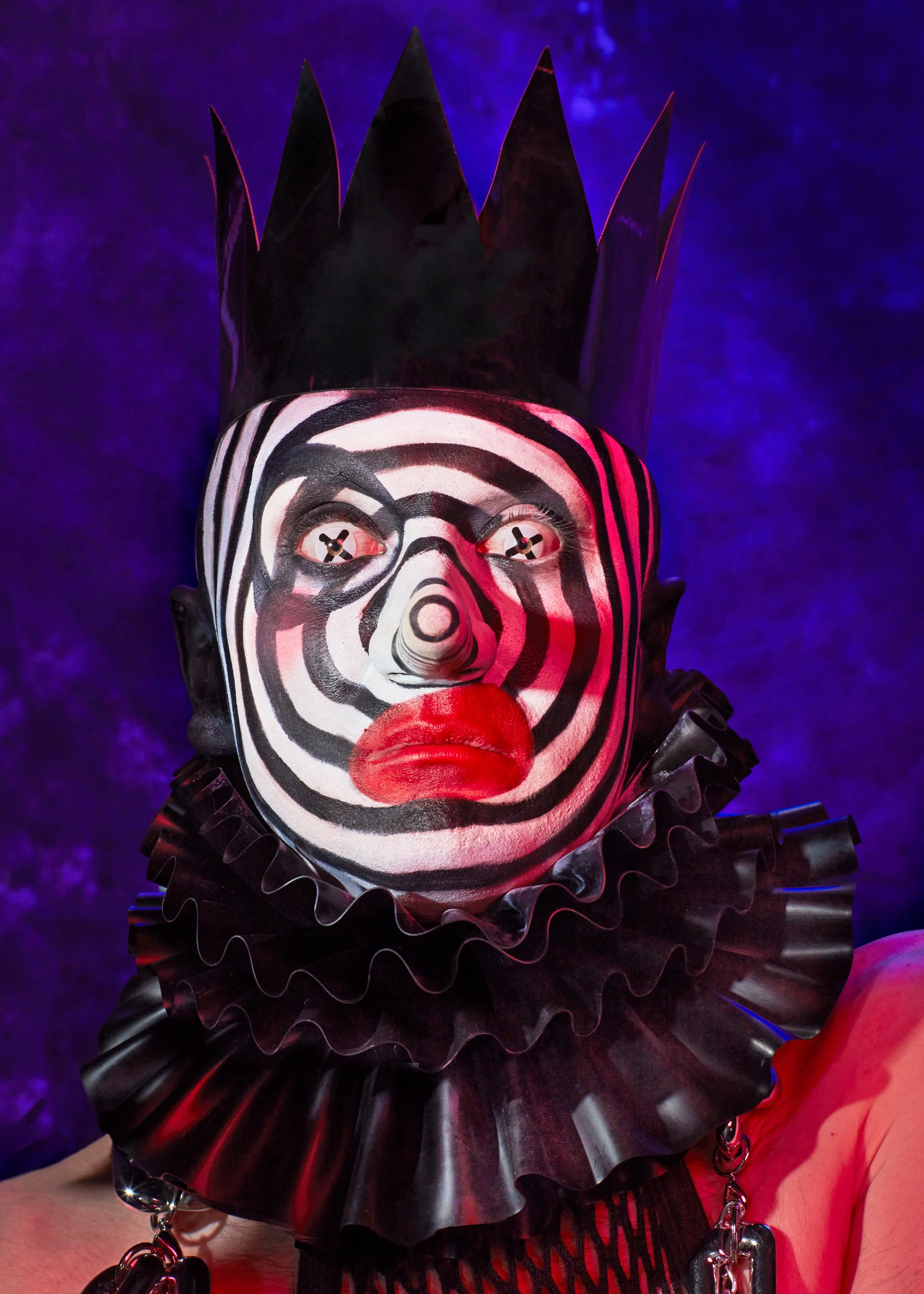
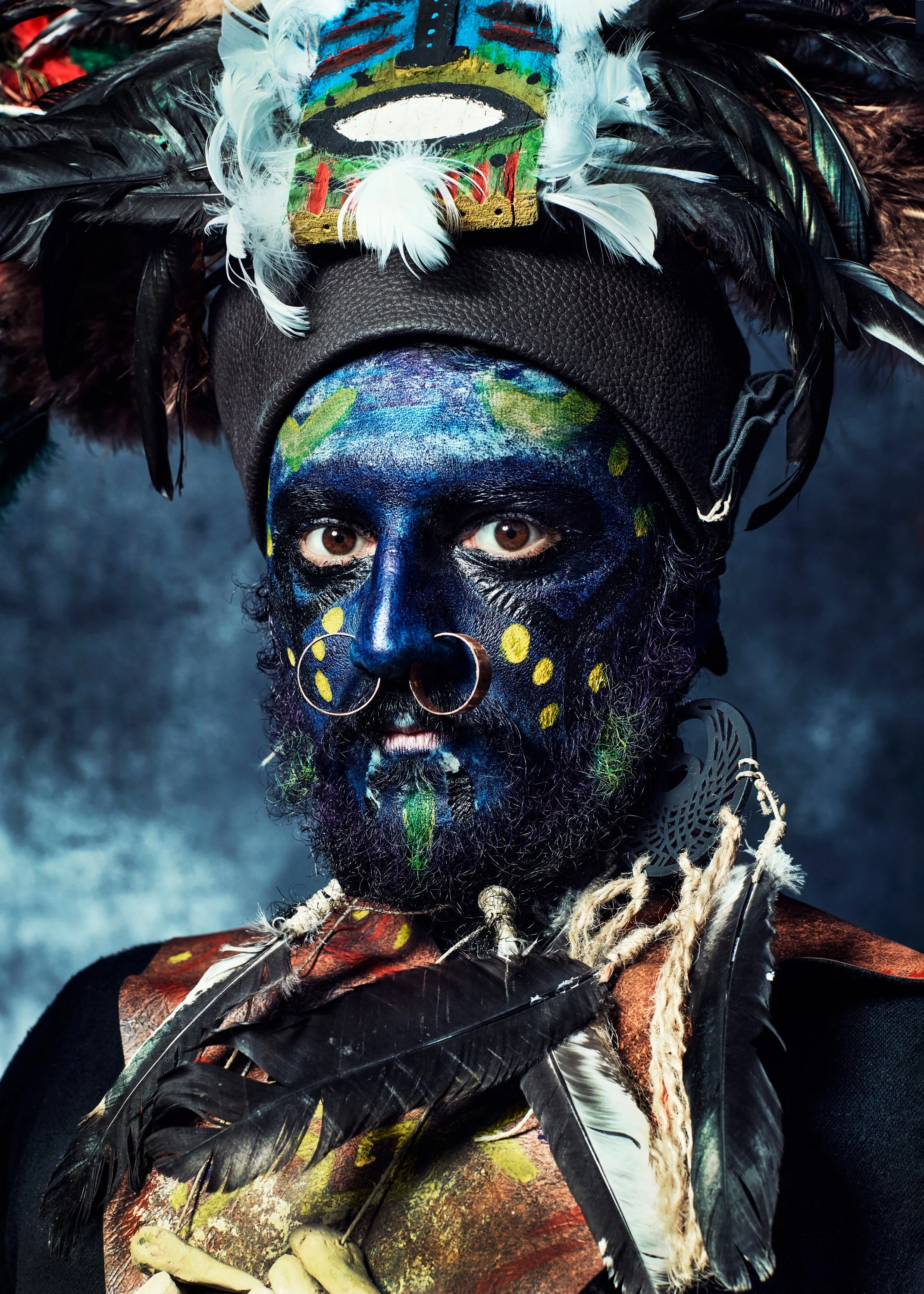
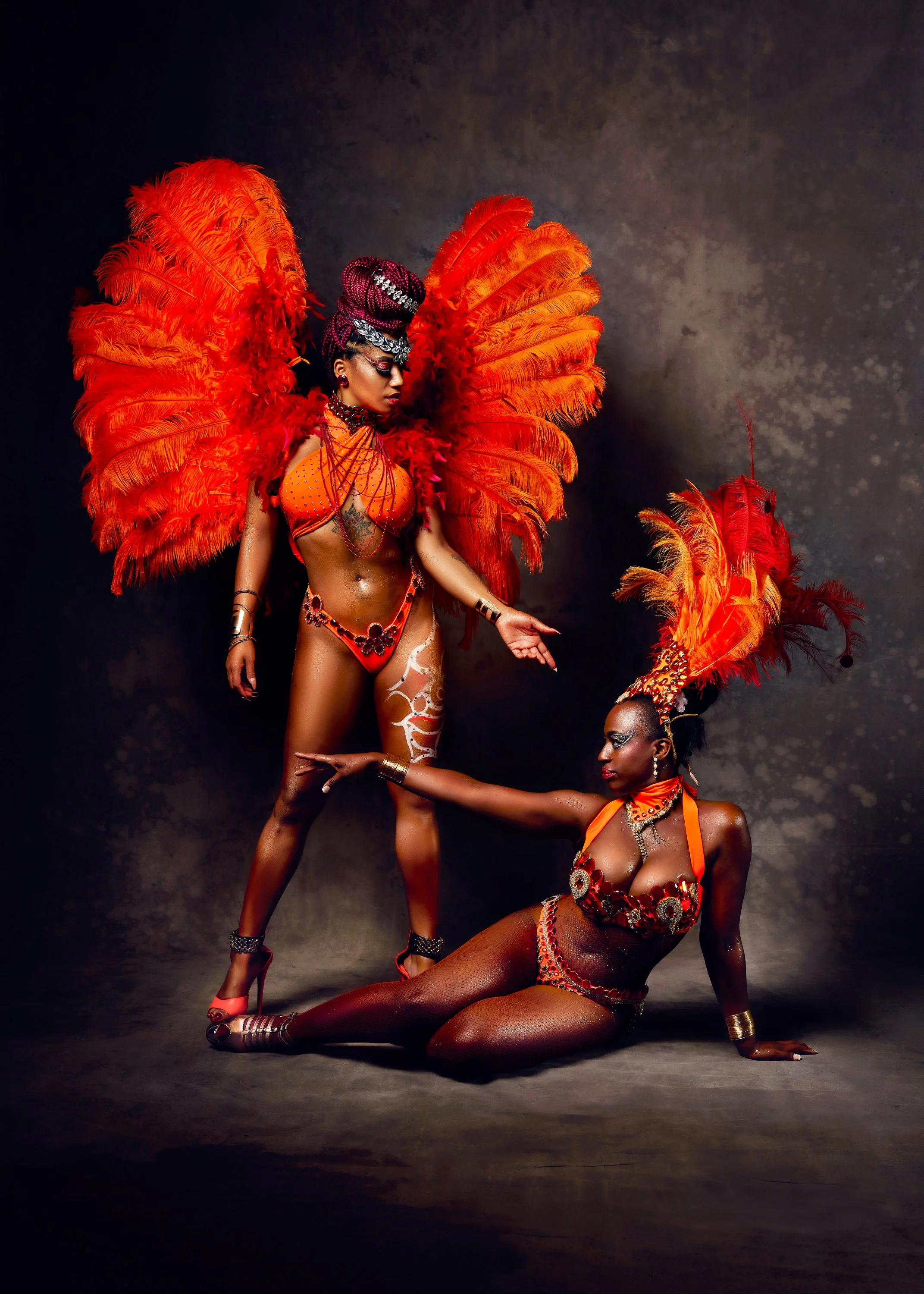
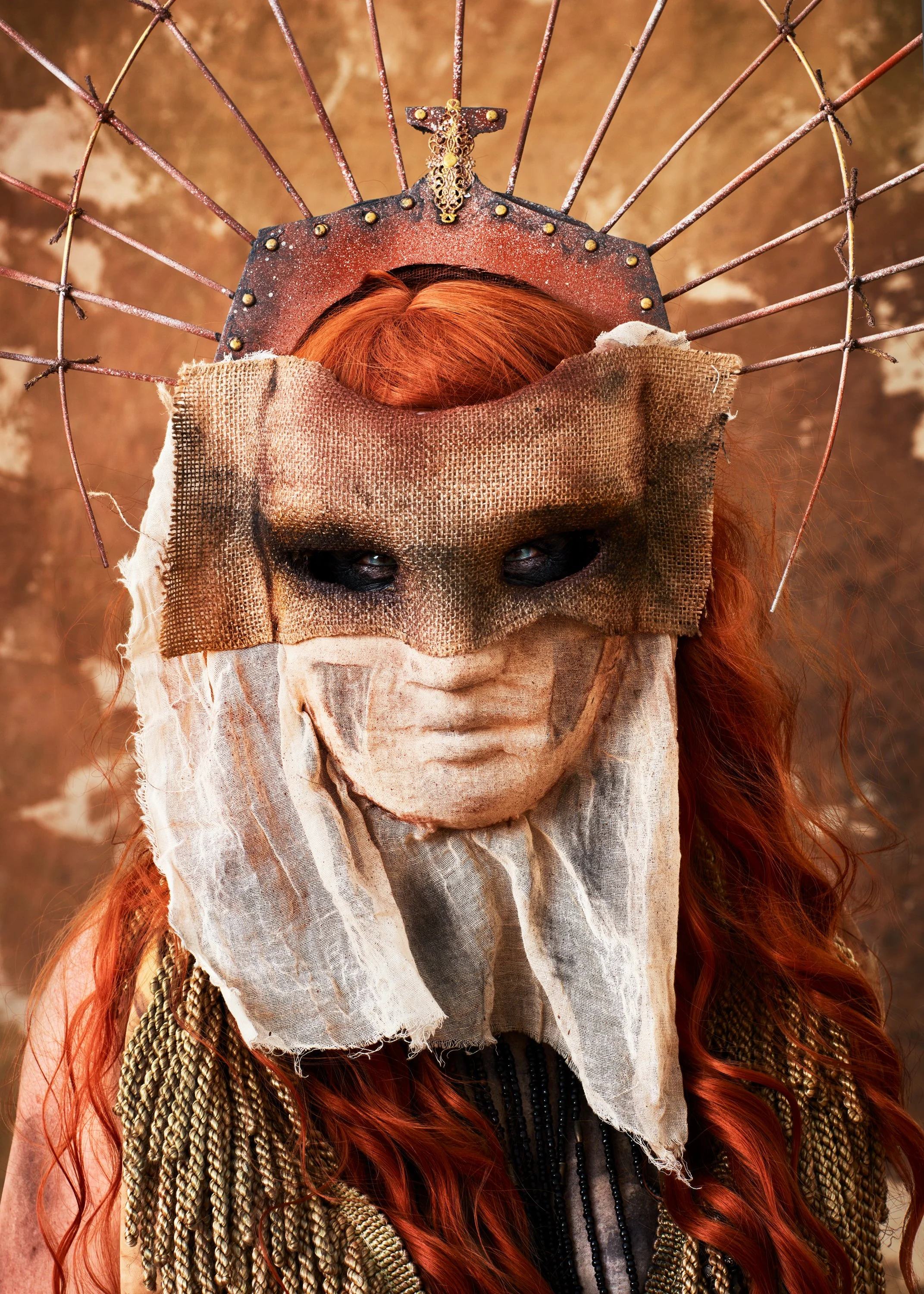
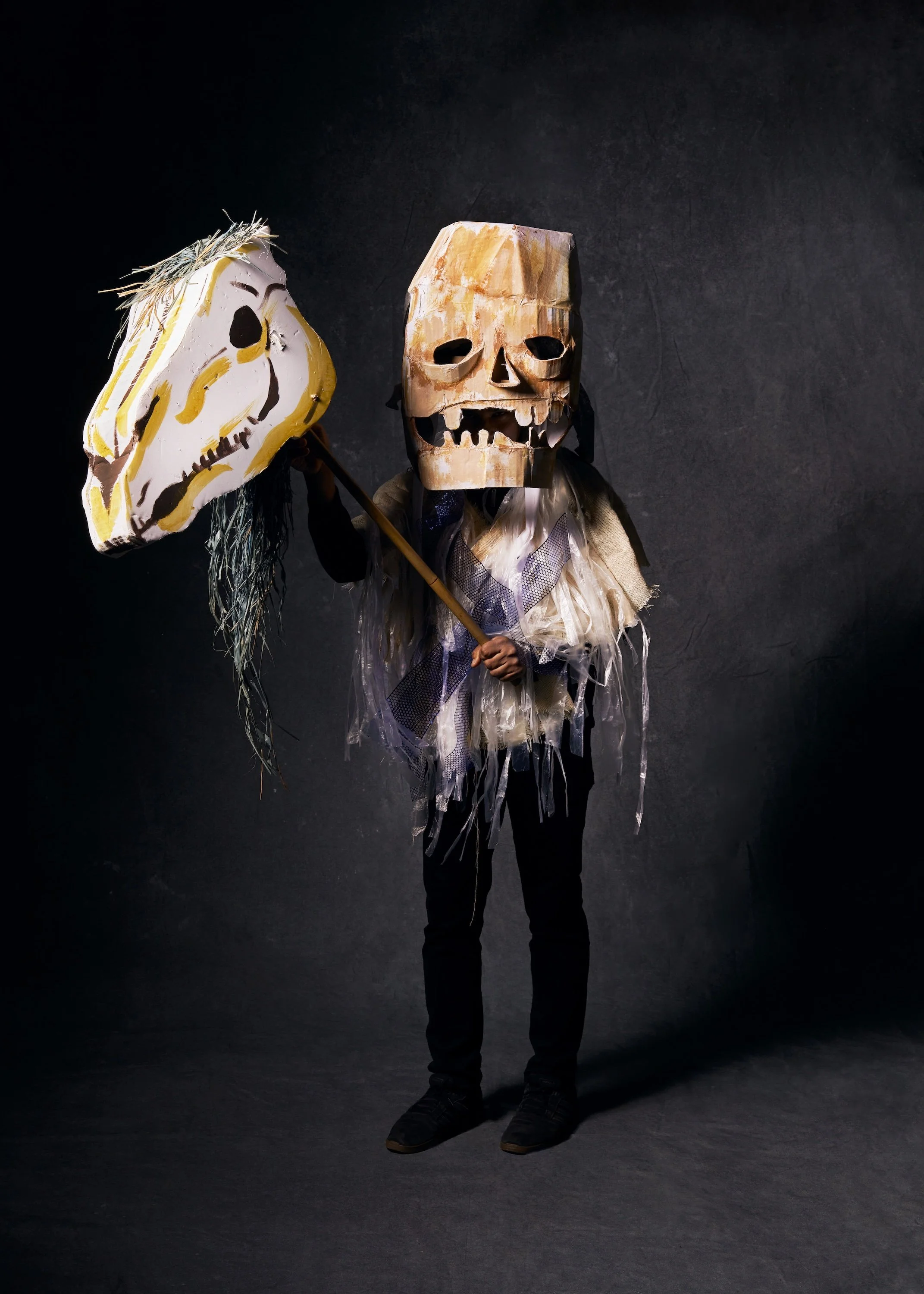
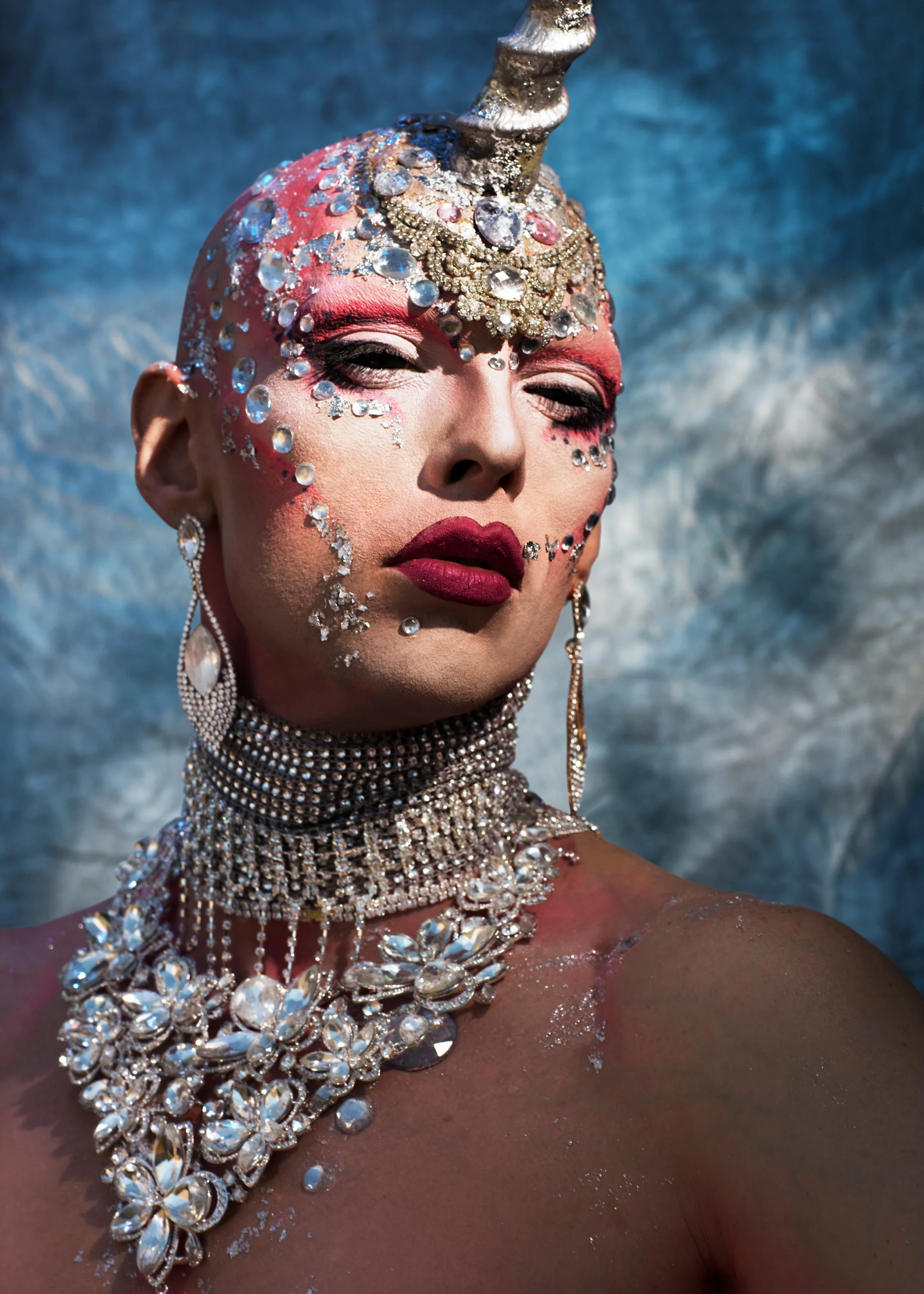
In Mayflies, Darren Smith photographs people at festivals and events where identity, fantasy, and self-expression become visible for a short time. For seven years, across three continents, he built a temporary studio in places full of music, weather, costumes, chaos, and moments of freedom. The result is not just a book about festival culture, but about the human need to be seen.
These portraits are about what happens when ordinary life disappears for a moment.
Smith removes the background, but he does not remove the feeling of the places where these people gather. Instead, he gives each subject a calm and formal space where their transformation can feel important, almost like a painting. In this interview, Darren Smith talks about building a studio in the middle of chaos, finding people without breaking the energy of the event, and editing more than 1,000 portraits down to 122 final images.
Smith shows that portraiture is about creating the right conditions for someone to feel seen. His work reminds us that the strongest portraits often come from respect, patience, and the ability to protect a short moment before it disappears.
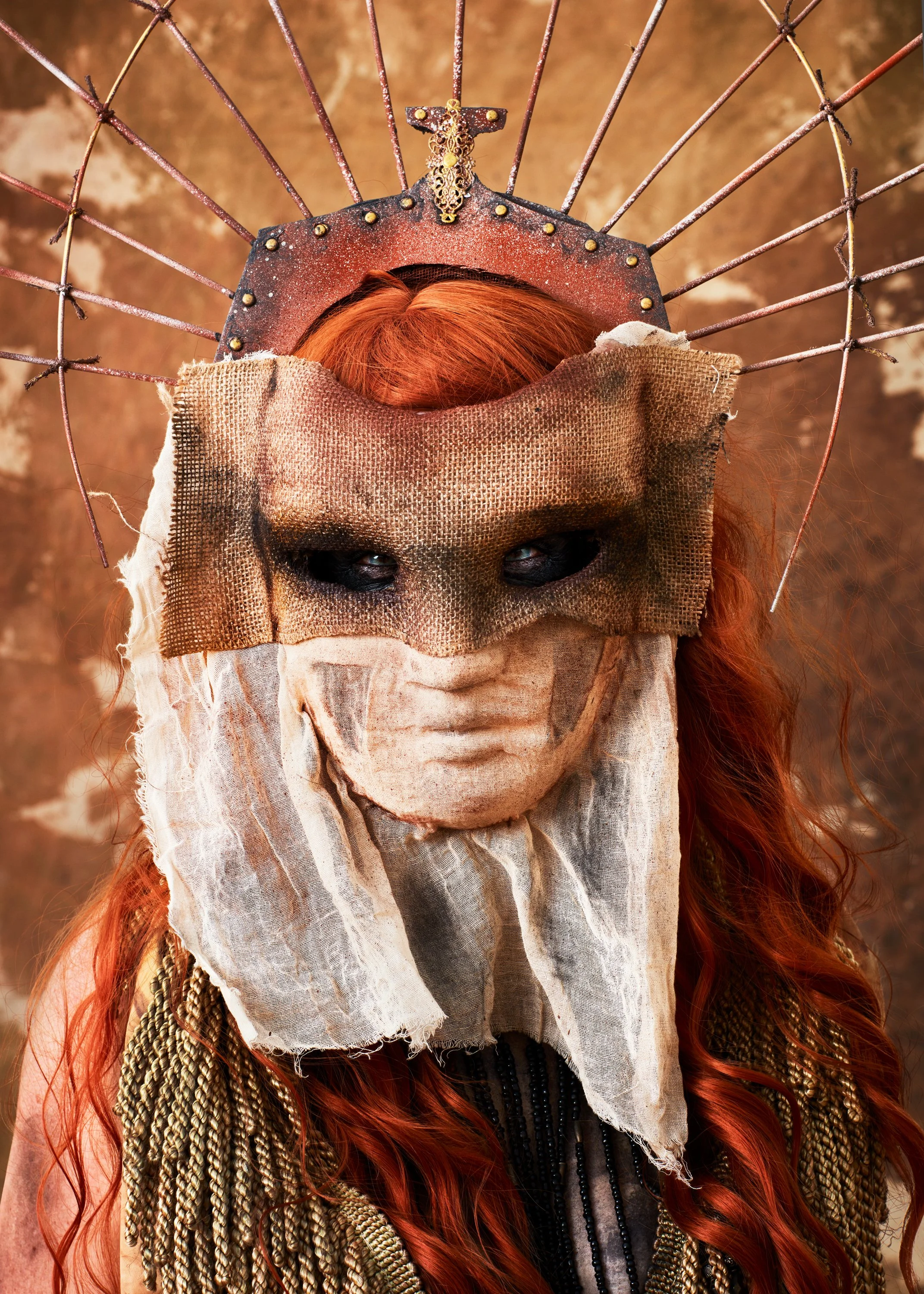
The Book
Mayflies by Darren Smith, published by Lecturis, is a photography book about radical self-expression, temporary transformation, and the human desire to be seen. Over seven years, Smith travelled across three continents to photograph people at festivals, spectacles, and cultural gatherings, creating 122 studio portraits of individuals who step into unique personas for a short and intense moment. Inspired by the brief life of the mayfly, the book turns these fleeting encounters into something lasting, giving each subject a calm and monumental space away from the surrounding chaos. (Lecturis, Art Data)
Project genesis: Mayflies took seven years and covered three continents. What was the moment you decided this was a real long-term project, and not just a series of festival photos?
Pretty early on in the process. I had just moved to Amsterdam, and it started as separate projects documenting night culture in my new city. My upbringing was fairly conservative, and I had never really been exposed to many of the subcultures that I suddenly found myself documenting. I was this open-minded stranger, who they welcomed in, and allowed me to capture them. They had somewhere they felt like they could call 'home', and that is what I was looking for, and admired in them.
Then I got a couple of international invitations, which I took up because it felt exciting, and I wanted to prove to myself I could do it. I remember getting those pictures back, and thinking, 'wow, I have only just scratched the surface'. It felt like (and still does), diving into an endless ocean of creativity and cultures to navigate.
The studio setup: You set up a temporary studio at festivals and events to photograph people. How did that idea start, and why did you choose to remove all background from the portraits?
Removing the background first started as a very practical solution to photographing people that it would be otherwise impossible to bring into a traditional studio. It evolved from there, into what you see, after I picked up a copy of Irving Penn's Worlds in Small Room. He photographed people from all walks of life in his ambulant studio, what he described as a bridge between worlds.
From that moment, it became about creating a studio with a special atmosphere that utilises a special set of circumstances: the music, aesthetic, and moment people are comfortable expressing themselves.
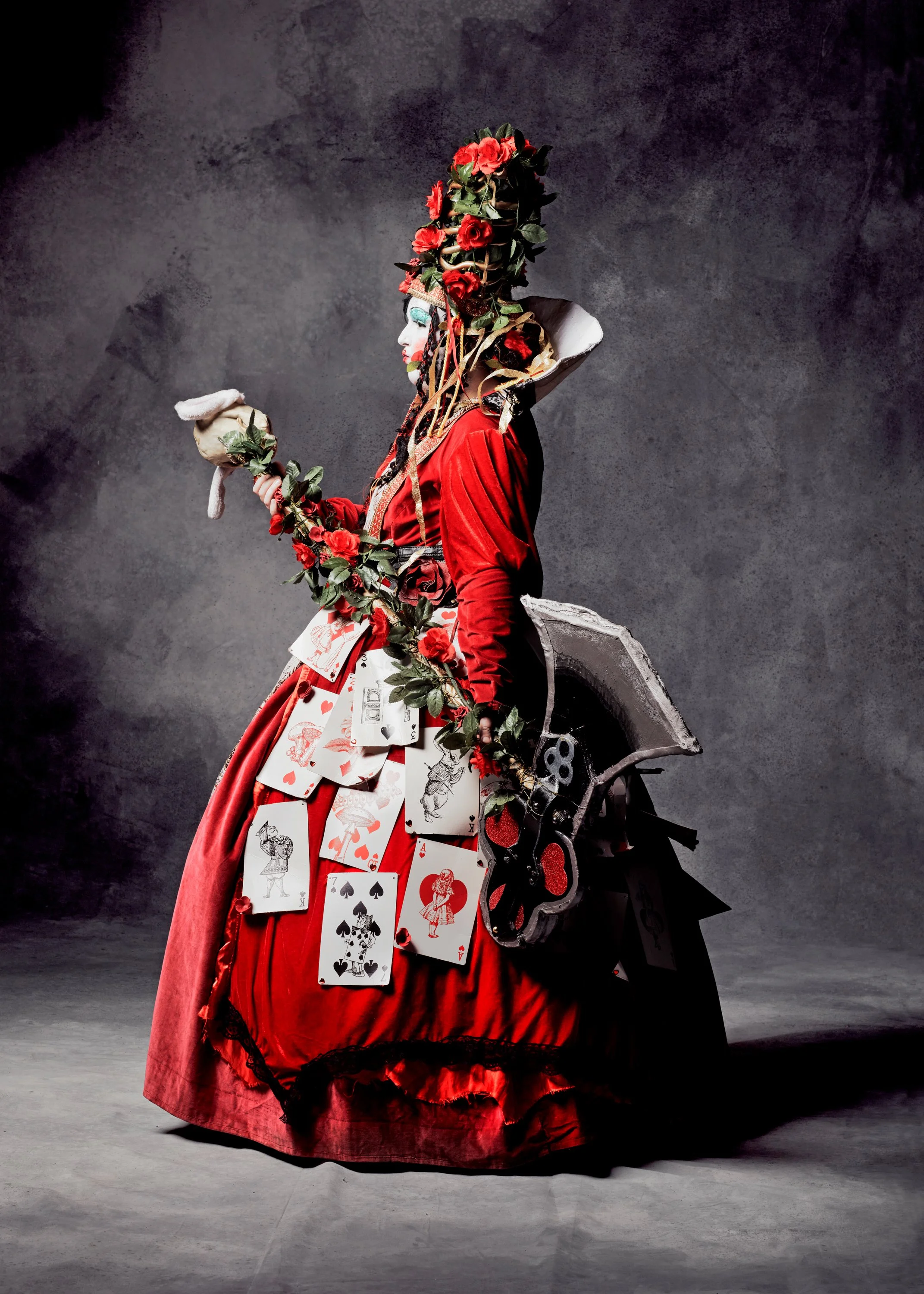
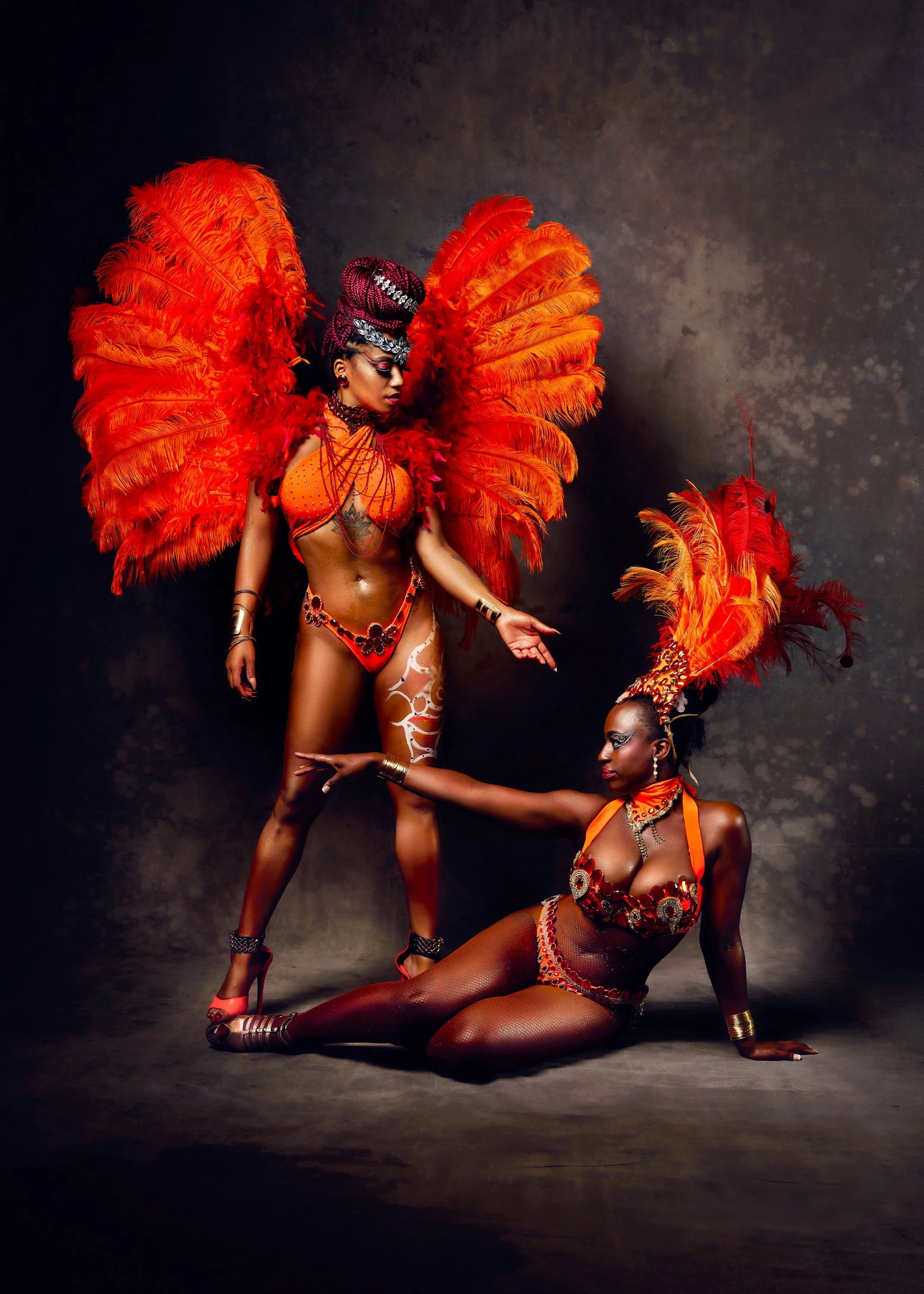
They wait all year for this opportunity to be together, and they go to such extraordinary lengths to transform themselves for such a short period of time. I think creating the studio is a form of tribute, where I can create a space and say to them, 'I see you. Your story matters. You are beautiful just as you are, and what you create is art.' And the studio does that; it elevates them to a monumental scale. They become art themselves.
Working in chaos: Festivals are loud and busy. What is the biggest challenge of building a calm, focused portrait setup in those kinds of places?
I am constantly battling the weather. The hand-painted backgrounds I use are six metres long. Even with a short gust of wind, it acts as a sail. In addition to unseemly fabric folds being a total eyesore, it is also very distracting to have the background flapping around while you are trying to shoot. There is also exposure to the elements: I have been in polar climates and in deserts, places where even walking around outside can be a struggle. You can dress accordingly, but it has been so extreme, for example, in the Shetland Islands (during the Viking fire festival Up Helly Aa), where it was so cold the camera stopped working.
As a result of all this, I have learned to let go. It is not a perfect, sterile studio, but it also no longer pretends to be. It is marked by the environment, whether it is confetti, leaves, or the background flapping in the wind. The culmination of these elements has transformed it into its very own, unique thing.
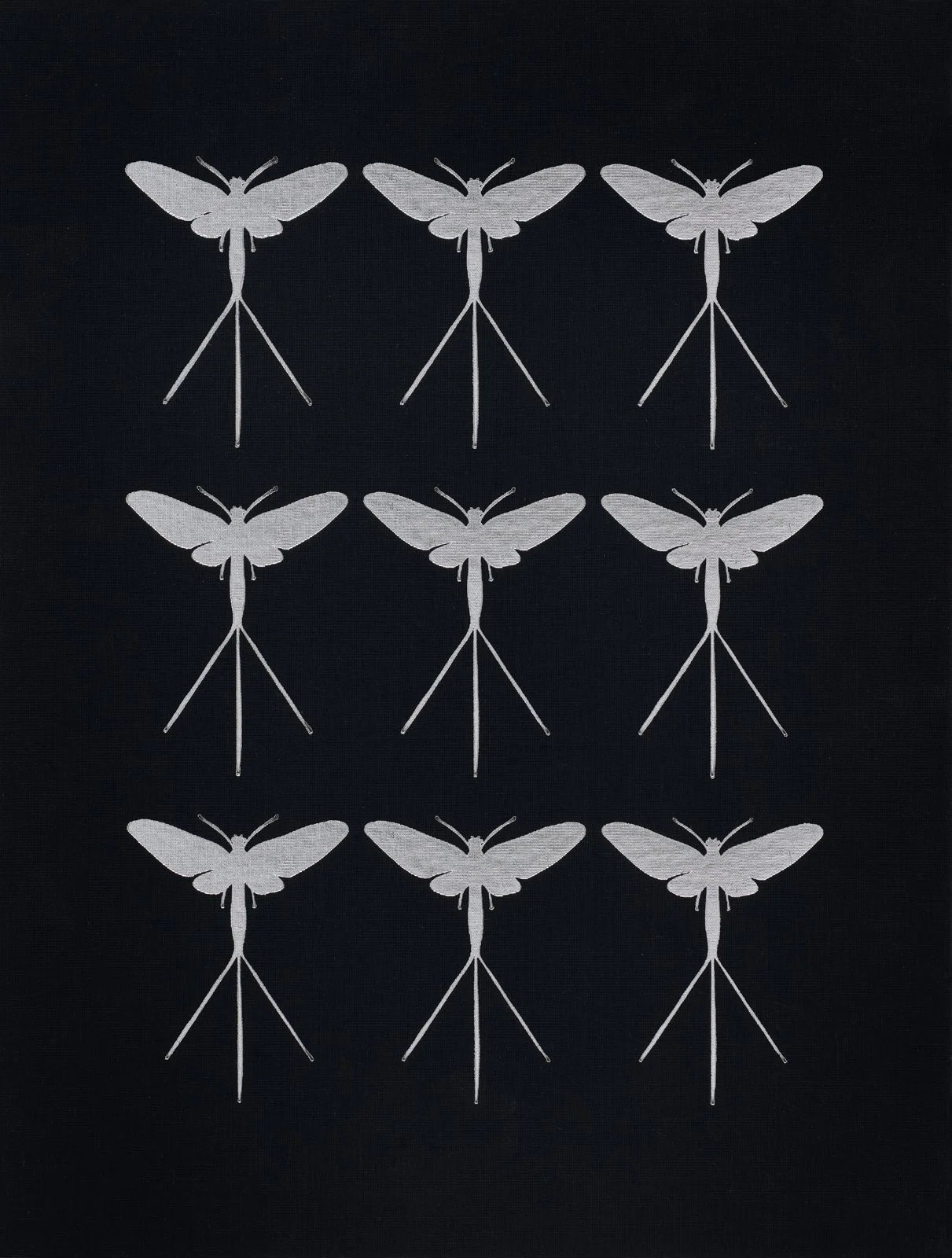
The connection: The book is called Mayflies, inspired by an insect that lives only one day. How does that idea change the way you approach a portrait session with someone you will probably never see again?
I want everyone I photograph to see with the same beauty that I see them. Mayflies live these short lives, but with the photographs, I treat it like the inverse were true: we will meet again. Another year, or another festival.
You might be surprised to know that I am still in touch with many of the people I photograph. Just last weekend, someone from the book asked me out of the blue if I could join him and his fiancée in Paris to make a few portraits to celebrate their engagement. To think, the last time I saw them was five years ago, when we first met and I photographed her at Burning Man.
It is more than just a single coincidence. I have dozens of stories like this. True, some people you know you will never see again, but it is these connections that have changed me, and the motivation behind why I photograph.
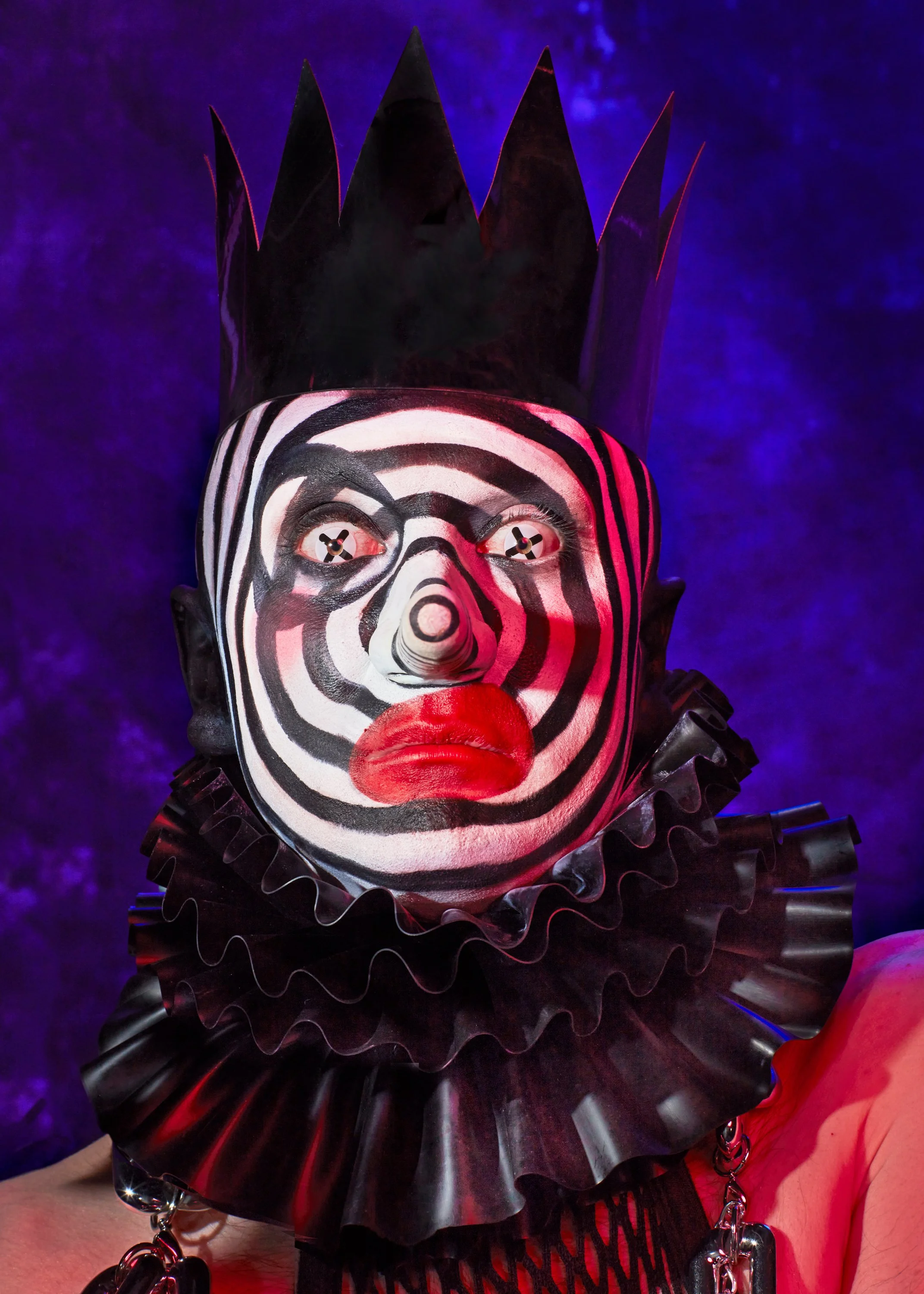
Finding subjects: You photographed people at very different events, from Vogue ballrooms in Paris to the Mojave Desert. How did you find and approach the people you wanted to photograph?
As you might expect, I am anchored to my studio. The curious-minded and often most interesting people wander by, either to take photographs themselves of the setup, or are all too happy to oblige if I ask them to find the 'right' sorts of people.
I also always travel with an assistant or two of my own, who are dedicated to finding people. Every festival is different, so I cast different people and skills to align with the interests of whatever that is going on. I have learned the key to maintaining someone's immersion is not to over-explain the entire art project. The line to approach people is: "You look amazing, follow me."
Sometimes language is also a barrier, and I also need a translator. On one very rare occasion, in North Macedonia, I had neither photography assistants nor translators pre-arranged. So, I spoke into my phone, using Google Translate's voice feature, until the battery died. Then an eight-year-old girl appeared, who was the daughter of the event organiser, and ended up translating for me. Her photograph ended up in the book.
The technical side: What camera and lighting setup did you use for the portraits, and did you keep the same setup across all three continents?
I use a Canon 5Ds with prime lenses. I actually own two identical bodies that I work between to avoid being interrupted by the need to change lenses. I have heard that many people hate this camera because it does not perform in low light, but I never photograph above ISO 200. The colour and detail of this camera I adore, and it is 50MP photographs that render such detail and precision.
For lights, I have used every lighting system known to mankind during the lifespan of this project (Broncolour, Elinchrom, Godox, and Profoto). But my real workhorses are the two Profoto B1s that have been with me on every shoot. I prefer the simplicity and pristine beauty of a single light setup, usually a soft box, to emulate the crisp light you get from a north-facing studio.
However, the unpredictability and nature of the work mean I need to adapt to ever-changing circumstances. Things I use on a regular basis include: beauty dishes, hard boxes, soft boxes, snoots, UV attachments, and coloured gels. In other words, basically everything that could potentially fit inside a suitcase.
The entire setup (backgrounds, lights, stands) packs down into three cases that fly with me everywhere I go. The system is the same, but the individual parts change based on each event. The visual unity of the work comes from the lens choices, direction of the light, and my bespoke backgrounds. The backgrounds are all hand-painted in Amsterdam by a team of set designers (Gloudy) that have collaborated with me since Day 1.
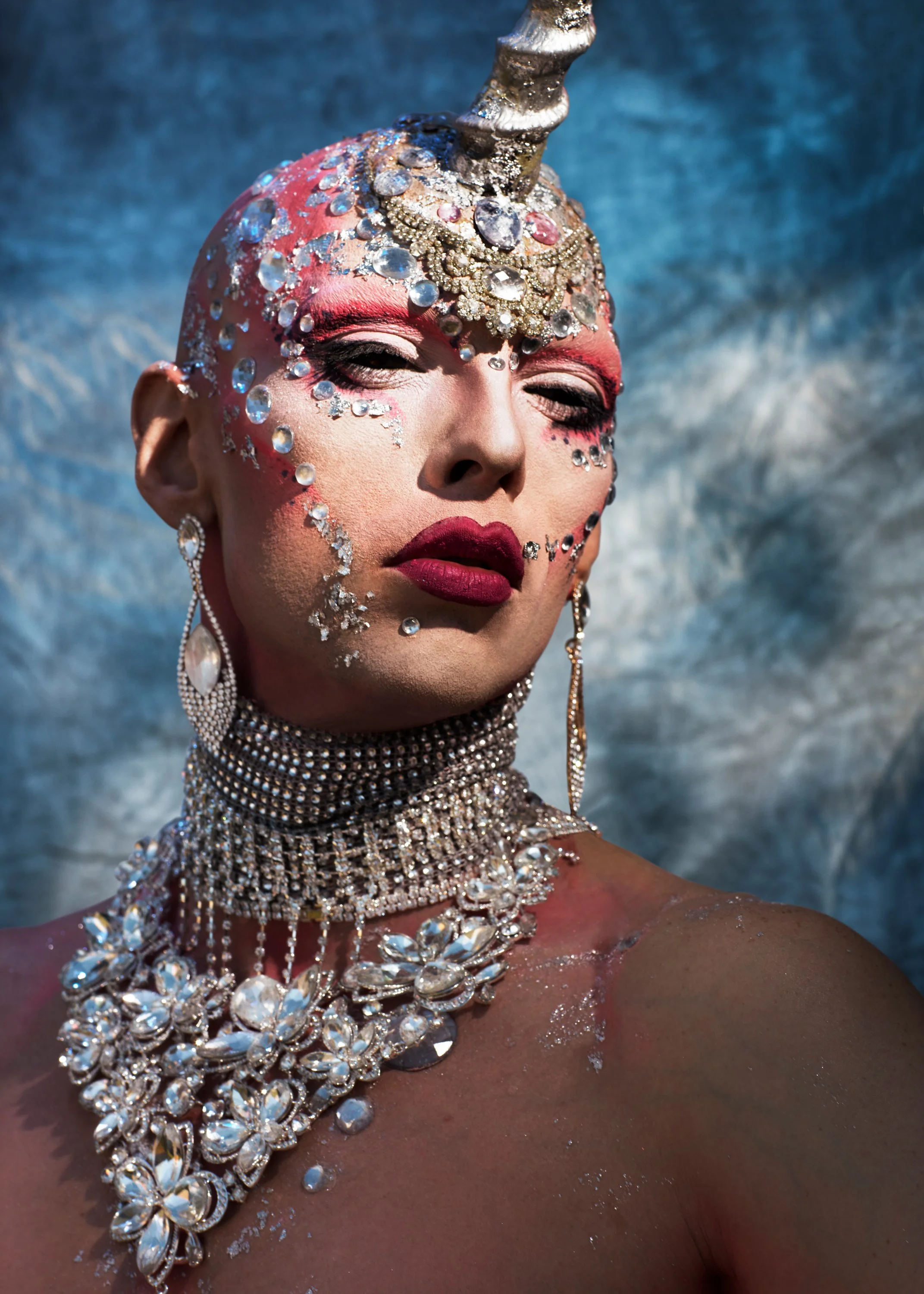
Editing 122 images: After seven years of shooting, how did you decide which 122 portraits made it into the book, and what did you look for in a final image?
I photographed over 1,000 people over the seven-year time span. There are photographs that I knew the moment I clicked the shutter would make it into the book. But I am deeply immersed in the whole process of meeting people, the otherworldly environments, and the chaotic situations I find myself in, which inevitably leads to biases. I love every part of it, so it was an impossible task to make the selection all by myself. I do not recommend anyone thinking about making a book taking on the selection process alone, either. I also really wanted to collaborate with someone who had their own strong ideas on what the project was about.
I am thrilled to have collaborated with editor and designer Stuart Smith (GOST) to realise the project into book form. I have learned there are many stages to a good edit, and everyone has a different way of doing it, but for me, nothing beats looking at printed material.
I spent two days with Stuart in London, placing prints out on his floor, examining each one next to another. There is something perfectly sublime that arises out of the tactile nature of rearranging prints and you arrive at new pairings that otherwise feel inconceivable in a digital format.
I believe in the power within an individual image is to captivate you, to stop you in your tracks, and for portrait, that is to hold you within the gaze of the subject. Part of what I ask myself in a final image is 'is it iconic'?
Iconic images are timeless, existing outside our natural flow of time, and to me, a good photograph has the power to immortalise the subjects. At the same time, I look for ways that the subjects are marked by their surroundings, which the background largely removes, of course, but there are subtle hints, in their festival wristbands and imperfections, that I think make the photos truly unique.
Borrowing from other art forms: Your work focuses on identity and self-expression. Did any other art form, like theatre, fashion, or painting, influence the way you think about a portrait?
I am heavily influenced by Dutch master paintings in how I construct my photographs. The hand-painted backgrounds are chosen often to resemble elements from Rembrandt and others, to add a certain formality and stillness to the photographs.
On a more conceptual level, I am inspired by Edo Japanese Ukiyo-e, the woodblock art form that literally means 'pictures of the floating world' and generally a hedonistic way of life. I often think how the photographs are a negotiation of the shared experience of the event, blending fantasy and reality, to create a floating world of my very own.
Ukiyo is also homophonous with 'this world of sorrow and grief' from Buddhism. Beauty tinged with sadness is something I think about a lot when I see the portraits. It reminds me of the line from Bladerunner: "I have seen things you people would not believe [...] All those moments will be lost in time, like tears in rain."
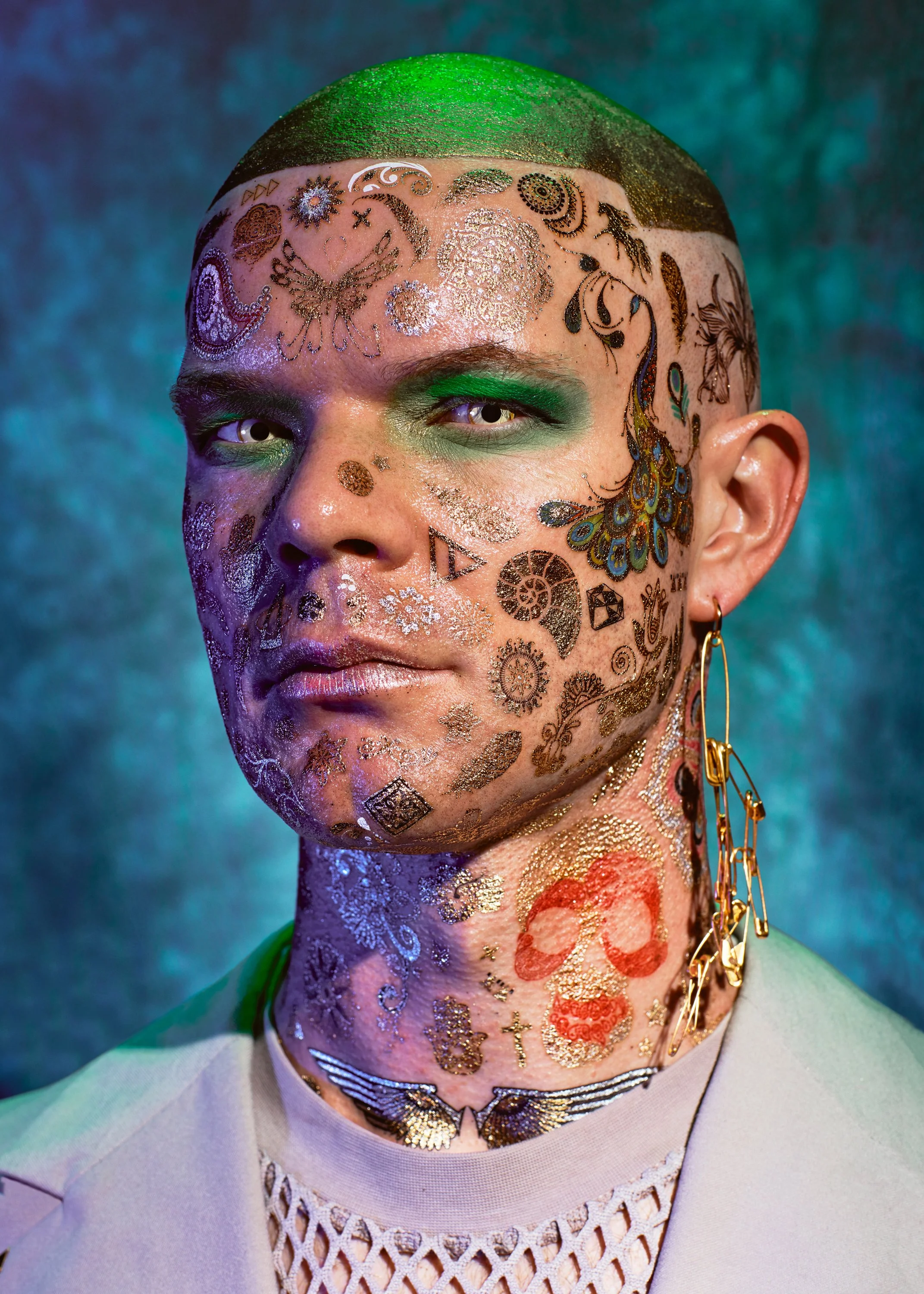
The book as a whole: Now that Mayflies is finished and published, what do you hope someone takes away after looking through all 122 portraits?
Creativity is human. It is beautiful that this can all exist on our planet, and we should celebrate it. No matter where you go, expressing oneself is part of human nature. It can be weird, wild, and wonderful, seen separately or all together at once.
Extra question: Some of these festivals last for 24 hours, sometimes even several days. How do you know when to set up?
Every event has its own personality, but they all go through a lifecycle. People arrive and warm up, then the energy gets going, and it all builds to this fever pitch moment, before fading off. It has its own ephemerality (mayfly-ness?).
My goal is to ride that wave of energy from the pre-festivities up until that crescendo point. On multi-day events, I will cherry-pick my moments around specific focal points, like a street parade or a sunrise DJ set. I place the studio as close to the action as possible.
Then how many hours do I spend photographing? I will shoot anywhere from one to twelve hours. I always tell my assistants, 'We will either stay until the end or until we stop having fun'. It has to be fun, and you can see that in the photographs.
More photography books?
We'd love to read your comments below, sharing your thoughts and insights on the artist's work. Looking forward to welcoming you back for our next [book spotlight]. See you then!
Robin de Puy could no longer make this project alone. She first photographed Randy in Ely, Nevada, during a 2015 road trip and kept returning to him for more than ten years. Interviews