Marina Sersale Started Photographing Rome by Chance. 10 Years Later, It Became Liminal Space
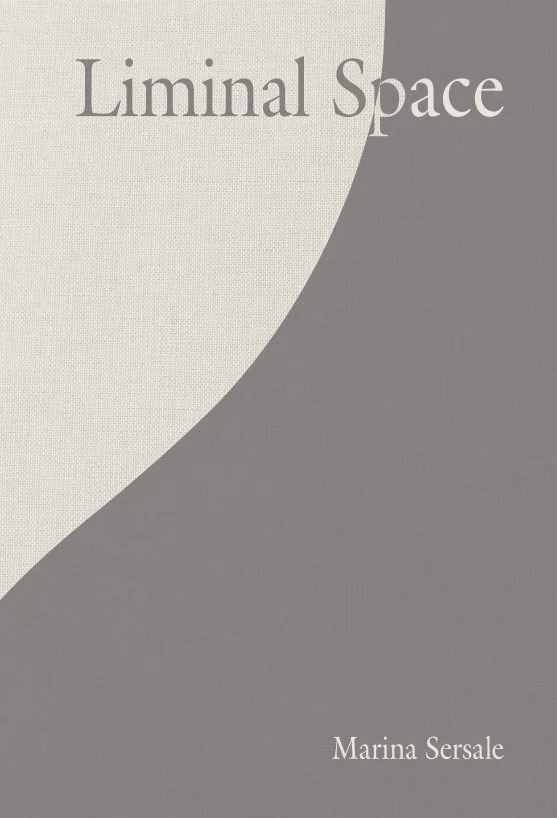
Welcome to this edition of [book spotlight]. Today, we uncover the layers of 'Liminal Space,' by Marina Sersale (published by GOST Books). We'd love to read your comments below about these insights and ideas behind the artist's work.
Marina Sersale found mystery on her daily walk.
What began as a simple habit slowly became a way of seeing. Walking through Rome to work, she started taking pictures with her phone, first without any clear plan. Only later did she understand that she was being drawn to a certain kind of light, shadow, and strange everyday scene.
That is how Liminal Space began.
The book brings together more than 10 years of black-and-white photographs made in Rome, Venice, New York, Positano, and other places. But the work is not really about cities as places. It is about the quiet moment when something familiar suddenly feels open, uncertain, and slightly unreal.
Sersale speaks about waiting, instinct, black-and-white, and why some pictures only make sense later. A body of work does not always begin with a clear plan. Sometimes it begins with pleasure, repetition, and noticing the same kind of mystery again and again.
The Book
Liminal Space by Marina Sersale, published by GOST Books, brings together more than 10 years of black-and-white photographs made in Rome, Positano, Venice, New York, and other places. What began by chance during Sersale’s daily walks through Rome slowly became a personal body of work about light, shadow, and the strange feeling that can appear inside ordinary life.
The book moves between streets, coastal landscapes, lovers, children, and strangers, but its real subject is the space between reality and imagination. Sersale uses black-and-white photography to remove distraction and focus on shape, mood, and atmosphere. Her images often feel suspended, as if the world has paused for a moment before becoming clear again.
Published in 2026, Liminal Space is a meditation on perception, memory, and human presence. It shows how a photographer can return again and again to simple daily moments and slowly discover a deeper visual language inside them. (GOST Books, Amazon)
Genesis: You have said the project started completely by chance while wandering Rome. What were you actually doing that day, and when did you realize these walks were becoming something bigger?
I live and work in Rome’s historical centre and I walk to work every day. One day, I have no idea when, I started taking pictures with my phone on my way to work, just for fun. After a short while I realised I was looking forward to those walks and really enjoying taking pictures. It’s not as if I didn’t know before then, it’s just that I became aware of how much pleasure it was giving me. I didn’t realise till much later that I was actively looking for a certain type of situation, or a certain kind of light - that came much later.
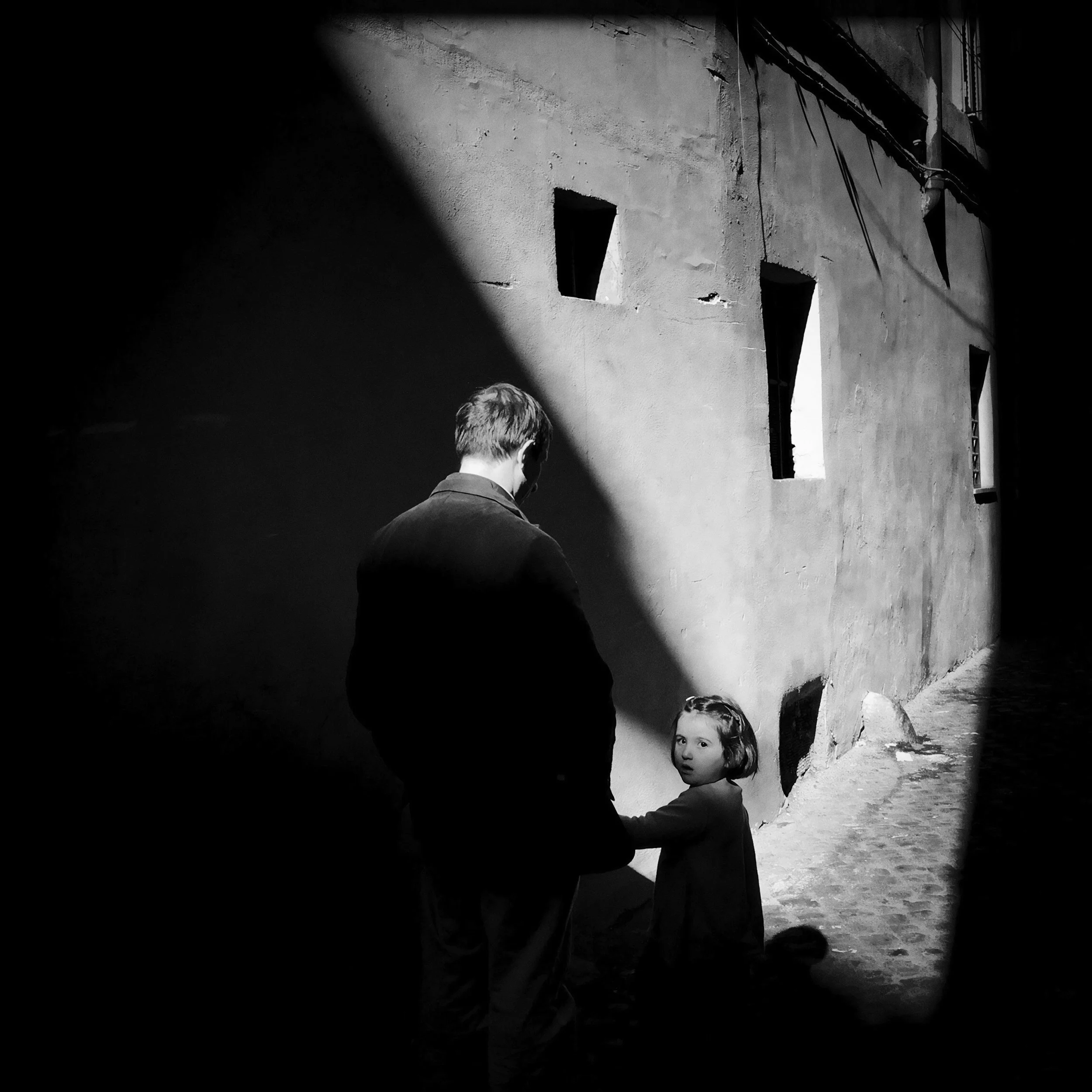
Seeing: You describe being drawn to moments where "the familiar becomes uncertain." How do you recognize one of those moments before it disappears?
I can’t explain it, but I don’t recognize it. When I take pictures I’m not thinking, I’m just drawn to something – a particular situation – and I start to shoot. Sometimes the magic happens, sometimes it doesn’t, I don’t know beforehand.
Black and white: The book uses dramatic black-and-white images across very different cities, from Rome to New York to Venice. What does removing color do to the feeling you are trying to create?
I’ve always loved black-and-white and when I shoot I actually see in black-and-white. Colour is a distraction, it complicates things. I’d love to find a way to turn colour into an element I can use but for the moment that hasn’t happened. Black-and-white pares things down, it removes elements that are unnecessary and allows me to find the shapes, the forms and the mood I’m looking for.
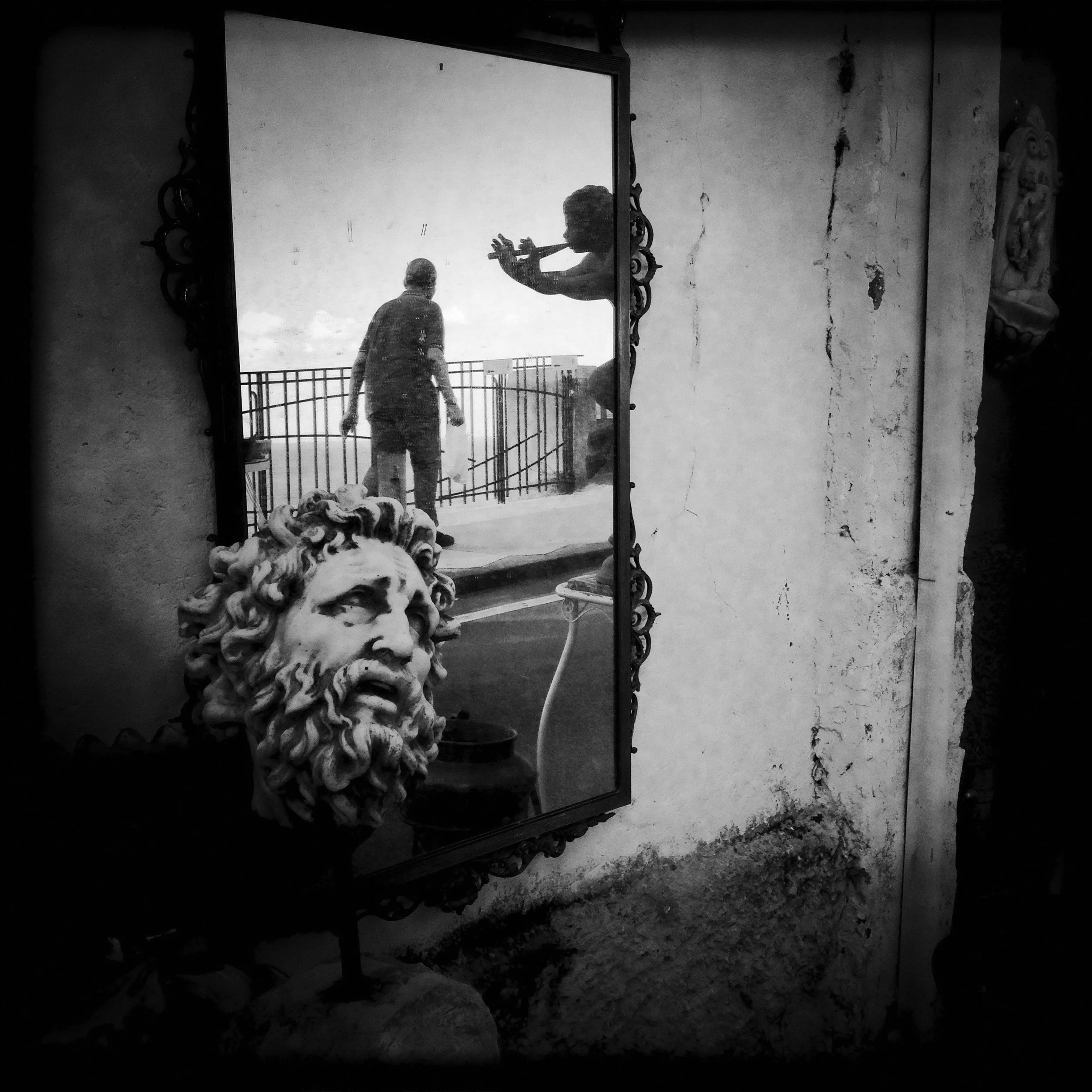
Light and shadow: Light and shadow are central to how you isolate a moment. Can you describe how you read a scene before you decide to shoot?
It happens in a fraction of a second, as soon as I notice the patterns that light and shadow have created. If I see something that attracts me I stop and then I wait to see if something interesting happens. It's very often quite a lenghty process, but the initial moment happens in a second. I'm afraid I can't explain it more clearly, possibly because I don't quite understand it myself.
Decade of work: The book gathers more than ten years of images. How did you decide which pictures belonged together, and what did you leave out?
Liminal Space wasn't really born as a project, it just sort of happened along the way, if you see what I mean. At a certain point I felt the need to put everything together and see if I could make anything out of it. Choosing what to include and what to leave out wasn’t easy, also because there wasn't an obvious story to tell and the parameters were subjective. This said, working with Stuart at GOST made all the difference.
Intimacy: Lovers, children, strangers all appear in these images. How do you get that feeling of closeness without disrupting the moment you are trying to capture?
By being as inobtrusive as possible, by trying to disappear into the background, by keeping very still. Sometimes when I shoot I actually hold my breath.
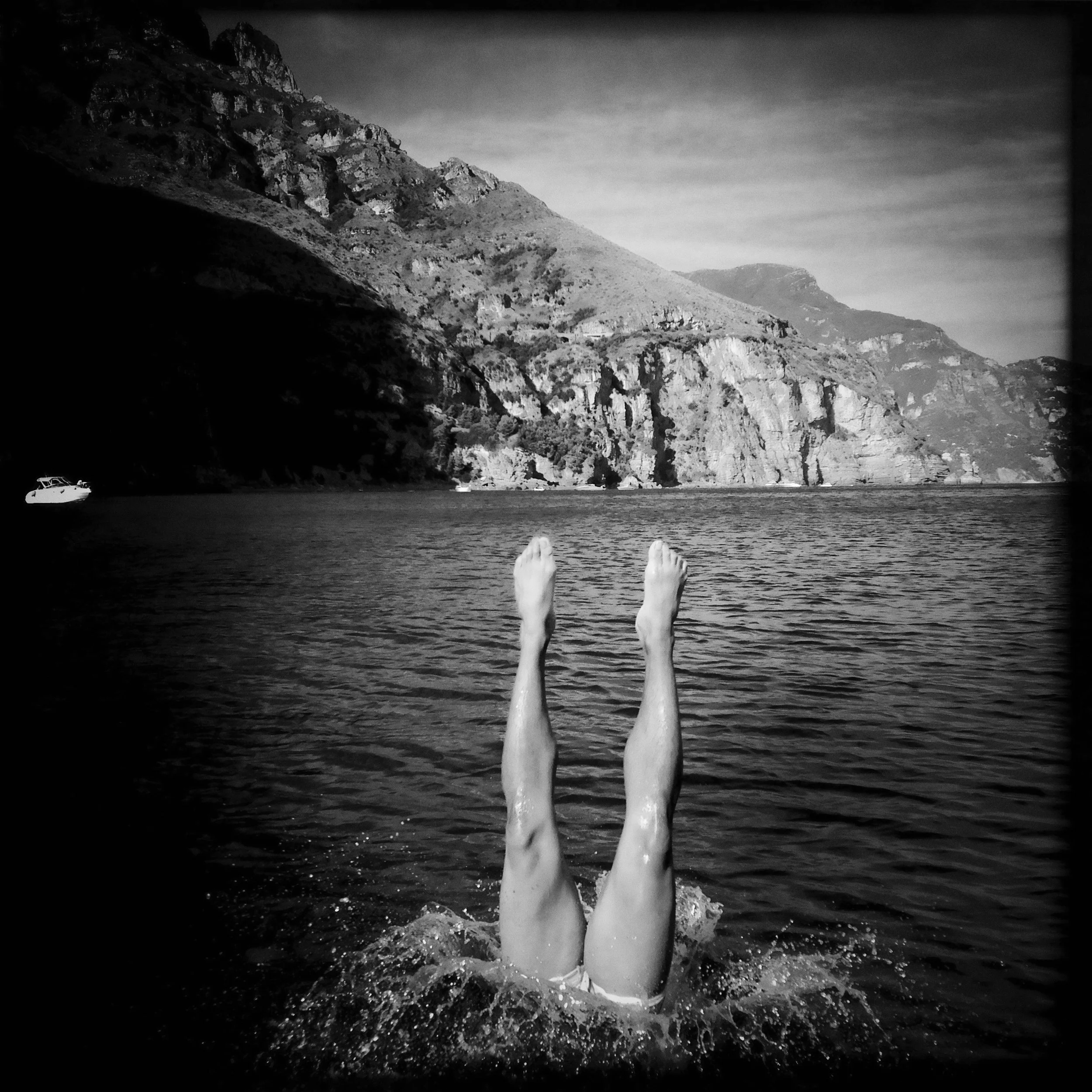
Cities: The work moves between Rome, Positano, Venice, New York and other places. Does "liminal space" feel different depending on where you are, or are you looking for the same thing everywhere?
I think I'm probably looking for the same thing everywhere. In fact, I find what I'm looking for more easily in places I know well, it rarely happens when I travel because I'm distracted by the newness. Also, when I'm travelling, often I haven't the time to stand still and wait for something to happen in a situation that I find interesting.
Perfumery: You have said your photography and your work as a perfumer both come from a sensitivity to detail and the interplay between perception and memory. How does thinking in scent actually change how you look at a scene?
No, not really. In fact I think it's the other way round: I think that the way I photograph has changed the way I work on scent. I try to listen to my inner voice and if find my work on scents is more complete, more interesting since I went back to photography.
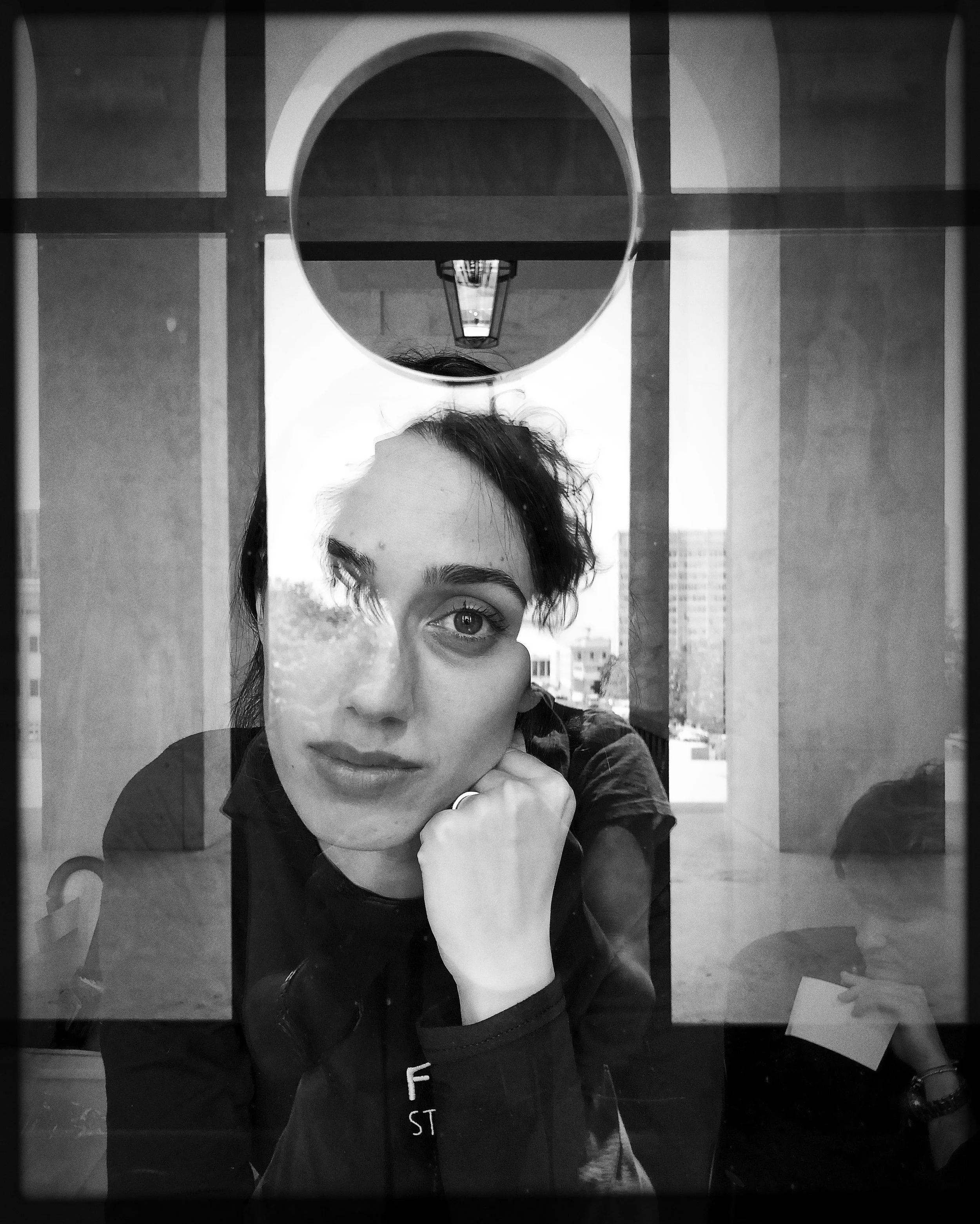
Film to photography: You spent years as a documentary filmmaker before returning to photography in 2012. What did working in motion teach you about making a single still image carry a full story?
The funny thing is that it didn't. I always knew that a good photograph can tell all the story, whereas a documentary often doesn't. Or, if it does, it does it in a very roundabout way. For me there's only ever been photography, my documentary work is not particularly interesting, except one which was a series of portraits of street children in Dakar, Senegal.
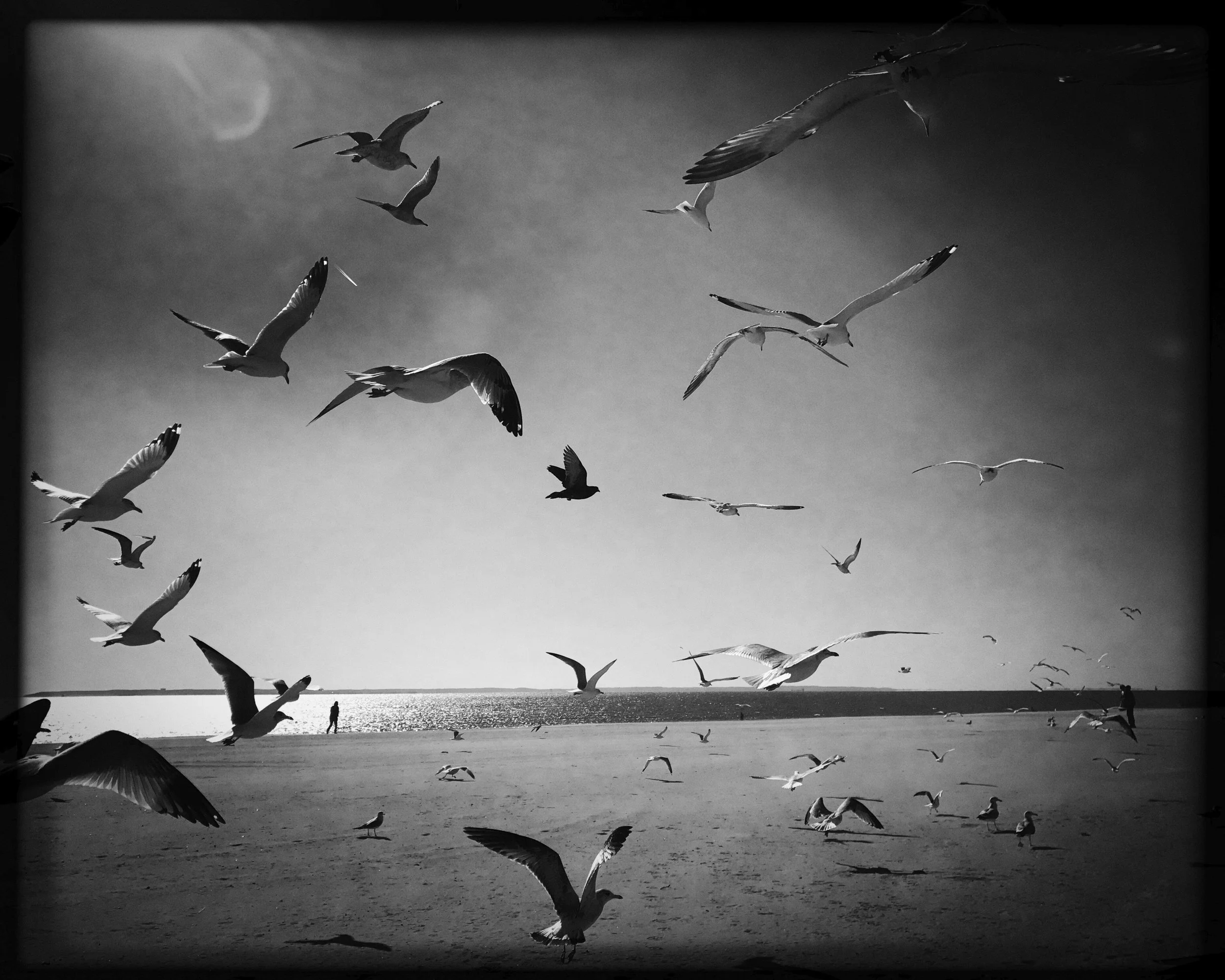
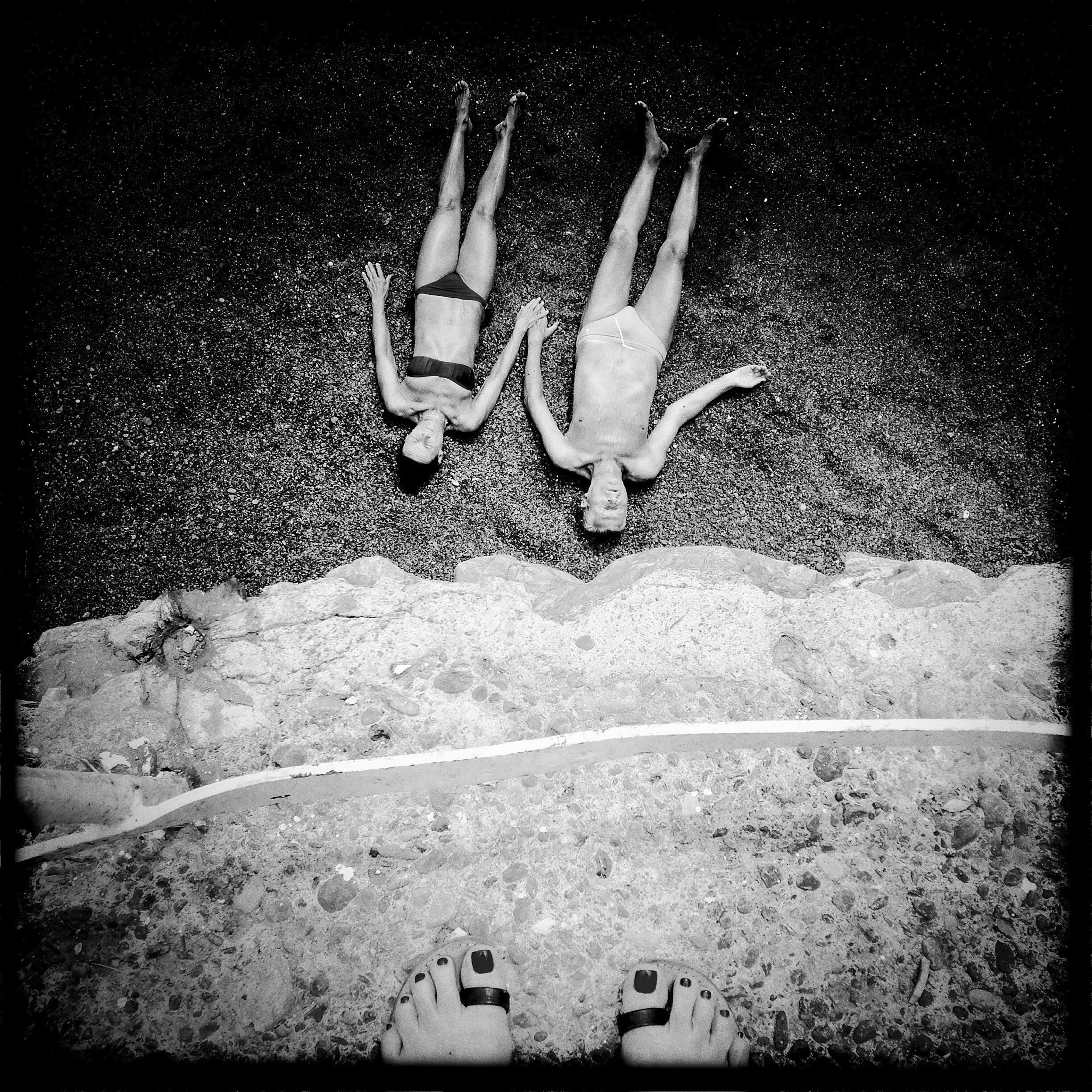
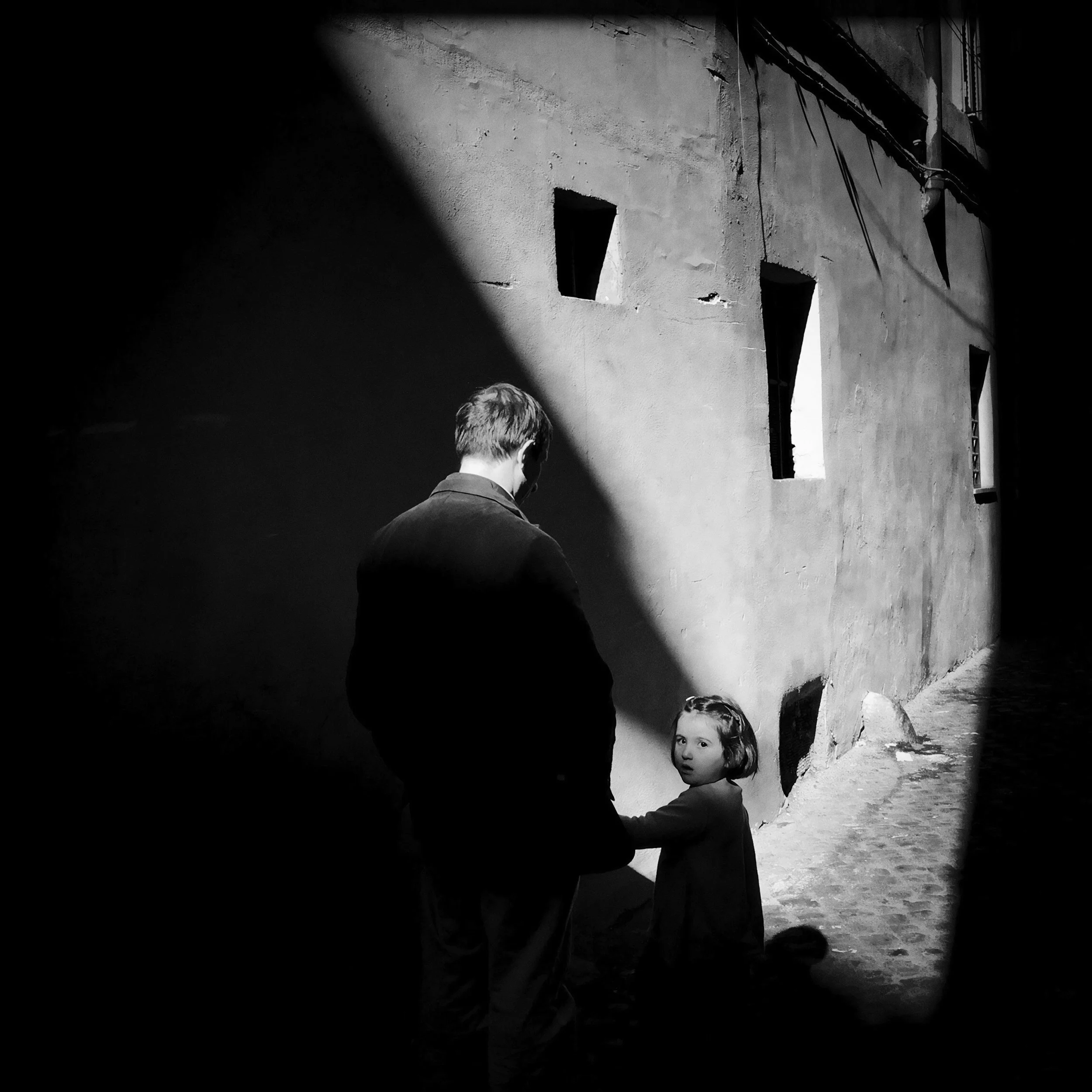
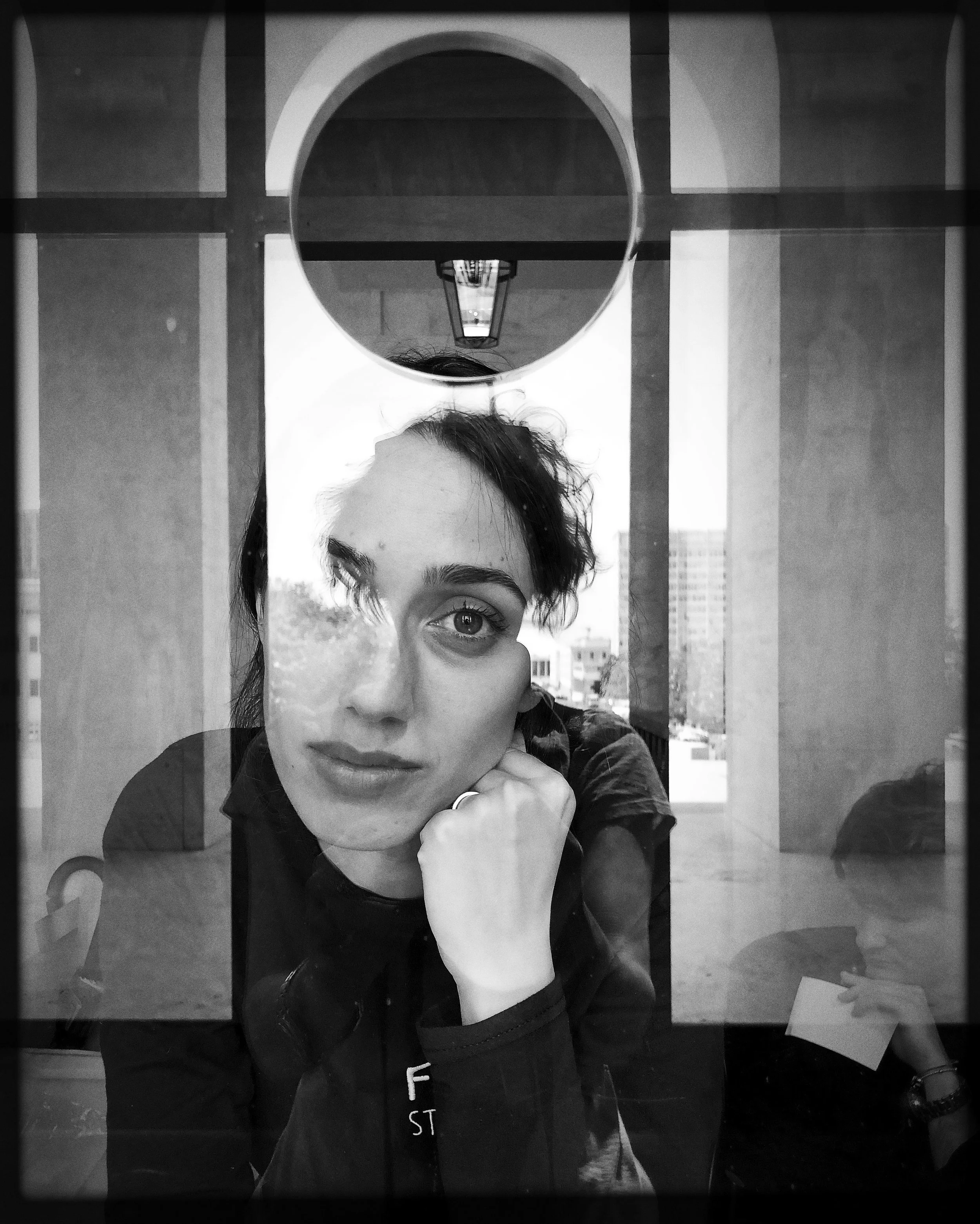
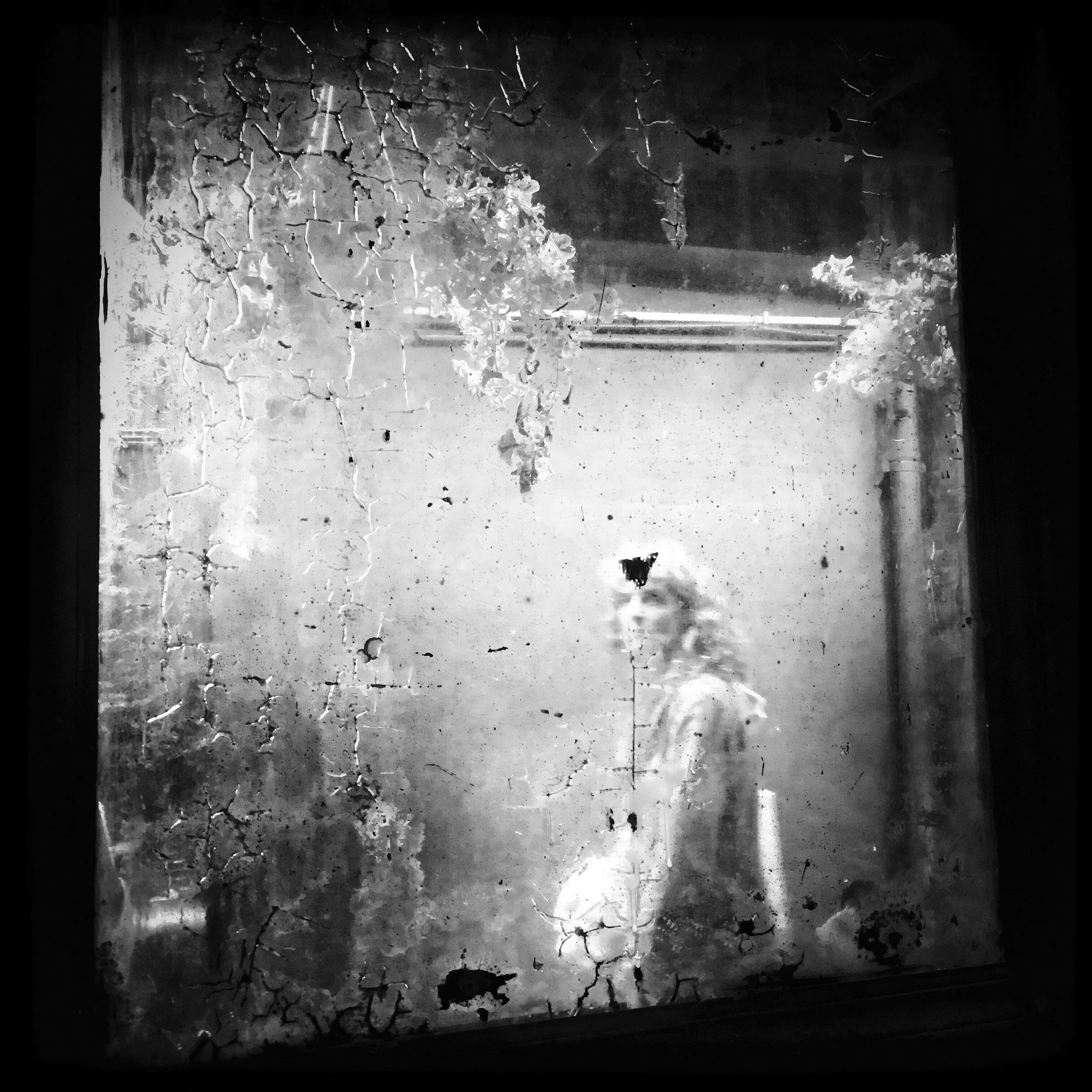
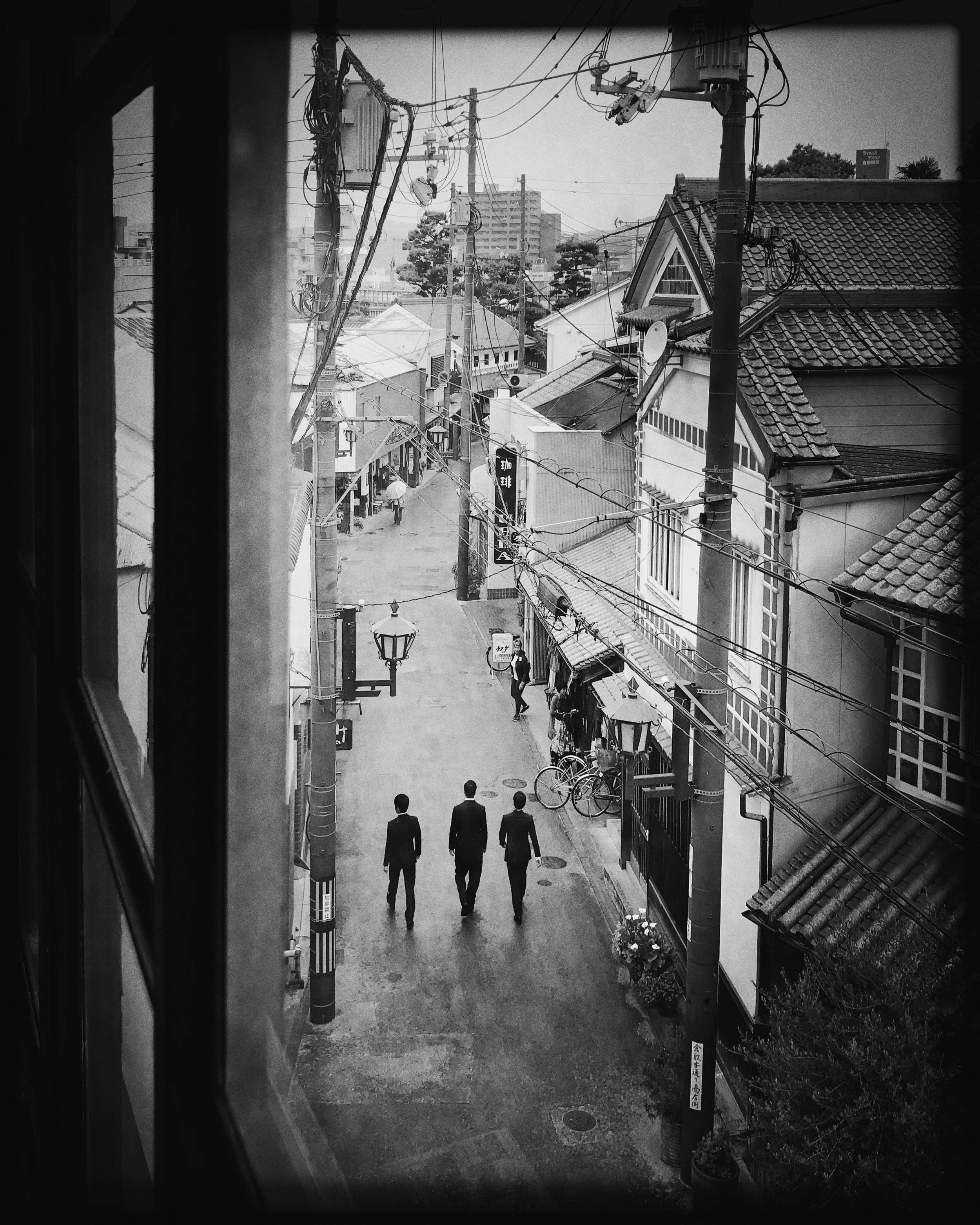
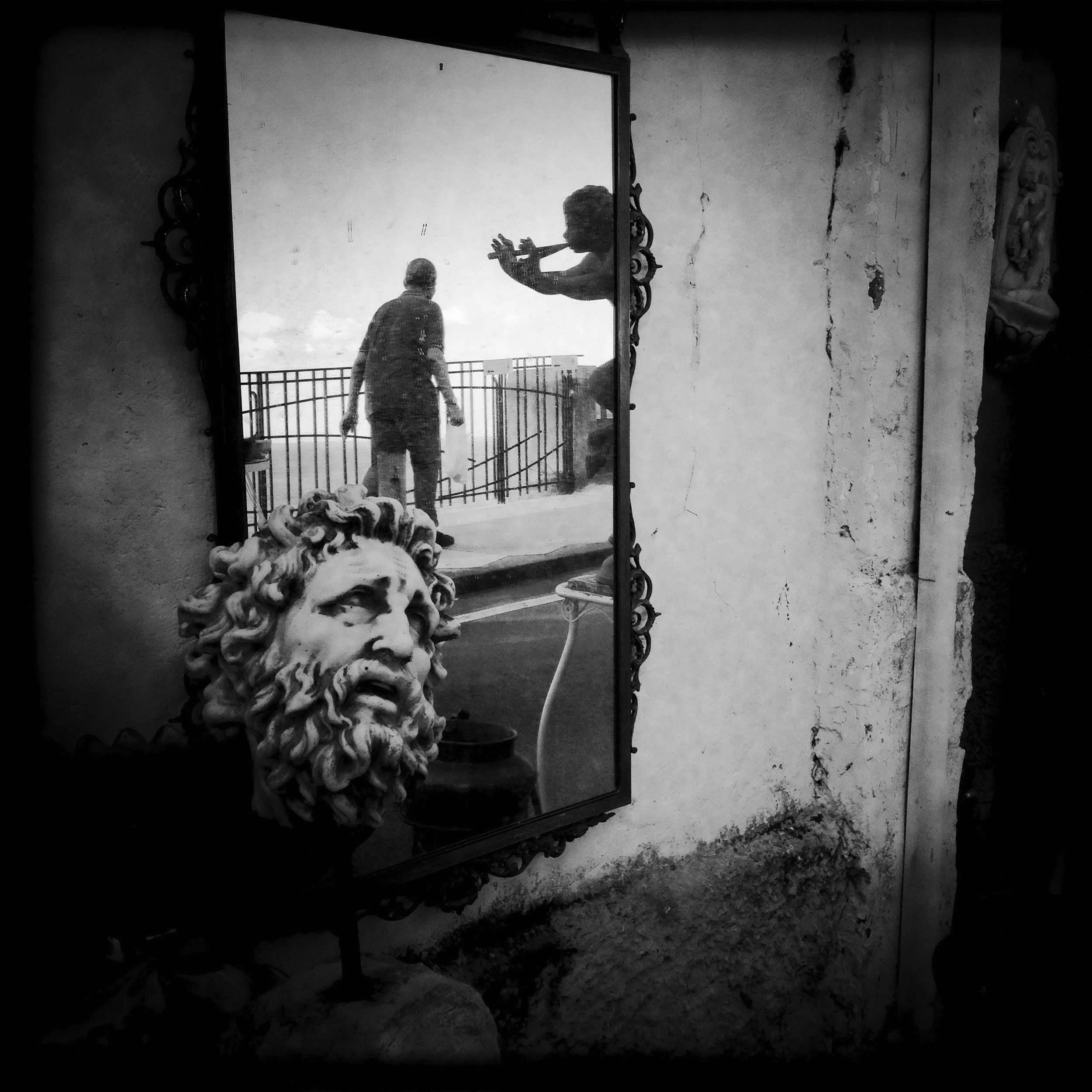
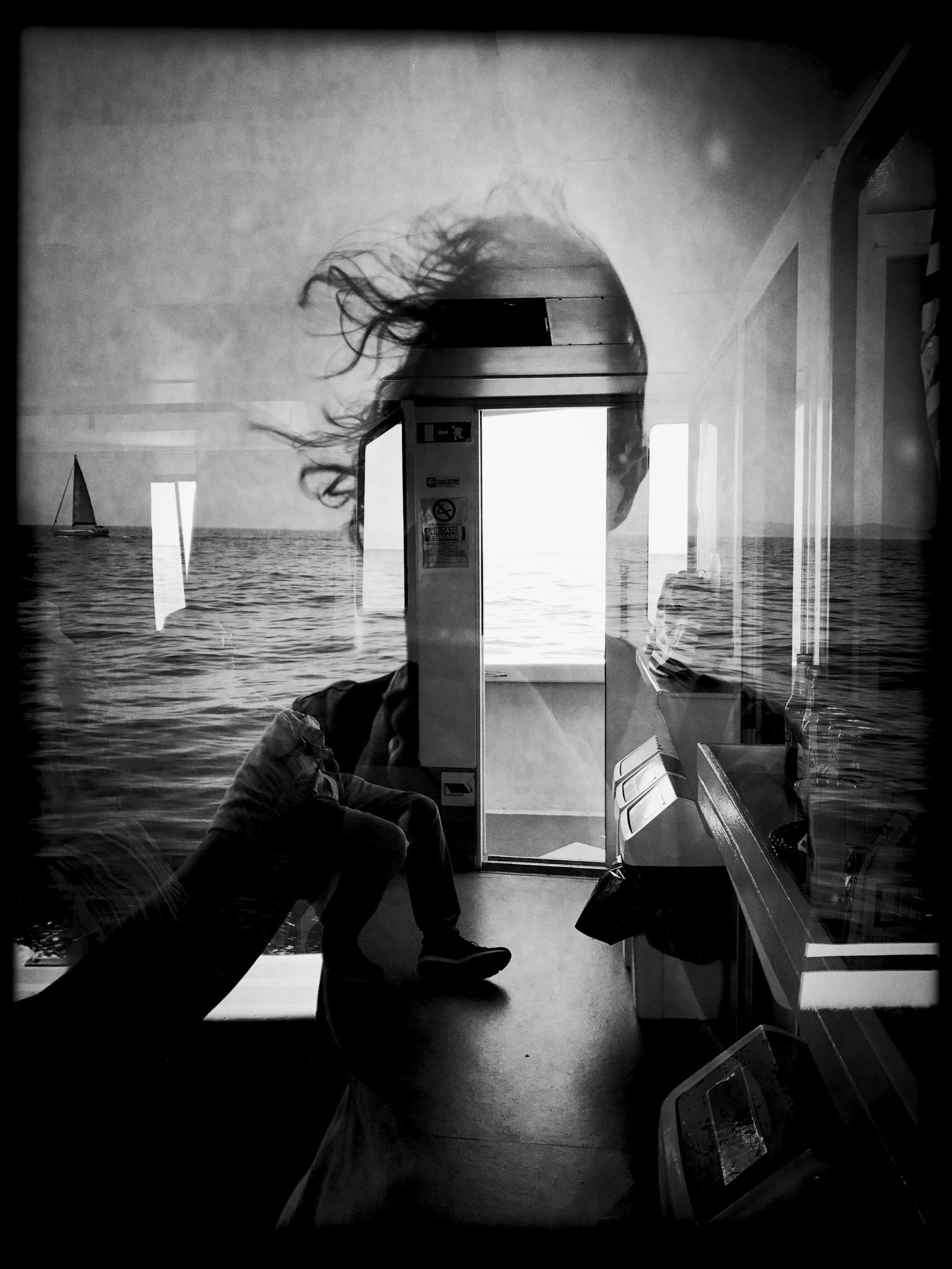
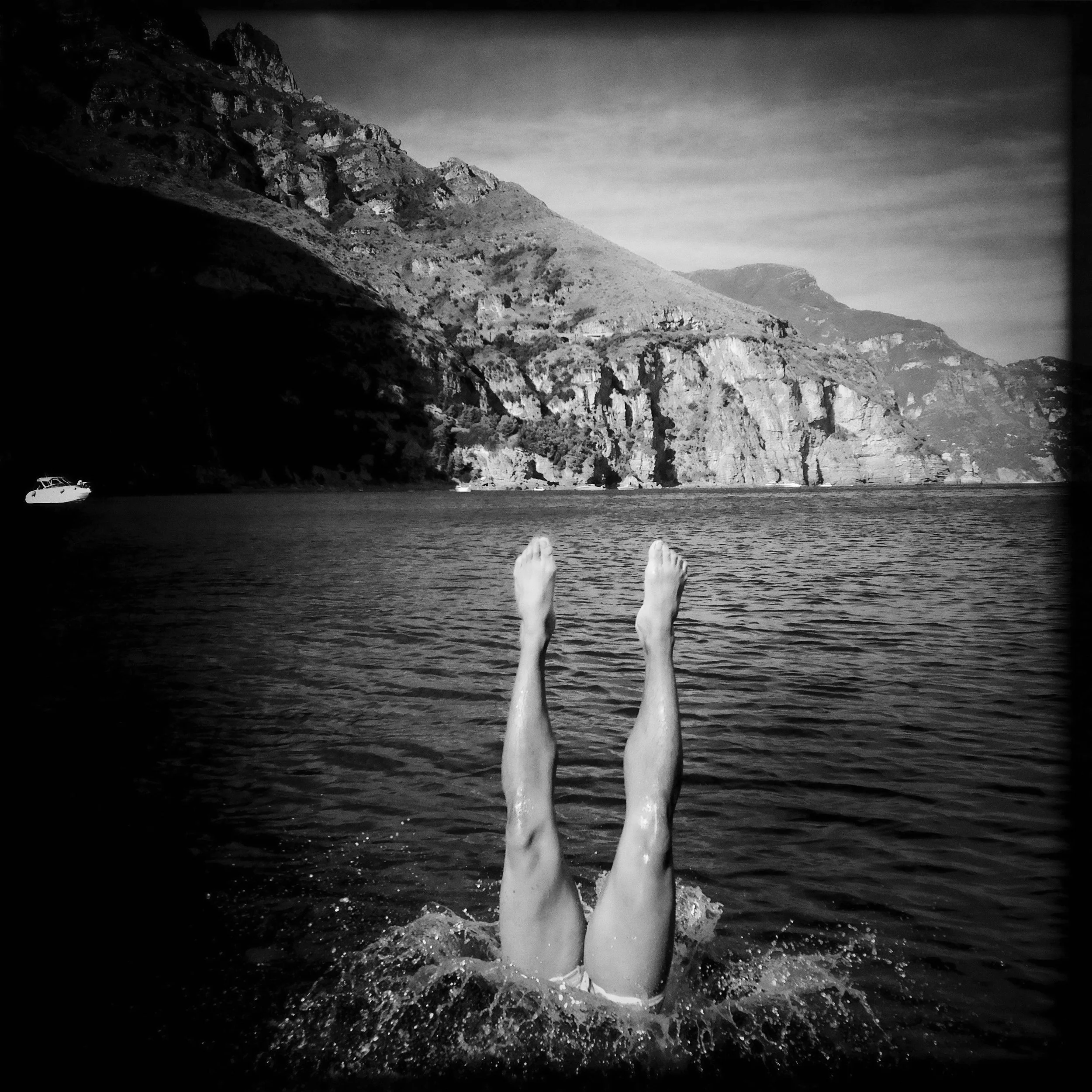
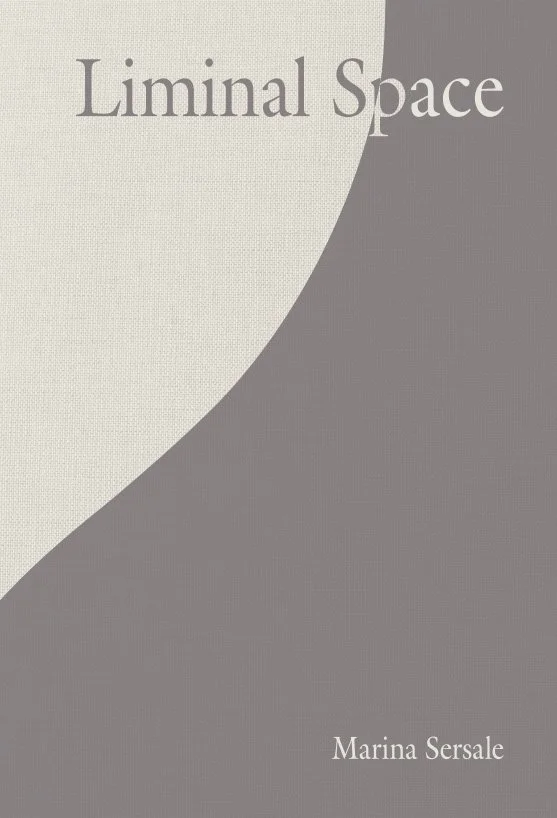
To discover more about this intriguing body of work and how you can acquire your own copy, you can find and purchase the book here. (GOST Books, Amazon)
More photography books?
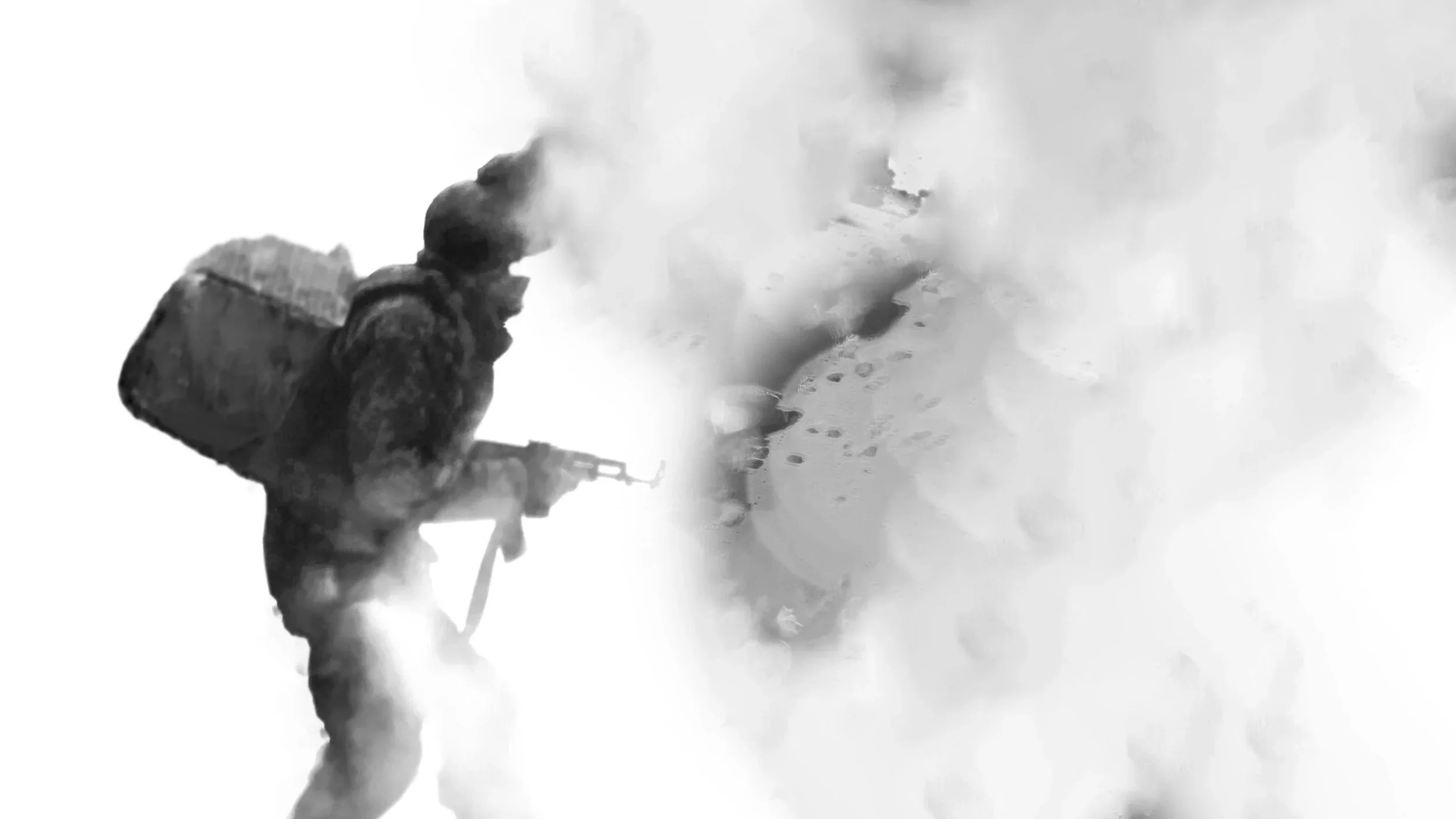
We'd love to read your comments below, sharing your thoughts and insights on the artist's work. Looking forward to welcoming you back for our next [book spotlight]. See you then!
Robin de Puy could no longer make this project alone. She first photographed Randy in Ely, Nevada, during a 2015 road trip and kept returning to him for more than ten years. Interviews