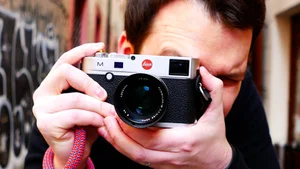
Disclaimer: “This post is sponsored and not my work, consider it a guest photographer stepping into my darkroom to help keep the lights on!”
Funding Personal Photography Projects Without Overspending
Every photographer knows the feeling. A project idea arrives fully formed-the series, the book, the gallery submission-and suddenly the browser has fourteen tabs open comparing lenses. Personal work has no client footing the bill, which makes it both creatively freeing and easy to overspend on. For photographers selling prints or editions through crypto-enabled platforms, even a SOL to ETH swap may be part of the project budget, with fees worth accounting for upfront. The good news: overspending isn't a creative tax. A clear plan leaves more room for the work that matters, without letting equipment or transaction costs steal the spotlight.
Why Photography Projects Blow Budgets Even for Disciplined Creatives
The Gear Gravity Problem
New gear feels like progress. Clicking buy delivers the same little rush as a good shoot day, without the weather risk. That's gear acquisition syndrome doing its quiet work, and it's how photography budgets die - not in one dramatic purchase, but in a series of reasonable-feeling ones. The uncomfortable truth: most projects fail from planning gaps, not camera limitations. The lens already owned could have made the work; the project stalled because nobody booked the location or defined the deliverables. Spending control starts with admitting that wanting and needing are different folders.
Hidden Costs Beyond the Camera
The camera is the visible cost. The project expenses underneath break budgets: location fees, permits, travel, props, printing, storage, insurance, software renewals that auto-charge mid-project. And time - the cost nobody invoices but everybody pays. Photography planning that maps the full production budget before the first shutter press isn't pessimism. It's how the project survives contact with reality.
Define the Project Like a Producer
Write a One-Sentence Project Brief
Scope is the best money-saver available, and it costs nothing. One sentence: goal, output, format, deadline. "Twelve environmental portraits of night-shift workers, edited for a zine, by October." That's a wall against slow expansion. Without it, twelve portraits becomes twenty, the zine becomes a book, and costs triple in silence. Creative direction sounds corporate; in practice it's deciding what the project is before it decides to become everything.
Decide What Done Means
Deliverables are the reference point every spending decision gets measured against. A gallery submission needs archival prints and framing; an online series needs neither. Define the definition of done upfront and half the tempting purchases fail the test on their own. Creative constraints work like a budget before the budget exists.
Set Constraints on Purpose
The highest-ROI budget hack in photography is deliberate limitation. Fewer locations means fewer permits and less travel. Fewer shoot days means fewer rental days. Minimalist production isn't settling - constraints sharpen creative focus. Some of the strongest personal series ever made came from one room, one window, and stubbornness. The ambitious version that never got funded produced nothing at all.
Build a Real Project Budget
The Six Budget Buckets
Every project, same six categories:
Gear and rentals - only what the deliverables require
Travel and location - fuel, permits, fees
Talent and crew - models, stylists, assistants
Props and wardrobe - including returns and replacements
Post-production and software - subscriptions, storage
Output and distribution - prints, framing, shipping, entry fees
That last bucket is the one everyone forgets. The cost breakdown that ends at editing isn't finished - work isn't done until it exists in the world, and that step has a price tag.
Add a Contingency Line Item
Non-negotiable: ten to twenty percent held for things going wrong. Something always goes wrong. A model cancels, a rental gets damaged, the lab botches a print run. Without a contingency budget, each surprise forces a credit card swipe. With a risk buffer, unexpected expenses become line items instead of emergencies. The buffer isn't admitting the plan will fail. It's admitting weather exists.
Convert the Total Into a Weekly Funding Target
A $2,400 project sounds impossible. Six months of $100 a week sounds like a habit. Divide the budget by the weeks until deadline and the project becomes a sinking fund fed on schedule instead of a last-minute credit card decision. If the savings plan falls behind in month two, the deadline moves in month two - while moving it is still free.
Funding Options That Don't Create Financial Hangovers
Use a Dedicated Project Sinking Fund
Project money needs its own home - a separate account, a labeled envelope, anything with a wall around it. Blended into household money, discretionary spending happens by osmosis: the project fund quietly becomes groceries, and the grocery fund quietly becomes a tripod. A separate account protects both sides, and it creates clean stop points. When the account is empty, spending stops. No negotiation with a balance of zero.
Pre-Sell the Output Responsibly
Pre-orders can genuinely fund production - prints, zines, small editions sold before they exist. But this only works when fulfillment planning is honest. Set delivery dates with slack, because printing delays are a law of nature. Limit edition size to what's actually producible; thirty pre-sold zines is a good week, three hundred is a second job. Price for real costs - materials, shipping, the reprint when the first run comes back wrong. And treat pre-sale money as spoken for until the last package ships.
Micro-Commissions and Supporter Tiers
Patron support doesn't have to mean client work. Small supporter tiers - behind-the-scenes updates, early access, a postcard print - can fund real costs without handing anyone creative control. The critical word is boundaries. Supporters fund the project; they don't redirect it. The moment perks start dictating creative decisions, creator funding has quietly become a client relationship with worse pay.
Grants, Residencies, and Community Resources
Photography grants are real money, but they charge in time. An application might take fifteen hours for genuinely long odds - worth it for longer projects, a distraction for a six-week zine. Community resources are the underrated cousin: local arts councils, community darkrooms, camera club gear libraries. Less glamorous than a grant. Also less competitive, and often just a phone call away.
Spend-Smart Strategies That Protect Creative Quality
Rent, Borrow, or Share Before Buying
The rent-versus-buy math is simpler than the emotion around it. Specialty gear used twice a year should be rented, full stop. Gear rental for a weekend costs a fraction of ownership, with no storage and no watching it depreciate on a shelf. Buying earns its place only for repeat-use tools. Cost control here isn't deprivation; it's refusing to own a museum of almost-used equipment.
Set Purchase Triggers for Gear
Impulse buys die when they have to clear a rule. Good spending rules: buy only after three rental uses prove the need, or after two completed shoots where the limitation demonstrably blocked a deliverable. Not "would be nice" - blocked. Decision triggers convert a mood into a test. If the urge fades by Thursday - and it usually fades by Thursday - the money just stayed in the project.
Reuse and Modularize Props, Sets, and Locations
Design the shoot for reuse. A wardrobe palette that works across every scene. A backdrop that reads as three locations with different light. Prop reuse is standard practice in low-budget production for good reason - it cuts spend and logistics simultaneously. Series shot with a tight kit look intentional, because they are.
Batch Shooting and Batch Editing
Time overruns are budget overruns in disguise. An extra shoot day is another rental day, another tank of fuel. Batching is the fix: shoot similar setups in one block, schedule consecutive days while gear and people are assembled. Same with the editing workflow - cull in one pass, batch color work across the series. Workflow efficiency protects schedule control, and schedule control is budget control wearing a watch.
Manage Project Cash Flow
Stage the Project Into Funded Milestones
Never start a phase that isn't funded. Break the project into milestones - pre-production, test shoot, main shoot, post, output - and fund each before it begins. Phased budgeting prevents the classic trap: money committed to the main shoot, then discovering printing was a "future problem." It also builds review points. The test shoot either justifies the main spend or sends the concept back while a rethink is still cheap.
Use Deposits and Caps for Paid Collaborators
Hiring models or assistants without written terms is how scope creep invoices happen. Set it upfront: day rates, hours, deliverables, overtime. Deposits protect their time; caps protect the budget. Collaborator agreements don't need a lawyer - a confirmed email handles ninety percent of it. Professionals prefer clear terms; it's vague arrangements that sour relationships.
Keep a Live Expense Tracker
Memory-based budgets are fiction. The $180 permit, the $45 parking, the $60 in props - each feels minor, and together they're a print run. Expense tracking has to happen at the moment of commitment, not end of month. Spending visibility kills the comfortable illusion of "still under budget," and financial discipline is mostly just refusing to let the numbers be a surprise.
Avoid the Most Common Overspending Traps
The "It's for My Art" Rationalization
Ambition deserves respect, and "it's for my art" is still the most expensive sentence in photography. It converts every purchase into a noble act. Creative discipline offers a better frame - constraints protect completion. A finished modest project beats an abandoned expensive one every single time, in the only currency that matters: work that exists.
Perfectionism Purchases
Anxiety spending has a signature: the urgent upgrade bought right before a shoot, purchased to quiet uncertainty rather than solve a measured problem. The actual fix is standards, not spending. Define the quality bar explicitly, then run test shoots with what's already owned. Small experiments separate real limitations from imaginary ones - and imaginary limitations are where upgrade budgets go to die.
Subscription Creep in Editing and Storage Tools
Eleven dollars here, nineteen there - creative software and cloud storage accumulate like barnacles. Two editing suites doing one job, storage plans from forgotten trials. Recurring costs deserve a quarterly subscription audit: kill anything unused, downgrade storage holding only duplicates. Align tools to the workflow that exists, not the aspirational one. The aspirational workflow has never edited a single photo.
A Simple Green Light Checklist Before Spending Money
The Ten Questions That Prevent Regret
Run every expense through this spending checklist:
Does this directly support a defined deliverable?
Is it reusable beyond this project?
Is there a rental or borrow option?
What's the cheaper substitute, and what does it cost in quality?
Is the timeline realistic enough that this won't sit unused?
Is contingency still intact after this spend?
Has it cleared the purchase trigger rules?
Which budget bucket does it belong to?
Would skipping it change the output, or just the anxiety level?
Will this decision look right after the test shoot?
Purchase decisions that survive the list are almost always right. The ones that fail usually fail on question one.
Hard-Stop Rules: When to Pause the Project
Some lines shouldn't be negotiated mid-project. Strong hard stop rules: no new gear purchases within fourteen days of a shoot - that's anxiety shopping territory; the no-debt rule for personal projects, because interest on a lens is a subscription to regret; and an automatic pause if contingency hits zero before output is funded. Budget boundaries aren't pessimism about the project. They're risk control for the life around it. A paused project can resume. A project funded by overdraft fees leaves a mark that outlasts the prints.
Conclusion: Fund the Vision, Not the Impulse
The Takeaway
Sustainable creativity isn't about spending less - it's about spending on purpose. Photography project funding works when scope is defined like a producer would, the budget carries contingency, money arrives in phases instead of panic, and gear rules tie every purchase to a deliverable. The projects that get finished aren't the best-funded ones; they're the best-bounded ones. Creative budgeting feels like a constraint right up until the day it delivers the thing that actually mattered: the work, completed, without a financial hangover. Fund the vision. Go make the series.