Emin Özmen Spent 15 Years Photographing Everyday Life Beyond Turkey’s Headlines
Emin Özmen’s Memleket is currently seeking support on Kickstarter.
Welcome to this edition of [book spotlight]. Today, we uncover the layers of 'Memleket,' by Emin Özmen (self-publishing). We'd love to read your comments below about these insights and ideas behind the artist's work.
Emin Özmen spent 15 years photographing ordinary life in Turkey.
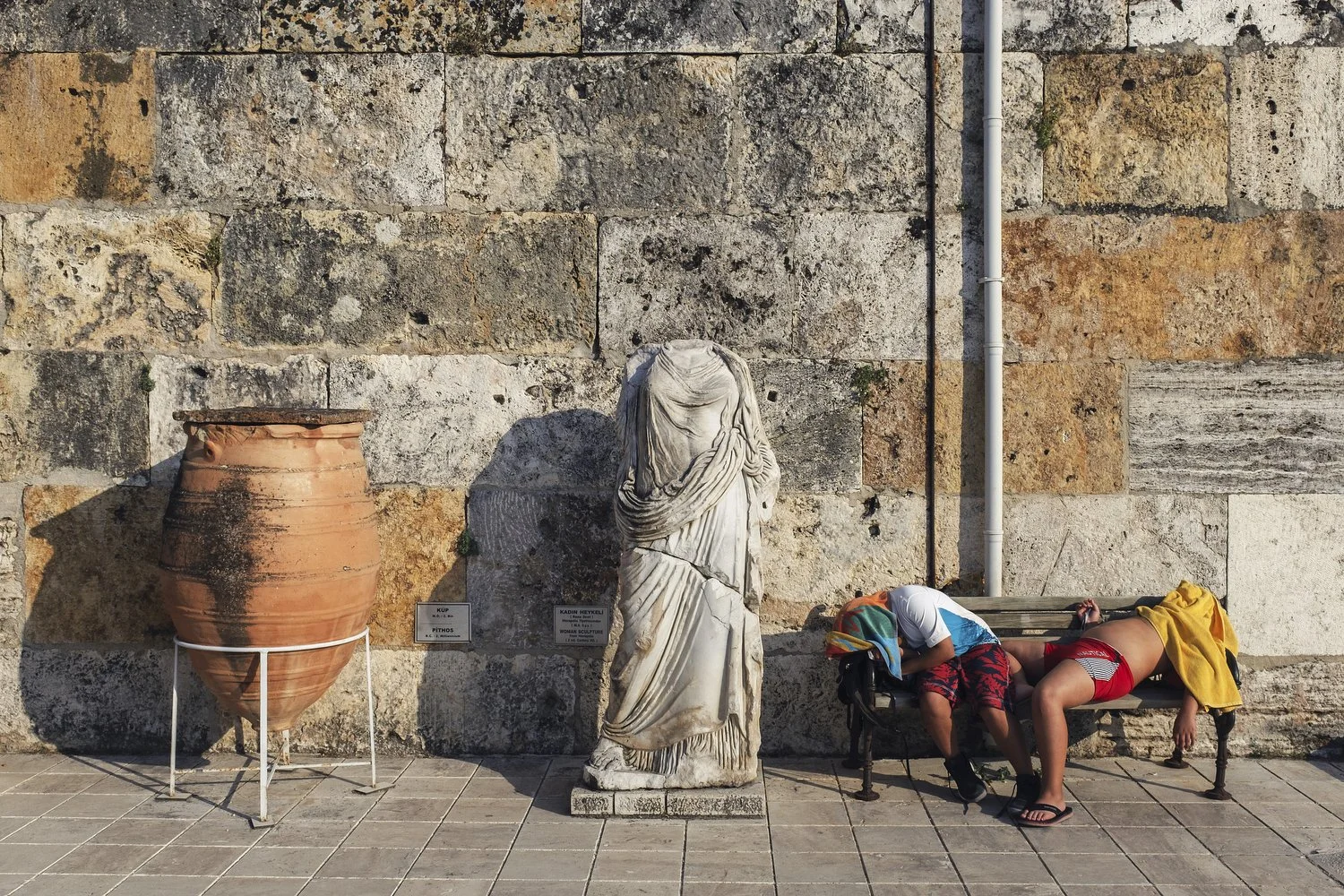
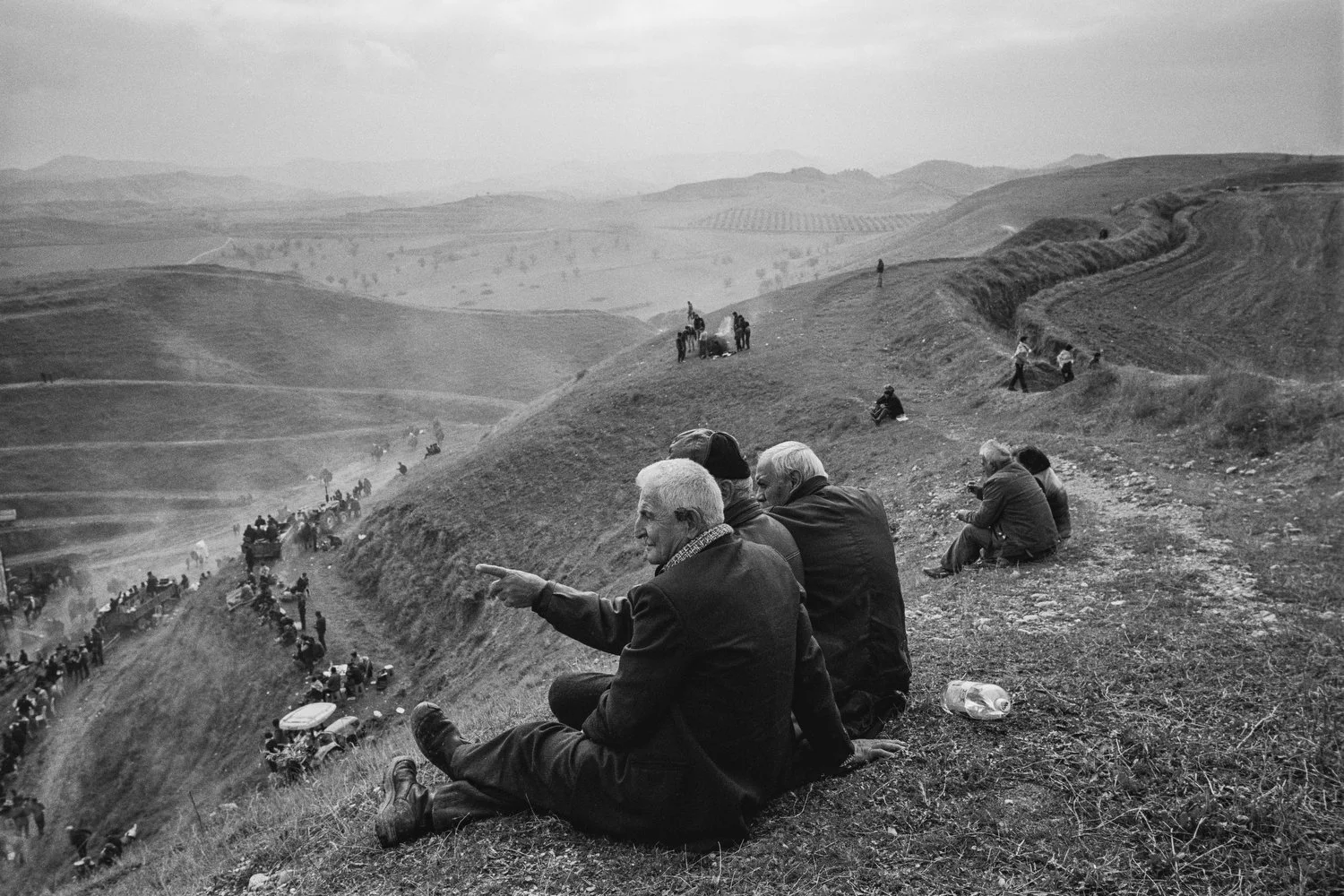
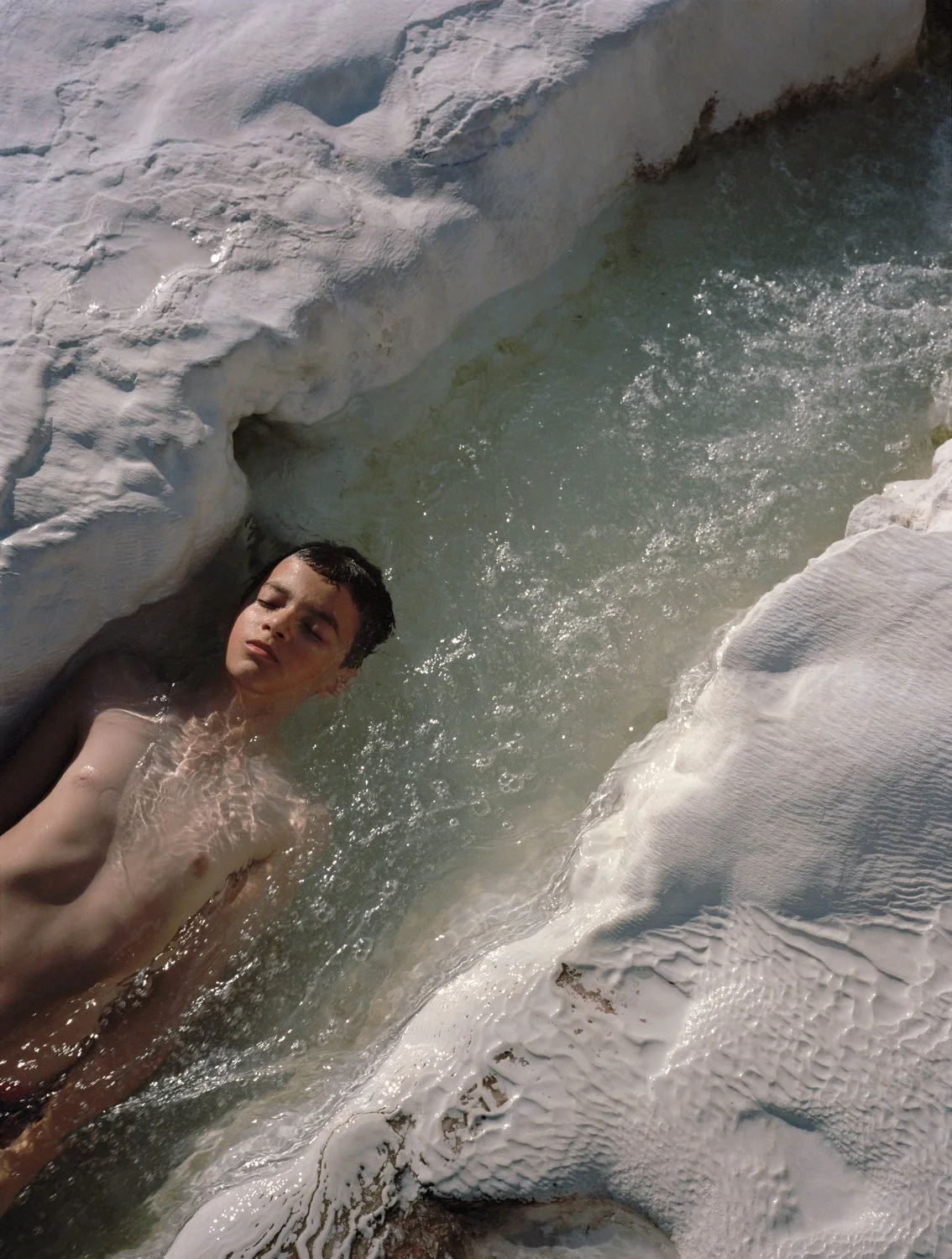
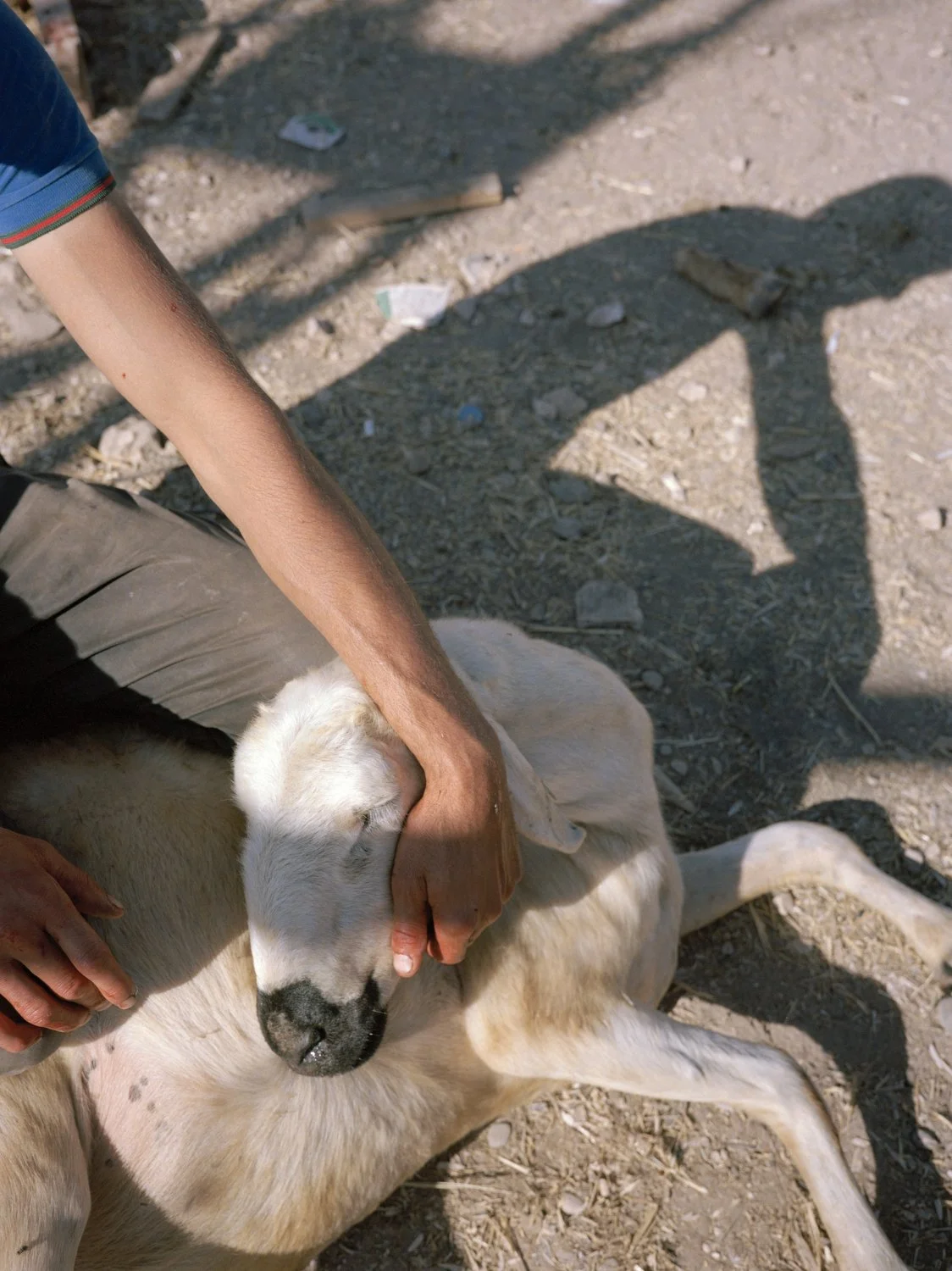
His new photobook, Memleket, brings together people, places, and small moments he encountered across Anatolia. Özmen made these photographs alongside Olay, his record of protests, political unrest, and other events that shaped Turkey between 2013 and 2023. He describes the quieter moments in Memleket as a way to breathe, reconnect, and recover while documenting this difficult period. These photographs became the book he had always wanted to make.
Making Memleket required patience.
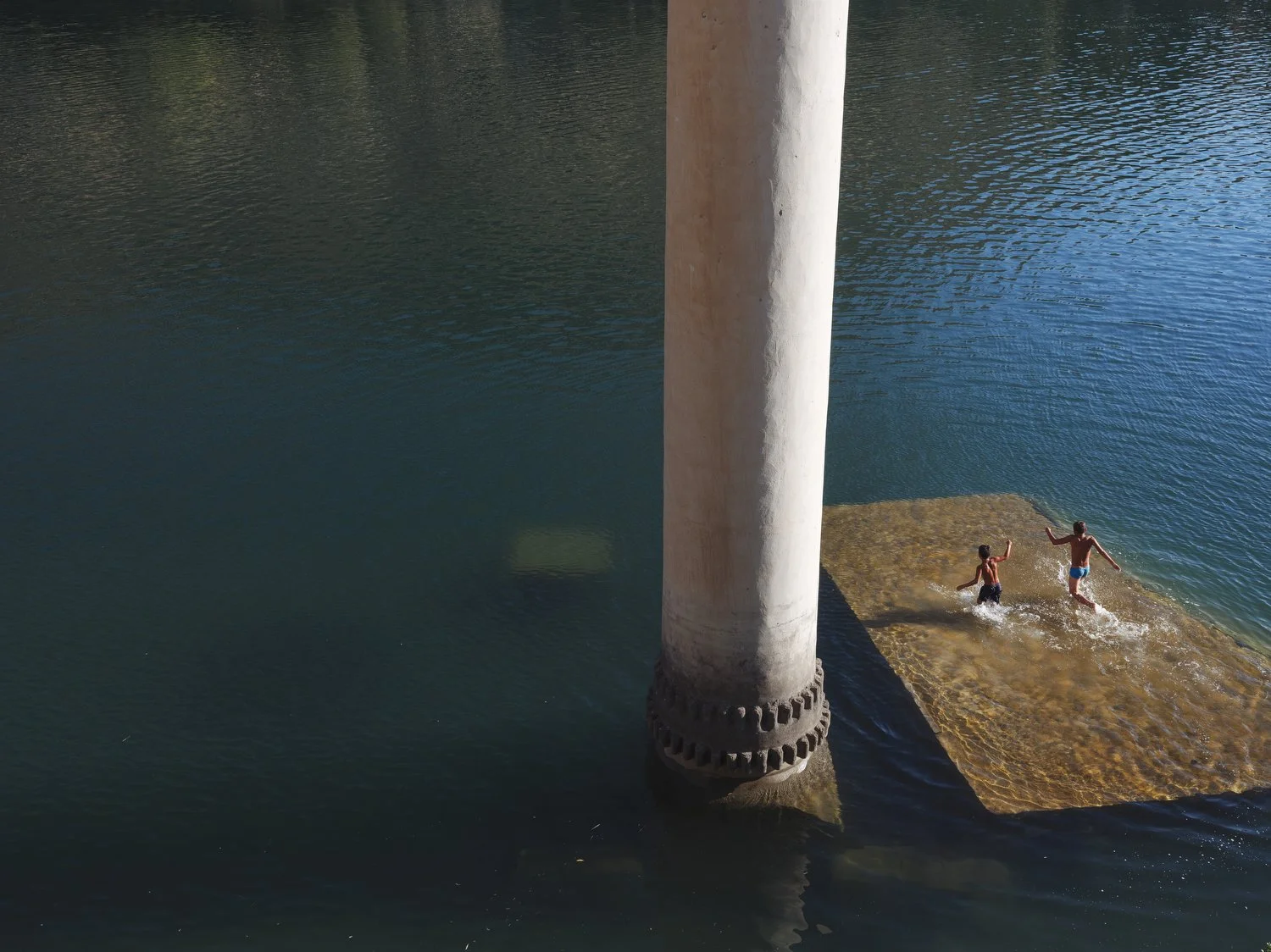
Özmen sometimes returned to the same place without finding the photograph he wanted, including a sunken mosque he visited five or six times. When he finally saw children playing there, the image gave him something his earlier photographs could not. It held the joy and energy he remembered from his own childhood. The book grew from such moments rather than from a fixed plan.
In this interview, Özmen explains how he knows when to wait, when another photograph is only adding to the work, and when an ordinary moment finally gives him what he was looking for. His answers may help photographers decide when a project needs more images and when it needs more time.
The Book
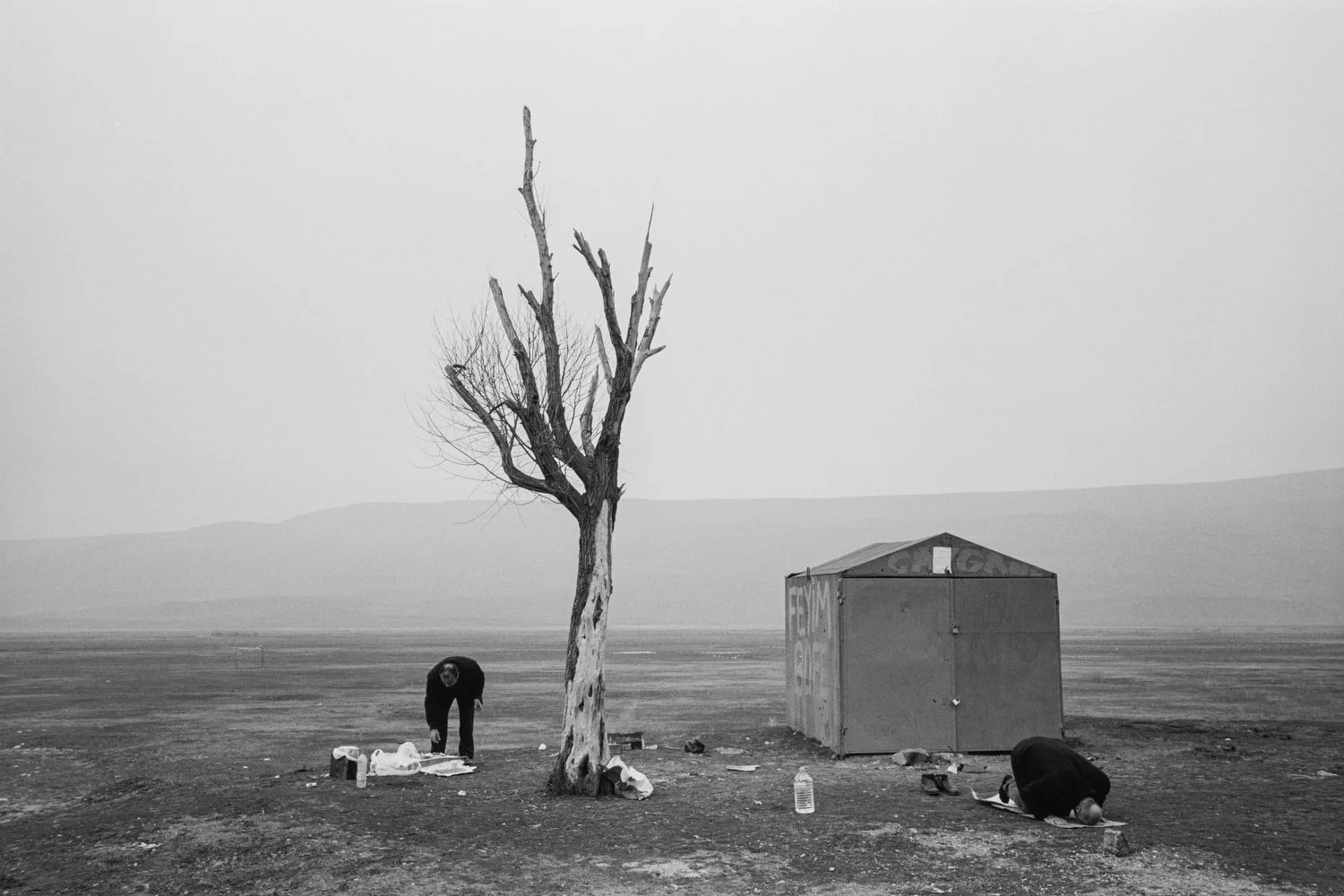
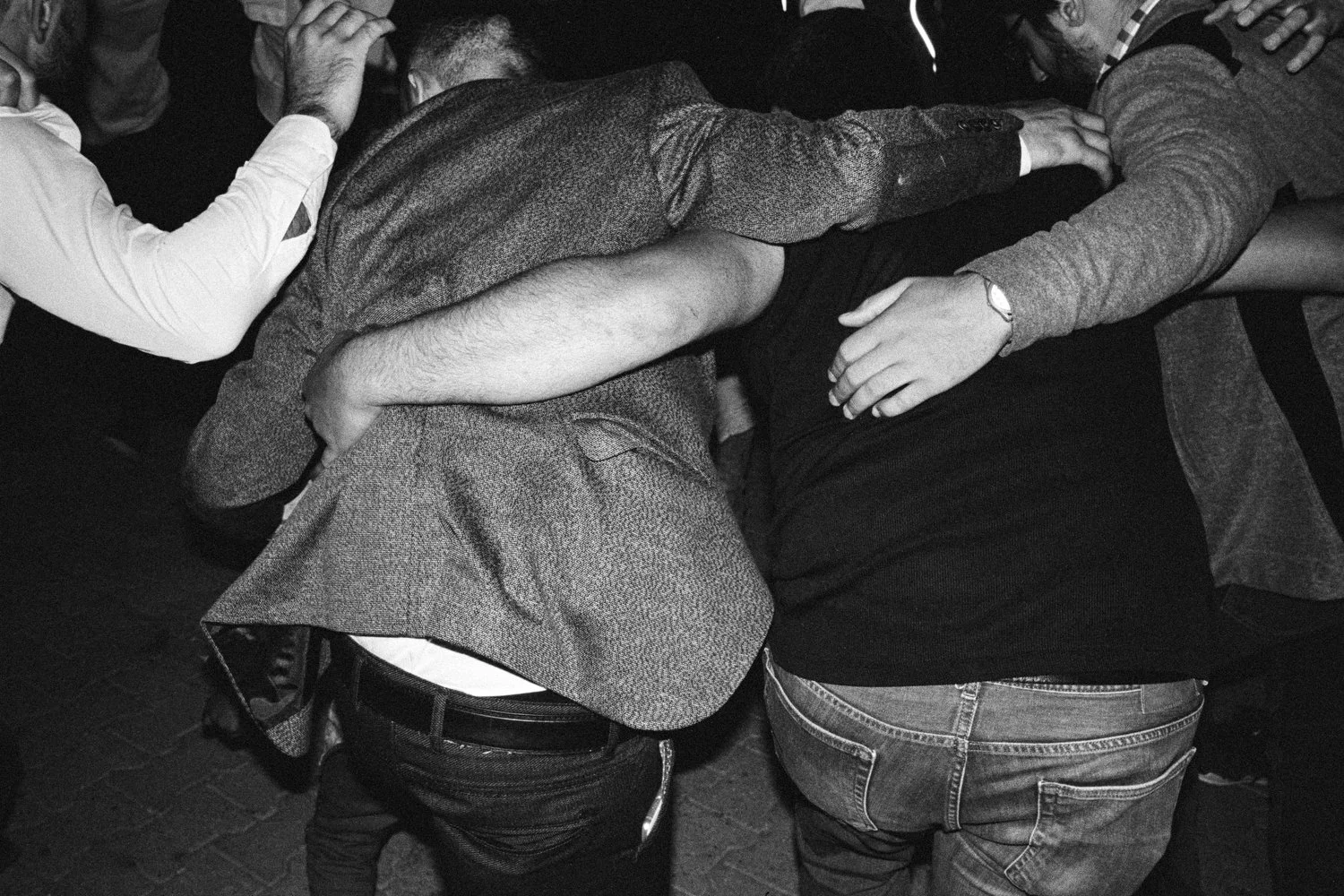
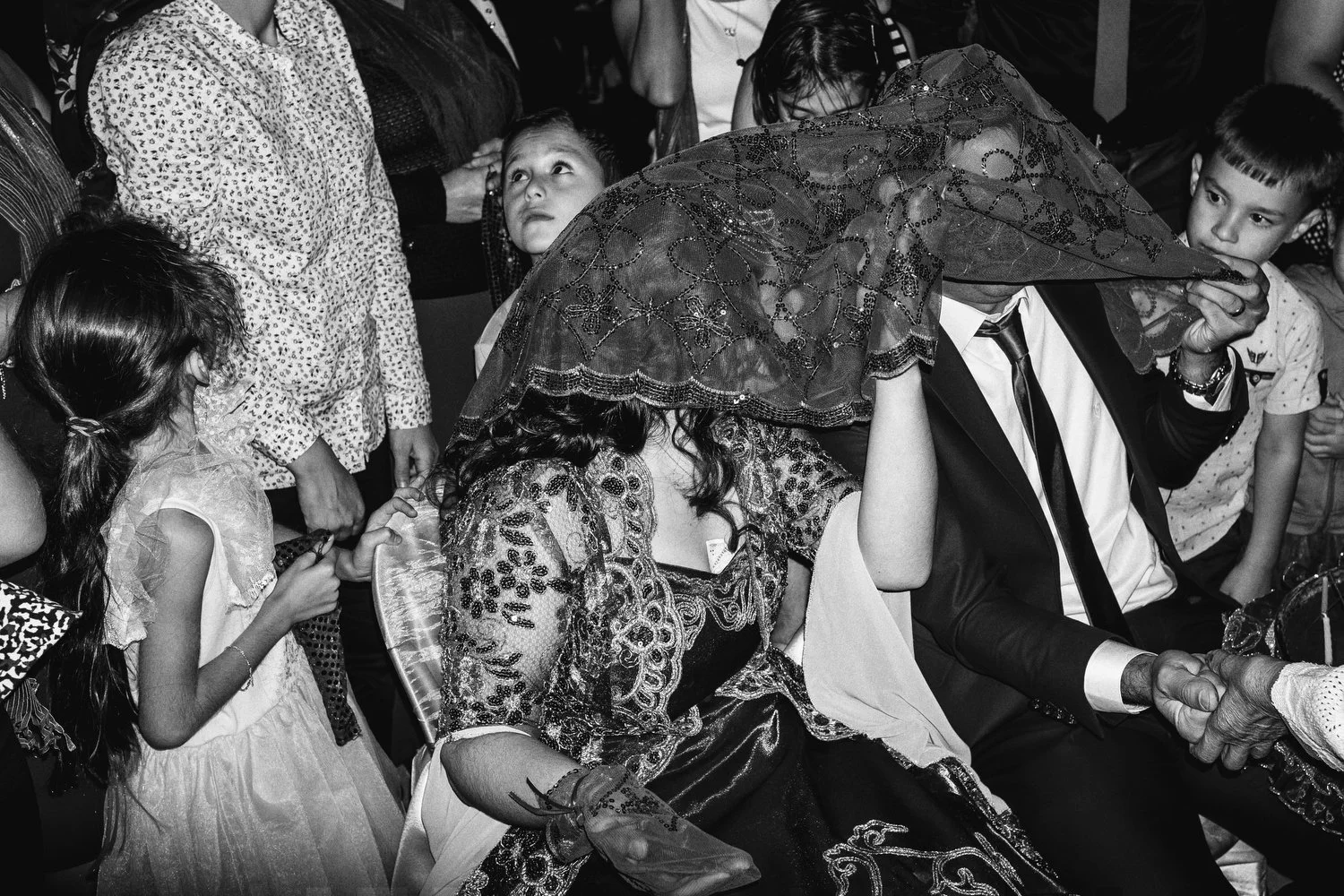
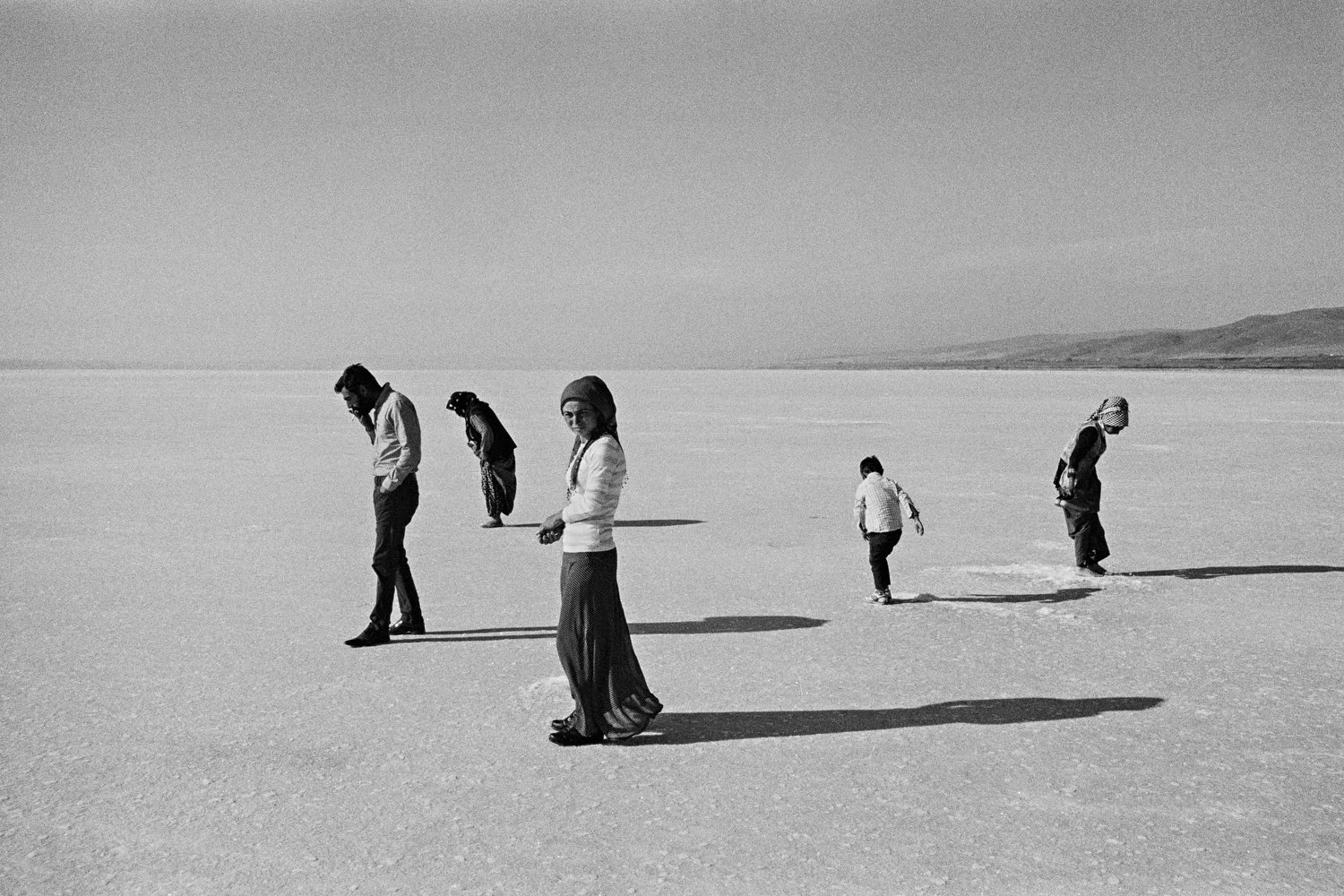
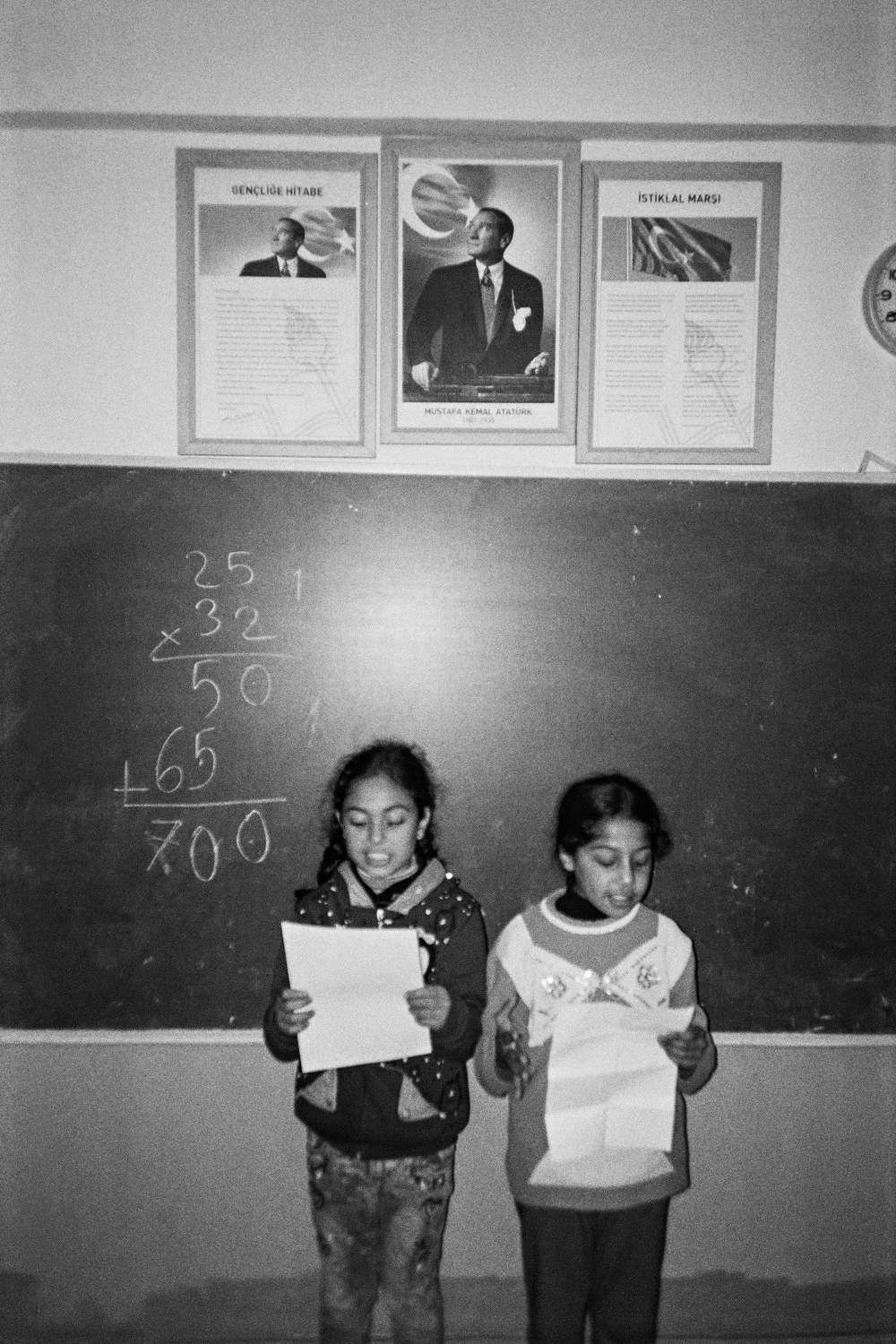
Memleket is a photobook by Emin Özmen, made during more than 15 years of travelling across Turkey. Özmen returned to places connected to his childhood while also visiting parts of the country for the first time. He photographed landscapes, family members, friends, strangers, everyday life, and unexpected encounters that stayed with him. Together, these photographs form a personal journey through a country he knows closely but continues to see differently with each trip. Designed by Tom Booth Woodger, the large-format hardcover contains 118 colour and black-and-white photographs across 256 pages. (Kickstarter)
Emin Özmen’s Memleket is currently seeking support on Kickstarter.
Two Books, One Country: Memleket has been developing for more than fifteen years, several of them running alongside your work on Olay, which covers 2013 to 2023. Can you remember a specific day or trip that produced material for both books? What told you, in the moment, which photograph belonged to which project?
The distinction came from a physical and emotional stance: Olay required being physically close to public upheavals, protests, and tragedies. By contrast, the images for Memleket were created as “moments of breathing,” quieter, intimate fragments of daily life that offered a path toward reconnection and therapy amid the chaos. I would say my goal and will were always towards “Memleket,” but most of the time I had prioritized documenting the “history” of my country. That was not a choice.
The Moment Before: Can you choose one photograph from Memleket that shows an ordinary moment, with nothing dramatic happening around you?
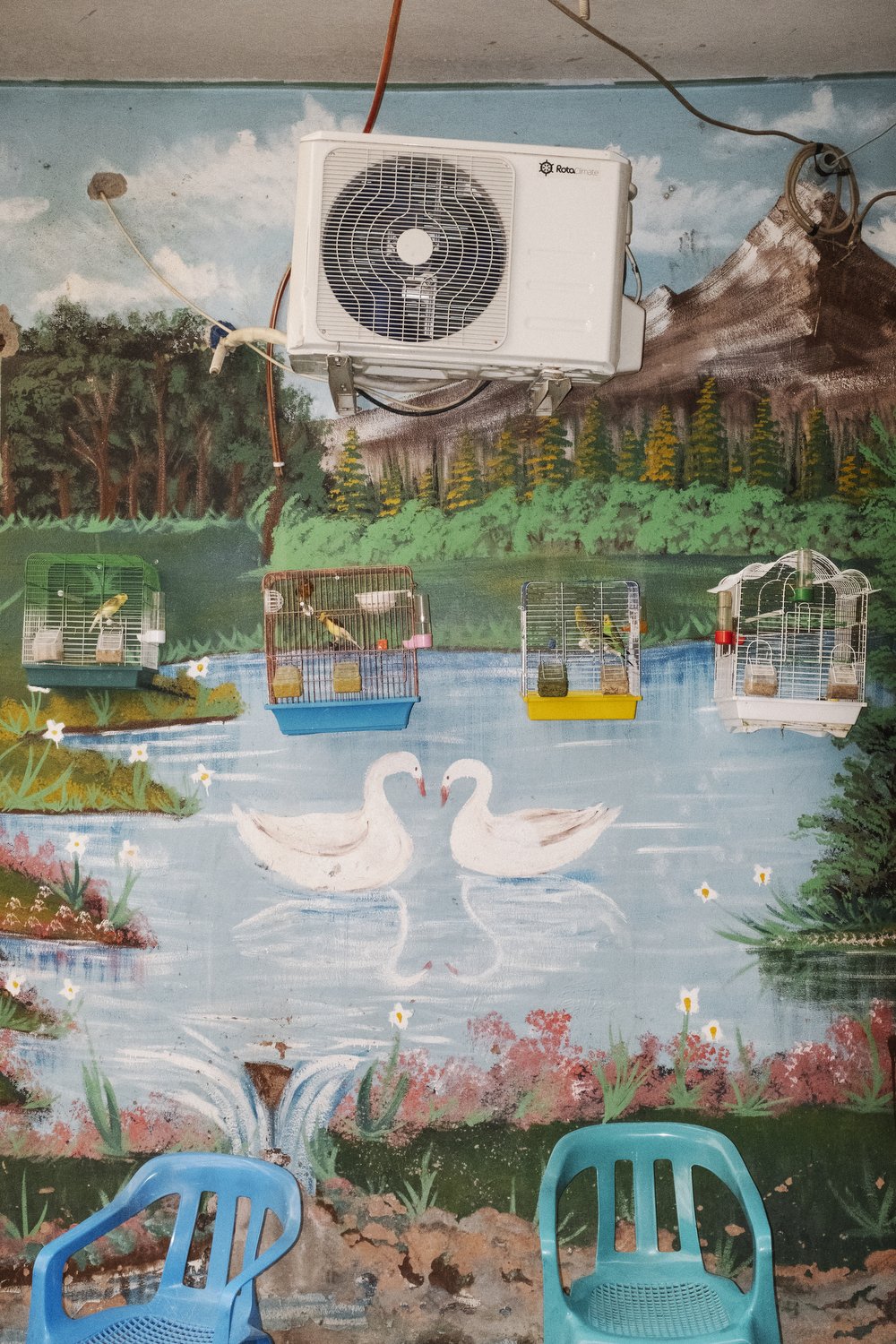
The book actually includes many images that show the ordinary moments of life, but if I have to choose one I would go with the swan picture. A wall with a painting of mountain, trees, water and everything you call nature that we are separated from by rising buildings in cities.
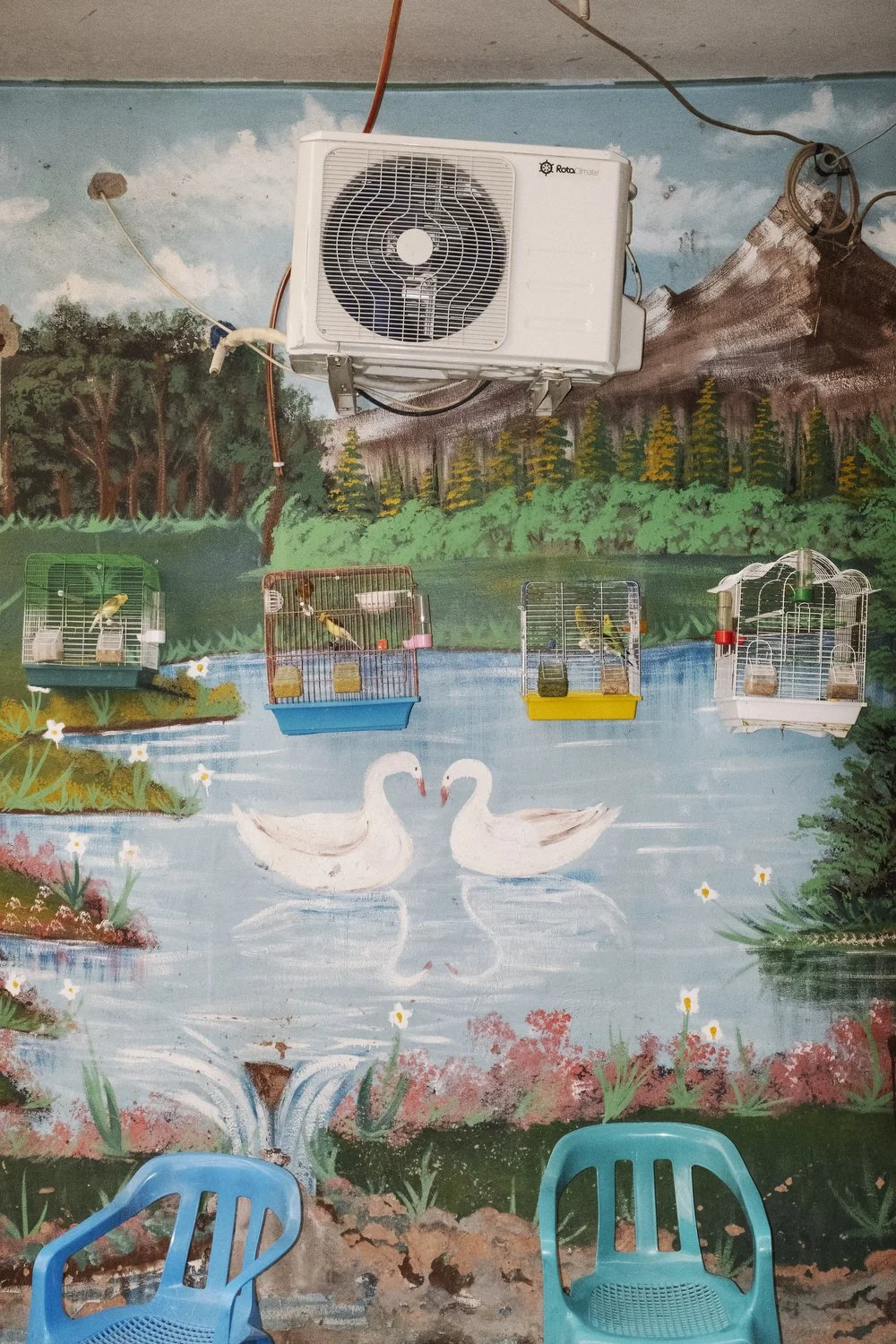
Birds are put back in their own nature, as much as they can be. Those plastic chairs remind us which age we live in. All those details and colors speak to me about the means of being local: our time, our imagination, roots, limits, freedom and many more.
What Made You Stop: When you first saw the room, which element made you stop and think there was a photograph there?
When I saw the painting on the wall, bird cages, AC hanging and these characteristic chairs, which are like the DNA of the region, I immediately saw the connections. I did 2-3 images and then I continued my way.
What Fifteen Years Bought You: Is there a photograph in Memleket that you know you could not have made on a first visit, one that needed the years you had already spent in that place or with those people? What exactly did that time change about what you could see, not just about how comfortable you felt?
Children playing on the sunken mosque… I can’t describe the joy and positive energy I find in this image. It takes me back to my childhood, to the amazing times I’ve left behind, with friends and brothers. So it has, and always will have, a special place for me. I’ve visited this place previously maybe 5-6 times, but I always felt that the images I did were just to explain the situation, but I was looking for something else… By chance I came across those kids that day, and this little moment of beauty just took place in front of my eyes.
Nothing was changed by time, but sometimes you just have to give life another chance so it can propose something to you that you were actually looking for.
What Was Missing: What was missing from those earlier photographs that the image of the children finally gave you?
I did general pictures there earlier, just showing the situation, and I didn’t know what I could find different, but I had a feeling that I had to come back and try again. Visiting the same place and giving it a chance in case a miracle happens, and it’s exactly how it happened. It’s a bit like betting, sometimes I lose and rarely win.
The Habit You Had to Drop: Did making Memleket require you to stop doing anything that had worked well while photographing Olay?
Olay is, in short, a mission that I gave to myself, like a lifetime assignment to document the time that I have lived, with all the good and bad, and I still do it, sadly. Most of the time these are my natural reactions to the events taking place around me.
But more generally I’m photographing life; sometimes it’s small details, moments, places, and sometimes it’s our struggles, or issues that require deeper focus and understanding. So all these works have their own place and they do not affect each other.
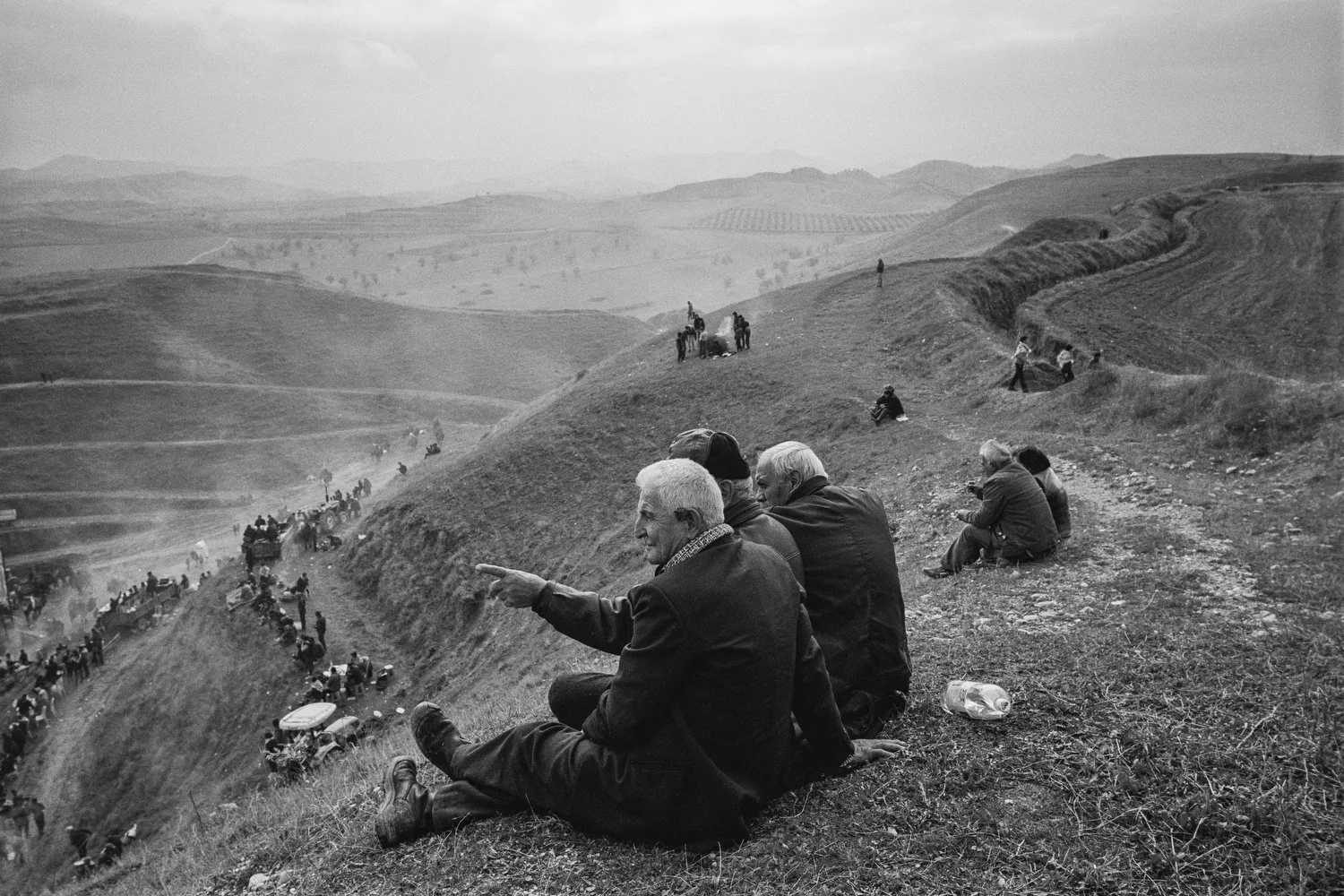
Knowing When to Stop: Olay ends with the February 2023 earthquakes. Did you already feel the project was approaching its end, or did that event make you recognize that there was nothing more the book needed? What told you it was time to stop?
I was hoping things would change with the 2023 presidential election, and that the era that had started with the Gezi Park protests would come to an end. But it didn’t. I kept photographing what came after, following the changes as they unfolded.
Closing an Unfinished Story: If you are still photographing the history that began with Olay, what made 2023 the right point to close the book even though the work itself was not finished?
Olay was already set to be printed at the time, as I was so “sure” the elections would give way to a “new Turkey.” It didn’t happen and it’s fine. Now I see the first book is only half of the story, and maybe for the second one I will wait until the end.
Still Learning, or Just Adding: Across fifteen years of returning to Anatolia, how do you know whether another journey has actually changed your understanding rather than simply given you more photographs that confirm what you already knew?
I rarely visited the same places again and again, and there I knew that what I was looking for was yet to happen. But most of the time, I knew I was just adding, and this is not something I would try to avoid. It is part of the process of reaching something better, in my experience.
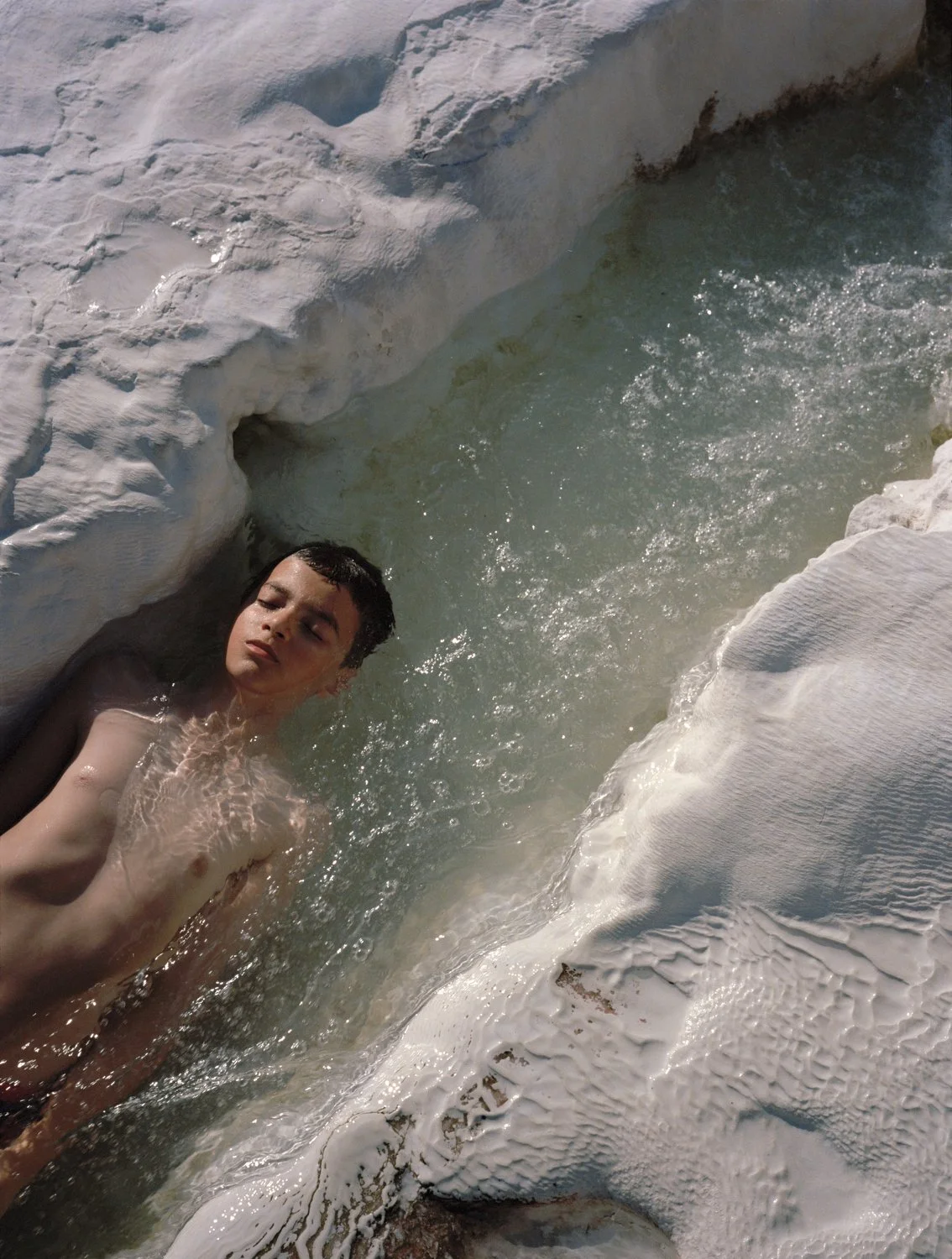
When Adding Becomes Repeating: You said that even when you know you are only adding photographs, you do not try to avoid it because it can be part of reaching something better. How do you know when accumulation is still useful and when it has genuinely become repetition?
It’s only a feeling; a place calls you, gives you an idea about the possibility of the things that can take place. There is no standard “knowing” about it, just a feeling with no proof. I might repeat myself, and then maybe I have nothing better as an image, and I’ve learned I should be okay with this.
Right for the News, Wrong for the Book: You’ve spent years making photographs that had to work as news. Is there a photograph you made in Turkey that you knew was journalistically strong, the kind an editor would want, but that you kept out of Memleket because it didn’t belong there? What made it wrong for this particular book?
Memleket is anything but news. It’s simply about everyday life outside of the big cities in Turkey, a collection of places, people and moments that I wanted to hold on to, things that stayed with me and, in many ways, made me who I am.
The Picture You Chose Not to Take: You’ve said a photograph should never be more important than your human values, and that you ask yourself whether you would consent to being photographed the same way.
I don’t have many experiences like that. The image that goes against my human values, or against the dignity of someone, is not a picture that I’m looking for, so yes, empathy is the right approach, I believe.
The One Thing That Didn’t Change: Olay and Memleket ask almost opposite things of you, one built from incident, the other from everyday life and family. Is there one part of how you actually work, not a belief, but a concrete habit or rule, that you used in exactly the same way on both books?
I’ve just kept the camera always somewhere close to my neck and used it when I needed to. For me this is less about making pictures and more about searching for real things and enjoying living it. A photograph from there is a nice gift that can remind me of those emotions that I was looking for, but not necessarily.
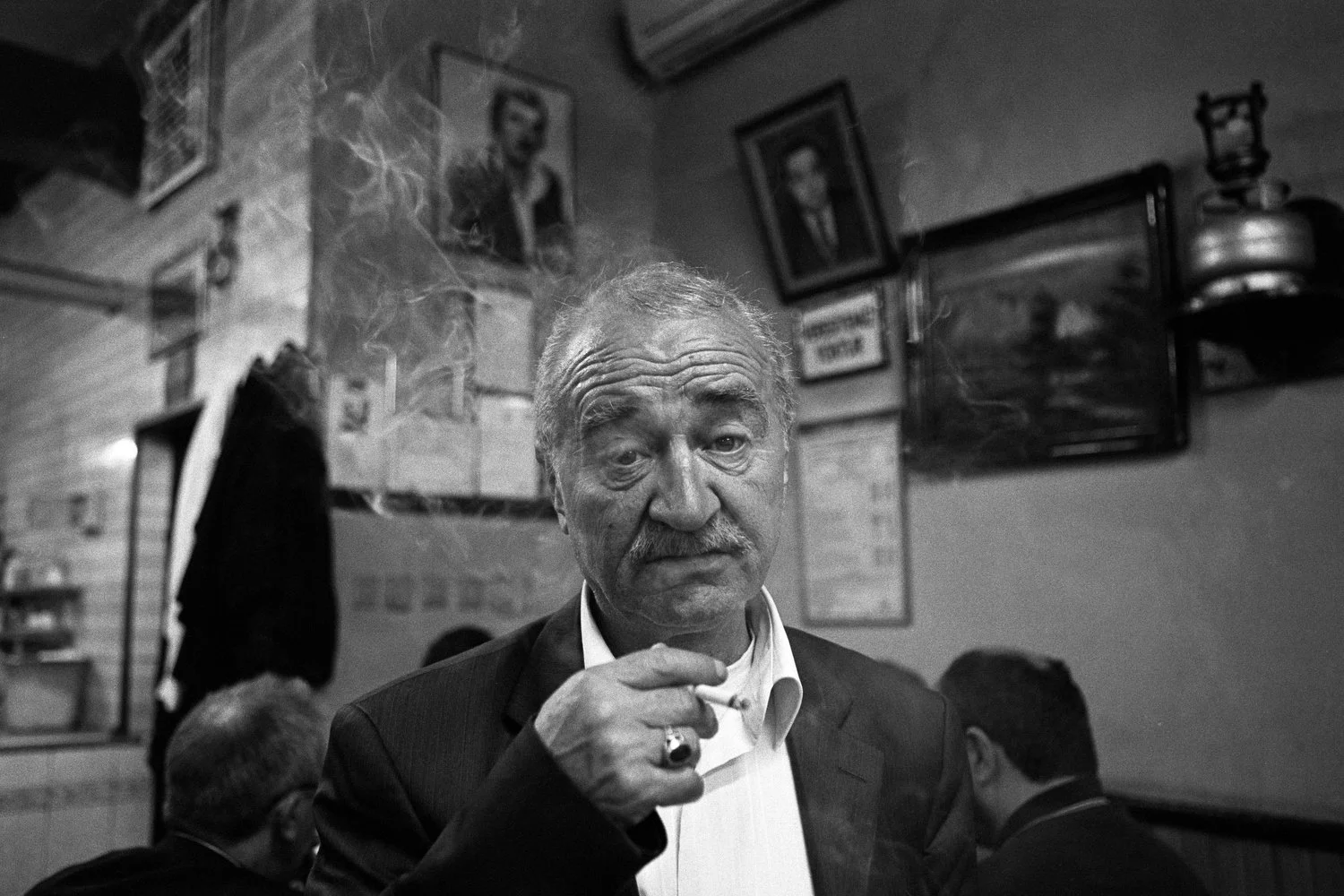
To discover more about this intriguing body of work and how you can acquire your own copy, you can find and purchase the book here. (Kickstarter)
More photography books?
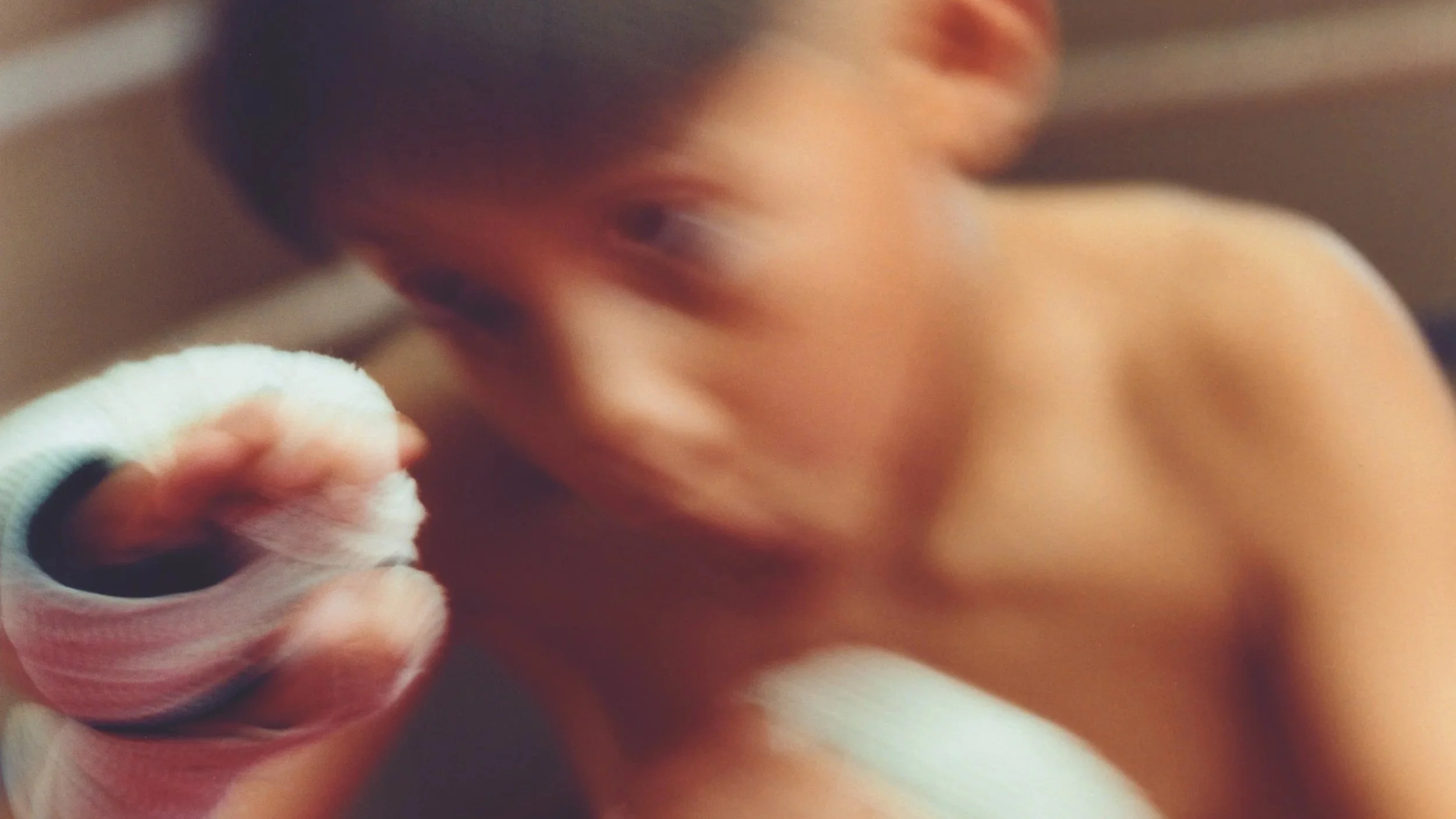
We'd love to read your comments below, sharing your thoughts and insights on the artist's work. Looking forward to welcoming you back for our next [book spotlight]. See you then!
Robin de Puy could no longer make this project alone. She first photographed Randy in Ely, Nevada, during a 2015 road trip and kept returning to him for more than ten years. Interviews