35,000 Photographs Across 26 States Later, RJ Clarke Is Building a Historical Archive of Black Firefighters and Other Firefighters of Color
The familiar image of the American firefighter is incomplete.
For RJ Clarke, part of what is missing is the history of Black firefighters and other firefighters of color. After more than sixteen years working as a firefighter and paramedic, he began The Color of Fire to document people and stories that he rarely saw represented with much depth in photography, books, or exhibitions.
The project has now taken Clarke across 26 states.
He has made more than 35,000 photographs, not only of fires and emergency calls, but also of meals, families, mentorship, leadership, station life, and the quiet moments between emergencies. His aim is to build something larger than a photographic project: a historical archive that could still be useful decades from now.
How do you notice important moments when your subject has become familiar? How do you decide which photographs add something new, which ones repeat what you already have, and what should remain private? In this interview, Clarke talks about the decisions behind those questions and how they are shaping The Color of Fire.
The Project
The Color of Fire is a long-term documentary project by RJ Clarke about Black firefighters and other firefighters of color across the United States.
Clarke has worked as a firefighter and paramedic for more than sixteen years, giving him close access to the communities he photographs. So far, the project has taken him across 26 states and produced more than 35,000 photographs.
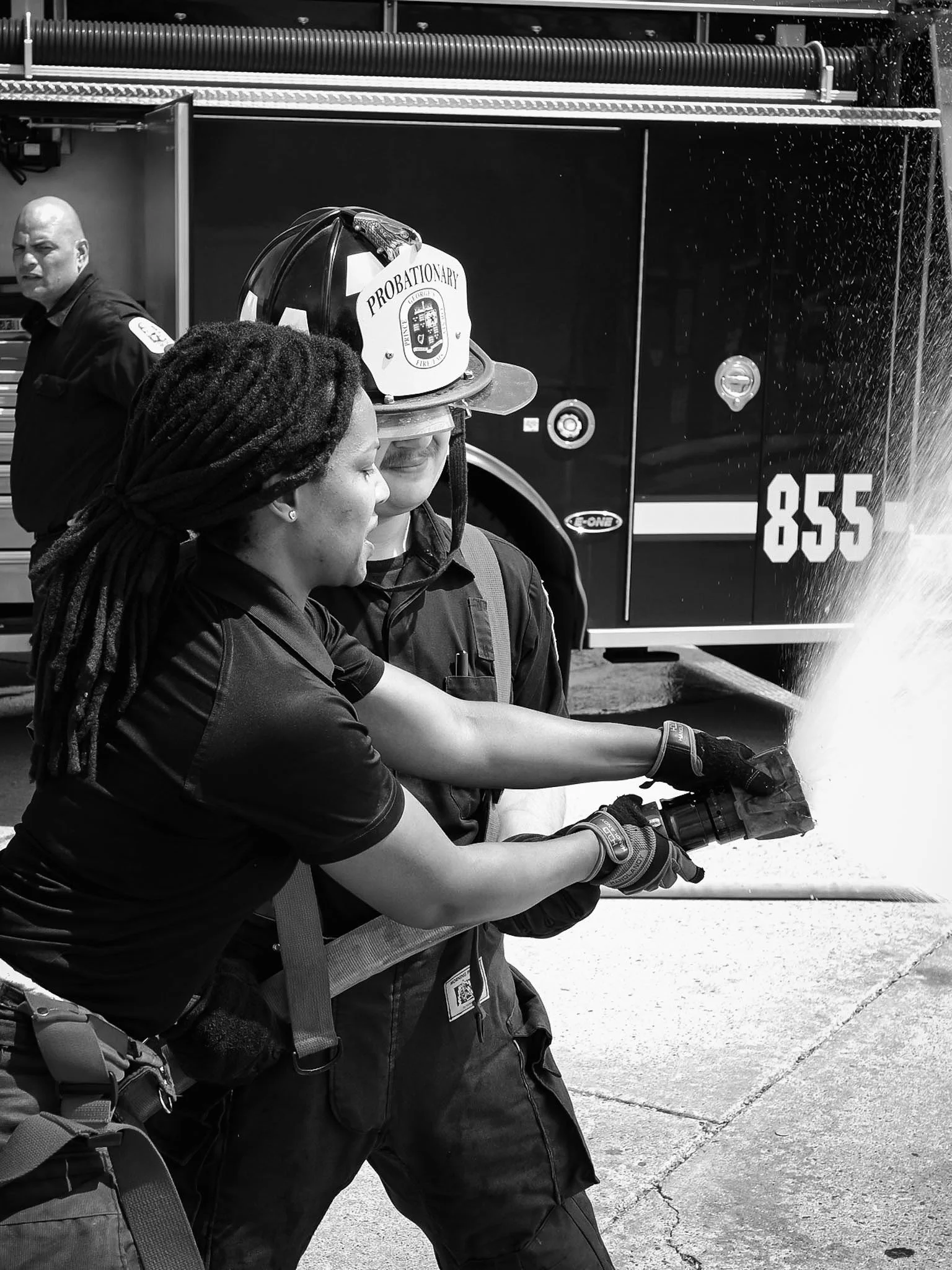
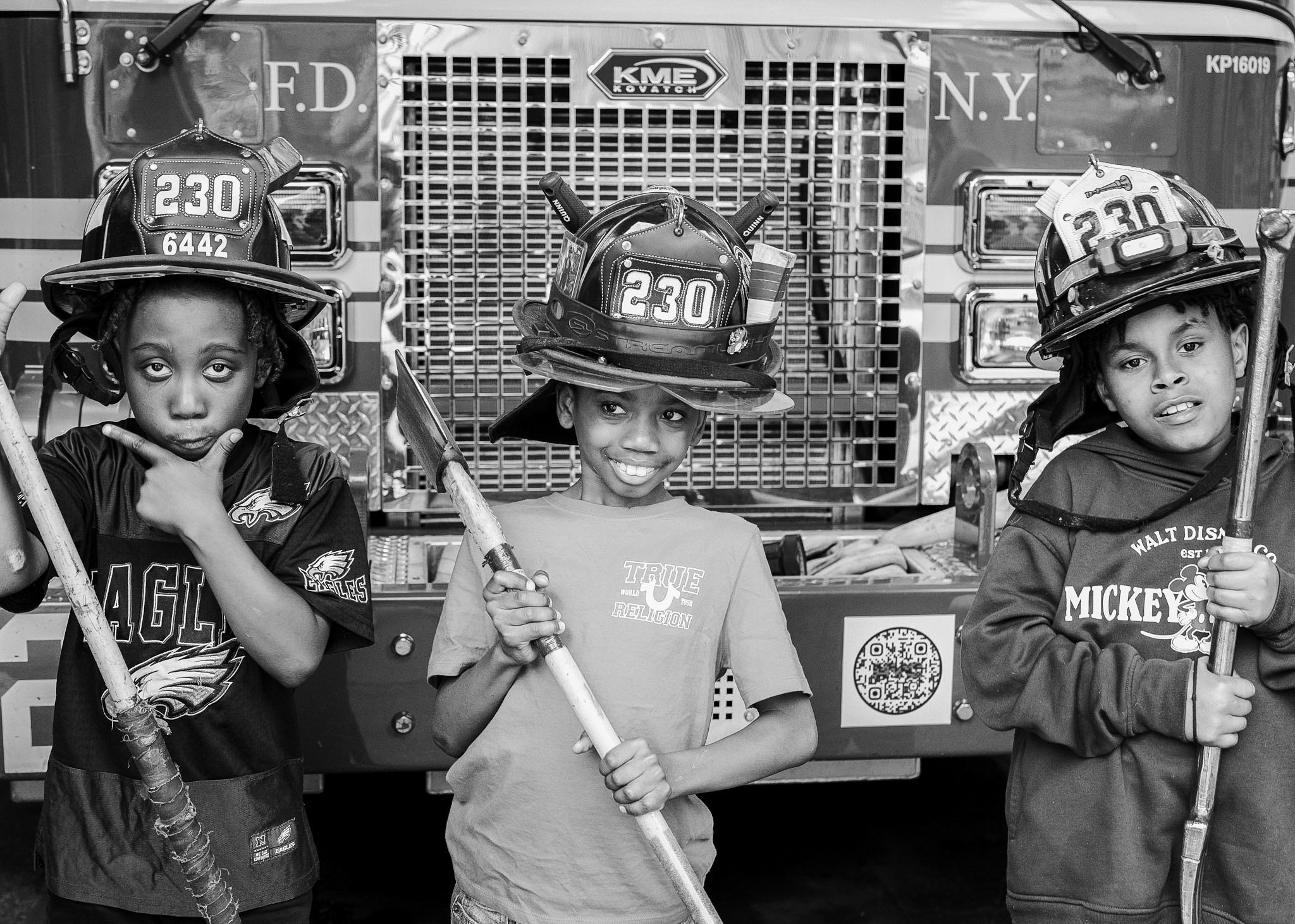
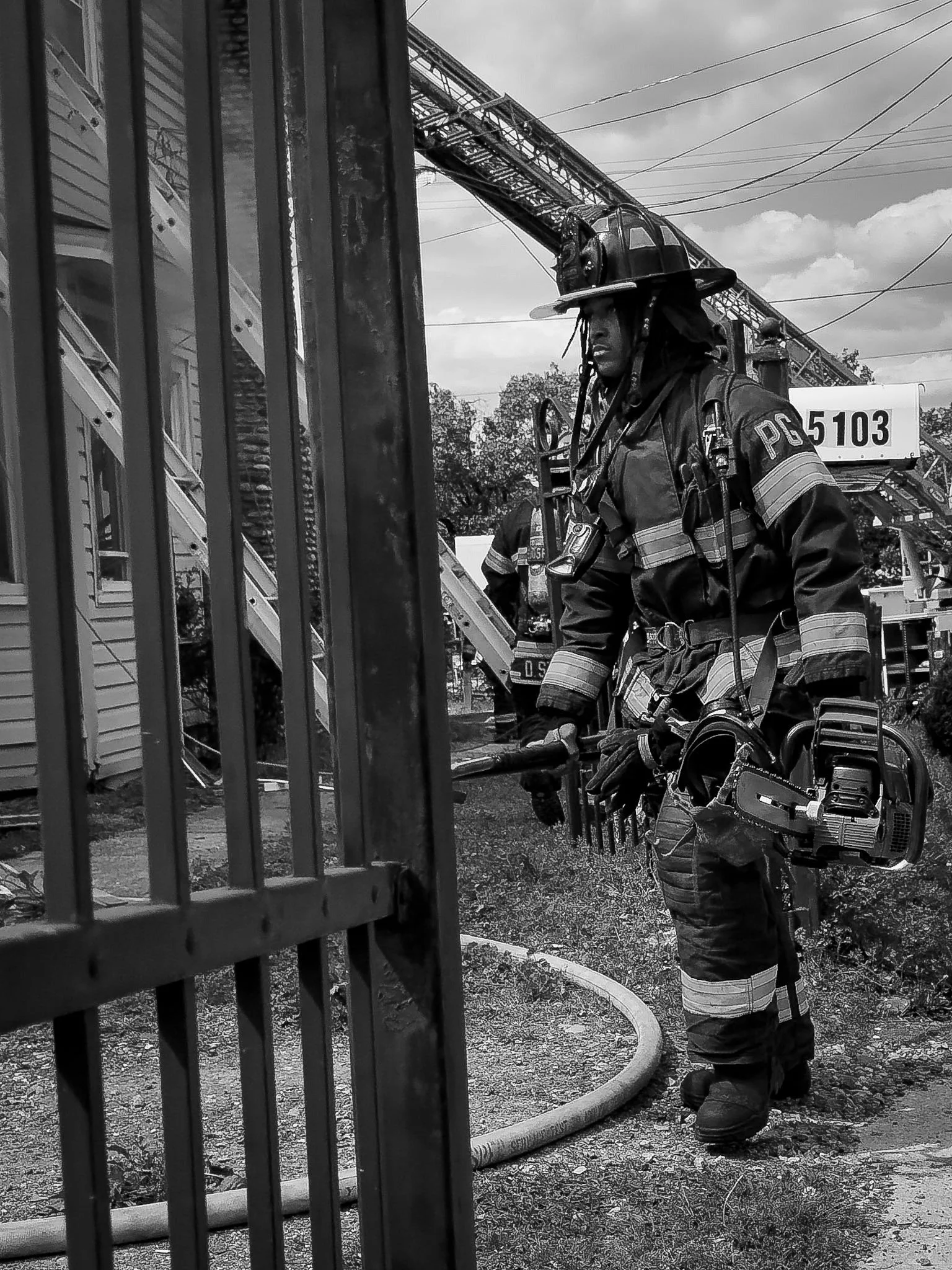
The work goes beyond emergency calls and familiar heroic images of firefighting. Clarke also photographs everyday life inside and outside the firehouse, including family, mentorship, leadership, preparation, community relationships, and the quiet moments between emergencies.
His goal is to create both a contemporary documentary project and a lasting historical archive that broadens the visual record of the American fire service and preserves stories that have often received less attention.
Artist Statement
The Color of Fire began with a simple realization: although firefighters occupy an iconic place in American culture, many of the people who have shaped that history remain largely absent from books and the broader photographic record.
As both a documentary photographer and a firefighter paramedic, I have spent years building relationships inside firehouses across the United States. I have personally traveled to 26 states, funding the project myself while earning the trust of hundreds of firefighters and departments. That trust has allowed me to photograph moments that extend beyond emergency response, including family, mentorship, daily life, leadership, and community.
My goal is not to redefine the history of the American fire service, but to broaden it. The Color of Fire preserves overlooked stories while creating a long term photographic record of Black firefighters and other firefighters of color. At its core, the work is about service, identity, belonging, and the people who dedicate their lives to protecting others.
I hope these photographs become both a contemporary documentary project and a lasting historical archive that expands how future generations understand the American fire service.
Origins: You've worked as a firefighter for sixteen years before turning that world into a documentary project. What was the moment that told you this needed to become a long-term body of work rather than simply photographs from your own life?
The project began with a basic realization. After years in the fire service, I rarely saw the people I worked beside represented with any real depth in photography, books, exhibitions, or the larger visual history of firefighting.
Black firefighters and other firefighters of color were present throughout the history of the American fire service, but much of that history was scattered, overlooked, or reduced to a few well-known firsts. I wanted to document the current generation while some of the earlier generations were still here to tell their stories.
Once I began traveling, I understood that this could not be limited to my own department or my own experience. Every city had a different history, department culture, relationship with its community, and story about who had been allowed to serve. That was when it became a national body of work rather than photographs from my own life.
Framing the Project: Some readers might assume a project built around Black firefighters and firefighters of color is primarily about identity politics or exclusion. How would you describe what The Color of Fire is actually trying to do?
The Color of Fire is not anti-white, and it is not a diversity campaign. I am not trying to replace the traditional image of the American fire service.
I am expanding it by documenting people, histories, and communities that have always been part of that service but have not received the same sustained visual attention.
Expanding the Image: You describe The Color of Fire as an expansion of the existing visual history of firefighting. What does the project reveal that the familiar heroic image of the American firefighter leaves out?
The familiar heroic image of the American firefighter has existed for generations. America's first fully paid professional fire department dates to the mid-1800s, but women only began making real progress in paid career departments during the 1970s.
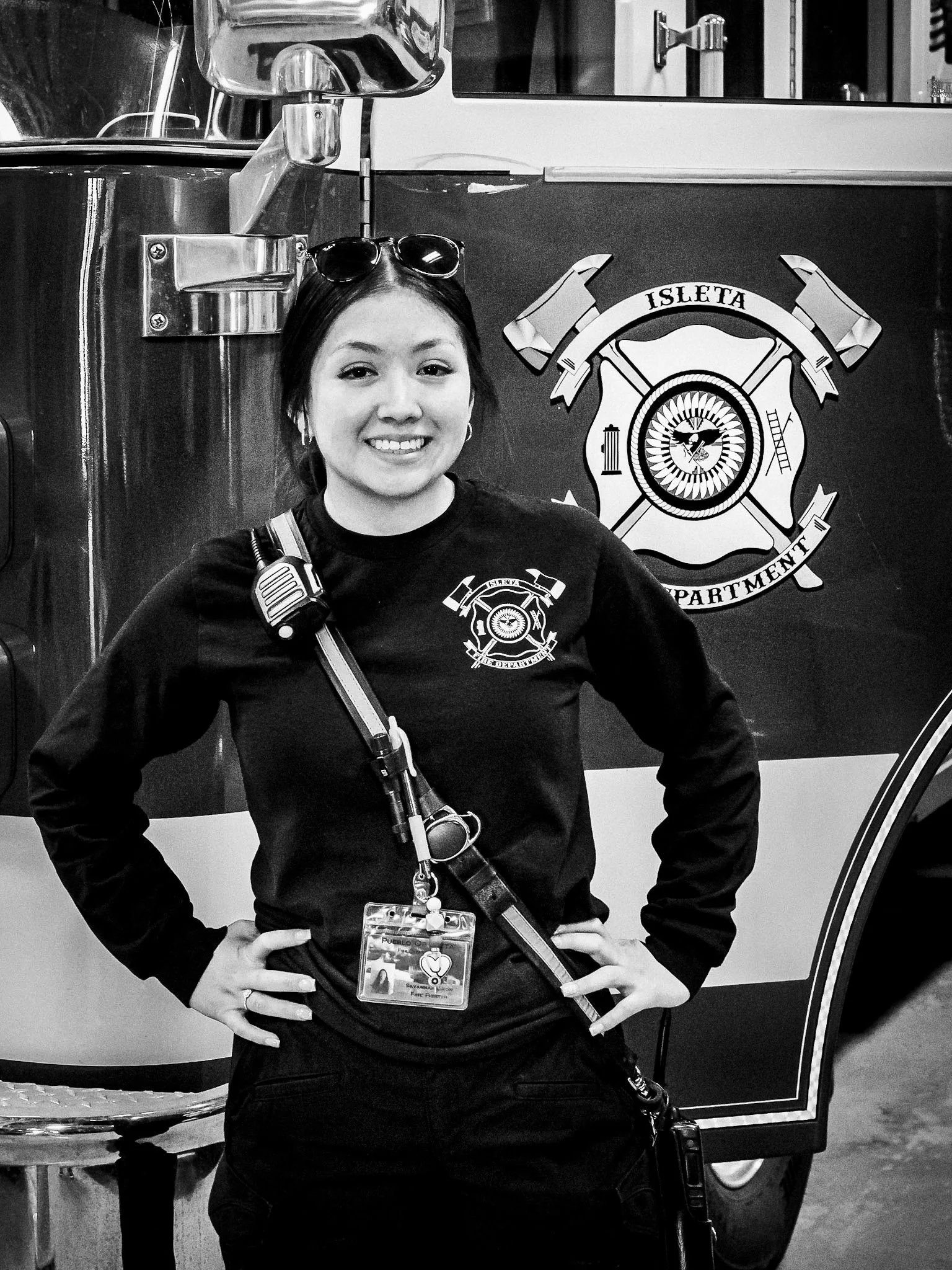
Today, women still make up only about 5 percent of career firefighters, and Black women remain well under 1 percent, even though women are essentially half of the population.
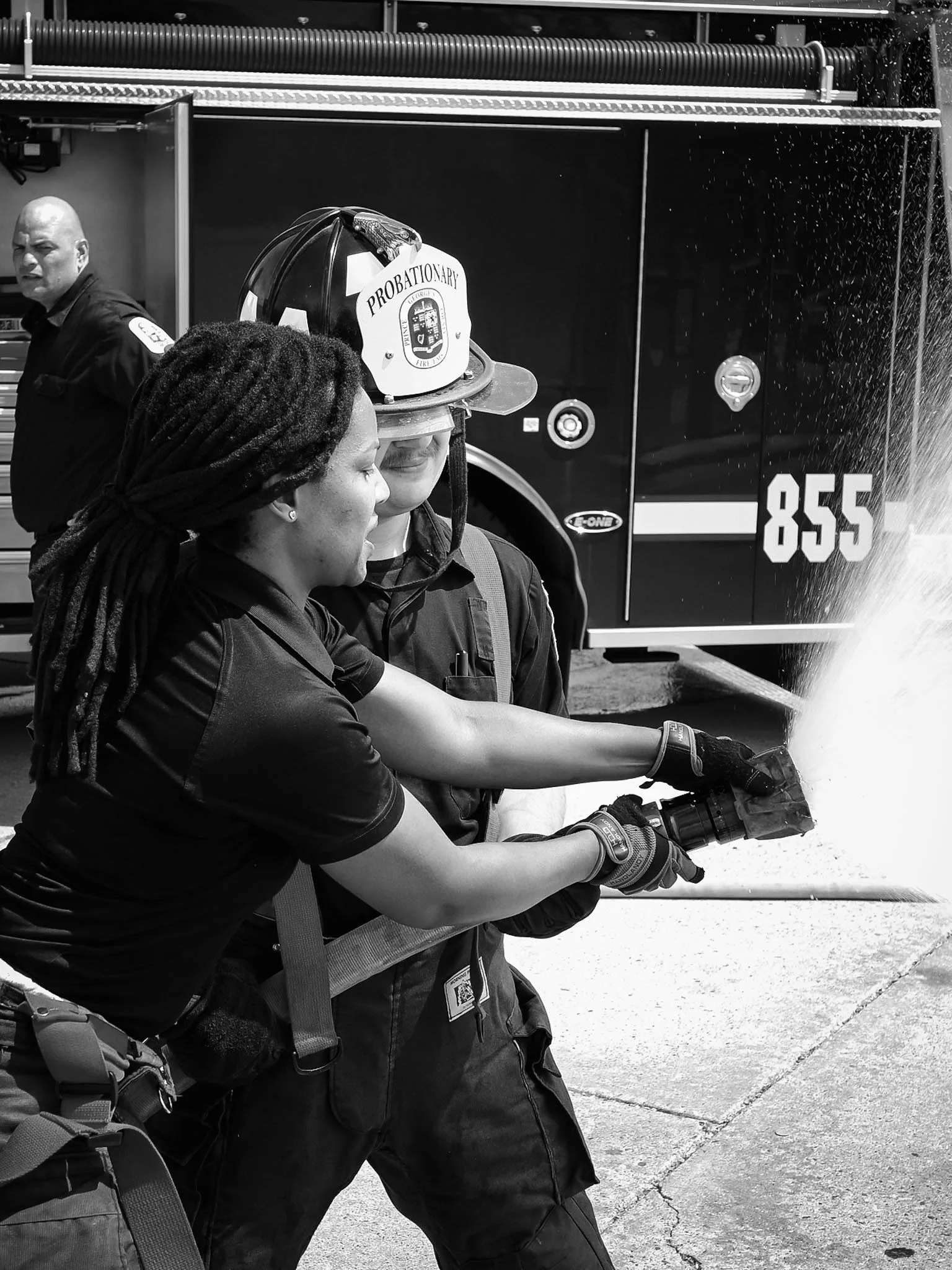
The women I have met are not looking for attention or asking to be treated differently. They are held to the exact same standards as the men. But it is still important to tell their stories because they are also part of the heroic image of the American firefighter. Their presence will continue to grow with each generation. The fire service is changing, and The Color of Fire records that change as it is happening.
Insider Access: What is one photograph in The Color of Fire that could only exist because you are a firefighter first and a photographer second?
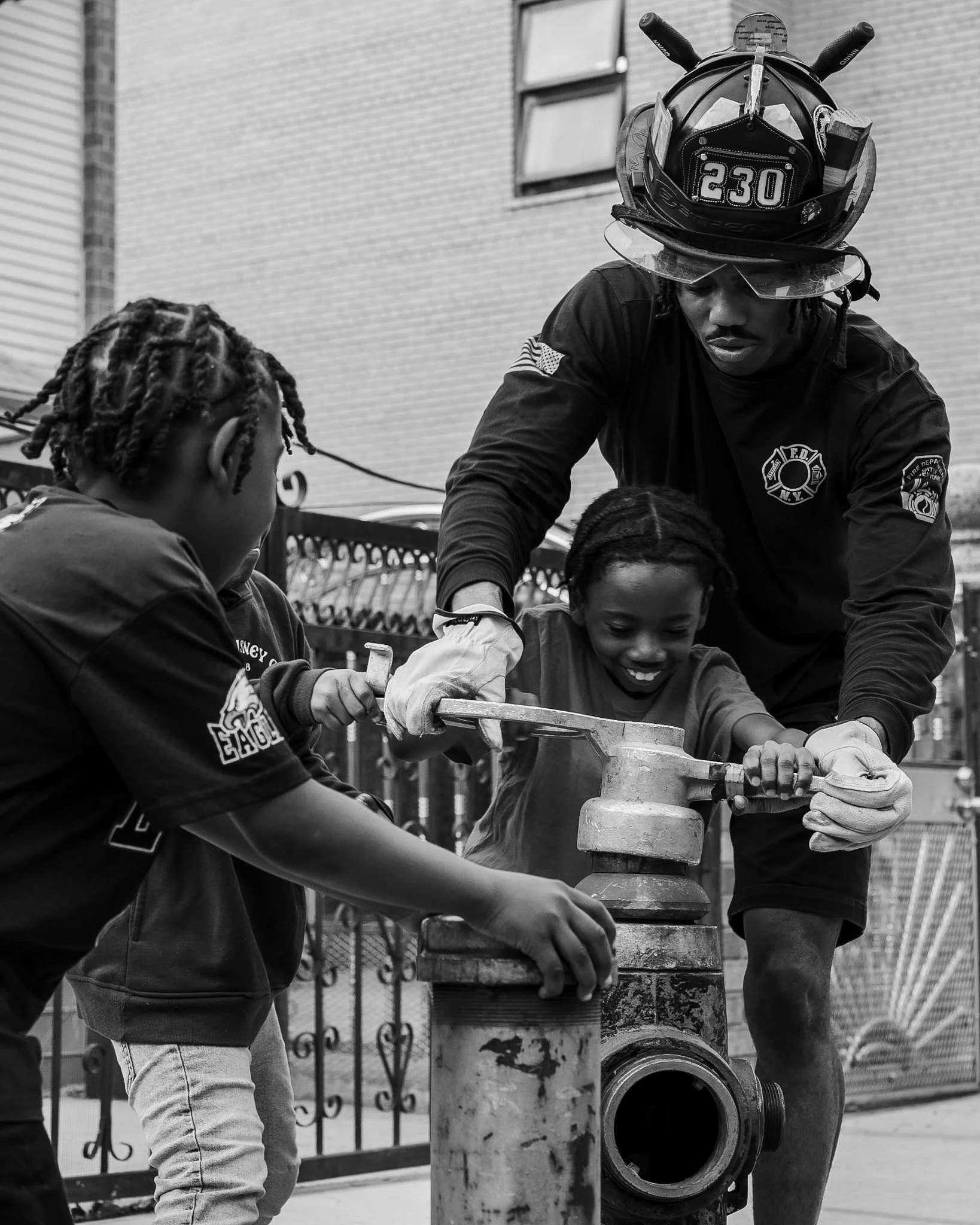
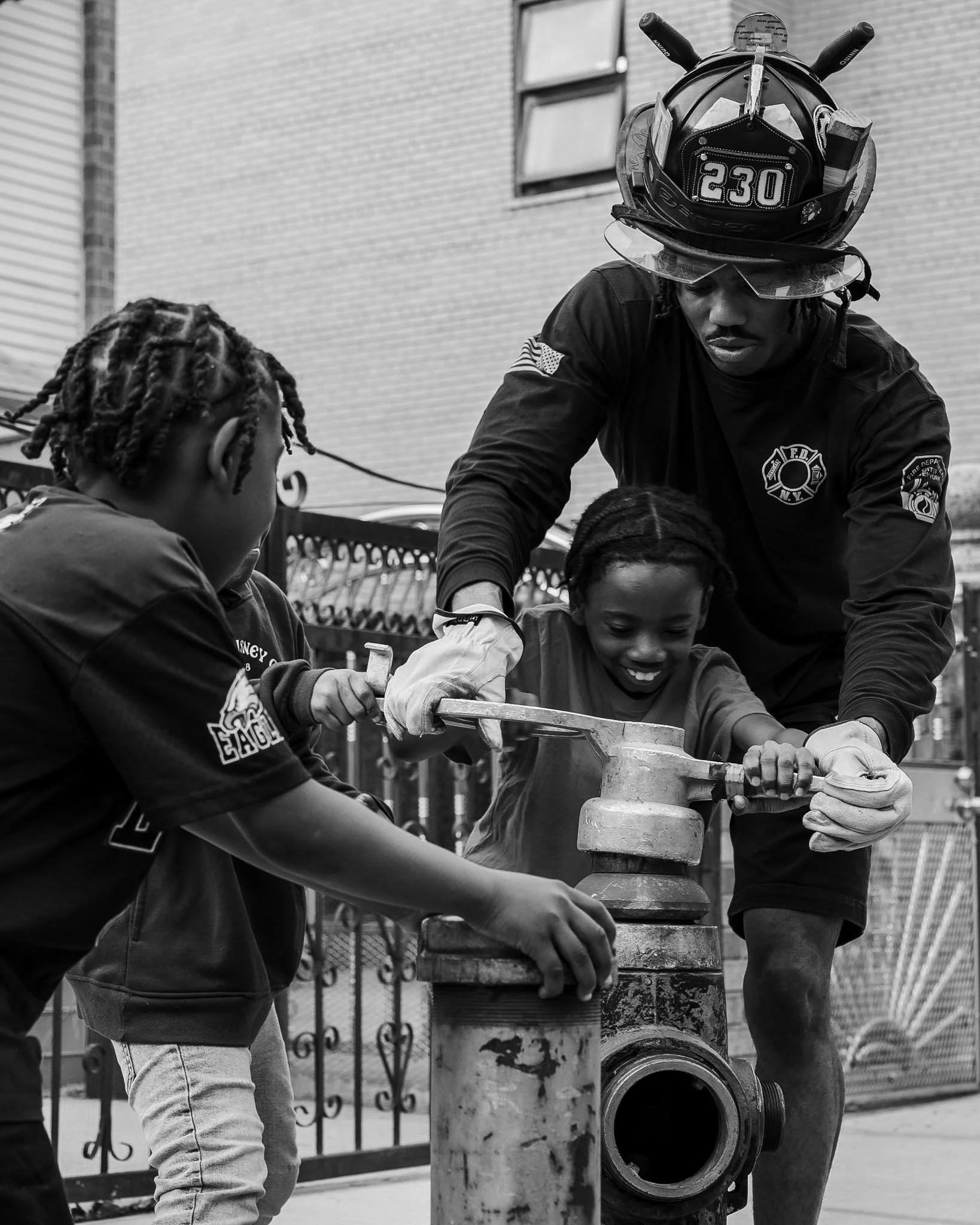
I think about photographs I made in Bedford-Stuyvesant, Brooklyn, where firefighters were interacting with neighborhood children around a hydrant.
The scene was public, but the photograph depended on more than physical access. The firefighters understood that I knew the job, the equipment, the risks, and the relationship between a firehouse and the neighborhood it serves. I could remain close without disrupting what was happening or forcing the moment.
Being a firefighter does not automatically create a meaningful photograph, but it removes a layer of suspicion. People do not have to explain the culture to me before they allow me to see it.
The Limits of Belonging: Can knowing a community this well ever become a disadvantage, where familiarity makes you overlook something an outsider would notice immediately?
Absolutely. Familiarity can make important things appear ordinary.
A meal at the firehouse, the way equipment is arranged, the language used between senior and younger firefighters, or the silence after a difficult call can become invisible when you have lived around it for years.
I try to fight that by asking what someone unfamiliar with the fire service would need to understand and what might matter historically thirty or fifty years from now. Traveling also helps. Seeing how the job changes from one city to another forces me to reconsider what I take for granted in my own department.
My experience gives me access, but I still have to remain visually curious.
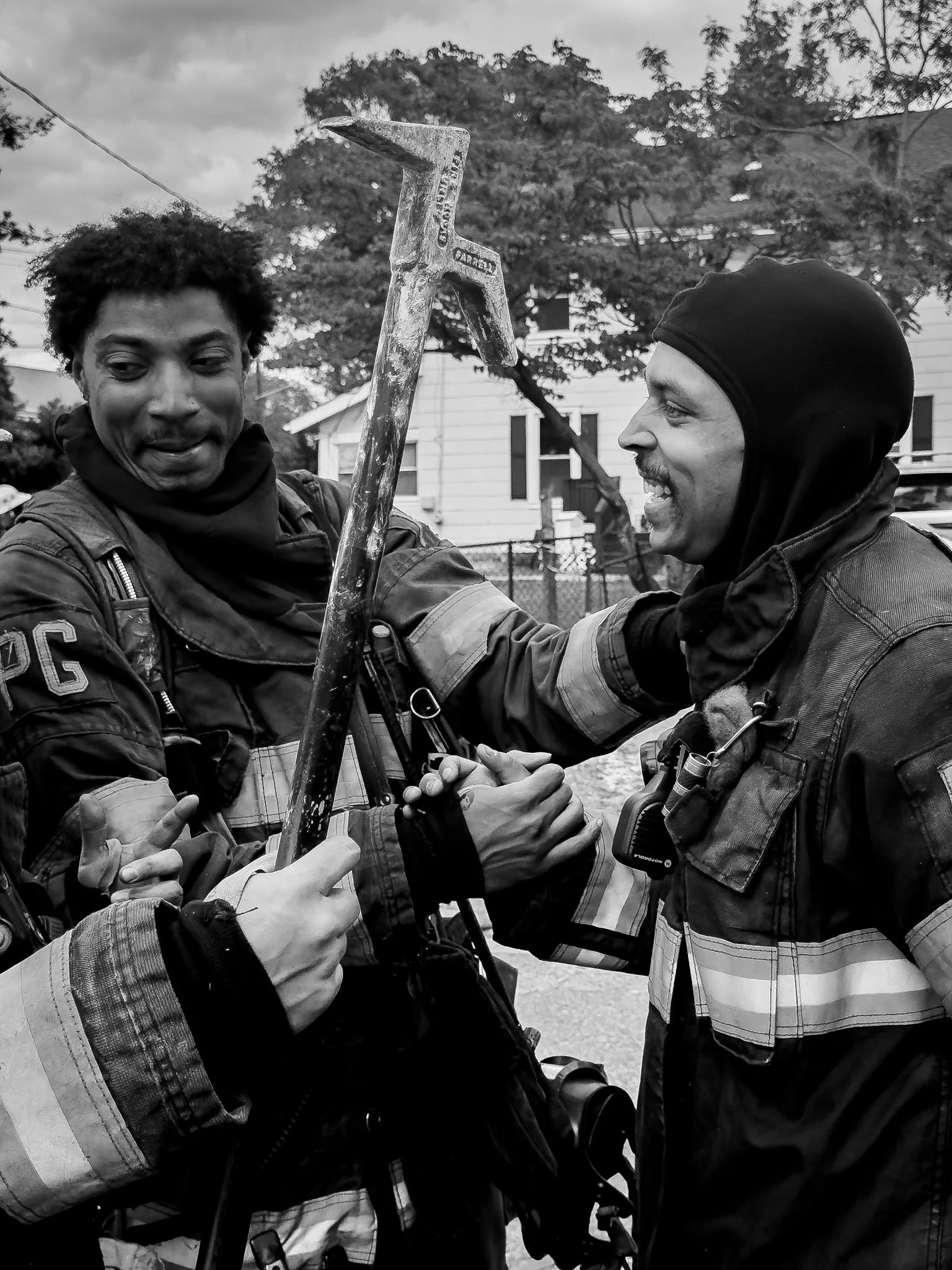
A Photograph Nearly Missed: You mention that familiarity can make important things appear ordinary. Can you describe one photograph you nearly overlooked because the moment felt too familiar, but later understood differently?
There is not one specific photograph I can honestly single out. It happens throughout the project with things like the way equipment is arranged, the language between senior and younger firefighters, or the silence after a difficult call. Those things can become invisible when you have lived around them for years.
I try to look at them again by asking what someone outside the fire service would notice and what might matter historically thirty or fifty years from now.
Beyond the Obvious Image: Firehouses come with familiar visual clichés: the truck, the uniform, the heroic portrait. How do you move beyond those expected images to photograph something deeper?
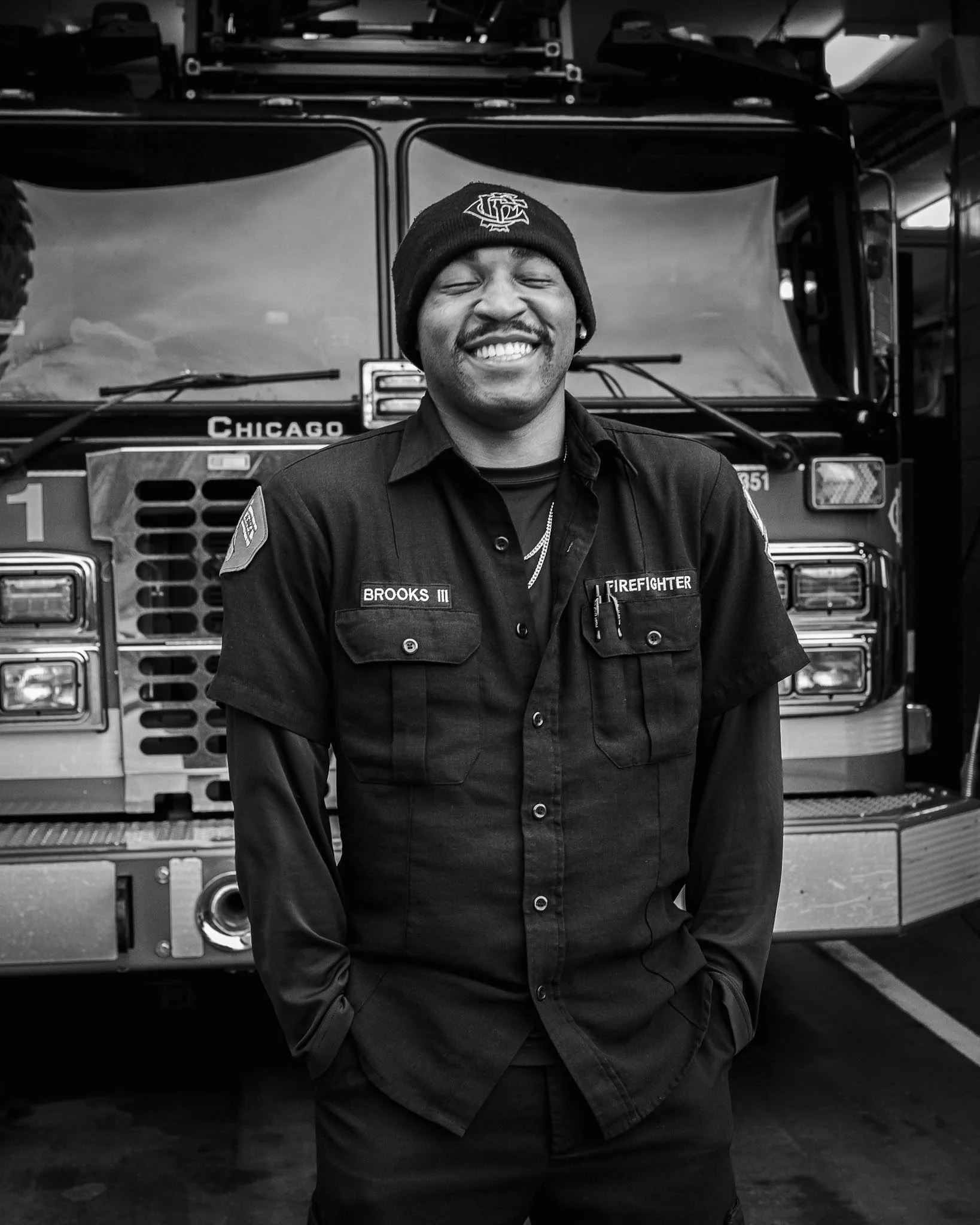
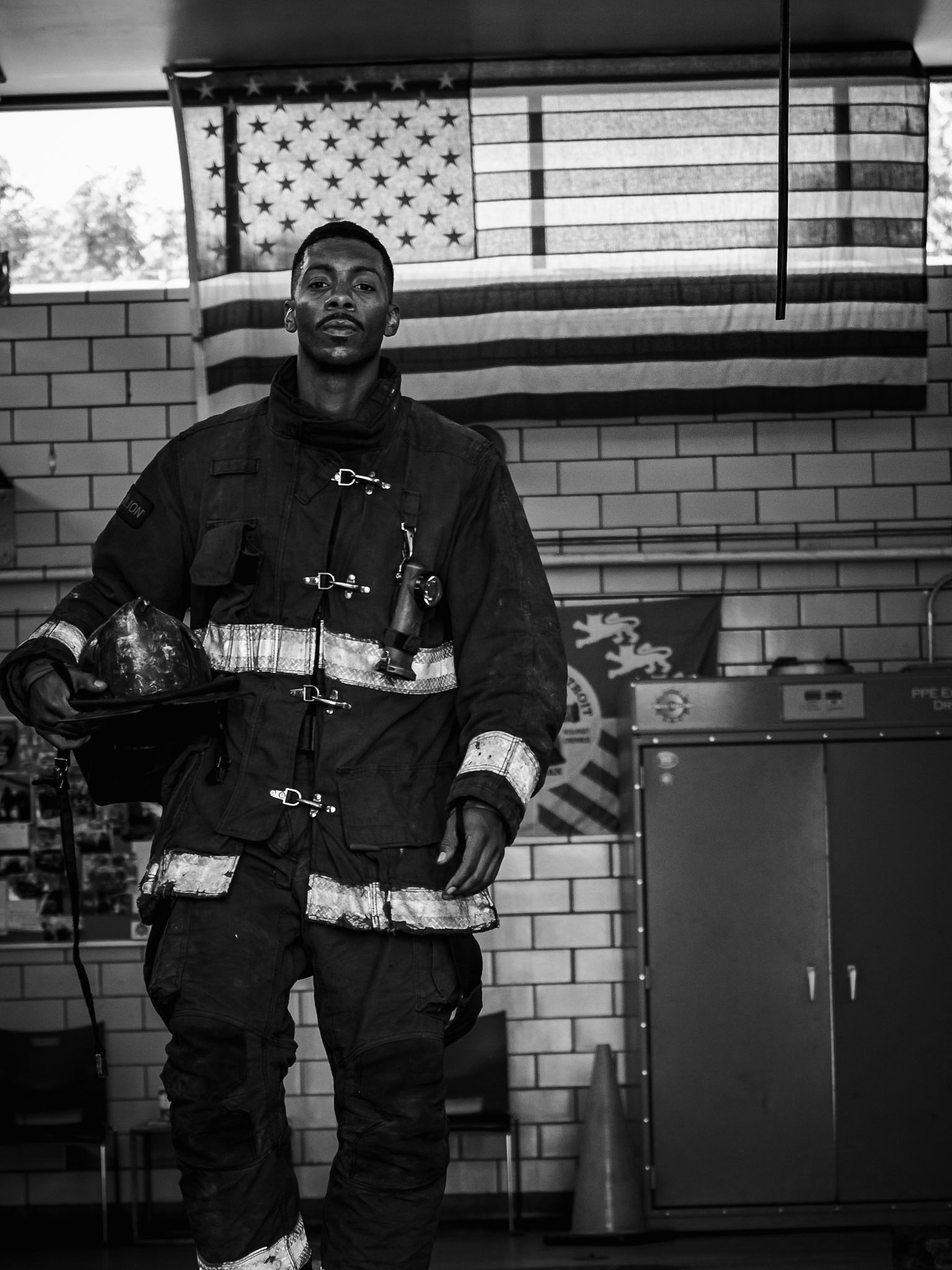
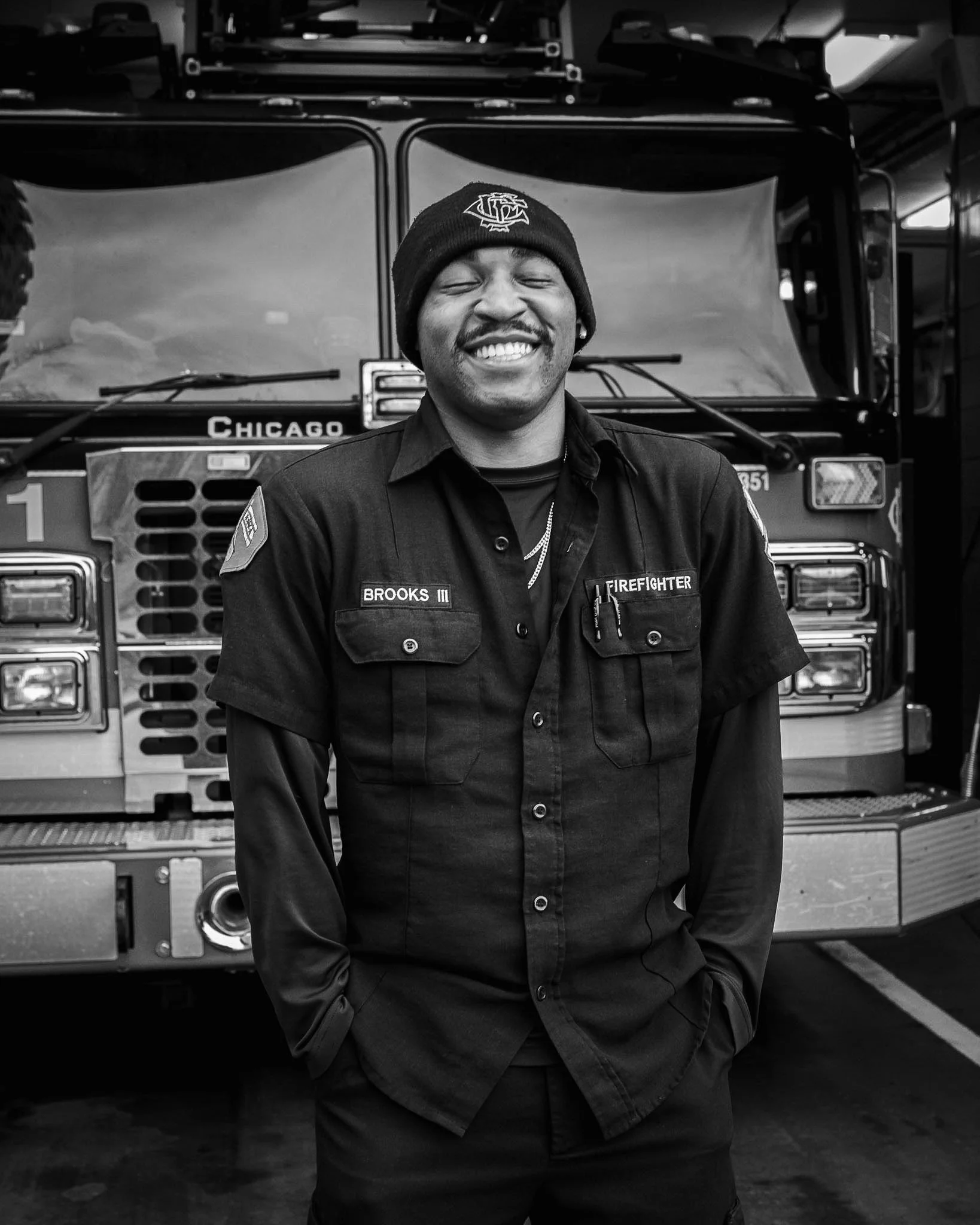
The truck, uniform, helmet, and formal portrait are part of the visual language of the fire service, so I do not reject them completely. The problem comes when those images become the entire story.
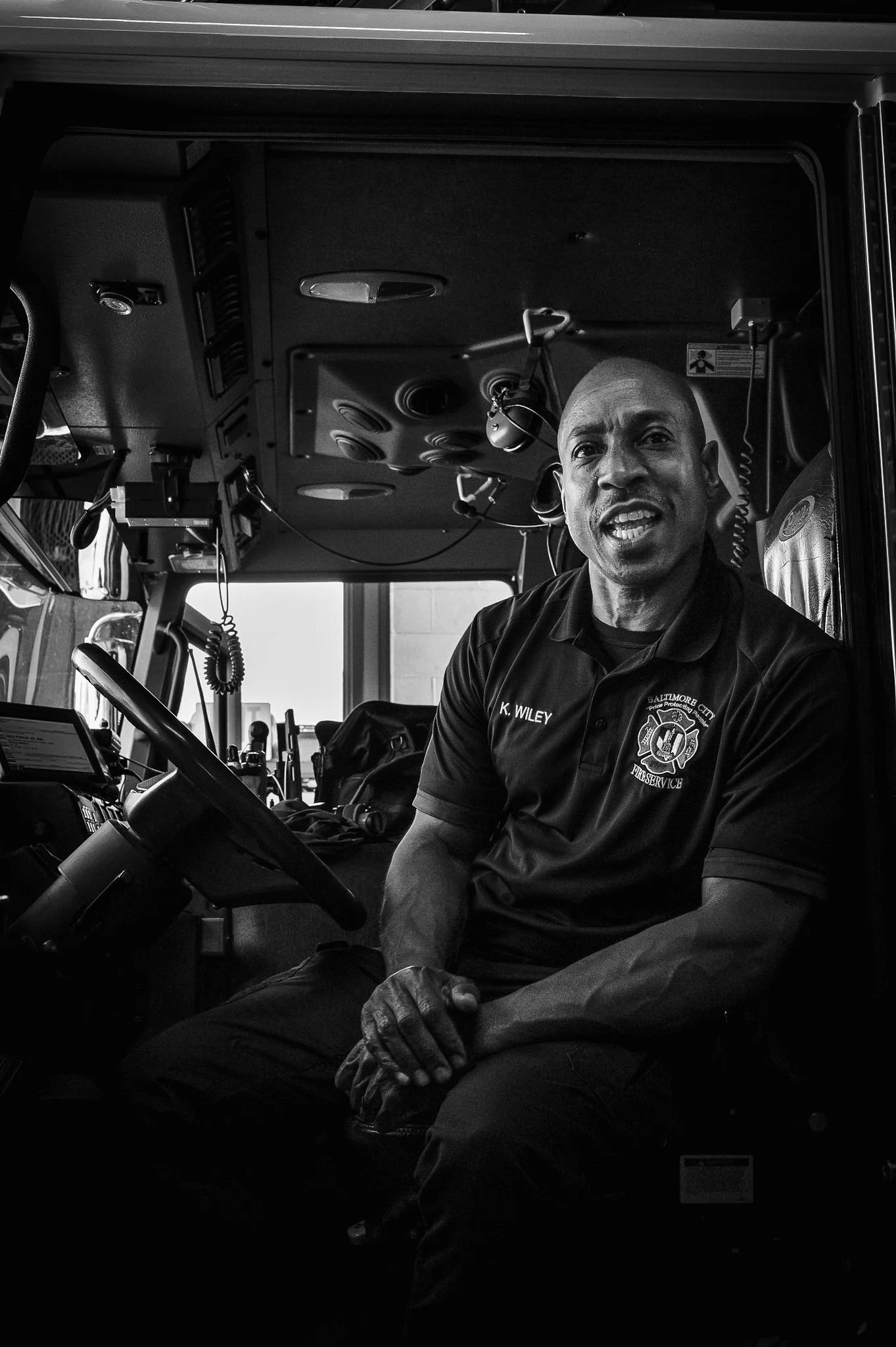
I look for preparation, authority, exhaustion, mentorship, family, humor, tradition, meals, station rituals, community interaction, medical work, and the quiet periods between emergencies.
I am interested in what the uniform contains. Who is this person outside the expected heroic image? What history did they inherit? Who are they teaching? What does the work cost them? How does the firehouse function as both a workplace and a community institution?
The deeper photographs usually come before the dramatic moment or after it.
Choosing the Everyday: During a normal shift you're surrounded by meals, downtime, and small conversations. What tells you that an ordinary moment deserves to become part of the project?
An ordinary moment becomes important when it reveals a relationship, tradition, hierarchy, responsibility, or form of care.
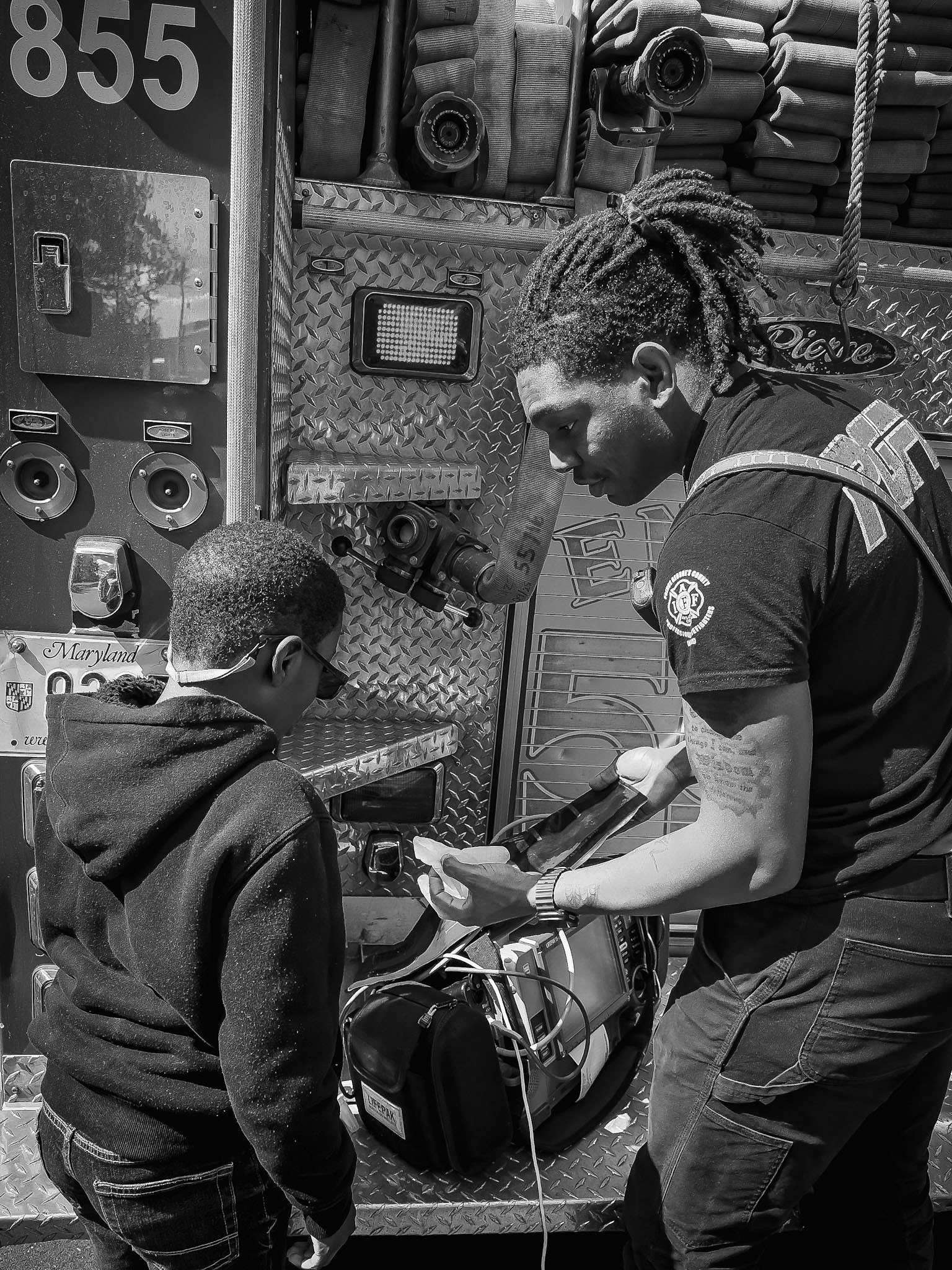
A firefighter preparing equipment may show discipline. A senior member speaking quietly with someone younger may show mentorship. A shared meal may reveal how people from different backgrounds become a working family.
Those moments may not appear dramatic when they happen, but they often explain the culture better than an emergency scene. Firefighters spend much more time preparing, waiting, maintaining equipment, training, talking, and living together than the public ever sees.
The archive would be incomplete without that everyday life.
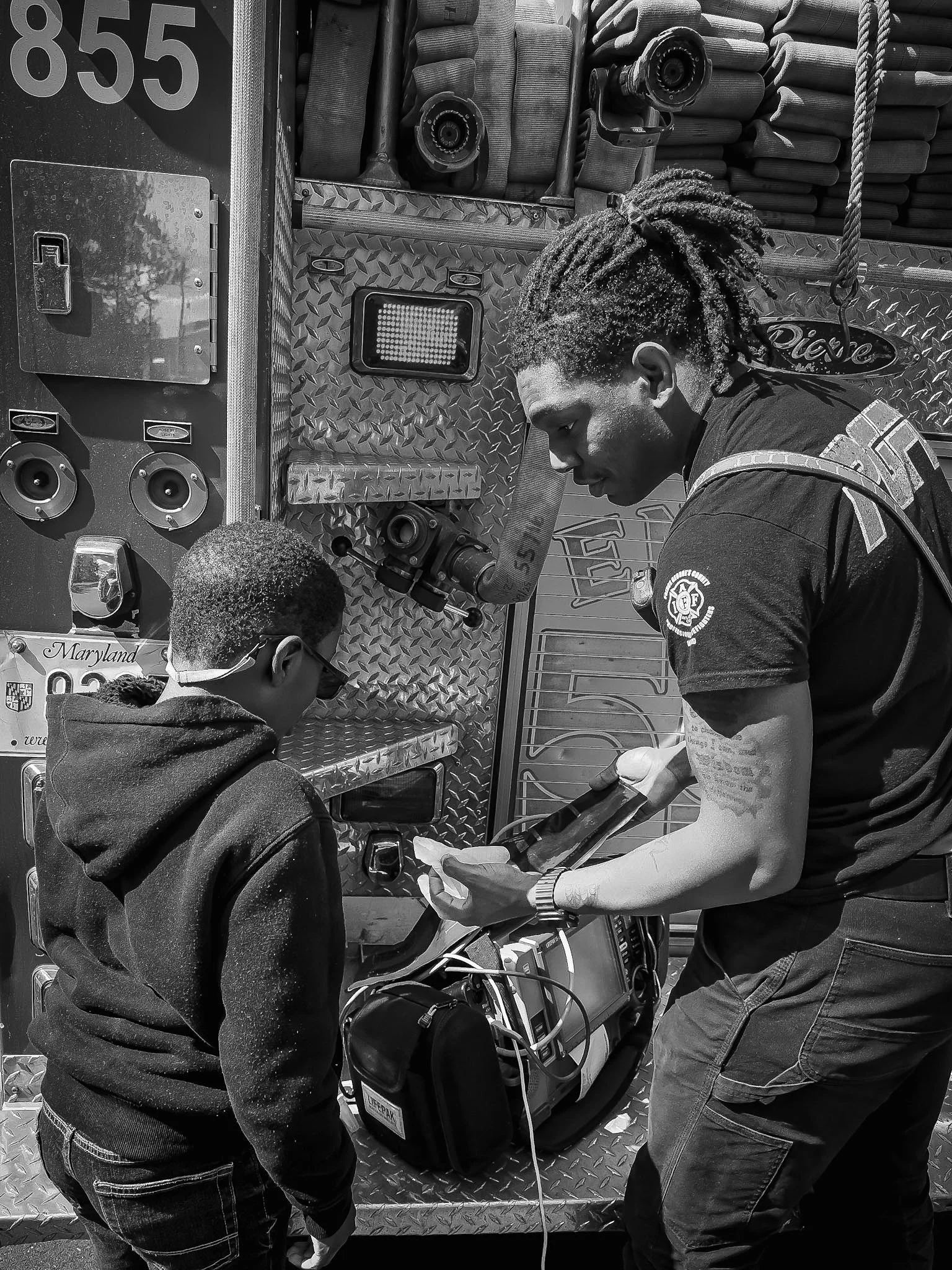
Loyalty Versus Honesty: You're photographing colleagues who trust you as both a firefighter and a photographer. How do you decide what's important to show honestly, and what should remain private out of respect for the people in front of your camera?
Honesty does not require exposing everything.
I will not exploit a patient, someone's trauma, or a vulnerable moment simply because it might produce a powerful photograph. I also consider whether an image could unnecessarily embarrass someone, damage their career, interfere with department operations, or betray the trust that allowed me to be there.
At the same time, I do not want to sanitize the work. The fire service includes fatigue, danger, frustration, sacrifice, internal conflict, and difficult history.
The responsibility is to show the truth with context and dignity. There is a difference between documenting vulnerability and taking advantage of it.
What Stays Private: Have you made a photograph that felt important but decided should remain private? What made you draw that line?
There are several photographs I have excluded because of HIPAA, ethics, and my own morals. I avoid photographing patients on medical calls. At White Oak, I waited until after the patient had been unloaded before making any photographs. Anything medical is only implied after the fact, such as a bloody stretcher. The patient is never identified.
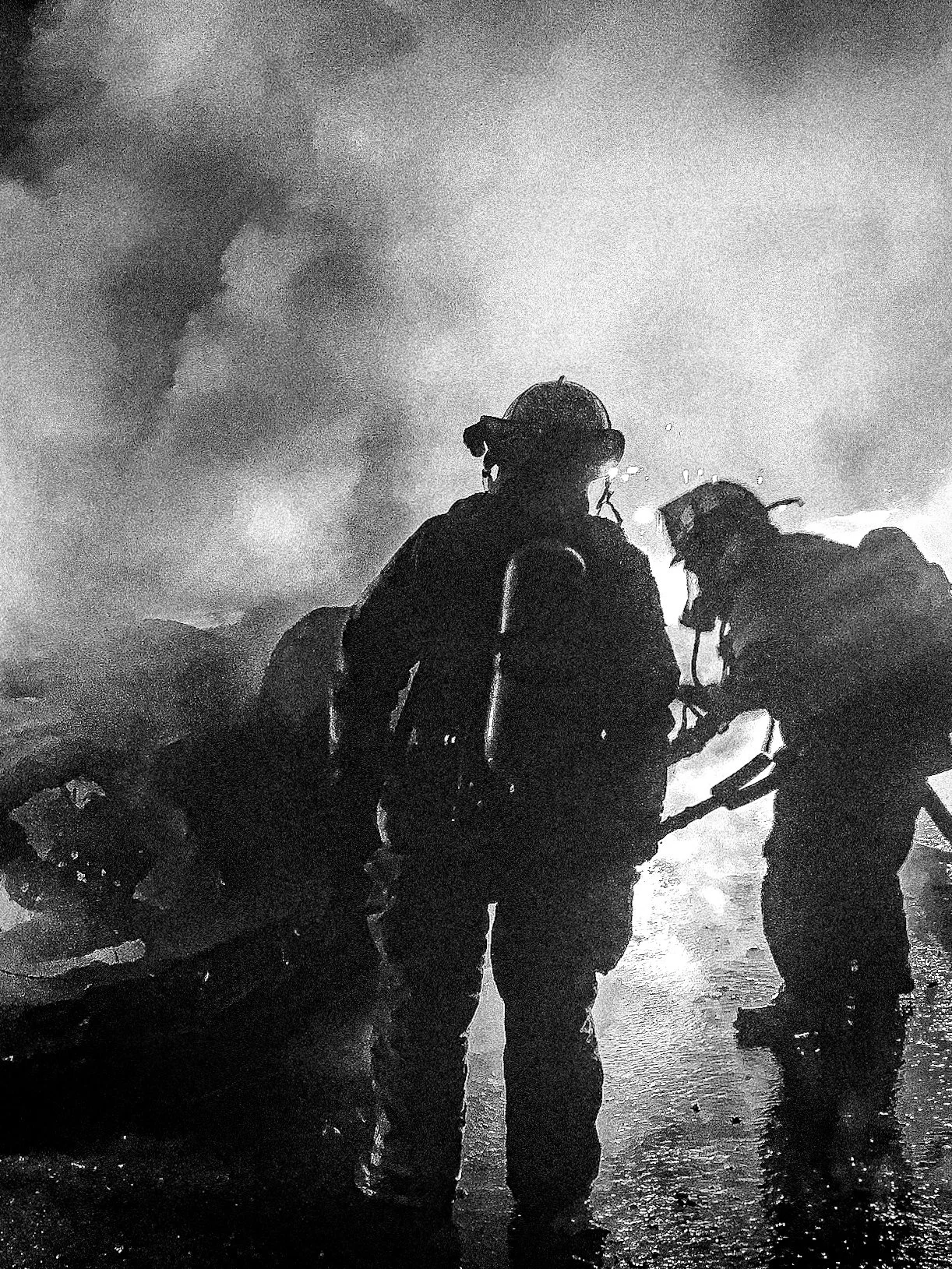
I use the same standard with car fires and house fires. I never want the person, home, or vehicle involved to be identifiable.
Seeing Your Own World Again: After sixteen years in the fire service, what still surprises you enough to make you reach for your camera? Has working on The Color of Fire changed the way you see the firehouse itself?
What continues to surprise me is how different the same profession can look from one community to another.
The equipment and responsibilities may be similar, but every firehouse carries the history of its city. I continue to find stories of first-generation firefighters, multigenerational fire families, women moving into leadership, retired Black firefighters mentoring younger members, and communities that see the neighborhood firehouse as part of their identity.
The project has made me see the firehouse as more than a workplace. It is a living institution where public service, labor, race, family, tradition, and local history meet.
I had lived inside that world for years before fully understanding how much of it deserved to be preserved.
Editing a Long-Term Project: After sixteen years and work across twenty-six states, you're sitting on an enormous archive. How do you begin turning thousands of photographs into one coherent body of work?
The Color of Fire itself has produced more than 35,000 photographs, so the edit cannot simply be a collection of my favorite individual images.
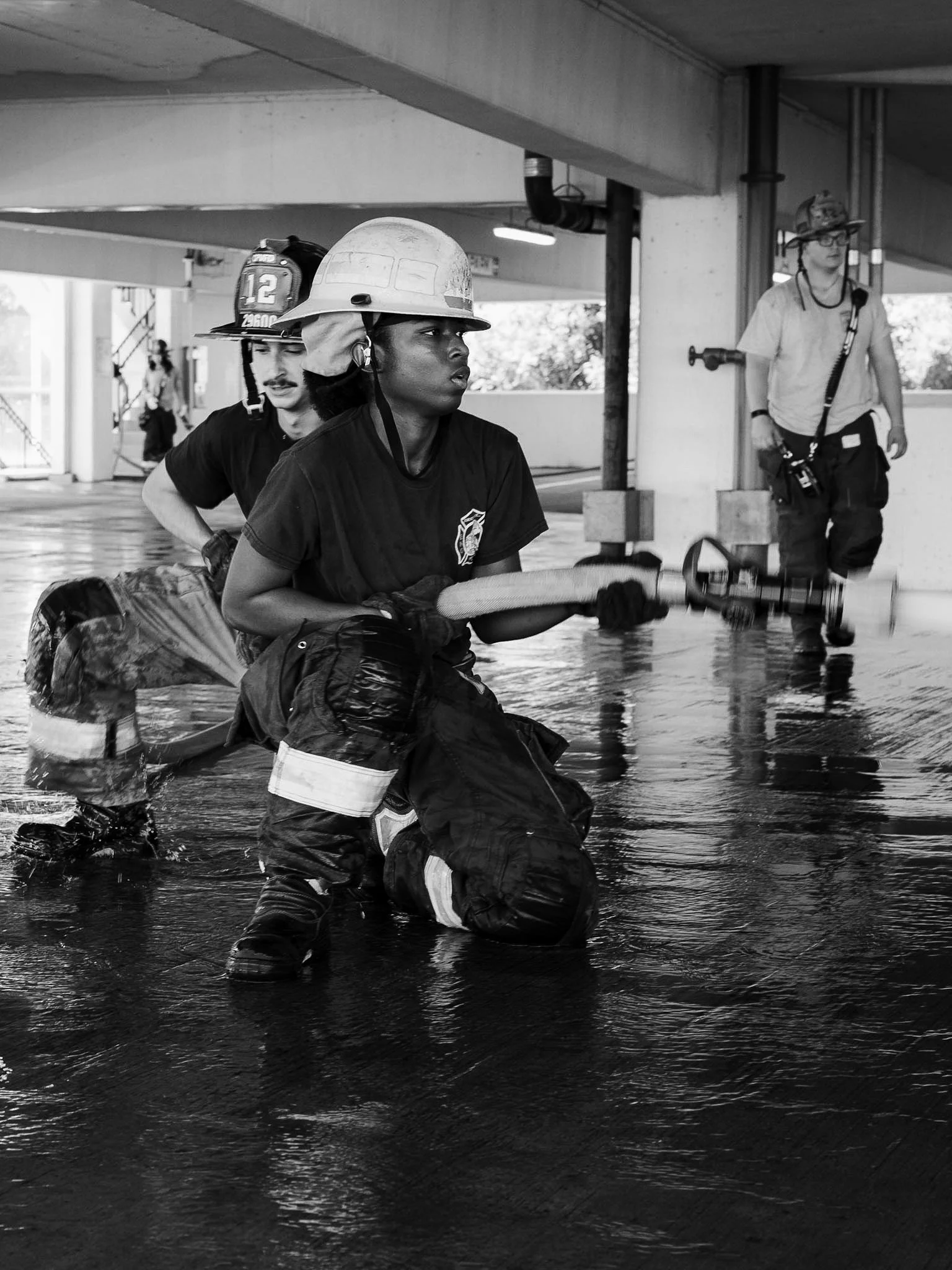
I organize the work around themes and chapters rather than treating every city as a separate story. Those chapters include history, preparation, labor, leadership, women in the fire service, mentorship, family, community relationships, emergency medical work, station life, and the physical and emotional aftermath of the job.
I ask whether each photograph contributes information that another image does not. A strong photograph can still be removed if it repeats something already expressed more clearly elsewhere.
Captions, names, dates, departments, interviews, and field notes also influence the edit. The final book, exhibition, and historical archive may overlap, but they will not necessarily use the same sequence or number of photographs.
The Stronger Image: Can you describe one photograph you cared about personally but removed because another image contributed more to the project? What did the stronger image do differently?
This happens all the time. Redundancy is easy. A photograph of a fire engine, a man standing in front of a fire engine, or random shots of crews working at a fire have all been seen before. I usually exclude images that repeat what is already commonly seen online.
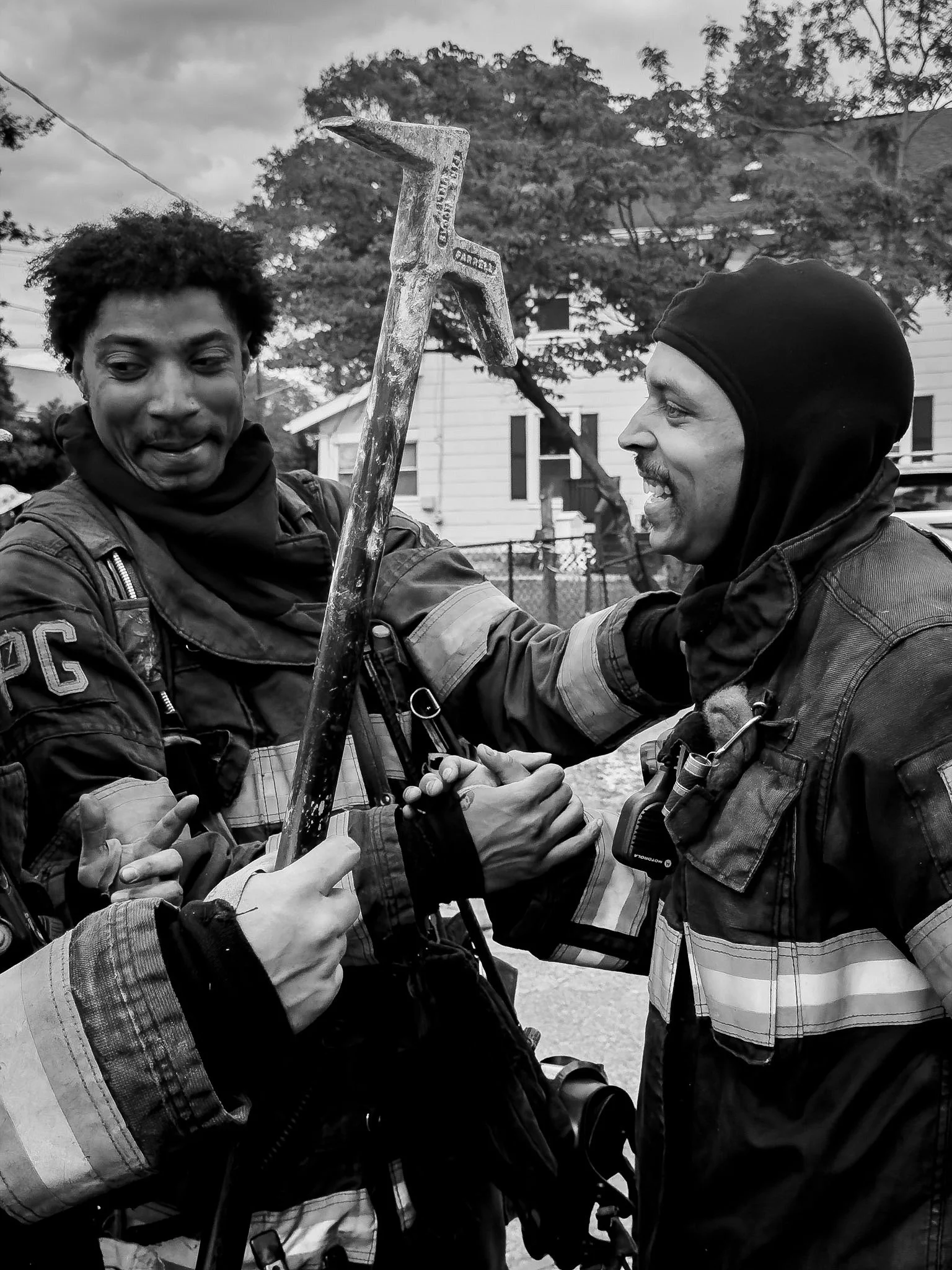
Some of the photographs I make while talking with other firefighters tell the story better. They let their guard down, laugh with me, or tell me a story, and I keep shooting through those moments. The same thing happens while they are cooking dinner together. Those photographs show more than another expected image of a fire engine or crew working at a fire.
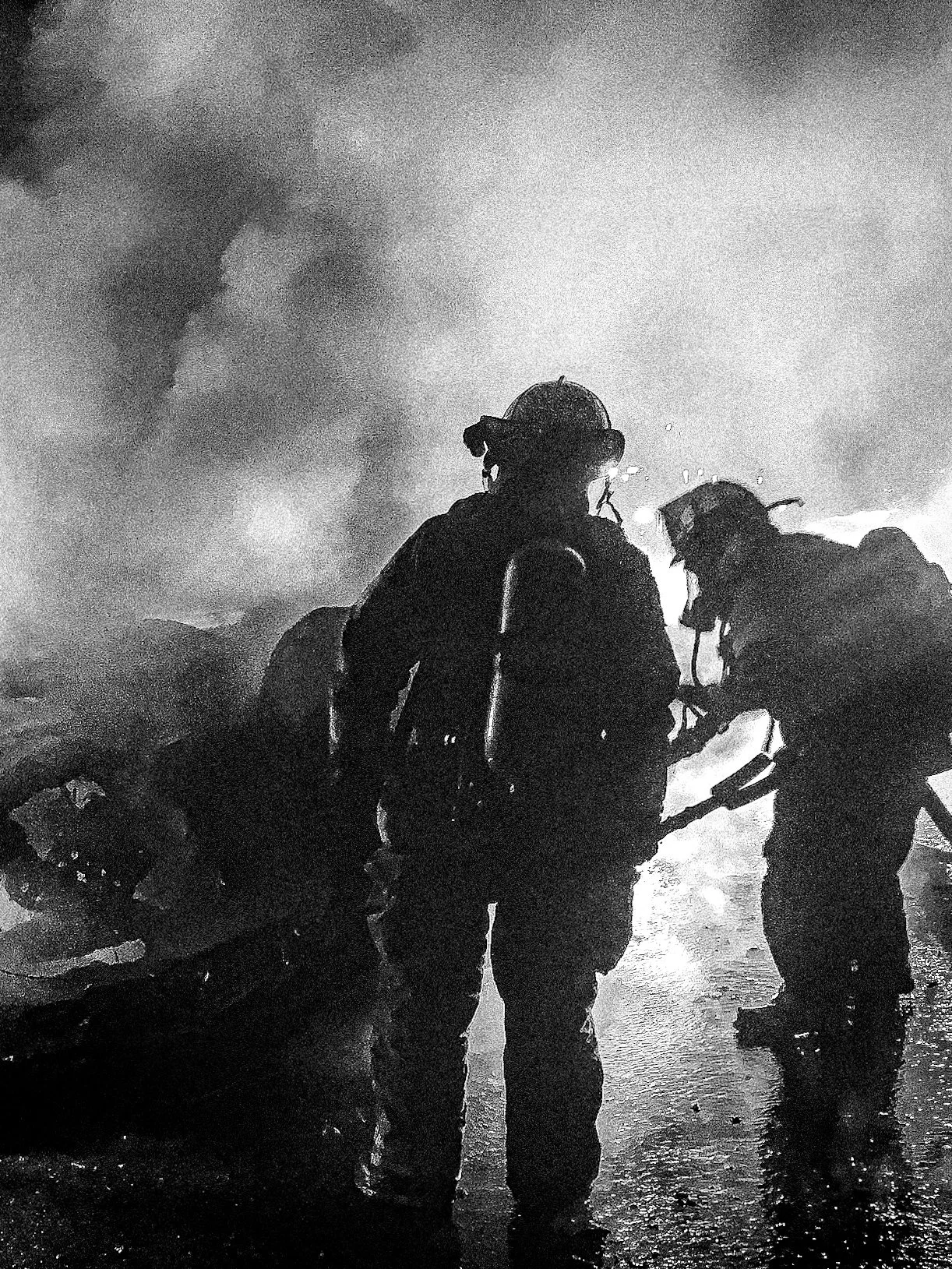
From Project to Archive: You've said you hope The Color of Fire becomes both a contemporary documentary project and a lasting historical archive. What does the work need to contain before you feel it deserves to be called an archive rather than simply a project?
An archive must preserve more than strong photographs.
It needs names, dates, departments, locations, captions, historical context, interviews, field notes, and enough geographic and generational range to show how the fire service has changed.
It should include active and retired firefighters, women, leadership, emergency medical personnel, families, station traditions, community relationships, historical objects, and the ordinary working life that is usually forgotten.
I also believe an archive should remain useful after the photographer is no longer present to explain it. Someone studying firefighting, labor, Black history, public institutions, race, gender, or American community life should be able to learn from it decades from now.
That is the standard I am working toward.
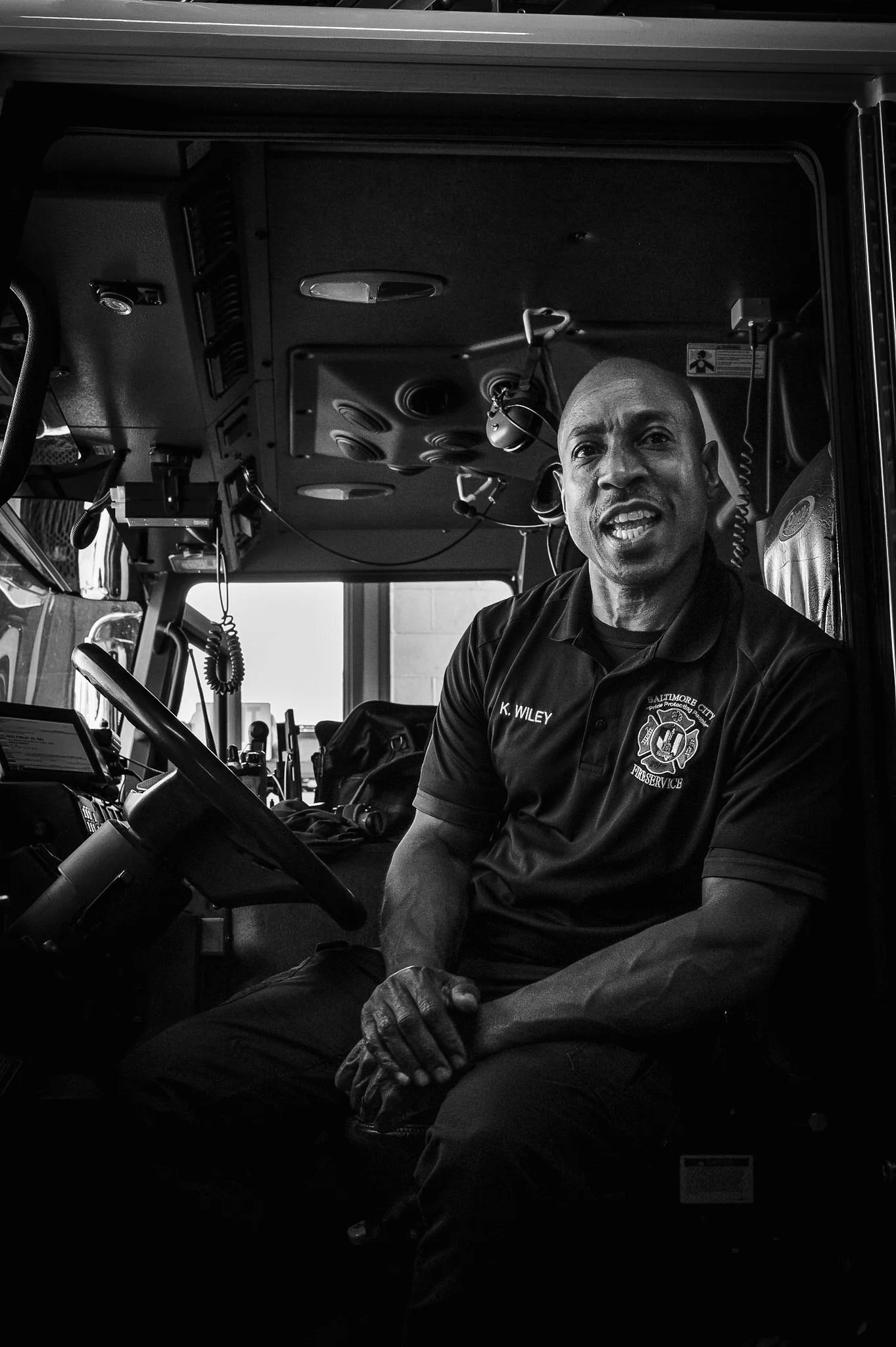
More photography books and interviews?
We'd love to read your comments below, sharing your thoughts and insights on the artist's work. Looking forward to welcoming you back for our next [book spotlight]. See you then!
Robin de Puy could no longer make this project alone. She first photographed Randy in Ely, Nevada, during a 2015 road trip and kept returning to him for more than ten years. Interviews