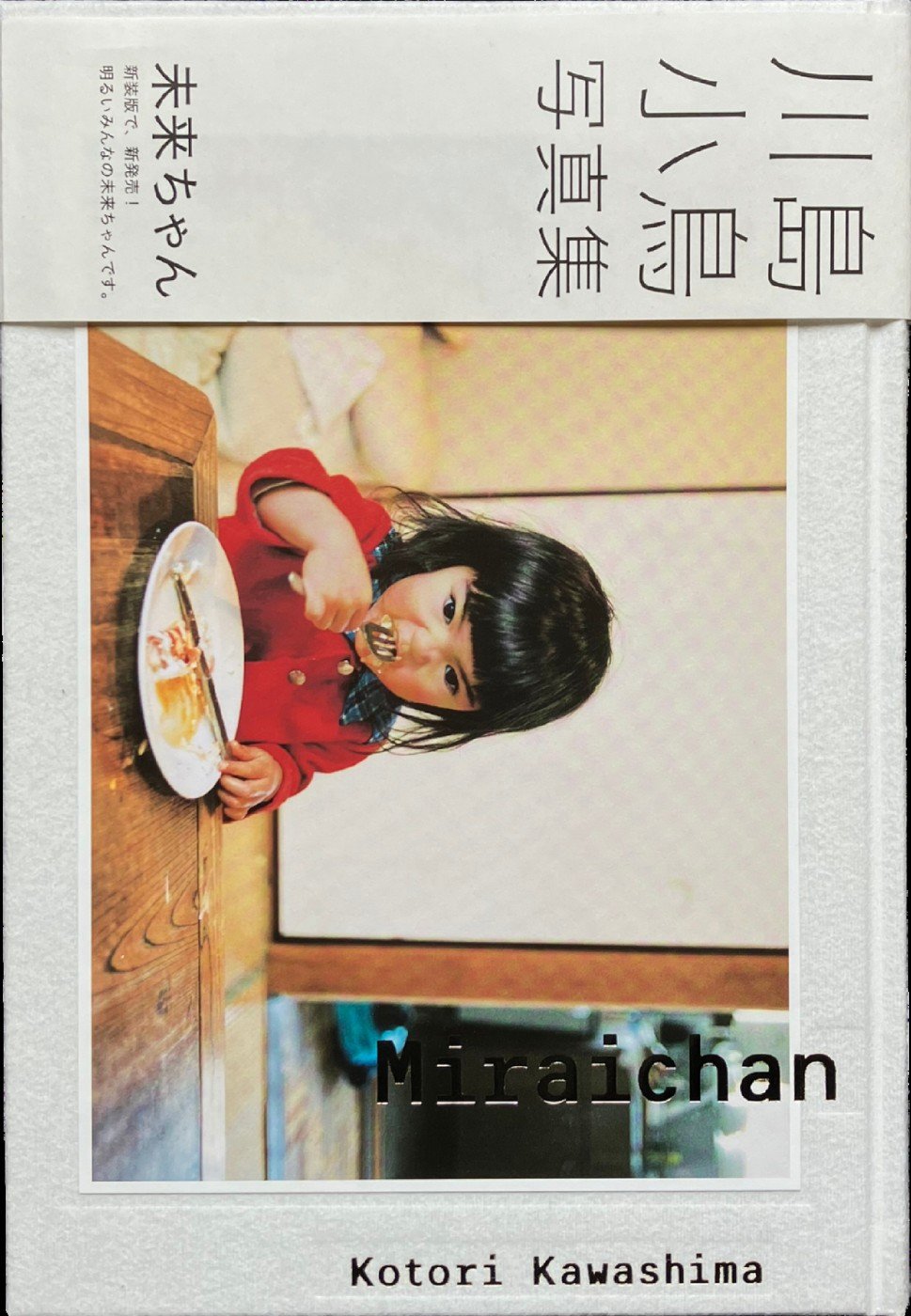
Welcome to this edition of [book spotlight]. Today, we look at Mirai-chan, by Kotori Kawashima (published by Nanarokusha). We'd love to read your comments below about these insights and ideas behind the artist's work.
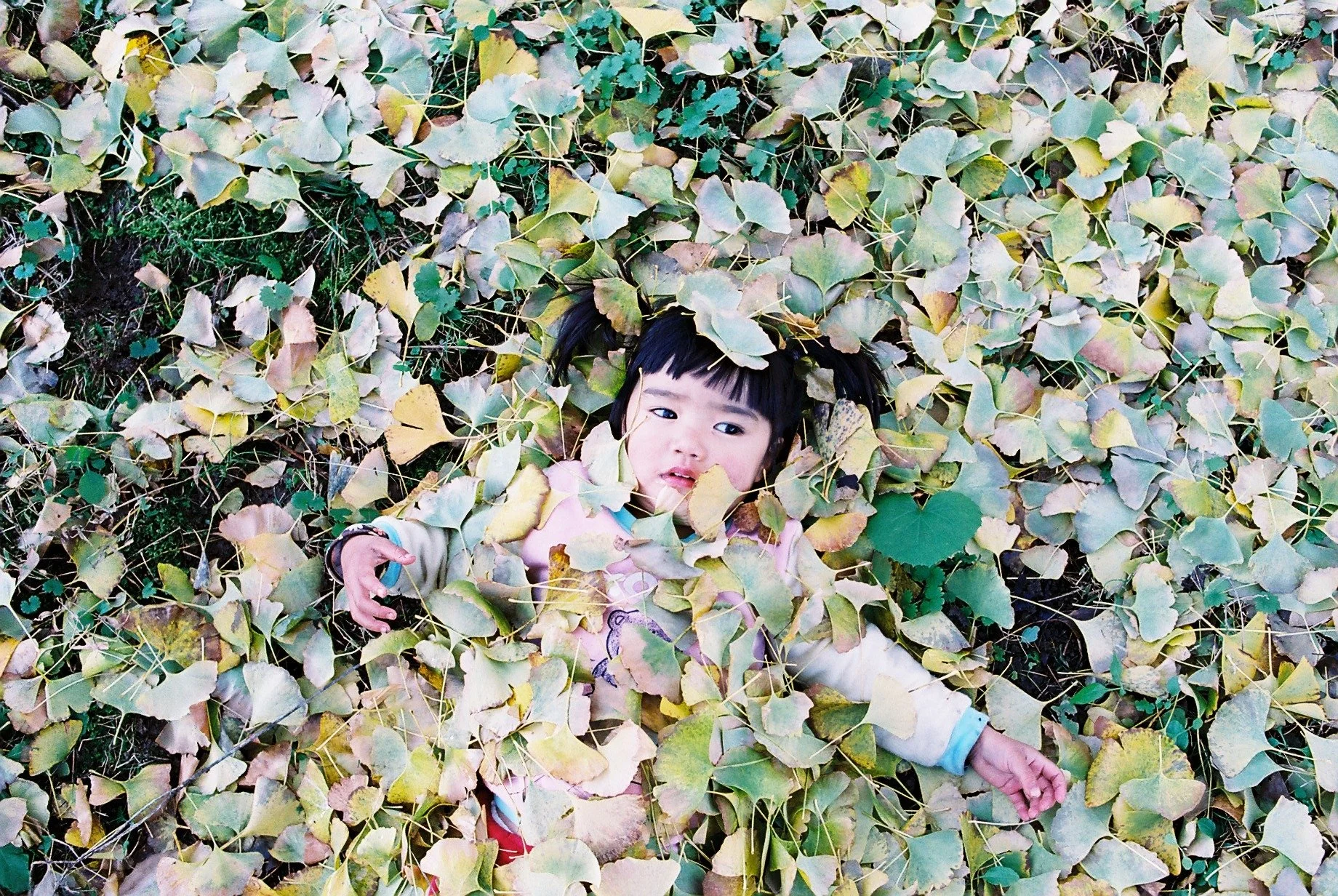
For Kotori Kawashima, one stay at a little girl’s home on Sado Island turned into a year of photographs.
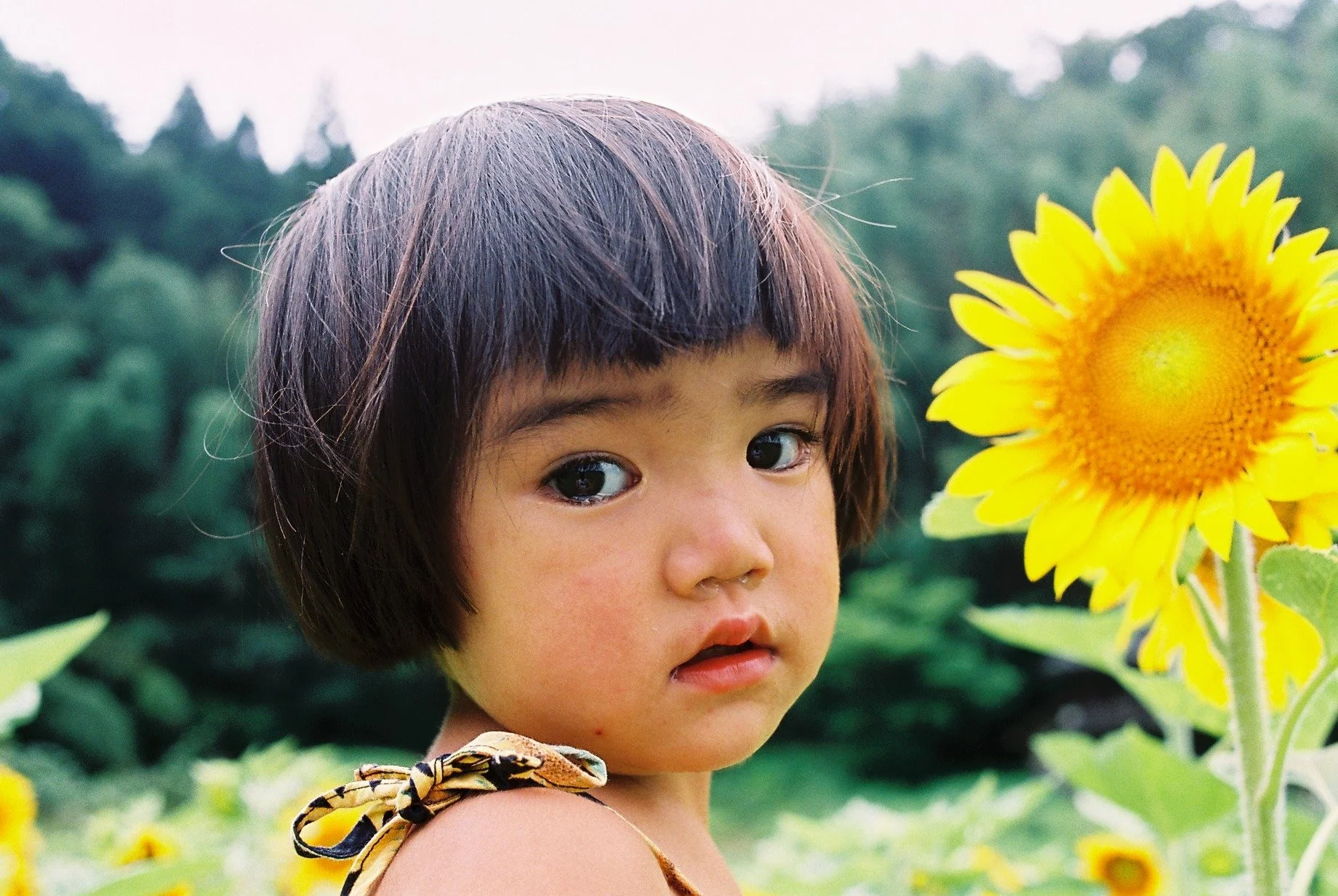
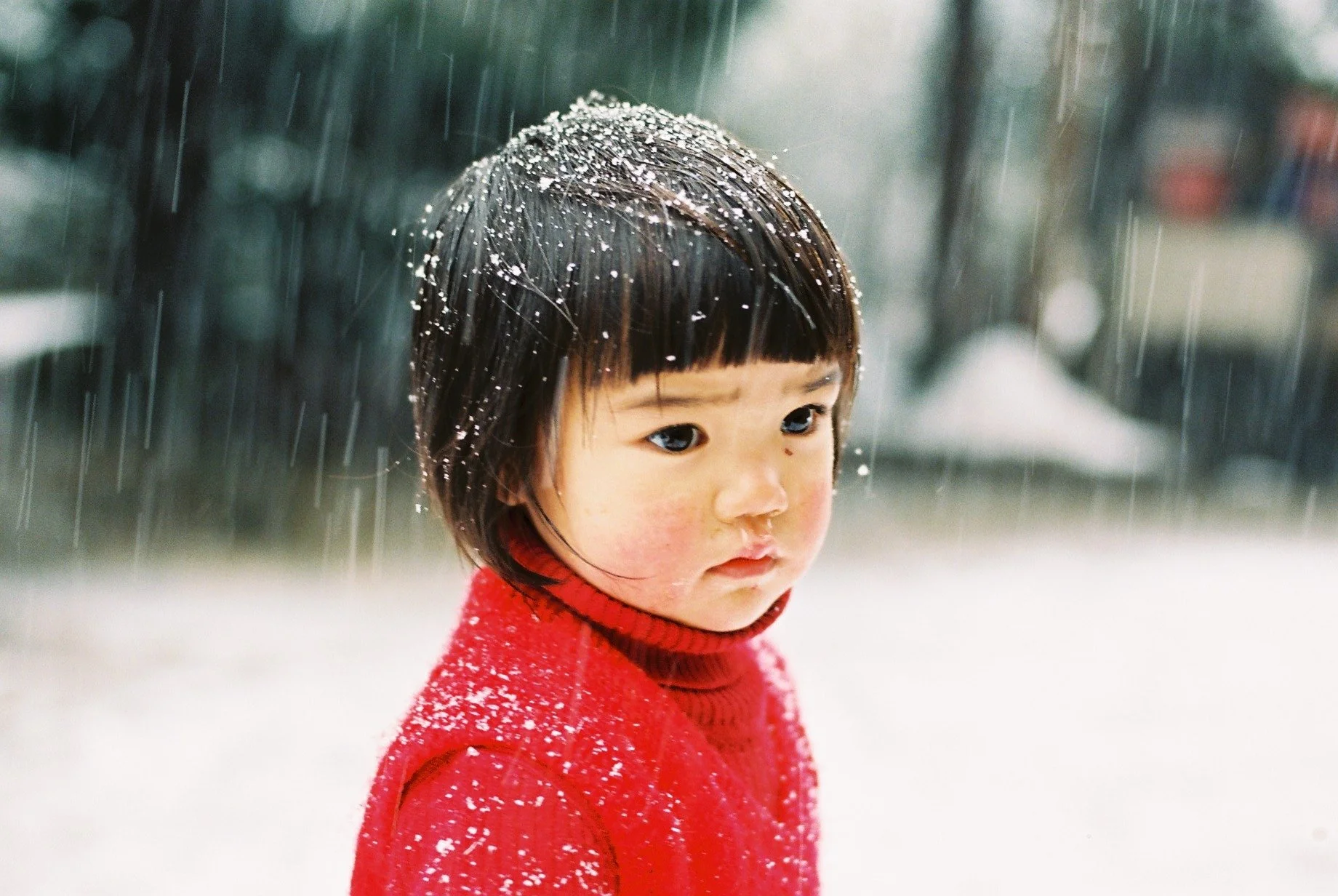
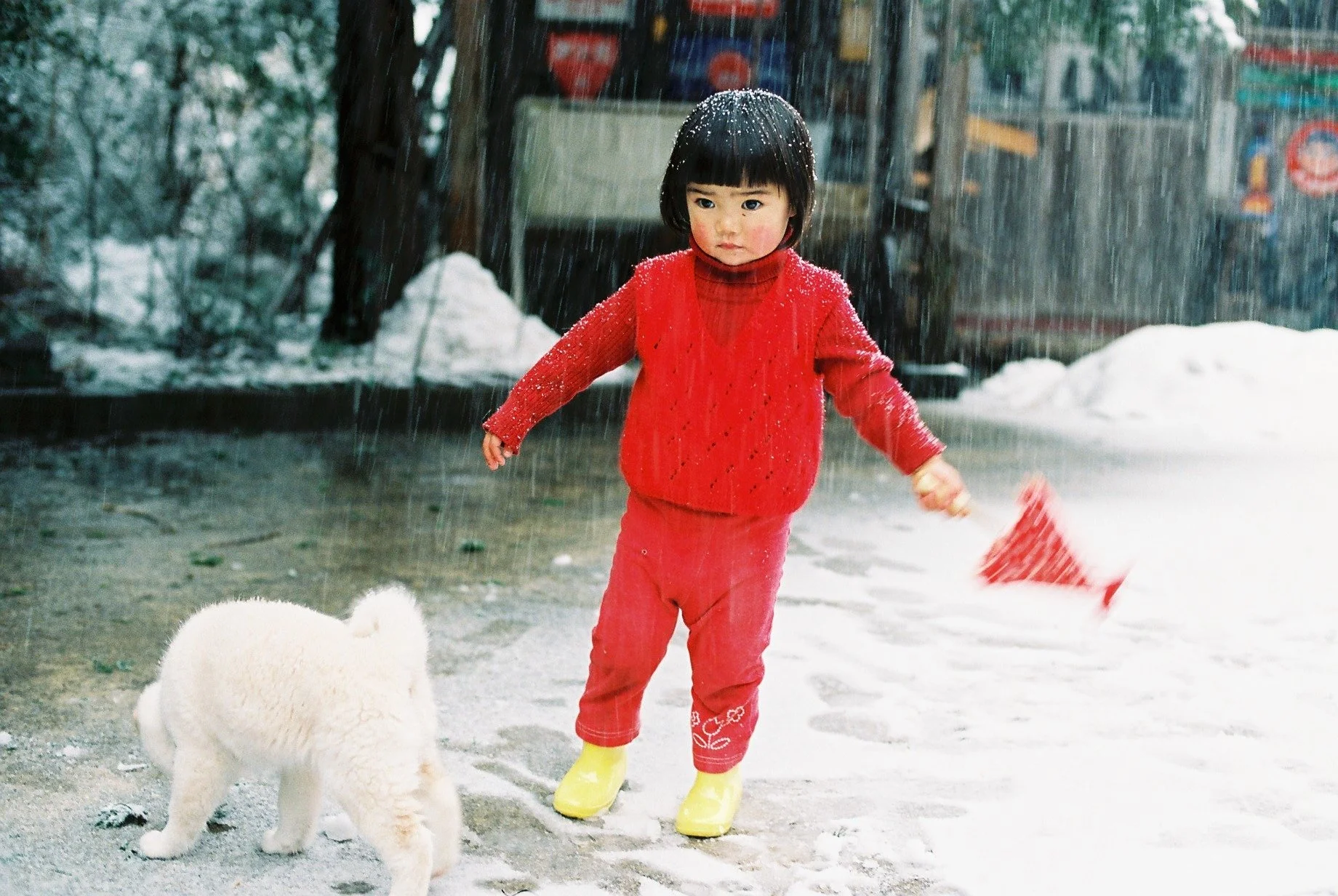
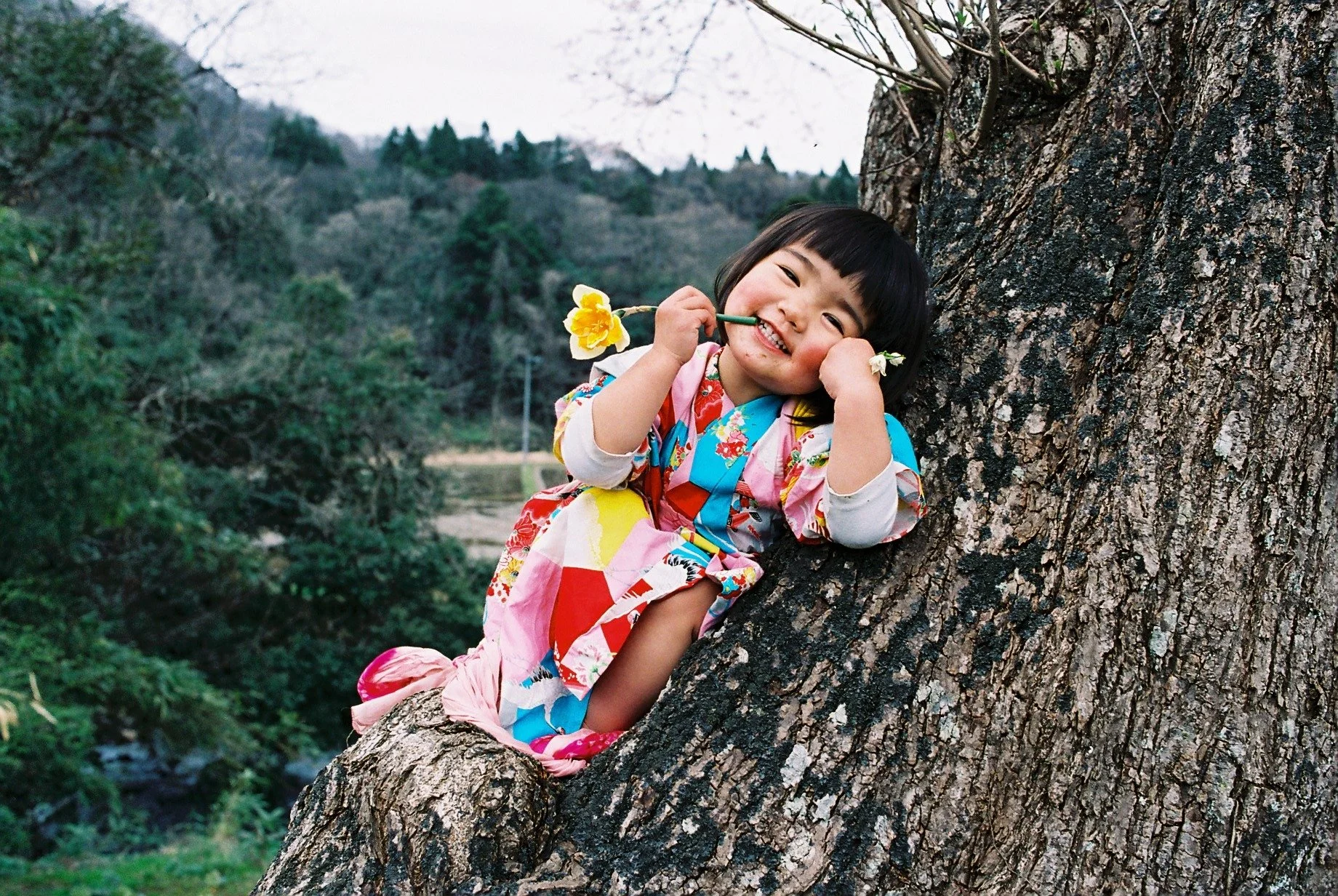
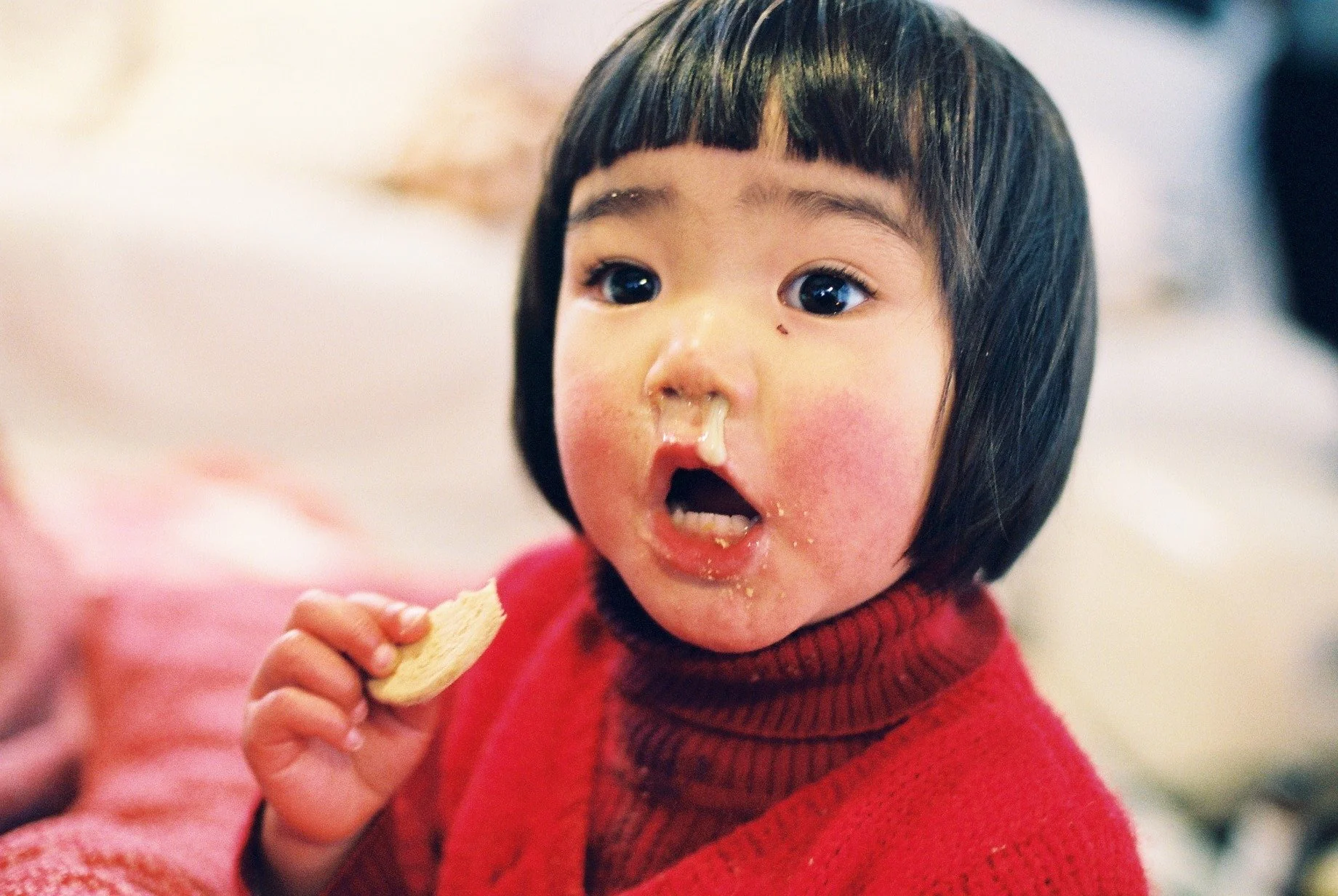
When he developed the pictures from his first visit, he was struck by Mirai-chan’s energy and strong gaze. He decided to photograph her for a whole year. Kawashima lived with the family, ate with them, heated the bath and went to local festivals. The book begins with snow and ends with snow. First published by Nanarokusha in 2011, Mirai-chan sold 130,000 copies.
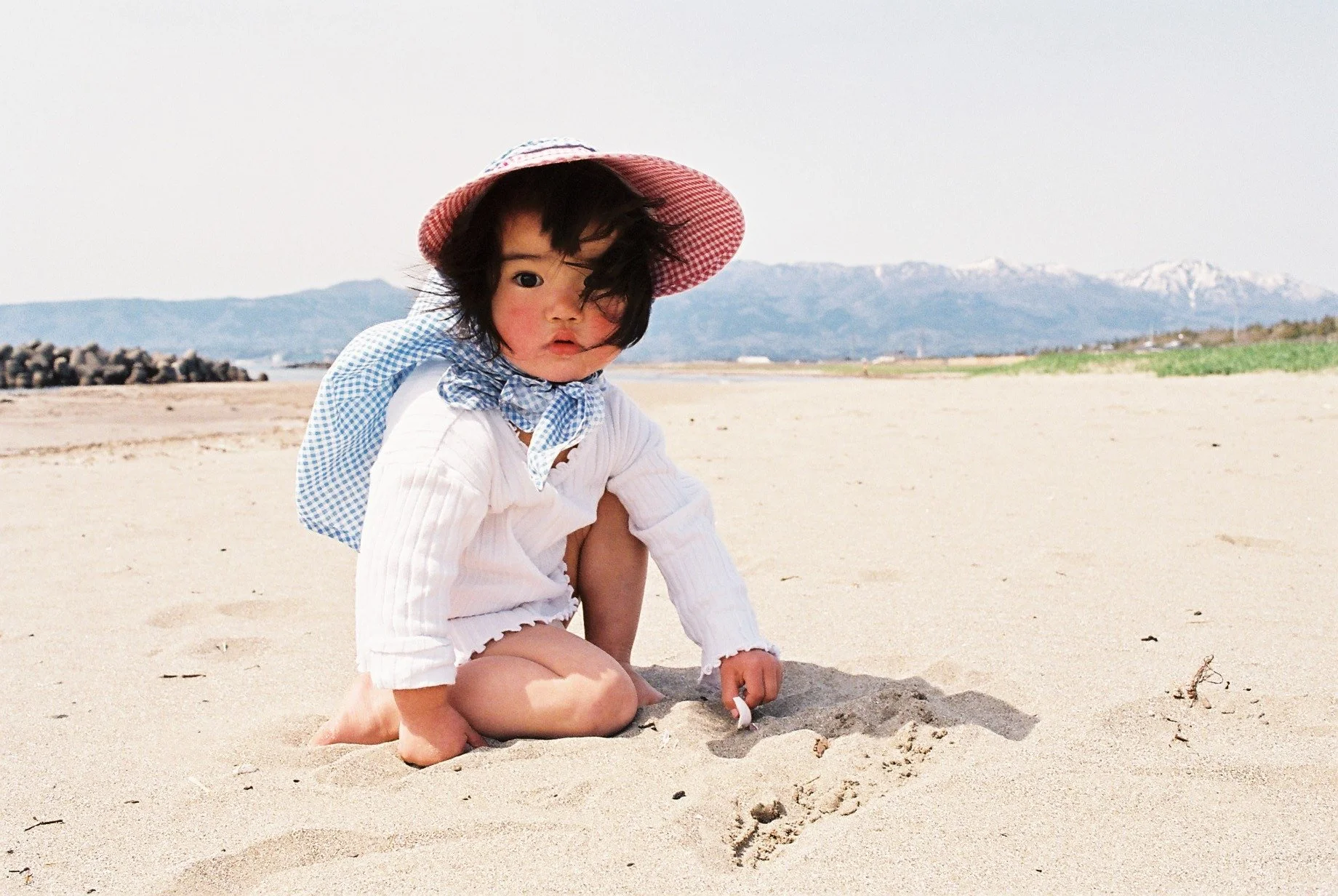
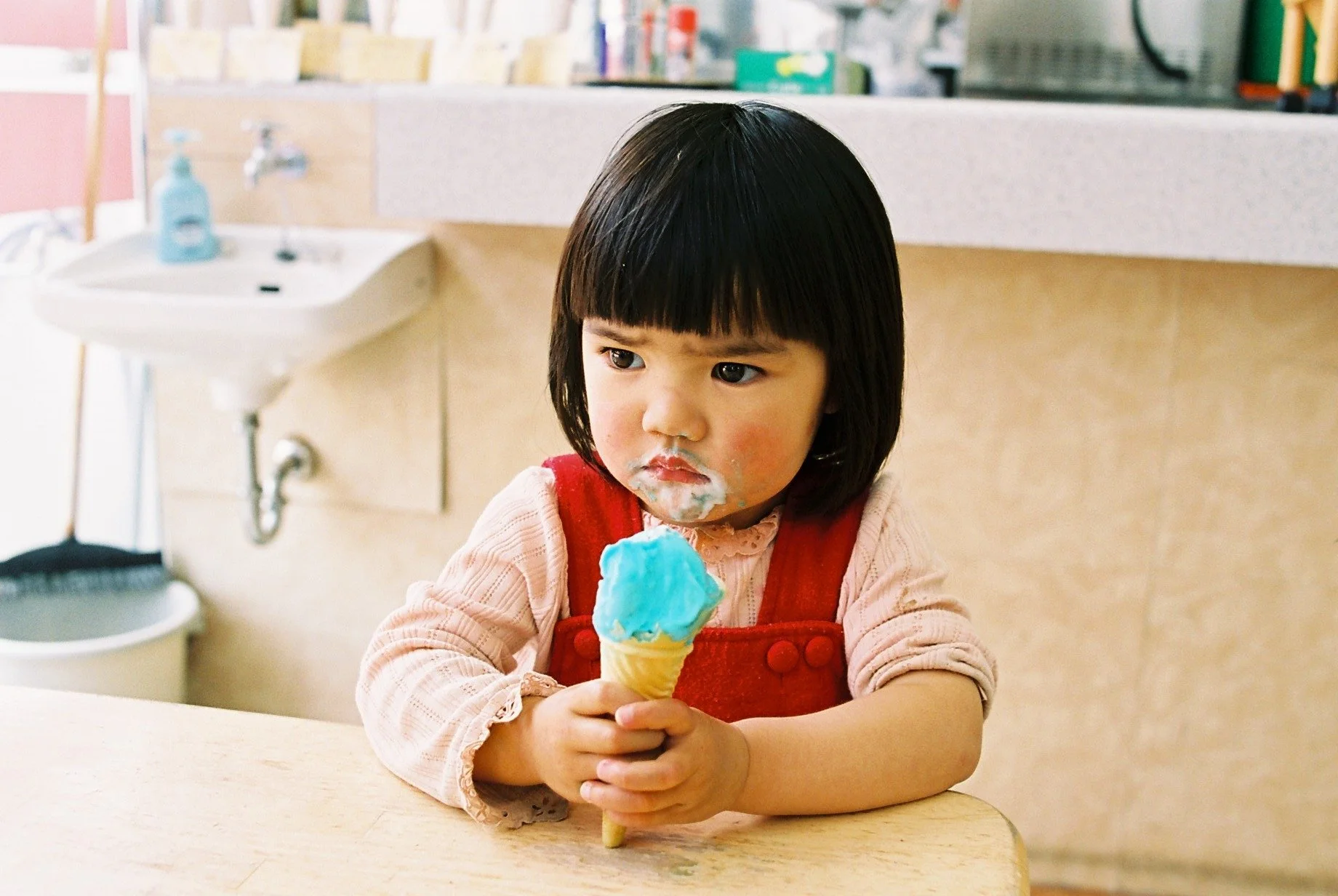
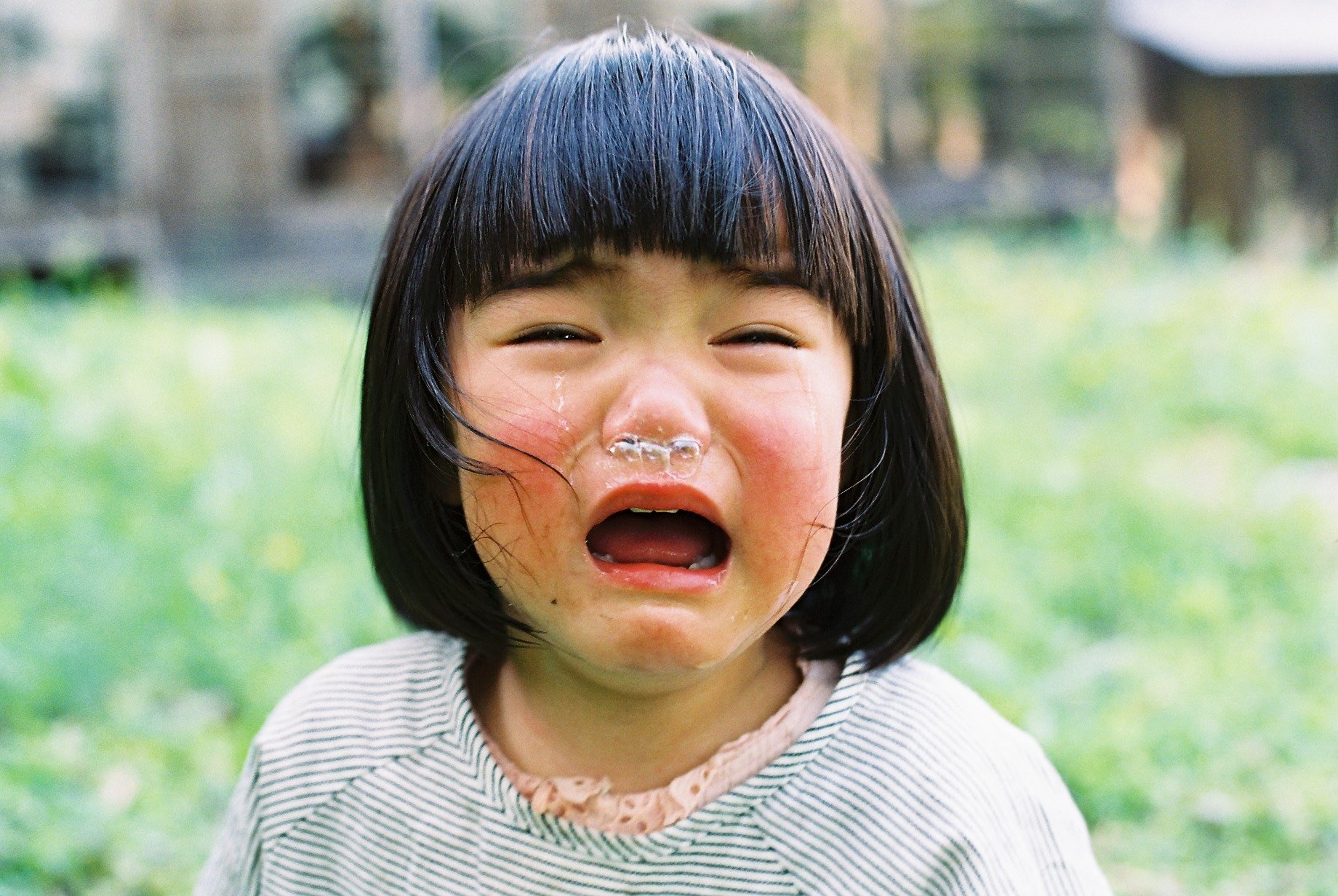
Mirai-chan never acted for the camera.
At that age, she had not yet learned what it means to be photographed. When Kawashima raised the camera, she often simply ran away. Later, Kawashima chose the pictures by intuition and left out anything that tied a photograph too clearly to the present day. A new edition in 2024 added six photographs that were not in the first book.
Kawashima talks about the moment the photographs became a project, why Mirai-chan feels like his hero, how he chose and ordered the pictures, and what that year still teaches him about photographing people.
The Book
Mirai-chan
Nanarokusha · 2024 · 208 pages
Mirai-chan follows one year in the life of a young girl on Sado Island, from winter to the next winter. Kotori Kawashima lived with the family while he made the photographs. First published in 2011, the book sold 130,000 copies.
The 2024 new edition adds six photographs that were not in the first edition, with new printing and binding. The book is designed by Shin Sobue and Tomoka Ono (cozfish).
Beginnings: Before Mirai-chan became a book, it was a body of work made from the time you spent photographing one child. At what moment did you feel these photographs were turning from a personal record into a single work?
The first time I stayed at Mirai-chan’s home and photographed her, I was drawn to her overwhelming life force and her strong gaze. When I developed those pictures, the inspiration came to me: I would photograph her for a whole year and turn it into a body of work.
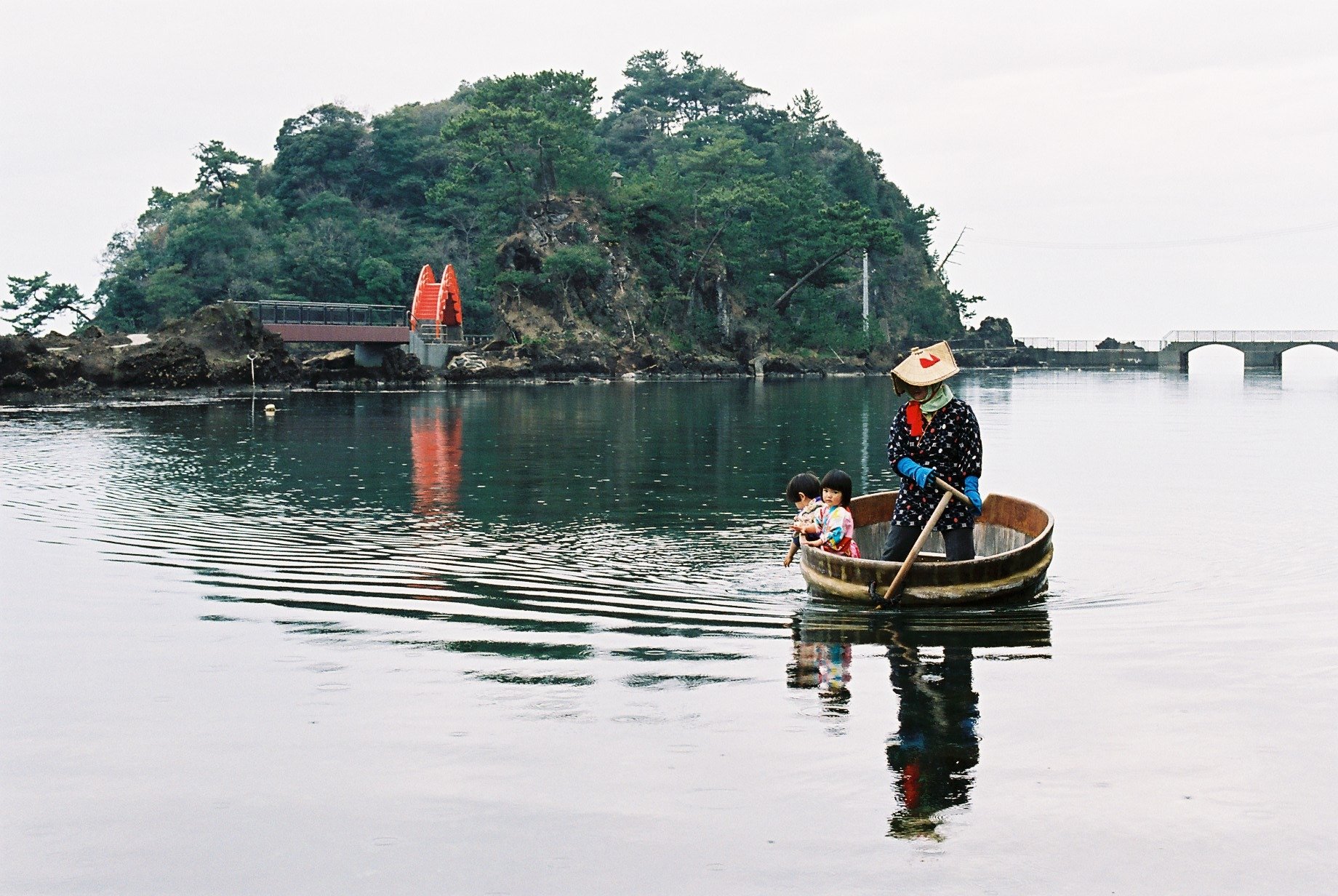
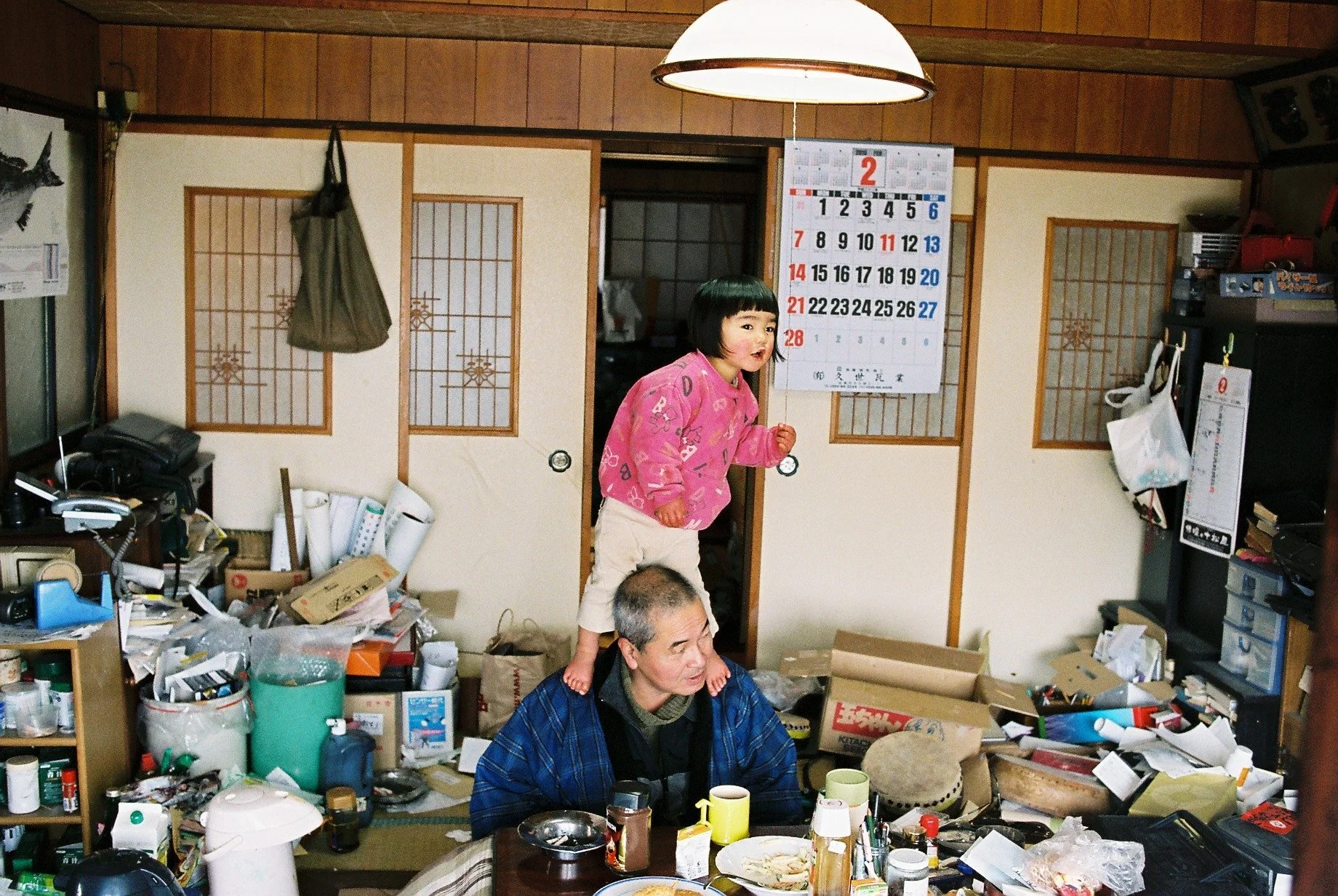
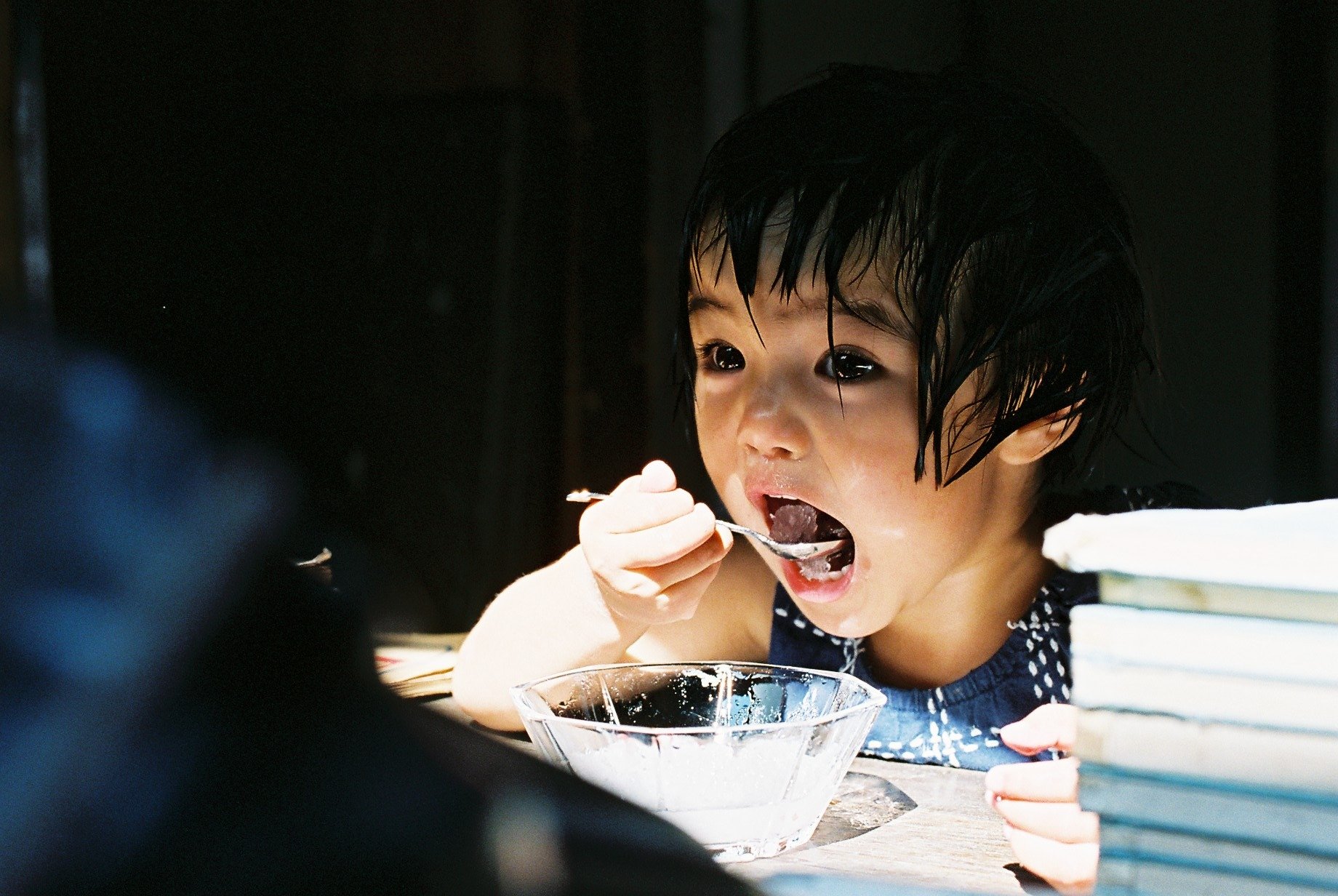
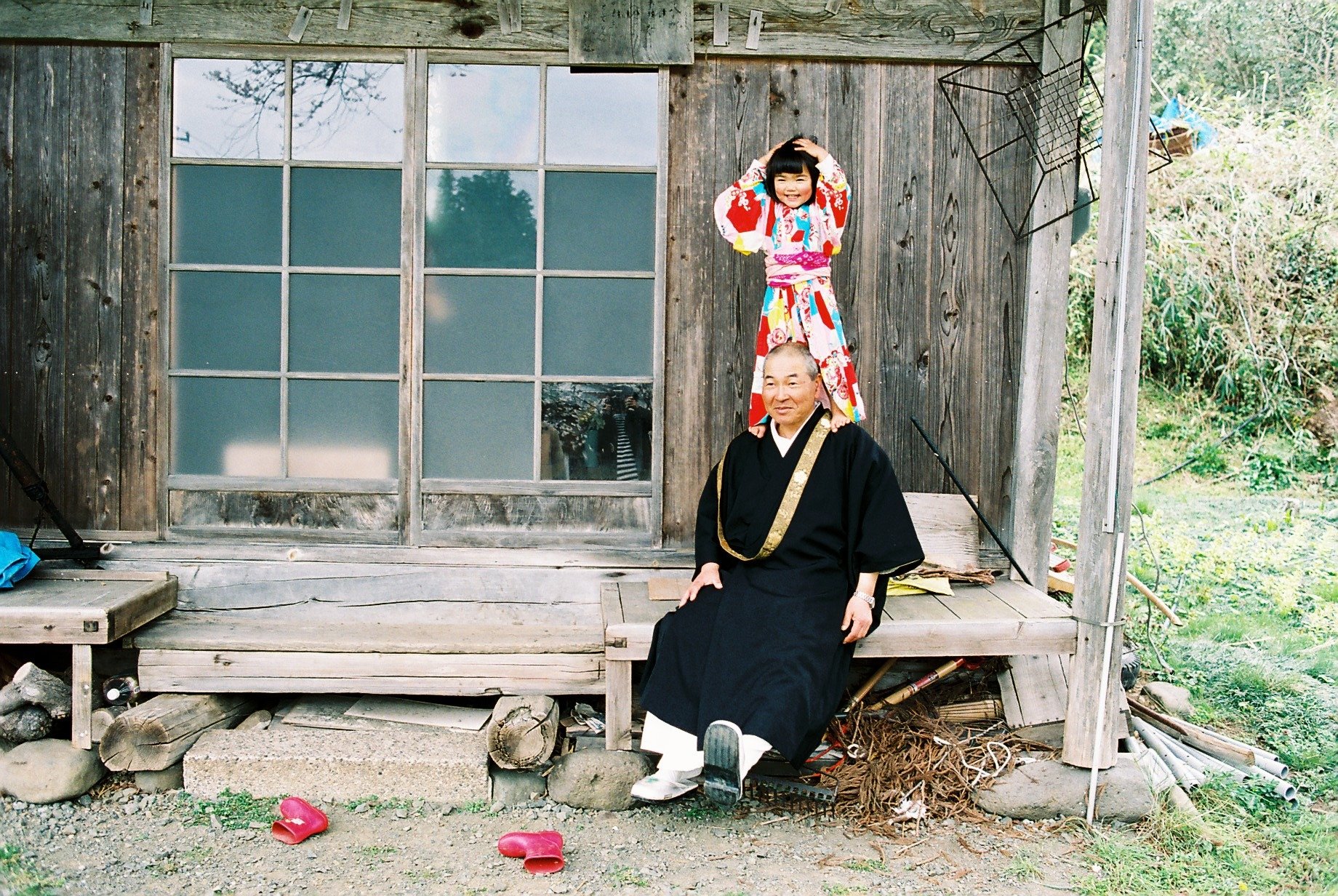
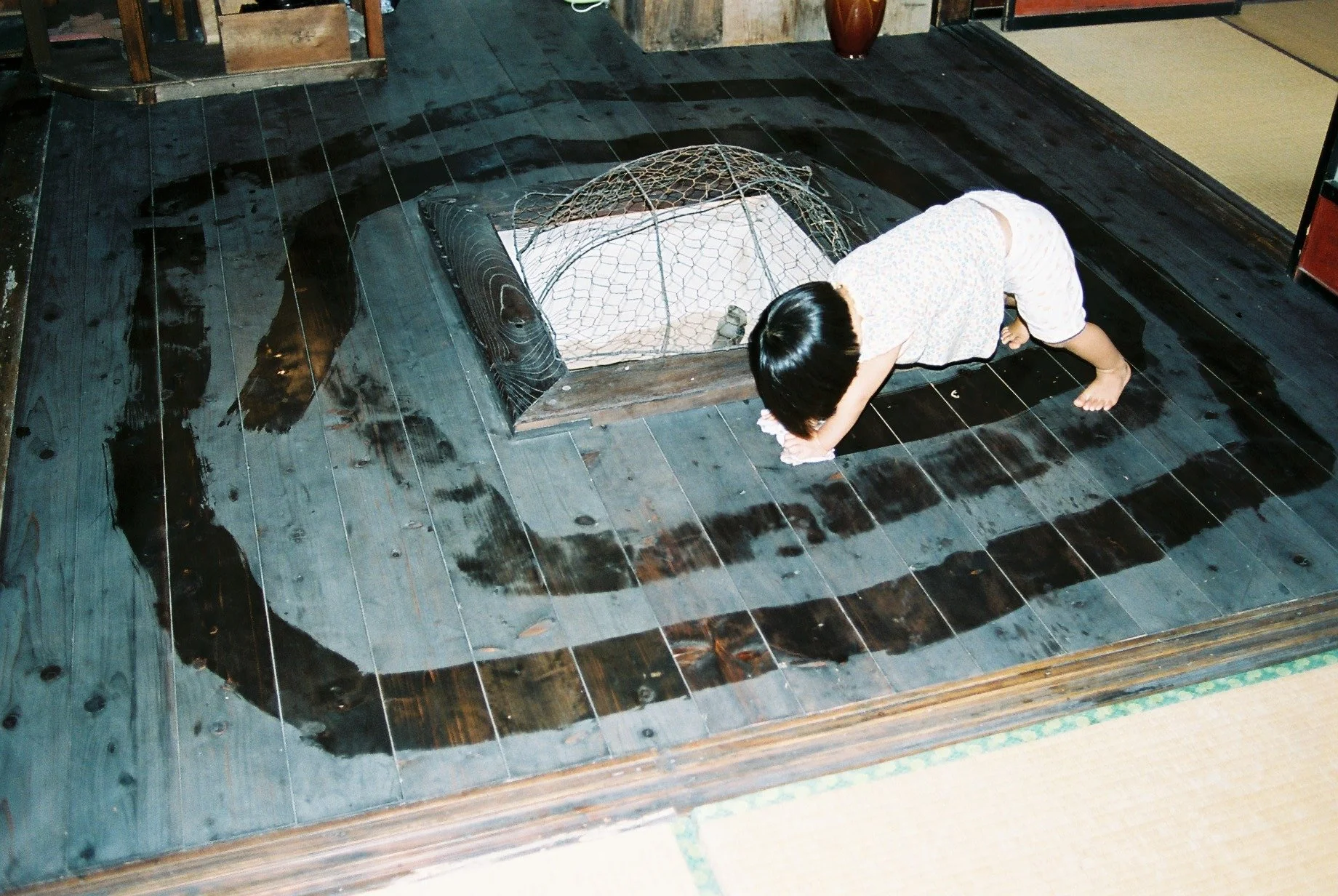
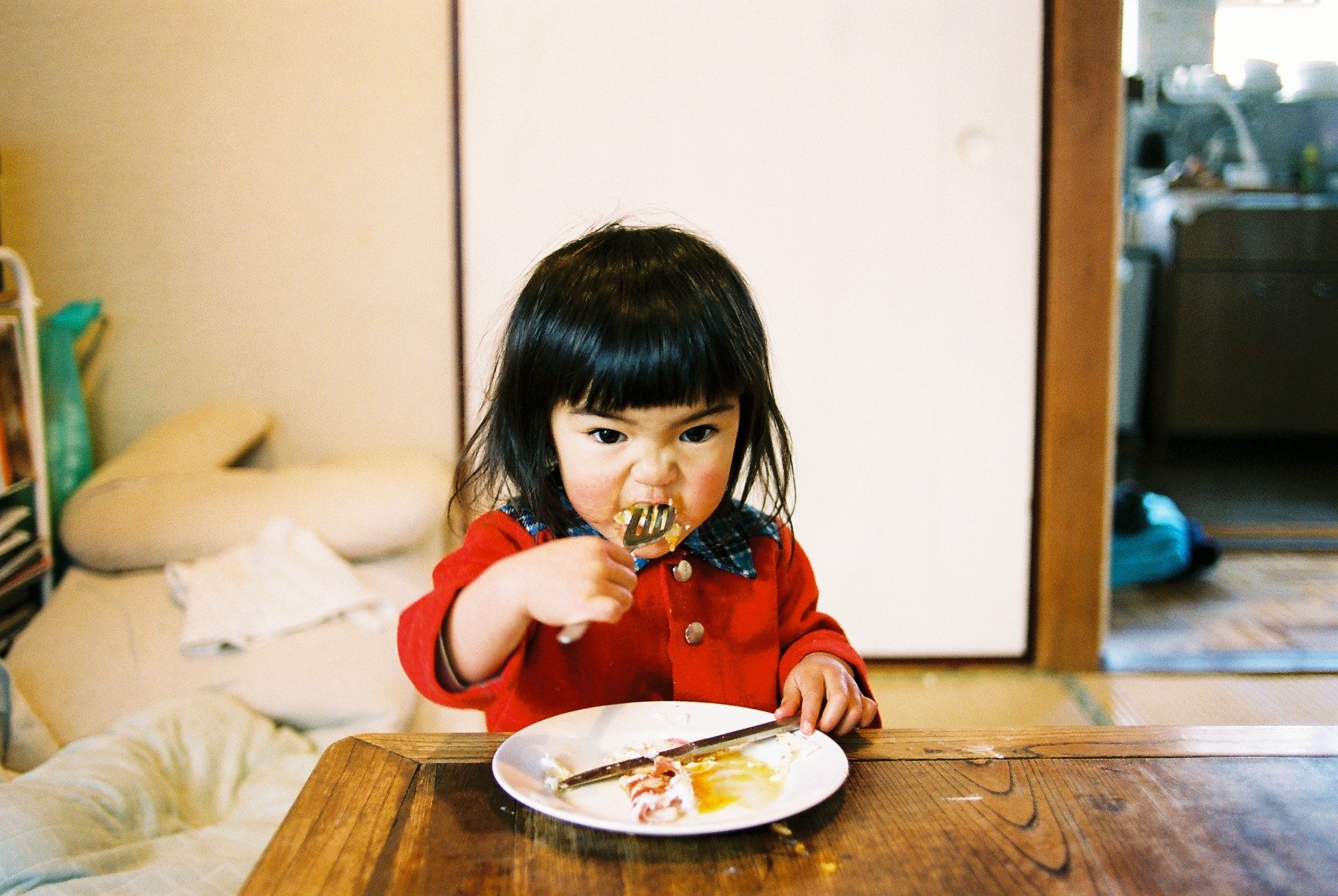
But I didn’t want it to be just a record of one child. I wanted to make work about human feelings, like honesty, kindness and beauty. I also wanted to show the culture and customs that still remain in the Japanese countryside, and everyday life as the seasons change. I stayed with her family at their home on Sado Island, where the work is set. We ate together, slept, heated the bath and went to festivals. Those days were precious and fresh for me as well.
Trust: Children often behave differently once they notice a camera. What helped Mirai-chan stop paying attention to it?
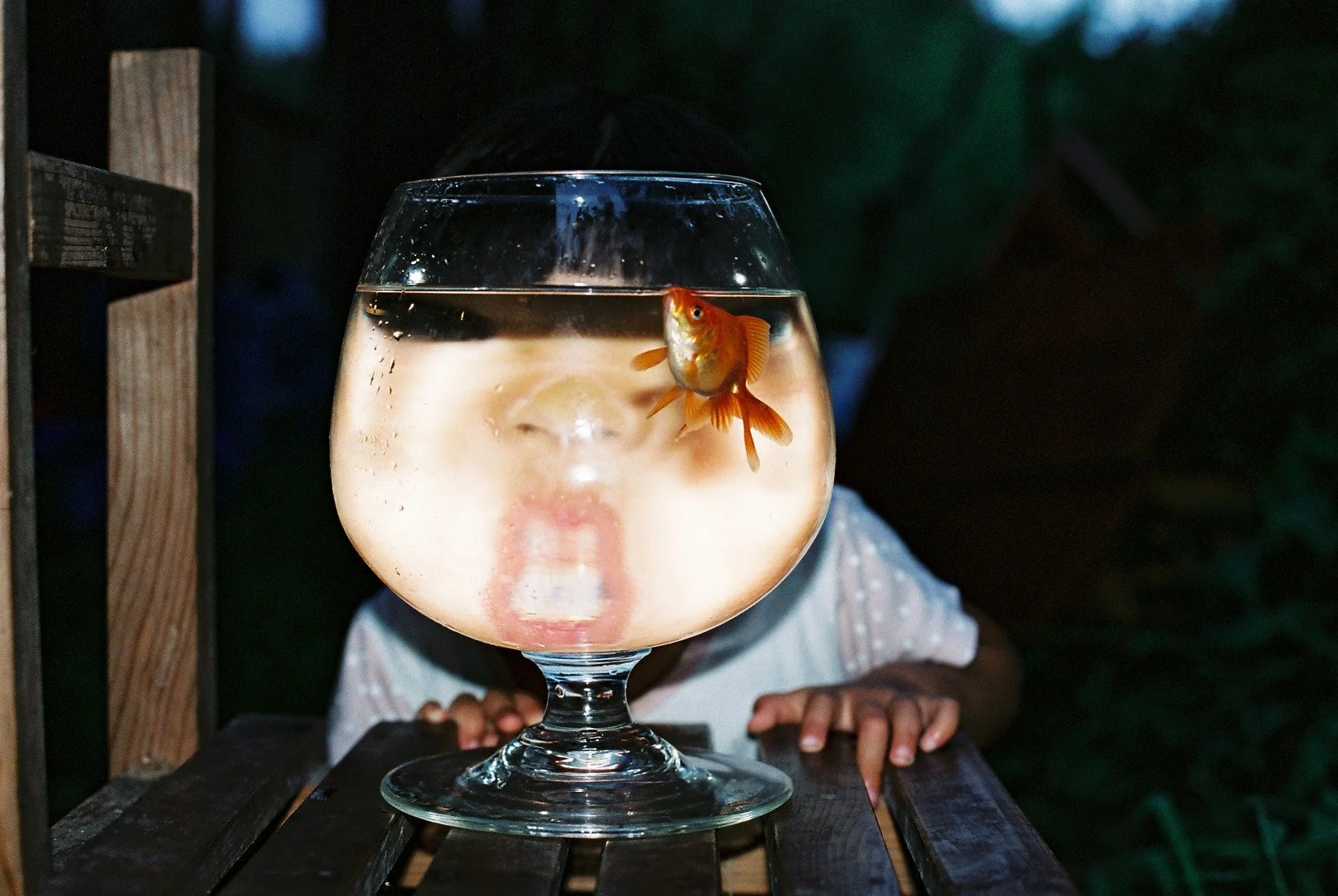
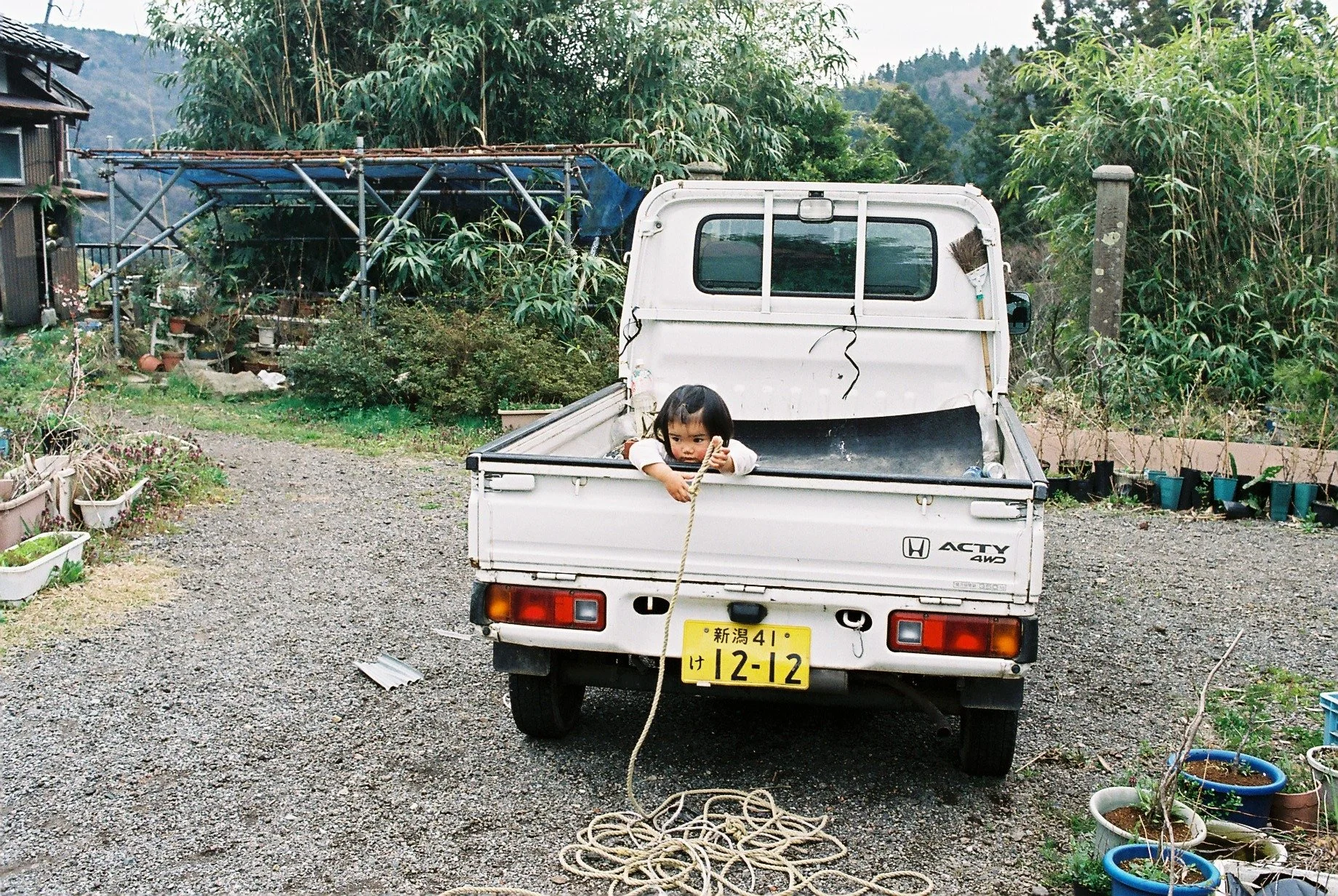
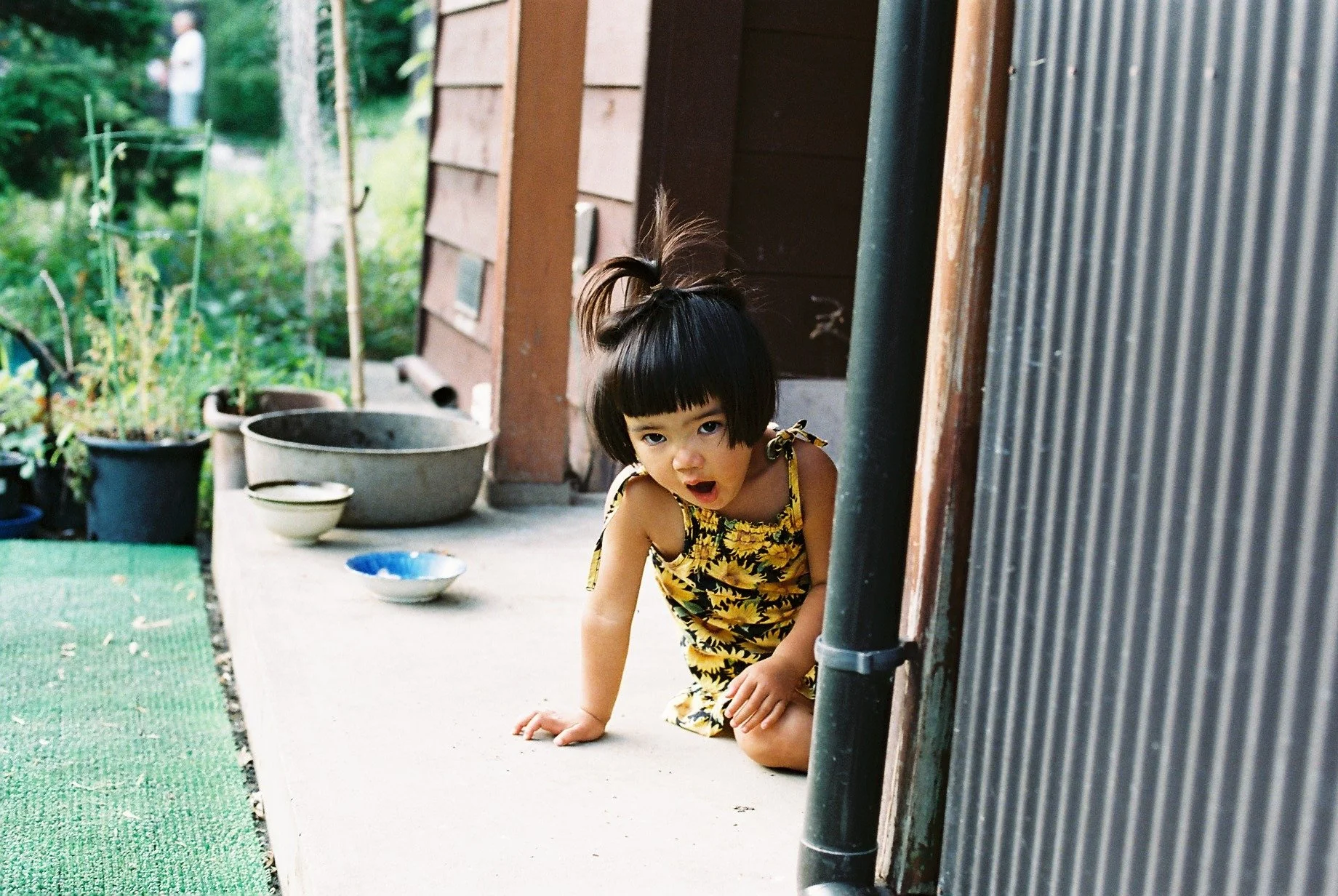
Luckily, at that time she had not yet learned what it means to be photographed, so she didn’t pay much attention to what I was doing. More often, when I tried to take a picture, she would simply run off somewhere. She was like a little wild animal. For me, it was a thrilling experience.
Capturing Personality: The photographs have many joyful moments, but even more, they show Mirai-chan’s own personality. How did you tell the difference between a funny moment and a moment that shows who she really is?
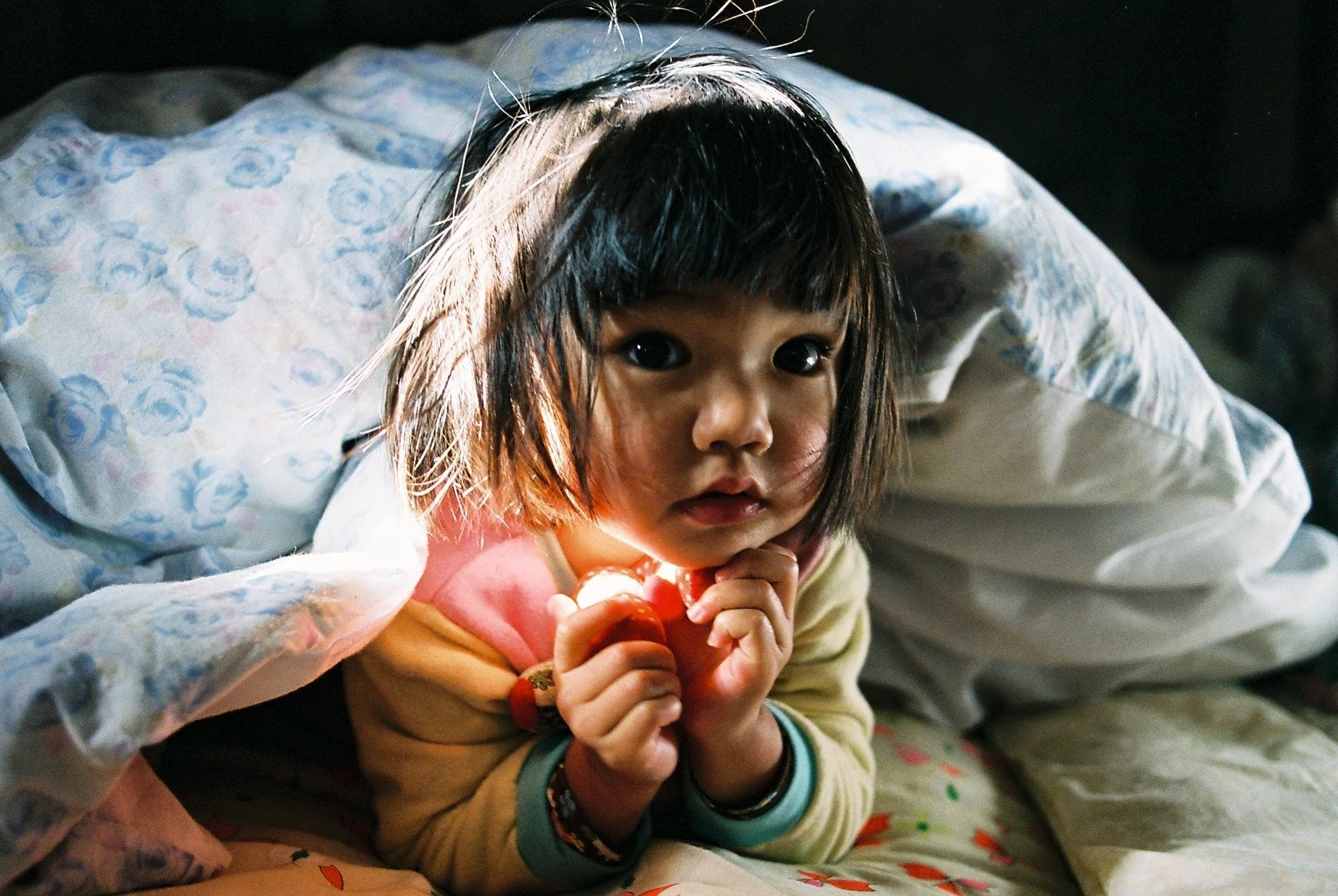
Mirai-chan is something like a hero to me. She gets angry when she wants to be angry, cries with her whole heart when she cries, and then she laughs. She lives purely in the moment. Now that I am an adult, that is a virtue I would like to get back. I hoped the work would help people who see it feel that expressing honest emotions like that is something beautiful.
Getting back to honest emotions: You said you wanted to photograph human emotions such as honesty, kindness and beauty, rather than record one child. Is there one photograph where you feel this idea comes through most clearly? Why was that moment special?
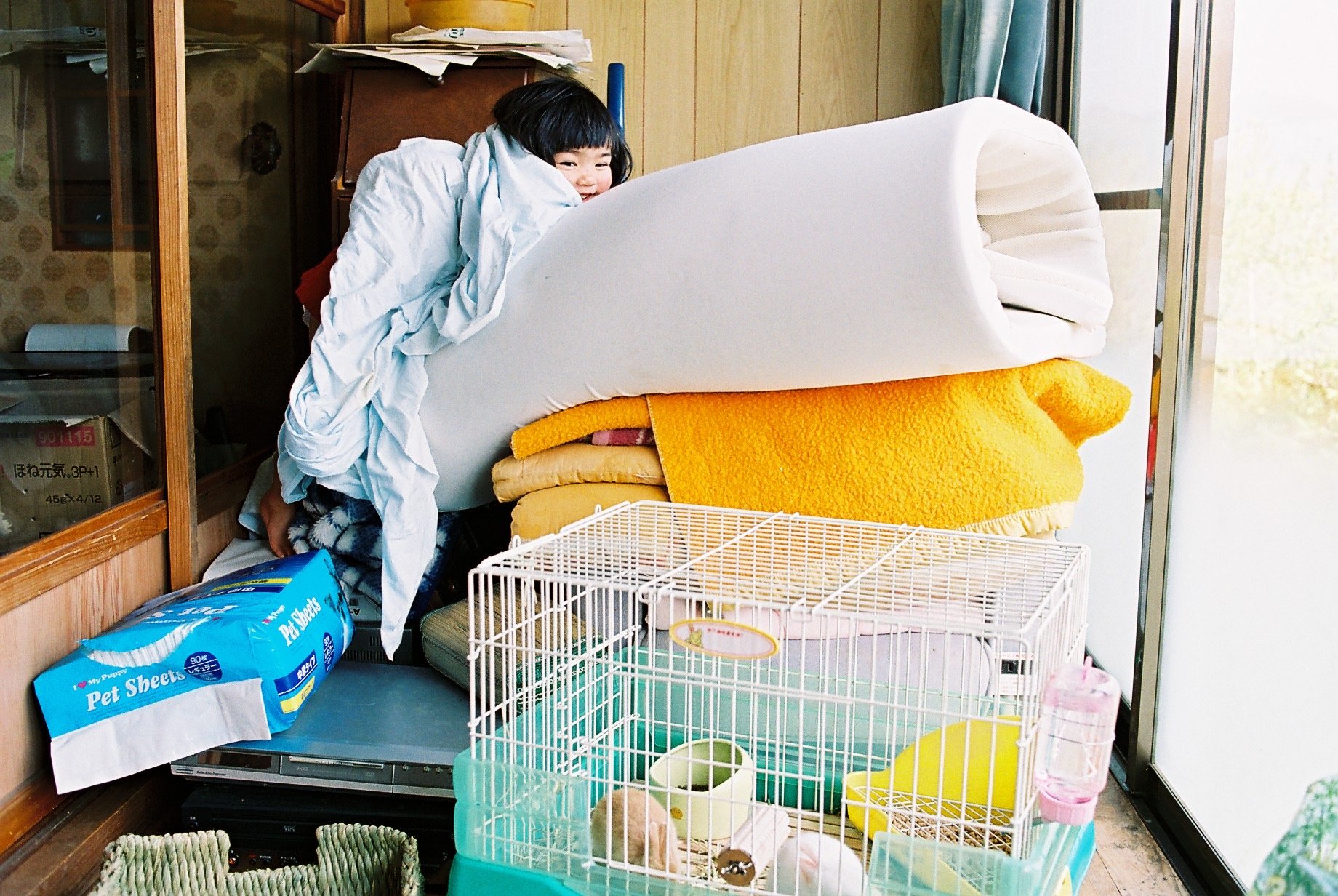
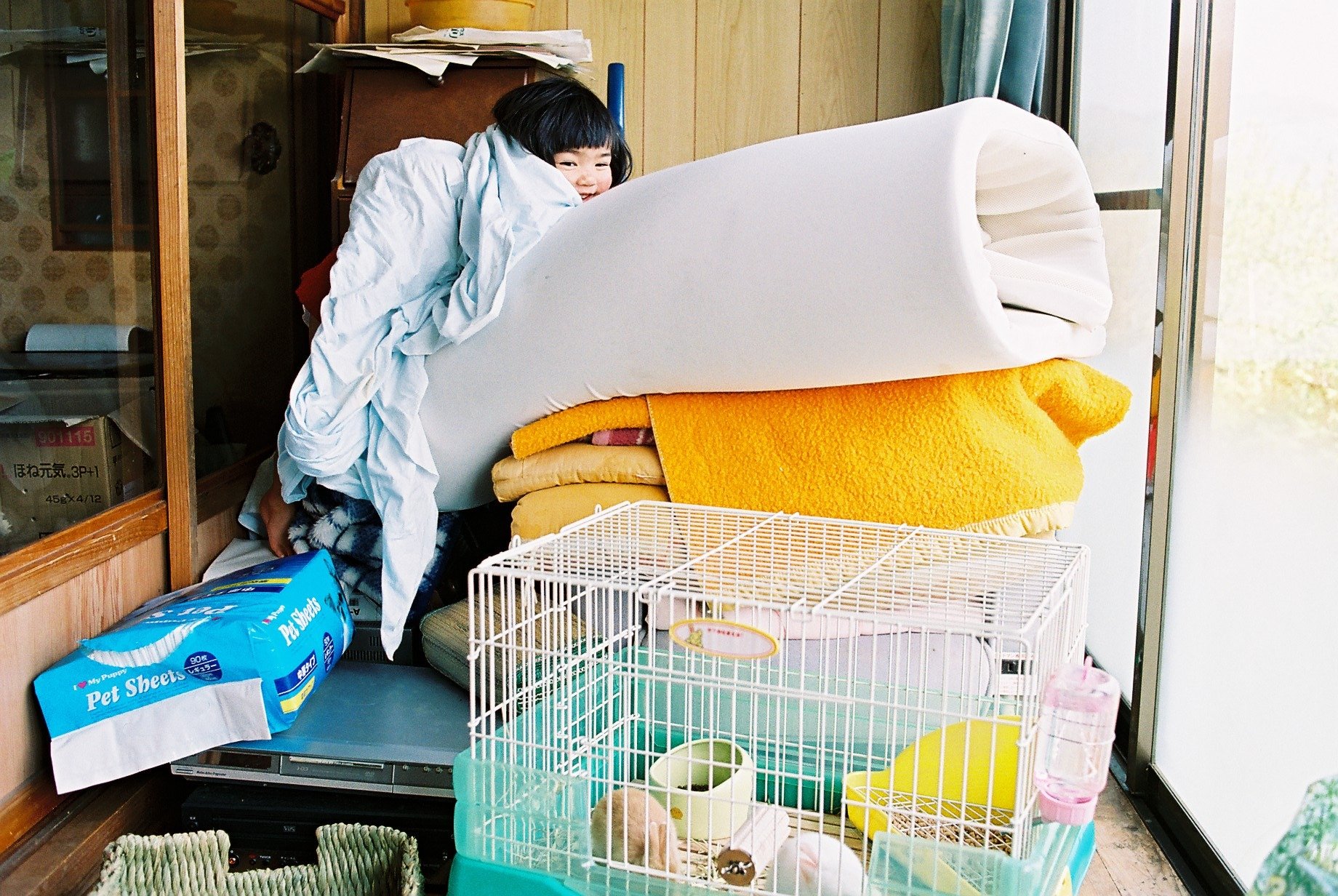
It’s hard to choose just one photograph, but the one that came to mind is Mirai-chan smiling, wrapped up in a futon, with the rabbit. It reminds me that fun and joy can be found in the most ordinary things, like wrapping yourself up in a futon that just happens to be there.
Capturing Movement: Mirai-chan is always moving: running, climbing, laughing, playing. How did you capture that energy while keeping the stillness and simplicity that runs through the whole book?
Mirai-chan, her family and their life close to nature, far from the city, gave me energy. I grew up in Tokyo, so this way of life, which might look old-fashioned at first, felt completely fresh to me. In fact, it felt like the cutting edge of our time, and it was wonderful for my well-being.
Returning Again and Again: You photographed Mirai-chan not just once, but over a long time. How did returning to the same place change the way you photographed and saw things?
I was moved by how much a child changes from day to day between the ages of two and three. Everything was a new moment and a new experience for her. Spending a year with her gave me a chance to look at the world and at time with fresh eyes too. The way she changed, the way nature changed, the seasonal festivals: each of these moments would happen only once. So I photographed as hard as I could.
Choosing Photographs: You must have taken far more photographs than the book contains. How did you decide which ones Mirai-chan needed, and which ones to leave out, even if they were good?
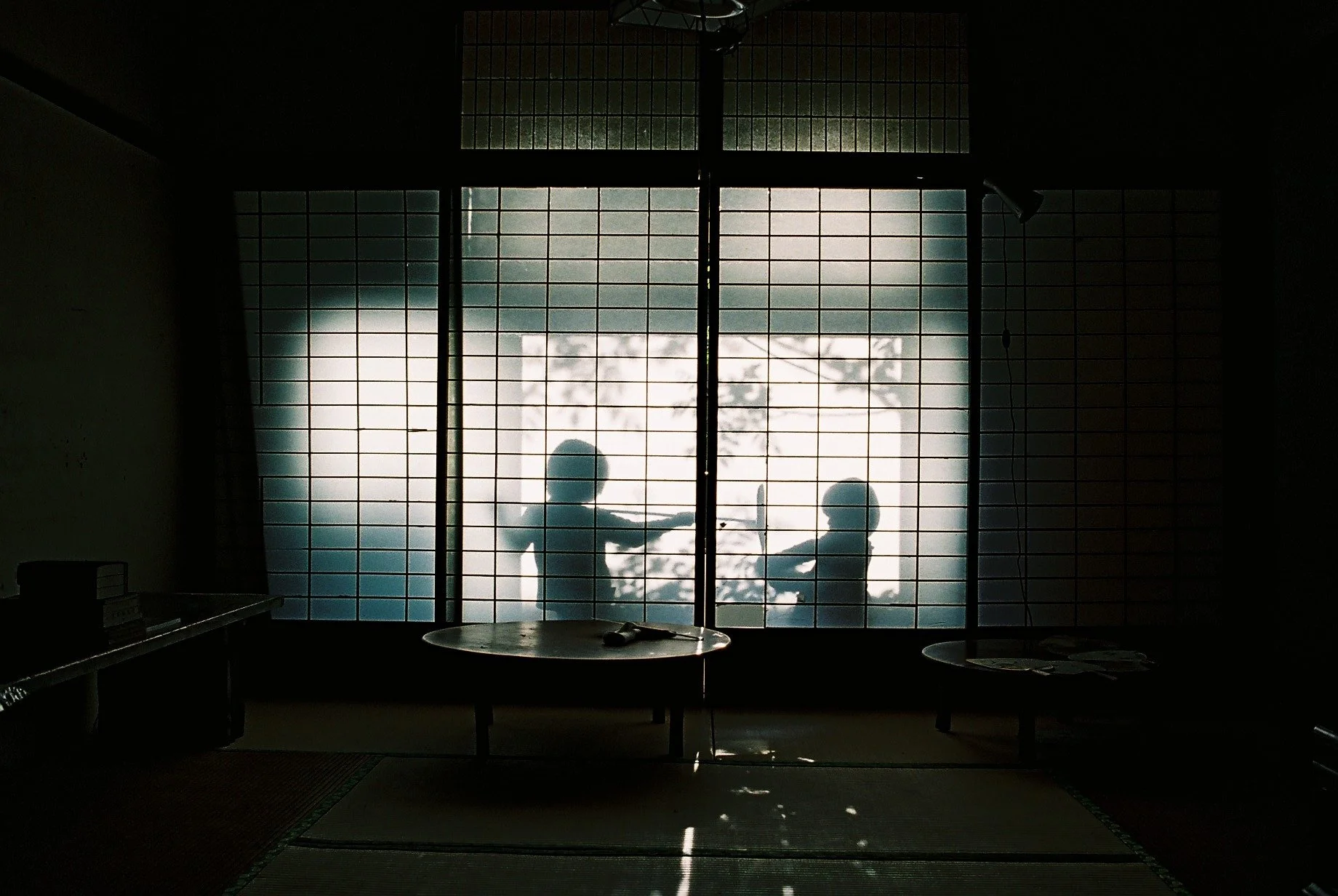
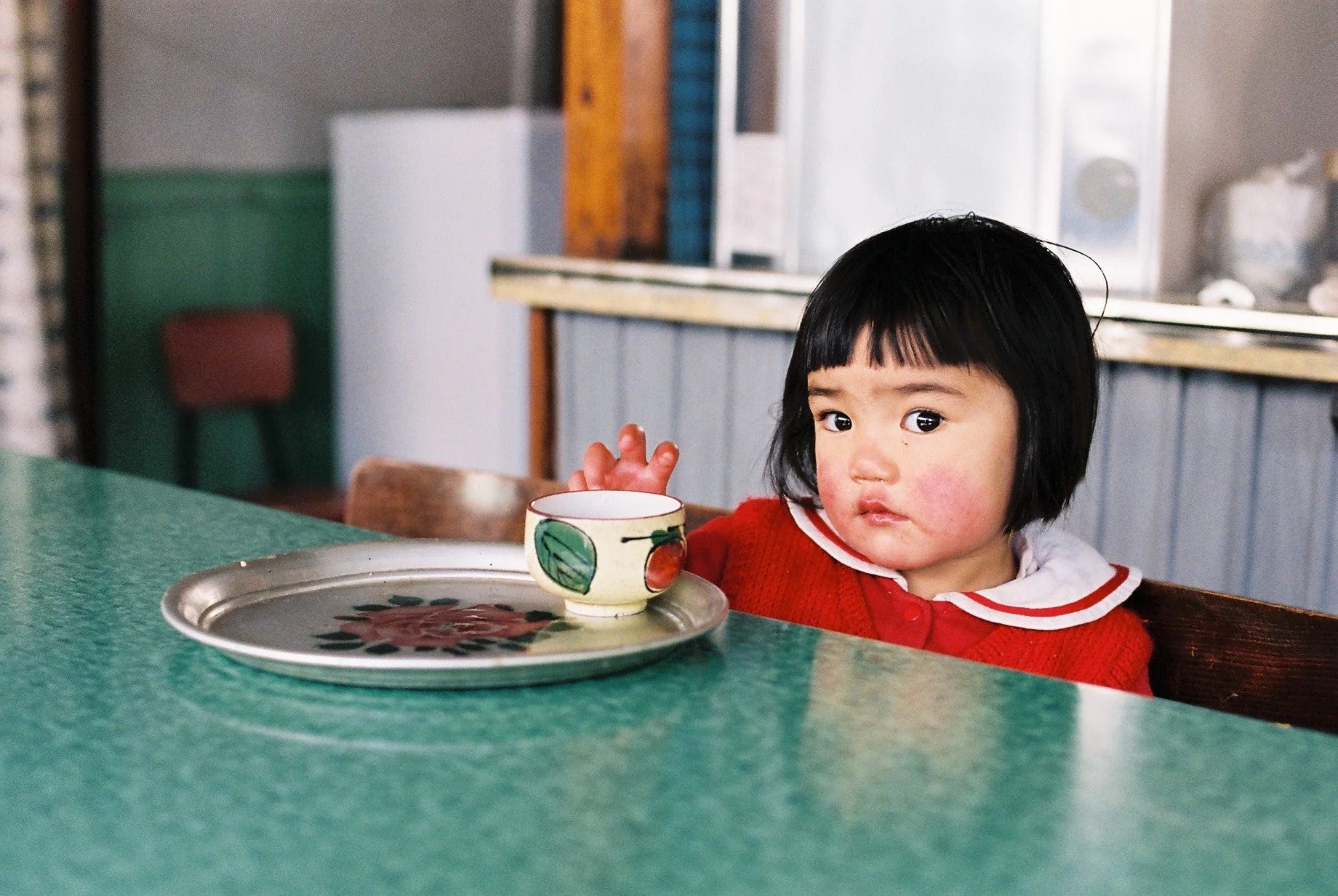
I had a picture of Mirai-chan’s world in my mind, and I chose the photographs by intuition. I wanted it to be unclear when they were taken. Is it now, the past or the future? Is it real or a fantasy? I looked for photographs that speak to the imagination, and I left out the ones that showed modern things too clearly.
Getting back to choosing photographs: You said you chose the photographs intuitively. Looking back now, is there something that most of the photographs in the book share? It can be something you could not put into words at the time.
A sense of wonder. Freshness, purity, joy, beautiful colors and surprise.
The Flow of the Book: Mirai-chan feels less like looking at single photographs and more like spending a day with her. How did you build that flow as you arranged the photographs?
Basically, it follows time. It begins in winter and ends the next winter. I chose which photographs to place side by side by intuition.
Getting back to the flow of the book: The book follows the seasons, but apart from that, was there a moment when you felt it had its own flow, that it had become one experience rather than a collection of photographs?
The book begins with snow and ends with snow. A year is a short time, but many things happen in it. The seasons come back to where they started, but a person has grown by a year. That is the fate of every human being and a reality we all live through. It also feels like a memory. I think the balance between that sense of reality and fantasy came out of the flow of the book as a whole.
Looking Back: More than fifteen years have passed since the first edition of Mirai-chan. What from the experience of making this work still shapes your photography today?
Meeting my muse, Mirai-chan, was a happiness I will treasure all my life.
Getting back to that year: You called your year with Mirai-chan a treasure for life. When you photograph people today, is there something you are still learning from that year, something you could not have learned any other way?
That you can’t control what happens, and of course you can’t make your subject do what you want. But if you don’t give up on the other person, and instead meet them with respect and love, beautiful connections and moments can happen, beyond anything I could imagine. And to look at the world and the future in a positive way.
We'd love to read your comments below, sharing your thoughts and insights on the artist's work. Looking forward to welcoming you back for our next [book spotlight]. See you then!
